Muckross Abbey, Image Gallery and History
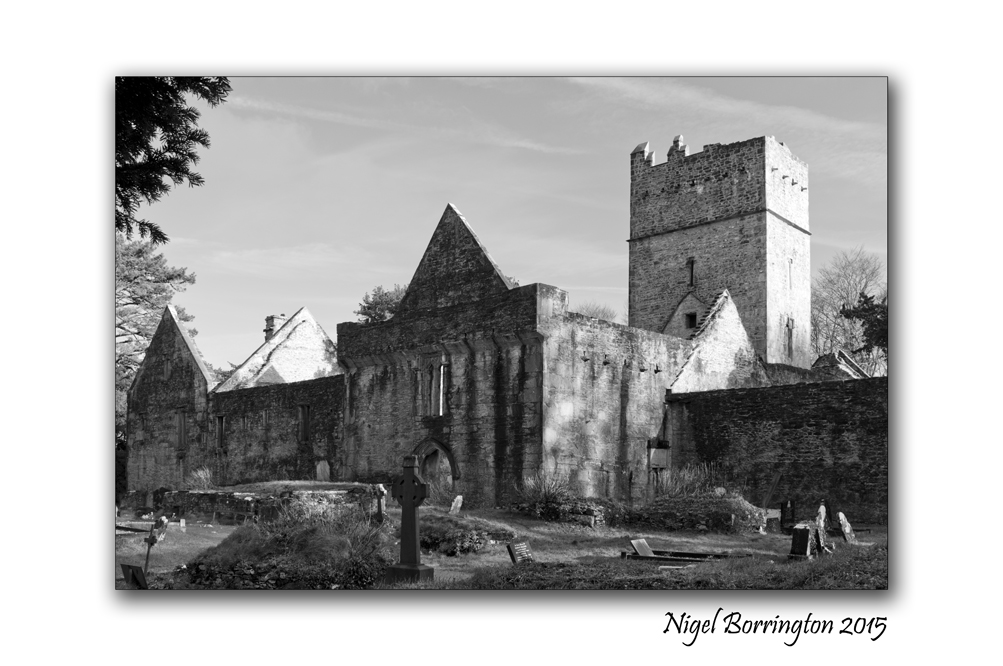
Muckross Abbey
Killarney National Park, Kerry
Landscape images : Nigel Borrington
Muckross Abbey
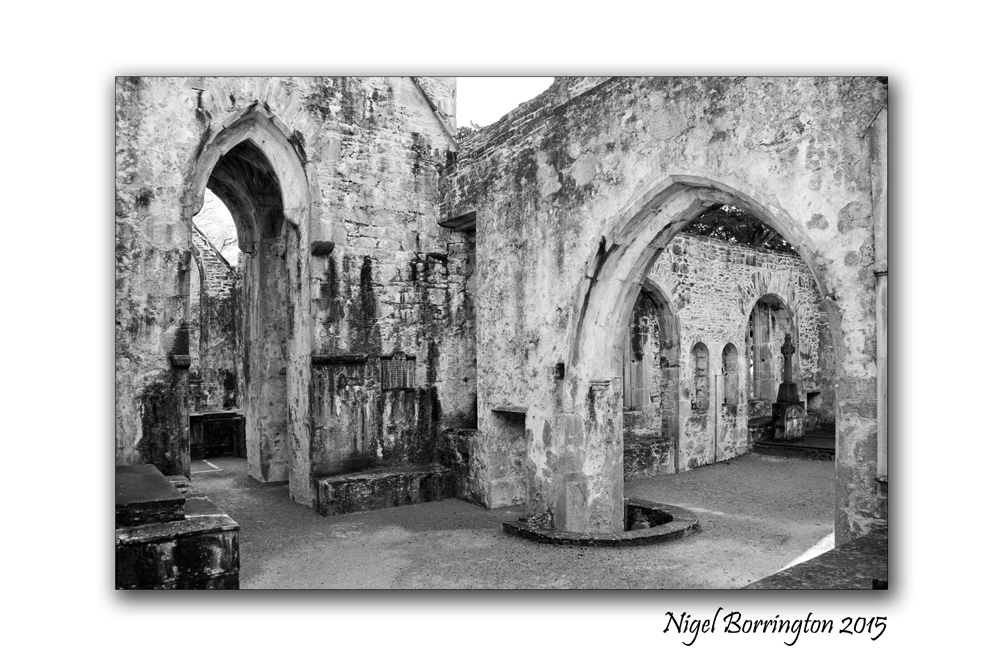
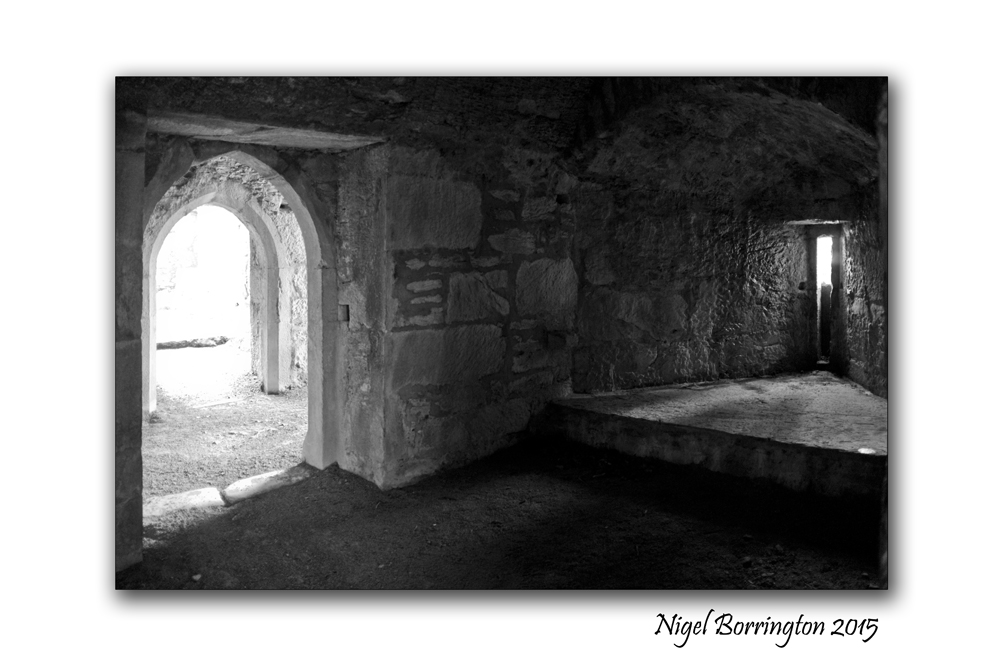
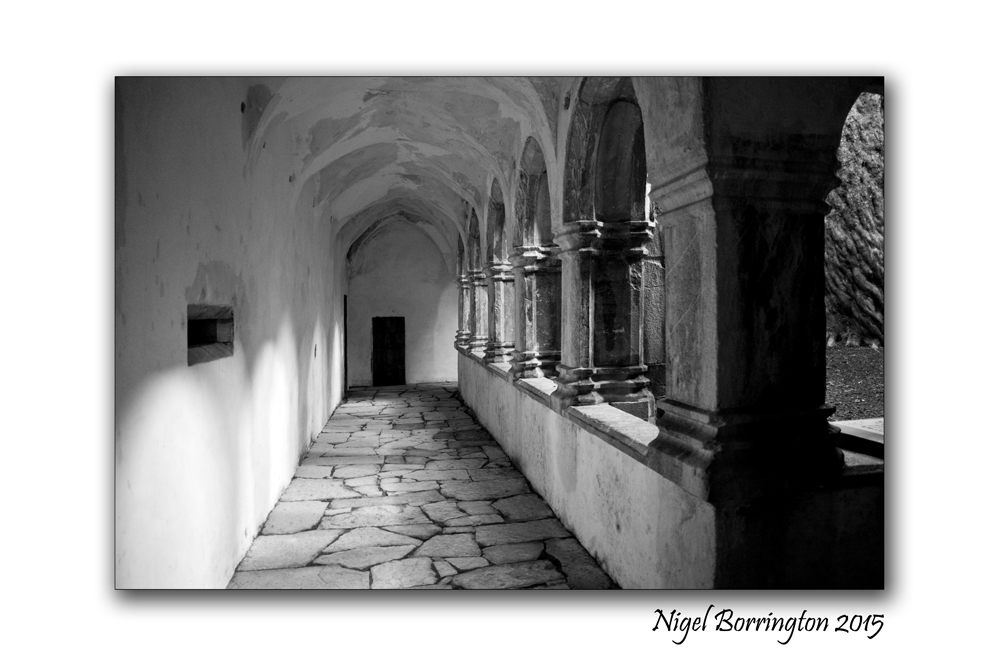
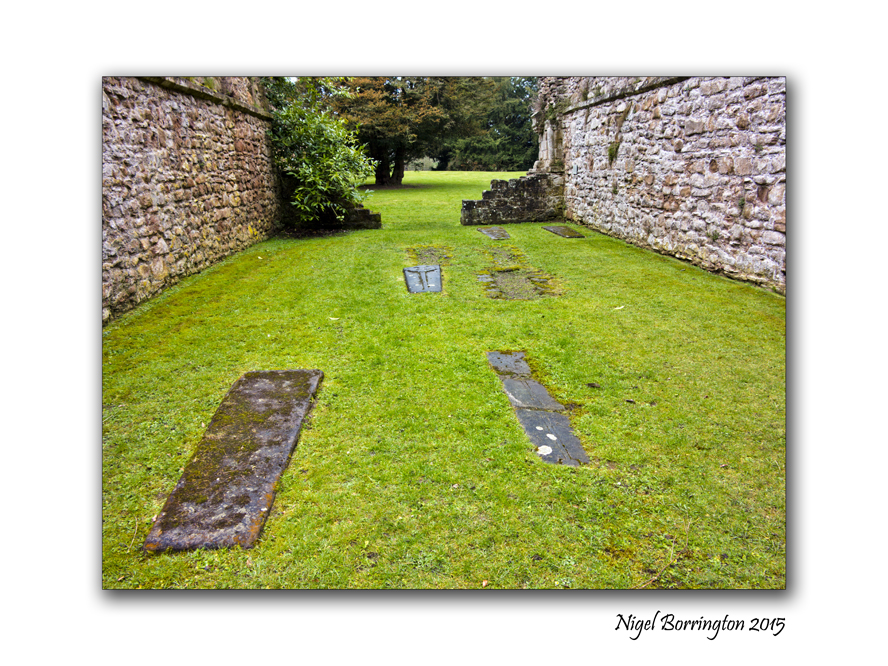
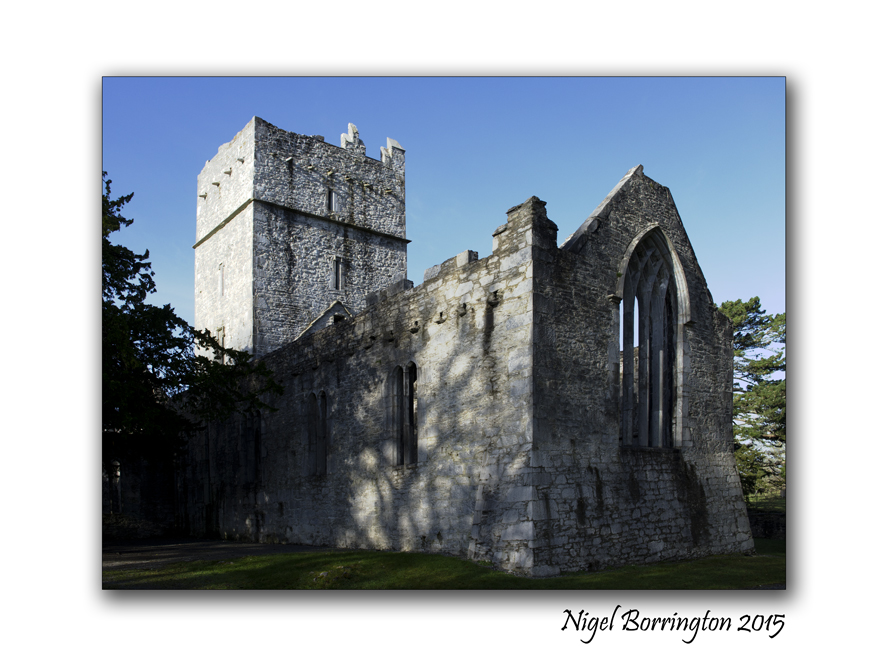
The Abbey of Muckross KIllarney or the Franciscan Friary of Irrelagh, was founded for the Observatine Franciscans in 1448, and is the burial place of local chieftains and three Gaelic poets
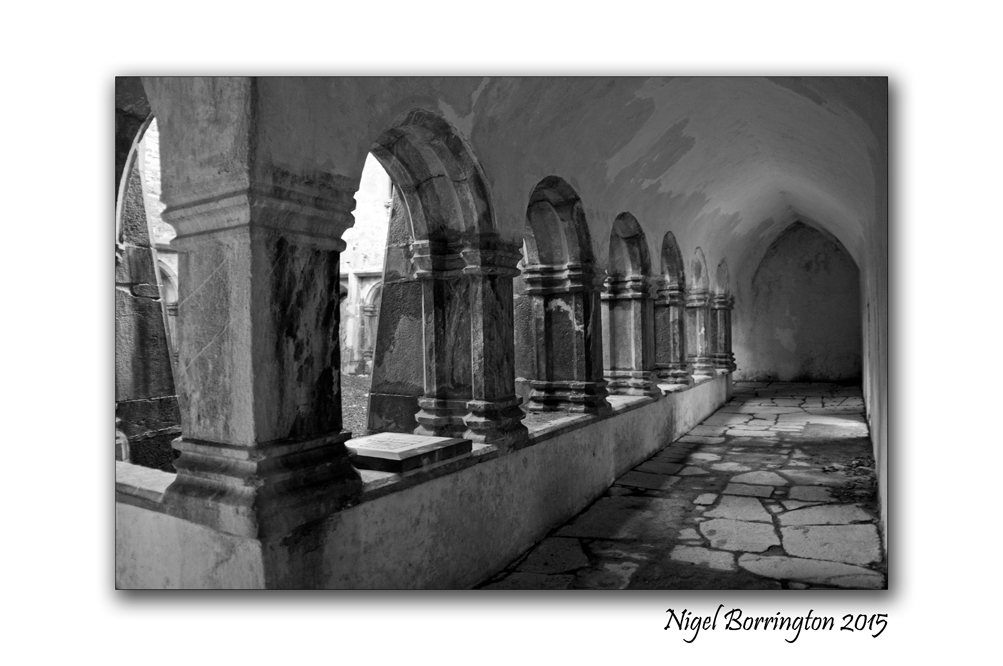
It is famous for the large ancient yew tree that rises above the cloister and extends over the abbey walls. Some think the abbey was built around the tree, as yews are seen in folk lore as a tree of life and linked to the immortality of the soul.

Muckross Abbey Today
While today it is a ruin and has no roof, the building is reasonably well preserved
The abbey is open to the public and is a short five- minute walk from the car park on the N71. It is three miles from Killarney Town.
The Ghost of the Brown Man
It has been rumoured that the abbey and its adjoining graveyard may have inspired Dublin-born writer Bram Stoker.

Historical records document that a religious hermit named John Drake lived in the abandoned friary for eleven years during the mid 1700s. Drake famously slept in a coffin.
Meanwhile, an ancient legend tells of “the Brown Man” who was seen by his wife feasting on a corpse within one of the graves.

These stories may have fueled the Dracula novel, written by Stoker, who visited the area in the late 19th century, and was seen wandering around the ruins late at night.
Today, visitors to Muckross Abbey agree that it has an uncomfortably spooky atmosphere.
Image Gallery in full ….
Monday Poetry : Advice from a Tree, By : Ilan Shamir

Advice from a Tree
By Ilan Shamir
Dear Friend,
Stand Tall and Proud
Sink your roots deeply into the Earth
Reflect the light of a greater source
Think long term
Go out on a limb
Remember your place among all living beings
Embrace with joy the changing seasons
For each yields its own abundance
The Energy and Birth of Spring
The Growth and Contentment of Summer
The Wisdom to let go of leaves in the Fall
The Rest and Quiet Renewal of Winter
Feel the wind and the sun
And delight in their presence
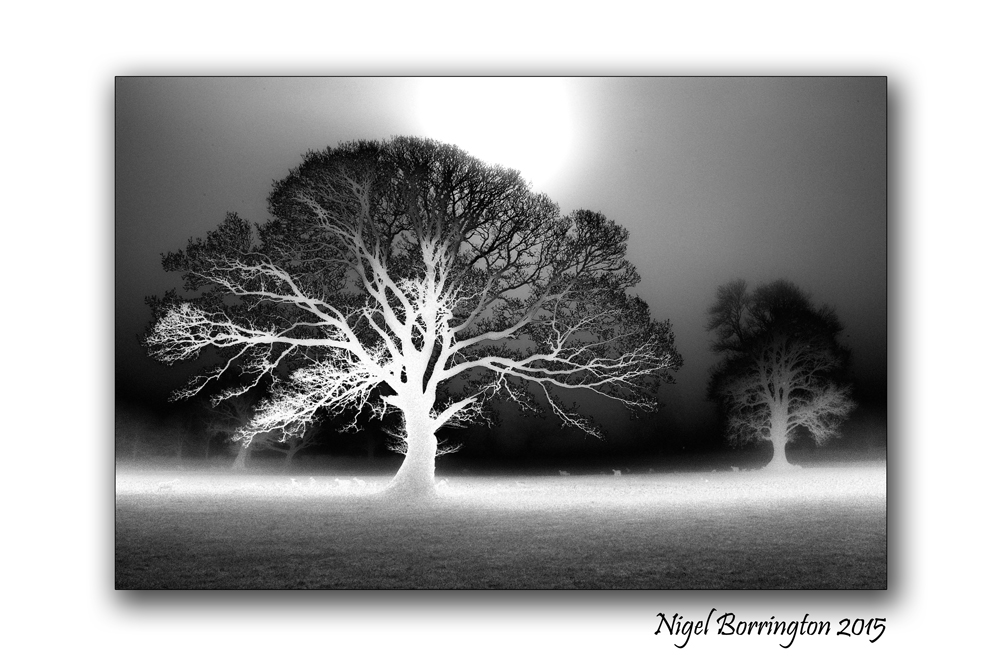
Look up at the moon that shines down upon you
And the mystery of the stars at night.
Seek nourishment from the good things in life
Simple pleasures
Earth, fresh air, light
Be content with your natural beauty
Drink plenty of water
Let your limbs sway and dance in the breezes
Be flexible
Remember your roots
Enjoy the view!
My secret places – a weekend at the cove

I have many favorite places to visit at the weekend here in Ireland.
The little cove in these images is just one but its high on my list, I am not going tell you where it is – its a secret 🙂 🙂
Have a great weekend everyone and I hope you manage to find sometime to visit your own little secret spaces , stay for a while if you do – so that you can escape and relax by put the week just gone behind you !


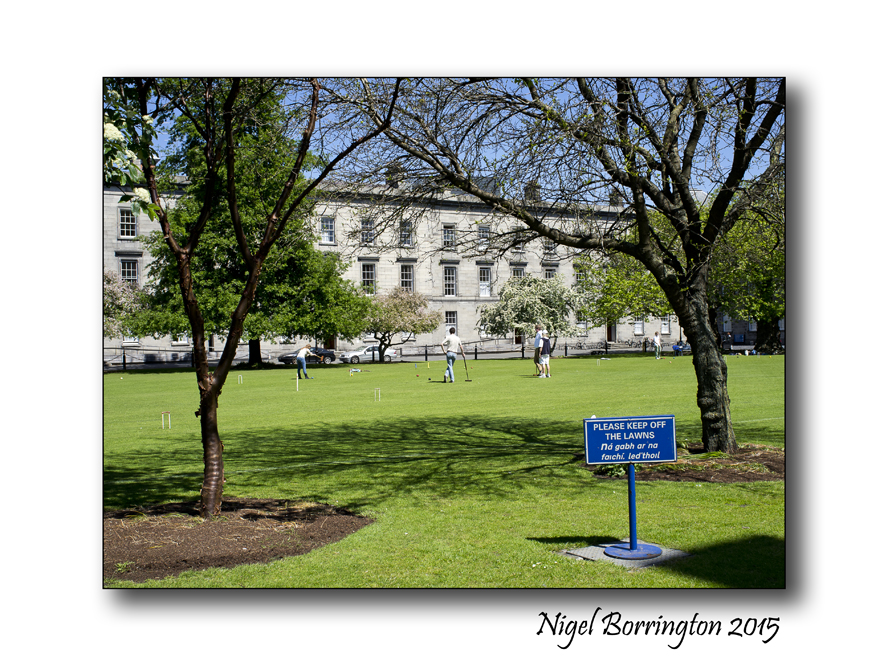
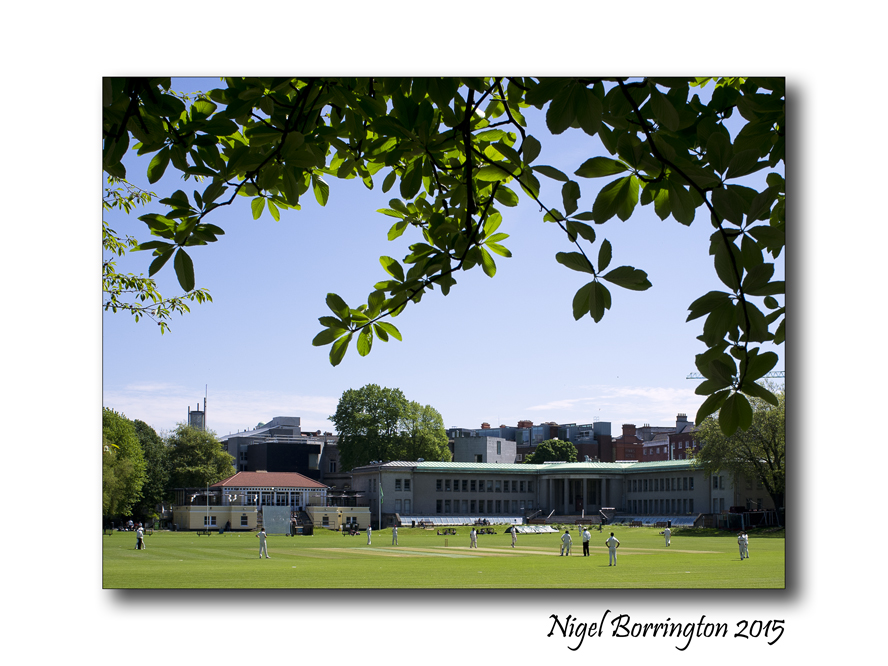
A sense of place : Trinity College, Dublin

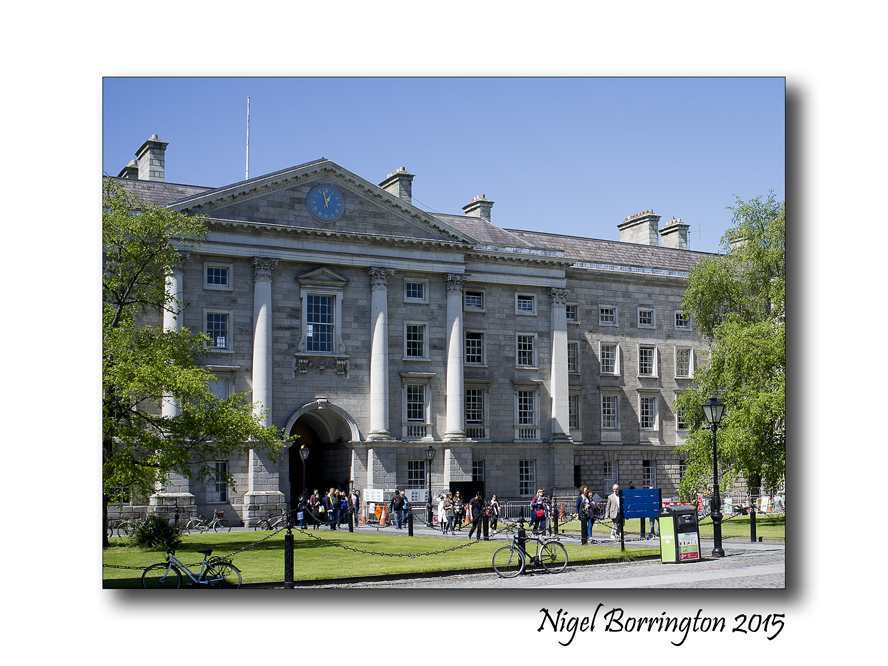
I just want to share in this post, a set of images taken at the end of May 2015 during a visit to Dublin including one of my favorite places to walk around and people watch, while having a coffee and some lunch to eat 🙂
Trinity College, Dublin


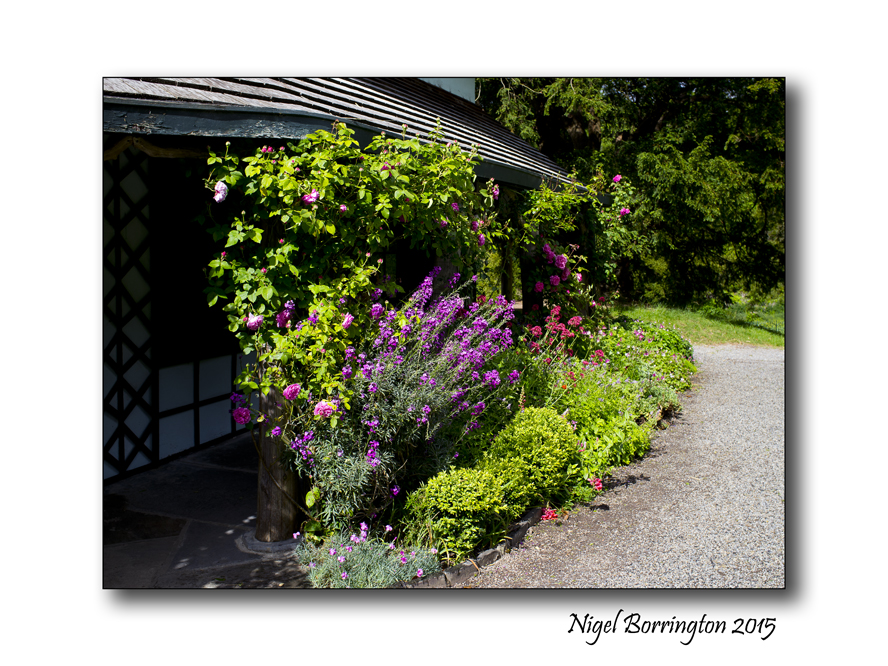
Swiss Cottage, Cahir, Co. Tipperary – A sense of place.
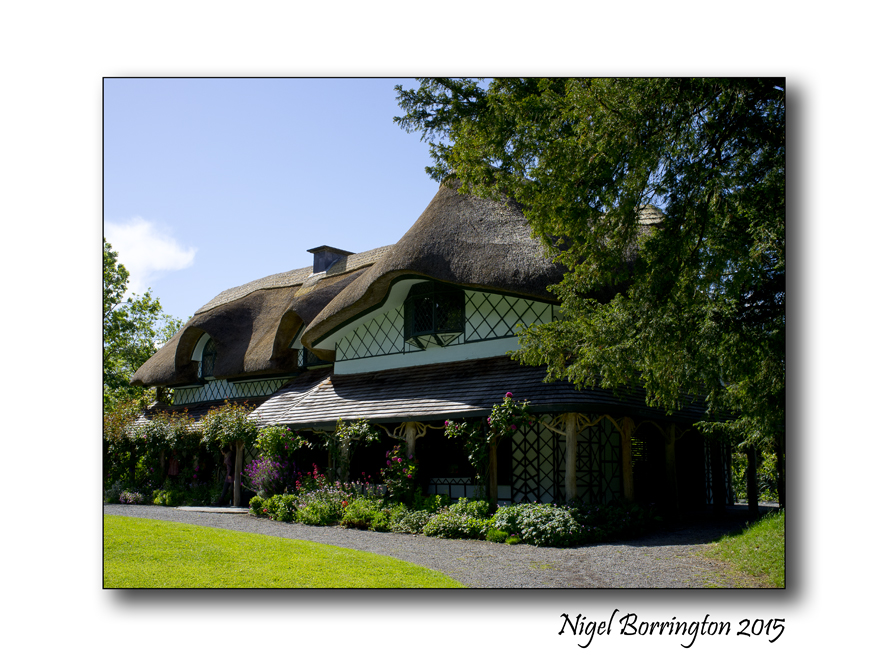
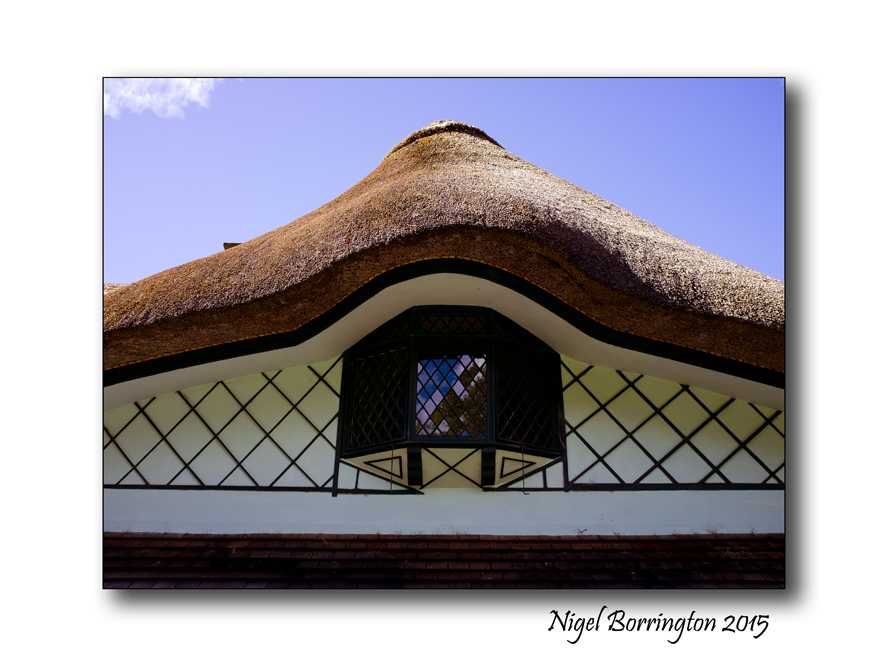
The Swiss cottage in country Tipperary is one of Ireland’s unsung treasures, it was built around 1810 and is a fine example of cottage orné, or ornamental cottage. It was originally part of the estate of Richard Butler, 10th Baron Cahir who married Emily Jefferys of Blarney , and the cottage was primarily used for entertaining day guests of the couple.
The cottage was designed by the architect John Nash, famous for designing many Regency buildings.
The cottage has been restored by the local group and the OPW and must be one of their most loved properties as the condition is just amazing.
If you are visiting county Tipperary this is a must see location !
Wiki link for John Nash
Swiss Cottage, Cahir, Co. Tipperary – A sense of place Gallery

Ruin a Poem By S. A. J. Bradley

Irish Landscape Photography : Nigel Borrington
Ruin
Wondrous the stone of these ancient walls, shattered by fate.
The districts of the city have crumbled.
The work of giants of old lies decayed.
Roofs are long tumbled down,
The lofty towers are in ruins.
Frost covers the mortar,
Tiles weathered and fallen, undermined by age.
The original builders are long in the earth’s cruel grip,
generations since have passed.
These broad walls, now reddened and lichen-aged, brown and gray:
once they withstood invading kingdoms.
Now, beneath countless seasons, they have fallen.
The rampart assembled by many, crumbles still,
Though hewn together with skill of sharpening and joining,
Strengthened ingeniously with chain and cabled rib-walls.

In the town, urbane buildings, bathhouses, lofty rooftops,
a multitude gathered.
Many a hall filled with humans
until Fate inexorably changed everything.
All the inhabitants succumbed to pestilence.
Swept away are the great warriors.
Their towers and walls are deserted,
the desolate place crumbles away.
Who could repair any of it,
for they are long dead.
So the courtyards and gates have collapsed,
and the pavilion roofs of vaulted beams crumbled.
Here where once men in resplendent clothes, proud, gazed upon their gold and silver treasure,
their gems and precious stones,
upon their wealth, and property:
the bright city of a broad kingdom.
Stone courtyards ran streams of ample water, heating the great bathes,
conveniently flowing into the great stone vats …
Derrynaflan Hoard, National Museum of Ireland

Derrynaflan Chalice
Photo : Nigel Borrington
On Saturday I spent the day in Dublin , shopping and visiting different Museums , including the National Museum of Ireland .
One of my main interests in doing so was to take a fresh look and the Derrynaflan Hoard, I posted on the items in this collection and about the Island of Derrynaflan , county Tipperary – last October.
The Derrynaflan chalice is one of the most amazing historic items to view and the story (Below) of how it was discovered just as fascinating. Seeing this hoard just make you wonder how many more items like it have yet to be found or sadly never will be.
The following two images are from Saturdays vistit :


Island of Derrynaflan
The Island of Derrynaflan is located in County Tipperary and these days it is surrounded by recovered drained land that is harvested for it’s peat, this peat being turned into fuel.
The images below and the text are from my post last year :
Discovering the Hoard
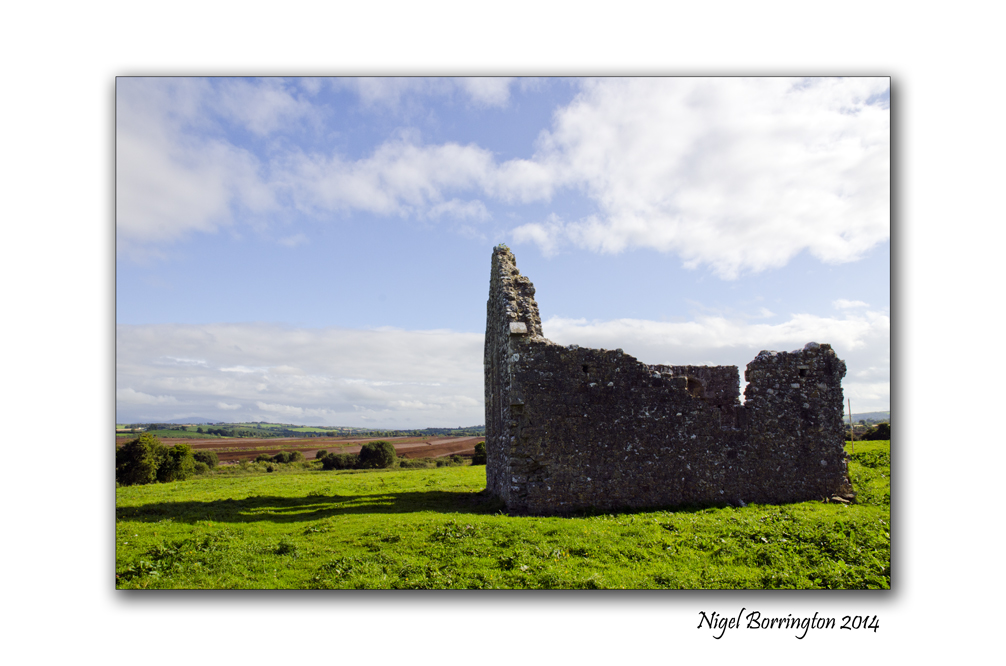
Derrynaflan Island, County Tipperary
Irish Landscape Photography : Nigel Borrington
The Derrynaflan hoard is one of the most spectacular hoard discoveries in Ireland, which led first to an increase in enthusiasm for metal detecting as a hobby, but ultimately contributed to the prohibition of unlicensed searching for archaeological material.
On 17 February 1980, Michael Webb and his son, also called Michael, discovered a significant hoard of early church treasure in Derrynaflan, in the townland of Lurgoe, County Tipperary, using metal detectors (Kelly 1994: 213; O’Riordain 1983: 1). The hoard included a chalice, a bronze strainer ladle and a paten (a kind of small plate) (and see Ryan 1983 for a detailed description), and the discovery was described as ‘one of the most exciting events in the history of Irish art’ (Stalley 1990: 186). The large monastic enclosure in which the hoard was found was partially protected as a National Monument (Kelly 1993: 378). The finders reported their discovery to an archaeologist from University College Cork, Dr. Elizabeth Shee Twohig (Kelly, pers. comm., 2012), who advised them that they must take the finds to the National Museum of Ireland in Dublin (Houses of the Oireachtas 1986; O’Riordain 1983: 1). Under Irish law at that time, the finders were entitled to a reward for making the discovery, in this case decided at IR£10,000 (Houses of the Oireachtas 1986), although this was initially rejected by the finders as insufficient compared to the value of the find (Kelly 1994: 213).

Six years later, the High Court made a ruling that the find or its value (estimated at IR£5.5 million) should be returned to the finders (Kelly 1994: 113). The public mood turned against the Webbs, who were shown on the main evening television news drinking champagne to celebrate the ruling. Ireland was then in deep recession with massive public service cuts which led to resentment that the Webbs might benefit to the tune of IR£5.5 million from the public purse (Kelly, pers comm., 2012). A year later, in 1987, a further final judgement was delivered by the Supreme Court that the Derrynaflan Hoard in fact belonged to the state and not to the finders (Kelly 1995a). The finders finally received a reward of IR£50,000 (Kelly 1994: 214).
The impact of the case on Irish law concerning the protection of heritage was significant. Debates in the Seánad Éireann (upper house of the Irish Parliament) in 1986 indicate the split in opinions regarding the validity of the claim of the finders to the hoard (as had been decided in court the previous year), with one Senator suggesting that the state should have been trying to prove that the Webbs had no legal claim to the hoard, one Senator regarding such discoveries as no more than looting, and another claiming that the finders should instead be praised for the care with which they removed the hoard from the ground and for going to the National Museum to report the discovery (Houses of the Oireachtas 1986). In 1987 the National Monuments (Amendment) Bill, which included clauses on metal detecting and ancient shipwrecks (another area becoming vulnerable to looting), passed through its final stages in the Dáil Éireann (lower house of the Irish Parliament) (Gosling 1987: 23).
Ireland’s National Monuments Act 1930 had prohibited the excavation of archaeological objects other than under license (Kelly 1995a). However, the maximum fine for a successful prosecution at that time, at IR£10[1], proved not to be a strong deterrent (Kelly 1995b: 235). The discovery of the Derrynaflan Hoard had reputedly contributed to the growth of the metal detecting hobby in Ireland, which by the time of the discovery saw hobbyists searching not only ploughed land and other locations away from archaeological sites, but also on known archaeological sites (Kelly 1993: 378). A 2012 Irish news item, which described an athlete as having ‘more gold than they found in Derrynaflan’ (Keane 2012) indicates that the finding of the hoard is still recalled in Irish popular memory. However, with the National Monuments (Amendment) Act 1987, ‘it became illegal to search for archaeological objects with metal detectors or other electronic detecting devices without license’. A further National Monuments (Amendment) Act 1994 specified the state ownership of archaeological objects, and made it ‘an offence to trade in unreported antiquities, or withhold information about archaeological discoveries’ (Kelly 1995a). Under the 1994 legislation, the maximum penalty was also increased to a fine of IR£50,000 and five years imprisonment (National Monuments (Amendment) Act 1994, Section 13). The National Monuments (Amendment) Act 1987 had been in preparation for many years and so was not a direct reaction solely to the controversy surrounding the hoard (Kelly, pers. comm., 2012), although there were observations made that the upsurge in metal detecting as a result of the discovery led to changes in the law (Kelly 1994: 214).
Ref : http://traffickingculture.org/encyclopedia/case-studies/derrynaflan-hoard/
A visit two Derrynaflan island Gallery
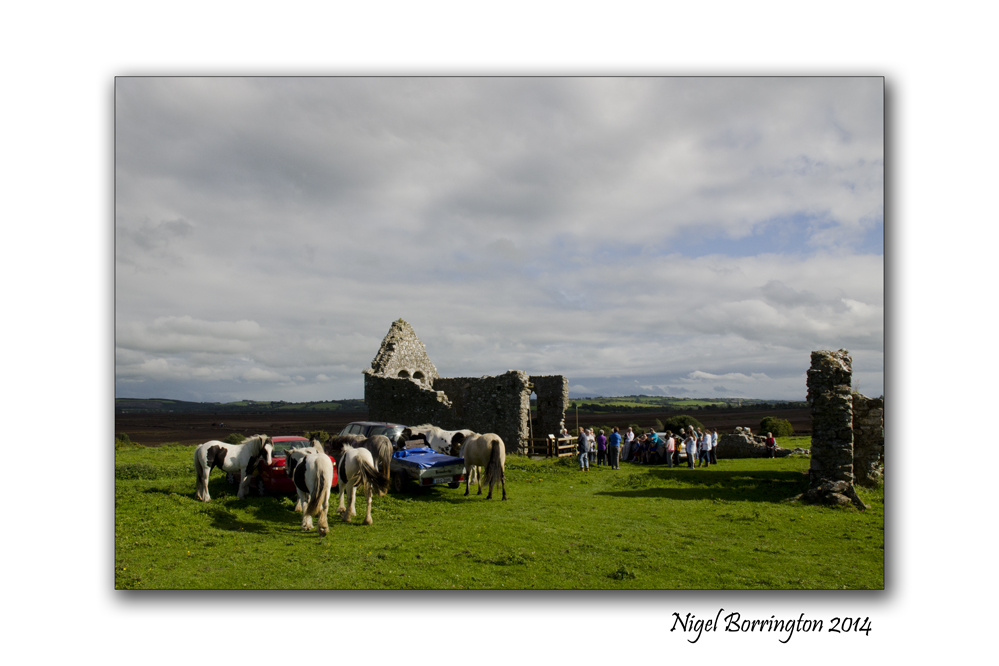


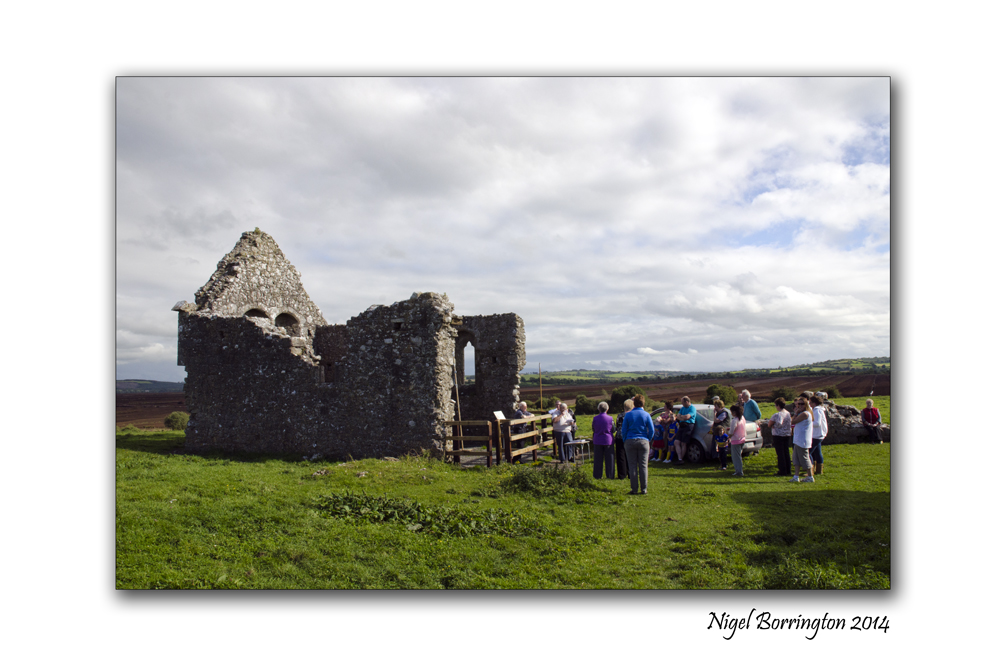
Lilleshall Abbey Shropshire, England
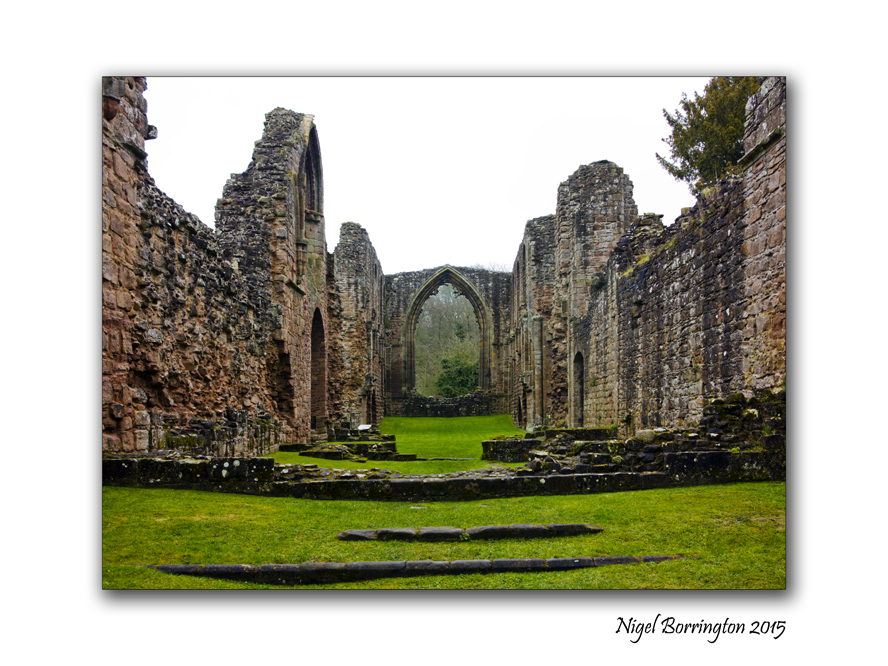
Lilleshall Abbey, Shropshire, England,
Landscape Photography : Nigel Borrington
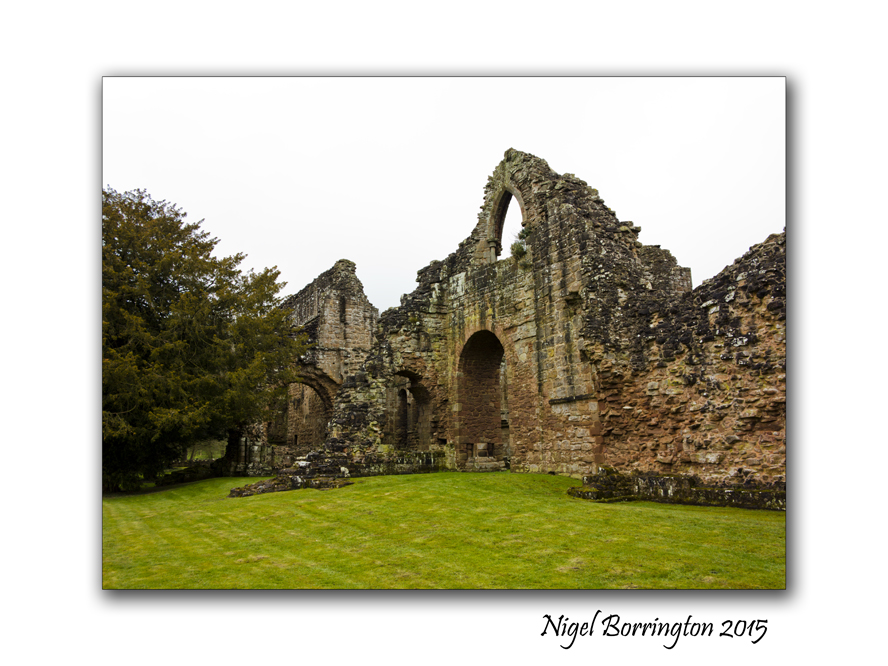
Lilleshall Abbey Shropshire, England
On a very wet day back in April 2015, I visited Lilleshall Abbey Shropshire, while driving back from London to a friends home in North Wales. The Abbey is located just north of the M54 junction 5, near the village of Lilleshall.
To find the Abbey just follow the Brown tourist signs when you leave the motorway.
The weather was somehow fitting for making a visit here as it made it very clear just how life would have been for the 11th century monks who lived their lives here ( cold , wet and isolated ).
This text form wikipedia on the Abbey, describes very well the life of a monk and contains a great history of the Abbey …
Lilleshall Abbey Shropshire, England
The monastic life
The abbey’s community were Augustinian Canons Regular or conventual canons, not technically monks. Although the Arrouaisians were at first noted for their austerity of life, they were less enclosed than Benedictine or Cistercian monks. Arrouaisian houses were noted for the high quality of their liturgical observance. A prayer roll of about 1375 confirms that this was so at Lilleshall more than two centuries after the foundation.
There was a large number of benefactions from lay landowners and these often came with requests to be buried or prayed for at Lilleshall or for membership of the fraternity of the abbey. Late in the 12th century, for example, John Lestrange, a local baron with holdings further afield, got into a dispute with Ramsey Abbey over the church at Holme-next-the-Sea in Norfolk. In a settlement acceptable to all, he gave the church to Lilleshall Abbey, for the health of his own and his wife’s souls. Shortly afterwards he added the church at Shangton in Leicestershire, adding specifically “the body of his wife Amicia when she shall have gone the way of all flesh.” Similarly, Robert de Kayley gave the abbey two thirds of his land at Freasley, in Dordon, Warwickshire, on condition that it accept his body for burial.This suggests that its monastic life quickly built up a reputation for holiness that could be acquired by proximity, and one that clearly persisted into the later Middle Ages. John of Gaunt, 1st Duke of Lancaster, spent two days at the abbey, together with his wife Katherine Swynford and a large retinue. He had fallen ill after the 24th parliament of Richard II’s reign was held at Shrewsbury, dissolving on 31 January 1398. Gaunt himself, his wife, and his squire, William Chetwynd, were received into the fraternity, and Gaunt made a gift of twenty pounds of gold.

Although the fraternity was important in diffusing the influence of the abbey, there is no evidence of lay brothers and sisters being admitted to the abbey community itself. This is unexpected as the Abbey of Arrouaise had admitted lay members at least since the time of Abbot Gervais. There were many employees, however. In the mid-15th century, there were over twenty household servants, including two porters, a butler, a chamberlain, two cooks, a baker, a bell-ringer, a cobbler, and washerwoman, as well as a carpenter and a group of apprentices to carry out repairs. There was a tannery on the premises, as well as a brewery. Self-sufficiency was an important feature of Arrouaisian houses. Arrouaise itself had a similar but even larger and more differentiated lay labour force.
The canons were much employed in managing the abbey’s substantial estates, which seem to have been worked mainly by indentured servants and later by wage labour. A fairly high proportion of the abbey’s land was kept in demesne, cultivated from granges. The Lilleshall estate alone had four of these and there was a ring of further granges in Shropshire and Staffordshire, with two outlying at Blackfordby and Grindlow. The grange at Blackfordby seems to have absorbed a good deal of time and labour, with canons often staying there. There was even a chapel on site, with mass said three times a week. This was strictly irregular, as it was considered perilous to the soul for a canon to reside anywhere alone, and there were complaints about it from the Bishop of Lichfield. However, the nature of the abbey’s estates meant that canons would often require leave to travel. Both this and the increasingly unfavourable agrarian conditions and labour market of the 14th century meant that direct exploitation of demesnes was gradually reduced in favour of leasing out land.
The abbey was not noted for its intellectual life. However, there was some kind of library and a copy of a chronicle ascribed to Peter of Ickham has survived from it, with additions made locally. There is also evidence of a canon being licensed to study at university for 10 years from 1400.
John Mirk, a Lilleshall canon of the late 14th and early 15th centuries did make a literary mark. He wrote in the local West Midland dialect of Middle English and at least two of his works were widely copied and used. Festial is a collection of homilies for the festivals of the Liturgical year as it was celebrated in his time in Shropshire. Instructions for Parish Priests is in lively vernacular verse, using octosyllabic lines and rhyming couplets throughout. Mirk intended to ensure that priests had the resources to give good counsel to their flock. The existence of such works suggests that the canons were actively engaged with the liturgical and pastoral work of their region, if not at the highest scholarly level.
—————
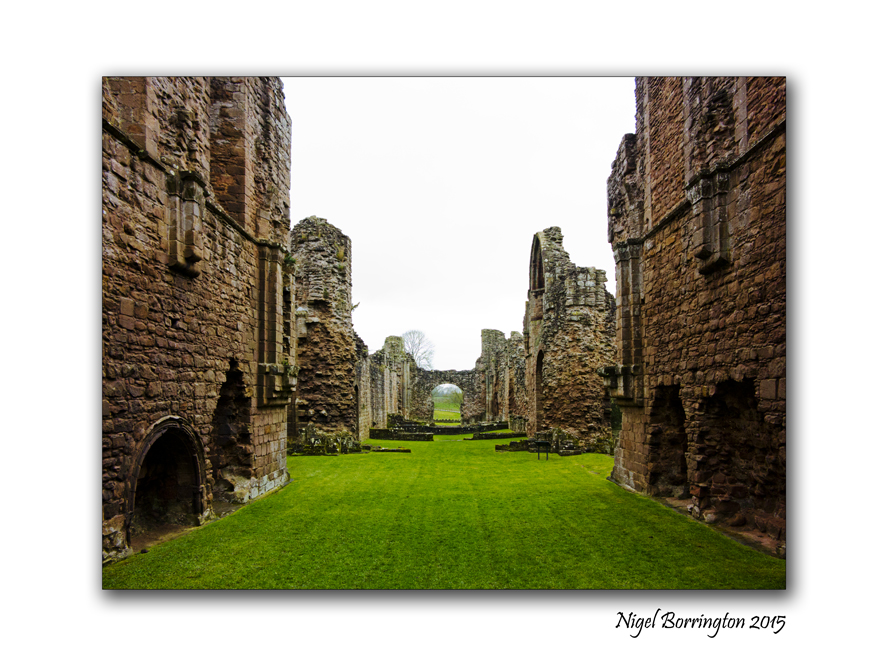
I really enjoyed taking a pause in my long drive here, even in the heavy British rains and would recommend a visit if your ever passing by …..
Lilleshall Abbey a Gallery



Irish Photographer Francis Browne and his lucky escape from the RMS Titanic …..
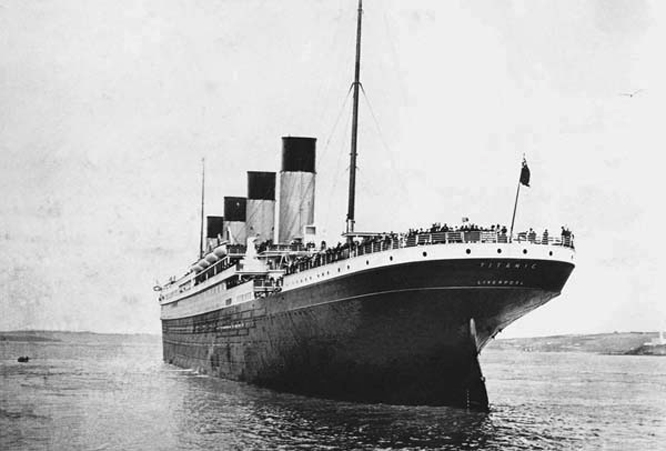
Francis Browne’s pictures of the Titanic
April 14th 1912
Francis Browne’s Finest Pictures
In 1985 an Edward O’Donnell was searching in the basement at the Irishjesuit Provincial’s House when he came across a large black metal trunk, in it he found a large colletion of negative albums, photographs and most amazingly of all an album containing photographs of Titanic’s voyage.
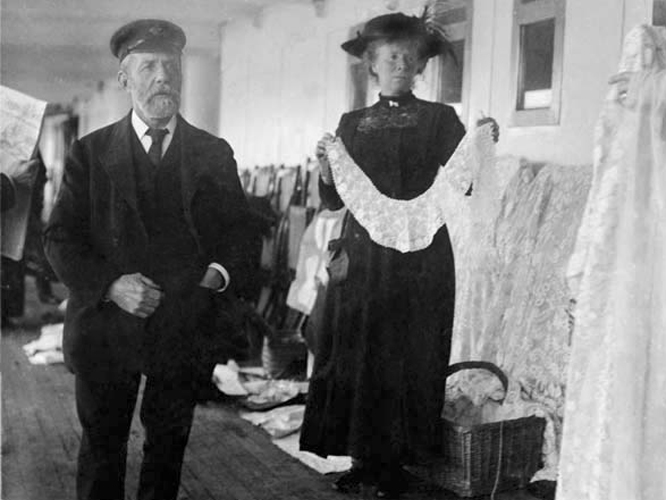
All these photographs were the work of Francis Browne who died in 1960 and was almost forgotten by this time. Subsequent investigations revealed he had enjoyed worldwide fame in 1912 when his photographs of the Titanic’s journey to Cobh were published worldwide. He had travelled first class to Cobh having been given a ticket by his uncle Robert Browne, Bishop of Cloyne. His remarkable pictures proved to be unique.
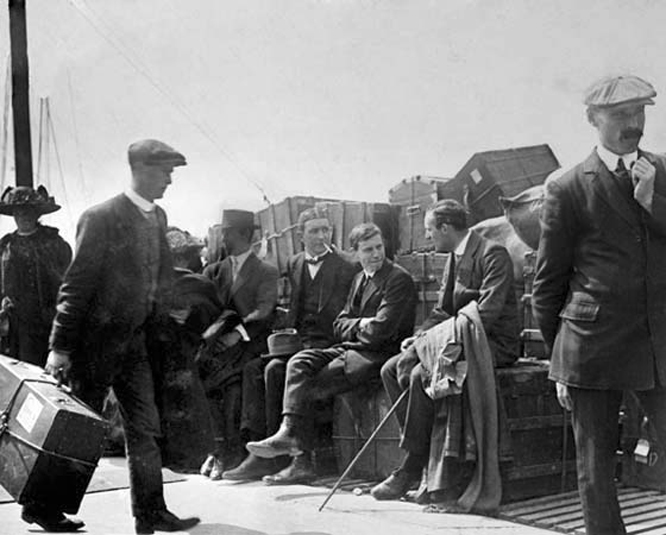
So it was that Frank was presented with a first class ticket for the Maiden Voyage of the Titanic to bring him as far as Cobh. The morning of the 12th.April 1912 he arrived at Waterloo Station in London to catch the Titanic Special. He immediately started taking photographs, first recording the train journey and then life aboard the Titanic on the initial section of the voyage. Having made friends with a wealthy American family he was offered a ticket for the remaining part of the journey and no doubt excitedly telegraphed a request for permission to go on to New York, to which he received the terse response “Get Off That Ship——Provincial!” That telegram not only saved Frank’s life but also meant that this unique record of the voyage was saved for posterity and guaranteed overnight fame for Frank Browne.
Browne later described the event as “the only time holy obedience saved a man’s life.”
“Get Off That Ship——Provincial!” – I guess many have wondered about this instruction ? , its almost prophetic in its nature – I guess we will never know how or why it was such a strong and clear order . I think it relates to the fact that while many embraced the new-world of 1912 technology, many also stood in fear of it and in this case clearly for good reason.
Frank Browne , April 1912 – Titanic Gallery


St Anne’s Pier, a Sunset beach walk…..
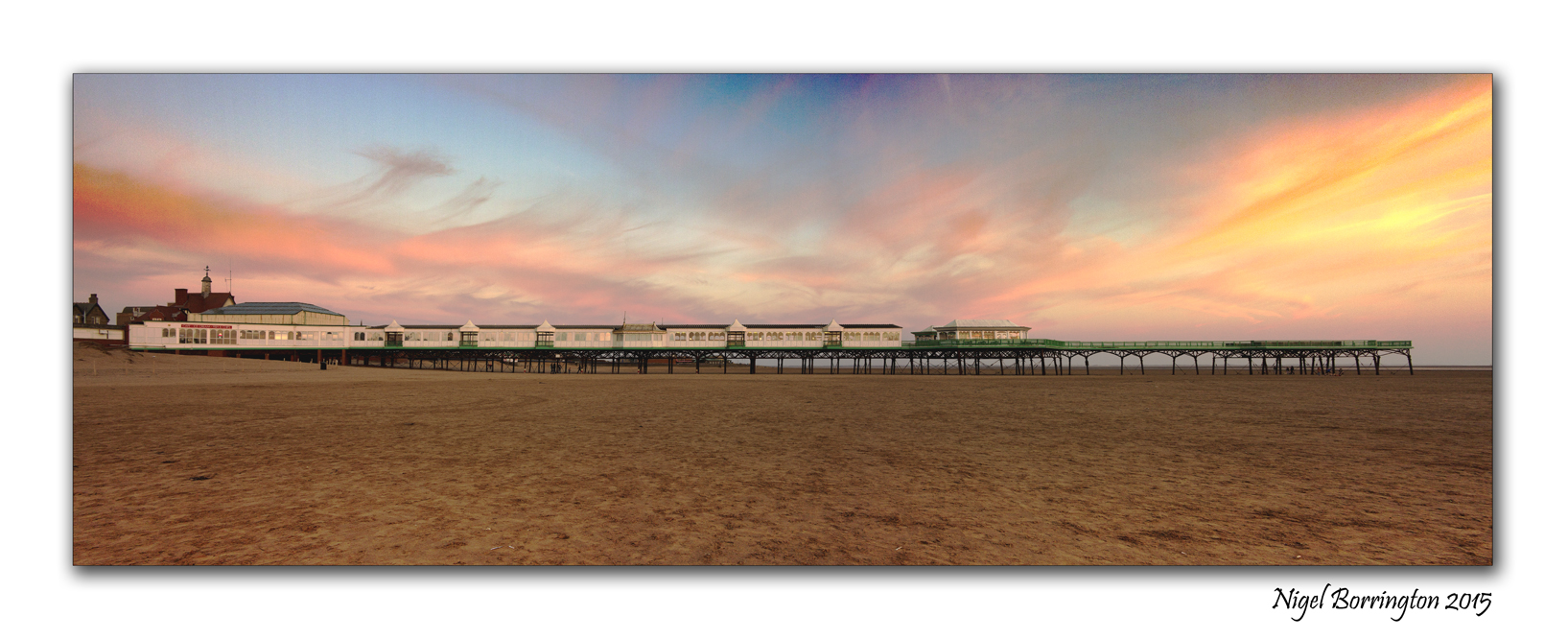
St Anne’s Pier,
St Anne’s-on-the-Sea, Lancashire
Landscape Photography : Nigel Borrington
Well I am back on my Blog following a great Easter holiday, spent visiting much loved family and friends. It was great to see them and to visit some great locations and share some time with, food and drinks and chat.
My Aunt lives near the town of St Anne’s Lancashire, located in the north west of England.
I can remember visiting the town as a kid and one of the most exciting locations was the Pier.
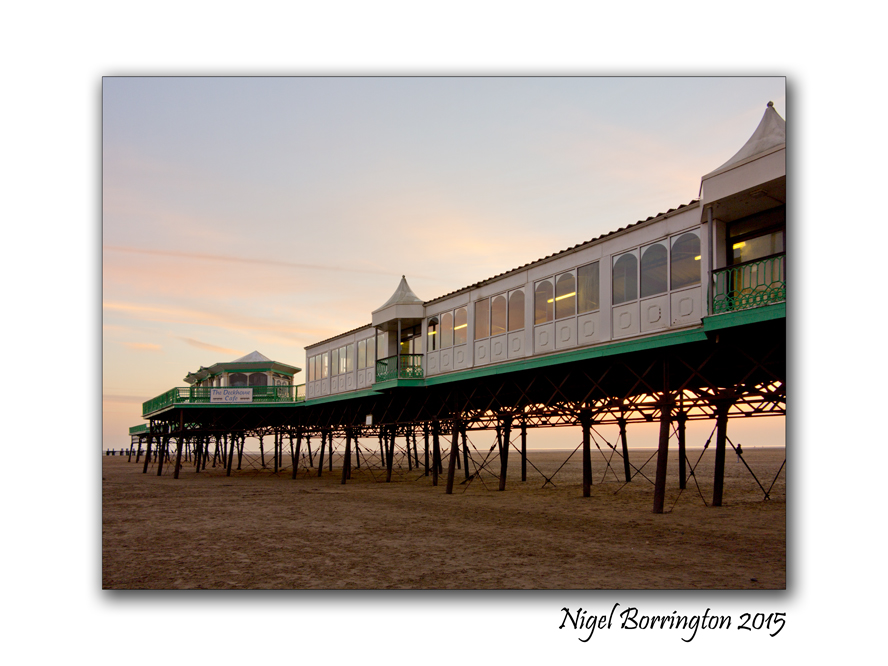
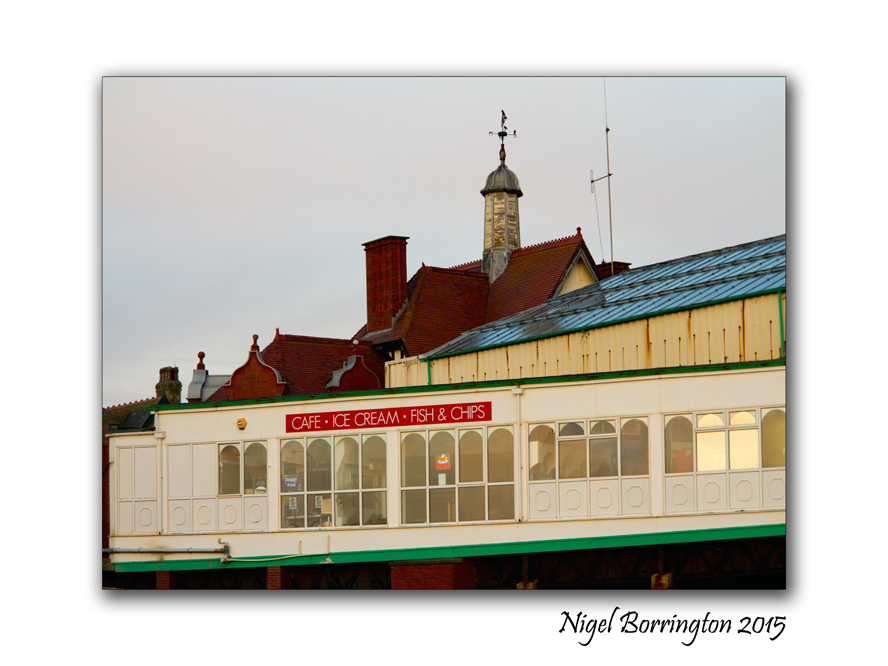
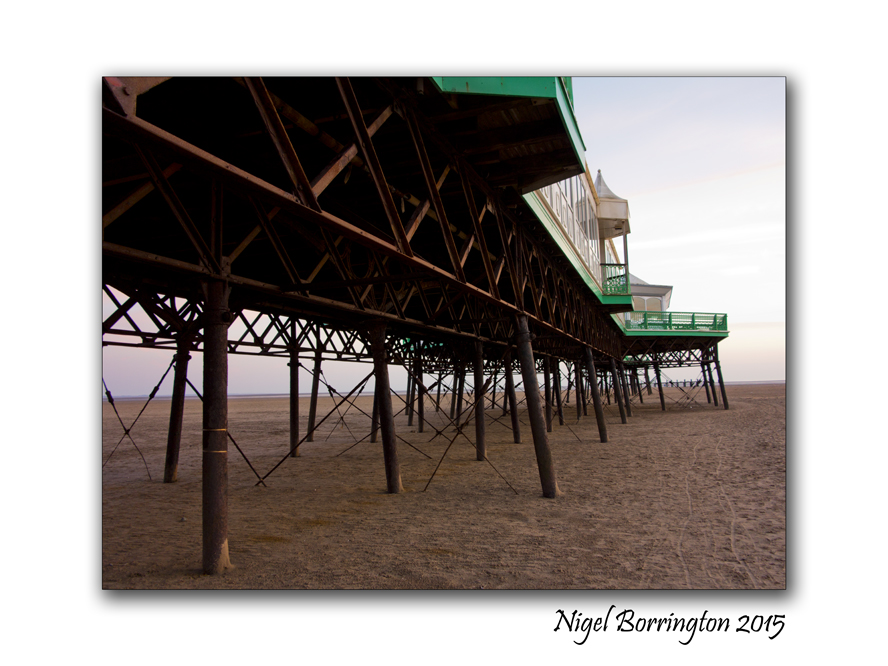
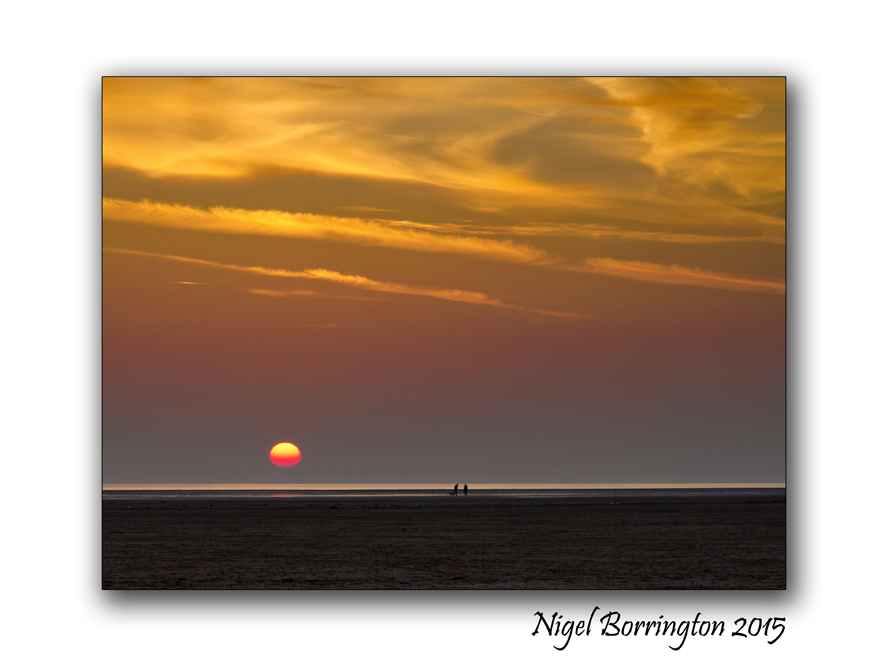
Half way through this last visit I took an evening walk to the Pier and took this series of images.
These days the Pier looks a little less visited than I remember when I was younger but its looking in great condition and it was perfect to see in just as the sunset out at sea…..
St Anne’s Pier, St Anne’s-on-the-Sea, Lancashire, UK
St Anne’s Pier is a Victorian era pleasure pier in the English seaside resort of St Anne’s-on-the-Sea, Lancashire. It lies on the estuary of the River Ribble. The pier, designed by A. Dowson, was completed in 1885 and was one of the earliest public buildings in St Anne’s, a 19th-century planned town. The pier was originally intended to be a sedate promenading venue for the resort’s visitors, but attractions were later added. Changes made to the estuary channels to improve access to Preston Dock left the pier on dry land and ended its steamer services to Blackpool and Liverpool.
A Tudor-style entrance was built in 1899. Early 20th-century additions included a Moorish-style pavilion in 1904 and the Floral Hall in 1910. The Moorish Pavilion was destroyed by fire in 1974, shortly after the town’s centenary; the Floral Hall burned down in 1982. Originally 914 feet (279 m) long, the pier was reduced to 600 feet (180 m) by the demolition of the seaward end. English Heritage has designated the pier a Grade II listed building.
St Anne’s-on-the-Sea is a planned seaside resort on the Fylde coast, at the mouth of the River Ribble, in Lancashire. It was developed in the 19th century, largely by the St Anne’s Land & Building Company. The company was formed in 1874 and leased land for the new town from the estate of the local Clifton family. Towards the end of the 19th century, pleasure piers became a common feature of English seaside resorts, and by the 1870s there were already two piers in nearby Blackpool, one in Southport and one 3.5 miles (5.6 km) away in Lytham. The wording of the land company’s original lease indicates that a pier was probably planned for St Anne’s from its beginning. A subsidiary, the St Anne’s-on-the-Sea Pier and Improvements Company was formed in 1877. The company directors believed that a pier at St Anne’s would offer visitors better conditions for fishing and boating than those at neighbouring resorts.
St Anne’s Pier, a Sunset walk beach walk : Image Gallery


The Ice house , Woodstock Gardens , County Kilkenny
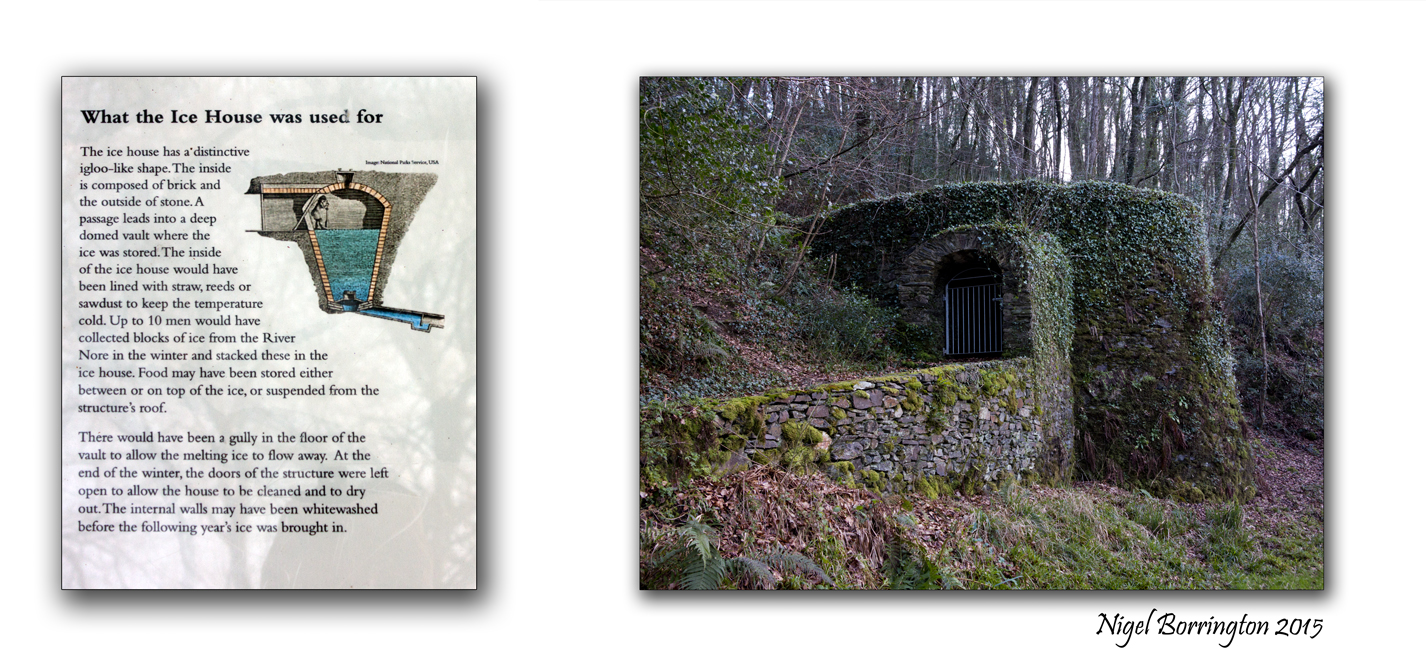
The Ice House,
Woodstock Gardens, Co. Kilkenny
Irish Landscape Photography : Nigel Borrington
Woodstock Gardens, County Kilkenny – dates back to 1737.
The Gardens and the remains of the old house are one of county Kilkenny’s most popular locations, located above the River Nore and the small town of Inistioge.
The Ice house is most likely less known, as it is located on the banks of the river Nore on the very limits of the grounds, it is however one of the best preserved ICE houses you could wish to find.
The details on the information board nearby are a little unclear as to when this building was constructed but it is considered to be sometime in the 1800’s, it was used for visitors to the smaller river side lodge, named the “Red House”.
The ‘Red House’ was a hunting lodge that at the time could only be accessed via boat along the river, today however you can find this location via a half an hour walk from the town of Inistioge.
A General History of ice houses

The Romans were the first to build ice houses, though not very widely in the UK and Not at all in Ireland. Ice houses were usually built close to sources of winter ice, such as freshwater lakes. In the 17th century, grand country houses followed the fashion of having one built, and then ice houses fell from fashion until about the late 18th century.
—————–
Uses of ice houses

On country estates from about 1660, the ice was mainly used not to chill food, but for its own sake: for ice creams and increasingly popular desserts such as syllabubs.
Meat and fish did not need to be preserved on a large estate because they could simply be caught from estate lakes and ponds when needed. Ice was also used for medicinal purposes: to treat fever and inflammation. At one time, a common prescription for indigestion was being told to suck on ice.
—————–
Woodstock House,
now a ruin, was for generations the home to the Tighe family. In 1737, the twenty-six-year-old Sir William Fownes inherited the estate and commissioned an elegant mansion, completed in 1745. He hoped to establish himself with the gentry of the area and to impress the 2nd Viscount Duncannon, soon to become the first Earl of Bessborough, whose daughter Elisabeth he planned to marry. Over the next forty-five years, Woodstock was the background to a series of dramas that led to the deaths of William, Elisabeth and their son-in-law William Tighe.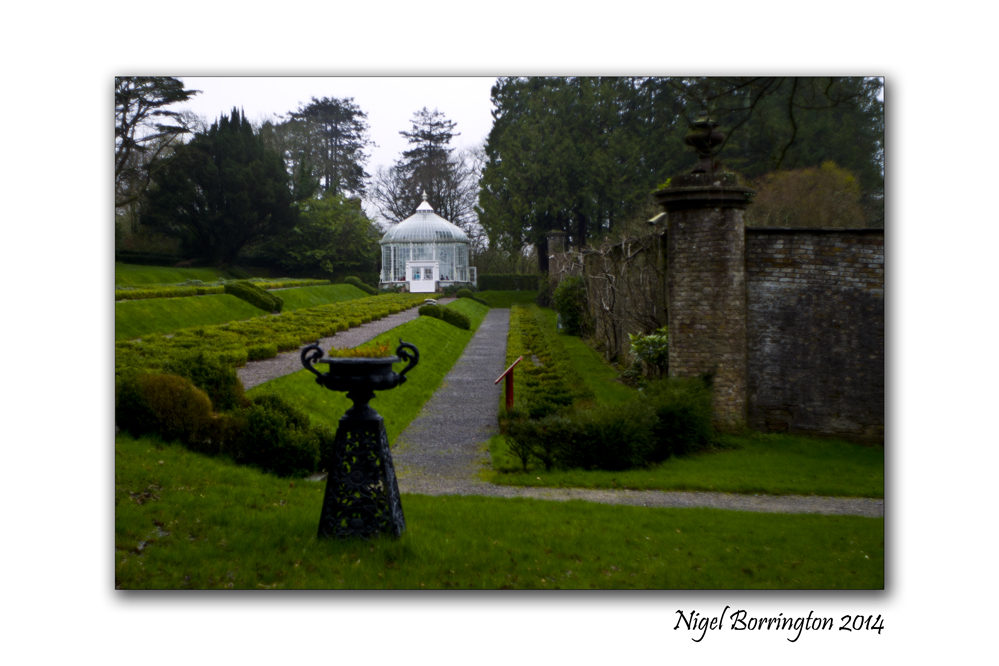
Many gardens and walks were laid out between 1840 and 1900 by another William Tighe and his wife Lady Louisa Lennox.[1] The gardens contain many exotic plants from Asia and South America, including the Monkey Puzzle tree and the Noble Fir tree which form two of the walks in the gardens,[2] as well as specimens of the Coast Redwood.
In 1921, the property was occupied by the Black and Tans and Auxiliaries, which caused much local resentment, and then by troops of the Free State Army, who were withdrawn from the premises during the Irish Civil War, on 1 July 1922. The house, left unguarded, was burnt down the next day, and remains a derelict empty shell, overgrown with vegetation

The River Nore, County Kilkenny,
located below the Ice House.
Nigel Borrington
Irish Landscape Photography : The River Suir

Irish Landscape Photography
The River Suir, County Waterford
Nigel Borrington
The River Suir that flows through Counties (Tipperary and Waterford) is only one of Ireland many rivers, with so many here its hard to say that its the most loved or the most beautiful but it cannot be far from it. I spend a lot of time walking the banks of this river so a little time ago I decided to get a flight booked from Kilkenny’s small Airport and get some pictures of the Suir from above, the above image being just one.
This was one of the most amazing things I have done with a Camera and it was a perfect day to do this trip, I will never forget looking down the river Suir towards Waterford city and seeing the river vanish into the setting sun …..
The River Suir
Irish pronunciation:, Irish An tSiúr or Abhainn na Siúire, is a river in Ireland that flows into the Atlantic Ocean near Waterford after a distance of 185 kilometres (115 mi).[1] The catchment area of the River Suir is 3,610 km2. The long term average flow rate of the River Suir is 76.9 Cubic Metres per second (m3/s)- This is more than twice the flow of the River Barrow (37.4 m3/s)
Popular with anglers, it holds plentiful reserves of brown trout. While the Suir holds the record for a salmon taken from an Irish river (weighing 57 lb/26 kg, taken on a fly in 1874), as is the case in many other Atlantic rivers, salmon stocks have been in decline in recent years.
Rising on the slopes of Devil’s Bit Mountain, just north of Templemore in County Tipperary, the Suir flows south through Loughmore, Thurles, Holycross, Golden and Knockgraffon. Merging with the River Aherlow at Kilmoyler and further on with the Tar, it turns east at the Comeragh Mountains, forming the border between County Waterford and County Tipperary. It then passes through Cahir, Clonmel and Carrick-on-Suir before reaching Waterford. Near the Port of Waterford it meets the River Barrow at Cheekpoint to form a wide navigable estuary, capable of accommodating seagoing vessels up to 32,000 tons dwt. It exits to the sea between Dunmore East and Hook Head.
Together with the Nore and the Barrow, the river is one of the trio known as The Three Sisters.
Irish Landscape Photography – The River Suir at Mooncoin , County Kilkenny

Fishing boats on teh River Suir
Irish Landscape Photography : Nigel Borrington
Fishing on the River suir
A walk along the river Suir, at Mooncoin, County Kilkenny is one of the best river walks in the south east of Ireland.
The river is used by many local people during the year but the fisher men are probably it’s most common visitors, the River is renowned for its game angling, holding both salmon (Salmo salar) and brown trout (Salmo trutta).

I have taken many photographs of the fishermen here over the years, alone with their boats, used for their fishing. These boats ( all made locally ) are used more like punts as they have a completely flat bottom and are moved along the river using a pole.
Allihies copper mines, Copper Mine a Poem By : Madhu Kailas

Allihies copper mines
Irish Landscape Photography : Nigel Borrington
The Copper mines located at the small town of Allihies , west cork Ireland are amongst some of the most worked and preserved in this part of Europe , their history is as follows :
Copper mining started in Allihies in 1812 when John Puxley, a local landlord, identified the large quartz promontory at Dooneen as copper bearing from its bright Malachite staining.
The Allihies Mines
Initial mining began with a tunnel or adit driven into the quartz lode from the pebble beach below. In 1821 two shafts were sunk . Flooding was a continuous problem and in 1823 the engine house was erected to house a steam engine brought over from Cornwall to pump water from the depths. The remains of this building with the base of the chimney can be seen across the road. There is also evidence of a steam powered stamp engine to the left of the chimney and dressing floors in front of the engine house. The high dam further inland is the remaining evidence of a water reservoir which stored the water that was pumped out from the bottom of the mine. It was used for the steam engines and needed to separate the copper from rock. All the rubble on the cliff at the sea side of the road is the crushed useless quartz rock left over after the copper ore was extracted.
This is one of six productive mines in the Allihies area and its operation continued until 1838 when it closed due to failing ore.
John Puxley died in 1860 and in 1868 his son Henry Puxley sold the mines to the new Berehaven Mining Company who reopened the mine and installed a new 22 inch steam engine in 1872. Little ore was produced though in this period and the mine was finally abandoned in 1878.

Copper Mine
By : Madhu Kailas
Hollowed earth,
a large reservoir of emptiness.
Deep down where only
the moon can touch
dregs of an empty cup,
static turquoise fluid
of residual copper blood.
Cyclopean machines
crawl like dwarf ants.
Along grooves etched by mortal hands.
Gnaw at rocks,
startled out of deep sleep
to be stripped.
An ancient cave painting
tumbles out of extinction
delineated by squished insect blood
on ochre flats.
Dead insects scrabble out of rocks
on the landscape of our civilisation.
Its a Wonderful, Wonderful Life in the Killarney National Park

Grounds Keepers House
Killarney National Park
Irish Landscape Photography : Nigel Borrington
Life as a grounds keeper at the National Park of Killarney, must have been a hard one at times, however what a life this must have been working and living with these surroundings.
What a Wonderful, Wonderful life !
They say you get use too these views ?
Killarney National Park a Gallery


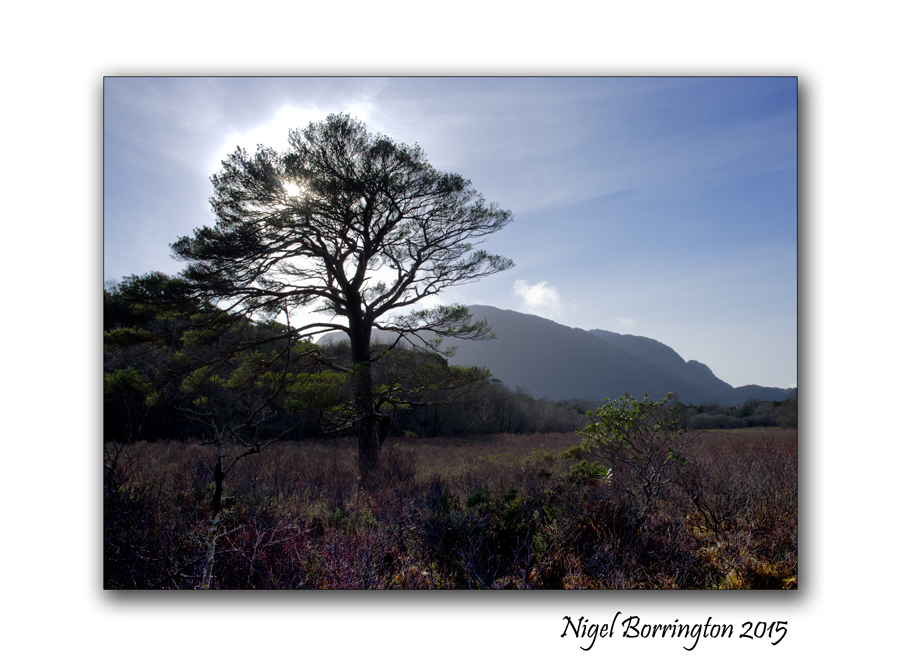

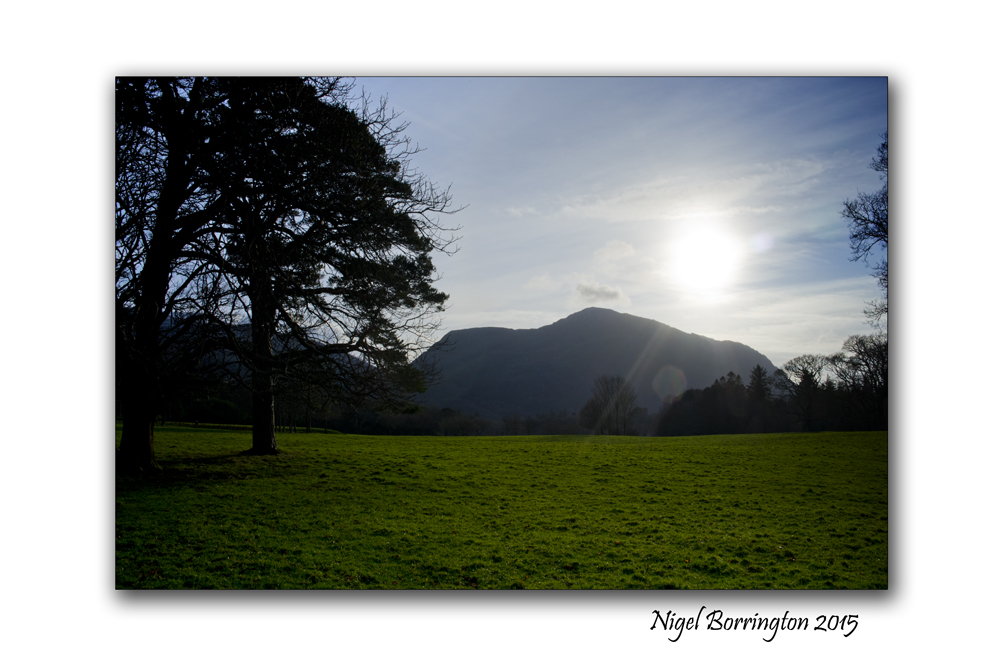
Its the weekend , Time to get out and walk and relax if you can …………

Slieve League Coastline
County Donegal
Irish Landscape Photography : Nigel Borrington
Its the weekend so I just wanted to share one of my favorite places in Ireland, the coastal mountains of Slieve-League , County Donegal.
This location is one of the most Beautiful spots in Ireland, looking out directly towards county Sligo and its bay and in land along the coast towards Donegal city itself.
Landscape Locations such as this one are just amazing to visit and all so easy to take for granted, when ever I have to leave a spot like this I make an assumption that I will return one day soon, I know just like us all though , maybe not 🙂 .
So it’s the weekend, if you can get outside , visit your most loved places and don’t rush away back home !!!!!!
If I could choose the life I please, Then I would be a boatman !

Canal boats and the Boat man
Photography : Nigel Borrington
Way back in the 1990’s the Levellers an English rock band, founded in 1988 and based in Brighton, England released this song “The boats man” from their album “Levelling the Land”.
Some songs stay with you all your life and for me this is definitely one that has 🙂
It screams out to “Personal Freedoms” , being free to live your life that way you want !! “Free as the rivers breeze”
The fact it centers on the lives of boat people is perfect, for some reason the people who’s lives where lived on the canals and river banks always felt more free, free to move and travel making a living from transporting goods (Coal, timber and foods ), from boat repairs and from music played in the many pub’s along the river banks.
The levellers
If I could choose the life I please
Then I would be a boatman
On the canals and the rivers free
No hasty words are spoken
My only law is the river breeze
That takes me to the open seas
If I could choose the life I please
Then I would be a boatman
If I could choose the life I please
Then I would be a rover
And if the road was not for me
Then I MIGHT choose another
Cross mountains and the valleys deep
Where I WILL take these weary feet
If I could choose the life I please
Then I would be a rover
 .
.
But these things they’re so hard for me
I cannot choose my own destiny
And all the things that I want to see
Are so unclean
Well I wish I could choose the life I please
But I am not a free man
Others rule my destiny
But my will’s never broken
I know someday I will be
Everything that I dreamed I’d be
And when I live the life I please
Then I will be a freeman.
I know someday I will be
Everything that I dreamed I’d be
And when I live the life I please
Then I will be a freeman.
And when I live the life I please
Then I will be a freeman.
The Lighthouse , By, Henry Wadsworth Longfellow (1807-1882)

St John’s Point Lighthouse,
Donegal
Irish Landscape Photography : Nigel Borrington
Its been a little time since I last got to visit county Donegal, having spent most of my time recently exploring counties Kerry and Cork. This year however I hope to visit again and the lighthouse at St Johns point will be very high on my list. This is a wonderful location at any time of year, stunning on a sunny day and spectacular in a winters storm!
Here I have matched some of my last photographs of the point and its lighthouse with one of my most loved lighthouse poems …….
The Lighthouse By, Henry Wadsworth Longfellow (1807-1882)
The rocky ledge runs far into the sea,
And on its outer point, some miles away,
The Lighthouse lifts its massive masonry,
A pillar of fire by night, of cloud by day.
 .
.
Even at this distance I can see the tides,
Upheaving, break unheard along its base,
A speechless wrath, that rises and subsides
In the white lip and tremor of the face.
And as the evening darkens, lo! how bright,
Through the deep purple of the twilight air,
Beams forth the sudden radiance of its light
With strange, unearthly splendor in the glare!
 .
.
Not one alone; from each projecting cape
And perilous reef along the ocean’s verge,
Starts into life a dim, gigantic shape,
Holding its lantern o’er the restless surge.
Like the great giant Christopher it stands
Upon the brink of the tempestuous wave,
Wading far out among the rocks and sands,
The night-o’ertaken mariner to save.
 .
.
And the great ships sail outward and return,
Bending and bowing o’er the billowy swells,
And ever joyful, as they see it burn,
They wave their silent welcomes and farewells.
They come forth from the darkness, and their sails
Gleam for a moment only in the blaze,
And eager faces, as the light unveils,
Gaze at the tower, and vanish while they gaze.

Derryvilla bog, Littleton, County Tipperary

Derryvilla lake
Littleton bogs
County Tipperary
Irish landscape Photography : Nigel Borrington
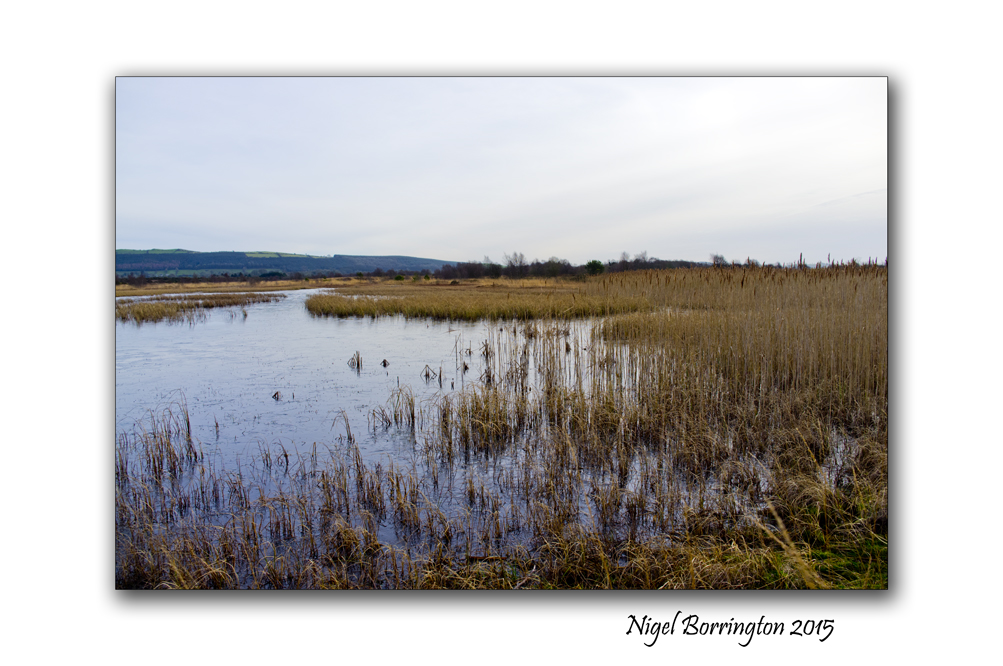
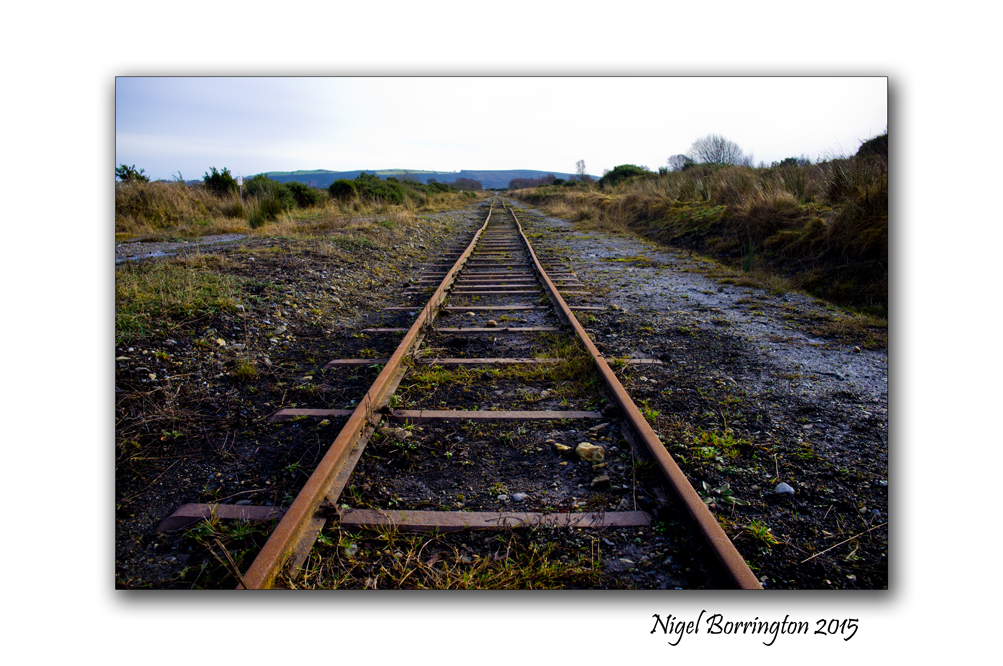
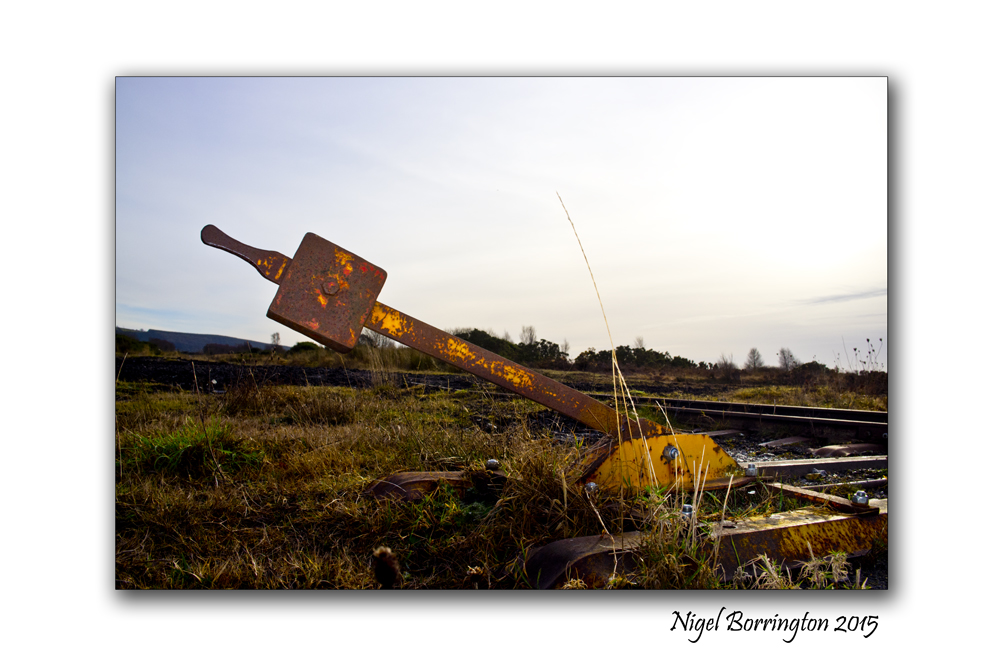
One of my favorite weekend places to visit is Littleton Bogs, near Thurles, County Tipperary, the bogs here are harvested for the fuel they provide in the form of Peat. The entire area is effected by this process as you can see in the pictures below. It is however an amazing location to take photographs as even though its scared by the peat production that takes place its one of the few truly remote and wilderness feeling locations that we have locally, when you walk through this landscape at the weekends the only sounds you can hear are the birds and the breeze in the few trees that survive along the foot-path sides.
Derryvilla lake is near Littleton (Irish: An Baile Dháith) county Tipperary. The village in County Tipperary is within the townlands of Ballybeg and Ballydavid, about 18 km (11 mi) northeast of Cashel and to the southeast of Thurles.
A basic description is as follows :
Littleton lies at a crossroads on the R639, its population was 463 at the 2006 census. As well as being a familiar name to travellers between Dublin and Cork, Littleton is closely associated with Bord na Móna, a semi-state company that harvests peat in the nearby complex of raised bogs. Littleton is also home to the long-established ‘Moycarkey Band’, the Seán Treacy Pipe Band.[3]
Gallery of Derryvilla bog and lake, Littleton, County Tipperary



Irish Landscape Photography , the Killarney National Park – an image Gallery
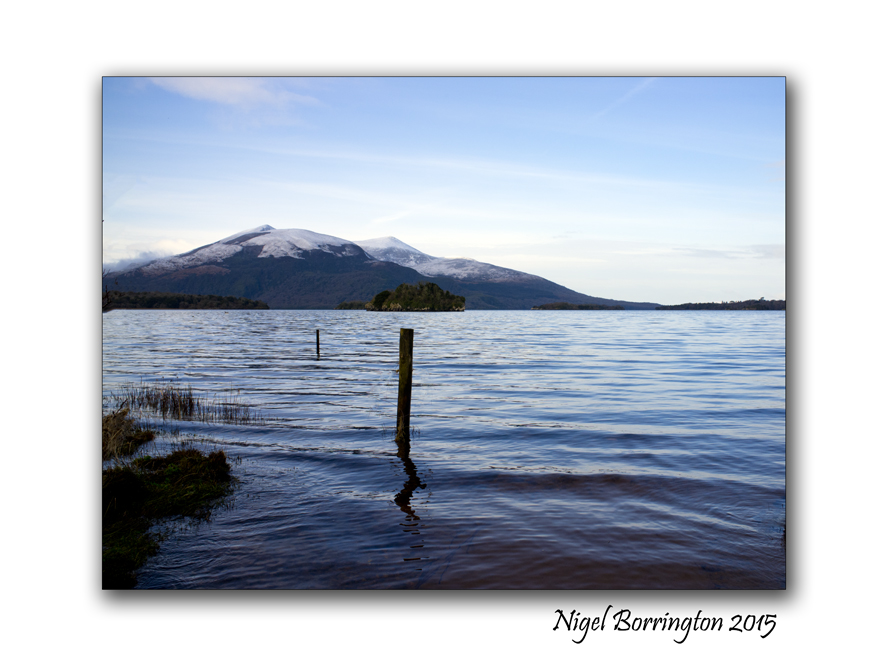
Killarney National Park
Irish Landscape Photography
Nigel Borrington
The National park Killarney , county Kerry, is one of Ireland treasures as far as landscape photography is concerned.
The basic details of the park are as follows :
“Killarney National Park (Irish: Páirc Náisiúnta Chill Airne) is located beside the town of Killarney, County Kerry, Ireland. It was the first national park established in Ireland, created when Muckross Estate was donated to the Irish state in 1932. The park has since been substantially expanded and encompasses over 102.89 km2 (25,425 acres) of diverse ecology, including the Lakes of Killarney, oak and yew woodlands of international importance and mountain peaks. It has Ireland’s only native herd of red deer and the most extensive covering of native forest remaining in Ireland. The park is of high ecological value because of the quality, diversity, and extensiveness of many of its habitats and the wide variety of species that they accommodate, some of which are rare. The park was designated a UNESCO Biosphere Reserve in 1981.
The park forms part of a Special Area of Conservation.
The National Parks and Wildlife Service is responsible for the management and administration of the park.Nature conservation is the main objective of the park, and ecosystems in their natural state are highly valued. The park is also known for its beautiful scenery. Recreation and tourism amenities are also provided for.”
I have visited many times here over the last few years and hope to return for many more landscape images in the coming months.
On my last visit I did a full image study of Muckross Abbey – of which there is one image in the Gallery below. I will upload a full post next week on this fantastic place 🙂
Killarney National Park – Landscape image Gallery

Kilkenny Landscape Photography : Kells Priory on a Foggy Sunday into Monday Morning.

Kells Priory
County Kilkenny
Irish Landscape Photography : Nigel Borrington
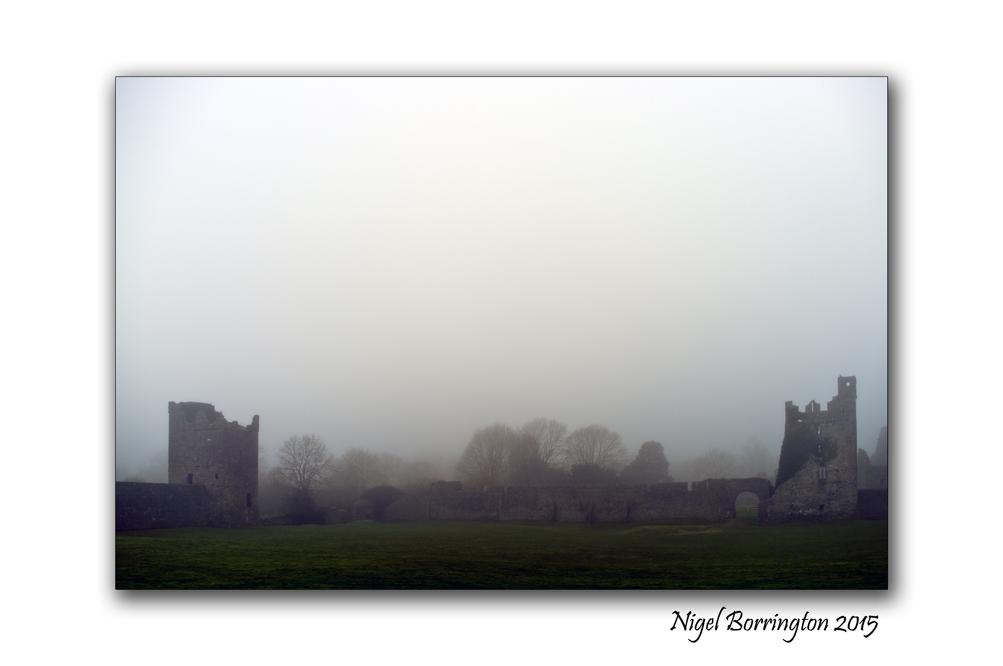
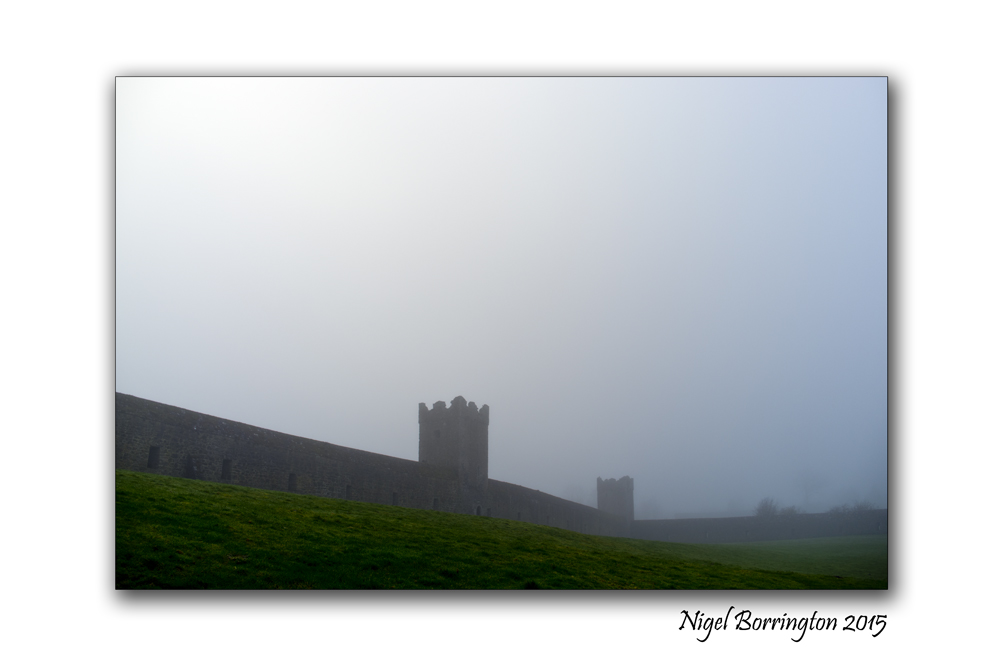
I took these images late yesterday afternoon at Kells Priory , County Kilkenny. Sunday was a foggy day here with the mist on the ground all day into this morning but the old remains of the priory looked so gray and haunted in the fog.
Last night I found this poem, it relates more to a castle in Scotland but fits so well how kells cal look on a foggy winters day.
A Castle Old And Grey
By : Alexander Anderson
I never see a castle
That is gaunt and grey and grim,
But my thoughts at once go backward
To the past so misty and dim.
To the time when tower and turret,
Kept watch far over the vale;
And along the sounding draw-bridge
Rode knights in their suits of mail.
I see the sunshine glancing
On helmet, pennon, and spear;
And hear from the depth of the forest,
A bugle calling clear.
I fill the hall with visions
Of ladies rich in their bloom;
And stately knights in armour,
And waving with feather and plume.
If I climb the broken stairway,
Where the stone is smooth and fine,
I hear a rustle and whisper,
And footsteps in front of mine.
Whisper of youth and maiden,
As they met in the long ago;
His deep and strong and manly,
Hers tender and sweet and low.
But maiden and youth have vanished,
Away from the scene and the light;
Gone, too, the high-born lady,
And the plumed and armoured knight.
Only the grey old castle,
Of crumbling stone and lime,
Still stands to speak of the ages,
And the iron footsteps of Time.
Kells Priory , county Kilkenny on a foggy day




At the River Awbeg edge, Image Gallery
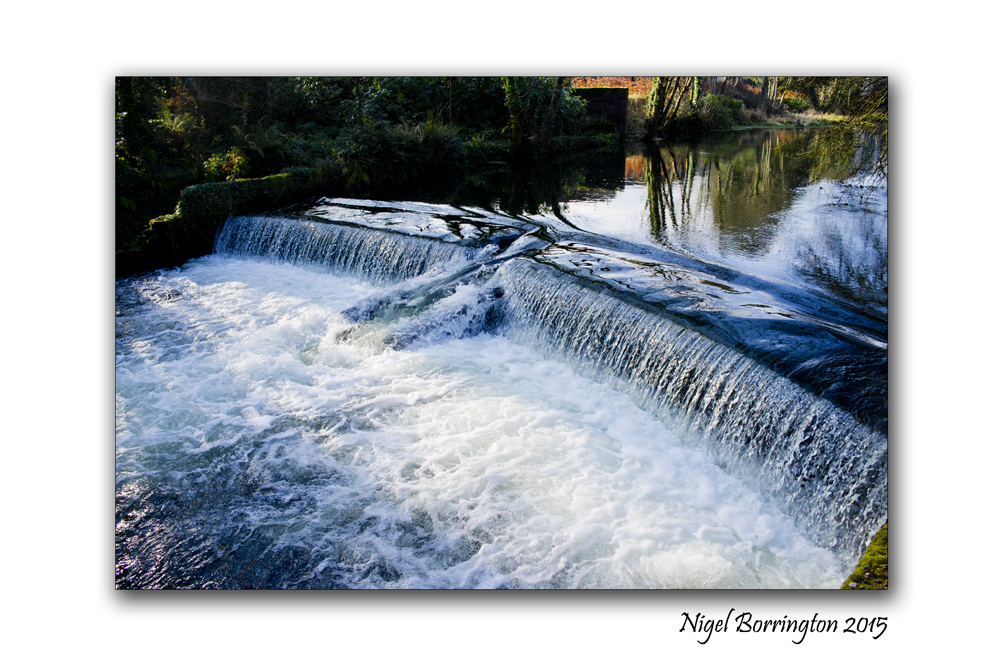
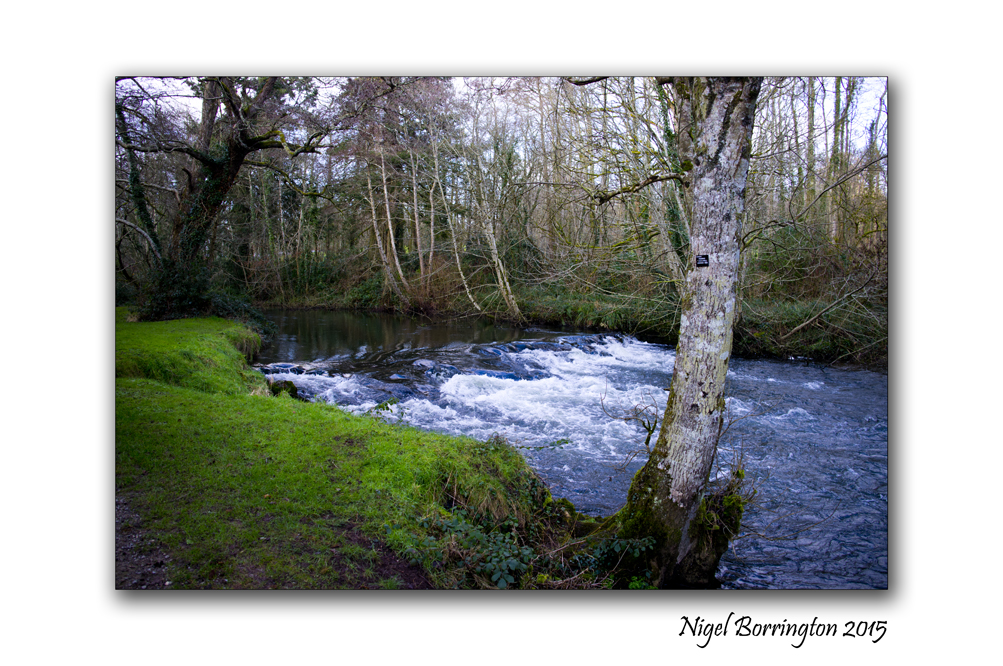
River Awbeg,
Doneraile , county Cork
Irish Landscape Photography : Nigel Borrington
Today I just want to share some images take at the banks of one of my favorite irish rivers the Awbeg River (Irish: An Abhainn Bheag, meaning “the small river”). This river is a river in the southern part of Ireland. It is a tributary of the Blackwater River and flows into that larger river at a point in County Cork. Its name comes from the Irish Abha Bheag (“small river”, a slightly older form than the modern Irish name).
As its a Friday Afternoon, I wish everyone a great weekend ahead. I hope you get sometime off and have a chance to spend time in a place just like this one 🙂
At the River Awbeg edge, Image Gallery




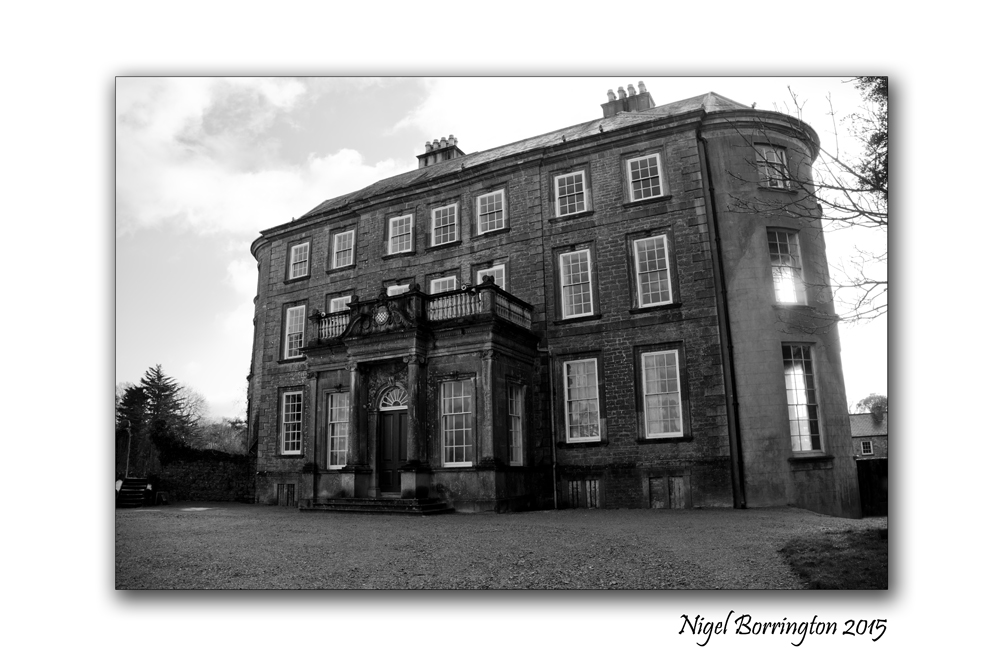
A sense of Place : Doneraile country park , Co. Cork, Ireland

Doneraile country house
County Cork
Fujifilm X100
Irish Landscape Photography : Nigel Borrington
Doneraile country park is one of my favorite places to visit and take landscape images, with an open green park-land that has the house, flowing rivers and woodlands it is one of the best kept parks in the country.
You can find out more details here : Doneraile country park , Co. Cork, Ireland
These images taken during this last weekend I feel give a small sense of this great place, I will post again on this location and give a little more history about the park and the local town but for now I just want to share these black and white images.
Doneraile country park : Black and white Photography Gallery



 Nigel Borrington
The Triple deity and the number three in Pagan Mythology , the Corleck Hill stone head
Corleck Hill stone head
The Triple deity
Photo : Nigel Borrington
Last weekend I visited the National Museum of Ireland in Dublin, to take a good look at some of the pagan/ per-christian objects that they have on permanent display.
One of the items that really captured my attention was the Corleck Hill – Carved stone head, a sculpture in the form of a triple deity. I think this stone is fascinating and provides a mythological link between per-christian Ireland and the wider world, well before the 1st century AD.
I have spent sometime this week doing a little study on the stone head and reading as much as I can find about its form, so I just wanted to share some on the images I took from the visit and some of the details I have found so far.
The Corleck Hill stone head
Stone Head
Object Number: IA:1998.72
Stone HeadCarved stone head. Early Iron Age, 1st – 2nd century AD. Known since it came to scientific attention in 1937 as the Corleck head, this three-faced stone idol was found in the townland of Drumeague, Co. Cavan around the year 1855. It appears that it was one of a number of carvings found, including a bearded bust now known as the Corraghy head that was later built into a barn in the nearby townland of that name. Thomas Barron, the local historian who brought the three-faced head to the attention of the National Museum spent a lifetime researching the local traditions concerning the find and he concluded that the figures were associated with a shrine located at Drumeague Hill. Nearby is Corleck Hill where it appears that between 1832 and 1900 a Passage Tomb surrounded by a stone circle and a circular embankment 70 yards in diameter were dismantled. The site of these monuments was the center of an important Lughnasa festival that celebrated the harvest, an ancient Celtic tradition that survives into modern times. Other Celtic stone heads have been found in the vicinity such as those from Corravilla and Cavan Town and the find place of the three-faced idol is but twelve miles distant from Loughcrew, Co. Meath. A little further north there is another group of Iron Age stone carvings that appear to be centred on the vicinity of Emhain Macha, the main political and ritual site of ancient Ulster. The likelihood is that the Corleck Head was associated with a shrine reflecting Romano-British traditions located close to where the carving was discovered. The three-faced carving is the finest of its type and there is a small hole in the base to assist its being stood securely, perhaps on a pedestal. One of the faces is heavy browed and all of them have bossed eyes, a broad nose and slit mouth. One of the mouths has a small circular hole at the centre and this feature is also found on two of the Co. Armagh carvings and on another from Woodlands, Co. Donegal. There are several examples of this feature from Yorkshire the best known occurring on two three-faced idols from Greetland, near Halifax. The feature also occurs on a stone head from Anglesey, Wales. H. 33cm; Max. W. 22.5cm.
What is the triple deity
A triple deity (sometimes referred to as threefold, tripled, triplicate, tripartite, triune or triadic, or as a trinity) is a deity associated with the number three. Such deities are common throughout world mythology; the number three has a long history of mythical associations. Carl Jung considered the arrangement of deities into triplets an archetype in the history of religion.
In mythological and its art,three separate beings may represent either a triad who always appear as a group (Greek Moirai, Charites, Erinnyes; Norse Norns; or the Irish Morrígna) or a single deity known from literary sources as having three aspects (Greek Hecate, Diana Nemorensis). In the case of the Irish Brigid it can be ambiguous whether she is a single goddess or three sisters, all named Brigid. The Morrígan also appears sometimes as one being, and at other times as three sisters, as do the three Irish goddesses of sovereignty, Ériu, Fódla and Banba.
The Matres or Matronae are usually represented as a group of three but sometimes with as many as 27 (3 × 3 × 3) inscriptions. They were associated with motherhood and fertility. Inscriptions to these deities have been found in Gaul, Spain, Italy, the Rhineland and Britain, as their worship was carried by Roman soldiery dating from the mid 1st century to the 3rd century AD. Miranda Green observes that “triplism” reflects a way of “expressing the divine rather than presentation of specific god-types. Triads or triple beings are ubiquitous in the Welsh and Irish mythic imagery” (she gives examples including the Irish battle-furies, Macha, and Brigit). “The religious iconographic repertoire of Gaul and Britain during the Roman period includes a wide range of triple forms: the most common triadic depiction is that of the triple mother goddess” (she lists numerous examples).
More ( A fascinating read !!!)
Share this:
May 28, 2015 | Categories: a closer look, Comment, megalithic people and remains, Nigel Borrington, The Pagan world, Travel Locations | Tags: Archaeology, Carved stone head, Cavan, Corleck Hill stone head, Ireland, irish history, mythology, National Museum of Ireland, Nigel Borrington, Pagan, Paganism, triple deity | 2 Comments