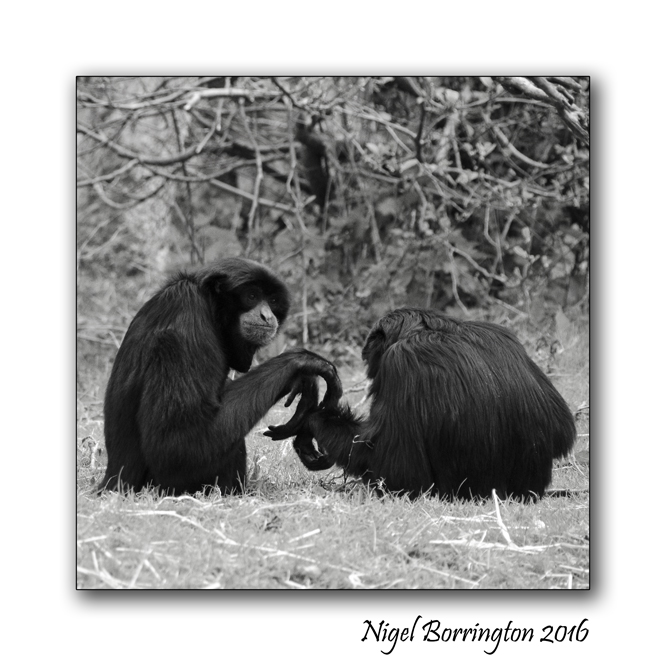
Portraits of Siamang Gibbon’s, Fota Island wildlife park , County Cork
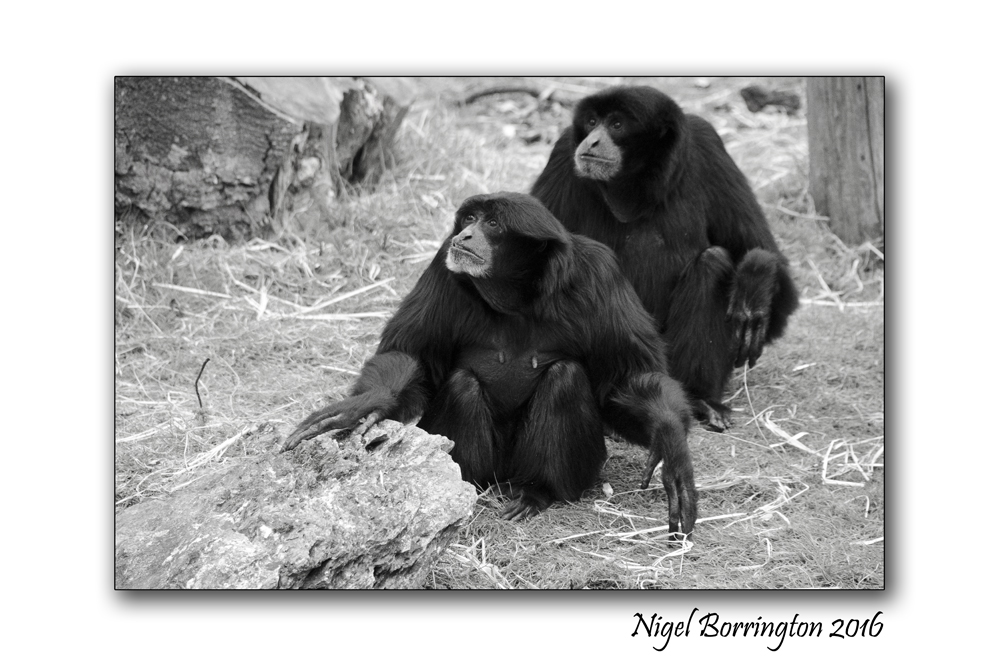
Siamang Gibbon
Fota Wildlife Park
County Cork
Nigel Borrington
During last weekend we visited Fota wildlife park in county cork and spent many great hours getting to know many of the animals they have in their care.
The Siamang Gibbon at the park are all member of the same family 🙂
Here are some details and fact about them , just to help you get to know them a little better 🙂
About the Siamang Gibbon
With a Latin name that means ‘Dweller in the trees’, the Siamang Gibbon is a tailless, black-furred ape that can grow to be twice the size of other Gibbons. Like other apes, the Siamang Gibbon has quite an upright posture and well-developed brain. However, it can weigh up to 14kg and has a special throat sac to amplify its call, which can be heard up to two miles away in the forest canopy.
Habitat
Native to the forests of Sumatra, Malaysia and Thailand, its home range overlaps with both the Lar and Agile Gibbons 0 though because of its largely leaf-eating habits, it does not compete for what the forest has to offer the other species.

Wild Notes
Siamangs are very agile and acrobatic creatures and their extra-long arms help them swing up to 15 feet in one move. Its arms stretch out to help with balance while walking and because it uses its hands so frequently while traveling, the Gibbon tends to carry items with its feet.
Conservation
Siamang Gibbons are considered to be Endangered as 70-80% of their primary habitat has been lost to palm oil production in recent decades. The illegal pet trade has also taken a toll on wild populations, but there are a growing number in existence in captivity across the world.
Did you know?
The Siamang Gibbon mates for life with both parents playing a role in rearing offspring. Breeding males and females also sing duets in order to maintain their bond and establish territory boundaries.
As a fellow ape, the Siamang is also the closest related animal to Mankind in the Park.
The Fota Connection
One of the noisiest crews in the Park, the Siamang Gibbons are hard to ignore and have been at Fota right from the beginning.
They feed on fruit, vegetables, nuts and willow branches and can often engage in long bouts of calling out if the Park is busy and they feel their territory might be under threat. Situated on Monkey Island, their location allows visitors get right up close.
Taking a nap, Bennett’s wallaby (mother and babies) at Fota wildlife park, County Cork

Taking a Nap
Bennetts Wallaby and baby
Nigel Borrington
During the last weekend we visited Fota wildlife park in county cork and spent many great hours getting to know many of the animals they have in their care.
The weather was perfect during the time needed to walk around all the islands and planned routes around the park, with many of the animal on open display and very easy to view you get a very personal experience.
The image above is of a female Bennett’s Walley, with two of her babies resting Snuggly in her pouch, I felt very lucky to get a great view of the three of them as they all napped in the midday sun 🙂

About the Bennett’s Wallaby
Sometimes called the Red-necked Wallaby, the species has a mainly grey coat with reddish shoulders and a black nose and paws. The male’s body can measure up to 90cm in length and weigh up to 18kg; the female, in contrast, is smaller – though both have five clawed-tipped fingers that are used for feeding and grooming.
Habitat
A native of the east coast of Australia and Tasmania, the Bennett’s Wallaby is noctural – resting during the day and coming out to feed at night. Largely a solitary animal, it follows a herbivorous diet and gains most of the water it needs through the food sources it consumes. Breeding can occur at any time of the year with females giving birth to one offspring – known as a Joey – once every 12 months.
Wild Notes
The Wallaby’s ears are very sensitive and are its first line of defence in that it will bound away from a predator as soon as it hears one nearby. Each of its hind legs has an elastic tendon that allows the species catapult itself forward as its tail acts like a rudder, enabling the Wallaby to change direction quickly.

Conservation
Once hunted for their meat and fur and persecuted by ranchers and farmers, Wallabies are now a protected species. The move has seen their numbers in the wild increase in recent years and as the species is tolerant of alternative habitats, it is of Least Concern on the Endangered List.
Did you know?
Similar in size to a grape when born, Joeys grow to 2,000 times its birth weight during the first six months of its life. They begin to leave their mother’s pouch from about seven months and are fully independent at a year old.
The Fota park Connection
The Park’s Wallabies are free ranging and now number between 50 and 70 animals around the island. More easily spotted in the early morning or late evening when the Park is quieter, this species feeds on the grass of the African Savanah or Woodlands areas and tends to be timid and hard to get too close to
——————-
I will post lots more images of all these great creatures at Fota park and do my best to introduce them to you 🙂
Folktales and Fables : The North Wind and the Sun
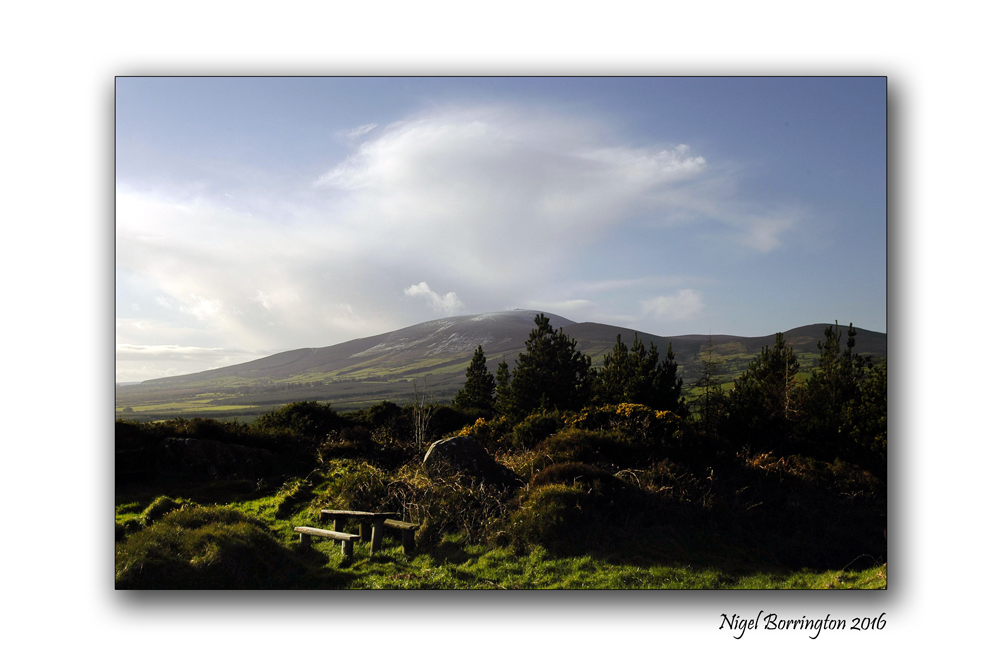
The North wind and the Sun
Irish Landscape photography : Nigel Borrington
A simple old story this one but filled with such a simple truth.
Folktales and Fables : The North Wind and the Sun
The North Wind and the Sun were disputing which was the stronger, when a traveler came along wrapped in a warm cloak. They agreed that the one who first succeeded in making the traveler take his cloak off should be considered stronger than the other.Then the North Wind blew as hard as he could, but the more he blew the more closely did the traveler fold his cloak around him; and at last the North Wind gave up the attempt. Then the Sun shined out warmly, and immediately the traveler took off his cloak.
And so the North Wind was obliged to confess that the Sun was the stronger of the two.
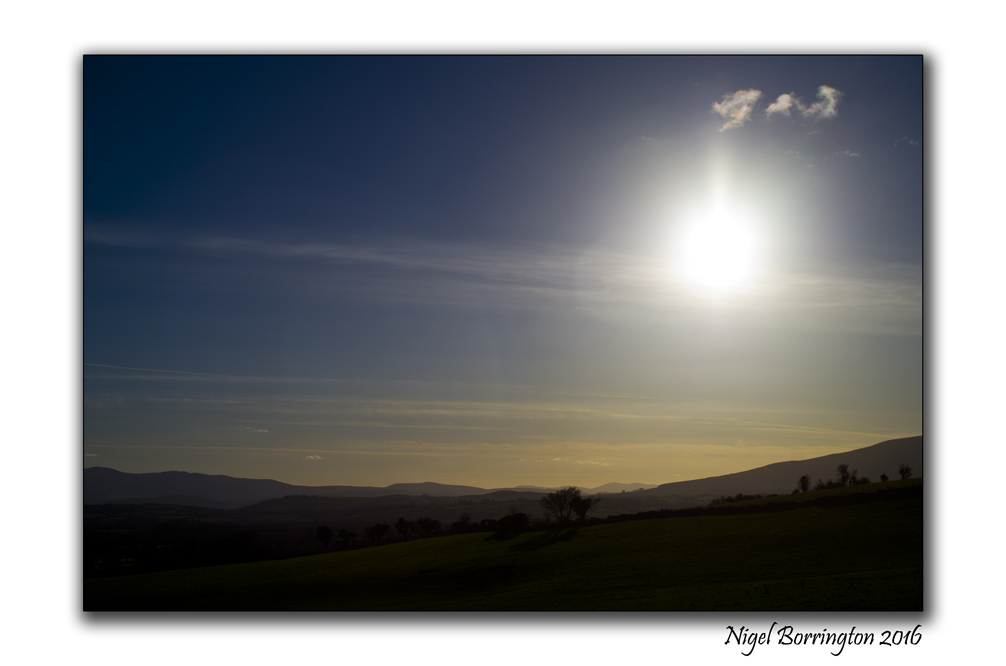
Irish Landscapes
Early Springtime
Kilkenny
Nigel Borrington
The story concerns a competition between the North wind and the Sun to decide which is the stronger of the two. The challenge was to make a passing traveler remove his cloak. However hard the North Wind blew, the traveler only wrapped his cloak tighter to keep warm, but when the Sun shone, the traveler was overcome with heat and soon took his cloak off.
The fable was well known in Ancient Greece; Athenaeus recorded that Hieronymus of Rhodes, in his Historical Notes, quotes an epigram of Sophocles against Euripides which parodies the story of Helios and Boreas. It relates how Sophocles had his cloak stolen by a boy to whom he had made love. Euripides joked that he had had that boy too and it did not cost him anything. Sophocles’ reply satirises the adulteries of Euripides: “It was the Sun, and not a boy, whose heat stripped me naked; as for you, Euripides, when you were kissing someone else’s wife the North Wind screwed you. You are unwise, you who sow in another’s field, to accuse Eros of being a snatch-thief.”
The Latin version of the fable first appears centuries later in Avianus as De Vento et Sole (Of the wind and the sun, Fable 4), early versions in English and Johann Gottfried Herder’s poetic version in German (Wind und Sonne) also give it as such. It is only in mid-Victorian times that the title “The North Wind and the Sun” begins to be used. In fact the Avianus poem refers to the characters as Boreas and Phoebus, the gods of the north wind and the sun, and it is under the title Phébus et Borée that it appears in La Fontaine’s Fables (VI.3).
Victorian versions give the moral as “Persuasion is better than force”, but it has been put in different ways at other times. In the Barlow edition of 1667, Aphra Behn teaches the Stoic lesson that there should be moderation in everything: “In every passion moderation choose,/For all extremes do bad effects produce”, while La Fontaine’s conclusion is that “Gentleness does more than violence” (Fables VI.3). In the 18th century, Herder comes to the theological conclusion that, while superior force leaves us cold, the warmth of Christ’s love dispels it, and Walter Crane’s limerick version of 1887 gives a psychological interpretation, “True strength is not bluster”. Most of these examples draw a moral lesson, but La Fontaine hints at the political application that is present also in Avianus’ conclusion: “They cannot win who start with threats”. There is evidence that this reading has had an explicit influence on the diplomacy of modern times: in South Korea’s Sunshine Policy, for instance, or Japanese relations with the military regime in Burma.
The First Morning Of April 2016

The first Morning of April 2016
River Suir
County Tipperary
Nigel Borrington
The first Morning of April 2016 has started here in Ireland with our usual spring rains
So time for a small poem to welcome it home once again ……
April rain
On your morning walk
let the rain kiss you on your face
let the rain beat upon your head with silver liquid drops,
Let the rain sing you a new song
just like the returning birds of springtime,
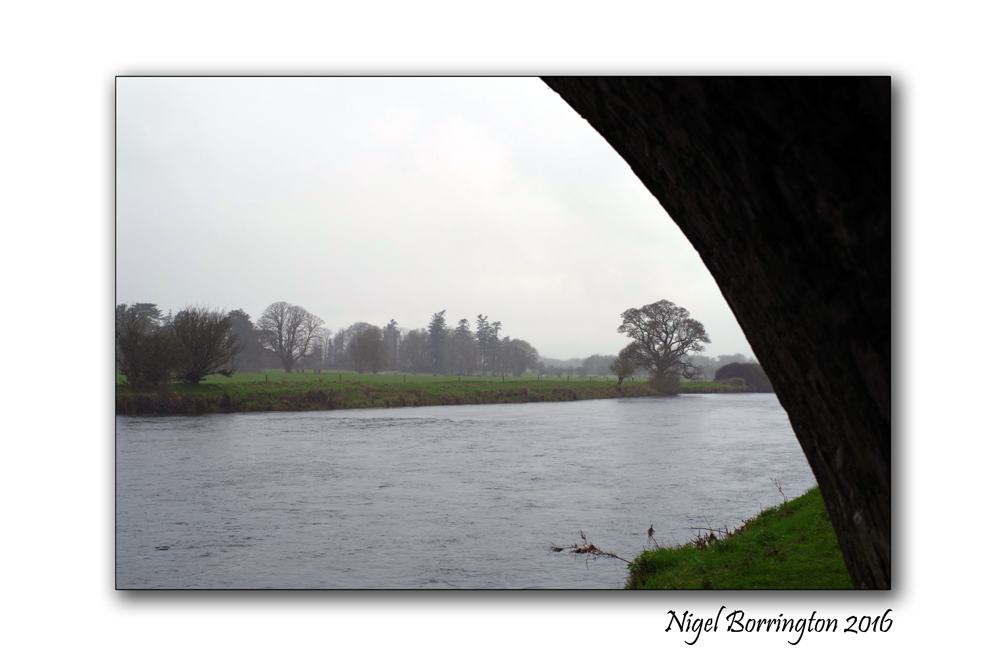
On this morning walk along the rivers bank
the rain makes waves upon the rivers flow
the rain dances on its surface,
If there are any Gods then they are in the rain
this rain that brings new life
a fresh start
this April rain.
The Last Afternoon of March

That Last day of March
Irish Landscapes
Nigel Borrington
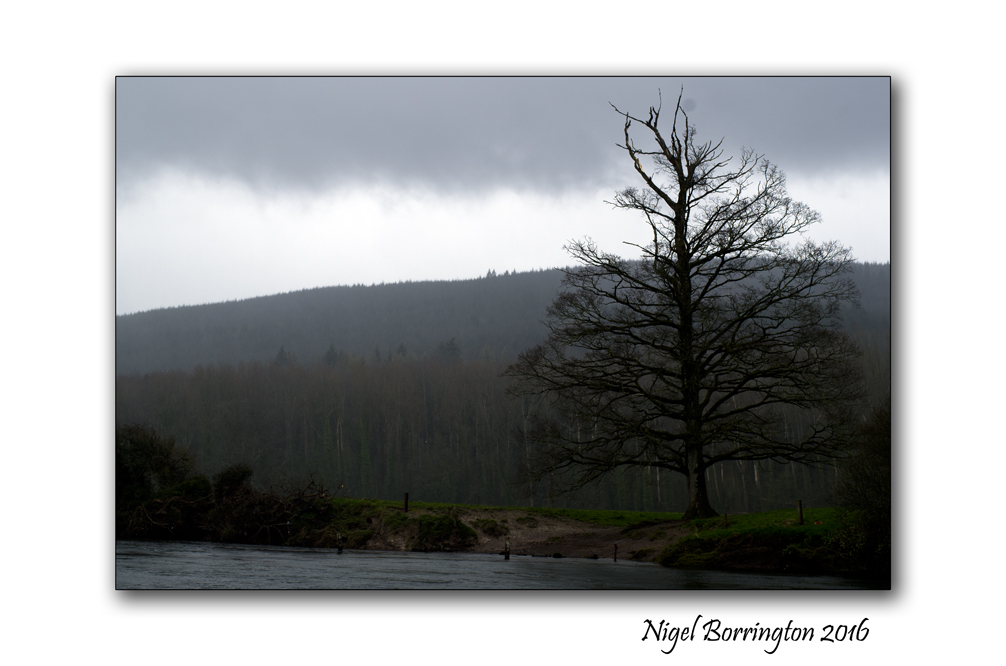
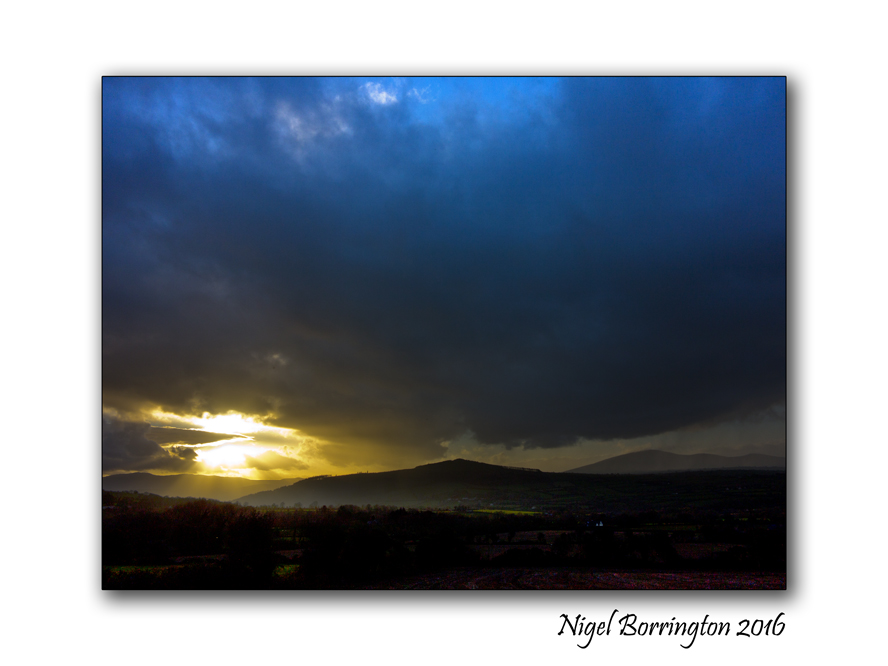
The Last afternoon of March 2016
This afternoon is bright and sunny
between the mountain clouds,
Springtime is in the air,
The weather is mild on this late March afternoon,
the breath of April is rising fast,
I am alone on the quiet mountain top
looking down on an old untried illusion
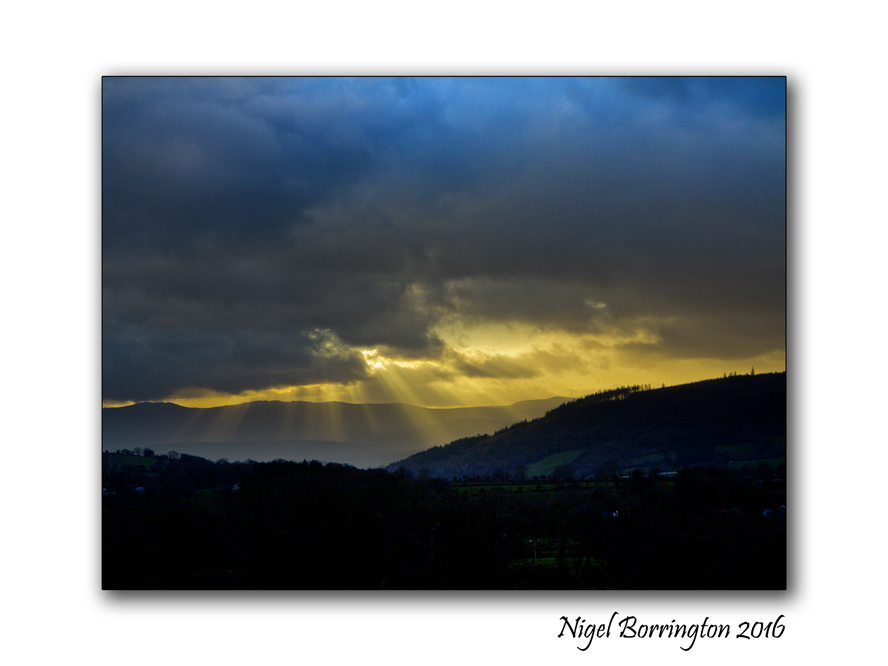
Some shadows sit on the green landscape below
memory’s rise from their sleep,
The crows fly above while others rest
on the stone walls of this mountain side,
In the air as hunting birds call
the fast hover of the kestrels wings.
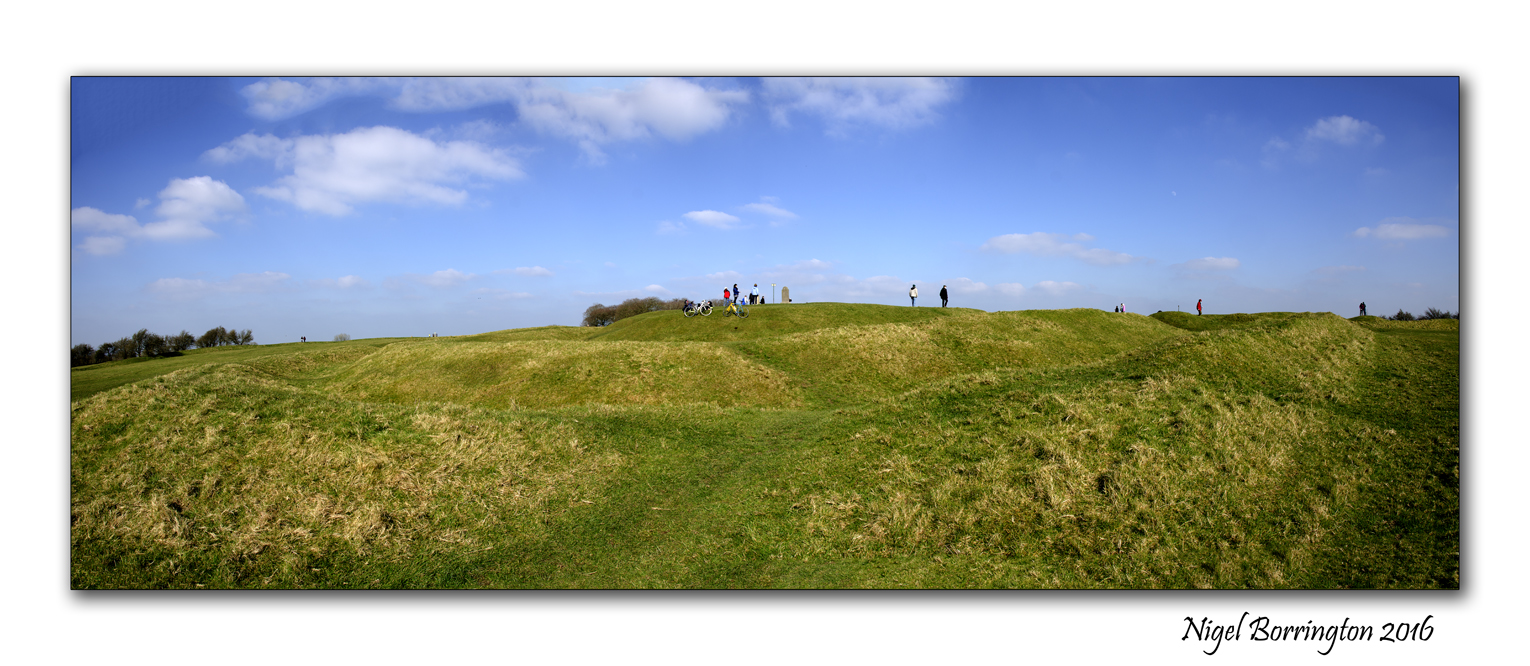
Easter (Ēostre, Ostara ) time on the – Hill of Tara

Easter in Ireland is clearly these days viewed as a religious time in the sense of modern Christianity, however Easter or Ēostre, as a festival has been celebrated for many thousands of years before our current state accepted beliefs….
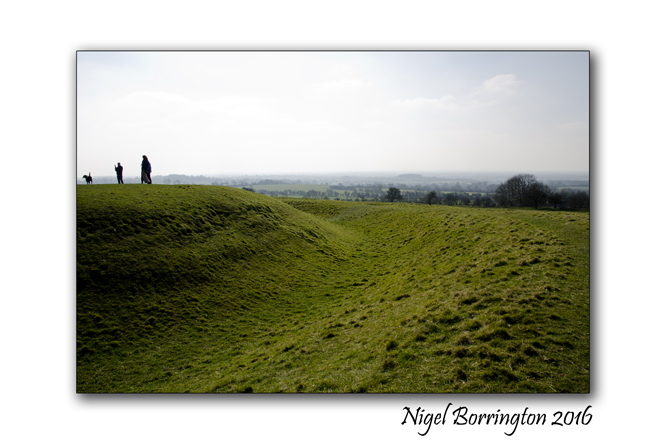
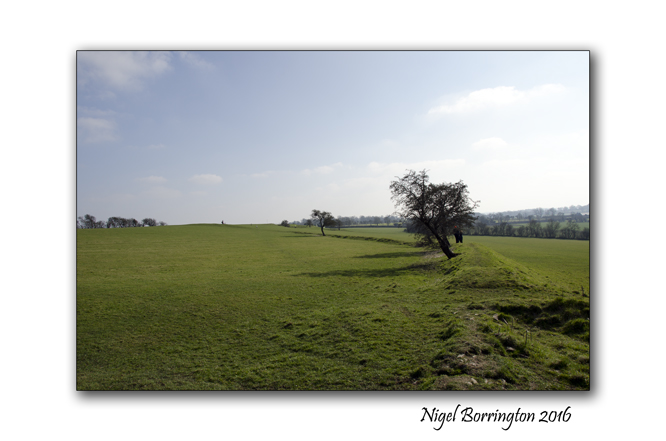
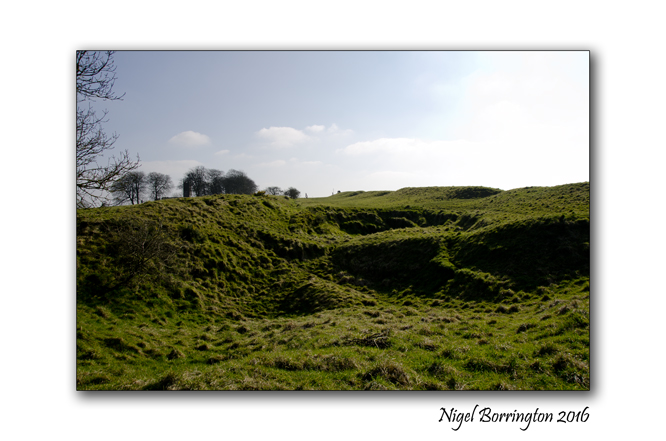
During last weekend we visited the hill of Tara one of Europe’s and Ireland’s oldest pagan monuments, It was a great time of the year to visit as the air was full of springtime with a feeling that summer was only just around the corner,warm days and long evenings. This is the exact feeling that surrounds the beliefs of the people who made this place so Sacred to their Pagan beliefs in the elements of nature and the seasons. I am never sure if these belief’s can fully be called a religion in modern terms, feeling that they were more a philosophy towards the world that they lived in and cared for very much!
here is a little about the long history of the hill of Tara:
Teamhair is the ancient name given the Hill of Tara. One of the most religious and revered sites in all of Ireland, it was from this hill that the Ard Rí, the High Kings of Ireland, ruled the land. The place was sometimes called Druim Caín (the beautiful ridge) or Druim na Descan (the ridge of the outlook). When walking the path that leads to the top of the hill today, one can easily appreciate why. The long gradual slope eventually flattens at the top for an amazing view of the broad plains in the Boyne and Blackwater valleys below. All that remains of the complex is a series of grass-covered mounds and earthworks that say little about the 5,000 years of habitation this hill has seen.
Most historians, including Biblical scholars, agree that Easter was originally a pagan festival. According to the New Unger’s Bible Dictionary says: “The word Easter is of Saxon origin, Eastra, the goddess of spring, in whose honour sacrifices were offered about Passover time each year. By the eighth century Anglo–Saxons had adopted the name to designate the celebration of Christ’s resurrection.” However, even among those who maintain that Easter has pagan roots, there is some disagreement over which pagan tradition the festival emerged from. Here we will explore some of those perspectives.
Resurrection as a symbol of rebirth
One theory that has been put forward is that the Easter story of crucifixion and resurrection is symbolic of rebirth and renewal and retells the cycle of the seasons, the death and return of the sun.
Hill of Tara Gallery



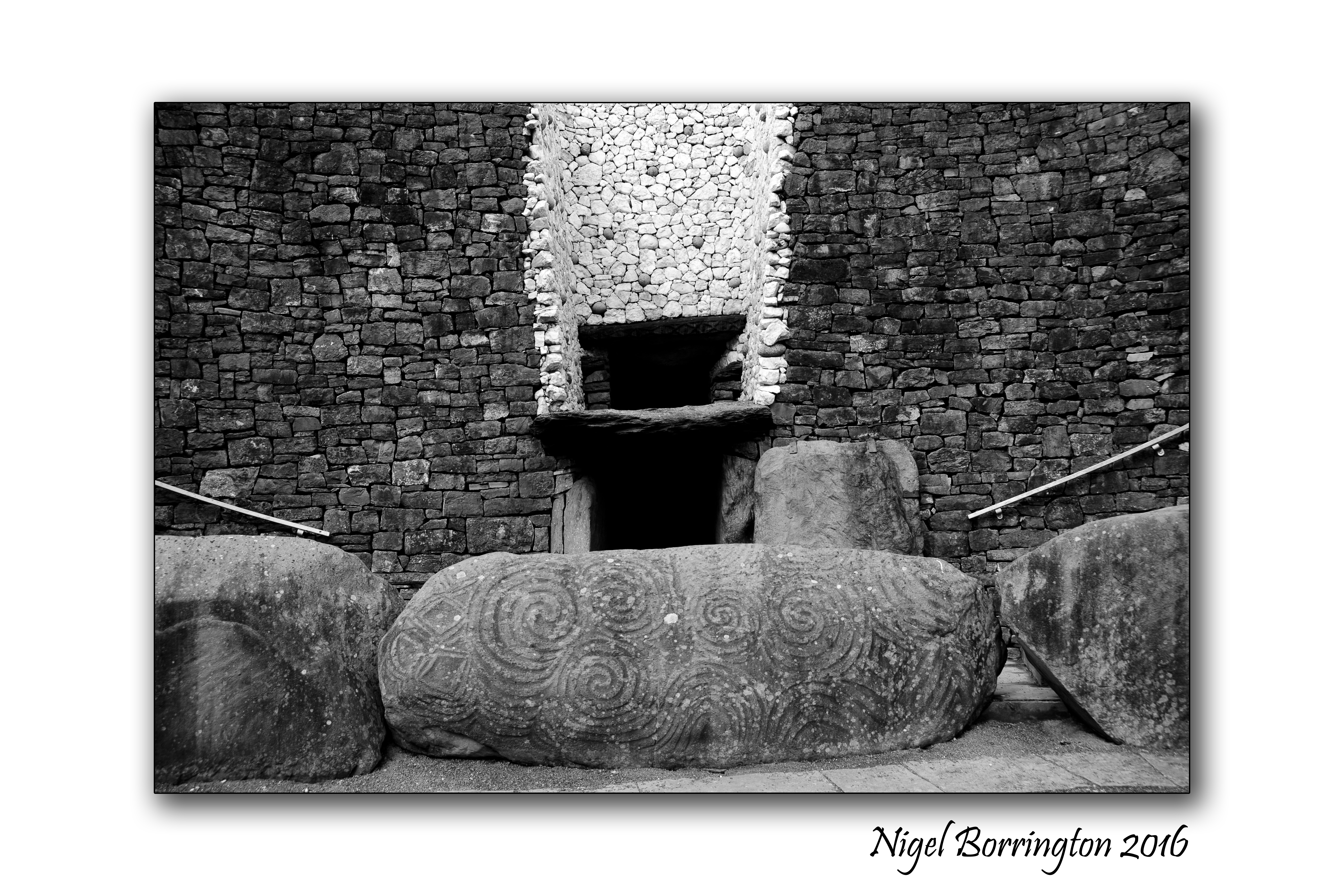
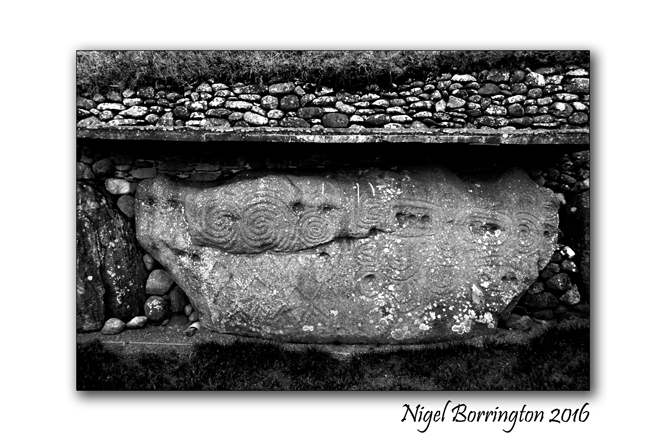
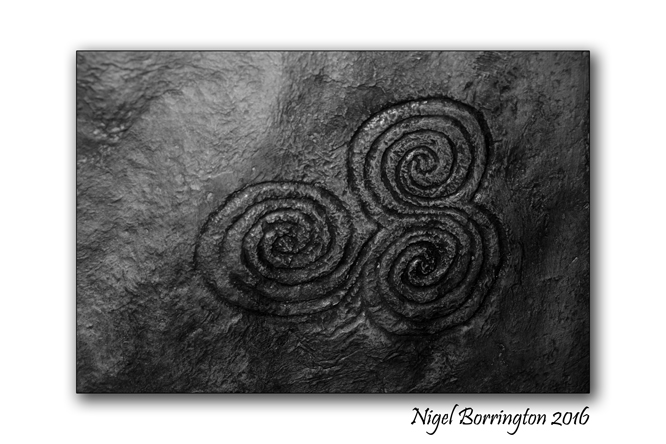
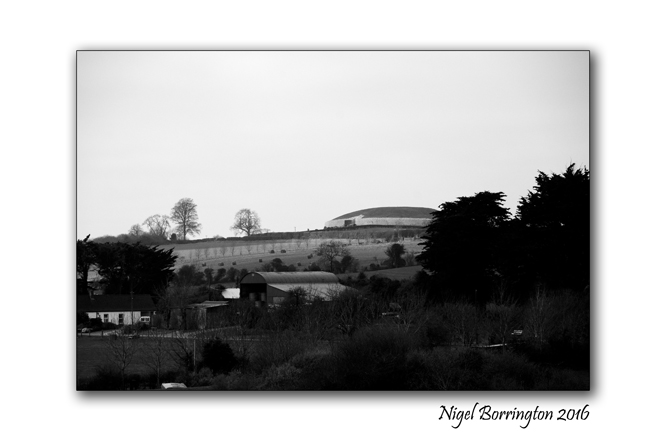
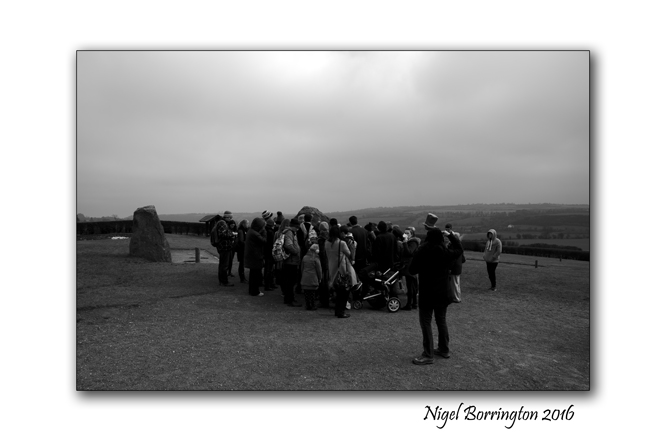
A weekend Celebrating the Spring Equinox 2016 at Newgrange, Boyne Valley, County Meath, Ireland.
Happy Spring Equinox 2016 to everyone …..
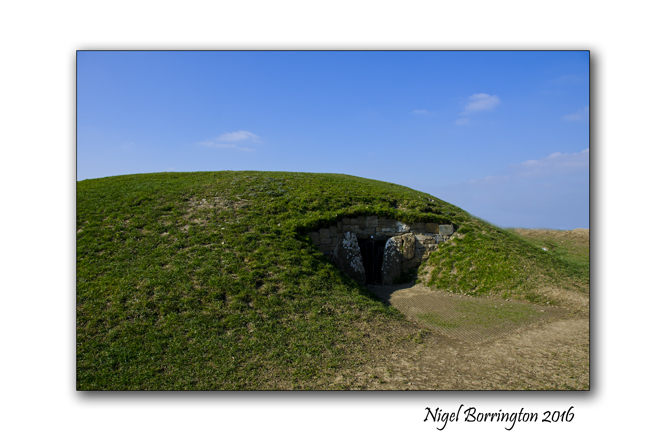
Yesterday Marked the start of spring time, so over the weekend I spent sometime visiting both Newgrange and the Hill of Tara. Both perfect locations to gain a little understanding as to how our European pagan ancestors both recorded and celebrated the movement of the sun and universe they lived in.
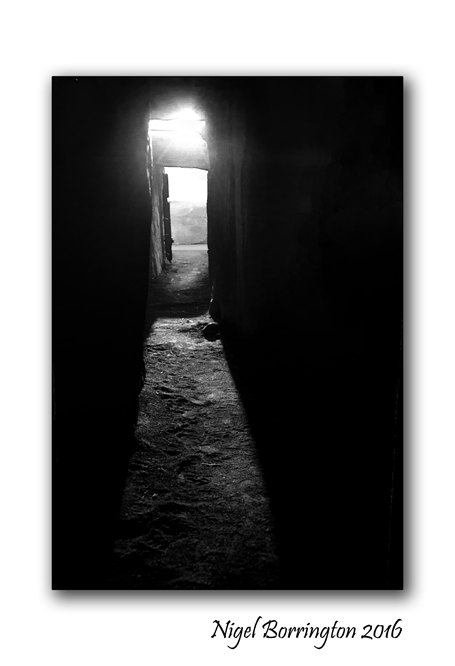
It was exactly, one quarter of a year that had passed since the shortest day of the year, the day when at Newgrange the rising sun can be seen to travel all the way into the passage tomb at the centre of the monument.
The Spring equinox 2016 celebrating
Yesterday marked the arrival of spring, the date of the vernal equinox, or spring equinox as it is known in the northern hemisphere. Spring equinox. During an equinox, the Earth’s North and South poles are not tilted toward or away from the sun. (Ref :Wikipedia)
This means the sun will rise exactly in the east and travel through the sky for 12 hours before setting in the exactly west.An equinox happens twice a year around March 20 and September 22 when the Earth’s equator passes through the centre of the sun.
For those in the southern hemisphere, this time is the autumnal equinox that is taking people into their winter.
Druids and Pagans like to gather at Stonehenge early in the morning to mark the Spring Equinox, to see the sunrise above the stones.
The Pagans consider this is the time of the ancient Saxon goddess, Eostre, who stands for new beginnings and fertility. This is why she is symbolized by eggs (new life) and rabbits/hares (fertility). Her name is also where we get the female hormone, oestrogen.
From Eostre also come the names “Easter” and “Esther” the Queen of the Jews, heroine of the annual celebration of Purim which was held on March 15. At Easter, Christians rejoice over the resurrection of Jesus after his death, mimicking the rebirth of nature in spring after the long death of winter.
It is also a time to cleanse your immune system with natural remedies. In Wiltshire and other parts of rural Britain it used to be tradition to drink dandelion and burdock cordials as the herbs help to cleanse the blood and are a good tonic for the body after a harsh winter.
Newgrange a Gallery


Irish national tree week 2016
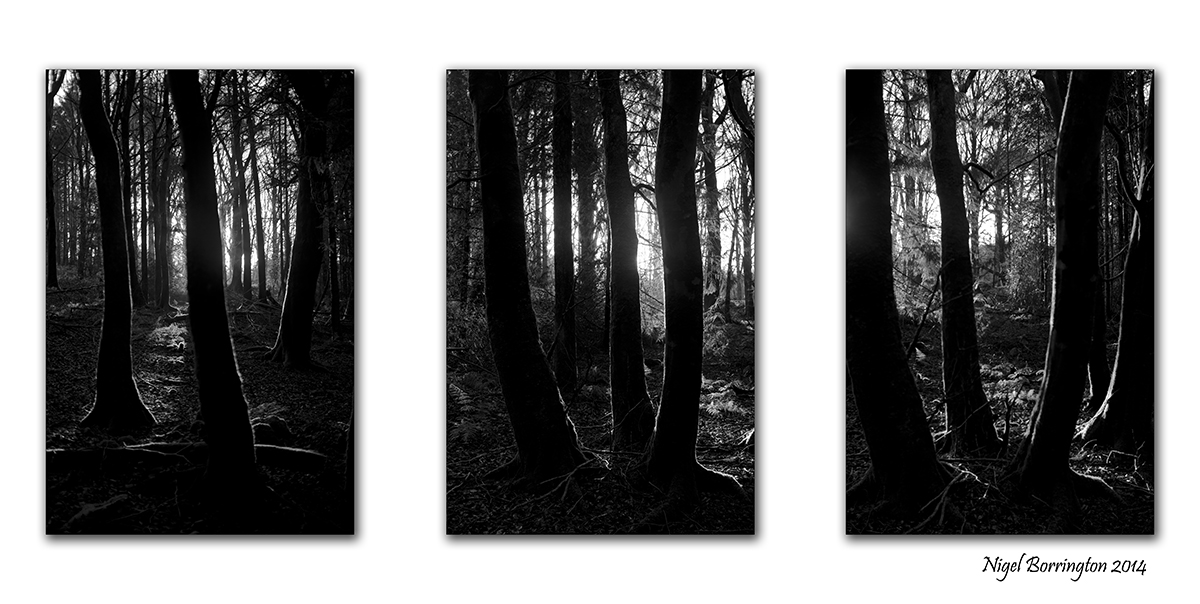

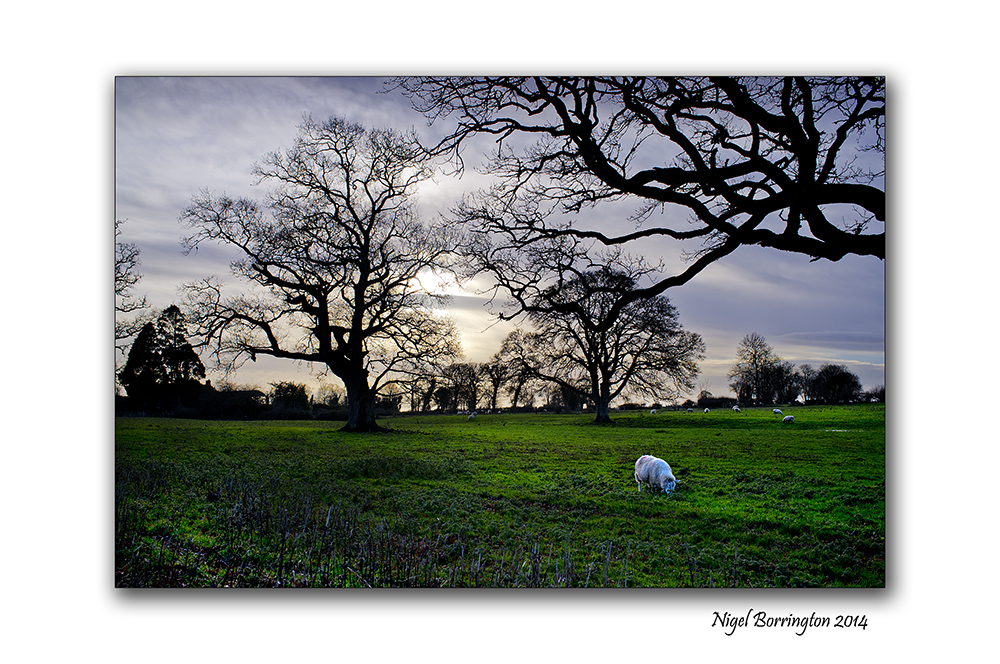
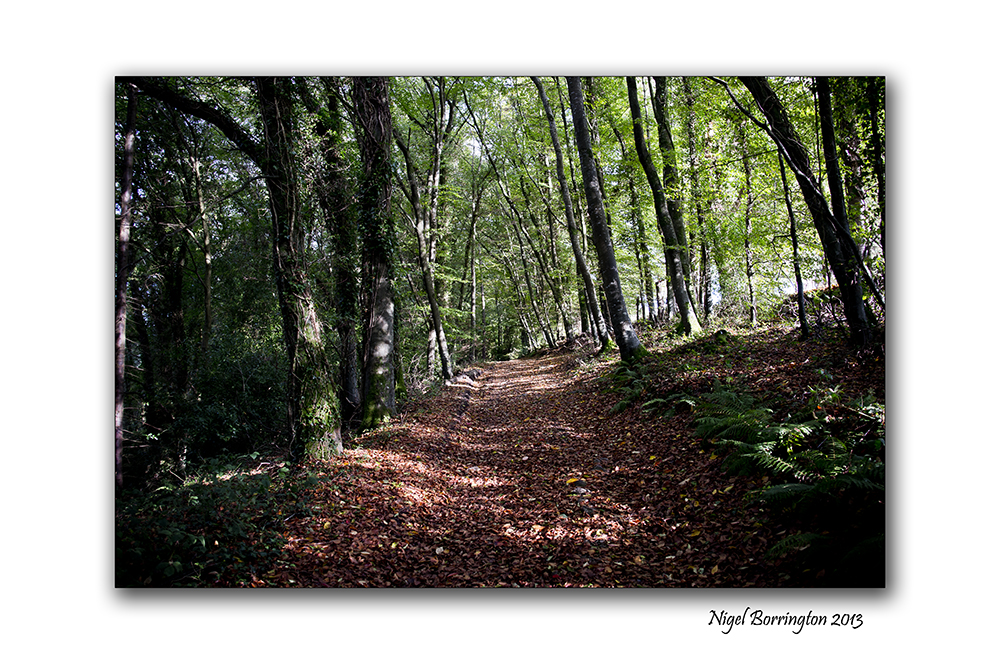
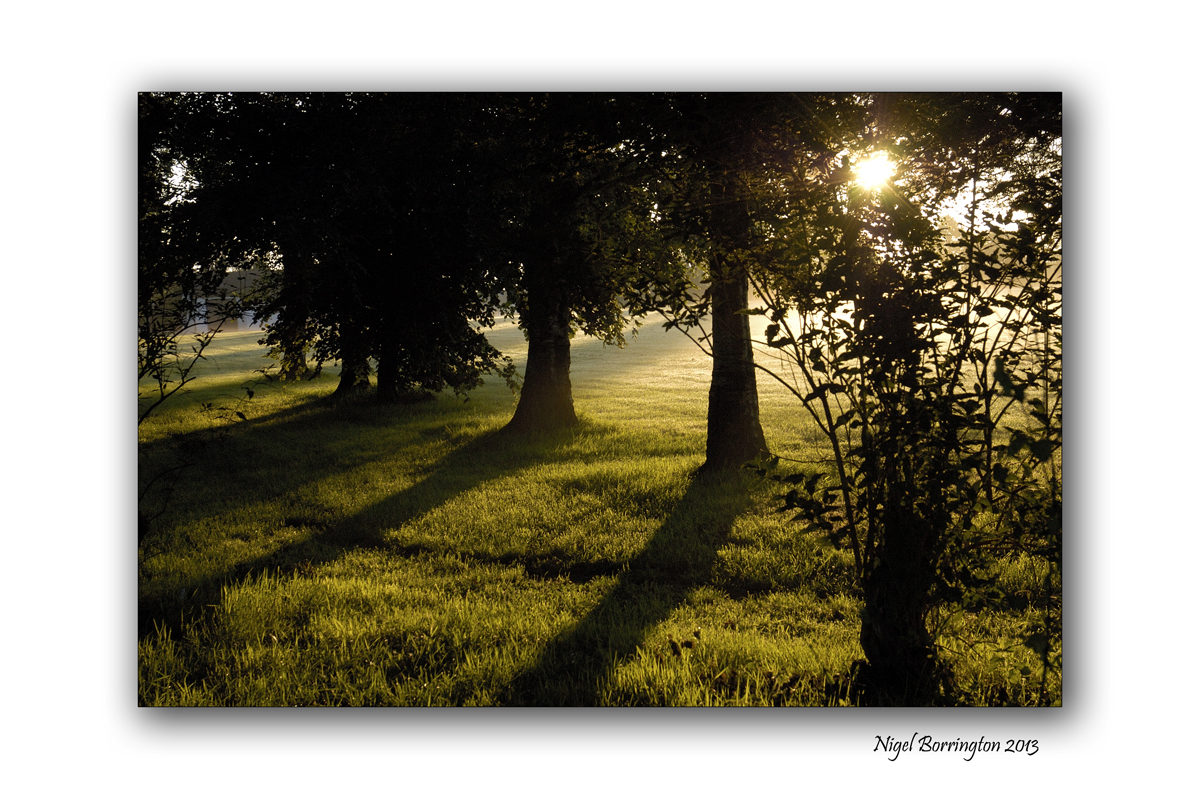
This week in Ireland is National tree week, so I thought I would share some of the images that I have taken during my time living here in county Kilkenny.
Irish Trees, a Gallery






Irish landscapes – Kilkenny , an evening in early springtime
Irish Landscapes
Early Springtime
Kilkenny
Nigel Borrington
The last of today’s sunlight was just perfect ….
This evening I took a walk along some of our local lanes , up in the hills near the village of Windgap, Kilkenny. The sun hung low in the sky an hour before sunset and filled the fields with vivid greens and long shadows from the hedgerow trees, just such a wonderful sense of early springtime which is just around the corner now, you can feel it just waiting to burst through…..
This is the best time of year with so many great months ahead of us ……
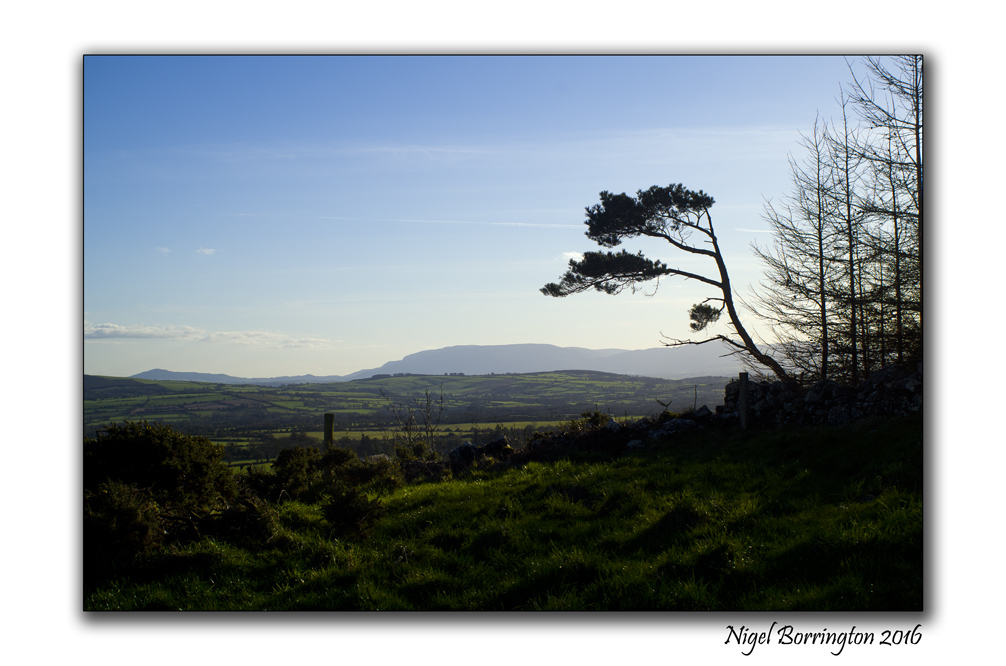
Monday Poetry : The Rise Of The Blue Swan – andy fardell

The Rise Of The Blue Swan
Nature Photography
Nigel Borrington
The Rise Of The Blue Swan
He hid in the shadows of his life
For the world hurt him and all that he wanted
A mind shattered into the shards of hurt that burned
His skin at the merest thought
The blue swan laid low
Like a sunset hidden in the midday sun
Or a full moon ready in the depths of the darkest hollow
His time would come
The blossom would break and his beating wings would soon rise
For he was the blue swan
His pen ready yet she was hidden in the clouds of his uncleared mind
A mate for his remainder
Their love
His way
Swan so blue please wake from your bitter
Shine like the kindred spirit you had before the storm
Swan of the day
Love of the night
Your future is waiting
So bright is your fire
The day has come for the blue swan to fly
So beat like the earth on the run
Rise to the mountains
Shout to the sky
Fly
Blue
Fly ..
andy fardell
Feb 23, 2014
Spring in January ?

Spring In January ?
This Morning when I opened our blinds I noticed our first Flowers of Spring but In January ?
The weather this winter has been very wet and warm and many people have been saying they have spring flowers already, these are the first in our own garden.
A January walk along the Hedgerow

January in the Hedgerow
Nigel Borrington
January can seem so quite in the Irish Hedgerows, very little is moving or growing, yet there is still signs of life to be found in the remains of last years summer season.
I took these images at lunch-time while out on a walk, I feel that there is still much to see and capture, even so long after these flowers would have been at their colourful best …..
A reminder of the cycle of life …….
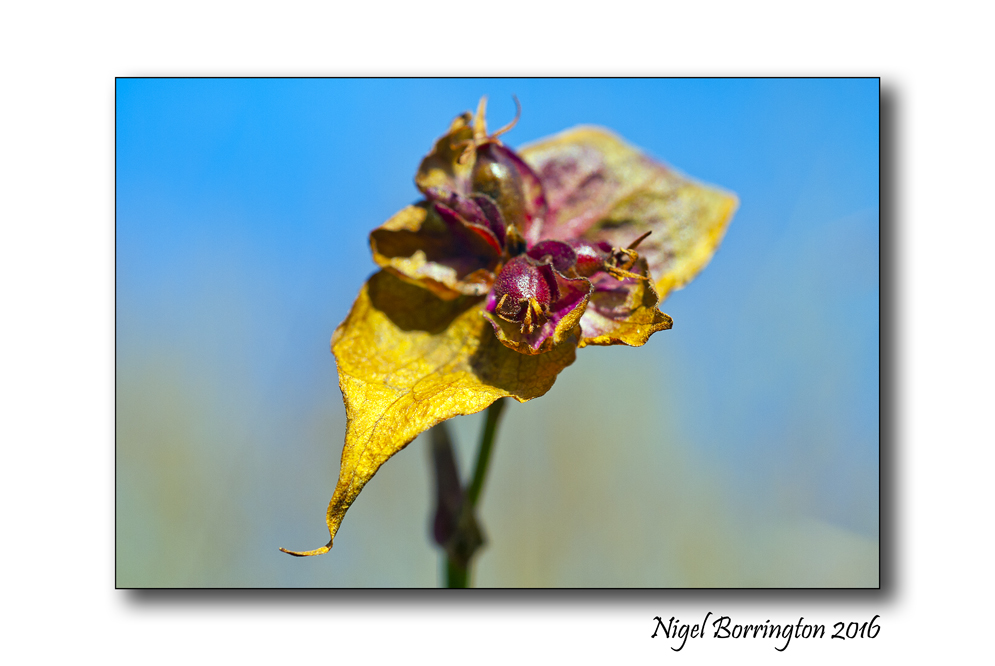

The Light Bringer , a Poem by : Jude Kyrie

Irish Landscape
Nigel Borrington
The darkness of forever
a mantle that shrouds the earth
timeless stars cascade the bejeweled heavens
The silent stillness of all time
pervades the night sky
The light bringer in his infinite vigil
stands alone a silent sentry
lighting his planets one by one
Two lovers sleep in the blessed stillness
in cushions of clouds below the moon,
His starlight falls upon them
like a sweet gentle rain
Bestowing upon them
the gifts of his purest light
from the farthest
reaches of his universe.
On the earth below
lovers woo and maidens dream
as they have always been
bathing in its magical mist

The light bringer watches them
he sees the lovers share a kiss
believing they would capture each fleeting moment
preserve it forever in their memories
But their time was as a grain of sand
the deserts of time belong to him
Poems of Remembrance (W. B. Yeats and Robert Laurence Binyon)
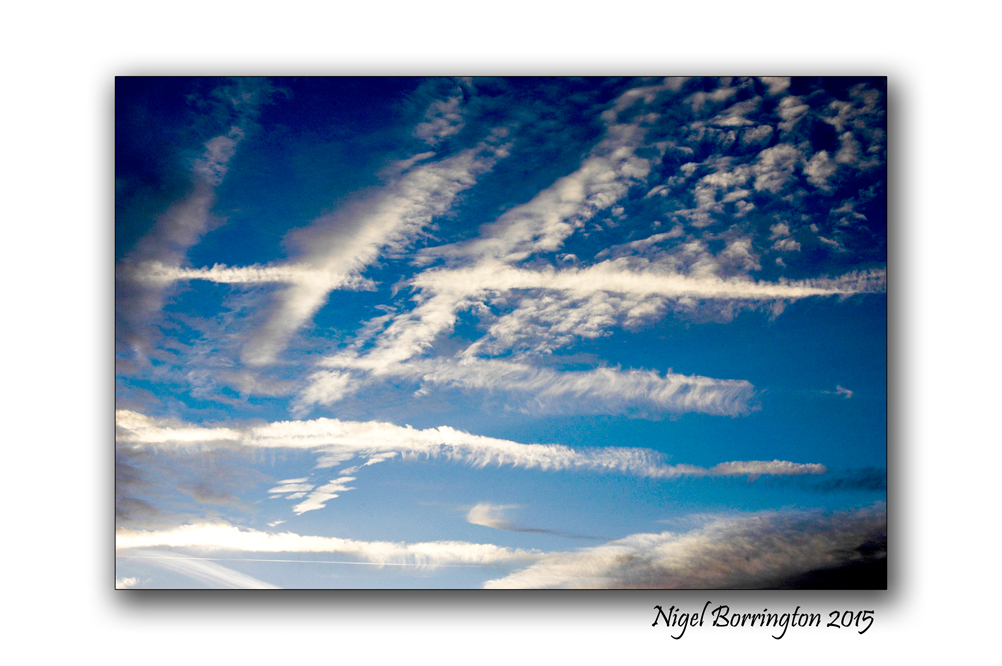
An Irish Airman Foresees His Death
W. B. Yeats, 1865 – 1939
I know that I shall meet my fate
Somewhere among the clouds above;
Those that I fight I do not hate
Those that I guard I do not love;
My country is Kiltartan Cross,
My countrymen Kiltartan’s poor,
No likely end could bring them loss
Or leave them happier than before.
Nor law, nor duty bade me fight,
Nor public man, nor cheering crowds,
A lonely impulse of delight
Drove to this tumult in the clouds;
I balanced all, brought all to mind,
The years to come seemed waste of breath,
A waste of breath the years behind
In balance with this life, this death.
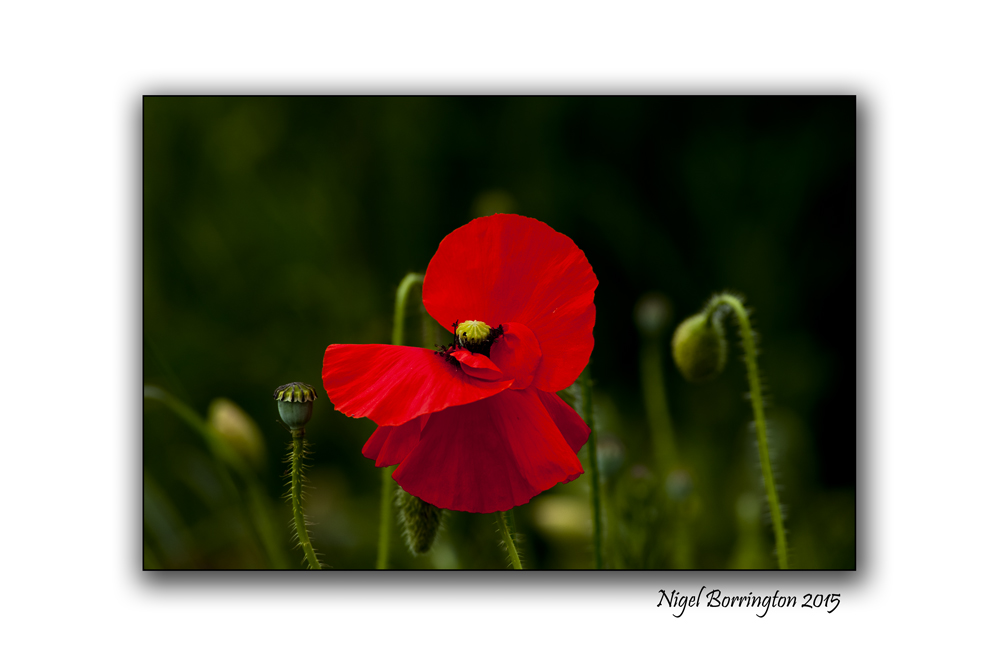
The GreatWar 1914-1918
For the Fallen
Robert Laurence Binyon, by artist William Strang. Laurence Binyon
Poem by Robert Laurence Binyon (1869-1943), published in The Times newspaper on 21st September 1914.
With proud thanksgiving, a mother for her children,
England mourns for her dead across the sea.
Flesh of her flesh they were, spirit of her spirit,
Fallen in the cause of the free.
Solemn the drums thrill: Death august and royal
Sings sorrow up into immortal spheres.
There is music in the midst of desolation
And a glory that shines upon our tears.
They went with songs to the battle, they were young,
Straight of limb, true of eye, steady and aglow.
They were staunch to the end against odds uncounted,
They fell with their faces to the foe.
They shall grow not old, as we that are left grow old:
Age shall not weary them, nor the years condemn.
At the going down of the sun and in the morning
We will remember them.
They mingle not with their laughing comrades again;
They sit no more at familiar tables of home;
They have no lot in our labour of the day-time;
They sleep beyond England’s foam.
But where our desires are and our hopes profound,
Felt as a well-spring that is hidden from sight,
To the innermost heart of their own land they are known
As the stars are known to the Night;
As the stars that shall be bright when we are dust,
Moving in marches upon the heavenly plain,
As the stars that are starry in the time of our darkness,
To the end, to the end, they remain.
Monday Poetry : Light Between The Trees, By – Henry Van Dyke

Irish Landscapes
Nigel Borrington
Light Between The Trees
Author: Henry Van Dyke
Long, long, long the trail
Through the brooding forest-gloom,
Down the shadowy, lonely vale
Into silence, like a room
Where the light of life has fled,
And the jealous curtains close
Round the passionless repose
Of the silent dead.
Plod, plod, plod away,
Step by step in mouldering moss;
Thick branches bar the day
Over languid streams that cross
Softly, slowly, with a sound
Like a smothered weeping,
In their aimless creeping
Through enchanted ground.

“Yield, yield, yield thy quest,”
Whispers through the woodland deep;
“Come to me and be at rest;
I am slumber, I am sleep.”
Then the weary feet would fail,
But the never-daunted will
Urges “Forward, forward still!
Press along the trail!”
Breast, breast, breast the slope
See, the path is growing steep.
Hark! a little song of hope
Where the stream begins to leap.
Though the forest, far and wide,
Still shuts out the bending blue,
We shall finally win through,
Cross the long divide.
On, on, on we tramp!
Will the journey never end?
Over yonder lies the camp;
Welcome waits us there, my friend.
Can we reach it ere the night?
Upward, upward, never fear!
Look, the summit must be near;
See the line of light!
Red, red, red the shine
Of the splendour in the west,

The Elements of Life : Water.

The Elements Water
Nature Photography
Nigel Borrington
Water, giver of life
Water, is a great necessity, without it nothing can live. Only earth and water can bring forth a living soul. Such is the greatness of water that spiritual regeneration cannot be done without it.
Thales of Miletus concluded that water was the beginning of all things and the first of all elements and most potent because of its mastery over the rest. Pliny said “Water swallow up the earth, extinguishes the flame, ascends on high, and by stretching forth as clouds challenges the heavens for their own, and the same falling down, becomes the cause of all things that grow in the earth.
Water is a cleansing, healing, psychic, and loving element. It is the feeling of friendship and love that pours over us when we are with our family, friends and loved ones. When we swim it is water that supports us, when we are thirsty, it is water the quenches our thirst, another manifestation of this element is the rainstorms that drench us, or the dew formed on plants after the sun has set.
The power of the energy of Water, can be felt by tasting pure spring water, moving you hand through a stream, lake, pool, or bowl full of water. You can feel its cool liquidity; it’s soft and loving touch, this motion and fluidity is the quality of Air within Water. This Water energy is also contained within ourselves, our bodies being mostly composed of Water.
As well as being vital for life, within the energy of this element is contained the essence of love. Love is the underlying reason for all magic. Water is love.
Water is a feminine element, it also the element of emotion and subconscious, of purification, intuition, mysteries of the self, compassion and family. It is psychic ability; water can be used as a means of scrying or as an object for meditation. Water is important in spells and rituals of friendship, marriage, happiness, fertility, healing, pleasure, psychic abilities and spells involving mirrors.

The element of Water and the pagan Irish Goddess : Boann and the Irish God : Nechtan
eltic (Irish) Goddess of the River Boyne and mother of Angus Mac Og by the Dagda. She was the wife of Nechtan, a god of the water. Likewise, Boann was herself a water-goddess, and one of her myths concerns the water. According to legend, there was a sacred well (Sidhe Nechtan) that contained the source of knowledge. All were forbidden to approach this well, with the exception of the god Nechtan (as was noted, Boann’s husband) and his servants. Boann ignored the warnings, and strode up to the sacred well, thus violating the sanctity of the area. For this act, she was punished, and the waters of the defiled well swelled and were transformed into a raging river, a river that pursued her. In some versions, she was drowned; while in others, she managed to outrun the currents. In either case, this water became the river that was known henceforth as the Boyne, and Boann thereafter became the presiding deity.
Another aspect of the myth of Boann is that she bore Angus. She and the All father of the Tuatha De Danaan, the Dagda, engaged in an illicit affair that resulted in the birth of this god of love. However, since both Boann and the Dagdha wished to keep their rendezvous a secret, they used their divine powers to cause the nine month gestation period to last but a single day – or so it seemed, for the sun was frozen in the sky for those nine months, never setting and never rising. On this magical day, Angus emerged into the world. She held the powers of healing. Variants: Boannan, Boyne.
Ref : Pagan elements of Water
October’s Party By: George Cooper

October, In Gold she looks their best;
Landscape Photography : Nigel Borrington
October’s Party
By: George Cooper
October gave a party;
The leaves by hundreds came—
The Chestnuts, Oaks, and Maples,
And leaves of every name.
The Sunshine spread a carpet,
And everything was grand,
Miss Weather led the dancing,
Professor Wind the band.

The Chestnuts came in yellow,
The Oaks in crimson dressed;
The lovely Misses Maple
In scarlet looked their best;
All balanced to their partners,
And gaily fluttered by;
The sight was like a rainbow
New fallen from the sky.

Then, in the rustic hollow,
At hide-and-seek they played,
The party closed at sundown,
And everybody stayed.
Professor Wind played louder;
They flew along the ground;
And then the party ended
In jolly “hands around.”
Reflection – A Poem by Paul Hansford
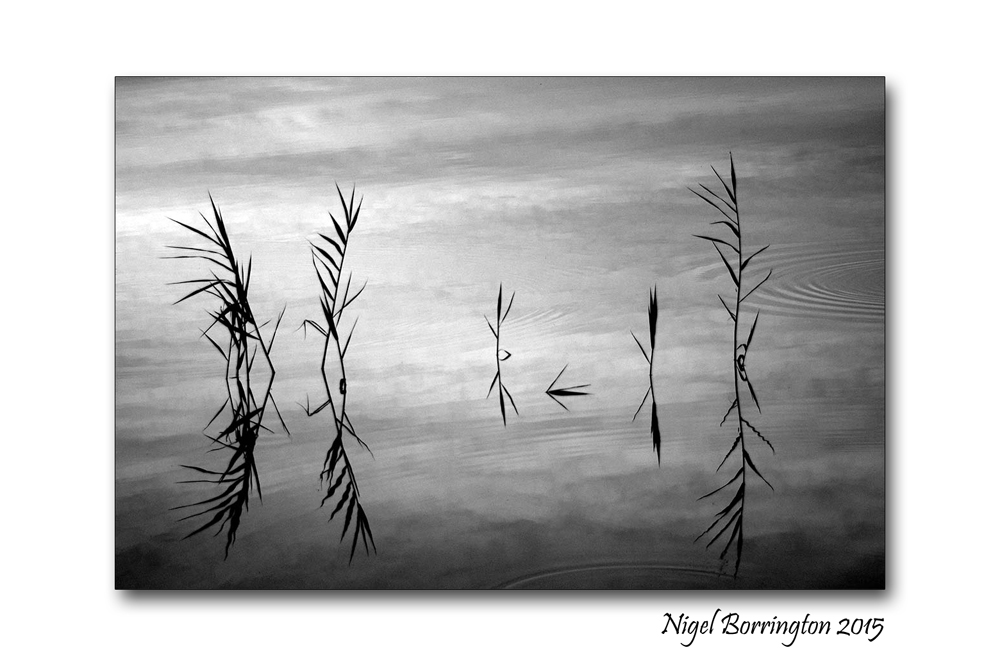
Reflection
Nigel Borrington
Reflection – A Poem by Paul Hansford
Still waters, deep,
surface like glass reflecting green above;
and below are trees, sky,
shadows, leaves, sunlight,
moving and motionless.
Here silent images shimmer now,
and – air breathing suddenly – break.
Unbidden feelings confuse
reality and fantasy.
Which is which?
Fantasy and reality confuse;
feelings unbidden break, suddenly breathing air;
and now shimmer images,
silent here, motionless
and moving….
(sunlight leaves shadows) .
Sky, trees are
below – and above –
green, reflecting, glass-like surface.
Deep waters, still.
Sunday Evening Poetry , Who Has Seen the Wind? By Christina Rossetti

Irish Landscape Photography
Nigel Borrington
A Poem for Sunday evening !
Who Has Seen the Wind?
By Christina Rossetti
Who has seen the wind?
Neither I nor you:
But when the leaves hang trembling,
The wind is passing through.
Who has seen the wind?
Neither you nor I:
But when the trees bow down their heads,
The wind is passing by.
Source: The Golden Book of Poetry (1947)
Its A Sheeps Soul, Poem By : fayaz bhat
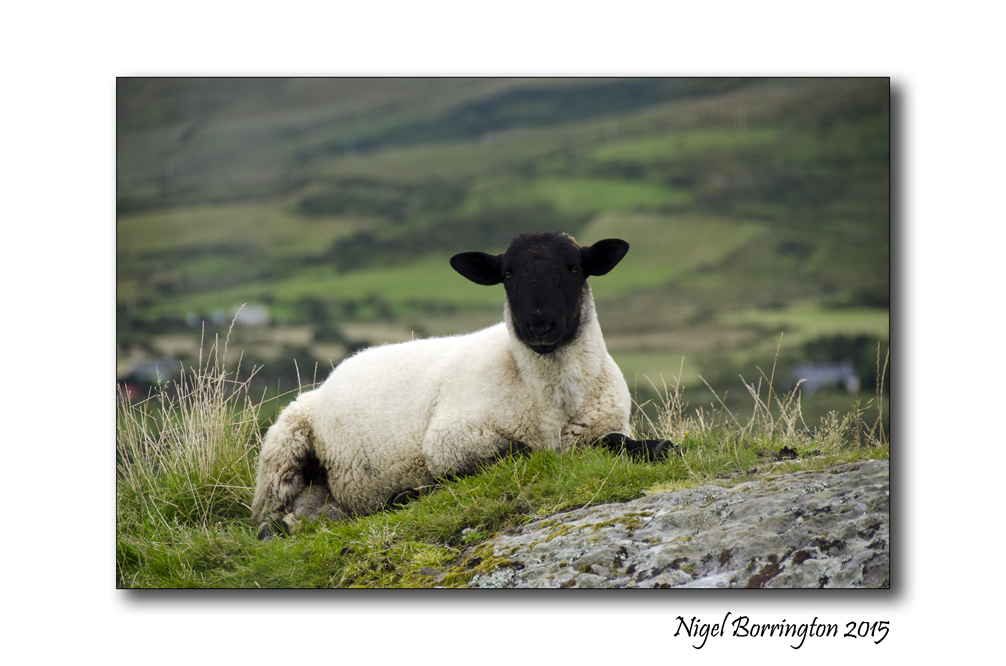
Its A Sheeps Soul
By : fayaz bhat
O cherisher! Of hairy goats, rocky ridges,
Still vales and white-woolen sheep;
Of my love, of melodies, of muses, of her beau;
It’s the soul of a forgotten sheep
Looking for her poor pastor, his white drove
And, the rest in shade;
Or ‘tis a shepherd, a shepherdess more,
Singing in solitude, rhyme, underneath a tree
In the relaxed midday of jubilant springs,
Ballads, lounged beside the sitting slept sheep.
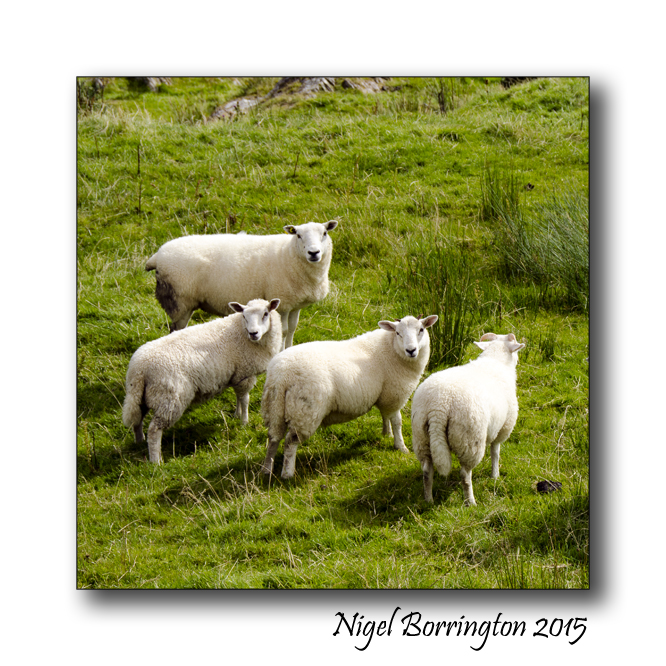
Or; ‘tis that boy in the wild highs
Playing floyera reclined on the mossy rock—
Goats bleat and forget to graze;
Waking up the beasts, waking up the breeze,
Eared by the deer, cheered by the crows,
’lauded by the woods, echoed by the vale.
Free her! Guide her! For it says so sweet:
My abode’s among the weeds,
The wild flowers grow, the stony meads live.
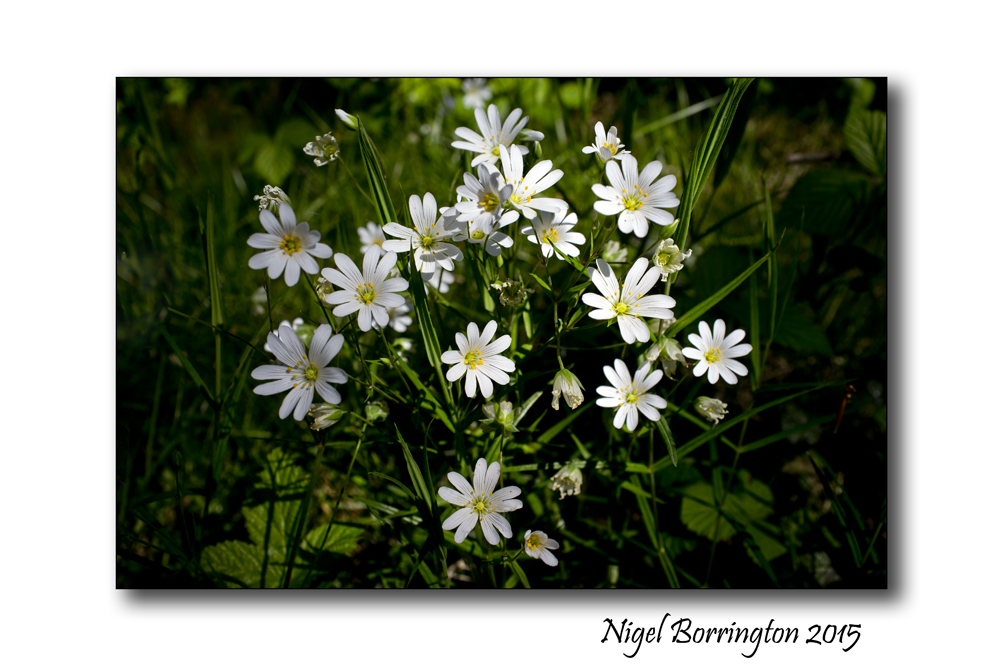
Kilkenny landscapes (harvest time) , The Harvest Poem by Duncan Campbell Scott

The Harvest
Written by Duncan Campbell Scott
Sun on the mountain,
Shade in the valley,
Ripple and lightness
Leaping along the world,
Sun, like a gold sword
Plucked from the scabbard,
Striking the wheat-fields,
Splendid and lusty,
Close-standing, full-headed,
Toppling with plenty;
Shade, like a buckler
Kindly and ample,
Sweeping the wheat-fields
Darkening and tossing;
There on the world-rim
Winds break and gather
Heaping the mist
For the pyre of the sunset;
And still as a shadow,
In the dim westward,
A cloud sloop of amethyst
Moored to the world
With cables of rain.
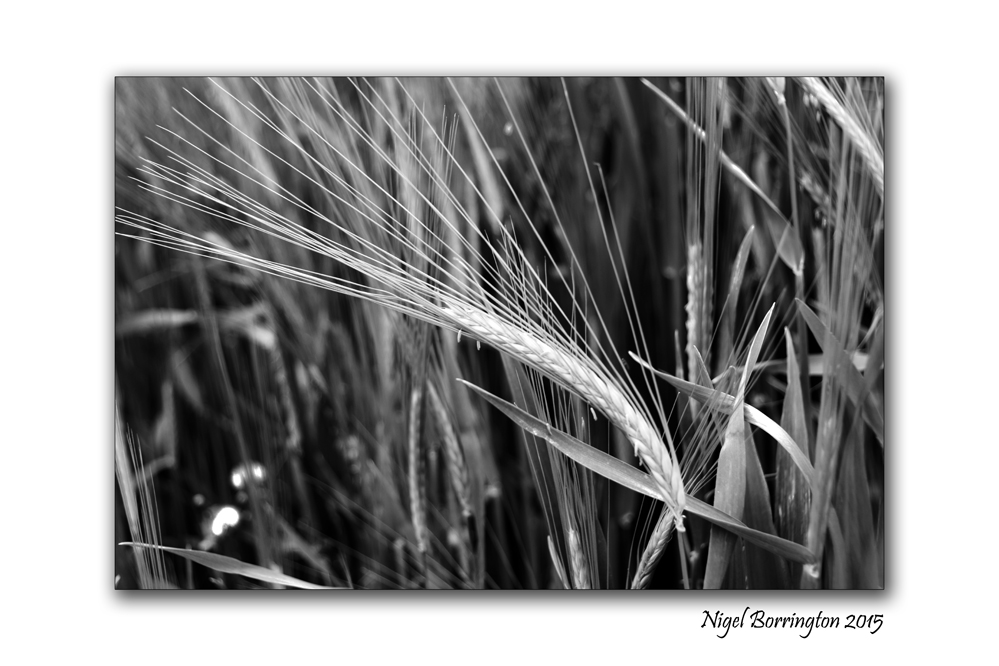
Acres of gold wheat
Stir in the sunshine,
Rounding the hill-top,
Crested with plenty,
Filling the valley,
Brimmed with abundance,
Wind in the wheat-field
Eddying and settling,
Swaying it, sweeping it,
Lifting the rich heads,
Tossing them soothingly
Twinkle and shimmer
The lights and the shadowings,
Nimble as moonlight
Astir in the mere.
Laden with odors
Of peace and of plenty,
Soft comes the wind
From the ranks of the wheat-field,
Bearing a promise
Of harvest and sickle-time,
Opulent threshing-floors
Dusty and dim
With the whirl of the flail,
And wagons of bread,
Sown-laden and lumbering
Through the gateways of cities.
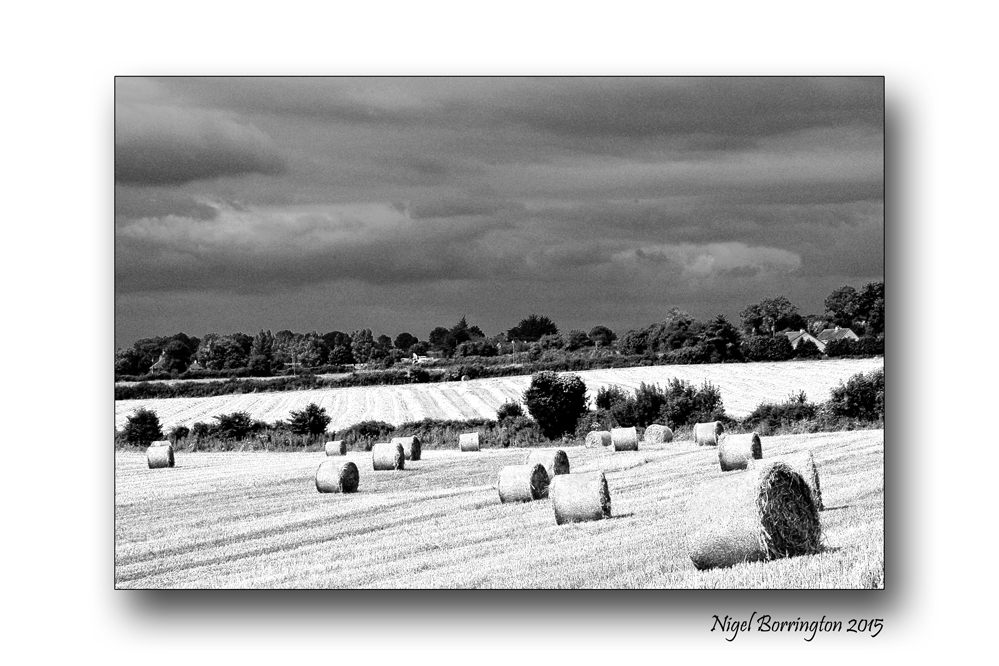
When will the reapers
Strike in their sickles,
Bending and grasping,
Shearing and spreading;
When will the gleaners
Searching the stubble
Take the last wheat-heads
Home in their arms ?
Ask not the question! –
Something tremendous
Moves to the answer.
Hunger and poverty
Heaped like the ocean
Welters and mutters,
Hold back the sickles!
Millions of children
Born to their mothers’ womb,
Starved at the nipple, cry,–
Ours is the harvest!
Millions of women
Learned in the tragical
Secrets of poverty,
Sweated and beaten, cry,–
Hold back the sickles!
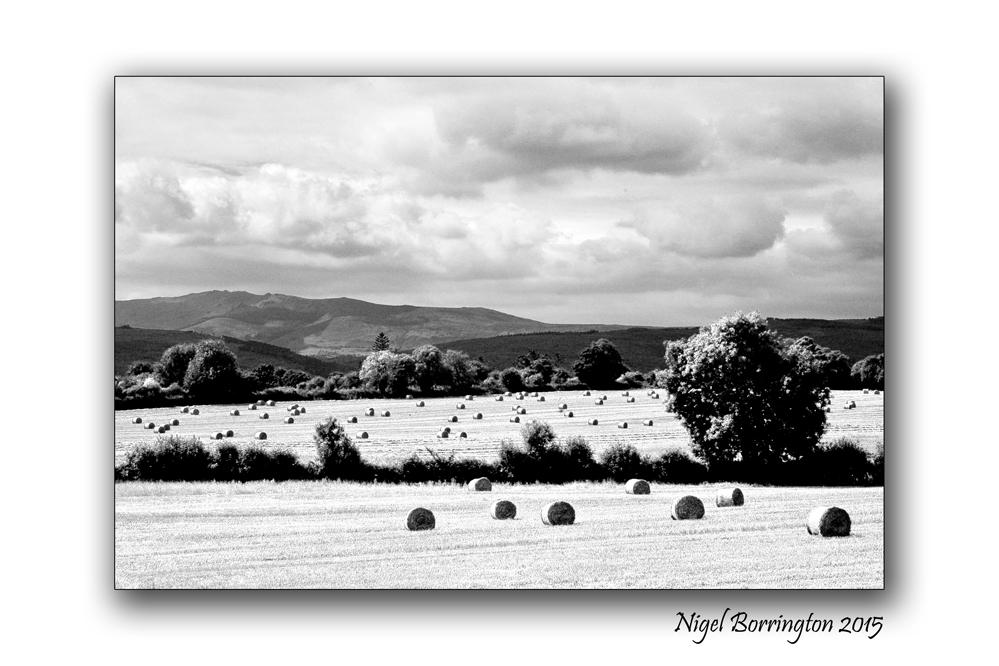
Millions of men
With a vestige of manhood,
Wild-eyed and gaunt-throated,
Shout with a leonine
Accent of anger,
Leaves us the wheat-fields!
When will the reapers
Strike in their sickles?
Ask not the question;
Something tremendous
Moves to the answer.
Long have they sharpened
Their fiery, impetuous
Sickles of carnage,
Welded them aeons
Ago in the mountains
Of suffering and anguish;
Hearts were their hammers
Blood was their fire,
Sorrow their anvil,
(Trusty the sickle
Tempered with tears;)
Time they had plenty-
Harvests and harvests
Passed them in agony,
Only a half-filled
Ear for their lot;
Man that has taken
God for a master
Made him a law,
Mocked him and cursed him,
Set up this hunger,
Called it necessity,
Put in the blameless mouth
Juda’s language:
The poor ye have with you
Always, unending.
But up from the impotent
Anguish of children,
Up from the labor
Fruitless, unmeaning,
Of millions of mothers,
Hugely necessitous,
Grew by a just law
Stern and implacable,
Art born of poverty,
The making of sickles
Meet for the harvest.
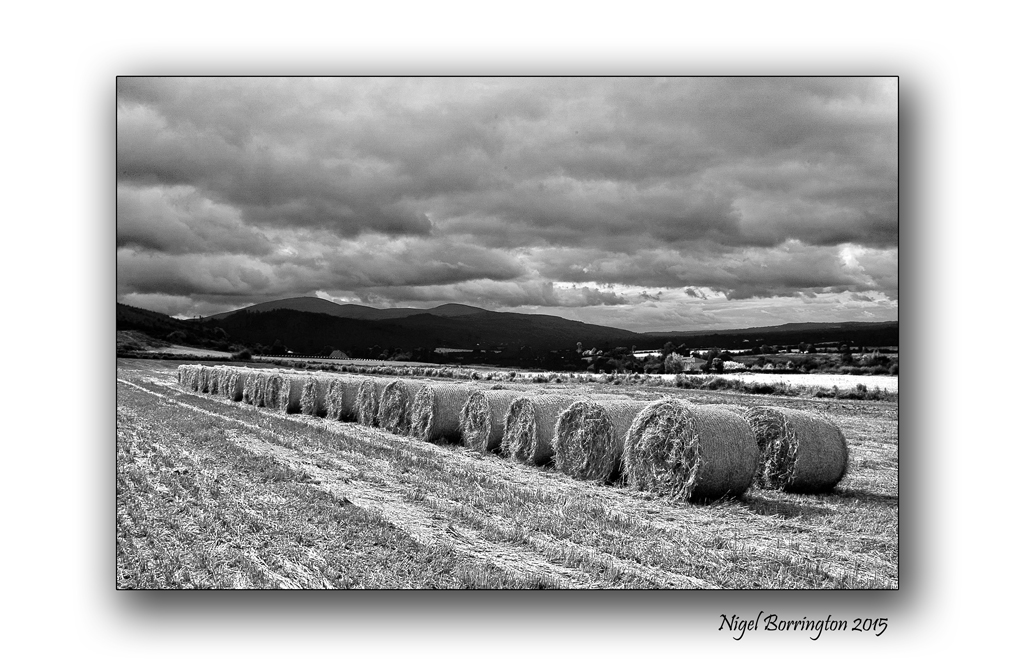
And now to the wheat-fields
Come the weird reapers
Armed with their sickles,
Whipping them keenly
In the fresh-air fields,
Wild with the joy of them,
Finding them trusty,
Hilted with teen.
Swarming like ants,
The Idea for captain,
No banners, no bugles,
Only a terrible
Ground-bass of gathering
Tempest and fury,
Only a tossing
Of arms and of garments;
Sexless and featureless,
(Only the children
Different among them,
Crawling between their feet,
Borne on their shoulders;)
Rolling their shaggy heads
Wild with the unheard-of
Drug of the sunshine;
Tears that had eaten
The half of their eyelids
Dry on their cheeks;
Blood in their stiffened hair
Clouted and darkened;
Down in their cavern hearts
Hunger the tiger,
Leaping, exulting;
Sighs that had choked them
Burst into triumphing;
On they come, Victory!
Up to the wheat-fields,
Dreamed of in visions
Bred by the hunger,
Seen for the first time
Splendid and golden;
On they come fluctuant,
Seething and breaking,
Weltering like fire
In the pit of the earthquake,
Bursting in heaps
With the sudden intractable
Lust of the hunger:
Then when they see them-
The miles of the harvest
White in the sunshine,
Rushing and stumbling,
With the mighty and clamorous
Cry of a people
Starved from creation,
Hurl themselves onward,
Deep in the wheat-fields,
Weeping like children,
After ages and ages,
Back at the mother the earth.
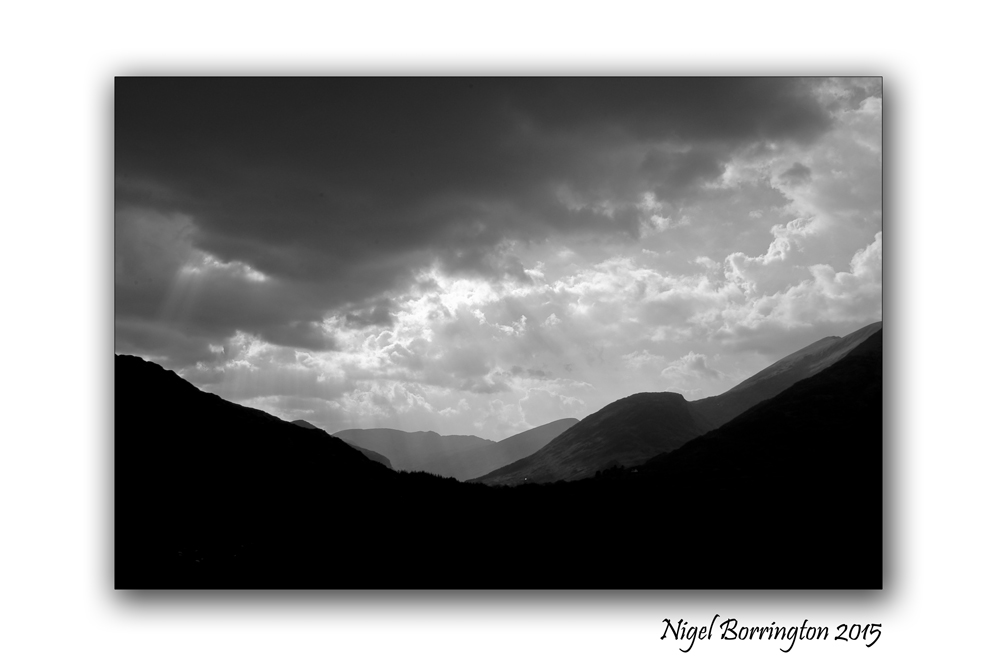
Night in the valley,
Gloom on the mountain,
Wind in the wheat,
Far to the southward
The flutter of lightning,
The shudder of thunder;
But high at the zenith,
A cluster of stars
Glimmers and throbs
In the gasp of the midnight,
Steady and absolute,
Ancient and sure
Irish great Elk – one of the largest deer that ever lived

Irish Elk ,
At : Cahir Castle, County. Tipperary
The Irish great elk is an extinct species of deer it was one of the largest deer that ever lived. Its range extended across Eurasia, from Ireland to northern Asia and Africa.
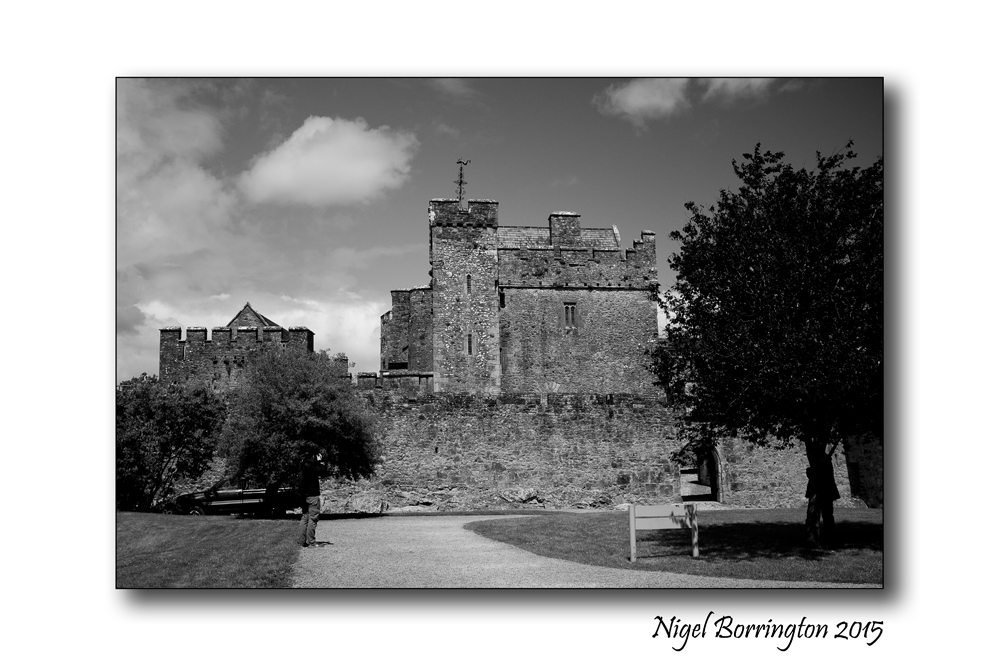
The skull and antlers in the main image above are located in the old 11th century dining hall at Cahir Castle county Tipperary Ireland. With antlers spanning 2.7 metres (8.9 ft) this Skull hangs high on one of the gable ends of the hall and seams to fill the room with its presence.
It is some 7000 to 8000 years since these amazing elk walked around the Irish landscape, it is not fully known exactly why or when the became extinct but the most recent specimen of M. giganteus in northern Siberia, dated to approximately 7,700 years ago.
Description
The Irish Elk stood about 2.1 metres (6.9 ft) tall at the shoulders carrying the largest antlers of any known cervid (a maximum of 3.65 m (12.0 ft) from tip to tip and weighing up to 40 kg (88 lb)).

In body size the Irish Elk matched the extant moose subspecies of Alaska (Alces alces gigas) as the largest known deer. The Irish Elk is estimated to have attained a total mass of 540–600 kg (1,190–1,323 lb), with large specimens having weighed 700 kg (1,543 lb) or more, roughly similar to the Alaskan Moose. A significant collection of M. giganteus skeletons can be found at the Natural History Museum in Dublin.
It is understood that the first humans to live in Ireland were the Mesolithic hunter-gatherers, settling in Ireland after 8000 BC so it is possible that the first people to live here lived along side these animals and even hunted them for food and for their very skin and bones.
Finnish paganism and the Elk

European elk
The elk is a common image in many Finnish pagan art works …
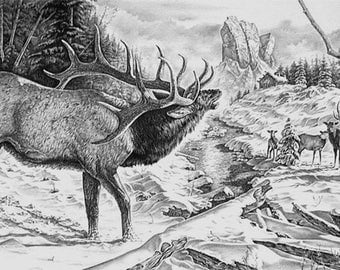
Finnish paganism was the indigenous pagan religion in Finland, Estonia and Karelia prior to Christianisation. It was a polytheistic religion, worshipping a number of different deities. The principal god was the god of thunder and the sky, Ukko; other important gods included Jumi, Ahti, and Tapio.
Shows many similarities with the religious practices of neighbouring cultures, such as Germanic, Norse and Baltic paganism. However, it has some distinct differences due to the Uralic and Finnic culture of the region.
Finnish paganism provided the inspiration for a contemporary pagan movement Suomenusko (Finnish: Finnish faith), which is an attempt to reconstruct the old religion of the Finns.

Water – a life giving element

Water, giver of life
Water, is a great necessity, without it nothing can live. Only earth and water can bring forth a living soul. Such is the greatness of water that spiritual regeneration cannot be done without it.
Thales of Miletus concluded that water was the beginning of all things and the first of all elements and most potent because of its mastery over the rest. Pliny said “Water swallow up the earth, extinguishes the flame, ascends on high, and by stretching forth as clouds challenges the heavens for their own, and the same falling down, becomes the cause of all things that grow in the earth.
Water is a cleansing, healing, psychic, and loving element. It is the feeling of friendship and love that pours over us when we are with our family, friends and loved ones. When we swim it is water that supports us, when we are thirsty, it is water the quenches our thirst, another manifestation of this element is the rainstorms that drench us, or the dew formed on plants after the sun has set.
The power of the energy of Water, can be felt by tasting pure spring water, moving you hand through a stream, lake, pool, or bowl full of water. You can feel its cool liquidity; it’s soft and loving touch, this motion and fluidity is the quality of Air within Water. This Water energy is also contained within ourselves, our bodies being mostly composed of Water.
As well as being vital for life, within the energy of this element is contained the essence of love. Love is the underlying reason for all magic. Water is love.
Water is a feminine element, it also the element of emotion and subconscious, of purification, intuition, mysteries of the self, compassion and family. It is psychic ability; water can be used as a means of scrying or as an object for meditation. Water is important in spells and rituals of friendship, marriage, happiness, fertility, healing, pleasure, psychic abilities and spells involving mirrors.

The Element Water and its Natural Qualities
The Element of Water is a heavy, passive element and is contrary to Fire. It is associated with the qualities of darkness, thickness and motion.
 Nigel Borrington
Sunday, taking pictures in the Rain
Study of Rain drops
Nature Photography : Nigel Borrington
We have had all seasons in one weekend here in Ireland , with Sun Snow and today Rain :). I had intended to do lots of walking today but it is just to windy for mountain walks. So I have decided after looking out of the windows for a while to do a photo study of the rain when the winds dye a little.
These images are form a day just like this one last year and I will use them as some inspiration today, I used a macro lens for these shots and the above image also captured the amazing structure of the grass that the rain drops rested themselves on.
Share this:
April 10, 2016 | Categories: Comment, Gallery, Nature and Wildlife, Nigel Borrington | Tags: images of rain drops, macro photography, Nature photography, rain, Rain drops, Sunday | Leave a comment