Kilkenny landscape photography
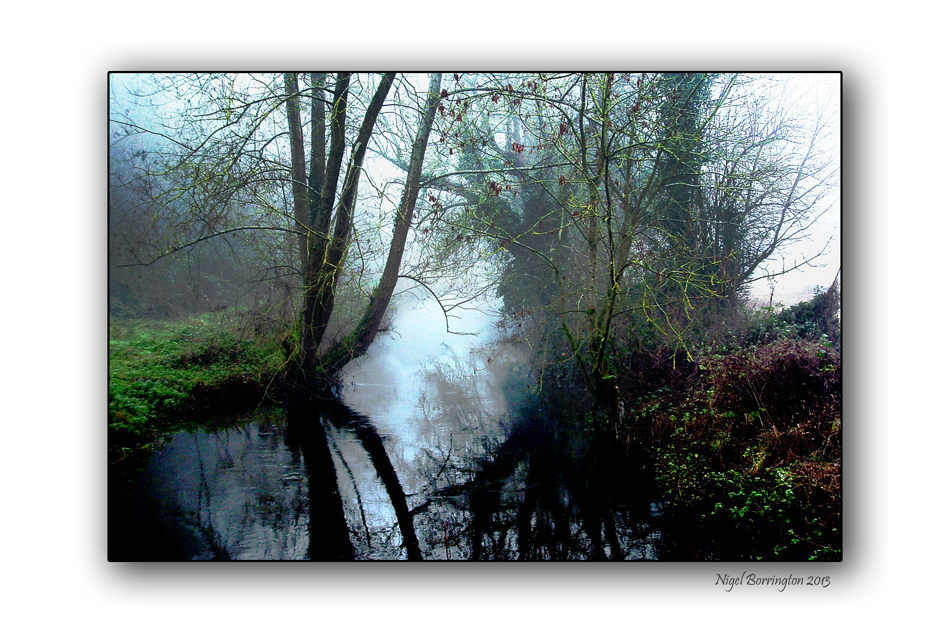
Nikon D7000, 50mm f1.4 lens, iso 400
Kings river, kilkenny landscape images
Nigel Borrington
Misty Morning on the Kings river…
The Kings River (Irish: Abhainn Rí), flows through South Tipperary and County Kilkenny. It is a tributary of the River Nore.
It has its source in the Slieveardagh Hills in South Tipperary.It has many tributaries of its own.There are three main tributaries that are not named but are the original sources.One started as a spring in the townsland of Ballyphilip.The two remaining tributaries rise in the townsland of Gurteen. It flows southeast from the hills and crosses into County Kilkenny. It is joined by the Munster River before passing through the town of Callan. It continues eastwards from Callan, past Kells and joins the River Nore west of Thomastown.
Last one for today…
I am about to start re-designing my http://www.studio63.ie web site, I need to start thinking about how to rebuild this and my business ideas, who knows what to do at the moment, but here goes anyway!!
Kilkenny landscape images

Nikon D200, 50mm f1.4 lens, Iso 800
Knockbutton, old cottage window
Kilkenny Landscape photography : Nigel Borrington
I took these shots on a walk around Knockbutton, County Kilkenny, early one Saturday Morning.
I feel that the old Family cottages of County Kilkenny are one of the county’s most striking historic features.
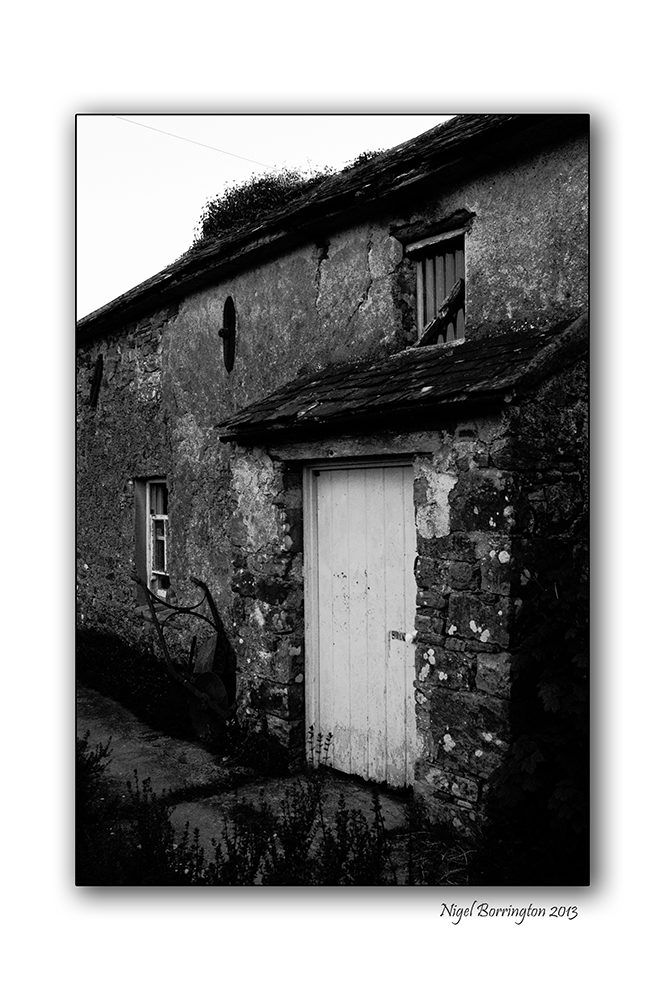
Old Kilkenny farm house

Nikon D200, 50mm f1.4 lens, Iso 800
Old Knockbutton farm house
Landscape photography by: Nigel Borrington
An old Farm house and yard in Knockbutton,County Kilkenny….
Sunday evenings
In your mind ……

Nikon D200
Foothills of Slievenamon,South Tipperary
Landscape photography : Nigel Borrington
Sunday evenings are my favourite time of the week, your mind should be empty at this stage, stripped down, cleared out and ready to go but not yet !
Lough Leane killarney

Looking at the setting sun….
These images of the setting sun over Tornies south and Purple mountain, Killarney National park, were taken two years ago on a week’s visit to Killarney.
I arrived about half an hour before the sun was due to set and placed my camera on its tripod. I was attempting to capture every possible moment of the sun as it set behind the mountains on the other side of (Lough Leane) – lower lake.
What I feel I captured is a set of the best sunset images I have ever managed to photograph, the light that evening was just magical as you can see from the images. They contain every possible combination of yellows, blues and purples you can imagine, along with deep dark tones.
I learnt a lot from this 45mins with my camera, but the biggest thing was to keep the shutter going and never think you have the best moment already on your film or card.
When you get the images onto your pc screen or print’s every frame will surprise you….

Lower Lake, Killarney
Nikon D200
Landscape photography by : Nigel Borrington
.
Achill island
A sense of place (Achill island, County Mayo) in ten black and white images ..
I don’t usually post images by themselves but I want these images just to speak for themselves ….
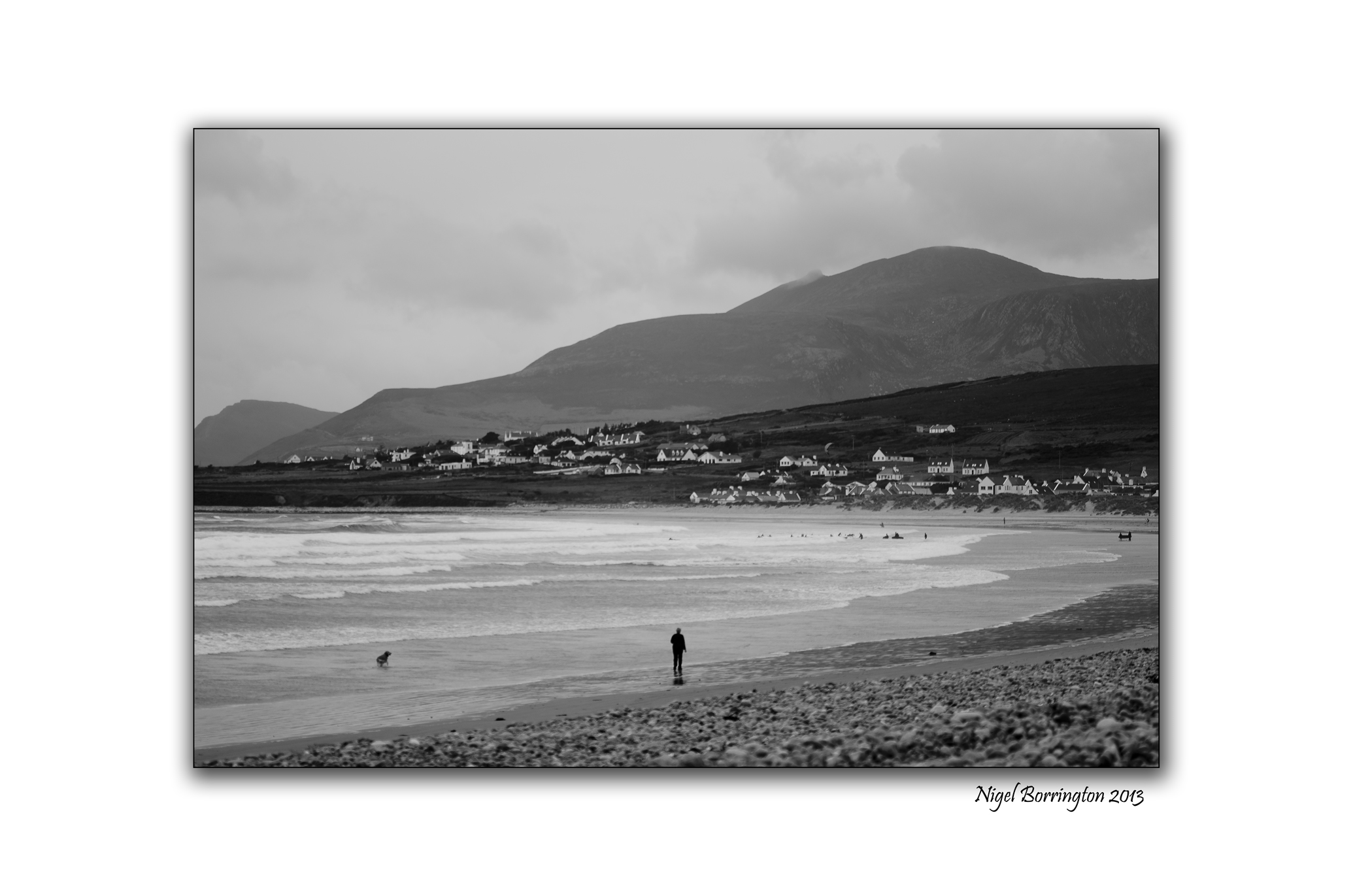

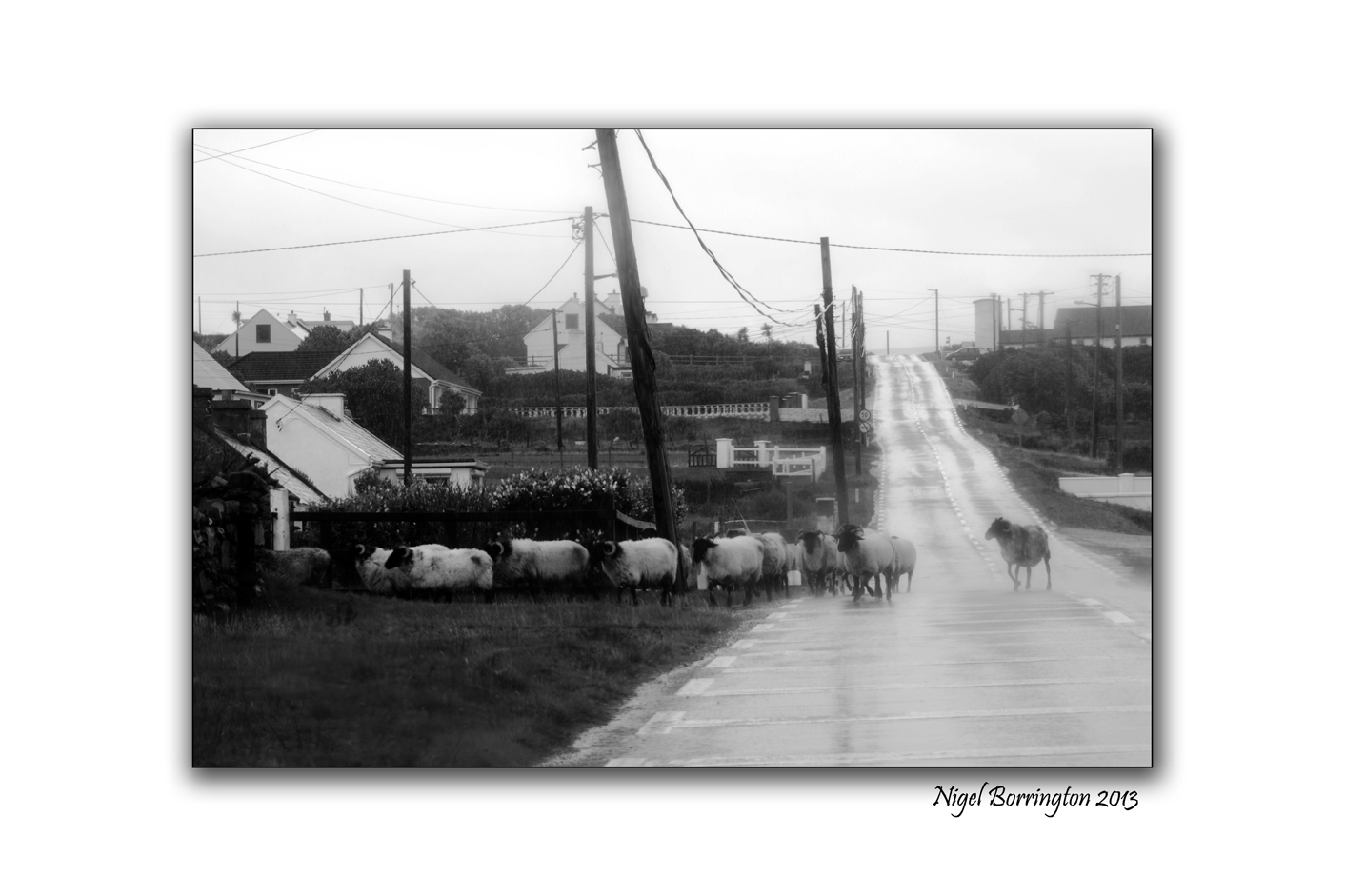
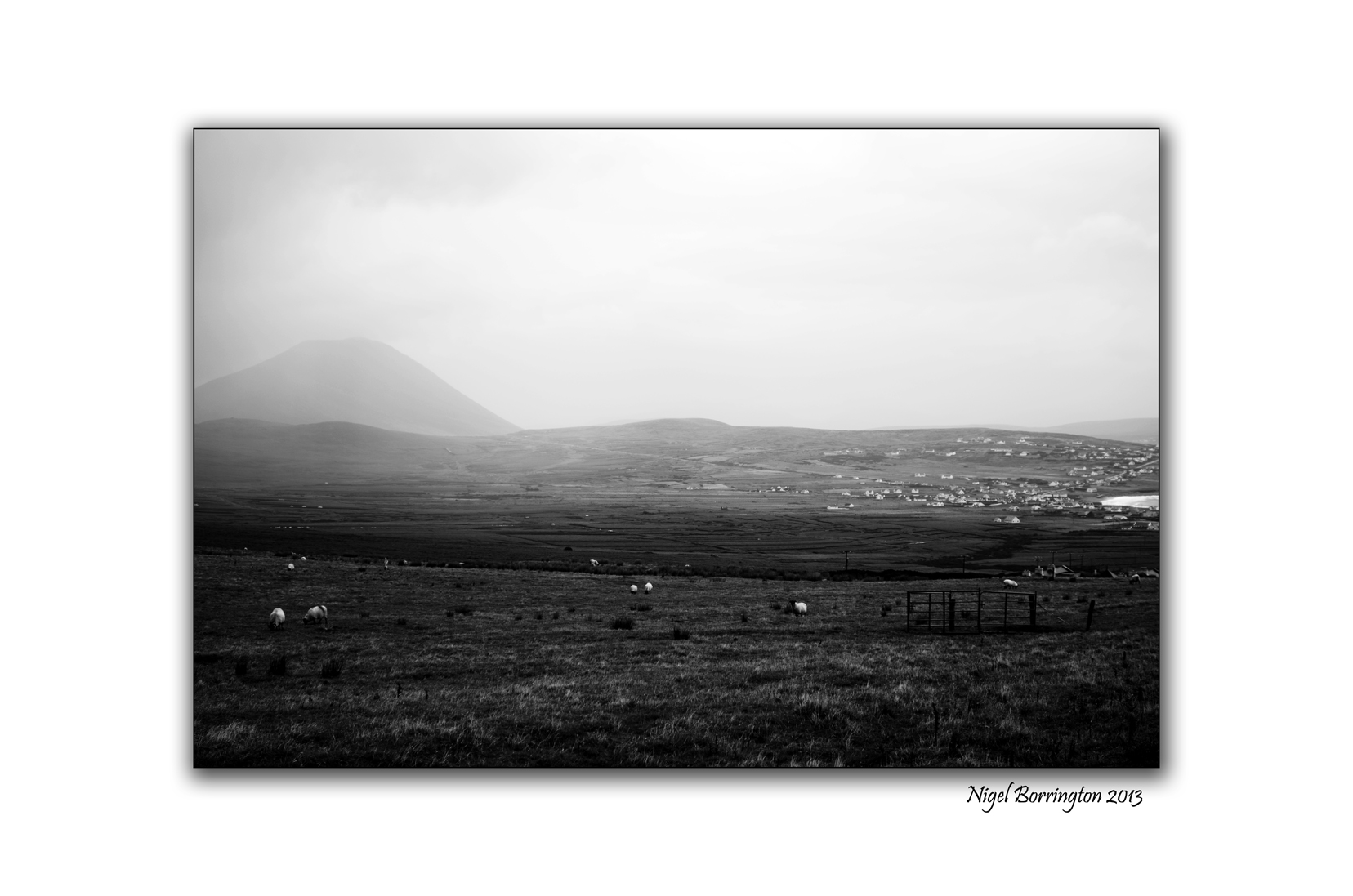

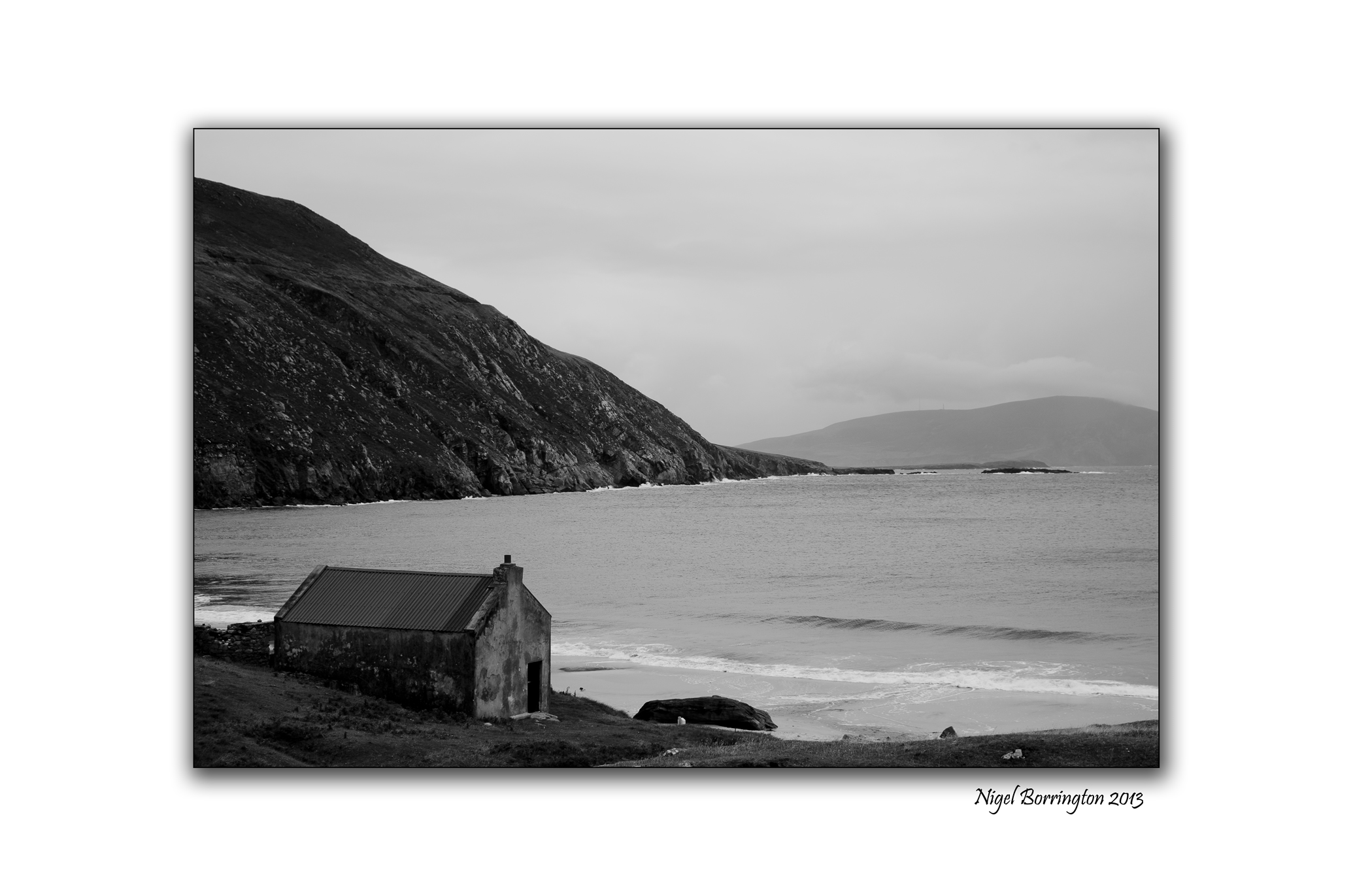

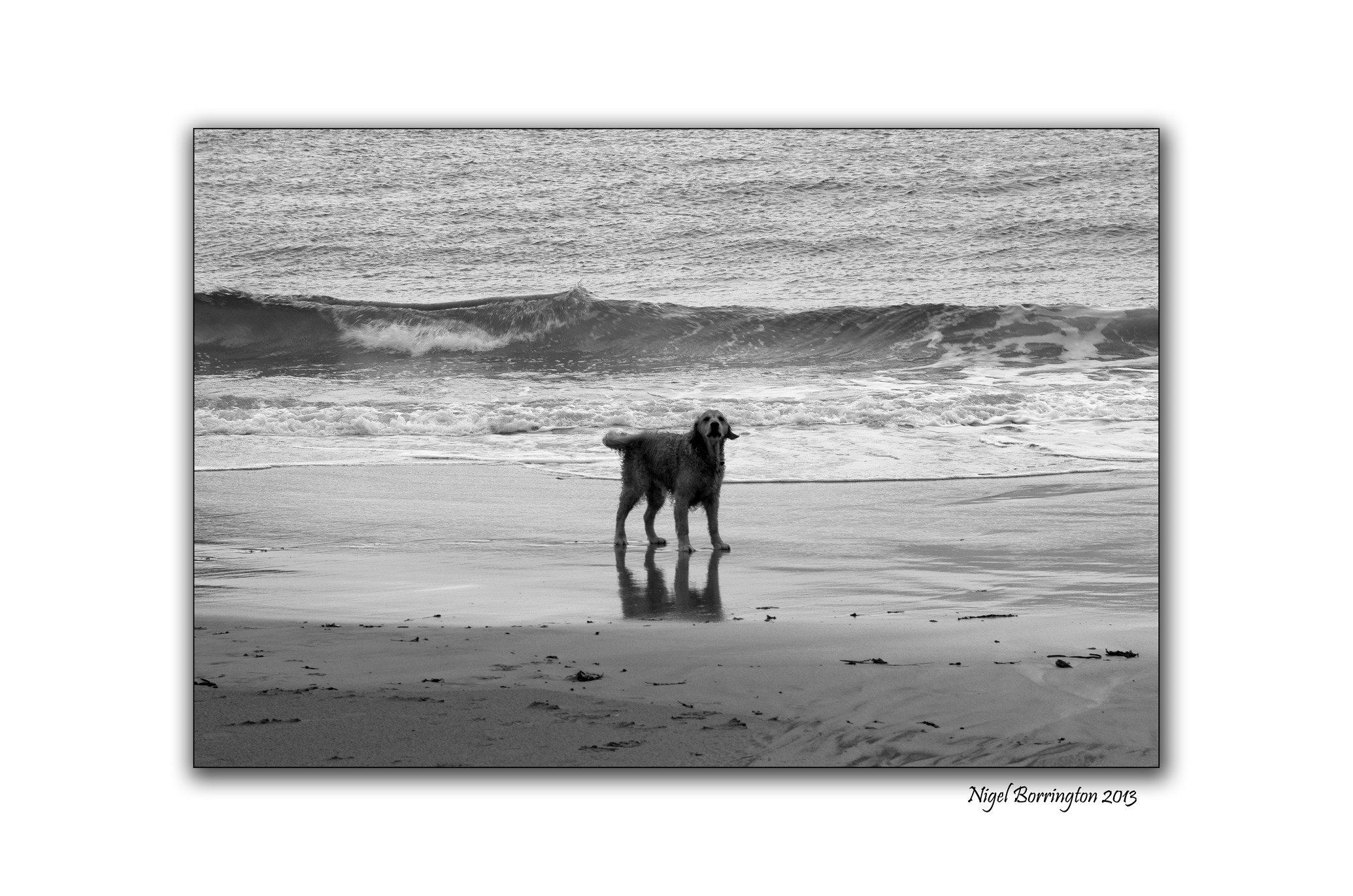
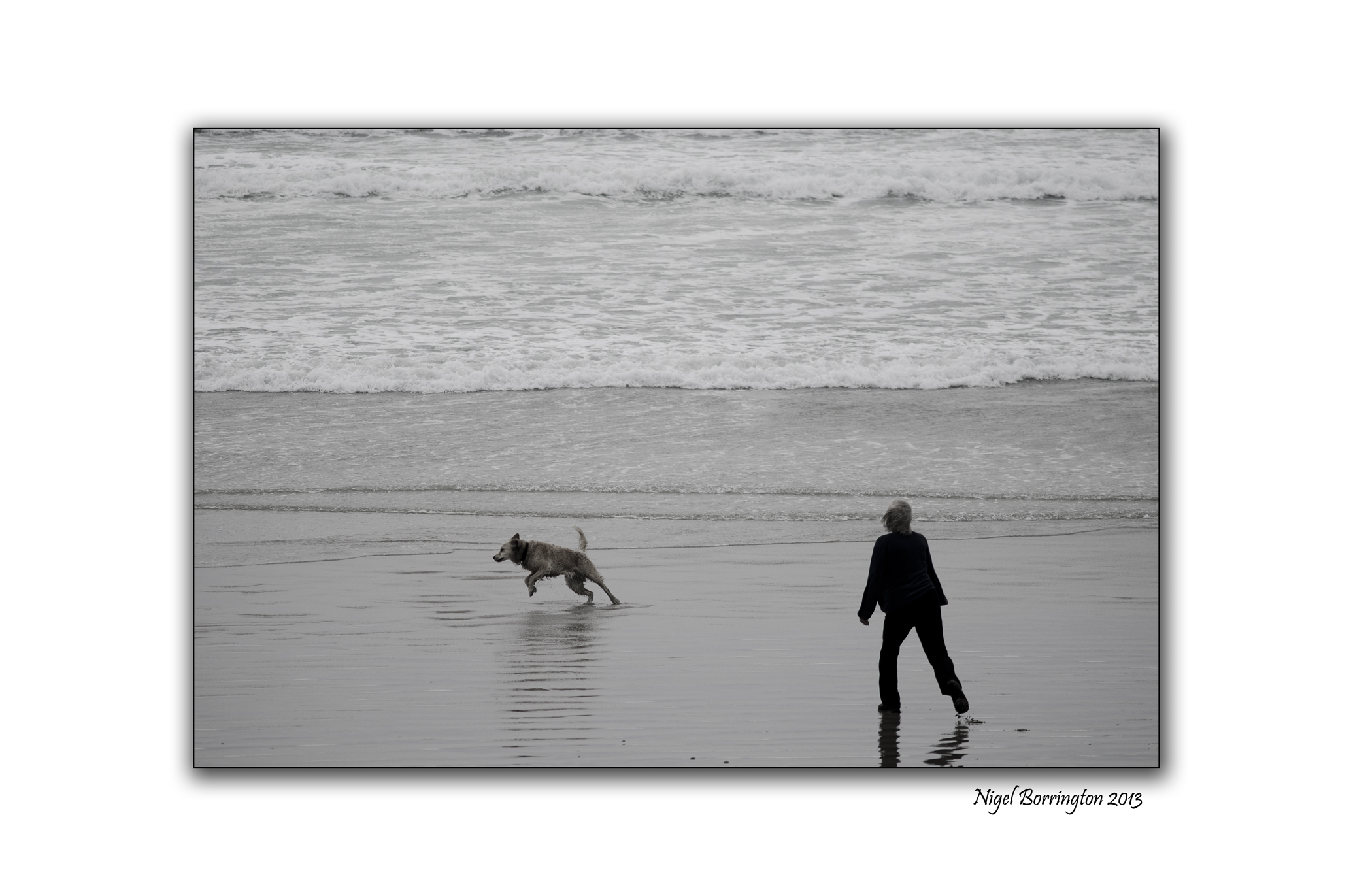
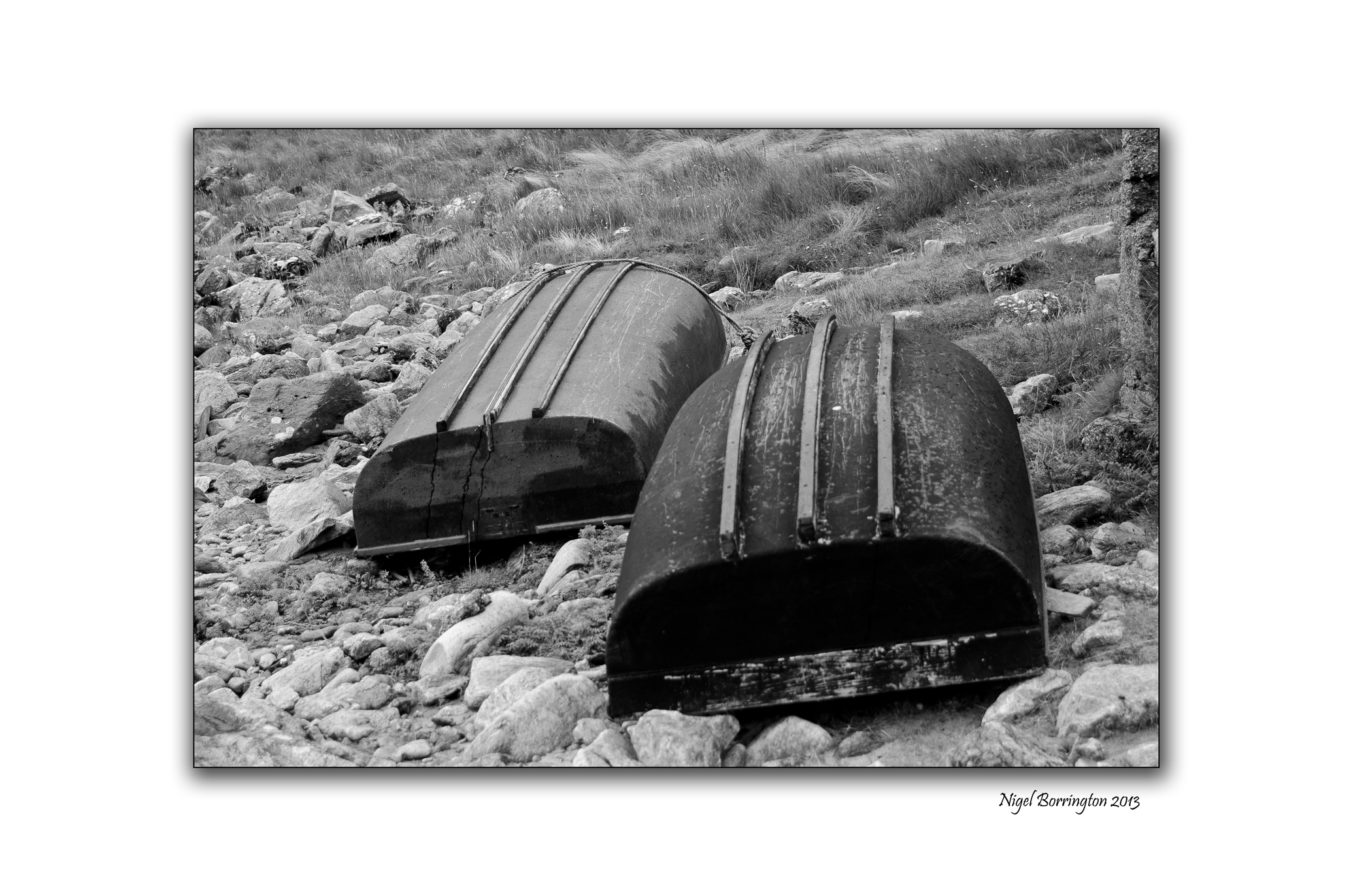
All images taken on a Nikon D7000, set to black and white and in September 2011….
Feel free to add some comments !
This old white Bog pony
This set of images was taken at (Derryhick, Co.Mayo) above Derryhick lake – where we were staying for a week, I was out walking Molly our Golden retriever when we passed a field on our left.
I noticed this old white Bog pony way in the distance and she really took my attention so here she is, I have come back in my mind to this moment a lot for some reason as I hope she’s good and still walking this amazing landscape.


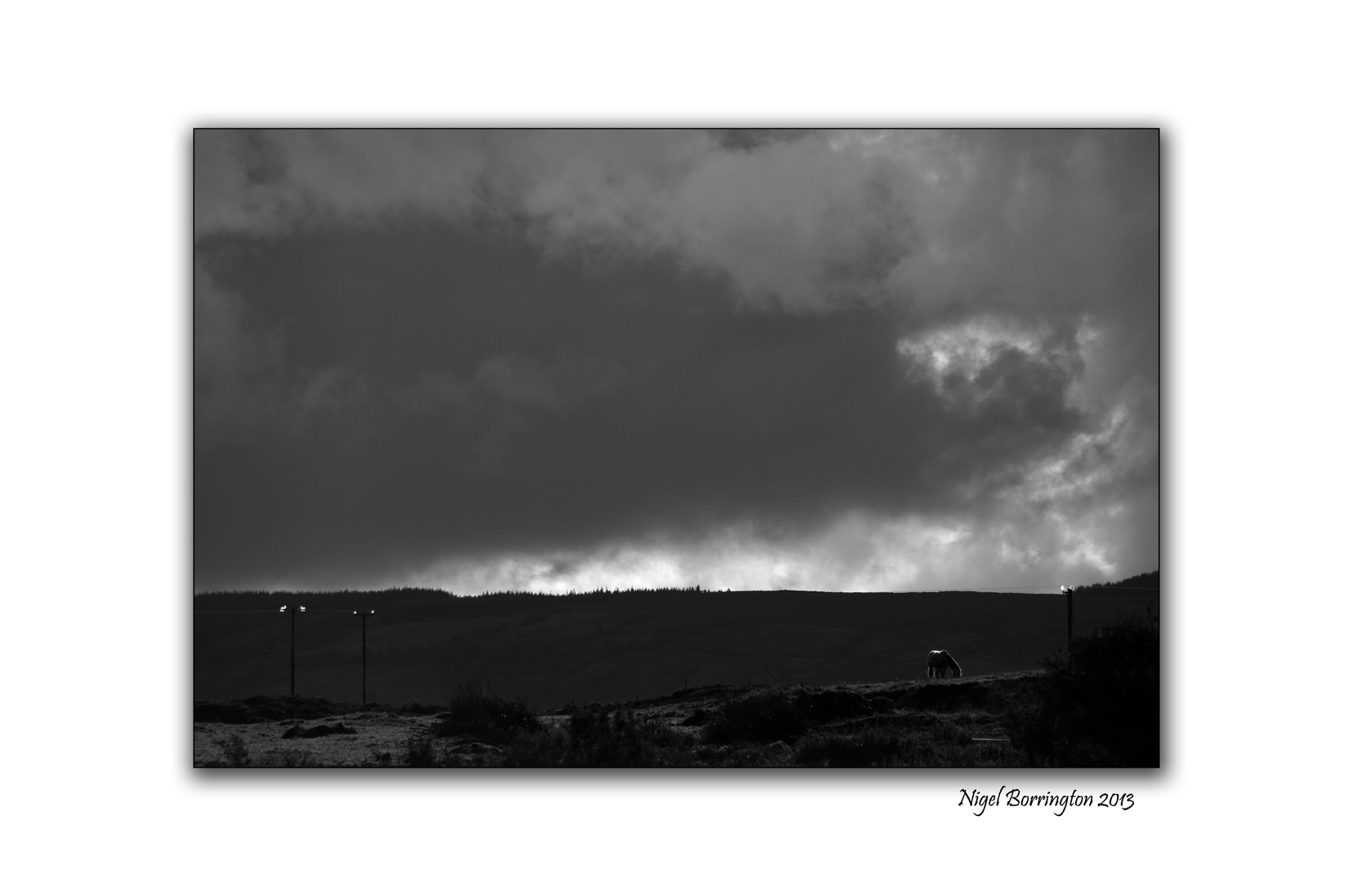
Nikon D7000
Landscape images : Nigel borrington
I walk at the lands edge

Nikon D700
Poem by : Kathleen Jamie
I walk at the land’s edge,
turning in my mind
a private predicament.
Today the sea is indigo.
Thirty years an adult –
same mind, same
ridiculous quandaries –
but every time the sea
appears differently: today
a tumultuous dream,
flinging its waves ashore –

Nikon D700
Nothing resolved,
I tread back over the bog
– but every time the bog
appears differently: this evening,
tufts of bog-cotton
unbutton themselves in the wind
– and then comes the road
so wearily familiar
the old shining road
that leads everywhere

Nikon D700
.
Its the Weekend …..
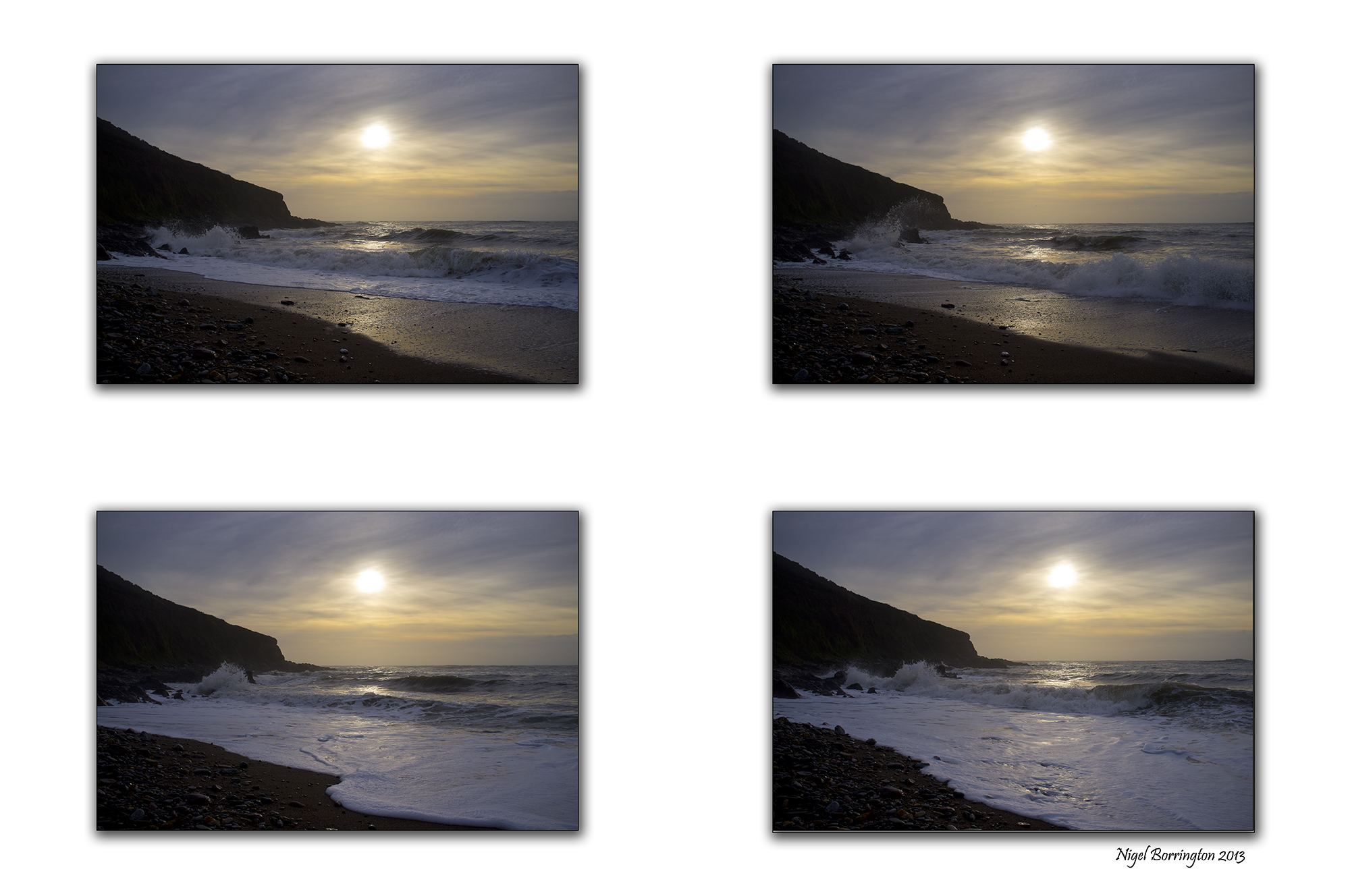
FujiFilm X100
Glenbeg, Co.Cork
Landscape and Seascape photography : Nigel Borrington
Its the weekend so if you can find a beach, watch the waves roll in and relax….
Empty Old Houses.
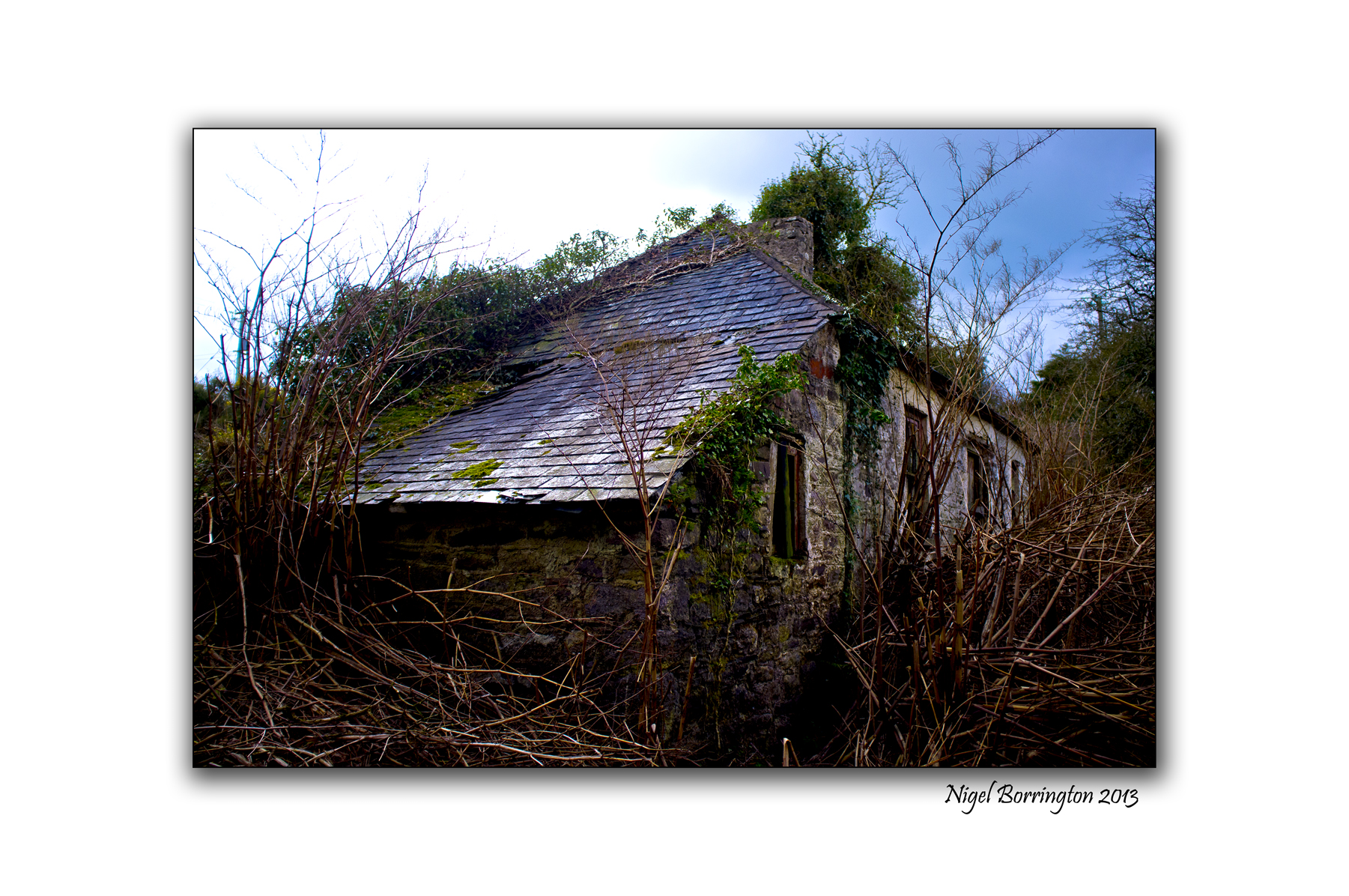
Fuji Film X100
By : David Whalen
Empty old houses can talk…
But one must know how to listen…
to hear them
Empty old houses have stories…
But one must be eager to listen…
to hear them
Empty old houses can suffer..
But one must have empathy …
To feel it
Empty old houses can feel pain
But one must be able to bear it …
To feel it
Empty old houses have memories
But one must believe … that they have…
To share them
Empty old houses contain people’s lives
But one must believe…that they do…
To share them
Empty old houses can seem dead and deserted
But one must know that they’re not..
To know them
Empty old houses can teem with life’s pleasures
But one must walk through
to sense the aura of life
Empty old houses abound in life’s treasures
But one cannot help but…
To admire them
Wild Garlic

Nikon D7000
I captured these photographs in Glenbawn Woods, Clonmel, Co Tipperary in April 2012, these woods are on the banks of the river Suir.
Wild Garlic grows very well in many Irish woodlands it needs a dark and wet part of the wood, In this wood part of the walk passed along the banks of the river. This area if covered with Garlic and the smell as you walk through the carpet of it is overpowering an wonderful. I took a large bag with me and collected enough to last me sometime.
Wild Garlic has been used throughout history as a health and healing food and it heals many complaints, this year I will be back again and its out very soon!
Ramsons Wild Garlic
(Allium ursinum)
Description:
Tall hairless perennial plant, with erect unbranched stem; usually found growing in large colonies. The leaves, normally 2, are upto 20cm long and are broad, pointed and long-stalked. The flowers are white star-shaped with 6 segments. It is readily identified by its strong scent of garlic, particularly if bruised or crushed.
The glossy green leaves of Ramsons, or Wild Garlic are delicious in sandwiches, used sparingly in salads, or added to sauces and dressings. It also makes splendid pesto. The bulb can also be eaten raw or cooked, and can be harvested all year round, though is best used when the plant is dormant from July to December or January. It has a fairly strong garlic flavour, though it is quite small and fiddly to harvest.
Flowers – raw or cooked. These are somewhat stronger than the leaves, in small quantities they make a decorative and very tasty addition to salads. The flowering heads can still be eaten as the seed pods are forming, though the flavour gets even stronger as the seeds ripen.
“maye very well be eaten in April and Maie with butter, of such as are of a strong constitution, and labouring men” – Gerard
Size: 50cm
Distribution: Throughout UK
Flowering months: April – June
Habitat: Damp woods, hedges, shady damp meadows, streamsides.
Folk Names: Broad-Leaved Garlic, Wild Garlic, Ramsons, Wood Garlic, Roman Garlic
Active ingredients; essential oils, vitamin C, allicin, iron.
Used to treat digestive problems, rheumatism, high blood pressure and asthma. When applied to the skin, this species is rubefacient. Externally, the bruised leaves may be applied to abscesses and boils. It may help the circulation and also be antiviral. A popular cure for the kidney stone and for purifying and strengthening the blood. Alone or with other ingredients it was also used in poultices and as a diuretic.
Ref : Wild Garlic
Kilkenny Castle

Fujifilm X100
Landscape Photographer : Nigel Borrington
Over the years since I came to live in Kilkenny I have spend many hours in the grounds of this Castle, the above images are from just some of the times I have taken a camera with me and taken a few shots.
If you do visit Kilkenny, the Castle and its grounds just have to be on your list of places to visit…
Kilkenny Castle (Irish: Caisleán Chill Chainnigh) is a castle in Kilkenny, Ireland built in 1195 by William Marshal, 1st Earl of Pembroke to control a fording-point of the River Nore and the junction of several routeways. It was a symbol of Norman occupation and in its original thirteenth-century condition it would have formed an important element of the defences of the town with four large circular corner towers and a massive ditch, part of which can still be seen today on the Parade.
The property was transferred to the people of Kilkenny in 1967 for £50[1] and the castle and grounds are now managed by the Office of Public Works. The gardens and parkland adjoining the castle are open to the public. The Parade Tower is a conference venue. Awards and conferring ceremonies of the graduates of “Kilkenny Campus” of National University of Ireland, Maynooth have been held there since 2002.
Contents
Previous owners of the castle
Earls of Pembroke
Kilkenny Castle has been an important site since Richard de Clare, 2nd Earl of Pembroke, commonly known as Strongbow constructed the first castle, probably a wooden structure, in the 12th century. The Anglo-Normans had established a castle in 1173, possibly on the site of an earlier residence of the Mac Giolla Phádraig kings of Osraighe. Kilkenny formed part of the lordship of Leinster, which was granted to Strongbow. Strongbow’s daughter and heiress, Isabel married William Marshall in 1189. The Earl Marshall owned large estates in Ireland, England, Wales and France and managed them effectively. He appointed Geoffrey fitz Robert as seneschal of Leinster and so began a major phase of development in Kilkenny, including the construction of Kilkenny Castle and the agreement of rents and privileges with burgesses or citizens of the borough. The first stone castle on the site, was completed in 1213. This was a square-shaped castle with towers at each corner; three of these original four towers survive to this day
Butler dynasty
James Butler, 3rd Earl of Ormonde, bought the castle in 1391 and established himself as ruler of the area. The Butler dynasty then ruled the surrounding area for centuries. They were Earls, Marquesses and Dukes of Ormonde and lived in the castle for over five hundred years. Among the many notable, Lady Margaret Butler (c. 1454 or 1465–1539) the Irish noblewoman, the daughter Thomas Butler, 7th Earl of Ormond. Lady Margret Butler was born in Kilkenny Castle. She married Sir William Boleyn and was the paternal grandmother of Anne Boleyn, second wife of King Henry VIII of England.
The Castle became the seat to the very powerful family, the Butlers of Ormonde or Butler family, who lived there until 1935.
Kilkenny castle was the venue for the meeting of the General Assembly, or parliament, of the Confederate Ireland government in the 1640s.
The Irish State
The last member of the Butler family sold the castle to the local Castle Restoration Committee in the middle of the 20th century for £50. Shortly afterward it was handed over to the State, and has since been refurbished and is open to visitors. There are ornamental gardens on the city side of the castle, and extensive land and gardens to the front. It has become one of the most visited tourist sites in Ireland. Now a property in state care. Part of the National Art Gallery is on display in the castle.
History
Richard de Clare (also known as Strongbow) and other Norman knights came to Kilkenny in 1172, the high ground beside the River Nore was as an ideal site on which to build a wooden tower. He built a wooden castle of the type known as motte-and-bailey.
This strategic site was where the local Kings of Osraige had their chief residence before the Norman invasion.
Twenty years later, de Clare’s son-in-law, William Marshal, Earl of Pembroke, built the first stone castle on the site, of which three towers still remain.
The castle was owned by the seneschal of Kilkenny Sir Gilbert De Bohun who inherited the county of Kilkenny and castle from his mother in 1270, in 1300 he was outlawed by Edward I but was reinstated in 1303, he held the castle until his death in 1381. It was not granted to his heir Joan, but seized by the crown and sold to the Butler family.
Butlers of Ormond
The Castle became the seat to a very powerful family, the Butlers of Ormonde or Butler family. They were a remarkable family, resilient, politically astute and faithful to the crown and to Ireland. These loyalties determined their fortunes and career. The Butler family arrived in Ireland with the Norman invasion, and originally settled in Gowran. They changed their name from FitzWalter in 1185 to Butler. The family had become wealthy, and James Butler, 3rd Earl of Ormonde, bought the castle in 1391 and established himself as ruler of the area. The Butler dynasty then ruled the surrounding area for centuries.
By the 18th century, the castle had become run down, reflecting the failing fortunes of the Butler family. However, some restoration was carried out by Anne Wandesford of Castlecomer, who brought wealth back into the family upon marrying John Butler, 17th Earl of Ormonde.
In the 19th century, the Butlers then attempted to restore it to its original medieval appearance, also rebuilding the north wing and extending the south curtain wall. More extensions were added in 1854.
The Butler family remained living in the castle until 1935, when they sold its contents for £6,000, moved to London, and abandoned it for thirty years. The impact of rising taxes, death duties, economic depression and living costs had taken their toll. While the Ormondes had received £22,000 in rental income in the 1880s, investment income in the 1930s was in the region of £9,000 and by 1950 these investments yielded only £850. They disposed of the bulk of their tenanted estates in Tipperary and Kilkenny, 21,000 acres (85 km²), by 1915 for £240,000. Death duties and expenses following the death of James Butler, 3rd Marquess of Ormonde in 1919 amounted to £166,000.[2]
Auction Catalogue, 1935
In 1967, Arthur Butler, 6th Marquess and 24th Earl of Ormonde, sold the abandoned and deteriorating castle to the Castle Restoration Committee for £50, with the statement: “The people of Kilkenny, as well as myself and my family, feel a great pride in the Castle, and we have not liked to see this deterioration. We determined that it should not be allowed to fall into ruins. There are already too many ruins in Ireland.” He also bought the land in front of the castle from the trustees “in order that it should never be built on and the castle would be seen in all its dignity and splendour”. Mick Jagger and Marianne Faithfull turned up at the castle hand over party, with Jagger telling the newspapers “We just came to loon about
Windermere

A view of Windermere
Contax G2, 45mm lens
Kodak, iso 200 colour film
Landscape photographer : Nigel Borrington
Hook head Lighthouse

Hook head – Lighthouse, Nikon D7000
Back in 2011 I started a project of capturing photos and information about the history and lives of the Lighthouse keepers of Ireland.
I just want to share a small amount in this post.

This area is renowned as the location of Hook Lighthouse. Hook Head is the oldest lighthouse in Ireland, and one of the oldest in Europe still operating. In the 5th century St Dubhán set up a fire beacon on the headland as a warning to mariners. After his death his monks kept the beacon going for another 600 years. Between 1170 and 1184 the Normans built the present lighthouse. It was built from local limestone and burned lime mixed with ox’s blood. Even today traces of the blood-lime mix can be seen coming through the paintwork. The walls are 9 to 13 feet thick and 80 feet above the ground.[1] In 1665 King Charles II granted letters patent to Sir Robert Reading to erect six lighthouses on the coast of Ireland, one of which was at Hook Head on the site of the older lighthouse, the others being at Howth, one to mark the land, the other to lead over the bar; the Old Head of Kinsale, Barry Oge’s castle (now Charlesfort, near Kinsale), and the Isle of Magee.

Hookhead web cams
North view : http://www.teknet.ie/webcamNorth.html,
West view : http://www.teknet.ie/webcamWest.html
Video
I have posted this video before but its well worth doing so again, its a wonderful short film …..
The Lighthouse Keeper’s videos:
Its the weekend
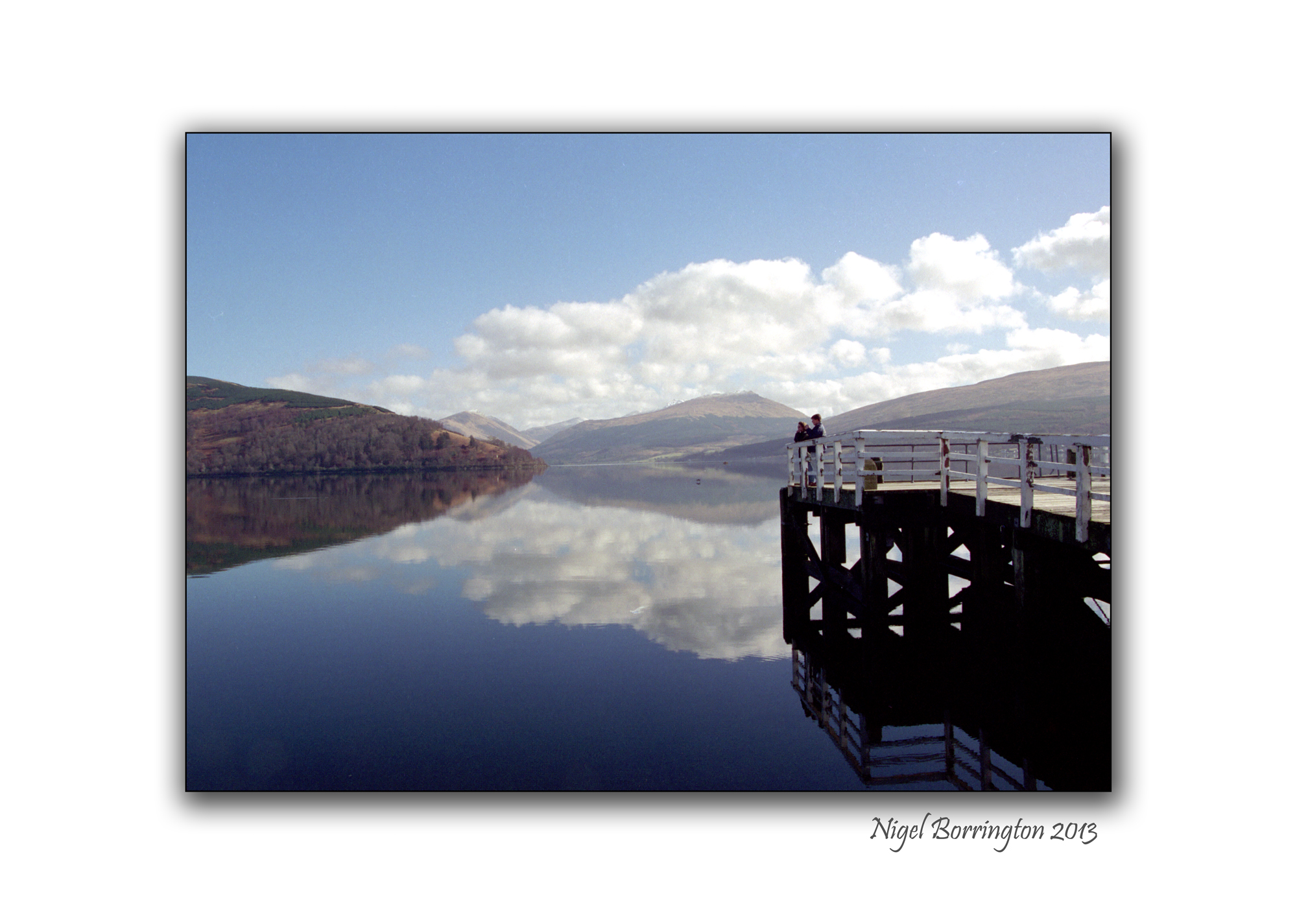
Nikon f90x
Kodak film
50mm f1.4 lens
Its the weekend so find a place with a view and relax
The Sea
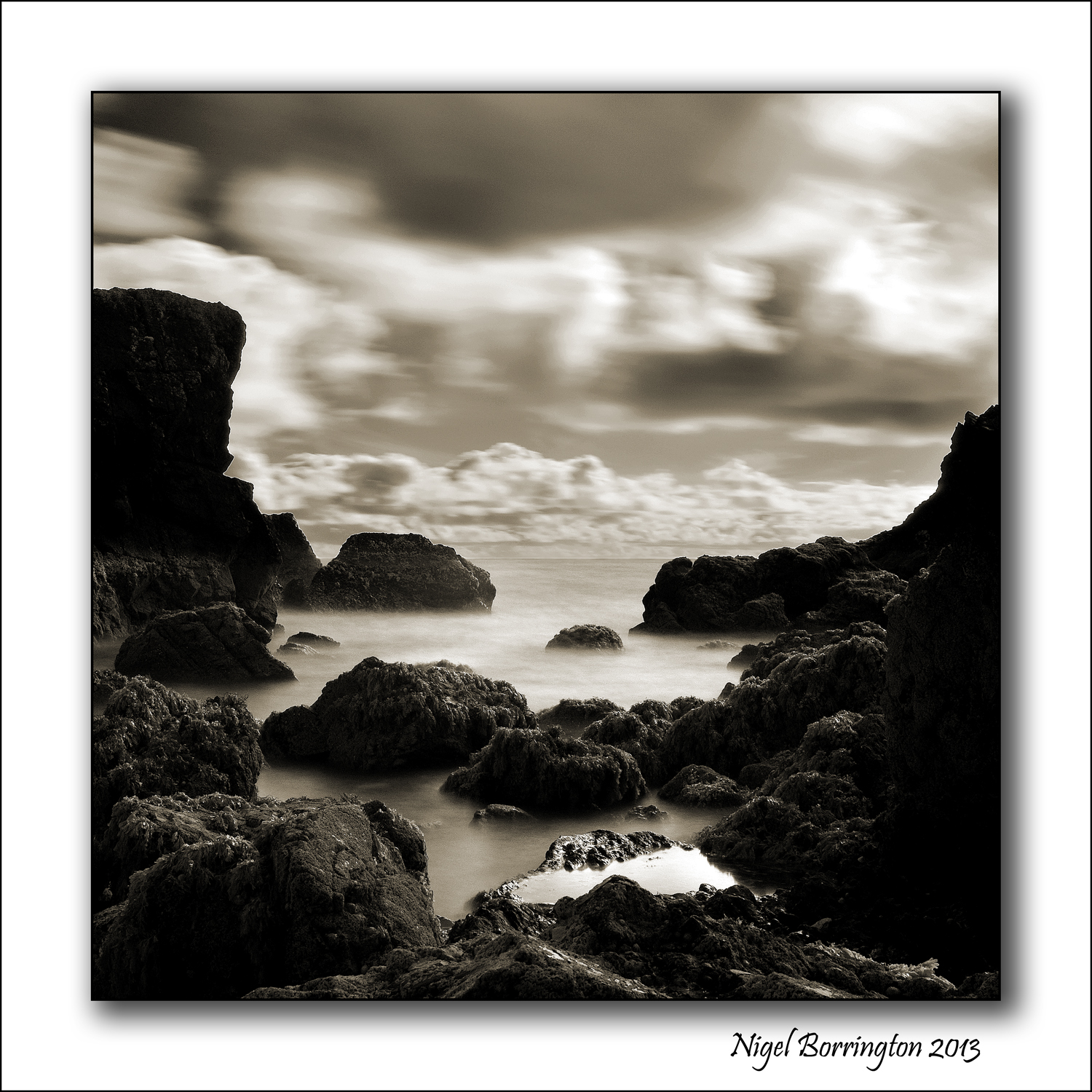
The sea is a hungry dog,
Giant and grey.
He rolls on the beach all day.
With his clashing teeth and shaggy jaws
Hour upon hour he gnaws
The rumbling, tumbling stones,
And ‘Bones, bones, bones, bones! ‘
The giant sea-dog moans,
Licking his greasy paws.
And when the night wind roars
And the moon rocks in the stormy cloud,
He bounds to his feet and snuffs and sniffs,
Shaking his wet sides over the cliffs,
And howls and hollos long and loud.
But on quiet days in May or June,
When even the grasses on the dune
Play no more their reedy tune,
With his head between his paws
He lies on the sandy shores,
So quiet, so quiet, he scarcely snores.
The sea is a hungry dog,
Giant and grey.
He rolls on the beach all day.
With his clashing teeth and shaggy jaws
Hour upon hour he gnaws
The rumbling, tumbling stones,
And ‘Bones, bones, bones, bones! ‘
The giant sea-dog moans,
Licking his greasy paws.
And when the night wind roars
And the moon rocks in the stormy cloud,
He bounds to his feet and snuffs and sniffs,
Shaking his wet sides over the cliffs,
And howls and hollos long and loud.
But on quiet days in May or June,
When even the grasses on the dune
Play no more their reedy tune,
With his head between his paws
He lies on the sandy shores,
So quiet, so quiet, he scarcely snores.
James Reeves
Light Between The Trees

Fujifilm X100
Kilkenny Landscape photography, Nigel Borrington
Title: Light Between The Trees
Author: Henry Van Dyke
Long, long, long the trail
Through the brooding forest-gloom,
Down the shadowy, lonely vale
Into silence, like a room
Where the light of life has fled,
And the jealous curtains close
Round the passionless repose
Of the silent dead.
Plod, plod, plod away,
Step by step in mouldering moss;
Thick branches bar the day
Over languid streams that cross
Softly, slowly, with a sound
Like a smothered weeping,
In their aimless creeping
Through enchanted ground.
“Yield, yield, yield thy quest,”
Whispers through the woodland deep;
“Come to me and be at rest;
I am slumber, I am sleep.”
Then the weary feet would fail,
But the never-daunted will
Urges “Forward, forward still!
Press along the trail!”
Breast, breast, breast the slope
See, the path is growing steep.
Hark! a little song of hope
Where the stream begins to leap.
Though the forest, far and wide,
Still shuts out the bending blue,
We shall finally win through,
Cross the long divide.
On, on, on we tramp!
Will the journey never end?
Over yonder lies the camp;
Welcome waits us there, my friend.
Can we reach it ere the night?
Upward, upward, never fear!
Look, the summit must be near;
See the line of light!
Red, red, red the shine
Of the splendour in the west,

The Poppy
June I cannot want for you and your poppy fields!

The Red Poppy
The great thing is not having a mind.
Feelings: oh, I have those; they govern me.
I have a lord in heaven called the sun, and open for him,
showing him the fire of my own heart,
fire like his presence.
What could such glory be if not a heart?
Oh my brothers and sisters,
were you like me once, long ago,
before you were human?
Did you permit yourselves to open once,
who would never open again?
Because in truth I am speaking now the way you do.
I speak because I am shattered.
by Louise Glück

The flower’s connection with death has been known for countless centuries. The twin Greek deities Hypnos and Thanatos, were illustrated wearing crowns of poppies and the flowers were considered suitable offerings for the dead in both ancient Greece and Rome.
In other parts of the world, poppies have happier associations, In China, it is believed to be lucky to smell the scent of the flower three times a day and in Turkey, they symbolise the promise of health and peace.
Magical properties have also been attributed to the flower. In ‘A Mid Summer’s Night Dream’, Shakespeare writes ” The juice of it on sleeping eyelids laid will make a man or woman madly dote upon the next live creature that it sees”. Peering into the black centre was a traditional folk remedy for insomnia.
Whilst opium is derived from only one of the hundreds of different varieties of poppy, many poppies have sedative effects on those who consume them and poppies are sometimes inscribed on gravestones to symbolise eternal rest. In the popular film, The Wizard of Oz, a poppy field was depicted as dangerous as it caused all those who passed through it to fall asleep forever. Such are the properties of this plant that foods rich in culinary poppy seeds can even result in the failing of an opiate drug test and the sale of poppy seeds is banned in several countries.

Good Friday

Am I a stone and not a sheep
That I can stand, O Christ, beneath Thy Cross,
To number drop by drop Thy Blood’s slow loss,
And yet not weep?
Not so those women loved
Who with exceeding grief lamented Thee;
Not so fallen Peter weeping bitterly;
Not so the thief was moved;
Not so the Sun and Moon
Which hid their faces in a starless sky,
A horror of great darkness at broad noon,–
I, only I.
Yet give not o’er,
But seek Thy sheep, true Shepherd of the flock;
Greater than Moses, turn and look once more
And smite a rock.
Poetry by Christina Georgina Rossetti
Public Domain
Crossing the Bar

Sunset and evening star,
And one clear call for me!
And may there be no moaning of the bar,
When I put to sea
But such a tides as moving seems asleep,
Too full of sound and foam,
When that which drew from out the boundless deep
Turns again home
Twilight and evening bell
And after that the dark!
And may there be no sadness of farewell
When I embark
For tho’ from out our bourne of Time and Place
The flood may bear me far
I hope to see my Pilot face to face
When I have crost the bar
Tennyson…
Galway bay

The old fishing village, Teach mor, County Galway
Fuji X100, Iso 200, 35mm lens
The Area around Teach mor, Galway bay in County Galway is one of the most beautiful in Europe in my own opinion.
I took this shot while we walked our way along the coast road, you can see an old abandoned fishing village on the far shoreline. We had the place to ourselves all afternoon and Molly got to swim with the seals as they came close in just to work out who she was.
I think they got a bit of a shock when she went in with them…
The Lighthouse keepers of Ireland

The picture above is of St John point lighthouse, Co.Donegal.
Back in 2011 I started a project of capturing photos and information about the history and lives of the Lighthouse keepers of the Ireland.
I just want to share a small amount in this post.

St johns point is a very haunting and beautiful part of the coast line of County,Donegal.
St Johns Point Donegal
“This is a harbour light to guide from Donegal Bay and to mark the north side of the bay leading to Killybegs Harbour from the entrance up to Rotten Island.
The tower, built of cut granite, was designed by the Board’s Inspector of Works and Inspector of Lighthouses, George Halpin, and erected by the Board’s workmen under Halpin’s supervision.
The tower, painted white, had a first order catoptric fixed light 98 feet above high water with a visibility in clear weather of 14 miles. The light was first exhibited on 4 November 1831 with the buildings in an uncompleted state. The final cost at the end of 1833 was £10,507.8.5.
The Lighthouse Keeper’s videos:


This lighthouse project is ongoing and will most likely take sometime, I will keep updating..
Nigel
 Nigel Borrington
Its the weekend
Fuji X100
The Saltee Islands, St. George’s Channel
County Wexford,
Landscape photography:Nigel Borrington
Its the weekend so if you can find a place with a view and lose your self in it!!
Share this:
April 27, 2013 | Categories: Comment, Landscape | Tags: Fuji X100, fujufilm x100, Irish landscape photography, Irish photography, Landscape, Saltee islands, wexford | 14 Comments