Happy St Patrick’s day, AN Irish Landscape and nature Gallery……
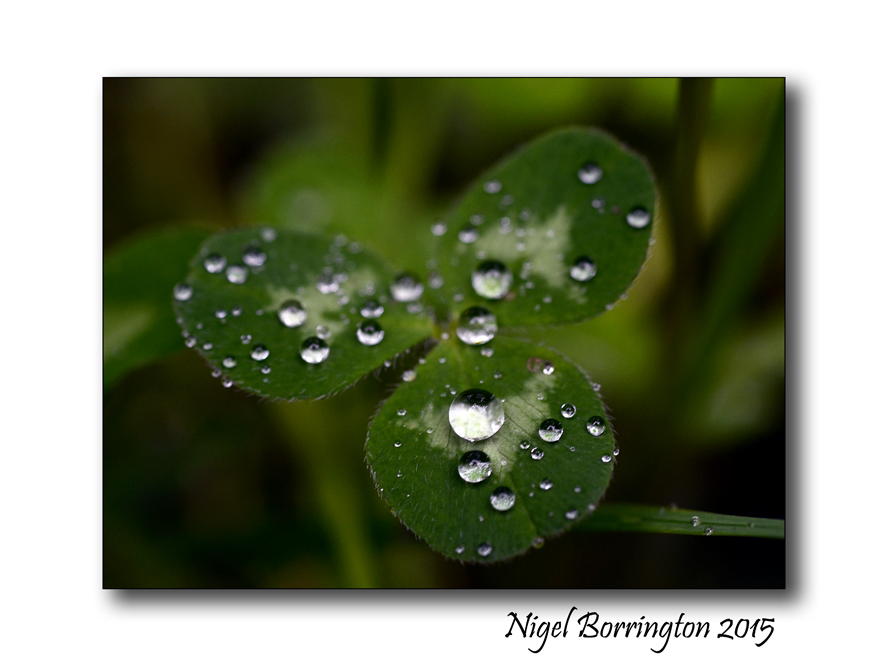
Happy St Patrick’s day to everyone 🙂
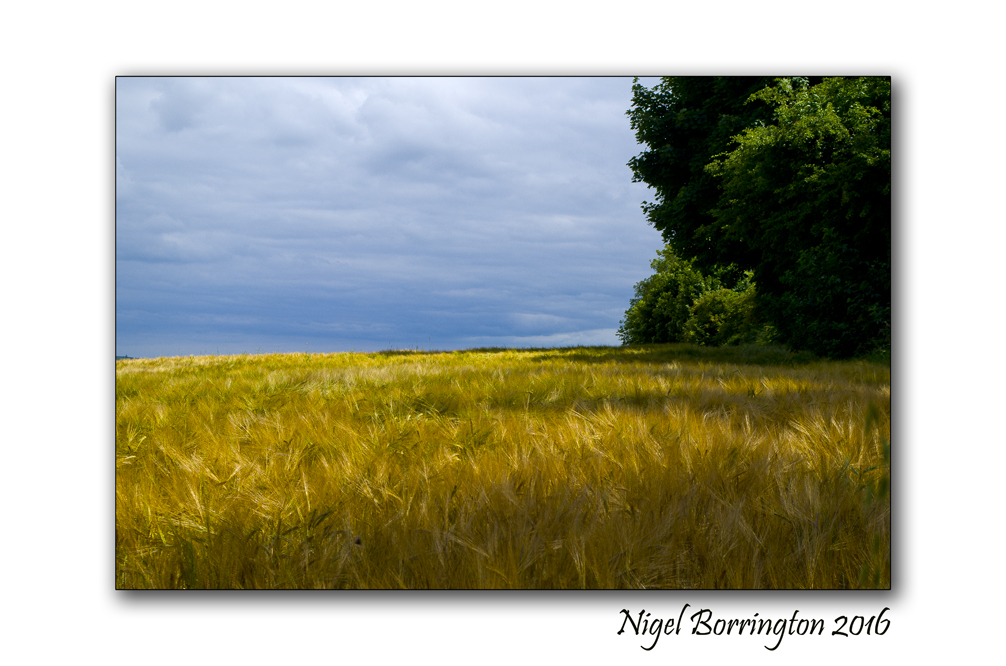
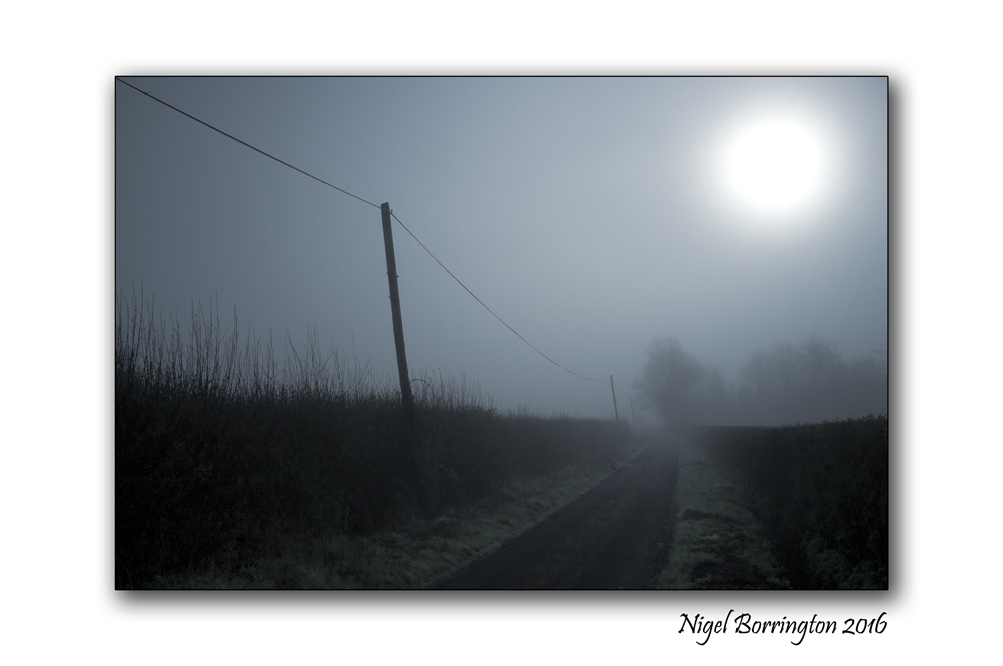
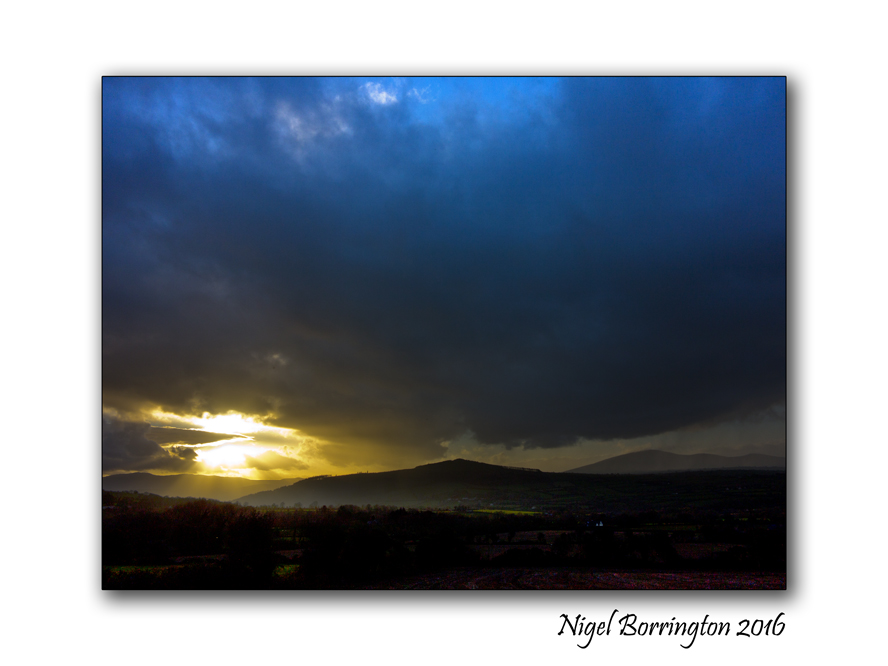
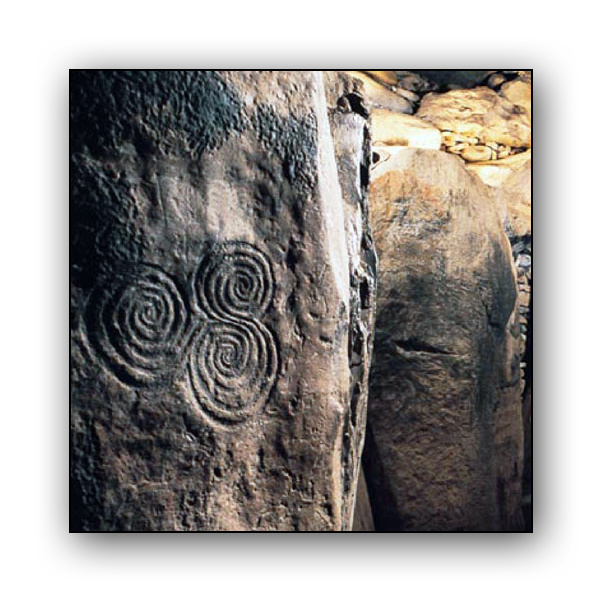
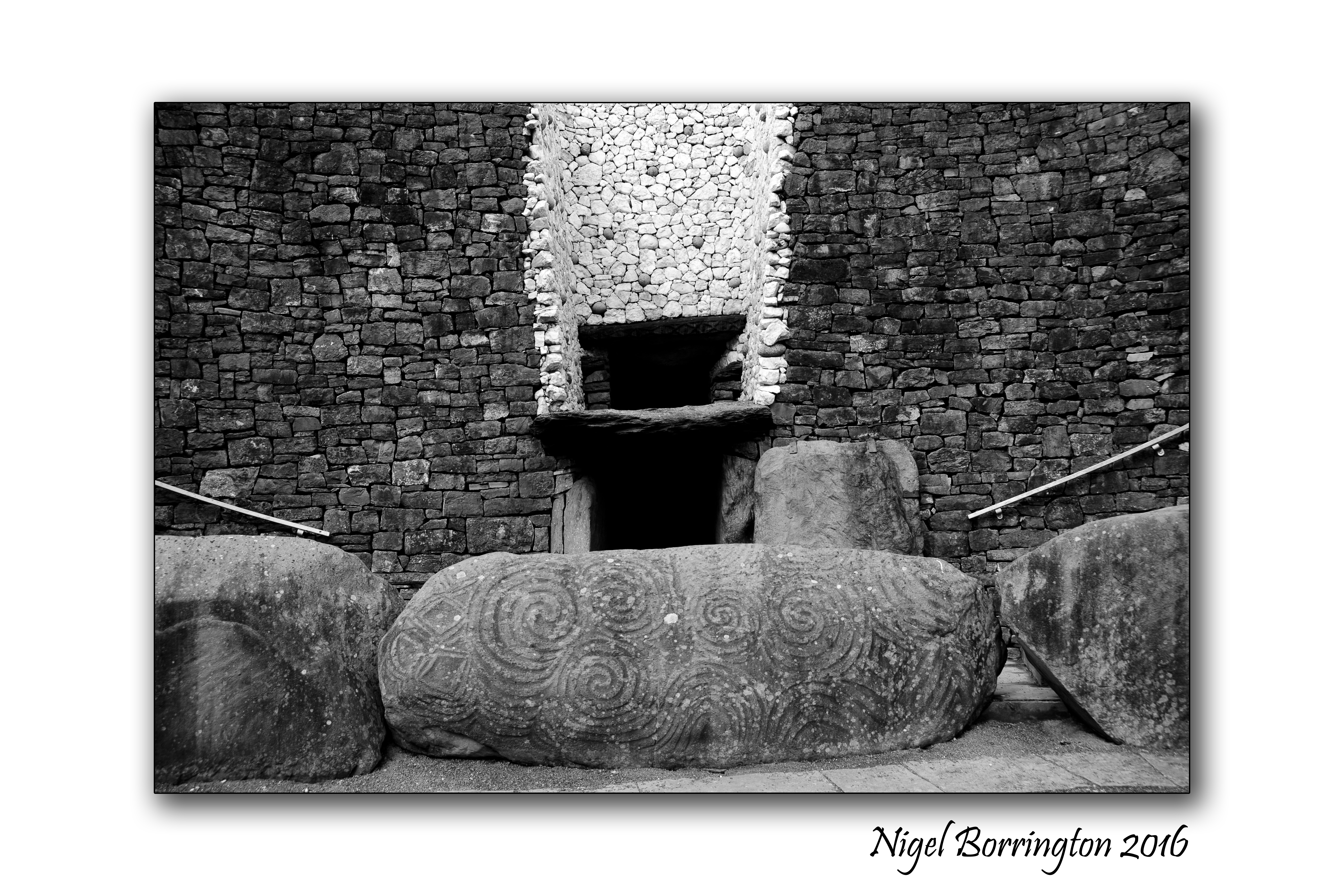
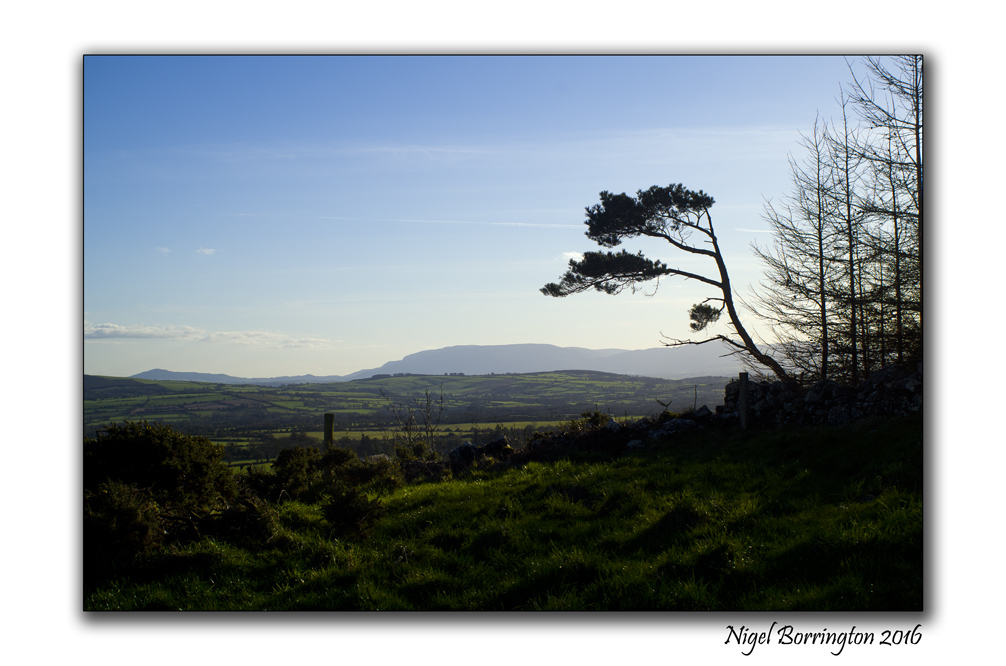
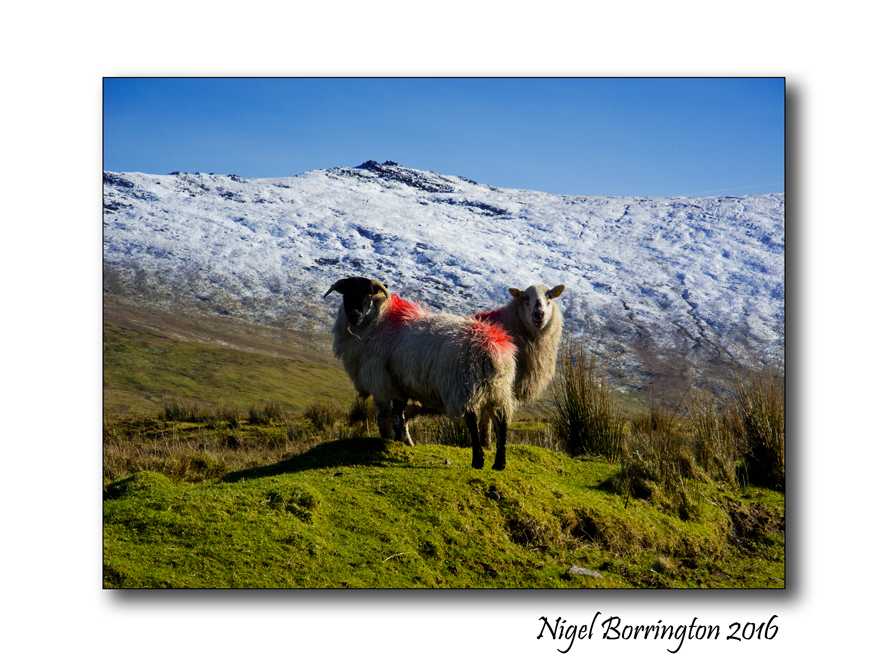
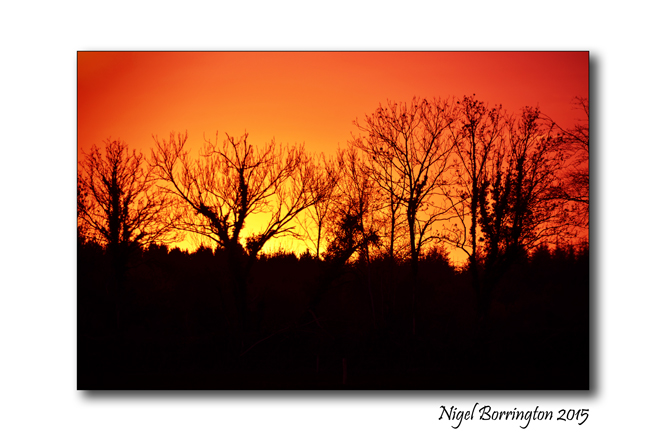
To celebrate this St Patrick’s day, I am sharing a very full collection of images from my Blog, all of them taken over the last couple of years or so. I feel they show this land, a small part of the European continent at its very best.
Ireland a St Patrick’s Day collection ….
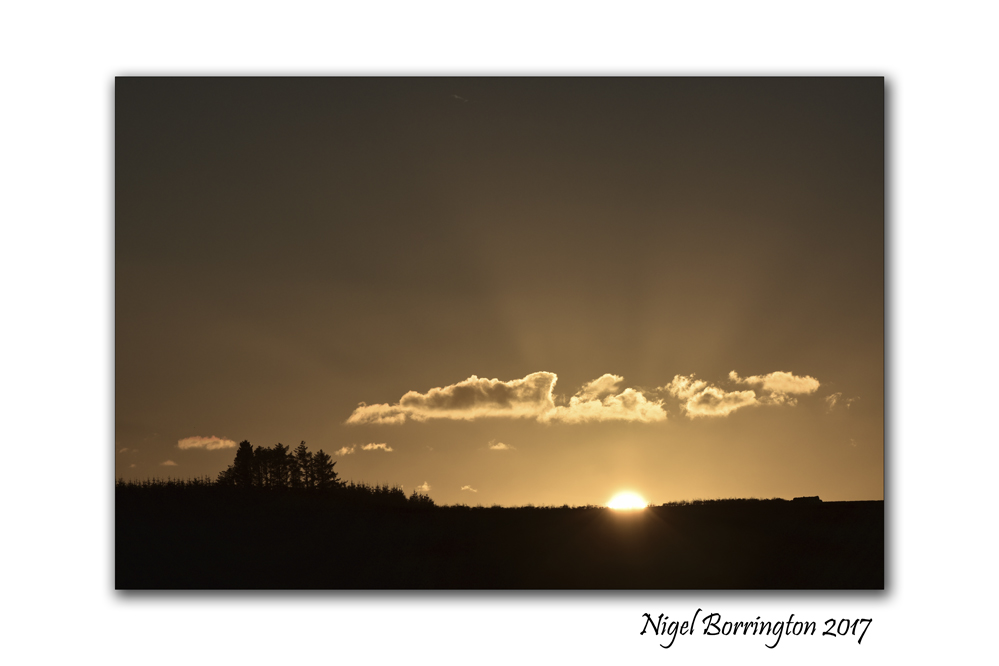


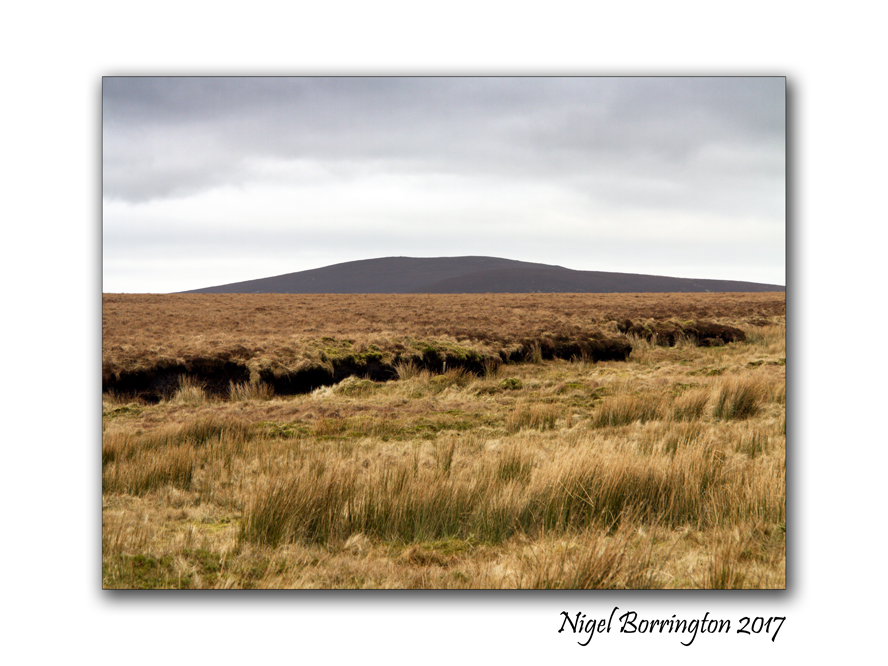
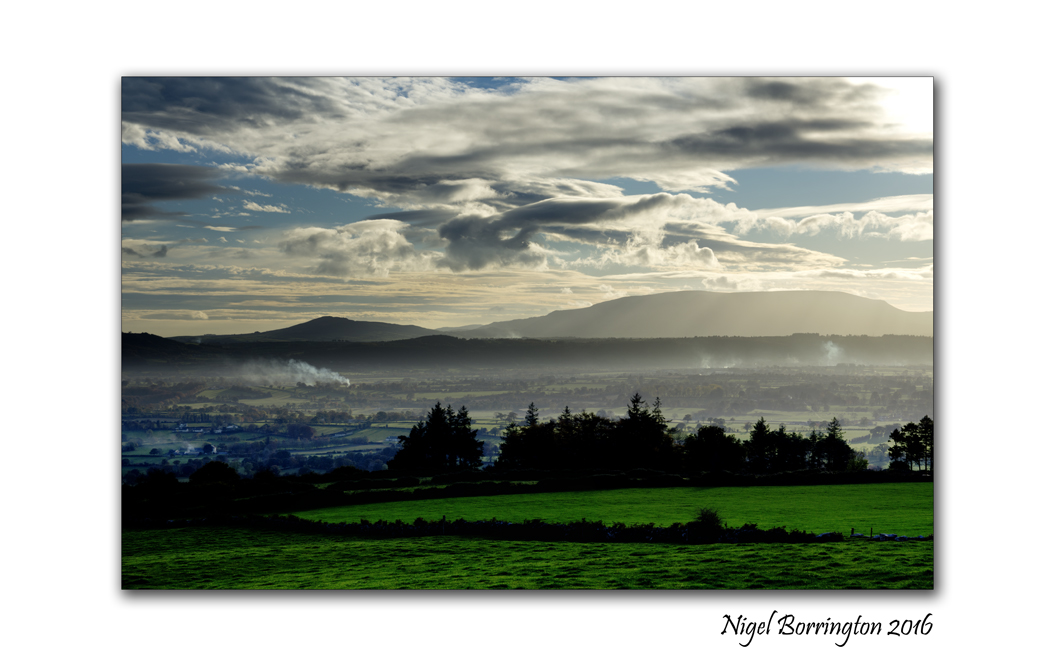
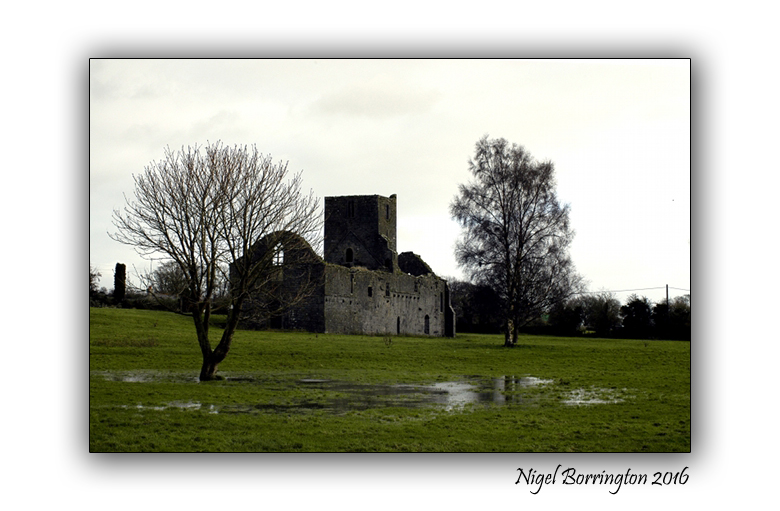
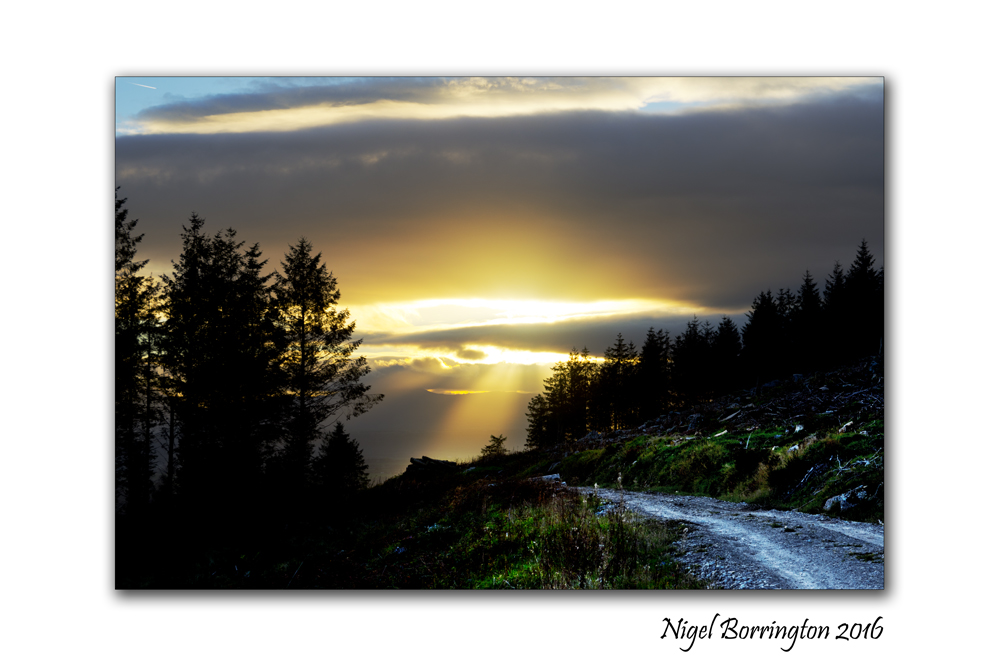

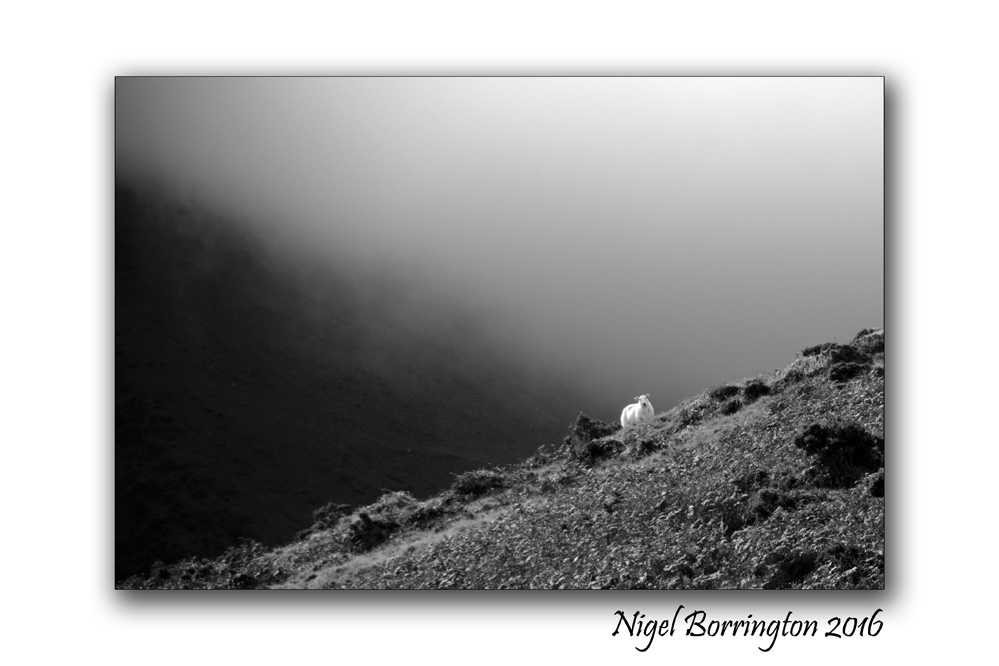









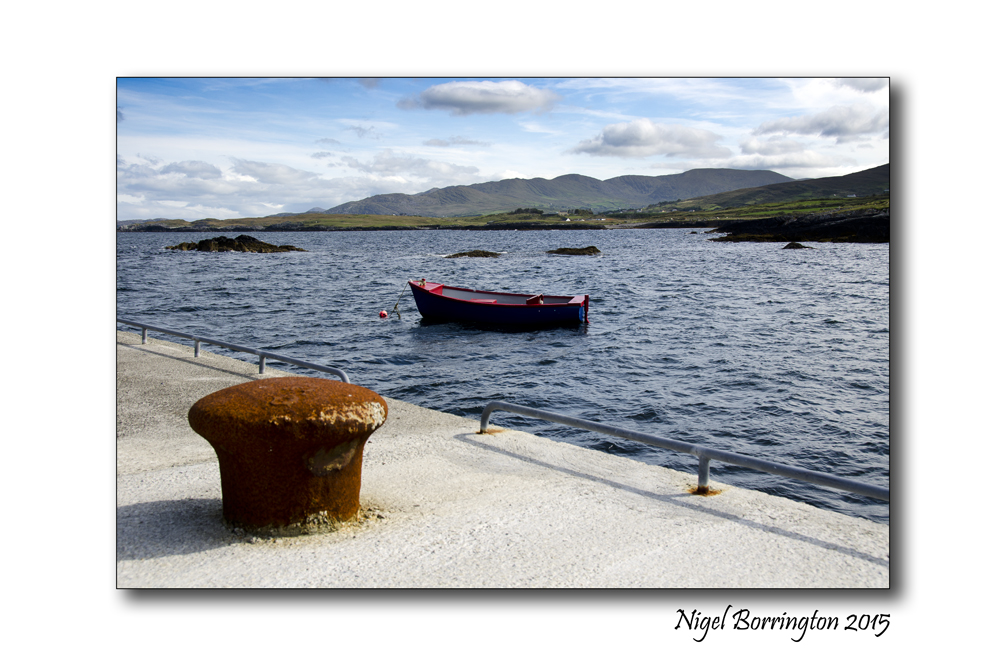


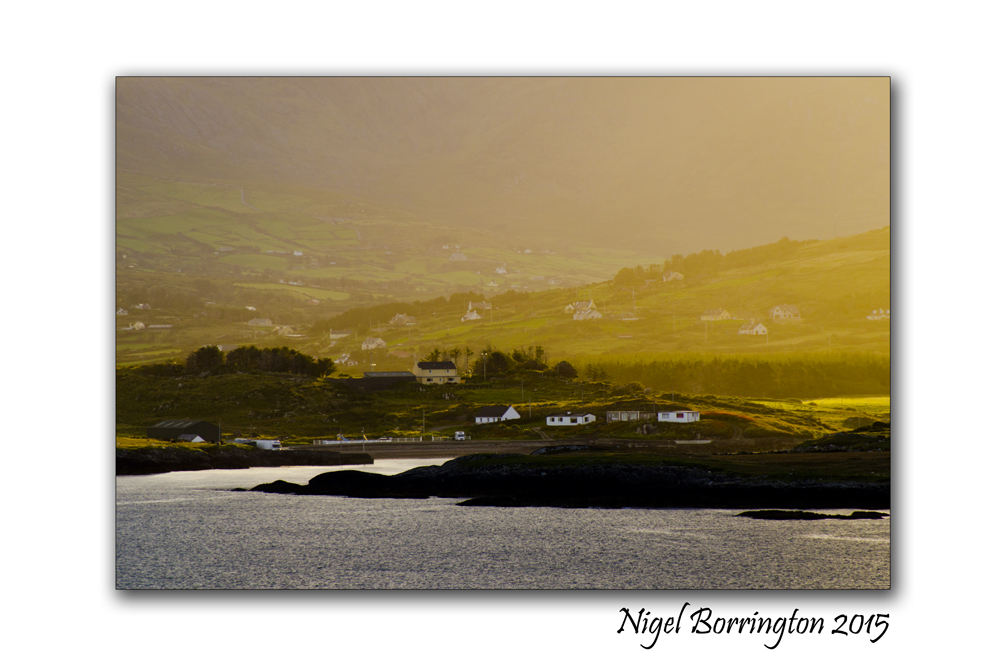

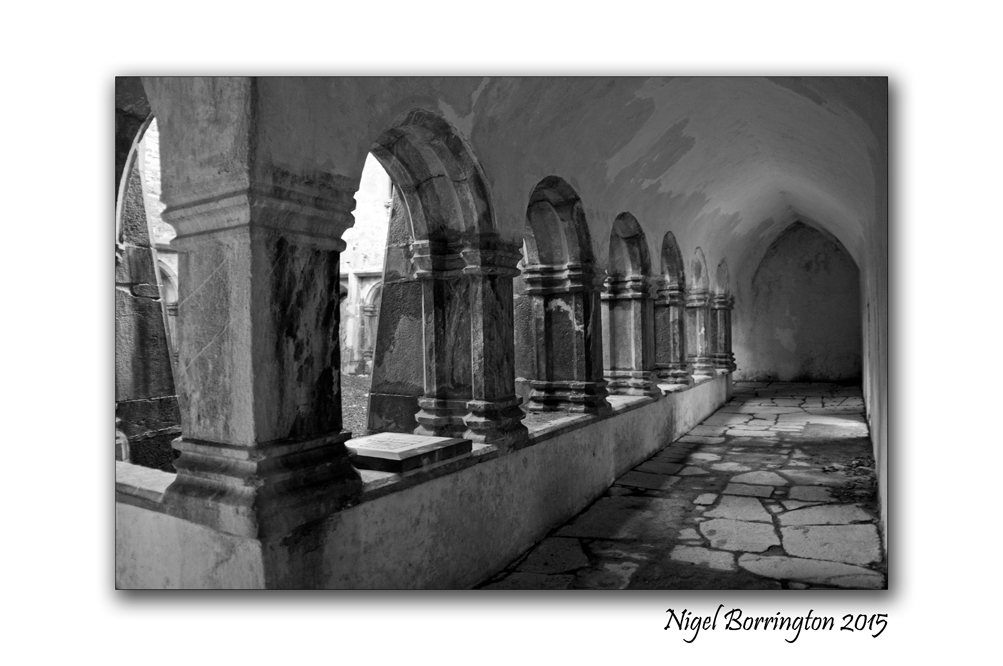
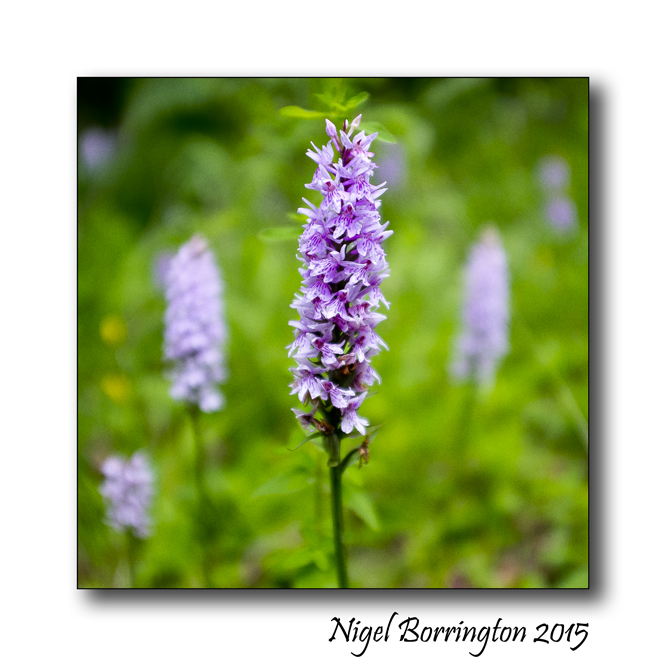


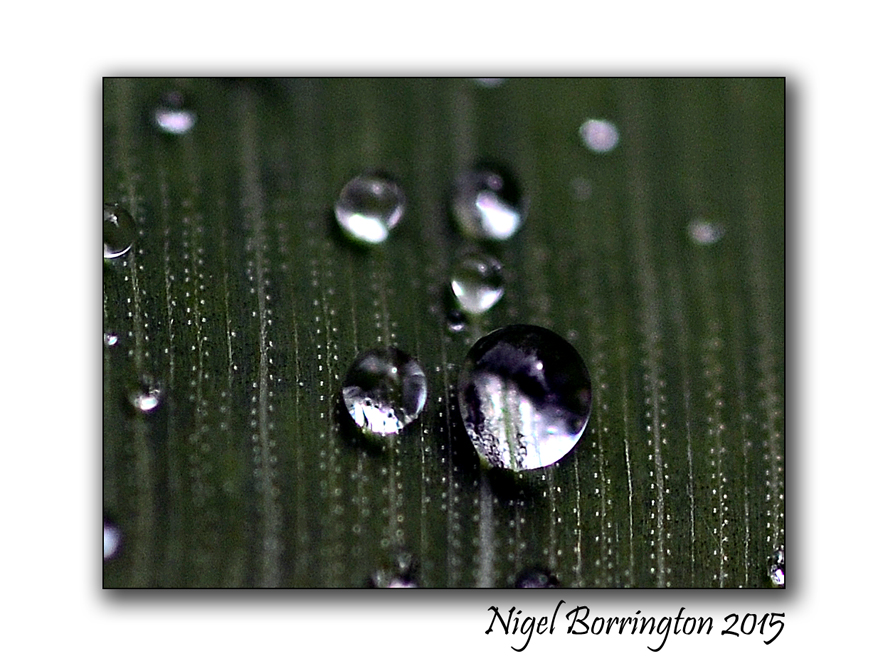
Killarney national park , Ireland
Killarney National Park Nigel Borrington
Irish landscapes
Friday the 10th of March 2017 and I am just planning some weekends away during the year, I am very keen to spend sometime as soon as possible back in the National park of Killarney. The park is a perfect place to visit if your into photography with its mountains and lakes and fast flowing rivers.
Its also an amazing place to cycle, so I am hopping to plan a B&B route leaving the car behind and spending time cycling in the Kerry mountains 🙂


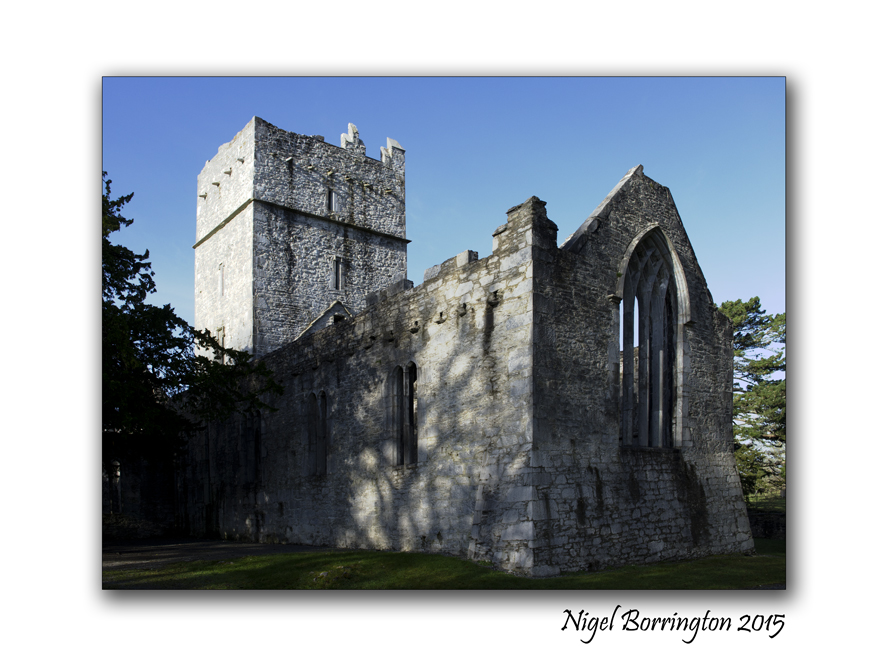

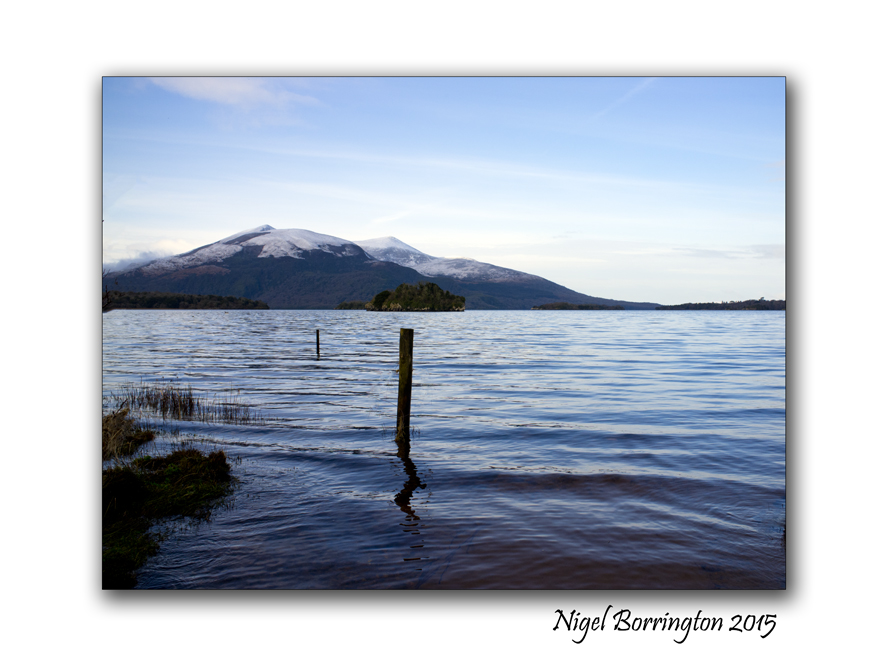

Lower Lake Killarney 2011
Three poems about sunlight …
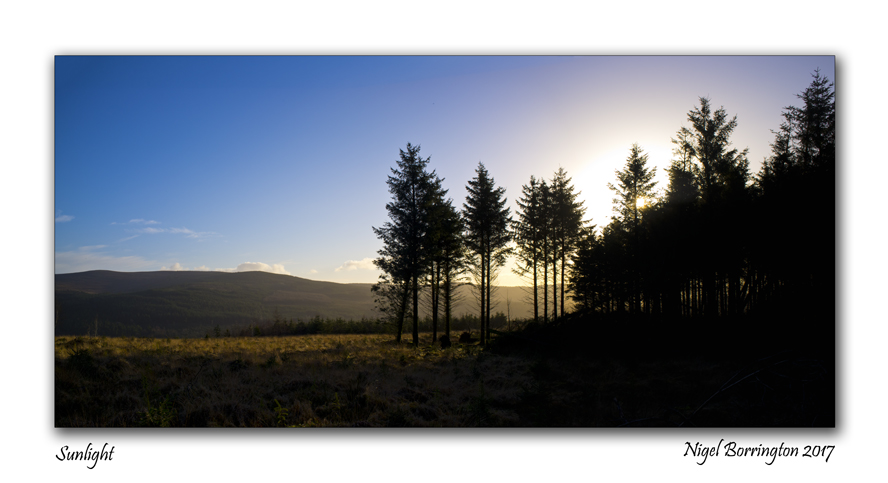
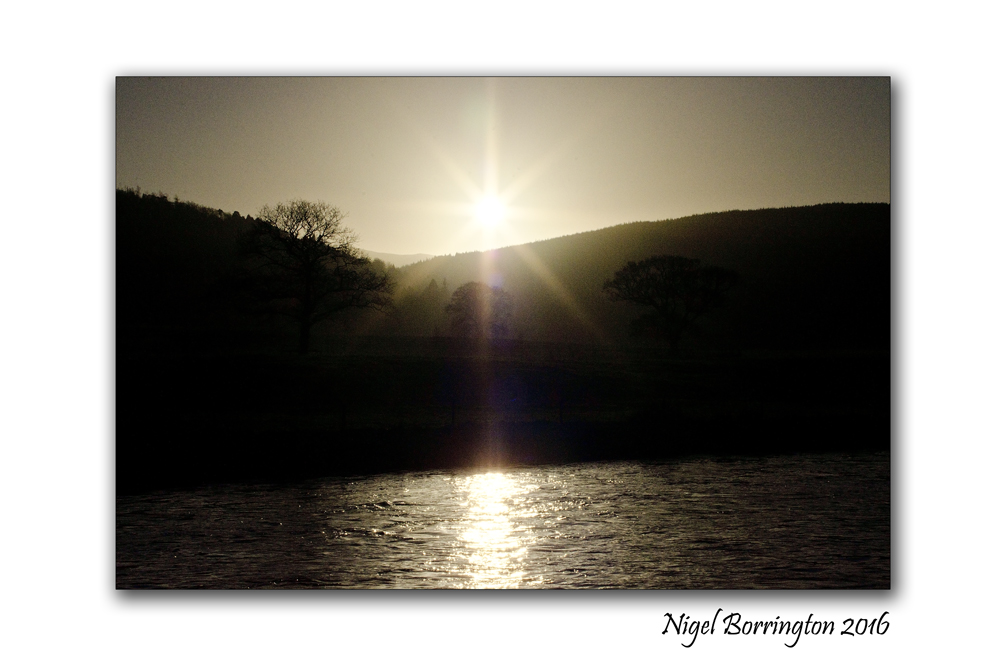
Landscape in Sunlight
Nigel Borrington
Phoebe Hynes
Dec 5, 2016
A response to sunlight
You came to me in what I thought was a dream,
but it was actually the mundane,
and the secrets my conscious brain,
was keeping from me.
You were a part of reality all along,
it’s just taken me a bit to realize it.
Sunlight can be blinding,
and raindrops are more obvious.
Russell
May 7, 2016
The Filter of Sunlight
The drops of gold
Break through
The cover of leaves
I’m hiding behind
Peeking through
Touching me
Warming me
Making me realize
All the good
I’m hiding from
All the things
I should be happy about
The yellow rays
Burning the bad
Purifying my thoughts
Changing my mind
And I run out
Wanting to make a memory
Of this happy
Golden moment.

Ramisa R
Sep 25, 2014
Springtime Creativity
Lilacs bloom; birds sing
sunlight falls–
enlightening these
blank pages
Burnt out and left in the woods
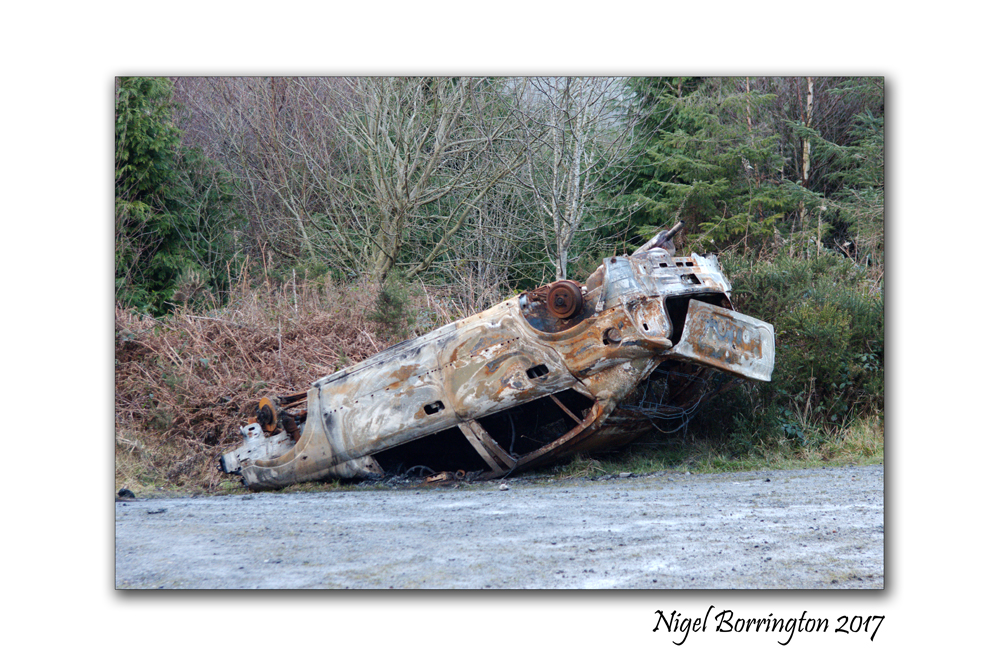
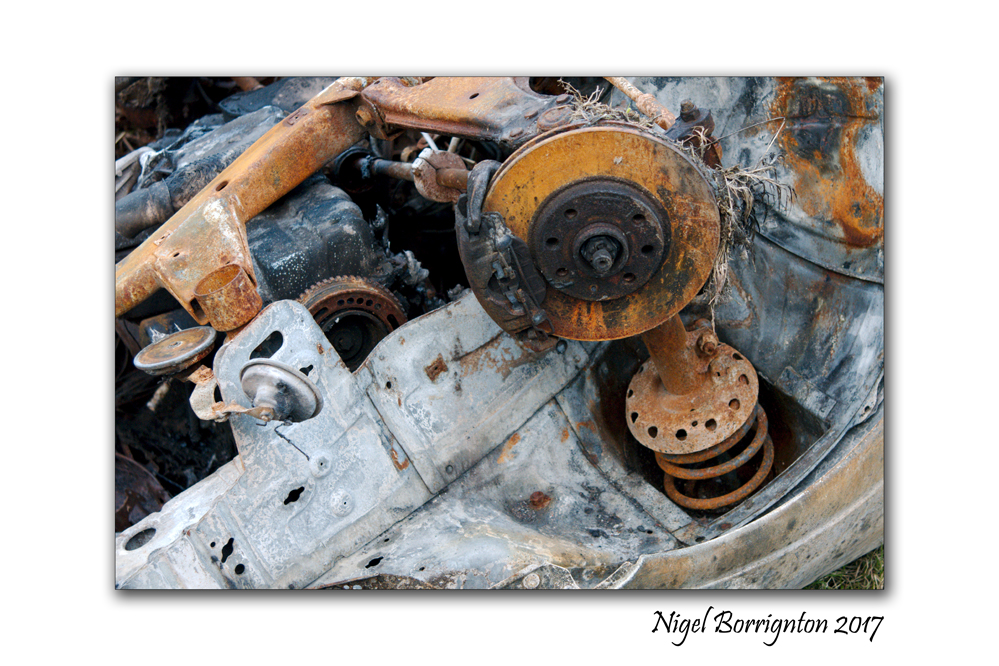
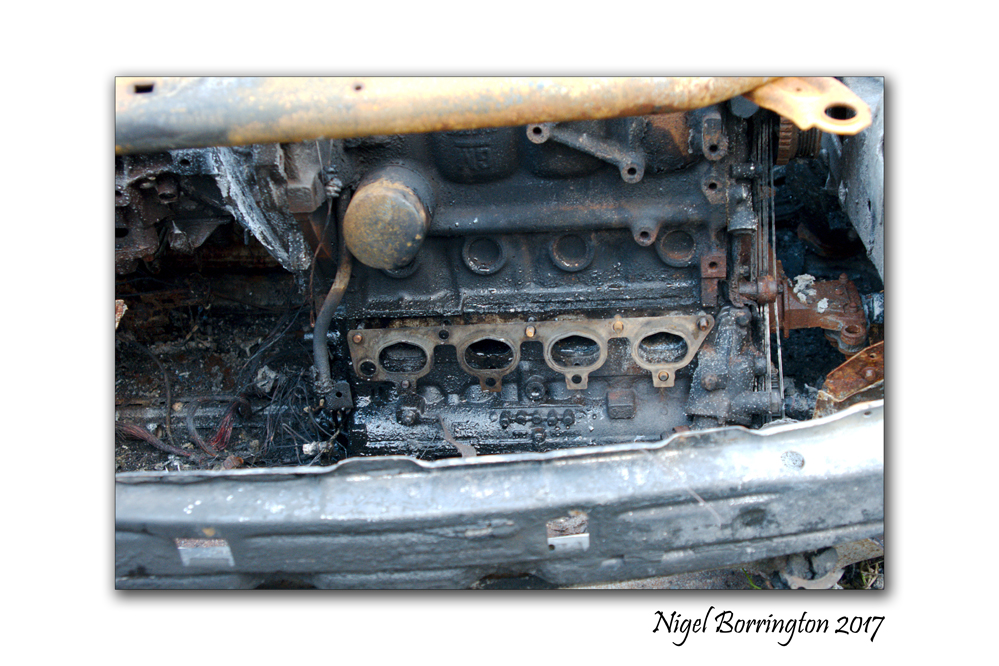
Sometimes when out on a walk you find things that ask questions in your mind, old cookers or TV’s, items long past there use. At the weekend I came across this burnt out car, turned over and then burnt until all that remains is a twisted rusting shell.
I my mind it is most likely stolen but then it has its own story to tell !


Happy Christmas and New year to everyone ! .. A 2016 Gallery
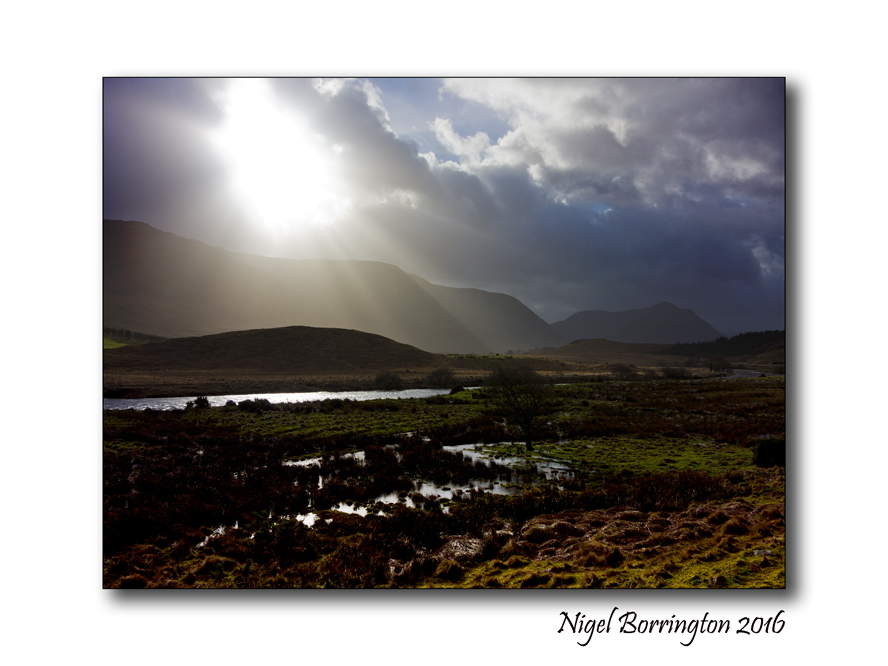
January 2016
Happy Christmas and a happy new year for 2017 to everyone 🙂
Todays post is my last for the year, I want to spend sometime off line with my family for the holidays.
I also want to say a very big thank you for such a great 2016 to everyone here in the word-press community, it has been great fun sharing posts with you all and reading your own posts!!!, its a great thrill to know so many great people and blogger’s here !!
Have a great Christmas time and a wonderful new year period, I look forward to sharing some on-line time with you all again in January 2017 – 🙂 🙂 🙂
A gallery of images from 2016
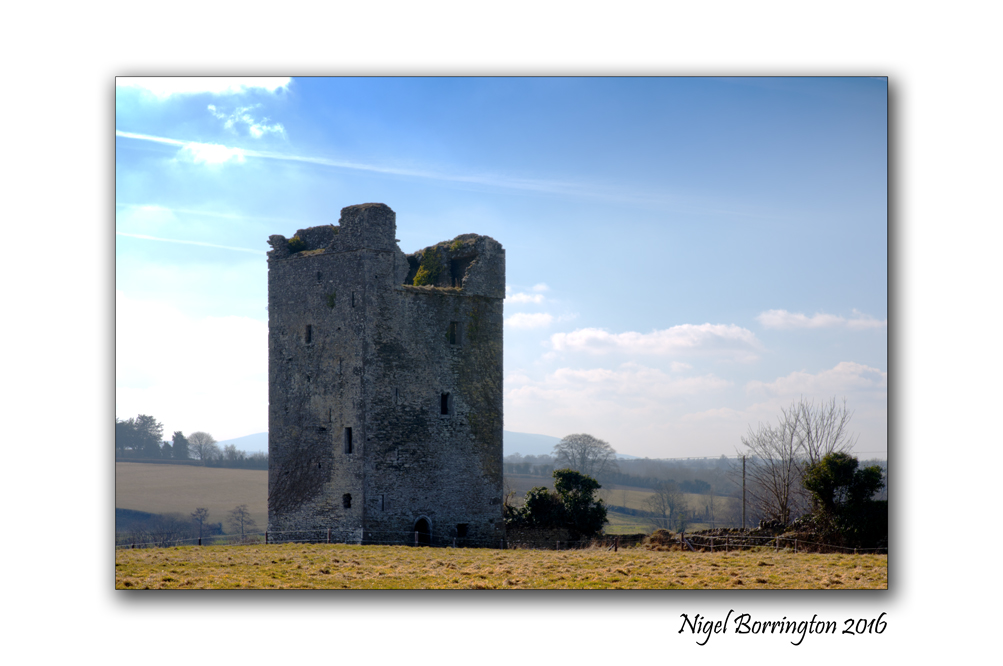
January 2016
February 2016
March 2016
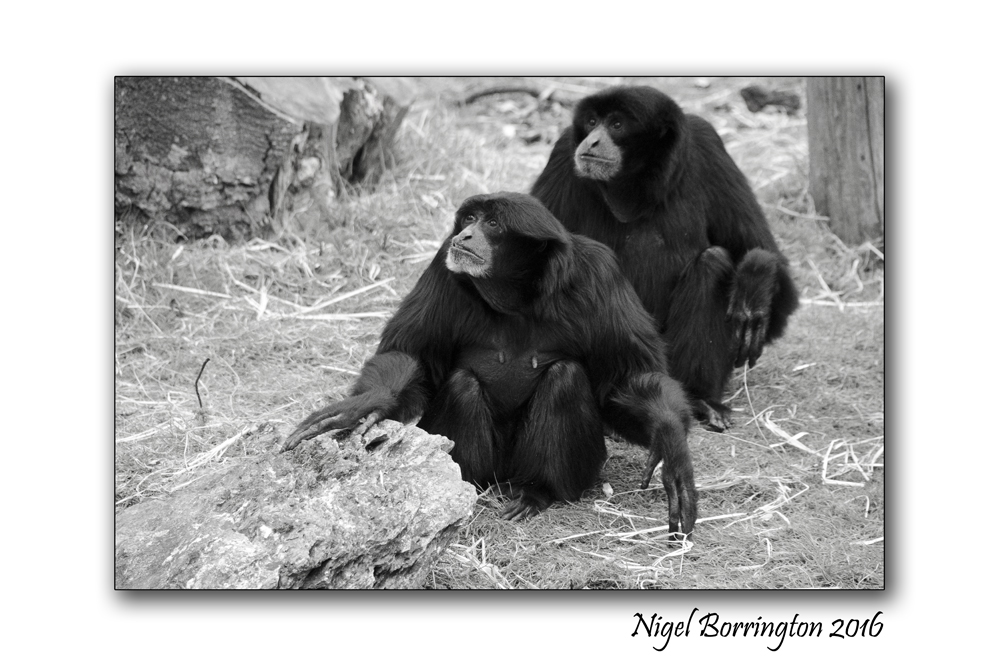
April 2016
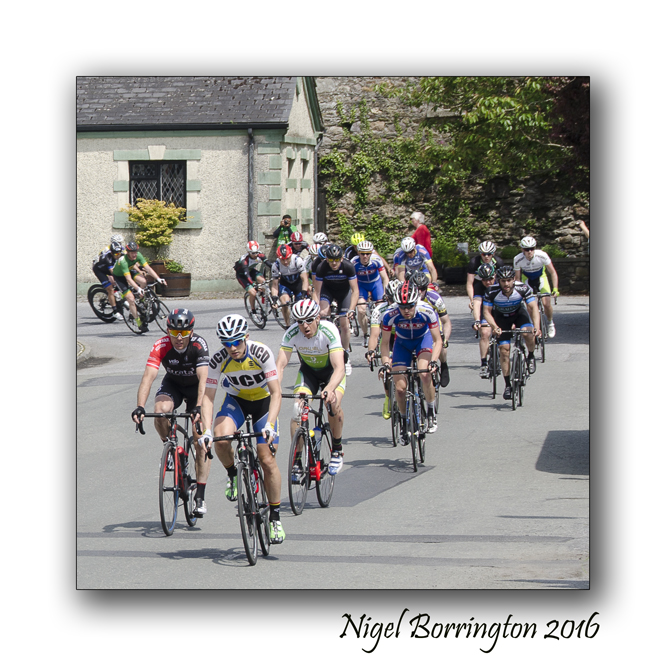
May 2016
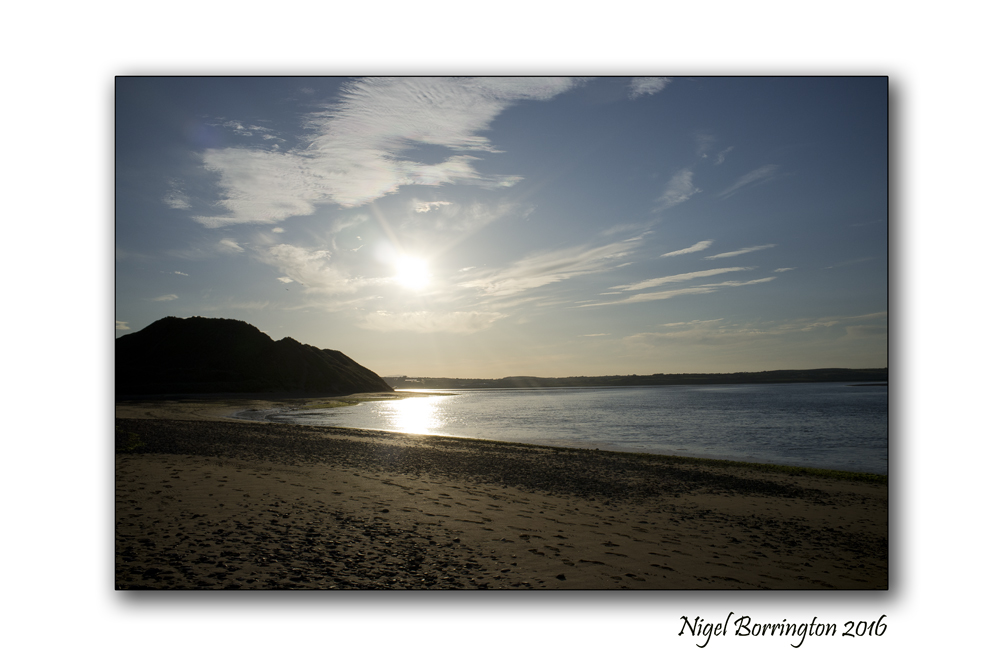
June 2016

July 2016
August 2016

September 2016
October 2016
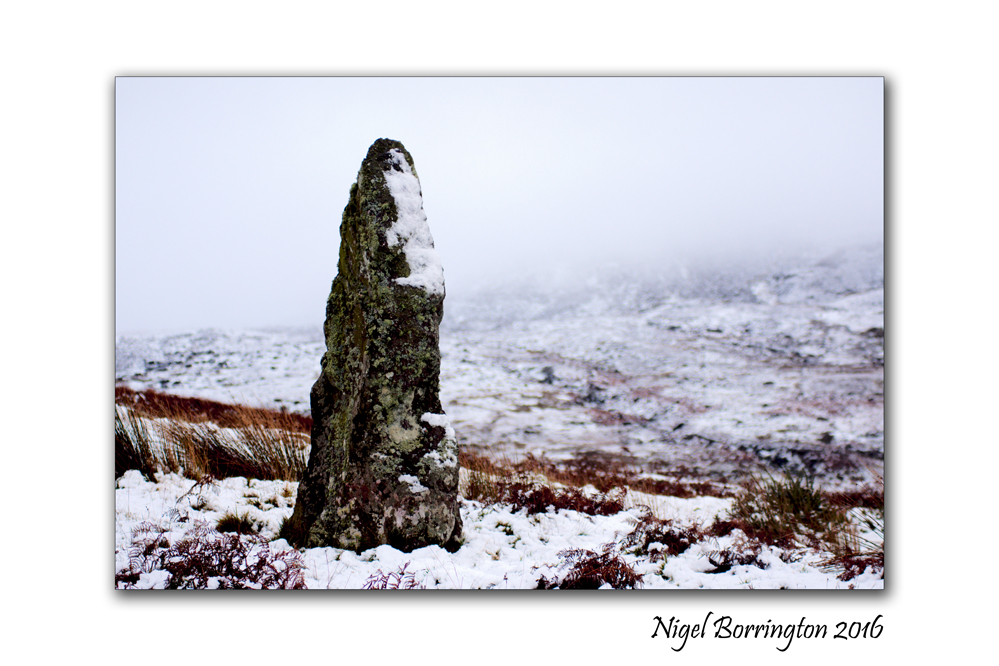
November 2016

December 2016
In the bleak midwinter – Poem By Christina Rossetti
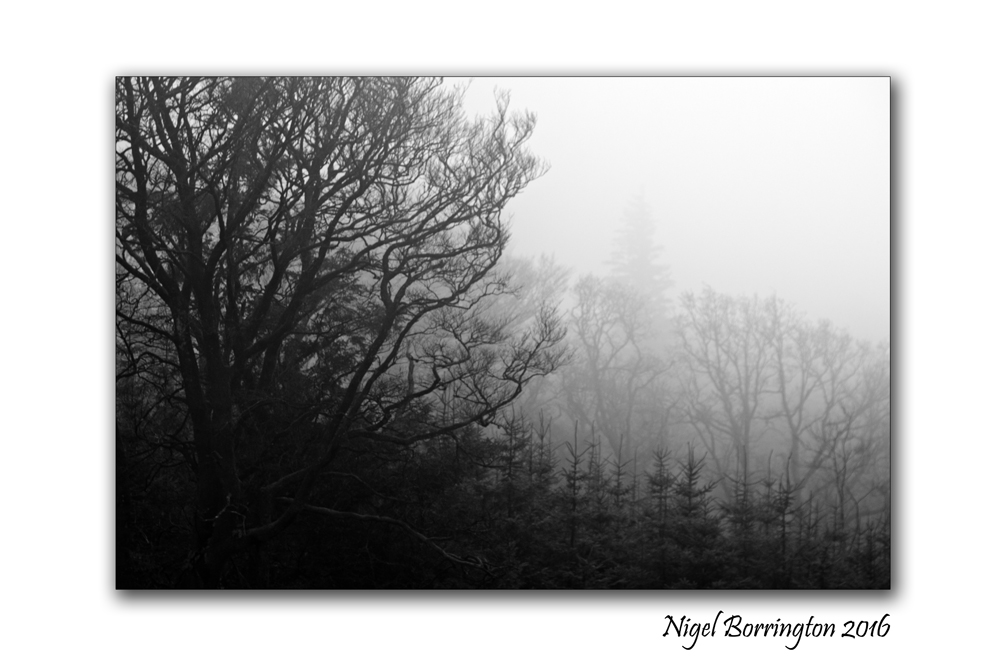
In the bleak midwinter
By Christina Rossetti
In the bleak midwinter, frosty wind made moan,
Earth stood hard as iron, water like a stone;
Snow had fallen, snow on snow, snow on snow,
In the bleak midwinter, long ago.
Our God, Heaven cannot hold Him, nor earth sustain;
Heaven and earth shall flee away when He comes to reign.
In the bleak midwinter a stable place sufficed
The Lord God Almighty, Jesus Christ.

Enough for Him, whom cherubim, worship night and day,
Breastful of milk, and a mangerful of hay;
Enough for Him, whom angels fall before,
The ox and ass and camel which adore.
Angels and archangels may have gathered there,
Cherubim and seraphim thronged the air;
But His mother only, in her maiden bliss,
Worshipped the beloved with a kiss.

What can I give Him, poor as I am?
If I were a shepherd, I would bring a lamb;
If I were a Wise Man, I would do my part;
Yet what I can I give Him: give my heart.
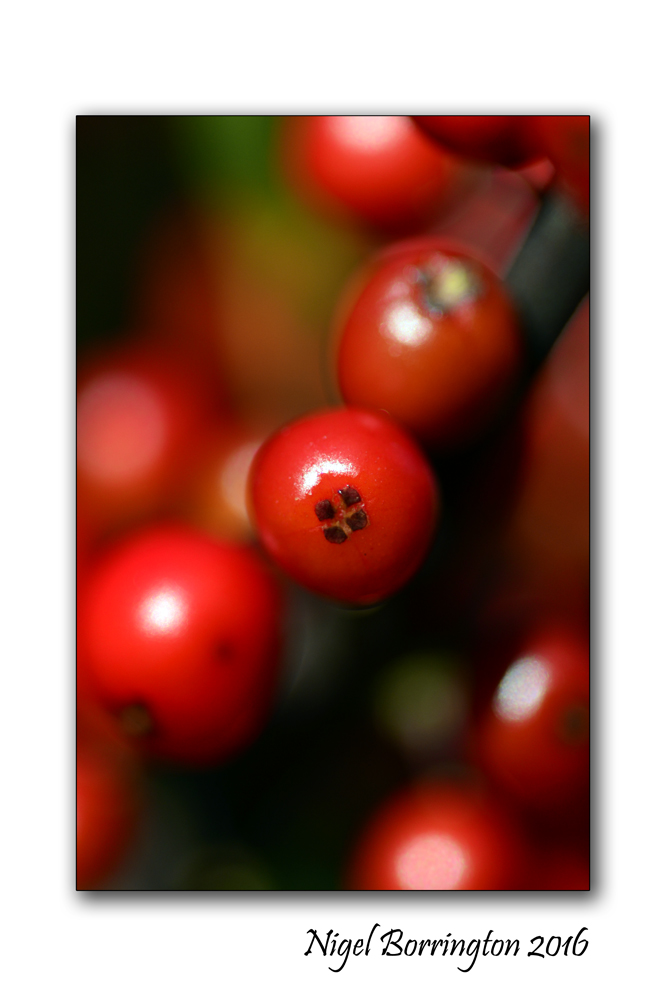
December , the Pagan Meaning of Evergreen & Holly

Evergreen Holly
Pagan Nature
Evergreens and holly (genus Ilex) are traditionally used to decorate during the holidays. Although many simply enjoy the plants for their fragrance and holiday colors, the meaning of these plants goes deeper for others, including pagans. Historically, pagans had — and still have — specific beliefs about the power and symbolism of both evergreens and holly, and some still use the plants as decor in accordance with those beliefs.
Evergreen — Always Green
Evergreens are loosely defined as plants that retain their foliage and remain green year-round. Usually, the term refers to coniferous trees — trees that have needles or needle-like foliage, but it can refer to any plant that stays green all winter long, including holly. Today, evergreens are valued for their practical uses — as windbreaks, hedges and for use as Christmas trees. Pagans used them for more spiritual reasons.
Pagan Meaning of Evergreen
In some countries, it was believed that evergreens would keep evil out of the home — evil spirits and ghosts, and evil in the form of illnesses. For this reason, evergreen boughs were often cut down and hung over doorways and inside the home. Pagans also believed that the green branches represented everlasting life. Druids used evergreen branches to decorate their temples for this very reason, according to History.com. The green of the branches helped people to get through the long winter by having hope in the warmth and food that would come in the spring.
Holly — Pretty and Prickly
Holly plants
vary widely in leaf shape and appearance. Although there are over 400 species (Ilex opaca is the scientific name of American holly), the most popular for use during the holidays are those that produce bright red berries, which historically were seen by pagans as masculine plants even though it is the female plants that produce the fruit. Holly plants are generally hardy in U.S. Department of Agriculture plant hardiness zones 5 through 9, although this can vary by species. Most popular hollies are hardy in USDA zones 7 through 9.

Pagan Meaning of Holly
Holly has a more specific meaning for pagans. Historically, pagans believed that like evergreens, holly wards off evil spirits. They also believed that holly increased fertility. In addition to bringing in holly boughs to decorate the home and increase fertility, holly was also often planted outdoors around the house to keep out evil spirits.
First week of November 2016, My favorite week of posting ever …… Thank you !!!!
Irish Landscape
GarryDuff woods
Piltown
County Kilkenny
Nigel Borrington
Friday and the first week of November is fast approaching the weekend 🙂
I have been posting on my blog since 2011 and yet I feel that this has been my favorite week of posting here so far !!!
I was able to share a wider variety of the media that I love using to capture the Irish landscape than ever before, I love photography but it was great to also be able to share some video and one of a set of drawings from a visit to Achill island, county Mayo.
A big thank you to anyone who visited and for the many likes and comments I received, I always look forward to hearing from and connecting with you , so thank you !!! 🙂
Have a great weekend what ever you find yourselves doing !!!
GarryDuff hill, county kilkenny, Sunset Gallery

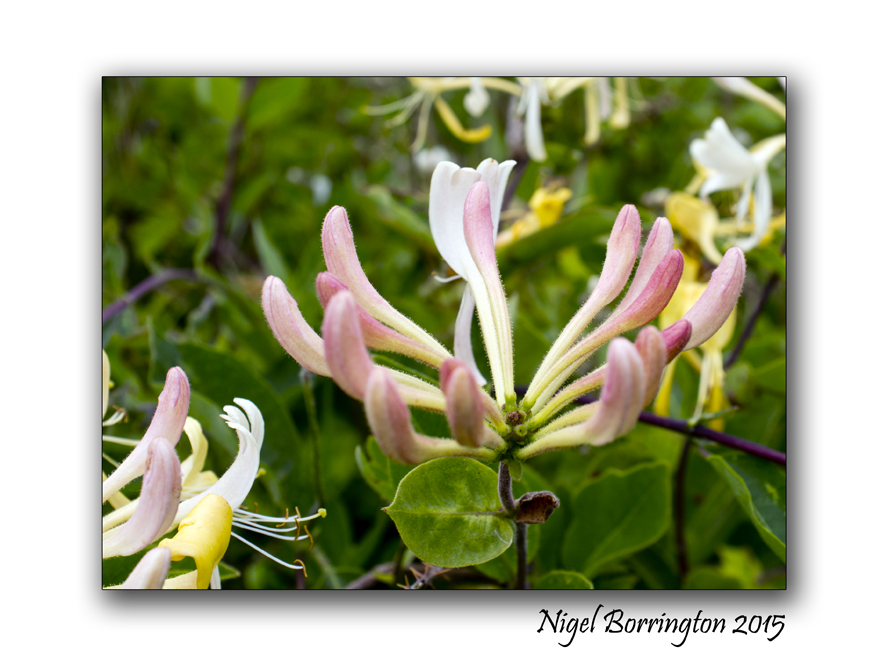
Wild Woodbine, a Poem by – Joan McBreen

Wild Woodbine
Joan McBreen
Wild woodbine was beyond my reach
in the thick hedges round Lough Gill.
The heavy scent filled the house for days
when my father brought it in
and it stayed fresh far longer
then meadowsweet.

Because I loved the delicate
pink and white wild rose
he picked it too, cursing the thorns, muttering
“it dies too soon,
you’d be better leaving it alone”.
Yet once, when my mother
swept its petals from the floor
I saw him rescue one
and place it carefully
in the small wallet
where he kept her photograph.
 Wild Woodbine
Friday Poetry : Mending the Wall, By Robert Frost

Irish Landscapes
The Wall,
Sleivenamon , Tipperary
Nigel Borrington
Mending the Wall
By Robert Frost
Something there is that doesn’t love a wall,
That sends the frozen-ground-swell under it,
And spills the upper boulders in the sun;
And makes gaps even two can pass abreast.
The work of hunters is another thing:
I have come after them and made repair
Where they have left not one stone on a stone,
But they would have the rabbit out of hiding,
To please the yelping dogs. The gaps I mean,
No one has seen them made or heard them made,
But at spring mending-time we find them there.
I let my neighbour know beyond the hill;
And on a day we meet to walk the line
And set the wall between us once again.
We keep the wall between us as we go.

To each the boulders that have fallen to each.
And some are loaves and some so nearly balls
We have to use a spell to make them balance:
“Stay where you are until our backs are turned!”
We wear our fingers rough with handling them.
Oh, just another kind of out-door game,
One on a side. It comes to little more:
There where it is we do not need the wall:
He is all pine and I am apple orchard.
My apple trees will never get across
And eat the cones under his pines, I tell him.
He only says, “Good fences make good neighbours.”
Spring is the mischief in me, and I wonder
If I could put a notion in his head:
“Why do they make good neighbours? Isn’t it
Where there are cows? But here there are no cows.
Before I built a wall I’d ask to know
What I was walling in or walling out,
And to whom I was like to give offence.
Something there is that doesn’t love a wall,
That wants it down.” I could say “Elves” to him,
But it’s not elves exactly, and I’d rather
He said it for himself. I see him there
Bringing a stone grasped firmly by the top
In each hand, like an old-stone savage armed.
He moves in darkness as it seems to me,
Not of woods only and the shade of trees.
He will not go behind his father’s saying,
And he likes having thought of it so well
He says again, “Good fences make good neighbours.”
Landscape poems, “His Dream Of Skyland” by Li Po
His Dream Of Skyland
The seafarers tell of the Eastern Isle of Bliss,
It is lost in a wilderness of misty sea waves.
But the Sky-land of the south, the Yueh-landers say,
May be seen through cracks of the glimmering cloud.
This land of the sky stretches across the leagues of heaven;
It rises above the Five Mountains and towers over the Scarlet Castle,
While, as if staggering before it, the Tien-tai Peak
Of forty-eight thousand feet leans toward the southeast.
So, longing to dream of the southlands of Wu and Yueh,
I flew across the Mirror Lake one night under the moon.

The moon in the lake followed my flight,
Followed me to the town of Yen-chi.
Here still stands the mansion of Prince Hsieh.
I saw the green waters curl and heard the monkeys’ shrill cries.
I climbed, putting on the clogs of the prince,
Skyward on a ladder of clouds,
And half-way up from the sky-wall I saw the morning sun,
And heard the heaven’s cock crowing in the mid-air.
Now among a thousand precipices my way wound round and round;
Flowers choked the path; I leaned against a rock; I swooned.
Roaring bears and howling dragons roused me –
Oh, the clamorous waters of the rapids!
I trembled in the deep forest, and shuddered at the overhanging crags,
one heaped upon another.
Clouds on clouds gathered above, threatening rain;
The waters gushed below, breaking into mist.
A peal of blasting thunder!
The mountains crumbled.
The stone gate of the hollow heaven
Opened wide, revealing
A vasty realm of azure without bottom,
Sun and moon shining together on gold and silver palaces.

Clad in rainbow and riding on the wind,
The ladies of the air descended like flower, flakes;
The faery lords trooping in, they were thick as hemp-stalks in the fields.
Phoenix birds circled their cars, and panthers played upon harps.
Bewilderment filled me, and terror seized on my heart.
I lifted myself in amazement, and alas!
I woke and found my bed and pillow –
Gone was the radiant world of gossamer.
So with all pleasures of life.
All things pass with the east-flowing water.
I leave you and go – when shall I return?
Let the white roe feed at will among the green crags,
Let me ride and visit the lovely mountains!
How can I stoop obsequiously and serve the mighty ones!
It stifles my soul.
– Li Po. Translated by: Shigeyoshi Obata
Friday Poem ,The Nightingales Nest by John Clare

The Nightingales Nest
Irish Landscape Photography
Nigel Borrington
The Nightingales Nest
John Clare
Up this green woodland-ride let’s softly rove,
And list the nightingale— she dwells just here.
Hush ! let the wood-gate softly clap, for fear
The noise might drive her from her home of love ;
For here I’ve heard her many a merry year—
At morn, at eve, nay, all the live-long day,
As though she lived on song.
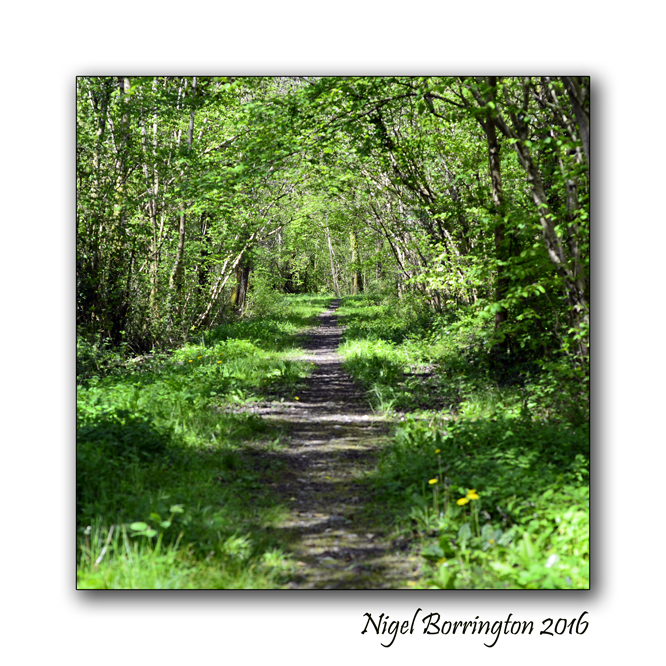
This very spot, Just where that old-man’s-beard all wildly trails
Rude arbours o’er the road, and stops the way—
And where that child its blue-bell flowers hath got,
Laughing and creeping through the mossy rails—
There have I hunted like a very boy,
Creeping on hands and knees through matted thorn
To find her nest, and see her feed her young.
And vainly did I many hours employ :
All seemed as hidden as a thought unborn.
And where those crimping fern-leaves ramp among
The hazel’s under boughs, I’ve nestled down,
And watched her while she sung ; and her renown
Hath made me marvel that so famed a bird
Should have no better dress than russet brown.
Her wings would tremble in her ecstasy,
And feathers stand on end, as ’twere with joy,
And mouth wide open to release her heart
Of its out-sobbing songs.
The happiest part
Of summer’s fame she shared, for so to me
Did happy fancies shapen her employ ;
But if I touched a bush, or scarcely stirred,
All in a moment stopt.
I watched in vain :
The timid bird had left the hazel bush,
And at a distance hid to sing again.
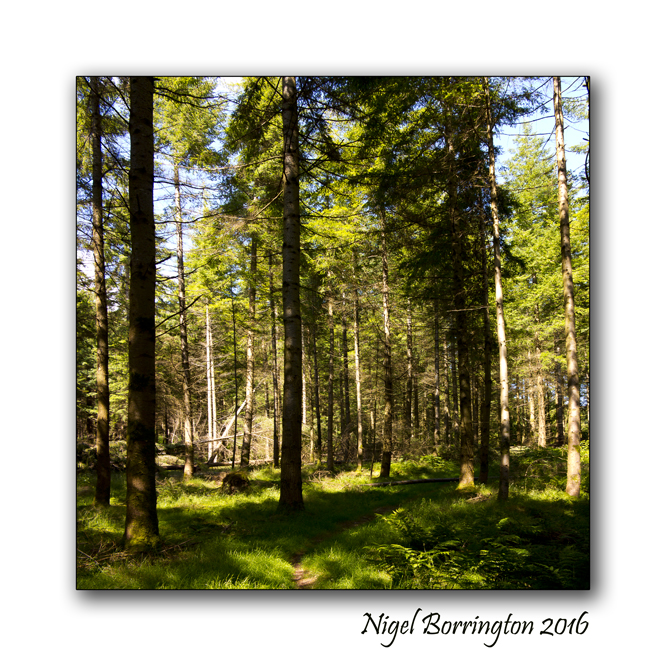
Lost in a wilderness of listening leaves,
Rich Ecstasy would pour its luscious strain,
Till envy spurred the emulating thrush
To start less wild and scarce inferior songs ;
For while of half the year Care him bereaves,
To damp the ardour of his speckled breast ;
The nightingale to summer’s life belongs,
And naked trees, and winter’s nipping wrongs,
Are strangers to her music and her rest.
Her joys are evergreen, her world is wide—
Hark! there she is as usual— let’s be hush—
For in this black-thorn clump, if rightly guest,
Her curious house is hidden.
Part aside
These hazel branches in a gentle way,
And stoop right cautious ‘neath the rustling boughs,
For we will have another search to day,
And hunt this fern-strewn thorn-clump round and round ;
And where this reeded wood-grass idly bows,
We’ll wade right through, it is a likely nook :
In such like spots, and often on the ground,
They’ll build, where rude boys never think to look—
Aye, as I live ! her secret nest is here,
Upon this white-thorn stump ! I’ve searched about
For hours in vain.
There! put that bramble by—
Nay, trample on its branches and get near.
How subtle is the bird ! she started out,
And raised a plaintive note of danger nigh,
Ere we were past the brambles ; and now, near
Her nest, she sudden stops— as choking fear,
That might betray her home.
So even now We’ll leave it as we found it : safety’s guard
Of pathless solitudes shall keep it still.
See there! she’s sitting on the old oak bough,
Mute in her fears ; our presence doth retard
Her joys, and doubt turns every rapture chill.
Sing on, sweet bird! may no worse hap befall
Thy visions, than the fear that now deceives.
We will not plunder music of its dower,
Nor turn this spot of happiness to thrall ;
For melody seems hid in every flower,
That blossoms near thy home.

These harebells all Seem bowing with the beautiful in song ;
And gaping cuckoo-flower, with spotted leaves,
Seems blushing of the singing it has heard.
How curious is the nest ; no other bird
Uses such loose materials, or weaves
Its dwelling in such spots : dead oaken leaves
Are placed without, and velvet moss within,
And little scraps of grass, and, scant and spare,
What scarcely seem materials, down and hair ;
For from men’s haunts she nothing seems to win.
Yet Nature is the builder, and contrives
Homes for her children’s comfort, even here ;
Where Solitude’s disciples spend their lives
Unseen, save when a wanderer passes near
That loves such pleasant places.
Deep adown, The nest is made a hermit’s mossy cell.
Snug lie her curious eggs in number five,
Of deadened green, or rather olive brown ;
And the old prickly thorn-bush guards them well.
So here we’ll leave them, still unknown to wrong,
As the old woodland’s legacy of song
Monday Poetry , A Buttercup Tale – Poem by sylvia spencer
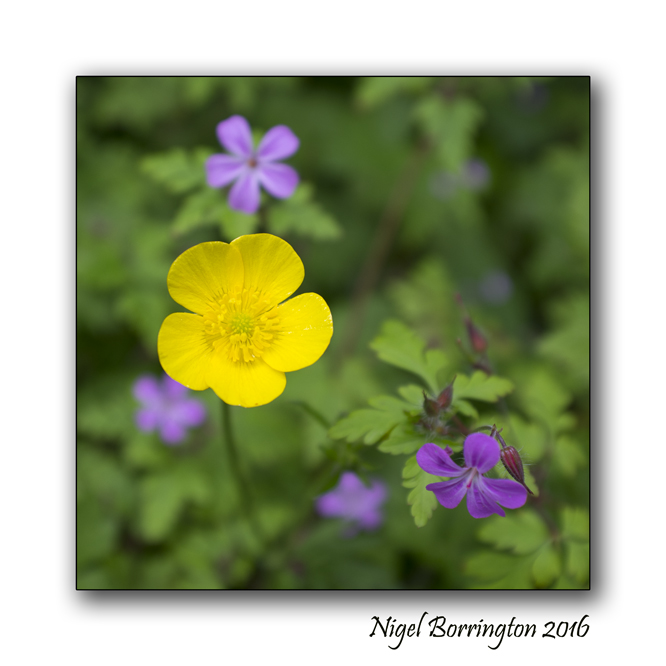
The Buttercup Poem Nigel Borrington Nature Photography
A Buttercup Tale –
Poem by sylvia spencer
I know of a buttercup with a story to tell
and I can honestly say there has never been a
story told so well. A pretty buttercup so wild and free
once made friends with an old oak tree but sadly the
tree was cut down and little Miss butercup wore a frown;
she still bows her head in the summer sun because she
feels sad about what was done.
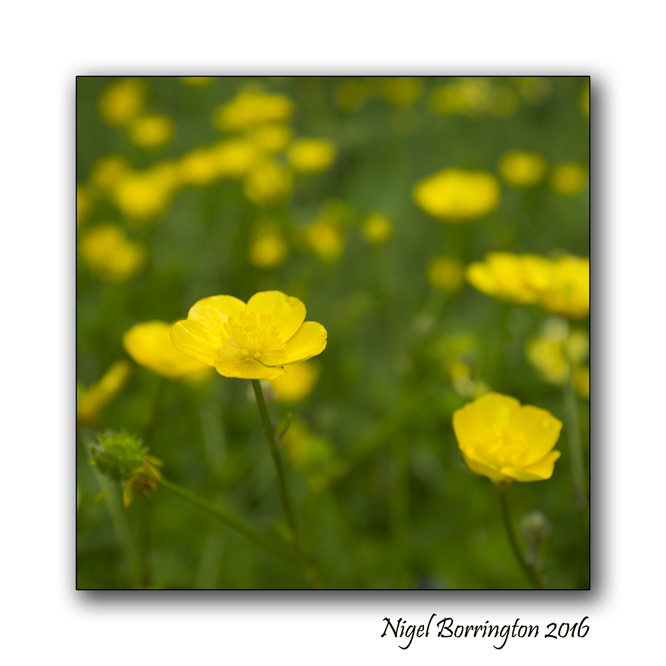
She then lived next door to a tall fox glove and she thought
in her heart that he had fallen in love, because he sheltered her
from rain all summer long and in the wind and rain he is
so brave and strong.

Sadly the foxglove did not feel the same and the buttercups
heart was jilted again.
On into the meadows she moved once more hoping that life
would be better than before. It was here she met the Dandelion
a real good catch and now they live together on the farmers
cabbage patch.
sylvia spencer

The Tree a poem by Tom Splitt
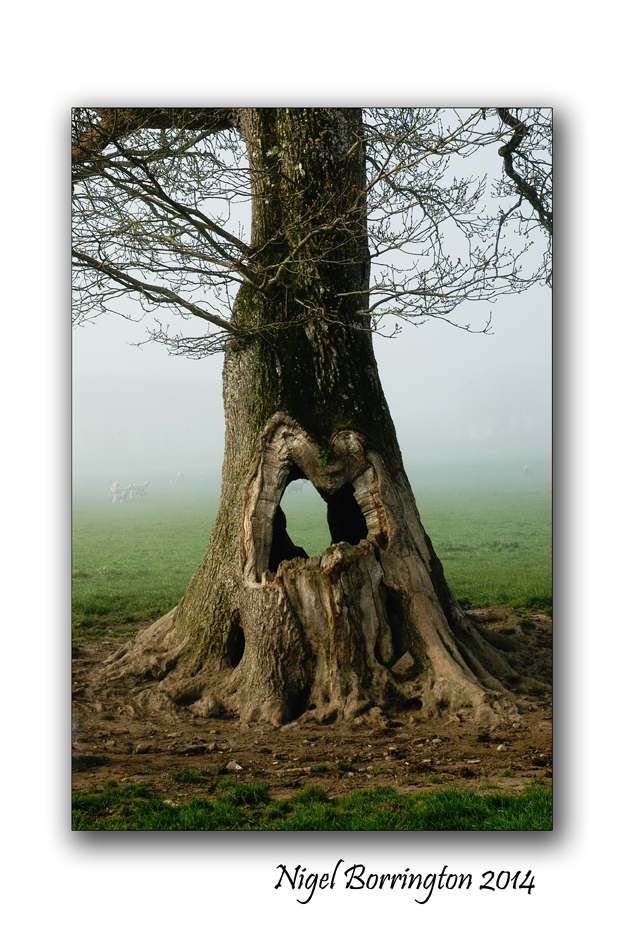
The Tree
Nigel Borrington
The Tree
by Tom Splitt
The calm quiet strength of a tree
Anchored deep in the earth
Reaching high in the sky
The calm quiet strength of a tree
The calm quiet strength of a tree
Full of life from its roots
To the tiniest branch
The calm quiet strength of a tree
And oh, how it comforts me
How it teaches me
Without a sound
Then I realize at once
That this tree and I are one
In eternity
The calm quiet strength of a tree
From the weight of its trunk
To its delicate leaves
The calm quiet strength of a tree
The calm quiet strength of a tree
Showing anyone near
All the secrets of time
The calm quiet strength of a tree
Through the Gate Down the Lane, gareth culshaw

Irish Landscapes, County Kilkenny
Nigel Borrington
Through the Gate Down the Lane
Through the gate down the lane
all the colours, splits in path
creaking, cracking, axed by frost
scythed by time.
Through the gate down the lane
footsteps left, gone to dust.
Voices in the limbs of trees
shaking leaves when the wind is in.
Through the gate down the lane
where summer has been only once.
Scorch marks of light left behind
the house is nettled, broken, still.
The Elements : Water in images
The Elements, Water : Nigel Borrington
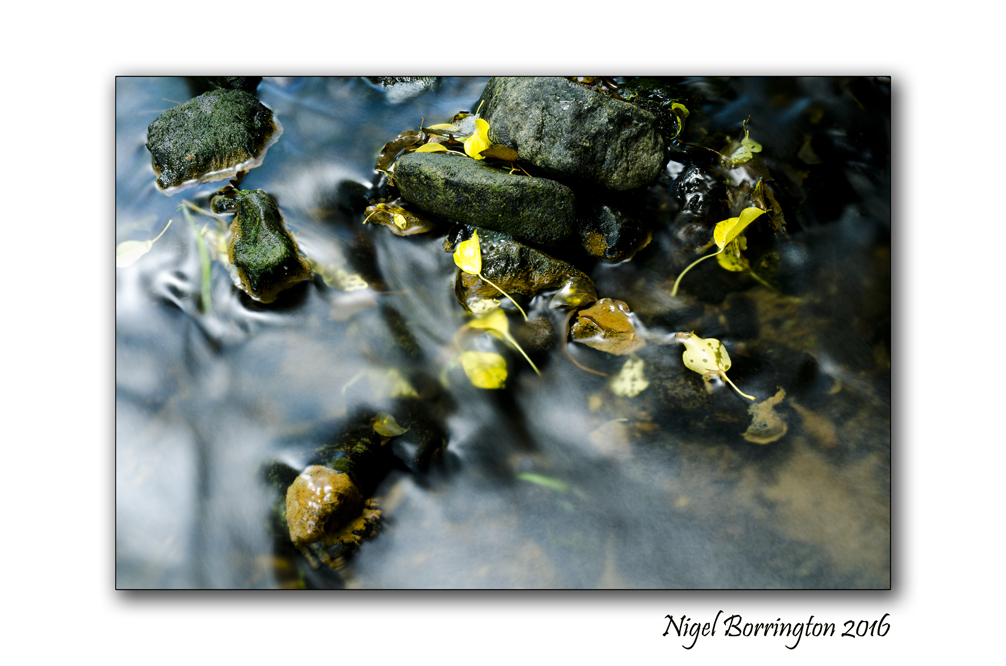
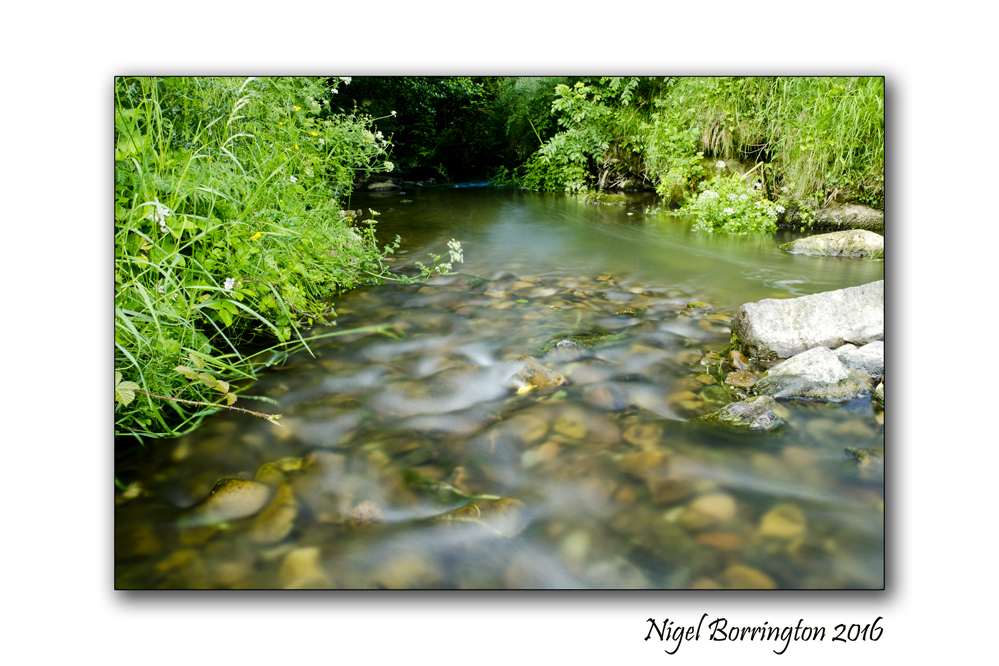
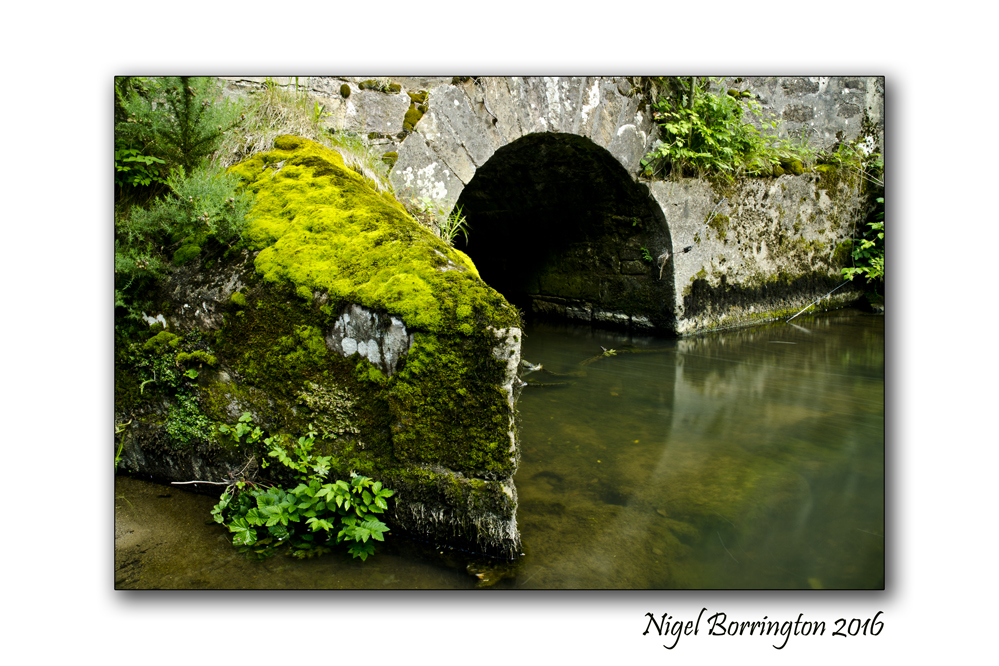
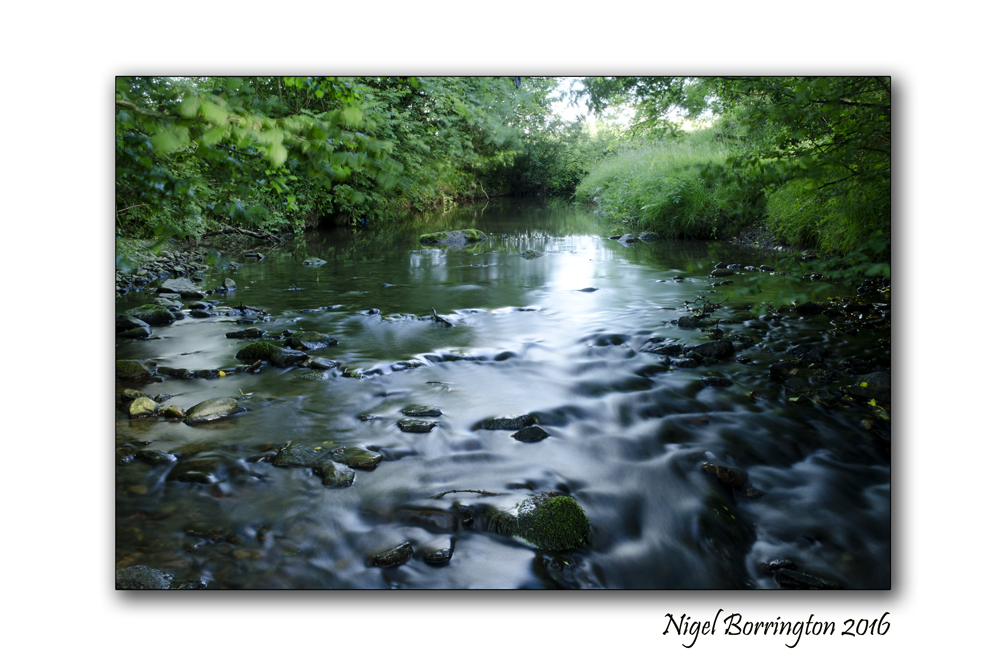
Water is life, out of all of the elements we need for our existence, water has to be the one we are closest to!
By capturing these images here, I wanted to take sometime getting close to water and attempt to make a connection to it. These images were taken yesterday in a local river as it flows through the Irish landscape. This is a shaded and hard to get to, hidden part of this river, even on a sunny day in June the Sun finds it hard to reach in. I felt that this only added to the atmosphere, with the sounds of the flowing water as it moved around the stones on the river bed.
The Elements : Water in Images

The World from an Insects point of view .

The World from and insects point of view
To be an Insect ?
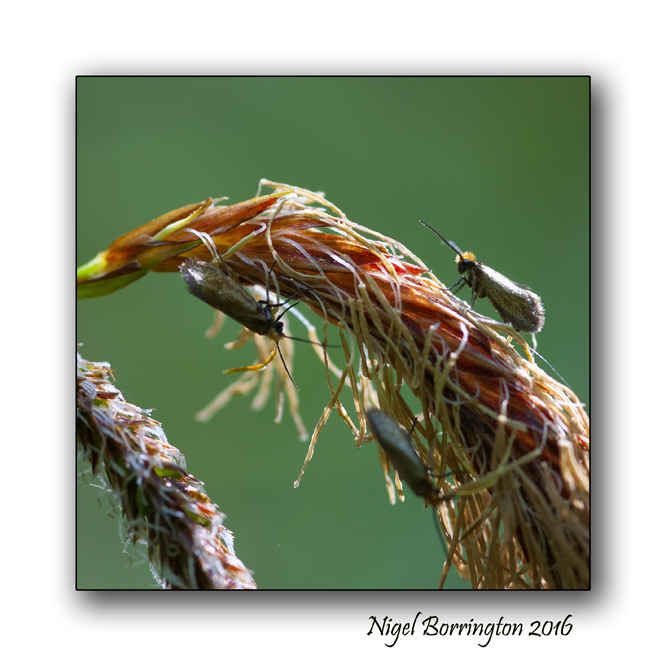
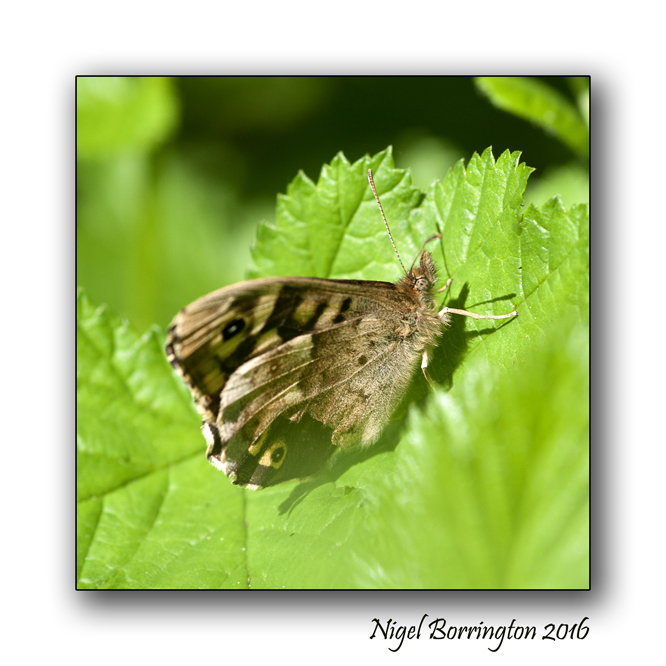
Very often when I am out in our local woodlands with a Macro lens, I like to get in close and find all kinds of Insects to photograph. Its like a completely different universe down at this level, I find that I also end-up studying what these little creatures are doing in-order to keep existing day to day.
I often wonder how they see the same world that we share with them, what perspective they have on life without our daily activities and life styles.
Life without News and Media communication, life without TV or Radio and the latest phone, Life without Cars or Vans and Motorways – No Banks or need for Money with Tax to pay.
I wonder if we could even for one moment, a single day, begin to understand just how much of life in our world exists without all the things that we surround ourselves with, thinking that we actually need then in order to exist?
I also wonder when capturing nature with a camera, if its possible at all to capture these questions, to get across the true existence of a bee or a hover-fly, not only showing the outwards wonder of these insects but capturing the life that they are actually living ?


Wild flowers and Woodland plants , Viola riviniana
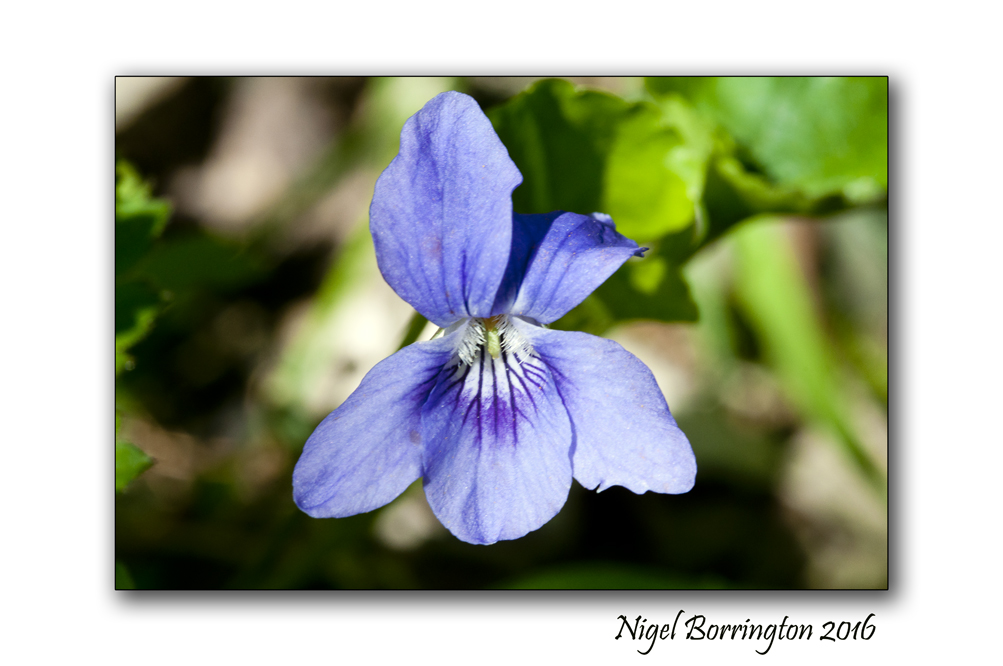
Common Dog Violet
Viola riviniana
Nigel Borrington
At this time of the year our local woodlands here in county Kilkenny fill with new life and colours, one of the the wild flowers I love the most are the Violets.
They are a familiar little wildflower of the woodlands and grassy hedge-banks, this plant is quite similar to Early Dog-violet and is easily confused. The unscented, blue-violet flower is always solitary on the stem, and is open with five petals, the lower of which has a stout, blunt, pale, curved spur which is notched at the tip.
The mouth of the flower is absolutely wonderful to view through a hand-lens or magnifying glass. It has a pattern of deep purple lines which run into the throat over a paler violet patch, becoming white. The upper petals have a fringe which is over the opening. The dark-green, heart-shaped leaves are on long, slender stalks. This native plant which blooms from April until June is a larval foodplant of the Dark Green Fritillary. It belongs to the family Violaceae.
‘Look at us, said the violets blooming at her feet, all last winter we slept in the seeming death but at the right time God awakened us, and here we are to comfort you’.
Edward Payson Roe 1838-1888
‘I would give you some violets, but they withered all when my father died.’
William Shakespeare 1564 -1616
The cycle of life – Spring time, Hoverflys feeding and new garden flowers.

Hoverfly feeding
Wildlife photogrpahy
Nigel Borrington
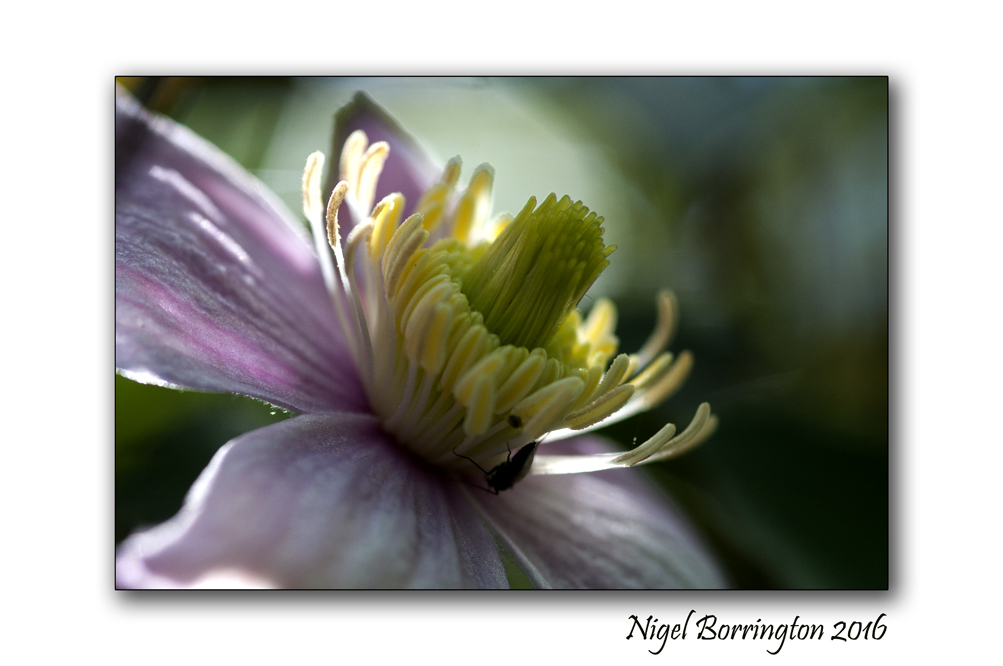
Last week we took sometime to visit my Family in a holiday home in South Wales, it was a great week together and very special as we have a new baby in the family 🙂
Before we left for Wales, spring was just staring but on our return it was in full flow with so much new life all around, the cycle of life continues in so many different ways 🙂

Spring time Gorse flower in Irish mythology and culture

Gorse flowers
Nigel Borrington
Gorse flowers in the Irish Landscape
Gorse is very common here in county Kilkenny but this does not make it any less loved by many, as it flowers in springtime. Many of the hills sides and woodland areas come to life with their yellow flowers.
Gorse, also known as furze, is a sweet scented, yellow flowered, spiny evergreen shrub that flowers all year round.
In fact, there are several species of gorse that flower at different times of the year making it a much-loved plant for the bees and giving it the appearance of being in bloom all year long. There is an old saying that goes, “When the gorse is out of bloom, kissing is out of season.”
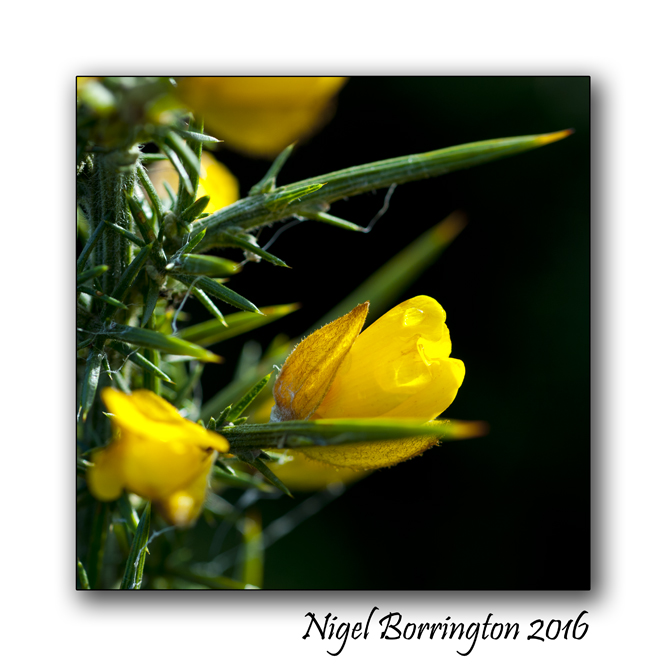
Gorse is often associated with love and fertility. It was for this reason that a sprig of gorse was traditionally added to a bride’s bouquet and gorse torches were ritually burned around livestock to protect against sterility. However, one should never give gorse flowers to another as a gift for it is unlucky for both the giver and receiver.

.
Beltane bonfires
Gorse wood was used as very effective tinder. It has a high oil content which means it burns at a similar high temperature to charcoal. The ashes of the burnt gorse were high in alkali and used to make soap when mixed with animal fat.
Onn, meaning gorse, is the 17th letter of the ogham alphabet. It equates to the English letter O.
In Celtic tradition, gorse was one of the sacred woods burned on the Beltane bonfires, probably the one that got them started. It was a shrub associated with the spring equinox and the Celtic god of light, Lugh, doubtlessly because of its ever blooming vibrant yellow flowers.
In Brittany, the Celtic summer festival of Lughnastdagh, named after the god, was known as the Festival of Golden Gorse.
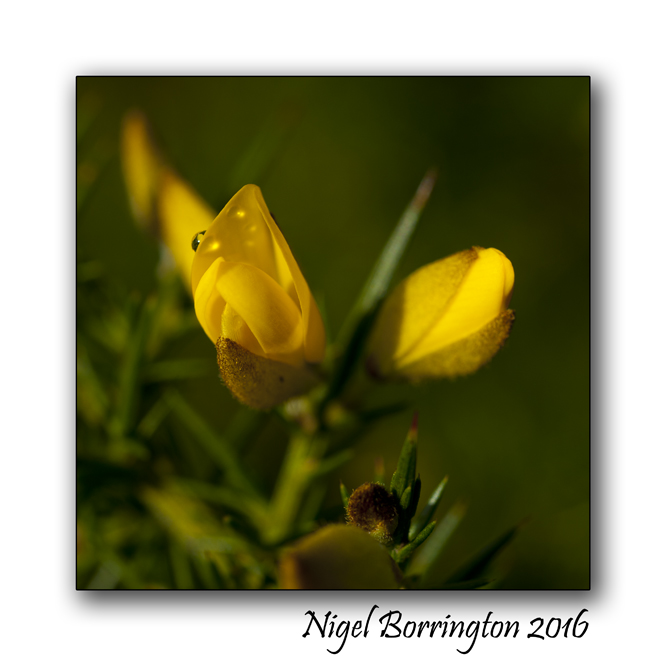
Flowers used in wine and whiskey
The flowers have a distinct vanilla-coconut aroma and are edible with an almond-like taste. They can be eaten raw on salads or pickled like capers. They have also been used to make wine and to add colour and flavour to Irish whiskey. However, consuming the flowers in great numbers can cause an upset stomach due to the alkalis they contain.
The prickly nature of gorse gave it a protective reputation, specifically around livestock. As well as providing an effective hedgerow, gorse made an acceptable flea repellent and the plant was often milled to make animal fodder.
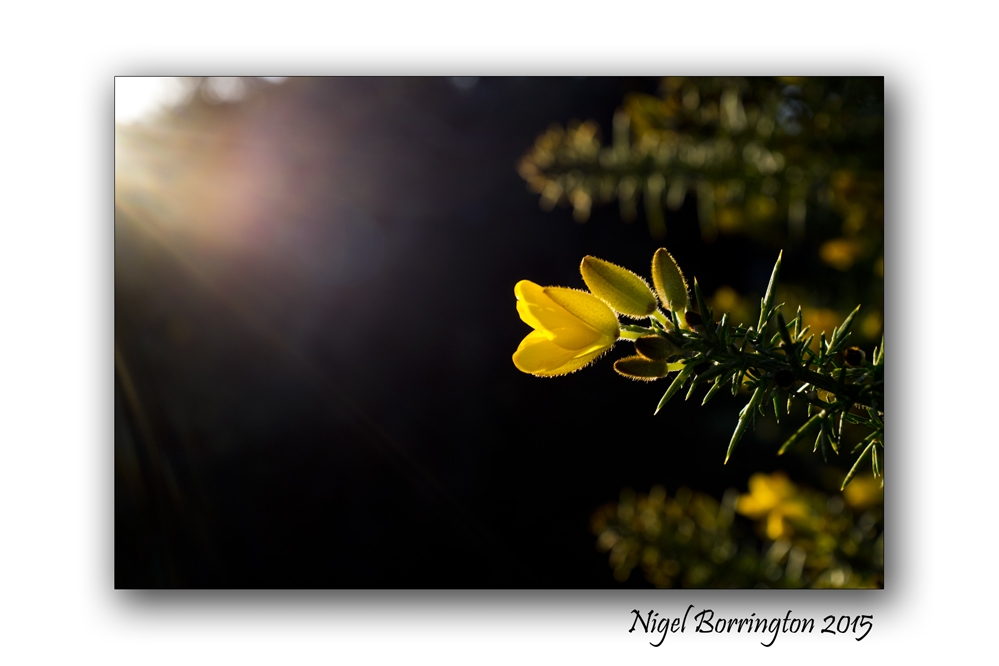
Irish Gorse flowers
Nigel Borrington
Gorse in Irish Culture
Gorse is the 15th letter of the Gaelic tree alphabet, representing O. Its old Gaelic name was Onn, and in modern Gaelic it is conasg. It’s a prickly shrub, which can almost always be found in flower somewhere, all twelve months of the year, and this means it has many positive connotations in folklore.
Snippets of lore
Here are the titbits of fact and folklore about pine tweeted by @cybercrofter on 15 December 2011.
Gorse is the 14th letter of the Gaelic tree alphabet, for O – in old Gaelic it was onn or oir (gold). In Modern Gaelic it’s conasg.
Conasg (Gaelic for gorse) means prickly or armed, appropriately enough as it’s the spiniest plant around.
As gorse’s branches, twigs and leaves are all spiny, which reduces water loss, it can survive extreme exposure to wind and salt.
Other regional names for gorse are whin or furze. In latin, it’s Ulex europaeus.
Here’s a lovely short Harry Rutherford poem about gorse. http://heracliteanfire.net/2009/01/26/poem/
Gorse bears yellow flowers all year round, and as they say, ‘When gorse is in bloom, kissing is in season.’
Gorse is a symbol of the sun god Lugh, as it carries a spark of sun all year.
Bees love gorse and it’s a good source of food for them on warm winter days and in early spring.
In late spring, gorse flowers smell of coconut and vanilla.
Here’s a poem from me, The Gorse is out behind Glencanisp. Audio too. http://www.pankmagazine.com/the-gorse-is-out-behind-glencanisp/
A decoction of gorse flowers counters jaundice.
Gorse seed pods explode in hot sun.
Gorse fixes nitrogen due to symbiosis with a bacterium in the roots.
Horses that eat gorse don’t catch colds (but presumably end up with perforated gums…)
The fierce fire of furze is ideal for baking.
Gorse boughs were used for creel-making. Ouch.
Gorse is a good windbreak and a gorse bush is the best place to dry washing – it naturally pins it in place.
A bundle of gorse is excellent for sweeping chimneys.
Here’s a recipe for gorse flower wine. http://www.celtnet.org.uk/recipes/brewing/fetch-recipe.php?rid=gorse-flower-wine
Gorse flowers give yellow and green dyes.
Gorse bark gives a dark green dye. Add a bucket of urine and wait 3 hours.
Yellowed gorse, a poem by Fay Slimm http://www.poemhunter.com/poem/yellowed-gorse/
A missing home gorse poem, by Francis Duggan http://www.poemhunter.com/poem/i-d-love-to-see-the-gorse-in-bloom/
Gorse lifts the spirits of the downhearted, and restores faith.
Festival of the Golden Gorse is celebrated on 1 August (Lughnasa).
Gorse protects against witches.
Gorse’s magic is good for bringing a piece of work, a project, a relationship or a troublesome thing to a complete and final end.
Gorse symbolises joy.
Remember the nitrogen-fixing? Grow gorse for 7 years and the ground will be excellent for corn.
In 1778 a gorse crushing mill was set up in Perth. One acre of crushed gorse bushes will keep 6 horses in fodder for 4 months.
Bring gorse into the house in May to ‘bring in the summer’.
Giving someone gorse flowers is unlucky, for both giver and receiver. Best keep them for yourself!
Monday Poetry, Ancient Stones By Donna Jones
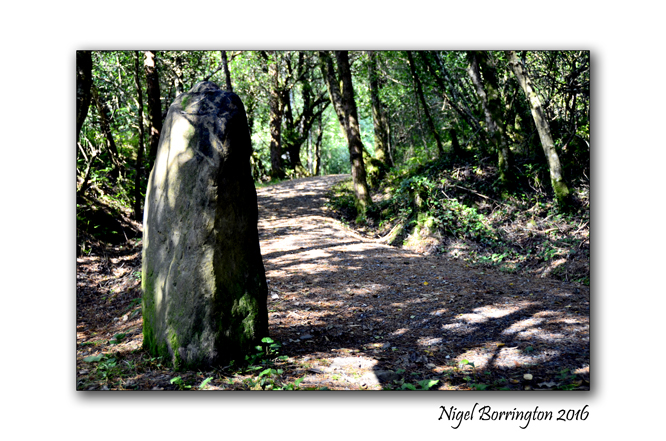
Ancient Ireland
Standing stones
Nigel Borrington
Ancient Stones
Charcoal black tip of arrowhead,
among these ancient, stones – stained red
Heartbeats share rhythms of ghostly drums..
Winds carry haunting, chanting hums
I feel your blood, flow here with mine,
outlasting, even decaying time
I’ve been told the stories, told to you,
I know we’re just spirits, passing through
When thunder, shakes awake the night,
I vision warriors by firelight
Their voices echo, around mountain’s soul,
while moon and stars watch us below
Respect the sky, and mother earth,
borrow the beauty, from time of birth
Then give in death peacefully
yourself, to rest eternally
Among these ancient, stones – stained red,
my mirror reflects traces, of those long………..
remembered…….
Donna Jones
Wednesday’s artist’s work is full of Water and Trees : Trevor Geoghegan

A Winter Boundary by Trevor Geoghegan
Today I want to share the art work of TREVOR GEOGHEGAN he uses a ready made subject near at hand the scenic mountainous area around the upper reaches of the Liffey in county Wicklow. He paints it again and again but not exclusively his present exhibition also includes landscapes from the west Connemara, Doolin etc. However, it all ends up pretty much his own style, with plenty of heather, foaming streams, moorland and woodland.
The vision is conventional, knowing how to relate foreground to middle ground in his work. It is “picturesque” nature, but not picture postcard nature, with a real sense of emotional engagement. The angles of composition are varied The Yellow Field, one of the best pictures in the show, is seen from above and the skies are generally alive, not merely filled in.
I like and has seen lots of Trevor’s paintings overtime and love very much the closeness to the landscape that he paints, it feels very much like he walks deep into the woodlands and forest river banks in order to find his subjects and this shows in his work, I also like very much the closeness to nature that he reflects on, these are real places painted and real moments !!!
A little about : Trevor Geoghegan
Born in London 1946, Trevor studied at Worthing College of Art, Sussex before graduating from Chelsea School of Art, London in 1968. In 1971 he settled in Ireland, moving to Blessington, Co. Wicklow. He lectured at the National College of Art & Design, Dublin from 1978 to 2004 and teaches annually at the Burren School of Art, Co. Clare and also holds annual drawing workshops privately and at the National Gallery of Ireland.

Moonlight, Blessington Lake by Trevor Geoghegan
Trevor has had numerous successful solo shows since 1978, has exhibited at the RHA and his work can be found in many collections worldwide including Aras an Uachtarain, the Arts Council of Ireland, Bank of Ireland, Dail Eireann and the National Self Portrait Collection. His work is also represented in numerous private collections in Ireland, USA, Germany, Japan, Canada and UK.

Irish national tree week 2016
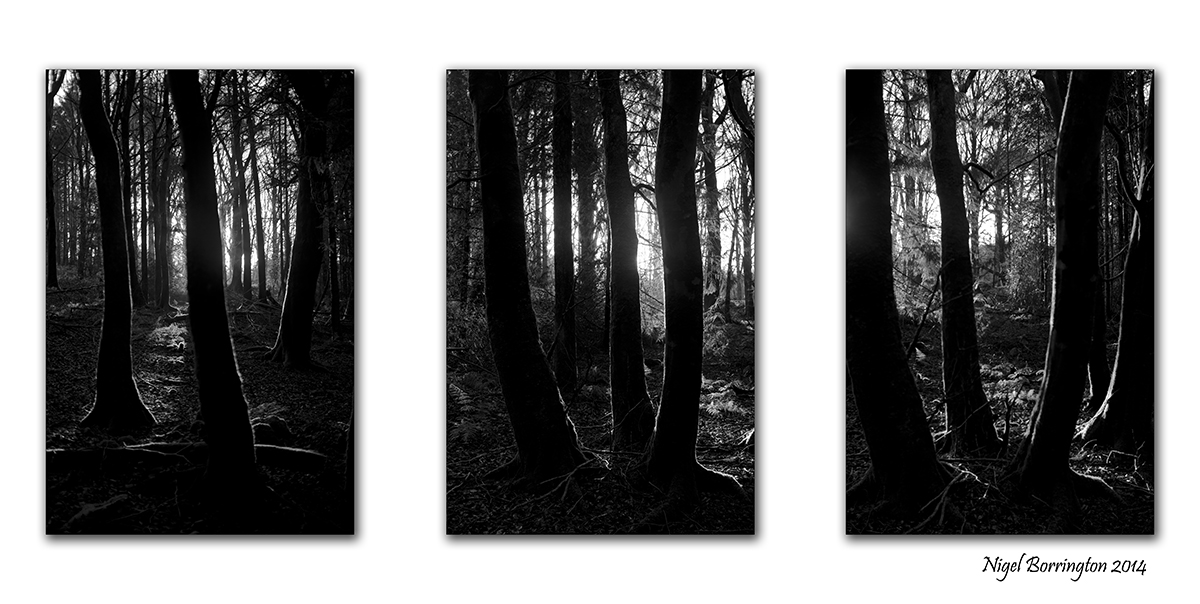

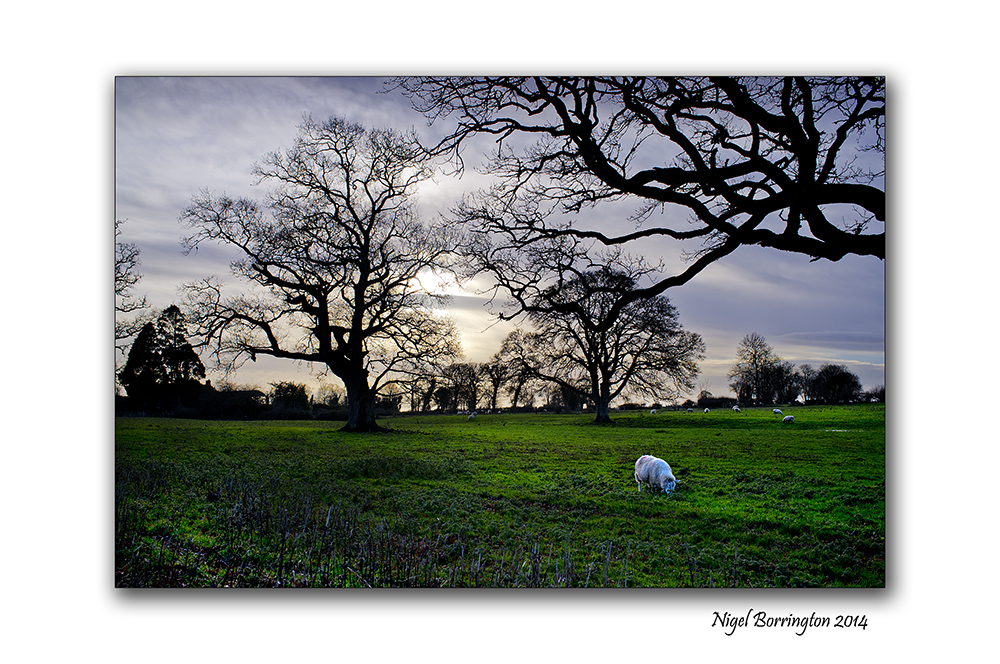
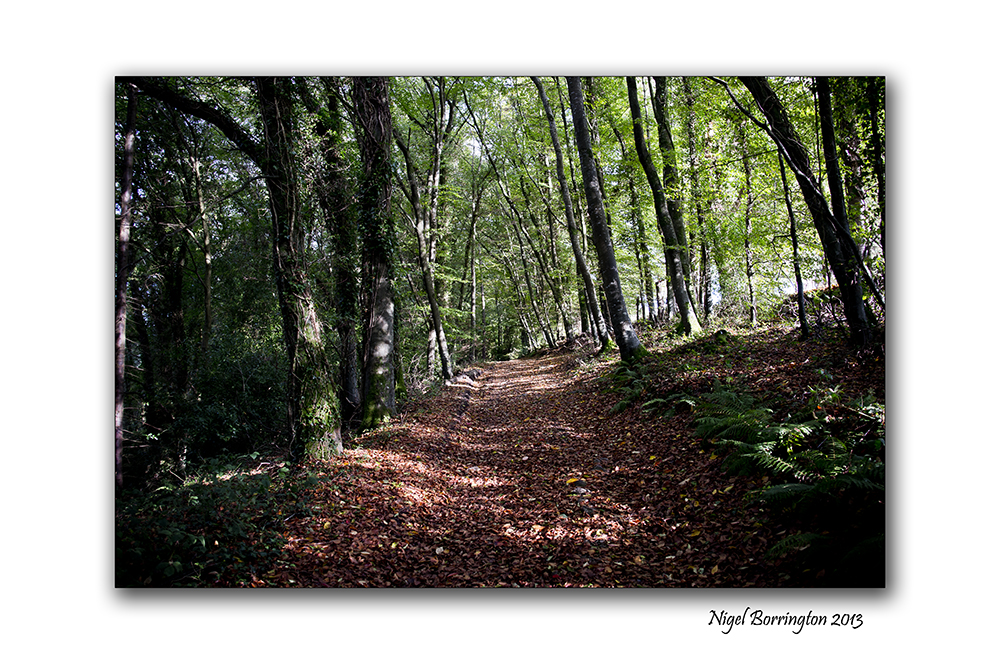
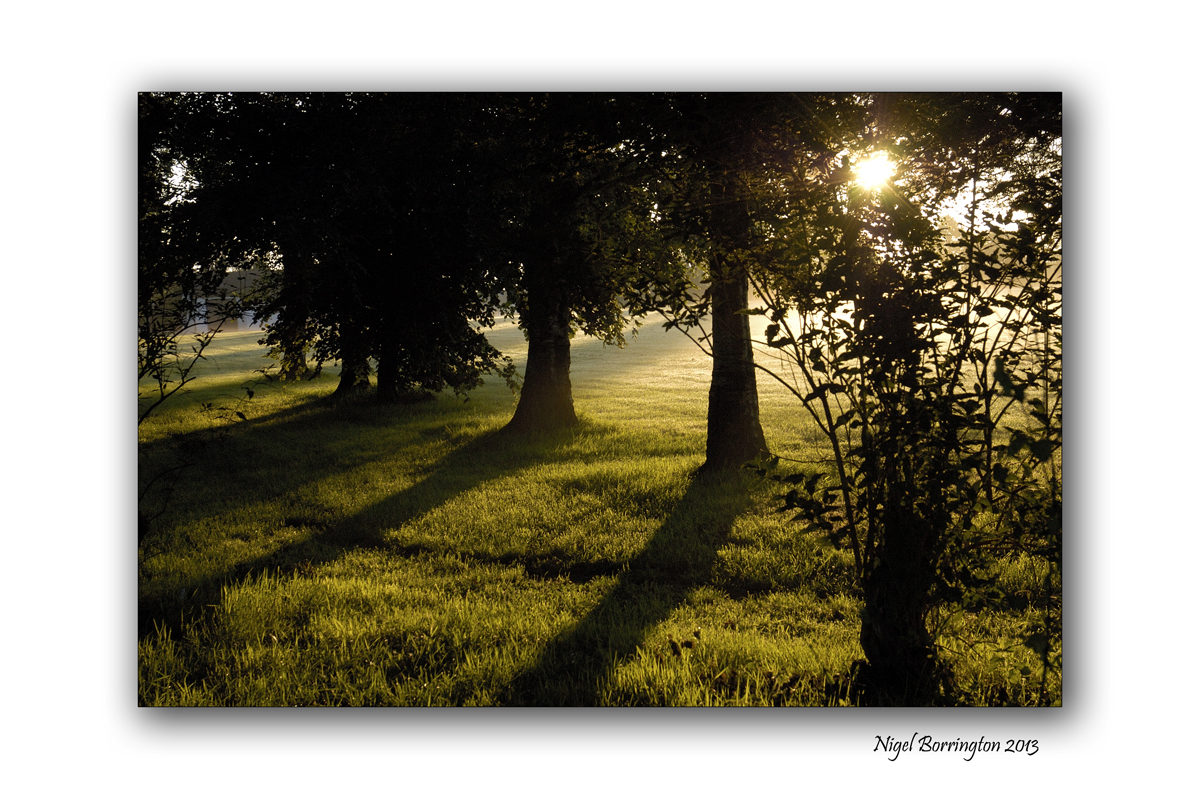
This week in Ireland is National tree week, so I thought I would share some of the images that I have taken during my time living here in county Kilkenny.
Irish Trees, a Gallery






 Nigel Borrington
A Spider with her eggs
Spider with her pod of eggs
Nature Photography
Nigel Borrington
Taken at Lunchtime today, this Spider was hiding in the hollow of a garden tree. I am not sure what kind of spider she is but am going through lots of websites and wildlife books I have.
At the moment I am keeping my Macro lens on my Camera all the time, I am missing taking some more general landscape images but truly enjoying spending sometime getting much closer to the nature that I find at home or very close to home. Macro photography is not easy and a true skill, so the more macro’s I find myself taking the more confident I am feeling in this area 🙂
Share this:
March 31, 2017 | Categories: Comment, Gallery, irish woodlands, macro photography, Nature and Wildlife, Personal skills and development | Tags: macro photography, Nature, Nigel Borrington, Spiders, web, wildlife | 2 Comments