The Church window (North Mimms church)

The window at North mimms church
Ilford XP2, 35mm film
Nikon FM2n
50mm f1.8 lens
The wonderful darks and contrasts in this shot is one of the biggest reasons I want to have a small go at using film again.
I will never use film again as my main medium but I am going to include it in a planned way for the most appropriate subjects and with black and white film only.
Film photography
New Film photography category 
It has been some time since I loaded a film into this old camera and shot all of 36 exposures and then sent it off to be processed or had a go myself.
For many years I have been using Nikon/fujifilm digital equipment and photoshop to process all resulting images but in the last few week I had a request to scan some old slides and film, I had a Minolta film scanner in the loft so down it came and I set it up again.
After I finished doing this work for them I left the scanner sitting there and kept looking at it for a little time then I found lots of my old film stock. I could not resist the need to see them again so I scanned many of them back in to my pc.
The only remaining film camera I had was a fully manual Nikon Fm2n that I also had in the loft. So I realised that a return to using film is well within my grasp. This along with my father’s old Agfa camera (Post…) will be great fun to use.
I have created a new film photography category on my blog menu in order to share this journey with you as I hopefully begin to enjoy this form of photography again. I hope also that you find this area useful if you want to do the same.
Nigel
The Sea
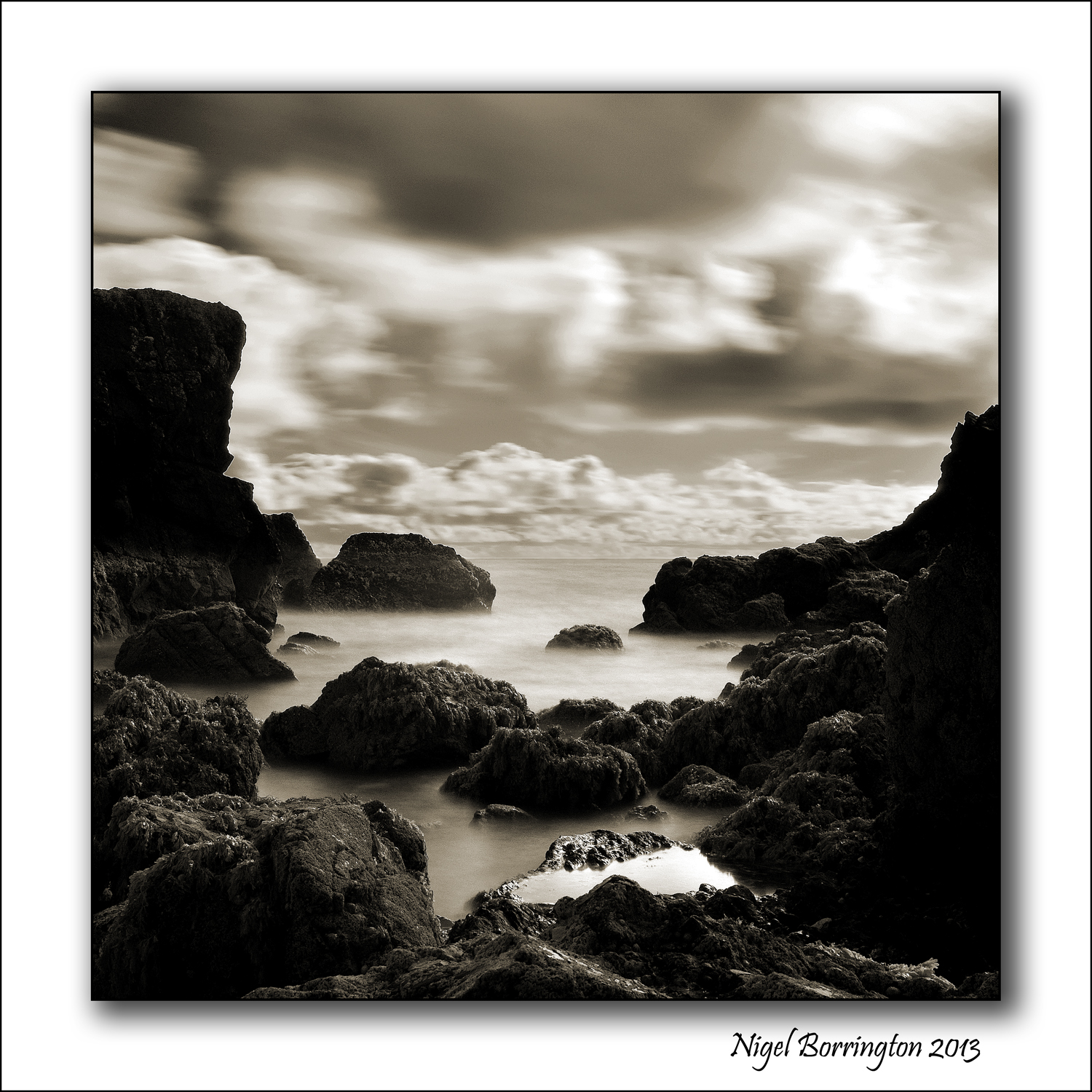
The sea is a hungry dog,
Giant and grey.
He rolls on the beach all day.
With his clashing teeth and shaggy jaws
Hour upon hour he gnaws
The rumbling, tumbling stones,
And ‘Bones, bones, bones, bones! ‘
The giant sea-dog moans,
Licking his greasy paws.
And when the night wind roars
And the moon rocks in the stormy cloud,
He bounds to his feet and snuffs and sniffs,
Shaking his wet sides over the cliffs,
And howls and hollos long and loud.
But on quiet days in May or June,
When even the grasses on the dune
Play no more their reedy tune,
With his head between his paws
He lies on the sandy shores,
So quiet, so quiet, he scarcely snores.
The sea is a hungry dog,
Giant and grey.
He rolls on the beach all day.
With his clashing teeth and shaggy jaws
Hour upon hour he gnaws
The rumbling, tumbling stones,
And ‘Bones, bones, bones, bones! ‘
The giant sea-dog moans,
Licking his greasy paws.
And when the night wind roars
And the moon rocks in the stormy cloud,
He bounds to his feet and snuffs and sniffs,
Shaking his wet sides over the cliffs,
And howls and hollos long and loud.
But on quiet days in May or June,
When even the grasses on the dune
Play no more their reedy tune,
With his head between his paws
He lies on the sandy shores,
So quiet, so quiet, he scarcely snores.
James Reeves
Pet’s, Just how good are they for you?

Molly our 10 year old Golden retriever
My mother loved Golden retrievers, we owned cats….
She would always say that you should never truly trust someone who’s not into pets, while I don’t hold to this I kinda get what she was talking about.
You don’t have to own a pet to love them in fact you can show you love them by being honest to yourself if your not in a position to look after them correctly. You are then free to love and look after other peoples pets.
But just how good are they for us, well I found this article and it look like they are very very good for us!
http://stress.about.com/od/lowstresslifestyle/a/petsandstress.htm
When thinking of ways to reduce stress in life, usually techniques like meditation, yoga and journaling come to mind. These are great techniques, to be sure. But getting a new best friend can also have many stress relieving and health benefits. While human friends provide great social support and come with some fabulous benefits, this article focuses on the benefits of furry friends: cats and dogs! Research shows that, unless you’re someone who really dislikes animals or is absolutely too busy to care for one properly, pets can provide excellent social support, stress relief and other health benefits—perhaps more than people! Here are more health benefits of pets:
Pets Can Improve Your Mood:
For those who love animals, it’s virtually impossible to stay in a bad mood when a pair of loving puppy eyes meets yours, or when a super-soft cat rubs up against your hand. Research supports the mood-enhancing benefits of pets. A recent study found that men with AIDS were less likely to suffer from depression if they owned a pet. (According to one study, men with AIDS who did not own a pet were about three times more likely to report symptoms of depression than men who did not have AIDS. But men with AIDS who had pets were only about 50 percent more likely to report symptoms of depression, as compared to men in the study who did not have AIDS.)
Pets Control Blood Pressure Better Than Drugs:
Yes, it’s true. While ACE inhibiting drugs can generally reduce blood pressure, they aren’t as effective on controlling spikes in blood pressure due to stress and tension. However, in a recent study, groups of hypertensive New York stockbrokers who got dogs or cats were found to have lower blood pressure and heart rates than those who didn’t get pets. When they heard of the results, most of those in the non-pet group went out and got pets!
Pets Encourage You To Get Out And Exercise:
Whether we walk our dogs because they need it, or are more likely to enjoy a walk when we have companionship, dog owners do spend more time walking than non-pet owners, at least if we live in an urban setting. Because exercise is good for stress management and overall health, owning a dog can be credited with increasing these benefits.
Pets Can Help With Social Support:
When we’re out walking, having a dog with us can make us more approachable and give people a reason to stop and talk, thereby increasing the number of people we meet, giving us an opportunity to increase our network of friends and acquaintances, which also has great stress management benefits.
Pets Stave Off Loneliness and Provide Unconditional Love:
Pets can be there for you in ways that people can’t. They can offer love and companionship, and can also enjoy comfortable silences, keep secrets and are excellent snugglers. And they could be the best antidote to loneliness. In fact, research shows that nursing home residents reported less loneliness when visited by dogs than when they spent time with other people! All these benefits can reduce the amount of stress people experience in response to feelings of social isolation and lack of social support from people.
Pets Can Reduce Stress—Sometimes More Than People:
While we all know the power of talking about your problems with a good friend who’s also a good listener, recent research shows that spending time with a pet may be even better! Recent research shows that, when conducting a task that’s stressful, people actually experienced less stress when their pets were with them than when a supportive friend or even their spouse was present! (This may be partially due to the fact that pets don’t judge us; they just love us.)
It’s important to realize that owning a pet isn’t for everyone. Pets do come with additional work and responsibility, which can bring its own stress. However, for most people, the benefits of having a pet outweigh the drawbacks. Having a furry best friend can reduce stress in your life and bring you support when times get tough.
The Pagan tree and forest plants

Trees, herbs, and plants are very important to Druids. They represent their sacred alphabet, they are used for healing, and many Druids name themselves after trees. Trees are the connection between the realms. Ireland was said to be divided into four lands, each occupied by a sacred tree with a fifth tree at the center.
The five most important trees are the oak, rowan, birch, apple, and yew:
The oak is connected with strength, protection, and stability. Some say that the very word Druid derives from duir, the old word for oak.
The rowan is useful for protection, youth, and prophecy.
The birch is symbolic of beginnings, renewal, regeneration, and cleansing. It is also associated with the bard.
The apple tree is the tree of life and is said to reside at the center of the otherworld.
The yew is associated with death and decay because it is very poisonous, but this unique evergreen tree also lives for thousands of years. It is related to the ovate and is frequently found near sacred wells.
Other trees, such as the ash, willow, and hawthorn also frequently appear in mythology and legend.

Foremost among the herbs and plants most revered by Druids is mistletoe. Mistletoe is a parasite frequently found growing on oaks. It is said that mistletoe, which grows off trees rather than from roots in the earth, must never be allowed to touch the earth. It is sometimes called all-heal, but it is poisonous, so use it with caution. Verbena, or vervain, is gathered at Midsummer, whereas mistletoe is gathered at Midwinter. It is used as an offering to the gods. It is also considered a cure-all and is said to ward against evil spirits.

HERB ROBERT, GERANIUM ROBERTIANUM
This herb has been used in medicine for centuries, although in the 20th century, particularly in Portugal it was hailed as a folk cancer remedy when the powdered leaves were taken with a raw, fresh egg yolk. Of course this has not been proven to work. Dioscorides described it and it was known to the old herbalists, who used it mainly for blood problems, as the stalks and leaves turn bright red in autumn, a sign to these old herbalists that it was good for the blood.
This plant is known by around a hundred names some of which refer to other plants more often, such as bloodwort (red dock), and red robin (not ragged robin) and cranesbill, which is native to the US and poisonous. However Stinking Bob is a name given to this herb which is unique to it, and refers to the smell given off by its bruised leaves. It is also called the Fox Geranium, some say because of its “foxy” smell after rain. It is native to hedgerows and woodland in Europe the British isles included, and to temperate Asia as it grows as far east as Japan and in the Himalayan regions.
No one really knows how it became Herb Robert, although there are several contenders for being its namesake, including Robert Duke of Normandy, who died in 1134, St Robert of Molesme, a French monk who died in 1110, and Robin Goodfellow or Puck, the mischievous elf who has a role in Shakespeare’s play “A Midsummer Night’s Dream.” The Latin name Robertianum might be a corruption of ruber meaning red, rather than referring to any specific Robert, Robin or Rupert, names that seemed to have been linked to this plant.
The leaves of Herb Robert are the main part of the plant used for medicinal purposes and an infusion of these has been drunk and used as a wash for the skin, and for inflammation of the eyes. A poultice of the leaves has been used to relieve hardened breasts, to increase lactation in nursing mothers, to relieve irritated skin and the pain of rheumatism and reduce bruising, as well as being applied to herpes sores and ulcers. The infusion can also be used for the same external purposes.
Wild Woodbine

Wild Woodbine
Joan McBreen
Wild woodbine was beyond my reach
in the thick hedges round Lough Gill.
The heavy scent filled the house for days
when my father brought it in
and it stayed fresh far longer
then meadowsweet.
Because I loved the delicate
pink and white wild rose
he picked it too, cursing the thorns, muttering
“it dies too soon,
you’d be better leaving it alone”.
Yet once, when my mother
swept its petals from the floor
I saw him rescue one
and place it carefully
in the small wallet
where he kept her photograph.
Hampton Court
A day with Black and white film.
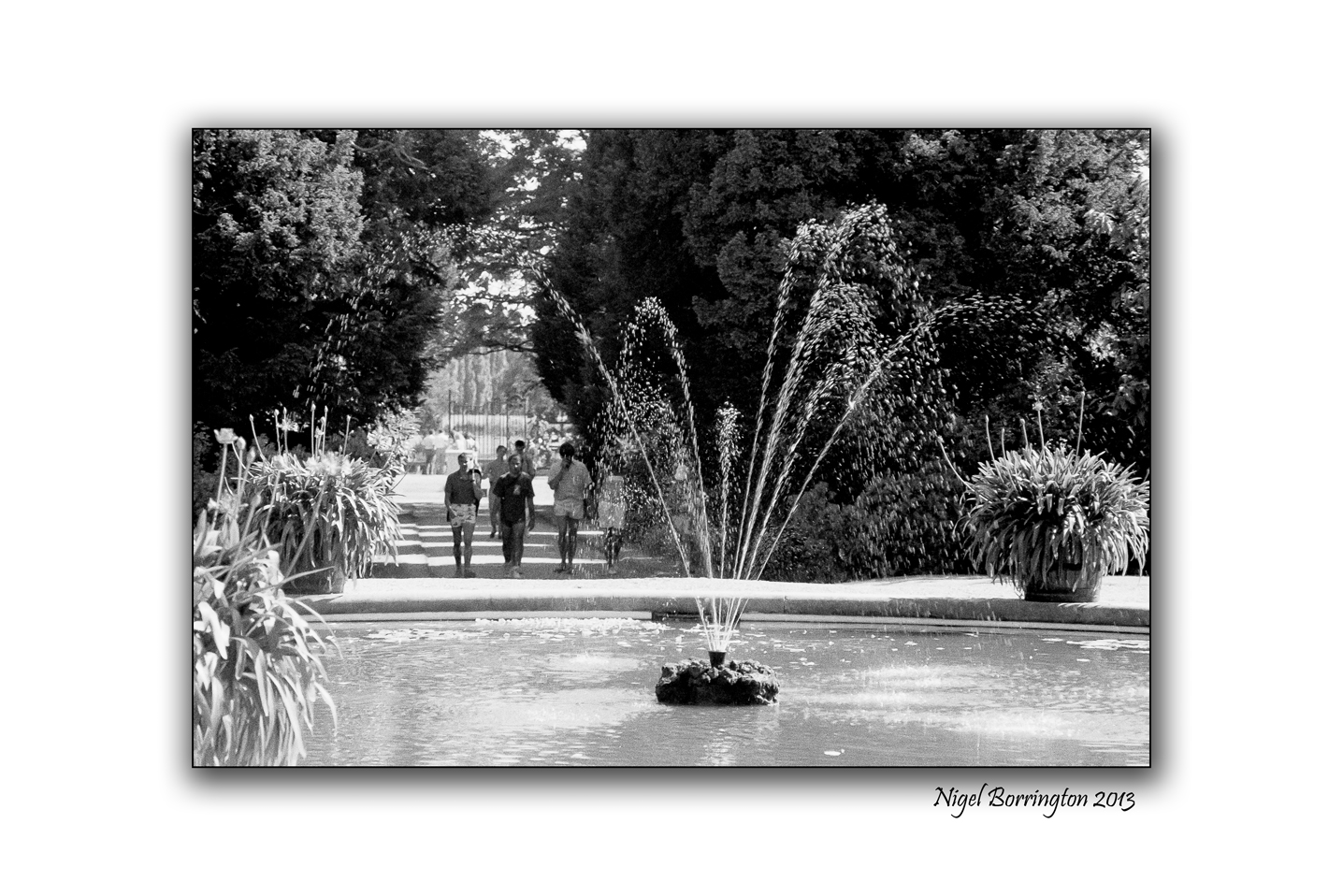
Nikon FM2n, Ilford’s HP5
Nigel Borrington
Some years ago myself and my brother and a friend Neil, headed to Hampton court to do some photography. It was the first time I had loaded Black and white film into my Nikon FM2 camera in a location like this so full of colour from the June flowers on display.
However Neil owned his own black and white dark room so Ilford’s HP5 it was. We spent about four hours at Hampton Court and then some hours processing the film making some prints and drinking a lot from what I can remember.

The images here are some of the results, I cannot find anything else. The prints are long gone so I have scanned any negatives I can find.
I am more than happy with these images and it’s very interesting to look back and think about what I felt made a good image way back then.


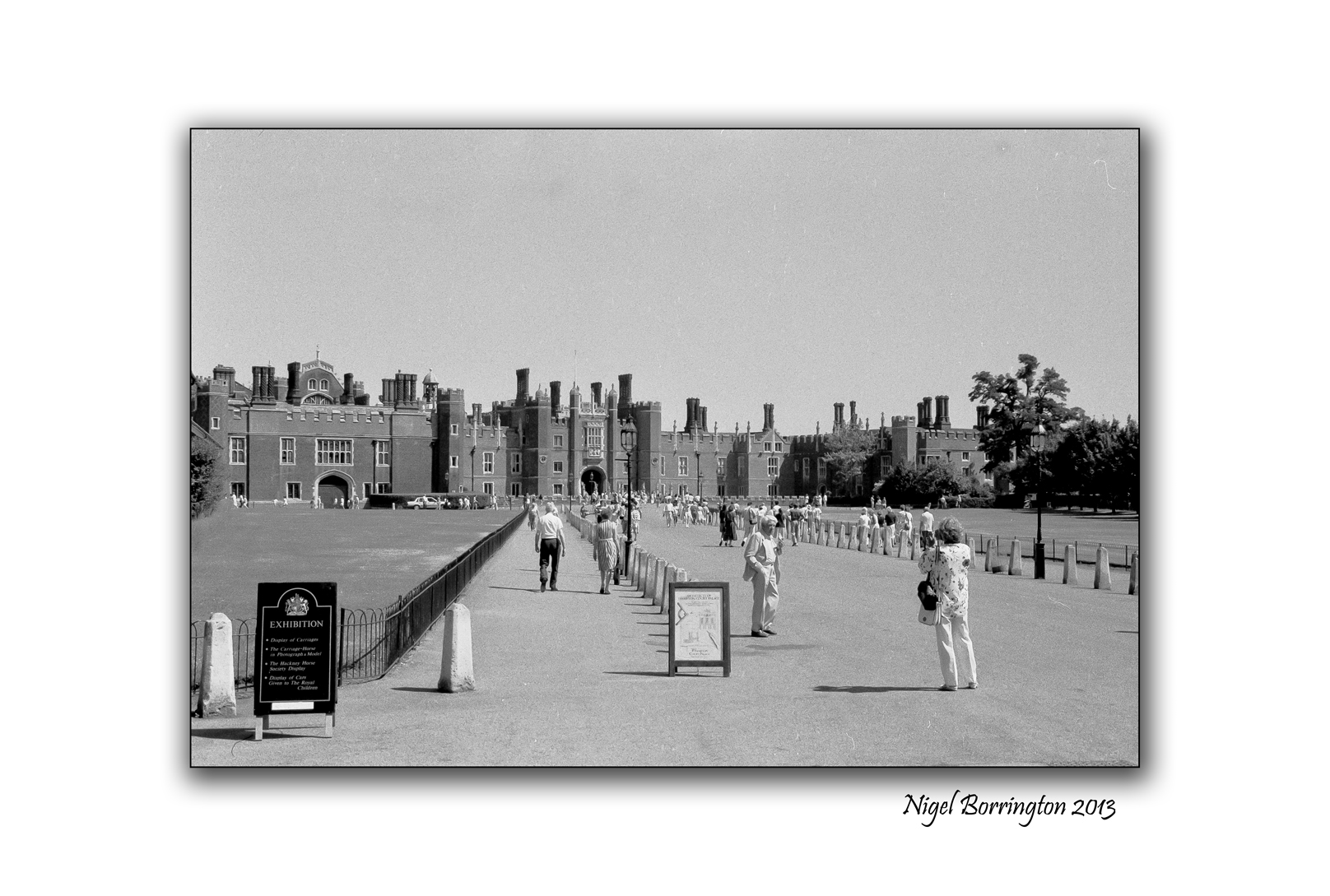
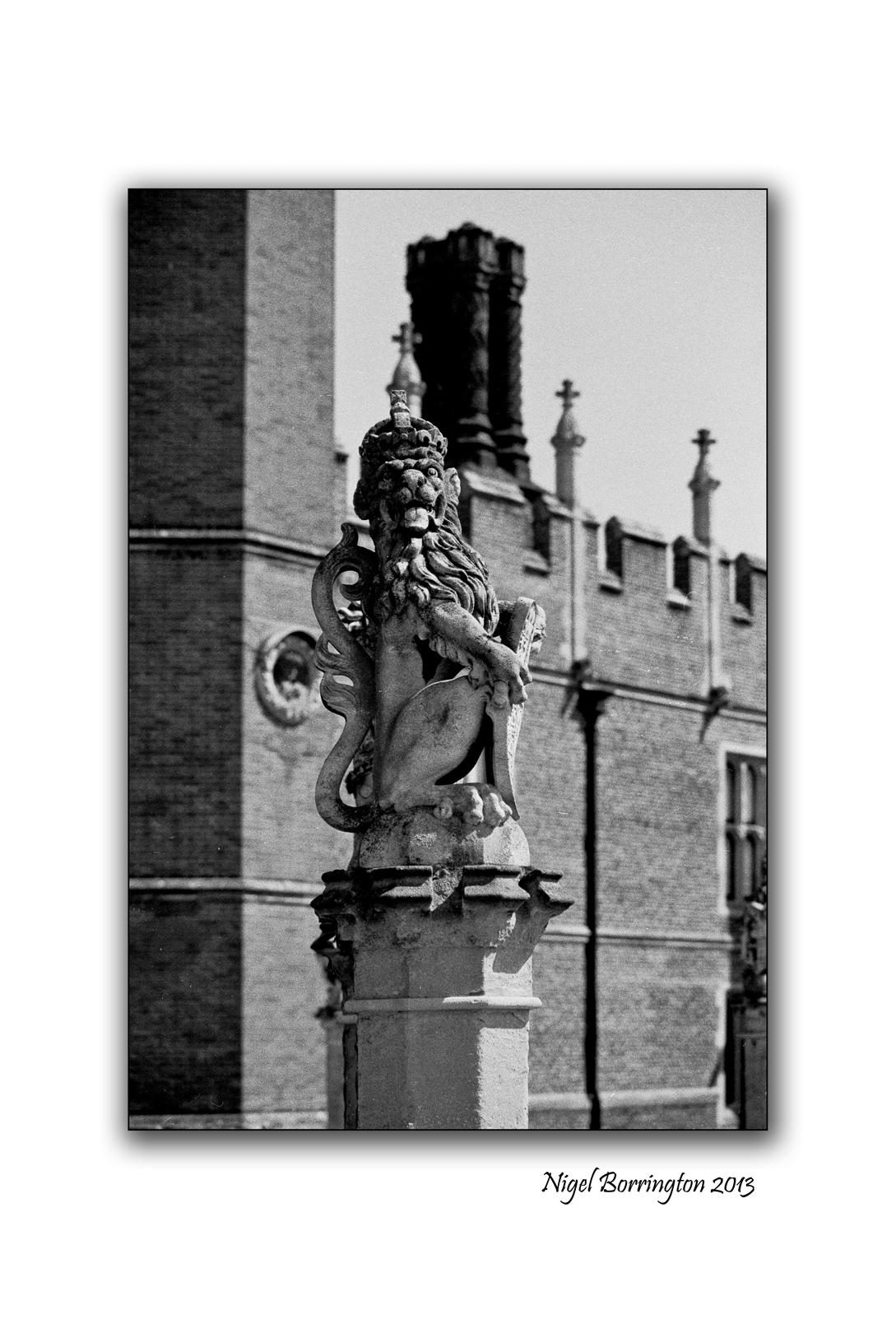

Nikon FM2n, Ilford’s HP5
Nigel Borrington
Spring rabbit
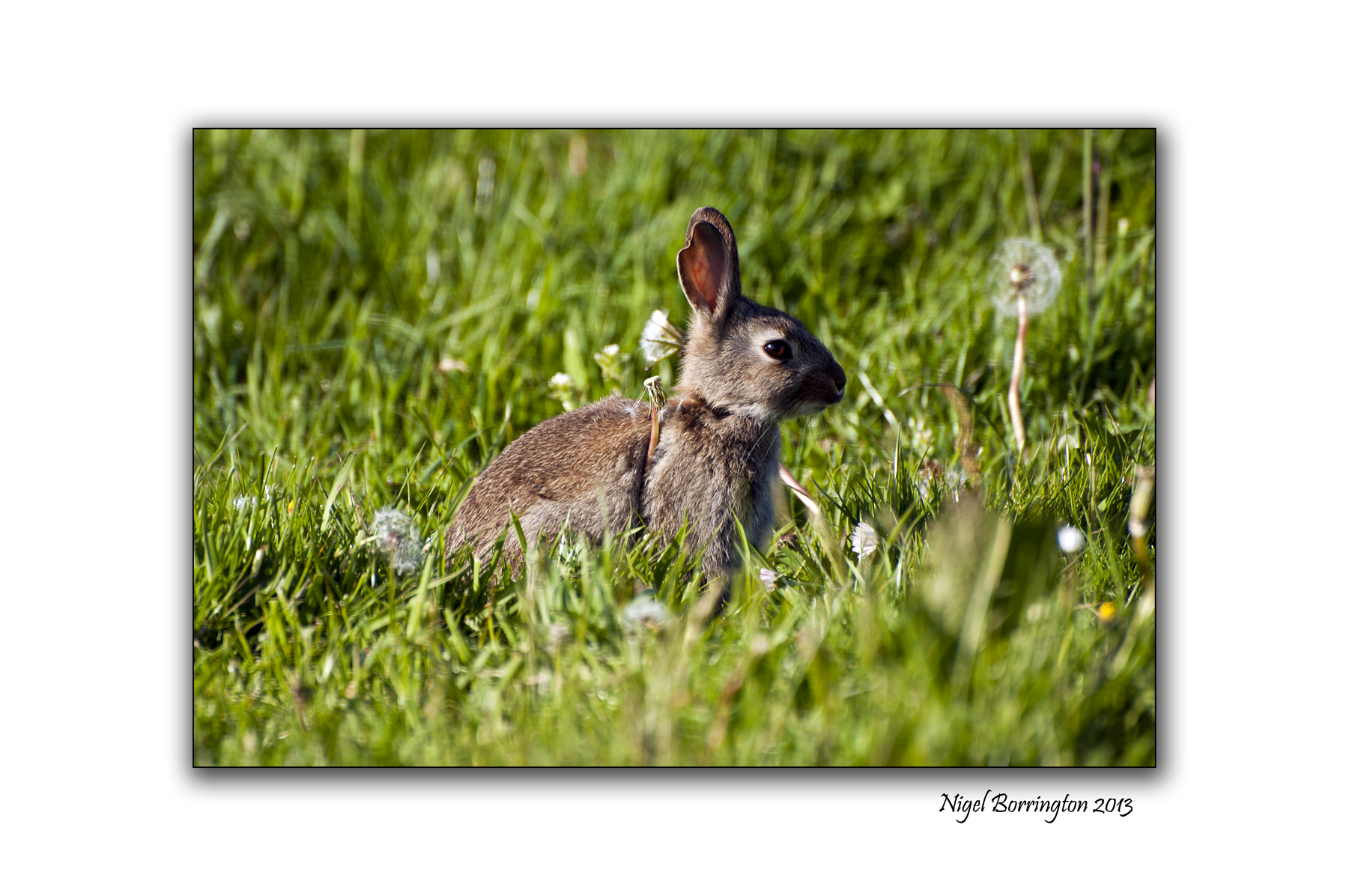
Nikon D7000, 70-300 vr lens
Last Year I posted this image Spring Rabbit, well they are back in the same field and looking as fruitful as ever. Although this little one looks like something almost had him for dinner. Notice the bite out of his ear….
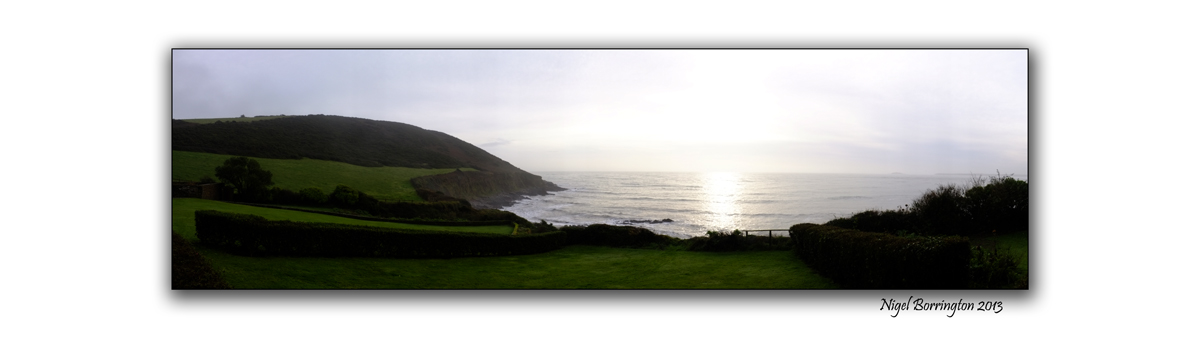
View from the window

Fuji X100
Irish landscape photography, Nigel Borrington
Glenbeg,Youghal, Co Cork
If you took-up my offer of a seat over the last weekend then this is the view from the window..

Fuji X100
Irish landscape photography, Nigel Borrington
Glenbeg,Youghal, Co Cork
Glenbeg is a small cove just east of Youghal on the south coast of Ireland and Its a special little place that I hope to return to this year for some more picture….
The Fruit Garden Path
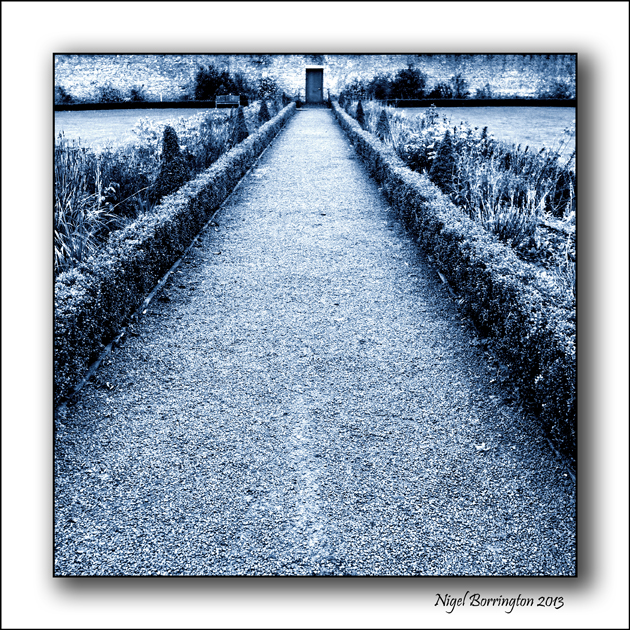
Fuji X100
Landscape photography, Nigel Borrington
The Fruit Garden Path by Amy Lowell
The path runs straight between the flowering rows,
A moonlit path, hemmed in by beds of bloom,
Where phlox and marigolds dispute for room
With tall, red dahlias and the briar rose.
Tis reckless prodigality which throws
Into the night these wafts of rich perfume
Which sweep across the garden like a plume.
Over the trees a single bright star glows.
Dear garden of my childhood, here my years
Have run away like little grains of sand;
The moments of my life, its hopes and fears
Have all found utterance here, where now I stand;
My eyes ache with the weight of unshed tears,
You are my home, do you not understand?
Fire

In modern-day Wicca and Paganism, there is a good deal of focus on the four elements – Earth, Air, Fire, and Water. A few traditions of Wicca also include a fifth element, which is Spirit or Self.
The concept is hardly a new one. A Greek philosopher named Empedocles is credited with the cosmogenic theory of these four elements being the root of all existing matter. Unfortunately, much of Empedocles’ writing has been lost, but his ideas remain with us today and are widely accepted by most Pagans and Wiccans.
Each of the elements is associated with traits and meanings, as well as with directions on the compass. The following directional associations are for the Northern hemisphere; readers in the Southern hemisphere should use the opposite correspondences.
Fire
Fire is a purifying, masculine energy, associated with the South, and connected to strong will and energy. Fire both creates and destroys, and symbolizes the fertility of the God. Fire can heal or harm, and can bring about new life or destroy the old and worn. In Tarot, Fire is connected to the Wand suit. For color correspondences, use red and orange for Fire
The element of Fire is both creative and destructive, its qualities are Brightness, Thinness and Motion and its mode is Active. It is fire that we and our ancestors used to warm our homes, we use it to cook our food, we sit around it to ward of the darkness of night, and it fuels our passions. Fire, unlike the other elements, does not exist in a natural state. Its physical form can only take place by consuming some other element. Fire is the transformer, converting the energy of other objects into other forms: heat, light, ash, and smoke.
To feel the manifestations of this power, go out on on sunny day and feel the warmth and light of the Sun, hear the crackling of logs and smell of smoke from a burning fire. As you gaze into the transformational flame of a candle, immerse yourself in the energy of Fire. Fire is the natural element of animals and mankind, and they “have, in their natures, a most fiery force, and also spring from celestial sources.”
In order to gain benefit from the energy of this element, we need to control Fire’s destructive aspect. When we light a candle, we are not only calling upon the energy of Fire, we are also limiting its power. This destructive aspect should not be seen as negative, forest fires, actually help, clearing away underbrush and encouraging seeds lying dormant within the Earth to burst forth into new life.
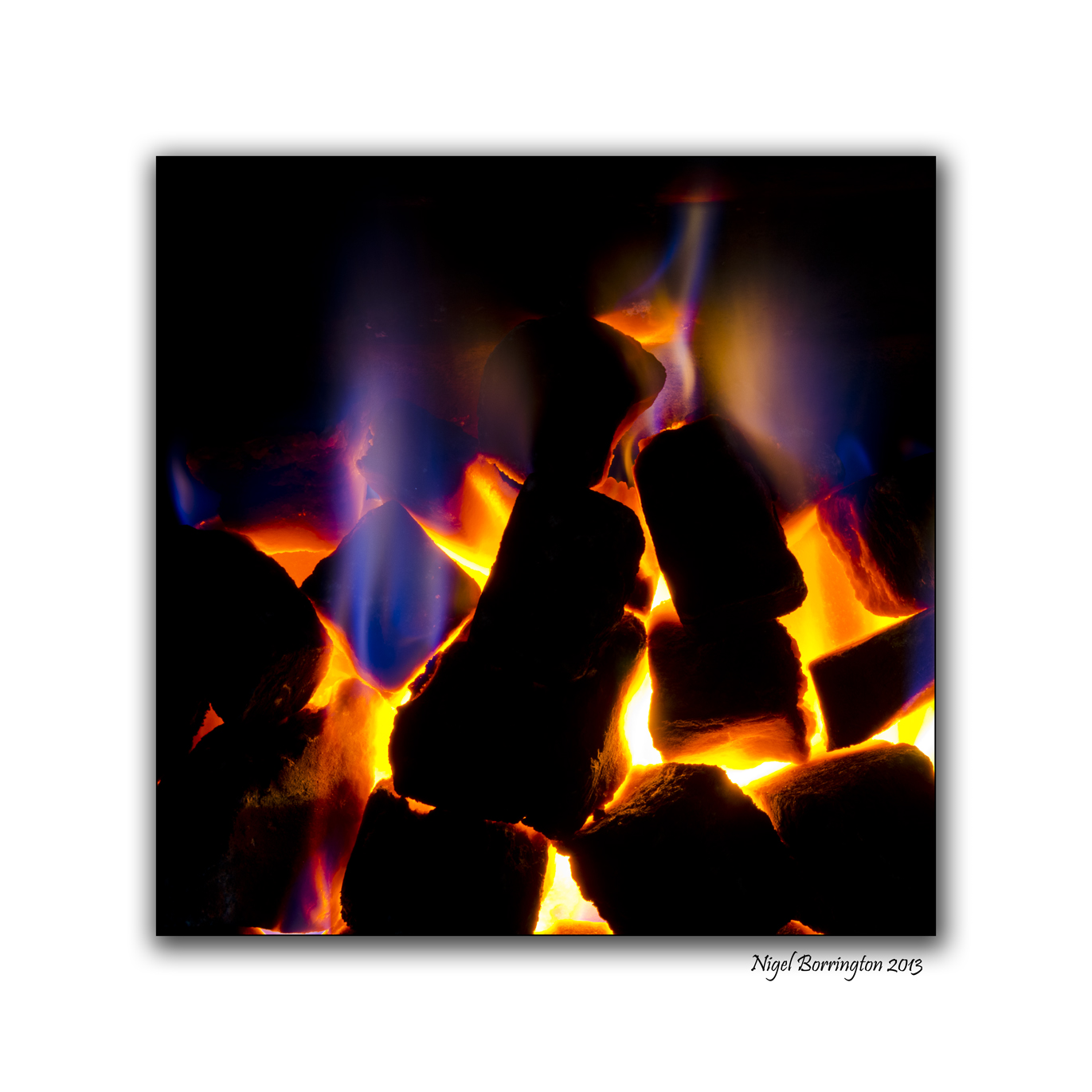
Fire is a masculine element, its aspects being change, passion, creativity, motivation, will power, drive and sensuality. It is sexuality, both physical and spiritual. Fire is used in spells, rituals and candle magick for healing, purification, sex, breaking bad habits or destroying illness and disease. Fire is the element of authority and leadership.
The properties of Fire, Heat, Making things fruitful, Celestial light, Giving Life to all things. Its opposite the Infernal Fire are a parching heat, consuming all things and darkness, making all things barren.
Each of the four cardinal elements – earth, air, fire and water – can be incorporated into magical practice and ritual. Depending on your needs and intent, you may find yourself drawn to one of these elements more so that the others.
Connected to the South, Fire is a purifying, masculine energy, and connected to strong will and energy. Fire both creates and destroys, and symbolizes the fertility of the God. Fire can heal or harm, and can bring about new life or destroy the old and worn. In Tarot, Fire is connected to the Wand suit (although in some interpretations, it is associated with Swords). For color correspondences, use red and orange for Fire associations.
Let’s look at some of the many magical myths and legends surrounding fire:
Fire Spirits & Elemental Beings:
In many magical traditions, fire is associated with various spirits and elemental beings. For instance, the salamander is an elemental entity connected with the power of fire – and this isn’t your basic garden lizard, but a magical, fantastical creature. Other fire-associated beings include the phoenix – the bird that burns itself to death and then is reborn from its own ashes – and dragons, known in many cultures as fire-breathing destroyers.
The Magic of Fire:
Fire has been important to mankind since the beginning of time. It was not only a method of cooking one’s food, but it could mean the difference between life and death on a frigid winter night. To keep a fire burning in the hearth was to ensure that one’s family might survive another day. Fire is typically seen as a bit of a magical paradox, because in addition to its role as destroyer, it can also create and regenerate. The ability to control fire – to not only harness it, but use it to suit our own needs – is one of the things that separates humans from animals. However, according to ancient myths, this has not always been the case.
Fire appears in legends going back to the classical period. The Greeks told the story of Prometheus, who stole fire from the gods in order to give it to man – thus leading to the advancement and development of civilization itself. This theme, of the theft of fire, appears in a number of myths from different culture. A Cherokee legend tells of Grandmother Spider, who stole fire from the sun, hid it in a clay pot, and gave it to the People so they could see in the darkness. A Hindu text known as the Rig Veda related the story of Mātariśvan, the hero who stole fire that had been hidden away from the eyes of man.

Fire is sometimes associated with deities of trickery and chaos – probably because while we may think we have domination over it, ultimately it is the fire itself that is in control. Fire is often connected with Loki, the Norse god of chaos, and the Greek Hephaestus (who appears in Roman legend as Vulcan) the god of metalworking, who demonstrates no small amount of deceit.
Fire and Folktales:
Fire appears in a number of folktales from around the world, many of which have to do with magical superstitions. In parts of England, the shape of cinders which jumped out of the hearth often foretold a major event – a birth, a death, or the arrival of an important visitor.
In parts of the Pacific Islands, hearths were guarded by small statues of old women. The old woman, or hearth mother, protected the fire and prevented it from burning out.
The Devil himself appears in some fire-related folktales. In parts of Europe, it is believed that if a fire won’t draw properly, it’s because the Devil is lurking nearby. In other areas, people are warned not to toss bread crusts into the fireplace, because it will attract the Devil (although there’s no clear explanation of what the Devil might want with burnt bread crusts).
Japanese children are told that if they play with fire, they will become chronic bed-wetters – a perfect way to prevent pyromania!
A German folktale claims that fire should never be given away from the house of a woman within the first six weeks after childbirth. Another tale says that if a maid is starting a fire from tinder, she should use strips from mens’ shirts as tinder – cloth from women’s garments will never catch a flame.
Light Between The Trees

Fujifilm X100
Kilkenny Landscape photography, Nigel Borrington
Title: Light Between The Trees
Author: Henry Van Dyke
Long, long, long the trail
Through the brooding forest-gloom,
Down the shadowy, lonely vale
Into silence, like a room
Where the light of life has fled,
And the jealous curtains close
Round the passionless repose
Of the silent dead.
Plod, plod, plod away,
Step by step in mouldering moss;
Thick branches bar the day
Over languid streams that cross
Softly, slowly, with a sound
Like a smothered weeping,
In their aimless creeping
Through enchanted ground.
“Yield, yield, yield thy quest,”
Whispers through the woodland deep;
“Come to me and be at rest;
I am slumber, I am sleep.”
Then the weary feet would fail,
But the never-daunted will
Urges “Forward, forward still!
Press along the trail!”
Breast, breast, breast the slope
See, the path is growing steep.
Hark! a little song of hope
Where the stream begins to leap.
Though the forest, far and wide,
Still shuts out the bending blue,
We shall finally win through,
Cross the long divide.
On, on, on we tramp!
Will the journey never end?
Over yonder lies the camp;
Welcome waits us there, my friend.
Can we reach it ere the night?
Upward, upward, never fear!
Look, the summit must be near;
See the line of light!
Red, red, red the shine
Of the splendour in the west,

Liverpool
A weekend in Liverpool, Sometime back….

Ablert docks – Saturday Morning
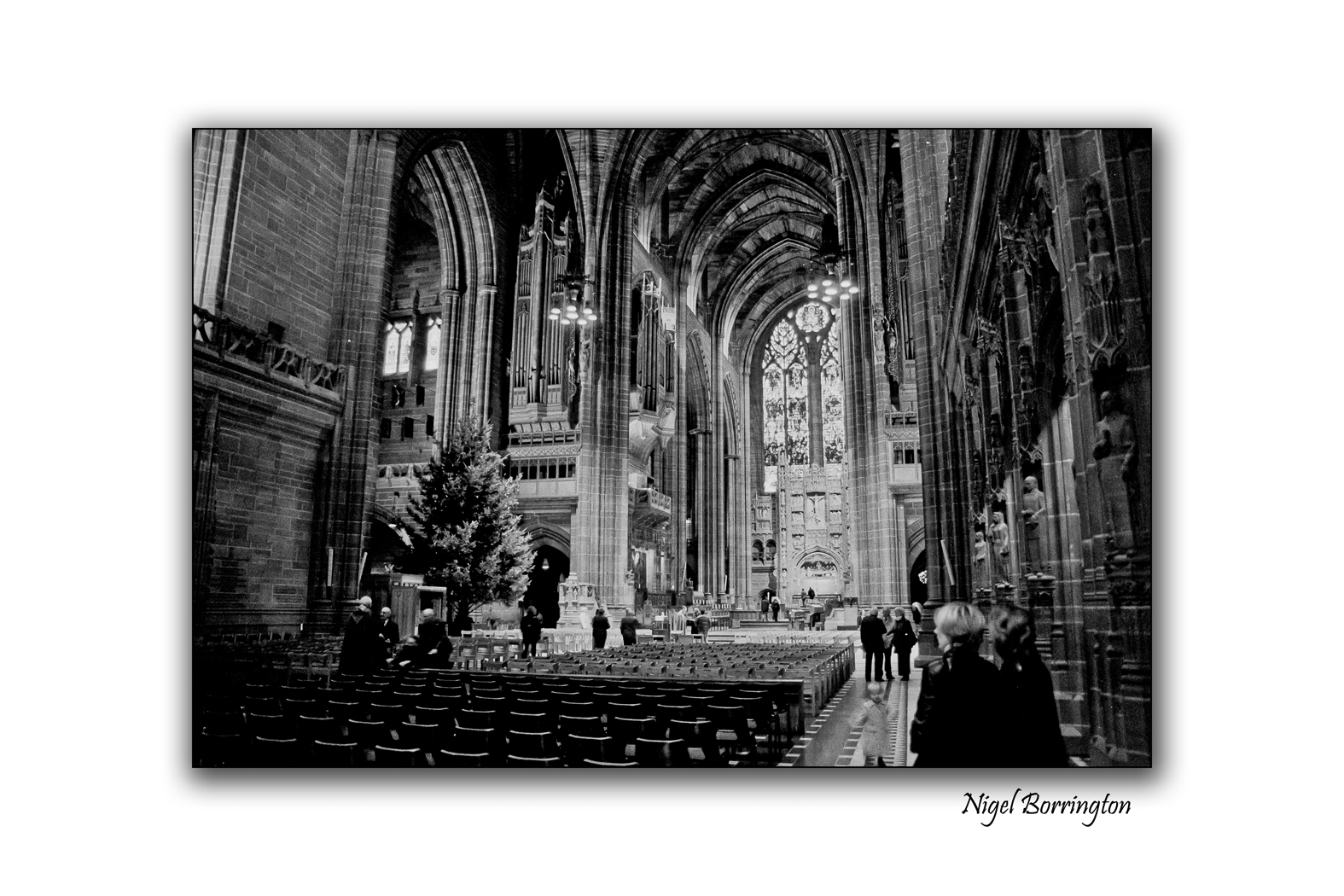
Liverpool Cathedral – getting ready for Christmas

The Cavern – Home of the Beatles
Images from a weekend I spent in Liverpool sometime back….
Also… Along with many others (Thank you!) I received a very kind comment from Paul Scribbles about my McCarthys hotel post and Ilfords film so these are more for yourselve Paul, Ilfords XP2 using a Nikon Fm2n..
Last Night as I was sleeping

Last night as I was sleeping,
I dreamt—marvelous error!—
that a spring was breaking
out in my heart.
I said: Along which secret aqueduct,
Oh water, are you coming to me,
water of a new life
that I have never drunk?
Last night as I was sleeping,
I dreamt—marvelous error!—
that I had a beehive
here inside my heart.
And the golden bees
were making white combs
and sweet honey
from my old failures.
Last night as I was sleeping,
I dreamt—marvelous error!—
that a fiery sun was giving
light inside my heart.
It was fiery because I felt
warmth as from a hearth,
and sun because it gave light
and brought tears to my eyes.
Last night as I slept,
I dreamt—marvelous error!—
that it was life I had
here inside my heart.
Antonio Machado
Scanning Nature

Photo challenge
photography a definition
n.
1. the process in art of producing images of objects on sensitized surfaces by the chemical action of light or of other forms of radiant energy.

Over the last few years I have listened to many opinions from all levels of photographers and artists relating to what they think photography actually is, people with big photography studios to others with camera phones and Ipads.
Among this collection of people are people who put themselves firmly into one seat or the other.
Personally I think that photography is the use of any device to produce an image that people like including yourself.
As I kid I remember getting a packet of photo paper from the photography teacher at school and placing an oak leaf over it then placing them both on a window ledge in the sun for a minute or so. I then put the paper back in a black bag and fixed the image in the school dark room. I did one of my photography projects that year based on this and never laid my hands on a camera for it.
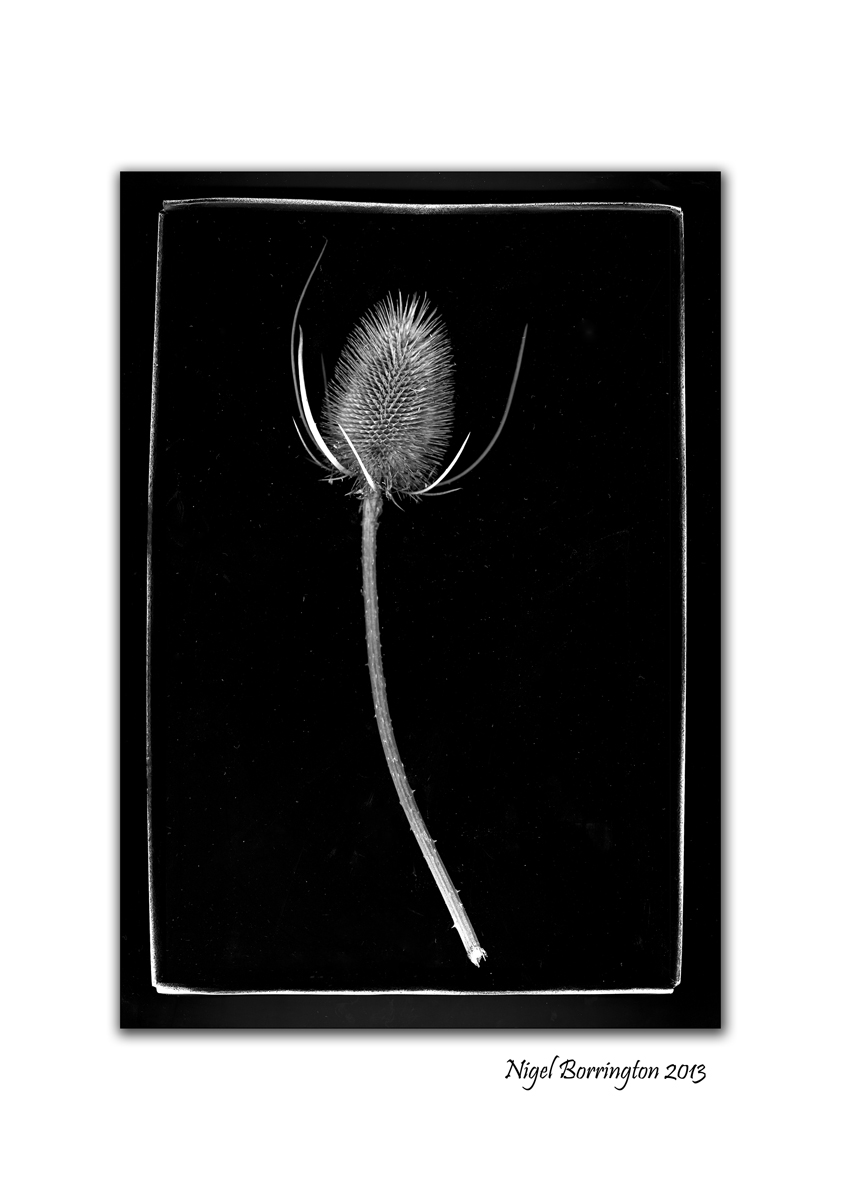
So last autumn I returned to this concept and collected as much as I could find from our local woods and hedgerows and using a scanner created the following set of images.

If you would like to have a go all you need is a scanner and old shoe box and some black spray paint and paper. The black paint is for the inside of the shoe box (Spray two or three coats until fully black) the paper you lay on top of the upside down box as follows.
Place your selected object on the scanner screen and cover this with the upside down shoe box, the black paper covers this, it needs to be A3 in size for an A4 scanner. The edged border you see around my scanned objects is the edged of the shoe box.
So my school project comes of age and into the digital world!

Things you wish you still had?

Going through some old film I found this frame and its years since I looked at this old bike, during the 1990’s I used it for work everyday.
I had to sell it at some point and move on but it occurred to me that we all must have things we remember and maybe wish deep down we still had them.
Whats yours?
McCarthy’s Hotel
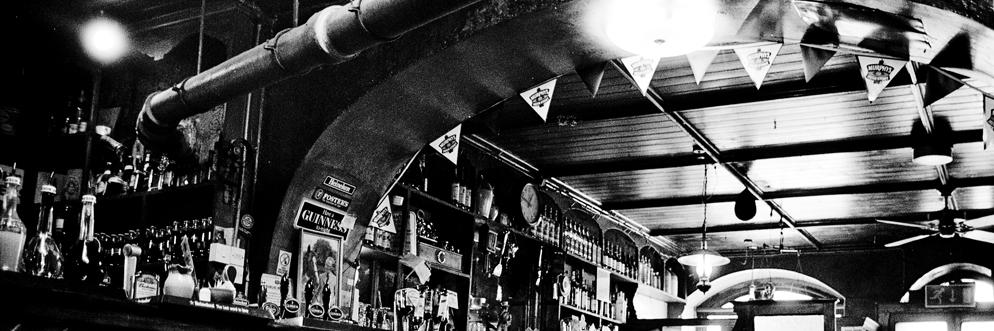
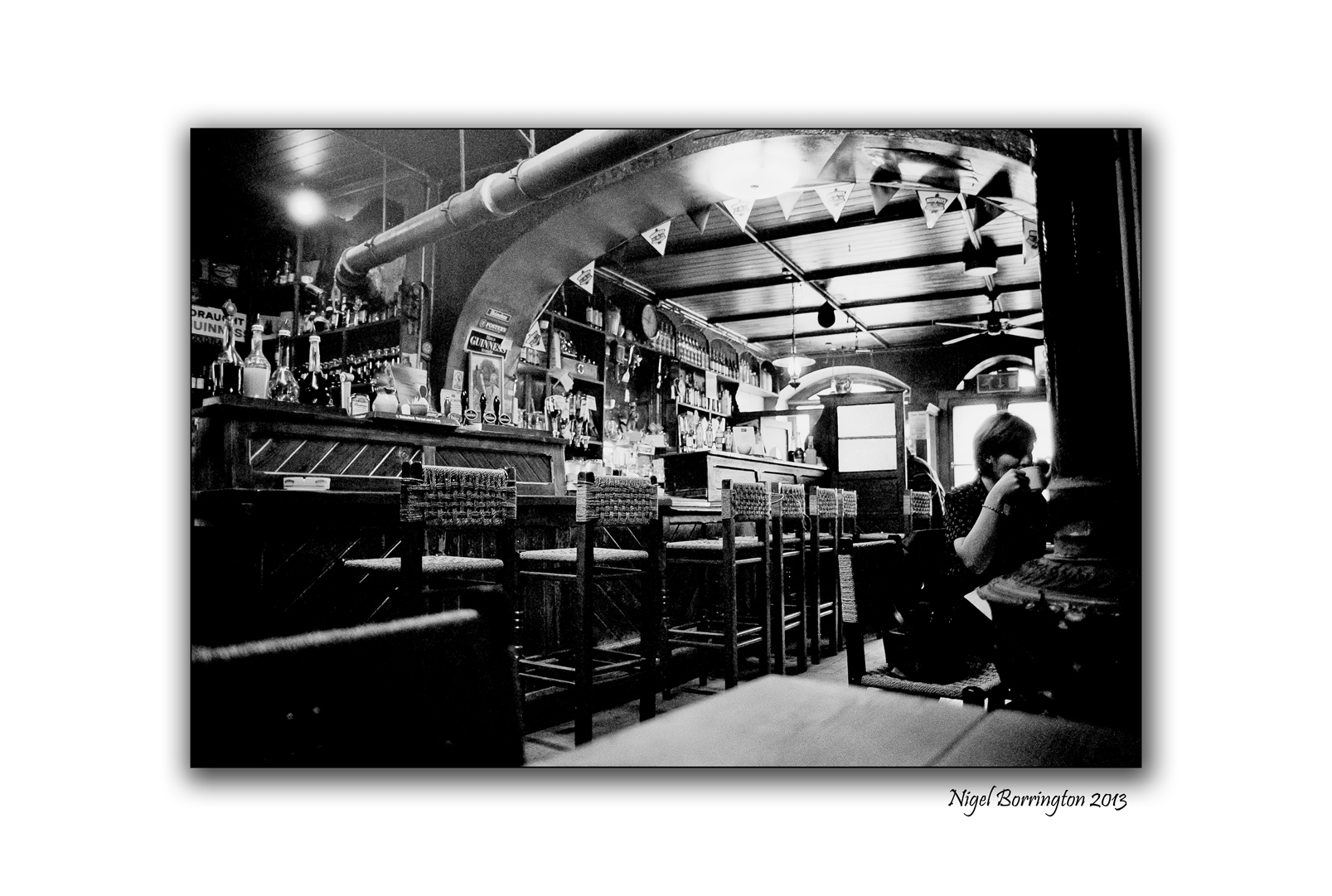
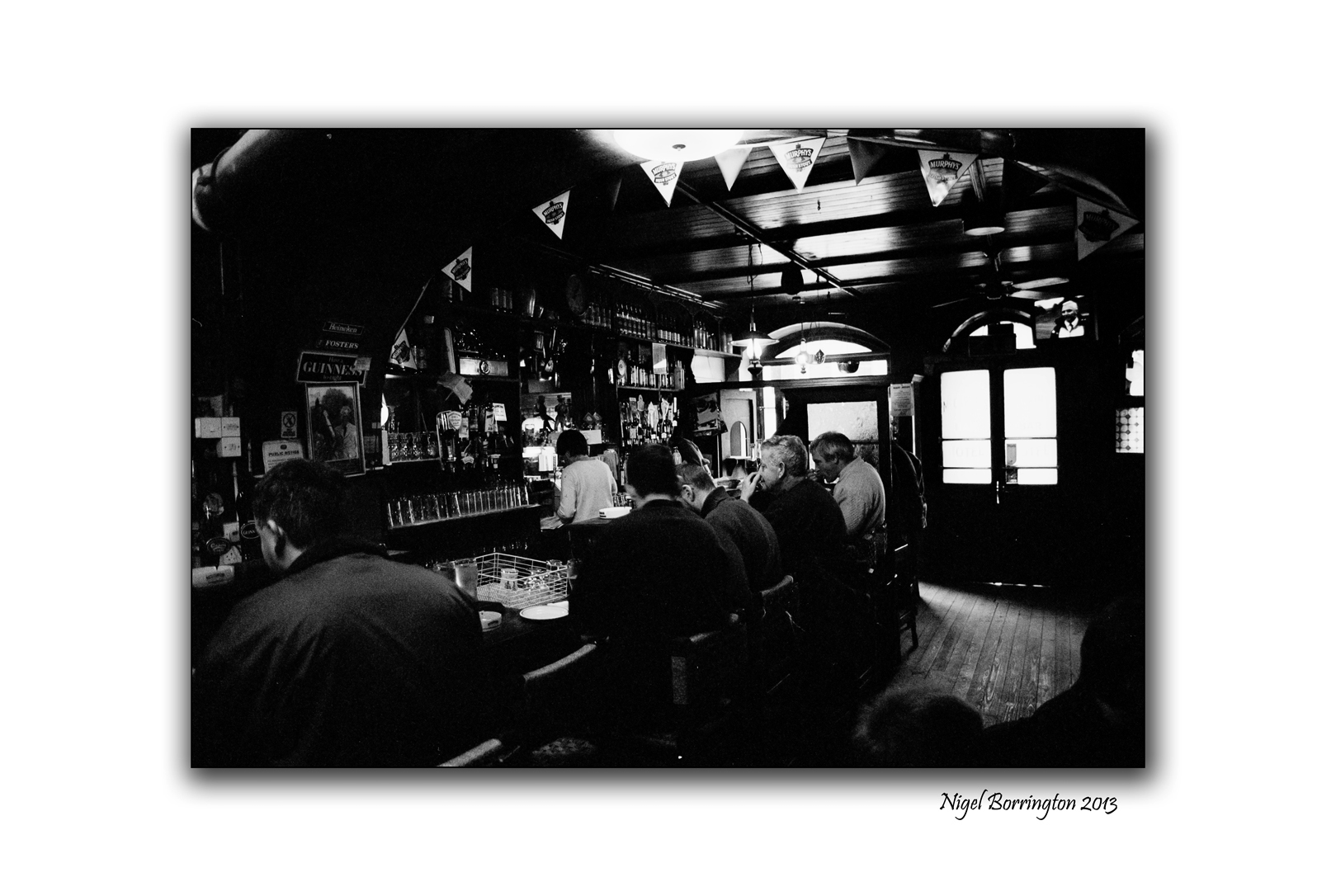
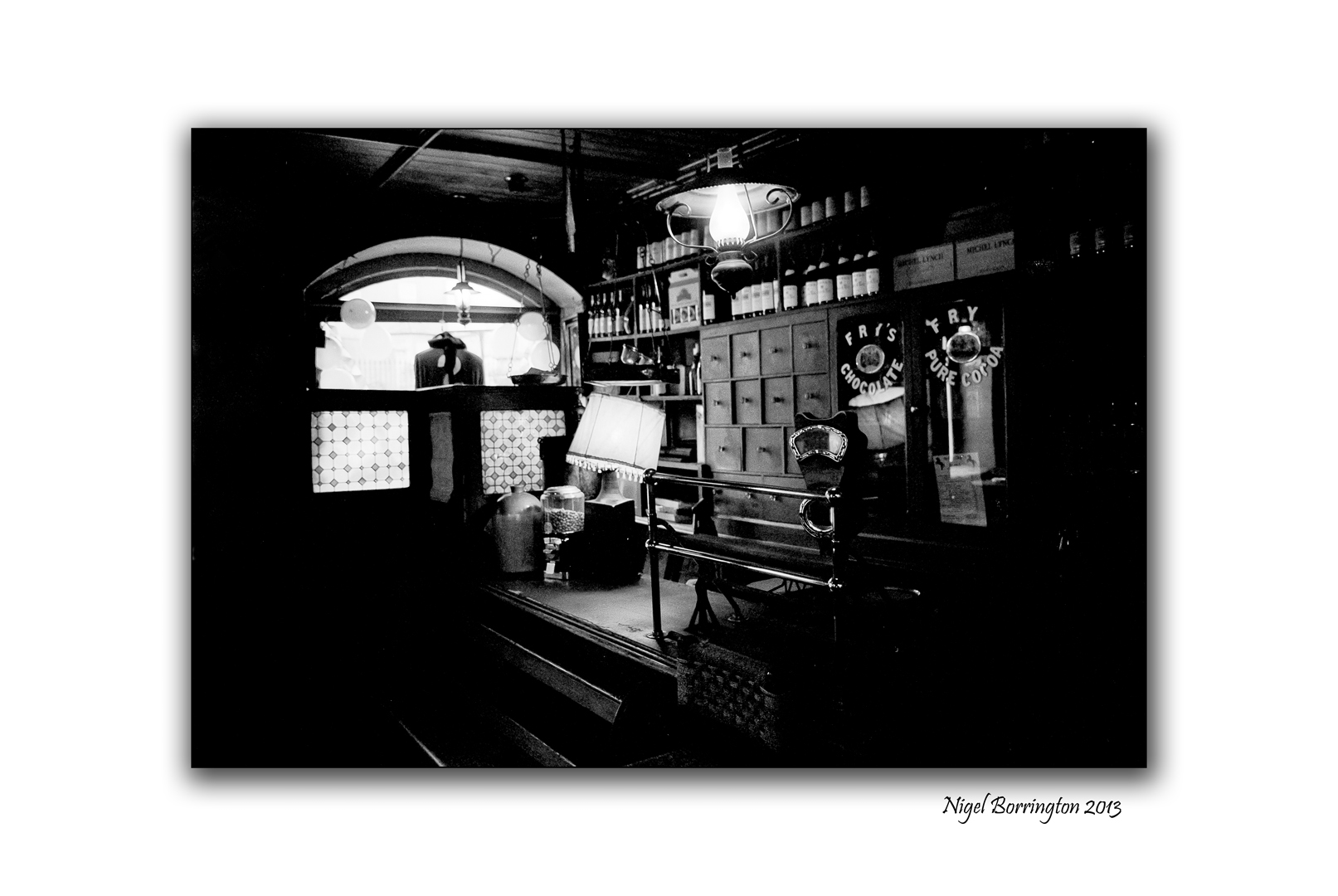
McCarthys Hotel/Pub in Fethard in Co. Tipperary, is just one of those place that you cannot help but fall in love with.
Whenever anyone says lets go to McCarthys the hairs on the back of my neck stand up and the car keys are in my hands as fast as I can find them. Food, Coffee or a pint a good old chat for a Saturday afternoon.
I took the following three images about four years ago:
Contax G2, 45mm lens, Ilford Xp2 400iso film
Established in the 1850’s
Established by Richard McCarthy in the 1850’s McCarthy’s Hotel provided the services of a spirit merchant, restaurant, hotel, undertaker, draper, grocer, baker, hackney service, glass, delph and china shop and if you still couldn’t get what you want – hire a few horses to take you elsewhere. Continuing in this tradition the present proprietor, Annette Murphy (fourth generation McCarthy), has a pub, restaurant and undertaker business which she runs with her family (fifth generation McCarthy).
McCarthy’s is situated in the medieval town of Fethard in Co. Tipperary. Formerly a very important market town in the 16th century, the town fell into decline. In the past twenty years the country in general, and Fethard in particular, has thrived – due in no small part to the equine scene in Coolmore and its associated farms plus numerous trainers and breeders dotted around Fethard. The re-discovery of our medieval past is of great importance to Fethard. Much of the medieval walls which surround the town have remained intact and a large portion of these walls have been restored. The town has been described as the most important walled town in Ireland next to Derry and is fast becoming the focal point for medieval scholars and tourists alike. For more information visit the Fethard Web Site: http://www.fethard.com
McCarthy’s success is based on a mix of the old and the new. The interior is unchanged since Richard McCarthy opened for business in the 1850’s. McCarthy’s were lucky that in the 1970’s, when great changes swept Ireland, three old ladies, Beatty, Kitty and Nell, ruled McCarthy’s and were unwilling to modernise the premises to a “lounge bar”. People still return expecting to meet the old ladies (now deceased) sitting in the office drinking tea and surveying the comings and goings of life from the office door.
The McCarthy’s are closely involved with sporting activities and with horses in particular. Dick was a professional jockey who also played hurling, football, rugby, polo and was a champion amateur boxer. His brothers Gus and Chris were amateur jockeys. Gus was also a noted footballer who won an all-Ireland medal with Tipperary and who also played on the ill-fated Bloody Sunday Tipperary team in Croke Park on Nov. 21, 1920. The current generation are as keenly involved in both horses and Gaelic games.
Ghosts
McCarthy’s is also a place of interest for those who believe in the supernatural. A sign was given before the deaths of the last generation of McCarthy’s, usually a picture falls from the wall for no apparent reason. Three loud knocks on the front door were heard by people at both sides of the door before Beattie’s death. Ghosts were spotted recently by Mark Lonergan and John O’Connor (at night) and by Ciarán Hayes in the afternoon!
So next time you see somebody sitting quietly sipping a pint in the corner – you might be the only one who can see him!
McCarthy’s is well known the world over and has been filmed by Channel 4, BBC, Good Morning America, Sky News and many more. Many well known personalities have also visited McCarthy’s over the years including Eamon De Valera, Michael Collins, Mick Doyle, John Magnier, Vincent O’Brien, Robert Sangster, Julian Wilson, Lester Pigott, Richard Dunwoody, Adrian Maguire, Martin Pipe, Charlie Swan, Tommy Stack, Tommy Carberry, Alex Ferguson,
Dr. A. J. F. O’Reilly, Lord Lloyd Webber and his brother Julian. Sir David Frost, Alan Parker, Rod Taylor, Angela Rippon, Peter Curling and of course Paul Carberry – the only jockey to ride into McCarthy’s on a horse.
Agfa isolette
Talking of Cameras and Camera reviews….
This little Agfa Isolette was my fathers camera and as you can imagine it is very special to me, I would love to take some images with it again so at some point I will post a Gallery.

For now here is one shot taken in the lake district with Breda doing some map reading on the right..
No exposure meter and no auto focus – just pure guess work, I also developed the film myself and it produced an image – Few!

Thank you
I just got a message from wordpress, to tell me that since I started this blog again about two months ago I have received over 1164 likes and 155 followers.
So I wanted to say thank you!!
Nigel
Fujifilm X100
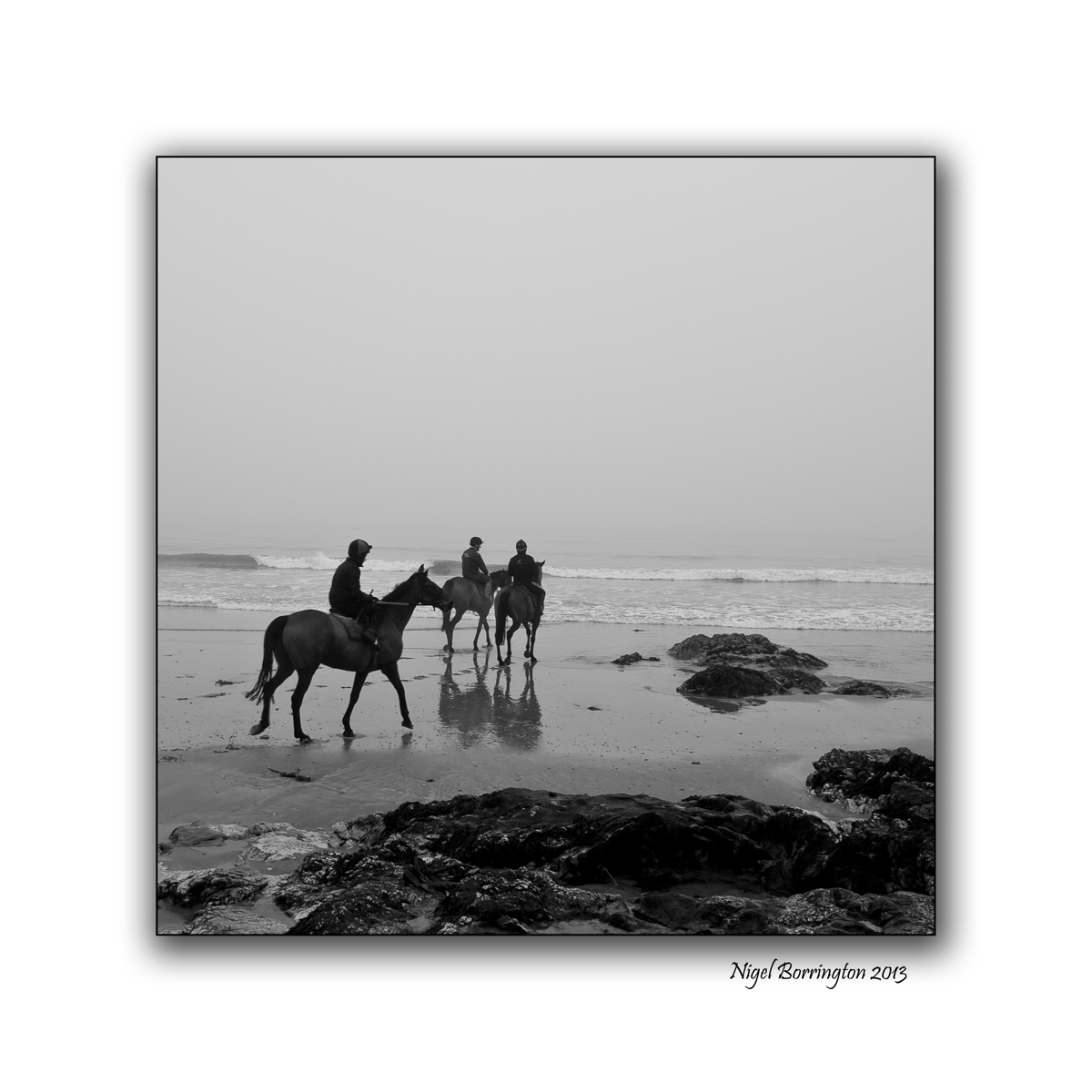
Fujifilm X100
A morning run out – Clonea strand, Co Waterford
Fuji X100 review, it’s coming soon.
My love of this little camera continues and I am working on a full review relating to my feelings of it from a photographers point of view. Its one of the most usable cameras I have ever owned.
I will post more very soon!
Nigel
The happy couple
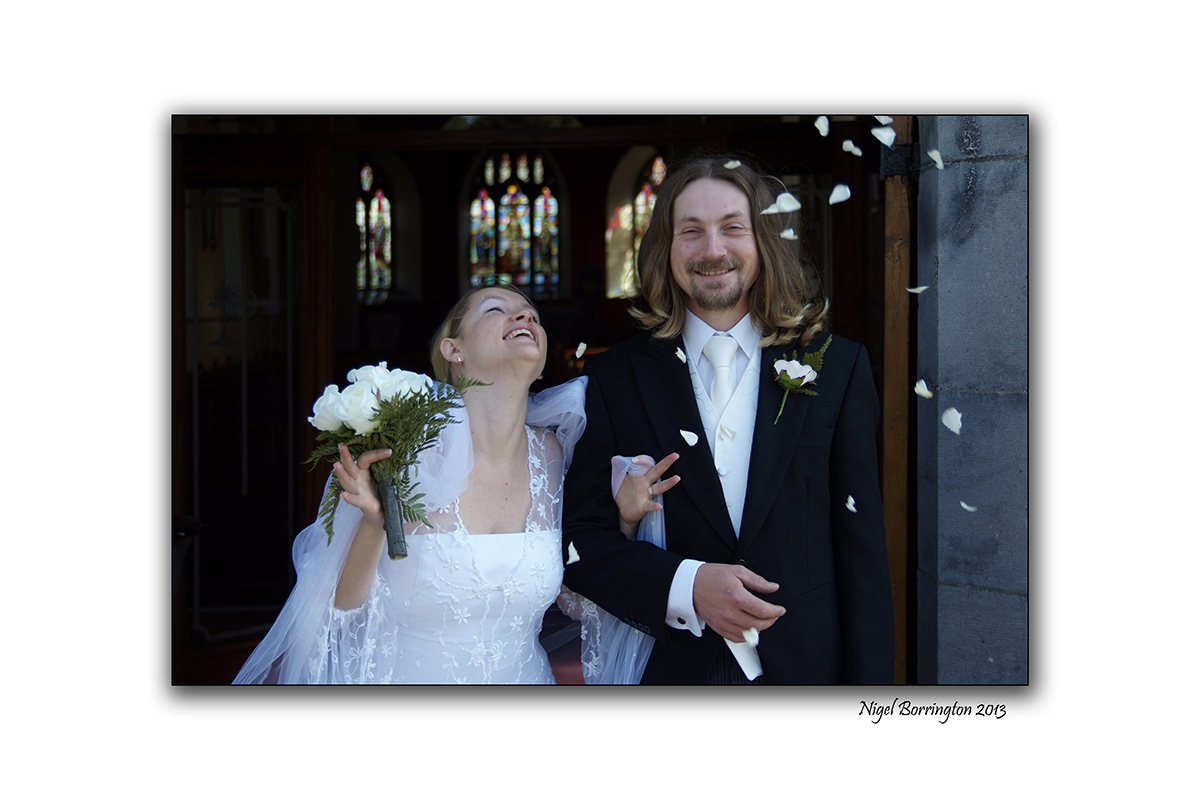
I just wanted to share an image from a wedding I recently worked on and then delivered the album to the happy couple!
Thank you again, you two for being a pleasure to work with!
Nigel


Pilgrim Hill
Pilgrim Hill – A Movie about the true side of farming life
Yesterday I watched a great review about a new film Pilgrim hill that has been made by young film maker Gerard Barrett in the above video he talks to RTE’s Nationwide about Pilgrim Hill. In cinemas April 12th 2013. Pilgrim Hill is the debut film from Gerard Barrett, winner of the 2013 Irish Film and Television Academy Rising Star Award.
“Jimmy Walsh is a farmer in rural Ireland. Like the landscape he inhabits, his life is bleak and hard. Looking after an ageing sick father, life is passing him by as he comes to terms with his changing circumstances. Loneliness and isolation are his continual companions, along with his modest herd of cattle.
A young twenty something neighbour is one of the only links Jimmy has to the real world. In him, Jimmy sees what he could have been, as he realizes what he is, a middle aged bachelor farmer with vanishing opportunities and on the verge of living the rest of his life alone on the side of a cold un-nourishing hill.
A final blow is dealt to Jimmy when it seems that life can’t get any worse. He is barely able to articulate his situation, yet his honesty and vulnerability speak to the loneliness that haunts the human condition in all of us”
In and around the area I live in Ireland, Co.Kilkenny there are many Jimmy walsh’s including members of my own family.
Sean a family friend is one of them, older than Jimmy but he will have travelled through many of the same things in his time.
Many of these farmers never got married and lived out their lives in remote places like this farm Burnchurch in Co.Tipperary.
Watching the review of the film last night, I wondered why these men’s lives have not been shown and received much more coverage than they have. Many other nation like the America have shown the hard lives their own famers have lived on the screen for many years, it time these mens live got the same exposure, please go a watch this movie if you can.
Nigel
Share this:
April 12, 2013 | Categories: Comment, Forgotten places | Tags: farming, Gerard Barrett, Ireland, irish farming, irish film, Irish life, Irish photography, Kilkenny, Pilgrim hill | 9 Comments