Leenane

Leenane, Connemara, County Galway, Ireland
Irish Landscape photography : Nigel Borrington
The town of Leenane, Connemara, County Galway
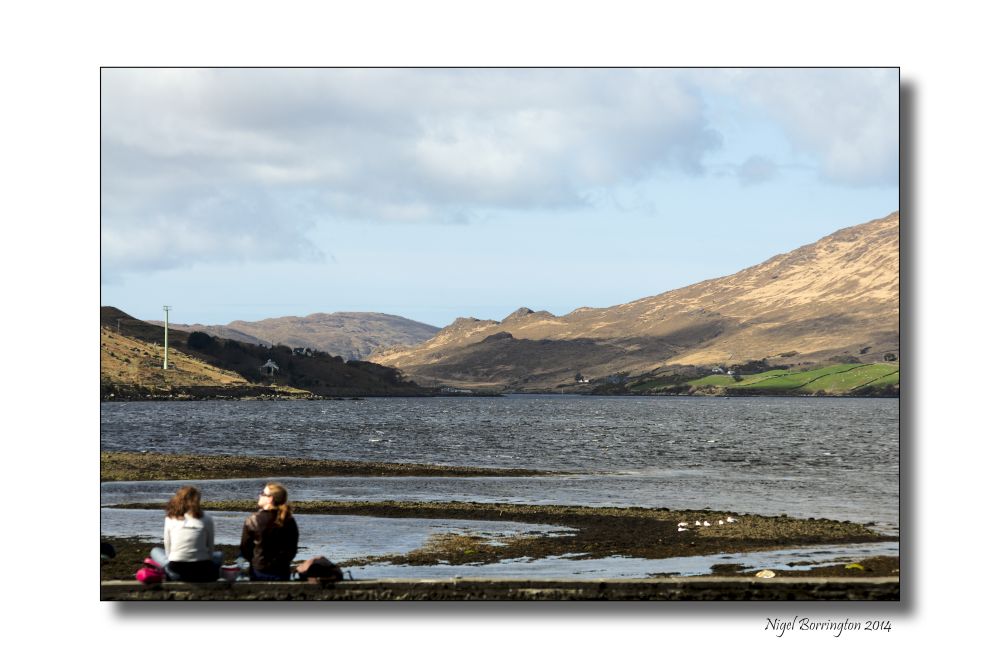
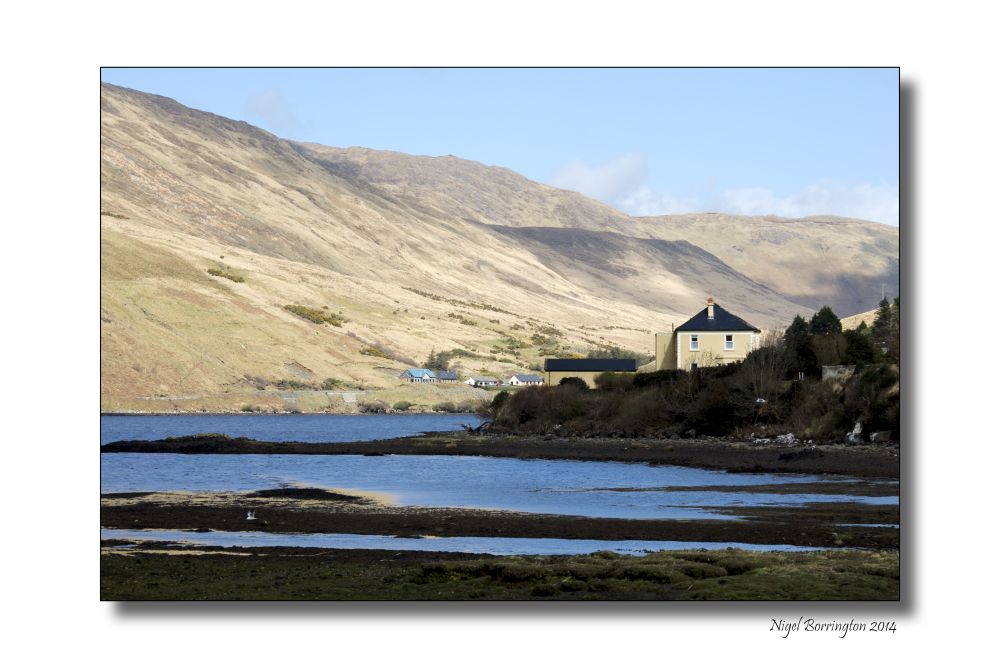
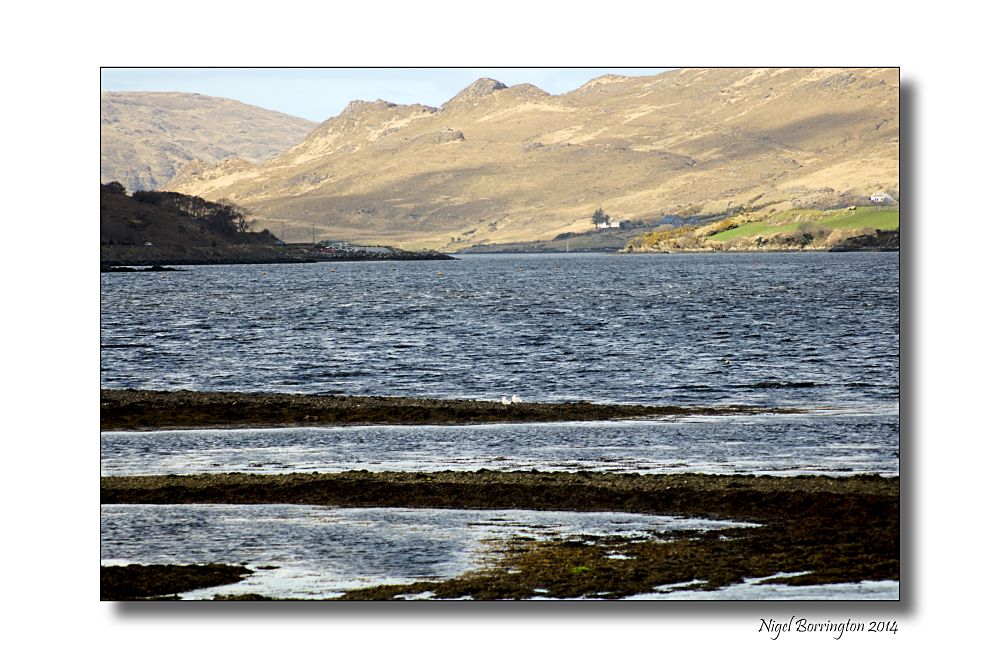
The beautiful village of Leenane, snugly situated at the head of Killary Harbour, is often aptly described as the ‘Gateway to Connemara’. The roads from Maam, Clifden, and Westport meet at this point. Killary Harbour extends ten miles inland and with the mountains rising steeply on either side provides what is probably the best scenery in Ireland. Walkers have access to Mweelrea, Sheefry, Paltry and Maumturk Mountains.
Leenane with its surrounds is a haven for geologists due to a great variety of sedimentary, volcanic and metamorphic rocks. There is good fishing in the local Erriff and Delphi rivers. Well known beauty spots include Aasleagh Falls and Doolough Valley, scene of the tragic famine walk. A film adaptation of John B. Keane’s famous play “The Field”, directed by Jim Sherdian, was made in Leenane in 1989. Well-known stars taking part included the late Richard Harris, John Hurt and Tom Berrenger. Visitors can visit many of the locations used as sets in the film.
Gallery




Allihies Copper Mines

Allihies copper mines
Irish Landscape Photography : Nigel Borrington
Copper mining at Allihies
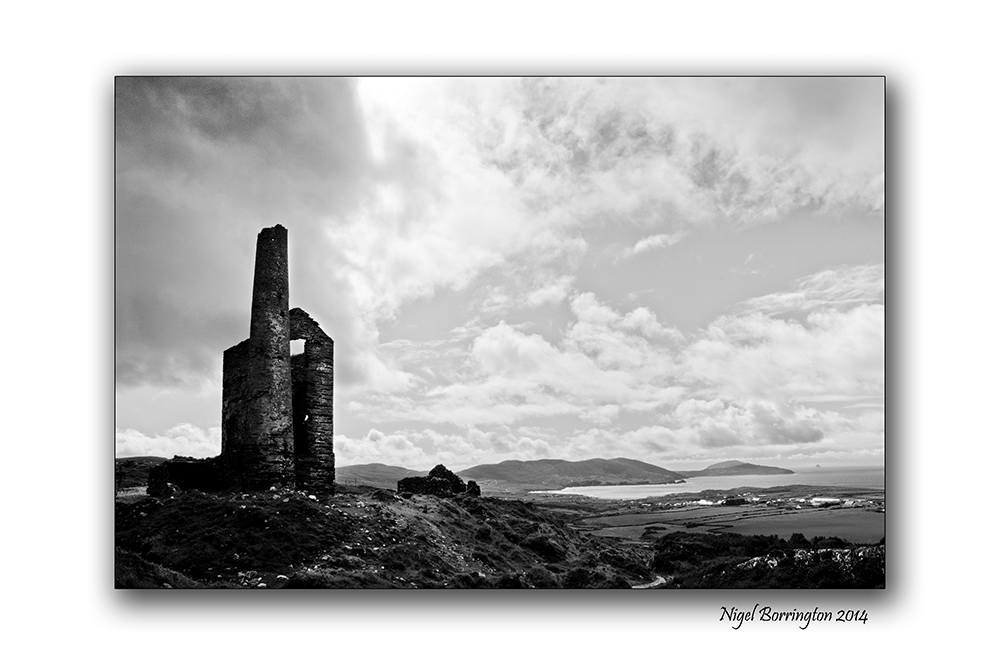
Mining at Allihies started here in 1812 by John Puxley, a local landlord, after the large quartz promontory to the left here was identified as copper bearing as can be seen by its bright Malachite staining. Dooneen
Initial mining began with a tunnel or adit driven into this quartz lode from the pebble beach below. In 1821 two shafts were sunk as can be seen either side of the road here. Flooding was a continuous problem and in 1823 the engine house was erected to house a steam engine brought over from Cornwall to pump water from the depths. The remains of this building with the base of the chimney can be seen across the road. There is also evidence of a steam powered stamp engine to the left of the chimney and dressing floors in front of the engine house. The high dam further inland is the remaining evidence of a water reservoir which stored the water that was pumped out from the bottom of the mine. It was used for the steam engines and needed to separate the copper from rock. All the rubble on the cliff at the sea side of the road is the crushed useless quartz rock left over after the copper ore was extracted.
This is one of six productive mines in the Allihies area and continued its operation until 1838 when it closed due to failing ore.
John Puxley died in 1860 and in 1868 his son Henry Puxley sold the mines to the new Berehaven Mining Company who reopened the mine and installed a new 22 inch steam engine in 1872. Little ore was produced though in this period and the mine was finally abandoned in 1878.
 .
.
Coom Mine Mianach Chúim
Coom Mine was the last mine to be opened in the Allihies area having been opened in 1870 by the new Berehaven Mining Company who had recently bought the mines from Henry Puxley in 1868.
Two shafts were sunk and the engine house erected to house a 28 inch cylinder steam engine. The site was known as Bewley’s after the Dublin family who were board members of the Berehaven Mining Company.
The working in the mines was dangerous. A Mine Captain reports:
“On the 13 inst. we had a man killed by falling out of the whim bucket in the whim shaft (winding shaft), he fell 72 feet and was killed immediately. … The whim bucket was coming up and he was rather late to get into it, when he laid hold of the edge of it with his fingers and was drawn up nearly to the top in that manner but was obliged to let go at last and fell to the bottom of the shaft. … He was a very able young man – this day we intended to carry him across the mountain to Castletown a distance of 7 miles to have him interred but the weather is so bad with a fall of sleet and snow that it was not possible. … We hope to do the last for him tomorrow.”
In 1917 a further attempt to extract ore was made by Allihies Copper Mines Ltd. which proved fruitless.
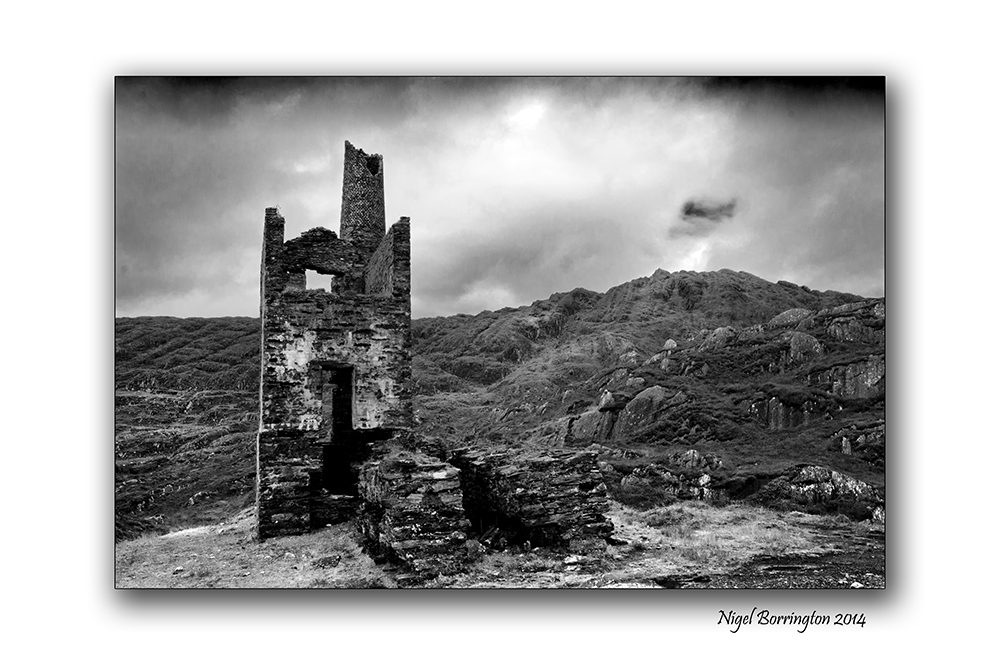
Coom Mine proved not to be a very productive mine. It had only produced 70 or 80 tons of ore when it closed in 1882.
Found things; Birch Polypore in the January woodlands

Birch Polypore Funji
Irish Nature Photography : Nigel Borrington
Your may think the during the still month on January the woodlands are died and that nothing is growing, yet a closer look will bring you some well deserved surprises.
January for the woodland fungi is a perfect month, the winter rain and relative warmth of the trees bring perfect growing conditions, these Birch Polypore were growing in a woodland at the foot of Brandon hill, County kilkenny.
Birch Polypore
Description
The fruiting bodies (basidiocarps) are pale, with a smooth greyish-brown top surface, with the underside a creamy white and with hundreds of pores that contain the spores. The fruiting body has a rubbery texture, becoming corky with age. Wood decayed by the fungus, and cultures of its mycelium, often smell distinctly of green apples. The spores are cylindrical to ellipsoid in shape, and measure 3–6 by 1.5–2 μm.
P. betulinus has a bipolar mating system where monokaryons or germinating spores can only mate and form a fertile dikaryon with an individual that possesses a different mating-type factor. There are at least 33 different mating-type factors within the British population of this fungus. These factors are all variants or alleles of a single gene, as opposed to the tetrapolar mating system of some other basidiomycete species, which involves two genes.
Range and ecology
The geographic distribution of Piptoporus betulinus appears to be restricted to the Northern Hemisphere. There is some doubt about the ability of isolates from the European continent, North America and the British Isles to interbreed.
It is a necrotrophic parasite on weakened birches, and will cause brown rot and eventually death, being one of the most common fungi visible on dead birches. It is likely that the birch bracket fungus becomes established in small wounds and broken branches and may lie dormant for years, compartmentalised into a small area by the tree’s own defence mechanisms, until something occurs to weaken the tree. Fire, drought and suppression by other trees are common causes of such stress.
In most infections there is only one fungal individual present, but occasionally several individuals may be isolated from a single tree, and in these cases it is possible that the birch bracket fungus entered after something else killed the tree. These fungal “individuals” can sometimes be seen if a slice of brown-rotted birch wood is incubated in a plastic bag for several days. This allows the white mycelium of the fungus to grow out of the surface of the wood. If more than one individual dikaryon is present, lines of intraspecific antagonism form as the two individual mycelia interact and repel each other.
The fungus can harbor a large number of species of insects that depend on it for food and as breeding sites. In a large-scale study of over 2600 fruit bodies collected in eastern Canada, 257 species of arthropods, including 172 insects and 59 mites, were found. The fungus is eaten by the caterpillars of the fungus moth Nemaxera betulinella.
Gallery


A January Morn, a Poem by Nelda Hartmann
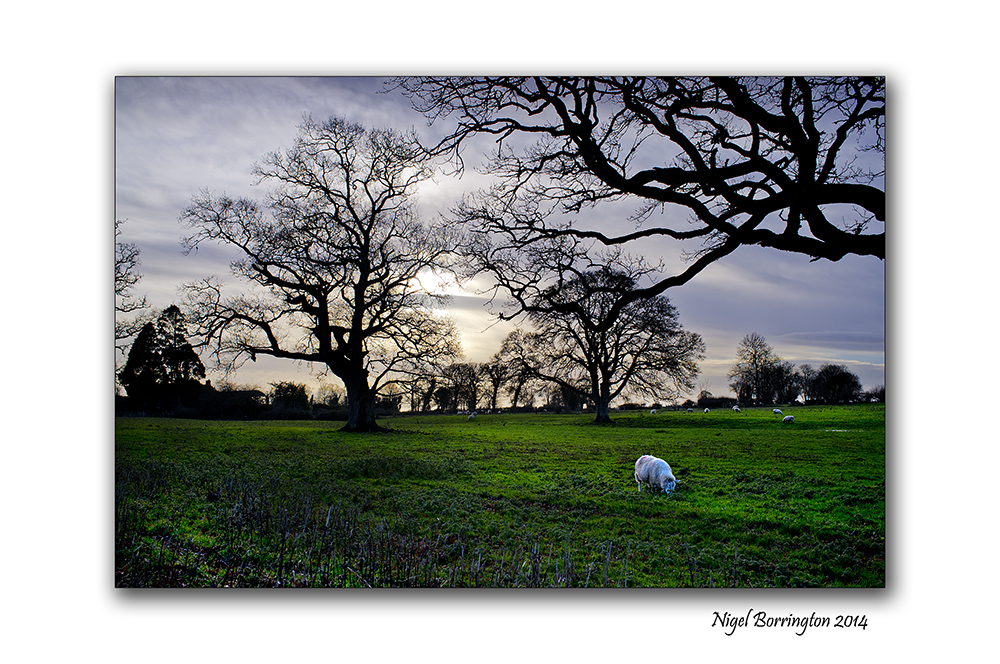
Kilkenny landscape photography
New years day 2014
Irish Landscape
A January Poem
January Morn
By – Nelda Hartmann
Bare branches of each tree
on this chilly January morn
look so cold so forlorn.
Gray skies dip ever so low
left from yesterday’s storm.
Yet in the heart of each tree
waiting for each who wait to see
new life as warm sun and breeze will blow,
like magic, unlock springs sap to flow,
buds, new leaves, then blooms will grow.”
The last daylight, New Years Eve 2013 .
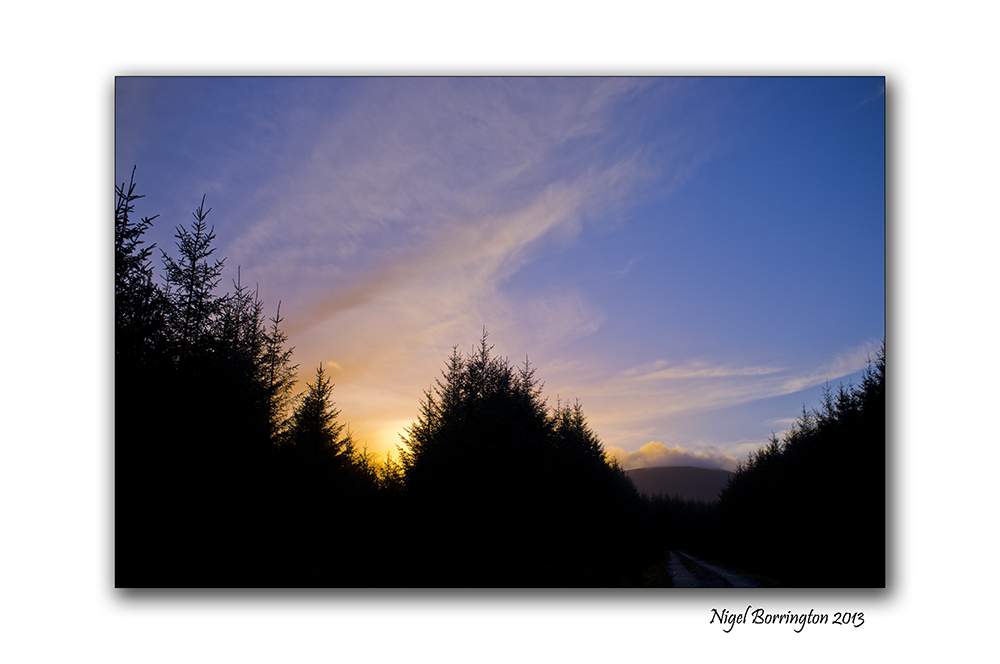
New Years eve 2013, sunsets over Slievenamon, county Tipperary
Irish Landscape photography : Nigel Borrington
Happy New year everyone, I hope you all have a wonderful 2014 !!!
Nigel
The last Daylight of New Years even 2013
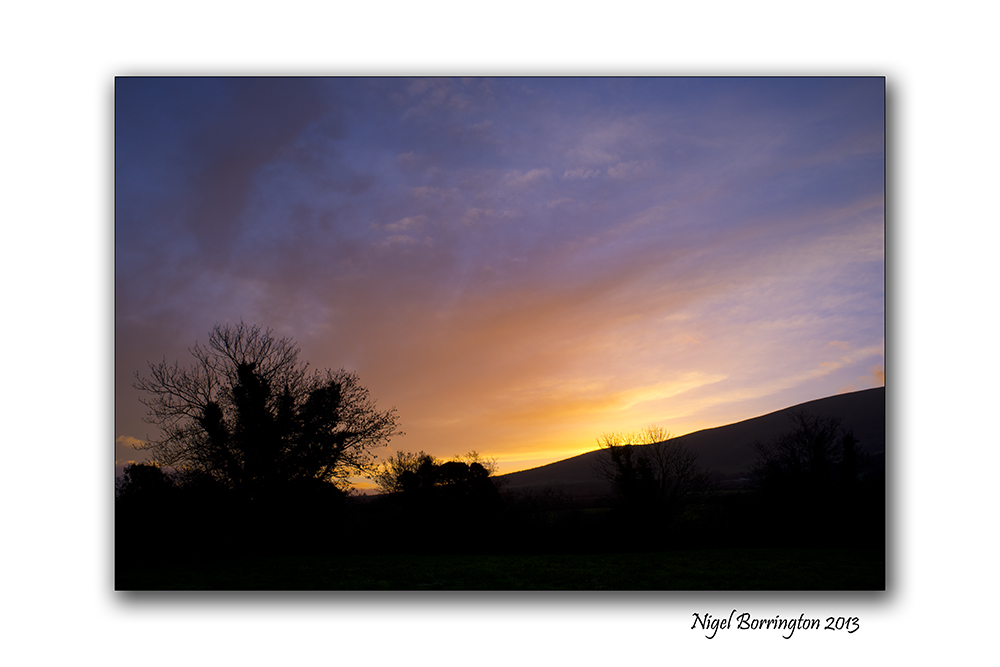
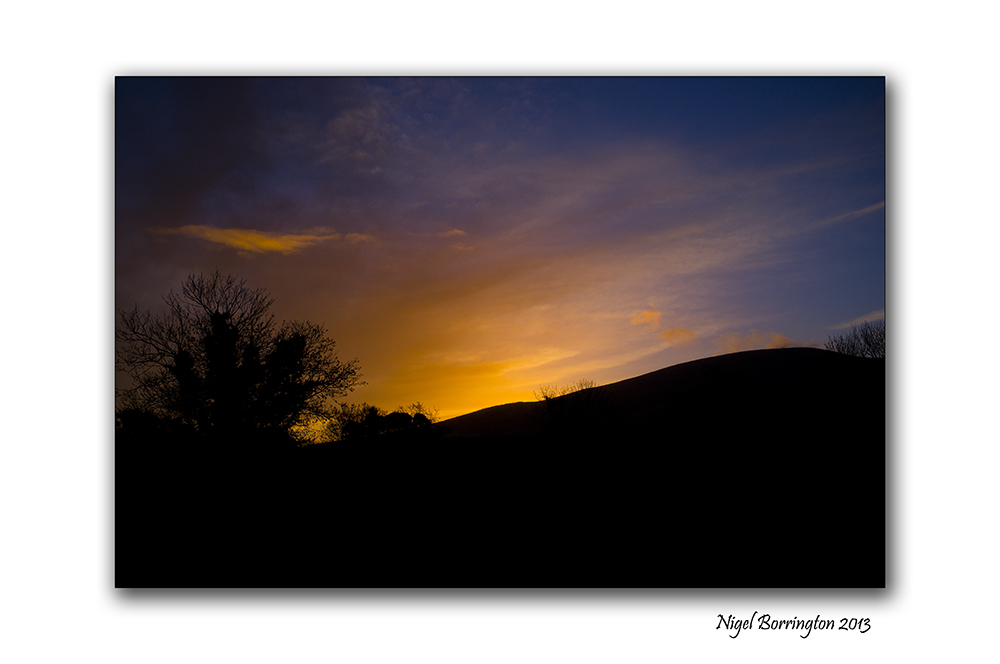
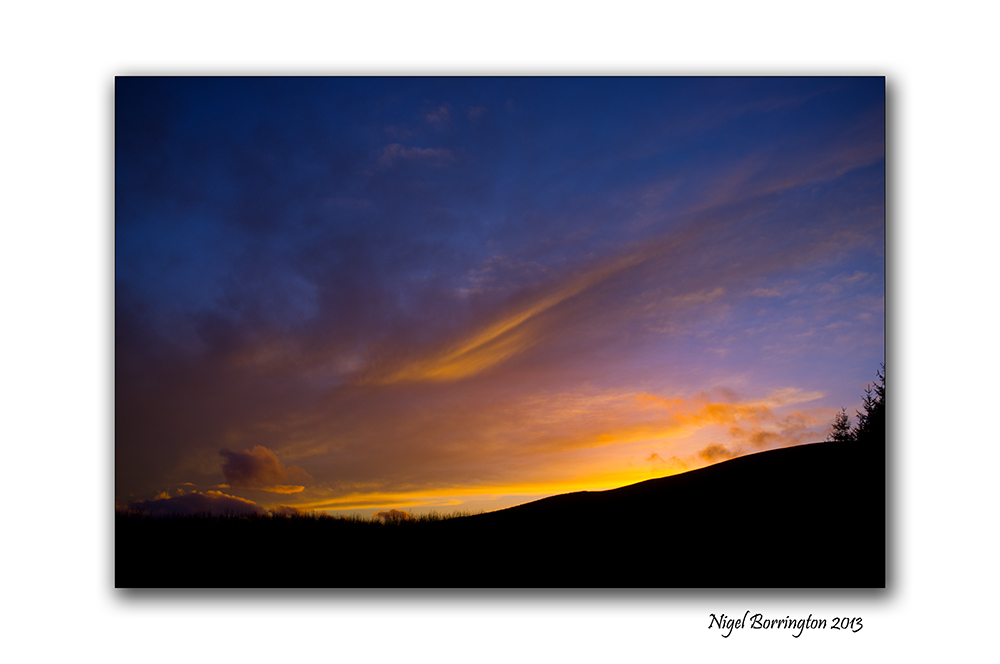
2013, a year on the Mountain .
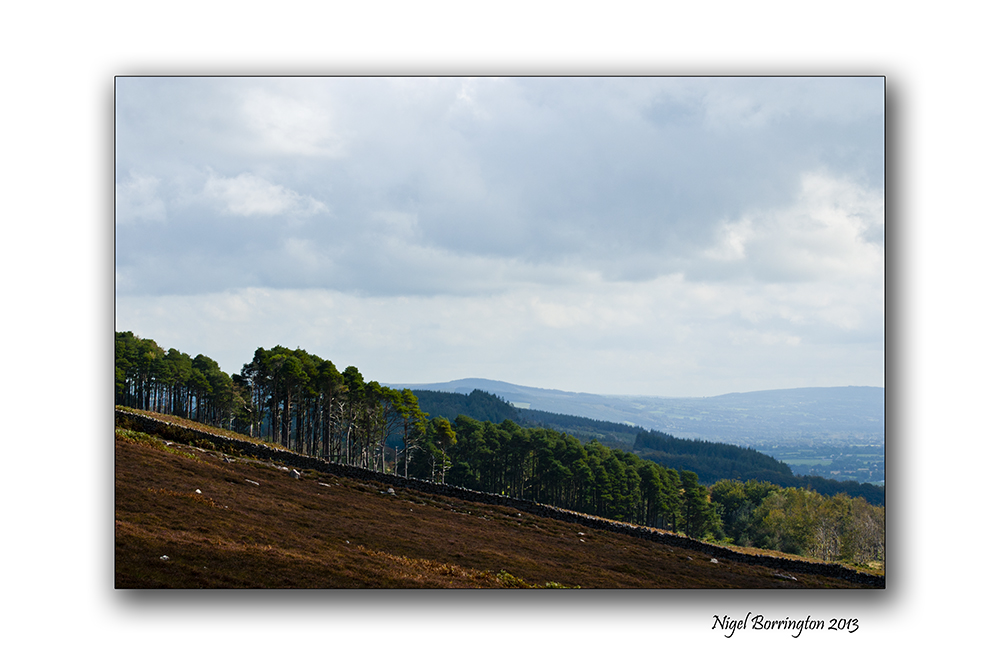
Images of slievenamon 2013
Irish Landscape Photography : Nigel Borrington
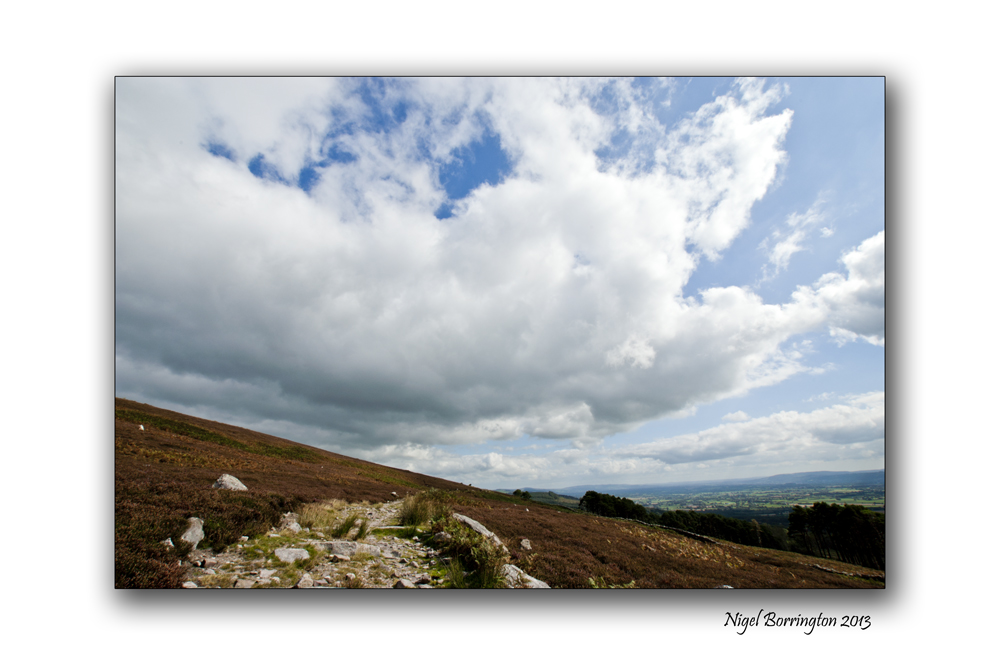
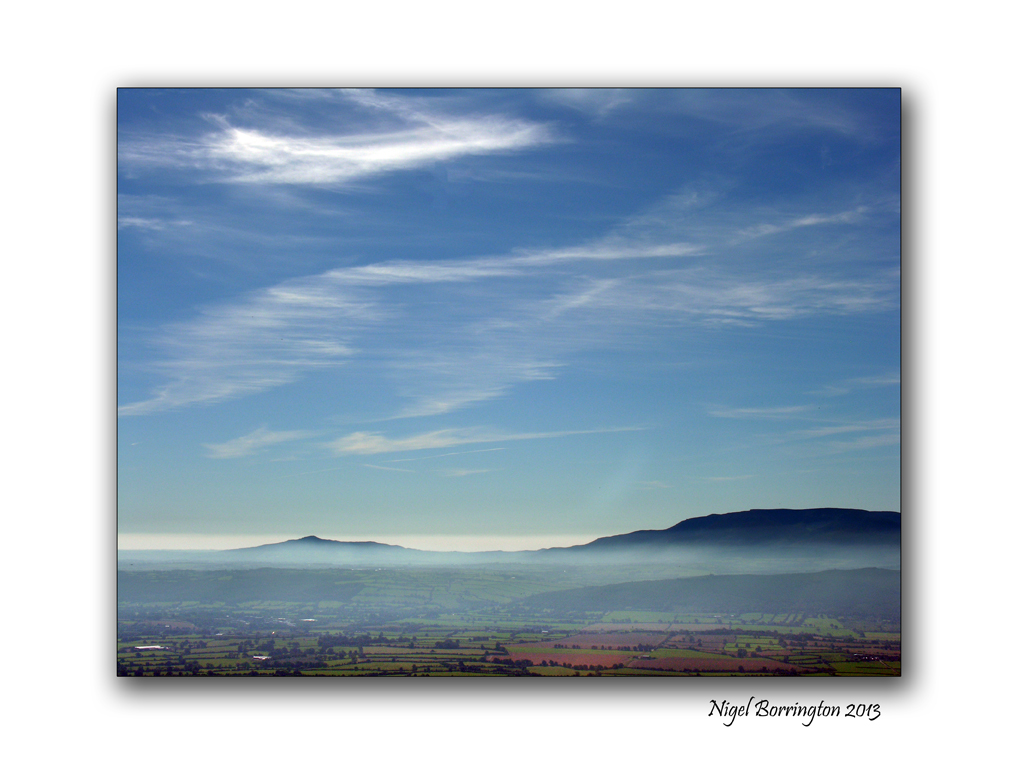
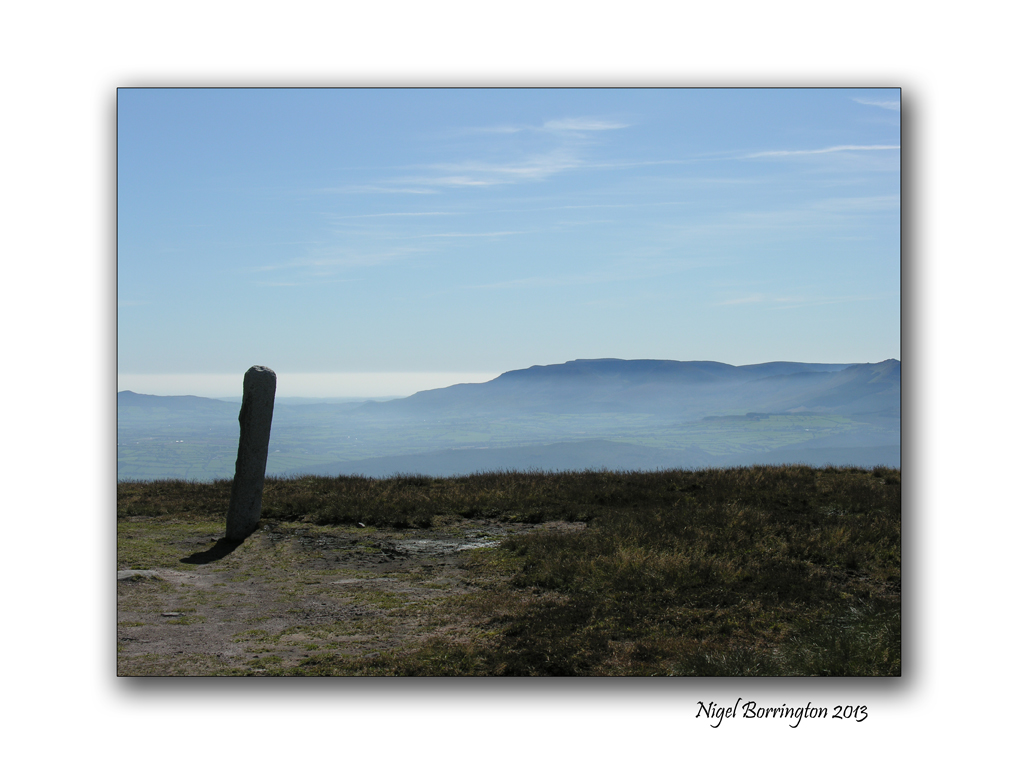
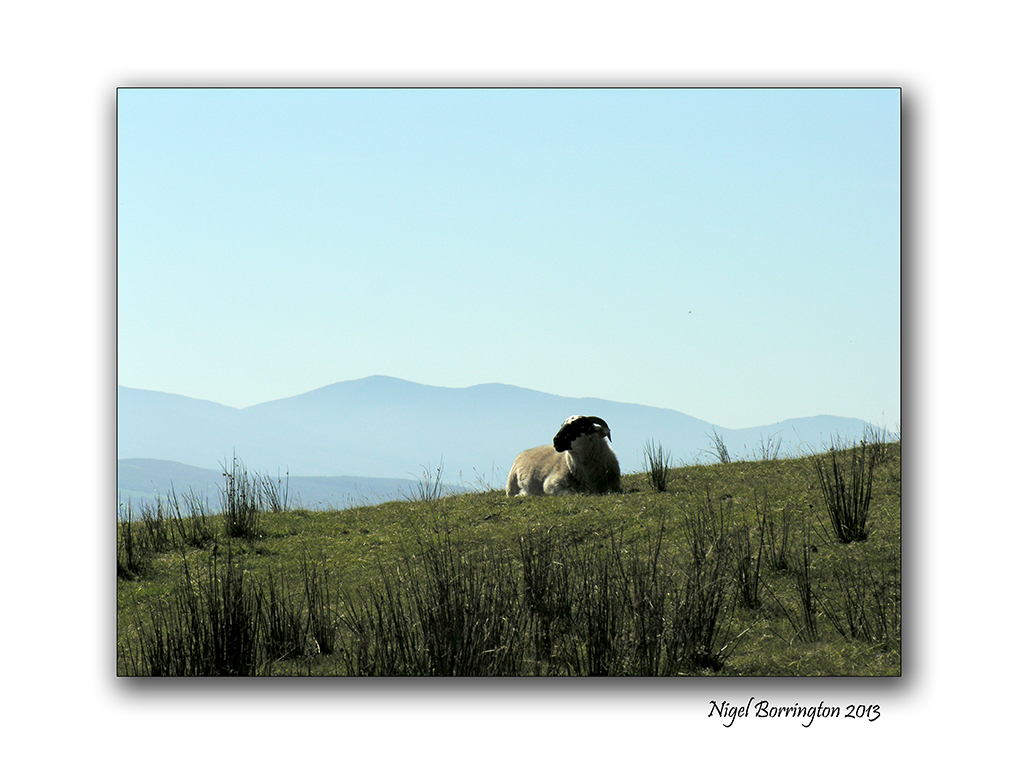
During 2013 my post have covered many different locations and landscapes around Ireland and Europe, yet selecting the location for one of my final post of the year was very simple for me.
The landscape around the mountain of Slievenamon, County Tipperary is one of the most scenic in the south east of Ireland, it is very local to myself and I have taken many images during 2013 here.
So for my final Gallery I want to share some images of this wonderful location and I look forward to sharing much more in 2014.
Happy new year to everyone !!!
Slievenamon 2013 – Gallery

Stable By Claudia Emerson
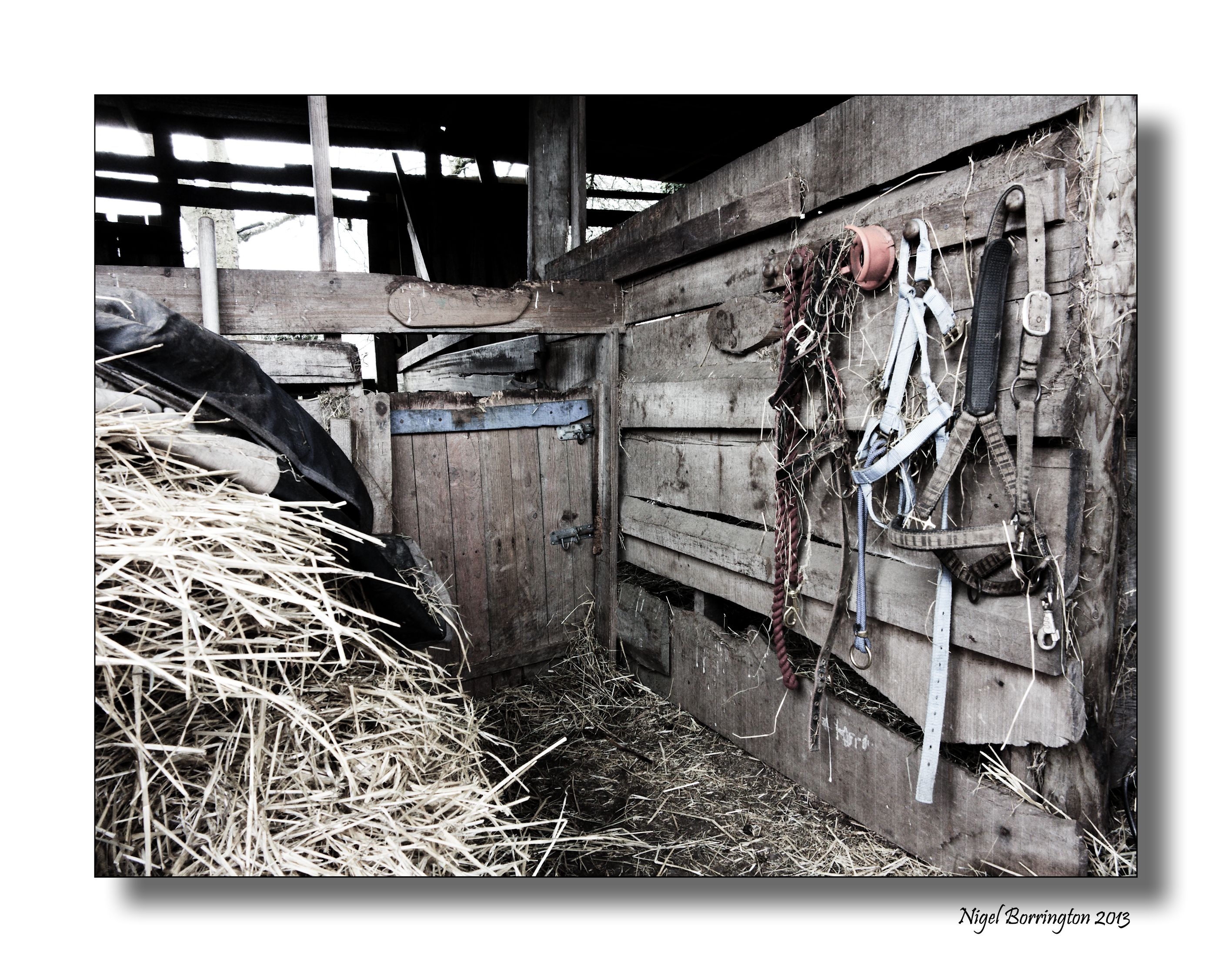
A Family Stable in county Kilkenny
Photography : Nigel Borrington
Stable
By Claudia Emerson
One rusty horseshoe hangs on a nail
above the door, still losing its luck,
and a work-collar swings, an empty
old noose. The silence waits, wild to be
broken by hoof beat and heavy
harness slap, will founder but remain;
while, outside, above the stable,
eight, nine, now ten buzzards swing low
in lazy loops, a loose black warp
of patience, bearing the blank sky
like a pall of wind on mourning
wings. But the bones of this place are
long picked clean. Only the hay-rake’s
ribs still rise from the rampant grasses.
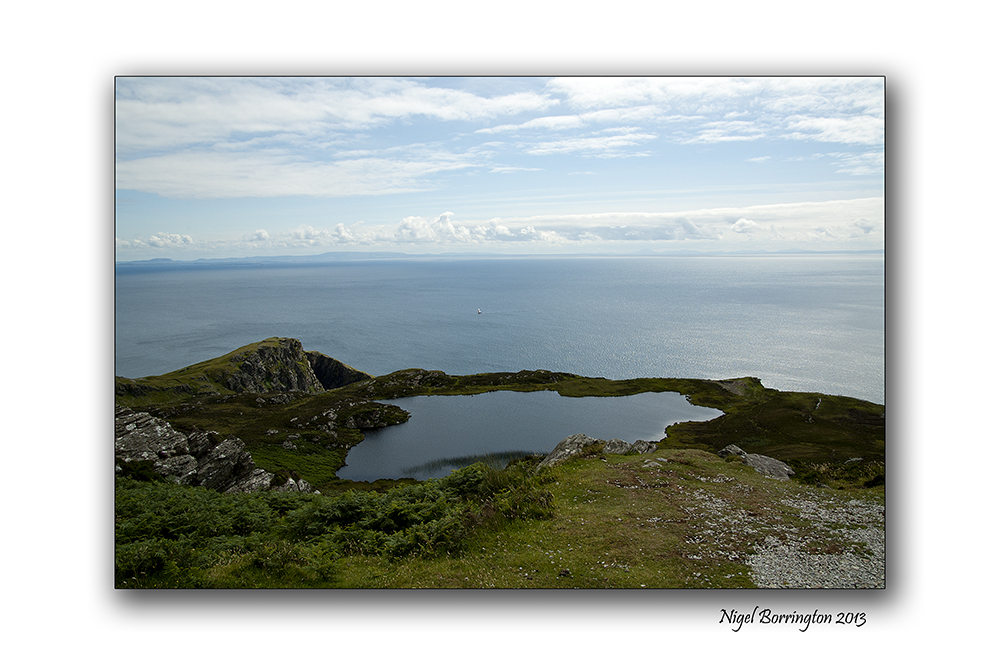
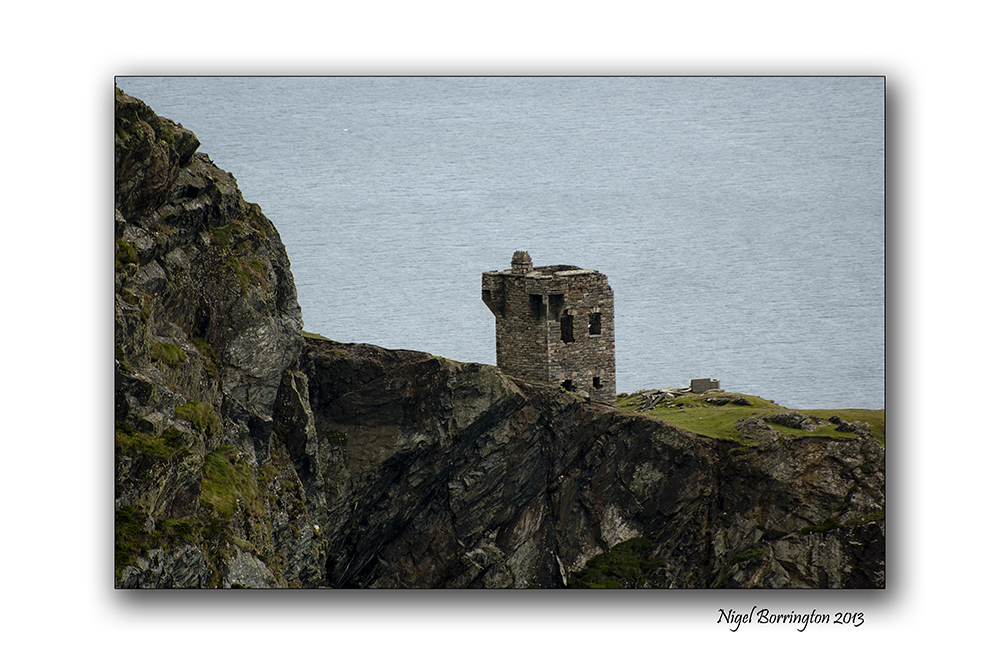
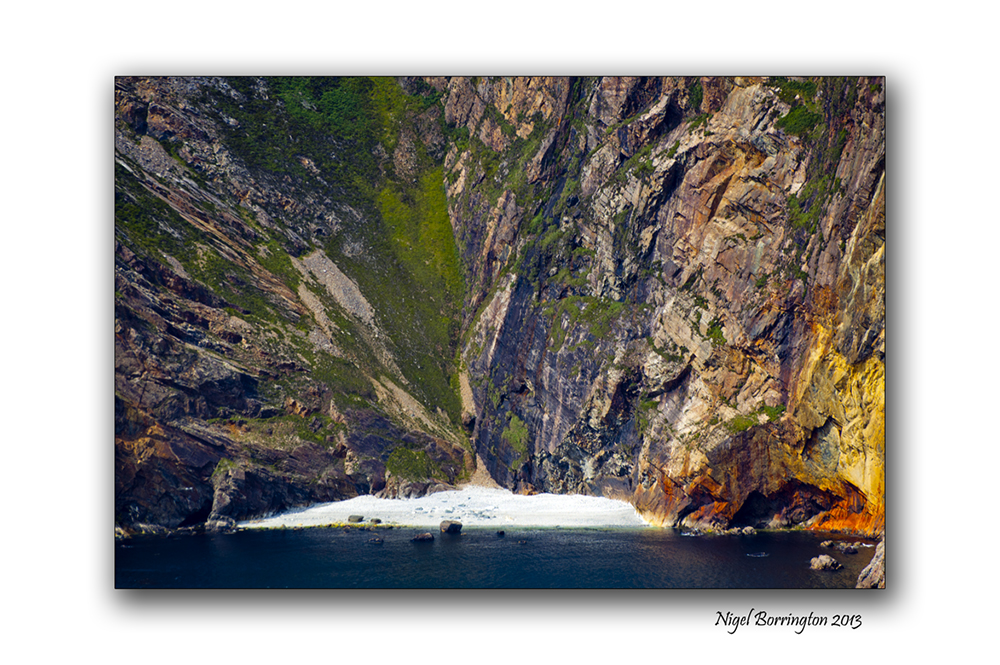
Images of Slieve league , County Donegal

Images from Slieve League coast line, county Donegal
Irish Landscape photography : Nigel Borrington
The coastline around county Donegal offers some of the best Landscape in Europe with its wonderful small coves and mountains like Slieve league , sitting above the Atlantic ocean.
These images were taken on an October visit and walk along the cliff tops.
Merry Christmas

Christmas Day in Wexford
Merry Christmas to Everyone.
Have a wonderful day wherever You are and what ever you do !!!
Nigel …..
Snow on snow, By James Hart
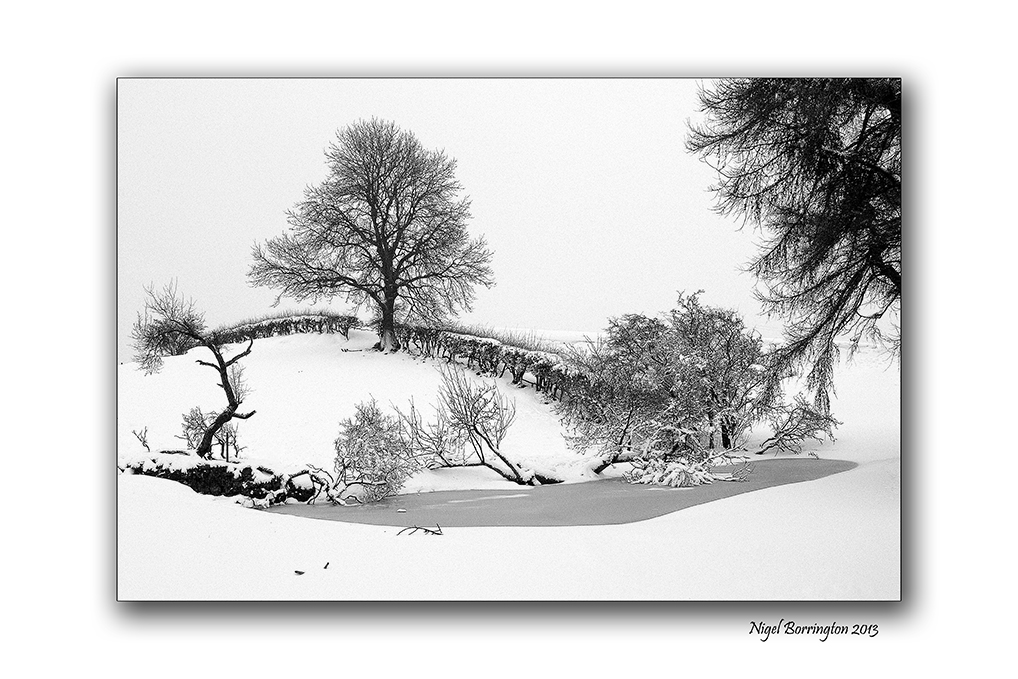
Snow covers the welsh hills
Landscape Photography : Nigel Borrington
It Christmas eve, so I felt it was time for a winters poem and a picture.
Happy Christmas everyone!
Snow on snow
By : James Hart
Snow on snow
Flakes gently falling
Like leaves from a tree
Asking permission
Before they land
On the snowflakes underneath
Each one different
Like leaves on a tree
A white carpet
Pure white till soiled
By children’s shoes
They love its touch
Ooo snowball fights
Snow doesn’t hurt
Snow is soft and forgiving
People hurt
They are selfish and cruel
So let it snow
Snow on snow on
Snow on snow
Christmas shopping in Rome

Christmas shopping in Rome
Street Photography : Nigel Borrington
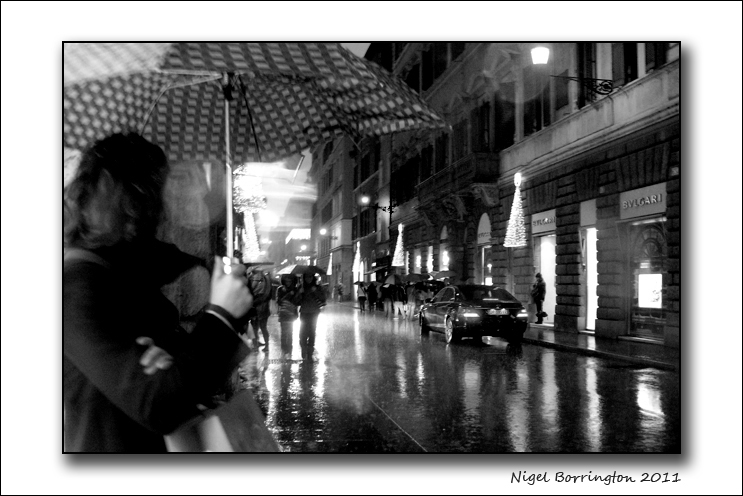
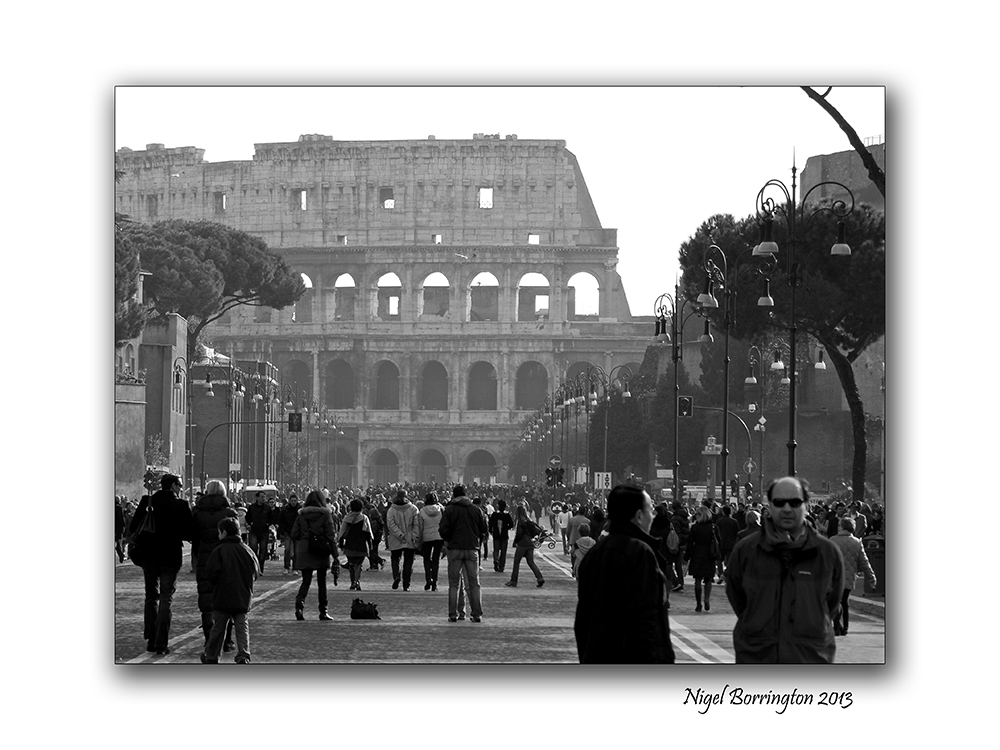
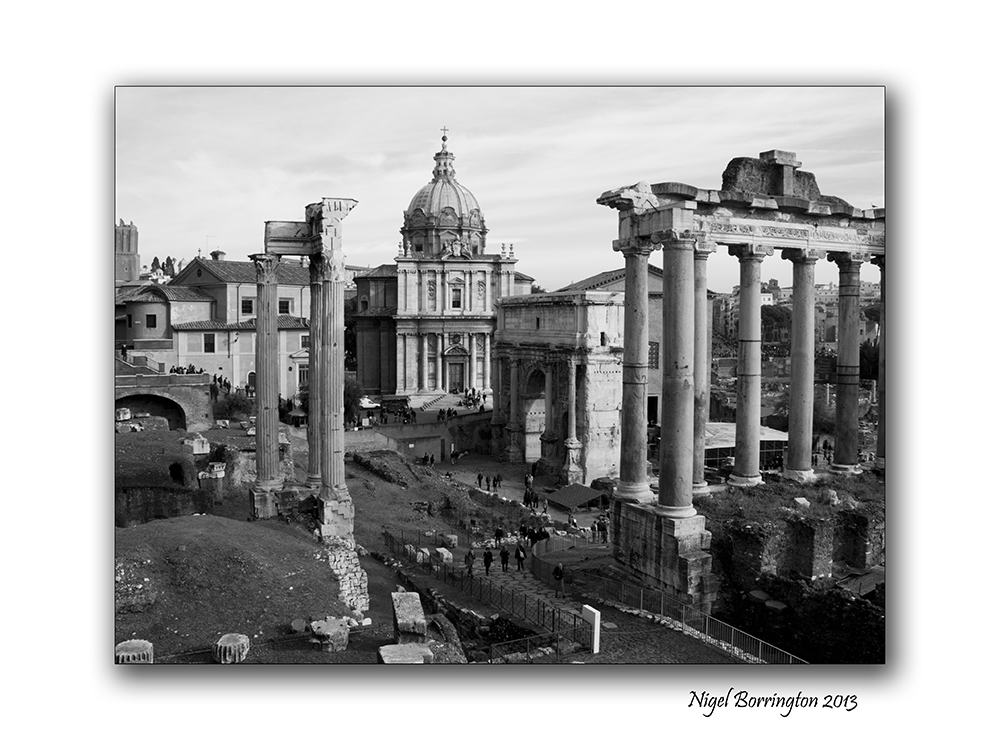
Two shopping days to Christmas day and traditionally these are the busiest shopping days of the year, a little time back this very weekend just pasted I was in Room with my brother for a long weekend.
As you can see from the images below the streets were very busy and the town was flooded with Christmas shoppers from all over the world.
Rome at Christmas, Black and white Gallery




Midwinters day and the pagan goddess of the winter
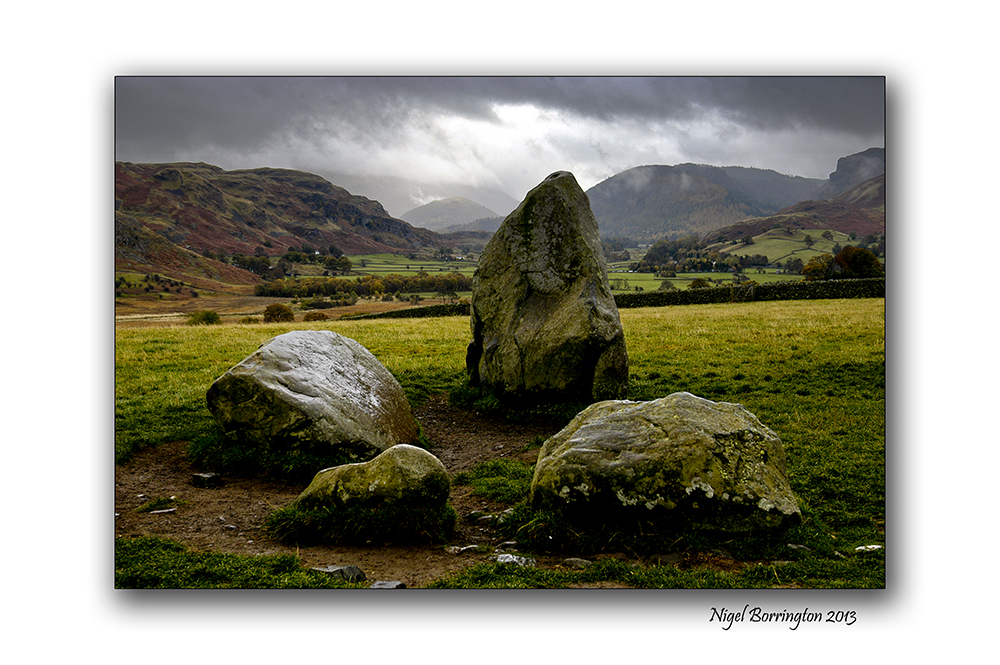
The stone circle at Castlerigg
Landscape photography: Nigel Borrington
Today is Mid winters day or the Winter Solstice.
History and cultural significance
The solstice itself may have been a special moment of the annual cycle of the year even during neolithic times. Astronomical events, which during ancient times controlled the mating of animals, sowing of crops and metering of winter reserves between harvests, show how various cultural mythologies and traditions have arisen. This is attested by physical remains in the layouts of late Neolithic and Bronze Age archaeological sites, such as Stonehenge in Britain and Newgrange in Ireland. The primary axes of both of these monuments seem to have been carefully aligned on a sight-line pointing to the winter solstice sunrise (Newgrange) and the winter solstice sunset (Stonehenge). Significant in respect of Stonehenge is the fact that the Great Trilithon was erected outwards from the centre of the monument, i.e., its smooth flat face was turned towards the midwinter Sun.
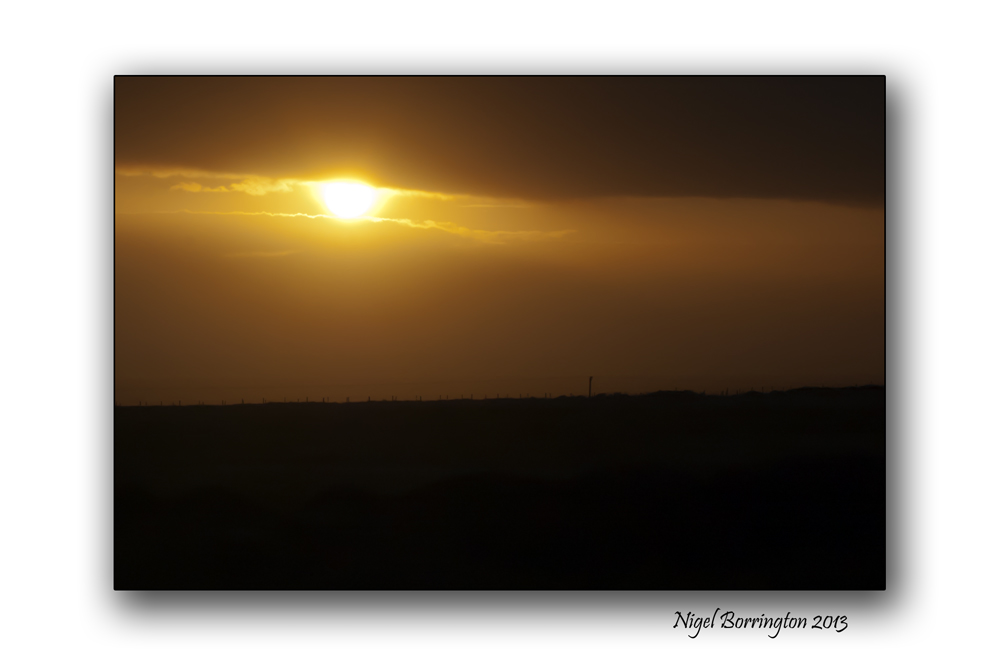
The Solstice Sun set.
The winter solstice may have been immensely important because communities were not certain of living through the winter, and had to be prepared during the previous nine months. Starvation was common during the first months of the winter, January to April (northern hemisphere) or July to October (southern hemisphere), also known as “the famine months”. In temperate climates, the midwinter festival was the last feast celebration, before deep winter began. Most cattle were slaughtered so they would not have to be fed during the winter, so it was almost the only time of year when a supply of fresh meat was available. The majority of wine and beer made during the year was finally fermented and ready for drinking at this time. The concentration of the observances were not always on the day commencing at midnight or at dawn, but the beginning of the pre-Romanized day, which falls on the previous eve.
Since the event is seen as the reversal of the Sun’s ebbing presence in the sky, concepts of the birth or rebirth of sun gods have been common and, in cultures using winter solstice based cyclic calendars, the year as reborn has been celebrated with regard to life-death-rebirth deities or new beginnings such as Hogmanay’s redding, a New Year cleaning tradition. Also reversal is yet another usual theme as in Saturnalia’s slave and master reversals.

CAILLEACH BHEUR : The Celtic Goddess of winter
CAILLEACH BHEUR : Scottish, Irish, Manx, Great Goddess in her Destroyer aspect; called “Veiled One”. Another name is Scota, from which Scotland comes. In parts of Britain she is the Goddess of Winter. She was an ancient Goddess of the pre-Celtic peoples of Ireland. She controlled the seasons and the weather; and was the goddess of earth and sky, moon and sun.
A Lighthouse By : Ashley Rose

A Lighthouse
By : Ashley Rose
The stone facade bound into the coarse rock,
Signaling, sending, and saving,
Streaks of light alluring threat to vessels.
Like flare of alert, warning of an ominous havoc.
Sending waves of whispering light into the mute air,
Advising all to depart back to the watchful sea.
The light reflects on the storm driven oceans,
tracing the surface with an inkling of caution,
a lighthouse, beacon of hope.
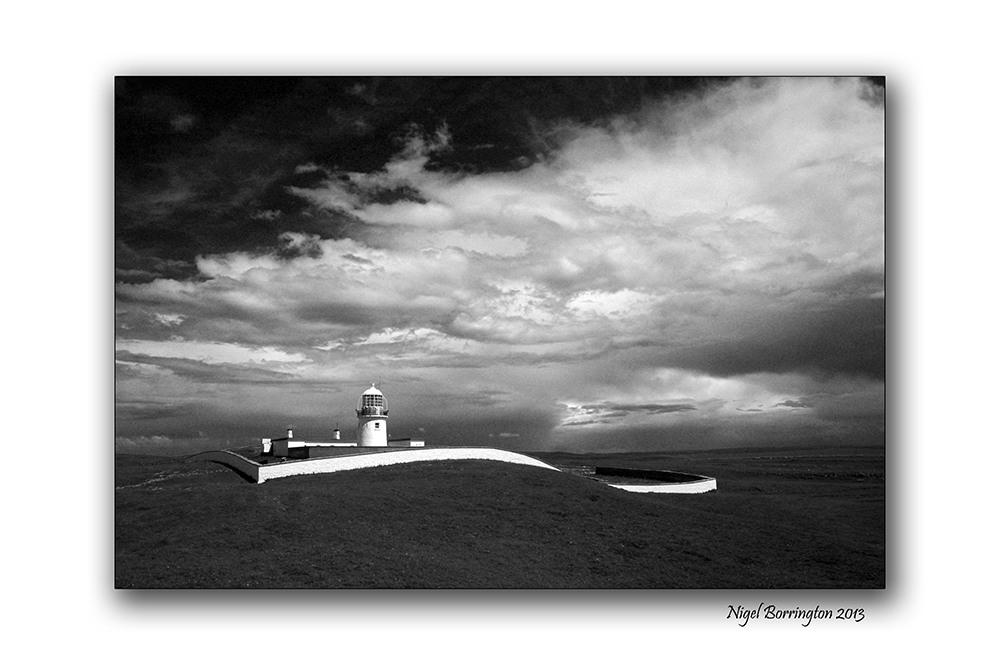
The tides swoosh against the jagged cliff,
where tattered remains of a ship remain.
The waves roar as a dull overcast envelopes the sky.
The lighthouse’s beams echo off a ship,
leading the wandering adrift to safer waters,
as a guide to shelter.
Memories of a Christmas past.

Snow on the foot hills of Slievenamon, Co.Tipperary
Irish Landscape Photography : Nigel Borrington
Well we are only 6 days away from Christmas day and like most people I have been wondering if we will get some snow for Christmas . This year however here in Ireland none has been predicted and it looks like there will only be rain.
So I thought I would post some pictures of the local fields back on Christmas day in 2011, covered in a wonderful white blanked of snow.
Gallery of a snow covered Landscape, Christmas 2011
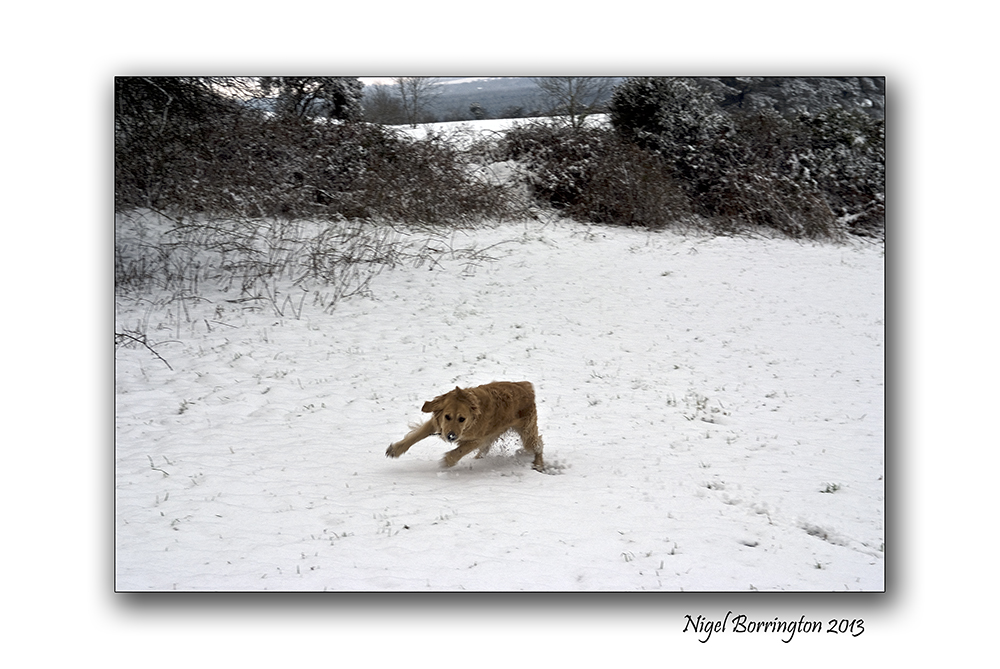


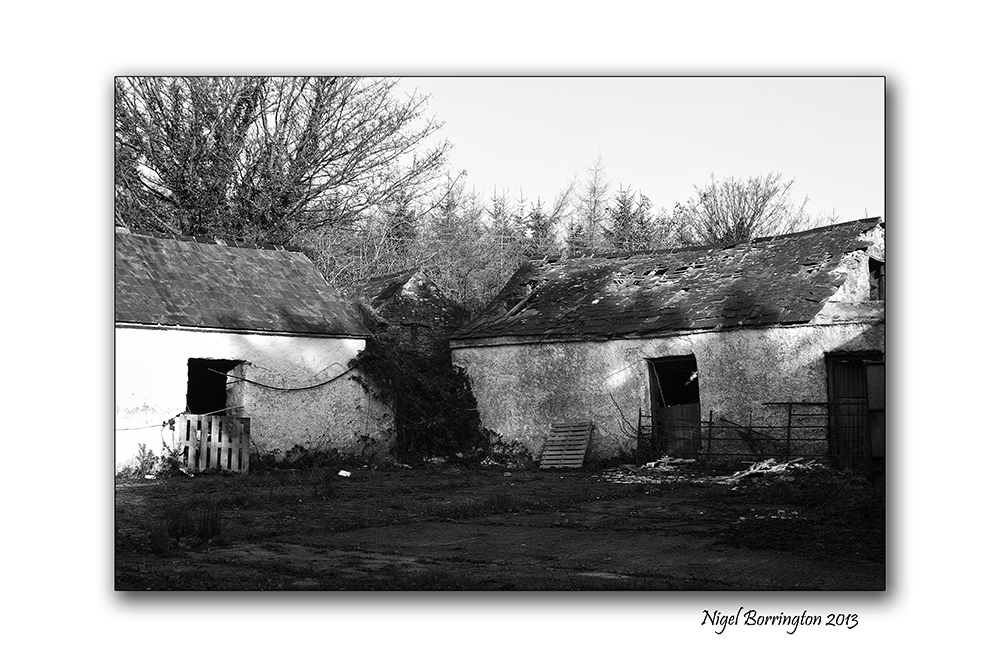
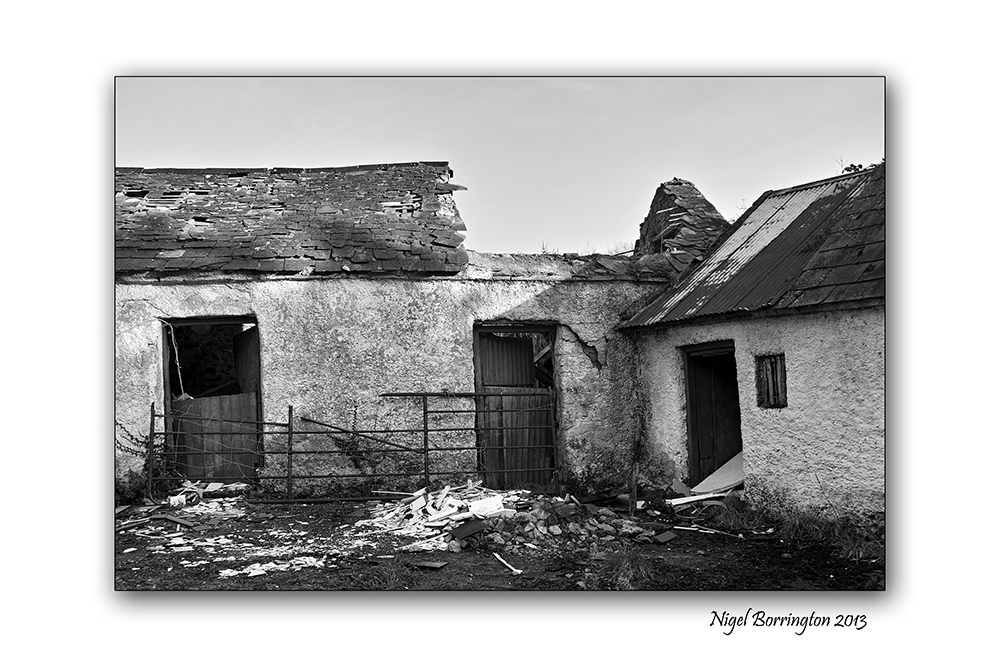
An old farm with a mountain view.

The old farm with a mountain view, Ninemile house, Tipperary
Irish Landscape Photography : Nigel Borrington
The Irish Landscape is full of old Farms and home places, filled with many memories of generations past…..
This farm is located very close to the mountain of Slievenamon, country Tipperary.
Gallery


The Storm Crow Calls. By, John W. McEwers

The storm Crow
Landscape Photography, Nigel Borrington
The Storm Crow Calls
By, John W. McEwers
It sounds like rain
big rain
the kind that hurts
if you tip your face back
and catch drops on your tongue, ill advised.
But whether the rain hits hard or you stay inside
it screams thunder, and you must pay
attention enough to hear
the storm crows call,
telling you you aren’t safe
or strong enough
or big enough
or happy enough
but you dont know better
and you believe him when he calls
and the storm crow gets your goat
in his talons.
Reflections , poem by Emmy Gaspar
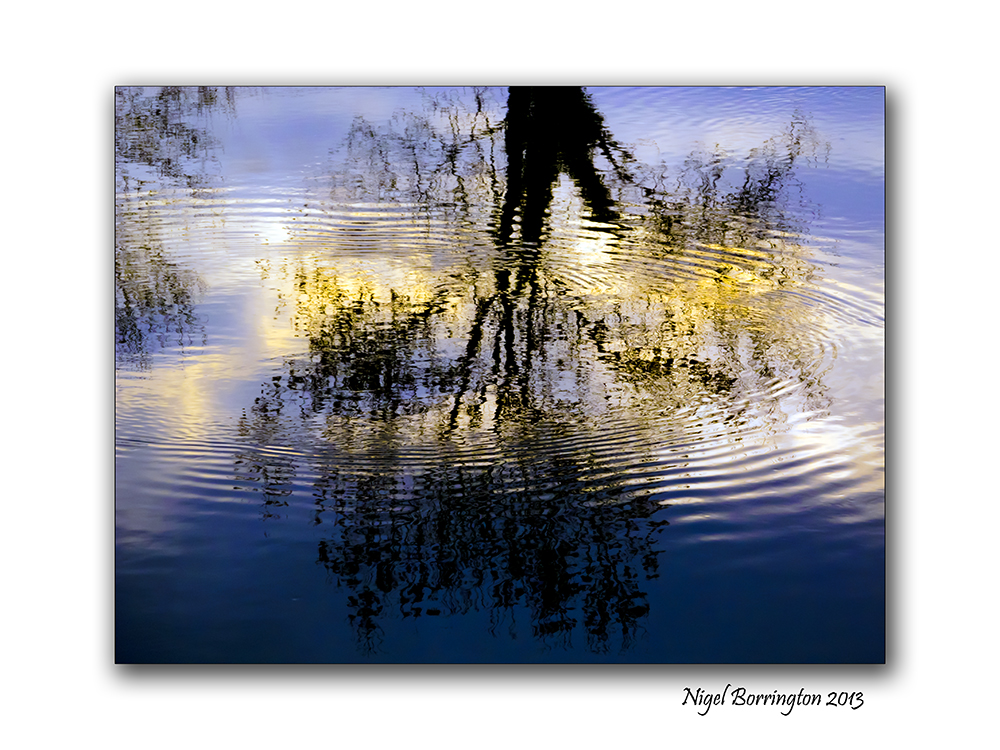
Kings river at Kells , County Kilkenny
Irish Landscape Photography : Nigel Borrington
By : Emmy Nielsen Reyes de Gaspar
There is so much beauty in life,
Beauty in the human soul,
Beauty in the heart and in the mind
Of the good man and woman.
 Reflections
There is beauty in nature,
Beauty in the sky and in the clouds,
In the mountains and in the sea.
There is beauty in the creative work of man,
Beauty in true friendship.
And immeasurable beauty in love.
All these things,
To delight us in this world.
Carey’s Castle

Carey’s Castle, Clonmel in Co. Tipperary
Irish Landscape Photography : Nigel Borrington
Carey’s Castle rests in a woodland setting near Clonmel in Co. Tipperary, the Glenary River running past the castle and adding to a very peaceful atmosphere here. A walk of around 500m down a wonderful woodland trail is well worth the effort when the trees part and Carey’s Castle appears before your eyes.
The Castle was built sometime during the 1800s by the Carey family who live locally, they were schoolmasters in the area. A mixture of architectural styles exist through out the grounds, including Romanesque and Gothic windows, Gothic arches, a Celtic round tower and a Norman Keep, which all adds up to make a beautiful building in a wonderful location.
The Castle and it grounds were occupied by monks at one stage and the remains of and older walled garden exist at the back of the Castle in the woods.
Carey’s Castle, Gallery

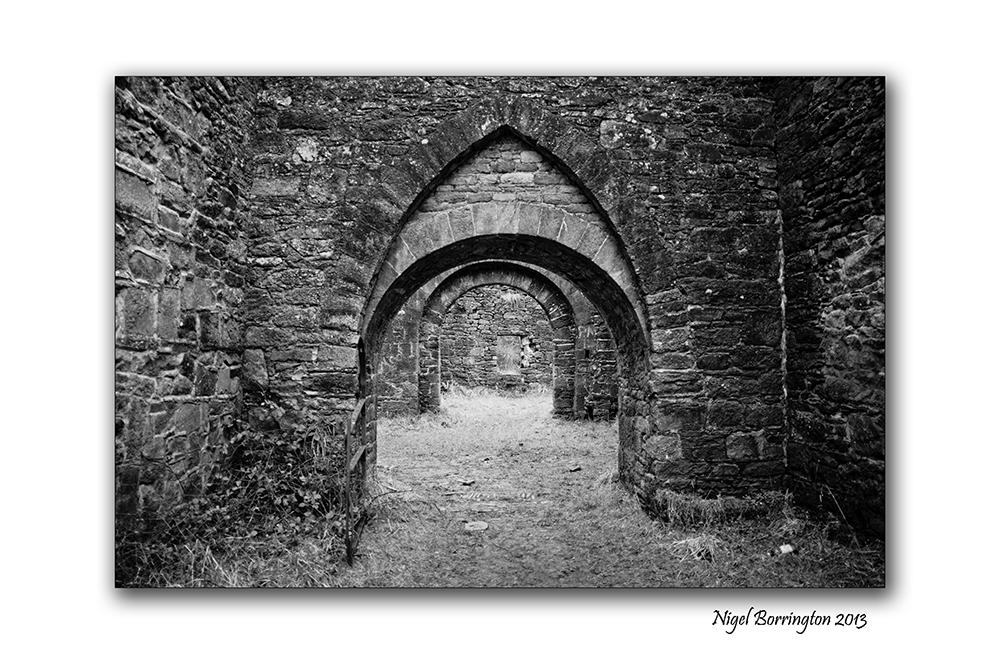
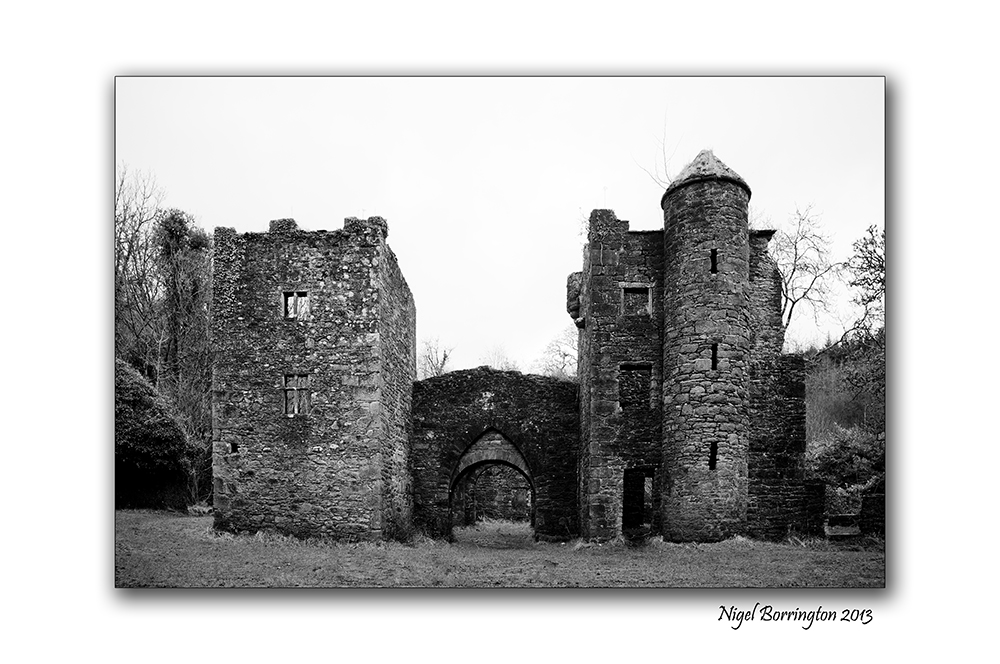
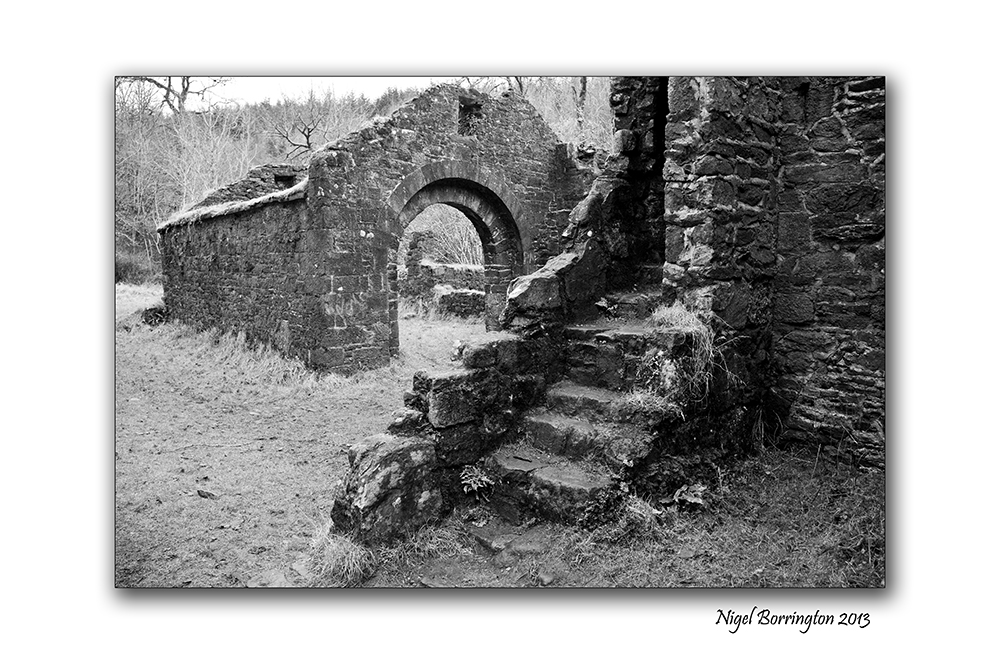


Photo restoration
Restoring the past
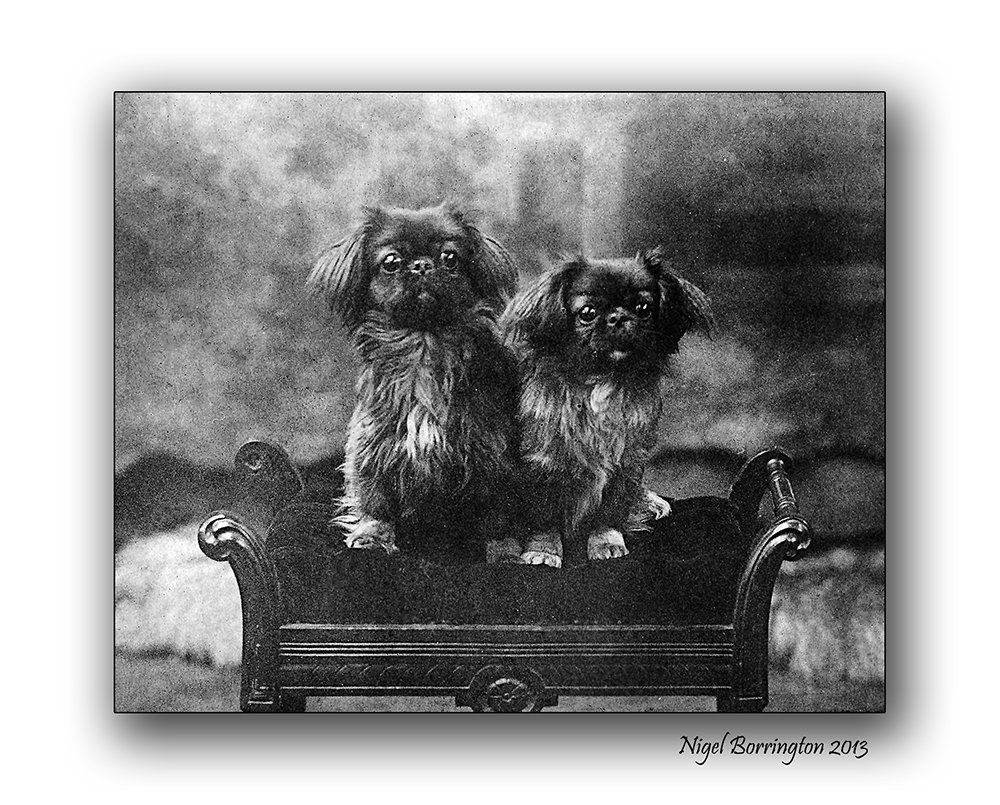
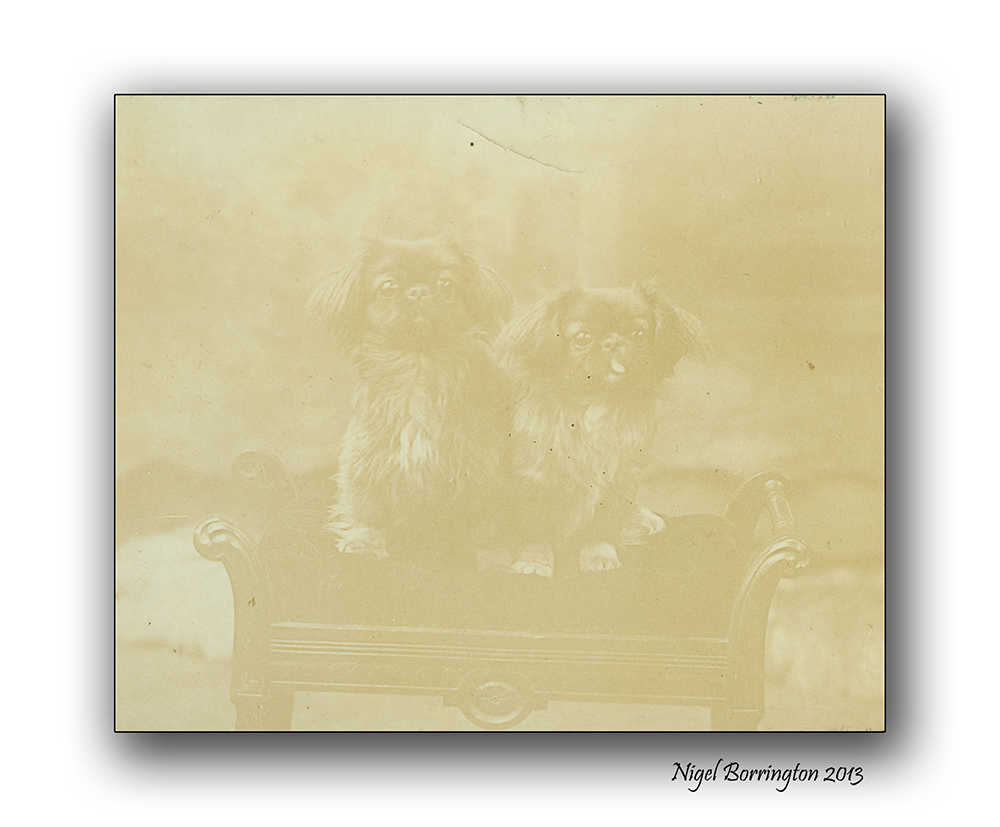
During last week I was working on some only Family albums and wanted to share this image of two family dogs taken way back in the 1920’s in America.
The first image is of the photograph in its current condition and the second after I have spend some time restoring it to the best possible condition I can achieve while keeping the image looking very natural for its age.
The fishing boats of Galway bay (Image gallery)

Fishing boats at Galway bay, county Galway
Irish Landscape Photography : Nigel Borrington
The landscape around Galway bay is one of the most beautiful in Ireland , offering long walks along sandy beach’s and scenic fishing bays.
The photographs below are from such a walk I took about two years ago during an Easter holiday in the area.
Fishing boats at Galway bay, Gallery


It the weekend so why not ….
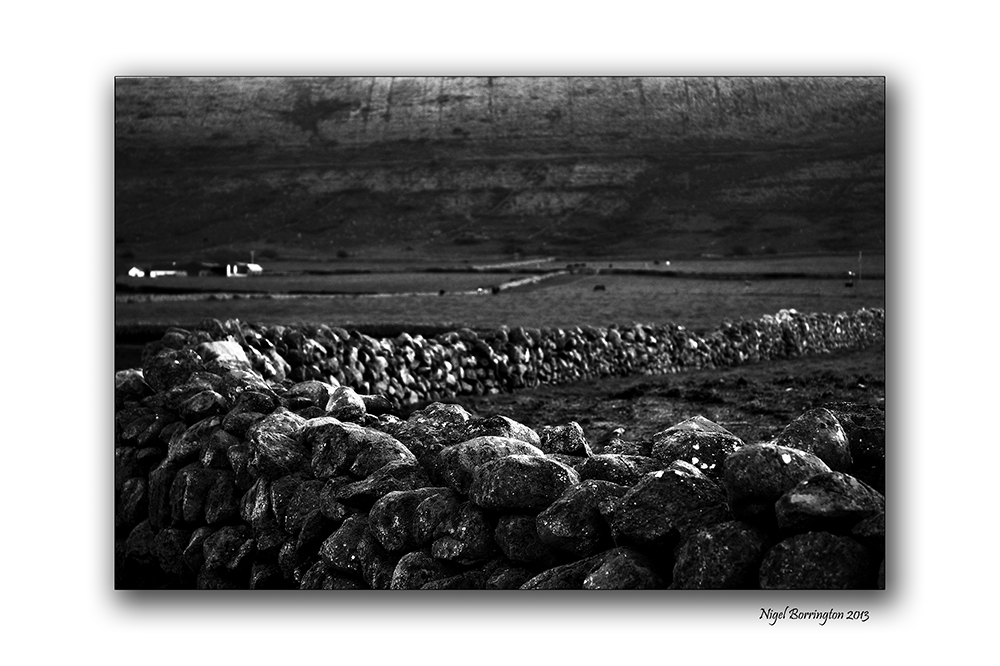
The Burren, County Clare
Irish Landscape Photography : Nigel Borrington
Its a winters weekend, so why not get outside and go for a walk , find some new things to look at.
Some wonderful views, roads and even the walls.

Far away lake , Poem by: Beckian Fritz Goldberg

Irish Landscape Photography : Nigel Borrington
Far away lake
By, Beckian Fritz Goldberg
We can’t get there
by road, by rope, by
wing
by time—
though time would be the way
by boat
by please please
 .
.
time would be the way
then the reed-quiver
a cloud of gnats
mumbling its hypnotic suggestion
by sleep, sleep
until you say
lift my elbow straighten
my legs
And I
straightened you in this life
like flowers
but the little water
there was
went to air
where it came from
And all my love for you
came back—
you couldn’t take it where
you were going
you’d get halfway there
and then you’d drift
arms by your side
like a clock
plucked…
The Sea Of Time, Poem by Robert Crawford
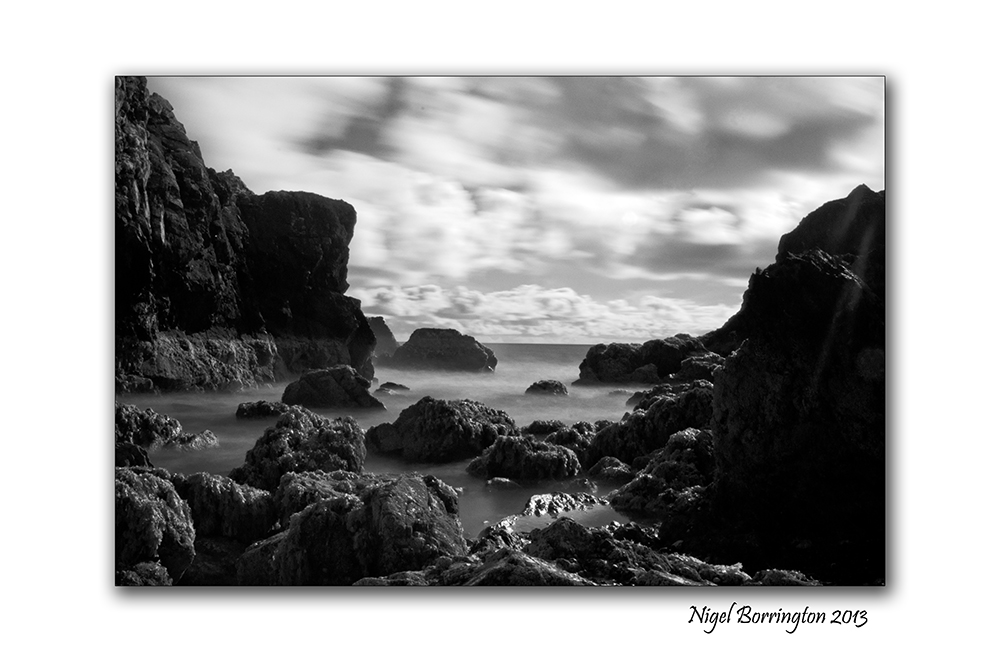
Images of the Waterford coast.
Infra-red photography
Irish landscape photography : Nigel Borrington
The Sea Of Time.
by Robert Crawford
On that strange sea
Where Man’s bark moves as toward eternity,
What sails put forth that are not seen again!
So joyous it may be, or in pain,
The mariner doth drive still on and on
Beneath no mortal star,
And to no mortal port — as one
Who may but anchor somewhere so afar,
 .
.
Not himself wrecks if he shall reach no more
In that tremendous sea another shore:
He is so like a wave himself at last,
He would toss through the future as the past —
But tethered as a whale is to a wave,
So he might still the one life have
Through all the changes that may be
On that tremendous sea!
Five images from the Comeragh Mountains.
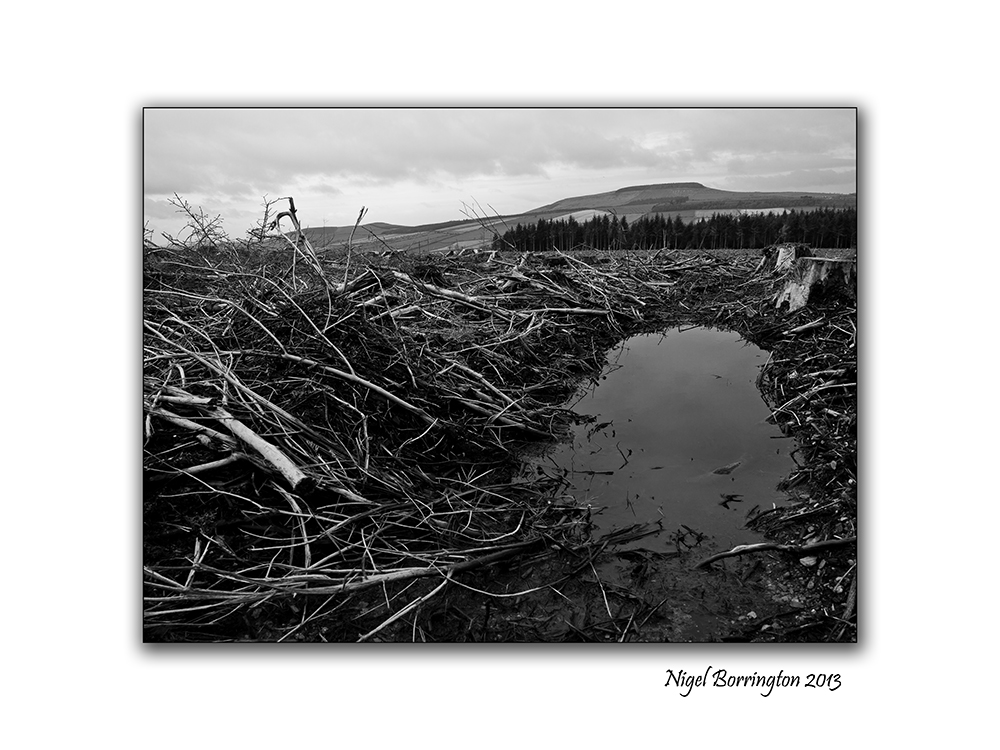
Fuji film x100 and Canon G1x
Comeragh mountains, County Waterford
Irish Landscape photography : Nigel Borrington
Five images from the Comeragh Mountains
Just a mini gallery of black and white images taken in and around the Comeragh mountains, during the winter months last year.
This coming year I will continue to capture this wild place. some how the winter feels very much at home in these mountains.


 Nigel Borrington
You must be logged in to post a comment.