The river Suir , county Tipperary

A winters morning
The river Suir
County Tipperary
February 2017
Nigel Borrington
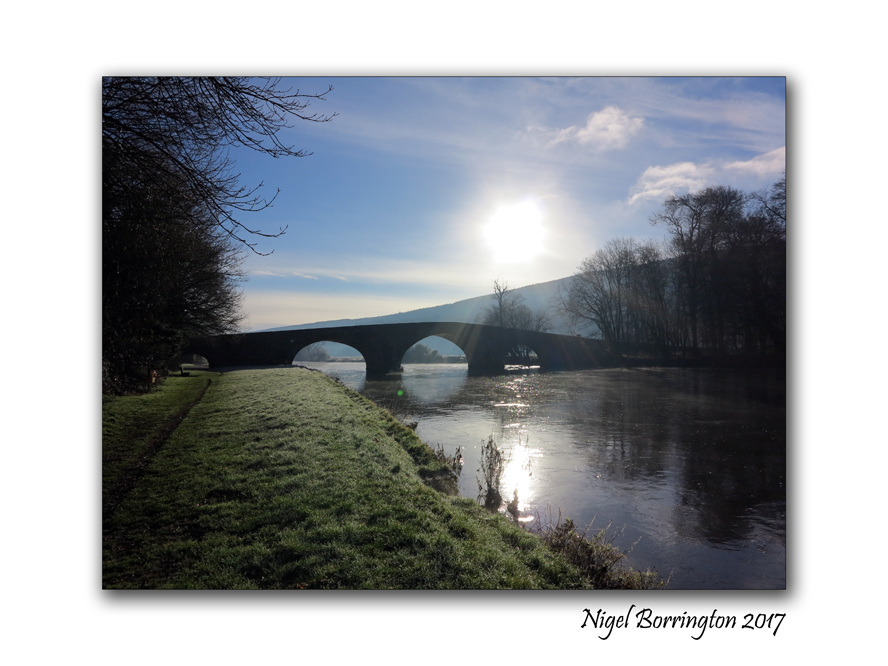
A winters morning along the river Suir county Tipperary ….
February and while sometimes it can feel like spring is just around the corner, some mornings can be as cold the coldest the winter can offer here. With this cold weather can come some of the most stunning views of the season along the river banks here in the south of Ireland, frost and mist and the deep blue of a morning sky …..


THE TREE SINGS TO THE RIVER – By Lea Goldberg

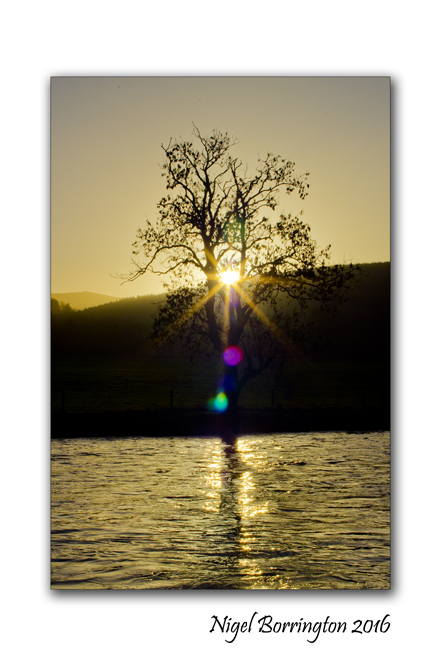
The tree sings to the river
Irish landscapes
Nigel Borrington
He who carried my golden autumn,
Swept away my blood with the leaf fall,
He who shall see my spring when it returns
To him with the turning of the year.
My brother, the river, who is forever lost,
New each day and different and one,
My brother the stream between his two shores
Who flows as I do between spring and fall.
For I am the bud and I am the fruit,
I am my future and I am my past,
I am the solitary tree trunk,
And you — you are my time and my song.
Otters of the River Suir , County Tipperary

Otters of the River Suir
County Tipperary
Nigel Borrington
Last weekend while on walk between Clonmel and Carrick-on-suir, both in county Tipperary, We came across a family of Otters, they had made one of the rivers contributor’s their home ( A Holt or Couch in otter terms ). We spent about an hour with them watching as two adults and four pups hunted and play in the waters. One of the Pups managed to catch a fish and then share this food with the other three pups on the river bank.
For a long time I have hopped to have an encounter with these otters, I knew they were around this location but had never been in luck when it came to seeing them, so this hour was a truly special time and one I will not forget 🙂 , it changes the way you feel about a river when you have the chance to view its wild life for such a long period of time.
Here are some basic facts about the otter in Ireland …..
Written by Dr Mathieu Lundy
The otter (Lutra lutra) is regarded as one of Ireland’s most charismatic native mammal species.
The otter is highly secretive and although widespread people tend to only get rare glimpses of the species in the wild. Otter populations declined throughout Europe after the 1960s and the species is now very rare or absent from many parts of its former range. The Irish otter population appears to have remained largely stable and is regarded as a European stronghold. In Ireland otters are found in a diverse array of aquatic habitats, from small streams to major rivers, upland lakes to coastal lagoons and sandy beaches. However, otters that live at the coast do need access to some freshwater habitat to bathe. Within these habitats otters feed on a range of both aquatic and terrestrial prey. Much of the information regarding distribution, habitat use and diet comes from spotting otter tracks and signs. Individual otters are highly territorial, using droppings called spraints to mark their home ranges. Favoured locations for leaving spraints are in-stream boulders, bridge footings and grass tussocks, these are called seats. These territorial signs are an ideal way to tell if otters are using an area. Within its territory an otter may have a number of resting sites, called couches and underground denning sites called holts, which can be a considerable distance (up to 1km) from a river, lake or the seashore.

Distribution
The species of otter that occurs in Ireland is called the Eurasian otter and is found in Europe and across Asia to China and Japan. In other regions the otter shares aquatic habitats with species specialised to different habitats such as sea otters, but in Ireland the otters that live at the coast and those that occupy our rivers are the same species.
In Ireland the otter population is geographically widely spread. In local areas its presence will depend on the provision of suitable aquatic habitats, sufficient food and cover for resting and breeding. During different seasons male otters and juvenile otters will disperse and otter signs may be observed in areas where they have not been present hitherto.
Home ranging behaviour
The territories of otters can stretch for several kilometres; the total length of the home range depends on the availability of food. The smallest territories are thought to occur at coastal sites, where territories may be as small as 2km. The longest territories occur in upland streams where an individual may have to range more than 20km to find sufficient food. The territories of males tend to be larger than females and indeed may overlap with a number of female otters. The availability of suitable territories along the coast and inland at lakes and rivers is thought to maintain the otter population of Ireland. The entire population is estimated to be in the region of 10,000 adults.
Within their territories an individual otter may utilise a number of holts. These tend to be natural crevices, associated with the roots of trees growing along river and lake banks. These natural recesses provide the otter with a holt that has multiple entrances from which the otter can escape if disturbed. Whilst individual otters rarely dig their own holts they will use burrows made by other animals such as rabbits and foxes. It is possible to build artificial holts to attract otters to use certain areas. Artificial holts are built to resemble natural holts, with a resting compartment and multiple entrances, these are particularly important where the natural bank side vegetation has been removed.
Other resting sites are also used, frequently in dense vegetation and may be associated with frequently used runs and slides into the water.

Reproduction
Although otters can breed at any time of year most seem do so in spring or early summer. Scent markings by the females signal to male otters that the females are ready to mate. The pregnancy lasts for around two months after which a litter of cubs is born, usually two or three, but as many as five have been seen. The cubs remain in the natal holt for up to two months before venturing out on their own, although the mother may move the cubs between holts within her territory periodically. Unlike other resting sites the natal holts do not tend to be marked with spraints. The juvenile otters remain as a family group for around six months or longer before the young otters disperse to establish their own territories.
Foraging
Otters that live in rivers and lakes tend to be completely nocturnal, described as being crepuscular – activity peaks at dusk and dawn. Foraging at night or in ‘muddy’ water is aided by their highly sensitive whiskers, which detect their prey items. Otters are principally piscivorous, relying predominantly on salmonids (salmon and trout), but also eel and small fish species such as stickleback. However, otters are not limited to fish and feed opportunistically on a range of prey when available: frogs are frequently eaten by otters, and the remains of invertebrates (crayfish), birds and small mammals have also been found in spraints. Otters that forage at the coast may have flexible foraging times linked to the tides. At low tide otters hunt in the exposed rock pools and seaweed covered rocks for fish and invertebrate prey.

Conservation Status
The Irish otter population remains one of the most stable in Europe. There is some evidence to suggest that since initial national surveys in the early 1980s there have been declines in the prevalence of the species. It is hoped that the reasons for these declines will be addressed by the designation of Special Areas of Conservation (SACs), ongoing national assessments and by targeted intensive surveys. The risks to the current otter population are the availability of sufficient food within their habitats and provision of resting and denning sites. This species is protected under the Wildlife Act (1976) and Wildlife (Amendment) Act 2000.
Otters have been found dead in illegal snares, which may not be intended for otters, but which still pose a threat to individual animals. A significant number of otters are also killed on our roads. There is some evidence that the incidence of these accidents increases during periods of flooding when fast flowing rivers at bridge crossing become impassable and otters must venture onto roads to find alternative routes. The occurrence of otters at any site relies on a complex interaction of the characteristics of the wider landscape and local site specific habitat factors. Broad-scale intensive agriculture and urbanisation of catchments reduces the likelihood that otters will occur, along with reduced diversity of river banks and lake shores. Maintaining prey populations and preserving the natural features of rivers, lakes and coasts will benefit the Irish otter population and ensure that the Irish population remains a European stronghold.
The Boat men of the river Suir

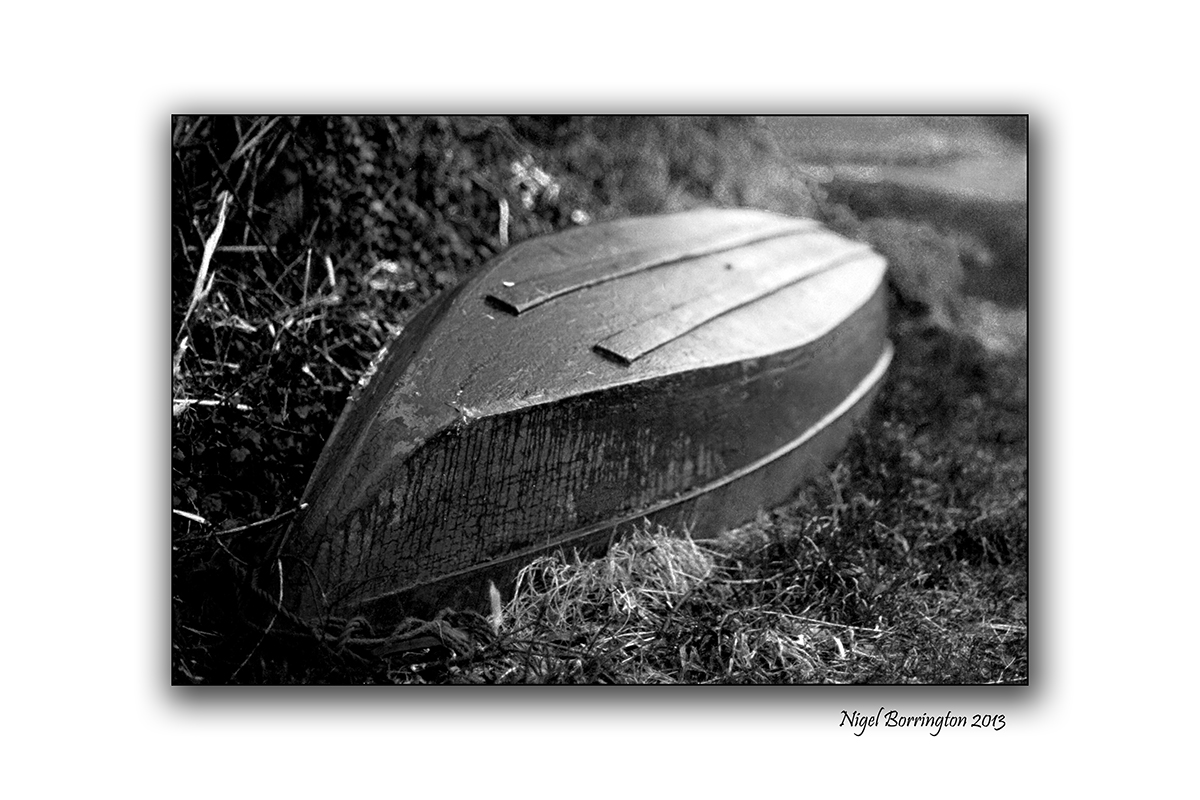
Fishing boat
river Suir
County Tipperary
Fishing on the River suir
The walk along the river Suir, County Tipperary is one of the best river walks in the south east of Ireland. It is currently undergoing an upgrade to a hard surface that will for the first time allow for both walkers and cyclists.
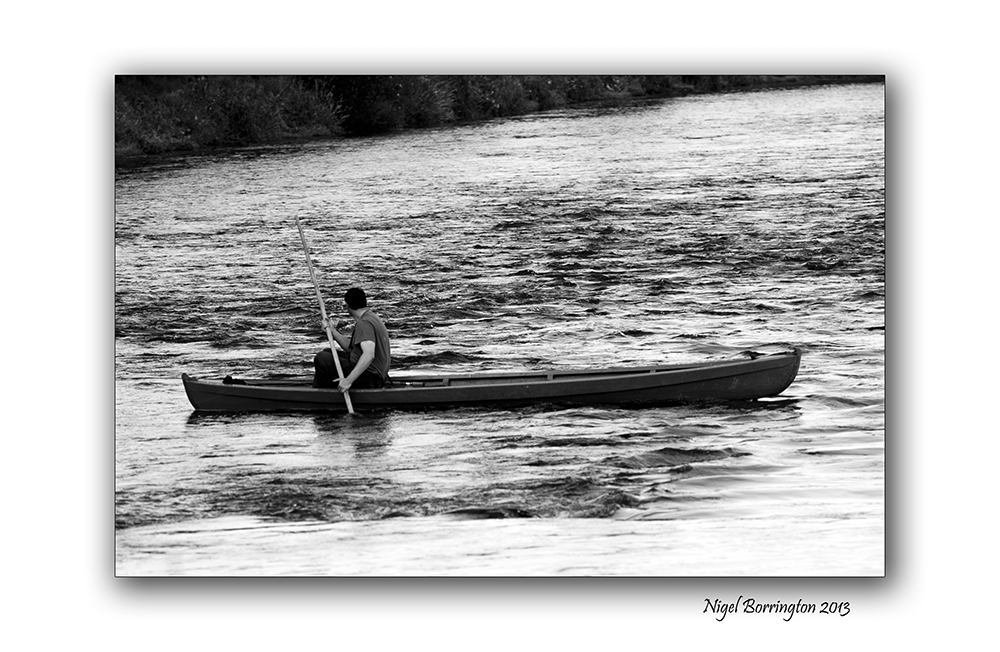
The river is used by many local people during the year but the fisher man are most probably it’s most common visitors, the River is renowned for its game angling, holding both salmon (Salmo salar) and brown trout (Salmo trutta).
I have taken many photographs of the fishermen here over the years alone with the boats they use for their fishing, these boats ( all made locally ) are used more like punts as the have a completely flat bottom and are moved along the river with a pole.
Fishing in Ireland : CLOCULLY TO CARRICK-ON-SUIR
The River Suir from Clocully to Carrick-on-Suir is a combination of deep pools, fast glides and varying widths and depths.
From Clocully to Ballydonagh, a consortium of private landowners control the angling, these are all private fisheries. This stretch also includes parts of the River Tar and River Nire, which contain good stocks of trout of up to 30 cm.
Fishing on the river Suir : Gallery



Irish Castles : A Lament for Kilcash – Monday Poetry

Irish Castles
Kilcash castle
Nigel Borrington
A Lament for Kilcash
Now what will we do for timber,
with the last of the woods laid low?
There’s no talk of Cill Chais or its household
and its bell will be struck no more.
That dwelling where lived the good lady
most honoured and joyous of women
– earls made their way over wave there
and the sweet Mass once was said.
Ducks’ voices nor geese do I hear there,
nor the eagle’s cry over the bay,
nor even the bees at their labour
bringing honey and wax to us all.
No birdsong there, sweet and delightful,
as we watch the sun go down,
nor cuckoo on top of the branches
settling the world to rest.
A mist on the boughs is descending
neither daylight nor sun can clear.
A stain from the sky is descending
and the waters receding away.
No hazel nor holly nor berry
but boulders and bare stone heaps,
not a branch in our neighbourly haggard,
and the game all scattered and gone.
Then a climax to all of our misery:
the prince of the Gael is abroad
oversea with that maiden of mildness
who found honour in France and Spain.
Her company now must lament her,
who would give yellow money and white
– she who’d never take land from the people
but was friend to the truly poor.
I call upon Mary and Jesus
to send her safe home again:
dances we’ll have in long circles
and bone-fires and violin music;
that Cill Chais, the townland of our fathers,
will rise handsome on high once more
and till doom – or the Deluge returns –
we’ll see it no more laid low.

Kilcash Castle located on the county Kilkenny / Tipperary boarders but firmly in county Tipperary is one of the most haunting places to be found locally. It has a long history that started with its construction in the sixteenth century by the wall family who latter passed it on to the Butlers of Ormond who much latter sold it to the Irish State in 1997 for £500
Brief History of Kilkash castle and the Poem
By the late 20th century Kilcash Castle was in a dangerous state of repair, and it was sold to the State by the trustees of the Ormond estate for £500 in 1997. It is undergoing extensive structural repairs to save it from collapsing. But this means it is covered in scaffolding and the site is closed off to visitors.
The author of the popular Irish poem and song Cill Chaise (Kilcash) casts himself back in time to mourn the death of Margaret Butler, the former Lady Iveagh, in 1744. Her death moves the writer to lament her tolerance and to compare the cutting down of the woods of Kilcash with the destruction of the Gaelic way of life.
But the woods were not destroyed by the English, but through their sale by the Butler family, who needed the income to supplement their new lifestyle in Kilkenny Castle.
Traditionally, the poem has been attributed to Father John Lane, Parish Priest of nearby Carrick-on-Suir, who was educated for the priesthood at the expense of the former Lady Iveagh, the deagh-bhean or good lady in the song. However, the dating is misplaced, for Father Lane died in 1776 and the sale of the timber at Kilcash was not advertised in local newspapers until 1797.
Although the timber was sold off between 1797 and 1801, the earliest manuscripts of the text do not appear for another 40 years, which means Cill Chaise was written no earlier than the early 1800s, but perhaps much later. The air seems to be Bliadhin ’sa taca so phós mé (This time twelve months I married), which was collected by George Petrie in Clare and published in 1855.

Friday Poetry : in the Valley Of Slievenamon , Charles Joseph Kickham

The Valley Of Slievenamon
Irish Landscape Images
Nigel Borrington
Alone, all alone, by the wave-washed strand
All alone in the crowded hall
The hall it is gay, and the waves they are grand
But my heart is not here at all.
It flies far away, by night and by day
To the times and the joys that are gone.
But I never will forget the sweet maiden I met
In the valley of Slievenamon.
It was not the grace of her queenly air
Nor her cheek of the rose’s glow
Nor her soft black eyes, not her flowing hair
Nor was it her lily-white brow,
‘Twas the soul of truth, and of melting ruth
And the smile like a summer dawn
That sold my heart away on a soft summer day
In the valley of Slievenamon.
In the festival hall, by the star-washed shore,
Ever my restless spirit cries.
‘My love, oh, my love, shall I ne’er see you more.
And my land, will you never uprise?’
By night and by day, I ever, ever pray
While lonely my life flows on
To see our flag unfurled and my true love to enfold
In the valley of Slievenamon.
Charles Joseph Kickham
Poems by Charles Joseph Kickham
Folktales and Fables : The North Wind and the Sun
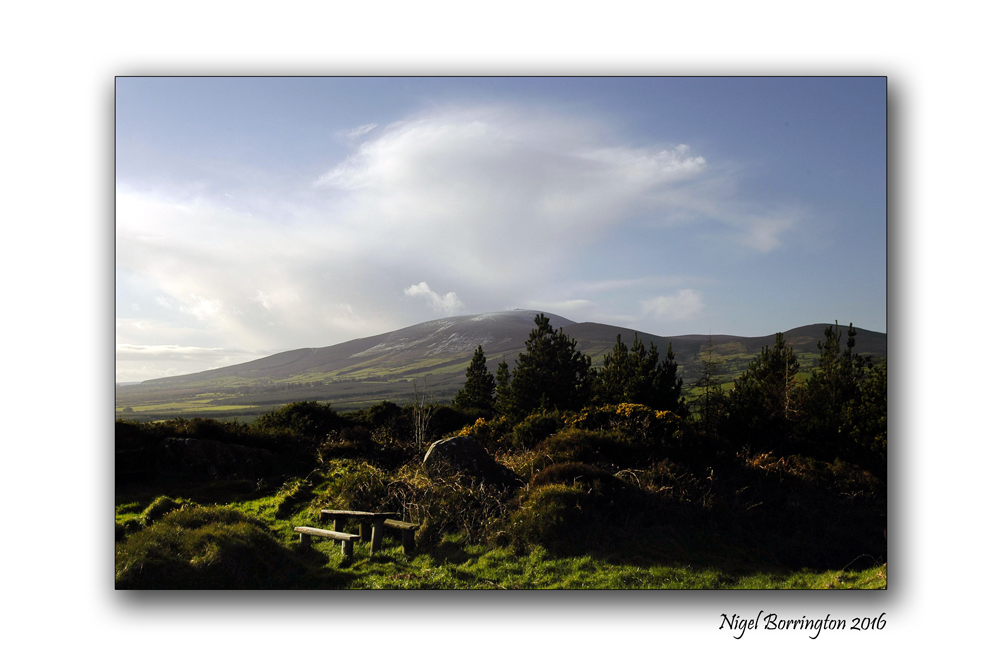
The North wind and the Sun
Irish Landscape photography : Nigel Borrington
A simple old story this one but filled with such a simple truth.
Folktales and Fables : The North Wind and the Sun
The North Wind and the Sun were disputing which was the stronger, when a traveler came along wrapped in a warm cloak. They agreed that the one who first succeeded in making the traveler take his cloak off should be considered stronger than the other.Then the North Wind blew as hard as he could, but the more he blew the more closely did the traveler fold his cloak around him; and at last the North Wind gave up the attempt. Then the Sun shined out warmly, and immediately the traveler took off his cloak.
And so the North Wind was obliged to confess that the Sun was the stronger of the two.
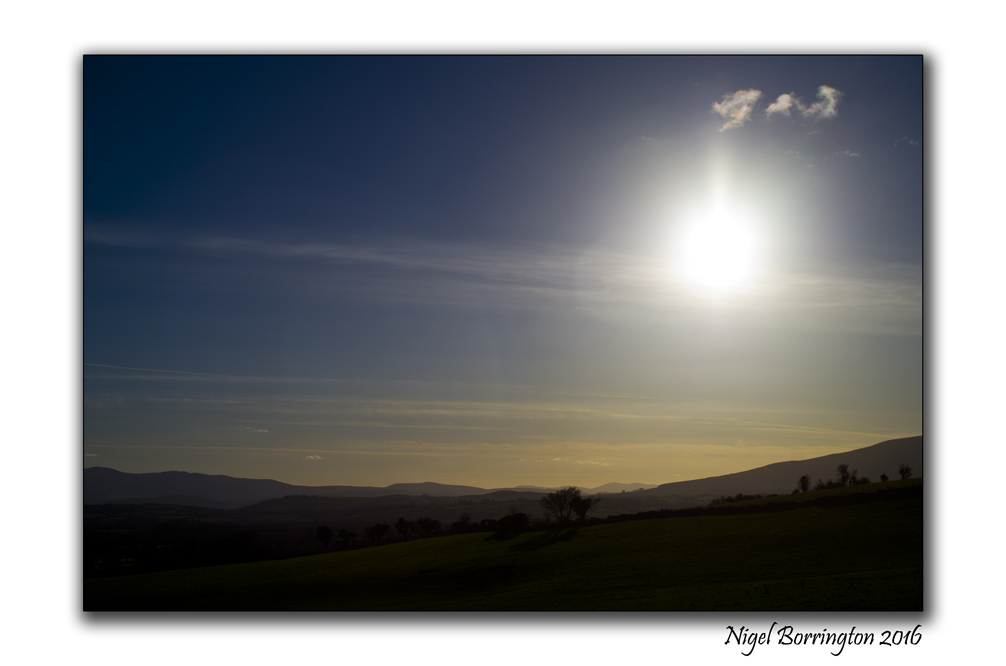
Irish Landscapes
Early Springtime
Kilkenny
Nigel Borrington
The story concerns a competition between the North wind and the Sun to decide which is the stronger of the two. The challenge was to make a passing traveler remove his cloak. However hard the North Wind blew, the traveler only wrapped his cloak tighter to keep warm, but when the Sun shone, the traveler was overcome with heat and soon took his cloak off.
The fable was well known in Ancient Greece; Athenaeus recorded that Hieronymus of Rhodes, in his Historical Notes, quotes an epigram of Sophocles against Euripides which parodies the story of Helios and Boreas. It relates how Sophocles had his cloak stolen by a boy to whom he had made love. Euripides joked that he had had that boy too and it did not cost him anything. Sophocles’ reply satirises the adulteries of Euripides: “It was the Sun, and not a boy, whose heat stripped me naked; as for you, Euripides, when you were kissing someone else’s wife the North Wind screwed you. You are unwise, you who sow in another’s field, to accuse Eros of being a snatch-thief.”
The Latin version of the fable first appears centuries later in Avianus as De Vento et Sole (Of the wind and the sun, Fable 4), early versions in English and Johann Gottfried Herder’s poetic version in German (Wind und Sonne) also give it as such. It is only in mid-Victorian times that the title “The North Wind and the Sun” begins to be used. In fact the Avianus poem refers to the characters as Boreas and Phoebus, the gods of the north wind and the sun, and it is under the title Phébus et Borée that it appears in La Fontaine’s Fables (VI.3).
Victorian versions give the moral as “Persuasion is better than force”, but it has been put in different ways at other times. In the Barlow edition of 1667, Aphra Behn teaches the Stoic lesson that there should be moderation in everything: “In every passion moderation choose,/For all extremes do bad effects produce”, while La Fontaine’s conclusion is that “Gentleness does more than violence” (Fables VI.3). In the 18th century, Herder comes to the theological conclusion that, while superior force leaves us cold, the warmth of Christ’s love dispels it, and Walter Crane’s limerick version of 1887 gives a psychological interpretation, “True strength is not bluster”. Most of these examples draw a moral lesson, but La Fontaine hints at the political application that is present also in Avianus’ conclusion: “They cannot win who start with threats”. There is evidence that this reading has had an explicit influence on the diplomacy of modern times: in South Korea’s Sunshine Policy, for instance, or Japanese relations with the military regime in Burma.
The First Morning Of April 2016

The first Morning of April 2016
River Suir
County Tipperary
Nigel Borrington
The first Morning of April 2016 has started here in Ireland with our usual spring rains
So time for a small poem to welcome it home once again ……
April rain
On your morning walk
let the rain kiss you on your face
let the rain beat upon your head with silver liquid drops,
Let the rain sing you a new song
just like the returning birds of springtime,
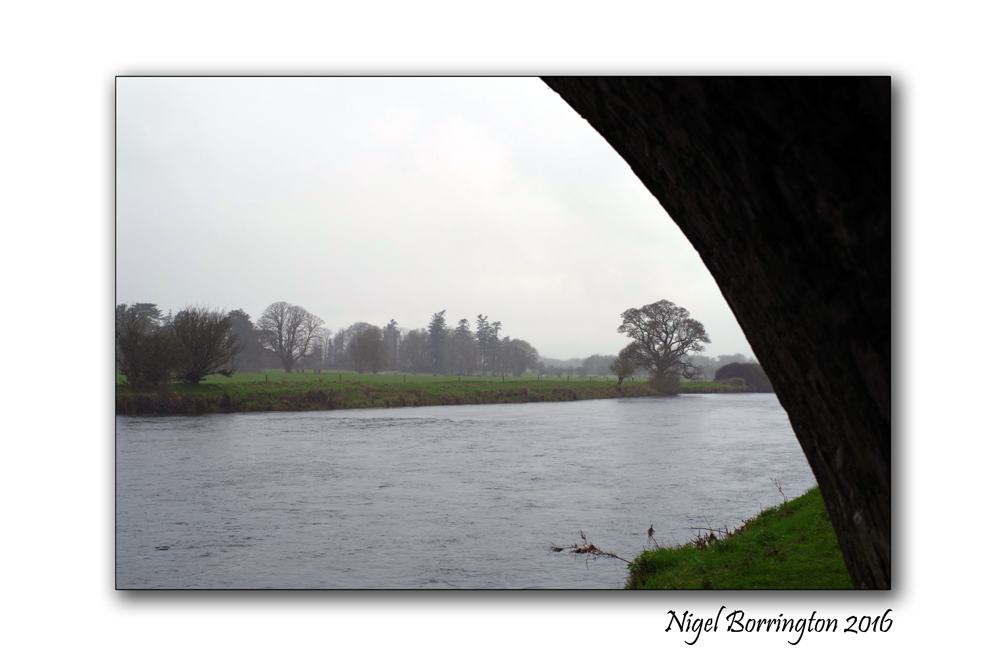
On this morning walk along the rivers bank
the rain makes waves upon the rivers flow
the rain dances on its surface,
If there are any Gods then they are in the rain
this rain that brings new life
a fresh start
this April rain.
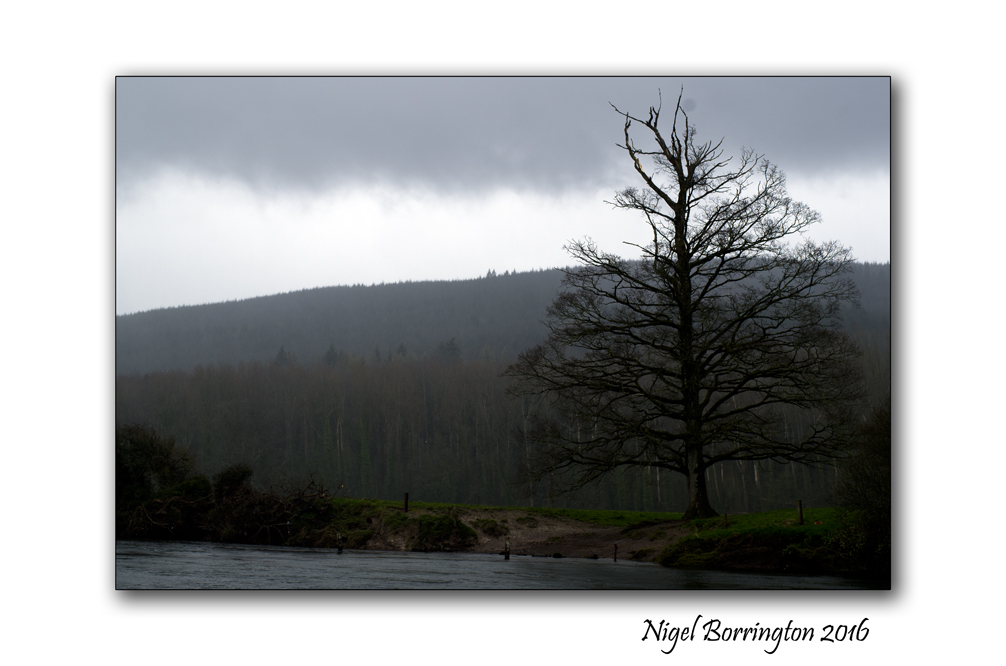
A sense of place, Wellington Tower Grange Crag, County Tipperary

The Wellington Tower Grange Crag, County Tipperary
The Wellington Tower stands on the Crag above Grange, county Tipperary, it was built in 1817 by Sir William Barker Bar to celebrate the Duke of Wellington’s victory over the French at the battle of Waterloo. Today it is nearly two hundred years old and for a long time it has only formed a feature in the loop wall around the forest above the small village of Grange.
However over the last months it has been restored and transformed into a viewing platform as you can see from the images here, it has been amazing to see the work that has been performed to give the tower a new life and a new purpose in life.
The walk to the top of the tower is via a metal spiral staircase with a viewing platform at the top , if you are a little heady with heights its best not to look down through the steps and to just keep going until you get to the top.
Once you are on the platform above and walk to the chest-high wall in front of you the view of county Tipperary below is just amazing. There is a display of all the sights below on a board the looks out and to the distance you can see modern Ireland in it greatness form with its small towns and up to date Wind farms.
Wellington Tower , Grange Crag, Tipperary GALLEY …


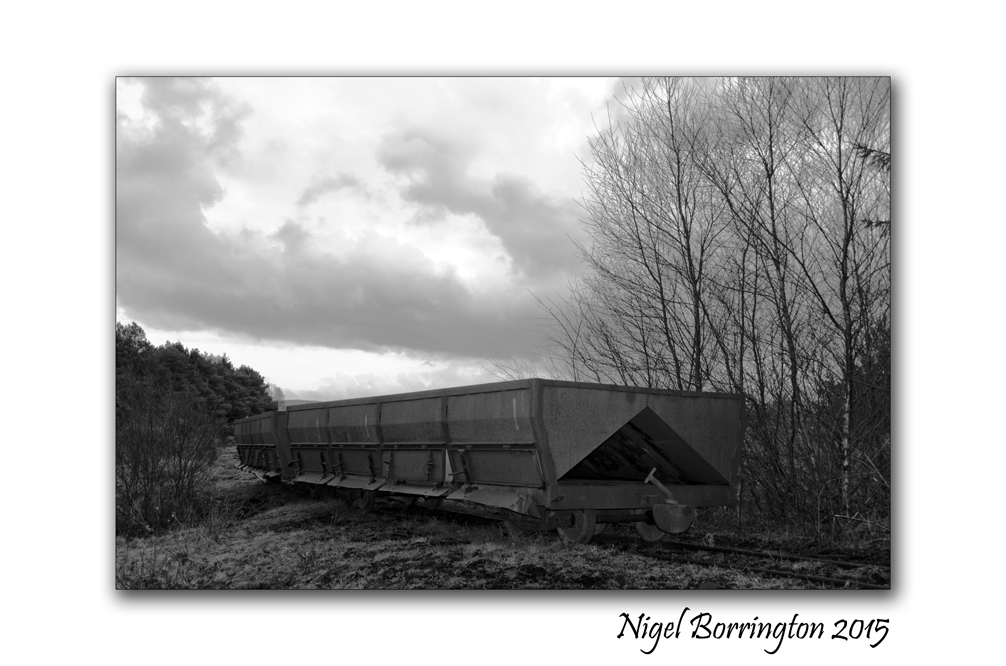
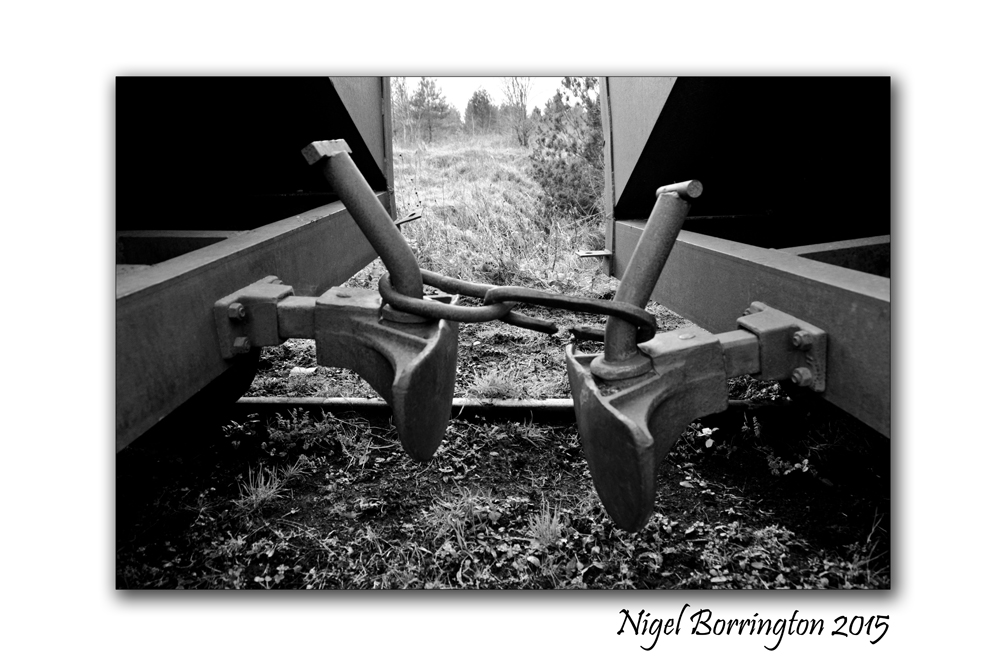
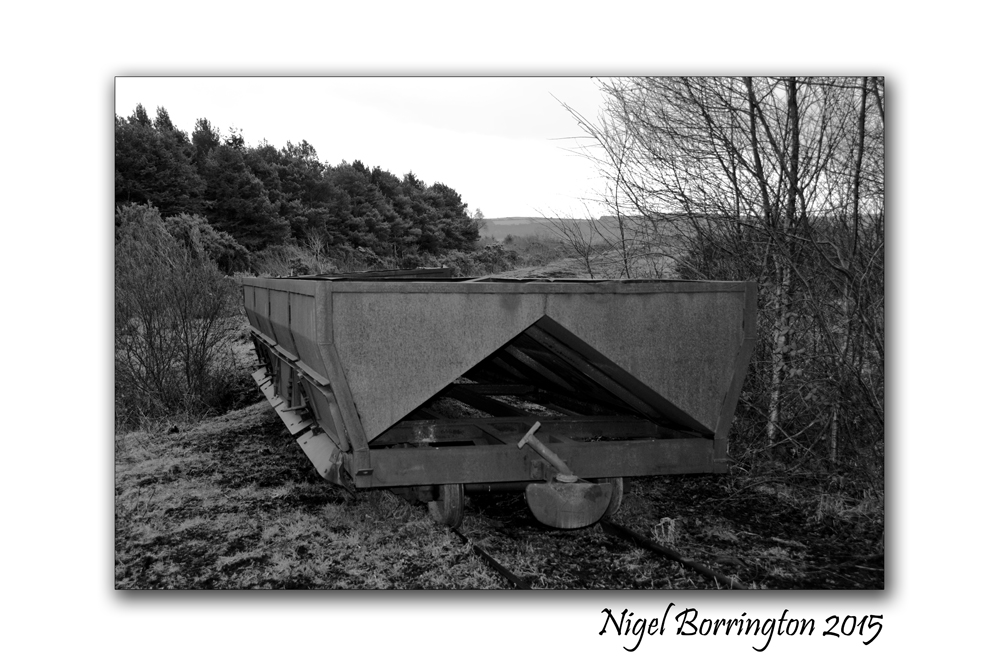

Slievenamon , Co.Tipperary, Ireland , “I Choose The Mountain” By: howard simon

Slievenamon, Co,Tipperary
Irish landscapes
Slievenamon
Slievenamon (Irish: Sliabh na mBan, [ˈʃlʲiəw n̪ˠə ˈmˠanˠ], “mountain of the women”)
Rising as a huge heathery dome amid gentle green countryside, Slievenamon’s profile naturally attracts the eye. This is an easy mountain with with a broad and clear track leading all the way to the summit cairn.
On fine days there are extensive views, taking in all the best walking areas in the South East of Ireland.
Slievenamon is a mountain of history and mystery of lore and legends. Its name means the ‘Mountain of the Women’ and the story is told how all the fairest women raced to the top to claim the hand of the warrior, Fionn Mac Cumhail. Fionn secretly fancied Grainne, the daughter of the High King of Ireland, so he advised her how to win the race!
Although it looks like a solitary height, Slievenamon is surrounded by a series of lower heathery humps. Some of these, like the main summit, are crowned by ancient burial Cairns. The highest cairn is said to mark the entrance to the mysterious Celtic underworld.

I Choose The Mountain
Poem by howard simon
The low lands call
I am tempted to answer
They are offering me a free dwelling
Without having to conquer
The massive mountain makes its move
Beckoning me to ascend
A much more difficult path
To get up the slippery bend
I cannot choose both
I have a choice to make
I must be wise
This will determine my fate
I choose, I choose the mountain
With all its stress and strain
Because only by climbing
Can I rise above the plane
I choose the mountain
And I will never stop climbing
I choose the mountain
And I shall forever be ascending
I choose the mountain

Irish Landscape Photography : Nigel Borrington
Friday Poems : The River , Catherine, from Liverpool

The River Suir, County Tipperary
Irish Landscape Photography : Nigel Borrington
Friday and this weekend is the last one of June, I plan to do some long river walks with our Dog Molly ….
What ever you do this weekend I hope you have a great time and get to escape for a while, have a great weekend !!!
The River
Catherine, Liverpool
It starts at a source as a little trickle
Then flows down the mountain,
Following a steep and narrow path.
As it rushes down it is joined by many other tributaries,
Changing it from a small, shallow stream
To a big, deep river
The water is clear and unpolluted,
Icy blue and sparkling
But always icy cold too.
It crashes as it flows,
Forming bubbling foam
That fills the air with cold white spray.

As the current pushes it on, it erodes away the rocks,
Leaving small, smooth banks
For it to easily pass by.
It deepens and widens as it runs down the mountain,
Soon entering a valley
With the sea in view.
It finally comes to its end,
An estuary leading into the sea
Ending its long journey from the mountain.
But it will start its journey again
When the sun evaporates it from the sea
And drops it down as rain.
River Bend , A poem by: Rania Moallem

Rivers bend
River Suir, Co Tipperary
Nigel Borrington
River Bend
A poem by: Rania Moallem
I believe I’ve waited too much that
patience poured wild enough to
drown me at the verge of that river
bend, where I pointlessly dwell,
where you never pass by.
And the confusion I lastly saw in your eyes
perhaps was dusk and ashes of burnt
thoughts you’ve had about me, or was it
plain puzzlement…
I wonder.
For I had you hunting me at night again
waking up breathless to find you clinging to
the last gasp of air I relief with despair,
right before I fight to sleep again.
It might be the right time to move on.
Past this rivers bend …….
Derrynaflan Hoard, National Museum of Ireland

Derrynaflan Chalice
Photo : Nigel Borrington
On Saturday I spent the day in Dublin , shopping and visiting different Museums , including the National Museum of Ireland .
One of my main interests in doing so was to take a fresh look and the Derrynaflan Hoard, I posted on the items in this collection and about the Island of Derrynaflan , county Tipperary – last October.
The Derrynaflan chalice is one of the most amazing historic items to view and the story (Below) of how it was discovered just as fascinating. Seeing this hoard just make you wonder how many more items like it have yet to be found or sadly never will be.
The following two images are from Saturdays vistit :


Island of Derrynaflan
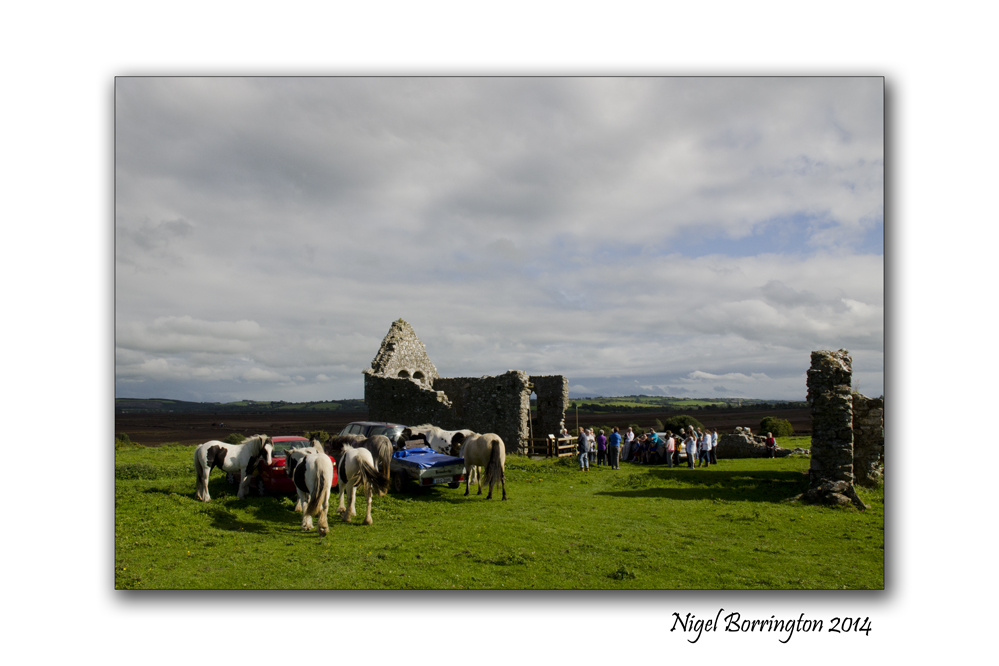
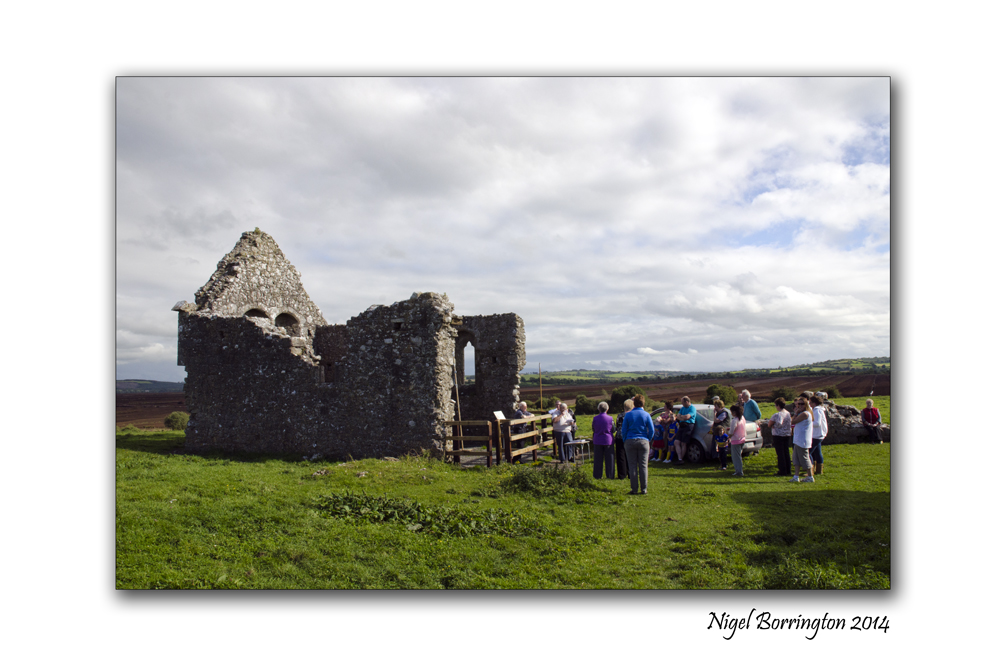
The Island of Derrynaflan is located in County Tipperary and these days it is surrounded by recovered drained land that is harvested for it’s peat, this peat being turned into fuel.
The images below and the text are from my post last year :
Discovering the Hoard
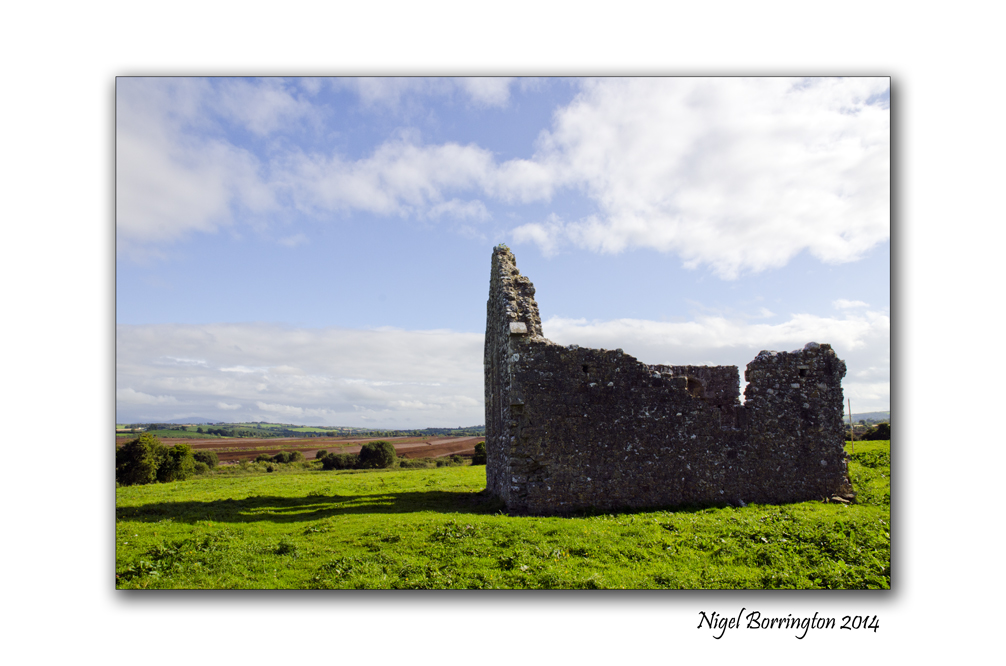
Derrynaflan Island, County Tipperary
Irish Landscape Photography : Nigel Borrington
The Derrynaflan hoard is one of the most spectacular hoard discoveries in Ireland, which led first to an increase in enthusiasm for metal detecting as a hobby, but ultimately contributed to the prohibition of unlicensed searching for archaeological material.
On 17 February 1980, Michael Webb and his son, also called Michael, discovered a significant hoard of early church treasure in Derrynaflan, in the townland of Lurgoe, County Tipperary, using metal detectors (Kelly 1994: 213; O’Riordain 1983: 1). The hoard included a chalice, a bronze strainer ladle and a paten (a kind of small plate) (and see Ryan 1983 for a detailed description), and the discovery was described as ‘one of the most exciting events in the history of Irish art’ (Stalley 1990: 186). The large monastic enclosure in which the hoard was found was partially protected as a National Monument (Kelly 1993: 378). The finders reported their discovery to an archaeologist from University College Cork, Dr. Elizabeth Shee Twohig (Kelly, pers. comm., 2012), who advised them that they must take the finds to the National Museum of Ireland in Dublin (Houses of the Oireachtas 1986; O’Riordain 1983: 1). Under Irish law at that time, the finders were entitled to a reward for making the discovery, in this case decided at IR£10,000 (Houses of the Oireachtas 1986), although this was initially rejected by the finders as insufficient compared to the value of the find (Kelly 1994: 213).

Six years later, the High Court made a ruling that the find or its value (estimated at IR£5.5 million) should be returned to the finders (Kelly 1994: 113). The public mood turned against the Webbs, who were shown on the main evening television news drinking champagne to celebrate the ruling. Ireland was then in deep recession with massive public service cuts which led to resentment that the Webbs might benefit to the tune of IR£5.5 million from the public purse (Kelly, pers comm., 2012). A year later, in 1987, a further final judgement was delivered by the Supreme Court that the Derrynaflan Hoard in fact belonged to the state and not to the finders (Kelly 1995a). The finders finally received a reward of IR£50,000 (Kelly 1994: 214).
The impact of the case on Irish law concerning the protection of heritage was significant. Debates in the Seánad Éireann (upper house of the Irish Parliament) in 1986 indicate the split in opinions regarding the validity of the claim of the finders to the hoard (as had been decided in court the previous year), with one Senator suggesting that the state should have been trying to prove that the Webbs had no legal claim to the hoard, one Senator regarding such discoveries as no more than looting, and another claiming that the finders should instead be praised for the care with which they removed the hoard from the ground and for going to the National Museum to report the discovery (Houses of the Oireachtas 1986). In 1987 the National Monuments (Amendment) Bill, which included clauses on metal detecting and ancient shipwrecks (another area becoming vulnerable to looting), passed through its final stages in the Dáil Éireann (lower house of the Irish Parliament) (Gosling 1987: 23).
Ireland’s National Monuments Act 1930 had prohibited the excavation of archaeological objects other than under license (Kelly 1995a). However, the maximum fine for a successful prosecution at that time, at IR£10[1], proved not to be a strong deterrent (Kelly 1995b: 235). The discovery of the Derrynaflan Hoard had reputedly contributed to the growth of the metal detecting hobby in Ireland, which by the time of the discovery saw hobbyists searching not only ploughed land and other locations away from archaeological sites, but also on known archaeological sites (Kelly 1993: 378). A 2012 Irish news item, which described an athlete as having ‘more gold than they found in Derrynaflan’ (Keane 2012) indicates that the finding of the hoard is still recalled in Irish popular memory. However, with the National Monuments (Amendment) Act 1987, ‘it became illegal to search for archaeological objects with metal detectors or other electronic detecting devices without license’. A further National Monuments (Amendment) Act 1994 specified the state ownership of archaeological objects, and made it ‘an offence to trade in unreported antiquities, or withhold information about archaeological discoveries’ (Kelly 1995a). Under the 1994 legislation, the maximum penalty was also increased to a fine of IR£50,000 and five years imprisonment (National Monuments (Amendment) Act 1994, Section 13). The National Monuments (Amendment) Act 1987 had been in preparation for many years and so was not a direct reaction solely to the controversy surrounding the hoard (Kelly, pers. comm., 2012), although there were observations made that the upsurge in metal detecting as a result of the discovery led to changes in the law (Kelly 1994: 214).
Ref : http://traffickingculture.org/encyclopedia/case-studies/derrynaflan-hoard/
A visit two Derrynaflan island Gallery


The River Of Life, A poem By Thomas Campbell

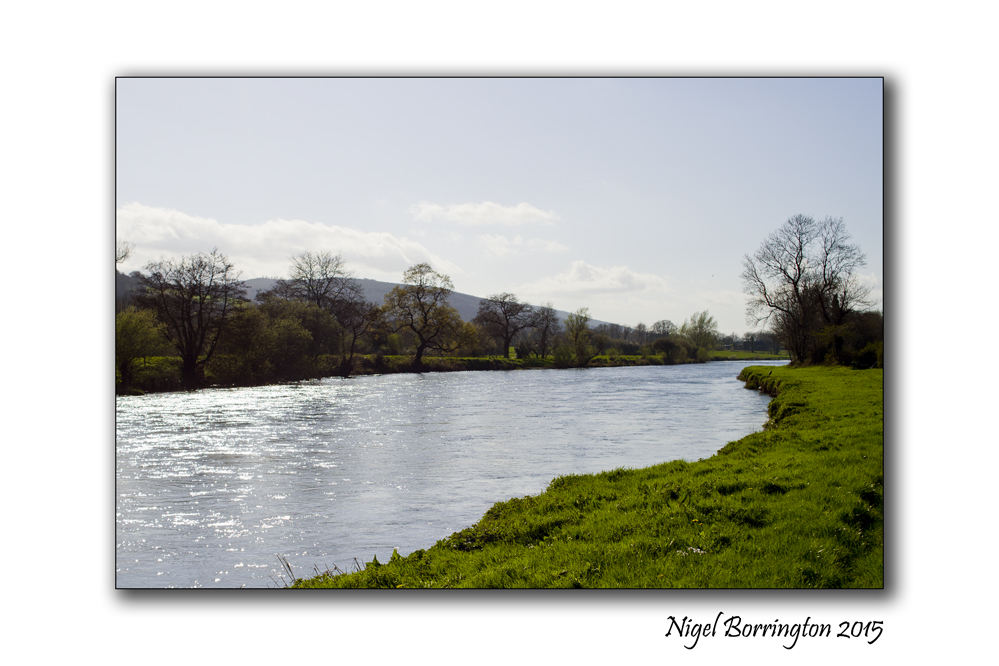
River of life, River Suir
Clonmel , Ireland
Landscape Photography : Nigel Borrington
The River Of Life
Poem by Thomas Campbell
The more we live, more brief appear
Our life’s succeeding stages;
A day to childhood seems a year,
And years like passing ages.
The gladsome current of our youth,
Ere passion yet disorders,
Steals lingering like a river smooth
Along its grassy borders.
But as the careworn cheek grows wan,
And sorrow’s shafts fly thicker,
Ye stars, that measure life to man,
Why seem your courses quicker?
When joys have lost their bloom and breath,
And life itself is vapid,
Why, as we reach the Falls of Death
Feel we its tide more rapid?
It may be strange—yet who would change
Time’s course to slower speeding,
When one by one our friends have gone,
And left our bosoms bleeding?
Heaven gives our years of fading strength
Indemnifying fleetness;
And those of youth, a seeming length,
Proportioned to their sweetness.
The River Of Life
Thomas Campbell
“MAY” a Poem by: Christina Rossetti (1830-1894)

The flowers of May
Nature Photography : Nigel Borrington
May
by: Christina Rossetti (1830-1894)
I cannot tell you how it was;
But this I know: it came to pass–
Upon a bright and breezy day
When May was young, ah pleasant May!
As yet the poppies were not born
Between the blades of tender corn;
The last eggs had not hatched as yet,
Nor any bird forgone its mate.
 .
.
I cannot tell you what it was;
But this I know: it did but pass.
It passed away with sunny May,
With all sweet things it passed away,
And left me old, and cold, and grey.
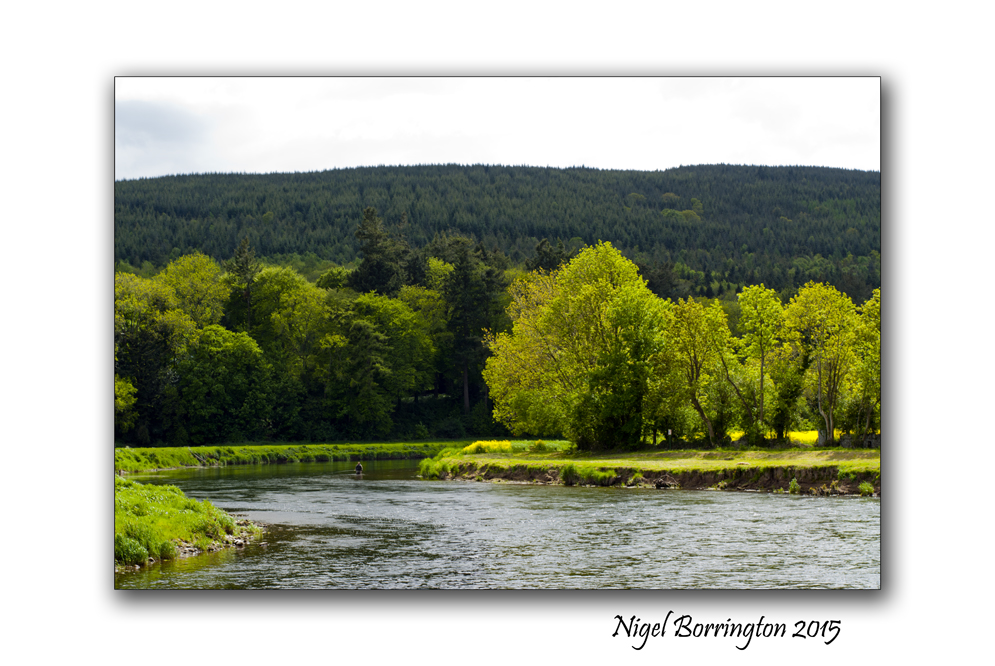
An Evening walk above – Clonmel , County Tipperary , (Image Gallery)
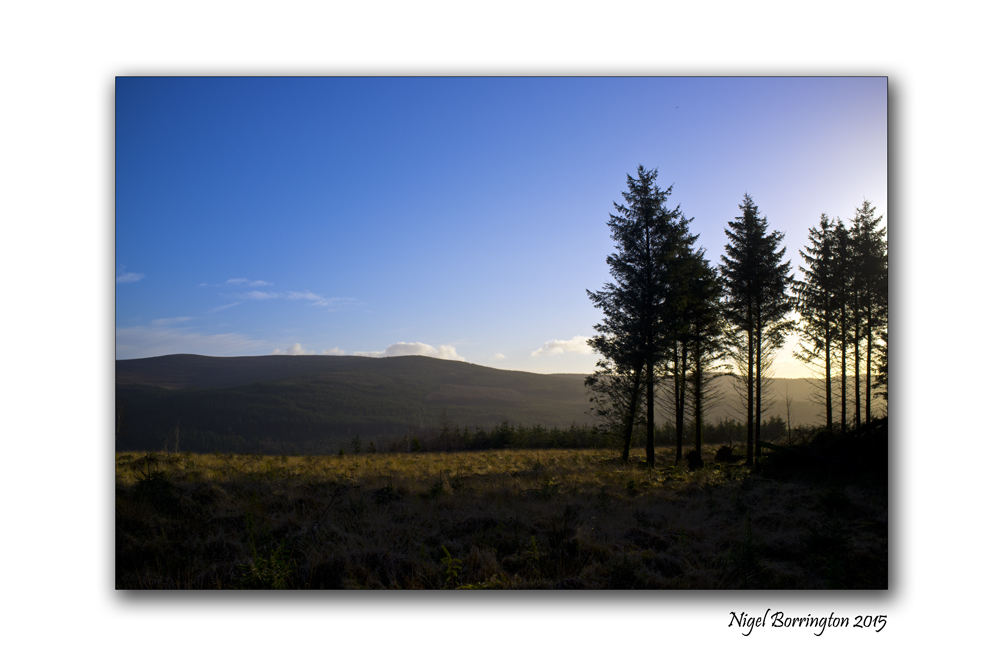
An Evening Walk in the hillside woodland,
Clonmel, County Tipperary,
Irish Landscape Photography : Nigel Borrington
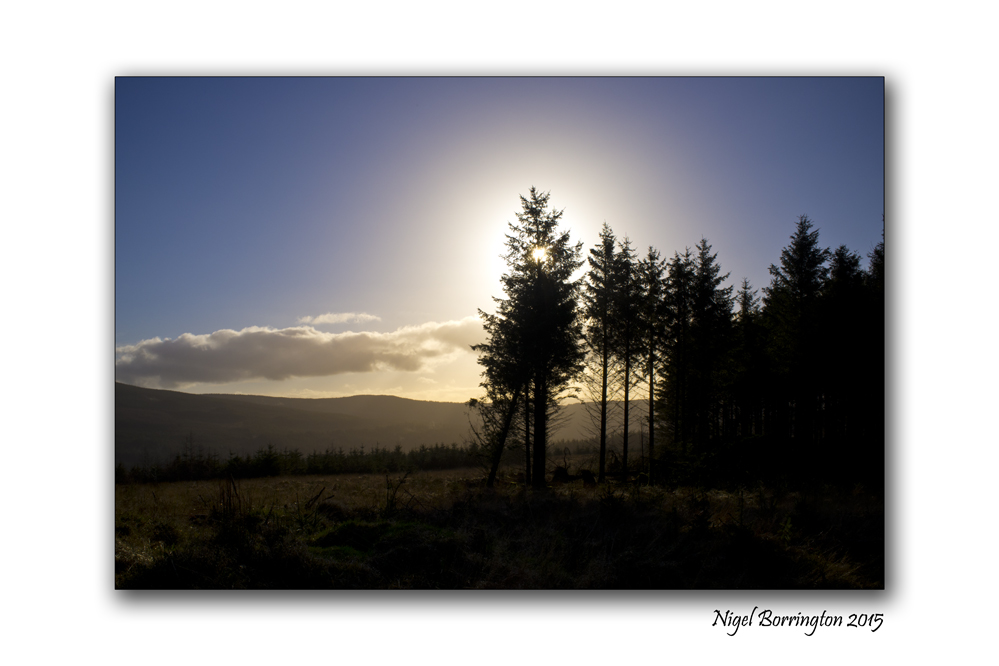
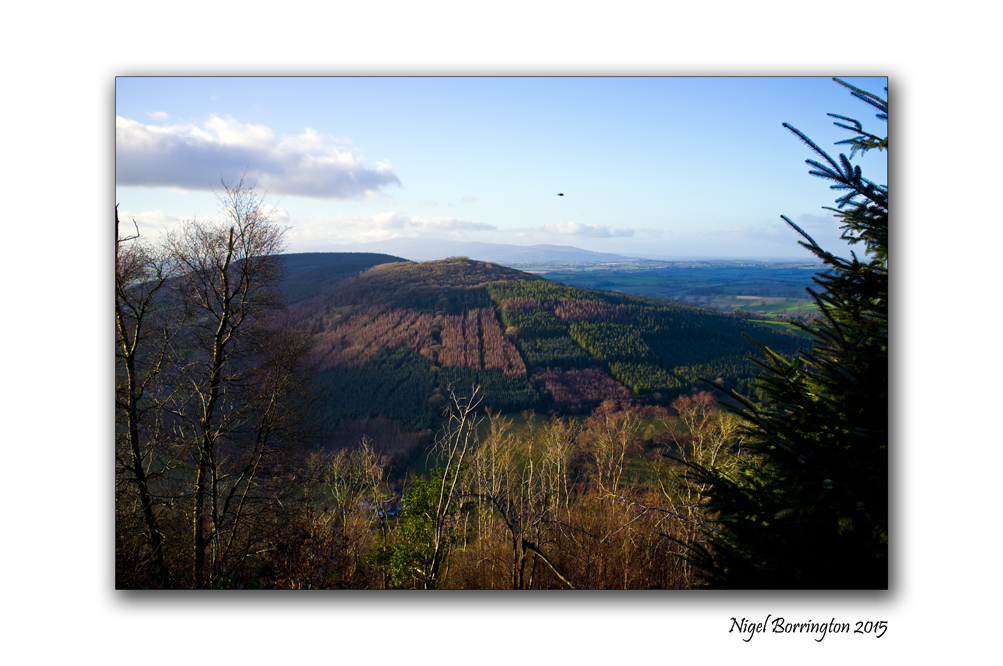
I just love taking a evening walk at this time of year, the evenings are staying lighter but we still get the chance to be out when the sun is very low in the sky, ready to set.
These recent images, show just how perfect I feel our local landscape looks in the early springtime evenings, with deep colours.
I love making the most of the Sun in my images, as it sinks behind the forest trees.
Evening walk , March 2015


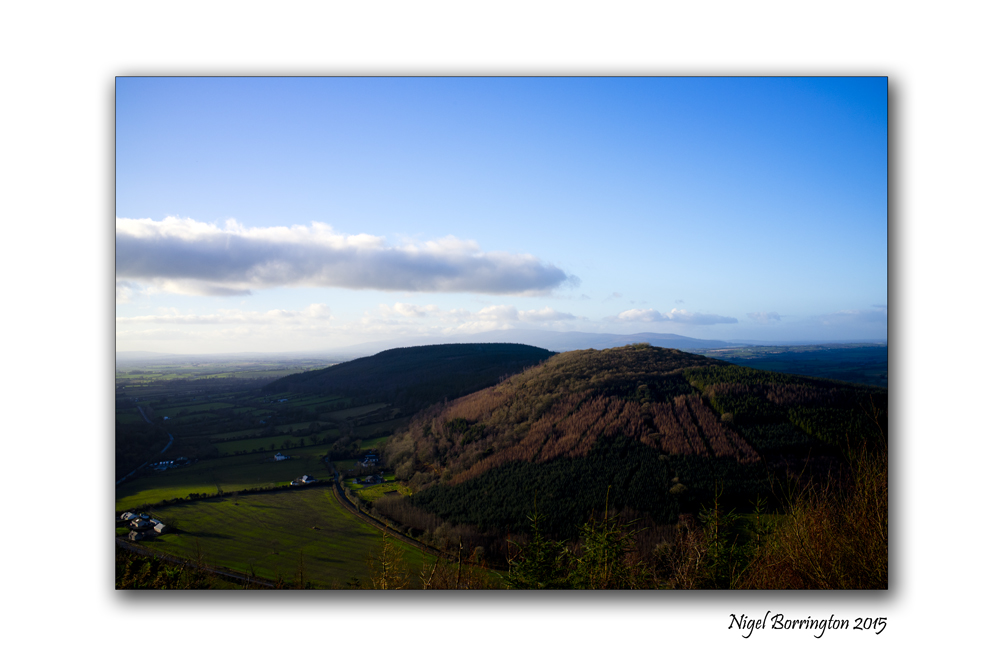
Saturday Morning on the Mountain : Slievenamon . Co, Tipperary

The Mountain of Slievenamon,
County Tipperary
Landscape Photography : Nigel Borrington
Its the weekend, so its a great time to get outside, Relax, walk or just sit and take in the landscape around you 🙂
From yesterday the Spring Equinox, the days are getting longer all the way until the 21st of June, the long evening will soon be here 🙂 🙂


Three Poems , all with the Title “Morning star”
Morning Star, over Slievenamon , Co Tipperary
Irish Landscape Photography : Nigel Borrington
Morning Star.
By : Connor Sean McMurrick Crow
A kingdom in ancient history,
long before man was thought to exist,
stood in Hyperborean heartland.
Ruled in peace by a woman of antediluvian
beauty and her King-Groom.
Leviathan, a queen of rare black hair and eyes of velt,
rose every morning to greet the sunrise.
On this particular day, she woke Archon.
With a trailing gown of violet, she led him
by hand through perfumed gardens of
exotic sights.
Sunna broke over the hedges and
burnt the mist from frail orchids,
and all that was left of that kingdom
of runic beauty were two lovers entwined in stone.
 .
.
By : Scott Madden
Dec 22, 2014
The Morning Star
Have you seen the morning star?
It keeps it’s vigil in the East,
A prophet of the dawn.
It rises when the night is at its coldest,
The warmest light in the vast blackness.
It rises when the night is at its darkest,
The brightest light in the black vastness.
Have you seen the morning star?
 .
.
By : Justinian
Feb 2, 2010
Morning Star
The sun wakes and stretches its rays over the horizon.
Embraced is my heart and my smile shines on.
In my dreams,
you I did miss.
When I awake,
your lips I shall kiss.
Irish Landscape Photography : The River Suir

Irish Landscape Photography
The River Suir, County Waterford
Nigel Borrington
The River Suir that flows through Counties (Tipperary and Waterford) is only one of Ireland many rivers, with so many here its hard to say that its the most loved or the most beautiful but it cannot be far from it. I spend a lot of time walking the banks of this river so a little time ago I decided to get a flight booked from Kilkenny’s small Airport and get some pictures of the Suir from above, the above image being just one.
This was one of the most amazing things I have done with a Camera and it was a perfect day to do this trip, I will never forget looking down the river Suir towards Waterford city and seeing the river vanish into the setting sun …..
The River Suir
Irish pronunciation:, Irish An tSiúr or Abhainn na Siúire, is a river in Ireland that flows into the Atlantic Ocean near Waterford after a distance of 185 kilometres (115 mi).[1] The catchment area of the River Suir is 3,610 km2. The long term average flow rate of the River Suir is 76.9 Cubic Metres per second (m3/s)- This is more than twice the flow of the River Barrow (37.4 m3/s)
Popular with anglers, it holds plentiful reserves of brown trout. While the Suir holds the record for a salmon taken from an Irish river (weighing 57 lb/26 kg, taken on a fly in 1874), as is the case in many other Atlantic rivers, salmon stocks have been in decline in recent years.
Rising on the slopes of Devil’s Bit Mountain, just north of Templemore in County Tipperary, the Suir flows south through Loughmore, Thurles, Holycross, Golden and Knockgraffon. Merging with the River Aherlow at Kilmoyler and further on with the Tar, it turns east at the Comeragh Mountains, forming the border between County Waterford and County Tipperary. It then passes through Cahir, Clonmel and Carrick-on-Suir before reaching Waterford. Near the Port of Waterford it meets the River Barrow at Cheekpoint to form a wide navigable estuary, capable of accommodating seagoing vessels up to 32,000 tons dwt. It exits to the sea between Dunmore East and Hook Head.
Together with the Nore and the Barrow, the river is one of the trio known as The Three Sisters.
Derryvilla bog, Littleton, County Tipperary

Derryvilla lake
Littleton bogs
County Tipperary
Irish landscape Photography : Nigel Borrington
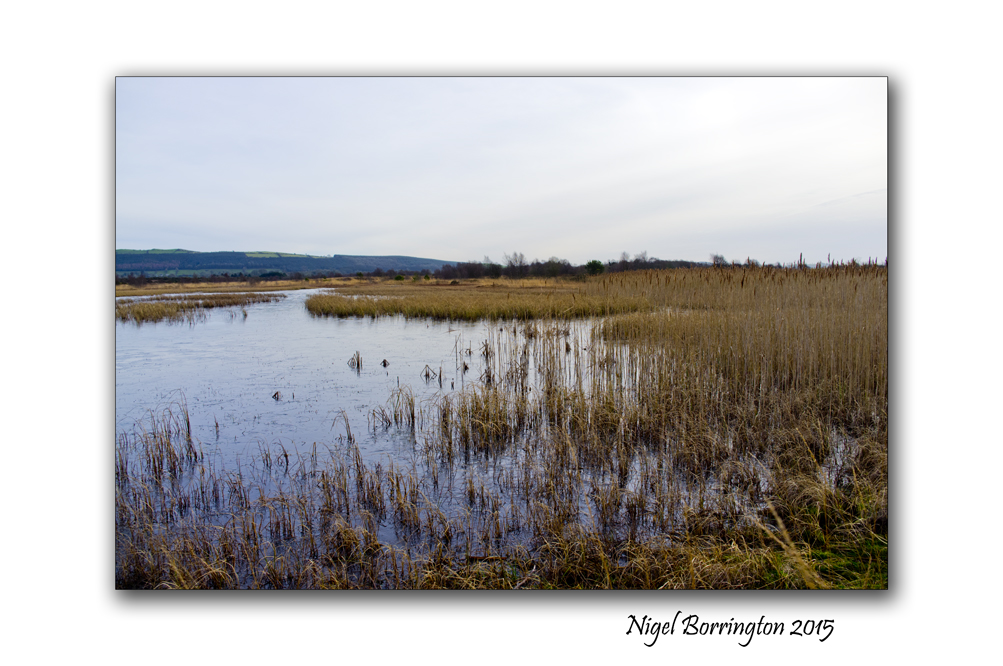
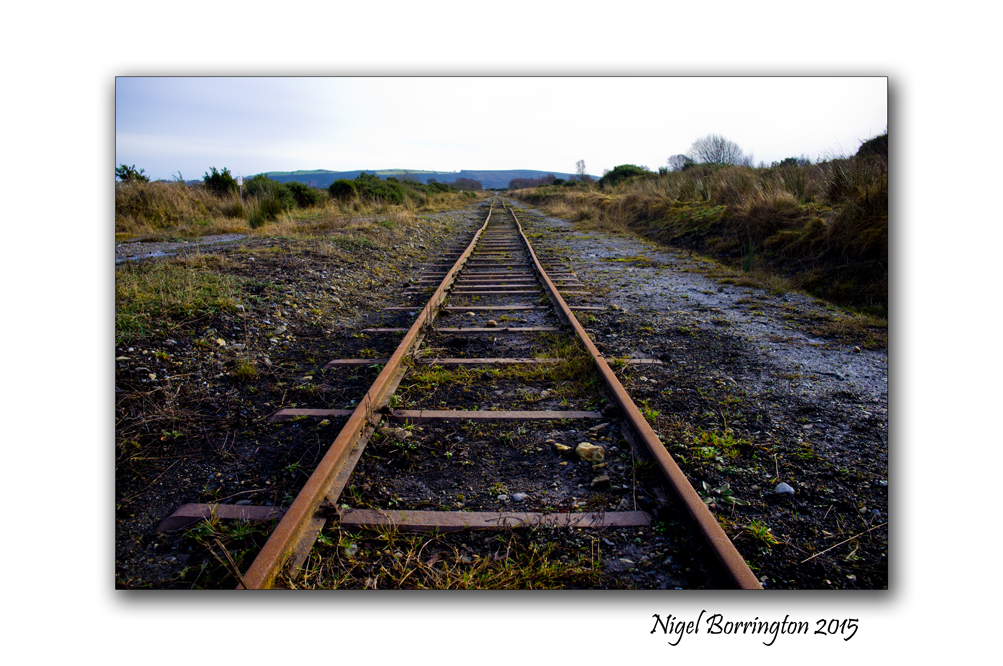
One of my favorite weekend places to visit is Littleton Bogs, near Thurles, County Tipperary, the bogs here are harvested for the fuel they provide in the form of Peat. The entire area is effected by this process as you can see in the pictures below. It is however an amazing location to take photographs as even though its scared by the peat production that takes place its one of the few truly remote and wilderness feeling locations that we have locally, when you walk through this landscape at the weekends the only sounds you can hear are the birds and the breeze in the few trees that survive along the foot-path sides.
Derryvilla lake is near Littleton (Irish: An Baile Dháith) county Tipperary. The village in County Tipperary is within the townlands of Ballybeg and Ballydavid, about 18 km (11 mi) northeast of Cashel and to the southeast of Thurles.
A basic description is as follows :
Littleton lies at a crossroads on the R639, its population was 463 at the 2006 census. As well as being a familiar name to travellers between Dublin and Cork, Littleton is closely associated with Bord na Móna, a semi-state company that harvests peat in the nearby complex of raised bogs. Littleton is also home to the long-established ‘Moycarkey Band’, the Seán Treacy Pipe Band.[3]
Gallery of Derryvilla bog and lake, Littleton, County Tipperary



Monday Mornings along the lane.
Tipperary Landscapes
Nigel Borrington
Monday the 19th January 2015y
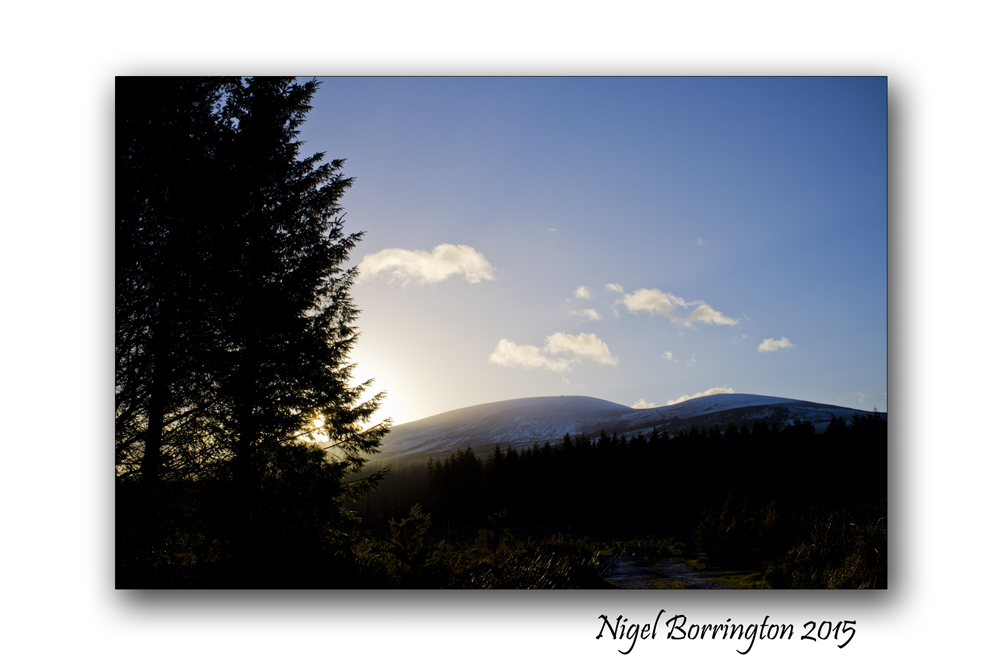
This Monday Morning was just amazing along the lane, a light covering of frost and snow still covered the mountain of Slievenamon, country Tipperary and I just wanted to share this image with you.
I often think this period of January is a little hard on people, the fun of Christmas has gone , the new year has well and truly started and yet the long dark nights are still here. Maybe one of the best ways to raise your spirits is to get outside and find somewhere with a view – like a park , mountains or rivers and take in the great weather this month can bring 🙂
A Monday morning in January !!!!
Clearing the Forests following Storm Darwin , a (Before and after) Gallery.
Breanomore forest, Slievenamon, county Tipperary.
Landscape Photography : Nigel Borrington
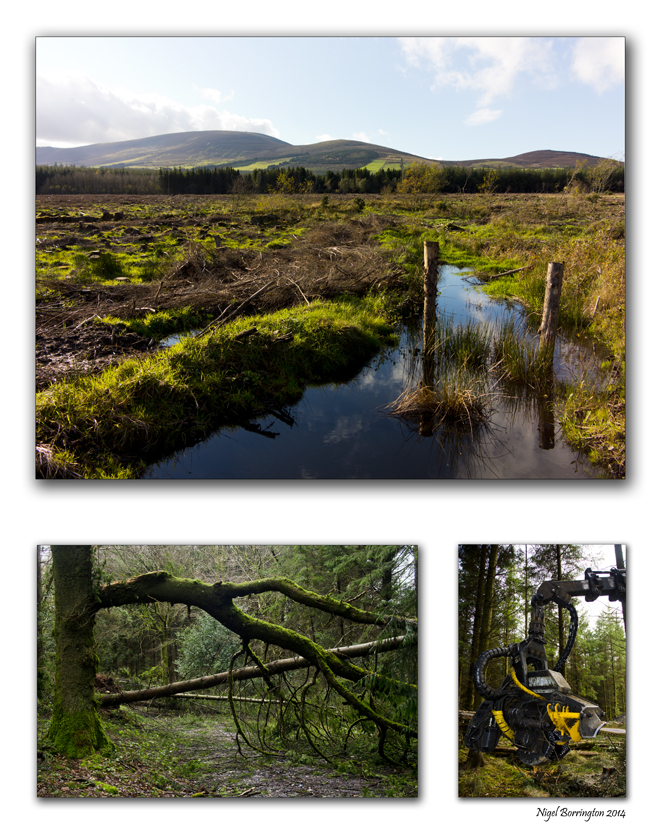
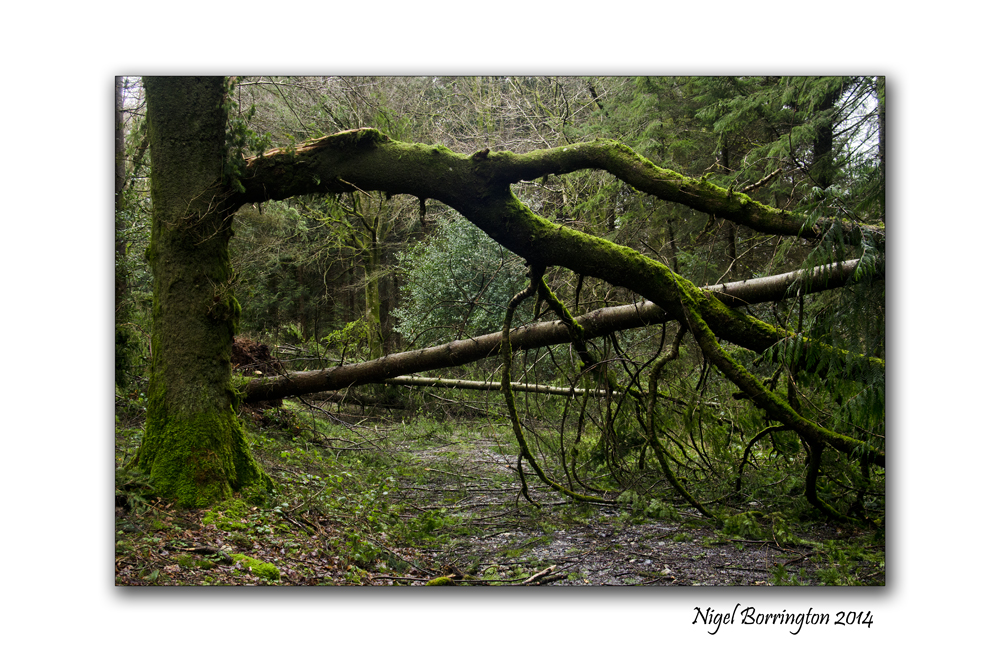
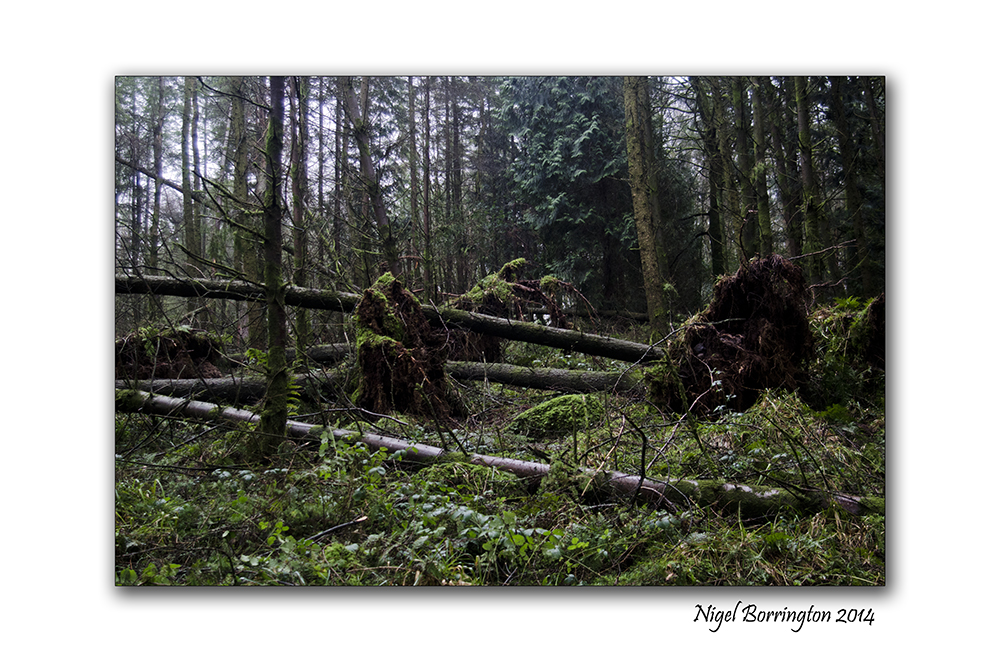
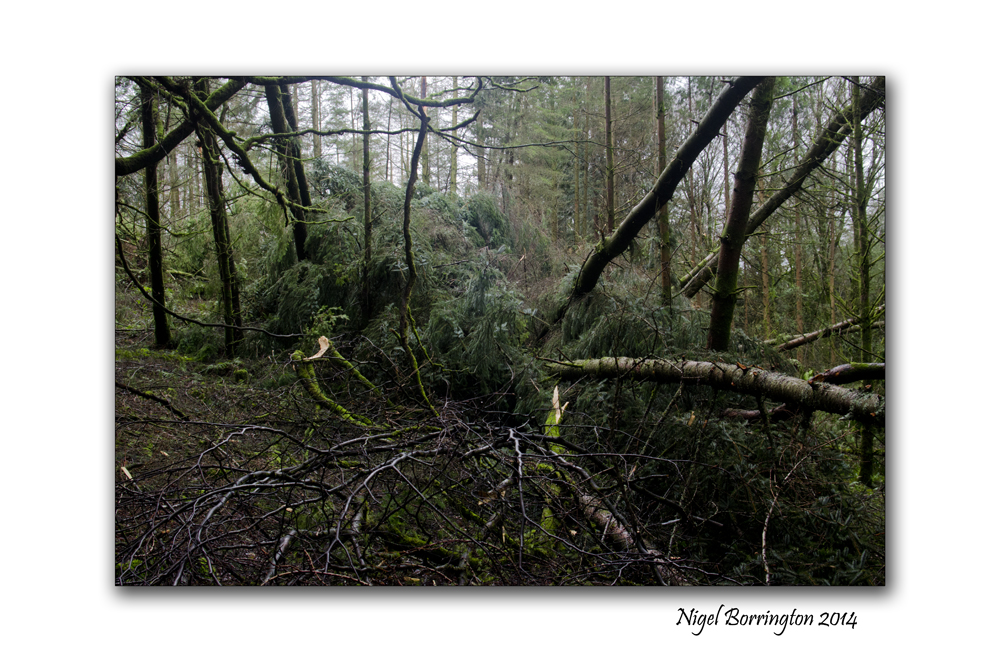
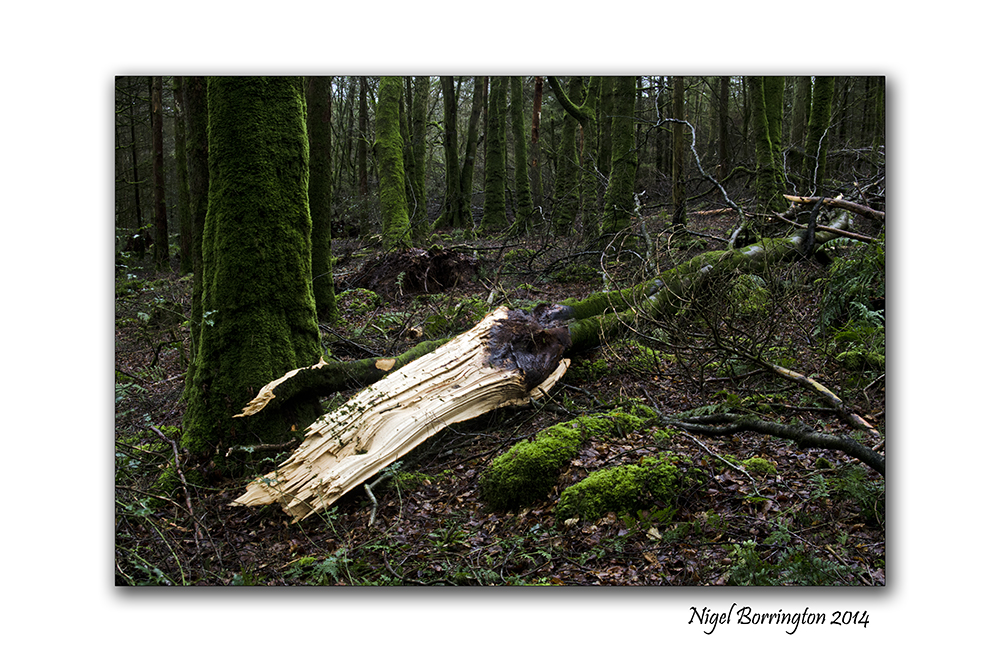
On the 12th of February this year Ireland was hit by the remains of a hurricane given the name of Darwin, by the time it hit us it was down rated to a storm but its power was truly stunning.
Locally in counties Tipperary and Kilkenny there was a lot of damage to peoples property and farm building but the forests and their trees where the most affected. Irish Forestry lost almost one years worth of timber , the same amount that would have been harvested in 2014.
It is only in the last month that most of the local fallen trees have been removed, sadly however to do this it has meant clear felling very large areas of our local woodlands.
The images here where taken during the the year and include the after effects of the storm and then images of Forest workers during the process of clearing some one sq mile of Breanomore forest near the mountain of Slievenamon, County Tipperary.
The last set of images show how the forest looks now, a vast area has been cleared. The effects of Storm Darwin are still very clear even now in November and the work to remove damaged and fallen trees will continue for sometime to come.
A true reminder of the power of nature.
The results of the February storms
 .
.
Forest workers clearing the trees


 .
.
The Forest after being cleared


 Nigel Borrington
Changing my Blogs header
I guess every now and then we all need to change our blogs header image. Since the start of the year I have had the below landscape image of our local Mountain Slievemanon – county Tipperary, as my sites header, Taken during the winter months.
It has taken me until the Summer to capture an image that I was as happy to use but last week, while out walking I wondered through a local field full of Barley and took some close up images. One of these I knew I would be very happy to use as a header image, at least until the Autumn when I hope to capture some of my most loved yellows and browns from the changing Irish landscape.
Share this:
August 3, 2016 | Categories: Comment, Landscape | Tags: Barley, Blog, Header images, irish landscape images, Kilkenny, Landscape, Nigel Borrington, Slievenamon, Tipperary | 4 Comments