In my Mothers Kitchen

Poem by : Susan Lower
My mother’s kitchen was worn with age.
In the old farm house,
where we lived and played.
She kept it nice and tidy.
The glasses always washed.
Not a plate out of place.
On the old red linoleum floors.
I did roller skate.
I learned to bake a cake.
Without a book, without any taste.
There I watched from the window,
my sisters kiss their dates.
My mother’s kitchen held a telephone.
Where my sisters stretched the cord,
and hid behind the next door.
Inside the wall of this place.
Comfort grew without the frills of lace.
Never were we late
when Mother called us in from the barn.
My mother’s kitchen is where I knew she’d be.
When I came racing home from school.
She always stood waiting for me.
A weekend in the wheat fields

Nikon d7000, 18-200mm vr2 lens
Wheat field in Tipperary
Irish landscape photography : Nigel Borrington
Just back from a brilliant weekend on the farm in Tipperary, I love it at the farm you get true downtime helping out and just walking among the fresh wheat fields….
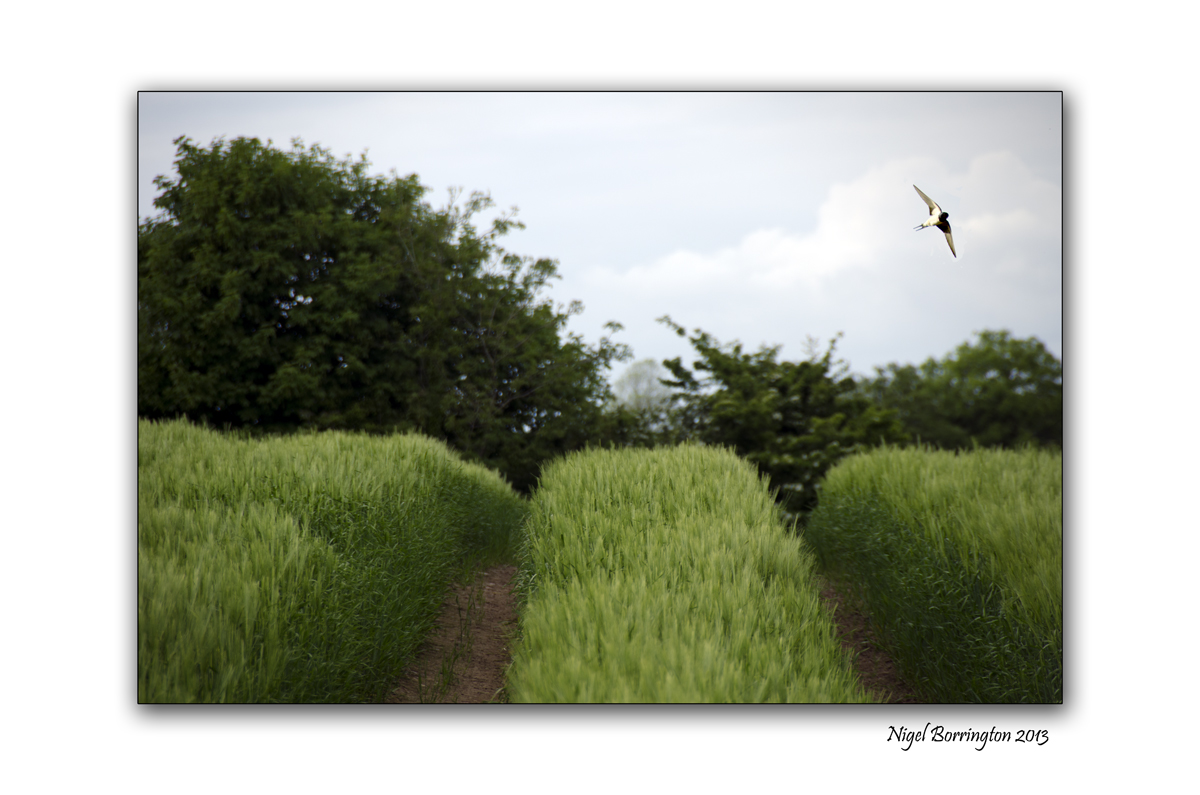
Nikon d7000, 18-200mm vr2 lens
Wheat field in Tipperary
Irish landscape photography : Nigel Borrington
The old out buildings of the farm, house lots of swallows and I managed to capture one in this shot….
Nigel
Kilkenny landscape photography
Its a great morning here in county Kilkenny….

Nikon D7000, 18-200mm vr lens
A kilkenny landscape
Nigel Borrington
I was Up early this morning, and took this shot of our local landscape as the very early sun broke through the clouds, just for a while. I am trying as hard a possible to fight that Friday feeling and get some plans going, we have a long weekend here with a bank holiday on Monday but must keep going, just one more day …..
Kilkenny Landscape Photography

Nikon D7000, 24mm lens, iso 100
River Barrow, Country kilkenny
Kilkenny landscape photography : Nigel Borrington
What a wonderful spring evening we are having in County Kilkenny, A walk with our dog Molly along the river Barrow was just a wonderful way to end the day…..
Paragliding from Slievenamon
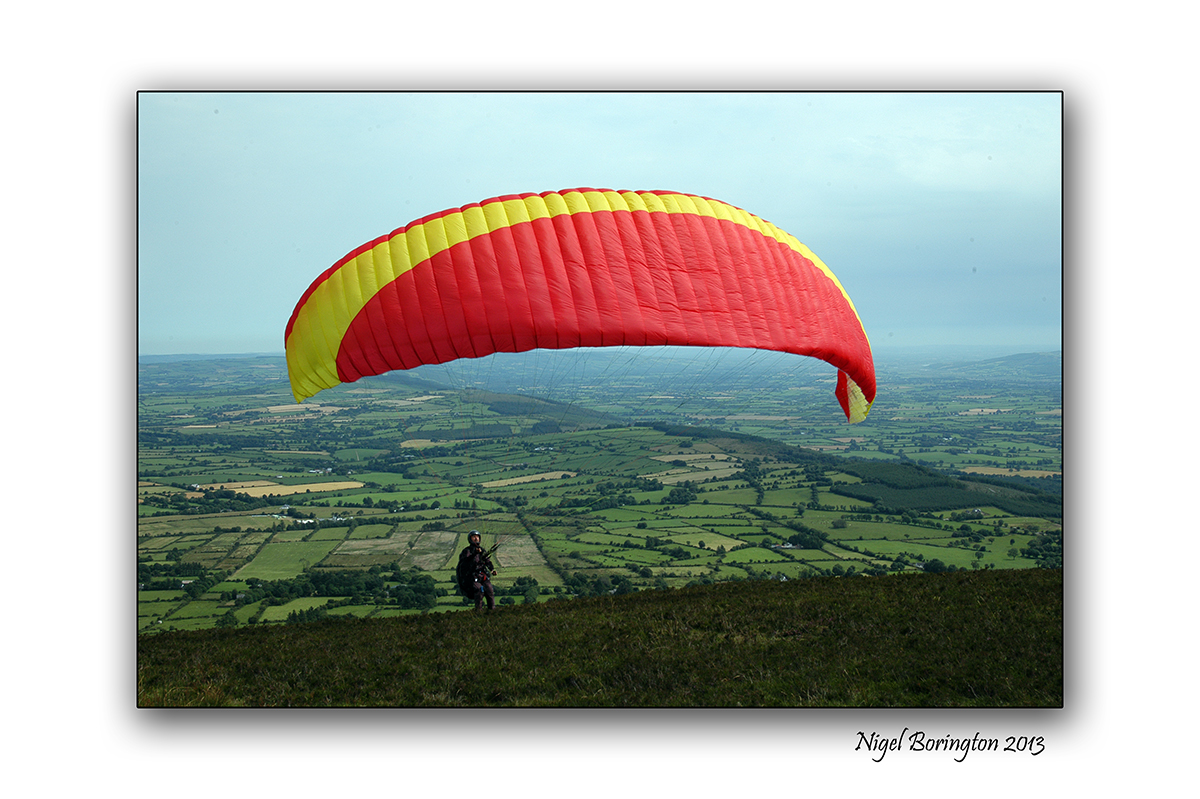
Nikon D7000, 50mm f1.8 lens, iso 100
Paragliding off Slievenamon, county Tipperary
Kilkenny based photographer : Nigel borrington
During the Summer last year, I was lucky enough to be walking up Slievenamon, county Tipperary while some Para-glider’s were taking off from the side of the mountain. I spent a good long time with these people and got some great photos during the afternoon, here are just two of the many I got….
Nigel
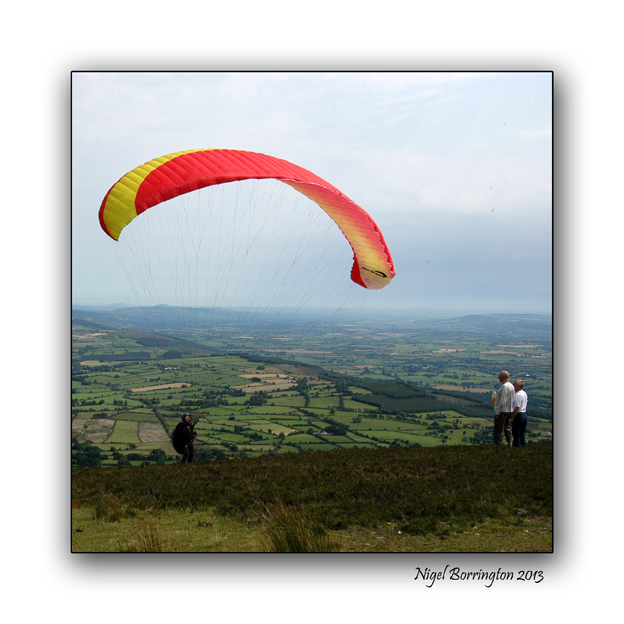
Nikon D7000, 50mm f1.8 lens, iso 100
Paragliding off Slievenamon, county Tipperary
Kilkenny based photographer : Nigel borrington
Kilkenny landscape photography
A Wednesday afternoon walk – an eight image gallery.
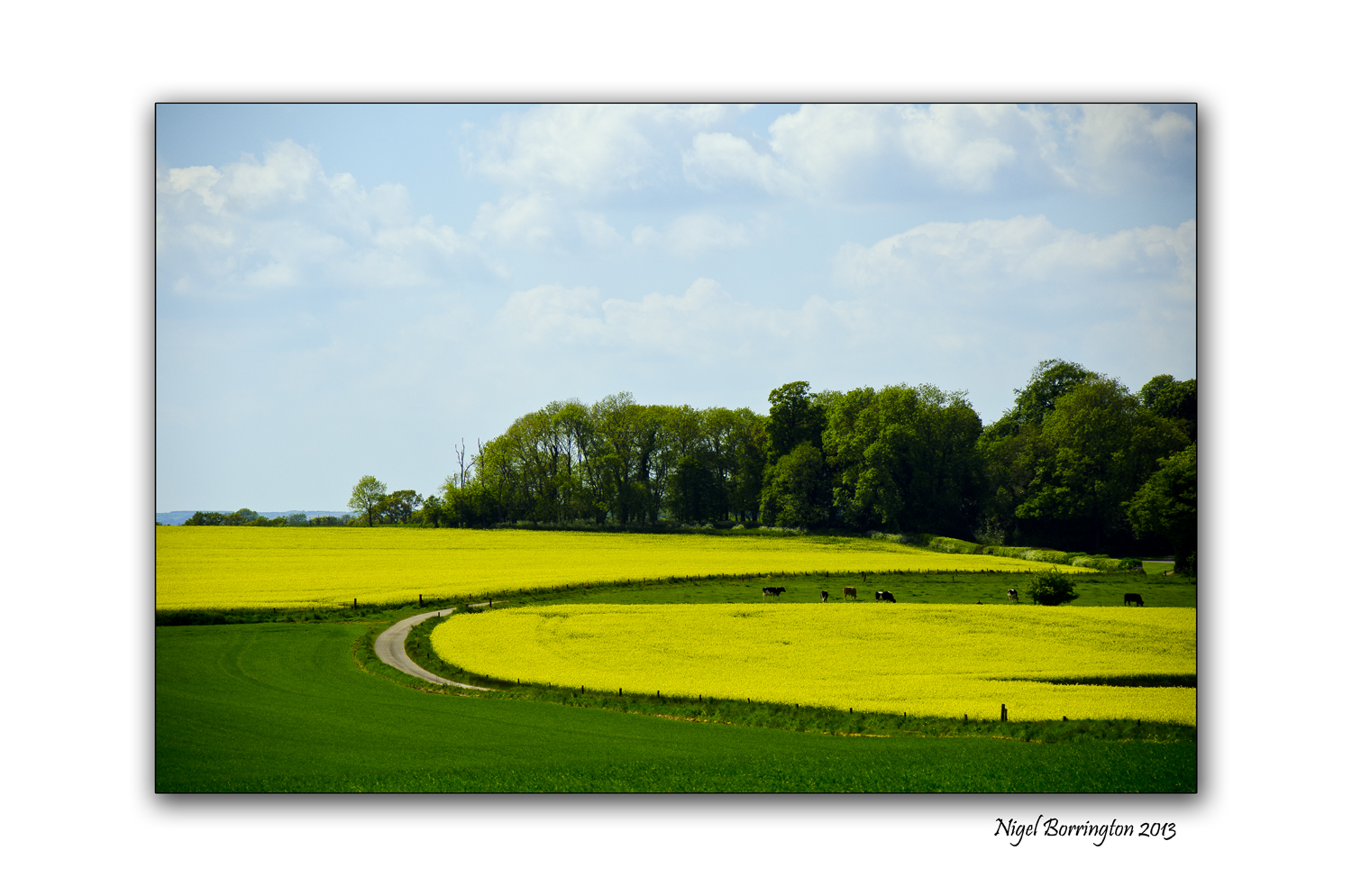
An afternoon walk, Burnchurch County Kilkenny
The towns-lands of Burnchurch, county kilkenny offer one on the most wonderful landscapes in county Kilkenny. The National ploughing match was held here some years back along with national sheep trials. I helped in submitting images for both events.
I took a couple of hours off this afternoon to walk Molly our Golden retriever and take some landscape photographs for my blog and website this time.
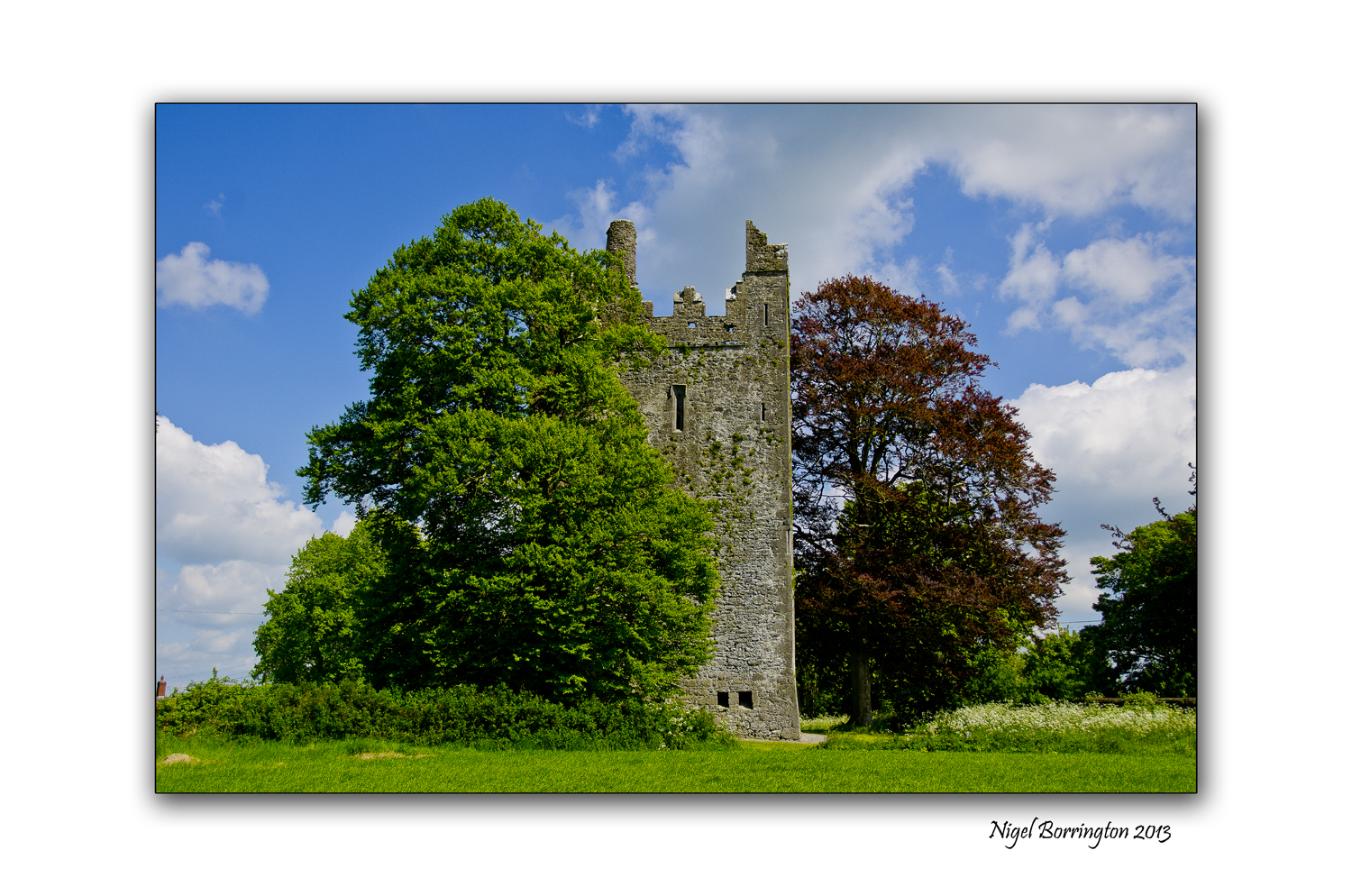
Nikon D7000, 18-200mm vr II lens, iso 100
Burnchurch, County Kilkenny
Landscape photography by : Nigel Borrington

Nikon D7000, 18-200mm vr II lens, iso 100
Burnchurch, County Kilkenny
Landscape photography by : Nigel Borrington

Nikon D7000, 18-200mm vr II lens, iso 100
Burnchurch, County Kilkenny
Landscape photography by : Nigel Borrington
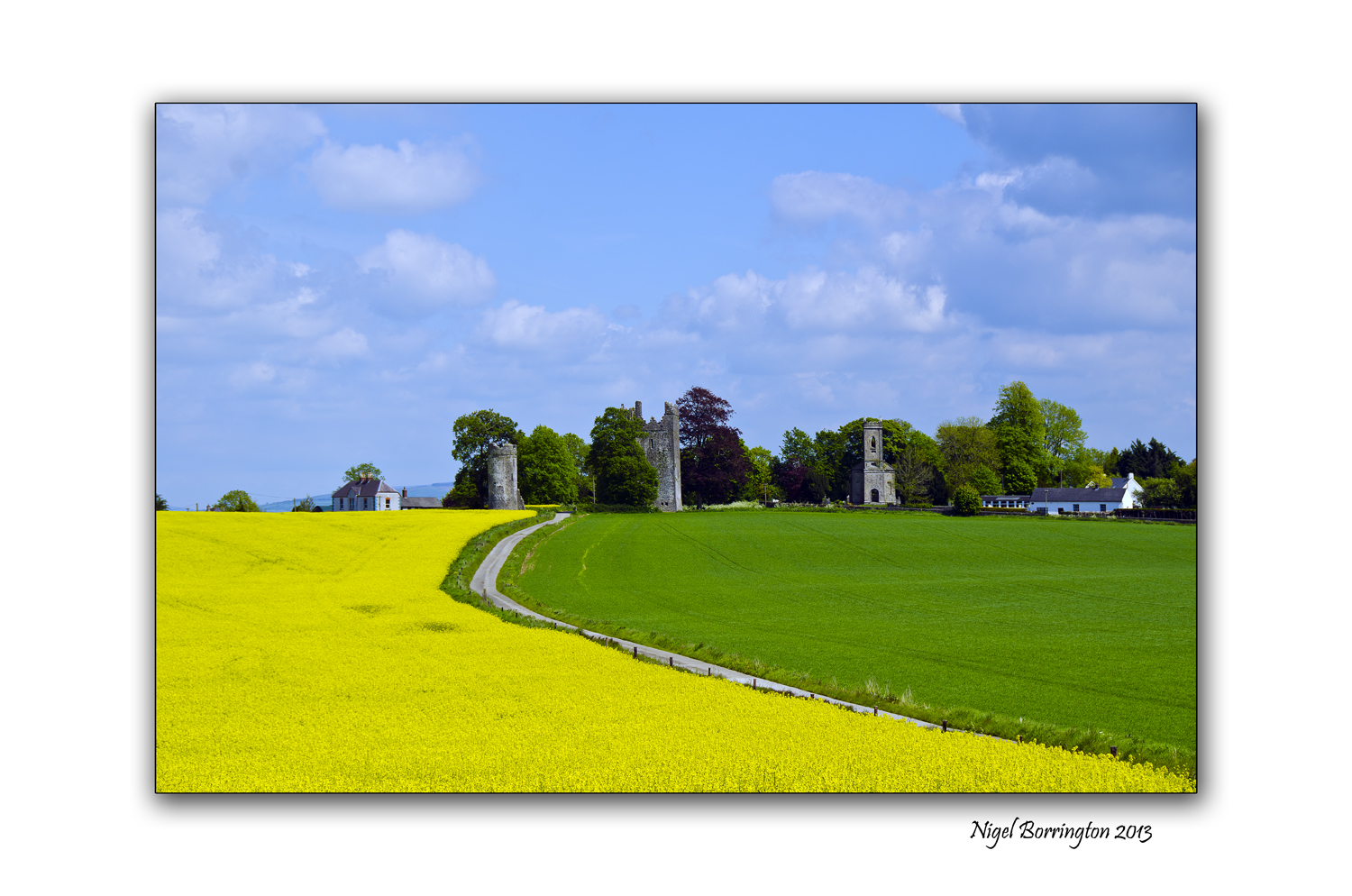
Nikon D7000, 18-200mm vr II lens, iso 100
Burnchurch, County Kilkenny
Landscape photography by : Nigel Borrington
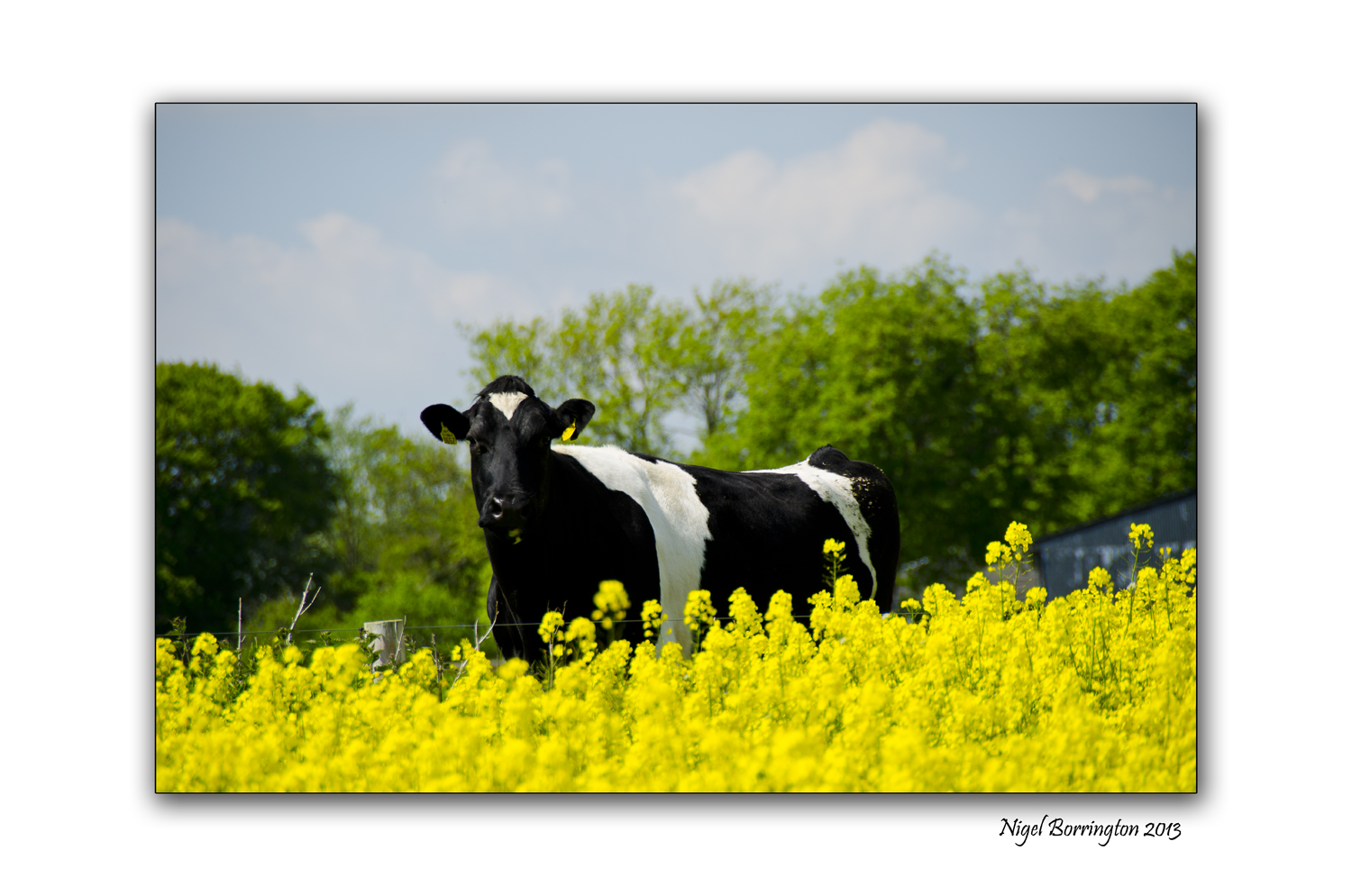
Nikon D7000, 18-200mm vr II lens, iso 100
Burnchurch, County Kilkenny
Landscape photography by : Nigel Borrington

Nikon D7000, 18-200mm vr II lens, iso 100
Burnchurch, County Kilkenny
Landscape photography by : Nigel Borrington
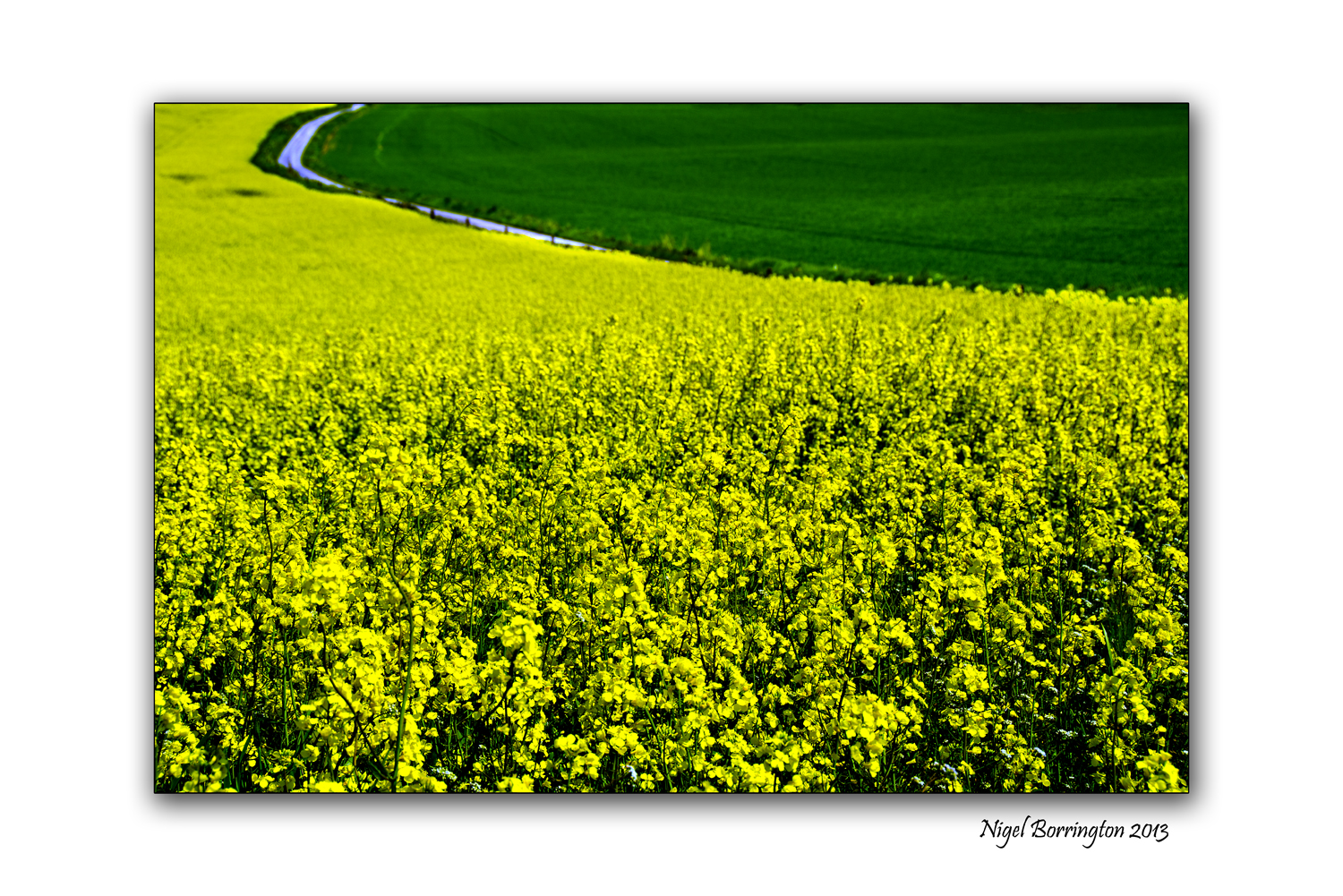
Nikon D7000, 18-200mm vr II lens, iso 100
Burnchurch, County Kilkenny
Landscape photography by : Nigel Borrington
Kilkenny landscape photography

Nikon D7000, 50mm f1.4 lens
Kilkenny Rapeseed fields
Landscape Photography : Nigel Borrington
I love this time of year all the fields in County Kilkenny are coming to life. The Rapeseed fields are just the most wonderful site of them all…..
Rapeseed
She buried the thought
seeds of long ago .
Spirit fields then did ignite
with rapeseed light.
By : Saiom Shriver
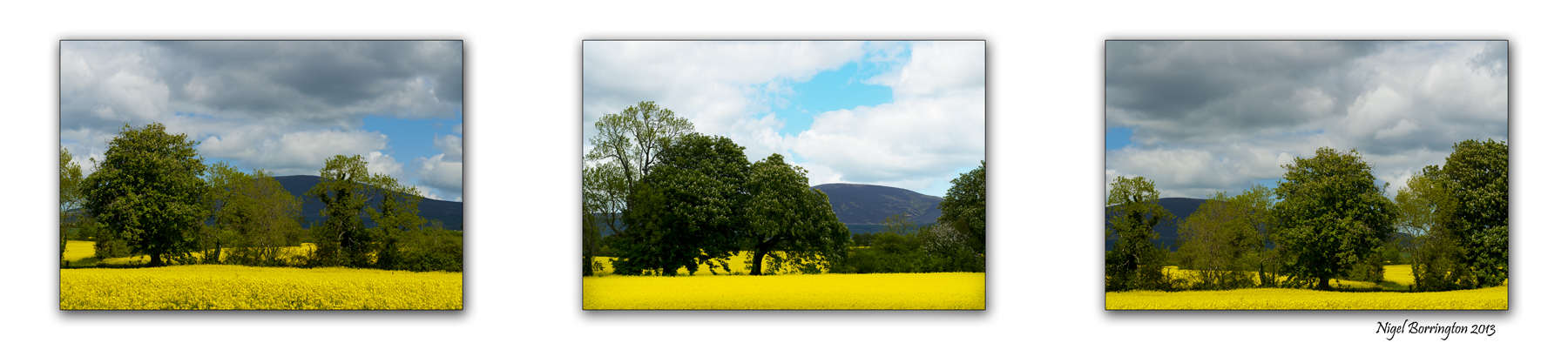
Nikon D7000, 50mm f1.4 lens
Kilkenny Rapeseed fields
Landscape Photography : Nigel Borrington
Its the weekend so…..
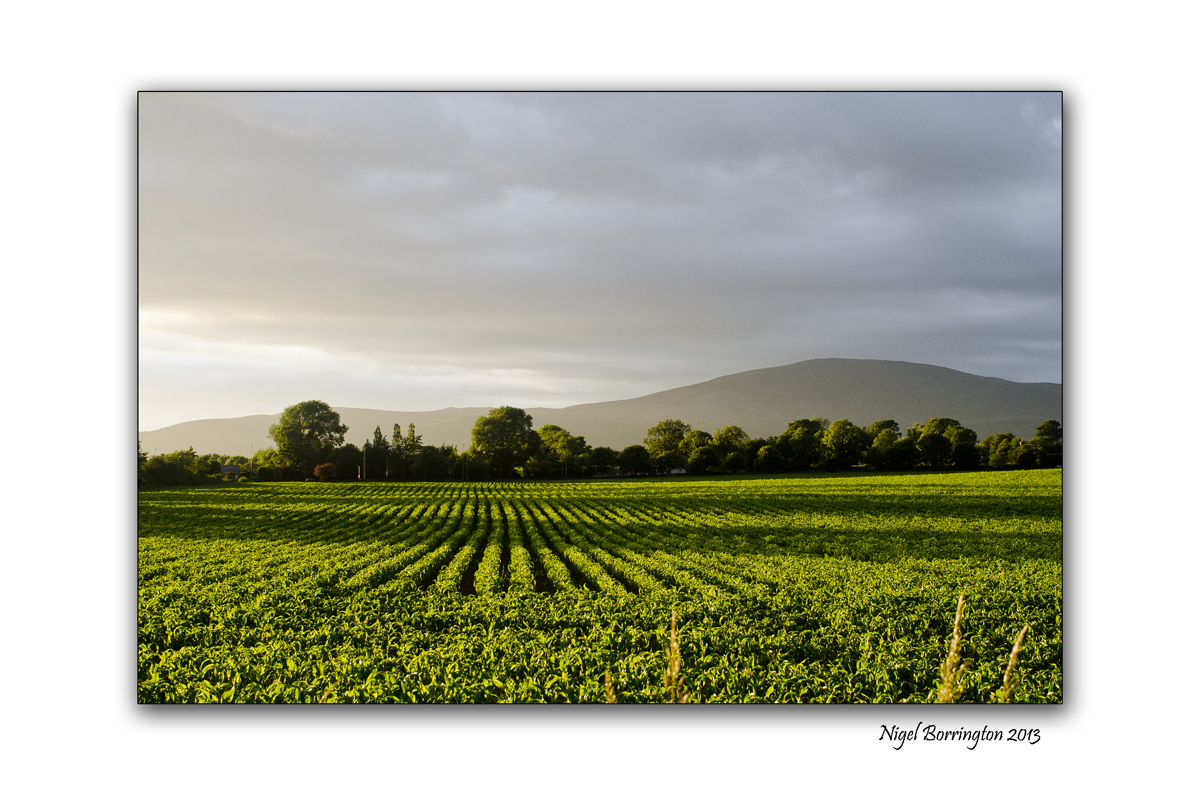
Nikon D7000, 50mm f1.4 lens,iso 100
Kilkenny landscape view
Nigel Borrington
Its the weekend so take a country walk and stop for the views………..
Simple things

Nikon D7000, 200mm Focus lenght
Seed heads
Landscape photography : Nigel Borrington
When I am out and about with my camera, it is often the simplest of natures things that attract my attention…
Studying the Bee

Nikon D7000, 50mm f1.4 lens, iso400
A Bee study
Nigel Borrington
The Irish National Biodiversity Data Centre is one of the best resources you can get, if you want to do some wildlife photography.
You can use the on-line map to find the locations of any wildlife you are looking for.
This is the link for Bees and it contains plenty of valuable information, you can also log your own personal findings by setting up an account and adding your own data.
Croaghlin, Teelin, County Donegal
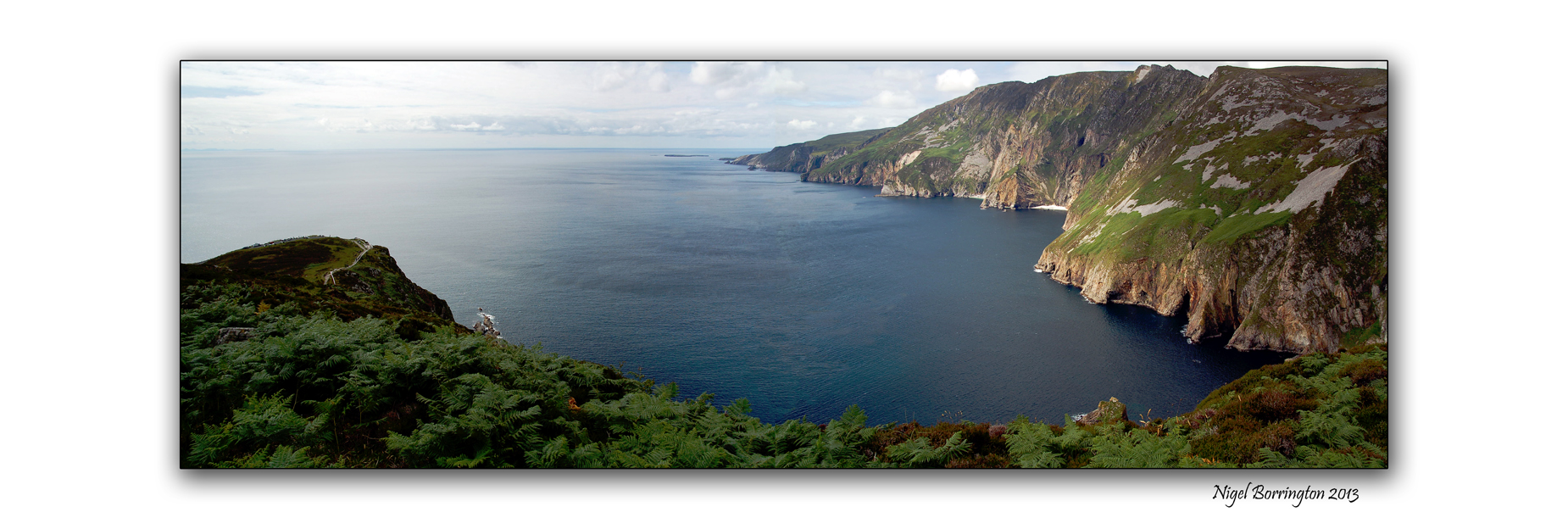
Nikon D7000, 24mm f2.8 af-d lens
Croaghlin, Teelin, County Donegal
Irish Landscape Photography : Nigel Borrington

Nikon D7000, 50mm f1.4 af-d lens
Croaghlin, Teelin, County Donegal
Irish Landscape Photography : Nigel Borrington
Croaghlin Teelin, is one of County Donegal’s most iconic landscape images. The cliff and coastal views appears in many tourist websites and tourist office publications.
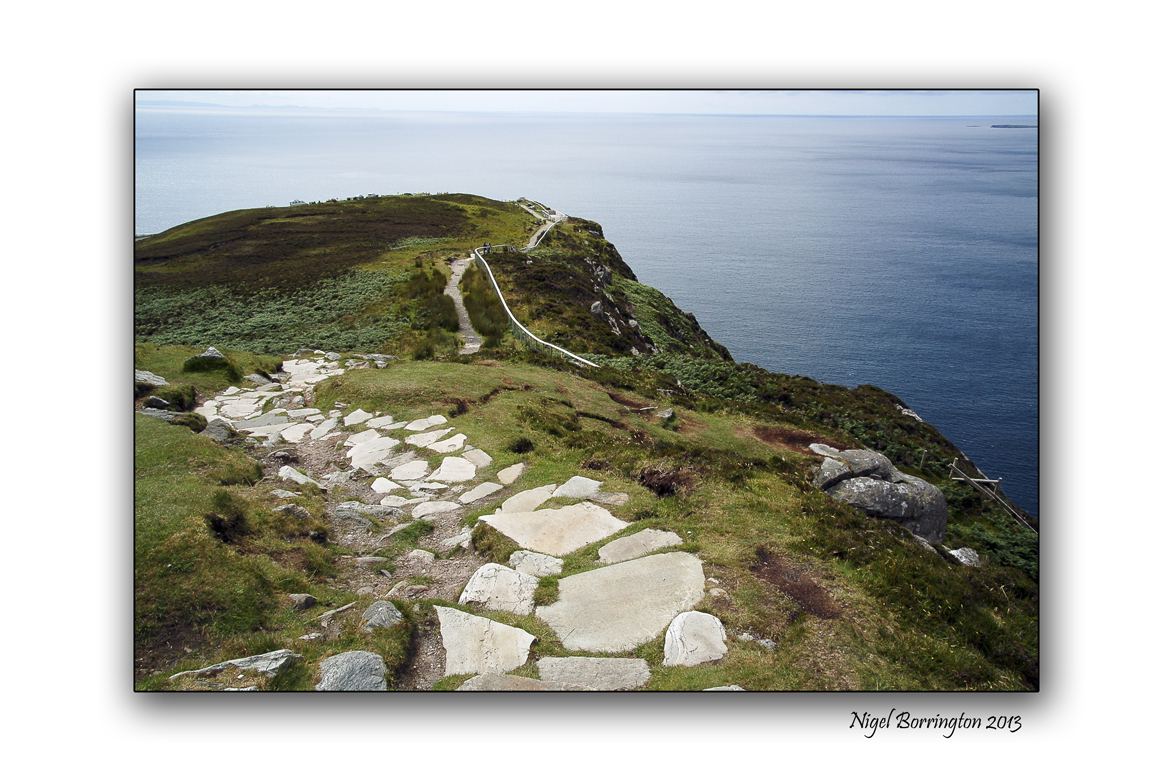
There is a long walk up the stone path to get the best views, but it is well worth the effort.
If you are visiting Donegal, Croaghlin is near Carrick and past Killybegs.
Allihies
Allihies area from the old Cloan hills road.

Nikon D7000, 24-85mm f3.5 lens.
Allihies, west cork
Irish Landscape photography : Nigel Borrington
Allihies, west cork, offers one of Ireland’s most remote and stunning Landscapes, This shot was taken on a visit Last year.
The old Cloan, copper mining road out of the town gives some stunning landscape views of the area below

It also passes the old copper mines in the hills above the town.
Saltee’s Great black backed Gull

Nikon D7000, 50mm f1.4 lens
Great black backed Gull,Saltee Islands, County Wexford
Wildlife photography : Nigel Borrington
OK, lets put a bit of wildlife colour into the day….
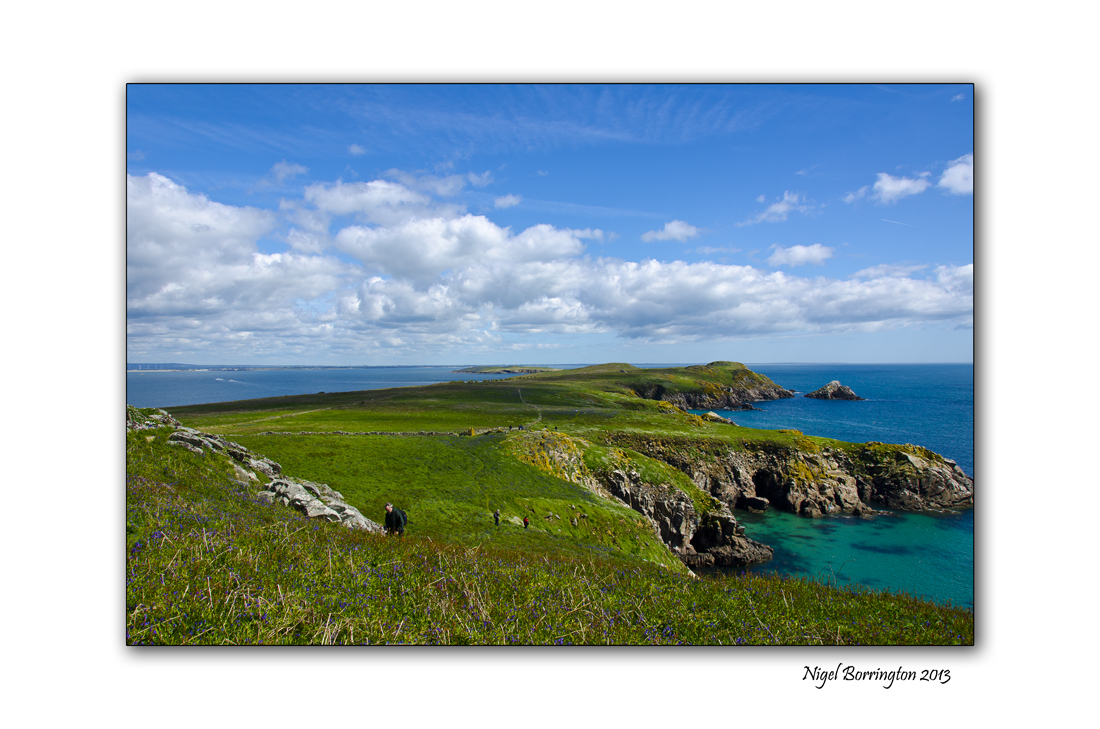
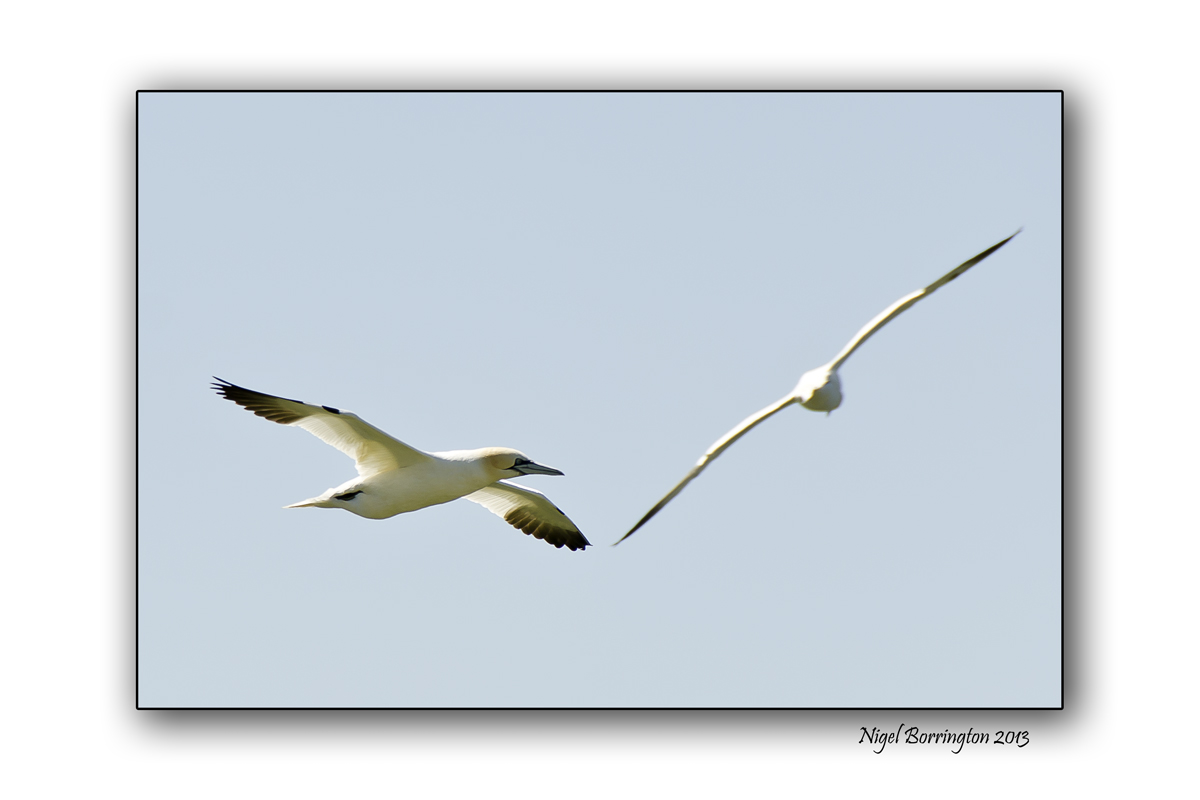
I took this image on a visit to the Saltee islands, county wexford. This wonderful Black backed gull was guarding her eggs very well indeed . What I cannot get across in the picture is the noise of the islands, with thousands of these birds both on the ground and in the air it is one of the best wildlife experiences you could dream of having on a spring day.

Good morning Ducks

Nikon D7000, 50mm f1.4 lens, iso 200
Russian grey geese
Nigel Borrington
This Morning is one of our last mornings for a while that we are looking after our friends farm while they are away, So I thought I would share the experience of feeding their Muscovy ducks( Thank you seeingspotsphoto ).
They sleep the night in a home made hut to keep out any interested foxes that may wonder into the field, the hut is just lovely and the work that going into both building it and keeping it looking so rustic is wonderful.
The six of them eat wet meal feed served into a dish from a bucket filled with water and soaked overnight, its just brilliant to watch them in the morning finding a place to feed from.
This time helping look after the chickens, geese and horses has just been brilliant!
Kilkenny landscape photography
Nikon D7000, 50mm f1.4 lens, iso 400
Kings river, kilkenny landscape images
Nigel Borrington
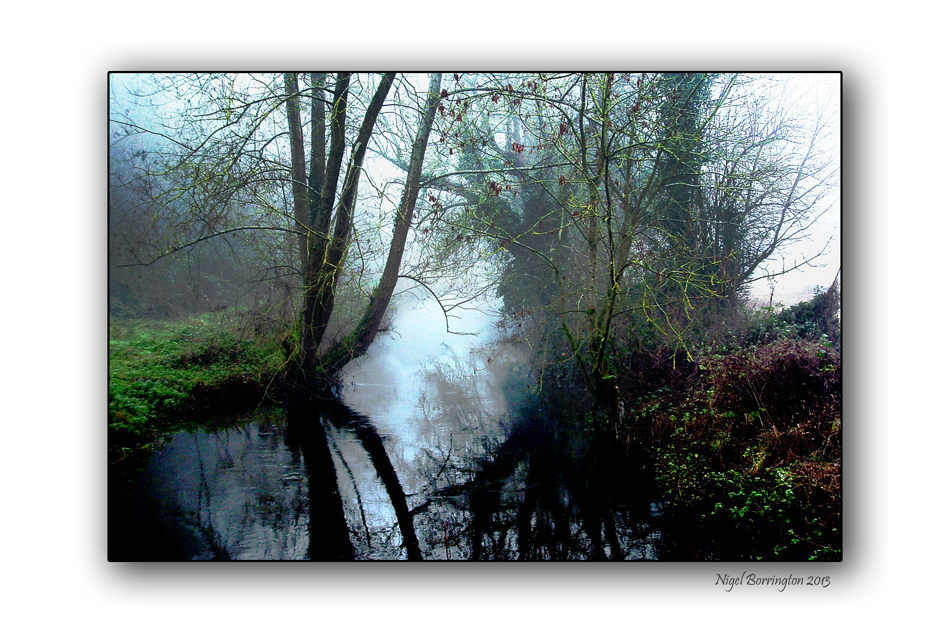
Misty Morning on the Kings river…
The Kings River (Irish: Abhainn Rí), flows through South Tipperary and County Kilkenny. It is a tributary of the River Nore.
It has its source in the Slieveardagh Hills in South Tipperary.It has many tributaries of its own.There are three main tributaries that are not named but are the original sources.One started as a spring in the townsland of Ballyphilip.The two remaining tributaries rise in the townsland of Gurteen. It flows southeast from the hills and crosses into County Kilkenny. It is joined by the Munster River before passing through the town of Callan. It continues eastwards from Callan, past Kells and joins the River Nore west of Thomastown.
Last one for today…
I am about to start re-designing my http://www.studio63.ie web site, I need to start thinking about how to rebuild this and my business ideas, who knows what to do at the moment, but here goes anyway!!
Great Black backed Gull

The photograph in my last post is of the Saltee Islands, County wexford. You can only visit the island via boat and mostly with a wildlife group or on days when the boat is booked with a good amount of people. The island is a wildlife paradise and a photographers dream, you can find almost any position on the cliff tops to setup your camera and the birds will just come to you. However moving to find the type or group of bird is advisable.
The Saltee Islands has over 220 species of birds, these included images are of the Great black backed Gull.
“GREAT BLACK BACKED GULL
Great Black backed Gulls are the lords of the seabird colonies. They choose the highest vantage points to build their nests. The adults are unmistakable because of their size, jet black wings and mantle, measuring two and a half feet with a five foot wingspan. The massive bill is yellow with an orange spot on the lower mandible. If an intruder approaches the parents call anxiously and the young birds “freeze” in the dense cover and are hard to locate. The parents also will also make low swoops at the intruders head, however they seldom strike. Great Black backed Gulls breed on the island, and are in abundance all year.”
You can only stay on the island for a day as you have to leave on the last boat, this is to protect the environment of the island as birds nest on almost a hundred percent of the ground area and no camping would be possible.
I got some three hundred usable images from this day so will keep posting images along with some information on the wildlife involved….
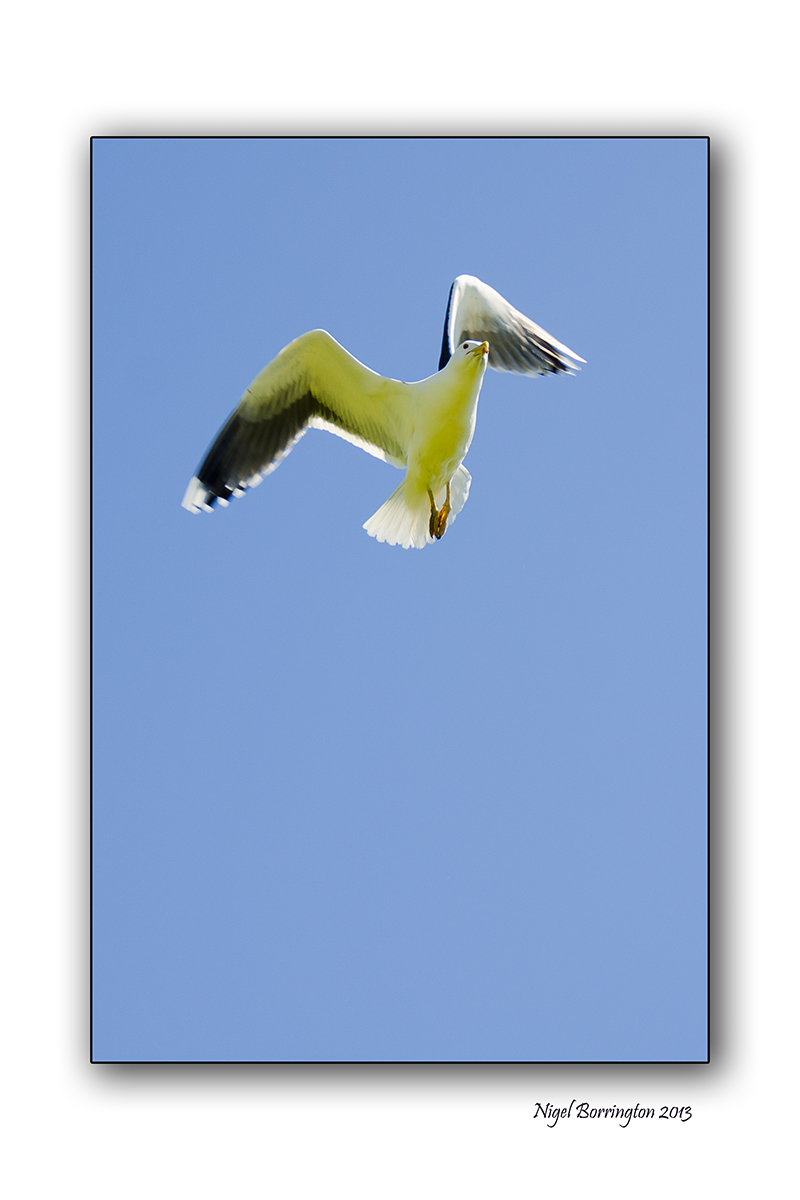

Saltees Island, Gannets
Gannets flying over the Saltees islands, Co Wexford
Nikon D7000
80-300 vr lens
Nigel Borrington
Gannets Roosting, Saltees islands, Wexford
Nikon D7000
80-300 vr lens
Nigel Borrington
Allihies, Beara, Co. Cork, Ireland
A sense of place (Allihies, Beara, Co. Cork, Ireland) in eight images
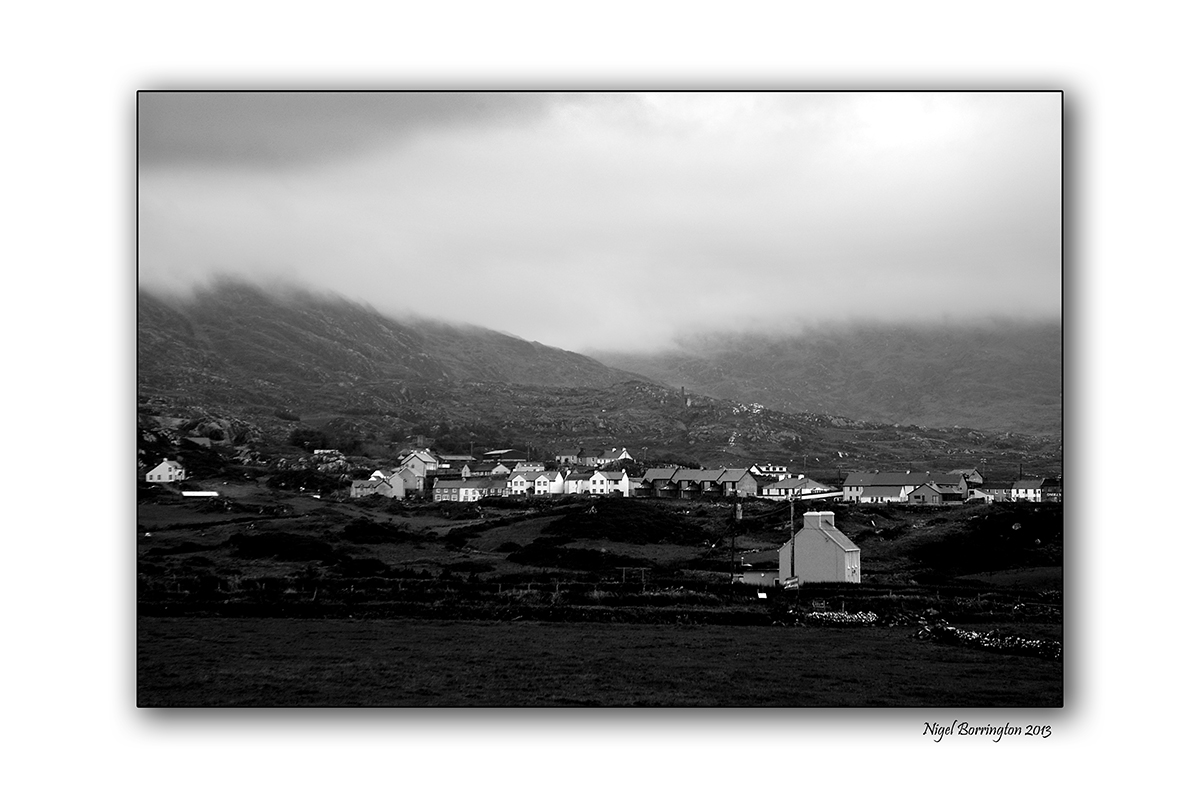
View of Allihies town
Nikon D7000
Landscape photography ; Nigel Borrington
Allihiies, Co Cork is one of my favourite places to stay In Ireland, We have spent some time here and I think it’s very likely we will return.
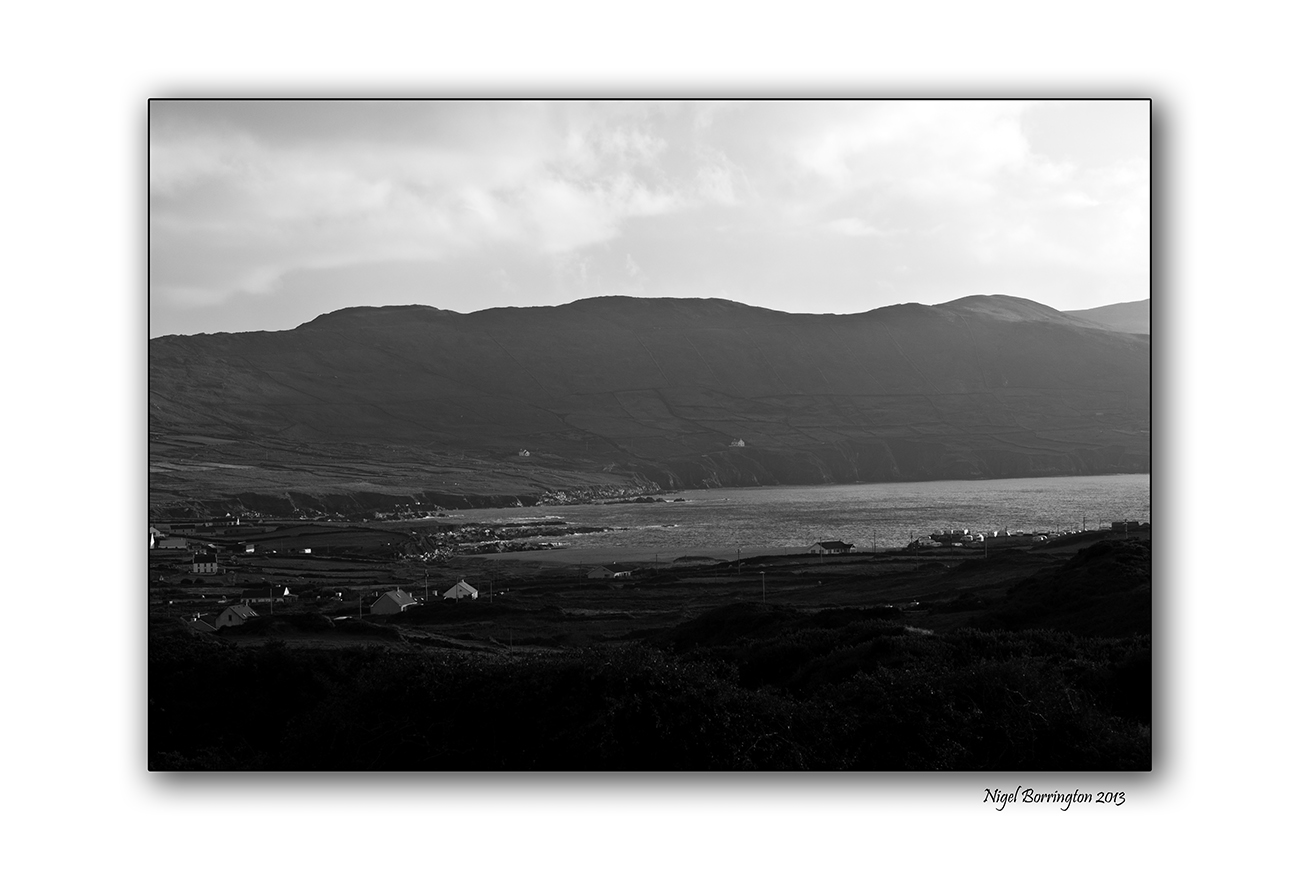
Mountains and setting


.
The town is located at the tip of the Beara peninsular, co cork and is just about as remote a place as you can get. The feeling here is of escape and as such is perfect for a week’s holiday.
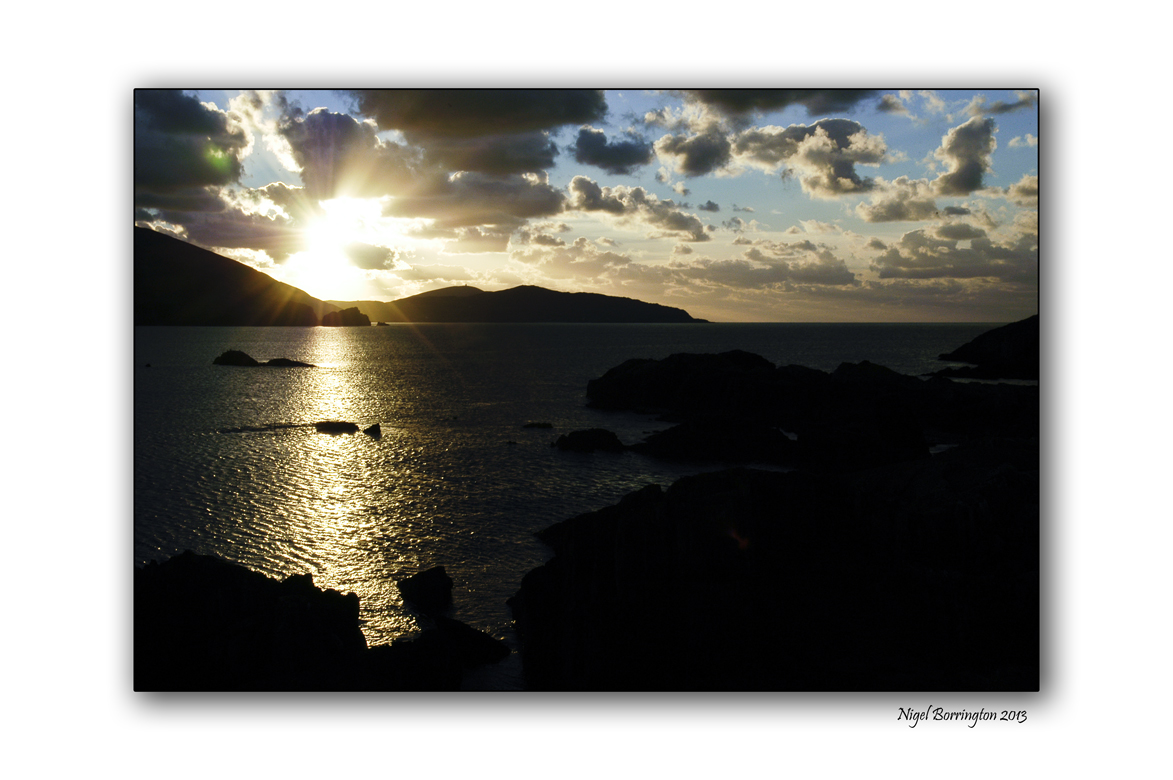
The Harbour
.
The copper mines are the main feature of the town and the museum makes an excellent visit during the week we spent some time in here as it has a great coffee shop with a view of the harbour.


.
I will re-visit Allihies over the next weeks with more posts as it is just a wonderful place
All Images taken on a Nikon D7000, in September 2010
Pre-Wedding Photography
The following three images are from a wedding I photographed last year.
I love these moment before the main wedding events, all the preparations are over, the weeks before have passed by and the day is here. Everyone feels more relaxed as nothing more can be done. Its now down to remembering a few lines and enjoying the events.


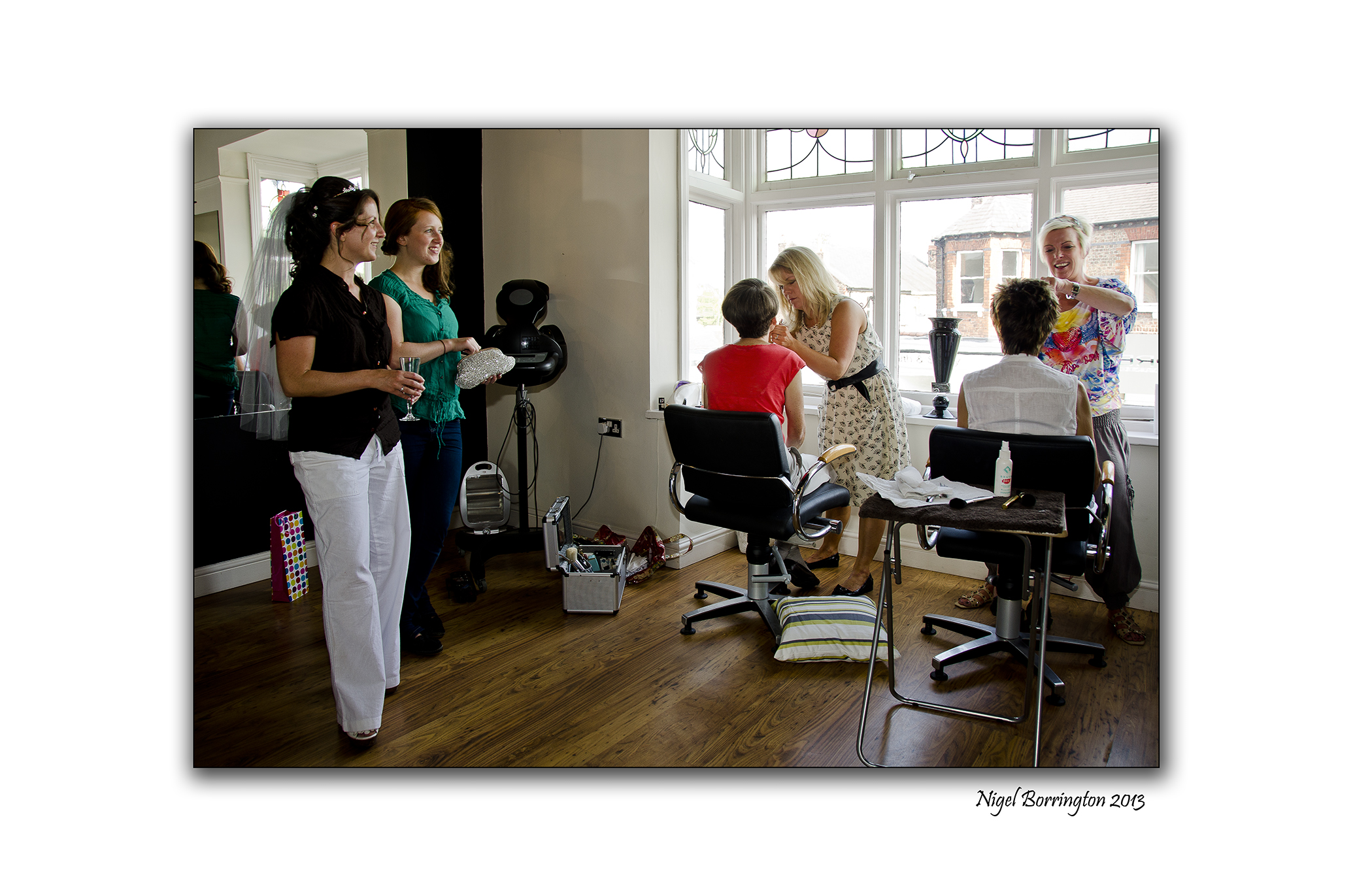
All images taken on a nikon d700/7000 slr…..
Achill island
A sense of place (Achill island, County Mayo) in ten black and white images ..
I don’t usually post images by themselves but I want these images just to speak for themselves ….
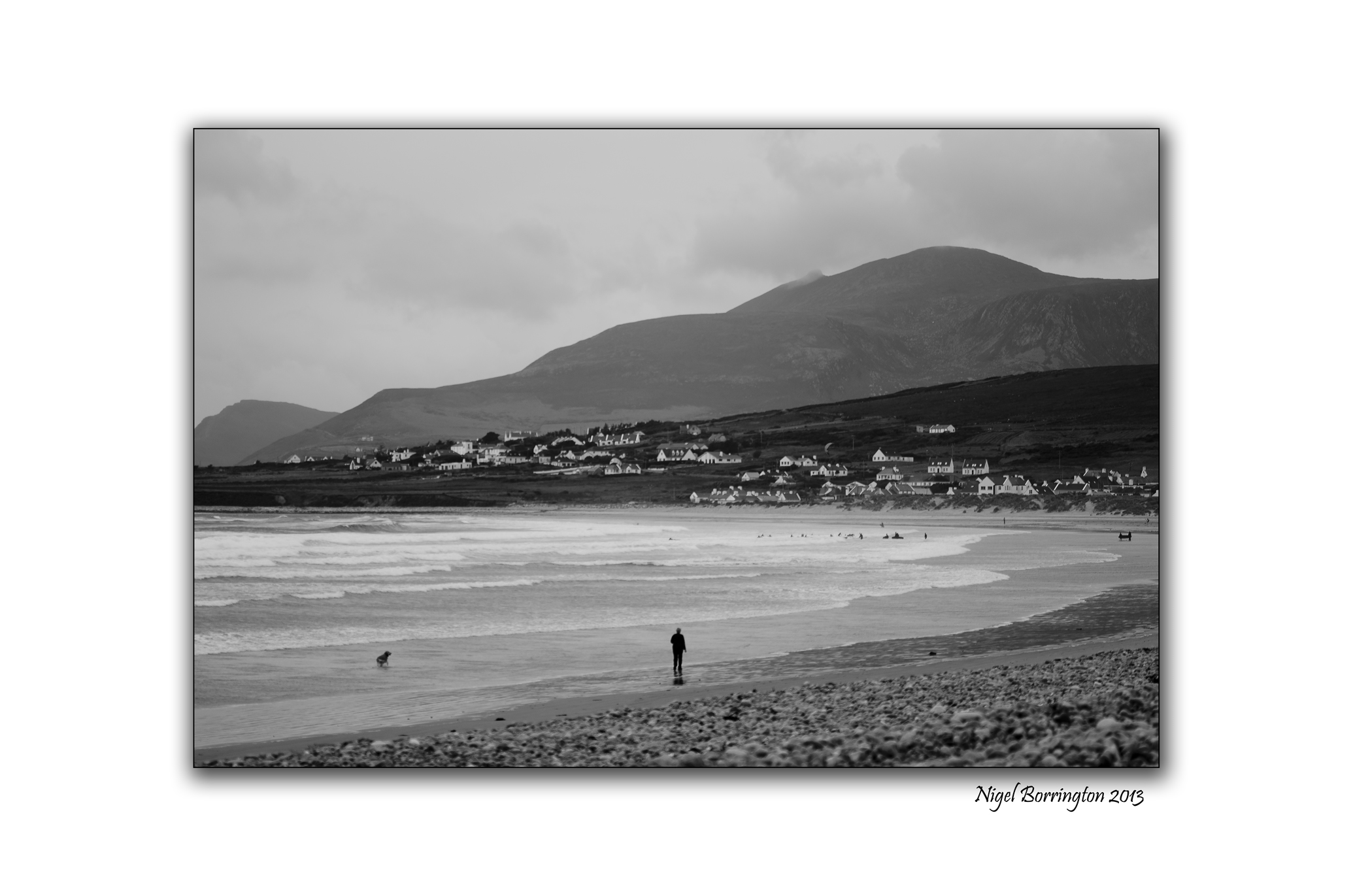

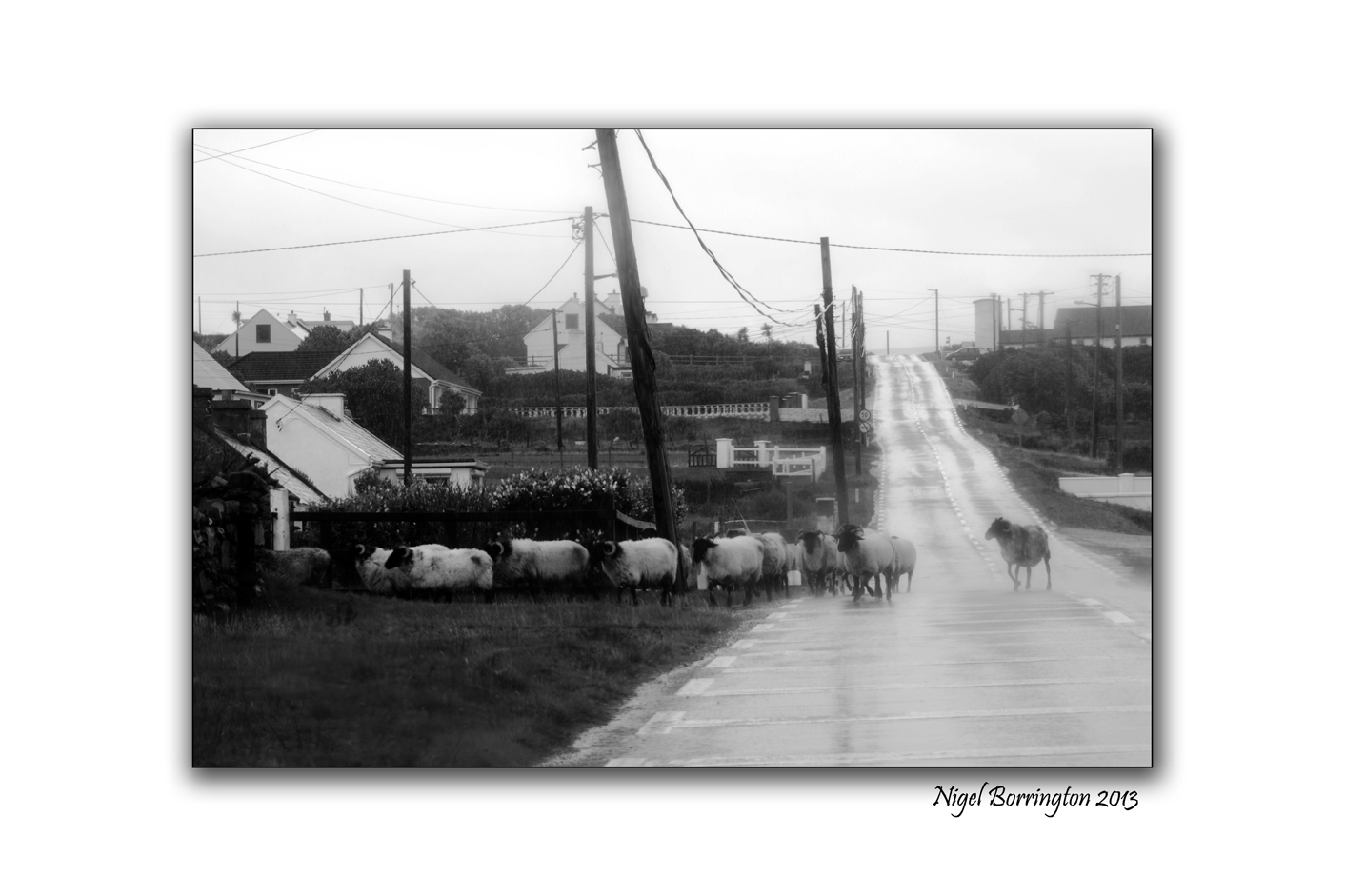
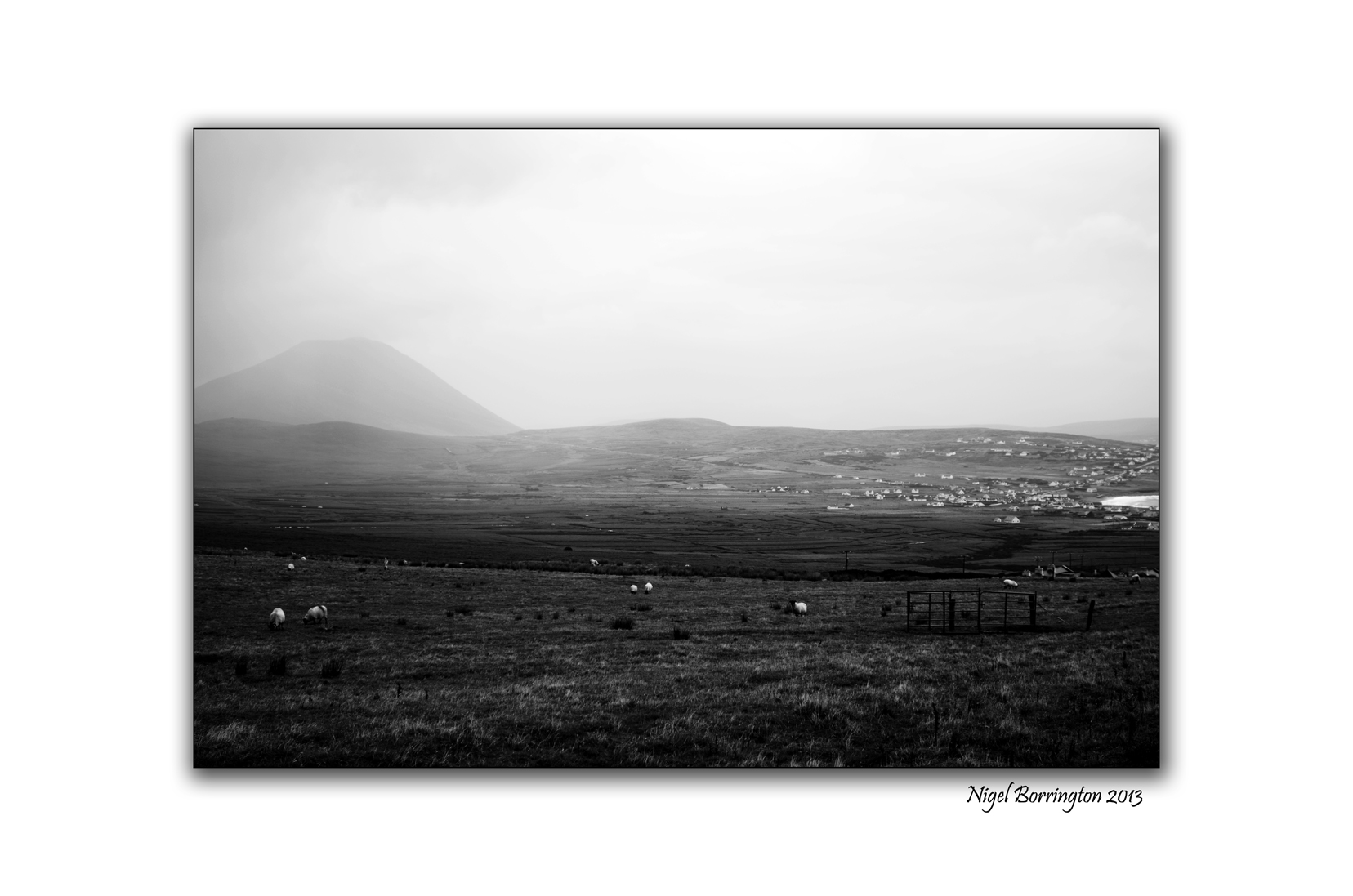

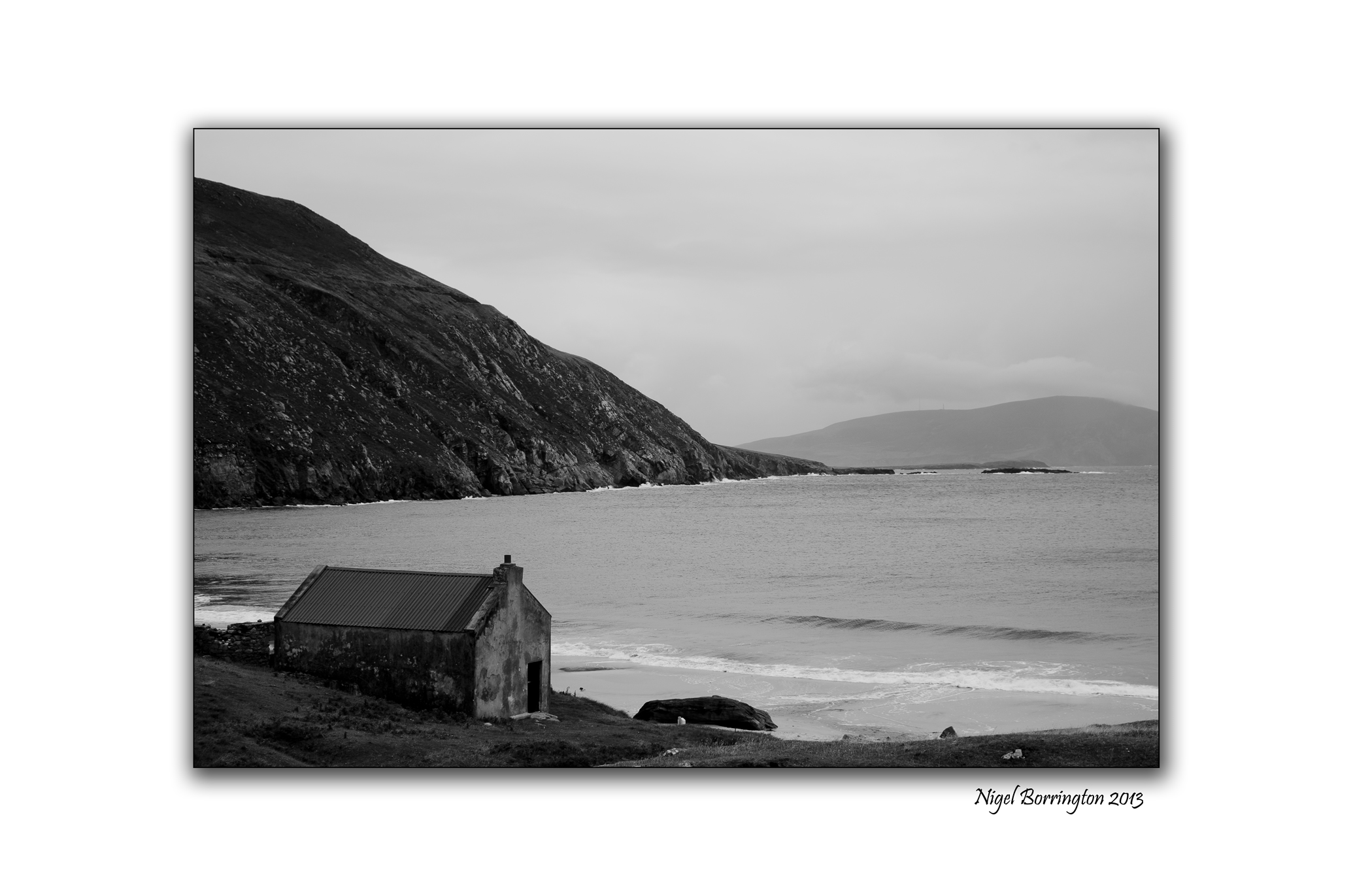

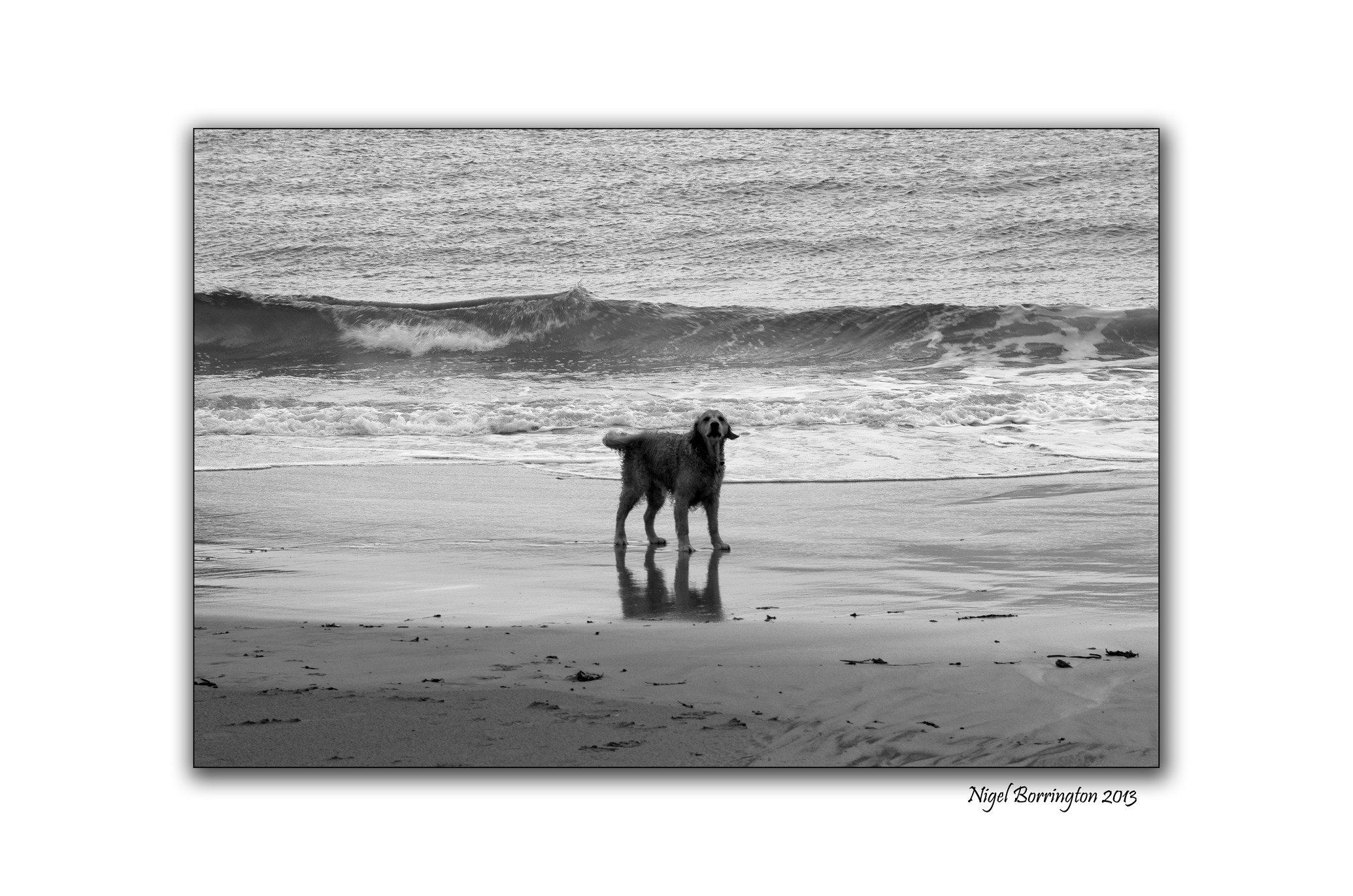
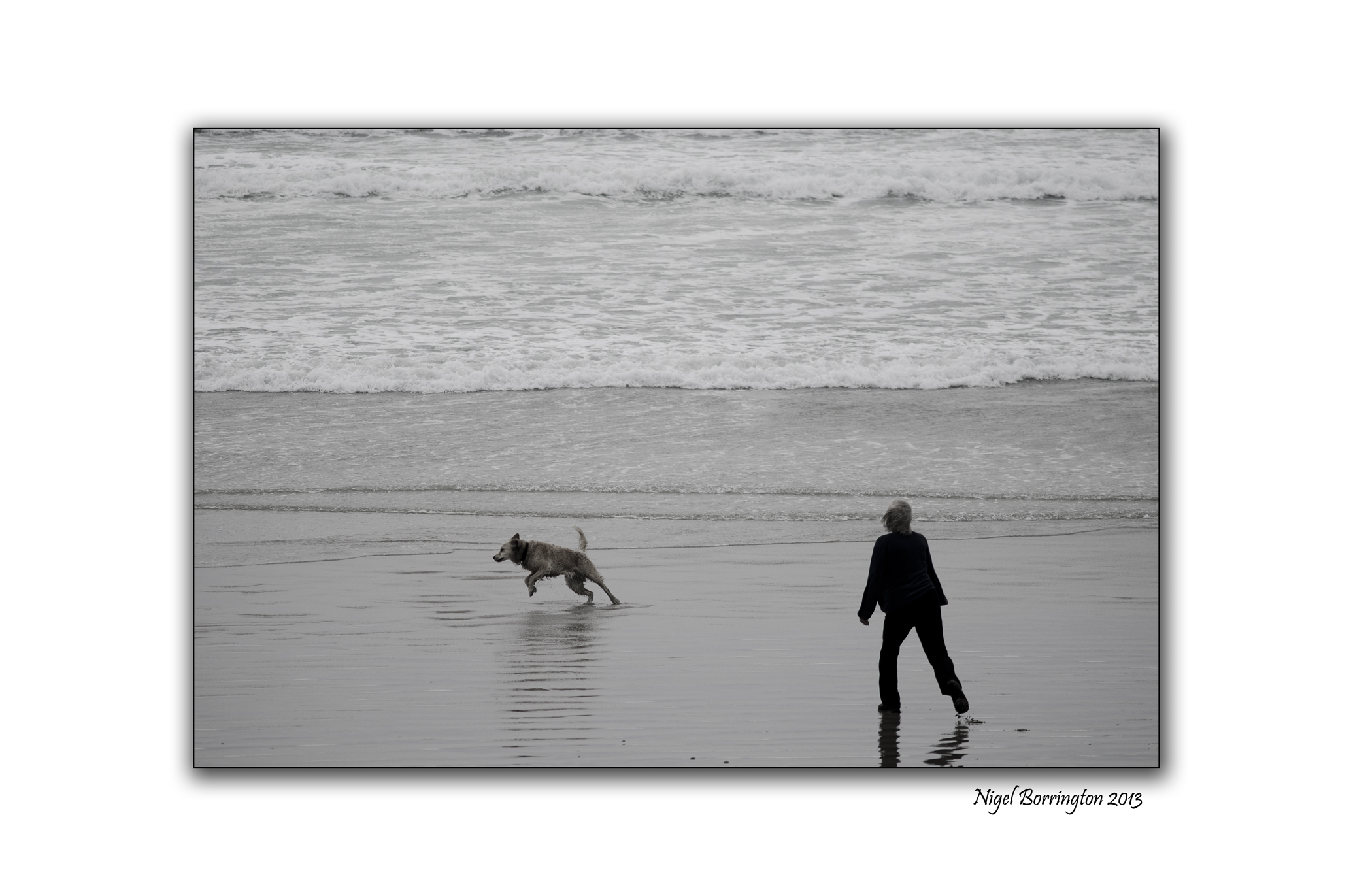
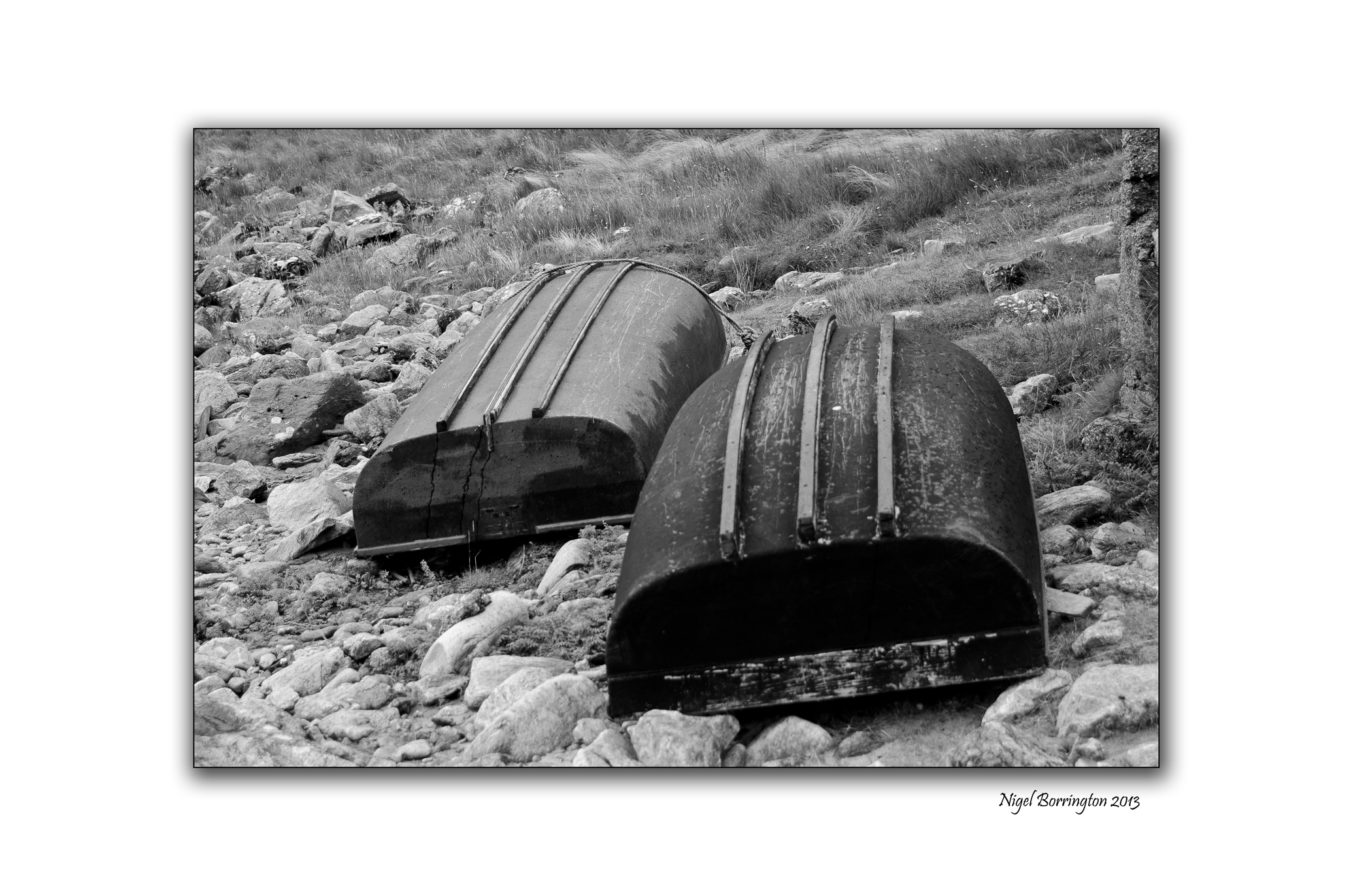
All images taken on a Nikon D7000, set to black and white and in September 2011….
Feel free to add some comments !
Dandelion
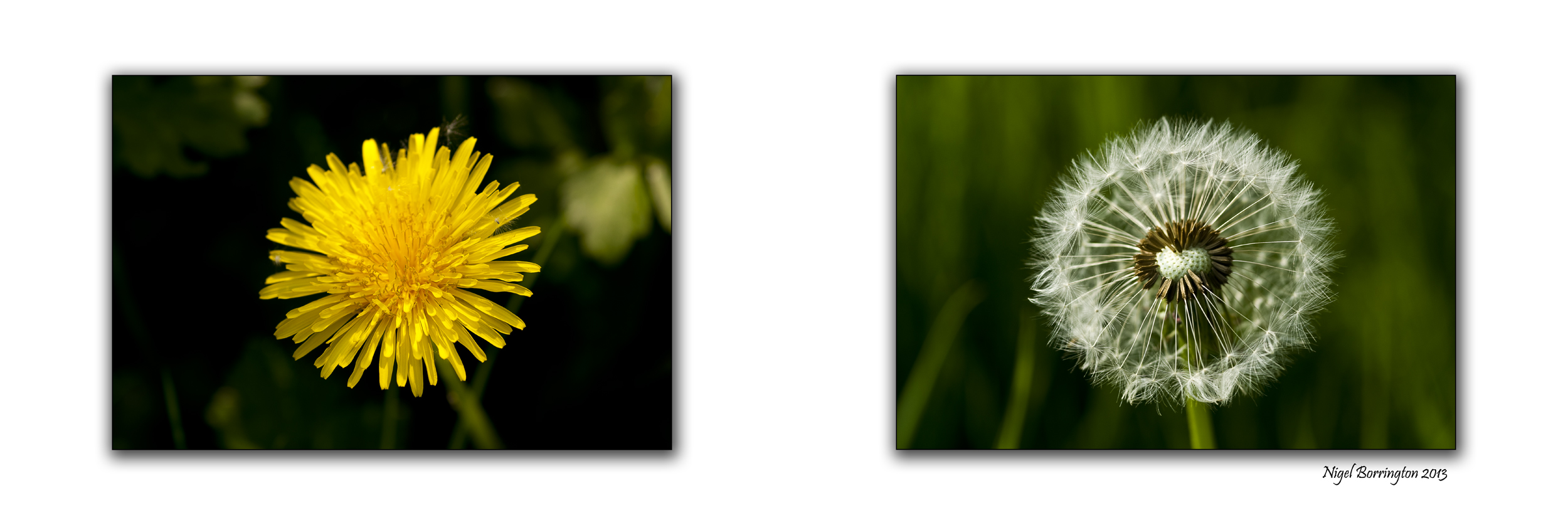
The Dandelion
The Dandelion has to be one of the most available of natures plants and flowers during the summer, but according to the following article it can be used as a very effective drug:
By Peter Gail
Suppose your doctor tells you, on your next visit, that he has just discovered a miracle drug which, when eaten as a part of your daily diet or taken as a beverage, could, depending on the peculiarities of your body chemistry: prevent or cure liver diseases, such as hepatitis or jaundice; act as a tonic and gentle diuretic to purify your blood, cleanse your system, dissolve kidney stones, and otherwise improve gastro-intestinal health; assist in weight reduction; cleanse your skin and eliminate acne; improve your bowel function, working equally well to relieve both constipation and diarrhea; prevent or lower high blood pressure; prevent or cure anemia; lower your serum cholesterol by as much as half; eliminate or drastically reduce acid indigestion and gas buildup by cutting the heaviness of fatty foods; prevent or cure various forms of cancer; prevent or control diabetes mellitus; and, at the same time, have no negative side effects and selectively act on only what ails you. If he gave you a prescription for this miracle medicine, would you use it religiously at first to solve whatever the problem is and then consistently for preventative body maintenance?
All the above curative functions, and more, have been attributed to one plant known to everyone, Taraxacum officinale, which means the “Official Remedy for Disorders.” We call it the common dandelion. It is so well respected, in fact, that it appears in the U.S. National Formulatory, and in the Pharmacopeias of Hungary, Poland, Switzerland, and the Soviet Union. It is one of the top 6 herbs in the Chinese herbal medicine chest.
According to the USDA Bulletin #8, “Composition of Foods” (Haytowitz and Matthews 1984), dandelions rank in the top 4 green vegetables in overall nutritional value. Minnich, in “Gardening for Better Nutrition” ranks them, out of all vegetables, including grains, seeds and greens, as tied for 9th best. According to these data, dandelions are nature’s richest green vegetable source of beta-carotene, from which Vitamin A is created, and the third richest source of Vitamin A of all foods, after cod-liver oil and beef liver! They also are particularly rich in fiber, potassium, iron, calcium, magnesium, phosphorus and the B vitamins, thiamine and riboflavin, and are a good source of protein.
These figures represent only those published by the USDA. Studies in Russia and Eastern Europe by Gerasimova, Racz, Vogel, and Marei (Hobbs 1985) indicate that dandelion is also rich in micronutrients such as copper, cobalt, zinc, boron, and molybdenum, as well as Vitamin D.
Much of what dandelions purportedly do in promoting good health could result from nutritional richness alone. Vogel considers the sodium in dandelions important in reducing inflammations of the liver. Gerasimova, the Russian chemist who analyzed the dandelion for, among other things, trace minerals, stated that “dandelion [is] an example of a harmonious combination of trace elements, vitamins and other biologically active substances in ratios optimal for a human organism” (Hobbs 1985).
Recent research, reported in the Natural Healing and Nutritional Annual, 1989 (Bricklin and Ferguson 1989) on the value of vitamins and minerals indicates that:
* Vitamin A is important in fighting cancers of epithelial tissue, including mouth and lung;
* Potassium rich foods, in adequate quantities, and particularly in balance with magnesium, helps keep blood pressure down and reduces risks of strokes;
* Fiber fights diabetes, lowers cholesterol, reduces cancer and heart disease
risks, and assists in weight loss. High fiber vegetables take up lots of room, are low in calories, and slow down digestion so the food stays in the stomach longer and you feel full longer;
* Calcium in high concentrations can build strong bones and can lower blood pressure;
* B vitamins help reduce stress.
Throughout history, dandelions have had a reputation as being effective in promoting weight loss and laboratory research indicates that there is some support for this reputation. Controlled tests on laboratory mice and rats by the same Romanians indicated that a loss of up to 30% of body weight in 30 days was possible when the animals were fed dandelion extract with their food. Those on grass extract lost much less. The control group on plain water actually gained weight.
Beyond nutritional richness, however, are the active chemical constituents contained in dandelions which may have specific therapeutic effects on the body. These include, as reported by Hobbs (1985):
* Inulin, which converts to fructose in the presence of cold or hydrochloric acid in the stomach. Fructose forms glycogen in the liver without requiring insulin, resulting in a slower blood sugar rise, which makes it good for diabetics and hypoglycemics;
* Tof-CFr, a glucose polymer similar to lentinan, which Japanese researchers have found to act against cancer cells in laboratory mice; Lentinan is a yeast glucan (glucose polymer) that increases resistance against protozoal and viral infections.;
* Pectin, which is anti-diarrheal and also forms ionic complexes with metal ions, which probably contributes to dandelion’s reputation as a blood and gastrointestinal detoxifying herb. Pectin is prescribed regularly in Russia to remove heavy metals and radioactive elements from body tissues. Pectin can also lower cholesterol and, combined with Vitamin C, can lower it even more. Dandelion is a good source of both Pectin and Vitamin C;
* Coumestrol, an estrogen mimic which possibly is responsible, at least in part, for stimulating milk flow and altering hormones;
* Apigenin and Luteolin, two flavonoid glycosides which have been demonstrated to have diuretic, anti-spasmodic, anti-oxidant and liver protecting actions and properties, and also to strengthen the heart and blood vessels. They also have anti-bacterial and anti-hypoglycemic properties, and, as estrogen mimics, may also stimulate milk production and alter hormones;
* Gallic Acid, which is anti-diarrheal and anti-bacterial;
* Linoleic and Linolenic Acid, which are essential fatty acids required by the body to produce prostaglandin which regulate blood pressure and such body processes as immune responses which suppress inflammation. These fatty acids can lower chronic inflammation, such as proliferative arthritis, regulate blood pressure and the menstrual cycle, and prevent platelet aggregation;
* Choline, which has been shown to help improve memory;
*Several Sesquiterpene compounds which are what make dandelions bitter. These may partly account for dandelions tonic effects on digestion, liver, spleen and gall bladder, and are highly anti-fungal;
* Several Triterpenes, which may contribute to bile or liver stimulation;
* Taraxasterol, which may contribute to liver and gall bladder health or to hormone altering.
These chemicals, individually, are not unique to dandelions, but the combination of them all in one plant, along with high levels of vitamins, minerals, carbohydrates, proteins and fiber account for the many claims made regarding the plant.
These claims include the following results of clinical and laboratory research, again as reported in Hobbs (1985):
* A doubling of bile output with leaf extracts, and a quadrupling of bile output with root extract. Bile assists with the emulsification, digestion and absorption of fats, in alkalinizing the intestines and in the prevention of putrefaction. This could explain the effectiveness of dandelion in reducing the effects of fatty foods (heartburn and acid indigestion);
* A reduction in serum cholesterol and urine bilirubin levels by as much as half in humans with severe liver imbalances has been demonstrated by Italian researchers;
* Diuretic effects with a strength approaching that of the potent diuretics Furosemide and Lasix, used for congestive heart failure and cirrhosis of the liver, with none of the serious side effects, were found by Romanian scientists. They found that water extract of dandelion leaves, administered orally, because of its high potassium content, replaced serum potassium electrolytes lost in the urine, eliminating such side effects common with the synthetics as severe potassium depletion, hepatic coma in liver patients, circulatory collapse, and transmission through mothers’ milk;
* In 1979 a Japanese patent was filed for a freeze-dried warm water extract of dandelion root for anti-tumor use. It was found that administration of the extract markedly inhibited growth of particular carcinoma cells within one week after treatment;
* Dental researchers at Indiana University in 1982 used dandelion extracts in antiplaque preparations;
* In studies from 1941 to 1952, the French scientist Henri Leclerc demonstrated the effectiveness of dandelion on chronic liver problems related to bile stones. He found that roots gathered in late summer to fall, when they are rich in bitter, white milky latex, should be used for all liver treatments;
* In 1956, Chauvin demonstrated the antibacterial effects of dandelion pollen, which may validate the centuries old use of dandelion flowers in Korean folk medicine to prevent furuncles (boils, skin infections), tuberculosis, and edema and promote blood circulation.
Also, Witt (1983) recommends dandelion tea to alleviate the water buildup in PMS (pre-menstrual syndrome).
There are many testimonials from those who have benefited from the use of dandelions in the treatment of what ailed them.
Robert Stickle, an internationally famous architect, was diagnosed as having a malignant melanoma 21 years ago, and was given, after radical surgery had not halted its spread, less than 2 years to live. He said, in a letter to Jeff Zullo, president of the Society for the Promotion of Dandelions, (June 23, 1986):
” I went on a search for the answer to my mortal problem, and [discovered] that perhaps it was a nutritional dilemma…. To me, cancer is primarily a liver failure manifestation. {Italians are very concerned about problems of the ‘fegato’]. [I discovered that] the cancer rate in native Italians is very low among the farming population (paesanos). When they get affluent and move to the city, its the same as the rest of civilized man. Paesanos eat dandelions, make brew from the roots, and are healthy, often living to over 100 years.”
He states that he began eating dandelion salad every day, and his improvement confounded the doctors. When he wrote the letter in 1986, 18 years had passed and there had been no recurrence of the melanoma.
This old white Bog pony
This set of images was taken at (Derryhick, Co.Mayo) above Derryhick lake – where we were staying for a week, I was out walking Molly our Golden retriever when we passed a field on our left.
I noticed this old white Bog pony way in the distance and she really took my attention so here she is, I have come back in my mind to this moment a lot for some reason as I hope she’s good and still walking this amazing landscape.


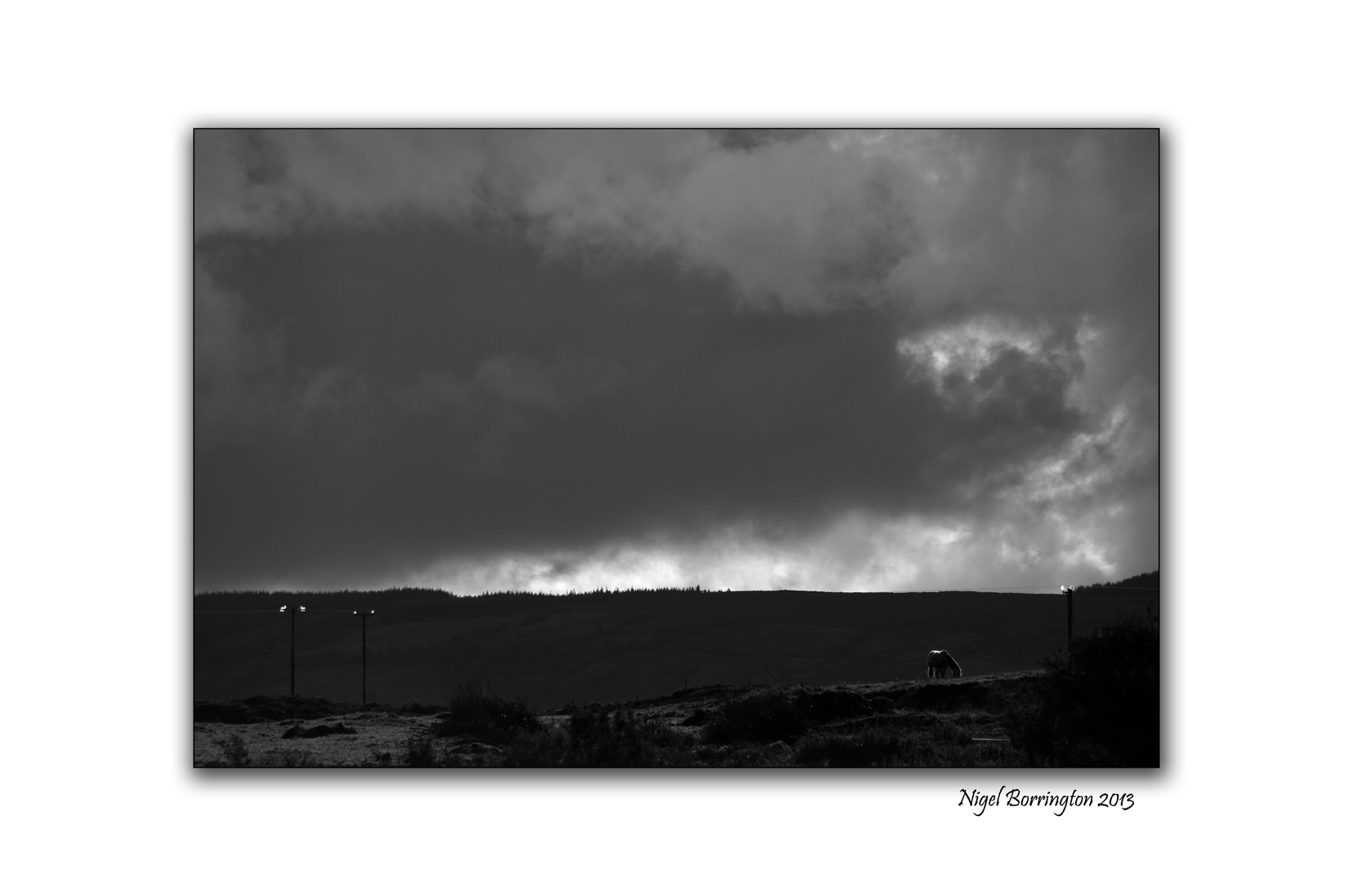
Nikon D7000
Landscape images : Nigel borrington
Hook head Lighthouse

Hook head – Lighthouse, Nikon D7000
Back in 2011 I started a project of capturing photos and information about the history and lives of the Lighthouse keepers of Ireland.
I just want to share a small amount in this post.

This area is renowned as the location of Hook Lighthouse. Hook Head is the oldest lighthouse in Ireland, and one of the oldest in Europe still operating. In the 5th century St Dubhán set up a fire beacon on the headland as a warning to mariners. After his death his monks kept the beacon going for another 600 years. Between 1170 and 1184 the Normans built the present lighthouse. It was built from local limestone and burned lime mixed with ox’s blood. Even today traces of the blood-lime mix can be seen coming through the paintwork. The walls are 9 to 13 feet thick and 80 feet above the ground.[1] In 1665 King Charles II granted letters patent to Sir Robert Reading to erect six lighthouses on the coast of Ireland, one of which was at Hook Head on the site of the older lighthouse, the others being at Howth, one to mark the land, the other to lead over the bar; the Old Head of Kinsale, Barry Oge’s castle (now Charlesfort, near Kinsale), and the Isle of Magee.

Hookhead web cams
North view : http://www.teknet.ie/webcamNorth.html,
West view : http://www.teknet.ie/webcamWest.html
Video
I have posted this video before but its well worth doing so again, its a wonderful short film …..
The Lighthouse Keeper’s videos:
 Nigel Borrington
And life is like this?
Nikon D7000, 18-200mm vr lens
Nigel Borrington
One morning two years ago I was out walking Molly on the beach at Oysterhaven, county Cork, when I noticed this Woman learning to windsurf, time and time again she went through this cycle – on the board off the board. Up again time and time again. I remember telling myself there you have it, that’s it that’s life, we don’t belong on the board do we. Naturally we belong off the board but its our job to keep getting back on!
So a poem
Getting back up
Life is a bright, long star boulevard,
Where you get good, when you work hard.
But Life is not a fantasy,
or just a love that’s shared between thee’
It’s a battlefield of broken goals,
A purple sky with empty souls.
The city streets with littered trash,
the wild fire left with ash.
Falling, hurting,
crying, blurting,
fearing, slipping,
failing, tripping.
Lies from fakers,
burning heart breakers.
Those knocking you down,
smiling when you frown.
But others tell you keep on going,
you try so hard though your steps are slowing.
You can’t see the future or get a head start,
So getting back up is the hardest part.
I think life is a learning experience, sometimes we fail and sometimes we fall off. I think we will be measured by our ability to both recognise this fact and then to see the process of climbing back on as just part of the fun!
Nigel
Share this:
May 2, 2013 | Categories: Comment, Poetry Gallery | Tags: Kilkenny, life, motivation, Nikon D7000, poem, poetry | 12 Comments