A Fellow Man , A Humanist Poem : Tom White

Nikon D700, 35mm f2.8 lens
The doors of, Santa Maria Degli Angeli, Rome.
Photography by : Nigel Borrington
A Fellow Man
A Humanist Poem : Tom White
I have no prayers or charms of faith
If God there be, He’ll know my weight
If God be nought, I’ll still do good
And practice justice as I should
We should not seek reward to do
What decency expects us to
Should Heaven be a kingly court
I’ll go elsewhere to prove my worth
Don’t get me wrong – I’ve sought belief
But lust for faith brought no relief
Mere logic leaves me where I stand
I am not blest, nor am I damned
I seek to do what good I can
I am your friend, a fellow man.
A Slow Morning at the lake : three 30 second exposures
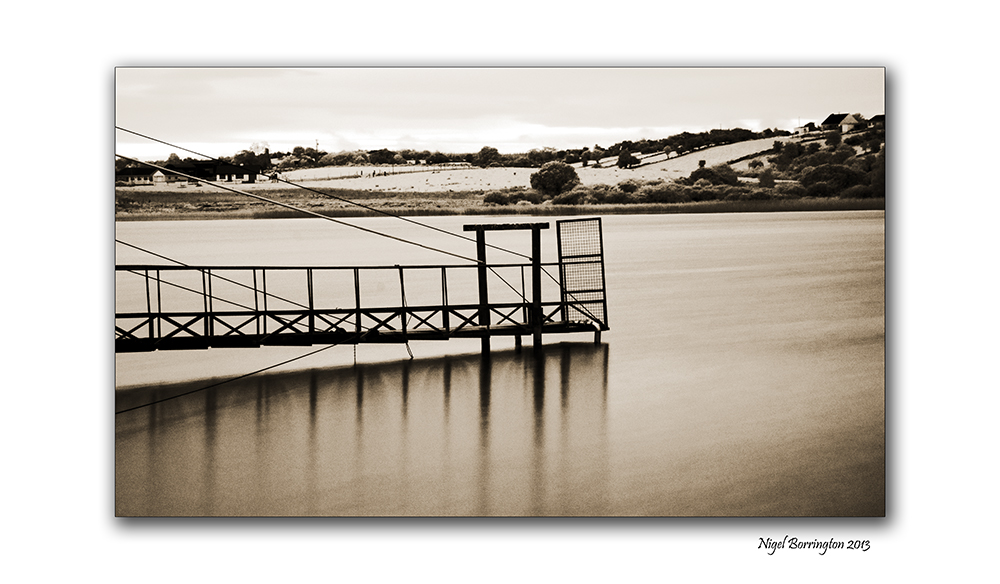
Nikon D700, 18-200mm lens
30 second exposures of Derryhick lake, County Mayo
Irish landscape Photography : Nigel Borrington
A Slow Afternoon at the lake
Last year I stayed at Derryhick lake, county Mayo for a weeks holiday.
One very slow morning while taking some pictures of the lake, the time was moving by very slowly and by the afternoon I decided that I wanted to attempt to capture the feeling of these moments. I placed the camera onto a tripod and put an ND filter on the lens and took some 30 second exposures of which these are just three.
I was very please with the effect of the slow shutter speed on the surface of the lake as it captured exactly the feeling of this very windy but wonderful day.


The Jackdaw, by : William Cowper
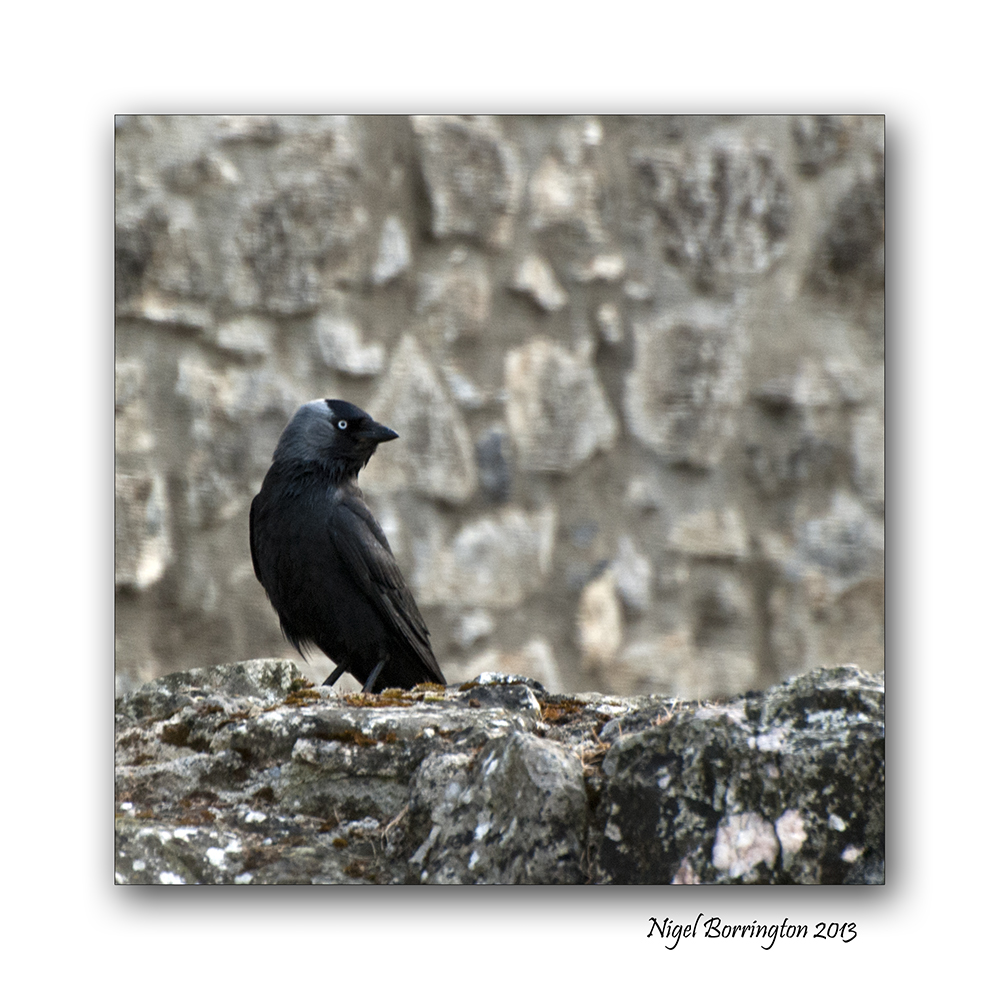
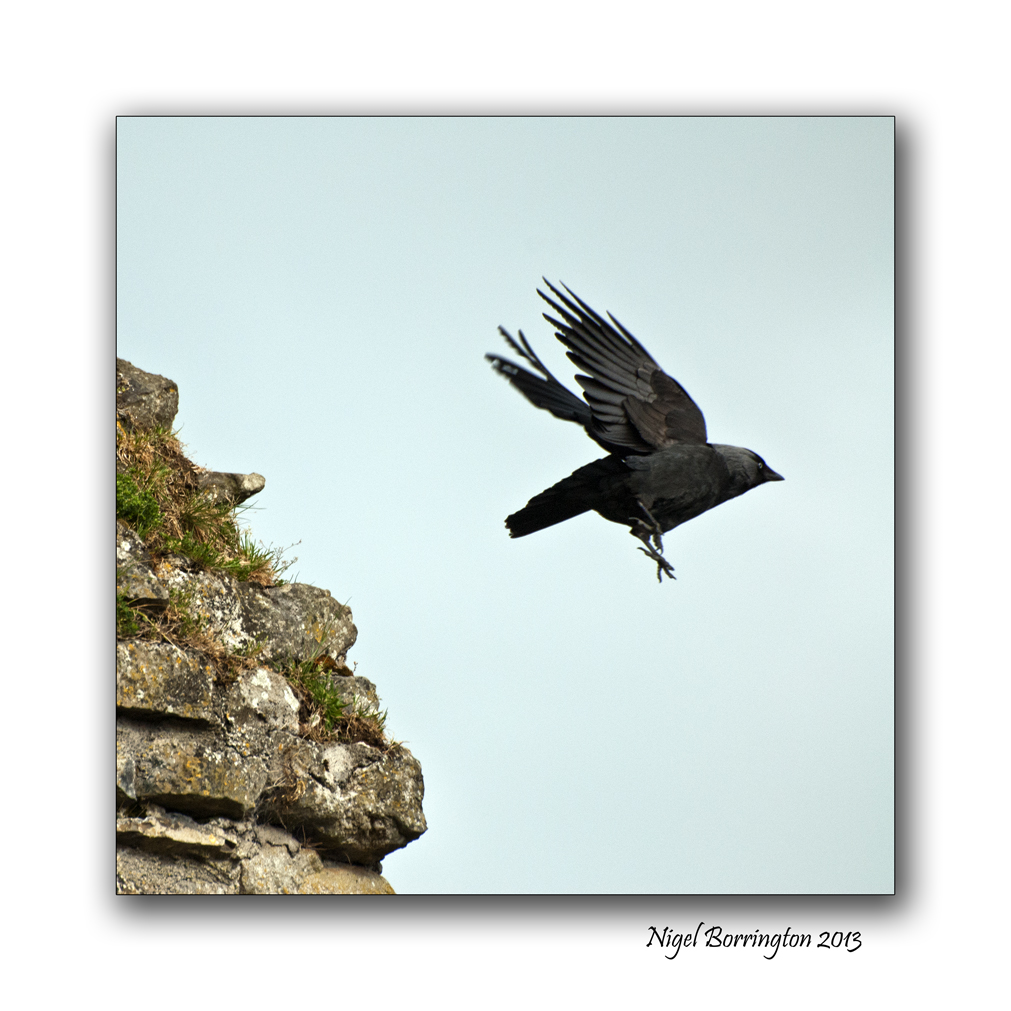
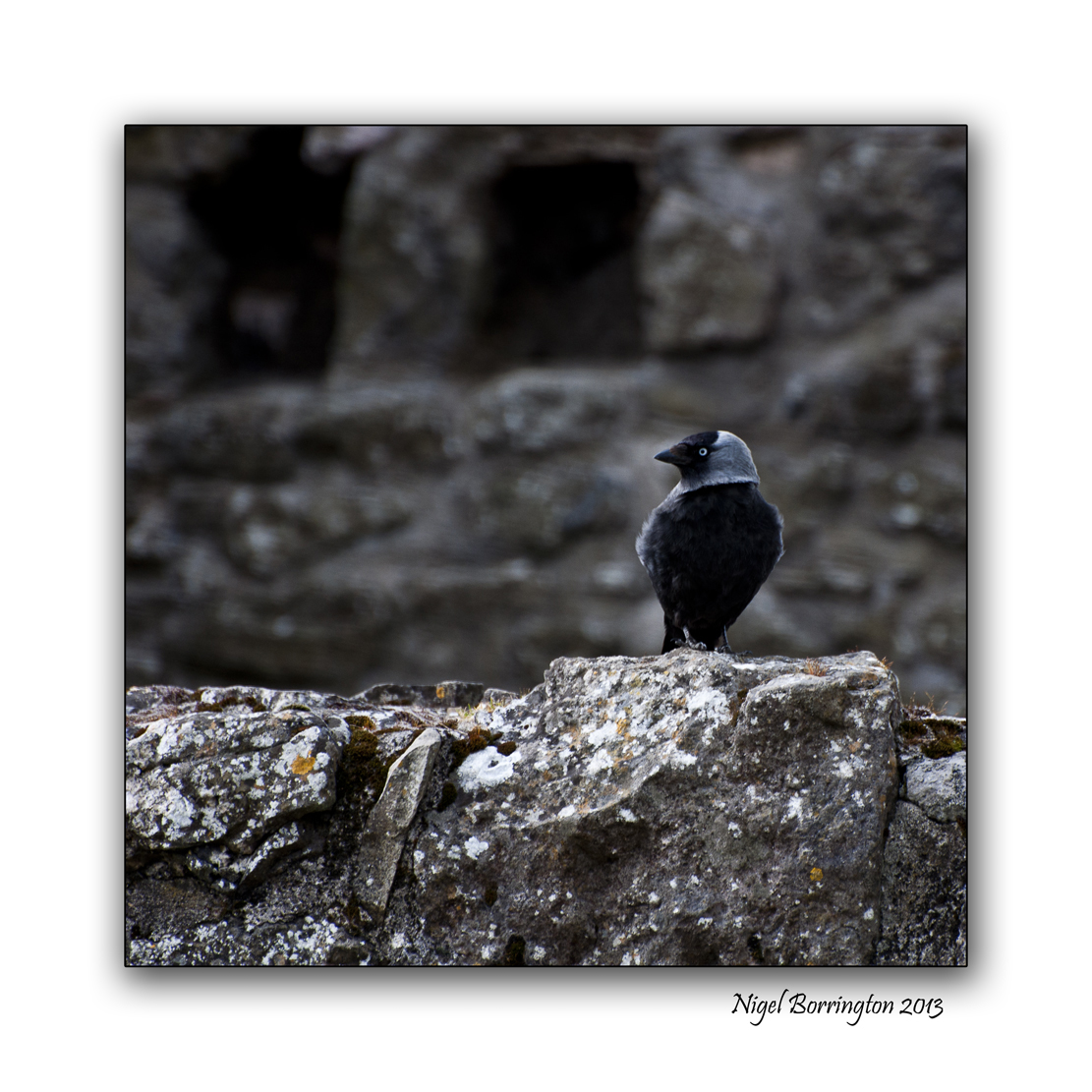
Jackdoors at Kells Priory, County Kilkenny
Irish Wildlife Photography : Nigel Borrington
The Jackdaw
by : William Cowper
There is a bird who, by his coat
And by the hoarseness of his note,
Might be supposed a crow;
A great frequenter of the church,
Where, bishop-like, he finds a perch,
And dormitory too.
Above the steeple shines a plate,
That turns and turns, to indicate
From what point blows the weather.
Look up — your brains begin to swim,
‘Tis in the clouds — that pleases him,
He chooses it the rather.
 .
.
Fond of the speculative height,
Thither he wings his airy flight,
And thence securely sees
The bustle and the rareeshow,
That occupy mankind below,
Secure and at his ease.
 .
.
You think, no doubt, he sits and muses
On future broken bones and bruises,
If he should chance to fall.
No; not a single thought like that
Employs his philosophic pate,
Or troubles it at all.
 .
.
He sees that this great roundabout,
The world, with all its motley rout,
Church, army, physic, law,
Its customs and its businesses,
Is no concern at all of his,
And says — what says he? — Caw.
 .
.
Thrice happy bird! I too have seen
Much of the vanities of men;
And, sick of having seen ’em,
Would cheerfully these limbs resign
For such a pair of wings as thine
And such a head between ’em.
5 solo images for the week (Monday).
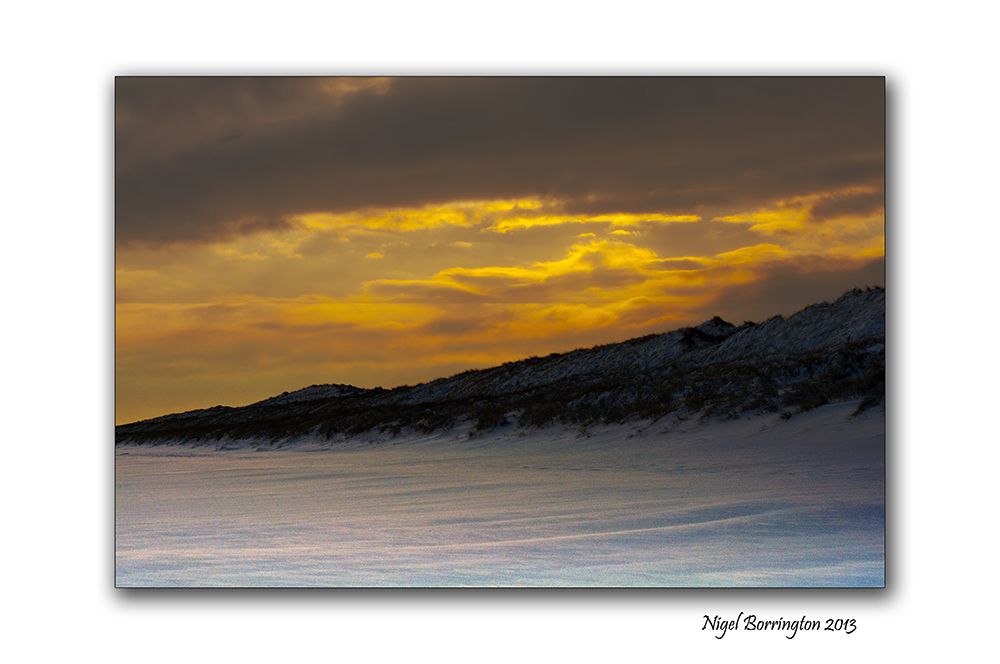
Nikon slr, 50mm f1.4 lens
Curracloe beach, County Wexford
Irish landscape photography : Nigel Borrington
This week I am working on selecting some single images in order to update my web site and put an exhibition together.
I have been posting on my Blog now since May 2011 and really enjoy every moment of it. In this time I have posted some 1500 images here.
Also what I love the most about blogging and word-press is viewing and reading other peoples blogs, so over the following week I am going to give myself sometime to do more reading than posting.
So I am going to post some single images each day. Along with a quick comment as to how I got the image and why I enjoyed it so much !
Mondays Image..
Curracloe beach, County Wexford
The above image is from Curracloe beach in county Wexford taken one Christmas time about four years ago, It’s the first time I have see snow on a beach like this and it could be the last as the climate here is not usually as cold over the winter months, the temperature was -12oc at the time the image was taken. The image was taken at about 4pm just as the sun was starting to set and the reds and yellow from the sun were being reflected by the snow.
This was a wonderful moment to be out taking pictures, one I will never forget.
Moments at the Market
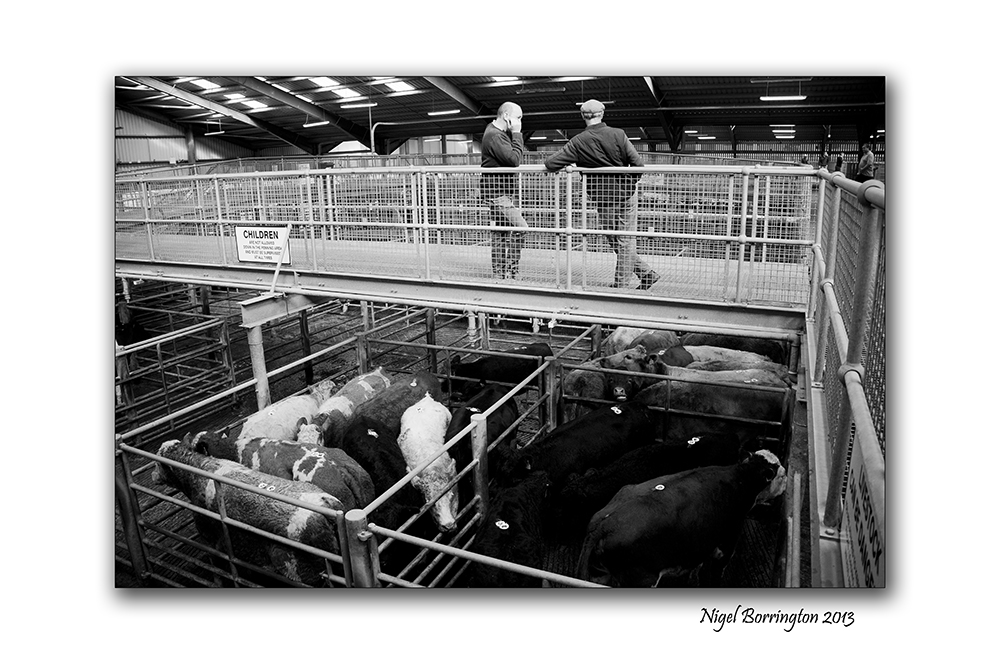
Nikon D700, 50mm f1.4 lens
Kilkenny Cattle market, Gallery image
Irish photography : Nigel Borrington
Two Local Farmers, Talking – Kilkenny Cattle market, Oct 2013.
Its the weekend so why not ……
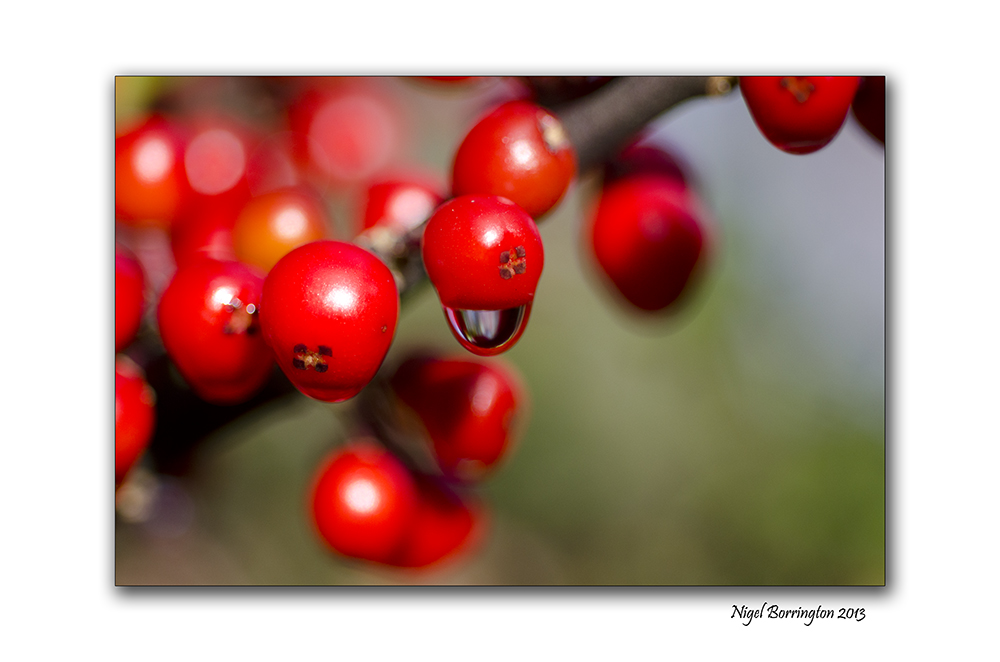
Nikon D700, 60mm f2.8 Macro lens
Images for an Autumn weekend
Irish nature and Landscape photography : Nigel Borrington
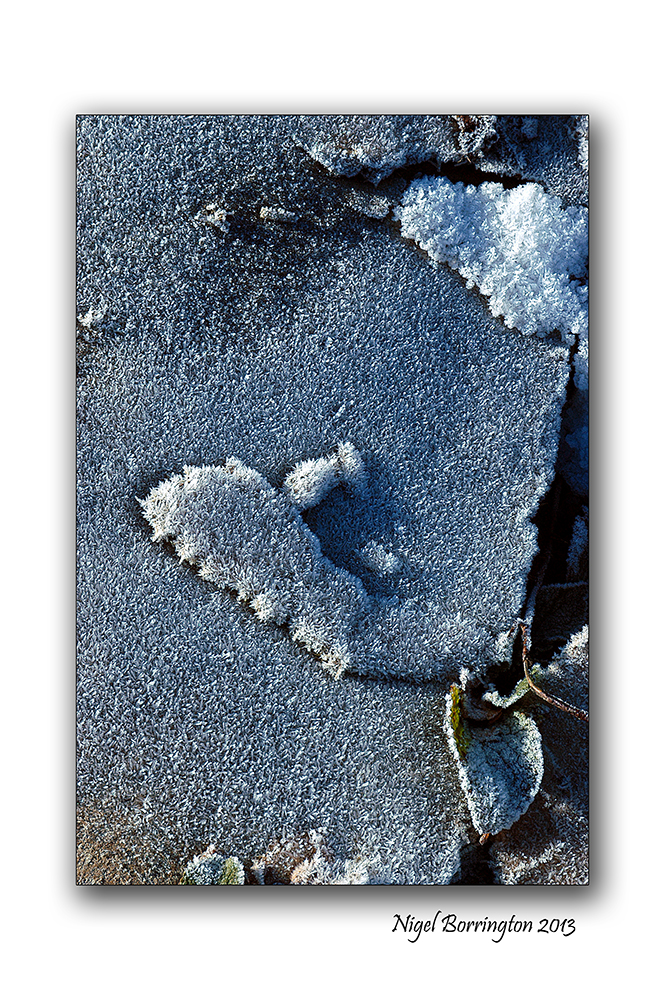
Its the weekend, so why not get out and explore. Spend sometime walking and discovering the things that Autumn has to offer …..
The nature that Autumn brings : Gallery


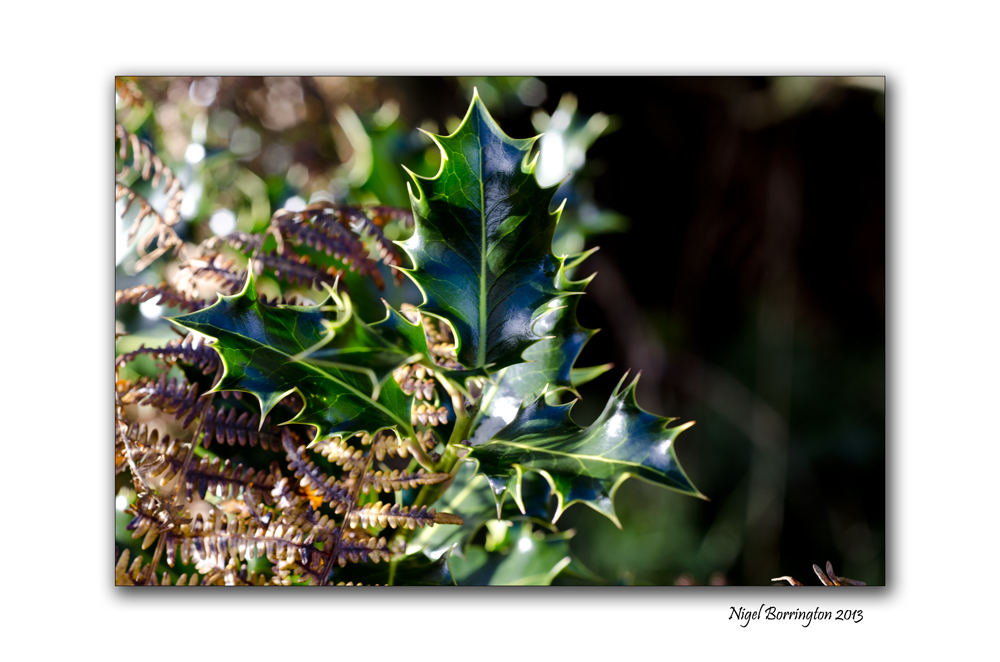

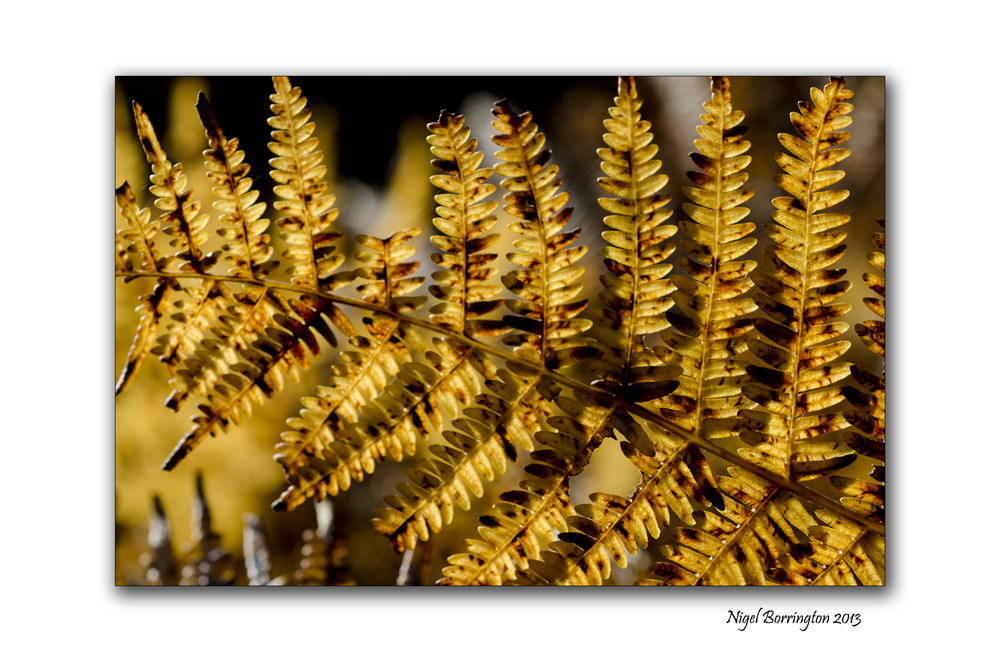
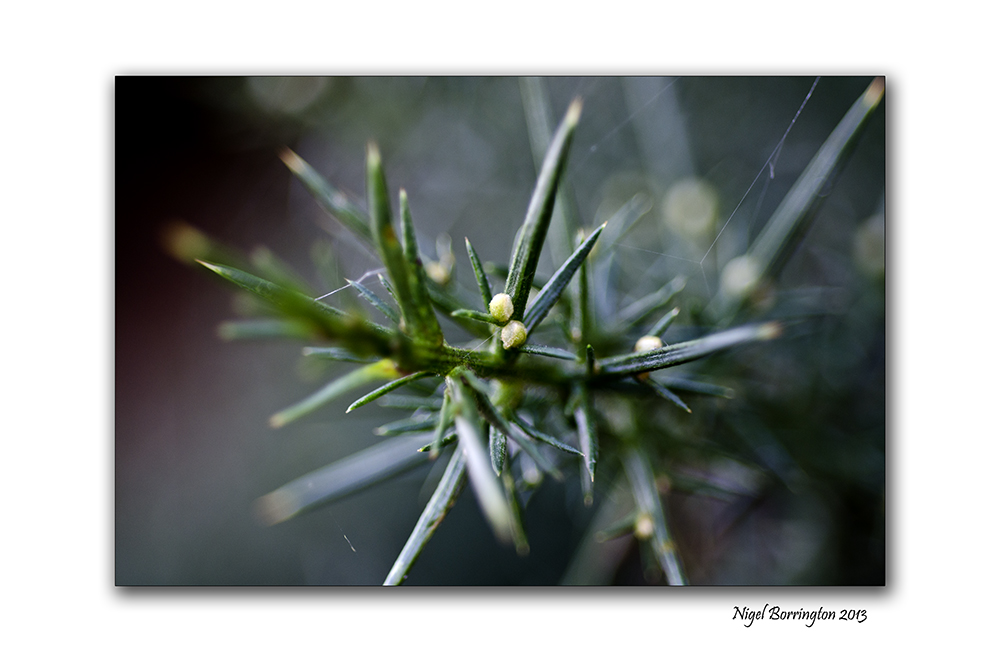
Images from a walk in the setting Autumn sun and a Poem by Rebecca Dobson .

Nikon D700
Sleivenamon, country Tipperary
Under the setting Autumn sun
Irish Landscape photography : Nigel Borrington
On an Autumn evening as I was out walking with our dog , I watched the sunset over the mountaim of Slievenamon, county Tipperary in the distance.
My mind was clear as I was just enjoying the view.
I have been looking for a way to describe the feeling I had and found the following Poem .
The Aftermath
Rebecca Dobson
The final fragments of my shattered
mind slip into place
alongside
Random thoughts and jagged
edges
I disintegrate from the outside inwards
slightly blurred
edges
and I flutter inside
(excited child) , I feel hollow and empty and a
warmth, and my nose is raw
and crystals gather at my nostrils
Electric, almost static
I float and fumble
and agitations tickle my spine and my scalp
Sniff and cough, they grate against my brain
and scratch discomfort into my buzz;
I float on higher plane
and feel conscious, feel able.

.
I talk with a wired mouth
and words are laborious and stick to my lips
Suspended in wakefulness I skip work
and relish in my openness of mind
and free thought
and I think I am happy


Molly, the mountain girl….

Nikon d700
Molly on Slievenamon, County Tipperary
Irish landscape photography
Molly is our 10 year old golden retriever she has been on many walks on the Irish mountains, I just love her along-side me while walking and look at the views.
She will often, take a rest to look at the views just in the same way I will, here she is talking a seat at the foot of Slievenamon, county Tipperary, after the long walk to top.
A connection from the hill tops.

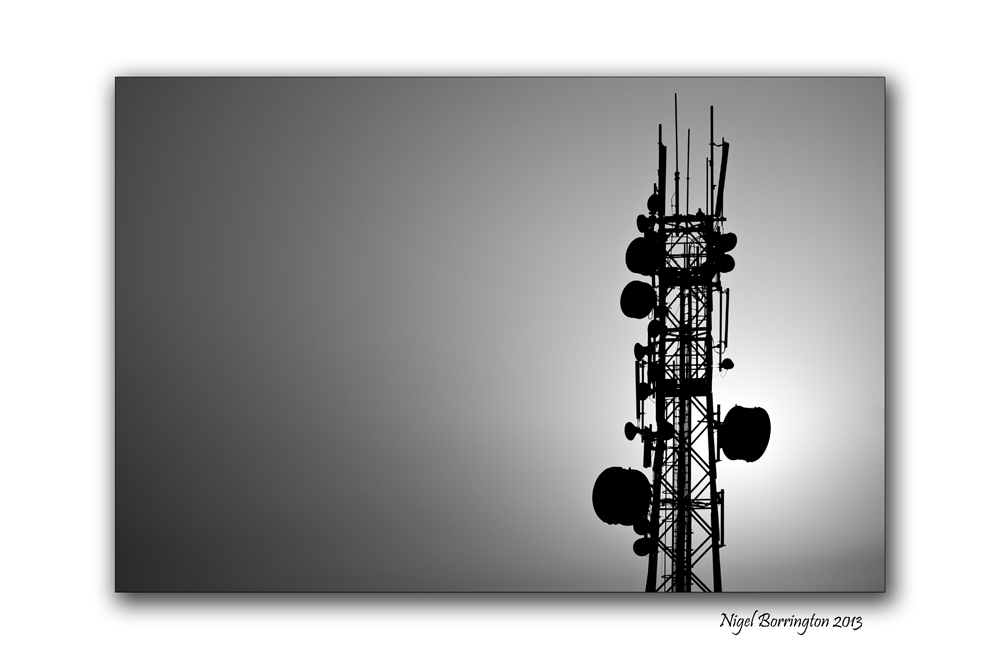
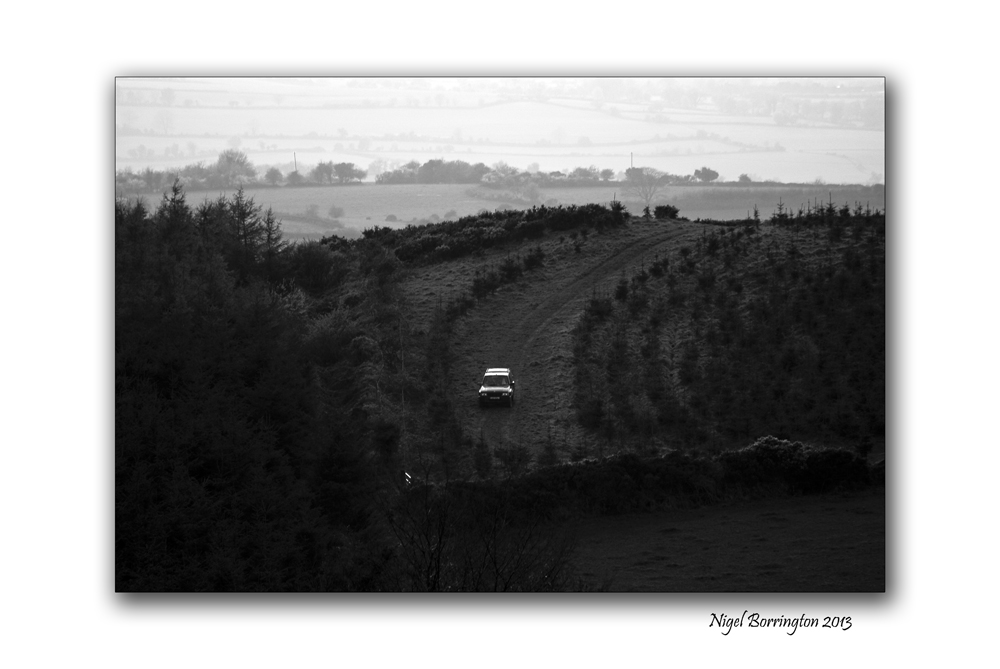
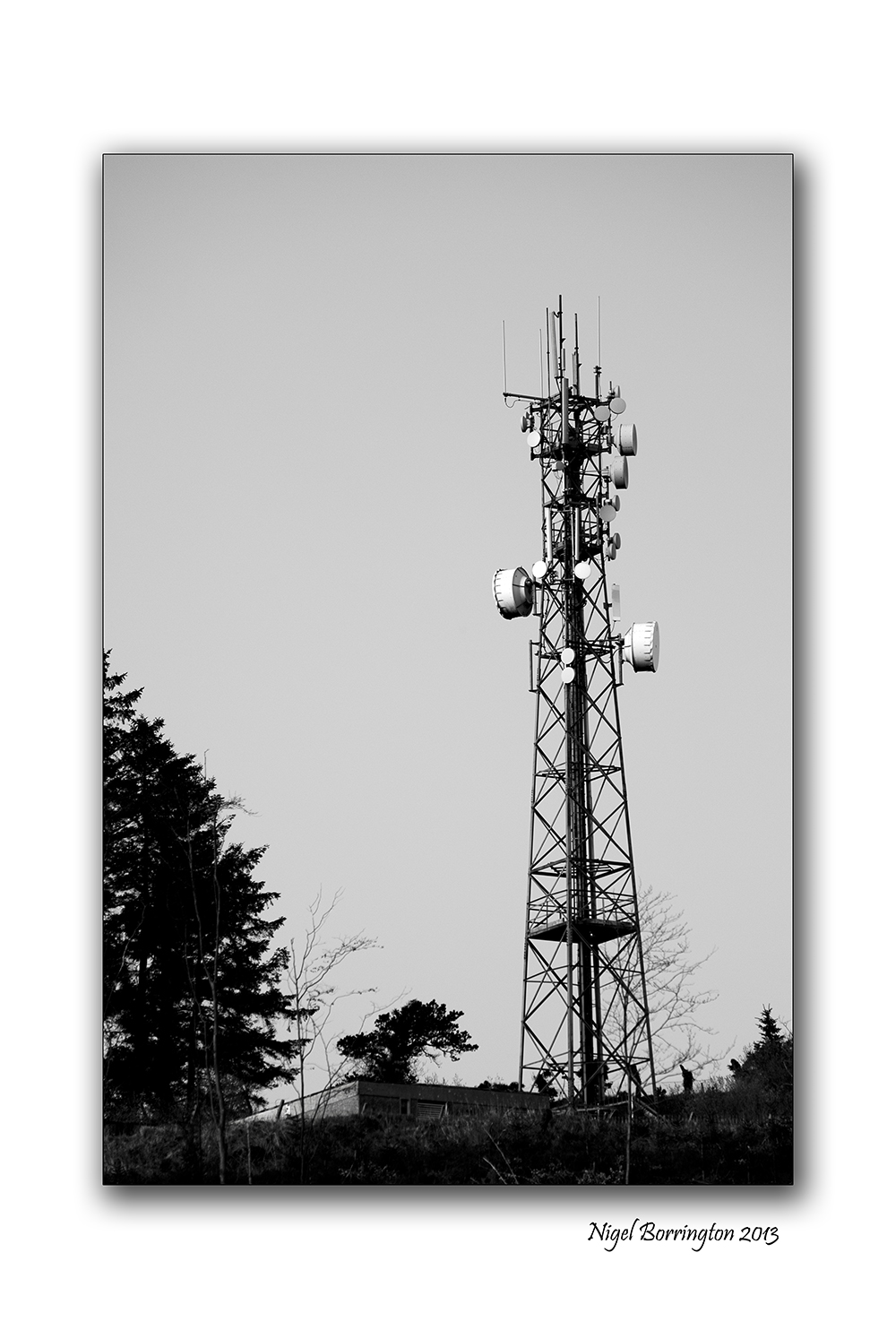
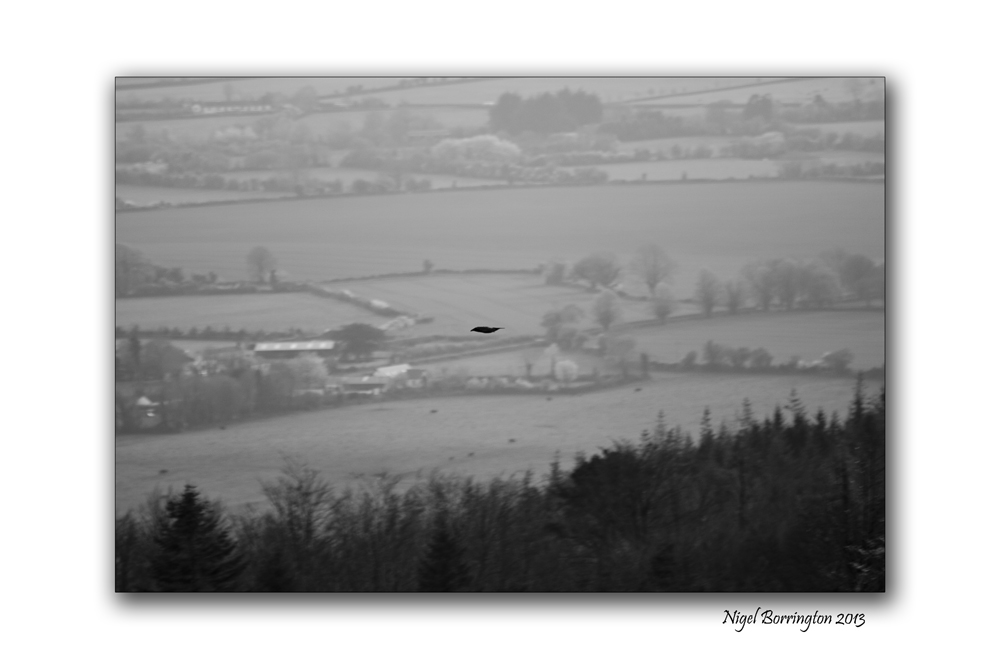
Communications tower, Windgap woods, country Kilkenny
Irish Landscape photography : Nigel Borrington
The woods at Windgap, County Kilkenny, sit above the valley we live in. A walk through the woods offers some wonderful views of the Landscape below.
The wood is also the home to the local communications tower, high in the woodlands it is hard to reach by car and one evening last week I noticed the service people driving through the fields to get to the building below the tower.
I feel that the contrast between the landscape and this tower is what I really hope to show here, but of course with out it I would not be able to show you these images?
Kilkenny landscape Gallery

Now that Autumn has begun (Two Autumn Poems)
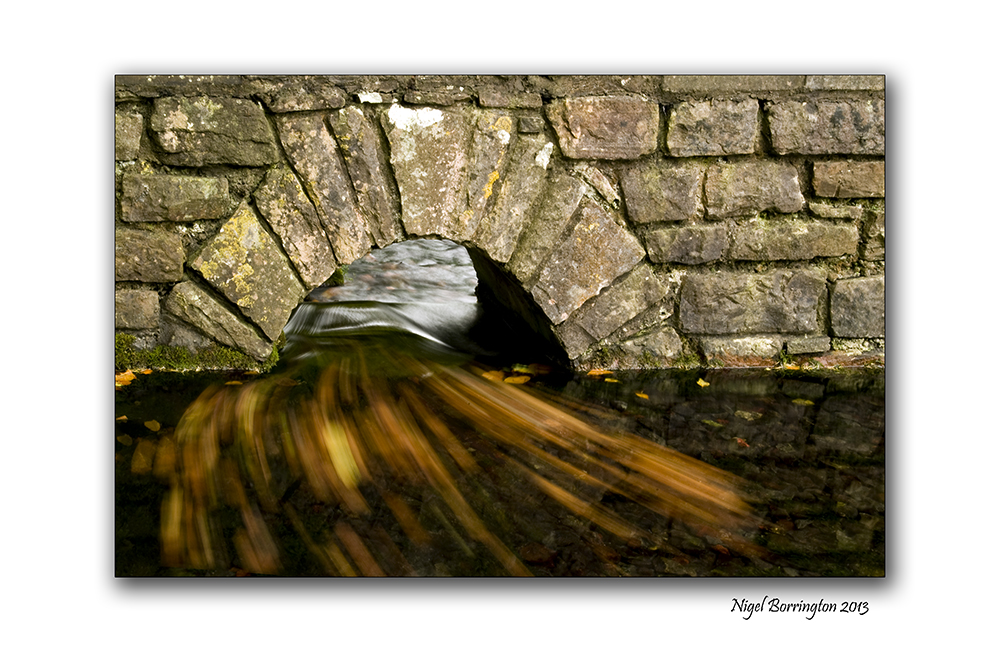
Autumn colours in the Landscape
Landscape Photography : Nigel Borrington
Autumn
By : Dorian Petersen Potter
Autumn comes singing in
Displaying her treasures’ galore.
So prettily dressed she grins
Spreading more beauty than before
She transforms the trees one by one,
She paints their leaves with new hues.
There’s a different kind of fun,
Now that Autumn has begun

.
There’s a magic in the air,
In the smells and all the colors.
Cool breeze plays with my hair,
While her beauty I just stare!
Autumn has come back at my door,
What a sight! It’s the season I adore

.
Amber Glow
By : Wesley Mincin
Red and yellow painted leaves
hang idly within the trees
They break and sail along the breeze
As fires of Autumn’s time
They dance and surf upon the ground
Overlap each other with ruffling sound
A setting I am glad I found
As fires of Autumn’s time

Like fires of the Autumn season
they leap and dance without a reason
A factor of Autumns many seasons
As fires of Autumn’s time’
The grey clouds break, the sun appears
The dancing leaves appear to sere
These flames its kept for many years
As fires of Autumn’s time
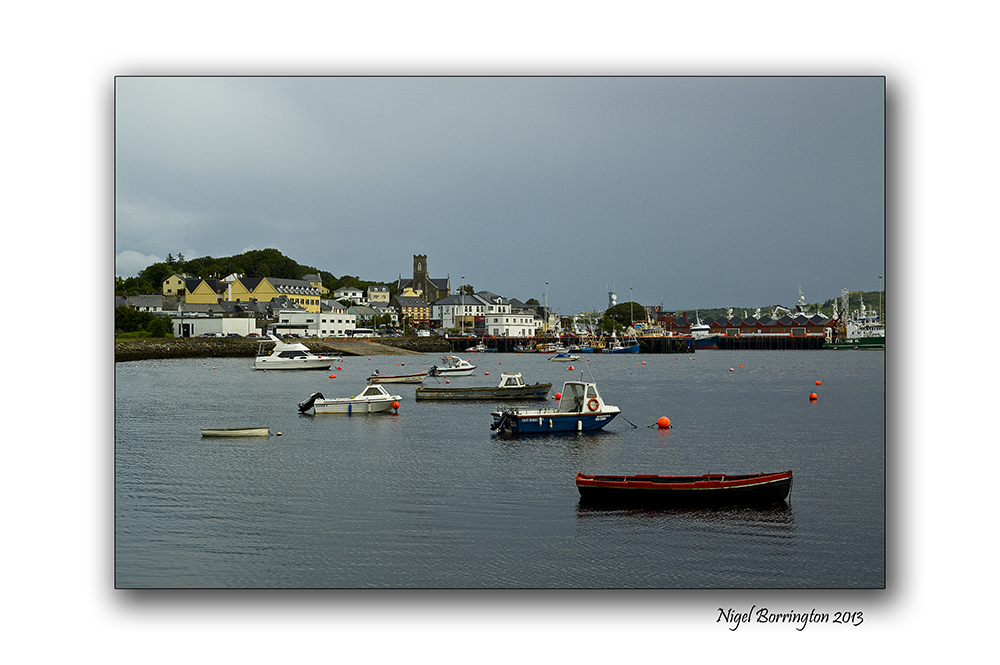
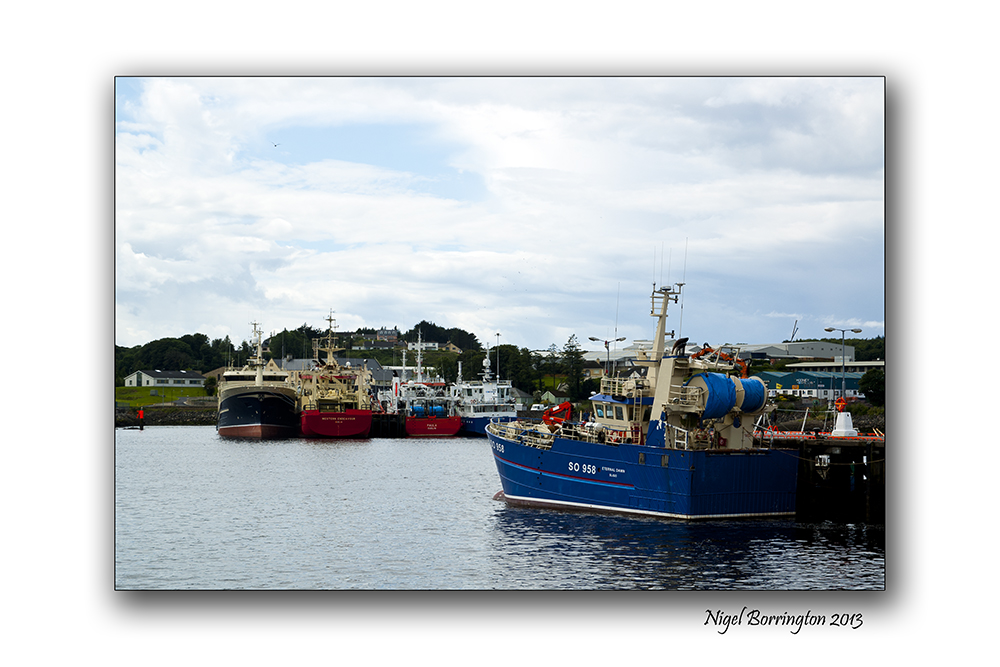
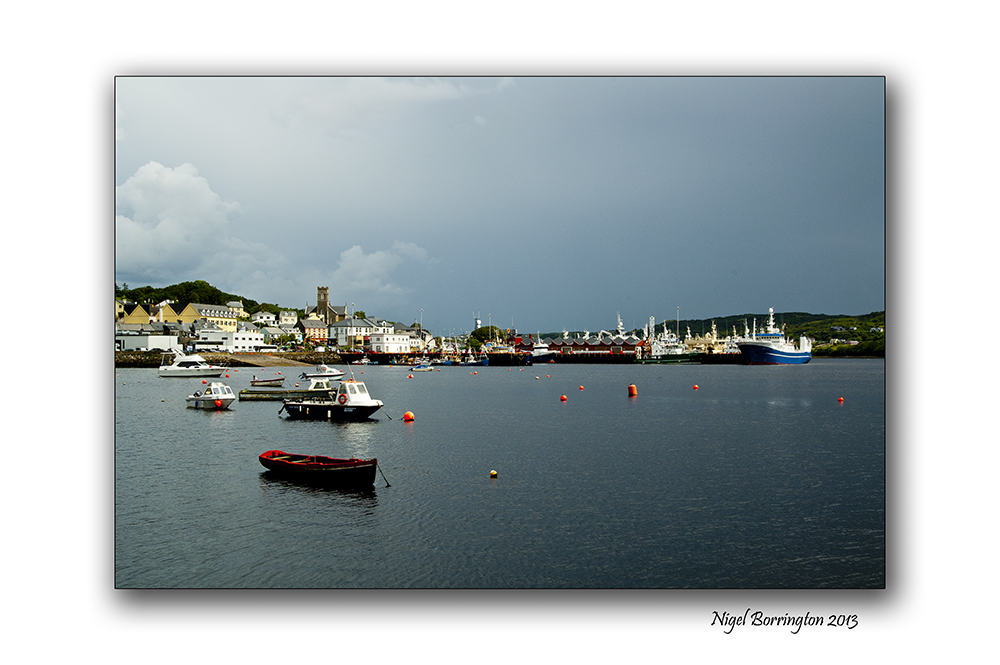
Killybegs, County Donegal

Killybegs, County Donegal
Irish landscape photography : Nigel Borrington
Killybegs, County Donegal
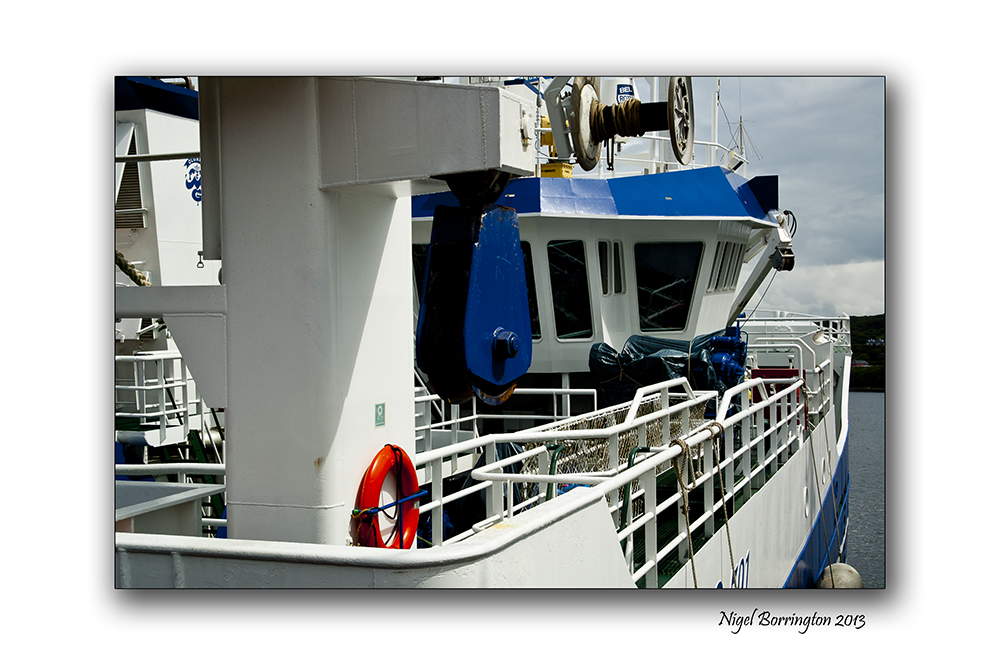
Killybegs has a long History with the Irish fishing industry and is one of the top fishing port in the country.
The town is located on the South West Donegal Pennisula, it is an ideal place to base yourself when visiting the North West of Ireland, with locations such as the sea cliffs at Sliabh League.
The day I took these images I spent hours just watching the fishing boats unload, slowly walking along the harbour and taking images of the boats and some views of the town. This is a great location to visit and a festival is held here at the start of August each year which includes music and family entertainment – all live on the festival stage in the centre of the town.
Killybegs, County Donegal: Gallery


Autumn on the lakes of Killarney
Images taken using a Nikon D700
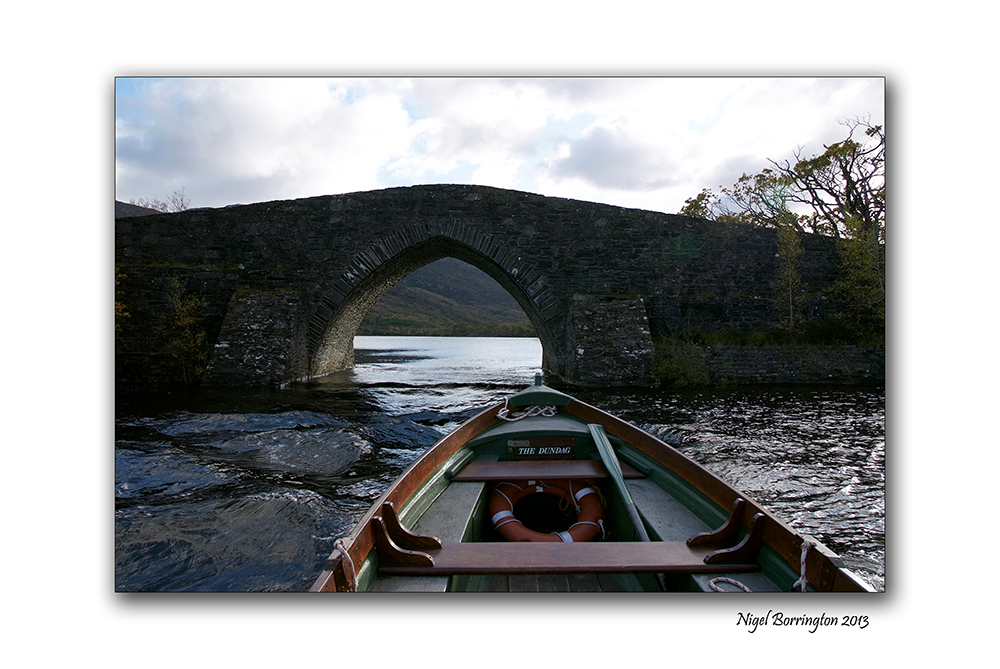
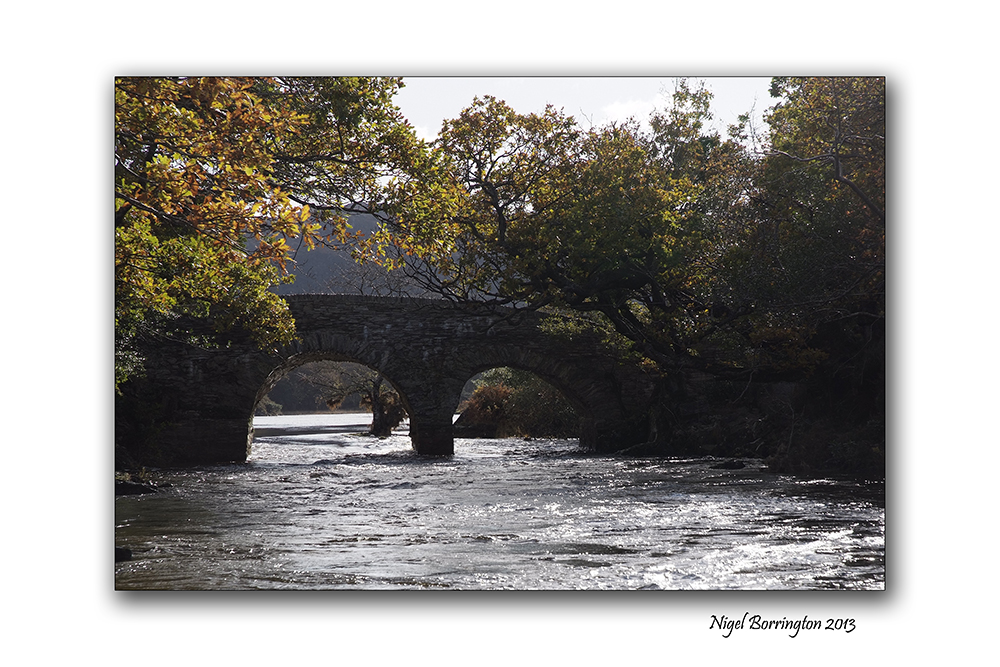
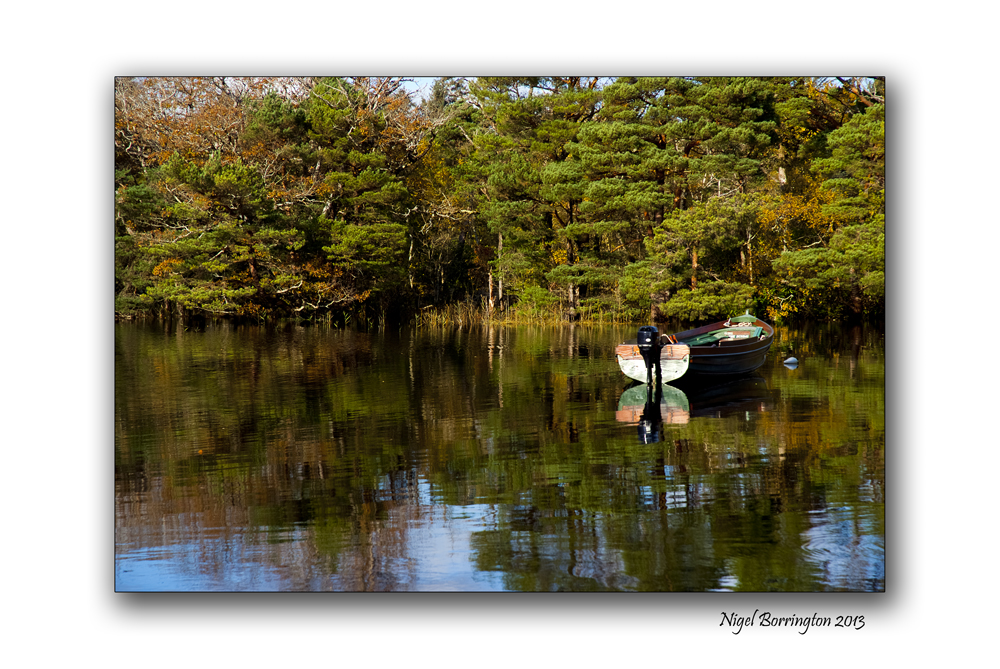
Autumn on the lakes of Killarney
Irish Landscape Photography : Nigel Borrington
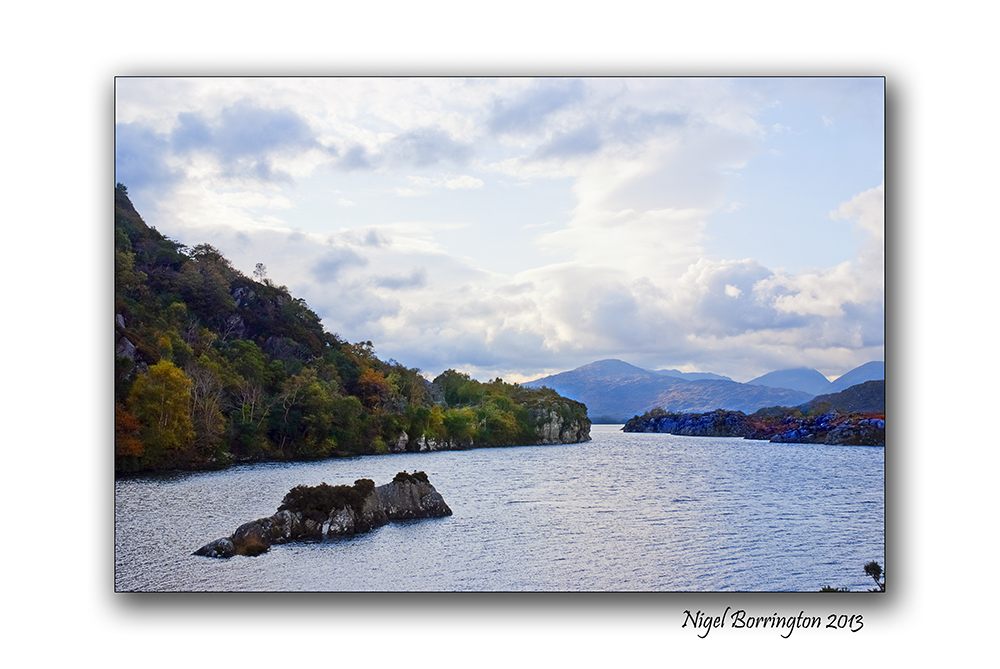
Out on the lakes of Killarney, Autumn time and colours
Autumn time in Ireland is a wonderful time to be a photographer or an artist, the landscape comes alive with colour.
There are many locations to be captured but one place I always think of at this time of year is the lakes at Killarney. It is possible to do boat trips around the lakes here almost all year around and hiring a small boat is great fun.
These images were taken last October time, most are taken from the boat you can see in the first image with some taken on parts of the banks of the lake that would just not reachable with out use of this boats.
It’s great fun to do something like this packing an lunch, loading a camera and tripod in to the boat and just heading off for the day.
The lakes of Killarney, an Autumn gallery




Kilkenny landscape photography

All images taken using a Nikon D700
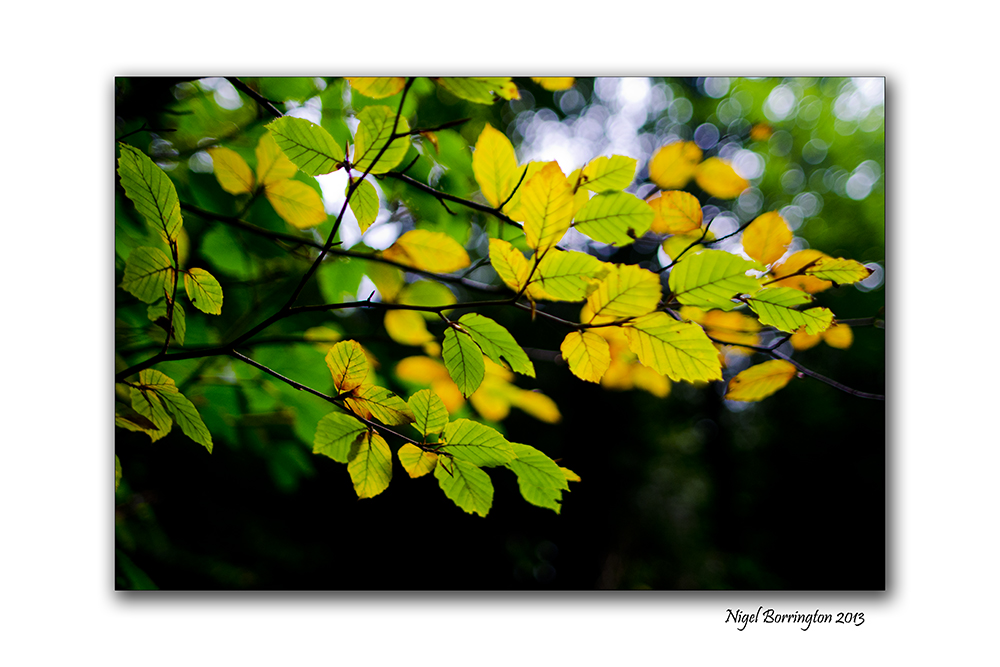
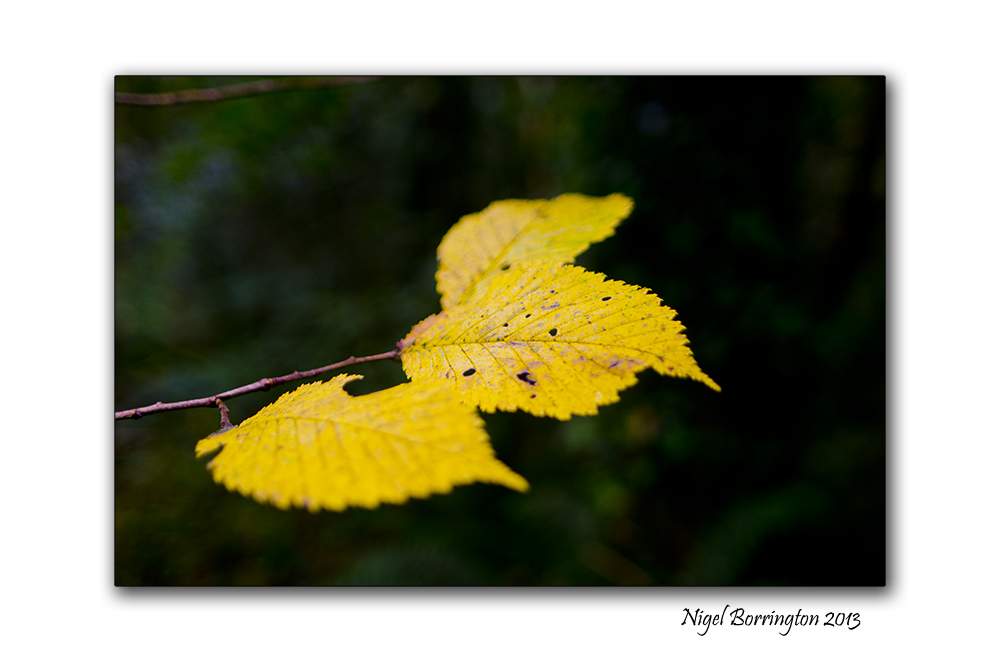
In a Kilkenny woodland, September 2013, the start of the fall
Kilkenny Landscape and nature Photography, Nigel Borrington
In A September woodland, County Kilkenny
The local Kilkenny woodlands in September are full of colour, the Leafs are starting to turn yellow and fall, their yellow colours are just wonderful.
The start of the Autumn fall, Kilkenny woodland gallery



Going up to the Comeragh mountains, a poem by Li Po

Knocknaree, Comeragh mountains, county Waterford
irish Landscape Photography : Nigel Borrington
Going up to the Comeragh mountains
Alone Looking At The Mountain
By Li Po
All the birds have flown up and gone;
A lonely cloud floats leisurely by.
We never tire of looking at each other –
Only the mountain and I.
—————————————-
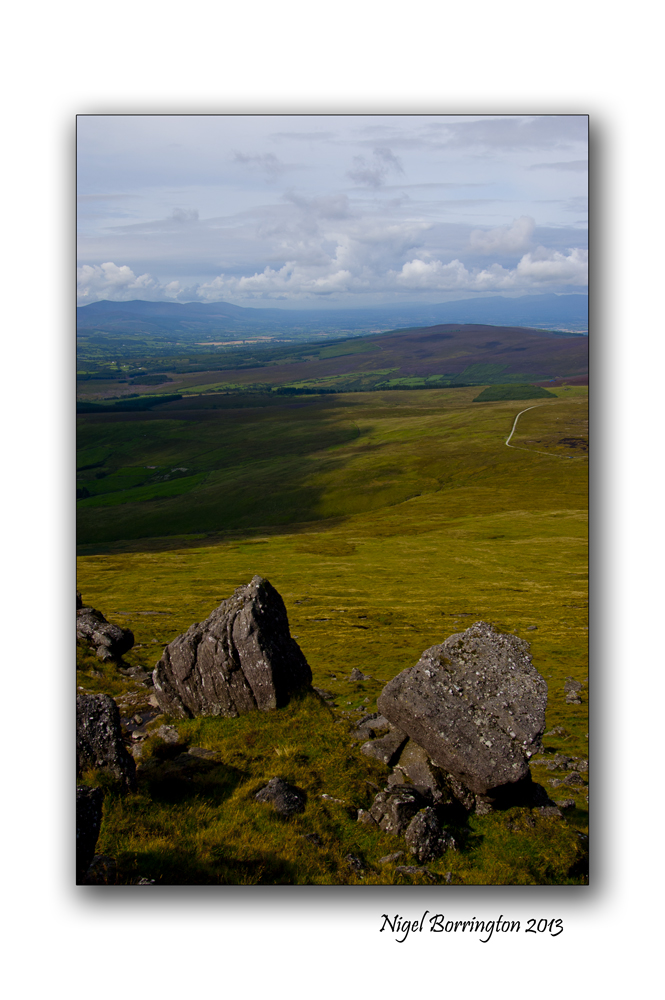
The Comeragh mountains are located in the north west of county Waterford, Ireland, resting above the river Suir as it flows through county Tipperary.
I visit these mountain many times during the year and no day is ever the same, this place can be wonderful in the Summer and wild and unfriendly in the winter months. Ireland is not know for much snow fall, yet at least once a year these mountains will be covered in fresh snow.
This is a very special place, one I love to visit.
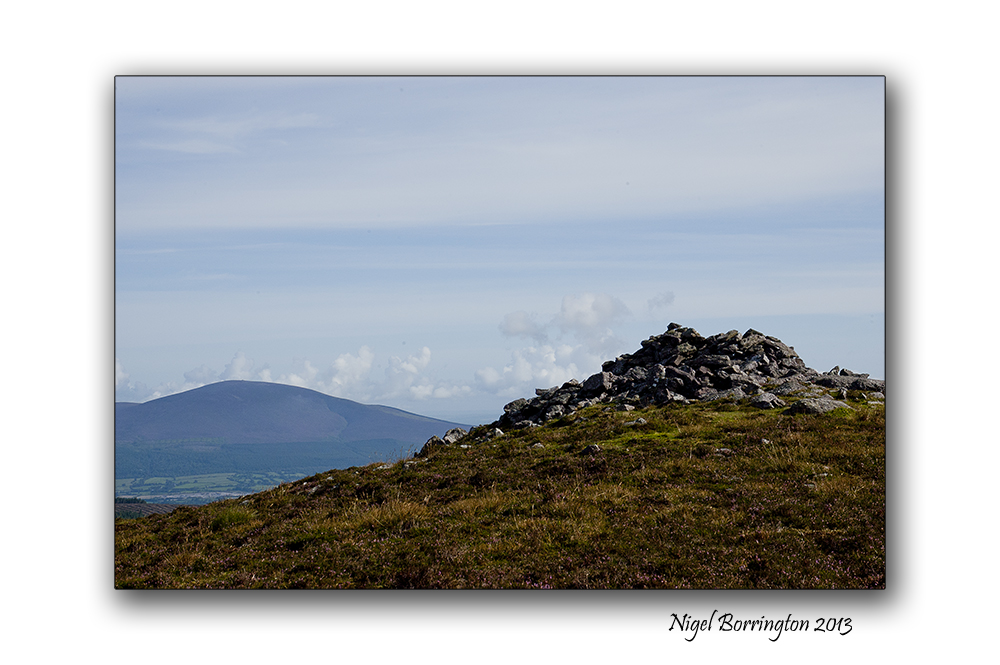
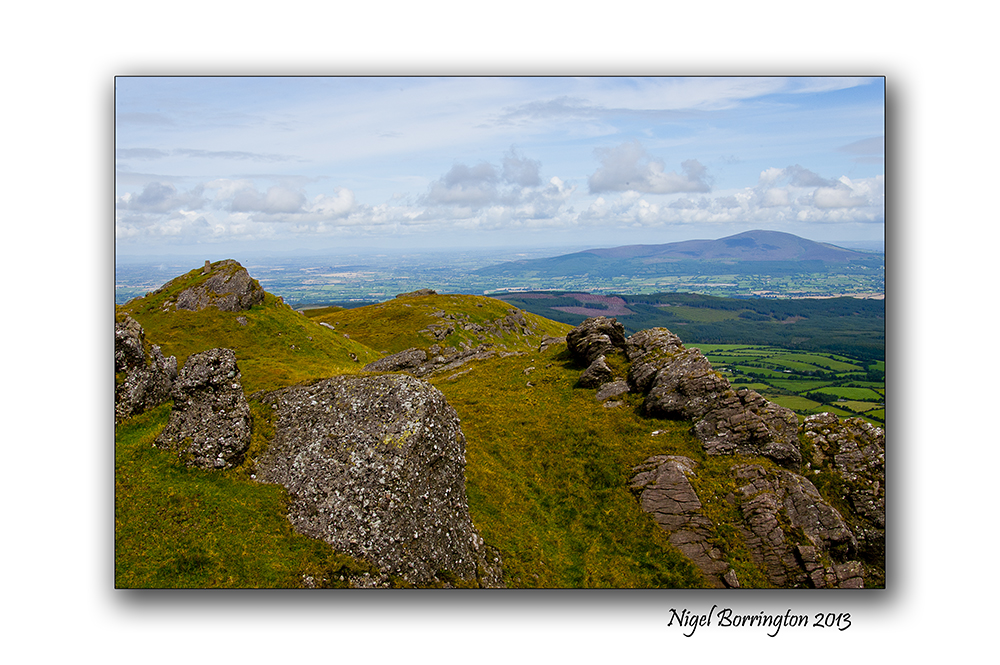
These Images are taken during the summer months on a walk upto Knocknaree ridge, which offers some stunning views of county Waterford and on a good day it’s coast line.
Knocknaree, Comeragh mountains, Gallery






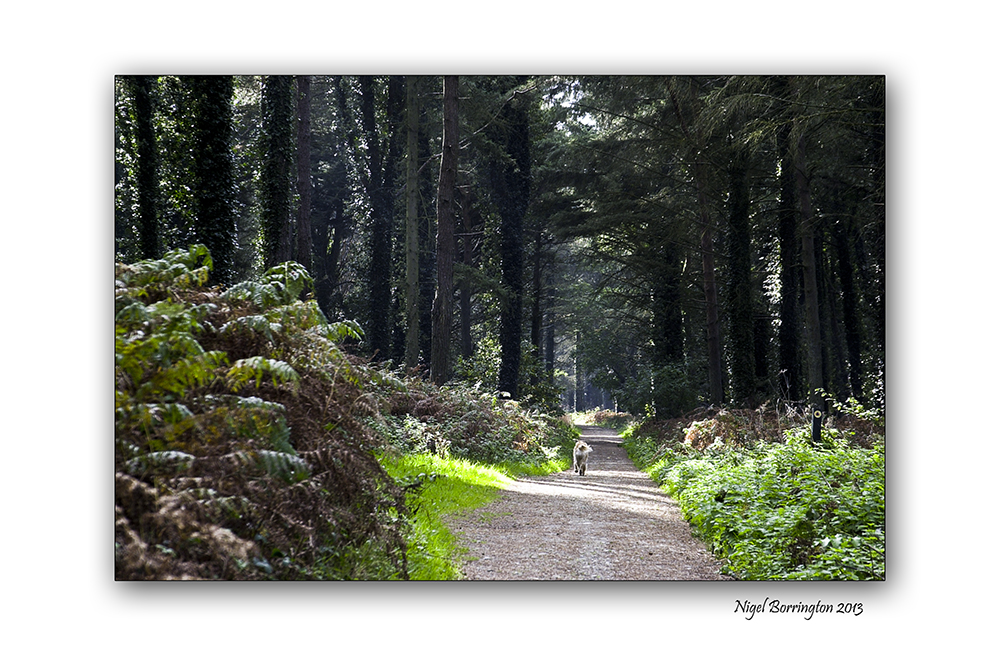
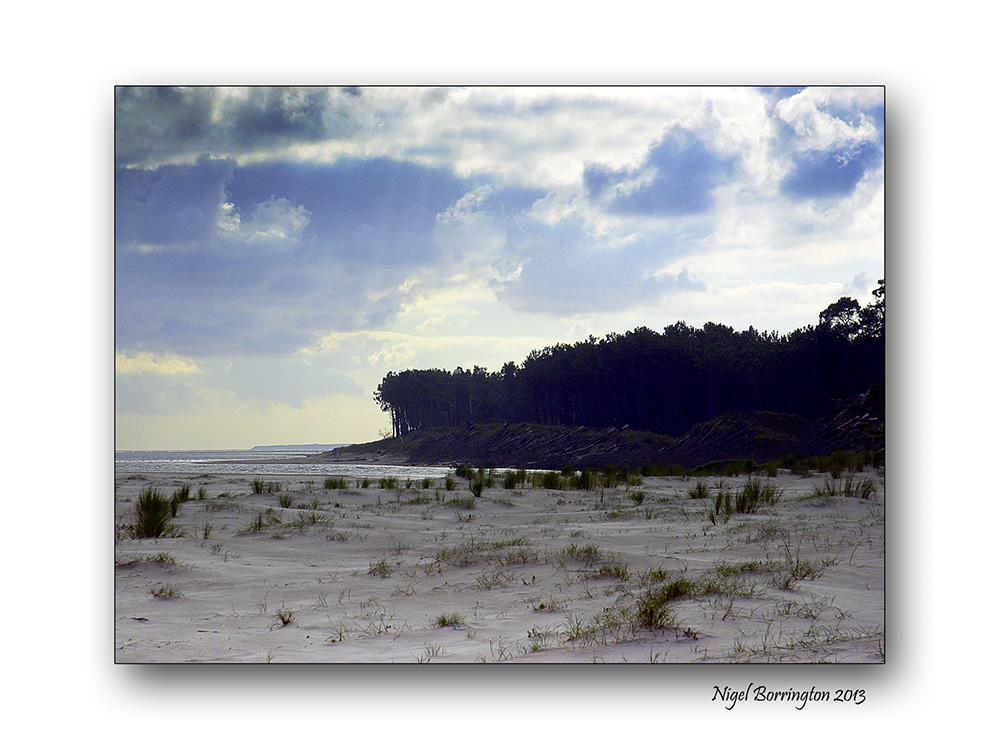
The Raven, Curracloe, Co. Wexford

Images taken using a Nikon D700
The Raven nature reserve, Curracloe, Co.Wexford
Irish landscape photography : Nigel Borrington
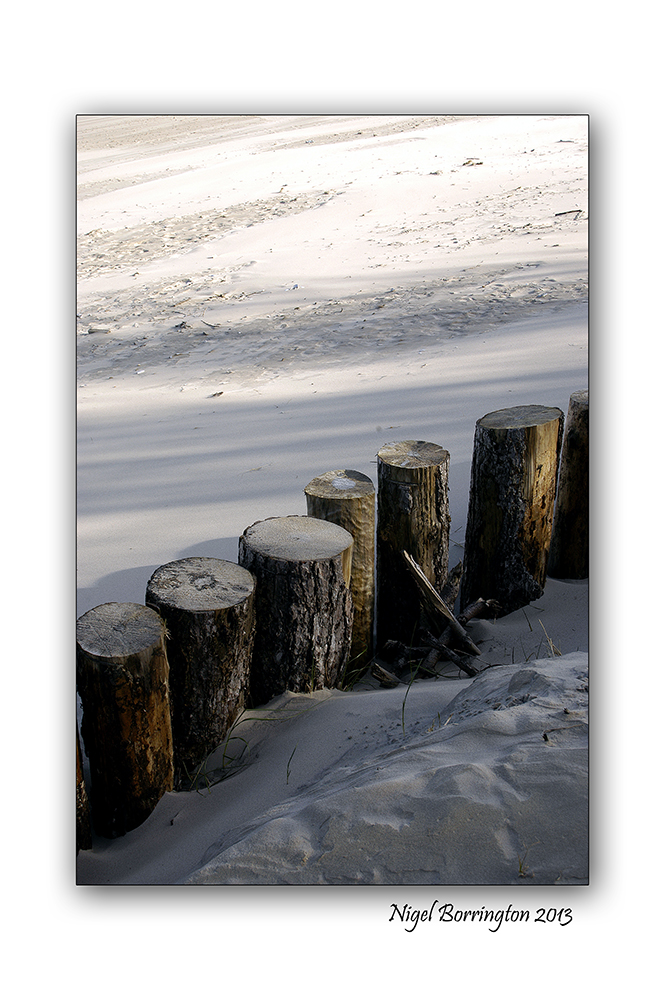
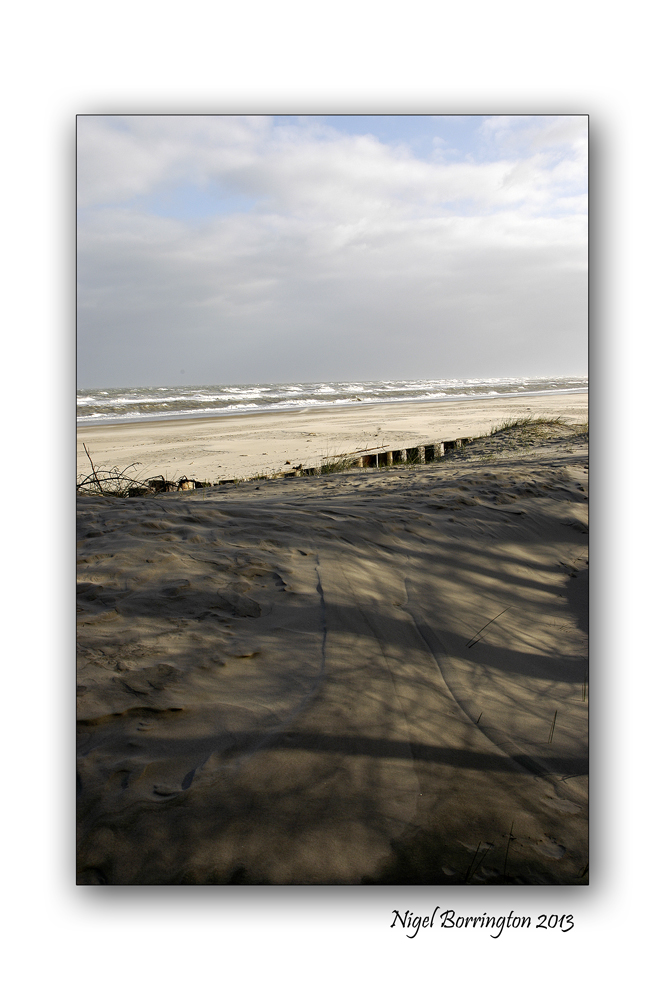
The Raven Nature Reserve and Curracloe beach
located at Raven Point on the north side of Wexford ( Loch Garman) Harbour, Co. Wexford.
Raven Point is a spit, a type of peninsula created by deposited sand. It is a portion of an area consisting of a series of sand dunes known as the North Slob with views of the Irish sea and the harbour.
The Reserve is located beside Curracloe beach, best known for having featured in the Second World War themed motion picture ‘Saving Private Ryan.’
Raven Point is planted with a forest of pine and other evergreen trees. It is also a sanctuary for birds such as geese and wildlife especially the red squirrel. Seals can also be seen on the beaches and in Wexford Harbour.
A looped walk of the area goes to the tip of the Raven Point spit through the wood and back again via the beach.
It’s a wonderful place to visit for a day and offers long walks and one of Ireland best white sandy beaches.
Raven point a Gallery




Irish Wild-life – Mute swans

Images taken using a Nikin D700/D7000,
Fujifilm x100
Irish wild-life photography , Swans
Landscape and nature photograhy by : Nigel Borrington
The Mute Swan
Mute Swans
Our largest bird, the mute swan is also the most common swan species in Europe. Its widespread distribution is linked in part to its domestication at various periods in history. These elegant, graceful birds can be seen all year round on lakes, rivers and ponds around the country, even in the middle of our cities. Most of the swans we see today are wild birds, although some, particularly in urban areas, are likely descended from domestic lines and remain semi-dependent on human supplements to naturally available food sources.
The mute swan’s graceful appearance belies a somewhat belligerent demeanour. Adults regularly bully smaller species and in the breeding season the male stakes out a large area of water and defends it aggressively against all-comers. While not strictly mute, the mute swan is a much less vocal bird than the other species of swan found in Ireland, the Bewick’s swan and the whooper swan, both scarce winter visitors. Its repertoire consists mainly of soft grunts, snorts and hisses – with the occasionally feeble trumpet. In flight however the swan is anything but silent: it’s wings create a loud, rhythmic throbbing noise as they beat the air, the rhythm of which is said to have inspired Wagner when composing Ride of the Valkyrie.
Take off is a laboured affair with the swans running across the surface of the water to gain momentum while frantically beating their powerful wings in a struggle to get airborne. Once in the air, however, flight is fast and smooth with slow, powerful wing-beats and outstretched neck. Swans land on the water, skiing across the surface to slow their substantial bulk before settling.
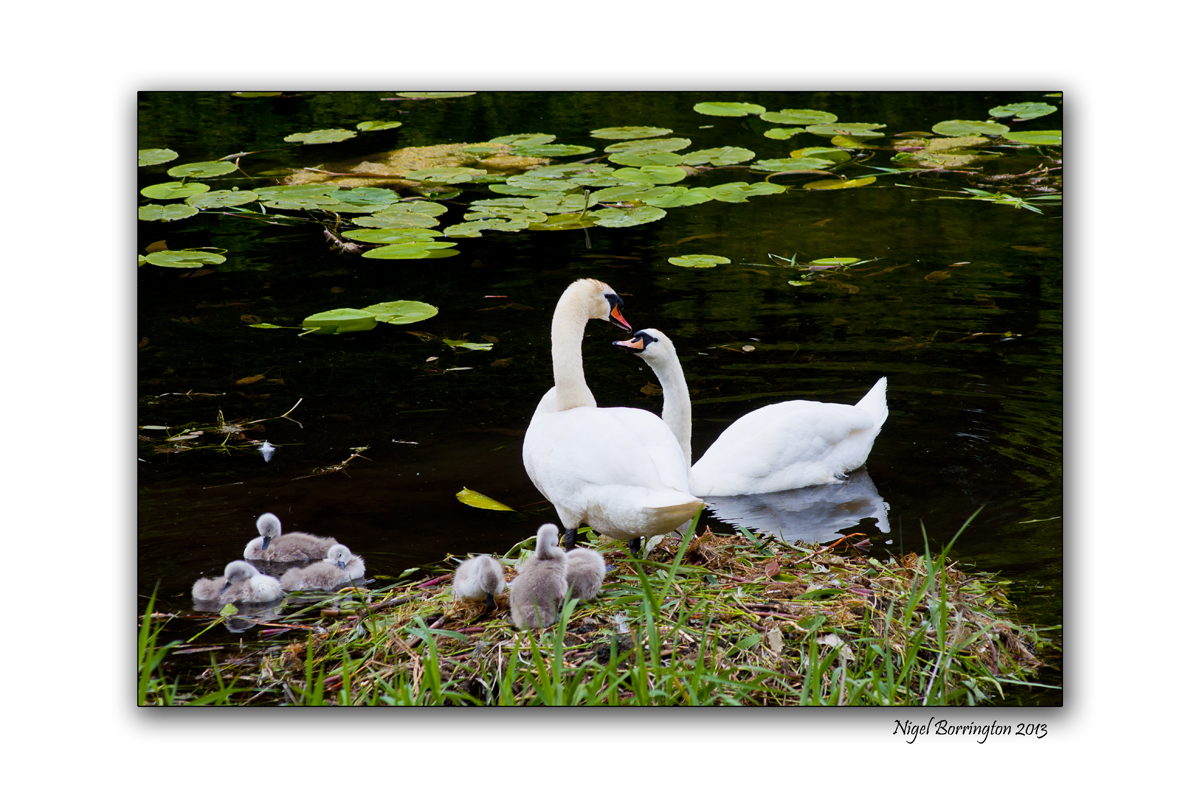
On the water mute swans cruise gracefully, their necks held in a characteristic curve not found in other swan species. The male, or cob, is slightly larger than the female, or pen, with a larger black knob at the base of the orange-red bill. Breeding usually takes place on still inland waterways from late April. The pair builds an enormous nest of water plants, sometimes up to 13 feet (4 metres) across, close to the water. Three to eight large blue-grey eggs are laid and the adults will defend the nest aggresively. The sight of an attacking adult is usually enough to keep most intruders away, including people. Reports of human injury from swan attack are greatly exaggerated, although a bird of this size and power is certainly capable of inflicting damage. As a rule of thumb swans on and around the nest site should be left well alone.
Cygnets hatch in 34-38 days, and the female often carries her downy grey offspring on her back, where they can be seen peeking out from beneath her arched wings. The family usually stay together until the following spring, when the aggressive parents will chase off the younger birds as they start to get their white adult plumage. The young birds will take three to four years to mature and can live for up to twenty years.
There are thought to be 20,000 or so mute swans in Ireland. Unlike the Bewick’s swan and whooper swan, which are migratory, the resident mute swan rarely moves far, although individuals have been recorded travelling over 200 miles. During the post-breeding moult and over the winter mute swans sometimes gather in large flocks on certain bodies of water, like lakes and estuaries, where their incessant foraging can seriously deplete limited stocks of aquatic plant life.
The oft-quoted statement that mute swans pair for life is in fact a myth, although it is not uncommon for the same pair to breed in consecutive years. It is, of course, also untrue that if one of a pair of swans dies that the other will soon die of a broken heart.
by Calvin Jones

Sunday evening at Galway bay, a fishing boat.

Images taken using a Nikon D700
A Fishing boat at Galway bay
Irish landscape photography : Nigel Borrington
Sunday evening at Galway bay
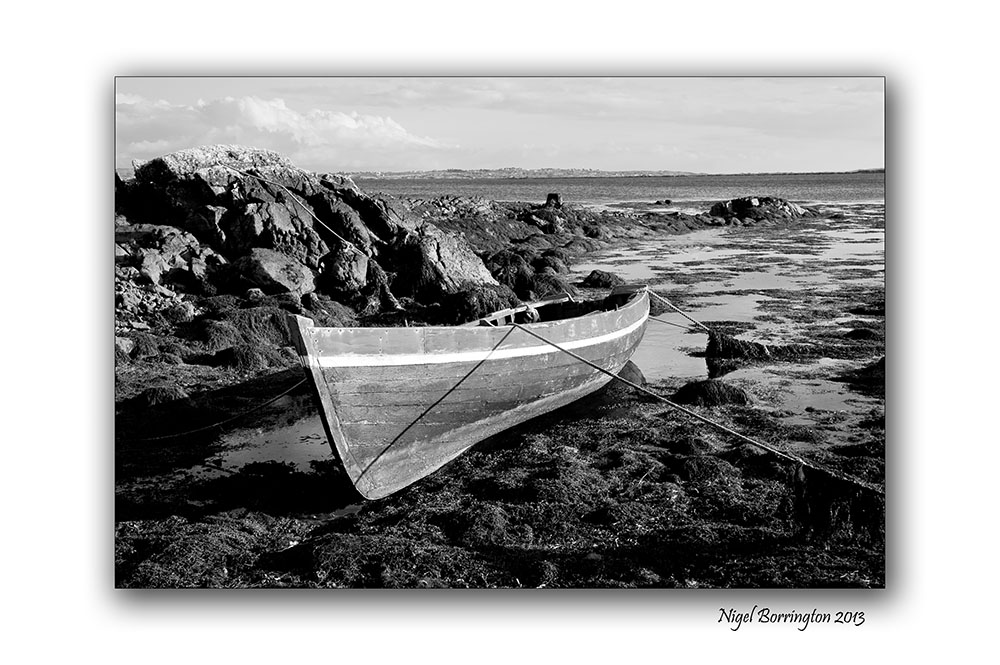
One Sunday evening last year while visiting Galway bay, we went for a walk along the shoreline.
We came across this fishing boat resting in a small bay, I felt this image pictures Sunday evening very well.
Rested during the weekend, but ready to start again on Monday morning, just not yet !
Irish National Heritage park
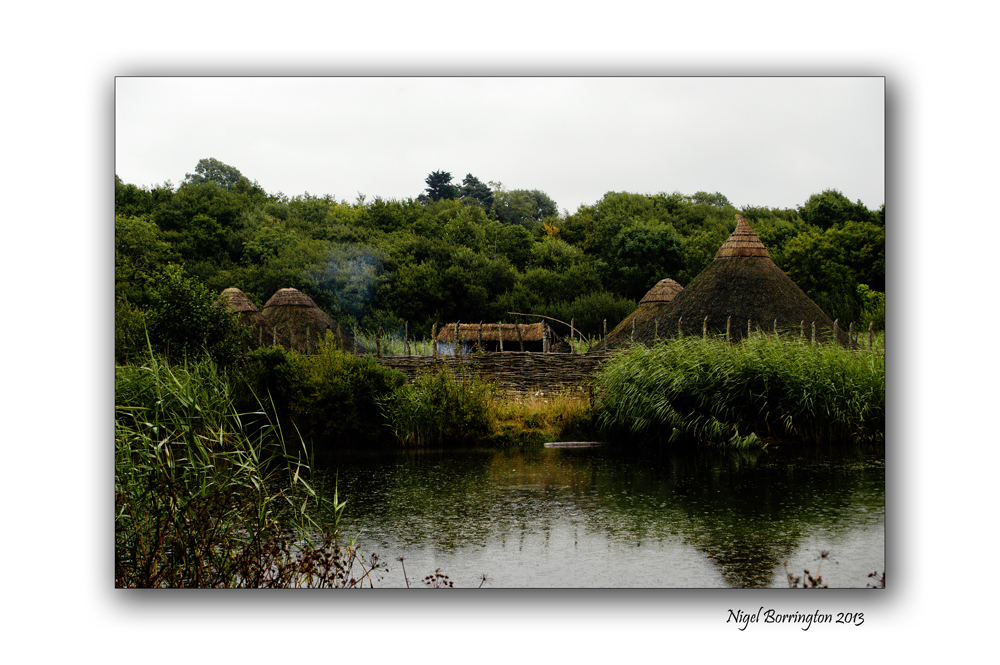
All images using a Nikon D700
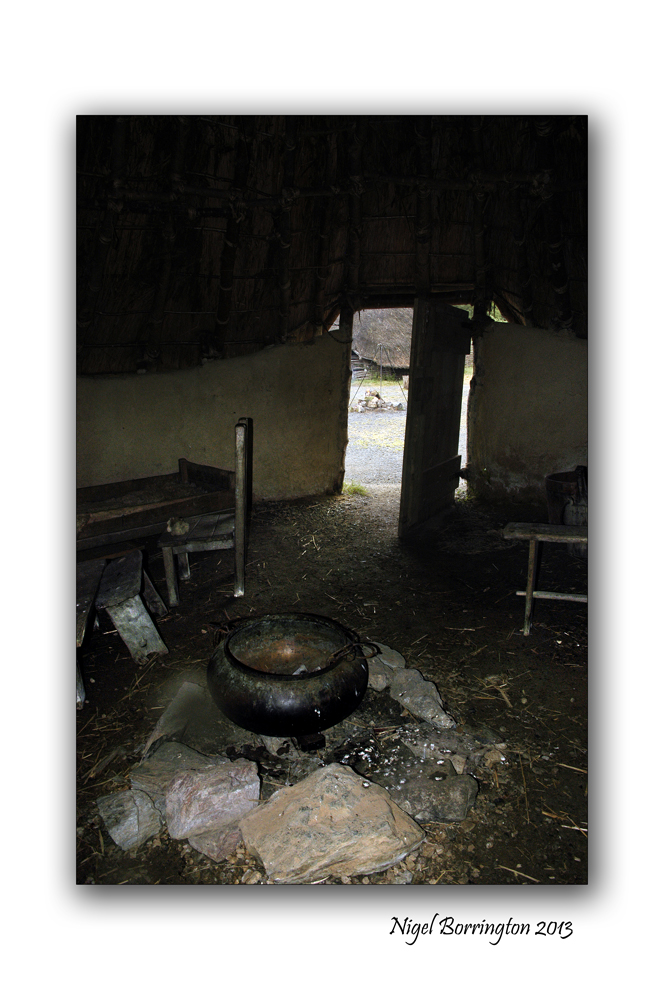
Irish National Heritage park – A Crannog
Landscape photography : Nigel borrington
One place in Ireland you have to visit, in order to get a good sense of the nations history is the National heritage park.
Location
The Irish National Heritage Park Ferrycarrig, is Located in the South East of Ireland, approximately 3 miles from Wexford Town off the Dublin (N11) Rosslare Road (N25). Eleven miles from Rosslare Europort.
Sat Nav: N: 52.348 W: -6.51673
This park is Unique in Europe, occuping 35 acres and has 16 archaeological and historical reconstructions all located in their natural settings. The Heritage Park outlines the history of Irish life as the story of 10000 years unfolds before you. It is history presented in a unique way in magical and varied settings.
A Crannog
The images in this post are from the reconstructed Crannog, Wiki-pedia defines a Crannog as follows
“Crannogs were used as dwellings over five millennia from the European Neolithic Period, to as late as the 17th/early 18th century although in Scotland, convincing evidence for Early and Middle Bronze Age or Norse Period use is not currently present in the archaeological record. The earliest radiocarbon determinations obtained from key sites such as Oakbank in Loch Tay or Redcastle, Beauly Firth approach the Late Bronze Age – Early Iron Age transition at their widest interpretation at 2 sigma or 95.4% probability, falling after c.800BC and therefore could only be considered Late Bronze Age by the narrowest of margins. Crannogs have been variously interpreted as free-standing wooden structures, as at Loch Tay, although more commonly they exist as brush, stone or timber mounds which can be revetted with timber piles. However, in areas such as the Western Isles of Scotland, timber was unavailable from the Neolithic onwards. As a result, completely stone crannogs supporting drystone architecture are common here.
Today, crannogs typically appear as small, circular islets, often 10 to 30 metres (30 to 100 ft) in diameter, covered in dense vegetation due to their inaccessibility to grazing livestock.”
http://en.wikipedia.org/wiki/Crannog
Crannog images



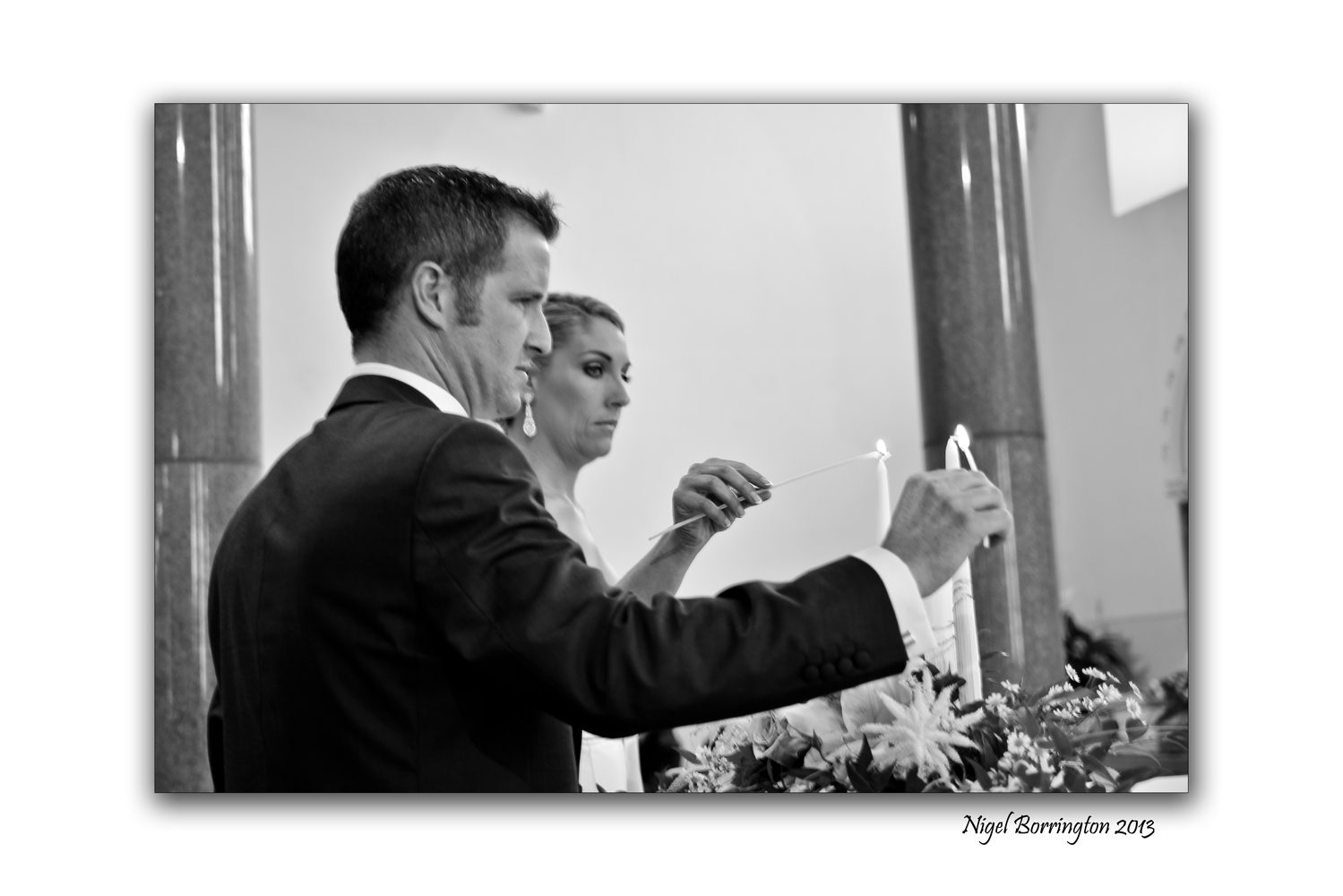
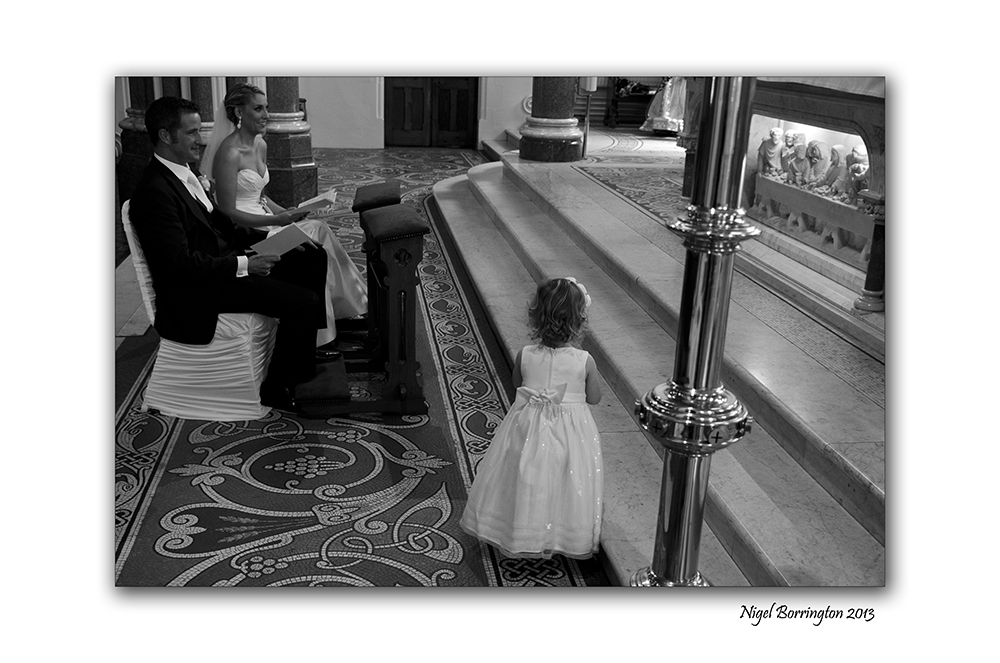
St Johns, Kilkenny. Images from a wedding day.

All Images using a Nikon D700
A Wedding in St Johns, County Kilkenny
Kilkenny wedding photographer : Nigel Borrington
These are just some of the images from a wedding I photographed in St Johns, county Kilkenny a little time back.
The couple asked for some black and white images, so here are just some of the one’s that I worked on for them.
A wedding at St John’s

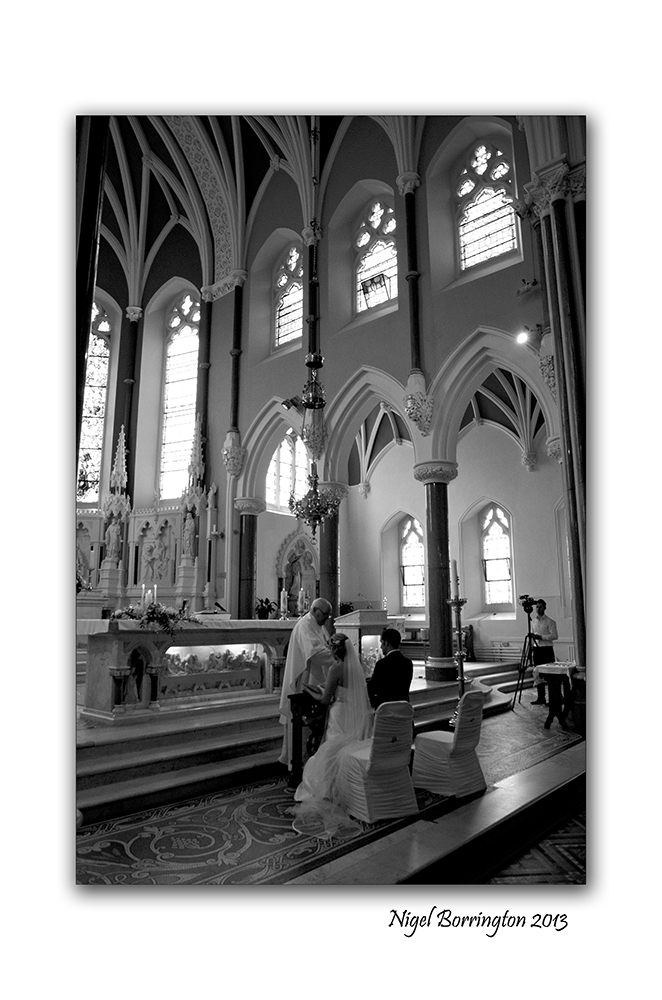
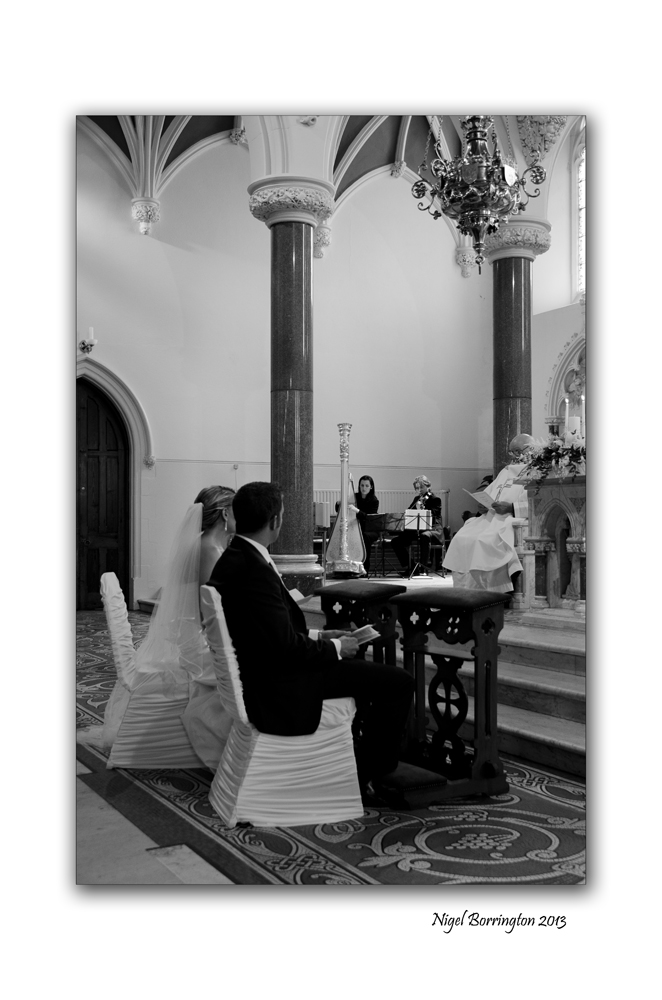
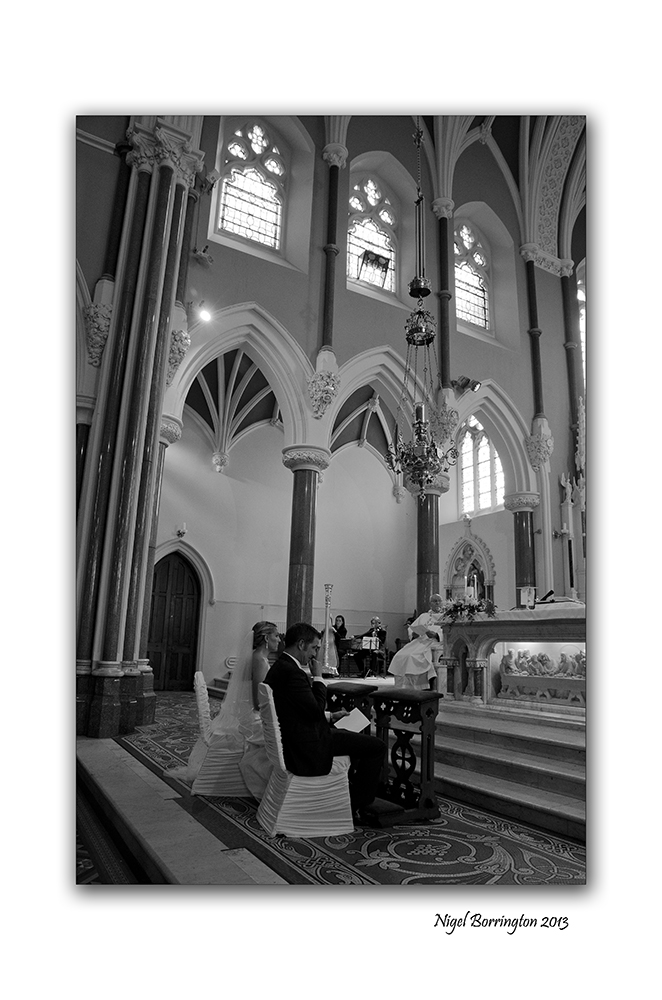
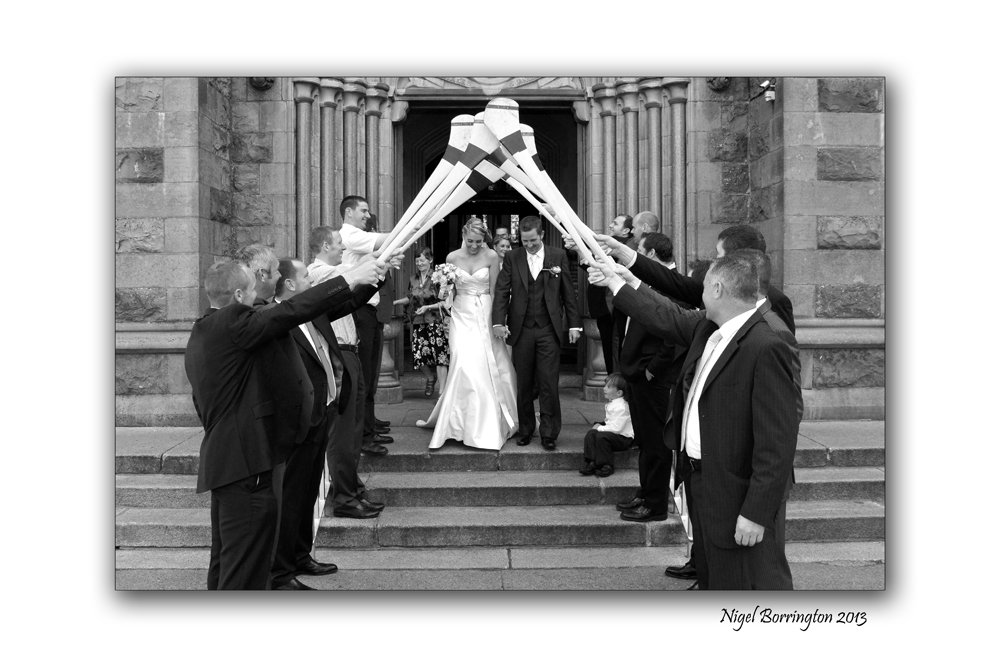
Wedding musicians, St Johns, Kilkenny
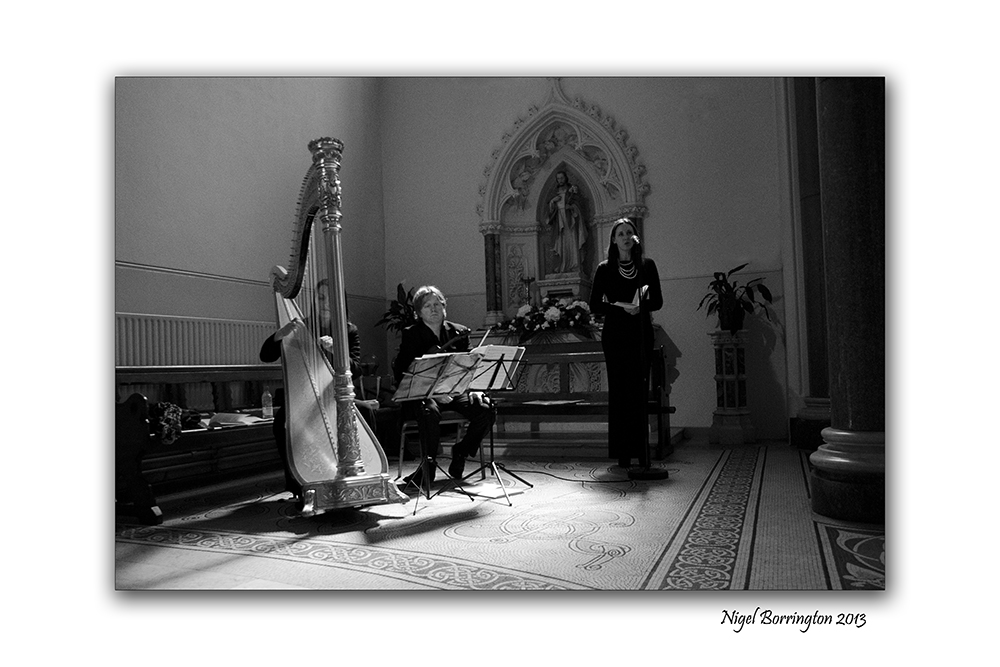
Images using a Nikon D700
Wedding Musicians, St John, County Kilkenny
Kilkenny wedding photography : Nigel Borrington
During a wedding at St Johns, I took a moment to get some images of the Musicians as they played.
Their Music was just wonderful to listen too and I was also very pleased with the photographs when I got back to the studio.
Images of the musicians
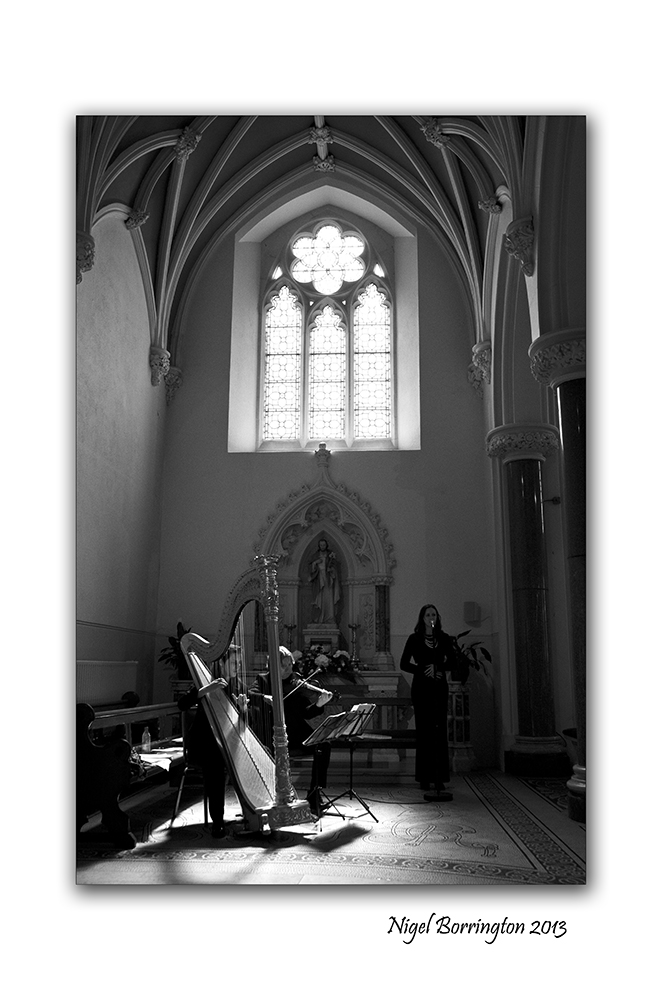

Coumfea a corrie lake, Nire Valley, County Waterford

Coumfea, Nire Valley, County Waterford
Landscape Photography, Irish photography : Nigel Borrington
Taken on the same day as the image of Milk hill, this image shows a view of Coumfea a corrie lake in the Nier valley, I have many other images of the lake that I will post in full.
A Corrie lake is formed as follows :
How Is a Corrie Formed?
Answer
A corrie is formed in different steps. First, the snow accumulates in a hillside hollow and turns to ice. Then, the hollow is deepened by abrasion and plucking and the ice in the corrie moves under the influence of gravity, deepening the hollow still further. Since the ice is at the foot of the hollow and moves more slowly, a rock lip forms. When the ice melts, a lake or tarn may be formed in the corrie. The steep back wall may be severely weathered by freeze€“thaw weathering, providing material for further abrasion.
Milk hill, Nire Valley, County Waterford

Milk hill, Nire valley, county Waterford.
Irish photography, Irish Landscape photography : Nigel Borrington
Black and white photography remains one of by biggest photographic interests, I just love the tones that can be developed from some landscape images.
The day I took this image the weather was very mixed with showers and strong sunny intervals, this allowed for very mixed lighting on the fields below in the Nire Valley, Waterford. I processed this black and white image from the original colour photo sometime later, I just love the strong contrasts and tone produced.
 Nigel Borrington
Kilkenny Photography – Cattle market
Nikon D700, 50mm f1.4 lens
Kilkenny Cattle market, Gallery image
Irish photography : Nigel Borrington
Kilkenny Cattle market, Thursday Morning 24th Oct.
I have just spent the last two Thursday mornings at the Cattle market in county Kilkenny building up some Gallery images and selling some cattle I invested in.
The market meets each Thursday Morning from around 9am, the sales provide one the most atmospheric locations to take images in and I just loved watching all the farmers selling or buying cattle.
I will keep returning over the next months as I hope to keep building on this portfolio of images, I will also post the best images I have so far during the coming weeks.
Share this:
October 29, 2013 | Categories: Comment, Down on the farm, Gallery | Tags: cattle auctions, Cattle market, county Kilkenny, farming, irish commencial photography, Irish photography, Kilkenny, Nigel Borrington, nikon d700 | 5 Comments