Tramore Beach in Time and the “Princess Of The Sea”, Anne-Lise Andresen and Liam Mc Daid
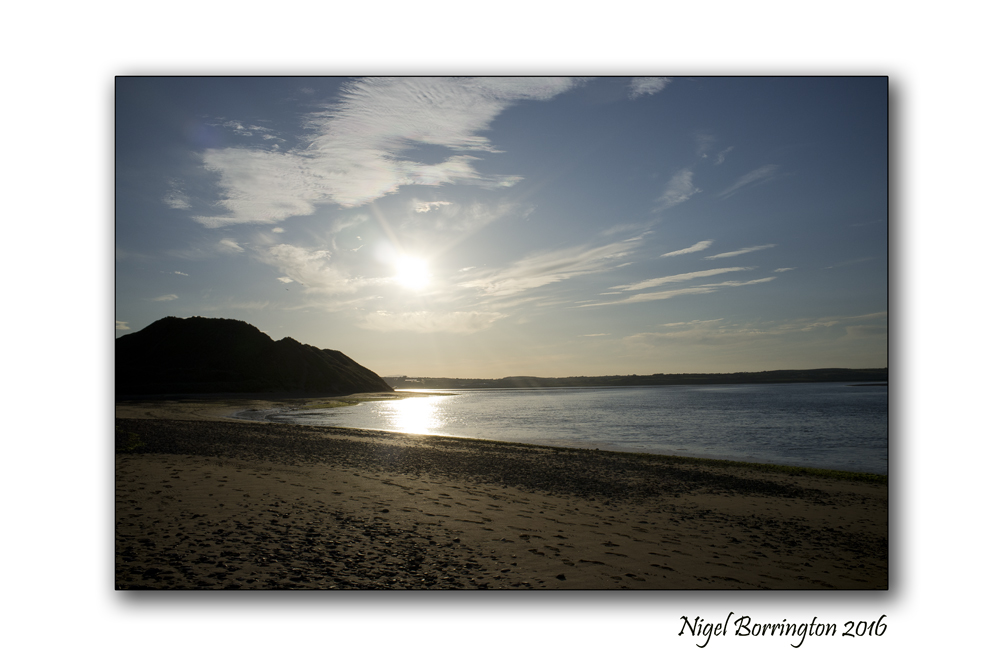
Tramore Beach
Far away in time
Irish Landscape
Nigel Borrington
– The Princess Of The Sea –
A Collaborated Poem
Anne-Lise Andresen and Liam Mc Daid
On the beach I found a seashell
luster of colors mixed with gold illuminate
Washed by the sea millions of times
tides turn as gentle footprints remain
I sit and ponder, how could it happen
salt breeze within an ocean’s breath inhales
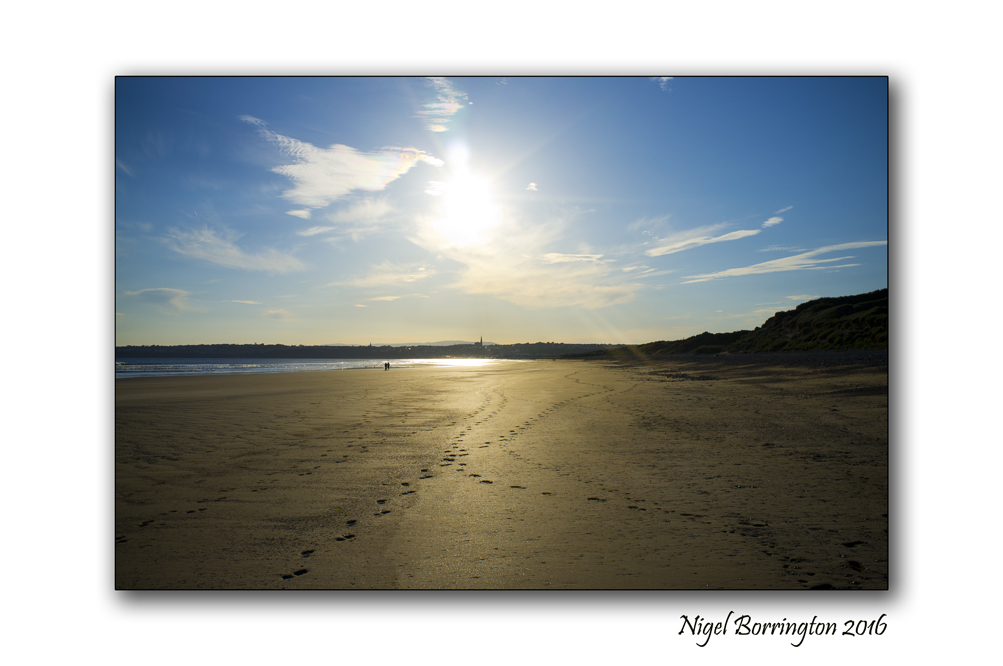
A journey of unimaginable time
drifting murmurs echo against waves crashing
In the sunlight it shone with many shades
satin pearl treasure heart between two shells
Carefully I opened and found its soul
it was then as one on whitewashed wings we flew free

I found a beautiful princess of the sea
Upon a sigh or dream revealed its inner secret
A Collaborated Poem
Anne-Lise Andresen and Liam Mc Daid
Poem: When I look down toward the beach, Images of the Irish south coast
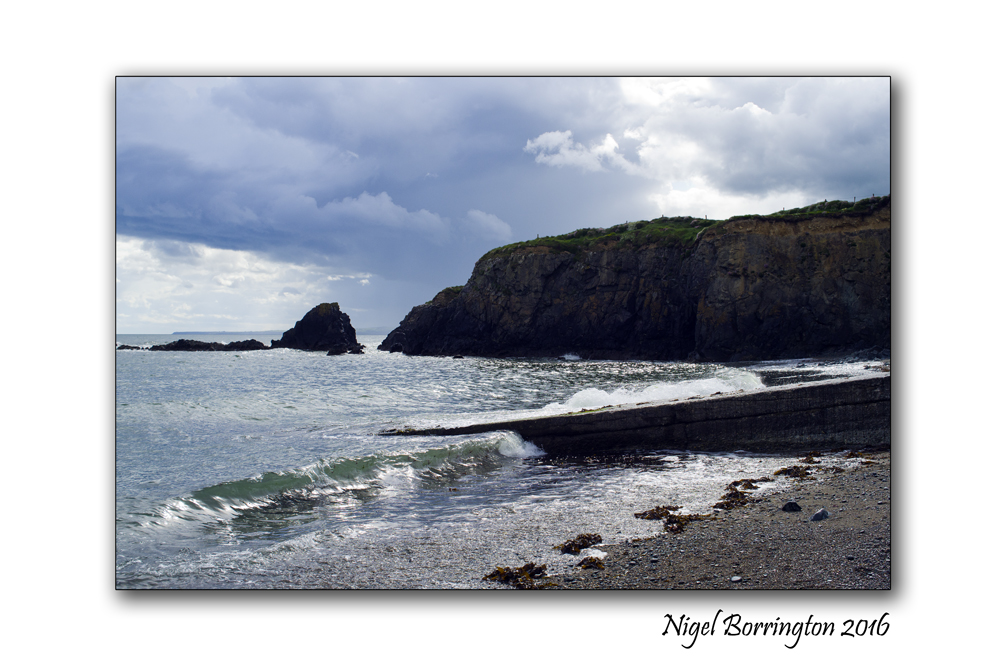
Image Of the Irish Coast , County Waterford, Ireland
Irish Landscape photography : Nigel Borrington
Images from the Irish coast.
Poem : When I look down toward the beach
When I look down toward the beach,
the distant pier seems to stride
forward from the shining sea.
I like to look beyond,
to the bands of turquoise and blue,
an ocean painted in bold,
abandoned strokes.
Why are we drawn to the waves?
Those elemental rhythms,
sounds and colours
of a primary world,
where sparse pointillist spots
busy themselves on
yellow-ochre sands.

Some days the morning
unfolds through mists,
groynes spacing out
the distances along the strand,
until a final fade-out,
well before the sea
can meet the sky.
Overhead, pterodactyl shapes
patrol against fresh patches
of blue. As I approach,
the blurred semblances
of buildings appear, rectangles
feathered violet or grey,
as if stepping off the cliff.
Crossing The Bar – Poem by Alfred Lord Tennyson
Crossing The Bar – Poem by Alfred Lord Tennyson
Irish Landscapes
Nigel Borrington
Crossing The Bar – Poem by Alfred Lord Tennyson
Sunset and evening star,
And one clear call for me!
And may there be no moaning of the bar,
When I put out to sea,
But such a tide as moving seems asleep,
Too full for sound and foam,
When that which drew from out the boundless deep
Turns again home.

Twilight and evening bell,
And after that the dark!
And may there be no sadness of farewell,
When I embark;
For though from out our bourne of Time and Place
The flood may bear me far,
I hope to see my Pilot face to face
When I have cross the bar.

The Giants-causeway, Antrim, Ireland
Geology and Myth
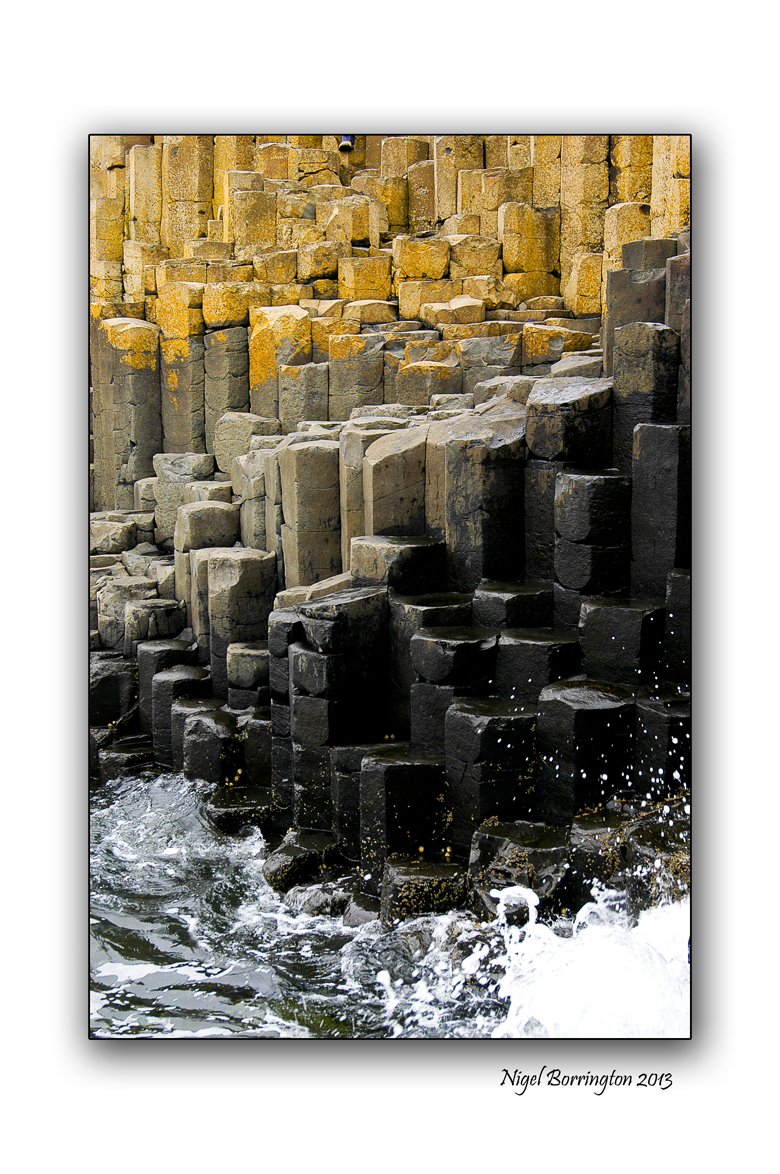
It was on a very wet October morning that we arrived at the giants causeway, its located just outside of the town of Bushmills, county Antrim, on the north Irish coast.
Its a national trust site so you have to pay a fee to get in to the area. Its a small walk from the visitors center to the causeway itself but its well worth it.
This is both a magical and mythical location and one of the worlds most geologically fascinating places.
I took the following images on the day and even though it was very wet and dull I think they get across the feeling you have when your walking around this site. I have added some information as the the geology and the myth’s associated with this truly wonderful place.

The Geology of the causeway
Giant’s Causeway, ( Irish: Clochán an Aifir) promontory of basalt columns along 4 miles (6 km) of the northern coast of Northern Ireland. It lies on the edge of the Antrim plateau between Causeway Head and Benbane Head, some 25 miles (40 km) northeast of Derry. There are approximately 40,000 of these stone pillars, each typically with five to seven irregular sides, jutting out of the cliff faces as if they were steps creeping into the sea.
Formed 50 to 60 million years ago, during the Paleogene Period, the Giant’s Causeway resulted from successive flows of lava inching toward the coast and cooling when they contacted the sea. Layers of basalt formed columns, and the pressure between these columns sculpted them into polygonal shapes that vary from 15 to 20 inches (38 to 51 cm) in diameter and measure up to 82 feet (25 metres) in height. They are arrayed along cliffs averaging some 330 feet (100 metres) in elevation.
Myths behind the magic
Thanks to Kirribilli for this re-telling:
Long, long ago there lived a mighty warrior who was known across the length and breadth of Erin for his strength and bravery, no man on the island was his match and apart from repelling the hoards and the armies that attempted to invade our green land, being the best can be a bit boring and Fionn mac Cumhaill needed a challenge, he needed to prove to himself that he was the greatest warrior both on and off the island.
At that time the scourge of Scotland was a giant called Benandonner and on hearing tales of this beast of a man, Fionn knew that if he could beat this giant, his name would be known the world over. He made his way up to the Ulster coast, shouted across the water at Benandonner and challenged him to a fight.
Now normal people would take a boat and sail across the sea but not these two, they set upon ripping huge rocks out of the ground and throwing them into the sea separating Ireland from Scotland until after hours and days of back-breaking work there stretched a rocky causeway linking the two lands.
They’d agreed to fight between their two lands and seeing that bridge was complete, they made their way across the land bridge. As they approached each other it became apparent how big Benandonner really was, this wasn’t just a big man, this was a true giant.
Now Fionn was not a small man himself but the sheer size of the Scottish giant scared him, suddenly a fight with a monster like that wasn’t as appealing…
So he ran.
But not too far, once he was out of Benandonner’s sight he disguised himself as a baby, which was somewhat apt as he always had his best ideas when he sucked his thumb.
When Benandonner found the baby he asked it who its father was, he was told the baby was Fionn mac Cumhaill’s. When he heard this and saw the size of the baby, he imagined how big the father would be, he would be gigantic, he wouldn’t stand a chance, so he ran.
He ran back to the land of the Scots and on his way back he made sure to destroy the bridge, lest Fionn ever come looking for him…
Gallery


Returning to Skellig Michael, an island escape
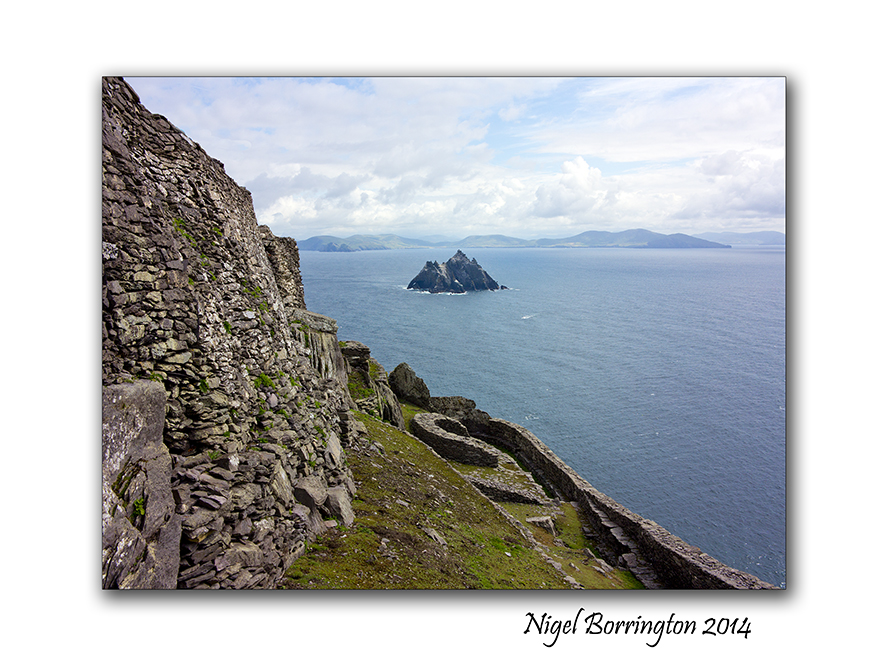
Skellig Michael, county Kerry, Ireland
Landscape Photography : Nigel Borrington
I first visited Skellig Michael in 2012 and the following images and post were taken and created during and following this visit, since then the island has been used during the making of the latest Star Wars movie “The Force Awakens”.
While no one worried too much about this remote and sacred place being used for this purpose, I think a lot of people are very much hoping that it does not mark the start of the island being openly used in such away, here it Ireland places like this are treasured and their peace is defended strongly. The Island is also the home to some very unique and protected wildlife.
Skellig Michael : an island escape
Skellig Michael is an Island some 12 to 16 kilometres by boat from the ring of kerry, county Kerry, Ireland. It is most famous for the fact that during the 6th to the 8th Century’s a religious settlement was established here.
The Island is a world heritage site and falls under the guardianship of UNESCO, you can find the official historic details from the link on the world heritage web page here : Skellig Michael
In my last two posts I shared the boat trip to the Island and then the long but wonderful walk up to the settlement at the very top of the Island some 218 meters from sea level. Today I just want to share images of the inside area , the location that the people who lived here spent their life’s and also the location in which they are buried and there final resting place.
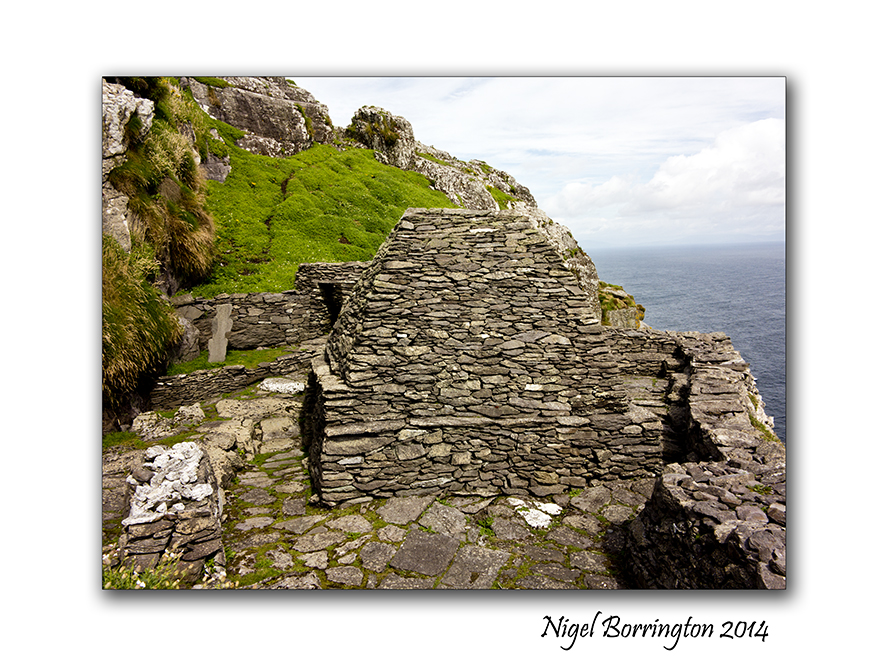
The images in the Gallery below are placed in the order that you view the buildings when you walk through the site, the only access is through a small passage in the outer walls.
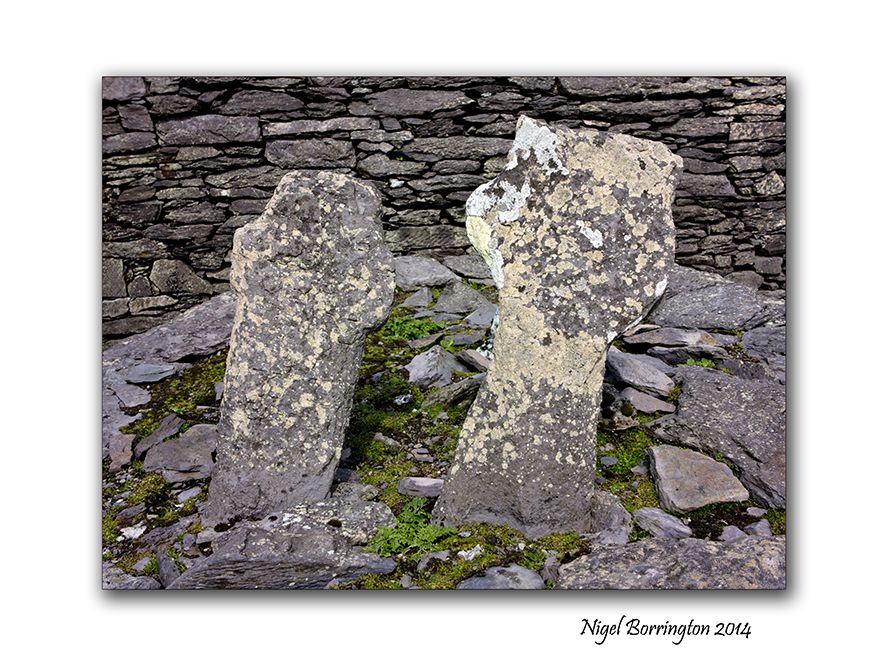
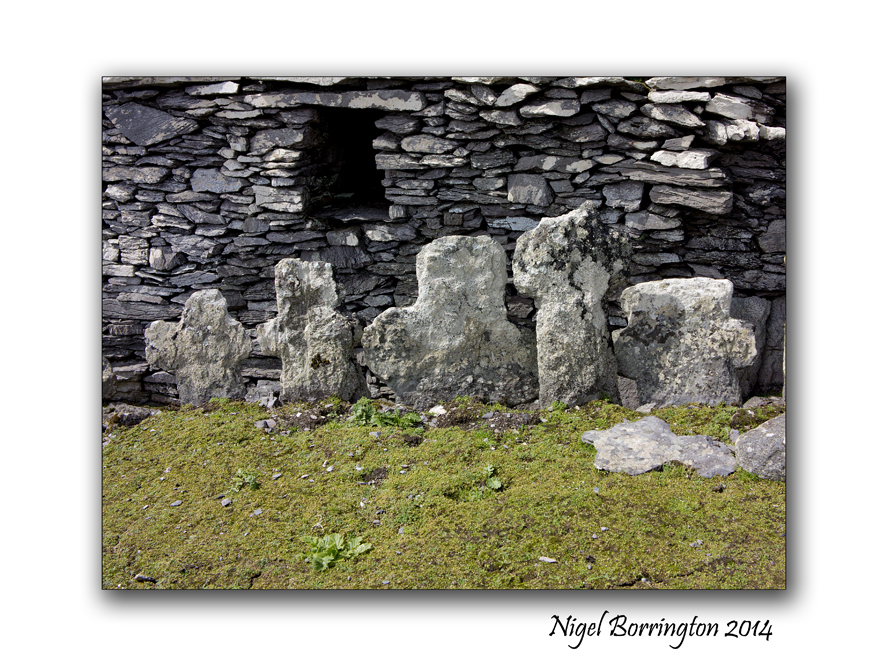
The very first thing that greets you are two small head stones, in a very small patch of grass. These are the graves of two young boys, it was a tradition that monks in this period would take very young boys as members to their orders. These boys where from families on the main land and once they moved here they would most likely never return to see there families. Our guide informed us that it is a possibility that both boys were killed by Viking invaders as when the remains where examined wounds were found that indicate that they were killed by the use of weapons, both boys did not pass the ages of ten or twelve. It is also thought that other graves in the pictures here, in the centre of the living area contain some adult victims of such attacks.
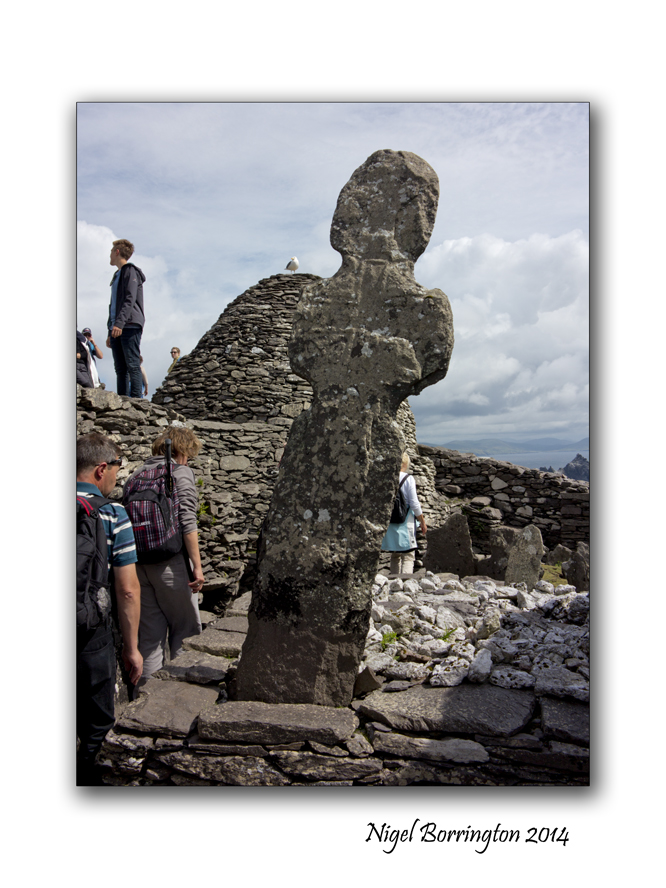
A monastery may have been founded as early as the sixth century, reputedly by Saint Fionán but in 1044 rededicated to Saint Michael, the image here shows a large sculpture that is located towards the middle of the complex. It was described by our guide as being a cross but it could also be very much in the form of a human figure, with the arms to the side and a head looking over the site.
The word Skellig is defined as meaning “splinter of a stone”, and thus this rocky island was dedicated to saint Michael, there are also other Islands around Europe and maybe further away that are dedicated to this saint ( Mont Saint-Michel France, St Michael’s Mount Cornwall)

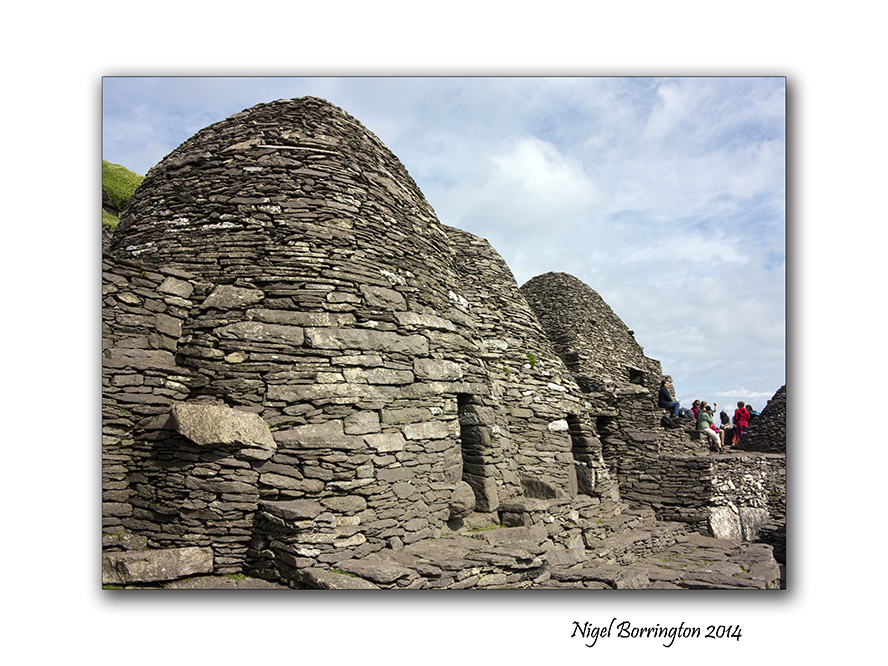
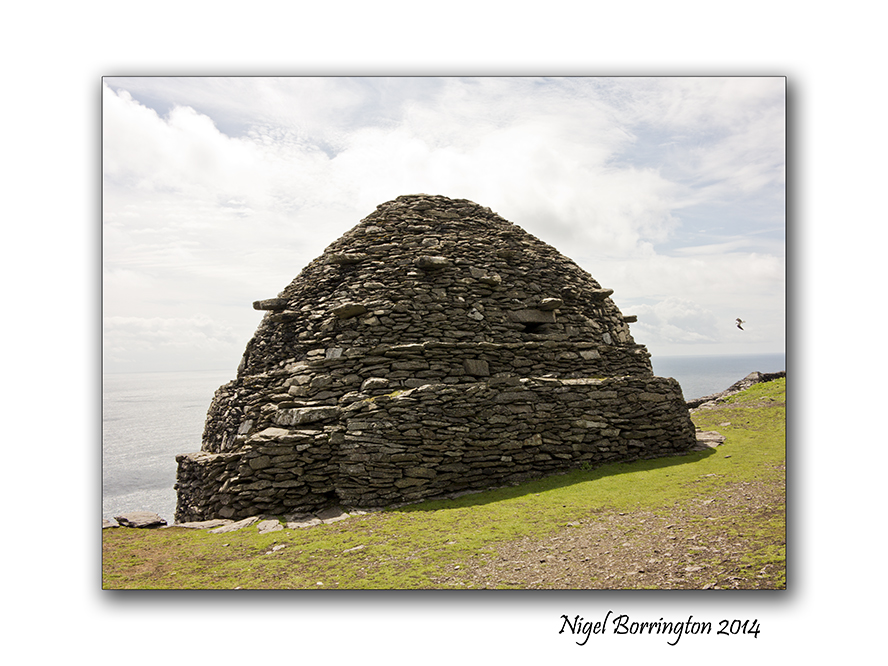
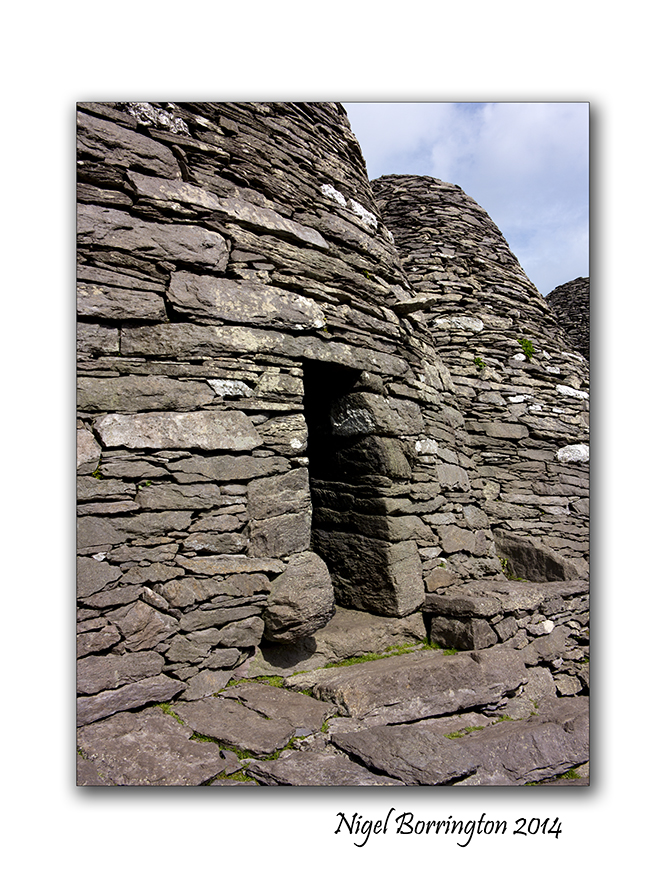
One of the most famous features of Skellig Michael are the so called Beehive structures, there were may be six or seven of these of which six are still standing, they were the living spaces for each of the monks, this fact would indicate that a maximum of seven people lived here in the beehives at any one time, there is a structure at the very end of the settlement that is constructed completely differently, It is thought that the head of the order would have lived in this building but few fact to prove this exist.
In any case the indications are that eight people lived on Skellig Michael at anyone time during its long history.
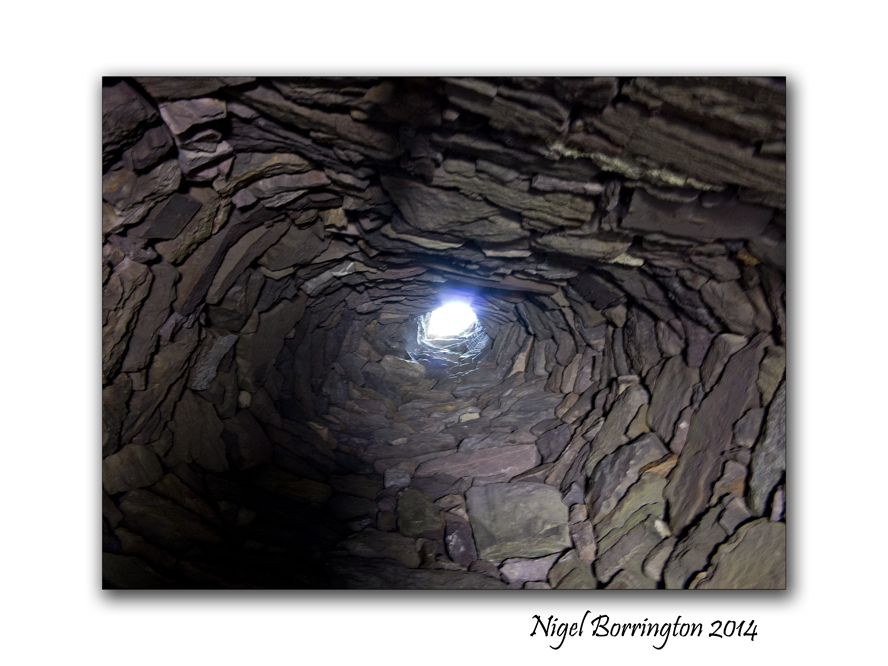
Living with in these stone constructions looks very harsh , during the time they were occupied however they would have looked very different, in some of the pictures you can see supporting stones that stick out of the main buildings by some amount, it is thought that these stones supported a covering of thatch consisting of straw and clay, this would have been deep and was used to keep the inner stone structure warn and dry. Not all but some of the Beehives have a hole in the roof that was used to let out smoke from fires inside.
At some point I want to post about the life’s of these people, who they where and why they chose to live here, I need to read a little more however , so for the moment that’s it. Three post over the last three day, that I hope share a visit to this wonderful and mystical island.
If you get a chance I would really encourage you to visit. Its an experience of a lifetime and helps you to open your mind to European history.
I cannot help however feeling that this place holds something else other than the official history, The question as to why these monks felt the need to occupy Skellig Michael, so far of the Irish coast line, is very big !
This place feels like an escape, a refuge but from what and why ?
With such massive risk’s taken by a small group of people to construct three stone stair-ways to the top of the Island and then build the walled settlement, the question of why looms very large. These were times when the word of Christianity was first being spread across Ireland so why the need to hide away here ?
I need to do much more reading, before I understand these bigger questions 🙂 and even then maybe some of the answers have been lost !
Gallery





Spring On The River – Poem by Archibald Lampman
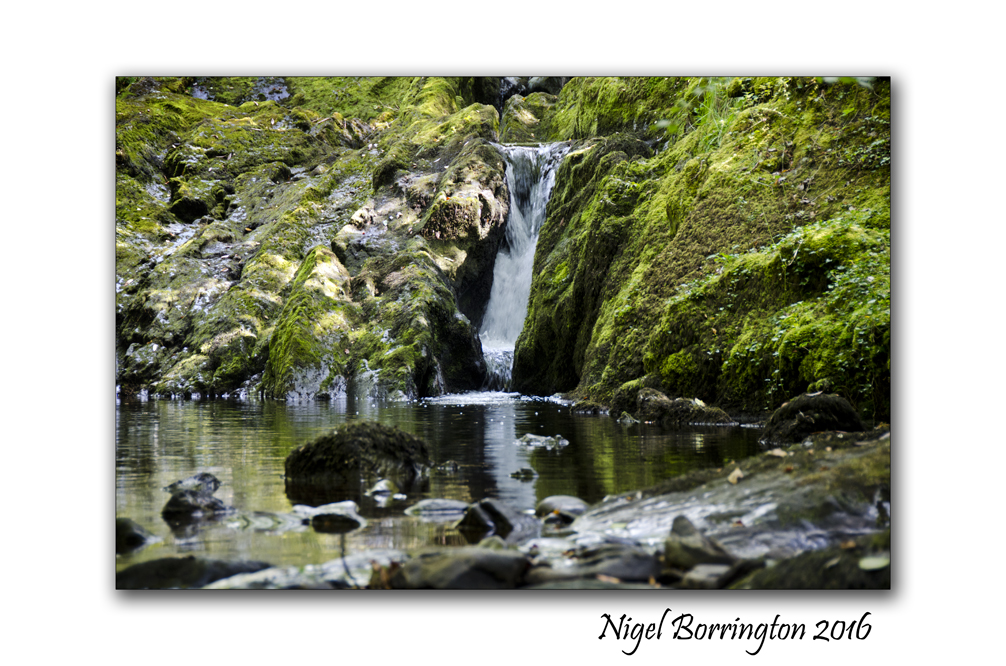
Springtime at the River
Irish landscapes
Nigel Borrington
This weekend i am planning to do some river walks, Springtime down near the rivers here in Kilkenny is a great experience with so much new life around.
What-ever you are doing I hope you have a great time 🙂
Spring On The River
By Archibald Lampman
O sun, shine hot on the river;
For the ice is turning an ashen hue,
And the still bright water is looking through,
And the myriad streams are greeting you
With a ballad of life to the giver,
From forest and field and sunny town,
Meeting and running and tripping down,
With laughter and song to the river.
Oh! the din on the boats by the river;
The barges are ringing while day avails,
With sound of hewing and hammering nails,
Planing and painting and swinging pails,
All day in their shrill endeavor;
For the waters brim over their wintry cup,
And the grinding ice is breaking up,
And we must away down the river.
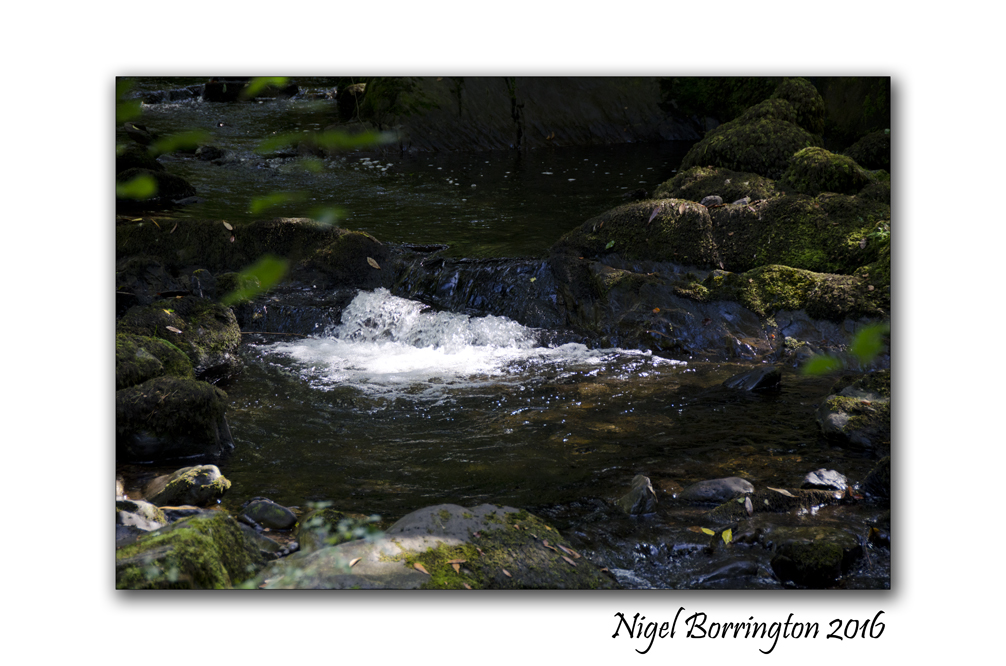
Oh! the hum and the toil of the river;
The ridge of the rapid sprays and skips:
Loud and low by the water’s lips,
Tearing the wet pines into strips,
The saw mill is moaning ever.
The little grey sparrow skips and calls
On the rocks in the rain of the water falls,
And the logs are adrift in the river.
Oh! restlessly whirls the river;
The rivulets run and the cataract drones:
The spiders are flitting over the stones:
Summer winds float and the cedar moans;
And the eddies gleam and quiver.
O sun; shine hot, shine long and abide
In the glory and power of the summer tide
On the swift longing face of the river.

Friday Poetry , Home stretch
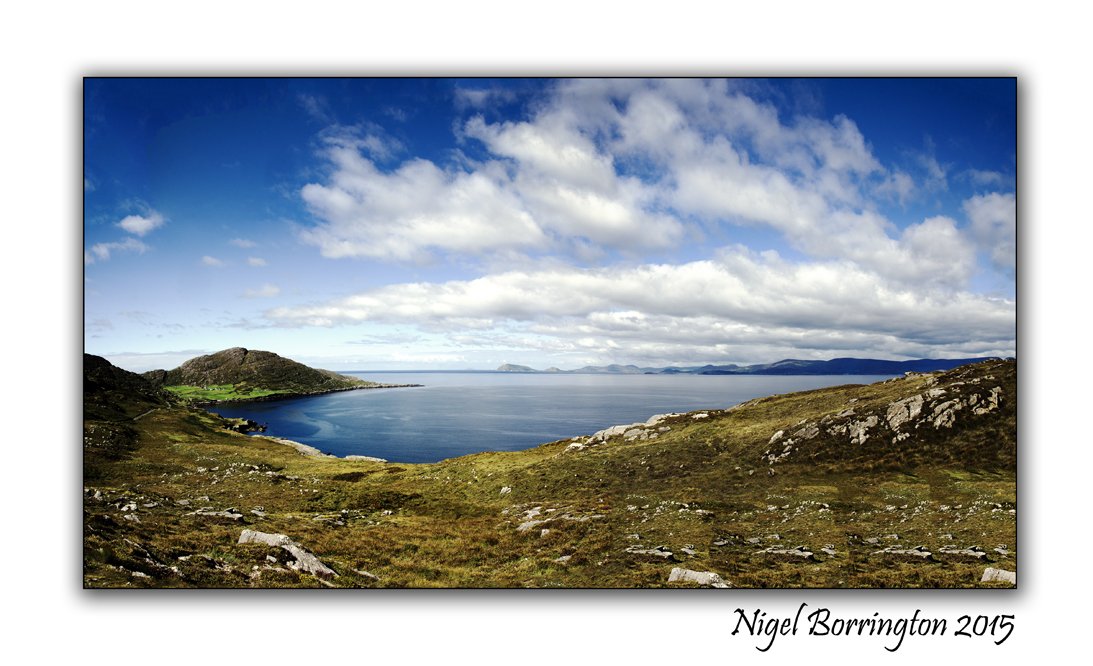
Home stretch
By : K.D..

End of Friday, I float out, slide out, glide outside,
weekend feeling starts from first waking I confide,
One foot in front of another, quickens apace, work-gate in sight,
threshold crossed and happy stride full of departed delight,
Cars swerved, by fast-approaching buggies I am unnerved,
station observed, seat on the 2-free day 16.09 train reserved,
Disembark, footfalls skip a nifty 2-step through the post-work park,
the free-time frieze en route, a sanctuary breeze of homewards commute,
Those demons cars evenly spaced, at every turn they are placed,
but the finishing line streets dissolve as I brandish my relaxed resolve,
Safely settled in a cosy cuddle of creative mind, alligned, now to unwind,
thoughts to etch, ideas to sketch, inhaling hearty breaths of home stretch.

Have a great weekend 🙂 🙂
Folktales and Fables : The North Wind and the Sun
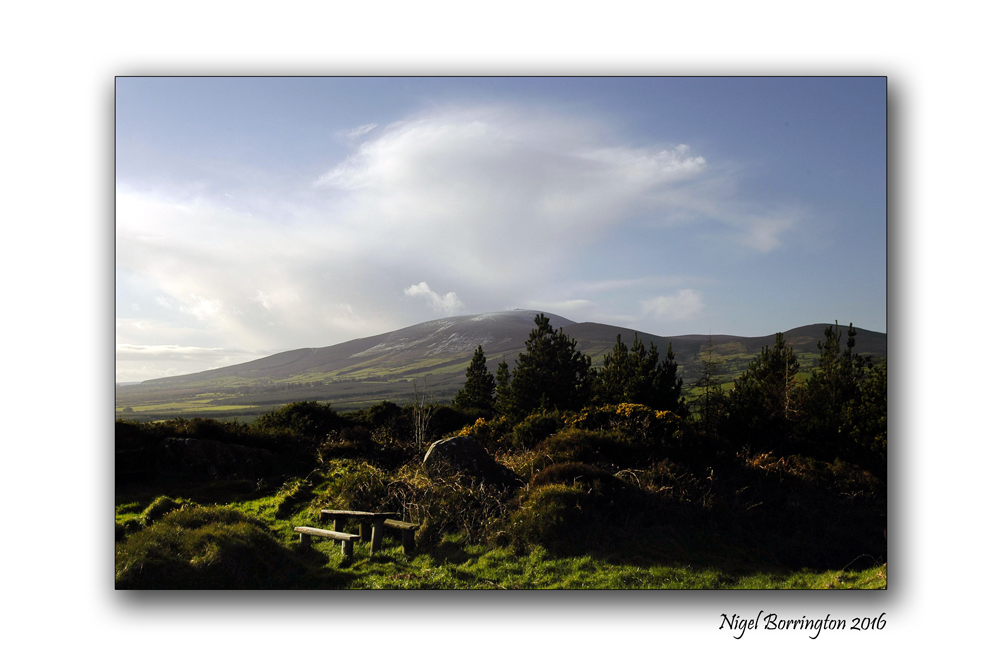
The North wind and the Sun
Irish Landscape photography : Nigel Borrington
A simple old story this one but filled with such a simple truth.
Folktales and Fables : The North Wind and the Sun
The North Wind and the Sun were disputing which was the stronger, when a traveler came along wrapped in a warm cloak. They agreed that the one who first succeeded in making the traveler take his cloak off should be considered stronger than the other.Then the North Wind blew as hard as he could, but the more he blew the more closely did the traveler fold his cloak around him; and at last the North Wind gave up the attempt. Then the Sun shined out warmly, and immediately the traveler took off his cloak.
And so the North Wind was obliged to confess that the Sun was the stronger of the two.
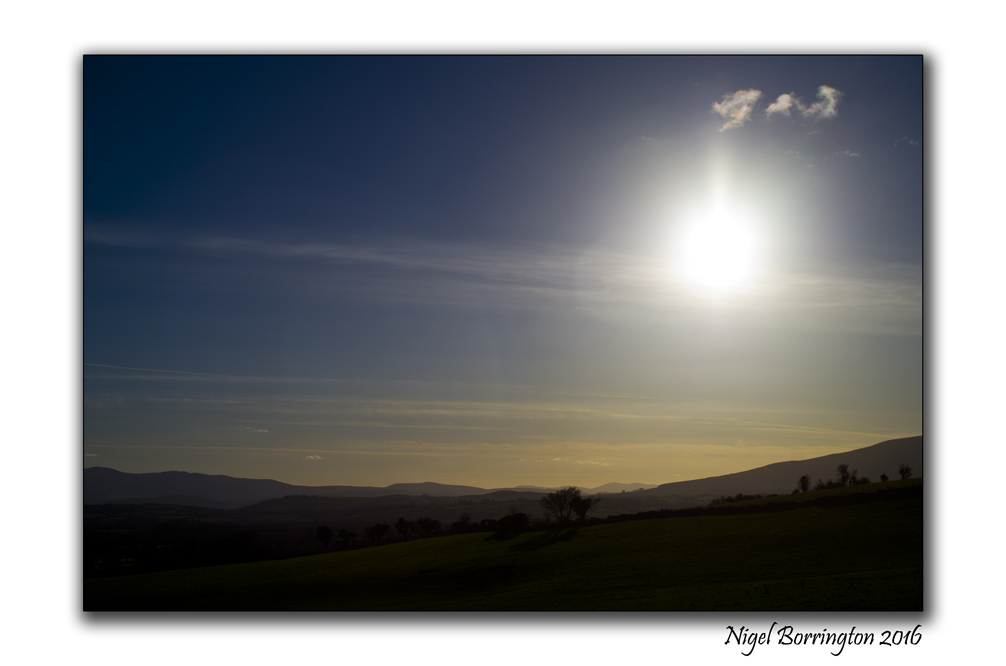
Irish Landscapes
Early Springtime
Kilkenny
Nigel Borrington
The story concerns a competition between the North wind and the Sun to decide which is the stronger of the two. The challenge was to make a passing traveler remove his cloak. However hard the North Wind blew, the traveler only wrapped his cloak tighter to keep warm, but when the Sun shone, the traveler was overcome with heat and soon took his cloak off.
The fable was well known in Ancient Greece; Athenaeus recorded that Hieronymus of Rhodes, in his Historical Notes, quotes an epigram of Sophocles against Euripides which parodies the story of Helios and Boreas. It relates how Sophocles had his cloak stolen by a boy to whom he had made love. Euripides joked that he had had that boy too and it did not cost him anything. Sophocles’ reply satirises the adulteries of Euripides: “It was the Sun, and not a boy, whose heat stripped me naked; as for you, Euripides, when you were kissing someone else’s wife the North Wind screwed you. You are unwise, you who sow in another’s field, to accuse Eros of being a snatch-thief.”
The Latin version of the fable first appears centuries later in Avianus as De Vento et Sole (Of the wind and the sun, Fable 4), early versions in English and Johann Gottfried Herder’s poetic version in German (Wind und Sonne) also give it as such. It is only in mid-Victorian times that the title “The North Wind and the Sun” begins to be used. In fact the Avianus poem refers to the characters as Boreas and Phoebus, the gods of the north wind and the sun, and it is under the title Phébus et Borée that it appears in La Fontaine’s Fables (VI.3).
Victorian versions give the moral as “Persuasion is better than force”, but it has been put in different ways at other times. In the Barlow edition of 1667, Aphra Behn teaches the Stoic lesson that there should be moderation in everything: “In every passion moderation choose,/For all extremes do bad effects produce”, while La Fontaine’s conclusion is that “Gentleness does more than violence” (Fables VI.3). In the 18th century, Herder comes to the theological conclusion that, while superior force leaves us cold, the warmth of Christ’s love dispels it, and Walter Crane’s limerick version of 1887 gives a psychological interpretation, “True strength is not bluster”. Most of these examples draw a moral lesson, but La Fontaine hints at the political application that is present also in Avianus’ conclusion: “They cannot win who start with threats”. There is evidence that this reading has had an explicit influence on the diplomacy of modern times: in South Korea’s Sunshine Policy, for instance, or Japanese relations with the military regime in Burma.
The Last Afternoon of March

That Last day of March
Irish Landscapes
Nigel Borrington
The Last afternoon of March 2016
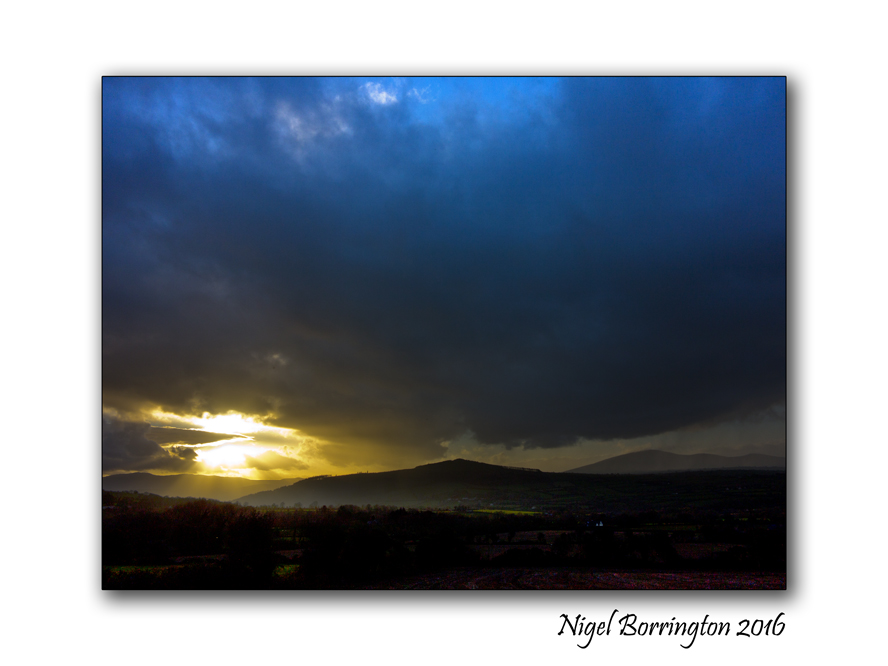
This afternoon is bright and sunny
between the mountain clouds,
Springtime is in the air,
The weather is mild on this late March afternoon,
the breath of April is rising fast,
I am alone on the quiet mountain top
looking down on an old untried illusion
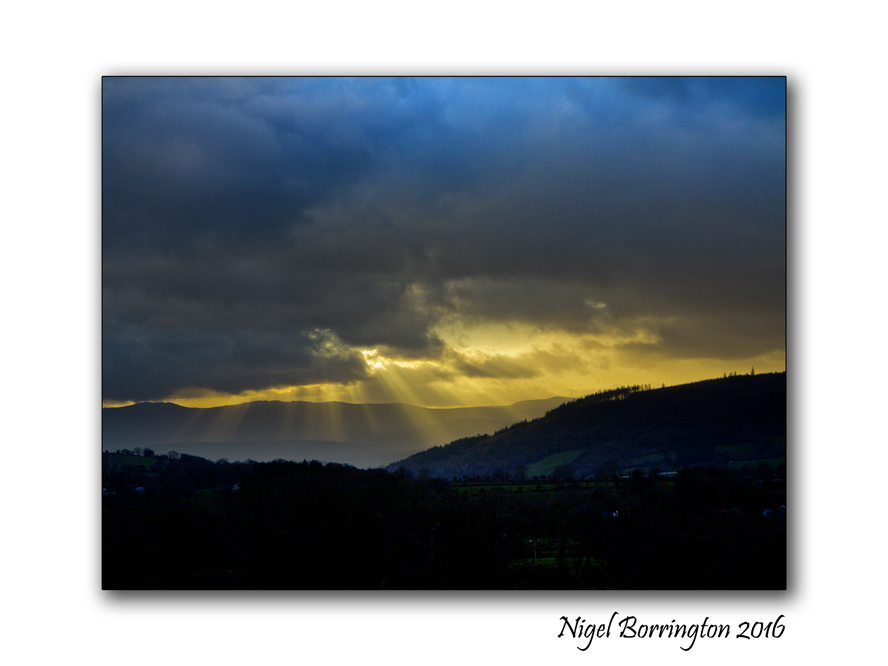
Some shadows sit on the green landscape below
memory’s rise from their sleep,
The crows fly above while others rest
on the stone walls of this mountain side,
In the air as hunting birds call
the fast hover of the kestrels wings.
A sense of place, Wellington Tower Grange Crag, County Tipperary

The Wellington Tower Grange Crag, County Tipperary
The Wellington Tower stands on the Crag above Grange, county Tipperary, it was built in 1817 by Sir William Barker Bar to celebrate the Duke of Wellington’s victory over the French at the battle of Waterloo. Today it is nearly two hundred years old and for a long time it has only formed a feature in the loop wall around the forest above the small village of Grange.
However over the last months it has been restored and transformed into a viewing platform as you can see from the images here, it has been amazing to see the work that has been performed to give the tower a new life and a new purpose in life.
The walk to the top of the tower is via a metal spiral staircase with a viewing platform at the top , if you are a little heady with heights its best not to look down through the steps and to just keep going until you get to the top.
Once you are on the platform above and walk to the chest-high wall in front of you the view of county Tipperary below is just amazing. There is a display of all the sights below on a board the looks out and to the distance you can see modern Ireland in it greatness form with its small towns and up to date Wind farms.
Wellington Tower , Grange Crag, Tipperary GALLEY …


Wednesday’s artist’s work is full of Water and Trees : Trevor Geoghegan

A Winter Boundary by Trevor Geoghegan
Today I want to share the art work of TREVOR GEOGHEGAN he uses a ready made subject near at hand the scenic mountainous area around the upper reaches of the Liffey in county Wicklow. He paints it again and again but not exclusively his present exhibition also includes landscapes from the west Connemara, Doolin etc. However, it all ends up pretty much his own style, with plenty of heather, foaming streams, moorland and woodland.
The vision is conventional, knowing how to relate foreground to middle ground in his work. It is “picturesque” nature, but not picture postcard nature, with a real sense of emotional engagement. The angles of composition are varied The Yellow Field, one of the best pictures in the show, is seen from above and the skies are generally alive, not merely filled in.
I like and has seen lots of Trevor’s paintings overtime and love very much the closeness to the landscape that he paints, it feels very much like he walks deep into the woodlands and forest river banks in order to find his subjects and this shows in his work, I also like very much the closeness to nature that he reflects on, these are real places painted and real moments !!!
A little about : Trevor Geoghegan
Born in London 1946, Trevor studied at Worthing College of Art, Sussex before graduating from Chelsea School of Art, London in 1968. In 1971 he settled in Ireland, moving to Blessington, Co. Wicklow. He lectured at the National College of Art & Design, Dublin from 1978 to 2004 and teaches annually at the Burren School of Art, Co. Clare and also holds annual drawing workshops privately and at the National Gallery of Ireland.

Moonlight, Blessington Lake by Trevor Geoghegan
Trevor has had numerous successful solo shows since 1978, has exhibited at the RHA and his work can be found in many collections worldwide including Aras an Uachtarain, the Arts Council of Ireland, Bank of Ireland, Dail Eireann and the National Self Portrait Collection. His work is also represented in numerous private collections in Ireland, USA, Germany, Japan, Canada and UK.

The Little Ghost, A poem by Edna St. Vincent Millay (1892-1950)
irish Landscapes
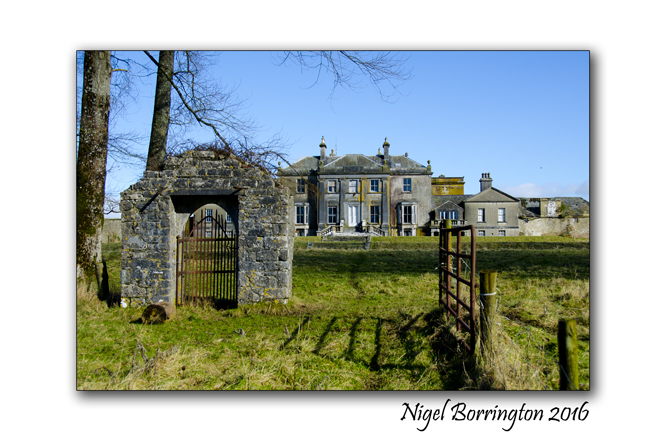
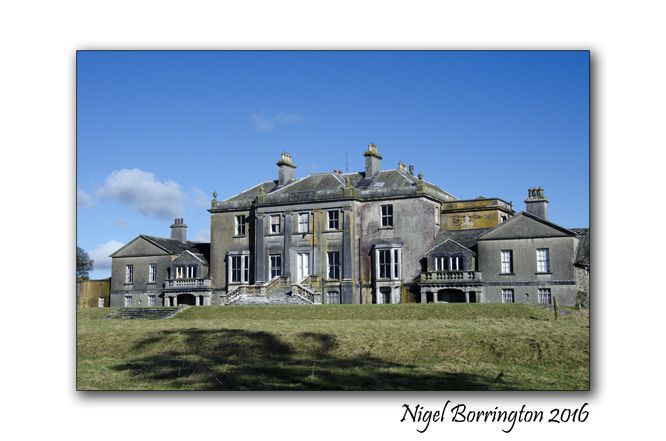
Kilcooley estate
County Tipperary
Nigel Borrington
The Little Ghost, A poem by Edna St. Vincent Millay (1892-1950)
I knew her for a little ghost
That in my garden walked;
The wall is high — higher than most —
And the green gate was locked.
And yet I did not think of that
Till after she was gone —
I knew her by the broad white hat,
All ruffled, she had on.
By the dear ruffles round her feet,
By her small hands that hung
In their lace mitts, austere and sweet,
Her gown’s white folds among.
I watched to see if she would stay,
What she would do — and oh!
She looked as if she liked the way
I let my garden grow!
She bent above my favourite mint
With conscious garden grace,
She smiled and smiled — there was no hint
Of sadness in her face.

Irish landscapes – Kilkenny , an evening in early springtime
Irish Landscapes
Early Springtime
Kilkenny
Nigel Borrington
The last of today’s sunlight was just perfect ….
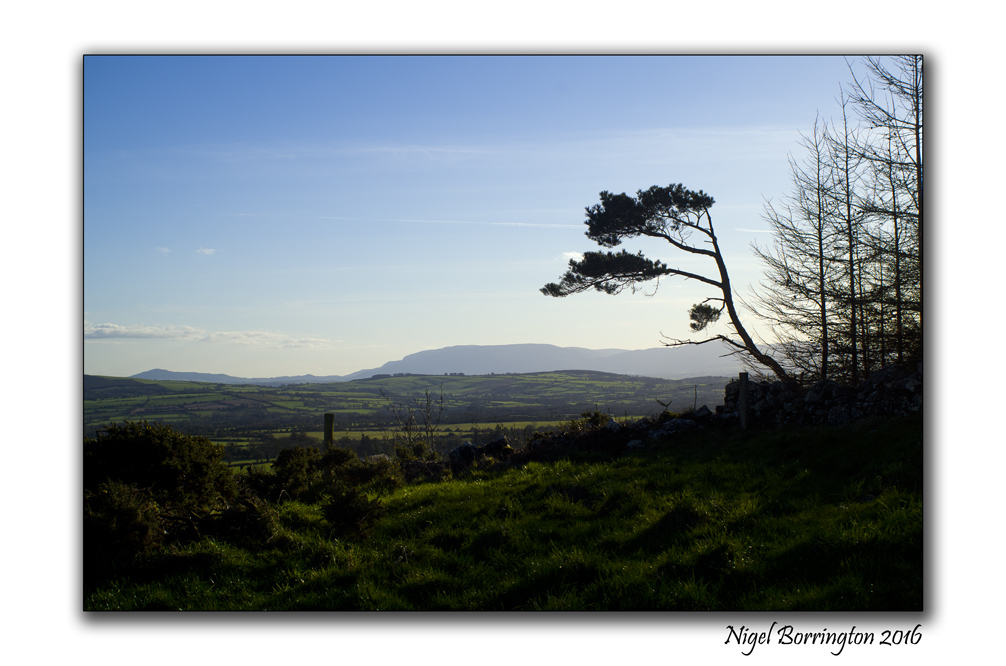
This evening I took a walk along some of our local lanes , up in the hills near the village of Windgap, Kilkenny. The sun hung low in the sky an hour before sunset and filled the fields with vivid greens and long shadows from the hedgerow trees, just such a wonderful sense of early springtime which is just around the corner now, you can feel it just waiting to burst through…..
This is the best time of year with so many great months ahead of us ……
Irish Landscapes – Mount Juliet Estate, Co.Kilkenny

Irish Landscapes
Mount Juliet Estate
county Kilkenny
Nigel Borrington
Mount Juliet was built in 1757 by the Earl of Carrick in compliment to his wife, Lady Juliana (Juliet). This estate has very strong Norman associations and in particular with the great Butler family.

The estate was originally two separate estates called Walton’s Grove and Ballylinch. The Waltons were the owners until 1653 when they were dispossessed by Oliver Cromwell. It later fell into the hands of King James II. It was then sold to a Mr Sweet, followed by a Mr Kendal who changed it’s name to ‘Kendal’s Grove’ in 1719. Mr Kendal left the entire property to the local Rev. Bushe who retrieved an important portfolio for him after being ‘mugged’ by a highway!
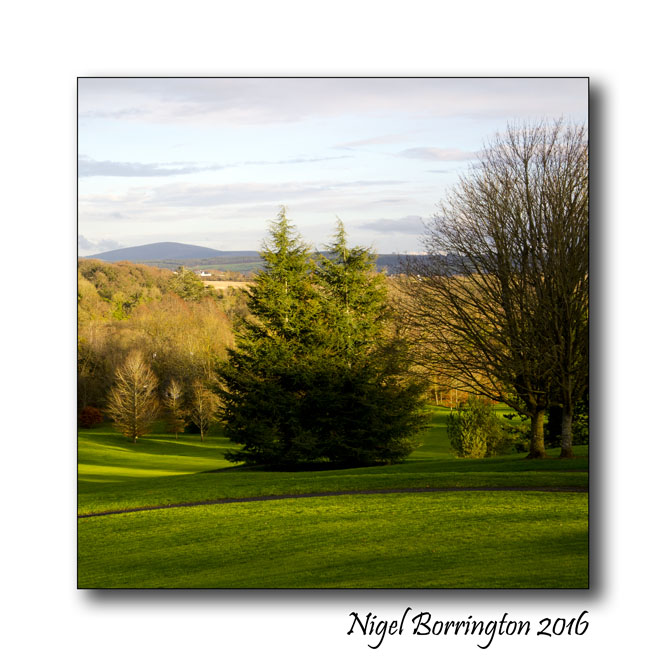
Rev. Bushe was wildly extravagant, ran up enormous debts and eventually sold the estate to his neighbour, the Earl of Carrick. It remained in this family from the 1750s until 1914, when the present Earl sold the estate to the McCalmont family who lived here until quite recently.

Glacier, A poem by Christos Andreas Kourtis Nov 30, 2013
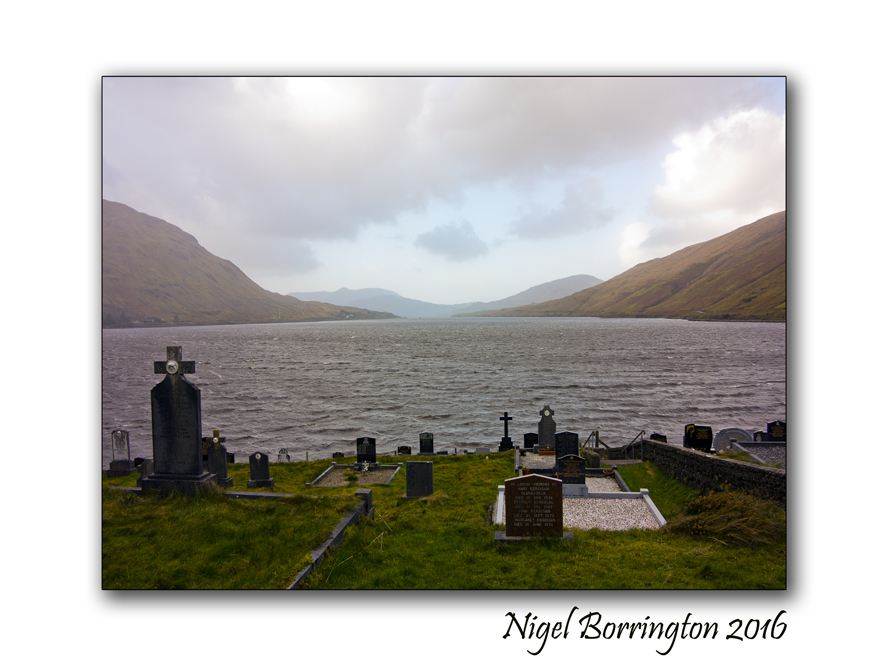
Killary Harbour/An Caoláire Rua
Irish Landscape
Nigel Borrington
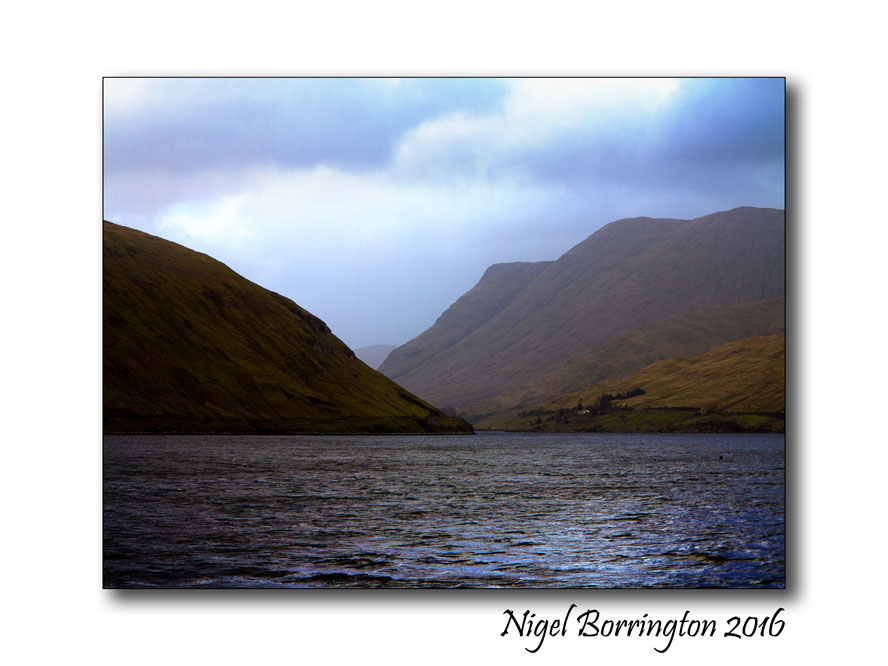
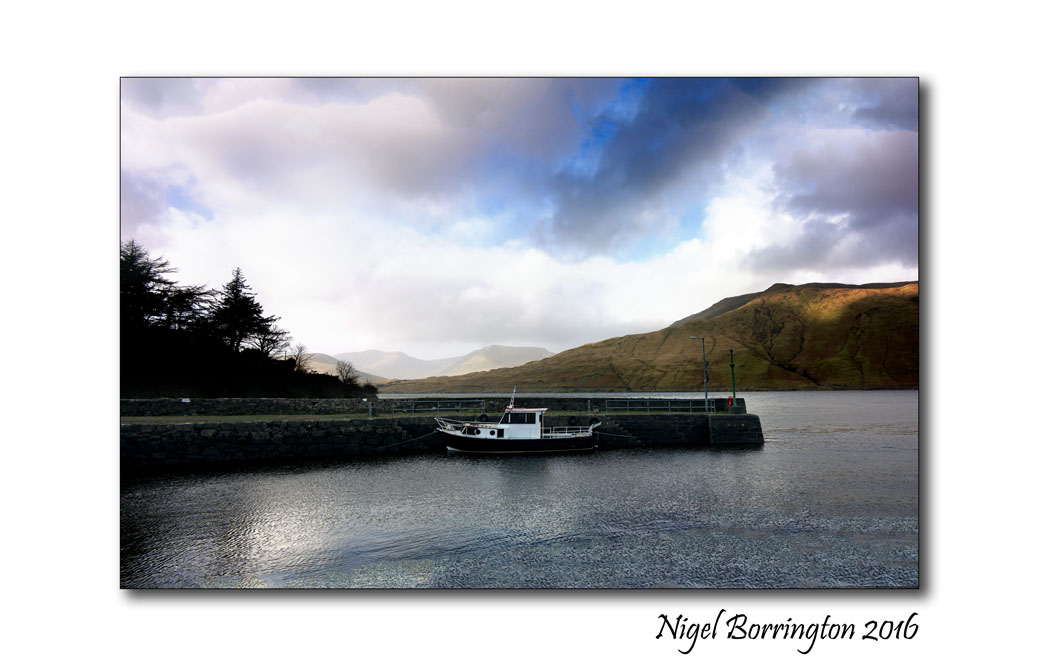
Killary Harbour/An Caoláire Rua is a fjord located in the west of Ireland in the heart of Connemara which forms a natural border between counties Galway and Mayo. It is 16 kilometres long and in the centre over 45 metres deep. It is one of three glacial fjards that exist in Ireland, the others being Lough Swilly and Carlingford Lough.[1]
On its northern shore lies the mountain of Mweelrea, Connacht’s highest mountain, rising to 814 metres. To the south rise the Maumturk Mountains and the Twelve Bens. The area contains some of Ireland’s most awe-inspiring and dramatic scenery.
I visit the Fjord back in January and captures these images, I felt that Christos Andreas Kourtis poem “Glacier” matched the amazing atmosphere here perfectly …..
Glacier
Christos Andreas Kourtis
Nov 30, 2013
Slowly it slides on sub zero waters
trying to find a pathway to the sea
sheet of pure blue and heaven white
lumbers discreetly for aquiline is quite
From the top of the world
frozen fingers reach down
claws frantic on solid ground
No religion no sage
no saviour just age
and the relentless pull of gravity
will take it from mountain to the sea
This sculptress of valleys and dales
and fjords that can be seen for miles
travels without sound
onward bound
By Christos Andreas Kourtis

The First Snow Of Winter, Slievenamon Co,Tipperary
Winters First Snow
Slievenamon, Co, Tipperary
Nigel Borrington
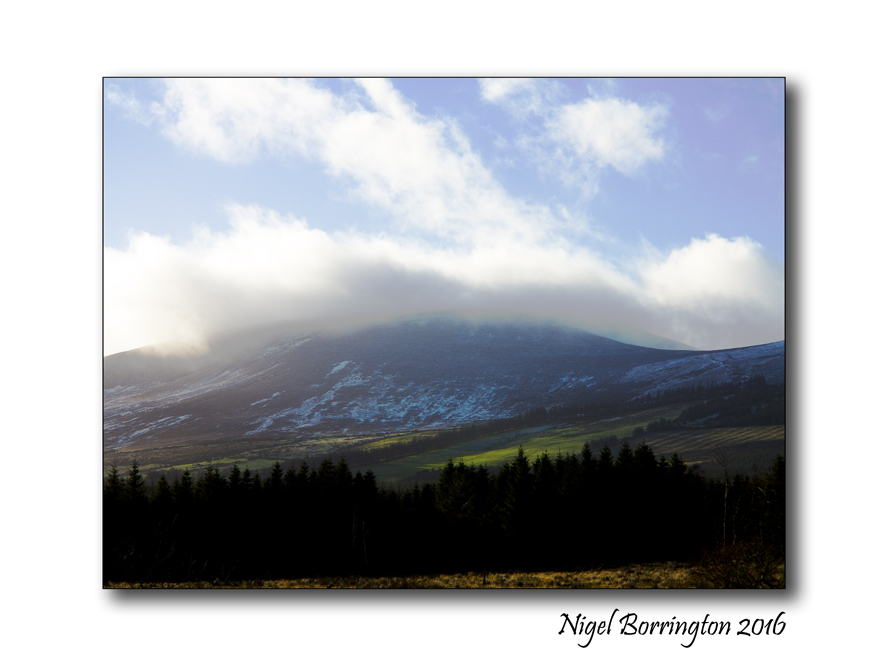
The last two days here in Ireland have brought the first Snow of this winter. The local Mountains including Slievenamon have been covered at the highest levels and its a great sight to wake-up to.

A December sunset, County Kilkenny, Ireland
Irish Landscapes
Kilkenny
Nigel Borrington
To-night the west o’er-brims with warmest dyes;
Its chalice overflows
With pools of purple colouring the skies,
Aflood with gold and rose;
And some hot soul seems throbbing close to mine,
As sinks the sun within that world of wine.

Friday Poetry , When You Are Old By William Butler Yeats

Irish Landscape Photography
Nigel Borrington
When you are old and grey and full of sleep,
And nodding by the fire, take down this book,
And slowly read, and dream of the soft look
Your eyes had once, and of their shadows deep;
How many loved your moments of glad grace,
And loved your beauty with love false or true,
But one man loved the pilgrim soul in you,
And loved the sorrows of your changing face;

And bending down beside the glowing bars,
Murmur, a little sadly, how Love fled
And paced upon the mountains overhead
And hid his face amid a crowd of stars.
Monday Poetry : Light Between The Trees, By – Henry Van Dyke

Irish Landscapes
Nigel Borrington
Light Between The Trees
Author: Henry Van Dyke
Long, long, long the trail
Through the brooding forest-gloom,
Down the shadowy, lonely vale
Into silence, like a room
Where the light of life has fled,
And the jealous curtains close
Round the passionless repose
Of the silent dead.
Plod, plod, plod away,
Step by step in mouldering moss;
Thick branches bar the day
Over languid streams that cross
Softly, slowly, with a sound
Like a smothered weeping,
In their aimless creeping
Through enchanted ground.

“Yield, yield, yield thy quest,”
Whispers through the woodland deep;
“Come to me and be at rest;
I am slumber, I am sleep.”
Then the weary feet would fail,
But the never-daunted will
Urges “Forward, forward still!
Press along the trail!”
Breast, breast, breast the slope
See, the path is growing steep.
Hark! a little song of hope
Where the stream begins to leap.
Though the forest, far and wide,
Still shuts out the bending blue,
We shall finally win through,
Cross the long divide.
On, on, on we tramp!
Will the journey never end?
Over yonder lies the camp;
Welcome waits us there, my friend.
Can we reach it ere the night?
Upward, upward, never fear!
Look, the summit must be near;
See the line of light!
Red, red, red the shine
Of the splendour in the west,

County Waterford , Ireland – An October’s walk along the Coast.

An October walk along the Waterford coast
Irish Landscape Photography
Nigel Borrington
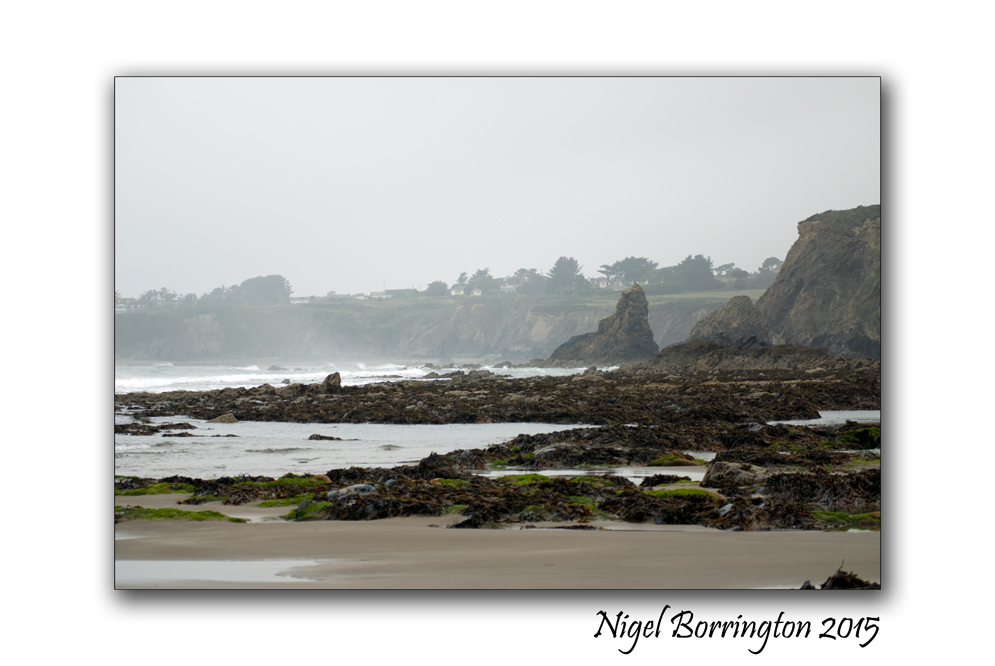
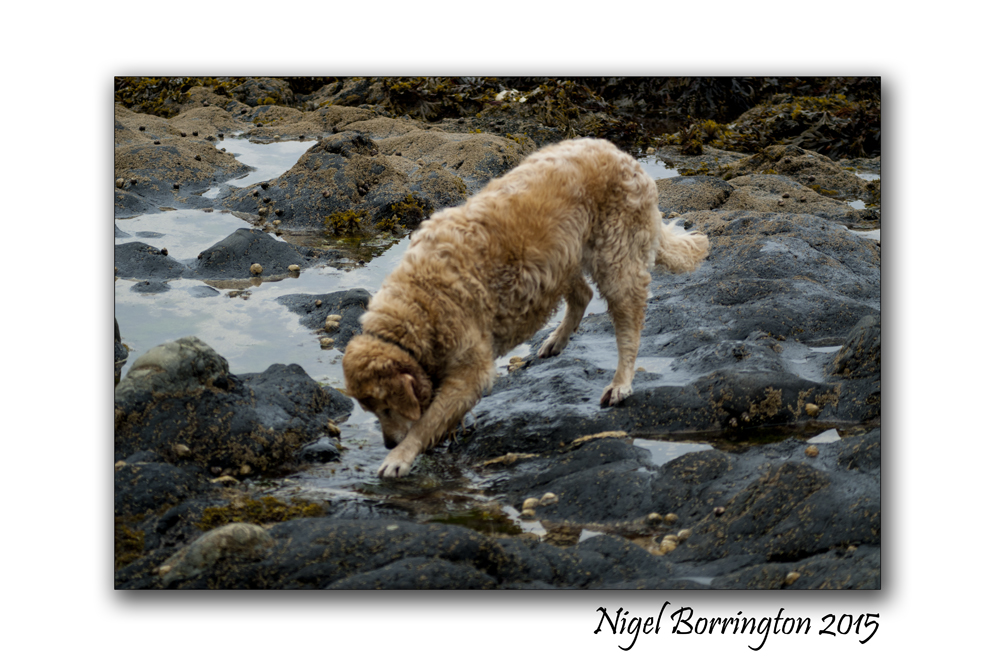
Molly is our 12 and 1/2 year old Golden retriever and she loves nothing more than being in and around water – as often as she can !!! Rivers, Lakes, and the Sea. I often think that if it was not for her I would not have visited as many wonderful places here in Ireland, just trying to keep her walked and fit!!!, but being over 12 years old now, she has slowed down a little but still loves her swimming and coastal visits.
I also love visiting the Irish coastline, our nearest locations are along the county Waterford coast, with its rocky small coves and caves its just a perfect and dramatic coastline in many ways.
October is a great month for these visits as the mornings bring rolling in sea mists and dramatic waves as the temperatures slide slowly into the winter months …..
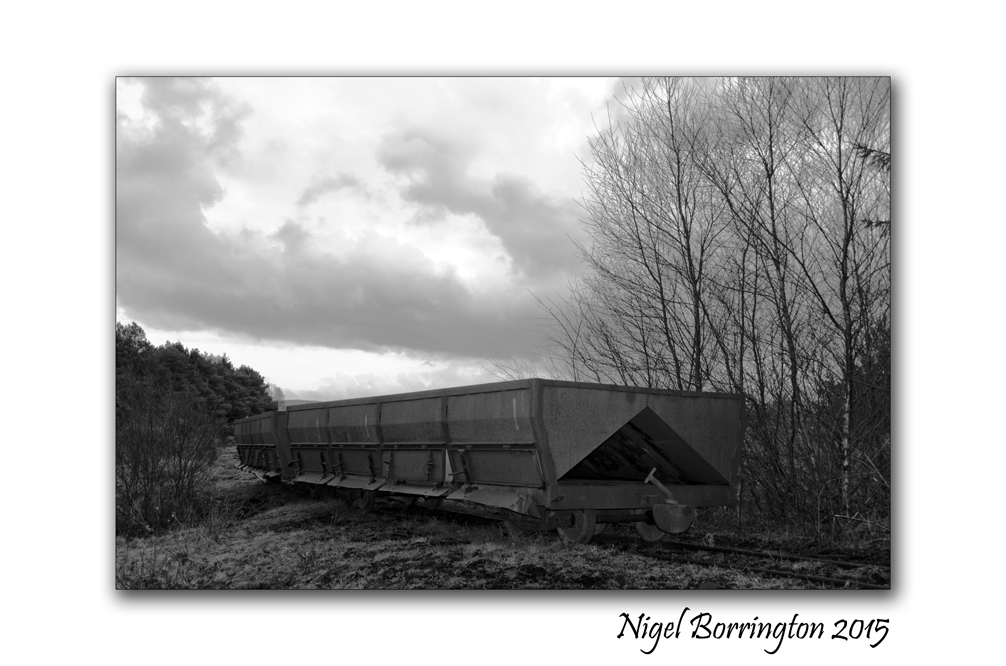
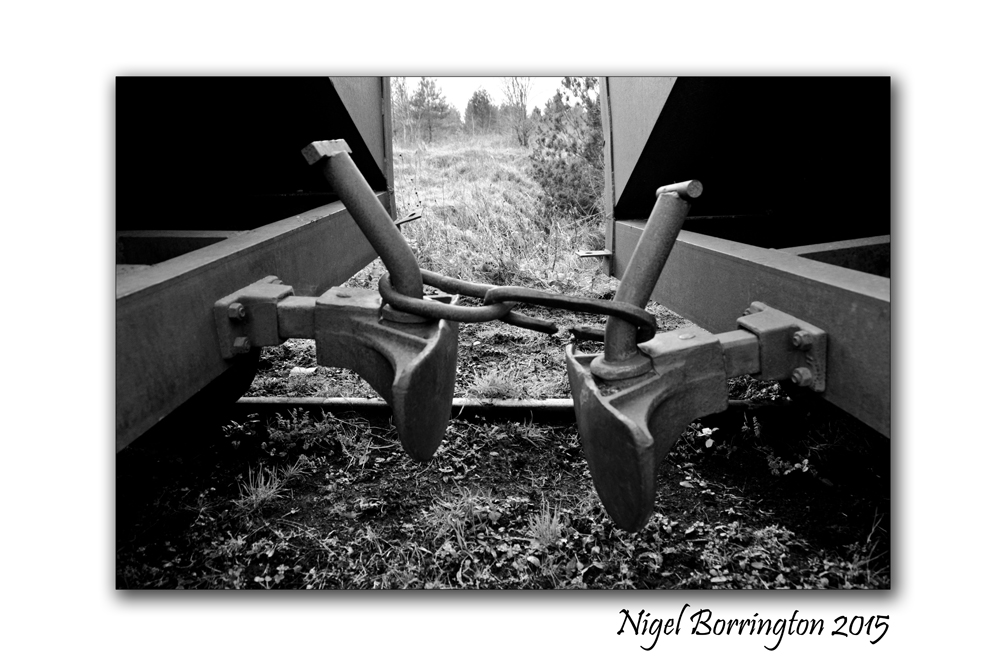
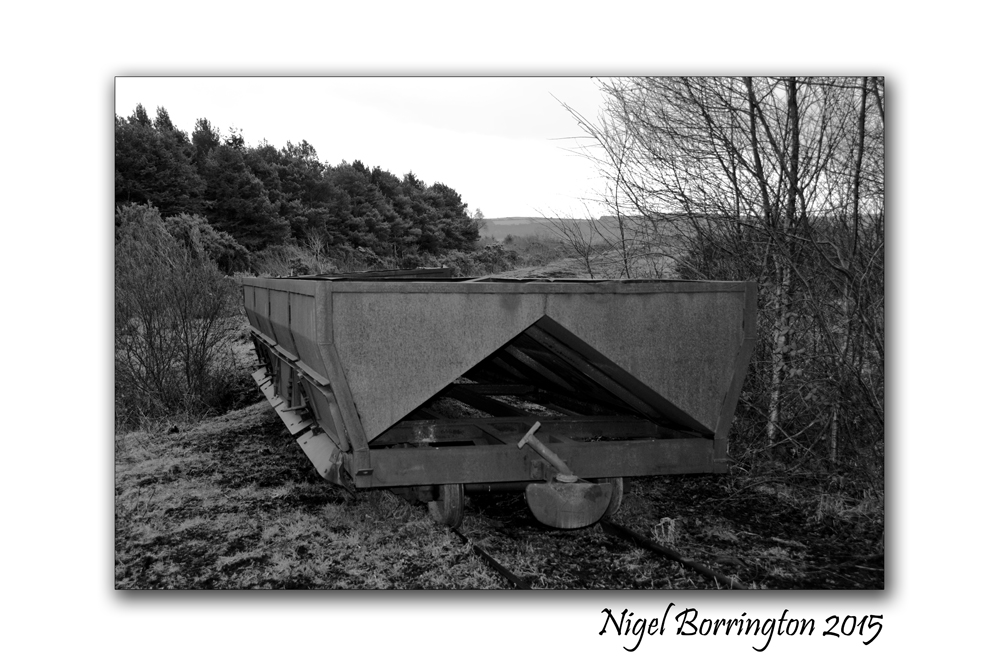
A walk along the Waterford coast line : Gallery






A hut near a river – Poem by Neela Nath

Hut near the river
Black water river , co. Cork
Where I want to live
with you my seventh heaven,
is not far from this everyday
life, but very near to it..
A hut, near a river
with crystal water,
fish playing there on
sunbathed pebbles…..
You and me with our little
daughter will live a
calm, calm life..
Over there we shall see
the forest, away from that
winding path.
You will be back
in the evening,
and I shall watch
you coming eagerly…..
None will come on our way
to happiness!
No feud will be there.
No flame,
other than ours!

A hut near a river,
the trees, blooming plants,
will enhance our happiness….
You, me and daughter,
three will be drinking
from the tumbler of life….
The flavor of Nature…
You, Me and…..
The West Wind by John Masefield

The West Wind by John Masefield
IT’S a warm wind, the west wind, full of birds’ cries;
I never hear the west wind but tears are in my eyes.
For it comes from the west lands, the old brown hills.
And April’s in the west wind, and daffodils.
It’s a fine land, the west land, for hearts as tired as mine,
Apple orchards blossom there, and the air’s like wine.
There is cool green grass there, where men may lie at rest,
And the thrushes are in song there, fluting from the nest.
“Will ye not come home brother? ye have been long away,
It’s April, and blossom time, and white is the may;
And bright is the sun brother, and warm is the rain,–
Will ye not come home, brother, home to us again?

“The young corn is green, brother, where the rabbits run.
It’s blue sky, and white clouds, and warm rain and sun.
It’s song to a man’s soul, brother, fire to a man’s brain,
To hear the wild bees and see the merry spring again.
“Larks are singing in the west, brother, above the green wheat,
So will ye not come home, brother, and rest your tired feet?
I’ve a balm for bruised hearts, brother, sleep for aching eyes,”
Says the warm wind, the west wind, full of birds’ cries.
It’s the white road westwards is the road I must tread
To the green grass, the cool grass, and rest for heart and head,
To the violets, and the warm hearts, and the thrushes’ song,
In the fine land, the west land, the land where I belong.
 Nigel Borrington
Kilkenny landscapes in March – Two Poems on March
Kilkenny Landscapes
Nigel Borrington
“The sun is brilliant in the sky but its warmth does not reach my face.
The breeze stirs the trees but leaves my hair unmoved.
The cooling rain will feed the grass but will not slake my thirst.
It is all inches away but further from me than my dreams.”
– M. Romeo LaFlamme, The First of March
The word ‘March’ comes from the Roman ‘Martius’. This was originally the first month of the Roman calendar and was named after Mars, the god of war. March was the beginning of our calendar year. We changed to the ‘New Style’ or ‘Gregorian calendar in 1752, and it is only since then when we the year began on 1st January. The Anglo-Saxons called the month Hlyd monath which means Stormy month, or Hraed monath which means Rugged month.
“Equal dark, equal light
Flow in Circle, deep insight
Blessed Be, Blessed Be
The transformation of energy!
So it flows, out it goes
Three-fold back it shall be
Blessed Be, Blessed Be
The transformation of energy!”
– Night An’Fey, Transformation of Energy
Share this:
March 2, 2016 | Categories: Comment, Gallery, Landscape, Pagan, Poetry Gallery, The Celtic year | Tags: Irish Landscapes, Kilkenny, M. Romeo LaFlamme, Nigel Borrington, Night An'Fey, poems, poetry, The First of March. March, Transformation of Energy | Leave a comment