Finding Samuel Richard Grubb

Nikon D7000, 18-200mm lens, iso 200
Monument to Samual Richard Grub, Sugarloaf Hill, Knockmealdown Mountains, Co Tipperary
Landscape Photography : Nigel Borrington
If you visit (Sugerloaf hill, Knickmealdowns, Co Tipperary) you will come across the Sanuel Richard Grubb monument, the monument was constructed in 1921 as a tribute to this man.
So who was this man and why even today does both the monument and his grave below it, sit looking out from the Knockmealdowns, county Tipperary.
The only records I can find are as follows:
Samuel Richard Grubb
M, #619382, b. 26 September 1855, d. 22 September 1921
Last Edited=1 Feb 2013
Consanguinity Index=6.64%
Samuel Richard Grubb was born on 26 September 1855.1 He was the son of Richard Davis Grubb and Margaret Butler Grubbe.2 He married Alice Hannah Binney, daughter of Edward William Binney, on 8 July 1885.1 He died on 22 September 1921 at age 65.1
He held the office of Justice of the Peace (J.P.).1 He held the office of High Sheriff in 1914.1 He lived at Castle Grace, County Tipperary, Ireland.1
Children of Samuel Richard Grubb and Alice Hannah Binney
Richard Raymond De Cruce Grubb+2 b. 11 Jun 1886, d. 28 Dec 1970
Joan Mary Grubb+2 b. 30 Jul 1889, d. 2 Feb 1968
Citations
[S47] Hugh Montgomery-Massingberd, editor, Burke’s Irish Family Records (London, U.K.: Burkes Peerage Ltd, 1976), page 527. Hereinafter cited as Burke’s Irish Family Records.
[S47] Hugh Montgomery-Massingberd, Burke’s Irish Family Records.
A justice of the peace in Ireland
Justices of the Peace existed in Ireland prior to 1922, sitting in a bench under the supervision of resident magistrates at Petty Sessions to try minor offences summarily, and with a County Court Judge (in his capacity of Chairman of Quarter Sessions) and jury to try more serious offences at Quarter Sessions. In the Irish Free State the position was effectively abolished by the District Justices (Temporary Provisions) Act 1923[11] and permanently abolished by the Courts of Justice Act 1924. Their judicial powers were replaced by full-time, legally qualified District Justices (now called District Judges) and their quasi judicial powers by lay Peace Commissioners. Peace Commissioners may sign statutory declarations and affidavits, and may issue search warrants to the Garda Síochána (Irish police).[12]
As with many of the tourist attractions around Clogheen, such as Bay Lough Shanrahan and The Vee, a visit to Samuel Grubb’s Grave, and the wonderful views across the Vee Valley. It is a wonderful area for a day trip.
According to Samuel’s descendant, Nicholas, the burial took place on the Sugar Loaf partly because it was requested by the deceased. This request, however, was largely because the family had been removed from the Society of Friends (better known as the Quakers) in 1844 (11 years before Samuel was born) for engaging in ‘amusements or entertainments of a hurtful or injurious tendency’, more specifically for attending ‘Balls at which music and dancing form a chief part’ and which were forbidden by the rules of the Society.
I cannot find on-line any death records to indicate how he died, I will keep looking ….
Gallery on the Monument and its views


This old sail boat

Sigma SD15, 18-50mm lens, iso 100
An old sail boat on the river Barrow, Co Kilkenny
Landscape photography by : Nigel Borrington
Walking along the River Barrow in Co Kilkenny, I noticed this old sail boat just sitting tied to the bank. Maybe one day someone will come along and restore it and sail in it again but from its current condition I think its future rests here along the banks of the Barrow for sometime to come.

Sigma SD15, 18-50mm lens, iso 100
An old sail boat on the river Barrow, Co Kilkenny
Landscape photography by : Nigel Borrington
Images from a dog show

Nikon D7000, 18-200mm Vr2 lens
Kilkenny dog show
Nigel Borrington
Each year we have a local dog show and for me its one of the best events held local.
I just love watching the dog as they show off their abilities, through different stages of the afternoon, here are just some images that I wanted to share.

Nikon D7000, 18-200mm Vr2 lens
Kilkenny dog show
Nigel Borrington

Nikon D7000, 18-200mm Vr2 lens
Kilkenny dog show
Nigel Borrington

Nikon D7000, 18-200mm Vr2 lens
Kilkenny dog show
Nigel Borrington

Nikon D7000, 18-200mm Vr2 lens
Kilkenny dog show
Nigel Borrington
Sunday evenings by the river
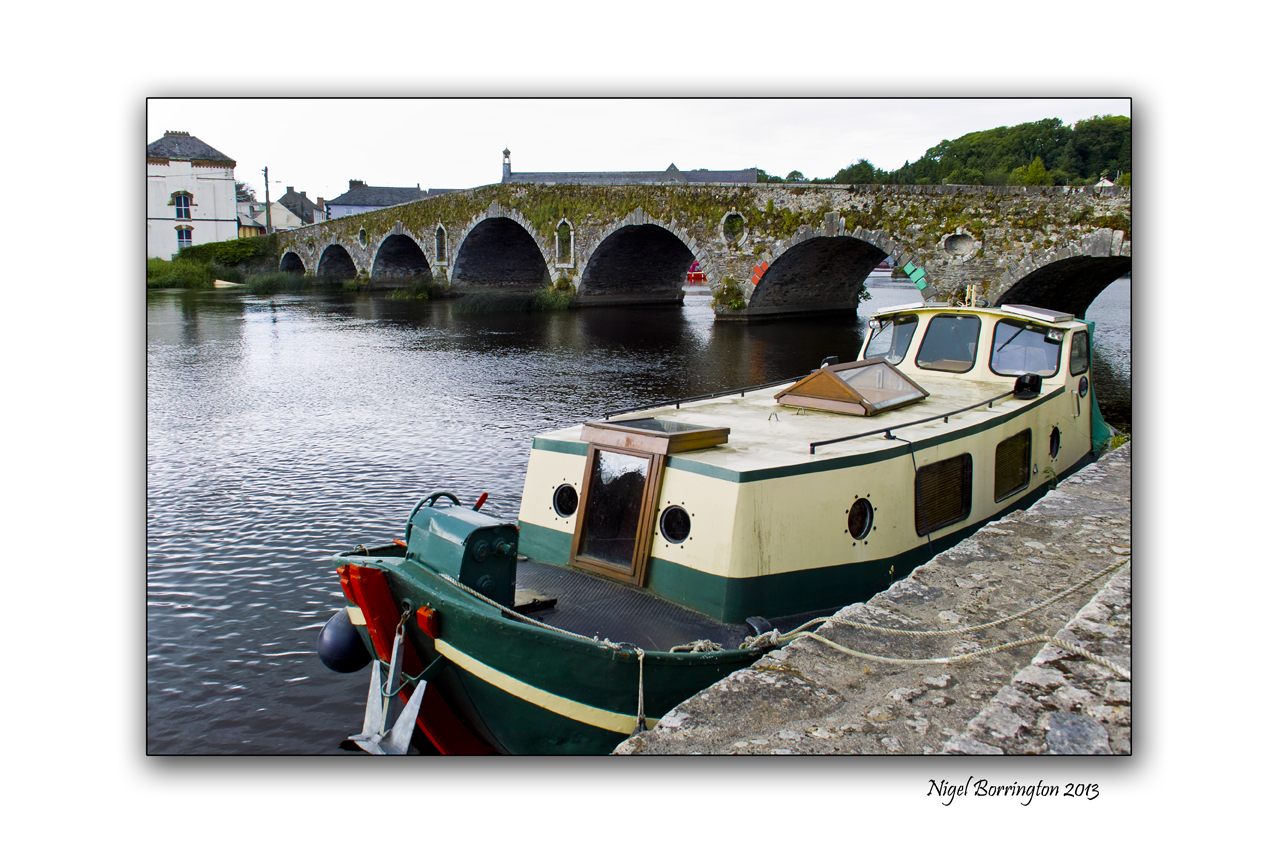
Sigma sd15, 18-50 os lens, iso 50
The River Barrow at Graignamanagh, Co Kilkenny
Landscape Photography by Nigel Borrington
Sunday evenings are just a wonderful time in June, a time to take to your feet and get out for a long wall before the weekend is over.
These images are from a walk we did along the river Barrow, Co.Kilkenny today 23rd of June.
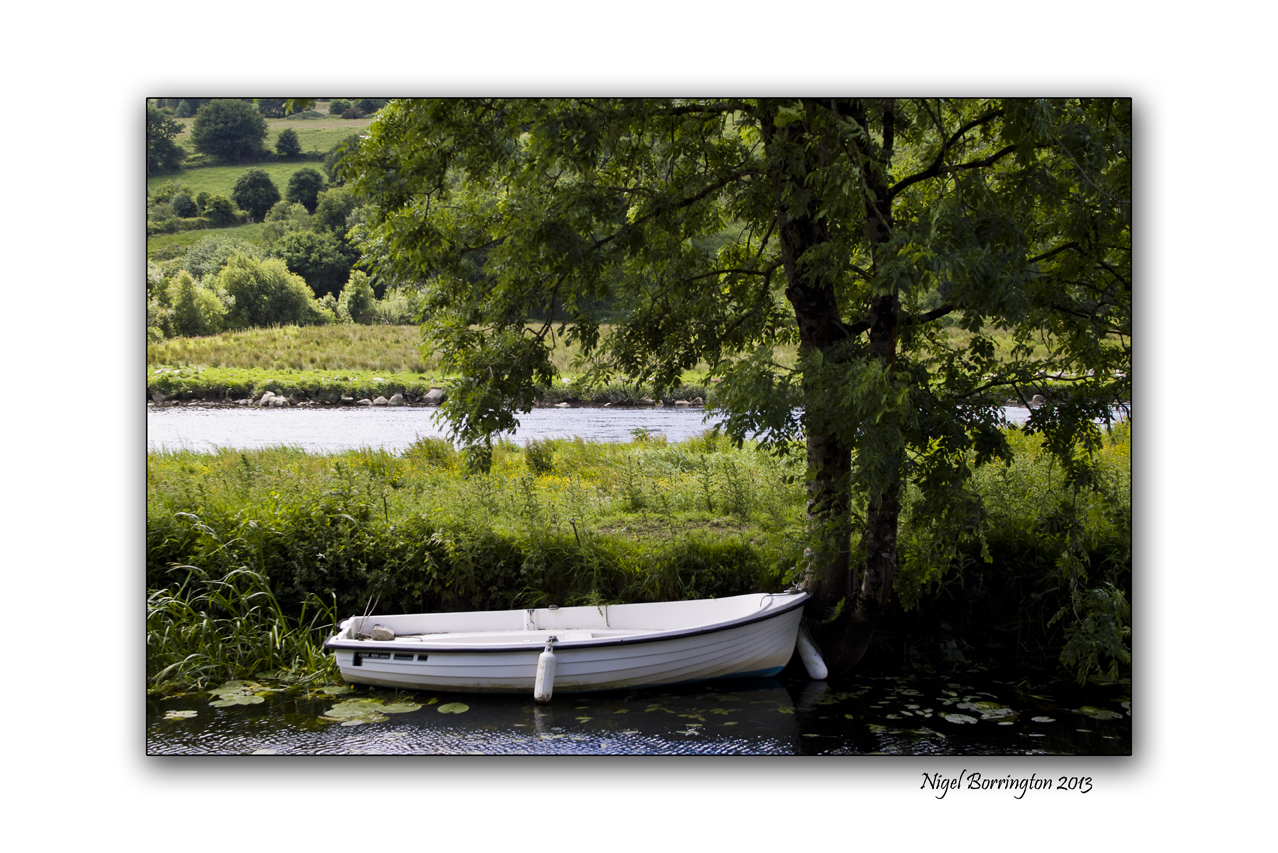
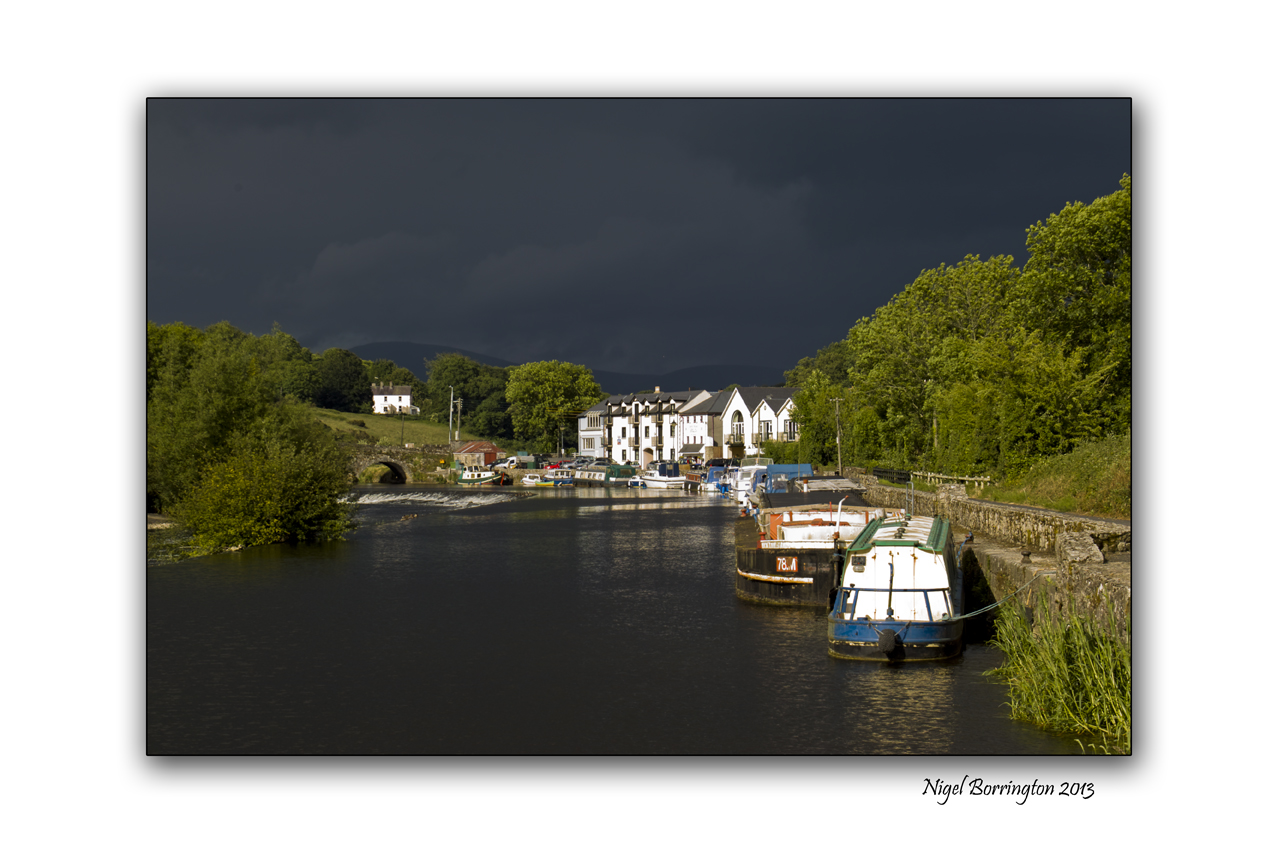
Gallery – from the river Borrow


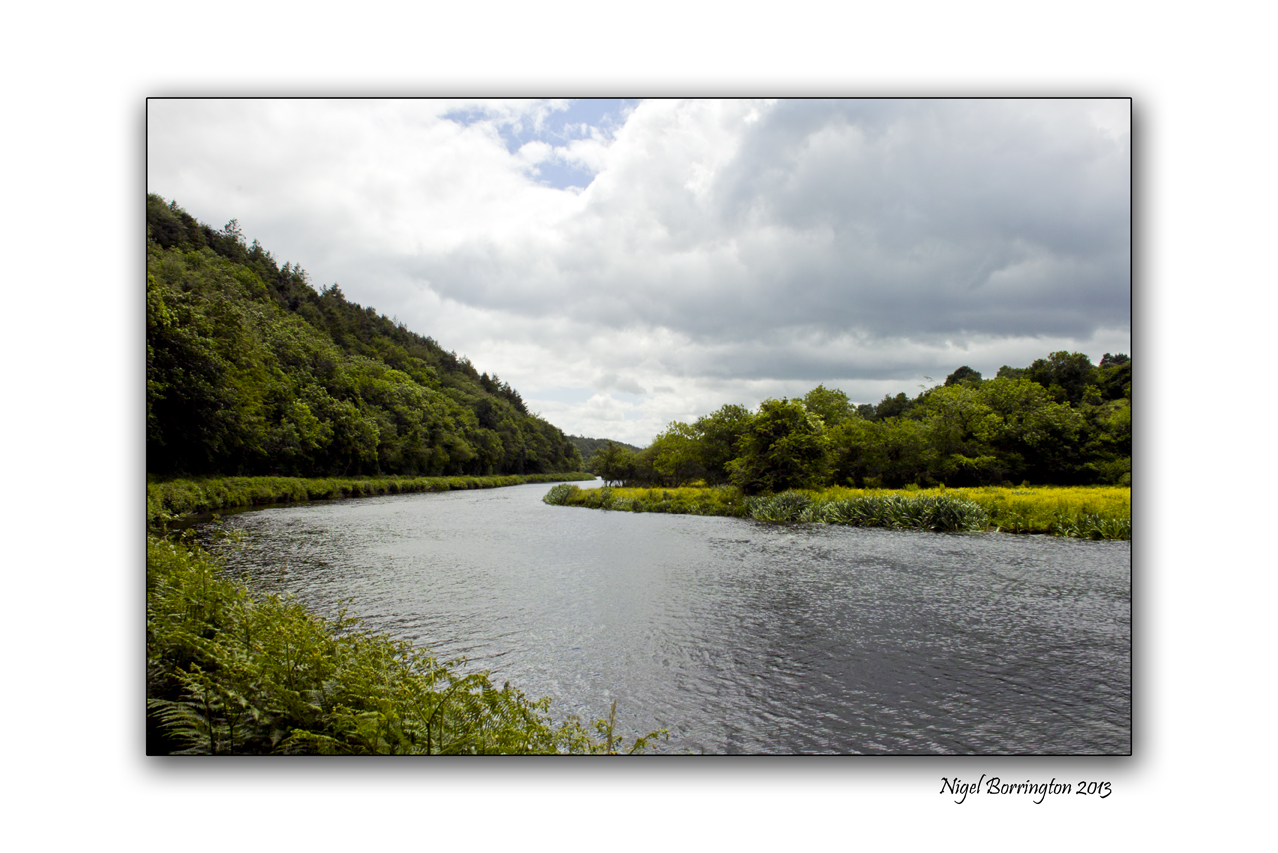
Its the weekend so…….

Nikon D7000, 18-200mm lens
Glenbeg cove, county Waterford..
Irish Landscape photography : Nigel Borrington
Its the weekend so, why not find a coast-line to walk along, Locate a beach and stop for a while to take in the views.
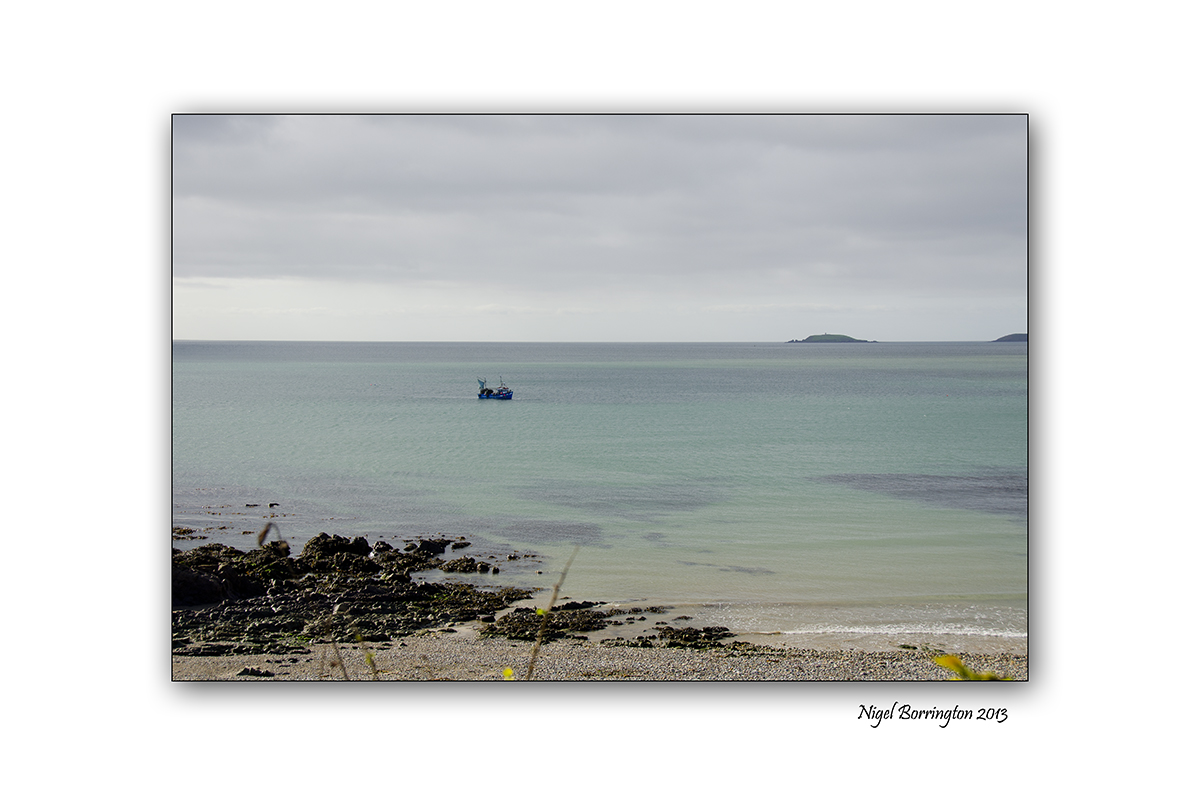
Nikon D7000, 18-200mm lens
Glenbeg cove, county Waterford..
Irish Landscape photography : Nigel Borrington
Security – A Poem by : William Stafford
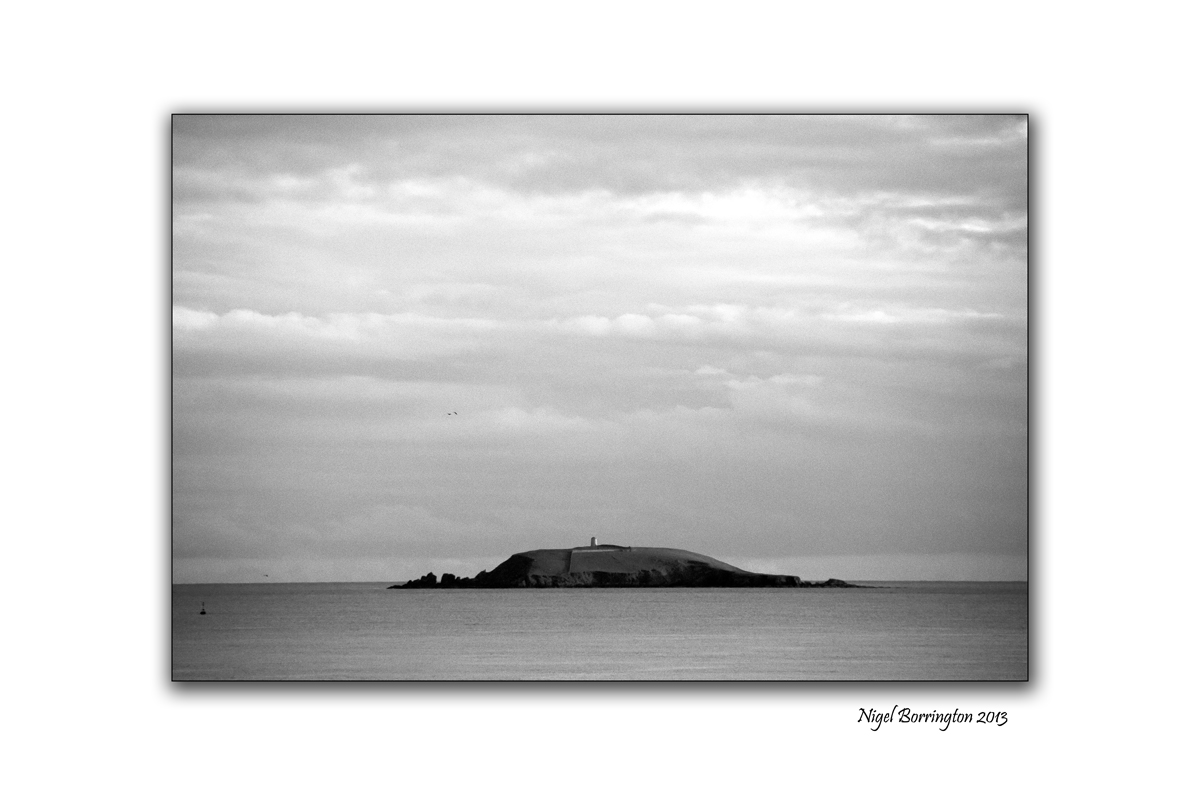
Nikon D700, 200mm focus length, iso 200
The Island off Ballymacoda, county cork, Ireland
Irish Landscape photography : Nigel Borrington
Security
Tomorrow will have an island. Before night
I always find it. Then on to the next island.
These places hidden in the day separate
and come forward if you beckon.
But you have to know they are there before they exist.
Some time there will be a tomorrow without any island.
So far, I haven’t let that happen, but after
I’m gone others may become faithless and careless.
Before them will tumble the wide unbroken sea,
and without any hope they will stare at the horizon.
So to you, Friend, I confide my secret:
to be a discoverer you hold close whatever
you find, and after a while you decide
what it is. Then, secure in where you have been,
you turn to the open sea and let go.
William Stafford
Day of the – Rhododendrons
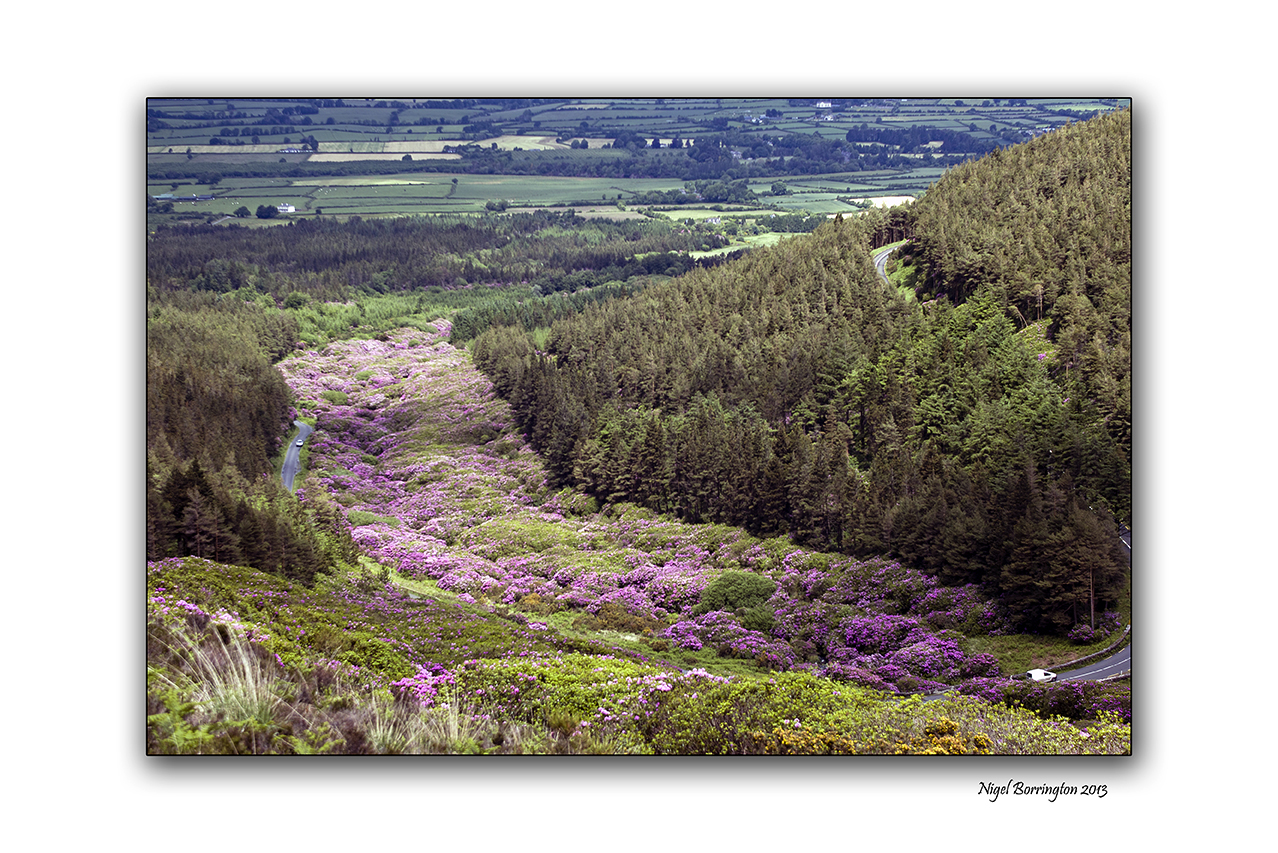
The Vee – County Tipperary

The Vee in county Tipperary is one of Ireland most visited landscape locations. ‘The Vee’ refers to a V-shaped valley in the Knockmealdown mountains. Formed in the ice age the Vee itself is on the Sugar Loaf mountain , and forms a pass from Tipperary to Waterford between Knockaunabulloga (on which you will find Bay Lough) and the Sugar Loaf mountain.
The Vee is predominantly famous because of the breathtaking panoramic views afforded to travellers and sight seers going through the pass. The journey rises to about 2,000 feet (610m) above sea level above Bay Lough, and as it does so it gives wonderful views of a portion of the ‘Golden Vale’ between the Knockmealdown and Galtee Mountain Ranges.
On a clear day (or night) the Vee affords views along and across the valley to Clonmel, Cahir, Ardfinnan, Clogheen, Ballyporeen and even Cashel. You can also see the Galtee Mountains across the valley, the Comeragh Mountains along the valley and Slievenamon, behind Clonmel, quite clearly.
Each June however the entire area is covered in the bright pinks of Rhododendron flowers, I visited the area on Saturday just to photograph this event taking place, in the wild this plant is incredibly invasive and as you can see from these images has become the overwhelming feature the the entire area.

Rhododendron ponticum, in Ireland
This web site decribes Rhododendrons as an invasive species and for good reason.
Habitat: Mixed deciduous forest. Temperate heaths. Raised and blanket bogs.
Description: This species was first introduced to parks, gardens, and demesnes in Britain and Ireland in the 1700’s. Rhododendron ponticum is readily recognised by its distinctive attractive flowers and large dark green coloured, oval leaves. It can grow quite tall with specimens regularly attaining 8 m.
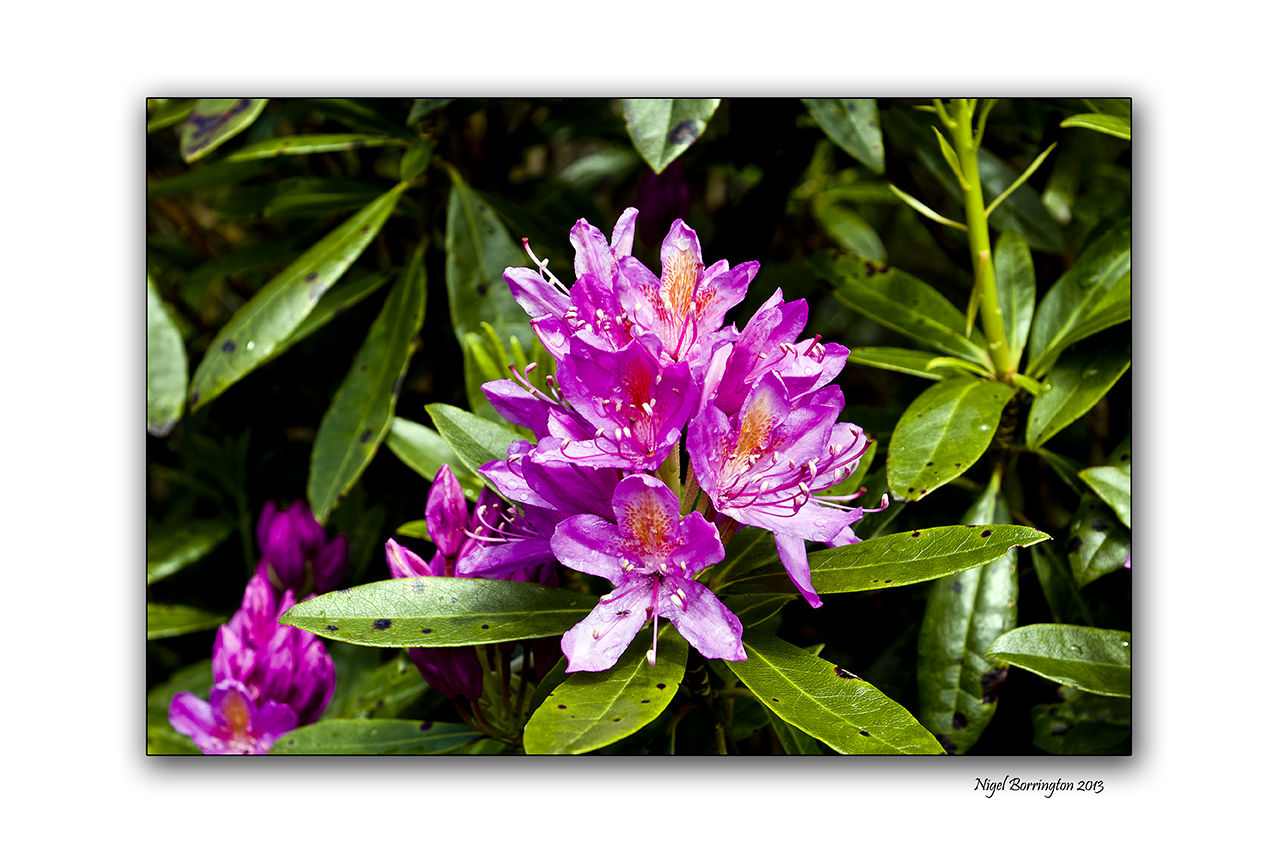
Origin and Distribution: The species is native to both Europe and Asia. It is believed that the current populations of Rhododendron in Ireland have been introduced from material taken from both the Iberian Peninsula populations and the Asian populations of this species. Rhododendron has a complex history.
Impacts: Rhododendron can from very dense thickets and out-compete native plants for space and resources, especially for sunlight. Other impacts on fish and invertebrate communities have been recorded. Rhododendron can also prevent access to sites by the shear mass of plant material blocking paths and right of way.
How did it get here? Natural dispersal by seed and vegetative means and planted by people.
Where is it found in Ireland? Planted in gardens, parks and demesnes.
Prevent Spread
Import only clean soil from known source
Ensure all vehicles and equipment are cleaned to avoid cross contamination.
Be aware of the threat of colonisation from upstream areas washing Japanese knotweed material downstream.
Promote native species and biodiversity – use alternative, native plants
Know what you are buying/growing and source native Irish seed and plants
Do not swap plants and cuttings
Clean plants before adding to ponds (dispose of water away from water courses)
Never collect plants from the wild
Safe disposal of plant material and growing media
In the aerial photograph above, the Rhododendrons show as the lighter green area in the middle of the image and rise the full hight of the mountain on the left of Bay Lough and follow the flow of the river that flows from the lough down the valley and into the woods below.
From a personal stand point, each June it is a wonderful site to see, many Tourists visit the area during this period just to take in the views it offers, however it is a little overwhelming to witness the extent this plant has taken over the mountains in this part of county Tipperary. When you take into account that it was only introduced in the 1700’s as a decorative plant into a local garden in the valley below.
Image Gallery
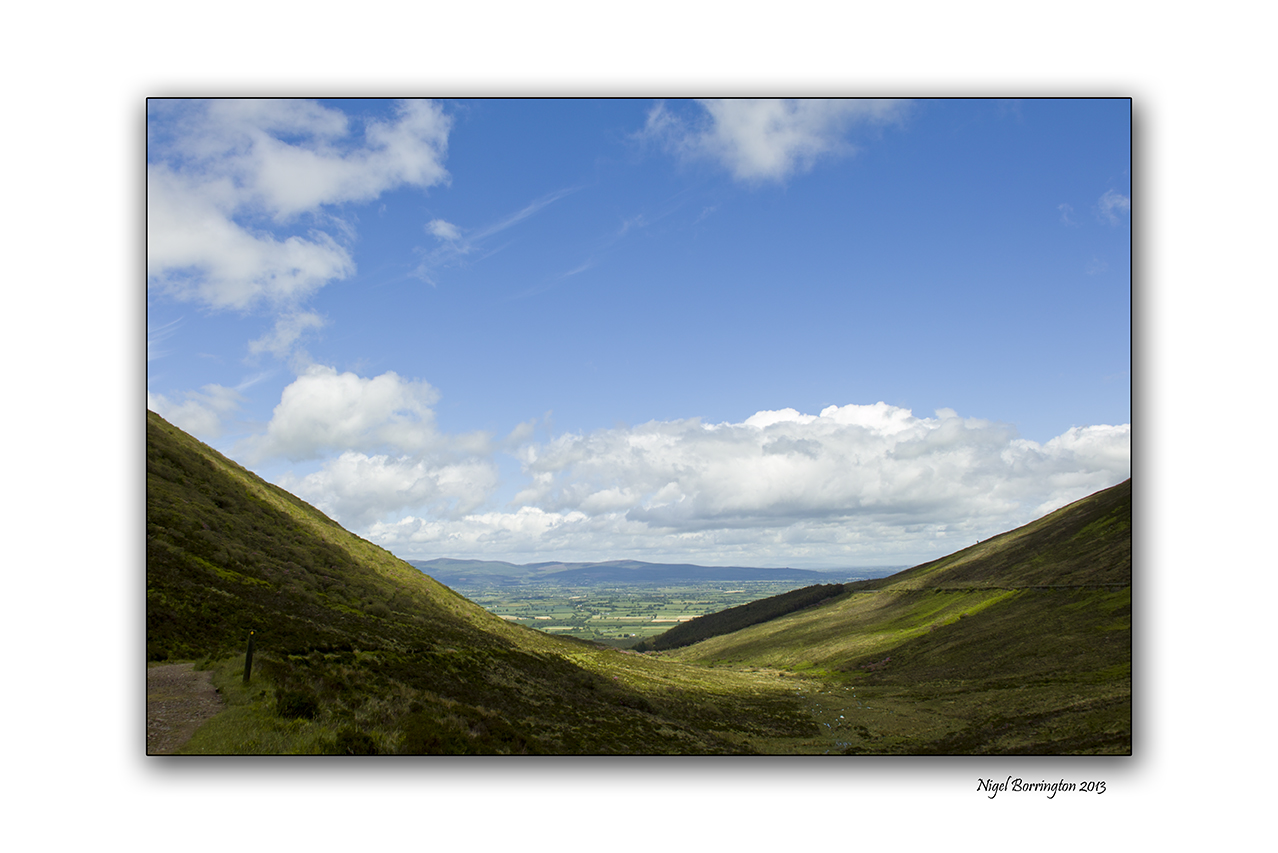


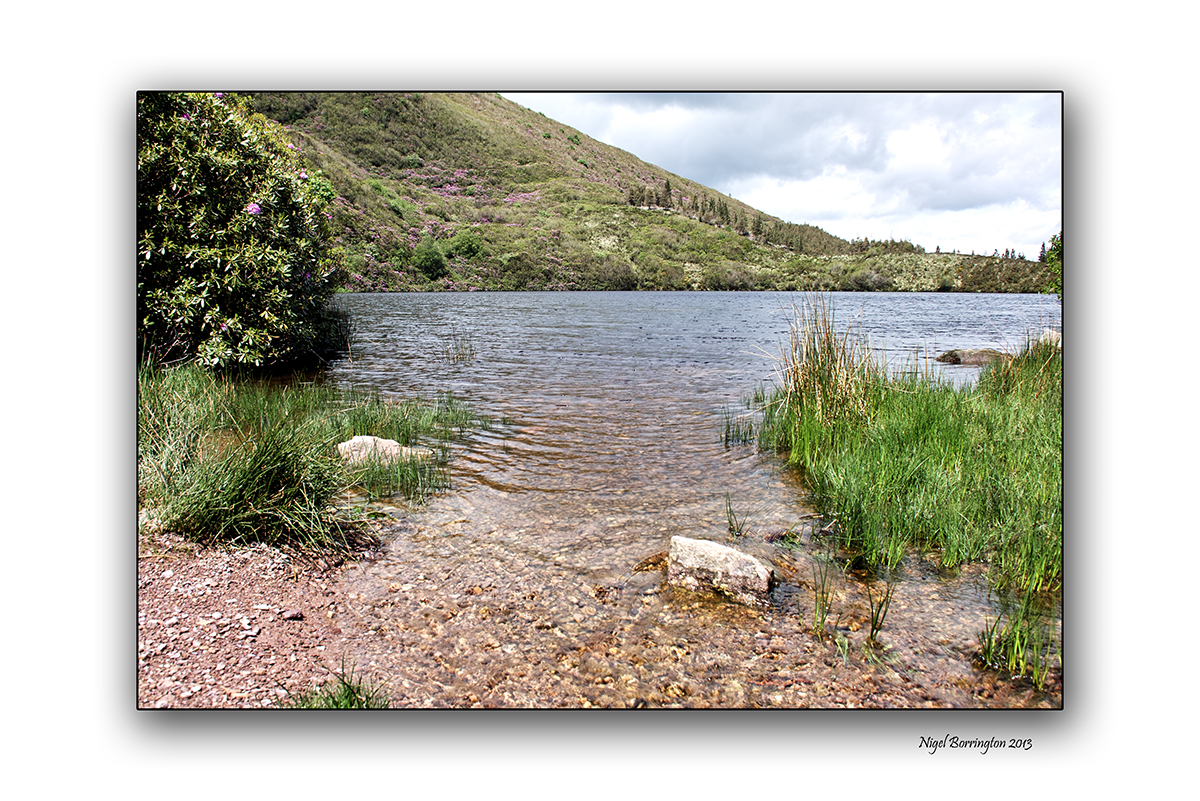


All images taken using a Nikon D7000
Irish landscape photography : Nigel Borrington
The Vee, County Tipperary
This old green country lane (Poem) – Knockmealdowns
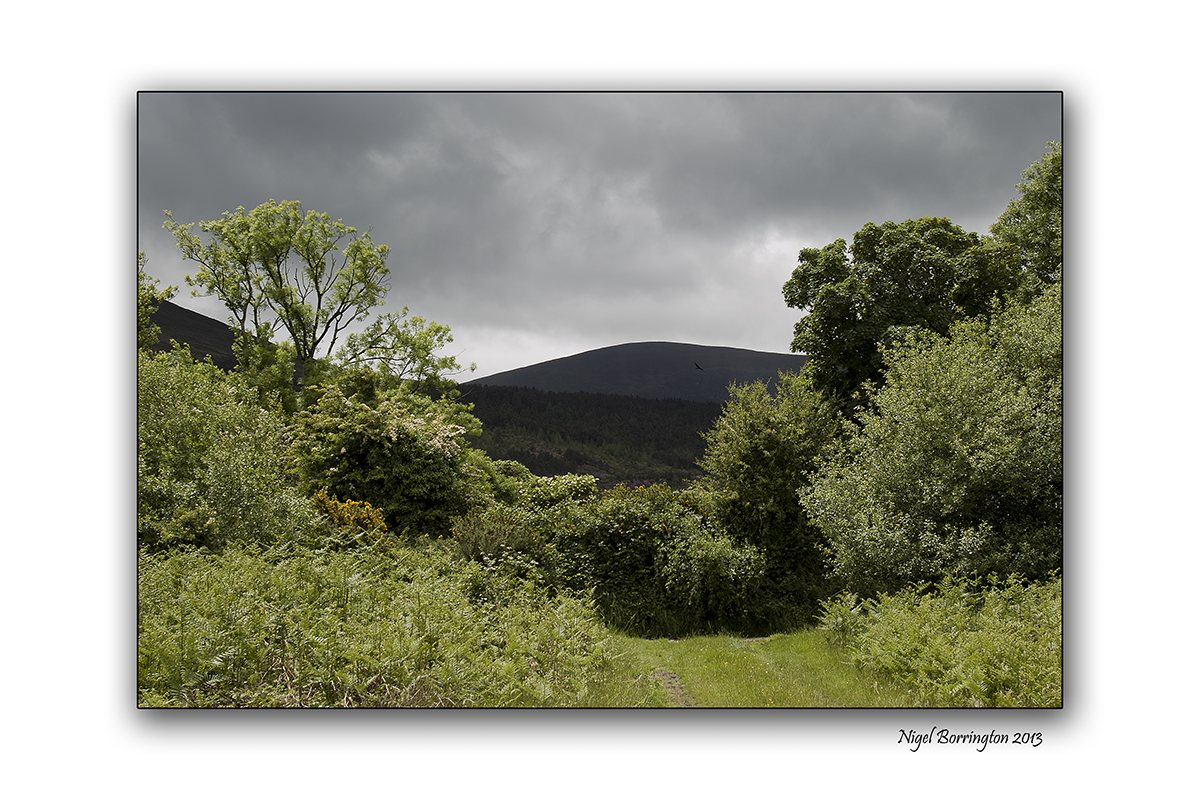
Nikon D7000, 18-200mm lens, iso200
Green lane in the Knockmealdowns
Irish landscape photography : Nigel Borrington
Only the Country Lane Will Weep
by adgray
I wander down the country lane
my old dog by my side
and I whistle merrily a tune
of how the view is wide
There are no hedgerows to crowd me in
or branches to block the sky
they’d have to use machinery
to bury me when I die
So don’t bother breaking your backs for me
I’d rather blow around with ease
just add what little goodness left
across the land upon the breeze
For this is where my heart is
this is my back yard
I’ve roamed it all my adult life
to leave it would be hard
No city house and airs for me
my graces rough and ready made
So lay me not in a neat little row
let my spirit fly and fade
I hitch my swag a little easier
and hunker to scratch his head
the billy boils as I wait with him
and then we both to bed
The stars sing lullaby’s to us
the wind sweeps us softly as we sleep
No debts no bills to leave behind
only the country lane will weep
Its the weekend so……

Nikon D7000, 18-200mm vr II lens, iso 200
River Barrow walks, Co Kilkenny
Irish Landscape photography : Nigel Borrington
Its the weekend so why not find a river bank and go for a walk, relax and take in the views…….

Nikon D7000, 18-200mm vr II lens, iso 200
River Barrow walks, Co Kilkenny
Irish Landscape photography : Nigel Borrington
Summer Holidays
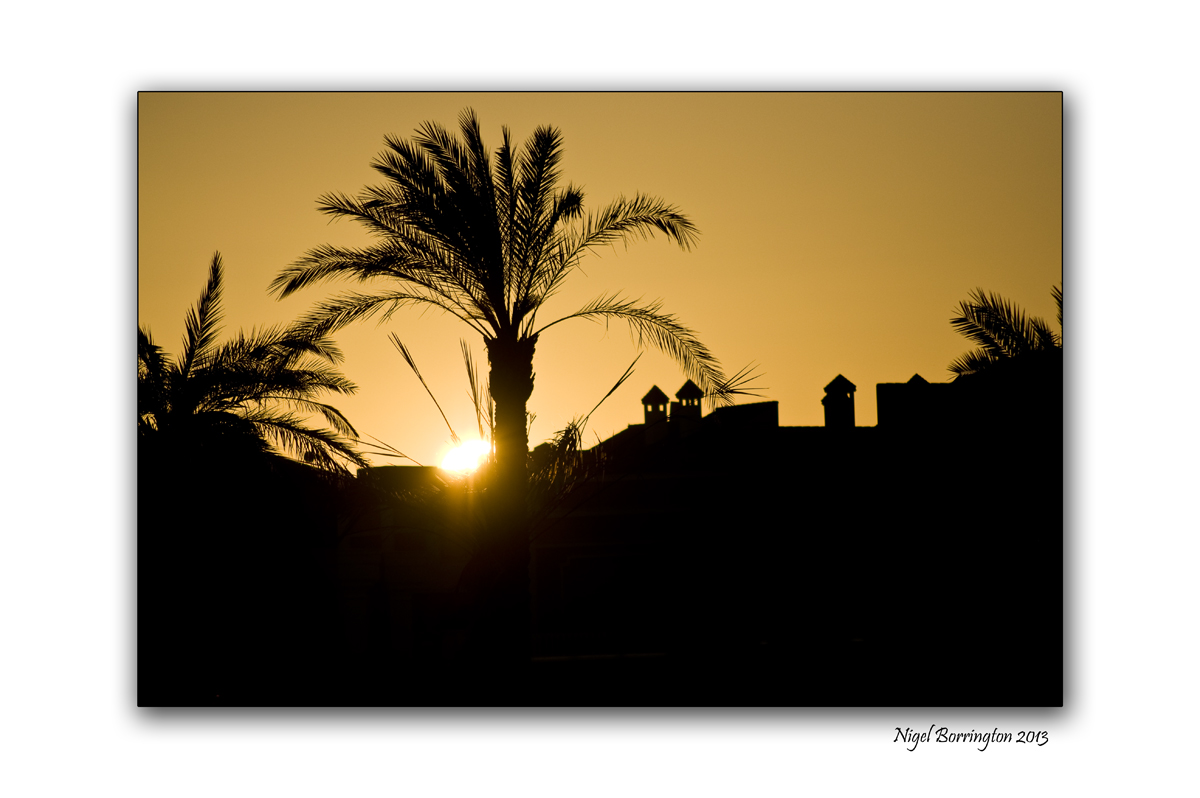
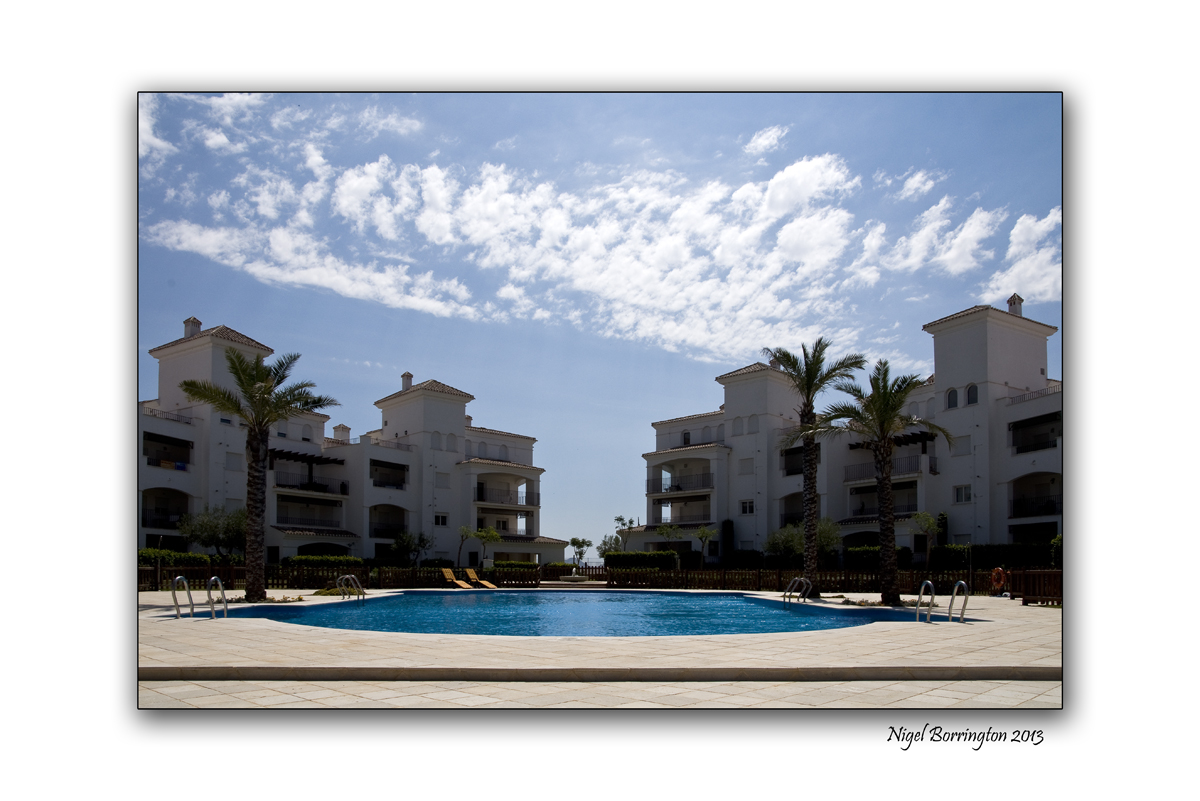
Its Summer time and a lot of peoples minds are turning towards holidays.
Just in case its still a few weeks away I am posting some images I took in Spain on holiday last year. I hope they help transport your mind to warm and relaxing days off!



The giants causeway
Geology and Myth
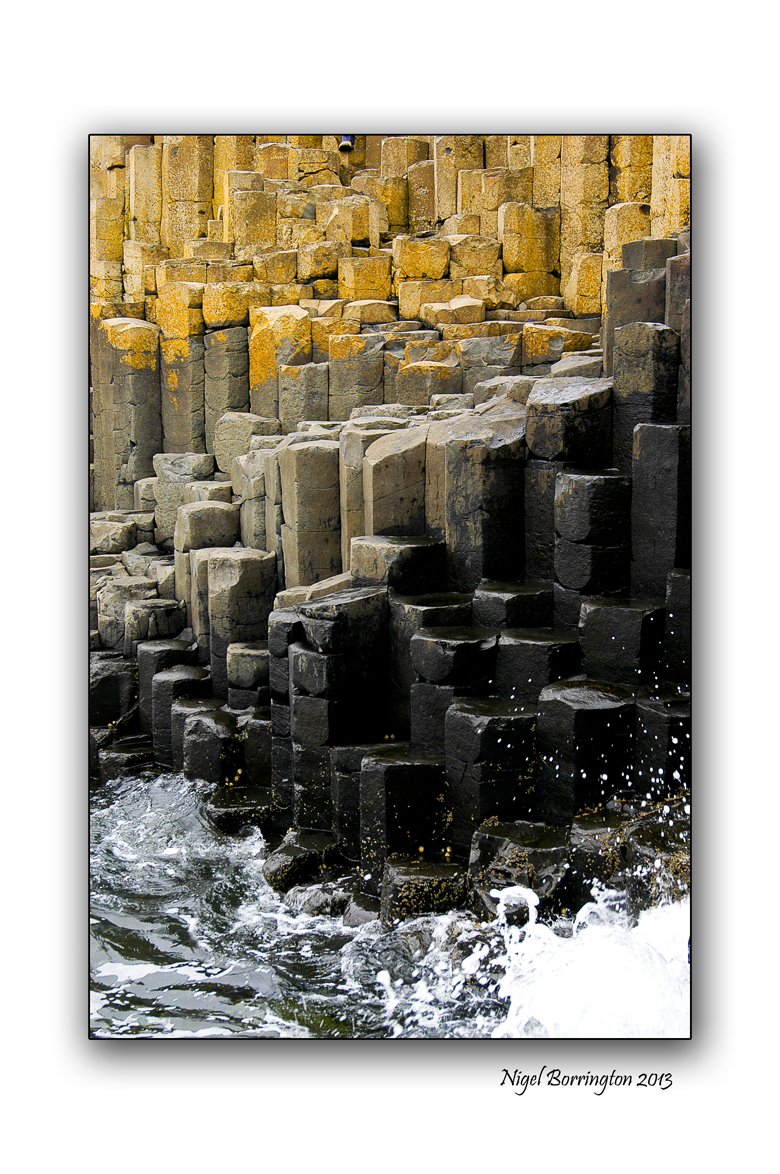
It was on a very wet October morning that we arrived at the giants causeway, its located just outside of the town of Bushmills, county Antrim, on the north Irish coast.
Its a national trust site so you have to pay a fee to get in to the area. Its a small walk from the visitors center to the causeway itself but its well worth it.
This is both a magical and mythical location and one of the worlds most geologically fascinating places.
I took the following images on the day and even though it was very wet and dull I think they get across the feeling you have when your walking around this site. I have added some information as the the geology and the myth’s associated with this truly wonderful place.

The Geology of the causeway
Giant’s Causeway, ( Irish: Clochán an Aifir) promontory of basalt columns along 4 miles (6 km) of the northern coast of Northern Ireland. It lies on the edge of the Antrim plateau between Causeway Head and Benbane Head, some 25 miles (40 km) northeast of Derry. There are approximately 40,000 of these stone pillars, each typically with five to seven irregular sides, jutting out of the cliff faces as if they were steps creeping into the sea.
Formed 50 to 60 million years ago, during the Paleogene Period, the Giant’s Causeway resulted from successive flows of lava inching toward the coast and cooling when they contacted the sea. Layers of basalt formed columns, and the pressure between these columns sculpted them into polygonal shapes that vary from 15 to 20 inches (38 to 51 cm) in diameter and measure up to 82 feet (25 metres) in height. They are arrayed along cliffs averaging some 330 feet (100 metres) in elevation.

Myths behind the magic
Thanks to Kirribilli for this re-telling:
Long, long ago there lived a mighty warrior who was known across the length and breadth of Erin for his strength and bravery, no man on the island was his match and apart from repelling the hoards and the armies that attempted to invade our green land, being the best can be a bit boring and Fionn mac Cumhaill needed a challenge, he needed to prove to himself that he was the greatest warrior both on and off the island.
At that time the scourge of Scotland was a giant called Benandonner and on hearing tales of this beast of a man, Fionn knew that if he could beat this giant, his name would be known the world over. He made his way up to the Ulster coast, shouted across the water at Benandonner and challenged him to a fight.
Now normal people would take a boat and sail across the sea but not these two, they set upon ripping huge rocks out of the ground and throwing them into the sea separating Ireland from Scotland until after hours and days of back-breaking work there stretched a rocky causeway linking the two lands.
They’d agreed to fight between their two lands and seeing that bridge was complete, they made their way across the land bridge. As they approached each other it became apparent how big Benandonner really was, this wasn’t just a big man, this was a true giant.
Now Fionn was not a small man himself but the sheer size of the Scottish giant scared him, suddenly a fight with a monster like that wasn’t as appealing…
So he ran.
But not too far, once he was out of Benandonner’s sight he disguised himself as a baby, which was somewhat apt as he always had his best ideas when he sucked his thumb.
When Benandonner found the baby he asked it who its father was, he was told the baby was Fionn mac Cumhaill’s. When he heard this and saw the size of the baby, he imagined how big the father would be, he would be gigantic, he wouldn’t stand a chance, so he ran.
He ran back to the land of the Scots and on his way back he made sure to destroy the bridge, lest Fionn ever come looking for him…
Gallery


Kilkenny landscape photography
A Wednesday afternoon walk – an eight image gallery.
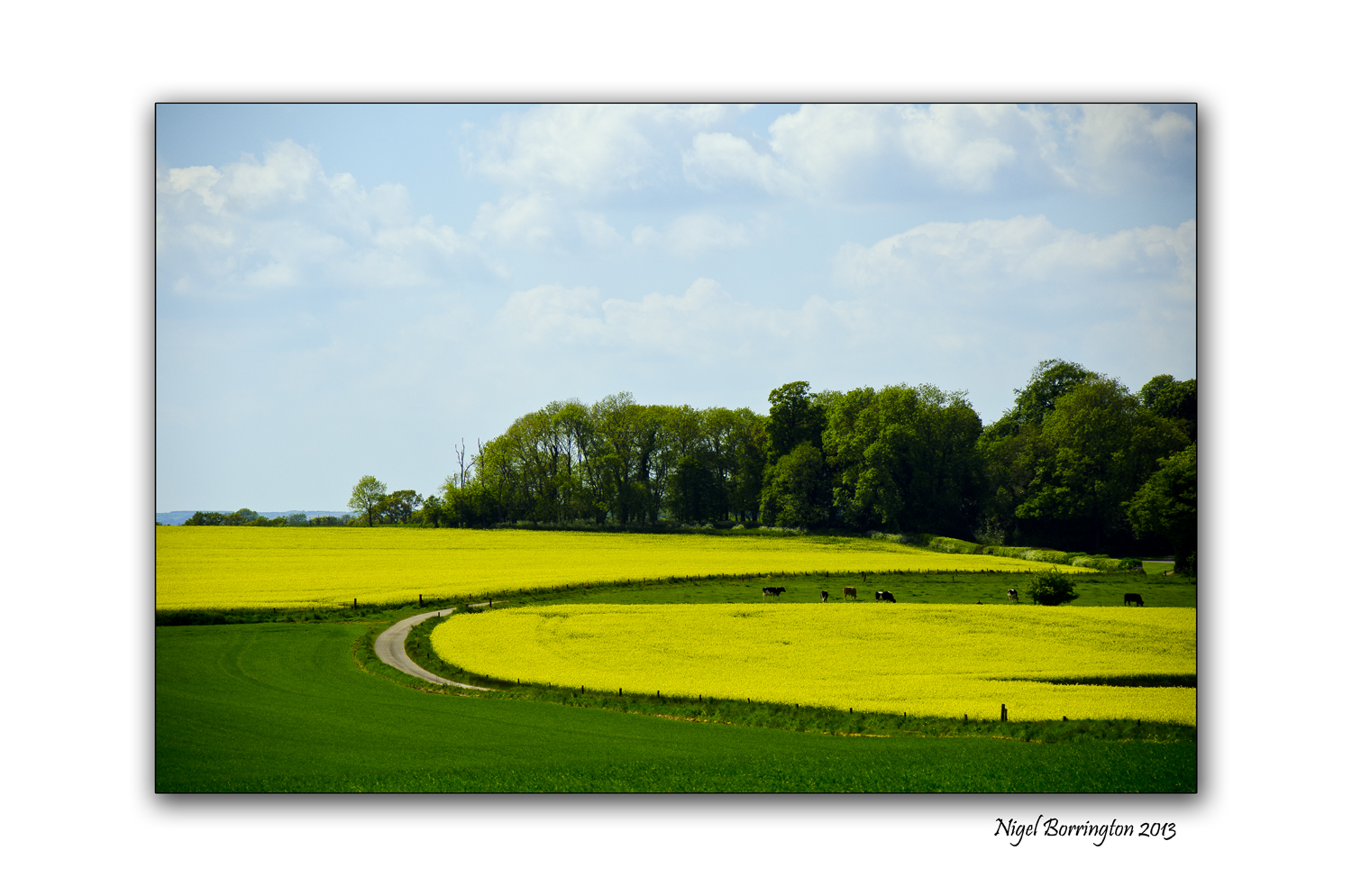
An afternoon walk, Burnchurch County Kilkenny
The towns-lands of Burnchurch, county kilkenny offer one on the most wonderful landscapes in county Kilkenny. The National ploughing match was held here some years back along with national sheep trials. I helped in submitting images for both events.
I took a couple of hours off this afternoon to walk Molly our Golden retriever and take some landscape photographs for my blog and website this time.
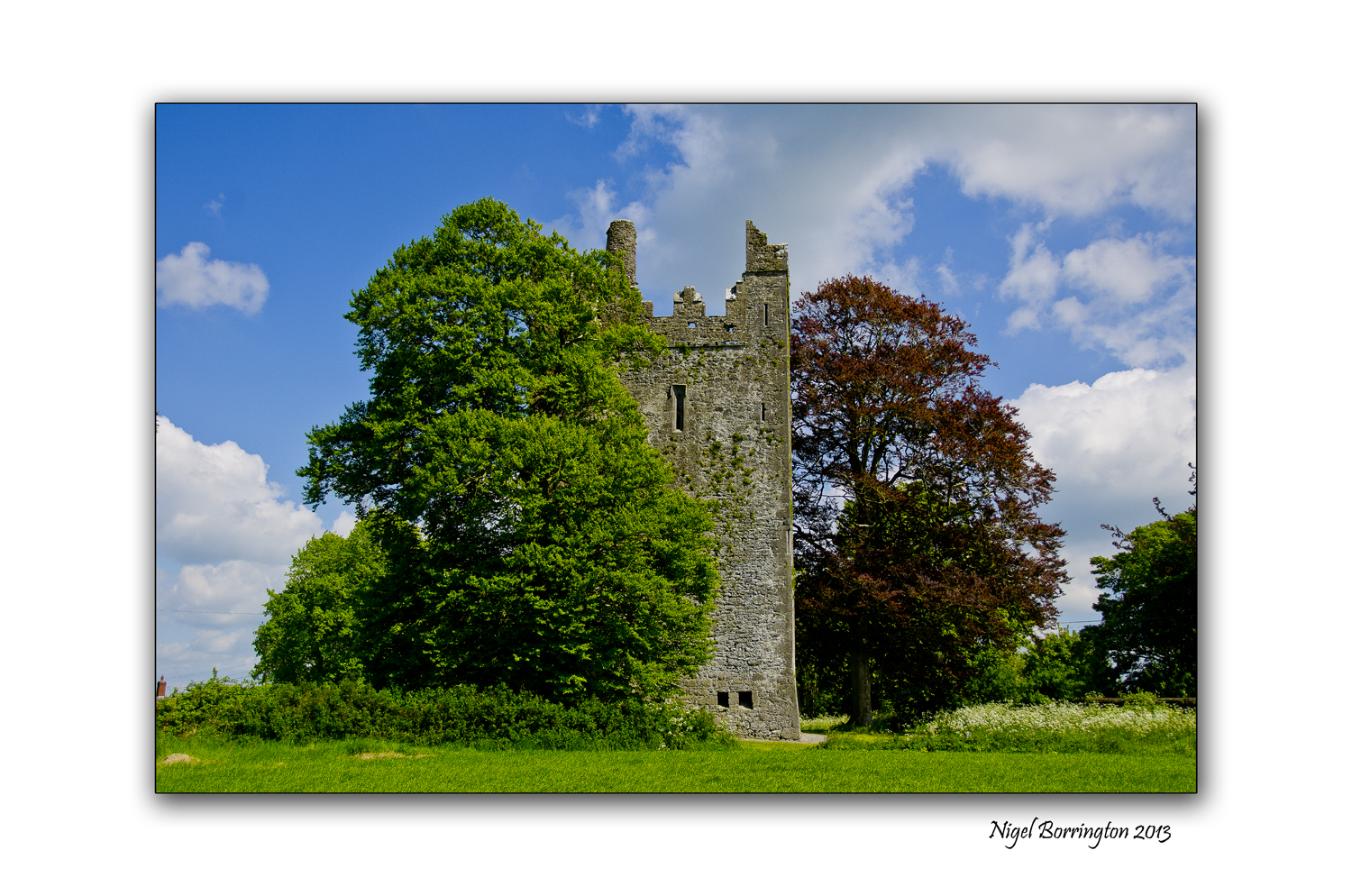
Nikon D7000, 18-200mm vr II lens, iso 100
Burnchurch, County Kilkenny
Landscape photography by : Nigel Borrington

Nikon D7000, 18-200mm vr II lens, iso 100
Burnchurch, County Kilkenny
Landscape photography by : Nigel Borrington

Nikon D7000, 18-200mm vr II lens, iso 100
Burnchurch, County Kilkenny
Landscape photography by : Nigel Borrington
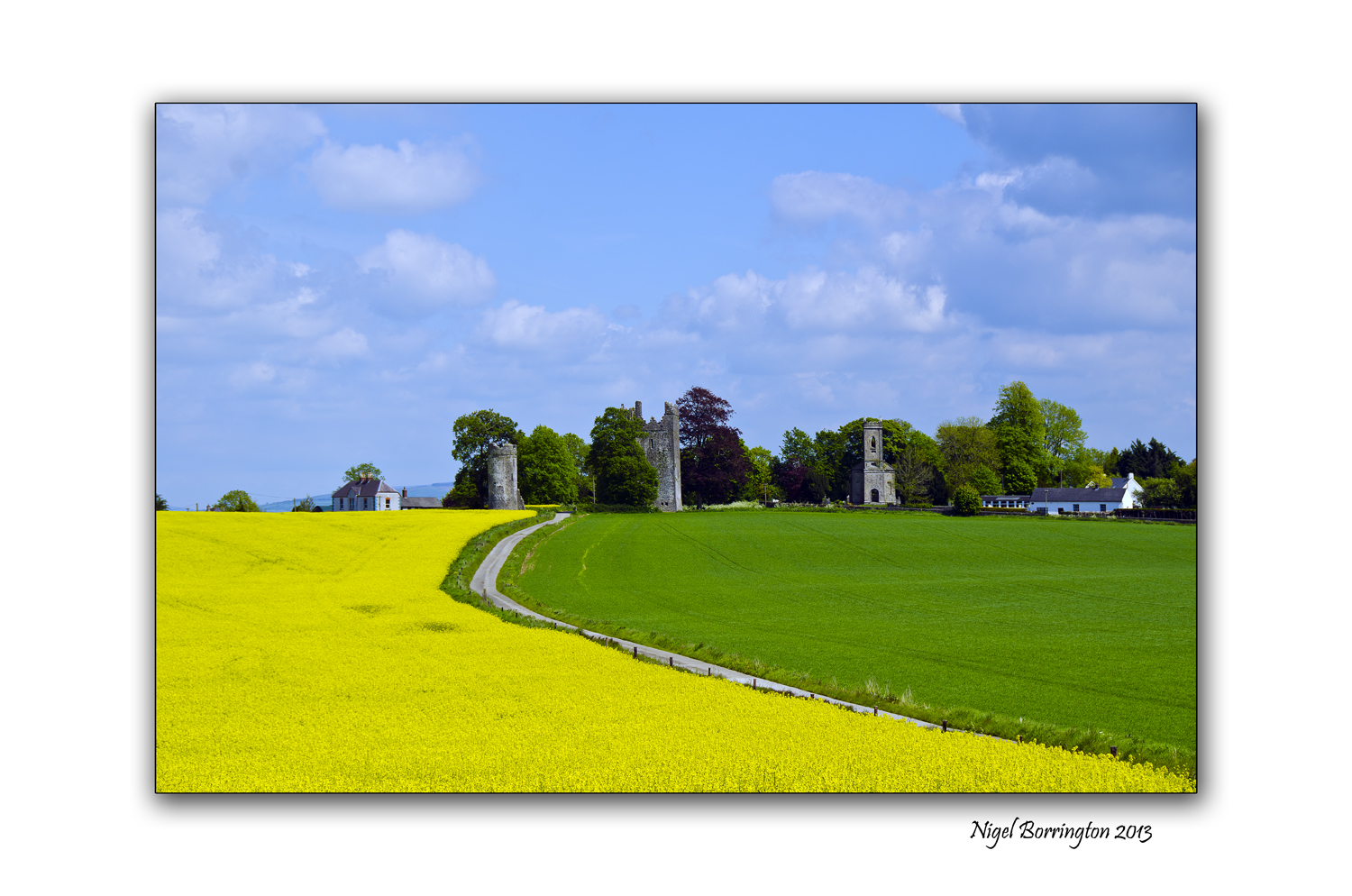
Nikon D7000, 18-200mm vr II lens, iso 100
Burnchurch, County Kilkenny
Landscape photography by : Nigel Borrington
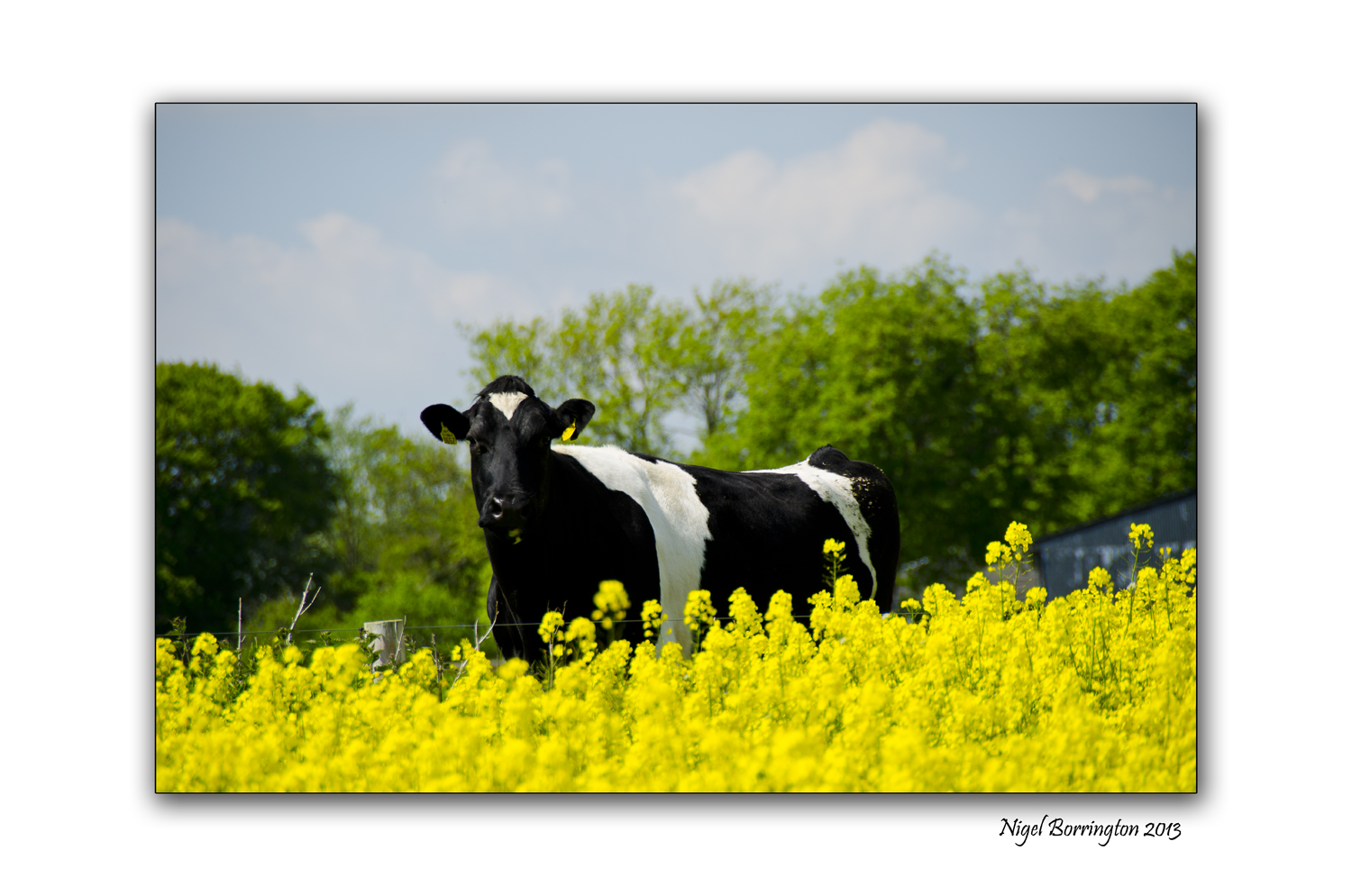
Nikon D7000, 18-200mm vr II lens, iso 100
Burnchurch, County Kilkenny
Landscape photography by : Nigel Borrington

Nikon D7000, 18-200mm vr II lens, iso 100
Burnchurch, County Kilkenny
Landscape photography by : Nigel Borrington
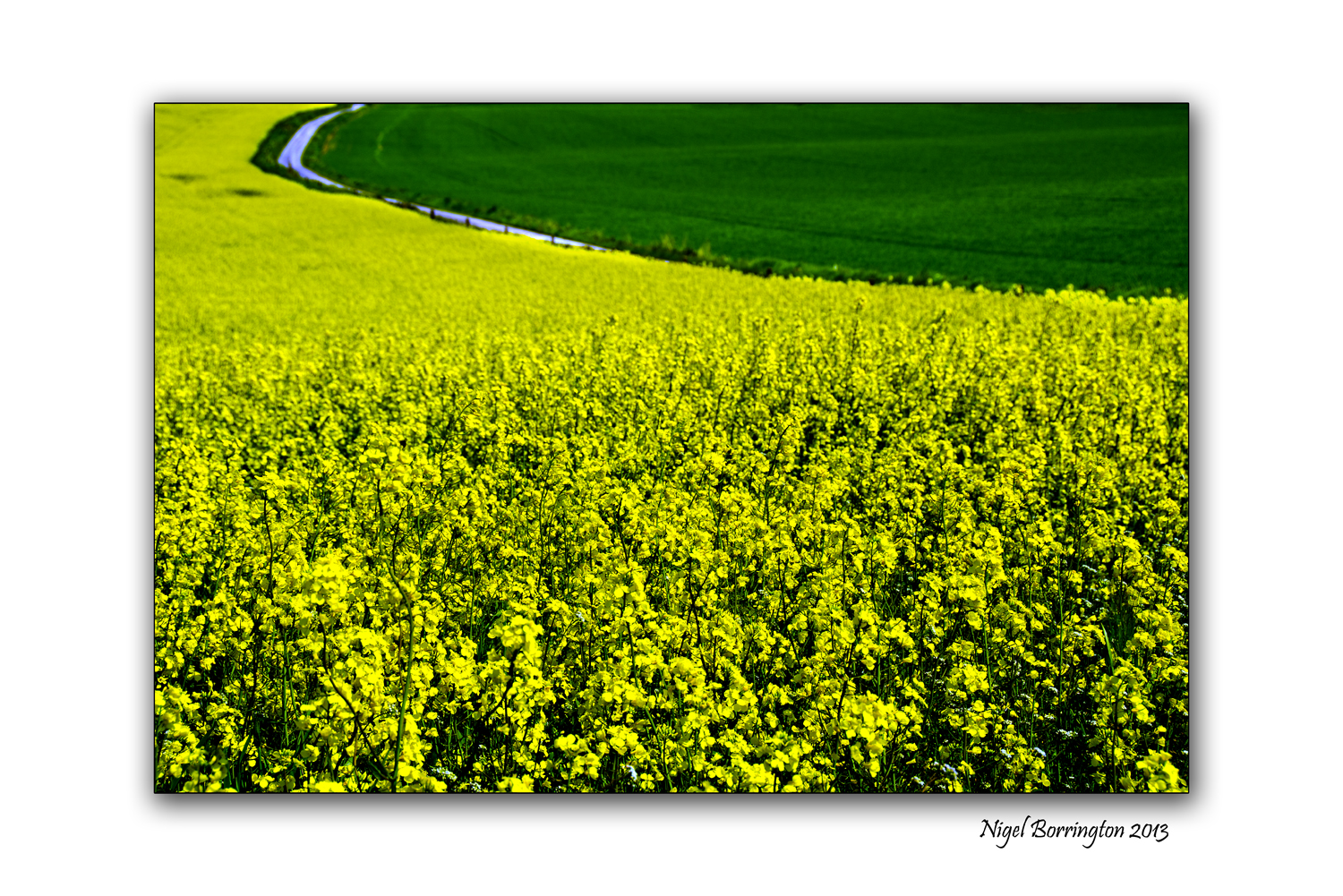
Nikon D7000, 18-200mm vr II lens, iso 100
Burnchurch, County Kilkenny
Landscape photography by : Nigel Borrington
This old gray tractor – Gallery images.
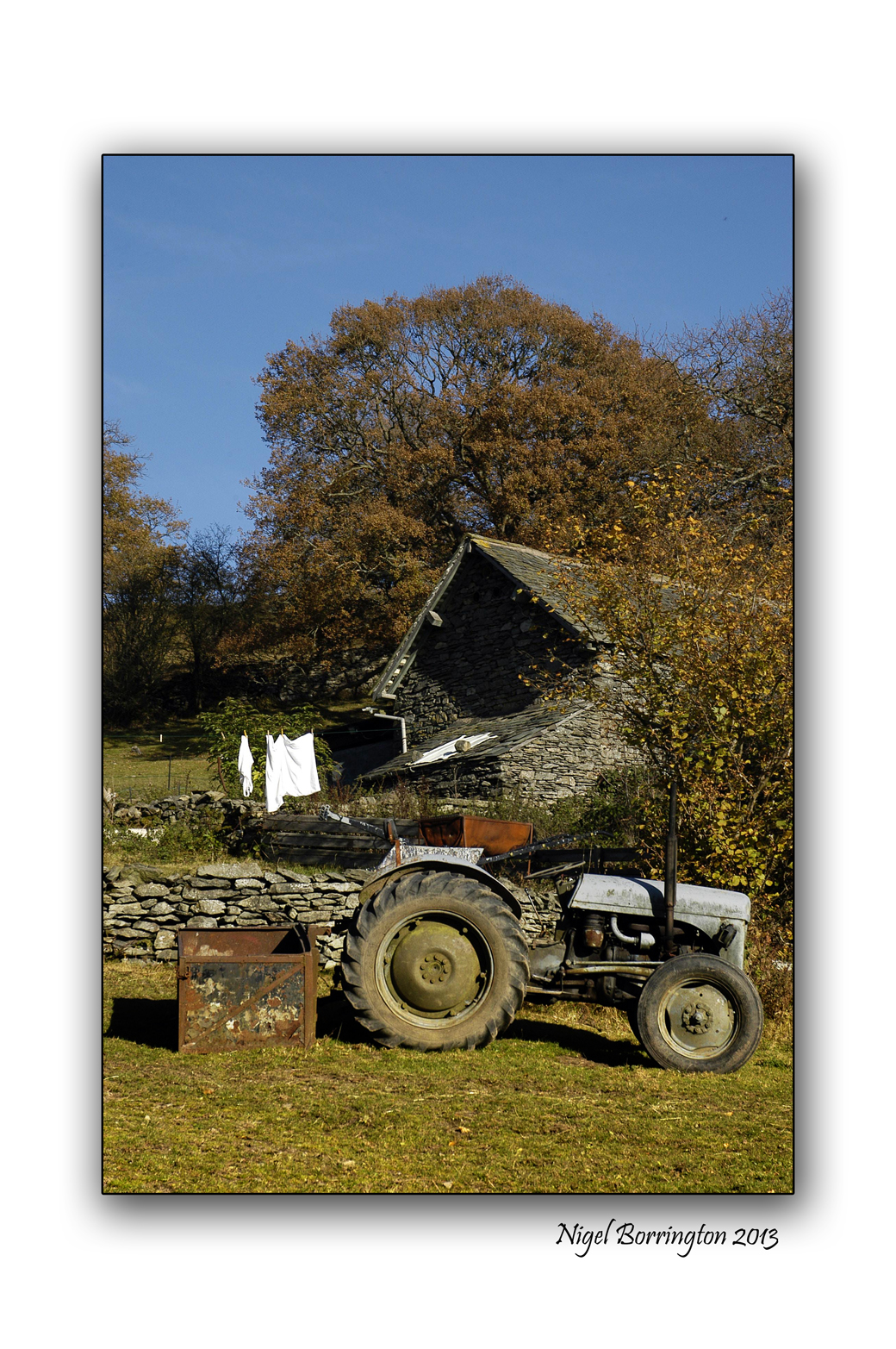
One day while walking we came across this little Gray tractor in the Lake District National Park, it was just sitting outside an old farmhouse that had also been converted into a tea shop. We had to stop and take in something to eat and to look at views along with this little Gray Tractor.
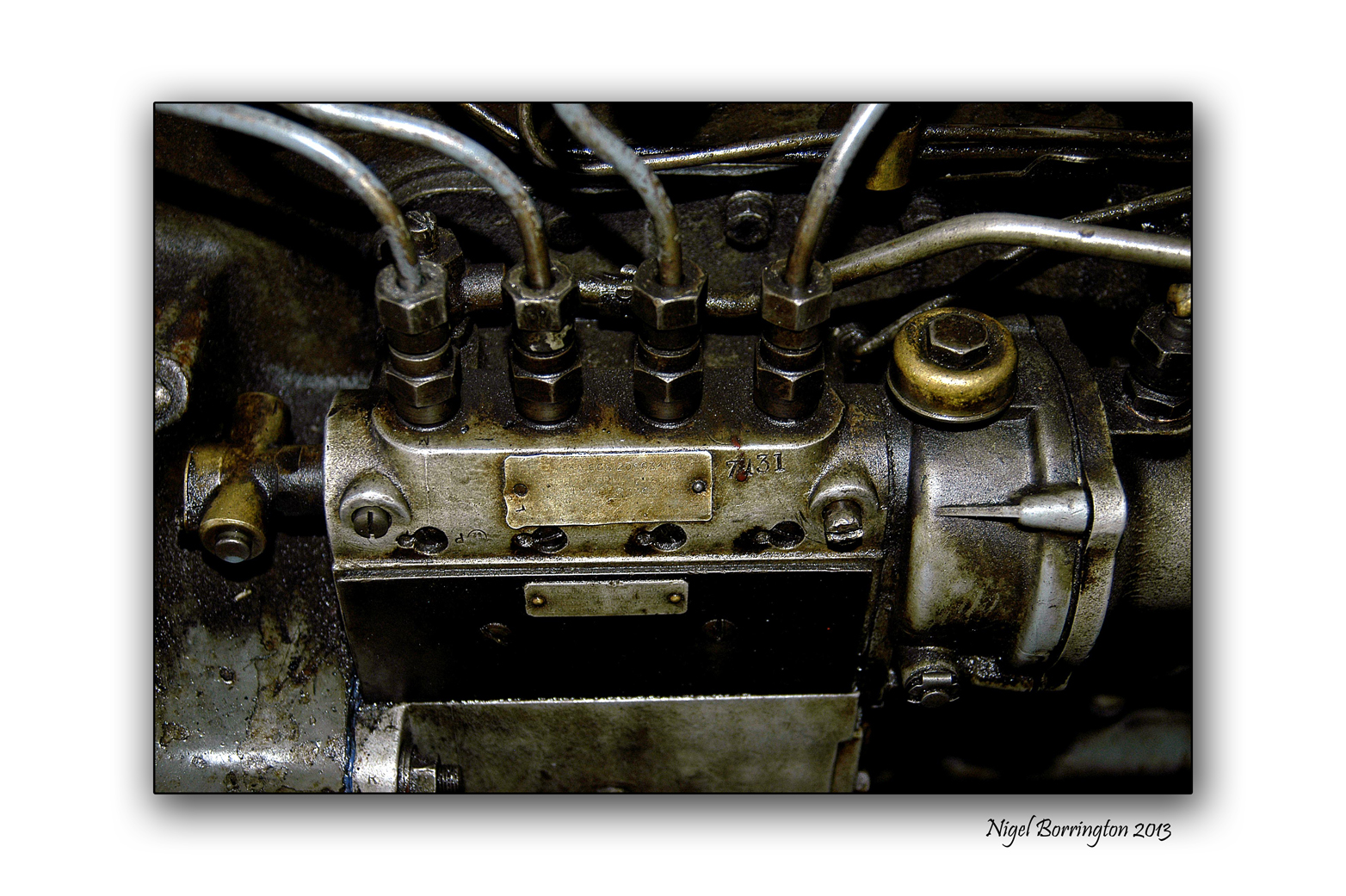
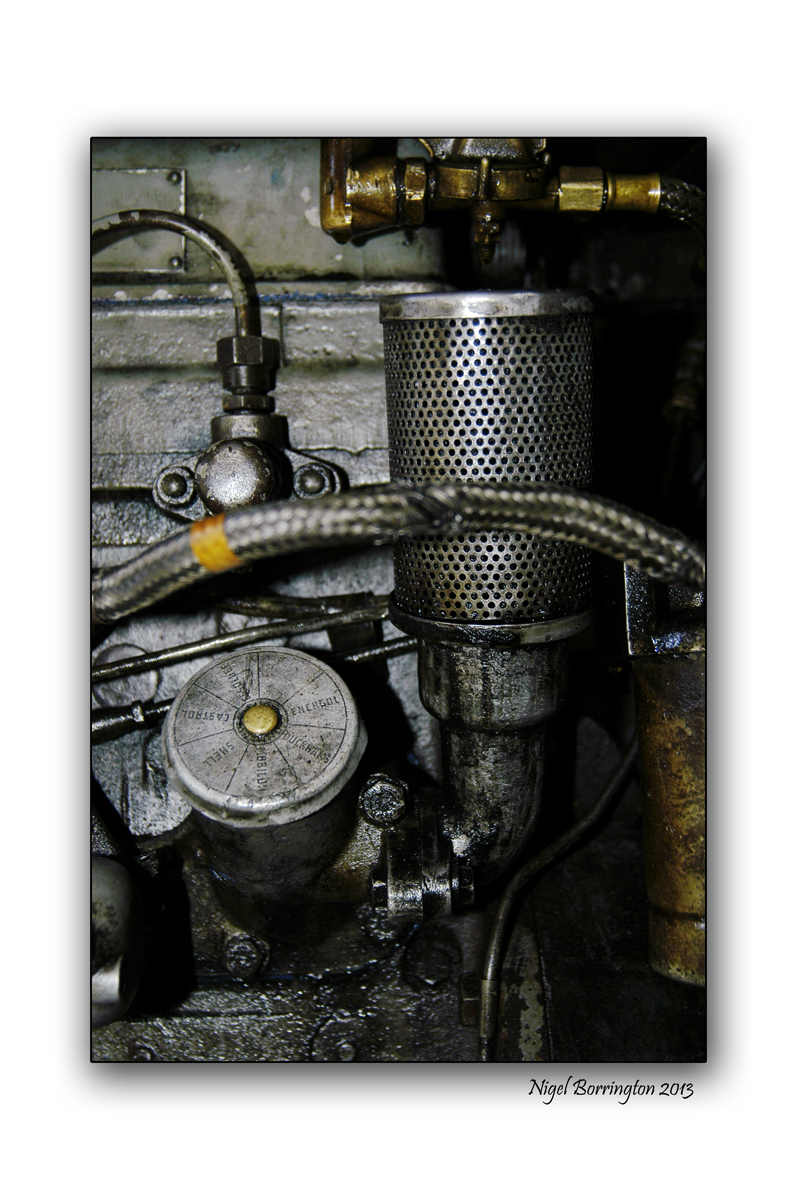
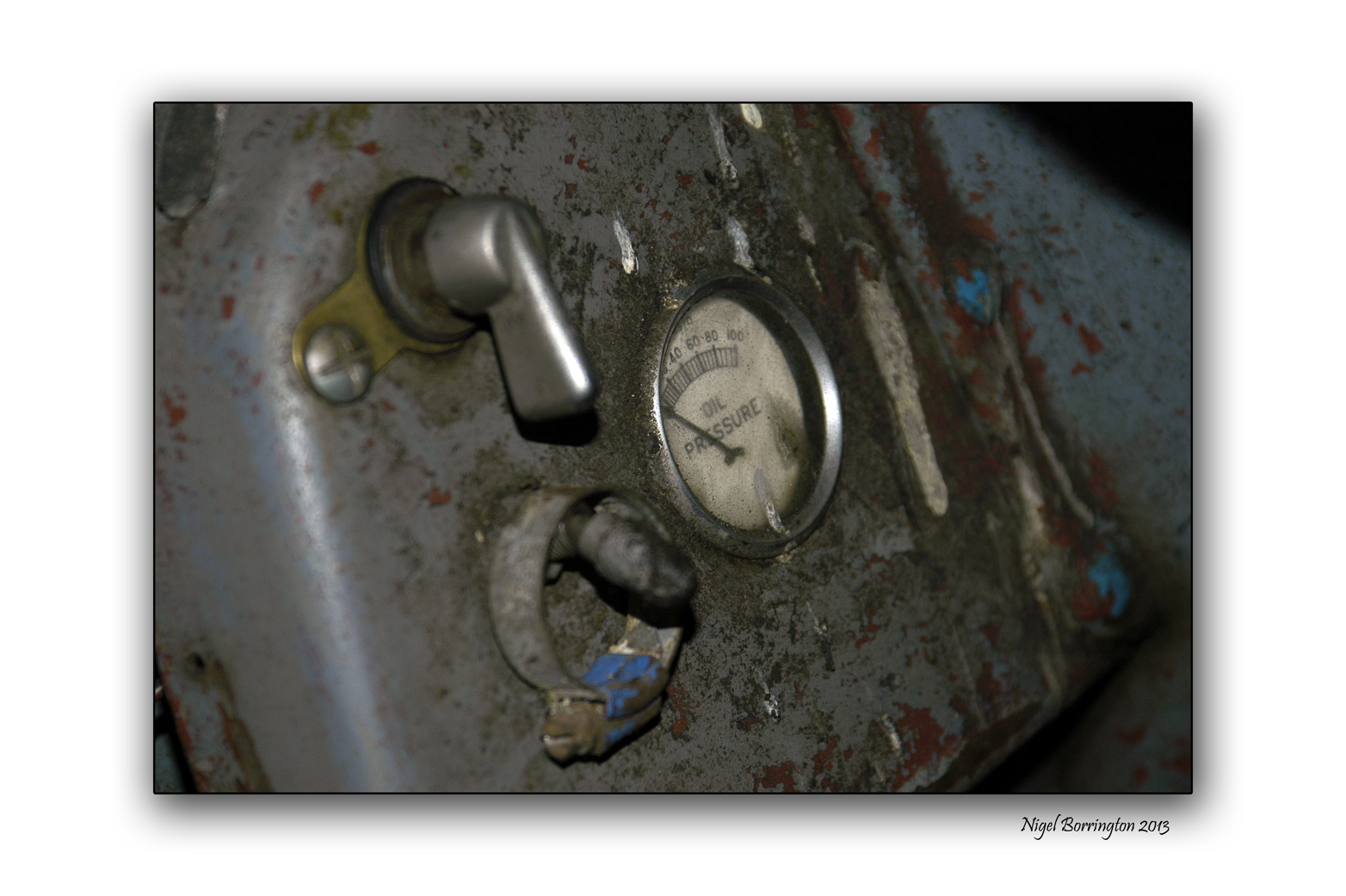
I was also able to have a good look around the farm and got some wonderful still life shots that I will post at some point but for now here is a gallery of images I took of this little old tractor.
I Just loved the oil and grim and the look of this old engine, of course the photos cannot get across the smells and the sounds this engine created….



Friends
A friend indeed! : Nandi Mhlongo

I have a friend, a friend in word & a friend indeed.
A friend who loves me with all friends being & I love friend too.
My friend rejuvenates me
A friend of my youth,
A friend indeed!
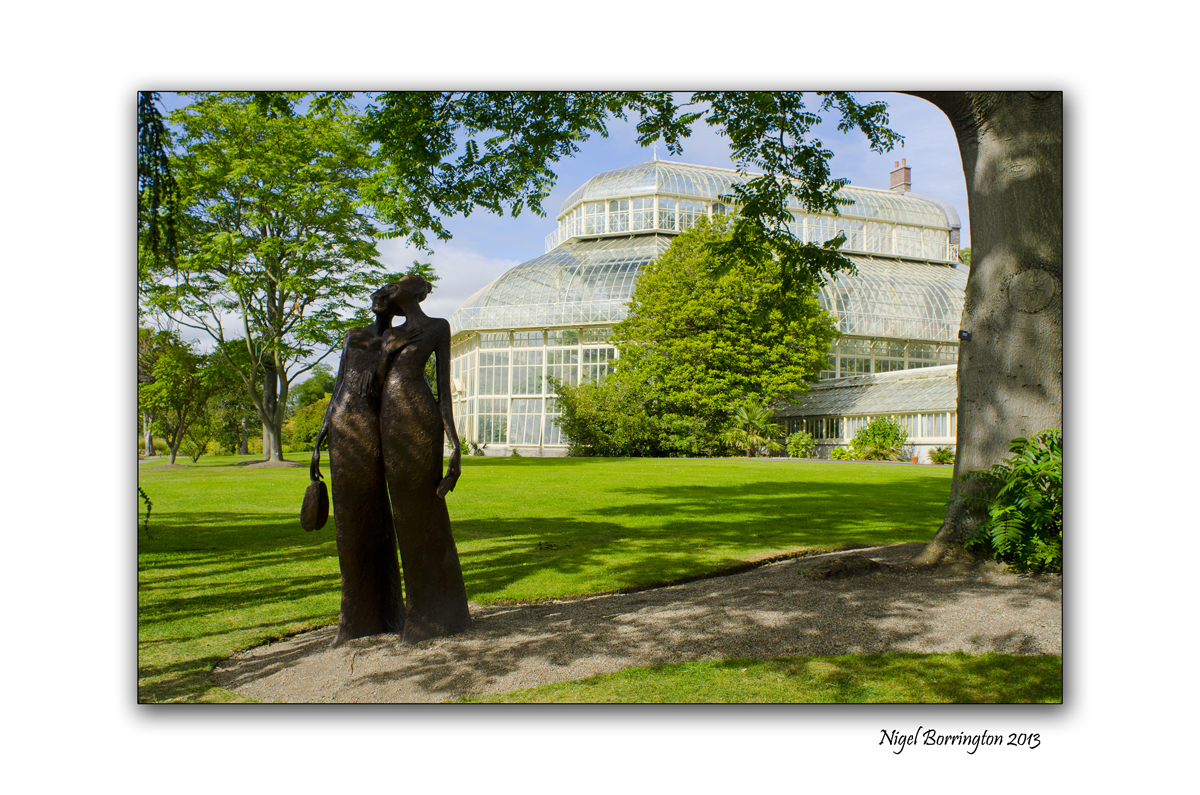
I have a friend in word, my friend reminds me of my purpose in life
I can exhale with my friend by my side
My friend is good to me
A friend indeed!

When my friend is gone, I miss my friend already
But my friend has gone home because I am home for now
But the truth is our home is in our friendship.
I have a friend, a friend indeed!
My friend in word is my friend indeed and my friend in need.
Friendship is all we need & we have.
I have a friend a friend indeed!
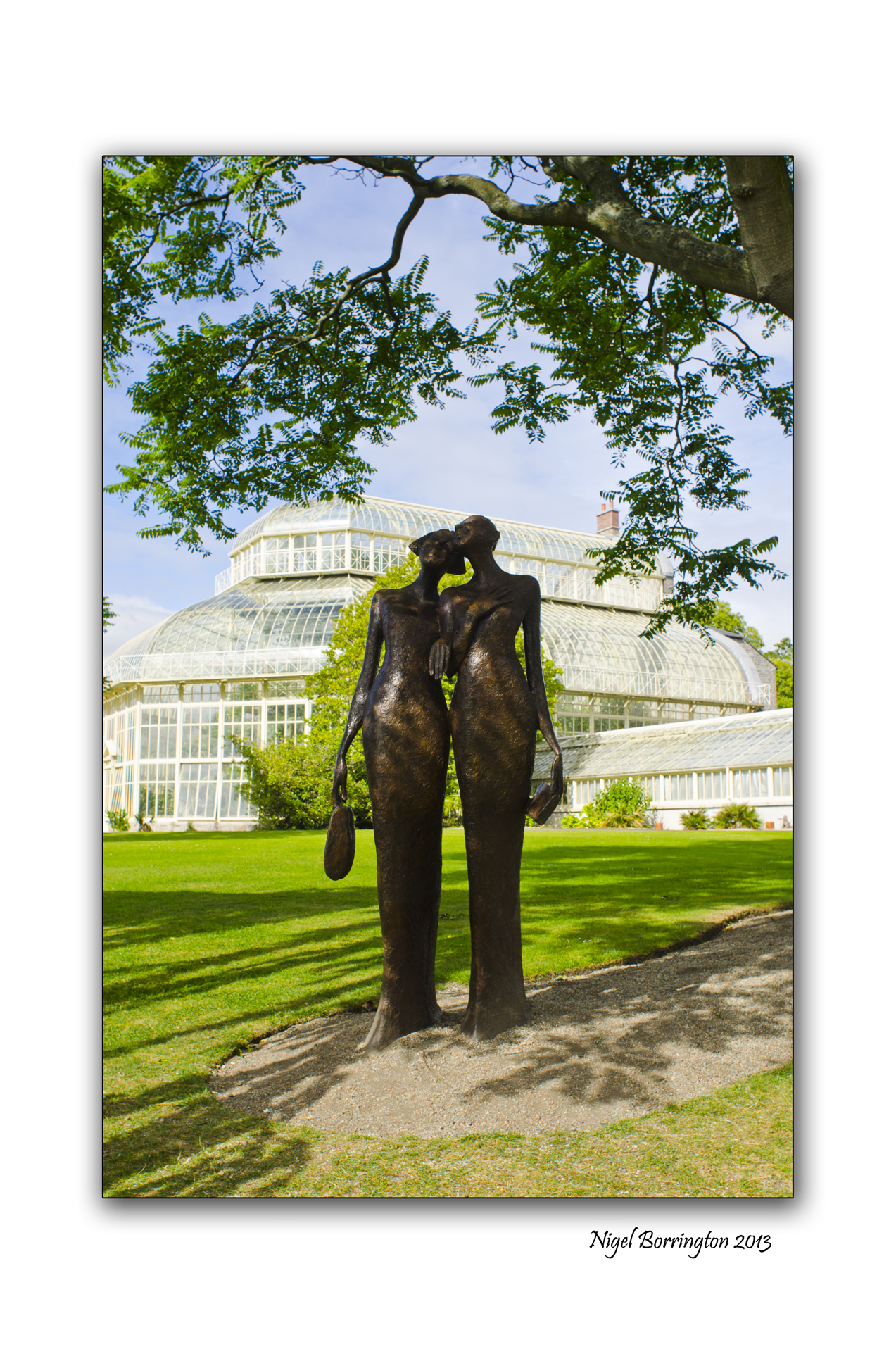
Nikon D700, 24mm focus length, iso 100
National Botanic Gardens, Dublin
Nigel Borrington
All images Taken at the National Botanic Gardens, Dublin 2012
Its the weekend so……

Nikon F90x, 35mm lens, Kodak film
Lake Windermere, Lake district national park, United Kingdom
Landscape photography by : Nigel Borrington
Its the weekend so why not find somewhere new to yourself and explore ……
Windermere boat Museum
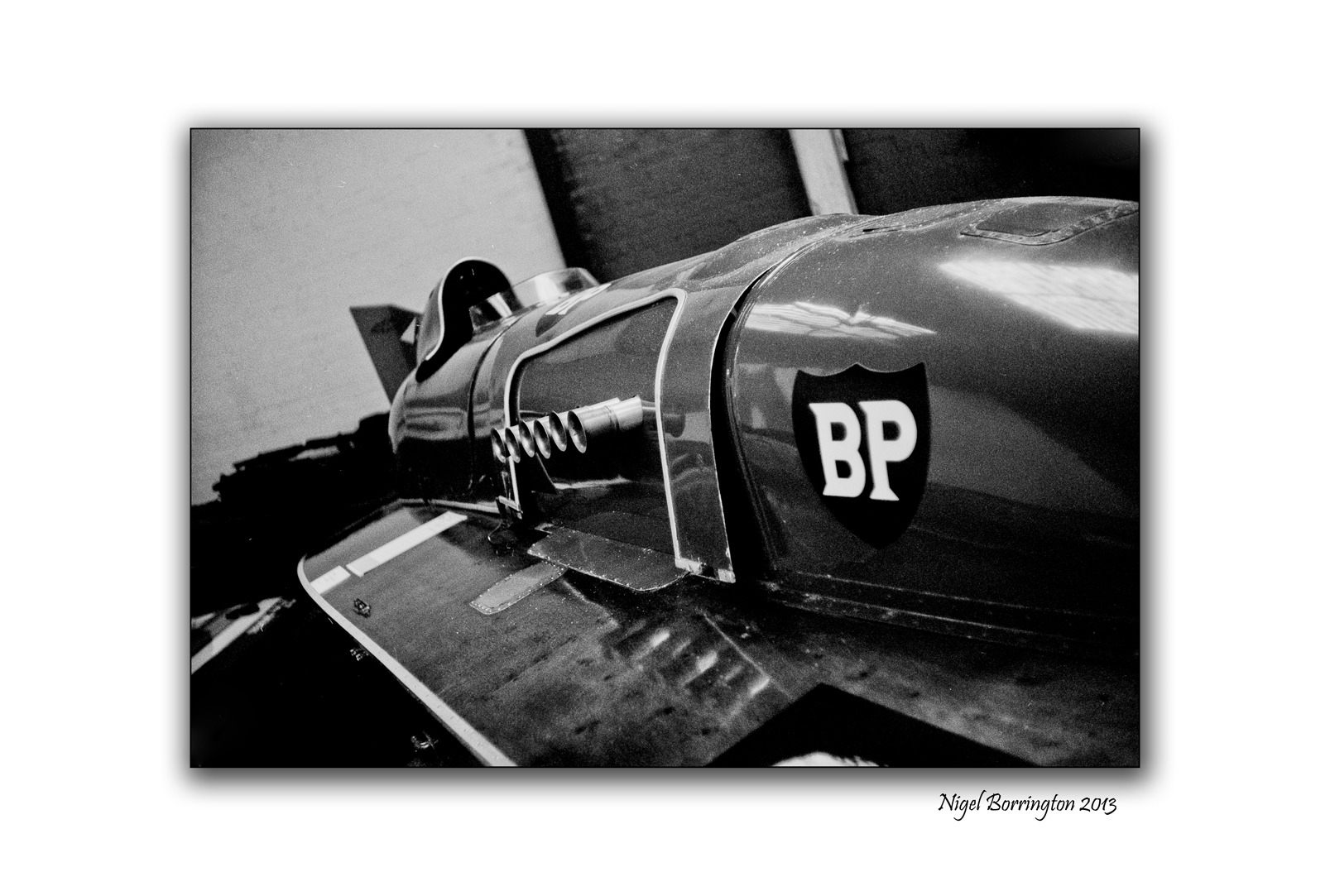
Nikon F90x, Ilford XP2. Iso 400
These images were taken during a visit to the Lake district boat museum some years back, I have been scanning a lot of my old films and came across these as part of a set that I will use in full at some point, For the moment however these two images show one of histories great boats used to set world water speed records….
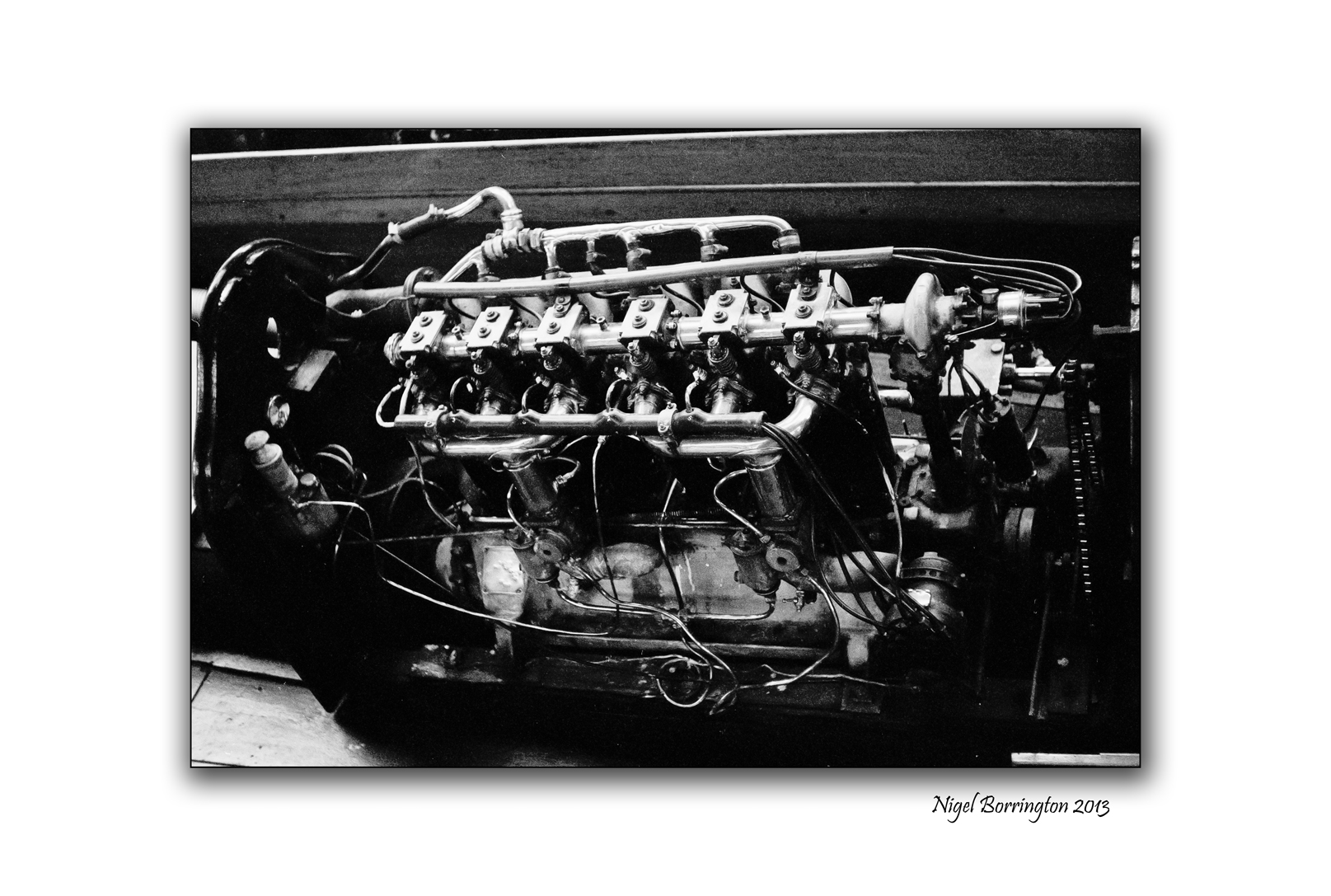
Nikon F90x, Ilford XP2. Iso 400
I just love the contrast of Ilford xp2 film….
River Nore Kilkenny

Nikon D700, 50mm f1.4 lens, iso 400
River Nore, County Kilkenny
Landscape photography : Nigel Borrington
The river Nore, as it flows through Thomastown, county Kilkenny ….
Mystery of a place – Castlemorris house and gardens
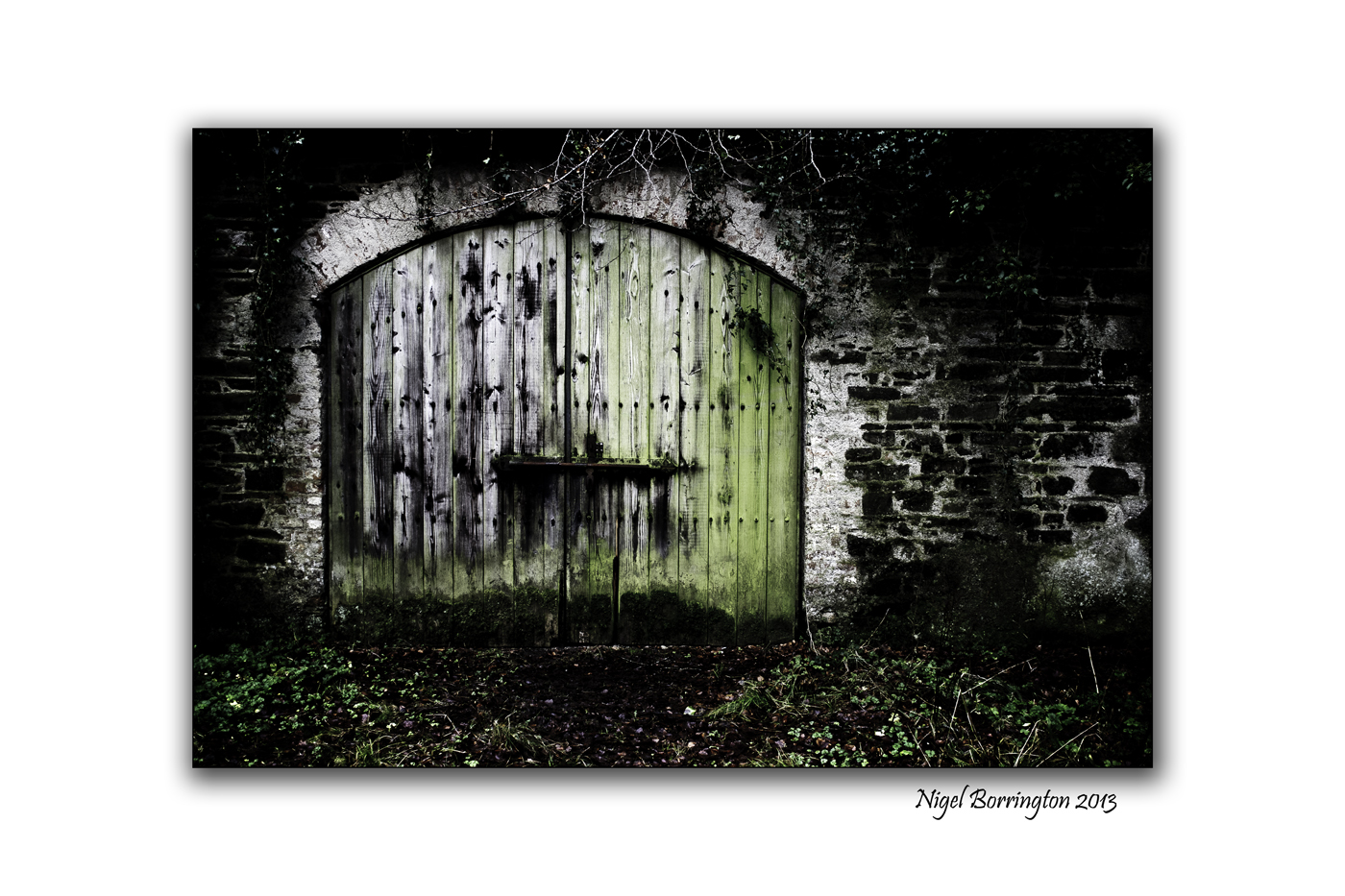
Fujifilm X100
The Green door
Irish landscape photography: Nigel Borrington
This old door and the stone shed it is attached to is all that remains of one of Ireland greatest ever country houses, The house had some 356 windows and belonged to the Montmorency family.
In its day in the mid-19th century, it was one of the finest (and largest) houses in Ireland at that time and compared well with Bessborough in Piltown.
Built around 1751 in the parish of Aghaviller, the Castlemorris estate was previously known as “Diore Lia” (a grey wood). Formerly home to the Morres and de Montmorency families, the family vault can still be seen in the local churchyard.
 The churchyard also contains the remains of an ancient round tower. Built to protect the occupants and valuables of monastic settlements from Viking raids, these towers dot the Nore valley.
In 1924 the house was sold to the Land Commission. In the early 1930s it was unroofed and a demolition sale took place. Many parts of the house can be found in houses around the country.
The house itself was finally demolished in 1978. The grounds now merge with other Coillte woods, totalling approximately 2,000 acres in the district. Ms de Montmorency-Wright gave an excellent talk and should be complimented for her extensive research into her family and their association with Castlemorris.
This old red door – Goresbridge, Kilkenny

Fujifilm X100
KIlkenny photograher, Nigel Borrington
The old Mill at Goresbridge
When I was considering posting these images, I was wondering if I should show the setting of this old and wonderful red mill door. Its located on the site of on old mill sitting on the river Barrow as it runs through Goresbridge, county Kilkenny.
Sometimes just displaying something like a door just by itself can create a Mystery.
On this occasion, I will show the door in its location, I am however thinking of creating a series of images that do separate these kind of subject’s from their surroundings.

Fujifilm X100
KIlkenny photograher, Nigel Borrington
The old Mill at Goresbridge

Fujifilm X100
KIlkenny photograher, Nigel Borrington
The old Mill at Goresbridge
Family of swans
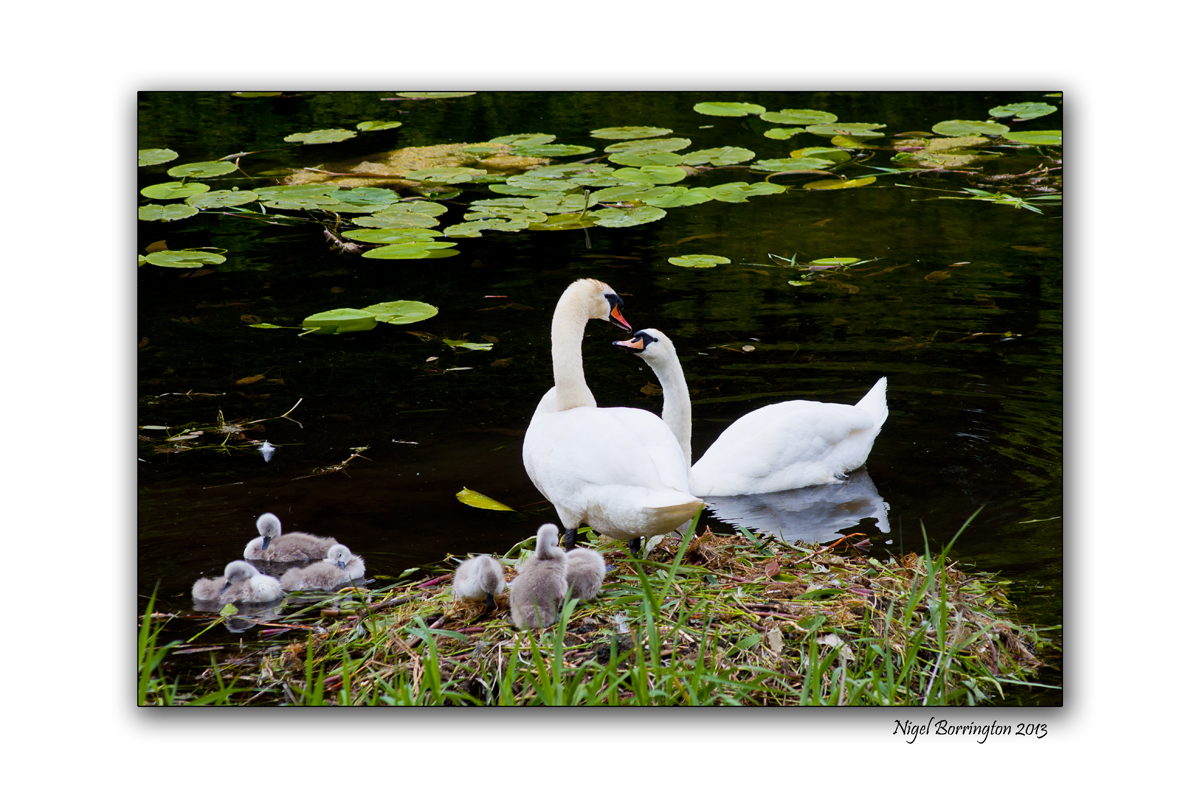
Nikon D200, 200mm focus length, iso 400
Swan family at Heywood Gardens, Ballinakill, Co. Laois
Irish wildlife photography : Nigel Borrington
I took this images on a visit to Heywood Gardens, County Laois, two years ago and then place some of the photographs into an exhibition held in Callan, Co. Kilkenny the same year.
Heywood Gardens are not vast, but they offer one of Ireland’s most private wildlife locations.
St Patrick well
St Patrick’s well is located In Clonmel, County Tipperary.

The Well pre-dates Christian times by a considerable period, clearly only being referred to as belonging to St Patrick since he or the local church converted the local people to Christianity.
“The Celtic pre-Christian period.
There is a lot of evidence to show that in ancient Ireland well worship was widely practised. Many if not all of Ireland’s holy wells of later Christian times had been objects of pagan veneration, and regarded as sacred, centuries before the advent of Christianity. In fact many Irish place names which have their origins dating from pre-Christian times are derived from wells. One of those sacred springs Tipra Arann in the present Barony of Clanwilliam around Tipperary Town, gave its name to County Tipperary. In the Bronze Age there seems to have been no temples constructed for the purposes of worship. Pagan rites were performed in the open air. Those were places of popular assembly as well as centres for pagan worship and sacrifices.”
Sacrifices ? There is no evidence of this so I think the writer of the page is talking about offerings. Items of personal value placed into the well as a thank you to the water gods.
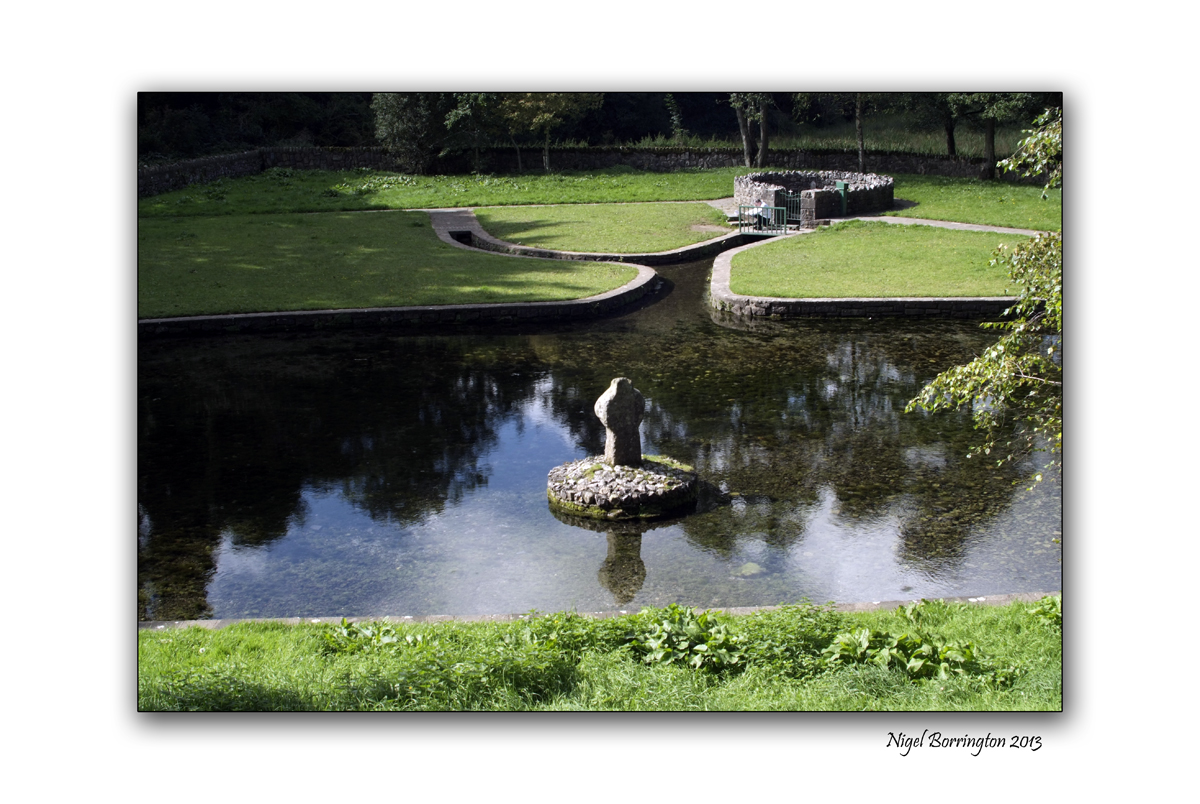
“St Patrick and his disciples on their travels throughout the country took advantage of those assemblies to preach the Gospel and to baptise the new converts. To St. Patrick coming from lands within the former Roman Empire some of those Celtic customs must have appeared strange. Well worship was re-orientated and transformed into a Christian context. In due course, from being places where pagan rites had been performed, the wells became places of Christian worship. There was a tradition which has died out that people visited St Patrick’s Well before sunrise on the first day of May – a date which coincides with the Celtic Festival of Bealtaine.”

I find the idea of Holy wells in the early Christian period to be fascinating, It appears, as covered above to be a clear attempt by the church to override the previous worship of water gods and to move this worship over to the new God that the modern christian church now worships.

Boarding the Titanic

Fujifilm X100
Titanic Museum, Cobh, County Cork
Irish Landscape Photography : Nigel Borrington
This small pier that now looks well past its best days, helped transport one hundred and twenty three passengers from the white star line booking hall at Cobh/queenstown county cork on to small ferry’s and then on to the HMS Titanic before she set sail to New York.
This is the list of Titanic Passenger boarding at queenstown (11 April 1912 a:10:30am d:13:40pm) on that day. While visiting the museum and Pier you cannot help but feel the moment when these people boarded their boats and looked back at the harbour of Queenstown as they headed towards the Titanic. At the time of course they were only looking forward to a new life or the great experiences that they had ahead of themselves.
We however cannot help but view these moments in a different light….
In the above passenger listing, If the passenger survived the events that followed they are listed in the boat number that they were found in, if they didn’t they are listed as a body or if they were not found they have no entry in the last two columns.

Fujifilm X100
Fishing Harbour, Cobh, County Cork
Irish Landscape Photography : Nigel Borrington

Fujifilm X100
View of Cobh, County Cork
Irish Landscape Photography : Nigel Borrington

Fujifilm X100
Titanic Museum, Cobh, County Cork
Irish Landscape Photography : Nigel Borrington
Croaghlin, Teelin, County Donegal
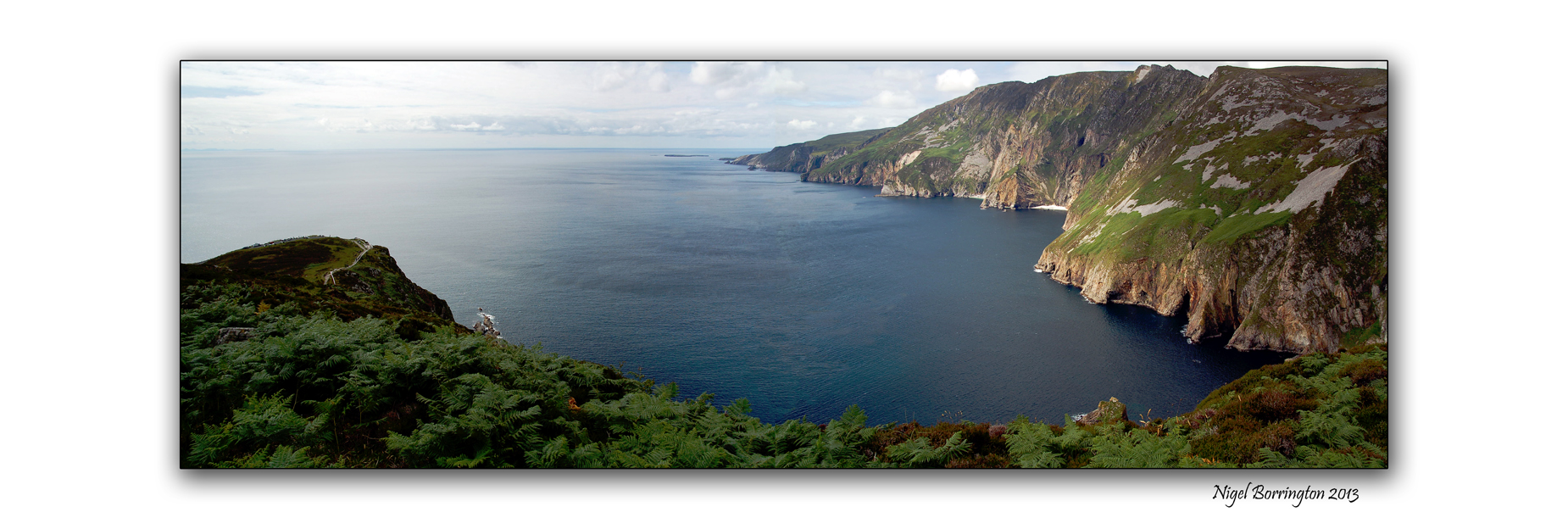
Nikon D7000, 24mm f2.8 af-d lens
Croaghlin, Teelin, County Donegal
Irish Landscape Photography : Nigel Borrington

Nikon D7000, 50mm f1.4 af-d lens
Croaghlin, Teelin, County Donegal
Irish Landscape Photography : Nigel Borrington
Croaghlin Teelin, is one of County Donegal’s most iconic landscape images. The cliff and coastal views appears in many tourist websites and tourist office publications.
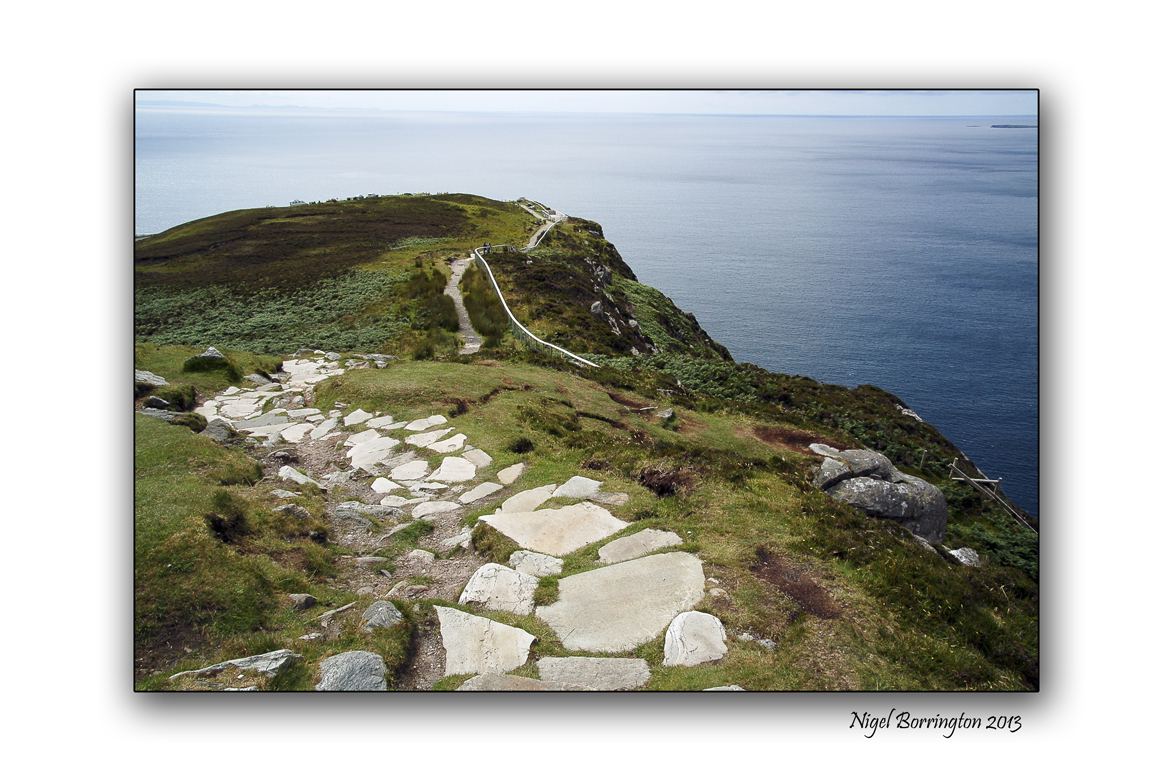
There is a long walk up the stone path to get the best views, but it is well worth the effort.
If you are visiting Donegal, Croaghlin is near Carrick and past Killybegs.
Allihies
Allihies area from the old Cloan hills road.

Nikon D7000, 24-85mm f3.5 lens.
Allihies, west cork
Irish Landscape photography : Nigel Borrington
Allihies, west cork, offers one of Ireland’s most remote and stunning Landscapes, This shot was taken on a visit Last year.
The old Cloan, copper mining road out of the town gives some stunning landscape views of the area below

It also passes the old copper mines in the hills above the town.
 Nigel Borrington
You must be logged in to post a comment.