Flowers on the river bank

Nikon D200, 50mm f1.8 lens, iso200
Flowers on the River Nore, county kilkenny
Kilkenny photographer : Nigel Borrington
Flowers an in depth look.

Nikon D200, 50mm f1.8 lens
This afternoon has turned into a wonderful day :), the weather here in Ireland has gone from spring to almost summer like in one week and everything is coming to life. I went out with Molly our Golden retriever after lunch for a walk along the river bank and there are flowers coming out every step you take.
As always I had a camera with me and took lots of images, its always fun with flower beds to play with lens depth of field and the panel of images below shows the effects of Lens apertures f8 upto f1.8 on image depth.
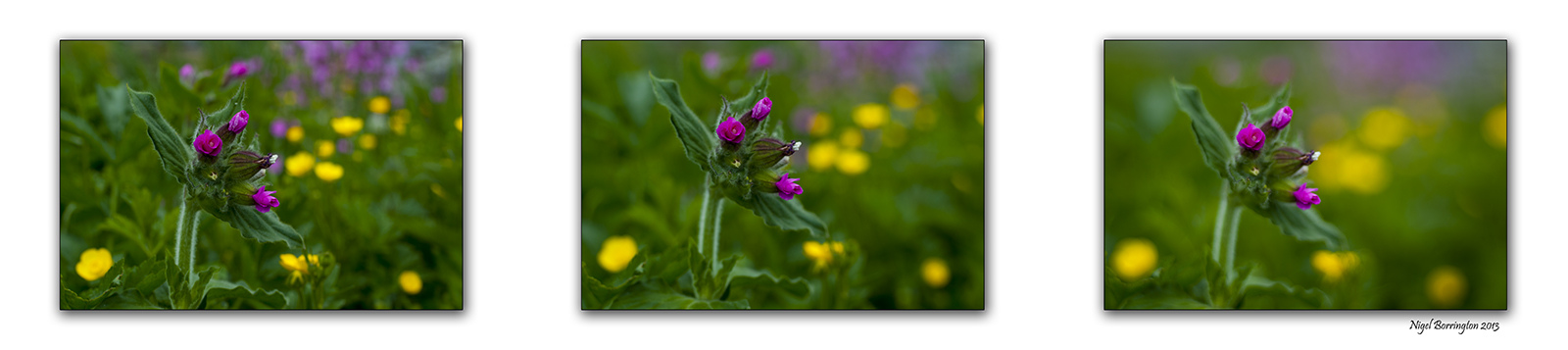
Nikon D200, 50mm f1.8 lens
More images from this walk to follow….
Cuckoo flowers, on the kings river
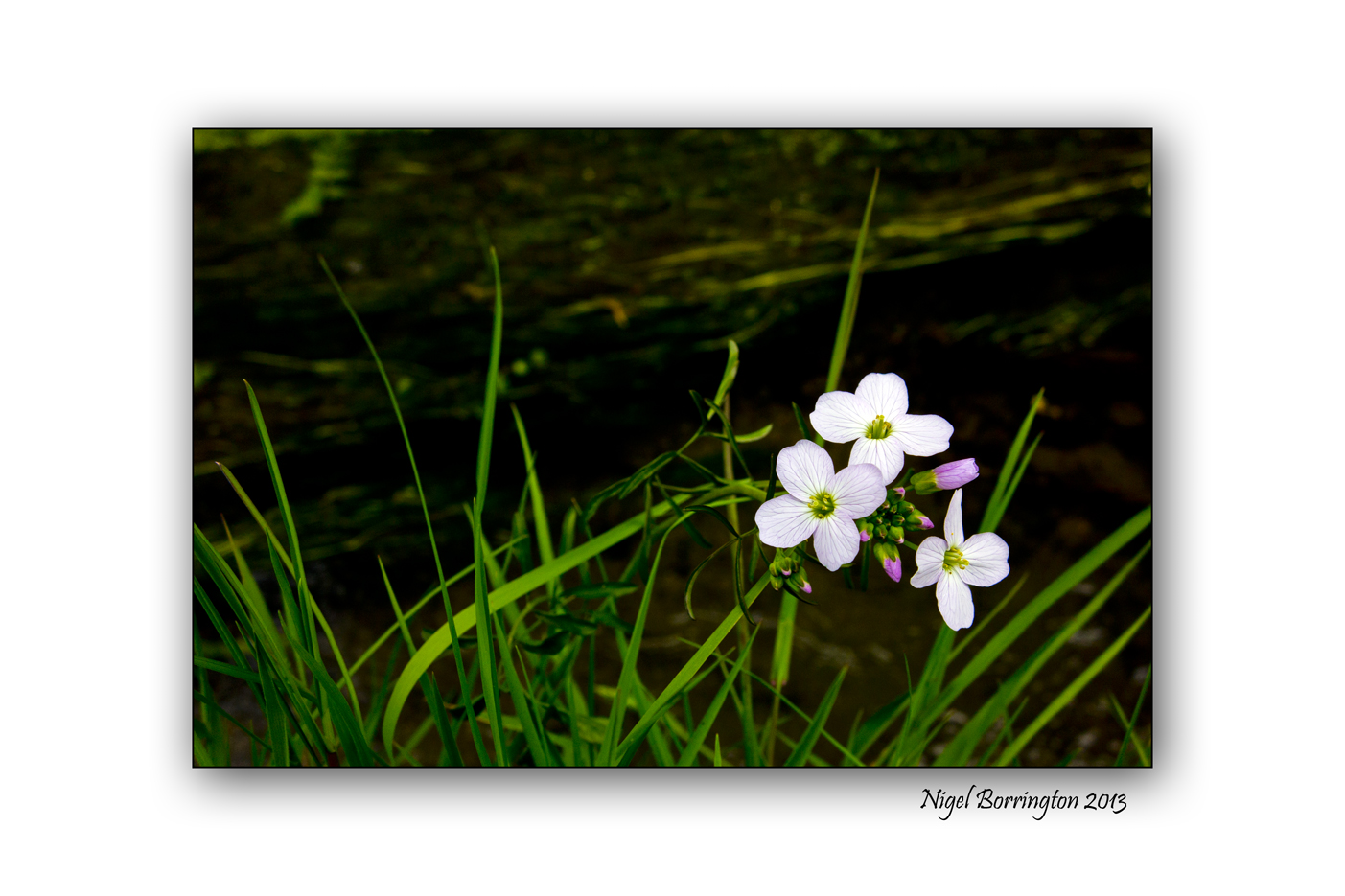
Canon G1 x, iso 100, f2.8
Cuckoo flowers
landscape photography
Nigel Borrington
Cuckoo flowers on the banks of the Kings river, Kells, County kilkenny…..
Kilkenny photography
Kilkenny wildlife

Nikon D7000
Kilkenny photography – Wildlife
Kilkenny photographer : Nigel Borrington
I was out early this Monday morning looking for a good start to the week along with having a hunt for a young Heron that I spotted at the weekend.
Each year we get these wonderful birds along the Kings river, county Kilkenny and its also wonderful to stop and photograph each years youngsters….
Great black backed gulls – Saltee Islands, wexford

Nikon D700, Nikon 300mm f2.8 vr lens
Gulls an the Saltee Islands
Wildlife photography by,
Kilkenny based Photographer : Nigel Borrington
Two young Gulls taking a rest on a cliff top, on the Saltee islands, county Wexford…
Rosebuds of May

Nikon D700, 50mm f1.4 lens
White rosebuds and flowers
Landscape photography : Nigel Borrington
I love this time of year, our hedgerow is coming alive with all kinds of life, these white wild roses are just one wonderful example.
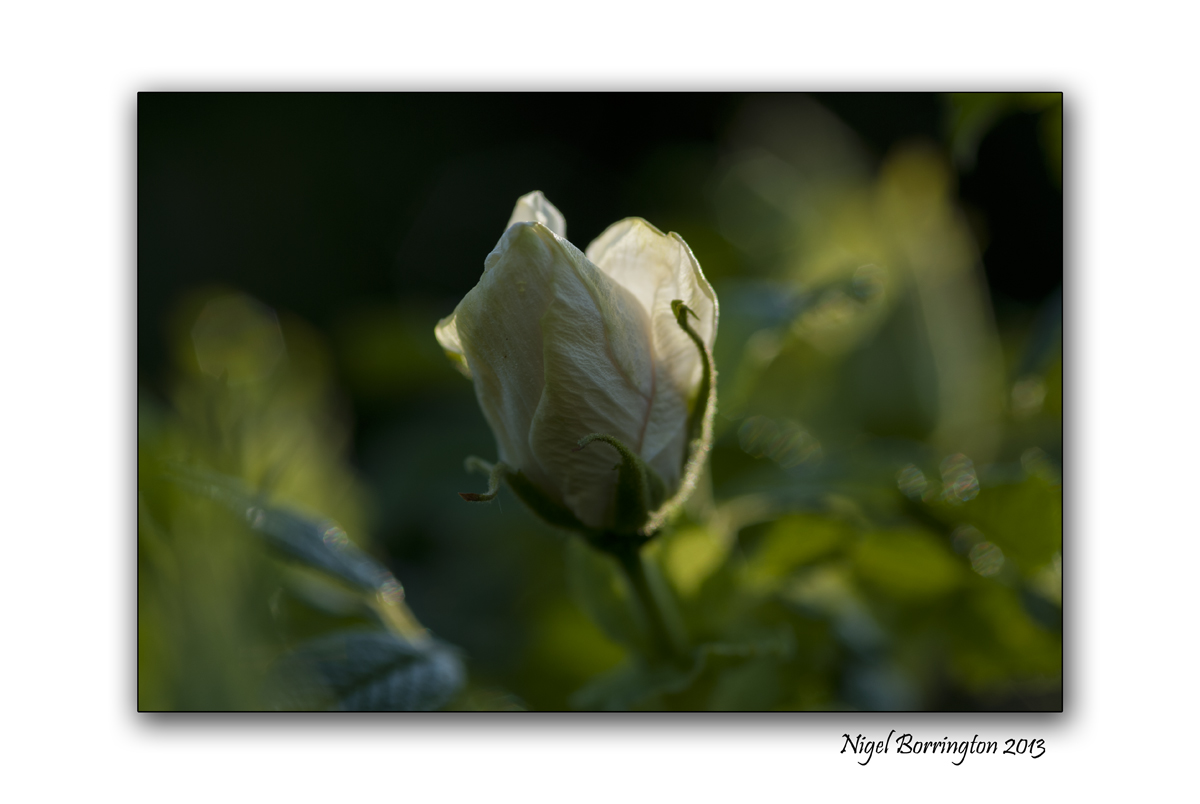
Nikon D700, 50mm f1.4 lens
White rosebuds and flowers
Landscape photography : Nigel Borrington
When these Roses come out each year they are always wonderful to look at but they last such a short time, I would love it if they flowered all summer…
A Poem by :Robert Herrick
Gather ye rose-buds while ye may,
Old Time is still a-flying:
And this same flower that smiles to-day,
To-morrow will be dying.
The glorious Lamp of Heaven, the Sun,
The higher he’s a-getting
The sooner will his race be run,
And nearer he’s to setting.
That age is best which is the first,
When youth and blood are warmer:
But being spent, the worse, and worst
Times, still succeed the former.
Then, be not coy, but use your time;
And while ye may, go marry:
For having lost but once your prime,
You may for ever tarry.

Nikon D700, 50mm f1.4 lens
White rosebuds and flowers
Landscape photography : Nigel Borrington

Nikon D700, 50mm f1.4 lens
White rosebuds and flowers
Landscape photography : Nigel Borrington
In ancient woodlands, bluebells and wild garlic grow

Fujifil X100
Kilkenny Ireland
Landscape photography : Nigel Borrington
In Ancient Woodlands
We walked within an ancient wood
Beside the path
Where oak and beech and hazel stood,
Their leaves the pale shades of May.
By bole and bough, still black with rain,
The sunlight filtered where it would
Across a glowing, radiant stain—
We stood within a bluebell wood!
And stood and stood, both lost for words,
As all around the woodland rang
And echoed with the cries of birds
Who sang and sang …
My mind has marked that afternoon
To hoard against life’s stone and sling;
Should I go late, or I go soon,
The bluebells glow where wild garlic grows— the birds still sing.

Fujifilm X100
Kilkenny Ireland
Landscape photography : Nigel Borrington
Family of swans
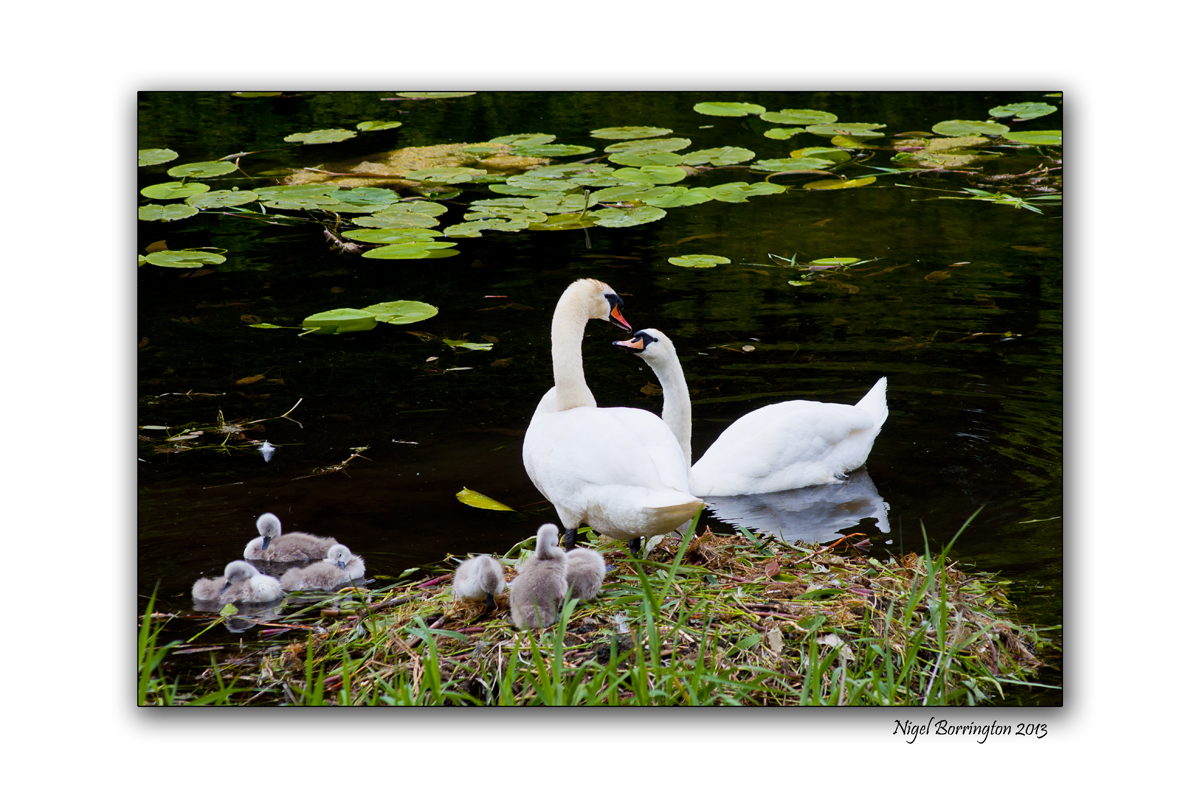
Nikon D200, 200mm focus length, iso 400
Swan family at Heywood Gardens, Ballinakill, Co. Laois
Irish wildlife photography : Nigel Borrington
I took this images on a visit to Heywood Gardens, County Laois, two years ago and then place some of the photographs into an exhibition held in Callan, Co. Kilkenny the same year.
Heywood Gardens are not vast, but they offer one of Ireland’s most private wildlife locations.
Hover fly by the river Nore, County Kilkenny
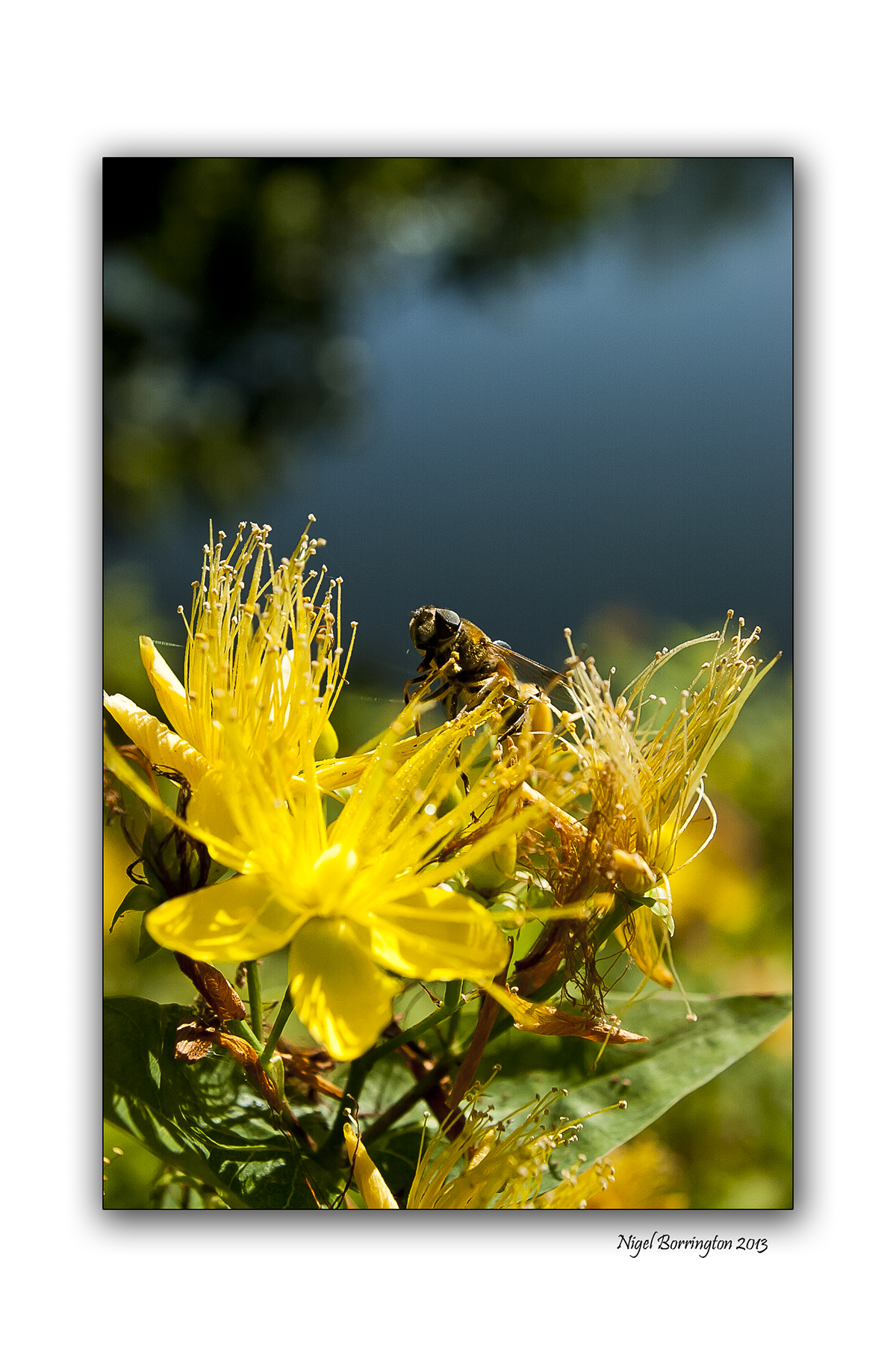
Nikon D200
Hover fly by the Nore, Kilkenny
Wildlife Photography : nigel Borrington
I am just doing a review of images that I have used for local exhibitions here in Kilkenny since 2008.
This image of a feeding Hover fly was displayed in a exhibition held in Callan, Co Kilkenny in 2009, It was printed onto photo board at A3 size.
Over the next week or so I will post some more of these images, as I would very much like to share them.
Studying the Bee

Nikon D7000, 50mm f1.4 lens, iso400
A Bee study
Nigel Borrington
The Irish National Biodiversity Data Centre is one of the best resources you can get, if you want to do some wildlife photography.
You can use the on-line map to find the locations of any wildlife you are looking for.
This is the link for Bees and it contains plenty of valuable information, you can also log your own personal findings by setting up an account and adding your own data.
Of woodland places

Fujifilm X100, 35mm lens, f4, iso 500
Irish woodland nature photography
Nigel Borrington
Sometimes its the most simple of things that interest me the most when out with my camera, yesterday evening for example, just taking time to stop and notice springtime in its hight …..

Fujifilm X100, 35mm lens, f4, iso 500
Irish woodland nature photography
Nigel Borrington
This is wild woodland sorrel I describe it here : woodland sorrel
Saltee’s Great black backed Gull

Nikon D7000, 50mm f1.4 lens
Great black backed Gull,Saltee Islands, County Wexford
Wildlife photography : Nigel Borrington
OK, lets put a bit of wildlife colour into the day….
I took this image on a visit to the Saltee islands, county wexford. This wonderful Black backed gull was guarding her eggs very well indeed . What I cannot get across in the picture is the noise of the islands, with thousands of these birds both on the ground and in the air it is one of the best wildlife experiences you could dream of having on a spring day.

Great Black backed Gull

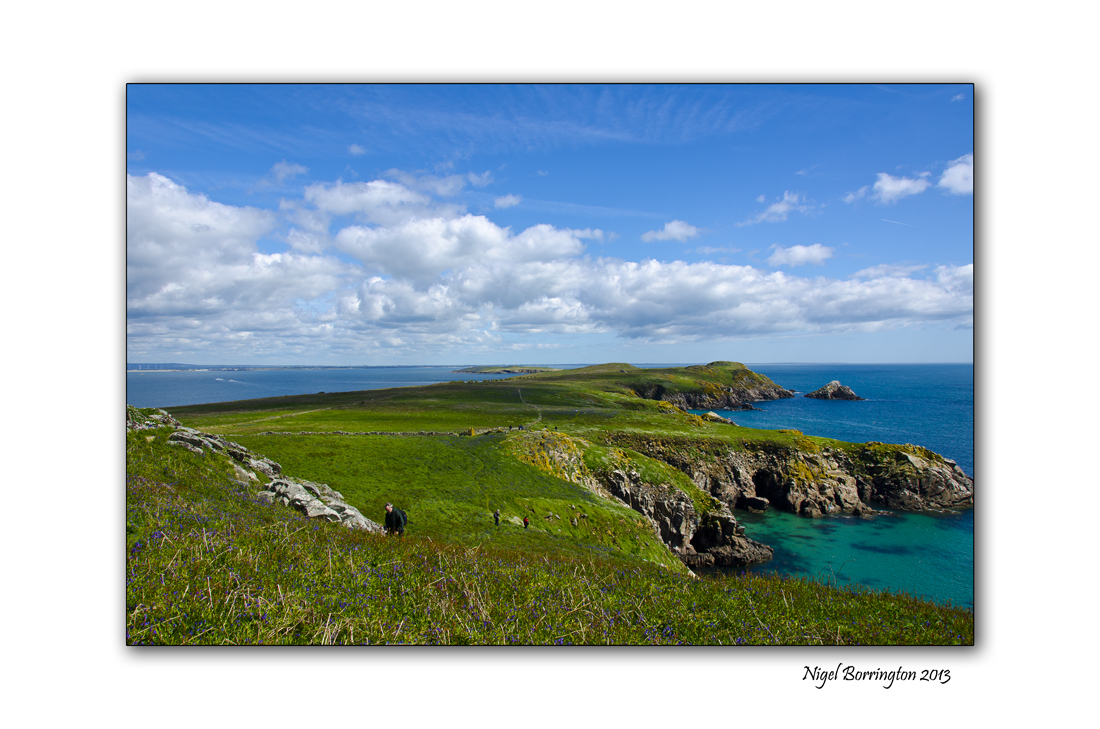
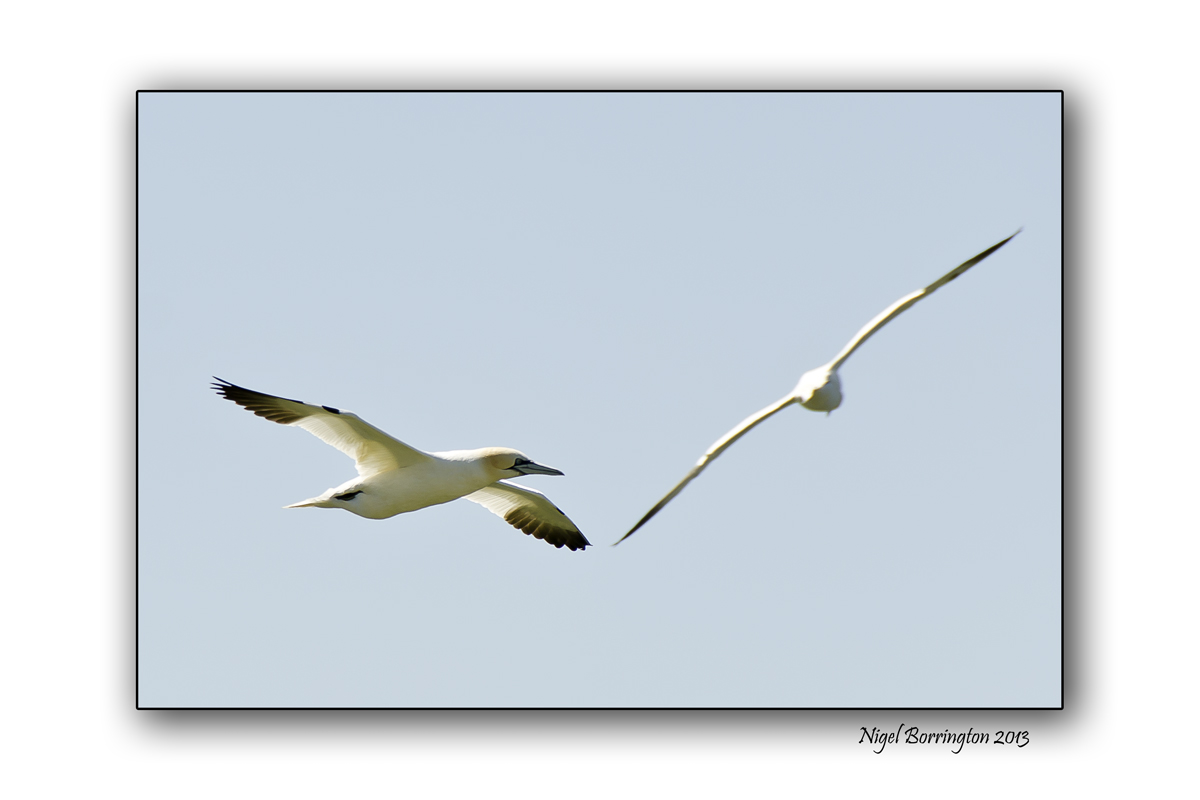
The photograph in my last post is of the Saltee Islands, County wexford. You can only visit the island via boat and mostly with a wildlife group or on days when the boat is booked with a good amount of people. The island is a wildlife paradise and a photographers dream, you can find almost any position on the cliff tops to setup your camera and the birds will just come to you. However moving to find the type or group of bird is advisable.
The Saltee Islands has over 220 species of birds, these included images are of the Great black backed Gull.
“GREAT BLACK BACKED GULL
Great Black backed Gulls are the lords of the seabird colonies. They choose the highest vantage points to build their nests. The adults are unmistakable because of their size, jet black wings and mantle, measuring two and a half feet with a five foot wingspan. The massive bill is yellow with an orange spot on the lower mandible. If an intruder approaches the parents call anxiously and the young birds “freeze” in the dense cover and are hard to locate. The parents also will also make low swoops at the intruders head, however they seldom strike. Great Black backed Gulls breed on the island, and are in abundance all year.”
You can only stay on the island for a day as you have to leave on the last boat, this is to protect the environment of the island as birds nest on almost a hundred percent of the ground area and no camping would be possible.
I got some three hundred usable images from this day so will keep posting images along with some information on the wildlife involved….
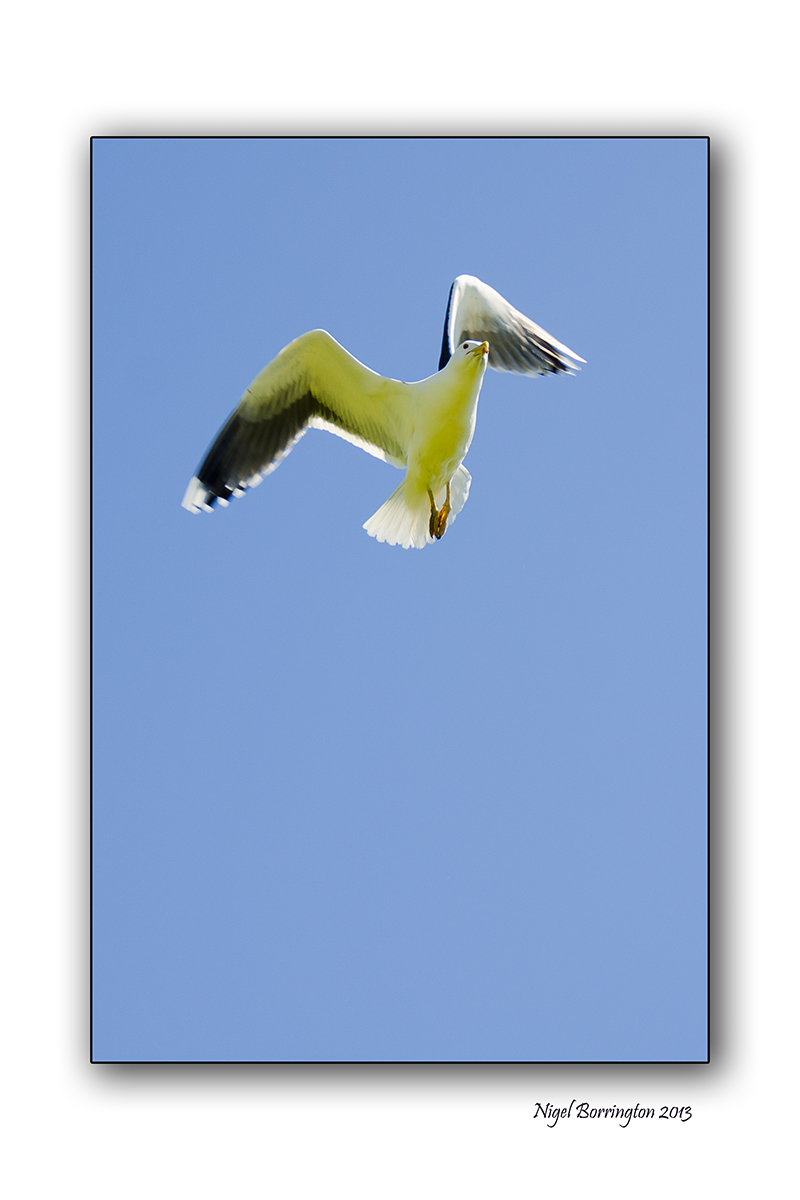

Saltees Island, Gannets
Gannets flying over the Saltees islands, Co Wexford
Nikon D7000
80-300 vr lens
Nigel Borrington
Gannets Roosting, Saltees islands, Wexford
Nikon D7000
80-300 vr lens
Nigel Borrington
Dandelion
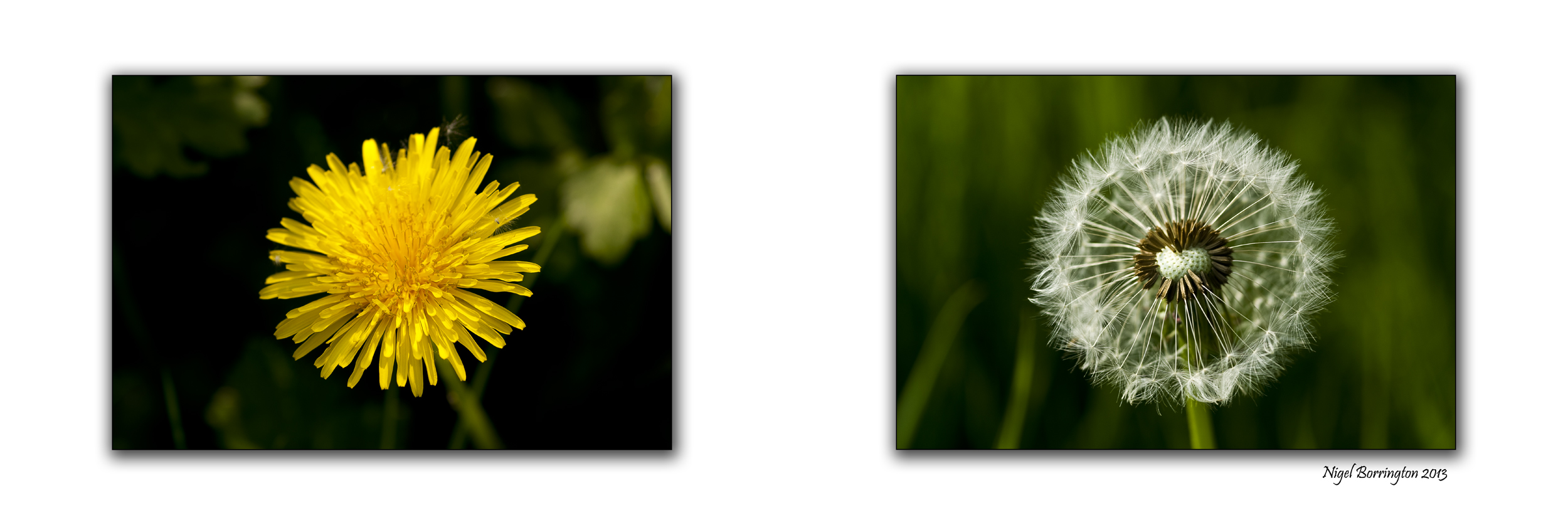
The Dandelion
The Dandelion has to be one of the most available of natures plants and flowers during the summer, but according to the following article it can be used as a very effective drug:
By Peter Gail
Suppose your doctor tells you, on your next visit, that he has just discovered a miracle drug which, when eaten as a part of your daily diet or taken as a beverage, could, depending on the peculiarities of your body chemistry: prevent or cure liver diseases, such as hepatitis or jaundice; act as a tonic and gentle diuretic to purify your blood, cleanse your system, dissolve kidney stones, and otherwise improve gastro-intestinal health; assist in weight reduction; cleanse your skin and eliminate acne; improve your bowel function, working equally well to relieve both constipation and diarrhea; prevent or lower high blood pressure; prevent or cure anemia; lower your serum cholesterol by as much as half; eliminate or drastically reduce acid indigestion and gas buildup by cutting the heaviness of fatty foods; prevent or cure various forms of cancer; prevent or control diabetes mellitus; and, at the same time, have no negative side effects and selectively act on only what ails you. If he gave you a prescription for this miracle medicine, would you use it religiously at first to solve whatever the problem is and then consistently for preventative body maintenance?
All the above curative functions, and more, have been attributed to one plant known to everyone, Taraxacum officinale, which means the “Official Remedy for Disorders.” We call it the common dandelion. It is so well respected, in fact, that it appears in the U.S. National Formulatory, and in the Pharmacopeias of Hungary, Poland, Switzerland, and the Soviet Union. It is one of the top 6 herbs in the Chinese herbal medicine chest.
According to the USDA Bulletin #8, “Composition of Foods” (Haytowitz and Matthews 1984), dandelions rank in the top 4 green vegetables in overall nutritional value. Minnich, in “Gardening for Better Nutrition” ranks them, out of all vegetables, including grains, seeds and greens, as tied for 9th best. According to these data, dandelions are nature’s richest green vegetable source of beta-carotene, from which Vitamin A is created, and the third richest source of Vitamin A of all foods, after cod-liver oil and beef liver! They also are particularly rich in fiber, potassium, iron, calcium, magnesium, phosphorus and the B vitamins, thiamine and riboflavin, and are a good source of protein.
These figures represent only those published by the USDA. Studies in Russia and Eastern Europe by Gerasimova, Racz, Vogel, and Marei (Hobbs 1985) indicate that dandelion is also rich in micronutrients such as copper, cobalt, zinc, boron, and molybdenum, as well as Vitamin D.
Much of what dandelions purportedly do in promoting good health could result from nutritional richness alone. Vogel considers the sodium in dandelions important in reducing inflammations of the liver. Gerasimova, the Russian chemist who analyzed the dandelion for, among other things, trace minerals, stated that “dandelion [is] an example of a harmonious combination of trace elements, vitamins and other biologically active substances in ratios optimal for a human organism” (Hobbs 1985).
Recent research, reported in the Natural Healing and Nutritional Annual, 1989 (Bricklin and Ferguson 1989) on the value of vitamins and minerals indicates that:
* Vitamin A is important in fighting cancers of epithelial tissue, including mouth and lung;
* Potassium rich foods, in adequate quantities, and particularly in balance with magnesium, helps keep blood pressure down and reduces risks of strokes;
* Fiber fights diabetes, lowers cholesterol, reduces cancer and heart disease
risks, and assists in weight loss. High fiber vegetables take up lots of room, are low in calories, and slow down digestion so the food stays in the stomach longer and you feel full longer;
* Calcium in high concentrations can build strong bones and can lower blood pressure;
* B vitamins help reduce stress.
Throughout history, dandelions have had a reputation as being effective in promoting weight loss and laboratory research indicates that there is some support for this reputation. Controlled tests on laboratory mice and rats by the same Romanians indicated that a loss of up to 30% of body weight in 30 days was possible when the animals were fed dandelion extract with their food. Those on grass extract lost much less. The control group on plain water actually gained weight.
Beyond nutritional richness, however, are the active chemical constituents contained in dandelions which may have specific therapeutic effects on the body. These include, as reported by Hobbs (1985):
* Inulin, which converts to fructose in the presence of cold or hydrochloric acid in the stomach. Fructose forms glycogen in the liver without requiring insulin, resulting in a slower blood sugar rise, which makes it good for diabetics and hypoglycemics;
* Tof-CFr, a glucose polymer similar to lentinan, which Japanese researchers have found to act against cancer cells in laboratory mice; Lentinan is a yeast glucan (glucose polymer) that increases resistance against protozoal and viral infections.;
* Pectin, which is anti-diarrheal and also forms ionic complexes with metal ions, which probably contributes to dandelion’s reputation as a blood and gastrointestinal detoxifying herb. Pectin is prescribed regularly in Russia to remove heavy metals and radioactive elements from body tissues. Pectin can also lower cholesterol and, combined with Vitamin C, can lower it even more. Dandelion is a good source of both Pectin and Vitamin C;
* Coumestrol, an estrogen mimic which possibly is responsible, at least in part, for stimulating milk flow and altering hormones;
* Apigenin and Luteolin, two flavonoid glycosides which have been demonstrated to have diuretic, anti-spasmodic, anti-oxidant and liver protecting actions and properties, and also to strengthen the heart and blood vessels. They also have anti-bacterial and anti-hypoglycemic properties, and, as estrogen mimics, may also stimulate milk production and alter hormones;
* Gallic Acid, which is anti-diarrheal and anti-bacterial;
* Linoleic and Linolenic Acid, which are essential fatty acids required by the body to produce prostaglandin which regulate blood pressure and such body processes as immune responses which suppress inflammation. These fatty acids can lower chronic inflammation, such as proliferative arthritis, regulate blood pressure and the menstrual cycle, and prevent platelet aggregation;
* Choline, which has been shown to help improve memory;
*Several Sesquiterpene compounds which are what make dandelions bitter. These may partly account for dandelions tonic effects on digestion, liver, spleen and gall bladder, and are highly anti-fungal;
* Several Triterpenes, which may contribute to bile or liver stimulation;
* Taraxasterol, which may contribute to liver and gall bladder health or to hormone altering.
These chemicals, individually, are not unique to dandelions, but the combination of them all in one plant, along with high levels of vitamins, minerals, carbohydrates, proteins and fiber account for the many claims made regarding the plant.
These claims include the following results of clinical and laboratory research, again as reported in Hobbs (1985):
* A doubling of bile output with leaf extracts, and a quadrupling of bile output with root extract. Bile assists with the emulsification, digestion and absorption of fats, in alkalinizing the intestines and in the prevention of putrefaction. This could explain the effectiveness of dandelion in reducing the effects of fatty foods (heartburn and acid indigestion);
* A reduction in serum cholesterol and urine bilirubin levels by as much as half in humans with severe liver imbalances has been demonstrated by Italian researchers;
* Diuretic effects with a strength approaching that of the potent diuretics Furosemide and Lasix, used for congestive heart failure and cirrhosis of the liver, with none of the serious side effects, were found by Romanian scientists. They found that water extract of dandelion leaves, administered orally, because of its high potassium content, replaced serum potassium electrolytes lost in the urine, eliminating such side effects common with the synthetics as severe potassium depletion, hepatic coma in liver patients, circulatory collapse, and transmission through mothers’ milk;
* In 1979 a Japanese patent was filed for a freeze-dried warm water extract of dandelion root for anti-tumor use. It was found that administration of the extract markedly inhibited growth of particular carcinoma cells within one week after treatment;
* Dental researchers at Indiana University in 1982 used dandelion extracts in antiplaque preparations;
* In studies from 1941 to 1952, the French scientist Henri Leclerc demonstrated the effectiveness of dandelion on chronic liver problems related to bile stones. He found that roots gathered in late summer to fall, when they are rich in bitter, white milky latex, should be used for all liver treatments;
* In 1956, Chauvin demonstrated the antibacterial effects of dandelion pollen, which may validate the centuries old use of dandelion flowers in Korean folk medicine to prevent furuncles (boils, skin infections), tuberculosis, and edema and promote blood circulation.
Also, Witt (1983) recommends dandelion tea to alleviate the water buildup in PMS (pre-menstrual syndrome).
There are many testimonials from those who have benefited from the use of dandelions in the treatment of what ailed them.
Robert Stickle, an internationally famous architect, was diagnosed as having a malignant melanoma 21 years ago, and was given, after radical surgery had not halted its spread, less than 2 years to live. He said, in a letter to Jeff Zullo, president of the Society for the Promotion of Dandelions, (June 23, 1986):
” I went on a search for the answer to my mortal problem, and [discovered] that perhaps it was a nutritional dilemma…. To me, cancer is primarily a liver failure manifestation. {Italians are very concerned about problems of the ‘fegato’]. [I discovered that] the cancer rate in native Italians is very low among the farming population (paesanos). When they get affluent and move to the city, its the same as the rest of civilized man. Paesanos eat dandelions, make brew from the roots, and are healthy, often living to over 100 years.”
He states that he began eating dandelion salad every day, and his improvement confounded the doctors. When he wrote the letter in 1986, 18 years had passed and there had been no recurrence of the melanoma.
Wild Sorrel

Wild Sorrel in the irish woodland
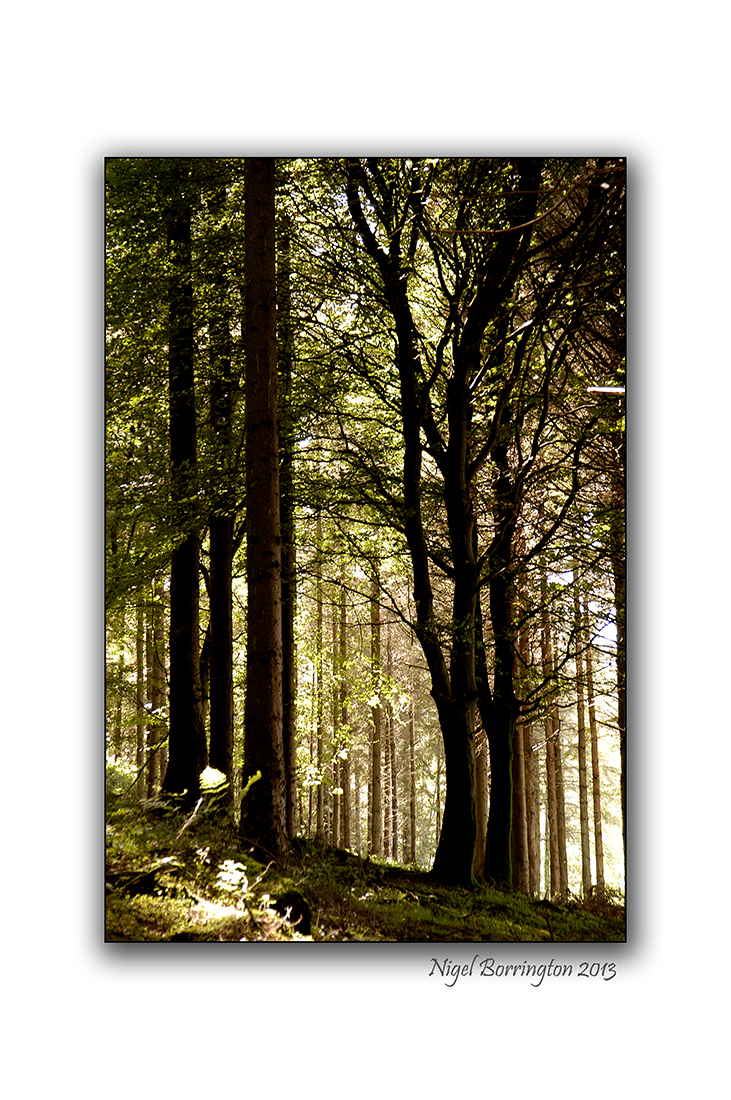
From the Middle of April until the Summer many of Irelands wood-land floors come to life with lots of different plants, Wild Sorrel is one if these that can be fully enjoyed. It can be picked and eaten on your walk or collected and taken home for you fridge.
The leafs of this plant can add to any meal that you are preparing. I love the moment when I first see wild sorrel coming out, its the start of the woodlands bursting into life after a long cold winter.
This web page has a great discription… http://www.wildflowersofireland.net/plant_detail.php?id_flower=243
“Carpeting old, undisturbed woodlands in spring, this pretty downy perennial also grows on moss-covered trees and shady walls and is widespread throughout the country. Each pretty white five-petalled bell-shaped flower (10 – 15 mm) is held solitarily on a stem which comes directly from the roots. The petals are lined with a tracery of pink veins through to the golden centre of the flower. The leaves are trifoliate, each leaflet heart-shaped and these fold up towards late afternoon or in rain as do the fragile flowers. They have a sharp taste of oxalic acid. This flower blooms from April to June, is a native plant and belongs to the family Oxalidaceae.
Also known as Wood Shamrock and Wood Sour, the leaves of this plant were used to make an ointment by early herbalists. Some people eat these leaves in salads or soups but beware, as large doses may cause oxalate poisoning. “
The Pagan tree and forest plants

Trees, herbs, and plants are very important to Druids. They represent their sacred alphabet, they are used for healing, and many Druids name themselves after trees. Trees are the connection between the realms. Ireland was said to be divided into four lands, each occupied by a sacred tree with a fifth tree at the center.
The five most important trees are the oak, rowan, birch, apple, and yew:
The oak is connected with strength, protection, and stability. Some say that the very word Druid derives from duir, the old word for oak.
The rowan is useful for protection, youth, and prophecy.
The birch is symbolic of beginnings, renewal, regeneration, and cleansing. It is also associated with the bard.
The apple tree is the tree of life and is said to reside at the center of the otherworld.
The yew is associated with death and decay because it is very poisonous, but this unique evergreen tree also lives for thousands of years. It is related to the ovate and is frequently found near sacred wells.
Other trees, such as the ash, willow, and hawthorn also frequently appear in mythology and legend.

Foremost among the herbs and plants most revered by Druids is mistletoe. Mistletoe is a parasite frequently found growing on oaks. It is said that mistletoe, which grows off trees rather than from roots in the earth, must never be allowed to touch the earth. It is sometimes called all-heal, but it is poisonous, so use it with caution. Verbena, or vervain, is gathered at Midsummer, whereas mistletoe is gathered at Midwinter. It is used as an offering to the gods. It is also considered a cure-all and is said to ward against evil spirits.

HERB ROBERT, GERANIUM ROBERTIANUM
This herb has been used in medicine for centuries, although in the 20th century, particularly in Portugal it was hailed as a folk cancer remedy when the powdered leaves were taken with a raw, fresh egg yolk. Of course this has not been proven to work. Dioscorides described it and it was known to the old herbalists, who used it mainly for blood problems, as the stalks and leaves turn bright red in autumn, a sign to these old herbalists that it was good for the blood.
This plant is known by around a hundred names some of which refer to other plants more often, such as bloodwort (red dock), and red robin (not ragged robin) and cranesbill, which is native to the US and poisonous. However Stinking Bob is a name given to this herb which is unique to it, and refers to the smell given off by its bruised leaves. It is also called the Fox Geranium, some say because of its “foxy” smell after rain. It is native to hedgerows and woodland in Europe the British isles included, and to temperate Asia as it grows as far east as Japan and in the Himalayan regions.
No one really knows how it became Herb Robert, although there are several contenders for being its namesake, including Robert Duke of Normandy, who died in 1134, St Robert of Molesme, a French monk who died in 1110, and Robin Goodfellow or Puck, the mischievous elf who has a role in Shakespeare’s play “A Midsummer Night’s Dream.” The Latin name Robertianum might be a corruption of ruber meaning red, rather than referring to any specific Robert, Robin or Rupert, names that seemed to have been linked to this plant.
The leaves of Herb Robert are the main part of the plant used for medicinal purposes and an infusion of these has been drunk and used as a wash for the skin, and for inflammation of the eyes. A poultice of the leaves has been used to relieve hardened breasts, to increase lactation in nursing mothers, to relieve irritated skin and the pain of rheumatism and reduce bruising, as well as being applied to herpes sores and ulcers. The infusion can also be used for the same external purposes.
Wild Woodbine

Wild Woodbine
Joan McBreen
Wild woodbine was beyond my reach
in the thick hedges round Lough Gill.
The heavy scent filled the house for days
when my father brought it in
and it stayed fresh far longer
then meadowsweet.
Because I loved the delicate
pink and white wild rose
he picked it too, cursing the thorns, muttering
“it dies too soon,
you’d be better leaving it alone”.
Yet once, when my mother
swept its petals from the floor
I saw him rescue one
and place it carefully
in the small wallet
where he kept her photograph.
Spring rabbit
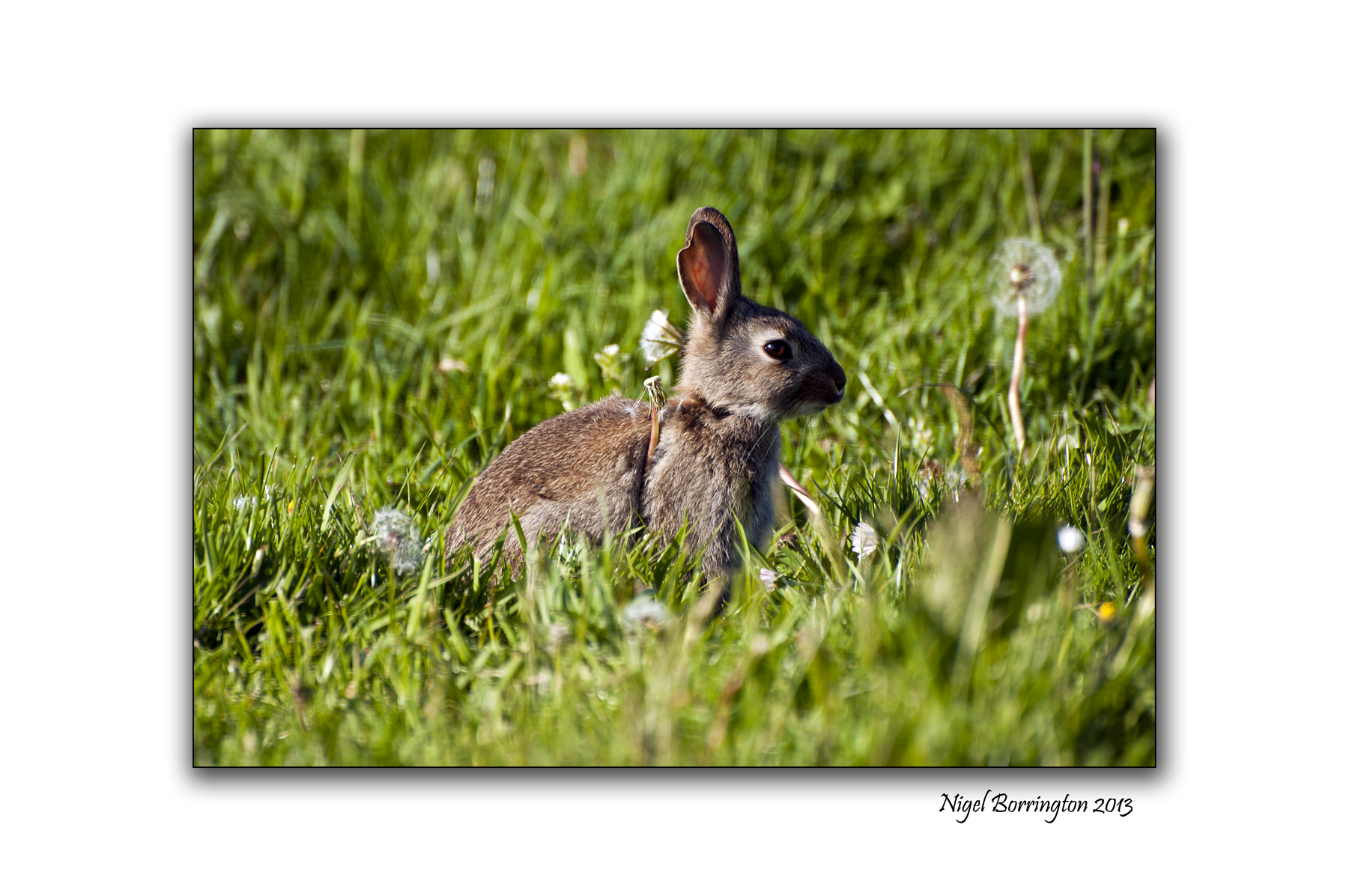
Nikon D7000, 70-300 vr lens
Last Year I posted this image Spring Rabbit, well they are back in the same field and looking as fruitful as ever. Although this little one looks like something almost had him for dinner. Notice the bite out of his ear….
Scanning Nature

Photo challenge
photography a definition
n.
1. the process in art of producing images of objects on sensitized surfaces by the chemical action of light or of other forms of radiant energy.

Over the last few years I have listened to many opinions from all levels of photographers and artists relating to what they think photography actually is, people with big photography studios to others with camera phones and Ipads.
Among this collection of people are people who put themselves firmly into one seat or the other.
Personally I think that photography is the use of any device to produce an image that people like including yourself.
As I kid I remember getting a packet of photo paper from the photography teacher at school and placing an oak leaf over it then placing them both on a window ledge in the sun for a minute or so. I then put the paper back in a black bag and fixed the image in the school dark room. I did one of my photography projects that year based on this and never laid my hands on a camera for it.
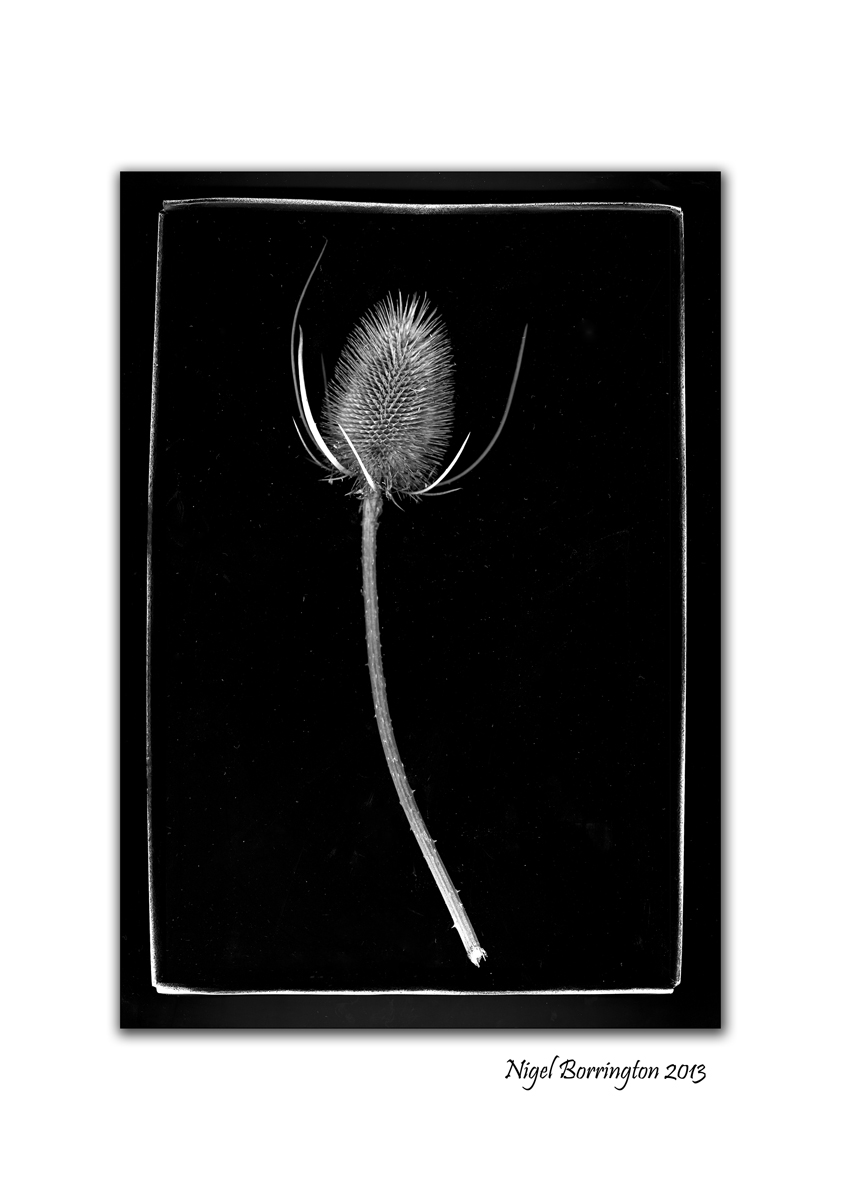
So last autumn I returned to this concept and collected as much as I could find from our local woods and hedgerows and using a scanner created the following set of images.

If you would like to have a go all you need is a scanner and old shoe box and some black spray paint and paper. The black paint is for the inside of the shoe box (Spray two or three coats until fully black) the paper you lay on top of the upside down box as follows.
Place your selected object on the scanner screen and cover this with the upside down shoe box, the black paper covers this, it needs to be A3 in size for an A4 scanner. The edged border you see around my scanned objects is the edged of the shoe box.
So my school project comes of age and into the digital world!
The Poppy
June I cannot want for you and your poppy fields!

The Red Poppy
The great thing is not having a mind.
Feelings: oh, I have those; they govern me.
I have a lord in heaven called the sun, and open for him,
showing him the fire of my own heart,
fire like his presence.
What could such glory be if not a heart?
Oh my brothers and sisters,
were you like me once, long ago,
before you were human?
Did you permit yourselves to open once,
who would never open again?
Because in truth I am speaking now the way you do.
I speak because I am shattered.
by Louise Glück

The flower’s connection with death has been known for countless centuries. The twin Greek deities Hypnos and Thanatos, were illustrated wearing crowns of poppies and the flowers were considered suitable offerings for the dead in both ancient Greece and Rome.
In other parts of the world, poppies have happier associations, In China, it is believed to be lucky to smell the scent of the flower three times a day and in Turkey, they symbolise the promise of health and peace.
Magical properties have also been attributed to the flower. In ‘A Mid Summer’s Night Dream’, Shakespeare writes ” The juice of it on sleeping eyelids laid will make a man or woman madly dote upon the next live creature that it sees”. Peering into the black centre was a traditional folk remedy for insomnia.
Whilst opium is derived from only one of the hundreds of different varieties of poppy, many poppies have sedative effects on those who consume them and poppies are sometimes inscribed on gravestones to symbolise eternal rest. In the popular film, The Wizard of Oz, a poppy field was depicted as dangerous as it caused all those who passed through it to fall asleep forever. Such are the properties of this plant that foods rich in culinary poppy seeds can even result in the failing of an opiate drug test and the sale of poppy seeds is banned in several countries.

Working Together

Nikon D90, May 2011
We work together
We work as one
Though there may be times
When we don’t ‘get on’
We may not always
See ‘eye to eye’
And sometimes we feel
Like saying ‘good-bye’
When this happens
We shouldn’t lose heart
For of ‘something greater’
We are all a part
Each one of us
Has a role to play
In making this
A brighter day
Janice Walkden
The Children of Lir

The Children of Lir Irish story – Long ago there lived a king called Lir. He lived with his wife and four children: Fionnuala, Aodh, Fiachra and Conn. They lived in a castle in the middle of a forest. When Lir’s wife died they were all very sad. After a few years Lir got married again. He married a jealous wife called Aoife.
Aoife thought that Lir loved his children more than he loved her. Aoife hated the children. Soon she thought of a plan to get rid of the children.
One summer’s day Aoife took the children to swim in a lake near the castle. The children were really happy to be playing in the water. Suddenly Aoife took out a magic wand. There was a flash of light and the children were nowhere to be seen. All there was to be seen was four beautiful swans, with their feathers as white as snow.
Aoife said, “I have put you under a spell. You will be swans for nine hundred years,” she cackled. “You will spend three hundred years in Lough Derravaragh, three hundred years in the Sea of Moyle and three hundred years in the waters of Inish Glora,” Aoife said. She also said, “You will remain swans for nine hundred years until you hear the ring of a Christian bell.”
She went back to the castle and told Lir that his children had drowned. Lir was so sad he started crying. He rushed down to the lake and saw no children. He saw only four beautiful swans.
One of them spoke to him. It was Fionnuala who spoke to him. She told him what Aoife had done to them. Lir got very angry and turned Aoife into an ugly moth. When Lir died the children were very sad. When the time came they moved to the Sea of Moyle.
Soon the time came for their final journey. When they reached Inish Glora they were very tired. Early one morning they heard the sound of a Christian bell. They were so happy that they were human again. The monk (some even say it was St. Patrick himself) sprinkled holy water on them and then Fionnuala put her arms around her brothers and then the four of them fell on the ground. The monk buried them in one grave. That night he dreamed he saw four swans flying up through the clouds. He knew the children of Lir were with their mother and father.
 Nigel Borrington
Molly, well she should have been an Otter…
Molly Our Golden retriever just loves to swim, since she was about one year old she is just mad for the water.
If we go for a walk with her and it has not included a dip then she will sit in the boot of the car looking at us as if to say “What about the swim then?”.
I have often wondered just why this is such a strong part of her nature:
Well I found this article on the Pedigree website and it helps in understanding why Golden’s love water, and offers advice if you have a Golden retriever…
Golden Retrievers: Born to Swim
We’ve all seen the Golden Retriever at the beach who chases the tennis ball into the surf for hours. We wonder how he is able to get past the breakers, swim with his head above the chop, and manage the strong currents, focused only on getting that ball and dropping it at the feet of his owner.
The answer is in his DNA. Goldens were bred in Scotland in the mid-19th Century to retrieve waterfowl and game birds. The now-extinct Tweed Water Spaniel was crossed with Irish Setters, Newfoundland dogs, Bloodhounds, and other water retrievers to create the breed we know today. The result is a strong, highly trainable dog with a water-repellent coat that can easily withstand cold water.
Taking the plunge with your favorite Golden
You’ve probably noticed your retriever’s excitement as he gets near water. His instinctive love of water is so strong, trying to hold him back rarely works-so why not join him? Just keep these water safety tips in mind:
If you’re swimming with your Golden near the ocean, remember that he’s probably ingesting some salt water. Carry an ample supply of fresh water for him to drink so he doesn’t become dehydrated during play.
If your Golden is playing with children in a pool or lake, remind them not to hang onto his collar or drag him down. While he’s a stronger swimmer than most children, there is a risk of him getting pulled under.
Remember, cold water is not the deterrent to your Golden Retriever that it is to you. He could jump into frigid waters, and if he can’t get out, this could spell trouble. Leashing your Golden near deep water is a good idea.
Take these few precautions and you can expect years of enjoyment watching your Golden do what he does best-swim effortlessly and endlessly through the water!
Share this:
April 22, 2013 | Categories: Comment, Nature and Wildlife | Tags: Dogs, golden retrievers, swimming dogs | 12 Comments