In The Stump of The Old Tree, Poem By : Hugh Sykes Davies
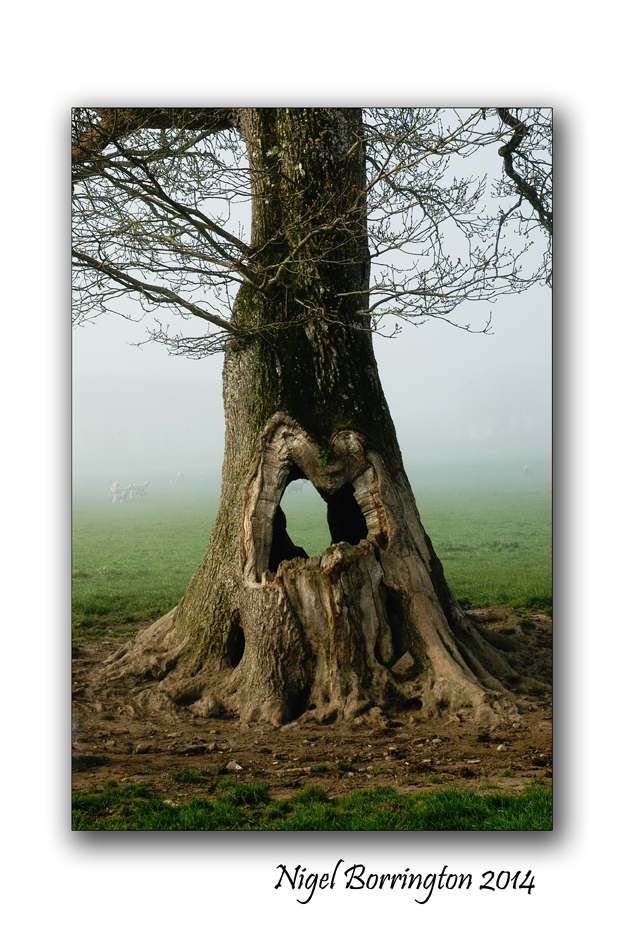
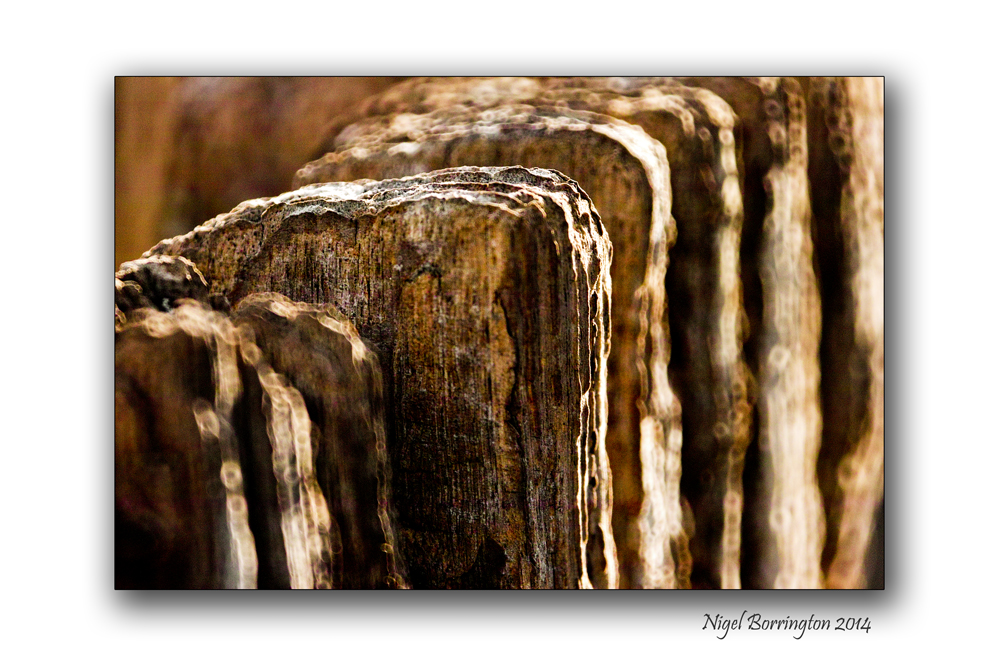
The old Tree at Coolagh, county Kilkenny
Landscape Photography : Nigel Borrington
In The Stump of The Old Tree
By Hugh Sykes Davies
In the stump of the old tree, where the heart has rotted out, there is a hole the length of a man’s arm, and a dank pool at the bottom of it where the rain gathers, and the old leaves turn into lacy skeletons. But do not put your hand down to see, because
in the stumps of old trees, where the hearts have rotted out, there are holes the length of a man’s arm, and dank pools at the bottom where the rain gathers and old leaves turn to lace, and the beak of a dead bird gapes like a trap. But do not put your hand down to see, because
in the stumps of old trees with rotten hearts, where the rain gathers and the laced leaves and the dead bird like a trap, there are holes the length of a man’s arm, and in every crevice of the rotten wood grow weasel’s eyes like molluscs, their lids open and shut with the tide. But do not put your hand down to see, because
in the stumps of old trees where the rain gathers and the trapped leaves and the beak and the laced weasel’s eyes, there are holes the length of a man’s arm, and at the bottom a sodden bible written in the language of rooks. But do not put your hand down to see, because
in the stumps of old trees where the hearts have rotted out there are holes the length of a man’s arm where the weasels are trapped and the letters of the rook language are laced on the sodden leaves, and at the bottom there is a man’s arm. But do not put your hand down to see, because
in the stumps of old trees where the hearts have rotted out there are deep holes and dank pools where the rain gathers, and if you ever put your hand down to see, you can wipe it in the sharp grass till it bleeds, but you’ll never want to eat with it again.
Teifi Marshes Nature Reserve, Cardigan, Pembrokeshire, South Wales
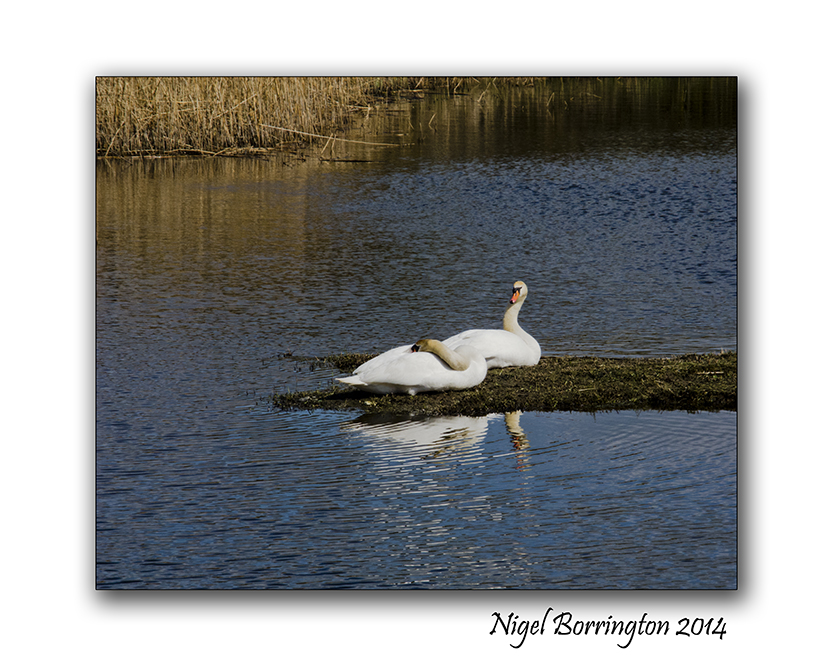
Teifi MarshesNature Reserve
Landscape and Nature Photography : Nigel Borrington
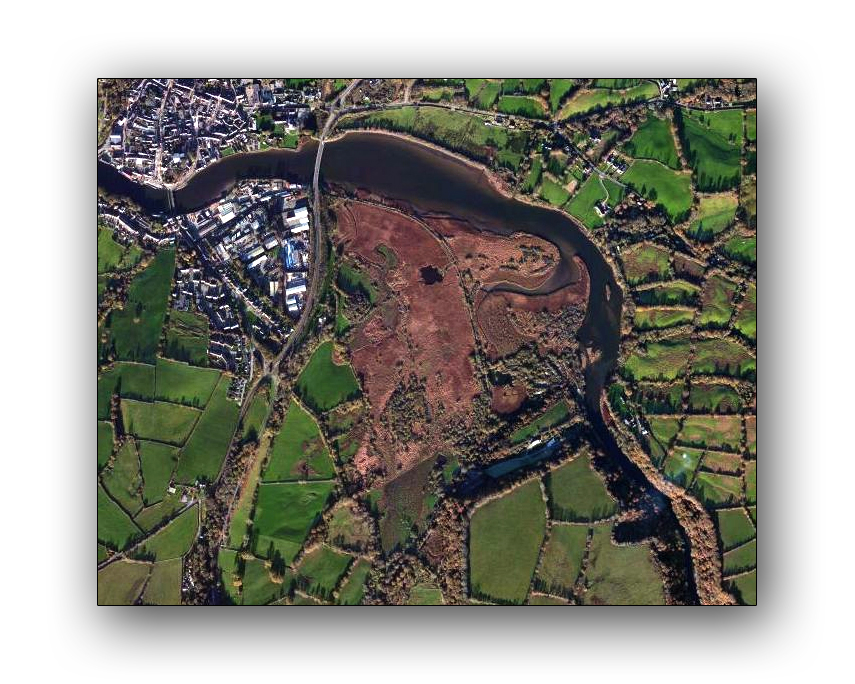
Teifi MarshesNature Reserve
I am getting out of Ireland for this Monday and posting about one of my favourite wildlife and nature reserves just across the water in south west Wales.
Last year I visited the reserve in the early summer time and it was just full of life, the observation huts located around the long paths offer some great views of the river and lake birds that nest here.
There is a wonderful visitors centre and restaurant so you can make a full days visit, stopping at lunch and then if the welsh weather will allow you can return to the outside afterwards. The hides around the reserve do however offer you shelter from the rain so it is possible to visit in the winter as well so you can view the wintering birds that arrive here from much colder countries.
The two very different seasonal ‘faces’ of Teifi Marshes Nature Reserve make this an excellent place to visit all year round. In winter the marsh is subject to extensive flooding and becomes a haven for numerous wildfowl, whilst in summer a visit to the reserve reveals an entirely different range of habitats and wildlife.
The site is owned by the Wildlife Trust of South and West Wales, and is also home to their Welsh Wildlife Centre. This magnificent building, constructed mainly of wood, won an award for its architecture when it was built in 1993.
Teifi Marches Gallery



Between The Sunflowers , Poem by : Andrew Lea
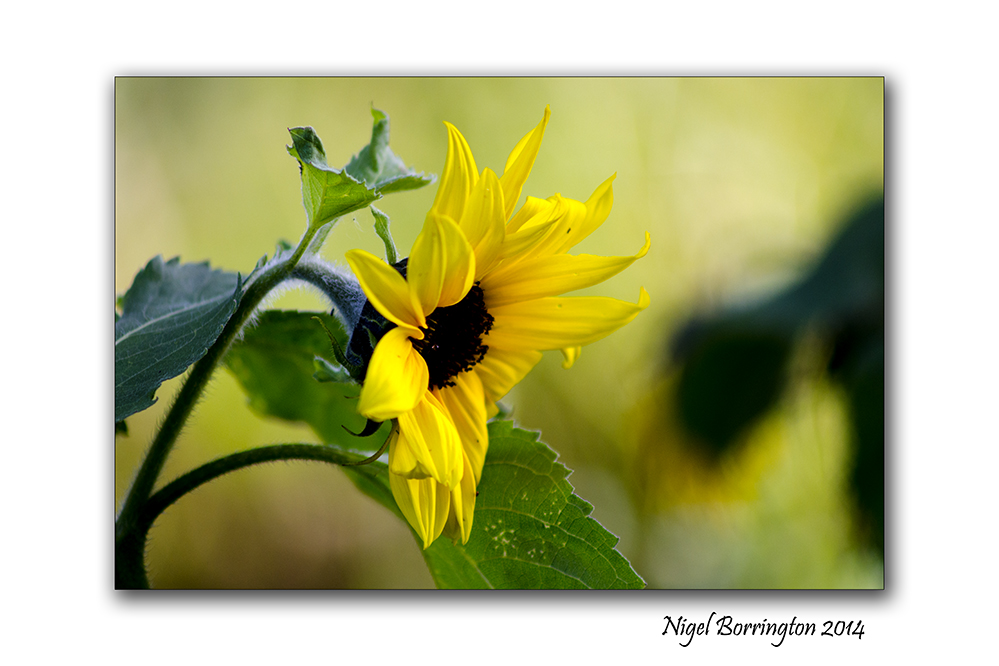
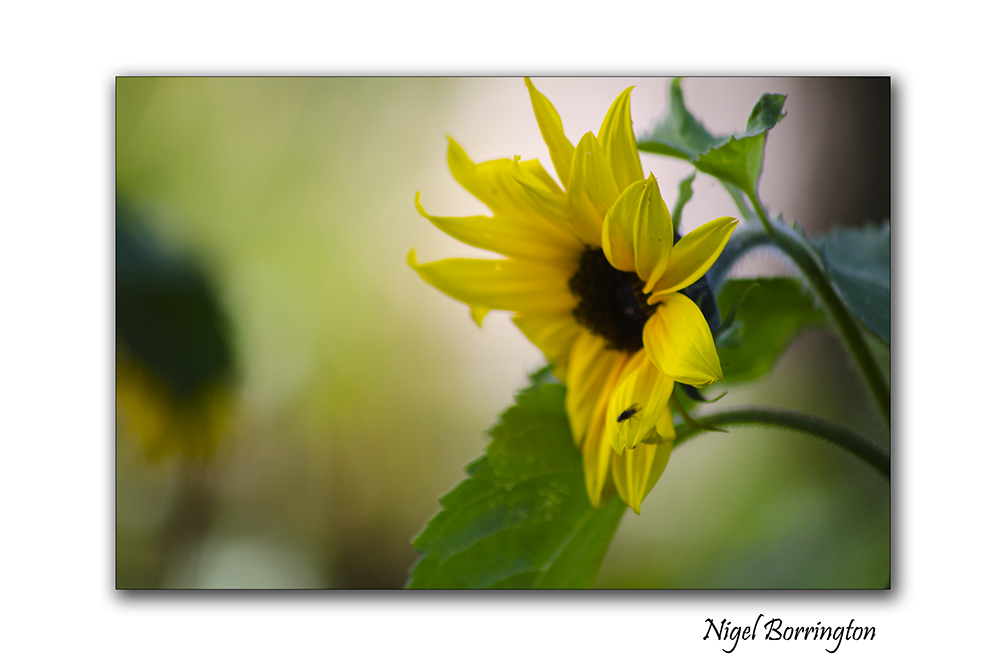
Sunflowers from the Garden
Photography : Nigel Borrington
Between The Sunflowers
He sat between the sunflowers, counting the ants as they crawled across his toes. “27”…”28″—He paused, swearing that he’d seen this one before. “What the hell, 29.”
He sat beneath the oak tree in his back yard, sticky from sunflower sap. The sun, hot and high, rested in the sky strait above him. He would often stare at it, until his eyes stung and he could see the purple spots even after he looked away.
 .
.
He was running, through the halls in the decaying house. Running from the invisible phantoms with their malevolent smiles and sinister goals. Running from the silhouette at the end which was shaped much like his father, only far too tall. Running, with starving lungs and heavy feet as the floor screamed and walls shook, as the windows began to fracture and the entire foundation was torn from the earth under the weight of his fear.
Running, towards the sunflowers, which stood and beautiful under the afternoon sun.
National Botanic Gardens – Dublin

National Botanic Gardens – Dublin
Photography : Nigel Borrington
National Botanic Gardens – Dublin
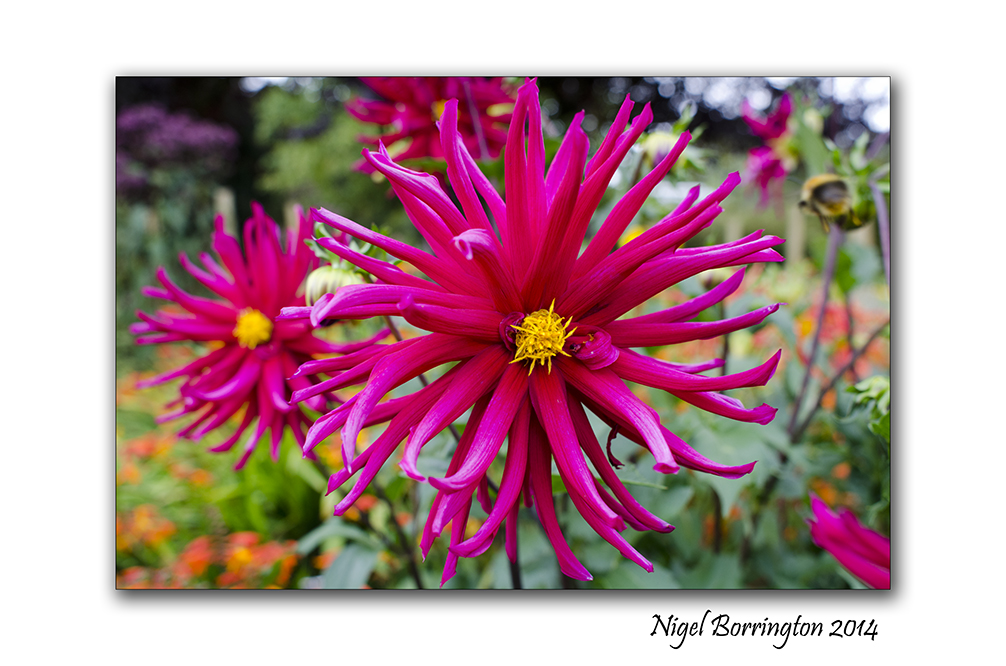
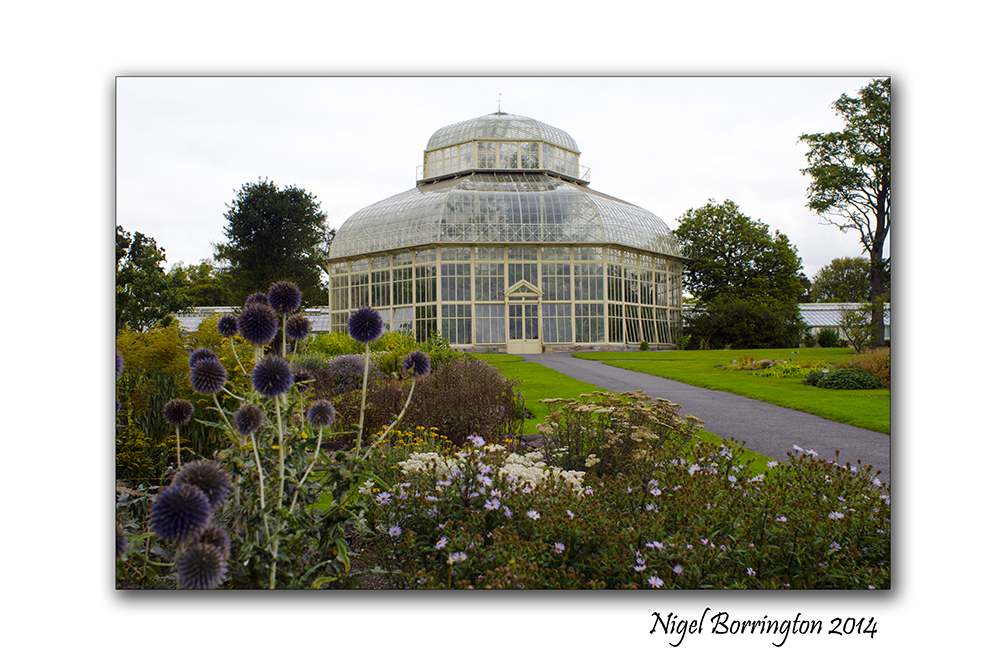
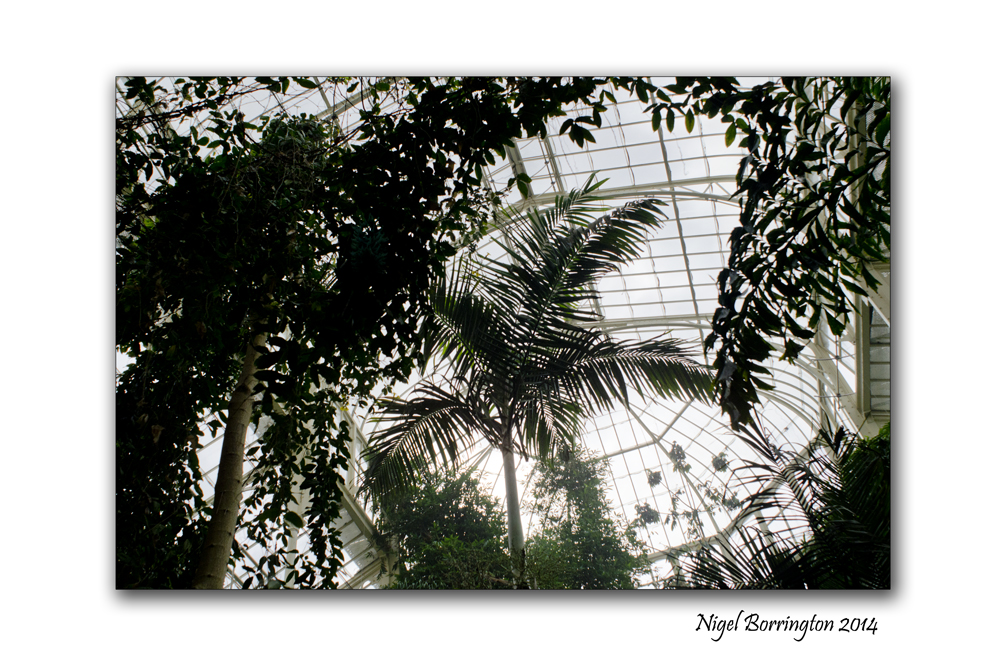
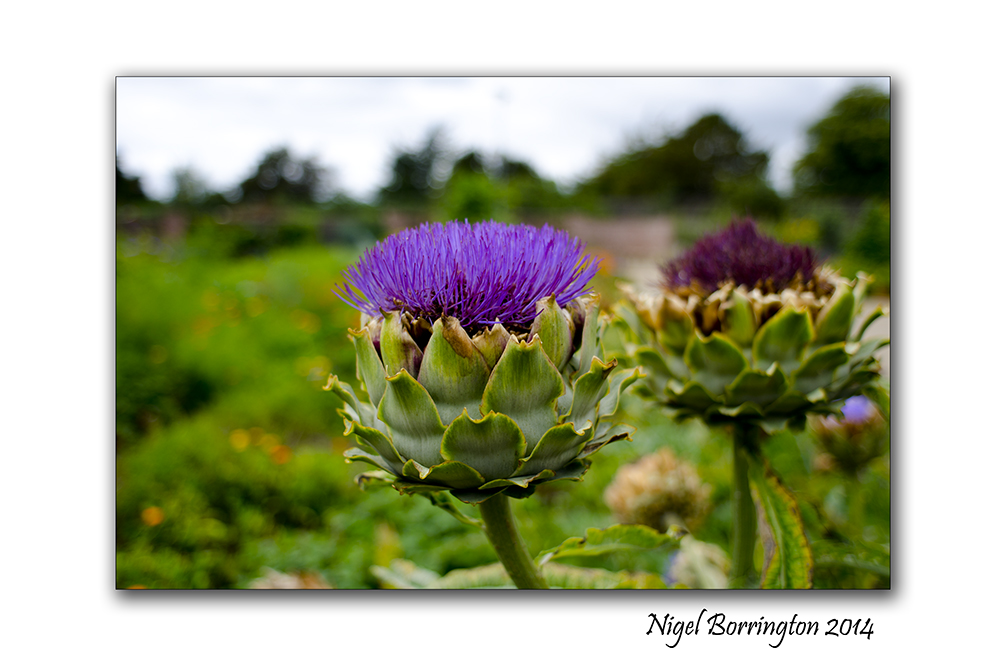
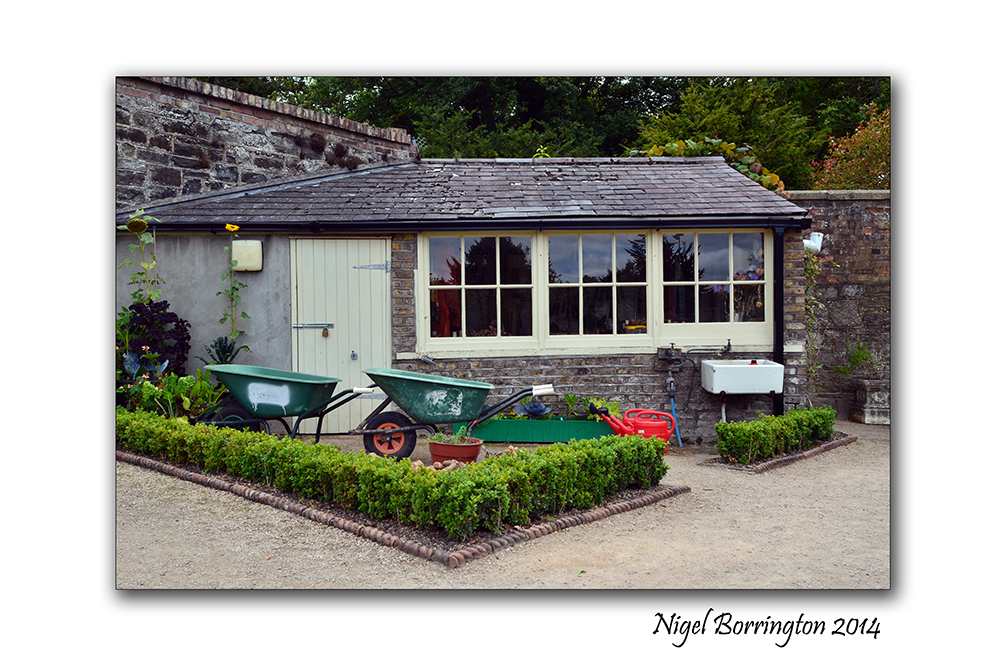
The images here were taken during a visit to the Botanic Gardens Dublin.
These Gardens are one of the best in the country and a wonderful location for flower and nature photography during the summer months.
The following web page is the official site and is a great source for all activities and descriptions of the history and purpose of these internationally respected gardens.
National Botanic Gardens – Dublin
The images I posted here are from a days visit , late summer 2013. There are many great things to see and places to eat here so you can spend a full day just browsing and learning.
Gallery






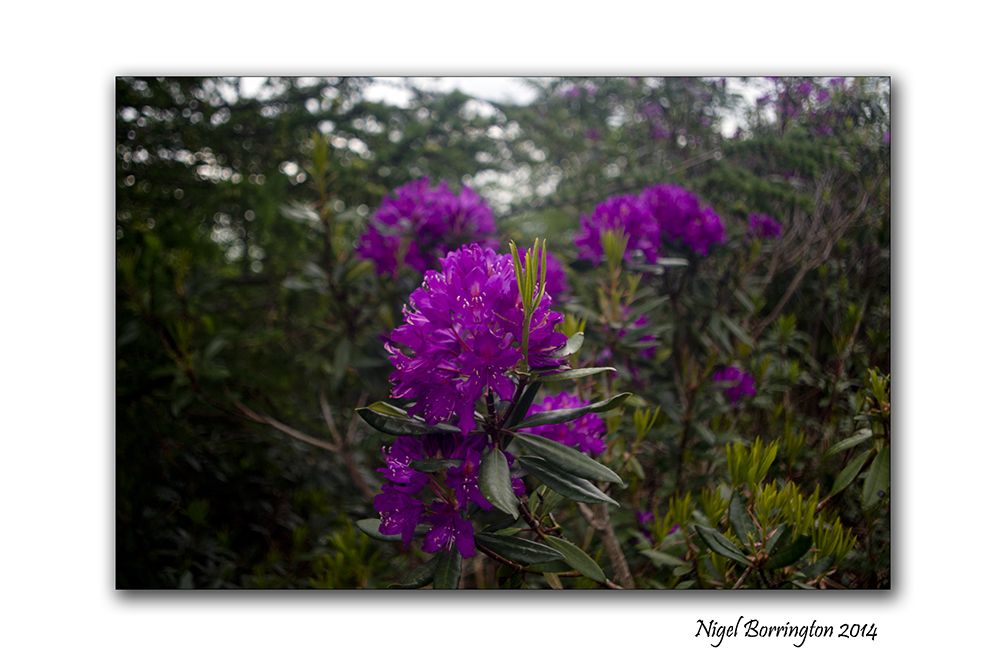
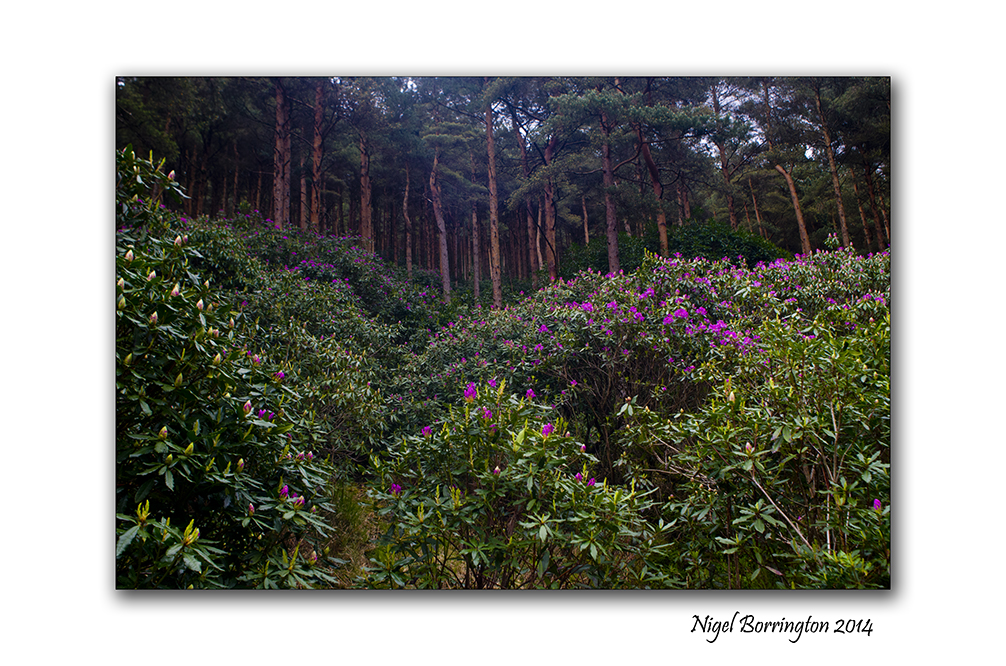
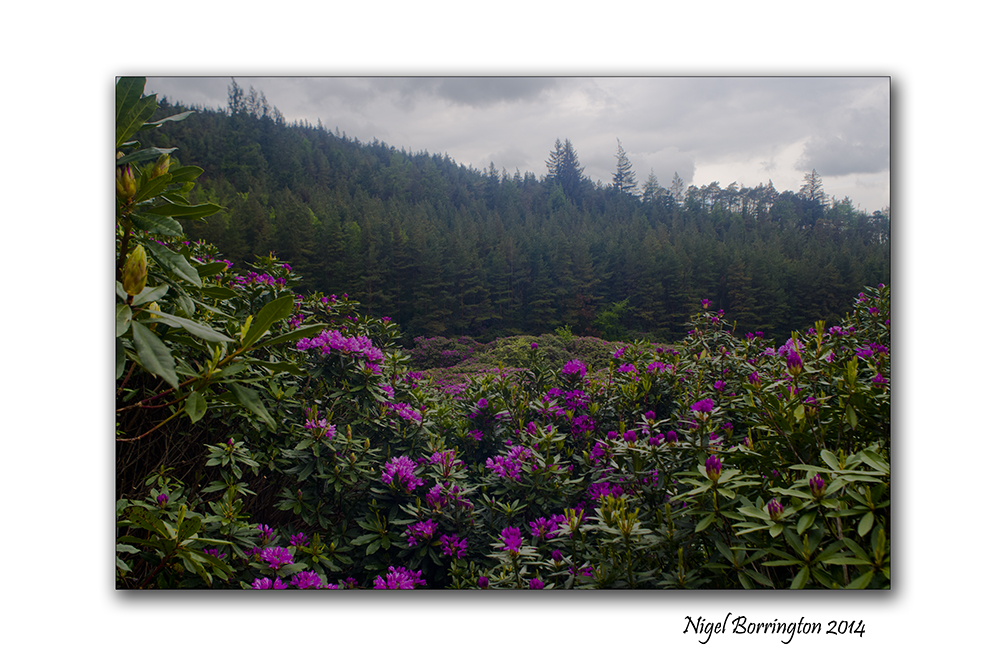
Rhododendron laden hillsides, Poem and Image gallery.

Rhododendron at the Vee, County Tipperary
Landscape Photography : Nigel Borrington
Rhododendron laden hillsides
Summer
Comes ’round again,
Bringing life back to flow’rs.
Roses shall start to bloom once more,
And mighty White Oaks shall be green with leaves.
Rhododendron laden hillsides
And Lady Slippers nod:
Slowly fading
Summer.
~Timothy~
Rhododendron hills , Image Gallery




Images from a field of blue bells – Poem : ‘The Bright Field’ by R. S. Thomas

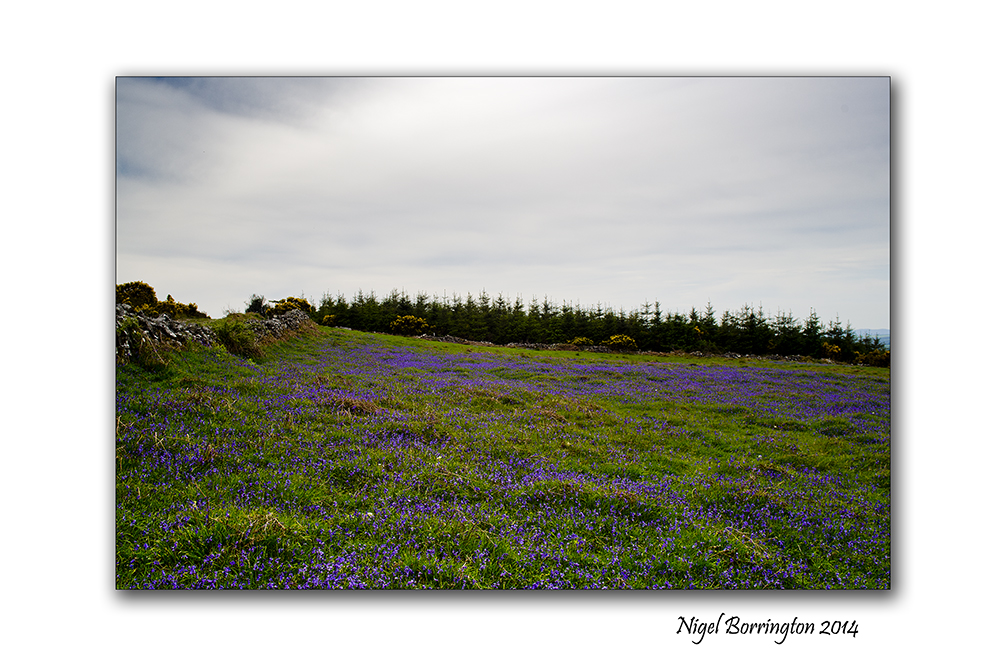
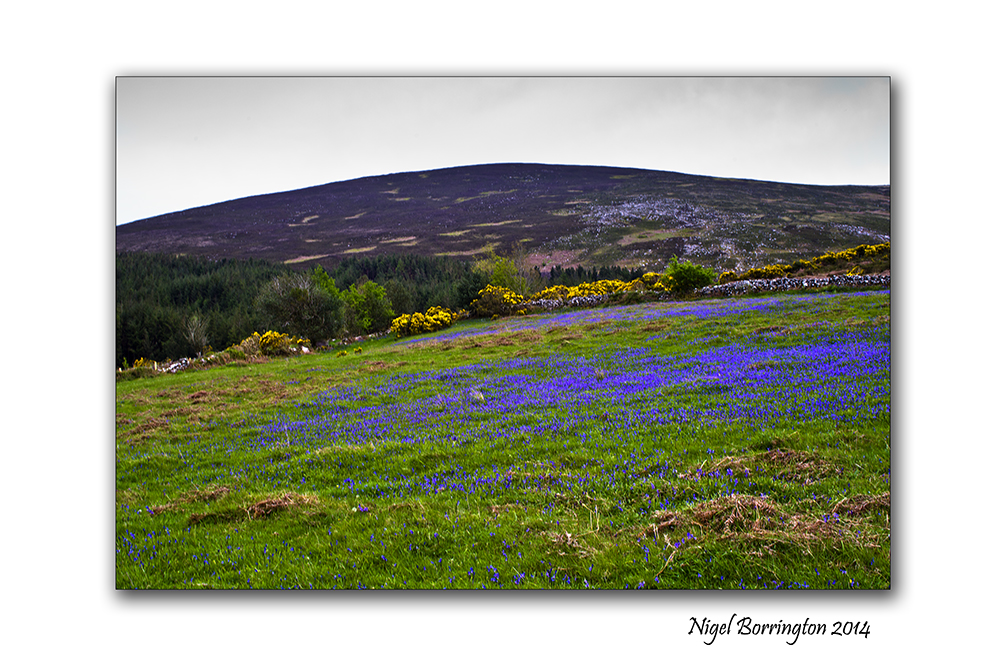
Our dog Molly, In the Blue bells field, Slievenamon, County Tipperary
Landscape Photography : Nigel Borrington
Located on the west slopes of Slievenamon , County Tipperary, is a small yet wonderful little field .
To reach it you have to walk some thirty minutes through wood-lands and up a mountain track, finally reaching a gate. The site that welcomes you in May is that of a field full of blue bells and an old derelict farm cottage. This cottage would be able to tell some amazing stories and if it only could!
Above the field are the mountain slopes that I am much more use to seeing, with mountain heather and scrub lands, streams and baths.
I have visited this field many times, its a great location during the summer and a wonderful escape and resting place after a walk to the top of the mountain.
I just wanted to share one of my most loved local locations here and also one of my most loved Poems by R. S. Thomas, which I feel is perfect for this post ….
The Bright Field
by R. S. Thomas
I have seen the sun break through
to illuminate a small field
for a while, and gone my way
and forgotten it. But that was the
pearl of great price, the one field that had
treasure in it. I realise now
that I must give all that I have
to possess it. Life is not hurrying
on to a receding future, nor hankering after
an imagined past. It is the turning
aside like Moses to the miracle
of the lit bush, to a brightness
that seemed as transitory as your youth
once, but is the eternity that awaits you.
The field a Gallery



The Blue Monday’s of May – Sitting in the Bluebells
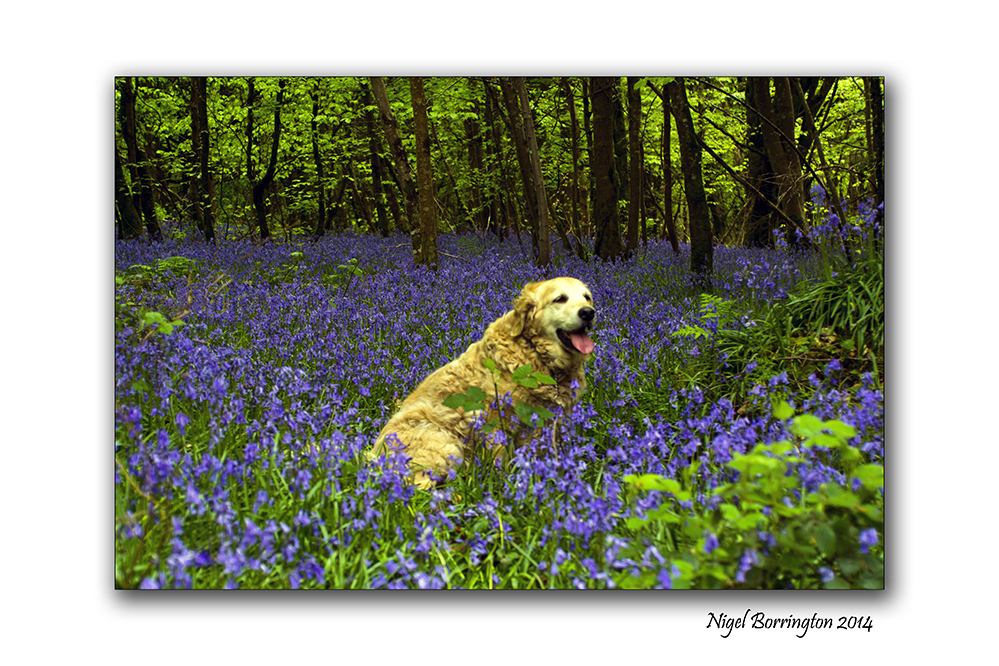
Bluebell Monday in Knockadrina woods, County Kilkenny
Landscape photography : Nigel Borrington
Blue Monday’s of May
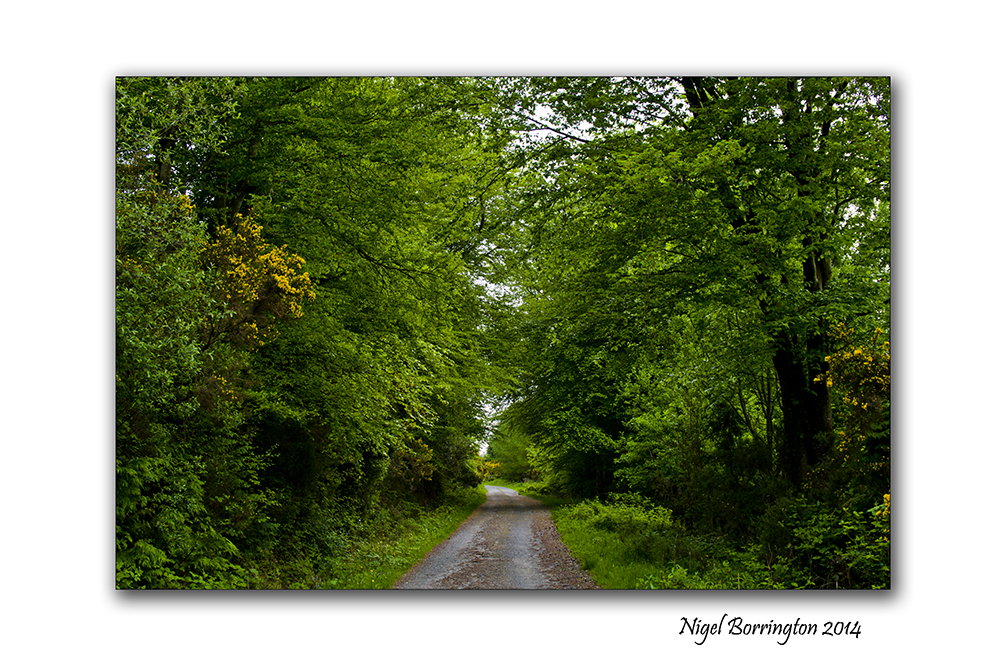
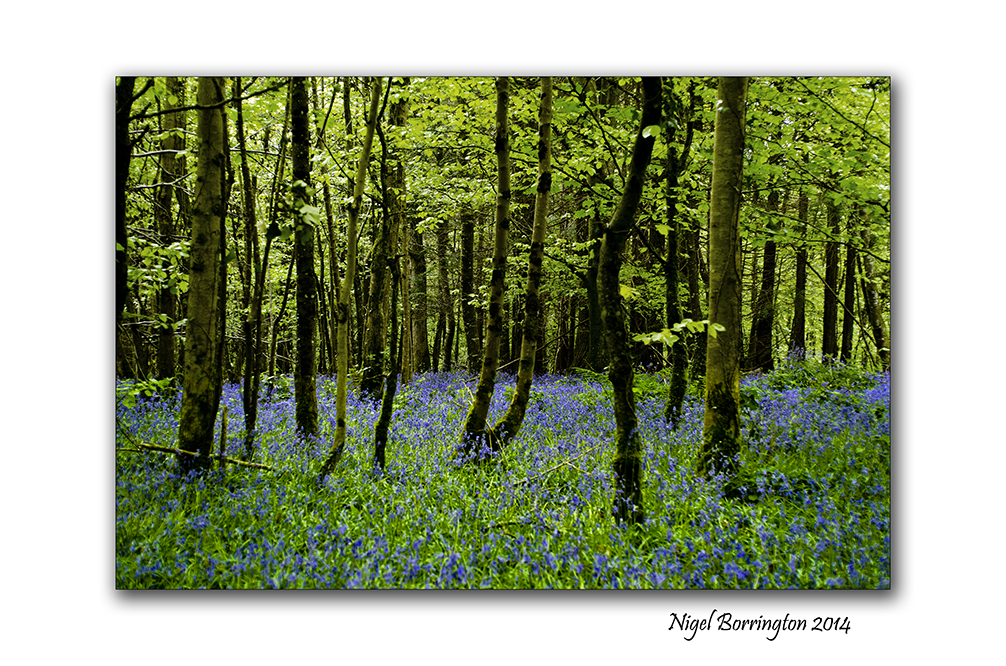
Monday again and the month of May is truly in full flight in our local woodlands, In an effort to get my week started I took Molly for a walk in the woods and found the entire woodland floor covered in Blue bells.
Each Springtime these wonderful flower, fill the woods with the colour blue and its just a fantastic moment. It easy to forget just how green the these place are for most of the year. We get the odd purple orchid and yellow of other flowers but only during May do we get the colour blue filling the forest floor in every direction.
The Month of May – a blue month…….


The greens of these trees these leaves, poem by : Shalom Freedman

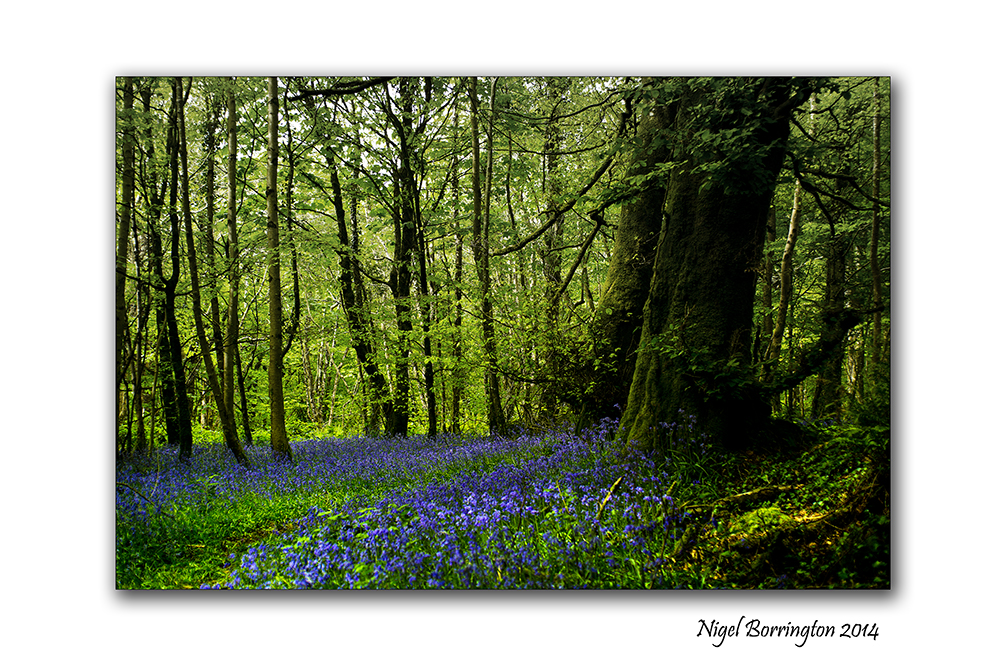
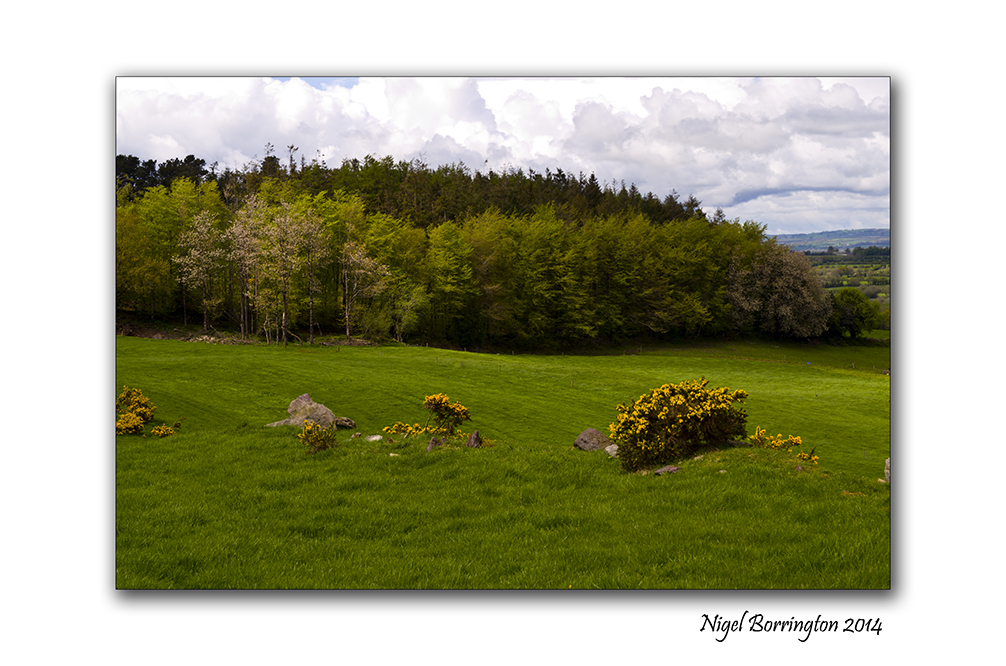
Landscape view of Ballyhenebery. County Kilkenny
Irish Landscape photography : Nigel Borrington
The greens of these trees these leaves
By : Shalom Freedman
The greens of these trees these leaves
The many shades of green-
Olive green and deep dark green and yellow green
And greens I see but have no name for-
So many shades of light and beauty in green
And I with my eyes loving them all
And delighted and made happy by them all-
 .
.
Wondering why and how this world
Has so so much Beauty
Just in green alone –
And being deep in happiness
At being alive
And loving them more
In wondering why and how
I will not one day
be able to see them all again..

The first spring Primrose on the river Lingaun

Primrose along the river Lingaun
Nature Photography : Nigel Borrington
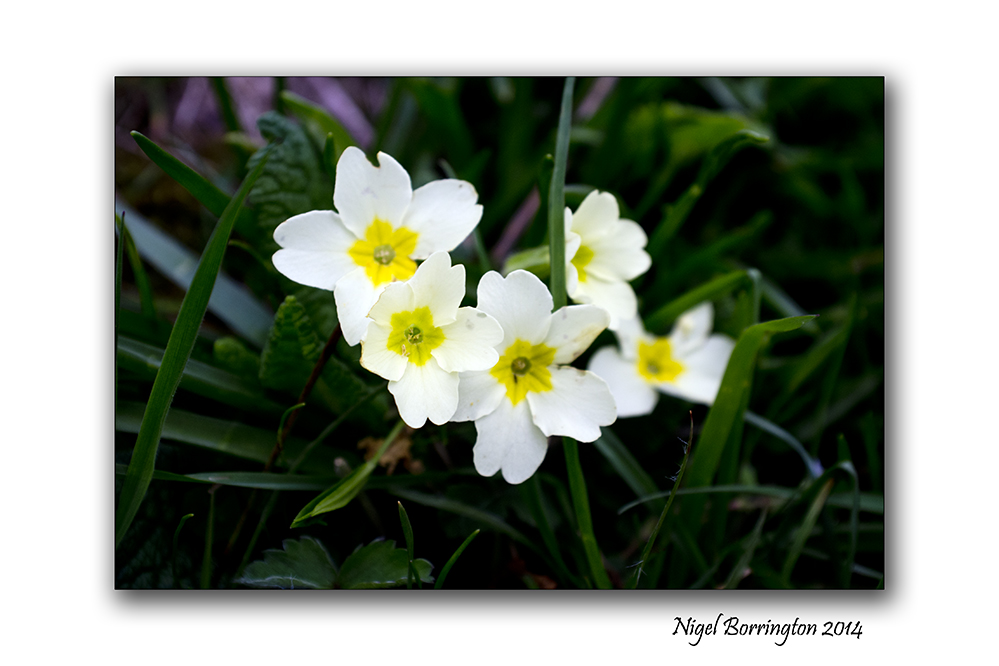
At the end of June 2013 I posted about the “last of the Primrose” , well its hard to believe that its a full year since the first Primrose’s flowered in 2013 but these wonderful little river bank flowers are back again.
These Primrose grow beside the banks of the river Linguan as it works its way down towards the river suir, at Carrick -on-suir. I take Molly our golden retriever here for a swim in the rock pools, its a perfect place on a spring day.
I found the following information about Primrose’s :
Botanical Information
Primrose Flowers
Primroses grow on shady river banks, and in woods and hedges and are common in Ireland. The characteristic rosette of green crinkled leaves appears first in March. The flowers then come up on individual stalks and open in the month of April. The flowers have five pale yellow petals.
In some flowers the stems are very long and the centre is small – these are called thrum flowers. If on the other hand you are looking at a flower with very short stem, it is called a pin flower.
They are perennial flowers, which means that they survive from year to year and grow again every Spring without having to be planted.
Folklore
Primroses were very important to farmers long ago for their cows. The butter-making season began in May and in order to be sure that the cows would produce lots of milk for butter, primroses were rubbed on their udders. In other houses primroses were scattered on the thresholds of houses before dawn on May day to protect the butter from the fairies.
Primroses were also associated with hens and the laying of eggs. It was considered unlucky to bring primroses into the house if eggs were being hatched there.
Primroses were often gathered and given as a gift. However it was considered to be very unlucky to give just a single primrose, whereas a very full bunch would be a protection against evil spirits.
Primroses bloomed in Tír na nÓg and people returning from there in the old Irish legends always brought primroses as proof that they had been there.
In folk medicine, rubbing a toothache with a primrose leaf for two minutes would give relief from the pain. It was also widely used as a cure for jaundice.
Poem
What is a Primrose?
To the question, “what is a primrose?”
There are several valid answers
One person says,
“A primrose by the river´s brim”
A yellow plant was to him, just that.
Nothing more.
Another, a scientist, says,
“A primrose is a delicately balanced
Biochemical mechanism requiring
Potash, phosphates, nitrogen and water
In definite proportions”
A third person says they are,
“Primrose of spring from the gods”
All these statements are true.
Primrose along the river Lingaun, Gallery



The Children of Lir

Swans at Haywood house Gardens
Nature and Wildlife photography : Nigel Borrington
The Children of Lir is a very old Irish legend. The original Irish title is “Clann Lir or Leanaí Lir”, but Lir is the genitive case of Lear. Lir is more often used as the name of the character in English. The legend is part of the Irish Mythological Cycle, which consists of numerous prose tales and poems found in medieval manuscripts.
The Children of Lir
Long ago there lived a king called Lir. He lived with his wife and four children: Fionnuala, Aodh, Fiachra and Conn. They lived in a castle in the middle of a forest. When Lir’s wife died they were all very sad. After a few years Lir got married again. He married a jealous wife called Aoife.
Aoife thought that Lir loved his children more than he loved her. Aoife hated the children. Soon she thought of a plan to get rid of the children.
One summer’s day Aoife took the children to swim in a lake near the castle. The children were really happy to be playing in the water. Suddenly Aoife took out a magic wand. There was a flash of light and the children were nowhere to be seen. All there was to be seen was four beautiful swans, with their feathers as white as snow.
Aoife said, “I have put you under a spell. You will be swans for nine hundred years,” she cackled. “You will spend three hundred years in Lough Derravaragh, three hundred years in the Sea of Moyle and three hundred years in the waters of Inish Glora,” Aoife said. She also said, “You will remain swans for nine hundred years until you hear the ring of a Christian bell.”
She went back to the castle and told Lir that his children had drowned. Lir was so sad he started crying. He rushed down to the lake and saw no children. He saw only four beautiful swans.
One of them spoke to him. It was Fionnuala who spoke to him. She told him what Aoife had done to them. Lir got very angry and turned Aoife into an ugly moth. When Lir died the children were very sad. When the time came they moved to the Sea of Moyle.
Soon the time came for their final journey. When they reached Inish Glora they were very tired. Early one morning they heard the sound of a Christian bell. They were so happy that they were human again. The monk (some even say it was St. Patrick himself) sprinkled holy water on them and then Fionnuala put her arms around her brothers and then the four of them fell on the ground. The monk buried them in one grave. That night he dreamed he saw four swans flying up through the clouds. He knew the children of Lir were with their mother and father.
Damselfly, Poem by : Sara Nummenpää

A Damselfly along the Kings river,
County Kilkenny,
Nature and Wildlife Photography : Nigel Borrington
Damselfly
By : Sara Nummenpää
you’ve swept me away
in your rivers,
completely.
do you know you steal my breath?
I can’t help it, I surrender
to you, so
surround me, encompass me,
cover me with your skin,
your flesh and wings;
lead me, I know you can.
lead me,
for just a while, and
I’ll lead you,
follow you,
until you find
what you are looking for.
 .
.
I am yours to break.
and if you ever want
to forget me for a while,
to lead me no longer –
that is okay,
for you’ve loved me once,
and that is enough.
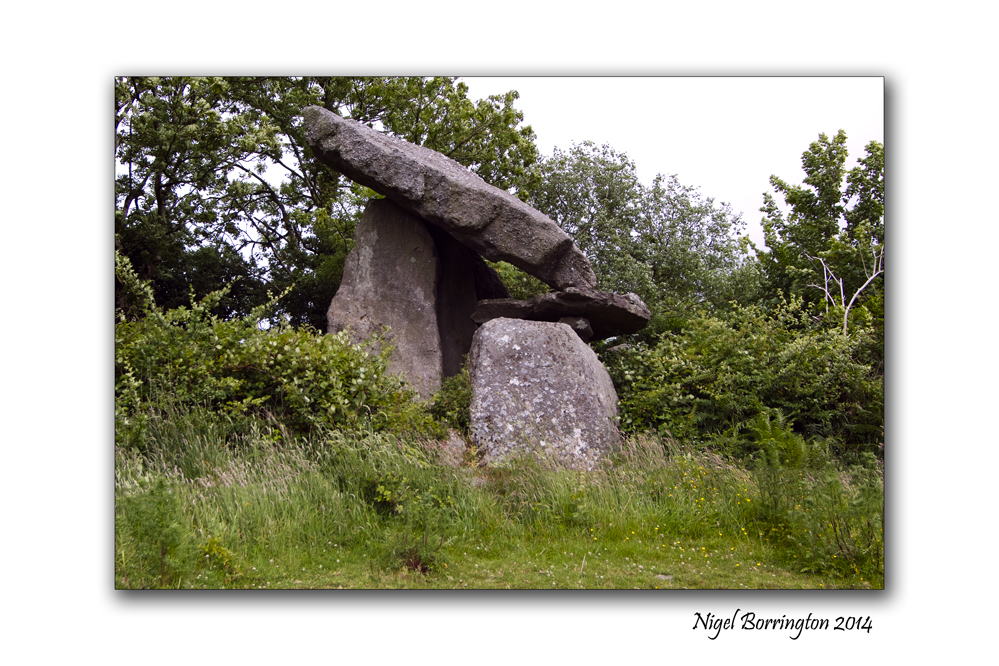
Kilmogue Portal Tomb, six thousand year of age.

Kilmogue Portal Tomb, county KIlkenny
Irish Landscape photography : Nigel Borrington
Kilmogue Portal Tomb
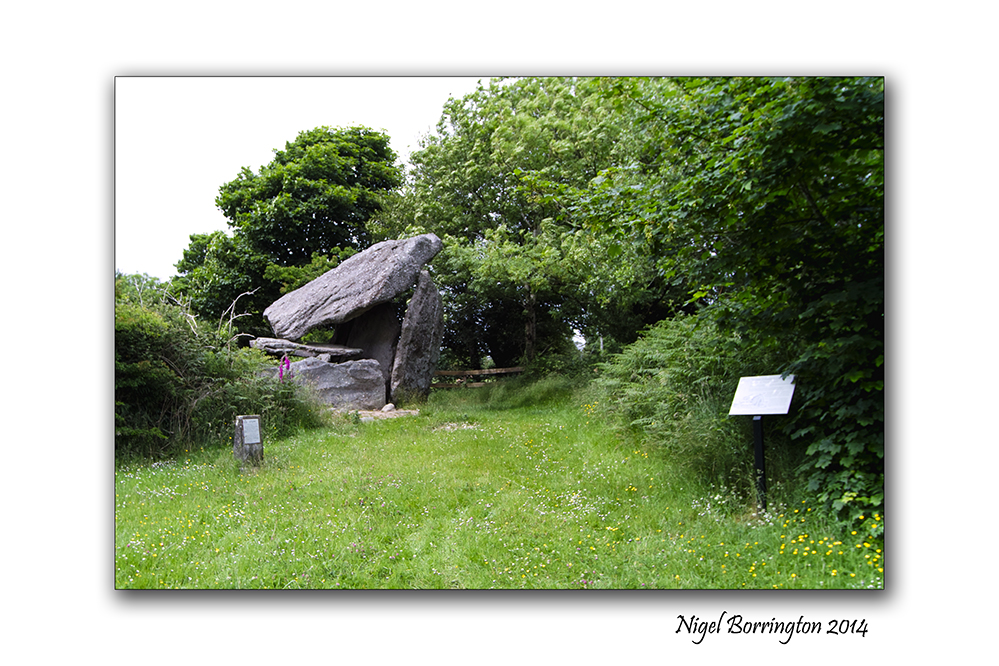
Sitting at the end of a short path near Harristown, county kilkenny, is a six thousand year old tomb, know nationally at the Kilmogue Portal Tomb but locally as, “Leac an Scail” – stone of the warrior/hero in English.
I have visited the site many times and I still find it an amazing location, the site has a sign placed near it that you can see below. It clearly states that the site has never been officially excavated, as is the case for many of these locations in Ireland. From evidence of Tombs constructed in exactly the same way around the European continent it is thought to be some six thousand years old. To put this in context , the great pyramids in Egypt were constructed around 2560 BC, so this tomb is some 1500 years older.
The tomb is constructed with a very large cap stone and side walls and it is hard to imagine just how the cap stone was lifted into place. The stones that can still be witnessed here would however have been surround by a mount of earth that has been long removed or washed away by six thousand years of rain. This earth mount would have been large maybe some 20 meters in diameter. It was likely then that the walls of the tomb were put in place first and supported with wood, then the earth mound constructed and finally the large cap stone rolled up the sides into its place and covered with more earth on top.
It is not known who’s tomb this was but the person buried here must have been considered very important in this Neolithic community, and the tomb would have acted as a place of memory for them and as was the tradition at the time the community would have held ceremonies here.
Each time I have visited I wonder just what these people where like, they were clearly pagan in their beliefs and very close to their surroundings and its nature. Life would have been completely different from the life we know, they lived and moved to the cycles of the seasons, they eat and lived from the wildlife and nature that surrounded them, in some season they would have little food. They most likely had Gods and figure heads yet we have a tendency to place our own modern religious understanding on-to what this meant to them.
It is likely that their Gods were Mythical in nature and derived from memories of real people who Mythically they created with different elements and forces of life and nature that affected the lives they lived.
List wikipedia page lists some of these Gods and Goddesses and shows the forces in life and nature that they related to.
I hope that the images below relate the Tomb and its location, the surrounding Landscape is very rural and one of county Kilkennys biggest dairy farming areas.
Leac an Scail, Image Gallery




In a Sleepy Hollow, Wild Sorrel grows

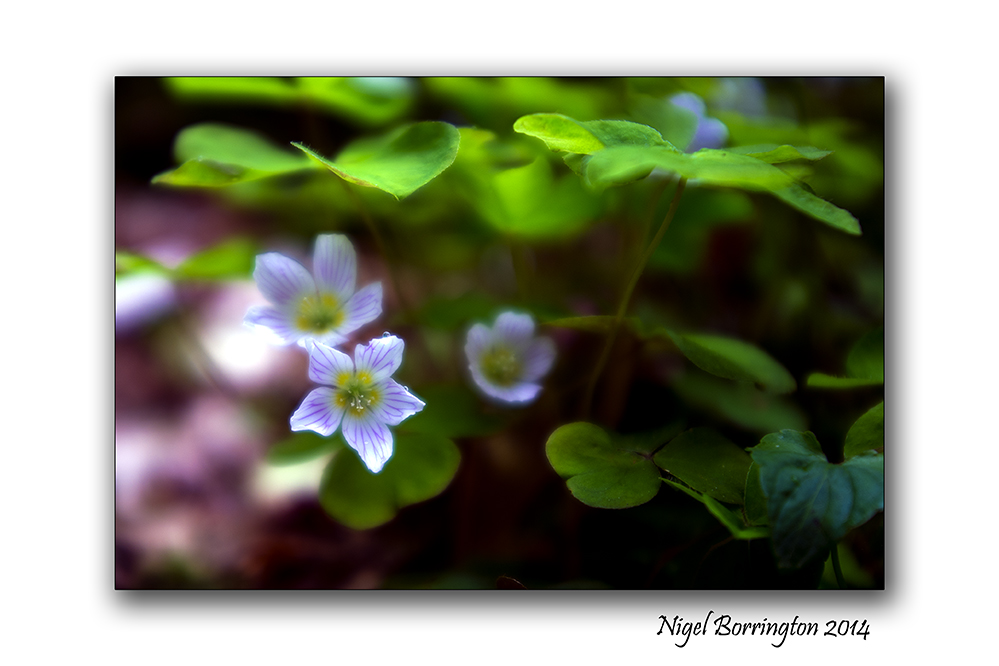
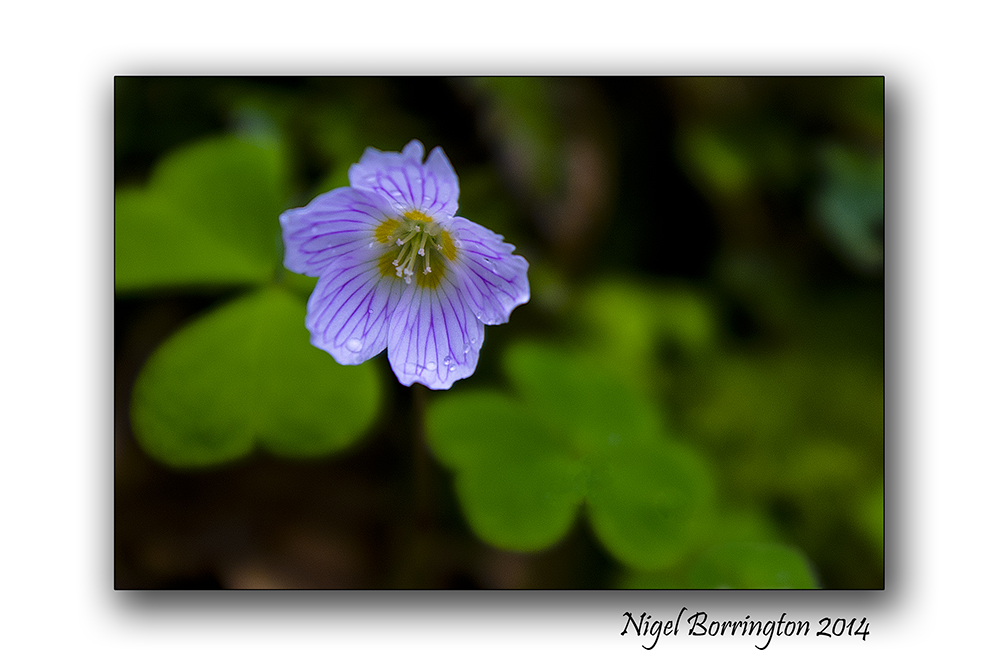
Wild woodland Sorrel, Glenbower, Owning, county kilkenny
Irish Nature photography Nigel Borrington
In a Sleepy Hollow, Wild Sorrel grows
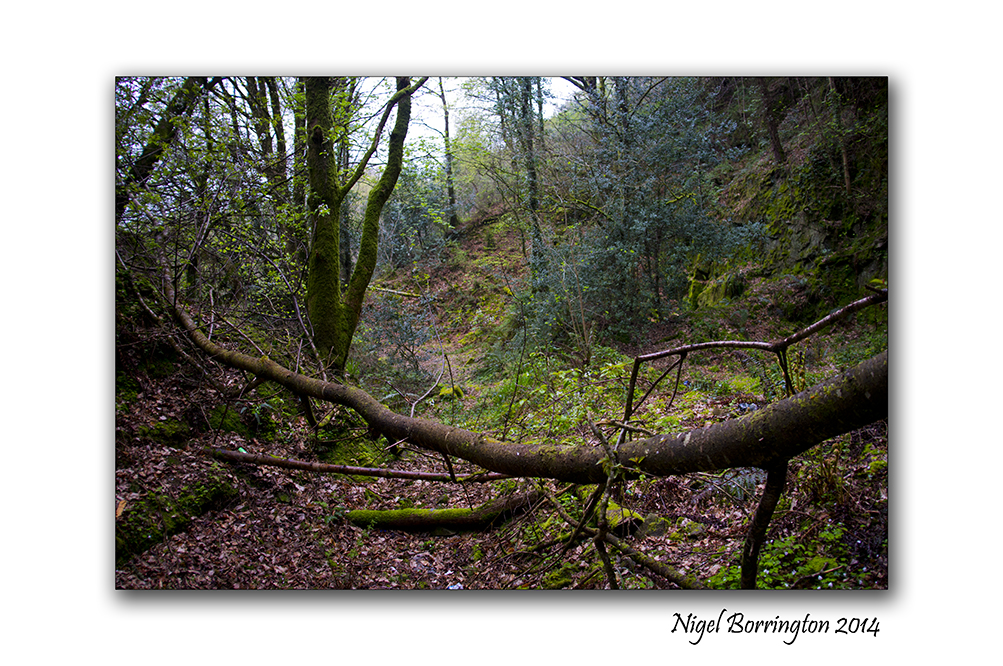
Glenbower woodlands is located near the village of owning in the south of county Kilkenn. In the middle of the wood is located a deep and very sleepy hollow, in winter the hollow is covered in fallen leaves from the trees that are located on the very edges of cliffs above.
Spring time however brings new life with fox dens located in the cliffs and a carpet of ferns and Wild woodland Sorrel with its many white and purple flowers.
Sorrel is found carpeting many Irish old, undisturbed woodlands in spring, this pretty downy perennial also grows on moss-covered trees and shady stone walls and is widespread throughout the country.
Each pretty white flower has five petals, bell-shaped some (10 – 15 mm), held on a stem which comes directly from the roots. The petals are lined with a tracery of purple veins through to the golden centre of the flower. The three petalled heart-shaped leafs fold up towards late afternoon or in rain as do the fragile flowers.
They Can be eaten and have a sharp taste of oxalic acid, wonderful with salads and as a garnish. The flowers blooms from April to June.
Wild Sorrel is a native plant to Ireland and belongs to the family Oxalidaceae.
Sleepy Hollow Image Gallery



Easter (Ostara) time and the, Hawthorn Flowers

Crataegus monogyna, Common hawthorn, County Kilkenny
Nature Photography : Nigel Borrington
Easter(Ostara) time and Hawthorn flowers
In my last post I hinted that I was going to take a little time off over the Easter holidays, sometime away from my phone or laptop and get outside as much as possible, its spring time here and after all our winter storms the landscape is returning to life with colour and wildlife in full flow.
Yesterday I took some time to do some long walks, just myself and Molly our Golden retriever, around many of county Kilkenny’s paths and country lanes.
Each Easter here one of the first signs of Spring and Summer is the Hawthorn flowers, Hawthorn is a very popular form of hedging in the county and all the road side and field hedges turn to white as the flowers bloom.
The images here I hope show just how white and full these flowers are, its a wonderful sight each year and really lets you know that summer is only just around the corner..
Hawthorn Flowers : Gallery


Easter (Ostara) Holidays in the Landscape.
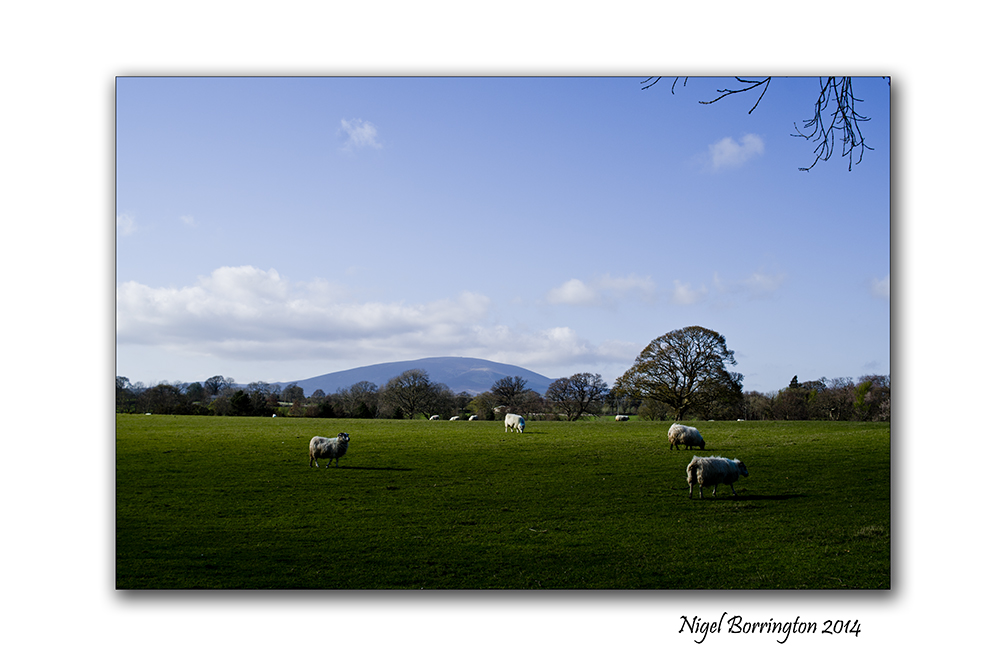
Easter Holidays in the Irish Landscape
Landscape Photography : Nigel Borrington
Easter (Ostara)
Easter to many Christians marks a religious holiday and the two weeks around Easter weekend is traditionally a Holiday time.
Before the Christian tradition however it was still marked as Ostara by the Pagan world, marking a time of rebirth and new life, Life has returned to the landscape with new growth and natural foods available. Wild life is on the move again starting to make plans for a new breeding season, finding foods themselves and getting to put some much needed body weight back on.
Over the next two weeks I want to get out and capture these changes, as the march towards the summer months feels ever closer and closer.
Image Gallery



The Blackbird, A Poem by : William Ernest Henley.

A Blackbird, in a kilkenny woodland.
Wildlife photography : Nigel Borrington
The Blackbird
By : William Ernest Henley.
The nightingale has a lyre of gold,
The lark’s is a clarion call,
And the blackbird plays but a boxwood flute,
But I love him best of all.
For his song is all of the joy of life,
And we in the mad, spring weather,
We two have listened till he sang
Our hearts and lips together.
Yellow summer daisies, by : Robert Graves

Yellow summer daisies
Nature Photography : Nigel Borrington
Summer Daisies
Summer daisies, they’re my flowers,
Which nobody else may grow.
In a big quarrelsome house like ours
They try it sometimes—but no,
I root them up because they’re my flowers,
Which nobody else may grow.
Claire has a tea-rose, but she didn’t plant it;
Ben has an iris, but I don’t want it.
Daisies, double Yellow daisies for me,
The beautiful-est flowers in the garden.
The summer daisy, that’s my mark:
I paint it in all my books!
It’s carved high up on the beech-tree bark,
How neat and lovely it looks!
So don’t forget that it’s my trade mark;
Don’t copy it in your books.
Claire has a tea-rose, but she didn’t plant it;
Ben has an iris, but I don’t want it.
Daisies, yellow daisies for me,
The beautiful-est flowers in the garden.
By : Robert Graves
Irish Boglands

Landscape of an Irish peat bog
Landscape Photography : Nigel Borrington
Irish Blanket Bogs
One of Ireland’s most characteristic landscape features is the blanket bog lands. Covering 1,200,000 hectares (1/6th) of the island, Ireland contains more bog, relatively speaking, than any country in Europe except Finland. Across Europe, as well as in Ireland, bogs have been exploited in recent centuries as a source of fuel. With many of the bogs in the rest of Europe already gone, Ireland’s bogs now have an increased importance to the scientific community, as well as the tourist industry.
I took the following images last year on a visit to one of the blanket bogs in the Irish middlands.
Irish blanlet blog-land Gallery


The Changing faces of the Kings river , County Kilkenny

The Kings River, Callan , County Kilkenny
Irish Landscape images : Nigel Borrington
The Changing faces of the Kings river
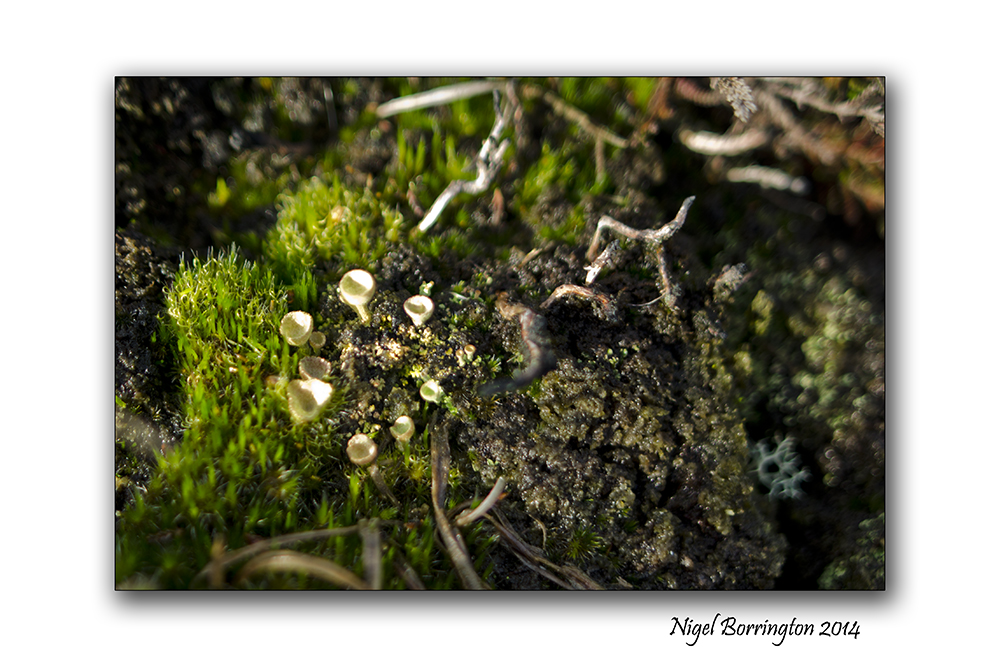
The Kings river has its source in the Slieveardagh Hills in South Tipperary and has many tributaries of its own.
It flows southeast from the hills and crosses into County Kilkenny. It is joined by the Munster River before passing through the town of Callan. It continues eastwards from Callan, past Kells and joins the River Nore west of Thomastown.
Having made a small photographic project of the river, the images below are taken over about a five year period. They are just some of the images I have captured, I feel they show how the passing seasons and the Irish weather effect this little river.
Gallery


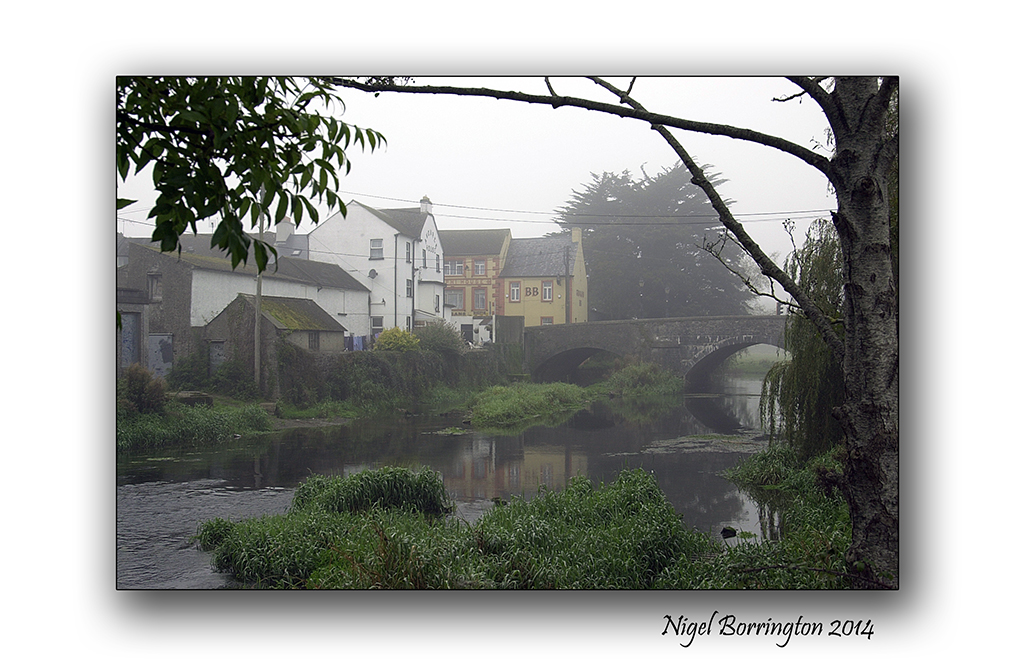


Spring equinox 2014 and Pagan traditions

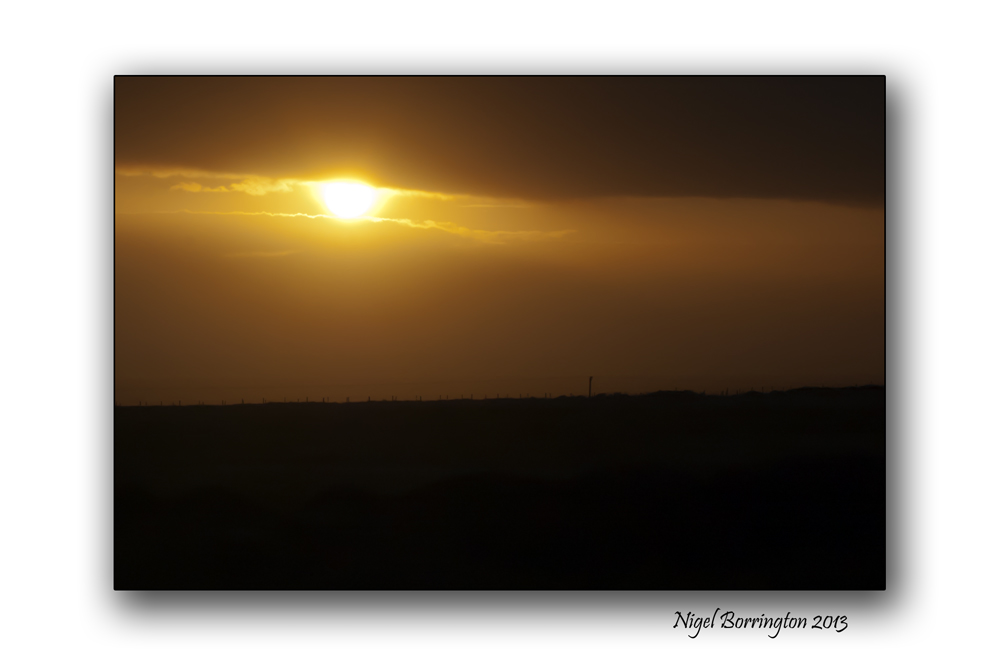
Spring equinox sun sun 2014
Landscape photography : Nigel Borrington
The Spring equinox 2014
Today marks the arrival of spring, the date of the vernal equinox, or spring equinox as it is known in the northern hemisphere. Spring equinox. During an equinox, the Earth’s North and South poles are not tilted toward or away from the sun. (Ref :Wikipedia)

This means the sun will rise exactly in the east and travel through the sky for 12 hours before setting in the exactly west.An equinox happens twice a year around March 20 and September 22 when the Earth’s equator passes through the centre of the sun.
For those in the southern hemisphere, this time is the autumnal equinox that is taking people into their winter.
In English there is open access to Stonehenge tomorrow. Access will be from 05:45am until 08:30am.
Druids and Pagans like to gather at Stonehenge early in the morning to mark the Spring Equinox, to see the sunrise above the stones.

The Pagans consider this is the time of the ancient Saxon goddess, Eostre, who stands for new beginnings and fertility. This is why she is symbolized by eggs (new life) and rabbits/hares (fertility). Her name is also where we get the female hormone, oestrogen.
From Eostre also come the names “Easter” and “Esther” the Queen of the Jews, heroine of the annual celebration of Purim which was held on March 15. At Easter, Christians rejoice over the resurrection of Jesus after his death, mimicking the rebirth of nature in spring after the long death of winter.
It is also a time to cleanse your immune system with natural remedies. In Wiltshire and other parts of rural Britain it used to be tradition to drink dandelion and burdock cordials as the herbs help to cleanse the blood and are a good tonic for the body after a harsh winter.
The Equinox of the sun : Gallery



First day of spring, Spring gallery 2014

First day of Spring 2014
Nature Photography : Nigel Borrington
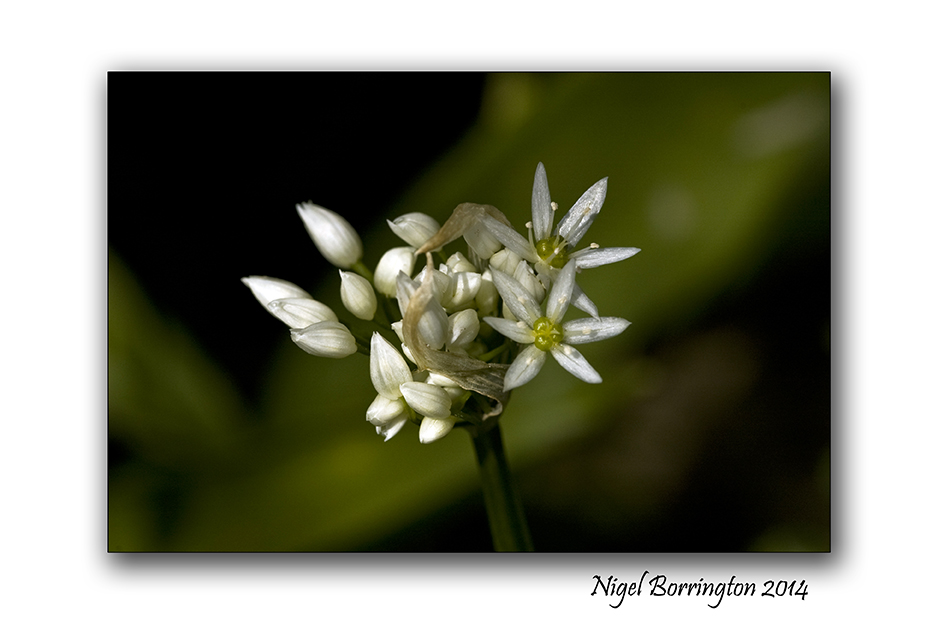
Today is the first day of Spring, the year is moving fast and soon we will be treated to the wonderful sights of new plants a wildlife in the landscape around use.
So I just wanted to post some nature images to mark and calibrate the day !!!
Welcome to Spring 2014 !!!
Spring time gallery 2014



Visiting the Saltee Islands spring 2014

Saltees Islands In Spring
Wildlife and Landscape photography : Nigel Borrington
This Spring I am planning another visit to the The Saltees Islands, St. George’s Channel. The Islands consist of the Great and Little Saltee, they are situated approximately 5 kilometers off the coast of Kilmore Quay Co.Wexford.
The larger island Great Saltee is the most famous bird sanctuary in Ireland and is very popular with both day-trippers and birdwatchers alike. These Islands are privately owned and are one of the world’s major bird sanctuaries.
It’s a wonderful visit to make if your into wildlife and Photography or just a wonderful place to spend the day.
The below images were taken last spring.
Saltee Island Gallery


ST Patrick’s day , Irish landscape Gallery.

Coolagh old church , County Kilkenny
Landscape photography : Nigel Borrington
Today is St Patrick’s day here in Ireland and its a public Holiday, For many people religion will play a big part in the day.
Personally I love the outdoors far more and will spend most of the day walking and exploring the local landscape, I find nature and open spaces far more spiritual.
The following gallery of images are just some images taken in and around the wonderful county of Kilkenny.
What ever your doing today enjoy yourself and a happy St Patrick day.
Kilkenny Landscape Gallery







 Nigel Borrington
You must be logged in to post a comment.