An old farm with a mountain view.

The old farm with a mountain view, Ninemile house, Tipperary
Irish Landscape Photography : Nigel Borrington
The Irish Landscape is full of old Farms and home places, filled with many memories of generations past…..
This farm is located very close to the mountain of Slievenamon, country Tipperary.
Gallery


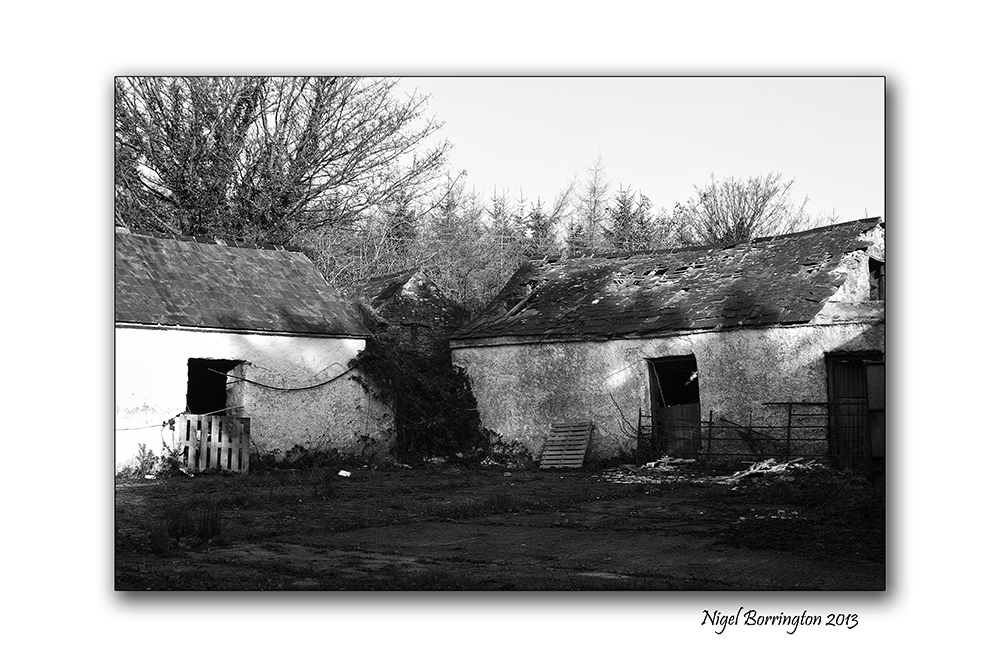
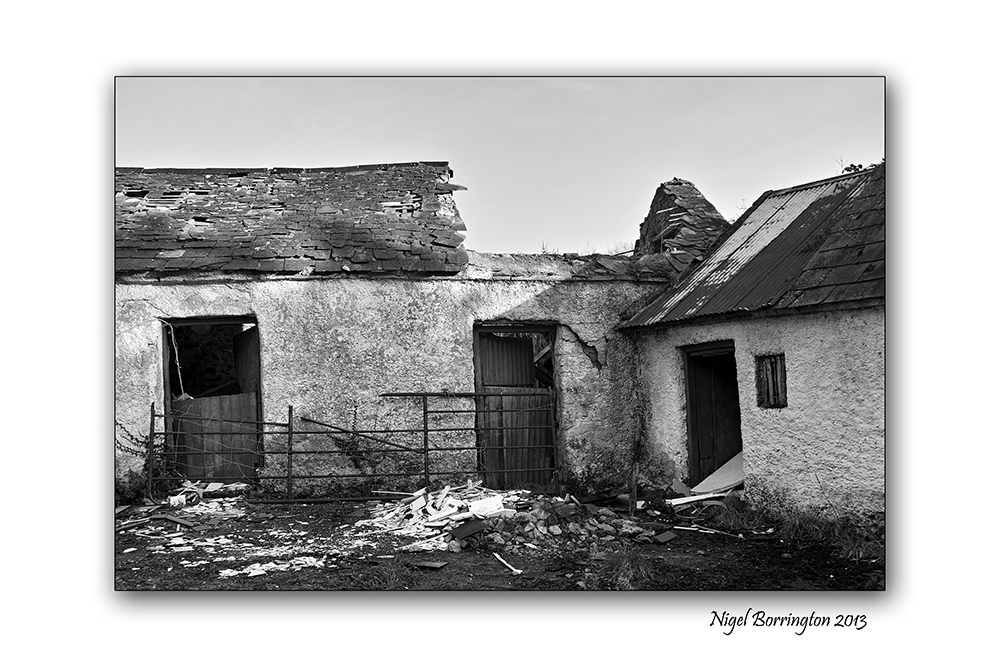
Jerpoint Park

Jerpoint Park, County Kilkenny
Irish Landscape Photography : Nigel Borrington
Newtown Jerpoint the Lost Town
Jerpoint Park in County Kilkenny hosts a Monument of notable importance: The Lost Town of Newtown Jerpoint.

Map of the village
It was founded by either Earl Marshall or Griffin Fitzwilliam in 12th century, just west of the Cistercian Abbey, where the main crossing of the River Nore was formed by a tole paying bridge.
It was a vibrant town, with approx 27 dwelling houses, a court house, woollen mill, a tannery, a brewery and reputed to have had 14 taverns. It was powered by two water wheels working on the little Arrigle River and a tower house stood near the market place, where a wealthy merchant would have lived.

Traveling further up East-West Street, St. Nicholas’s Church and graveyard are situated over looking the town, where the earthly remains of St. Nicholas ( Bishop of Myra) lay a unique feature of this church is the rood-screen which dates from the 15th century; this is the gallery-like construction running across the church between the nave and the chancel. It was used to support a missive reconstruction of the crucifixion, while the floored area above could also have been used for religious plays and choirs. The final phase was the construction of a small tower over the rood-screen itself, which served as the priest’s residence.
The Heritage Council of Ireland has published a Heritage Conservation Plan about Newtown Jerpoint that you can download.
Saint Nicholas Bishop of Myra

Saint Nicholas was born in 260ad in Patara, a coastal town in what is now Turkey. The poor knew him throughout the land for his generosity, his love for children and being associated with ships, the sea and sailors. He was eventually consecrated Bishop of Myra, just miles from his hometown. The beloved Bishop died in 343ad.
Many Christian churches and many countries observe December 6th his feast day with great celebrations, processions, services and gift giving.
Images of St. Nicholas in paintings, icons, statues, collectibles, and stained glass often show him alongside three young men in a barrel that he brought back to life after an innkeeper murdered them. He is almost always seen with three bags or balls as well, symbolising the three bags of gold he tossed through the chimney of the home of a poor man in his village for the daughters dowry, so they would not be sold as slaves. Thus he is also seen as the “gift giver”. A ship and the sea are also common symbols of the saint. Western and Eastern depictions of blessed Nicholas differ in style and costume.

Saint Nicholas is a patron of many places and people. He is closely associated with Russia, Greece, Holland, Austria, Belgium, Aberdeen and New York. Pawnbrokers, travellers, unwed persons, children, sailors and many others claim a special relationship to the saintly figure. Many churches are dedicated to him as well. Saint Nicholas is third most popular subject of icons in the church, with only Jesus Christ and the blessed Virgin Mary having more representations.
Tradition in these parts tell that the earthly remains of St. Nicholas were secretly removed from Bari by returning crusader knights, who brought them back to Newtown Jerpoint for safe keeping. They buried those remains with all due reverence in the church that to this day bears the Saint’s name. The grave of St. Nicholas is marked by beautifully carved grave slab just outside the church, the tall figure of the Saint dominates the carving, and flanking him on both sides are the heads of the two crusader knights who brought his remains here.
Jerpoint Park, Black and white Gallery


The Red Barn Remembers
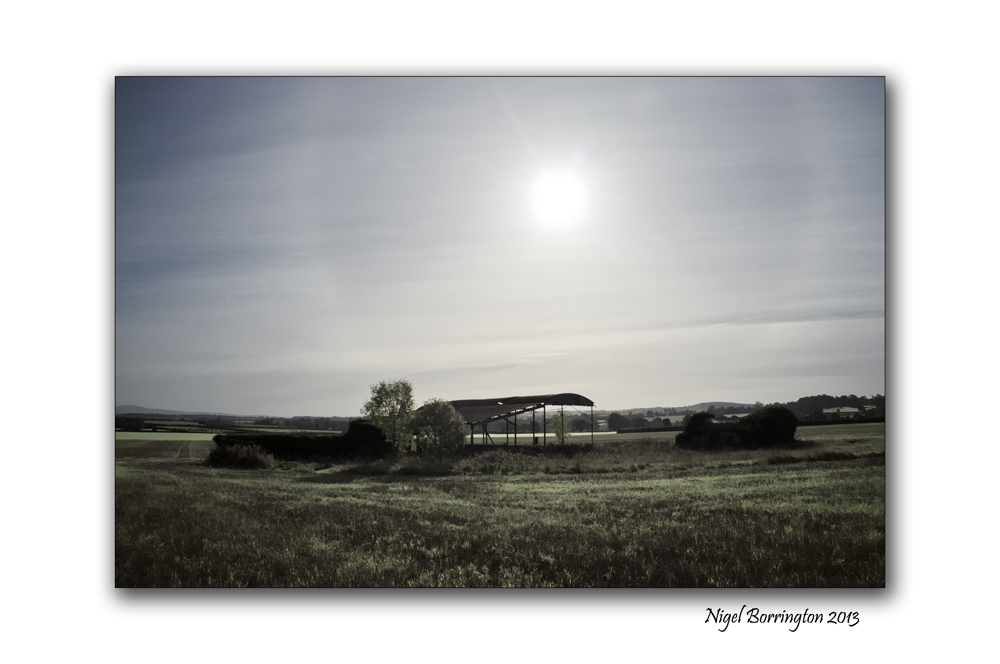
Fujifilm x100
The old red barn. kells, county Kilkenny
Irish landscape photography : Nigel Borrington
The Red Barn Remembers
The red barn stands, silhouetted against the sky.
A tree wraps its young limbs about her
as if to protect her from time and age.
Her roof is sagging, color faded ,
An errant plume of red along her frame.

.
Yet, proudly she stands, remembrance of a happy time.
Shelter from the rain, children
Playing in her hair, lovers hiding in her shadows.
Beauty I see now, not bright, not boastful.
With dignity and respect she bows to age.
Jerpoint abbey, county Kilkenny

A sense of place,Jerpoint Abbey, County Kilkenny
Irish Landscape Photography : Nigel Borrington
A Sense of Place, Jerpoint Abbey
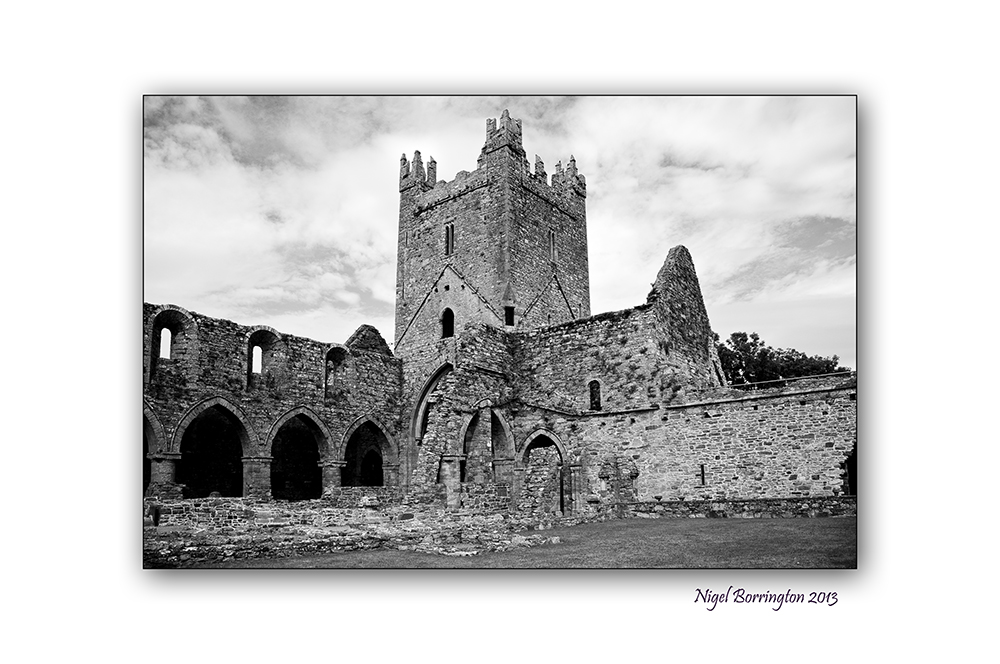
I intend to post a more detailed article about Jerpoint abbey soon, however here I just want to post some Images that I hope give you a feeling for this wonderful Cistercian abbey founded in the second half of the 12th century. The abbey is located near Thomastown, county Kilkenny.
For the moment if you would like more details on the abbey please following the link above.
Jerpoint Abbey, a black and white Gallery




Kilkenny photography

Fuji film x100
Mullins Mill, Kells, country kilkenny
Irish landscape photography : Nigel Borrington
Mullins Mill, Kells, country kilkenny
One feature of the landscape around county kilkenny is it’s old mills, the main river flowing through the county is the river Nore , the county however also has many smaller rivers, including the Kings river that flows from the Slieveardagh Hills in South Tipperary to the river Nore at stoneyford.
Along many of the rivers in county kilkenny you will find the remains of a once thriving milling industry that has long since stop any production, Most of these building however still stand today and some have been very well perserved.
Mullins Mill (Pictured here) in the town of Kells, has to be one of the best such example

Frosty Morning at Mullins Mill, Kells, Co.Kilkenny : Nigel Borrington
Ducketts grove, county Carlow

Images of Duckett’s Grove, County Carlow
Irish landscape photography By,
Kilkenny photographer : Nigel Borrington
A sense of place Ducketts grove, county Carlow
Ducketts grove is described in full on this link.
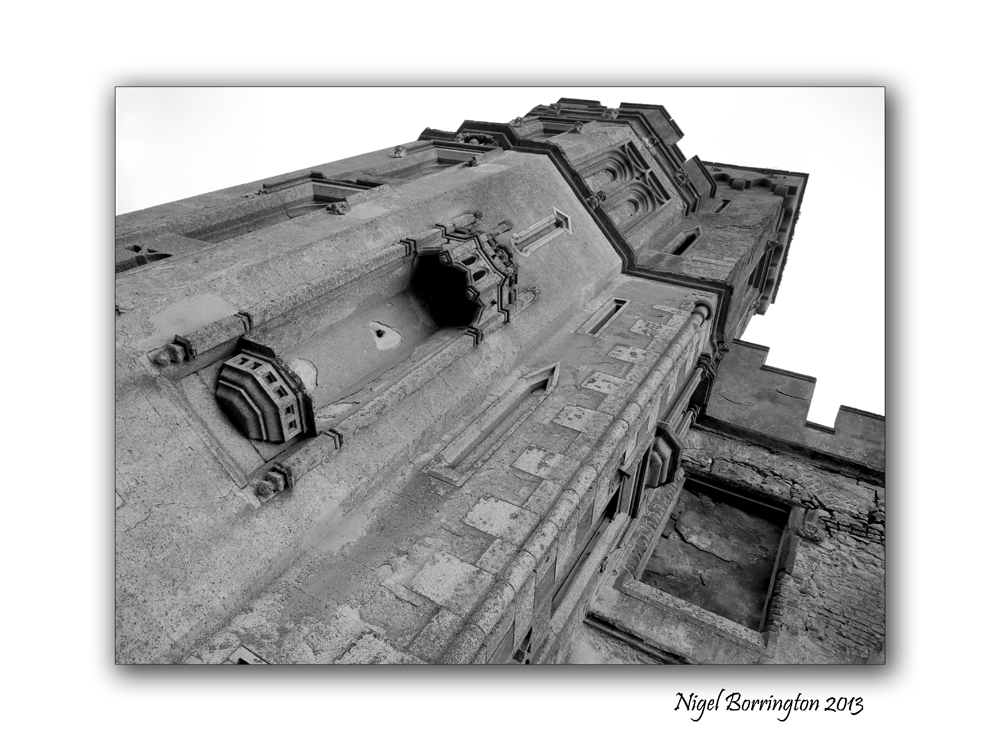
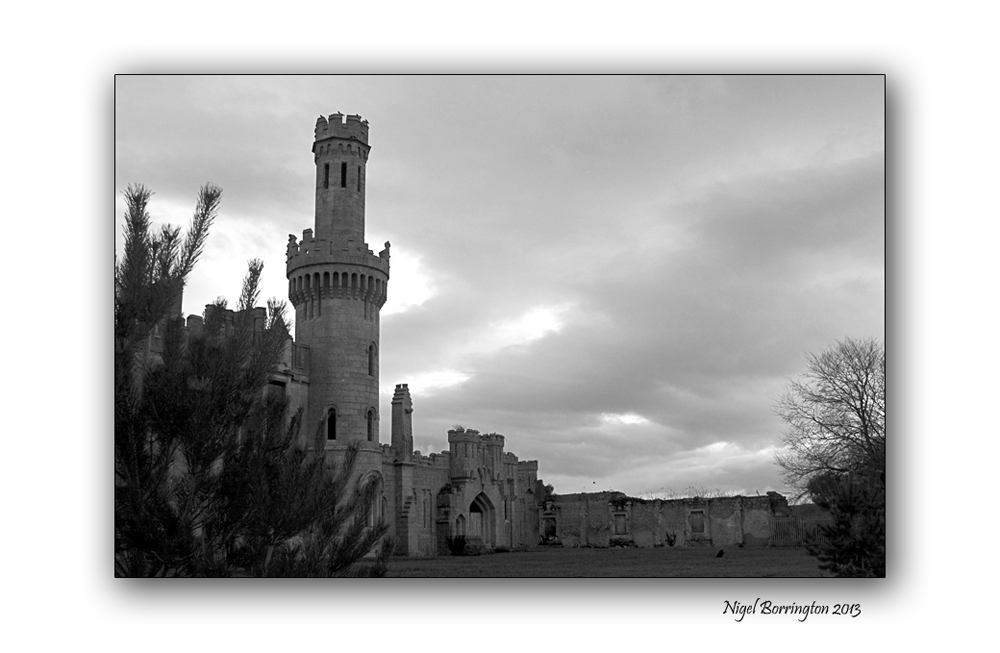
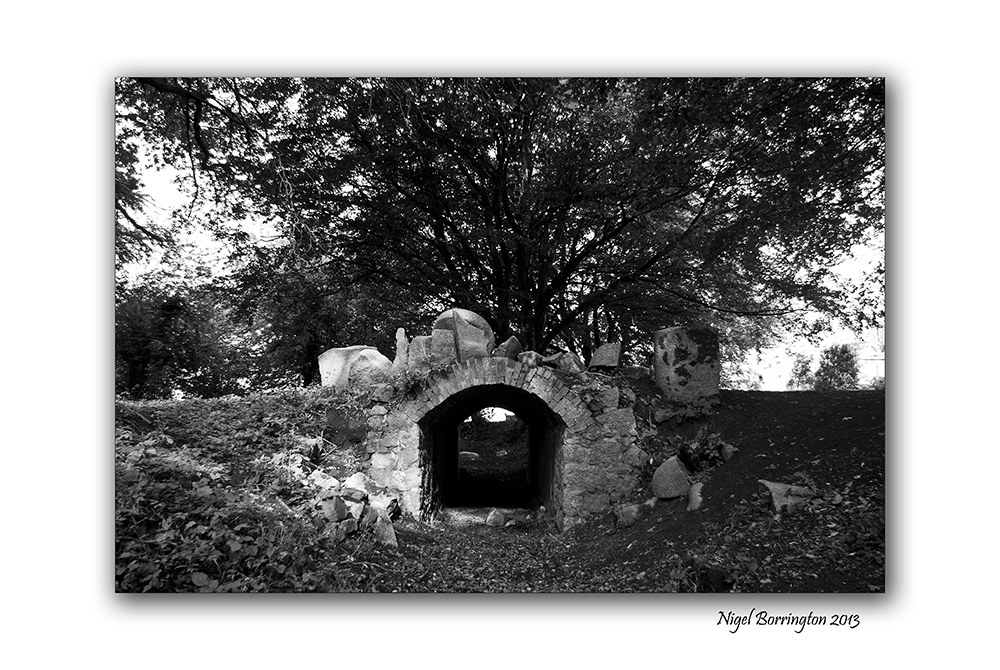
Here in this post however I just wanted to show a visual sense of this old Castle sitting in the middle of county Carlow, the photographs were taken during the winter of 2010. Its a wonderful place to visit on a late winters afternoon when the tree’s are all stripped of leafs and the ground is hard and cold.
The cold and snow of a winters day, seems to match so well this wonderful abandoned place.
Ducketts grove in twelve images : a Gallery





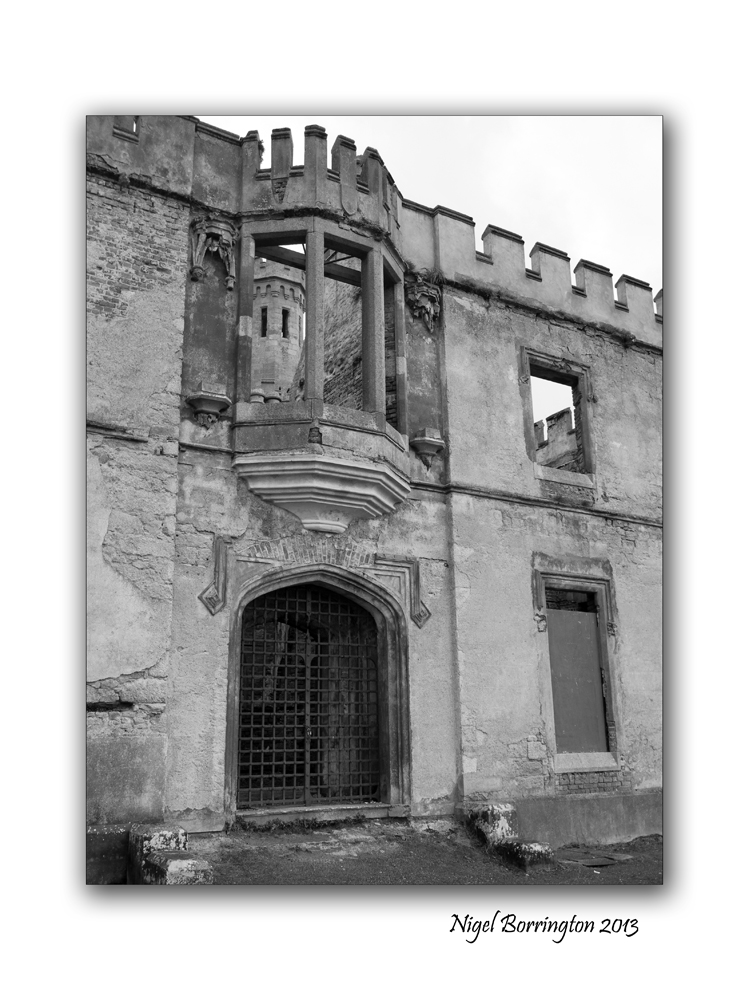

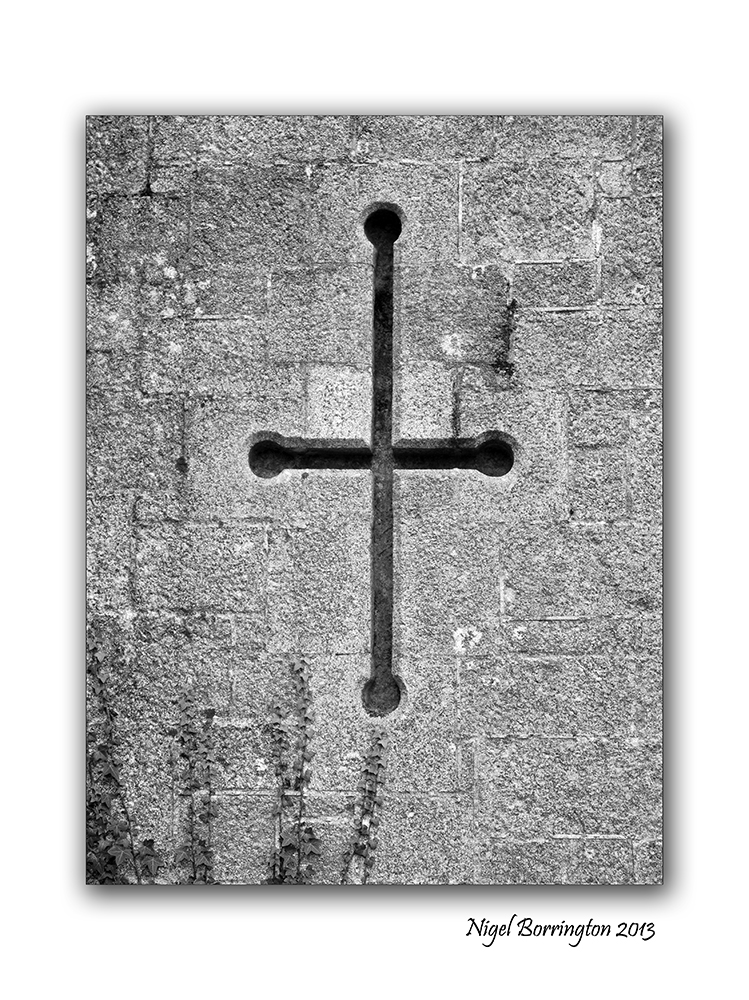
James Hoban – Spirit of place
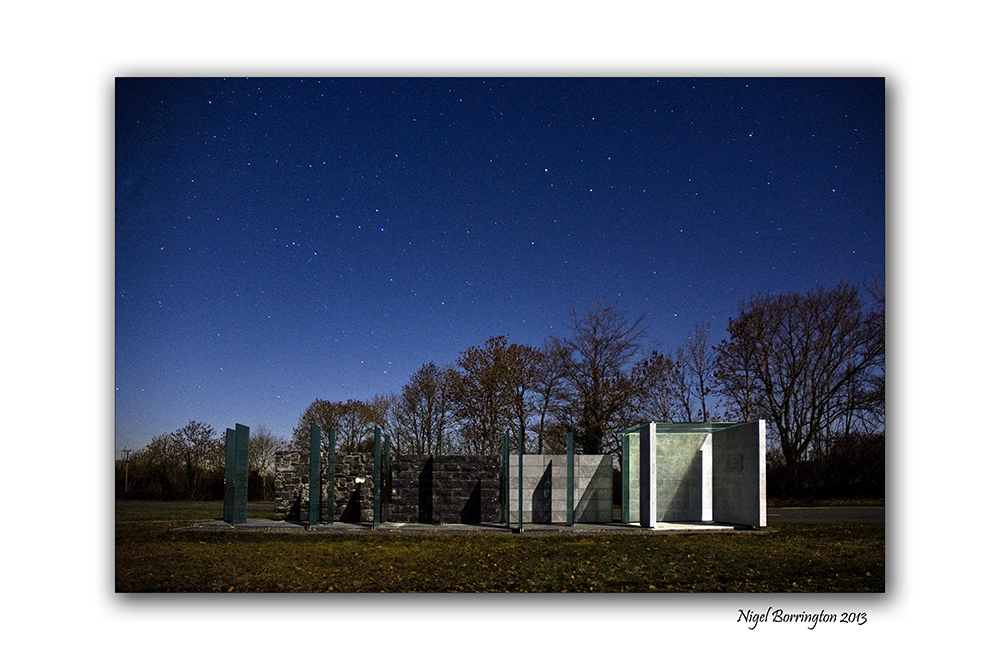
Nikon D7000 and Sigma SD15
Spirit of place, James Hoban Memorial, Callan county Kilkenny
Irish Landscape Photography : Nigel Borrington
James Hoban was from the Desart estate, near Callan county Kilkenny and is the architect of the White House (late-1793 or early-1794).
In 2008, 24 architecture students from the a University in Washington DC completed the memorial “Spirit of place” in his honour. I took the photographs posted here in 2011, one very clear night and then the last image on a evening last spring.
From : http://en.wikipedia.org/wiki/James_Hoban
“James Hoban was raised on an estate belonging to the Earl of Desart in Cuffesgrange, near Callan in County Kilkenny. He worked there as a wheelwright and carpenter until his early twenties, when he was given an ‘advanced student’ place in the Dublin Society’s Drawing School on Lower Grafton Street.
He excelled in his studies and received the prestigious Duke of Leinster’s medal for drawings of “Brackets, Stairs, and Roofs.” from the Dublin Society in 1780. Later Hoban found a position as an apprentice to the headmaster of the Dublin Society School the Cork-born architect Thomas Ivory from 1779? to 1785 .
Following the American Revolutionary War, Hoban immigrated to the United States, and established himself as an architect in Philadelphia in 1785.[1]
Charleston County Courthouse, Charleston, SC (1790-92), James Hoban, architect.
Hoban’s amended elevation of the White House (late-1793 or early-1794).
Hoban was in South Carolina by April 1787, where he designed numerous buildings including the Charleston County Courthouse (1790–92), built on the ruins of the former South Carolina Statehouse (1753, burned 1788). President Washington admired Hoban’s work on his Southern Tour, may have met with him in Charleston in May 1791, and summoned the architect to Philadelphia, Pennsylvania (the temporary national capital) in June 1792.
In July 1792, Hoban was named winner of the design competition for the White House.[4] His initial design seems to have had a 3-story facade, 9 bays across (like the Charleston courthouse). Under Washington’s influence, Hoban amended this to a 2-story facade, 11 bays across, and, at Washington’s insistence, the whole presidential mansion was faced with stone. It is unclear whether any of Hoban’s surviving drawings are actually from the competition.
Hoban was also one of the supervising architects who served on the Capitol, carrying out the design of Dr. William Thornton.
Hoban lived the rest of his life in Washington, D.C., where he worked on other public buildings and government projects, including roads and bridges. He also designed Rossenarra House near the village of Kilmoganny in Kilkenny, Ireland in 1824.
Hoban’s wife Susanna Sewall was the daughter of the prominent Georgetown “City Tavern” proprietor.
Hoban was also involved in the development of Catholic institutions in the city, including Georgetown University (where his son was a member of the Jesuit community), St. Patrick’s Parish, and the Visitation Convent founded by another Kilkenny native, Teresa Lalor of Ballyragget.
Hoban died in Washington, D.C. on December 8, 1831. He is buried at historic Mount Olivet Cemetery in Washington, D.C.”
A Spirit of place


Strolling down memory lane, a poem by : Taran Burke

Canon G1x
Newtown lane, County Kilkenny
Kilkenny landscape photography : Nigel Borrington
Strolling down memory lane
By : taran burke
Strolling down memory lane
Where the colors begin to fade.
Strolling down memory lane
Is where I want you to come along.
Strolling down memory lane
is a test of time and mind.
Strolling down memory lane
I won’t be afraid.
Strolling down memory lane
Is lacking in color.
Strolling down memory lane
Is travelling in time.
Strolling down memory lane
Not a storm in sight
Strolling down memory lane
is joy without fright.
A memory that I have created in my mind,
Stands the test of time.
Going down to Littleton bog, County Tipperary

All images using a Canon G1x and a Fujifilm x100
Images of Littleton peat bog, County Tipperary
Irish landscape photography by : Nigel Borrington
Going down to Littleton Bog.
To myself I feel that very little depicts the landscape of Ireland as much as it’s peat bog areas, peat has been cut from this landscape for hundreds if not thousands of years.
Littleton Bog is about 30km from my home and I visit this area many times during the year, too both walk our dog Molly and take sometime too take images and just be out in what can be a very wild place in the winter months along with a wonderful place in the summer.
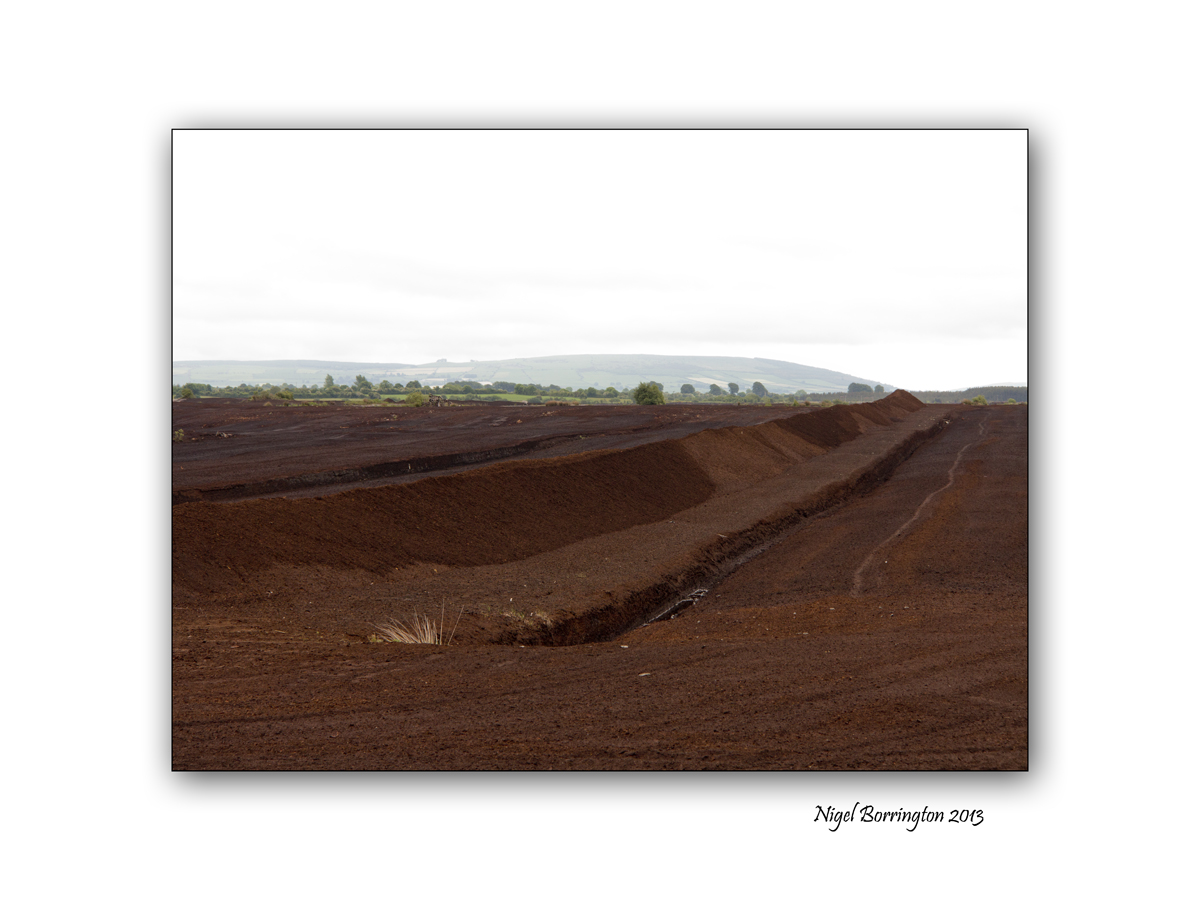
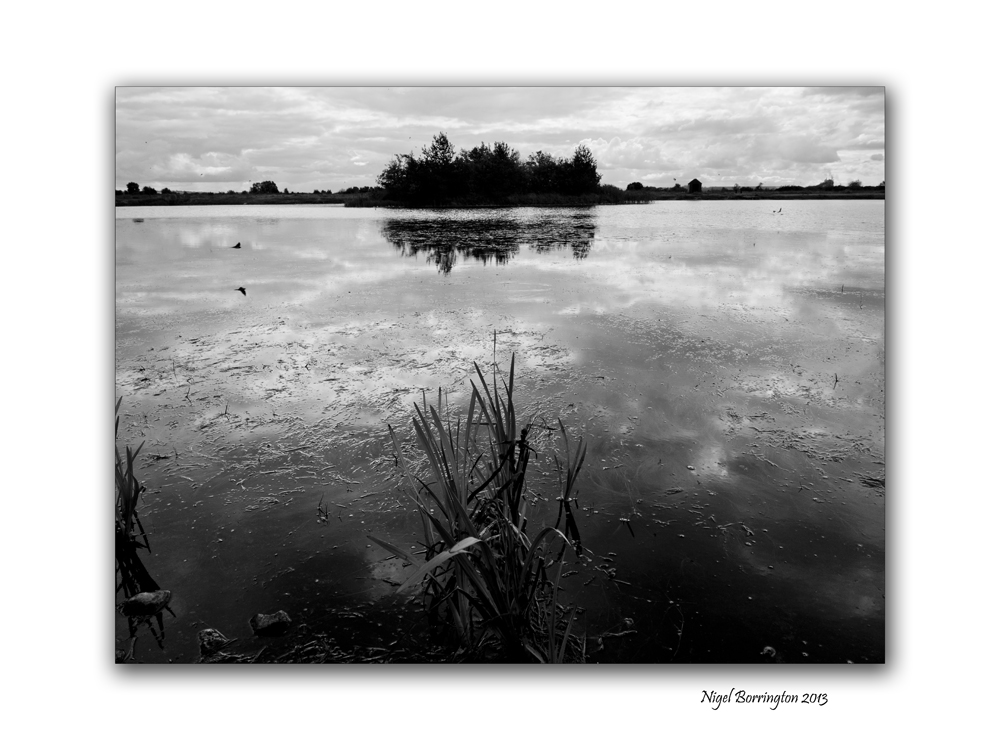
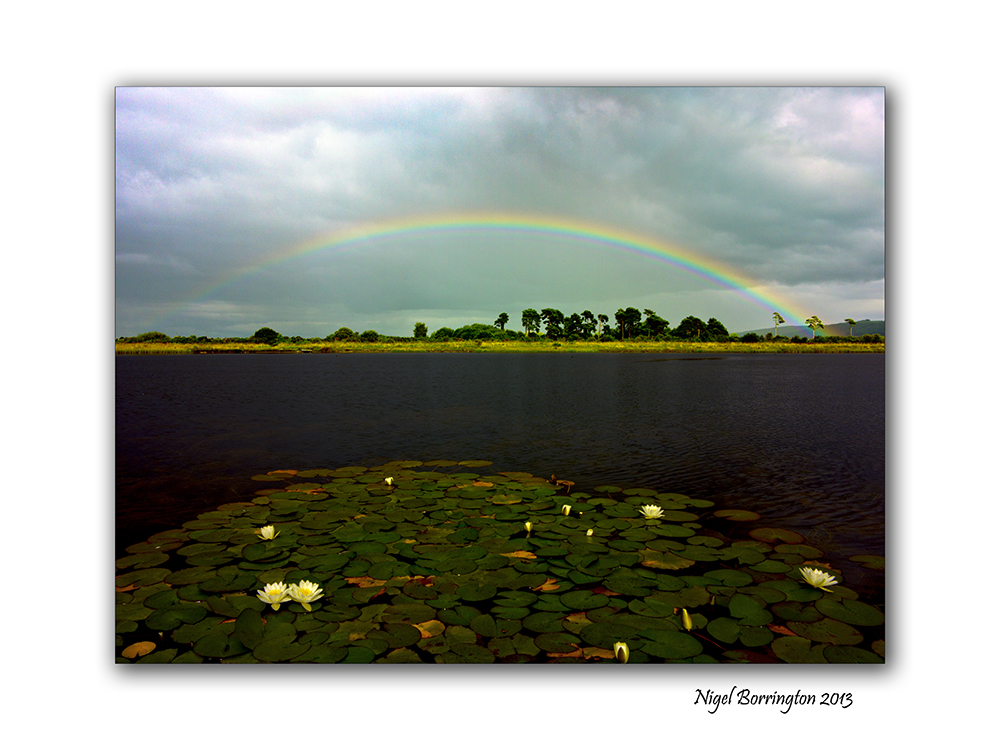
The mass production of peat from the Littleton area has left this landscape deeply affected as you can see from this photo and the photographs below. However I have also tried by best to show how the area around the bog can be reclaimed for both nature and wildlife.
Many Animals and Birds make the reclaimed lakes here their home during both the winter and summer months. Littleton bog is also home to many rare plants and insects with multiple entries in the Irish national biodiversity database.
Seamus Heaney
Last week the Irish Poet Seamus Heaney died and he wrote this Poem about the Irish bog lands.
Bogland
By Seamus Heaney
We have no prairies
To slice a big sun at evening–
Everywhere the eye concedes to
Encrouching horizon,
Is wooed into the cyclops’ eye
Of a tarn. Our unfenced country
Is bog that keeps crusting
Between the sights of the sun.
They’ve taken the skeleton
Of the Great Irish Elk
Out of the peat, set it up
An astounding crate full of air.
Butter sunk under
More than a hundred years
Was recovered salty and white.
The ground itself is kind, black butter
Melting and opening underfoot,
Missing its last definition
By millions of years.
They’ll never dig coal here,
Only the waterlogged trunks
Of great firs, soft as pulp.
Our pioneers keep striking
Inwards and downwards,
Every layer they strip
Seems camped on before.
The bogholes might be Atlantic seepage.
The wet centre is bottomless.
Images of the Bog – Gallery






The To-be-forgotten By Thomas Hardy

The To-be-forgotten
By Thomas Hardy
.
I
I heard a small sad sound,
And stood awhile among the tombs around:
“Wherefore, old friends,” said I, “are you distrest,
Now, screened from life’s unrest?”
II
—”O not at being here;
But that our future second death is near;
When, with the living, memory of us numbs,
And blank oblivion comes!
III
“These, our sped ancestry,
Lie here embraced by deeper death than we;
Nor shape nor thought of theirs can you descry
With keenest backward eye.

IV
“They count as quite forgot;
They are as men who have existed not;
Theirs is a loss past loss of fitful breath;
It is the second death.
V
“We here, as yet, each day
Are blest with dear recall; as yet, can say
We hold in some soul loved continuance
Of shape and voice and glance.
VI
“But what has been will be —
First memory, then oblivion’s swallowing sea;
Like men foregone, shall we merge into those
Whose story no one knows.
VII
“For which of us could hope
To show in life that world-awakening scope
Granted the few whose memory none lets die,
But all men magnify?
VIII
“We were but Fortune’s sport;
Things true, things lovely, things of good report
We neither shunned nor sought … We see our bourne,
And seeing it we mourn.”
A sense of place – Disused quarry on the river Barrow

Fuji film X100, 35mm and 28mm lens , iso 100
Old quarry on the River Barrow, Co Kilkenny
Landscape Photography : Nigel Borrington
Some weeks back I first noticed the images of Sharon K and her blog Sunearthsky , Sharon’s second post was called urban sentries and I loved this image a lot, the locations of old disused factories and industrial sites I find a geat subject for photographic imagery.
Its taken sometime for me here in county Kilkenny, without going looking just for this subject matter to find a location that matches. About two weeks ago however I came across this old quarry along the banks of the river Barrow. Its of a large scale consisting of both the quarry area and the building used to crush the stone and store it, It looks like all the stone was used to make blocks or for use in concrete or on the roads.
The following images are a Gallery that I hope gets across a sense of this place and I hope Sharon likes them as Much as I liked hers.
Gallery images


Boarding the Titanic

Fujifilm X100
Titanic Museum, Cobh, County Cork
Irish Landscape Photography : Nigel Borrington
This small pier that now looks well past its best days, helped transport one hundred and twenty three passengers from the white star line booking hall at Cobh/queenstown county cork on to small ferry’s and then on to the HMS Titanic before she set sail to New York.
This is the list of Titanic Passenger boarding at queenstown (11 April 1912 a:10:30am d:13:40pm) on that day. While visiting the museum and Pier you cannot help but feel the moment when these people boarded their boats and looked back at the harbour of Queenstown as they headed towards the Titanic. At the time of course they were only looking forward to a new life or the great experiences that they had ahead of themselves.
We however cannot help but view these moments in a different light….
In the above passenger listing, If the passenger survived the events that followed they are listed in the boat number that they were found in, if they didn’t they are listed as a body or if they were not found they have no entry in the last two columns.

Fujifilm X100
Fishing Harbour, Cobh, County Cork
Irish Landscape Photography : Nigel Borrington

Fujifilm X100
View of Cobh, County Cork
Irish Landscape Photography : Nigel Borrington

Fujifilm X100
Titanic Museum, Cobh, County Cork
Irish Landscape Photography : Nigel Borrington
The Lighthouse keepers of Ireland

The picture above is of St John point lighthouse, Co.Donegal.
Back in 2011 I started a project of capturing photos and information about the history and lives of the Lighthouse keepers of the Ireland.
I just want to share a small amount in this post.

St johns point is a very haunting and beautiful part of the coast line of County,Donegal.
St Johns Point Donegal
“This is a harbour light to guide from Donegal Bay and to mark the north side of the bay leading to Killybegs Harbour from the entrance up to Rotten Island.
The tower, built of cut granite, was designed by the Board’s Inspector of Works and Inspector of Lighthouses, George Halpin, and erected by the Board’s workmen under Halpin’s supervision.
The tower, painted white, had a first order catoptric fixed light 98 feet above high water with a visibility in clear weather of 14 miles. The light was first exhibited on 4 November 1831 with the buildings in an uncompleted state. The final cost at the end of 1833 was £10,507.8.5.
The Lighthouse Keeper’s videos:


This lighthouse project is ongoing and will most likely take sometime, I will keep updating..
Nigel
Newtown house, Co Kilkenny
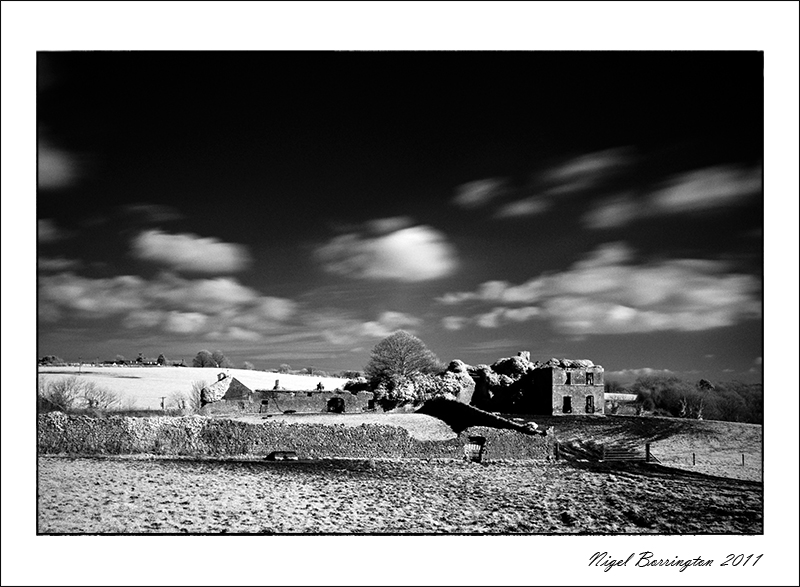
Landscape image of Newtown house, Co Kilkenny
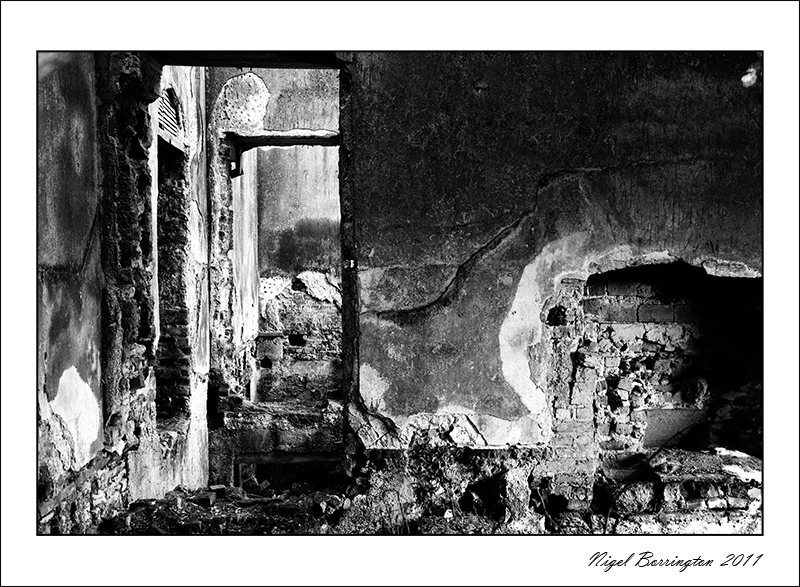
Forgotten spaces, Newtown house, Co.KIlkenny
One of Kilkenny’s Forgotten spaces, Newtown House.
I cannot find that much history on this location, the following web link has records as follows:
http://homepage.eircom.net/~lawekk/HSESN.HTM
Newtown house
NEWTOWN HOUSE, Earlstown parish, Shillelogher barony.
1858 Joseph Greene, Newtown. [Will]
1870 John Newport Greene, Newtown House. [Will]
1873 Newtown House, 6 mile of Kilkenny, Thomastown & Ballyhale, 3 of Callan, 1 of Kells, to let by Lt Col Mollan CB. [Mod 6.9.1873]
1873 Mr Joseph Greene, Newtown House. [Mod 25.10.1873]
1878 Eliza Newport Greene, Newtown. [Will]
1912 Died, Major-General James Benjamin Dennis at Newtown House, Kilkenny, age 95. [St Canices Cathedral grave]
1969 Newtown House now dismantled and a ruins. [O’Kelly]
1993 Newtown, ruins, c1800. 1 mile W of Kells. 18.S.47.44. [KK Dev Plan]
Irish photography series, by kilkenny based photographer : Nigel Borrington
 Nigel Borrington
Pilgrim Hill
Pilgrim Hill – A Movie about the true side of farming life
Yesterday I watched a great review about a new film Pilgrim hill that has been made by young film maker Gerard Barrett in the above video he talks to RTE’s Nationwide about Pilgrim Hill. In cinemas April 12th 2013. Pilgrim Hill is the debut film from Gerard Barrett, winner of the 2013 Irish Film and Television Academy Rising Star Award.
“Jimmy Walsh is a farmer in rural Ireland. Like the landscape he inhabits, his life is bleak and hard. Looking after an ageing sick father, life is passing him by as he comes to terms with his changing circumstances. Loneliness and isolation are his continual companions, along with his modest herd of cattle.
A young twenty something neighbour is one of the only links Jimmy has to the real world. In him, Jimmy sees what he could have been, as he realizes what he is, a middle aged bachelor farmer with vanishing opportunities and on the verge of living the rest of his life alone on the side of a cold un-nourishing hill.
A final blow is dealt to Jimmy when it seems that life can’t get any worse. He is barely able to articulate his situation, yet his honesty and vulnerability speak to the loneliness that haunts the human condition in all of us”
In and around the area I live in Ireland, Co.Kilkenny there are many Jimmy walsh’s including members of my own family.
Sean a family friend is one of them, older than Jimmy but he will have travelled through many of the same things in his time.
Many of these farmers never got married and lived out their lives in remote places like this farm Burnchurch in Co.Tipperary.
Watching the review of the film last night, I wondered why these men’s lives have not been shown and received much more coverage than they have. Many other nation like the America have shown the hard lives their own famers have lived on the screen for many years, it time these mens live got the same exposure, please go a watch this movie if you can.
Nigel
Share this:
April 12, 2013 | Categories: Comment, Forgotten places | Tags: farming, Gerard Barrett, Ireland, irish farming, irish film, Irish life, Irish photography, Kilkenny, Pilgrim hill | 9 Comments