30 years since the fall of the Berlin wall, from a city divided to the city of freedom

Berlin From the divided to the city of freedom
When you visit Berlin you simply cannot escape from German and European history and the History of the Berlin wall is still a part of Berlin just as much as so any of the events that go into shaping this great European city.
This November 2019, the Berlin Wall is celebrating the 30th anniversary of its fall. On the occasion a large number of events took place in Berlin dealing with topics such as reunification, the construction of the Berlin Wall, the division of the world during the Cold War, the overcoming of the Wall by the Peaceful Revolution of 1989.
I travelled to Berlin last week and spend a week in the city during many of these events.
These are just some of the pictures I took that show the Berlin wall today as it is conserved for the many generations in Berlin and the world to visit in the future.
Events dealing with the history of division, the struggle for freedom and the process of reunification took place not only in the run-up to and around November but from the start of 2018.


November in Berlin, Potsdamer Platz

Potsdamer Platz
Berlin
Nigel Borrington
November 2018
I have just returned from a weeks visit in Berlin in Germany, What a wonderful city full of life and history. It will take me a while to readjust to life back at home and to go through all the photos I took but I am in love with Germany and Berlin. The culture here is amazing and the history just fascinating, I fell that the entire experience was a study of European history from art to politics.
These two pictures were taken the very first night and show the business area of Potadamer Platz, around rush hour time.
There is a one hours difference between Berlin and Kilkenny and it was already getting dark around 4:30pm

October Hills John Rollin Ridge, 1827 – 1867

October Hills
John Rollin Ridge, 1827 – 1867
I look upon the purple hills
That rise in steps to yonder peaks,
And all my soul their silence thrills
And to my heart their beauty speaks.
What now to me the jars of life,
Its petty cares, its harder throes?
The hills are free from toil and strife,
And clasp me in their deep repose.

They soothe the pain within my breast
No power but theirs could ever reach,
They emblem that eternal rest
We cannot compass in our speech.
From far I feel their secret charm—
From far they shed their healing balm,
And lost to sense of grief or harm
I plunge within their pulseless calm.

How full of peace and strength they stand,
Self-poised and conscious of their weight!
We rise with them, that silent band,
Above the wrecks of Time or Fate;
For, mounting from their depths unseen,
Their spirit pierces upward, far,
A soaring pyramid serene,
And lifts us where the angels are.
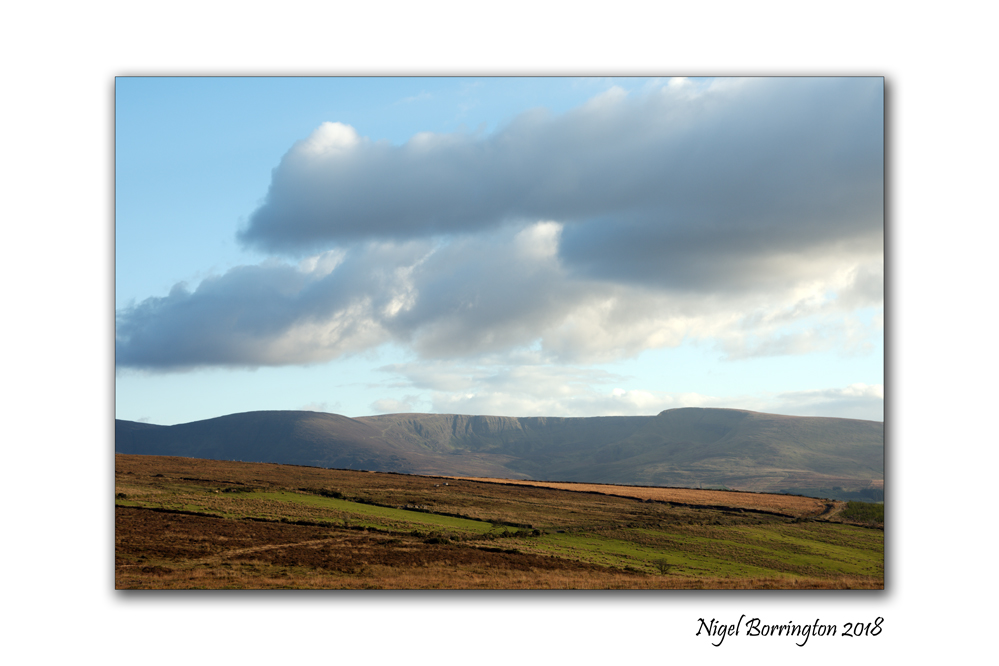
I would not lose this scene of rest,
Nor shall its dreamy joy depart;
Upon my soul it is imprest,
And pictured in my inmost heart.

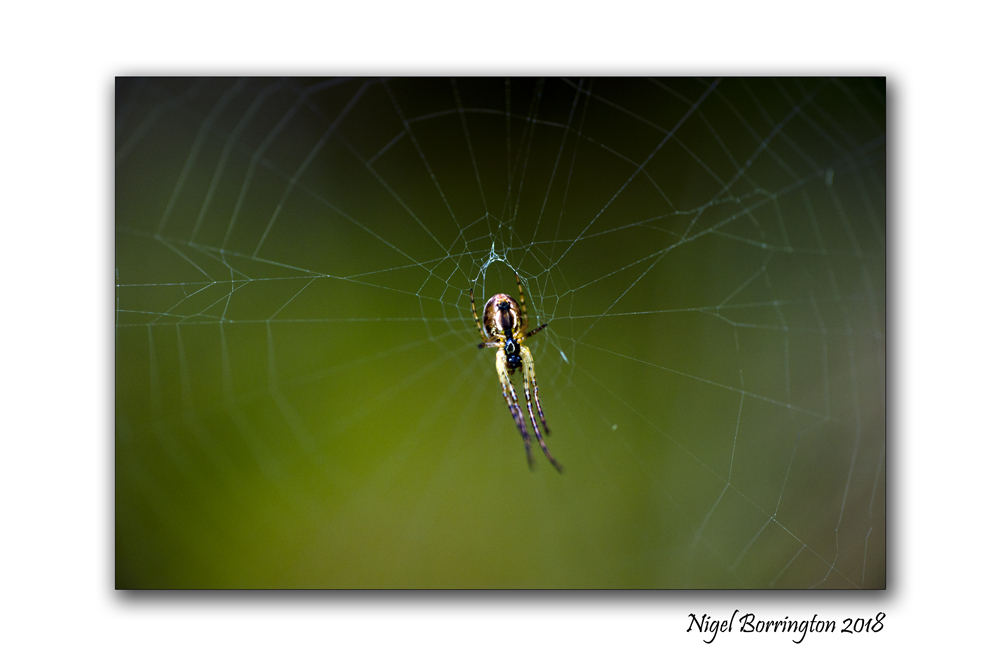
Octobers wood land nature, Spending some time with the spiders
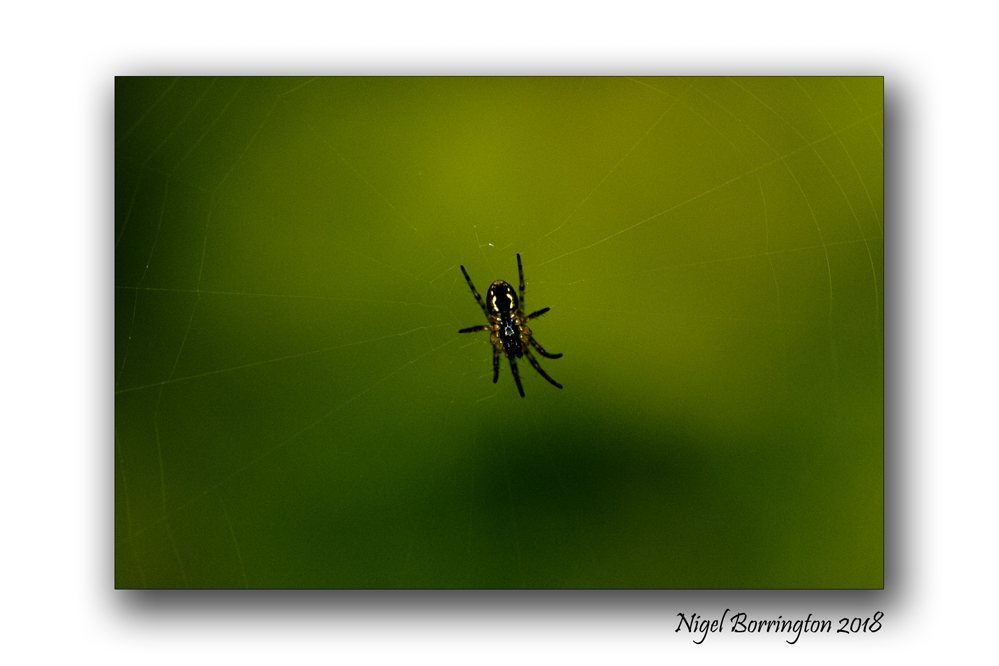
A Noiseless Patient Spider – Poem by Walt Whitman
A noiseless, patient spider,
I mark’d, where, on a little promontory, it stood, isolated;
Mark’d how, to explore the vacant, vast surrounding,
It launch’d forth filament, filament, filament, out of itself;
Ever unreeling them—ever tirelessly speeding them.
And you, O my Soul, where you stand,
Surrounded, surrounded, in measureless oceans of space,
Ceaselessly musing, venturing, throwing,—seeking the spheres, to connect them;
Till the bridge you will need, be form’d—till the ductile anchor hold;
Till the gossamer thread you fling, catch somewhere, O my Soul.
An Autumn Sunset By Edith Wharton
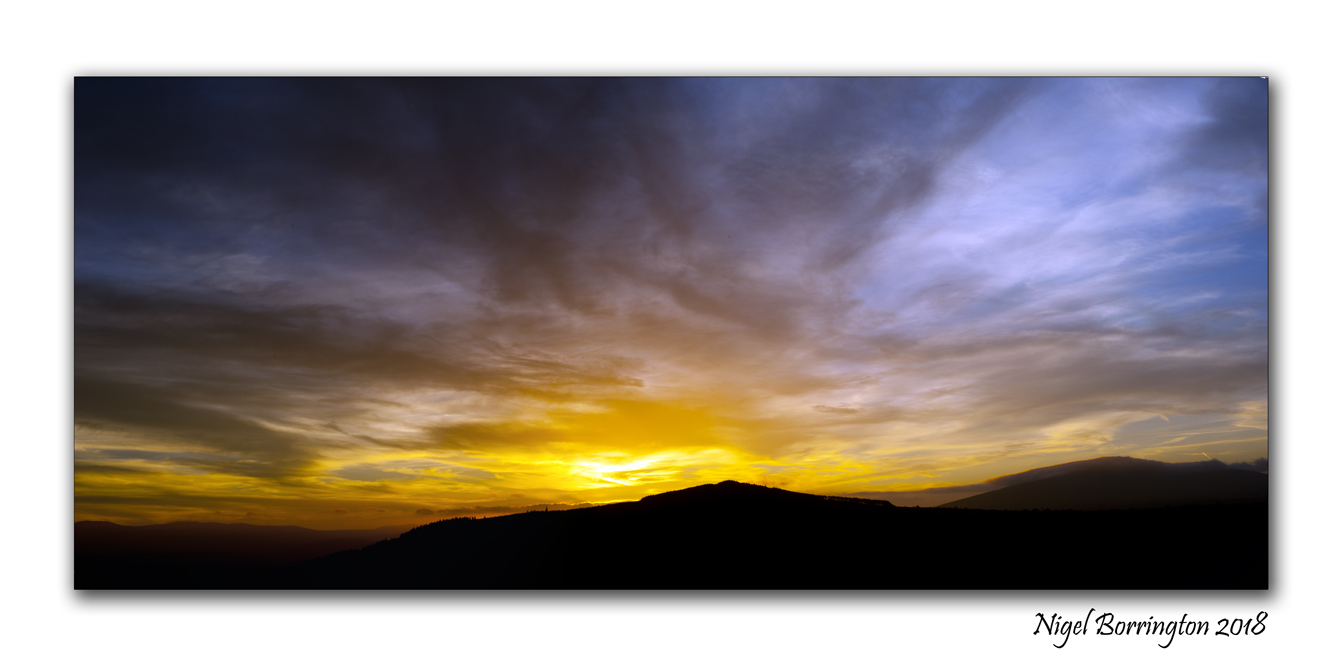
Autumn sunset
County Kilkenny
Nigel Borrington 2018
An Autumn Sunset
By Edith Wharton
I
Leaguered in fire
The wild black promontories of the coast extend
Their savage silhouettes;
The sun in universal carnage sets,
And, halting higher,
The motionless storm-clouds mass their sullen threats,
Like an advancing mob in sword-points penned,
That, balked, yet stands at bay.
Mid-zenith hangs the fascinated day
In wind-lustrated hollows crystalline,
A wan Valkyrie whose wide pinions shine
Across the ensanguined ruins of the fray,
And in her hand swings high o’erhead,
Above the waster of war,
The silver torch-light of the evening star
Wherewith to search the faces of the dead.
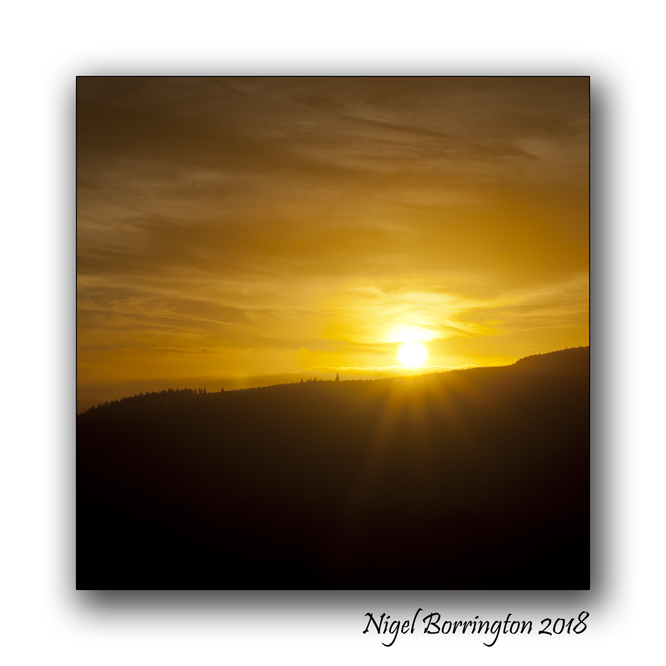
II
Lagooned in gold,
Seem not those jetty promontories rather
The outposts of some ancient land forlorn,
Uncomforted of morn,
Where old oblivions gather,
The melancholy unconsoling fold
Of all things that go utterly to death
And mix no more, no more
With life’s perpetually awakening breath?
Shall Time not ferry me to such a shore,
Over such sailless seas,

To walk with hope’s slain importunities
In miserable marriage? Nay, shall not
All things be there forgot,
Save the sea’s golden barrier and the black
Close-crouching promontories?
Dead to all shames, forgotten of all glories,
Shall I not wander there, a shadow’s shade,
A spectre self-destroyed,
So purged of all remembrance and sucked back
Into the primal void,
That should we on the shore phantasmal meet
I should not know the coming of your feet?

Fallen Leaves, a poem by :Robert William Service

October on the Forest floor
Nigel Borrington
Why should I be the first to fall
Of all the leaves on this old tree?
Though sadly soon I know that all
Will lose their hold and follow me.
While my birth-brothers bravely blow,
Why should I be first to go?
Why should I be the last to cling
Of all the leaves on this bleak bough?
I’ve fluttered since the fire of Spring
And I am worn and withered now.
I would escape the Winter gale
And sleep soft-silvered by a snail.
When swoop the legions of the snow
To pitch their tents in roaring weather
We fallen leaves will lie below
And rot rejoicingly together;
And from our rich and dark decay
Will laugh our brothers of the May.
Robert William Service
October on the forest floor : fallen leaves

October on the Forest floor
Fallen Leaves
Nigel Borrington 2018
Today was a typical Autumn day here in country Kilkenny, we have had some mixed weather over the last few days, some sun , some rain. Today was mild but wet, so all the falling leaves were full of rain drops something I just had to capture 🙂

These Autumn evenings , Image and Poem by (John) Robinson Jeffers, (1887-1962),

Irish Landscape Images
Autumn eveings County Kilkenny
Nigel Borrington
Oct 2018
Autumn Evening
Though the little clouds ran southward still, the quiet autumnal
Cool of the late September evening
Seemed promising rain, rain, the change of the year, the angel
Of the sad forest.
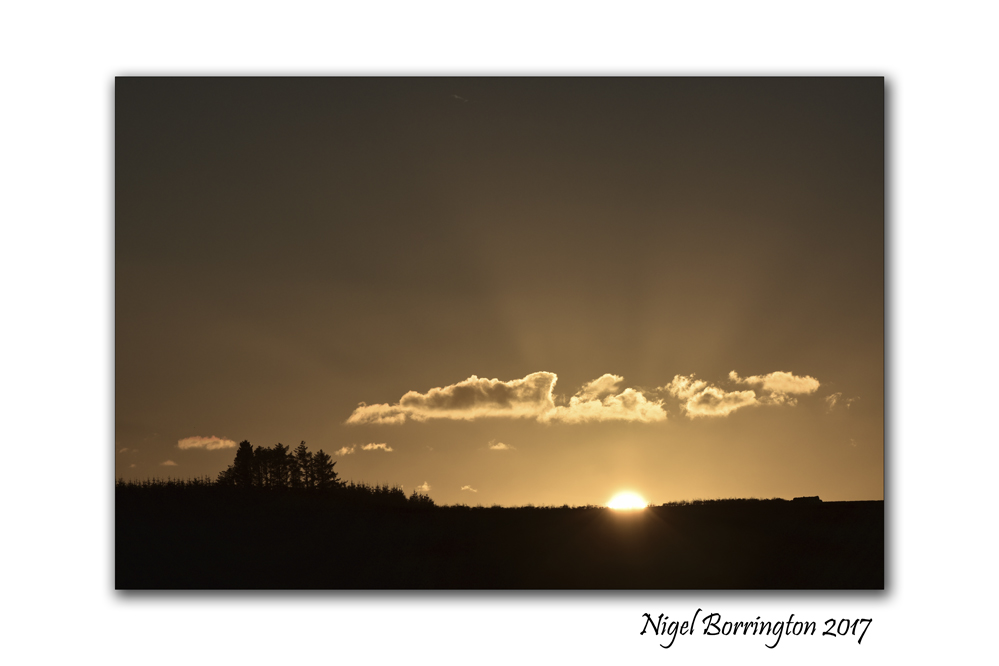
Autumn Evening
Nigel Borrington
A heron flew over with that remote ridiculous cry, “Quawk,” the cry
That seems to make silence more silent. A dozen
Flops of the wing, a drooping glide, at the end of the glide
The cry, and a dozen flops of the wing.

I watched him pass on the autumn-colored sky; beyond him
Jupiter shone for evening star.
The sea’s voice worked into my mood, I thought “No matter
What happens to men . . . the world’s well made though.”
To Autumn, a poem by John Keats

To Autumn, By John Keats
Season of mists and mellow fruitfulness,
Close bosom-friend of the maturing sun;
Conspiring with him how to load and bless
With fruit the vines that round the thatch-eves run;
To bend with apples the moss’d cottage-trees,
And fill all fruit with ripeness to the core;
To swell the gourd, and plump the hazel shells
With a sweet kernel; to set budding more,
And still more, later flowers for the bees,
Until they think warm days will never cease,
For summer has o’er-brimm’d their clammy cells.

Who hath not seen thee oft amid thy store?
Sometimes whoever seeks abroad may find
Thee sitting careless on a granary floor,
Thy hair soft-lifted by the winnowing wind;
Or on a half-reap’d furrow sound asleep,
Drows’d with the fume of poppies, while thy hook
Spares the next swath and all its twined flowers:
And sometimes like a gleaner thou dost keep
Steady thy laden head across a brook;
Or by a cyder-press, with patient look,
Thou watchest the last oozings hours by hours.

Where are the songs of spring? Ay, Where are they?
Think not of them, thou hast thy music too,—
While barred clouds bloom the soft-dying day,
And touch the stubble-plains with rosy hue;
Then in a wailful choir the small gnats mourn
Among the river sallows, borne aloft
Or sinking as the light wind lives or dies;
And full-grown lambs loud bleat from hilly bourn;
Hedge-crickets sing; and now with treble soft
The red-breast whistles from a garden-croft;
And gathering swallows twitter in the skies.

Clyde puffer the Vital Spark at Inveraray – To Exiles, Neil Munro (1864 – 1930)

To Exile – Neil Munro (1864 – 1930)
The Vital Spark
Neil Munro (1864 – 1930) was born in Inveraray and worked as a journalist on various Scottish newspapers. He wrote a number of historical novels but is best known for his humorous stories about the fictional Clyde puffer the Vital Spark and her captain Para Handy, written under the pen name of Hugh Foulis.
Although Neil Munro didn’t emigrate any further than Glasgow, his background (his grandmother was from a Gaelic-speaking part of the Highlands) would have given him an insight into emigration and what it felt like to be an exile. This poem is written more from the perspective of someone who stayed behind.
To Exiles
Are you not weary in your distant places,
Far, far from Scotland of the mist and storm,
In drowsy airs, the sun-smite on your faces,
The days so long and warm?
When all around you lie the strange fields sleeping,
The dreary woods where no fond memories roam,
Do not your sad hearts over seas come leaping
To the highlands and the lowlands of your Home?
Wild cries the Winter, loud through all our valleys
The midnights roar, the grey noons echo back;
About the scalloped coasts the eager galleys
Beat for kind harbours from horizons black:
We tread the miry roads, the rain-drenched heather,
We are the men, we battle, we endure!
God’s pity for you people in your weather
Of swooning winds, calm seas, and skies demure!

Let torrents pour then, let the great winds rally,
Snow-silence fall, or lightning blast the pine;
That light of Home shines warmly in the valley,
And, exiled son of Scotland, it is thine.
Far have you wandered over seas of longing,
And now you drowse, and now you well may weep,
When all the recollections come a-thronging
Of this old country where your fathers sleep.
They sleep, but still the hearth is warmly glowing,
While the wild Winter blusters round their land:
That light of Home, the wind so bitter blowing
Look, look and listen, do you understand?
Love, strength, and tempest-oh, come back and share them!
Here is the cottage, here the open door;
Fond are our hearts although we do not bare them,
– They’re yours, and you are ours for evermore.
A Friday morning poem, “Friday Morning” – by: Ghada Shahbender

The Red Cottage door
Irish Landscape Photography : Nigel Borrington
Friday Morning – Poem by Ghada Shahbender
A blank wall the ugly color of dust
Two drain pipes covered in pigeon droppings and rust
I roll down the shutters to keep Friday morning out
The humid air, the children who swear and the parents that shout.

Newspapers, a cigarette and a huge coffee cup
Heart pouring to Kika, waiting for my children to wake up.
Remembering the years when they came to my bed at dawn
Droopy eyes and toothless mouths open wide in a sweet breathed yawn.
They have grown up and I have aged.
The boys actually drive and the girl is engaged.
I tell the parrot it’s been a wonderful trip.
I pick up my coffee and take another sip.

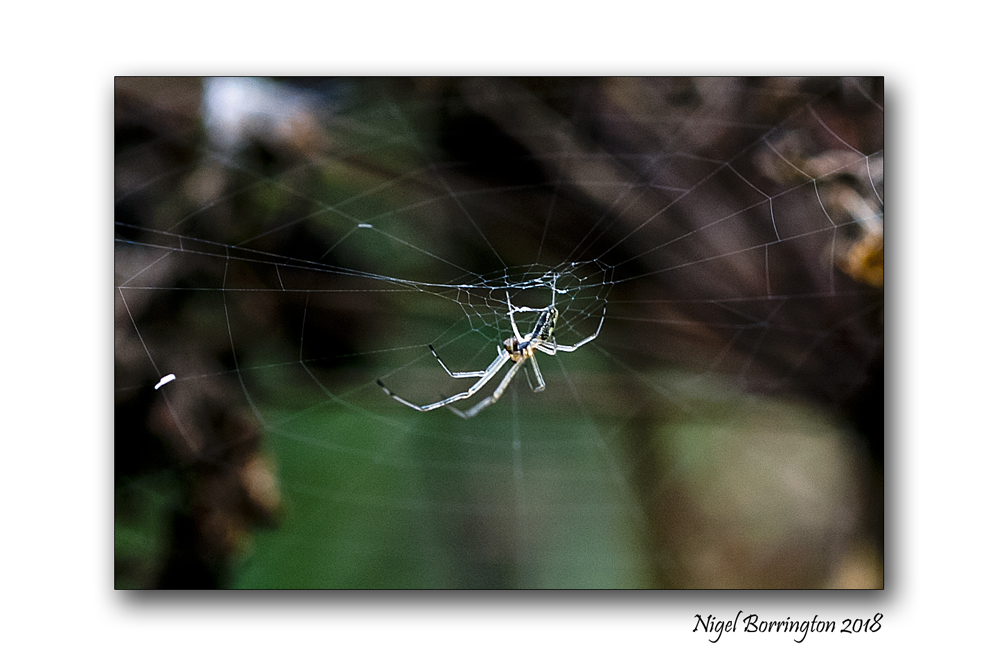
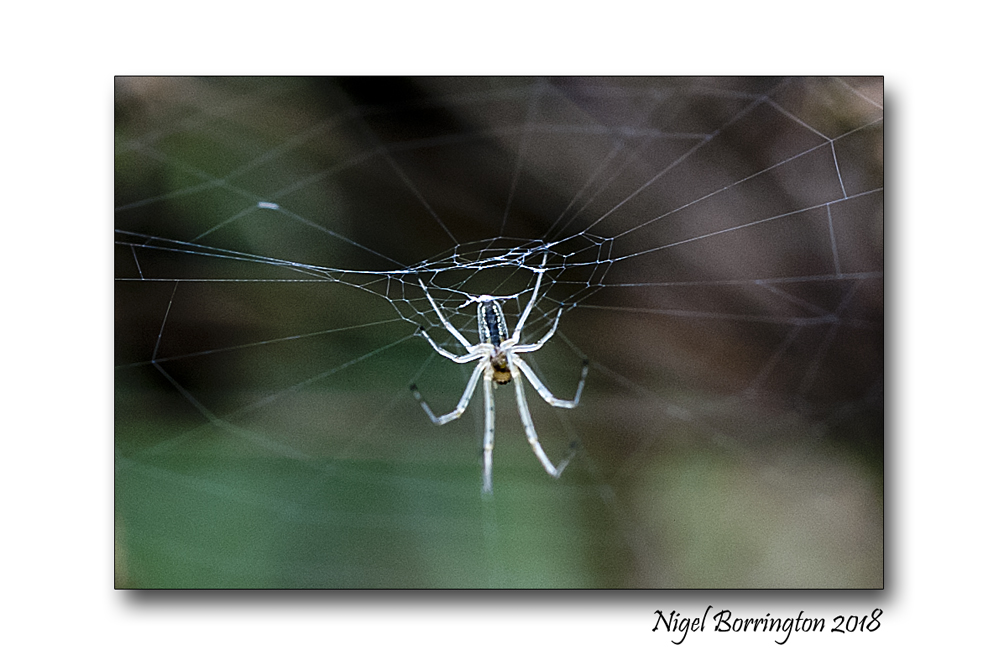
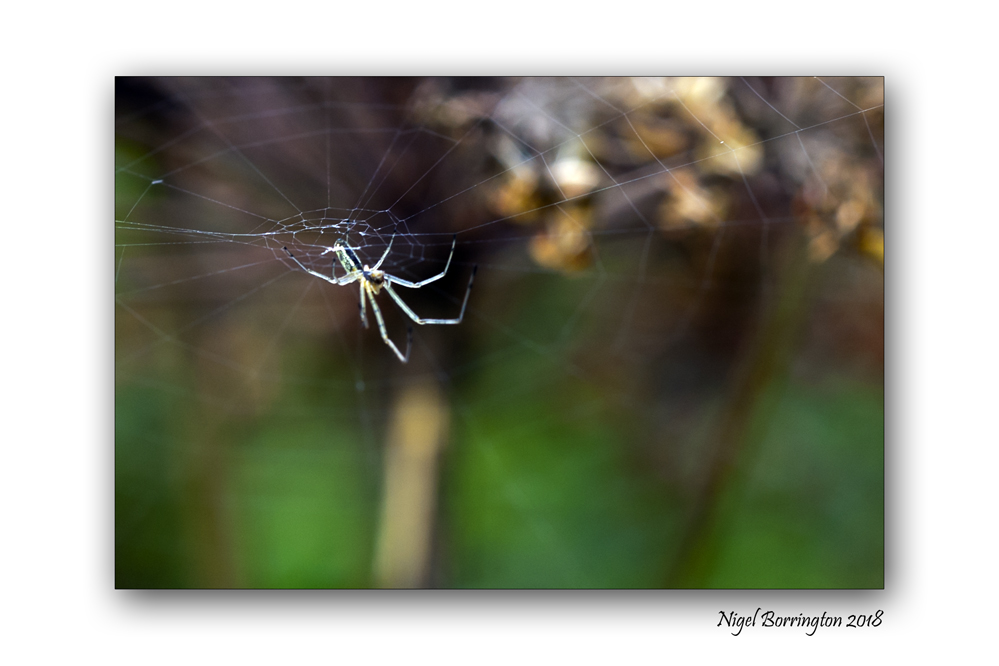
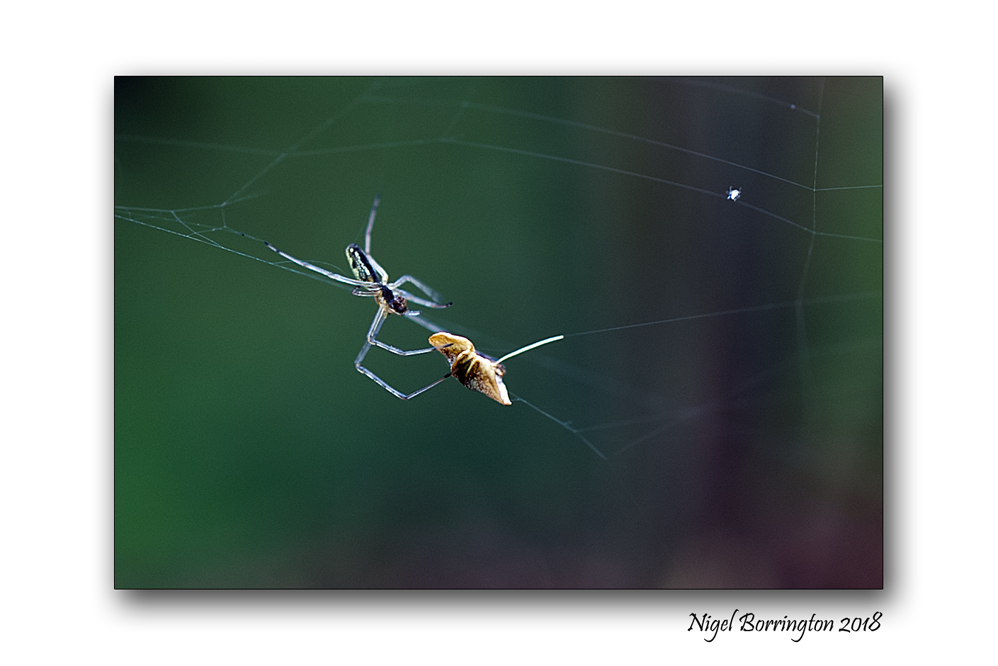
October on the Forest Floor, 2 ….. The Spider

October On the Forest floor
The Spider Moves in
Nigel Borrington
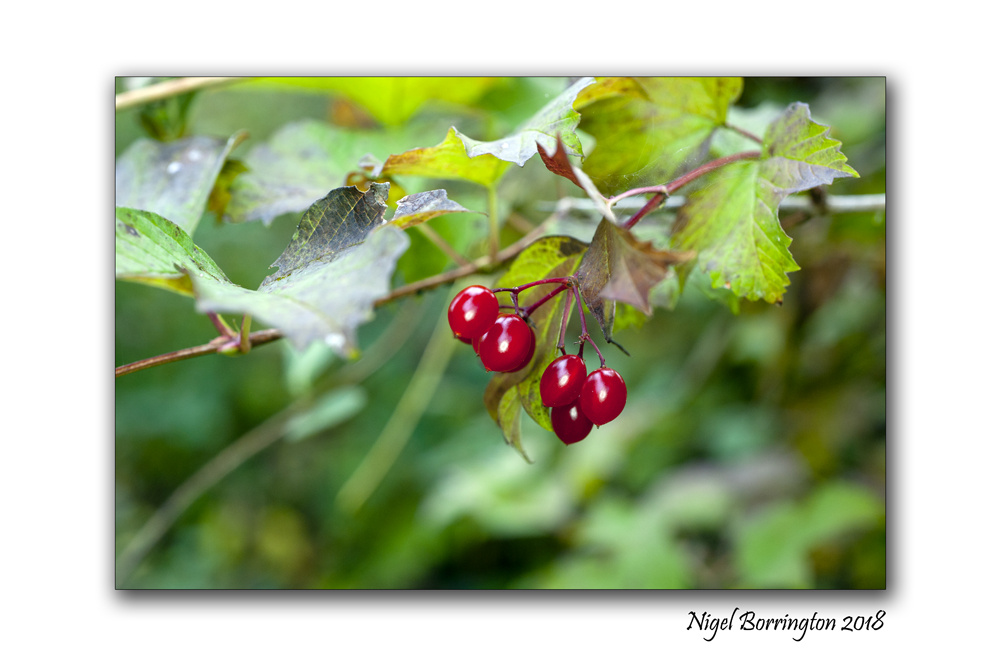
October – Along the Forest Path 1… (Viburnum Opulus) Guelder Rose, Berries
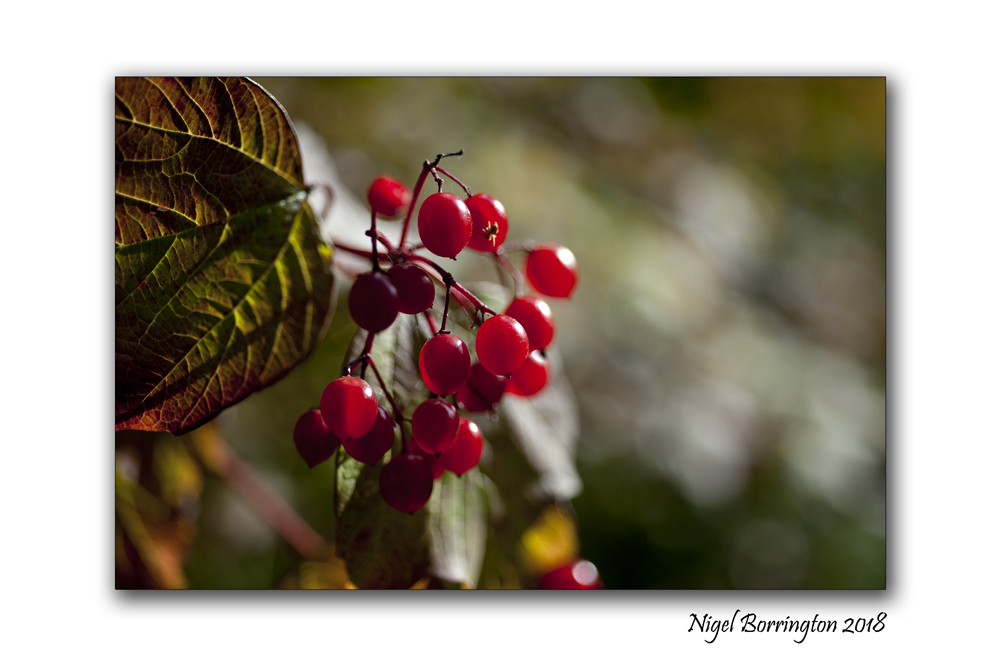
Viburnum Opulus Hedging
Guelder Rose, Viburnum opulus, is one of Britain’s most beautiful native shrubs and it makes a great hedging plant, typically in a mixed country hedge. It also make a fine ornamental shrub for any garden: in the wild, it is often found in dappled woodland shade, but it needs full sun to give you the best show of flowers. Guelder Rose bushes will grow pretty much anywhere, including shady sites under large trees and chalky soils. It prefers a moist soil and will tolerate periods of waterlogging.
Guelder Rose is good for hedges up to about 5 metres high.
Browse all of our other varieties of Viburnum trees & shrubs plants. Alternatively, view our selection of native hedging or see our full range of hedging plants.
Guelder Rose hedge plants are only delivered bareroot, during winter (Nov-March).
Choosing a size: When you are ordering Guelder Rose plants for a hedge, we suggest that you buy smaller plants if you are not in a rush. They are cheaper and easier to handle than large plants. They will also give you a bushy hedge with little effort.
Spacing Guelder Rose hedging:
Plant Guelder Rose at 3 plants per metre, 33cms apart.
You can also plant Guelder Rose at 5 plants per metre in a staggered double row, with 33 cms between each plant and 40cms between the rows.
The Guelder Rose makes an excellent mixed hedge plant, typically with hawthorn.

General description of Guelder Rose plants:
It has large, three lobed leaves that colour up in autumn with a jumble of tones that bleed together in a rough, rustic manner. The flowers are quite unique, with a ring of dainty little smooth star shaped flowers rising above bed of even smaller, bud-like blooms. The smaller flowers are the ones that ripen into blood red fruit, in time for the excellent red and yellow autumn colours.
History & uses of Viburnum opulus
The Guelder Rose isn’t a rose at all, it is closely related to the elderflowers. The name probably comes from the Dutch region of Gelderland. Guelder Rose berries were one of the secondary food sources that our ancestors would have depended upon in hard times. We don’t recommend eating them, as even slightly unripe fruit will cause stomach upsets, but if civilisation happens to collapse and you find yourself living in the woods, you could feed yourself by boiling up them up into a soup. Until then, we recommend leaving the berries for the birds.
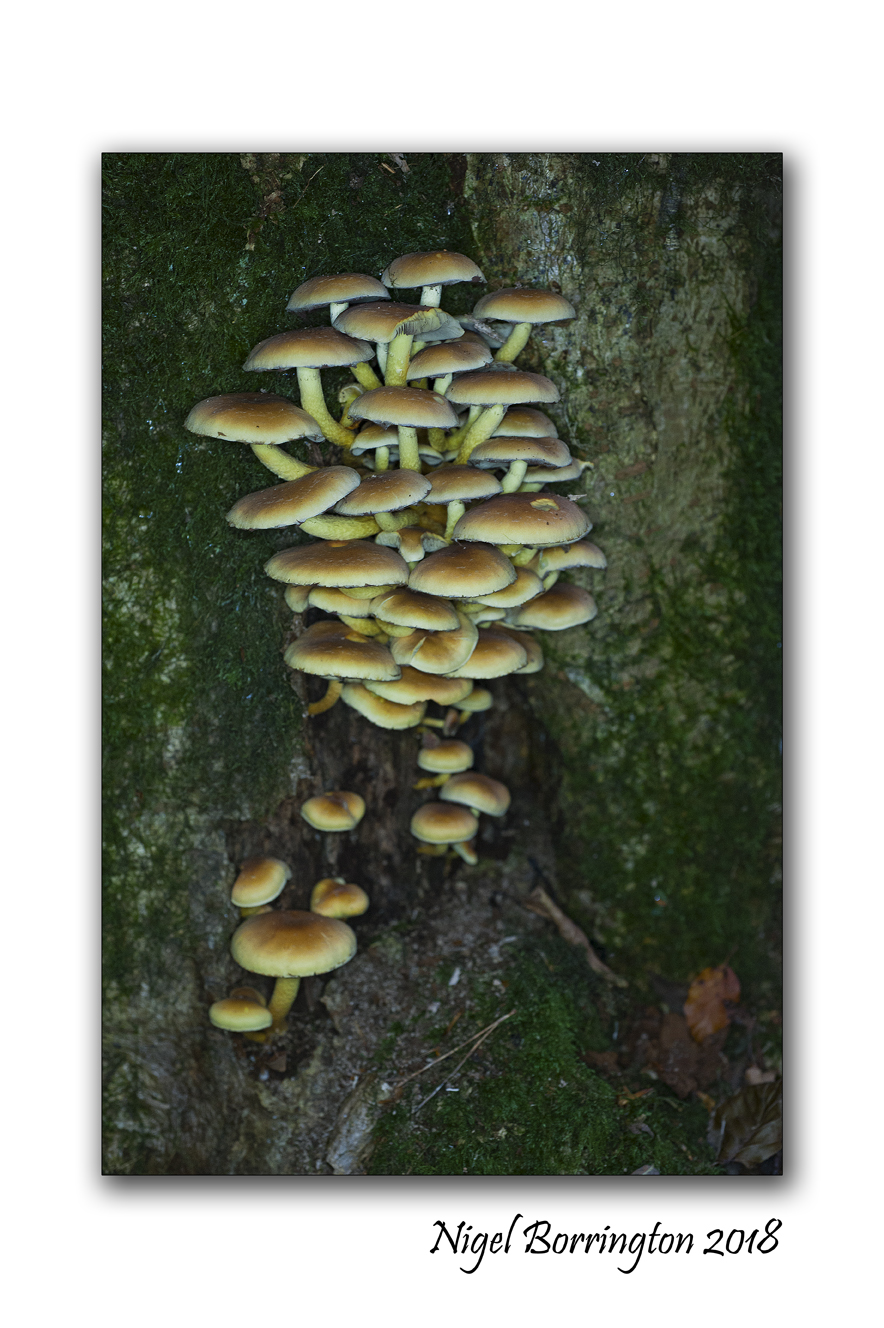
October on the Forest Floor 1…. fungus
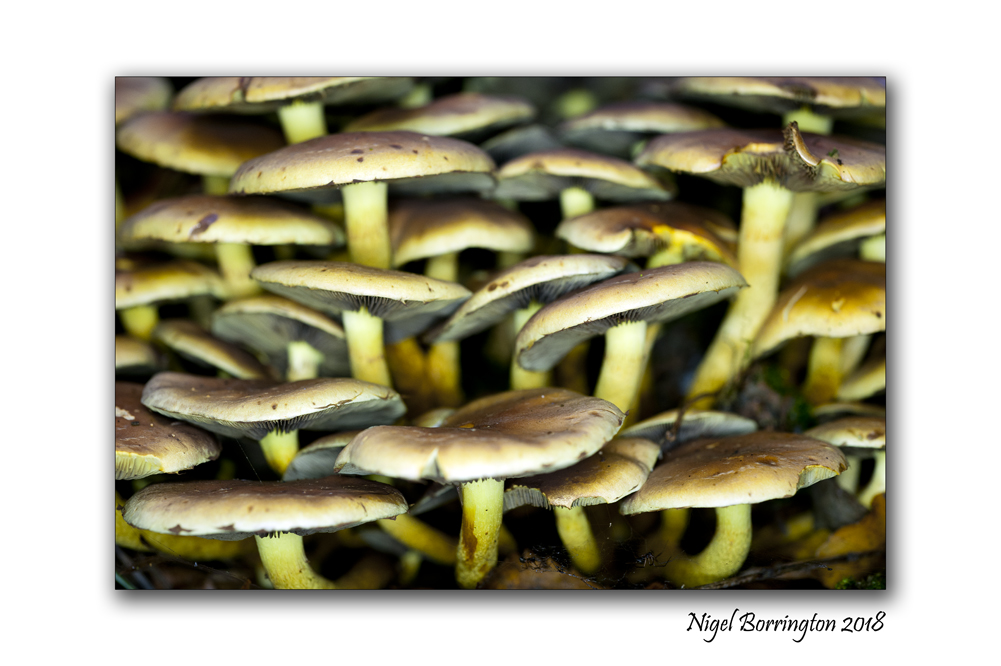
One of the most amazing sights at this time of year is one of all the Wild Mushrooms that appear in our local forests and fields, Ireland has some approximately 5,500 known species found throughout the country, some very common and some very hard to find.
I just love finding them as they appear on the woodland floor and on the dead wood alone with the lower parts of trees.
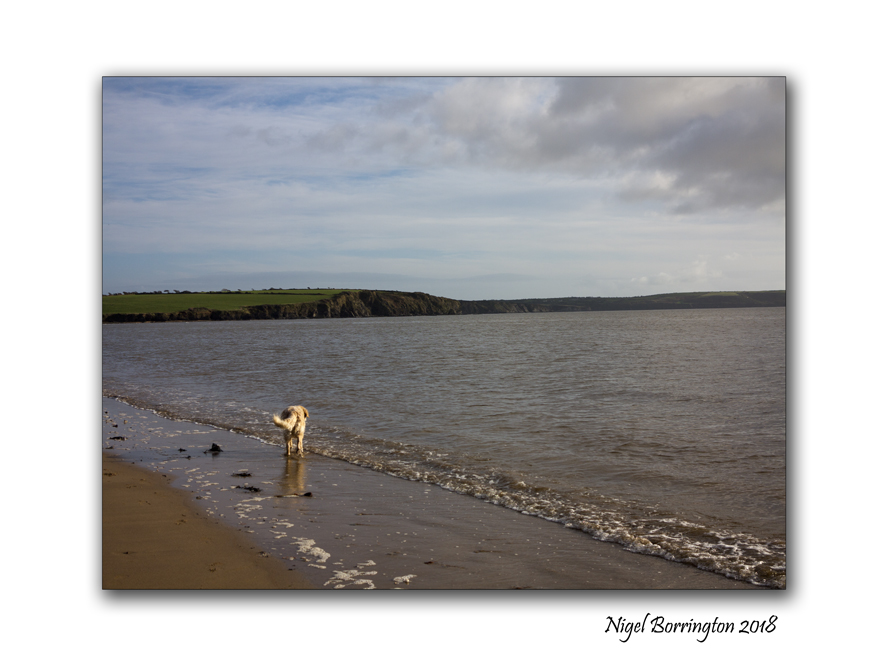
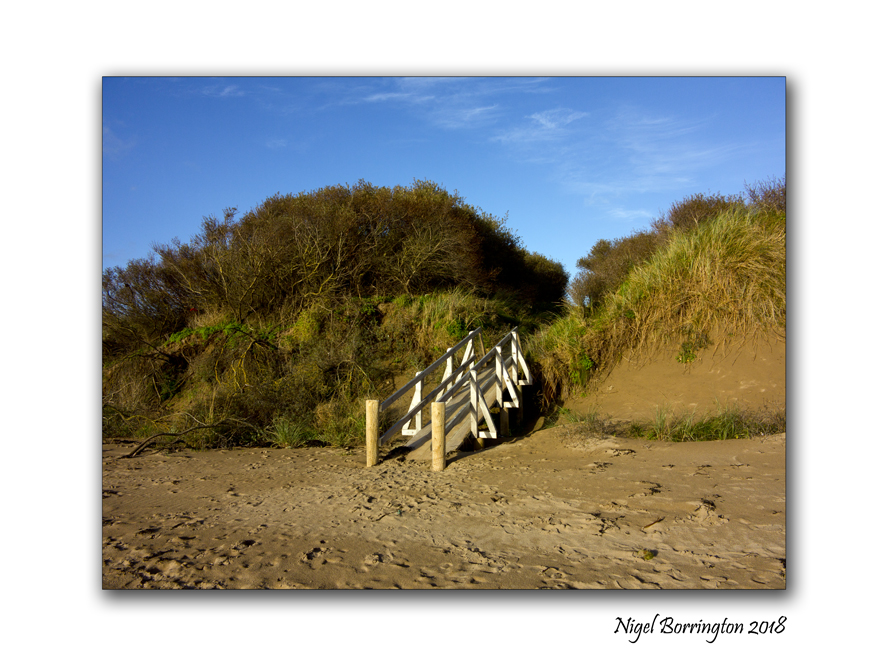
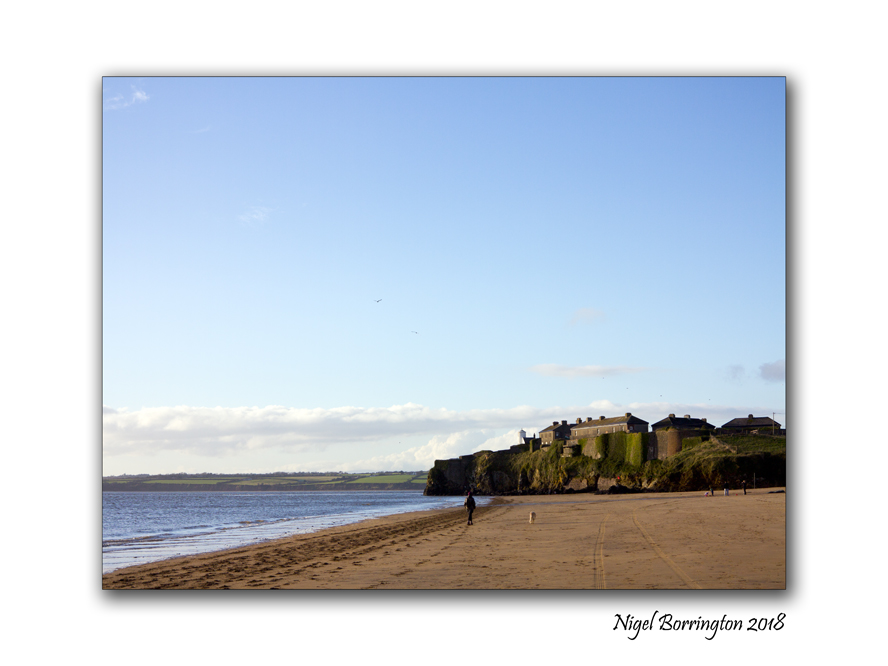
An October Sunset, Duncannon Beach, County Wexford, Ireland

A collection of images, all taken on my favorite beach in county Wexford – Duncannon beach, with its fort overlooking one end of the beach and a view down toward hook head at the other. The Sunsets here in October can be amazing and full of Autumn light 🙂 🙂
There are also pictures here of Molly, our much loved golden retriever, she is sadly no longer with us but she is always remembered and missed for moment like these ones. It was always great fun watching her exploring beaches and the sea, she love swimming so much she would spend hours returning sticks and balls from the water 🙂 🙂



To Autumn – Poem by William Blake
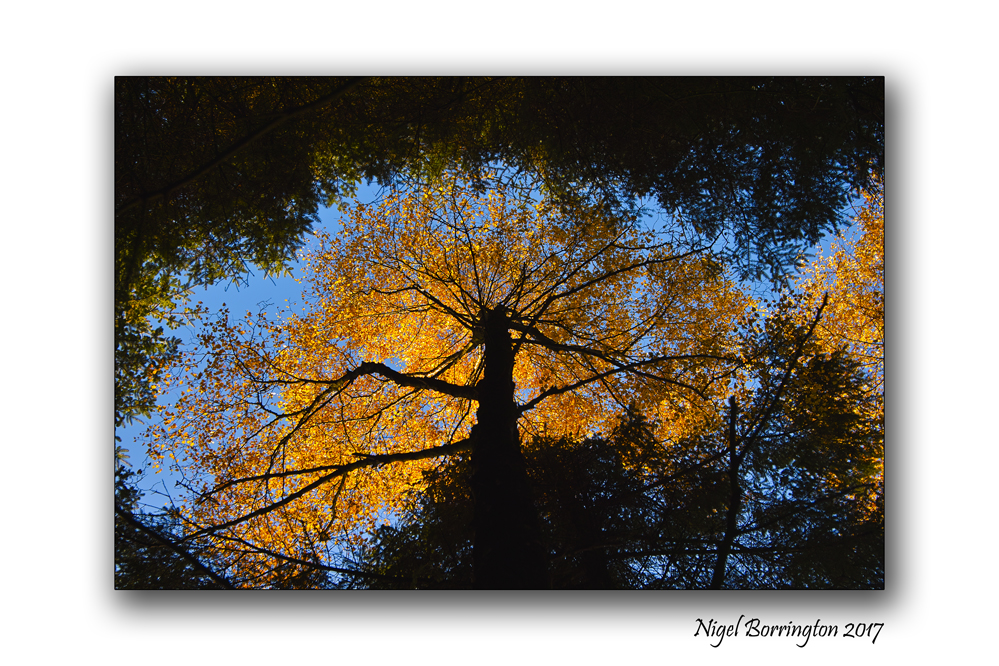
O Autumn, laden with fruit, and stainèd
With the blood of the grape, pass not, but sit
Beneath my shady roof; there thou may’st rest,
And tune thy jolly voice to my fresh pipe,
And all the daughters of the year shall dance!
Sing now the lusty song of fruits and flowers.
`The narrow bud opens her beauties to
The sun, and love runs in her thrilling veins;
Blossoms hang round the brows of Morning, and
Flourish down the bright cheek of modest Eve,
Till clust’ring Summer breaks forth into singing,
And feather’d clouds strew flowers round her head.
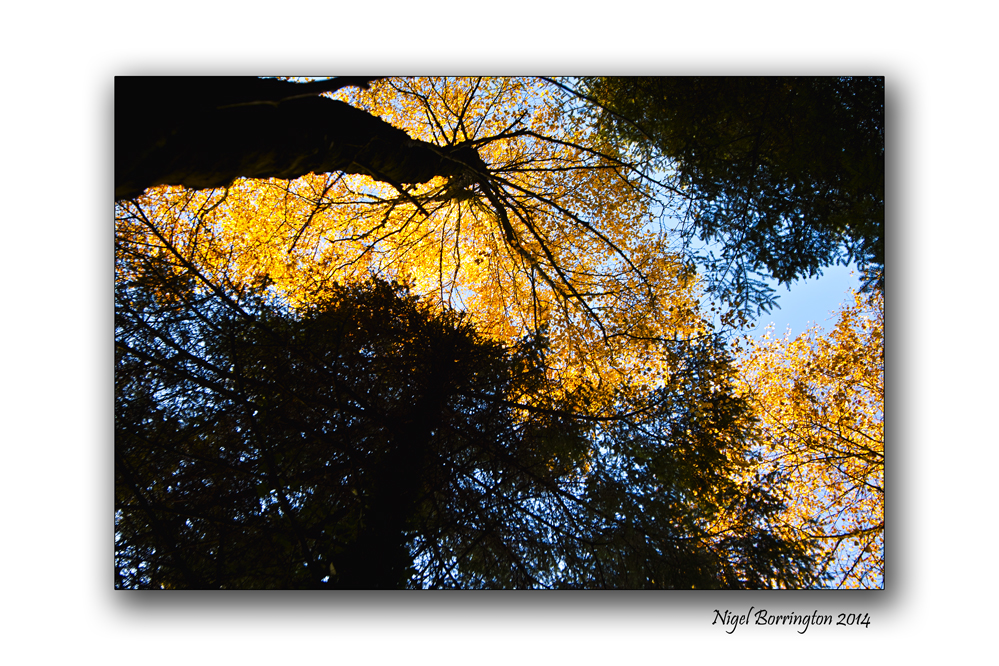
`The spirits of the air live on the smells
Of fruit; and Joy, with pinions light, roves round
The gardens, or sits singing in the trees.’
Thus sang the jolly Autumn as he sat;
Then rose, girded himself, and o’er the bleak
Hills fled from our sight; but left his golden load.
William Blake

Drawing from the Irish Bogs …….
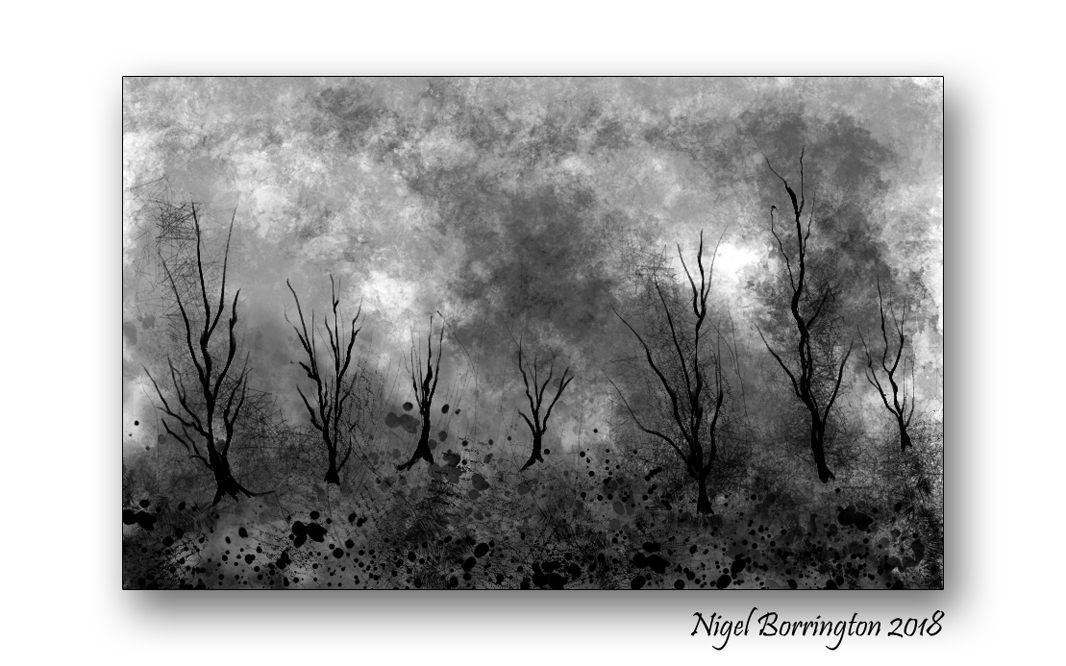
Drawing from the Boglands
Digital Drawings
Nigel Borrington 2018
Back in June this year Ireland was in the middle of a 8 weeks drought and even the Boglands had become dry. At one of our nearest Bogs we had a large wild fire which I visited to get the below images. Since then I have been working on some drawings of this event. This is a great subject for ink on paper type drawing.
The above image is just one that I have completed so far …..
Bog fire Gallery


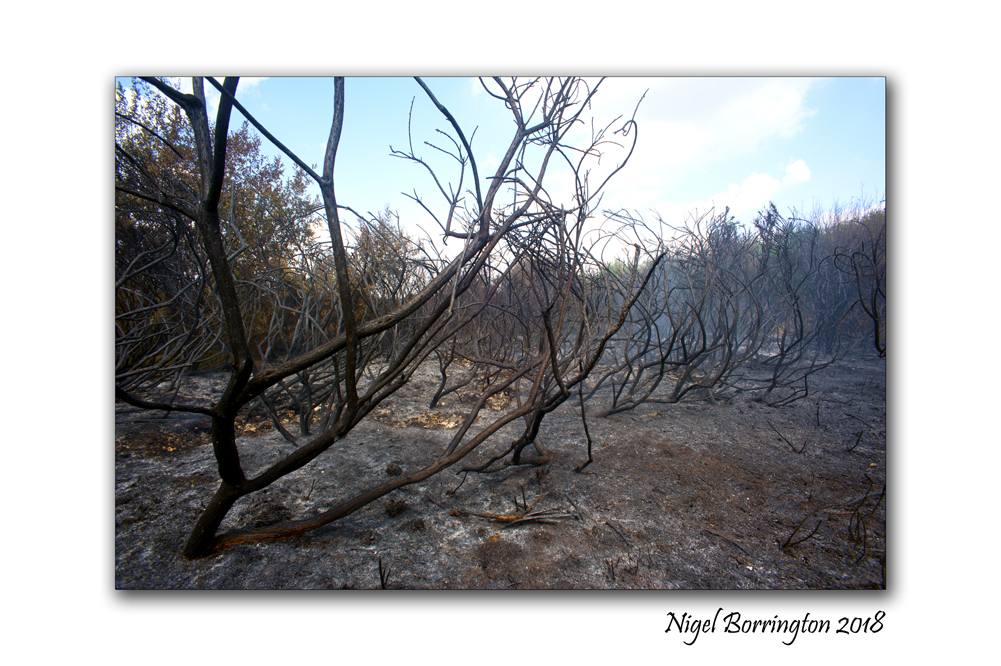
After the Wild fire
littleton bog, tipperary Nigel Borringtpon
Drawings from the Hedgerow …..

Art of the hedgerow
Digital Drawings
Nigel Borrington 2018
Drawings from the Hedgerow ……

Art of the hedgerow
County Kilkenny
Digital Drawings
Nigel Borrington 2018
Wind Turbine Poem, Our Wind Turbine

Ballybay Wind Farm, Tullaroan, county Kilkenny
Wind Turbine Poem
Our Wind Turbines

The propeller is always spinning,
Turning like the world.
With the wind it creates energy,
Makes a sound in motion.
It is environmentally friendly,
And the wind soars through the skies.
A source of power is at work,
And leaves a warm feeling inside.

Our turbine is very tall,
The wind blows in my face,
The sound the machine creates,
Will reach the furthest place.
It helps save parts of nature,
The sound rings loud and clear,
It keeps our land clean and neat,
Good energy is right here.
CERES Community in the Environment

Ballybay Wind Farm, Tullaroan, County Kilkenny
Nigel Borrington
Sonnet to Collecting Seashells

Sonnet to Collecting Seashells
During youth I was quite the collector
of ocean cretin’s annealed sandcastles
Though the hosts inside could not be cheaper,
their fleshy coats were worth all the hassles

Content I was amassing worn seashells;
daily did this fine collection accrue
Though furnished, barren felt those wooden shelves,
as even pearls are lesser than a jewel

Still, the sand was warm; the waves were soothful
and regardless of what hollowness struck,
the beach granted a chance to feel fruitful
so long as one had either skill or luck

Alone was I, but daresay not lonely,
but I was not happy until married.
E.B. White: Song of the Queen Bee
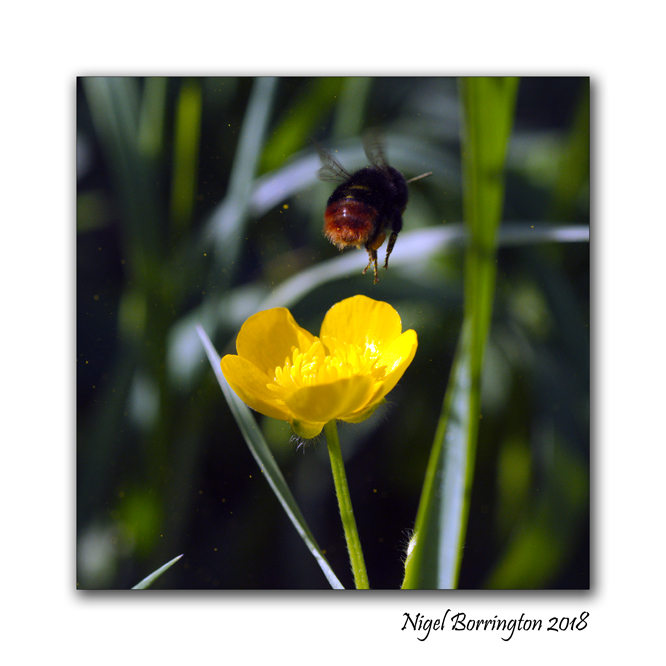
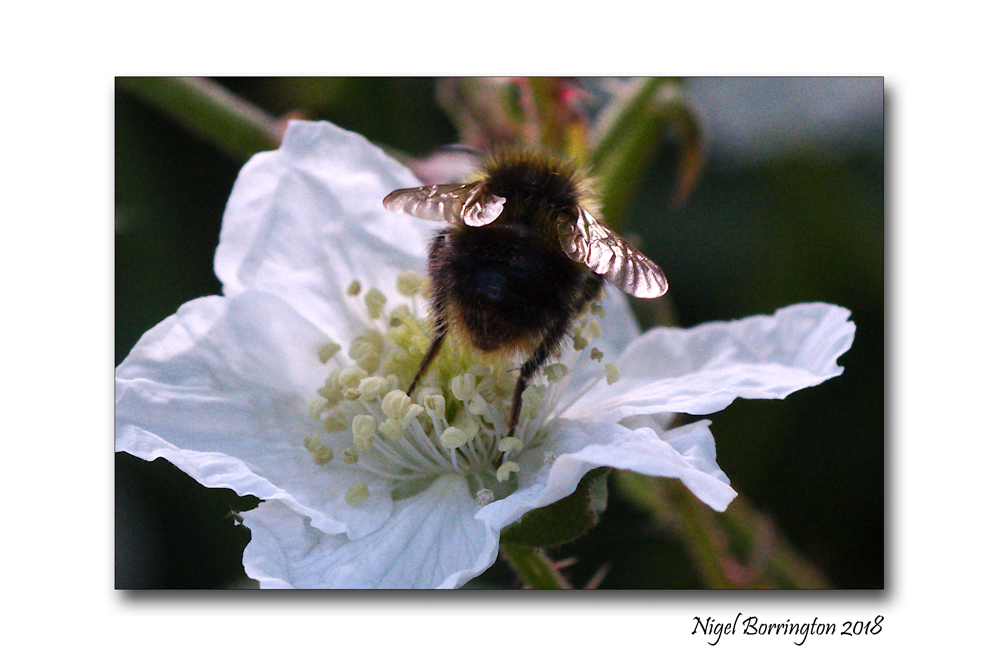
A great poem by E.B. White, published in the New Yorker Magazine 1945, even back then people loved their bee’s .
These days they need lots of love and care as it feels like its getting harder and harder of find them !!!!!
“The breeding of the bee,” says a United States Department
of Agriculture bulletin on artificial insemination, “has
always been handicapped by the fact that the queen mates
in the air with whatever drone she encounters.”
When the air is wine and the wind is free
and the morning sits on the lovely lea
and sunlight ripples on every tree
Then love-in-air is the thing for me
I’m a bee,
I’m a ravishing, rollicking, young queen bee,
That’s me.
I wish to state that I think it’s great,
Oh, it’s simply rare in the upper air,
It’s the place to pair
With a bee.
Let old geneticists plot and plan,
They’re stuffy people, to a man;
Let gossips whisper behind their fan.
(Oh, she does?
Buzz, buzz, buzz!)
My nuptial flight is sheer delight;
I’m a giddy girl who likes to swirl,
To fly and soar
And fly some more,
I’m a bee.
And I wish to state that I’ll always mate
With whatever drone I encounter.
There’s a kind of a wild and glad elation
In the natural way of insemination;
Who thinks that love is a handicap
Is a fuddydud and a common sap,
For I am a queen and I am a bee,
I’m devil-may-care and I’m fancy-free,
The test tube doesn’t appeal to me,
Not me,
I’m a bee.
And I’m here to state that I’ll always mate
With whatever drone I encounter.
Mares and cows. by calculating,
Improve themselves with loveless mating,
Let groundlings breed in the modern fashion,
I’ll stick to the air and the grand old passion;
I may be small and I’m just a bee
But I won’t have science improving me,
Not me,
I’m a bee.
On a day that’s fair with a wind that’s free,
Any old drone is a lad for me.
I’ve no flair for love moderne,
It’s far too studied, far too stern,
I’m just a bee—I’m wild, I’m free,
That’s me.
I can’t afford to be too choosy;
In every queen there’s a touch of floozy,
And it’s simply rare
In the upper air
And I wish to state
That I’ll always mate
With whatever drone I encounter.
Man is a fool for the latest movement,
He broods and broods on race improvement;
What boots it to improve a bee
If it means the end of ecstasy?
(He ought to be there
On a day that’s fair,
Oh, it’s simply rare.
For a bee.)
Man’s so wise he is growing foolish,
Some of his schemes are downright ghoulish;
He owns a bomb that’ll end creation
And he wants to change the sex relation,
He thinks that love is a handicap,
He’s a fuddydud, he’s a simple sap;
Man is a meddler, man’s a boob,
He looks for love in the depths of a tube,
His restless mind is forever ranging,
He thinks he’s advancing as long as he’s changing,
He cracks the atom, he racks his skull,
Man is meddlesome, man is dull,
Man is busy instead of idle,
Man is alarmingly suicidal,
Me, I am a bee.
I am a bee and I simply love it,
I am a bee and I’m darn glad of it,
I am a bee, I know about love:
You go upstairs, you go above,
You do not pause to dine or sup,
The sky won’t wait —it’s a long trip up;
You rise, you soar, you take the blue,
It’s you and me, kid, me and you,
It’s everything, it’s the nearest drone,
It’s never a thing that you find alone.
I’m a bee,
I’m free.
If any old farmer can keep and hive me,
Then any old drone may catch and wife me;
I’m sorry for creatures who cannot pair
On a gorgeous day in the upper air,
I’m sorry for cows that have to boast
Of affairs they’ve had by parcel post,
I’m sorry for a man with his plots and guile,
His test-tube manner, his test-tube smile;
I’ll multiply and I’ll increase
As I always have—by mere caprice;
For I am a queen and I am a bee,
I’m devil-may-care and I’m fancy-free,
Love-in-air is the thing for me,
Oh, it’s simply rare
In the beautiful air,
And I wish to state
That I’ll always mate
With whatever drone I encounter.
Cows, a Poem by Paul Muldoon

Paul Muldoon (born 20 June 1951) is an Irish poet. He has published over thirty collections and won a Pulitzer Prize for Poetry and the T. S. Eliot Prize. He held the post of Oxford Professor of Poetry from 1999 to 2004.
At Princeton University he is both the Howard G. B. Clark ’21 Professor in the Humanities and Founding Chair of the Lewis Center for the Arts. He has also served as president of the Poetry Society (UK)[3] and Poetry Editor at The New Yorker. More ……
Cows by Paul Muldoon
Even as we speak, there’s a smoker’s cough
from behind the whitethorn hedge: we stop dead in our tracks;
a distant tingle of water into a trough.
In the past half-hour—since a cattle truck
all but sent us shuffling off this mortal coil—
we’ve consoled ourselves with the dregs
of a bottle of Redbreast. Had Hawthorne been a Gael,
I insist, the scarlet A on Hester Prynne
would have stood for “Alcohol.”
This must be the same truck whose taillights burn
so dimly, as if caked with dirt,
three or four hundred yards along the boreen
(a diminutive form of the Gaelic bóthar, “a road,”
from bó, “a cow,” and thar
meaning, in this case, something like “athwart,”
“boreen” has entered English “through the air”
despite the protestations of the O.E.D.):
why, though, should one taillight flash and flare
then flicker-fade
to an afterimage of tourmaline
set in a dark part-jet, part-jasper or -jade?
That smoker’s cough again: it triggers off from drumlin
to drumlin an emphysemantiphon
of cows. They hoist themselves onto their trampoline
and steady themselves and straight away divine
water in some far-flung spot
to which they then gravely incline. This is no Devon

cow-coterie, by the way, whey-faced, with Spode
hooves and horns: nor are they the metaphysicattle of Japan
that have merely to anticipate
scoring a bull’s-eye and, lo, it happens;
these are earth-flesh, earth-blood, salt of the earth,
whose talismans are their own jawbones
buried under threshold and hearth.
For though they trace themselves to the kith and kine
that presided over the birth
of Christ (so carry their calves a full nine
months and boast liquorice
cachous on their tongues), they belong more to the line
that’s tramped these cwms and corries
since Cuchulainn tramped Aoife.
Again the flash. Again the fade. However I might allegorize
some oscaraboscarabinary bevy
of cattle there’s no getting round this cattle truck,
one light on the blink, laden with what? Microwaves? Hi-fis?
Oscaraboscarabinary: a twin, entwined, a tree, a Tuareg;
a double dung-beetle; a plain
and simple hi-firing party; an off-the-back-of-a-lorry drogue?
Enough of Colette and Céline, Céline and Paul Celan:
enough of whether Nabokov
taught at Wellesley or Wesleyan.
Now let us talk of slaughter and the slain,
the helicopter gunship, the mighty Kalashnikov:
let’s rest for a while in a place where a cow has lain.
 Nigel Borrington
In the October woodlands 3 :Lichens, but they aren’t quite what we thought they are !
A little more detailed this post than my usual Friday posts but I found this articular very interesting, if only for the fact that its amazing just how much there is to be found in our local woodlands and just how much study is being carried ou,t even after so many years to revival the hidden secrets to the life that surrounds us on our daily walks along a forest path …..
Lichens aren’t quite what we thought, shocked scientists discover
Most people know lichens, such as this wolf lichen, as those flaky, light green things that grow on tree bark. You probably learned in school that they’re a mutually beneficial partnership or “symbiosis” between fungi and algae, but many lichens have now been found to include a third partner, a yeast. (Tim Wheeler Photography)
Most people know lichens as those flaky, light green things that grow on tree bark, and learned in school that they’re a mutually beneficial partnership or “symbiosis” between fungi and algae.
But lichen scientists have made the shocking new discovery that many lichens are also made up of a previously undiscovered third partner — a new kind of yeast.
Not only does that potentially alter the fundamental definition of what a lichen is, but it “should change expectations about the diversity and ubiquity” of the organisms that form them, says a new study published Thursday in Science.
University of Montana researcher Toby Spribille samples Bryoria or horsehair lichens. He first started studying lichens 15 years ago in British Columbia. His new study was inspired by a mystery flagged by B.C. lichenologist Trevor Goward. (Christoph Rosche)
The new yeast has apparently gone undetected in lichens for more than a century, despite the fact that scientists all over the world have devoted entire careers to studying lichens closely with microscopes and genetic testing.
That seemed so unlikely that the scientists working on the project had trouble believing it themselves.
“It’s so surprising that you kind of doubt yourself for a long time,” said John McCutcheon, a microbiologist at the University of Montana and a research fellow with the Canadian Institute for Advanced Research who co-authored the new study published today in Science.
“We had to check our data more than 10 times,” recalled Toby Spribille, lead author of the paper. “It seemed to me so unlikely that so many people would have missed that.”
Lichen mystery
Spribille, a University of Montana botanist who first started studying lichens in British Columbia 15 years ago, was inspired by a mystery flagged by B.C. lichenologist Trevor Goward in a series of essays.
Wila or edible horsehair lichen, also known by the scientific name Bryoria fremontii, is a brown-coloured lichen that was an important traditional food for many First Nations in northwestern North America. (Toby Spribille)
It concerned two lichens that grow in B.C. and Montana and considered separate species for 100 years. One called wila or edible horsehair lichen, also known by the scientific name Bryoria fremontii, is a brown-coloured lichen that was an important traditional food for many First Nations in northwestern North America.
The other, called tortured horsehair lichen or Bryoria tortuosa, is yellow and poisonous. However, a recent genetic analysis showed that they were genetically identical — they were made up of exactly the same species of fungus and the same species of algae.
“There’s something really weird about that,” Spribille said.
Tortured horsehair lichen or Bryoria tortuosa, is yellow and poisonous. However, a recent genetic analysis showed that its fungus species and algae species are genetically identical to those in edible horsehair lichen. (Tim Wheeler)
He brought the problem up with McCutcheon, an expert in new, sophisticated genetic techniques that he typically uses to study insects.
Traditional DNA analysis relies on probes or lures to fish out certain characteristic regions of genetic material, partly based on what scientists expect to find — like calling out names in a dark room to see who’s there, Spribille said.
Newer techniques instead look for all genes that are in the process of being translated into proteins via “messenger” molecules called RNA. Spribille likens the technique to turning on the lights.
McCutcheon says that gives a sense of what an organism is doing at any given time.
To the researchers’ surprise, the RNA they found came not just from the fungus and the alga known to be associated with the lichens, but a mysterious third organism.
Further analysis showed it to be a new kind of yeast, belonging to the taxonomic group Basidiomycota, the same one that button mushrooms belong to. It was not at all related to the yeasts used to brew beer or bake bread. Yeast cells and DNA were extremely common in the yellow, poisonous lichen, but rare in the edible brown lichen.
A fluorescent microscope image shows the location of different cell types in a bryoria lichen, cut at the ends and lengthwise through the middle. Green are the yeasts, blue are the fungi, red are the algae. (Toby Spribille)
After running the experiment enough times to convince themselves the signal wasn’t due to contamination and pinpointing the yeast cells in the outer skin of the lichen, the researchers decided to see whether other lichens from around the world also contained the yeast. Sure enough, many did.
“Each lichen has a specific strain of the yeast,” McCutcheon said. “These form several new fungal families.”
DNA analysis suggests the yeast has been part of lichens for more than 100 million years — since the end of the Early Cretaceous, when dinosaurs like spinosaurus and allosaurus roamed the Earth, and flowering plants first appeared.
Spribille said the discovery “seriously challenges” a lot of assumptions that have been held by lichenologists for a century.
“At the next level up, it gives us insight into how one of the most fascinating symbioses works.”
‘Really major finding’
Goward, whose essay inspired the research, said he was delighted by the discovery.
“It’s all very exciting to me,” he added. “If Toby’s idea proves to be correct, this is the second really major finding that changes how we see these organisms” — after the 1860s discovery that lichens weren’t one organism, but made of two separate organisms, an alga and a fungus.
Irwin Brodo, an emeritus scientist at the Canadian Museum of Nature in Ottawa who has devoted himself to the study of lichens for decades, said the discovery was “plausible” but “not proven yet.”
Brodo, who first gave the horsehair lichens the name Bryoria, said he was surprised that the new yeast cells were discovered in a part of the lichen that a lot of lichenologists, including himself, have examined carefully.
“I never saw them,” he said.
But he added that the presence of the yeast might also explain other longstanding mysteries about other lichens that look very different but have been found to be genetically identical.
Share this:
October 19, 2018 | Categories: Comment, Gallery, Images of Autumn, Irish Landscapes, irish woodlands, Nature and Wildlife | Tags: Autumn, forest life, In the October woodlands, Lichens, Nature, Nigel Borrington, woodlands | Leave a comment