October’s Party a poem By: George Cooper

October’s Party
By: George Cooper
October gave a party;
The leaves by hundreds came—
The Chestnuts, Oaks, and Maples,
And leaves of every name.
The Sunshine spread a carpet,
And everything was grand,
Miss Weather led the dancing,
Professor Wind the band.
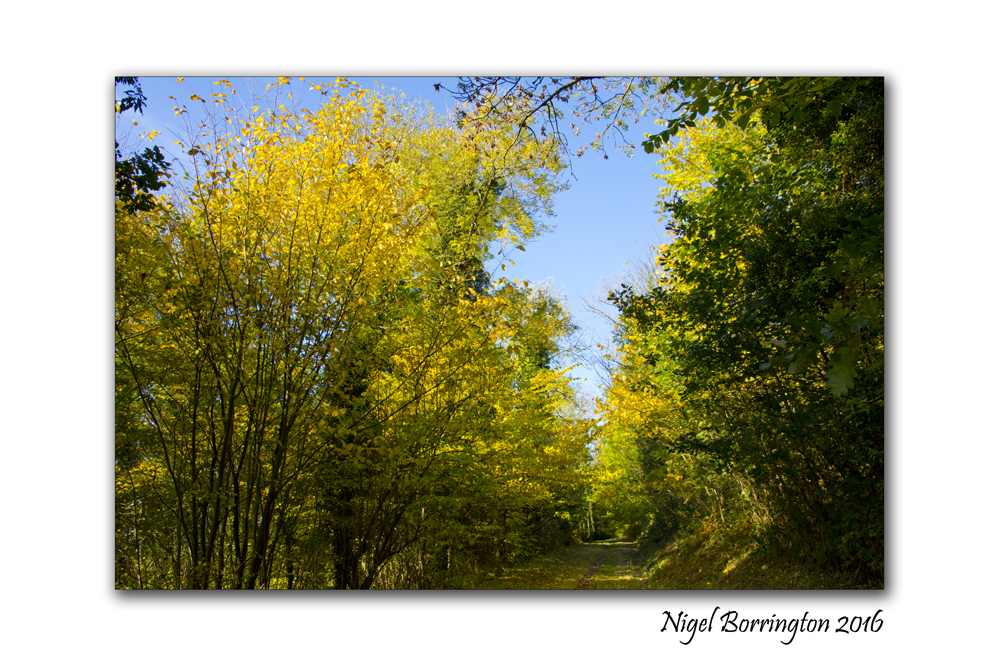
The Chestnuts came in yellow,
The Oaks in crimson dressed;
The lovely Misses Maple
In scarlet looked their best;
All balanced to their partners,
And gaily fluttered by;
The sight was like a rainbow
New fallen from the sky.

Then, in the rustic hollow,
At hide-and-seek they played,
The party closed at sundown,
And everybody stayed.
Professor Wind played louder;
They flew along the ground;
And then the party ended
In jolly “hands around.”
Irish Castles : A Lament for Kilcash – Monday Poetry

Irish Castles
Kilcash castle
Nigel Borrington
A Lament for Kilcash
Now what will we do for timber,
with the last of the woods laid low?
There’s no talk of Cill Chais or its household
and its bell will be struck no more.
That dwelling where lived the good lady
most honoured and joyous of women
– earls made their way over wave there
and the sweet Mass once was said.
Ducks’ voices nor geese do I hear there,
nor the eagle’s cry over the bay,
nor even the bees at their labour
bringing honey and wax to us all.
No birdsong there, sweet and delightful,
as we watch the sun go down,
nor cuckoo on top of the branches
settling the world to rest.
A mist on the boughs is descending
neither daylight nor sun can clear.
A stain from the sky is descending
and the waters receding away.
No hazel nor holly nor berry
but boulders and bare stone heaps,
not a branch in our neighbourly haggard,
and the game all scattered and gone.
Then a climax to all of our misery:
the prince of the Gael is abroad
oversea with that maiden of mildness
who found honour in France and Spain.
Her company now must lament her,
who would give yellow money and white
– she who’d never take land from the people
but was friend to the truly poor.
I call upon Mary and Jesus
to send her safe home again:
dances we’ll have in long circles
and bone-fires and violin music;
that Cill Chais, the townland of our fathers,
will rise handsome on high once more
and till doom – or the Deluge returns –
we’ll see it no more laid low.

Kilcash Castle located on the county Kilkenny / Tipperary boarders but firmly in county Tipperary is one of the most haunting places to be found locally. It has a long history that started with its construction in the sixteenth century by the wall family who latter passed it on to the Butlers of Ormond who much latter sold it to the Irish State in 1997 for £500
Brief History of Kilkash castle and the Poem
By the late 20th century Kilcash Castle was in a dangerous state of repair, and it was sold to the State by the trustees of the Ormond estate for £500 in 1997. It is undergoing extensive structural repairs to save it from collapsing. But this means it is covered in scaffolding and the site is closed off to visitors.
The author of the popular Irish poem and song Cill Chaise (Kilcash) casts himself back in time to mourn the death of Margaret Butler, the former Lady Iveagh, in 1744. Her death moves the writer to lament her tolerance and to compare the cutting down of the woods of Kilcash with the destruction of the Gaelic way of life.
But the woods were not destroyed by the English, but through their sale by the Butler family, who needed the income to supplement their new lifestyle in Kilkenny Castle.
Traditionally, the poem has been attributed to Father John Lane, Parish Priest of nearby Carrick-on-Suir, who was educated for the priesthood at the expense of the former Lady Iveagh, the deagh-bhean or good lady in the song. However, the dating is misplaced, for Father Lane died in 1776 and the sale of the timber at Kilcash was not advertised in local newspapers until 1797.
Although the timber was sold off between 1797 and 1801, the earliest manuscripts of the text do not appear for another 40 years, which means Cill Chaise was written no earlier than the early 1800s, but perhaps much later. The air seems to be Bliadhin ’sa taca so phós mé (This time twelve months I married), which was collected by George Petrie in Clare and published in 1855.

Nature Photography : Hunting for Fungi , Kyleaduhir woods, Callan, Co Kilkenny

Lactarius blennius
Beech milkcap
Kyleaduhir woods Callan , Co. Kilkenny
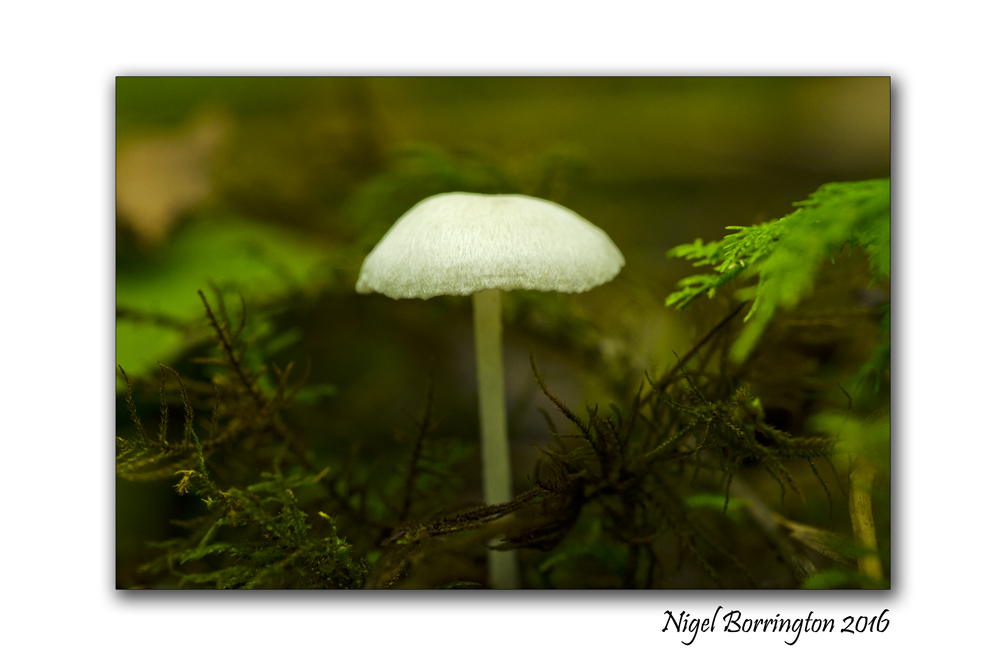
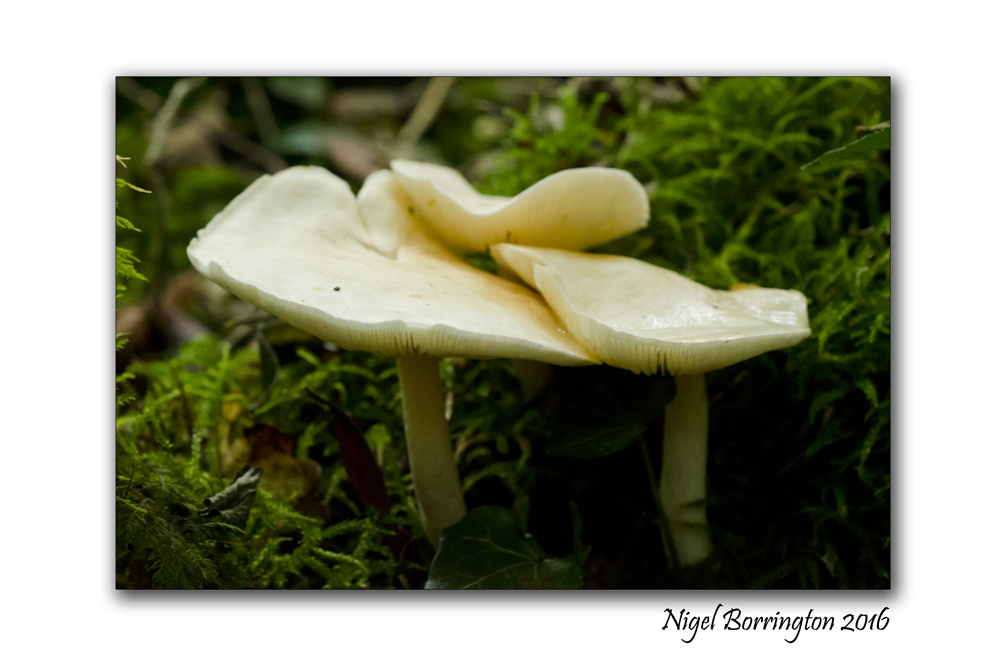
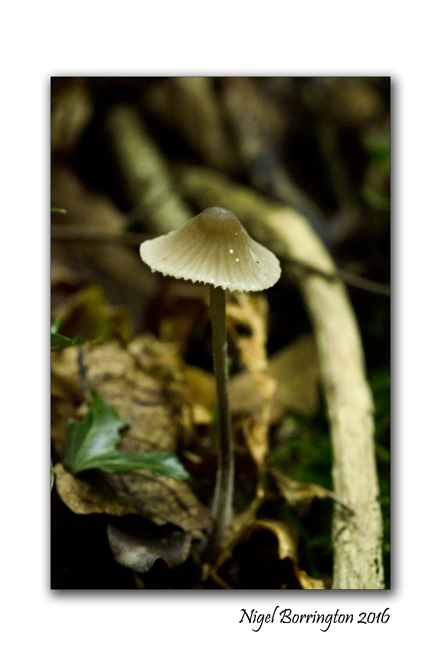
Our local woodlands in September begin to fill with many kinds of fungi, its an almost magical sight, they make great subjects for Macro photography. You need to be happy getting down into the damp and muddy forest floor but the results can be well worth the effort.
Here are some basic facts about Fungi …..
Mushroom Magic and Folklore
Go for a walk in the woods on any given summer day, and you’ll see fungi galore popping up, nestled in amongst the ferns and trees. After a rainstorm, peek out in your backyard and you may see tiny spores beginning to sprout in the grass, forming what’s known as a fairy ring. Mushrooms grow in all shapes and sizes and colors, and – depending on where you live – you might find some that are conducive to magical practice.
It is important to note that unless you are absolutely positive about the type of mushroom you have picked, you should never ingest it or take it internally. There are many toxic mushrooms which look similar to edible ones – if you’re unsure about what you have found, check with a naturalist or other mushroom expert.
That having been said, there are a number of folk magic uses for mushrooms, and you can incorporate these at a symbolic level, rather than actually ingesting them. Let’s take a look at some of the legends and myths about mushrooms from around the world.
In many areas, the appearance of a ring of mushrooms on the ground is cause for either rejoicing or alarm. In Great Britain, these circles are known as fairy rings – and they are where the Fae come to dance and frolic after a rainstorm. However, like many other locations associated with faeries, humans who dare to enter such a ring may find themselves asleep for a hundred years, or worse yet, whisked off to the land of the wee folk, never to return.
In Holland, these rings are believed to be left when the Devil sets down his milk churn – once he picks it up, there’s a big circle left in the grass. In some countries, such as France and Austria, these rings are associated with sorcery and malevolent magic, and travelers are well-advised to steer clear of them.
Vance Randolph says in his book Ozark Magic and Folklore that in many parts of the Ozarks, it is believed that “mushrooms must be gathered when the moon is full – gather ’em at any other time and they will be unpalatable, or perhaps even poisonous.” He adds that it is said that mushrooms growing in an orchard where apple trees are in bloom are always edible.
One of the best known mushrooms, at least in European culture, is the red-and-white Fly Agaric. This mushroom appears often in illustrations of fairy tales – you might see a gnome or a fairy perched on top of one. Experts believe that the Fly Agaric was used as a hallucinogenic by northern European shamans and religious leaders. Interestingly, it contains two toxins that reduce the body’s response to fear stimulus, so it may have been ingested by warriors prior to battle. In central Europe, the Fly Agaric is associated with the Yule season, and there is a theory that Santa Claus’ red and white suit originated in the colors of this magical mushroom.
In ancient Egypt, mushrooms were a rare delicacy indeed. They were associated with immortality, and as such, only royalty could consume them – because, after all, royal persons were descended from the Egyptian gods themselves. Hieroglyphs found in Egypt indicate that mushrooms were being consumed with meals as long as 4,500 years ago.
In China and Japan, mushrooms were associated with longevity and strength – partly because some of the most popular mushrooms that grew there were known for stimulating the immune system. Shiitake and maitake mushrooms, in particular, have been used in herbal remedies for centuries.
Mushrooms have been used by many cultures throughout time as part of ritual and religion. The toxin psilocybin is found in certain mushrooms, and the use of hallucinogenic fungi has been documented in rituals dating back thousands of years. Entheogen researcher Giorgio Samorini describes the discovery of rock art representing mushroom cults in Libya and Algeria from 7,000 – 9,000 years ago in his article The oldest Representations of Hallucinogenic Mushrooms in the world (Sahara Desert, 9000 – 7000 B.P.).
Irish Landscape Photography : September Song

Irish Landscape Photography
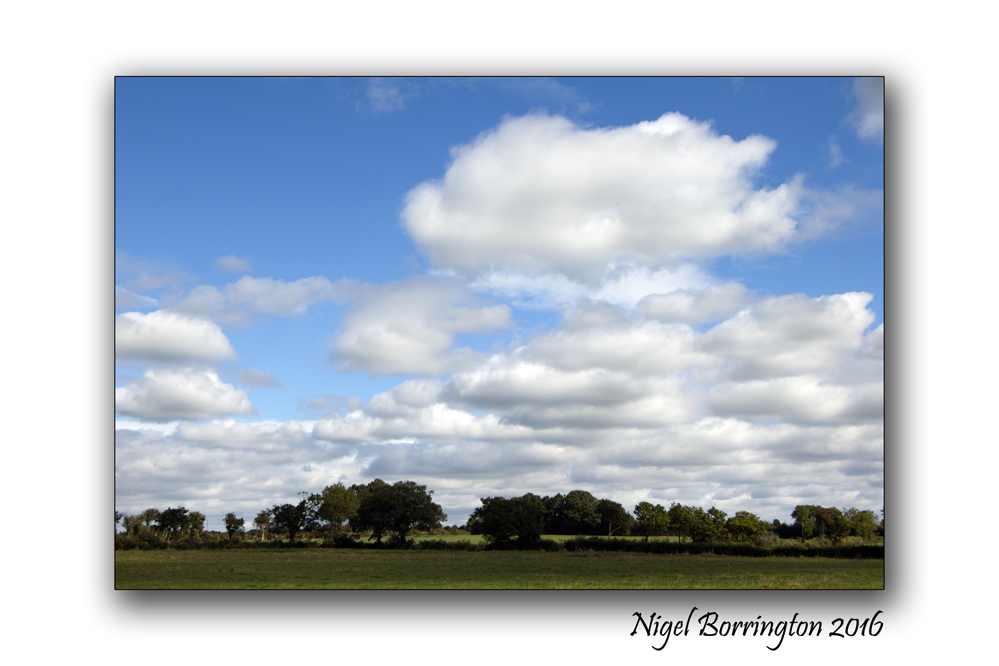
Septembers Song
Nigel Borrington
Oh, it’s a long long while
From May to December
But the days grow short
When you reach September
When the autumn weather
Turns leaves to flame
One hasn’t got time
For the waiting game
Oh, the days dwindle down
To a precious few
September, November
And these few precious days
I’ll spend with you
These precious days
I’ll spend with you
Oh, the days dwindle down
To a precious few
September, November
And these few precious days
I’ll spend with you
These precious days
I’ll spend with you
These precious days
I’ll spend with you
Willie Nelson – September Song

An Old Man on the River Bank, By George Seferis

River Barrow
County Kilkenny
Nigel Borrington
An Old Man on the River Bank
By George Seferis
And yet we should consider how we go forward.
To feel is not enough, nor to think, nor to move
nor to put your body in danger in front of an old loophole
when scalding oil and molten lead furrow the walls.
And yet we should consider towards what we go forward,
not as our pain would have it, and our hungry children
and the chasm between us and the companions calling from the opposite shore;
nor as the bluish light whispers it in an improvised hospital,
the pharmaceutic glimmer on the pillow of the youth operated on at noon;
but it should be in some other way, I would say like
the long river that emerges from the great lakes enclosed deep in Africa,
that was once a god and then became a road and a benefactor, a judge and a delta;
that is never the same, as the ancient wise men taught,
and yet always remains the same body, the same bed, and the same Sign,
the same orientation.
I want nothing more than to speak simply, to be granted that grace.
Because we’ve loaded even our song with so much music that it’s slowly sinking
and we’ve decorated our art so much that its features have been eaten away by gold
and it’s time to say our few words because tomorrow our soul sets sail.

If pain is human we are not human beings merely to suffer pain;
that’s why I think so much these days about the great river,
this meaning that moves forward among herbs and greenery
and beasts that graze and drink, men who sow and harvest,
great tombs even and small habitations of the dead.
This current that goes its way and that is not so different from the blood of men,
from the eyes of men when they look straight ahead without fear in their hearts,
without the daily tremor for trivialities or even for important things;
when they look straight ahead like the traveller who is used to gauging his way by the stars,
not like us, the other day, gazing at the enclosed garden of a sleepy Arab house,
behind the lattices the cool garden changing shape, growing larger and smaller,
we too changing, as we gazed, the shape of our desire and our hearts,
at noon’s precipitation, we the patient dough of a world that throws us out and kneads us,
caught in the embroidered nets of a life that was as it should be and then became dust and sank into the sands
leaving behind it only that vague dizzying sway of a tall palm tree.
Changing my Blogs header
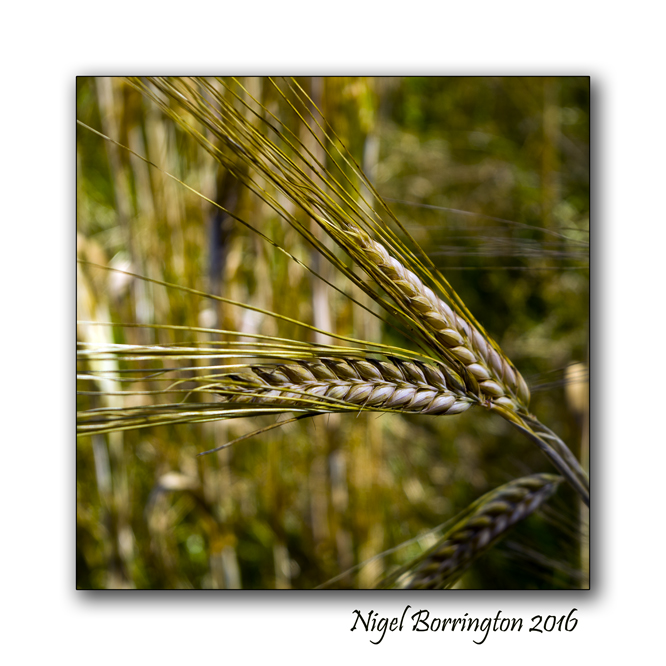
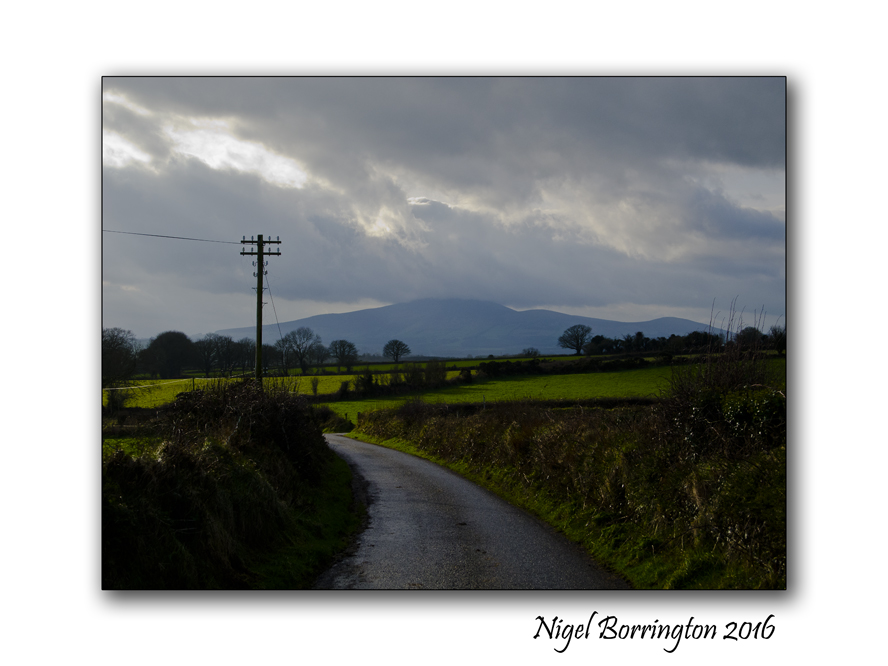
I guess every now and then we all need to change our blogs header image. Since the start of the year I have had the below landscape image of our local Mountain Slievemanon – county Tipperary, as my sites header, Taken during the winter months.
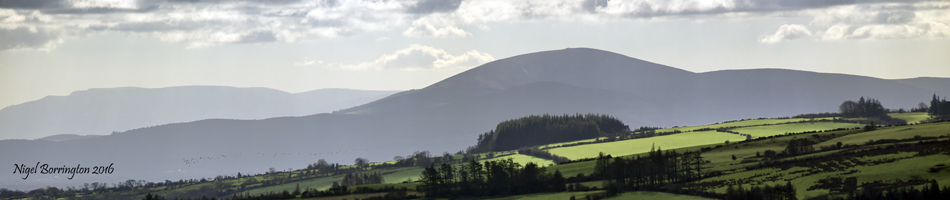
It has taken me until the Summer to capture an image that I was as happy to use but last week, while out walking I wondered through a local field full of Barley and took some close up images. One of these I knew I would be very happy to use as a header image, at least until the Autumn when I hope to capture some of my most loved yellows and browns from the changing Irish landscape.

County Kilkenny Landscapes and a Poem : Like Barley Bending, Sara Teasdale (1884 – 1933)
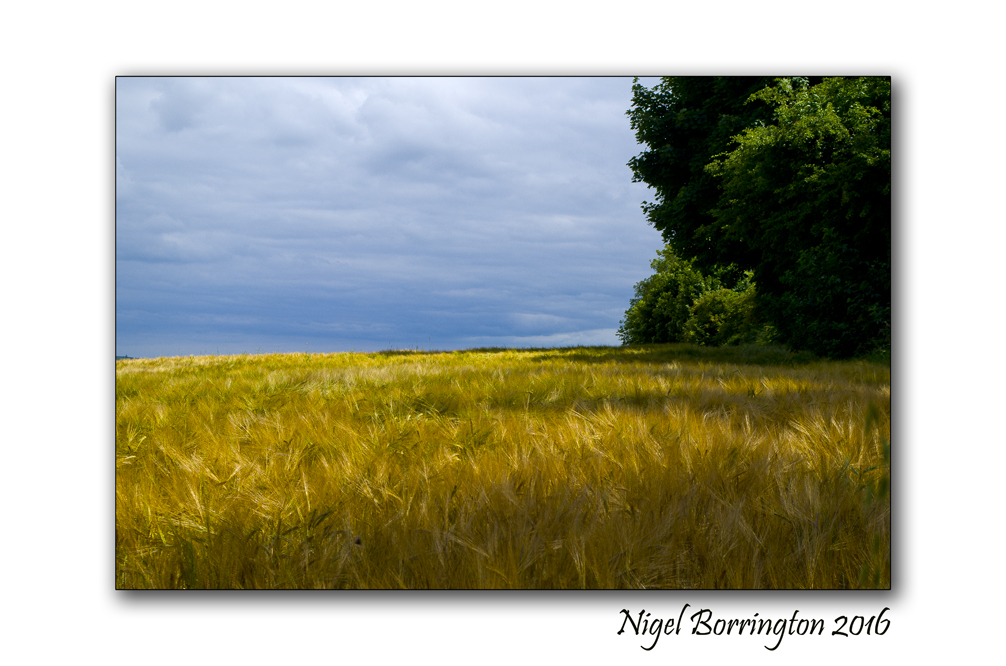
Barley Field
County Kilkenny
Nigel Borrington
Like Barley Bending
Like barley bending
In low fields by the sea,
Singing in hard wind
Ceaselessly;
Like barley bending
And rising again,
So would I, unbroken,
Rise from pain;

So would I softly,
Day long, night long,
Change my sorrow
Into song.
The Farrier, by : Robert L. Hinshaw
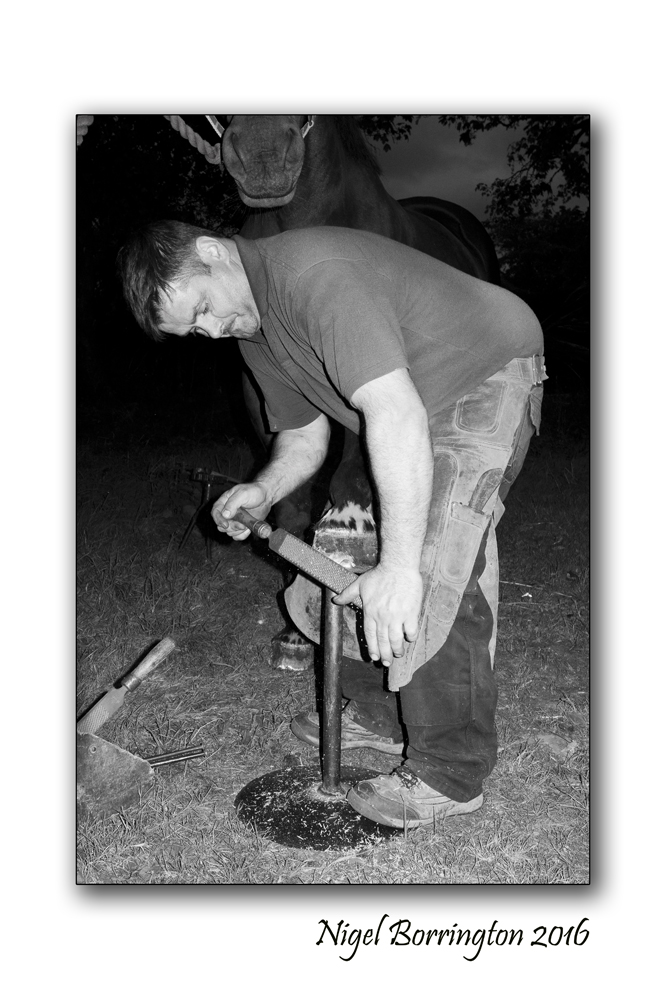
The Farrier
Kilkenny
Nigel Borrington
The Farrier
Robert L. Hinshaw
He billed himself as an expert in the field of “equine podiatry”,
Better known as a farrier for farmers and the cream of society!
Keeping horses shod and their hooves polished was his vocation.
With horseflesh he’d had many an interesting confrontation!
He always had a roll-yer-own dangling from his lips,
And a blackened leather apron wrapped about his hips.
His jaw was set and with biceps wrought of tempered steel,
He’d strike the anvil with his hammer – what a rhythmic peal!

In his jumbled shop he’d shod animals of many breeds.
Donkeys, mules, ponies and prized Arabian steeds.
He shoed critters pulling covered wagons to unknown frontiers,
And many a cowpokes cayuse for the round-up of his steers!
One detail they didn’t cover when he was in farrier school,
Was how to deal with the occasional cantankerous mule.
Many times he’d found himself sprawled upon the dirt,
With the outline of a hoof imprinted upon his shirt!
Tho’ his profession never guaranteed a life of glamour,
And knowing he’d not get rich wielding a tongs and hammer,
Yet, it was challenging working with ornery mule and horse,
Always hoisting their hindquarters very gingerly of course!
Through the Gate Down the Lane, gareth culshaw

Irish Landscapes, County Kilkenny
Nigel Borrington
Through the Gate Down the Lane
Through the gate down the lane
all the colours, splits in path
creaking, cracking, axed by frost
scythed by time.
Through the gate down the lane
footsteps left, gone to dust.
Voices in the limbs of trees
shaking leaves when the wind is in.
Through the gate down the lane
where summer has been only once.
Scorch marks of light left behind
the house is nettled, broken, still.
Wild flowers and Woodland plants , Viola riviniana
Common Dog Violet
Viola riviniana
Nigel Borrington
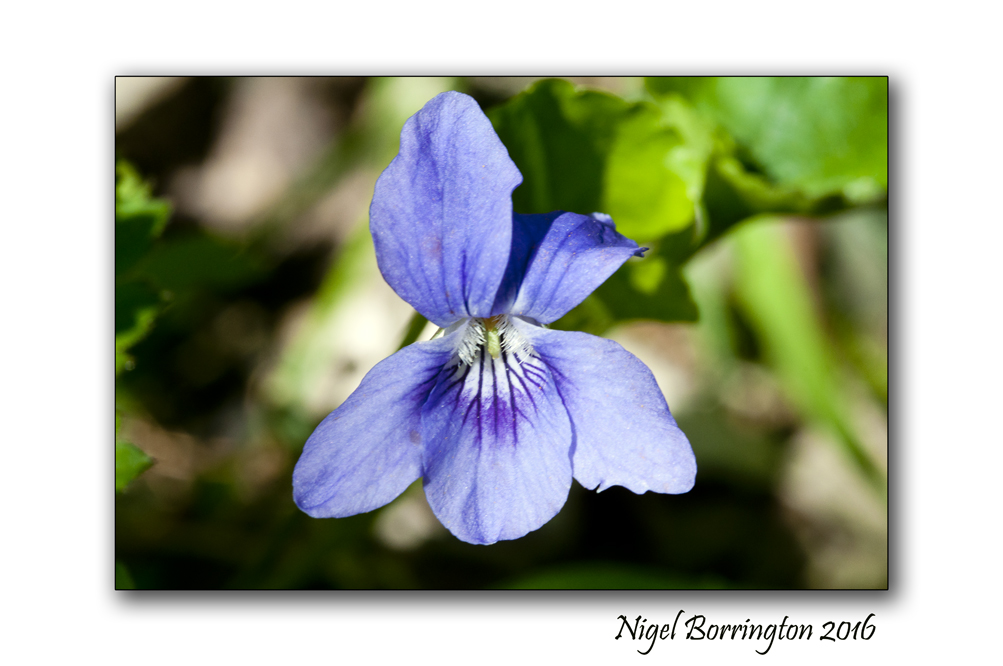
At this time of the year our local woodlands here in county Kilkenny fill with new life and colours, one of the the wild flowers I love the most are the Violets.
They are a familiar little wildflower of the woodlands and grassy hedge-banks, this plant is quite similar to Early Dog-violet and is easily confused. The unscented, blue-violet flower is always solitary on the stem, and is open with five petals, the lower of which has a stout, blunt, pale, curved spur which is notched at the tip.
The mouth of the flower is absolutely wonderful to view through a hand-lens or magnifying glass. It has a pattern of deep purple lines which run into the throat over a paler violet patch, becoming white. The upper petals have a fringe which is over the opening. The dark-green, heart-shaped leaves are on long, slender stalks. This native plant which blooms from April until June is a larval foodplant of the Dark Green Fritillary. It belongs to the family Violaceae.
‘Look at us, said the violets blooming at her feet, all last winter we slept in the seeming death but at the right time God awakened us, and here we are to comfort you’.
Edward Payson Roe 1838-1888
‘I would give you some violets, but they withered all when my father died.’
William Shakespeare 1564 -1616
Reflections in the mud , Kilkenny landscape images

Reflections in the mud
Landscape images from county Kilkenny
Nigel Borrington
I often find that when I am out walking, it is the most unexpected things That capture my attention and I just have to capture with my camera. I am never sure if anyone else would even find the same things the slightest bit interesting ?
This Morning there was a thick fog sitting on all our local fields, it had rained none stop for the three days before hand and the early morning sun was just about able to break through the mist. I was walking past the open gate of a field and noticed the sun reflecting into the muddy puddles created by the farmer tractor, I just had to capture its amazing light !!
ne

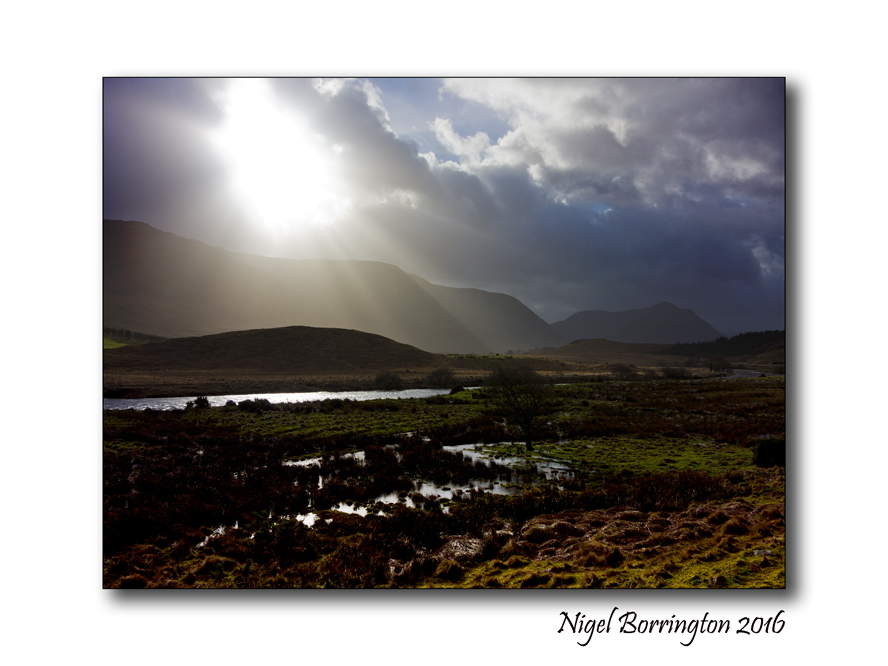
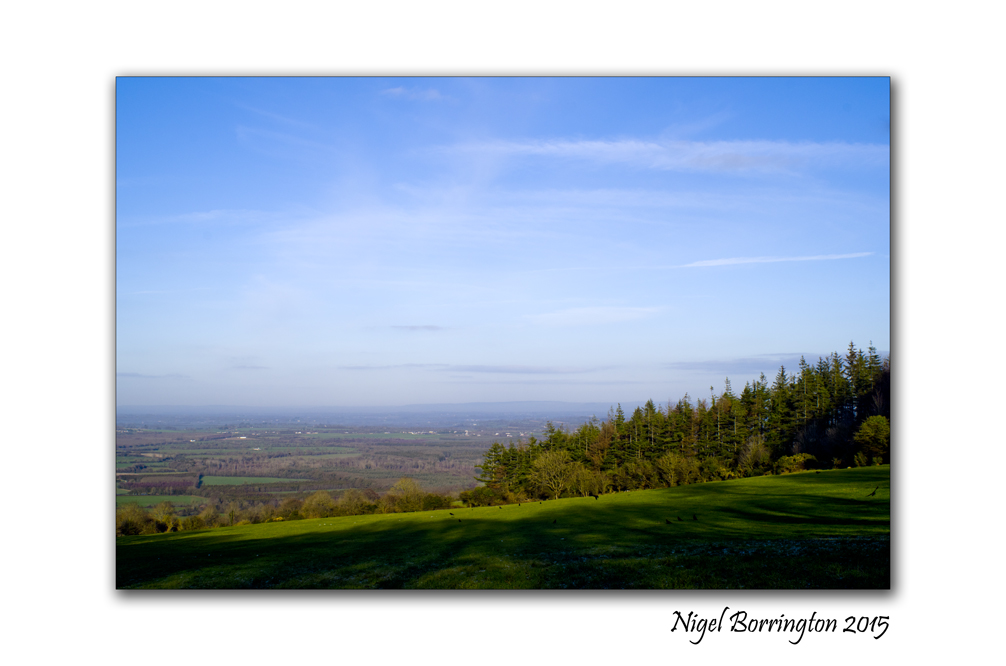
Irish national tree week 2016
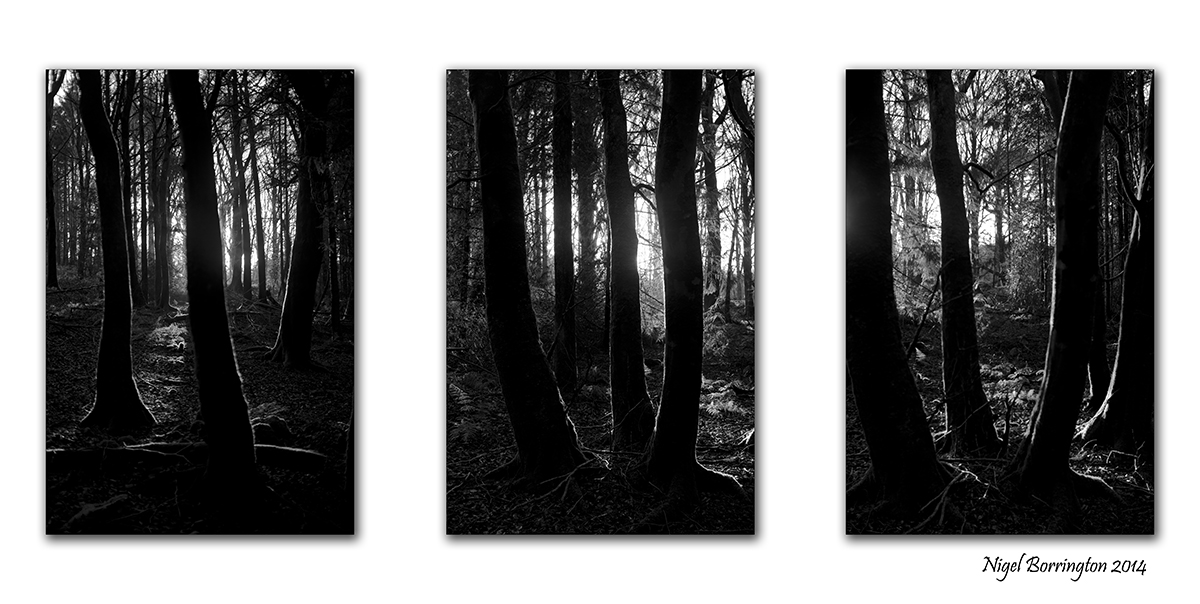

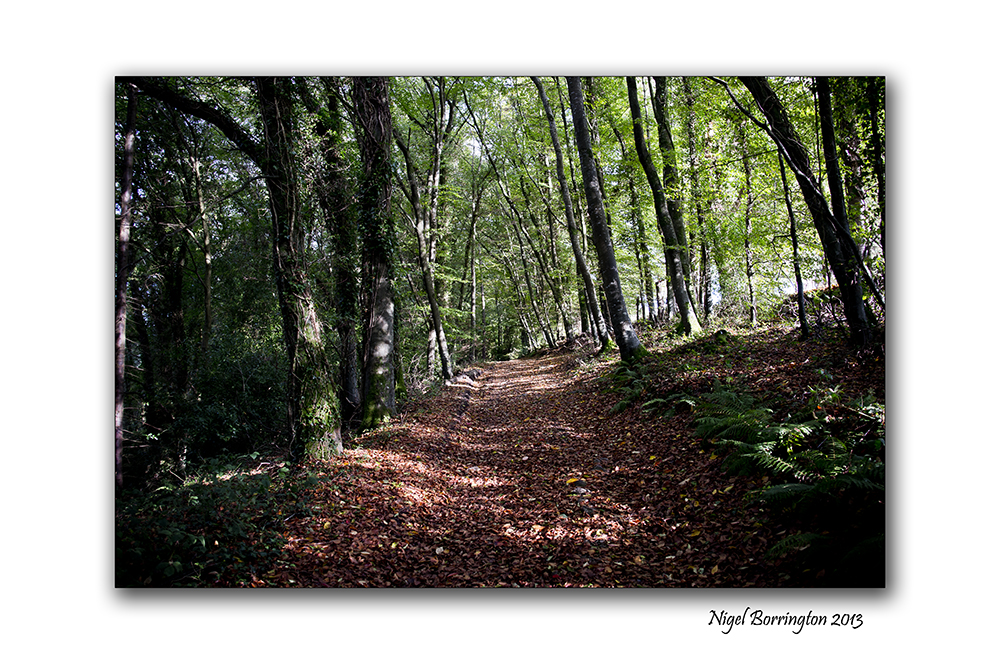
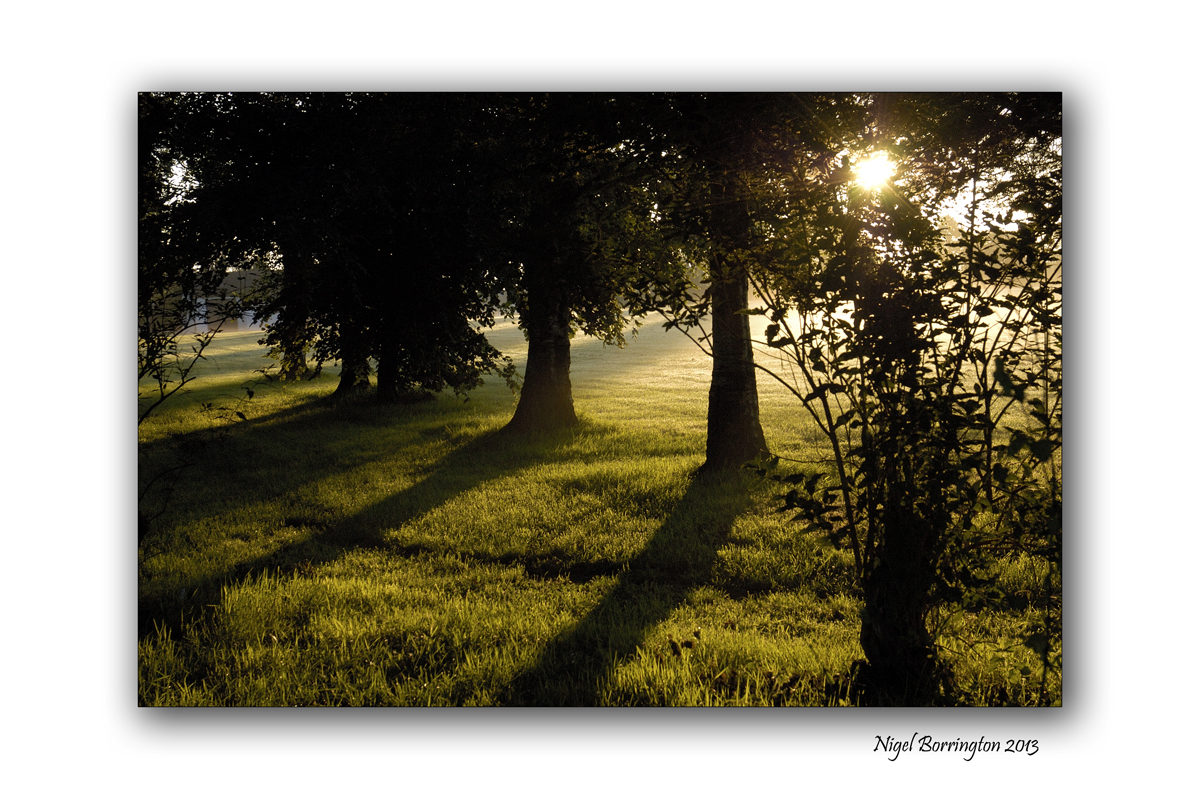
This week in Ireland is National tree week, so I thought I would share some of the images that I have taken during my time living here in county Kilkenny.
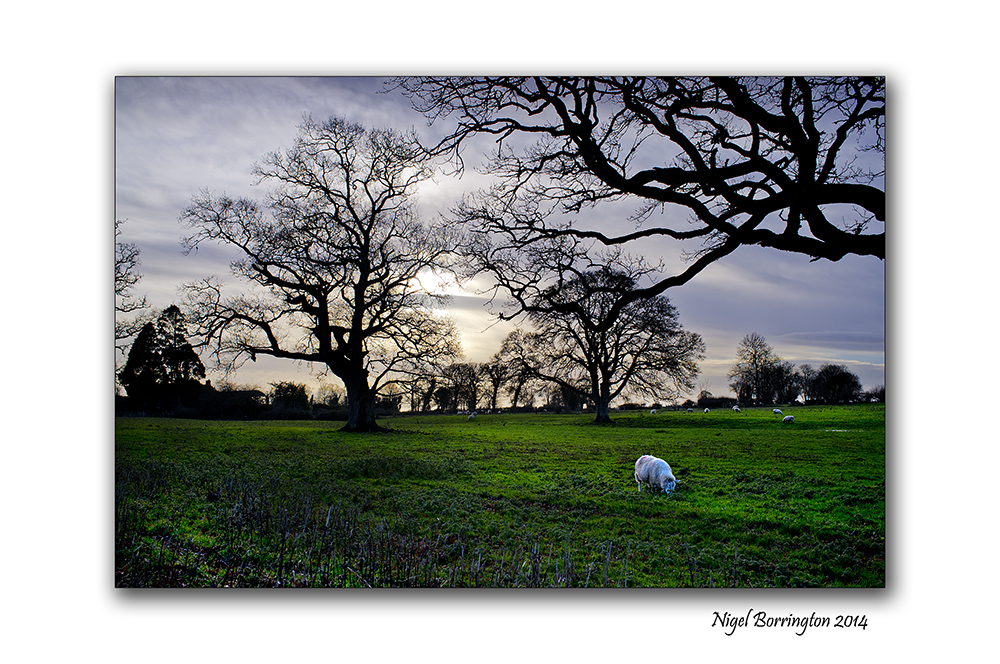
Irish Trees, a Gallery






Tuesdays Artist – Bernadette Kiely

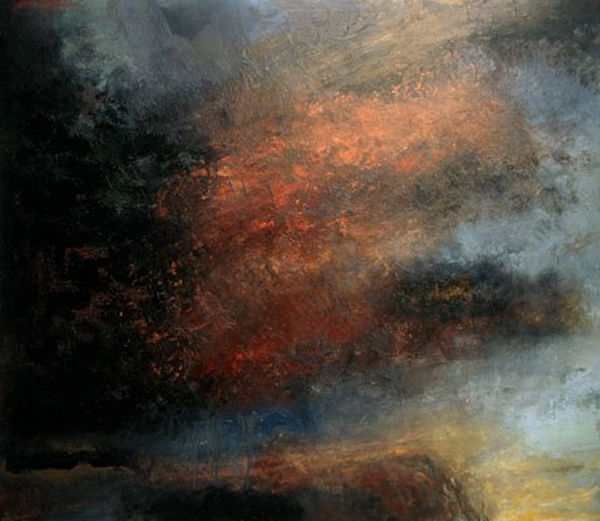
Bernadette Kiely. Gorse
I first came across the drawings and paintings of the county Kilkenny based artist Bernadette Kiely, while attending a two year art course at the Grennan mill craft school.
I liked Bernadette’s art work from the very first time I viewed it, I feel she captures completely the local landscape that surrounds us here in County Kilkenny. The county while not the most spectacular in Ireland varies a lot from low boggy lands and flooded river banks and mountain tops.
A little About, Bernadette Kiely
Bernadette Kiely was born in Carrick on Suir, County Tipperary and grew up beside the river Suir. She graduated from The College of Art and Design at Waterford Institute of Technology with a distinction in Graphic Design and worked in graphic design and architecture in New York and London before taking up painting full time in 1984. She attended the Slade School of Fine Art in London and has been working in her studio beside the river Nore in Thomastown, County Kilkenny since 1992. Her paintings and drawings are based on prolonged observation of specific landscape elements and are characterised by her attention to the close up worlds of bog cotton, gorse, mud, lichen and other natural phenomena including weather and atmospheric conditions on the river Nore and its environs. Bernadette Kiely is a member of Aosdana.
As with yesterday’s artist, I have linked to both web-site and to some on the painting I like the most …


Kilkenny landscapes in March – Two Poems on March

Kilkenny Landscapes
Nigel Borrington
“The sun is brilliant in the sky but its warmth does not reach my face.
The breeze stirs the trees but leaves my hair unmoved.
The cooling rain will feed the grass but will not slake my thirst.
It is all inches away but further from me than my dreams.”
– M. Romeo LaFlamme, The First of March

The word ‘March’ comes from the Roman ‘Martius’. This was originally the first month of the Roman calendar and was named after Mars, the god of war. March was the beginning of our calendar year. We changed to the ‘New Style’ or ‘Gregorian calendar in 1752, and it is only since then when we the year began on 1st January. The Anglo-Saxons called the month Hlyd monath which means Stormy month, or Hraed monath which means Rugged month.

“Equal dark, equal light
Flow in Circle, deep insight
Blessed Be, Blessed Be
The transformation of energy!
So it flows, out it goes
Three-fold back it shall be
Blessed Be, Blessed Be
The transformation of energy!”
– Night An’Fey, Transformation of Energy
Irish landscapes – Kilkenny , an evening in early springtime
Irish Landscapes
Early Springtime
Kilkenny
Nigel Borrington
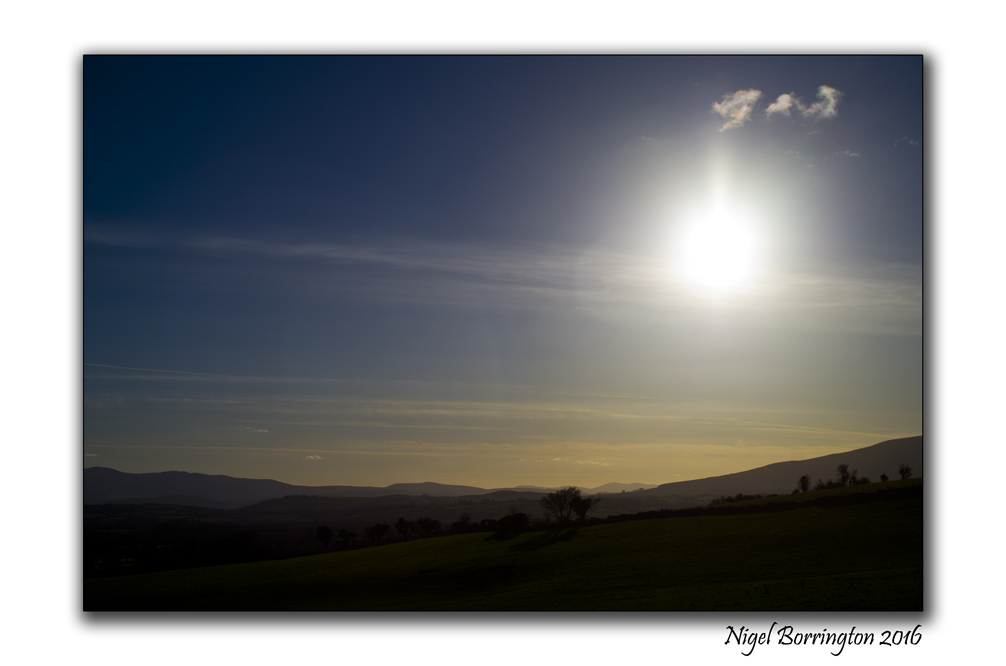
The last of today’s sunlight was just perfect ….
This evening I took a walk along some of our local lanes , up in the hills near the village of Windgap, Kilkenny. The sun hung low in the sky an hour before sunset and filled the fields with vivid greens and long shadows from the hedgerow trees, just such a wonderful sense of early springtime which is just around the corner now, you can feel it just waiting to burst through…..
This is the best time of year with so many great months ahead of us ……
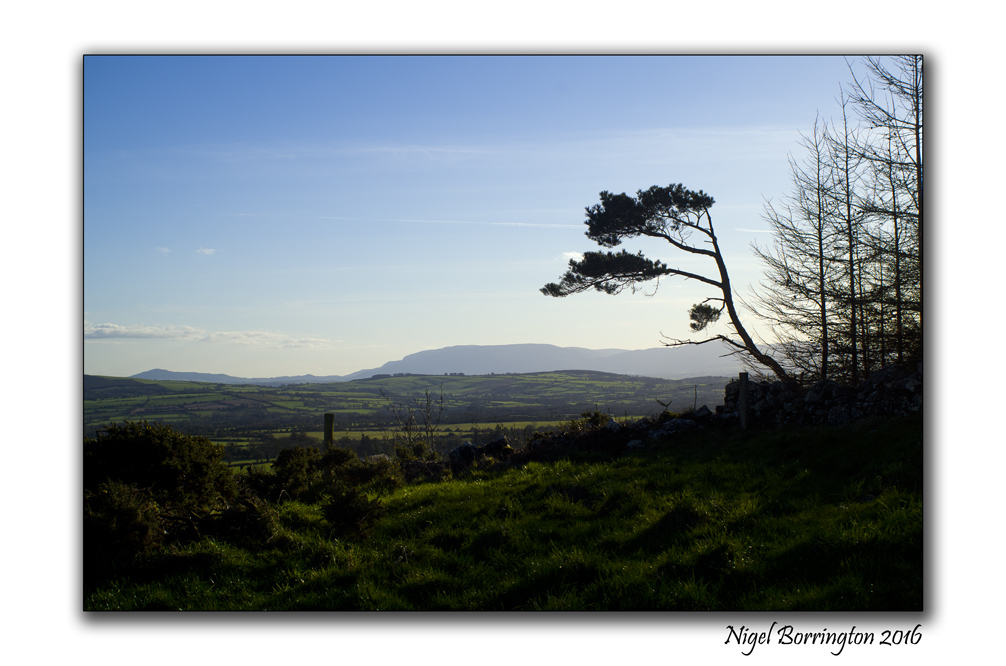
Irish Landscapes – Mount Juliet Estate, Co.Kilkenny

Irish Landscapes
Mount Juliet Estate
county Kilkenny
Nigel Borrington
Mount Juliet was built in 1757 by the Earl of Carrick in compliment to his wife, Lady Juliana (Juliet). This estate has very strong Norman associations and in particular with the great Butler family.

The estate was originally two separate estates called Walton’s Grove and Ballylinch. The Waltons were the owners until 1653 when they were dispossessed by Oliver Cromwell. It later fell into the hands of King James II. It was then sold to a Mr Sweet, followed by a Mr Kendal who changed it’s name to ‘Kendal’s Grove’ in 1719. Mr Kendal left the entire property to the local Rev. Bushe who retrieved an important portfolio for him after being ‘mugged’ by a highway!
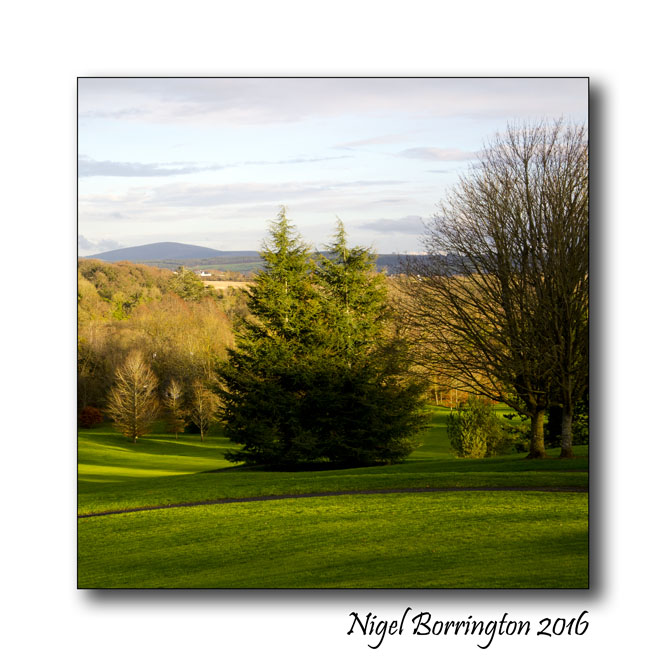
Rev. Bushe was wildly extravagant, ran up enormous debts and eventually sold the estate to his neighbour, the Earl of Carrick. It remained in this family from the 1750s until 1914, when the present Earl sold the estate to the McCalmont family who lived here until quite recently.
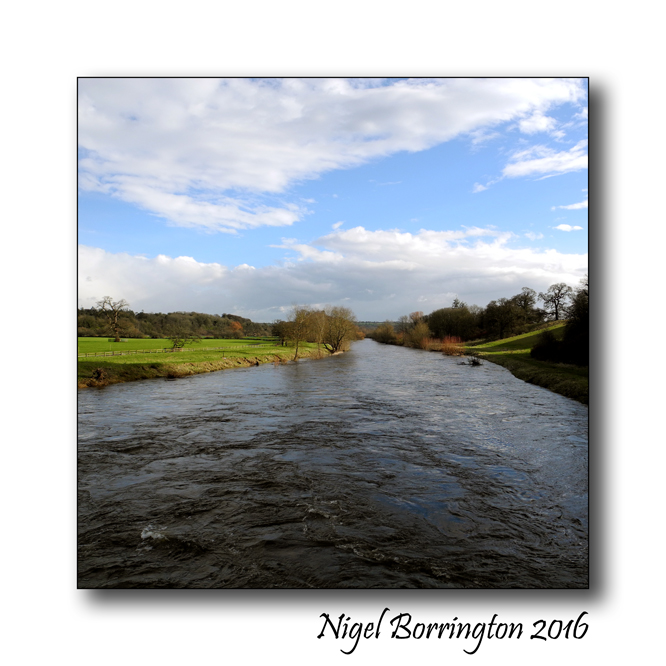

County Kilkenny, Landscapes images from a cycle
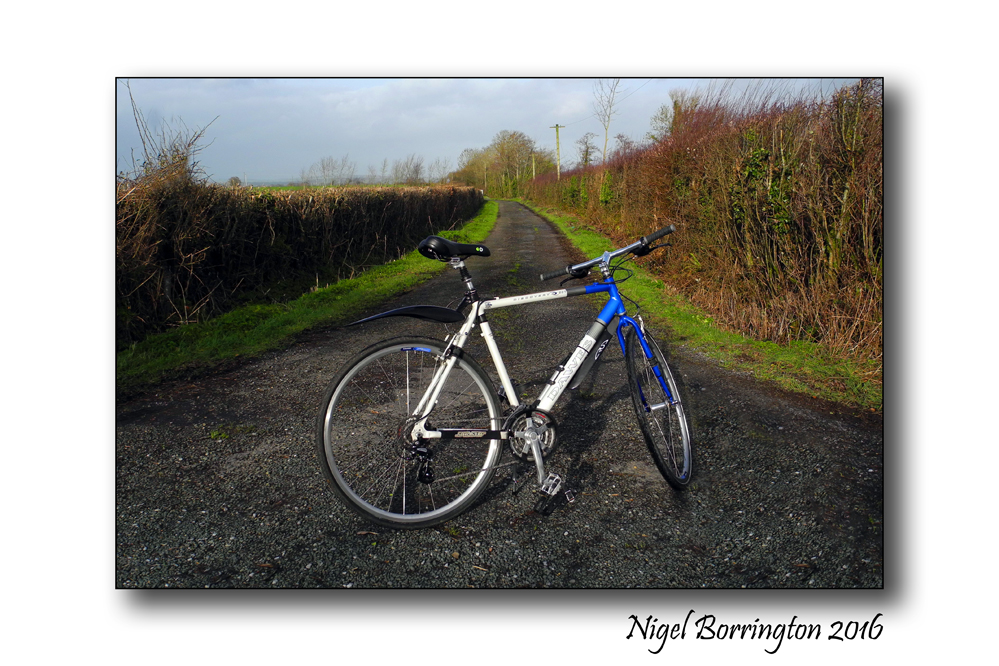
Cycling Kilkenny
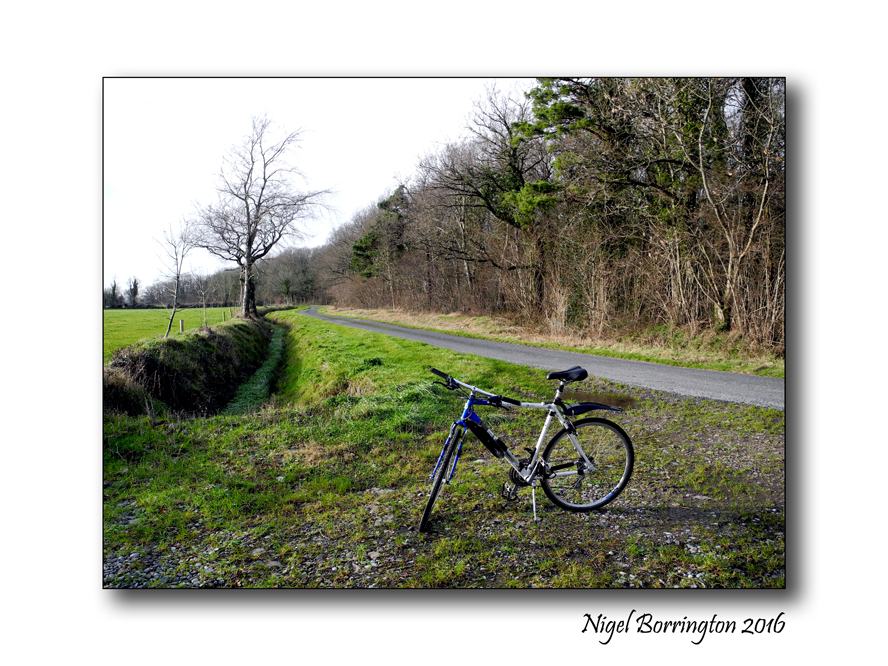
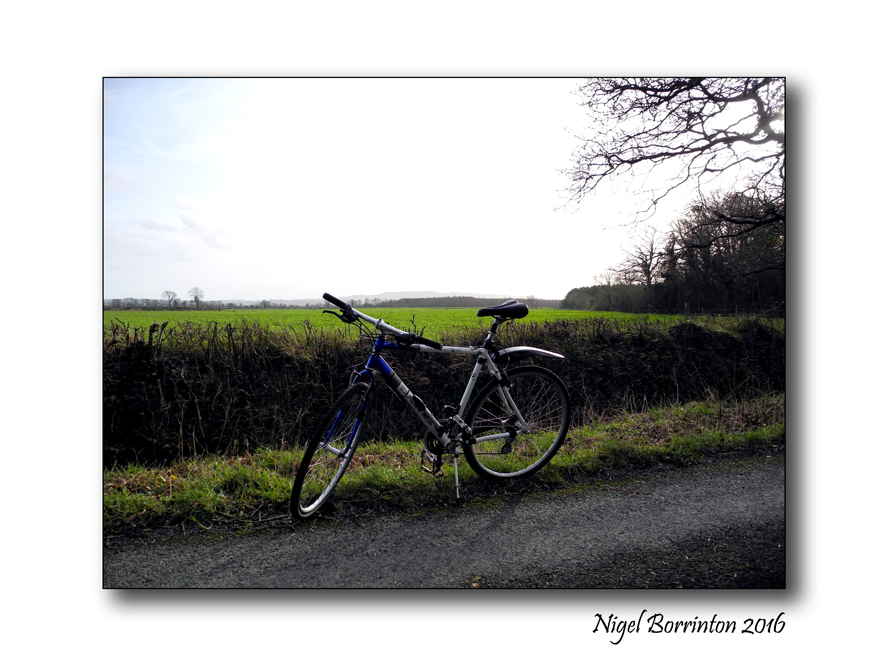
As the new year began in full, I made the decision to get my cycle back on the road for 2016, I have owned this bike for about 18 years and during that time made some great use of it. Over the last few years however I had been using it less and less, so I guess its time to start some new adventures on it.
I finished getting everything back to a good condition, with a service about two weeks ago and have been taking local trips as often as possible during January.
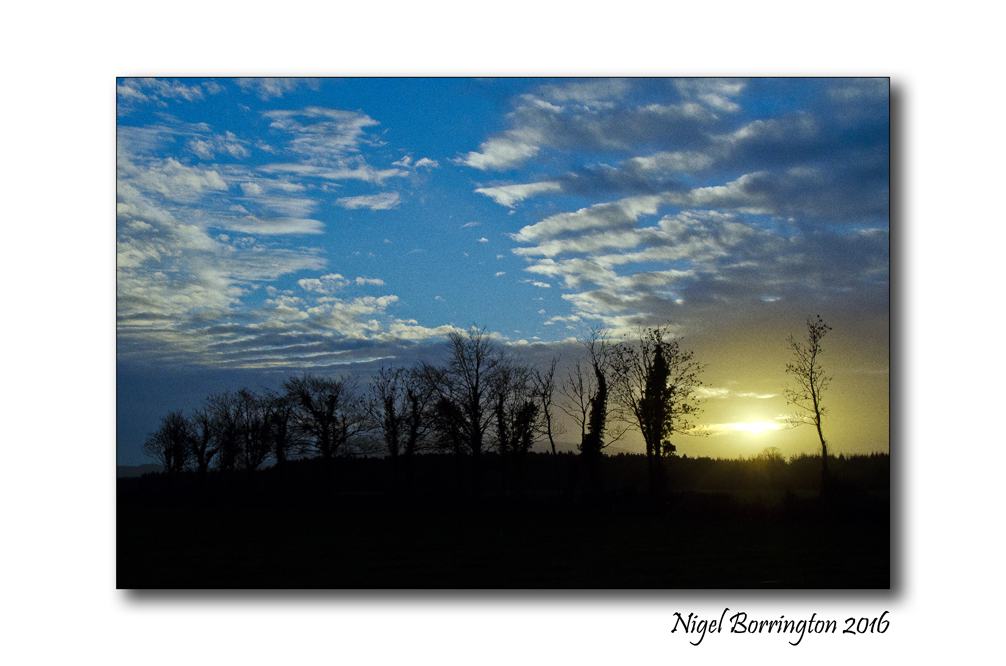
I feel already that it is great to be out on the open road and its good to be able to just stop where you like and take out the camera to get some images, no need for finding a place to park up and you can stop the moment you see something, anything, you want a picture of.


As evening falls

Irish Landscapes
Kilkenny
Nigel Borrington
As evening falls,
Beauty of nature she calls
A warm orange glow does surround us
Casting a magical light all around
The sky like a fire does glow
Rippling water like flames do flow
Then as the sun dips behind the trees
And daylight reluctantly flees
Night does now appear
Yet its darkness do not fear
For in the inky dark sky
A new beauty is up high
The moon glows its mysterious light
While stars glisten and twinkle in the night.

Ghost House, Robert Frost, 1874 – 1963
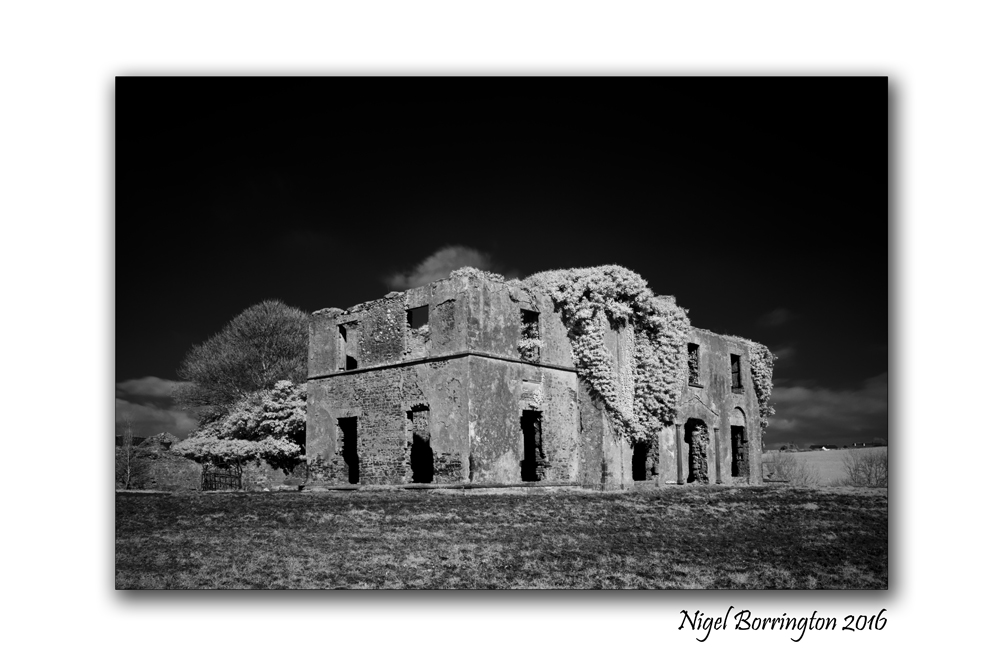
Ghost House
Robert Frost, 1874 – 1963
I dwell in a lonely house I know
That vanished many a summer ago,
And left no trace but the cellar walls,
And a cellar in which the daylight falls
And the purple-stemmed wild raspberries grow.
O’er ruined fences the grape-vines shield
The woods come back to the mowing field;
The orchard tree has grown one copse
Of new wood and old where the woodpecker chops;
The footpath down to the well is healed.
I dwell with a strangely aching heart
In that vanished abode there far apart
On that disused and forgotten road
That has no dust-bath now for the toad.
Night comes; the black bats tumble and dart;
The whippoorwill is coming to shout
And hush and cluck and flutter about:
I hear him begin far enough away
Full many a time to say his say
Before he arrives to say it out.
It is under the small, dim, summer star.
I know not who these mute folk are
Who share the unlit place with me—
Those stones out under the low-limbed tree
Doubtless bear names that the mosses mar.
They are tireless folk, but slow and sad—
Though two, close-keeping, are lass and lad,—
With none among them that ever sings,
And yet, in view of how many things,
As sweet companions as might be had
Tower Houses of Medieval Kilkenny
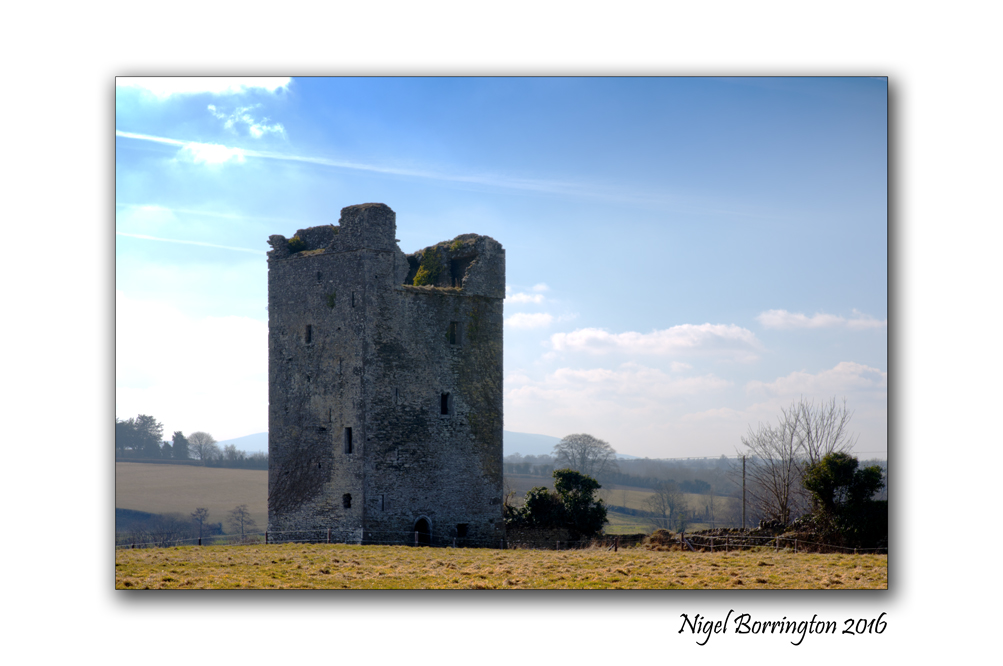
Tower House
Kells, County Kilkenny
Nigel Borrington
Tower Houses of Medieval Kilkenny, Ireland
The Landscape of County Kilkenny is full of history that covers many different era’s, including the Medieval period from around the 5th to the 15th century.
Just some of the reminders of this era are the great Tower Houses as detailed below.
A tower house is a fortified medieval residence of stone, usually four or more stories in height. Like most of the surviving monuments of our medieval past, the majority of Irish tower houses are in poor condition, with collapsed walls and ivy shrouded exteriors reflecting centuries of neglect. Yet these ruins, the remnants of a major medieval building industry, provide a valuable source of information on life in Ireland during the later Middle Ages. An increasing number are being restored through both private and state initiatives, while there has also been a marked upsurge in academic interest in recent years.
The buildings were regarded as castles by their occupants. This classification continues today and tower houses are regarded as a species within the castle genus. Their evident defensive strength should not, however, overshadow their residential nature, for tower houses were primarily the defended homes of a wealthy landowning class and were erected by both Anglo-Irish and Gaelic families during the period from circa 1400 to circa 1650.
Ref : Tower Houses
A December sunset, County Kilkenny, Ireland
Irish Landscapes
Kilkenny
Nigel Borrington
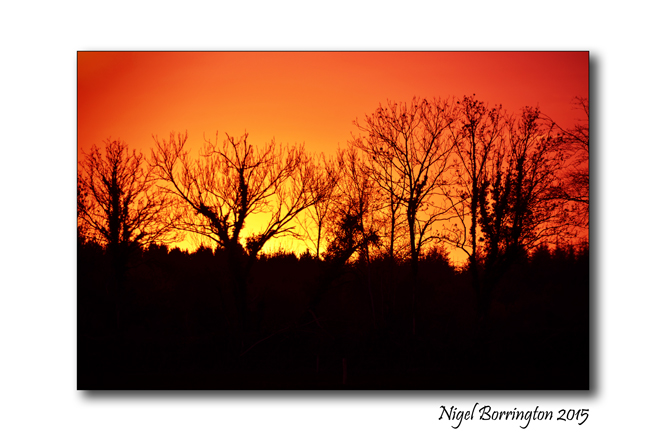
To-night the west o’er-brims with warmest dyes;
Its chalice overflows
With pools of purple colouring the skies,
Aflood with gold and rose;
And some hot soul seems throbbing close to mine,
As sinks the sun within that world of wine.

Images of Kilkenny, Autumn on the river Barrow

Autumn on river the Barrow Kilkenny
Nigel Borrington
Autumn is just starting to take a hold here in County Kilkenny, some green remains but a lot of the trees are just starting to turn yellow, as these pictures taken during a walk along the river Barrow show.
Autumn colours reflected in the almost still water of the river as it flows through the county on the last week in September 2015.


 Nigel Borrington
Irish Landscape Photography : County Kilkenny
Irish Landscape Photography
County Kilkenny
Nigel Borrington
For me these wide angle views of county kilkenny, taken yesterday on an evening walk show the nature of the county very well.
Kilkenny is predominately a farming county with some lower level mountains but mainly low level farmlands. Most of my recent images have been from county Kerry with is wonderful beachs and impressive mountain views, however inland kilkenny still has much to offer in-way of open green landscapes.
So after all and on a wonderful autumn evening such as yesterdays, County kilkenny is not a bad place to return home, after some traveling to the more spectacular part of the Irish landscape.
Gallery
Share this:
October 14, 2016 | Categories: Comment, Landscape, Nigel Borrington | Tags: Ireland, Irish landscape photography, Kilkenny, Landscape Photography, Nigel Borrington | 8 Comments