
Midwinters day 2016
Nigel Borrington
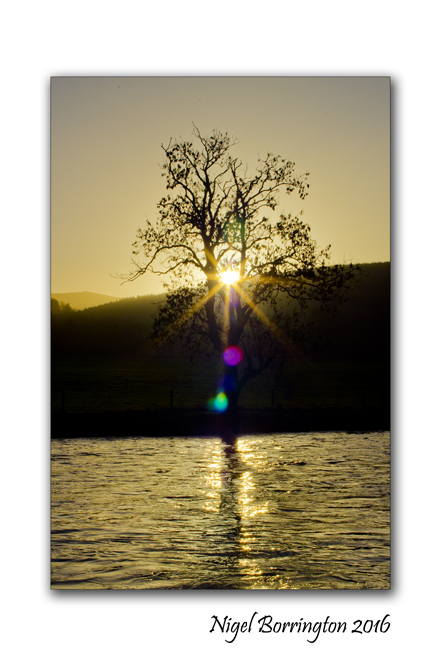
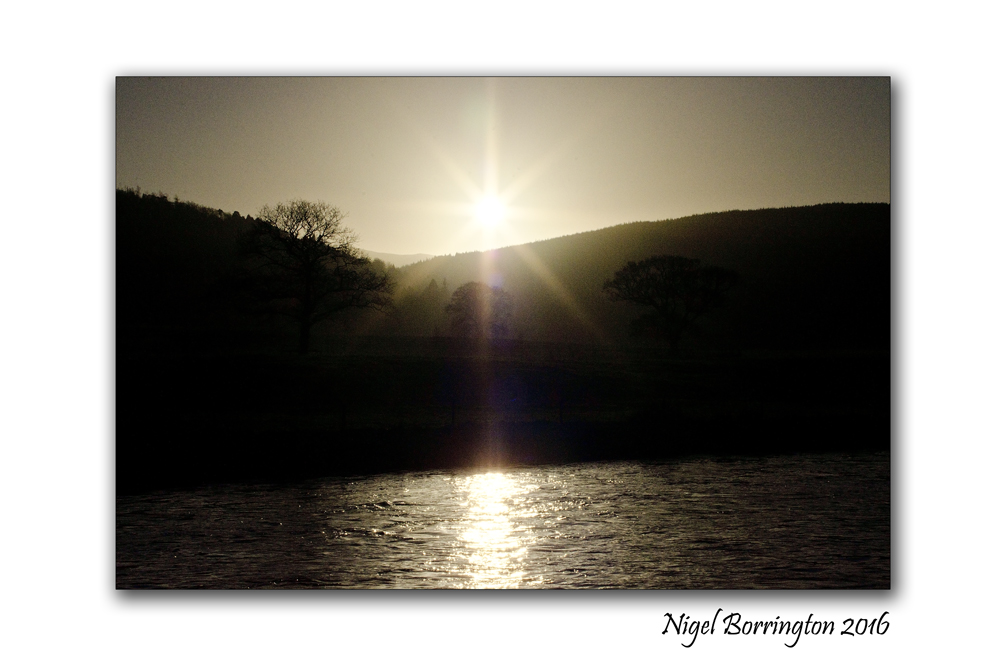
Today is Mid winters day or the Winter Solstice.
History and cultural significance
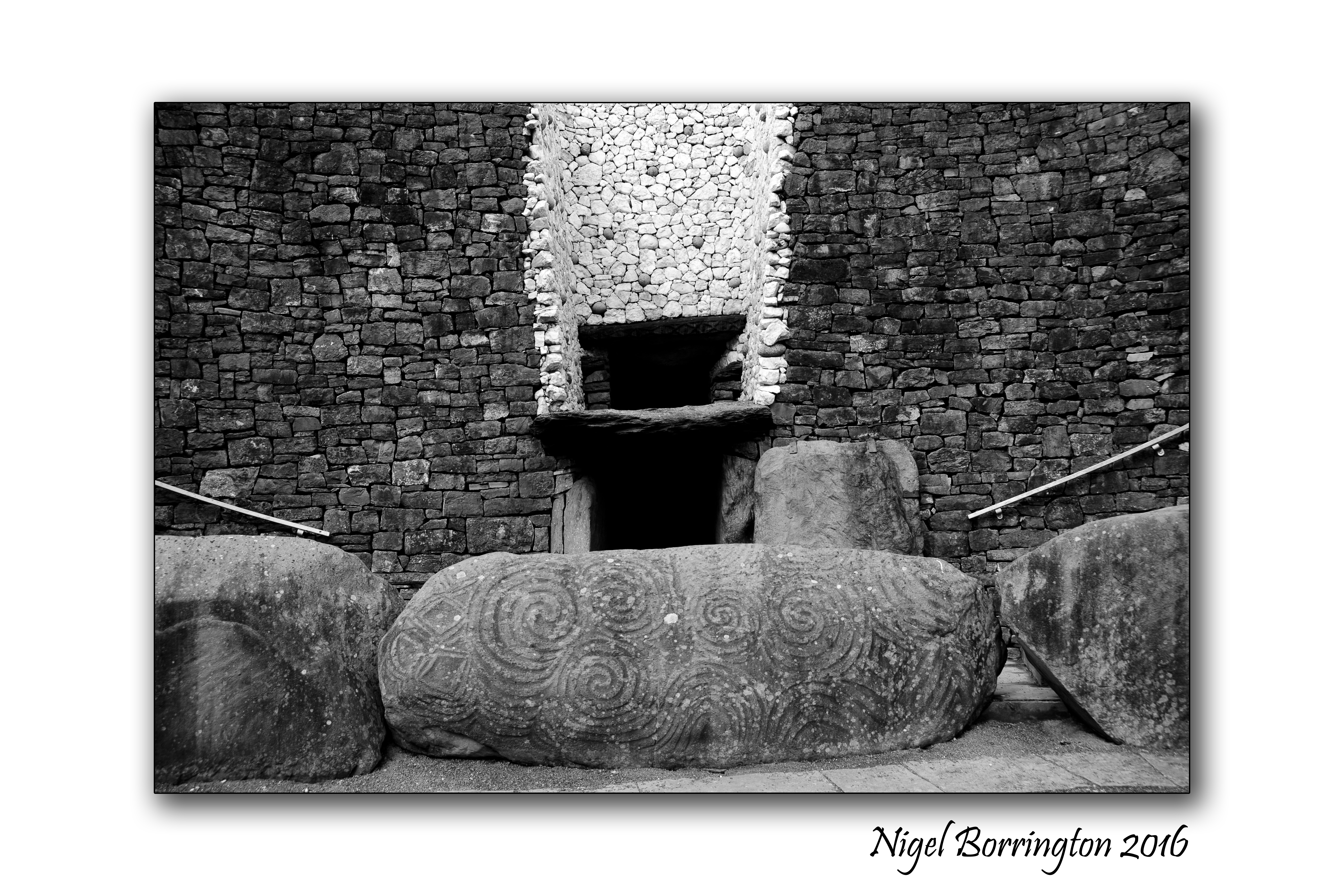
The solstice itself may have been a special moment of the annual cycle of the year even during neolithic times. Astronomical events, which during ancient times controlled the mating of animals, sowing of crops and metering of winter reserves between harvests, show how various cultural mythologies and traditions have arisen. This is attested by physical remains in the layouts of late Neolithic and Bronze Age archaeological sites, such as Stonehenge in Britain and Newgrange in Ireland. The primary axes of both of these monuments seem to have been carefully aligned on a sight-line pointing to the winter solstice sunrise (Newgrange) and the winter solstice sunset (Stonehenge). Significant in respect of Stonehenge is the fact that the Great Trilithon was erected outwards from the centre of the monument, i.e., its smooth flat face was turned towards the midwinter Sun.
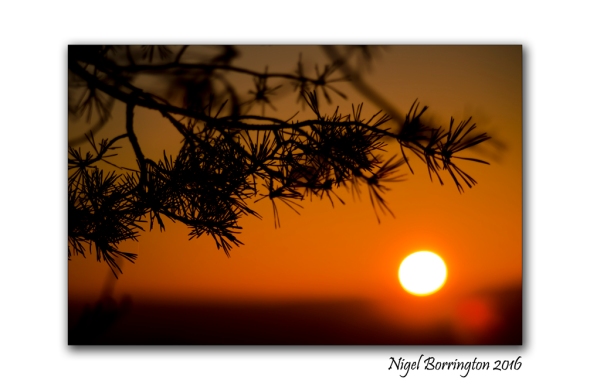
The winter solstice may have been immensely important because communities were not certain of living through the winter, and had to be prepared during the previous nine months. Starvation was common during the first months of the winter, January to April (northern hemisphere) or July to October (southern hemisphere), also known as “the famine months”. In temperate climates, the midwinter festival was the last feast celebration, before deep winter began. Most cattle were slaughtered so they would not have to be fed during the winter, so it was almost the only time of year when a supply of fresh meat was available. The majority of wine and beer made during the year was finally fermented and ready for drinking at this time. The concentration of the observances were not always on the day commencing at midnight or at dawn, but the beginning of the pre-Romanized day, which falls on the previous eve.

Since the event is seen as the reversal of the Sun’s ebbing presence in the sky, concepts of the birth or rebirth of sun gods have been common and, in cultures using winter solstice based cyclic calendars, the year as reborn has been celebrated with regard to life-death-rebirth deities or new beginnings such as Hogmanay’s redding, a New Year cleaning tradition. Also reversal is yet another usual theme as in Saturnalia’s slave and master reversals.
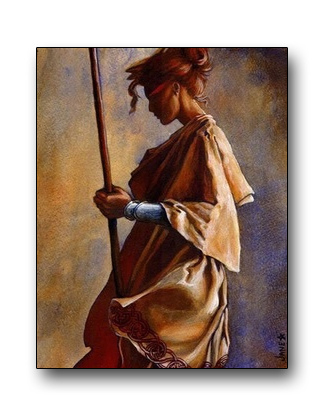
CAILLEACH BHEUR : The Celtic Goddess of winter
CAILLEACH BHEUR : Scottish, Irish, Manx, Great Goddess in her Destroyer aspect; called “Veiled One”. Another name is Scota, from which Scotland comes. In parts of Britain she is the Goddess of Winter. She was an ancient Goddess of the pre-Celtic peoples of Ireland. She controlled the seasons and the weather; and was the goddess of earth and sky, moon and sun.
Other Gods
Saturn (Roman): Every December, the Romans threw a week-long celebration of debauchery and fun, called Saturnalia in honor of their agricultural god, Saturn. Roles were reversed, and slaves became the masters, at least temporarily. This is where the tradition of the Lord of Misrule originated
Alcyone (Greek): Alcyone is the Kingfisher goddess. She nests every winter for two weeks, and while she does, the wild seas become calm and peaceful.
Ameratasu (Japan): In feudal Japan, worshipers celebrated the return of Ameratasu, the sun goddess, who slept in a cold, remote cave. When the other gods woke her with a loud celebration, she looked out of the cave and saw an image of herself in a mirror. The other gods convinced her to emerge from her seclusion and return sunlight to the universe.
Baldur (Norse): Baldur is associated with the legend of the mistletoe. His mother, Frigga, honored Baldur and asked all of nature to promise not to harm him. Unfortunately, in her haste, Frigga overlooked the mistletoe plant, so Loki – the resident trickster – took advantage of the opportunity and fooled Baldur’s blind twin, Hodr, into killing him with a spear made of mistletoe. Baldur was later restored to life.
Bona Dea (Roman): This fertility goddess was worshiped in a secret temple on the Aventine hill in Rome, and only women were permitted to attend her rites. Her annual festival was held early in December.
Demeter (Greek): Through her daughter, Persephone, Demeter is linked strongly to the changing of the seasons and is often connected to the image of the Dark Mother in winter. When Persephone was abducted by Hades, Demeter’s grief caused the earth to die for six months, until her daughter’s return.
Dionysus (Greek): A festival called Brumalia was held every December in honor of Dionysus and his fermented grape wine. The event proved so popular that the Romans adopted it as well in their celebrations of Bacchus.
Holly King (British/Celtic): The Holly King is a figure found in British tales and folklore. He is similar to the Green Man, the archetype of the forest. In modern Pagan religion, the Holly King battles the Oak King for supremacy throughout the year. At the winter solstice, the Holly King is defeated.
Horus (Egyptian): Horus was one of the solar deities of the ancient Egyptians. He rose and set every day, and is often associated with Nut, the sky god. Horus later became connected with another sun god, Ra.
La Befana (Italian): This character from Italian folklore is similar to St. Nicholas, in that she flies around delivering candy to well-behaved children in early January. She is depicted as an old woman on a broomstick, wearing a black shawl.
Lord of Misrule (British): The custom of appointing a Lord of Misrule to preside over winter holiday festivities actually has its roots in antiquity, during the Roman week of Saturnalia.
Mithras (Roman): Mithras was celebrated as part of a mystery religion in ancient Rome. He was a god of the sun, who was born around the time of the winter solstice and then experienced a resurrection around the spring equinox.
Odin (Norse): In some legends, Odin bestowed gifts at Yuletide upon his people, riding a magical flying horse across the sky. This legend may have combined with that of St. Nicholas to create the modern Santa Claus.



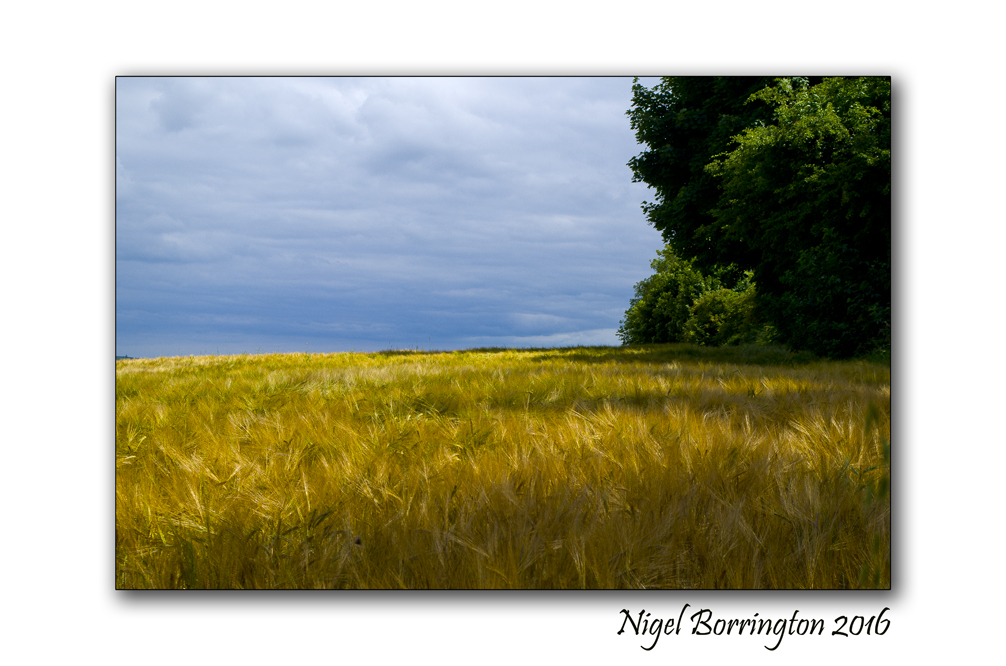

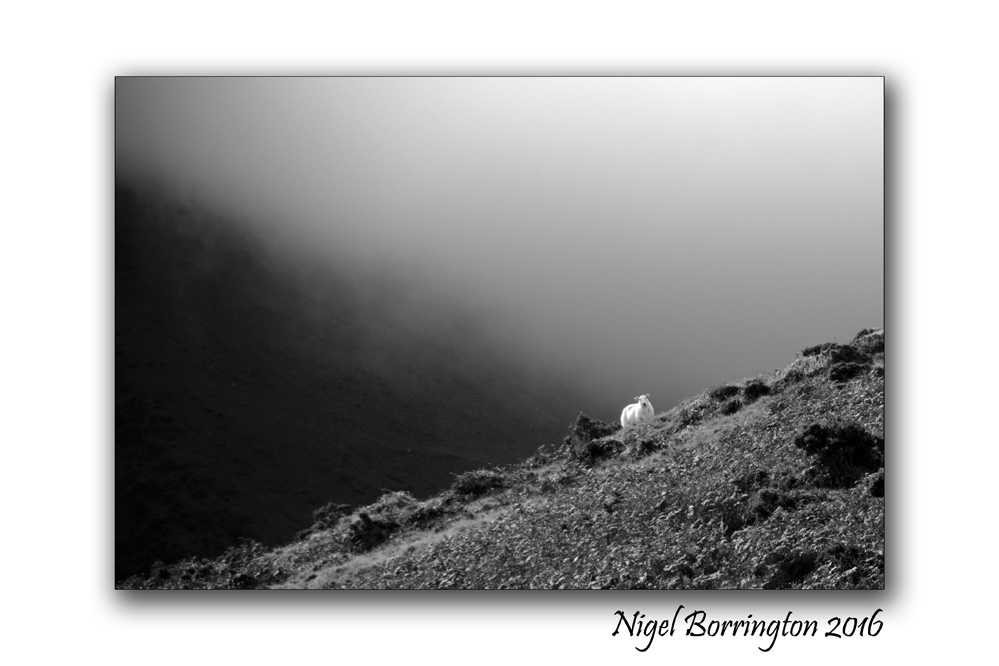
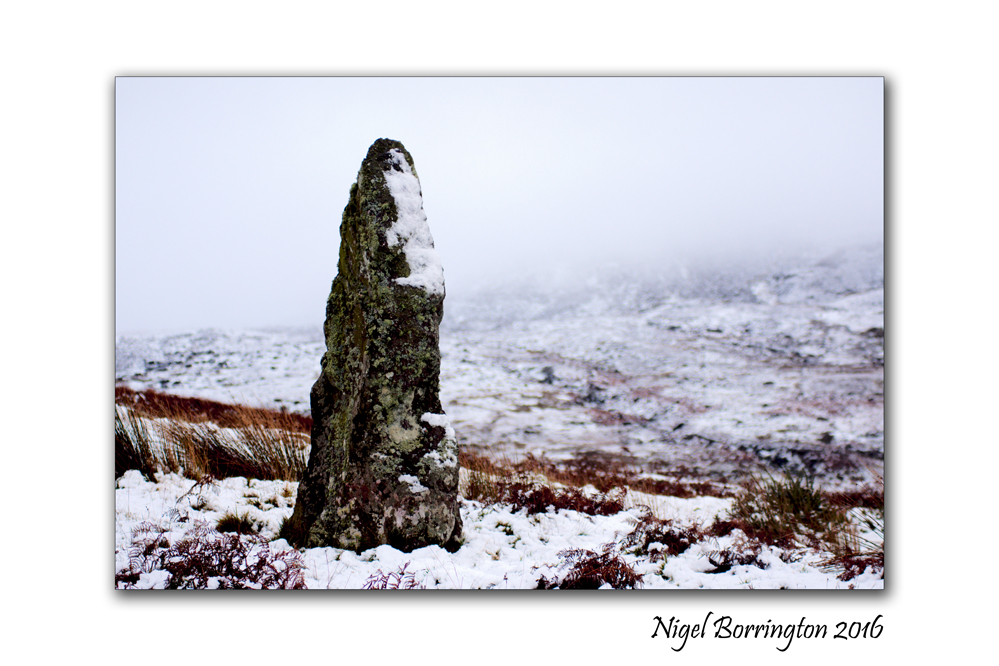

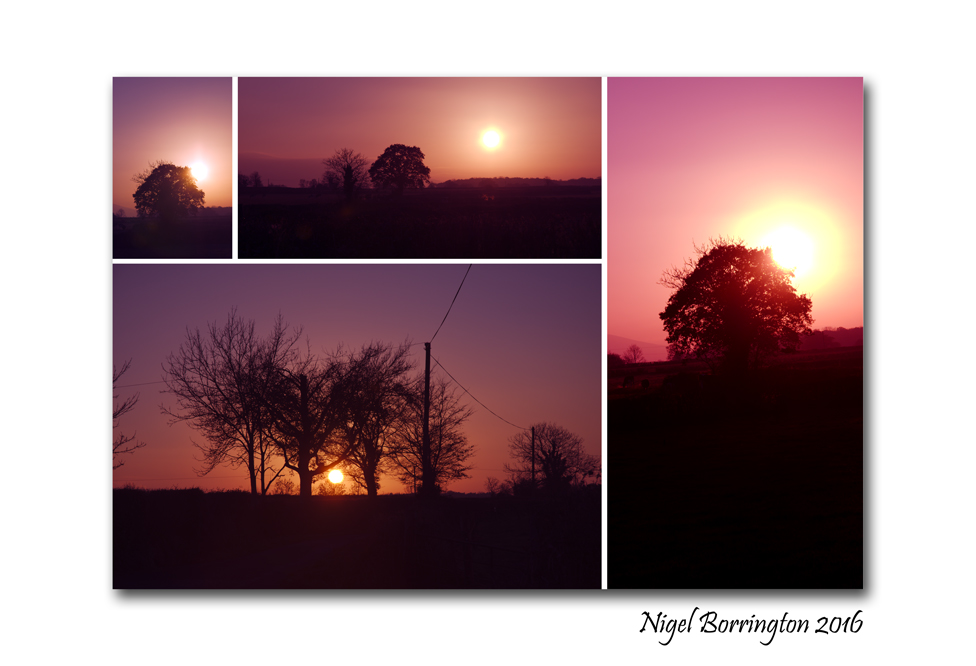










 Nigel Borrington
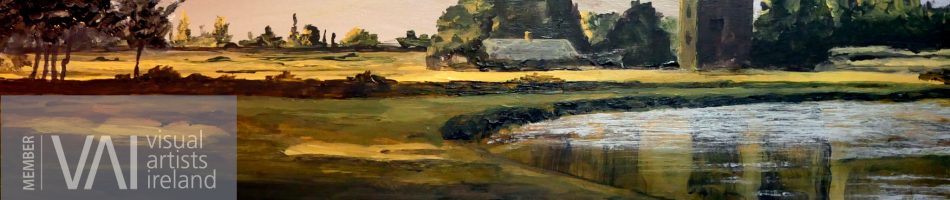
Pencil and Watercolour Sketching, the great outdoors
Watercolour Sketch
County Kilkenny
Ireland
Sketching in the great outdoors
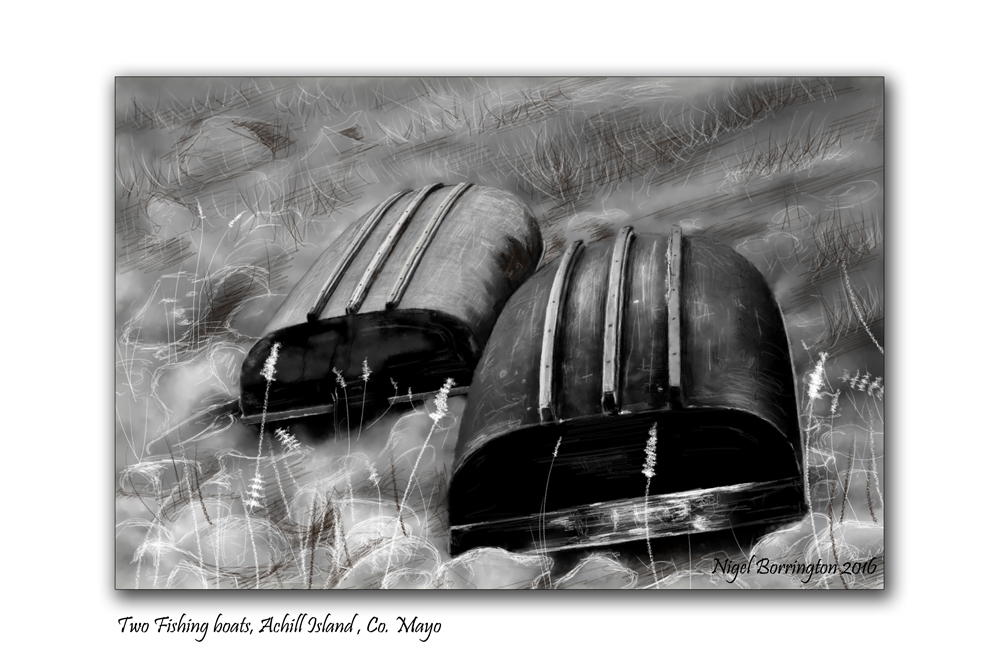
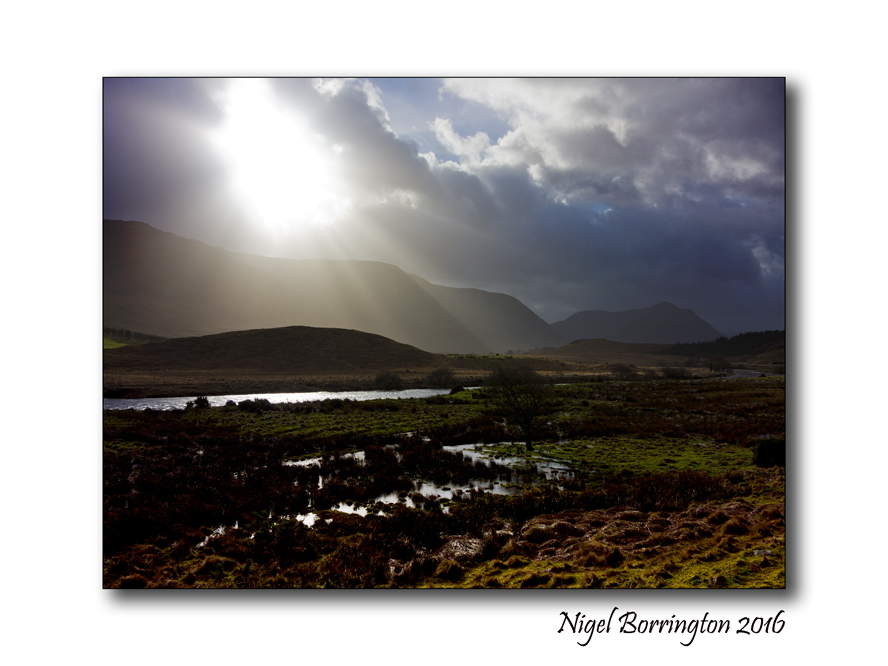
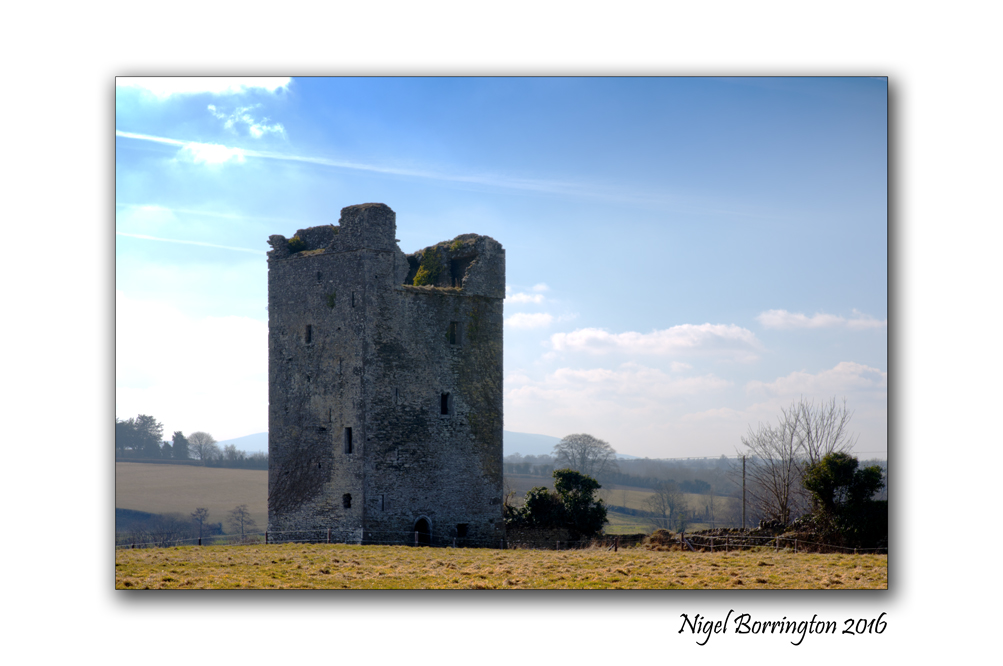
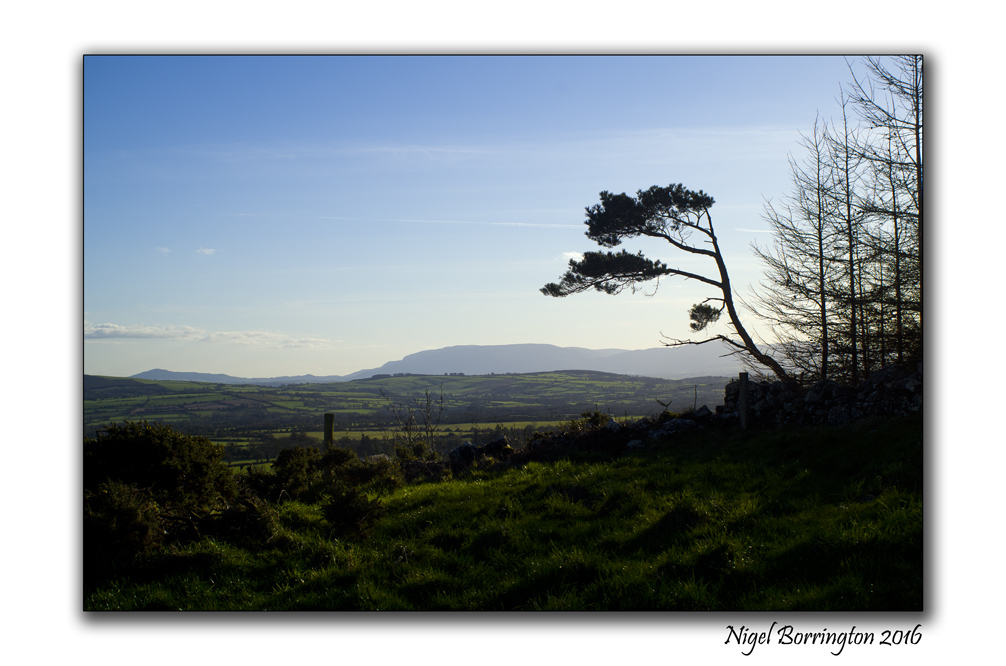
This year I hope to use other forms of recording the landscape that I find around me other than photography alone, I love creating images using my camera but I want to dig in a little deeper and spent a lot more time at each location.
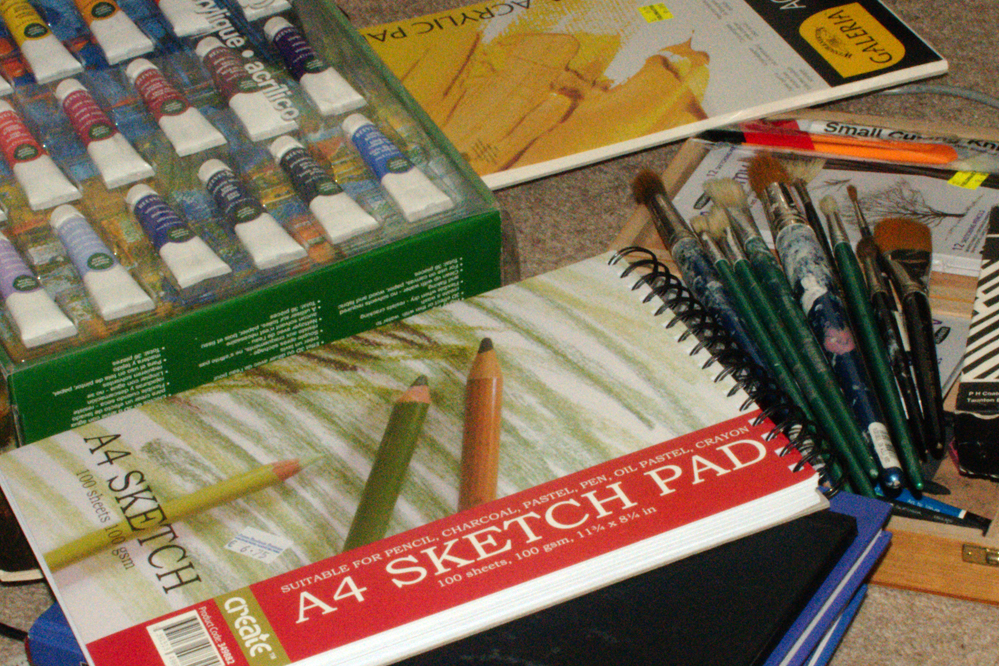
There are so many art based media that can be used to create a sketch, such as (Pastels, pens, pencils, charcoal and paint).
Personally I love using Pencils and Waterolour paints, both are very simple to use and very easy to carry around. Pencil is the most direct and very easy to always have with you in a bag. Watercolour paints requires you to have a supply of water and a palette for mixing colours, both simple to have available and easy to use. A monotone Watercolour sketch is a great way to make use of this medium, used to capture all the tones that you can see in the landscape in-front of you and a lot faster than using a pencil to record the lights and dark’s in your image.
I find that the process of starting and finishing a sketch outside to be the perfect way of relaxing, its very hard to think about anything else on your mind from the moment you start working and by the time you have finished, your mind is filled with little else other than how you can use you finished sketch later for a painting or more detailed drawing.
Add your sketch to some photographs you took and you have the perfect set of images available to create larger works in oil or acrylic paints.
The sketches here are a small sample of some work produced during an art course I completed a while back …..
Share this:
Posted by nigel borrington | January 9, 2017 | Categories: Art and craft work, Comment, Landscape | Tags: art, drawing, Landscape, Nigel Borrington, painting, pencil, Sketching, Watercolour | 6 Comments