Capturing the world with Photography, Painting and Drawing

Latest

Orchids, A poem By : Cassandra Huller

The Orchid
Early March Orchid
Photography : Nigel Borrington

Orchids

By : Cassandra Huller

Round is the shape,
Pink are the petals.
Stem long and tall,
Leaves fluttered over, bent but not broken.
Roots deep in dirt,
Surrounded by a wall.
Some flowers fall but always rebloom~

Kindred Spirits, Poem By : M s. Simpson

Kindred Spirits 1
Sea gull flying over the sea, county Waterford
Photography : Nigel Borrington

Kindred Spirits

By : M s. Simpson

I’ll meet you there,
at the horizon,
when the glowing orange tip
of god’s pen writes
a sunset on the sea.

I’ll be soaring free
a seabird
sunset fires upon my wings.

I’ll know you by the colors
your imagination brings
let’s fly awhile
together where the clouds
like angels sing.

Callan, Kilkenny. Remembering the Workhouse and Cherryfields Grave yard.

Callan Cherryfields Graveyard _0007
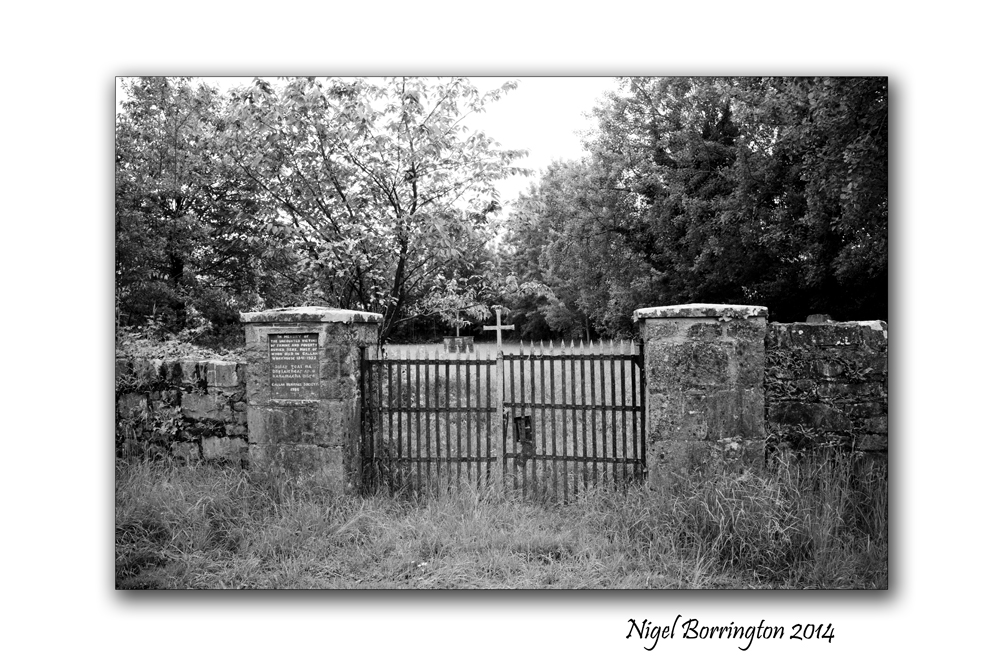
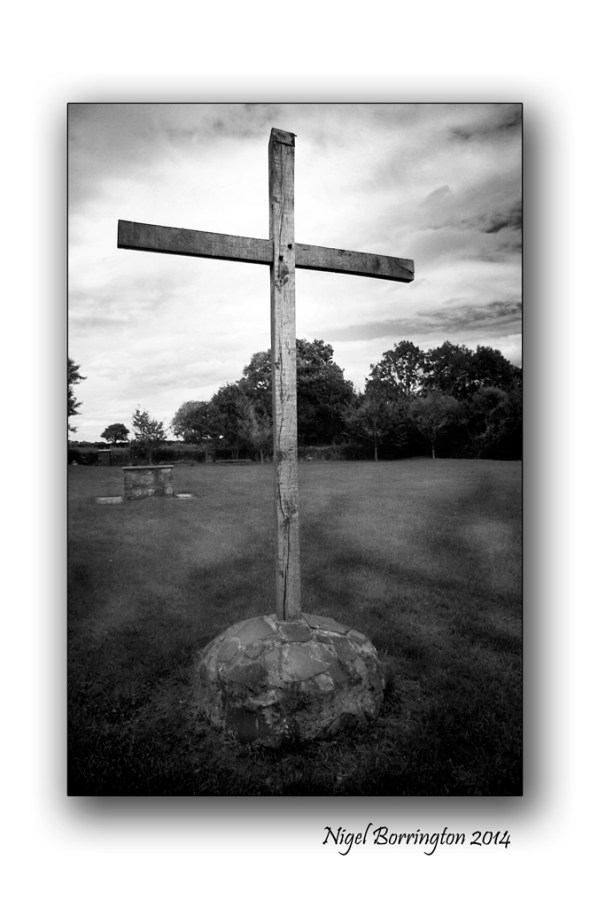
Cherryfields, Grave yard for the poor of the Callan workhouse.
Photography : Nigel Borrington

Remembering the Workhouse and its uncounted and unnamed dead.

During the years between 1841 and 1922 the Callan workhouse operated as a place to house and offer support to may of the poor and fallen people who lived in the surrounding areas.

I want to share here some images and facts about both the workhouse and the associated grave yard that is located just one kilometre south of the town of Callan.

Both these site still exist today and a visit to them is both very moving and haunting.

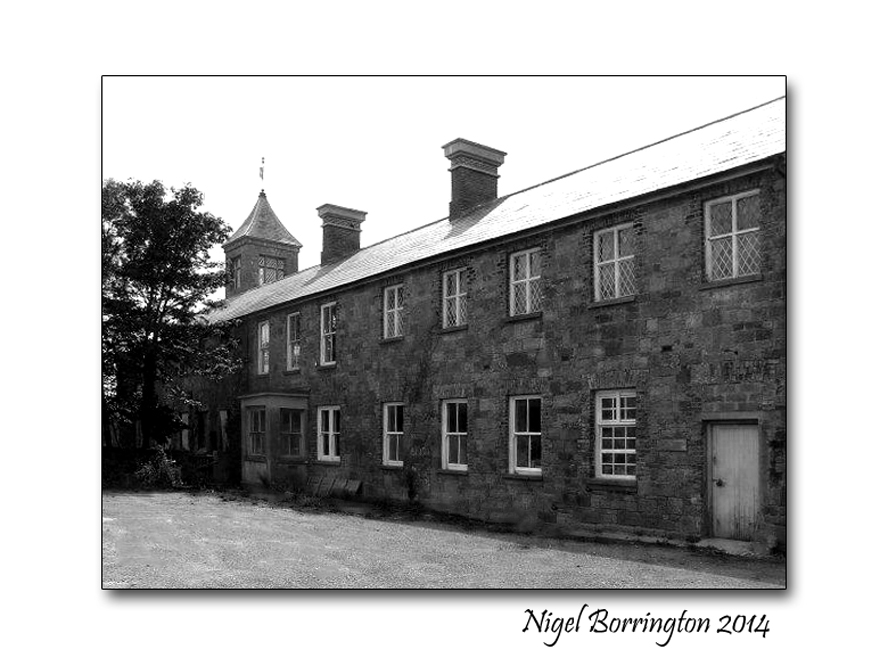
The Workhouse now operates as a home for people with special needs and many feel that this is a great outcome considering its original use and its history.

A visit to Cherryfields Grave yard is very moving, I have included some written details below with some recent images, the thing that personally hits me the most about this place is that no one knows how many people lay at rest here as there is not one single name to be found anywhere.

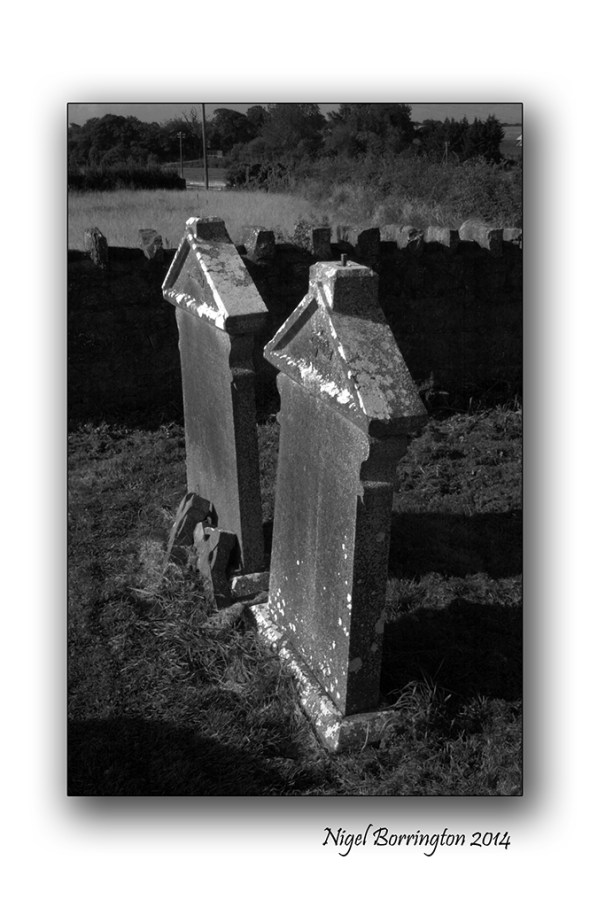
My final Gallery at the bottom of the post reflects on the contrast between cherryfields and other local grave yards, where all the graves are marks with stones, the only technical difference being the level of finance you or your family possessed.

The Callan Work house

Callan Workhouse map osi maps

The Callan Union of workhouses was situated partly in Co Kilkenny and partly in Co Tipperary. It comprised an area of 106,633 statute acres with a population of 42,707.

The Callan workhouse was contracted for on May 29, 1840 and was completed in 1841.

The management of the workhouse was as follows: Master, matron, clerk chaplain, schoolmaster, porter.

It cost £5,500 to build and $1,140 to fit out. The entire complex, situated at the south end of the town, covered an area of six and a quarter acres. It was built to accommodate 600 people and its first admission took place on March 25, 1842.

Thirty-three Poor Law Guardians, elected from various areas in the Union, had overall responsibility for the workhouse.

In its first years of operation, the Callan Workhouse functioned very well, but the catastrophe of the Great Famine (1845-48) totally overwhelmed it, reducing its functions to utter chaos.
Callan workhouse 2010 2

Built, as mentioned to accommodate 600 people, it had at the height of the Famine thousands of unfortunates clamouring for admittance. Even by 1851 it was still crammed to over capacity. The census for that year lists 2,102 people as residing in it.

The statistics for the Famine in the Callan area are grim and mind-boggling. Between 1841 and 1851 a total of 1,411 people, 688 males and 723 females, died in Callan Workhouse, and 2,104, 1,050 males and 1,054 females died in the temporary fever sheds, a grand total of 3,515 people. These virtually all died during the years of 1846 to 1850.

Callan workhouse 2003 1

After the famine years, the workhouse settled back into a more normal level of operation and continued to function right up until the 1920s. In 1922 it was garrisoned by Free State troops during the Civil War.

It was later sold to private individuals and public bodies.

CherryFields Grave Yard

Callan Cherryfields Graveyard _0001

on approaching Cherryfields – Callan, A plaque on a pillar at the graveyard reads: In memory of the uncounted victims of famine and poverty buried here, most of whom died in Callan Workhouse 1841-1922. The Plaque was erected in 1986 by Callan Heritage Society.
Callan Cherryfields Graveyard _0006

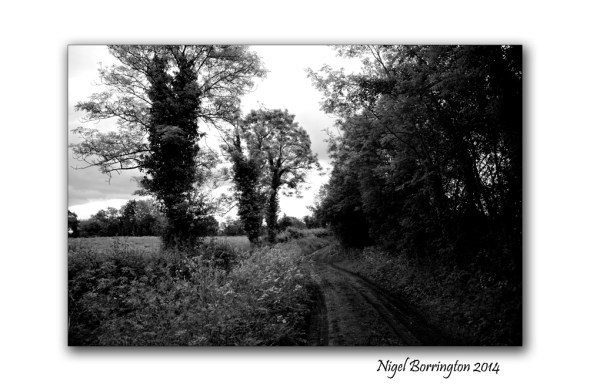
The now disused burial ground is the resting place of those who died in Callan Workhouse and who had no family or friends to claim them.

It is located in a remote one and a quarter acre site about one and a half miles south-east of the town off the Clonmel Road in the townland of Baunta Commons.

Callan Cherryfields map osi maps

Because cherries grew three in times gone by it is still popularly known as Cherryfield.
Most of those buried in Cherryfield were victims of the Great Hunger which devastated Ireland during the 1840s. The Callan area of Co Kilkenny was severely affected by this catastrophe.

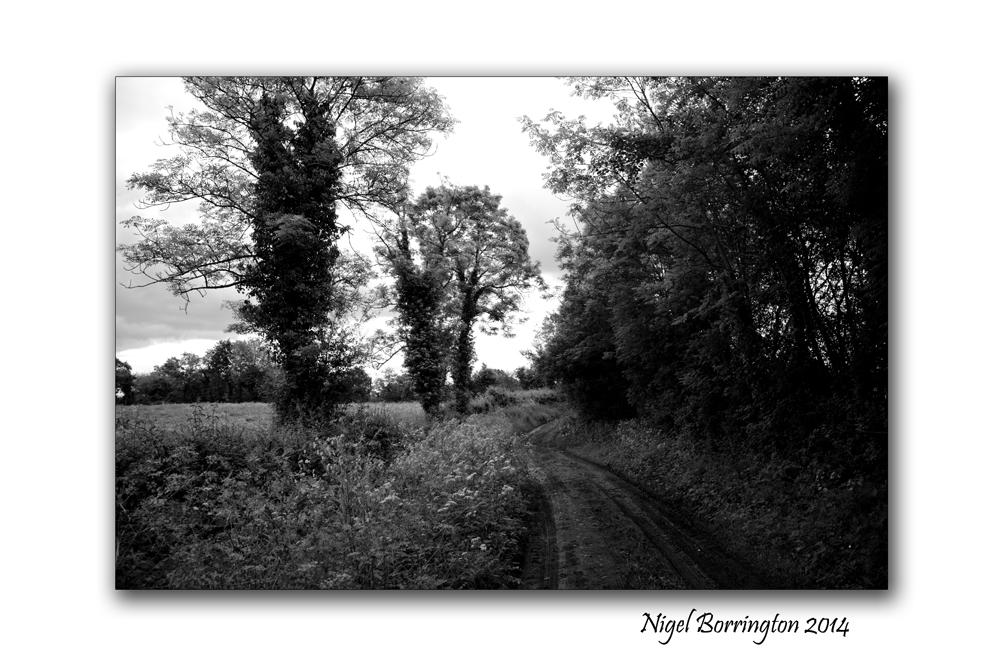
Tales have been passed down about the endless procession of funerals from the Workhouse. It is said that often up to six bodies at a time were carted out for burial, and that it was not uncommon for corpses to fall off the ‘funeral cart’ because the boreen into Cherryfield was so rough and muddy.

Originally it was intended to have a ‘pauper’s graveyard’, as the terminology of the time called it, located in less remote place as Lord Clifden proposed, but because Baunta Commons consisted of large areas of poor agricultural common land there was little problem in acquiring a cheap site.

The graveyard was crudely fenced off for many years but was fully enclosed by a wall in the 1860s. A substantial gate and entry piers were also erected at that time.

Gallery

Callan Cherryfields Graveyard _0005

Callan Cherryfields Graveyard _0004

Callan Cherryfields Graveyard _0003

Callan Cherryfields Graveyard _0002

Callan Cherryfields Graveyard _0008

Contrast of Cherryfields to other local Grave yards

The surrounding areas of south Kilkenny, contain many old grave yards all of which are wonderful to visit, they hold great records of the people who lived locally and now rest in these places.
Callan Local Marked Graves 4

Callan Local Marked Graves 1

Callan Local Marked Graves 2

Callan Local Marked Graves 3

Nothing Gold Can Stay, Poem By : Robert Frost

Nothing Gold can stay 2

Nothing Gold Can Stay

By : Robert Frost

Nature’s first green is gold,
Her hardest hue to hold.
Her early leaf’s a flower;
But only so an hour.

Nothing Gold can stay 4

Then leaf subsides to leaf.
So Eden sank to grief,
So dawn goes down to day.
Nothing gold can stay.

Reflections on the river Barrow.

Tails from the river bank 7
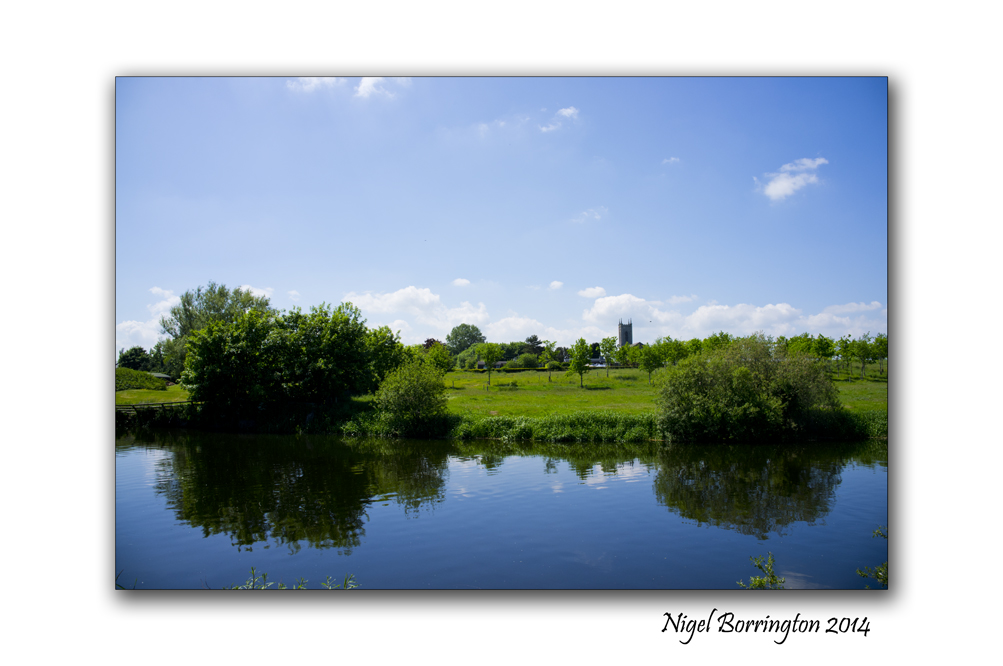
The River Barrow, Goresbridge, county Kilkenny
Landscape photography : Nigel Borrington

The River Barrow flows from its source at Glenbarrow in the Slieve Bloom Mountains, County Laois to the Celtic Sea at the harbour of Waterford.

The river also forms a natural border between parts of counties Kilkenny and Carlow and Kilkenny and Wexford.

I Completed walking all the stages of the river last year, my favourite part of the river however is around the Goresbridge area, county Kilkenny.

The images below are just some taken at Goresbridge, during June of 2014.

River Barrow Gallery

Tails from the river bank 1

Tails from the river bank 2

Tails from the river bank 3

Tails from the river bank 4

Tails from the river bank 5

Tails from the river bank 6

In The Stump of The Old Tree, Poem By : Hugh Sykes Davies

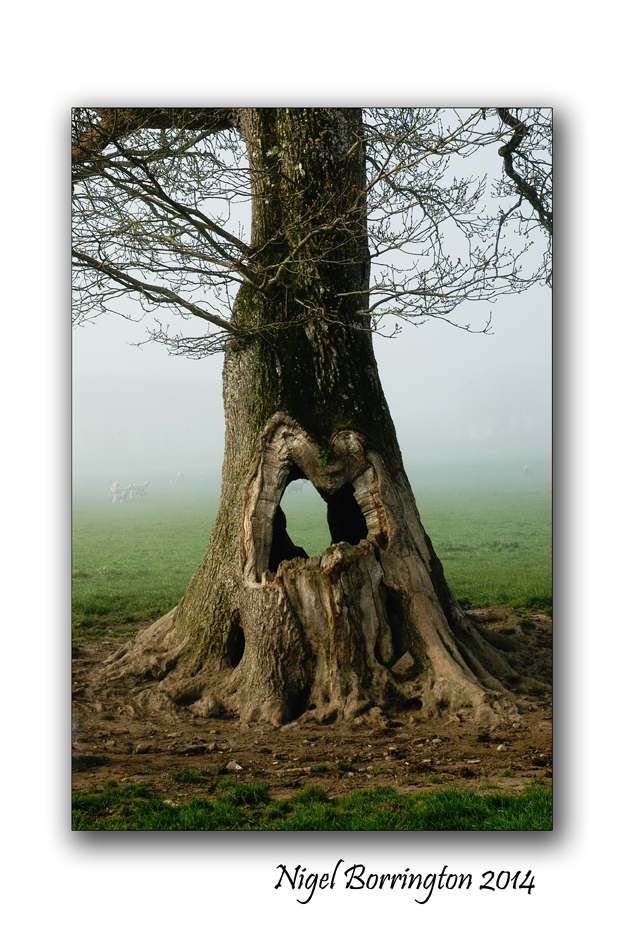
The old tree
The old Tree at Coolagh, county Kilkenny
Landscape Photography : Nigel Borrington

In The Stump of The Old Tree

By Hugh Sykes Davies

In the stump of the old tree, where the heart has rotted out, there is a hole the length of a man’s arm, and a dank pool at the bottom of it where the rain gathers, and the old leaves turn into lacy skeletons. But do not put your hand down to see, because

in the stumps of old trees, where the hearts have rotted out, there are holes the length of a man’s arm, and dank pools at the bottom where the rain gathers and old leaves turn to lace, and the beak of a dead bird gapes like a trap. But do not put your hand down to see, because

in the stumps of old trees with rotten hearts, where the rain gathers and the laced leaves and the dead bird like a trap, there are holes the length of a man’s arm, and in every crevice of the rotten wood grow weasel’s eyes like molluscs, their lids open and shut with the tide. But do not put your hand down to see, because

in the stumps of old trees where the rain gathers and the trapped leaves and the beak and the laced weasel’s eyes, there are holes the length of a man’s arm, and at the bottom a sodden bible written in the language of rooks. But do not put your hand down to see, because

in the stumps of old trees where the hearts have rotted out there are holes the length of a man’s arm where the weasels are trapped and the letters of the rook language are laced on the sodden leaves, and at the bottom there is a man’s arm. But do not put your hand down to see, because

in the stumps of old trees where the hearts have rotted out there are deep holes and dank pools where the rain gathers, and if you ever put your hand down to see, you can wipe it in the sharp grass till it bleeds, but you’ll never want to eat with it again.

Last night I walked along the river, after the rain – Images and a Poem

Along the river after the rain 4
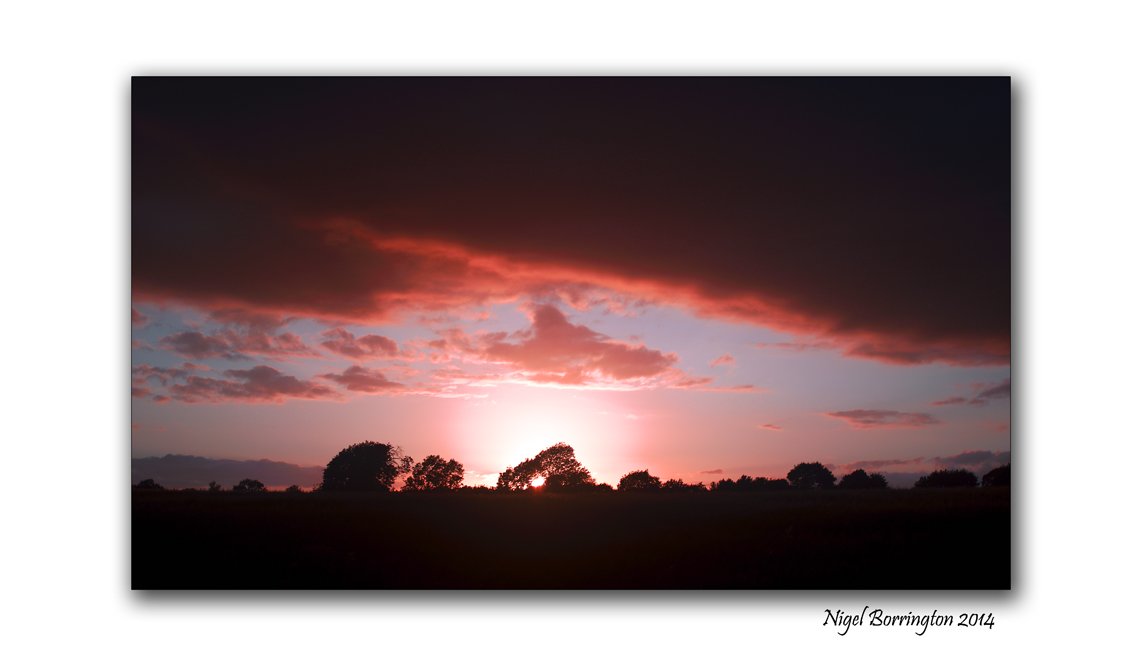
Sunset along the river Suir, County Tipperary
Landscape photography : Nigel Borrington

Sometimes when I am out walking and taking pictures, I also use my phone to jot down some words then later use these to write a Poem.

I feel that words and poems – along with images are connected with one another in a big way. I love to share both here on this blog and I often share poems from people who share their work on poetry web sites, matching them to what I feel are related images I have taken.

This time the post is mixing my own Poem and Images from an evening walk along the river Suir, after a rain storm at the start of June.

————————————

Last night I Walked along the river after the rain

Last night in my dreams along the river I walked,
it rained and rained, The floods of June.

There will always be sunshine after the rain
Perhaps I walked , perhaps even ran,
Towards the Setting evening Sun.

Along the river after the rain 1.

It lights up the river, I see every rushing and flowing drop,
The warmth from its light can calm every dreaming fear.

After it sets below the trees,
my dreams much deeper,
still linger throughout the night,
But suddenly vanish at dawn’s early light.

Along the river after the rain 3

Poem and images : Nigel Borrington

Teifi Marshes Nature Reserve, Cardigan, Pembrokeshire, South Wales

Teifi Marshes Wildlife reserve 9
Teifi MarshesNature Reserve
Landscape and Nature Photography : Nigel Borrington

Untitled-1

Teifi MarshesNature Reserve

I am getting out of Ireland for this Monday and posting about one of my favourite wildlife and nature reserves just across the water in south west Wales.
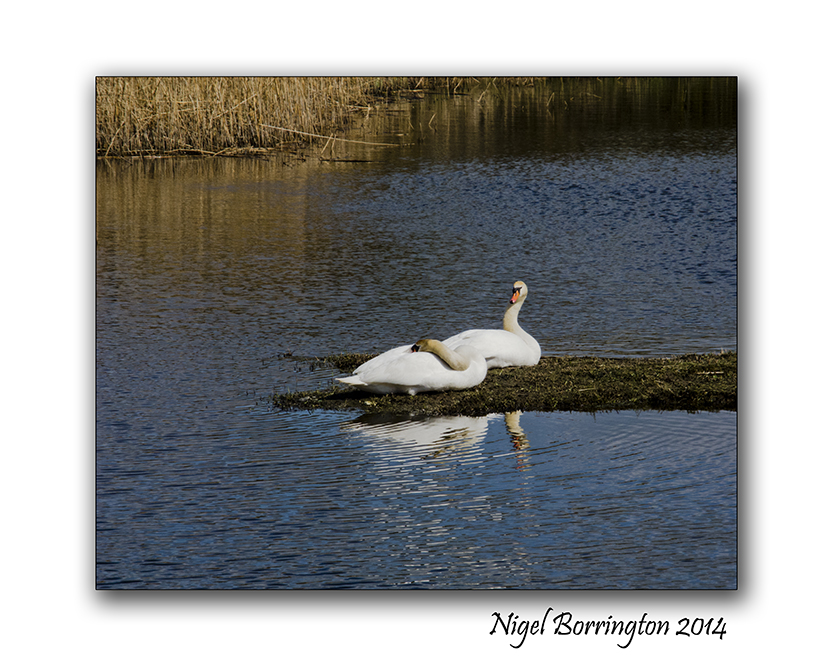
Last year I visited the reserve in the early summer time and it was just full of life, the observation huts located around the long paths offer some great views of the river and lake birds that nest here.

There is a wonderful visitors centre and restaurant so you can make a full days visit, stopping at lunch and then if the welsh weather will allow you can return to the outside afterwards. The hides around the reserve do however offer you shelter from the rain so it is possible to visit in the winter as well so you can view the wintering birds that arrive here from much colder countries.
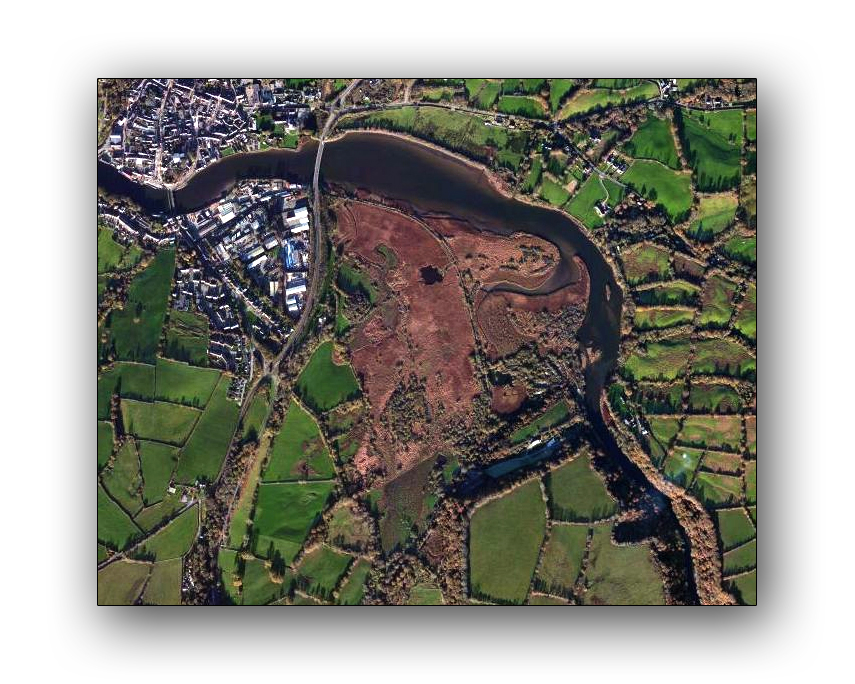
The two very different seasonal ‘faces’ of Teifi Marshes Nature Reserve make this an excellent place to visit all year round. In winter the marsh is subject to extensive flooding and becomes a haven for numerous wildfowl, whilst in summer a visit to the reserve reveals an entirely different range of habitats and wildlife.

The site is owned by the Wildlife Trust of South and West Wales, and is also home to their Welsh Wildlife Centre. This magnificent building, constructed mainly of wood, won an award for its architecture when it was built in 1993.

Teifi Marches Gallery

Teifi Marshes Wildlife reserve 1

Teifi Marshes Wildlife reserve 3

Teifi Marshes Wildlife reserve 2

Teifi Marshes Wildlife reserve 4

Teifi Marshes Wildlife reserve 10

Teifi Marshes Wildlife reserve 5

Teifi Marshes Wildlife reserve 6

Teifi Marshes Wildlife reserve 7

Teifi Marshes Wildlife reserve 8

Teifi Marshes Wildlife reserve 9

A Grain Of Sand, Poem by Robert William Service

A grain of sand 1
Landscape Photography : Nigel Borrington

A Grain Of Sand

Poem by Robert William Service

If starry space no limit knows
And sun succeeds to sun,
There is no reason to suppose
Our earth the only one.
‘Mid countless constellations cast
A million worlds may be,
With each a God to bless or blast
And steer to destiny.

Just think! A million gods or so
To guide each vital stream,
With over all to boss the show
A Deity supreme.
Such magnitudes oppress my mind;
From cosmic space it swings;
So ultimately glad to find
Relief in little things.

For look! Within my hollow hand,
While round the earth careens,
I hold a single grain of sand
And wonder what it means.
Ah! If I had the eyes to see,
And brain to understand,
I think Life’s mystery might be
Solved in this grain of sand.

A local walk through History, Megolithic – Ring forts, Tombs and Standing stones.

A ring fort in the KIlkenny hills 5
Ring fort on the Hill, County Kilkenny
Landscape photography : Nigel Borrington

A local walk through History, Megolithic – Ring forts, Tombs and standing stones.

Last Month I posted the following two articles talking about the history of some historic remains and geology around the area where I live, on the County Kilkenny and Tipperary Boarders.

Pagan ring forts and passage tombs , From Kerry to kilkenny

Landscape and Geology around Slievenamon, county Tipperary

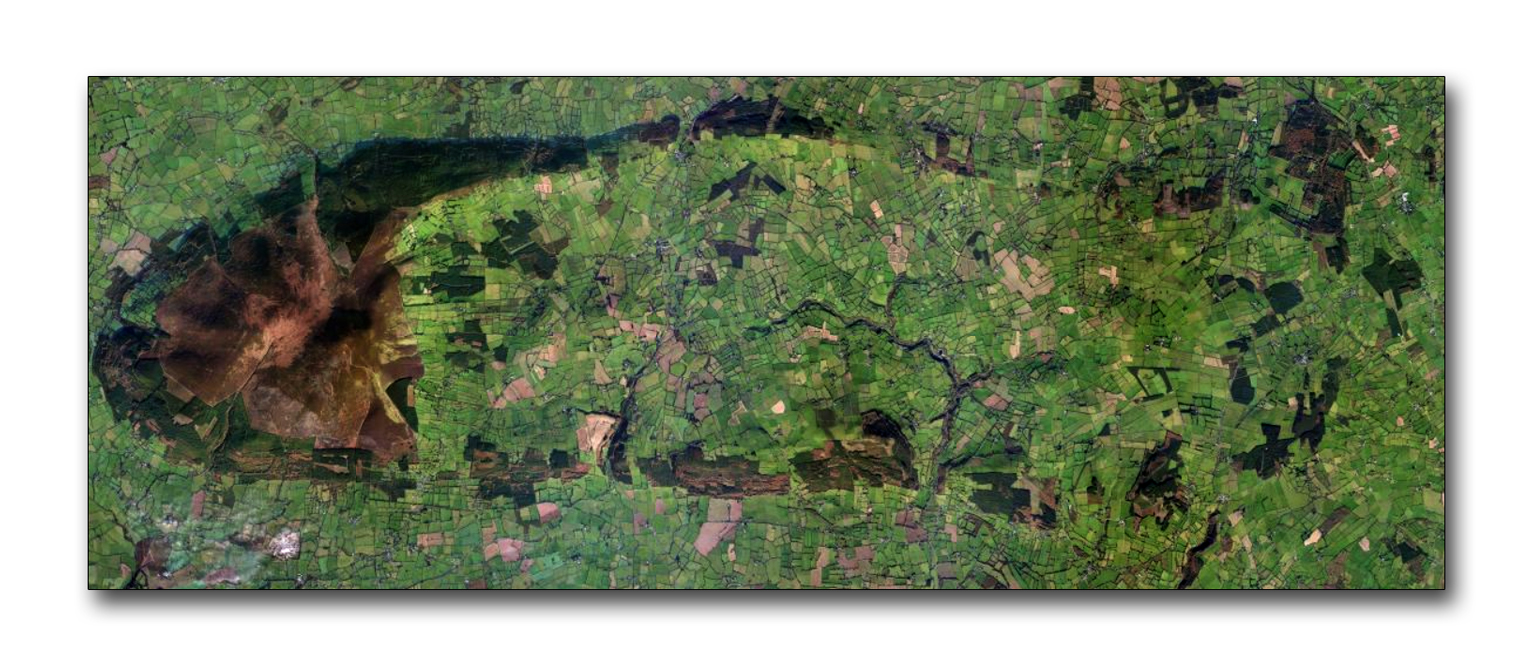
The image below shows the area around the mountain of Slievenamon, County Tipperary ( left ) and the foot hills that flow to the right and form the shape of an oval from the north and south of the mountain.

The Boarder between county kilkenny and Tipperary flows about half way through this image from north to south.

Slievenamon Panorama 2.

Over the last few weeks and during the summer of 2014, I want to study and post about the Stone age – Iron age, pre Christian remains that can be found in almost every one of the woods that can be seen in the above image ( Mainly visible as dark green) along with the remains on the mountain of slievenamon itself.

I have lived here in county Kilkenny for about 11 years , moving from the UK in 2003, from the very first walks I took locally it was clear that this area is full a history in the form of old buildings, farms, churches and grave yards.

The remains that interested me the most have been those of pre-Christian times, Ireland became a Christian country between 300 to 400 Ad. These local pre-Christian remains then date from betweem 300Ad to 6000 or 8000 years ago.

The remains that can be found locally take the form of (Ring forts, Graves and tombs, Standing stones and stone circles) all can be found within the area covered in the pictures above.

South Kilkenny. Woodlands

South Kilkenny. Woodlands

During last weekend and this week, I have been visiting the above woodland to the south east of the larger area I am studying and have marked on the image below the types of remains I have found :

Full woods labels

The remains that I have walk past on woodland paths and the ones that I have looked for by going deeper into the woods are by themselves amazing but by themselves do not tell you a story of who these people were and how they lived.

Over the next few weeks I want to uses four areas in total including the mountain of Slievenamon, to draw a picture of how I feel the people who built these structures lived.

How they worked this land, how they built their homes and how they buried and remembered their ancestors.

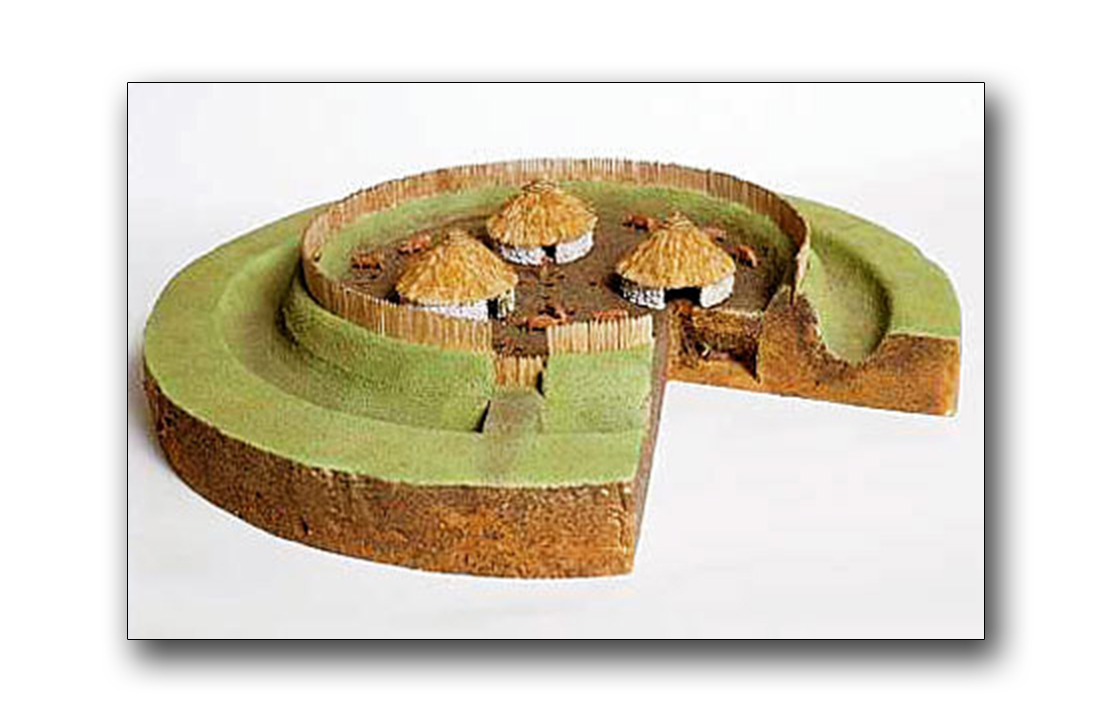
Structure of a ring fort

Structure of a ring fort

.

Image Gallerys

The Images below are all pictures of the structures and remains I have found in the woodland area shown and labelled in the images above, I have split them into groups as follows:

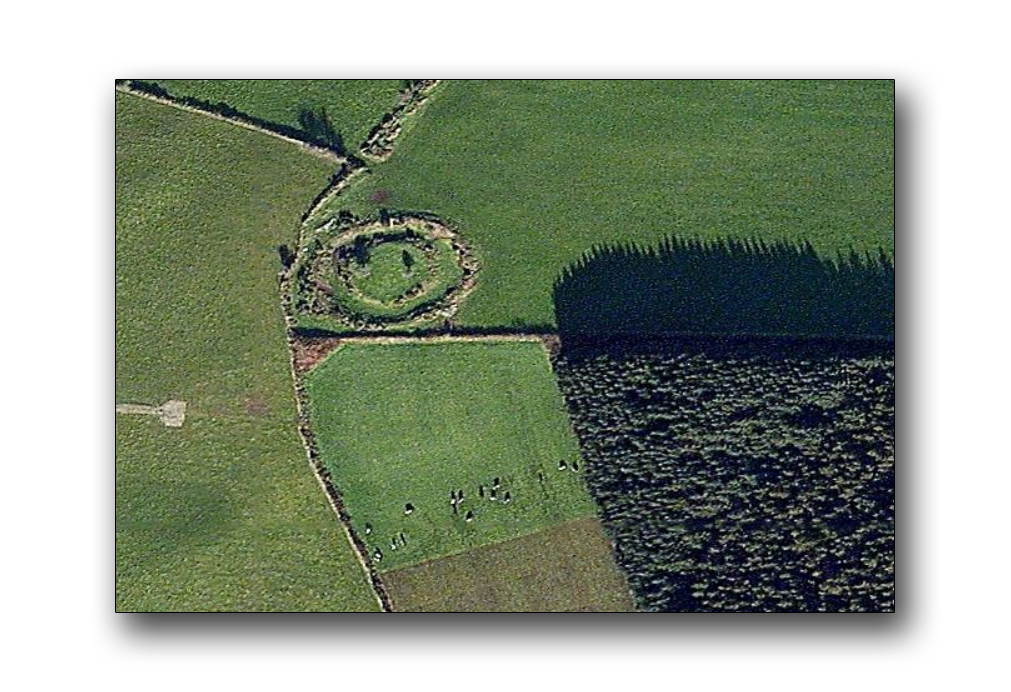
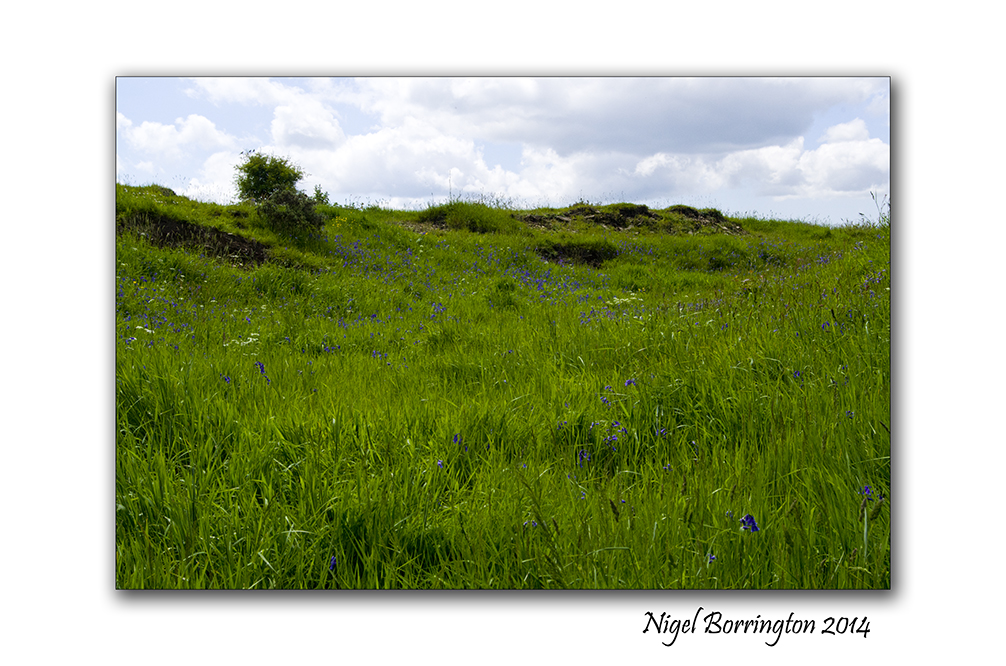
Ring forts, these were used for – homes and cattle pens.
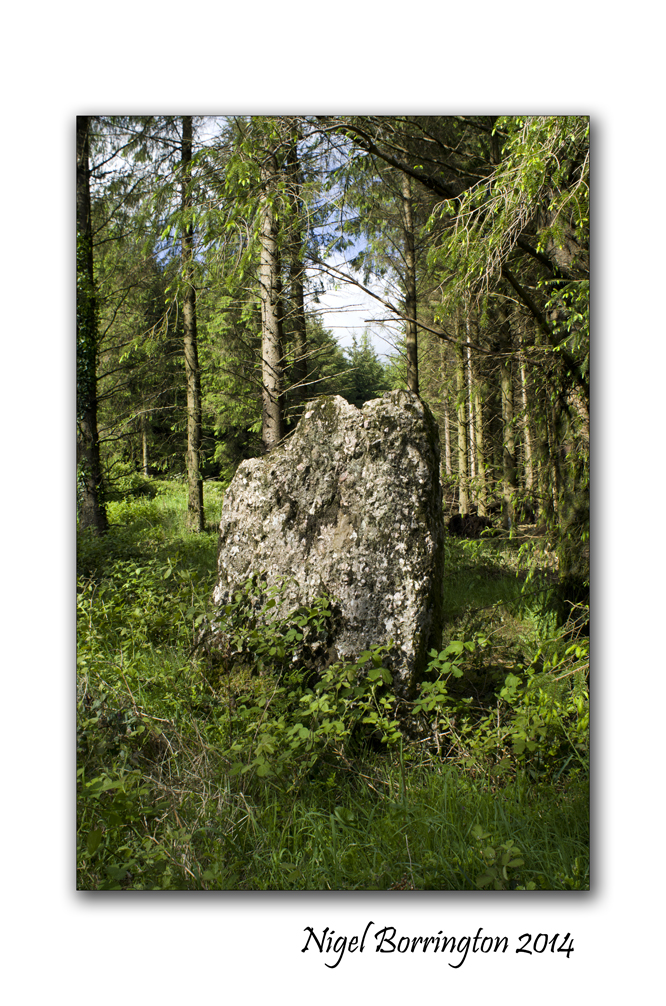
Standing stones, used to record time and mark areas.
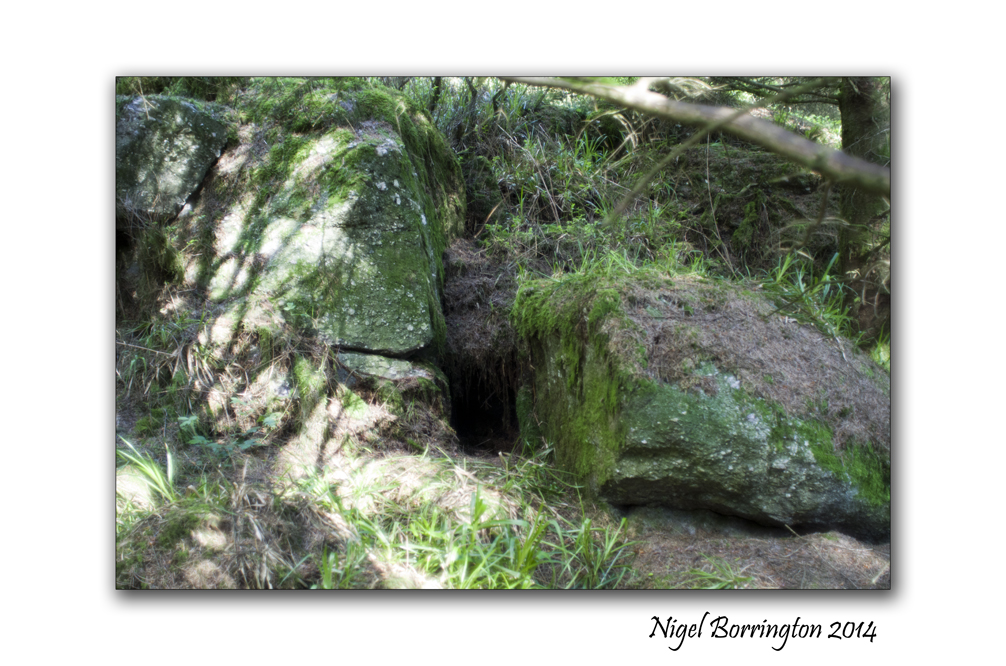
Graves and tombs, Hill top Burial grounds .

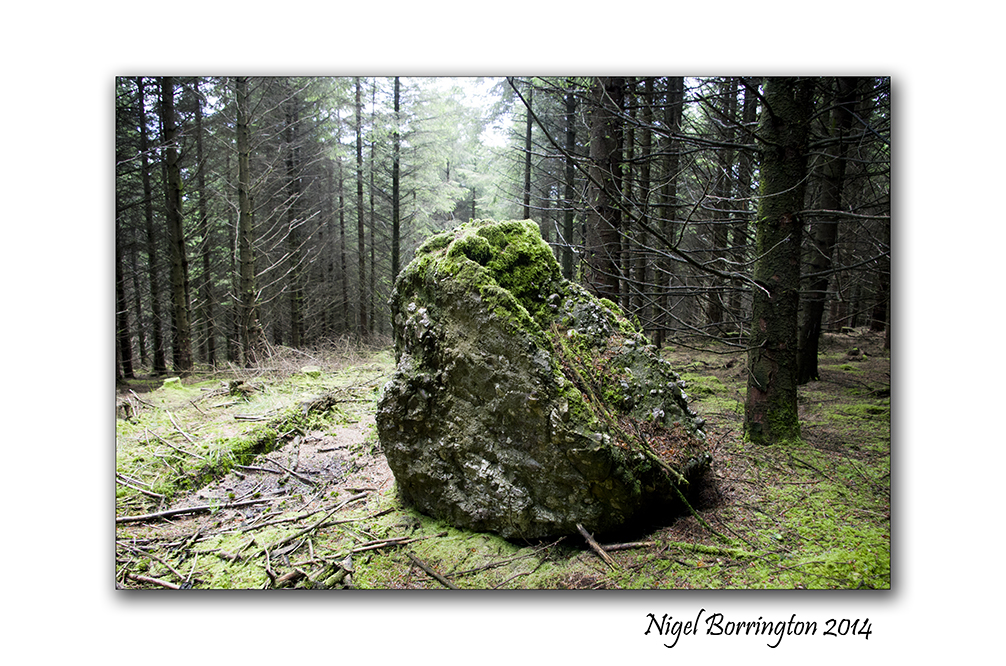
One last thing worth pointing out is that below in the Grave Gallery are two large tomb cap stones, shown in the first two images.

When I first found the stone in the first image, I wondered if it could be anything more than just a large stone left from ice sheets, during the ice age some 10,000 years ago. However I then found the stone in the second image a couple of days later, both these stones are almost the exact same dimensions. It is very unlikely then that these stones can be the result of the ice age and that they are cap stones to large tombs lying underneath.

This web sites show some examples of excavated tombs from this period : Mesolithic tombs

I also have a great example of a tomb like this here : The passage tomb of olioll olum king of munster

Image gallery of the ring fort

Ring fort, marked above the woods

Ring fort, marked above the woods

A ring fort in the KIlkenny hills 1

A ring fort in the KIlkenny hills 3

A ring fort in the KIlkenny hills 4

A ring fort in the KIlkenny hills 6

A ring fort in the KIlkenny hills 7

A ring fort in the KIlkenny hills 8

Gallery of Standing stones within the woods

Standing stones 5

Standing stones 3

Standing stones 4

Standing stones 6

Gallery of Graves and Cap stones within the woods

Grave and cap stone 1

Graves and cap  stones 2

Grave and cap stone 3

Grave and cap stone 4