Macro photography in December

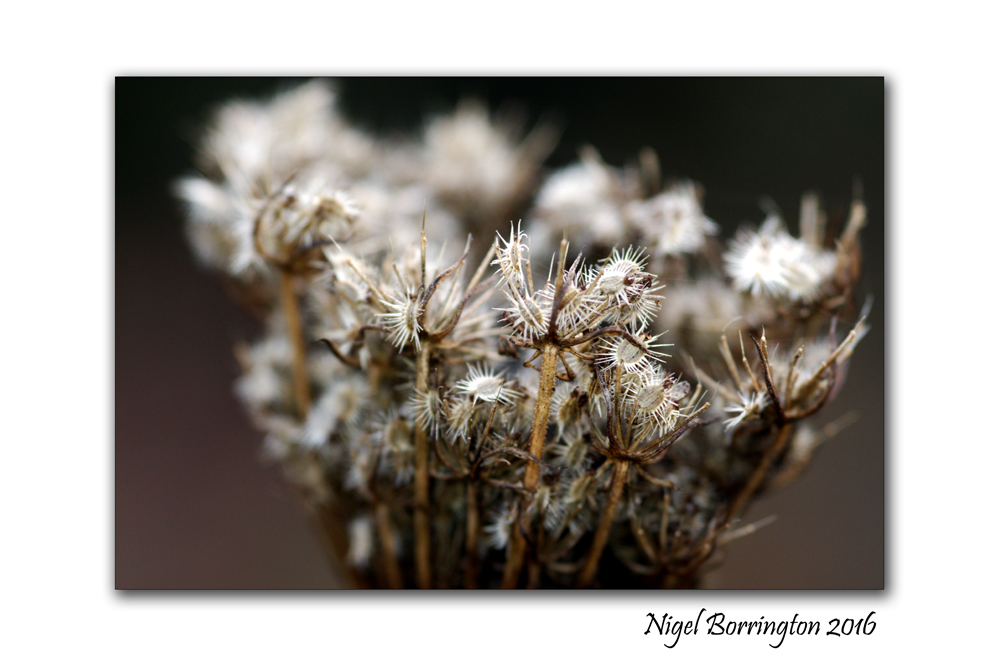
You would think that in the first week of December, it would be hard to find anything interesting in the local landscape nature wise to get good and close to with a Macro lens, however there are still some amazing thing to be seen and captured 🙂
Here are just a few macro images taken this week …….


Kilkenny landscape images : Novembers last sunset

Kilkenny Landscapes
Ballykeeffe
Ireland
Nigel Borrington
Its hard to Believe that it is the end of November already !!
These images are of the last sunset, November 2016 🙂

Birds in Irish Folklore, The Robin
Birds of Irish Folklore
The Robin
Nigel Borrington
The end of November and you would think that all the wildlife has vanished from the landscape , however you only need to take an early morning walk to realize that there are lots of wild creatures still around.
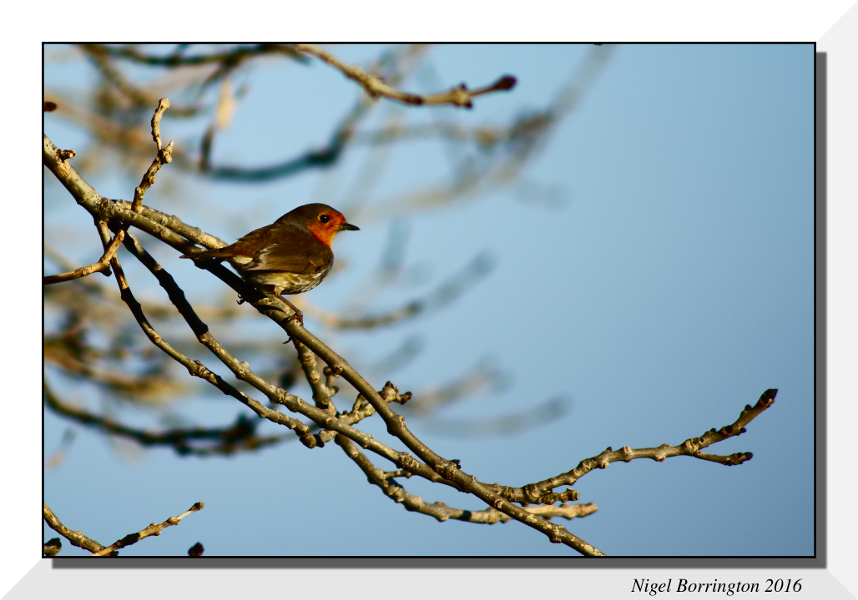
This morning on a walk through the hills near Kilmoganny, county Kilkenny, I was accompanied by this little Robin who hopped from tree to tree in front of me 🙂
Here is a little folklore about the Robin from an Irish point of view …….
The Robin
If the soul and symbol of the old sun and the Oak King was the Wren, the Robin represented the new sun. The wren was said to hide in the Ivy, the Robin in the Holly. The Pagan Neolithic Festival of the birth of the new sun, symbolized by the Robin, was at the Winter Solstice (21st December). The Robin (the new sun) killed his father the Wren (the old sun) and that is how he got his red breast, ie, from the blood of his father. A Robin coming into a house was supposed to be a sign that someone was going to die there in the near future. Despite this association with death, the Robin was praised for being the only bird capable of singing all the notes of the musical scale. And furthermore, the Robin can sing for half an hour without repeating the melody, unlike the other birds.
Winter is coming once again, a poem
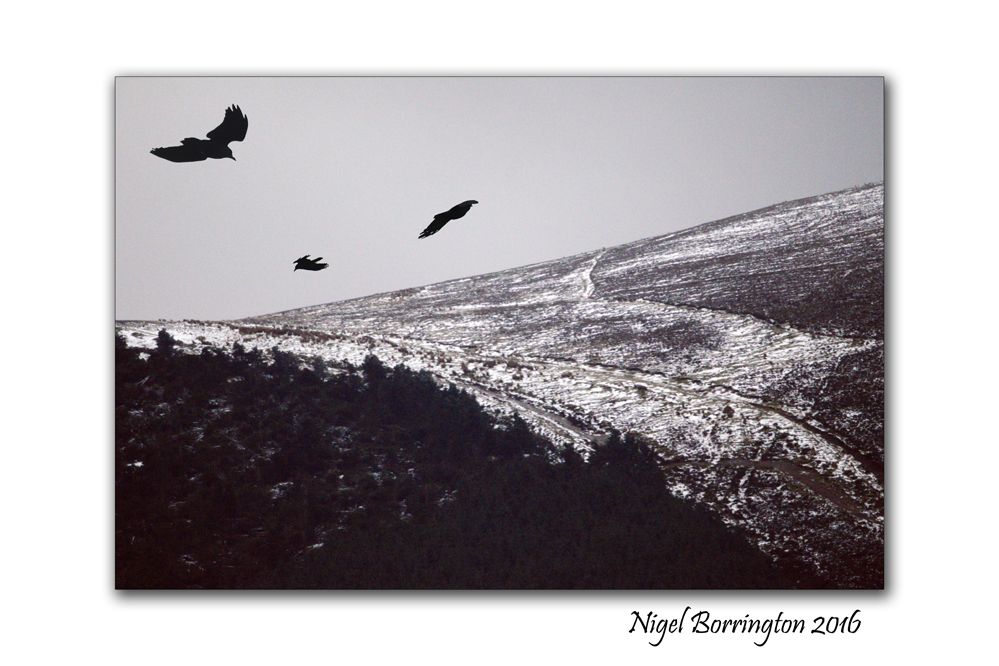
Winter and the Crows
Slievenamon
County Tipperary
Nigel Borrington
Winter Is Coming once Again
The sky is filled with broken light,
The Sun is hidden by deep snow filled clouds,
There’s a chillness to the air,
I feel it everywhere,
All through the days and nights;
Winter is coming.
The Crows fly above Slievenamon
hunting harder then before, and the ground below
Is hard beneath wing and claw,
The trees stand bare of leaves and fruits,
And all around
Is still, Silent;
Winter is coming.
The sun will soon be gone,
Obscured by cloud,
The rivers and lakes begin to freeze,
The wind will bend the trees
Until they’re bowed
In supplication.
Winter is coming, once again.
Only the dead will feed hungry crows:
Mice, rabbits, sparrows.
The light fades from the Sun
Now darker days have come,
for the high crow, cold bites to the marrow,
And Winter is here.
Again.
My November Guest, Robert Frost
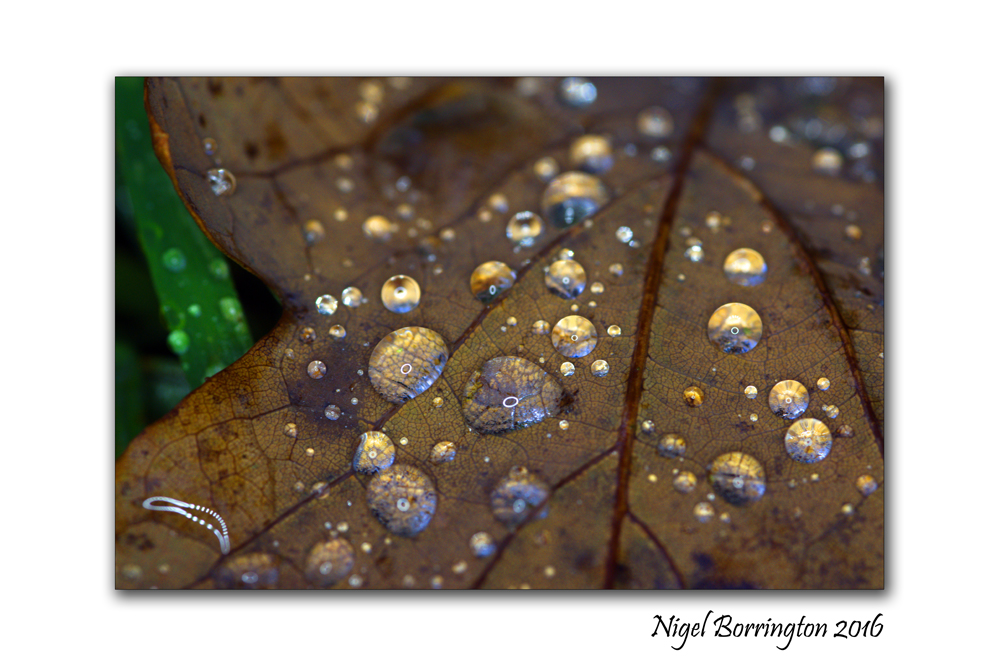
November rain
Nigel Borrington
My sorrow, when she’s here with me,
Thinks these dark days of autumn rain
Are beautiful as days can be;
She loves the bare, the withered tree;
She walks the sodden pasture lane.
Her pleasure will not let me stay.
She talks and I am fain to list:
She’s glad the birds are gone away,
She’s glad her simple worsted gray
Is silver now with clinging mist.
The desolate, deserted trees,
The faded earth, the heavy sky,
The beauties she so truly sees,
She thinks I have no eye for these,
And vexes me for reason why.
Not yesterday I learned to know
The love of bare November days
Before the coming of the snow,
But it were vain to tell her so,
And they are better for her praise.
Getting close to the Landscape, Macro Photography

Macro Photography
water droplets
Nigel Borrington
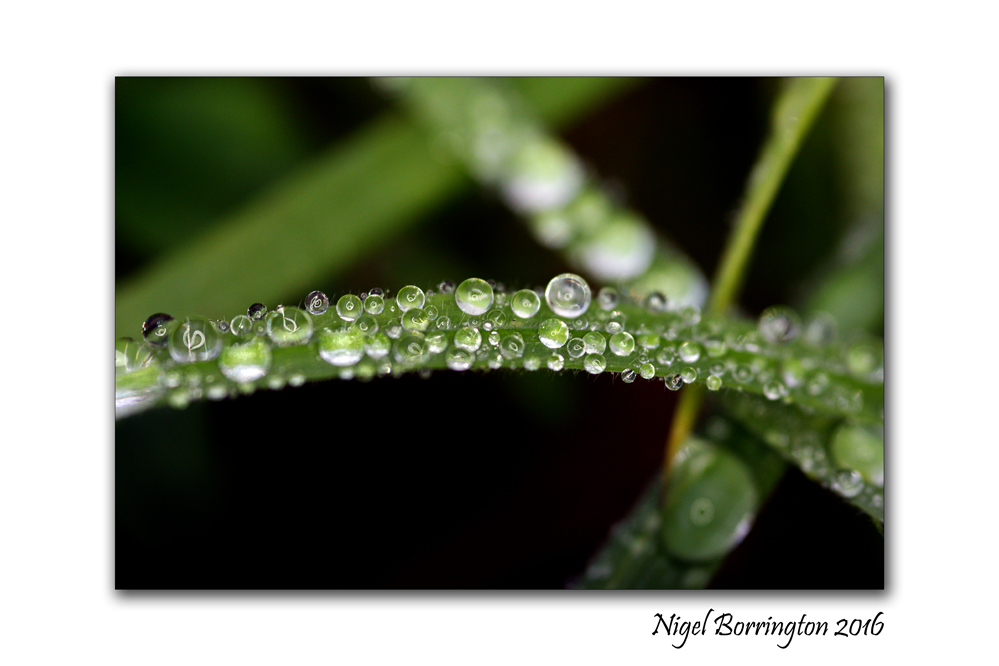
This winter I want to spent sometime getting in close with nature and the local landscape, with a macro lens. I feel that even though the summer and even Autumn are almost over there are still lots of subjects that will be fascinating when captured close up.
Water and rain drops are just such a subject and when we get more frost and ice I will spend lots of time outside in the early hours capturing as many images as possible.
The image above was taken with the help of an LED ring flash gun, you can see the lighting effects produced in each drop of water…..
Monday Poetry , The Cow – Robert Louis Stevenson

The friendly cow all red and white,
I love with all my heart:
She gives me cream with all her might,
To eat with apple-tart.
She wanders lowing here and there,
And yet she cannot stray,
All in the pleasant open air,
The pleasant light of day;
And blown by all the winds that pass
And wet with all the showers,
She walks among the meadow grass
And eats the meadow flowers.
Robert Louis Stevenson
County Kilkenny landscape : A poem : Over the Fence , By jesse.vanwallene

Kilkenny Landscapes
Over the Fence
Nigel Borrington
Over the Fence
I remember the giant field that was just a house away from my parents’ house and how I could tell what season it was by what it was being used for.
I remember how in the fall the field was used for corn and how in the spring it was used for alfalfa or cotton and how at the start of summer it was used for lazy sheep to graze and get fat.
I remember when there were no crops or livestock in the field and it was just dirt and tumbleweeds and how the desert wind picked up the earth in wild dust storms and dirt devils would race onto my street.
I remember venturing out with my brother, jelly jars in hand, to the center of the field and capturing tiny black and red lady bugs before sun down, just to compare who could catch more before our mother called us back for supper.
I remember how shocked I was when they put up a fence around the field with no trespassing signs posted and when I saw the giant earth movers roaring their engines trying to produce man made hills and lakes for a retirement community golf course.
I remember how mad I was that someone had taken away my refuge and how I took it out on the Porto potties every once and a while just to let out some frustrations.
I remember when the grass came in and the sidewalks were built how quickly I stopped being mad and how we bought frozen blocks of ice to sit on and slide down the grassy hills with on long summer days.
I remember skate boarding to a spot on the course overlooking a lake where I would listen to my music and watch as the wind passed through the trees and over the water creating tiny waves that moved from one side all the way to the other where I sat, escaping.
I remember the smell of the fresh cut grass and the cold sting of the unsuspected sprinklers and the duck families and the old people and the trees and the wide open sky at the edge of the city where storms could roll up or the stars could stretch out further than my eyes could see.
But most of all I remember how wonderful it was to have a place to escape to and ease my thoughts with only the blistering sun or the chilling winds of the changing seasons to keep me company.
The Elements : Water, giver of life

The Elements Water
Nature Photography
Nigel Borrington
Water, giver of life
Water, is a great necessity, without it nothing can live. Only earth and water can bring forth a living soul. Such is the greatness of water that spiritual regeneration cannot be done without it.
Thales of Miletus concluded that water was the beginning of all things and the first of all elements and most potent because of its mastery over the rest. Pliny said “Water swallow up the earth, extinguishes the flame, ascends on high, and by stretching forth as clouds challenges the heavens for their own, and the same falling down, becomes the cause of all things that grow in the earth.
Water is a cleansing, healing, psychic, and loving element. It is the feeling of friendship and love that pours over us when we are with our family, friends and loved ones. When we swim it is water that supports us, when we are thirsty, it is water the quenches our thirst, another manifestation of this element is the rainstorms that drench us, or the dew formed on plants after the sun has set.
The power of the energy of Water, can be felt by tasting pure spring water, moving you hand through a stream, lake, pool, or bowl full of water. You can feel its cool liquidity; it’s soft and loving touch, this motion and fluidity is the quality of Air within Water. This Water energy is also contained within ourselves, our bodies being mostly composed of Water.
As well as being vital for life, within the energy of this element is contained the essence of love. Love is the underlying reason for all magic. Water is love.
Water is a feminine element, it also the element of emotion and subconscious, of purification, intuition, mysteries of the self, compassion and family. It is psychic ability; water can be used as a means of scrying or as an object for meditation. Water is important in spells and rituals of friendship, marriage, happiness, fertility, healing, pleasure, psychic abilities and spells involving mirrors.

The element of Water and the pagan Irish Goddess : Boann and the Irish God : Nechtan
eltic (Irish) Goddess of the River Boyne and mother of Angus Mac Og by the Dagda. She was the wife of Nechtan, a god of the water. Likewise, Boann was herself a water-goddess, and one of her myths concerns the water. According to legend, there was a sacred well (Sidhe Nechtan) that contained the source of knowledge. All were forbidden to approach this well, with the exception of the god Nechtan (as was noted, Boann’s husband) and his servants. Boann ignored the warnings, and strode up to the sacred well, thus violating the sanctity of the area. For this act, she was punished, and the waters of the defiled well swelled and were transformed into a raging river, a river that pursued her. In some versions, she was drowned; while in others, she managed to outrun the currents. In either case, this water became the river that was known henceforth as the Boyne, and Boann thereafter became the presiding deity.
Another aspect of the myth of Boann is that she bore Angus. She and the All father of the Tuatha De Danaan, the Dagda, engaged in an illicit affair that resulted in the birth of this god of love. However, since both Boann and the Dagdha wished to keep their rendezvous a secret, they used their divine powers to cause the nine month gestation period to last but a single day – or so it seemed, for the sun was frozen in the sky for those nine months, never setting and never rising. On this magical day, Angus emerged into the world. She held the powers of healing. Variants: Boannan, Boyne.
Ref : Pagan elements of Water
Its A Sheeps Soul, Poem By : fayaz bhat

Its A Sheeps Soul
By : fayaz bhat
O cherisher! Of hairy goats, rocky ridges,
Still vales and white-woolen sheep;
Of my love, of melodies, of muses, of her beau;
It’s the soul of a forgotten sheep
Looking for her poor pastor, his white drove
And, the rest in shade;
Or ‘tis a shepherd, a shepherdess more,
Singing in solitude, rhyme, underneath a tree
In the relaxed midday of jubilant springs,
Ballads, lounged beside the sitting slept sheep.
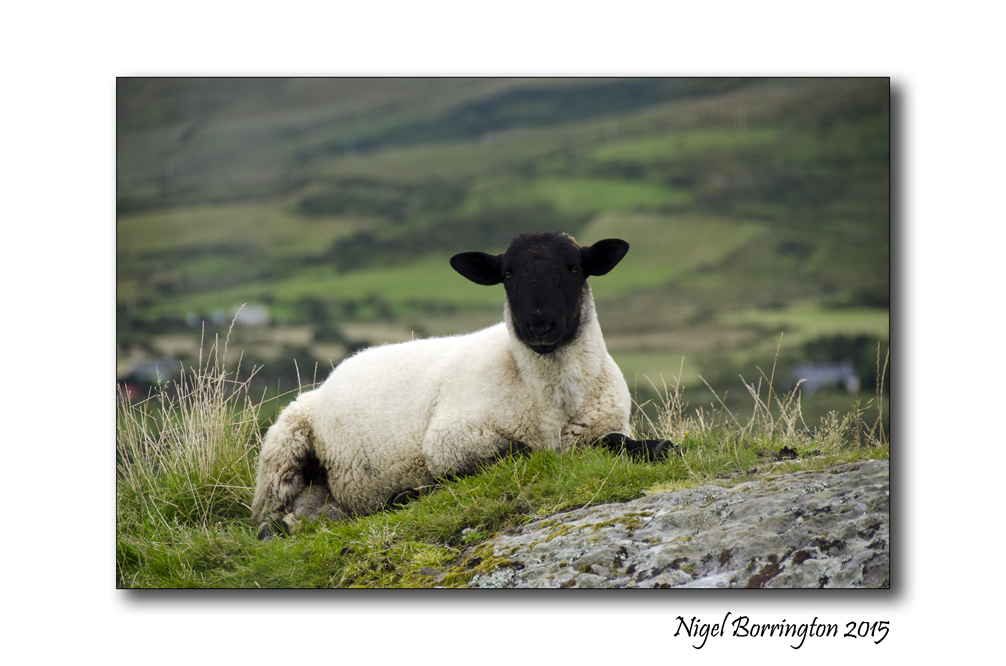
Or; ‘tis that boy in the wild highs
Playing floyera reclined on the mossy rock—
Goats bleat and forget to graze;
Waking up the beasts, waking up the breeze,
Eared by the deer, cheered by the crows,
’lauded by the woods, echoed by the vale.
Free her! Guide her! For it says so sweet:
My abode’s among the weeds,
The wild flowers grow, the stony meads live.
Monday Morning Nature Photography and a Poetry , “The Spiders web” by E.B. White
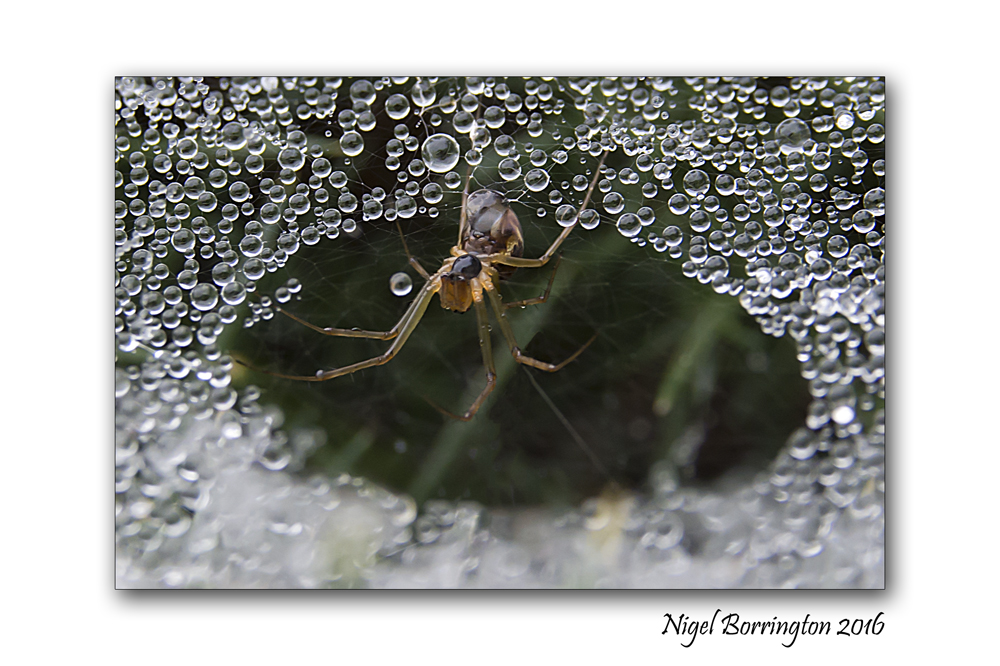
Wildlife and Nature images
Spider in her web
Nigel Borrington
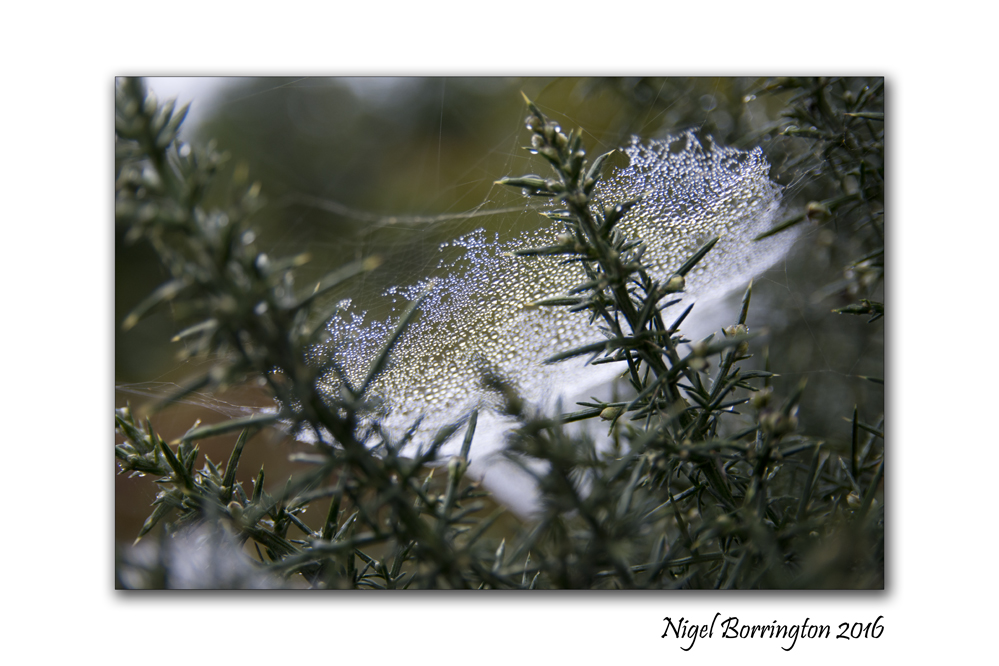
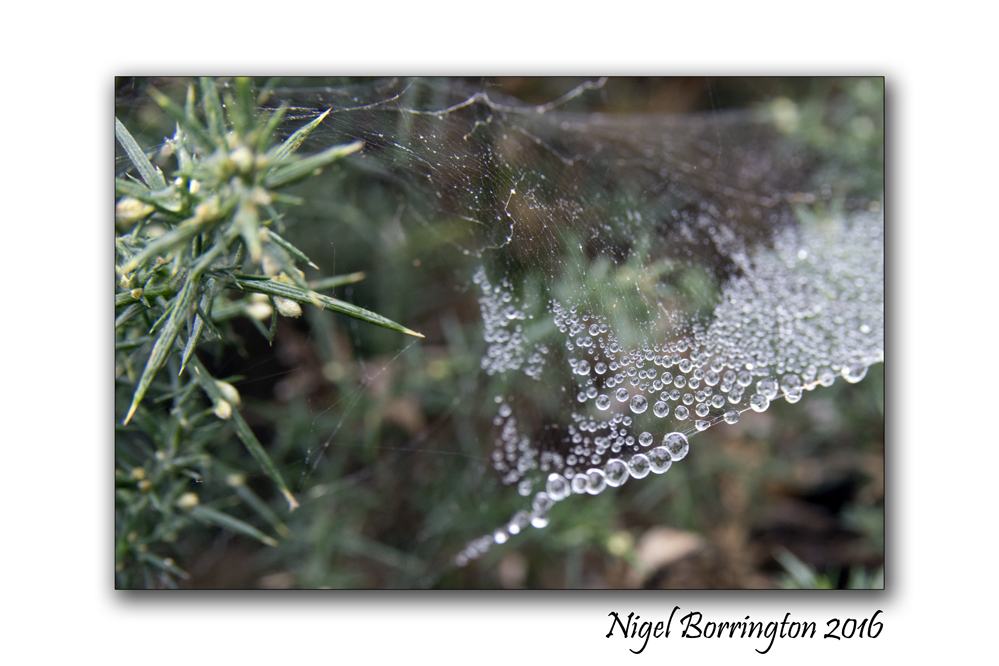
This Morning while walking through our local woods, I came across a Gorse bush and noticed that its was decorated with spiders webs. Each web was covered in early morning dew, so I started to take a few photographs, while doing so I noticed that the spider who had most likely spent most of the night creating these amazing structures was still at work.
It was a great moment! just to stop and watch her as she continued to work on finishing just another one of so many of her webs, I managed to captures some close up images , some of which I share here – 🙂 🙂
“The Spiders web” by E.B. White
The spider, dropping down from twig,
Unfolds a plan of her devising,
A thin premeditated rig
To use in rising.
And all that journey down through space,
In cool descent and loyal hearted,
She spins a ladder to the place
From where she started.
Thus I, gone forth as spiders do
In spider’s web a truth discerning,
Attach one silken thread to you
For my returning.
E.B. White
Spiders web Gallery



October’s Party a poem By: George Cooper

October’s Party
By: George Cooper
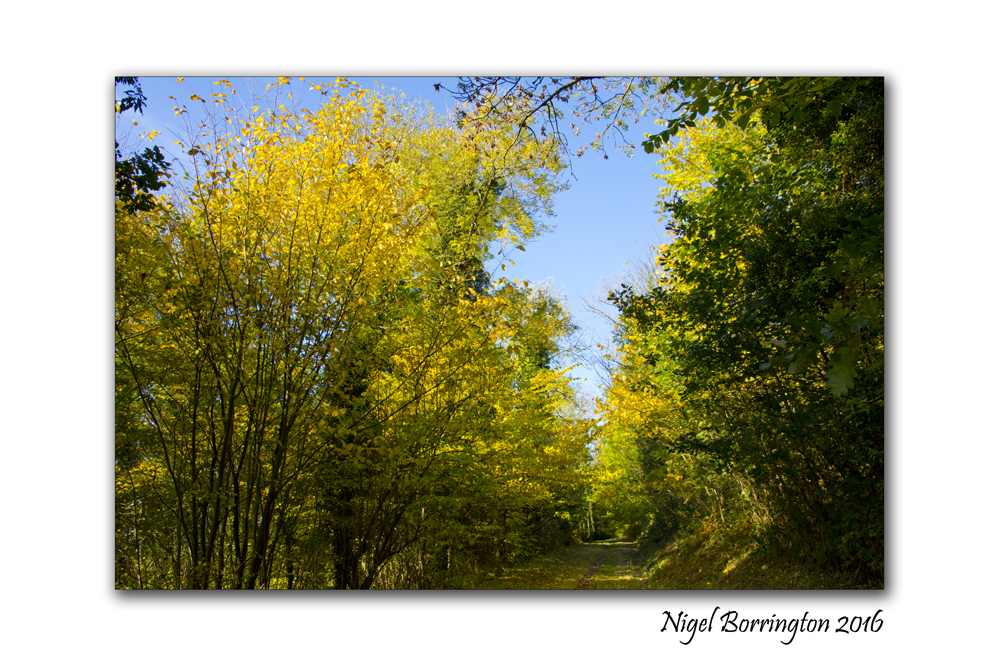
October gave a party;
The leaves by hundreds came—
The Chestnuts, Oaks, and Maples,
And leaves of every name.
The Sunshine spread a carpet,
And everything was grand,
Miss Weather led the dancing,
Professor Wind the band.
The Chestnuts came in yellow,
The Oaks in crimson dressed;
The lovely Misses Maple
In scarlet looked their best;
All balanced to their partners,
And gaily fluttered by;
The sight was like a rainbow
New fallen from the sky.

Then, in the rustic hollow,
At hide-and-seek they played,
The party closed at sundown,
And everybody stayed.
Professor Wind played louder;
They flew along the ground;
And then the party ended
In jolly “hands around.”
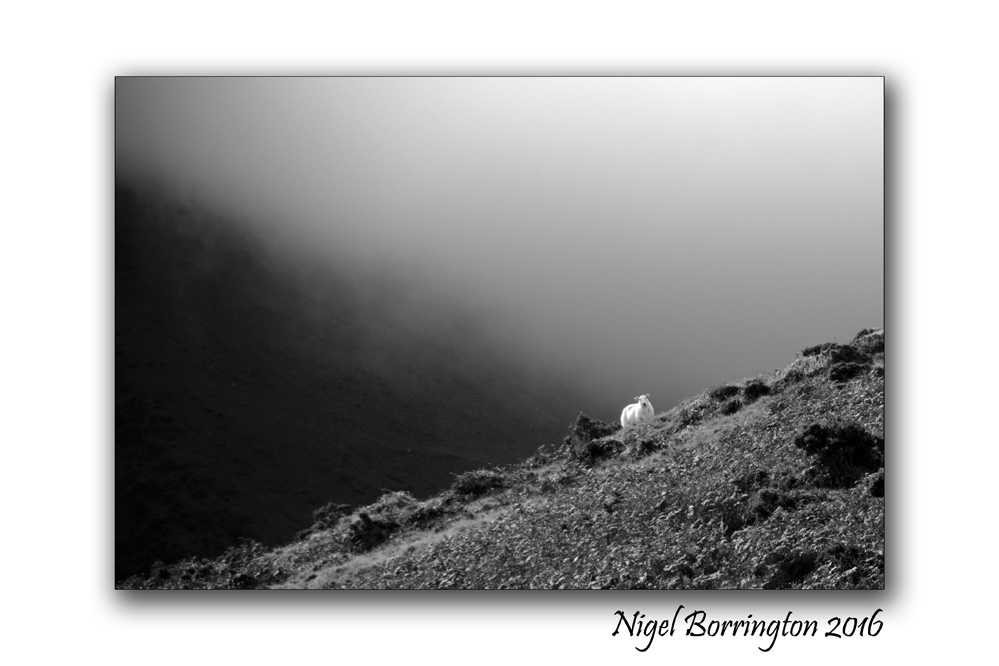
Irish Landscapes , Mountain sheep, carrauntoohil, Macgillycuddy’s Reeks, county kerry
Irish Landscapes
carrauntoohil Mountain
Macgillycuddy’s Reeks range
county kerry
Nigel Borrington
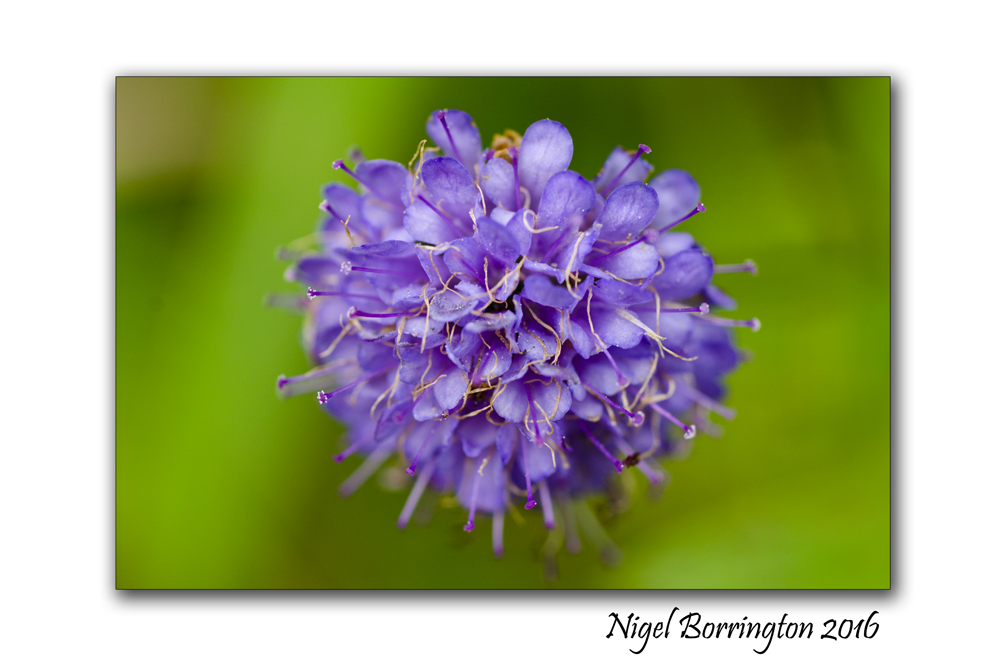
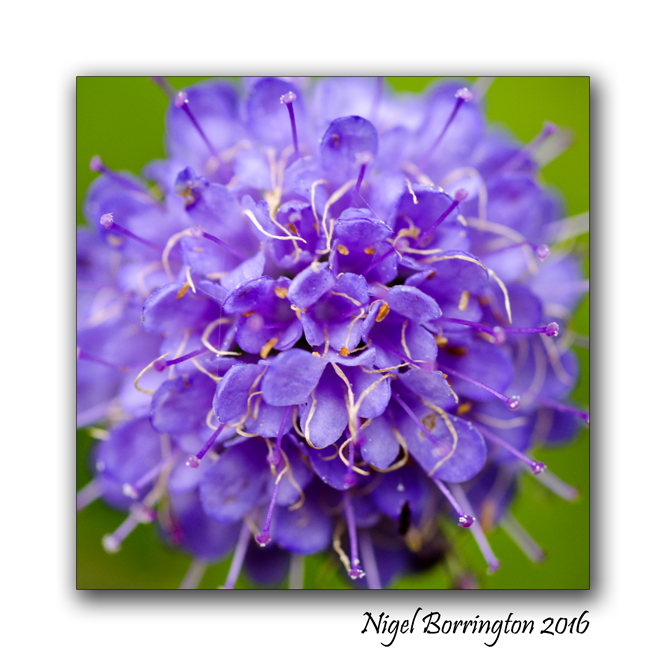
Zooming in close , Devil’s-Bit Scabious ,Scientific Name(Succisa pratensis)

Devil’s-Bit Scabious ,Scientific Name(Succisa pratensis)
Nature Photography
Nigel Borrington
Devil’s-Bit Scabious ,Scientific Name(Succisa pratensis)
Abundant in marshes, pastures, and hedgerows, this little plant is quite unfussy about where it grows and even brightens up many a bog when it flowers from June to October. It’s a medium sized perennial with untoothed, deep green, blotchy, oval shaped leaves. Its pretty hemispherical flowerheads are blue-violet, 25mm across with prominent magenta anthers and on long slender stalks. This is a native plant to Ireland belonging to the family Dipsaceae.

Nature Photography : Hunting for Fungi , Kyleaduhir woods, Callan, Co Kilkenny

Lactarius blennius
Beech milkcap
Kyleaduhir woods Callan , Co. Kilkenny
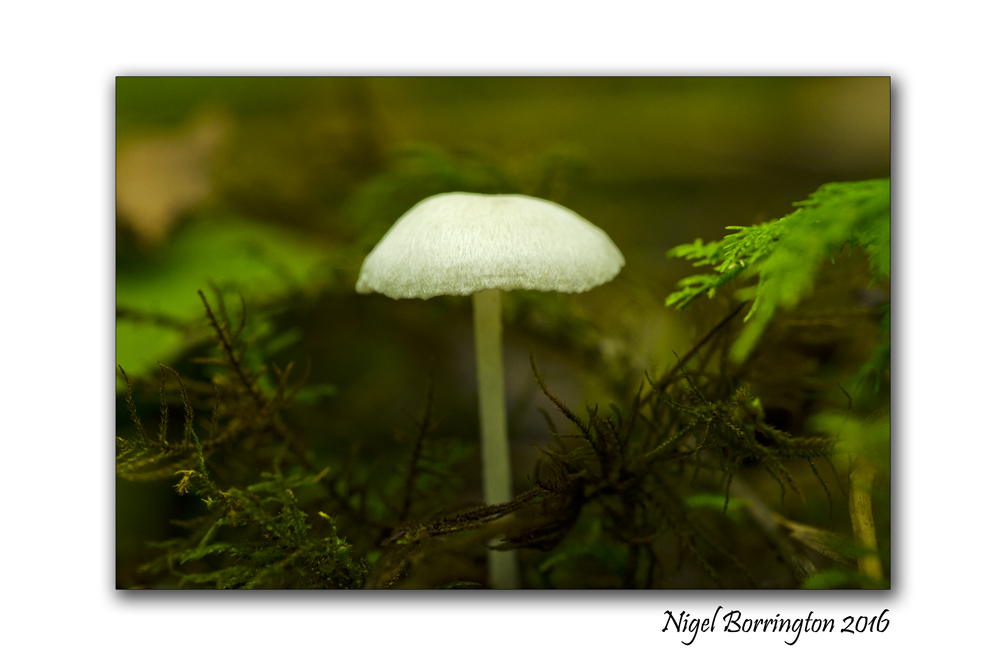
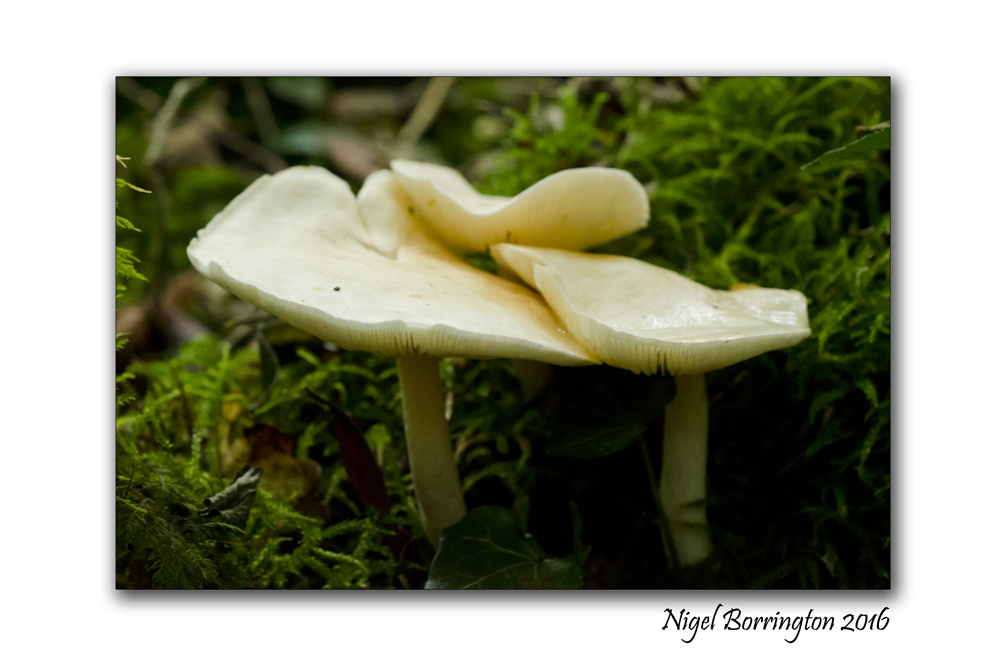
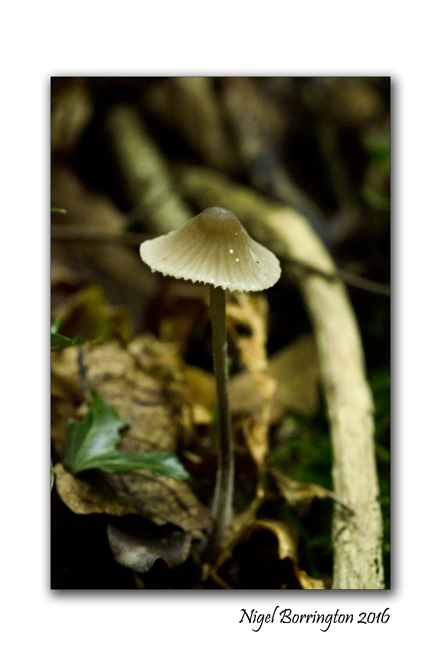
Our local woodlands in September begin to fill with many kinds of fungi, its an almost magical sight, they make great subjects for Macro photography. You need to be happy getting down into the damp and muddy forest floor but the results can be well worth the effort.
Here are some basic facts about Fungi …..
Mushroom Magic and Folklore
Go for a walk in the woods on any given summer day, and you’ll see fungi galore popping up, nestled in amongst the ferns and trees. After a rainstorm, peek out in your backyard and you may see tiny spores beginning to sprout in the grass, forming what’s known as a fairy ring. Mushrooms grow in all shapes and sizes and colors, and – depending on where you live – you might find some that are conducive to magical practice.
It is important to note that unless you are absolutely positive about the type of mushroom you have picked, you should never ingest it or take it internally. There are many toxic mushrooms which look similar to edible ones – if you’re unsure about what you have found, check with a naturalist or other mushroom expert.
That having been said, there are a number of folk magic uses for mushrooms, and you can incorporate these at a symbolic level, rather than actually ingesting them. Let’s take a look at some of the legends and myths about mushrooms from around the world.
In many areas, the appearance of a ring of mushrooms on the ground is cause for either rejoicing or alarm. In Great Britain, these circles are known as fairy rings – and they are where the Fae come to dance and frolic after a rainstorm. However, like many other locations associated with faeries, humans who dare to enter such a ring may find themselves asleep for a hundred years, or worse yet, whisked off to the land of the wee folk, never to return.
In Holland, these rings are believed to be left when the Devil sets down his milk churn – once he picks it up, there’s a big circle left in the grass. In some countries, such as France and Austria, these rings are associated with sorcery and malevolent magic, and travelers are well-advised to steer clear of them.
Vance Randolph says in his book Ozark Magic and Folklore that in many parts of the Ozarks, it is believed that “mushrooms must be gathered when the moon is full – gather ’em at any other time and they will be unpalatable, or perhaps even poisonous.” He adds that it is said that mushrooms growing in an orchard where apple trees are in bloom are always edible.
One of the best known mushrooms, at least in European culture, is the red-and-white Fly Agaric. This mushroom appears often in illustrations of fairy tales – you might see a gnome or a fairy perched on top of one. Experts believe that the Fly Agaric was used as a hallucinogenic by northern European shamans and religious leaders. Interestingly, it contains two toxins that reduce the body’s response to fear stimulus, so it may have been ingested by warriors prior to battle. In central Europe, the Fly Agaric is associated with the Yule season, and there is a theory that Santa Claus’ red and white suit originated in the colors of this magical mushroom.
In ancient Egypt, mushrooms were a rare delicacy indeed. They were associated with immortality, and as such, only royalty could consume them – because, after all, royal persons were descended from the Egyptian gods themselves. Hieroglyphs found in Egypt indicate that mushrooms were being consumed with meals as long as 4,500 years ago.
In China and Japan, mushrooms were associated with longevity and strength – partly because some of the most popular mushrooms that grew there were known for stimulating the immune system. Shiitake and maitake mushrooms, in particular, have been used in herbal remedies for centuries.
Mushrooms have been used by many cultures throughout time as part of ritual and religion. The toxin psilocybin is found in certain mushrooms, and the use of hallucinogenic fungi has been documented in rituals dating back thousands of years. Entheogen researcher Giorgio Samorini describes the discovery of rock art representing mushroom cults in Libya and Algeria from 7,000 – 9,000 years ago in his article The oldest Representations of Hallucinogenic Mushrooms in the world (Sahara Desert, 9000 – 7000 B.P.).
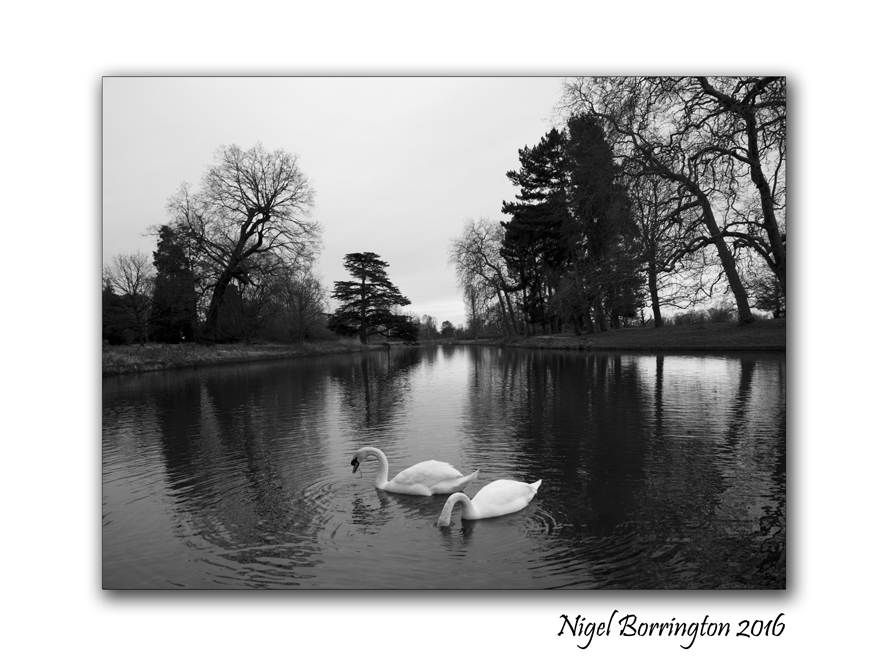
Wildlife Study, the swans at Langley Park
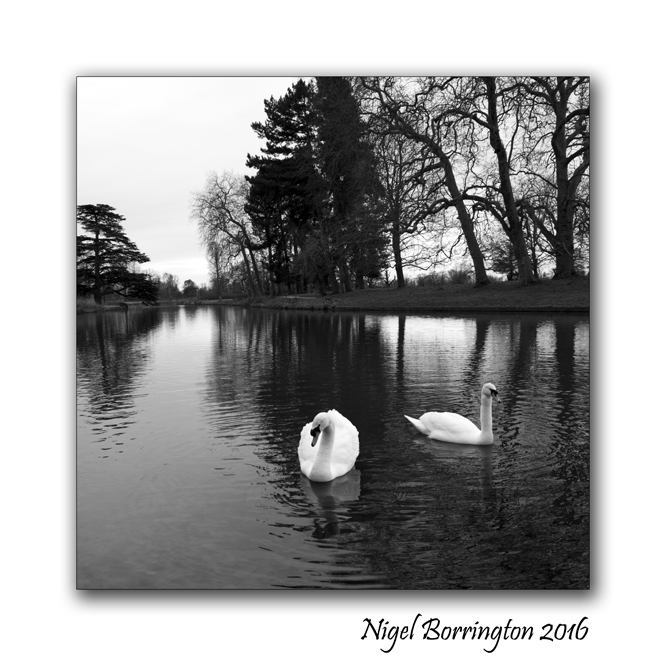
A Study of Wildlife
Swans
Langley Park
Iver Heath
LANGLEY PARK
Langley Park is a beautiful place to ‘escape from it all’ from taking the dog for a walk to go horse riding, cycling or just walking. you can relax with a picnic by the lake or under the beautiful trees and simply watch the world go by. With patience you may even be lucky enough to see some of the wide variety of wildlife in the park such as deer and foxes along with the Swans, and if you listen carefully you can hear the Great Spotted Woodpeckers tat tatting on many of the veteran trees.
Langley Park is located off the Uxbridge Road (A412), Iver, Bucks, SL0 0LS, and is on the opposite side of the road to Black Park. The car park is in Billet Lane, which is the first turning on the left after the Tesco garage if coming from the Crooked Billet Roundabout.


Wild Woodbine, a Poem by – Joan McBreen

Wild Woodbine
Joan McBreen
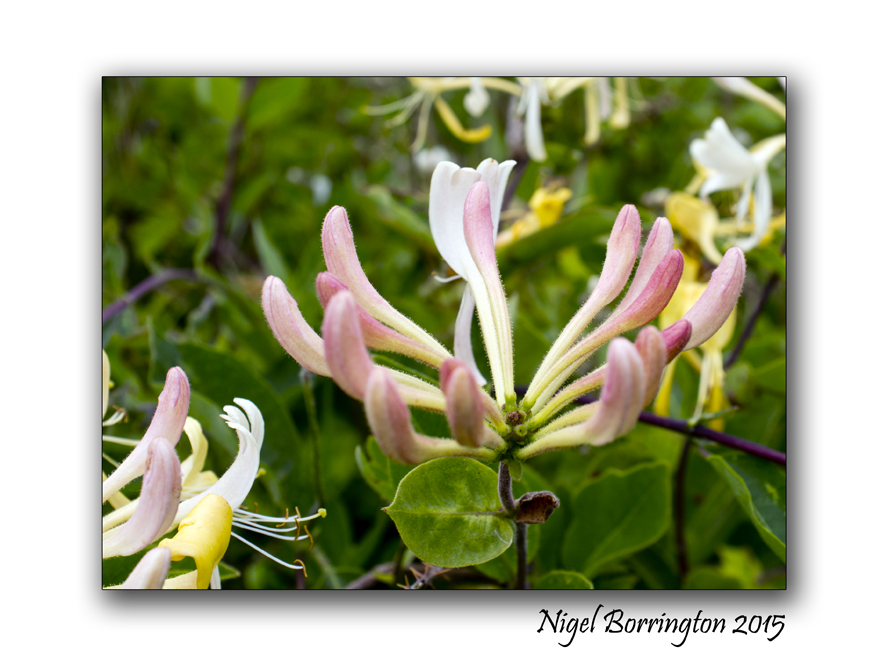
Wild woodbine was beyond my reach
in the thick hedges round Lough Gill.
The heavy scent filled the house for days
when my father brought it in
and it stayed fresh far longer
then meadowsweet.

Because I loved the delicate
pink and white wild rose
he picked it too, cursing the thorns, muttering
“it dies too soon,
you’d be better leaving it alone”.
Yet once, when my mother
swept its petals from the floor
I saw him rescue one
and place it carefully
in the small wallet
where he kept her photograph.
 Wild Woodbine
Three Poems about the Beach

Sandy Beaches
Morgan Swain
Sprinkle, squish between my toes,
The smell of ocean to my nose.
I can feel each grain of sand,
It falls from air into my hand.
The shells I find along the shore,
Picked up by birds that fly and soar.
They sparkle like the ocean’s waves,
And carry sand from all the lakes.
I walk along the tip of the sea,
That’s where my feet leave prints to be.
I walk all the way to the end of the land,
The land that holds this beautiful sand.

The Sensations of Summer
Sibel
As I lay on the sand
And look up at the sky
I can see the sun shining like a diamond up high
The whooshing waves wash endlessly upon the shore
These are the sensations of summer that I adore
Nothing could replace this moment
Not anything
I pick myself up
Step in to the sea
Forget all my thoughts so my mind is free
As all my troubles drift away from me
I go deeper into the rushing water, letting the waves take control
These are the sensations of summer that I adore

The Beach
Amy R. Buzil
It’s a day when the ocean waves whisper to the sun:
‘Warm me up sunshine!’
And they try to throw their rays
right at me,
painting my white skin
into a golden tan.
The fingertip of the wind
brushs against my left cheek.
The clouds try hard not to move.
I see them
crawling inch by inch.
I Look down at my toes;
the hot pink nail polish;
sinks into the warm sand
the grains adjust to my movement.
Rough.
I gaze out into the water
shining like cherry-flavored lip gloss
and diamonds held in a blue blanket.
I lean back into the pinkbluepurple of the wind,
where it leaves a colorful touch on my arm
and I feel as I could blow away
at any time..
September on the River : Swans on the river Suir, County Tipperary, Photo Story

September on the river Suir
County Tipperary
Irish nature and Landscapes
Nigel Borrington


Monday Poetry – The Eagle By Alfred, Lord Tennyson
The Eagle

The Eagle
Nigel Borrington
By Alfred, Lord Tennyson
He clasps the crag with crooked hands;
Close to the sun in lonely lands,
Ring’d with the azure world, he stands.
The wrinkled sea beneath him crawls;
He watches from his mountain walls,
And like a thunderbolt he falls.
Irish wild plants , Wild Orange Crocosmia
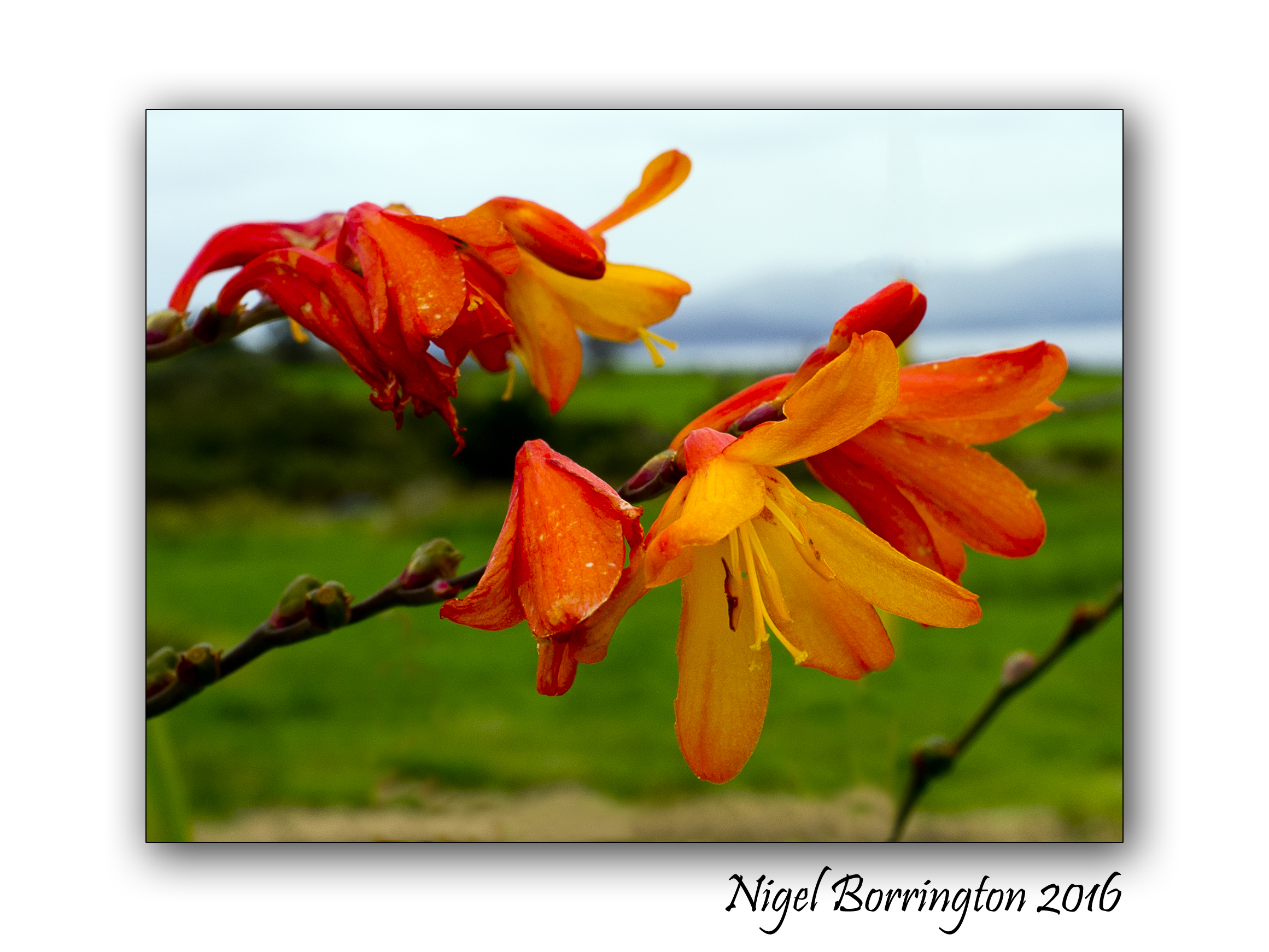
This showy plant graces many country lanes from July to September with a wonderful display of spikes of bright reddish-orange flowers. A familiar sight in the west of Ireland particularly, it is taken by many to be one of our native plants, along with Fuchsia. However, like Fuchsia, this is an introduction to our shores and is a hybrid between two South African species.
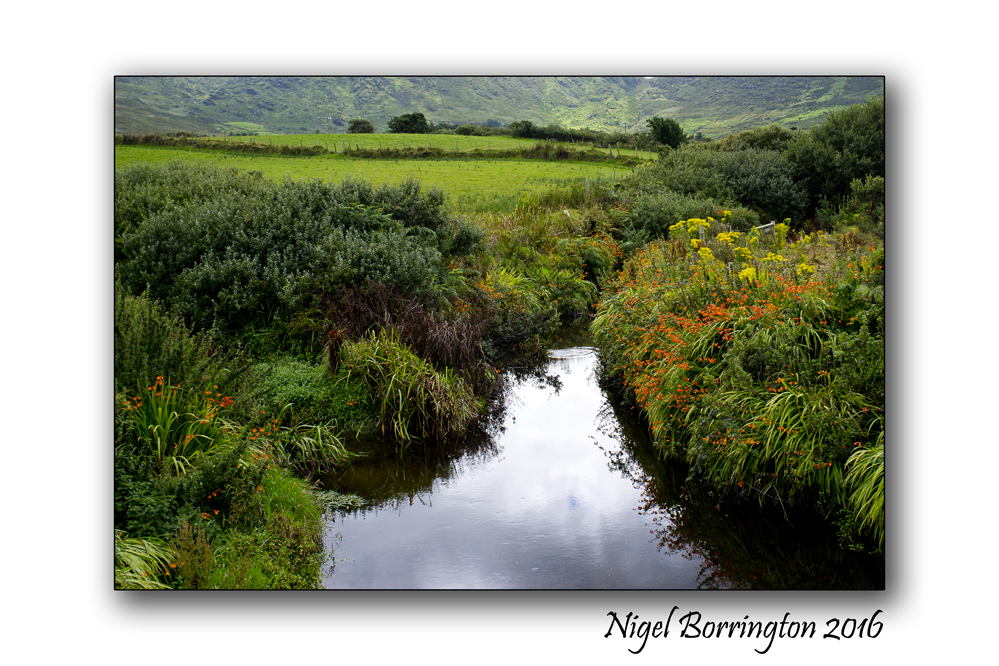
Common Name: Montbretia
Scientific Name: Crocosmia x crocosmiiflora
Irish Name: Fealeastram dearg
Nevertheless it is a very attractive sight and seems to blend in to our landscape, particularly in places where it grows alongside our native Purple Loosetrife. The flowers (25-55mm) are in a one-sided loose panicle and have a corolla which is tubed with six lobes. The three stamens protrude. The grass-like leaves are long and narrow. This plant belongs to the family Iridaceae.
This plant was named after Coquebert de Montbret (1780-1801) who was a French botanist who accompanied Napoleon when he invaded Egypt in 1798 and who died there at the age of 20. However, horticulturists also refer to this plant as ‘Crocosmia’ which comes from the Greek ‘krokos’ – saffron – and ‘osme’ – smell. I am told that they smell of saffron when placed in water but honestly I cannot confirm that this is so.
A Poem By WILLIAM WORTHLESS – barley field

Barley field
i walked the barley field standing oh so bold
blowing in the breeze with its leaves of gold
sun was beating down as i walked along my way
through the fields of barley on a summers day

it was very peaceful it made me feel so whole
such a tranquil feeling it reached in to my soul
such a lovely feeling it made me feel so free
walking through the barley brought all this to me
County Kilkenny Landscapes and a Poem : Like Barley Bending, Sara Teasdale (1884 – 1933)
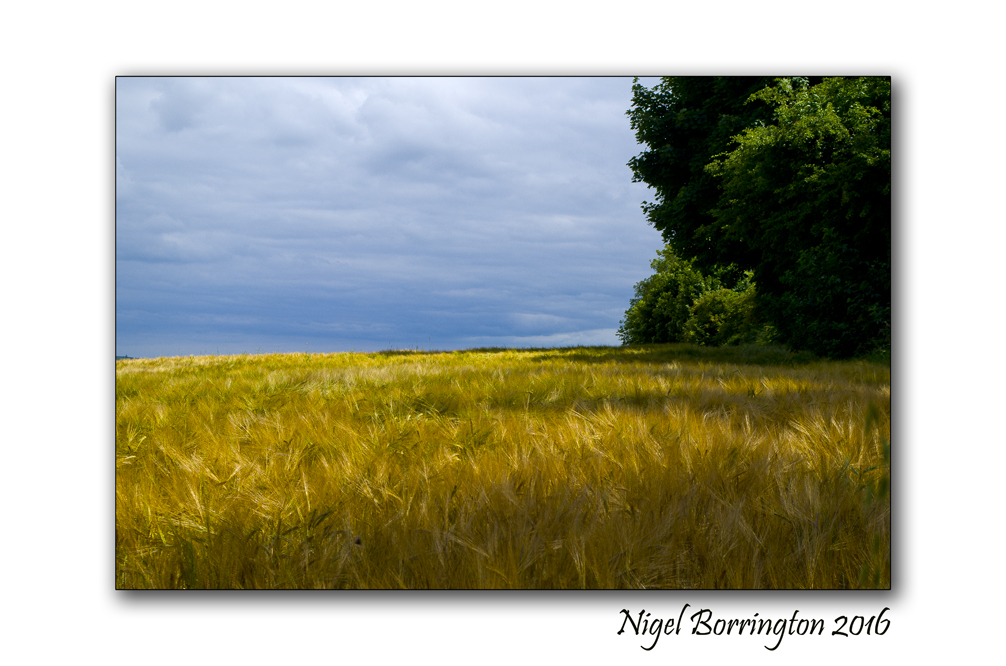
Barley Field
County Kilkenny
Nigel Borrington
Like Barley Bending
Like barley bending
In low fields by the sea,
Singing in hard wind
Ceaselessly;
Like barley bending
And rising again,
So would I, unbroken,
Rise from pain;

So would I softly,
Day long, night long,
Change my sorrow
Into song.
 Nigel Borrington
A Winters day on the farm …..
WinterFeed in the barn
County Kilkenny
Nigel Borrington
Winters on a farm are a hard time of year, dealing with the weather and the cold, the dark evenings and early mornings. Life as a farmer must have many great moments but its not hard to imagine that there are less of these in the winter months than in the summer.
I took these images while out on a walk yesterday and as you can see, on this farm some of the cows are still out in the fields while some have been returned to their winter shed, soon all of them with be inside. In the Barn close by is stored some of the feed that will be used for the cattle over the next few months. In an area of the barn next to the feed is the farmers haybob that would have been used only a few weeks back to help get the hay bales ready.
The next few weeks are all about rest for the land and keeping the live stock warm and health in the sheds, life slows down and less work out in the fields is needed. While welcome in some ways you can imagine that this lack of activity can at times feel a little to slow but this is farm life.
Here in county Kilkenny each year you develop a great sense of the farming seasons and the activities that go along with them.
Share this:
December 7, 2016 | Categories: Comment, farming, Gallery, kilkenny photography, Nature and Wildlife | Tags: Cattle, farm life, farming, Farming activities, Farming seasons, Ireland, Kilkenny, Nature, Nigel Borrington | 9 Comments