Nature Macro images, May 2017 : The Fly

The Fly
Nature Macro Photography
Nigel Borrington
5 Images for May, Thursday

Cuckooflowers
This is a hairless perennial which tends to favour wet habitats such as marshes and damp meadows. It is also known as ‘Lady’s Smock’ as the flower was said to resemble a milkmaid’s smock. Its 12-20mm flowers have four broad, overlapping, lilac-pink, pink or white petals and appear in April, lasting until June. It has broad root leaves in a loose rosette while its stem leaves are narrow with numerous leaflets. Its seeds are contained in elongated, smooth, ascending siliquas. It is a larval foodplant of the Orange-tip butterfly. It is a native plant and belongs to the large family Brassicaceae.
5 Images for May, Wednesday

Green Veined White Butterfly, feeding from a herb Robert flower, County Kilkenny

Wonders of nature, Photography and Poetry : The Genesis of the Butterfly by Victor Hugo
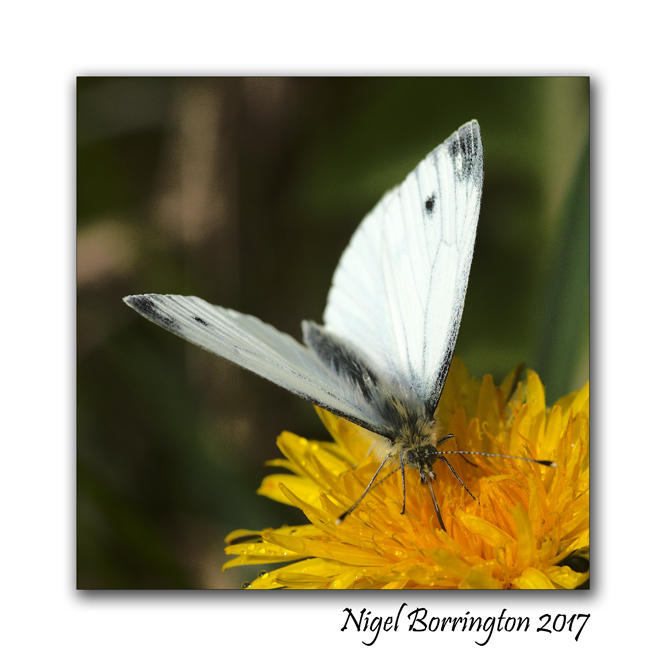
Large white Butterfly
Nature Photography
Nigel Borrington
The dawn is smiling on the dew that covers
The tearful roses; lo, the little lovers
That kiss the buds, and all the flutterings
In jasmine bloom, and privet, of white wings,
That go and come, and fly, and peep and hide,
With muffled music, murmured far and wide.
Ah, the Spring time, when we think of all the lays
That dreamy lovers send to dreamy mays,
Of the fond hearts within a billet bound,
Of all the soft silk paper that pens wound,
The messages of love that mortals write
Filled with intoxication of delight,
Written in April and before the May time
Shredded and flown, playthings for the wind’s playtime,
We dream that all white butterflies above,
Who seek through clouds or waters souls to love,
And leave their lady mistress in despair,
To flit to flowers, as kinder and more fair,
Are but torn love-letters, that through the skies
Flutter, and float, and change to butterflies



Primrose – Poem by Patrick Kavanagh

Promrose on the River bank
County Kilkenny
Nigel Borrington
Primrose – Poem by Patrick Kavanagh
Upon a bank I sat, a child made seer
Of one small primrose flowering in my mind.
Better than wealth it is, I said, to find
One small page of Truth’s manuscript made clear.
I looked at Christ transfigured without fear–
The light was very beautiful and kind,
And where the Holy Ghost in flame had signed
I read it through the lenses of a tear.
And then my sight grew dim, I could not see
The primrose that had lighted me to Heaven,
And there was but the shadow of a tree
Ghostly among the stars. The years that pass
Like tired soldiers nevermore have given
Moments to see wonders in the grass.
Welcoming April with a Poem : The Violet By Jane Taylor
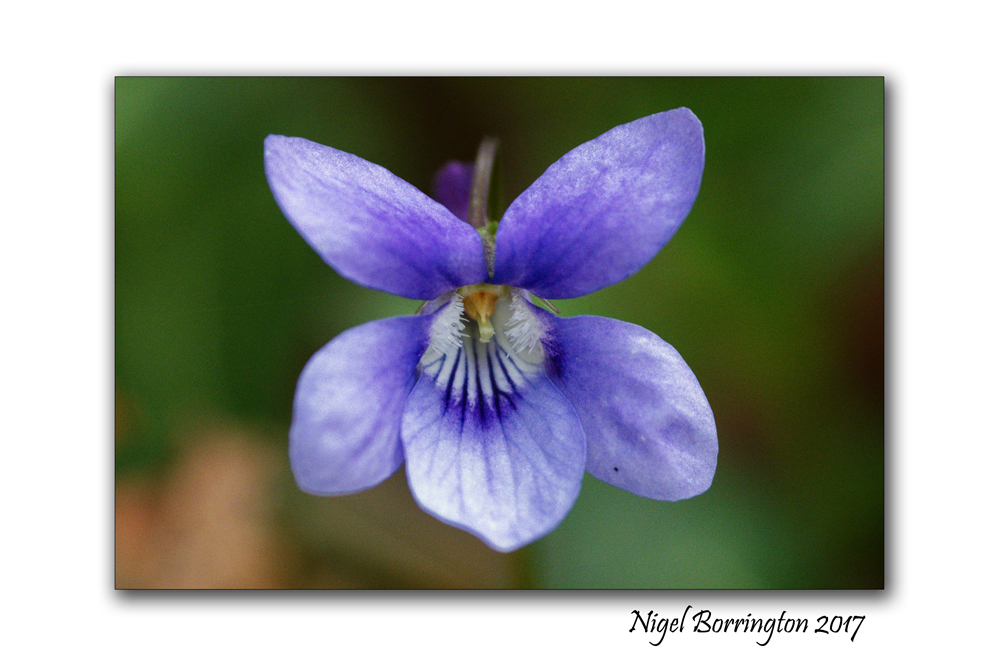
A Violet flower welcomes April 2017
Nature photography
Nigel Borrington
The Violet
By Jane Taylor
Down in a green and shady bed,
A modest violet grew,
Its stalk was bent, it hung its head,
As if to hide from view.
And yet it was a lovely flower,
Its colours bright and fair;
It might have graced a rosy bower,
Instead of hiding there,
Yet there it was content to bloom,
In modest tints arrayed;
And there diffused its sweet perfume,
Within the silent shade.
Then let me to the valley go,
This pretty flower to see;
That I may also learn to grow
In sweet humility.
Springtime is here, Colour is returning to the woods
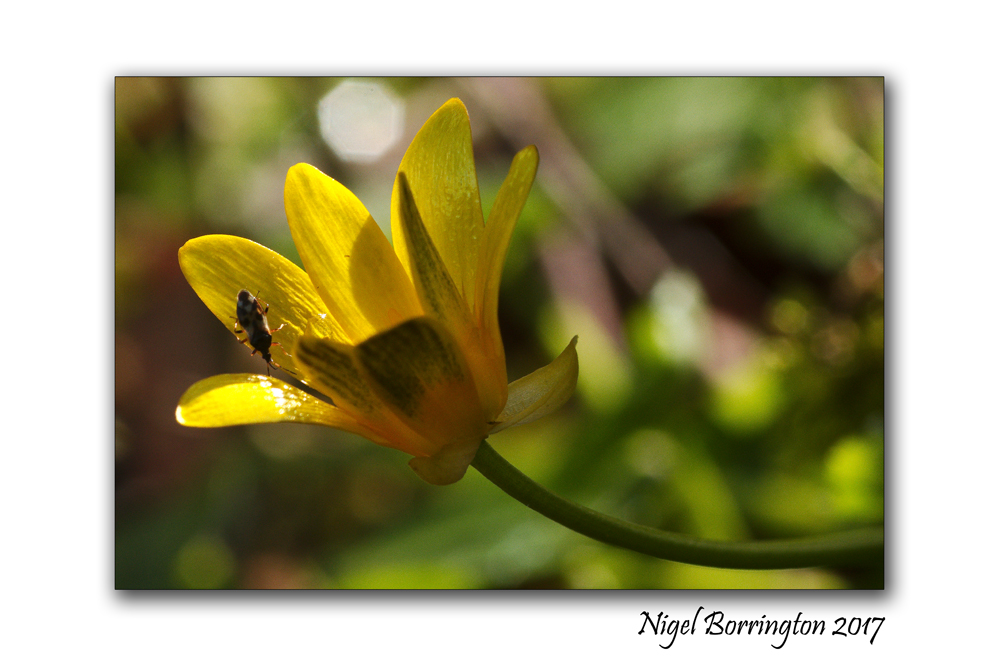
Springtime 2017
Colour returns to the Woodlands
Kilkenny
Nigel Borrington
The Fly, By William Blake, 1757 – 1827
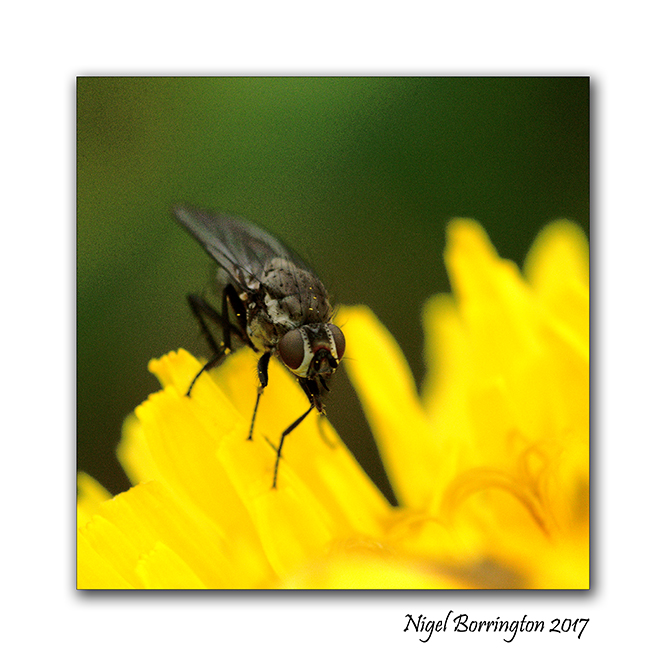
The Fly
William Blake
Nature Photography
Nigel Borrington
Little fly,
Thy summer’s play
My thoughtless hand
Has brushed away.
Am not I
A fly like thee?
Or art not thou
A man like me?
For I dance
And drink and sing,
Till some blind hand
Shall brush my wing.
If thought is life
And strength and breath,
And the want
Of thought is death,
Then am I
A happy fly,
If I live,
Or if I die.
Macro Images – The Wonder of Nature

The Wonders of Nature
Macro Photography
Nigel Borrington
The world we live in is full on the most amazing things, some of these things we see everyday around us in a very clear and detailed way, others we have to stop and take a little more time in order to observe. This is why when I get this time I love using a Macro Lens, you can get in close to the small things of life, getting a view that is hard to get from a distance.
This summer more than ever before I want to use my macro lens in order to record the small things in nature 🙂


Macro Photography – The Nature of early spring in Ireland

Early Spring in Ireland
Nature Photography
Nigel Borrington
A Gallery of images taken over the last four days here in county Kilkenny and Tipperary, Springtime has almost arrived 🙂 ….
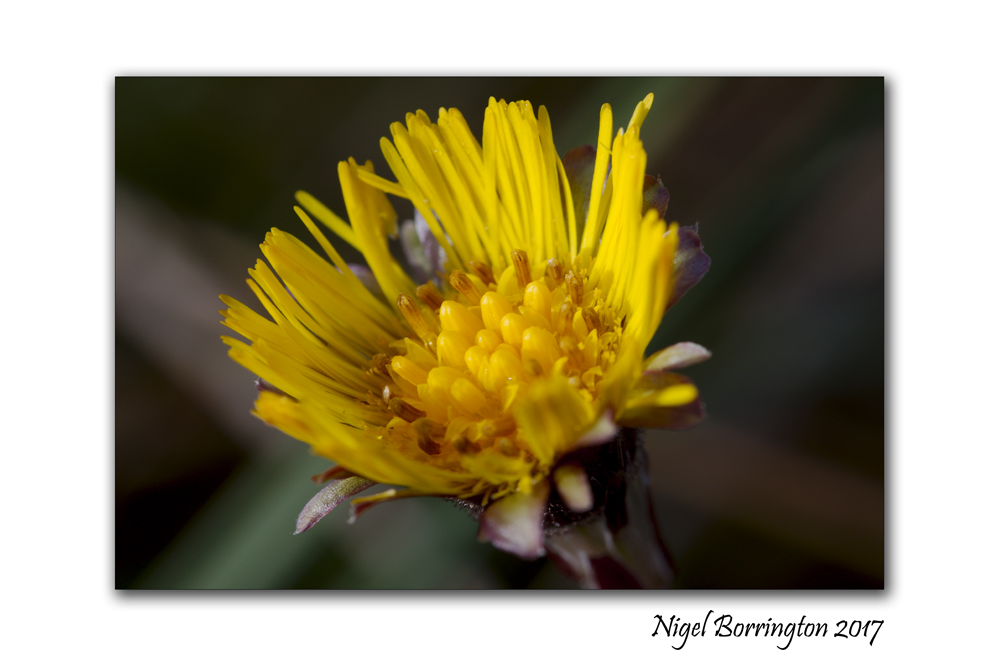


Happy St Patrick’s day, AN Irish Landscape and nature Gallery……
Happy St Patrick’s day to everyone 🙂
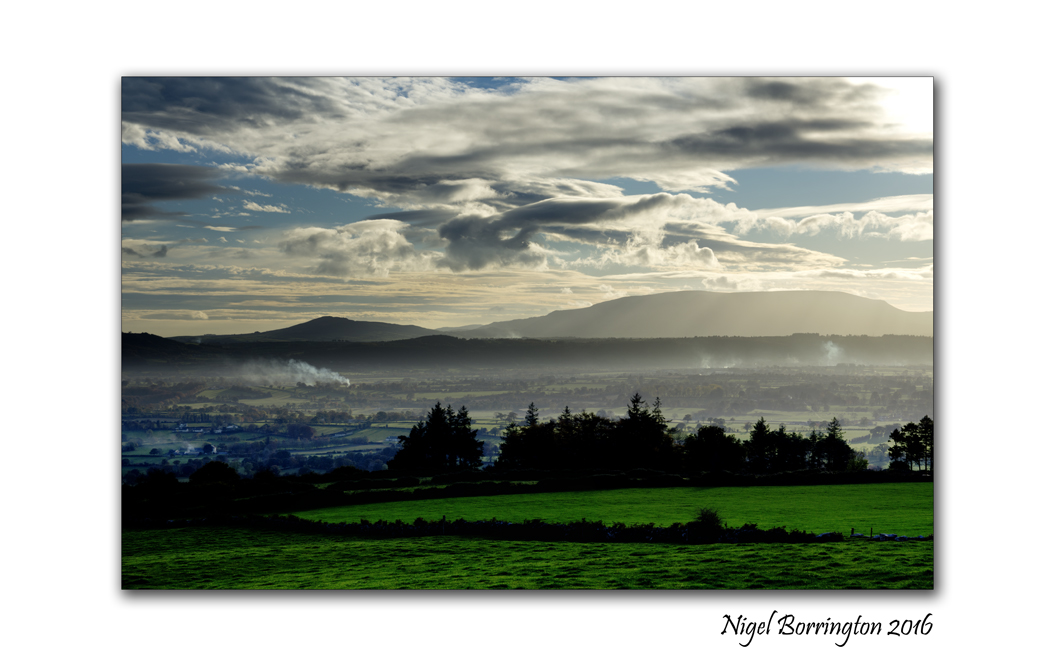
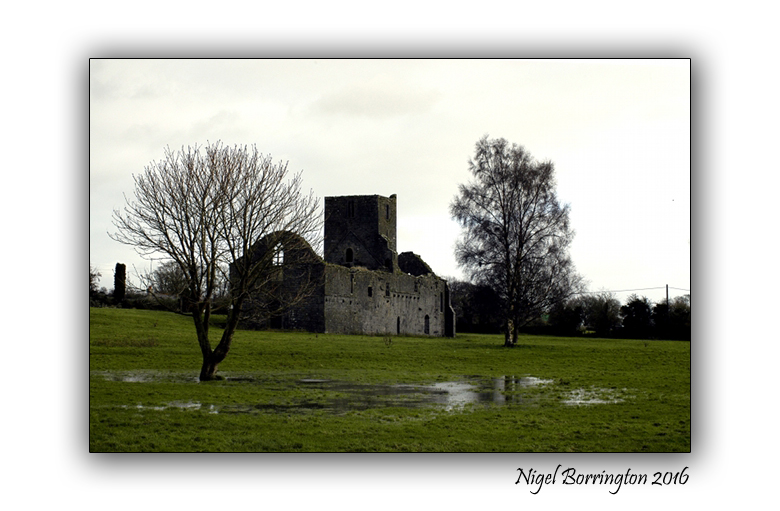
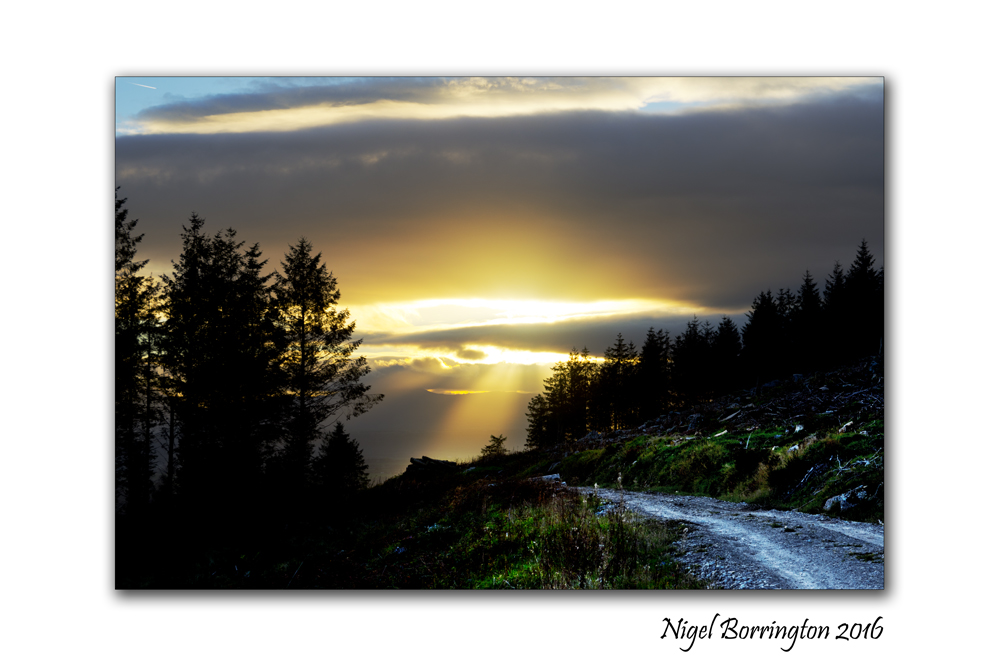
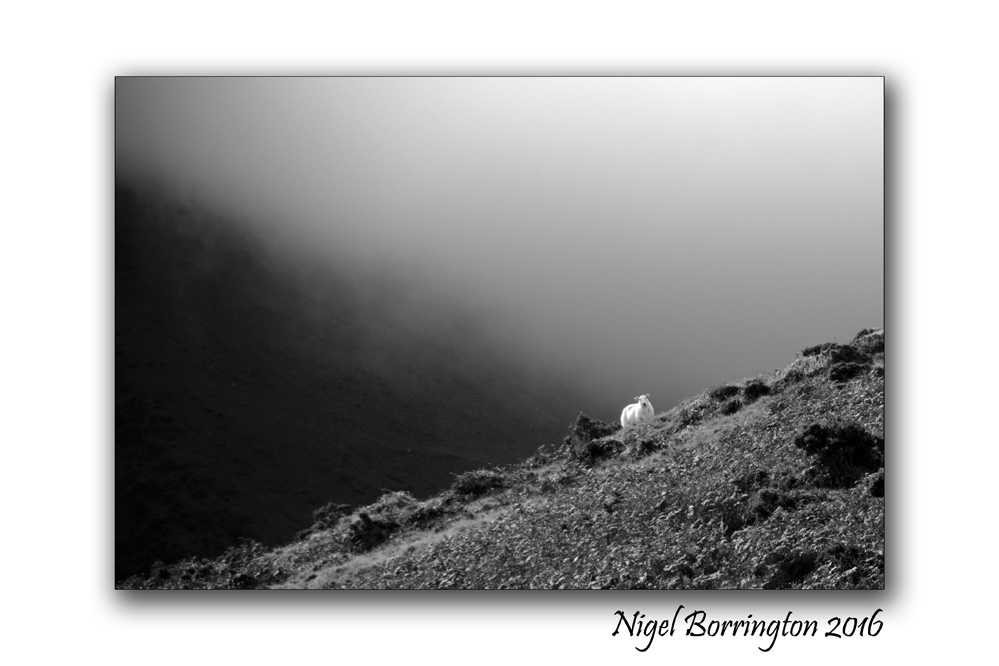
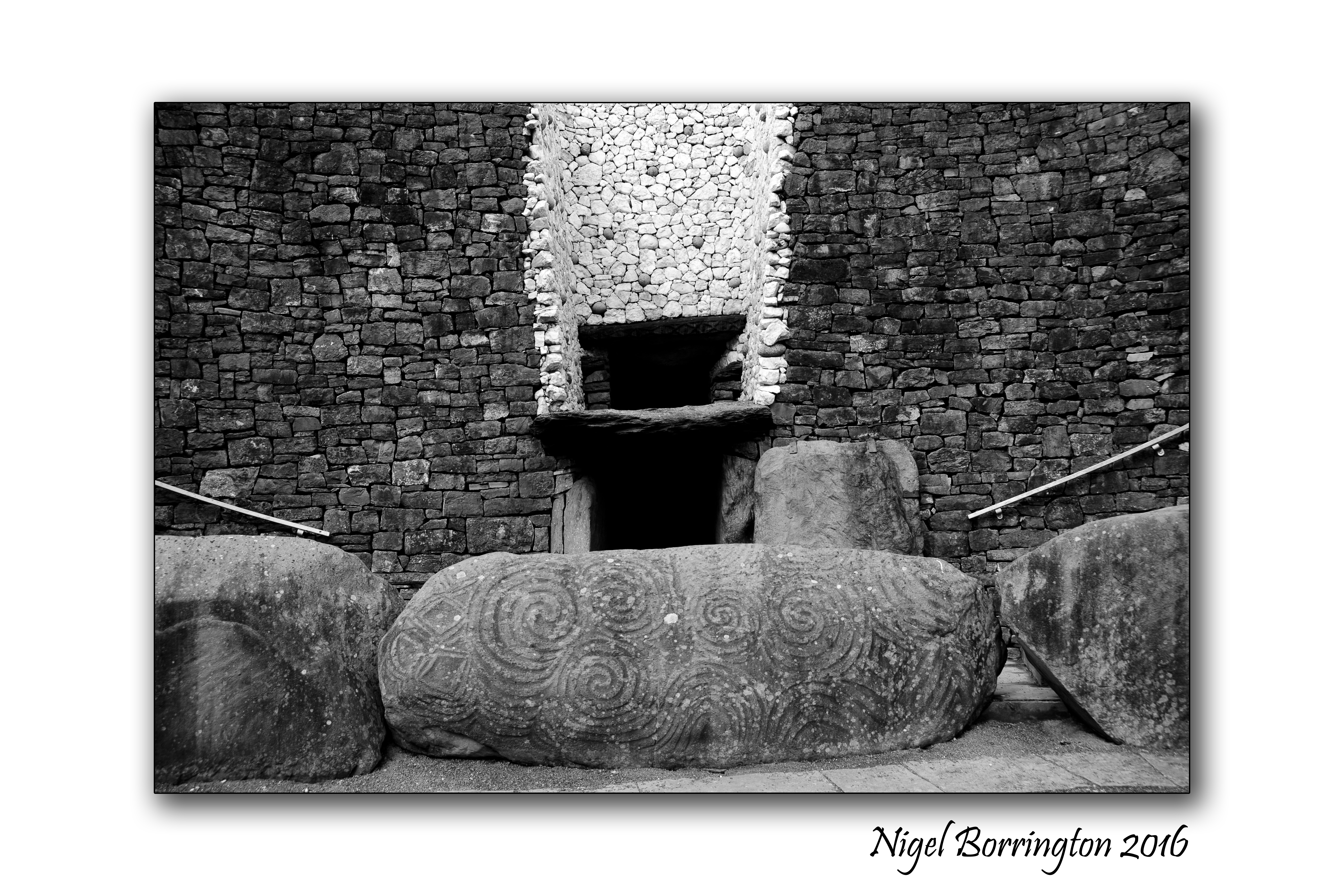
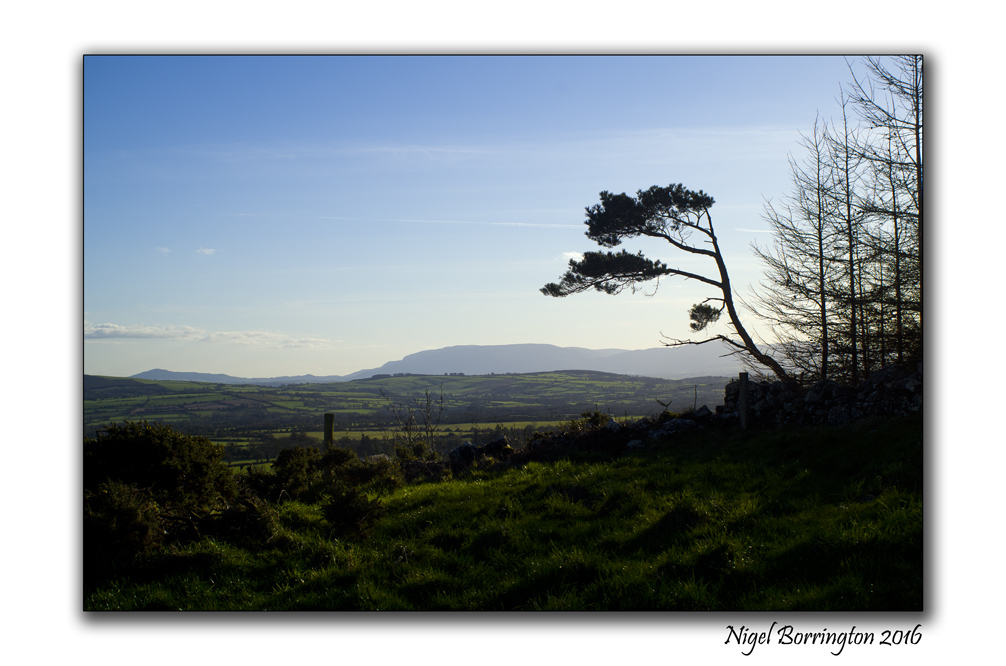
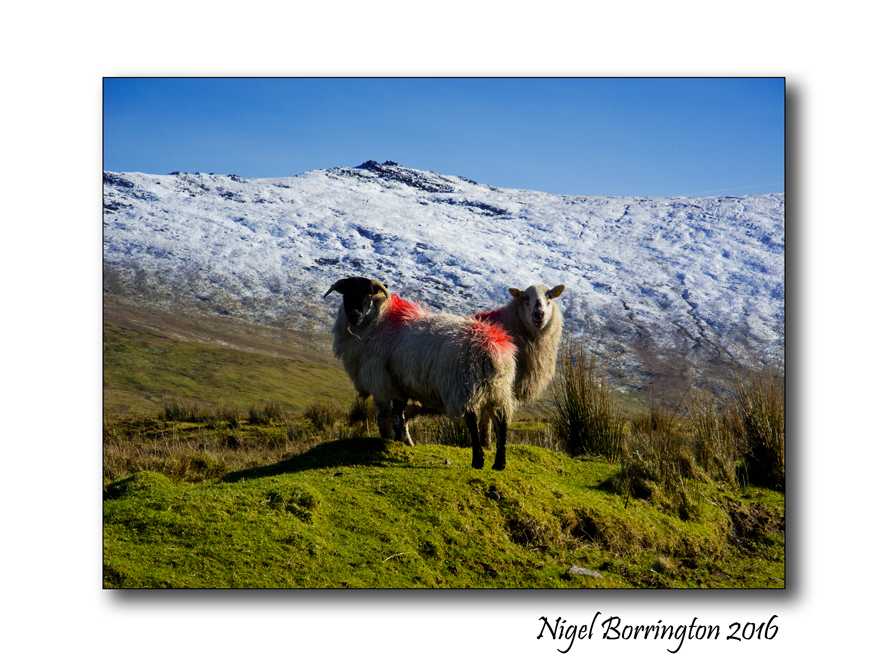
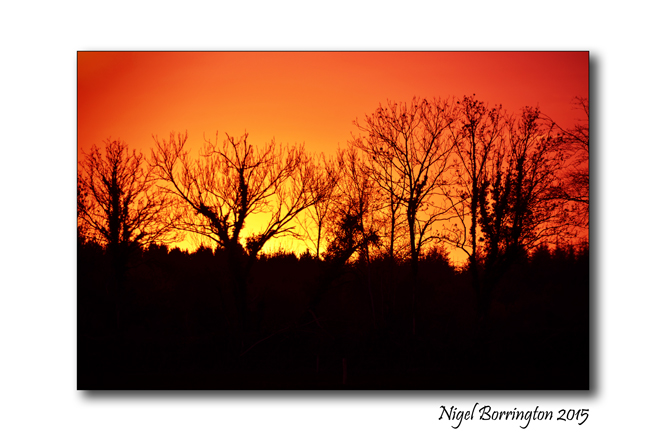
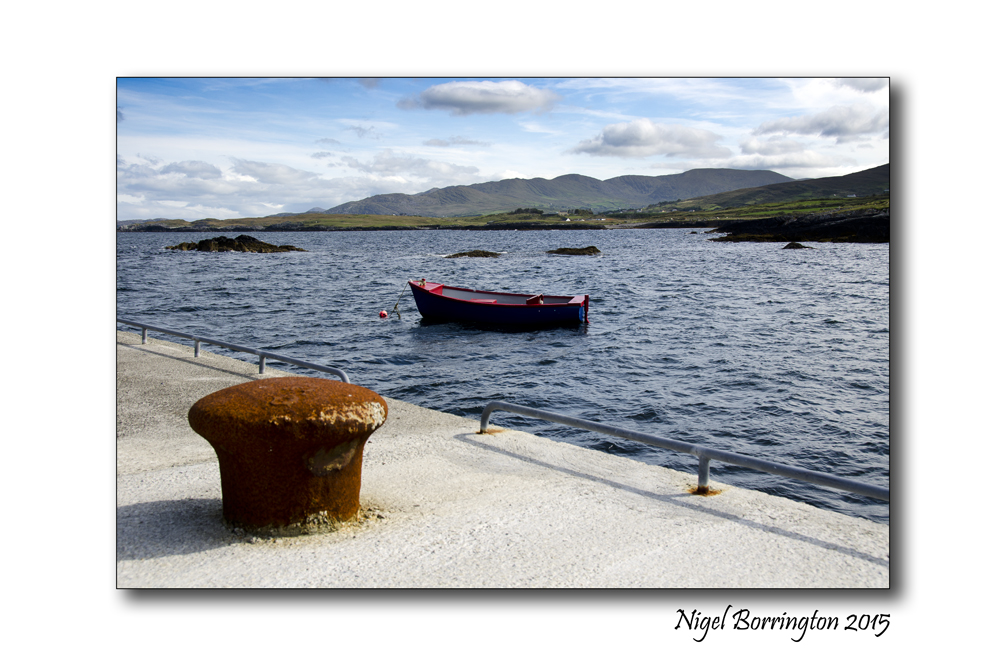
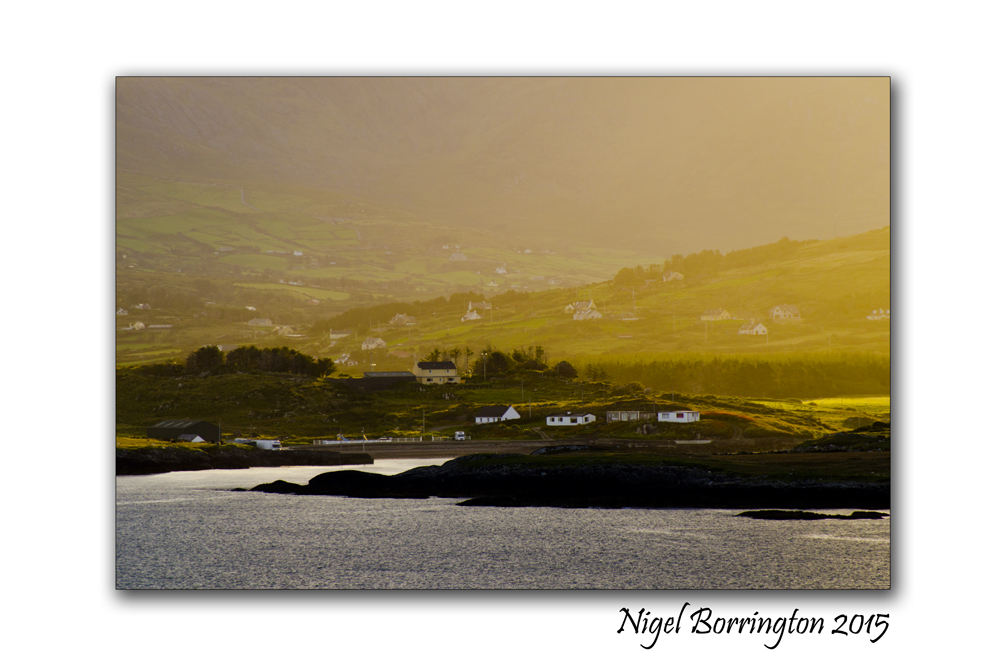
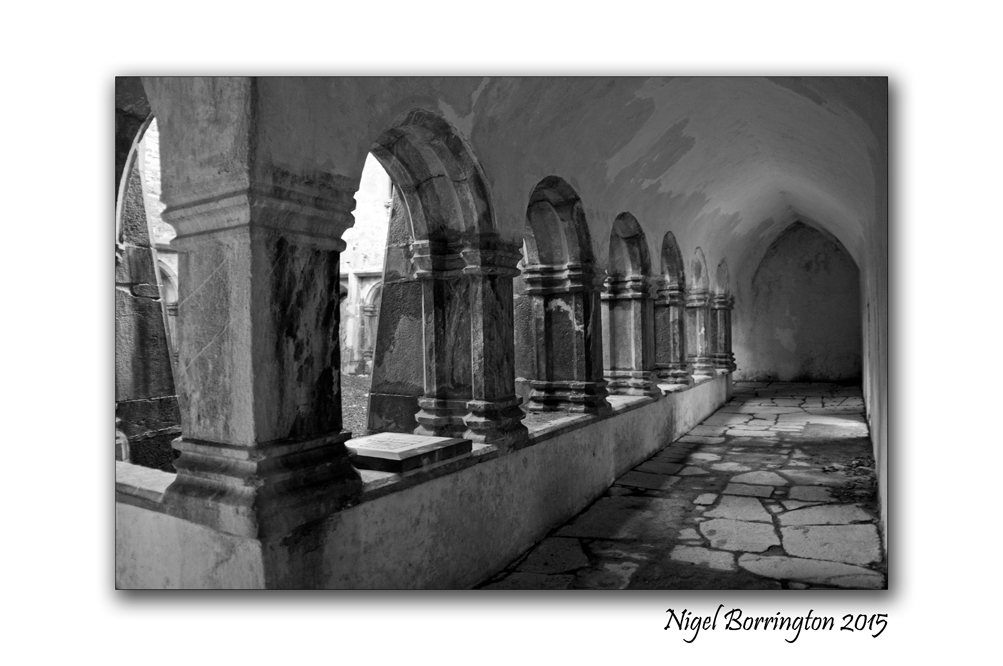
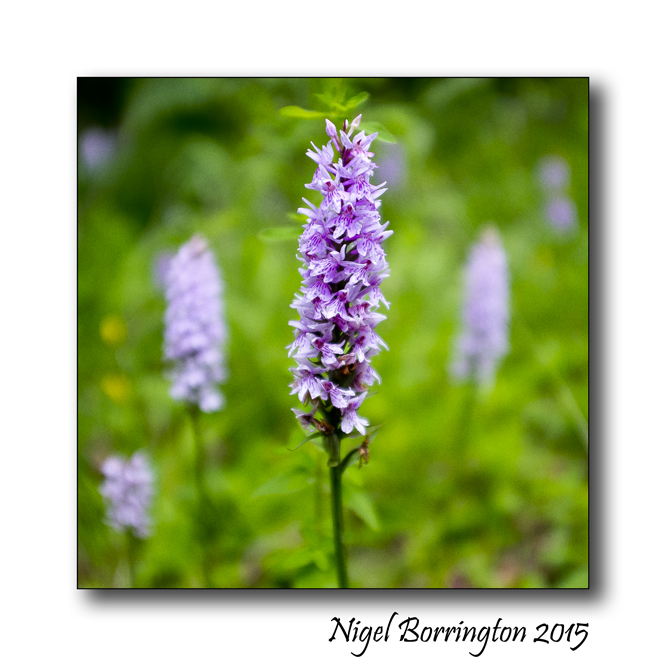
To celebrate this St Patrick’s day, I am sharing a very full collection of images from my Blog, all of them taken over the last couple of years or so. I feel they show this land, a small part of the European continent at its very best.
Ireland a St Patrick’s Day collection ….





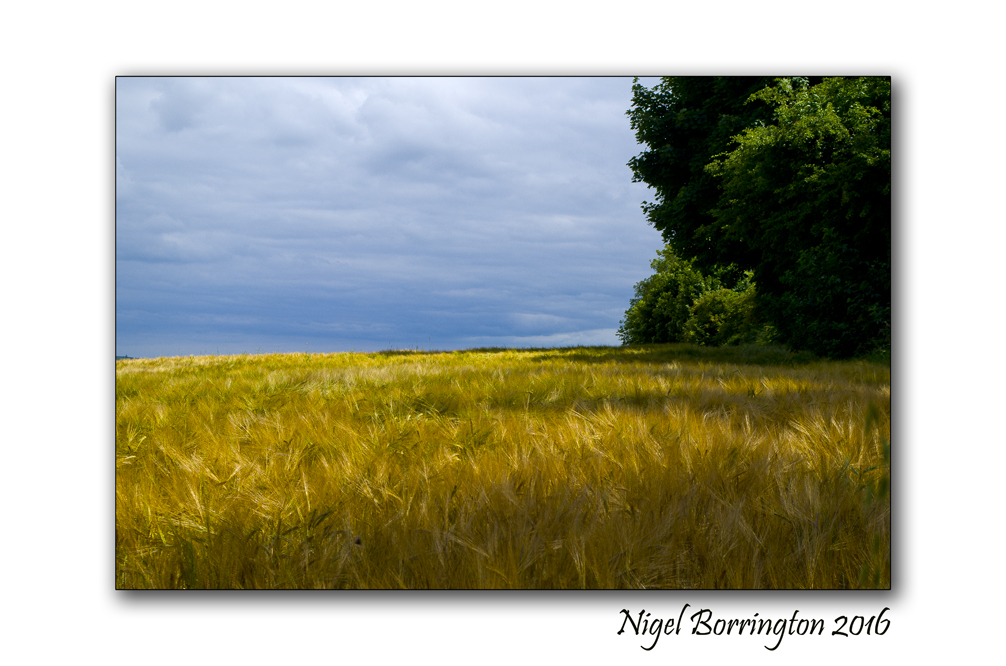


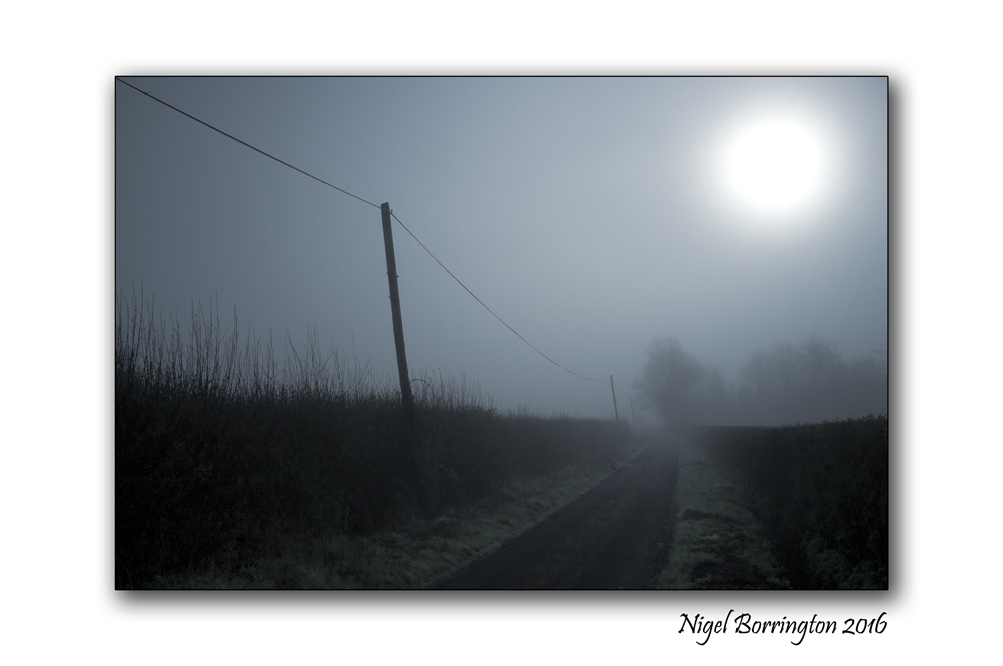
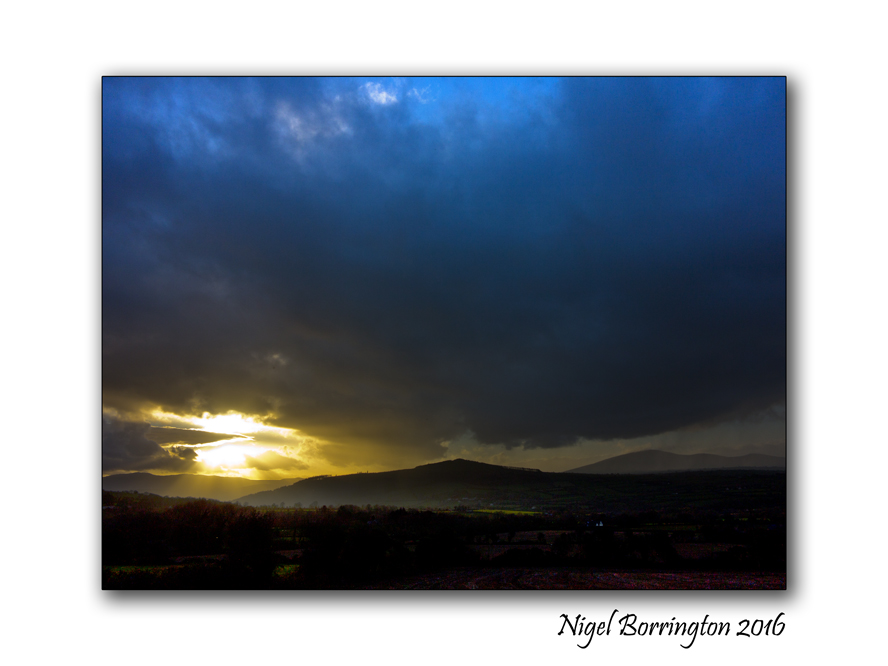

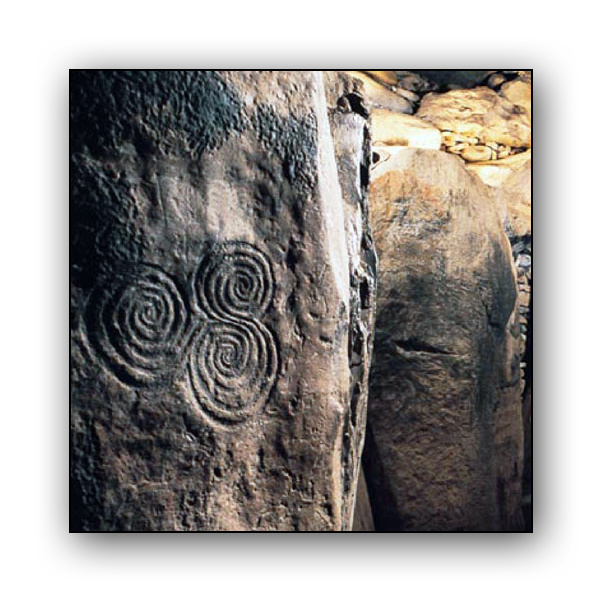









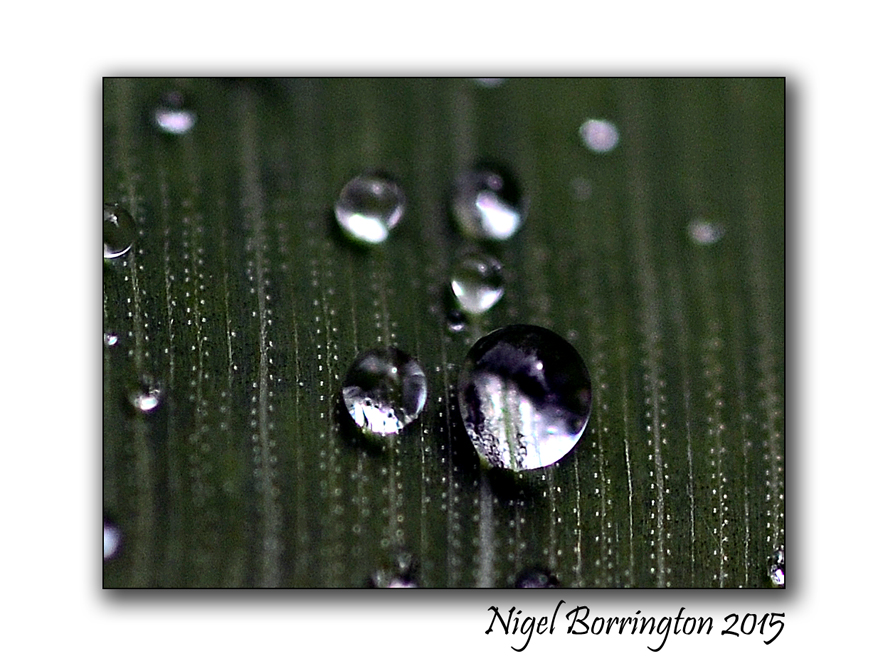
Tales from the river Bank, River Suir, Country Tipperary
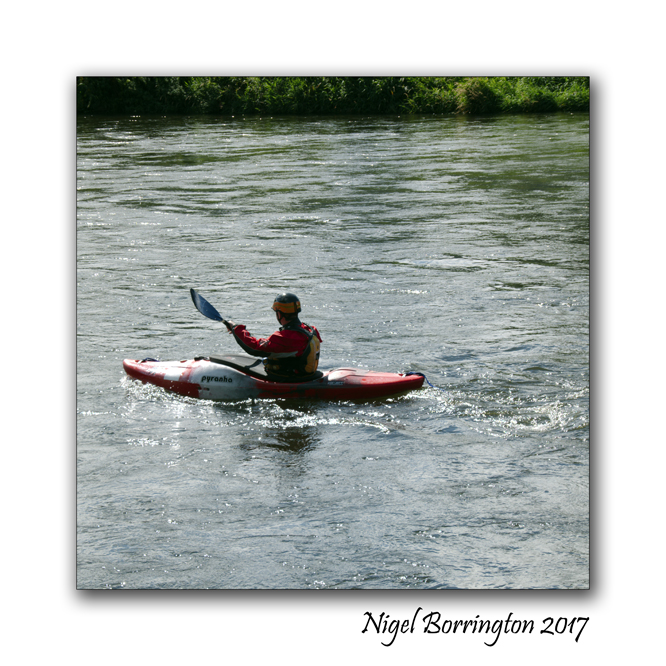
Tales from the River Bank,
River Suir,
County Tipperary
Nigel Borrington
A Walk along the River Suir : Gallery


Killarney national park , Ireland
Killarney National Park Nigel Borrington
Irish landscapes
Friday the 10th of March 2017 and I am just planning some weekends away during the year, I am very keen to spend sometime as soon as possible back in the National park of Killarney. The park is a perfect place to visit if your into photography with its mountains and lakes and fast flowing rivers.
Its also an amazing place to cycle, so I am hopping to plan a B&B route leaving the car behind and spending time cycling in the Kerry mountains 🙂


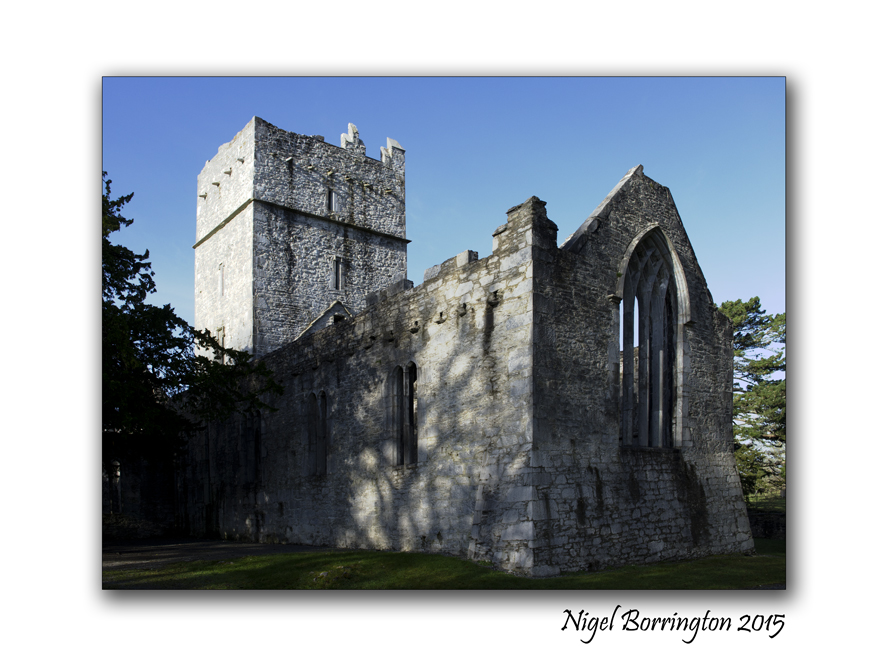

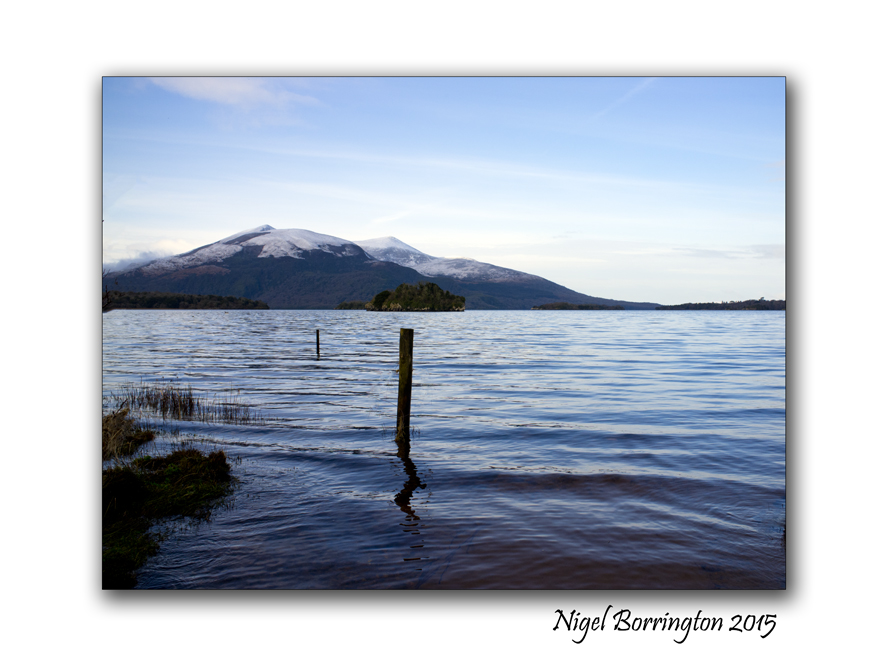

Lower Lake Killarney 2011
Irish Landscape, “As above so below” Quotes by Isaac Newton from 1680.

As above so below
Irish landscapes in sunlight
Nigel Borrington
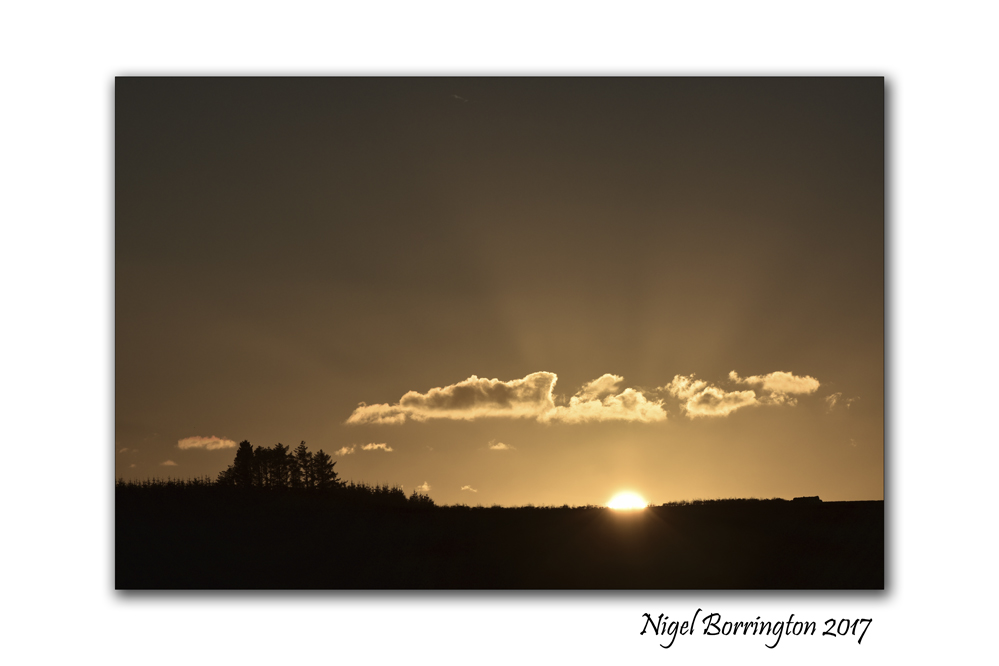
At this time of year the sky’s and the sunlight can be an amazing sight on the landscape. views like these always remind me of the words of Isaac Newton when he said “As above so below”. he was the scientist who when working with sunlight and a prism split pure white light into its colors of (red, orange, yellow, green, blue and violet).
The words “As above so below”
Quoted here is the version by Isaac Newton from circa 1680.
. Tis true without lying, certain & most true.
. That which is below is like that which is above & that which is above is like that which is below to do the miracles of one only thing.
. And as all things have been & arose from one by the meditation of one: so all things have their birth from this one thing by adaptation.
. The Sun is its father, the moon its mother,
. The wind hath carried it in its belly, the earth its nurse.
. The father of all perfection in the whole world is here.
. Its force or power is entire if it be converted into earth.
. Separate thou the earth from the fire, the subtle from the gross sweetly with great industry.
. It ascends from the earth to the heaven & again it descends to the earth and receives the force of things superior & inferior.
. By this means you shall have the glory of the whole world & thereby all obscurity shall fly from you.
. Its force is above all force, for it vanquishes every subtle thing & penetrates every solid thing.
. So was the world created.
. From this are & do come admirable adaptations where of the means (or process) is here in this.
. Hence I am called Hermes Trismegist, having the three parts of the philosophy of the whole world.
. That which I have said of the operation of the Sun is accomplished & ended.
As above so below, Gallery


Wildlife Friday , A study of the swans, oak park, county Carlow

Swans at Oak Park
County Carlow
Nigel Borrington
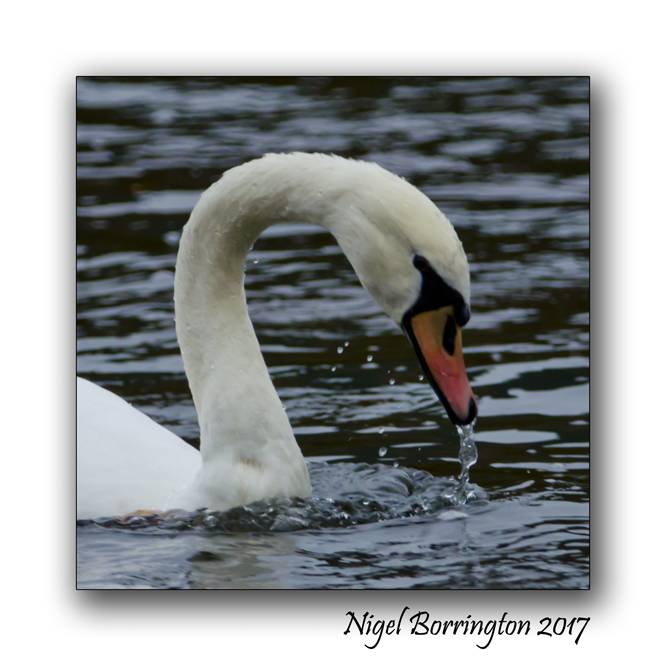
I have visited Oak park in county Carlow many times over the years. The park is known for its native woodlands and its surrounding lakes and rivers but also for its wildlife including its swans.
The swans are to be found in the park all year round and as you can see from the first picture above I was lucky enough a couple of years ago in capturing one couple with many of their cygnets.
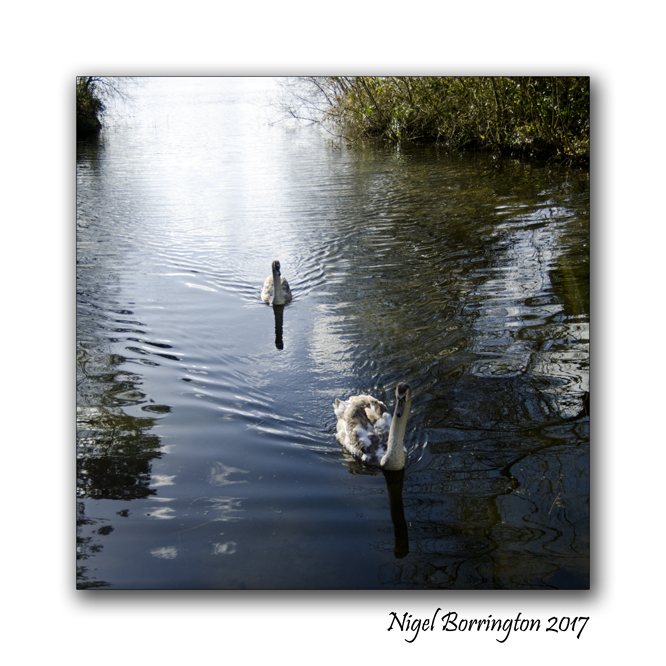
During one visit to the park last year, two very young swans approached me as I was standing on a bridge, there is a good chance that these two are from the same family group as in the top image, impossible to know but it would be a great thought !!!


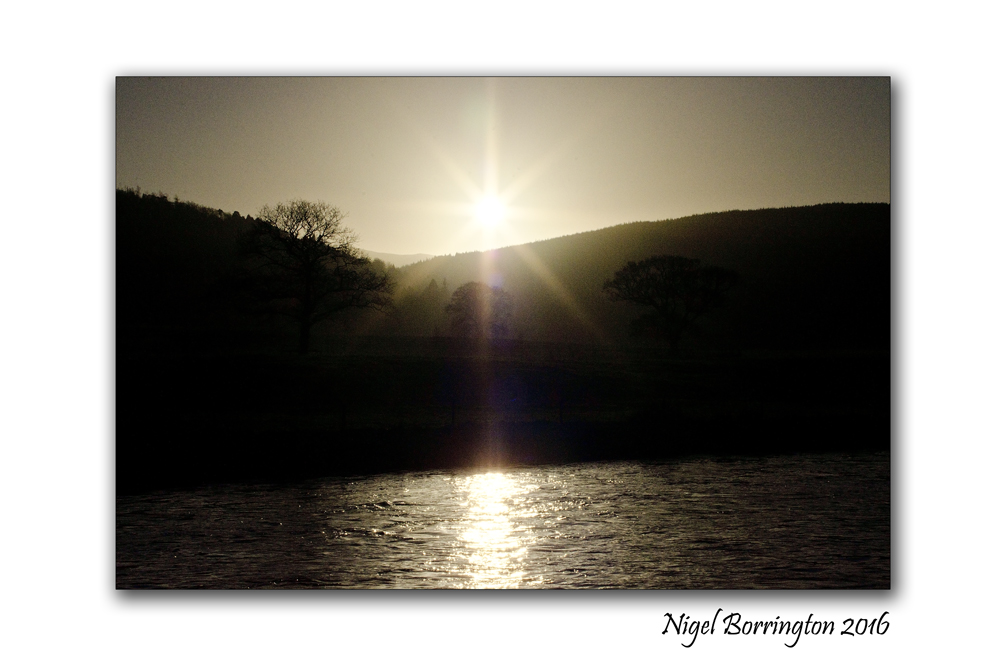
Three poems about sunlight …
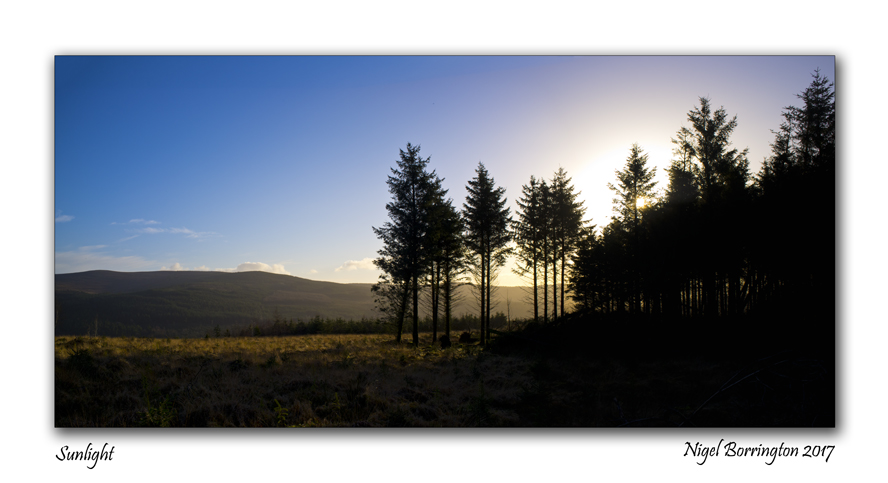
Landscape in Sunlight
Nigel Borrington
Phoebe Hynes
Dec 5, 2016
A response to sunlight
You came to me in what I thought was a dream,
but it was actually the mundane,
and the secrets my conscious brain,
was keeping from me.
You were a part of reality all along,
it’s just taken me a bit to realize it.
Sunlight can be blinding,
and raindrops are more obvious.
Russell
May 7, 2016
The Filter of Sunlight
The drops of gold
Break through
The cover of leaves
I’m hiding behind
Peeking through
Touching me
Warming me
Making me realize
All the good
I’m hiding from
All the things
I should be happy about
The yellow rays
Burning the bad
Purifying my thoughts
Changing my mind
And I run out
Wanting to make a memory
Of this happy
Golden moment.

Ramisa R
Sep 25, 2014
Springtime Creativity
Lilacs bloom; birds sing
sunlight falls–
enlightening these
blank pages
Happy Christmas and New year to everyone ! .. A 2016 Gallery
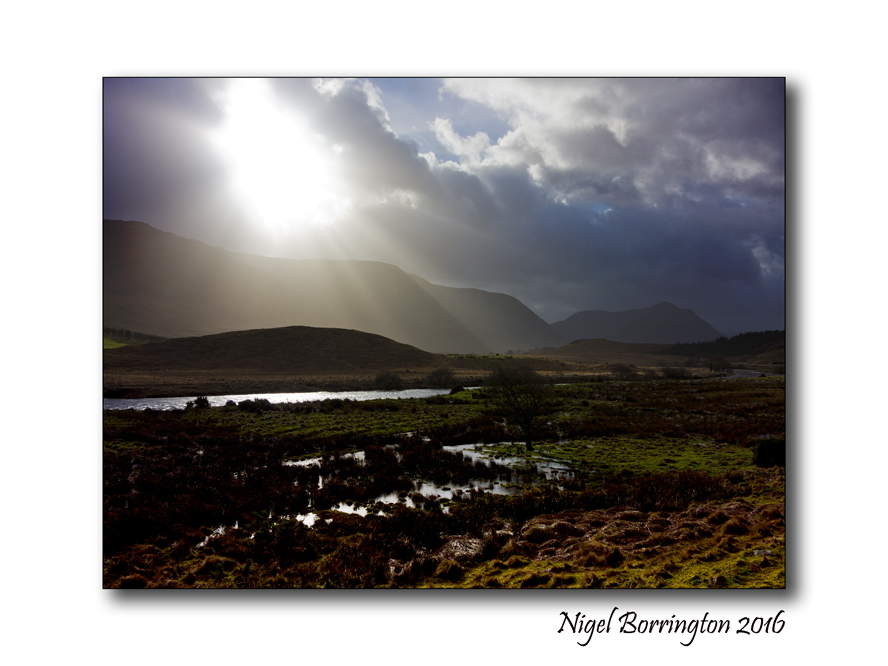
January 2016
Happy Christmas and a happy new year for 2017 to everyone 🙂
Todays post is my last for the year, I want to spend sometime off line with my family for the holidays.
I also want to say a very big thank you for such a great 2016 to everyone here in the word-press community, it has been great fun sharing posts with you all and reading your own posts!!!, its a great thrill to know so many great people and blogger’s here !!
Have a great Christmas time and a wonderful new year period, I look forward to sharing some on-line time with you all again in January 2017 – 🙂 🙂 🙂
A gallery of images from 2016
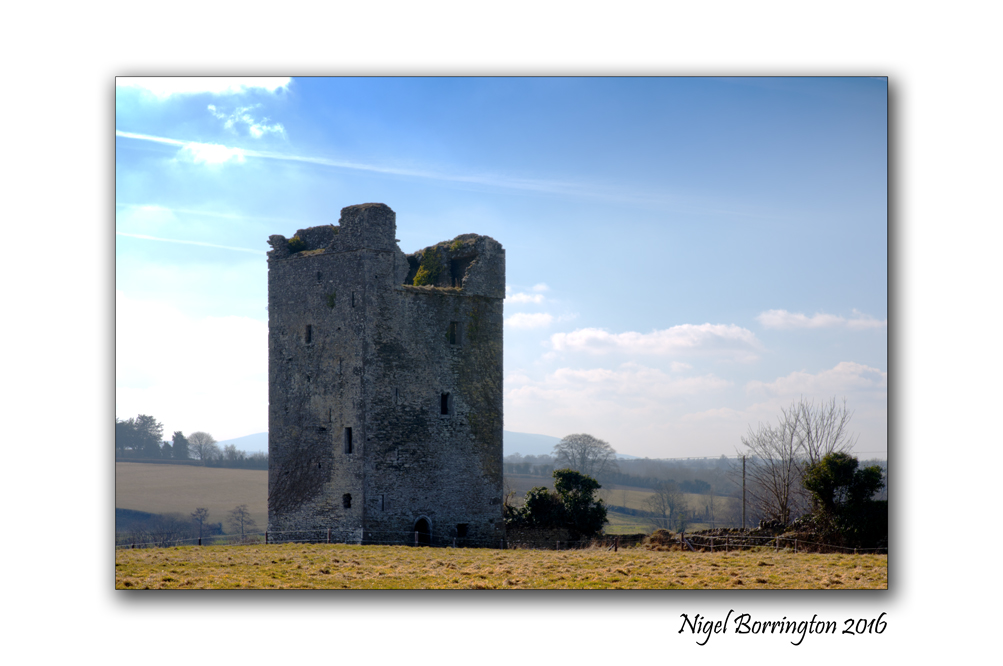
January 2016
February 2016
March 2016
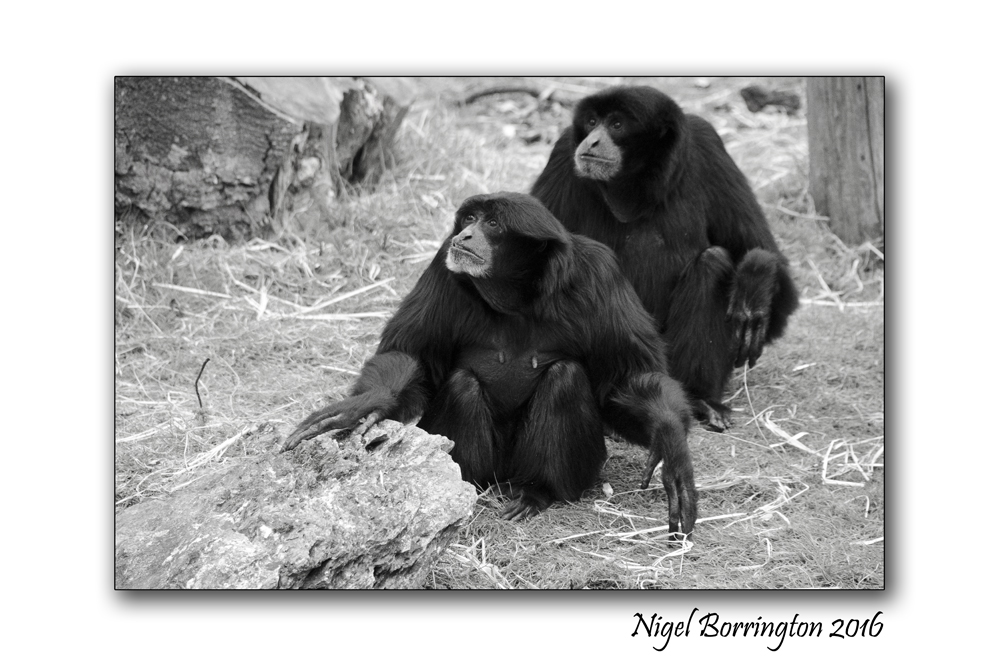
April 2016
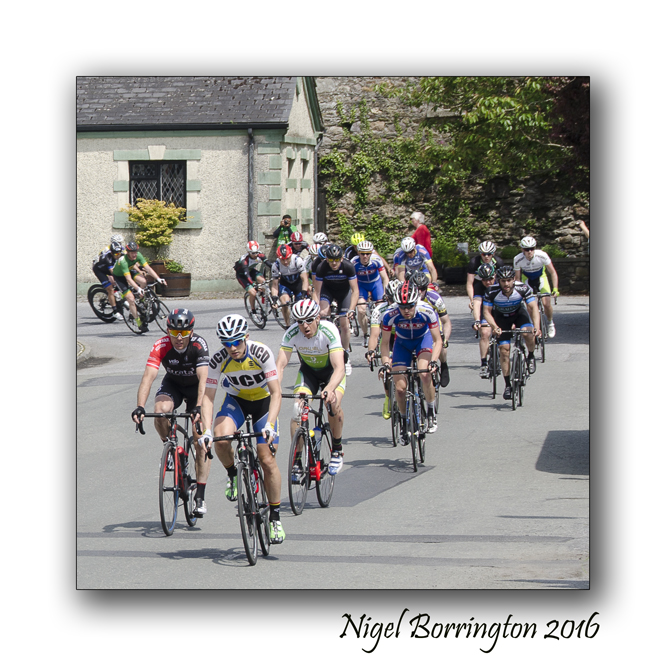
May 2016
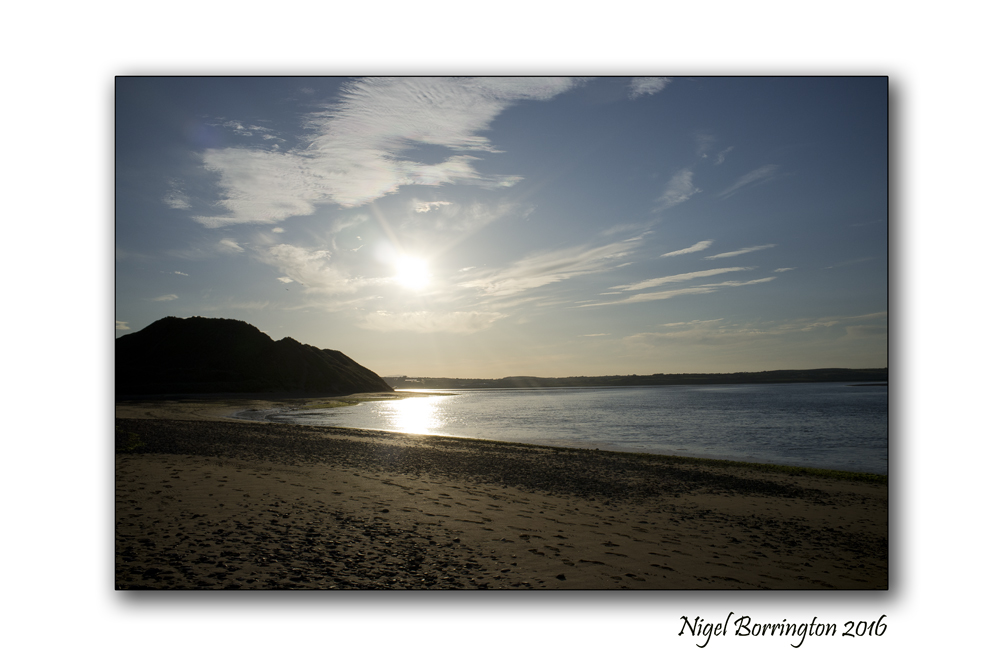
June 2016

July 2016
August 2016

September 2016
October 2016
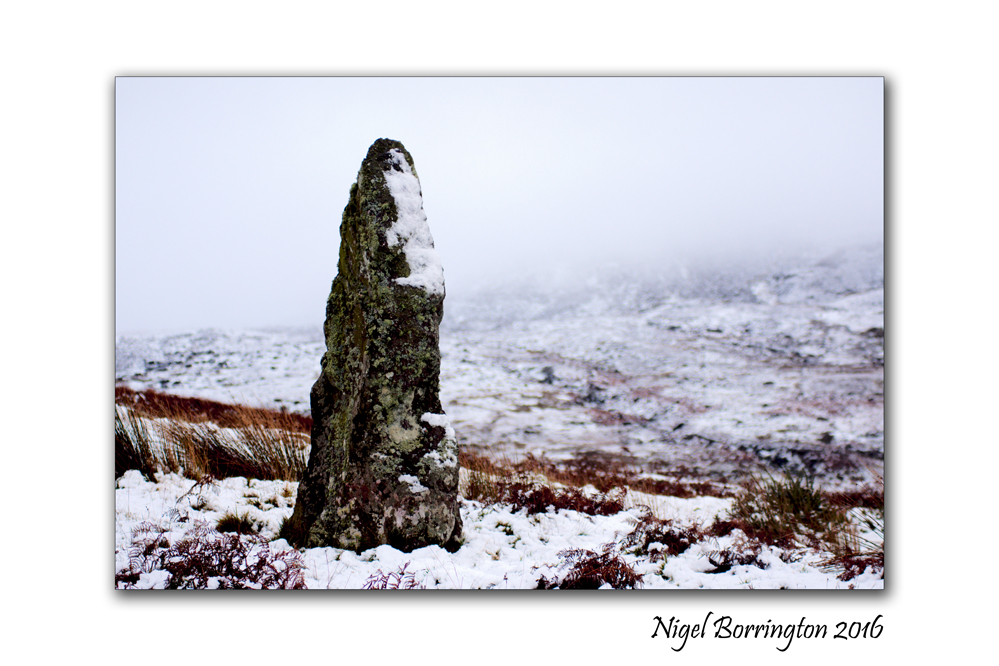
November 2016

December 2016
Marking Midwinter’s day, Pagan beliefs – Gods the Goddess of the winter solstice
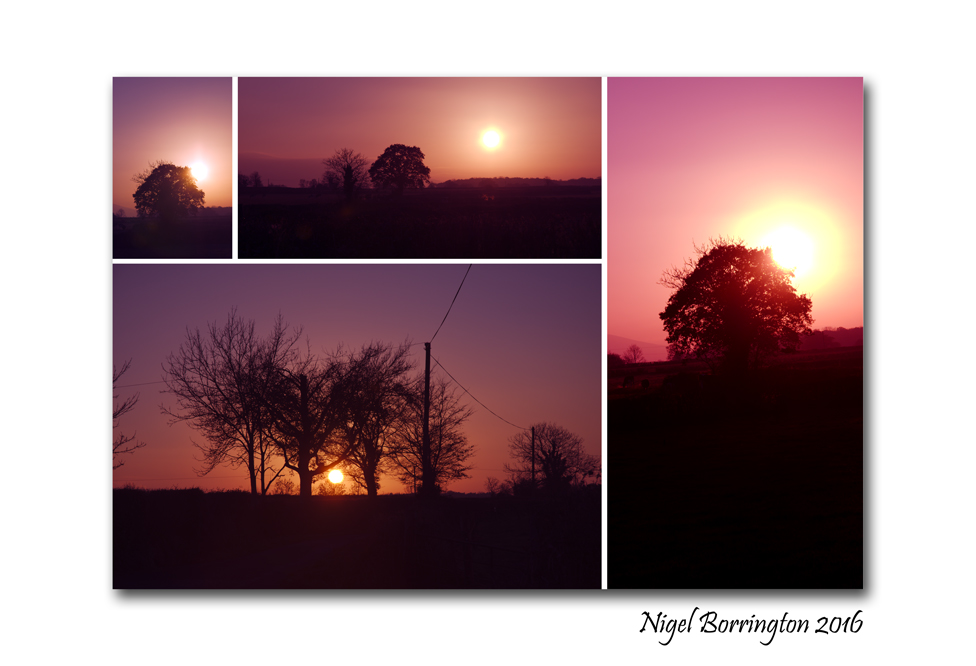
Midwinters day 2016
Nigel Borrington
Today is Mid winters day or the Winter Solstice.
History and cultural significance
The solstice itself may have been a special moment of the annual cycle of the year even during neolithic times. Astronomical events, which during ancient times controlled the mating of animals, sowing of crops and metering of winter reserves between harvests, show how various cultural mythologies and traditions have arisen. This is attested by physical remains in the layouts of late Neolithic and Bronze Age archaeological sites, such as Stonehenge in Britain and Newgrange in Ireland. The primary axes of both of these monuments seem to have been carefully aligned on a sight-line pointing to the winter solstice sunrise (Newgrange) and the winter solstice sunset (Stonehenge). Significant in respect of Stonehenge is the fact that the Great Trilithon was erected outwards from the centre of the monument, i.e., its smooth flat face was turned towards the midwinter Sun.
The winter solstice may have been immensely important because communities were not certain of living through the winter, and had to be prepared during the previous nine months. Starvation was common during the first months of the winter, January to April (northern hemisphere) or July to October (southern hemisphere), also known as “the famine months”. In temperate climates, the midwinter festival was the last feast celebration, before deep winter began. Most cattle were slaughtered so they would not have to be fed during the winter, so it was almost the only time of year when a supply of fresh meat was available. The majority of wine and beer made during the year was finally fermented and ready for drinking at this time. The concentration of the observances were not always on the day commencing at midnight or at dawn, but the beginning of the pre-Romanized day, which falls on the previous eve.

Since the event is seen as the reversal of the Sun’s ebbing presence in the sky, concepts of the birth or rebirth of sun gods have been common and, in cultures using winter solstice based cyclic calendars, the year as reborn has been celebrated with regard to life-death-rebirth deities or new beginnings such as Hogmanay’s redding, a New Year cleaning tradition. Also reversal is yet another usual theme as in Saturnalia’s slave and master reversals.

CAILLEACH BHEUR : The Celtic Goddess of winter
CAILLEACH BHEUR : Scottish, Irish, Manx, Great Goddess in her Destroyer aspect; called “Veiled One”. Another name is Scota, from which Scotland comes. In parts of Britain she is the Goddess of Winter. She was an ancient Goddess of the pre-Celtic peoples of Ireland. She controlled the seasons and the weather; and was the goddess of earth and sky, moon and sun.
Other Gods
Saturn (Roman): Every December, the Romans threw a week-long celebration of debauchery and fun, called Saturnalia in honor of their agricultural god, Saturn. Roles were reversed, and slaves became the masters, at least temporarily. This is where the tradition of the Lord of Misrule originated
Alcyone (Greek): Alcyone is the Kingfisher goddess. She nests every winter for two weeks, and while she does, the wild seas become calm and peaceful.
Ameratasu (Japan): In feudal Japan, worshipers celebrated the return of Ameratasu, the sun goddess, who slept in a cold, remote cave. When the other gods woke her with a loud celebration, she looked out of the cave and saw an image of herself in a mirror. The other gods convinced her to emerge from her seclusion and return sunlight to the universe.
Baldur (Norse): Baldur is associated with the legend of the mistletoe. His mother, Frigga, honored Baldur and asked all of nature to promise not to harm him. Unfortunately, in her haste, Frigga overlooked the mistletoe plant, so Loki – the resident trickster – took advantage of the opportunity and fooled Baldur’s blind twin, Hodr, into killing him with a spear made of mistletoe. Baldur was later restored to life.
Bona Dea (Roman): This fertility goddess was worshiped in a secret temple on the Aventine hill in Rome, and only women were permitted to attend her rites. Her annual festival was held early in December.
Demeter (Greek): Through her daughter, Persephone, Demeter is linked strongly to the changing of the seasons and is often connected to the image of the Dark Mother in winter. When Persephone was abducted by Hades, Demeter’s grief caused the earth to die for six months, until her daughter’s return.
Dionysus (Greek): A festival called Brumalia was held every December in honor of Dionysus and his fermented grape wine. The event proved so popular that the Romans adopted it as well in their celebrations of Bacchus.
Holly King (British/Celtic): The Holly King is a figure found in British tales and folklore. He is similar to the Green Man, the archetype of the forest. In modern Pagan religion, the Holly King battles the Oak King for supremacy throughout the year. At the winter solstice, the Holly King is defeated.
Horus (Egyptian): Horus was one of the solar deities of the ancient Egyptians. He rose and set every day, and is often associated with Nut, the sky god. Horus later became connected with another sun god, Ra.
La Befana (Italian): This character from Italian folklore is similar to St. Nicholas, in that she flies around delivering candy to well-behaved children in early January. She is depicted as an old woman on a broomstick, wearing a black shawl.
Lord of Misrule (British): The custom of appointing a Lord of Misrule to preside over winter holiday festivities actually has its roots in antiquity, during the Roman week of Saturnalia.
Mithras (Roman): Mithras was celebrated as part of a mystery religion in ancient Rome. He was a god of the sun, who was born around the time of the winter solstice and then experienced a resurrection around the spring equinox.
Odin (Norse): In some legends, Odin bestowed gifts at Yuletide upon his people, riding a magical flying horse across the sky. This legend may have combined with that of St. Nicholas to create the modern Santa Claus.
A weekend with wildlife, Otters of the river Suir

Wildlife weekend
Otters on the River Suir
County Tipperary
Nigel Borrington
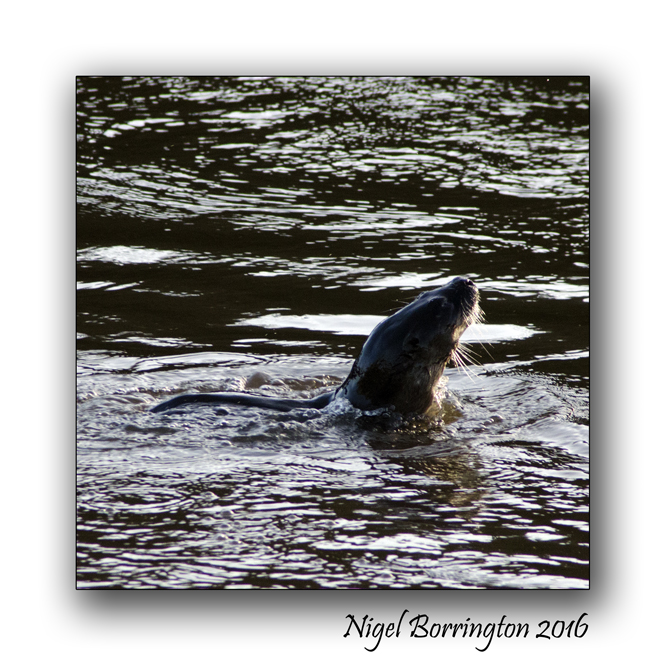
My study of an Otter family on the river Suir, county Tipperary continued today Friday, Each time I visit this family I manage to get closer and closer, today being the most noticeable.
I managed to spend 40min with this one adult Otter as he or she hunted the river for fish, this process involved diving as deep as possible and spending about a minute below the water before coming back up for breath, during the 40 minutes I think two fish in total were retrieved.
I hope to keep returning many times of the winter months to monitor just how they are all doing, ist amazing to be able to get so close and exciting to study such wonderful wild animals.



In the bleak midwinter – Poem By Christina Rossetti
In the bleak midwinter
By Christina Rossetti
In the bleak midwinter, frosty wind made moan,
Earth stood hard as iron, water like a stone;
Snow had fallen, snow on snow, snow on snow,
In the bleak midwinter, long ago.
Our God, Heaven cannot hold Him, nor earth sustain;
Heaven and earth shall flee away when He comes to reign.
In the bleak midwinter a stable place sufficed
The Lord God Almighty, Jesus Christ.

Enough for Him, whom cherubim, worship night and day,
Breastful of milk, and a mangerful of hay;
Enough for Him, whom angels fall before,
The ox and ass and camel which adore.
Angels and archangels may have gathered there,
Cherubim and seraphim thronged the air;
But His mother only, in her maiden bliss,
Worshipped the beloved with a kiss.

What can I give Him, poor as I am?
If I were a shepherd, I would bring a lamb;
If I were a Wise Man, I would do my part;
Yet what I can I give Him: give my heart.
Otters of the River Suir , County Tipperary

Otters of the River Suir
County Tipperary
Nigel Borrington
Last weekend while on walk between Clonmel and Carrick-on-suir, both in county Tipperary, We came across a family of Otters, they had made one of the rivers contributor’s their home ( A Holt or Couch in otter terms ). We spent about an hour with them watching as two adults and four pups hunted and play in the waters. One of the Pups managed to catch a fish and then share this food with the other three pups on the river bank.
For a long time I have hopped to have an encounter with these otters, I knew they were around this location but had never been in luck when it came to seeing them, so this hour was a truly special time and one I will not forget 🙂 , it changes the way you feel about a river when you have the chance to view its wild life for such a long period of time.
Here are some basic facts about the otter in Ireland …..
Written by Dr Mathieu Lundy
The otter (Lutra lutra) is regarded as one of Ireland’s most charismatic native mammal species.
The otter is highly secretive and although widespread people tend to only get rare glimpses of the species in the wild. Otter populations declined throughout Europe after the 1960s and the species is now very rare or absent from many parts of its former range. The Irish otter population appears to have remained largely stable and is regarded as a European stronghold. In Ireland otters are found in a diverse array of aquatic habitats, from small streams to major rivers, upland lakes to coastal lagoons and sandy beaches. However, otters that live at the coast do need access to some freshwater habitat to bathe. Within these habitats otters feed on a range of both aquatic and terrestrial prey. Much of the information regarding distribution, habitat use and diet comes from spotting otter tracks and signs. Individual otters are highly territorial, using droppings called spraints to mark their home ranges. Favoured locations for leaving spraints are in-stream boulders, bridge footings and grass tussocks, these are called seats. These territorial signs are an ideal way to tell if otters are using an area. Within its territory an otter may have a number of resting sites, called couches and underground denning sites called holts, which can be a considerable distance (up to 1km) from a river, lake or the seashore.

Distribution
The species of otter that occurs in Ireland is called the Eurasian otter and is found in Europe and across Asia to China and Japan. In other regions the otter shares aquatic habitats with species specialised to different habitats such as sea otters, but in Ireland the otters that live at the coast and those that occupy our rivers are the same species.
In Ireland the otter population is geographically widely spread. In local areas its presence will depend on the provision of suitable aquatic habitats, sufficient food and cover for resting and breeding. During different seasons male otters and juvenile otters will disperse and otter signs may be observed in areas where they have not been present hitherto.
Home ranging behaviour
The territories of otters can stretch for several kilometres; the total length of the home range depends on the availability of food. The smallest territories are thought to occur at coastal sites, where territories may be as small as 2km. The longest territories occur in upland streams where an individual may have to range more than 20km to find sufficient food. The territories of males tend to be larger than females and indeed may overlap with a number of female otters. The availability of suitable territories along the coast and inland at lakes and rivers is thought to maintain the otter population of Ireland. The entire population is estimated to be in the region of 10,000 adults.
Within their territories an individual otter may utilise a number of holts. These tend to be natural crevices, associated with the roots of trees growing along river and lake banks. These natural recesses provide the otter with a holt that has multiple entrances from which the otter can escape if disturbed. Whilst individual otters rarely dig their own holts they will use burrows made by other animals such as rabbits and foxes. It is possible to build artificial holts to attract otters to use certain areas. Artificial holts are built to resemble natural holts, with a resting compartment and multiple entrances, these are particularly important where the natural bank side vegetation has been removed.
Other resting sites are also used, frequently in dense vegetation and may be associated with frequently used runs and slides into the water.

Reproduction
Although otters can breed at any time of year most seem do so in spring or early summer. Scent markings by the females signal to male otters that the females are ready to mate. The pregnancy lasts for around two months after which a litter of cubs is born, usually two or three, but as many as five have been seen. The cubs remain in the natal holt for up to two months before venturing out on their own, although the mother may move the cubs between holts within her territory periodically. Unlike other resting sites the natal holts do not tend to be marked with spraints. The juvenile otters remain as a family group for around six months or longer before the young otters disperse to establish their own territories.
Foraging
Otters that live in rivers and lakes tend to be completely nocturnal, described as being crepuscular – activity peaks at dusk and dawn. Foraging at night or in ‘muddy’ water is aided by their highly sensitive whiskers, which detect their prey items. Otters are principally piscivorous, relying predominantly on salmonids (salmon and trout), but also eel and small fish species such as stickleback. However, otters are not limited to fish and feed opportunistically on a range of prey when available: frogs are frequently eaten by otters, and the remains of invertebrates (crayfish), birds and small mammals have also been found in spraints. Otters that forage at the coast may have flexible foraging times linked to the tides. At low tide otters hunt in the exposed rock pools and seaweed covered rocks for fish and invertebrate prey.

Conservation Status
The Irish otter population remains one of the most stable in Europe. There is some evidence to suggest that since initial national surveys in the early 1980s there have been declines in the prevalence of the species. It is hoped that the reasons for these declines will be addressed by the designation of Special Areas of Conservation (SACs), ongoing national assessments and by targeted intensive surveys. The risks to the current otter population are the availability of sufficient food within their habitats and provision of resting and denning sites. This species is protected under the Wildlife Act (1976) and Wildlife (Amendment) Act 2000.
Otters have been found dead in illegal snares, which may not be intended for otters, but which still pose a threat to individual animals. A significant number of otters are also killed on our roads. There is some evidence that the incidence of these accidents increases during periods of flooding when fast flowing rivers at bridge crossing become impassable and otters must venture onto roads to find alternative routes. The occurrence of otters at any site relies on a complex interaction of the characteristics of the wider landscape and local site specific habitat factors. Broad-scale intensive agriculture and urbanisation of catchments reduces the likelihood that otters will occur, along with reduced diversity of river banks and lake shores. Maintaining prey populations and preserving the natural features of rivers, lakes and coasts will benefit the Irish otter population and ensure that the Irish population remains a European stronghold.
 Nigel Borrington
A Spider with her eggs
Spider with her pod of eggs
Nature Photography
Nigel Borrington
Taken at Lunchtime today, this Spider was hiding in the hollow of a garden tree. I am not sure what kind of spider she is but am going through lots of websites and wildlife books I have.
At the moment I am keeping my Macro lens on my Camera all the time, I am missing taking some more general landscape images but truly enjoying spending sometime getting much closer to the nature that I find at home or very close to home. Macro photography is not easy and a true skill, so the more macro’s I find myself taking the more confident I am feeling in this area 🙂
Share this:
March 31, 2017 | Categories: Comment, Gallery, irish woodlands, macro photography, Nature and Wildlife, Personal skills and development | Tags: macro photography, Nature, Nigel Borrington, Spiders, web, wildlife | 2 Comments