Images of September, The Woodcock butterfly

Images of September
Woodcock Butterfly
County Kilkenny
Ireland
Nikon D700
Nigel Borrington
Monday at the River Suir, The Heron ……
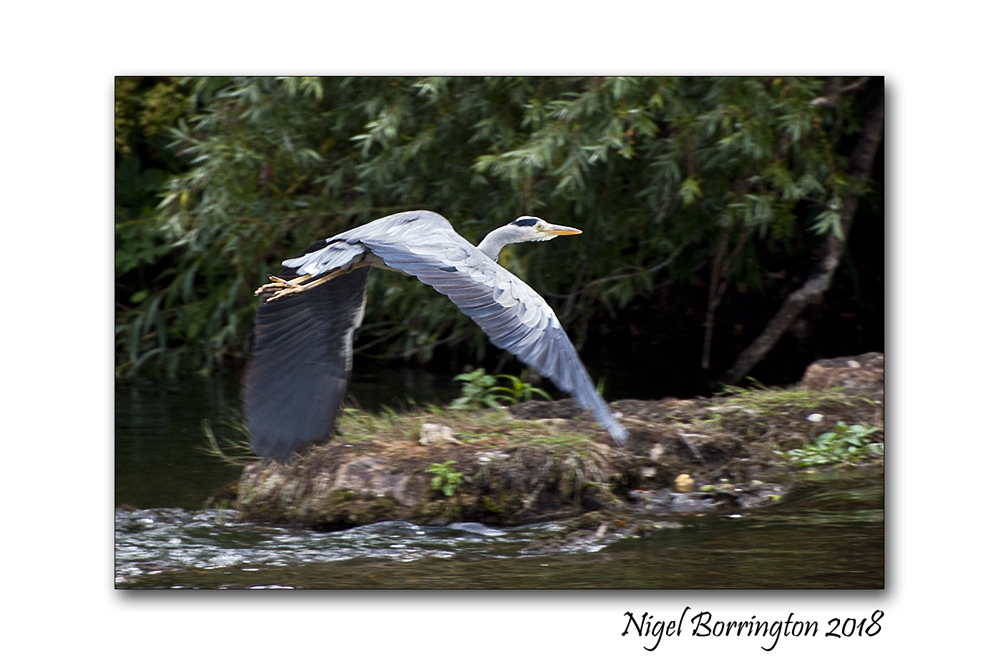
River Birds – Heron
River Suir
Country Tipperary
Nigel Borrington 2018


My Mountain Ash Tree, a poem ….

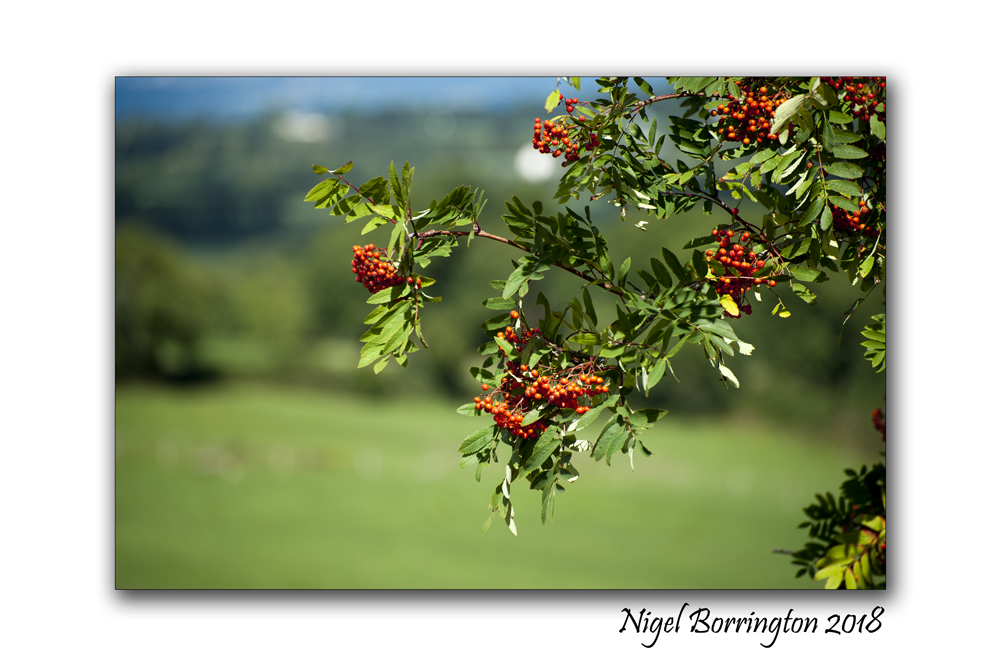
My Mountain Ash Tree
Season after season.
I’ve gazed upon you
through my window.
I’ve seen the snow hang low
upon your branches.
With white upon red berries.
I’ve watched the snow melt away
to reveal new buds,
opening,
ever so slowly,
to leaves so green.
In early Spring.
I’ve watched all the creatures
hop, climb, and fly among
your branches.
I’ve watched the birds taste
your blood-red berries.
I’ve seen songbirds…
Nuthatches,
finches, and chickadees.
Come to the feeders.
That hang from you.
I’ve seen the squirrels steal
seeds from the birds.
As their little paws unlatch
a little hook.
I’ve heard the birds sing among your
branches.

So sweetly.
I remember when the chickadees
built their nest in you,
and then watched their young fledge.
I remember the year the woodpecker
came knocking at your trunk’s door.
As he drilled his beak into you.
And made a hole.
After that.
You were never the same anymore…
I watched your life slowly end.
Another year.
Another season.
More dead branches to be severed.
Fewer buds.
Fewer leaves.
As your story slowly drew to a close.
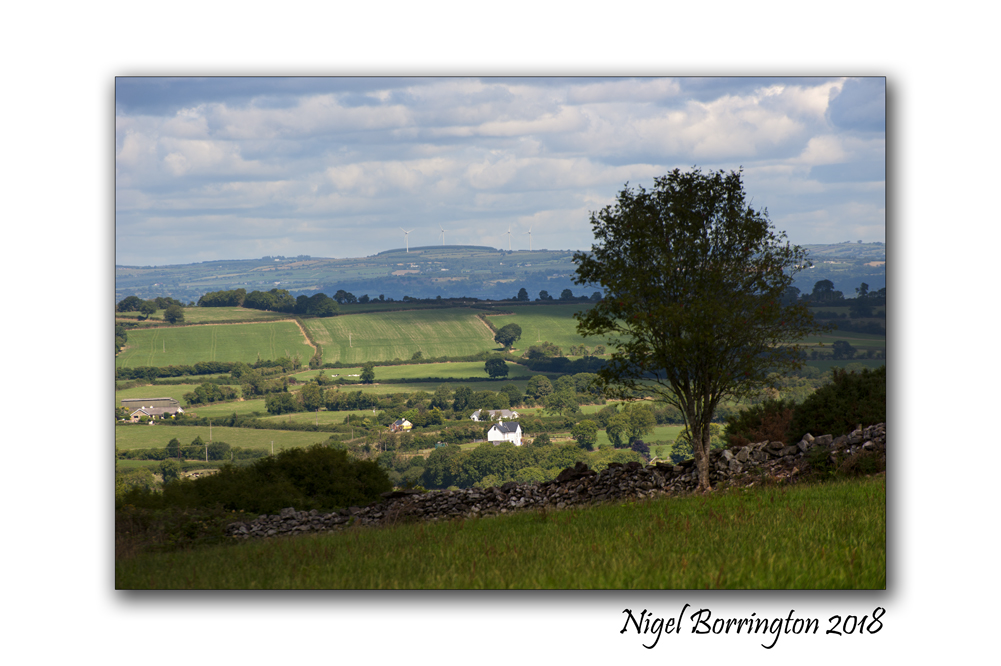
Yesterday,
they chopped down what was left of you.
But I will always remember you.
And I thank the Lord for the joy
of beholding your beauty.
Of watching your story.
You have blessed so many creatures.
Including me.
Farewell,
Beautiful Mountain Ash tree.
Irish Landscape Photography : Morning in the fields

Irish Landscape Photography,
Morning in the Fields,
Nigel Borrington 2018
What is life, if We have no time to stand and stare ? A Poem by: William Henry Davies

What is life
By : William Henry Davies
What is this life if, full of care,
We have no time to stand and stare.
No time to stand beneath the boughs
And stare as long as sheep or cows.
No time to see, when woods we pass,
Where squirrels hide their nuts in grass.
.
No time to see, in broad daylight,
Streams full of stars, like skies at night.
No time to turn at Beauty’s glance,
And watch her feet, how they can dance.
No time to wait till her mouth can
Enrich that smile her eyes began.
A poor life this if, full of care,
We have no time to stand and stare.

Natural world : Working with Trees and Tree Spirits

Tree Spirits Nigel Borrington
Working with Trees and Tree Spirits
Article from Sacred serpent …..
Trees are probably the most evolved of all plants. There is a special relationship between trees and humans, as trees produce the oxygen that we need to breathe, while we exhale carbon dioxide which trees thrive on. You could say that our exhalation is their inhalation and vice versa! Trees are multidimensional beings. They have their roots deep down in the earth which signifies their connection to the Underworld. Their trunks and lower branches are in our world, the world of men, which in shamanic terms is called the Middle World. The branches of tall trees reach high in the sky which makes them a bridge into the Upper World. In fact, in many cultures shamans journey into the Upper World by visualizing themselves climbing a tall tree to the very top and then flying up into the sky! Trees also connect us to other realms, such as the Faerie Realm, which is in a parallel dimension to ours.
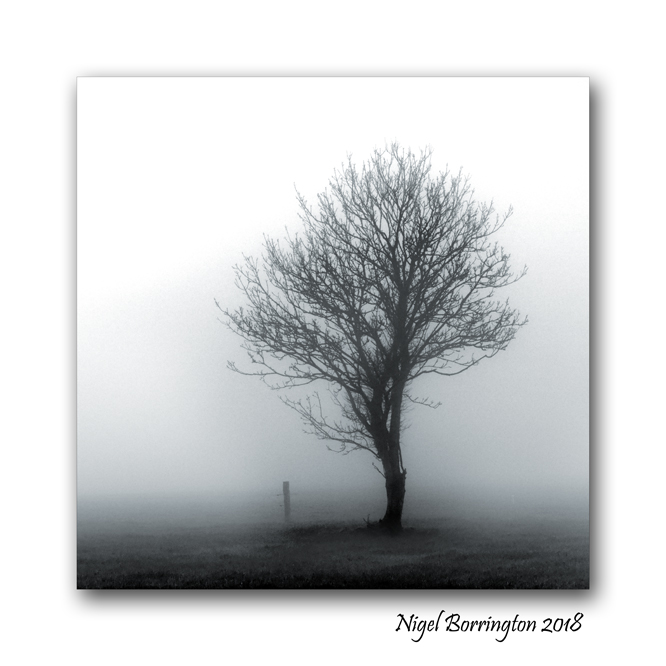
The cutting down of forests and trees in our reality gradually destroys the Faerie Realm as well. Tree spirits are only loosely connected with their physical bodies, the actual visible tree. Because they are multidimensional and enjoy great freedom on the astral, and because of their connection to other realms, they can help us in journeying and inter-dimensional travel. Besides, meditating with a tree can be very relaxing and helps us to get grounded. Trees are great energy converters as well. They can transmute our negative energies and help us heal. This is shown by the very fact that they thrive on our metabolic waste products (carbon dioxide). For this reason we can draw energy from a tree without depleting it simply by giving it some of our unwanted energy in exchange.
The river bank in Infrared

Black and White Landscapes 2018
The river bank in Infrared
Nigel Borrington
Summer Heat Wave, In pictures ….

Irish landscape photography
County Kilkenny
The heat wave of 2018
Nigel Borrington
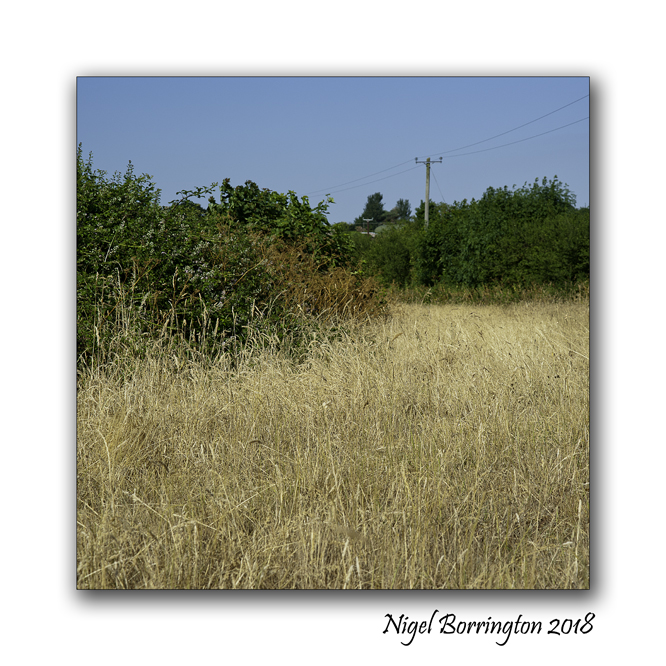
Ireland’s is currently in heat wave conditions with no big change on the horizon, so today I headed out for a walk and started to capture our local landscape in these conditions. Here in County Kilkenny we have not been affected quite as badly yet as in county Dublin but as you can see from these images the hedgerows and fields are starting to turn to a light brown and some of the trees are only just hanging on.



5 Images for the Week – Monday , Downey Emerald Dragon fly
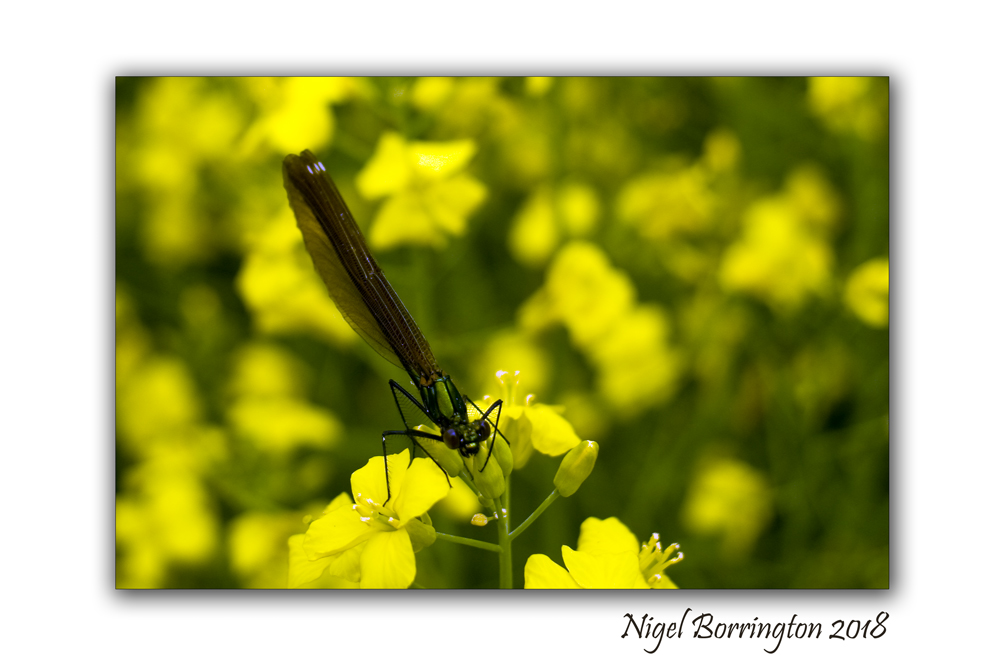
Downey Emerald
Dragonfly
Blanchfieldsland
County Kilkenny
Nigel Borrington

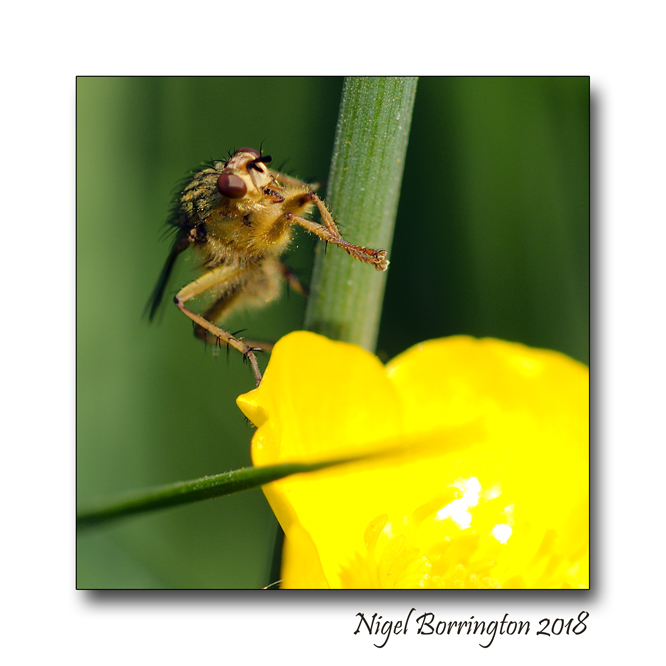




Crane Flies – Poem by Kevin Scanlon
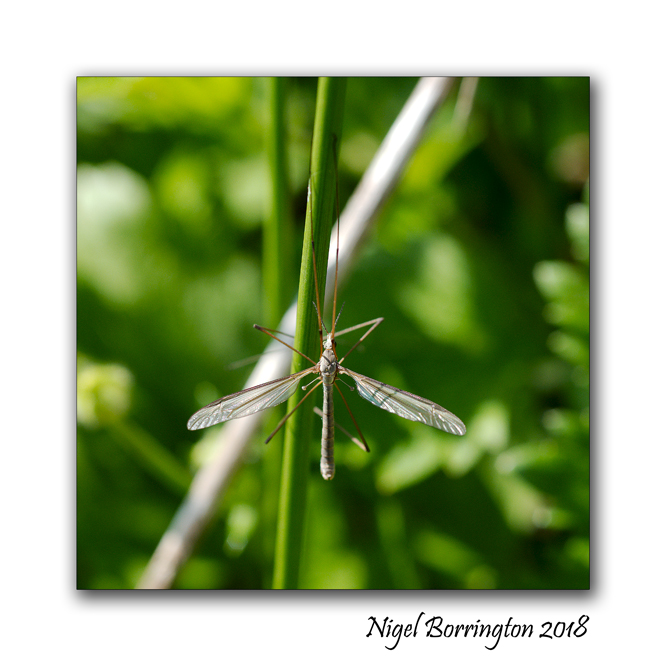
Crane Flies – Poem by Kevin Scanlon
Through the open door the clumsy crane flies come in
And perform their aimless aerial dance in the room
Before clinging to the wall as if waiting for something
To happen, they look a lot like giant mosquitoes
And sometimes buzz your ears but make no buzzing sound
More like a rustling that startles you for a second
Yesterday I got out of my car and one was right there
Almost as if to greet me, they look so sad and delicate
With deciduous legs that can drop off like a lizard’s tail
Just tiny non-sentient biological automatons, that only live
A couple of weeks, which is not much less than we do
Compared to the vast sweep of geological time, we could
Be intruders on an ancient alien’s estate and never know it.
Images from the Garden , Clematis

Images from the Garden
Clematis
Nigel Borrington
2018
Each May and June the Clematis planted in our Garden flowers and produces some of the best colour during the early and mid summertime , I love just how full of flowers it becomes. My mid July most of the pink flowers have gone but the leaves still offer a full canopy above pergola and give some great shade on warm and sunny days.
Description
Clematis is a genus of about 300 species within the buttercup family, Ranunculaceae. Their garden hybrids have been popular among gardeners, beginning with Clematis × jackmanii, a garden standby since 1862; more hybrid cultivars are being produced constantly. They are mainly of Chinese and Japanese origin. Most species are known as clematis in English, while some are also known as traveller’s joy, a name invented for the sole British native, C. vitalba, by the herbalist John Gerard; virgin’s bower for C. viticella and for C. terniflora; old man’s beard, applied to several with prominent seedheads; leather flower for those with fleshy petals; or vase vine for the North American Clematis viorna
Etymology
The genus name is from Ancient Greek clématis, (“a climbing plant”). Over 250 species and cultivars are known, often named for their originators or particular characteristics.
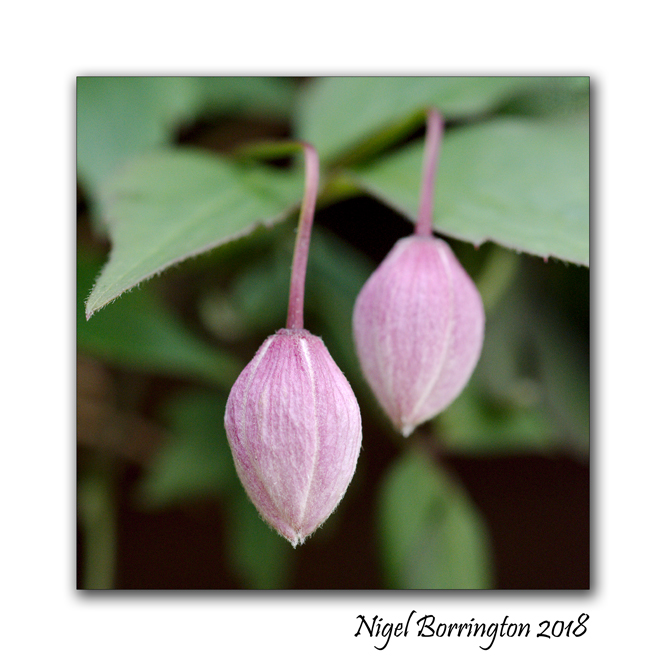
Botany
The genus is composed of mostly vigorous, woody, climbing vines / lianas. The woody stems are quite fragile until several years old. Leaves are opposite and divided into leaflets and leafstalks that twist and curl around supporting structures to anchor the plant as it climbs. Some species are shrubby, while others, like C. recta, are herbaceous perennial plants. The cool temperate species are deciduous, but many of the warmer climate species are evergreen. They grow best in cool, moist, well-drained soil in full sun.
Clematis species are mainly found throughout the temperate regions of the Northern Hemisphere, rarely in the tropics. Clematis leaves are food for the caterpillars of some Lepidoptera species, including the willow beauty (Peribatodes rhomboidaria).
The timing and location of flowers varies; spring-blooming clematis flower on side shoots of the previous year’s stems, summer/fall blooming clematis bloom only on the ends of new stems, and twice-flowering clematis do both.
Taxonomy
The genus Clematis was first published by Carl Linnaeus in Species Plantarum in 1753, the first species listed being Clematis viticella. The genus name long pre-dates Linnaeus. It was used in Classical Greek for various climbing plants, and is based on κλήμα (klēma), meaning vine or tendril.
Gallery


Images from the Garden, Putting some colour into the World …
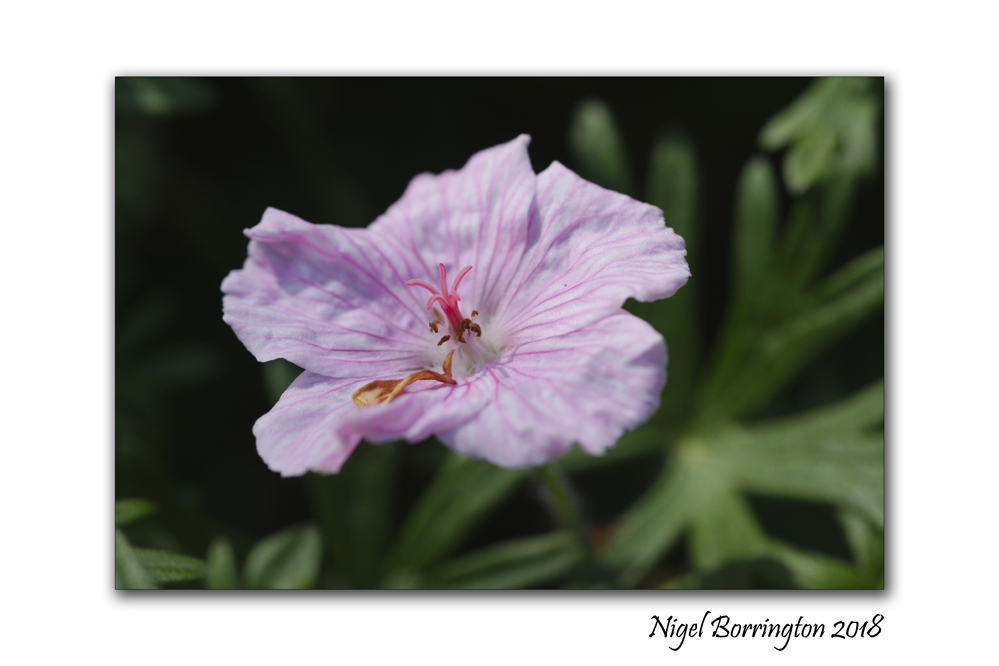
Images from the Garden
Putting some colour into the world
Nature Photography
Nigel Borrington
2018
Images from the Garden, The Rose Buds of May. Rosebuds, A poem by Raychiel Smith, Jul 2013 …..

Images from the Garden
The Rose Buds of May
Nature Photography
Nigel Borrington
Rosebuds.
Why does the deepest part of me resemble the seed that grows inside the bud of a rose? My maker knew me & he knew what no one else knows. but with time i grew cold. Eyes opened, mind closed. In the land of the wicked, eyes hoping mine closed. so i keep eyes open but, sometimes mine doze. My rose couldn’t bloom in this land we call Green. So before you I stand …hurt. With thorns in my hand. Searching for man in this wicked land & found none. judging by the outcome i’m now questioning my makers plan. Still wondering why the deepest part of me resembles a seed that grows inside the bud of a rose.
Raychiel Smith Jul 2013
Images from the Garden : Chives

Chives are one of the Herbs I love seeing in our Garden each year, I use some of them for cooking but also just love leaving some as a plant in their own right, they flower all summer around and are great plants for borders ……
Description
Chives are a bulb-forming herbaceous perennial plant, growing to 30–50 cm (12–20 in) tall. The bulbs are slender, conical, 2–3 cm (3⁄4–1 1⁄4 in) long and 1 cm (1⁄2 in) broad, and grow in dense clusters from the roots. The scapes (or stems) are hollow and tubular, up to 50 cm (20 in) long and 2–3 mm (1⁄16–1⁄8 in) across, with a soft texture, although, prior to the emergence of a flower, they may appear stiffer than usual. The grass-like, leaves, which are shorter than the scapes, are also hollow and tubular, or terete, (round in cross-section) which distinguishes it at a glance from garlic chives (Allium tuberosum). The flowers are pale purple, and star-shaped with six petals, 1–2 cm (1⁄2–3⁄4 in) wide, and produced in a dense inflorescence of 10-30 together; before opening, the inflorescence is surrounded by a papery bract. The seeds are produced in a small, three-valved capsule, maturing in summer. The herb flowers from April to May in the southern parts of its habitat zones and in June in the northern parts.
Chives are the only species of Allium native to both the New and the Old Worlds. Sometimes, the plants found in North America are classified as A. schoenoprasum var. sibiricum, although this is disputed. Differences between specimens are significant. One example was found in northern Maine growing solitary, instead of in clumps, also exhibiting dingy grey flowers.
Although chives are repulsive to insects in general, due to their sulfur compounds, their flowers attract bees, and they are at times kept to increase desired insect life.


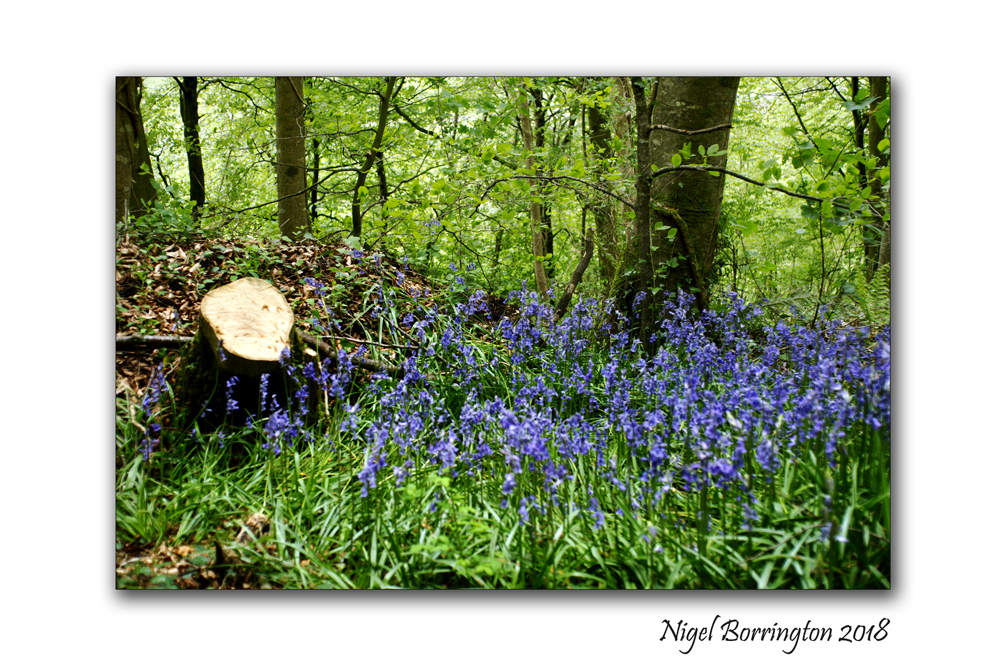


Mountain bluebells, Poem by Avetis Isahakian

Mountain bluebells, Poem by Avetis Isahakian
Armenian Legends and Poems [1916]
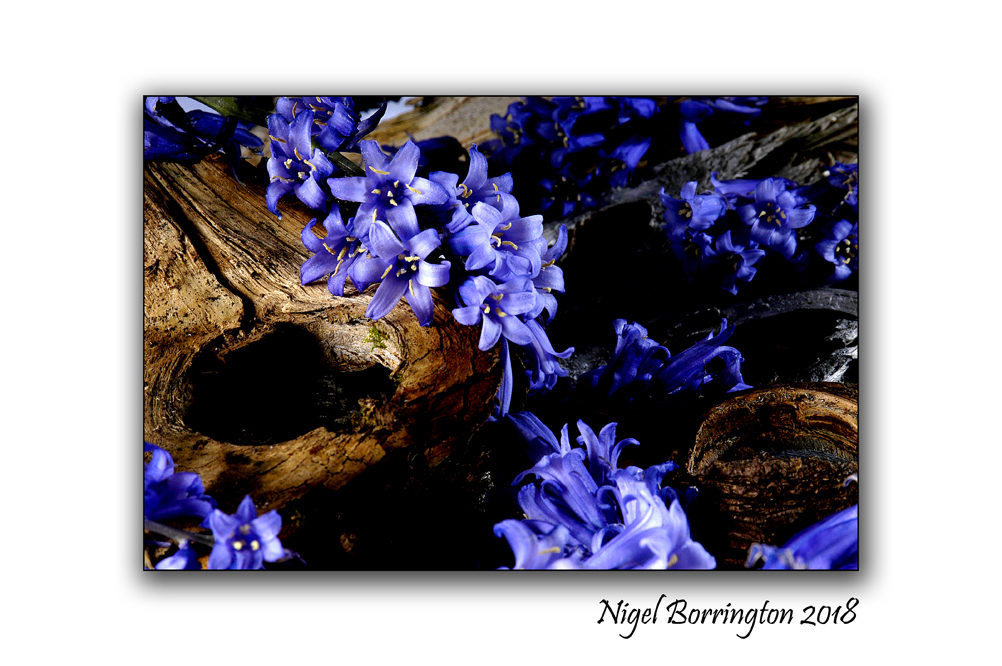
Mountain bluebells, weep with me,
And flowers in coloured crowds;
Weep, nightingale, on yonder tree,
Cool winds dropped from the clouds.
All dark around the earth and sky,
All lonely here I mourn.
My love is gone,–light of my eye;
I sob and weep forlorn.
Alas, no more he cares for me–
He left me unconsoled;
He pierced my heart, then cruelly
Left me in pain untold.
Ye mountain bluebells, weep with me,
And flowers in coloured crowds;
Weep, nightingale, on yonder tree,–
Cool winds dropped from the clouds.
Springtime poetry , After the Winter By Claude McKay

After the Winter
By Claude McKay
Some day, when trees have shed their leaves
And against the morning’s white
The shivering birds beneath the eaves
Have sheltered for the night,
We’ll turn our faces southward, love,
Toward the summer isle
Where bamboos spire the shafted grove
And wide-mouthed orchids smile.
And we will seek the quiet hill
Where towers the cotton tree,
And leaps the laughing crystal rill,
And works the droning bee.
And we will build a cottage there
Beside an open glade,
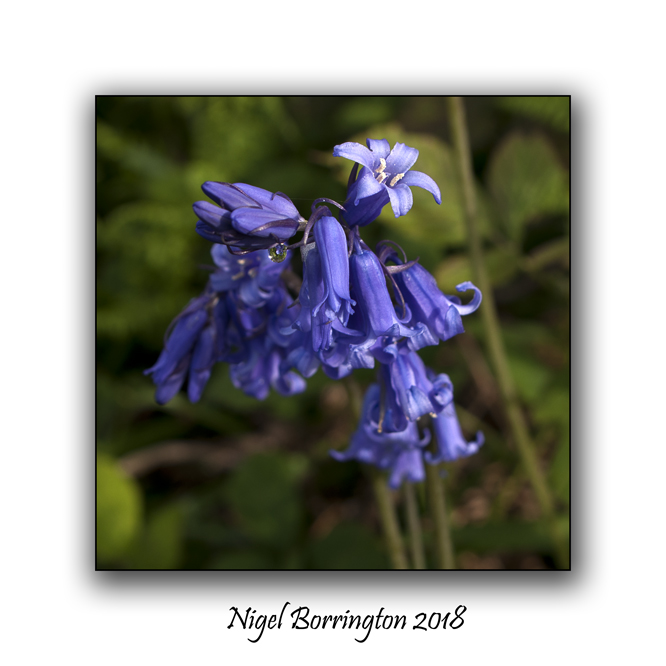
With black-ribbed blue-bells blowing near,
And ferns that never fade.
Friday Poetry – Old Bones, by -Gary Snyder
Old Bones
Out there walking round, looking out for food,
a rootstock, a birdcall, a seed that you can crack
plucking, digging, snaring, snagging,
barely getting by,
no food out there on dusty slopes of scree—
carry some—look for some,
go for a hungry dream.
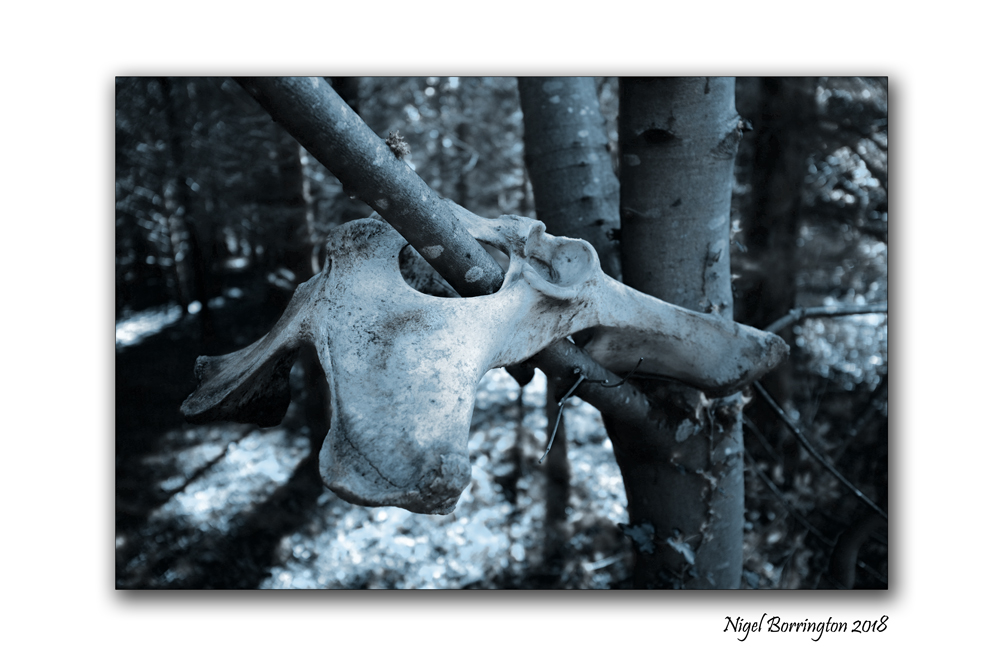
Deer bone, Dall sheep,
bones hunger home.

Out there somewhere
a shrine for the old ones,
the dust of the old bones,
old songs and tales.
What we ate—who ate what—
how we all prevailed.
Gary Snyder
The Cycle Of Seasons – Poem by ann rta’s

Spring, days lengthening and warming slowly
green shoots daffodils and gambolling lambs.

Summer, sunny and hot lazing in deckchairs
rambling roses blooming strawberries and cream.
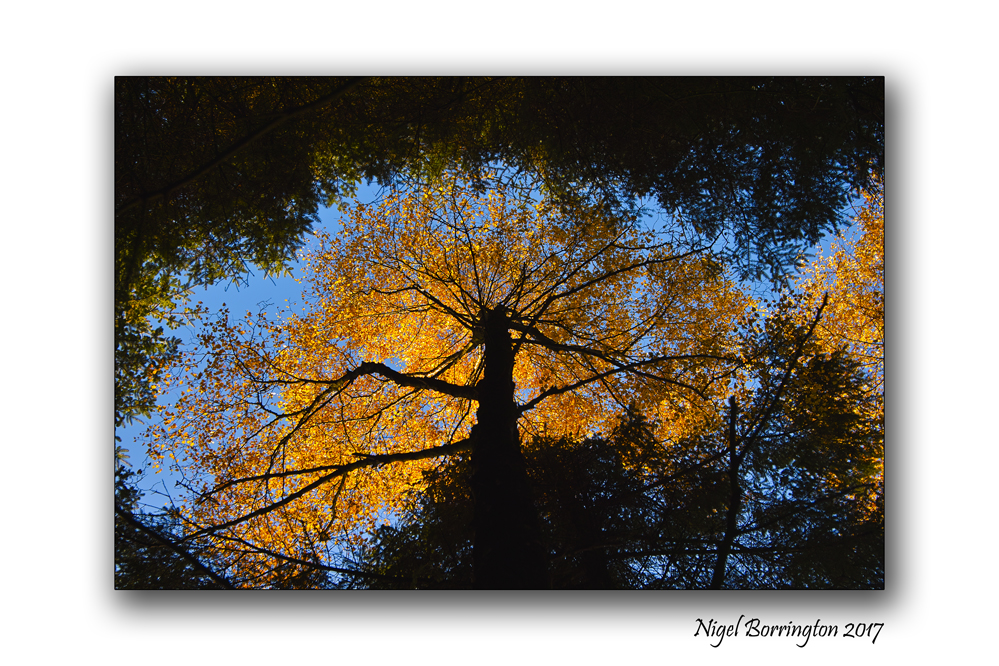
Autumn, wind blustering with nights drawing in
dying leaves changing to red/gold before falling
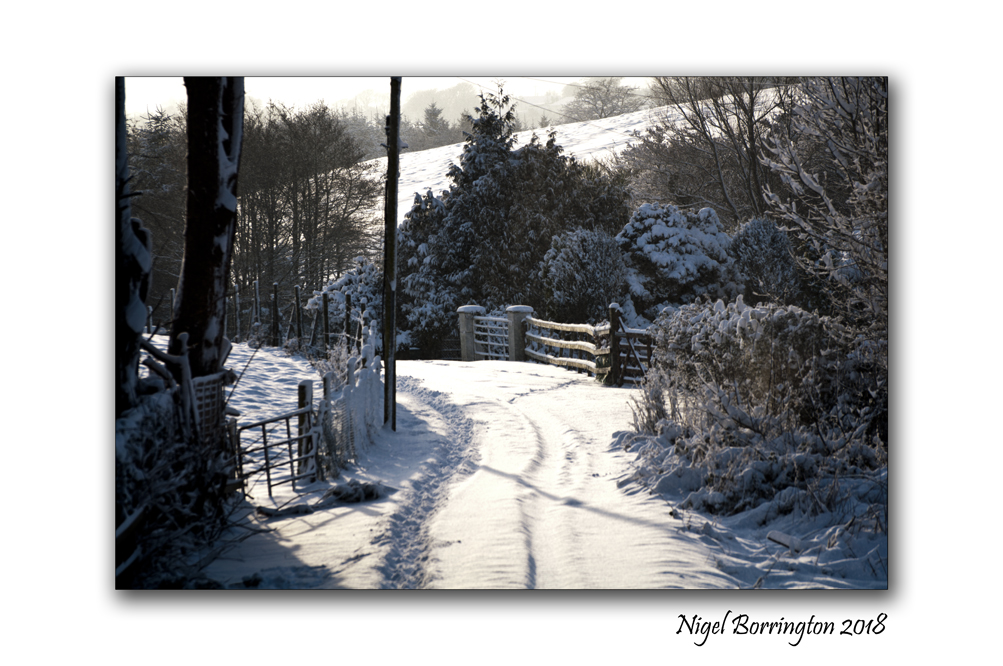
Winter, cold and bringing frosts, snow, ice,
dark brown trees stark and bare animals hibernate.
Seasons whirling in a revolving cycle,
marking the endless passage of time.
I was once;
the Spring child
the Summer teenager
the Autumn adult,
now, I am approaching
the Winter of old age.
Oh, that I could go back and return
like the Seasons
to the Spring again.
Monday Poetry : The Mountain Horse

Mountain Horse
Slievenamon
County Tipperary
Nigel Borrington
The Mountain Horse
Its cold at dawn in the Great Divide
And the Dew lies thick on the mountainside,
The bite of the cold air nearly makes you choke
And breath from your nostrils like dragon smoke.
The saddles are on and the cinch is tight,
Bridles are buckled and a bit to bight,
The horsemen are ready to break the camp,
The mist still rising and the bush is all damp.
The mobs been found in a clearing up ahead,
They’re all wild horses and they’re mountain bred.
Bushes flying by lashing legs and sides,
There’s danger here now for anyone who rides.
An overhanging limb so bend down low
Around rocks and wombat holes we go
There’s a mighty log we’ll have to jump
Look out, look out avoid the stump.
The big bay stallion leads his harem through the creek
There’s no place here for faint hearted or the meek,
Their hooves are like thunder and stock whips are cracking
Horses are snorting and their courage is not lacking.
Down along the valley where he knows every stride
Down along the valley where the wings are stretching wide,
But it’s too late, he knows it now, there’s nowhere left to run,
He turns and rears up high, his fight has just begun.
Something about these mountains makes you want to stay
And a mountain horse’s spirit you cannot take away.
My mind wanders back to a day not long ago,
When the horsemen came and found my mob and I put on the show.
 Nigel Borrington
Irish Landscape Images – A Land so green
Irish Landscape images
A Land so green
Nigel Borrington 2018
Following one of the driest summers in Irish history and with some recent rain fall in the last three weeks, the Irish landscape is slowly returning to it wonderful colour of green ….
Share this:
August 9, 2018 | Categories: Comment, Gallery, Images of Summer, Irish Landscapes, Nature and Wildlife | Tags: Images of Summer, irish landscape, Nigel Borrington, rain, summer 2018, weather photography | Leave a comment