Silent Sunday (Sing – A poem).

Sunset over Windgap, County kilkenny
Landscape photography by Nigel Borrington
Sunday and today I just wanted to be silent to be still and think of nothing, so often we hear the sound of voices around us, people who just cannot stop for fear of a gap.
The most I wanted to hear was a song, the song that nature makes on the hillsides.
So a poem for a Sunday evening :
Sing
Today seemed like a day I should be silent.
The silence seemed so absolute, every small sound
reverberating intensely.
My annoying voice would shatter such a perfect peace.
Perhaps a song.
If a song were to break out over this hillside,
causing the grass to move, that might be acceptable.
The silence their audience,
a brilliant song.
I wish it so, but I know my voice has not that song,
and in thinking so I find I’ve lost it altogether.
So I sit back, a supportive member of the audience.
So step up; we’re listening.
We silenced wait for your beautiful lucid song.
Someone to save us from the silence we trapped ourselves in,
afraid to break perfection.
Someone to tell us that imperfection is something that’s okay.
Your song can rescue us.
Your voice can come and let us sing again.
Let your music ring across this silence.
We’ll rise up, a chorus of flaws, and be beautiful.
Set us free.
Sing.
Sophiea · Oct 28, 2011
Comeragh Mountains – Wild cotton grass fields
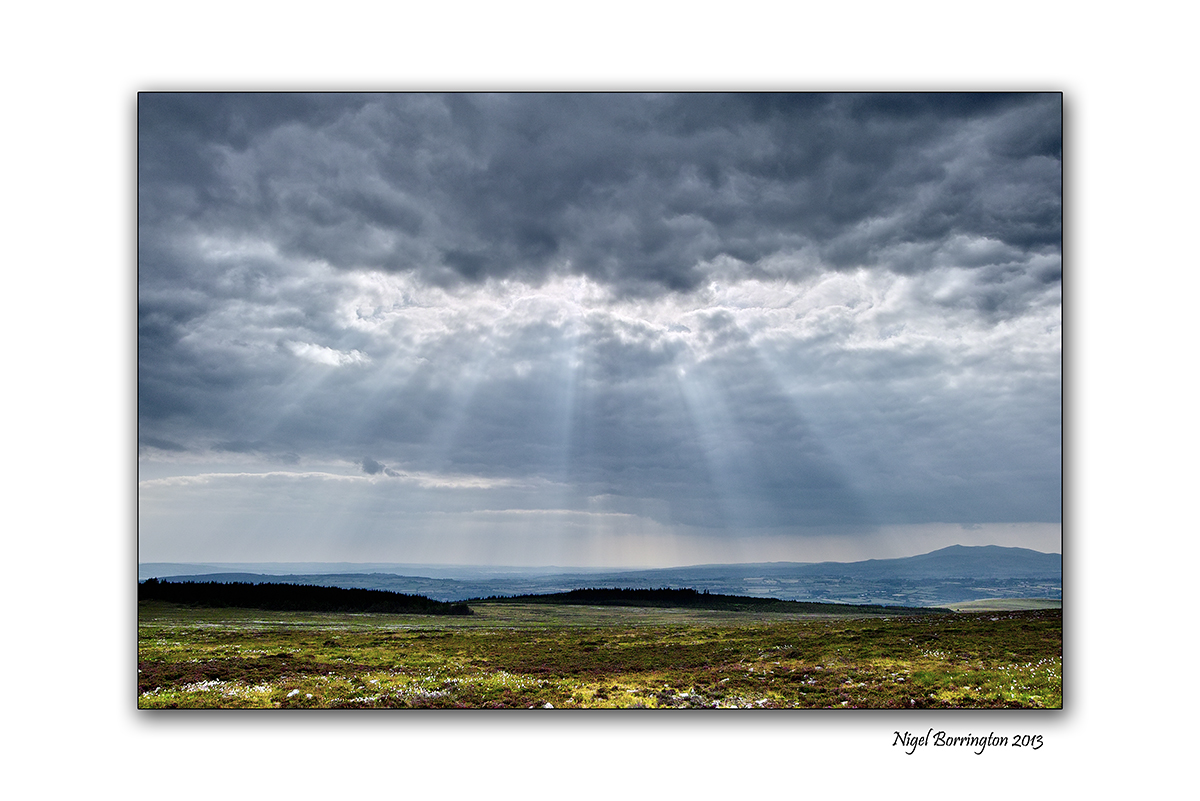
All images using a Sigma SD15, 15-30mm lens, iso 50
Comeragh Mountains, co.Waterford – Wild cotton grass fields
Landscape Photography : Nigel Borrington
Wild Cotton grass, Comeragh mountains, county Waterford
Last evening we went for a long walk with our dog through the comeragh mountains and came across an area of Bog cotton, it covered the entire hill side and valley in front of us as we walked through it.
So I just wanted to share this wonderful view and I hope get across just how amazing a view this offers on the hill sides of these mountains in the middle of a very warm July.
Common Grass Cotton
As its other common name, Bog Cotton, might suggest, this is a plant of very damp peaty ground. Its leaves mostly arise from the base of the plant, often being tinged with red or brown. It has tiny insignificant little brown flowers in April and May but it is really when it is in fruit that this becomes a most eye-catching and attractive plant. Borne on 30-50cm high, cylindrical stems, the little seeds are held in fluffy, downy, white tufts which quiver and shake in the wind, a most effective dispersal method. This is a native pant belonging to the family Cyperaceae.
Wild Cotton grass – Gallery


Wild strawberries

Nikon D7000, 105mm macro lens, iso 200
Wild strawberries, slate quarries, county Kilkenny
Nature photography : Nigel Borrington
Wild Strawberries
Each June and July growing locally we have lots of wild strawberries, they do best in dry and well drained ground such a raised hedgerows or like these ones, along a river bank in a disused slate quarry near the village of Windgap, County KIlkenny.
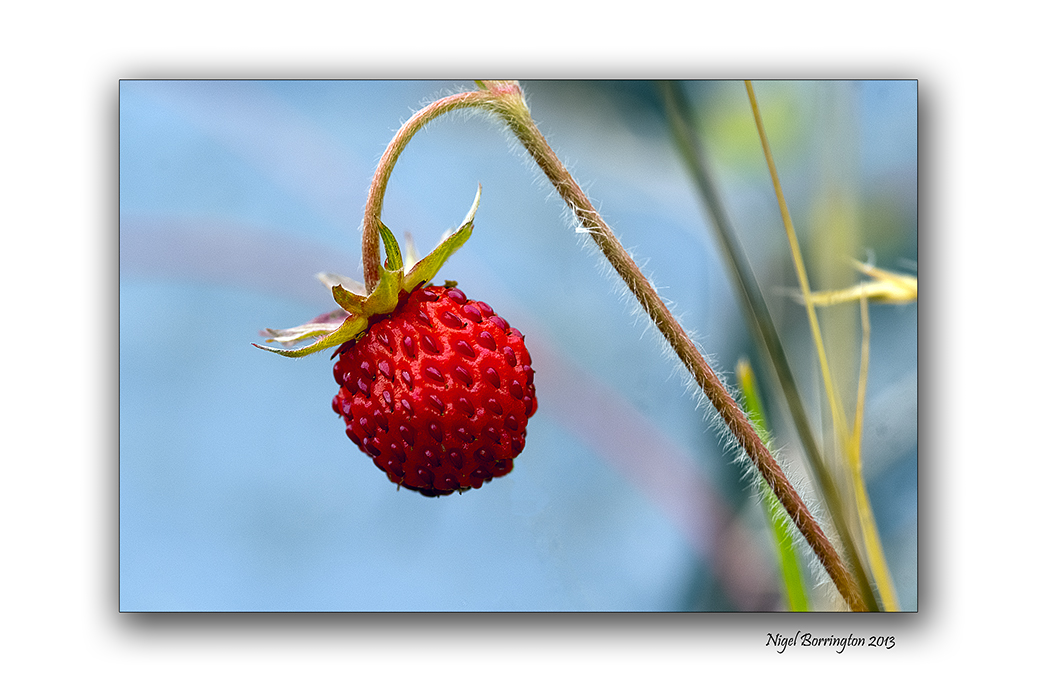
Nikon D7000, 105mm macro lens, iso 200
Wild strawberries, slate quarries, county Kilkenny
Nature photography : Nigel Borrington
Wild Strawberries : Wikipeadia
The Poppy fields of Duckets grove

All images using a Nikon D7000, 80-200 f2.8 Manual focus lens, iso 400
Poppy field around duckets grover, county Carlow
Landscape photography : Nigel Borrington
June is the Month of the poppy here in Ireland and I just love this little flower, its mainly known for growing along the sides of roads or rail lines. This is mainly because the earth on this land has been turned over and the seeds of the poppies have been moved back to a depth that they can grow again.
It’s not that common here unlike France or main land Europe to see full fields of poppies, one location I have found were this is true is around the remains of the old house at Duckets grove, County Carlow.
These images were taken one evening in June, the light was fading and a tripod was needed with the camera but I think the low light has resulted in some strong reds and deep greens for these images. they have been enhanced this a little in photoshop but I did need to do to much work.
Gallery


I walked through an ancient path, woodland poems
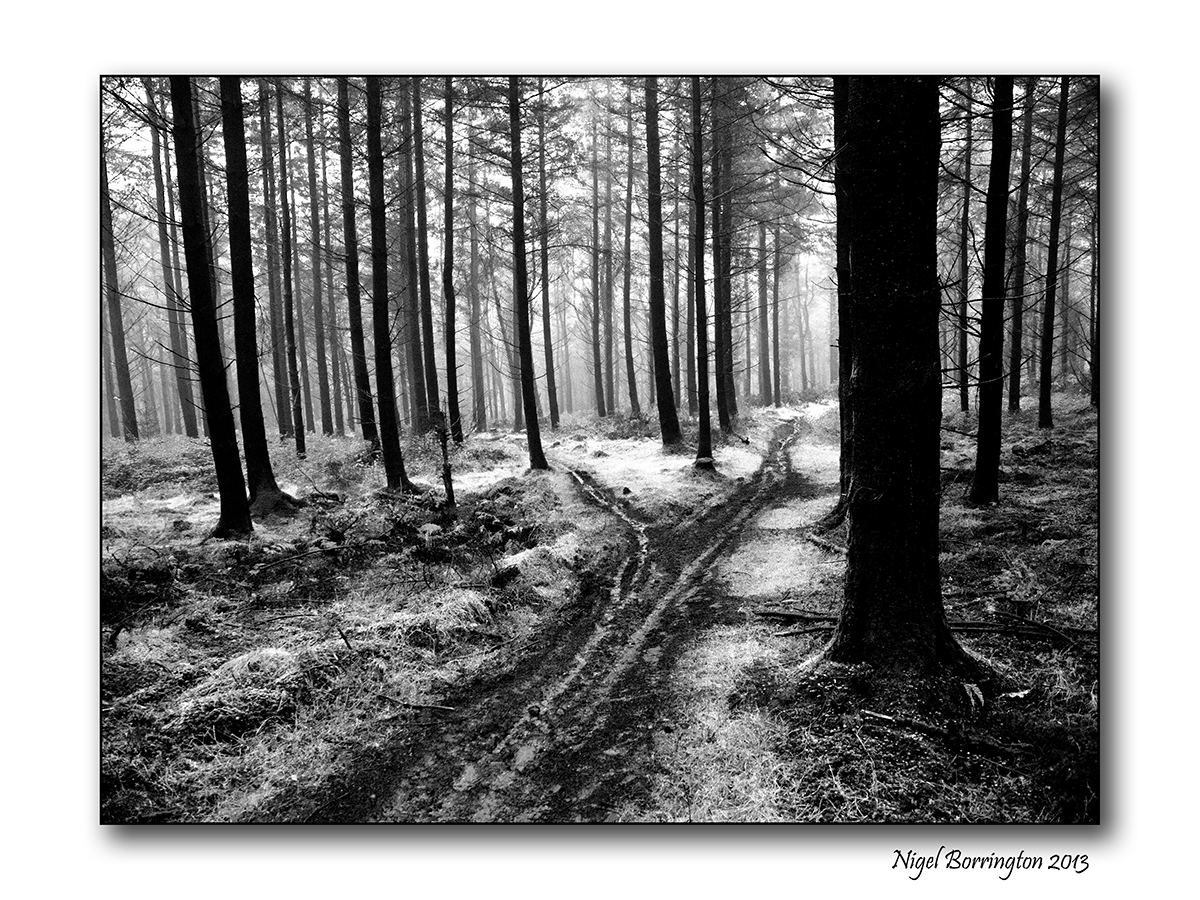
Fujifilm x100, 35mm focus length, iso 800
Kilkenny woodlands
Landscape photography : Nigel Borrington
A woodland walk
I walked through ancient paths,
where hidden mysteries lay
beneath our feet
and a choir of birds sing out loud,
with jewels dancing in the air.

Scrunching feet walk along
the twisting paths which
zigzag their way through
tall giants. Giants who
stand next to us.
While stepping on the
bones of the past,
sweet smells turn orange to red.
The giants form a roof with windows.
Sheltering the emerald flowers that
dapple the green carpet.
Spider webs shimmer like silver silk
as they whisper their secrets.
I walked those ancient paths.
………………………
A Woodland Walk
I took a walk today,
where the trees like giants,
held up the sky.
The breeze tickled the leaves

Many people have walked
on these ancient paths,
Discovering hidden secrets,
Foxes hiding in the shadows,
birds calling from the tree tops.
I took a walk today
and passed a trickling stream,
Where leaves crunched underfoot.
Water ran over boulders,
as it tumbled down the bank.
In the dappled shade,
jewel like light hits the ground.
Flies hang in the air, dancing.
What a wonderful walk!
Irish Burnet Rose, Rosa spinosissima (Briúlán)
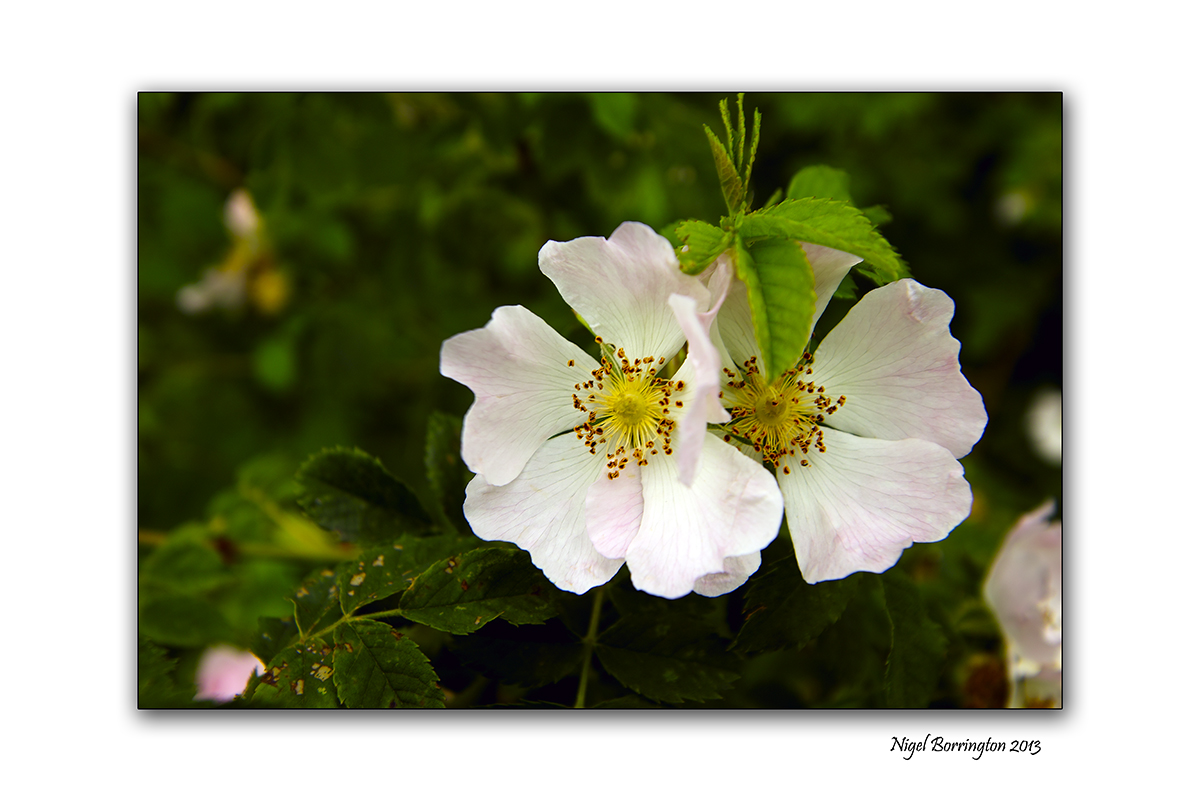
Sigma SD15, 15mm-30mm lens, iso 50
Irish Burnet Rose, Rosa spinosissima (Briúlán)
Irish Nature photography by : Nigel Borrington
Rosa spinosissima (Briúlán)
A walk along a woodland path or river bank at this time of year will give you a wonderful view of Ireland wild flowers, yesterday I photographed these wild roses.
“This little rose is such a delight to find, usually on sandy soil, limestone pavements and grassy heaths. It’s an erect, bushy shrub, about 50cm in height with numerous straight thorns and stiff bristles. Its pretty 3-5cm flowers can be white, cream or pink and are comprised of five heart-shaped petals. They flower from May to August after which the bush displays its fruit in spherical, purplish-black hips which still have the remnants of the sepals at their tops. The leaves are 3-5 pairs of small rounded leaflets. This shrub usually sheds its leaves in winter. It is a native plant belonging to the family Rosaceae. There are some microspecies. ”
Ref : Wildflowers of Ireland

Sigma SD15, 15mm-30mm lens, iso 50
Irish Burnet Rose, Rosa spinosissima (Briúlán)
Irish Nature photography by : Nigel Borrington

Sigma SD15, 15mm-30mm lens, iso 50
Irish Burnet Rose, Rosa spinosissima (Briúlán)
Irish Nature photography by : Nigel Borrington
Hoverflies : Well its only nature
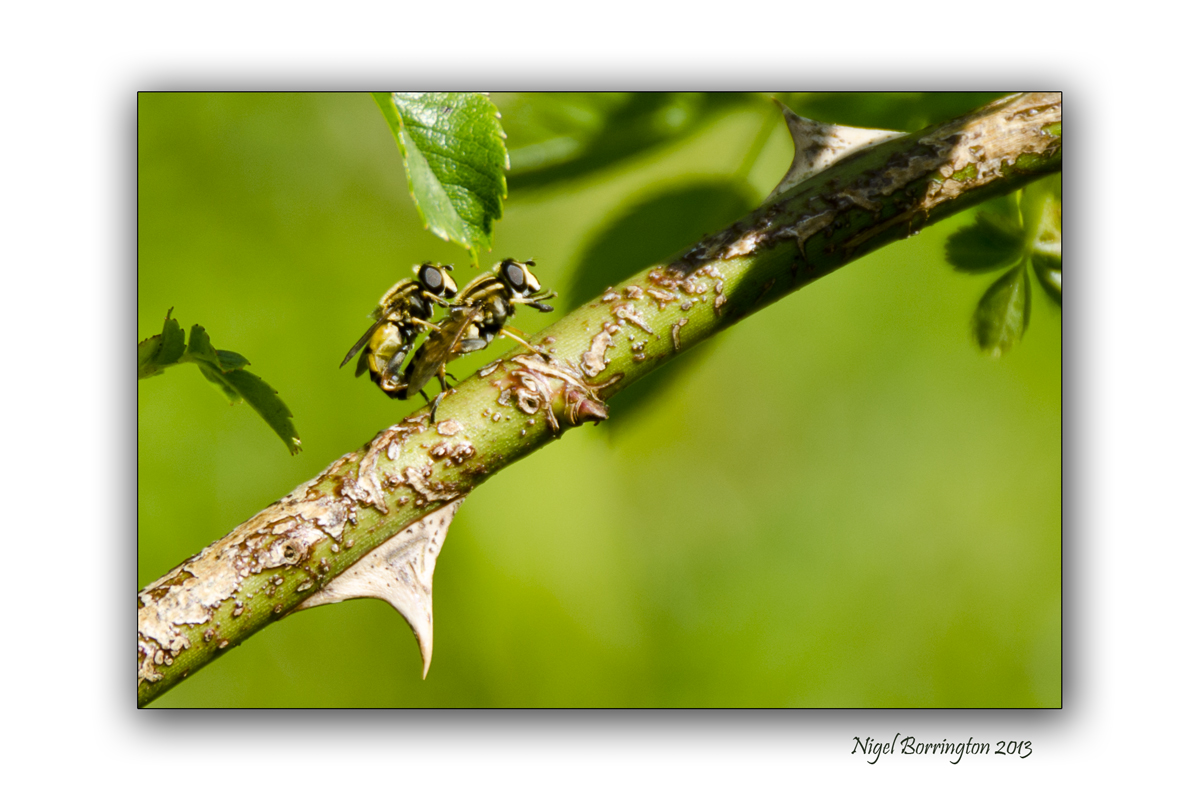
Nikon D7000, 105mm Macro lens, iso 100
Two hover-flies
Nature photography : Nigel Borrington
Hoverflies
Hoverflies, sometimes called flower flies or syrphid flies, make up the insect family Syrphidae. As their common name suggests, they are often seen hovering or nectaring at flowers; the adults of many species feed mainly on nectar and pollen, while the larvae (maggots) eat a wide range of foods. In some species, the larvae are saprotrophs, eating decaying plant and animal matter in the soil or in ponds and streams. In other species, the larvae are insectivores and prey on aphids, thrips, and other plant-sucking insects.
Aphids alone cause tens of millions of dollars of damage to crops worldwide every year; because of this, aphidophagous hoverflies are being recognized as important natural enemies of pests, and potential agents for use in biological control. Some adult syrphid flies are important pollinators.
About 6,000 species in 200 genera have been described. Hoverflies are common throughout the world and can be found on all continents except Antarctica. Hoverflies are harmless to most other animals despite their mimicry of more dangerous wasps and bees, which serves to ward off predators.
Kilkenny Slate Quarries

All images using a Sigma SD15, 15-30mm f3.5-4.5 lens, iso 100
Victorian Slate quarries, County Kilkenny
Landscape Photography : Nigel Borrington
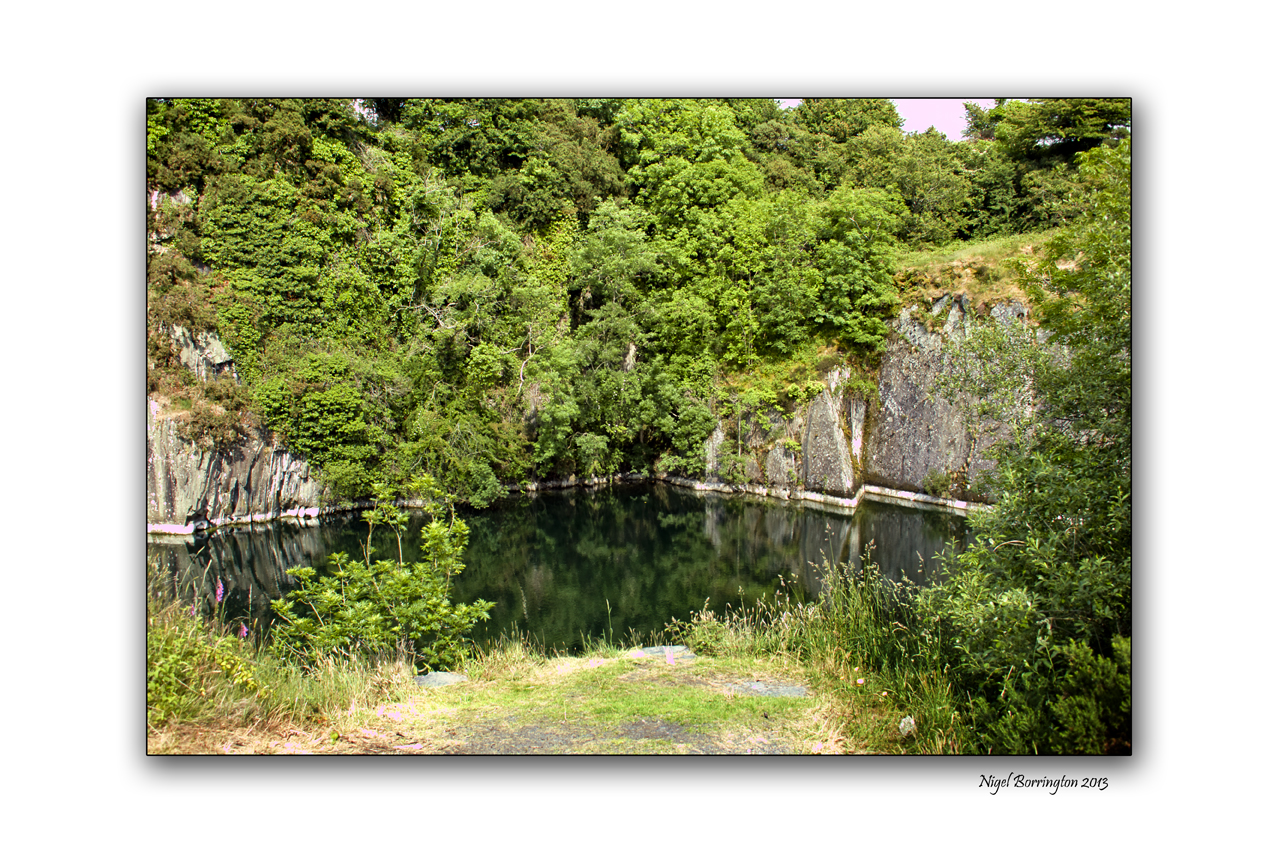
I can remember the first time I came across the Slate quarries near Windgap, County Kilkenny, there are about four or five of these sites in the area all of the now disused and flooded, How long they have existed varies but all of them go back to the Victorian period.
The quarry in these images is located near Ahenny, Co.Kilkenny and the reason I find it more interesting than the others is that it still has remains of some cottages that the workers would have lived in during the period that the quarry was in operation.
Quarry lake


.
I don’t know how deep the lake is, I have been swimming in it many times and it feels deep very deep, the miners would have had to blast most of the slate out and the sides of the lake go strait down below the water. If you swim underneath the water and down the sides a little you still cannot see the bottom of the quarry, many would feel a little unhappy swimming here.
Workers Cottage’s


.
There are some ten cottages in this row, its just around the corner from the lake, which when the quarry was in operation would have been a very dangerous location, with blasting and all the machinery in very close proximity to the cottages it cannot have been great living condition. This as-well the fact that the location is miles away from any village, the conditions for the worker must have been very poor.
The Quarries Today

.
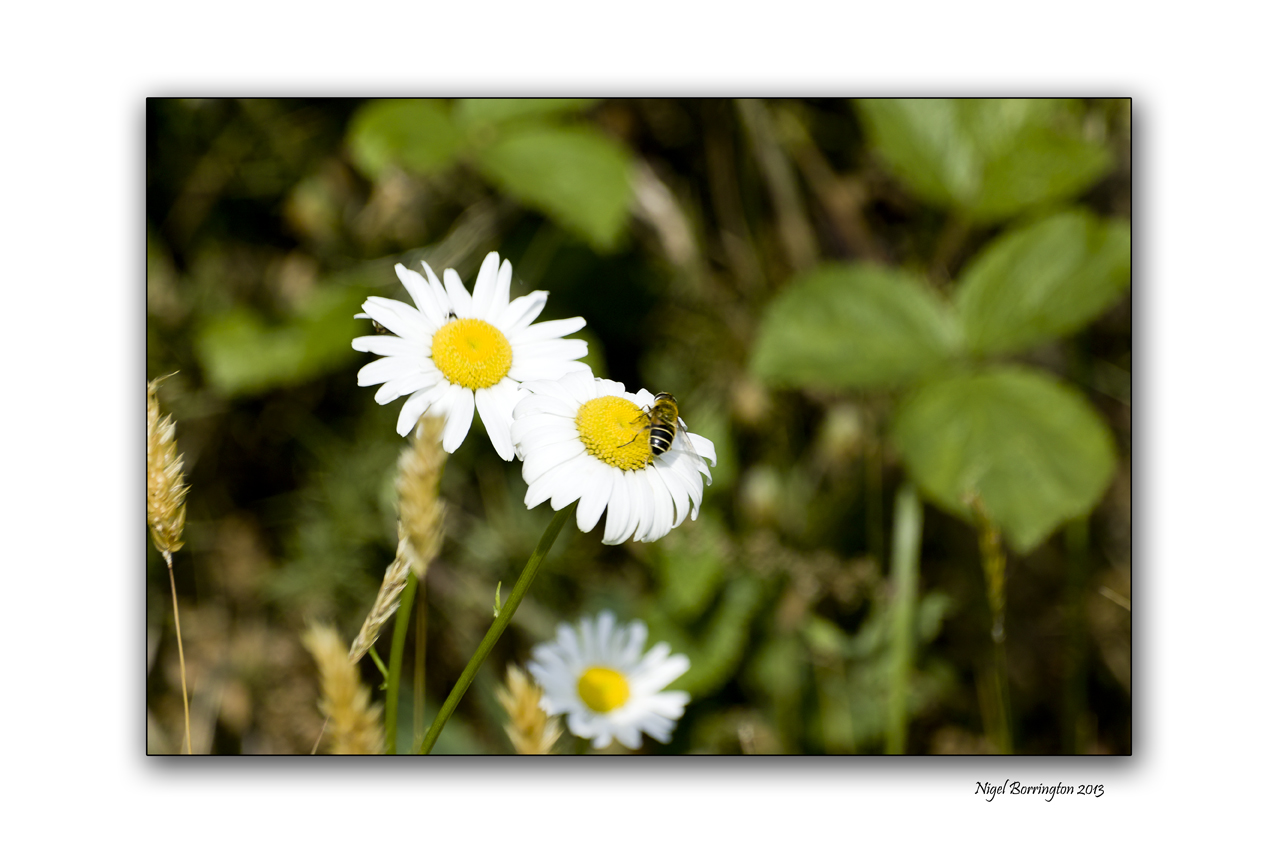
Today these quarries have become a wildlife and natural reserve, slate lies everywhere but this has provided a haven for plant life and wildlife, Herons hunt in the rive below the quarry and the lake is full of fish. The area covers about 2 square miles.

.
When some of the local streams run dry in the summer you can see jut how much slate was left in the area after the mining finished, it covers the entire area.
I will come back to these quarries over the next weeks as they are wonderful places to post about and I love being around these quarries very much.
Trees on the river bank

Sigma SD15, 18-50mm lens, iso 50
Trees moving in the river breeze, River Barrow, Co Kilkenny
Landscape photography by : Nigel Borrington
Walking along a river bank at this time of year offers many great views but one of the most powerful for myself is the sight of a bank of tall and majestic trees in full leaf and at the hight of their summer growth.
I took these two image in black and white because I was more interested in the different tones, levels of brightness that they offered sitting in the midday sun.

Sigma SD15, 18-50mm lens, iso 50
Trees moving in the river breeze, River Barrow, Co Kilkenny
Landscape photography by : Nigel Borrington
Flowers along the river bank

Sigma SD15, 18-50mm lens, iso 50
Flowers along the river bank, River Barrow, Co Kilkenny
Landscape Photography : Nigel Borrington

Sigma SD15, 18-50mm lens, iso 50
Flowers along the river bank, River Barrow, Co Kilkenny
Landscape Photography : Nigel Borrington
Mid-summers day 2013

Fuji film x100
Sunrise over kilkenny
Midsummer’s day 2013
Midsummer’s Eve/Litha/Feill-Sheathain/Alban Hefin/Gwyn Canol Haf
The Summer Solstice is the longest day of the year falling circa June 22 when the Sun enters Cancer (this year 20 June 2012 19:09 EDT). This is the time of celebrating the Earth’s bounty. The God is vibrant and at the peak of his power and the Goddess is fertile and pregnant. This reflects in our fertile gardens, brimming with life and and the fruits of our labor. The Sun is bright and strong. Animals in nature have established families they are showing off to the world. Midsummer is a celebration of the Earth and all she provides for us, also known as Litha after an ancient European fertility Goddess. This is also time sacred for the Fae and is one of the days one can see the them (keep a sprig of rue in your pocket so they don’t lead you away!!)…This is the time when the Oak King and Holly King battle for supremacy again, Holly King emerges triumphant this time around, they meet again at the Winter Solstice when the Oak King shall prevail.
Activities:
Midsummer is a good time to see the Fae folk; skip through your garden ensures fertility (not necessarily your own fertility) for the season; renew your vows/affirmations/bond with the God/Goddess; Stay up the entire night (old custom); harvest your herbs and other light garden work (weeding, etc.); have a bonfire (if you are oh, so lucky to have the place & clearance to do so!!); If you practice sex magic today is a powerful day to do so; ideas for family: spend a day at the beach, go birdwatching (be sure to bring a bird guide!), gather flowers and make Midsummer crowns or garlands for you hair and/or altar.
Incense: Wisteria, Rose, Mints
Decor: Suns, green plants, flowers, early garden bounty, herbs, bees, butterflies, birds, dragonflies,etc.
Herbs/Flowers: St. John’s Wort, Fennel, Vervain, Trefoil, Mugwort, Lavender, Rose, Fern, Daisy, Elder, Honeysuckle, Oak, Chamomile
Colors: Red, Yellow, Gold (represents the Sun God), various shades of green
Stones: Jade, Garnet, Lapis Lazuli=psychic awareness & fertility of mind & body (for more info on lapis visit http://www.earthbow.com/crystals/lapis.htm) ,diamonds
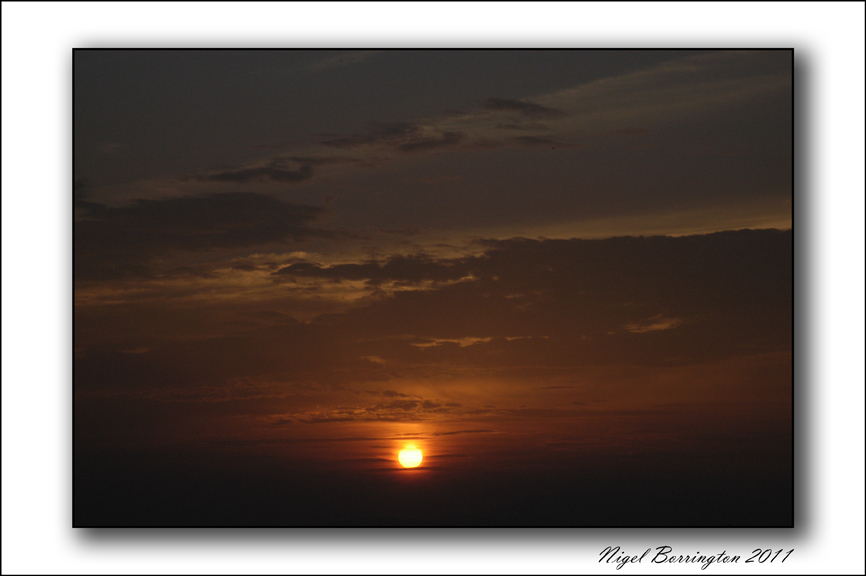
Knockroe, County Kilkenny

.
Each midsummers there is a meeting at knockroe passage grave, Co Kilkenny to mark the rising and setting of the mid summers sun.

.
We welcome in Mid summers day !
Water lilies, on the river Barrow

Nikon D7000, 105mm focus length, iso100
Water lilies on the river Barrow, co.Kilkenny
Irish landscape photography: Nigel Borrington
Walking along the river Barrow in Co.Kilkenny I came across this small collection of water Lilies and took some shots. I also noticed that last years leafs still sat underneath the water only now being replaced by this years new growth.
The last Primrose of spring
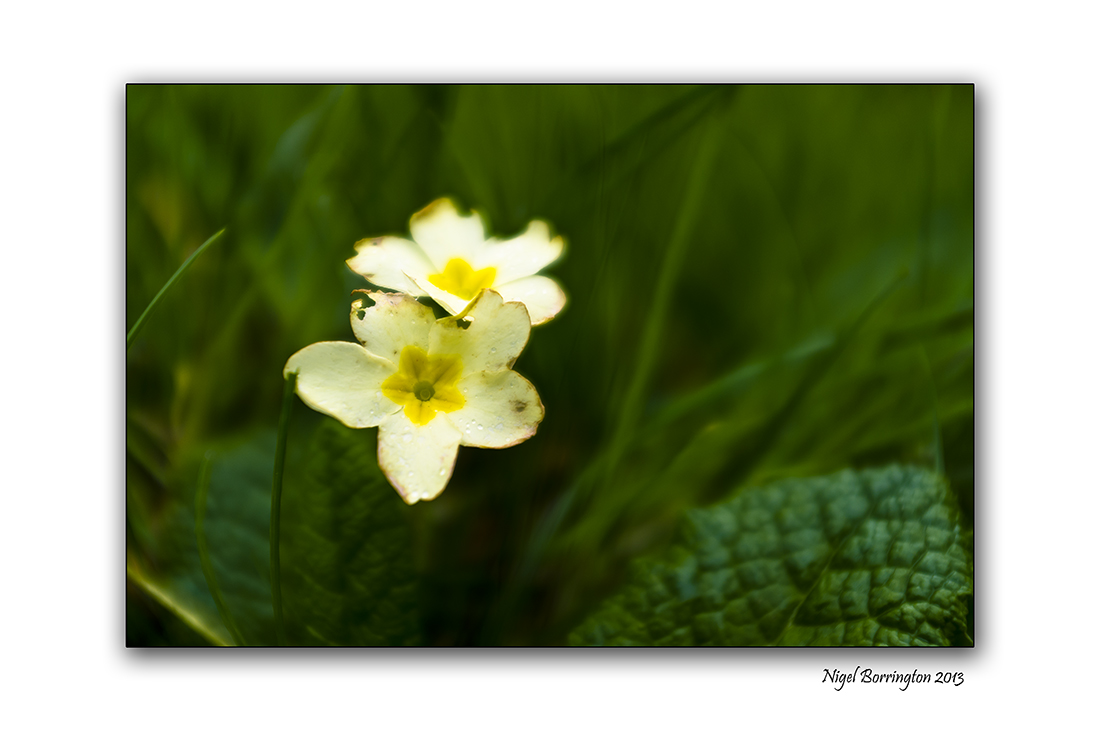
Fujifilm X100, iso200
The last primrose of spring
Irish landscape photography by,
Kilkenny based photographer : Nigel Borrington
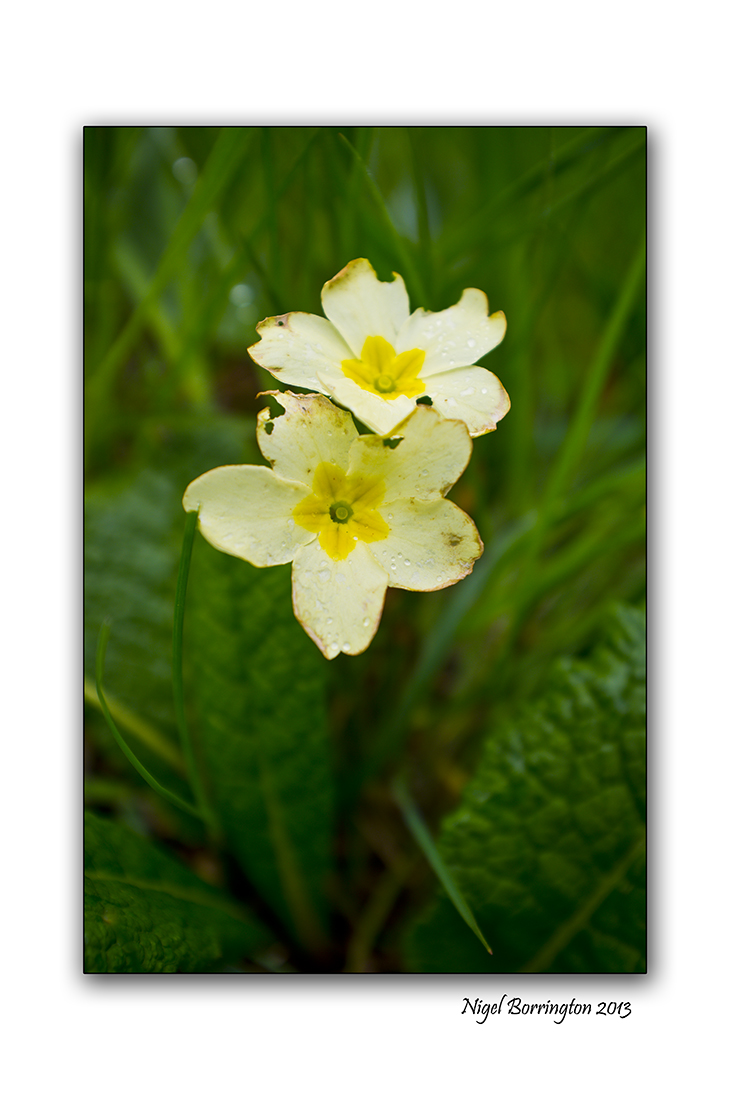
On an early morning walk along our local river bank, I noticed these fading Primrose’s. Spring was very late this year and as a result all the spring time flowers have lasted a long time. The primrose is always the first out but even now they are fading.
I think its made for some wonderful images so here they are, the last primroses of this year.
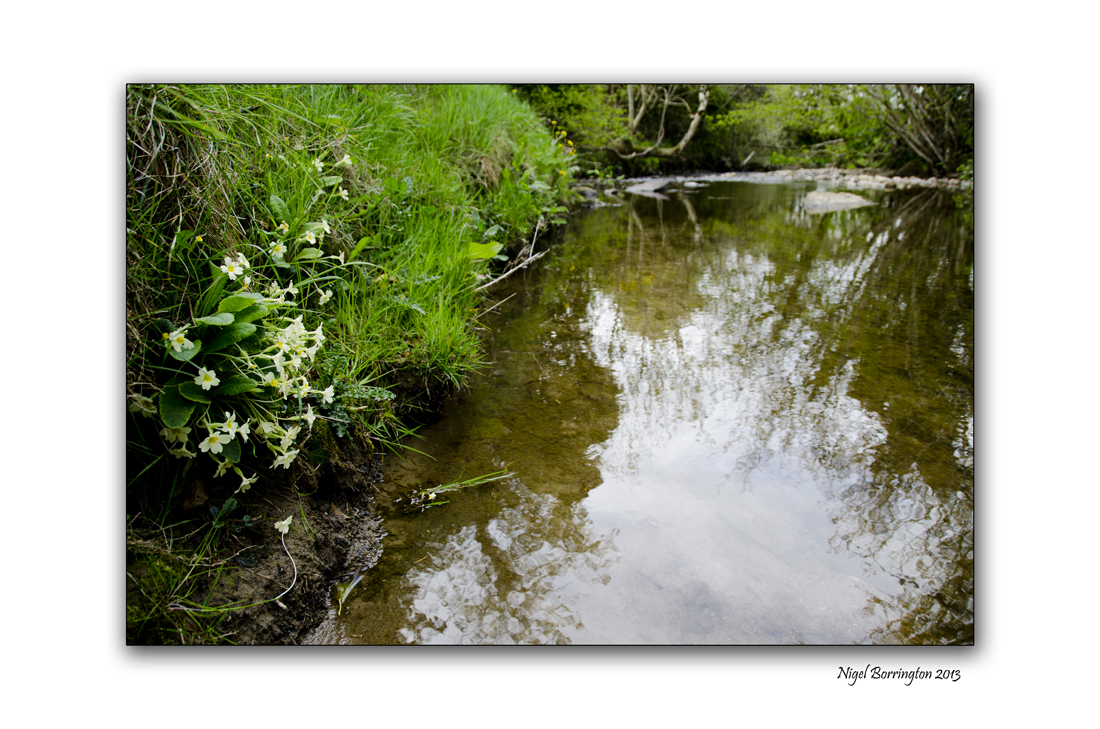
The last primrose of spring
Irish landscape photography by,
Kilkenny based photographer : Nigel Borrington
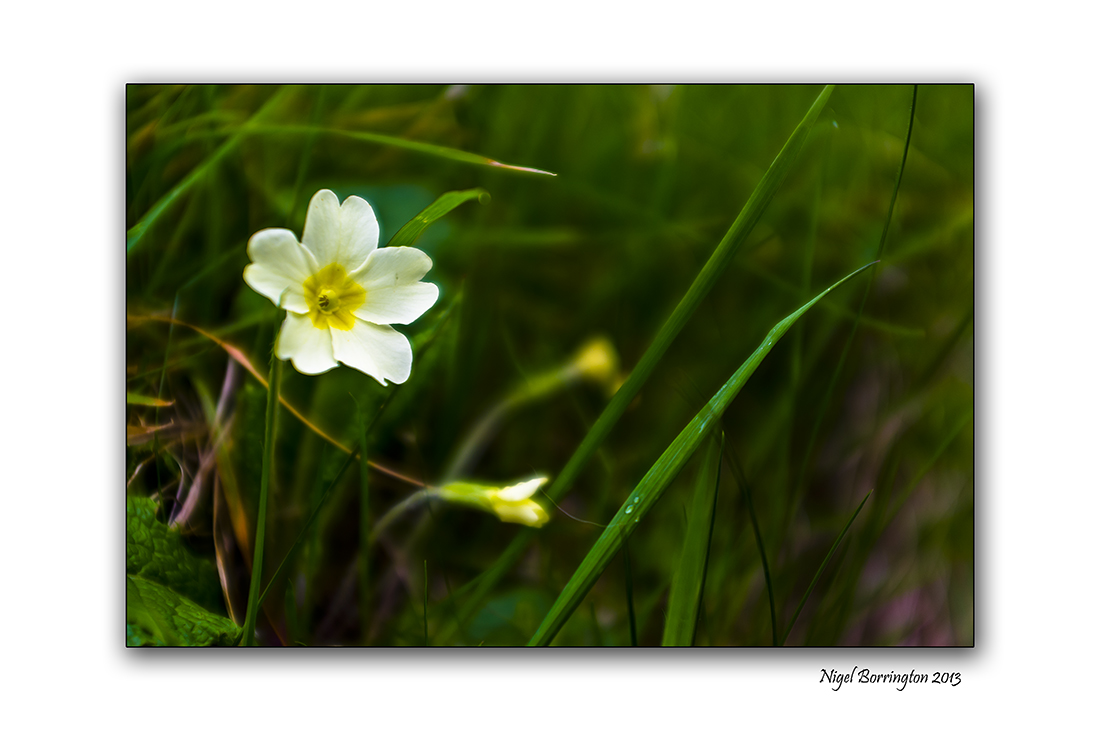
The last primrose of spring
Irish landscape photography by,
Kilkenny based photographer : Nigel Borrington

The last primrose of spring
Irish landscape photography by,
Kilkenny based photographer : Nigel Borrington

The last primrose of spring
Irish landscape photography by,
Kilkenny based photographer : Nigel Borrington
The last primrose of spring
Irish landscape photography by,
Kilkenny based photographer : Nigel Borrington
Day of the – Rhododendrons
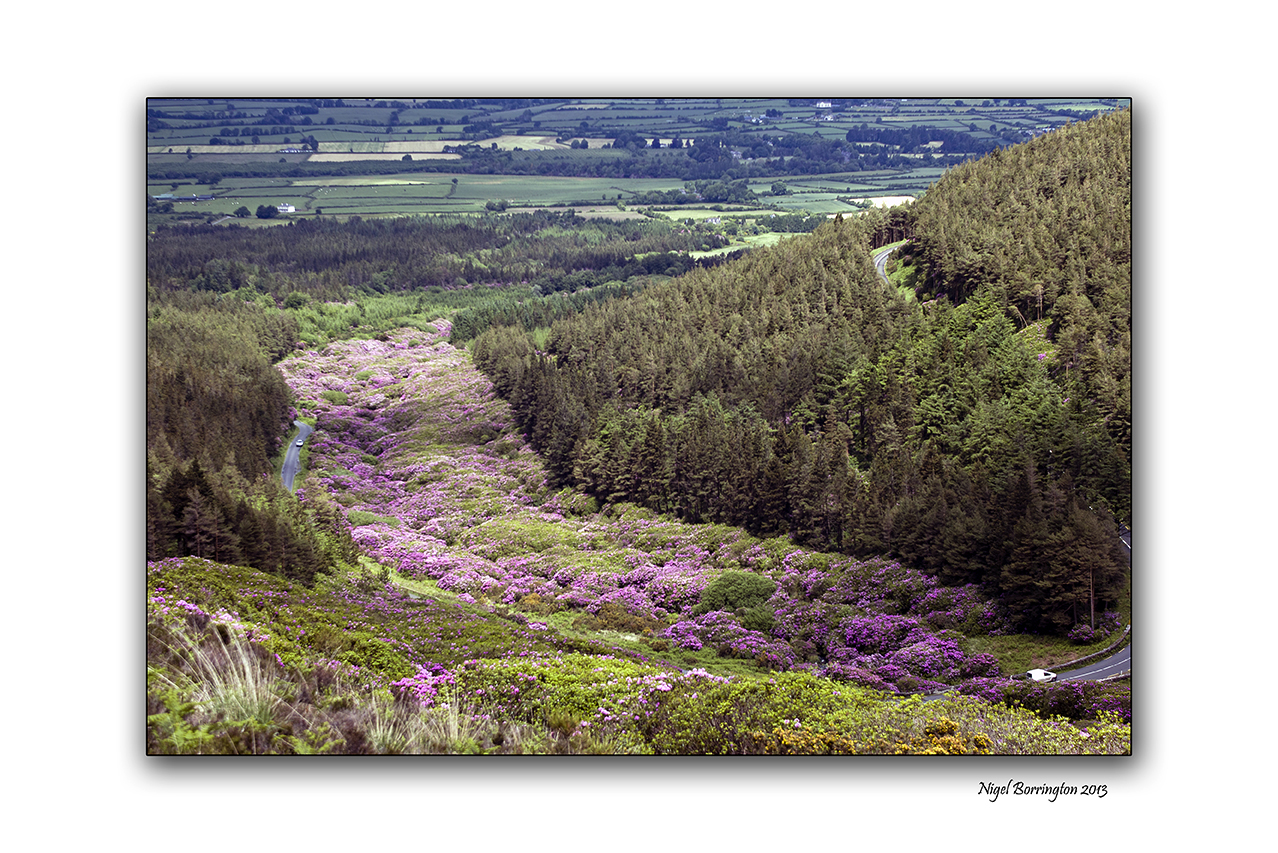
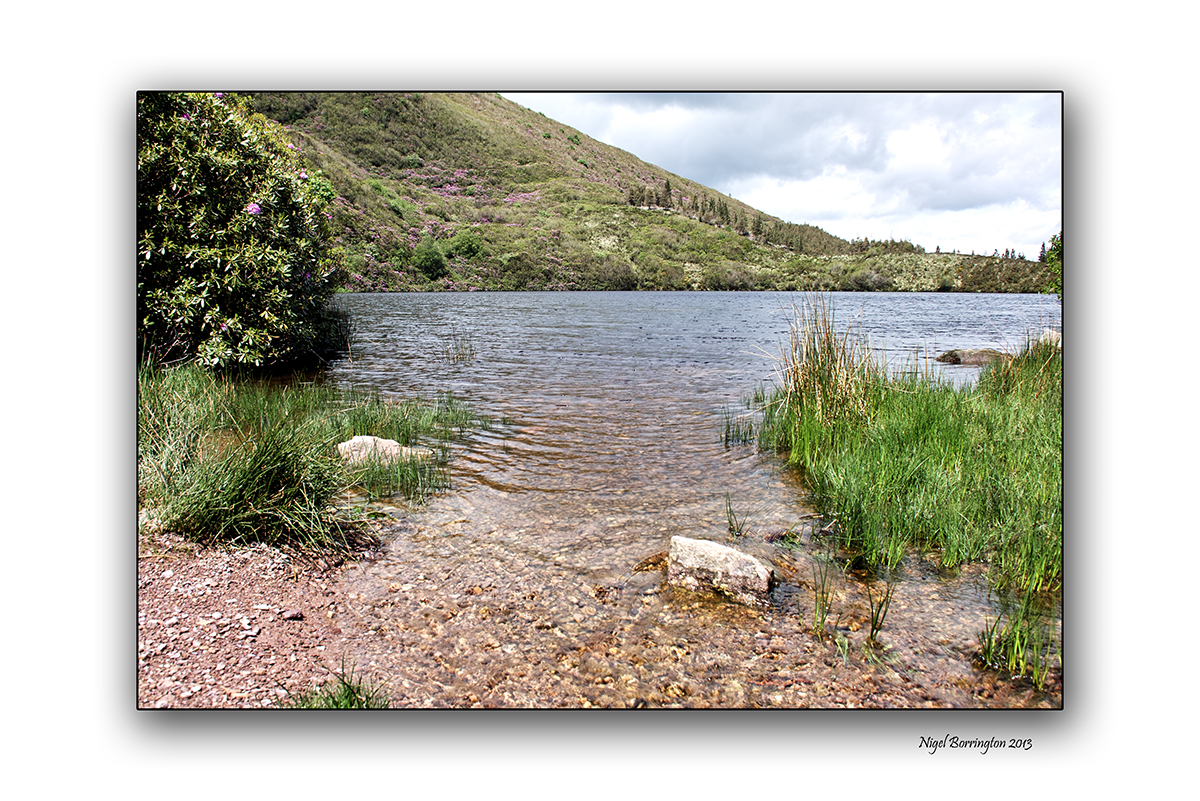
The Vee – County Tipperary

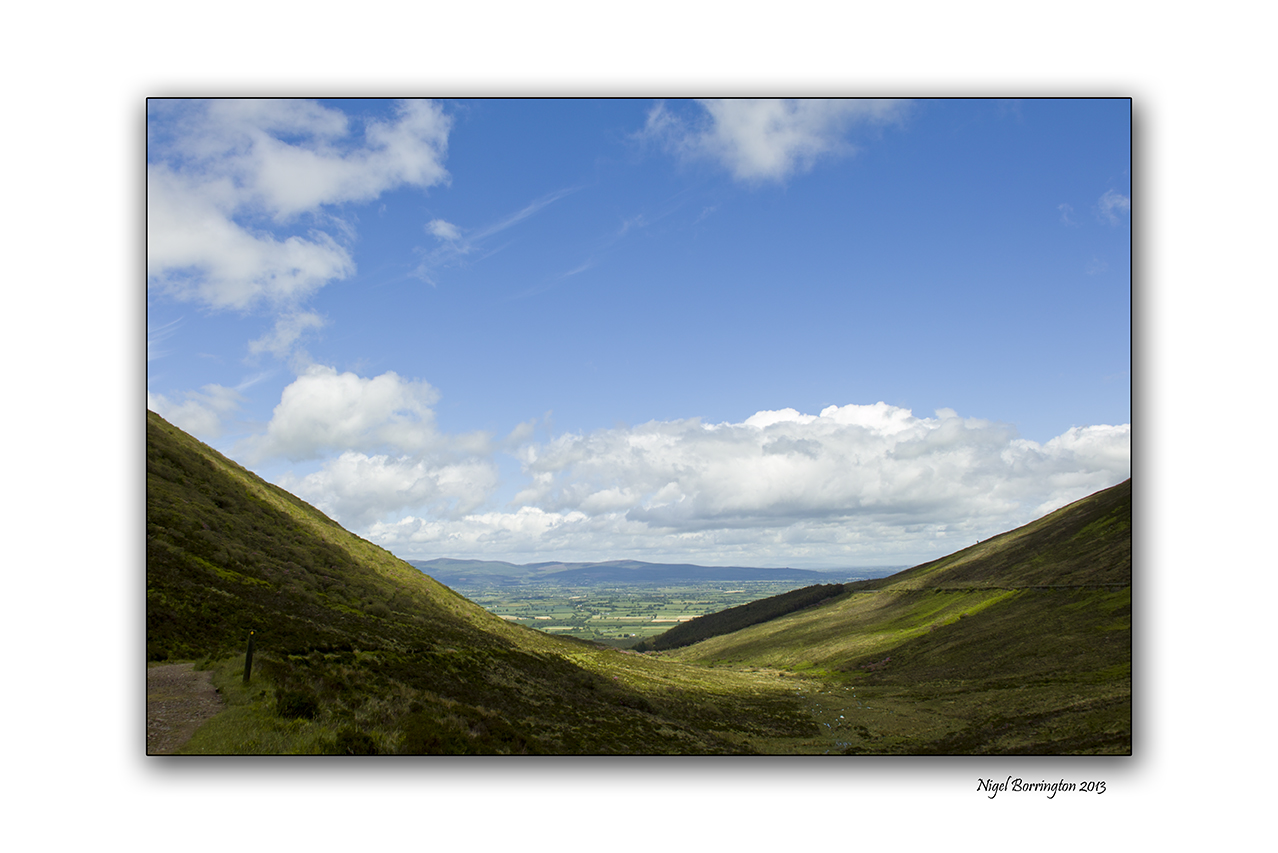
The Vee in county Tipperary is one of Ireland most visited landscape locations. ‘The Vee’ refers to a V-shaped valley in the Knockmealdown mountains. Formed in the ice age the Vee itself is on the Sugar Loaf mountain , and forms a pass from Tipperary to Waterford between Knockaunabulloga (on which you will find Bay Lough) and the Sugar Loaf mountain.
The Vee is predominantly famous because of the breathtaking panoramic views afforded to travellers and sight seers going through the pass. The journey rises to about 2,000 feet (610m) above sea level above Bay Lough, and as it does so it gives wonderful views of a portion of the ‘Golden Vale’ between the Knockmealdown and Galtee Mountain Ranges.
On a clear day (or night) the Vee affords views along and across the valley to Clonmel, Cahir, Ardfinnan, Clogheen, Ballyporeen and even Cashel. You can also see the Galtee Mountains across the valley, the Comeragh Mountains along the valley and Slievenamon, behind Clonmel, quite clearly.
Each June however the entire area is covered in the bright pinks of Rhododendron flowers, I visited the area on Saturday just to photograph this event taking place, in the wild this plant is incredibly invasive and as you can see from these images has become the overwhelming feature the the entire area.

Rhododendron ponticum, in Ireland
This web site decribes Rhododendrons as an invasive species and for good reason.
Habitat: Mixed deciduous forest. Temperate heaths. Raised and blanket bogs.
Description: This species was first introduced to parks, gardens, and demesnes in Britain and Ireland in the 1700’s. Rhododendron ponticum is readily recognised by its distinctive attractive flowers and large dark green coloured, oval leaves. It can grow quite tall with specimens regularly attaining 8 m.
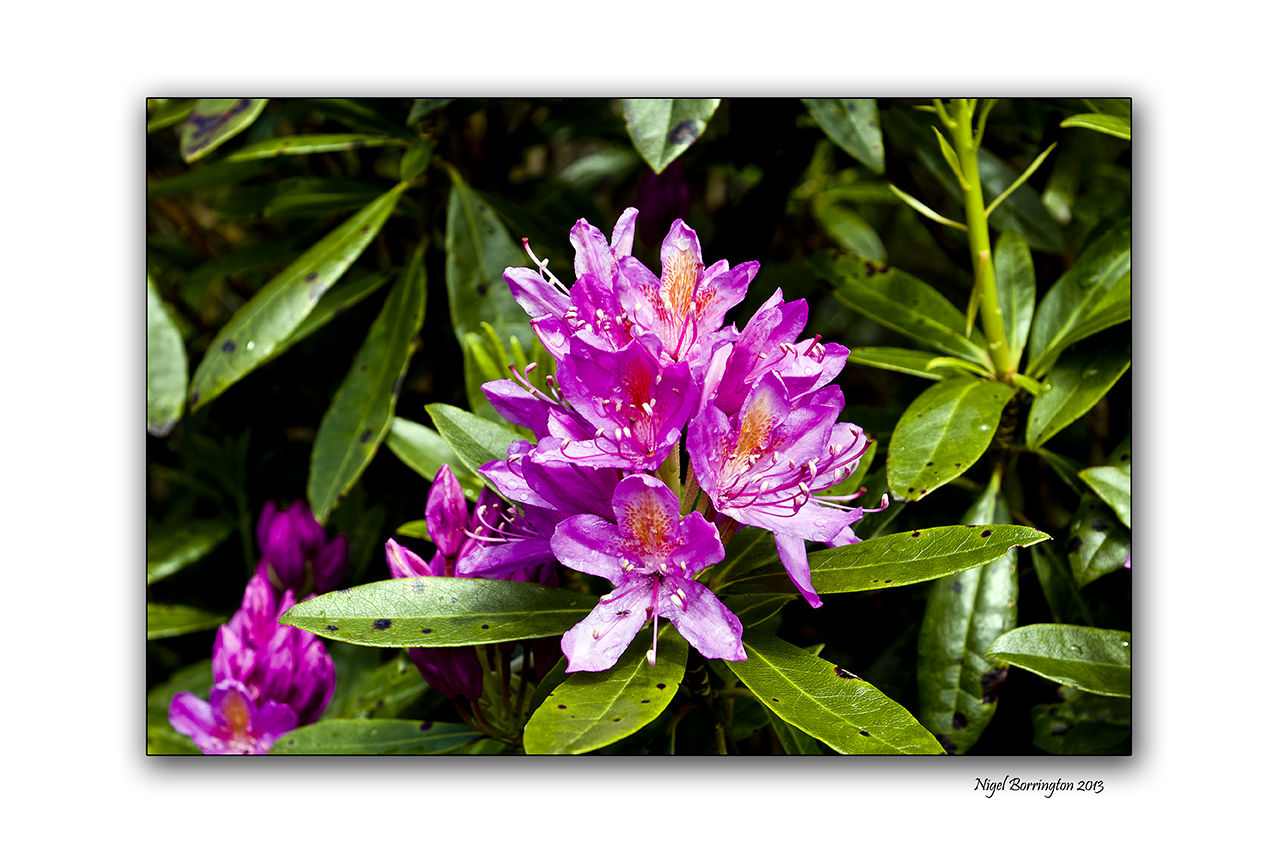
Origin and Distribution: The species is native to both Europe and Asia. It is believed that the current populations of Rhododendron in Ireland have been introduced from material taken from both the Iberian Peninsula populations and the Asian populations of this species. Rhododendron has a complex history.
Impacts: Rhododendron can from very dense thickets and out-compete native plants for space and resources, especially for sunlight. Other impacts on fish and invertebrate communities have been recorded. Rhododendron can also prevent access to sites by the shear mass of plant material blocking paths and right of way.
How did it get here? Natural dispersal by seed and vegetative means and planted by people.
Where is it found in Ireland? Planted in gardens, parks and demesnes.
Prevent Spread
Import only clean soil from known source
Ensure all vehicles and equipment are cleaned to avoid cross contamination.
Be aware of the threat of colonisation from upstream areas washing Japanese knotweed material downstream.
Promote native species and biodiversity – use alternative, native plants
Know what you are buying/growing and source native Irish seed and plants
Do not swap plants and cuttings
Clean plants before adding to ponds (dispose of water away from water courses)
Never collect plants from the wild
Safe disposal of plant material and growing media
In the aerial photograph above, the Rhododendrons show as the lighter green area in the middle of the image and rise the full hight of the mountain on the left of Bay Lough and follow the flow of the river that flows from the lough down the valley and into the woods below.
From a personal stand point, each June it is a wonderful site to see, many Tourists visit the area during this period just to take in the views it offers, however it is a little overwhelming to witness the extent this plant has taken over the mountains in this part of county Tipperary. When you take into account that it was only introduced in the 1700’s as a decorative plant into a local garden in the valley below.
Image Gallery




All images taken using a Nikon D7000
Irish landscape photography : Nigel Borrington
The Vee, County Tipperary
Red damselfly, on the banks of the river Barrow, co.Kilkenny

Nikon D7000, 85mm Focus length, iso 200
red damselfly resting, Banks of the River Barrow, Co.Kilkenny
Irish nature Photography by : Nigel Borrington
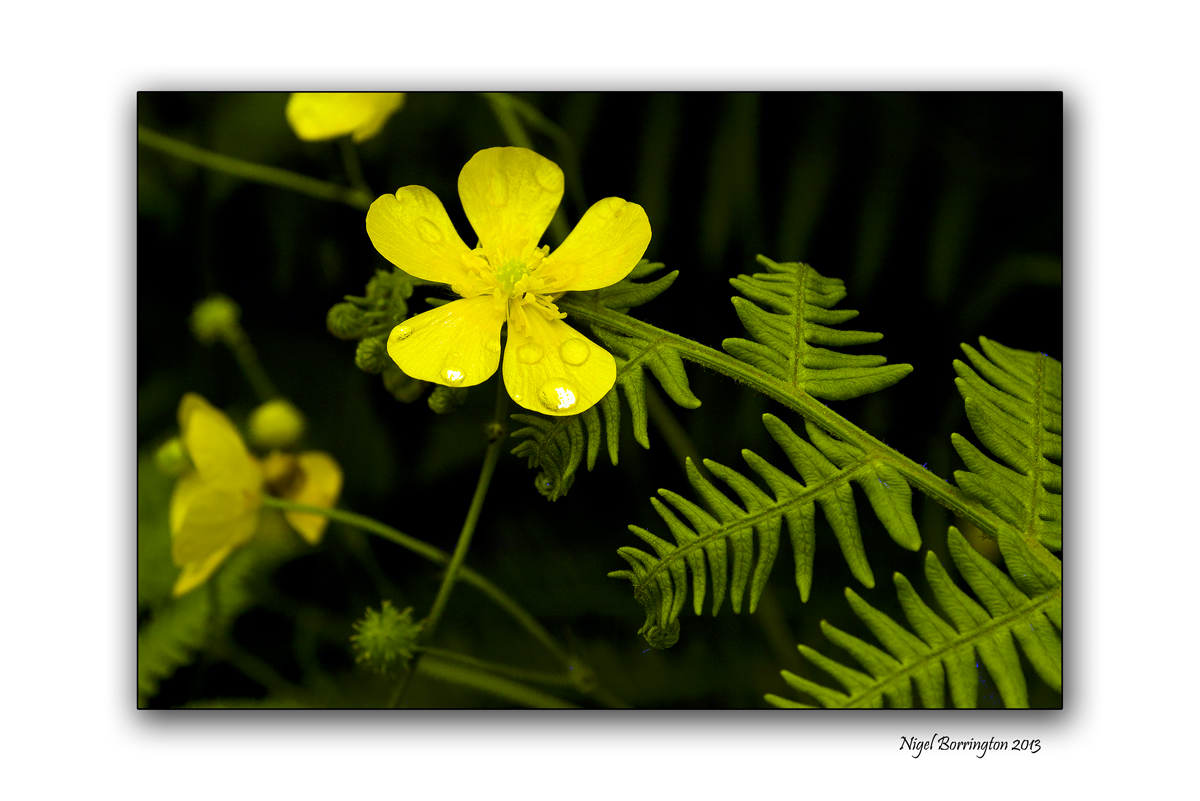
Walking along a river bank at this time of year you should always have your camera with you, all kinds of insects are out and about. Just brushing past the long grasses brings up the Dragon fly and the damselfly, you have to move very slowly to get them but it’s well worth the effort.
I managed to get this shot along with some others, I will post more of them over the next few day or so.
Flowers on the river bank
Nikon D7000, 85mm focus length, iso 200
Flowers on the banks of the River Barrow, Co.Kilkenny
Kilkenny photography, Nigel Borrington
I took this image yesterday, while walking along the banks of the river Barrow here in County Kilkenny. There had been a shower just before I got out of the car but the weather and the temperature afterwards was like a head wave for Ireland !
Sunset on the River

Sunset on the River
Jan Weeratunga, South Africa
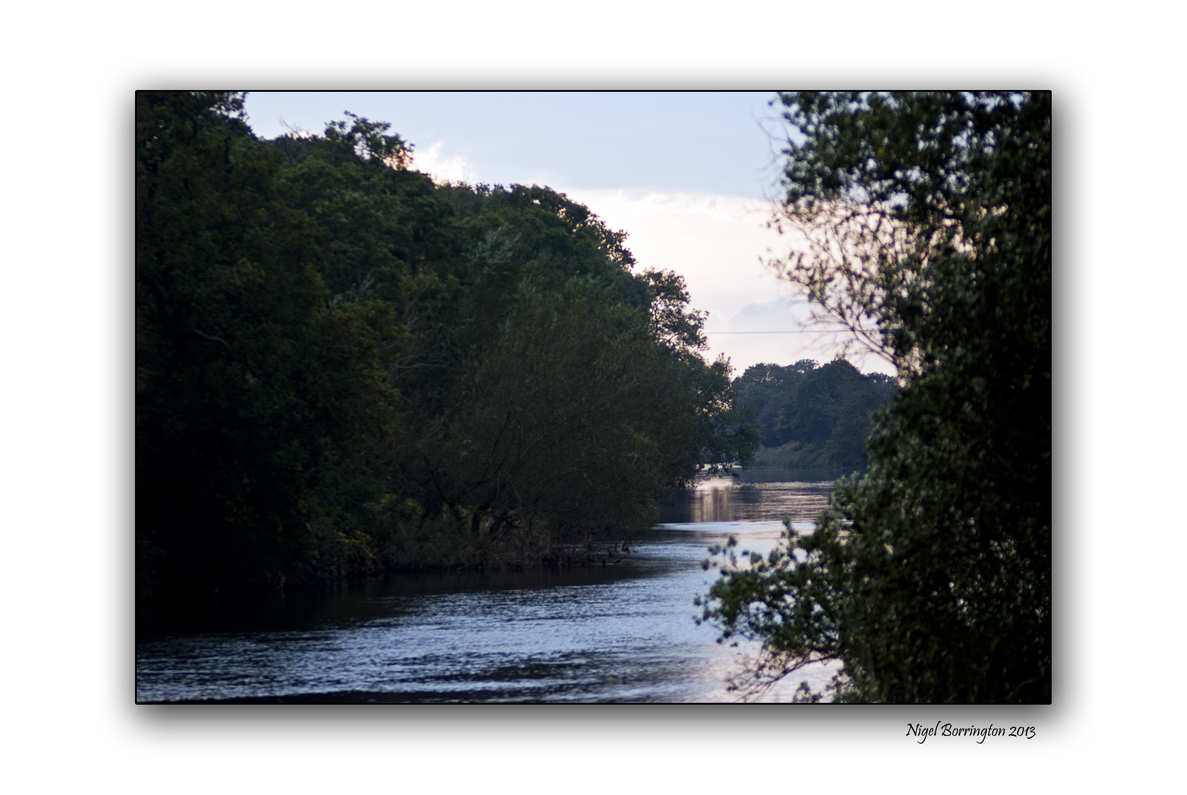
Reds, pinks, oranges and gold’s catch the edge of the clouds and slowly turn the evening sky into a canvas waiting to be painted.
The sun’s last ray’s bounce off the cloud’s lining as it sinks gradually beyond the horizon.
Playfully the rays dance off the shimmering surface of the river,
Another fish jumps from the water,
Sending a concertina of ripples to the riverbank’s shoreline.
Golden waves approach as the setting sun sinks slowly below the horizon,
And small waves lap the side of our boat in an unending regular rhythm.
The repetitive knocking of the fender against the hull takes on the beat of the river,
Tapping the boat and shoreline alike,
It’s constant rhythm disturbed only by the wake of a passing boat or water bird landing on its surface.
Crickets join in with their own percussion as the melody is taken up by the surrounding birdlife,
Each chorus, their evening song as they head along the river bank in search of their nights roost.
Insects buzz over the surface, darting this way and that,
As swallows swoop swiftly, snapping them up in their gaping beaks.
Against the Western horizon a kingfisher dives into calmer waters bathed in a glorious warm orange light.
To the East the night’s first star is born,
It shimmers and shivers into life,
Just as the river serenely falls to sleep.
Peace is coming to the river as the ‘time between times’ –
That suspended few minutes of sunset –
Links all things in this world in a glorious golden moment before darkness descends.
Gradually the river slips into sleep
And the moon begins to rise and perform her dance across the waters glassy surface;
Replacing her brothers golden rays with her own silver ones.
Silver shimmering light bathes all beneath it,
Only disturbed by an occasional fish breaking free of its watery surrounds,
To be touched and blessed by the moonlight,
Before diving back down to the river bed.
The moon arches across the night sky,
Playing with the stars,
Until her brothers warming rays tell her it is once again time to allow the miracle of night and day to exchange places.
.
At first only a thin glowing red streak spreads along the tree line,
But quickly the shades of red are replaced by orange and then yellow,
And as the sun wakes from its nights slumber,
Dawn summons us from sleep,
And the tempo of waves against the boats hull increase with the blaze of activity that is engulfing the river,
And the throbbing beat signals a new day is beginning.
The bronze crabs of Galway bay

Nikon D700, 105mm macro lens, iso 400
Crab shell at Galway bay
Nature photography, Kilkenny photographer : Nigel Borrington
I came across these grab shells on a beach at the far end of Galway bay last year and there were hundreds of them, crabs molt their shells every time they have out grown them, some people think that this is at the turn of a new moon.
A Poem :
A Green Crab’s Shell
by Mark Doty
Not, exactly, green:
closer to bronze
preserved in kind brine,
something retrieved
from a Greco-Roman wreck,
patinated and oddly
muscular. We cannot
know what his fantastic
legs were like–
though evidence
suggests eight
complexly folded
scuttling works
of armament, crowned
by the foreclaws’
gesture of menace
and power. A gull’s
gobbled the center,
leaving this chamber
–size of a demitasse–
open to reveal
a shocking, Giotto blue.
Though it smells
of seaweed and ruin,
this little traveling case
comes with such lavish lining!
Imagine breathing
surrounded by
the brilliant rinse
of summer’s firmament.
What color is
the underside of skin?
Not so bad, to die,
if we could be opened
into this–
if the smallest chambers
of ourselves,
similarly,
revealed some sky.
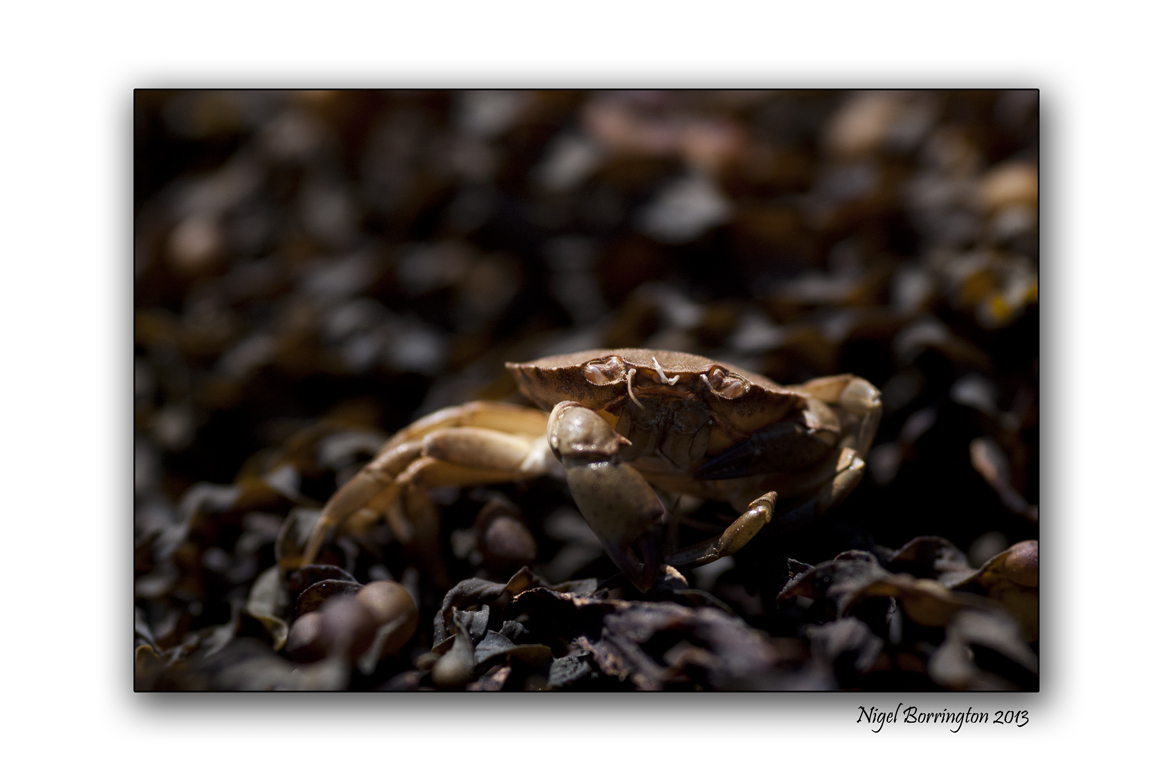
Nikon D700, 105mm macro lens, iso 400
Crab shell at Galway bay
Nature photography : Nigel Borrington
Adult Tanner crab mating
Crabs (and other crustaceans) cannot grow in a linear fashion like most animals. Because they have a hard outer shell (the exoskeleton) that does not grow, they must shed their shells, a process called molting. Just as we outgrow our clothing, crabs outgrow their shells. Prior to molting, a crab reabsorbs some of the calcium carbonate from the old exoskeleton, then secretes enzymes to separate the old shell from the underlying skin (or epidermis). Then, the epidermis secretes a new, soft, paper-like shell beneath the old one. This process can take several weeks.
Sunday afternoon walks, river Borrow, co.Kilkenny

Fuji film x100, iso 200
Swans on the River Barrow
Landscape photography : Nigel Borrington
Sunday afternoon walk along the river Borrow, Co Kilkenny and I came across this family of swans. It was just wonderful to spend sometime with them and get some photo’s along the way….
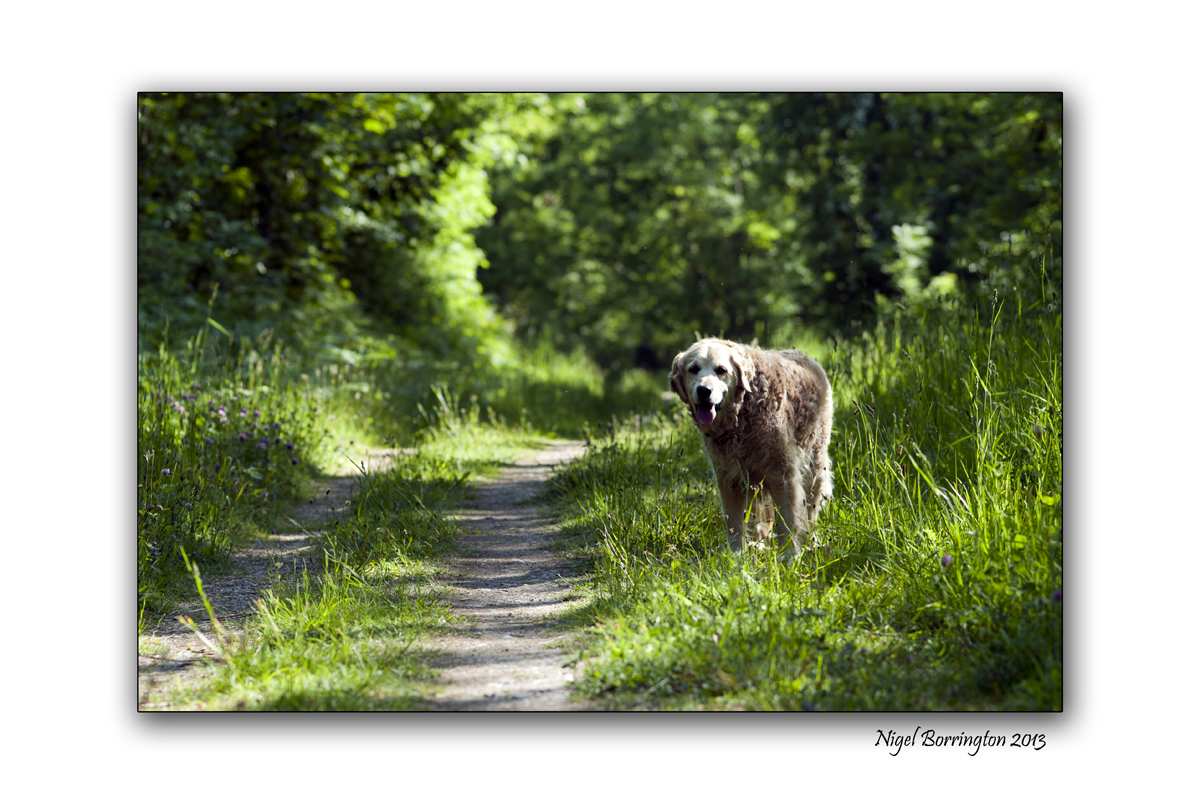
A morning walk for Molly

I love this time of year, we get up early and go for a walk in the woods….

The paths have turned so green and full of life…..

The Hawthorn flowers are all out and looking their best…
Its so warm already, I have to go slower than in the winter. This gives me time however to look at so much….

The clover
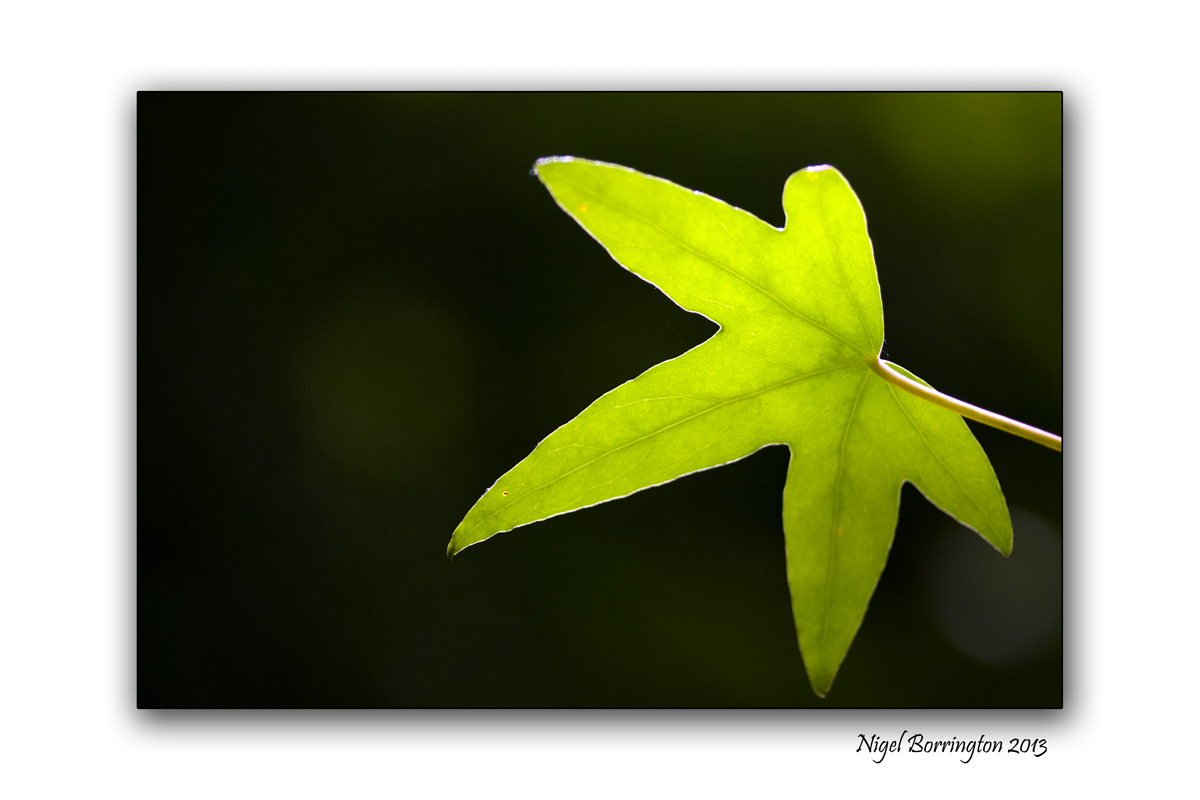
All the new leafs
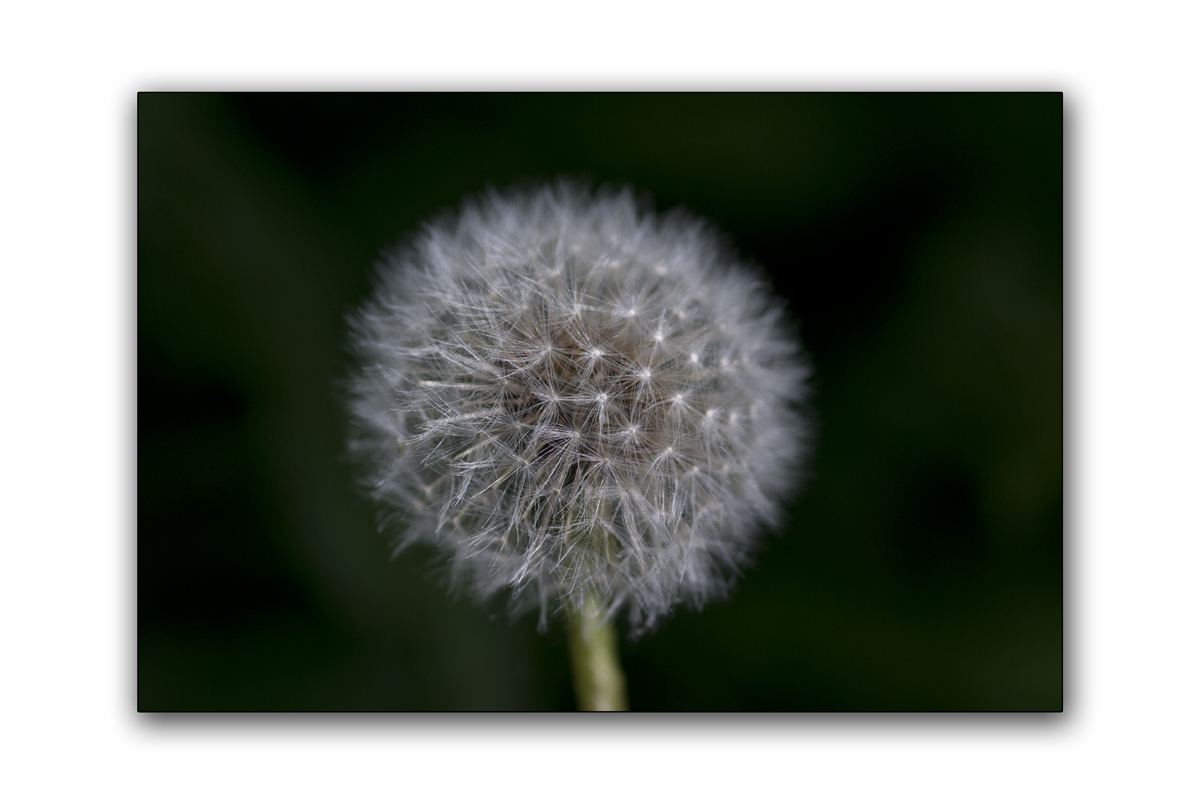
Even the seed heads…

Finally a slow walk up the hill…

I was 10 last weekend, so I really enjoy a sit down and a long look at the view.
Thank you for sharing my morning with me.
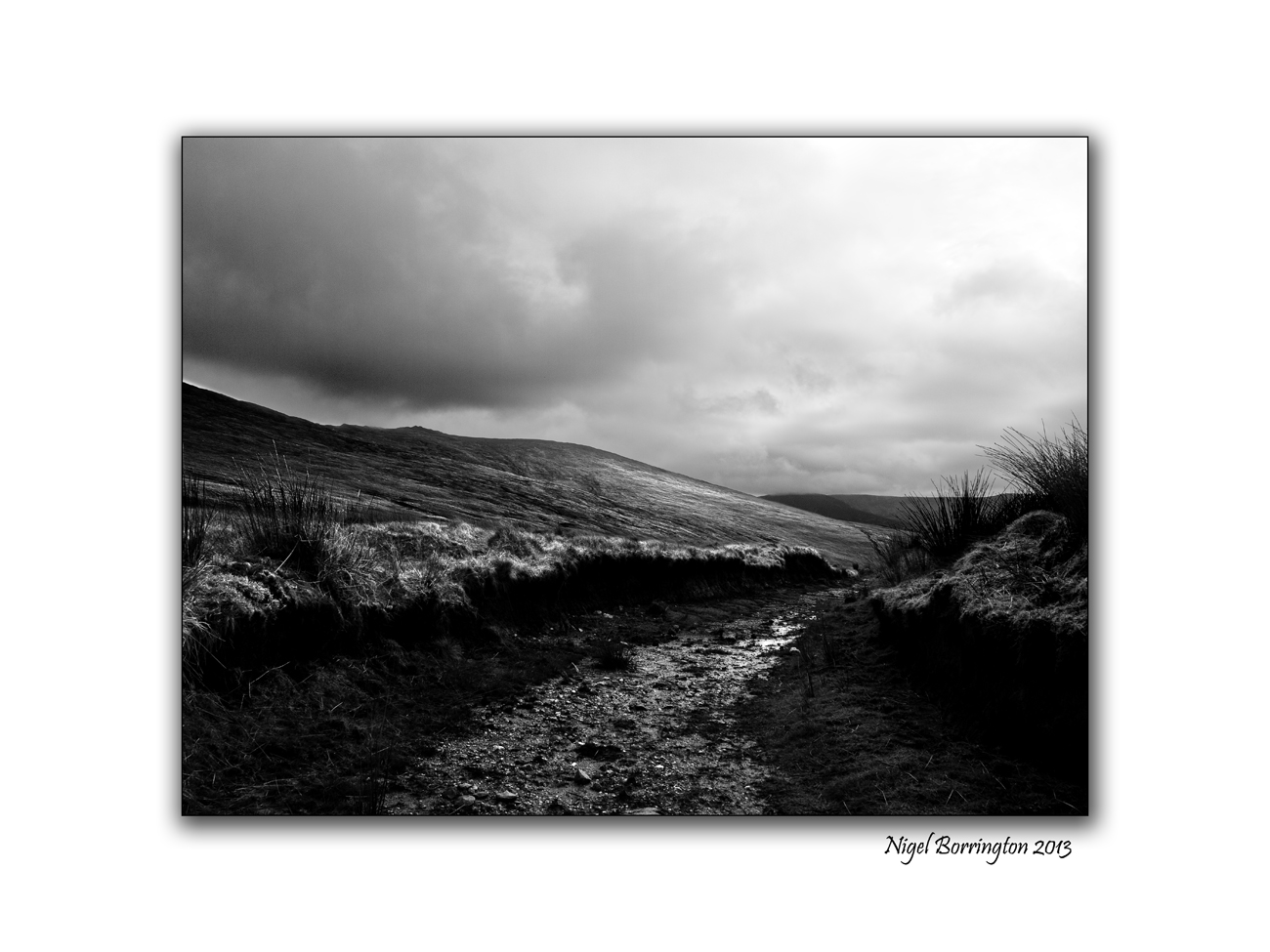
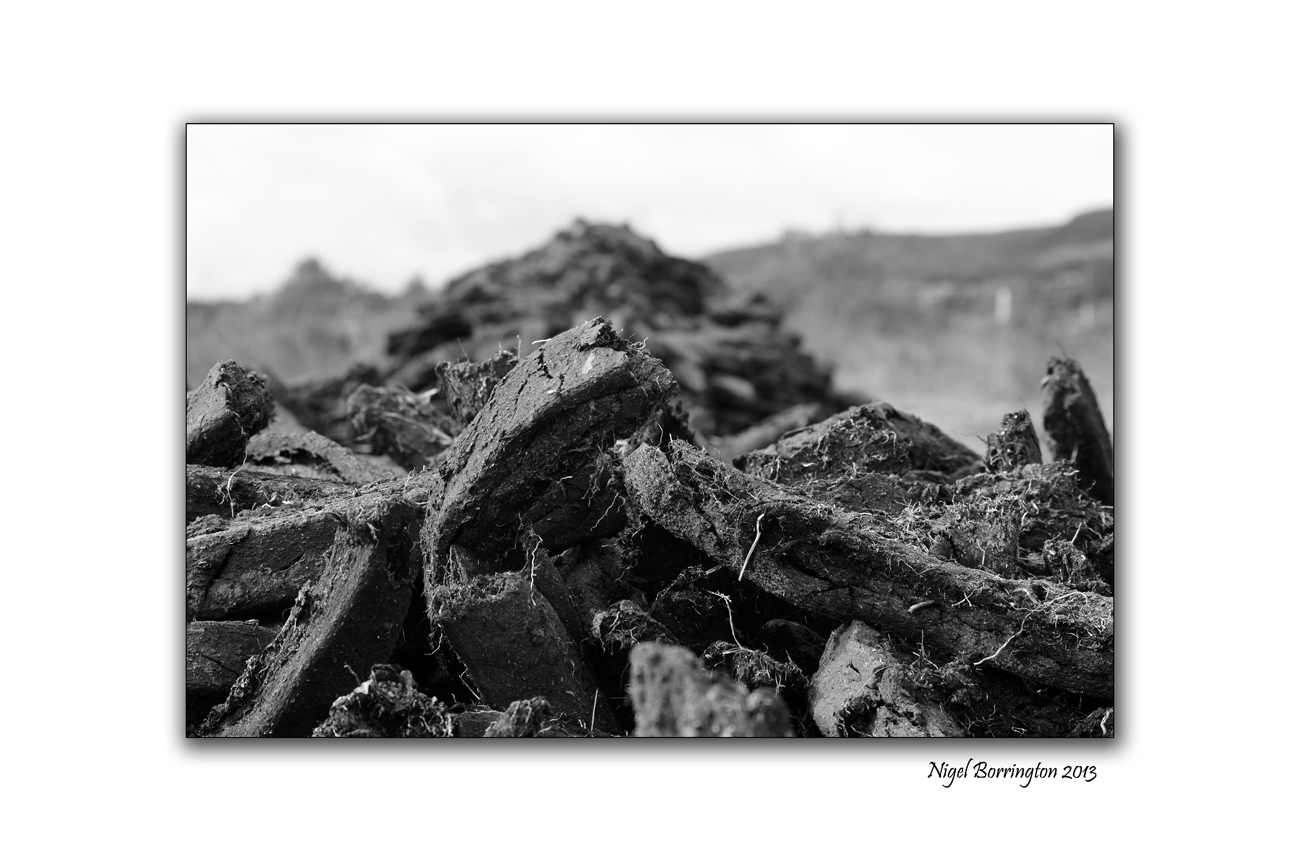
Irish Boglands and Peatlands

Back In 2004 I attended an art exhibition held in our local friary hall. The exhibition titled Currents was being shown in many locations in the republic of Ireland and The North of Ireland during that year. I was taken by many of the artists ( I will come back to some of them in future posts) but for me one stood out above the others, this being Sam Mateer and his paintings of the Irish Bog-lands.
Over the last few years I have visited and photographed these areas of the country and aim to continue doing so.
Since the start of the year I have also been considering returning to some landscape painting and drawing, so what better subject areas can you find that these unique and magical places.
The set of images below are just some of the many photographs I have taken in order to start to get to grips of this project.

Fujifilm X100

Fujifilm X100

Fujifilm X100

Fujifilm X100
Fujifilm X100
Fujifilm X100

Fujifilm X100
Flowers on the river bank
Yesterday’s weather here in Kilkenny was just wonderful and all the flowers along the river Nore are coming to life, It was just brilliant to be able to capture the two images below.

Nikon D200, 50mm f1.8 lens, iso 200
Flowers on the banks of the river Nore kilkenny
Nigel Borrington

Nikon D200, 50mm f1.8 lens, iso 200
Flowers on the banks of the river Nore kilkenny
Nigel Borrington
Depth, in the flower bed
These two images are another example of using lens depth of field to good effect using a wonderful flower bed on our local river bank. The first image is using F8 and the Second image is using F1.8 as a lens aperture setting.

Nikon D200, 50mm lens at f8, iso 200
Flowers on the banks of the river Nore, country Kilkenny
Kilkenny based Photographer : Nigel Borrington

Nikon D200, 50mm lens at f1.8, iso 200
Flowers on the banks of the river Nore, country Kilkenny
Kilkenny based Photographer : Nigel Borrington
 Nigel Borrington
This Sparrowhawk, in our Garden
Nikon D7000, 18-200mm lens, iso 400
A Sparrow-hawk in our garden
Photography by : Nigel borrington
One Saturday afternoon last summer I arrived back from a morning visit to a local wildlife reserve, I had got some good images mostly of a fox sitting in a field just outside the woods.
I sat down in our garden with a cup of tea and started looking at my fox friend on the back of the camera, Right in front of my view landed this young and fantastic looking Sparrowhawk. As he was so close to the table I wondered if even to lift the camera would make him fly off but I had to do something, so I slowly put the camera to my eye and just for a moment he did move his head but I took about five shots and stopped just to check that the noise of the camera had not made him fly off.
In the end he stayed on the fence for about four minutes looking around the garden and letting me get some more images, we have bird feeders and I think he knew exactly what he was looking for. Sometime they very thing your looking for is under your nose!
The following web page is a great little description on the Sparrowhawk in Ireland.
Share this:
July 4, 2013 | Categories: Comment, Gallery, Nature and Wildlife | Tags: irish nature and wildlife, Irish photography, irish wildlife, Nigel Borrington, Nikon D7000, Sparrowhawk, Wildlife photography | 11 Comments