The Secrets of a Tree, Growing up to the Sky …….

The trees that Climb into the Sky
Landscape Art
Nigel Borrington
The Secrets of a Tree
Because they are primeval, because they outlive us, because they are fixed, trees seem to emanate a sense of permanence. And though rooted in earth, they seem to touch the sky. For these reasons it is natural to feel we might learn wisdom from them, to haunt about them with the idea that if we could only read their silent riddle rightly we should learn some secret vital to our own lives; or even, more specifically, some secret vital to our real, our lasting and spiritual existence. (Kim Taplin)


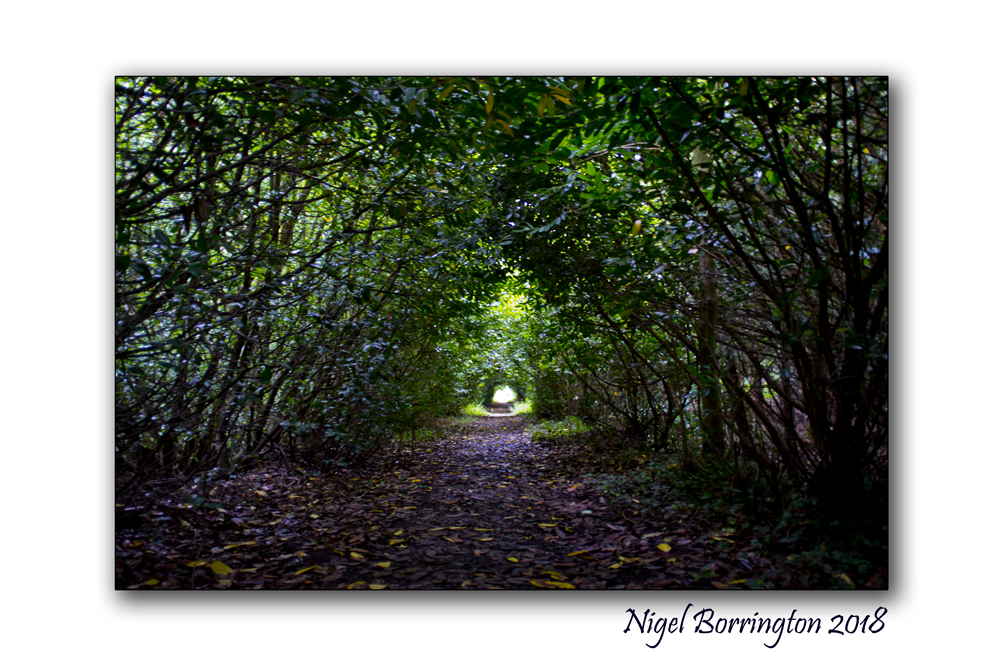
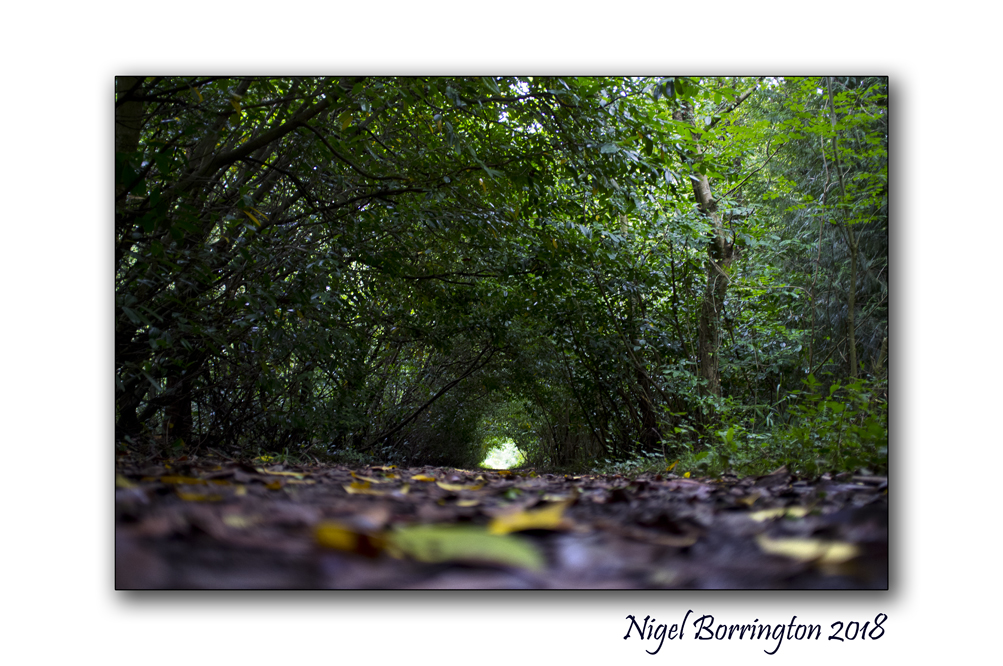
Mystery of a place, all that remains – Castlemorris house and Woodlands, County Kilkenny

All that Remains
Caastlemorris house and Woodlands
County Kilkenny
Ireland
Nigel Borrington
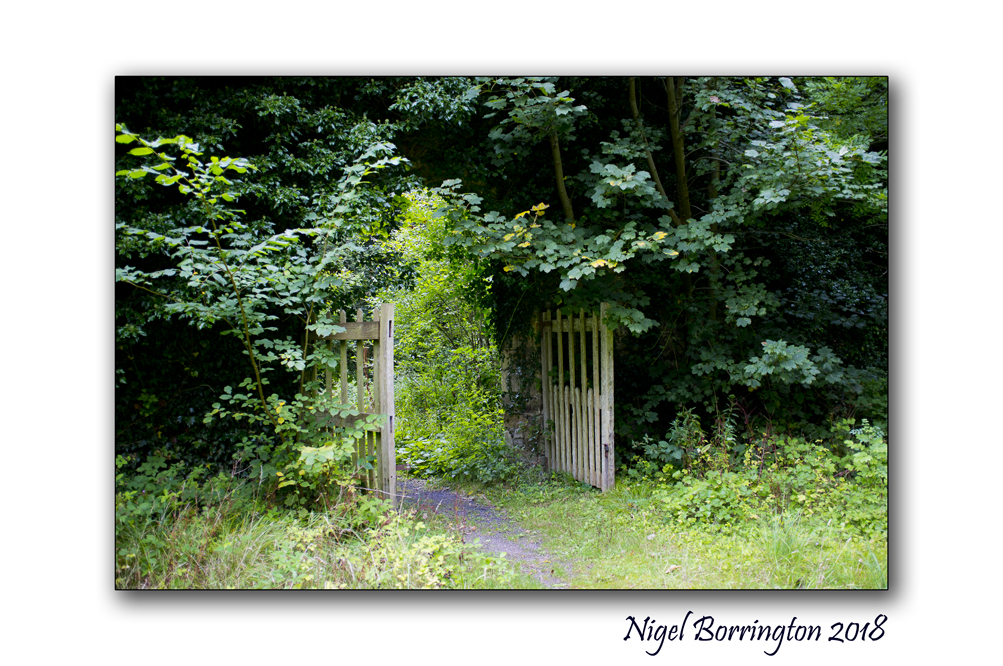
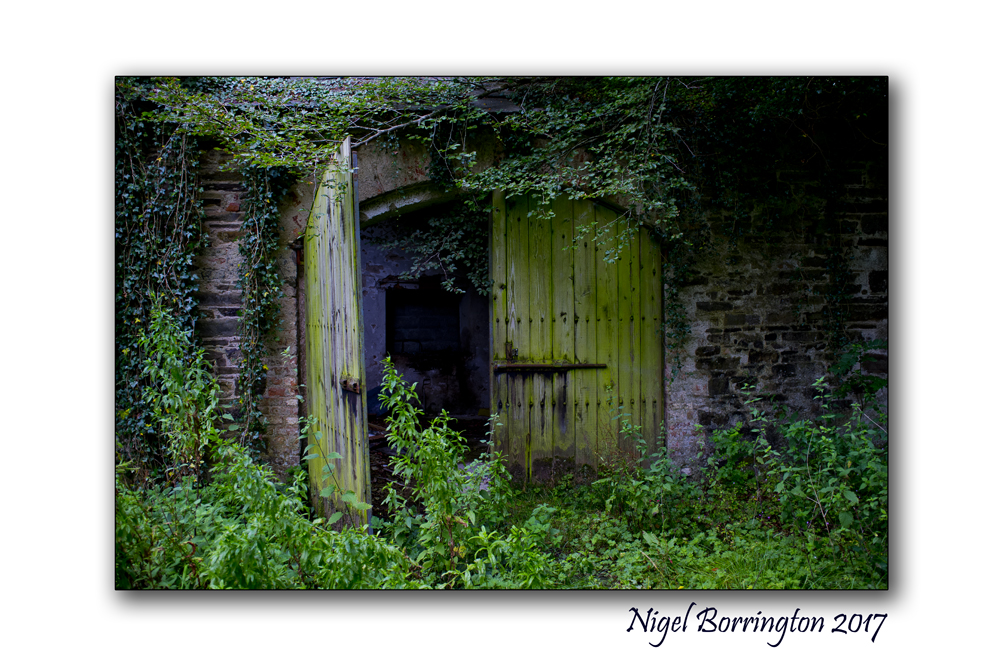
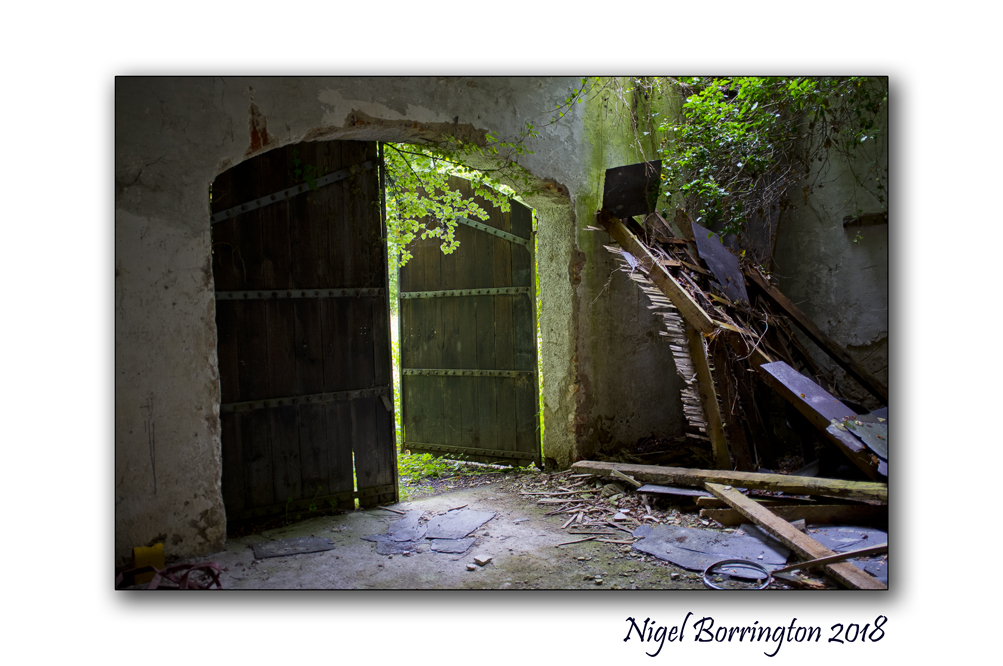

Frozen Mountain, Carrauntoohil, MacGillycuddy’s Reeks , County Kerry, Ireland

Frozen Mountain, Carrauntoohil, County Kerry
Ireland,
Nigel Borrington
Carrauntoohil (/ˌkærənˈtuːl/, Irish: Corrán Tuathail) is the highest peak on the island of Ireland. Located in County Kerry, it is 1,038 metres (3,406 feet) high and is the central peak of the Macgillycuddy’s Reeks range. The ridge northward leads to Ireland’s second-highest peak, Beenkeragh at 1,010 m (3,310 ft), while the ridge westward leads to the third-highest peak, Caher at 1,001 m (3,284 ft). Carrauntoohil overlooks three bowl-shaped valleys, each with its own lakes. To the east is Hag’s Glen or Coomcallee (Com Caillí, “hollow of the Cailleach”), to the west is Coomloughra (Com Luachra, “hollow of the rushes”) and to the south is Curragh More (Currach Mór, “great marsh”).

Carrauntoohil is classed as a Furth by the Scottish Mountaineering Club, i.e. a mountain greater than 3,000 ft (910 m) high that is outside (or furth of) Scotland, which is why it is sometimes referred to as one of the Irish Munros.
Land Divided Into Farms

Land Divided into farms
County Kerry
Ireland
Nigel Borrington
Land Divided Into Farms
The land it was divided, into farms for cattle and sheep,
Some land they grew the corn, for the workers to keep,
Some they had wheat to sell, was taken to the mill,
Their stone ground for bread, the baker’s shop and his van to fill.
Some land it stayed in woodland, itself to regenerate,
As old ones fall and lets in light, young saplings they do await,
A long cycle of new to old, from the old forestation to new
Fenced all round now, and preserved for this nation.
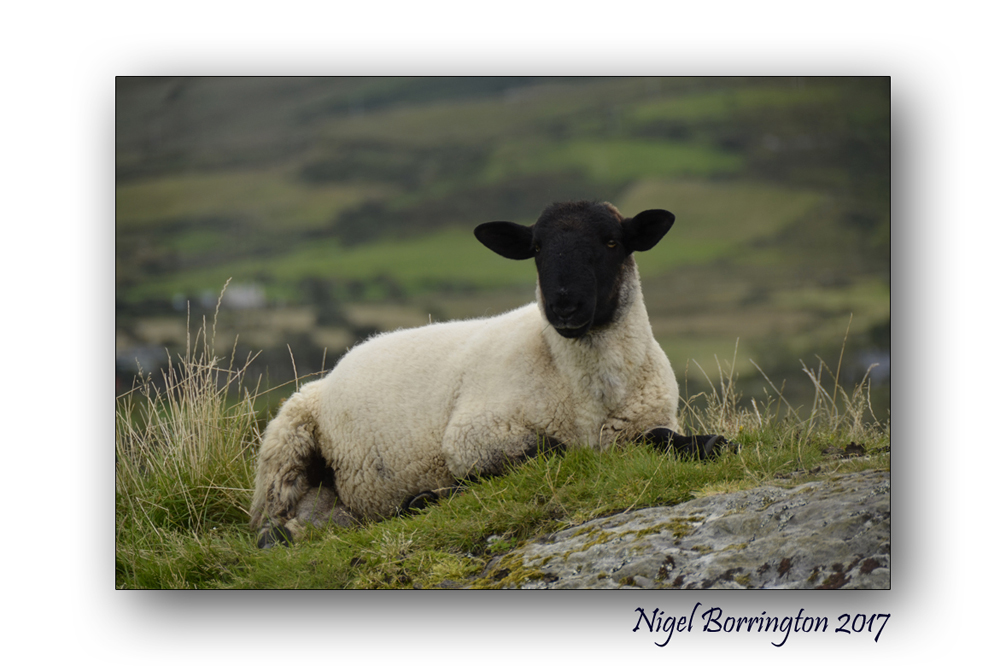
Images without words – The life of the County Cork Sheepdog.

The Sheepdog
County Cork
Ireland
Nigel Borrington


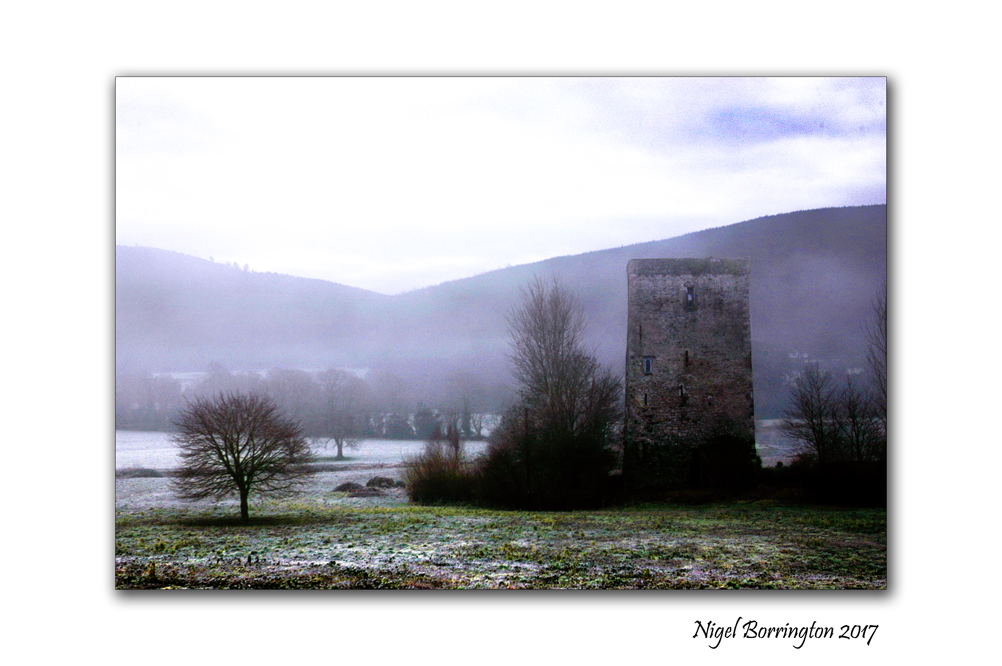


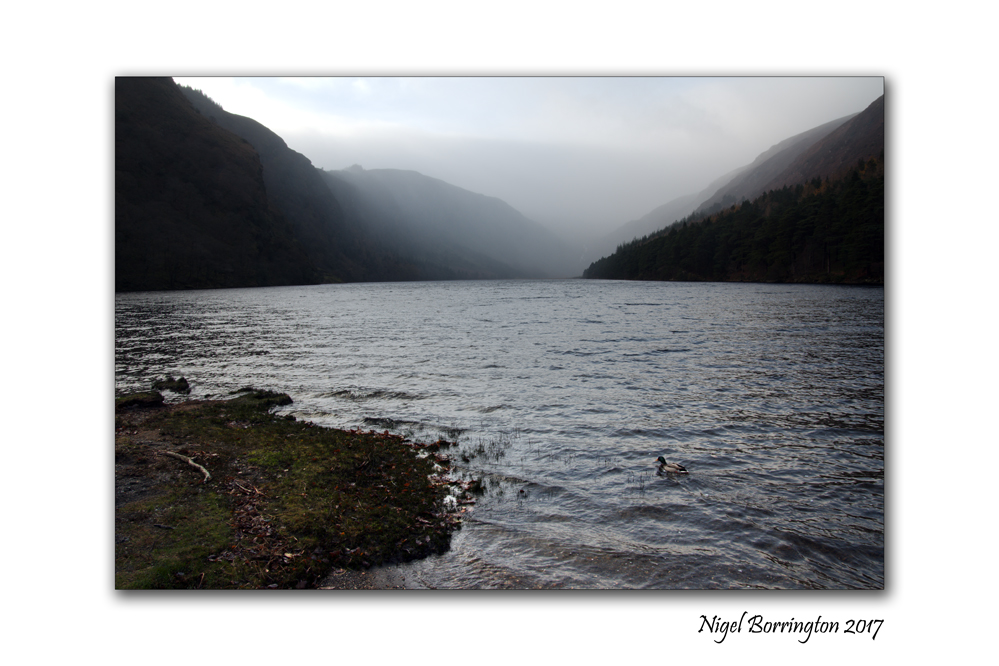

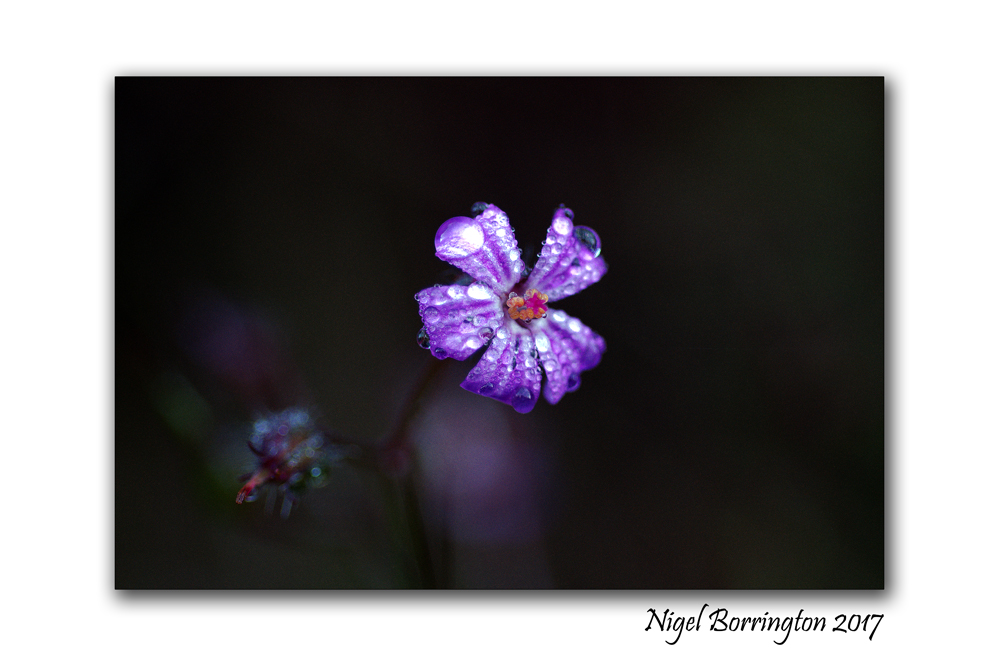
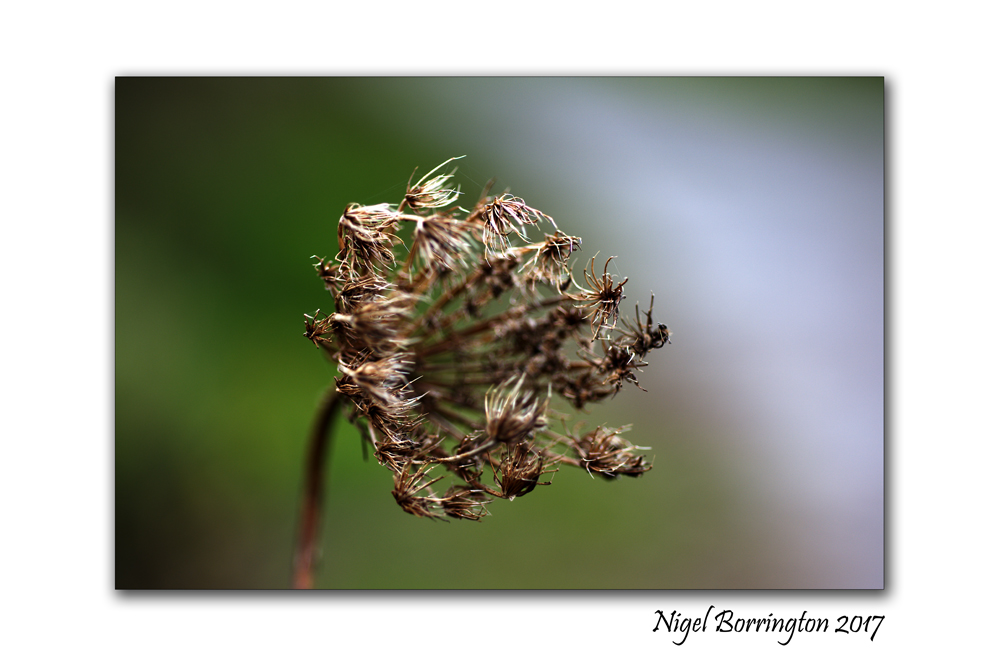
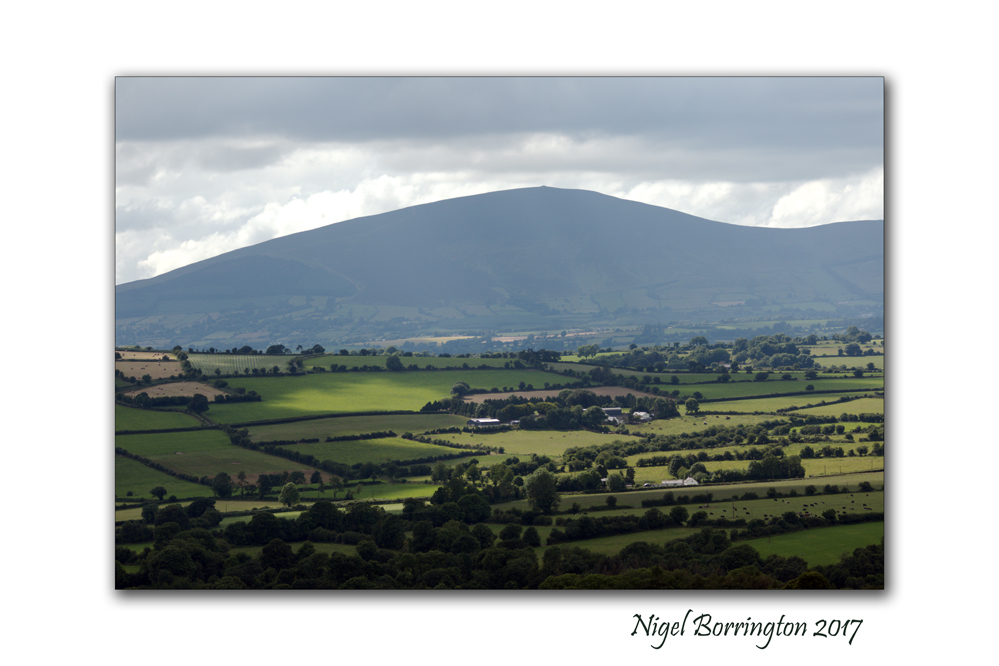
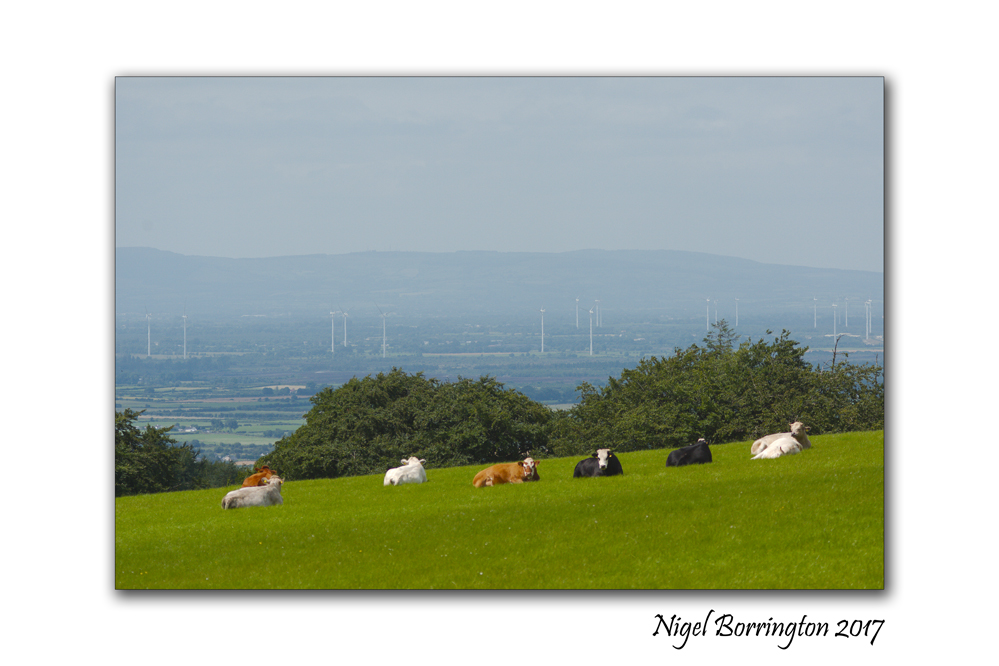
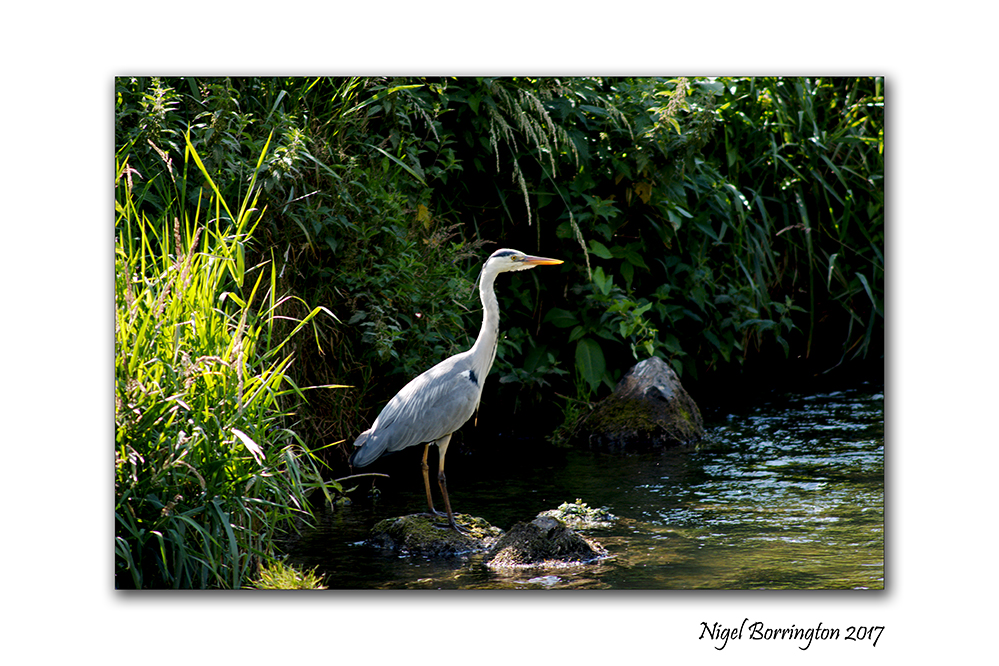
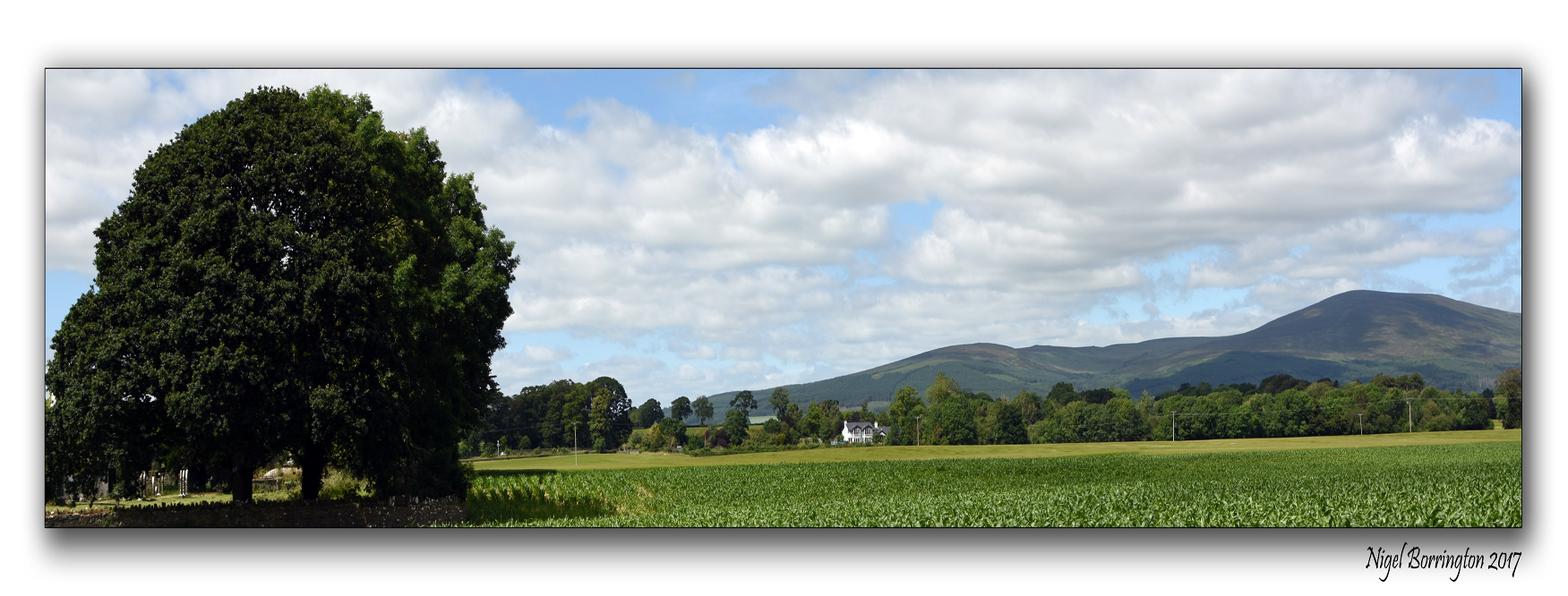

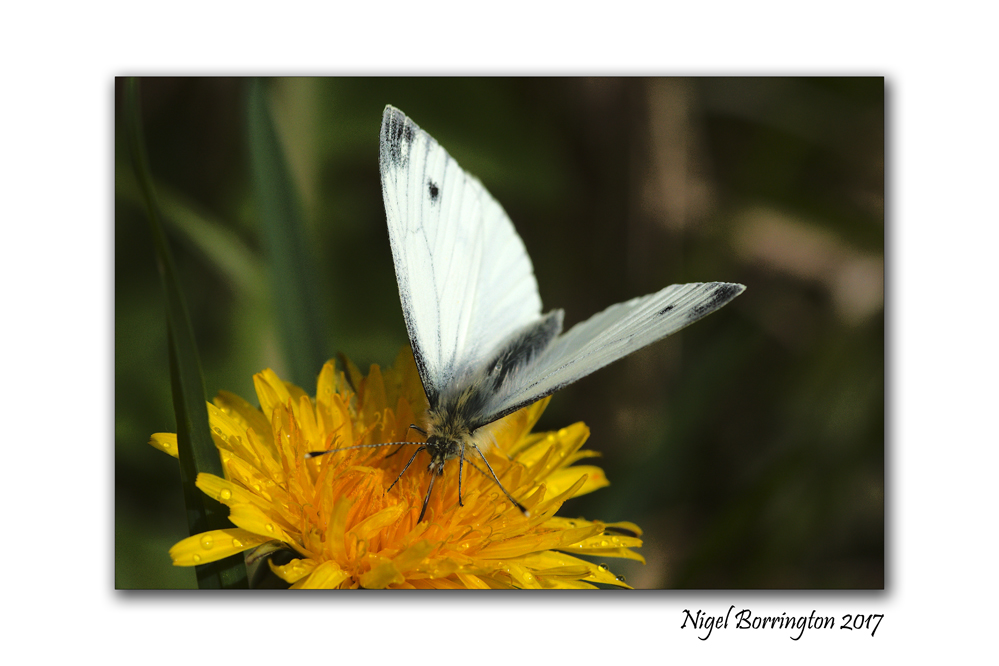
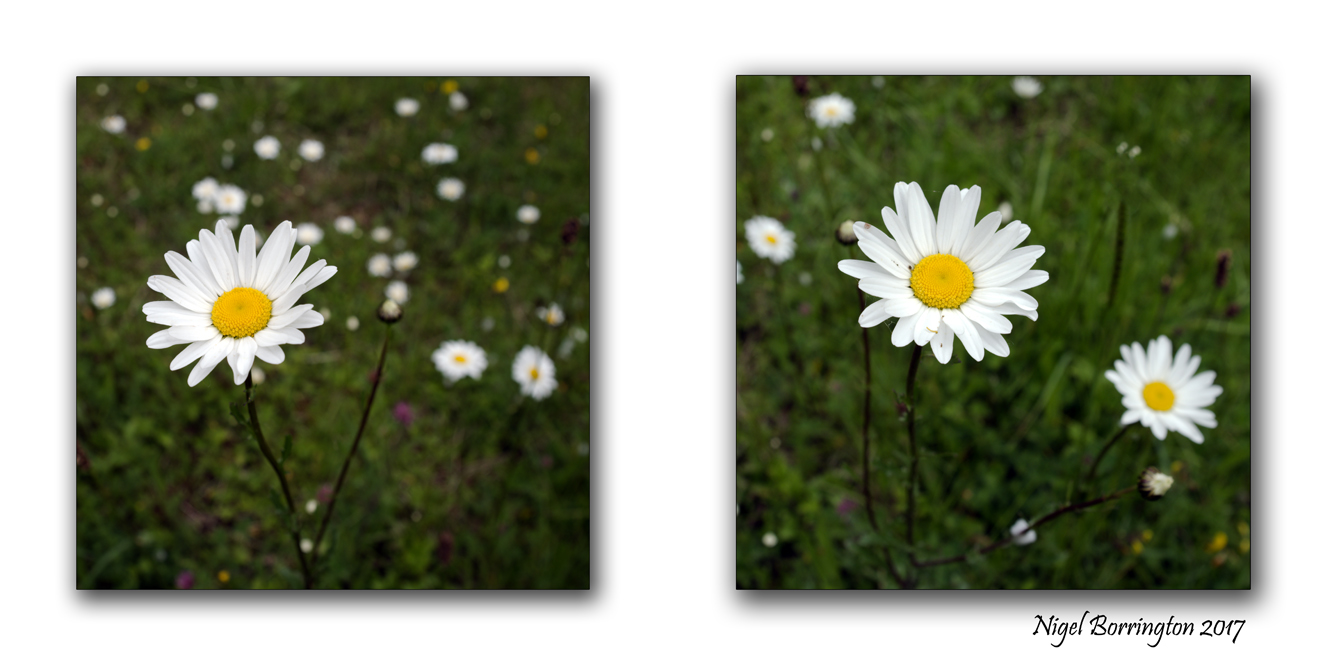
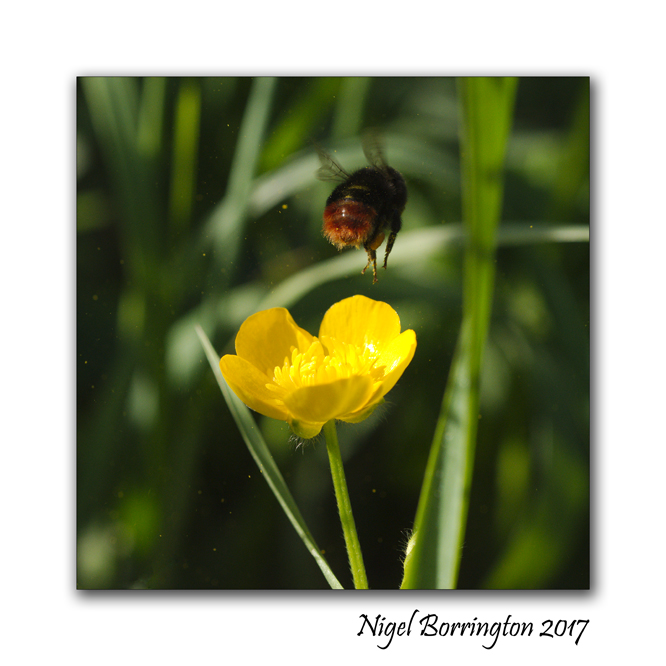
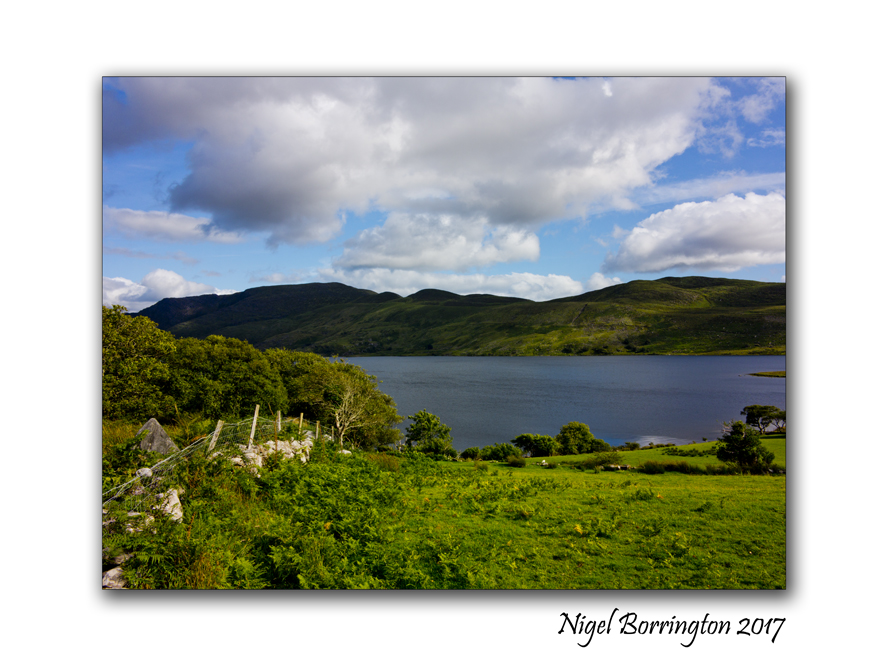


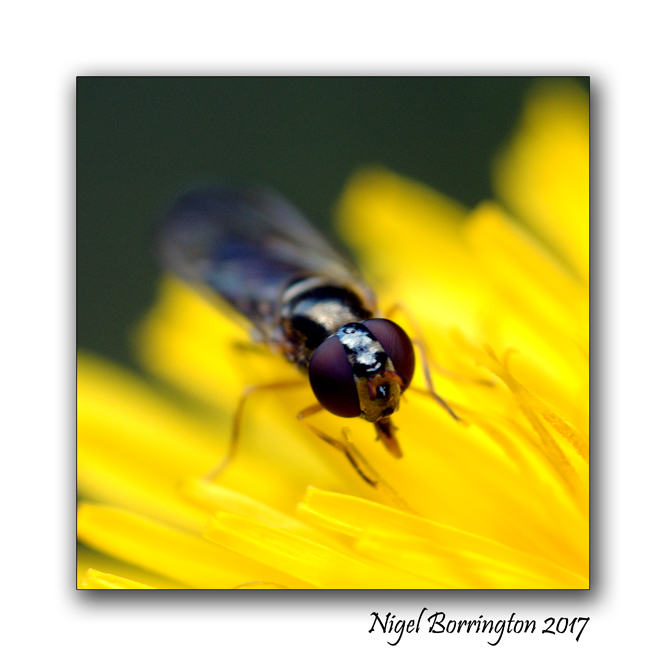
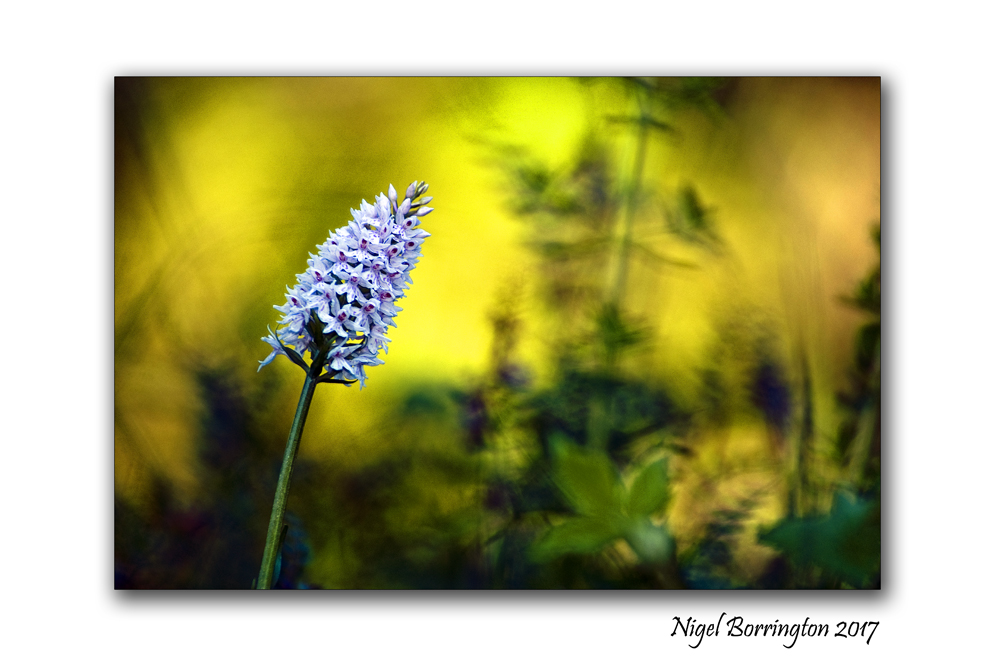


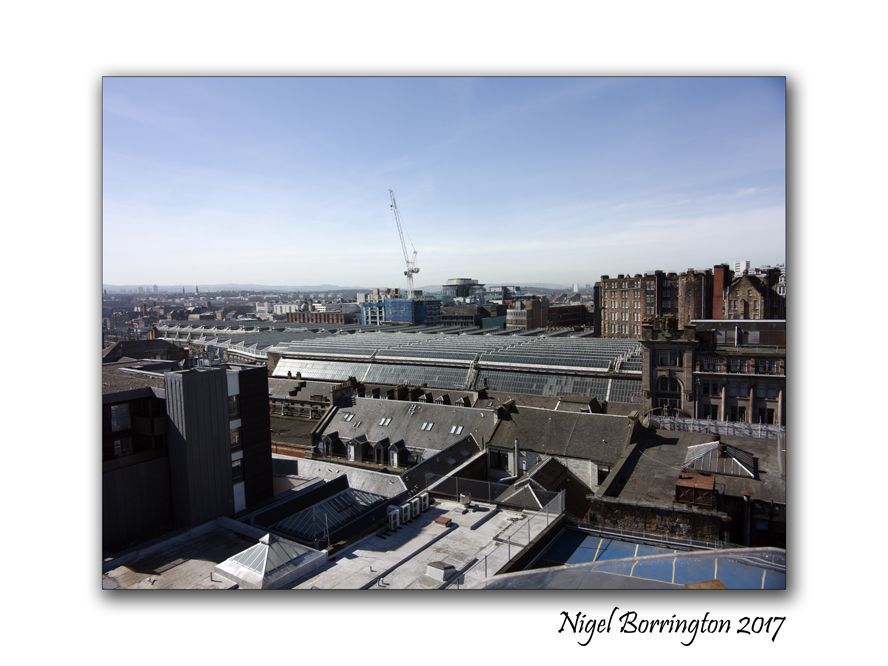
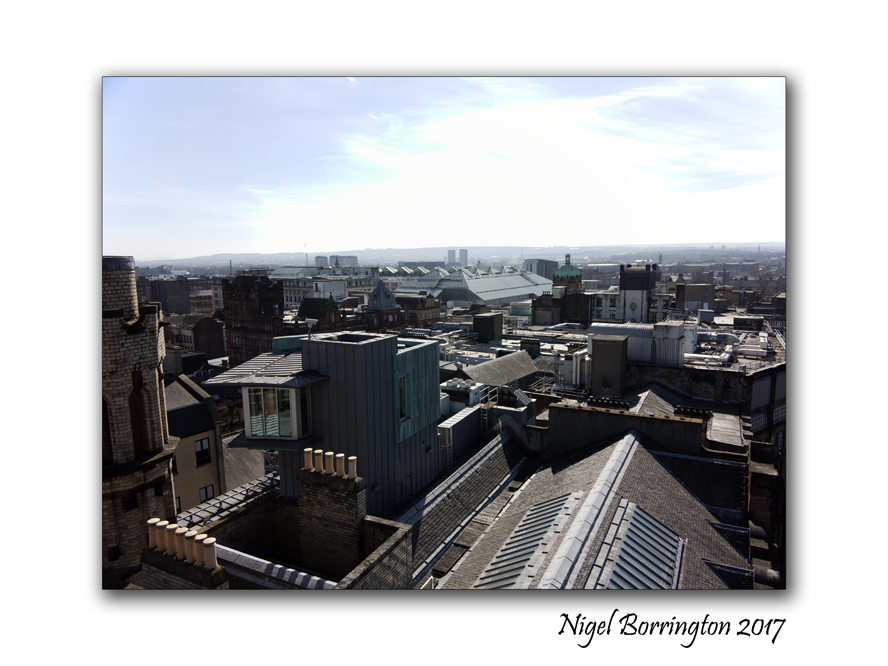
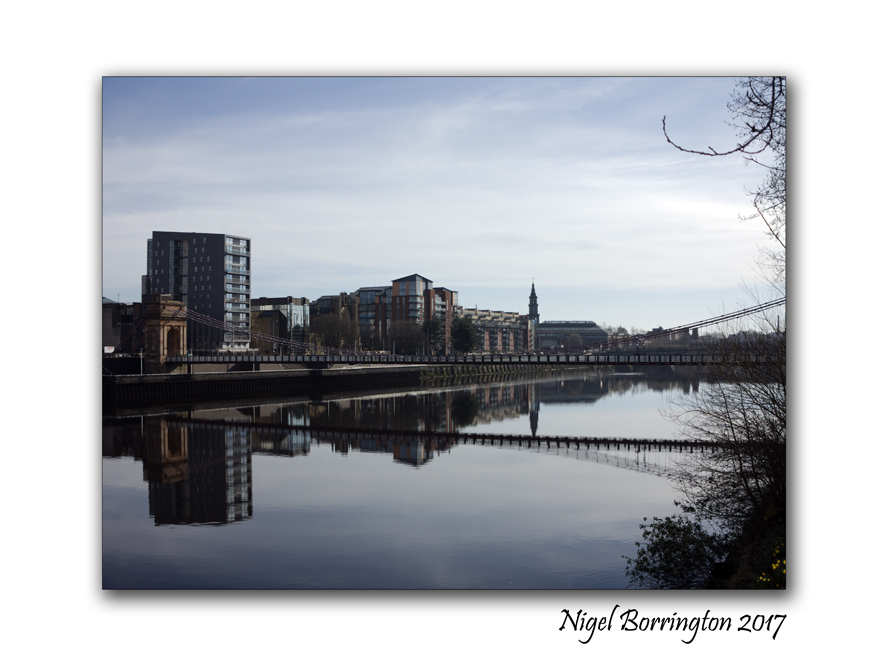
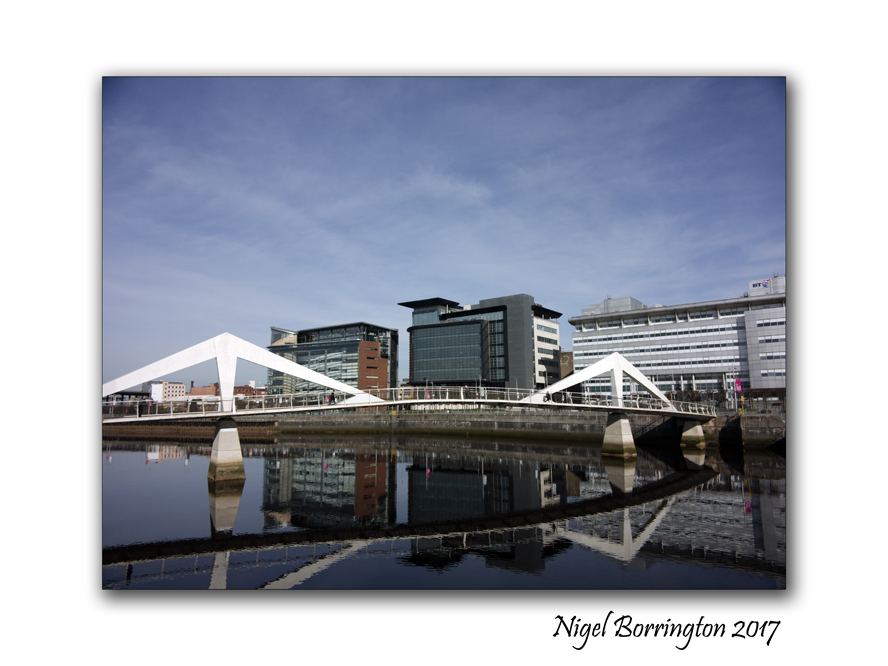


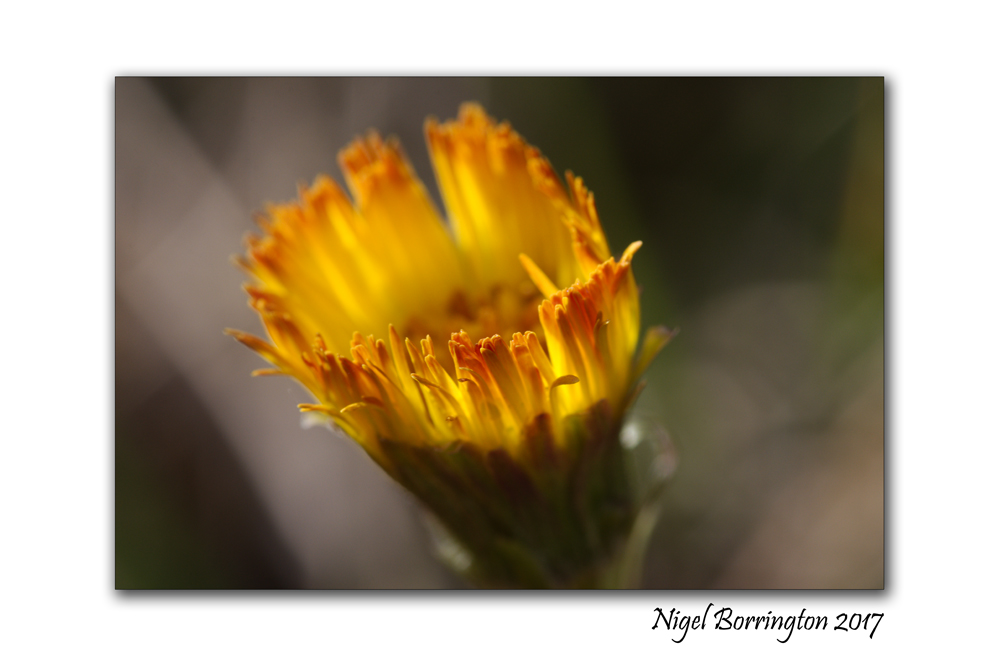
Images from 2017, March – New life
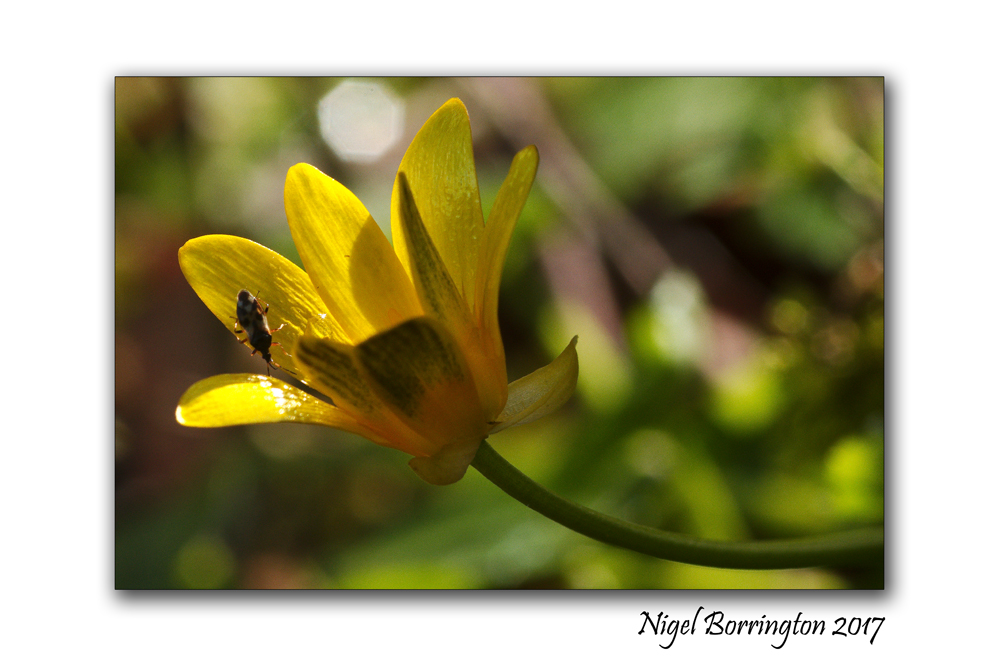
Springtime 2017
Colour returns to the Woodlands
Kilkenny
Nigel Borrington



Images from 2017, February

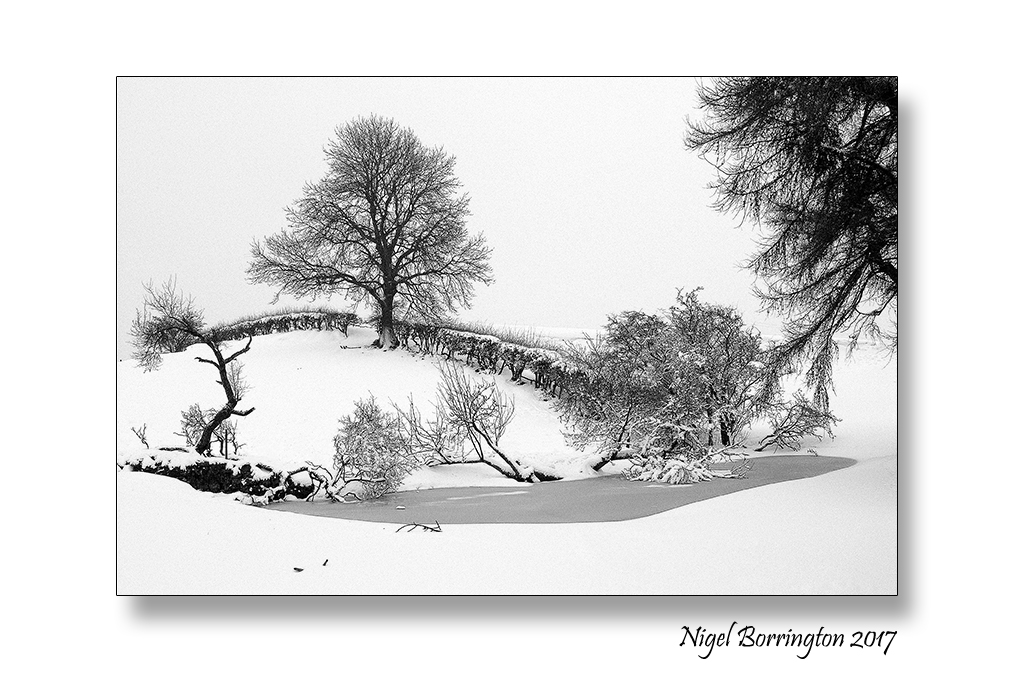
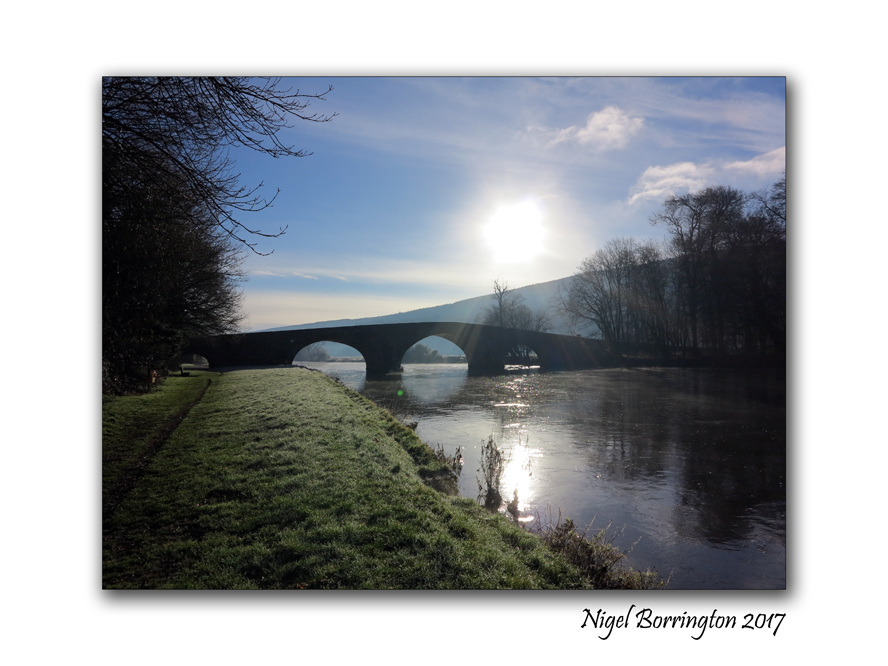
A winters morning
The river Suir
County Tipperary
February 2017
Nigel Borrington


The week of the Winter Solstice: The Sun Starts to move again after standing Still on the horizon.
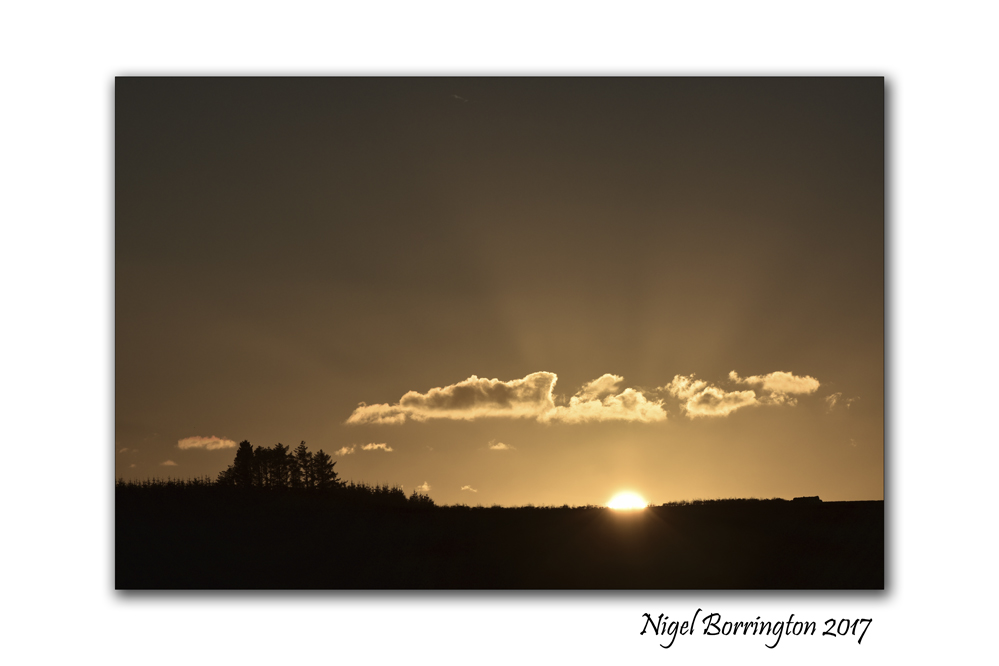
End of the Winter Solstice 2017
Nigel Borrington
Today the 24th Christmas eve marks the first day since the 21st that the Sun can be recorded as having moved its position when it setting, on the Horizon. The word Solstice itself means “standing still” and it is an amazing fact of nature that for the three days that follow the shortest day of the year in the North, the Sun does not change the position that it falls below the horizon at in the evenings.
Here are some more details about the Solstice on the web site Space.com : The Sun Stands Still
To mark this event here are some of my sunset images posted here on my blog over the last two years ….
Galley of sunsets


Poems for Christmas, “Snow on snow”, a Winters Poem By : James Hart

Snow on Snow
Images for Christmas
Nigel Borrington
Snow on snow
By : James Hart
Snow on snow
Flakes gently falling
Like leaves from a tree
Asking permission
Before they land
On the snowflakes underneath
Each one different
Like leaves on a tree
A white carpet

Pure white till soiled
By children’s shoes
They love its touch
Ooo snowball fights
Snow doesn’t hurt
Snow is soft and forgiving
People hurt
They are selfish and cruel
So let it snow
Snow on snow on
Snow on snow
The week of the winter solstice – Newgrange and the Winter Solstice
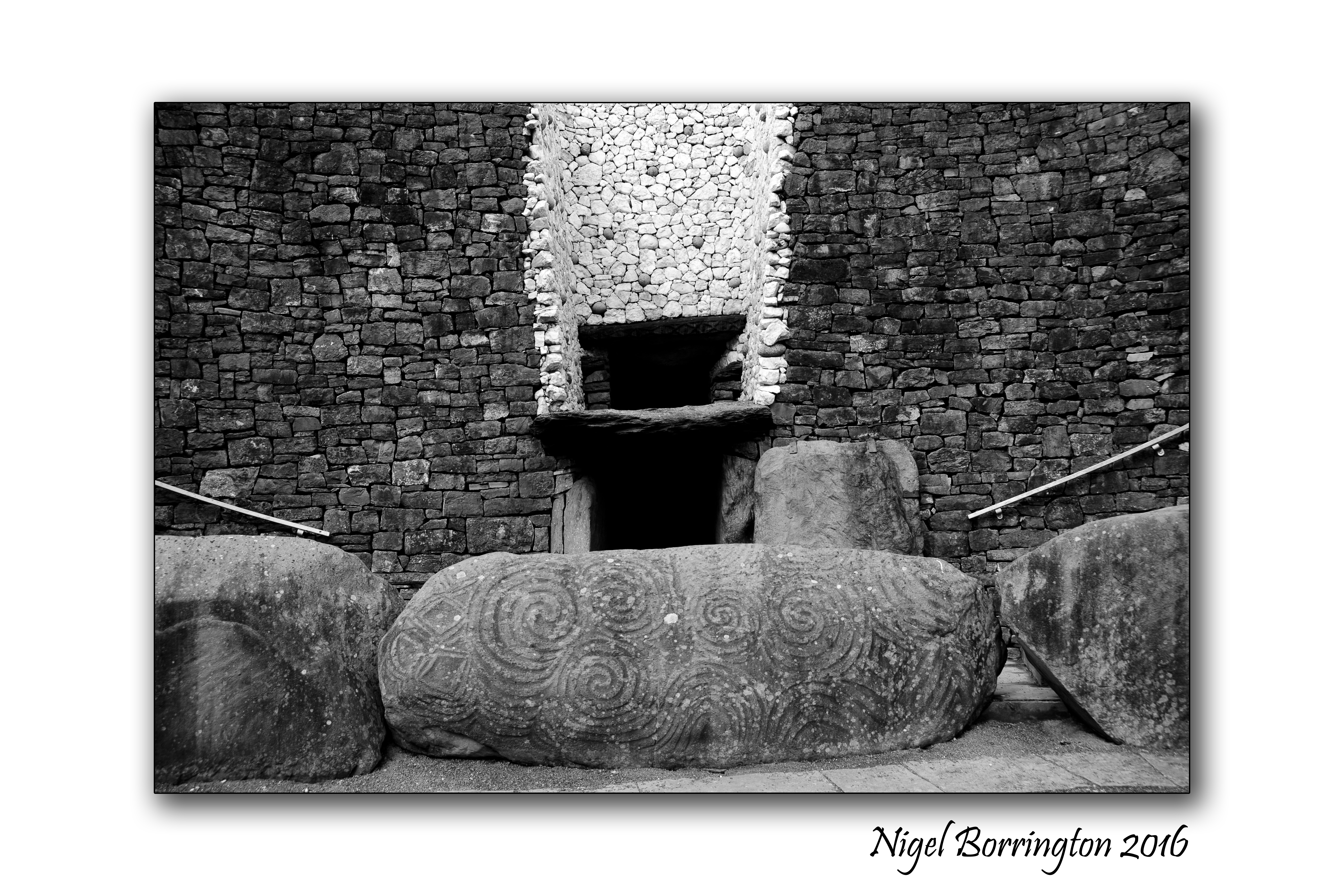
Today marks the Winter Solstice , nowhere here in Ireland will this moment be marks more than at Newgrange the perfect locations to gain a little understanding as to how our European ancestors both recorded and celebrated the movement of the sun and the objects of universe they lived in.
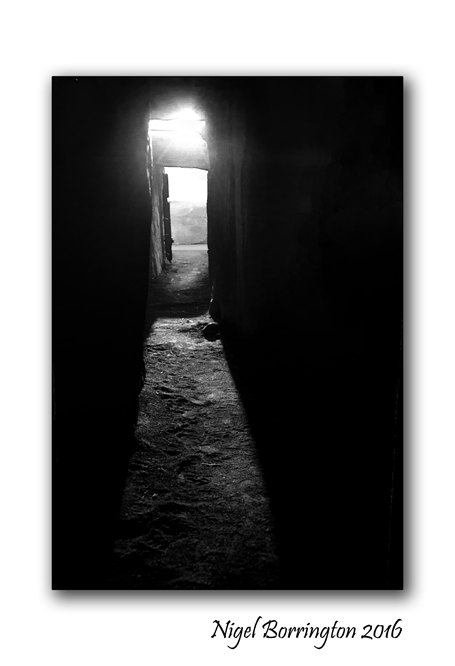
Today is the shortest day of the year, the day when at Newgrange the rising sun can be seen to travel all the way into the passage tomb at the center of the monument.
Newgrange – Winter Solstice
Sunrise at NewgrangeNewgrange is best known for the illumination of its passage and chamber by the Winter Solstice sun. Above the entrance to the passage of the mound there is a opening called a roof-box. On mornings around the winter solstice a beam of light penetrates the roof-box and travels up the 19 metre passage and into the chamber. As the sun rises higher, the beam widens so that the whole chamber is dramatically illuminated.
Access to the chamber on the Solstice mornings is decided by a lottery that takes place at the end of September each year. All are welcome to gather outside the entrance to the Newgrange mound on each of the mornings from December 18th to December 23rd inclusive, sunrise is at 8.58am. Access via the Brú na Bóinne Visitor Centre or directly to the actual Newgrange monument.
The images posted here were taken this time last year at New-grange ……
Newgrange a Gallery
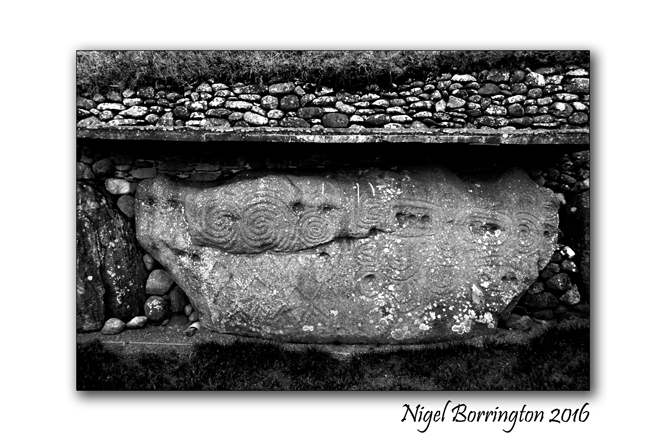

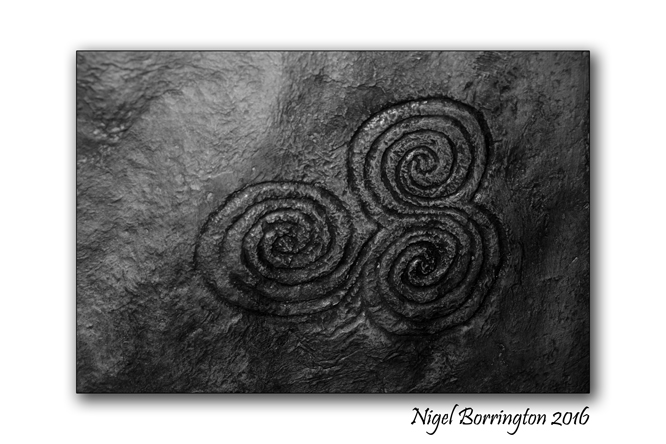
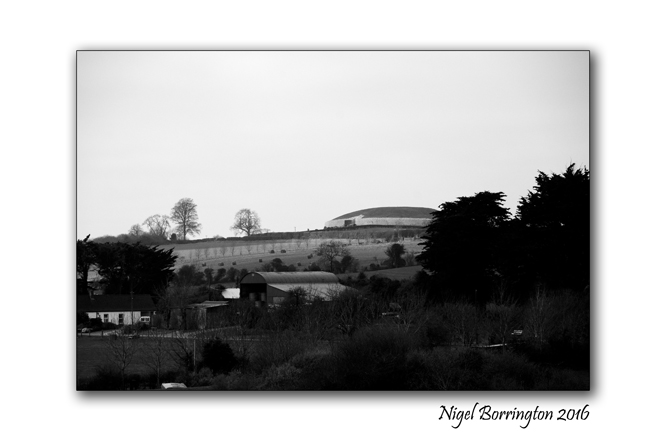
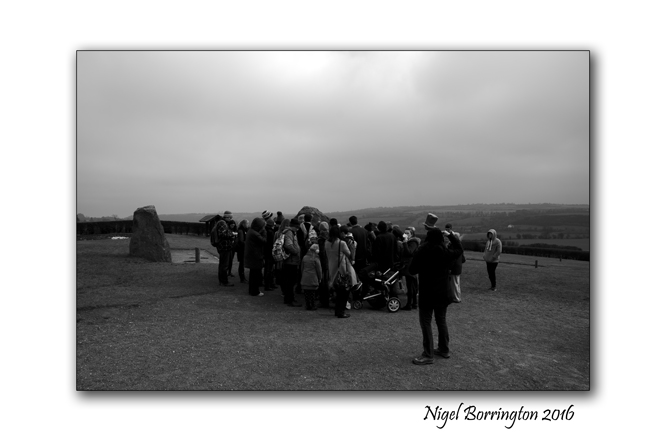

The week of the winter solstice – Ardgroom Stone Circle, County Cork, Ireland
Ardgroom Stone Circle, County Cork,
Ireland
Nigel Borrington
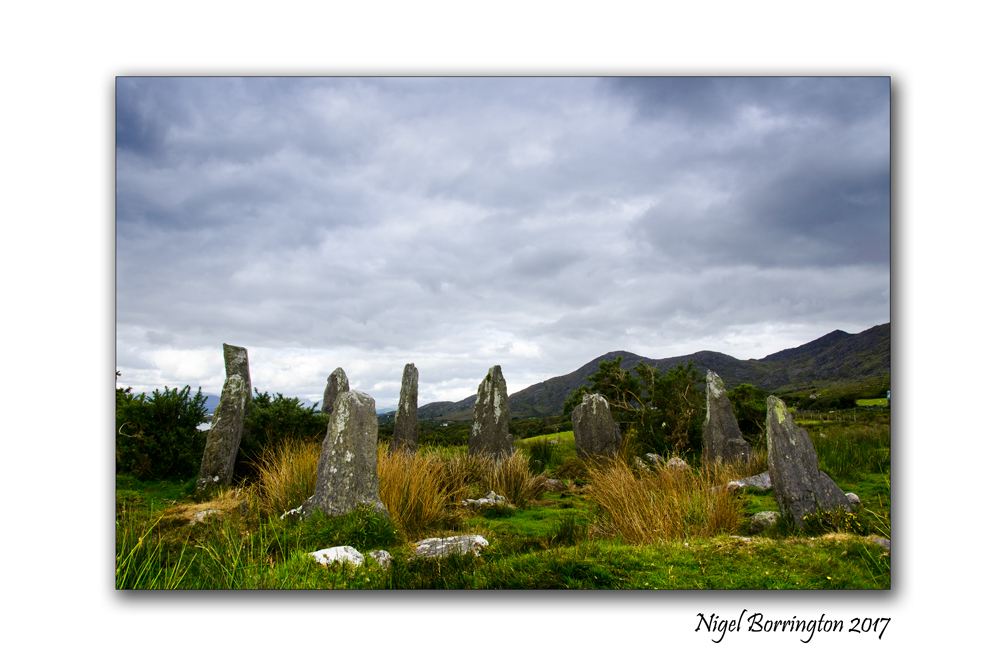
Ardgroom Stone Circle, County Cork, Ireland
The Ardgroomon stone circle is located on the Beautiful Beara Peninsula, county cork. It has to be one of the most magical of all the Irish stone circle, it also has the best of locations and views, sitting about the Atlantic ocean. There is something so exciting and mysterious about visiting a stone circle. The Ardgroomon circle is located in an area were there is an abundance of these historic sites, as well as wedge tombs, ring forts, boulder burials and fulachta fiadhs.
As well as being used for the Solar Spring and summer Equinox’s along with the Summer and Winter Solstice, many of these stone circles would also log the Movement of the Moon, Planets and Stars as during the year they changed their positions along the horizon. The standing stones in a stone circle would have in combination with a feature on local hill sides, have been lined up with astronomical objects(Sun, moon, planets and Stars). This would have given an almost daily measurement for months of the year.
The reason that ancient peoples needed to log the movement of the heavens was mainly for practical reasons such as farming, they needed to know when to sow seeds, bring cattle down from the mountains and bring in the crops, also they needed to know how long their store of food had to last before the new growing season started, no imports in those days.


The week of the winter solstice – 2017, Castlerigg stone circle, Keswick in Cumbria, UK

Castlerigg stone circle
Keswick in Cumbria, North West England
Nigel Borrington
This week we will all experience the Winter Solstice, the moment that the amount of available Sun light has reached its lowest amount each day. From the 21st of December on the amount of day-light will start to slowly increase again, you could say that this moment marks the tree new year in the solar calendar !
The solstice may have been a special moment of the annual cycle for some cultures even during neolithic times. Astronomical events were often used to guide activities such as the mating of animals, the sowing of crops and the monitoring of winter reserves of food. Many cultural mythologies and traditions are derived from this. This is attested by physical remains in the layouts of late Neolithic and Bronze Age archaeological sites, such as Stonehenge in England and Newgrange in Ireland.
I want to mark this week by sharing some of the great Pagan monuments and sites I have visited both in the UK and here in Ireland, To the Pagan people of the past this week was a very special one, it marked the moment of new birth. It is for moments like these that Pagan people assembled their standing stones and stone circles.
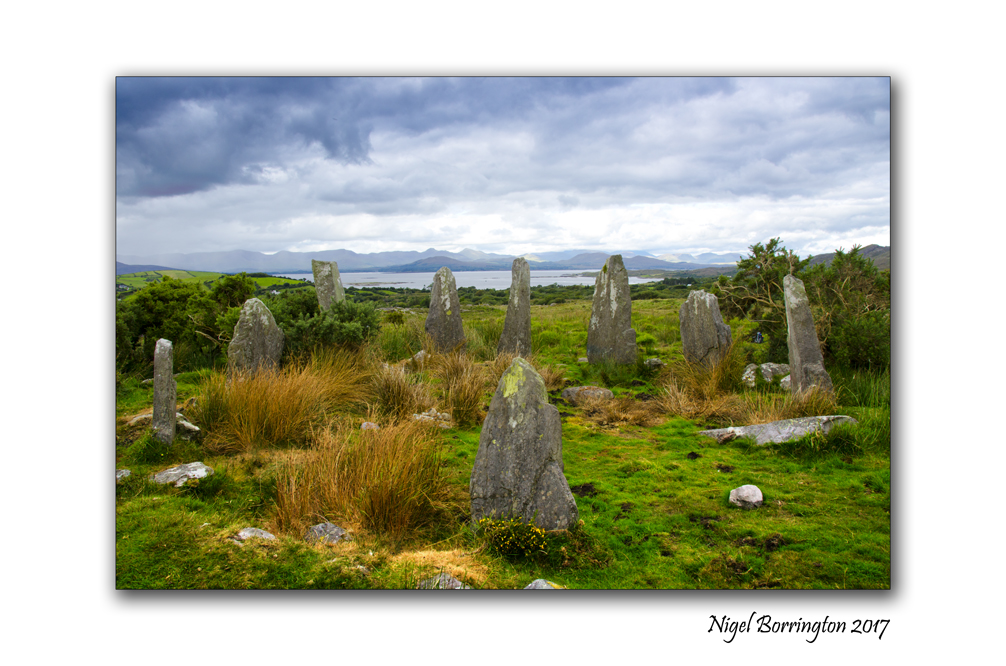
Today I have posted and image of (Castlerigg stone circle,Keswick in Cumbria, North West England), this stone circle is one of the best preserved in Europe and located just north of the lake district, you can seen many of Cumbria’s great mountains in the background.
This stone circle would not only have been used to record the moments of the Winter Solstice but likely all the the events both in the (Sun’s the Moon’s and the stars) calendar of movements.
Here are some great facts about the Castlerigg stone circle :
Description
The stones are of a local metamorphic slate, set in a flattened circle, measuring 32.6 m (107 ft) at its widest and 29.5 m (97 ft) at its narrowest. The heaviest stone has been estimated to weigh around 16 tons and the tallest stone measures approximately 2.3m high. There is a 3.3m wide gap in its northern edge, which may have been an entrance. Within the circle, abutting its eastern quadrant, is a roughly rectangular setting of a further 10 stones. The circle was probably constructed around 3200 BC (Late Neolithic/Early Bronze-Age), making it one of the earliest stone circles in Britain and possibly in Europe. It is important to archaeoastronomers who have noted that the sunrise during the Autumn equinox appears over the top of Threlkeld Knott, a hill 3.5 km to the east. Some stones in the circle have been aligned with the midwinter sunrise and various lunar positions.
There is a tradition that it is impossible to count the number of stones within Castlerigg; every attempt will result in a different answer. This tradition, however, may not be far from the truth. Due to erosion of the soil around the stones, caused by the large number of visitors to the monument, several smaller stones have ‘appeared’ next to some of the larger stones. Because these stones are so small, they are likely to have been packing stones used to support the larger stones when the circle was constructed and would originally have been buried. Differences in opinion as to the exact number of stones within Castlerigg are usually down to whether the observer counts these small packing stones, or not; some count 38 and others, 42. The ‘official’ number of stones, as represented on the National Trust information board at the monument, is 40.
In the early 20th century, a single outlying stone was erected by a farmer approximately 90m to the south west of Castlerigg. This stone has many linear ‘scars’ along its side from being repeatedly struck by a plough, suggesting that it was once buried below the surface and also why the farmer dug it up. It is not possible to say whether this stone was originally part of the circle, or just a naturally deposited boulder.
Tipperary Landscape images, Snow on Slievenamon, December 2017

Tipperary Landscape images, Snow on Slievenamon, December 2017
Nigel Borrington
A Panoramic image of the county Tipperary mountain slievenamon, We had a lot of Snow locally last Sunday and today Friday the only snow to be found was at the top of the mountain. Its a little Hard to present Panoramic images on a blog like this one, so I hope that you will click on the image to get the full size version.
This view is from the road at the bottom of the path used to walk to the top on the mountain, the path is up-hill all the way and as such while its not a long walk its a demanding one. When you get to the top however the views are well worth the energy and time spent 🙂
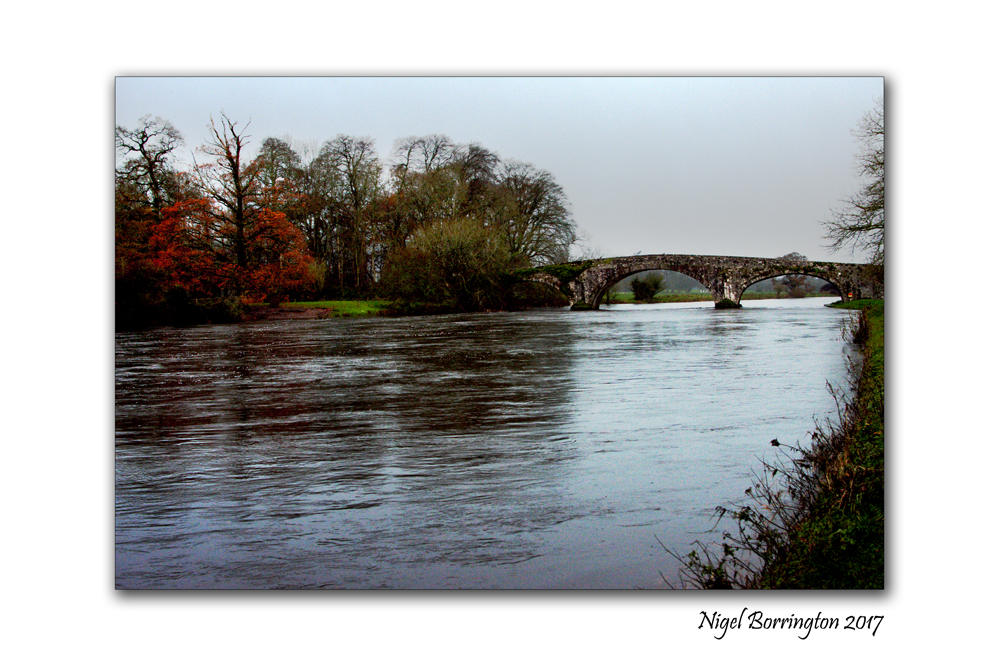
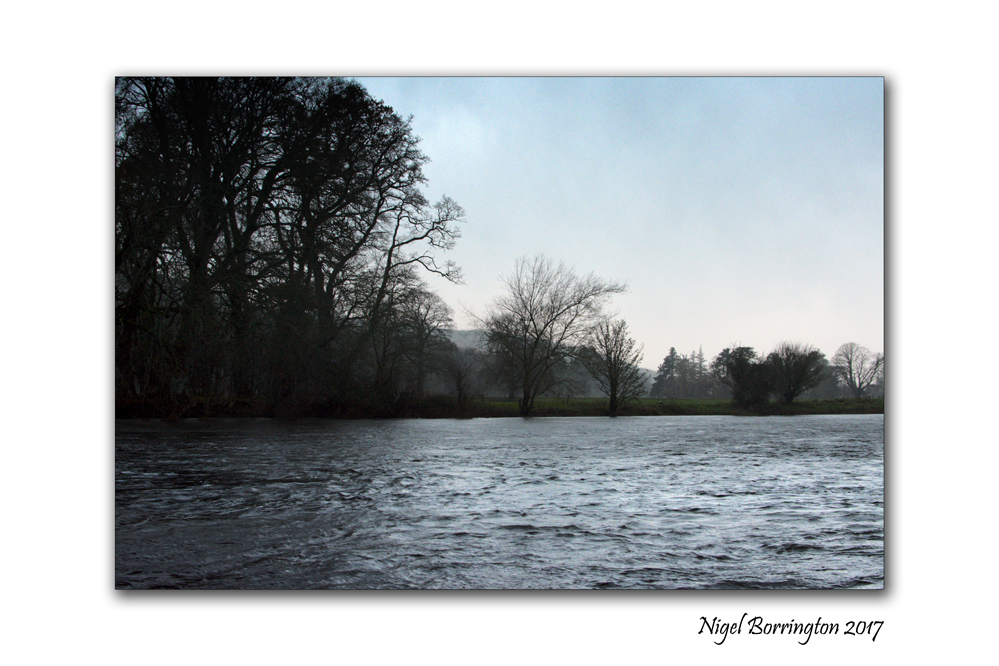
Images without words – Now the snow has gone, the river is high ………
Now the Snow has gone
River Suir
County Tipperary
Nigel Borrington

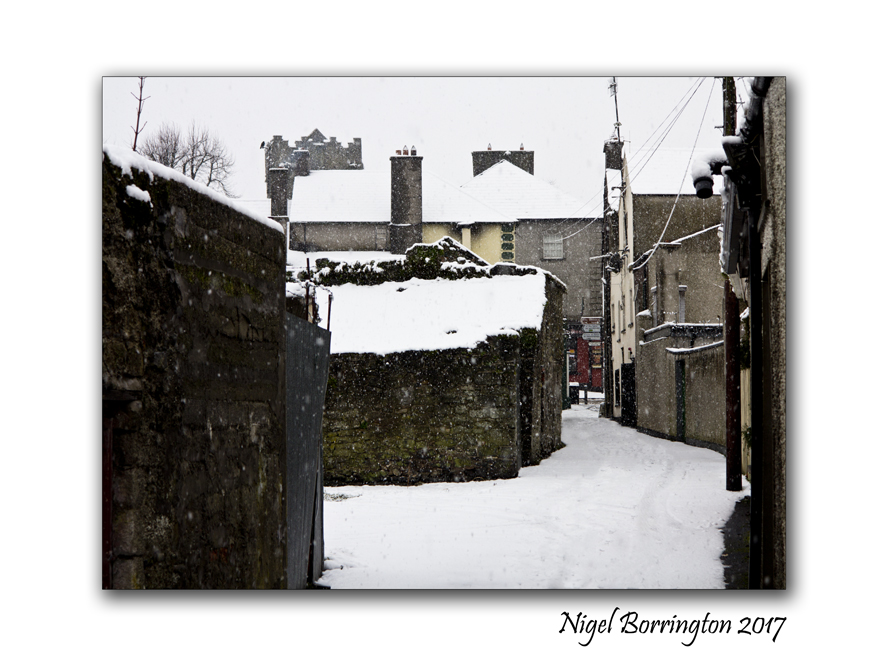
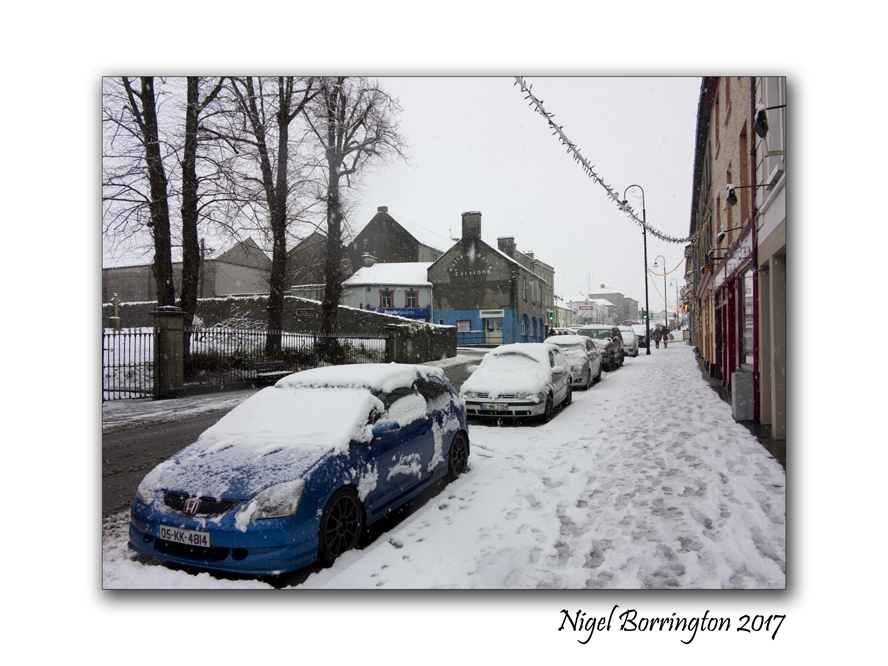
Snow Day – Poem by Billy Collins

Snow Day – Poem by Billy Collins
Today we woke up to a revolution of snow,
its white flag waving over everything,
the landscape vanished,
not a single mouse to punctuate the blankness,
and beyond these windows
the government buildings smothered,
schools and libraries buried, the post office lost
under the noiseless drift,
the paths of trains softly blocked,
the world fallen under this falling.
In a while I will put on some boots
and step out like someone walking in water,
and the dog will porpoise through the drifts,
and I will shake a laden branch,
sending a cold shower down on us both.
But for now I am a willing prisoner in this house,
a sympathizer with the anarchic cause of snow.
I will make a pot of tea
and listen to the plastic radio on the counter,
as glad as anyone to hear the news

that the Kiddie Corner School is closed,
the Ding-Dong School, closed,
the All Aboard Children’s School, closed,
the Hi-Ho Nursery School, closed,
along with – some will be delighted to hear –
the Toadstool School, the Little School,
Little Sparrows Nursery School,
Little Stars Pre-School, Peas-and-Carrots Day School,
the Tom Thumb Child Center, all closed,
and – clap your hands – the Peanuts Play School.
So this is where the children hide all day,
These are the nests where they letter and draw,
where they put on their bright miniature jackets,
all darting and climbing and sliding,
all but the few girls whispering by the fence.
And now I am listening hard
in the grandiose silence of the snow,
trying to hear what those three girls are plotting,
what riot is afoot,
which small queen is about to be brought down.
Snow Day
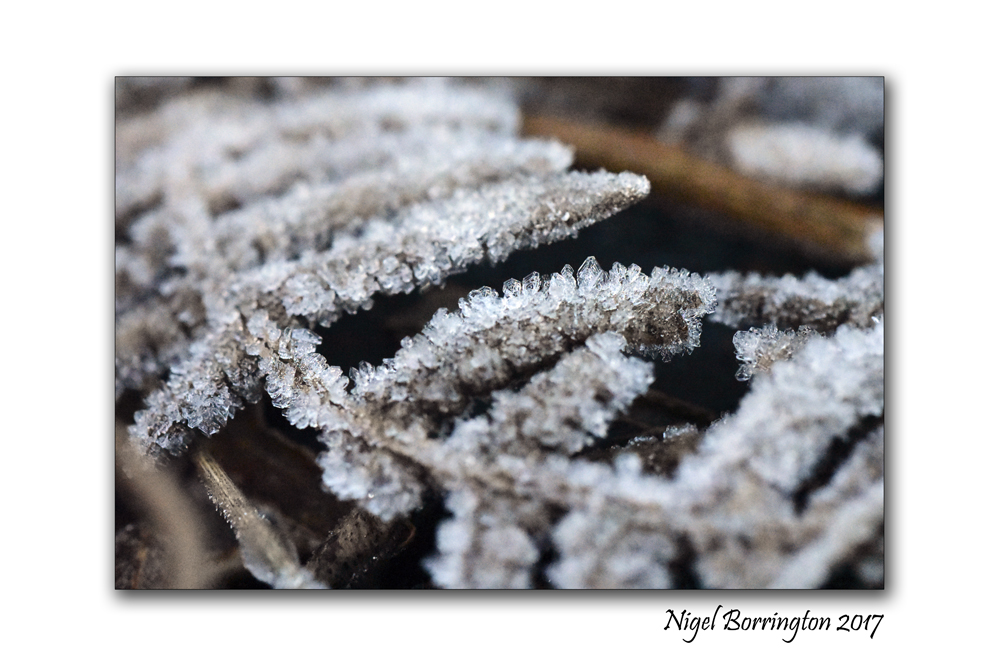
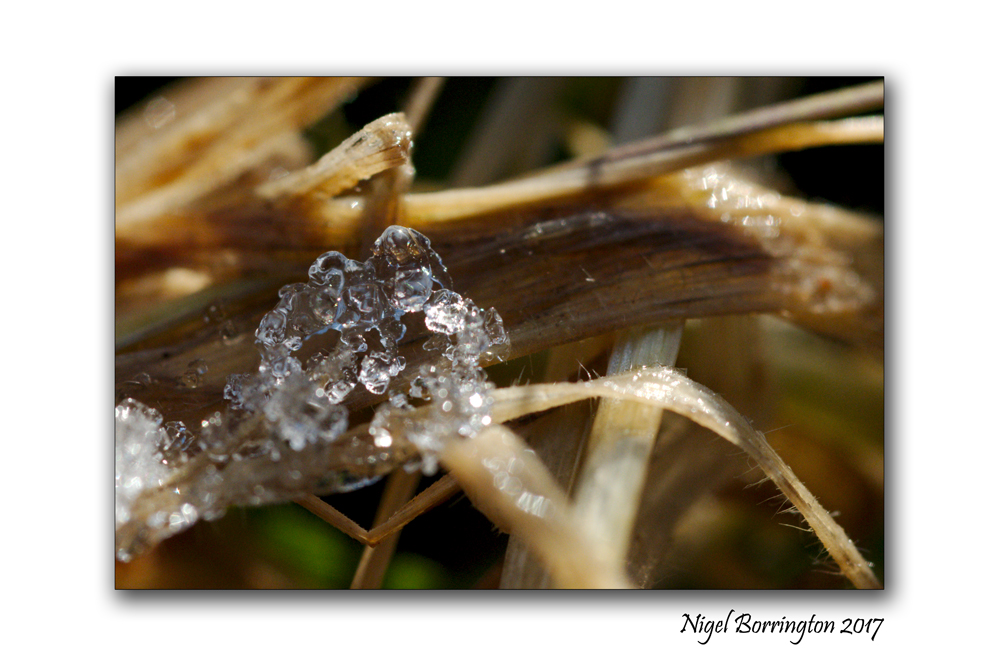
A Decembers Frost – A winters photo Gallery.
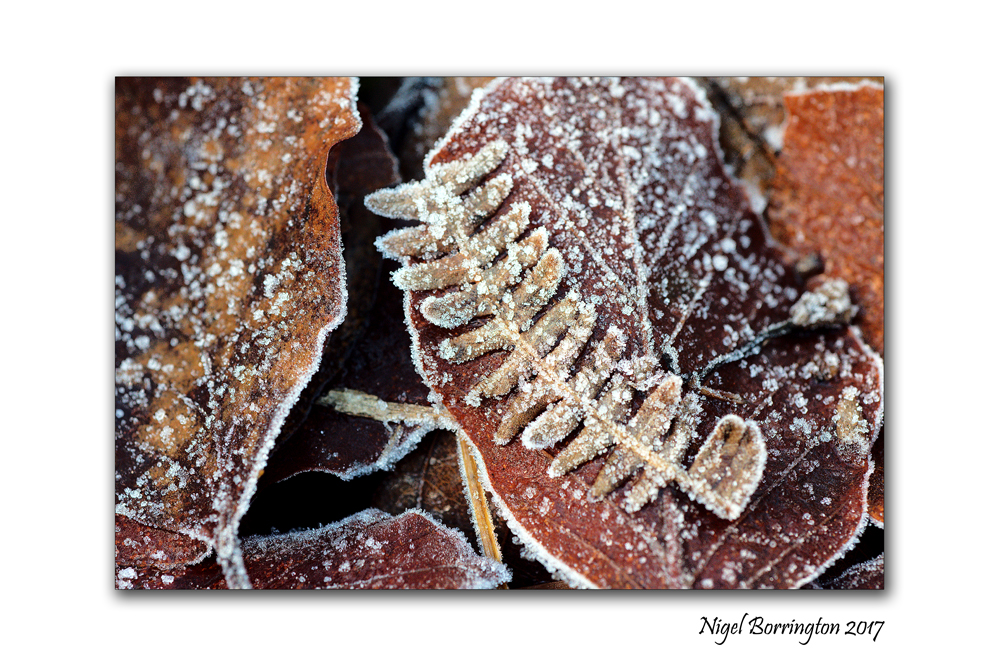
A Winters Frost
December 2017
County Kilkenny
Ireland
Nigel Borrington




Reefert church, Glendalough, County Wicklow

Reefort, Glendalough Monastic City, Glendalough
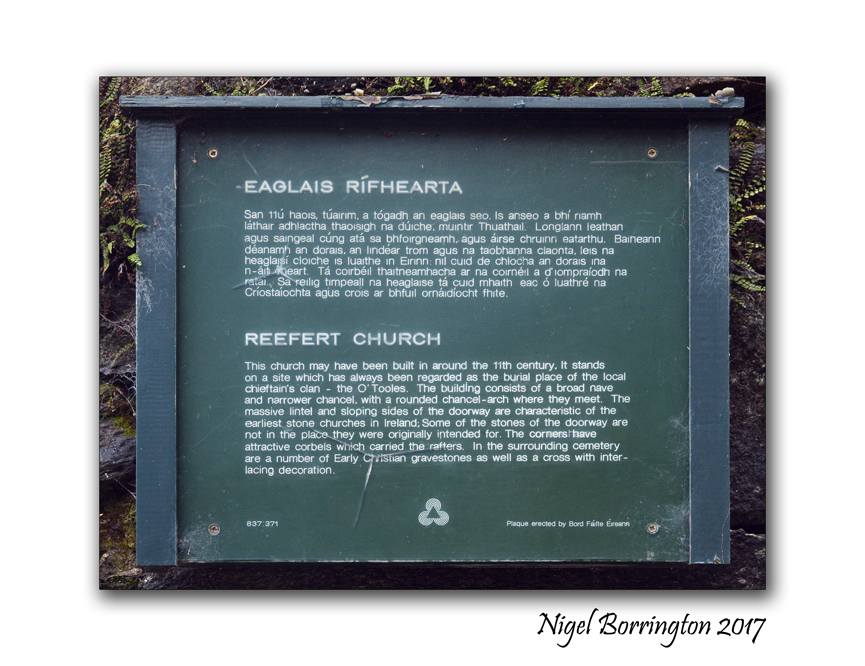
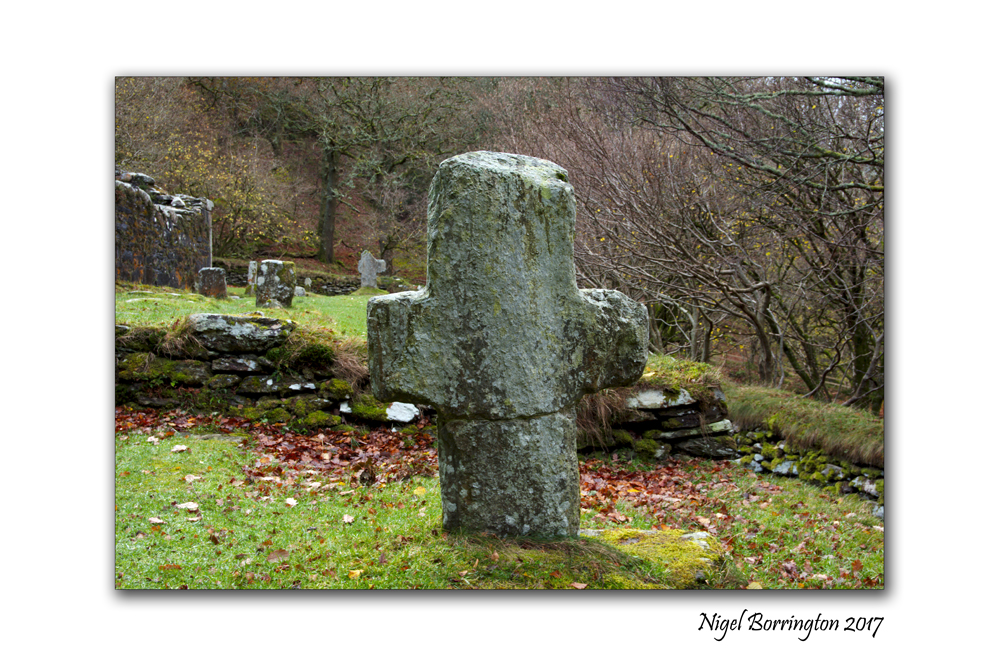
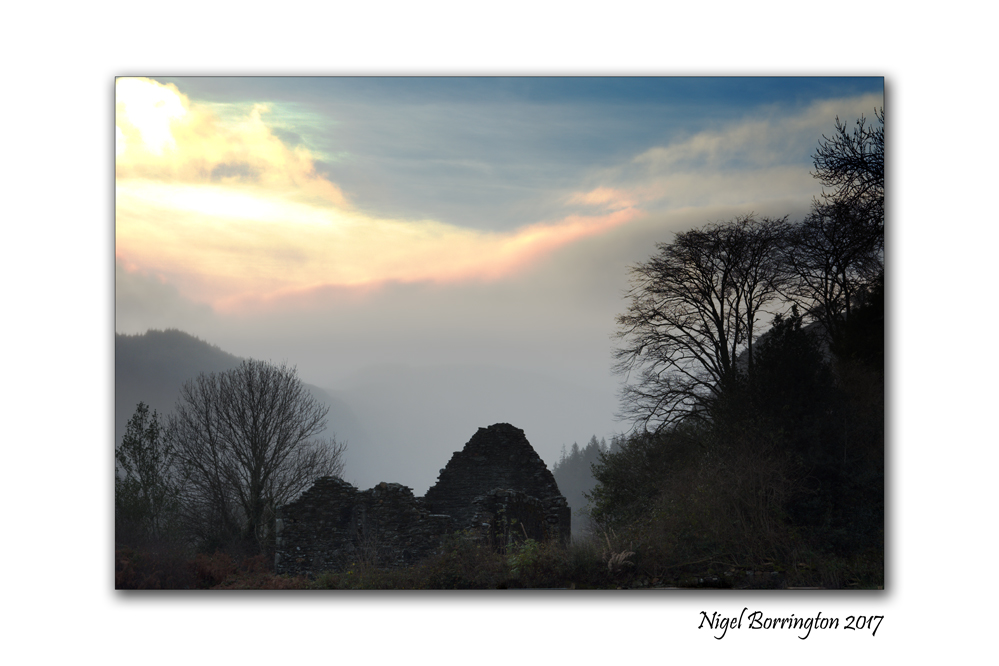
Glendalough has one of the biggest collections of Monastic remains in Europe, one of the most beautiful simply has to be Reefort church, located in the ancient woodlands above the lough this little chapel and is small grave yard are such a perfect reminder of an age that has long past us by.
The remains of Reefert Church are situated in a oak woodland setting, on the south-eastern shore of the Upper Lake close to an Information Office. Reefert derives its name from the Irish ‘Righ Fearta’ meaning burial place of the kings (referring to the local rulers – the O’Toole family). It dates from the eleventh century and is likely to have been built on the site of an earlier church. The church and graveyard were originally surrounded by a stone wall enclosure known in Gaelic as a ‘caiseal’. Most of the present surrounding walls however are modern. The upper parts of the church walls were re-built over 100 years ago using the original stones.
Gallery


Great Poems : A New Start. – by Bernard Shaw

A New Start. – Poem by Bernard Shaw
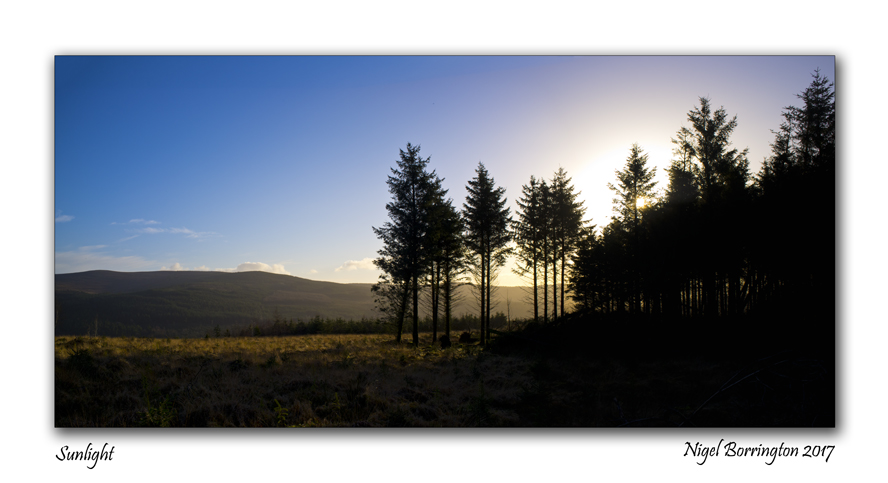
I have wiped the slate clean,
No more reminders from the past.
Memories of what I have been,
Have vanished at long last.

.
I look forward to my future new,
Where all is territory strange.
Soon I will be among the few,
That plans their life at long range.

.
I see my life laid out at my feet,
New friends shall rally at my call.
They will be the first I will greet,
At this my welcoming ball.
.
Soon all memories will depart,
Of a past left well behind.
I will get off to a new start,
With the best of mankind.
Bernard Shaw
The Landscape of Glendalough, county Wicklow , Crossing The Bar, A Poem by – Alfred Lord Tennyson
Glendalough
county
Wicklow Ireland
Nigel Borrington
Crossing The Bar – Poem by Alfred Lord Tennyson
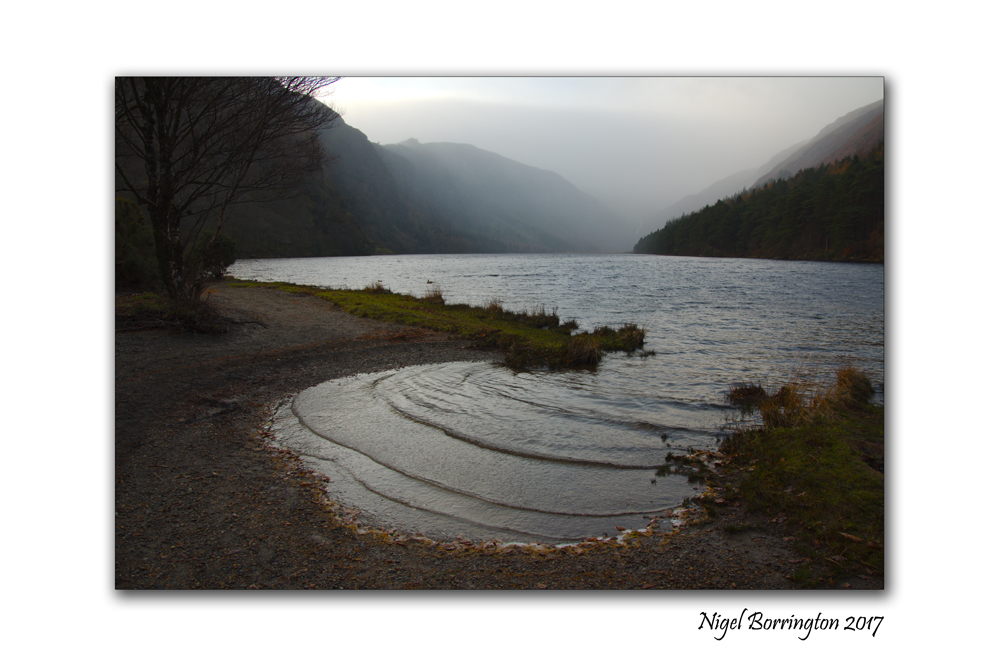
Sunset and evening star,
And one clear call for me!
And may there be no moaning of the bar,
When I put out to sea,
But such a tide as moving seems asleep,
Too full for sound and foam,
When that which drew from out the boundless deep
Turns again home.
Twilight and evening bell,
And after that the dark!
And may there be no sadness of farewell,
When I embark;
For though from out our bourne of Time and Place
The flood may bear me far,
I hope to see my Pilot face to face
When I have cross the bar.

 Nigel Borrington
New year with a Full Moon : Happy new year to everyone .
New Year , Full Moon
New years eve, 2017-2018
Happy new year everyone! , I hope you all have a great time celebrating the New year and I hope 2018 is a great year for all of you 🙂
We have just returned from a moonlight walk in our locale woodlands and this New years eve we have had a clear sky and a full moon, what a great way to bring in the new year …..
Share this:
January 1, 2018 | Categories: astronomy, Comment, Gallery, irish woodlands, Landscape, Nigel Borrington, Winter landscape | Tags: 2018, Full Moon, happy new year, Images of the night sky, Kilkenny, moon, new years eve, Nigel Borrington, Stars, The heavens | 9 Comments