“A Winter Eden” By Robert Frost March 7, 1923
“A Winter Eden”
By Robert Frost
March 7, 1923
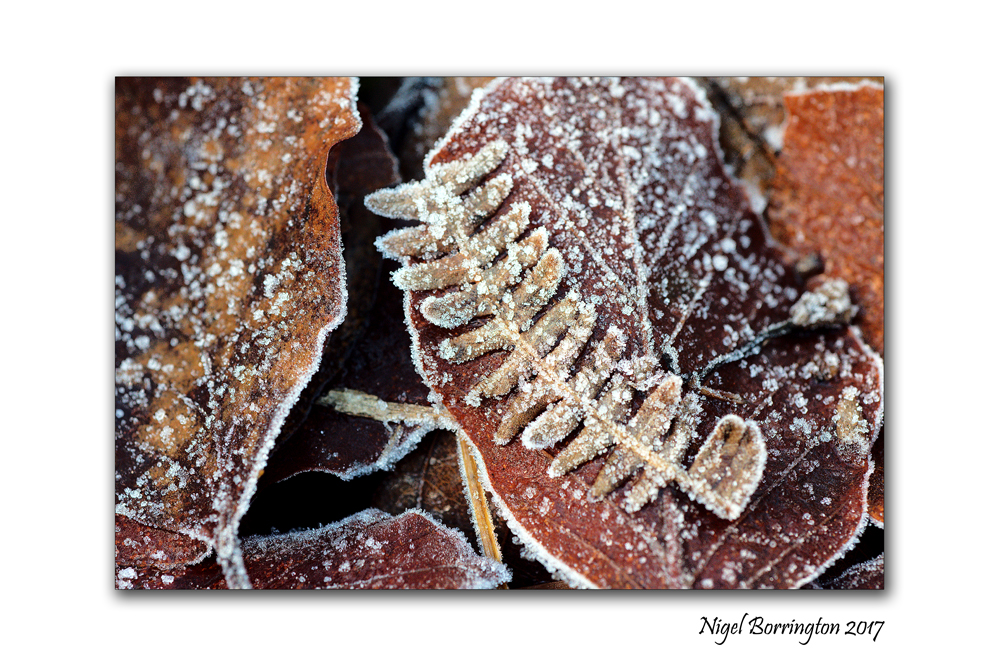
A winter Eden in an alder swamp
Where conies now come out to sun and romp,
As near a paradise as it can be
And not melt snow or start a dormant tree.
It lifts existence on a plane of snow
One level higher than the earth below,
One level nearer heaven overhead
And last year’s berries shining scarlet red.

It lifts a gaunt luxuriating beast
Where he can stretch and hold his highest feast
On some wild apple tree’s young tender bark,
What well may prove the years’ high girdle mark.
Pairing in all known paradises ends:
Here loveless birds now flock as winter friends,
Content with bud inspecting. They presume
To say which buds are leaf and which are bloom.
A feather hammer gives a double knock.
This Eden day is done at two o’clock.
An hour of winter day might seem too short
To make it worth life’s while to wake and sport.
Monday Poetry, In the winter forest, Emma Funnell

In the winter forest
Emma Funnell
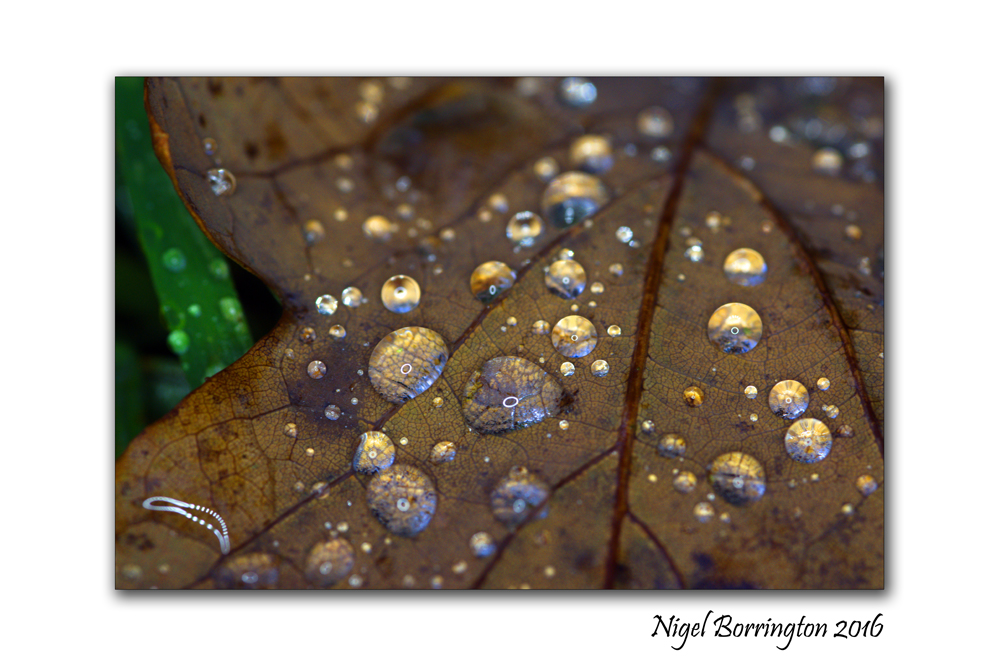
The trees move in the Winter Forest,
They sway with the gental breeze.
Naked as the leaves fall to the ground,
And the water will slowly freeze.
The forest casts shadows on the snowy grounds,
As the light of a thousand stars shine through.
The angels dance and sing in the snow,
As the sky turns to a midnight blue.
One angel sings of the moon and stars,
Another sings of the sun.

They play in the trees and howl with the wind,
Their wings glistening as through the forest they gracefully run.
By day the Winter Forest is quiet and peaceful,
But by night it’s alive with games and song.
The angels, fairies, moon and stars,
Beckon you to come along.

Join in with their dance in praise of the night,
Run with the wolves fast and free.
When the sun comes up they will say goodnight,
Silent again the Winter Forest will be!
EMMA Funnell

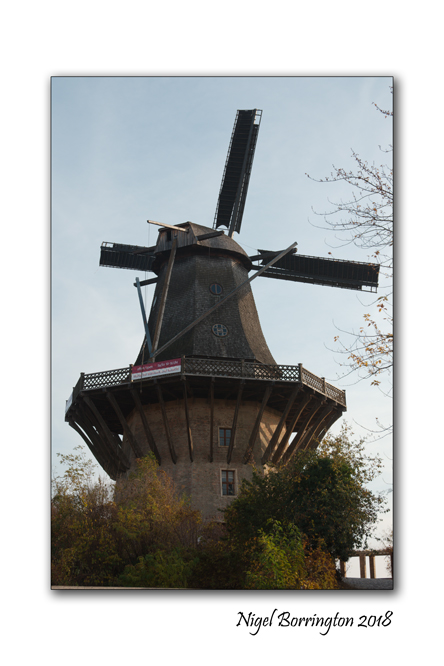
The legend of the Miller of Sanssouci, The WindMill of Sanssouci, November 2018

Sunset at the windmill,
Sanssoici,
Potsdam,
Germany
Nigel Borrington 2018
The windmill at Sanssouci, Potsdam is simply one of the best restored windmills in Germany, Potsdam was the home of the Prussian royal family and as such this windmill like many of the buildings located in and around the city are nothing other than the best of examples in German, even the world, architecture.
History of the Wind Mill
In 1736 the soldier king, Frederick William I of Prussia, gave permission for the construction of a windmill, which was started in 1737. This first windmill, completed in 1738, was a post mill, whose entire superstructure, supported on a wooden post, was turned “into the wind” depending on the wind direction. The first mill and actual Historic Mill was thus older than the nearby summer palace, built in the years 1745 to 1747 for Frederick the Great.
The legend of the Miller of Sanssouci
The legend of the Miller of Sanssouci first appeared in 1787 in a French book about the life of Frederick the Great (Vie de Frédéric II by an anonymous author) and in a watered-down form one year later in Germany.
The legend goes that Frederick the Great was being disturbed by the clatter of the mill sails and offered to buy the mill from its miller, Johann William Grävenitz. When he refused, the king is supposed to have threatened: “Does he not know that I can take the mill away from him by virtue of my royal power without paying one groschen for it?” Whereupon the miller is supposed to have replied: “Of course, your majesty, your majesty could easily do that, if – begging your pardon – it were not for the Supreme Court in Berlin.”
The mill in June 2009
This is only a legend. According to Frederick the Great the mill underscored the rural character of his summer palace and said “that, … the mill is an ornament for the palace.” The miller was reportedly a difficult man, who cheated the local farmers over their flour and constantly pestered the king with petitions. At least one of these petitions was heard by Frederick II. Grävenitz pointed to the fact that, as a result of the construction of the palace, the post mill no longer stood in the open, but was partly shielded from the wind. So he demanded that the king let him build the mill in another site and to pay him for it. Frederick II acceded to this, with the result that, shortly thereafter, the wily Grävenitz was the proud possessor of two mills thanks to the king’s grace, until he eventually resold the old mill.
View from the Erlöser Church
In 1768 there was a legal dispute at another location over water rights and the remaining lease between Christian Arnold, the tenant of a mill in Pommerzig in the Neumark, and his landlord, the Count of Schmettau. After the miller was found guilty on two accounts, he appealed to Frederick the Great, who intervened in the ongoing proceedings in favour of the miller. Wrongly, as it turned out later. The king referred the case to the Berlin Court of Appeal, who once again ruled against the miller. Frederick the Great, then demanded a condemnation of the judges and their imprisonment in Spandau Citadel for their unjust judgments and thus precipitated an abuse of his name.
This legal battle and the story of the Sanssouci miller were woven together in the legend and were intended to emphasize the king’s justice towards all his subjects. After the death of Frederick the Great, the case was reopened. His nephew and successor, Frederick William II decided in a compromise that “… the Miller Arnold case … should be viewed as the consequence of a mistake, whereby the praiseworthy judicial zeal of our royal uncle, who rests in God, was misled by incomplete, inadequate reporting of the true situation by badly informed and preoccupied [biased] people.”
In the years that followed there continued to be disputes between the reigning kings and the millers for different reasons.
These Autumn evenings , Image and Poem by (John) Robinson Jeffers, (1887-1962),

Irish Landscape Images
Autumn eveings County Kilkenny
Nigel Borrington
Oct 2018
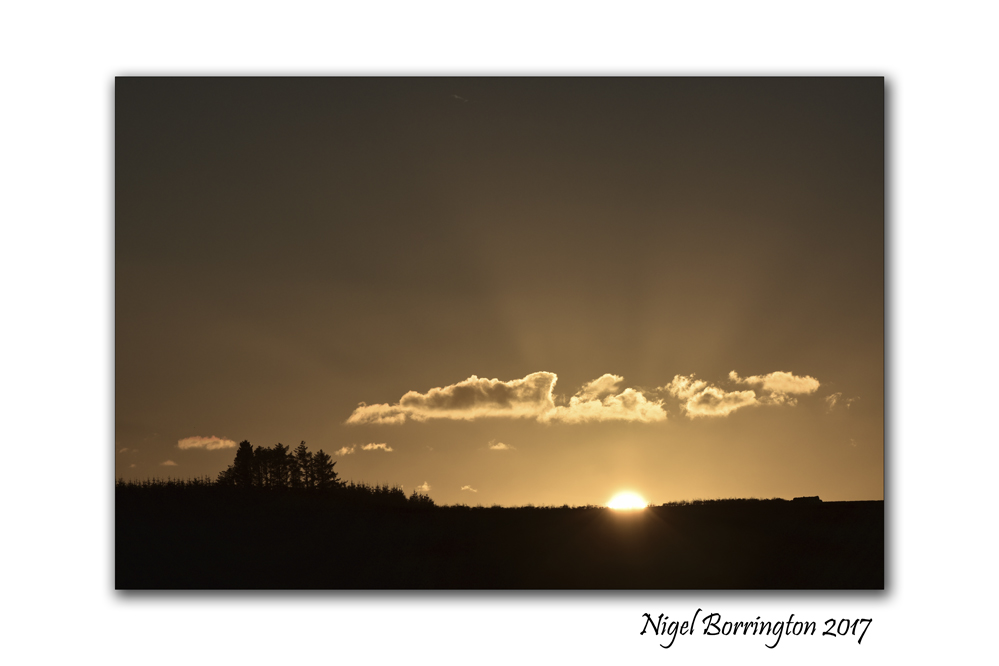
Autumn Evening
Though the little clouds ran southward still, the quiet autumnal
Cool of the late September evening
Seemed promising rain, rain, the change of the year, the angel
Of the sad forest.
Autumn Evening
Nigel Borrington
A heron flew over with that remote ridiculous cry, “Quawk,” the cry
That seems to make silence more silent. A dozen
Flops of the wing, a drooping glide, at the end of the glide
The cry, and a dozen flops of the wing.

I watched him pass on the autumn-colored sky; beyond him
Jupiter shone for evening star.
The sea’s voice worked into my mood, I thought “No matter
What happens to men . . . the world’s well made though.”
Clyde puffer the Vital Spark at Inveraray – To Exiles, Neil Munro (1864 – 1930)

To Exile – Neil Munro (1864 – 1930)
The Vital Spark
Neil Munro (1864 – 1930) was born in Inveraray and worked as a journalist on various Scottish newspapers. He wrote a number of historical novels but is best known for his humorous stories about the fictional Clyde puffer the Vital Spark and her captain Para Handy, written under the pen name of Hugh Foulis.
Although Neil Munro didn’t emigrate any further than Glasgow, his background (his grandmother was from a Gaelic-speaking part of the Highlands) would have given him an insight into emigration and what it felt like to be an exile. This poem is written more from the perspective of someone who stayed behind.
To Exiles
Are you not weary in your distant places,
Far, far from Scotland of the mist and storm,
In drowsy airs, the sun-smite on your faces,
The days so long and warm?
When all around you lie the strange fields sleeping,
The dreary woods where no fond memories roam,
Do not your sad hearts over seas come leaping
To the highlands and the lowlands of your Home?
Wild cries the Winter, loud through all our valleys
The midnights roar, the grey noons echo back;
About the scalloped coasts the eager galleys
Beat for kind harbours from horizons black:
We tread the miry roads, the rain-drenched heather,
We are the men, we battle, we endure!
God’s pity for you people in your weather
Of swooning winds, calm seas, and skies demure!

Let torrents pour then, let the great winds rally,
Snow-silence fall, or lightning blast the pine;
That light of Home shines warmly in the valley,
And, exiled son of Scotland, it is thine.
Far have you wandered over seas of longing,
And now you drowse, and now you well may weep,
When all the recollections come a-thronging
Of this old country where your fathers sleep.
They sleep, but still the hearth is warmly glowing,
While the wild Winter blusters round their land:
That light of Home, the wind so bitter blowing
Look, look and listen, do you understand?
Love, strength, and tempest-oh, come back and share them!
Here is the cottage, here the open door;
Fond are our hearts although we do not bare them,
– They’re yours, and you are ours for evermore.
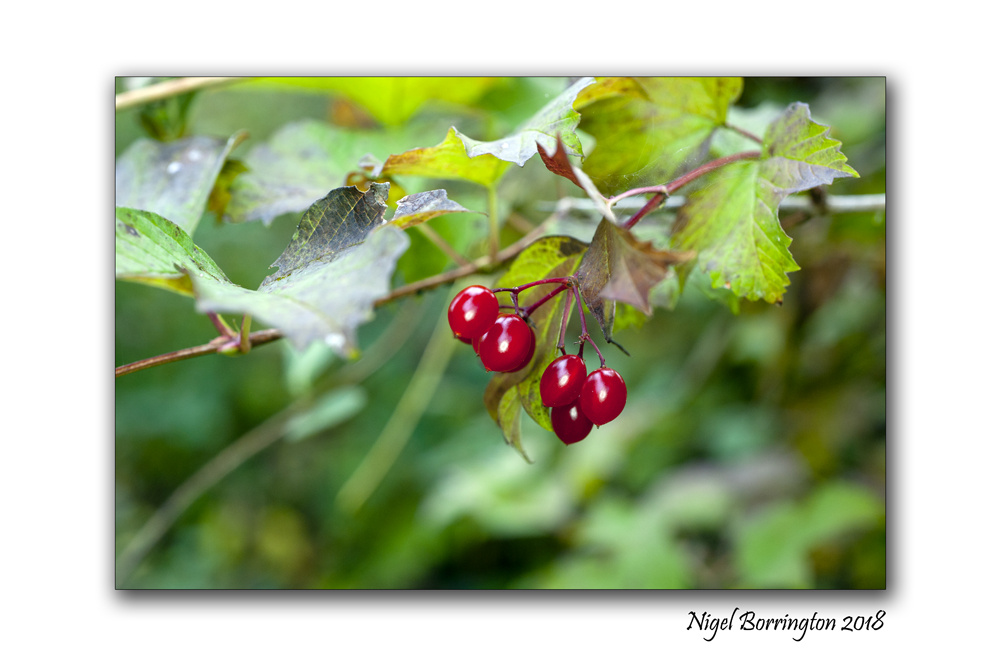
October – Along the Forest Path 1… (Viburnum Opulus) Guelder Rose, Berries
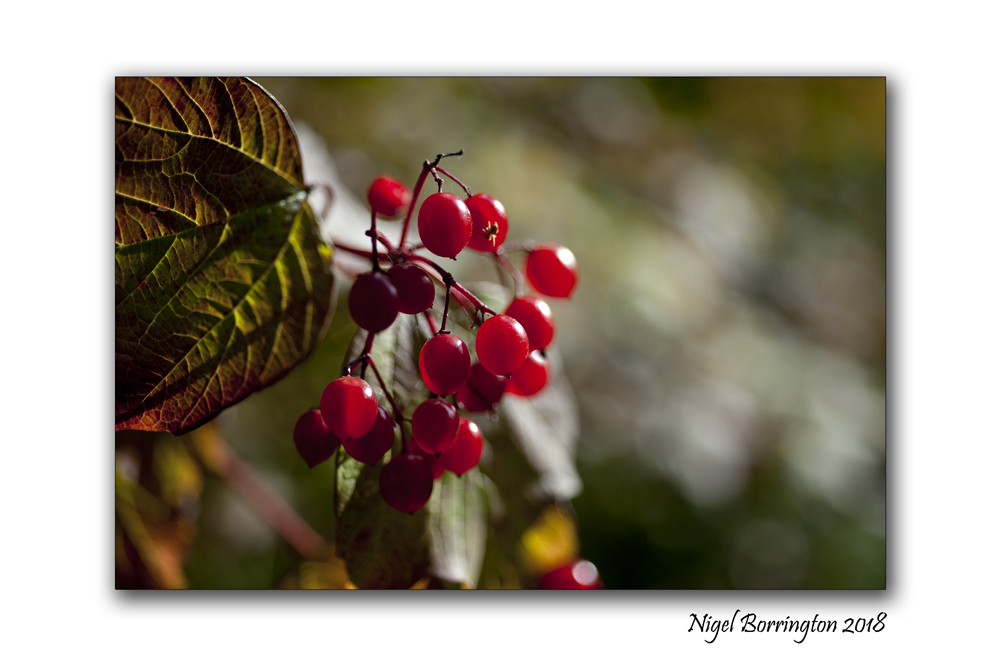
Viburnum Opulus Hedging
Guelder Rose, Viburnum opulus, is one of Britain’s most beautiful native shrubs and it makes a great hedging plant, typically in a mixed country hedge. It also make a fine ornamental shrub for any garden: in the wild, it is often found in dappled woodland shade, but it needs full sun to give you the best show of flowers. Guelder Rose bushes will grow pretty much anywhere, including shady sites under large trees and chalky soils. It prefers a moist soil and will tolerate periods of waterlogging.
Guelder Rose is good for hedges up to about 5 metres high.
Browse all of our other varieties of Viburnum trees & shrubs plants. Alternatively, view our selection of native hedging or see our full range of hedging plants.
Guelder Rose hedge plants are only delivered bareroot, during winter (Nov-March).
Choosing a size: When you are ordering Guelder Rose plants for a hedge, we suggest that you buy smaller plants if you are not in a rush. They are cheaper and easier to handle than large plants. They will also give you a bushy hedge with little effort.
Spacing Guelder Rose hedging:
Plant Guelder Rose at 3 plants per metre, 33cms apart.
You can also plant Guelder Rose at 5 plants per metre in a staggered double row, with 33 cms between each plant and 40cms between the rows.
The Guelder Rose makes an excellent mixed hedge plant, typically with hawthorn.

General description of Guelder Rose plants:
It has large, three lobed leaves that colour up in autumn with a jumble of tones that bleed together in a rough, rustic manner. The flowers are quite unique, with a ring of dainty little smooth star shaped flowers rising above bed of even smaller, bud-like blooms. The smaller flowers are the ones that ripen into blood red fruit, in time for the excellent red and yellow autumn colours.
History & uses of Viburnum opulus
The Guelder Rose isn’t a rose at all, it is closely related to the elderflowers. The name probably comes from the Dutch region of Gelderland. Guelder Rose berries were one of the secondary food sources that our ancestors would have depended upon in hard times. We don’t recommend eating them, as even slightly unripe fruit will cause stomach upsets, but if civilisation happens to collapse and you find yourself living in the woods, you could feed yourself by boiling up them up into a soup. Until then, we recommend leaving the berries for the birds.
Wind Turbine Poem, Our Wind Turbine

Ballybay Wind Farm, Tullaroan, county Kilkenny
Wind Turbine Poem
Our Wind Turbines

The propeller is always spinning,
Turning like the world.
With the wind it creates energy,
Makes a sound in motion.
It is environmentally friendly,
And the wind soars through the skies.
A source of power is at work,
And leaves a warm feeling inside.

Our turbine is very tall,
The wind blows in my face,
The sound the machine creates,
Will reach the furthest place.
It helps save parts of nature,
The sound rings loud and clear,
It keeps our land clean and neat,
Good energy is right here.
CERES Community in the Environment

Ballybay Wind Farm, Tullaroan, County Kilkenny
Nigel Borrington
The Angel – A poem by William Blake
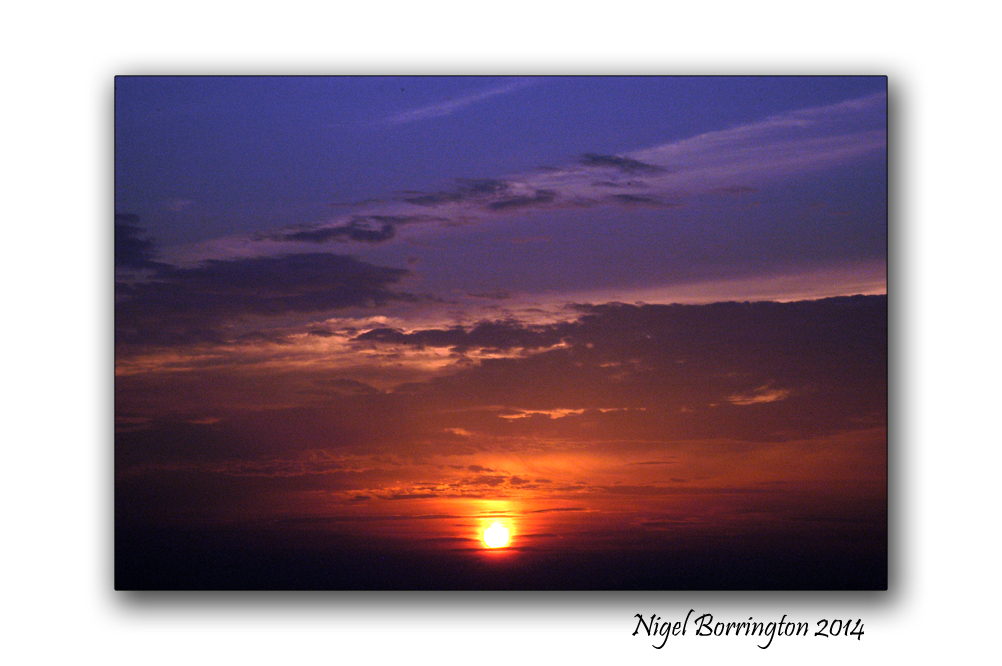
A September Sunrise, County Kilkenny
Landscape Photography : Nigel Borrington
poet William Blake
#11 on top 500 poets
The Angel – Poem by William Blake
I dreamt a dream! What can it mean?
And that I was a maiden Queen
Guarded by an Angel mild:
Witless woe was ne’er beguiled!
And I wept both night and day,
And he wiped my tears away;
And I wept both day and night,
And hid from him my heart’s delight.

So he took his wings, and fled;
Then the morn blushed rosy red.
I dried my tears, and armed my fears
With ten-thousand shields and spears.
Soon my Angel came again;
I was armed, he came in vain;
For the time of youth was fled,
And grey hairs were on my head.
William Blake

Monday Evening Poetry : A Night in the Field, Jay Parini, 1948
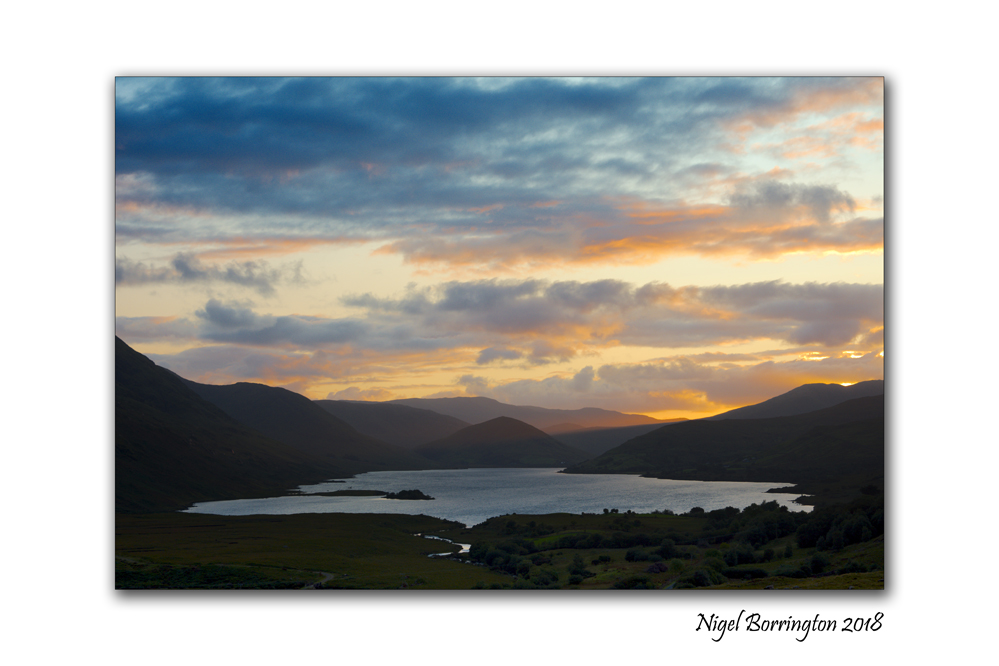
Suntsets over Country Kilkenny
Nigel Borrington 2018
A Night in the Field
Jay Parini, 1948
I didn’t mean to stay so late
or lie there in the grass
all summer afternoon and thoughtless
as the kite of sun caught in the tree-limbs
and the crimson field began to burn,
then tilt way.
I hung on
handily as night lit up the sky’s black skull
and star-flakes fell as if forever—
fat white petals of a far-off flower
like manna on the plains.

A ripe moon lifted in the east,
its eye so focused,
knowing what I knew but had forgotten
of the only death I’ll ever really need
to keep me going.
Did I sleep to wake or wake to sleep?
I slipped in seams through many layers,
soil and subsoil, rooting
in the loamy depths of my creation,
where at last I almost felt at home.
But rose at dawn in rosy light,
beginning in the dew-sop long-haired grass,
having been taken, tossed,
having gone down, a blackened tooth
in sugary old gums, that ground
William Butler Yeats country, Those Images A poem

Those Images – Poem by William Butler Yeats
What if I bade you leave
The cavern of the mind?
There’s better exercise
In the sunlight and wind.
I never bade you go
To Moscow or to Rome.
Renounce that drudgery,
Call the Muses home.
Seek those images
That constitute the wild,
The lion and the virgin,
The harlot and the child.
Find in middle air
An eagle on the wing,
Recognise the five
That make the Muses sing.
William Butler Yeats
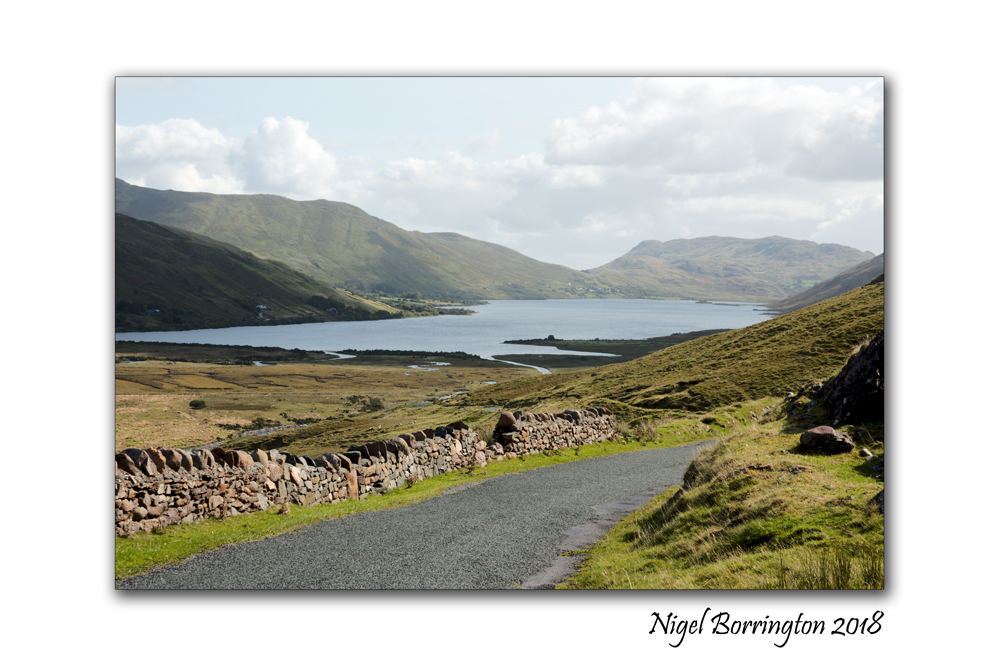
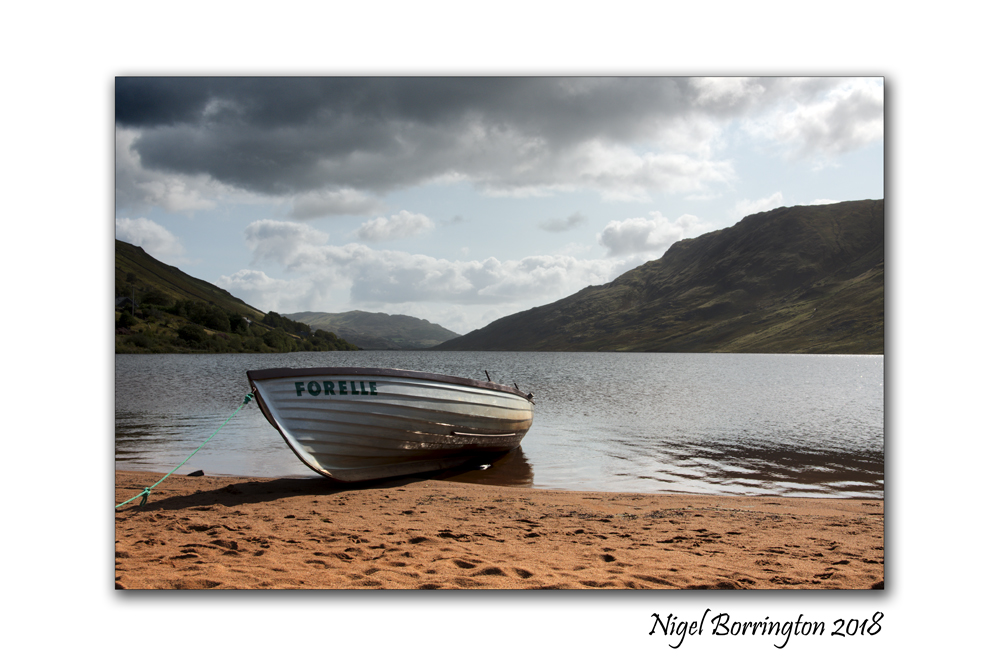


The Land of Beyond, Robert Service

The Land of Beyond
Robert Service
Have you ever heard of the Land of Beyond,
That dream at the gates of the day?
Alluring it lies at the skirts of the skies,
And ever so far away;
Alluring it calls: O ye yoke of galls,
And ye of the trails overfond,
With saddle and pack, by paddle and track,
Let’s go to the Land of Beyond!

Have ever you stood where the silences brood,
And vast the horizons begin,
At the dawn of the day to behold far away
The goal you would strive for and win?
Yet ah! in the night when you gain to the height,
With the vast pool of heaven star-spawned,
Afar and agleam, like a valley of dream,
Still mocks you the Land of Beyond.

Thank God! there is always the Land of Beyond
For us who are true to the trail;
A vision to seek, a beckoning peak,
A fairness that never will fail;
A proud in our soul that mocks at a goal,
A manhood that irks at a bond,
And try how we will, unattainable still,
Behold it, our Land of Beyond!
Irish landscapes, Curracloe beach,county wexford

Irish Landscapes
Curracloe Beach
County Wexford
Nigel Borrington
Curracloe Beach in County Wexford is one of the most popular beaches in Ireland. Located 2KM away from Curracloe Village, this soft-sand beach is frequented by sunbathers and nature-lovers alike.
During the summer months, you’ll find that the area is bustling with life, as holidaymakers leave their home counties to take up residence in the holiday homes, campsites, hotels and B&Bs that surround the area. Later on, during the autumn and winter months, Curracloe Beach and its nearby forest become a hot spot for dog-walkers, joggers and anyone else in pursuit of a peaceful stroll.
The area itself is suitable for bathing, as it has a Blue Flag certification. This certification, which is awarded by the Foundation for Environmental Education (FEE), serves as a notice to beach-goers that the area and its surrounding waters have lived up to a number of strict regulatory standards.
Its 7-mile-long beach is famous for its soft and fine sand, which puts it in contrast with many of the stony beaches that you will find around Ireland. The beach is guarded by a number of large and sprawling dunes, all of which are held together and stabilised by a seemingly-endless blanket of green marram grass. During the warmer months, these sand dunes prove to be extremely popular amongst visitors, many of whom will not pass up the opportunity to roll down them.
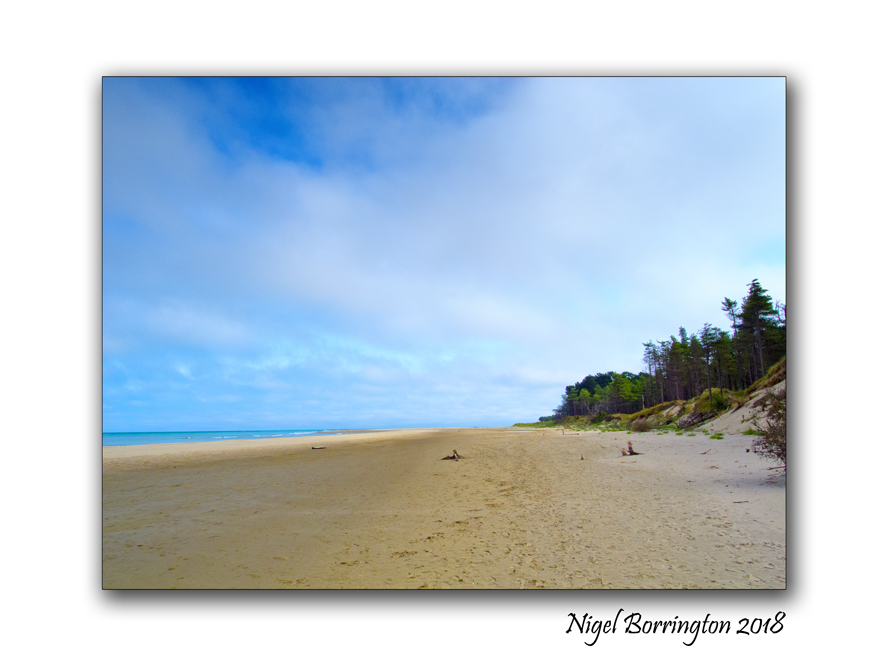
Curracloe Strand, Ballinesker, was used for the filming of the D-Day sequence in Saving Private Ryan, due to similarity to Omaha Beach in Normandy. Filming began June 27, 1997, and lasted for two months. The village of Curracloe lacked 3-phase electricity but when the film company decided to film there, it was connected.
Curracloe Strand was also used for the Irish beach scene in the movie Brooklyn.


A Poem for August : In August – Poem by Paul Laurence Dunbar
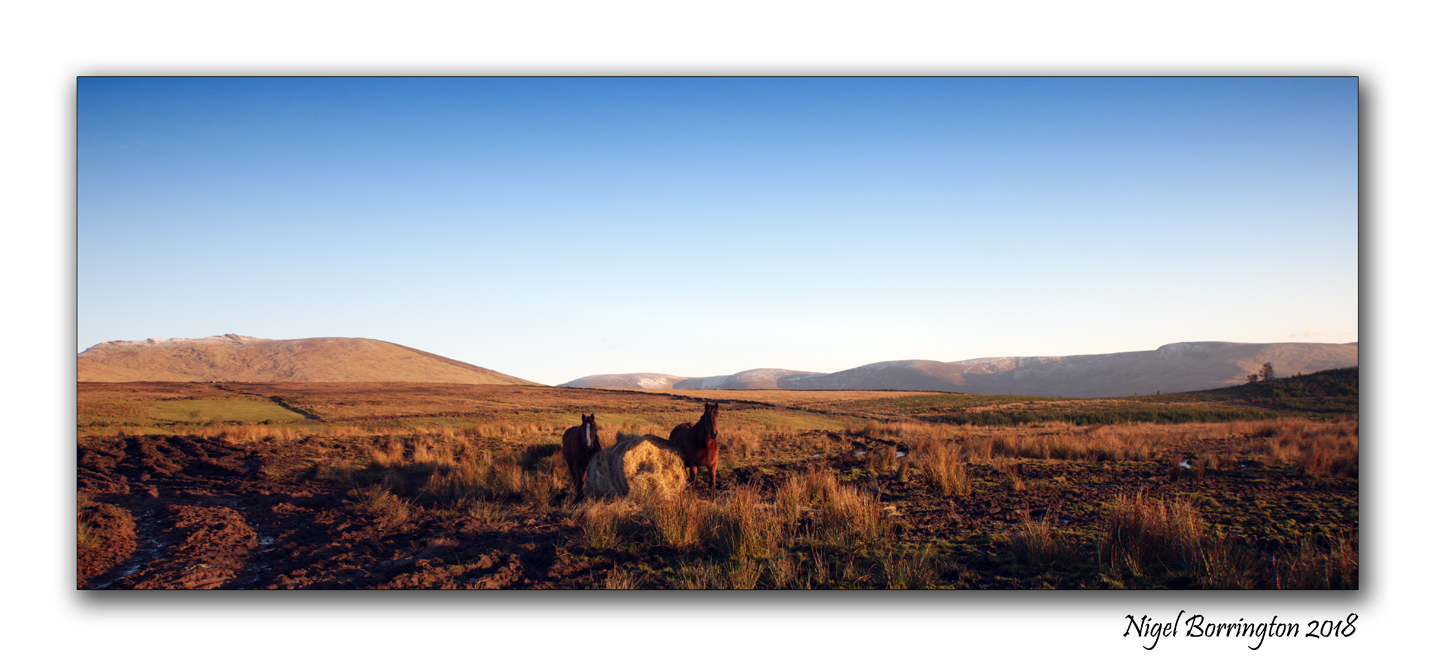
A Poem for those Augusts when it doesn’t rain …..
In August – Poem by Paul Laurence Dunbar
When August days are hot an’ dry,
When burning copper is the sky,
I ‘d rather fish than feast or fly
In airy realms serene and high.
I ‘d take a suit not made for looks,
Some easily digested books,
Some flies, some lines, some bait, some hooks,
Then would I seek the bays and brooks.
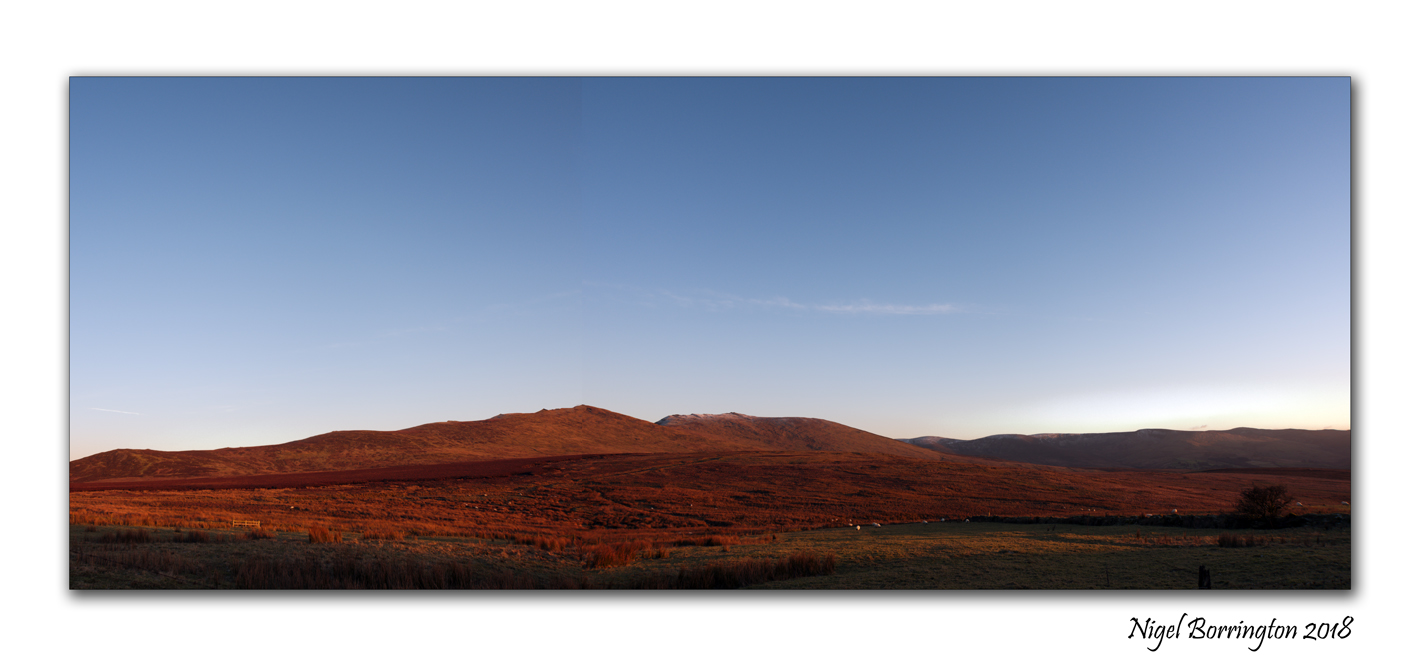
I would eschew mine every task,
In Nature’s smiles my soul should bask,
And I methinks no more could ask,
Except–perhaps–one little flask.
In case of accident, you know,
Or should the wind come on to blow,
Or I be chilled or capsized, so,
A flask would be the only go.
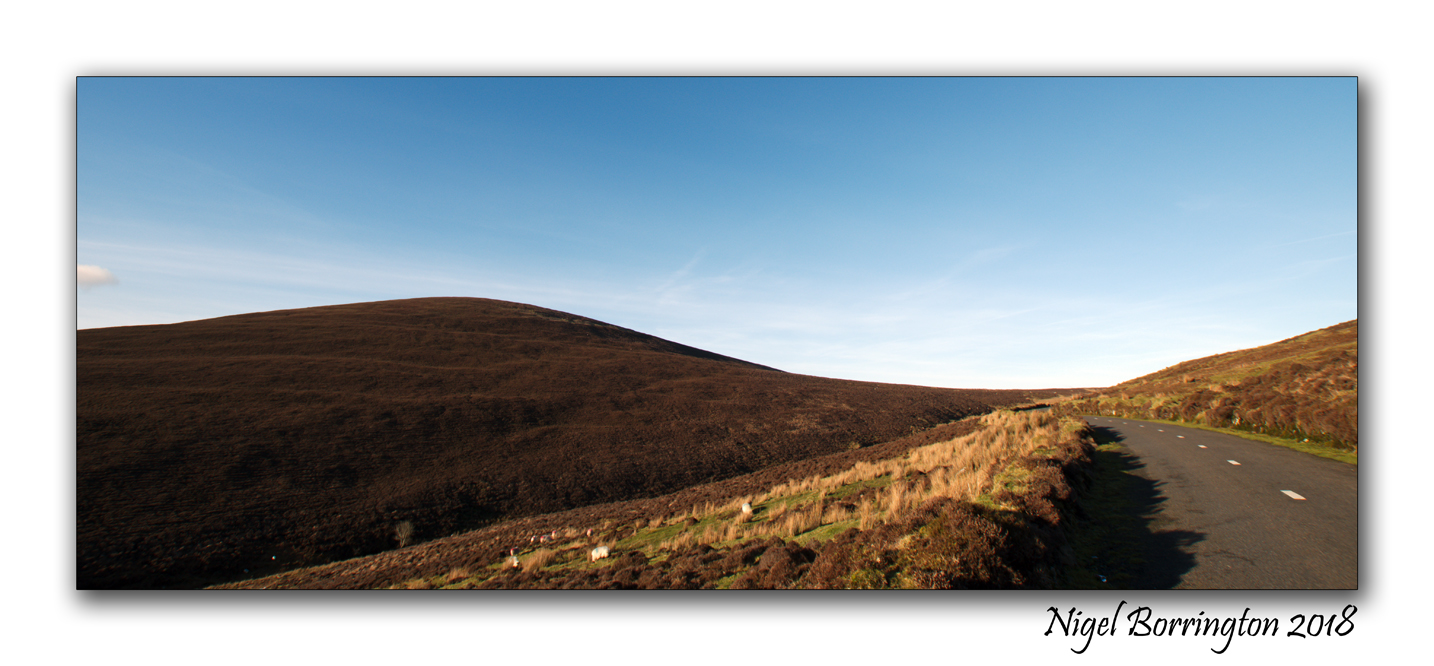
Then could I spend a happy time,–
A bit of sport, a bit of rhyme
(A bit of lemon, or of lime,
To make my bottle’s contents prime).
When August days are hot an’ dry,
I won’t sit by an’ sigh or die,
I ‘ll get my bottle (on the sly)
And go ahead, and fish, and lie!
In August
Paul Laurence Dunbar
Irish Landscapes, Baylough (Bay Lough) The Vee,Knockmealdown Mountains, County Waterford, Ireland

Bay Lough is the famous Corrie Lake in the side of Knockaunabulloga, part of the Knockmealdown Mountain range.
Bay Lough and its surrounds is a strong favourite with hill walkers and recreational walkers of all sorts. The walk to the lake from the car park is not too difficult and suitable for family outings. On any fine day you will see hundreds of walkers making the trip to the lake and walking to its furthest point (it is only possible to walk about half way around, the photo to your left is taken at the most distant point to which you can walk).
The name Bay Lough (or Baylough) is only tentatively connected to the lake. It is thought the name derives from an Anglicisation of the Irish word ‘bealach’ (pronounced ‘ba-lock’) which means ‘pass’ or ‘way’. Those mapping the area, who would have been English, no doubt presumed the word ‘bealach’ referred to the lough in the mountain. You’ll find this type of mistaken Anglicisation of place names all around Ireland for the same reason.

Bay Lough is located close to the hightest point of the pass in the Knockmealdown Mountains from Waterford to Tipperary and was along the regular roadway used for this journey. It is thought this path dates back to St. Declan, who travelled from Ardmore to Cashel along the route. You can still walk along St. Declan’s Way also known as Rian Bó Phadraig. It is popular with hikers who want to experience the historical heritage as well as the beauty of the area. The road from the car park to the lake, which can be continued past the lake and on to Mount Anglesby, was in fact the main road from Cappoquin and Lismore to Clogheen before the current road, going by the Vee, was constructed in the early nineteenth century. This old road is known locally as ‘the Soldiers Path’ and is now a forestry path. It is part of a number of spectacular walks around Bay Lough, see the Walks page for more information on these.
This area is a wonderful (and totally free) resource for locals and visitors alike. Should you wish to visit the lake it is most easily accessible from a car park on the Waterford side of the lake – this is the Loc8 Code for the lake –YZS-26-53G – just be aware that you can only drive as far as this Parking Area.
The lake has a strong historical significance both in South Tipperary and West Waterford. In local folklore it is famed as the lake to which Petticoat Loose was banished for all time, ordered to empty it with a thimble.
It is also widely held that the lake is ‘bottomless’ and that it is not possible to swim across it, despite its rather modest proportions.
Irish Landscape Photography : The rain maker

The Rainmaker
Written by
Roger Turner
The weather plots his journey
Town to town in dead of night
Fields dead and on a gurney
He comes in to make it right
A rainmaker, people call him
A psuedo-scammer others say
He sells himself as godlike
He comes quick and does not stay
He tells people what they wish for
He beats the storm in to their town
He seeds their minds with his tall stories
He promises more green than brown
Like an evangelistic angel
He beats the weather to the ground
He’s a salesman like no other
He picks their pockets with no sound

A rainmaker, just a scammer
He works the towns where nothing lives
He is an alchemist non-gratta
He always takes and never gives
He sells snake oil and concoctions
He is a shaman in disguise
He promises rain where none has fallen
There is more moisture in the farmers eyes
He takes credit for a rainfall
He promises gold where once was straw
He’s a rumplestiltskin with their feelings
He sells them only what they wish they saw
He may believe in what he tells them
He always puts his name out on a stake
But, can he truly make the skies open
That is a choice the desperate make
Ghost House in the Irish landscape, Poem by Robert Frost, 1874 – 1963
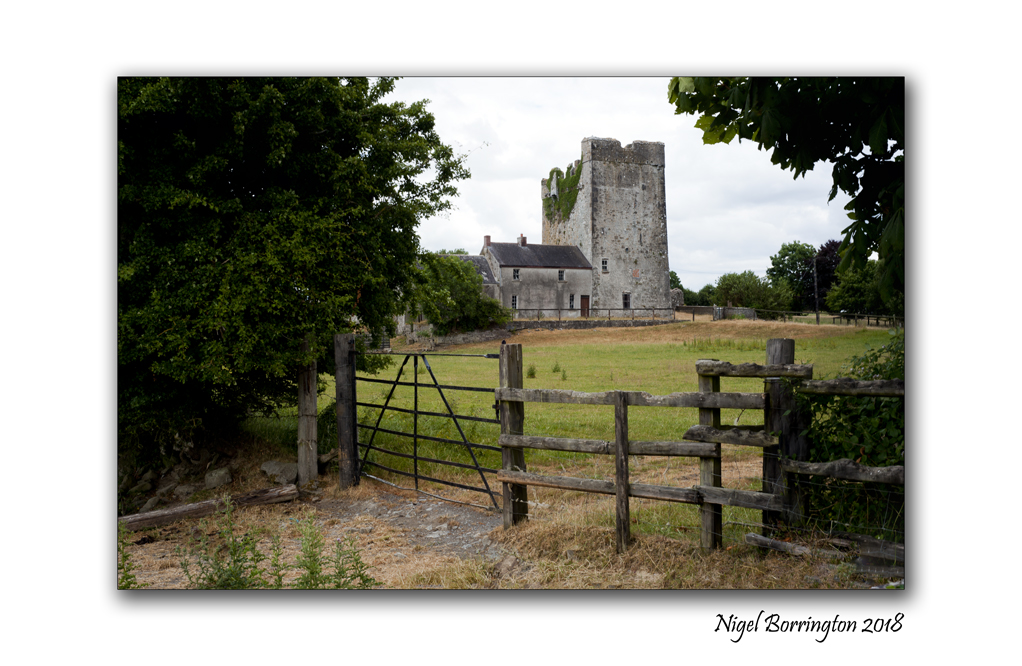
Ghost House
Robert Frost, 1874 – 1963
I dwell in a lonely house I know
That vanished many a summer ago,
And left no trace but the cellar walls,
And a cellar in which the daylight falls
And the purple-stemmed wild raspberries grow.
O’er ruined fences the grape-vines shield
The woods come back to the mowing field;
The orchard tree has grown one copse
Of new wood and old where the woodpecker chops;
The footpath down to the well is healed.
I dwell with a strangely aching heart
In that vanished abode there far apart
On that disused and forgotten road
That has no dust-bath now for the toad.
Night comes; the black bats tumble and dart;

The whippoorwill is coming to shout
And hush and cluck and flutter about:
I hear him begin far enough away
Full many a time to say his say
Before he arrives to say it out.
It is under the small, dim, summer star.
I know not who these mute folk are
Who share the unlit place with me—
Those stones out under the low-limbed tree
Doubtless bear names that the mosses mar.
They are tireless folk, but slow and sad—
Though two, close-keeping, are lass and lad,—
With none among them that ever sings,
And yet, in view of how many things,
As sweet companions as might be had
Post cards from the edge : Ross castle, Killarney Nation park, county Kerry , Ireland

Ross Castle
Killarney National park county Kerry
Ireland
Nikon D700
Sigma 28mm EX DG f1.8 lens
Nigel Borrington
Monday Poetry : The Ocean Shipwreck Lord Byron (1788–1824)

The Ocean Shipwreck
Lord Byron (1788–1824)
(From Don Juan)
’T WAS twilight, for the sunless day went down
Over the waste of waters; like a veil,
Which, if withdrawn, would but disclose the frown
Of one who hates us, so the night was shown,
And grimly darkled o’er their faces pale,
And hopeless eyes, which o’er the deep alone
Gazed dim and desolate; twelve days had Fear
Been their familiar, and now Death was here.
* * * * *
At half past eight o’clock, booms, hencoops, spars,
And all things, for a chance, had been cast loose,
That still could keep afloat the struggling tars,
For yet they strove, although of no great use:
There was no light in heaven but a few stars;
The boats put off o’ercrowded with their crews;
She gave a heel, and then a lurch to port,
And, going down head-foremost,—sunk, in short.

Then rose from sea to sky the wild farewell!
Then shrieked the timid, and stood still the brave;
Then some leaped overboard with dreadful yell,
As eager to anticipate their grave;
And the sea yawned around her like a hell,
And down she sucked with her the whirling wave,
Like one who grapples with his enemy,
And strives to strangle him before he die.
And first one universal shriek there rushed,
Louder than the loud ocean, like a crash
Of echoing thunder; and then all was hushed,
Save the wild wind and the remorseless dash
Of billows; but at intervals there gushed,
Accompanied with a convulsive splash,
A solitary shriek—the bubbling cry
Of some strong swimmer in his agony.
Irish landscape photography , On Summer Hill, Poem By: John K Trainer
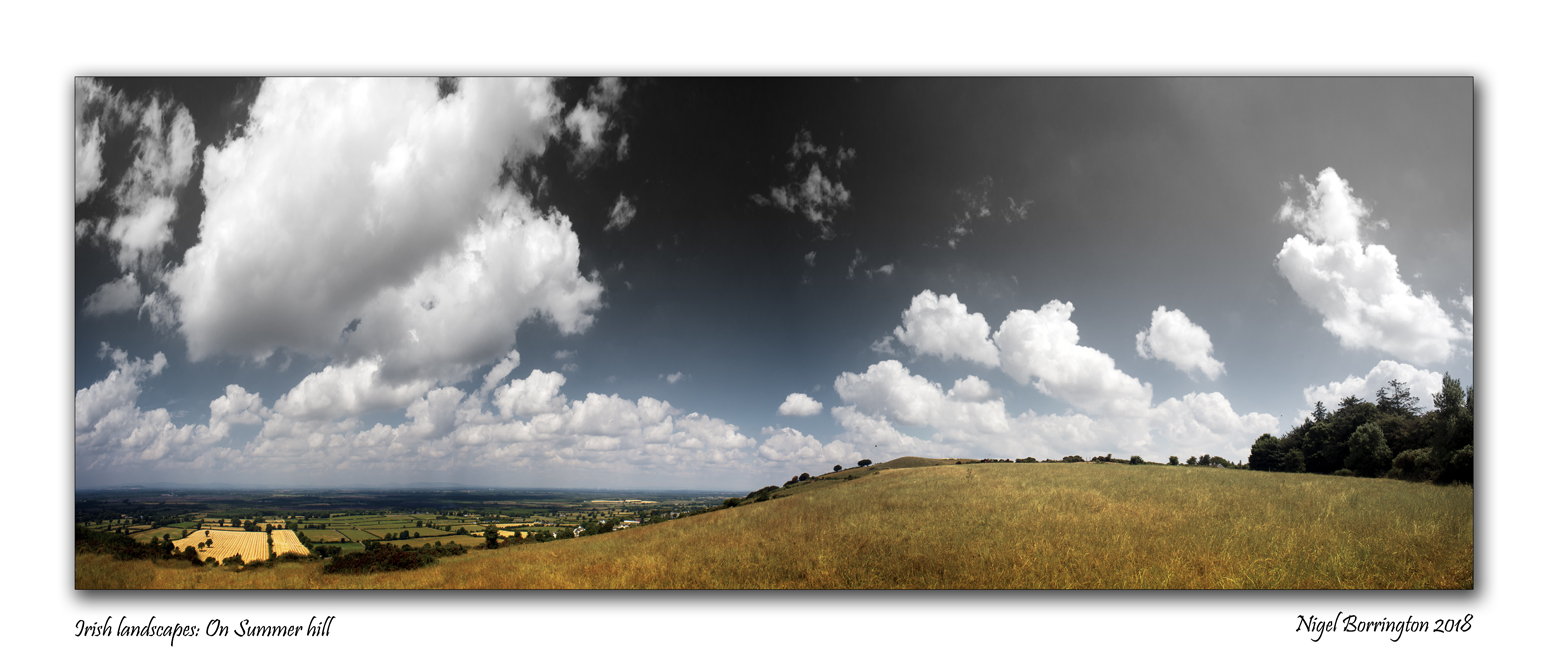
On summer hill
fading to black and white
Irish Landscape images
Nikon D700
Tamron 17mm lens
Nigel Borrington
On summer Hill
John K Trainer
The fragrance of a memory
From childhood long ago
I’m brought back
To a fenced in back yard
Crayola blue sky
Burnt umber ground
Islands of green and yellow grass
The scent of Summer Hill wafts
As the unseen is revealed
A dream remembered then forgotten
You say it didn’t happen
I recollect the aroma that says it did
Capturing Ireland’s heatwave, July 10th 2018, The River Runs Dry, taken from a Poem by : Veronica Ellen
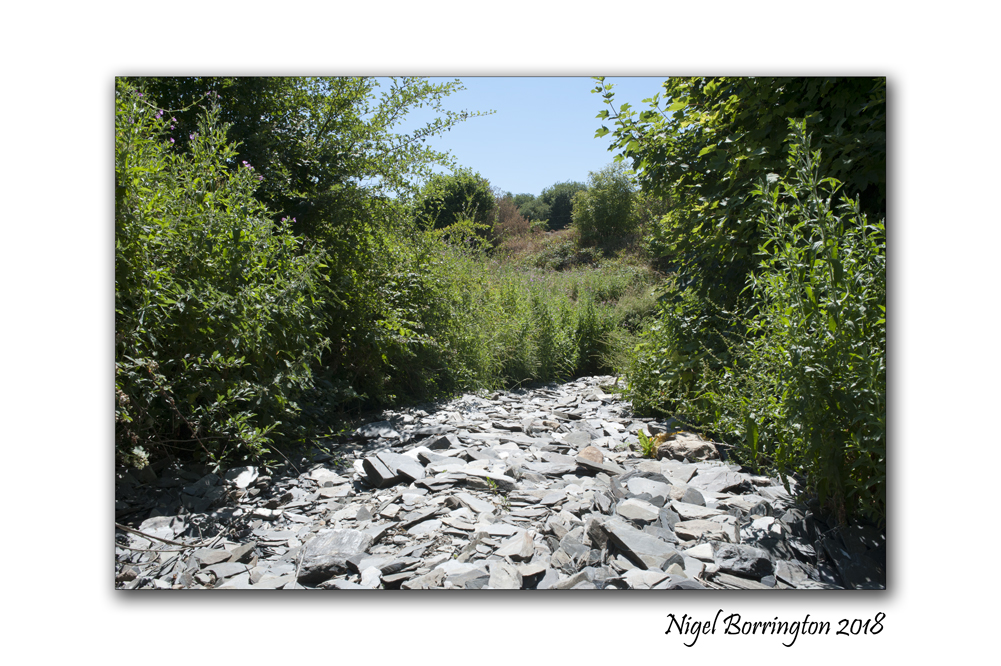
Irish summer 2018
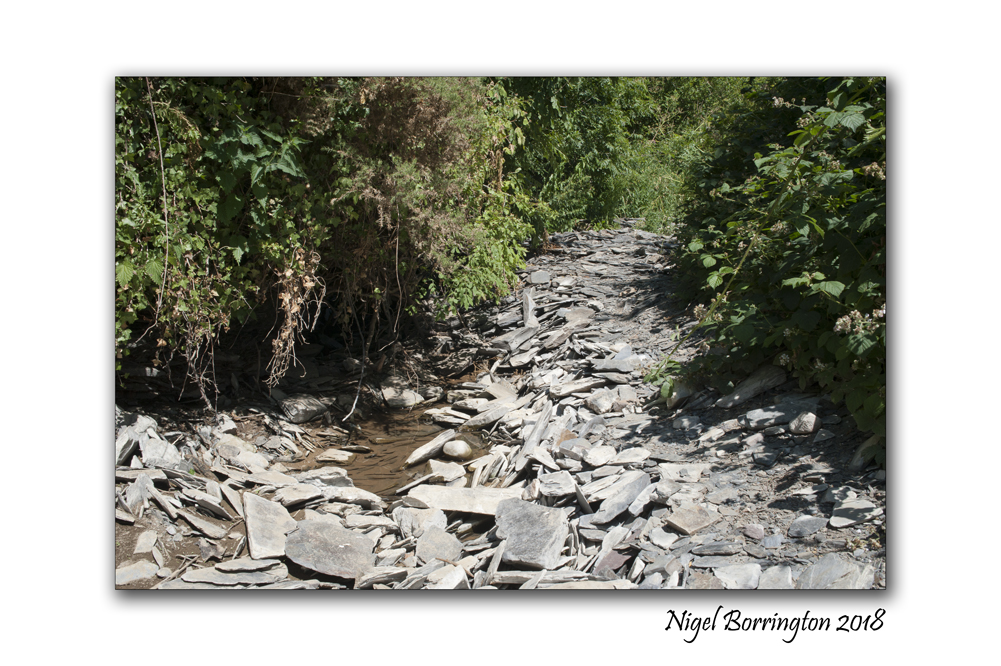
The heatwave, the river runs dry
River Lingaun
County Kilkenny
The River Runs Dry
The river runs dry from mouth to stream
No rain from the sky, and all the land screams-
For nourishment, to save the dying crop
But God has no mercy and all the crops rot.
The heat strikes the fury, arouses the flame, sets the fire
Burns down the struggling trees, wealth an unrealized by flame.
burning bushes, so often unseen.

Weakens our roots, and their spirit is broken
Will it never rain again? , so many are hoping.

Irish Landscape Photography , Mountain lane, Comeragh Mountains, County Waterford
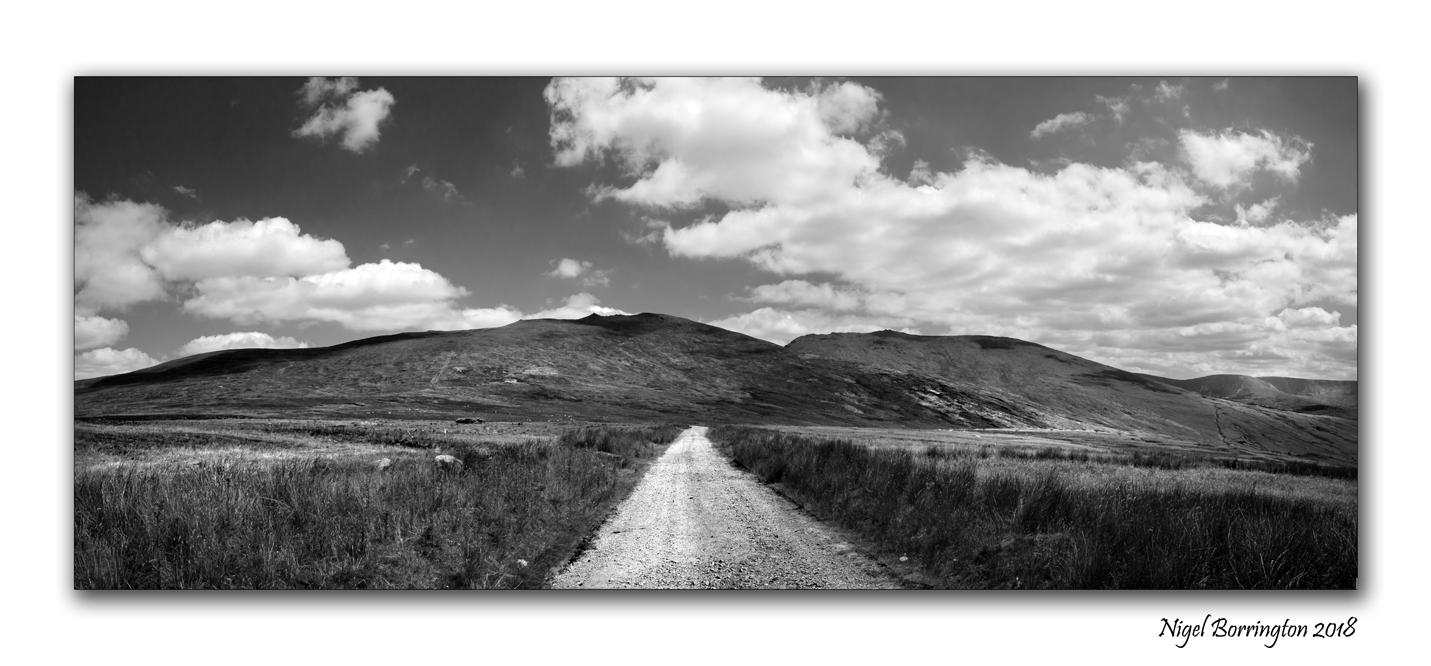
Irish Landscape Photography ,
Nigel Borrington,
Mountain lane, Comeragh Mountains, County Waterford
Nikon D700
 Nigel Borrington
What is life, if We have no time to stand and stare ? A Poem by: William Henry Davies
What is life
By : William Henry Davies
What is this life if, full of care,
We have no time to stand and stare.
No time to stand beneath the boughs
And stare as long as sheep or cows.
No time to see, when woods we pass,
Where squirrels hide their nuts in grass.
.
No time to see, in broad daylight,
Streams full of stars, like skies at night.
No time to turn at Beauty’s glance,
And watch her feet, how they can dance.
No time to wait till her mouth can
Enrich that smile her eyes began.
A poor life this if, full of care,
We have no time to stand and stare.
Share this:
July 30, 2018 | Categories: Comment, Gallery, Irish Landscapes, Landscape, Nature, Nature and Wildlife, Poetry Gallery | Tags: Nigel Borrington, poem, poetry, Questions on life, What is life?, William Henry Davies | Leave a comment