Castlerigg stone circle, Keswick in Cumbria, September Equinox

Castlerigg stone circle, Keswick in Cumbria
Landscape photography, Nigel Borrington
September Equinox, 22nd of September
There are two equinoxes every year – in September and March – when the sun shines directly on the equator and the length of day and night is nearly equal. Seasons are opposite on either side of the equator, so the equinox in September is also known as the “autumnal (fall) equinox” in the northern hemisphere. However, in the southern hemisphere, it’s known as the “spring (vernal) equinox”.
The Earth’s postion during the September equinox (ill. not to scale).
September Equinox in Kilkenny, Ireland is on the
Sunday, 22 September 2013, 21:44 IST
Castlerigg stone circle
The stone circle at Castlerigg (alt. Keswick Carles, Carles, Carsles or Castle-rig) is situated near Keswick in Cumbria, North West England. One of around 1,300 stone circles in the British Isles and Brittany, it was constructed as a part of a megalithic tradition that lasted from 3,300 to 900 BCE, during the Late Neolithic and Early Bronze Ages.
Various archaeologists have commented positively on the beauty and romance of the Castlerigg ring and its natural environment. In his study of the stone circles of Cumbria, archaeologist John Waterhouse commented that the site was “one of the most visually impressive prehistoric monuments in Britain.”
Every year, thousands of tourists travel to the site, making it the most visited stone circle in Cumbria. This plateau forms the raised centre of a natural amphitheatre created by the surrounding fells and from within the circle it is possible to see some of the highest peaks in Cumbria: Helvellyn, Skiddaw, Grasmoor and Blencathra.
Sunday on the river bank

All images using a Sigma SD15
Images of the river Nore, County Kilkenny
Irish landscape photography : Nigel Borrington
Sundays at this time of year can be a great time to go for a river walk, its getting towards autumn but the walk along the river Nore towards St Mullins can still be green and full of life.
There were still lots of people around, including one family rowing in their Canadian Canoes, I got some images of them and we met them again later on outside a Cafe and shared a drink or two.
The River Nore in September – Gallery


Its the weekend so ….

Images taken using a Fujifilm X100
Mountains of county Kerry
Irish landscape Photography : Nigel Borrington
Its the weekend so why not find a mountain road and take a walk, look at the views, take your time and relax ……..

Going down to Littleton bog, County Tipperary

All images using a Canon G1x and a Fujifilm x100
Images of Littleton peat bog, County Tipperary
Irish landscape photography by : Nigel Borrington
Going down to Littleton Bog.
To myself I feel that very little depicts the landscape of Ireland as much as it’s peat bog areas, peat has been cut from this landscape for hundreds if not thousands of years.
Littleton Bog is about 30km from my home and I visit this area many times during the year, too both walk our dog Molly and take sometime too take images and just be out in what can be a very wild place in the winter months along with a wonderful place in the summer.
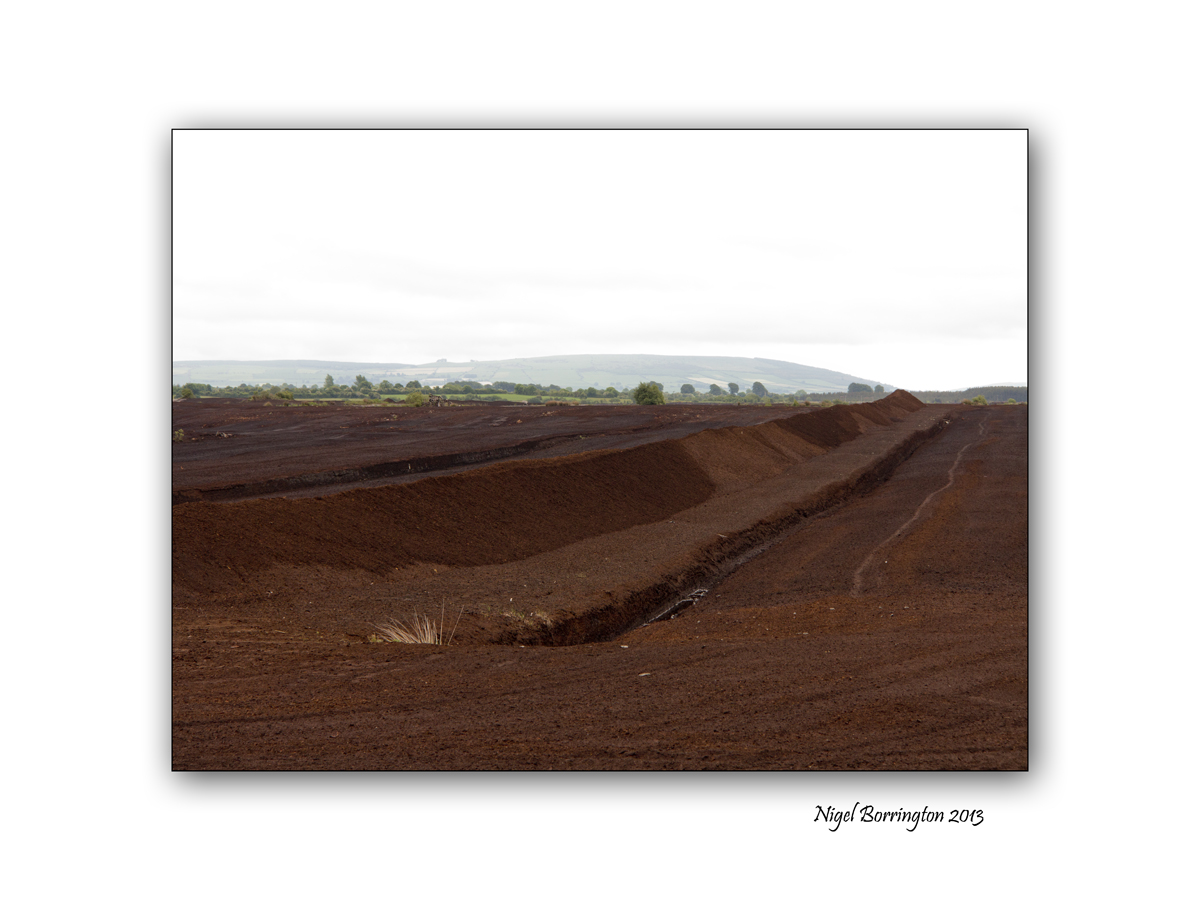
The mass production of peat from the Littleton area has left this landscape deeply affected as you can see from this photo and the photographs below. However I have also tried by best to show how the area around the bog can be reclaimed for both nature and wildlife.
Many Animals and Birds make the reclaimed lakes here their home during both the winter and summer months. Littleton bog is also home to many rare plants and insects with multiple entries in the Irish national biodiversity database.
Seamus Heaney
Last week the Irish Poet Seamus Heaney died and he wrote this Poem about the Irish bog lands.
Bogland
By Seamus Heaney
We have no prairies
To slice a big sun at evening–
Everywhere the eye concedes to
Encrouching horizon,
Is wooed into the cyclops’ eye
Of a tarn. Our unfenced country
Is bog that keeps crusting
Between the sights of the sun.
They’ve taken the skeleton
Of the Great Irish Elk
Out of the peat, set it up
An astounding crate full of air.
Butter sunk under
More than a hundred years
Was recovered salty and white.
The ground itself is kind, black butter
Melting and opening underfoot,
Missing its last definition
By millions of years.
They’ll never dig coal here,
Only the waterlogged trunks
Of great firs, soft as pulp.
Our pioneers keep striking
Inwards and downwards,
Every layer they strip
Seems camped on before.
The bogholes might be Atlantic seepage.
The wet centre is bottomless.
Images of the Bog – Gallery


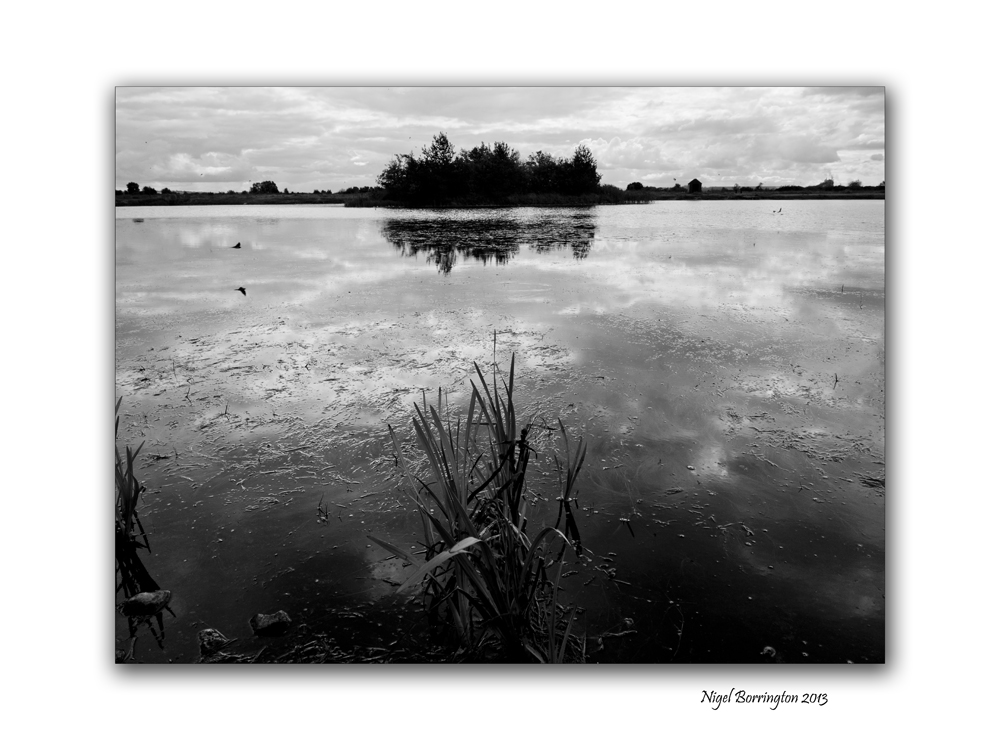


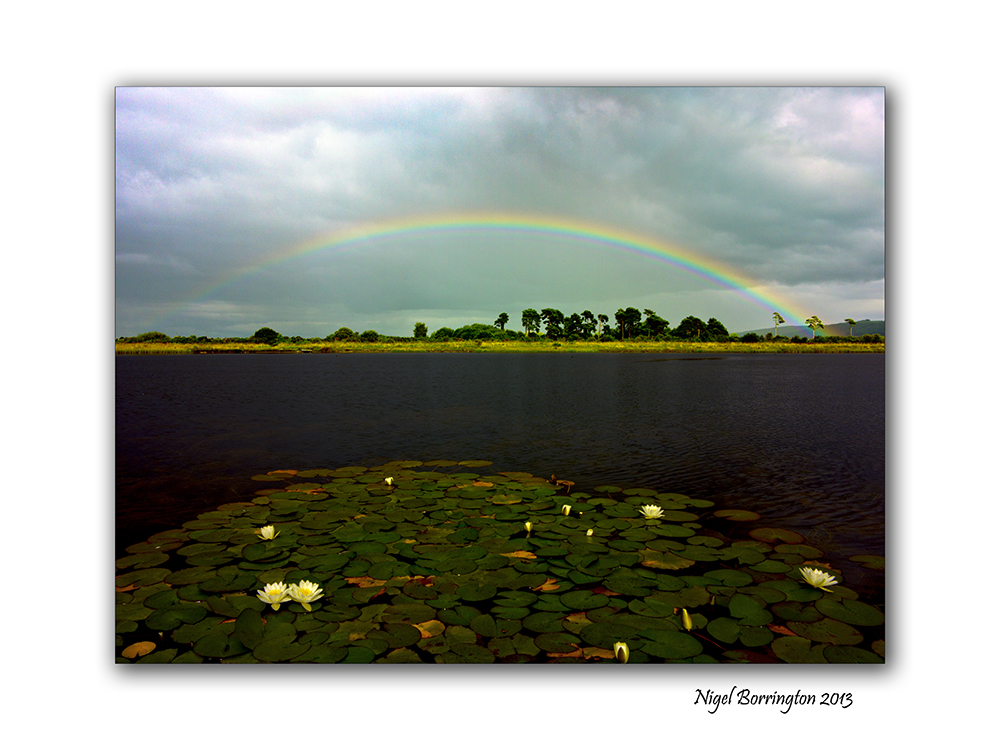


St Johns, Kilkenny. Images from a wedding day.

All Images using a Nikon D700
A Wedding in St Johns, County Kilkenny
Kilkenny wedding photographer : Nigel Borrington
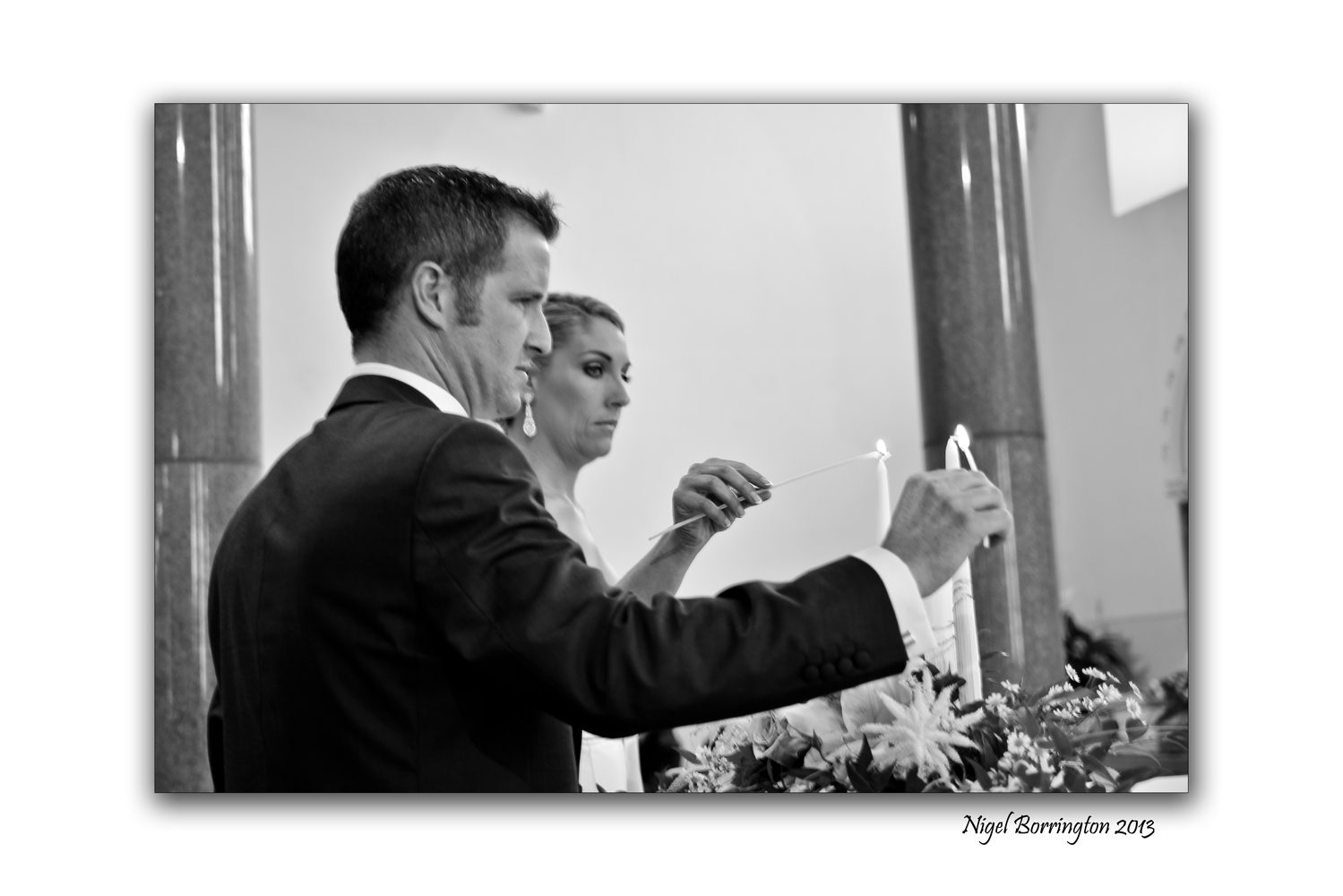
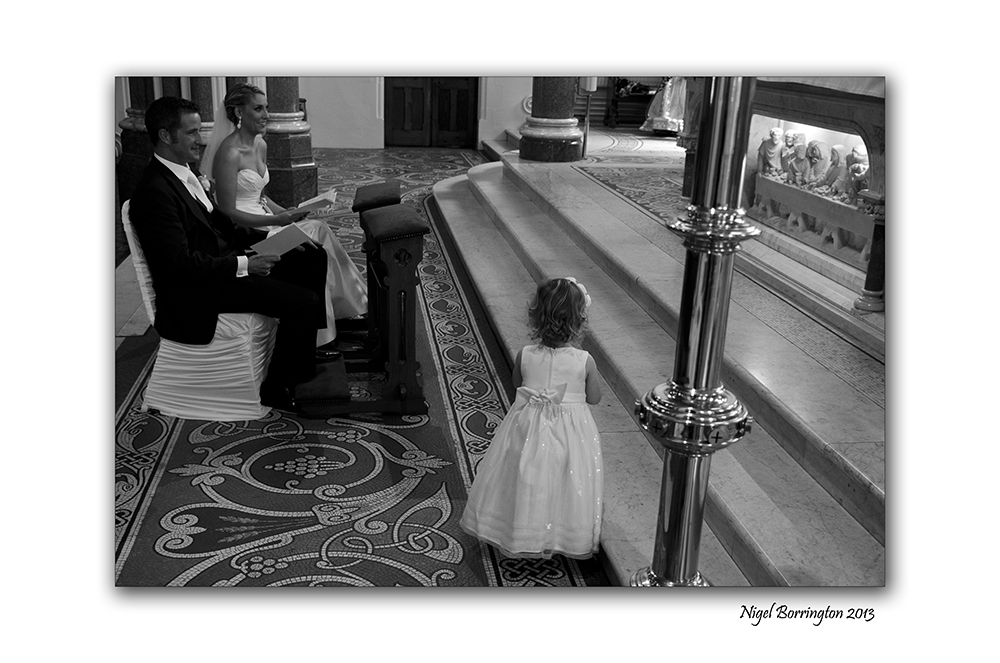
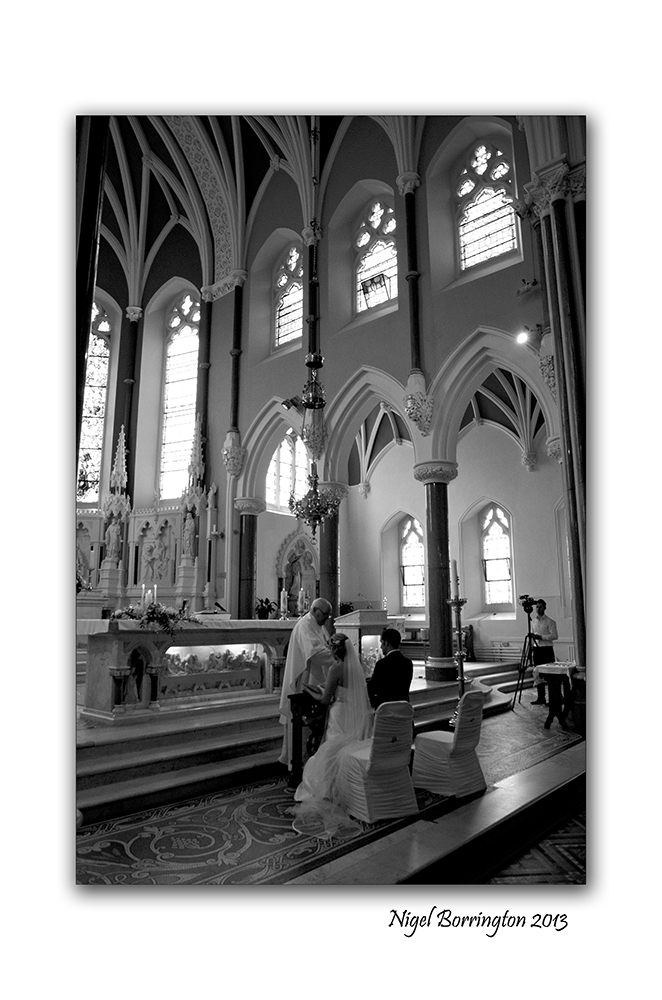
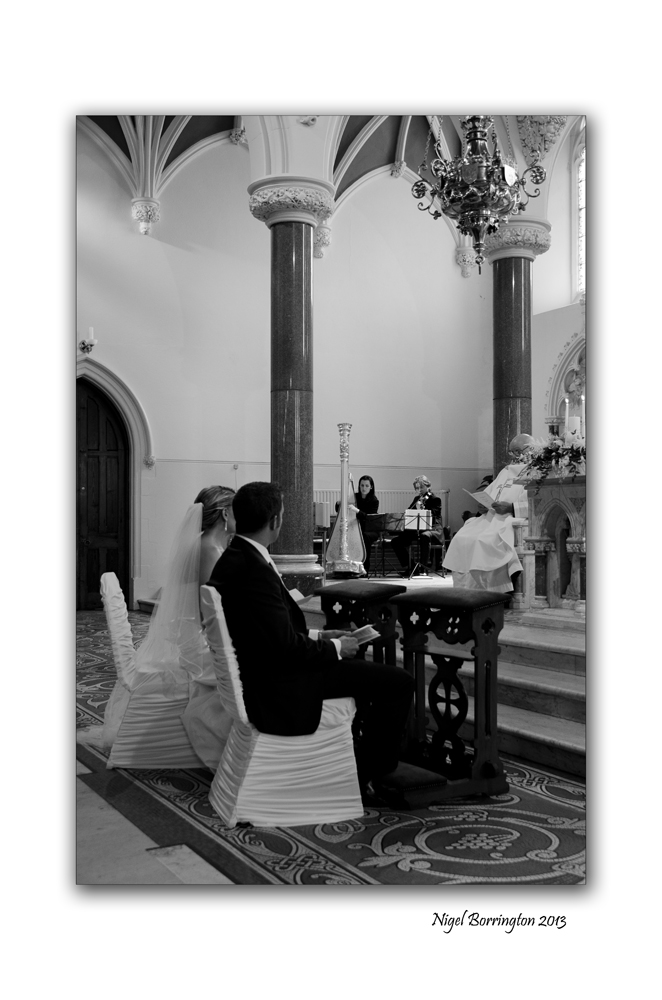
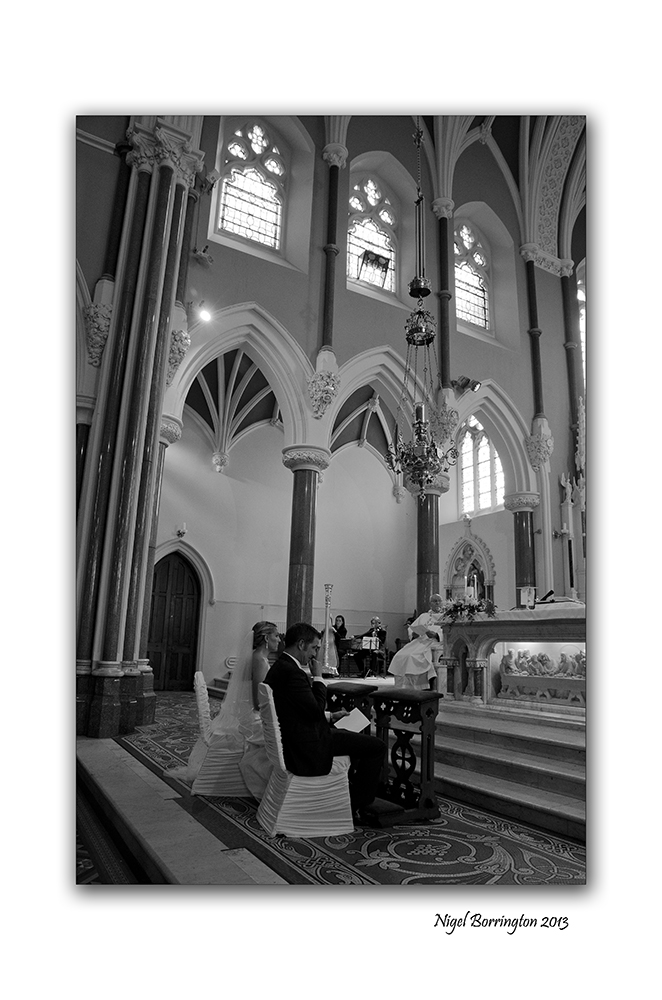
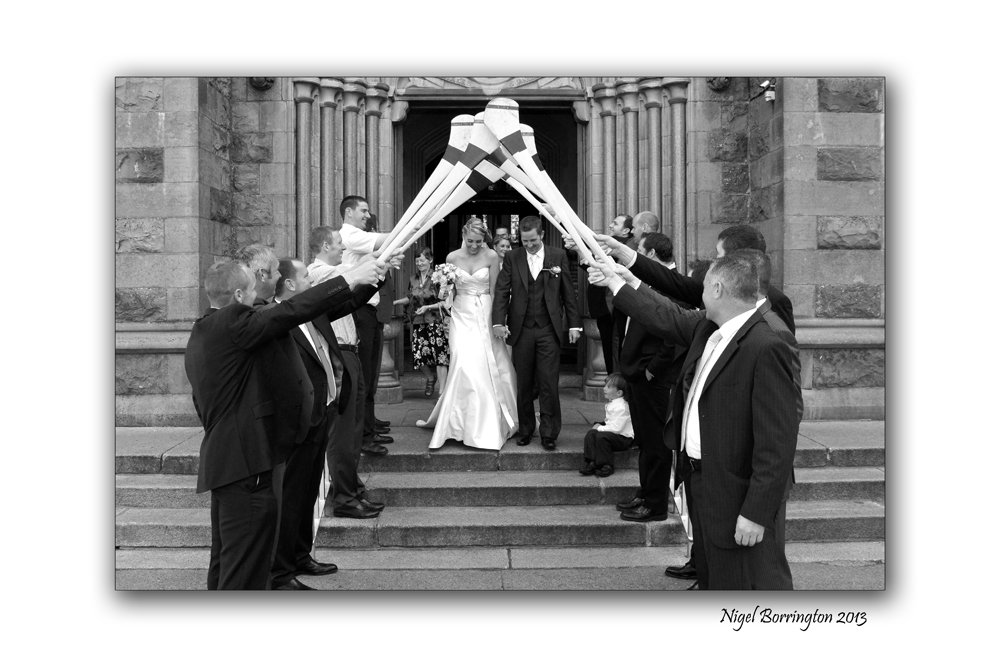
These are just some of the images from a wedding I photographed in St Johns, county Kilkenny a little time back.
The couple asked for some black and white images, so here are just some of the one’s that I worked on for them.
A wedding at St John’s

Wedding musicians, St Johns, Kilkenny
Images using a Nikon D700
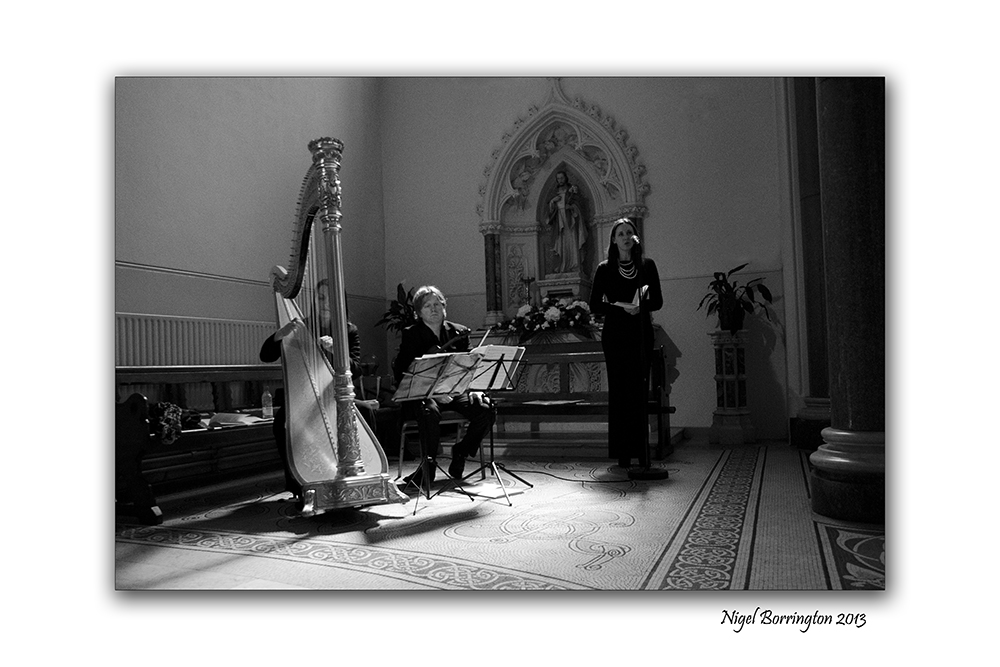
Wedding Musicians, St John, County Kilkenny
Kilkenny wedding photography : Nigel Borrington
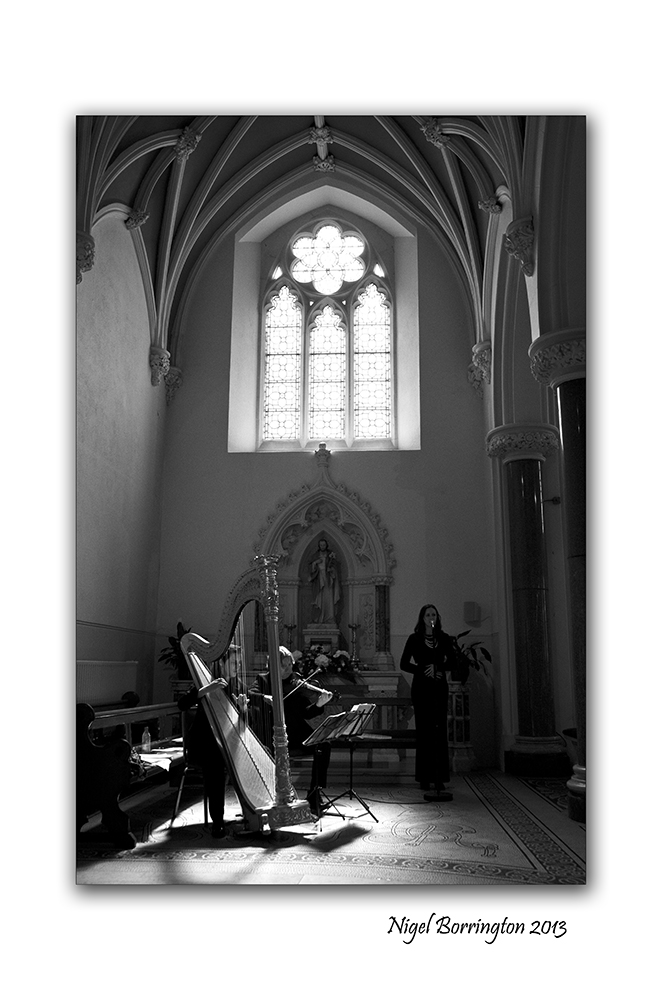
During a wedding at St Johns, I took a moment to get some images of the Musicians as they played.
Their Music was just wonderful to listen too and I was also very pleased with the photographs when I got back to the studio.
Images of the musicians

St John, Kilkenny
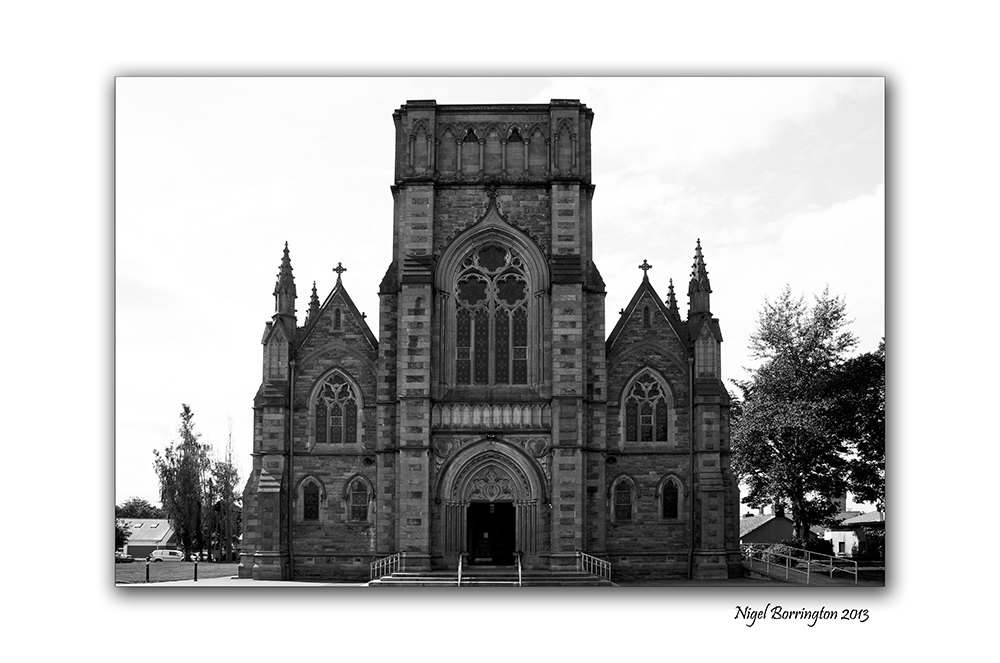
All images using a Nikon D7000
St Johns parish church, county Kilkenny
Kilkenny photographer: Nigel Borrington.
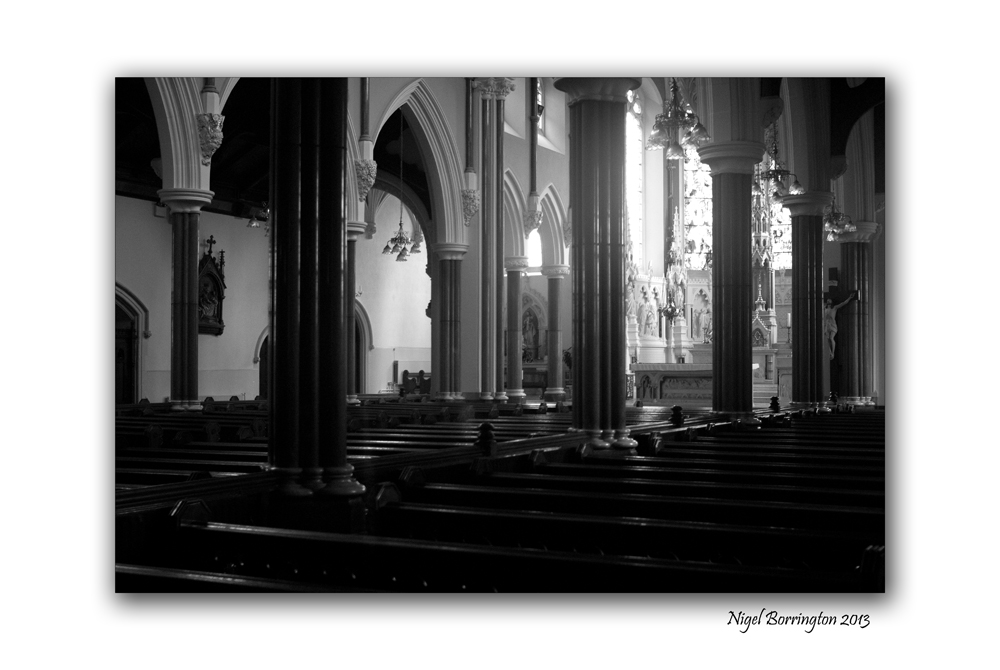
St Johns, Kilkenny is one of the counties best known churches and I have photographed weddings for a few wedding couples here since I have been working as a photographer here in Ireland.
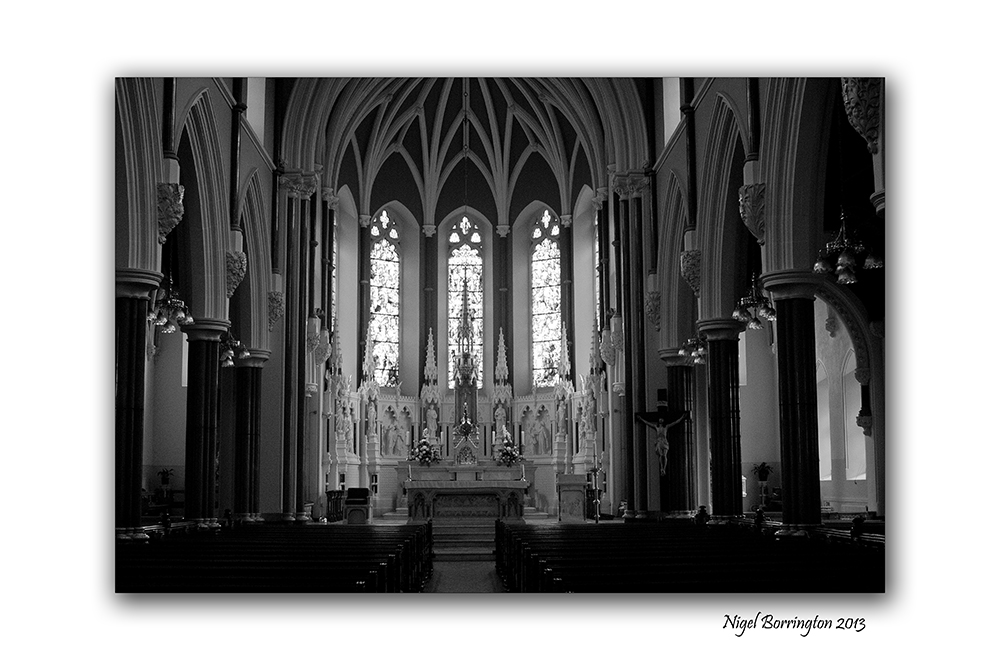
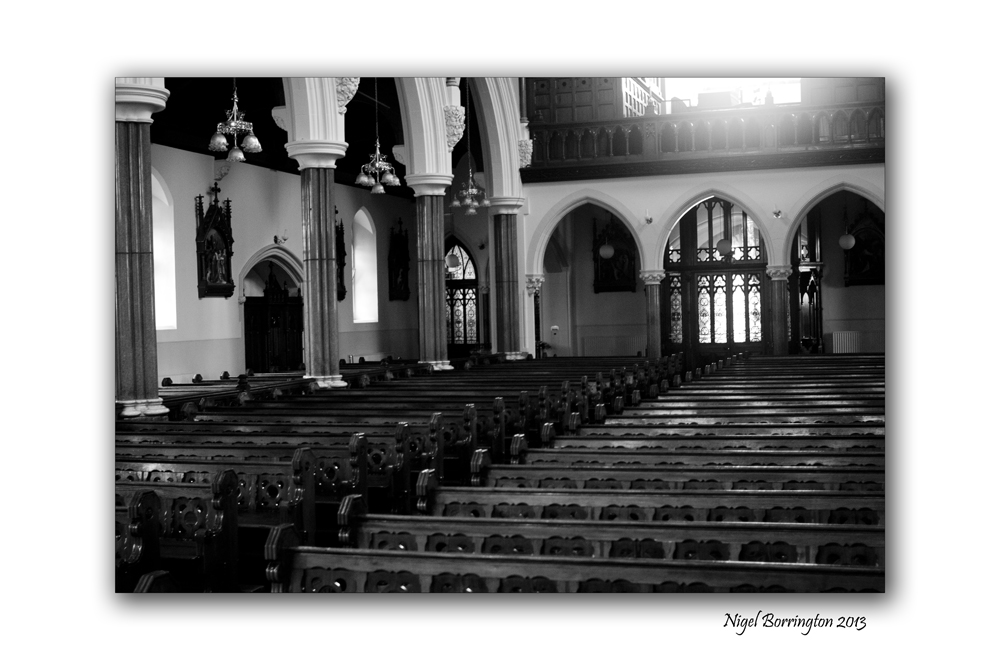
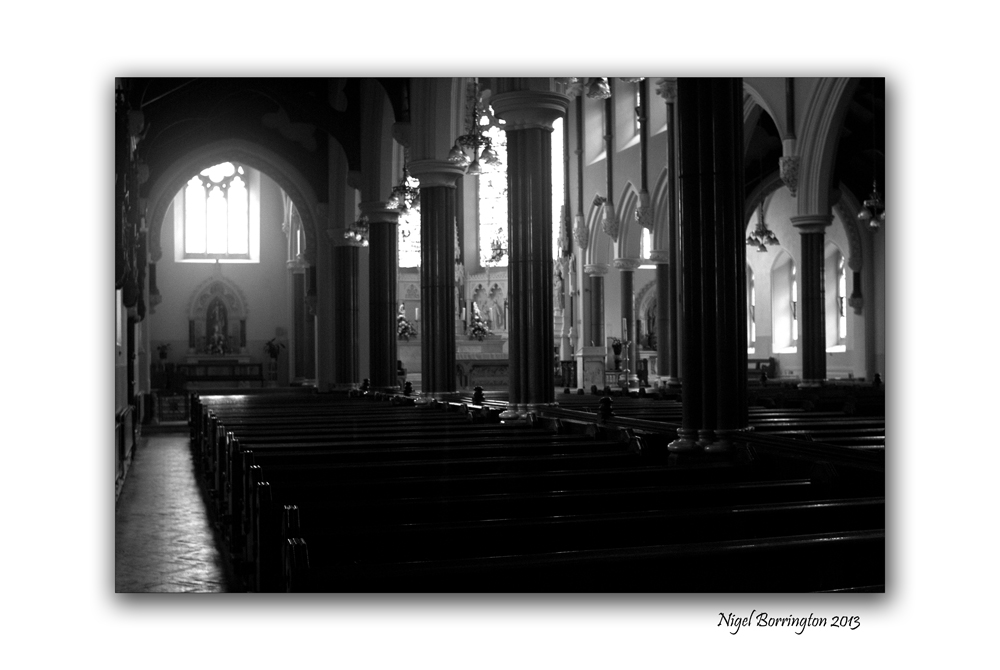
It’s not the main church in the town but I have to say I think its the best looking of them all, the images below were taken the very first time I worked on a wedding here. I always if possible attend the church a day or two before a wedding just to do some test shots and check on my access around the church along with the lighting condition.
As you can see in these images the hight of the church and the windows creates some very dramatic lighting.
Gallery of St Johns, Kilkenny


Our dog Molly at Malin Beg, County Donegal

Molly our Golden Retriever
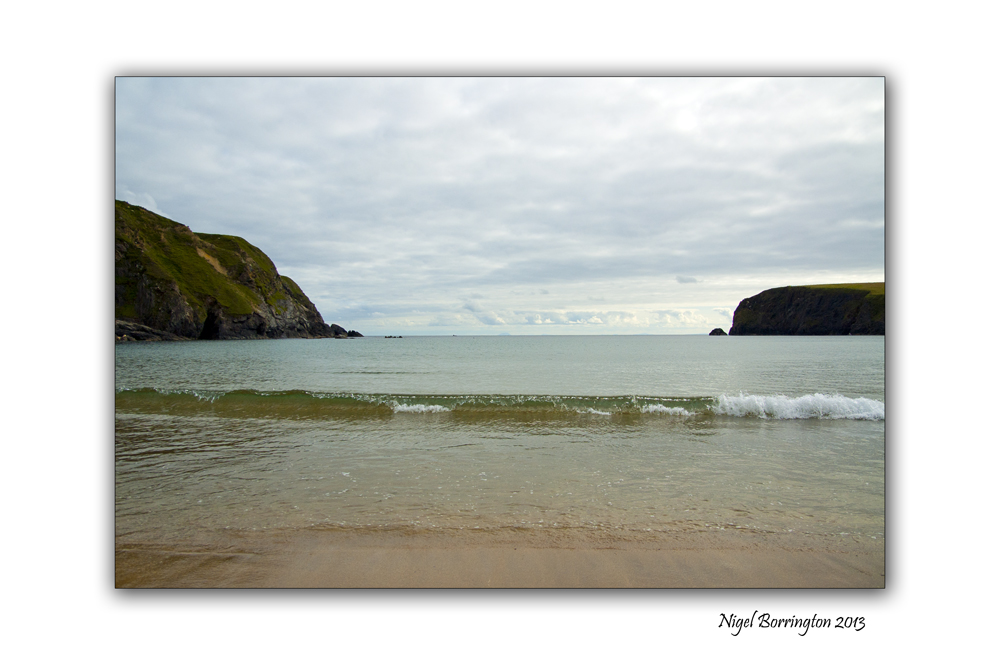
Malin beg beach, county Donegal
Molly our ten year old Golden Retriever has been swimming in the sea all over Ireland, she has loved the water since she was about one year old.
We have been on holiday with her during this ten years to just about every coastal county in Ireland. The beaches being our favourite places to visit. One of the most memorable beaches was Malin beg, in county Donegal.
We stayed here for an afternoon about three years ago and we all went for a swim in the warm waters.
If you get to visit Donegal, I would highly recommend this beach as a must visit location.


Ormonde Castle
All images using a Nikon D7000
Ormonde Castle, County Tipperary
Irish Landscape photography: Nigel Borrington
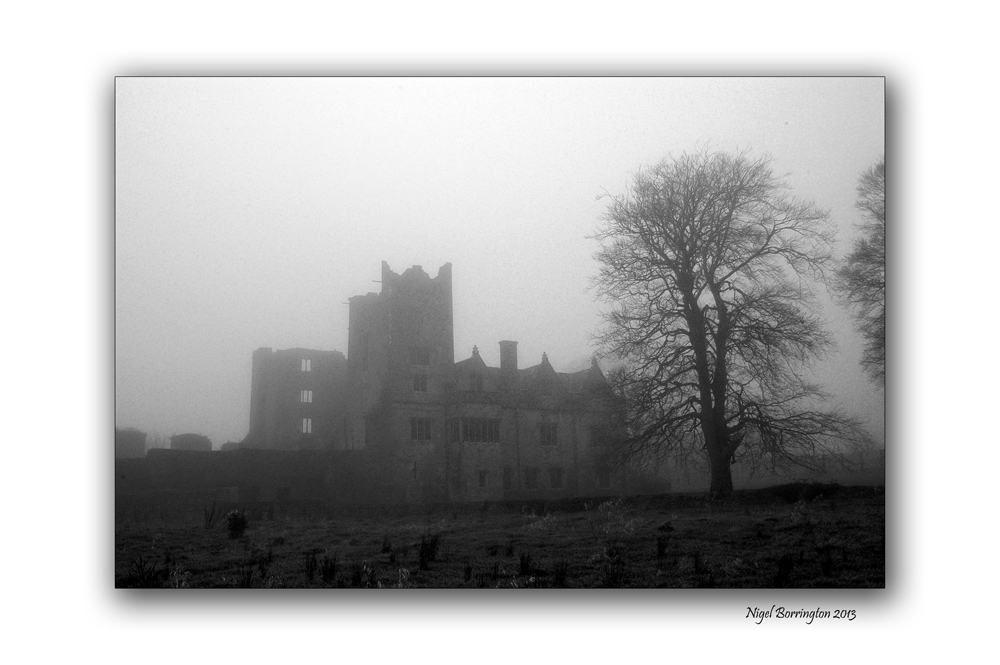
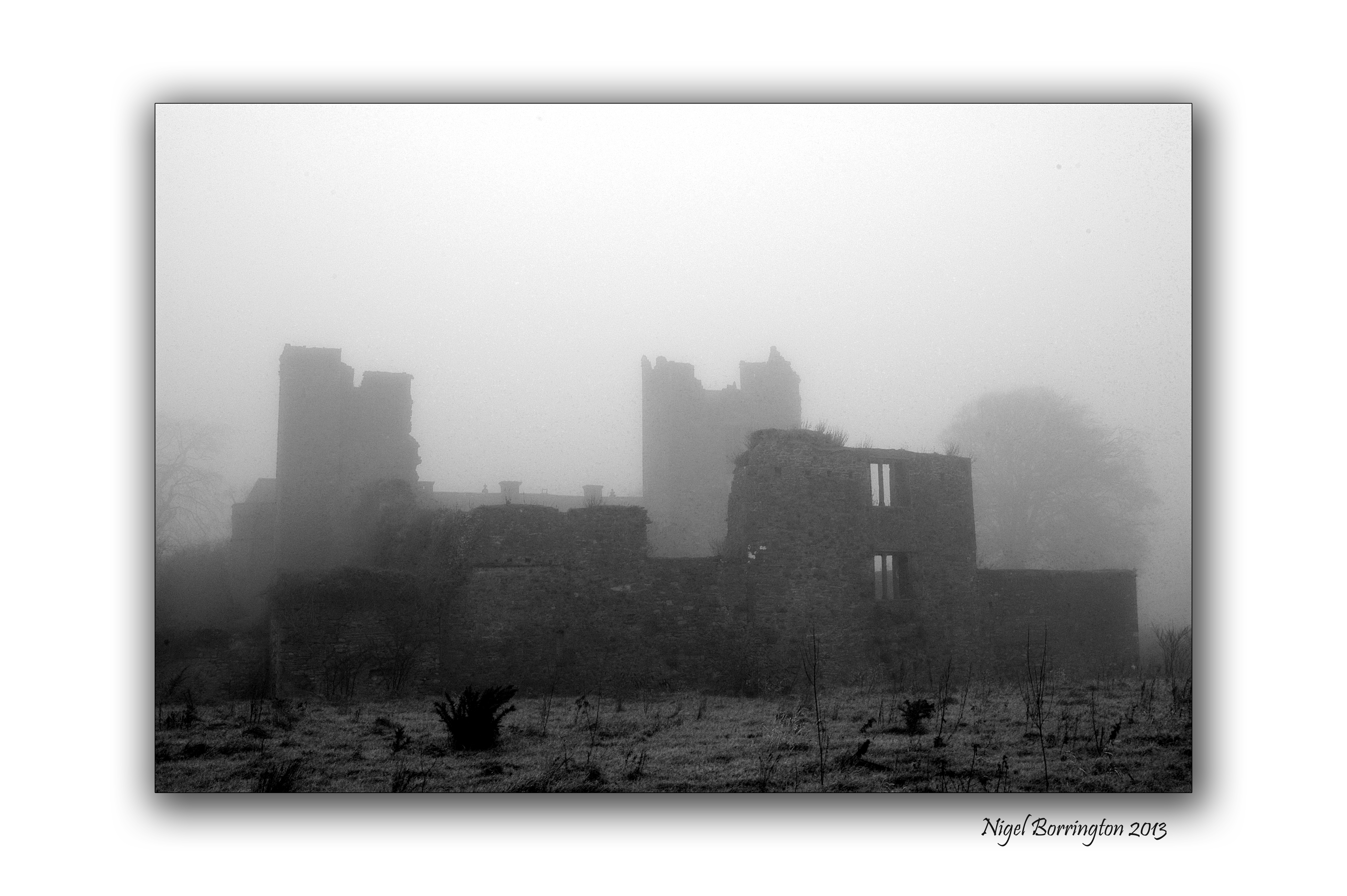
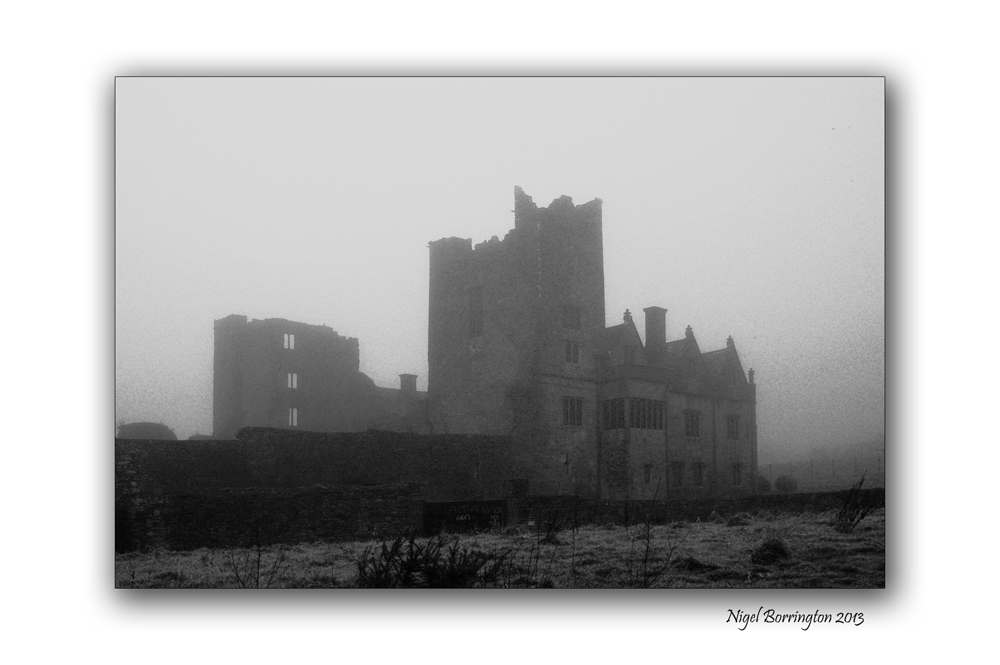
Sitting on the bank of the river Suir ( Carrick-on-suir, county Tipperary ), Ormonde Castle calls out of Irish history and it’s fifteen hundreds.
From the misty past this castle still stands on the edge of a town whose history is completely dependant on this castle and the Ormonde family who built it. I will post with more details on the town and castle but for the moment I just wanted to give you a sense of this place.
These pictures where taken last December, about four day before Christmas and on a very foggy morning, the Castle stands on the banks of the river Suir and is often covered in mist during the winter months.
Ormonde castle a gallery


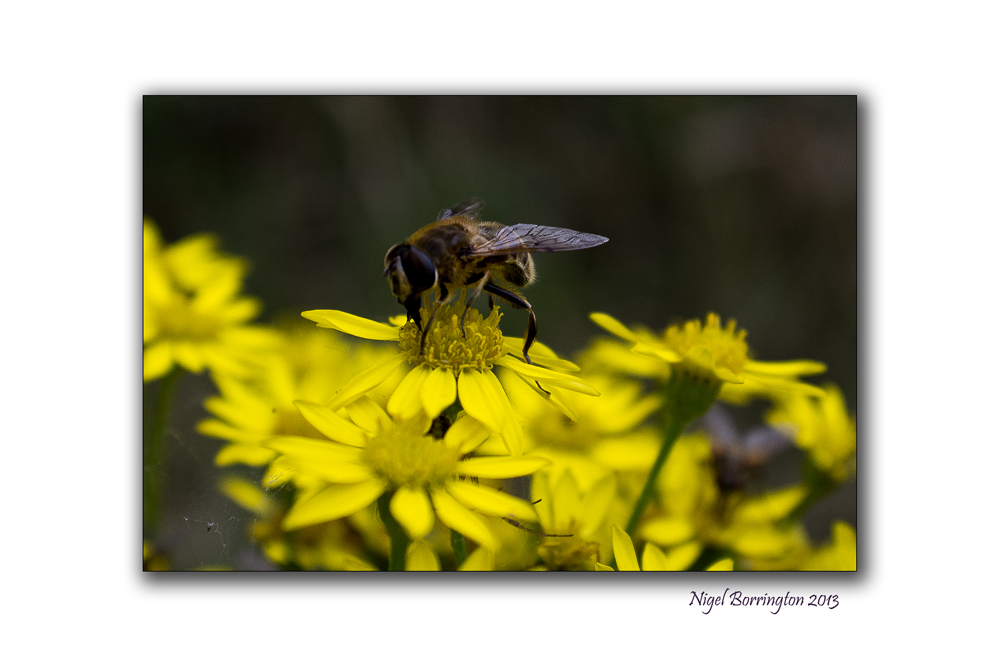
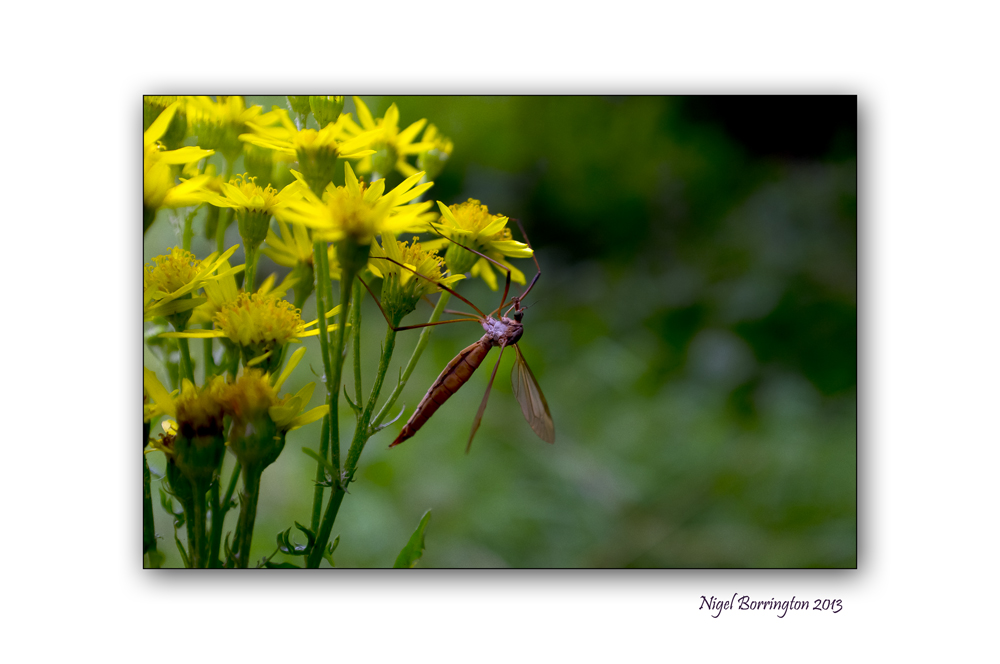
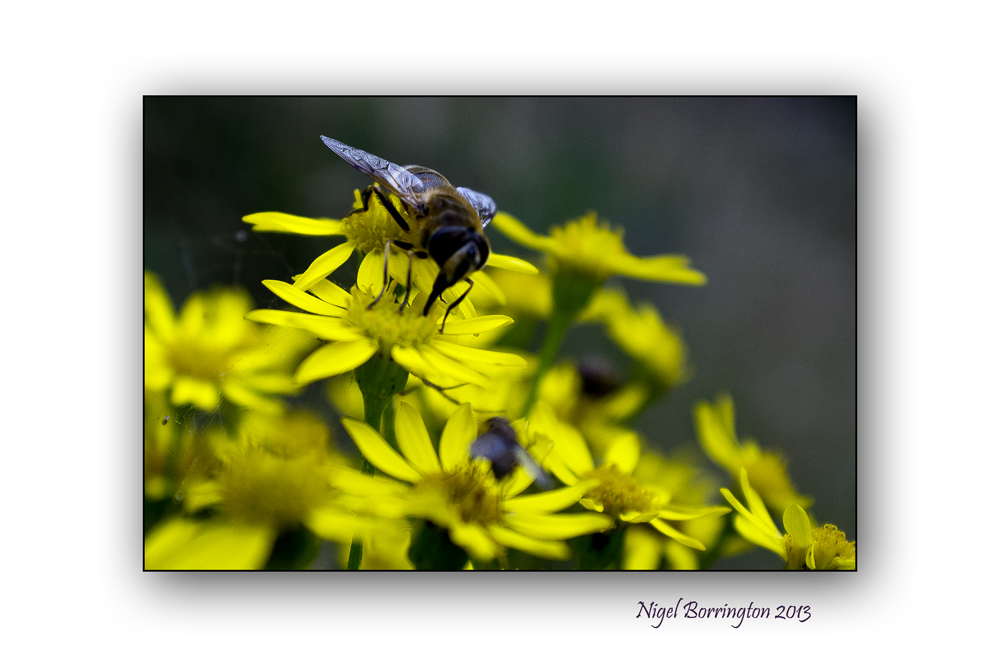
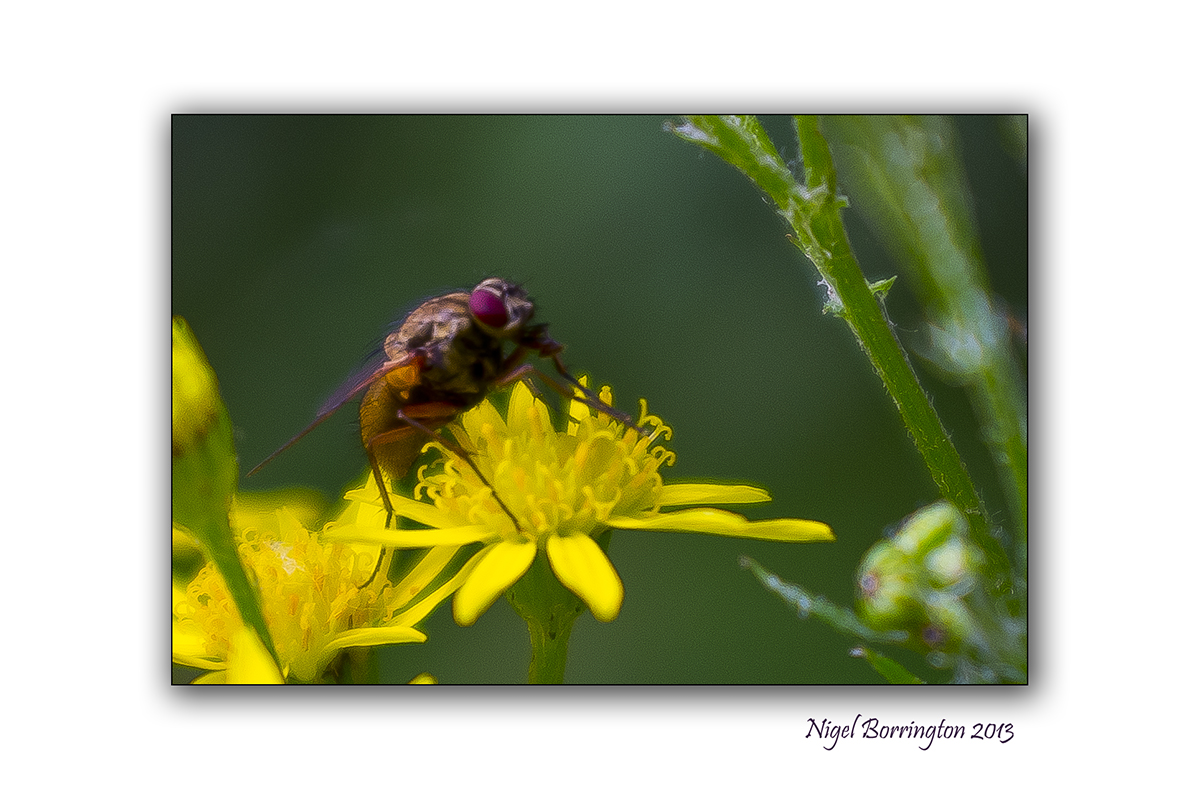
In a September hedgerow – Hover flys, Honey bees and Crane flys
All images taken using a Fujifilm x100
In a Kilkenny Hedgerow, September 2013 – Hover flys and Crane flys
Landscape and nature Photography, Nigel Borrington
In September all the insects in the hedgerow seem to come to life, they feed frantically on the remaining flowers and fruit before the Autumn takes hold.
In a September hedgrow – Blackberries

All images taken using a Fujifilm x100
In a Kilkenny Hedgerow, September 2013 – Blackberries
Landscape and nature Photography, Nigel Borrington
Collecting blackberries for the table is one of the gifts that September brings, on yesterday’s walk I collected enough for our house for a few weeks.
The taste of fresh blackberries is just one of those autumn pleasures.


In a September hedgerow – Bees

All images taken using a Fujifilm x100
In a Kilkenny Hedgerow, September 2013 – Bees
Landscape and nature Photography, Nigel Borrington
September is a wonderful month in Ireland, all the hedgerows come to life. Blackberries and insects, the red of autumn leaves and fading flowers.
My posts today will attempt to show just how wonderful the Hedgerows become at this time of the year.


Rainbow over the river Suir

Rainbow over the river Suir, Clonmel, County Tipperary
Irish landscape photography : Nigel Borrington
Walking in the mountains and forests above Clonmel in county Tipperary is one on the most enjoyable things I can find myself doing. The views over the river Suir as it flows through the town of Clonmel down towards the port of Waterford are just wonderful.
The Saturday Morning I took these two images, the weather was very mixed with rain showers never that far away, the sun however was breaking through the clouds and producing rainbows every now and then.
These two photos are amongst the best I got during the walk.

Rainbow over the river Suir, Clonmel, County Tipperary
Irish landscape photography : Nigel Borrington

The Rock of Cashel

The Rock of Cashel, County Tipperary
Irish Landscape Photography , Nigel Borrington
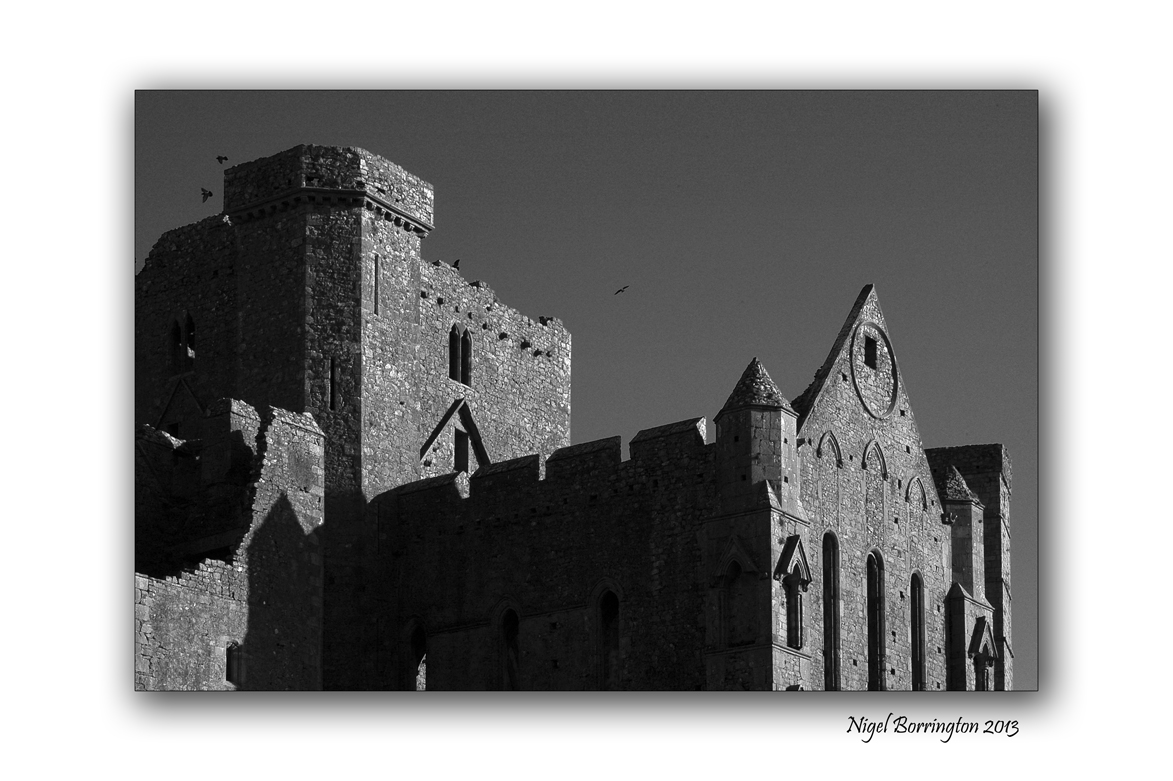
The Rock of Cashel

The town of Cashel, in County Tipperary is home to one of Ireland best known and most visited locations, the Rock. It must be one of the most photographed locations in the country and has visitors all year around.
A Wikipedia page describes it as follows:
History
According to local mythology, the Rock of Cashel originated in the Devil’s Bit, a mountain 20 miles (30 km) north of Cashel when St. Patrick banished Satan from a cave, resulting in the Rock’s landing in Cashel.[1] Cashel is reputed to be the site of the conversion of the King of Munster by St. Patrick in the 5th century.
The Rock of Cashel was the traditional seat of the kings of Munster for several hundred years prior to the Norman invasion. In 1101, the King of Munster, Muirchertach Ua Briain, donated his fortress on the Rock to the Church. The picturesque complex has a character of its own and is one of the most remarkable collections of Celtic art and medieval architecture to be found anywhere in Europe, Few remnants of the early structures survive; the majority of buildings on the current site date from the 12th and 13th centuries.
Image Gallery
I took the images in this post early one cold November morning last year.


On An Apple-Ripe September Morning

An Apple-ripe September morning.
Irish Landscape Photography,
Kilkenny based photographer : Nigel Borrington
On An Apple-Ripe September Morning
Patrick Kavanagh

On an apple-ripe September morning
Through the mist-chill fields I went
With a pitch-fork on my shoulder
Less for use than for devilment.
The threshing mill was set-up, I knew,
In Cassidy’s haggard last night,
And we owed them a day at the threshing
Since last year. O it was delight
To be paying bills of laughter
And chaffy gossip in kind
With work thrown in to ballast
The fantasy-soaring mind.
As I crossed the wooden bridge I wondered
As I looked into the drain
If ever a summer morning should find me
Shovelling up eels again.
And I thought of the wasps’ nest in the bank
And how I got chased one day
Leaving the drag and the scraw-knife behind,
How I covered my face with hay.
The wet leaves of the cocksfoot
Polished my boots as I
Went round by the glistening bog-holes
Lost in unthinking joy.
I’ll be carrying bags to-day, I mused,
The best job at the mill
With plenty of time to talk of our loves
As we wait for the bags to fill.
Maybe Mary might call round…
And then I came to the haggard gate,
And I knew as I entered that I had come
Through fields that were part of no earthly estate.
Sir Thomas’s Bridge, Clonmel, County Tipperary

Sir Thomas’s Bridge, Clonmel, County Tipperary
Irish landscape Photography : Nigel Borrington
The river Suir is one of Ireland most loved and visited rivers. It flows through counties Tipperary and Waterford before reaching the Atlantic at Hook -head lighthouse. I have taken a lot of photographs of this river over the years. one of my favourite subject are the old bridges that cross the river, most of them are some hundreds of years old and even though they were designed for horse and cart they still stand strong today and cope very well with modern demands
Sir Thomas’s Bridge is just on the edge of Clonmel in county Tipperary and has been used in many films and advertisements.
The photograph above was taken one early September morning a couple of years ago, the river Suir and the hills above were covered in early morning fog, this just added too the atmosphere. I decided to develop the image in black and white as I felt that this photograph was all about tones and not colour.
Boann, goddess of the River Boyne. A Gallery and Poem.

A Story told by: Deanne Quarrie
Boann, Deanne Quarrie
Boann is the Irish goddess of the river Boyne. Her name means “She of the white cattle.” She was the wife of Nechtain and the beloved of the Dagda, the Good God. It is possible she could be a later naming of Danu Herself. Aenghus mac Og, her son, was the product of the affair between Boann and Dagda. In order to keep the pregnancy secret, the Dagda halted the sun for the term of the goddess’s pregnancy, and so Aenghus was born out of time.
Boann is a Goddess of fertility and the stars. She connects the Way of the White Cow to the White Mound of the Boyne. She gives her name to the preeminent brugh in all of Ireland, Brugh na Boinne. She is honored mid-winter at Imbolc.

Many ancient peoples had stories of floods in which water was both honored as a life bringer and as a destroyer. Water was seen as something that “escaped” from the realms of the gods.
In many of the stories it seemed to be a female who was involved when water, would through some disaster, come to the land, bringing growth and abundance though turbulence.
Probably the most famous version of this myth in Celtic tradition is the Irish story of the Well of Segais.
Growing around this well were nine hazel trees of wisdom, whose nuts fell into the water and gave it the quality of divine illumination, much sought-after by those seeking this wisdom.
Boann was the wife of Nechtan, keeper of the sacred Well of Segais, which was a source of knowledge. Only Nechtan and his cupbearers were permitted to approach the well. The goddess Boann desired to drink from the well herself, to increase her power.

She attempted to challenge the Well of Segais, by going around the well chanting, circling widdershins (counterclockwise, or against the sun direction) . She circled the well three times, as she chanted “amrun.” The well rose against her incantations. Three waves rose up from the well which then flowed forth in five streams and drowned her. Because she was of the Sidhe, she did not die. She lost an arm, a leg and an eye in her battle with the well.
The five streams of wisdom that flowed from this well represent our five senses: taste, smell, feeling, sight and hearing. In her contest with the Well of Segais, Boann experienced “shamanic death” of drowning. In so doing, she gained the Wisdom of Segais as it swept her away.
Manannan said of this….

“I am Manannan, son of Ler, king of the Land of Promise; and to see the Land of Promise was the reason I brought [thee] hither. . . . The fountain which thou sawest, with the five streams out of it, is the Fountain of Knowledge, and the streams are the five senses through which knowledge is obtained. And no one will have knowledge who drinketh not a draught out of the fountain itself and out of the streams.”
From this, we learn that we must experience through all of who we are, through all of the five senses which must be open. This is our gift from Boann.
Boann can be a great ally for poetic composition and many other forms of artistic expression. Invoking or singing Boann’s name while sitting next to a river or stream can be a very powerful and inspiring experience. Clear the mind, open the soul, and listen to the music of Boann playing from the waters. You will always go away a new person.
Vigil at the Well
A rock ledge. A dark pool.
Pale dawn and cold rain.
And a woman alone
holding three coins.
She circles the well
three times in the rain.
She offers the coins
to a great ancient tree
then bends to the pool.
A glimmer of silver.
Dawn striking the pool?
A fish in its depths?
The pool stills again.
The sky blazes red.
The woman gets up.
Nothing seems changed.
But the next day a wind
blows warm from the sea.
Boann suite de reels
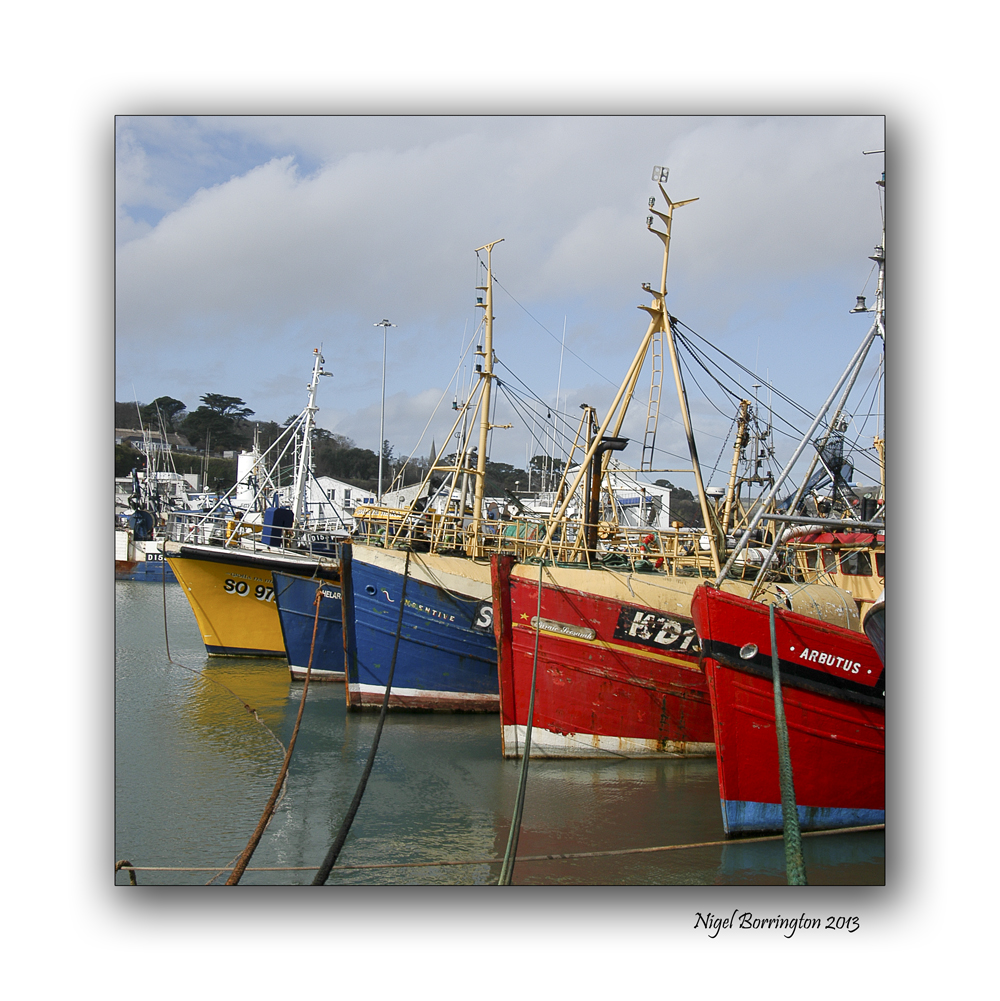
Dunmore east, county Waterford

Dunmore east, fishing village in County Waterford, Ireland.
All images using a Fujifilm x100
Irish landscape photography : Nigel Borrington
Dunmore east is one of my favourite places in Ireland to visit with a camera, its fishing harbour is the countries second busiest and on the day the fish is landed for the fish-market, it is full of life and colour with the boats all being in port.
The day I went down to capture these images I took my then new fuji-film X100 and took many images along the quays, the following gallery I hope captures a sense of this wonderful place to visit and take photographs.
Dunmore east, image Gallery




Peacock butterfly in the Irish woodlands

Peacock butterfly in the Irish woodlands
Irish wildlife and nature photography : Nigel Borrington

One sight I love to see in the summertime is the Peacock butterfly as I walk through the local county kilkenny woodlands, They add so much life and colour to the green of the hedgerows and paths.
Unlike some wildlife they are not hard to find or take pictures of, you do need to move very slowly in order not to disturbed them and you need a camera with a macro lens.
The butterfly conservation website has the following details.
Scientific name: Aglais io
Red wings with black markings and distinctive eyespots on tips of fore and hind wings.
The Peacock’s spectacular pattern of eyespots, evolved to startle or confuse predators, make it one of the most easily recognized and best known species. It is from these wing markings that the butterfly gained its common name. Undersides of the wings are very dark and look like dead leaves. A fairly large butterfly and a strong flyer.
Although a familiar visitor to garden buddleias in late summer, the Peacock’s strong flight and nomadic instincts lead it to range widely through the countryside, often finding its preferred habitats in the shelter of woodland clearings, rides, and edges.
The species is widespread and has continued to expand its range in northern parts of Britain and Ireland.
Size and Family
Family – Nymphalids
Medium/Large Sized
Wing Span Range (male to female) – 63-69mm
Conservation status
UK BAP status: Not listed
Butterfly Conservation priority: Low
European status: Not threatened
Caterpillar Foodplants
Common Nettle (Urtica dioica), although eggs and larvae are occasionally reported on Small Nettle (U. urens) and Hop (Humulus lupulus)
Distribution
Countries – England, Scotland, Ireland and Wales
Throughout Britain and Ireland
Distribution Trend Since 1970’s = +17%
Habitat
Common and found in a range of habitats.
Coumfea a corrie lake, Nire Valley, County Waterford

Coumfea, Nire Valley, County Waterford
Landscape Photography, Irish photography : Nigel Borrington
Taken on the same day as the image of Milk hill, this image shows a view of Coumfea a corrie lake in the Nier valley, I have many other images of the lake that I will post in full.
A Corrie lake is formed as follows :
How Is a Corrie Formed?
Answer
A corrie is formed in different steps. First, the snow accumulates in a hillside hollow and turns to ice. Then, the hollow is deepened by abrasion and plucking and the ice in the corrie moves under the influence of gravity, deepening the hollow still further. Since the ice is at the foot of the hollow and moves more slowly, a rock lip forms. When the ice melts, a lake or tarn may be formed in the corrie. The steep back wall may be severely weathered by freeze€“thaw weathering, providing material for further abrasion.
Milk hill, Nire Valley, County Waterford

Milk hill, Nire valley, county Waterford.
Irish photography, Irish Landscape photography : Nigel Borrington
Black and white photography remains one of by biggest photographic interests, I just love the tones that can be developed from some landscape images.
The day I took this image the weather was very mixed with showers and strong sunny intervals, this allowed for very mixed lighting on the fields below in the Nire Valley, Waterford. I processed this black and white image from the original colour photo sometime later, I just love the strong contrasts and tone produced.
Monday mornings. A poem: When the fishing boats go out.

Fishing boat setting to sea, Youghal, county Cork
Landscape Photography : Nigel Borrington
Monday Morning – setting to sea
Monday morning and it is that time of the week when I am always looking somehow to get my mind and body moving.
Some little time back I stayed for a week down near Youghal, county Cork. Each Morning I would watch the boats heading out to sea, very early each day they would slowly disappear over the horizon.
Just to help me start my own day and the week ahead I found this Poem by Lucy Montgomery.
When the Fishing Boats Go Out
Lucy Montgomery
When the lucent skies of morning flush with dawning rose once more,
And waves of golden glory break adown the sunrise shore,
And o’er the arch of heaven pied films of vapor float.
There’s joyance and there’s freedom when the fishing boats go out.
The wind is blowing freshly up from far, uncharted caves,
And sending sparkling kisses o’er the brows of virgin waves,
While routed dawn-mists shiveroh, far and fast they flee,
Pierced by the shafts of sunrise athwart the merry sea!
Behind us, fair, light-smitten hills in dappled splendor lie,
Before us the wide ocean runs to meet the limpid sky
Our hearts are full of poignant life, and care has fled afar
As sweeps the white-winged fishing fleet across the harbor bar.
The sea is calling to us in a blithesome voice and free,
There’s keenest rapture on its breast and boundless liberty!
Each man is master of his craft, its gleaming sails out-blown,
And far behind him on the shore a home he calls his own.
Salt is the breath of ocean slopes and fresher blows the breeze,
And swifter still each bounding keel cuts through the combing seas,
Athwart our masts the shadows of the dipping sea-gulls float,
And all the water-world’s alive when the fishing boats go out.
Its the weekend so…..

All images taken at Ardmore, County Waterford
Fujifilm X100
Irish Landscape photography : Nigel Borrington
Its the weekend so why not find a coastline to walk alone, look down at the views relax, and clear you mind…..


You must be logged in to post a comment.