From the mountain to the sea, By Sophie Boswell

From The Mountain to the sea
Irish Landscapes
Nigel Borrington
Life is like a journey from the mountain to the sea
A struggle through many layers to finally feel free
Free to go out and see the wonders of the world
Where, in the process, one is often hurled
This way and that, through the good and the bad
Where emotions are flung lose to the point of driving you mad
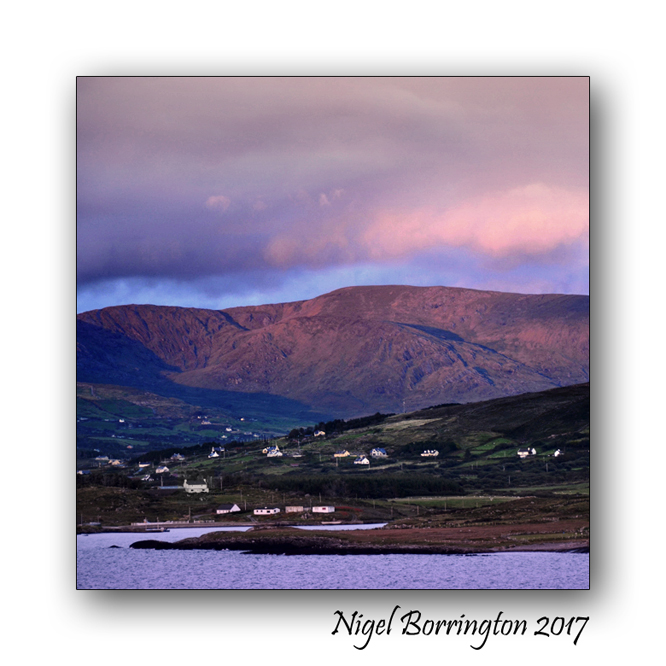
Sometimes, when I’m down, and feel worn out
And everything around me seems to be in doubt
My vision is blurred; my judgment is haywire
And my demons rejoice in putting out my fire
I think about the journey from the mountain to the sea
By the light of the moon; a heavenly place to be
This place, in the mind, will always set me free
to be the happy wanderer I was meant to be
Gathering and searching in peaceful solitude
Where time and nature can alter my mood
And the Spirit of Life will breathe inside me
As I journey from the mountain to the sea.
Primrose – Poem by Patrick Kavanagh

Promrose on the River bank
County Kilkenny
Nigel Borrington
Primrose – Poem by Patrick Kavanagh
Upon a bank I sat, a child made seer
Of one small primrose flowering in my mind.
Better than wealth it is, I said, to find
One small page of Truth’s manuscript made clear.
I looked at Christ transfigured without fear–
The light was very beautiful and kind,
And where the Holy Ghost in flame had signed
I read it through the lenses of a tear.
And then my sight grew dim, I could not see
The primrose that had lighted me to Heaven,
And there was but the shadow of a tree
Ghostly among the stars. The years that pass
Like tired soldiers nevermore have given
Moments to see wonders in the grass.
Welcoming April with a Poem : The Violet By Jane Taylor
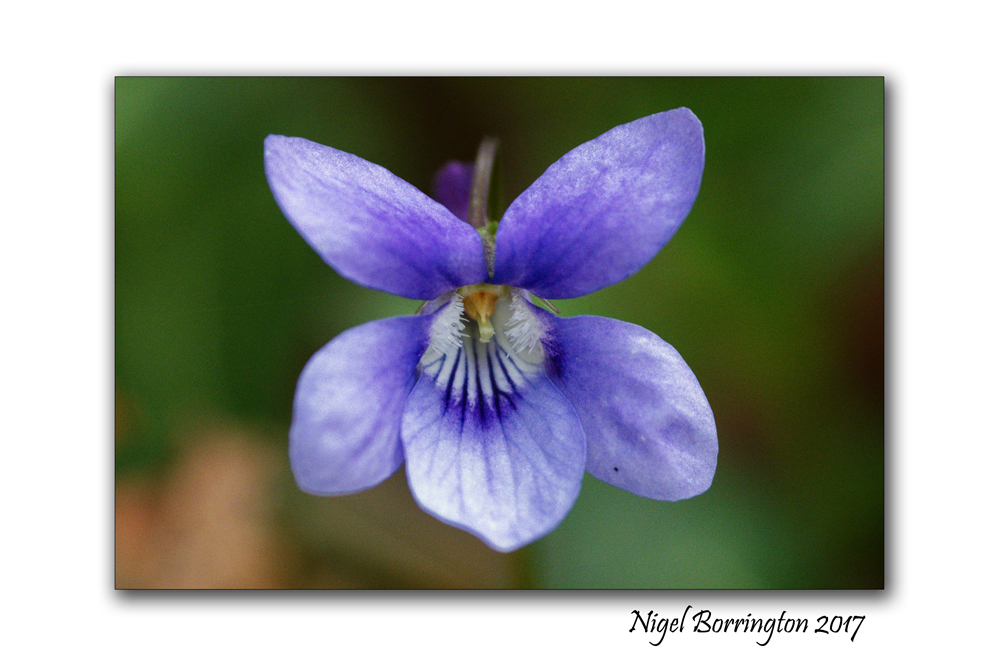
A Violet flower welcomes April 2017
Nature photography
Nigel Borrington
The Violet
By Jane Taylor
Down in a green and shady bed,
A modest violet grew,
Its stalk was bent, it hung its head,
As if to hide from view.
And yet it was a lovely flower,
Its colours bright and fair;
It might have graced a rosy bower,
Instead of hiding there,
Yet there it was content to bloom,
In modest tints arrayed;
And there diffused its sweet perfume,
Within the silent shade.
Then let me to the valley go,
This pretty flower to see;
That I may also learn to grow
In sweet humility.
Springtime is here, Colour is returning to the woods
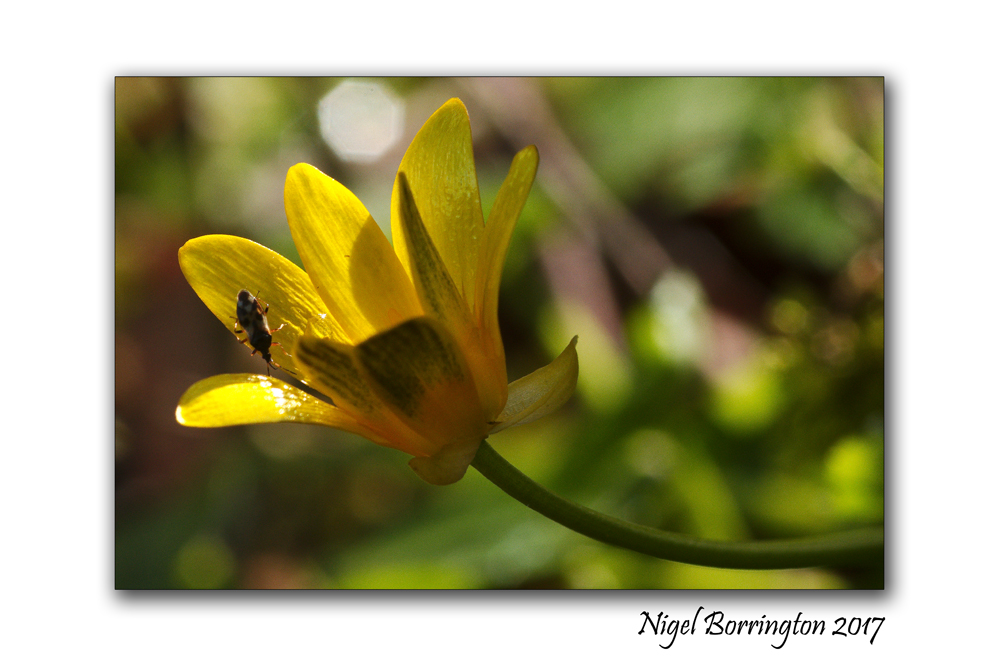
Springtime 2017
Colour returns to the Woodlands
Kilkenny
Nigel Borrington
The Fly, By William Blake, 1757 – 1827
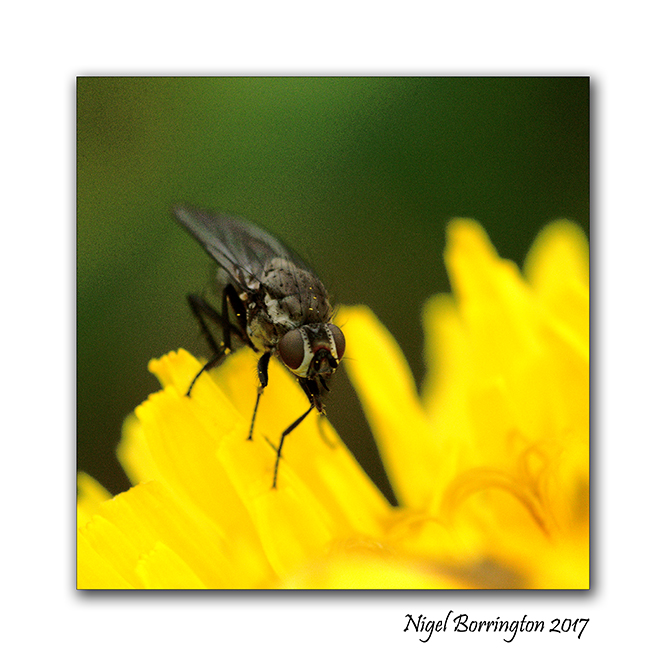
The Fly
William Blake
Nature Photography
Nigel Borrington
Little fly,
Thy summer’s play
My thoughtless hand
Has brushed away.
Am not I
A fly like thee?
Or art not thou
A man like me?
For I dance
And drink and sing,
Till some blind hand
Shall brush my wing.
If thought is life
And strength and breath,
And the want
Of thought is death,
Then am I
A happy fly,
If I live,
Or if I die.
Glasgow 20-20
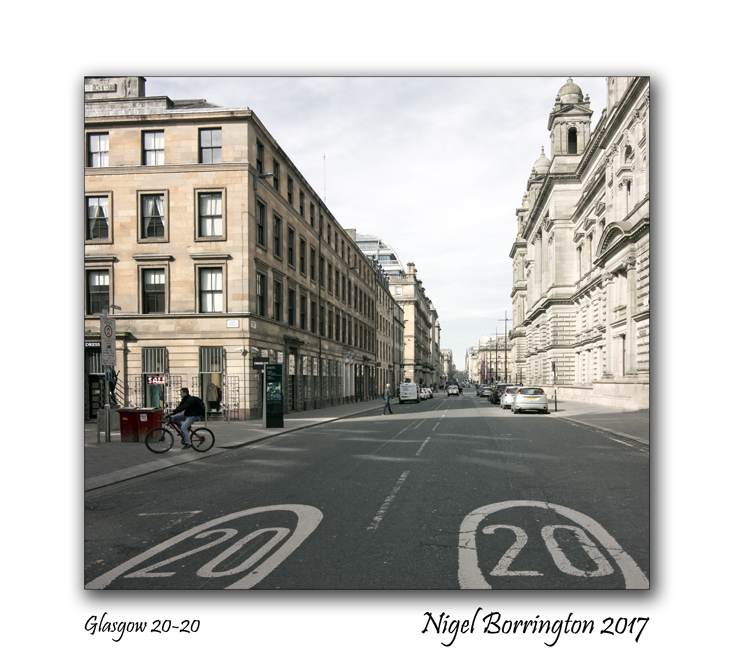
Glasgow 20-20
|Street Photography
Glasgow Scotland
Nigel Borrington
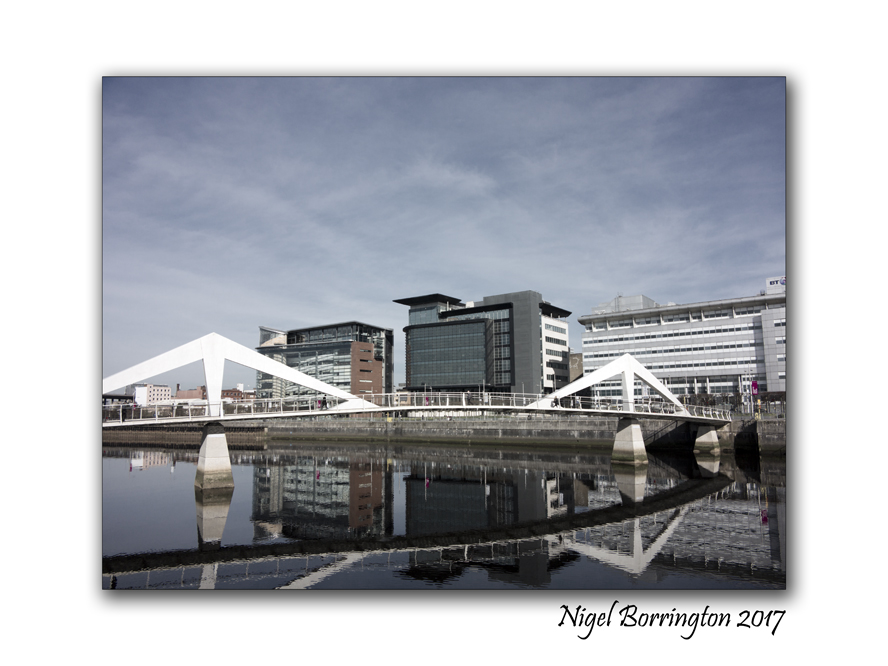
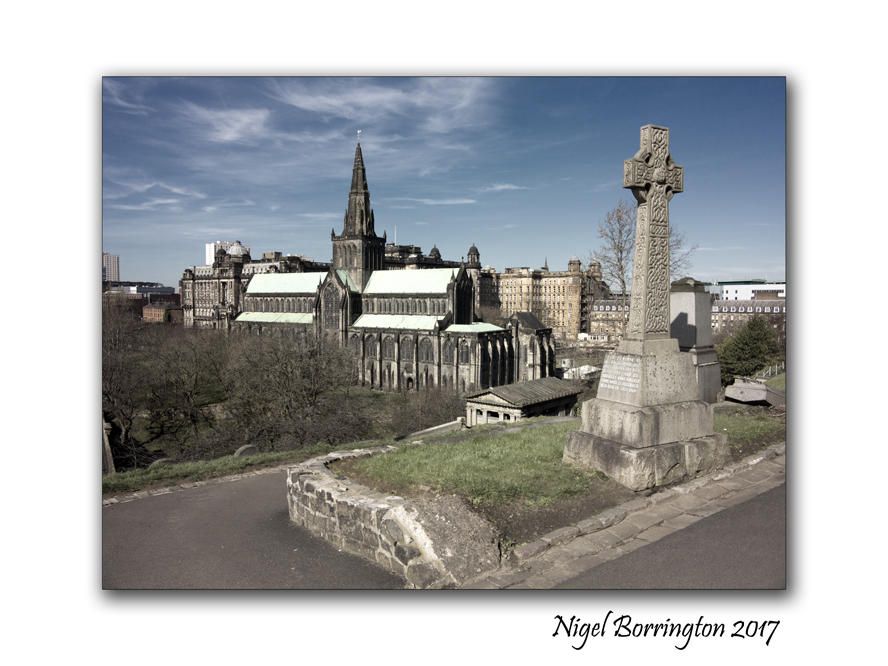
We just returned from a great long weekend in Glasgow, Scotland, visiting many of the city’s great attractions. Glasgow has always been one of my most loves European cities with its great river and surrounding mountains, stunning Victorian architecture including central station and its many hotels and city blocks.
What a wonderful weekend, the weather was perfect for the two full days, blue blue sky’s and it was warm for March 🙂 🙂

Macro Images – The Wonder of Nature

The Wonders of Nature
Macro Photography
Nigel Borrington
The world we live in is full on the most amazing things, some of these things we see everyday around us in a very clear and detailed way, others we have to stop and take a little more time in order to observe. This is why when I get this time I love using a Macro Lens, you can get in close to the small things of life, getting a view that is hard to get from a distance.
This summer more than ever before I want to use my macro lens in order to record the small things in nature 🙂


Macro Photography – The Nature of early spring in Ireland

Early Spring in Ireland
Nature Photography
Nigel Borrington
A Gallery of images taken over the last four days here in county Kilkenny and Tipperary, Springtime has almost arrived 🙂 ….
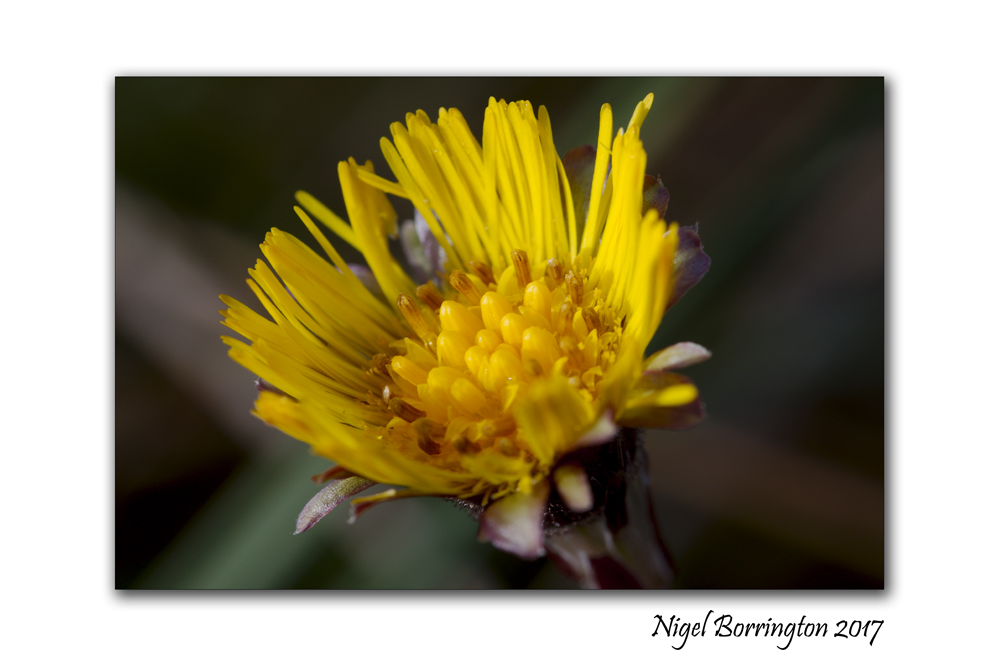
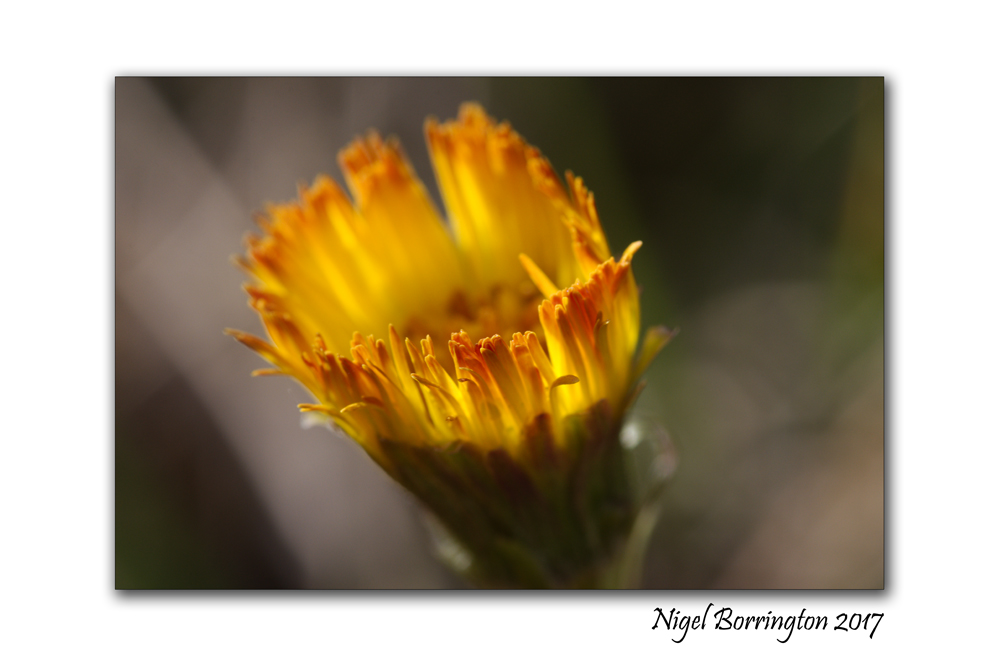


Happy St Patrick’s day, AN Irish Landscape and nature Gallery……
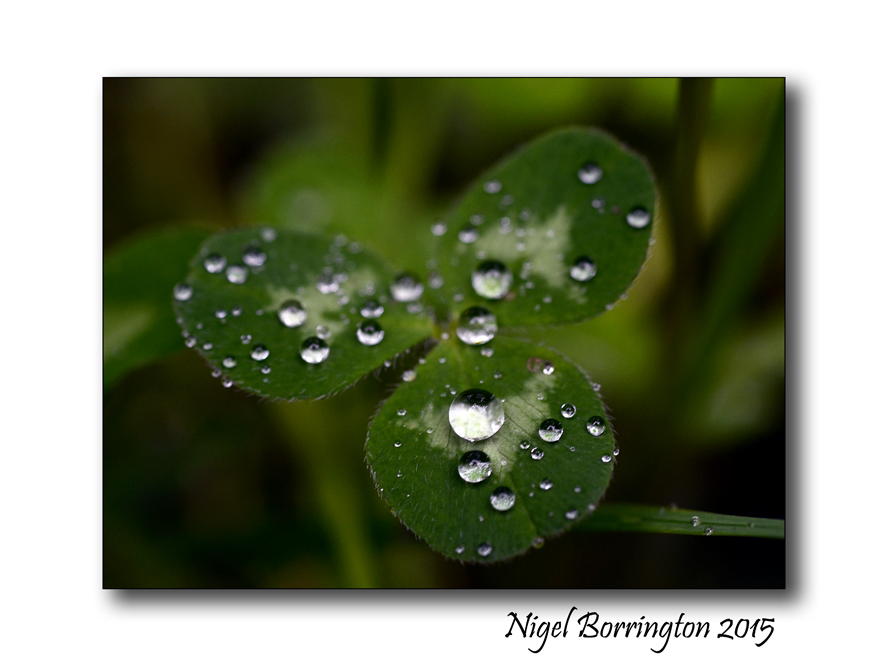
Happy St Patrick’s day to everyone 🙂
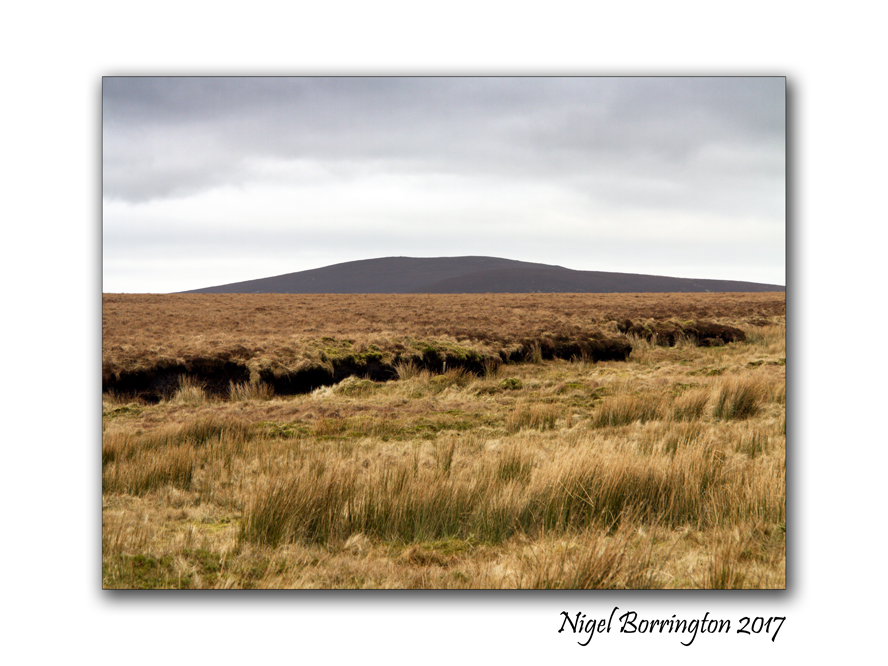
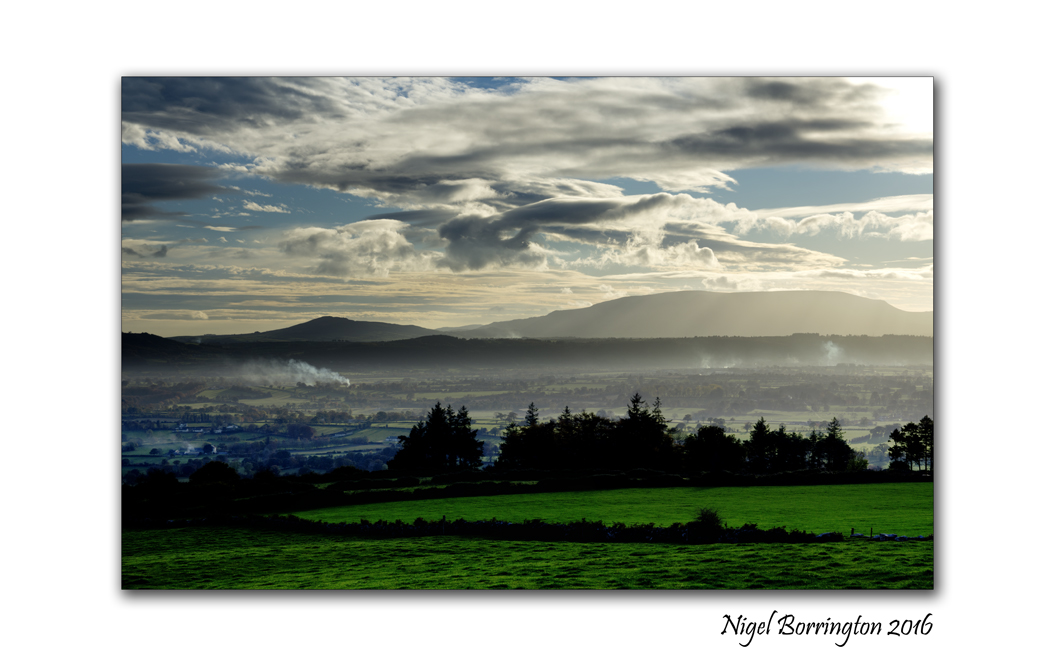
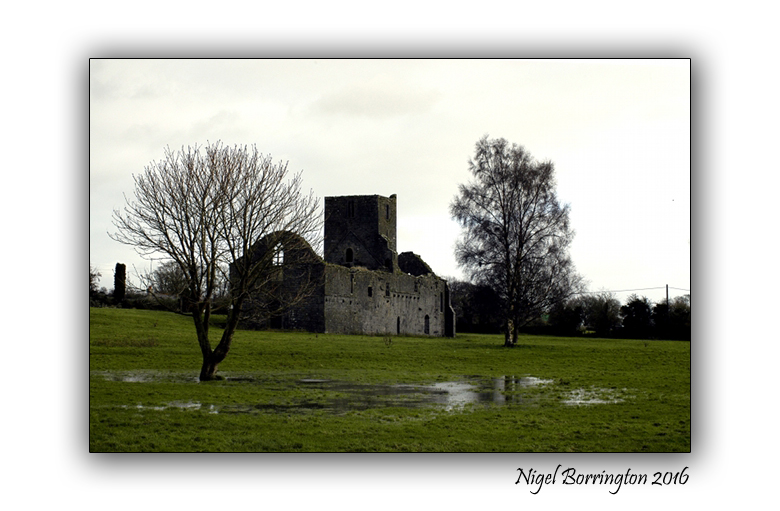
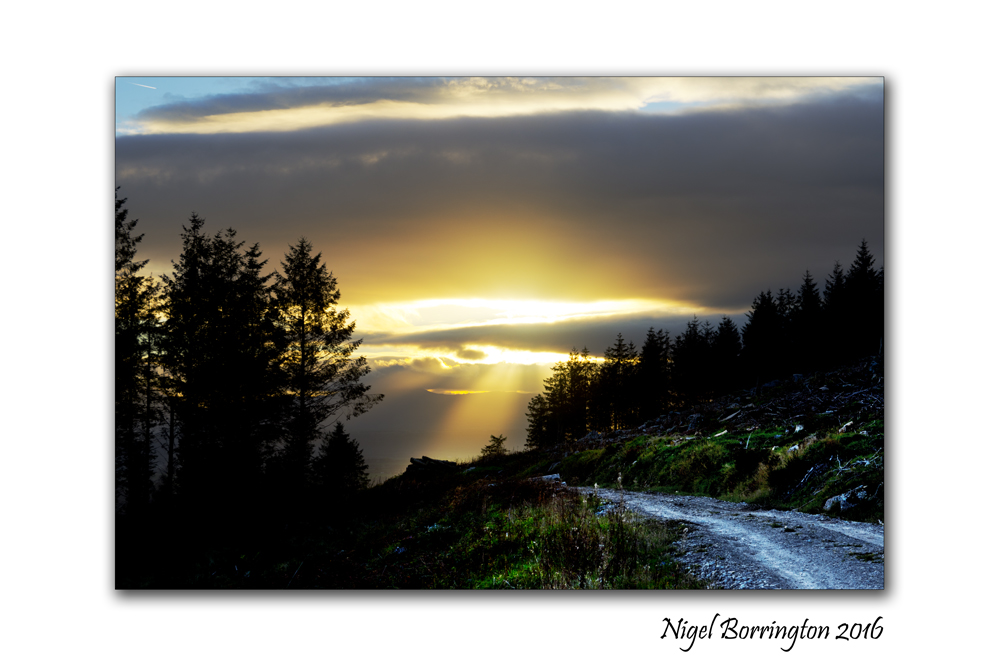
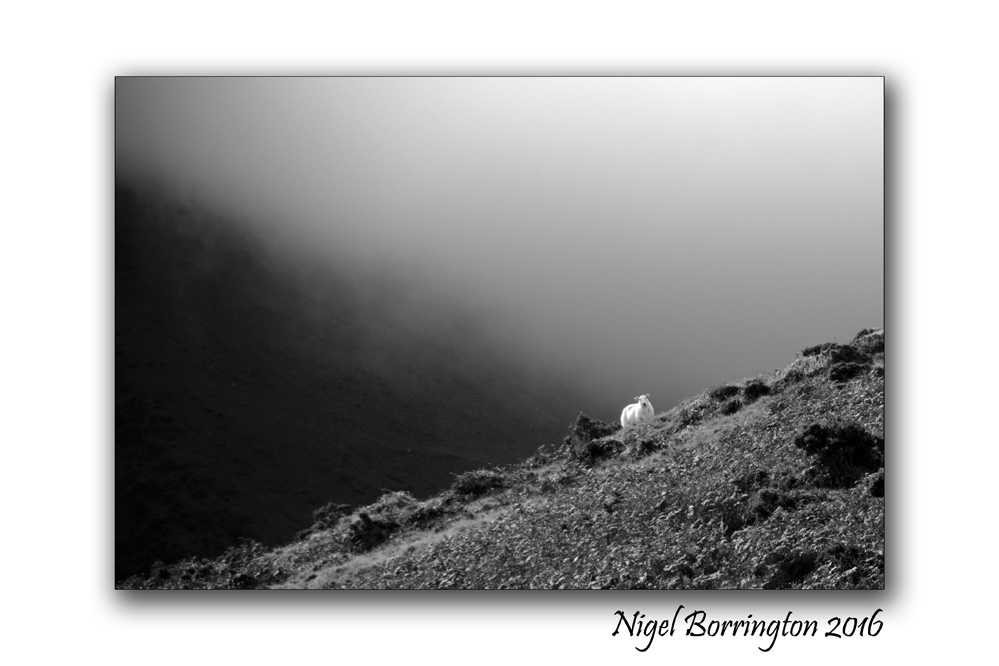
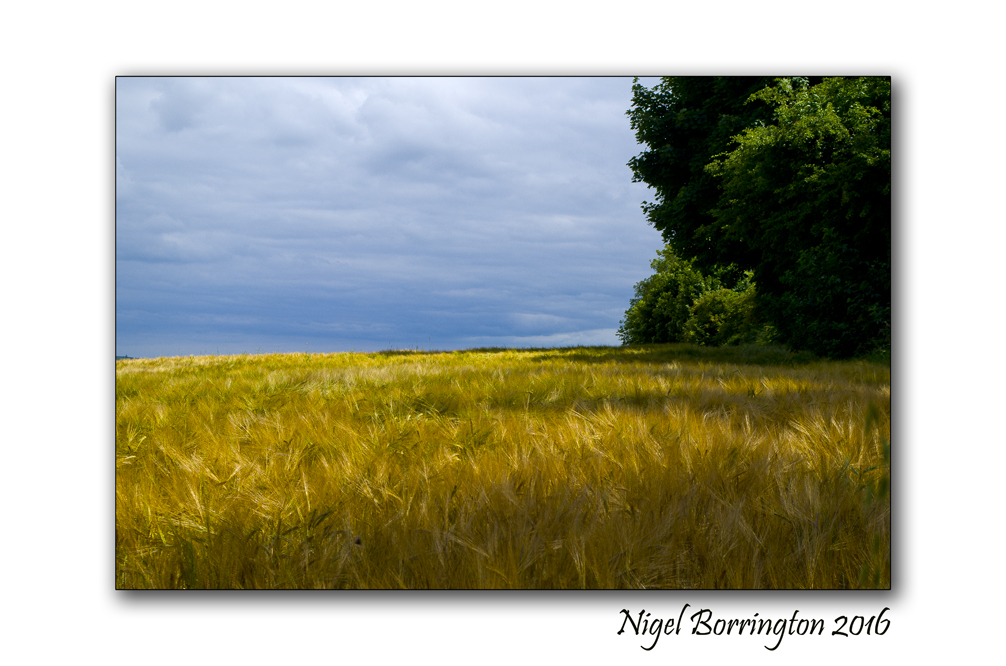
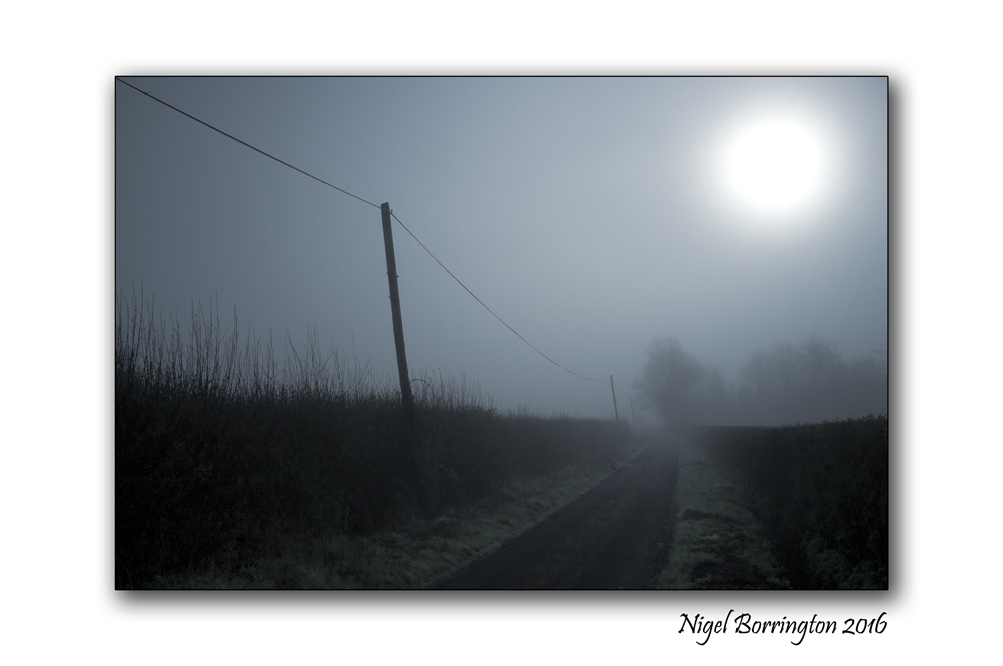
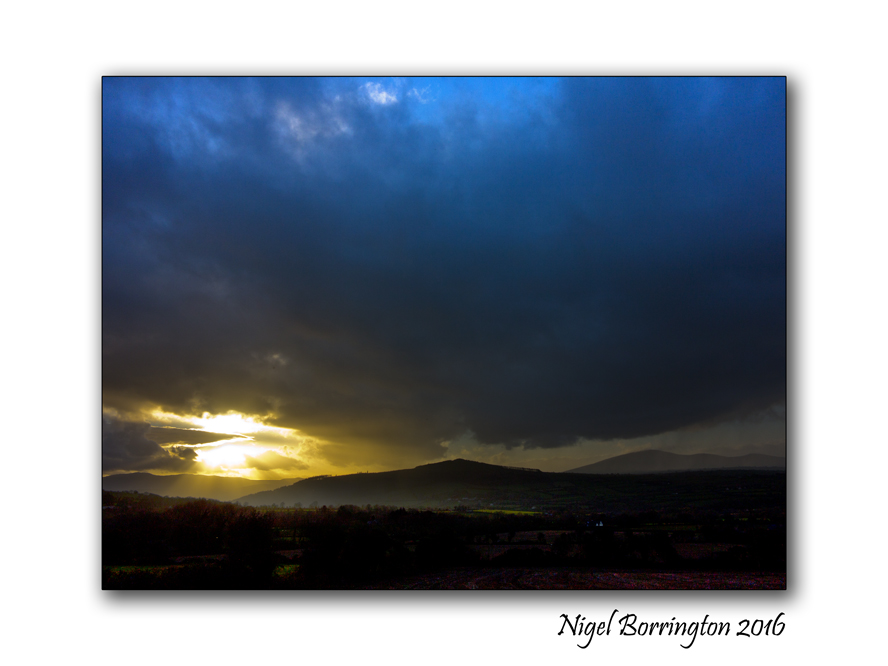
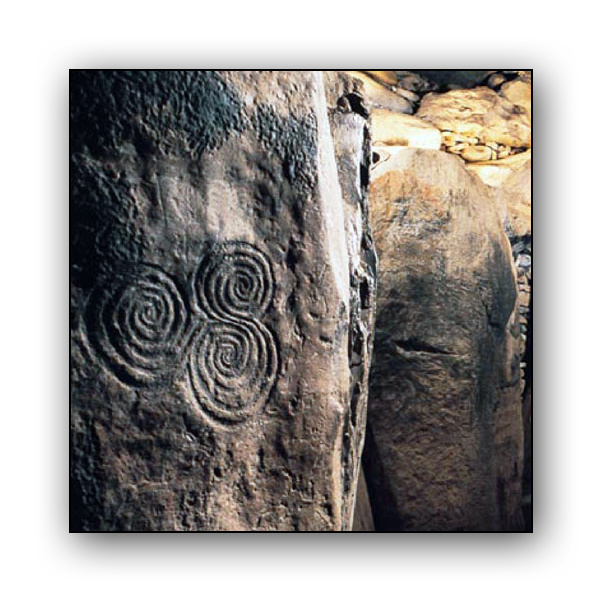
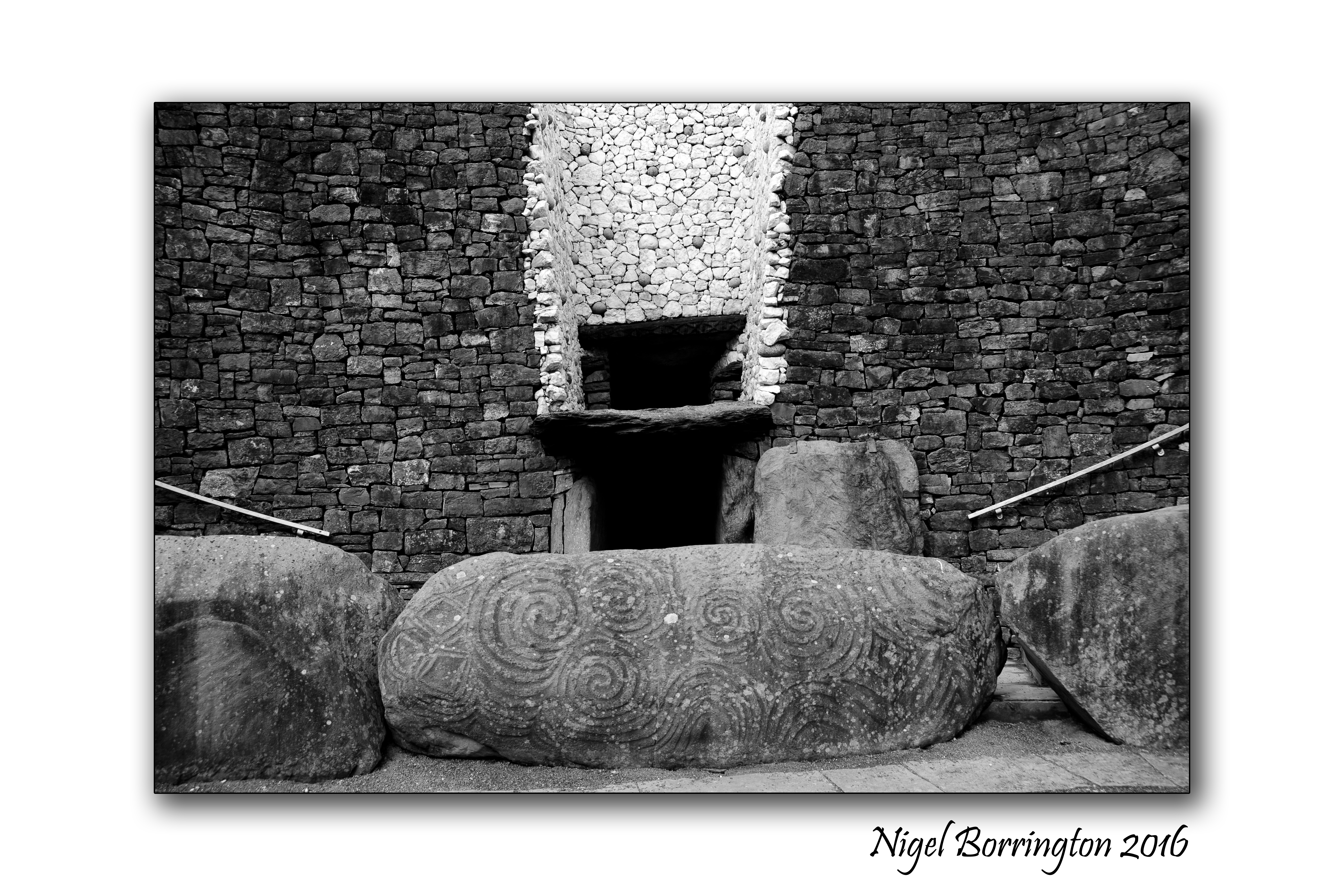
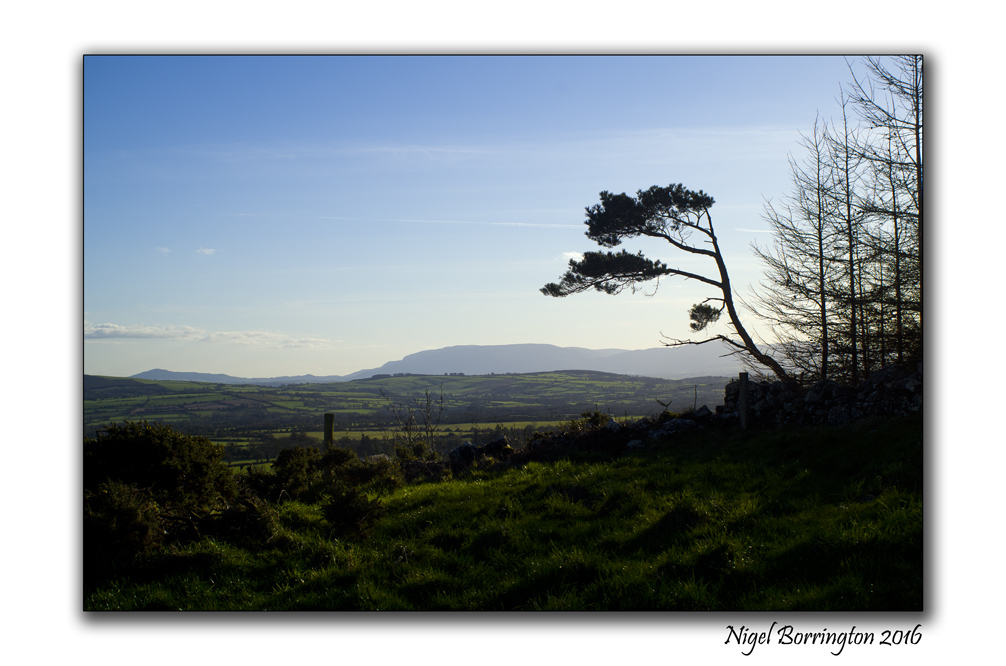
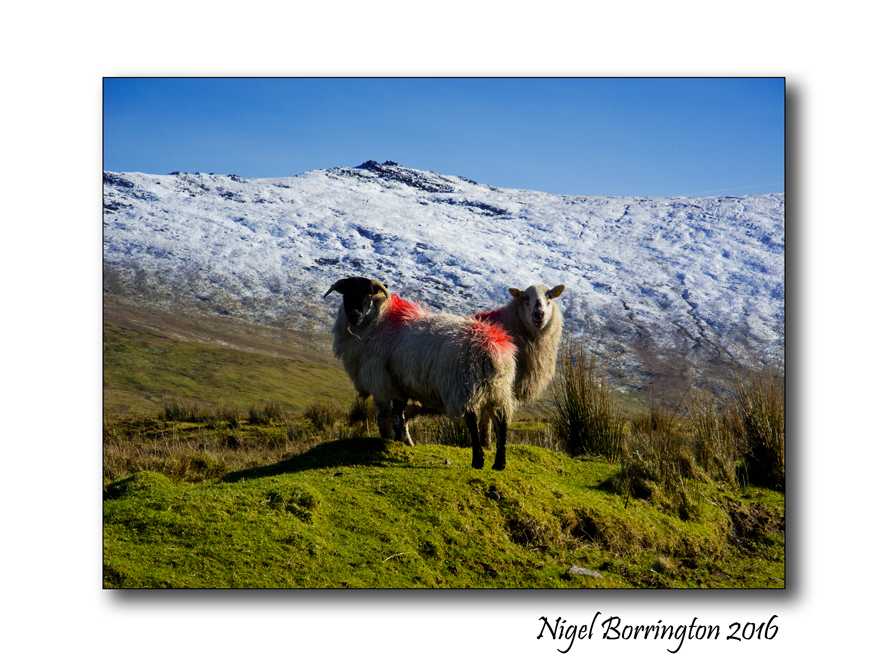
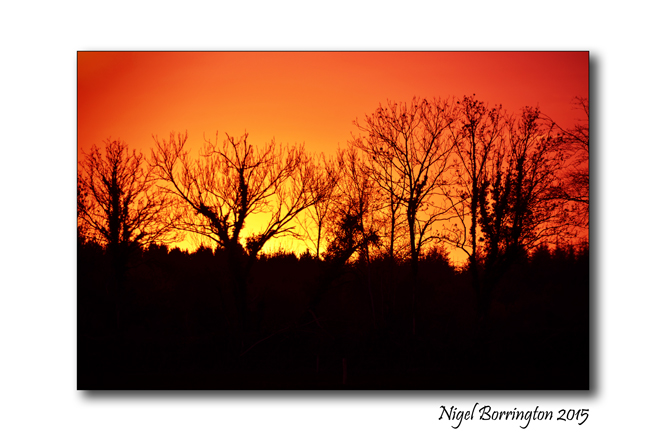
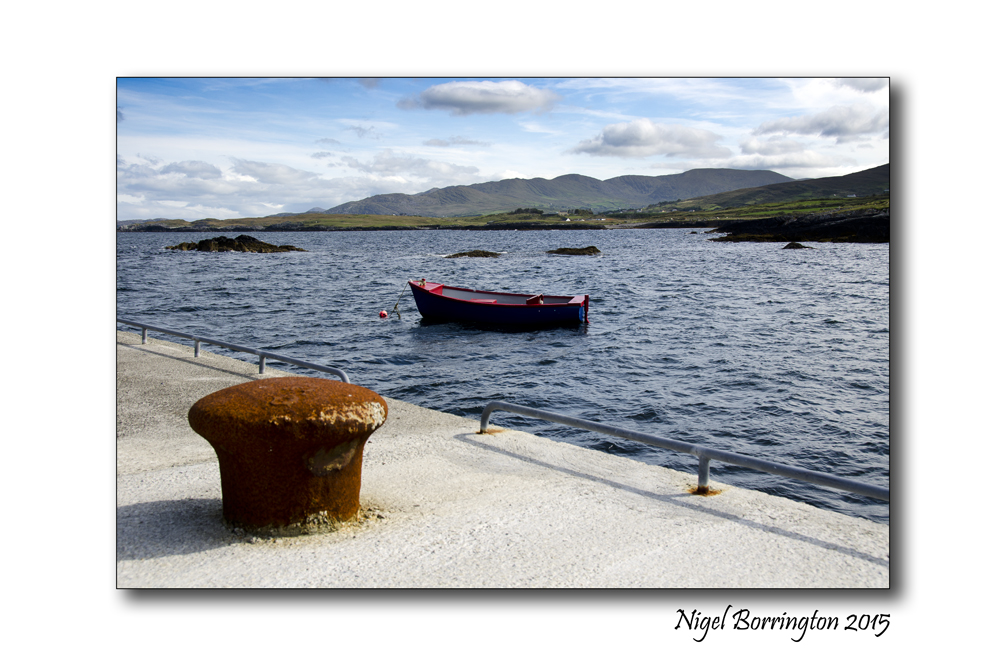
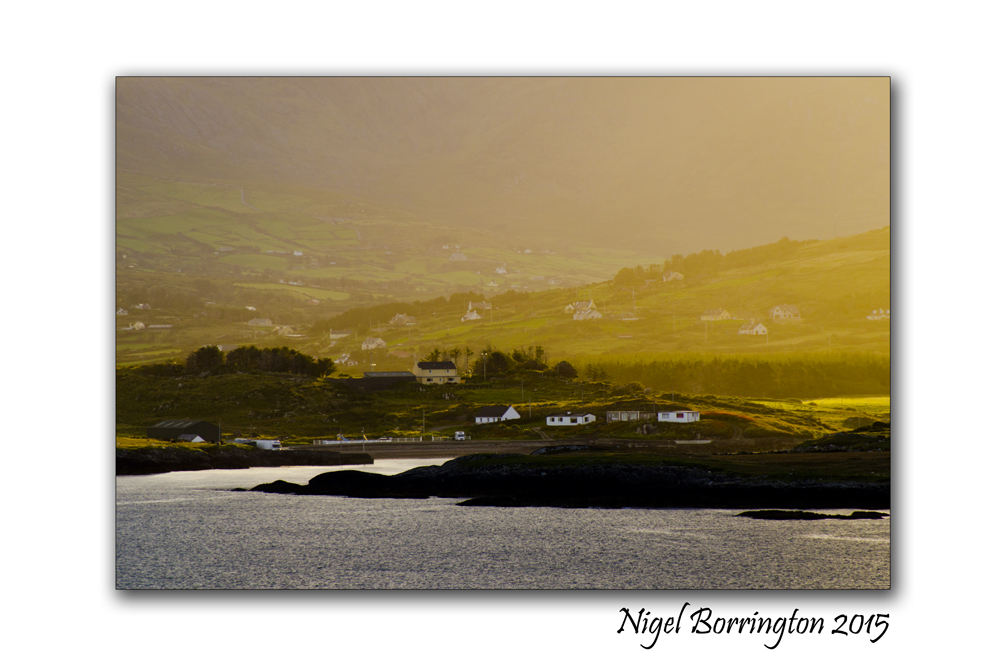
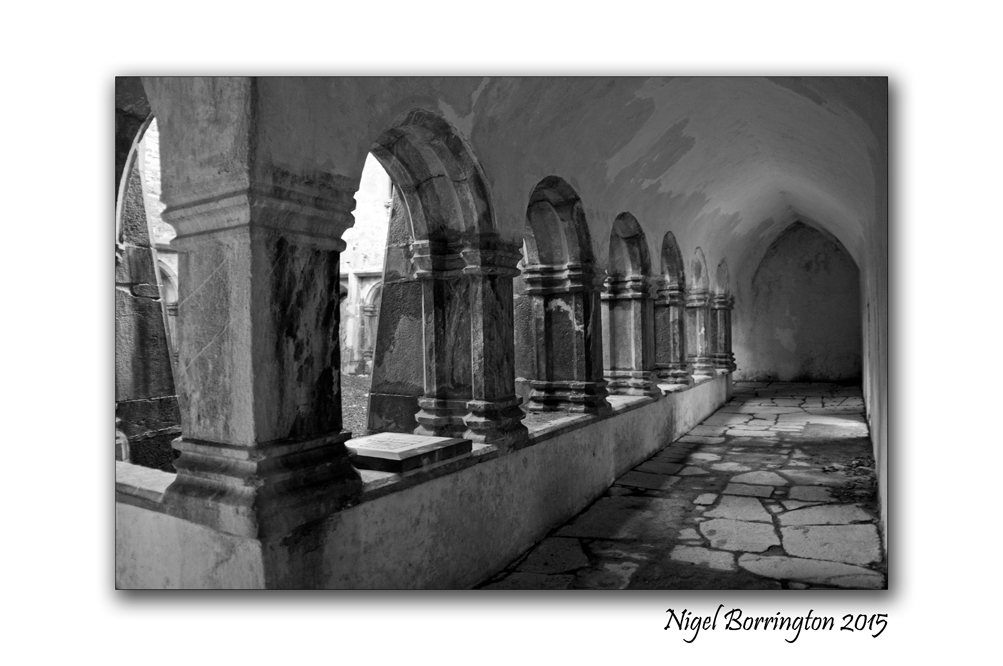
To celebrate this St Patrick’s day, I am sharing a very full collection of images from my Blog, all of them taken over the last couple of years or so. I feel they show this land, a small part of the European continent at its very best.
Ireland a St Patrick’s Day collection ….
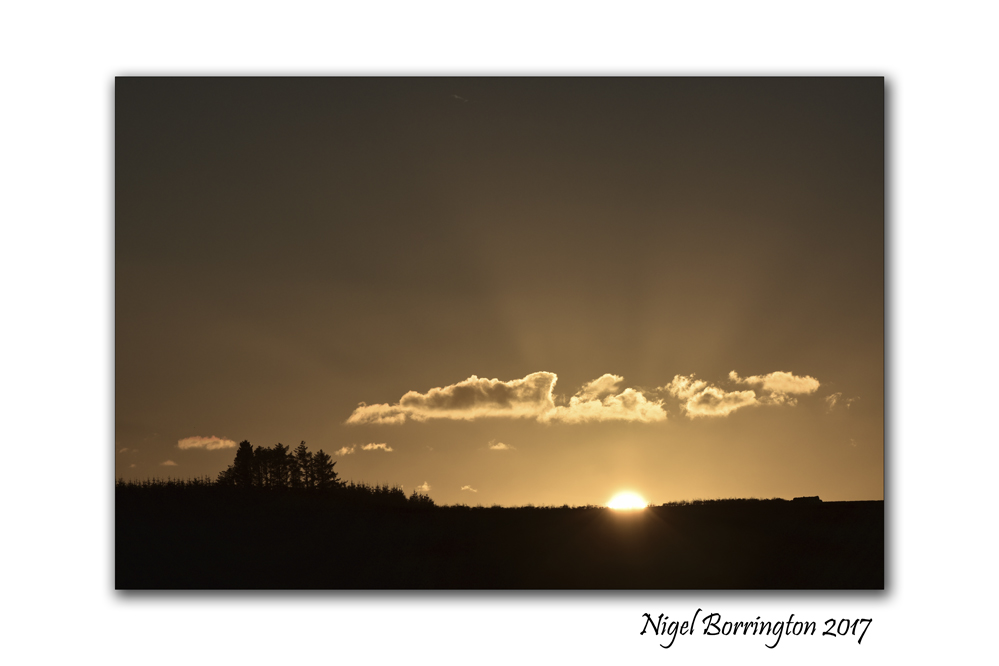















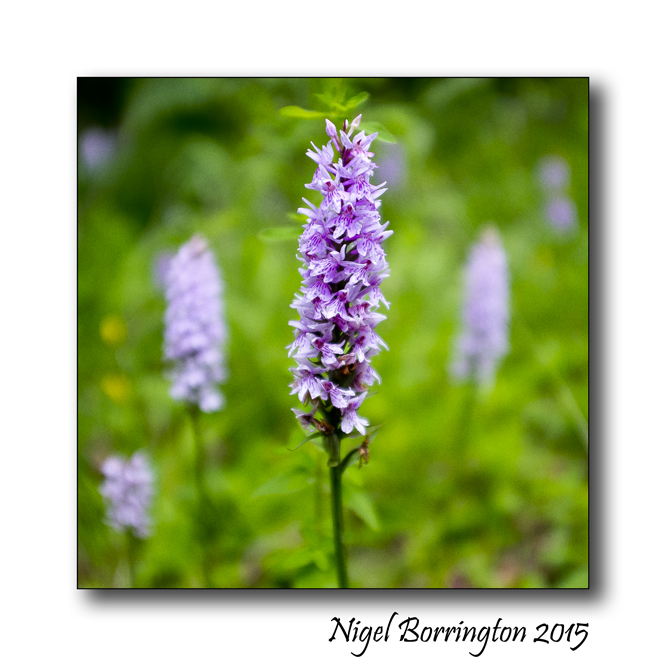


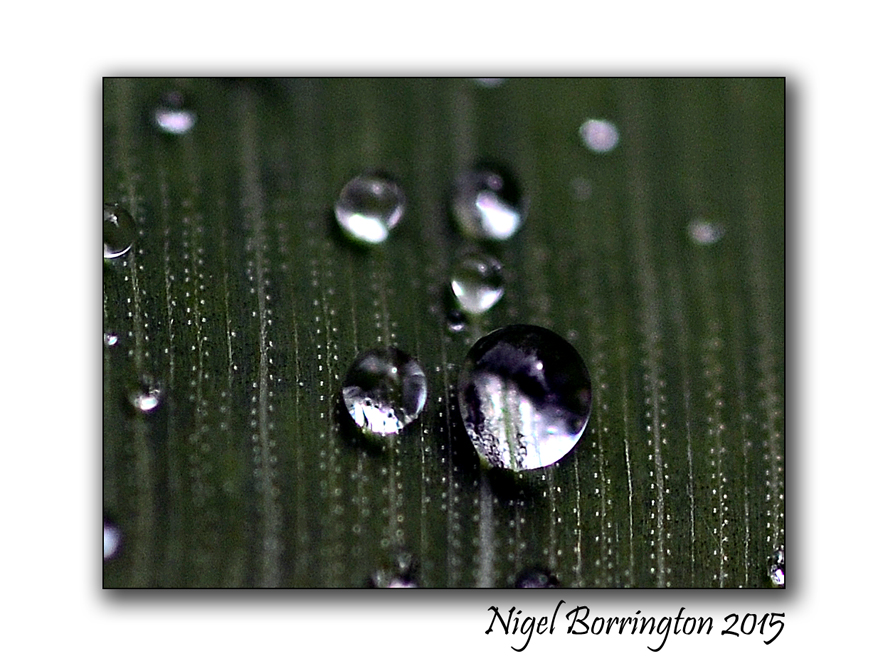
Tales from the river Bank, River Suir, Country Tipperary
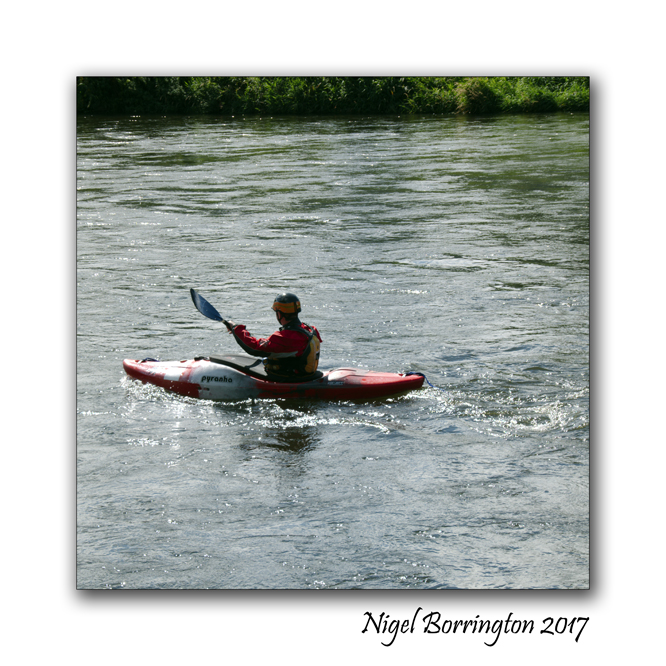
Tales from the River Bank,
River Suir,
County Tipperary
Nigel Borrington
A Walk along the River Suir : Gallery


The Last Sun light in an evening Haze
Evening haze from a March sunset
Nigel Borrington
The last Yellow beam in the sky drowns itself.
Haze tinged – leave-taken.
Delicate draperies of fog are waving.
A slight evening shadow sinks into them.
The Sun donates the last of its day.
Still standing alone in the early evening.
needing a resting from the dance.
Until starlight breaks through.

A wondrous silence falls like a dream.
The amazement of the coming night awakes.
A last call dies away, it is barely to hear.
And trees and bushes by the wayside
coming together tightly,
aspirating their song of praise into the night.

Slievenamon, Tipperary, the many faces of a Mountain …
Slievenamon , Tipperary
The main faces of a mountain
Nigel Borrington
The most amazing thing about living close to a mountain is that almost every time your lucky enough to walk to the top the weather is different, sometimes rain, sometime fog and others times bright sunshine.
The type of weather on the mountain, I love the most is the dramatic rain and mist ….
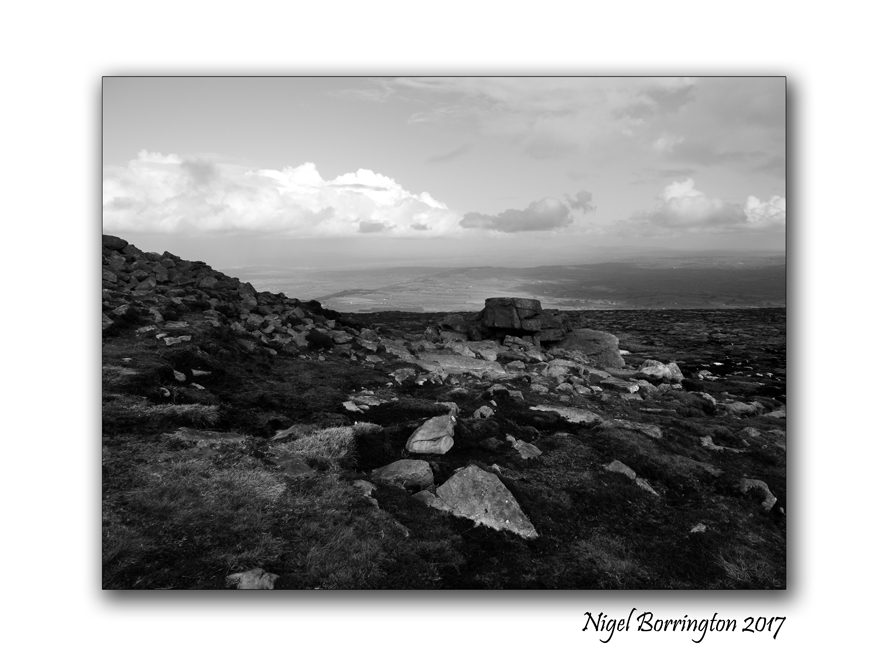


Killarney national park , Ireland
Killarney National Park Nigel Borrington
Irish landscapes
Friday the 10th of March 2017 and I am just planning some weekends away during the year, I am very keen to spend sometime as soon as possible back in the National park of Killarney. The park is a perfect place to visit if your into photography with its mountains and lakes and fast flowing rivers.
Its also an amazing place to cycle, so I am hopping to plan a B&B route leaving the car behind and spending time cycling in the Kerry mountains 🙂


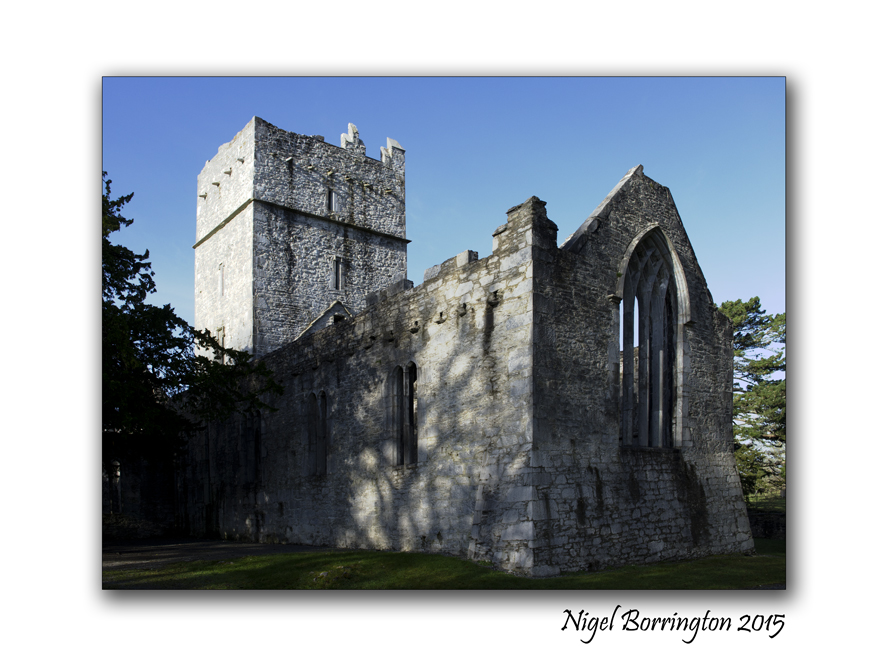

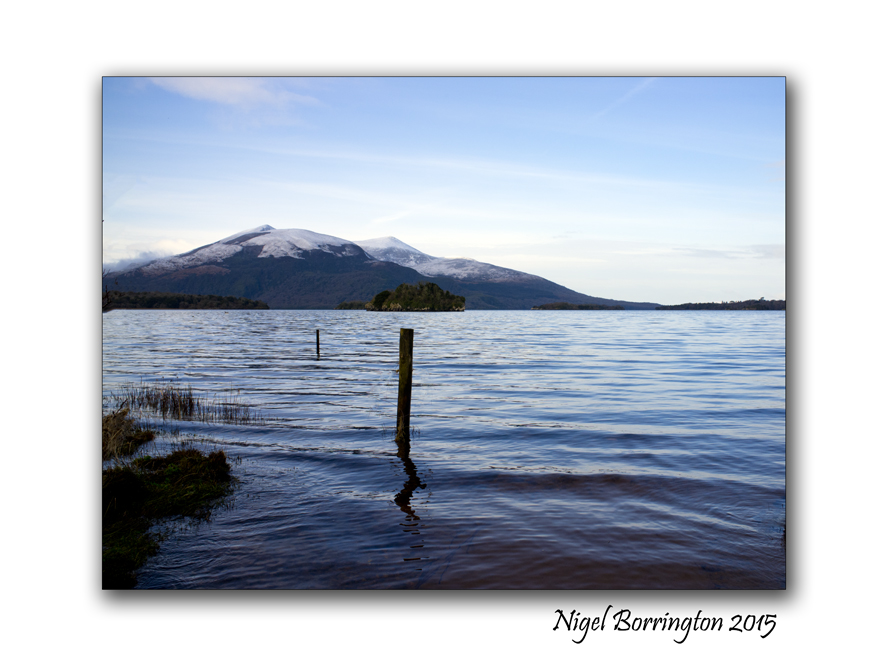

Lower Lake Killarney 2011
Today along the river Suir, County Tipperary

March on the river banks
River Suir
County Tipperary
Nigel Borrington
Early March walking along the banks of the river Suir, county Tipperary.
The trees are still bare but not for long now, we had the first dry day for a long time yet it was cool.
I love this river walk very much, a mountain view of Slievenamon county Tipperary, on the north side of the river and of the hills of county Waterford on the south side.
The river Suir, Tipperary, March 8th 2017 🙂
Irish Landscape, “As above so below” Quotes by Isaac Newton from 1680.

As above so below
Irish landscapes in sunlight
Nigel Borrington
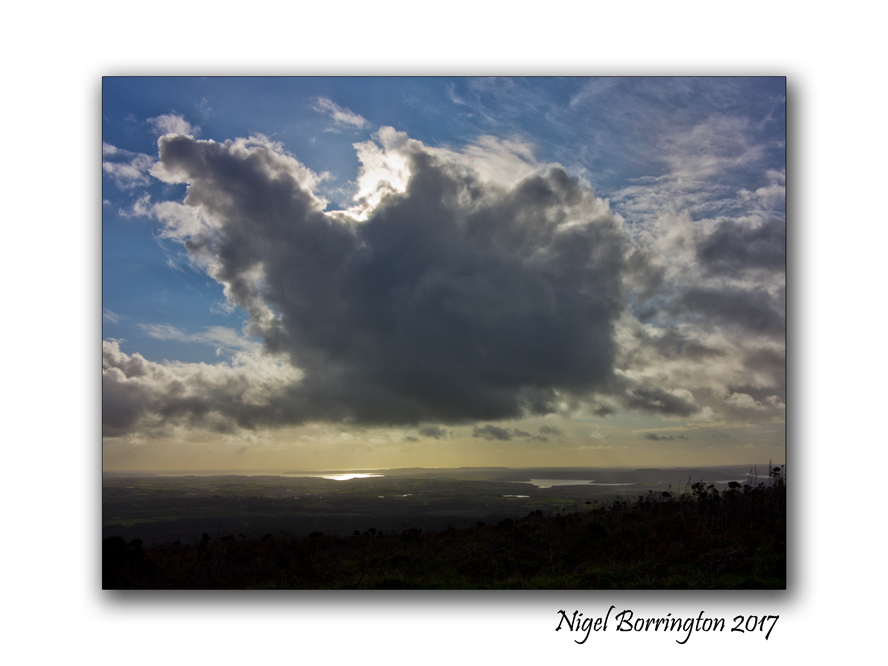
At this time of year the sky’s and the sunlight can be an amazing sight on the landscape. views like these always remind me of the words of Isaac Newton when he said “As above so below”. he was the scientist who when working with sunlight and a prism split pure white light into its colors of (red, orange, yellow, green, blue and violet).
The words “As above so below”
Quoted here is the version by Isaac Newton from circa 1680.
. Tis true without lying, certain & most true.
. That which is below is like that which is above & that which is above is like that which is below to do the miracles of one only thing.
. And as all things have been & arose from one by the meditation of one: so all things have their birth from this one thing by adaptation.
. The Sun is its father, the moon its mother,
. The wind hath carried it in its belly, the earth its nurse.
. The father of all perfection in the whole world is here.
. Its force or power is entire if it be converted into earth.
. Separate thou the earth from the fire, the subtle from the gross sweetly with great industry.
. It ascends from the earth to the heaven & again it descends to the earth and receives the force of things superior & inferior.
. By this means you shall have the glory of the whole world & thereby all obscurity shall fly from you.
. Its force is above all force, for it vanquishes every subtle thing & penetrates every solid thing.
. So was the world created.
. From this are & do come admirable adaptations where of the means (or process) is here in this.
. Hence I am called Hermes Trismegist, having the three parts of the philosophy of the whole world.
. That which I have said of the operation of the Sun is accomplished & ended.
As above so below, Gallery


Dear March – Come in – By Emily Dickinson(1830 – 1886)

Irish Landscape images
March 2017
Nigel Borrington
Dear March – Come in
Emily Dickinson, 1830 – 1886
Dear March – Come in –
How glad I am –
I hoped for you before –
Put down your Hat –
You must have walked –
How out of Breath you are –
Dear March, how are you, and the Rest –
Did you leave Nature well –
Oh March, Come right upstairs with me –
I have so much to tell –
I got your Letter, and the Birds –
The Maples never knew that you were coming –
I declare – how Red their Faces grew –
But March, forgive me –
And all those Hills you left for me to Hue –
There was no Purple suitable –
You took it all with you –
Who knocks? That April –
Lock the Door –
I will not be pursued –
He stayed away a Year to call
When I am occupied –
But trifles look so trivial
As soon as you have come
That blame is just as dear as Praise
And Praise as mere as Blame –

Artist Introduction, Paul Walls – A painter of motion
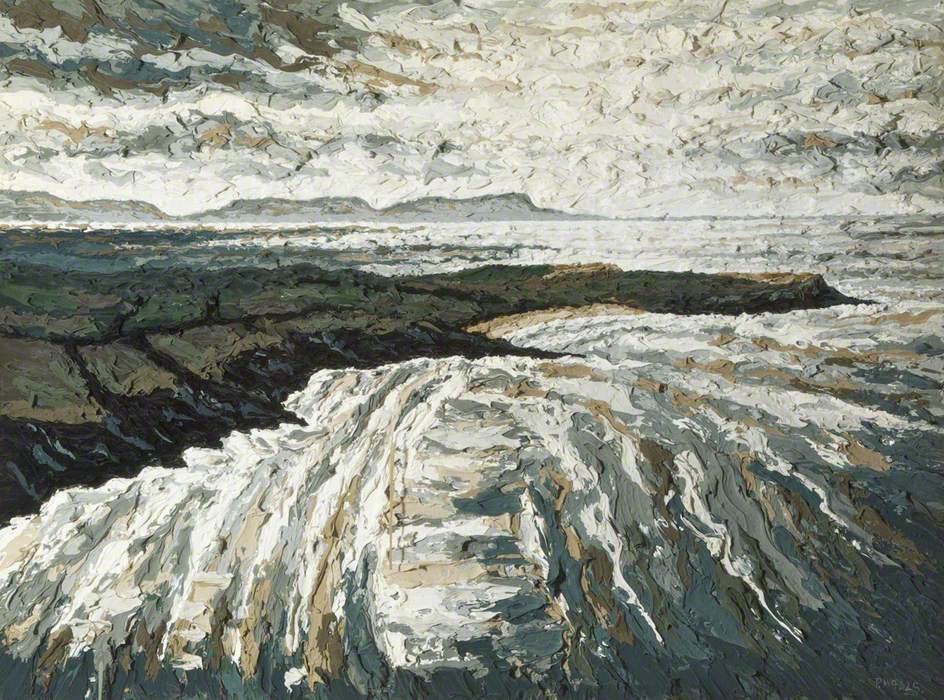
Grey Day, Muckross Head, County Donegal, By Walls, Paul
I first came across the paintings of Artist Paul Walls at an exhibition called “Currents”, held in the old friary building in Callan, County Kilkenny 2004, and instantly fell in love with his painting style and the resulting art works he produces.
I think it would be fair to say that Paul uses paint in a very loose and direct way on the canvas, I like this style very much!. Paul is one of those artists who’s work you actual need to see face to face to get a true feeling for their paintings and with Paul the depth and movement that each brush stroke has.
I feel that this style of painting is perfect for the subjects Paul captures, (Irish coastlines and countryside) on wet and windy days, days that we do so often get here.

Even when its not raining in Ireland its often windy and the above painting captures this mood so very well, Paul’s use of paint in the trees above the boats I feel captures the movement in a typical Irish day.

There will always be people who like different types of painting styles, some loving very photo realistic landscapes , others love abstract work, personally what I love most about Paul’s work is the overwhelming sense that he has captures a very active landscape and worked with it in a very pro-active fashion.
When viewing Paul’s painting you feel like you have first hand experience of the rain and the cliffs and the stormy sea.
This is the link to Paul Walls web site : Artists Paul walls

Monday Poetry, The Water Replies – Luke Kennard

The Water Replies
Waterford Coastline, Sunrise to Sunset
Nigel Borrington
Luke Kennard
The Water Replies
Maybe we have washed our hands
and drunk deep and swam
and think we know her,
but water’s reputation goes before her like a flood:
she does not suffer fools or gadflies.
Therefore I have prepared some questions.
Where do you get your ideas & your tide from?
Don’t say the moon – that’s really pretentious.
But as I clamber down the coast
I lose my footing and spend our allotted time
tossed around in her backwash,
pummelled by tiny stones.

When I am baptised I ask the water
Where have the demons gone?
Were they hiding behind the H, the 2 or the O?
I emerge finally able to see that I have not changed,
that I can of myself do nothing, that water decides.
On the towpath behind the church
I wring out my jacket. I ask the water:
Will you convey these thoughts away?
These itching hatreds, toothache of jealousy,
These squalid appetites and dog thirsts?
Just as far as the next city will do.
The ripples of the moon’s tablature.
When was the last time you cried, and why?
I ask the water. I ask the water:
Do you have plans later?

Wildlife Friday , A study of the swans, oak park, county Carlow

Swans at Oak Park
County Carlow
Nigel Borrington
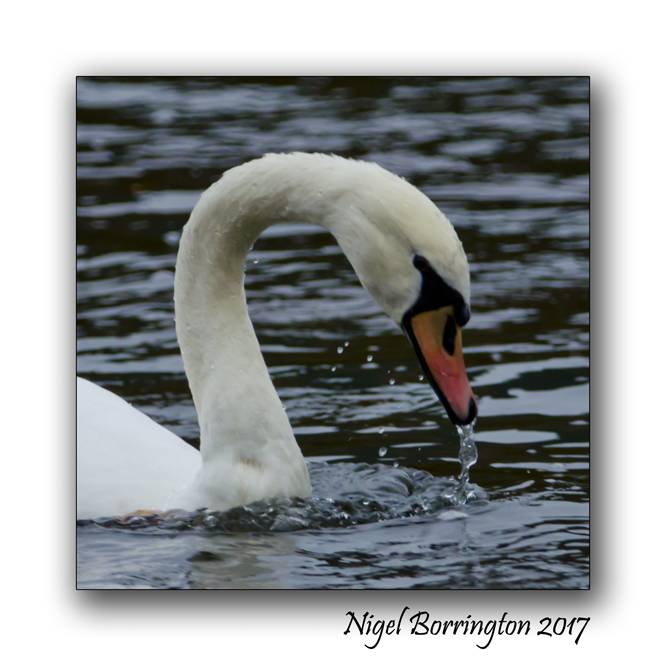
I have visited Oak park in county Carlow many times over the years. The park is known for its native woodlands and its surrounding lakes and rivers but also for its wildlife including its swans.
The swans are to be found in the park all year round and as you can see from the first picture above I was lucky enough a couple of years ago in capturing one couple with many of their cygnets.
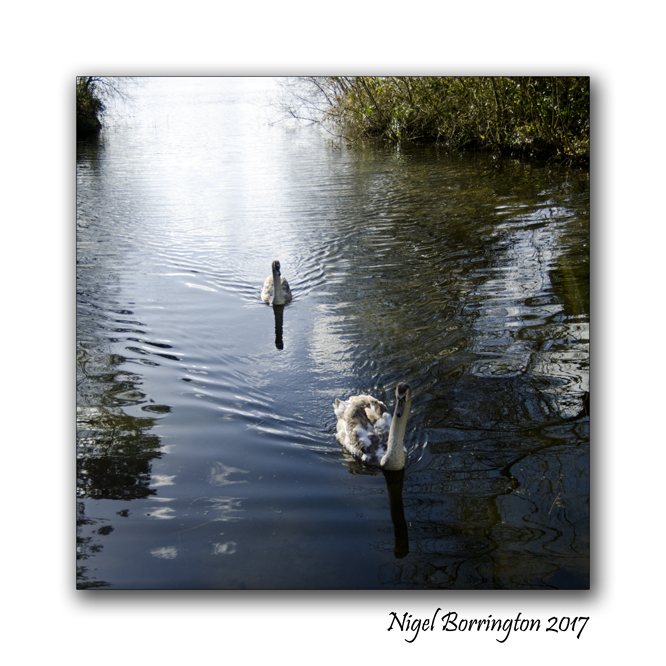
During one visit to the park last year, two very young swans approached me as I was standing on a bridge, there is a good chance that these two are from the same family group as in the top image, impossible to know but it would be a great thought !!!


The Manor Farm, By Edward Thomas
On the Farm
Irish landscapes
Nigel Borrington
The rock-like mud unfroze a little and rills
Ran and sparkled down each side of the road
Under the catkins wagging in the hedge.
But earth would have her sleep out, spite of the sun;
Nor did I value that thin glilding beam
More than a pretty February thing
Till I came down to the old Manor Farm,
And church and yew-tree opposite, in age
Its equals and in size. The church and yew
And farmhouse slept slept in a Sunday silentness.
The air raised not a straw. The steep farm roof,
With tiles duskily glowing, entertained
The mid-day sun; and up and down the roof
White pigeons nestled. There was no sound but one.
Three cart-horses were looking over a gate
Drowsily through their forelocks, swishing their tails
Against a fly, a solitary fly.

The Winter’s cheek flushed as if he had drained
Spring, Summer, and Autumn at a drought
And smiled quietly. But ’twas not Winter—
Rather a season of bliss unchangeable
Awakened from farm and church where it had lain
Safe under tile and thatch for ages since
This country, Old already, was called Happy.
Edward Thomas
Plaza de España, Seville, Spain

Plaza de España, Seville
Nigel Borrington
The Plaza De Espana is simply one of the most amazing locations to visit in Seville, the images here are taken from our visit at the end of last month (January 2017). It was late afternoon by the time we arrived, having already visited many of the cities great locations and the Plaza was the perfect way to end a great day.
Here are some basic details, including the buildings amazing history …
The Plaza de España
(“Spain Square”, in English) is a plaza in the Parque de María Luisa (Maria Luisa Park), in Seville, Spain, built in 1928 for the Ibero-American Exposition of 1929. It is a landmark example of the Regionalism Architecture, mixing elements of the Renaissance Revival and Moorish Revival (Neo-Mudéjar) styles of Spanish architecture.
The Plaza de España, designed by Aníbal González, was a principal building built on the Maria Luisa Park’s edge to showcase Spain’s industry and technology exhibits. González combined a mix of 1920s Art Deco and “mock Mudejar”, and Neo-Mudéjar styles. The Plaza de España complex is a huge half-circle with buildings continually running around the edge accessible over the moat by numerous bridges representing the four ancient kingdoms of Spain. In the center is the Vicente Traver fountain. By the walls of the Plaza are many tiled alcoves, each representing a different province of Spain.
Today the Plaza de España mainly consists of Government buildings. The central government departments, with sensitive adaptive redesign, are located within it. The Plaza’s tiled Alcoves of the Provinces are backdrops for visitors portrait photographs, taken in their own home province’s alcove. Towards the end of the park, the grandest mansions from the fair have been adapted as museums. The farthest contains the city’s archaeology collections. The main exhibits are Roman mosaics and artefacts from nearby Italica.
The Plaza de España has been used as a filming location, including scenes for the 1962 film Lawrence of Arabia. The building was used as a location in the Star Wars movie series Star Wars: Episode II – Attack of the Clones (2002) — in which it featured in exterior shots of the City of Theed on the Planet Naboo. It also featured in the 2012 film The Dictator.
Gallery


Three poems about sunlight …
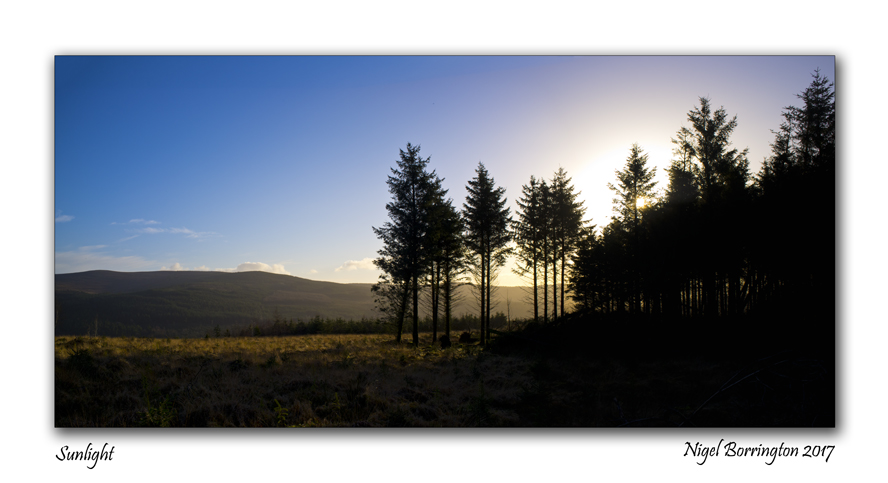
Landscape in Sunlight
Nigel Borrington
Phoebe Hynes
Dec 5, 2016
A response to sunlight
You came to me in what I thought was a dream,
but it was actually the mundane,
and the secrets my conscious brain,
was keeping from me.
You were a part of reality all along,
it’s just taken me a bit to realize it.
Sunlight can be blinding,
and raindrops are more obvious.
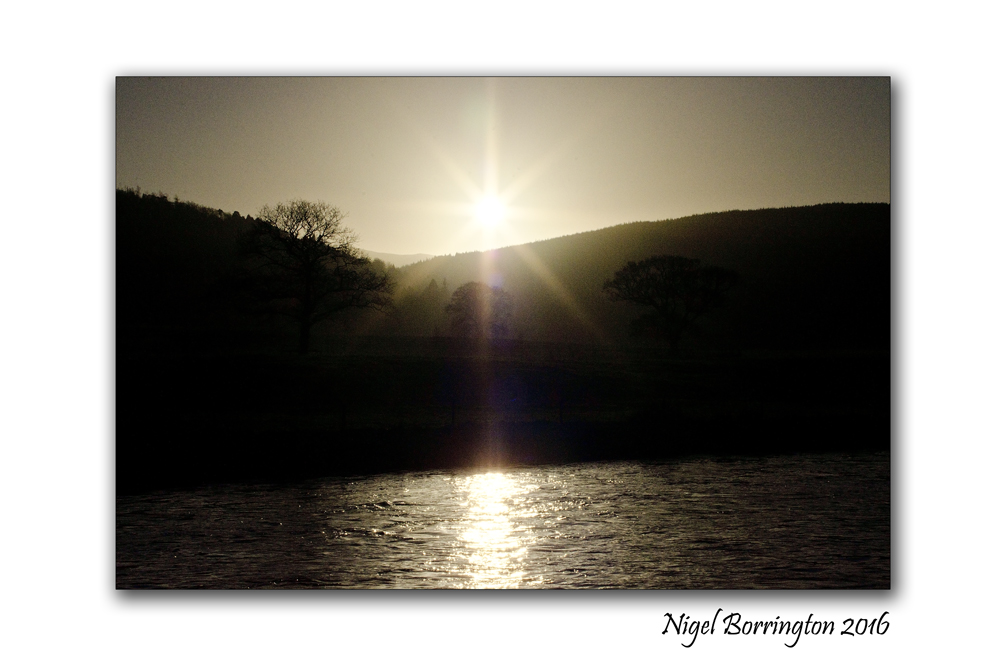
Russell
May 7, 2016
The Filter of Sunlight
The drops of gold
Break through
The cover of leaves
I’m hiding behind
Peeking through
Touching me
Warming me
Making me realize
All the good
I’m hiding from
All the things
I should be happy about
The yellow rays
Burning the bad
Purifying my thoughts
Changing my mind
And I run out
Wanting to make a memory
Of this happy
Golden moment.

Ramisa R
Sep 25, 2014
Springtime Creativity
Lilacs bloom; birds sing
sunlight falls–
enlightening these
blank pages
Looking at a Painting : Industrial City by Ls Lowry

Lowry, Laurence Stephen; Industrial City; British Council Collection; http://www.artuk.org/artworks/industrial-city-176858
I have posted a couple of times since the new year, relating to the Manchester Born artists Laurence Stephen Lowry (1887–1976) he was born in Old Trafford, Salford and studied in the evening at Manchester Municipal College of Art. He was a man who rarely left the North West, finding his inspiration in the landscape of North Wales and Lancashire, and in the streets of Manchester and around Salford.
Possible this painting “Industrial City” is one of my favorite cityscapes that Lowry produced, I say possibly because he was prolific in this area of his portfolio and I love so much of his inner city works.
I grow up in Altrincham, a town only a few miles away from city center Manchester and while I missed this core era that Lowry was working in, I have lots of memories of the city looking like it does in these paintings.
During my early years I can remember these streets and factories being slowly torn down and replaced with office blocks along with new more modern houses. Its hard to imagine these days what life was like for a lot of the people captures in Lowry’s drawings and painting, living and working within the same mile, most people hardly traveling very far outside their surroundings.
Industrial City
Lowry restricted his palette to black, vermillion, Prussian blue, yellow ochre and flake white. Whilst there is a naivety in his rendition, he deftly caught the hustle and bustle of men, women and dogs on the move against a background of terraced houses, mills and factories.
The things I love most about this painting , well firstly its angle of view, Lowry paints as if he was standing on top a hill overlooking the homes and industry below. I also like very much the distance in this painting, a distance that few of the people captured in it could experience themselves at street level. To me this distance captures the expanse of the city, each small area making up the whole, yet enclosing people within their own spaces of home and work and life.
City life itself is captured here, every element of the community (Home, work, shops, play, chat, church and industrial dirt – so much of it!).
In the distance through the city smog you can just make out the hills and moors, fresh air and spaces that so clearly is just out of reach.
I feel this painting is LS Lowry at his very best, some artists go in very close with life in order to capture and reflect on it , Lowry pulls back in his view and adds in so many elements that you have to spend time exploring his work, in order for you to see the full message and story he want you to see.
This was life in a Northern English town, lowry painted it and also lived it with the people he captured!!!!
 Nigel Borrington
A Spider with her eggs
Spider with her pod of eggs
Nature Photography
Nigel Borrington
Taken at Lunchtime today, this Spider was hiding in the hollow of a garden tree. I am not sure what kind of spider she is but am going through lots of websites and wildlife books I have.
At the moment I am keeping my Macro lens on my Camera all the time, I am missing taking some more general landscape images but truly enjoying spending sometime getting much closer to the nature that I find at home or very close to home. Macro photography is not easy and a true skill, so the more macro’s I find myself taking the more confident I am feeling in this area 🙂
Share this:
March 31, 2017 | Categories: Comment, Gallery, irish woodlands, macro photography, Nature and Wildlife, Personal skills and development | Tags: macro photography, Nature, Nigel Borrington, Spiders, web, wildlife | 2 Comments