Kilcooley Abbey

All images using a Sigma SD15, 15-30mm lens, iso 50
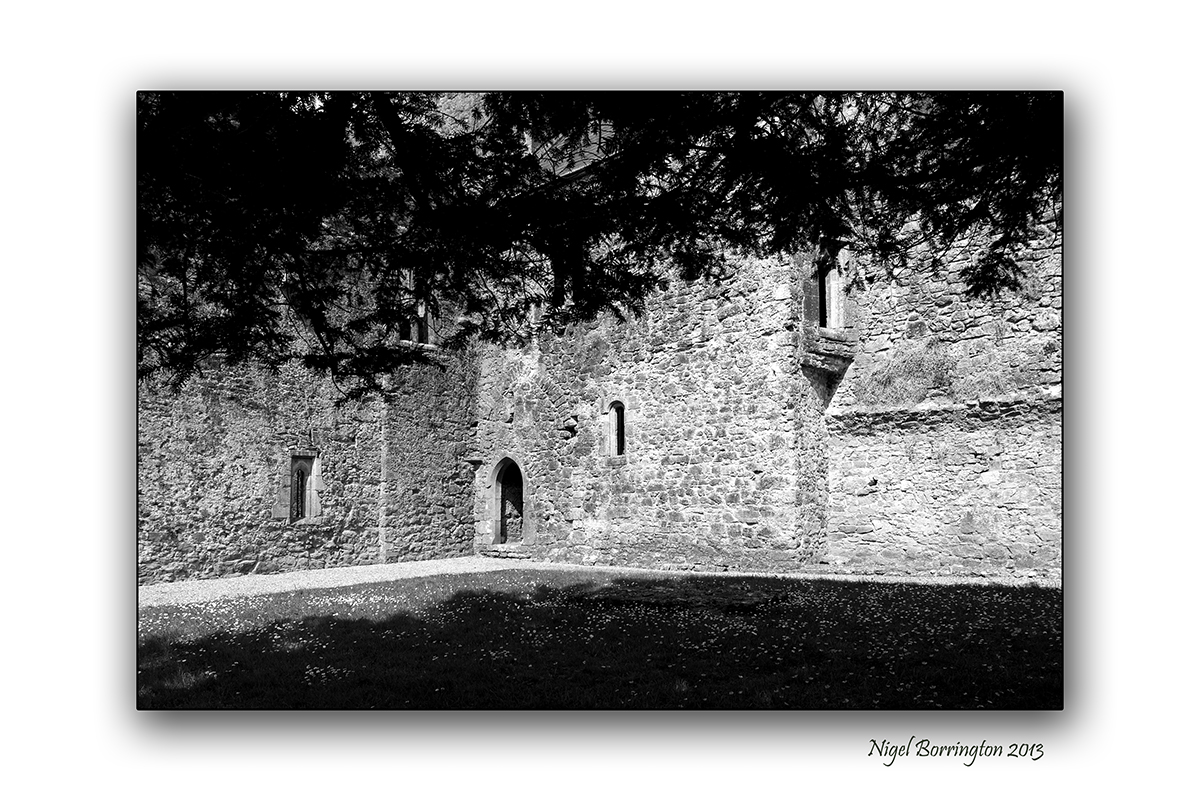
A sense of place, Kilcooley Abbey, county Tipperary
Irish Landscape Photography : Nigel Borrington
Kilcooley Abbey, County Tipperary
Kilcooley Abbey is a Cistercian Abbey close to the Village of Gortnahoe,in Co Tipperary, located within the grounds of the Kilcooley Estate. This abbey dates from 1182 when Donal Mor O’ Brien granted lands to the Cistercians, to build an abbey here. The abbey which is a sister house to both Jerpoint Abbey and Holy Cross Abbey, is considered to be a hidden gem,tucked away in this remote corner of Co. Tipperary. The Abbey is found inside a walled estate.
The main part of the abbey consists of the Entrance Chamber, the Church, the Tower and the Sacristy. The Entrance Chamber has a well carved baptismal font on its south wall. The nave of the church is still roofed but the rest of it is out in the open. The church has two large carved windows on its east and west side. The chancel contains two stone tombs and a stone altar. One of these tombs is that of the knight Piers Fitz Oge Butler. His tomb records his death as taking place in 1526 and has some beautiful carvings of 10 apostles on the side of it carved by Rory O Tunney who is also noted for his work in Jerpoint Abbey. On top of Butler tomb there is the effigy of a knight with a dog curled up at his feet. The knight though hasn’t fared well through the years and most of his face has been chipped off. The Sacristy is entered through a magnificent carved archway which has many carvings such as a scene depicting the crucifixion and more bizarrely a mermaid holding a mirror which was meant to depict vanity. Roger Stalley suspects this screen wall may represent the entrance to a private Butler chapel, as two Butler shields are depicted. The east end of the nave is notable, because seats for the officiating clergy have been carved into the crossing piers. The work here is very fine, but does not have the sculptural finesse of nearby Holycross Abbey.

Outside the abbey there is also a beehive shaped ruin. It isn’t known whether this was used as a Columbarium to store ashes or a dove-cote for pigeons. But most probably it was a dove-cote since there is a 3-foot (0.91 m) wide hole in the ceiling from which they would have entered and left. Also outside the abbey is the Infirmary which is still in a fairly good condition although access to the roof of it is blocked.
The Cloisters of the abbey are long gone with only one column still remaining. The path of the cloisters though still remains with a pebbled walkway around the grass square. The centre even has a large tree growing in it. Beside the Cloisters the Parlour and Chapter House are still there. Also the Calefactory (Warming room) still remains but without a roof. And on the south side of the Cloisters the Monks Dining Hall still stands. The dining hall although it has no roof still has a spiral staircase but this sadly has been barred up because of an ever increasing Irish-to-American(sue-happy)society. You’ll also find all the second floor rooms such as the Monks Dorms and the Main Tower locked up by a certain Office of Public Works and for some reason the Parlour, Chapter House and Calefactory are also barred. But don’t let this deter you from visiting one of the most comprehensive abbeys in Ireland.
Kilcooly Abbey was also used in the making of the film by John Boorman “Excalibur” based on the tale of King Arthur and the knights of the round table. There is an interesting pyramid structure on the grounds of the abbey.
Gallery images



The weekends fading light

Nikon D7000, 18-200mm lens, iso 100
Sunday evening sunset over the Nire-valley
Landscape photography by : Nigel Borrington
Sunday evenings are my most favourite time of the week, the weekends light is fading fast and we have a new week ahead of us, new chances to grow and reach our aims.
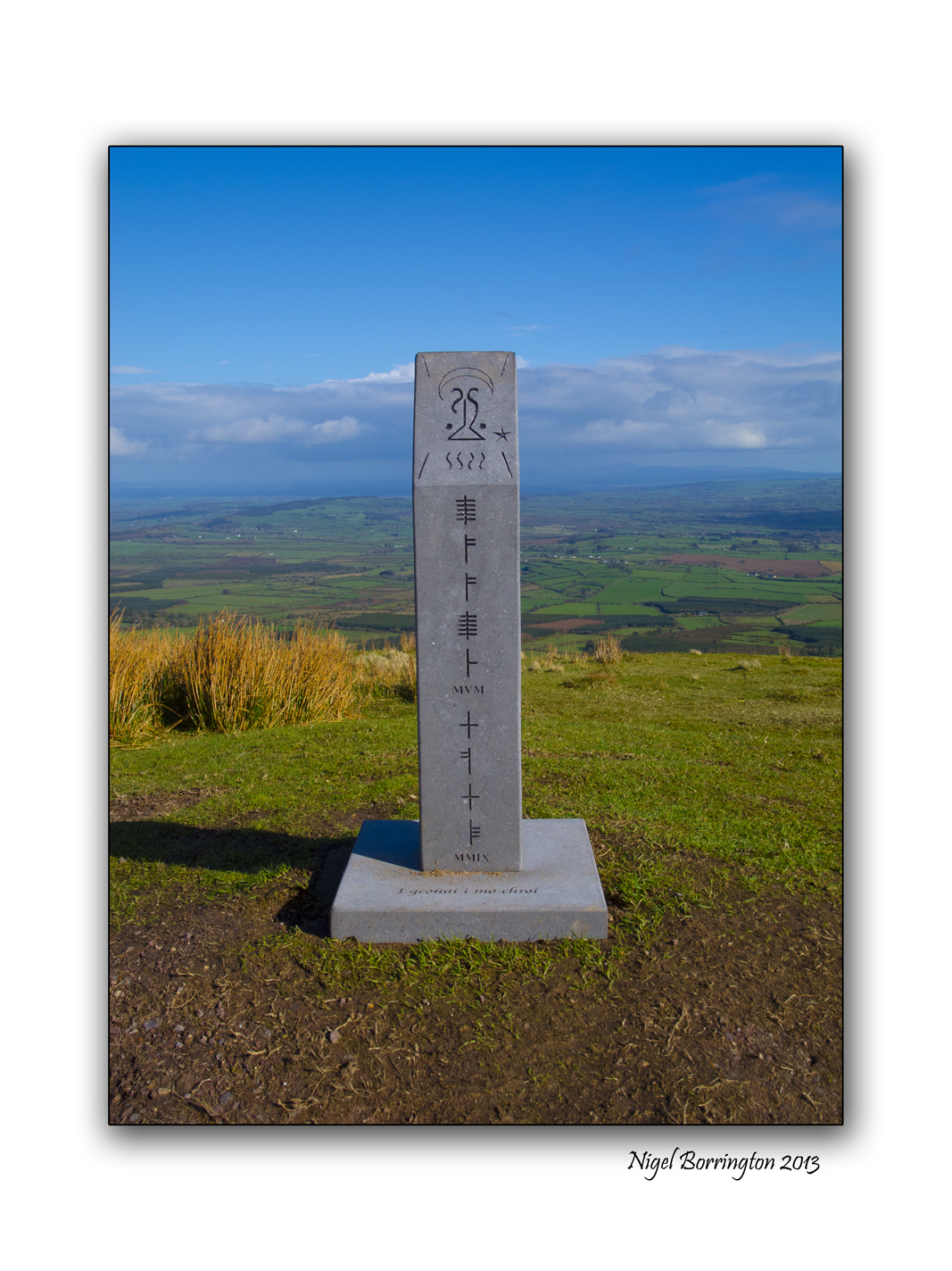
Slievenamon – A Mystery on the mountain

Slievenamon, county Tipperary
Landscape photography, Nigel Borrington
Slievenamon the mountain is covered with different type of megalithic remains going back many thousands of years and a lot of these areas remain undocumented.
It was in spring 2012 however while I was walking up the path that rises to the top of the mountain, about half way up I noticed this new monument. I have passed it a few time since and its a bit of a mystery.
If anyone can help with the symbols it would be very much welcomed….

Finding Samuel Richard Grubb

Nikon D7000, 18-200mm lens, iso 200
Monument to Samual Richard Grub, Sugarloaf Hill, Knockmealdown Mountains, Co Tipperary
Landscape Photography : Nigel Borrington
If you visit (Sugerloaf hill, Knickmealdowns, Co Tipperary) you will come across the Sanuel Richard Grubb monument, the monument was constructed in 1921 as a tribute to this man.
So who was this man and why even today does both the monument and his grave below it, sit looking out from the Knockmealdowns, county Tipperary.
The only records I can find are as follows:
Samuel Richard Grubb
M, #619382, b. 26 September 1855, d. 22 September 1921
Last Edited=1 Feb 2013
Consanguinity Index=6.64%
Samuel Richard Grubb was born on 26 September 1855.1 He was the son of Richard Davis Grubb and Margaret Butler Grubbe.2 He married Alice Hannah Binney, daughter of Edward William Binney, on 8 July 1885.1 He died on 22 September 1921 at age 65.1
He held the office of Justice of the Peace (J.P.).1 He held the office of High Sheriff in 1914.1 He lived at Castle Grace, County Tipperary, Ireland.1
Children of Samuel Richard Grubb and Alice Hannah Binney
Richard Raymond De Cruce Grubb+2 b. 11 Jun 1886, d. 28 Dec 1970
Joan Mary Grubb+2 b. 30 Jul 1889, d. 2 Feb 1968
Citations
[S47] Hugh Montgomery-Massingberd, editor, Burke’s Irish Family Records (London, U.K.: Burkes Peerage Ltd, 1976), page 527. Hereinafter cited as Burke’s Irish Family Records.
[S47] Hugh Montgomery-Massingberd, Burke’s Irish Family Records.
A justice of the peace in Ireland
Justices of the Peace existed in Ireland prior to 1922, sitting in a bench under the supervision of resident magistrates at Petty Sessions to try minor offences summarily, and with a County Court Judge (in his capacity of Chairman of Quarter Sessions) and jury to try more serious offences at Quarter Sessions. In the Irish Free State the position was effectively abolished by the District Justices (Temporary Provisions) Act 1923[11] and permanently abolished by the Courts of Justice Act 1924. Their judicial powers were replaced by full-time, legally qualified District Justices (now called District Judges) and their quasi judicial powers by lay Peace Commissioners. Peace Commissioners may sign statutory declarations and affidavits, and may issue search warrants to the Garda Síochána (Irish police).[12]
As with many of the tourist attractions around Clogheen, such as Bay Lough Shanrahan and The Vee, a visit to Samuel Grubb’s Grave, and the wonderful views across the Vee Valley. It is a wonderful area for a day trip.
According to Samuel’s descendant, Nicholas, the burial took place on the Sugar Loaf partly because it was requested by the deceased. This request, however, was largely because the family had been removed from the Society of Friends (better known as the Quakers) in 1844 (11 years before Samuel was born) for engaging in ‘amusements or entertainments of a hurtful or injurious tendency’, more specifically for attending ‘Balls at which music and dancing form a chief part’ and which were forbidden by the rules of the Society.
I cannot find on-line any death records to indicate how he died, I will keep looking ….
Gallery on the Monument and its views


Day of the – Rhododendrons
The Vee – County Tipperary

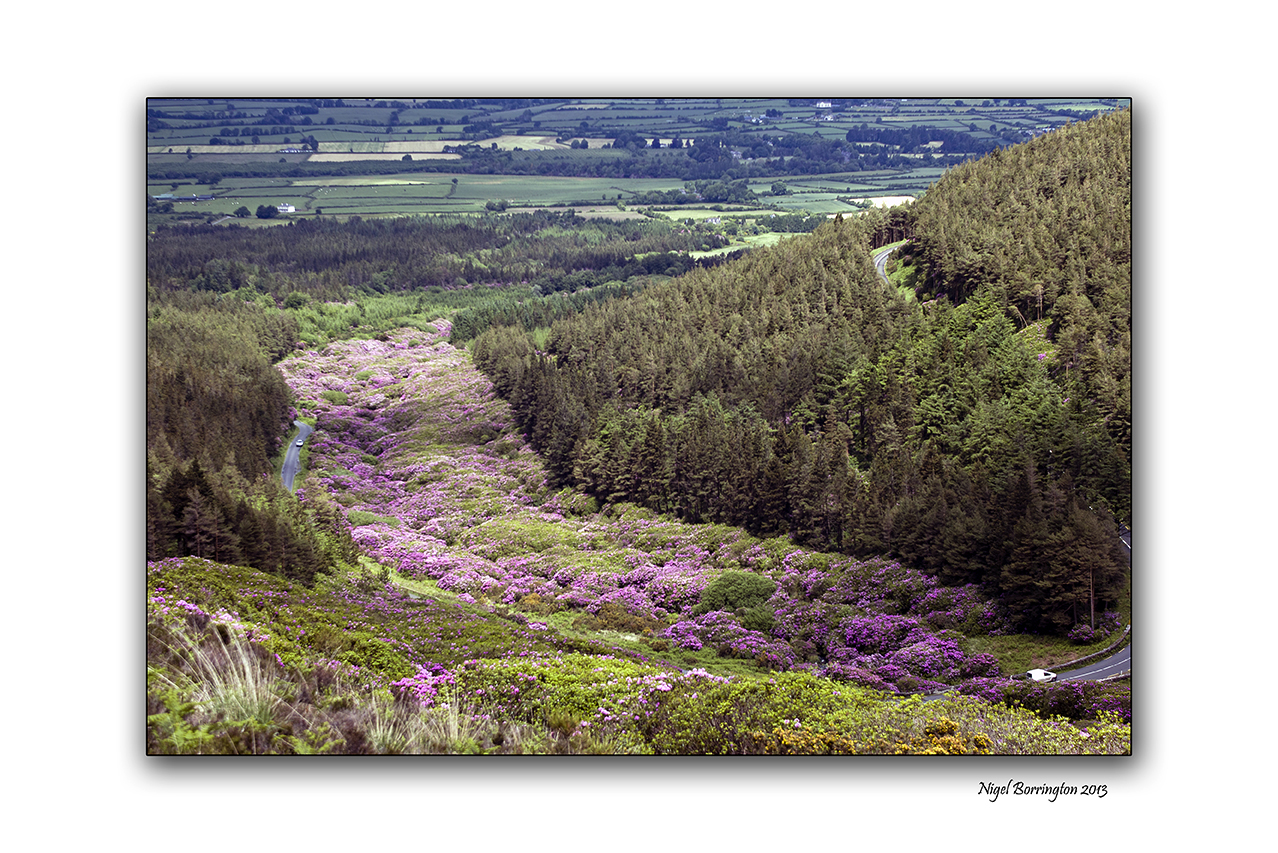
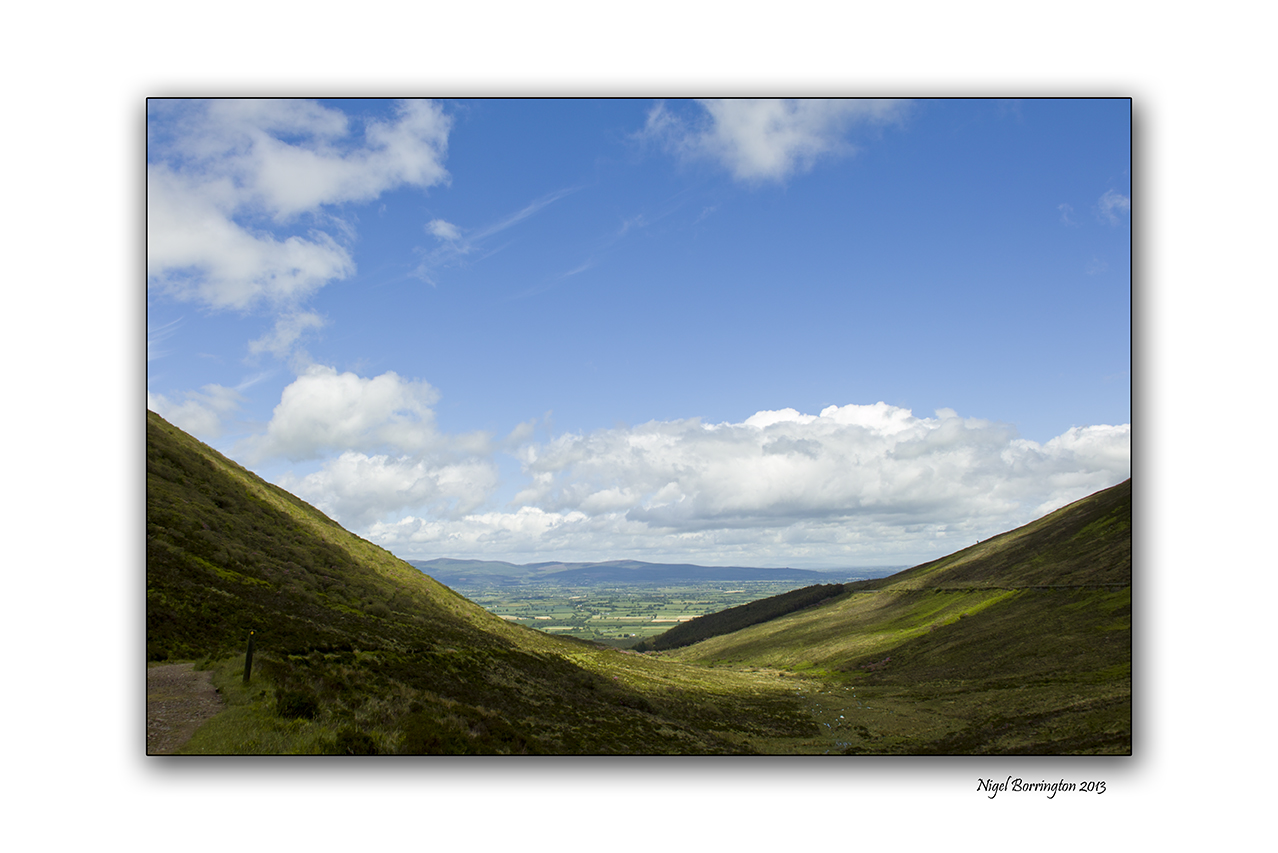
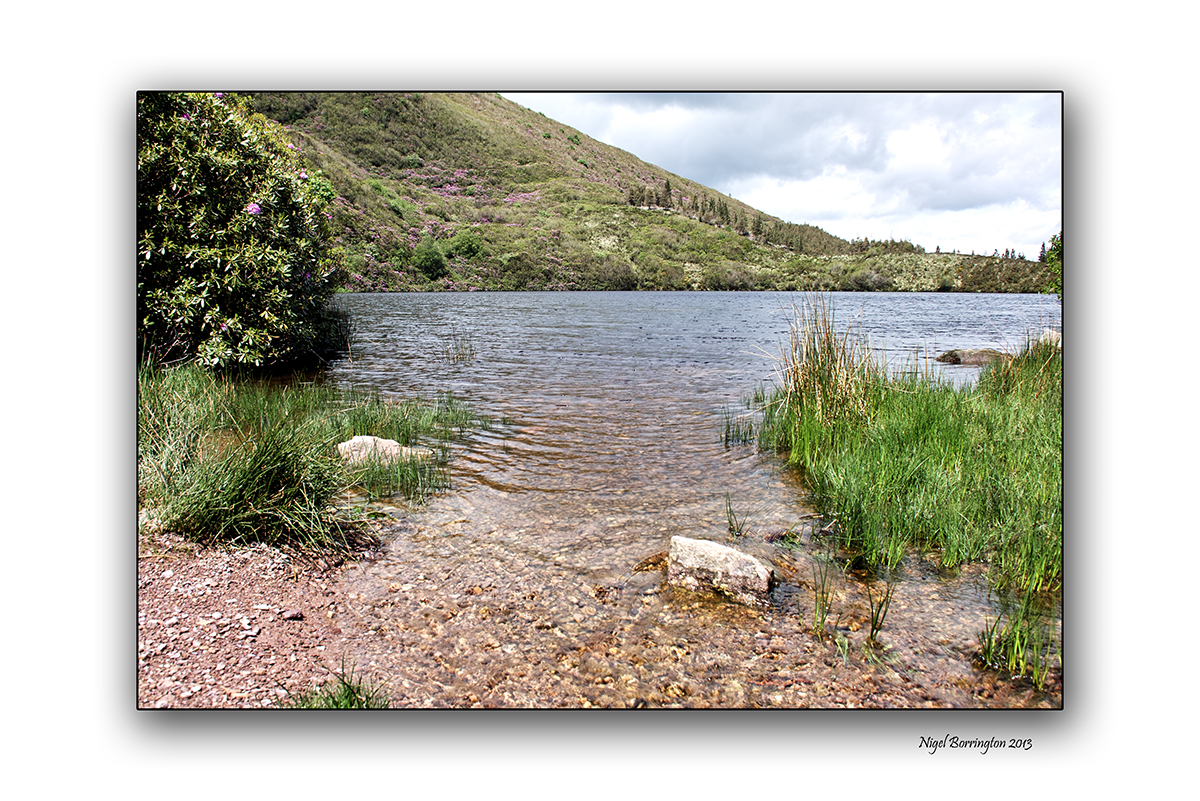
The Vee in county Tipperary is one of Ireland most visited landscape locations. ‘The Vee’ refers to a V-shaped valley in the Knockmealdown mountains. Formed in the ice age the Vee itself is on the Sugar Loaf mountain , and forms a pass from Tipperary to Waterford between Knockaunabulloga (on which you will find Bay Lough) and the Sugar Loaf mountain.
The Vee is predominantly famous because of the breathtaking panoramic views afforded to travellers and sight seers going through the pass. The journey rises to about 2,000 feet (610m) above sea level above Bay Lough, and as it does so it gives wonderful views of a portion of the ‘Golden Vale’ between the Knockmealdown and Galtee Mountain Ranges.
On a clear day (or night) the Vee affords views along and across the valley to Clonmel, Cahir, Ardfinnan, Clogheen, Ballyporeen and even Cashel. You can also see the Galtee Mountains across the valley, the Comeragh Mountains along the valley and Slievenamon, behind Clonmel, quite clearly.
Each June however the entire area is covered in the bright pinks of Rhododendron flowers, I visited the area on Saturday just to photograph this event taking place, in the wild this plant is incredibly invasive and as you can see from these images has become the overwhelming feature the the entire area.

Rhododendron ponticum, in Ireland
This web site decribes Rhododendrons as an invasive species and for good reason.
Habitat: Mixed deciduous forest. Temperate heaths. Raised and blanket bogs.
Description: This species was first introduced to parks, gardens, and demesnes in Britain and Ireland in the 1700’s. Rhododendron ponticum is readily recognised by its distinctive attractive flowers and large dark green coloured, oval leaves. It can grow quite tall with specimens regularly attaining 8 m.
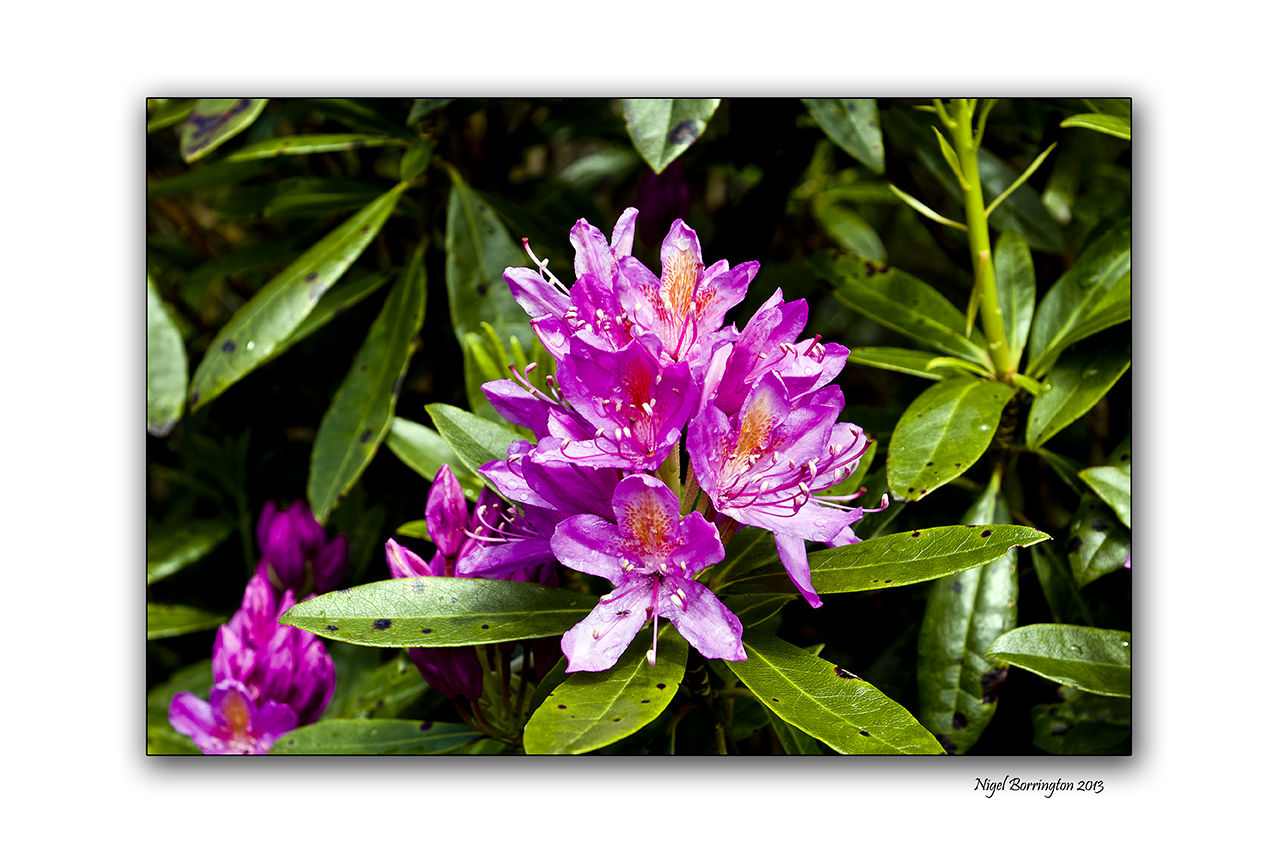
Origin and Distribution: The species is native to both Europe and Asia. It is believed that the current populations of Rhododendron in Ireland have been introduced from material taken from both the Iberian Peninsula populations and the Asian populations of this species. Rhododendron has a complex history.
Impacts: Rhododendron can from very dense thickets and out-compete native plants for space and resources, especially for sunlight. Other impacts on fish and invertebrate communities have been recorded. Rhododendron can also prevent access to sites by the shear mass of plant material blocking paths and right of way.
How did it get here? Natural dispersal by seed and vegetative means and planted by people.
Where is it found in Ireland? Planted in gardens, parks and demesnes.
Prevent Spread
Import only clean soil from known source
Ensure all vehicles and equipment are cleaned to avoid cross contamination.
Be aware of the threat of colonisation from upstream areas washing Japanese knotweed material downstream.
Promote native species and biodiversity – use alternative, native plants
Know what you are buying/growing and source native Irish seed and plants
Do not swap plants and cuttings
Clean plants before adding to ponds (dispose of water away from water courses)
Never collect plants from the wild
Safe disposal of plant material and growing media
In the aerial photograph above, the Rhododendrons show as the lighter green area in the middle of the image and rise the full hight of the mountain on the left of Bay Lough and follow the flow of the river that flows from the lough down the valley and into the woods below.
From a personal stand point, each June it is a wonderful site to see, many Tourists visit the area during this period just to take in the views it offers, however it is a little overwhelming to witness the extent this plant has taken over the mountains in this part of county Tipperary. When you take into account that it was only introduced in the 1700’s as a decorative plant into a local garden in the valley below.
Image Gallery




All images taken using a Nikon D7000
Irish landscape photography : Nigel Borrington
The Vee, County Tipperary
Sunset on the River

Sunset on the River
Jan Weeratunga, South Africa
Reds, pinks, oranges and gold’s catch the edge of the clouds and slowly turn the evening sky into a canvas waiting to be painted.
The sun’s last ray’s bounce off the cloud’s lining as it sinks gradually beyond the horizon.
Playfully the rays dance off the shimmering surface of the river,
Another fish jumps from the water,
Sending a concertina of ripples to the riverbank’s shoreline.
Golden waves approach as the setting sun sinks slowly below the horizon,
And small waves lap the side of our boat in an unending regular rhythm.
The repetitive knocking of the fender against the hull takes on the beat of the river,
Tapping the boat and shoreline alike,
It’s constant rhythm disturbed only by the wake of a passing boat or water bird landing on its surface.
Crickets join in with their own percussion as the melody is taken up by the surrounding birdlife,
Each chorus, their evening song as they head along the river bank in search of their nights roost.
Insects buzz over the surface, darting this way and that,
As swallows swoop swiftly, snapping them up in their gaping beaks.
Against the Western horizon a kingfisher dives into calmer waters bathed in a glorious warm orange light.
To the East the night’s first star is born,
It shimmers and shivers into life,
Just as the river serenely falls to sleep.
Peace is coming to the river as the ‘time between times’ –
That suspended few minutes of sunset –
Links all things in this world in a glorious golden moment before darkness descends.
Gradually the river slips into sleep
And the moon begins to rise and perform her dance across the waters glassy surface;
Replacing her brothers golden rays with her own silver ones.
Silver shimmering light bathes all beneath it,
Only disturbed by an occasional fish breaking free of its watery surrounds,
To be touched and blessed by the moonlight,
Before diving back down to the river bed.
The moon arches across the night sky,
Playing with the stars,
Until her brothers warming rays tell her it is once again time to allow the miracle of night and day to exchange places.
.
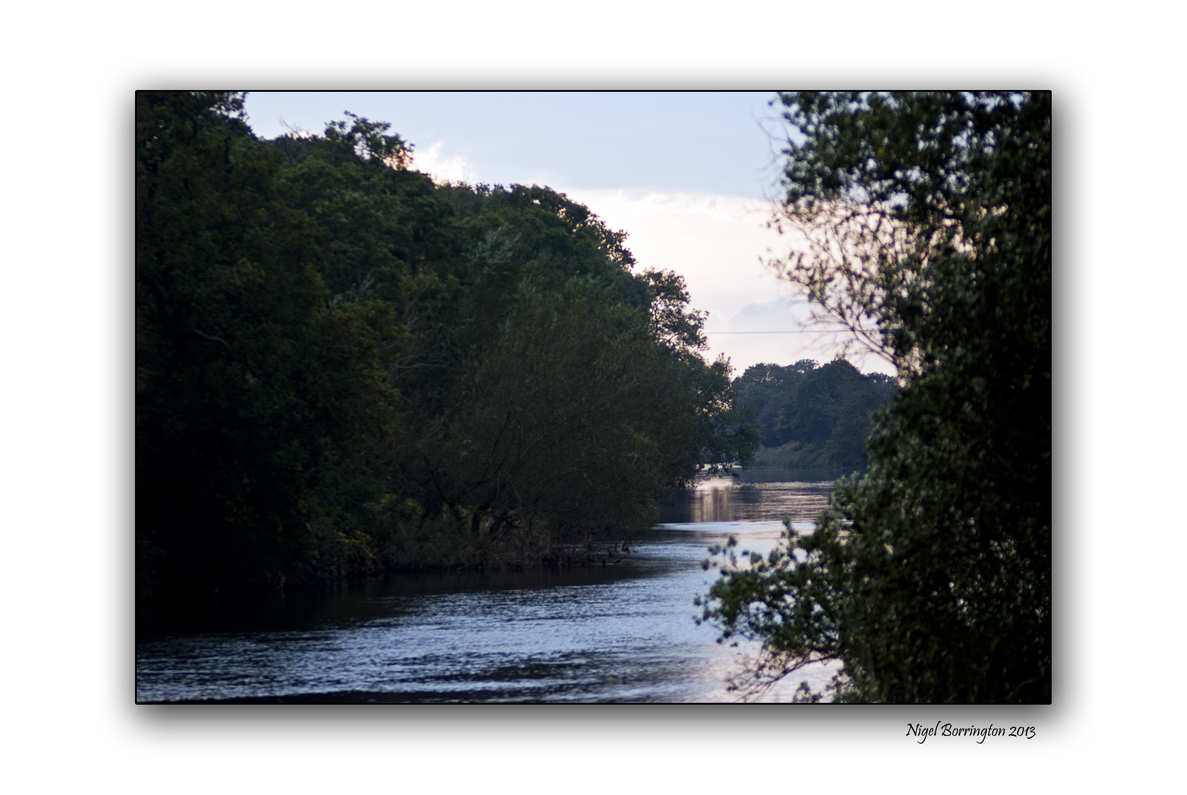
At first only a thin glowing red streak spreads along the tree line,
But quickly the shades of red are replaced by orange and then yellow,
And as the sun wakes from its nights slumber,
Dawn summons us from sleep,
And the tempo of waves against the boats hull increase with the blaze of activity that is engulfing the river,
And the throbbing beat signals a new day is beginning.
Sleivenamon (Mountain of the women)
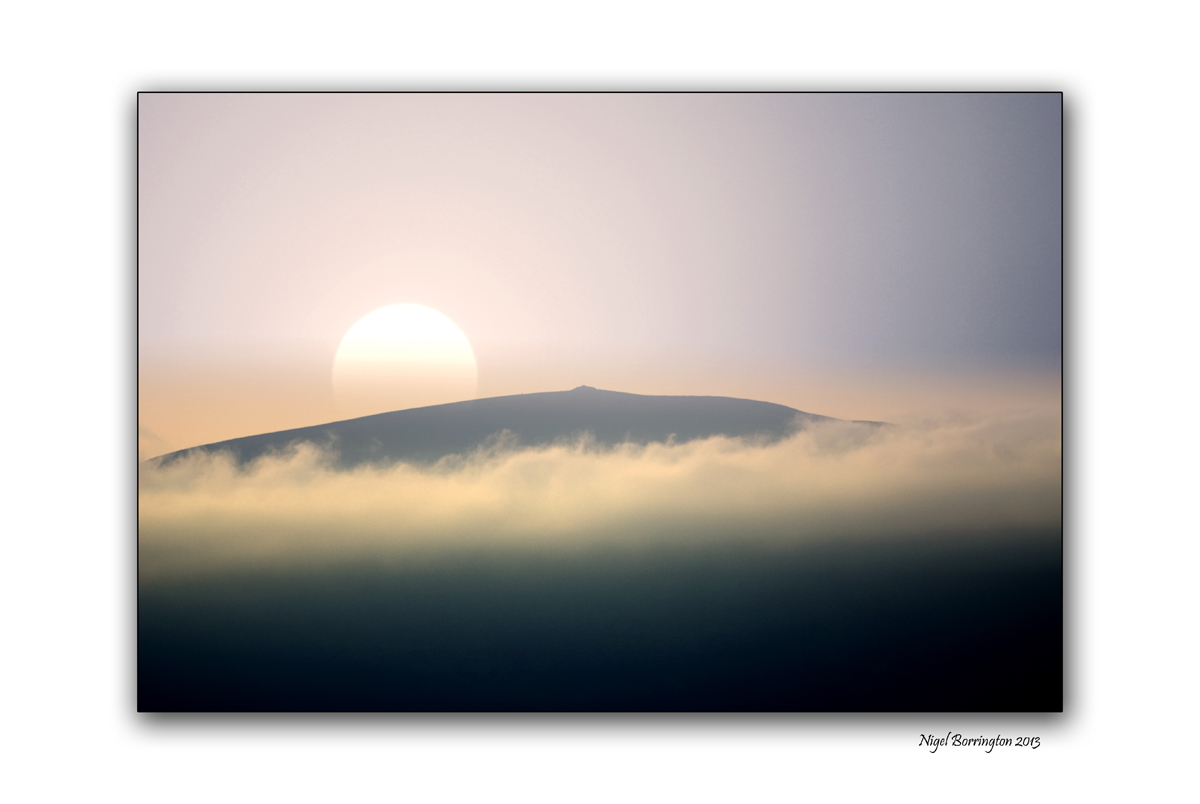
Nikon d7000, 300mm focus length, iso 100
Slievenamon, county tipperary
Irish landscape photography, kilkenny photographer : Nigel Borrington
Slievenamon
The origin of the mountain’s name is explained in Irish mythology. According to the tale, Fionn mac Cumhaill was sought after by many young women, but he said that he could have only one partner. His partner would be whichever woman won a footrace to the top of the mountain. Fionn stood on the cairn atop the mountain and gave a signal to start the race. The winner was Gráinne
Getting on-top of slievenamon

Canon g1x, iso 100
Slievenamon, county Tipperary
Irish landscape photography : Nigel borrington
Slievenanom, county Tipperary is our closest mountain about a 15min drive, I would love to begin including it into my posts much more than I have to date, I walked up this mountain a few times last year and although its hard going it is more that possible for most people.
The most interesting thing to me about the mountain is at the very top and it is the burial Cairn you can see in the last of these pictures. No one appears to know anything about it yet its mystery must call someone to find out more….
This articular was published in 2008 in the “Tipperary star news paper”
The Story of Slievenamon
Published on 03/11/2008
Since our Tipperary Star travels all over the world, especially on the Internet our emigrants will surely be interested in the story behind the Tipperary’s anthem Slievenamon. It was printed in the Irish Daily Mail in September and all Tipperary people good and true would surely be in the better of knowing all about it.
The stirring strains of that great Tipperary anthem Slievenamon are guaranteed to bring a tear to the eye of many exiles. On first glance Slievenamon which is not far from Clonmel in South Tipperary and rises to 719 metres seems rather unprepossessing. But rocks and its valleys contain many hidden gems such as a prehistoric cairn which may contain a passage grave but remains unexcavated.
Slievenamon, which means mountain of the women in Irish deprives it’s name from the fairy women of Feidhlinn.
Legend has it that the celtic warrior Fionn Mac Cumhaill chose his bride Grainne from a group of maidens who raced to meet him near the top of the mountain. Slievenamon is also steeped in the national struggle. A group of United Irishmen were betrayed and slaughtered on the mountain during the 1798 rebellion.
Tipp. people are rightly proud of the mountain and guard it jealously, five years ago when an entrepreneur planned to build a wind farm in its slopes there was such public outrage that the scheme was dropped.
The song Slievenamon which began life as the Maid of Slievenamon was written by the Fenian author and journalist Charles J. Kickham who was born in Mullinahone, Co. Tipperary in 1828. The Irish version was attributed to Michel Og Langain. Kickham, the son of a draper wrote many more ballads while his novel Knocknagow first published in 1873 was the great nationalist novel of late 19th century Ireland. It was reprinted many times and also turned into one of the earliest feature firms in 1917.
Whichever version of Slievenamon you prefer, English or Irish, anyone with Tipp. blood in their veins will stand proud when they hear their county anthem.
And what about the time when the Thurles Cathedral Choir sang it on the steps of St. Peter’s in Rome. The many people who accompanied the choir on that very special occasion said they will never forget it, not to mind the choir itself which poured heart and soul into their rendering of such a beautiful melody. Traffic streaming by, mostly motor bikes made a recording, a true recording, an impossibility but anybody on foot – pedestrians – certainly watched and listened in joy and amazement and why not – a once in a life time occasion especially for the choir. Sadly some have gone to their reward and great it must be. We remember them especially.
The information was sent in by G. Brown of Dublin – Gratias Gerry. It will be enjoyed by the Tipp. people all over the world – yes – we are everywhere, and their families. Some Tipp. parents feel very proud when their children sing it at concerts and parties in the U.S. and indeed receive many requests for repeat performances. One young boy with beautiful tenor voice is in great demand and there is a promising future ahead of him – his parents emigrated from Cashel and enjoy a wide social circle of people who want to hear the boy with the beautiful voice – Slievenamon is always included. So be proud of your anthem and of your county too wherever you are.
I am very much drawn towards the Mountain that towers above the local landscape in which we live, I am going to spend more time posting this summer and recording its landscape and finding out as much as I can about its history.
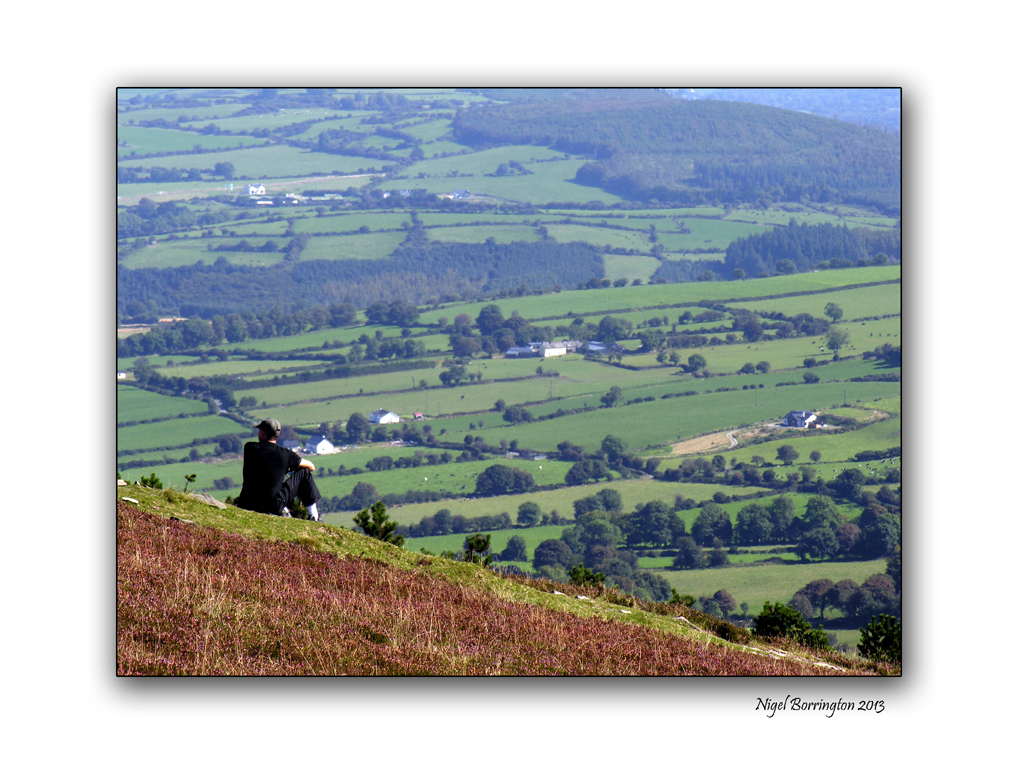
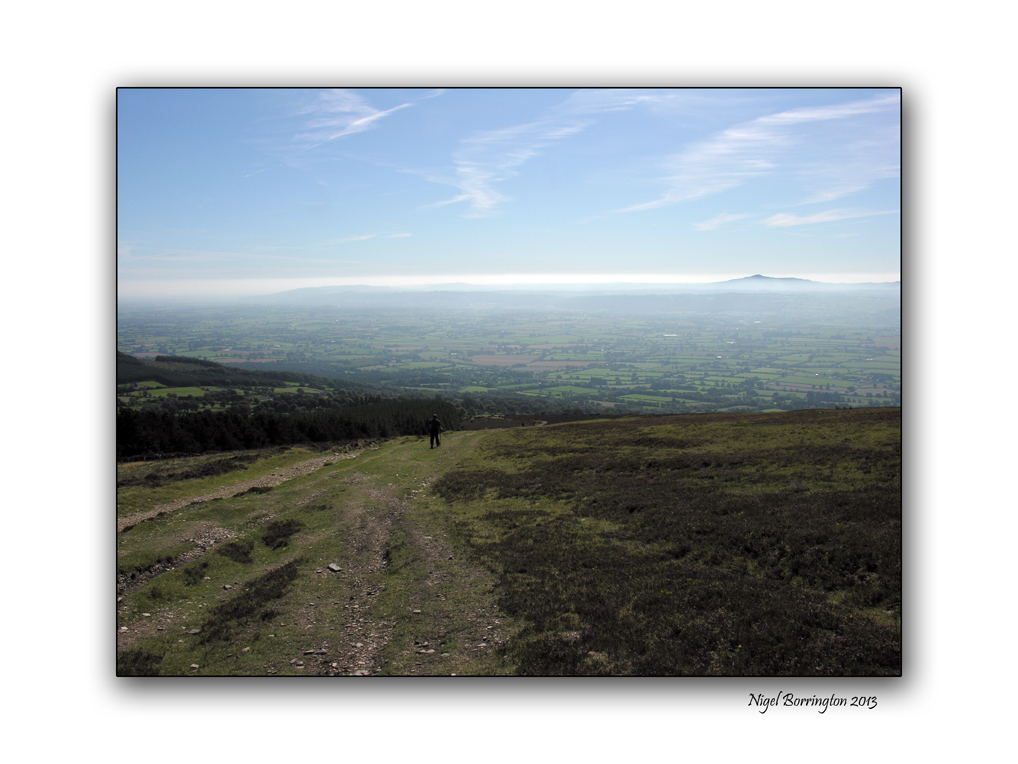
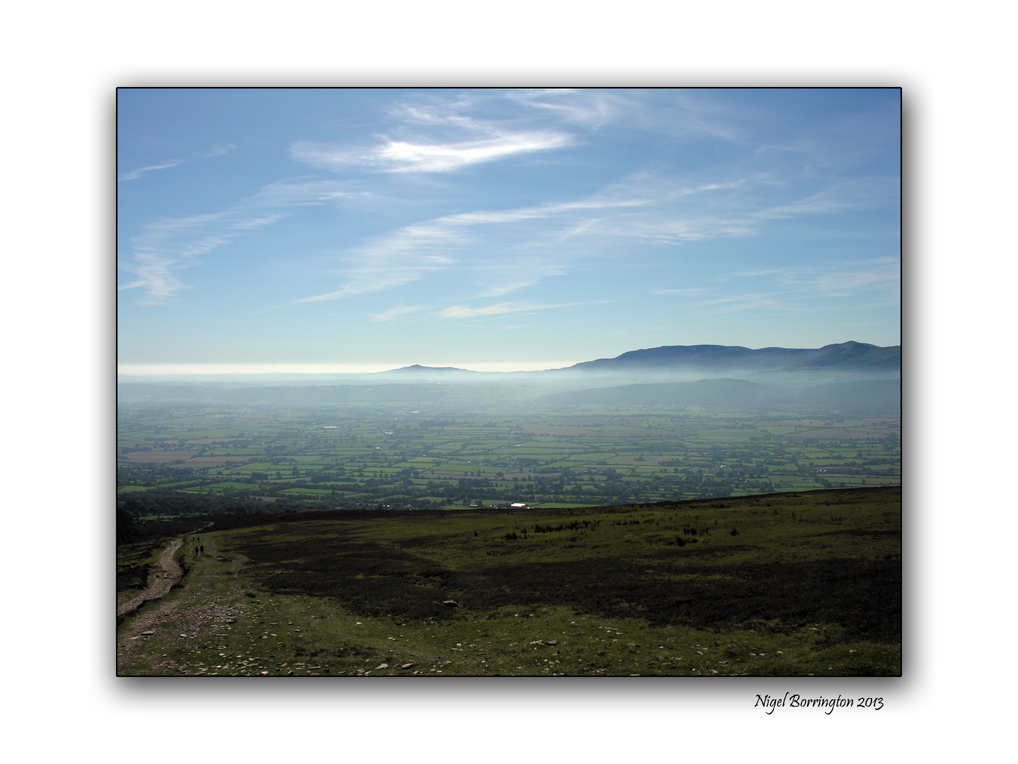
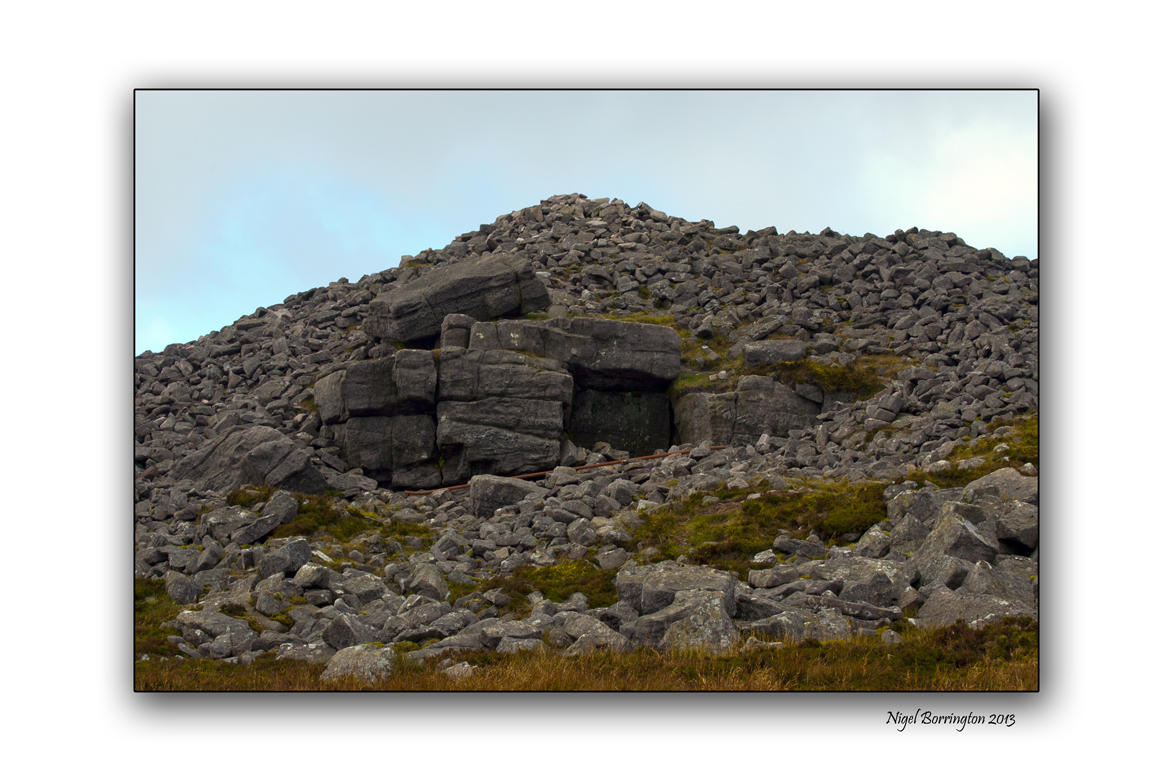
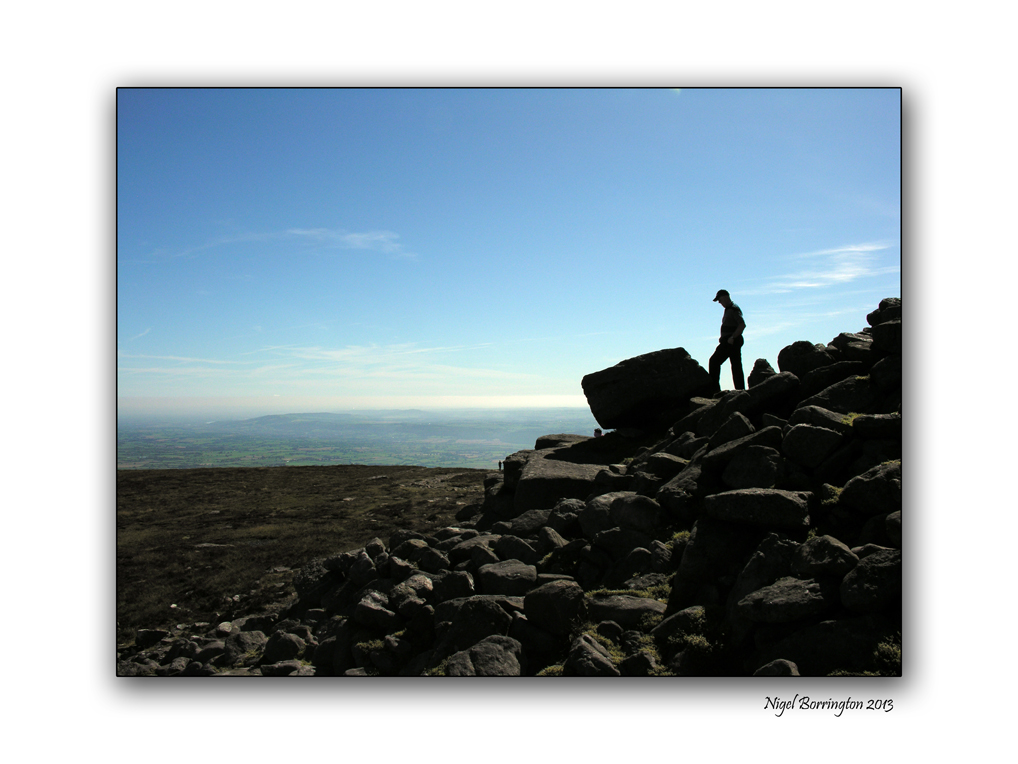
A sense of place – our old family farm

Nikon D7000, 18-200mm VR2 lens
Images of the old farm, County Tipperary
Landscape photography by : Nigel Borrington
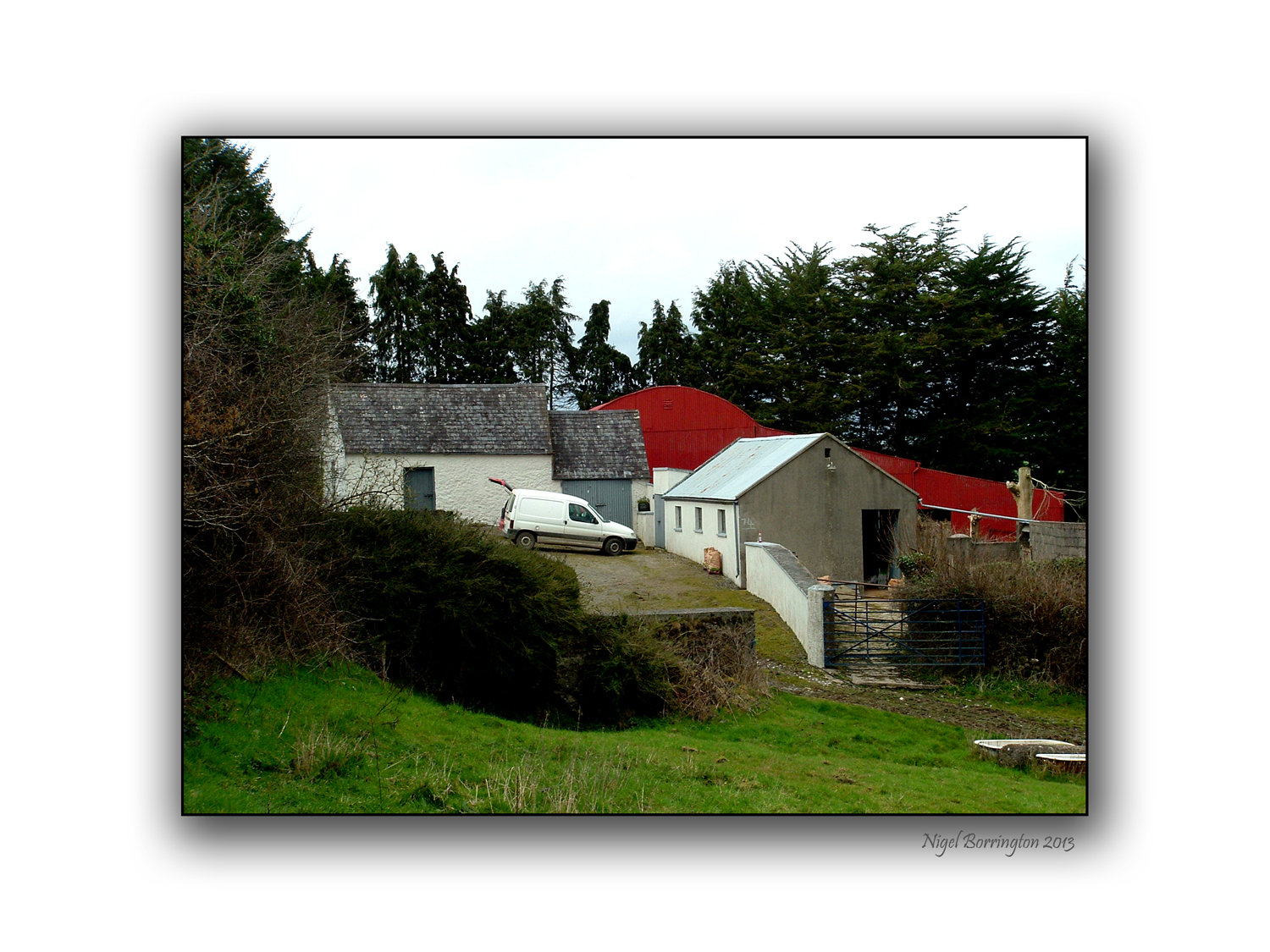
I have introduced the old family farm before but I just wanted to post some images that fill in some for impressions of the place. The farm has been worked on for many generations. Sadly its no longer lived in any more but we do our best to visit and keep the old place going….
Gallery of Burnchurch farm, County Tipperary

Nikon D7000, 18-200mm VR2 lens
Images of the old farm, County Tipperary
Landscape photography by : Nigel Borrington
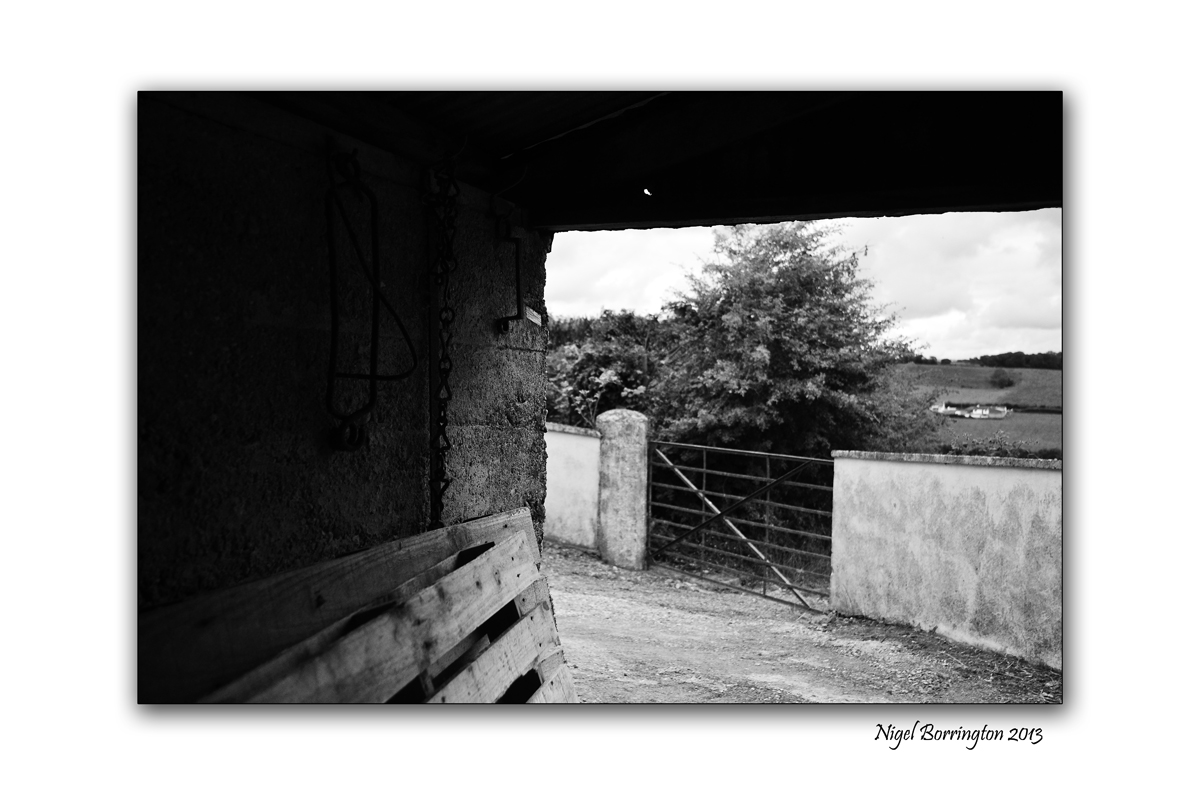
Nikon D7000, 18-200mm VR2 lens
Images of the old farm, County Tipperary
Landscape photography by : Nigel Borrington
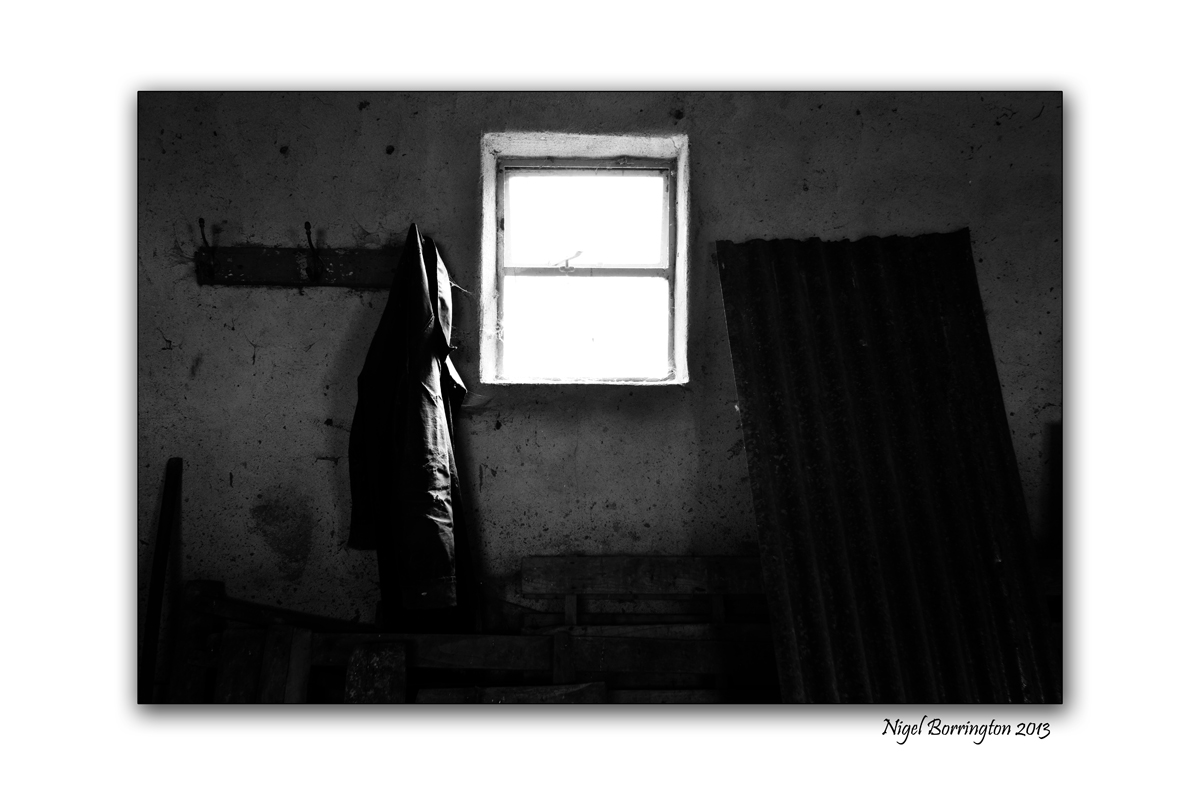
Nikon D7000, 18-200mm VR2 lens
Images of the old farm, County Tipperary
Landscape photography by : Nigel Borrington

Nikon D7000, 18-200mm VR2 lens
Images of the old farm, County Tipperary
Landscape photography by : Nigel Borrington
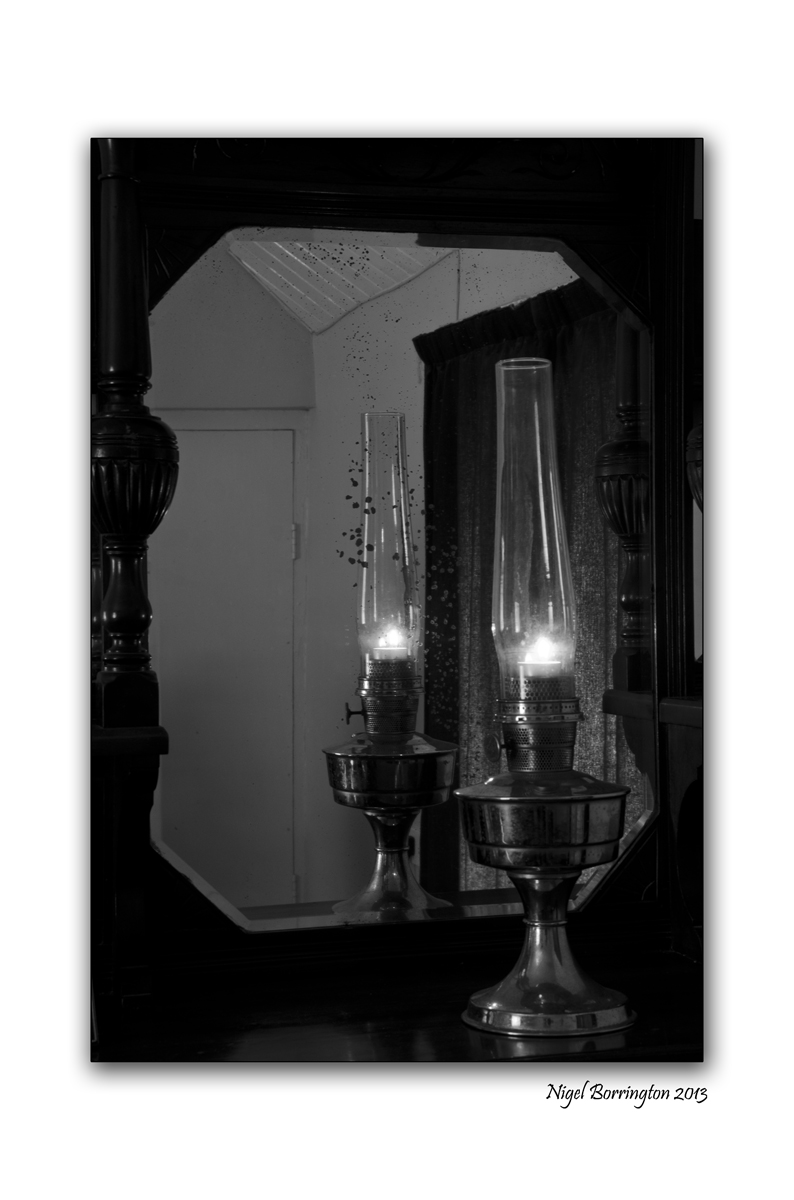
Nikon D7000, 18-200mm VR2 lens
Images of the old farm, County Tipperary
Landscape photography by : Nigel Borrington
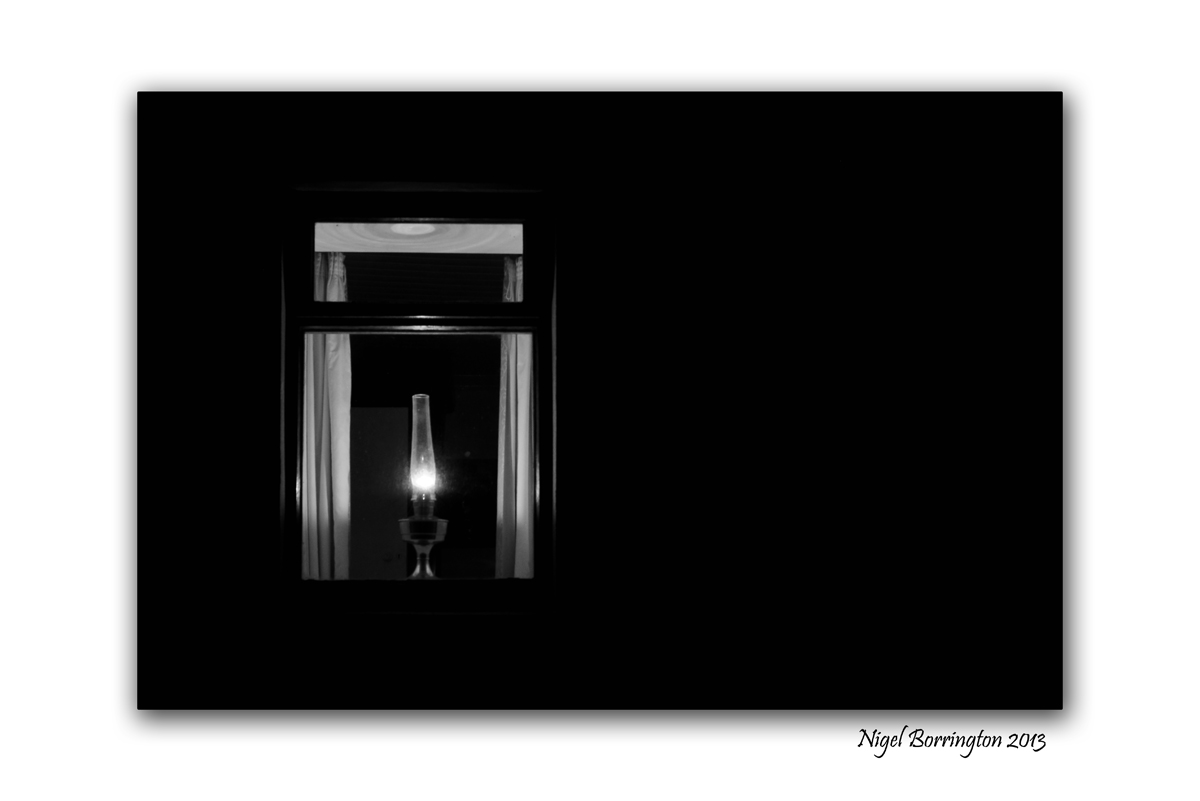
Nikon D7000, 18-200mm VR2 lens
Images of the old farm, County Tipperary
Landscape photography by : Nigel Borrington
In my Mothers Kitchen

Poem by : Susan Lower
My mother’s kitchen was worn with age.
In the old farm house,
where we lived and played.
She kept it nice and tidy.
The glasses always washed.
Not a plate out of place.
On the old red linoleum floors.
I did roller skate.
I learned to bake a cake.
Without a book, without any taste.
There I watched from the window,
my sisters kiss their dates.
My mother’s kitchen held a telephone.
Where my sisters stretched the cord,
and hid behind the next door.
Inside the wall of this place.
Comfort grew without the frills of lace.
Never were we late
when Mother called us in from the barn.
My mother’s kitchen is where I knew she’d be.
When I came racing home from school.
She always stood waiting for me.
A weekend in the wheat fields

Nikon d7000, 18-200mm vr2 lens
Wheat field in Tipperary
Irish landscape photography : Nigel Borrington
Just back from a brilliant weekend on the farm in Tipperary, I love it at the farm you get true downtime helping out and just walking among the fresh wheat fields….
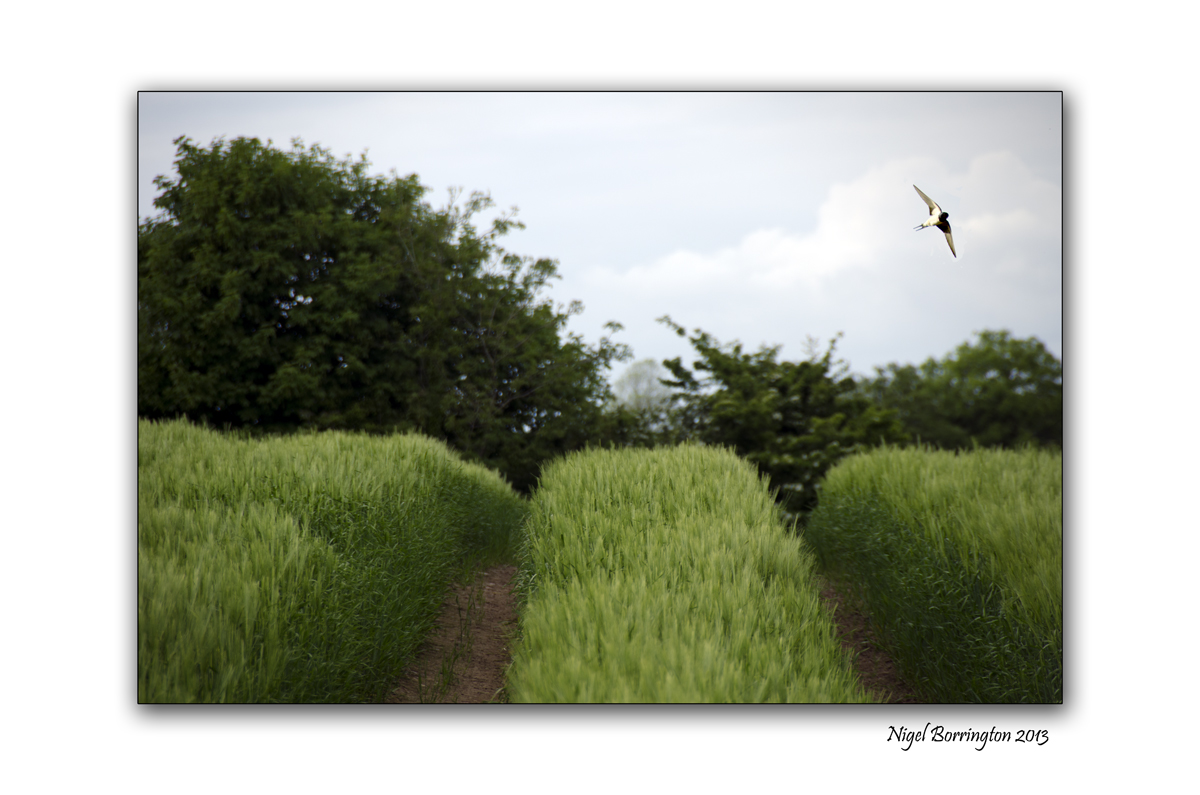
Nikon d7000, 18-200mm vr2 lens
Wheat field in Tipperary
Irish landscape photography : Nigel Borrington
The old out buildings of the farm, house lots of swallows and I managed to capture one in this shot….
Nigel
Paragliding from Slievenamon
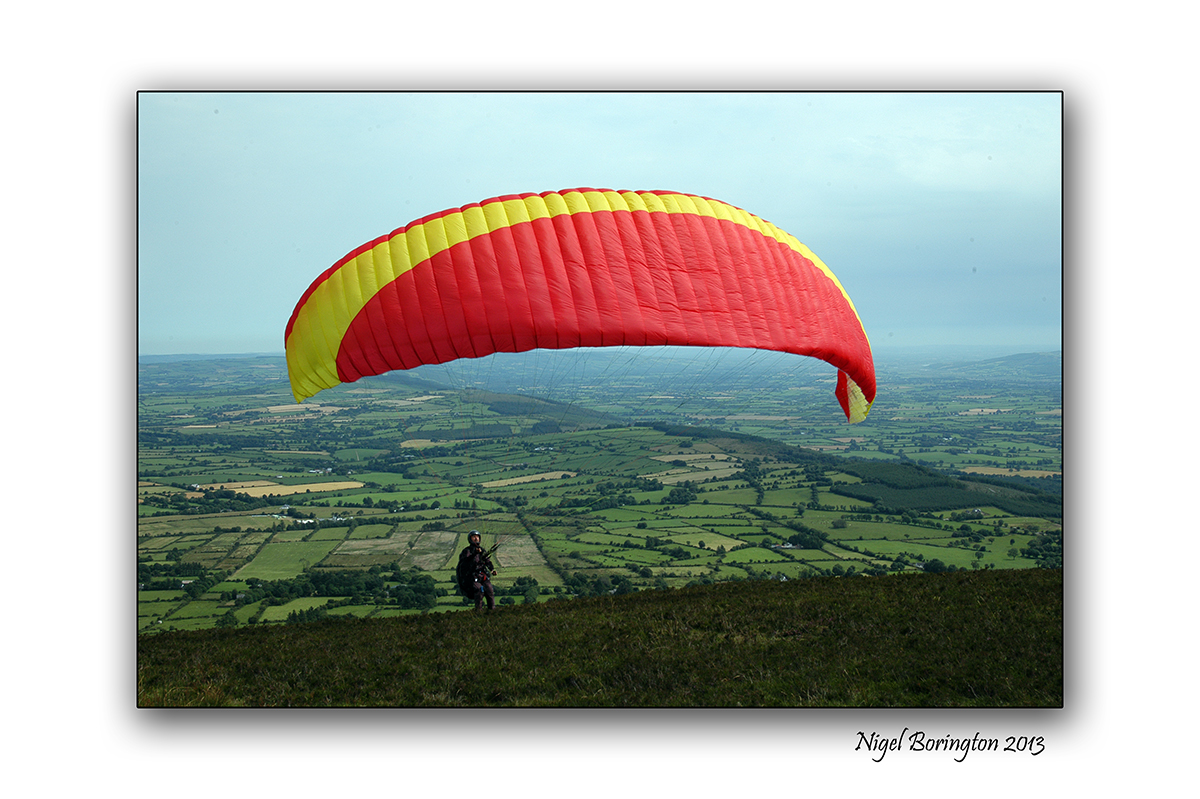
Nikon D7000, 50mm f1.8 lens, iso 100
Paragliding off Slievenamon, county Tipperary
Kilkenny based photographer : Nigel borrington
During the Summer last year, I was lucky enough to be walking up Slievenamon, county Tipperary while some Para-glider’s were taking off from the side of the mountain. I spent a good long time with these people and got some great photos during the afternoon, here are just two of the many I got….
Nigel
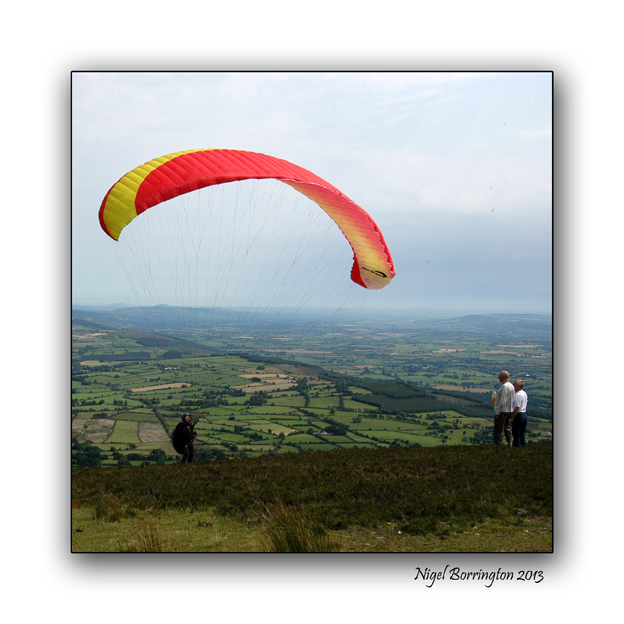
Nikon D7000, 50mm f1.8 lens, iso 100
Paragliding off Slievenamon, county Tipperary
Kilkenny based photographer : Nigel borrington
St Patrick well
St Patrick’s well is located In Clonmel, County Tipperary.

The Well pre-dates Christian times by a considerable period, clearly only being referred to as belonging to St Patrick since he or the local church converted the local people to Christianity.
“The Celtic pre-Christian period.
There is a lot of evidence to show that in ancient Ireland well worship was widely practised. Many if not all of Ireland’s holy wells of later Christian times had been objects of pagan veneration, and regarded as sacred, centuries before the advent of Christianity. In fact many Irish place names which have their origins dating from pre-Christian times are derived from wells. One of those sacred springs Tipra Arann in the present Barony of Clanwilliam around Tipperary Town, gave its name to County Tipperary. In the Bronze Age there seems to have been no temples constructed for the purposes of worship. Pagan rites were performed in the open air. Those were places of popular assembly as well as centres for pagan worship and sacrifices.”
Sacrifices ? There is no evidence of this so I think the writer of the page is talking about offerings. Items of personal value placed into the well as a thank you to the water gods.
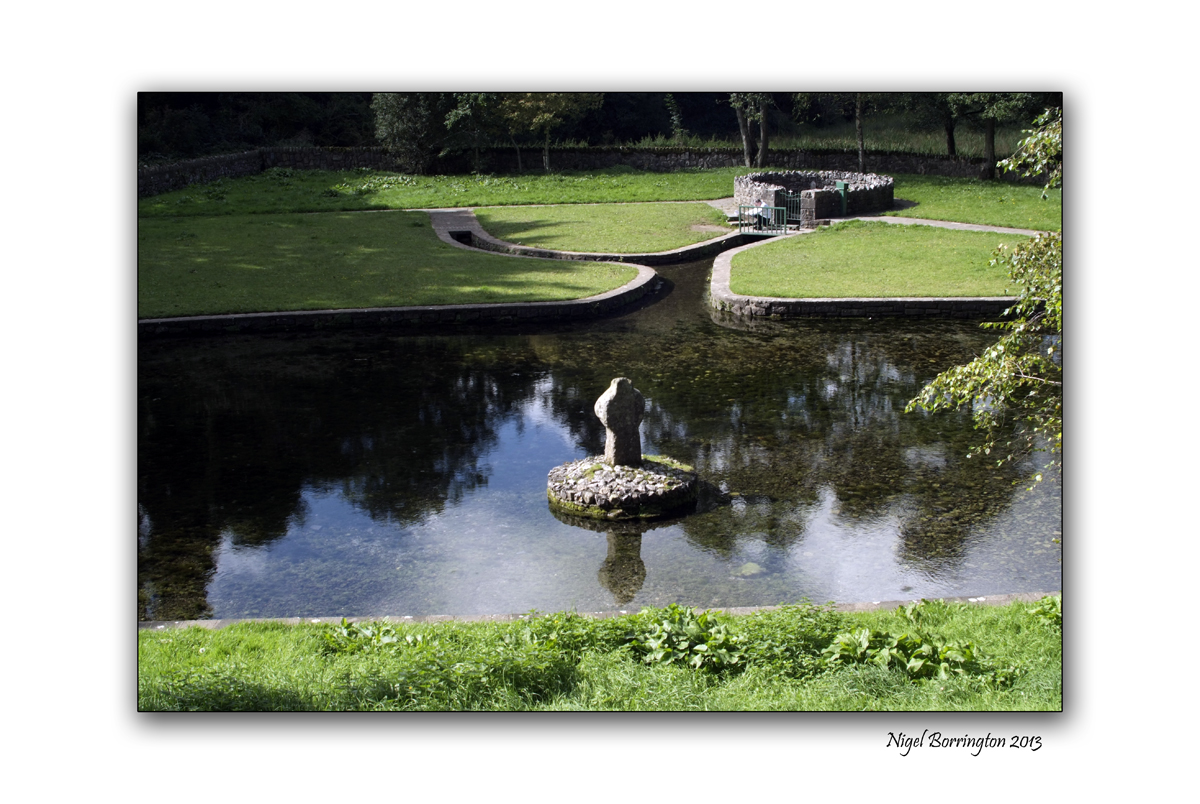
“St Patrick and his disciples on their travels throughout the country took advantage of those assemblies to preach the Gospel and to baptise the new converts. To St. Patrick coming from lands within the former Roman Empire some of those Celtic customs must have appeared strange. Well worship was re-orientated and transformed into a Christian context. In due course, from being places where pagan rites had been performed, the wells became places of Christian worship. There was a tradition which has died out that people visited St Patrick’s Well before sunrise on the first day of May – a date which coincides with the Celtic Festival of Bealtaine.”

I find the idea of Holy wells in the early Christian period to be fascinating, It appears, as covered above to be a clear attempt by the church to override the previous worship of water gods and to move this worship over to the new God that the modern christian church now worships.

River Anner, Clonmel, County Tipperary

Nikon D700, 18mm focus length, f8, 30 seconds exposure
Hoya R72 Infrared filter
Irish Landscape Photography: Nigel Borrington
I first exhibited this Infra-red photograph of this bridge that crosses the river Anner, Clonmel, County Tipperary. The exhibition was held in the public Library in Clonmel town.
Sunday evening Walks

Canon G1x
Sunday Evening in Tipperary

Canon G1x
Sunday Evening in Tipperary
I love Sunday evenings at this time of year, we go out to walk the dog and just take our time to let the last hours of the weekend pass us by.
I love to stop for a little and just take in the views, camera in hand to record these still moments. Not even a tractor is moving ……
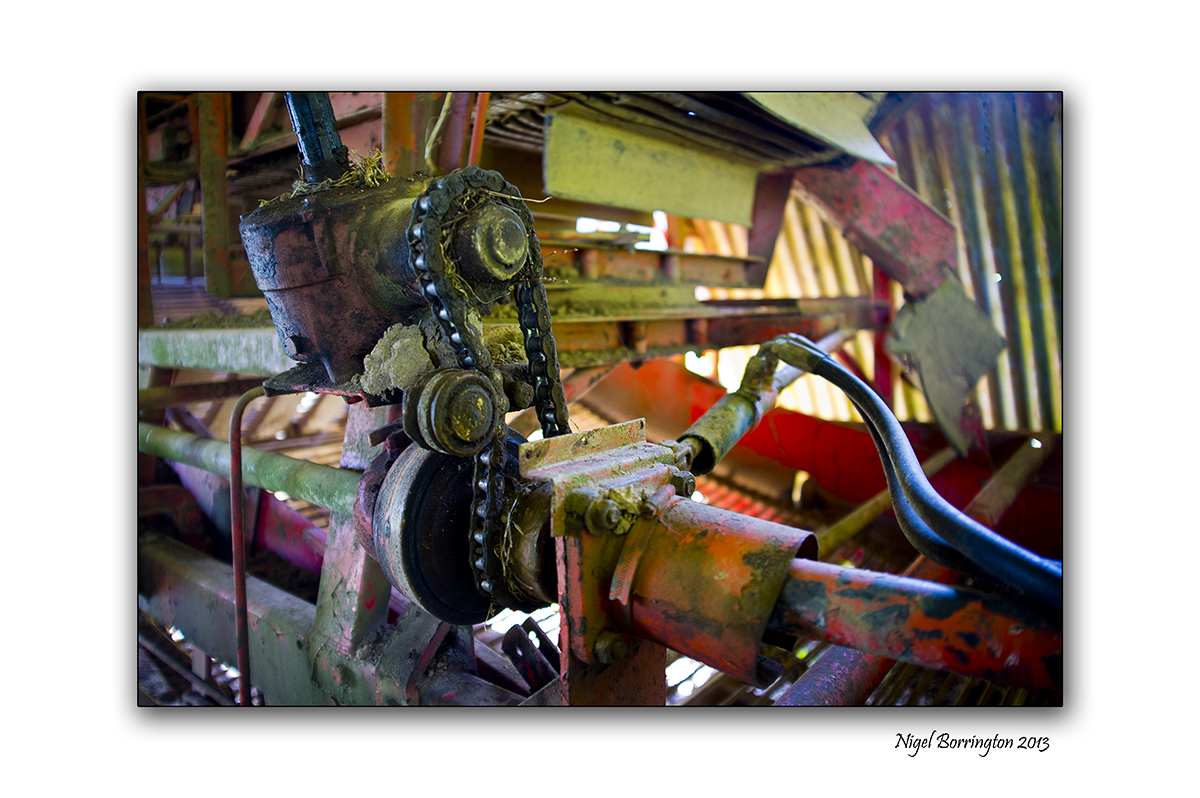
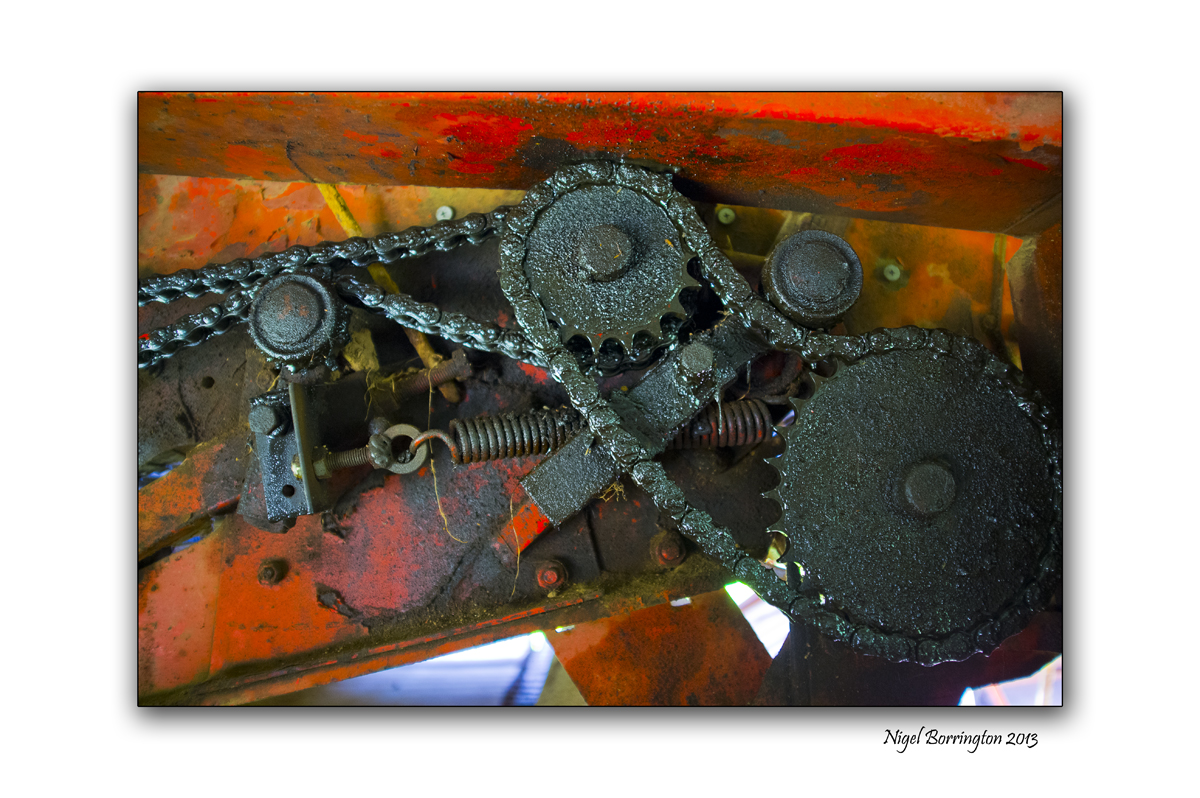
70 years of Potato farming

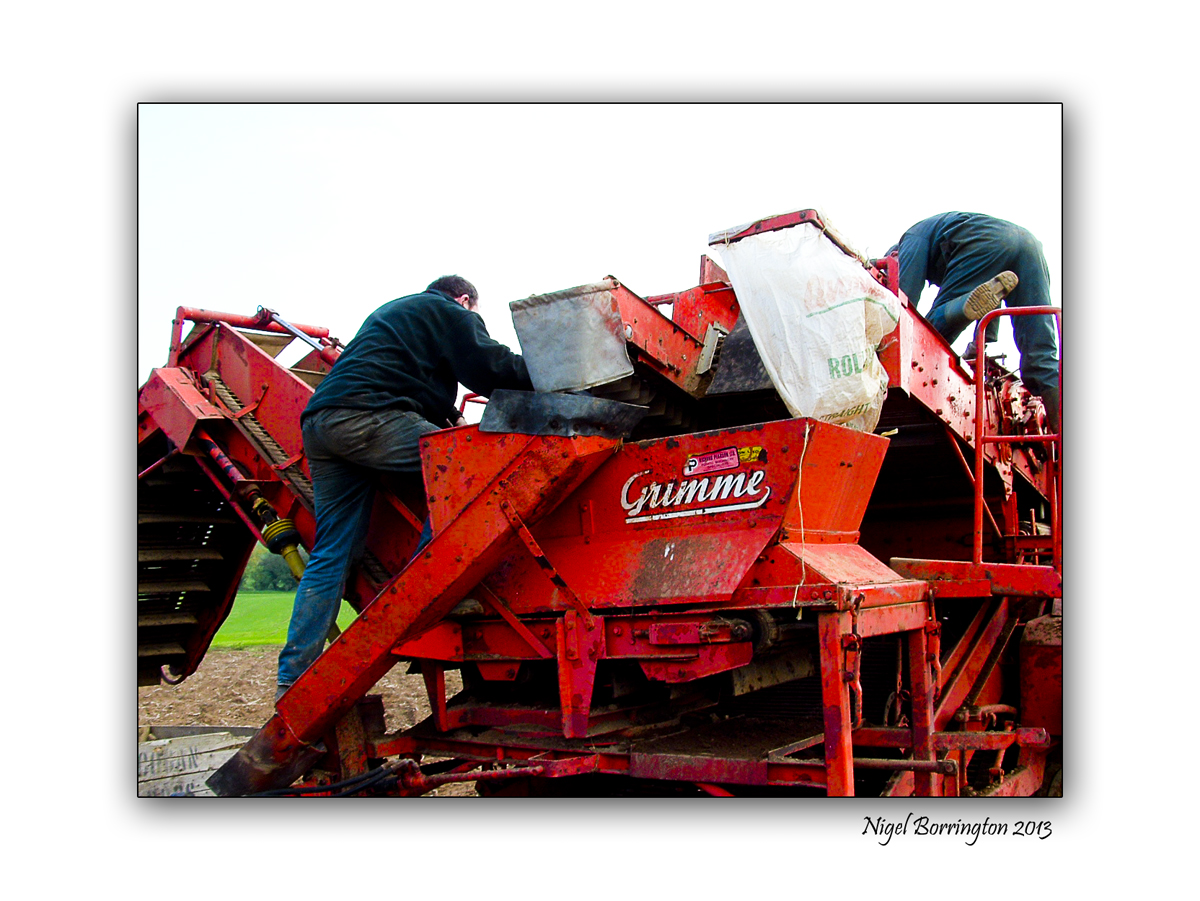
There are some seventy years between the two photographs above, the young Girl in the left, in the original photograph is Mona, my Wife Breda’s mother, these fields have been ploughed and planted every year since.
Last year I took the following images of the family planting the potatoes again for another growing season, then collecting them after for sale. The machine in the pictures was originally imported from the US and hopefully will be working for many years to come.
I want the following images to tell the rest of this story……



The Lake (Edgar Allan Poe)…
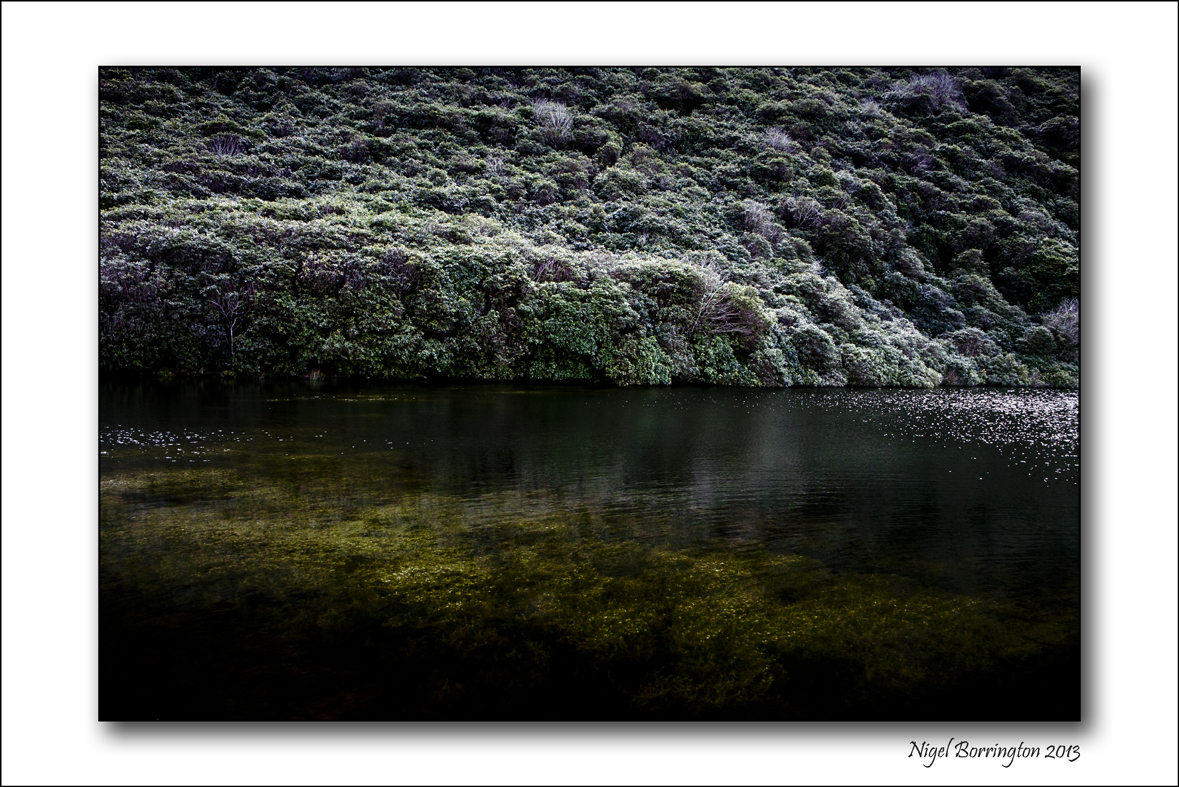
Fujifilm X100
The Vee – Clogheen, Tipperary
Irish landscape photography : Nigel Borrington
The Lake
In spring of youth it was my lot
To haunt of the wide earth a spot
The which I could not love the less —
So lovely was the loneliness
Of a wild lake, with black rock bound,
And the tall pines that tower’d around.
But when the Night had thrown her pall
Upon that spot, as upon all,
And the mystic wind went by
Murmuring in melody —
Then — ah then I would awake
To the terror of the lone lake.
Yet that terror was not fright,
But a tremulous delight —
A feeling not the jewelled mine
Could teach or bribe me to define —
Nor Love — although the Love were thine.
Death was in that poisonous wave,
And in its gulf a fitting grave
For him who thence could solace bring
To his lone imagining —
Whose solitary soul could make
An Eden of that dim lake.
Edgar Allan Poe’s poem: The Lake
Sunday evenings
In your mind ……

Nikon D200
Foothills of Slievenamon,South Tipperary
Landscape photography : Nigel Borrington
Sunday evenings are my favourite time of the week, your mind should be empty at this stage, stripped down, cleared out and ready to go but not yet !
McCarthy’s Hotel
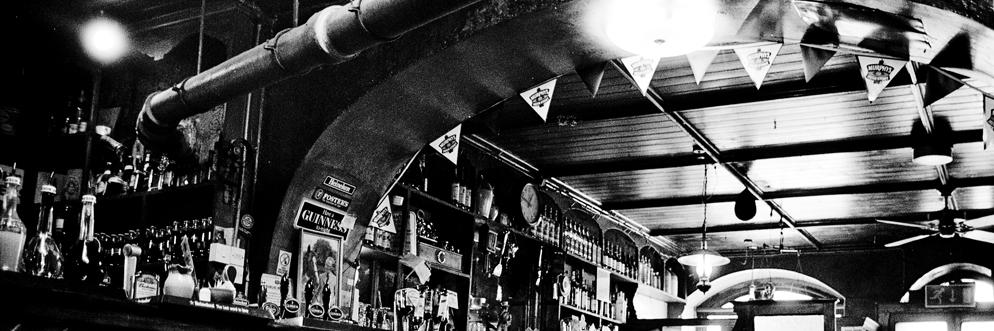
McCarthys Hotel/Pub in Fethard in Co. Tipperary, is just one of those place that you cannot help but fall in love with.
Whenever anyone says lets go to McCarthys the hairs on the back of my neck stand up and the car keys are in my hands as fast as I can find them. Food, Coffee or a pint a good old chat for a Saturday afternoon.
I took the following three images about four years ago:
Contax G2, 45mm lens, Ilford Xp2 400iso film
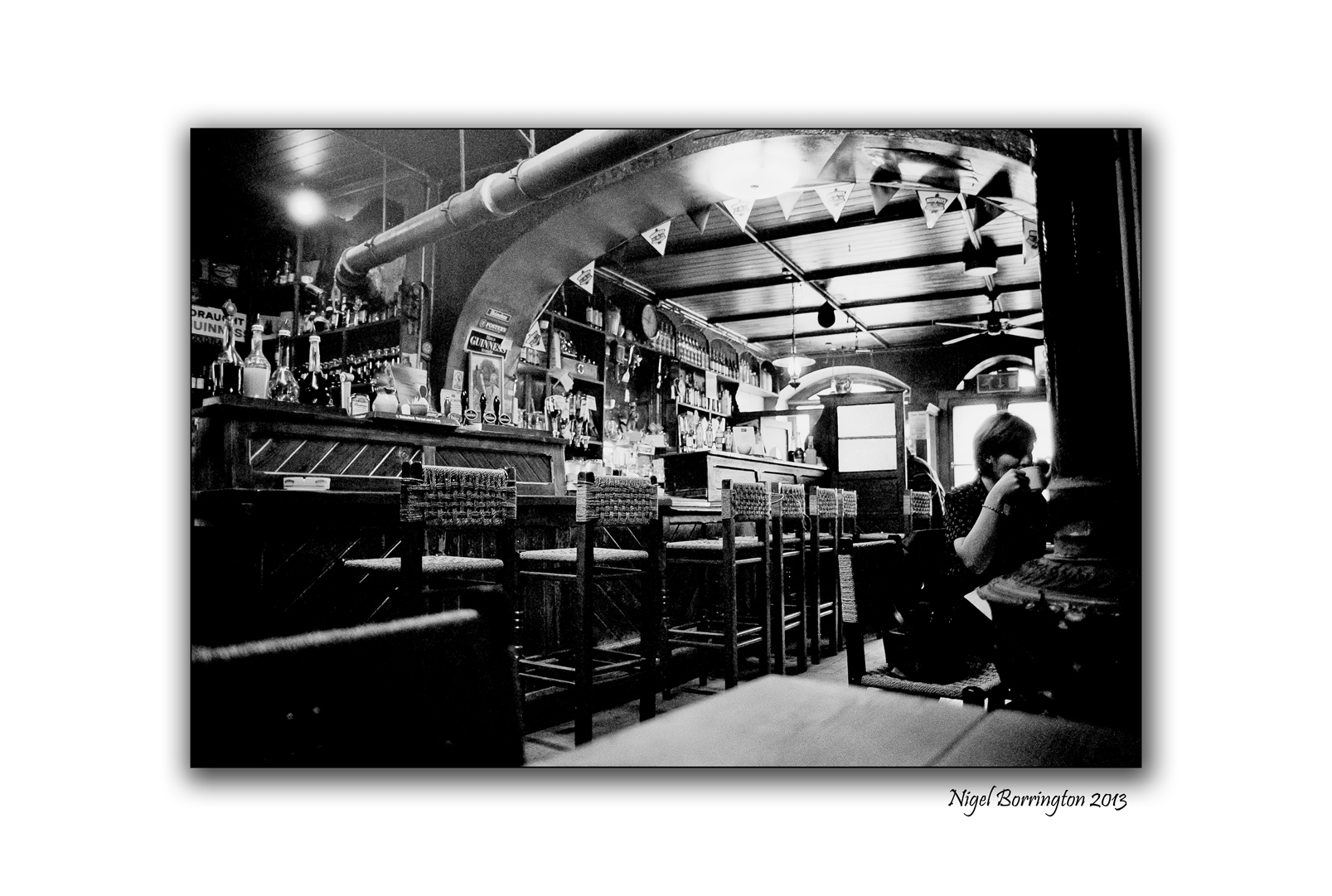
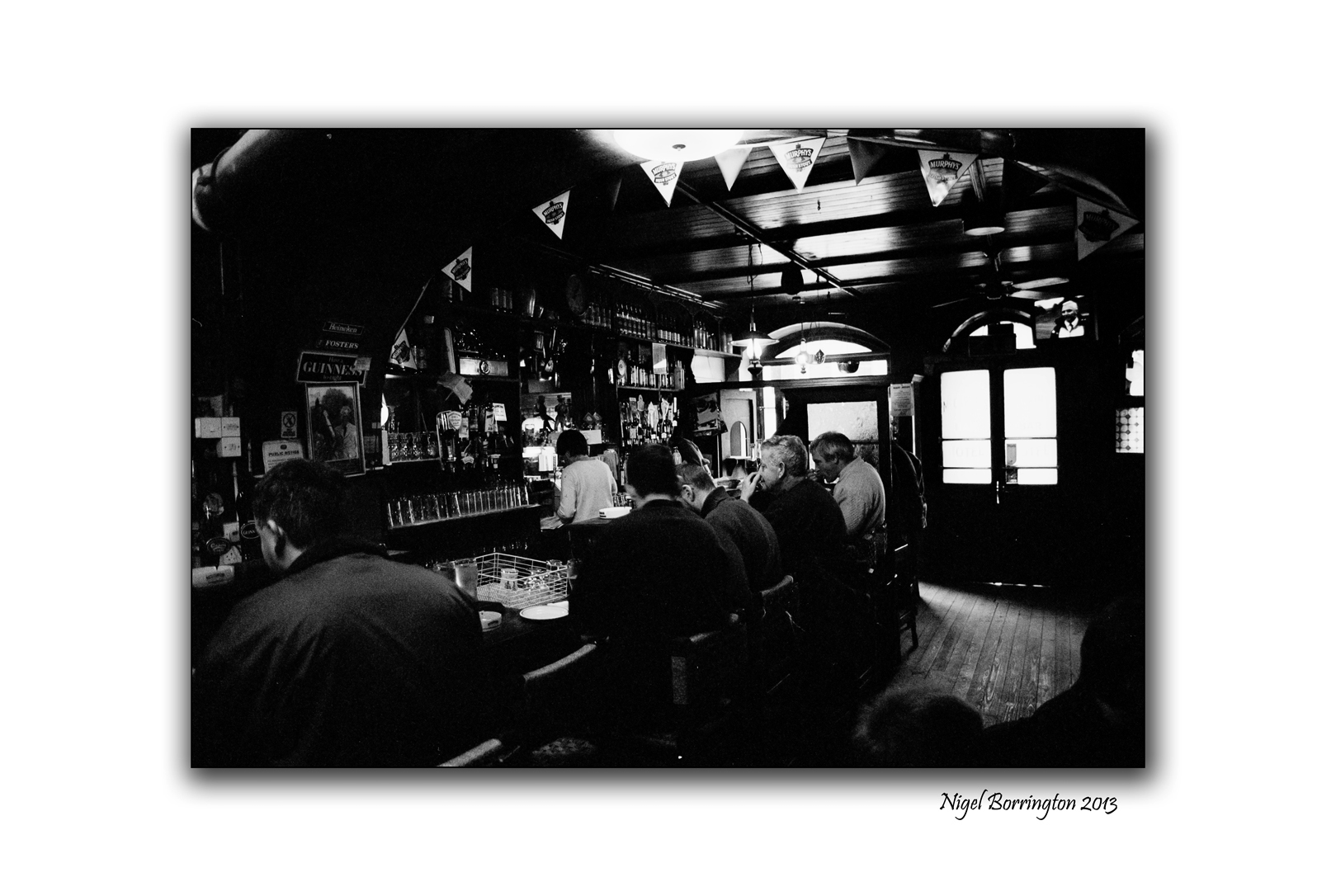
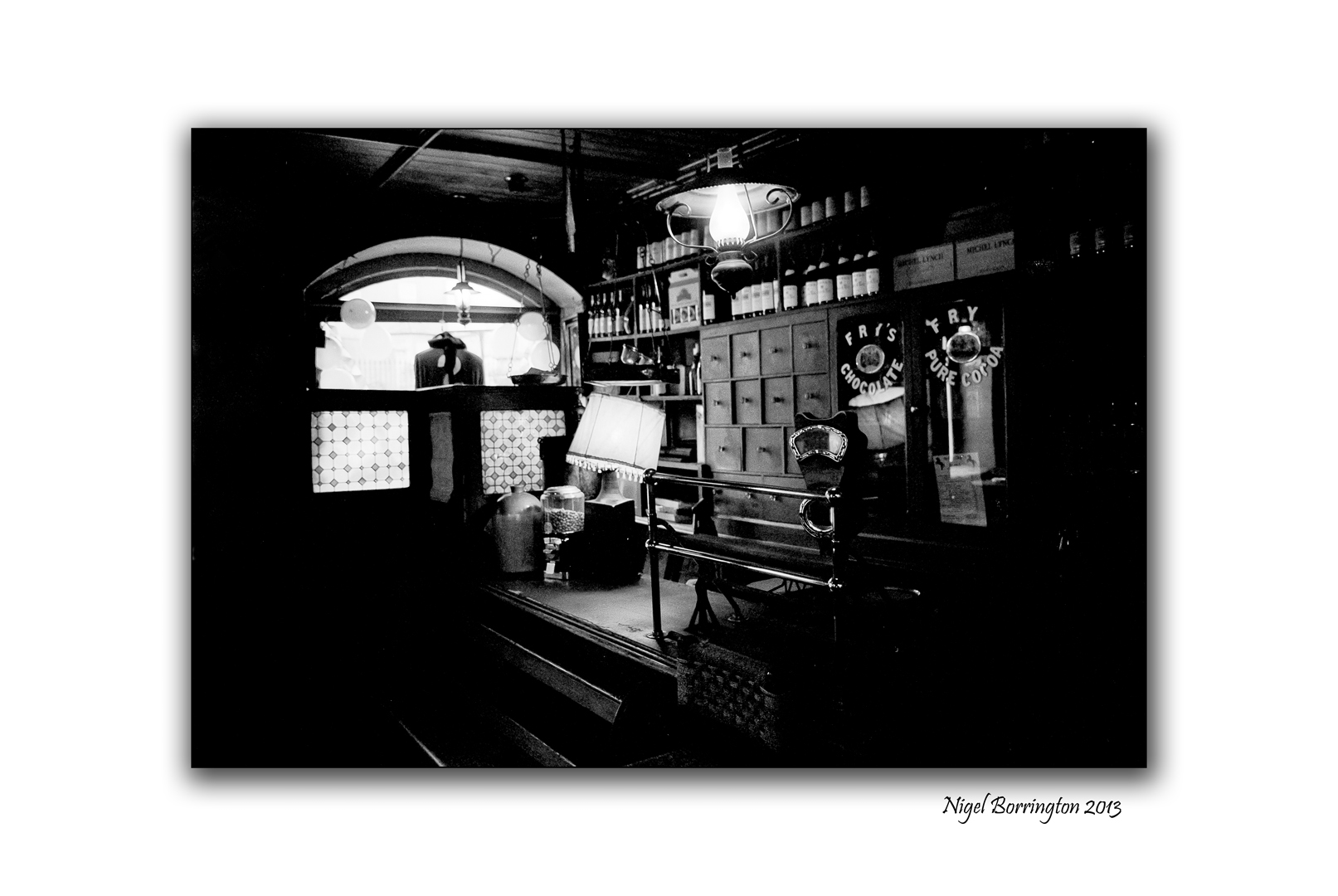
Established in the 1850’s
Established by Richard McCarthy in the 1850’s McCarthy’s Hotel provided the services of a spirit merchant, restaurant, hotel, undertaker, draper, grocer, baker, hackney service, glass, delph and china shop and if you still couldn’t get what you want – hire a few horses to take you elsewhere. Continuing in this tradition the present proprietor, Annette Murphy (fourth generation McCarthy), has a pub, restaurant and undertaker business which she runs with her family (fifth generation McCarthy).
McCarthy’s is situated in the medieval town of Fethard in Co. Tipperary. Formerly a very important market town in the 16th century, the town fell into decline. In the past twenty years the country in general, and Fethard in particular, has thrived – due in no small part to the equine scene in Coolmore and its associated farms plus numerous trainers and breeders dotted around Fethard. The re-discovery of our medieval past is of great importance to Fethard. Much of the medieval walls which surround the town have remained intact and a large portion of these walls have been restored. The town has been described as the most important walled town in Ireland next to Derry and is fast becoming the focal point for medieval scholars and tourists alike. For more information visit the Fethard Web Site: http://www.fethard.com
McCarthy’s success is based on a mix of the old and the new. The interior is unchanged since Richard McCarthy opened for business in the 1850’s. McCarthy’s were lucky that in the 1970’s, when great changes swept Ireland, three old ladies, Beatty, Kitty and Nell, ruled McCarthy’s and were unwilling to modernise the premises to a “lounge bar”. People still return expecting to meet the old ladies (now deceased) sitting in the office drinking tea and surveying the comings and goings of life from the office door.
The McCarthy’s are closely involved with sporting activities and with horses in particular. Dick was a professional jockey who also played hurling, football, rugby, polo and was a champion amateur boxer. His brothers Gus and Chris were amateur jockeys. Gus was also a noted footballer who won an all-Ireland medal with Tipperary and who also played on the ill-fated Bloody Sunday Tipperary team in Croke Park on Nov. 21, 1920. The current generation are as keenly involved in both horses and Gaelic games.
Ghosts
McCarthy’s is also a place of interest for those who believe in the supernatural. A sign was given before the deaths of the last generation of McCarthy’s, usually a picture falls from the wall for no apparent reason. Three loud knocks on the front door were heard by people at both sides of the door before Beattie’s death. Ghosts were spotted recently by Mark Lonergan and John O’Connor (at night) and by Ciarán Hayes in the afternoon!
So next time you see somebody sitting quietly sipping a pint in the corner – you might be the only one who can see him!
McCarthy’s is well known the world over and has been filmed by Channel 4, BBC, Good Morning America, Sky News and many more. Many well known personalities have also visited McCarthy’s over the years including Eamon De Valera, Michael Collins, Mick Doyle, John Magnier, Vincent O’Brien, Robert Sangster, Julian Wilson, Lester Pigott, Richard Dunwoody, Adrian Maguire, Martin Pipe, Charlie Swan, Tommy Stack, Tommy Carberry, Alex Ferguson,
Dr. A. J. F. O’Reilly, Lord Lloyd Webber and his brother Julian. Sir David Frost, Alan Parker, Rod Taylor, Angela Rippon, Peter Curling and of course Paul Carberry – the only jockey to ride into McCarthy’s on a horse.
Images of Autumn – Glenpatrick Clonmel

Glen Patrick, Clonmel, Autumn 2011, Nigel Borrington
21st of October and Autumn has taken a full grip of the Irish landscape, Winter is just around the corner.
These images are from Glenpatrick woods, just above Clonmel in Country Tipperary.

Glen Patrick, Clonmel, Autumn 2011, Nigel Borrington
Landscape photography of Ireland by Nigel Borrington
 Nigel Borrington
If they can do this – You can achieve anything .
Nikon D700, 50mm lens, iso 200
Two men walking the summit of Slievenamon, Co Tipperary
Landscape Photography : Nigel Borrington
Sometimes in life you cannot help but stop in order to admire the abilities that some people hold and have inside themselves.
Last week I came across two of those people and one of those moments. A couple of weeks ago I posted about slievenamon a local mountain that is located about 8km from our home, I wanted to produce a series of posts over time that cover the area of this mountain. I started this project by doing a walk to the top during the week and after sitting down for a little rest got out my camera to photograph the views below.
I had already quickly said hello to two other walkers sitting down on the cairn at the top but at that stage was just happy to find my own spot and get some energy back. As I started getting some images the two of them passed by me again and we started talking about the weather and the views, it was then for the first time I noticed that one of the walkers was blind and the other his friend was attached to him with a cord.
The walk up Slievenamon takes about two hours and uses a strait path up from the village of Killcash below, it’s not a simple walk its rocky and you have to keep your eyes open every step.
For every step these two took the leader had to pass on information about the conditions, rocky or if the ground was level, how close to the edge of the path they stood and if the ground was solid or likely to move under foot. A lot of the path can slip under foot as its just loose stone.
I don’t think I need to say to much about how this experience made me stop and think, Its just one of those moments you will never forget and I wanted to share it here as I think it could inspire anyone who thinks they cannot do something – We can do anything if we truly want to !!!
Gallery of images
Share this:
June 26, 2013 | Categories: Comment, Gallery, Landscape, Slievenamon | Tags: hill walking, Inspiration, Ireland, irish mountains, Irish photography, Landscape, Nigel Borrington, personal development, Slievenamon, Tipperary | 10 Comments