October’s Party a poem By: George Cooper

October’s Party
By: George Cooper
October gave a party;
The leaves by hundreds came—
The Chestnuts, Oaks, and Maples,
And leaves of every name.
The Sunshine spread a carpet,
And everything was grand,
Miss Weather led the dancing,
Professor Wind the band.
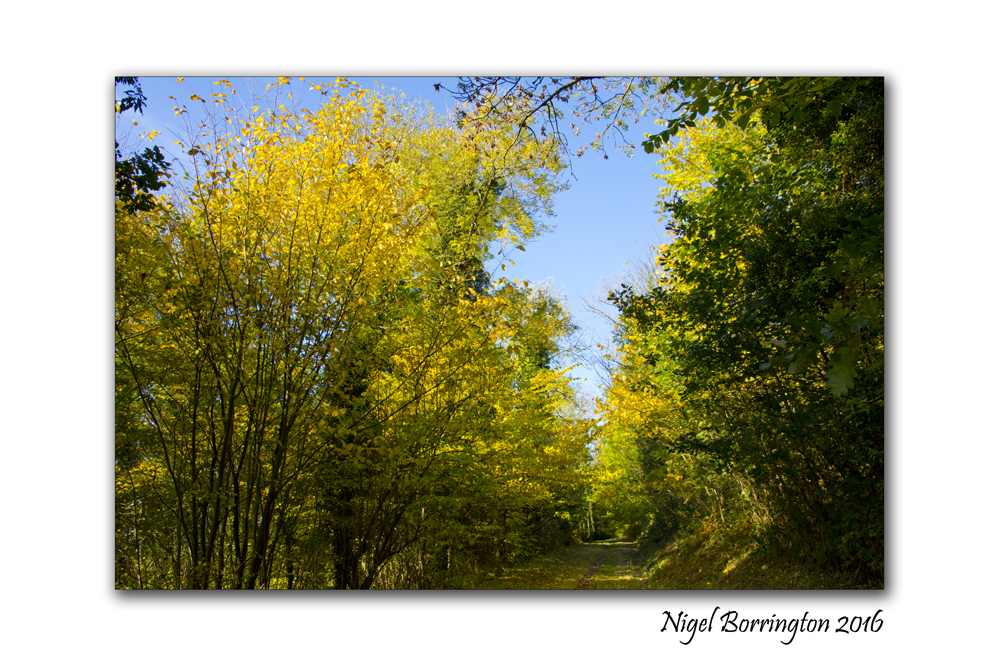
The Chestnuts came in yellow,
The Oaks in crimson dressed;
The lovely Misses Maple
In scarlet looked their best;
All balanced to their partners,
And gaily fluttered by;
The sight was like a rainbow
New fallen from the sky.

Then, in the rustic hollow,
At hide-and-seek they played,
The party closed at sundown,
And everybody stayed.
Professor Wind played louder;
They flew along the ground;
And then the party ended
In jolly “hands around.”
Eva Cassidy – Who Knows Where The Time Goes ?

Who Knows Where The Time Goes ?
Irish Landscapes
Nigel Borrington
Eva Cassidy – Who Knows Where The Time Goes ?
Across the evening sky,all the birds are leaving
Oh but then you know, it was time for them to go
By the winter fire, I will still be dreaming
I do not count the time
for who knows where the time goes?
Who knows where the time goes?
Sad,deserted shore
your fickle friends are leaving
oh, but then you know it was time for them to go
But I will still be here
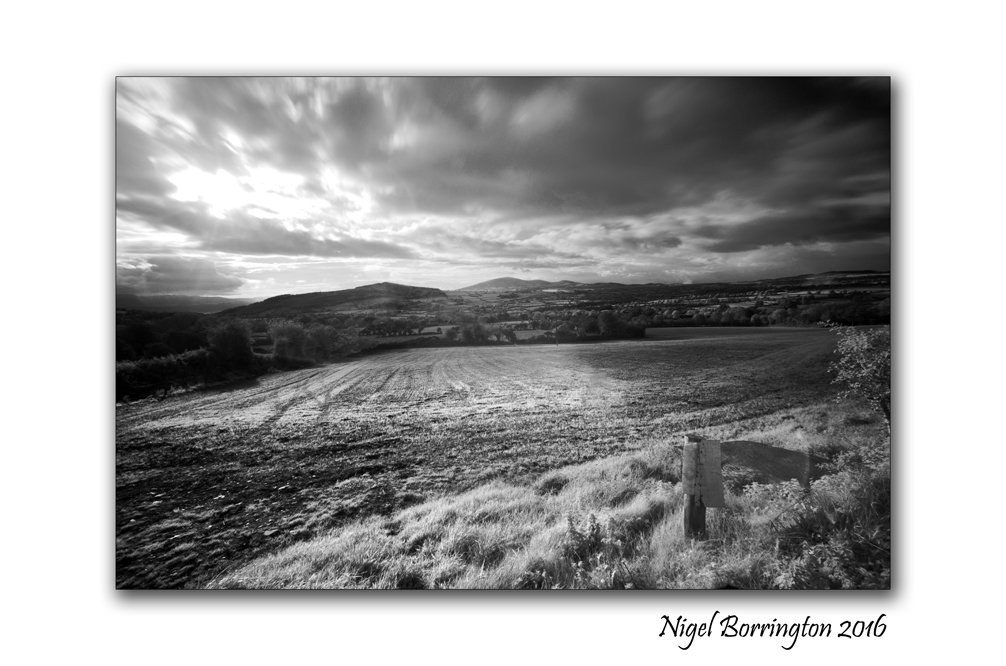
I have no thought of leaving
I do not count the time
for who knows where the time goes?
I know I’m not alone
while my love is near me
I know that its so until its time to go
All the storms in Winter and the birds in Spring again
I do not count the time
For who knows where the time goes?
who knows where the time goes?
who knows where the time goes?
Irish Castles : A Lament for Kilcash – Monday Poetry

Irish Castles
Kilcash castle
Nigel Borrington
A Lament for Kilcash
Now what will we do for timber,
with the last of the woods laid low?
There’s no talk of Cill Chais or its household
and its bell will be struck no more.
That dwelling where lived the good lady
most honoured and joyous of women
– earls made their way over wave there
and the sweet Mass once was said.
Ducks’ voices nor geese do I hear there,
nor the eagle’s cry over the bay,
nor even the bees at their labour
bringing honey and wax to us all.
No birdsong there, sweet and delightful,
as we watch the sun go down,
nor cuckoo on top of the branches
settling the world to rest.
A mist on the boughs is descending
neither daylight nor sun can clear.
A stain from the sky is descending
and the waters receding away.
No hazel nor holly nor berry
but boulders and bare stone heaps,
not a branch in our neighbourly haggard,
and the game all scattered and gone.
Then a climax to all of our misery:
the prince of the Gael is abroad
oversea with that maiden of mildness
who found honour in France and Spain.
Her company now must lament her,
who would give yellow money and white
– she who’d never take land from the people
but was friend to the truly poor.
I call upon Mary and Jesus
to send her safe home again:
dances we’ll have in long circles
and bone-fires and violin music;
that Cill Chais, the townland of our fathers,
will rise handsome on high once more
and till doom – or the Deluge returns –
we’ll see it no more laid low.

Kilcash Castle located on the county Kilkenny / Tipperary boarders but firmly in county Tipperary is one of the most haunting places to be found locally. It has a long history that started with its construction in the sixteenth century by the wall family who latter passed it on to the Butlers of Ormond who much latter sold it to the Irish State in 1997 for £500
Brief History of Kilkash castle and the Poem
By the late 20th century Kilcash Castle was in a dangerous state of repair, and it was sold to the State by the trustees of the Ormond estate for £500 in 1997. It is undergoing extensive structural repairs to save it from collapsing. But this means it is covered in scaffolding and the site is closed off to visitors.
The author of the popular Irish poem and song Cill Chaise (Kilcash) casts himself back in time to mourn the death of Margaret Butler, the former Lady Iveagh, in 1744. Her death moves the writer to lament her tolerance and to compare the cutting down of the woods of Kilcash with the destruction of the Gaelic way of life.
But the woods were not destroyed by the English, but through their sale by the Butler family, who needed the income to supplement their new lifestyle in Kilkenny Castle.
Traditionally, the poem has been attributed to Father John Lane, Parish Priest of nearby Carrick-on-Suir, who was educated for the priesthood at the expense of the former Lady Iveagh, the deagh-bhean or good lady in the song. However, the dating is misplaced, for Father Lane died in 1776 and the sale of the timber at Kilcash was not advertised in local newspapers until 1797.
Although the timber was sold off between 1797 and 1801, the earliest manuscripts of the text do not appear for another 40 years, which means Cill Chaise was written no earlier than the early 1800s, but perhaps much later. The air seems to be Bliadhin ’sa taca so phós mé (This time twelve months I married), which was collected by George Petrie in Clare and published in 1855.

The Rime of the Ancient Mariner. A poem by: Samuel Taylor Coleridge, Images of Banna Strand, Kerry, Ireland

Banna Strand,
Tralee Bay,
Irish Landscape Photography,
Nigel Borrington
From “The Rime of the Ancient Mariner”
Samuel Taylor Coleridge
The “Rime“ is one of the greatest pieces of Romantic literature. And the section of this epic poem in which the dead sailors get up and start sailing the boat again without seeing anything is as terrifying as anything in the horror genre.
The thick black cloud was cleft, and still
The Moon was at its side:
Like waters shot from some high crag,
The lightning fell with never a jag,
A river steep and wide.
The loud wind never reached the ship,
Yet now the ship moved on!
Beneath the lightning and the Moon
The dead men gave a groan.
They groaned, they stirred, they all uprose,
Nor spake, nor moved their eyes;
It had been strange, even in a dream,
To have seen those dead men rise.
The helmsman steered, the ship moved on;
Yet never a breeze up-blew;
The mariners all ‘gan work the ropes,
Where they were wont to do;
They raised their limbs like lifeless tools—
We were a ghastly crew.
The body of my brother’s son
Stood by me, knee to knee:
The body and I pulled at one rope,
But he said nought to me.
‘I fear thee, ancient Mariner!’
Be calm, thou Wedding-Guest!
‘Twas not those souls that fled in pain,
Which to their corpses came again,
But a troop of spirits ablest:
For when it dawned—they dropped their arms,
And clustered round the mast;
Sweet sounds rose slowly through their mouths,
And from their bodies passed.
Around, around, flew each sweet sound,
Then darted to the Sun;
Slowly the sounds came back again,
Now mixed, now one by one.
Sometimes a-dropping from the sky
I heard the sky-lark sing;
Sometimes all little birds that are,
How they seemed to fill the sea and air
With their sweet jargoning!
And now ’twas like all instruments,
Now like a lonely flute;
And now it is an angel’s song,
That makes the heavens be mute.
It ceased; yet still the sails made on
A pleasant noise till noon,
A noise like of a hidden brook
In the leafy month of June,
That to the sleeping woods all night
Singeth a quiet tune.
Till noon we quietly sailed on,
Yet never a breeze did breathe:
Slowly and smoothly went the ship,
Moved onward from beneath.
Under the keel nine fathom deep,
From the land of mist and snow,
The spirit slid: and it was he
That made the ship to go.
The sails at noon left off their tune,
And the ship stood still also.
The Sun, right up above the mast,
Had fixed her to the ocean:
But in a minute she ‘gan stir,
With a short uneasy motion—
Backwards and forwards half her length
With a short uneasy motion.
Then like a pawing horse let go,
She made a sudden bound:
It flung the blood into my head,
And I fell down in a swound.
Irish Landscapes , Mountain sheep, carrauntoohil, Macgillycuddy’s Reeks, county kerry
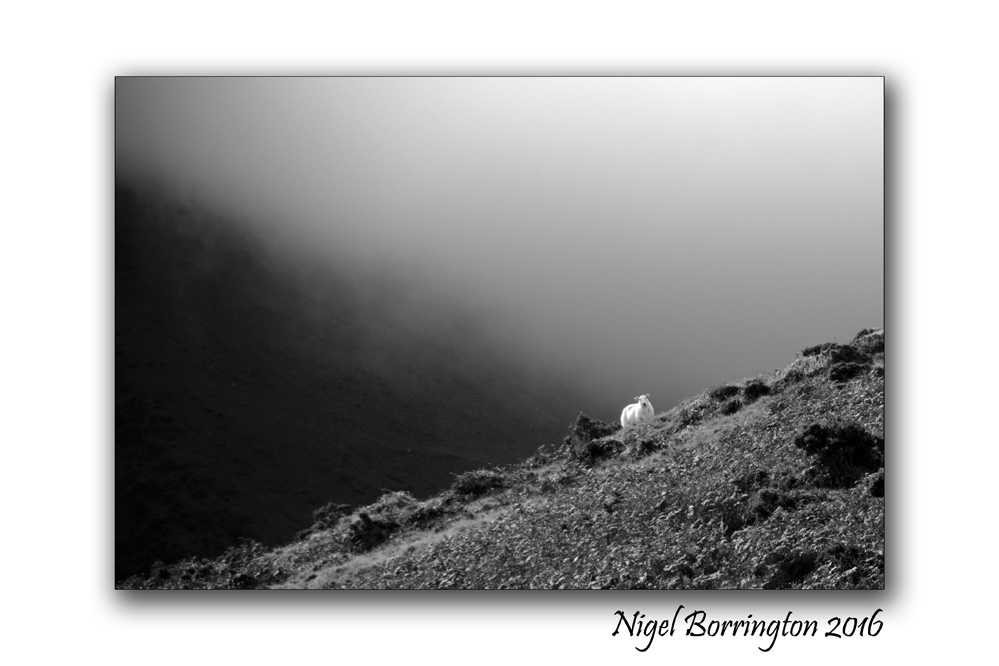
Irish Landscapes
carrauntoohil Mountain
Macgillycuddy’s Reeks range
county kerry
Nigel Borrington
Irish Landscape Photography , the river Maine , Kilderry north, county Kerry : Nigel Borrington

Irish Landscapes
River Maine
Kilderry North
County Kerry
Nigel Borrington
A river Poem By : Manonton Dalan
TREE BY THE RIVER
Under the tree’s canopy, there I lay
Dreaming how the world could be
Beyond those clouds, the horizon
Would there be one like me, alone
Got up pick up the roundest stone
Cast to the river and glide by its own
Hits a ripple, goes airborne
For a kid like me, it is a phenom
By the grassy banks, frogs abound
Love to disturb them,
into the river they plunge
Never tried to catch them because they slime
So beautiful, shiny greenish yellow, brown
Water is crystal clear,
see fishes swimming
Stones unturned are coated with stringy green
Constantly dancing as the little shells cling
Reach down to touch the water
Felt something came to me, a power
Don’t know what it was but still here
“Sailing to Byzantium” a poem by William Butler Yeats

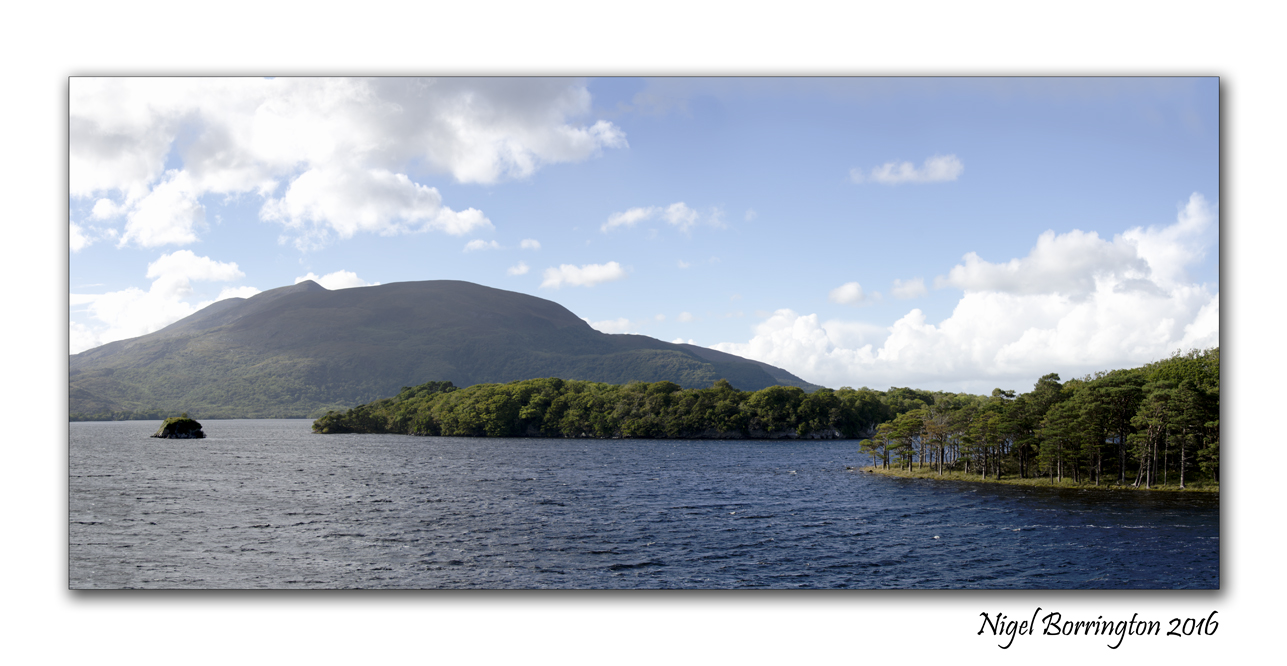
Muckross lake
lakes of Killarney
Irish landscape Photography
Nigel Borrington
Sailing to Byzantium
by William Butler Yeats
That is no country for old men. The young
In one another’s arms, birds in the trees
– Those dying generations – at their song,
The salmon‐falls, the mackerel‐crowded seas,
Fish, flesh, or fowl, commend all summer long
Whatever is begotten, born, and dies.
Caught in that sensual music all neglect
Monuments of unageing intellect.
An aged man is but a paltry thing,
A tattered coat upon a stick, unless
Soul clap its hands and sing, and louder sing
For every tatter in its mortal dress,
Nor is there singing school but studying
Monuments of its own magnificence;
And therefore I have sailed the seas and come
To the holy city of Byzantium.
O sages standing in God’s holy fire
As in the gold mosaic of a wall,
Come from the holy fire, perne in a gyre,
And be the singing‐masters of my soul.
Consume my heart away; sick with desire
And fastened to a dying animal
It knows not what it is; and gather me
Into the artifice of eternity.
Once out of nature I shall never take
My bodily form from any natural thing,
But such a form as Grecian goldsmiths make
Of hammered gold and gold enamelling
To keep a drowsy Emperor awake;
Or set upon a golden bough to sing
To lords and ladies of Byzantium
Of what is past, or passing, or to come.
Irish Landscape Images : lough callee, Carrauntoohil, Macgillycuddy’s Reeks, County Kerry
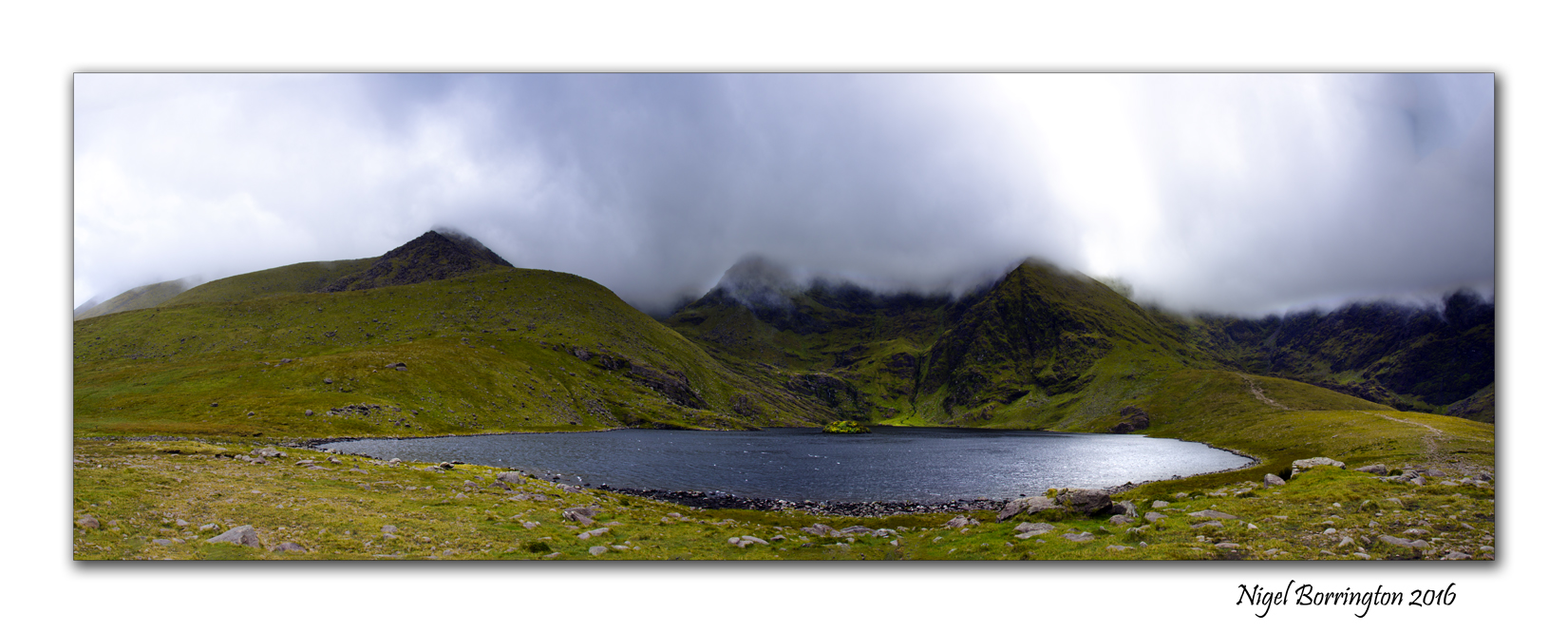
lough callee
carrauntoohil Mountain
Macgillycuddy’s Reeks range
county kerry
panorama By Nigel Borrington
Carrauntoohil (/ˌkærənˈtuːl/, Irish: Corrán Tuathail)
The highest peak on the island of Ireland. Located in County Kerry, Ireland it is 1,038 metres (3,406 ft) high and is the central peak of the Macgillycuddy’s Reeks range. The ridge northward leads to Ireland’s second-highest peak, Beenkeragh (1,010 m), while the ridge westward leads to the third-highest peak, Caher (1,001 m). Carrauntoohil overlooks three bowl-shaped valleys, each with its own lakes. To the east is Hag’s Glen or Coomcallee (Com Caillí, “hollow of the Cailleach”), to the west is Coomloughra (Com Luachra, “hollow of the rushes”) and to the south is Curragh More (Currach Mór, “great marsh”).
The summit of Carrauntoohil
Carrauntoohil is classed as a Furth by the Scottish Mountaineering Club, i.e. a mountain greater than three thousand feet high that is outside (or furth of) Scotland, which is why it is sometimes referred to as one of the Irish Munros.
The Macgillycuddy’s Reeks also contains many loughs of which lough callee is just one, the image above was taken last week while approaching the devils ladder route up to carrauntoohil Mountain peek. The morning was misty yet lots of wonderful light was finding its way on the the green slopes and the deep water of the lough, the mountain top is some distance above this level and hidden in the mist ……
Irish Landscape photography , 7 days in county Kerry

Carrauntoohil
County Kerry
Irish Landscape Photography
Nigel Borrington
Just returned from a seven day family Holiday in County Kerry, what a wonderful part of the world county Kerry is 🙂
I will share lots more images but here are just a few ……


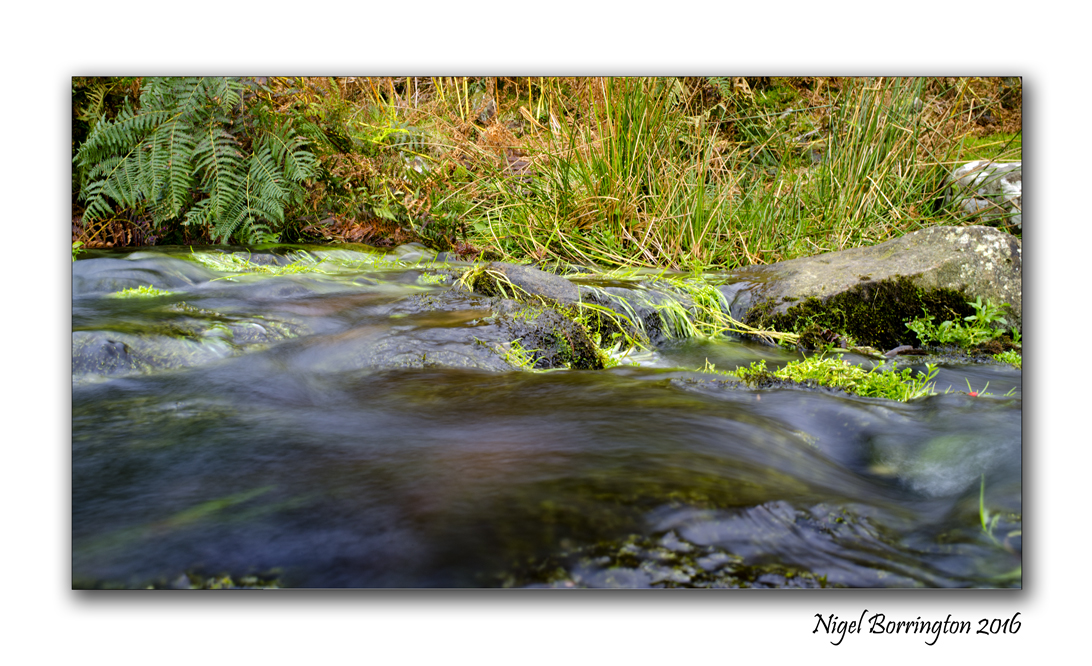
Flow from the Mountain Spring : Poem “A Mountain Spring” – by Henry Kendall
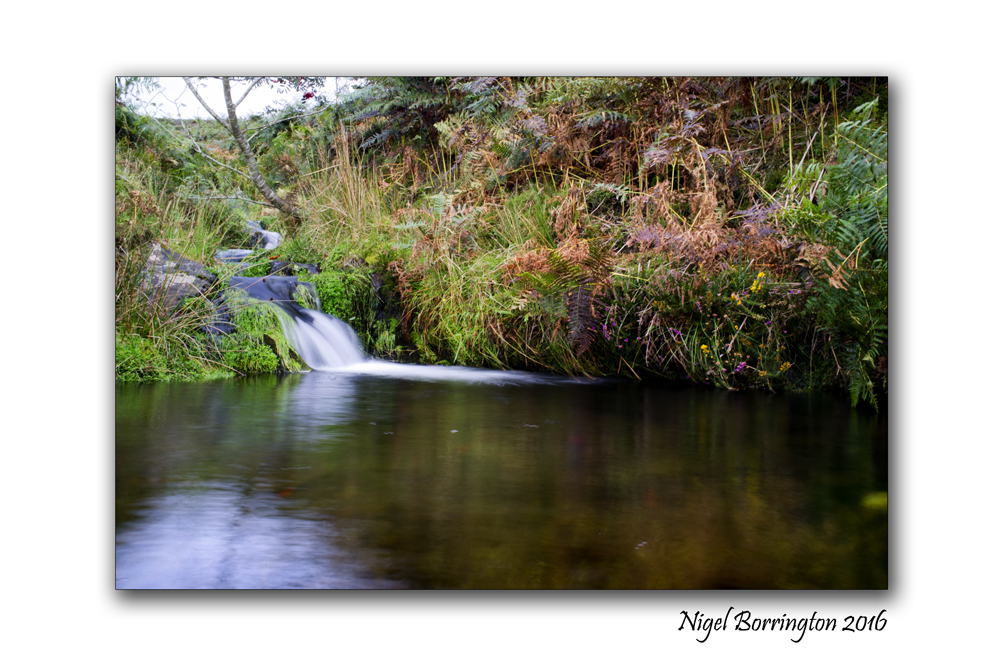
Waters flow from the mountain spring
Slievenamon
Tipperary
Nigel Borrington
Peace hath an altar there. The sounding feet
Of thunder and the wildering wings of rain
Against fire-rifted summits flash and beat,
And through grey upper gorges swoop and strain;
But round that hallowed mountain-spring remain,
Year after year, the days of tender heat,
And gracious nights whose lips with flowers are sweet,
And filtered lights, and lutes of soft refrain.
A still, bright pool. To men I may not tell
The secrets that its heart of water knows,
The story of a loved and lost repose;
Yet this I say to cliff and close-leaved dell:
A fitful spirit haunts yon limpid well,
Whose likeness is the faithless face of Rose.
Henry Kendall
Flow from the Mountain Spring : Gallery

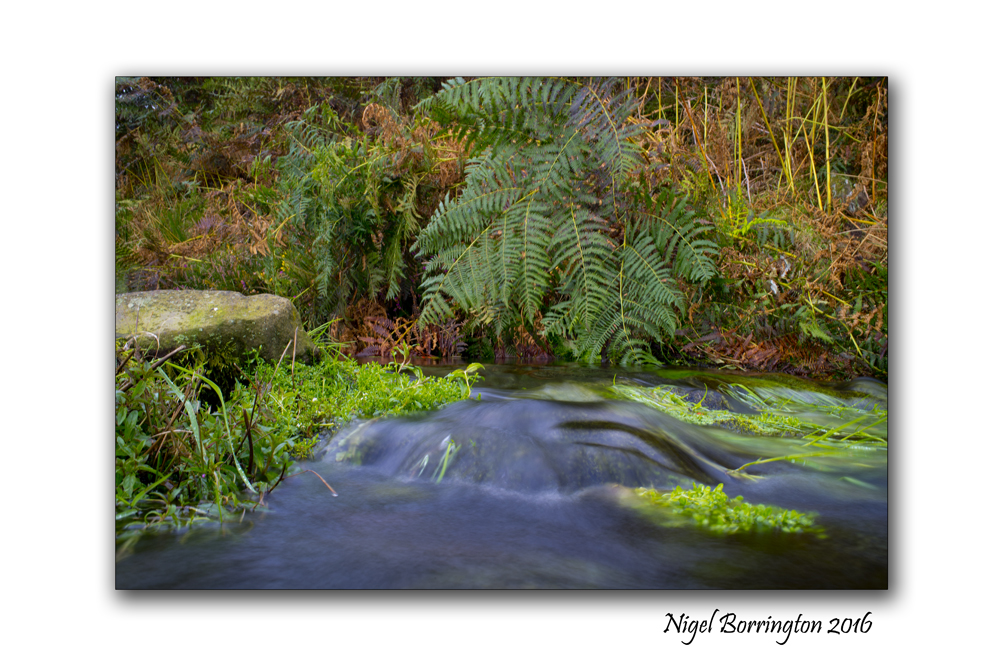

Nature Photography : Hunting for Fungi , Kyleaduhir woods, Callan, Co Kilkenny

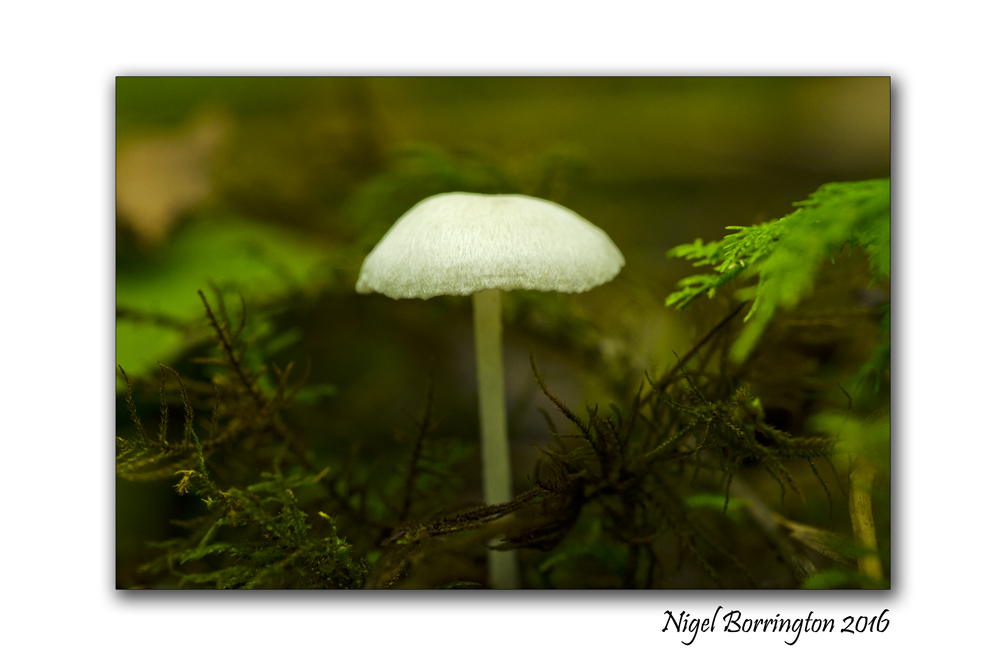
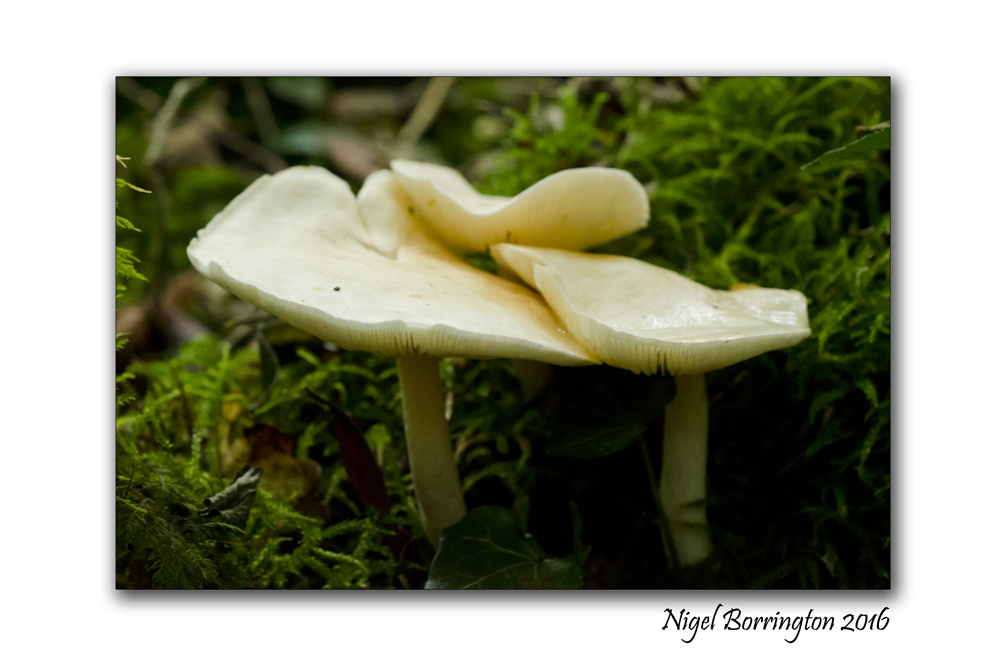
Lactarius blennius
Beech milkcap
Kyleaduhir woods Callan , Co. Kilkenny
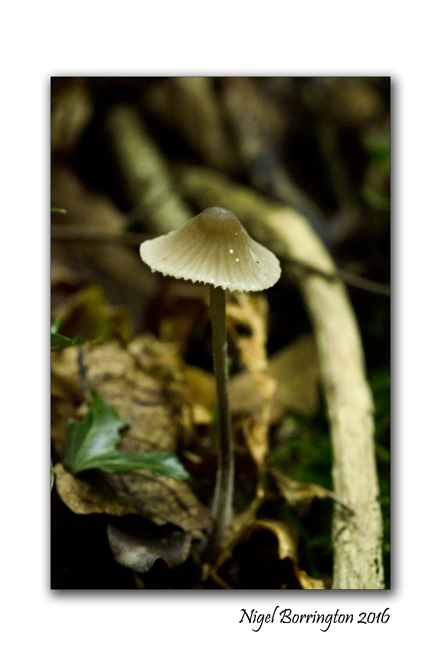
Our local woodlands in September begin to fill with many kinds of fungi, its an almost magical sight, they make great subjects for Macro photography. You need to be happy getting down into the damp and muddy forest floor but the results can be well worth the effort.
Here are some basic facts about Fungi …..
Mushroom Magic and Folklore
Go for a walk in the woods on any given summer day, and you’ll see fungi galore popping up, nestled in amongst the ferns and trees. After a rainstorm, peek out in your backyard and you may see tiny spores beginning to sprout in the grass, forming what’s known as a fairy ring. Mushrooms grow in all shapes and sizes and colors, and – depending on where you live – you might find some that are conducive to magical practice.
It is important to note that unless you are absolutely positive about the type of mushroom you have picked, you should never ingest it or take it internally. There are many toxic mushrooms which look similar to edible ones – if you’re unsure about what you have found, check with a naturalist or other mushroom expert.
That having been said, there are a number of folk magic uses for mushrooms, and you can incorporate these at a symbolic level, rather than actually ingesting them. Let’s take a look at some of the legends and myths about mushrooms from around the world.
In many areas, the appearance of a ring of mushrooms on the ground is cause for either rejoicing or alarm. In Great Britain, these circles are known as fairy rings – and they are where the Fae come to dance and frolic after a rainstorm. However, like many other locations associated with faeries, humans who dare to enter such a ring may find themselves asleep for a hundred years, or worse yet, whisked off to the land of the wee folk, never to return.
In Holland, these rings are believed to be left when the Devil sets down his milk churn – once he picks it up, there’s a big circle left in the grass. In some countries, such as France and Austria, these rings are associated with sorcery and malevolent magic, and travelers are well-advised to steer clear of them.
Vance Randolph says in his book Ozark Magic and Folklore that in many parts of the Ozarks, it is believed that “mushrooms must be gathered when the moon is full – gather ’em at any other time and they will be unpalatable, or perhaps even poisonous.” He adds that it is said that mushrooms growing in an orchard where apple trees are in bloom are always edible.
One of the best known mushrooms, at least in European culture, is the red-and-white Fly Agaric. This mushroom appears often in illustrations of fairy tales – you might see a gnome or a fairy perched on top of one. Experts believe that the Fly Agaric was used as a hallucinogenic by northern European shamans and religious leaders. Interestingly, it contains two toxins that reduce the body’s response to fear stimulus, so it may have been ingested by warriors prior to battle. In central Europe, the Fly Agaric is associated with the Yule season, and there is a theory that Santa Claus’ red and white suit originated in the colors of this magical mushroom.
In ancient Egypt, mushrooms were a rare delicacy indeed. They were associated with immortality, and as such, only royalty could consume them – because, after all, royal persons were descended from the Egyptian gods themselves. Hieroglyphs found in Egypt indicate that mushrooms were being consumed with meals as long as 4,500 years ago.
In China and Japan, mushrooms were associated with longevity and strength – partly because some of the most popular mushrooms that grew there were known for stimulating the immune system. Shiitake and maitake mushrooms, in particular, have been used in herbal remedies for centuries.
Mushrooms have been used by many cultures throughout time as part of ritual and religion. The toxin psilocybin is found in certain mushrooms, and the use of hallucinogenic fungi has been documented in rituals dating back thousands of years. Entheogen researcher Giorgio Samorini describes the discovery of rock art representing mushroom cults in Libya and Algeria from 7,000 – 9,000 years ago in his article The oldest Representations of Hallucinogenic Mushrooms in the world (Sahara Desert, 9000 – 7000 B.P.).
Landscape Art works : Ancient Rome, engraved by A. Willmore published 1859–61

Artwork details
Artist : After Joseph Mallord William Turner 1775–1851
Title : Ancient Rome, engraved by A. Willmore
Date : Published 1859–61
Medium : Engraving on paper
Collection : Tate
Acquisition: Transferred from the British Museum 1988
Its a good while since I posted here about some of my most loved artists and art work, I want to start again to share some of my most liked works of art over the next weeks.
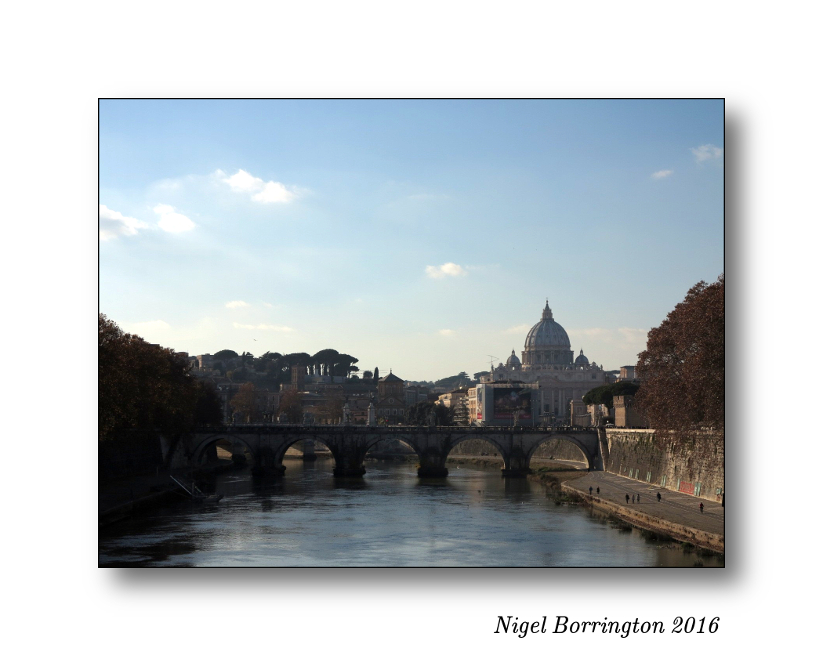
River Tiber
Rome
Nigel Borrington
I last visited Rome in December 2015 and took a few landscape images along the banks of the river Tiber, this river is a great location for photographers and artists alike.
Some years back while I was studying art history, I took a close look at the art work created by many artist who lived in Rome or who had visited this great city and done their best to capture its atmosphere.
Art work such as this great engraving by A. Willmore in the style of J._M._W._Turner, this is a fantastic etching as it captures the river and it location perfectly, live along the river banks.
it is not to hard to imaging this work as a great black and white print in modern terms.
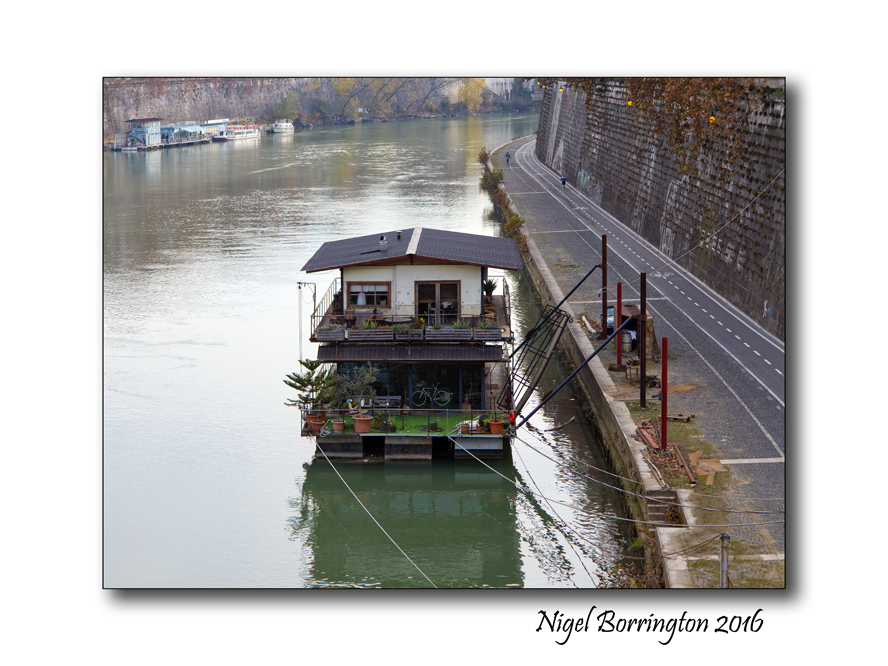
Life along the river bank
River Tiber
Rome
Nigel Borrington
Today the river Tiber is still used in many of the same ways as you can see in this drawing, it is now even the home to many people who live in house boats. the banks are today acting as walking routes and cycle paths.
Irish Landscape Photography – Ireland in September
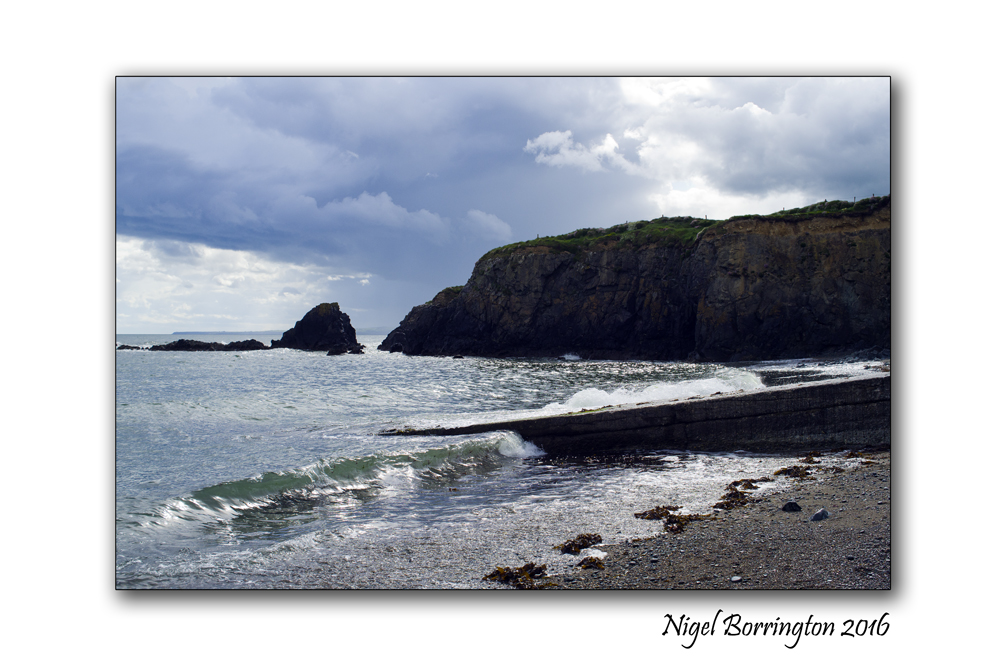
Irish Landscape Photography
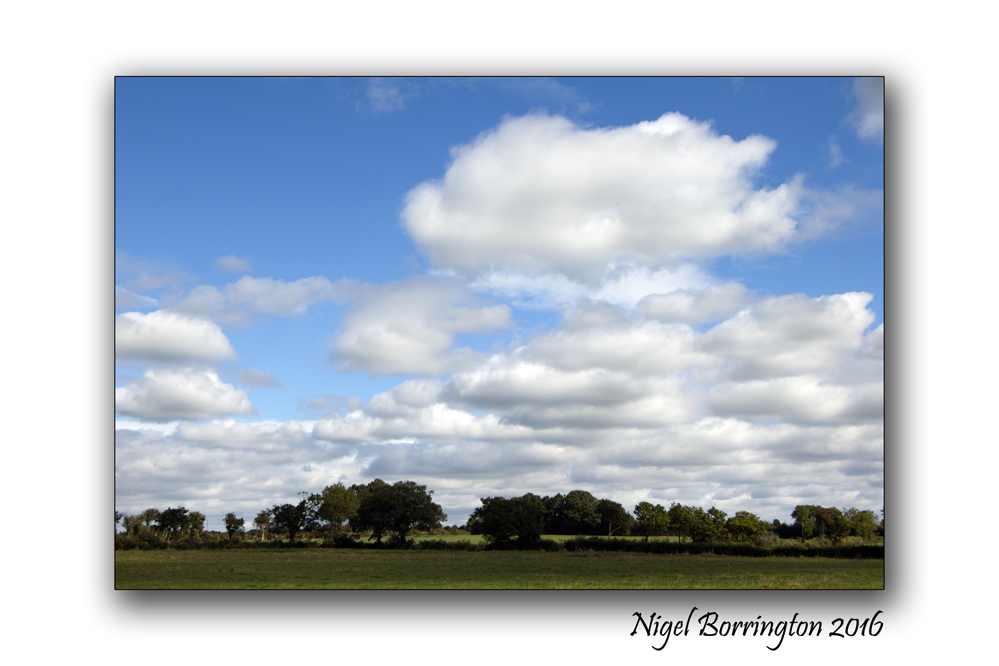
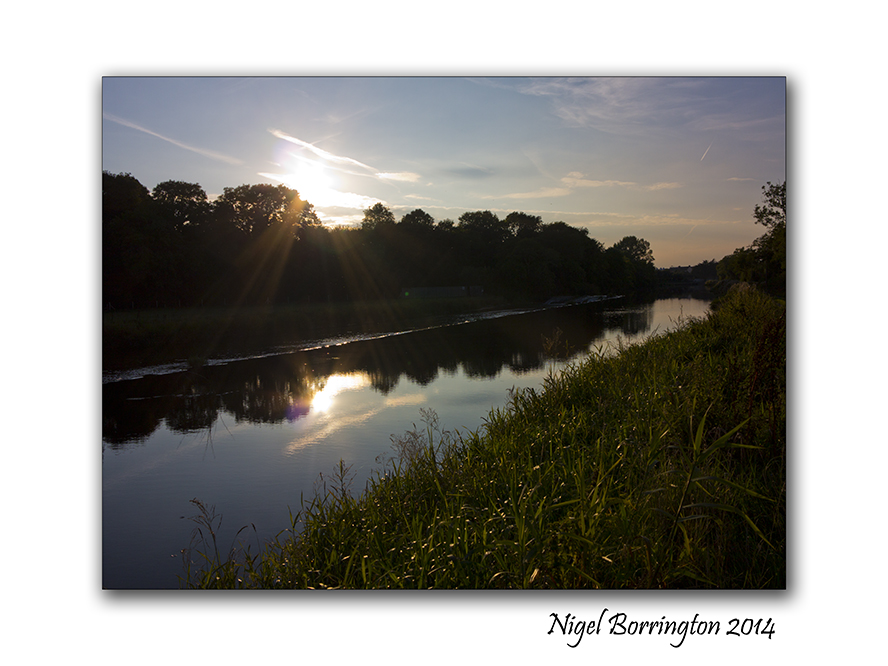
This Gallery of Landscape Images is a collection of some of my favourite places to take Landscape photographs, they are images taken in the months of September over the last three years …..
Ireland in September






Friday Poetry : in the Valley Of Slievenamon , Charles Joseph Kickham

The Valley Of Slievenamon
Irish Landscape Images
Nigel Borrington
Alone, all alone, by the wave-washed strand
All alone in the crowded hall
The hall it is gay, and the waves they are grand
But my heart is not here at all.
It flies far away, by night and by day
To the times and the joys that are gone.
But I never will forget the sweet maiden I met
In the valley of Slievenamon.
It was not the grace of her queenly air
Nor her cheek of the rose’s glow
Nor her soft black eyes, not her flowing hair
Nor was it her lily-white brow,
‘Twas the soul of truth, and of melting ruth
And the smile like a summer dawn
That sold my heart away on a soft summer day
In the valley of Slievenamon.
In the festival hall, by the star-washed shore,
Ever my restless spirit cries.
‘My love, oh, my love, shall I ne’er see you more.
And my land, will you never uprise?’
By night and by day, I ever, ever pray
While lonely my life flows on
To see our flag unfurled and my true love to enfold
In the valley of Slievenamon.
Charles Joseph Kickham
Poems by Charles Joseph Kickham
My Midnight Dream, Poem By : Daniel Raymond

My Midnight Dream
As I lay here in the land of dreams
where nothings ever as it seems
the stars dance on the stage of night
and I sit and watch this awesome sight
they turn and shine and dip and sway
and beckon me to come and play
and as I come to join the dance

I finally get to have the chance
to bring you close enough to see
the light you shine envelop me
the stars are there to light the way
and there we’ll dance till the break of day
Wildlife Study, the swans at Langley Park
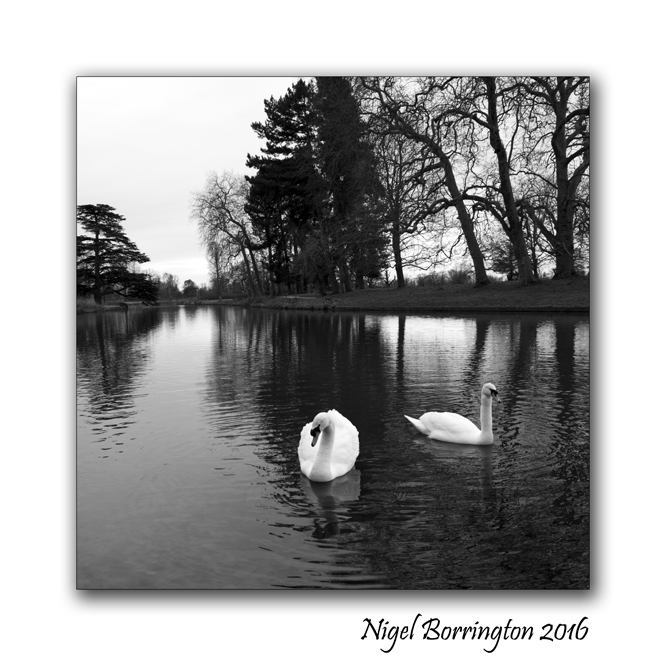
A Study of Wildlife
Swans
Langley Park
Iver Heath
LANGLEY PARK
Langley Park is a beautiful place to ‘escape from it all’ from taking the dog for a walk to go horse riding, cycling or just walking. you can relax with a picnic by the lake or under the beautiful trees and simply watch the world go by. With patience you may even be lucky enough to see some of the wide variety of wildlife in the park such as deer and foxes along with the Swans, and if you listen carefully you can hear the Great Spotted Woodpeckers tat tatting on many of the veteran trees.
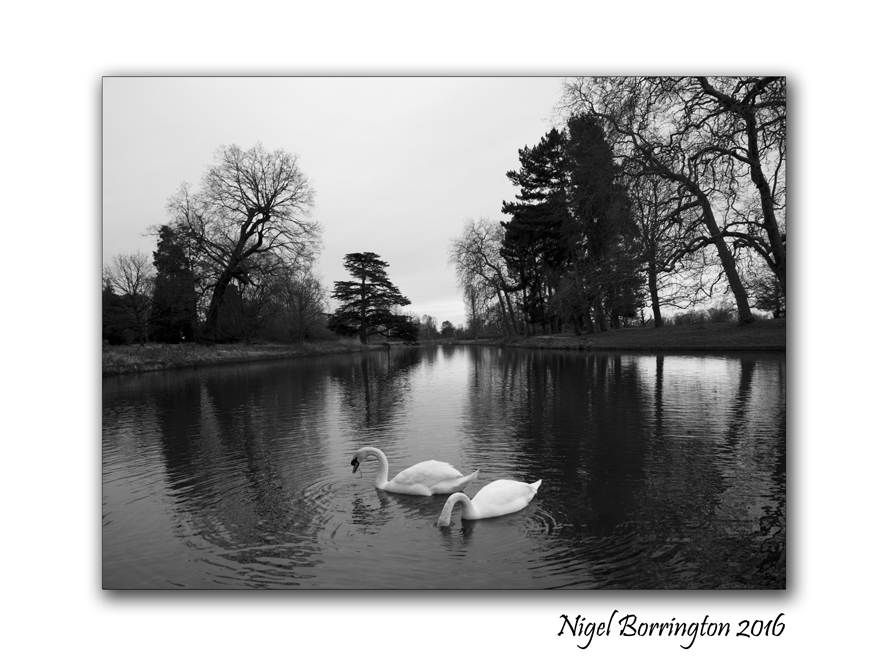
Langley Park is located off the Uxbridge Road (A412), Iver, Bucks, SL0 0LS, and is on the opposite side of the road to Black Park. The car park is in Billet Lane, which is the first turning on the left after the Tesco garage if coming from the Crooked Billet Roundabout.


Three Poems about the Beach

Sandy Beaches
Morgan Swain
Sprinkle, squish between my toes,
The smell of ocean to my nose.
I can feel each grain of sand,
It falls from air into my hand.
The shells I find along the shore,
Picked up by birds that fly and soar.
They sparkle like the ocean’s waves,
And carry sand from all the lakes.
I walk along the tip of the sea,
That’s where my feet leave prints to be.
I walk all the way to the end of the land,
The land that holds this beautiful sand.

The Sensations of Summer
Sibel
As I lay on the sand
And look up at the sky
I can see the sun shining like a diamond up high
The whooshing waves wash endlessly upon the shore
These are the sensations of summer that I adore
Nothing could replace this moment
Not anything
I pick myself up
Step in to the sea
Forget all my thoughts so my mind is free
As all my troubles drift away from me
I go deeper into the rushing water, letting the waves take control
These are the sensations of summer that I adore

The Beach
Amy R. Buzil
It’s a day when the ocean waves whisper to the sun:
‘Warm me up sunshine!’
And they try to throw their rays
right at me,
painting my white skin
into a golden tan.
The fingertip of the wind
brushs against my left cheek.
The clouds try hard not to move.
I see them
crawling inch by inch.
I Look down at my toes;
the hot pink nail polish;
sinks into the warm sand
the grains adjust to my movement.
Rough.
I gaze out into the water
shining like cherry-flavored lip gloss
and diamonds held in a blue blanket.
I lean back into the pinkbluepurple of the wind,
where it leaves a colorful touch on my arm
and I feel as I could blow away
at any time..
September on the River : Swans on the river Suir, County Tipperary, Photo Story
September on the river Suir
County Tipperary
Irish nature and Landscapes
Nigel Borrington


Welcome to the Deise Greenway, County Waterford
The Deise Greenway
County Waterford
Ireland
Irish Landscape Photography : Nigel Borrington
The Waterford / Deise Greenway
The Amazing new Deise Greenway is almost completed and for anyone who has not heard about this new public cycle and walking path in county Waterford Ireland, here is some basic information !
The History of the Greenway – A Railway history
Waterford to Dungarvan
The Railway Line from Dungarvan to Waterford was constructed during the 1870’s and was officially opened on the 12th August 1878 with the first train departing Waterford at 10.10 and arriving at Durrow just over an hour later.

The building of the Railway was a remarkable project in that it had to be contructed over very harsh terrain. From the Dungarvan side, two causeways had to be contructed, one over the Colligan estuary and one through the sea at Barnawee, a very impressive viaduct has to be built at Ballyvoile and an even more impressive tunnel, 480 yards long, fully lined was constructed just a little further down the line. Another viaduct at Kilminnion and an almost 100 feet high curved viaduct at Kilmacthomas to name just a few. It headed down towards the lovely station at Kilmeaden and then on the riverbank of the River Suir below Mount Congreve into Waterford City.

The Railway line was not just of national importance, it was also our line with the UK with many Irish people emigrating there but many used it to come over and back. In March 1967, the last passenger train left Dungarvan station for Rosslare. But it reopened again with the opening of the Magnesite ore processing plant at Ballinacourty but this plant closed in 1982. Engineers ran occasional locomotives on the line up until 1990.

CIE own the line but Waterford County Council acquired a license from them at the start of this century to make it into a pedestrian walkway/cycle path for tourism and leisure.
It has impressive history, a history we can not neglect by not taking an interest in the line, we need to preserve it for the people as an amenity for the people.
Rebirth of the rail line – The Deise Greenway
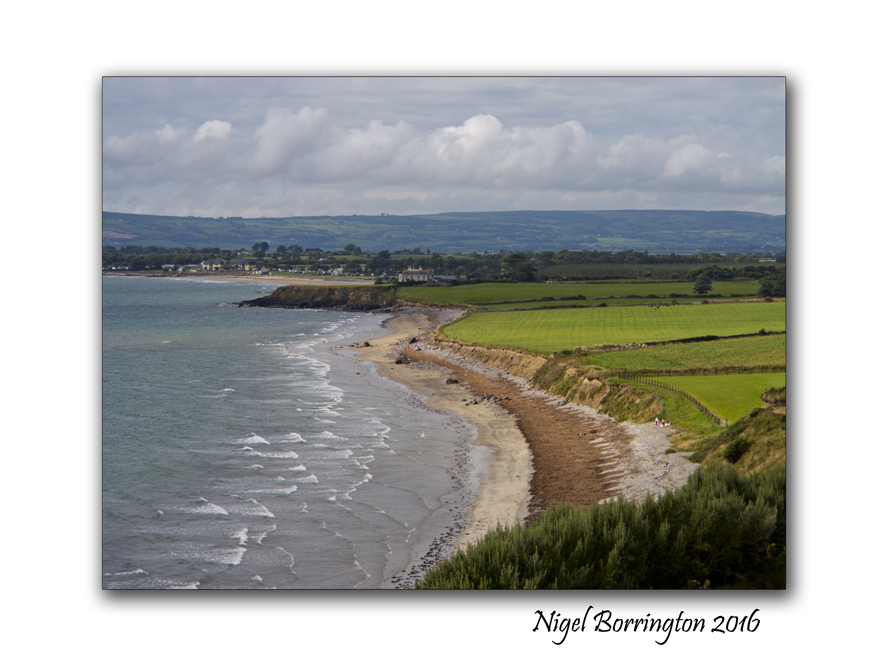
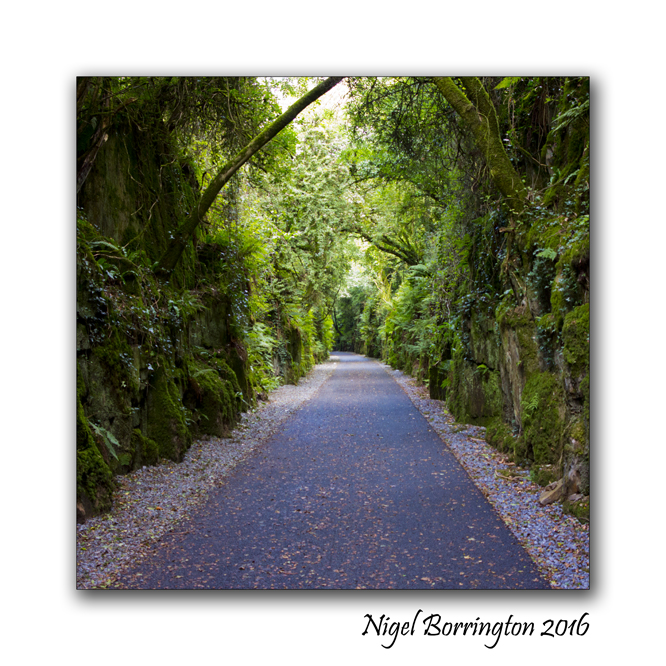
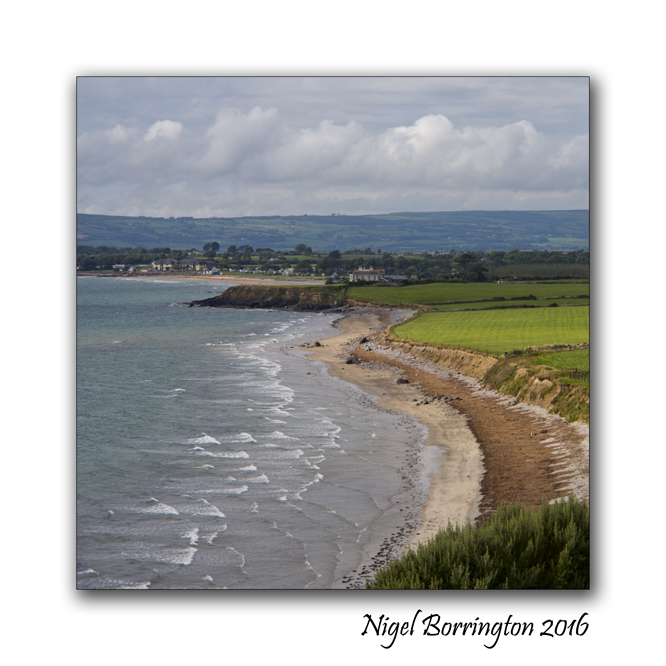
The Deise Greenway is almost complete so last weekend we took a walk along the section from Ballyvoyle brick-lined tunnel down to Dungarvan Bay. This section of the route is just fantastic to walk as it induces the Ballyvoyal tunnel and viaduct and then the wonderful views of the waterford coastline above the town of Dungarvan.
Below are some of the pictures I took on Sunday ……
Gallery






Monday Poetry – The Eagle By Alfred, Lord Tennyson
The Eagle

The Eagle
Nigel Borrington
By Alfred, Lord Tennyson
He clasps the crag with crooked hands;
Close to the sun in lonely lands,
Ring’d with the azure world, he stands.
The wrinkled sea beneath him crawls;
He watches from his mountain walls,
And like a thunderbolt he falls.
Irish Landscape photography , The path to the beach – County Kerry

Irish Landscape Photography
Brandon Point
County Kerry
Nigel Borrington
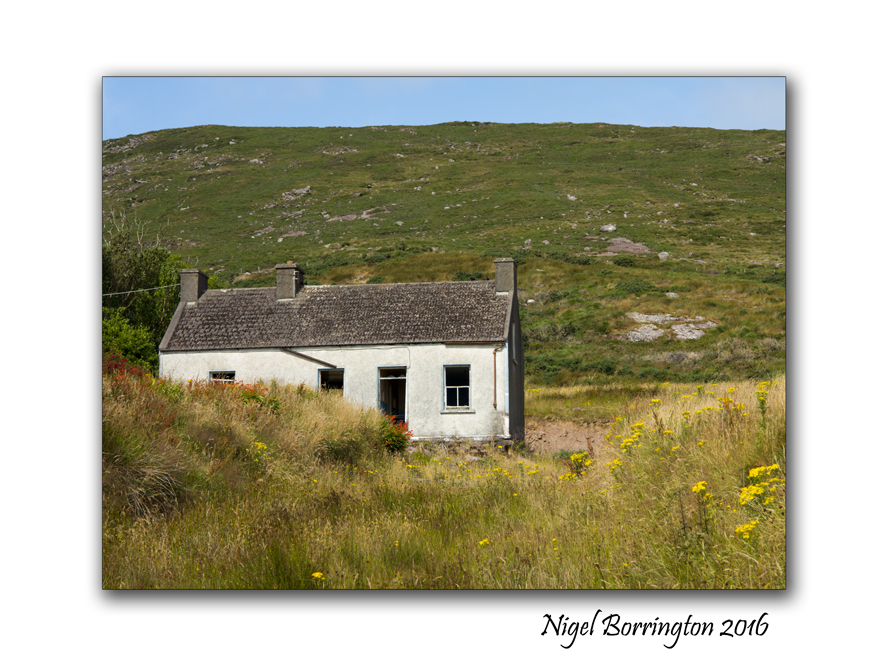
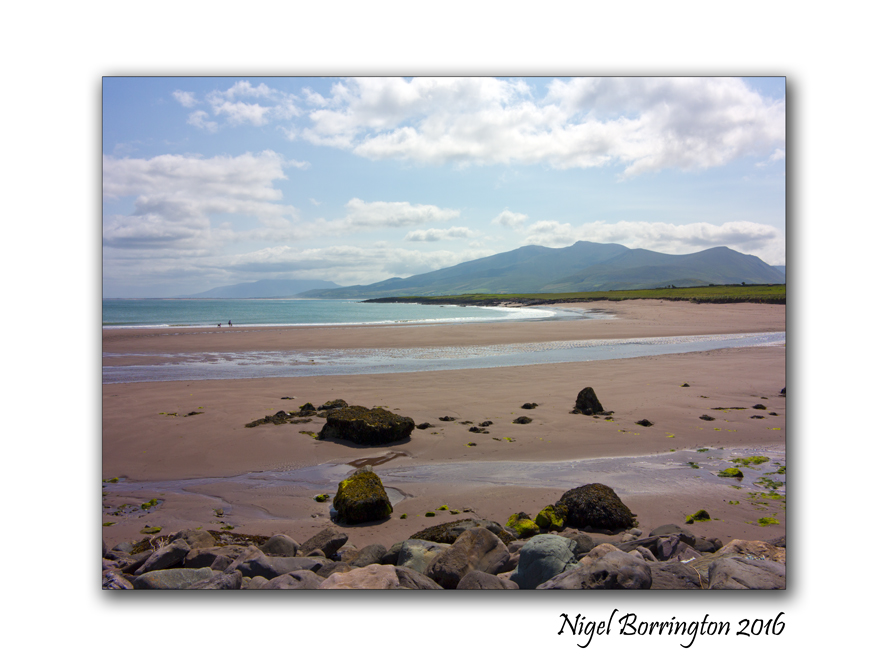
The Path down to the Beach at BallyQuin, Brandon, County Kerry Ireland


Sunset’s Ghost – Poem by Richard George

Sunset’s Ghost – Poem by Richard George
Lilac clouds, a wash of green
At daylight’s end:
When west is dark, to northward
A heat-haze aurora
Silhouettes our roof-slopes.
Beautiful, but it chills me:
We have made her burn with fever,
The sky, our mother.

Poem By : Richard George
 Nigel Borrington
Irish Landscape Photography : County Kilkenny
Irish Landscape Photography
County Kilkenny
Nigel Borrington
For me these wide angle views of county kilkenny, taken yesterday on an evening walk show the nature of the county very well.
Kilkenny is predominately a farming county with some lower level mountains but mainly low level farmlands. Most of my recent images have been from county Kerry with is wonderful beachs and impressive mountain views, however inland kilkenny still has much to offer in-way of open green landscapes.
So after all and on a wonderful autumn evening such as yesterdays, County kilkenny is not a bad place to return home, after some traveling to the more spectacular part of the Irish landscape.
Gallery
Share this:
October 14, 2016 | Categories: Comment, Landscape, Nigel Borrington | Tags: Ireland, Irish landscape photography, Kilkenny, Landscape Photography, Nigel Borrington | 8 Comments