I walked through an ancient path, woodland poems
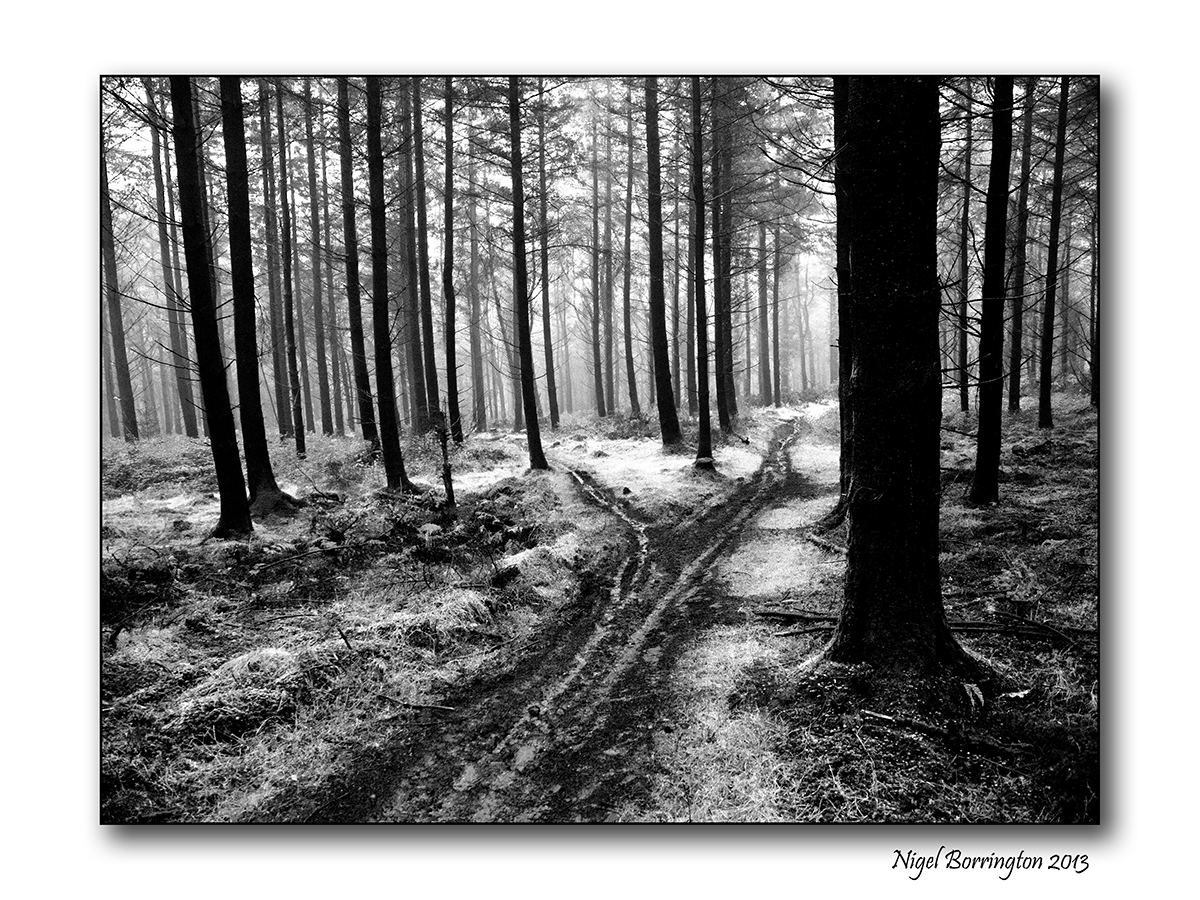
Fujifilm x100, 35mm focus length, iso 800
Kilkenny woodlands
Landscape photography : Nigel Borrington
A woodland walk
I walked through ancient paths,
where hidden mysteries lay
beneath our feet
and a choir of birds sing out loud,
with jewels dancing in the air.

Scrunching feet walk along
the twisting paths which
zigzag their way through
tall giants. Giants who
stand next to us.
While stepping on the
bones of the past,
sweet smells turn orange to red.
The giants form a roof with windows.
Sheltering the emerald flowers that
dapple the green carpet.
Spider webs shimmer like silver silk
as they whisper their secrets.
I walked those ancient paths.
………………………
A Woodland Walk
I took a walk today,
where the trees like giants,
held up the sky.
The breeze tickled the leaves

Many people have walked
on these ancient paths,
Discovering hidden secrets,
Foxes hiding in the shadows,
birds calling from the tree tops.
I took a walk today
and passed a trickling stream,
Where leaves crunched underfoot.
Water ran over boulders,
as it tumbled down the bank.
In the dappled shade,
jewel like light hits the ground.
Flies hang in the air, dancing.
What a wonderful walk!
Spirit
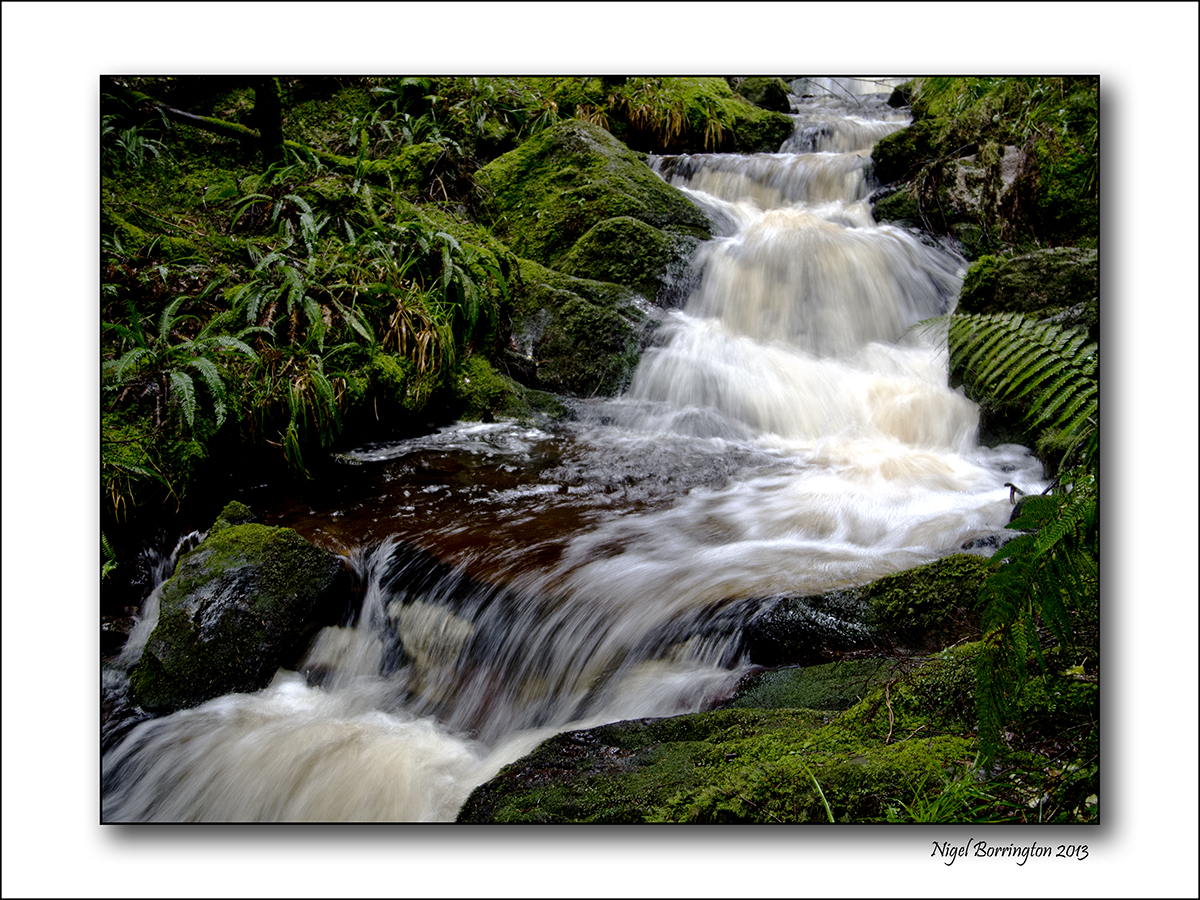
Spirit
Wading in a river of beauty and vibrant light,
A stream of emotion where words have no sound,
In silence of feelings so ‘noisily’ present,
Invading the ‘space’, no invite, but welcomed.
In colours of raindrops entering Whole,
Captivates, Inspires, Instils formless form,
Facets of dreamtimes, of Faeries and wishes,
The Drum-Beat ‘awakens’ the feelings of Calm.
Dancing in a river of beauty and vibrant light,
A waterfall of emotion where words feel no force,
An earthquake of feelings so tenderly entered,
Accepted in Space, invited and warm.
Poem By : Ri
Pagan’s and the Immortal Spirit
Pagan’s have a belief in the immortality of the spirit and in the unending cycles of the Seasons and life itself: birth, death, and rebirth. They believe that the spirit is nature itself. Life and its Spirit is in every part of everything that surrounds us, it cannot be separated from it. Pagan God’s take their form as a part of this, they have to respect life and nature just like we do. Even though they control individual elements they cannot ignore all the other gods and their elements in doing so.
Images from the river bank – river Suir county Tipperary

Sigma sd15, 15-30mm f3.5-4.5 lens, iso 50, tripod mounted.
Images from the banks of the river suir, clonmel, County Tipperary
Landscape photogrpahy by , Nigel Borrington
The River Suir that runs through county Tipperary and Waterford before reaching the sea at the ring of hook and the hook head light house is one of Ireland most Beautiful rivers in the country, many people have painted, photographed and written book on this river.
These images are from a walk I took last evening with Molly our Golden retriever.
I found this poem from a local woman, living in Carrick-on-suir
A Personal Poem by Maura Murphy
Published on Friday, November 21st, 2008 at 12:09 pm
Maura Murphy, Collins Park, Carrick-on-Suir while a patient at Waterford Regional Hospital recently, penned the following poem about her adopted home- town and the river Suir that flows through it.
River of Memories Reflector of Light / Timeless, Endless, Hidden Might / I Recall Happy Walks, Children in Tow / Watching the Fishermen, Swans in a Row / Throw Sticks in the Water, Who’ll Win the Race / In Summer the Swimmers Showing their Pace / You are the Town, You Gave it it’s Name / All Gained from your Bounteous Supply of Free Game / The Trout and the Salmon Kept Starvation at Bay / Put Food on the Table for Many each Day / As You go on Your Journey, From Source to the Sea / I Thank You for the Joy You Have Brought to Me / For the Picnics, the Laughter, the Fun and the Games / In my Happy Memory They ever Remain.
The river Suir Wiki

Sigma sd15, 15-30mm f3.5-4.5 lens, iso 50, tripod mounted.
Images from the banks of the river suir, clonmel, County Tipperary
Landscape photogrpahy by , Nigel Borrington

Sigma sd15, 15-30mm f3.5-4.5 lens, iso 50, tripod mounted.
Images from the banks of the river suir, clonmel, County Tipperary
Landscape photogrpahy by , Nigel Borrington
Images from the road : Garinish, ring of Beara, west Cork

Nikon D7000, 18-200mm lens, iso 100
Garinish, ring of Beara, west Cork
Landscape photography : Nigel Borrington
Images from the Road, west Cork
If you visit west cork the drive or walk around the ring of Beara, offers one of Ireland’s most Scenic views, these images are looking along the coast towards Allihies, west cork.

Nikon D7000, 18-200mm lens, iso 100
Garinish, ring of Beara, west Cork
Landscape photography : Nigel Borrington
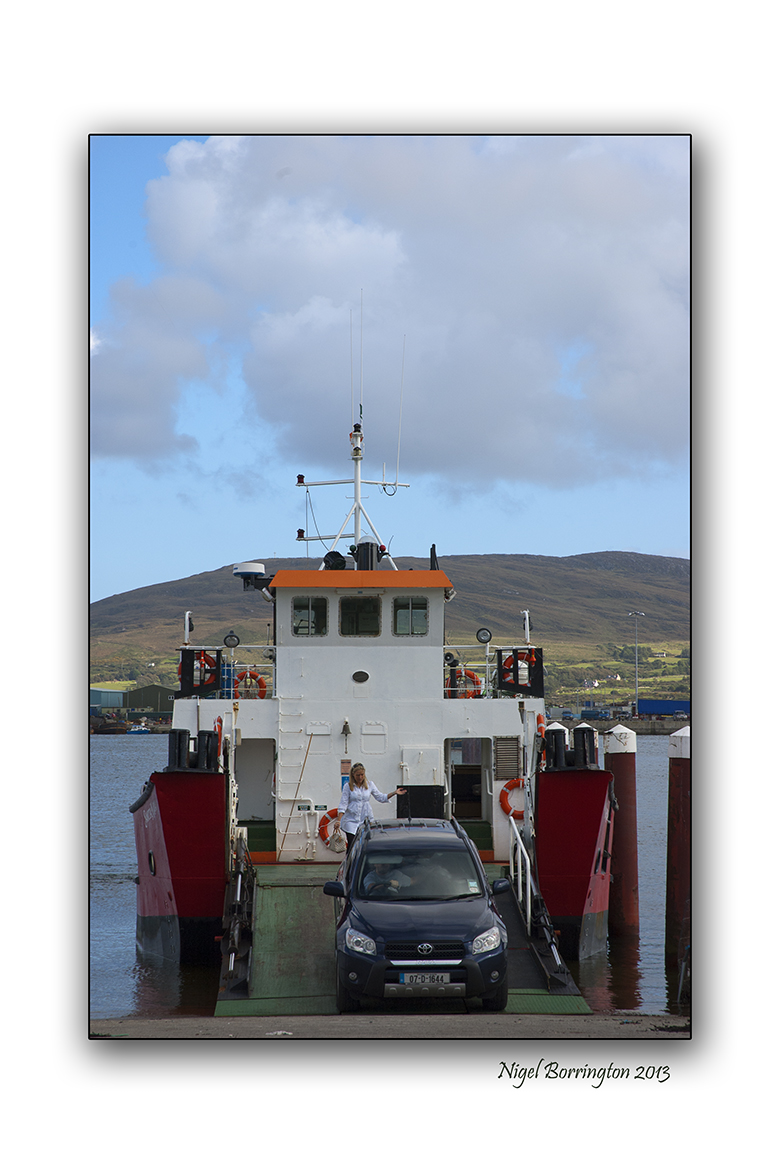
The ferry to Bere island
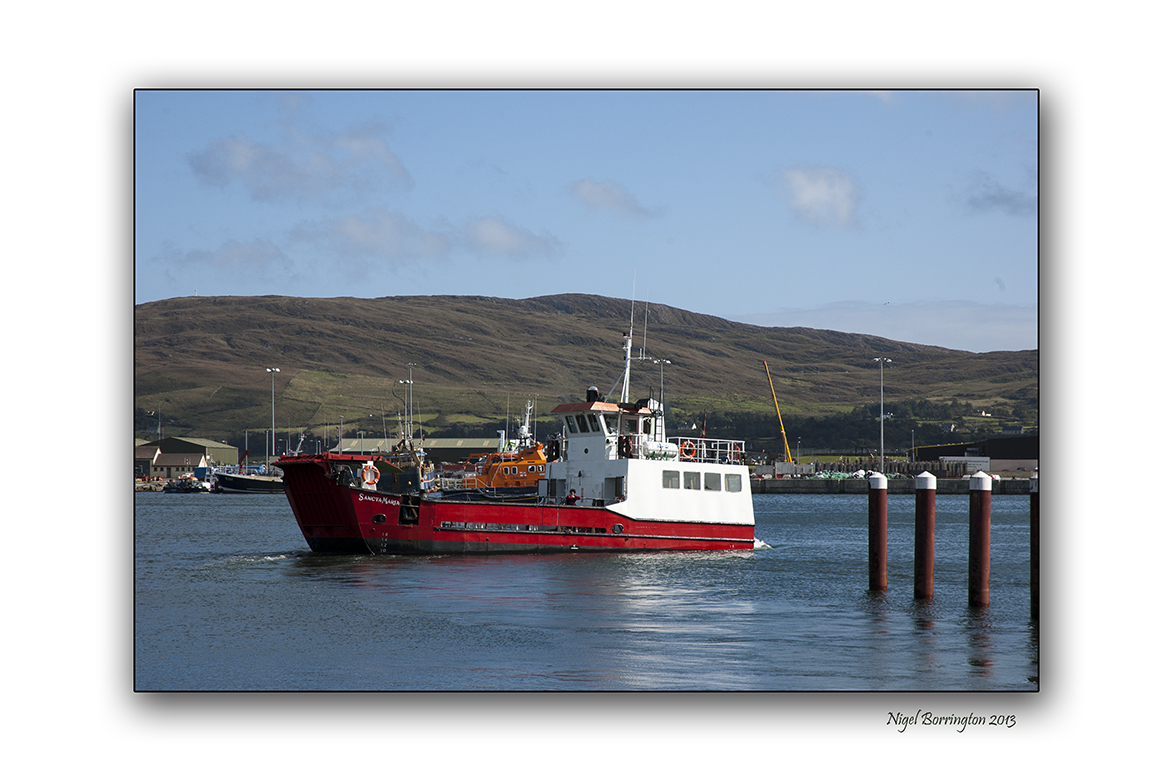
All images using a Nikon D7000, 18-200mm lens
The Castletownbere to Bere Island ferry, west Cork
Landscape Photography : Nigel Borrington
One summers afternoon on a visit to Castletownbere, I sat down on a bench at the quay’s and took some images of the ferry arriving from Bere island. West Cork has many small Islands but not all are serviced so well by ferries like this one.
I have lived in different locations during my life and lived with different methods of transport (Cars, A Bus, trains, motorcycles, cycles) but never a ferry, it must be an amazing things to live your life using one each and everyday to get home. The passengers on the ferry during the day were people getting to work, shopping, school kids and holiday makers.
Both locations well work a visit.
The Castletownbere ferry web pages
A Gallery of a ferry


The To-be-forgotten By Thomas Hardy

The To-be-forgotten
By Thomas Hardy
.
I
I heard a small sad sound,
And stood awhile among the tombs around:
“Wherefore, old friends,” said I, “are you distrest,
Now, screened from life’s unrest?”
II
—”O not at being here;
But that our future second death is near;
When, with the living, memory of us numbs,
And blank oblivion comes!
III
“These, our sped ancestry,
Lie here embraced by deeper death than we;
Nor shape nor thought of theirs can you descry
With keenest backward eye.

IV
“They count as quite forgot;
They are as men who have existed not;
Theirs is a loss past loss of fitful breath;
It is the second death.
V
“We here, as yet, each day
Are blest with dear recall; as yet, can say
We hold in some soul loved continuance
Of shape and voice and glance.
VI
“But what has been will be —
First memory, then oblivion’s swallowing sea;
Like men foregone, shall we merge into those
Whose story no one knows.
VII
“For which of us could hope
To show in life that world-awakening scope
Granted the few whose memory none lets die,
But all men magnify?
VIII
“We were but Fortune’s sport;
Things true, things lovely, things of good report
We neither shunned nor sought … We see our bourne,
And seeing it we mourn.”
Hoverflies : Well its only nature
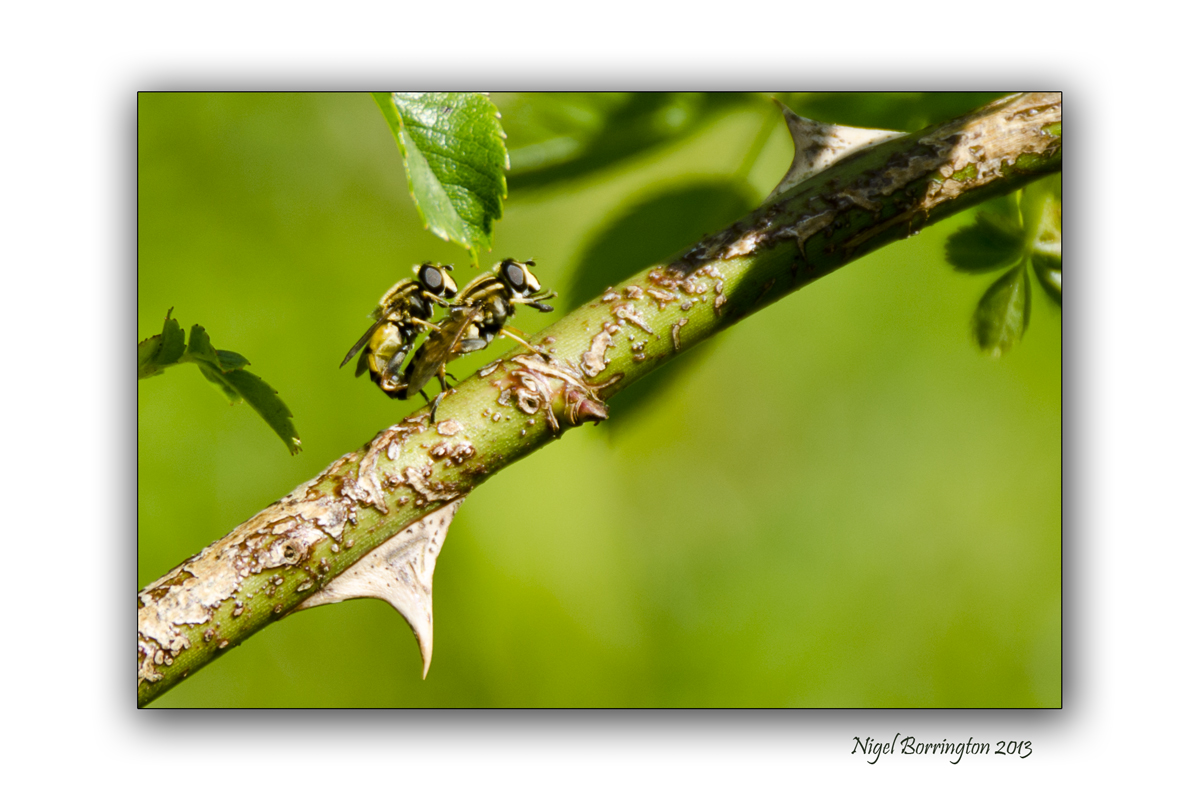
Nikon D7000, 105mm Macro lens, iso 100
Two hover-flies
Nature photography : Nigel Borrington
Hoverflies
Hoverflies, sometimes called flower flies or syrphid flies, make up the insect family Syrphidae. As their common name suggests, they are often seen hovering or nectaring at flowers; the adults of many species feed mainly on nectar and pollen, while the larvae (maggots) eat a wide range of foods. In some species, the larvae are saprotrophs, eating decaying plant and animal matter in the soil or in ponds and streams. In other species, the larvae are insectivores and prey on aphids, thrips, and other plant-sucking insects.
Aphids alone cause tens of millions of dollars of damage to crops worldwide every year; because of this, aphidophagous hoverflies are being recognized as important natural enemies of pests, and potential agents for use in biological control. Some adult syrphid flies are important pollinators.
About 6,000 species in 200 genera have been described. Hoverflies are common throughout the world and can be found on all continents except Antarctica. Hoverflies are harmless to most other animals despite their mimicry of more dangerous wasps and bees, which serves to ward off predators.
Images from the Blackwater river

Sigma sd15,15-30mm f3.5-4.6 lens, iso50
Images of the Blackwater river, Munster, Ireland
Landscape Photography : Nigel Borrington
The Blackwater river
One of my favourite river’s in Ireland is the Blackwater, it flows from Co.Kerry all the way to Youghal Harbour, on the south coast.
“The Blackwater or Munster Blackwater (Irish: An Uisce Dubh, The Black Water) is a river which flows through counties Kerry, Cork, and Waterford in Ireland. It rises in the Mullaghareirk Mountains in County Kerry and then flows in an easterly direction through County Cork, through Mallow and Fermoy. It then enters County Waterford where it flows through Lismore, before abruptly turning south at Cappoquin, and finally draining into the Celtic Sea at Youghal Harbour. In total, the Blackwater is 169 kilometres long.
The Blackwater is notable for being one of the best salmon fishing rivers in the country. Like many Irish and British rivers, salmon stocks declined in recent years, but the Irish Government banned commercial netting of salmon off the coast of Ireland in November, 2006.”
Lisomre

Sigma sd15,15-30mm f3.5-4.6 lens, iso50
Images of the Blackwater river, Lismore, Munster, Ireland
Landscape Photography : Nigel Borrington
As it passes just below Lismore Castle ( Which I will do another full post on ), it has carved out one of the most Beautiful river valley’s in the south of the country. I have many images from this area and visit regularly so will come back many time to post some more images.

Sigma sd15,15-30mm f3.5-4.6 lens, iso50
Images of the Blackwater river, Munster, Ireland
Landscape Photography : Nigel Borrington

Sigma sd15,15-30mm f3.5-4.6 lens, iso50
Images of the Blackwater river, Munster, Ireland
Landscape Photography : Nigel Borrington
Its the weekend so….
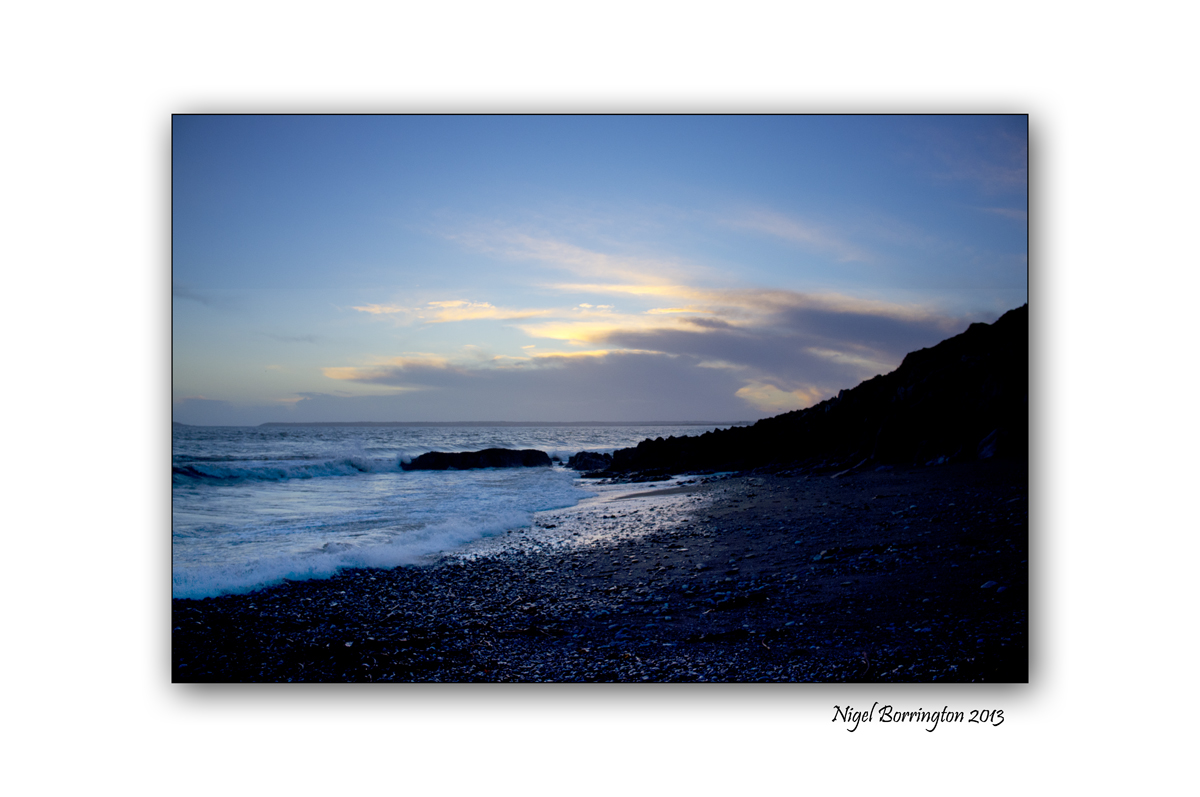
Fujifilm X100, 35mm lens, iso 200
Glenbeg beach, Co.Cork
Landscape photography by Nigel Borrington
Its the weekend so why not find a beach for a morning walk then take in the views and watch the sunrise…..
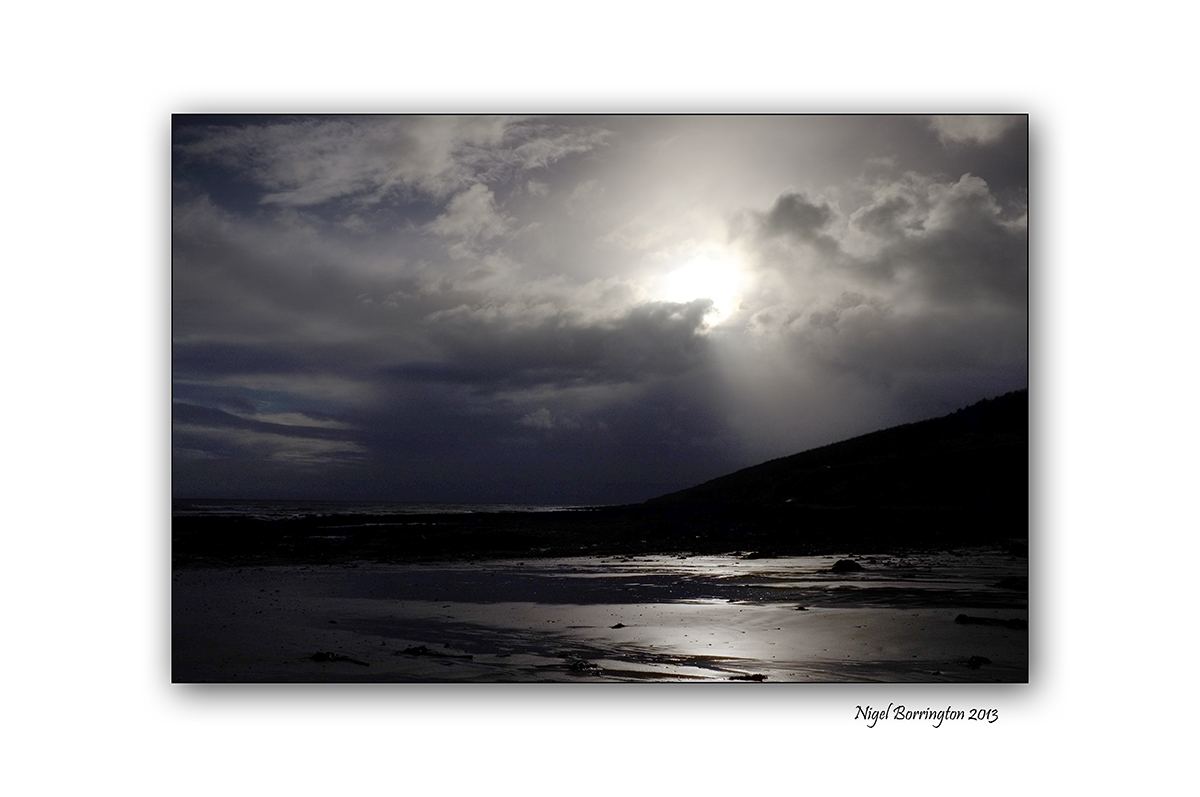
Fujifilm X100, 35mm lens, iso 200
Glenbeg beach, Co.Cork
Landscape photography by Nigel Borrington
Our dog Molly, well she should have been an Otter!

All images using a Nikon D7000, 18-200mm lens, iso 200
Our dog Molly she should of been an Otter
Since she was a one year old our Golden retriever Molly just loved a swim in our local rivers, she is now ten and has had a good swim most days. She was diagnosed last year with arthritis and along with the medical products we get her a swim once a day is just about the best thing to keep her moving healthy and fit!
Molly’s Gallery


Spotting Arthritis in Dogs
Arthritis doesn’t discriminate. It affects not only people of all ages — including children — but also strikes our furry friends, too. If you’re a dog-owner, you make sure your buddy takes his heartworm medicine, eats well, looks bright-eyed and playful, and greets you as only a doggy can when you come home. You notice changes in mood and activity, so if your pet isn’t feeling his best you may suspect a cold or stomach virus – but it could be arthritis. In fact, arthritis affects one in every five adult dogs in the U.S. and is one of the most common sources of chronic pain that veterinarians treat.
Spot’s Pals Are Early Diagnosis and Treatment
How do you know if it’s arthritis? Your dog can’t explain what’s wrong with him, so it’s important to watch his non-verbal cues closely and take even subtle changes seriously.
Signs that your dog may have arthritis:
Favoring a limb
Difficulty sitting or standing
Sleeping more
Seeming to have stiff or sore joints
Hesitancy to jump, run or climb stairs
Weight gain
Decreased activity or less interest in play
Attitude or behavior changes
Being less alert
If your dog seems to have any of these symptoms for more than two weeks take him to your veterinarian for an arthritis evaluation, which will involve a physical exam and possibly X-rays. The best thing to do for your dog in managing his arthritis is to get a diagnosis and start a treatment plan as soon as possible. Treating canine arthritis is similar to that of human osteoarthritis.
Therapies may include:
Healthy diet and exercise to help maintain proper weight.
Working with your veterinarian to find a drug treatment that helps relieve the pain.
Nonsteroidal anti-inflammatory drugs (NSAIDS): the most common form of pharmaceutical treatment for arthritis in dogs.
Over-the-counter pet treatments, such as pills or food containing either glucosamine and chondroitin sulfate or Omega fatty acids. Both have shown to help relieve the symptoms of arthritis in dogs.
A veterinarian-prescribed NSAID and an over-the-counter treatment that together may help decrease pain and disease progression.
Never give your dog human medication without checking first with your veterinarian. Certain medications can be toxic to dogs – particularly acetaminophen and ibuprofen – and a safe dose will differ between a greyhound and a dachshund.
No matter how you decide to treat your dog’s arthritis, make sure you work with a veterinarian to ensure that you select a program that helps your best buddy.
Kilkenny Slate Quarries

All images using a Sigma SD15, 15-30mm f3.5-4.5 lens, iso 100
Victorian Slate quarries, County Kilkenny
Landscape Photography : Nigel Borrington
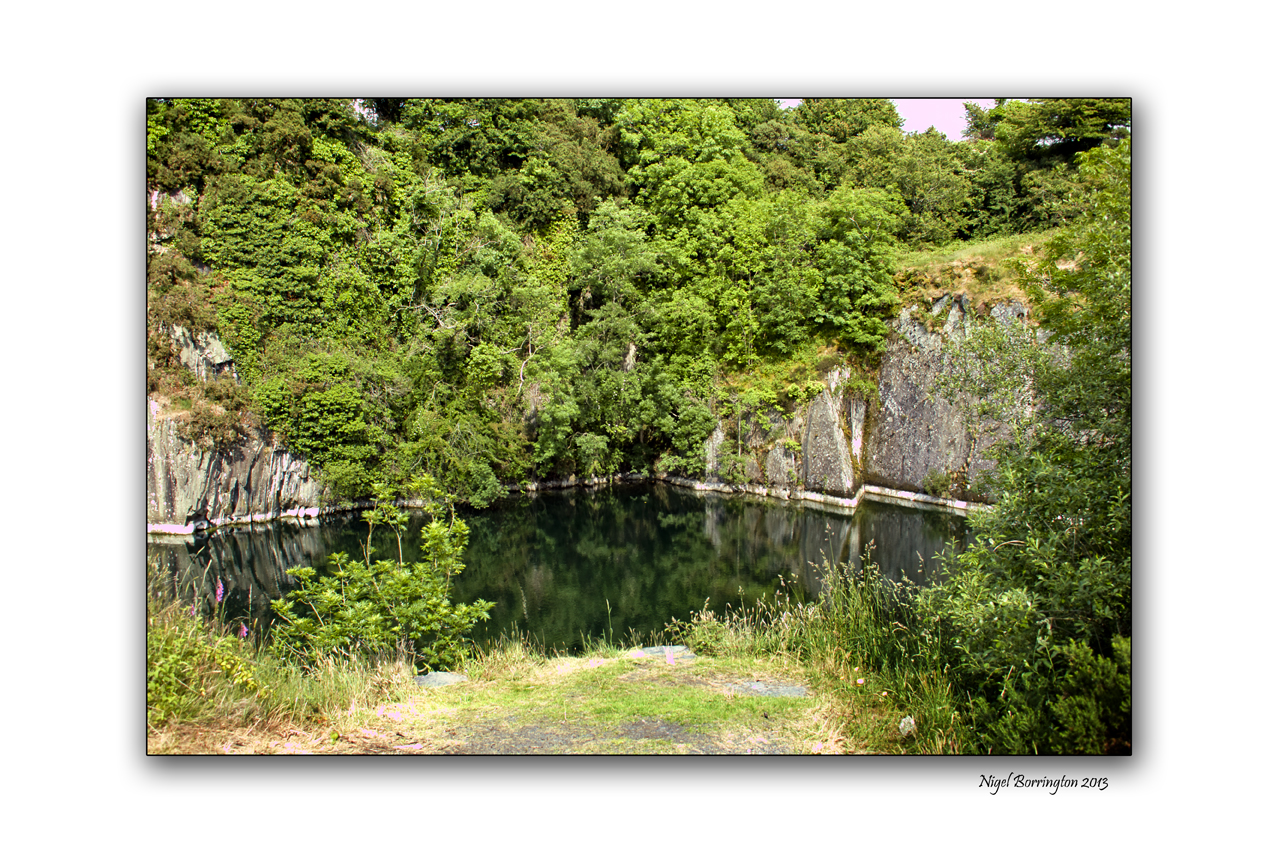
I can remember the first time I came across the Slate quarries near Windgap, County Kilkenny, there are about four or five of these sites in the area all of the now disused and flooded, How long they have existed varies but all of them go back to the Victorian period.
The quarry in these images is located near Ahenny, Co.Kilkenny and the reason I find it more interesting than the others is that it still has remains of some cottages that the workers would have lived in during the period that the quarry was in operation.
Quarry lake


.
I don’t know how deep the lake is, I have been swimming in it many times and it feels deep very deep, the miners would have had to blast most of the slate out and the sides of the lake go strait down below the water. If you swim underneath the water and down the sides a little you still cannot see the bottom of the quarry, many would feel a little unhappy swimming here.
Workers Cottage’s


.
There are some ten cottages in this row, its just around the corner from the lake, which when the quarry was in operation would have been a very dangerous location, with blasting and all the machinery in very close proximity to the cottages it cannot have been great living condition. This as-well the fact that the location is miles away from any village, the conditions for the worker must have been very poor.
The Quarries Today

.
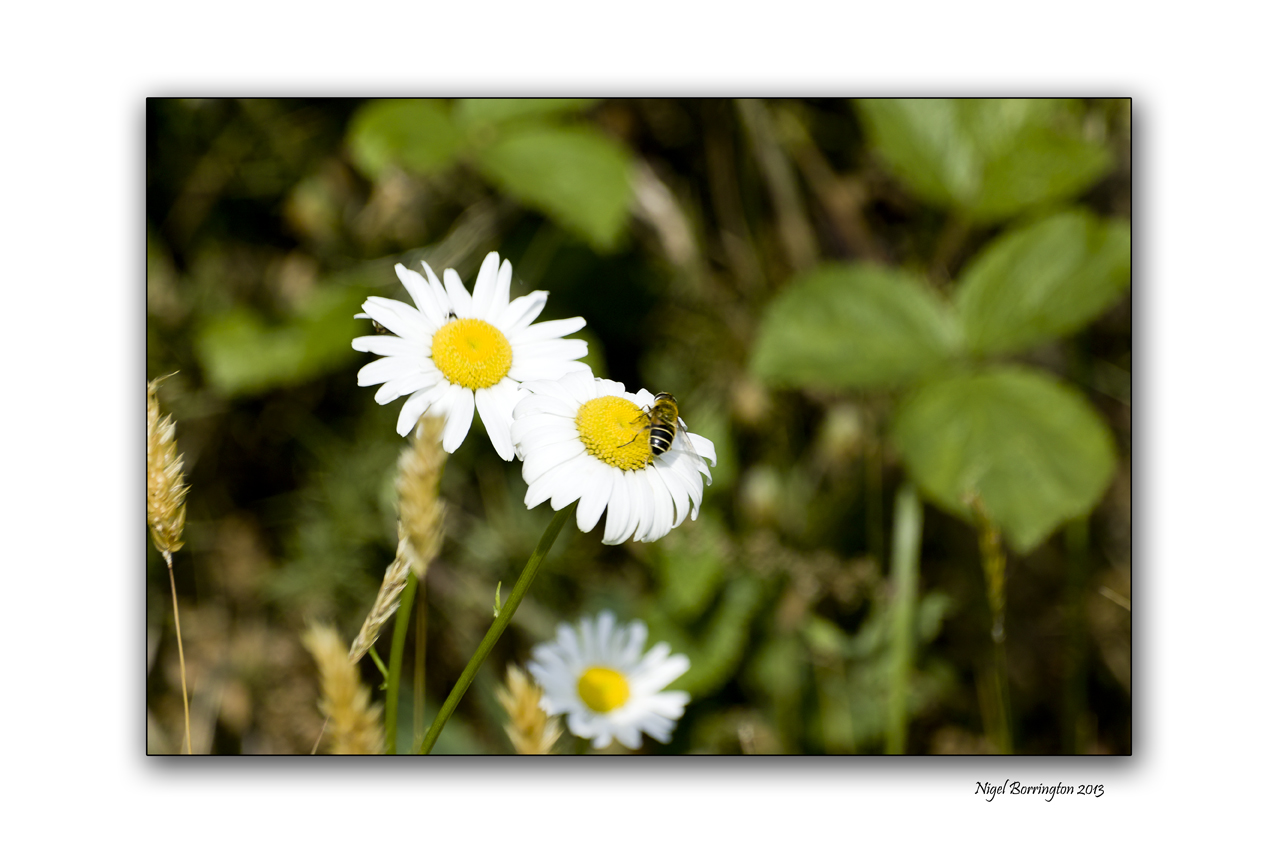
Today these quarries have become a wildlife and natural reserve, slate lies everywhere but this has provided a haven for plant life and wildlife, Herons hunt in the rive below the quarry and the lake is full of fish. The area covers about 2 square miles.

.
When some of the local streams run dry in the summer you can see jut how much slate was left in the area after the mining finished, it covers the entire area.
I will come back to these quarries over the next weeks as they are wonderful places to post about and I love being around these quarries very much.
Slievenamon – A Mystery on the mountain

Slievenamon, county Tipperary
Landscape photography, Nigel Borrington
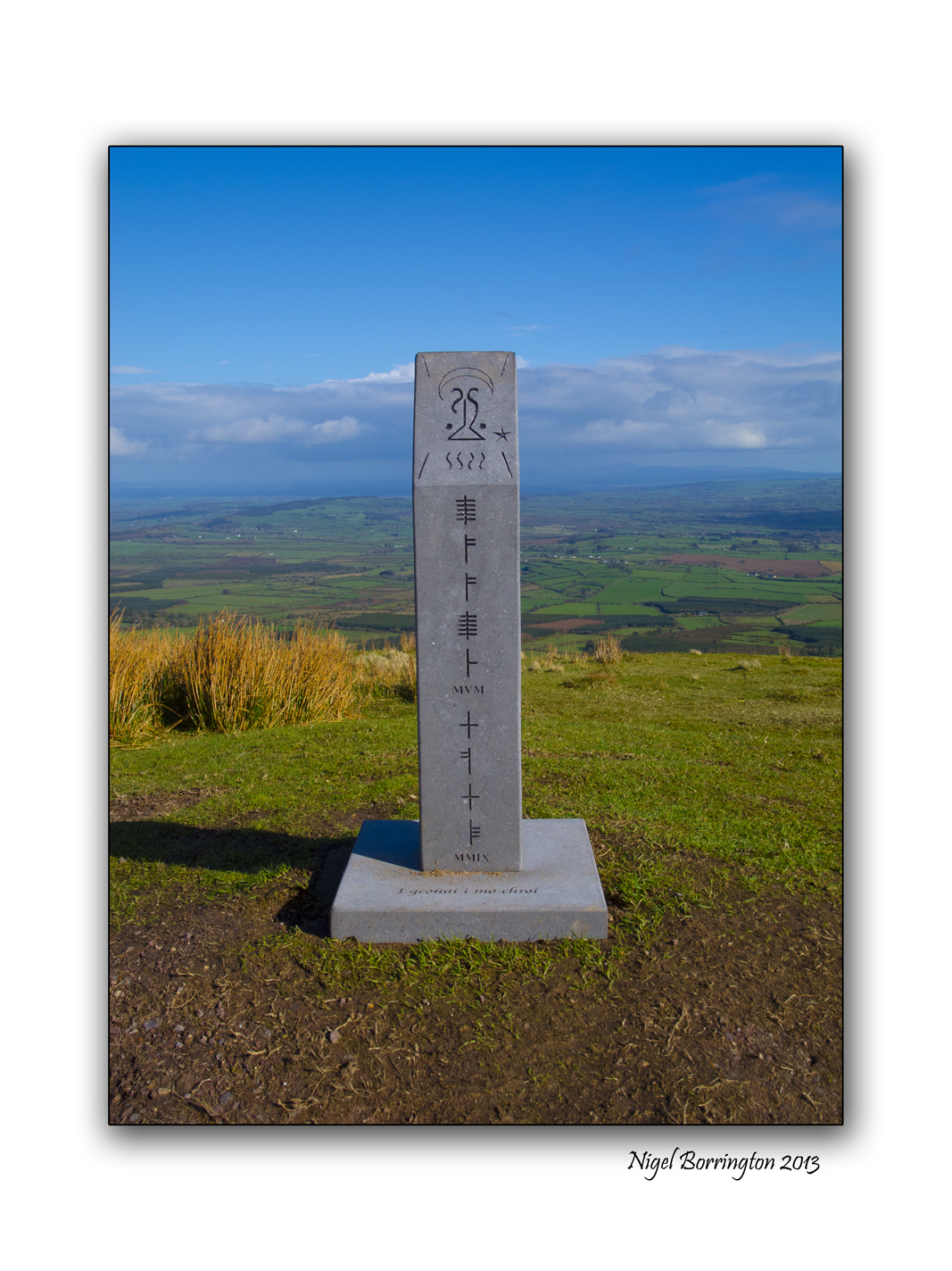
Slievenamon the mountain is covered with different type of megalithic remains going back many thousands of years and a lot of these areas remain undocumented.
It was in spring 2012 however while I was walking up the path that rises to the top of the mountain, about half way up I noticed this new monument. I have passed it a few time since and its a bit of a mystery.
If anyone can help with the symbols it would be very much welcomed….

Mount Leinster

Canon G1x, iso 100
Image of Coolasnaghta ridge, Mount Leinster, Co Carlow
Landscape Photography : Nigel Borrington
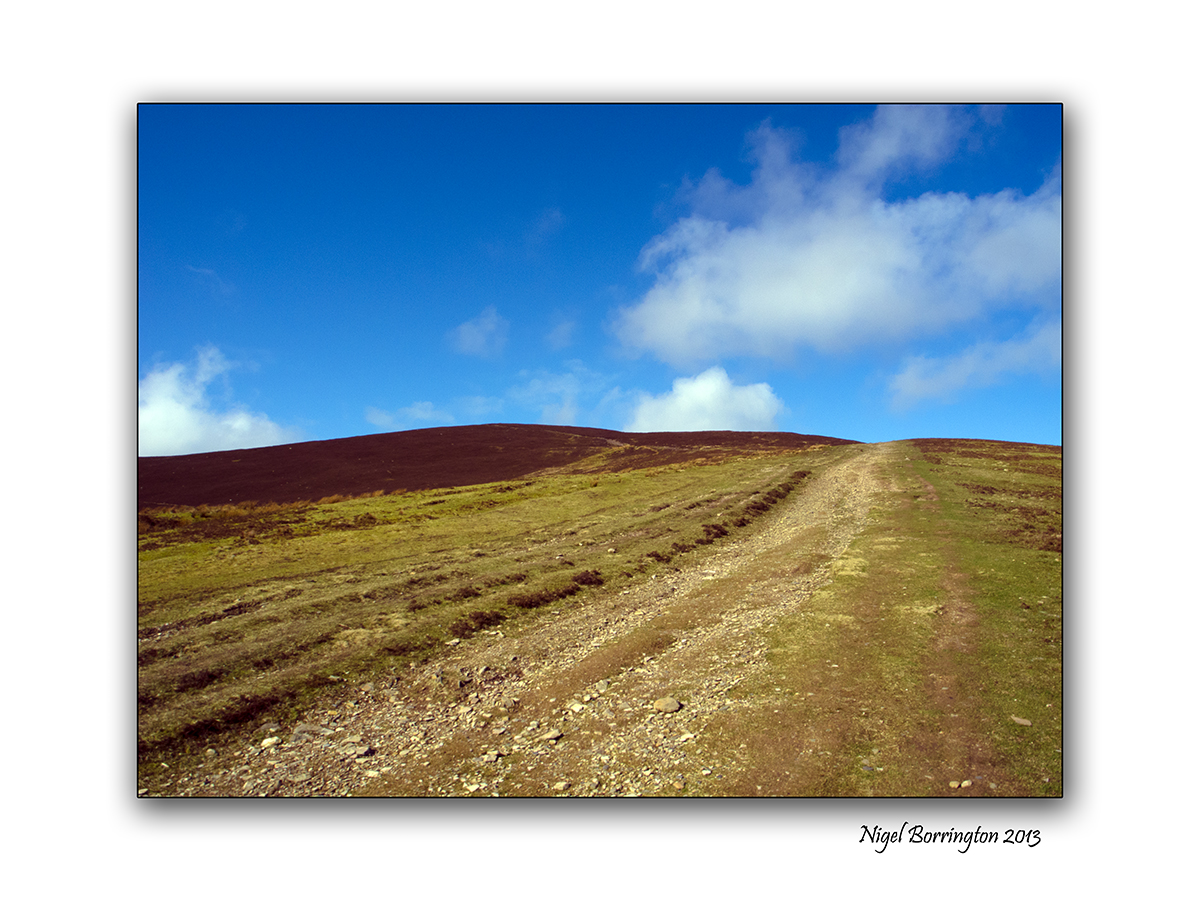
An image of the Coolasnaghta ridge walk, mount leinster, County Carlow. Taken back in February 2013, the mountains grass and heathers were still brown and yellow from the snow and cold of the winter.
This is a great walk along the ridges of mount leinster in Co.Carlow as it offers views of four of Ireland county’s below (Carlow, Wexford, Waterford and Kilkenny ). The mountain is best accessed from the village of Borris, Co.Carlow and is about a 10km drive away.
A sense of place – Disused quarry on the river Barrow

Fuji film X100, 35mm and 28mm lens , iso 100
Old quarry on the River Barrow, Co Kilkenny
Landscape Photography : Nigel Borrington
Some weeks back I first noticed the images of Sharon K and her blog Sunearthsky , Sharon’s second post was called urban sentries and I loved this image a lot, the locations of old disused factories and industrial sites I find a geat subject for photographic imagery.
Its taken sometime for me here in county Kilkenny, without going looking just for this subject matter to find a location that matches. About two weeks ago however I came across this old quarry along the banks of the river Barrow. Its of a large scale consisting of both the quarry area and the building used to crush the stone and store it, It looks like all the stone was used to make blocks or for use in concrete or on the roads.
The following images are a Gallery that I hope gets across a sense of this place and I hope Sharon likes them as Much as I liked hers.
Gallery images


If they can do this – You can achieve anything .

Nikon D700, 50mm lens, iso 200
Two men walking the summit of Slievenamon, Co Tipperary
Landscape Photography : Nigel Borrington
Sometimes in life you cannot help but stop in order to admire the abilities that some people hold and have inside themselves.
Last week I came across two of those people and one of those moments. A couple of weeks ago I posted about slievenamon a local mountain that is located about 8km from our home, I wanted to produce a series of posts over time that cover the area of this mountain. I started this project by doing a walk to the top during the week and after sitting down for a little rest got out my camera to photograph the views below.
I had already quickly said hello to two other walkers sitting down on the cairn at the top but at that stage was just happy to find my own spot and get some energy back. As I started getting some images the two of them passed by me again and we started talking about the weather and the views, it was then for the first time I noticed that one of the walkers was blind and the other his friend was attached to him with a cord.
The walk up Slievenamon takes about two hours and uses a strait path up from the village of Killcash below, it’s not a simple walk its rocky and you have to keep your eyes open every step.
For every step these two took the leader had to pass on information about the conditions, rocky or if the ground was level, how close to the edge of the path they stood and if the ground was solid or likely to move under foot. A lot of the path can slip under foot as its just loose stone.
I don’t think I need to say to much about how this experience made me stop and think, Its just one of those moments you will never forget and I wanted to share it here as I think it could inspire anyone who thinks they cannot do something – We can do anything if we truly want to !!!
Gallery of images


Finding Samuel Richard Grubb

Nikon D7000, 18-200mm lens, iso 200
Monument to Samual Richard Grub, Sugarloaf Hill, Knockmealdown Mountains, Co Tipperary
Landscape Photography : Nigel Borrington
If you visit (Sugerloaf hill, Knickmealdowns, Co Tipperary) you will come across the Sanuel Richard Grubb monument, the monument was constructed in 1921 as a tribute to this man.
So who was this man and why even today does both the monument and his grave below it, sit looking out from the Knockmealdowns, county Tipperary.
The only records I can find are as follows:
Samuel Richard Grubb
M, #619382, b. 26 September 1855, d. 22 September 1921
Last Edited=1 Feb 2013
Consanguinity Index=6.64%
Samuel Richard Grubb was born on 26 September 1855.1 He was the son of Richard Davis Grubb and Margaret Butler Grubbe.2 He married Alice Hannah Binney, daughter of Edward William Binney, on 8 July 1885.1 He died on 22 September 1921 at age 65.1
He held the office of Justice of the Peace (J.P.).1 He held the office of High Sheriff in 1914.1 He lived at Castle Grace, County Tipperary, Ireland.1
Children of Samuel Richard Grubb and Alice Hannah Binney
Richard Raymond De Cruce Grubb+2 b. 11 Jun 1886, d. 28 Dec 1970
Joan Mary Grubb+2 b. 30 Jul 1889, d. 2 Feb 1968
Citations
[S47] Hugh Montgomery-Massingberd, editor, Burke’s Irish Family Records (London, U.K.: Burkes Peerage Ltd, 1976), page 527. Hereinafter cited as Burke’s Irish Family Records.
[S47] Hugh Montgomery-Massingberd, Burke’s Irish Family Records.
A justice of the peace in Ireland
Justices of the Peace existed in Ireland prior to 1922, sitting in a bench under the supervision of resident magistrates at Petty Sessions to try minor offences summarily, and with a County Court Judge (in his capacity of Chairman of Quarter Sessions) and jury to try more serious offences at Quarter Sessions. In the Irish Free State the position was effectively abolished by the District Justices (Temporary Provisions) Act 1923[11] and permanently abolished by the Courts of Justice Act 1924. Their judicial powers were replaced by full-time, legally qualified District Justices (now called District Judges) and their quasi judicial powers by lay Peace Commissioners. Peace Commissioners may sign statutory declarations and affidavits, and may issue search warrants to the Garda Síochána (Irish police).[12]
As with many of the tourist attractions around Clogheen, such as Bay Lough Shanrahan and The Vee, a visit to Samuel Grubb’s Grave, and the wonderful views across the Vee Valley. It is a wonderful area for a day trip.
According to Samuel’s descendant, Nicholas, the burial took place on the Sugar Loaf partly because it was requested by the deceased. This request, however, was largely because the family had been removed from the Society of Friends (better known as the Quakers) in 1844 (11 years before Samuel was born) for engaging in ‘amusements or entertainments of a hurtful or injurious tendency’, more specifically for attending ‘Balls at which music and dancing form a chief part’ and which were forbidden by the rules of the Society.
I cannot find on-line any death records to indicate how he died, I will keep looking ….
Gallery on the Monument and its views


This old sail boat

Sigma SD15, 18-50mm lens, iso 100
An old sail boat on the river Barrow, Co Kilkenny
Landscape photography by : Nigel Borrington
Walking along the River Barrow in Co Kilkenny, I noticed this old sail boat just sitting tied to the bank. Maybe one day someone will come along and restore it and sail in it again but from its current condition I think its future rests here along the banks of the Barrow for sometime to come.

Sigma SD15, 18-50mm lens, iso 100
An old sail boat on the river Barrow, Co Kilkenny
Landscape photography by : Nigel Borrington
Sunday evenings by the river
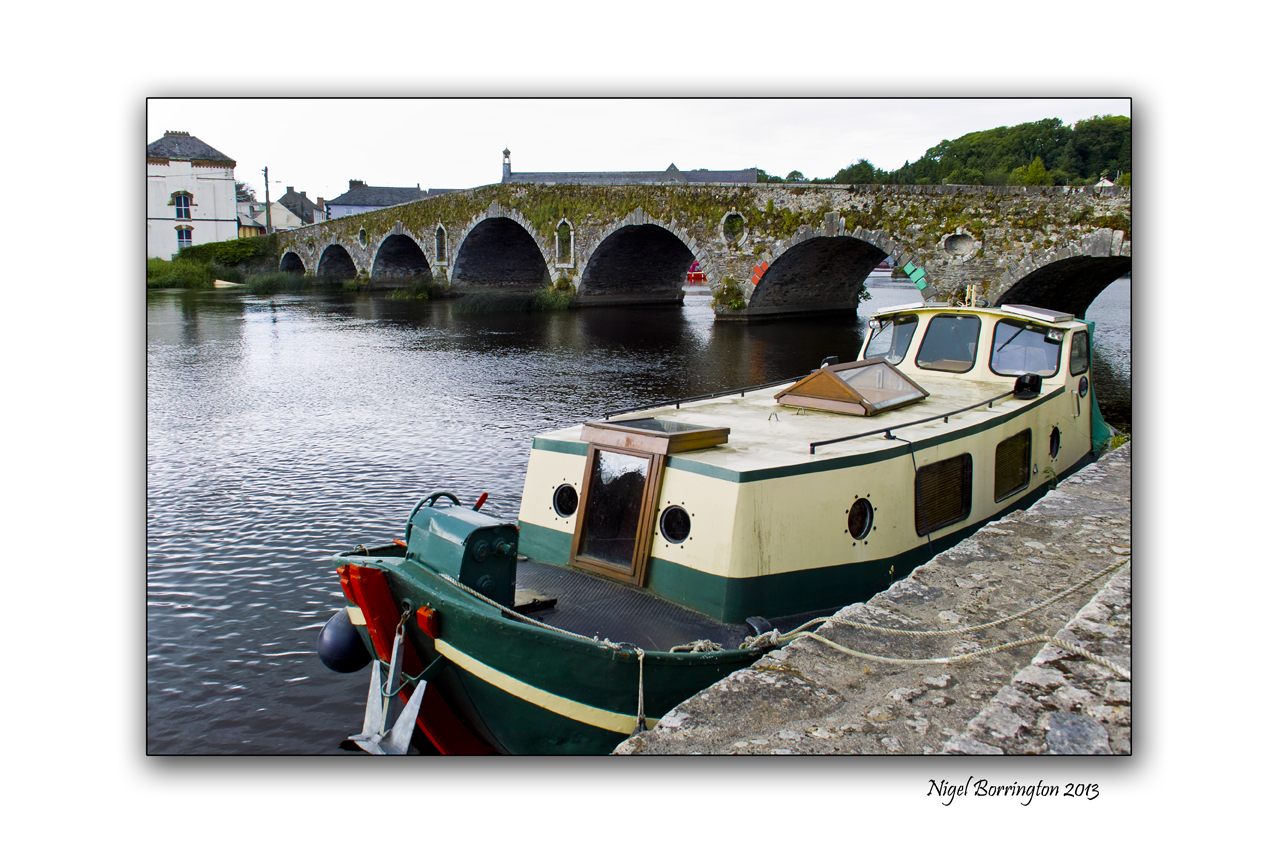
Sigma sd15, 18-50 os lens, iso 50
The River Barrow at Graignamanagh, Co Kilkenny
Landscape Photography by Nigel Borrington
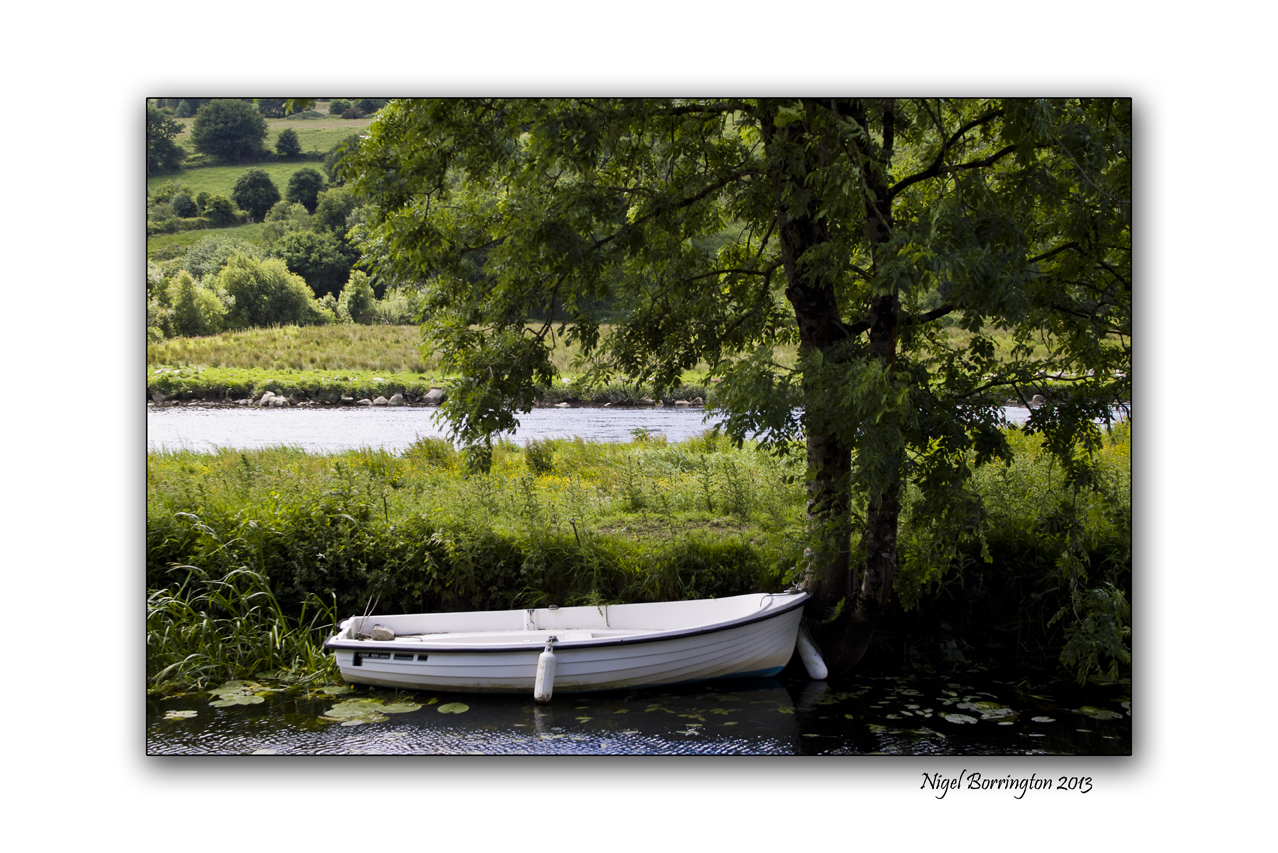
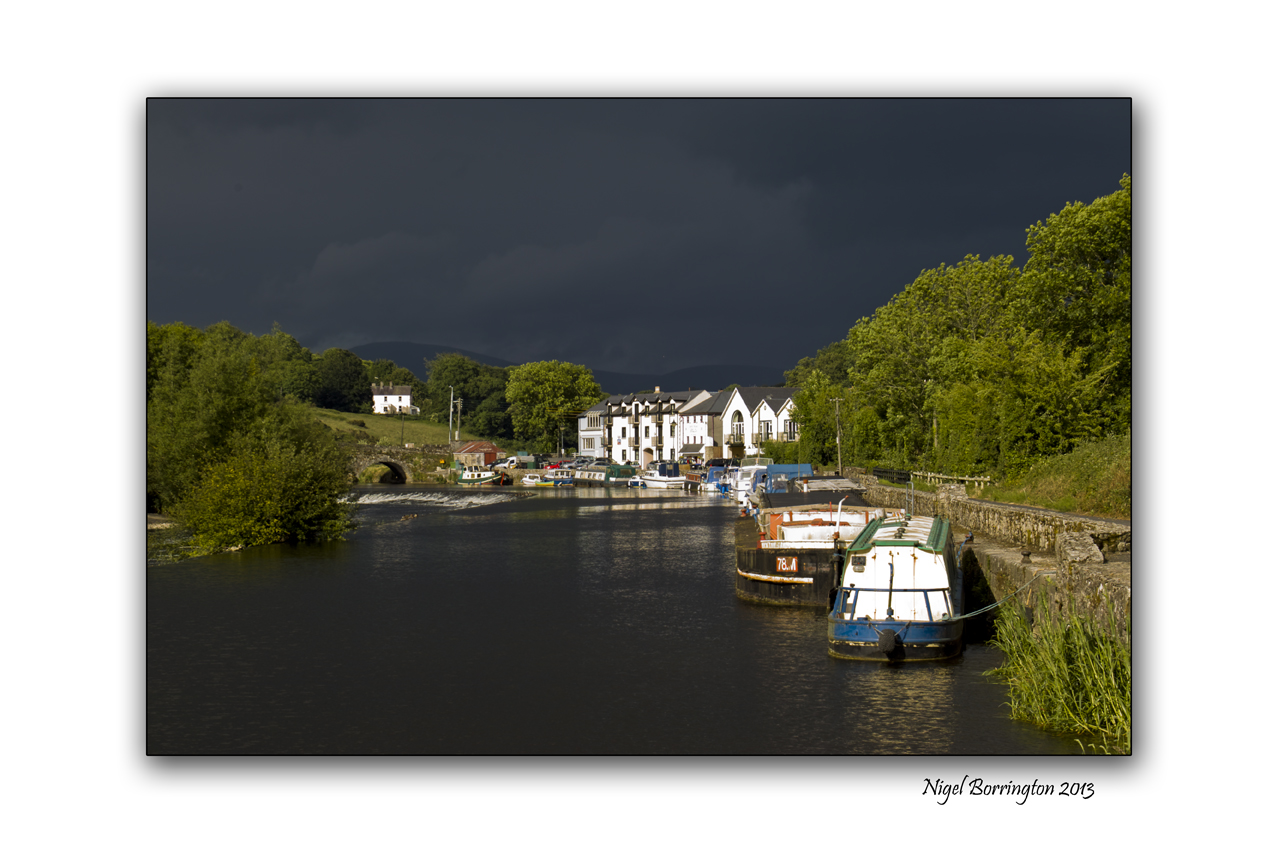
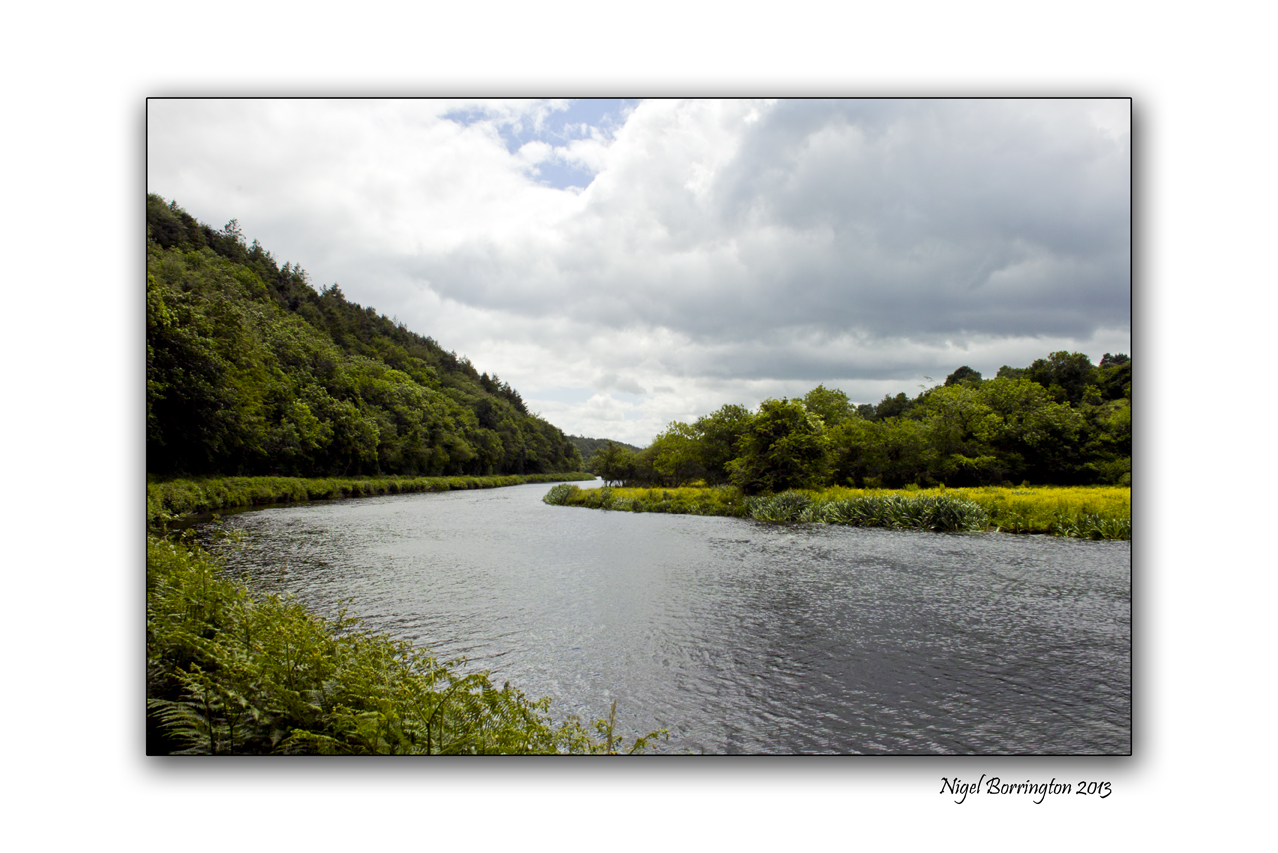
Sunday evenings are just a wonderful time in June, a time to take to your feet and get out for a long wall before the weekend is over.
These images are from a walk we did along the river Barrow, Co.Kilkenny today 23rd of June.
Gallery – from the river Borrow


Its the weekend so…….

Nikon D7000, 18-200mm lens
Glenbeg cove, county Waterford..
Irish Landscape photography : Nigel Borrington
Its the weekend so, why not find a coast-line to walk along, Locate a beach and stop for a while to take in the views.
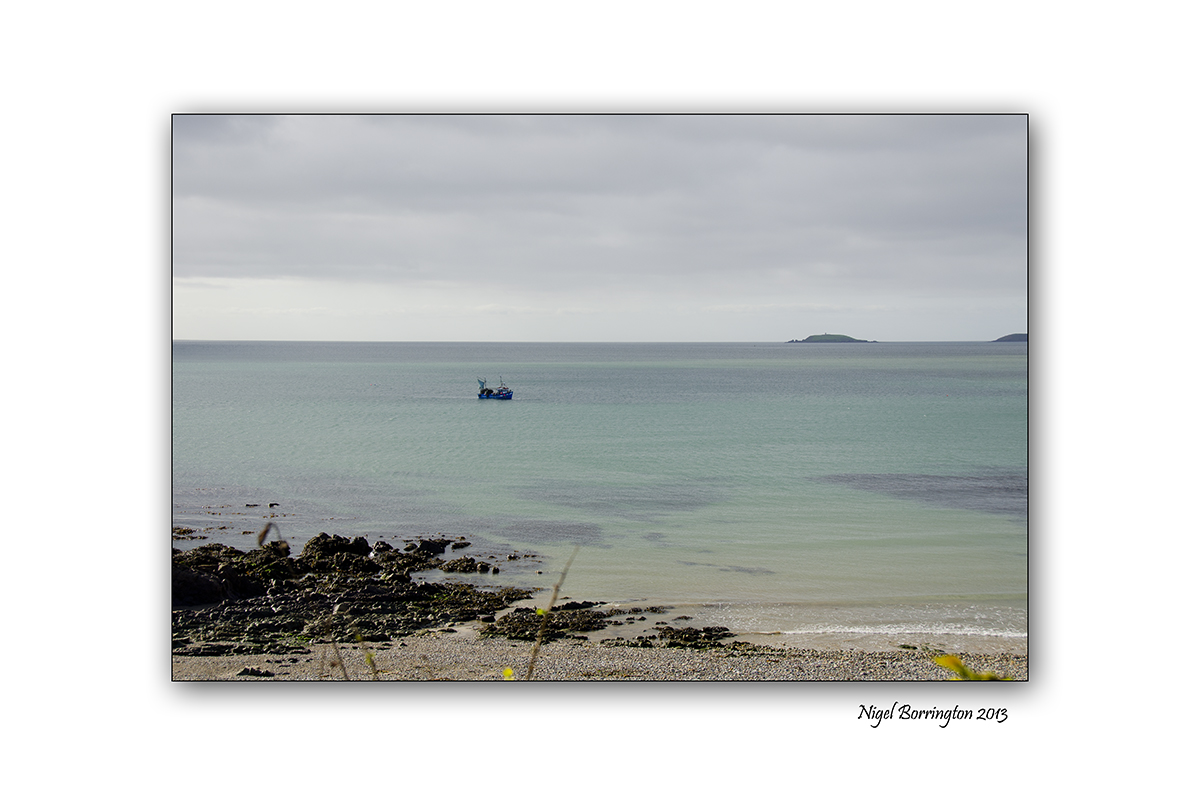
Nikon D7000, 18-200mm lens
Glenbeg cove, county Waterford..
Irish Landscape photography : Nigel Borrington
Mid-summers day 2013

Fuji film x100
Sunrise over kilkenny
Midsummer’s day 2013
Midsummer’s Eve/Litha/Feill-Sheathain/Alban Hefin/Gwyn Canol Haf
The Summer Solstice is the longest day of the year falling circa June 22 when the Sun enters Cancer (this year 20 June 2012 19:09 EDT). This is the time of celebrating the Earth’s bounty. The God is vibrant and at the peak of his power and the Goddess is fertile and pregnant. This reflects in our fertile gardens, brimming with life and and the fruits of our labor. The Sun is bright and strong. Animals in nature have established families they are showing off to the world. Midsummer is a celebration of the Earth and all she provides for us, also known as Litha after an ancient European fertility Goddess. This is also time sacred for the Fae and is one of the days one can see the them (keep a sprig of rue in your pocket so they don’t lead you away!!)…This is the time when the Oak King and Holly King battle for supremacy again, Holly King emerges triumphant this time around, they meet again at the Winter Solstice when the Oak King shall prevail.
Activities:
Midsummer is a good time to see the Fae folk; skip through your garden ensures fertility (not necessarily your own fertility) for the season; renew your vows/affirmations/bond with the God/Goddess; Stay up the entire night (old custom); harvest your herbs and other light garden work (weeding, etc.); have a bonfire (if you are oh, so lucky to have the place & clearance to do so!!); If you practice sex magic today is a powerful day to do so; ideas for family: spend a day at the beach, go birdwatching (be sure to bring a bird guide!), gather flowers and make Midsummer crowns or garlands for you hair and/or altar.
Incense: Wisteria, Rose, Mints
Decor: Suns, green plants, flowers, early garden bounty, herbs, bees, butterflies, birds, dragonflies,etc.
Herbs/Flowers: St. John’s Wort, Fennel, Vervain, Trefoil, Mugwort, Lavender, Rose, Fern, Daisy, Elder, Honeysuckle, Oak, Chamomile
Colors: Red, Yellow, Gold (represents the Sun God), various shades of green
Stones: Jade, Garnet, Lapis Lazuli=psychic awareness & fertility of mind & body (for more info on lapis visit http://www.earthbow.com/crystals/lapis.htm) ,diamonds
Knockroe, County Kilkenny

.
Each midsummers there is a meeting at knockroe passage grave, Co Kilkenny to mark the rising and setting of the mid summers sun.

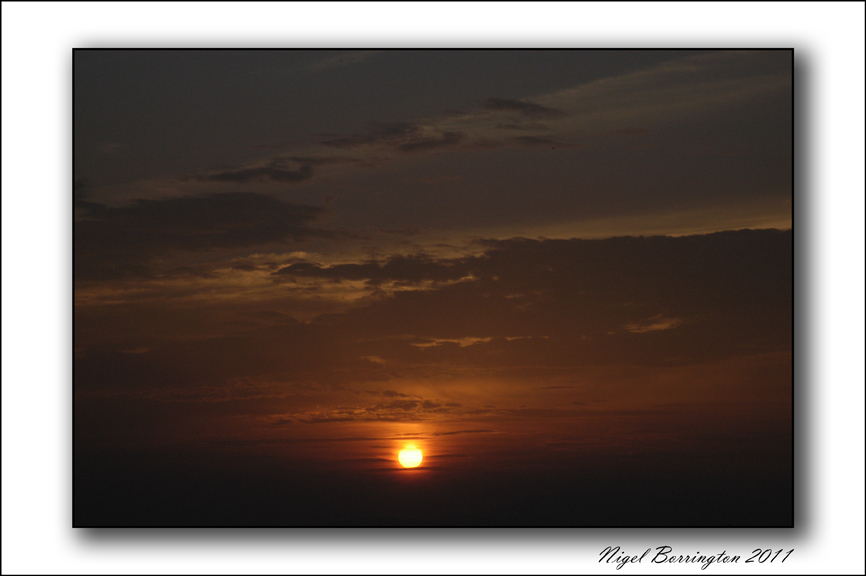
.
We welcome in Mid summers day !
Water lilies, on the river Barrow

Nikon D7000, 105mm focus length, iso100
Water lilies on the river Barrow, co.Kilkenny
Irish landscape photography: Nigel Borrington
Walking along the river Barrow in Co.Kilkenny I came across this small collection of water Lilies and took some shots. I also noticed that last years leafs still sat underneath the water only now being replaced by this years new growth.
By the lake, a poem

Sigma SD15, 18-50mm lens, iso 50
Irish landscape photography : Nigel Borrington
By the lake : By Jon Coe
I watched the ripples, as I drifted away
the lake was deep, on this golden day
Lured by reflection, in this tranquil deep
I lost my mind, then I fell asleep
Trees were talking, murmured rustling leaves
sunlight glistened, on catkin weaves
Dragonflies, and fish that spawn
could not awake me, from this dawn

.
I floated far and I drifted near
there was no time, as was not fear
Taken away, on this autumn noon
stars were shining, behind the moon
When crickets struck their evening call
the bullfrog chirped, his sombre all
And as the sunset shone, upon this land
the moon took me quietly, by the hand
I stretched and weeped, the night, it fell
I returned my spirit, to this inspired shell
The lake, my friend, shall always be
my place of relaxation, next to, and within me
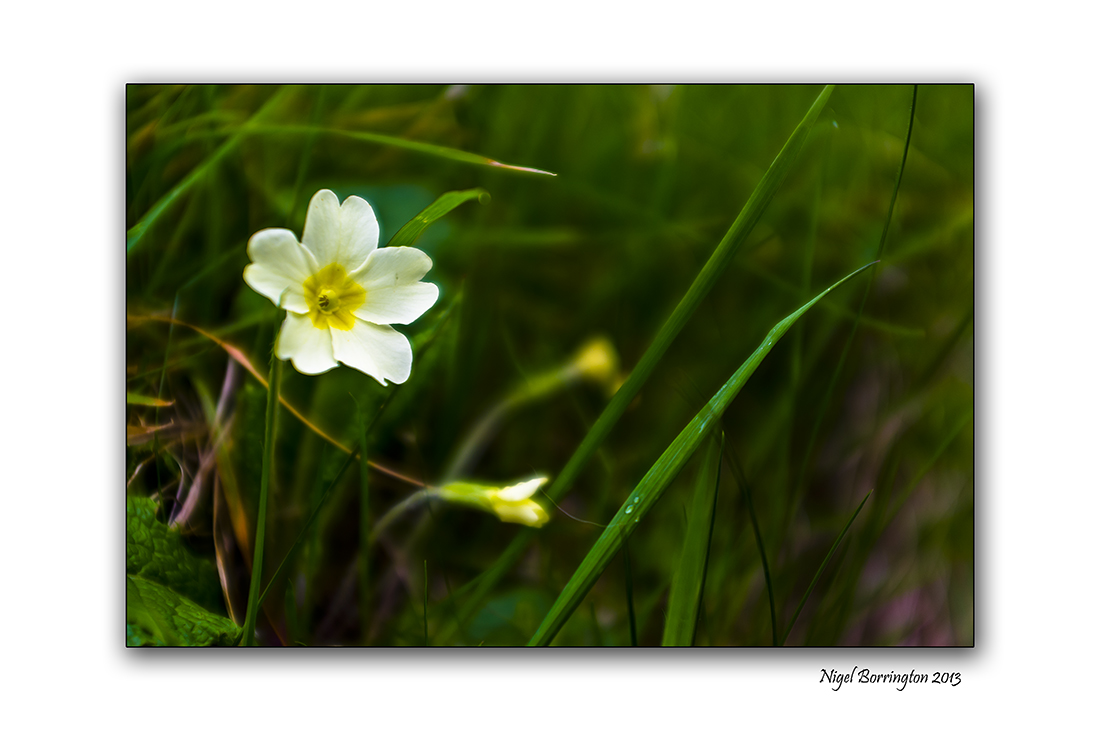
The last Primrose of spring
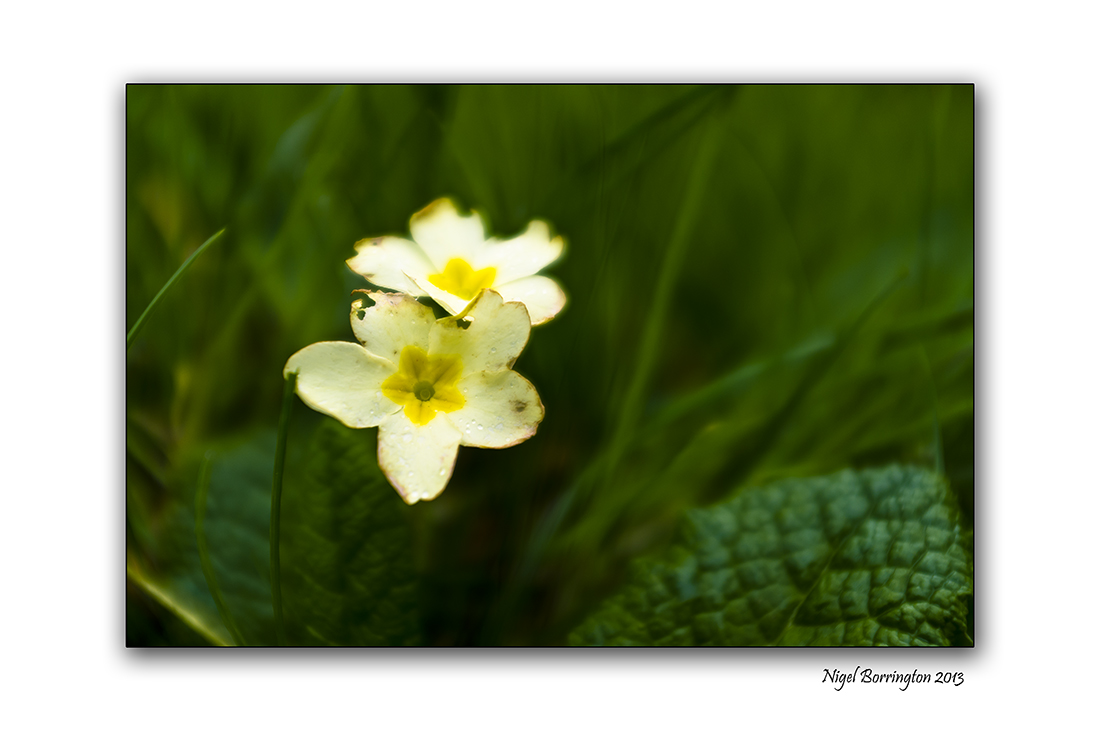
Fujifilm X100, iso200
The last primrose of spring
Irish landscape photography by,
Kilkenny based photographer : Nigel Borrington
On an early morning walk along our local river bank, I noticed these fading Primrose’s. Spring was very late this year and as a result all the spring time flowers have lasted a long time. The primrose is always the first out but even now they are fading.
I think its made for some wonderful images so here they are, the last primroses of this year.
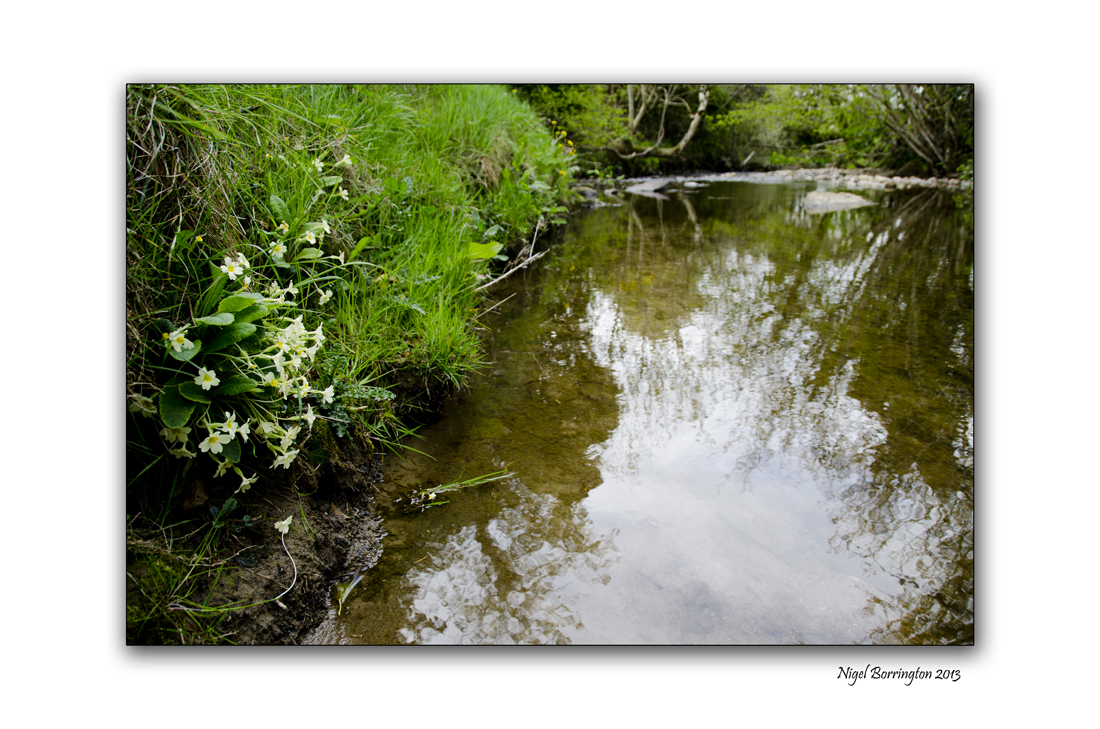
The last primrose of spring
Irish landscape photography by,
Kilkenny based photographer : Nigel Borrington
The last primrose of spring
Irish landscape photography by,
Kilkenny based photographer : Nigel Borrington

The last primrose of spring
Irish landscape photography by,
Kilkenny based photographer : Nigel Borrington

The last primrose of spring
Irish landscape photography by,
Kilkenny based photographer : Nigel Borrington
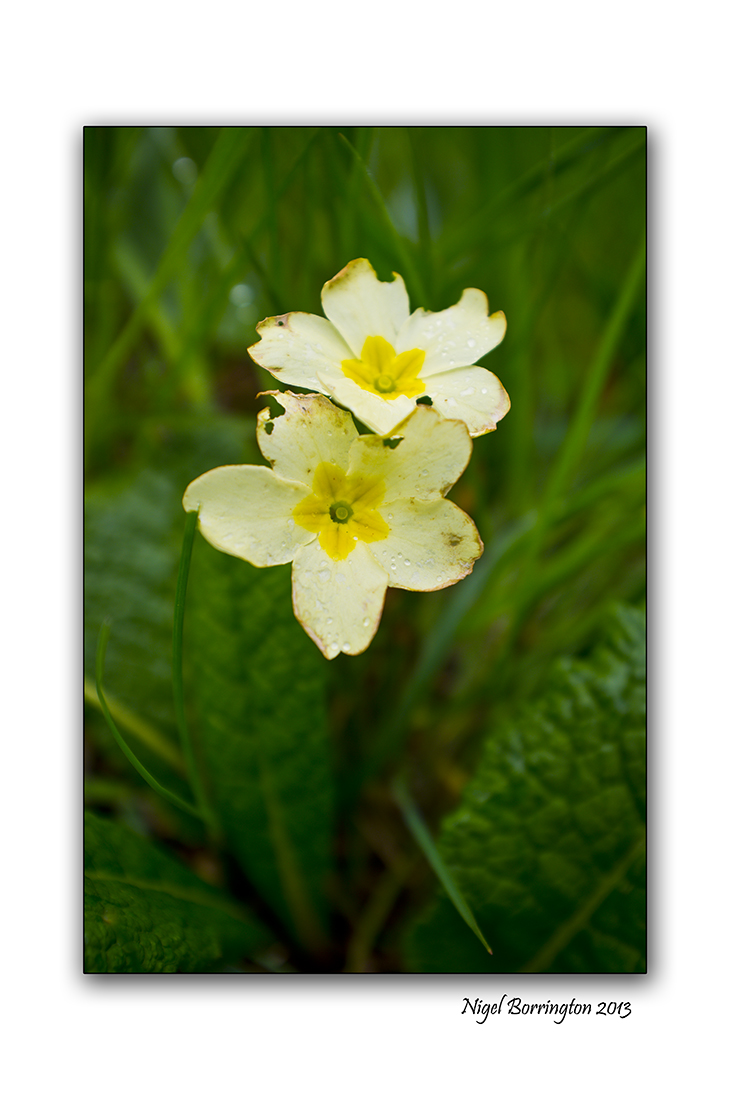
The last primrose of spring
Irish landscape photography by,
Kilkenny based photographer : Nigel Borrington
 Nigel Borrington
Templemichael church, Ballynatray estate, Cork.
All images : Sigma SD15, 15-30mm f3.5-4.5 lens,iso 50
Templemichael church and grave yard, County Cork
Landscape Photography : Nigel Borrington
TempleMichael church, County Cork
If you walk around the Irish landscape, one feature that cannot be avoided and that you will come across very quickly is the countries abandoned church yards, I find these places just amazing to walk around. The grave yard here must contain at least 200 graves, all surrounding the church which is itself in ruins and just a shell.
I have no intention of dealing with the history and as to why these places are forgotten, but I think that anyone would feel a little uneasy walking around these yards. Generations of French/British/Irish – European people rest here, families going back some two or three hundred years.
No one left to lay flowers, No one to cut the grass. Most of the head stones are slowly falling over and the names disappearing. my only personal interest in these church’s is based around the fact that when I walk around them I see no one visiting, no one sitting next to the grave’s of their ancestors, any descendants are absent from these place’s.
History of TempleMichael church
In 1183 Raymond le Gros established a Preceptory of Knights Templar at Rhincrew, an out post of which was TempleMichael. The keep was built specifically to control the river crossing.
The now ruined Church of Ireland parish church dates from 1823 it was built with a grant from the Board of the First Fruits, and until about twenty years ago was used for worship.
Gallery of TempleMichael church and grave’s
Share this:
July 1, 2013 | Categories: Comment, Gallery, Landscape, Travel Locations | Tags: blackwater river, Cork, irish history, Irish photography, Knights Templar, Landscape, Nigel Borrington, Raymond le Gros, sigma sd15, templemichael church | 11 Comments