Boat-men of the river Suir.

Fisher men and punts on the river Suir, County Tipperary
Irish landscape photography : Nigel Borrington
Fishing on the River suir
The walk along the river Suir, County Tipperary is one of the best river walks in the south east of Ireland.
The river is used by many local people during the year but the fisher man are most probably it’s most common visitors, the River is renowned for its game angling, holding both salmon (Salmo salar) and brown trout (Salmo trutta).
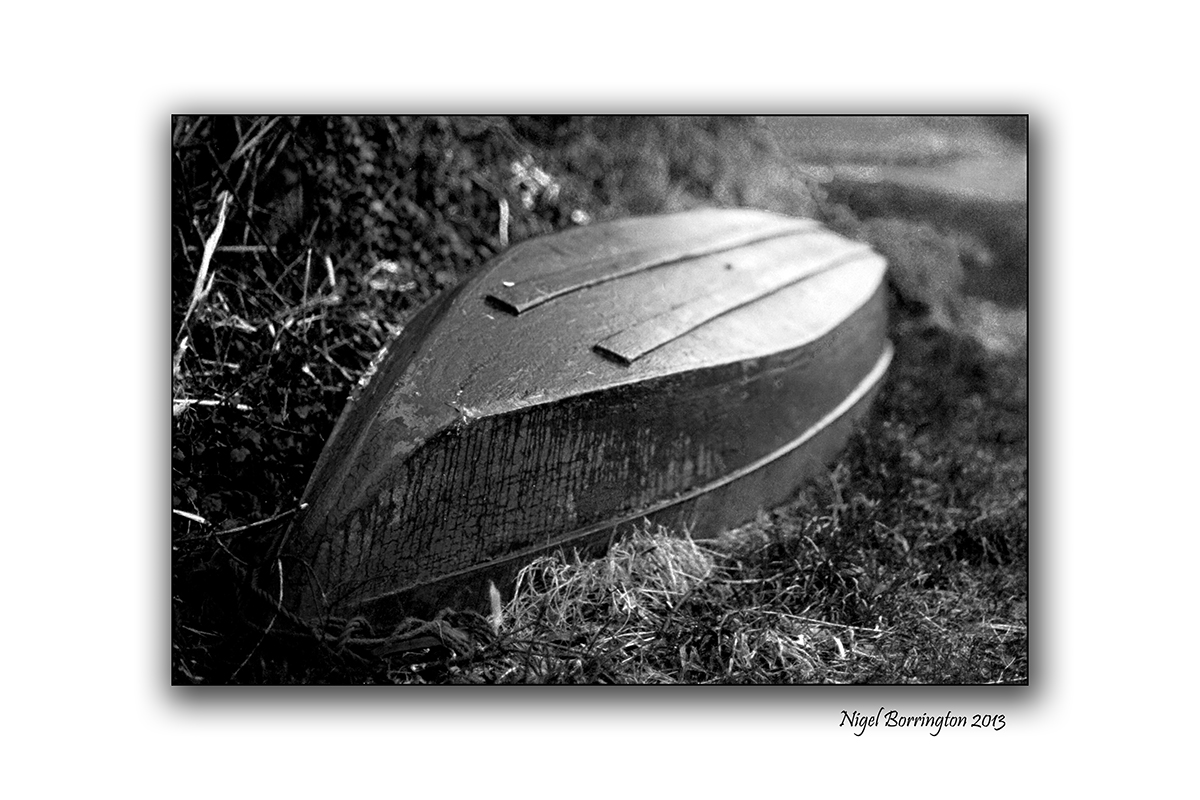
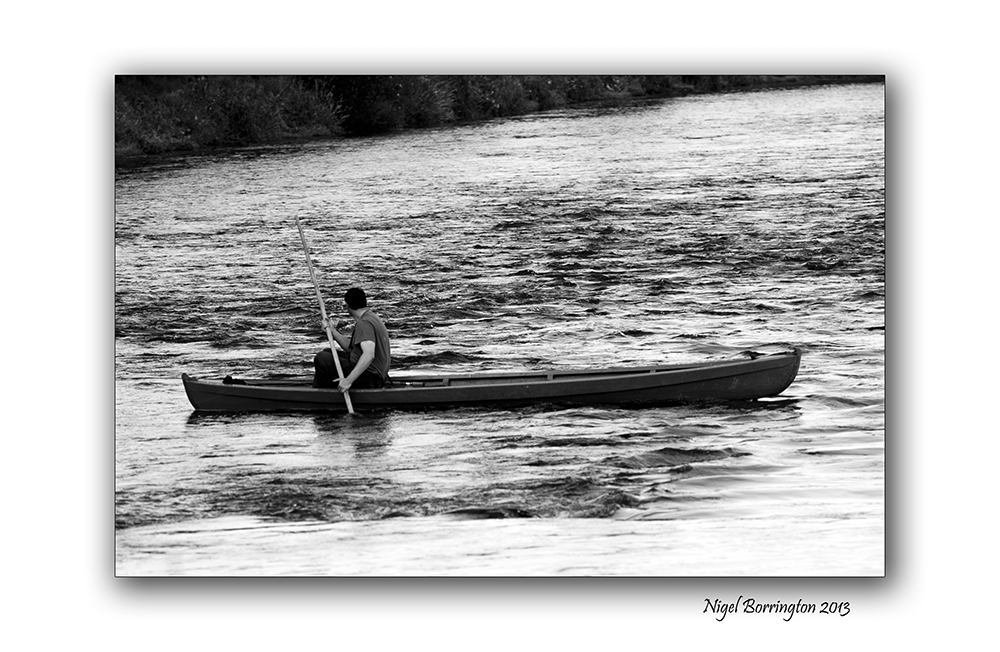
I have taken many photographs of the fishermen here over the years alone with the boats they use for their fishing, these boats ( all made locally ) are used more like punts as the have a completely flat bottom and are moved along the river with a pole.
Fishing in Ireland : CLOCULLY TO CARRICK-ON-SUIR
The River Suir from Clocully to Carrick-on-Suir is a combination of deep pools, fast glides and varying widths and depths.
From Clocully to Ballydonagh, a consortium of private landowners control the angling, these are all private fisheries. This stretch also includes parts of the River Tar and River Nire, which contain good stocks of trout of up to 30 cm.
Fishing on the river Suir : Gallery

Its the weekend so……

All images, using a nikon Dslr.
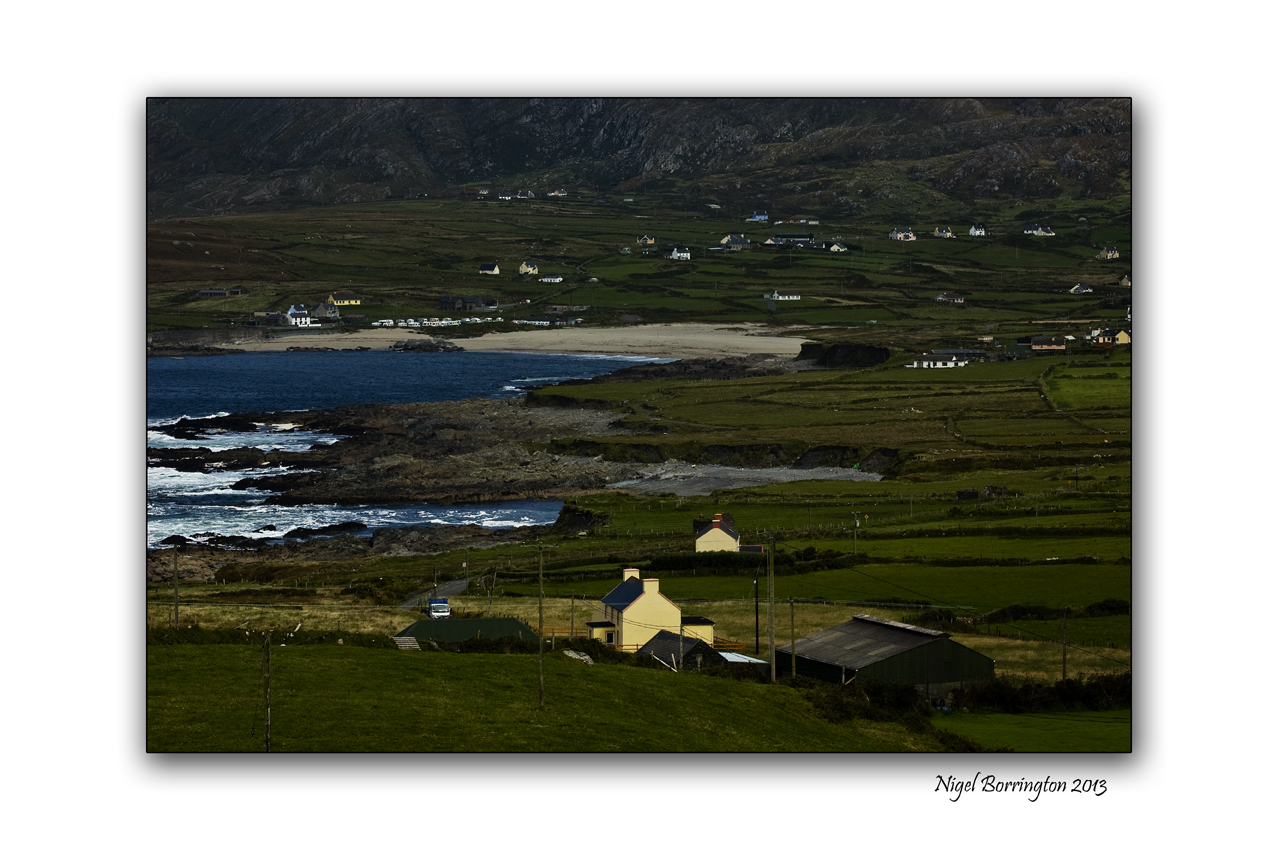
Allihies, west cork
Irish landscape Photography : Nigel Borrington
Its the weekend so why not find a coastal village to stay in, take time to look at the views, watch the sun go down and relax ……..
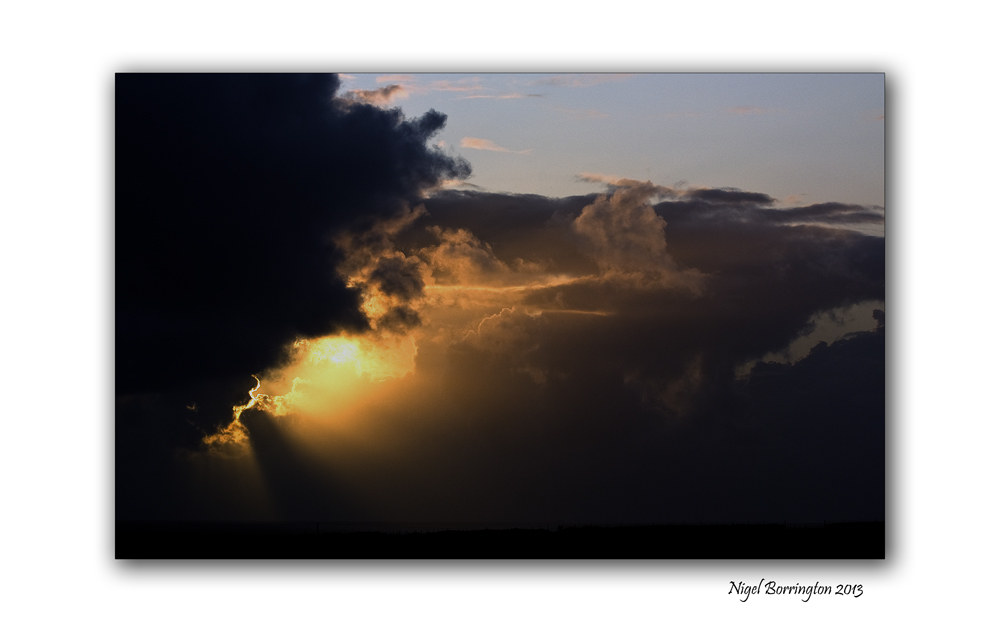

James Hoban – Spirit of place
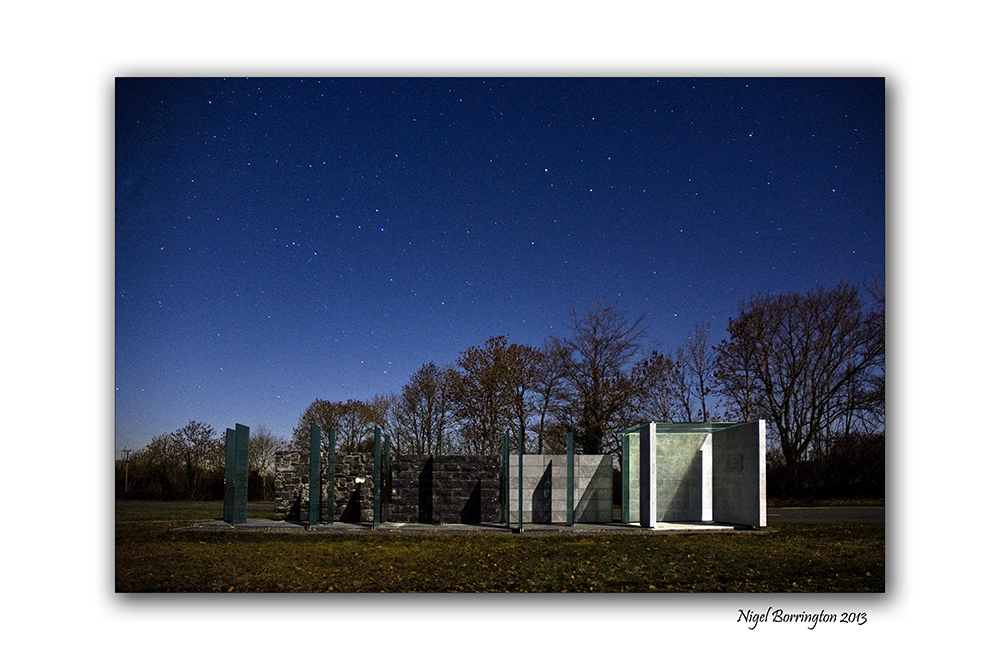
Nikon D7000 and Sigma SD15
Spirit of place, James Hoban Memorial, Callan county Kilkenny
Irish Landscape Photography : Nigel Borrington
James Hoban was from the Desart estate, near Callan county Kilkenny and is the architect of the White House (late-1793 or early-1794).
In 2008, 24 architecture students from the a University in Washington DC completed the memorial “Spirit of place” in his honour. I took the photographs posted here in 2011, one very clear night and then the last image on a evening last spring.
From : http://en.wikipedia.org/wiki/James_Hoban
“James Hoban was raised on an estate belonging to the Earl of Desart in Cuffesgrange, near Callan in County Kilkenny. He worked there as a wheelwright and carpenter until his early twenties, when he was given an ‘advanced student’ place in the Dublin Society’s Drawing School on Lower Grafton Street.
He excelled in his studies and received the prestigious Duke of Leinster’s medal for drawings of “Brackets, Stairs, and Roofs.” from the Dublin Society in 1780. Later Hoban found a position as an apprentice to the headmaster of the Dublin Society School the Cork-born architect Thomas Ivory from 1779? to 1785 .
Following the American Revolutionary War, Hoban immigrated to the United States, and established himself as an architect in Philadelphia in 1785.[1]
Charleston County Courthouse, Charleston, SC (1790-92), James Hoban, architect.
Hoban’s amended elevation of the White House (late-1793 or early-1794).
Hoban was in South Carolina by April 1787, where he designed numerous buildings including the Charleston County Courthouse (1790–92), built on the ruins of the former South Carolina Statehouse (1753, burned 1788). President Washington admired Hoban’s work on his Southern Tour, may have met with him in Charleston in May 1791, and summoned the architect to Philadelphia, Pennsylvania (the temporary national capital) in June 1792.
In July 1792, Hoban was named winner of the design competition for the White House.[4] His initial design seems to have had a 3-story facade, 9 bays across (like the Charleston courthouse). Under Washington’s influence, Hoban amended this to a 2-story facade, 11 bays across, and, at Washington’s insistence, the whole presidential mansion was faced with stone. It is unclear whether any of Hoban’s surviving drawings are actually from the competition.
Hoban was also one of the supervising architects who served on the Capitol, carrying out the design of Dr. William Thornton.
Hoban lived the rest of his life in Washington, D.C., where he worked on other public buildings and government projects, including roads and bridges. He also designed Rossenarra House near the village of Kilmoganny in Kilkenny, Ireland in 1824.
Hoban’s wife Susanna Sewall was the daughter of the prominent Georgetown “City Tavern” proprietor.
Hoban was also involved in the development of Catholic institutions in the city, including Georgetown University (where his son was a member of the Jesuit community), St. Patrick’s Parish, and the Visitation Convent founded by another Kilkenny native, Teresa Lalor of Ballyragget.
Hoban died in Washington, D.C. on December 8, 1831. He is buried at historic Mount Olivet Cemetery in Washington, D.C.”
A Spirit of place


Strolling down memory lane, a poem by : Taran Burke

Canon G1x
Newtown lane, County Kilkenny
Kilkenny landscape photography : Nigel Borrington
Strolling down memory lane
By : taran burke
Strolling down memory lane
Where the colors begin to fade.
Strolling down memory lane
Is where I want you to come along.
Strolling down memory lane
is a test of time and mind.
Strolling down memory lane
I won’t be afraid.
Strolling down memory lane
Is lacking in color.
Strolling down memory lane
Is travelling in time.
Strolling down memory lane
Not a storm in sight
Strolling down memory lane
is joy without fright.
A memory that I have created in my mind,
Stands the test of time.
Kilkenny (Iverk show ) – Sheep shearers
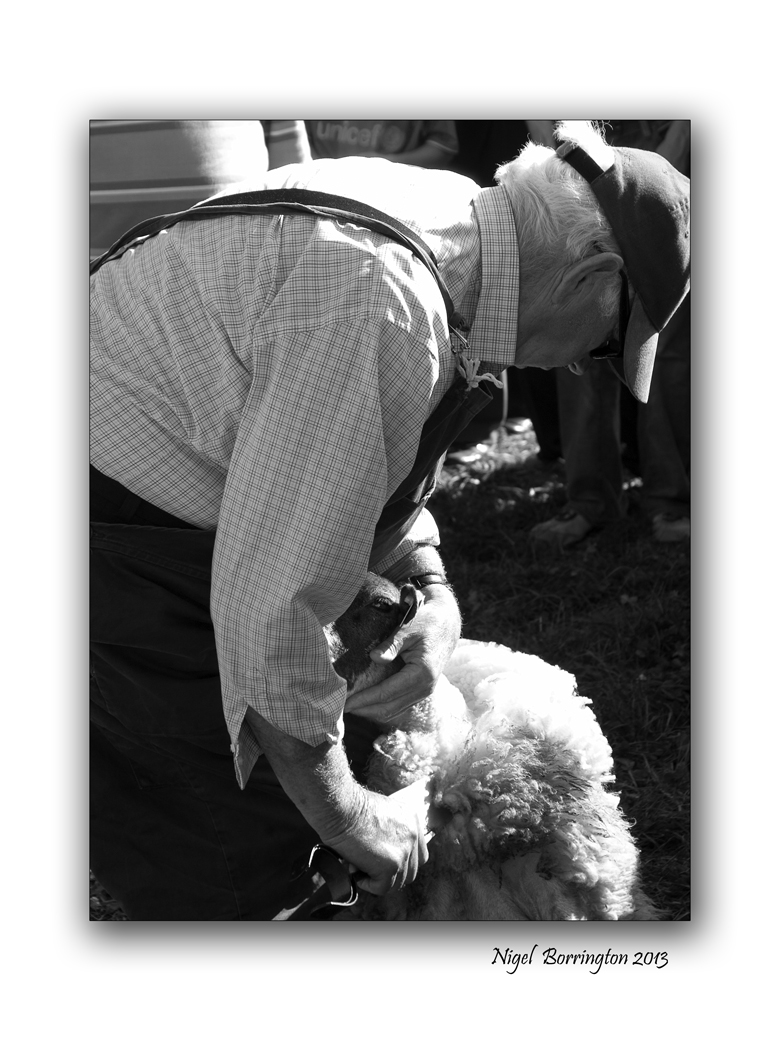
All images using a Nikon D7000
Sheep shearers and the Kilkenny county show
Events photography : Nigel Borrington
The Kilkenny – Iverk show, is held in the village of (Piltown, county Kilkenny) each September.
It’s a great day of agricultural events from horse and cattle shows to equipment demonstrations.
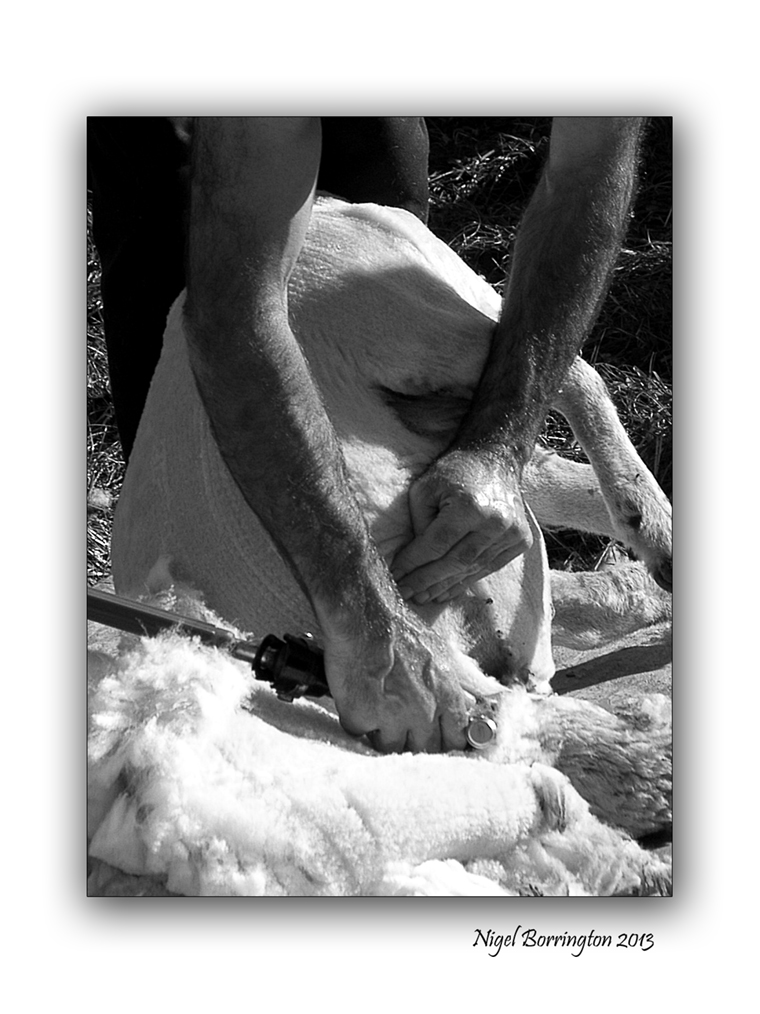
The sheep shearing competitions and demonstrations each year bring in a big crowd. The images below show how sheep are sheared both in modern and older times.
Sheep shearing demonstration gallery


Ballykeeffe Amphitheatre

All images using a Nikon D7000
Ballykeeffe Amphitheatre, county KIlkenny
KIlkenny landscape photography
Ballykeeffe Amphitheatre, county kilkenny
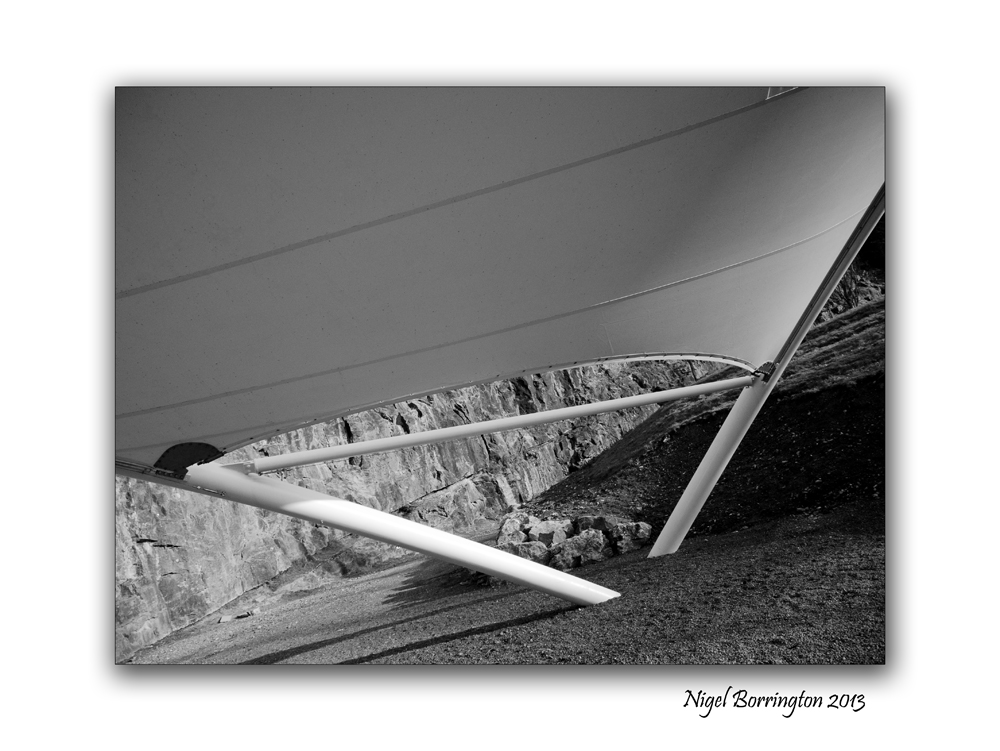
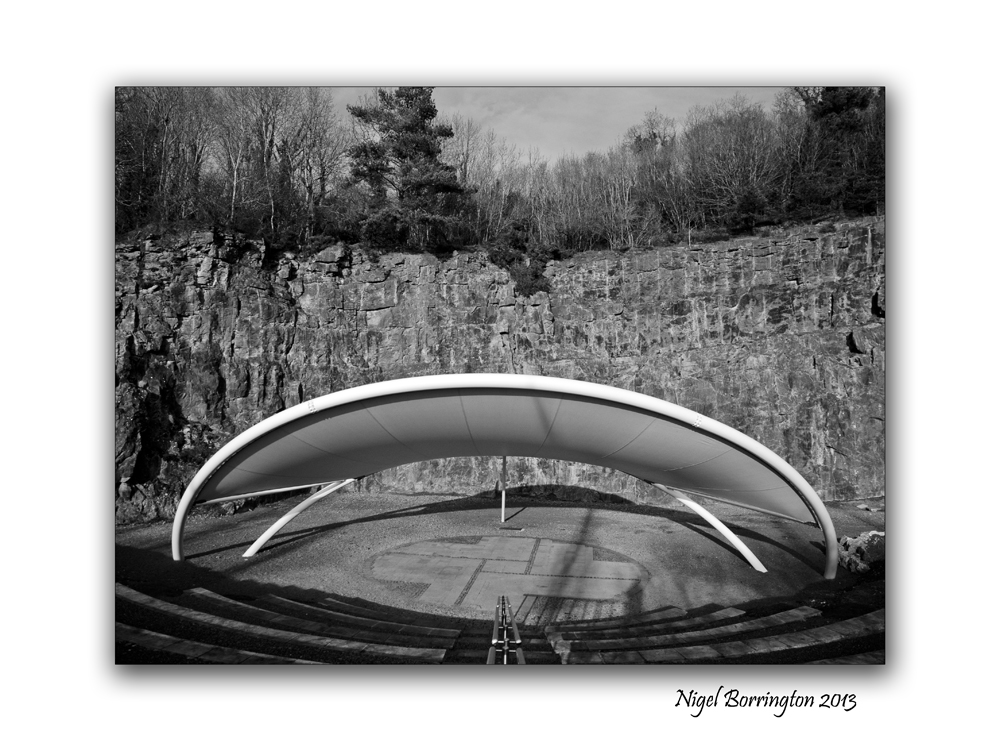
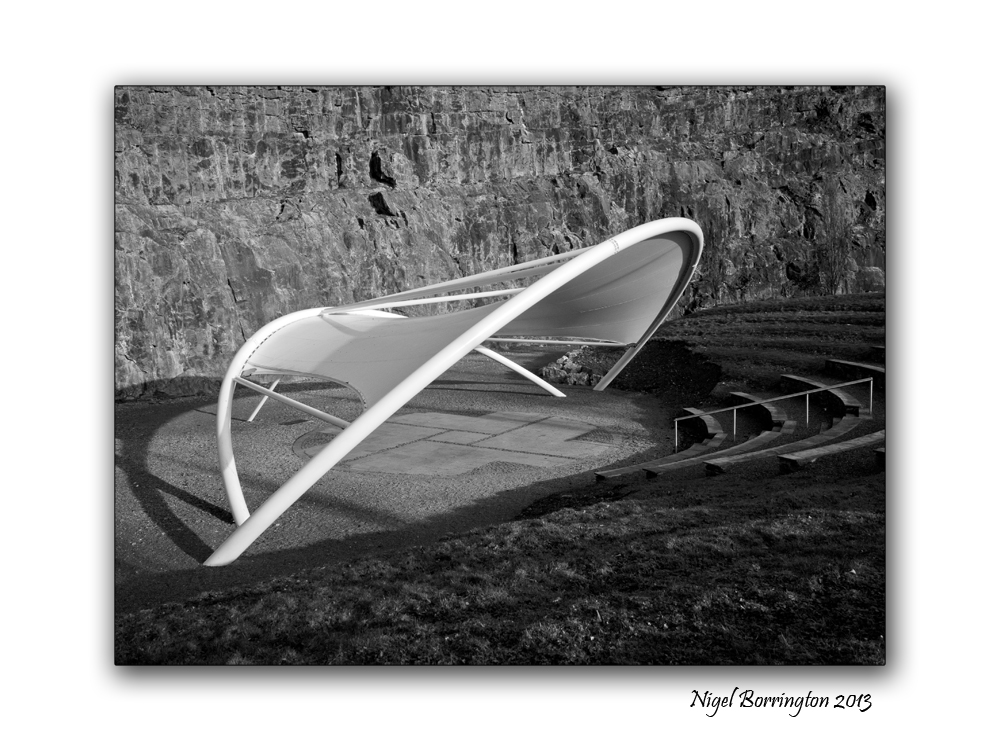
The Ballykeeffe Amphitheatre is Kilkenny’s outdoor auditorium and it is used many times during the year for outdoor performances. Located beneath Ballykeeffe Woods and Nature Reserve, I have visited this area many times to walk our dog and get some exercise.
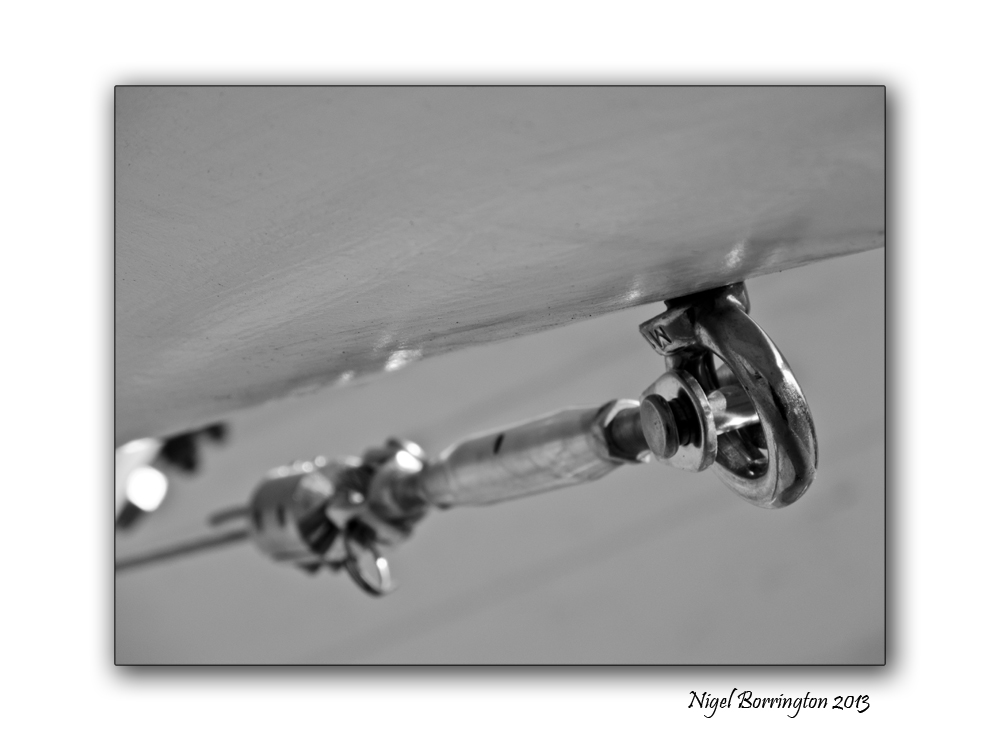
The Amphitheatre was build in the remains of an old slate quarry, for a longtime the performances were held in the open air but very recently it boasts a state of the art canopy which fits within the worked-out quarry.
The acoustics and setting are designed to provide for a great outdoor theatre and music performance.
When the new canopy first appeared, I took the following images.
Ballykeeffe Amphitheatre – a gallery


Kilree Round Tower, County KIlkenny

All image using a sigma SD15. 15-30mm lens
The Secret of Kells, Kilree Round Tower, County KIlkenny
Landscape Photography : Nigel Borrington
The secrets of the Kells is at Kilree
Kells, county kilkenny is full of heritage from past and while most people are drawn immediately to Kells Priory, one of the largest and best preserved walled monastic sites in Europe, there is another just as important with a history stretching back longer than the Cistercian brotherhood of the priory.
At Kilree, there is a trio of treasures – A round tower, an ancient church and a high cross where a king may or may not be buried. And adding to the mystique is a fourth, natural phenomenon, a Ballaun stone going back to pre-historic times that was used by the first inhabitants of this island. to drink from an for pagan idolatry.
Historians and archaeologists may have got it wrong about Kilree on a number of levels. When you first view if coming from Kells village it reminds you of Freestone Hill – An ancient place used before Christianity. It has commanding views of the surrounding countryside and seems to be the highest spot in the area and therefore a natural stronghold. Looking from it, you take in Knockdrinnagh Wood, Ballygowan, Hugginstown and the high lands beyond it and around to the Slieveardagh Hills. It also boasts commanding views of Sliabh an mBan and the Comeraghs in the distance.

So it begs the question was the round tower of Kilree used as a look out with its bells when danger was imminent. Was it used by the monks who were for all intents and purposes living in a hollow by the King’s River and therefore had no idea of who or what was approaching them. It’s probably too simplistic a view but we are sure of one thing – the tower was built around the 11th century and would have been used as a defence against the maurauding Vikings who had a stronghold in Waterford.
It is said but not proven that the bones of a great king are buried under the high Cross at Kilree, just 40 yards from the round tower and the church of St Brigid that lies in ruins yet still has a strong association with the people of the area in both Kells and Stoneyford. Although it stands 90 feet high, Kilree Round tower is not easy to see because it is set amid a grove of trees. A fine slim building with a diameter inside of just 9 feet it must have been tight in there. With six different levels and a battlement area at the top as well as a belfry, it is little wonder that rope ladders were used here.
Like the other round towers in the county, its entrance faces the church and there is a long association between the two.
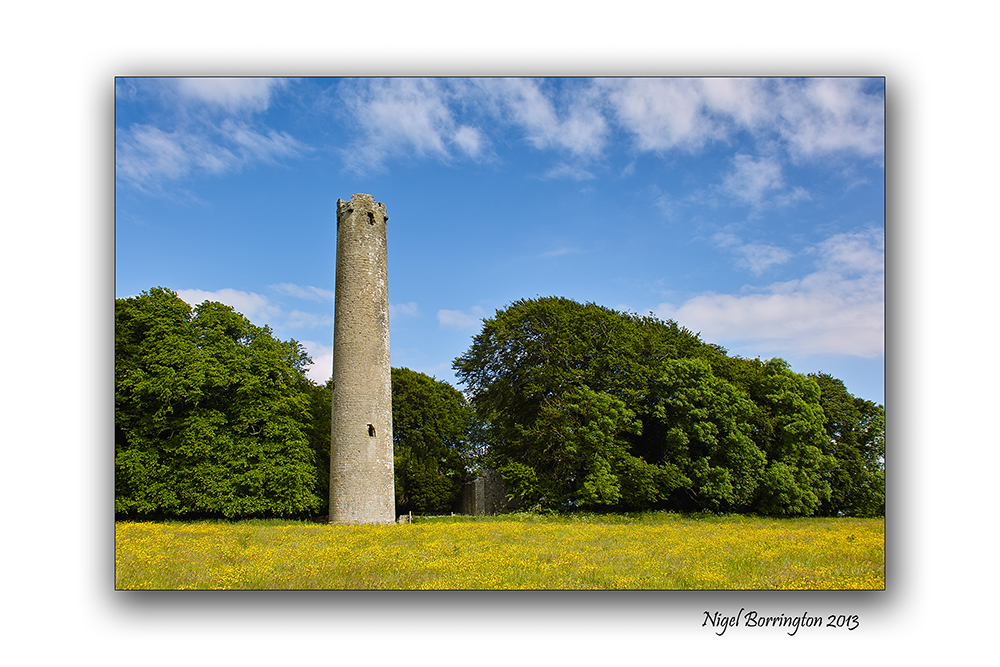
The round tower and church are enclosed in a grove of beautiful trees which seem to detract slightly from the height of the tower but once you enter this wonderful place you can feel the past coming at you. It’s sad that a sign in bold yellow at the entrance tells you to beware of the bull. What a lovely first impression for visitors. The land is extremely fertile and there is a rich covering of spring grass on the field and you can appreciate why a farmer would be so anxious to keep it so but the sign should be taken down when the bull is not there.
It is important to appreciate the work done by researchers over the years on Kilree and the rest of the county none more so that Canon Carrigan in his History of the Diocese of Ossory; the wonderful parish history of Dunnamaggin by Richard Lahart which provides us with so much detail but it is the findings of Ireland’s great antiquarian scholar from Slieverue in South Kilkenny, that is most revealing. The research by John O’Donovan on place names and on sites like Kilree for the Ordance Survey is invaluable in deepening our knowledge of our past.
Up to the middle of the 19th century it was claimed that King Niall Caille was buried here in 844AD and that his bones lay under the high Cross which is uninscribed. It seems now that the high cross was erected significantly before this date and we learn from different researchers that these kind of crosses were commemorative and not built to cover the dead. He upset a lot of people when he said the real ancient Irish name for the site was not actually Kilree which up to them was meant to be the church of the king but Cill Freach after a female saint, Freach. Canon Corrigan also studied this and felt that Kilree was a corruption of the name Cill Ruiddchi, the church of St Ruiddchi. While it is hard to go past the original name of Cill Bride as the name for the church, named after St Brigid, we do know from local people and from Richard Lahart that the well at Kilree was also named in honour of St Brigid and that goes back over 1,000 years. It is hard to see past Cill An Ri and of course it is still known locally by people as The Steeple, a reference to the bell tower on top of the round tower.
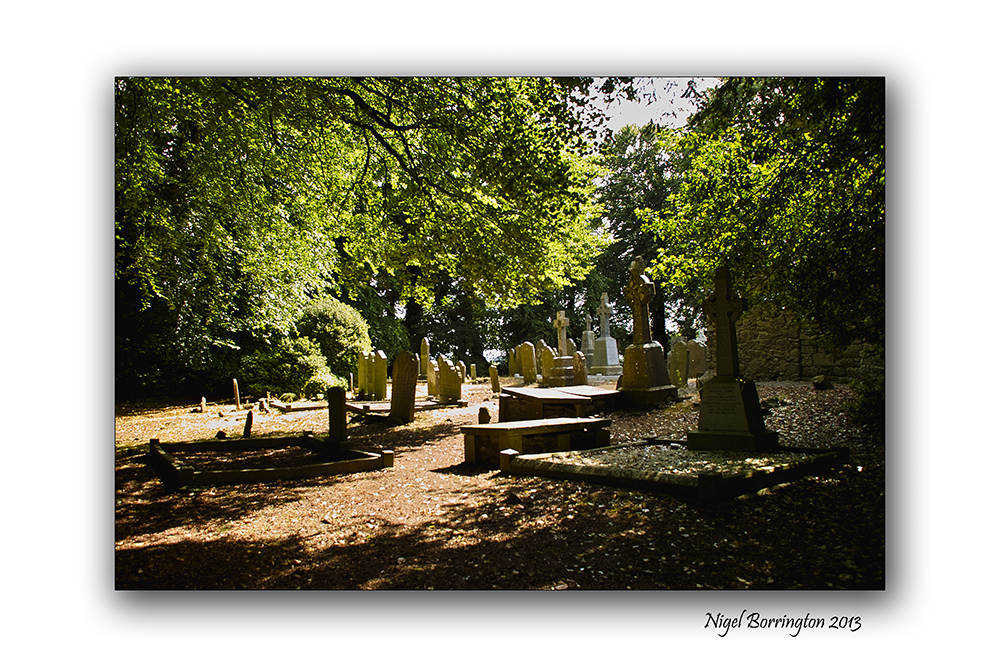
Inside the church,tombs of local people remain. The poorer people would have bee buried furthest away from the church. From Norman times the Howlings, Holdens or Howels are associated with the site and for some reason these are the same people as the Walsh’s of the Mountain (I don’t understand that). From medieval times, the Comerfords were closely associated with Kilree along with the Izod family, Flemings, Ryans, St Legers and of course in recent times, the Goreys.
Again the lack of signposts for such an amazing place is sad. The only sign coming from Kilkenny city is at Kells Priory and those in charge of the site, have done a good job in keeping it quiet.
But what stands out most about Kilree is that it is still used as a graveyard and the ancient burial ground is well looked after by the people iving in the area..
Kilree is also home to a Ballaun Stone located 250 yards north of the round tower in the corner of a field of heavily weathered limestone and is marked on the Ordance survey map for the area. A bullaun is the term used for the depression in a stone which is often water filled.
Local folklore often attaches religious or magical significance to bullaun stones, such as the belief that the rainwater collecting in a stone’s hollow has healing properties. Ritual use of some bullaun stones continued well into the Christian period and many are found in association with early churches like Kilree or should that be St Brigids or St Freach’s or St Ruiddchi’s/ take your pick.
Published in the kilkenny people. 2012
Image Gallery

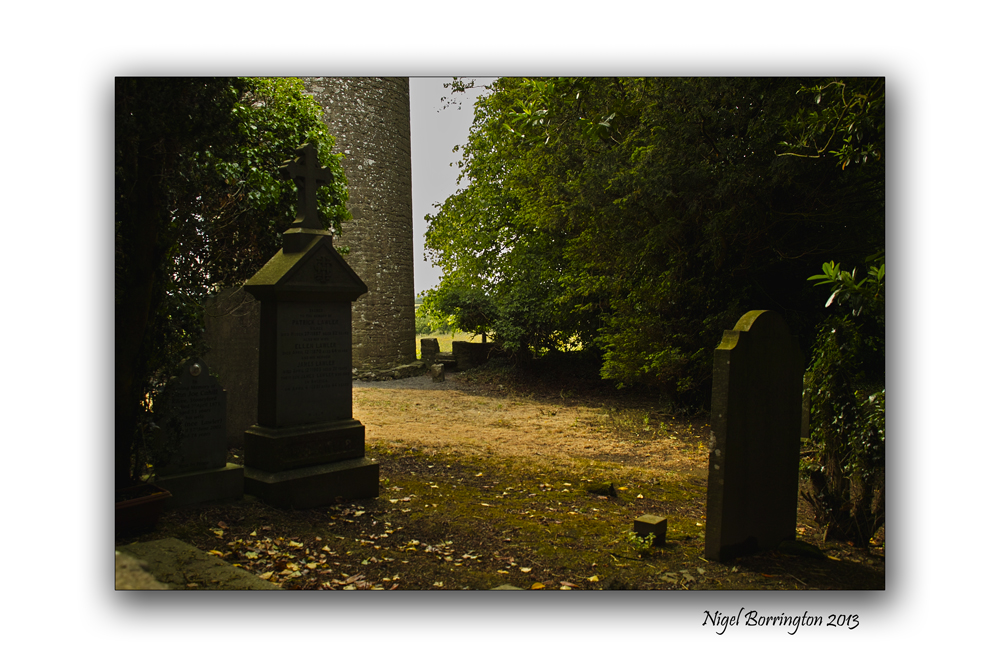
County Kilkenny – through it’s trees

All images using a – Sigma SD15, 15-30mm lens
County kilkenny, through its trees
Landscape photography : Nigel Borrington
A sense of county Kilkenny , September 2013
Getting out and about in county Kilkenny on these late summer days is just wonderful, this Gallery of images was from an evenings walk through some local country lanes. I hope they get across a sense of the county and its wonderful landscape on an early evening in September.


Irish National Heritage park
All images using a Nikon D700
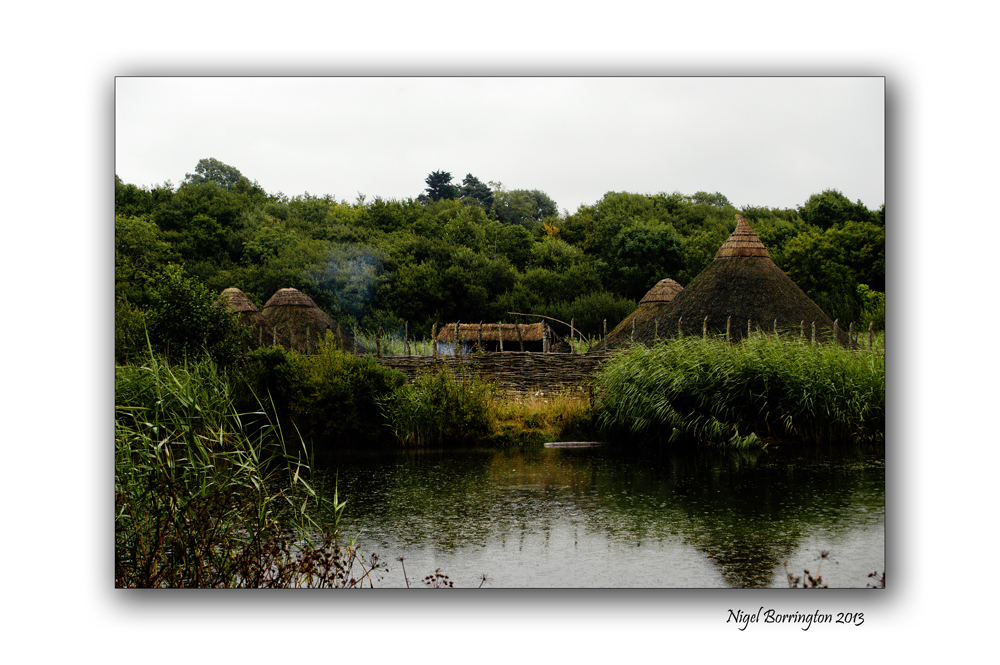
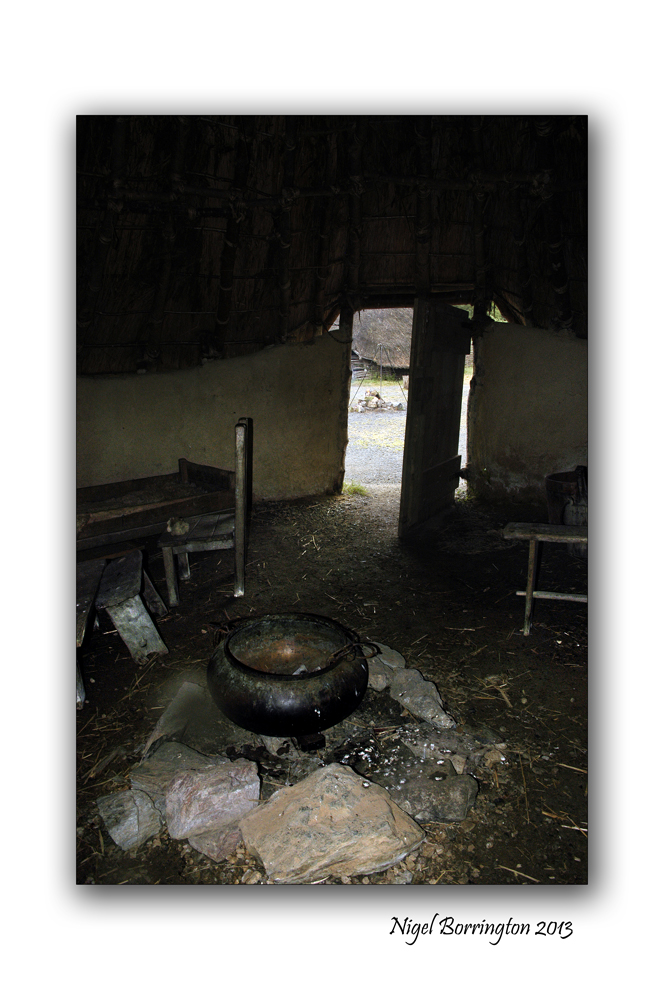
Irish National Heritage park – A Crannog
Landscape photography : Nigel borrington
One place in Ireland you have to visit, in order to get a good sense of the nations history is the National heritage park.
Location
The Irish National Heritage Park Ferrycarrig, is Located in the South East of Ireland, approximately 3 miles from Wexford Town off the Dublin (N11) Rosslare Road (N25). Eleven miles from Rosslare Europort.
Sat Nav: N: 52.348 W: -6.51673
This park is Unique in Europe, occuping 35 acres and has 16 archaeological and historical reconstructions all located in their natural settings. The Heritage Park outlines the history of Irish life as the story of 10000 years unfolds before you. It is history presented in a unique way in magical and varied settings.
A Crannog
The images in this post are from the reconstructed Crannog, Wiki-pedia defines a Crannog as follows
“Crannogs were used as dwellings over five millennia from the European Neolithic Period, to as late as the 17th/early 18th century although in Scotland, convincing evidence for Early and Middle Bronze Age or Norse Period use is not currently present in the archaeological record. The earliest radiocarbon determinations obtained from key sites such as Oakbank in Loch Tay or Redcastle, Beauly Firth approach the Late Bronze Age – Early Iron Age transition at their widest interpretation at 2 sigma or 95.4% probability, falling after c.800BC and therefore could only be considered Late Bronze Age by the narrowest of margins. Crannogs have been variously interpreted as free-standing wooden structures, as at Loch Tay, although more commonly they exist as brush, stone or timber mounds which can be revetted with timber piles. However, in areas such as the Western Isles of Scotland, timber was unavailable from the Neolithic onwards. As a result, completely stone crannogs supporting drystone architecture are common here.
Today, crannogs typically appear as small, circular islets, often 10 to 30 metres (30 to 100 ft) in diameter, covered in dense vegetation due to their inaccessibility to grazing livestock.”
http://en.wikipedia.org/wiki/Crannog
Crannog images



Monday mornings, mist in the woods
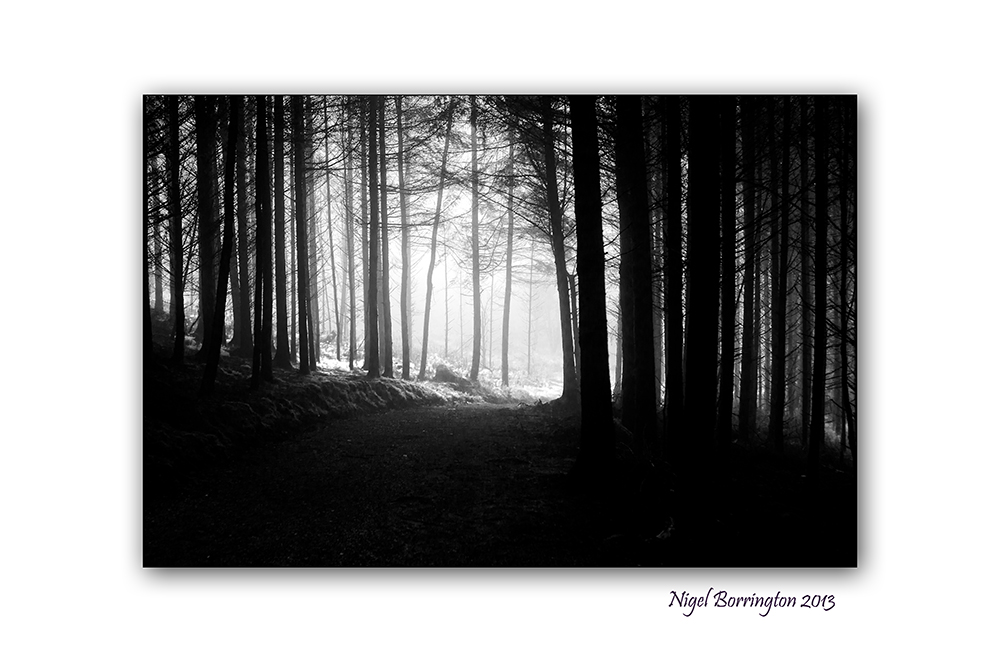
Monday morning mist in the woods
Kilkenny landscape photography : Nigel Borrington
Monday Mornings
Finally breaks the morning light,
ending a long, restful night.
From this place, the sun through the trees,
appears to reveal some misty scene.
Colorless branches contorting the rays of the sun,
light breaking through trees from some place of desolation.
Slowly to the world vision returns,
it becomes apparent that nothing has changed.
So an excuse not to begin the week,
fades into the glimmer of the soft sun rays.
Our tired bodies, hardly able to stir,
begin our long journey to the weeks return.
Going down to Littleton bog, County Tipperary

All images using a Canon G1x and a Fujifilm x100
Images of Littleton peat bog, County Tipperary
Irish landscape photography by : Nigel Borrington
Going down to Littleton Bog.
To myself I feel that very little depicts the landscape of Ireland as much as it’s peat bog areas, peat has been cut from this landscape for hundreds if not thousands of years.
Littleton Bog is about 30km from my home and I visit this area many times during the year, too both walk our dog Molly and take sometime too take images and just be out in what can be a very wild place in the winter months along with a wonderful place in the summer.
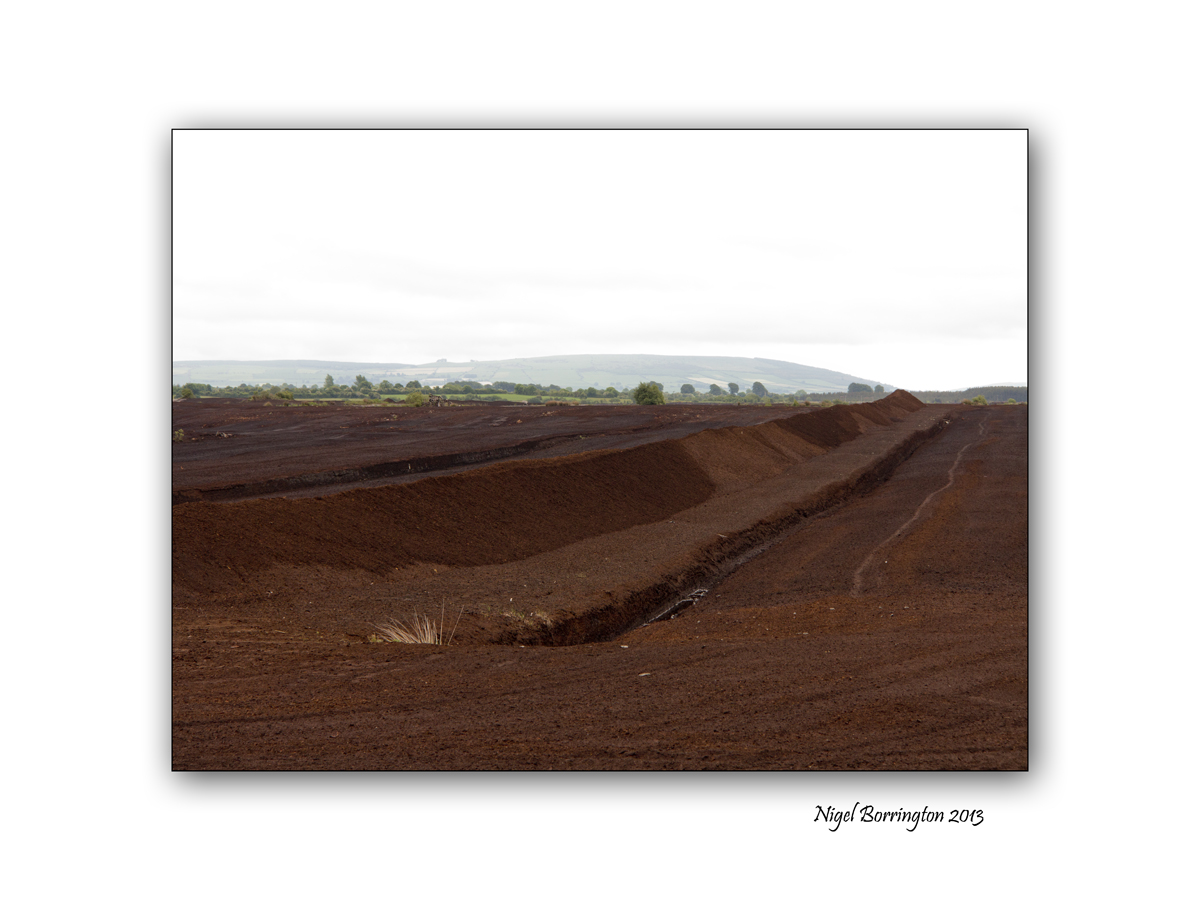
The mass production of peat from the Littleton area has left this landscape deeply affected as you can see from this photo and the photographs below. However I have also tried by best to show how the area around the bog can be reclaimed for both nature and wildlife.
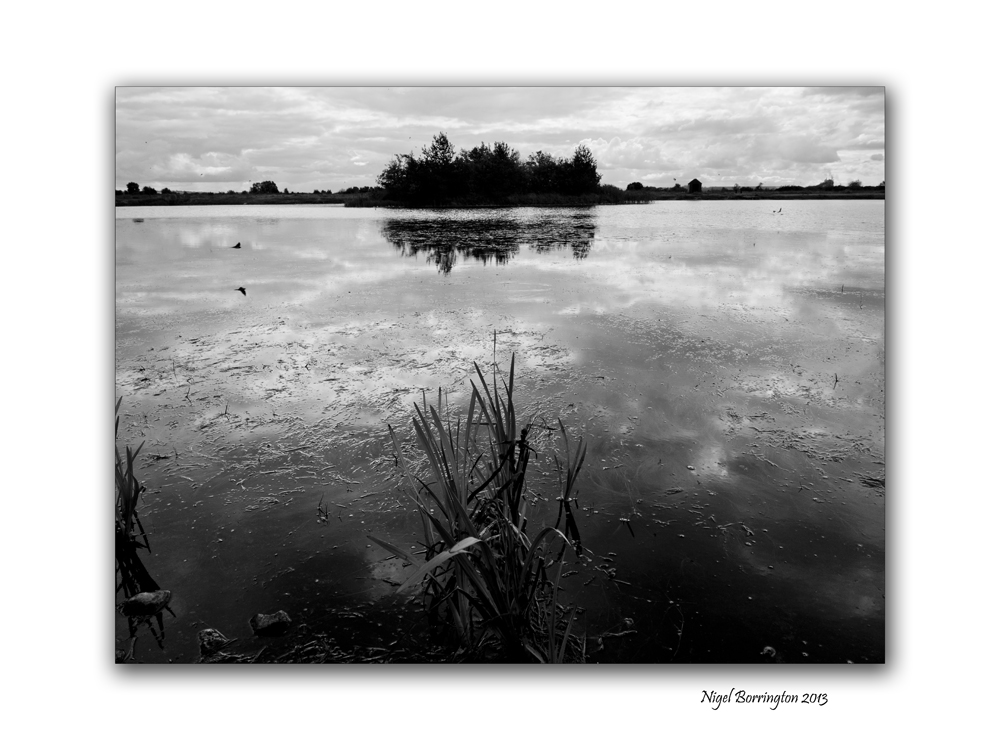
Many Animals and Birds make the reclaimed lakes here their home during both the winter and summer months. Littleton bog is also home to many rare plants and insects with multiple entries in the Irish national biodiversity database.
Seamus Heaney
Last week the Irish Poet Seamus Heaney died and he wrote this Poem about the Irish bog lands.
Bogland
By Seamus Heaney
We have no prairies
To slice a big sun at evening–
Everywhere the eye concedes to
Encrouching horizon,
Is wooed into the cyclops’ eye
Of a tarn. Our unfenced country
Is bog that keeps crusting
Between the sights of the sun.
They’ve taken the skeleton
Of the Great Irish Elk
Out of the peat, set it up
An astounding crate full of air.
Butter sunk under
More than a hundred years
Was recovered salty and white.
The ground itself is kind, black butter
Melting and opening underfoot,
Missing its last definition
By millions of years.
They’ll never dig coal here,
Only the waterlogged trunks
Of great firs, soft as pulp.
Our pioneers keep striking
Inwards and downwards,
Every layer they strip
Seems camped on before.
The bogholes might be Atlantic seepage.
The wet centre is bottomless.
Images of the Bog – Gallery




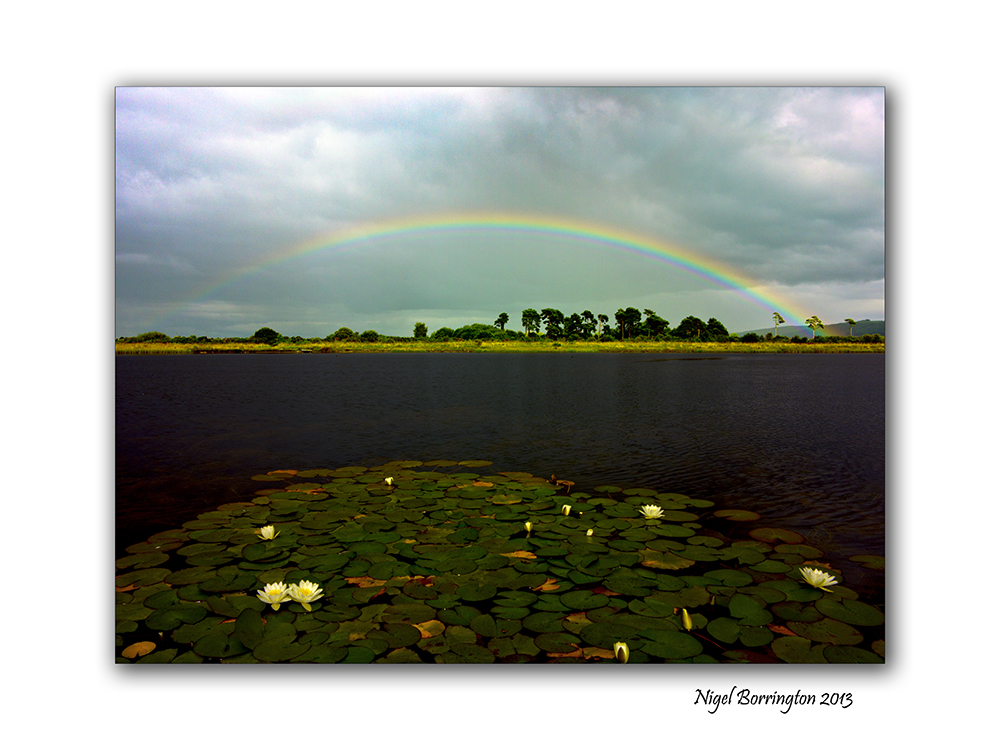


St Johns, Kilkenny. Images from a wedding day.

All Images using a Nikon D700
A Wedding in St Johns, County Kilkenny
Kilkenny wedding photographer : Nigel Borrington
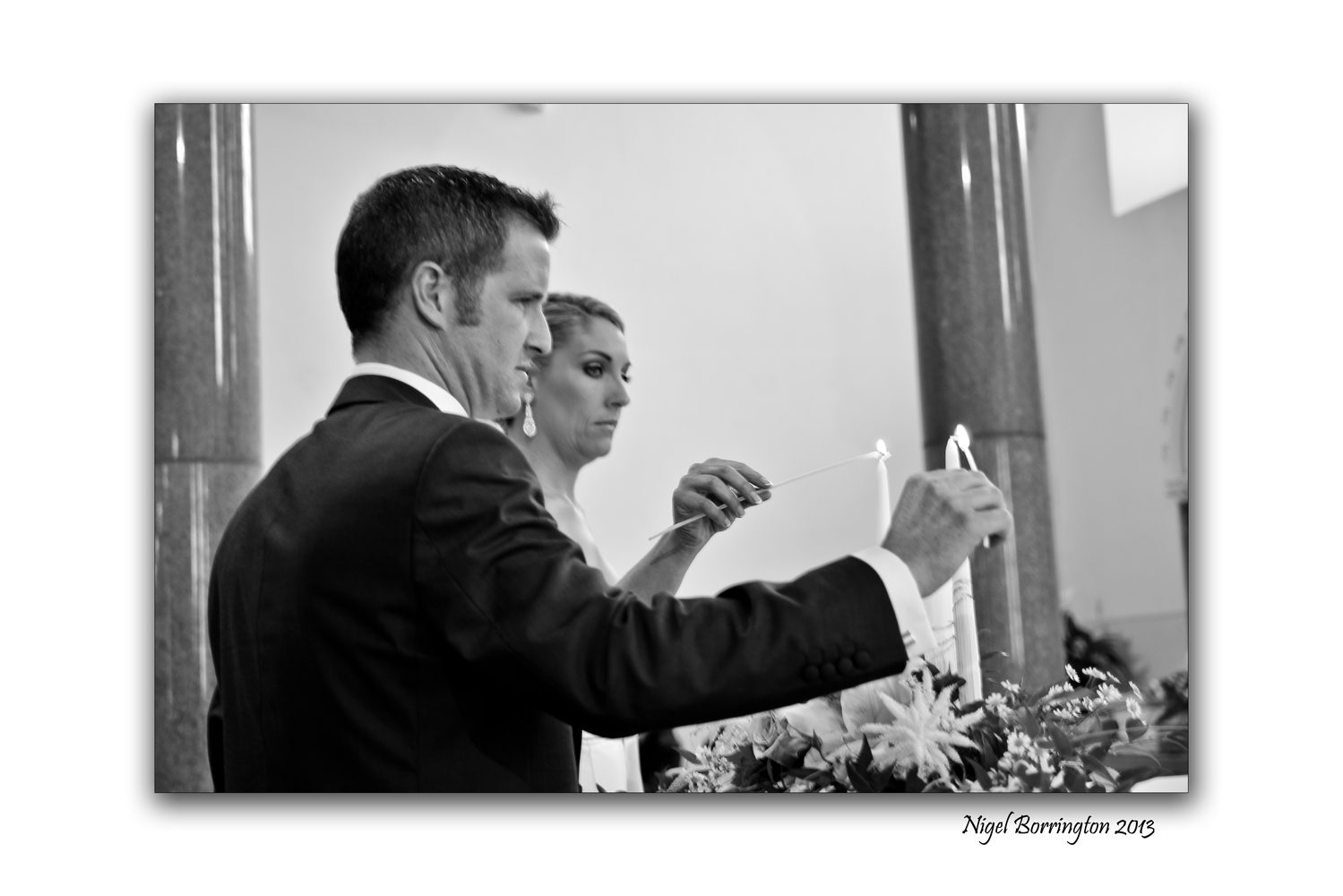
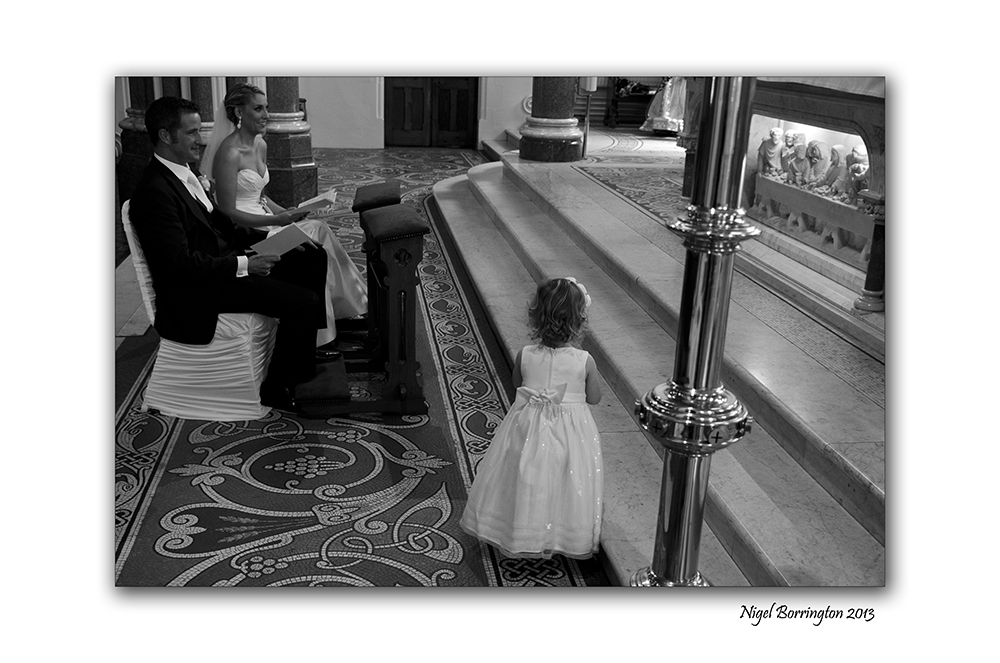
These are just some of the images from a wedding I photographed in St Johns, county Kilkenny a little time back.
The couple asked for some black and white images, so here are just some of the one’s that I worked on for them.
A wedding at St John’s

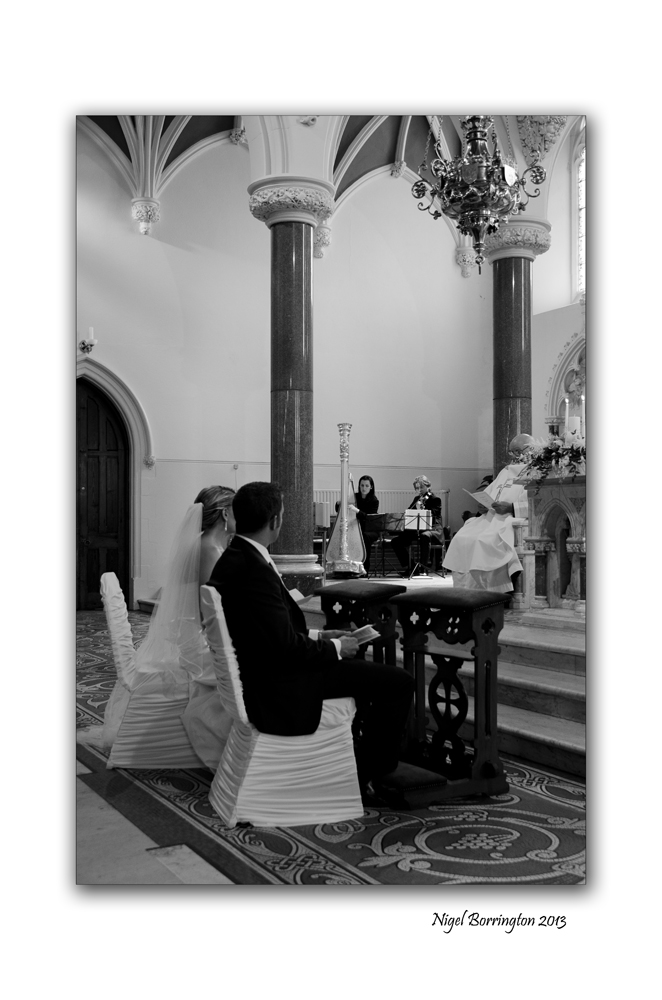
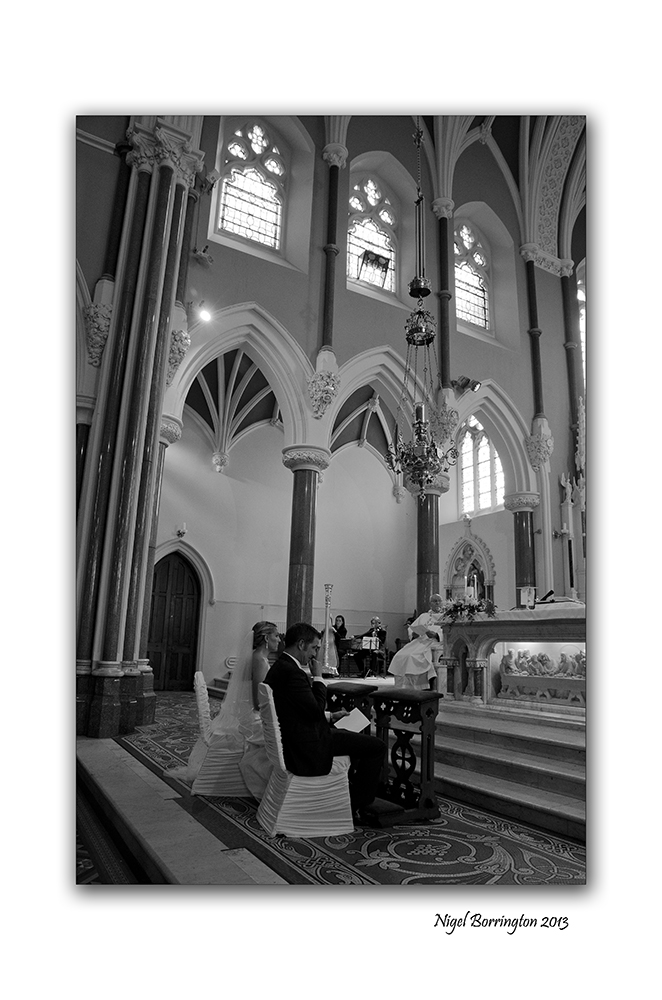
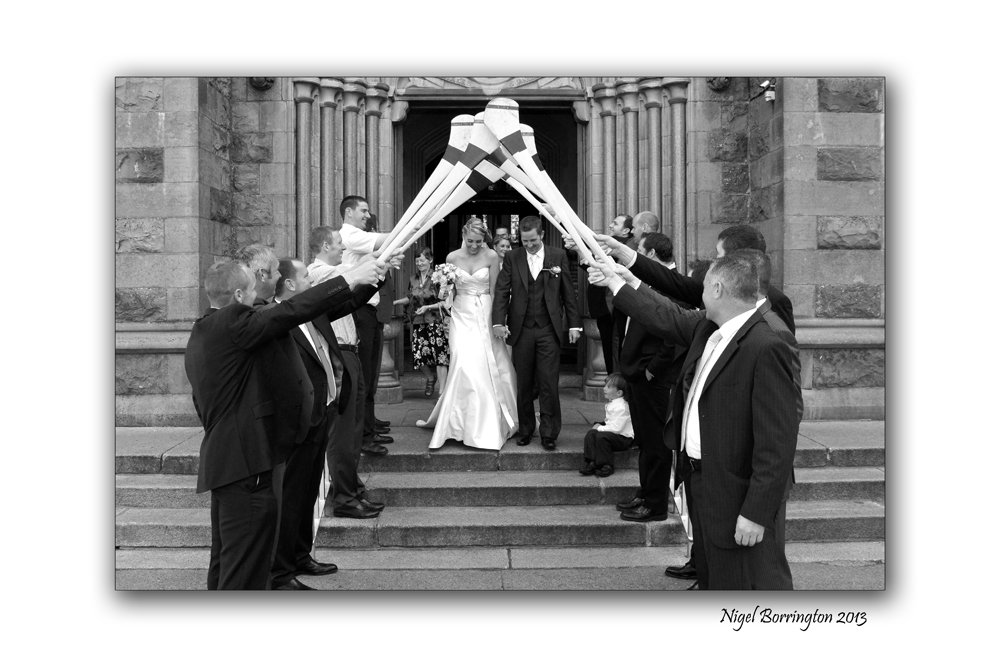
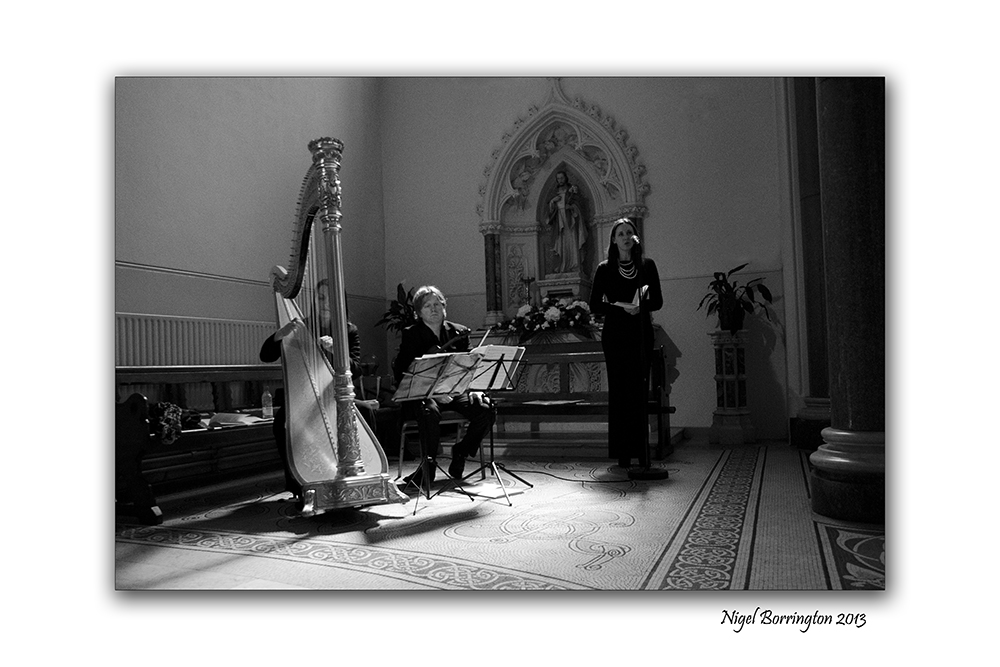
Wedding musicians, St Johns, Kilkenny
Images using a Nikon D700
Wedding Musicians, St John, County Kilkenny
Kilkenny wedding photography : Nigel Borrington
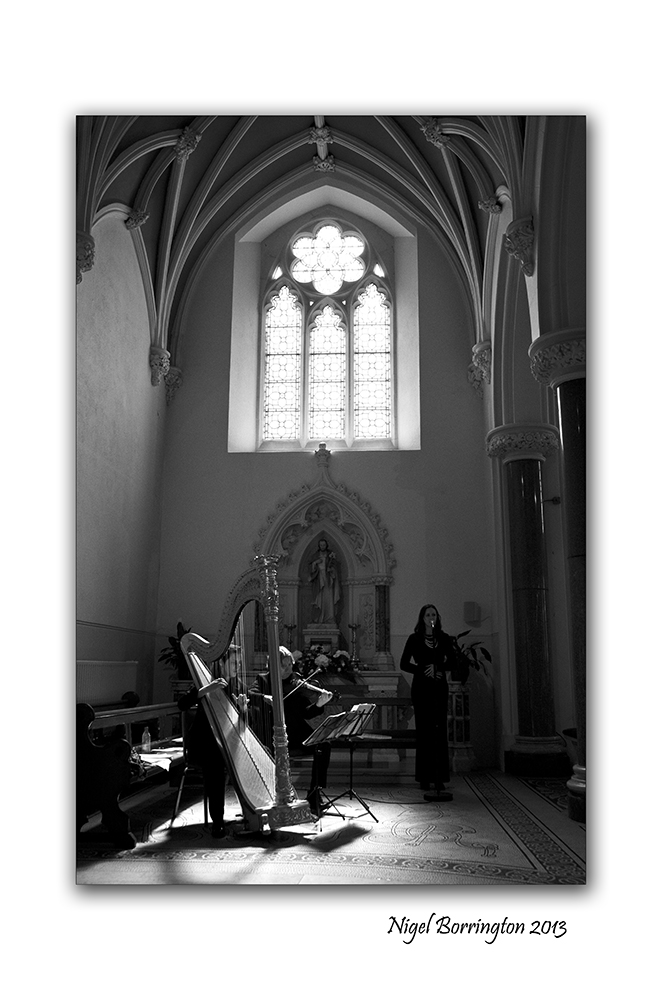
During a wedding at St Johns, I took a moment to get some images of the Musicians as they played.
Their Music was just wonderful to listen too and I was also very pleased with the photographs when I got back to the studio.
Images of the musicians

St John, Kilkenny
All images using a Nikon D7000
St Johns parish church, county Kilkenny
Kilkenny photographer: Nigel Borrington.
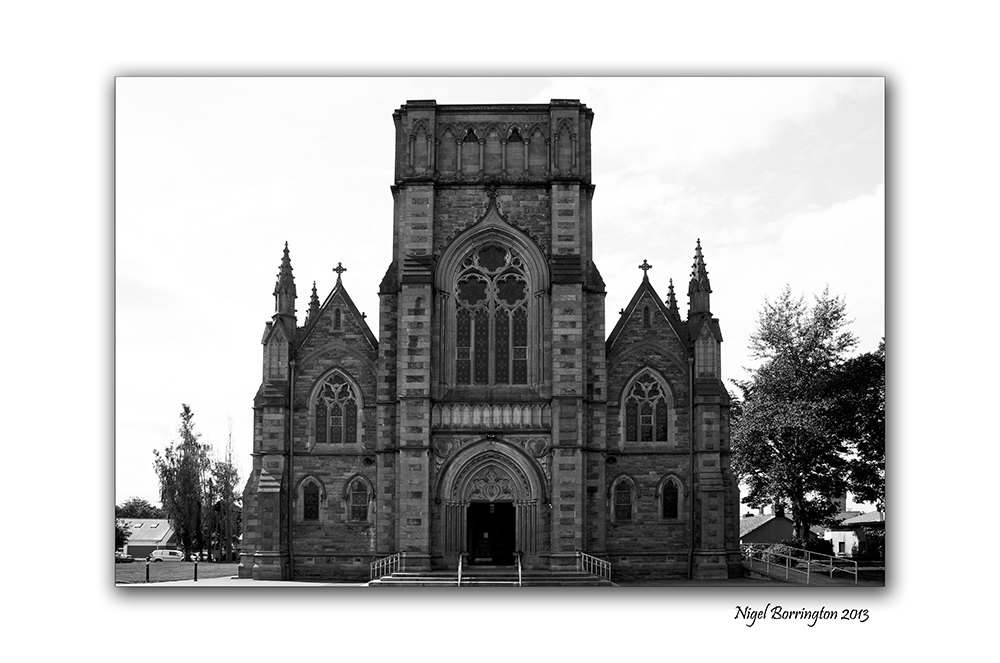
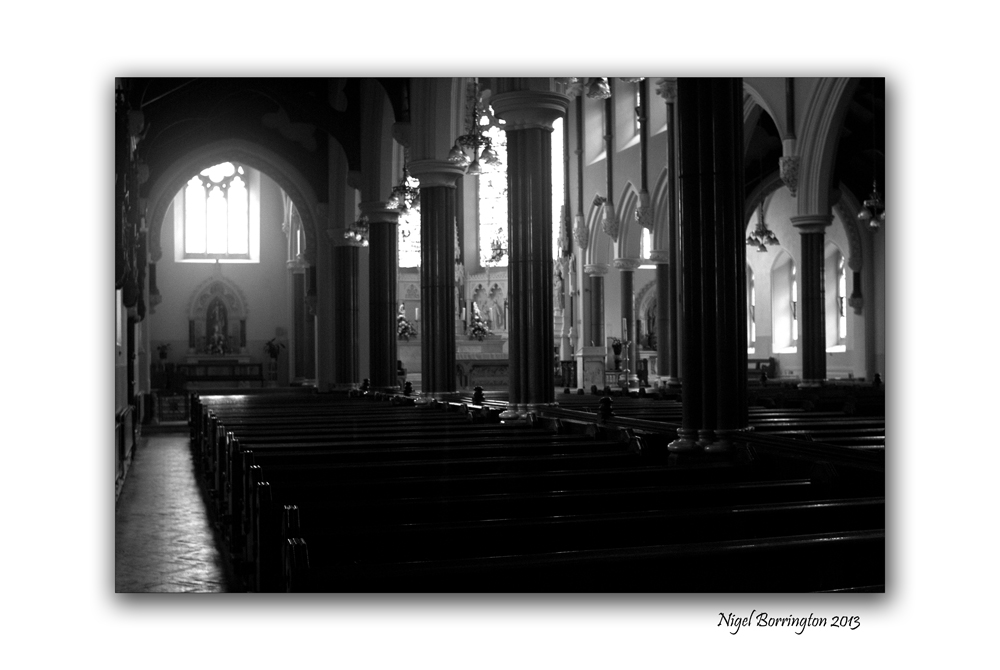
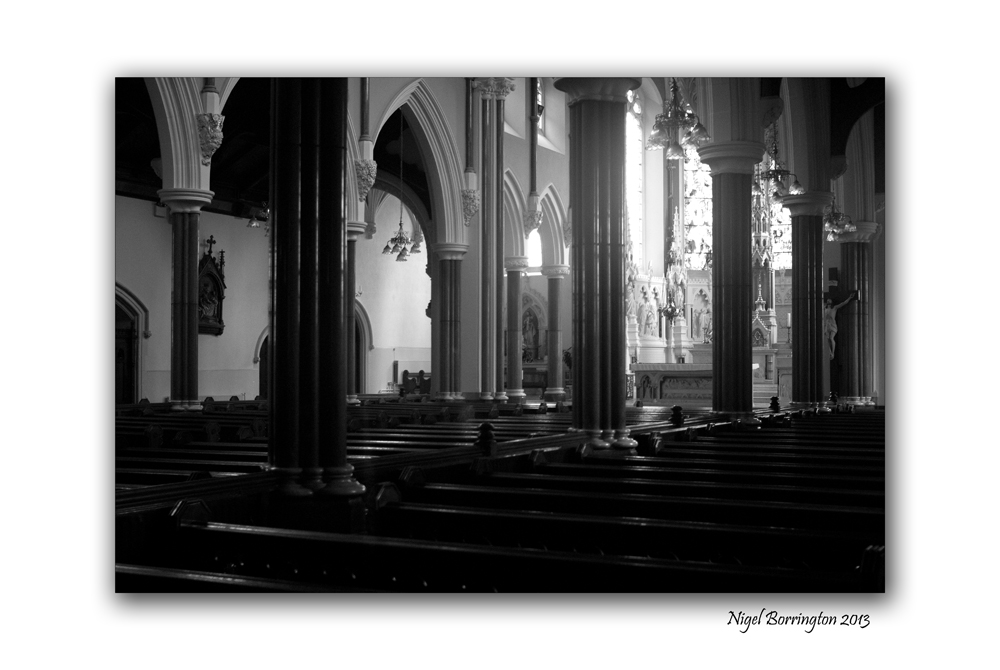
St Johns, Kilkenny is one of the counties best known churches and I have photographed weddings for a few wedding couples here since I have been working as a photographer here in Ireland.
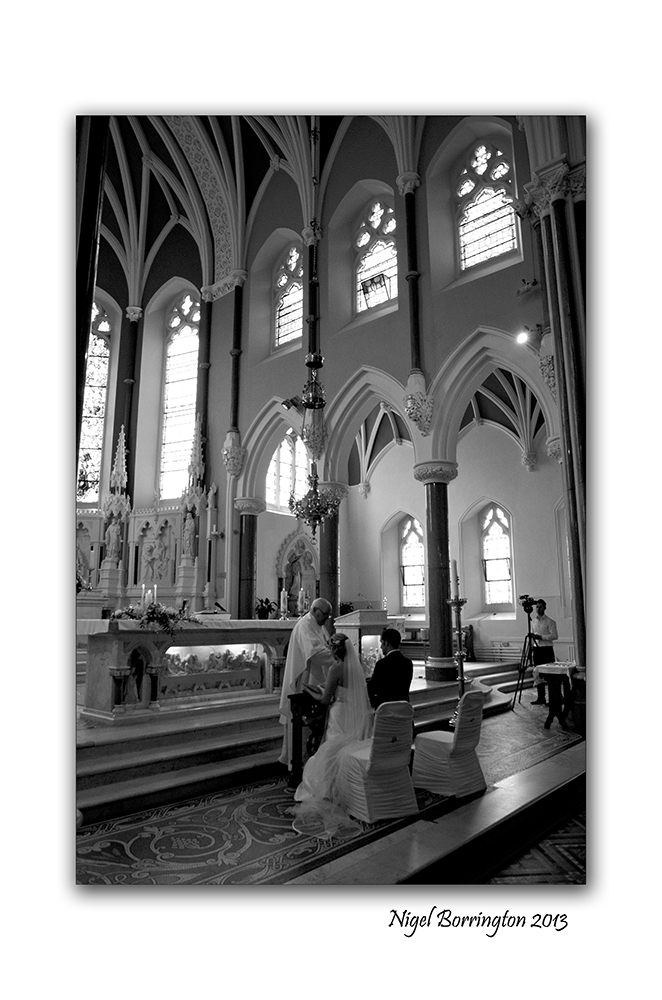
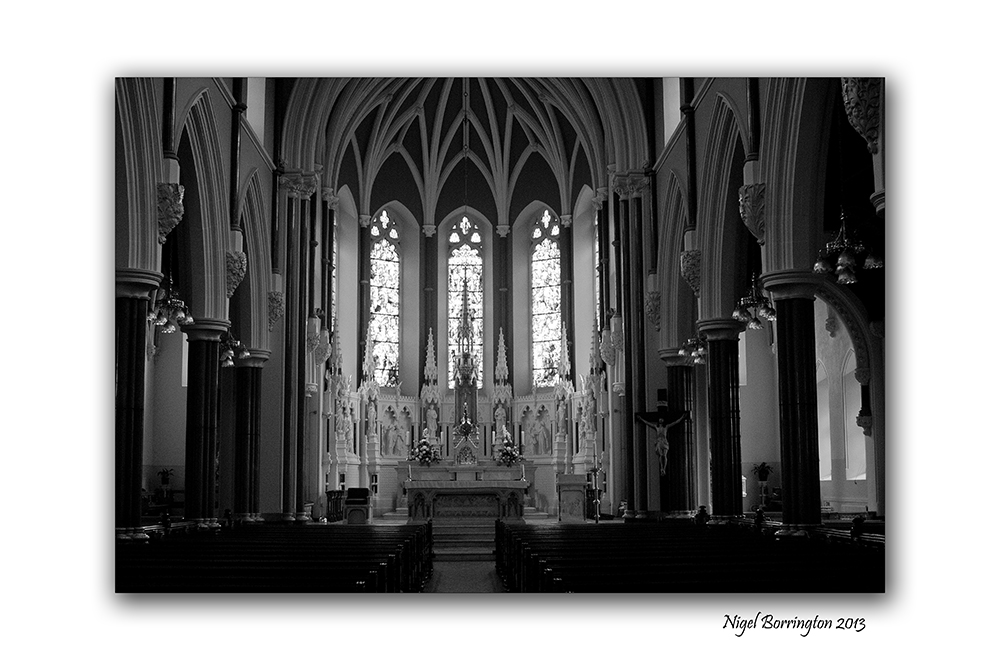
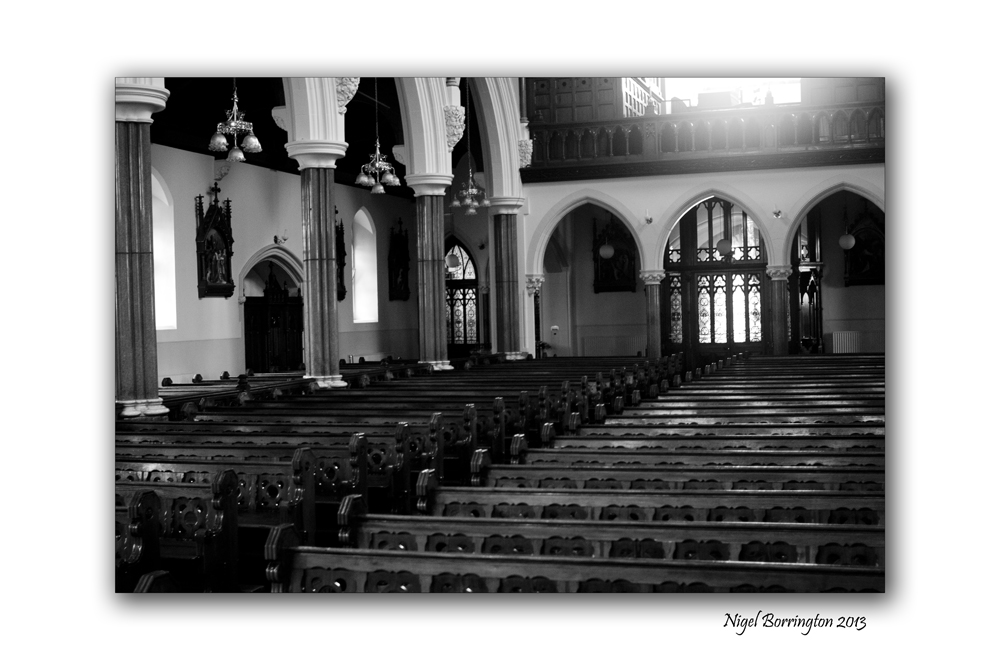
It’s not the main church in the town but I have to say I think its the best looking of them all, the images below were taken the very first time I worked on a wedding here. I always if possible attend the church a day or two before a wedding just to do some test shots and check on my access around the church along with the lighting condition.
As you can see in these images the hight of the church and the windows creates some very dramatic lighting.
Gallery of St Johns, Kilkenny


Our dog Molly at Malin Beg, County Donegal

Molly our Golden Retriever
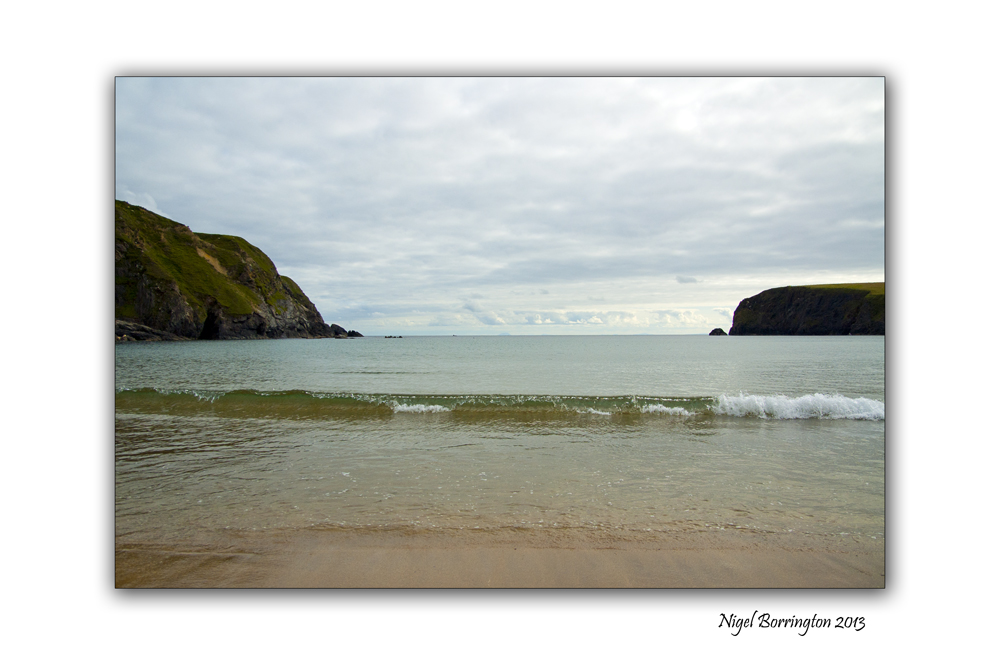
Malin beg beach, county Donegal
Molly our ten year old Golden Retriever has been swimming in the sea all over Ireland, she has loved the water since she was about one year old.
We have been on holiday with her during this ten years to just about every coastal county in Ireland. The beaches being our favourite places to visit. One of the most memorable beaches was Malin beg, in county Donegal.
We stayed here for an afternoon about three years ago and we all went for a swim in the warm waters.
If you get to visit Donegal, I would highly recommend this beach as a must visit location.


Ormonde Castle
All images using a Nikon D7000
Ormonde Castle, County Tipperary
Irish Landscape photography: Nigel Borrington
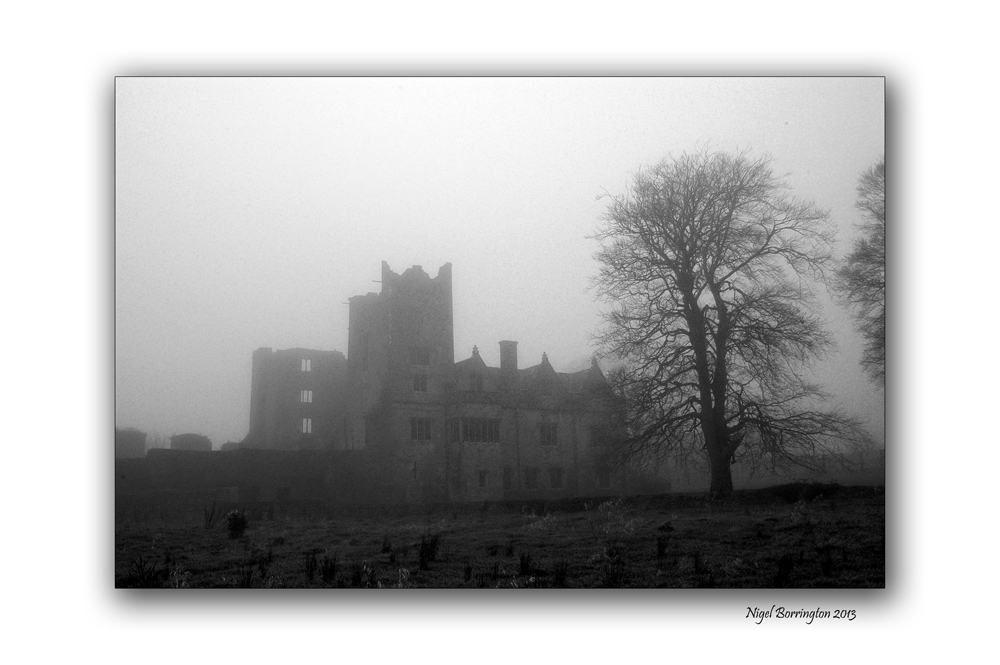
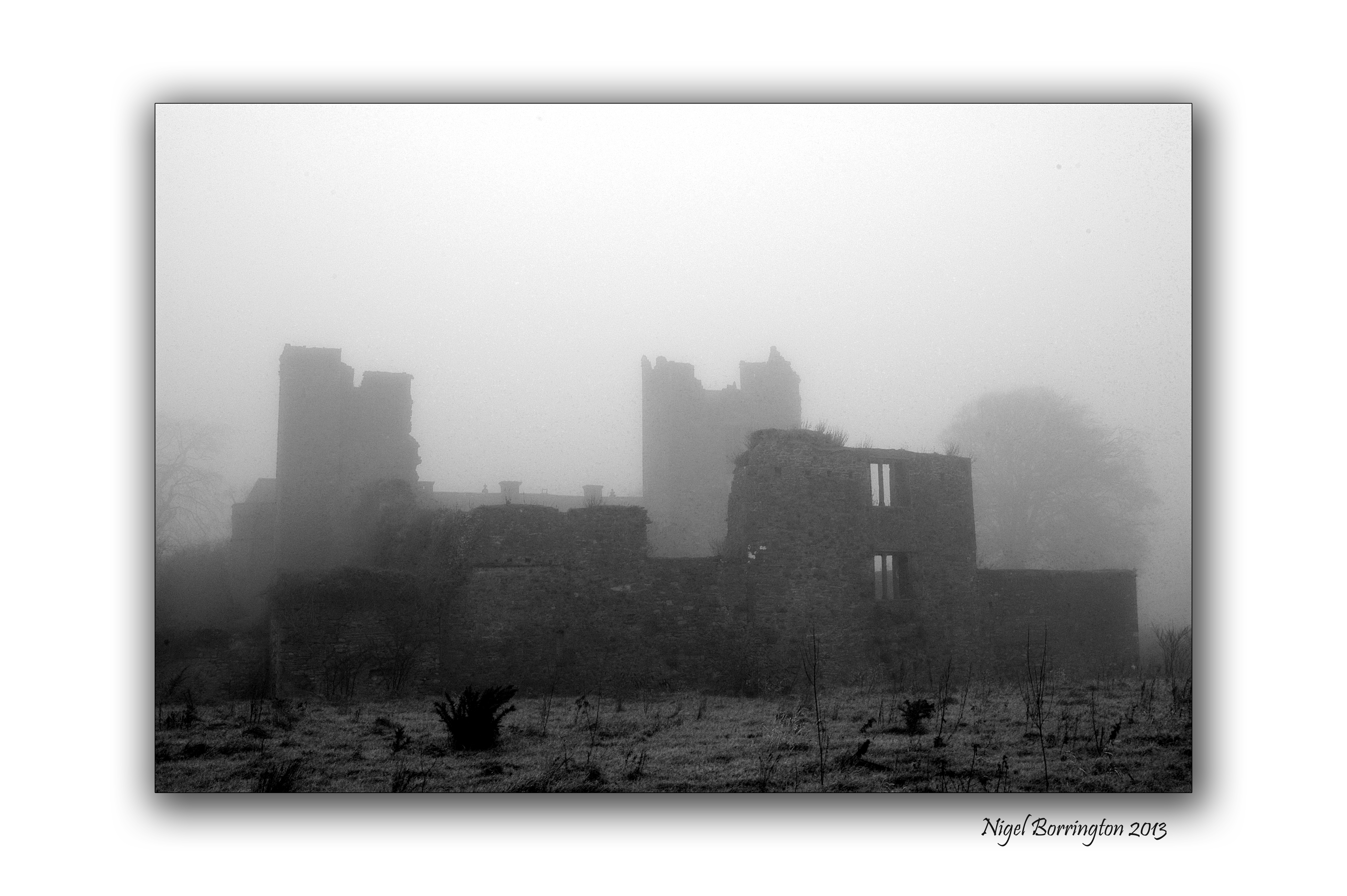
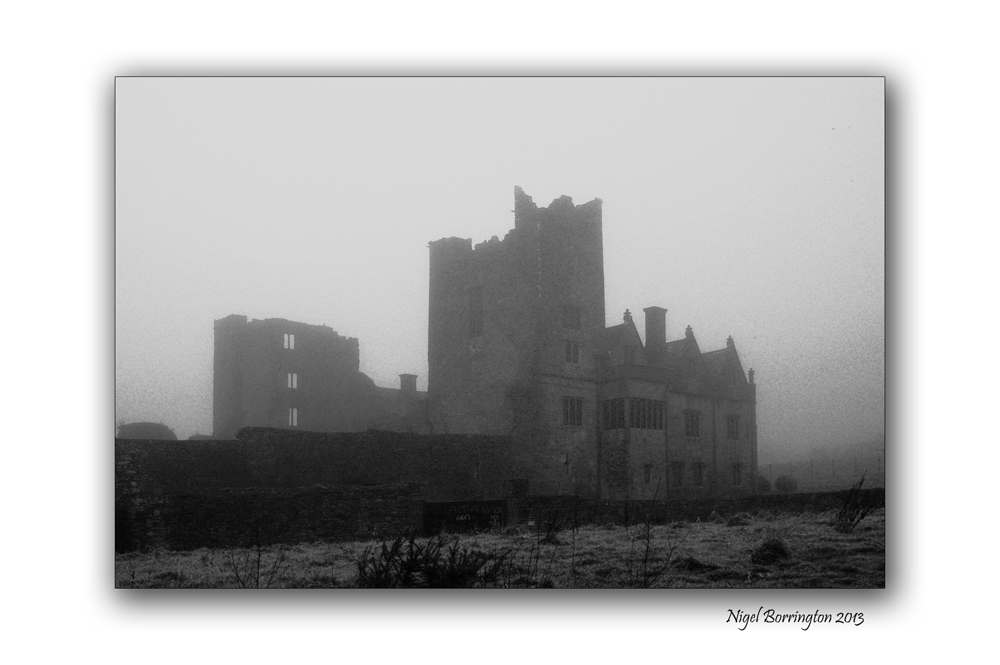
Sitting on the bank of the river Suir ( Carrick-on-suir, county Tipperary ), Ormonde Castle calls out of Irish history and it’s fifteen hundreds.
From the misty past this castle still stands on the edge of a town whose history is completely dependant on this castle and the Ormonde family who built it. I will post with more details on the town and castle but for the moment I just wanted to give you a sense of this place.
These pictures where taken last December, about four day before Christmas and on a very foggy morning, the Castle stands on the banks of the river Suir and is often covered in mist during the winter months.
Ormonde castle a gallery


In a September hedgrow – Blackberries

All images taken using a Fujifilm x100
In a Kilkenny Hedgerow, September 2013 – Blackberries
Landscape and nature Photography, Nigel Borrington
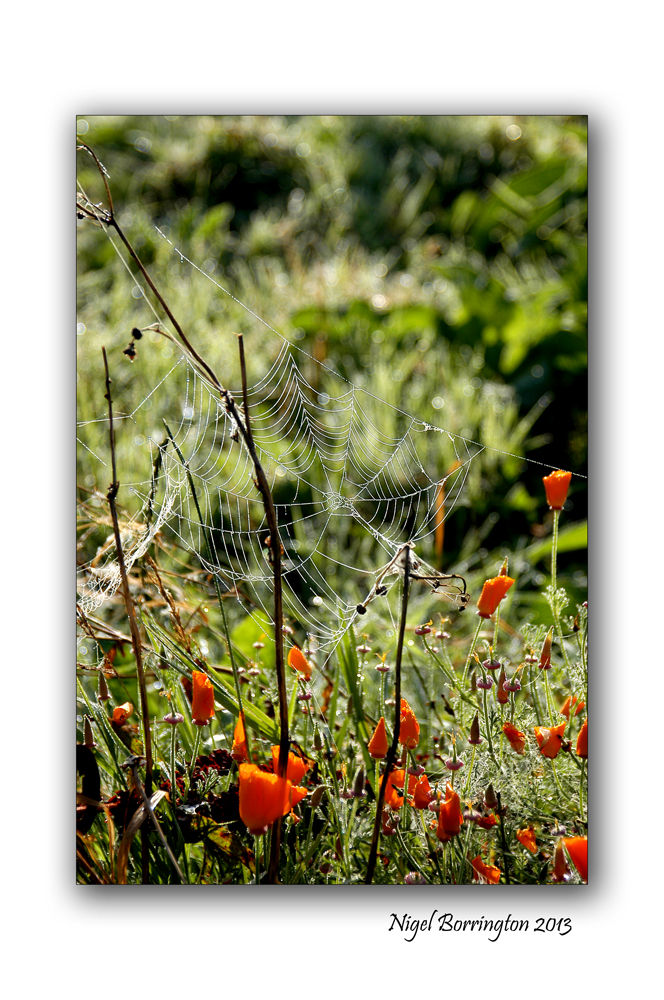
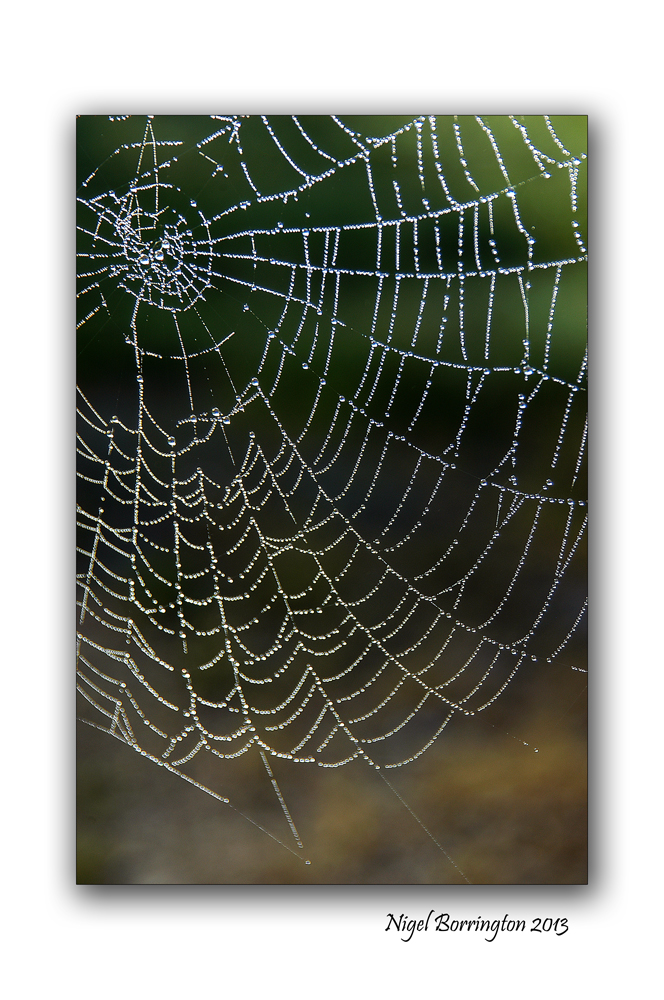
Collecting blackberries for the table is one of the gifts that September brings, on yesterday’s walk I collected enough for our house for a few weeks.
The taste of fresh blackberries is just one of those autumn pleasures.


In a September hedgerow – Bees

All images taken using a Fujifilm x100
In a Kilkenny Hedgerow, September 2013 – Bees
Landscape and nature Photography, Nigel Borrington
September is a wonderful month in Ireland, all the hedgerows come to life. Blackberries and insects, the red of autumn leaves and fading flowers.
My posts today will attempt to show just how wonderful the Hedgerows become at this time of the year.


Rainbow over the river Suir

Rainbow over the river Suir, Clonmel, County Tipperary
Irish landscape photography : Nigel Borrington
Walking in the mountains and forests above Clonmel in county Tipperary is one on the most enjoyable things I can find myself doing. The views over the river Suir as it flows through the town of Clonmel down towards the port of Waterford are just wonderful.
The Saturday Morning I took these two images, the weather was very mixed with rain showers never that far away, the sun however was breaking through the clouds and producing rainbows every now and then.
These two photos are amongst the best I got during the walk.

Rainbow over the river Suir, Clonmel, County Tipperary
Irish landscape photography : Nigel Borrington

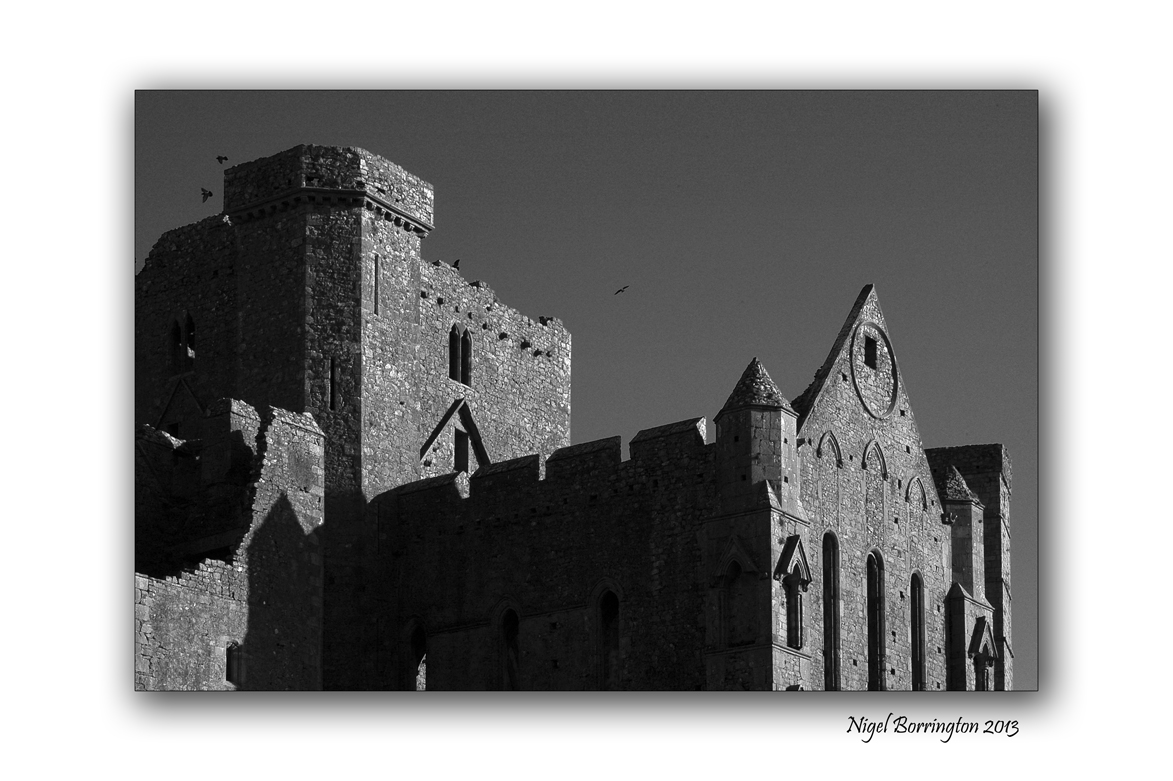
The Rock of Cashel

The Rock of Cashel, County Tipperary
Irish Landscape Photography , Nigel Borrington
The Rock of Cashel

The town of Cashel, in County Tipperary is home to one of Ireland best known and most visited locations, the Rock. It must be one of the most photographed locations in the country and has visitors all year around.
A Wikipedia page describes it as follows:
History
According to local mythology, the Rock of Cashel originated in the Devil’s Bit, a mountain 20 miles (30 km) north of Cashel when St. Patrick banished Satan from a cave, resulting in the Rock’s landing in Cashel.[1] Cashel is reputed to be the site of the conversion of the King of Munster by St. Patrick in the 5th century.
The Rock of Cashel was the traditional seat of the kings of Munster for several hundred years prior to the Norman invasion. In 1101, the King of Munster, Muirchertach Ua Briain, donated his fortress on the Rock to the Church. The picturesque complex has a character of its own and is one of the most remarkable collections of Celtic art and medieval architecture to be found anywhere in Europe, Few remnants of the early structures survive; the majority of buildings on the current site date from the 12th and 13th centuries.
Image Gallery
I took the images in this post early one cold November morning last year.


On An Apple-Ripe September Morning

An Apple-ripe September morning.
Irish Landscape Photography,
Kilkenny based photographer : Nigel Borrington
On An Apple-Ripe September Morning
Patrick Kavanagh

On an apple-ripe September morning
Through the mist-chill fields I went
With a pitch-fork on my shoulder
Less for use than for devilment.
The threshing mill was set-up, I knew,
In Cassidy’s haggard last night,
And we owed them a day at the threshing
Since last year. O it was delight
To be paying bills of laughter
And chaffy gossip in kind
With work thrown in to ballast
The fantasy-soaring mind.
As I crossed the wooden bridge I wondered
As I looked into the drain
If ever a summer morning should find me
Shovelling up eels again.
And I thought of the wasps’ nest in the bank
And how I got chased one day
Leaving the drag and the scraw-knife behind,
How I covered my face with hay.
The wet leaves of the cocksfoot
Polished my boots as I
Went round by the glistening bog-holes
Lost in unthinking joy.
I’ll be carrying bags to-day, I mused,
The best job at the mill
With plenty of time to talk of our loves
As we wait for the bags to fill.
Maybe Mary might call round…
And then I came to the haggard gate,
And I knew as I entered that I had come
Through fields that were part of no earthly estate.
Sir Thomas’s Bridge, Clonmel, County Tipperary

Sir Thomas’s Bridge, Clonmel, County Tipperary
Irish landscape Photography : Nigel Borrington
The river Suir is one of Ireland most loved and visited rivers. It flows through counties Tipperary and Waterford before reaching the Atlantic at Hook -head lighthouse. I have taken a lot of photographs of this river over the years. one of my favourite subject are the old bridges that cross the river, most of them are some hundreds of years old and even though they were designed for horse and cart they still stand strong today and cope very well with modern demands
Sir Thomas’s Bridge is just on the edge of Clonmel in county Tipperary and has been used in many films and advertisements.
The photograph above was taken one early September morning a couple of years ago, the river Suir and the hills above were covered in early morning fog, this just added too the atmosphere. I decided to develop the image in black and white as I felt that this photograph was all about tones and not colour.
Boann, goddess of the River Boyne. A Gallery and Poem.

A Story told by: Deanne Quarrie
Boann, Deanne Quarrie
Boann is the Irish goddess of the river Boyne. Her name means “She of the white cattle.” She was the wife of Nechtain and the beloved of the Dagda, the Good God. It is possible she could be a later naming of Danu Herself. Aenghus mac Og, her son, was the product of the affair between Boann and Dagda. In order to keep the pregnancy secret, the Dagda halted the sun for the term of the goddess’s pregnancy, and so Aenghus was born out of time.
Boann is a Goddess of fertility and the stars. She connects the Way of the White Cow to the White Mound of the Boyne. She gives her name to the preeminent brugh in all of Ireland, Brugh na Boinne. She is honored mid-winter at Imbolc.

Many ancient peoples had stories of floods in which water was both honored as a life bringer and as a destroyer. Water was seen as something that “escaped” from the realms of the gods.
In many of the stories it seemed to be a female who was involved when water, would through some disaster, come to the land, bringing growth and abundance though turbulence.
Probably the most famous version of this myth in Celtic tradition is the Irish story of the Well of Segais.
Growing around this well were nine hazel trees of wisdom, whose nuts fell into the water and gave it the quality of divine illumination, much sought-after by those seeking this wisdom.
Boann was the wife of Nechtan, keeper of the sacred Well of Segais, which was a source of knowledge. Only Nechtan and his cupbearers were permitted to approach the well. The goddess Boann desired to drink from the well herself, to increase her power.

She attempted to challenge the Well of Segais, by going around the well chanting, circling widdershins (counterclockwise, or against the sun direction) . She circled the well three times, as she chanted “amrun.” The well rose against her incantations. Three waves rose up from the well which then flowed forth in five streams and drowned her. Because she was of the Sidhe, she did not die. She lost an arm, a leg and an eye in her battle with the well.
The five streams of wisdom that flowed from this well represent our five senses: taste, smell, feeling, sight and hearing. In her contest with the Well of Segais, Boann experienced “shamanic death” of drowning. In so doing, she gained the Wisdom of Segais as it swept her away.
Manannan said of this….

“I am Manannan, son of Ler, king of the Land of Promise; and to see the Land of Promise was the reason I brought [thee] hither. . . . The fountain which thou sawest, with the five streams out of it, is the Fountain of Knowledge, and the streams are the five senses through which knowledge is obtained. And no one will have knowledge who drinketh not a draught out of the fountain itself and out of the streams.”
From this, we learn that we must experience through all of who we are, through all of the five senses which must be open. This is our gift from Boann.
Boann can be a great ally for poetic composition and many other forms of artistic expression. Invoking or singing Boann’s name while sitting next to a river or stream can be a very powerful and inspiring experience. Clear the mind, open the soul, and listen to the music of Boann playing from the waters. You will always go away a new person.
Vigil at the Well
A rock ledge. A dark pool.
Pale dawn and cold rain.
And a woman alone
holding three coins.
She circles the well
three times in the rain.
She offers the coins
to a great ancient tree
then bends to the pool.
A glimmer of silver.
Dawn striking the pool?
A fish in its depths?
The pool stills again.
The sky blazes red.
The woman gets up.
Nothing seems changed.
But the next day a wind
blows warm from the sea.
Boann suite de reels
 Nigel Borrington
You must be logged in to post a comment.