Irish Landscape Photography : Slievenamon Bog, County Tipperary, The Bog Lands a Poem By : William A. Byrne
Irish Landscape Photography
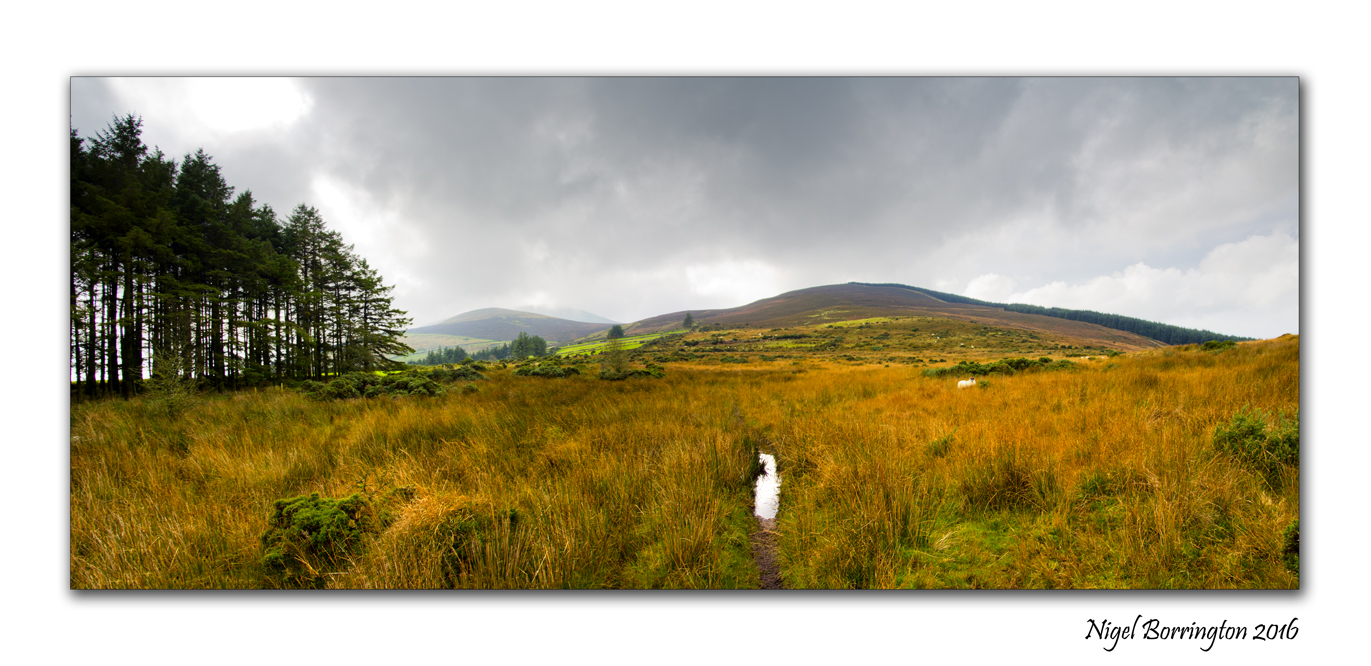
Slievenamon Bog
Nigel Borrington
The Bog Lands
By William A. Byrne
THE purple heather is the cloak
God gave the bogland brown,
But man has made a pall o’ smoke
To hide the distant town.
Our lights are long and rich in change,
Unscreened by hill or spire,
From primrose dawn, a lovely range,
To sunset’s farewell fire.
No morning bells have we to wake
Us with their monotone,
But windy calls of quail and crake
Unto our beds are blown.
The lark’s wild flourish summons us
To work before the sun;
At eve the heart’s lone Angelus
Blesses our labour done.
We cleave the sodden, shelving bank
In sunshine and in rain,
That men by winter-fires may thank
The wielders of the slane.
Our lot is laid beyond the crime
That sullies idle hands;
So hear we through the silent time
God speaking sweet commands.
Brave joys we have and calm delight—
For which tired wealth may sigh—
The freedom of the fields of light,
The gladness of the sky.
And we have music, oh, so quaint!
The curlew and the plover,
To tease the mind with pipings faint
No memory can recover;
The reeds that pine about the pools
In wind and windless weather;
The bees that have no singing-rules
Except to buzz together.
And prayer is here to give us sight
To see the purest ends;
Each evening through the brown-turf light
The Rosary ascends.
And all night long the cricket sings
The drowsy minutes fall,—
The only pendulum that swings
Across the crannied wall.
Then we have rest, so sweet, so good,
The quiet rest you crave;
The long, deep bogland solitude
That fits a forest’s grave;
The long, strange stillness, wide and deep,
Beneath God’s loving hand,
Where, wondering at the grace of sleep,
The Guardian Angels stand.
Irish Castles : A Lament for Kilcash – Monday Poetry

Irish Castles
Kilcash castle
Nigel Borrington
A Lament for Kilcash
Now what will we do for timber,
with the last of the woods laid low?
There’s no talk of Cill Chais or its household
and its bell will be struck no more.
That dwelling where lived the good lady
most honoured and joyous of women
– earls made their way over wave there
and the sweet Mass once was said.
Ducks’ voices nor geese do I hear there,
nor the eagle’s cry over the bay,
nor even the bees at their labour
bringing honey and wax to us all.
No birdsong there, sweet and delightful,
as we watch the sun go down,
nor cuckoo on top of the branches
settling the world to rest.
A mist on the boughs is descending
neither daylight nor sun can clear.
A stain from the sky is descending
and the waters receding away.
No hazel nor holly nor berry
but boulders and bare stone heaps,
not a branch in our neighbourly haggard,
and the game all scattered and gone.
Then a climax to all of our misery:
the prince of the Gael is abroad
oversea with that maiden of mildness
who found honour in France and Spain.
Her company now must lament her,
who would give yellow money and white
– she who’d never take land from the people
but was friend to the truly poor.
I call upon Mary and Jesus
to send her safe home again:
dances we’ll have in long circles
and bone-fires and violin music;
that Cill Chais, the townland of our fathers,
will rise handsome on high once more
and till doom – or the Deluge returns –
we’ll see it no more laid low.

Kilcash Castle located on the county Kilkenny / Tipperary boarders but firmly in county Tipperary is one of the most haunting places to be found locally. It has a long history that started with its construction in the sixteenth century by the wall family who latter passed it on to the Butlers of Ormond who much latter sold it to the Irish State in 1997 for £500
Brief History of Kilkash castle and the Poem
By the late 20th century Kilcash Castle was in a dangerous state of repair, and it was sold to the State by the trustees of the Ormond estate for £500 in 1997. It is undergoing extensive structural repairs to save it from collapsing. But this means it is covered in scaffolding and the site is closed off to visitors.
The author of the popular Irish poem and song Cill Chaise (Kilcash) casts himself back in time to mourn the death of Margaret Butler, the former Lady Iveagh, in 1744. Her death moves the writer to lament her tolerance and to compare the cutting down of the woods of Kilcash with the destruction of the Gaelic way of life.
But the woods were not destroyed by the English, but through their sale by the Butler family, who needed the income to supplement their new lifestyle in Kilkenny Castle.
Traditionally, the poem has been attributed to Father John Lane, Parish Priest of nearby Carrick-on-Suir, who was educated for the priesthood at the expense of the former Lady Iveagh, the deagh-bhean or good lady in the song. However, the dating is misplaced, for Father Lane died in 1776 and the sale of the timber at Kilcash was not advertised in local newspapers until 1797.
Although the timber was sold off between 1797 and 1801, the earliest manuscripts of the text do not appear for another 40 years, which means Cill Chaise was written no earlier than the early 1800s, but perhaps much later. The air seems to be Bliadhin ’sa taca so phós mé (This time twelve months I married), which was collected by George Petrie in Clare and published in 1855.

The Rime of the Ancient Mariner. A poem by: Samuel Taylor Coleridge, Images of Banna Strand, Kerry, Ireland

Banna Strand,
Tralee Bay,
Irish Landscape Photography,
Nigel Borrington
From “The Rime of the Ancient Mariner”
Samuel Taylor Coleridge
The “Rime“ is one of the greatest pieces of Romantic literature. And the section of this epic poem in which the dead sailors get up and start sailing the boat again without seeing anything is as terrifying as anything in the horror genre.
The thick black cloud was cleft, and still
The Moon was at its side:
Like waters shot from some high crag,
The lightning fell with never a jag,
A river steep and wide.
The loud wind never reached the ship,
Yet now the ship moved on!
Beneath the lightning and the Moon
The dead men gave a groan.
They groaned, they stirred, they all uprose,
Nor spake, nor moved their eyes;
It had been strange, even in a dream,
To have seen those dead men rise.
The helmsman steered, the ship moved on;
Yet never a breeze up-blew;
The mariners all ‘gan work the ropes,
Where they were wont to do;
They raised their limbs like lifeless tools—
We were a ghastly crew.
The body of my brother’s son
Stood by me, knee to knee:
The body and I pulled at one rope,
But he said nought to me.
‘I fear thee, ancient Mariner!’
Be calm, thou Wedding-Guest!
‘Twas not those souls that fled in pain,
Which to their corpses came again,
But a troop of spirits ablest:
For when it dawned—they dropped their arms,
And clustered round the mast;
Sweet sounds rose slowly through their mouths,
And from their bodies passed.
Around, around, flew each sweet sound,
Then darted to the Sun;
Slowly the sounds came back again,
Now mixed, now one by one.
Sometimes a-dropping from the sky
I heard the sky-lark sing;
Sometimes all little birds that are,
How they seemed to fill the sea and air
With their sweet jargoning!
And now ’twas like all instruments,
Now like a lonely flute;
And now it is an angel’s song,
That makes the heavens be mute.
It ceased; yet still the sails made on
A pleasant noise till noon,
A noise like of a hidden brook
In the leafy month of June,
That to the sleeping woods all night
Singeth a quiet tune.
Till noon we quietly sailed on,
Yet never a breeze did breathe:
Slowly and smoothly went the ship,
Moved onward from beneath.
Under the keel nine fathom deep,
From the land of mist and snow,
The spirit slid: and it was he
That made the ship to go.
The sails at noon left off their tune,
And the ship stood still also.
The Sun, right up above the mast,
Had fixed her to the ocean:
But in a minute she ‘gan stir,
With a short uneasy motion—
Backwards and forwards half her length
With a short uneasy motion.
Then like a pawing horse let go,
She made a sudden bound:
It flung the blood into my head,
And I fell down in a swound.
Monday poetry , River Banks by Carolyn Follett

Irish Landscapes
River Maine
Kilderry North
County Kerry
Nigel Borrington
River has a silver string that runs its length,
holds it to a source in the mountains.
River cradles its corded muscles of water
between high banks, giving the banks no thought
as it bites them with eddies,
eroding their lower flanks.
River thinks it is only water and the gristle
of currents, hay stacking surfaces
and deep, bellowing falls
running for the sea, though
it does not know it is there.
River should take more care of its banks.

Banks are what hold it a river, give
direction, keep it mitering downward.
Without banks, river loses its way,
becomes a swamp and stills.
All my life I have chafed at river banks,
fighting to spread my currents
in whatever turn needed exploring.
The high song of freedom seemed
to be a music of ‘no banks’,
and yet the whole joy of rivers is pushing,
etching the banks to join the flow,
but having them hold.
Irish Landscape Photography , the river Maine , Kilderry north, county Kerry : Nigel Borrington

Irish Landscapes
River Maine
Kilderry North
County Kerry
Nigel Borrington
A river Poem By : Manonton Dalan
TREE BY THE RIVER
Under the tree’s canopy, there I lay
Dreaming how the world could be
Beyond those clouds, the horizon
Would there be one like me, alone
Got up pick up the roundest stone
Cast to the river and glide by its own
Hits a ripple, goes airborne
For a kid like me, it is a phenom
By the grassy banks, frogs abound
Love to disturb them,
into the river they plunge
Never tried to catch them because they slime
So beautiful, shiny greenish yellow, brown
Water is crystal clear,
see fishes swimming
Stones unturned are coated with stringy green
Constantly dancing as the little shells cling
Reach down to touch the water
Felt something came to me, a power
Don’t know what it was but still here
“Sailing to Byzantium” a poem by William Butler Yeats

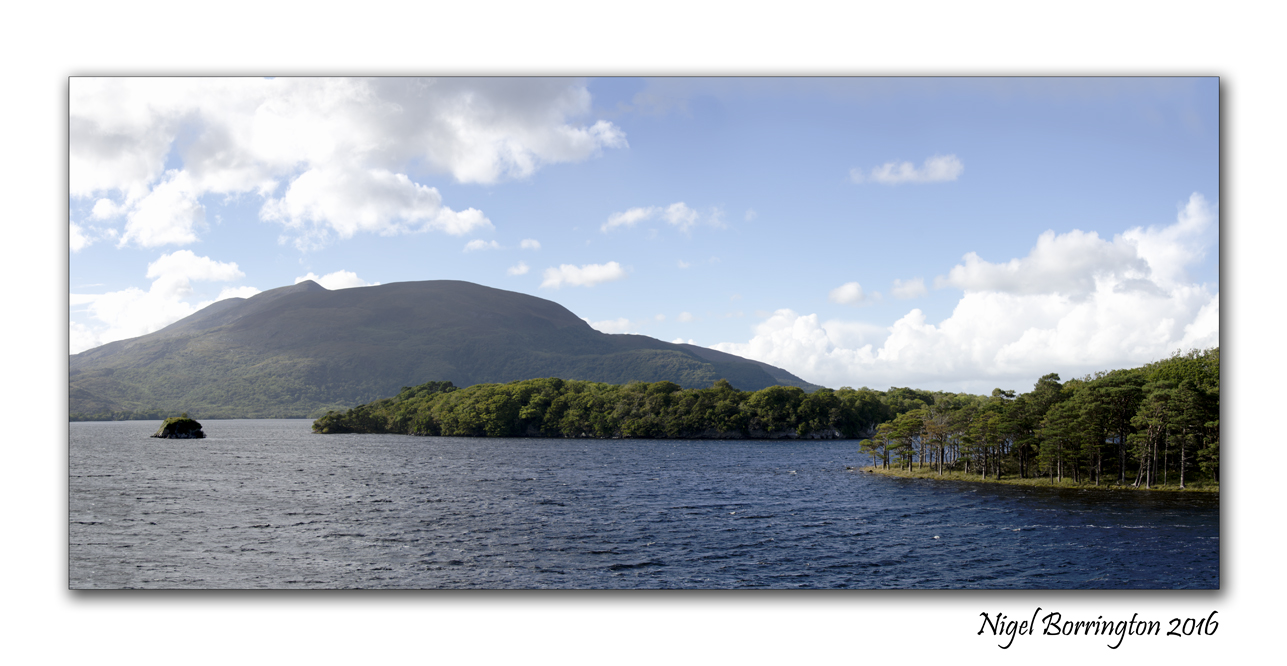
Muckross lake
lakes of Killarney
Irish landscape Photography
Nigel Borrington
Sailing to Byzantium
by William Butler Yeats
That is no country for old men. The young
In one another’s arms, birds in the trees
– Those dying generations – at their song,
The salmon‐falls, the mackerel‐crowded seas,
Fish, flesh, or fowl, commend all summer long
Whatever is begotten, born, and dies.
Caught in that sensual music all neglect
Monuments of unageing intellect.
An aged man is but a paltry thing,
A tattered coat upon a stick, unless
Soul clap its hands and sing, and louder sing
For every tatter in its mortal dress,
Nor is there singing school but studying
Monuments of its own magnificence;
And therefore I have sailed the seas and come
To the holy city of Byzantium.
O sages standing in God’s holy fire
As in the gold mosaic of a wall,
Come from the holy fire, perne in a gyre,
And be the singing‐masters of my soul.
Consume my heart away; sick with desire
And fastened to a dying animal
It knows not what it is; and gather me
Into the artifice of eternity.
Once out of nature I shall never take
My bodily form from any natural thing,
But such a form as Grecian goldsmiths make
Of hammered gold and gold enamelling
To keep a drowsy Emperor awake;
Or set upon a golden bough to sing
To lords and ladies of Byzantium
Of what is past, or passing, or to come.
Irish Landscape photography , 7 days in county Kerry

Carrauntoohil
County Kerry
Irish Landscape Photography
Nigel Borrington
Just returned from a seven day family Holiday in County Kerry, what a wonderful part of the world county Kerry is 🙂
I will share lots more images but here are just a few ……


Irish Landscape Photography – Ireland in September
Irish Landscape Photography
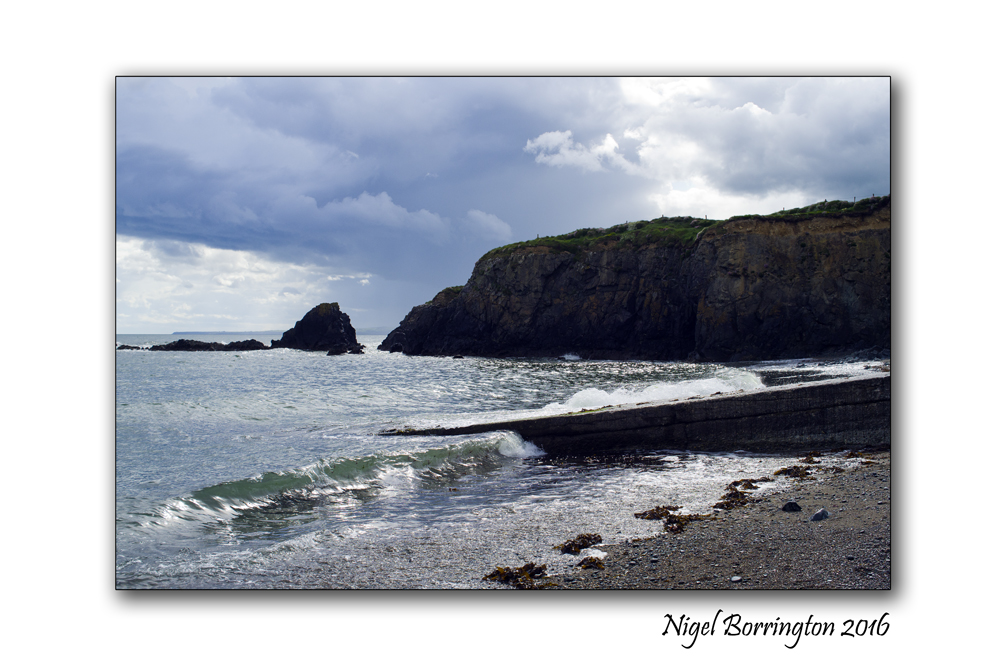
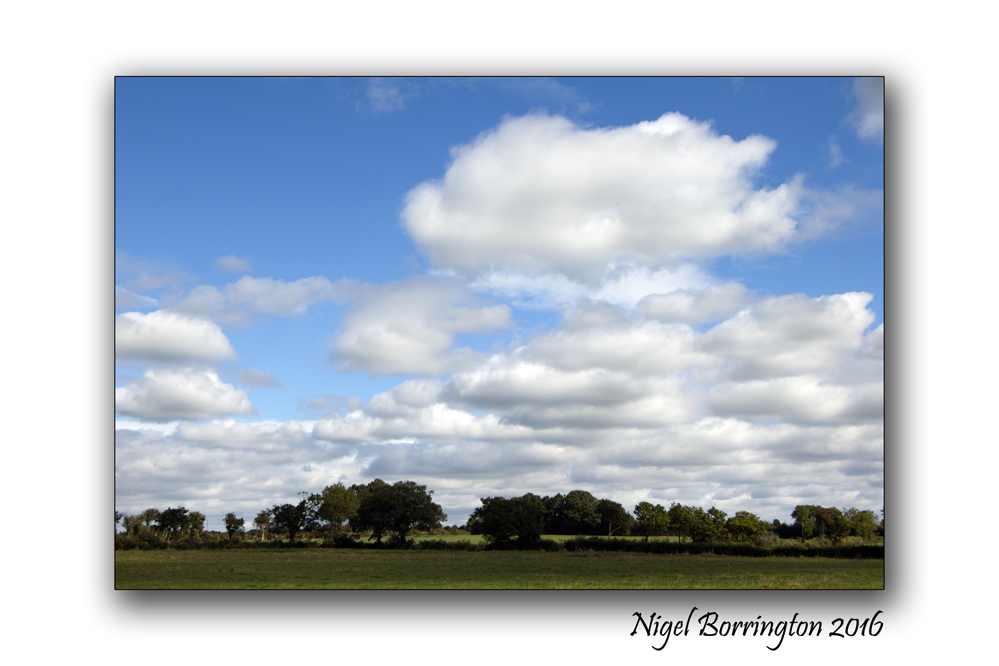
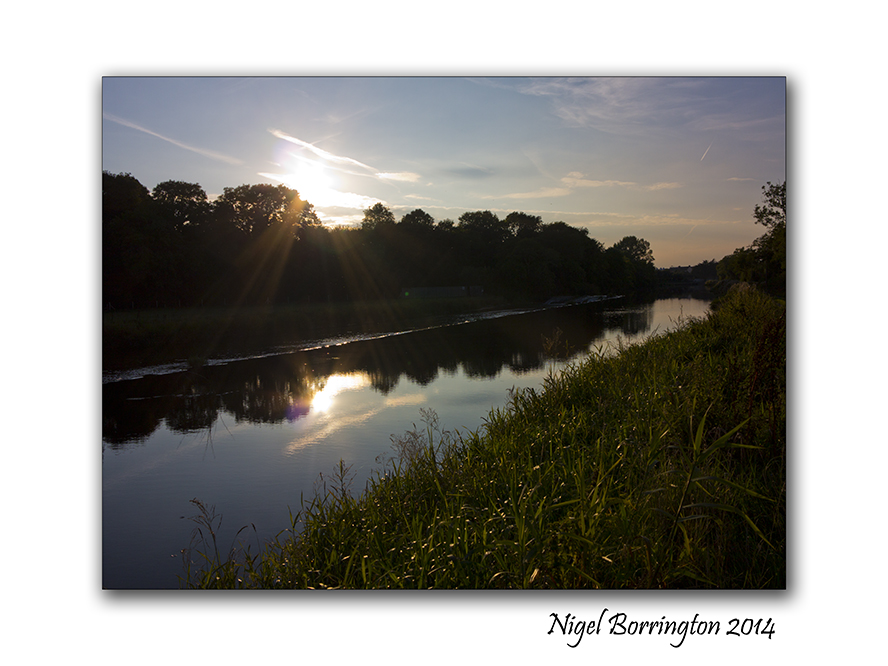
This Gallery of Landscape Images is a collection of some of my favourite places to take Landscape photographs, they are images taken in the months of September over the last three years …..
Ireland in September






Friday Poetry : in the Valley Of Slievenamon , Charles Joseph Kickham

The Valley Of Slievenamon
Irish Landscape Images
Nigel Borrington
Alone, all alone, by the wave-washed strand
All alone in the crowded hall
The hall it is gay, and the waves they are grand
But my heart is not here at all.
It flies far away, by night and by day
To the times and the joys that are gone.
But I never will forget the sweet maiden I met
In the valley of Slievenamon.
It was not the grace of her queenly air
Nor her cheek of the rose’s glow
Nor her soft black eyes, not her flowing hair
Nor was it her lily-white brow,
‘Twas the soul of truth, and of melting ruth
And the smile like a summer dawn
That sold my heart away on a soft summer day
In the valley of Slievenamon.
In the festival hall, by the star-washed shore,
Ever my restless spirit cries.
‘My love, oh, my love, shall I ne’er see you more.
And my land, will you never uprise?’
By night and by day, I ever, ever pray
While lonely my life flows on
To see our flag unfurled and my true love to enfold
In the valley of Slievenamon.
Charles Joseph Kickham
Poems by Charles Joseph Kickham
Irish Landscape Photography, River Dawn, County Waterford

Irish Landscape Photography
River Dawn
County Waterford
Nigel Borrington
Irish Landscapes

The Landscape of Ireland is some of the most idyllic on the European continent, counties Kerry and Mayo have some of the most stunning mountains and the west coast along with west cork have some of the most beautiful beaches and coast line. The North is wild in the winter months and county Wexford warm and sunny in the summer. While this is all very true and these places are great to visit, very few People live in these remote locations.
For most of us who live here it is landscapes like the one above (The River Dawn) that we get to see and visit most often, the local countryside with its low lying farm-land and rivers that flow slowly through it. Rivers like the River Dawn in the picture above that flows through county Waterford before joining the River Suir close to waterford city.
Even though I love to visit the most iconic places here, it is the everyday landscapes I love to photograph the most …..

river Dawn Joins the river Suir
county Waterford
Nigel Borrington
Welcome to the Deise Greenway, County Waterford
The Deise Greenway
County Waterford
Ireland
Irish Landscape Photography : Nigel Borrington
The Waterford / Deise Greenway
The Amazing new Deise Greenway is almost completed and for anyone who has not heard about this new public cycle and walking path in county Waterford Ireland, here is some basic information !
The History of the Greenway – A Railway history
Waterford to Dungarvan
The Railway Line from Dungarvan to Waterford was constructed during the 1870’s and was officially opened on the 12th August 1878 with the first train departing Waterford at 10.10 and arriving at Durrow just over an hour later.

The building of the Railway was a remarkable project in that it had to be contructed over very harsh terrain. From the Dungarvan side, two causeways had to be contructed, one over the Colligan estuary and one through the sea at Barnawee, a very impressive viaduct has to be built at Ballyvoile and an even more impressive tunnel, 480 yards long, fully lined was constructed just a little further down the line. Another viaduct at Kilminnion and an almost 100 feet high curved viaduct at Kilmacthomas to name just a few. It headed down towards the lovely station at Kilmeaden and then on the riverbank of the River Suir below Mount Congreve into Waterford City.

The Railway line was not just of national importance, it was also our line with the UK with many Irish people emigrating there but many used it to come over and back. In March 1967, the last passenger train left Dungarvan station for Rosslare. But it reopened again with the opening of the Magnesite ore processing plant at Ballinacourty but this plant closed in 1982. Engineers ran occasional locomotives on the line up until 1990.

CIE own the line but Waterford County Council acquired a license from them at the start of this century to make it into a pedestrian walkway/cycle path for tourism and leisure.
It has impressive history, a history we can not neglect by not taking an interest in the line, we need to preserve it for the people as an amenity for the people.
Rebirth of the rail line – The Deise Greenway
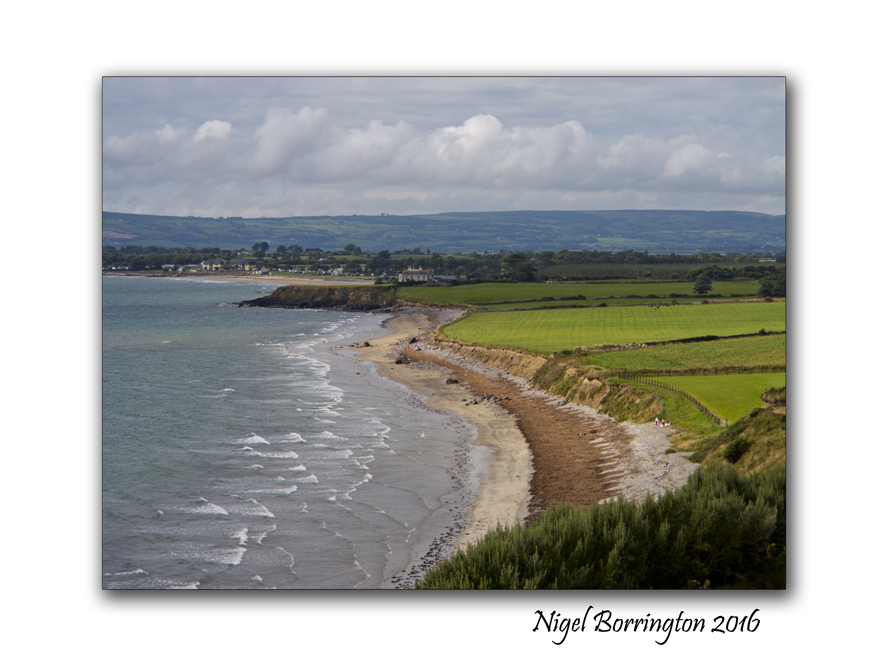
The Deise Greenway is almost complete so last weekend we took a walk along the section from Ballyvoyle brick-lined tunnel down to Dungarvan Bay. This section of the route is just fantastic to walk as it induces the Ballyvoyal tunnel and viaduct and then the wonderful views of the waterford coastline above the town of Dungarvan.
Below are some of the pictures I took on Sunday ……
Gallery




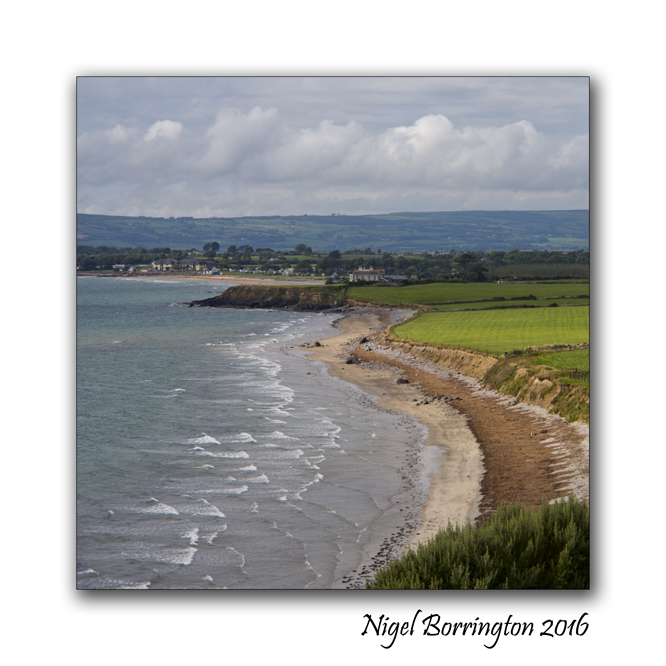


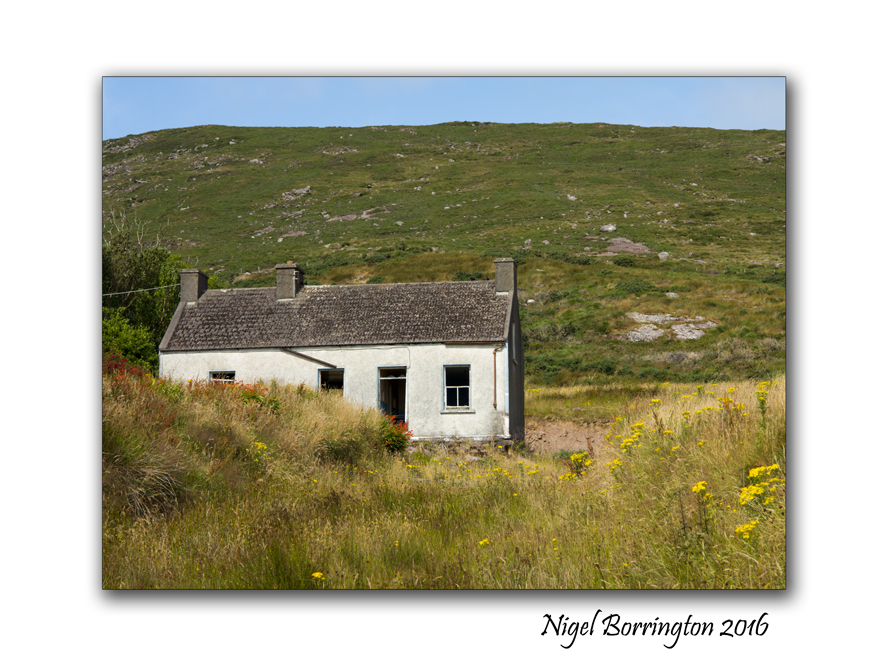
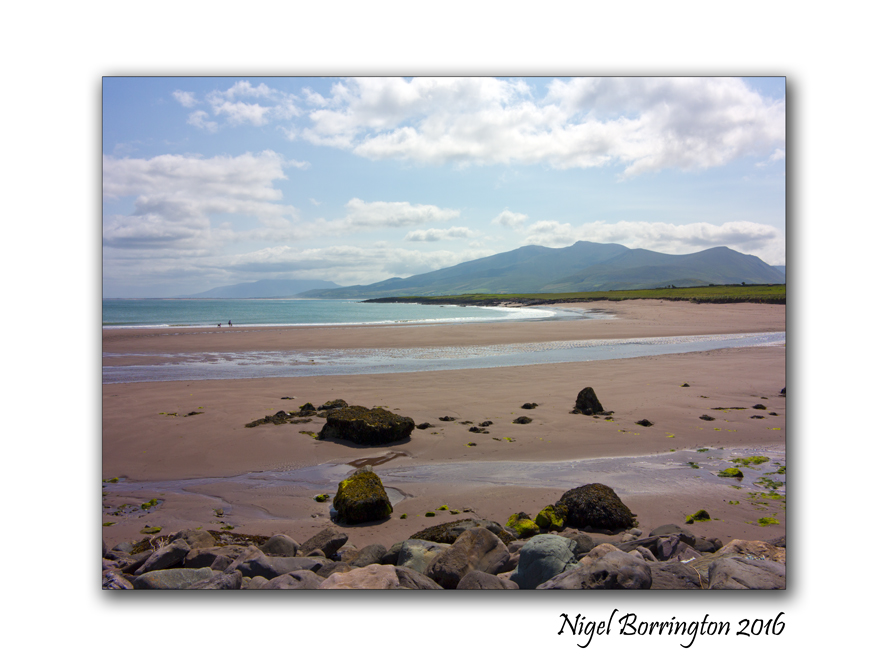
Irish Landscape photography , The path to the beach – County Kerry

Irish Landscape Photography
Brandon Point
County Kerry
Nigel Borrington
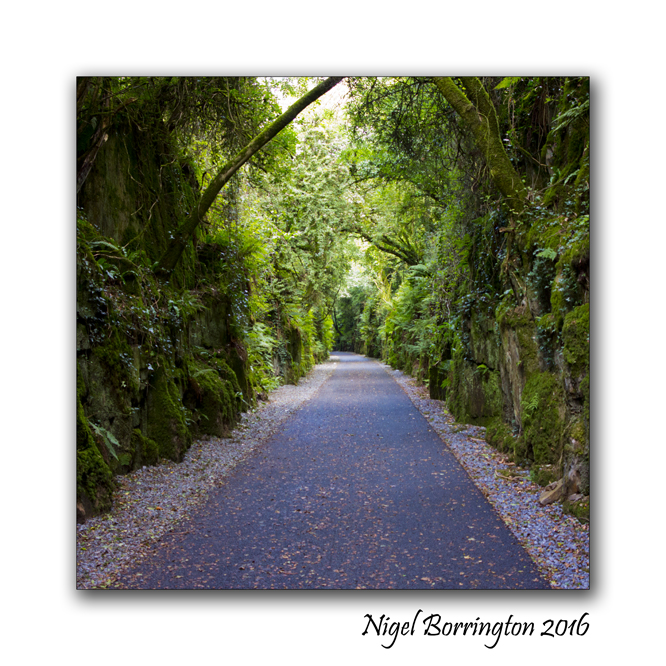
The Path down to the Beach at BallyQuin, Brandon, County Kerry Ireland


Solo images : Jameson Irish Whiskey , County Cork – The Mash
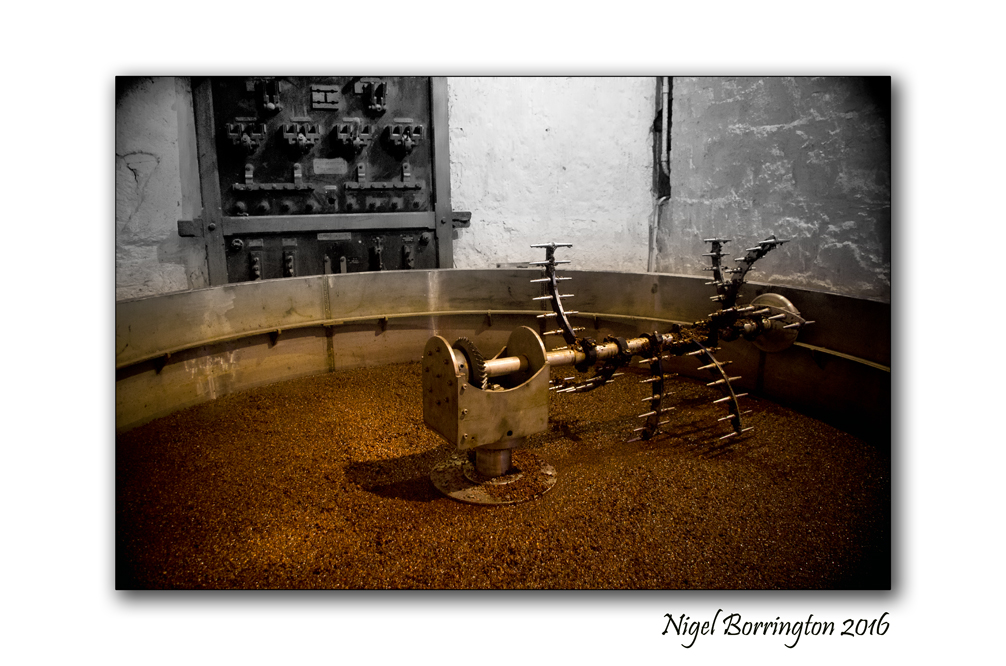
Jameson Irish Whiskey
The Mash
Nigel Borrington
The Whiskey mash
A mechanical metal stirring unit with a central bevel gear, installed to make stirring easier. That way the sugar could not only be extracted faster but also more efficiently. Less sugar was left in the husks of the grain, and the whisky became more affordable.
The mash has to be stirred for some time to extract the malt sugar from the grist. In earlier times, a lot of water used to evaporate during this process, and with the water steam the temperature fell constantly, which further impaired the extraction process. Only in the last century, when energy costs rose, nearly all mash tuns were equipped with a lid made of sheet metal (e.g. copper) in order to limit the loss of energy.
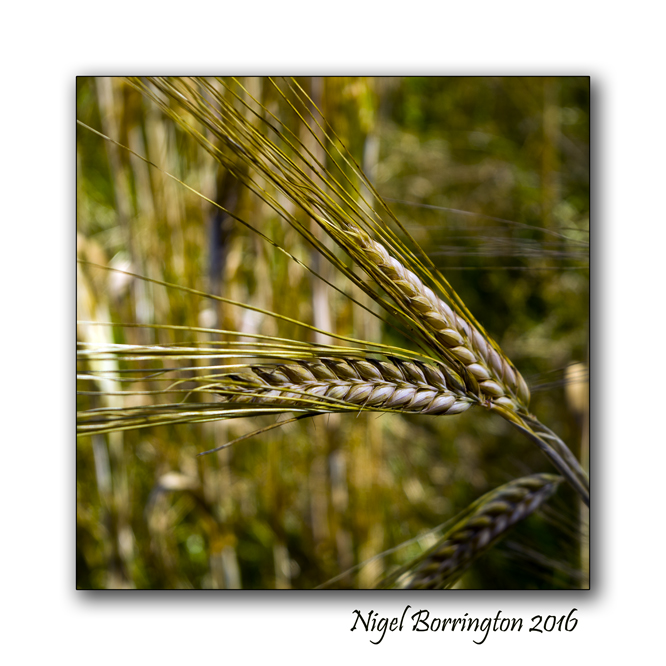
County Kilkenny Landscapes and a Poem : Like Barley Bending, Sara Teasdale (1884 – 1933)
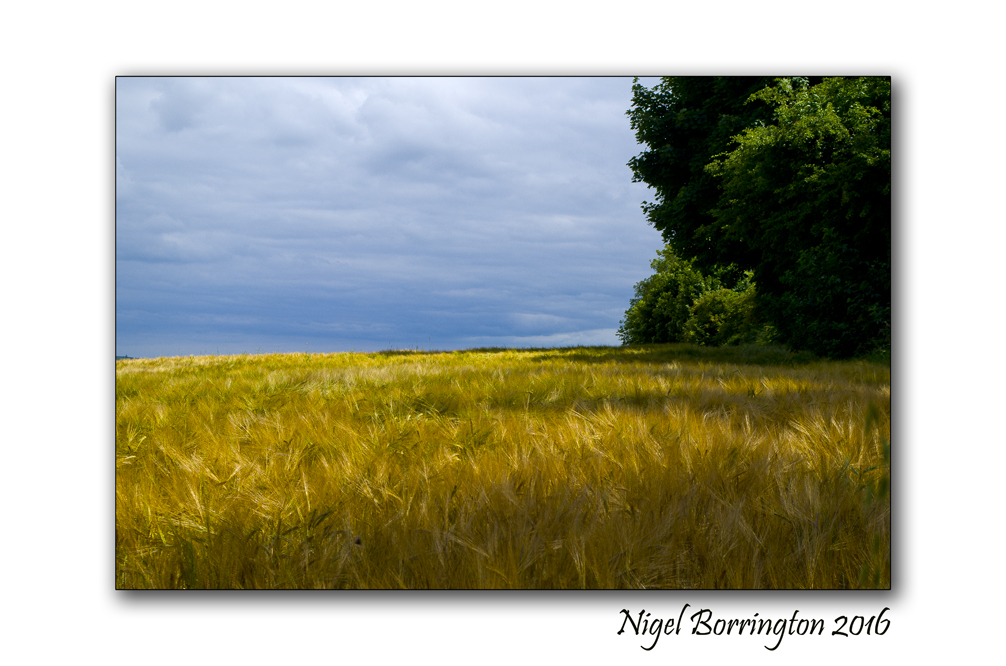
Barley Field
County Kilkenny
Nigel Borrington
Like Barley Bending
Like barley bending
In low fields by the sea,
Singing in hard wind
Ceaselessly;
Like barley bending
And rising again,
So would I, unbroken,
Rise from pain;

So would I softly,
Day long, night long,
Change my sorrow
Into song.
Poem: When I look down toward the beach, Images of the Irish south coast
Image Of the Irish Coast , County Waterford, Ireland
Irish Landscape photography : Nigel Borrington
Images from the Irish coast.
Poem : When I look down toward the beach
When I look down toward the beach,
the distant pier seems to stride
forward from the shining sea.
I like to look beyond,
to the bands of turquoise and blue,
an ocean painted in bold,
abandoned strokes.
Why are we drawn to the waves?
Those elemental rhythms,
sounds and colours
of a primary world,
where sparse pointillist spots
busy themselves on
yellow-ochre sands.

Some days the morning
unfolds through mists,
groynes spacing out
the distances along the strand,
until a final fade-out,
well before the sea
can meet the sky.
Overhead, pterodactyl shapes
patrol against fresh patches
of blue. As I approach,
the blurred semblances
of buildings appear, rectangles
feathered violet or grey,
as if stepping off the cliff.
The Copper mine , Monday Poetry
The Copper Mine
A mine spread out its vast machinery.
Her engines with their huts and smoky stacks,
Cranks, wheels, and rods, boilers and hissing steam,
Pressed up the water from the depths below.
Here fire-whims ran till almost out of breath,
And chains cried sharply, strained with fiery force.
Here blacksmiths hammered by the sooty forge,
And there a crusher crashed the copper ore.
Here girls were cobbing under roofs of straw,
And there were giggers at the oaken hutch.
Here a man-engine glided up and down,
A blessing and a boon to mining men:
And near the spot, where many years before,
Turned round and round the rude old water wheel,
A huge fire-stamps was working evermore,
And slimy boys were swarming at the trunks.
The noisy lander by the trap-door bawled
With pincers in his hand; and troops of maids
With heavy hammers brake the mineral stones.
The cart-man cried, and shook his broken whip;
And on the steps of the account-house stood
The active agent, with his eye on all.
Below were caverns grim with greedy gloom,
And levels drunk with darkness; chambers huge
Where Fear sat silent, and the mineral-sprite
For ever chanted his bewitching song;
Shafts deep and dreadful, looking darkest things
And seeming almost running down to doom;
Rock under foot, rock standing on each side;
Rock cold and gloomy, frowning overhead;
Before; behind, at every angle, rock.
Here blazed a vein of precious copper ore,
Where lean men laboured with a zeal for fame,
With face and hands and vesture black as night,
And down their sides the perspiration ran
In steaming eddies, sickening to behold.
But they complained not, digging day and night,
And morn and eve, with lays upon their lips.
Here yawned a tin-cell like a cliff of crags,
Here Danger lurked among the groaning rocks,
And oftimes moaned in darkness. All the air
Was black with sulphur and burning up the blood.
A nameless mystery seemed to fill the void,
And wings all pitchy flapped among the flints,
And eyes that saw not sparkled min the spars.
Yet here men worked, on stages hung in ropes,
With drills and hammers blasting the rude earth,
Which fell with such a crash that he who heard
Cried, “Jesu, save the miner!” Here were the ends
Cut through hard marble by the miners’ skill,
And winzes, stopes and rizes: pitches here,
Where worked the heroic, princely tributer,
This month for nothing, next for fifty pounds.
Here lodes ran wide, and there so very small
That scarce a pick-point could be pressed between;
Here making walls as smooth as polished steel,
And there as craggy as a rended hill.
And out of sparry vagues the water oozed,
Staining the rock with mineral, so that oft
It led the labourer to a house of gems.
Across the mine a hollow cross-course ran
From north to south, an omen of much good;
And tin lay heaped on stulls and level-plots;
And in each nook a tallow taper flared,
Where pale men wasted with exhaustion huge.
Here holes exploded, and there mallets rang,
And rocks fell crashing, lifting the stiff hair
From time-worn brows, and noisy buckets roared
In echoing shafts; and through this gulf of gloom
A hollow murmur rushed for evermore.
Friday Poetry : The Road
The Road
West Cork, Ireland
Nigel Borrington
The Road
Rockie
Oct 19, 2014
If you were on the road to nowhere,
where would you go?
If you were on the road to somewhere,
would you stay where you are?
If there was no road,
what would you do?
If the road was there,
would you carry on walking?
If the road you walked upon,
was somebody else’s,
would you leave?
If the road you took,
leads to the end of yours,
would you bother turning back?
What would YOU do,
if the feet that led you,
took you onto a road,
that you didn’t know about?
The Giants-causeway, Antrim, Ireland
Geology and Myth
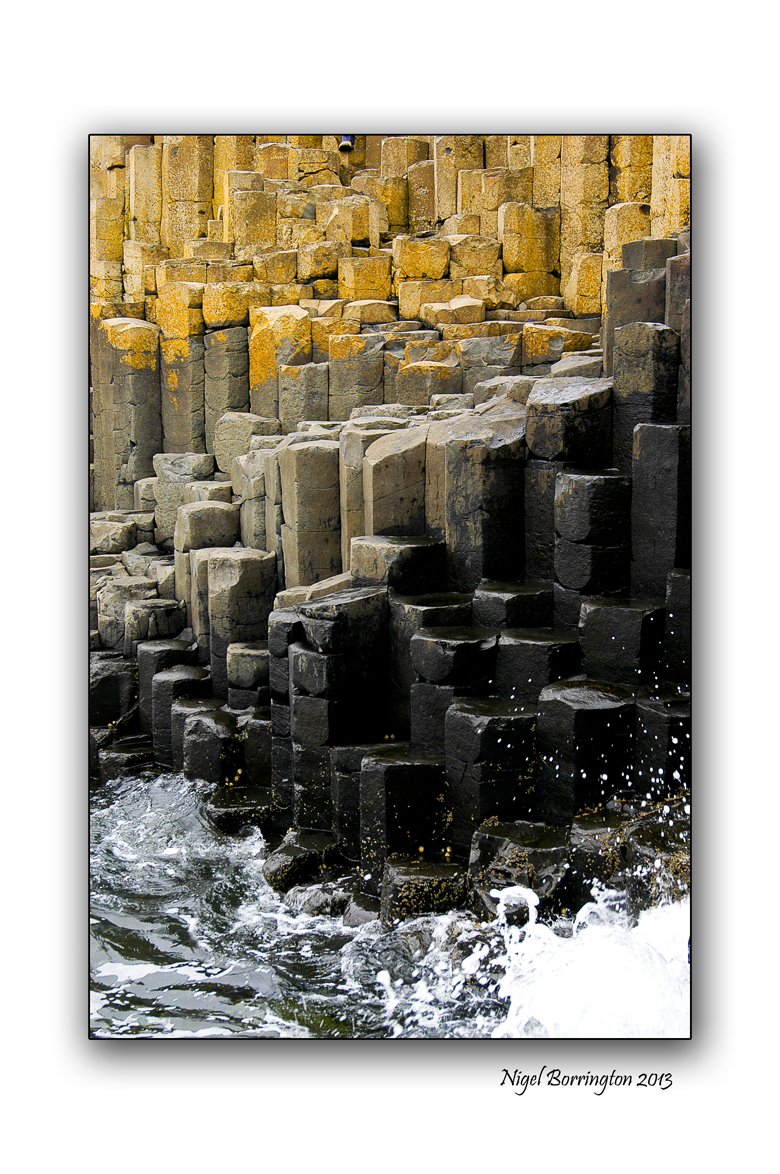
It was on a very wet October morning that we arrived at the giants causeway, its located just outside of the town of Bushmills, county Antrim, on the north Irish coast.
Its a national trust site so you have to pay a fee to get in to the area. Its a small walk from the visitors center to the causeway itself but its well worth it.
This is both a magical and mythical location and one of the worlds most geologically fascinating places.
I took the following images on the day and even though it was very wet and dull I think they get across the feeling you have when your walking around this site. I have added some information as the the geology and the myth’s associated with this truly wonderful place.

The Geology of the causeway
Giant’s Causeway, ( Irish: Clochán an Aifir) promontory of basalt columns along 4 miles (6 km) of the northern coast of Northern Ireland. It lies on the edge of the Antrim plateau between Causeway Head and Benbane Head, some 25 miles (40 km) northeast of Derry. There are approximately 40,000 of these stone pillars, each typically with five to seven irregular sides, jutting out of the cliff faces as if they were steps creeping into the sea.
Formed 50 to 60 million years ago, during the Paleogene Period, the Giant’s Causeway resulted from successive flows of lava inching toward the coast and cooling when they contacted the sea. Layers of basalt formed columns, and the pressure between these columns sculpted them into polygonal shapes that vary from 15 to 20 inches (38 to 51 cm) in diameter and measure up to 82 feet (25 metres) in height. They are arrayed along cliffs averaging some 330 feet (100 metres) in elevation.
Myths behind the magic
Thanks to Kirribilli for this re-telling:
Long, long ago there lived a mighty warrior who was known across the length and breadth of Erin for his strength and bravery, no man on the island was his match and apart from repelling the hoards and the armies that attempted to invade our green land, being the best can be a bit boring and Fionn mac Cumhaill needed a challenge, he needed to prove to himself that he was the greatest warrior both on and off the island.
At that time the scourge of Scotland was a giant called Benandonner and on hearing tales of this beast of a man, Fionn knew that if he could beat this giant, his name would be known the world over. He made his way up to the Ulster coast, shouted across the water at Benandonner and challenged him to a fight.
Now normal people would take a boat and sail across the sea but not these two, they set upon ripping huge rocks out of the ground and throwing them into the sea separating Ireland from Scotland until after hours and days of back-breaking work there stretched a rocky causeway linking the two lands.
They’d agreed to fight between their two lands and seeing that bridge was complete, they made their way across the land bridge. As they approached each other it became apparent how big Benandonner really was, this wasn’t just a big man, this was a true giant.
Now Fionn was not a small man himself but the sheer size of the Scottish giant scared him, suddenly a fight with a monster like that wasn’t as appealing…
So he ran.
But not too far, once he was out of Benandonner’s sight he disguised himself as a baby, which was somewhat apt as he always had his best ideas when he sucked his thumb.
When Benandonner found the baby he asked it who its father was, he was told the baby was Fionn mac Cumhaill’s. When he heard this and saw the size of the baby, he imagined how big the father would be, he would be gigantic, he wouldn’t stand a chance, so he ran.
He ran back to the land of the Scots and on his way back he made sure to destroy the bridge, lest Fionn ever come looking for him…
Gallery


Returning to Skellig Michael, an island escape
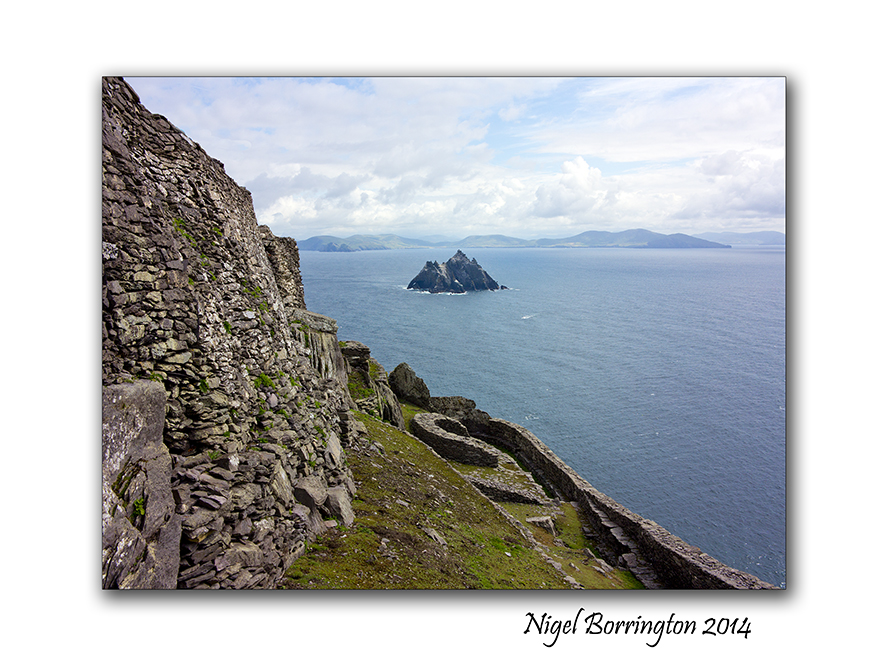
Skellig Michael, county Kerry, Ireland
Landscape Photography : Nigel Borrington
I first visited Skellig Michael in 2012 and the following images and post were taken and created during and following this visit, since then the island has been used during the making of the latest Star Wars movie “The Force Awakens”.
While no one worried too much about this remote and sacred place being used for this purpose, I think a lot of people are very much hoping that it does not mark the start of the island being openly used in such away, here it Ireland places like this are treasured and their peace is defended strongly. The Island is also the home to some very unique and protected wildlife.
Skellig Michael : an island escape
Skellig Michael is an Island some 12 to 16 kilometres by boat from the ring of kerry, county Kerry, Ireland. It is most famous for the fact that during the 6th to the 8th Century’s a religious settlement was established here.
The Island is a world heritage site and falls under the guardianship of UNESCO, you can find the official historic details from the link on the world heritage web page here : Skellig Michael
In my last two posts I shared the boat trip to the Island and then the long but wonderful walk up to the settlement at the very top of the Island some 218 meters from sea level. Today I just want to share images of the inside area , the location that the people who lived here spent their life’s and also the location in which they are buried and there final resting place.
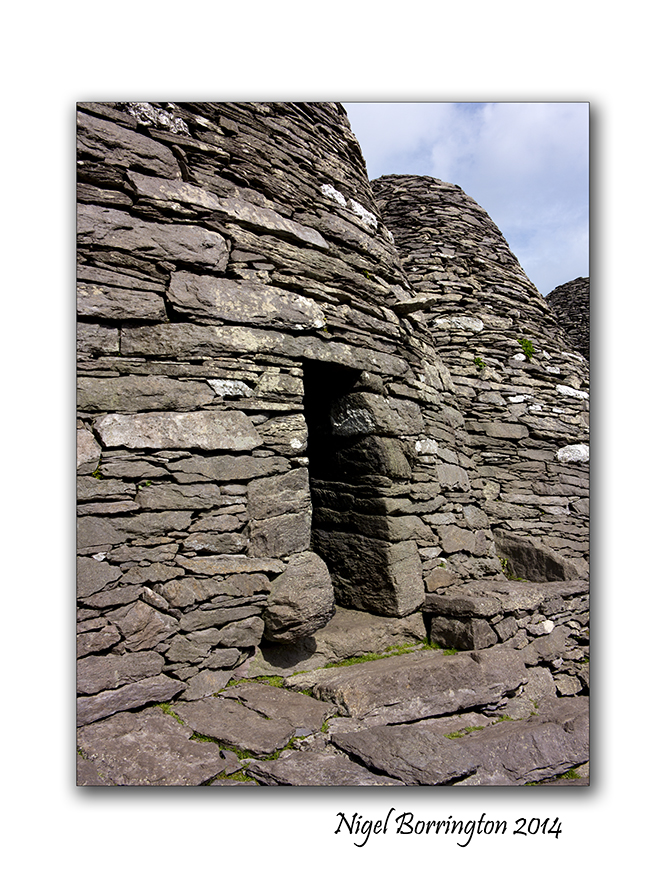
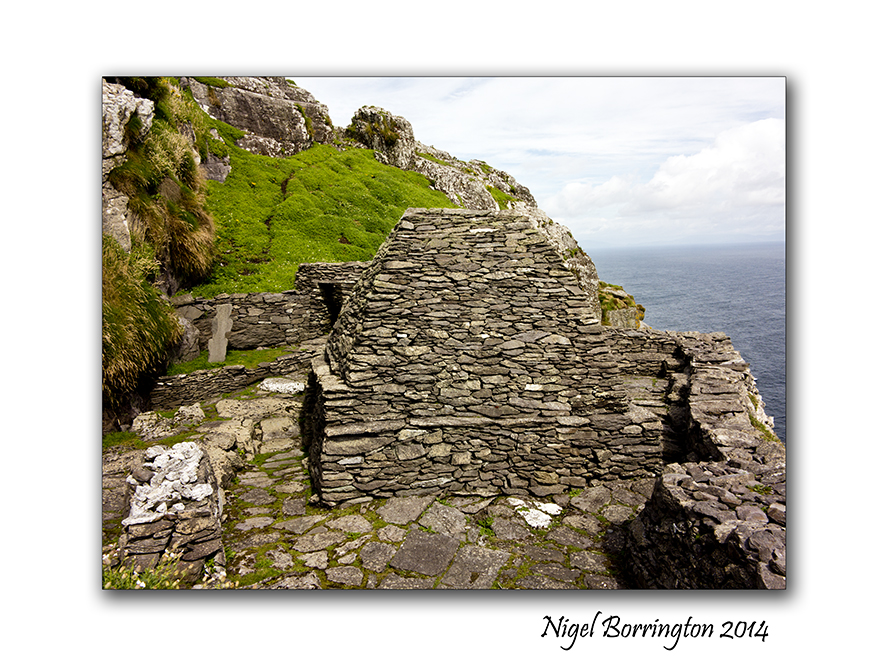
The images in the Gallery below are placed in the order that you view the buildings when you walk through the site, the only access is through a small passage in the outer walls.
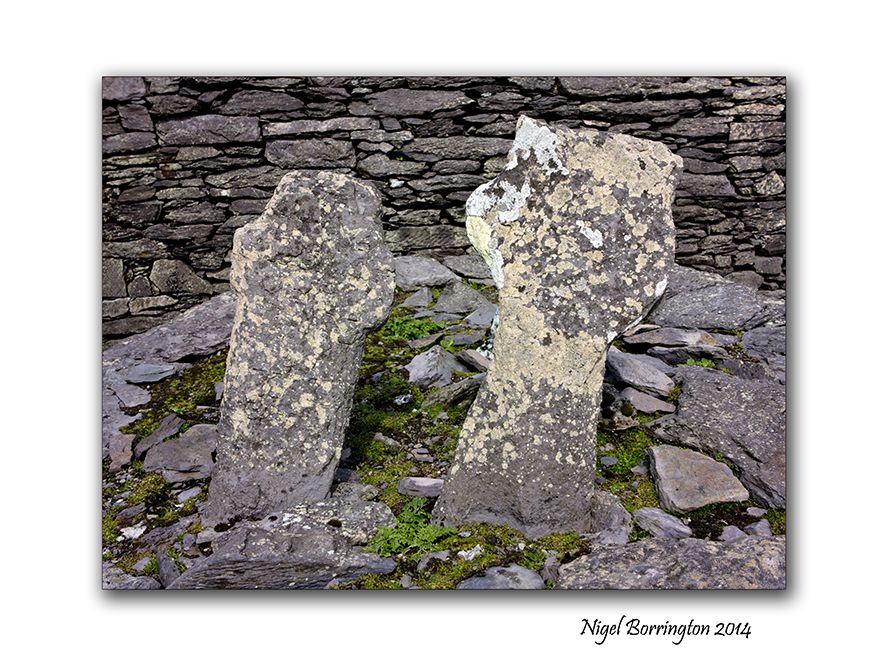
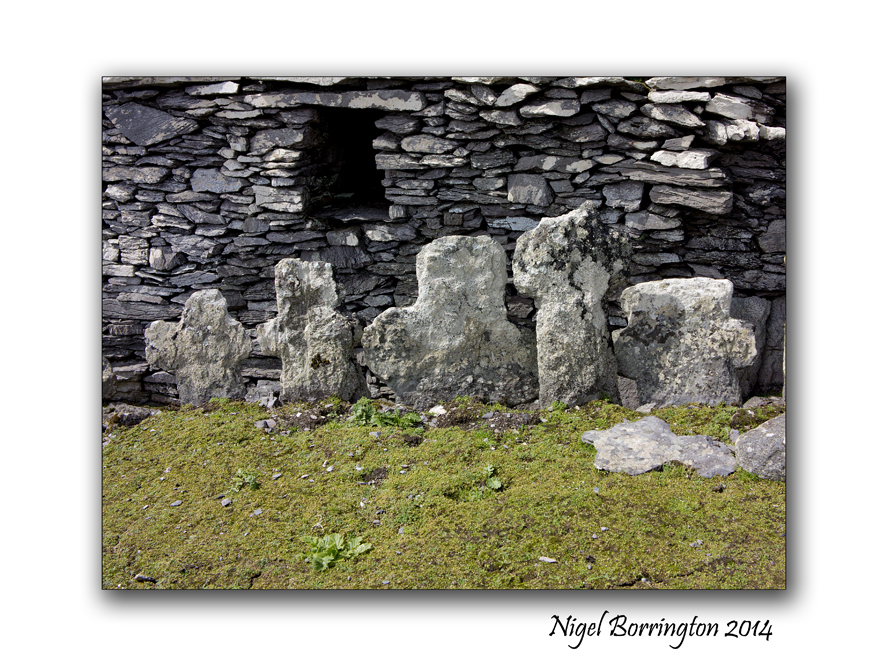
The very first thing that greets you are two small head stones, in a very small patch of grass. These are the graves of two young boys, it was a tradition that monks in this period would take very young boys as members to their orders. These boys where from families on the main land and once they moved here they would most likely never return to see there families. Our guide informed us that it is a possibility that both boys were killed by Viking invaders as when the remains where examined wounds were found that indicate that they were killed by the use of weapons, both boys did not pass the ages of ten or twelve. It is also thought that other graves in the pictures here, in the centre of the living area contain some adult victims of such attacks.
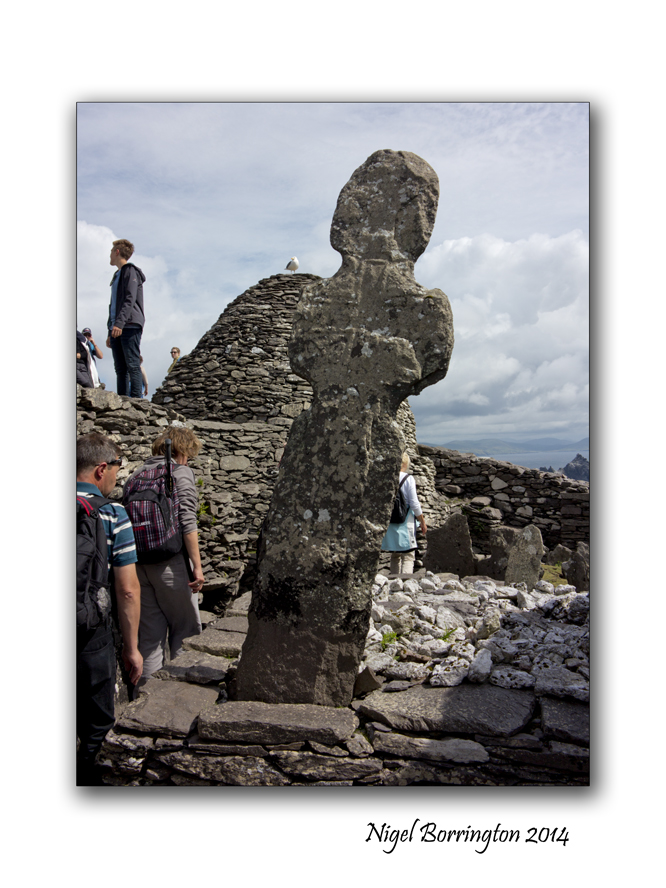
A monastery may have been founded as early as the sixth century, reputedly by Saint Fionán but in 1044 rededicated to Saint Michael, the image here shows a large sculpture that is located towards the middle of the complex. It was described by our guide as being a cross but it could also be very much in the form of a human figure, with the arms to the side and a head looking over the site.
The word Skellig is defined as meaning “splinter of a stone”, and thus this rocky island was dedicated to saint Michael, there are also other Islands around Europe and maybe further away that are dedicated to this saint ( Mont Saint-Michel France, St Michael’s Mount Cornwall)

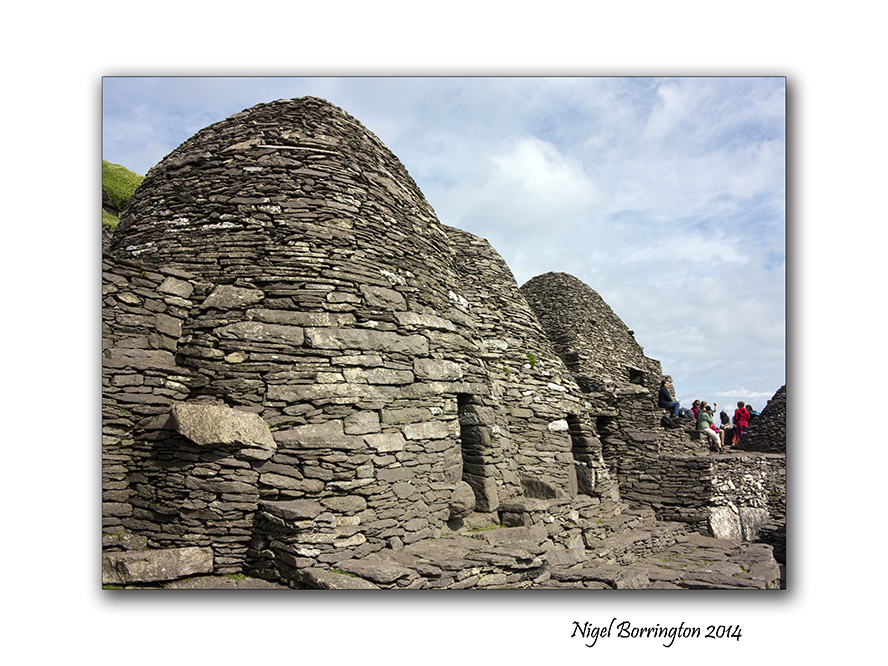
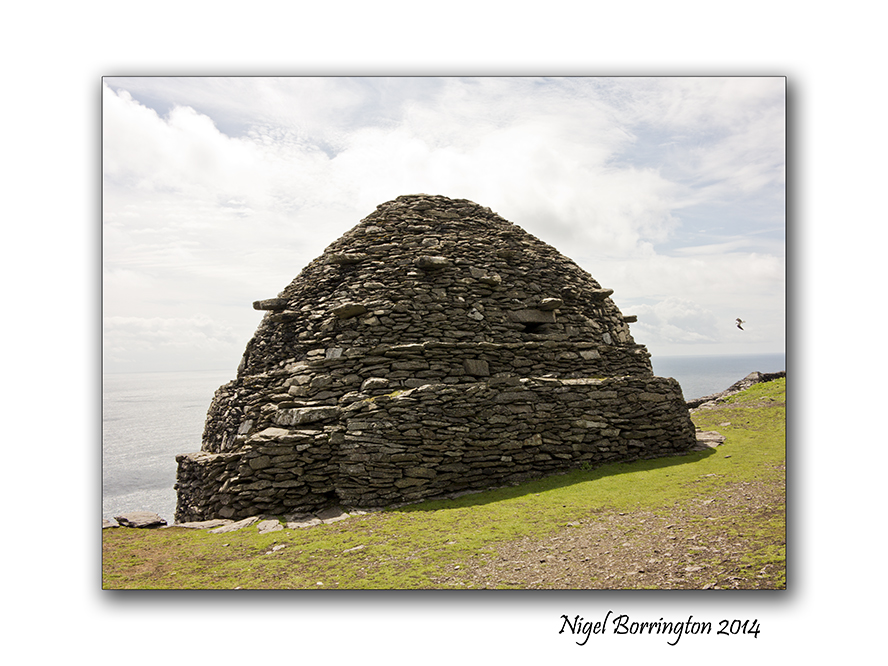
One of the most famous features of Skellig Michael are the so called Beehive structures, there were may be six or seven of these of which six are still standing, they were the living spaces for each of the monks, this fact would indicate that a maximum of seven people lived here in the beehives at any one time, there is a structure at the very end of the settlement that is constructed completely differently, It is thought that the head of the order would have lived in this building but few fact to prove this exist.
In any case the indications are that eight people lived on Skellig Michael at anyone time during its long history.
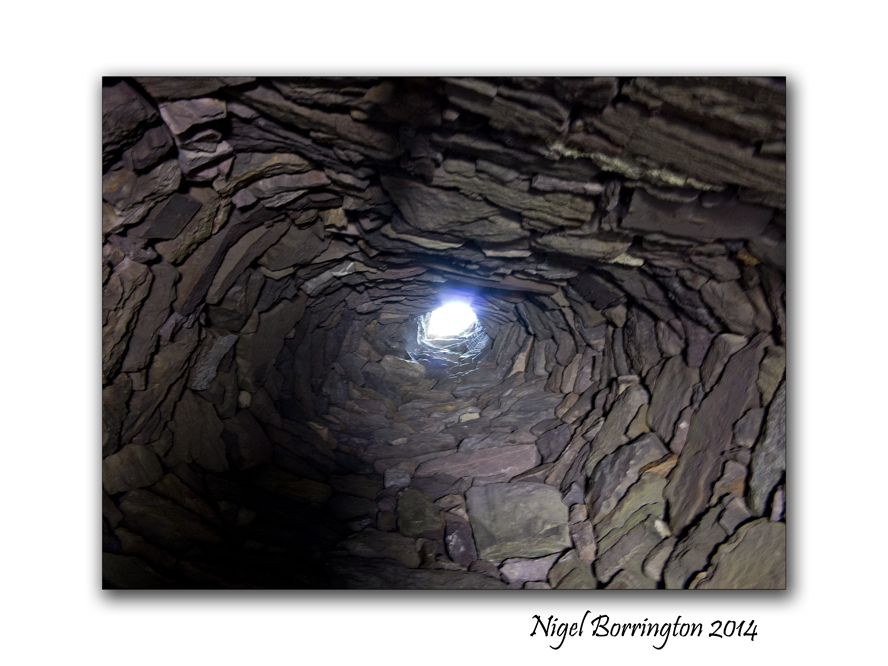
Living with in these stone constructions looks very harsh , during the time they were occupied however they would have looked very different, in some of the pictures you can see supporting stones that stick out of the main buildings by some amount, it is thought that these stones supported a covering of thatch consisting of straw and clay, this would have been deep and was used to keep the inner stone structure warn and dry. Not all but some of the Beehives have a hole in the roof that was used to let out smoke from fires inside.
At some point I want to post about the life’s of these people, who they where and why they chose to live here, I need to read a little more however , so for the moment that’s it. Three post over the last three day, that I hope share a visit to this wonderful and mystical island.
If you get a chance I would really encourage you to visit. Its an experience of a lifetime and helps you to open your mind to European history.
I cannot help however feeling that this place holds something else other than the official history, The question as to why these monks felt the need to occupy Skellig Michael, so far of the Irish coast line, is very big !
This place feels like an escape, a refuge but from what and why ?
With such massive risk’s taken by a small group of people to construct three stone stair-ways to the top of the Island and then build the walled settlement, the question of why looms very large. These were times when the word of Christianity was first being spread across Ireland so why the need to hide away here ?
I need to do much more reading, before I understand these bigger questions 🙂 and even then maybe some of the answers have been lost !
Gallery





Irish landscape Images for the week – (Monday) Irish bog lands.

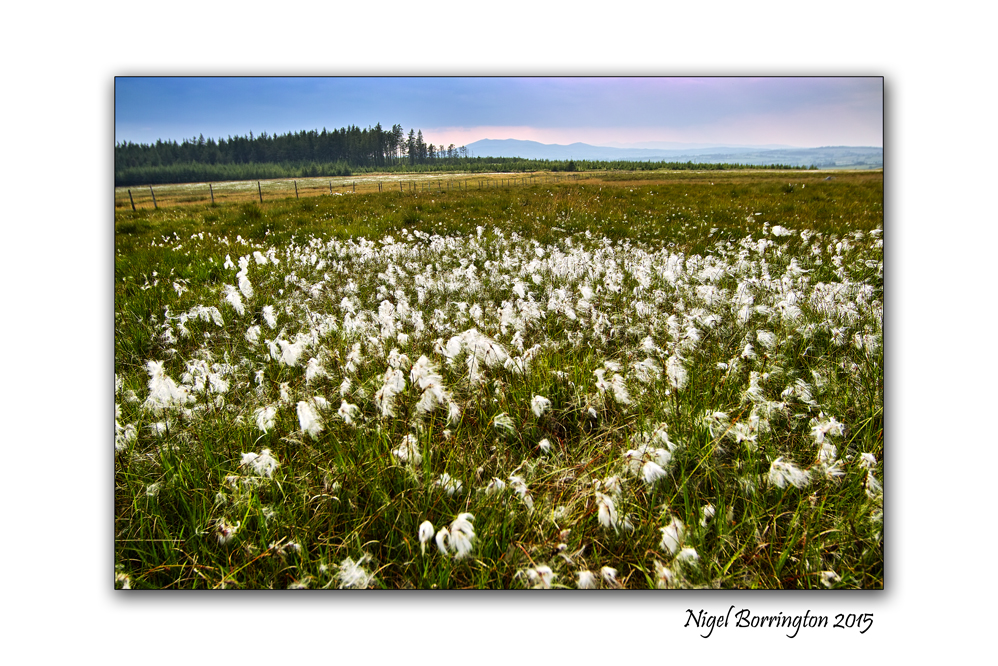
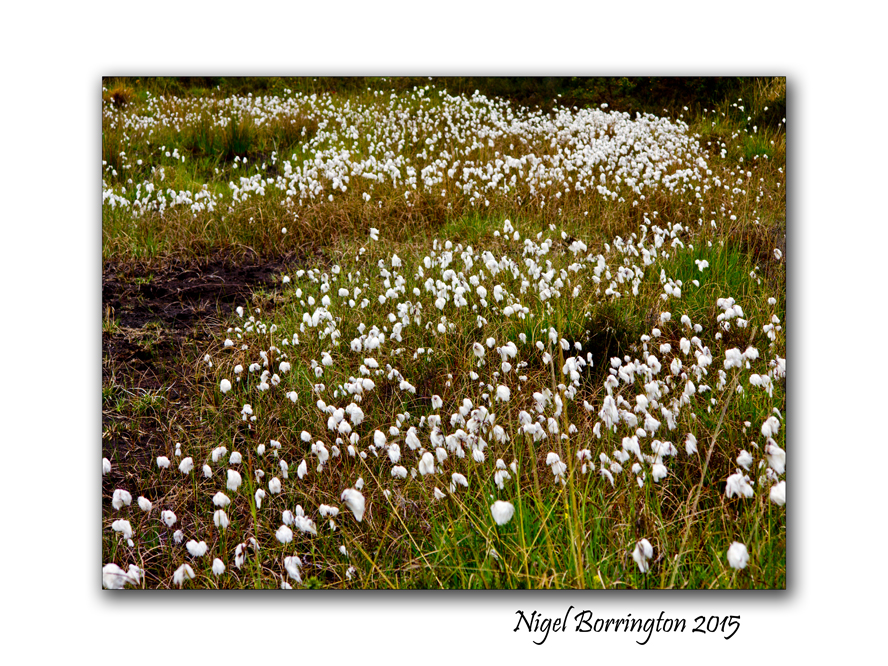
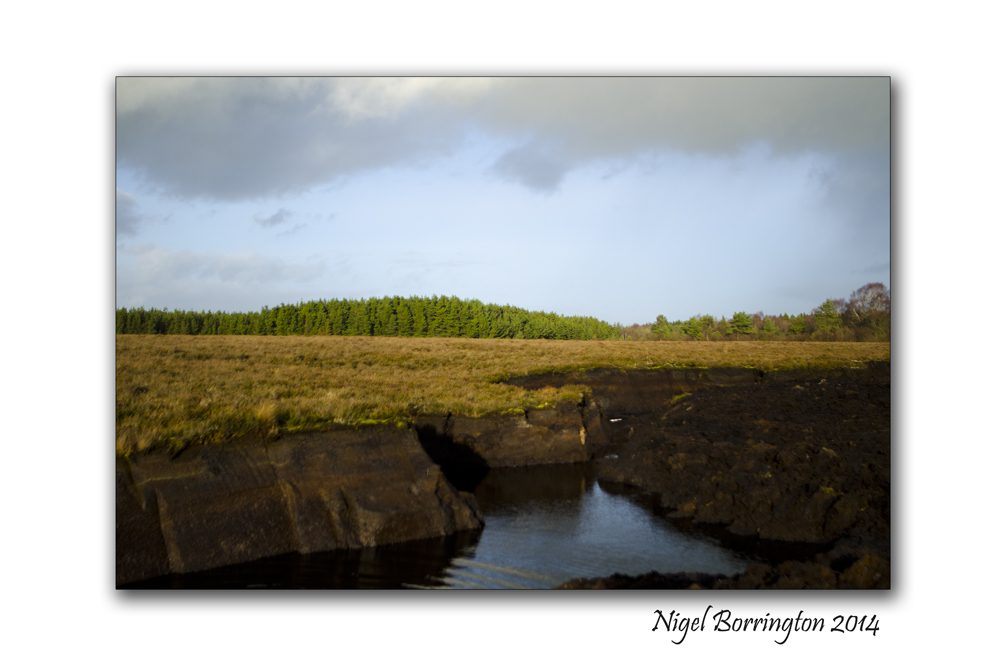
During this week, I just wanted to return to some of my most loved Irish Landscape locations and Monday today’s post I want to share some images I have taken since 2014, these relate to the Irish Bog and Peat lands of the Irish Midlands and the West coast.
Ireland has internationally important peat/bog lands but they are always under serious threat. Over the last few years the Irish government has protected areas of special conservation from historic family rights to cut peat in these areas, a decision that created problems for some but one that was very much needed in order to start the process of returning the bog’s to a point of growth and sustainability.
I love these locations, they are remote and full of life both plant and wild life and I feel like many others that they do need very special care and support.
When you visit locations like the Bog of Allen, you can see a contrast between the areas that are still wild and untouched and the areas that have been harvested for peat, when you see this contrast and its different effects on local bio-diversity you would only hope that one day we can find a less damaging way to heat our homes and produce energy.
Irish Bog-lands Gallery






The Red Ruffed Lemur from Madagascar, Fota Wildlife Park, County Cork

Red Ruffed Lemur
Fota Wildlife Park
County Cork
Nigel Borrington
There are so many different Species of Wildlife at Corks Fota Wildlife park that you would need many visits in order to get to know as much as you can about them all, along with getting enough time to observer their individual personalities.
During last weekends visit I found so much that I liked about them all but for me the Red Ruffed Lemurs were very special fun to spend some time with. They never stopped moving around their island and their climbing and balancing skills were just amazing to take in.
Here are some basic details about these wonderful Lemur’s
About the Red Ruffed Lemur
Named for the long thick fur that grows around its head and body, the Red Ruffed Lemur is an agile primate that has made the island of Madagascar its home. Males and females look the same – its body is close to its feet, the animal has piercing (sometimes reddish) eyes and it usually weighs between seven and 12 pounds.
Habitat
Ruffed Lemurs are found exclusively on the island of Madagascar off the continent of African, and are generally found in the upper canopy of the tropical rainforests on the eastern side of the island.

Wild Notes
The species is considered to be crepuscular, which simply means that they are most active at dawn and dusk. Their diet consists mainly of fruits, seeds, nectar and plant matter and the animal scent marks its territories and uses an elaborate system of alarm calls to alert other group members if predators are nearby.
Female Red Ruffed Lemurs don’t carry their offspring like most other primates; instead, mothers give birth and leave their young in nests that are generally found between ten and 20 metres above ground level. However, infant mortality is high with about 65% of newborns not reaching three months.
Conservation
The species is listed as being Critically Endangered after a significant decline in population in recent decades because of agriculture, logging and mining activities across its habitat. In fact, over 90% of Madagascar’s original rainforest is gone.
It is estimated that there could be as few as 1,000 to 10,000 left in the wild, while the Black & White Lemur is the most Endangered of the two Ruffed Lemurs.
Did you know?
The Ruffed Lemur feeds on nectar by sticking its long nose deep into the flower. The Lemur’s snout becomes coated with pollen in the process, which is then transported to other flowers – making the animal an important pollinator within its local habitat.
The Fota Connection
The Park is home to three of the 16 species of Lemur and two varieties of the Ruffed Lemur – the Red and Black and White species.
The Ruffed Lemurs are maintained on separate islands alongside each other in the lakes area as they are territorial animals, while Fota has been actively involved in a series of projects aimed at preserving what remains of their natural habitat in Madagascar.
 Nigel Borrington
Irish Landscape Photography : County Kilkenny
Irish Landscape Photography
County Kilkenny
Nigel Borrington
For me these wide angle views of county kilkenny, taken yesterday on an evening walk show the nature of the county very well.
Kilkenny is predominately a farming county with some lower level mountains but mainly low level farmlands. Most of my recent images have been from county Kerry with is wonderful beachs and impressive mountain views, however inland kilkenny still has much to offer in-way of open green landscapes.
So after all and on a wonderful autumn evening such as yesterdays, County kilkenny is not a bad place to return home, after some traveling to the more spectacular part of the Irish landscape.
Gallery
Share this:
October 14, 2016 | Categories: Comment, Landscape, Nigel Borrington | Tags: Ireland, Irish landscape photography, Kilkenny, Landscape Photography, Nigel Borrington | 8 Comments