Irish Landscape(Kilkenny) with a Poem : Independent Heart , by Jodie Moore
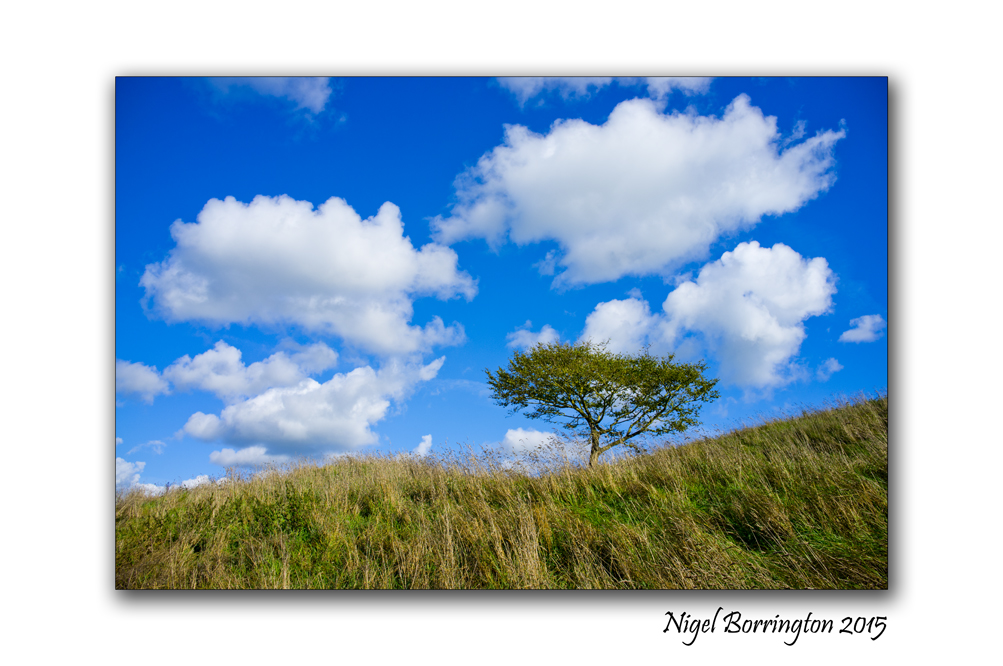
Independent Heart
Soft words you spoken
From the heart that is broken
I know deep inside
You have a level of independence
With a mystery of suspense
You are recovering
Waiting for someone

To catch on to the discovering
Of the real you
With a heart so true
Giving of your best
Expecting nothing less
While hurt is making amends
Leaning on loving friends
Accounted for in time you spend
With words you write
Not giving into a broken hearts flight
Staying strong
Carrying others like me along
by Jodie Moore
Monday Poetry : You Haven’t Seen The Last Of Us

You Haven’t Seen The Last Of Us
By : Lady Ravenwolf
Do as you will and harm none, ever mind the rule of three
Is one of the most important rules of the wiccan reed
Lets take a look back in history
Ways of the old lost within time
All but forgotten, shrouded in mystery
They were a peaceful kind
Yet thousands met such an untimely demise
The ultimate betrayal of mankind
She’s a witch, they’d point and scream
Those were the burning times
You mortals forever ignorant
She is one of many
With blood line ever strong
Her daughters are alive and well
Apparently you missed a few
The witch seen before you
Is a new kind of breed
Dressed completely in black
Morning the death of sisters past
I will forget my own path
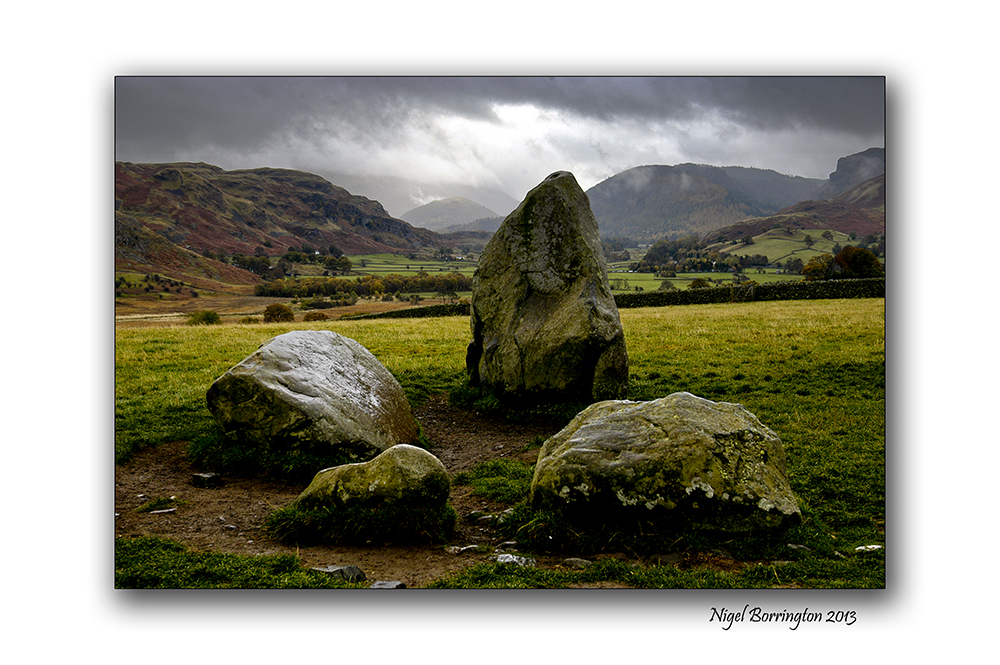
Dancing between the worlds
Choosing to walk the in the gray
My magic is powerful
Though I seek not to harm
I will protect what is me and mine
This will be a finial warning
It is most unwise to cross me
With the flick of my hand
A curse will be placed
With a piercing cackle heard
Monday Poetry , Wild Woodbine By : Joan McBreen

Wild Woodbine
Joan McBreen
Wild woodbine was beyond my reach
in the thick hedges round Lough Gill.
The heavy scent filled the house for days
when my father brought it in
and it stayed fresh far longer
then meadowsweet.
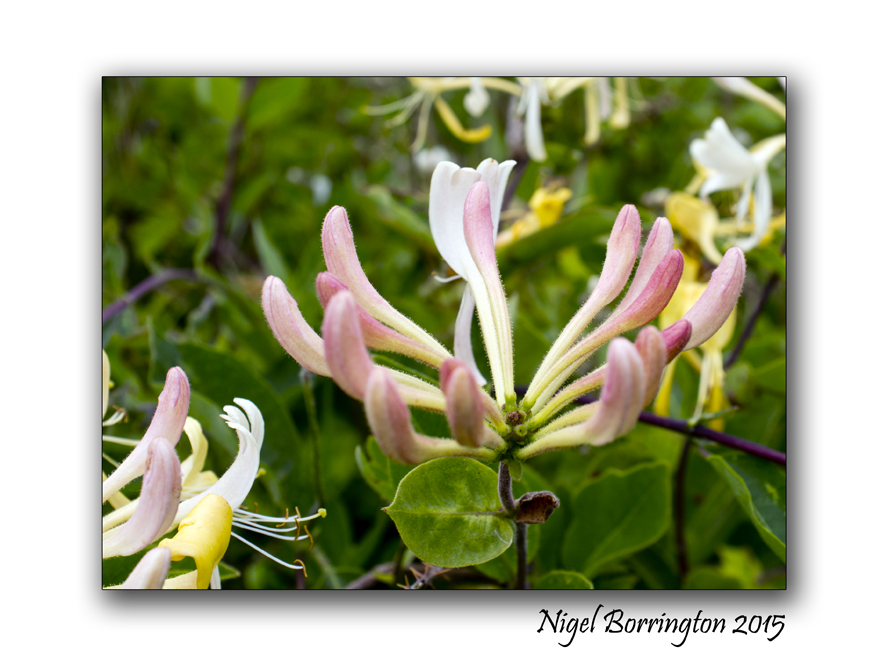
Because I loved the delicate
pink and white wild rose
he picked it too, cursing the thorns, muttering
“it dies too soon,
you’d be better leaving it alone”.
Yet once, when my mother
swept its petals from the floor
I saw him rescue one
and place it carefully
in the small wallet
where he kept her photograph.
 Wild Woodbine
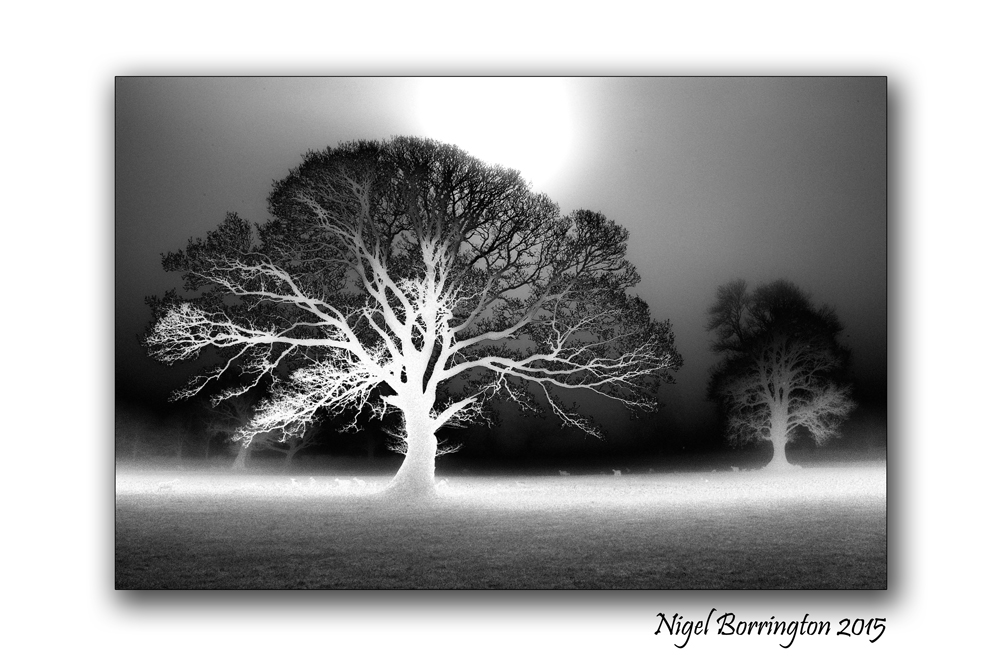
Monday Poetry : Advice from a Tree, By : Ilan Shamir

Advice from a Tree
By Ilan Shamir
Dear Friend,
Stand Tall and Proud
Sink your roots deeply into the Earth
Reflect the light of a greater source
Think long term
Go out on a limb
Remember your place among all living beings
Embrace with joy the changing seasons
For each yields its own abundance
The Energy and Birth of Spring
The Growth and Contentment of Summer
The Wisdom to let go of leaves in the Fall
The Rest and Quiet Renewal of Winter
Feel the wind and the sun
And delight in their presence
Look up at the moon that shines down upon you
And the mystery of the stars at night.
Seek nourishment from the good things in life
Simple pleasures
Earth, fresh air, light
Be content with your natural beauty
Drink plenty of water
Let your limbs sway and dance in the breezes
Be flexible
Remember your roots
Enjoy the view!
Ode to the Coast , Poem By : John Cooper Clarke
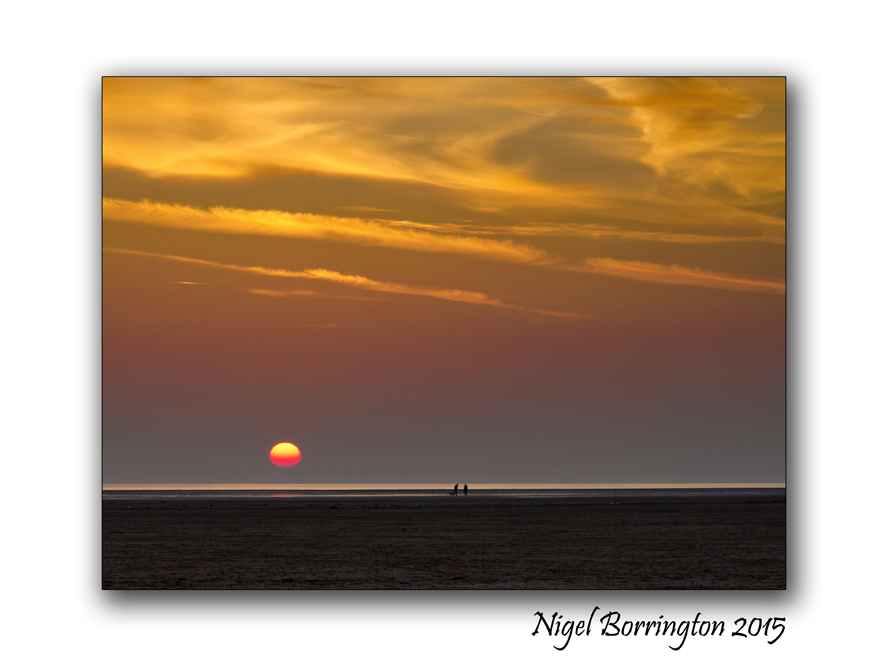
Ode to the Coast
By : John Cooper Clarke
A big fat sky and a thousand shrieks
The tide arrives and the timber creaks
A world away from the working week
Ou est la vie nautique?
That’s where the sea comes in…
Dishevelled shells and shovelled sands,

Architecture all unplanned
A spade n bucket wonderland
A golden space, a Frisbee and
The kids and dogs can run and run
And not run in to anyone
Way out! Real gone!
That’s where the sea comes in
Impervious to human speech, idle time and tidal reach
Some memories you can’t impeach
A nice cuppa splosh and a round of toast
A cursory glance at the morning post
A pointless walk along the coast
That’s what floats my boat the most
That’s where the sea comes in….
That’s where the sea comes in

Endless Streams and Mountains
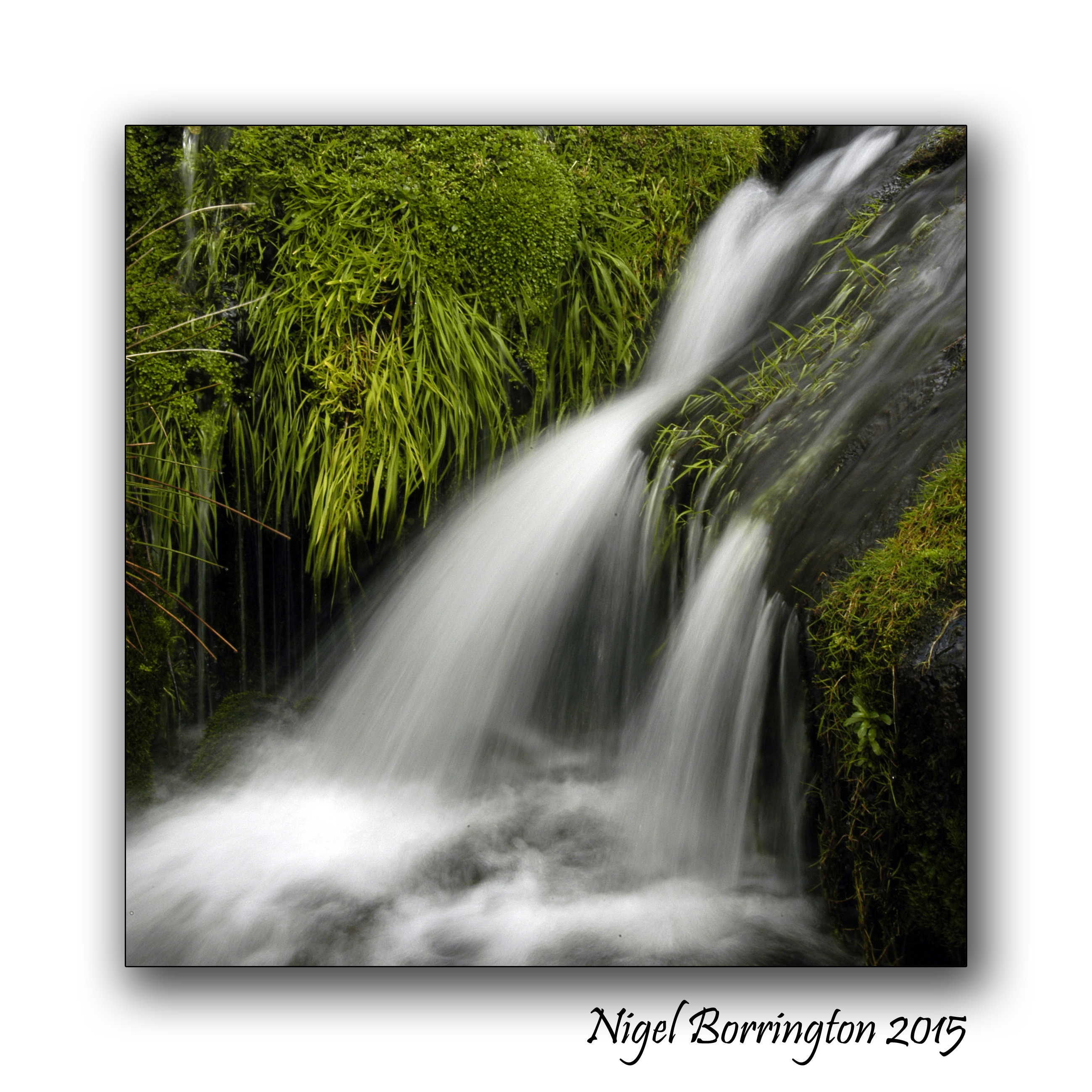
Endless Streams and Mountains
Irish Landscape Photography : Nigel Borrington
Endless Streams and Mountains
Clearing the mind and sliding in
to that created space,
a web of waters steaming over rocks,
air misty but not raining,
seeing this land from a boat on a lake
or a broad slow river,
coasting by.

The path comes down along a lowland stream
slips behind boulders and leafy hardwoods,
reappears in a pine grove,
no farms around, just tidy cottages and shelters,
gateways, rest stops, roofed but unwalled work space,
—a warm damp climate;
a trail of climbing stairsteps forks upstream.
Big ranges lurk behind these rugged little outcrops—
these spits of low ground rocky uplifts
layered pinnacles aslant,
flurries of brushy cliffs receding,
far back and high above, vague peaks.
A man hunched over, sitting on a log
another stands above him, lifts a staff,
a third, with a roll of mats or a lute, looks on;
a bit offshore two people in a boat.

The trail goes far inland,
somewhere back around a bay,
lost in distant foothill slopes
& back again
at a village on the beach, and someone’s fishing.
Rider and walker cross a bridge
above a frothy braided torrent
that descends from a flurry of roofs like flowers
temples tucked between cliffs,
a side trail goes there;
.

a jumble of cliffs above,
ridge tops edged with bushes,
valley fog below a hazy canyon.
A man with a shoulder load leans into the grade.
Another horse and a hiker,
the trail goes up along cascading streambed
no bridge in sight—
comes back through chinquapin or
liquidambars; another group of travelers.

Trail’s end at the edge of an inlet
below a heavy set of dark rock hills.
Two moored boats with basket roofing,
a boatman in the bow looks
lost in thought.
Hills beyond rivers, willows in a swamp,
a gentle valley reaching far inland.
The watching boat has floated off the page.

When Great Trees Fall, By : Maya Angelou

When Great Trees Fall
By : Maya Angelou
When great trees fall,
rocks on distant hills shudder,
lions hunker down
in tall grasses,
and even elephants
lumber after safety.
When great trees fall
in forests,
small things recoil into silence,
their senses
eroded beyond fear.

When great souls die,
the air around us becomes
light, rare, sterile.
We breathe, briefly.
Our eyes, briefly,
see with
a hurtful clarity.
Our memory, suddenly sharpened,
examines,
gnaws on kind words
unsaid,
promised walks
never taken.
Great souls die and
our reality, bound to
them, takes leave of us.
Our souls,
dependent upon their
nurture,
now shrink, wizened.

Our minds, formed
and informed by their
radiance,
fall away.
We are not so much maddened
as reduced to the unutterable ignorance
of dark, cold
caves.
And when great souls die,
after a period peace blooms,
slowly and always
irregularly. Spaces fill
with a kind of
soothing electric vibration.
Our senses, restored, never
to be the same, whisper to us.
They existed. They existed.
We can be. Be and be
better. For they existed.
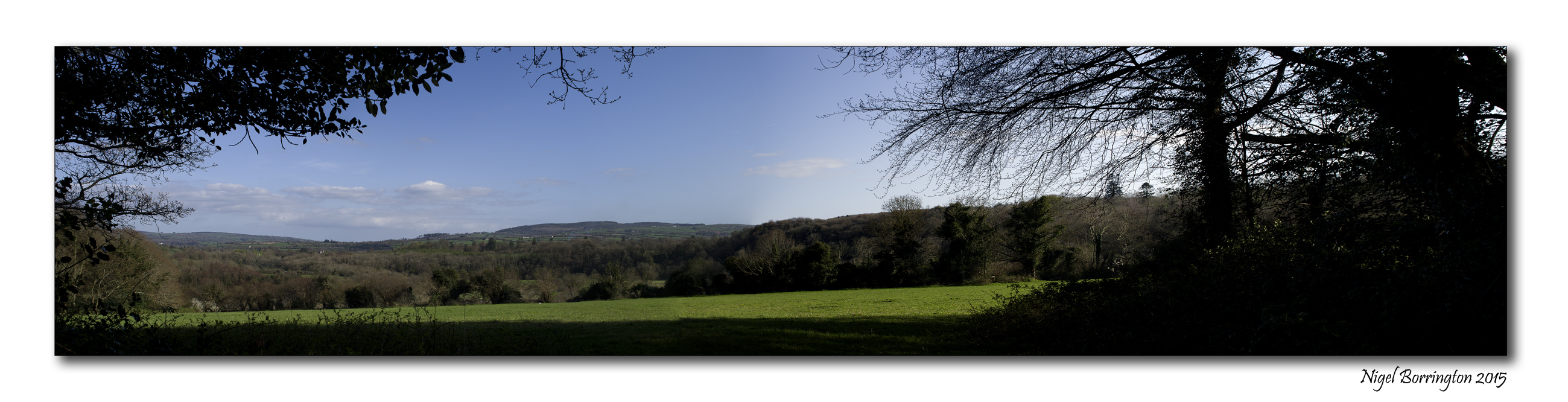
Monday Poetry , Time along a rivers ……

I walk along a river
Landscape Photography : Nigel Borrington
Monday Poetry , Time along a rivers ……
I walk along a River of Time,
do I move or is it the waters?
Can I match its pace?
It flows by, driving my very thoughts,
without any meaning, in my reality,
for that I need to jump in !

What day is this, what hour?
this flow has no meaning,
is it without power?
A cause without effect?
For me the water flows by eternally
but
It’s end is out at sea.
I Stand aware of my place in the Universe,
forever alive, outside of good or bad,
changing form so many times,
did I not come from this water?
I cannot remember!

Neutral I stand, judging not,
Just watching this River.
It flows by,
with my fingers pushed in,
Momentarily touching me,
It’s power drives me on!
This river is all about the giver …
The Universe of power ….
The one without time…
Nigel 2015
My Secret Place, Jeremy – all poetry . com
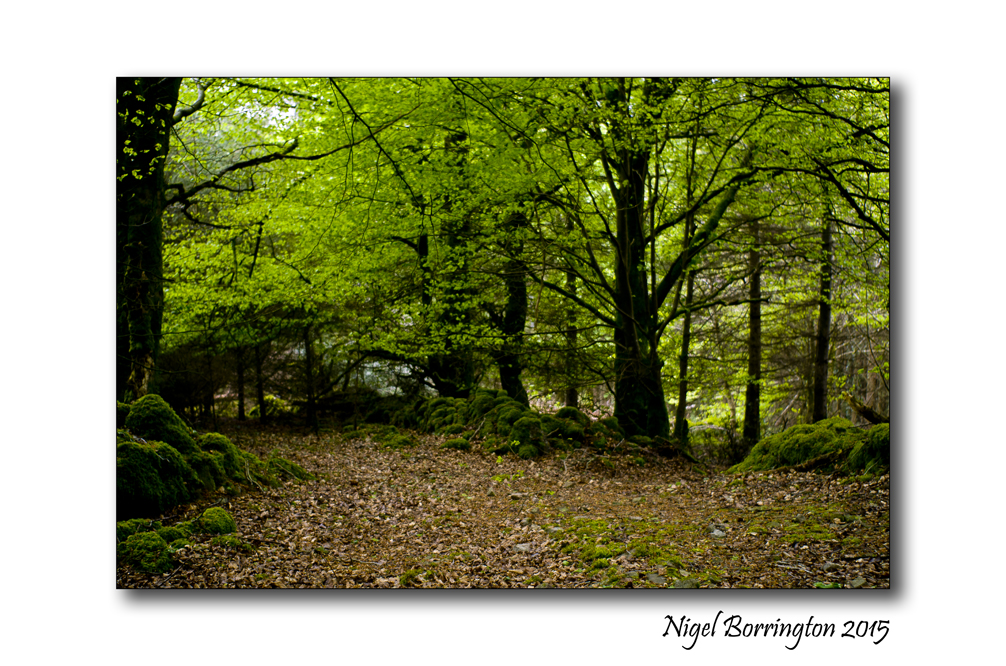
My Secret Place
There’s a magical place that I often visit,
where all of my dreams and wishes come true.
A special place where I can be myself,
where happiness always seems to follow through.
In this place are creatures that roam,
so beautiful, magnificent, and free.
Just like us they have open hearts,
and a special language that they speak.
The forests here are so alive,
plentiful are the fruits that they bare.
Nothing but peace and harmony dwells within,
and tranquility floats in and around the air.
There is no sun or moon,
the temperature is always just right.
You can sleep all day and never have to worry,
about having to leave here at night.
Patience is a way of life here,
no one rushes to get to where they want to be.
People hold their heads up high and smile,
they’re always proud to have you in their company.

You can find all of the solitude that you seek,
love and peace are so ominous here.
Every one respects and supports one another,
and their trust and loyalty will never disappear.
In tiny little caves live the most beautiful elves,
many with families of their very own.
Each one is unique with his or her own colors,
always seeking friends, never wanting to be alone.
The elves come out and frolic in the forests,
while unicorns roam and graze in the grassy fields.
With their powerful and majestic wings,
they bring a feeling of strength and security.
Fairies fly free throughout,
their fluttering wings sparkling bright.
Lighting up this magical universe,
like thousands of lanterns dancing in the night.
Stars decorate the clear night sky,
blazing afar, wanting to be seen.
They bring hope and encouragement to one and all,
creating a wonderful and tranquil scene.
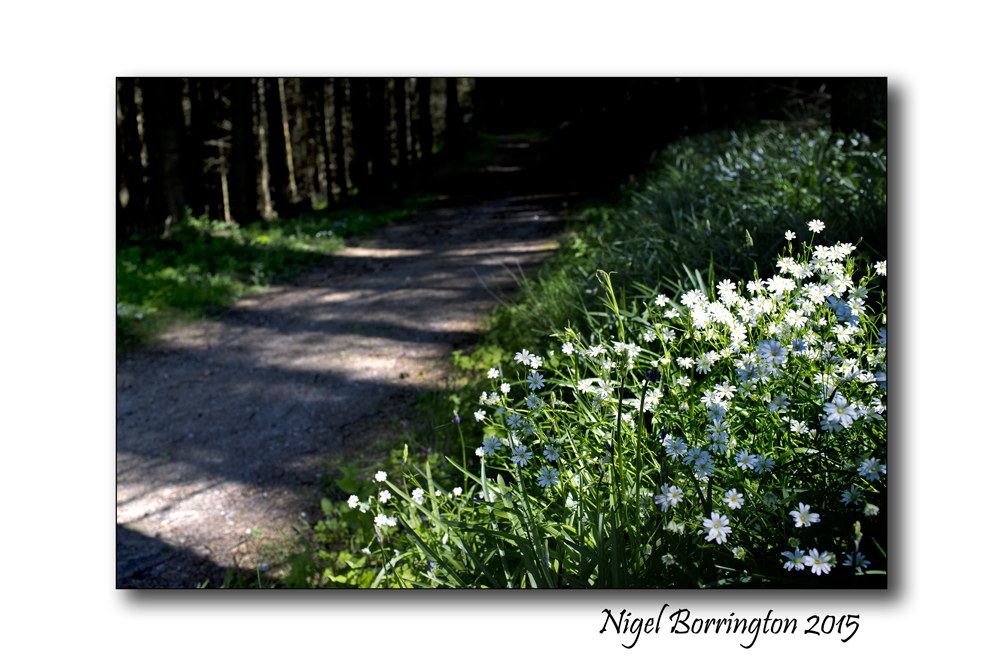
The unicorns are so delicate yet strong,
their awesome presence will captivate you instantly.
Enchanting the hearts of all who come across them,
nothing can ever stand up to their uniqueness and beauty.
This is a place that I turn to,
whenever I am down and blue.
A wonderful and exciting trip,
that I would recommend for everyone, even you.
Friends, please take my hand and join me,
let us fly away into the sky.
Where miracles happen every day,
so that you don’t have to wish or cry.
You will love this enchanted place,
my special and wonderful escape from time.
It helps me to forget about my problems and sorrows,
Even though it only exists in the back of my mind.
Nature’s gifts : Celandine, Lesser
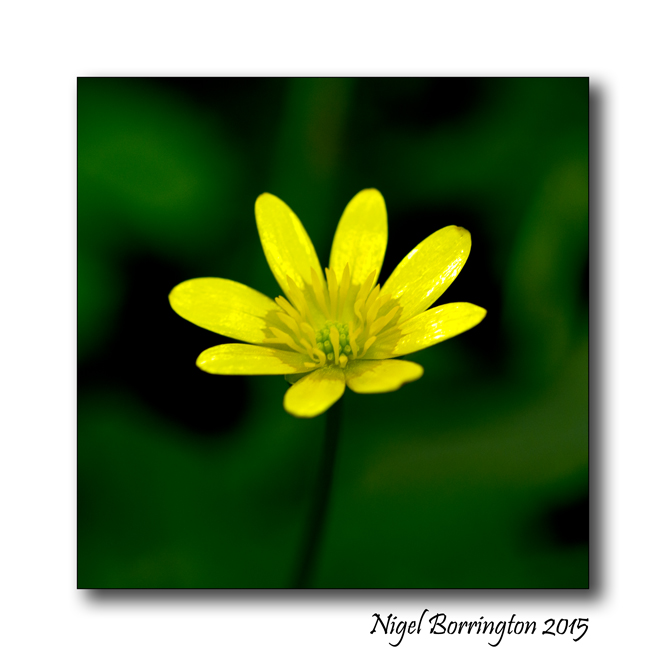
Celandine, Lesser
Nature Photography : Nigel Borrington
Its so easy to just walk past some of natures smaller Herbs and Flowers, however I guess that some flowers cannot help but get themselves noticed.
“Celandine, Lesser” is one of these little gems, its strong yellow flowers in the early summertime cannot help but get noticed as you walk down woodland paths or along the road sides.
Here are a many details about this wild Herb and it flowers:
Celandine, Lesser
Botanical: Ranunculus ficaria (LINN.)
Family: N.O. Ranunculaceae
Part Used
Constituents
Medicinal Action and Uses
Recipes
—Synonyms—Small Celandine. Figwort. Smallwort. Pilewort.
—Part Used—Herb.
—Habitat—The Lesser Celandine, one of the very earliest of spring flowers, its cheery, starlike blossoms lighting up our hedges even before winter is quite spent, is distributed throughout Europe, Western Asia, and North Africa, in these islands, growing up the hillsides in Wales to a height of 2,400 feet. It grows in moist corners of fields and places near watersides, but is found also on drier ground, if shady, being one of the few plants that thrive beneath the shade of trees, where its glossy foliage frequently forms a dense carpet.
Wordsworth, whose favorite flower this was (in recognition of which the blossoms are carved on his tomb), fancifully suggests that the painter who first tried to picture the rising sun, must have taken the idea of the spreading pointed rays from the Celandine’s ‘glittering countenance.’ The burnishing of the golden petals gives a brilliant effect to the flowers, which burst into bloom about the middle of February, a few days only after their bright, shining leaves. The leaves are on long stalks, arising from a short, prostrate stem, and are very variable, the first being heart-shaped, the later ones bluntly cut into, somewhat like the ivy. They often have dark markings.
The blossoms shut up before rain, and even in fine weather do not open before nine o’clock, and by 5 p.m. have already closed for the night. The Celtic name of the plant, Grian (i.e. the sun), refers to this habit. The petals are green on the underside, and directly the flowers close they become inconspicuous.
Throughout March and April, this cheerful little plant is in full bloom, but as the spring passes into summer, the flowers pale somewhat, and the whole plant looks rather sickly, the warmth of the lengthening days withdrawing from it the needed moisture. By the end of May, no flowers are to be seen, and all the plant above ground withers and dies, the virtue being stored up in the fibres of the root, which swell into the form of tubers. If the plant is dug up, late in the summer or autumn, these tubers are seen hanging in a bunch, a dozen or more together, looking like figs, hence the plant’s specific Latin name ficaria, from ficus (a fig). By these tubers, the plant is increased, as they break off readily, each tuber, like a potato, producing a new plant. To eradicate this plant from any ground, it is necessary to remove the roots bodily, for if the plants are dug into the soil, they work their way up to the surface again, the stems branching as they grow upward from the tubers, and at every branch producing fresh tubers.
The early awakening of the plant is due to these fully-stored tubers, which lie quiescent all the summer and autumn, but all necessary materials being at hand, leaves and flowers are quickly pushed upwards directly the depth of the winter has passed.
Although the Lesser Celandine has been placed by some botanists in a distinct genus, when it is called Ficaria verna, it is more generally assigned to the Buttercup or Crowfoot genus, Ranunculus. The name of this genus, first employed by Pliny, alludes to the damp and marshy localities preferred by the plants of the family, Rana, being the Latin for a frog, whose native haunts are those of the majority of this group of plants. The Lesser Celandine is distinguished from the Buttercup by having nine or ten, even sometimes a dozen narrow petals, instead of five, and only three sepals (the outer, generally green leaves of the flower), which fall off on opening, instead of the usual five, which remain after the flower has expanded, in the other species of Ranunculus. The flowers rise singly from the root, on long, slender, leafless stalks and are about 1 inch in diameter. There are a number of stamens. The fruits are not unlike those of the Buttercups being dry and distinct, set together in a globular head, somewhat like a grain of corn and whitish in colour, but comparatively few fertile seeds are produced.
The flowers would originally appear to have been designed with the object of attracting insects for their fertilization, the bright coloured, burnished petals having honey sacs at their base, but the flowers can face colder days than the insects can, for whom the honey has been provided, blooming when few of the insects have emerged, with the result that comparatively few become fertilized in this country and not many seeds are produced. The plant, therefore, has recourse to another method of reproduction, independent of all external aid. At the point where the upper leaves join the stem are to be seen little objects like minute round tumours, which grow about the size of a grain of wheat. In the early summer, when the leaves and stems are dying down, these grains become loose and drop to the ground. Each is capable of producing a new plant. A heavy rain will sometimes wash them from the plants in every direction. Kerner, in his Natural History of Plants, tells us that:
‘a sudden downpour of rain in a region abundantly overgrown with Lesser Celandine is sufficient to float away numbers of the tubers, and heap them up on the borders of irrigation channels when the rain disperses. In such places the quantity of tubers which have floated together is often so large that one can hardly gather them in one’s hands. In this way arose the idea that the tubers had fallen from heaven with the rain and the myth of a rain of potatoes.’
This fact probably accounts, also, for the ‘rains of wheat’ sometimes vouched for by country people in various parts. These bulbils (i.e. Iittle bulbs) are only produced on those plants whose fruits have failed to set.
The root of the Lesser Celandine is perennial.
Seedlings do not flower in their first year, but collect and store up material to start their accustomed course at the end of the ensuing winter.
The whole plant is glabrous.
It is called the Lesser Celandine to distinguish it from the Greater Celandine, to which it has neither relationship nor similarity, except in the colour of its flowers, though the older herbalists applied the name to both plants indiscriminately. The confusion of names existed in Gerard’s time, for he published a list of all the plants in cultivation in his garden on Holborn Hill – to wards the close of the sixteenth century and introduced in it, under the same name, both this and the Greater Celandine (Chelidonium majus) which certainly is in bloom when the swallows arrive, and continues to flower the whole summer, and so would have more right to the name Celandine than this species, which blossoms long before they come, and dies down months before they leave our shores.
A figure of the Lesser Celandine – under the name of Erdöpffel – appears in an old German Herbal of 1533, Rhodion’s Kreutterbuch, evidence that this plant was well known to the herbalists of the Middle Ages.
It is also called ‘Small-wort.’
The old English name of Pilewort is due to the fact that it has long been considered a cure for piles, one of the reasons assigned for this resting on the strange doctrine of signatures. We are told by an old writer: ‘If you dig up the root of it you will perceive the perfect image of the disease commonly called the piles.’ Gerard writes of it:
‘It presently, as Galen and Dioscorides affirm (though this perhaps refers to the Greater Celandine) exulcerateth or blistereth the skin: it maketh rough and corrupt nails to fall away. The juice of the roots mixed with honie and drawn up into the nosthrils purgeth the head of foul and filthy humours. The later age use the roots and graines for the piles . . . there be also who think that if the berbe be but carried about one that hath the piles, the pain forthwith ceaseth.’
Culpepper, writing fifty years later, tells us:
‘It is certain by good experience that the decoction of the leaves and roots doth wonderfully help piles and haemorrhoids; also kernels by the ears and throat called the King’s Evil, or any other hard wens or tumours.’
He had such faith in the virtues of this little plant that he further tells us, with more definite belief than Gerard: ‘The very herb borne about one’s body next the skin helps in such diseases though it never touch the place grieved.’
The young leaves, the substance of which is soft and mucilaginous, have sometimes been boiled and eaten as a vegetable in Sweden, but have not the reputation of being very palatable, either thus treated or raw as a salad.
Linnaeus advised farmers to eradicate the plant from their land on account of it being disliked by cattle (though wood-pigeons eat it with avidity), also for its injurious effect on other herbs in the meadow, but there seems little ground for this assumption, as although the tissues of most plants in this order contain acrid juices to a high degree, the acrimony of the Lesser Celandine is of a very mild character. A dressing of coal or wood ash is said to effectually destroy the whole plant.
Memories Of My Old Country Church – Poem by Sandra Morton

Memories Of My Old Country Church –
Photography : Nigel Borrington
Memories Of My Old Country Church
Poem by Sandra Morton
In days of long ago, dad would hitch up Pet and, Topsy
away we’d go
To the neighborhood grocery for something to eat.
Me sitting beside dad, on that old wagon seat.
On the way we passed by this “OLD COUNTRY CHURCH”,
I always looked it over as I sat upon my perch.
For, you see, in those days we didn’t go.
But, Dad believed in God, for he told me so. Once we went
to revival, the preacher came back to talk.
I could tell Dad was going to be like old Pet and balk.
Dad told the preacher I’ll go forward if I ever feel God’s call,
but, for right now I don’t feel it’s the time at all.
The years came and went, and mom met this cousin, It’s been
years, since she’d seen him, over two dozen.
He’d become a preacher in years gone by. She ask if he’d
start up the “OLD COUNTRY CHURCH”, and he said he’d try.
Mom had been a Christian, since about twenty two, but didn’t
like to go, for the times dad went were few.
Mom made arrangements with members of the church board.
the preacher wouldn’t accept pay, many gave love offerings,
as they could afford. This was in the fall of 1955, along
about that time Grandmother died.
She was like a second mother to me, this was my first experience
with another dying. I thought my heart would break, an I’d
never stop crying. It would have helped to have known JESUS,
for, I couldn’t understand why she was taken from us.
Along, in July 1956, there was a revival, I’d decided to go,
if dad got the call, a lot got the call that night, 10 of us in all.
Relatives, neighbors, and friends. Surely God must have covered
a multitude of sins, and there, must have been joy in Heaven.
Oh! It must have been joy divine for mom to see so many baptized
on July 29. She was in failing health even then in 1956, but
what a joy, it must have been to see so many saved before the end.
Later on many more received the call. Two daughters, a brother-
in-law, and many more not family at all
The Moral of My Story is if she’d started sooner, think how many
more stars might have been in her crown of Glory.

In 1976, Mom was called to that far and distant land. At the age,
of 57, why?, I could never understand, surely Gods work through
her was done, and her crown of victory won.
Getting close to the Rhododendron, Gallery.
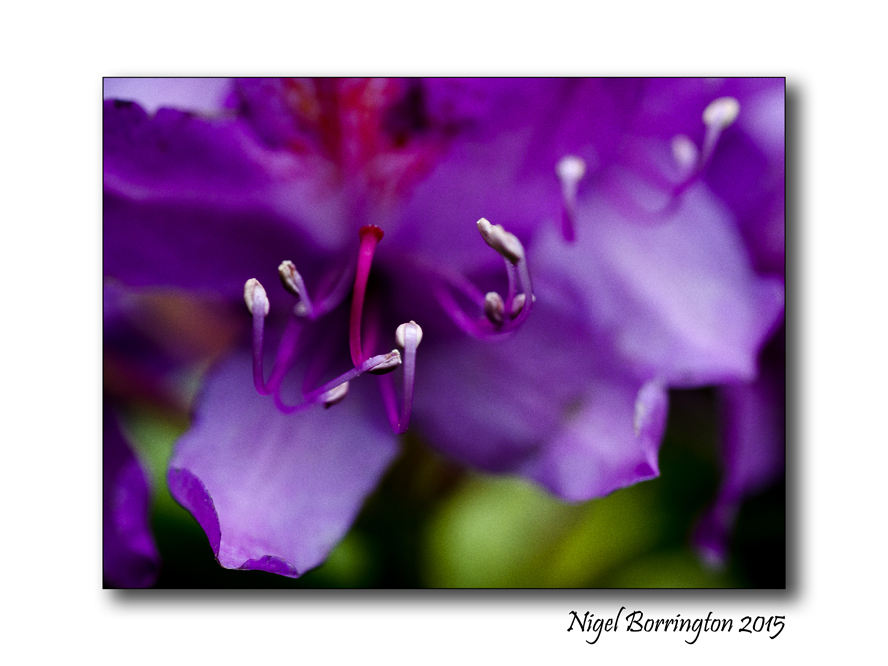
Rhododendron flowers
county Kilkenny
Nigel Borrington
At this time of year , many parts of the Irish landscape come alive with the purples and pinks of the Rhododendron flower.
These images are just a few closeup shots taken on an evening walk yesterday …..
Rhododendron (from Ancient Greek ῥόδον rhódon “rose” and δένδρον déndron “tree”) is a genus of 1,024 species of woody plants in the heath family (Ericaceae), either evergreen or deciduous, and found mainly in Asia, although it is also widespread throughout the Southern Highlands of the Appalachian Mountains of North America. It is the national flower of Nepal. Most species have showy flowers. Azaleas make up two subgenera of Rhododendron. They are distinguished from “true” rhododendrons by having only five anthers per flower.
Gallery


Irish nature photography :Predatory Sawfly

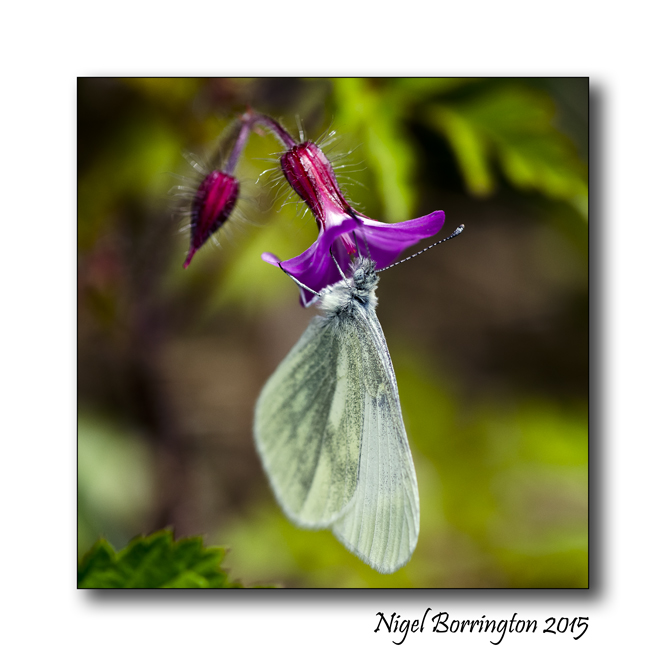
Predatory Sawfly
Nature Photography : Nigel Borrington
At this time of year our local woodlands are full of wildlife with the insects at the height of their activities.
I was lucky enough to capture this Predatory Sawfly, yesterday evening, just while there was enough sun-light left to help get a bright image 🙂
Sawfly is the common name for insects belonging to suborder Symphyta of the order Hymenoptera. Sawflies are distinguishable from most other hymenopterans by the broad connection between the abdomen and the thorax, and by their caterpillar-like larvae. The common name comes from the saw-like appearance of the ovipositor, which the females use to cut into the plants where they lay their eggs. Large populations of certain sawfly species can cause substantial economic damage to forests and cultivated plants.
Swiss Cottage, Cahir, Co. Tipperary – A sense of place.
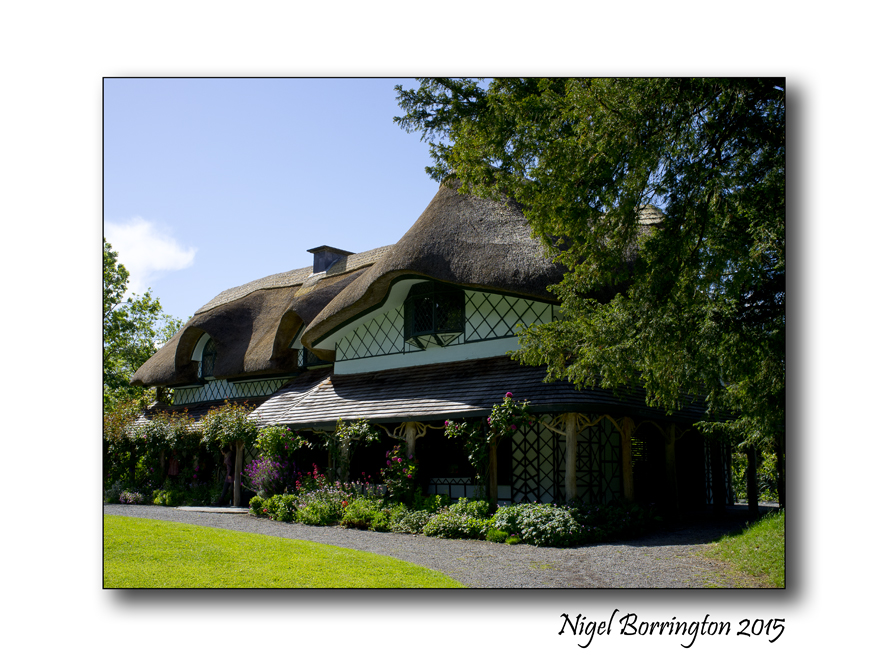
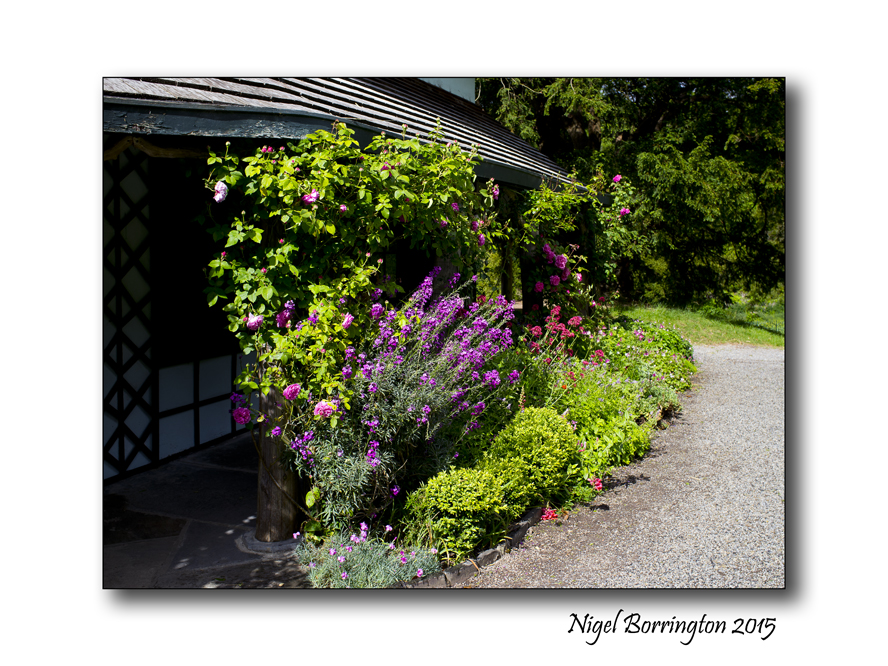
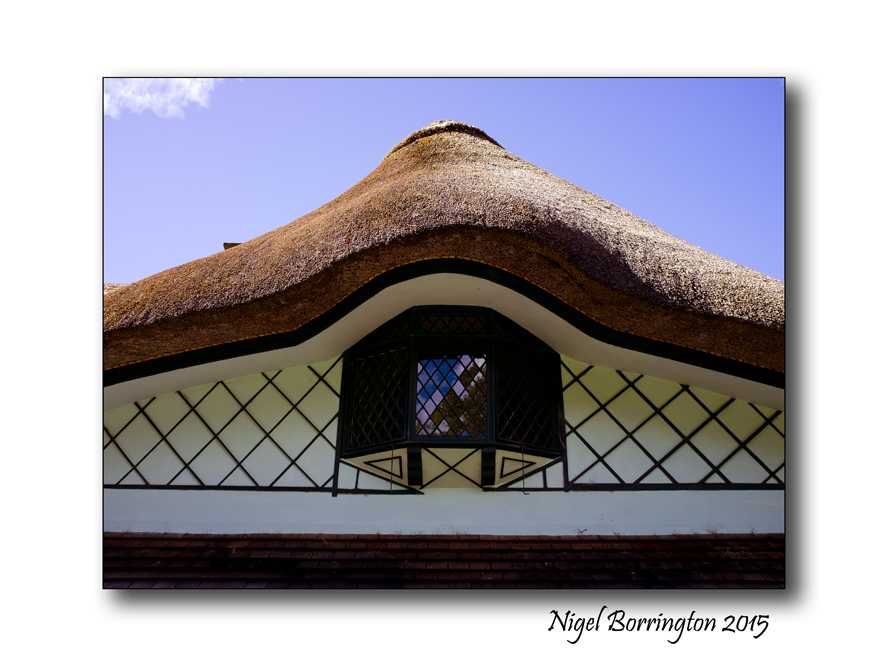
The Swiss cottage in country Tipperary is one of Ireland’s unsung treasures, it was built around 1810 and is a fine example of cottage orné, or ornamental cottage. It was originally part of the estate of Richard Butler, 10th Baron Cahir who married Emily Jefferys of Blarney , and the cottage was primarily used for entertaining day guests of the couple.
The cottage was designed by the architect John Nash, famous for designing many Regency buildings.
The cottage has been restored by the local group and the OPW and must be one of their most loved properties as the condition is just amazing.
If you are visiting county Tipperary this is a must see location !
Wiki link for John Nash
Swiss Cottage, Cahir, Co. Tipperary – A sense of place Gallery

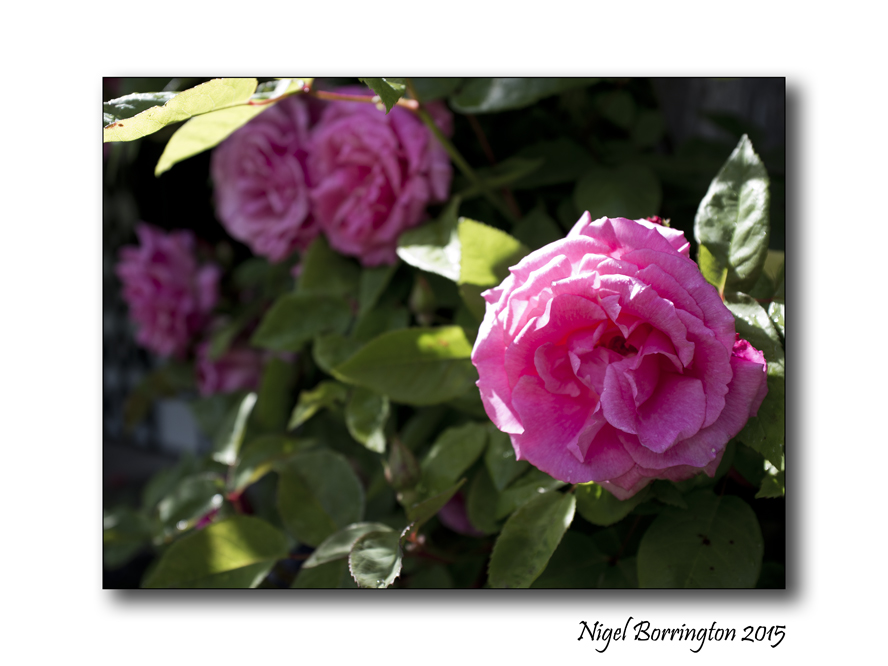
The Triple deity and the number three in Pagan Mythology , the Corleck Hill stone head

Corleck Hill stone head
The Triple deity
Photo : Nigel Borrington
Last weekend I visited the National Museum of Ireland in Dublin, to take a good look at some of the pagan/ per-christian objects that they have on permanent display.
One of the items that really captured my attention was the Corleck Hill – Carved stone head, a sculpture in the form of a triple deity. I think this stone is fascinating and provides a mythological link between per-christian Ireland and the wider world, well before the 1st century AD.
I have spent sometime this week doing a little study on the stone head and reading as much as I can find about its form, so I just wanted to share some on the images I took from the visit and some of the details I have found so far.
The Corleck Hill stone head

Stone Head
Object Number: IA:1998.72
Stone HeadCarved stone head. Early Iron Age, 1st – 2nd century AD. Known since it came to scientific attention in 1937 as the Corleck head, this three-faced stone idol was found in the townland of Drumeague, Co. Cavan around the year 1855. It appears that it was one of a number of carvings found, including a bearded bust now known as the Corraghy head that was later built into a barn in the nearby townland of that name. Thomas Barron, the local historian who brought the three-faced head to the attention of the National Museum spent a lifetime researching the local traditions concerning the find and he concluded that the figures were associated with a shrine located at Drumeague Hill. Nearby is Corleck Hill where it appears that between 1832 and 1900 a Passage Tomb surrounded by a stone circle and a circular embankment 70 yards in diameter were dismantled. The site of these monuments was the center of an important Lughnasa festival that celebrated the harvest, an ancient Celtic tradition that survives into modern times. Other Celtic stone heads have been found in the vicinity such as those from Corravilla and Cavan Town and the find place of the three-faced idol is but twelve miles distant from Loughcrew, Co. Meath. A little further north there is another group of Iron Age stone carvings that appear to be centred on the vicinity of Emhain Macha, the main political and ritual site of ancient Ulster. The likelihood is that the Corleck Head was associated with a shrine reflecting Romano-British traditions located close to where the carving was discovered. The three-faced carving is the finest of its type and there is a small hole in the base to assist its being stood securely, perhaps on a pedestal. One of the faces is heavy browed and all of them have bossed eyes, a broad nose and slit mouth. One of the mouths has a small circular hole at the centre and this feature is also found on two of the Co. Armagh carvings and on another from Woodlands, Co. Donegal. There are several examples of this feature from Yorkshire the best known occurring on two three-faced idols from Greetland, near Halifax. The feature also occurs on a stone head from Anglesey, Wales. H. 33cm; Max. W. 22.5cm.
What is the triple deity

A triple deity (sometimes referred to as threefold, tripled, triplicate, tripartite, triune or triadic, or as a trinity) is a deity associated with the number three. Such deities are common throughout world mythology; the number three has a long history of mythical associations. Carl Jung considered the arrangement of deities into triplets an archetype in the history of religion.
In mythological and its art,three separate beings may represent either a triad who always appear as a group (Greek Moirai, Charites, Erinnyes; Norse Norns; or the Irish Morrígna) or a single deity known from literary sources as having three aspects (Greek Hecate, Diana Nemorensis). In the case of the Irish Brigid it can be ambiguous whether she is a single goddess or three sisters, all named Brigid. The Morrígan also appears sometimes as one being, and at other times as three sisters, as do the three Irish goddesses of sovereignty, Ériu, Fódla and Banba.
The Matres or Matronae are usually represented as a group of three but sometimes with as many as 27 (3 × 3 × 3) inscriptions. They were associated with motherhood and fertility. Inscriptions to these deities have been found in Gaul, Spain, Italy, the Rhineland and Britain, as their worship was carried by Roman soldiery dating from the mid 1st century to the 3rd century AD. Miranda Green observes that “triplism” reflects a way of “expressing the divine rather than presentation of specific god-types. Triads or triple beings are ubiquitous in the Welsh and Irish mythic imagery” (she gives examples including the Irish battle-furies, Macha, and Brigit). “The religious iconographic repertoire of Gaul and Britain during the Roman period includes a wide range of triple forms: the most common triadic depiction is that of the triple mother goddess” (she lists numerous examples).
More ( A fascinating read !!!)
Derrynaflan Hoard, National Museum of Ireland

Derrynaflan Chalice
Photo : Nigel Borrington
On Saturday I spent the day in Dublin , shopping and visiting different Museums , including the National Museum of Ireland .
One of my main interests in doing so was to take a fresh look and the Derrynaflan Hoard, I posted on the items in this collection and about the Island of Derrynaflan , county Tipperary – last October.
The Derrynaflan chalice is one of the most amazing historic items to view and the story (Below) of how it was discovered just as fascinating. Seeing this hoard just make you wonder how many more items like it have yet to be found or sadly never will be.
The following two images are from Saturdays vistit :


Island of Derrynaflan
The Island of Derrynaflan is located in County Tipperary and these days it is surrounded by recovered drained land that is harvested for it’s peat, this peat being turned into fuel.
The images below and the text are from my post last year :
Discovering the Hoard
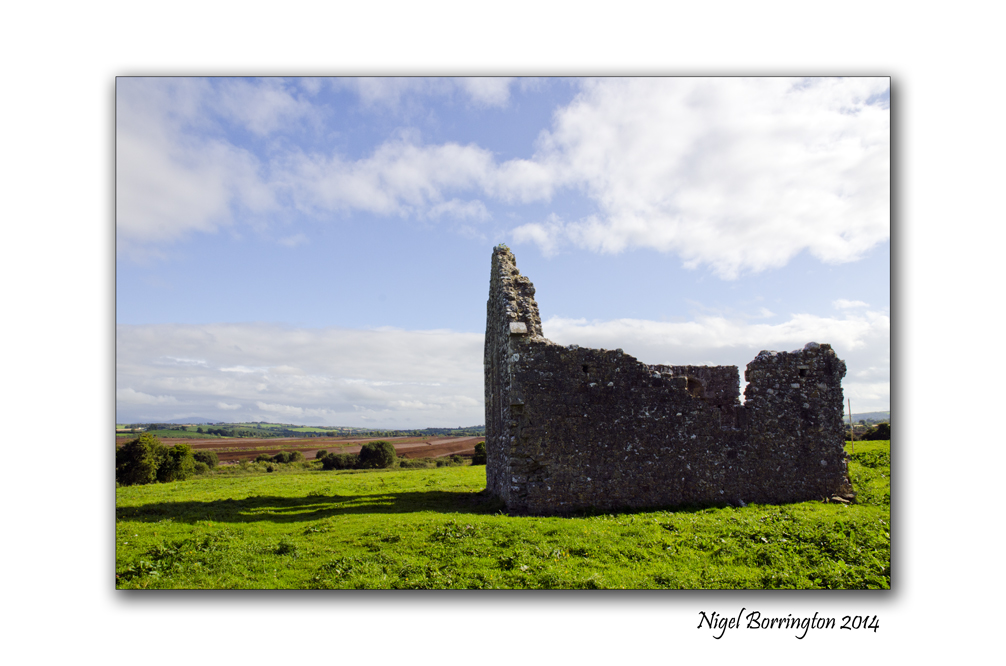
Derrynaflan Island, County Tipperary
Irish Landscape Photography : Nigel Borrington
The Derrynaflan hoard is one of the most spectacular hoard discoveries in Ireland, which led first to an increase in enthusiasm for metal detecting as a hobby, but ultimately contributed to the prohibition of unlicensed searching for archaeological material.
On 17 February 1980, Michael Webb and his son, also called Michael, discovered a significant hoard of early church treasure in Derrynaflan, in the townland of Lurgoe, County Tipperary, using metal detectors (Kelly 1994: 213; O’Riordain 1983: 1). The hoard included a chalice, a bronze strainer ladle and a paten (a kind of small plate) (and see Ryan 1983 for a detailed description), and the discovery was described as ‘one of the most exciting events in the history of Irish art’ (Stalley 1990: 186). The large monastic enclosure in which the hoard was found was partially protected as a National Monument (Kelly 1993: 378). The finders reported their discovery to an archaeologist from University College Cork, Dr. Elizabeth Shee Twohig (Kelly, pers. comm., 2012), who advised them that they must take the finds to the National Museum of Ireland in Dublin (Houses of the Oireachtas 1986; O’Riordain 1983: 1). Under Irish law at that time, the finders were entitled to a reward for making the discovery, in this case decided at IR£10,000 (Houses of the Oireachtas 1986), although this was initially rejected by the finders as insufficient compared to the value of the find (Kelly 1994: 213).

Six years later, the High Court made a ruling that the find or its value (estimated at IR£5.5 million) should be returned to the finders (Kelly 1994: 113). The public mood turned against the Webbs, who were shown on the main evening television news drinking champagne to celebrate the ruling. Ireland was then in deep recession with massive public service cuts which led to resentment that the Webbs might benefit to the tune of IR£5.5 million from the public purse (Kelly, pers comm., 2012). A year later, in 1987, a further final judgement was delivered by the Supreme Court that the Derrynaflan Hoard in fact belonged to the state and not to the finders (Kelly 1995a). The finders finally received a reward of IR£50,000 (Kelly 1994: 214).
The impact of the case on Irish law concerning the protection of heritage was significant. Debates in the Seánad Éireann (upper house of the Irish Parliament) in 1986 indicate the split in opinions regarding the validity of the claim of the finders to the hoard (as had been decided in court the previous year), with one Senator suggesting that the state should have been trying to prove that the Webbs had no legal claim to the hoard, one Senator regarding such discoveries as no more than looting, and another claiming that the finders should instead be praised for the care with which they removed the hoard from the ground and for going to the National Museum to report the discovery (Houses of the Oireachtas 1986). In 1987 the National Monuments (Amendment) Bill, which included clauses on metal detecting and ancient shipwrecks (another area becoming vulnerable to looting), passed through its final stages in the Dáil Éireann (lower house of the Irish Parliament) (Gosling 1987: 23).
Ireland’s National Monuments Act 1930 had prohibited the excavation of archaeological objects other than under license (Kelly 1995a). However, the maximum fine for a successful prosecution at that time, at IR£10[1], proved not to be a strong deterrent (Kelly 1995b: 235). The discovery of the Derrynaflan Hoard had reputedly contributed to the growth of the metal detecting hobby in Ireland, which by the time of the discovery saw hobbyists searching not only ploughed land and other locations away from archaeological sites, but also on known archaeological sites (Kelly 1993: 378). A 2012 Irish news item, which described an athlete as having ‘more gold than they found in Derrynaflan’ (Keane 2012) indicates that the finding of the hoard is still recalled in Irish popular memory. However, with the National Monuments (Amendment) Act 1987, ‘it became illegal to search for archaeological objects with metal detectors or other electronic detecting devices without license’. A further National Monuments (Amendment) Act 1994 specified the state ownership of archaeological objects, and made it ‘an offence to trade in unreported antiquities, or withhold information about archaeological discoveries’ (Kelly 1995a). Under the 1994 legislation, the maximum penalty was also increased to a fine of IR£50,000 and five years imprisonment (National Monuments (Amendment) Act 1994, Section 13). The National Monuments (Amendment) Act 1987 had been in preparation for many years and so was not a direct reaction solely to the controversy surrounding the hoard (Kelly, pers. comm., 2012), although there were observations made that the upsurge in metal detecting as a result of the discovery led to changes in the law (Kelly 1994: 214).
Ref : http://traffickingculture.org/encyclopedia/case-studies/derrynaflan-hoard/
A visit two Derrynaflan island Gallery
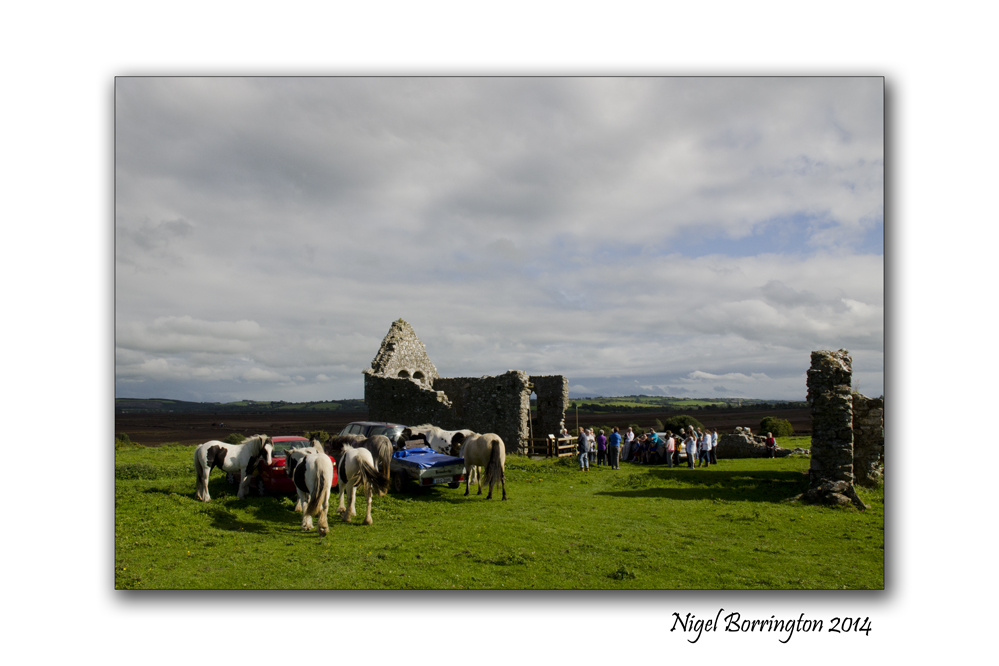


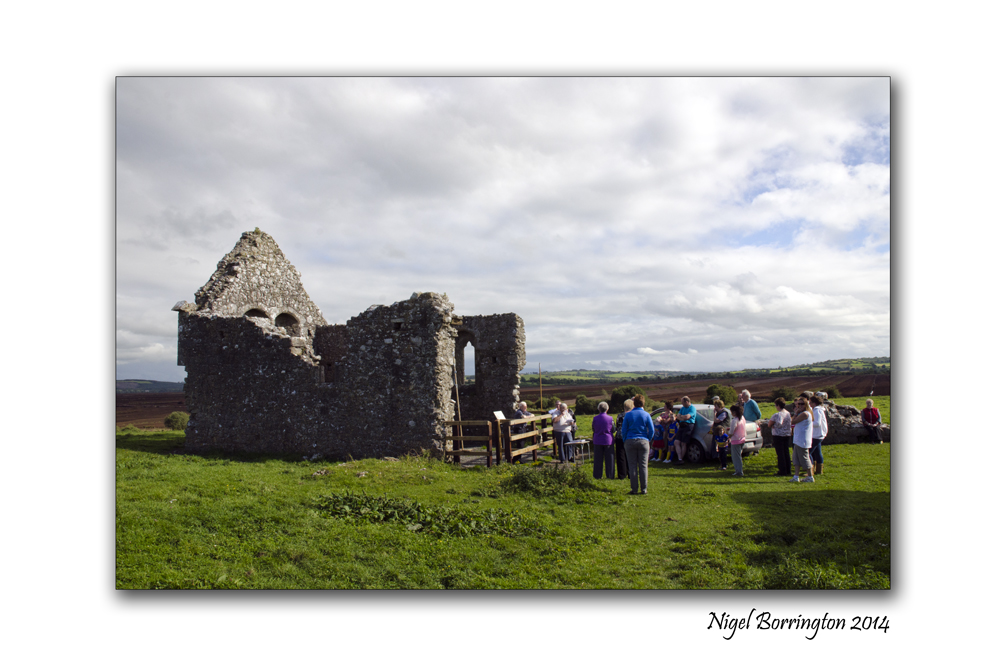
The Old Lane Through The Woods – Poem by jim hogg , Kilkenny Landscape photography

The Old Lane Through The Woods
Black and white landscapes
Nigel Borrington
The Old Lane Through The Woods –
Poem by jim hogg
There’s a track through the trees from the White to the Black
that I walked as a kid and I often went back.
Now the years slip away and the distances grow,
but if time gives us time and we get to change tack
if the notion should take you then I’d gladly go:
in wildest November before winter’s trance,
at the height of the spring when the daffodils dance.
We could stand on the bank where the Rhodies convene,
like the first of our kind who looked down on that scene,
on a loch with no name, with no castles around,
or old burial ground of the meek and the mean;
though the rich bled the poor, by the sod they’re all bound.
Or we’ll maybe just stay on the old woodland road
and head north to the Black with the odd jumping toad.
There’s a whole constellation of things we can view.
In the summer there’s herons and sometimes deer too,
and there’s dodging and weaving through armies of leaves.
Though the foxgloves are rare I’ll find one just for you,
and then swing on the Ivy through Sycamore trees.
If you ever have time we could wander off down
that old lane through the woods whether wintry or lown.
But I know all too well that this life is a crush.
There’d be too much to do if we didn’t all rush.
And I wonder sometimes how it all went so wrong;
but they’re calling it progress with hardly a blush –
in a world where rich hippies can still sing along.
There’s a place where that craziness doesn’t hold sway;
if you’re ever back home we could go there some day
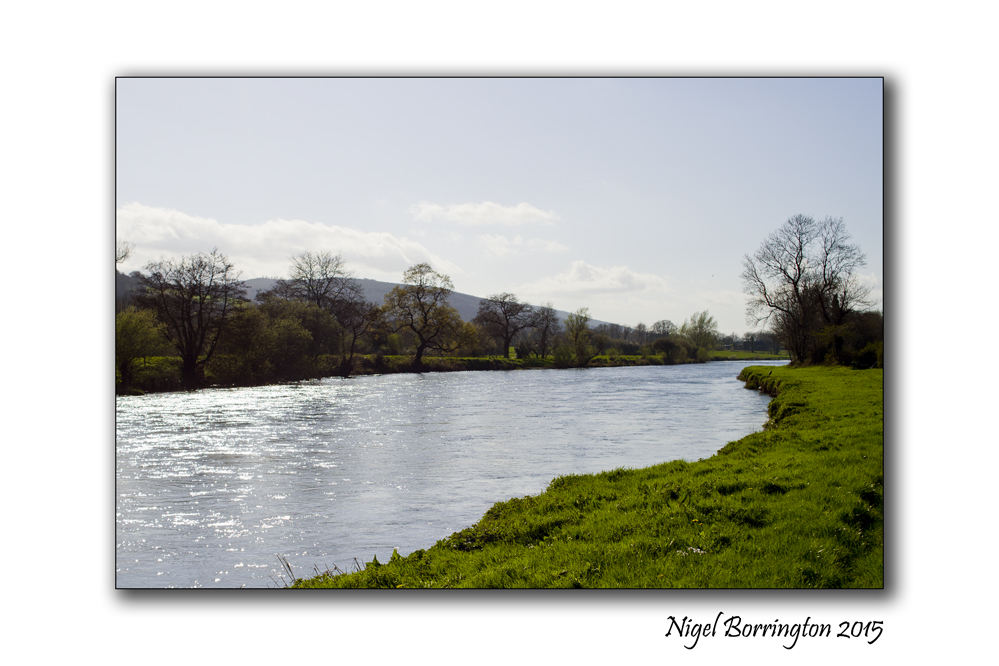
The River Of Life, A poem By Thomas Campbell

River of life, River Suir
Clonmel , Ireland
Landscape Photography : Nigel Borrington
The River Of Life
Poem by Thomas Campbell
The more we live, more brief appear
Our life’s succeeding stages;
A day to childhood seems a year,
And years like passing ages.
The gladsome current of our youth,
Ere passion yet disorders,
Steals lingering like a river smooth
Along its grassy borders.
But as the careworn cheek grows wan,
And sorrow’s shafts fly thicker,
Ye stars, that measure life to man,
Why seem your courses quicker?
When joys have lost their bloom and breath,
And life itself is vapid,
Why, as we reach the Falls of Death
Feel we its tide more rapid?
It may be strange—yet who would change
Time’s course to slower speeding,
When one by one our friends have gone,
And left our bosoms bleeding?
Heaven gives our years of fading strength
Indemnifying fleetness;
And those of youth, a seeming length,
Proportioned to their sweetness.
The River Of Life
Thomas Campbell
The Growth of a Seed – By Dan Farella

The Growth of a seed
Nature Photography : Nigel Borrington
The Growth of a Seed
– By Dan Farella
The growth of a seed
Starts with a need
A feeling inside her
Like a burning fire
Glowing to inspire
And the growth transpires
Inside her that fire
Burning brighter and brighter
Ignites her into a frenzy of burning desire
To lift herself higher, and higher, and higher…
A desire to surrender to the growth that transpires
And she never grows tired, growing, and growing
And a sprout grows out from beyond the doubt
The shadows get exposed to the light of insight
As the stem grows longer getting stronger and stronger

The days get brighter and her spirit feels lighter
The pulsing emanates from a sacred place…
Babump…. babump… babump….
Reaching for the light radiating inner sight
[And an animal comes to take a little bite]
And the nutrients they grow as the energy it flows
And the time has come for her soul to become one
So she sends out her leaves allows herself to be alive
No running no hiding and nowhere to go
So it waits and it grows and it sits and it flows
As the thoughts pass by and she holds her composure
Growing and growing flowing and flowing
Getting taller and stronger
Allowing herself to be seen

It goes on and on as she reaches her dawn
Only to know that its time for her to move on
And release her seeds to the wind, set sail
And she trusts they will grow through wind, rain, or hail
As she brings all the energy up into her crown
The wind begins to blow as she listens to the sound
And she knows its time to let her children take flight
Getting lost in the life, the love, and de-light
She completes her deed and she dies a slow death
But she knows she will go back into the goddess breath
Where she feeds the soil that will grow her kin
With the nutrients she once used to help her begin
And she feels a sense of right-ness and completeness inside
As she knows that she worked with Natures highest design
And she never grows tired, growing and growing
Reaping and sowing, reaping and sowing.
– By Dan Farella
Spring Herb’s : Herb-Robert
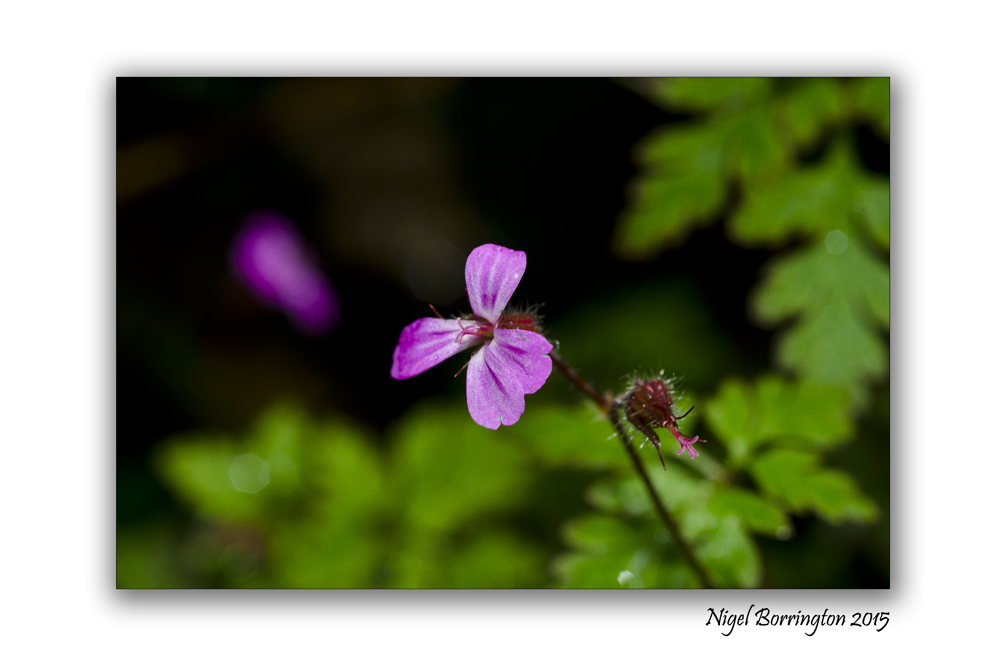
Herb Robert
Irish nature Photography : Nigel Borrington
Spring Herb’s : Herb-Robert
Familiar little pink flower from April to November, Herb-Robert is a hairy, unpleasant-smelling plant which grows on banks, bases of walls, shingle and shady places throughout the country. Its pink flowers (8-15mm across) have five un-notched petals and in the center of the flower are orange anthers. Each petal is marked by small lighter-pink lines running into the center of the flower. The hairy, stalked leaves are often tinged red and have three to five deeply cut lobes. The fruit is hairy and beak-like. This is a native plant belonging to the family Geraniaceae.
This plant has been introduced into North and South America from Europe and Asia. In traditional medicine in the Americas it has been used to stop nosebleeds. Its leaves are also made into a herbal tea which is recommended as a gargle and an eyewash. (you would not recommend this course of action).
One wonders who is the ‘Robert’ of this plant. Maybe the name comes from the Latin word ‘ruber’ meaning red which may have referred to the colouring of the leaves and stems.
When Dorothea Lange Visited Ireland in 1954
![Dorothea Lange A Chat at the O’Halloran Farm [Ireland]](https://nigelborrington.com/wp-content/uploads/2015/04/dorothea-lange-a-chat-at-the-o_halloran-farm.jpeg)
Dorothea Lange A Chat at the O’Halloran Farm [Ireland]
It is amazing the range of her photography work and telling just how brave and out there she was to capture the vast majority of her subjects. During the great depression in the USA she captured the massive Migrant of farmers from east to west (Dorothea Lange : Migrant Farm Families ).
I have studied much of her great depression images and I am in love and have total admiration with them as a body of work, a hugely important historic study !!!!
One body of Dorothea’s work that I have until recently not looked at, is here images of 1950’s Ireland, I have shared a couple here, living in Ireland for this last ten years or so I have visited and photographed many of the locations she visited – so its wonderful to see these images and amazing to compare just how much life and these places has changed.
I am only starting to collect some books and look at the images from her 1954 Irish visit, however as you cam see the b
lack and white film images she took at just amazing !!!!
![Dorothea Lange Michael Kenneally on His 30 Acres [Ireland]](https://nigelborrington.com/wp-content/uploads/2015/04/dorothea-lange-ireland.jpeg)
Dorothea Lange Michael Kenneally on His 30 Acres [Ireland]
Do Not Go Gentle Into That Good Night – Poem by : Dylan Thomas

Do Not Go Gentle Into That Good Night
Photography : Nigel Borrington
Do Not Go Gentle Into That Good Night
By : Dylan Thomas
Do not go gentle into that good night,
Old age should burn and rave at close of day;
Rage, rage against the dying of the light.
Though wise men at their end know dark is right,
Because their words had forked no lightning they
Do not go gentle into that good night.
 .
.
Good men, the last wave by, crying how bright
Their frail deeds might have danced in a green bay,
Rage, rage against the dying of the light.
Wild men who caught and sang the sun in flight,
And learn, too late, they grieved it on its way,
Do not go gentle into that good night.
 .
.
Grave men, near death, who see with blinding sight
Blind eyes could blaze like meteors and be gay,
Rage, rage against the dying of the light.
And you, my father, there on that sad height,
Curse, bless, me now with your fierce tears, I pray.
Do not go gentle into that good night.
Rage, rage against the dying of the light.
 Nigel Borrington
Irish landscape images , images for the weekend …….
Irish landscape images
Nigel Borrington
This weekend I am planning lots of time outside, just walking, relaxing and getting some fresh landscape images …
I hope what every you do , you have a great weekend and that if you can you get sometime to relax and enjoy your surroundings, in the country or in the city 🙂 🙂
Have a great weekend !!
Irish Landscape Gallery
Share this:
June 12, 2015 | Categories: Comment, Gallery, Images for the weekend, Landscape, Nigel Borrington | Tags: images of ireland, Ireland, irish landscape, Landscape Photography, mental health, Nigel Borrington, out in the country, relaxation, walking, weekend, weekend images | 9 Comments