Panoramic views of Muckross lake, Killarney National park, County Kerry
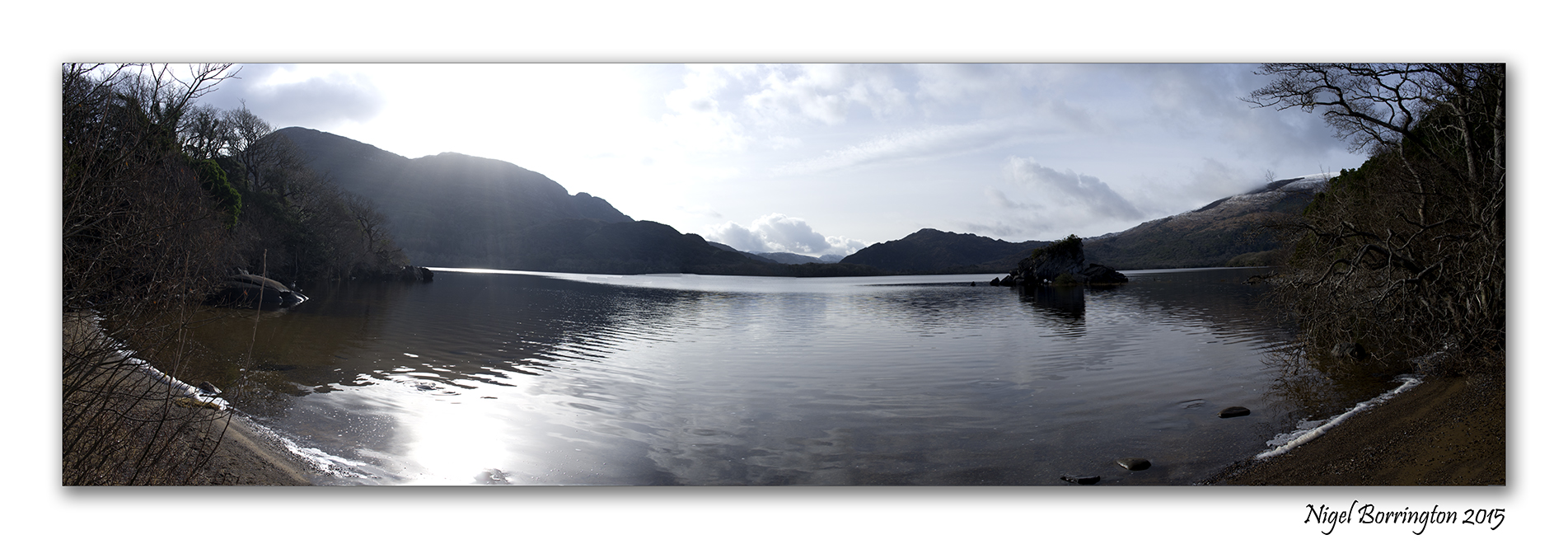
Muckross lake,
Killarney National park
Irish Landscape Photography : Nigel Borrington
I have just returned from a trip to Killarney National Park, County Kerry, getting lots of Landscape images during the four days away.
The Killarney national park was looking just fantastic at this time of the year with Snow on all the mountains that surround the Killarney lakes, these two images are taken with a fuji film x100 in portrait format and then jouned to create panoramic images.

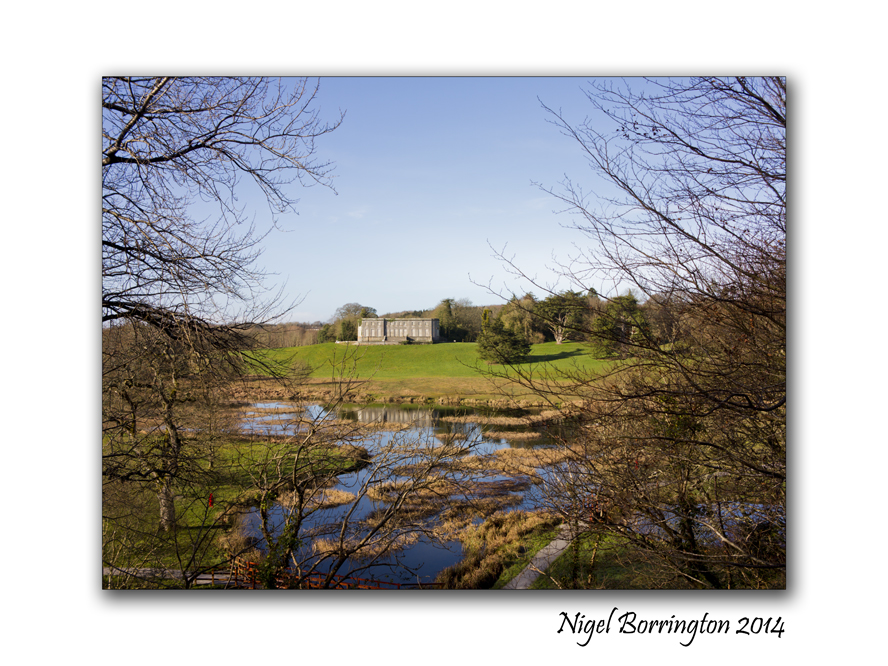
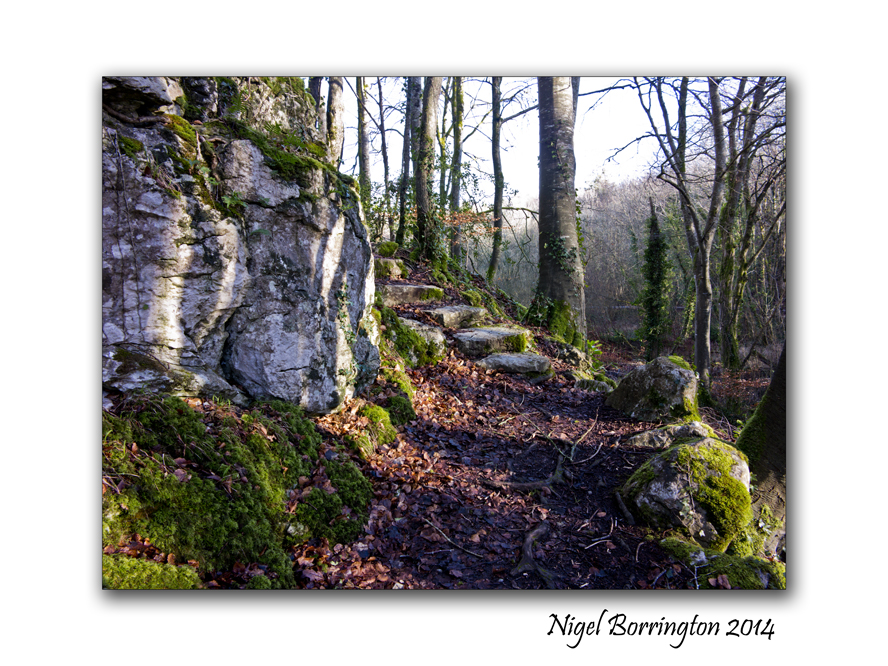
Curraghchase Forest Park, Limerick

Curraghchase Forest Park, Limerick
County Cork, Ireland
Landscape photography : Nigel Borrington
Curraghchase Forest Park
One of my favorite places to visit in the winter months is Curraghchase Forest Park.
Curraghchase Forest Park is the woodland estate and lakes around the shell of the 18th century Curraghchase House, in County Limerick, home of poet Aubrey de Vere. It is now open as a state forest and park.
Originally, the name of the estate was Curragh (meaning bog) before it was changed to Curragh Chase by Sir Aubrey de Vere. Aubrey Thomas de Vere a poet and author, was born at Curragh Chase in 1814. Curragh Chase was acquired in 1957 by the Forestry Division and in the 1970s was established as a forest park.
There are several special areas of conservation in the park and Coillte is currently involved in restoring native woodlands to important sites in the park. There are 313 hectares of mixed woodland, 8km of multi-purpose way-marked trails. There are a number of looped way marked trails in the park to suit all visitors. They vary from the multi-access trails suitable for wheelchair users and family walkers to the longer Curragh and Glenisca trails suitable for those looking for more demanding walking and cycling.
Visitors to the park can also enjoy some other well-known Limerick attractions, such as the turrets and towers of the 19th century castle built by the Earl of Limerick. The little Kiltulla church nearby is said to date from the 9th or 10th centuries. Northwest of Curraghchase House is the ancient Killeen church.
There are also two children’s playgrounds, picnic and barbeque facilities.
Curraghchase Forest Park: Gallery
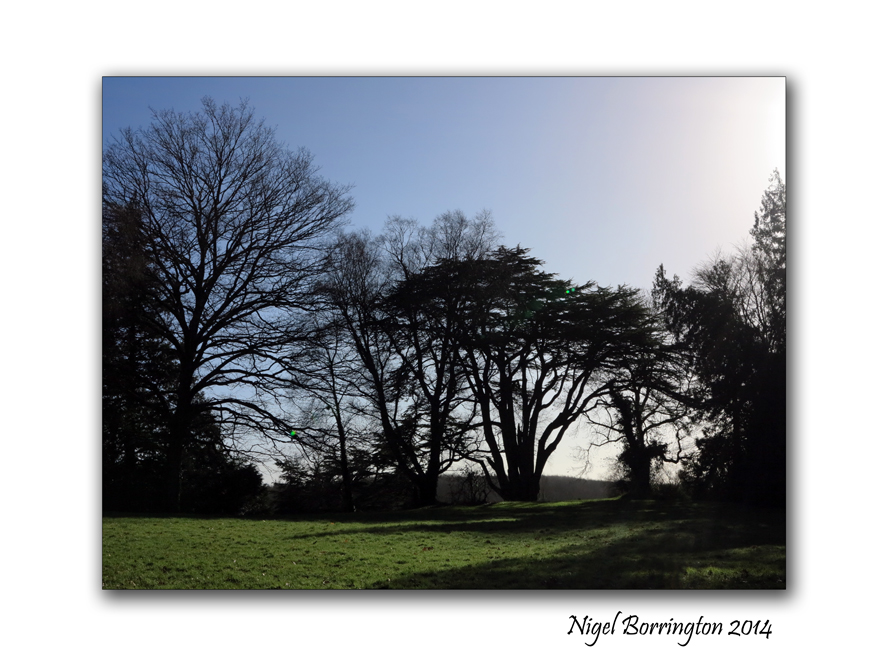
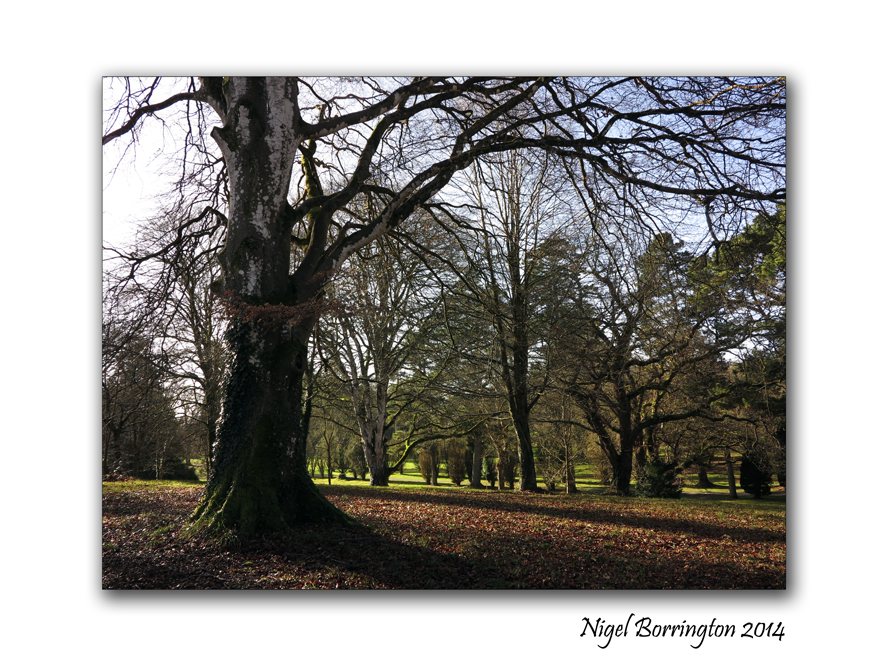
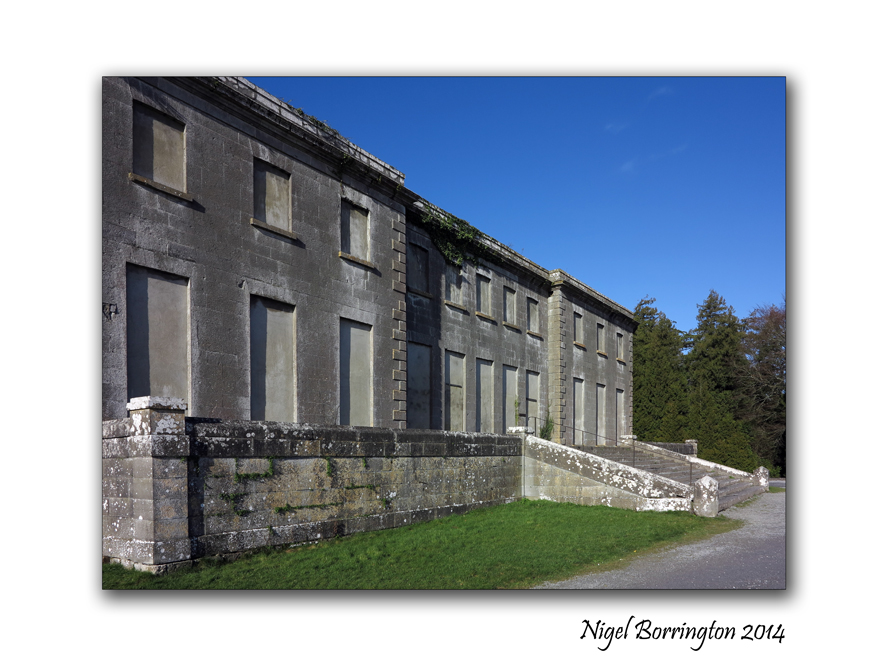
A morning walk in December.

December in Ballykeefe, County Kilkenny
Irish Landscape Photography : Nigel Borrington
So far the early mornings this week, the first week of December 2014 have been perfect , bright clear blue sky’s, an overnight frost that has melted away by 9am leaving the fields and woodland paths very wet and damp.
One walk with molly I love doing on mornings like this is in Ballykeefe woods county Kilkenny, this is a circular walk around the nature reserve that slowly claiming to a viewing point at the top of the hill, the view here is just wonderful. There is a bench to sit on after the walk and the landscape views below are of all the farms between the these woods and the mountain of Slievenamon just across the county border from county Kilkenny and into county Tipperary.
The images below are from this walk and the last image shows the landscape views from the wooden bench at the top of the hill


Views from the Old Bridge , Landscape Gallery

Views from the old Bridge
GlenPatrick, County Waterford.
Irish Landscapes : Nigel Borrington
One of the walks I always love doing with Molly our Golden retriever is through the woods at Glenpatrick, County Waterford and up into the mountains above. There are some great old mountain paths here that wind their way through the Comeragh Mountains and the landscape views are just wonderful.
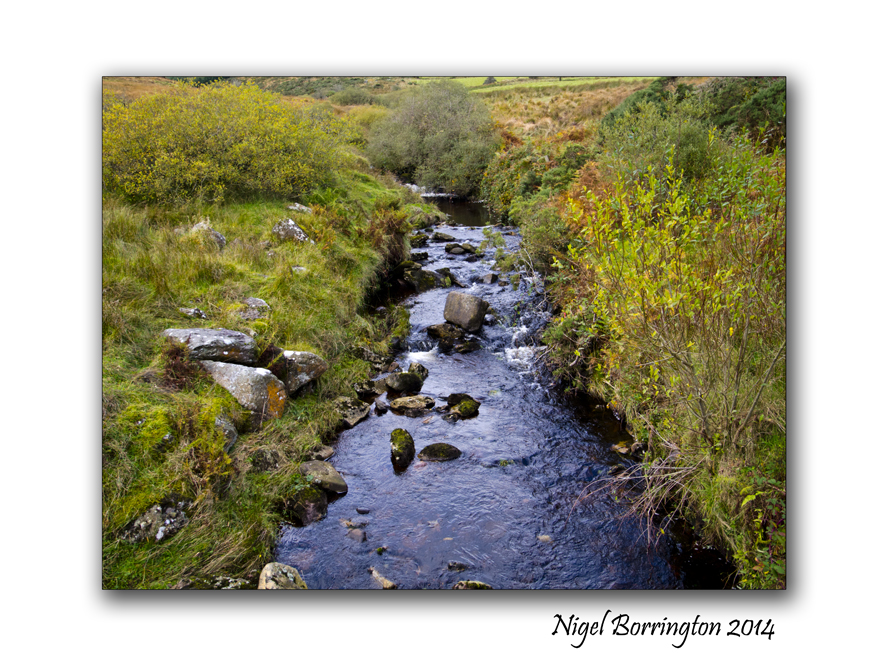
One place I love to stop and rest and let Molly swim for a while is at an old bridge, the images posted here are takes from this bridge, its a great spot on a sunny morning but wild on a stormy winters day.
Images from the Bridge : Gallery



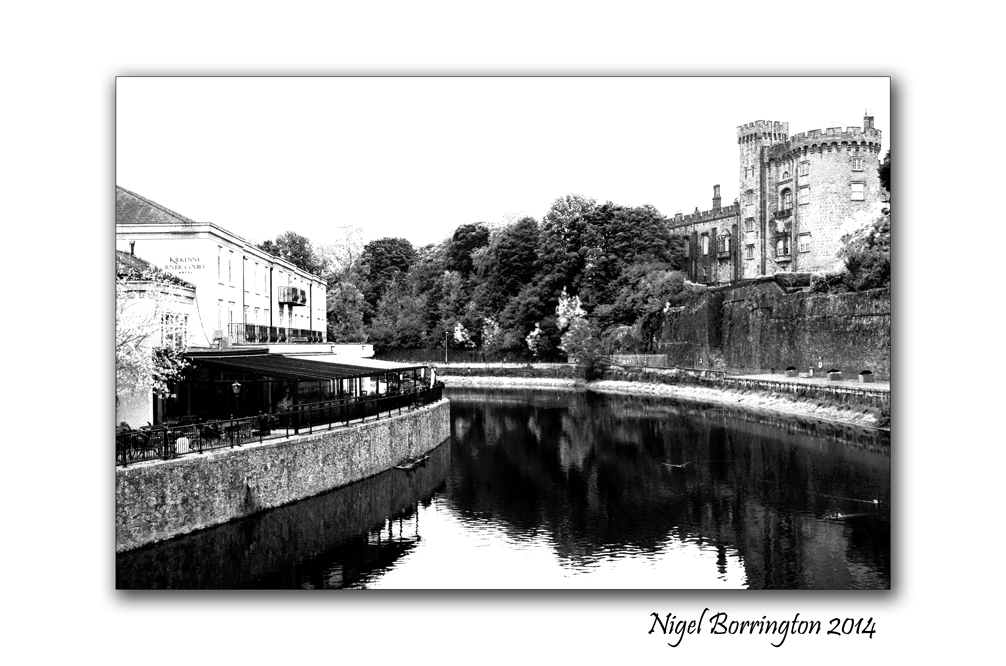
Kilkenny Landscape Photography, High Key landscapes
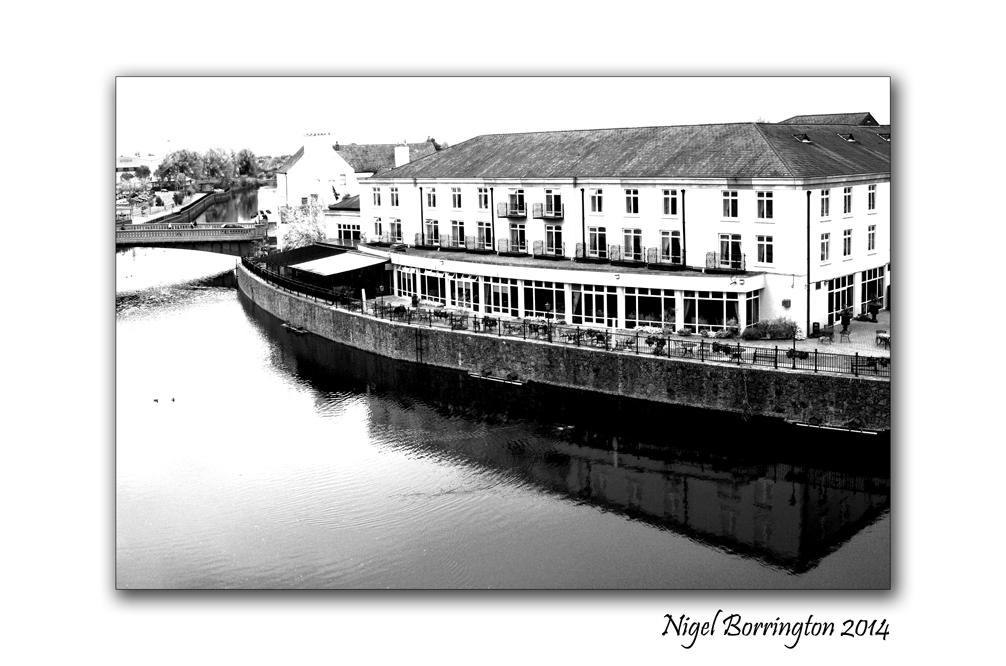
River court Hotel,
County Kilkenny,
Irish landscape photography : Nigel Borrington
I took these images as backdrops for a wedding album I worked on a little time back, the couples wedding reception was at the River court Hotel – located on the river Nore, Kilkenny city.
As the images were used as page backdrops, I overexposed the original captures so that they did not clash to much with the actual wedding images layered on top. However I like them as standalone black and white images with their views of the hotel and Kilkenny castle in the back ground.
I also felt that the River Nore also shows up very well in this set.


“The Cottage” , with the freedom and the space! , A poem By : JW Harvey

The Cottage door by the lake
Irish Landscape Photography : Nigel Borrington
Over the years I have lived in Ireland, there are many places I have visited and stayed, many cottages in remote parts of the country.The one thing most have in common is that they are so remote that for most of the weeks stay it hard to get a mobile phone signal, even for just a simple call or text.
I recently found this great poem by JW Harvey, that I think reflects on the feelings that these problems create, that moment when you realize the world will not end if you cannot get Facebook or even text a friend. What follows for most is putting on your coat and get outside into the real world and your holiday begins.
This is the moment when you realize, its this disconnect you really came for !!!!
The Cottage
JW Harvey,
Sep 25, 2013
I sat by the lake
sipping coffee and feeding the ducks.
In between breadcrumbs,
I dialed his number.
“Your call could not go through.”
I grinned;
Could not, not would not.
Long since the city summers,
 .
.
I finally found our stillwater space:
a sense of security that felt
as serene as my remote arcadia,
disturbed only by the footstrokes
of a hungry mallard passing by.
No breadcrumbs for him.
“Call failed.”
Call failed, not I failed,
and I picked apart the stale bagel
to dip in my coffee
and feed to the ducks.

Kilkenny Landscape Photography : The Killamery high cross

Killamery High cross Nov 2014
Kilkenny landscape Photography : Nigel Borrington
The Killamery high cross
The Killamery High cross is one of the most Iconic high crosses in Ireland, It is used as a model for many of the small high crosses sold across the world as an Irish symbol.
I am very lucky that it is situated in an old graveyard in Kilkenny at Killamery. The cross is one of the western Ossory group of crosses.
The cross stands at 3.65 metres high and the west face of the cross bears most of the figure sculpture. The east face pictured right, is decorated with three marigolds on the shaft and has a boss in the centre of the head surrounded by intertwining serpents with an open mouthed dragon above the boss. The cross is known as the Snake-Dragon cross. The cross has a gabled cap-stone and the narrow sides have double mouldings. At the end of the southern arm of the cross there is a panel depicting Noah in the Ark and the end of the northern arm features four scenes centered around John the Baptist. There is also a worn inscription on the base of the western side of the cross which is said to read as ‘OR DO MAELSECHNAILL’ a prayer for Maelsechnaill. Maelsechnaill was the High King of Ireland from 846 to 862.
The western face has a Sun Swastika at the center and has figure sculpture around the whorl, to the left is a hunting scene and to the right a chariot scene above the whorl is scene showing a figure holding a Baby with another figure to the right of them, below the sun disc is a crucifixion scene. The shaft of this face bears two ornate panels. The top one is a fret pattern and the lower panel is a key pattern.
Monday Morning Poetry : “Under Benbulben” The last Poem of – W. B. Yeats
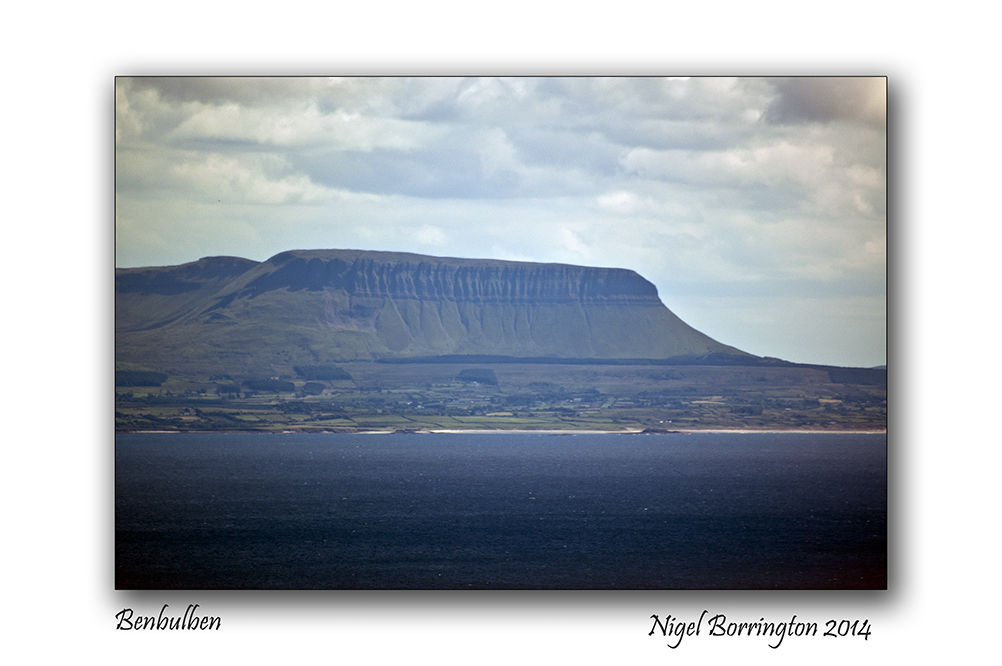
Benbulbin, sometimes spelled Ben Bulben or Benbulben (from the Irish: Binn Ghulbain), County Sligo.
Irish Landscape photography : Nigel Borrington
William Butler Yeats
William Butler Yeats , was an Irish poet and one of the foremost figures of 20th century literature.
Yeats was a driving force behind the Irish Literary Revival and, along with Lady Gregory, Edward Martyn, and others, founded the Abbey Theatre In Dublin , where he served as its chief during its early years. In 1923 he was awarded the Nobel Prize in Literature as the first Irishman so honoured, for what the Nobel Committee described as –
“inspired poetry, which in a highly artistic form gives expression to the spirit of a whole nation.”
Yeats is generally considered one of the few writers who completed their greatest works after being awarded the Nobel Prize; such works include The Tower (1928) and The Winding Stair and Other Poems (1929). Yeats was a very good friend of American expatriate poet and Bollingen Prize laureate Ezra Pound. Yeats wrote the introduction for Rabindranath Tagore’s Gitanjali, which was published by the India Society,
Drumcliff, a village in County Sligo is the final resting place of the poet W. B. Yeats (1865–1939), the village is on a hillside ridge between the mountain of Ben Bulben and Drumcliff bay. On visiting its is a great resting place for this Irish poet and artist, considering that his last Poem was about this great Irish Mountain.
Under Benbulbin
William Butler Yeats
Last Poems and Two Plays, 1939
I
Swear by what the sages spoke
Round the Mareotic Lake
That the Witch of Atlas knew,
Spoke and set the cocks a-crow.
Swear by those horsemen, by those women
Complexion and form prove superhuman,
That pale, long-visaged company
That air in immortality
Completeness of their passions won;
Now they ride the wintry dawn
Where Ben Bulben sets the scene.
Here’s the gist of what they mean.
II
Many times man lives and dies
Between his two eternities,
That of race and that of soul,
And ancient Ireland knew it all.
Whether man die in his bed
Or the rifle knocks him dead,
A brief parting from those dear
Is the worst man has to fear.
Though grave-digger’s toil is long,
Sharp their spades, their muscles strong,
They but thrust their buried men
Back in the human mind again.
III
You that Mitchel’s prayer have heard,
“Send war in our time, O Lord!”
Know that when all words are said
And a man is fighting mad,
Something drops from eyes long blind,
He completes his partial mind,
For an instant stands at ease,
Laughs aloud, his heart at peace.
Even the wisest man grows tense
With some sort of violence
Before he can accomplish fate,
Know his work or choose his mate.
IV
Poet and sculptor, do the work,
Nor let the modish painter shirk
What his great forefathers did,
Bring the soul of man to God,
Make him fill the cradles right.
Measurement began our might:
Forms a stark Egyptian thought,
Forms that gentler Phidias wrought,
Michael Angelo left a proof
On the Sistine Chapel roof,
Where but half-awakened Adam
Can disturb globe-trotting Madam
Till her bowels are in heat,
Proof that there’s a purpose set
Before the secret working mind:
Profane perfection of mankind.
Quattrocento put in print
On backgrounds for a God or Saint
Gardens where a soul’s at ease;
Where everything that meets the eye,
Flowers and grass and cloudless sky,
Resemble forms that are or seem
When sleepers wake and yet still dream,
And when it’s vanished still declare,
With only bed and bedstead there,
That heavens had opened.
Gyres run on;
When that greater dream had gone
Calvert and Wilson, Blake and Claude,
Prepared a rest for the people of God,
Palmer’s phrase, but after that
Confusion fell upon our thought.
V
Irish poets, learn your trade,
Sing whatever is well made,
Scorn the sort now growing up
All out of shape from toe to top,
Their unremembering hearts and heads
Base-born products of base beds.
Sing the peasantry, and then
Hard-riding country gentlemen,
The holiness of monks, and after
Porter-drinkers’ randy laughter;
Sing the lords and ladies gay
That were beaten into clay
Through seven heroic centuries;
Cast your mind on other days
That we in coming days may be
Still the indomitable Irishry.
VI
Under bare Ben Bulben’s head
In Drumcliff churchyard Yeats is laid.
An ancestor was rector there
Long years ago, a church stands near,
By the road an ancient cross.
No marble, no conventional phrase;
On limestone quarried near the spot
By his command these words are cut:
Cast a cold eye
On life, on death.
Horseman, pass by!
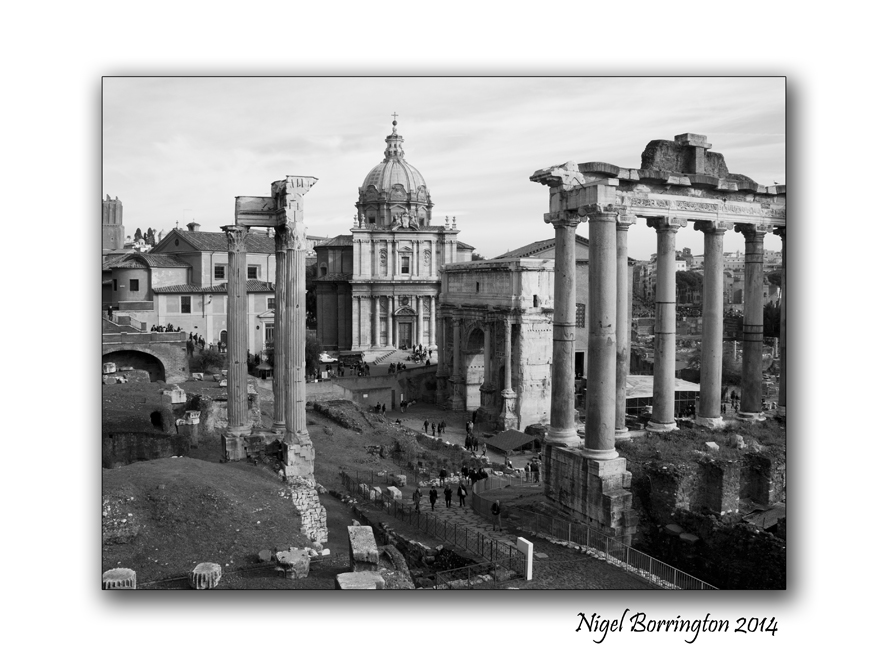
A sense of place : The streets of ancient Rome.

A sense of place, The old city of Ancient Rome.
Photography : Nigel Borrington
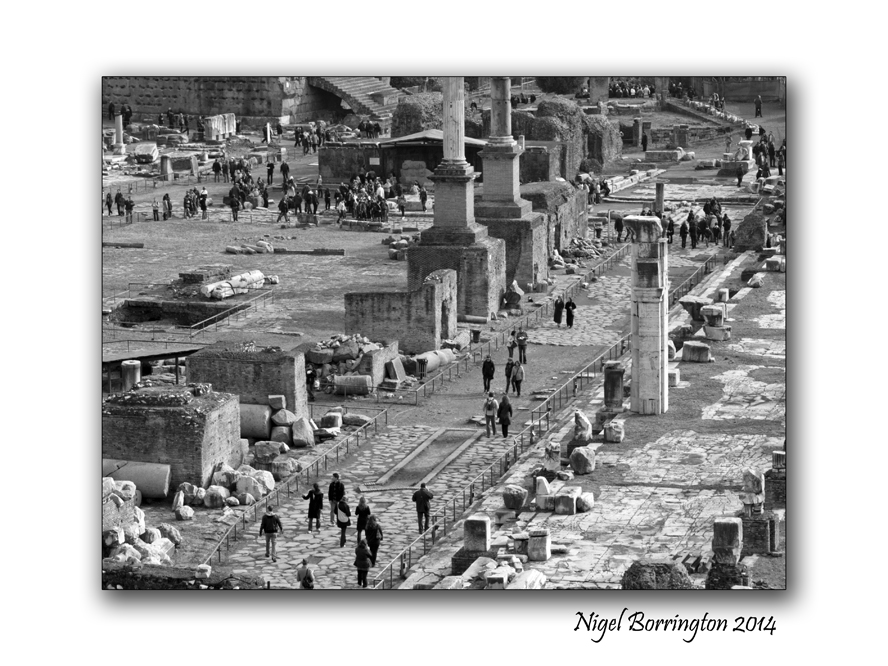
Four images taken during a visit to the old city of Ancient Rome.
I was completely captivated by the old city of Rome, The scale of the temples and city building is just amazing.
As I walked around with a camera I wanted to capture as much as I could of the atmosphere, after I had a good look from the street level I took a higher view as I wanted to capture the many visitors as they themselves discovered this amazing place.
The old city of Rome

Perseus with the Head of Medusa , By: Antonio Canova (1757 – 1822), – Vatican Museum, Rome.

Perseus with the Head of Medusa , By: Antonio Canova (1757 – 1822)
Photography : Nigel Borrington
It has been a couple of years now since I last visited Rome and I am starting to think of a return visit at some point, on my last stay with my brother we visited the Vatican Museum.
One of the most amazing thing about this museum is that it holds much of the worlds fine arts along with artifacts from per-christian time, including the classical Greek period and the time of the pyramid building in Egypt.
I captured this image of “Perseus with the Head of Medusa” by Antonio Canova (1757 – 1822) as its just a wonderful work of art as with all his sculptures.
Below I have included a description of the Greek Myth “Perseus and Medusa” and then a description of the sculpture itself.
Perseus and Medusa
Medusa was one of three sisters, the gorgons, but she was the only mortal one. Some versions say all three were born as monsters, but the predominant myths had them as gorgeous maidens. Medusa was so beautiful that Poseidon was crazy about her, but she didn’t care about him; Poseidon turned her and her sisters into monsters with live snakes covering their heads. Medusa kept her beautiful face but everything else was so monstrous. And whoever dared to look into her face ended up being turned into stone.
Perseus thus had a hard task. He asked Athena and Hermes for help and two of them, together with the nymphs, provided winged sandals to fly him to the end of the world where gorgons lived, a cap that made him invisible, a sword and a mirrored shield. The latter was the most important tool Perseus had, since it allowed him to see a reflection of Medusa’s face and to avoid being turned into stone.
medusa-headWhen he cut Medusa’s head off, from the drops of her blood suddenly appeared two offspring: Pegasus, a winged horse, and Chrysaor, a giant or a winged boar. It’s believed that those two were Medusa’s children with Poseidon.
In any case, once he accomplished his task Perseus flew back and escaped Medusa’s sisters who tried to reach him. Later, Perseus used Medusa’s head as a weapon in many occasions until he gave the head to Athena to place it on her shield.
The myth of Perseus and Medusa was one the most powerful inspiration for many artists in the ancient times, but it hasn’t lost its artistic significance to the present day either. Paintings and sculptures of the moment of beheading or Medusa’s portrait itself are famous all over the world. One of the most known art work is the Medusa shield by Caravaggio, painted at the end of the 16th century. It is exposed in the Uffizi museum in Florence. Close by the museum, in the main plaza of Firenze (Florence) there is a sculpture of Perseus.
Perseus with the Head of Medusa , By: Antonio Canova (1757 – 1822)
This exquisite marble statue of Perseus is being restored thanks to the Generosity of the Northwest Chapter of the Patrons of the Arts.
Antonio Canova is one of the most important Italian sculptors of all time. His marble statues are characterized by classical beauty and they are now on display in the most important museums in the world.
Antonio Canova (1757 – 1822) was born in Possagno, a village near Venice. He spent most of his youth studying, with a strong bias towards the art of sculpture, and was greatly rewarded by the benefit of his grandfather’s stonecutting. His move to Rome as a young man gave him the opportunity to examine the splendid relics of antiquity, and put his abilities to the test.
Canova’s Perseus had not been commissioned by anyone, thus he put it up for sale. Giuseppe Bossi, secretary of the Academy of Brera, and personal friend of the sculptor wanted to place the Perseus in the Foro Bonaparte and he had already begun the payments when a letter came from Cardinal Doria informing Canova that Pope Pius VII wanted to buy the sculpture for 3,000 gold coins in order to place it in the Vatican Museum. Thus, the Perseus was moved to the Vatican and was placed on the empty pedestal of the famous Apollo Belvedere which had previously been moved to Paris by the French, following the Treaty of Tolentino. Pope Pius VII also appointed Canova with the prestigious award received by Raphael under Leo X: the Inspector General of Fine Arts. The location of the statue on the pedestal of the famous Apollo together with the nomination of the sculptor as Inspector, consecrated Canova’s success.
The imposing statue depicts the hero of Greek mythology Perseus, son of Zeus and Danaë, with the helmet of Pluto (which had the power of invisibility), the winged sandals of Mercury and the diamond sword given to him by Vulcan.
These gifts were granted to Perseus in order to allow the hero to defeat Medusa, against whom he was sent by Polykleitos, king of the island of Serifos.
Canova represented the Perseus triumphantly raising his left arm with the head of Medusa. The excitement of the action is frozen as is customary of the classical style. The Argive hero has similar proportions and positioning to the Apollo Belvedere.
By following the classical theme of the heroic male nude in action, Canova seems to have been able to achieve results as advised by Winckelmann and the Neoclassical age, according to which the only way to become great is to be inspired by ancient models. Stendhal said that Canova imitated the Greeks, but like them, his genius invented a new beauty.
King John’s Castle Limerick
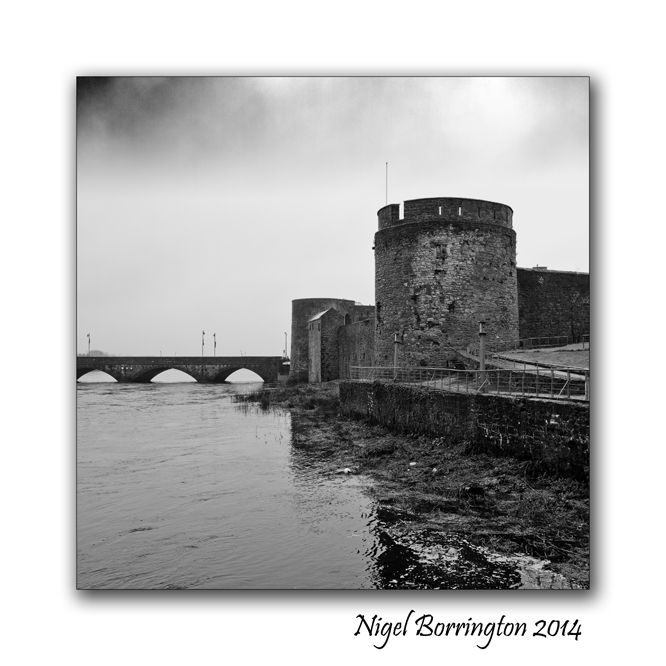
King Johns Castle, Limerick, Ireland.
Irish landscape Photography : Nigel Borrington
King John’s Castle, Limerick
Back in January this year I took a weekend trip to Limerick on the river Shannon, to King Johns Castle located at the high street end of the town.
The Castle is a 13th-century construction located on King’s Island in Limerick, next to the River Shannon. Although the site dates back to 922 when the Vikings lived on the Island, the castle itself was built on the orders of King John in 1200. The walls, towers and fortifications remain today and are visitor attractions.
The remains of a Viking settlement were uncovered during archaeological excavations at the site in 1900
If you are passing this part of the world the Castle is well worth a visit as is a walk around Limerick city itself. You can go on a loop river walk that lets you see every part of the city from the river bank. There are many pubs and coffee stops along the way all with a great view of the river.

Early History
The arrival of the Anglo-Normans to the area in 1172 changed everything. Domhnall Mór Ó Briain burned the city to the ground in 1174 in a bid to keep it from the hands of the new invaders. After he died in 1194, the Anglo-Normans finally captured the area in 1195 under King John. In 1197, local legend claims Limerick was given its first charter and its first Mayor, Adam Sarvant. A castle, built on the orders of King John and bearing his name, was completed around 1210.
The castle was built on the boundary of the River Shannon in order to protect the city from the west and from any rebellion by Norman lords to the east and south. Under the general peace imposed by the Norman rule, Limerick prospered as both a port and a trading center, partly due to the castle acting as a watchdog on any cargo passing through the port of Limerick.
The town of Limerick became so wealthy during this era King John set up a mint in the North West corner of the castle, with pennies and half pennies from this time available to see in Limerick museum today. A 1574 document prepared for the Spanish ambassador attests to its wealth:
The Bonane stone circle and an Altar for the Moon – The Pagan Moon deity : Elatha.

Bonane Stone circle and Alter for the Moon.
Irish Landscape Photography : Nigel Borrington
Bonane stone circle and altar of the Moon
During the summer I was lucky enough to get to visit the Bonane stone circle and Alter located near Kenmare , county Kerry. This stone circle was cleared of trees and opened to the full view of the public in current times and it is a great example of a pagan stone circle.
For many centuries it has puzzled historians as to what function these circle served , some think they marks a place of worship others that they acted as a way of measuring the passage of the the year, using the shadows that they cast on the ground. The location and length of these shadows changing as the year passes.
Here at Bonane however it was discovered that the moon was being tracked over an 18.6 year period, it could be that the moon was being worshiped during its movement through the heavens.
They did this by placing an altar about a mile away on a hill side ridge and placed in-line with the center of the stone circle. The most amazing thing is than only every 18.6 years does the moon appear to rise behind the altar at its most southerly point on the horizon and only if you are standing in the center of the stone circle.
The last time this event took place was in 2006 and the next time will be during the Month of June in 2024.
The people who live here in Kerry some 5000 years ago must have been very skilled at astronomy as predicting the movement of the moon has been very difficult until in modern times with the invention of small machines called Orrery and then the use of computers have modern man been able to do so.
See : The Moon Cycles
The task they achieved here is truly amazing and takes a little time to digest, just how they moved three very large stones and placed them on a hill side ridge and then alined a stone circle a good mile away on another hill side and did so with this 18.6 years moon cycle in mind, even today some 5000 years later their achievement is still working.
The difference in thinking between a stone circle being used for the movement of the sun or the moon, or both – is very interesting. As opposed to being used to the help in planting of crops etc, this would appear to imply a function of worship but of what or of who, was it simply the moon or a moon God?
Well the main Pagan deity for this part of the world is thought to be : Elatha
Elatha
Overview
Elatha is quoted as being the “The beautiful Miltonic prince of darkness with golden hair”. He was the son of Dalbaech and a king of the Fomor, he was father of Bres by Eri, a woman of the Tuatha Dé Danann. He came to her over the sea in a vessel of silver, himself having the appearance of a young man with yellow hair, wearing clothes of gold and five gold torcs. He was one of the Fomor who took part in the Second Battle of Magh Tuireadh.
During the Second Battle of Magh Tuireadh, Elatha, son of Dalbaech, watched over Dagda’s magic harp, Uaithne, sometimes called Dur-da-Bla, “the Oak of Two Blossoms,” and sometimes Coir-cethar-chuin, “the Four-Angled Music.” He is said to have a sense of humor and a sense of nobility.
Though considered to be the Fomorian father of Eochu Bres, Elatha (Elada) was also the father of the Dagda, Ogma, a son named Delbaeth, and Elloth (the father of Manannan mac Lir) according to the Lebor Gabála Érenn. The mother of these Tuatha De Danann chiefs may have been Ethne, the mother of Lug, based on Ogma’ often cited matronymic “mac Ethliu.” Since Ethne was Fomorian, this means they are all Fomorians. This is rather confusing, but may betray the battle between the two groups as actually being about the new generation of gods displacing the older generation.
Bonane Stone circle and Altar to the Moon – Gallery


Jenkinstown, woodland park , County Kilkenny
Jenkinstown , Forest Park County Kilkenny.
Landscape Photography : Nigel Borrington
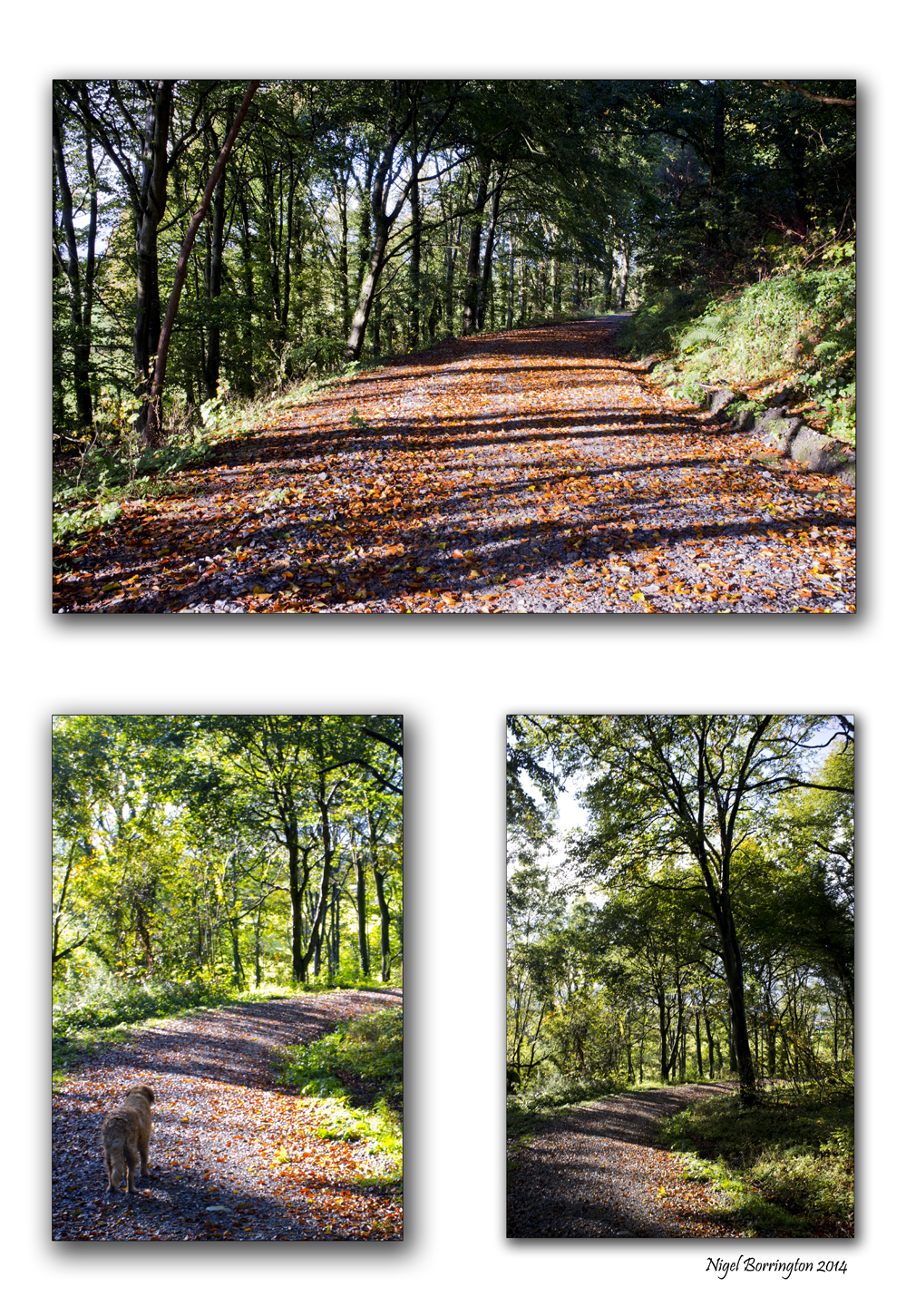
Jenkinstown Forest park in County Kilkenny is one of my most loved Local places, the walks around the Forest here are amazing at anytime of the year but just now the leaves are starting to turn golden yellow and fall after a frost or period of high wind.
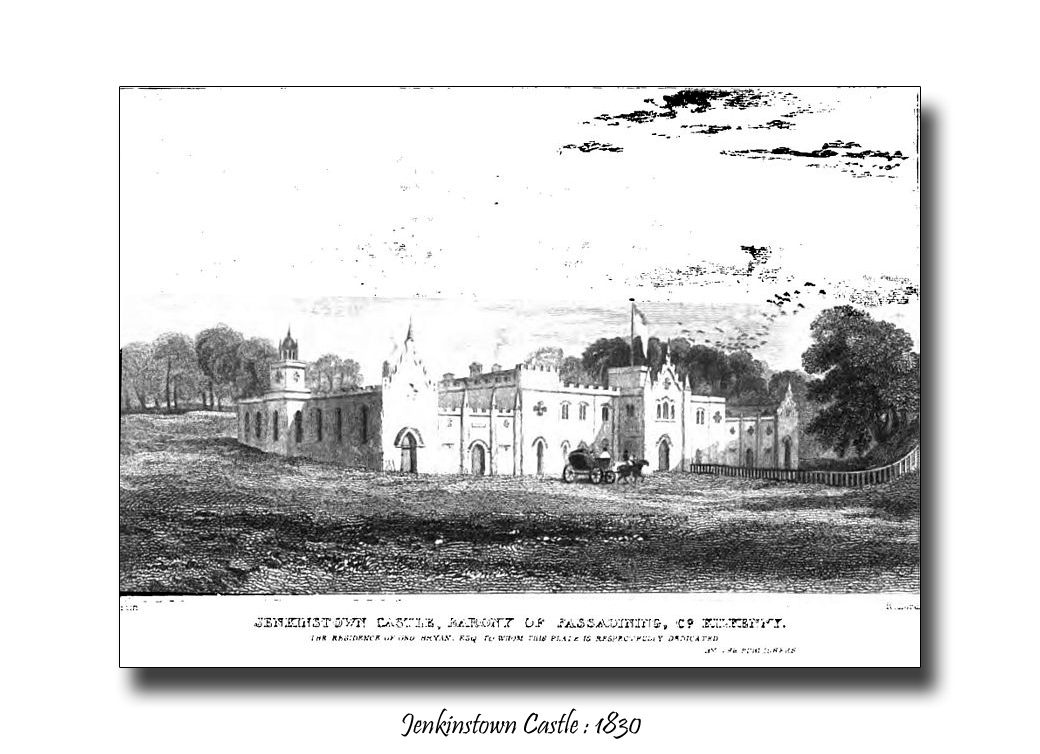
The Jenkinstown estate has a long history and the below image shows the castle that once stood here until at least the time this image was taken during 1930.
 .
.
Part of the castle still stands and acts as a home for a local musician.
The park contains some great old buildings such as the round store house and animal shelter that these days offers a great place to read or shelter from a shower on a wet day.
Jenkinstown woodland park , County Kilkenny : Gallery


Monday morning from the mountain lane ( Images and a Poem by : Douglas Fraser – 1968 )

The mountain Lane,
GlenPatrick , County Waterford,
Irish Landscape Photography : Nigel Borrington
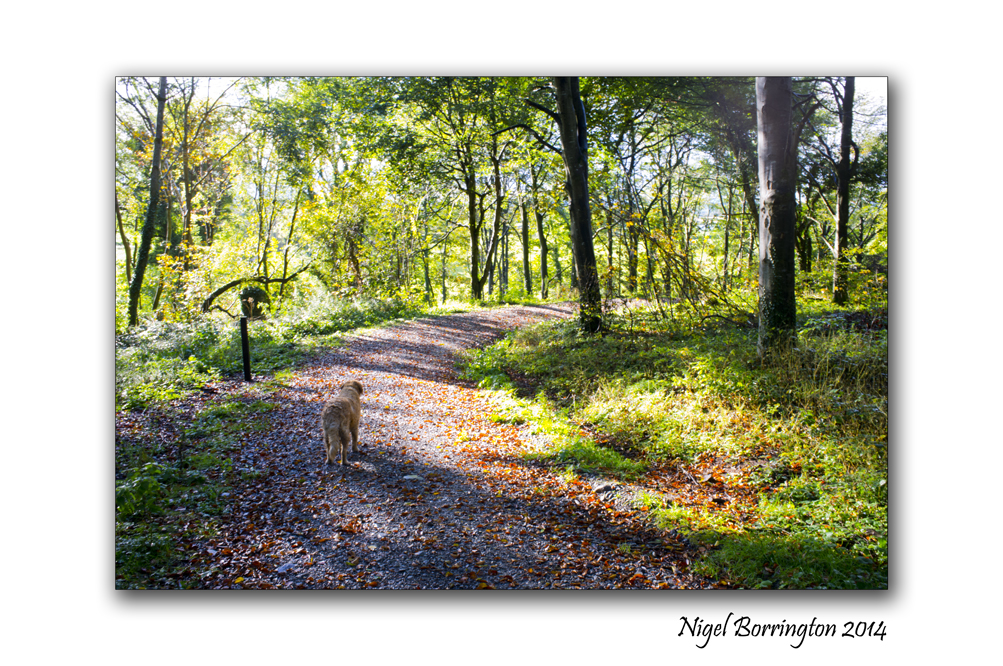
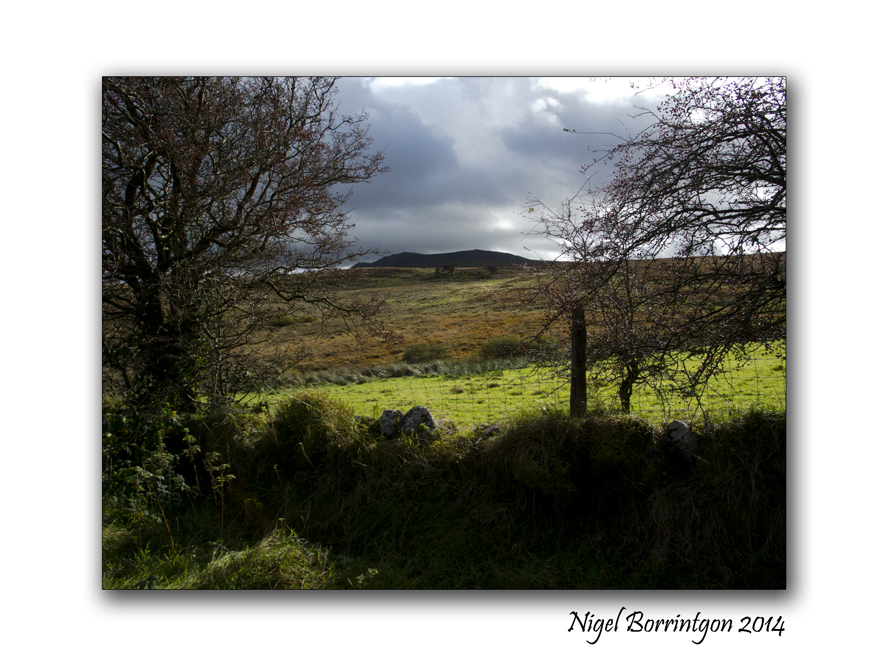
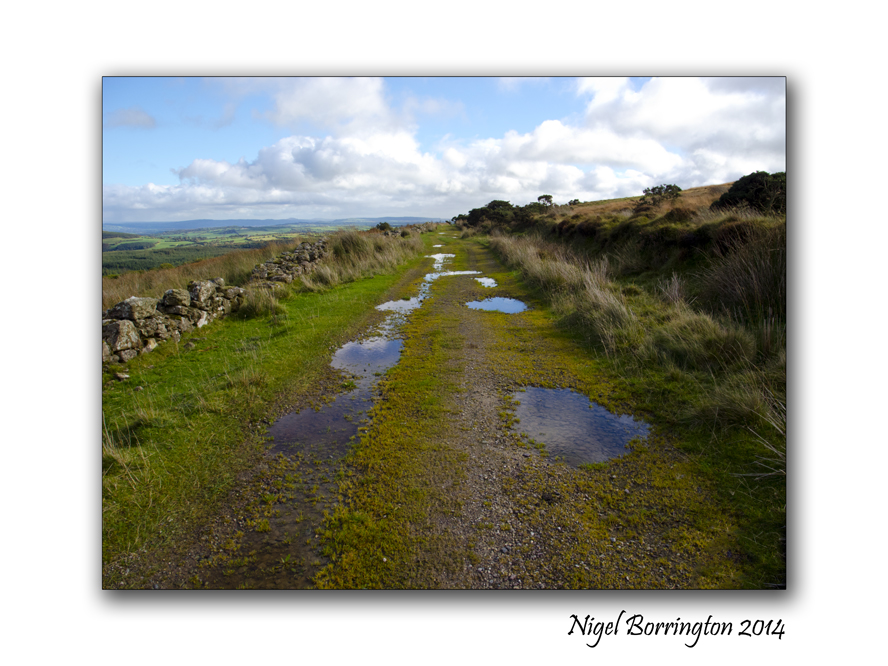
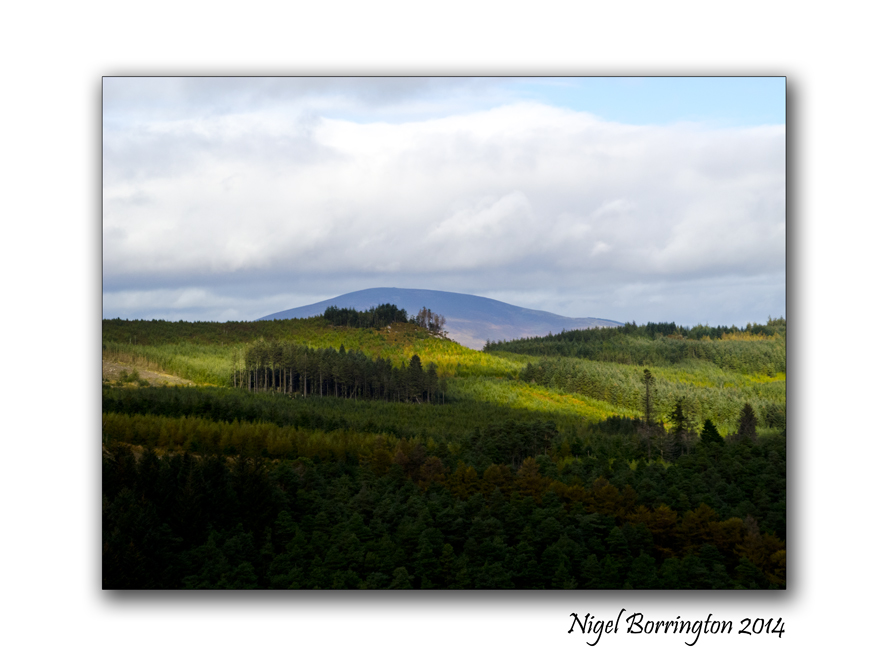
Monday morning and what better way to start a new week than a walk through the hills above the town of Clonmel , county Tipperary.
This old walk goes over the foot hills just below the Comeragh mountains and into county Waterford and offers some of the best views in the South of Ireland, I share some of it here with one of my most loved Mountain Poems by Douglas Fraser, written in 1968.
Freedom of the Hills
By: Douglas Fraser – 1968
Mine is the freedom of the tranquil hills
When vagrant breezes bend the sinewy grass,
While sunshine on the widespread landscape spills
And light as down the fleet cloud-shadowed pass.
Mine, still, that freedom when the storm-clouds race,
Cracking their whips against defiant crags
And mists swirl boiling up from inky space
To vanish on the instant, torn to rags.
Snow and mist in the Mountains.
When winter grips the mountains in a vice,
Silently stifling with its pall of snow,
Checking the streams, draping the rocks in ice,
Still to their mantled summits I would go.
Sun-drenched, I sense the message they impart;
Storm-lashed, I hear it sing through every vein;
Among the snows it whispers to my heart
“Here is your freedom. Taste – and come again.”
Gallery

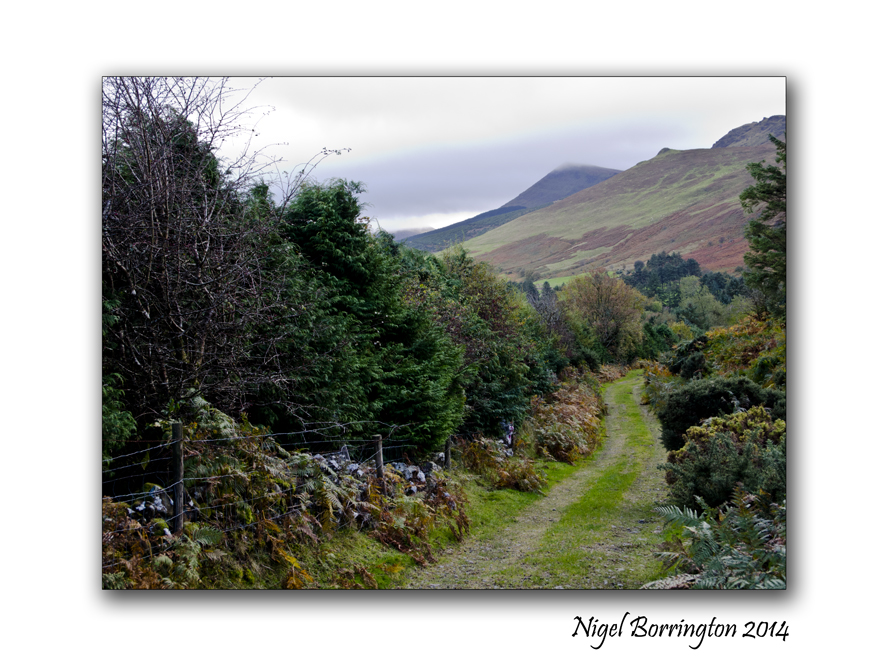

Autumn in Ireland is a wonderful time of the year.
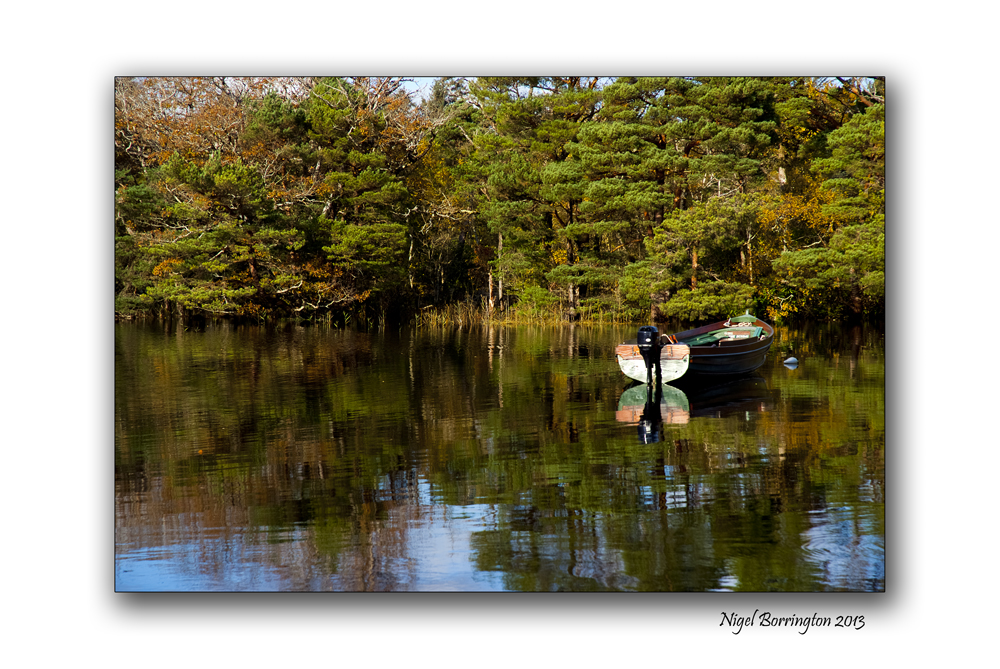
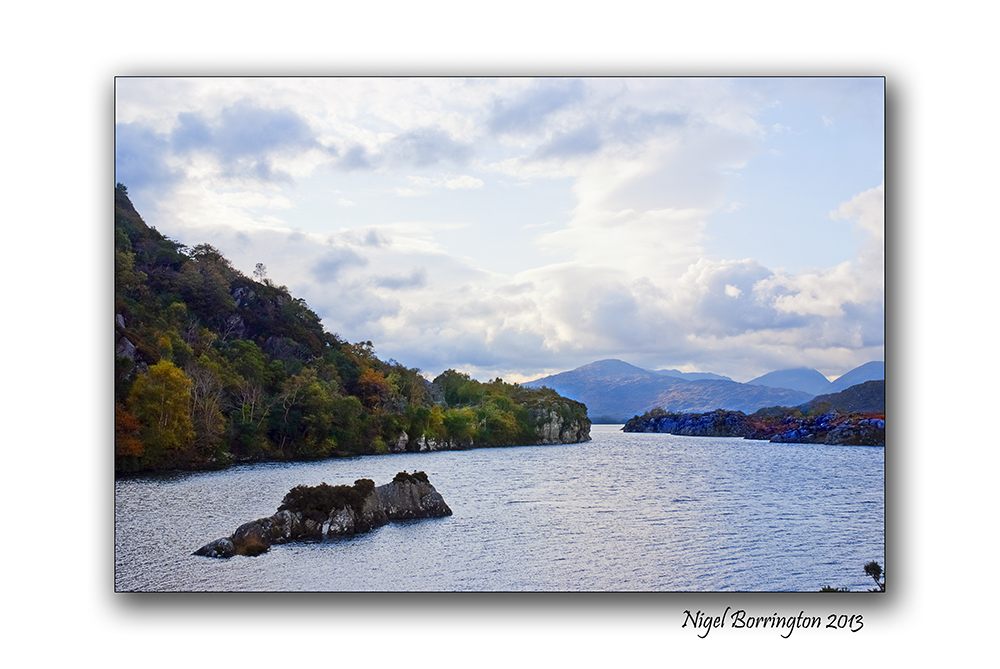
lakes of Killarney in the Autumn time
Irish Landscape Photography : Nigel Borrington
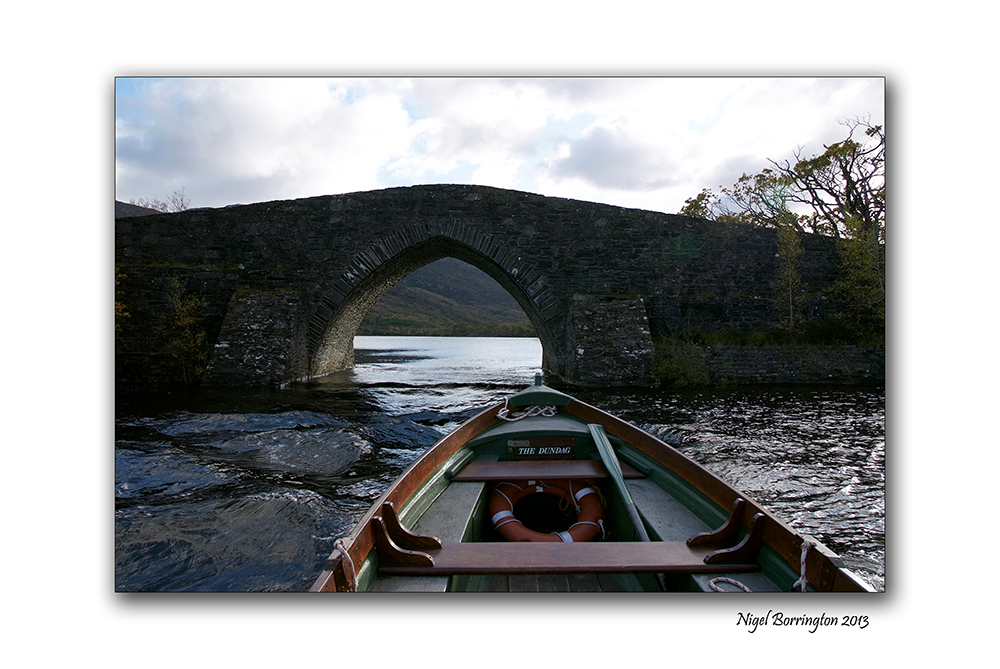
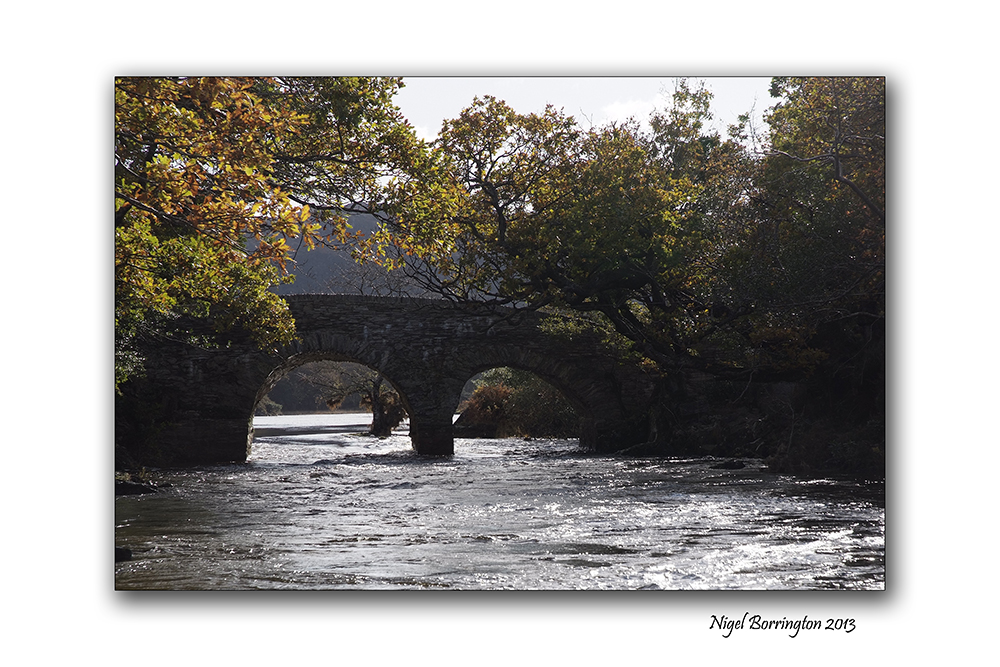
Out on the lakes of Killarney, Autumn time and colours
Autumn time in Ireland is a wonderful time to be a photographer or an artist, the landscape comes alive with colour.
There are many locations to be captured but one place I always think of at this time of year is the lakes at Killarney. It is possible to do boat trips around the lakes here almost all year around and hiring a small boat is great fun.
These images are taken from auch a boat you can see in the first image with some taken on parts of the banks of the lake that would just not reachable with out use of this boats.
It’s great fun to do something like this packing an lunch, loading a camera and tripod in to the boat and just heading off for the day.
The lakes of Killarney, an Autumn gallery




Monday Poetry , “Ulysses” By : Alfred Tennyson

A distant view of Slievenamon, County Tipperary, Ireland.
Irish Landscape Photography : Nigel Borrington
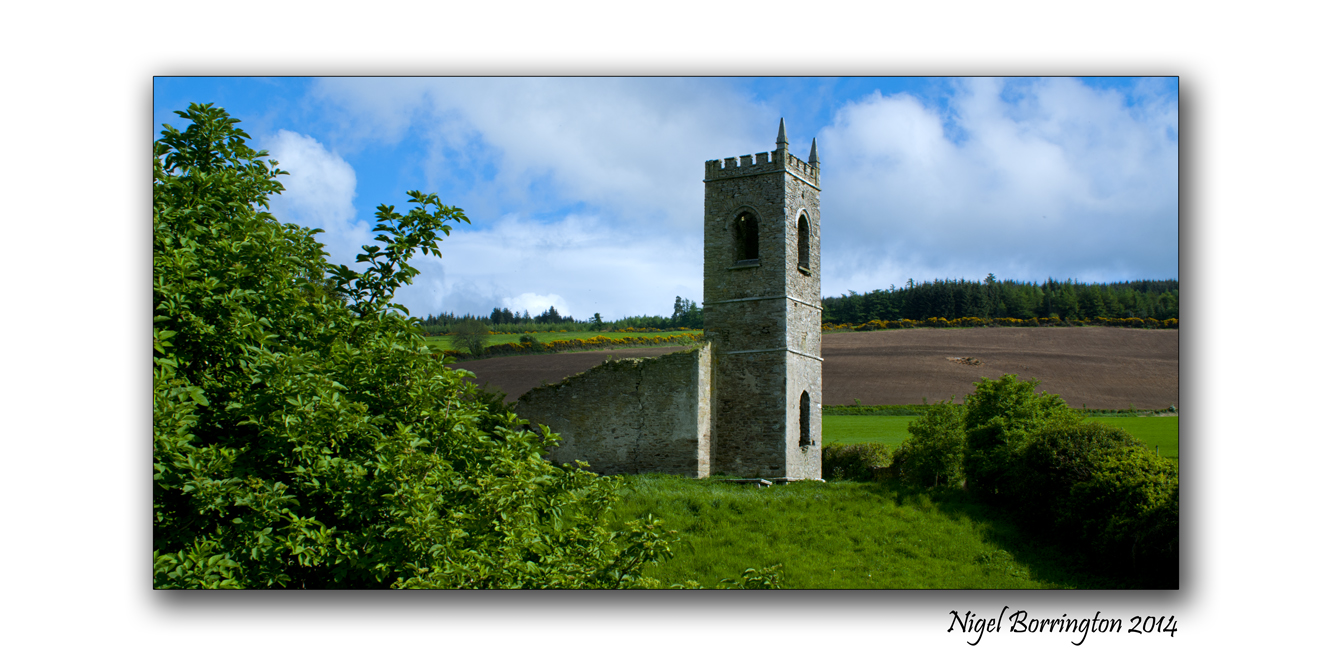
Sometimes walking around the counties of Kilkenny and Tipperary you get an overwhelming sense of history , old church yards with old graves, Monuments left by ancient peoples and their tribes.
Places left as a reminder of Leaders and Kings and people long past.
Places and people that could be contained in “Ulysses” a poem by Alfred Tennyson.
Ulysses
By : Alfred Tennyson
It little profits that an idle king,
By this still hearth, among these barren crags,
Matched with an agèd wife, I mete and dole
Unequal laws unto a savage race,
That hoard, and sleep, and feed, and know not me.
I cannot rest from travel: I will drink
Life to the lees: all times I have enjoyed
Greatly, have suffered greatly, both with those
That loved me, and alone; on shore, and when
Through scudding drifts the rainy Hyades
Vexed the dim sea: I am become a name;
For always roaming with a hungry heart
Much have I seen and known; cities of men
And manners, climates, councils, governments,
Myself not least, but honoured of them all;
And drunk delight of battle with my peers,
Far on the ringing plains of windy Troy.
 .
.
I am a part of all that I have met;
Yet all experience is an arch wherethrough
Gleams that untravelled world, whose margin fades
For ever and for ever when I move.
How dull it is to pause, to make an end,
To rust unburnished, not to shine in use!
As though to breathe were life. Life piled on life
Were all too little, and of one to me
Little remains: but every hour is saved
From that eternal silence, something more,
A bringer of new things; and vile it were
For some three suns to store and hoard myself,
And this grey spirit yearning in desire
To follow knowledge like a sinking star,
Beyond the utmost bound of human thought.
This my son, mine own Telemachus,
To whom I leave the sceptre and the isle—
Well-loved of me, discerning to fulfil
This labour, by slow prudence to make mild
A rugged people, and through soft degrees
Subdue them to the useful and the good.
Most blameless is he, centred in the sphere
Of common duties, decent not to fail
In offices of tenderness, and pay
Meet adoration to my household gods,
When I am gone. He works his work, I mine.
There lies the port; the vessel puffs her sail:
There gloom the dark broad seas. My mariners,
Souls that have toiled, and wrought, and thought
with me—
 .
.
That ever with a frolic welcome took
The thunder and the sunshine, and opposed
Free hearts, free foreheads—you and I are old;
Old age hath yet his honour and his toil;
Death closes all: but something ere the end,
Some work of noble note, may yet be done,
Not unbecoming men that strove with Gods.
The lights begin to twinkle from the rocks:
The long day wanes: the slow moon climbs: the deep
Moans round with many voices. Come, my friends,
‘Tis not too late to seek a newer world.
Push off, and sitting well in order smite
The sounding furrows; for my purpose holds
To sail beyond the sunset, and the baths
Of all the western stars, until I die.
 .
.
It may be that the gulfs will wash us down:
It may be we shall touch the Happy Isles,
And see the great Achilles, whom we knew
Though much is taken, much abides; and though
We are not now that strength which in old days
Moved earth and heaven; that which we are, we are;
One equal temper of heroic hearts,
Made weak by time and fate, but strong in will
To strive, to seek, to find, and not to yield.
Glengarriff, west Cork, Ireland : Gallery

Glengarriff, Beara Peninsula of County Cork, Ireland.
Irish landscapes : Nigel Borrington
Glengarriff, Beara Peninsula of County Cork, Ireland.
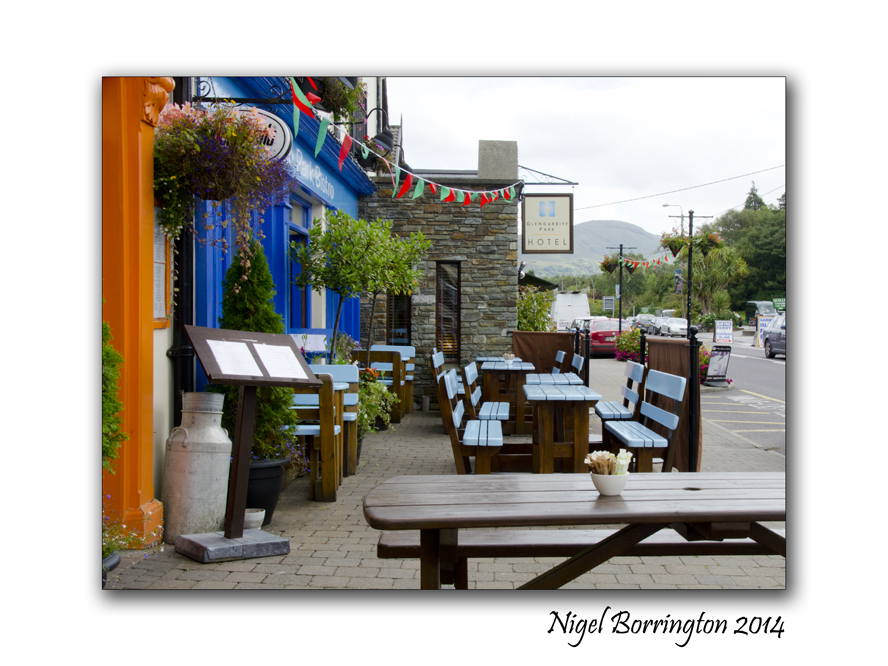
These images where taken on a visit to the west Cork town of Glengarriff during September 2014.
To me the town is at the top of my personal list of best visits in Ireland, for its size it has plenty of places to eat and drink and some great little shops. The surrounding area is full of great places to visit with a wonderful coast line , Mountain walks and Historic parks and nature reserves.
The Town has an official web site here : Glengarriff
Glengarriff the town
Glengarriff (Irish: Gleann Garbh, meaning “Rough glen”) is a village of approximately 800 people on the N71 national secondary road in the Beara Peninsula of County Cork, Ireland. Known internationally as a tourism venue, it boasts many natural attractions. It sits at the northern head of Glengarriff Bay, a smaller enclave of Bantry Bay.
Located 20 km (~12 miles) west of Bantry, and 30 km (~18 miles) east of Castletownbere, it is a popular stop along the routes around the area. In recent years, its importance as a waypoint along the Castletownbere to Cork fish-delivery route has declined as local infrastructure improves.
Glengarriff : Gallery


Landscape Photography of Ireland
 Caha Mountains, Healy Pass, Ring of Beara, West Cork
Irish Landscapes : Nigel Borrington[/caption]
A view of the Caha Mountains, Healy Pass, Ring of Beara, West Cork
This image was taken on one evening in early September 2014.
I was on a walk through the Healy pass on the Breara , west cork. On getting to the top of the pass I looked back towards Lauragh and the view was just amazing with the ice-age lake at Lauragh upper below. The image is made up of five frames taken using a nikon 18-200 zoom lens at 35mm.
Kilkenny Landscape photography – Grangefertagh Round tower, Co. Kilkenny

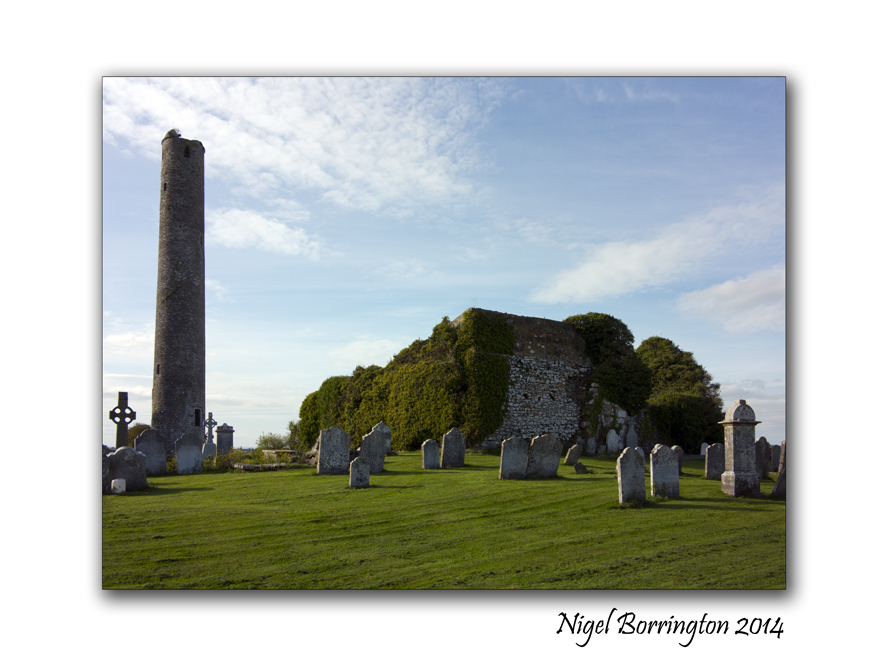
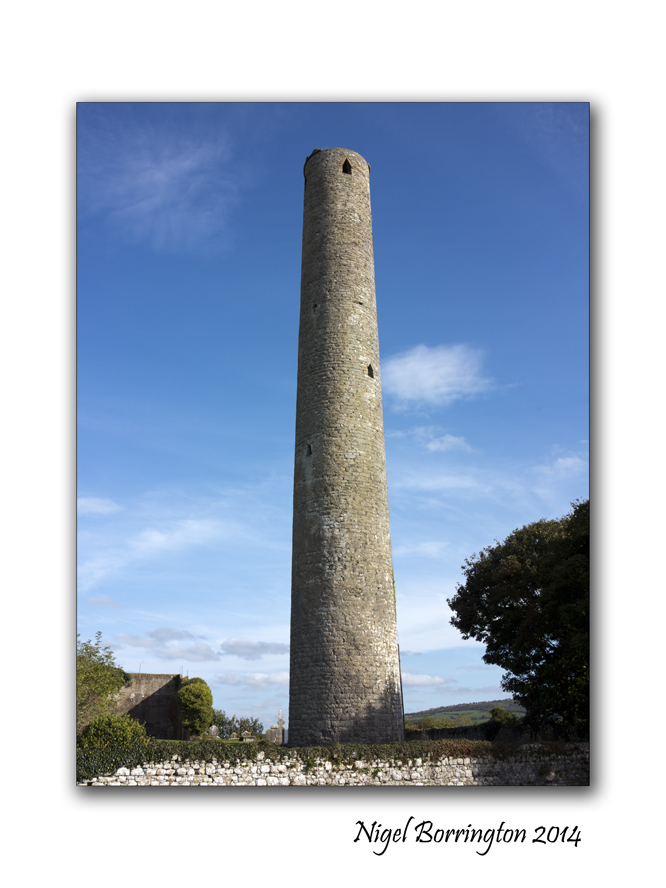
Grangefertagh Roundtower, near Johnstown, Co. Kilkenny
Irish Landscape Photography : Nigel Borrington
Grangefertagh Round tower, Co. Kilkenny
I have passed the round tower at Grangefertagh many time but it is only in the last week that I had time to stop and get some images.
The Round tower at Grangefertagh, County Kilkenny stands some 31 metres tall and forms a striking image above the Kilkenny countryside.
The northeast facing doorway which is situated 3.3 metres above ground level has been badly damaged. A farmer removed the original stones and used them to form a fireplace, mistakenly believing they were fireproof. It contains nine windows in total , six angle headed and three lintel-led. Four of the angle headed windows are on the top storey facing the four cardinal points. The tower is complete to the cornice but only part of the cap remains.
A modern doorway has been inserted by the O.P.W. The round tower is the last remnant of the early monastery founded by St Ciaran of Seir in the 6th century. It was raided by vikings in 861 and in 1156 the high king Murtagh McNeale burned the tower with the lector inside. To the north of the tower is a church that belonged to the 13th century monastery founded by the Blanchevilles for the Canons Regular of St Augustine
Wikipedia : What are Irish Roundtowers
Gallery
Golden hour on the River Barrow, Co Kilkenny : Six Images.

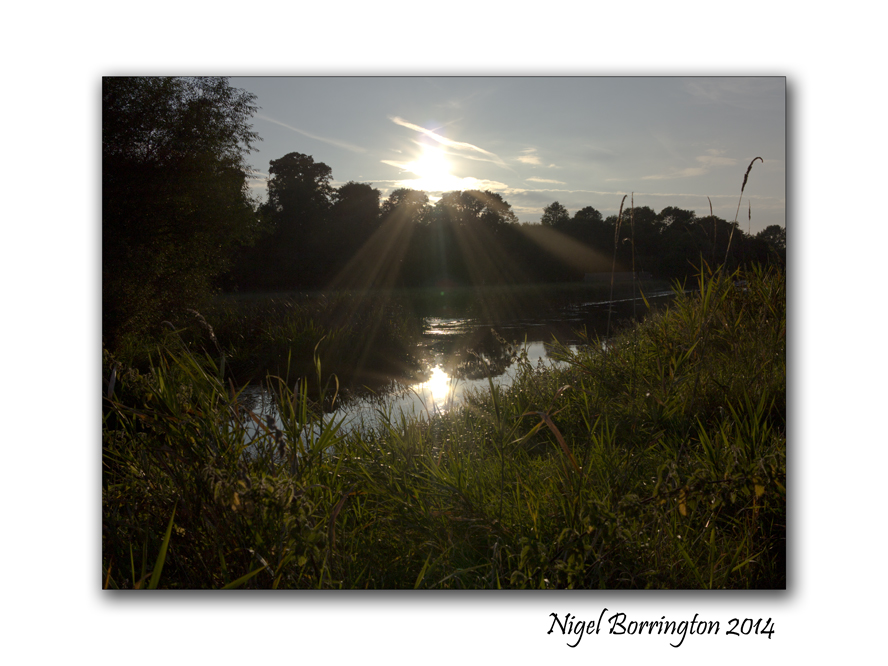
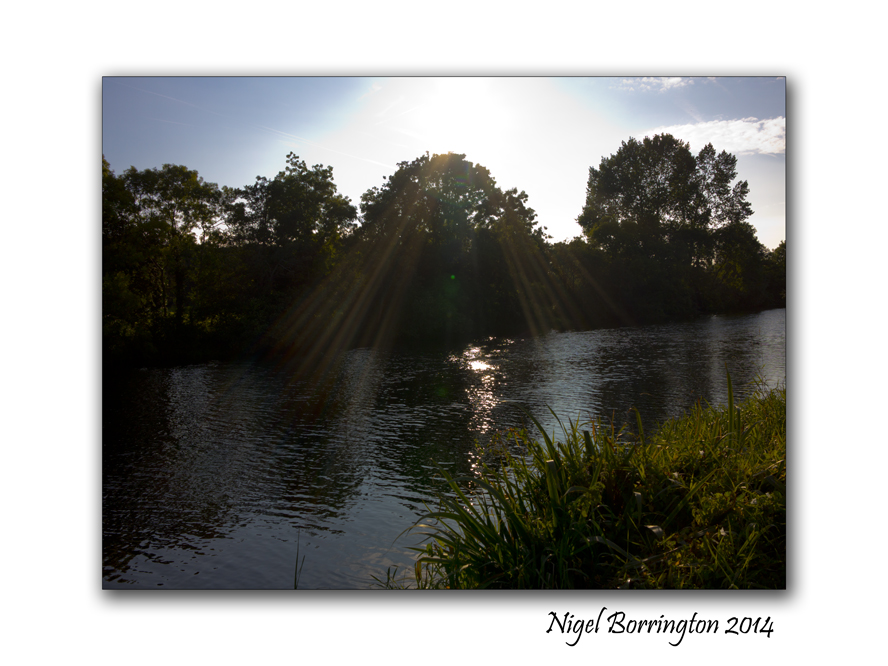
Golden hour on the river Barrow,
County Kilkenny.
Irish Landscape Photography : Nigel Borrington
This September has been one of the warmest and driest in memory and just perfect for late evening walks along our local river banks.
These images are just some I have taken just before sunset each evening, September 2014 is one to remember for a long time !
Golden hour on the River Barrow : Gallery
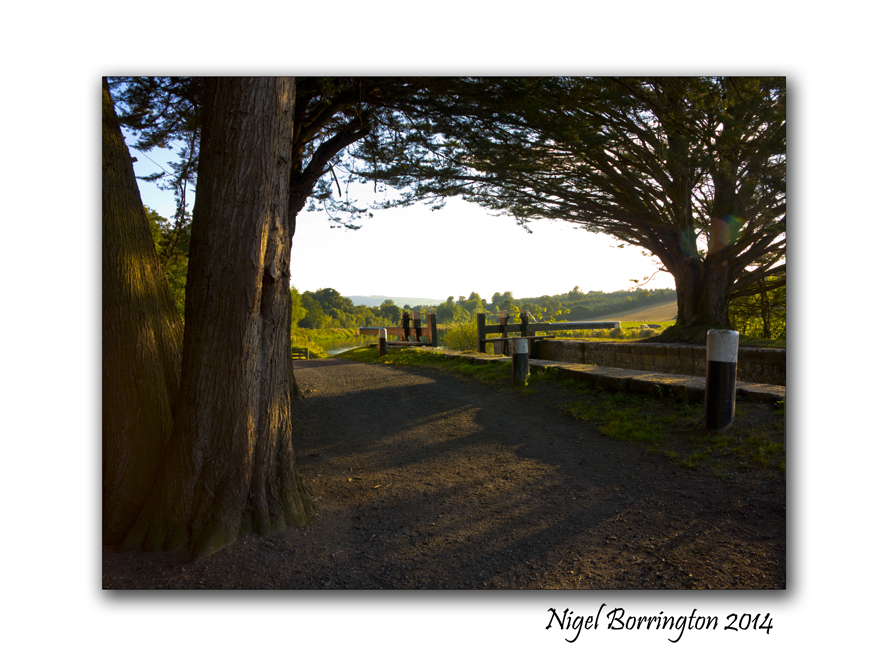

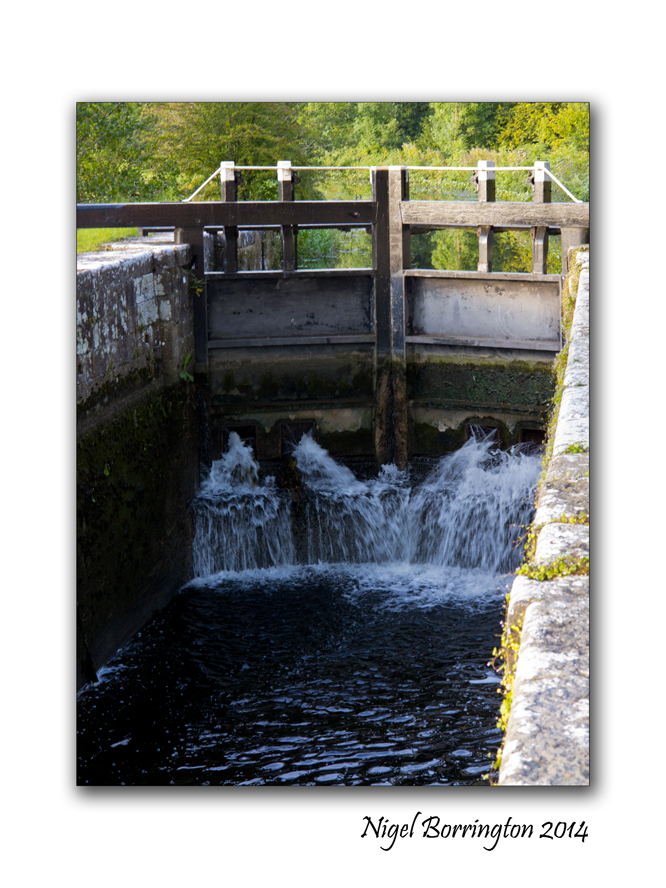
Parascending from Slievenamon, county Tipperary : Image gallery
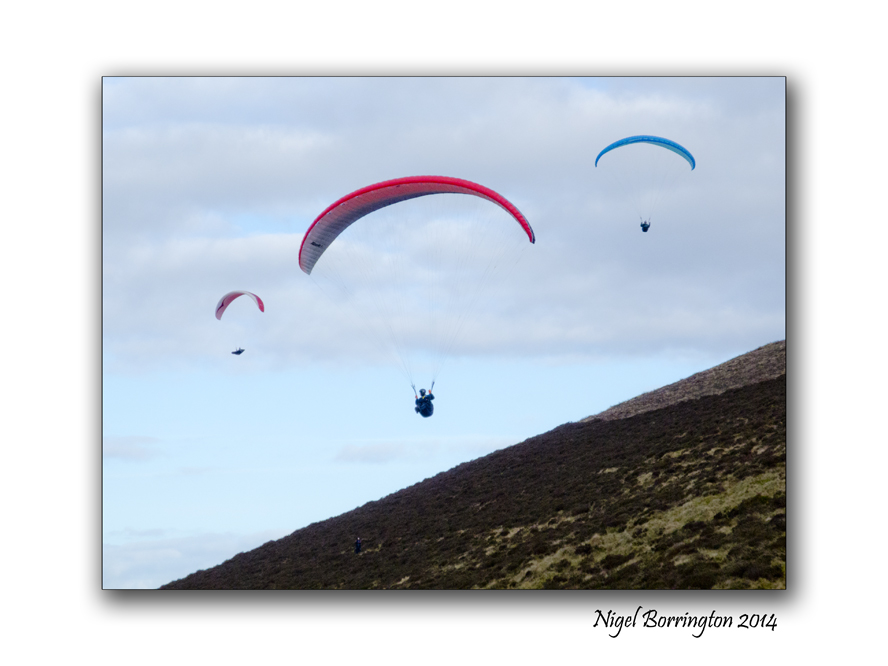
Parascending from Slievenamon, Tipperary.
Photography : Nigel Borrington
You will often find people Parascending from the mountain of Slievenamon , county Tipperary. The mountain is located on the border between counties Kilkenny and Tipperary and offers great views of both.
Late one evening recently, I came across three people walking up and I walked along side them for a while as the carried their equipment to the top and then all took off at the same time, it was just amazing to stand and watch them as they circled around above then disappeared off into the distance some miles away.
Parascending from Slievenamon : Gallery


Brownshill Dolmen, county Carlow : Image Gallery

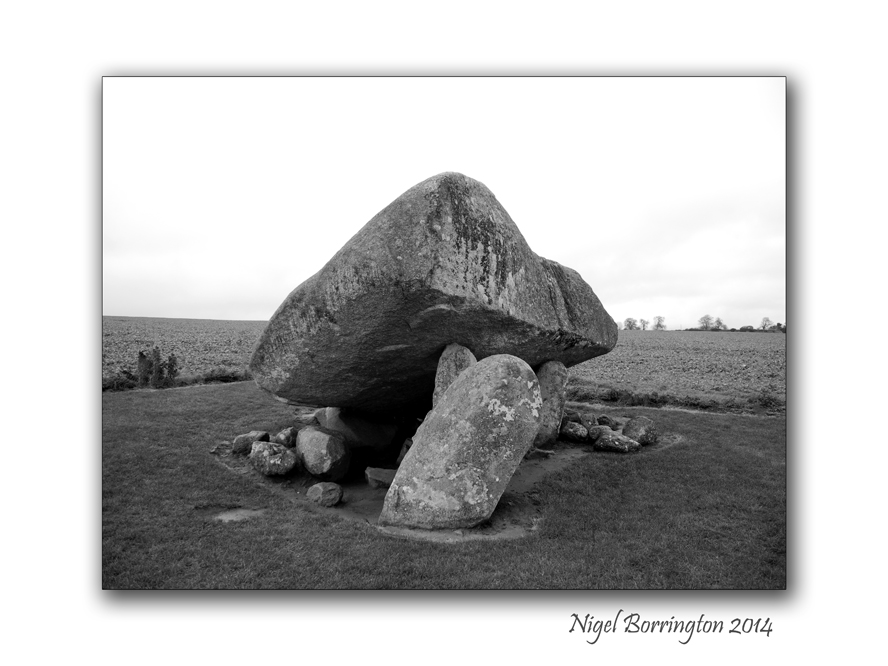
Brownshill Dolmen, county Carlow, Ireland.
Irish photography : Nigel Borrington
Brownshill Dolmen
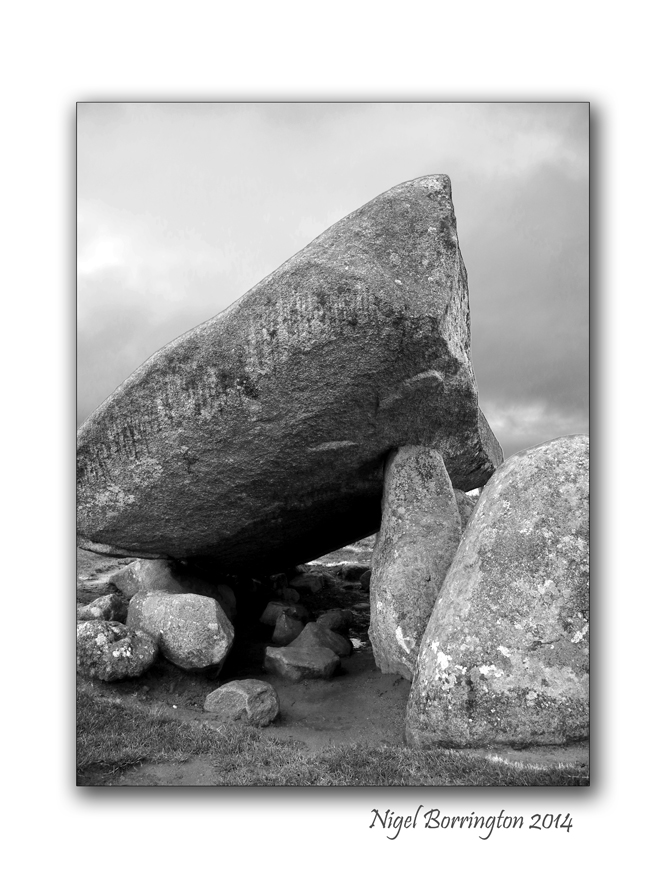
Arriving at this great location of the Brownshill Dolmen, county Carlow on a typical overcast early autumn day in Ireland. I located the site of the largest Dolmen in this part of Europe very easily as there are plenty of road signs to help you.
There is a small walk through a field an up-to a preserved area containing the Dolmen itself, the information board is of great help and places this construction into it context.
It is the cap stone that is the most impressive part of this Dolmen.
Discover Ireland describes this monument as follows :
The Brownshill Dolmen is an unmistakable monument to the east of Carlow town dating back to pre-historic times.
Its date of construction has been estimated at between 4,900 and 5,500 years ago and it is thought that religious rites were performed here. Some authorities also suggest that it may have served as a form of border marker.
Whatever it’s original purpose, it represents a tangible link between the present and the past. The magnificent granite capstone, weighing about 103 tonnes, has excited the interest of many antiquarians and tourists for centuries.
Brownshill Dolmen, county Carlow : Gallery



A swim at Coolieragh’s, coves. Glengarriff, county cork
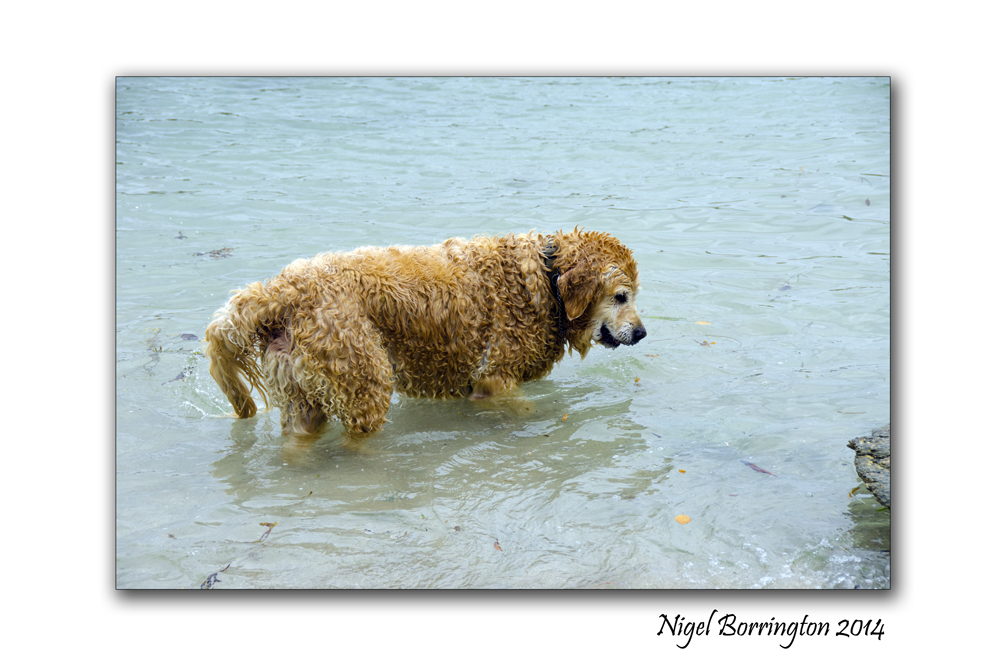
Molly taking a dip
Coolieragh’s, coves. Glengarriff, county cork
Irish landscape photography : Nigel Borrington
Recently we stayed at Coolieragh’s, Glengarriff, county cork , its a great location just west of Glengarriff.
The coast line is full of rocky coves that are perfect for taking a swim, we took molly our golden retriever down to the best of these many time during the week. She loves to swim and even though the water was cold we also took the opportunity many time as well.
A swim at Coolieragh’s, coves. Glengarriff, county cork


Irish landscape photography and a Poem by : Edwin Arlington Robinson

Kilkenny photograher, Nigel Borrington
The old Mill on the river Barrow, Goresbridge, Kilkenny
The Mill
By : Edwin Arlington Robinson
The miller’s wife had waited long,
The tea was cold, the fire was dead;
And there might yet be nothing wrong
In how he went and what he said:
“There are no millers any more,”
Was all that she heard him say;
And he had lingered at the door
So long it seemed like yesterday.
Sick with a fear that had no form
She knew that she was there at last;
And in the mill there was a warm
And mealy fragrance of the past.
What else there was would only seem
To say again what he had meant;
And what was hanging from a beam
Would not have heeded where she went.
And if she thought it followed her,
She may have reasoned in the dark
That one way of the few there were
Would hide her and would leave no mark:
Black water, smooth above the weir
Like starry velvet in the night,
Though ruffled once, would soon appear
The same as ever to the sight.
 Nigel Borrington
You must be logged in to post a comment.