Perseus with the Head of Medusa , By: Antonio Canova (1757 – 1822), – Vatican Museum, Rome.

Perseus with the Head of Medusa , By: Antonio Canova (1757 – 1822)
Photography : Nigel Borrington
It has been a couple of years now since I last visited Rome and I am starting to think of a return visit at some point, on my last stay with my brother we visited the Vatican Museum.
One of the most amazing thing about this museum is that it holds much of the worlds fine arts along with artifacts from per-christian time, including the classical Greek period and the time of the pyramid building in Egypt.
I captured this image of “Perseus with the Head of Medusa” by Antonio Canova (1757 – 1822) as its just a wonderful work of art as with all his sculptures.
Below I have included a description of the Greek Myth “Perseus and Medusa” and then a description of the sculpture itself.
Perseus and Medusa
Medusa was one of three sisters, the gorgons, but she was the only mortal one. Some versions say all three were born as monsters, but the predominant myths had them as gorgeous maidens. Medusa was so beautiful that Poseidon was crazy about her, but she didn’t care about him; Poseidon turned her and her sisters into monsters with live snakes covering their heads. Medusa kept her beautiful face but everything else was so monstrous. And whoever dared to look into her face ended up being turned into stone.
Perseus thus had a hard task. He asked Athena and Hermes for help and two of them, together with the nymphs, provided winged sandals to fly him to the end of the world where gorgons lived, a cap that made him invisible, a sword and a mirrored shield. The latter was the most important tool Perseus had, since it allowed him to see a reflection of Medusa’s face and to avoid being turned into stone.
medusa-headWhen he cut Medusa’s head off, from the drops of her blood suddenly appeared two offspring: Pegasus, a winged horse, and Chrysaor, a giant or a winged boar. It’s believed that those two were Medusa’s children with Poseidon.
In any case, once he accomplished his task Perseus flew back and escaped Medusa’s sisters who tried to reach him. Later, Perseus used Medusa’s head as a weapon in many occasions until he gave the head to Athena to place it on her shield.
The myth of Perseus and Medusa was one the most powerful inspiration for many artists in the ancient times, but it hasn’t lost its artistic significance to the present day either. Paintings and sculptures of the moment of beheading or Medusa’s portrait itself are famous all over the world. One of the most known art work is the Medusa shield by Caravaggio, painted at the end of the 16th century. It is exposed in the Uffizi museum in Florence. Close by the museum, in the main plaza of Firenze (Florence) there is a sculpture of Perseus.
Perseus with the Head of Medusa , By: Antonio Canova (1757 – 1822)
This exquisite marble statue of Perseus is being restored thanks to the Generosity of the Northwest Chapter of the Patrons of the Arts.
Antonio Canova is one of the most important Italian sculptors of all time. His marble statues are characterized by classical beauty and they are now on display in the most important museums in the world.
Antonio Canova (1757 – 1822) was born in Possagno, a village near Venice. He spent most of his youth studying, with a strong bias towards the art of sculpture, and was greatly rewarded by the benefit of his grandfather’s stonecutting. His move to Rome as a young man gave him the opportunity to examine the splendid relics of antiquity, and put his abilities to the test.
Canova’s Perseus had not been commissioned by anyone, thus he put it up for sale. Giuseppe Bossi, secretary of the Academy of Brera, and personal friend of the sculptor wanted to place the Perseus in the Foro Bonaparte and he had already begun the payments when a letter came from Cardinal Doria informing Canova that Pope Pius VII wanted to buy the sculpture for 3,000 gold coins in order to place it in the Vatican Museum. Thus, the Perseus was moved to the Vatican and was placed on the empty pedestal of the famous Apollo Belvedere which had previously been moved to Paris by the French, following the Treaty of Tolentino. Pope Pius VII also appointed Canova with the prestigious award received by Raphael under Leo X: the Inspector General of Fine Arts. The location of the statue on the pedestal of the famous Apollo together with the nomination of the sculptor as Inspector, consecrated Canova’s success.
The imposing statue depicts the hero of Greek mythology Perseus, son of Zeus and Danaë, with the helmet of Pluto (which had the power of invisibility), the winged sandals of Mercury and the diamond sword given to him by Vulcan.
These gifts were granted to Perseus in order to allow the hero to defeat Medusa, against whom he was sent by Polykleitos, king of the island of Serifos.
Canova represented the Perseus triumphantly raising his left arm with the head of Medusa. The excitement of the action is frozen as is customary of the classical style. The Argive hero has similar proportions and positioning to the Apollo Belvedere.
By following the classical theme of the heroic male nude in action, Canova seems to have been able to achieve results as advised by Winckelmann and the Neoclassical age, according to which the only way to become great is to be inspired by ancient models. Stendhal said that Canova imitated the Greeks, but like them, his genius invented a new beauty.
Early November mornings in the Sun.
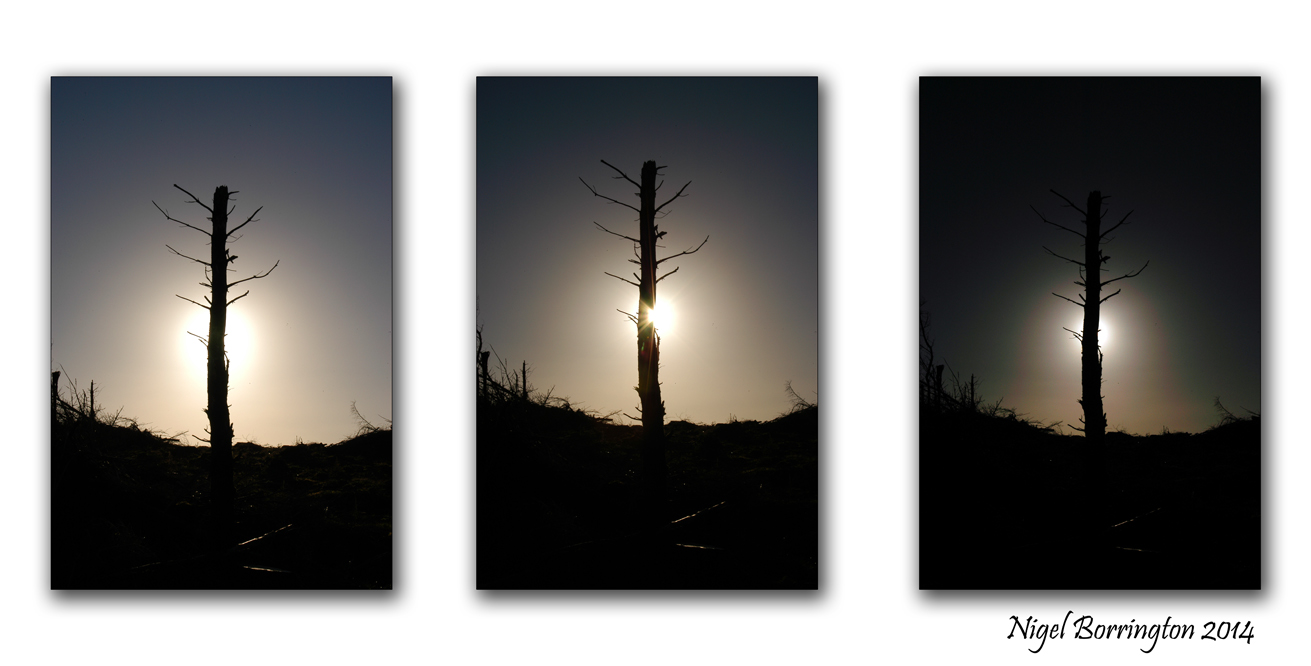
Exposing a November Sun.
Landscape Photography : Nigel Borrington
The early morning Sun in November is very different than in the mid-summer, rising closer to the south-east than its Mid-June Eastern point on the horizon. It’s rise is much slower as the angle it takes always hugs the horizon closer, it never gets as high in the sky as June even at mid-day.
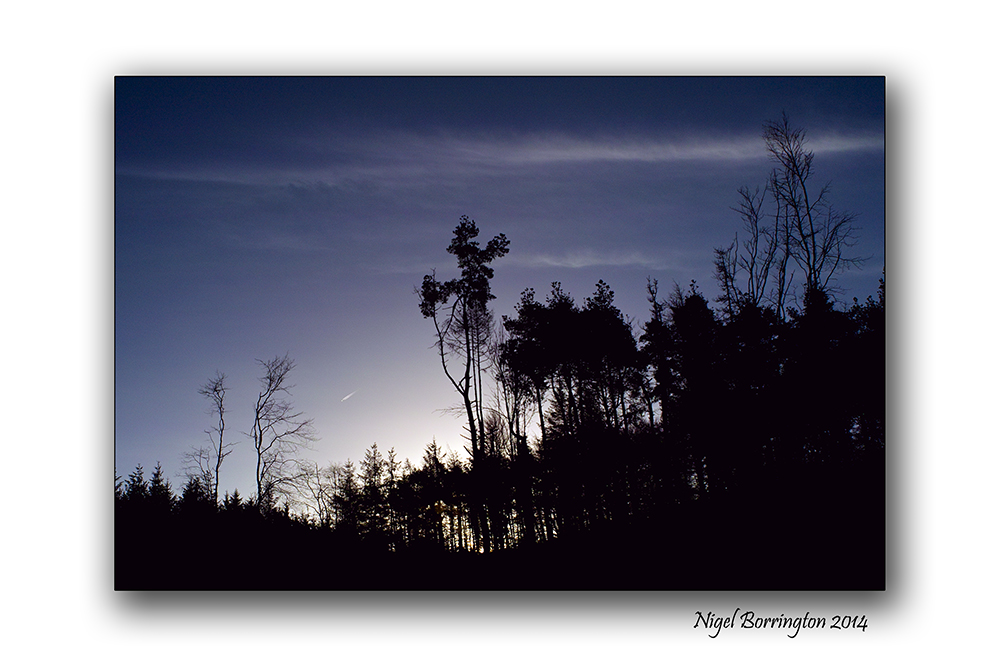
With the three Images above I wanted to capture the atmosphere of the early light as the sun starts its slow daily movement through the sky, I took three exposures using a Tripod, at different exposure setting in order to get a feeling of the colours and silhouette’s that Sun light can create.
Our November Sun …….
A November Sun, The Sun a Poem By : – Mary Oliver
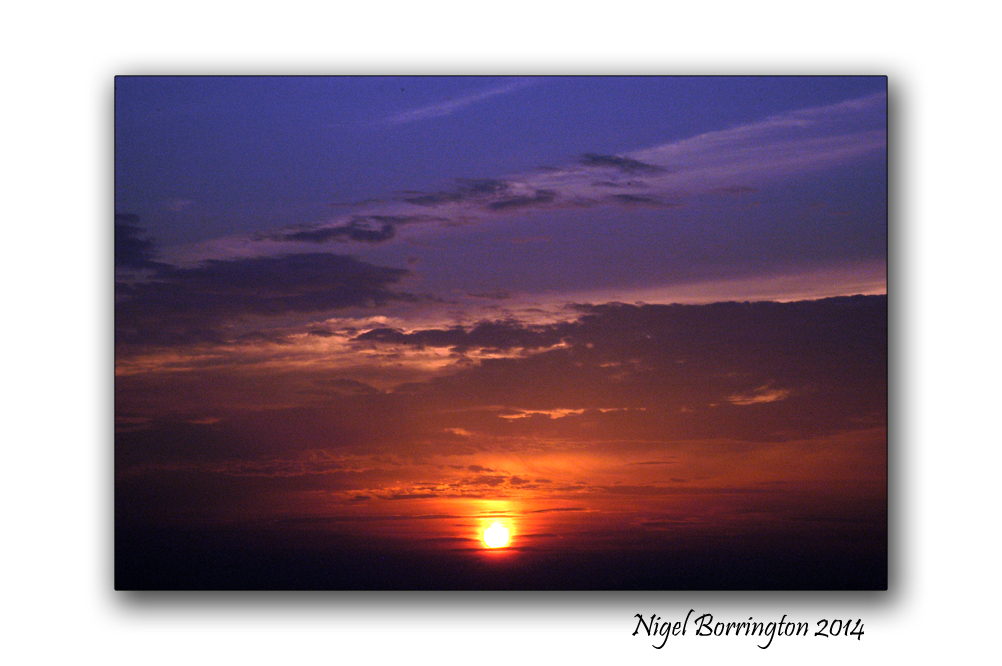
A November Sun, County Kilkenny
Landscape Photography : Nigel Borrington
The Sun
Have you ever seen
anything
in your life
more wonderful
than the way the sun,
every evening,
relaxed and easy,
floats toward the horizon
and into the clouds or the hills,
or the rumpled sea,
and is gone–
and how it slides again
out of the blackness,
every morning,
on the other side of the world,
like a red flower
streaming upward on its heavenly oils,
say, on a morning in early light,
at its perfect imperial distance–
and have you ever felt for anything
such wild love–
do you think there is anywhere, in any language,
a word billowing enough
for the pleasure
that fills you,
as the sun
reaches out,
as it warms you
as you stand there,
empty-handed–
or have you too
turned from this world–
or have you too
gone crazy
for power,
for things?
– Mary Oliver
King John’s Castle Limerick
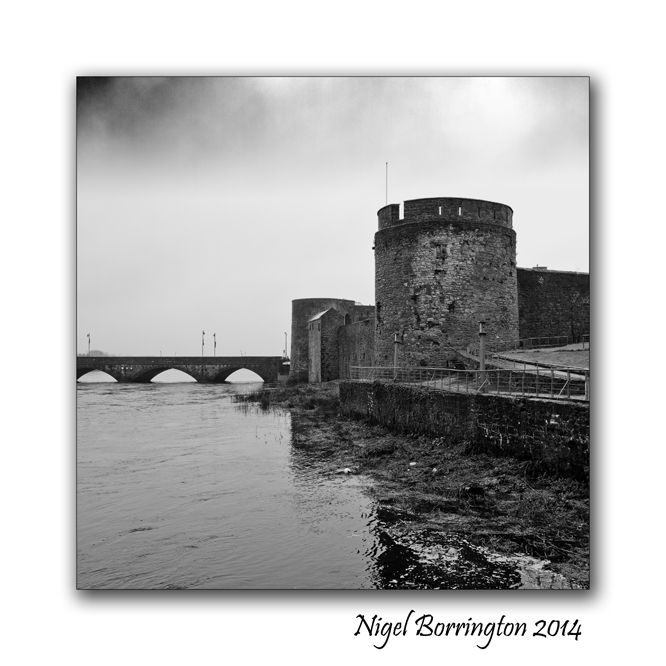
King Johns Castle, Limerick, Ireland.
Irish landscape Photography : Nigel Borrington
King John’s Castle, Limerick
Back in January this year I took a weekend trip to Limerick on the river Shannon, to King Johns Castle located at the high street end of the town.
The Castle is a 13th-century construction located on King’s Island in Limerick, next to the River Shannon. Although the site dates back to 922 when the Vikings lived on the Island, the castle itself was built on the orders of King John in 1200. The walls, towers and fortifications remain today and are visitor attractions.
The remains of a Viking settlement were uncovered during archaeological excavations at the site in 1900
If you are passing this part of the world the Castle is well worth a visit as is a walk around Limerick city itself. You can go on a loop river walk that lets you see every part of the city from the river bank. There are many pubs and coffee stops along the way all with a great view of the river.

Early History
The arrival of the Anglo-Normans to the area in 1172 changed everything. Domhnall Mór Ó Briain burned the city to the ground in 1174 in a bid to keep it from the hands of the new invaders. After he died in 1194, the Anglo-Normans finally captured the area in 1195 under King John. In 1197, local legend claims Limerick was given its first charter and its first Mayor, Adam Sarvant. A castle, built on the orders of King John and bearing his name, was completed around 1210.
The castle was built on the boundary of the River Shannon in order to protect the city from the west and from any rebellion by Norman lords to the east and south. Under the general peace imposed by the Norman rule, Limerick prospered as both a port and a trading center, partly due to the castle acting as a watchdog on any cargo passing through the port of Limerick.
The town of Limerick became so wealthy during this era King John set up a mint in the North West corner of the castle, with pennies and half pennies from this time available to see in Limerick museum today. A 1574 document prepared for the Spanish ambassador attests to its wealth:
Making plans on a Monday morning – an early walk.
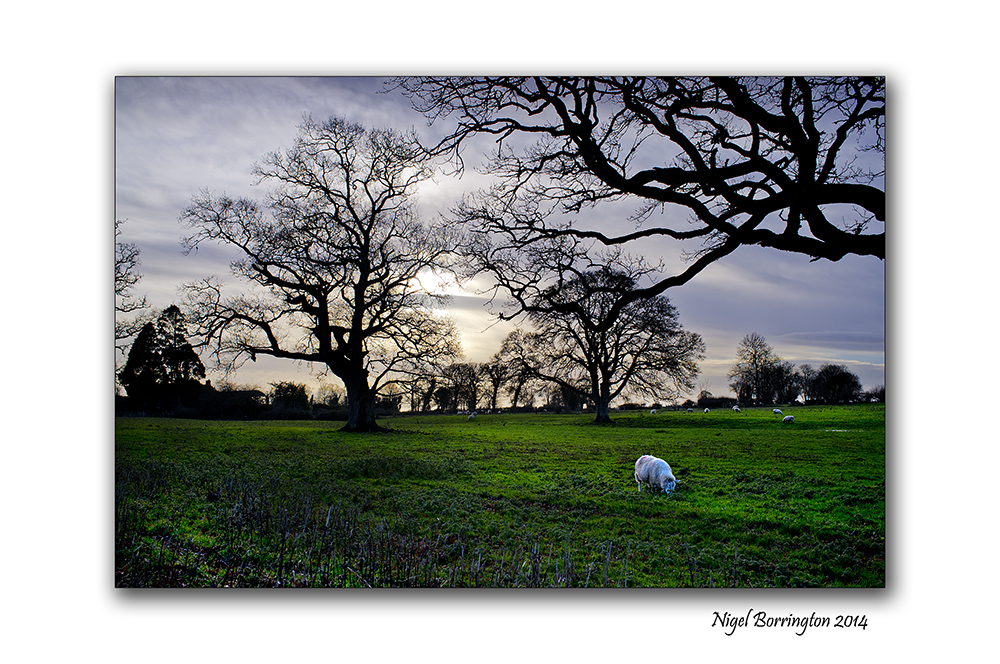
Kells, county Kilkenny
Landscape Photography : Nigel Borrington
Monday morning thoughts on an early walk.
So its Monday morning and the First Monday of Novemver, I was up and out early and the weather was amazing. Its turned cooler at the start of this week.
I have a good list of things to do during the week ahead so it was great to get out and look at the local landscape on an early November Morning.
These late autumn and winter mornings are perfect to be out and about in , when its light at 4am in the summer you just dont get to see the early light !!
This winter I hope to do a good few posts during each week that capture the early morning landscape in all weather types from sunny to wet and maybe even a little snow and ice.
A November Song – A winters Gallery with poems

Novembers song
Irish Landscape Photography : Nigel Borrington
So Halloween is over and the first of the November mornings arrives, it feels like winter here in Kilkenny at last , I wonder what the season to come will bring, Snow and ice, Rain and storms, wonderful winter walks.
We will have to wait and see I guess, for now I post some of the images taken during winters past and some great poems reflecting upon the days ahead.
A Novembers song :

“The name ‘November’ is believed to derive from ‘novem’ which is the Latin for the number ‘nine’. In the ancient
Roman calendar November was the ninth month after March. As part of the seasonal calendar November is the
time of the ‘Snow Moon’ according to Pagan beliefs and the period described as the ‘Moon of the Falling Leaves’
by Black Elk.”

“The morns are meeker than they were,
The nuts are getting brown;
The berry’s cheek is plumper,
The rose is out of town.
The maple wears a gayer scarf,
The field a scarlet gown.
Lest I should be old-fashioned,
I’ll put a trinket on.”
– Emily Dickinson

“When the trees their summer splendor
Change to raiment red and gold,
When the summer moon turns mellow,
And the nights are getting cold;
When the squirrels hide their acorns,
And the woodchucks disappear;
Then we know that it is autumn,
Loveliest season of the year.”
– Carol L. Riser, Autumn
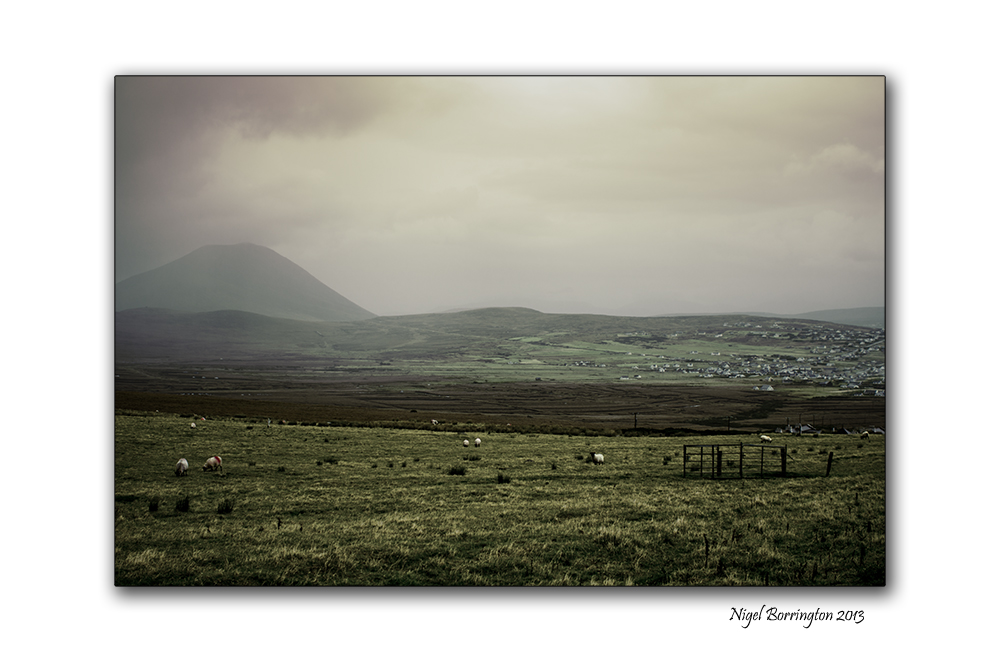
“The sky is streaked with them
burning hole in black space —
like fireworks, someone says
all friendly in the dark chill
of Newcomb Hollow in November,
friends known only by voices.
We lie on the cold sand and it
embraces us, this beach
where locals never go in summer
and boast of their absence. Now
we lie eyes open to the flowers
of white ice that blaze over us
and seem to imprint directly
on our brains. I feel the earth,
rolling beneath as we face out
into the endlessness we usually
ignore. Past the evanescent
meteors, infinity pulls hard.”
– Marge Piercy, Leonids Over Us
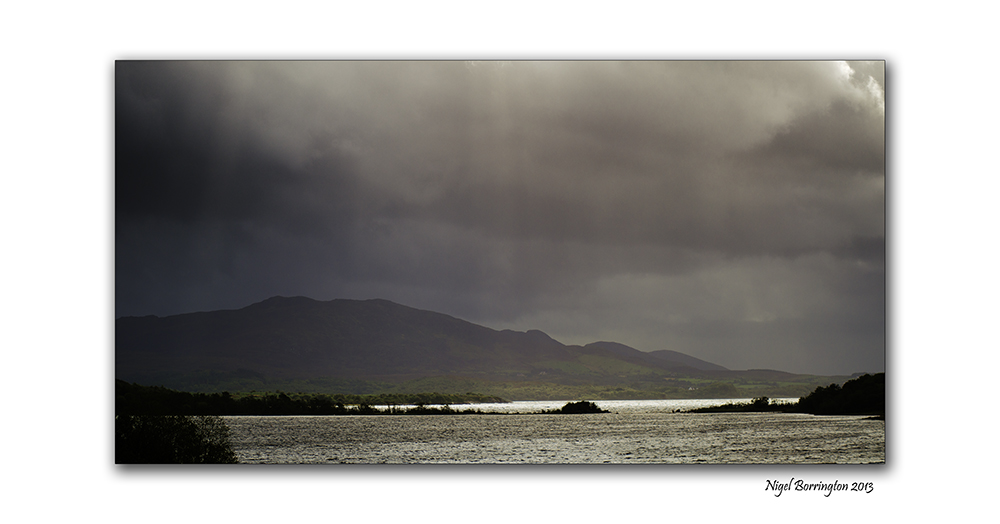
Happy Halloween from Ireland and from the Gothic Poet – Thomas Hardy.
The To-be-forgotten
Photography : Nigel Borrington
Happy Halloween to you all !
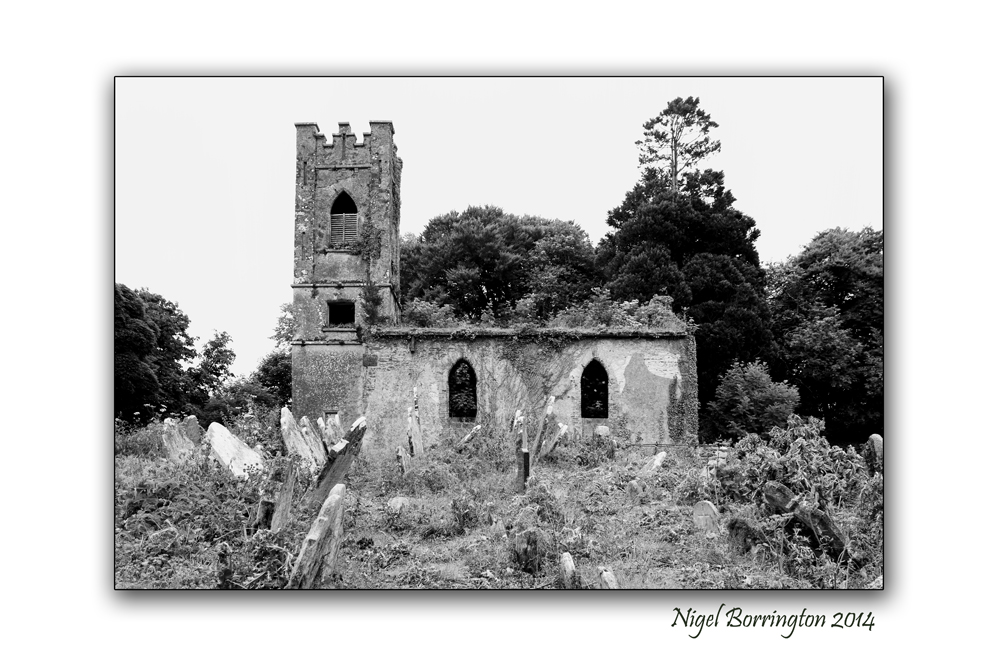
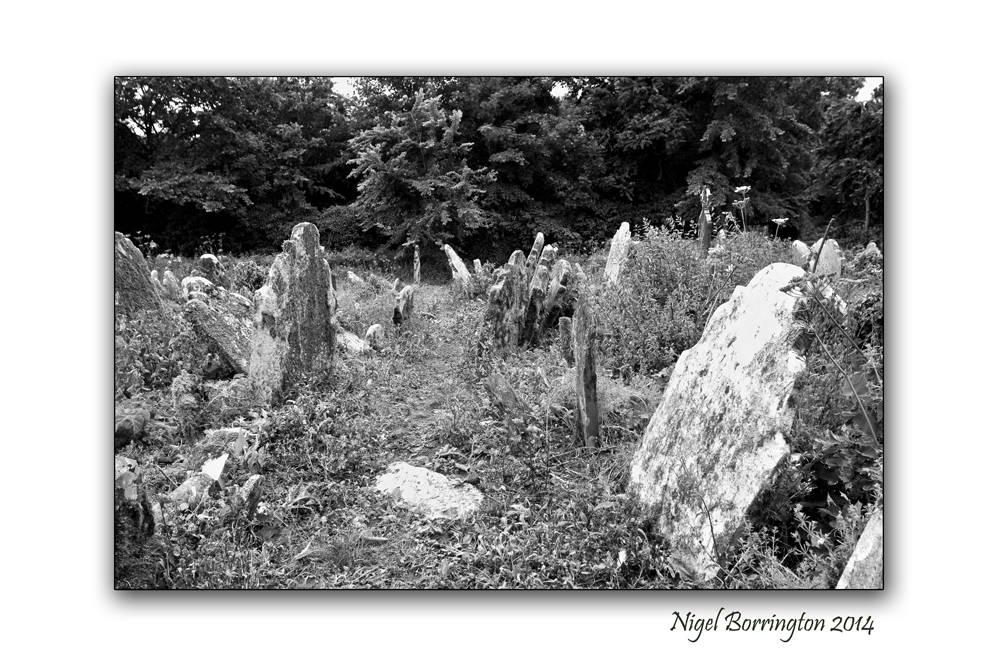
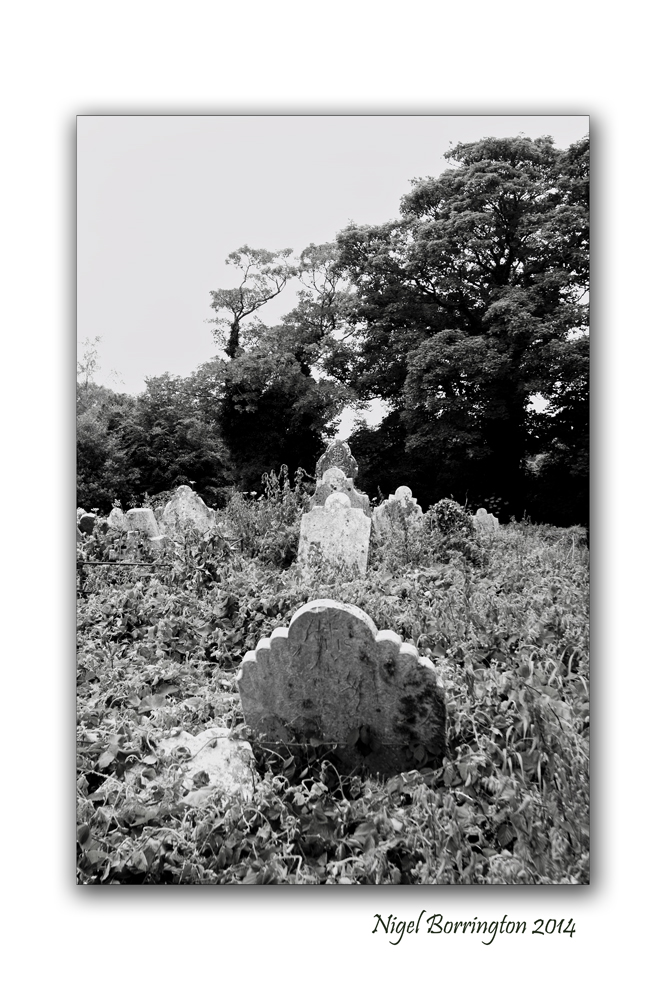
Today my post contains some images at the old estate church yard of Temple Michael, Ballynatray Estate, Cherrymount, county cork, and one of my most loved poems by Thomas Hardy, a true poet from the hight of the 1800’s Gothic period and a Victorian realist in the tradition of George Eliot.
So tonight when it goes dark if I were you I would light a fire, lock the doors and windows and stay inside as the time is tonight when The “soon to-be Forgotten” rise.
The To-be-forgotten
By Thomas Hardy
.
I
I heard a small sad sound,
And stood awhile among the tombs around:
“Wherefore, old friends,” said I, “are you distrest,
Now, screened from life’s unrest?”
II
—”O not at being here;
But that our future second death is near;
When, with the living, memory of us numbs,
And blank oblivion comes!
 .
.
III
“These, our sped ancestry,
Lie here embraced by deeper death than we;
Nor shape nor thought of theirs can you descry
With keenest backward eye.
IV
“They count as quite forgot;
They are as men who have existed not;
Theirs is a loss past loss of fitful breath;
It is the second death.
 .
.
V
“We here, as yet, each day
Are blest with dear recall; as yet, can say
We hold in some soul loved continuance
Of shape and voice and glance.
VI
“But what has been will be —
First memory, then oblivion’s swallowing sea;
Like men foregone, shall we merge into those
Whose story no one knows.
 .
.
VII
“For which of us could hope
To show in life that world-awakening scope
Granted the few whose memory none lets die,
But all men magnify?
VIII
“We were but Fortune’s sport;
Things true, things lovely, things of good report
We neither shunned nor sought … We see our bourne,
And seeing it we mourn.”
The Sally Gap, county Wicklow , and a poem by Wallace Stevens

Sally Gap, county Wicklow
Irish Landscape Photography : Nigel Borrington
The North Wind
By : Wallace Stevens
“It is hard to hear the north wind again,
And to watch the treetops, as they sway.
They sway, deeply and loudly, in an effort,
So much less than feeling, so much less than speech,
Saying and saying, the way things say
On the level of that which is not yet knowledge:
A revelation not yet intended.
It is like a critic of God, the world
And human nature, pensively seated
On the waste throne of his own wilderness.
Deeplier, deeplier, loudlier, loudlier,
The trees are swaying, swaying, swaying.”
As Winter falls upon the farm.

As winter falls upon the Farm.
Landscape Photography : Nigel Borrington
After living here in county Kilkenny for over ten years now, we have got to know many different people. One of the families we know very well own a small farm and when ever they go on holiday we help look after the place for them. We moved here from North London and its a great pleasure to now be able to see and be on a farm like this one.
These images where taken during such a week, late in the Autumn and as winter took a grip over their farm and its land.
Seeing a farm in the height of June is a wonderful thing, everything growing and the animals full of life but I love these winter months just as much, the place is slower with the cold and damp morning.
The Horses and Chickens are slower and growing season finished apart from some late greens to be used in the kitchen before the frost sets in. The farm and its land feels ready for the three months of rest it well deserves.
Gallery



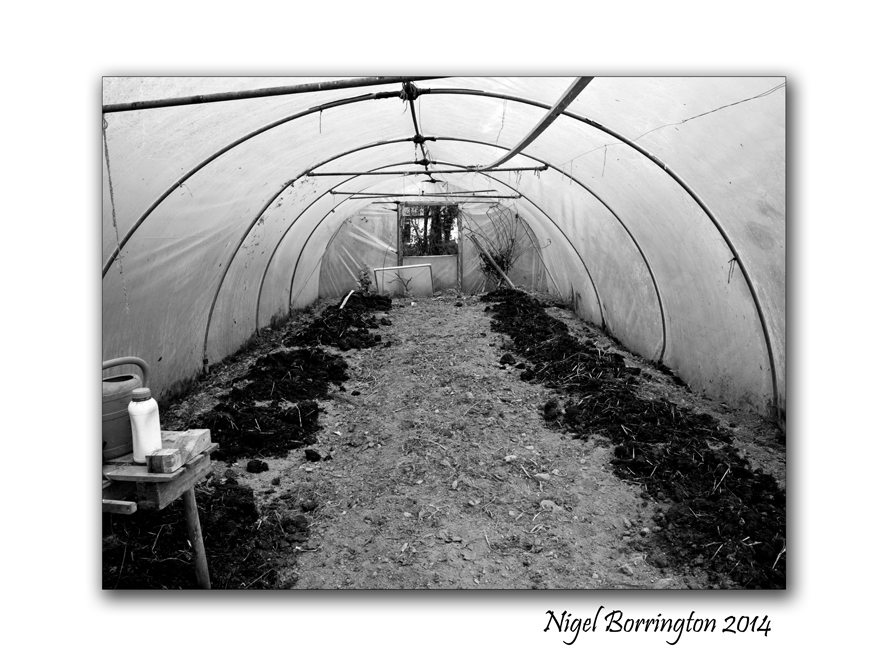

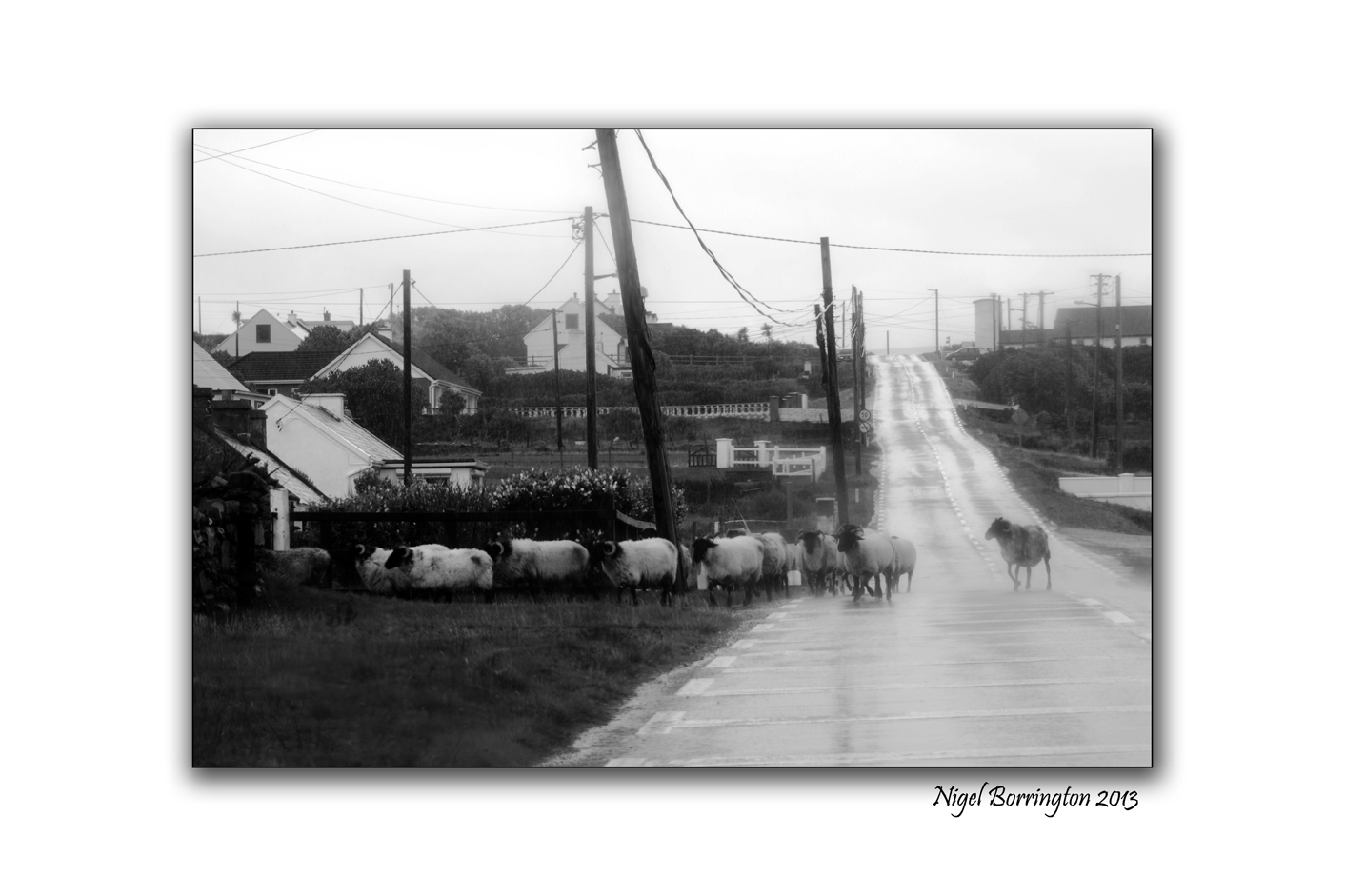
The Rainy day : Henry Wadsworth Longfellow

A rainy day
Achill Island , County Mayo
Landscape Photography : Nigel Borrington
This Morning here in Ireland is a very wet one with some 20mm of rain is expected here in county Kilkenny before midday.
So what better way to free yourself on this Autumn day than with a rainy day poem :
The Rainy Day
Henry Wadsworth Longfellow
The day is cold, and dark, and dreary;
It rains,and the wind is never weary;
The vine still clings to the mouldering wall,
But at every gust the dead leaves fall,
And the day is dark and dreary.
 .
.
My life is cold, and dark, and dreary;
It rains,and the wind is never weary;
My thoughts still cling to the mouldering past,
But the hopes of youth fall thick in the blast,
And the days are dark and dreary.
 .
.
Be still, sad heart, and cease repining;
Behind the clouds is the sun still shining;
Thy fate is the common fate of all,
Into each life some rain must fall,
Some days must be dark and dreary.
Monday Poetry : On The Winter Beach
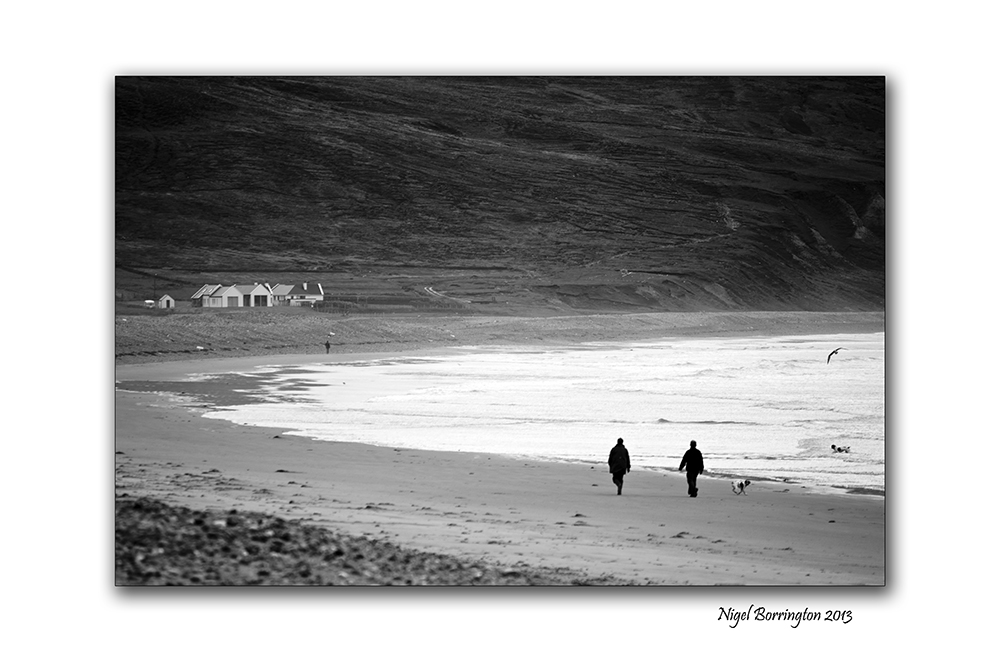
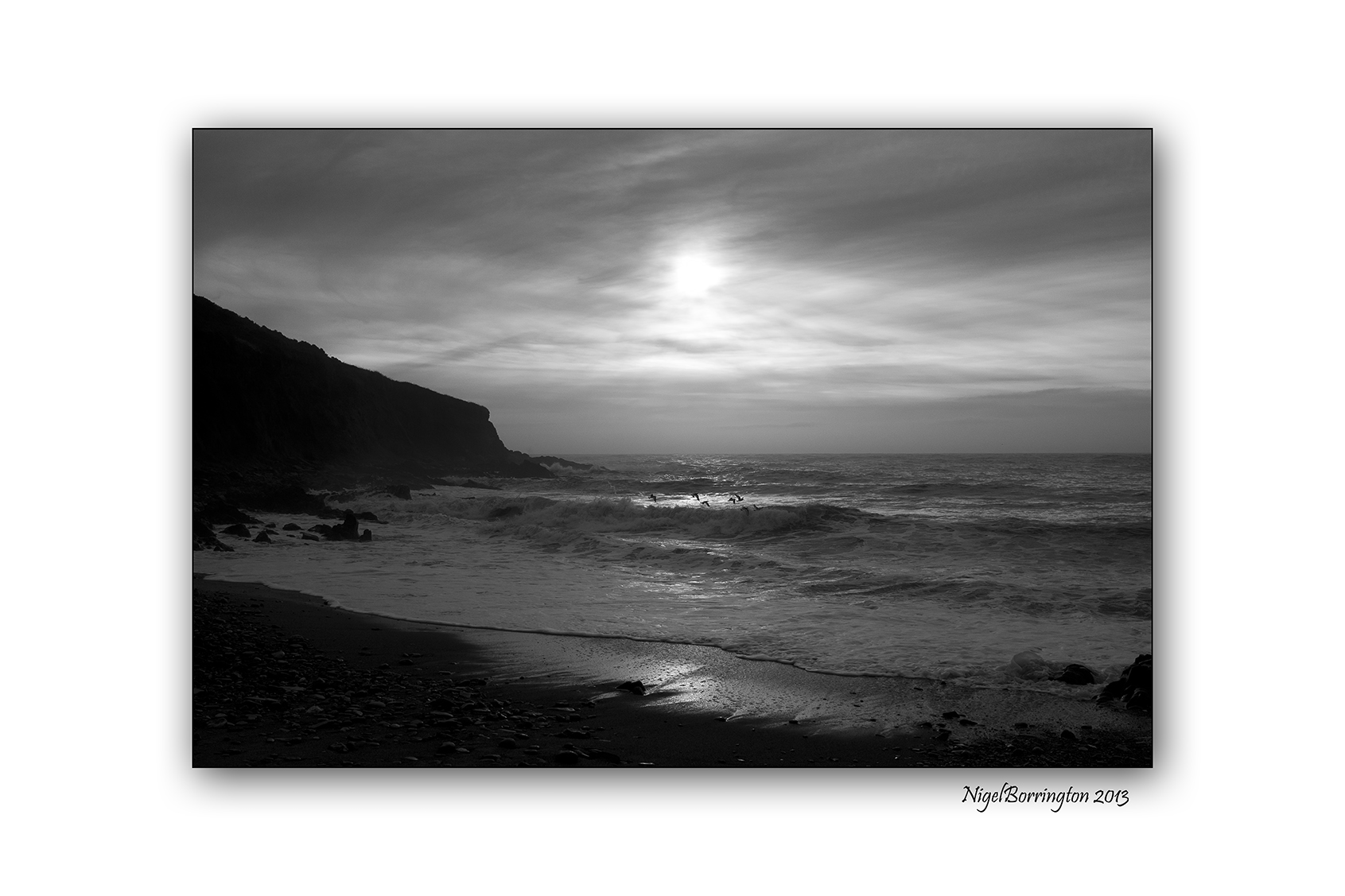
Dookinella, Achill island, County Mayo
The Winter Beach
Irish landscape Photography : Nigel Borrington
On The Winter Beach
I walk on the winter beach
from here to there
and beyond where the beach ends
past indifferent sea gulls
over beached kelps
over bleached sea shells
To the sound of crushing waves
to the call of ebbing memories
I walk on the winter beach
I shall go
I must go
alone
beyond where the beach ends

The Elements : Fire

In modern-day Wicca and Paganism, there is a good deal of focus on the four elements – Earth, Air, Fire, and Water. A few traditions of Wicca also include a fifth element, which is Spirit or Self.
The concept is hardly a new one. A Greek philosopher named Empedocles is credited with the cosmogenic theory of these four elements being the root of all existing matter. Unfortunately, much of Empedocles’ writing has been lost, but his ideas remain with us today and are widely accepted by most Pagans and Wiccans.
Each of the elements is associated with traits and meanings, as well as with directions on the compass. The following directional associations are for the Northern hemisphere; readers in the Southern hemisphere should use the opposite correspondences.
Fire
Fire is a purifying, masculine energy, associated with the South, and connected to strong will and energy. Fire both creates and destroys, and symbolizes the fertility of the God. Fire can heal or harm, and can bring about new life or destroy the old and worn. In Tarot, Fire is connected to the Wand suit. For color correspondences, use red and orange for Fire
The element of Fire is both creative and destructive, its qualities are Brightness, Thinness and Motion and its mode is Active. It is fire that we and our ancestors used to warm our homes, we use it to cook our food, we sit around it to ward of the darkness of night, and it fuels our passions. Fire, unlike the other elements, does not exist in a natural state. Its physical form can only take place by consuming some other element. Fire is the transformer, converting the energy of other objects into other forms: heat, light, ash, and smoke.
To feel the manifestations of this power, go out on on sunny day and feel the warmth and light of the Sun, hear the crackling of logs and smell of smoke from a burning fire. As you gaze into the transformational flame of a candle, immerse yourself in the energy of Fire. Fire is the natural element of animals and mankind, and they “have, in their natures, a most fiery force, and also spring from celestial sources.”
In order to gain benefit from the energy of this element, we need to control Fire’s destructive aspect. When we light a candle, we are not only calling upon the energy of Fire, we are also limiting its power. This destructive aspect should not be seen as negative, forest fires, actually help, clearing away underbrush and encouraging seeds lying dormant within the Earth to burst forth into new life.
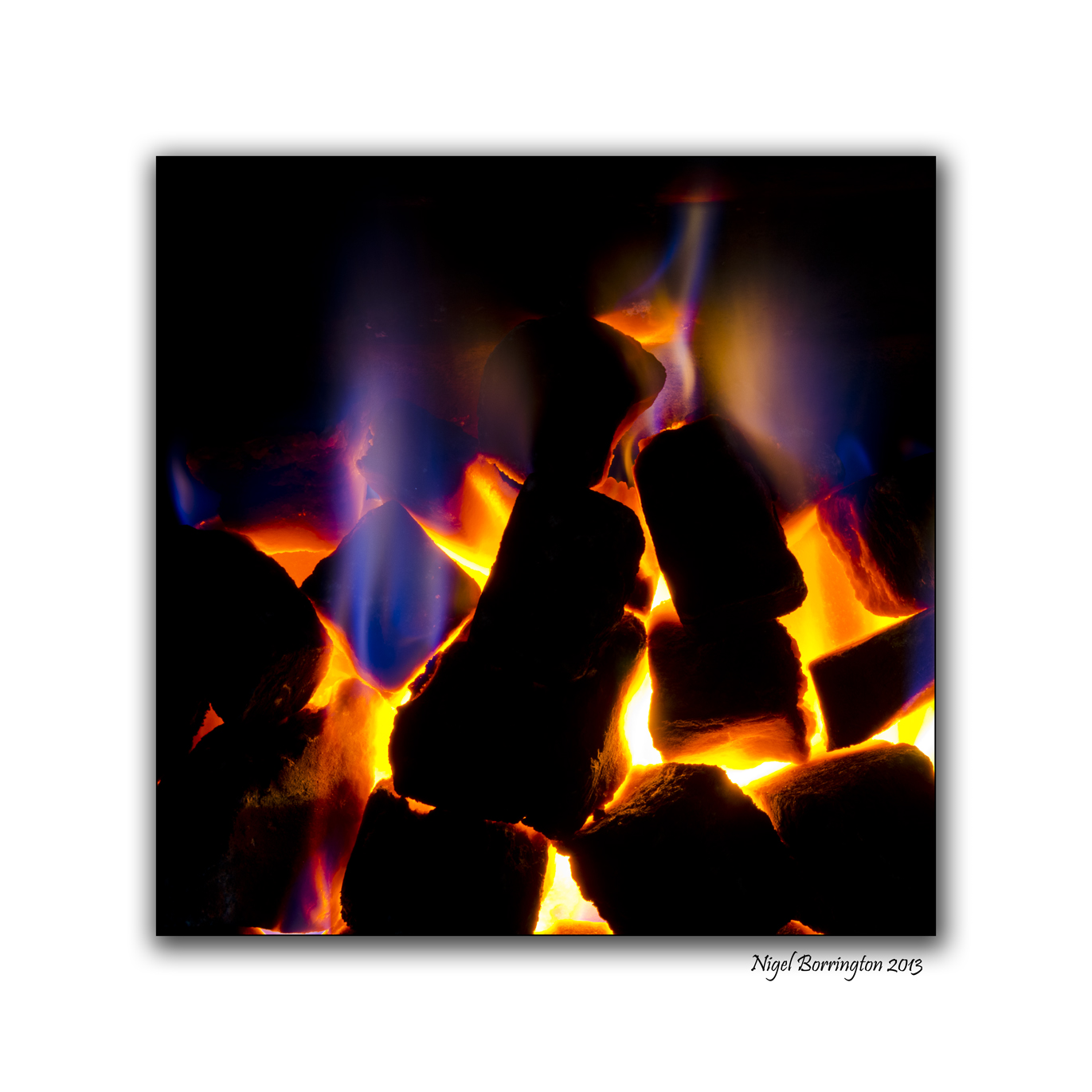
Fire is a masculine element, its aspects being change, passion, creativity, motivation, will power, drive and sensuality. It is sexuality, both physical and spiritual. Fire is used in spells, rituals and candle magick for healing, purification, sex, breaking bad habits or destroying illness and disease. Fire is the element of authority and leadership.
The properties of Fire, Heat, Making things fruitful, Celestial light, Giving Life to all things. Its opposite the Infernal Fire are a parching heat, consuming all things and darkness, making all things barren.
Each of the four cardinal elements – earth, air, fire and water – can be incorporated into magical practice and ritual. Depending on your needs and intent, you may find yourself drawn to one of these elements more so that the others.
Connected to the South, Fire is a purifying, masculine energy, and connected to strong will and energy. Fire both creates and destroys, and symbolizes the fertility of the God. Fire can heal or harm, and can bring about new life or destroy the old and worn. In Tarot, Fire is connected to the Wand suit (although in some interpretations, it is associated with Swords). For color correspondences, use red and orange for Fire associations.
Let’s look at some of the many magical myths and legends surrounding fire:
Fire Spirits & Elemental Beings:
In many magical traditions, fire is associated with various spirits and elemental beings. For instance, the salamander is an elemental entity connected with the power of fire – and this isn’t your basic garden lizard, but a magical, fantastical creature. Other fire-associated beings include the phoenix – the bird that burns itself to death and then is reborn from its own ashes – and dragons, known in many cultures as fire-breathing destroyers.
The Magic of Fire:
Fire has been important to mankind since the beginning of time. It was not only a method of cooking one’s food, but it could mean the difference between life and death on a frigid winter night. To keep a fire burning in the hearth was to ensure that one’s family might survive another day. Fire is typically seen as a bit of a magical paradox, because in addition to its role as destroyer, it can also create and regenerate. The ability to control fire – to not only harness it, but use it to suit our own needs – is one of the things that separates humans from animals. However, according to ancient myths, this has not always been the case.
Fire appears in legends going back to the classical period. The Greeks told the story of Prometheus, who stole fire from the gods in order to give it to man – thus leading to the advancement and development of civilization itself. This theme, of the theft of fire, appears in a number of myths from different culture. A Cherokee legend tells of Grandmother Spider, who stole fire from the sun, hid it in a clay pot, and gave it to the People so they could see in the darkness. A Hindu text known as the Rig Veda related the story of Mātariśvan, the hero who stole fire that had been hidden away from the eyes of man.

Fire is sometimes associated with deities of trickery and chaos – probably because while we may think we have domination over it, ultimately it is the fire itself that is in control. Fire is often connected with Loki, the Norse god of chaos, and the Greek Hephaestus (who appears in Roman legend as Vulcan) the god of metalworking, who demonstrates no small amount of deceit.
Fire and Folktales:
Fire appears in a number of folktales from around the world, many of which have to do with magical superstitions. In parts of England, the shape of cinders which jumped out of the hearth often foretold a major event – a birth, a death, or the arrival of an important visitor.
In parts of the Pacific Islands, hearths were guarded by small statues of old women. The old woman, or hearth mother, protected the fire and prevented it from burning out.
The Devil himself appears in some fire-related folktales. In parts of Europe, it is believed that if a fire won’t draw properly, it’s because the Devil is lurking nearby. In other areas, people are warned not to toss bread crusts into the fireplace, because it will attract the Devil (although there’s no clear explanation of what the Devil might want with burnt bread crusts).
Japanese children are told that if they play with fire, they will become chronic bed-wetters – a perfect way to prevent pyromania!
A German folktale claims that fire should never be given away from the house of a woman within the first six weeks after childbirth. Another tale says that if a maid is starting a fire from tinder, she should use strips from mens’ shirts as tinder – cloth from women’s garments will never catch a flame.
Irish landscape photography – in Black and White, a gallery
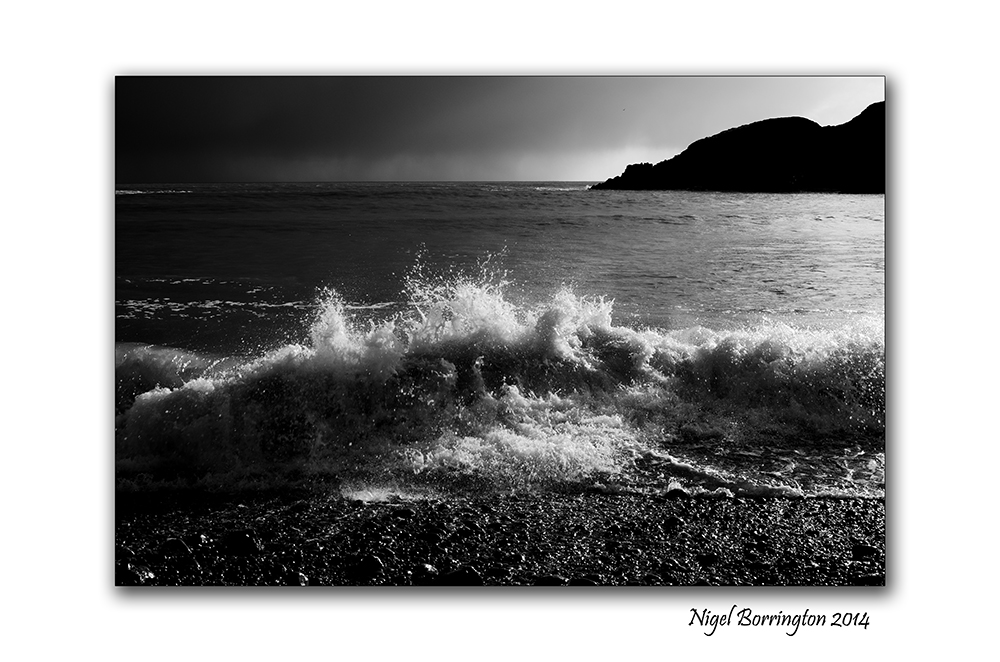
Waterford Coastline,
Irish Landscape Photography : Nigel Borrington
The Irish Landscape offers some of the most wonderful views in this part of Europe, with rolling mountains and rocky, spectacular coastlines, there are many forests and powerful flowing rivers.
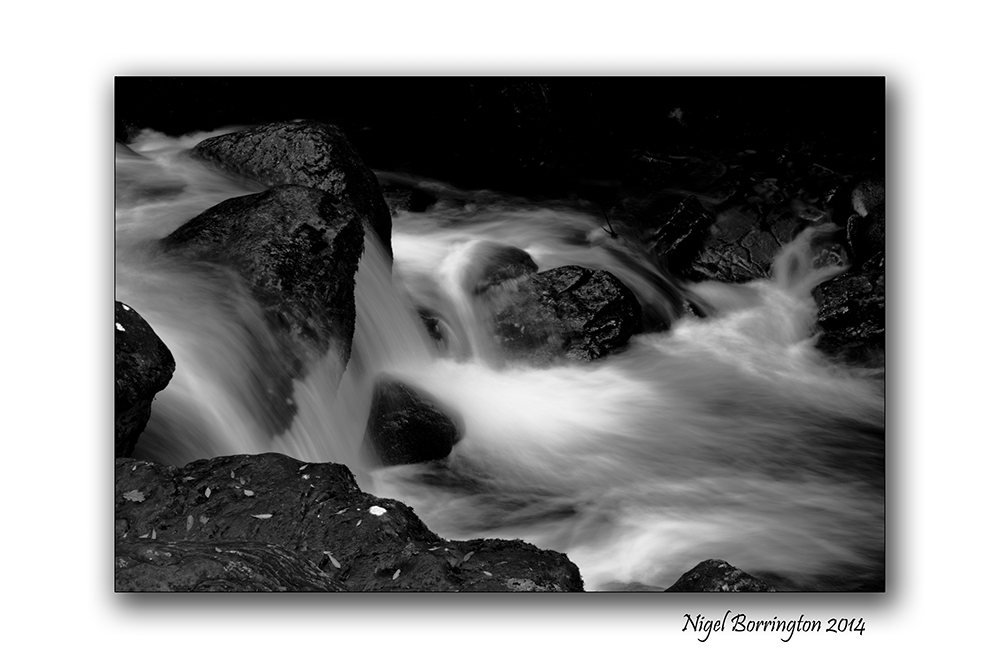
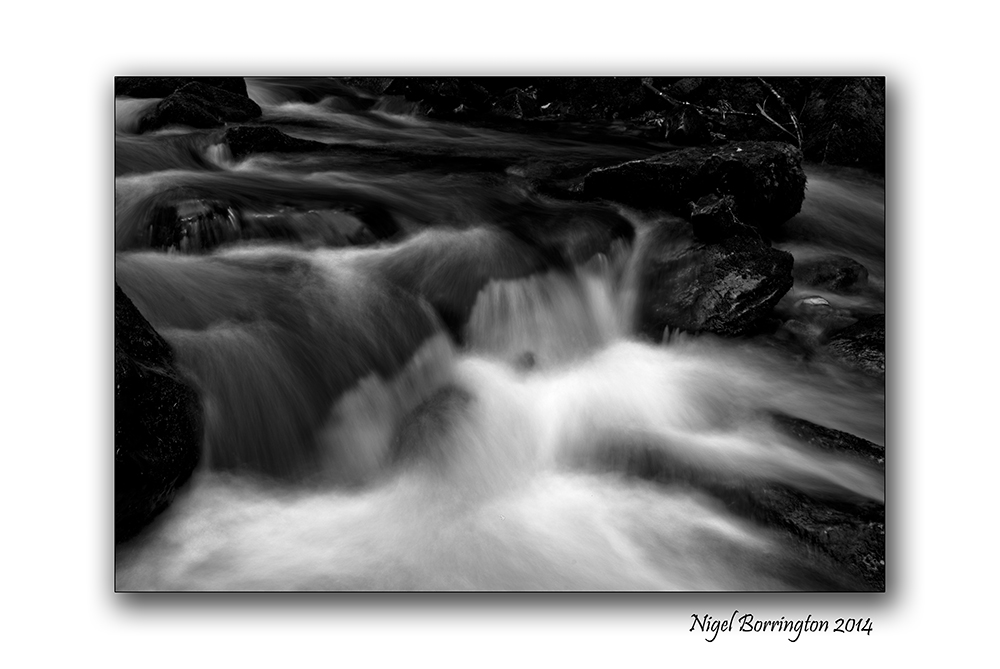
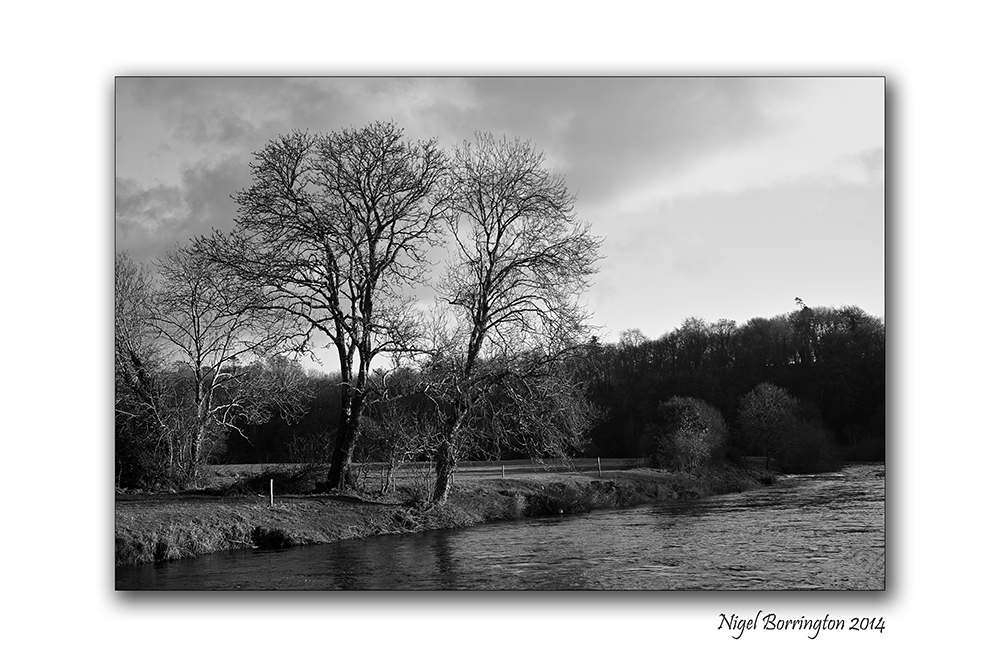
One of the area’s of photography I love the most is black and white and I feel that the Irish landscape is made for black and white images, often the days are wet and stormy and dark. I feel that shooting images in black and white captures these atmospheric days very well. On good weather days in the summer months getting out early or late to capture the sun low in the sky also works very well in a black and white photograph.
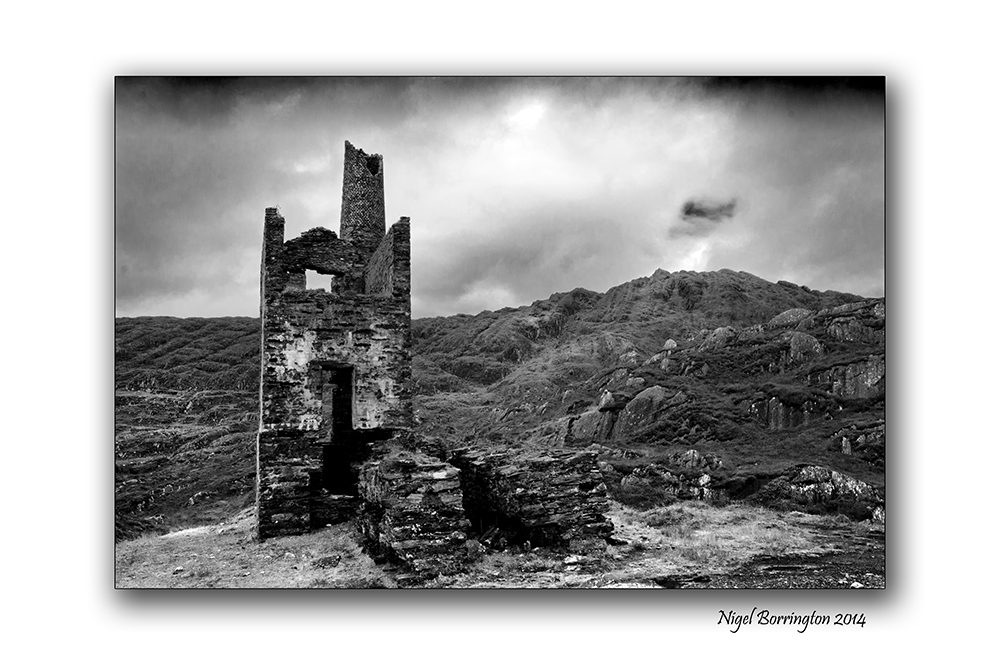
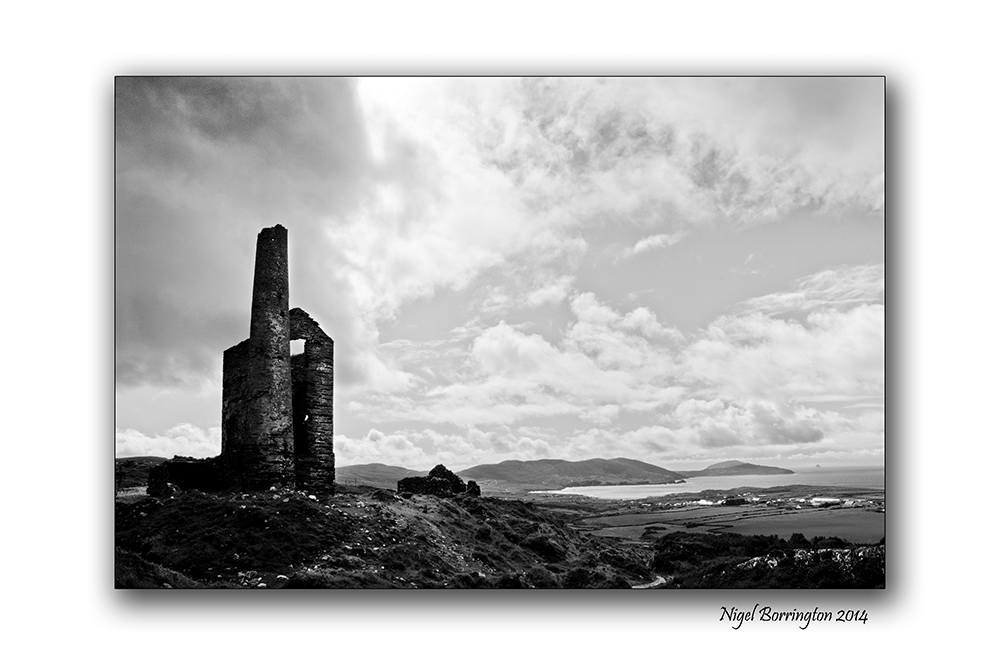
Below are some of the black and white images I am most happy with, so far during 2014.
Irish landscape photography – Black and White Gallery







The Bonane stone circle and an Altar for the Moon – The Pagan Moon deity : Elatha.

Bonane Stone circle and Alter for the Moon.
Irish Landscape Photography : Nigel Borrington
Bonane stone circle and altar of the Moon
During the summer I was lucky enough to get to visit the Bonane stone circle and Alter located near Kenmare , county Kerry. This stone circle was cleared of trees and opened to the full view of the public in current times and it is a great example of a pagan stone circle.
For many centuries it has puzzled historians as to what function these circle served , some think they marks a place of worship others that they acted as a way of measuring the passage of the the year, using the shadows that they cast on the ground. The location and length of these shadows changing as the year passes.
Here at Bonane however it was discovered that the moon was being tracked over an 18.6 year period, it could be that the moon was being worshiped during its movement through the heavens.
They did this by placing an altar about a mile away on a hill side ridge and placed in-line with the center of the stone circle. The most amazing thing is than only every 18.6 years does the moon appear to rise behind the altar at its most southerly point on the horizon and only if you are standing in the center of the stone circle.
The last time this event took place was in 2006 and the next time will be during the Month of June in 2024.
The people who live here in Kerry some 5000 years ago must have been very skilled at astronomy as predicting the movement of the moon has been very difficult until in modern times with the invention of small machines called Orrery and then the use of computers have modern man been able to do so.
See : The Moon Cycles
The task they achieved here is truly amazing and takes a little time to digest, just how they moved three very large stones and placed them on a hill side ridge and then alined a stone circle a good mile away on another hill side and did so with this 18.6 years moon cycle in mind, even today some 5000 years later their achievement is still working.
The difference in thinking between a stone circle being used for the movement of the sun or the moon, or both – is very interesting. As opposed to being used to the help in planting of crops etc, this would appear to imply a function of worship but of what or of who, was it simply the moon or a moon God?
Well the main Pagan deity for this part of the world is thought to be : Elatha
Elatha
Overview
Elatha is quoted as being the “The beautiful Miltonic prince of darkness with golden hair”. He was the son of Dalbaech and a king of the Fomor, he was father of Bres by Eri, a woman of the Tuatha Dé Danann. He came to her over the sea in a vessel of silver, himself having the appearance of a young man with yellow hair, wearing clothes of gold and five gold torcs. He was one of the Fomor who took part in the Second Battle of Magh Tuireadh.
During the Second Battle of Magh Tuireadh, Elatha, son of Dalbaech, watched over Dagda’s magic harp, Uaithne, sometimes called Dur-da-Bla, “the Oak of Two Blossoms,” and sometimes Coir-cethar-chuin, “the Four-Angled Music.” He is said to have a sense of humor and a sense of nobility.
Though considered to be the Fomorian father of Eochu Bres, Elatha (Elada) was also the father of the Dagda, Ogma, a son named Delbaeth, and Elloth (the father of Manannan mac Lir) according to the Lebor Gabála Érenn. The mother of these Tuatha De Danann chiefs may have been Ethne, the mother of Lug, based on Ogma’ often cited matronymic “mac Ethliu.” Since Ethne was Fomorian, this means they are all Fomorians. This is rather confusing, but may betray the battle between the two groups as actually being about the new generation of gods displacing the older generation.
Bonane Stone circle and Altar to the Moon – Gallery


Jenkinstown, woodland park , County Kilkenny
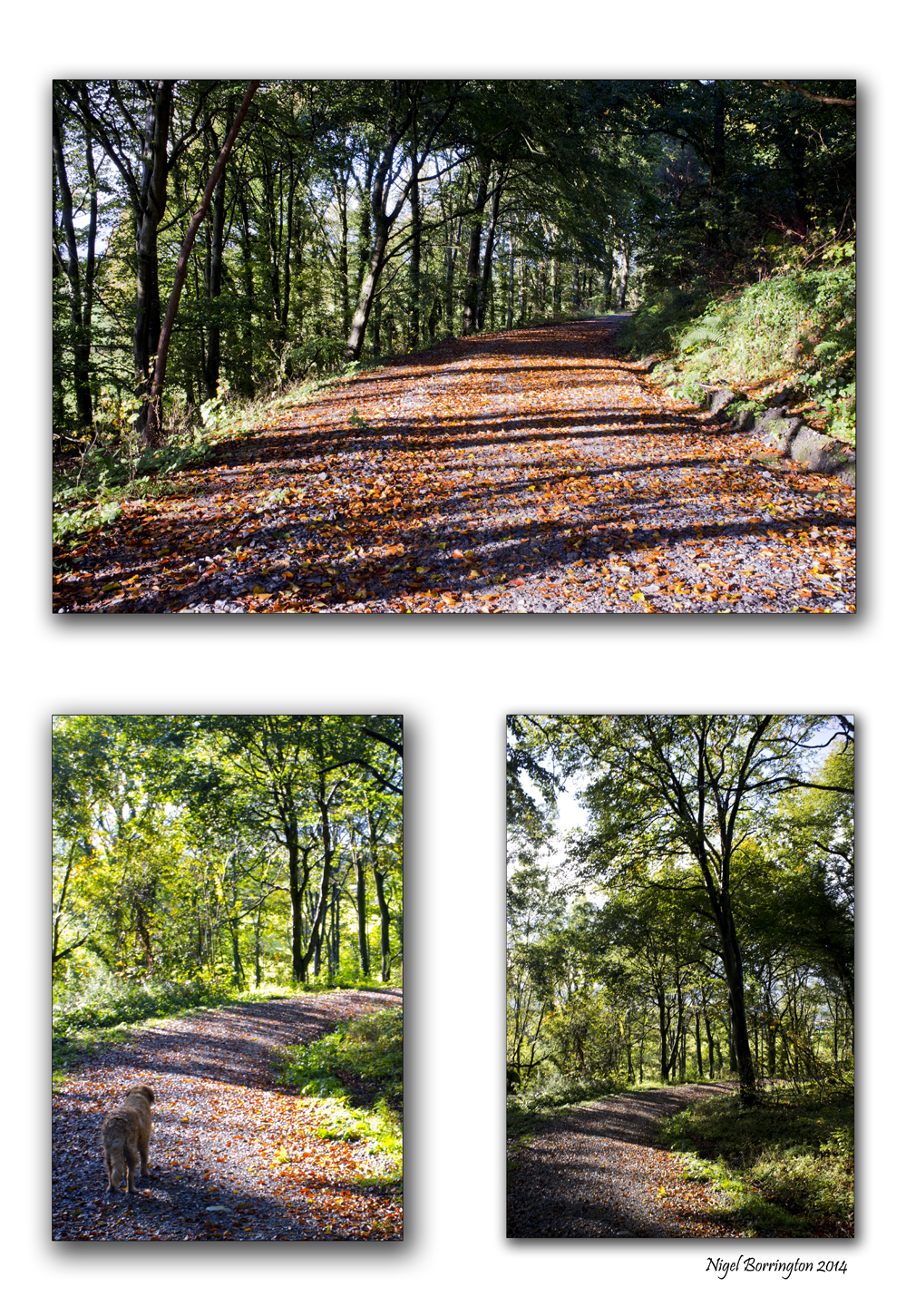
Jenkinstown , Forest Park County Kilkenny.
Landscape Photography : Nigel Borrington
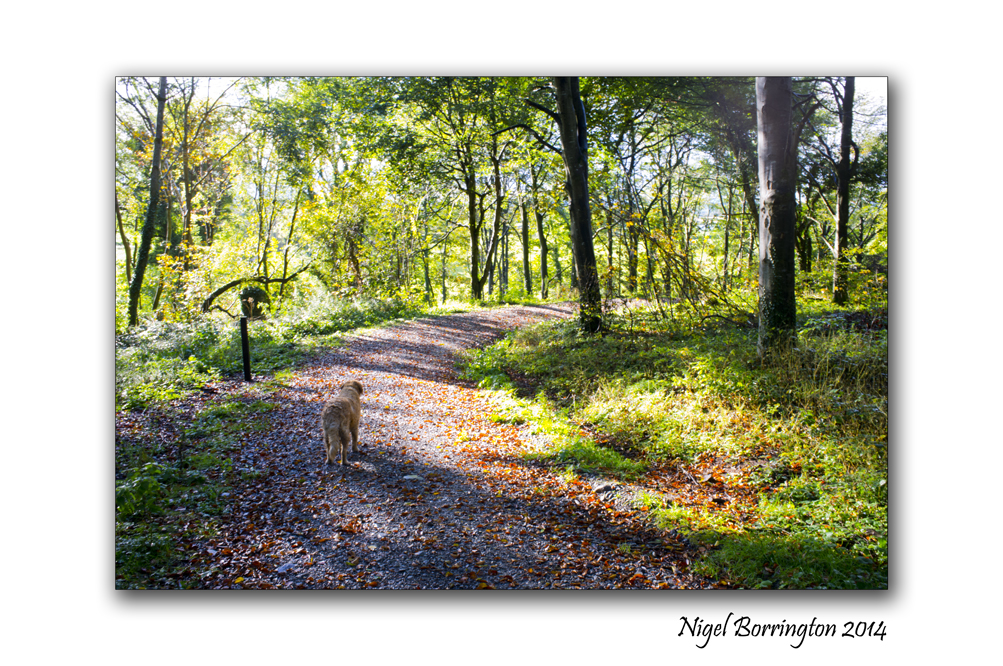
Jenkinstown Forest park in County Kilkenny is one of my most loved Local places, the walks around the Forest here are amazing at anytime of the year but just now the leaves are starting to turn golden yellow and fall after a frost or period of high wind.
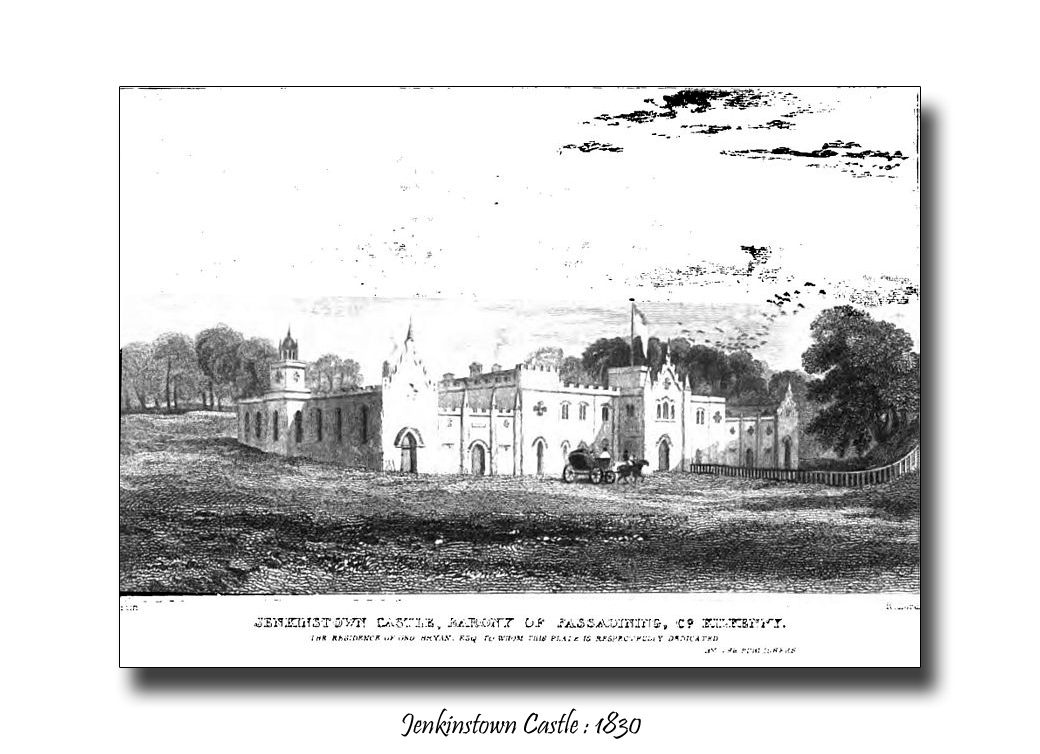
The Jenkinstown estate has a long history and the below image shows the castle that once stood here until at least the time this image was taken during 1930.
 .
.
Part of the castle still stands and acts as a home for a local musician.
The park contains some great old buildings such as the round store house and animal shelter that these days offers a great place to read or shelter from a shower on a wet day.
Jenkinstown woodland park , County Kilkenny : Gallery


A visit two Derrynaflan island, the Derrynaflan hoard and the changes in the law.
Derrynaflan Island, County Tipperary
Irish Landscape Photography : Nigel Borrington
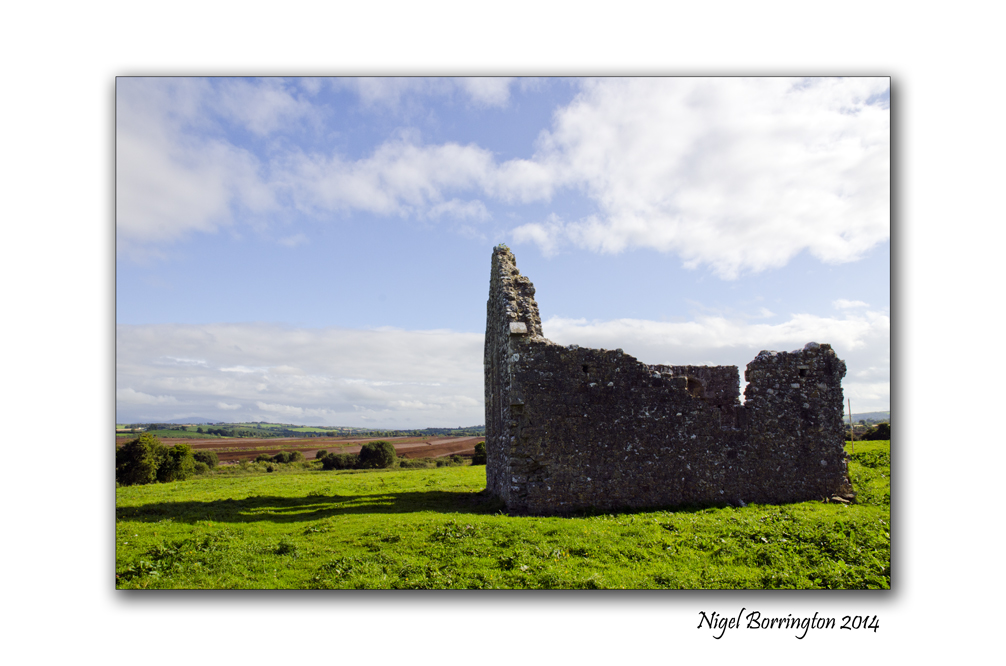
During what was a great summer we took a family visit to Derrynaflan island, County Tipperary.
The weather was just great and the visit to this magical Island just fascinating. It is on this island that in 1980 a Father and his son found one of Europe’s and Ireland’s most important treasures and in the process changed the Irish laws forever, as below :
Derrynaflan Hoard
Discovering the Hoard

One of the most spectacular hoard discoveries in Ireland, which led first to an increase in enthusiasm for metal detecting as a hobby, but ultimately contributed to the prohibition of unlicensed searching for archaeological material.
On 17 February 1980, Michael Webb and his son, also called Michael, discovered a significant hoard of early church treasure in Derrynaflan, in the townland of Lurgoe, County Tipperary, using metal detectors (Kelly 1994: 213; O’Riordain 1983: 1). The hoard included a chalice, a bronze strainer ladle and a paten (a kind of small plate) (and see Ryan 1983 for a detailed description), and the discovery was described as ‘one of the most exciting events in the history of Irish art’ (Stalley 1990: 186). The large monastic enclosure in which the hoard was found was partially protected as a National Monument (Kelly 1993: 378). The finders reported their discovery to an archaeologist from University College Cork, Dr. Elizabeth Shee Twohig (Kelly, pers. comm., 2012), who advised them that they must take the finds to the National Museum of Ireland in Dublin (Houses of the Oireachtas 1986; O’Riordain 1983: 1). Under Irish law at that time, the finders were entitled to a reward for making the discovery, in this case decided at IR£10,000 (Houses of the Oireachtas 1986), although this was initially rejected by the finders as insufficient compared to the value of the find (Kelly 1994: 213).

Six years later, the High Court made a ruling that the find or its value (estimated at IR£5.5 million) should be returned to the finders (Kelly 1994: 113). The public mood turned against the Webbs, who were shown on the main evening television news drinking champagne to celebrate the ruling. Ireland was then in deep recession with massive public service cuts which led to resentment that the Webbs might benefit to the tune of IR£5.5 million from the public purse (Kelly, pers comm., 2012). A year later, in 1987, a further final judgement was delivered by the Supreme Court that the Derrynaflan Hoard in fact belonged to the state and not to the finders (Kelly 1995a). The finders finally received a reward of IR£50,000 (Kelly 1994: 214).
The impact of the case on Irish law concerning the protection of heritage was significant. Debates in the Seánad Éireann (upper house of the Irish Parliament) in 1986 indicate the split in opinions regarding the validity of the claim of the finders to the hoard (as had been decided in court the previous year), with one Senator suggesting that the state should have been trying to prove that the Webbs had no legal claim to the hoard, one Senator regarding such discoveries as no more than looting, and another claiming that the finders should instead be praised for the care with which they removed the hoard from the ground and for going to the National Museum to report the discovery (Houses of the Oireachtas 1986). In 1987 the National Monuments (Amendment) Bill, which included clauses on metal detecting and ancient shipwrecks (another area becoming vulnerable to looting), passed through its final stages in the Dáil Éireann (lower house of the Irish Parliament) (Gosling 1987: 23).
Ireland’s National Monuments Act 1930 had prohibited the excavation of archaeological objects other than under license (Kelly 1995a). However, the maximum fine for a successful prosecution at that time, at IR£10[1], proved not to be a strong deterrent (Kelly 1995b: 235). The discovery of the Derrynaflan Hoard had reputedly contributed to the growth of the metal detecting hobby in Ireland, which by the time of the discovery saw hobbyists searching not only ploughed land and other locations away from archaeological sites, but also on known archaeological sites (Kelly 1993: 378). A 2012 Irish news item, which described an athlete as having ‘more gold than they found in Derrynaflan’ (Keane 2012) indicates that the finding of the hoard is still recalled in Irish popular memory. However, with the National Monuments (Amendment) Act 1987, ‘it became illegal to search for archaeological objects with metal detectors or other electronic detecting devices without license’. A further National Monuments (Amendment) Act 1994 specified the state ownership of archaeological objects, and made it ‘an offence to trade in unreported antiquities, or withhold information about archaeological discoveries’ (Kelly 1995a). Under the 1994 legislation, the maximum penalty was also increased to a fine of IR£50,000 and five years imprisonment (National Monuments (Amendment) Act 1994, Section 13). The National Monuments (Amendment) Act 1987 had been in preparation for many years and so was not a direct reaction solely to the controversy surrounding the hoard (Kelly, pers. comm., 2012), although there were observations made that the upsurge in metal detecting as a result of the discovery led to changes in the law (Kelly 1994: 214).
Ref : http://traffickingculture.org/encyclopedia/case-studies/derrynaflan-hoard/
A visit two Derrynaflan island Gallery


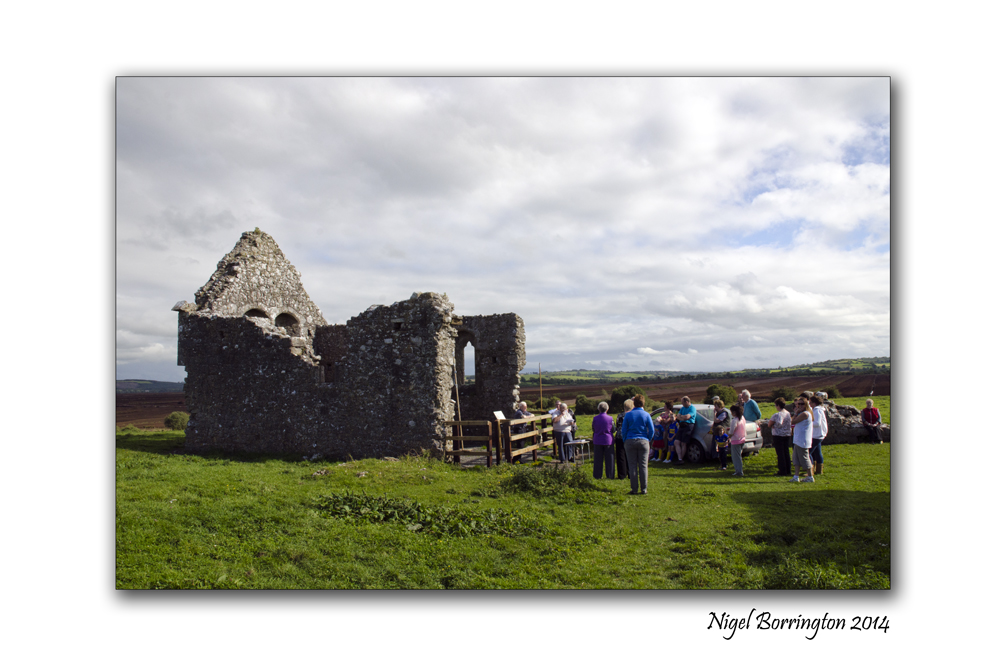
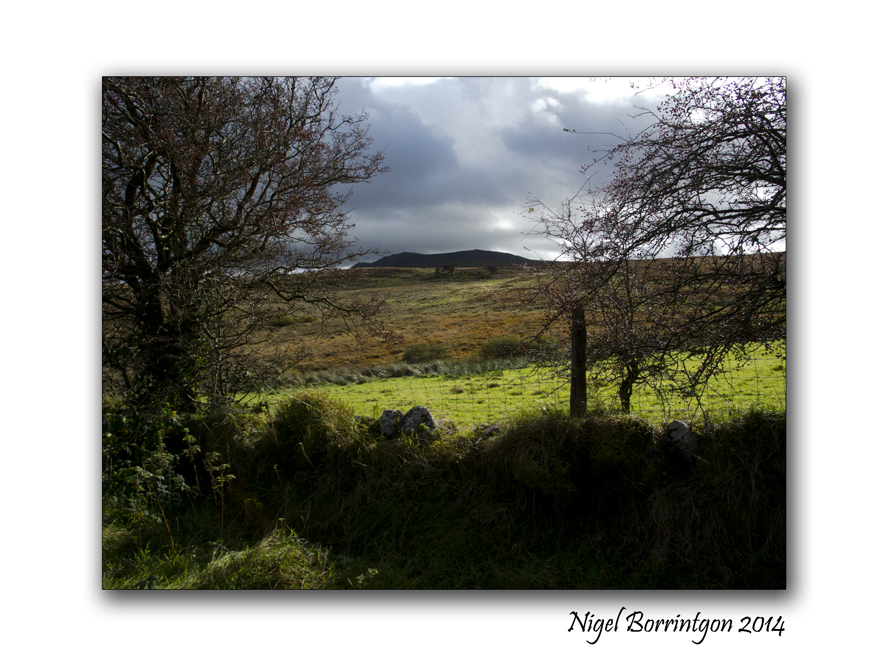
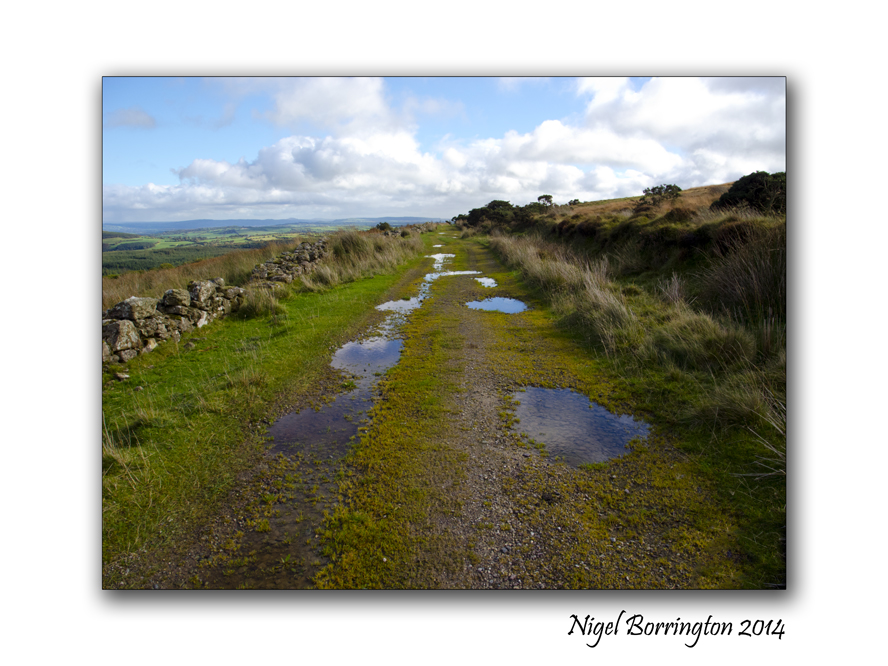
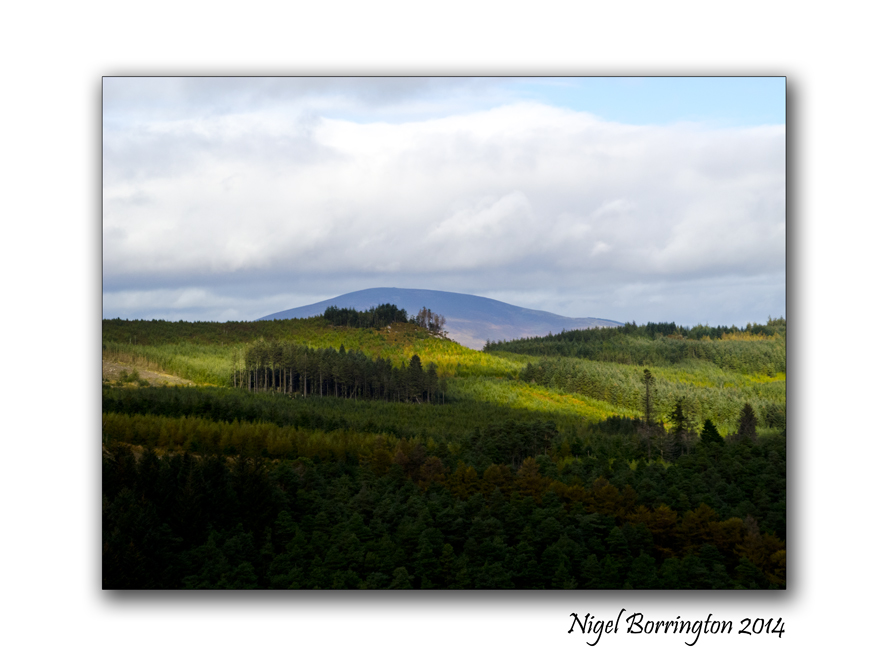
Monday morning from the mountain lane ( Images and a Poem by : Douglas Fraser – 1968 )

The mountain Lane,
GlenPatrick , County Waterford,
Irish Landscape Photography : Nigel Borrington
Monday morning and what better way to start a new week than a walk through the hills above the town of Clonmel , county Tipperary.
This old walk goes over the foot hills just below the Comeragh mountains and into county Waterford and offers some of the best views in the South of Ireland, I share some of it here with one of my most loved Mountain Poems by Douglas Fraser, written in 1968.
Freedom of the Hills
By: Douglas Fraser – 1968
Mine is the freedom of the tranquil hills
When vagrant breezes bend the sinewy grass,
While sunshine on the widespread landscape spills
And light as down the fleet cloud-shadowed pass.
Mine, still, that freedom when the storm-clouds race,
Cracking their whips against defiant crags
And mists swirl boiling up from inky space
To vanish on the instant, torn to rags.
Snow and mist in the Mountains.
When winter grips the mountains in a vice,
Silently stifling with its pall of snow,
Checking the streams, draping the rocks in ice,
Still to their mantled summits I would go.
Sun-drenched, I sense the message they impart;
Storm-lashed, I hear it sing through every vein;
Among the snows it whispers to my heart
“Here is your freedom. Taste – and come again.”
Gallery

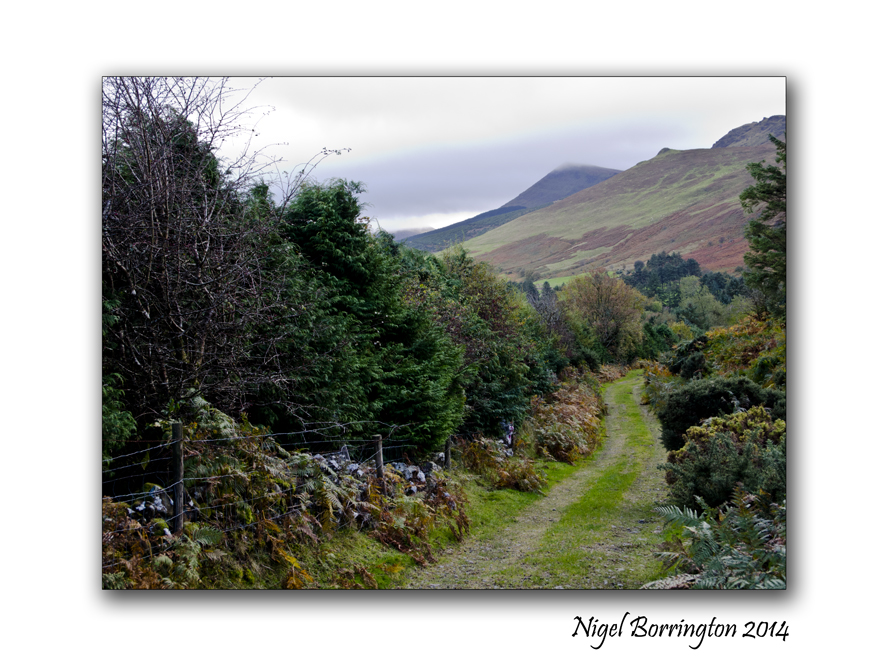

October’s Party By : George Cooper

October, In Gold she looks their best;
Landscape Photography : Nigel Borrington
October’s Party
By: George Cooper
October gave a party;
The leaves by hundreds came—
The Chestnuts, Oaks, and Maples,
And leaves of every name.
The Sunshine spread a carpet,
And everything was grand,
Miss Weather led the dancing,
Professor Wind the band.
The Chestnuts came in yellow,
The Oaks in crimson dressed;
The lovely Misses Maple
In scarlet looked their best;
All balanced to their partners,
And gaily fluttered by;
The sight was like a rainbow
New fallen from the sky.
Then, in the rustic hollow,
At hide-and-seek they played,
The party closed at sundown,
And everybody stayed.
Professor Wind played louder;
They flew along the ground;
And then the party ended
In jolly “hands around.”
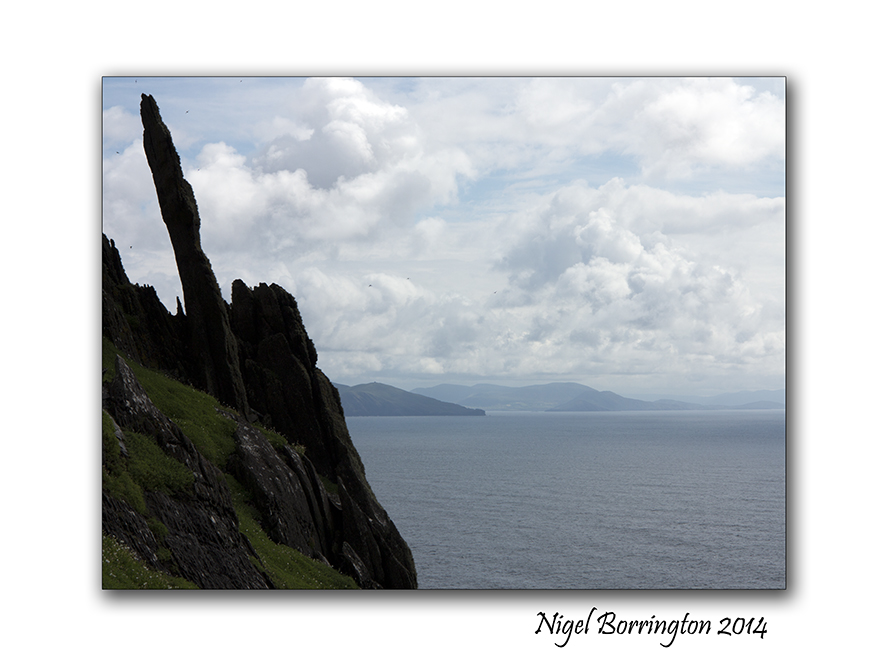
Images of Skellig Michael and ( Life The Way It Should Be, A Poem by : Taylor Jordao )
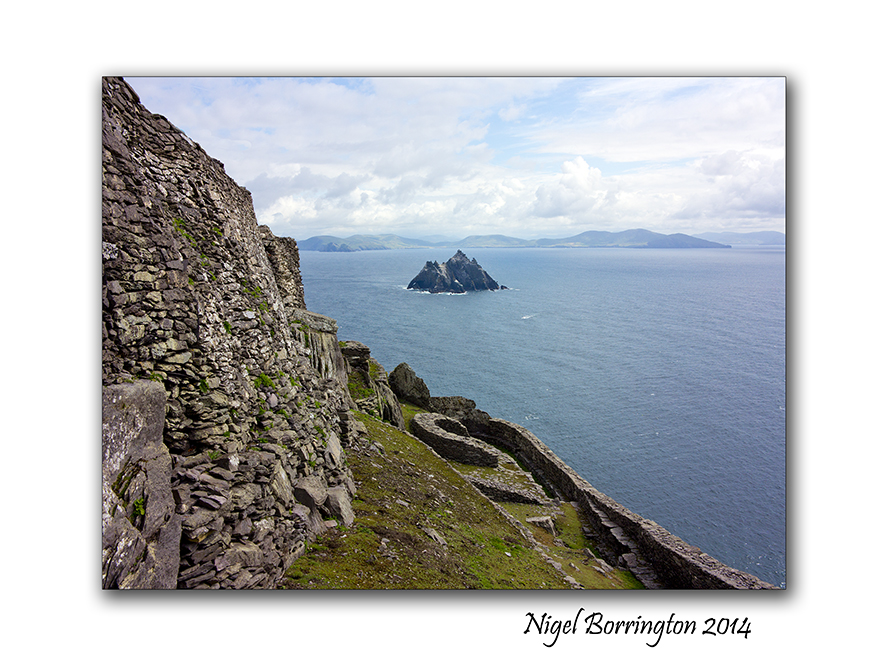
Skellig Michael and the Skellig islands
Irish Landscape photography : Nigel Borrington
Life The Way It Should Be
by : Taylor Jordao
Tell me what do you see
Purple, green, and gold,
Mountain peaks that touch the sky
Little black birds flying by
Sun setting in the west
Flowers in the east,
Calm, relaxing breeze
And forests filled with trees
Tell me what do you see
The sky starts to fade as night approaches
Animals will soon come out
The spring is ending without a doubt
Fall is coming near
Cold weather’s on its way,
Flowers start to die
Birds go south, bye bye.
Tell me what do you see
Happiness, love, and beauty,
Everyone is free
Life the way it should be.
The Elements : Earth

Suir valley from Tullahought – Kilkenny landscape photography : Nigel Borrington
Connected to the North,
Earth is considered the ultimate feminine element, Earth is fertile and stable, associated with the Goddess. The planet itself is a ball of life, and as the Wheel of the Year turns, we can watch all the aspects of life take place in the Earth: birth, life, death, and finally rebirth. The Earth is nurturing and stable, solid and firm, full of endurance and strength. In color correspondences, both green and brown connect to the Earth, for fairly obvious reasons! In Tarot readings, the Earth is related to the suit of Pentacles or Coins.
Mother goddess is a term used to refer to a goddess who represents motherhood, fertility, creation, or who embodies the bounty of the Earth. When equated with the Earth or the natural world such goddesses are sometimes referred to as Mother Earth or as the Earth Mother.

Celtic Goddess
The Irish goddess Anu, sometimes known as Danu, has an impact as a mother goddess, judging from the Dá Chích Anann near Killarney, County Kerry. Irish literature names the last and most favored generation of deities as “the people of Danu” (Tuatha De Danann). The Welsh have a similar figure called Dôn who is often equated with Danu and identified as a mother goddess. Sources for this character date from the Christian period, however, so she is referred to simply as a “mother of heroes” in the Mabinogion. The character’s (assumed) origins as a goddess are obscured.
The Celts of Gaul worshipped a goddess known as Dea Matrona (“divine mother goddess”) who was associated with the Marne River. Similar figures known as the Matres (Latin for “mothers”) are found on altars in Celtic as well as Germanic areas of Europe.
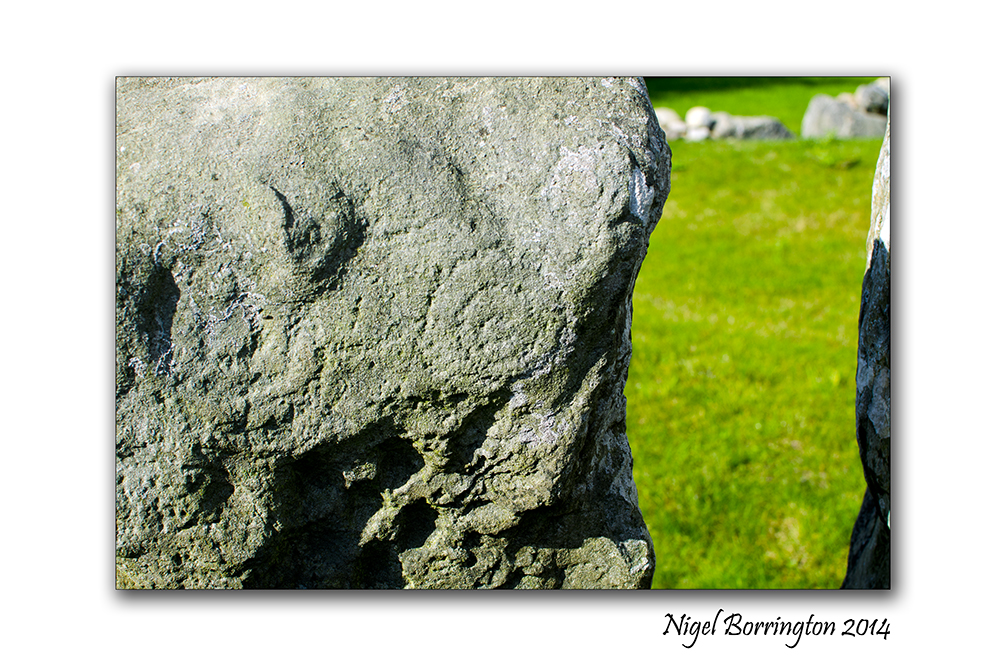
In many cultures, earth spirits are beings that are tied to the land and plant kingdom. Typically, these beings are associated with another realm, the forces of nature that inhabit a particular physical space, and landmarks like rocks and trees.
In Celtic mythology, the realm of the Fae is known to exist in a parallel space with the land of man. The Fae are part of the Tuatha de Danaan, and live underground. It’s important to watch out for them, because they’re known for their ability to trick mortals into joining them.

Gnomes feature prominently in European legend and lore. Although it’s believed that their name was coined by a Swiss alchemist named Paracelsus, these elemental beings have long been associated in one form or another with the ability to move underground.
Likewise, elves often appear in stories about the land. Jacob Grimm collected a number of stories about elves while compiling his book Teutonic Mythology, and says that elves appear in the Eddas as supernatural, magic-using beings. They appear in a number of old English and Norse legends.
Autumn in Ireland is a wonderful time of the year.
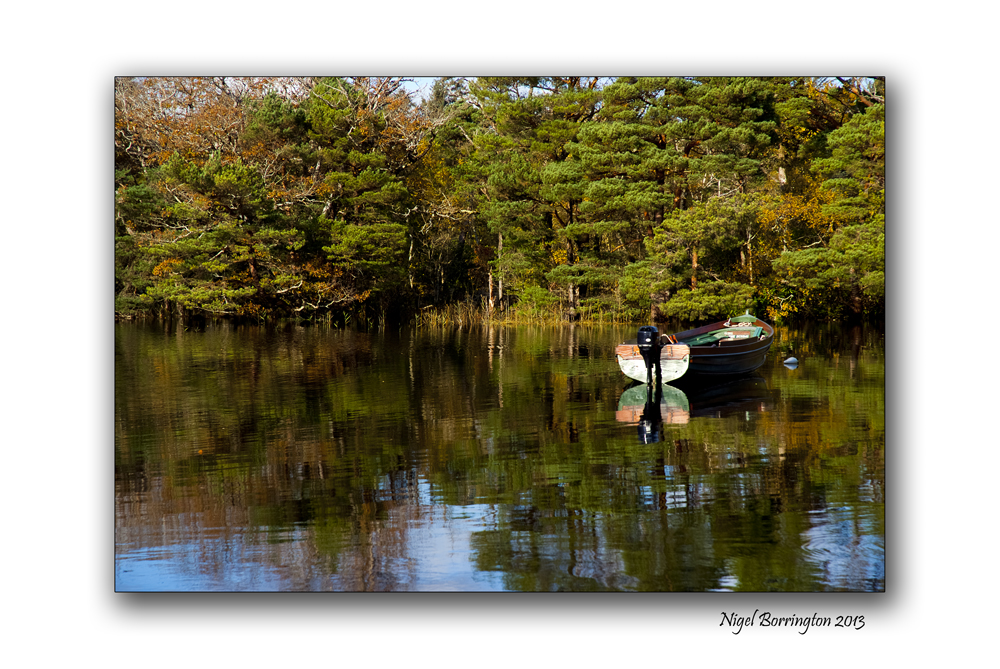
lakes of Killarney in the Autumn time
Irish Landscape Photography : Nigel Borrington
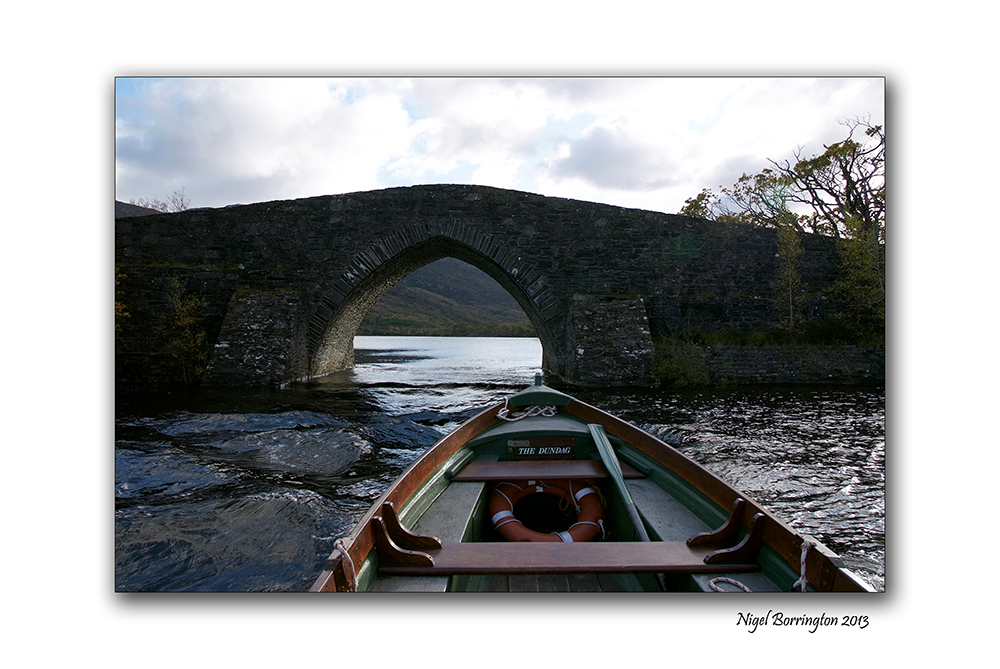
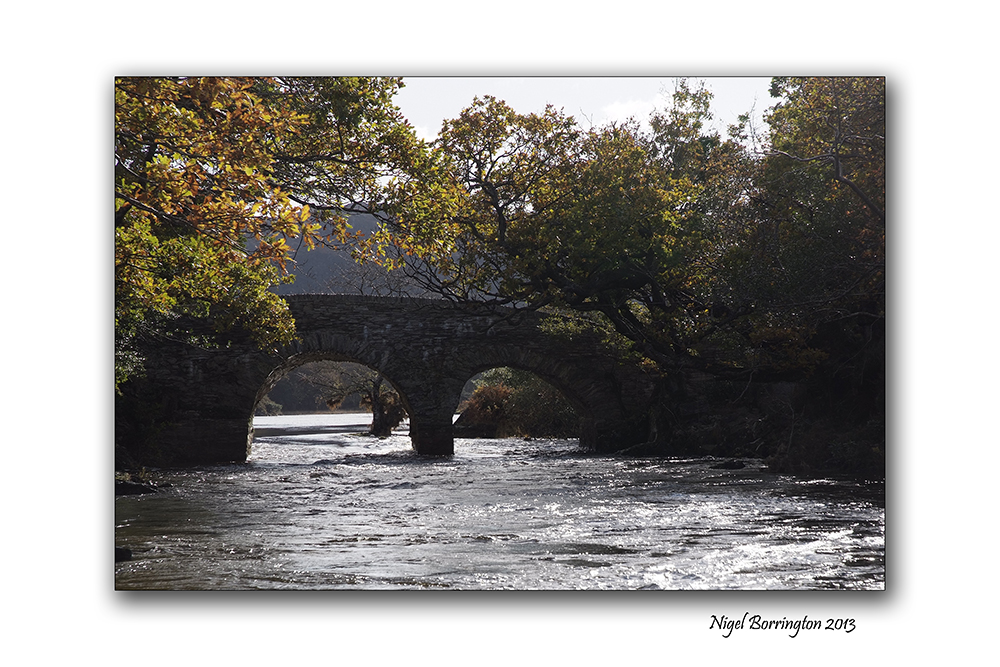
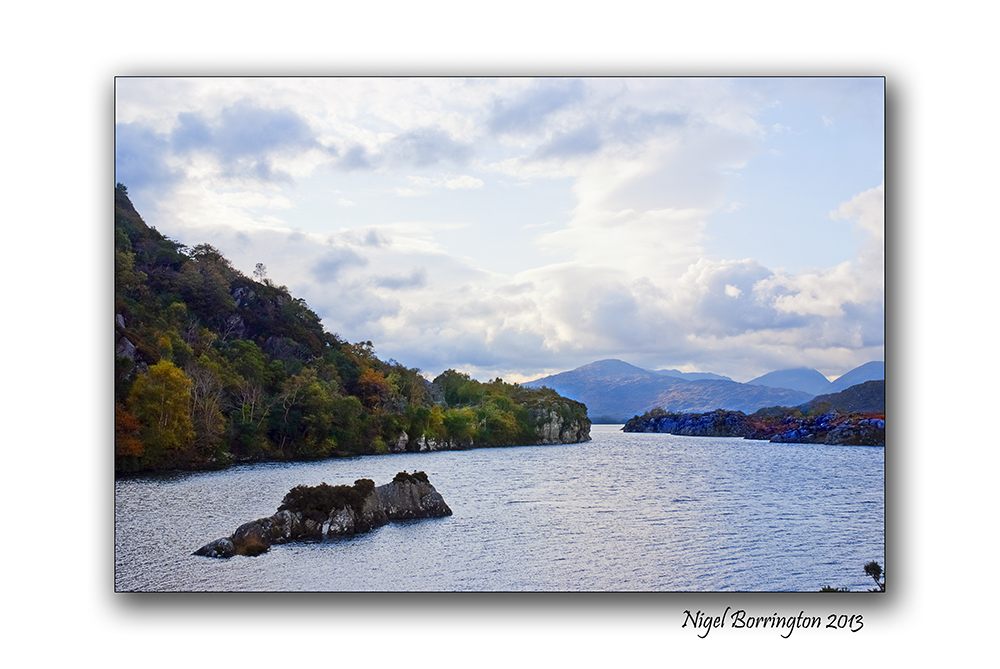
Out on the lakes of Killarney, Autumn time and colours
Autumn time in Ireland is a wonderful time to be a photographer or an artist, the landscape comes alive with colour.
There are many locations to be captured but one place I always think of at this time of year is the lakes at Killarney. It is possible to do boat trips around the lakes here almost all year around and hiring a small boat is great fun.
These images are taken from auch a boat you can see in the first image with some taken on parts of the banks of the lake that would just not reachable with out use of this boats.
It’s great fun to do something like this packing an lunch, loading a camera and tripod in to the boat and just heading off for the day.
The lakes of Killarney, an Autumn gallery




Compact Cameras and their image sensor size.

Canon G1x and Nikon P7000
Digital Compacts and Sensor size
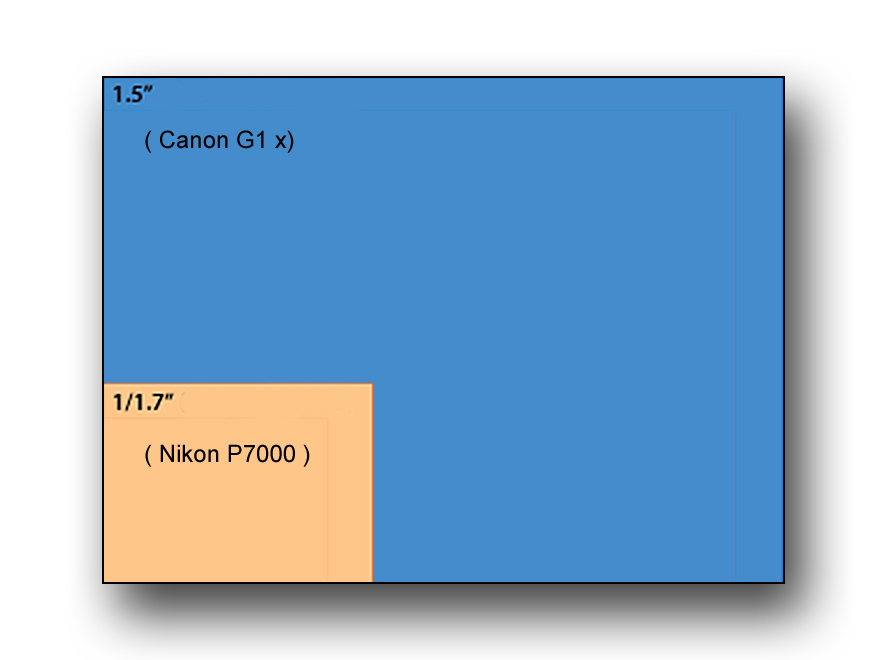
Ever since Digital cameras became available to the professional and the Consumer market alike there has been an ongoing debate about the sensor size that the manufacture selects for each Model.
You can see all the possible types and sizes of sensors here : Image Sensor types and sizes
As well as SLR cameras , I own two cameras that have sensor sizes below what most people, stereotypically would consider are professional, by which people mean that you would be able to sell the images to be printed in magazines or used for commercial reasons.
Most of the time I use these cameras when I know that their images will be used for the Internet or for personal reasons like Holidays or Family pictures.
However the Boss of Nikon-USA last year made a statement that the size of the sensor is now being made less important than ever before, simply because the image quality being produced by most sensors over that of a pocket camera or an i-phone was increasing year on year.
His statement was sure to and did raise some debate, specially from the owners of very expensive Nikon Cameras !
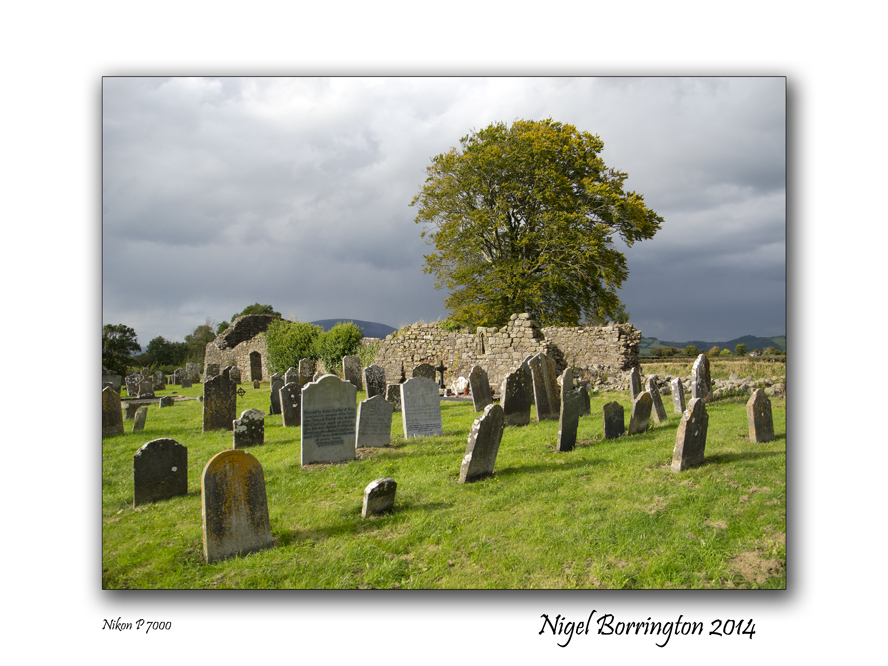
So , over the last few months I have taken a closer look at what he was talking about and the results are very interesting, below I have posted six images taken by a Nikon P7000 and then a Canon G1x , which as you can see from the diagram above on the left, has a much larger sensor that the other camera used here a Nikon P7000.
Many top end compact Cameras have a sensor size of 7.60mm x 5.70mm in size, the Canon G1x has a much larger sensor that measures 18.70mm x 14mm.
Many Photographers who make money selling images fell that the Canon G1x has a very acceptable image quality for a good 80% of image types and keep this compact-camera as a backup or as a carry anywhere camera. Sometimes a large and heavy SLR is just a pain to carry and makes you very conspicuous !!
So the question I was asking myself is , is there a big difference in image quality between these two Cameras here ?
Well the images below don’t appear to show many if any at all, the Nikon has a 10mp output and the Canon 14mp so if your are printing the images you could get a 36x27cm print from the little Canon and a 30cm x 23cm print from the Nikon, both at 300dpi.
This is a large surprise to me and I am sure could and would be questioned in a camera review lab but I am taking real world images from both sensor sizes and comparing them.
In all other respects I can see little defects in the RAW images coming from the Nikon as opposed to the Canon, the Colors are very good they both contain about the same level of detail in the shadow areas and the highlights such as bright areas of sky and clouds and have an image noise level that is acceptable.
So is the Boss of Nikon America correct, well yes, in many respects from looking at the results of most cameras with a sensor size of and over the 1/1.7″, with these sensors you will get some great images provided the camera itself is designed to let you do so!
Will I be throwing my full sized sensor SLR in the bin , well NO! not just yet but it is very reassuring to know that at last you can take these kind of cameras anywhere (Holidays, long walks, tops of mountains and family events) and get very good results , something that has not always been the case!
Just as some final comments,
At some point I will compare these cameras to my SLR and study these difference’s, However the very fact that a close study of the image quality difference’s is even needed shows just how good top end compact cameras have become.
I started the post by saying that this area , sensor size has always been a hot topic and it always will be but you will hear many people tell you that a type of camera is not good, when you ask “OH!!! why ?” they will bring up areas such as depth of field being Shallower with full frame sensor slr’s, very true , what they will not say however is how often they need this ability and how often they use it !!
What they also leave out is that in Macro photography you want a much deeper depth of field, otherwise that Bee your trying to get a picture of will only have its head and not its body in focus!
Three images of the same image scene
Canon G1x followed by Nikon P7000


Thirteen Ways of Looking at a Blackbird, By : Wallace Stevens

Blackbird in the light of the Moon
Nature Photography : Nigel Borrington
Thirteen Ways of Looking at a Blackbird
By Wallace Stevens
I
Among twenty snowy mountains,
The only moving thing
Was the eye of the blackbird.
II
I was of three minds,
Like a tree
In which there are three blackbirds.
III
The blackbird whirled in the autumn winds.
It was a small part of the pantomime.
IV
A man and a woman
Are one.
A man and a woman and a blackbird
Are one.
V
I do not know which to prefer,
The beauty of inflections
Or the beauty of innuendoes,
The blackbird whistling
Or just after.
VI
Icicles filled the long window
With barbaric glass.
The shadow of the blackbird
Crossed it, to and fro.
The mood
Traced in the shadow
An indecipherable cause.
VII
O thin men of Haddam,
Why do you imagine golden birds?
Do you not see how the blackbird
Walks around the feet
Of the women about you?
VIII
I know noble accents
And lucid, inescapable rhythms;
But I know, too,
That the blackbird is involved
In what I know.
IX
When the blackbird flew out of sight,
It marked the edge
Of one of many circles.
X
At the sight of blackbirds
Flying in a green light,
Even the bawds of euphony
Would cry out sharply.
XI
He rode over Connecticut
In a glass coach.
Once, a fear pierced him,
In that he mistook
The shadow of his equipage
For blackbirds.
XII
The river is moving.
The blackbird must be flying.
XIII
It was evening all afternoon.
It was snowing
And it was going to snow.
The blackbird sat
In the cedar-limbs.
The Glassblower , Images from Waterford crystal and a Poem By : Jeff Crandall
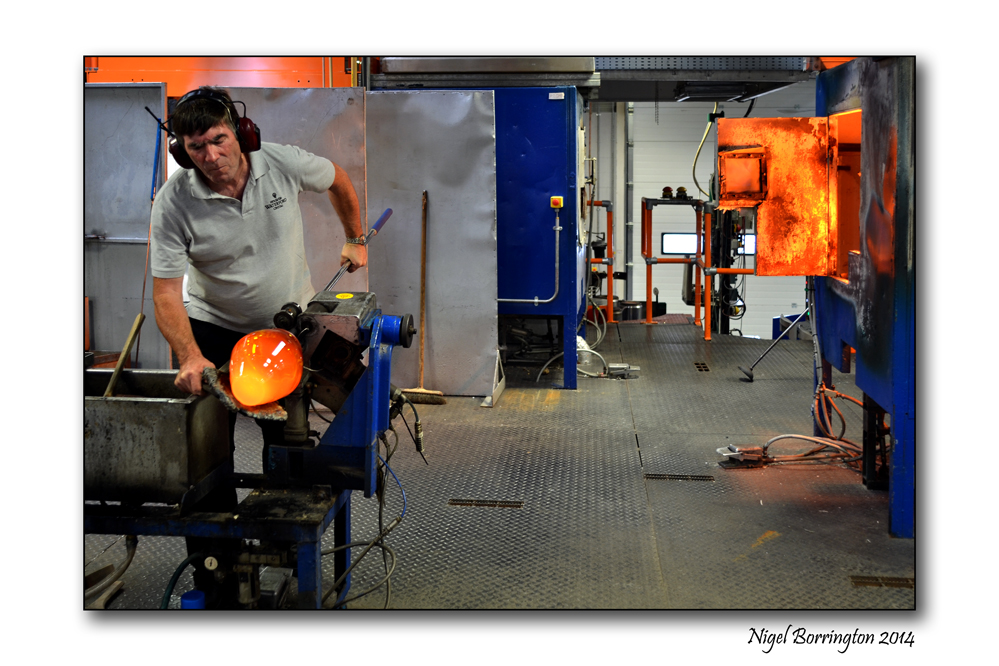
Waterford Crystal Glass blower
Photography : Nigel Borrington
The Glassblower
By : Jeff Crandall
This vessel has curves
pleasing to the eye, a soft lip,
a flat foot to rest on. I want to cup my palms
over the glowing color of its cooling,
but later. . . .
Now my eye is caught in the heat
of its final fire polish.
What dripped from the pipe
—radiant, thick as semen—
achieves fulfillment in the motions
of my own turning.
The amorphous, the malleable
awakens. There is a taste to the air here.
Steel. Iron in your mouth.

What formed at the glory hole
delicate as an adolescent
reflection in a mirror
cools in the first few minutes from that heat,
cools to the rigid shatter state.
If I hold this glass
suspended in the lit gas heat
I can watch it slump. I can let the thin walls
collapse and tear
back to a puddle of clear:

I wipe saliva from my chin.
I anneal myself with hugs.
I contain the polarized stresses.
I return to the cold of the holding shelf.

 Nigel Borrington
You must be logged in to post a comment.