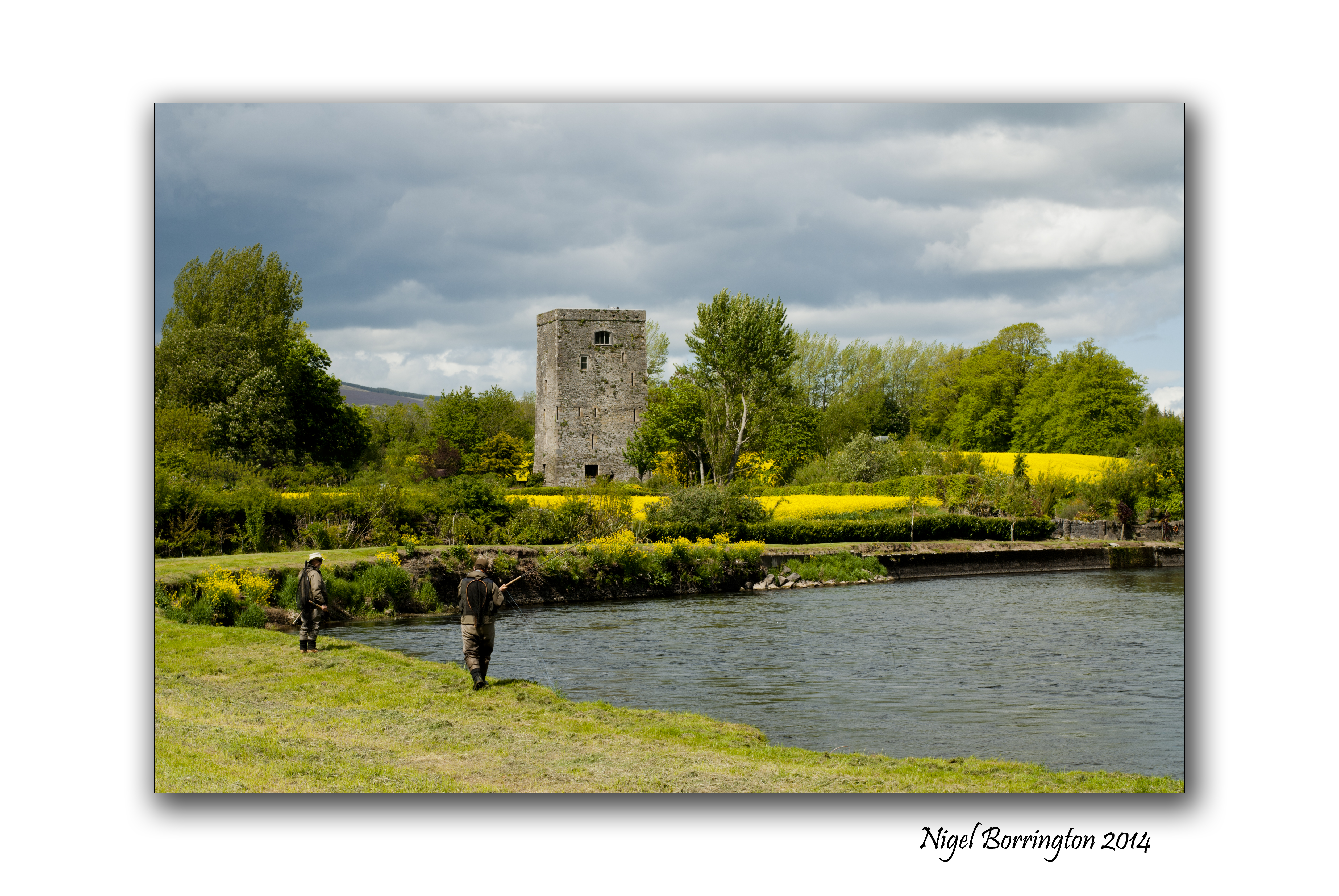
Single tree, By : Daniel Dawes

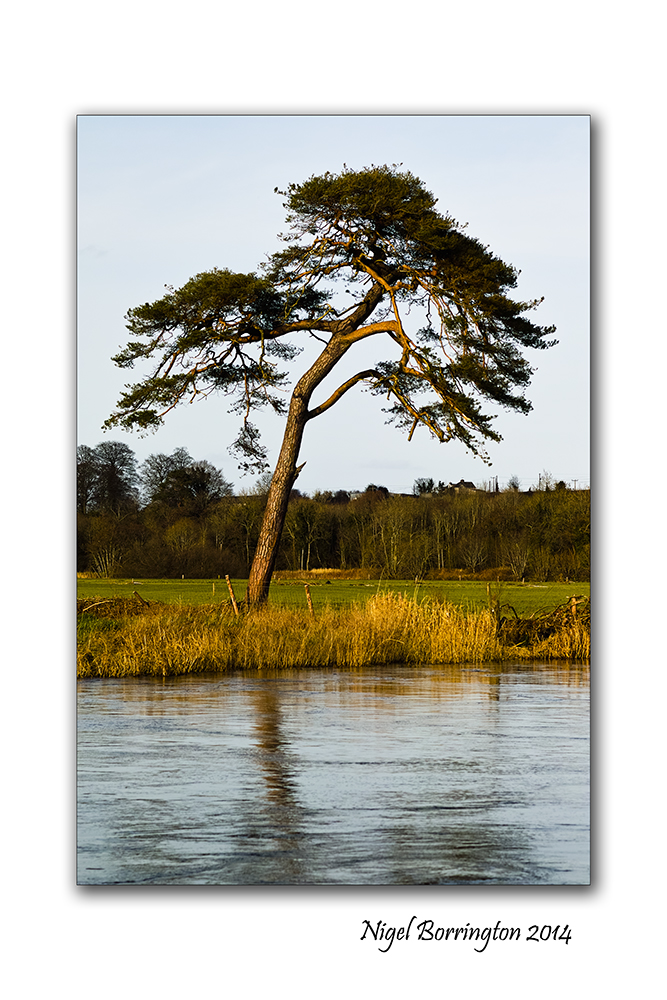
The Single tree on the river Barrow ,
County Kilkenny,
Landscape Photography : Nigel Borrington
Single tree
By : Daniel Dawes
I watch the light move across the land,
Gliding across the fields with ease,
Shades of green shifting constantly,
Darkness and light working together.
A single tree simply surviving,
Gracefully accepting all seasons,
Its deep roots keeping it grounded,
Its leaves allowing it to sing its song.
I watch its movement in the breeze,
I since its aliveness,
I feel its stillness,
I understand its far more than its label.
The invisible wind changes direction,
The sun falls behind the clouds,
It becomes colder,
The senses pick this up but the stillness remains.
A thought passes through my mind,
A simple question,
I choose to follow it,
It simply sits in my awareness.

What is this stillness?
That does not change with the environment,
That is unaffected by thought,
That senses the sensations.
I look back to the tree,
The awareness looks back at myself,
The mirror begins to reflect the same thing,
I thank the tree for its lesson.
The Heron by Linda Hogan

A Heron in flight, Galway bay, Ireland
Photography : Nigel Borrington
The Heron
by Linda Hogan
I am always watching
the single heron at its place
alone at water, its open eye,
one leg lifted
or wading without seeming to move.
 .
.
It is a mystery seen
but never touched
until this morning
when I lift it from its side
where it lays breathing.
I know the beak that could attack,
that unwavering golden eye
seeing me, my own saying I am harmless,
but if I had that eye, nothing would be safe.
The claws hold tight my hand,
its dun-brown feathers, and the gray
so perfectly laid down.
 .
.
The bird is more beautiful
than my hand, skin more graceful
than my foot, my own dark eye
so much more vulnerable,
the heart beating quickly,
its own language speaking,
You could kill me or help me.
I know you and I have no choice
but to give myself up
and in whatever supremacy of this moment,
hold your human hand
with my bent claws.
 .
.
– See more at: http://www.poets.org/viewmedia.php/prmMID/20151#sthash.WSe1sWRE.dpuf
The Pig, By : Roald Dahl

Pigs at Snowdon National park
Photography : Nigel Borrington
The Pig
Roald Dahl
Once there lived a big
And wonderfully clever pig.
To everybody it was plain
That Piggy had a massive brain.
He worked out sums inside his head,
There was no book he hadn’t read.
He knew what made an airplane fly,
He knew how engines worked and why.
He knew all this, but in the end
One question drove him round the bend:
He simply couldn’t puzzle out
What LIFE was really all about.
What was the reason for his birth?
Why was he placed upon this earth?
His giant brain went round and round.
Alas, no answer could be found.
Till suddenly one wondrous night.
All in a flash he saw the light.
He jumped up like a ballet dancer
And yelled, ‘By gum, I’ve got the answer! ‘
‘They want my bacon slice by slice
‘To sell at a tremendous price!
‘They want my tender juicy chops
‘To put in all the butcher’s shops!
‘They want my pork to make a roast
‘And that’s the part’ll cost the most!
‘They want my sausages in strings!
‘They even want my chitterlings!
‘The butcher’s shop! The carving knife!
‘That is the reason for my life! ‘
Such thoughts as these are not designed
To give a pig great piece of mind.
Next morning, in comes Farmer Bland,
A pail of pigswill in his hand,
And piggy with a mighty roar,
Bashes the farmer to the floor…
Now comes the rather grisly bit
So let’s not make too much of it,
Except that you must understand
That Piggy did eat Farmer Bland,
He ate him up from head to toe,
Chewing the pieces nice and slow.
It took an hour to reach the feet,
Because there was so much to eat,
And when he finished, Pig, of course,
Felt absolutely no remorse.
Slowly he scratched his brainy head
And with a little smile he said,
‘I had a fairly powerful hunch
‘That he might have me for his lunch.
‘And so, because I feared the worst,
‘I thought I’d better eat him first.’
Tetrapod Trackway – The Oldest footprints in the world

Valentia Island coast line, county Kerry
Irish landscape photography : Nigel Borrington
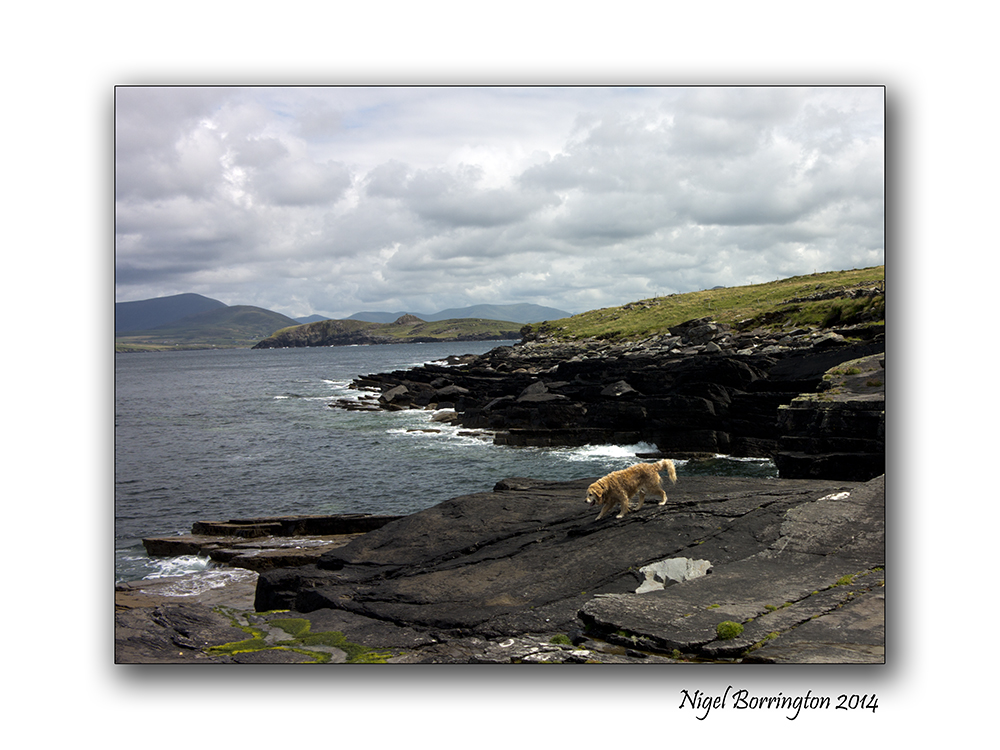
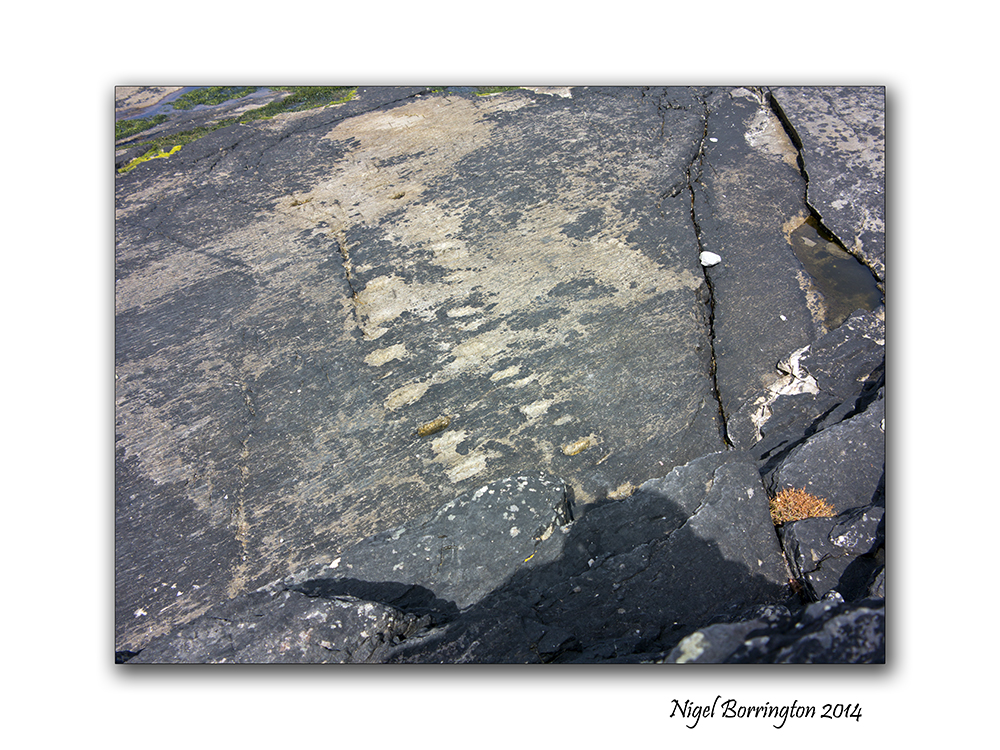
Last year while staying in county Kerry for a holiday and on a walk around the coast line of Valentia Island we came across a sign for a Tetrapod track way and just had to go and have a look. The Track-way is down a path to the rocky sea front and ends at a rope that you stand behind to view the footprints in the rock.
It is a little difficult at first to see the prints but if you wait for the right light you can see them very clearly. Its hard to imagine the significance of these prints, about 350 millions years ago a four legged Tetrapod took a walk along a beach and left its prints in the sand this sand then over millions of years turned into rock that now resides thousands of miles away from it original location, forming the west coast of Ireland.
The only four legged animal this day was our dog Molly who as you can see just had to go and have a look at the remains her ancestor’s left.
Tetrapod Track-way

The Tetrapod imprints are thought to date from Devonian times – somewhere between 350 and 370 million years ago. This site is of international significance as it represents the transition of life from water to land – a momentous turning point in evolution and provides the oldest reliably dated evidence of four legged vertebrates (amphibians) moving over land. The Valentia Island Tetrapod footprints are the most extensive of the four Devonian trackways in the world. (The others are in Tarbet Ness, Scotland; Genoa River, NSW Australia; Glen Isla, Victoria Australia). Access to the track way is by a pathway down to the rocks.
Tetrapod footprints, Gallery


Warmer days, down by the river.

The River Suir, May 2013
Irish Landscape Photography : Nigel Borrington
Today could the the first day for weeks that we get no rain, the forecast is for a completely dry day, so in a effort to get my mind away from the bad weather I want to post some images from one of my best loved walks in the south east of Ireland.
These images are from May 2013 and show the River Suir in county Tipperary as she winds her way slowly towards the coast at Waterford Harbour, Myself and our Dog Molly do this walk many times but May just has to be one of the best Months. Life has returned to the river Banks with many birds and flowers returning. Molly just loves this walk as it offers her the chance to swim and walk along the river path for some miles.
These images show the views that will soon exist here and the recent floods will be a long forgotten part of this rivers annual cycle.
May on the River Suir, Gallery :




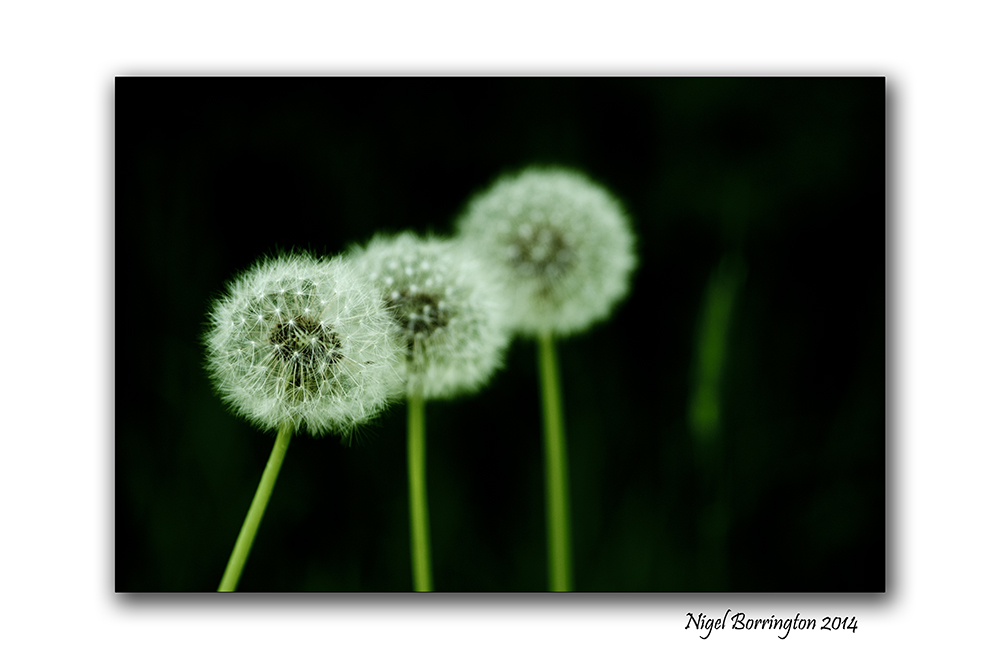

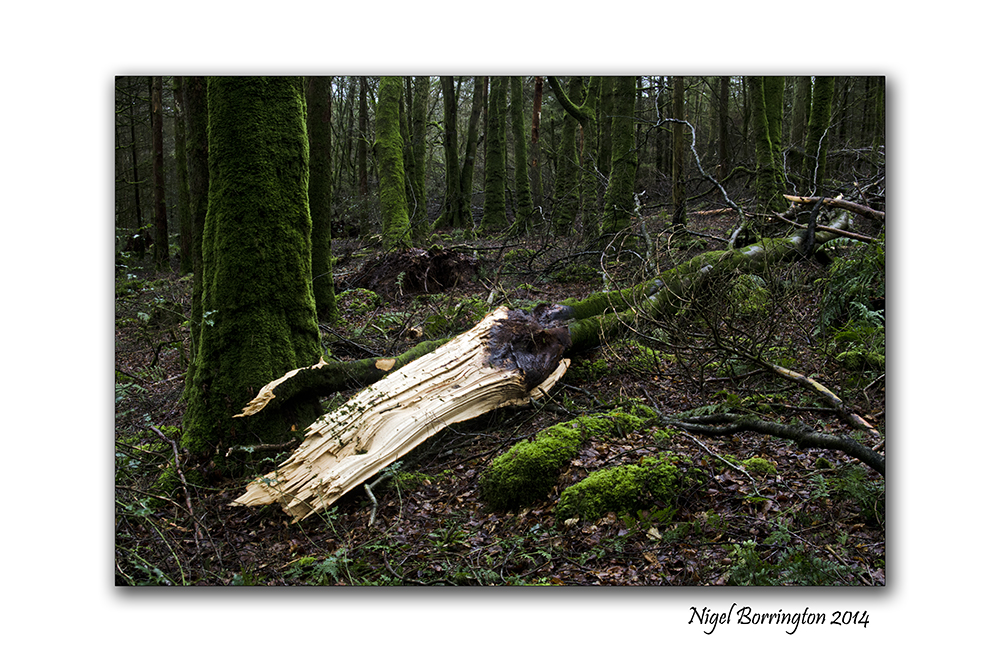
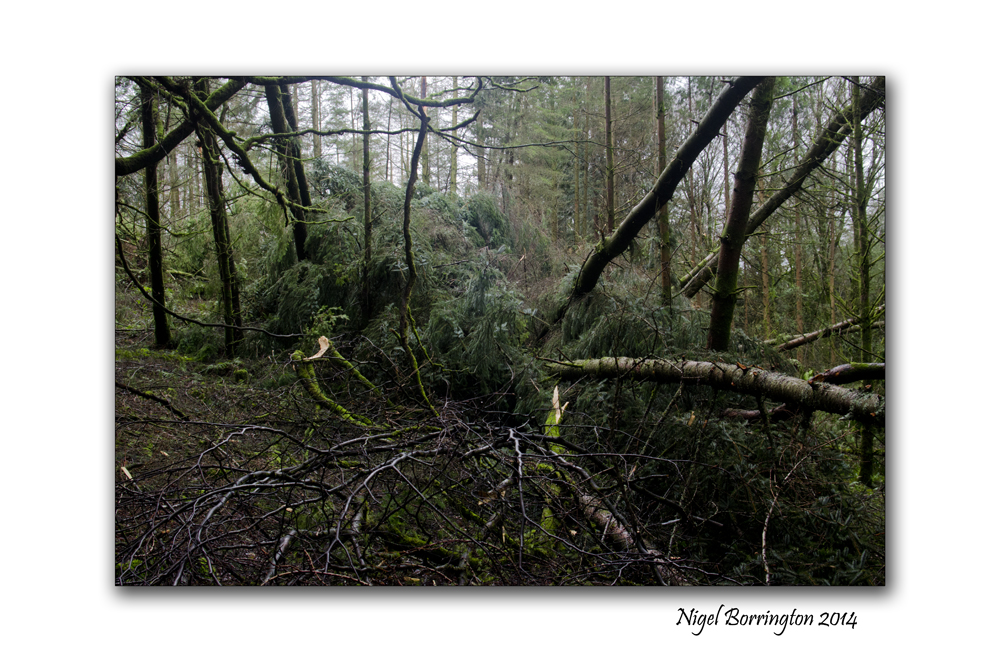
The woodlands of county Kilkenny after the storm
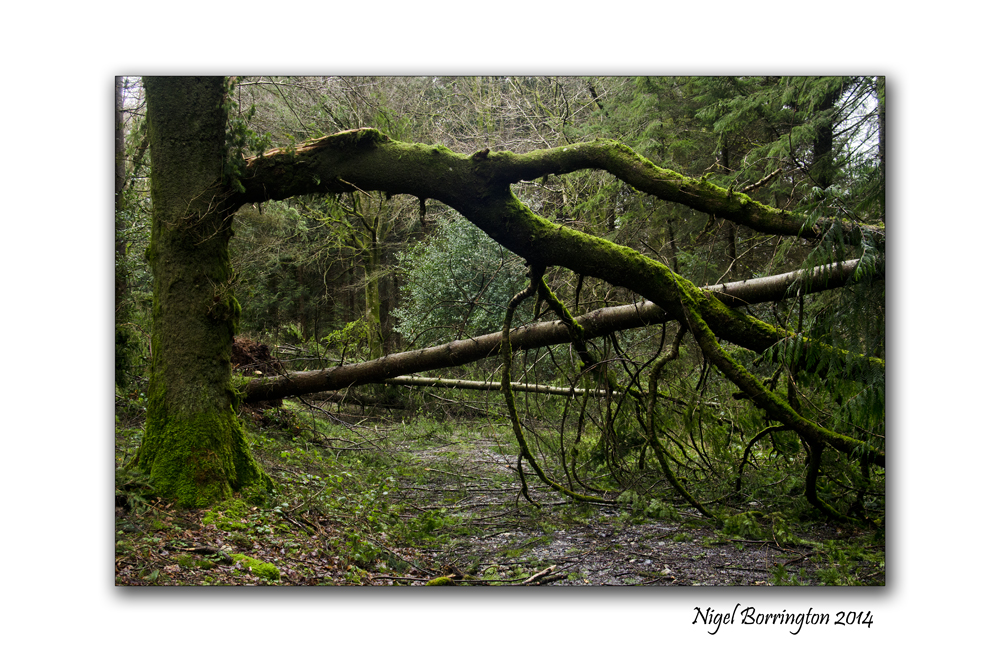
The woodlands of county Kilkenny after storm Darwin, February 2014
Irish Landscape Photography : Nigel Borrington
On Wednesday last week Ireland was hit by one of the biggest Storm’s for many years .
We have had a series of them over this winter and over 262mm of rain this year to date, I have posted over the last week or so about the flooded local rivers which I spend a lot of time walking along and the effects of all this rain is clear to see.
The other locations I do a lot of walking in however is county Kilkenny’s Forests and woodlands, the images below are taken in one of our local forests Castlemorris woodlands.
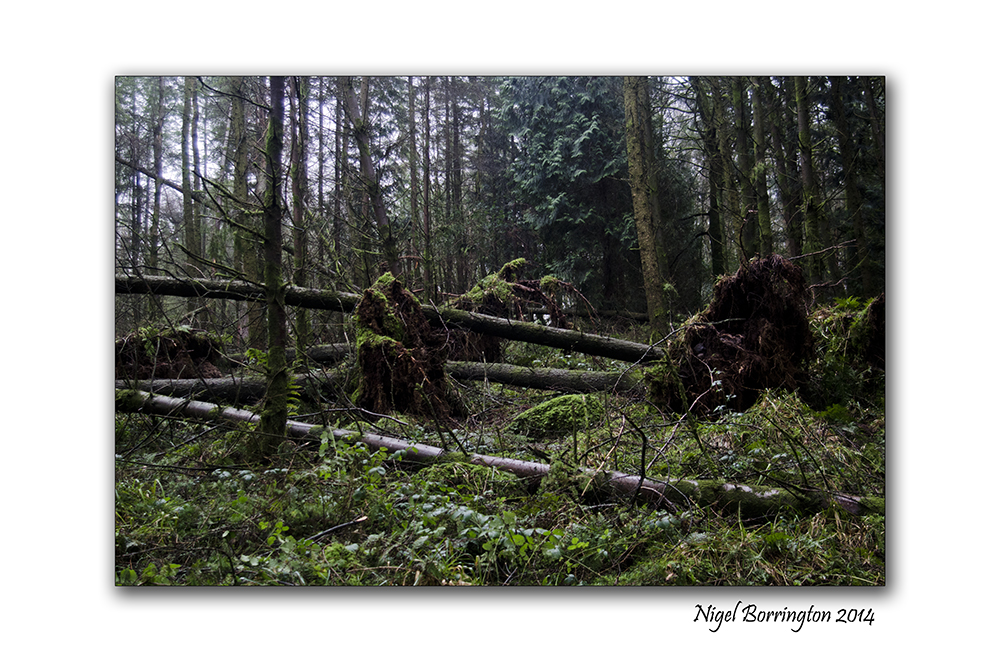
On this visit however I was in complete Awe of Nature and the power it holds, The forest has lost many of its great trees and I feel that the images can only get some of the sense across of just how bad this last storm was. I can only imagine the noise and the almost complete mayhem that these woods contained during the storm that powered its way through these trees.
Many of the trees have fallen and had their branches ripped from them, the visit was one of the most amazing I think I will ever have, it was silent apart from the sound of trees creaking in the wind , the sound of broken branches resting against other trees, survivors of the days storm. It was an amazing feeling, a real lesson in the power that nature holds.
You can see in the images that the path into the woods is completely blocked with fallen trees and it will take many days to clear these woodlands and return them to normal, many gaps with be visible and many trees missed.
I will let these images tell the rest of the story!!
Gallery





Kilkenny Photography , The river Barrow flooded
The flooded river Barrow , County Kilkenny
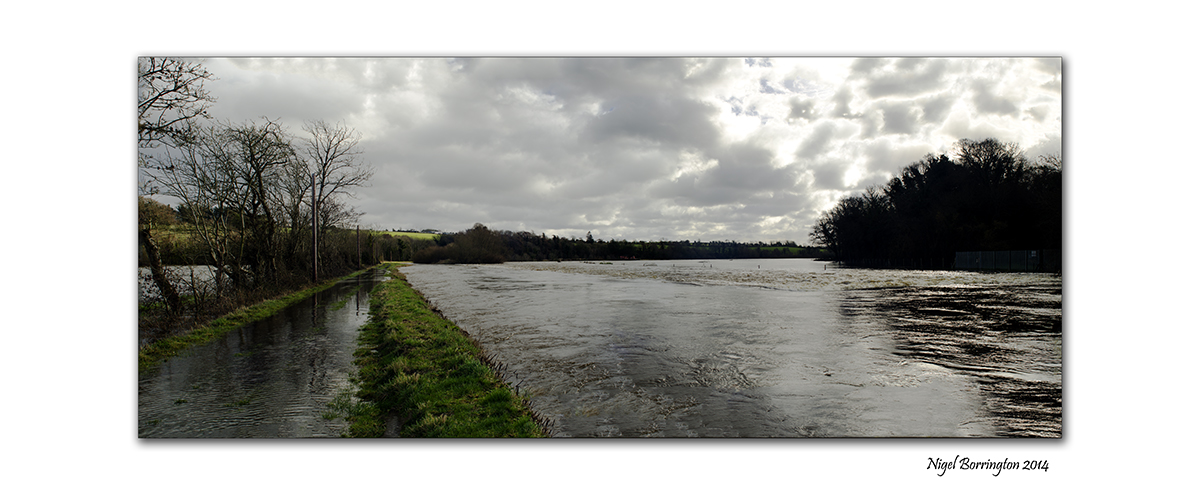
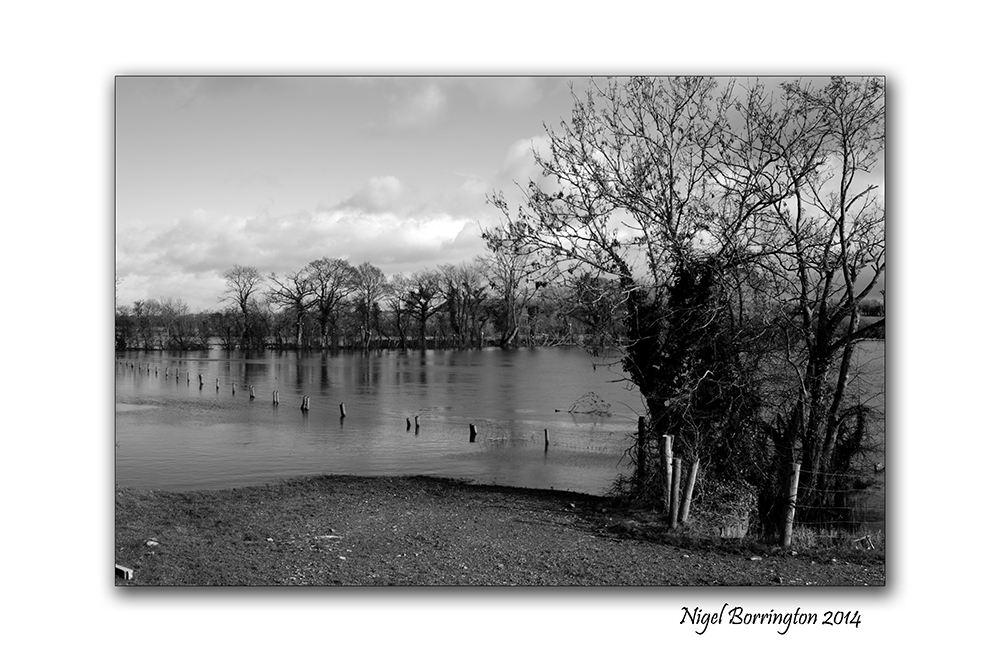
The aftermath of Storm Darwin
Irish Landscape photography : Nigel Borrington
Kilkenny’s river Barrow in flood
This weekend we lost our Broadband connect while our provider fixes some 18000 connection problems, mostly due to power supply problems.
I Wanted to record the after effects of storm Darwin, so spend a long time out and about getting images of the floods and the damage created in the counties forests.
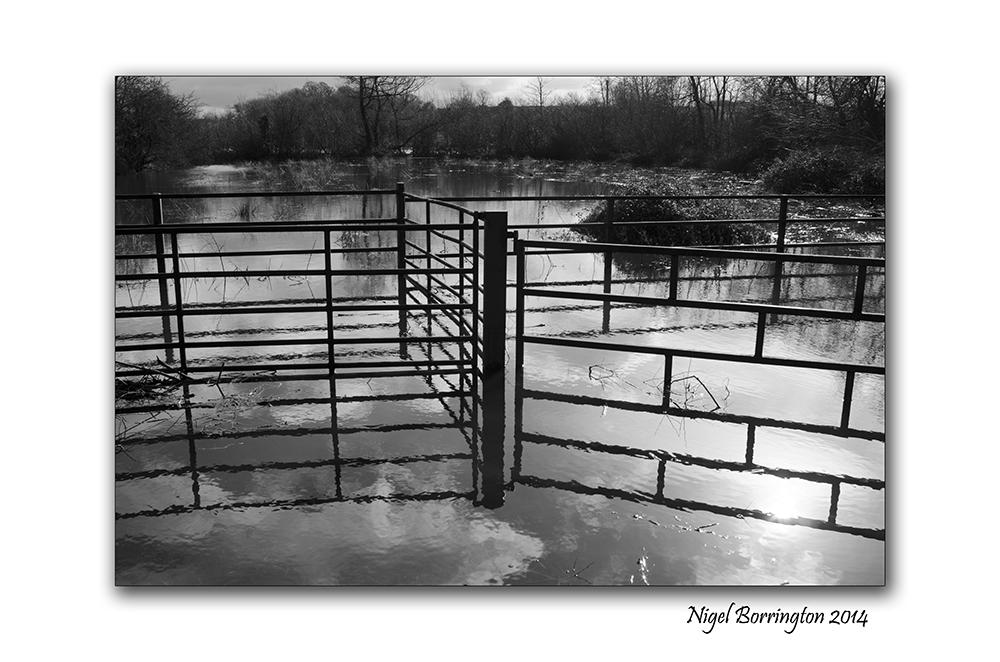
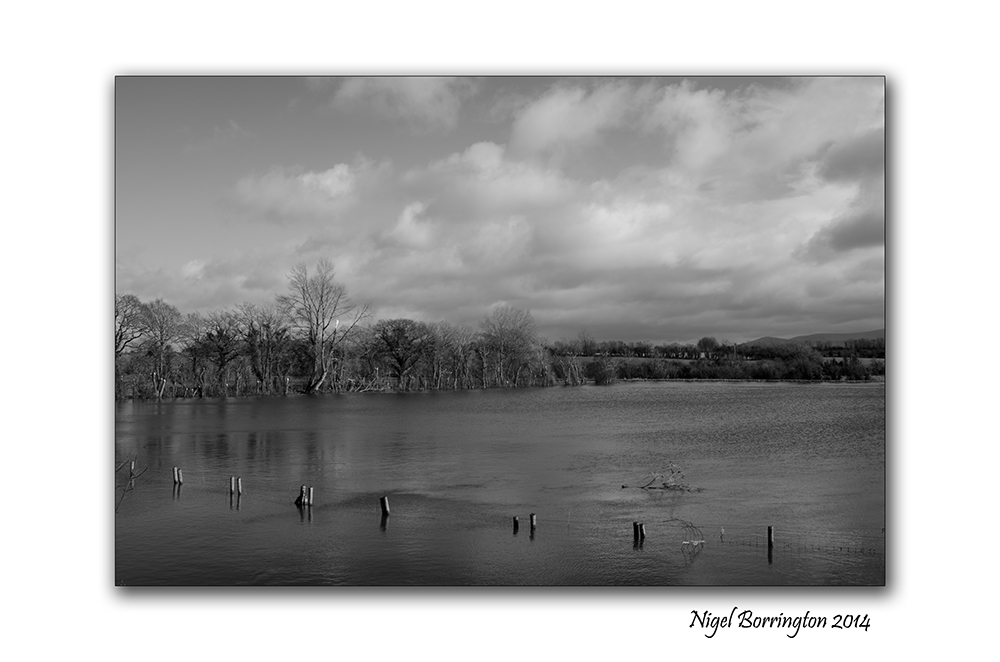
The images below are taken along the river Barrow , which is usually a very calm river that flows through the county. As you can see from these images however the entire valley and floodplain is many feet underwater and this water is flowing at full speed down through the county toward the county of Waterford.



Following the light .

Following the suns light through the trees
Castlemorris Woodlands , County KIlkenny
Irish Landscape Photography : Nigel Borrington
During the Winter months the Suns is sitting low in the sky for most of the day, this is a feature that I personally like a lot when taking images. Long shadows form on the landscape from woodlands and trees , hedge rows form deep and dark areas in your images during the morning and long into the afternoon.
What about the Sun in the deepness of the forests, its light finds it hard to penetrate far into the woodlands and onto forest floors.
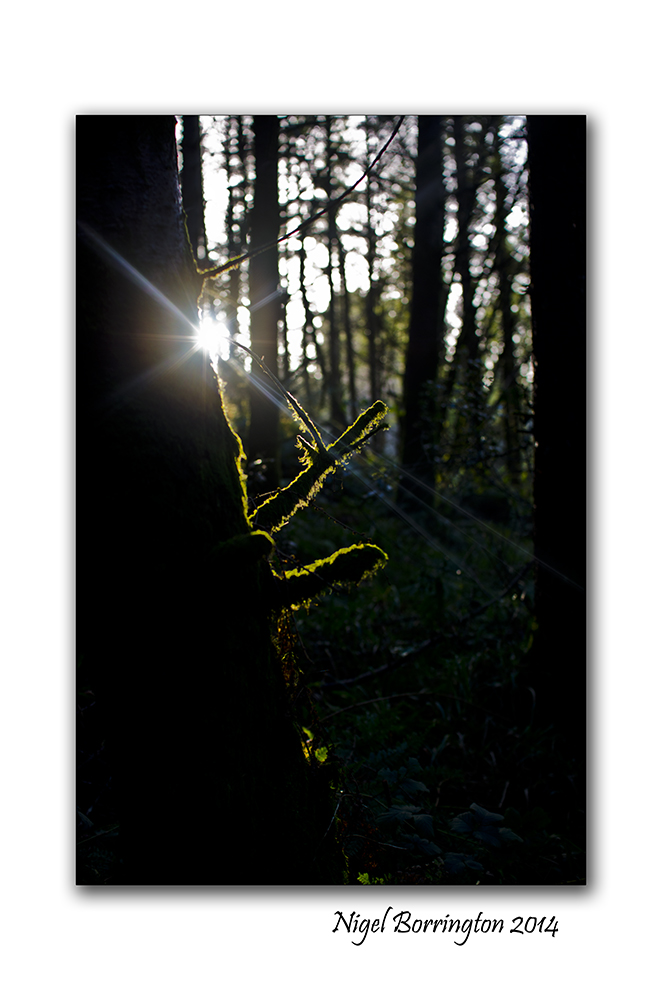
If you get as deep into the woods as you can and find an thinned area of old tall trees however the light that does get through can be used to wonderful effect, in the images below I did my best to capture the light that was getting through, making use of some moss covered rocked and the trunks of the trees themselves.
One thing I noticed was that if you position the sun right behind a tree , the light wraps its way around both sides of the trees in front of you, forming an outline of sun light.
I also very much like placing the sun on the very edge of the image or just outside it and using lens flare to bring a beam of light on to some of the rocks and plants.
Following the suns light through the trees: Gallery



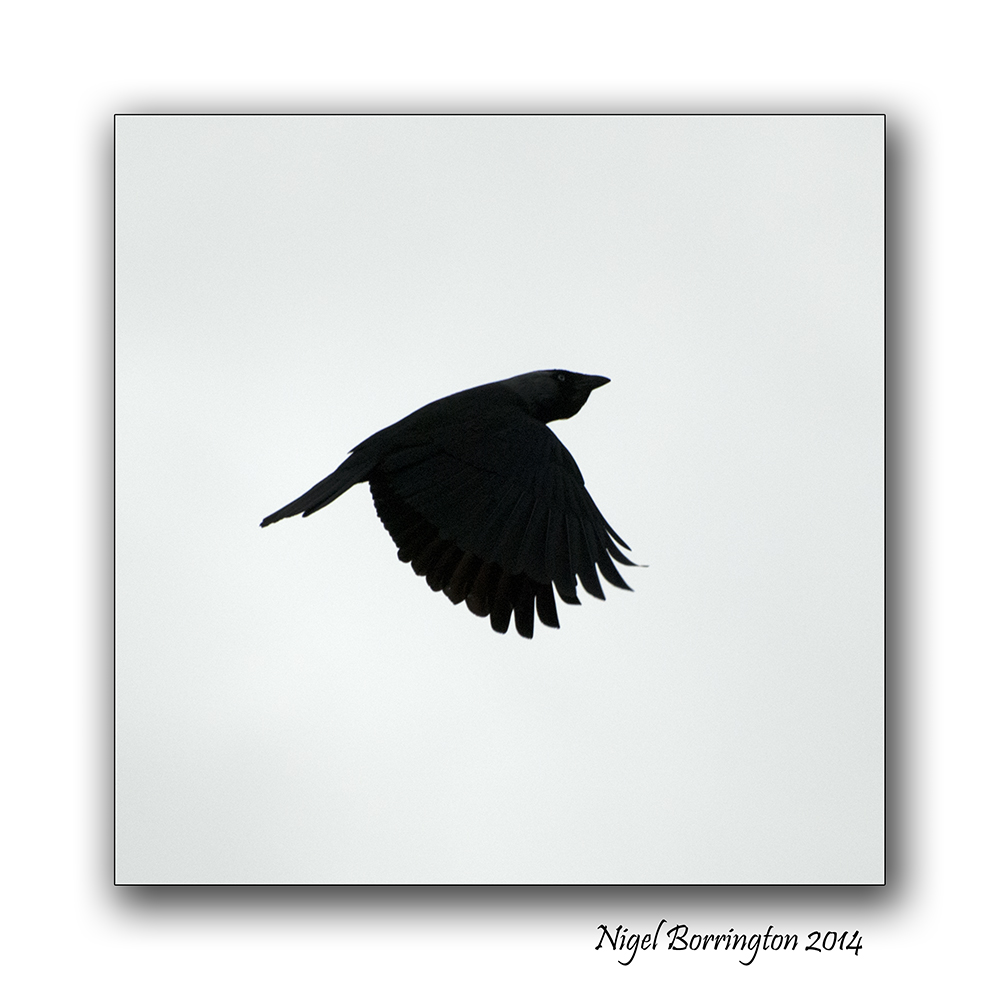
Fleeting bird, A poem – a moment in flight.

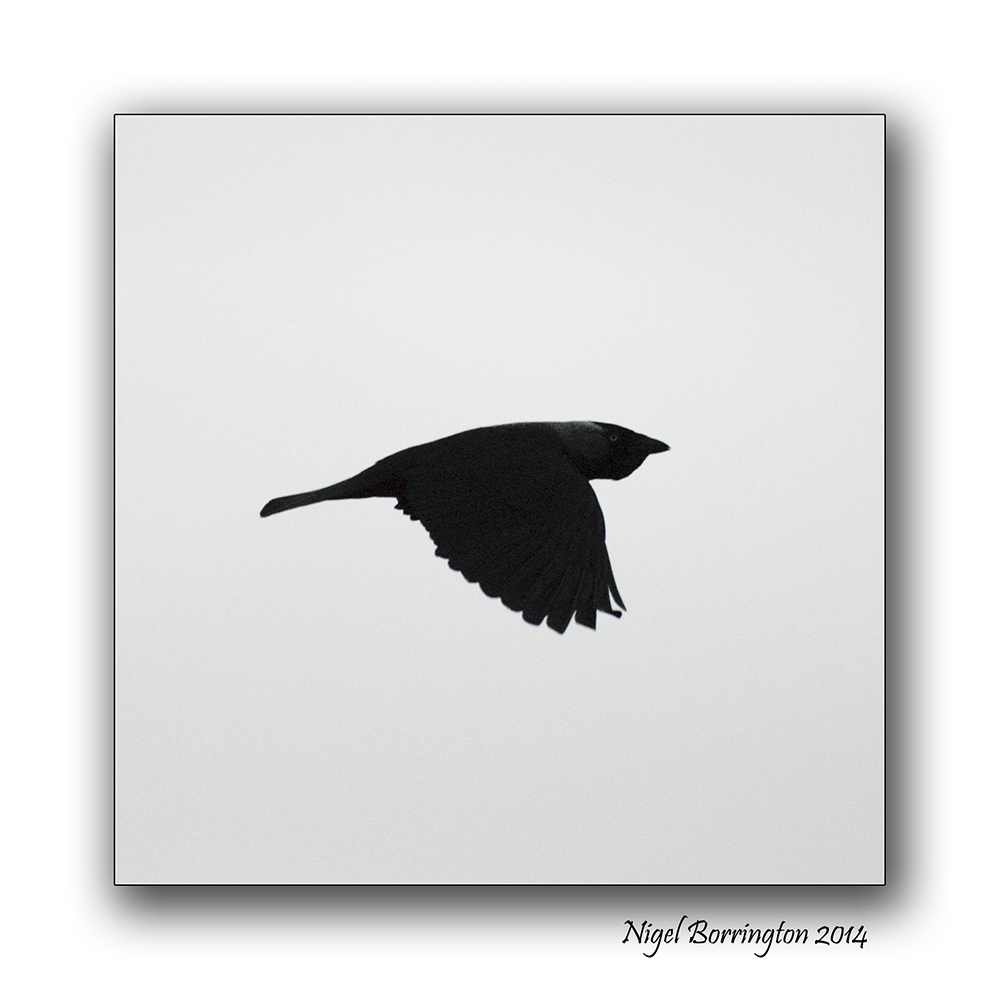
Capturing a birds flight.
Wildlife Photography : Nigel Borrington
Fleeting bird
Fleeting bird
With wingspan so large
Fleeting
Fleeting bird
I did not see you
until you got up to go
Fleeting bird
In the night
You flapped your wings
And went out of sight
I did not know you were there
Right in front of me
This whole time
Seeming to be watching
Waiting
But you withstood your time
And gave up
Before I could even
Glance up
Then flew away
with nothing
But the view
Of a great opportunity
Fleeting
Flying away


When the river floods

The River Suir, Kilsheelan, County Tipperary
Irish Landscape photography : Nigel Borrington
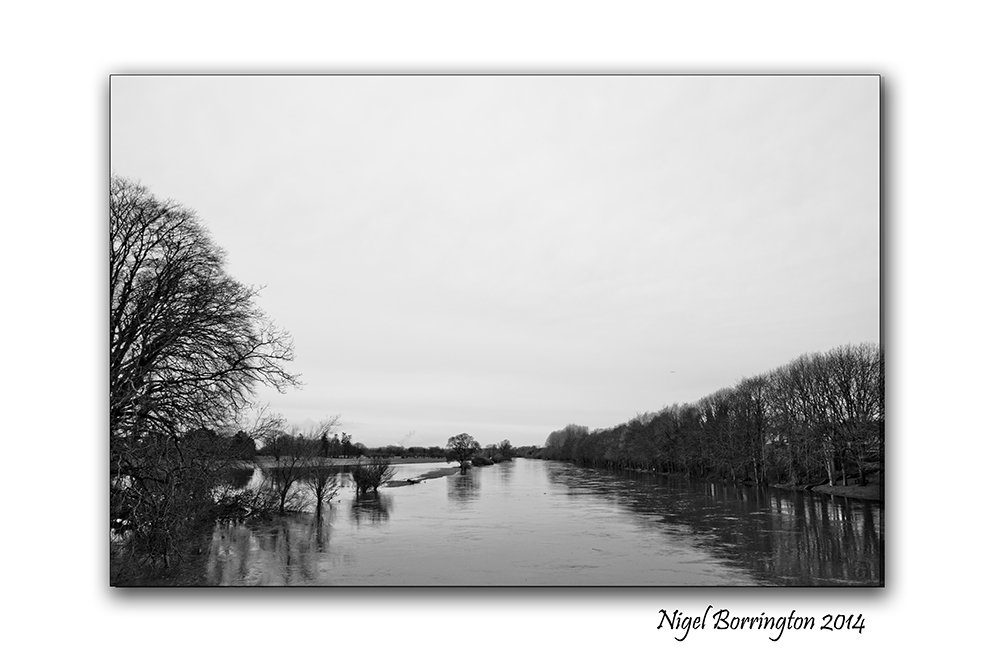
The power and energy of a flowing river has to be one of the wonders of nature, if you live anywhere near a river you will know very well the seasonal effects that wet and dry weather can bring to the environment of the river banks.
We have had about two months of very wet weather here In Ireland and it has created some of the worst floods for over a hundred years, in many towns along Ireland’s river banks.
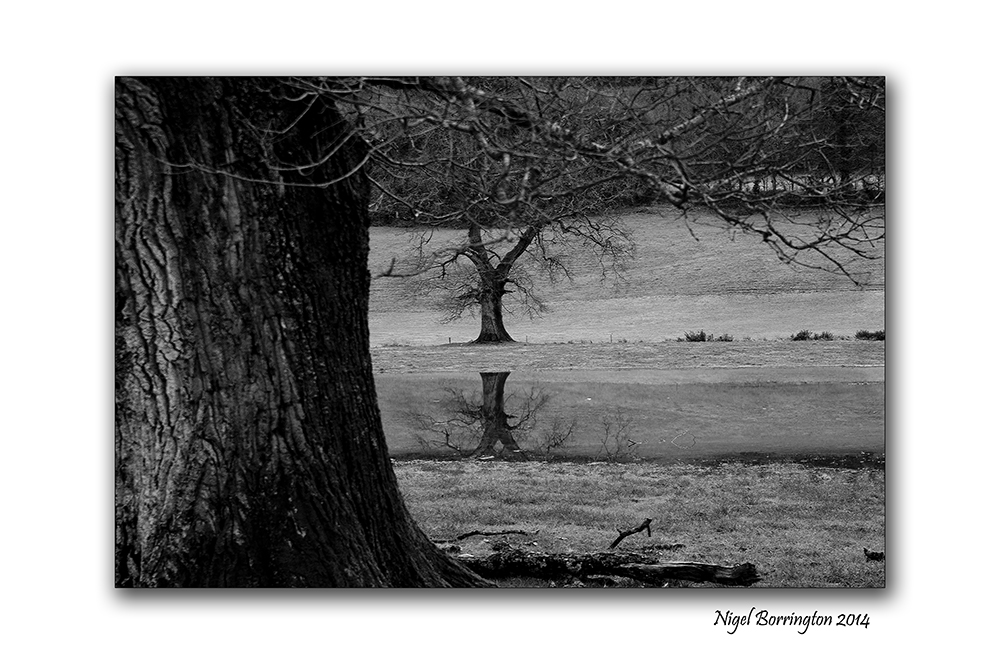
These images, I feel show the effects and power of the flooding river Suir, County Tipperary. The river level here is about eight foot higher than its normal level and none of the river banks can be walked along. Two the pictures show the posts of some steps that you walk through to get to the banks of the river, they are fully submerged under about 4 feet of water.
I took these images on Monday of this week, since then the water level is even higher.
The river Suir in flood : Gallery





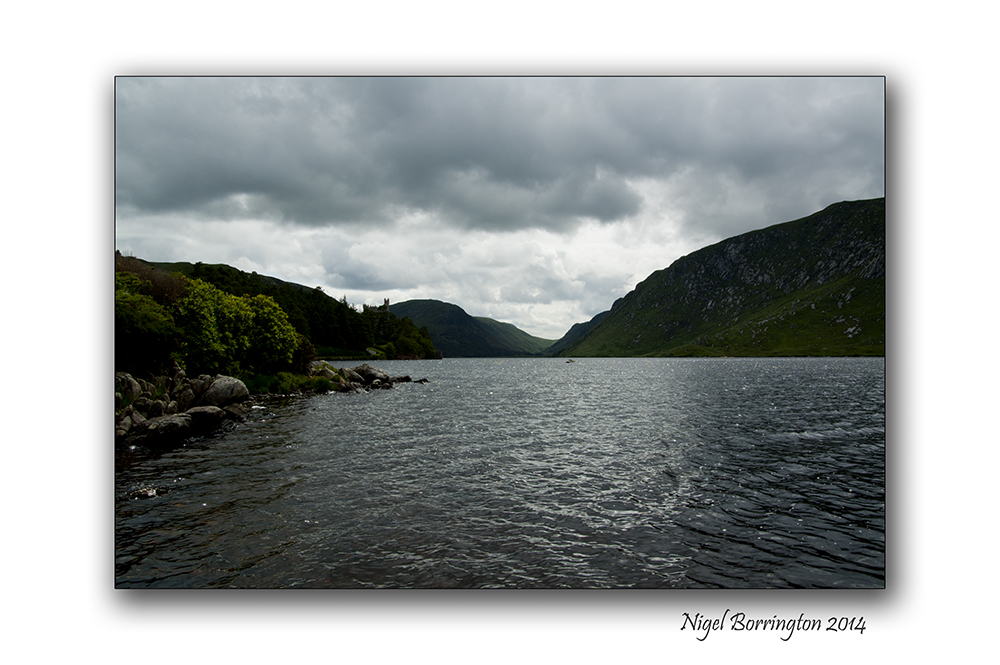
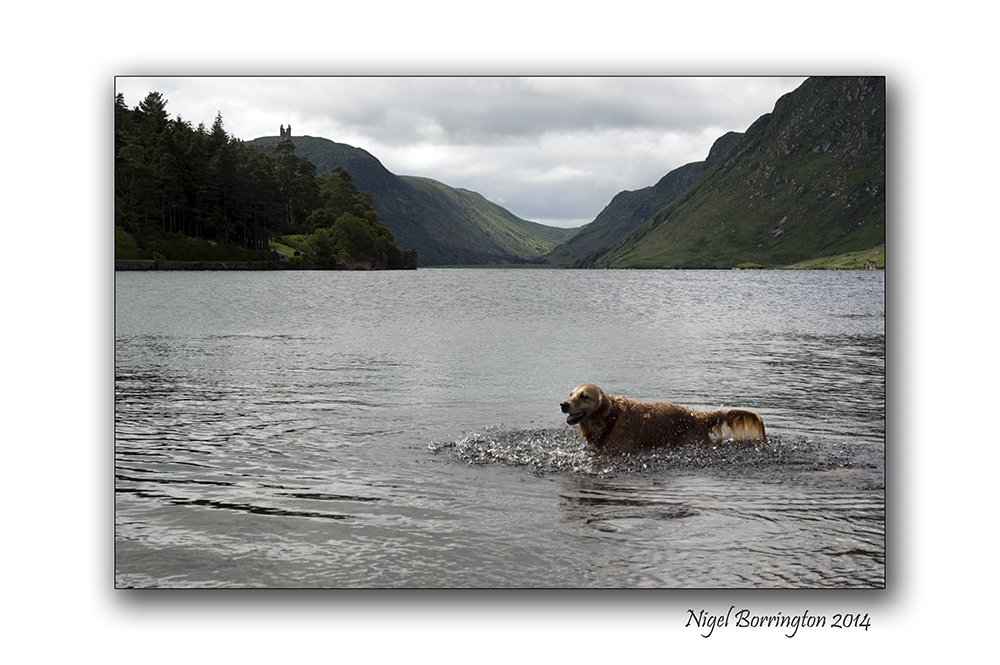
A swim at Glenveagh national park.
A swim at Glenveagh National Park
Irish landscape Photography : Nigel Borrington
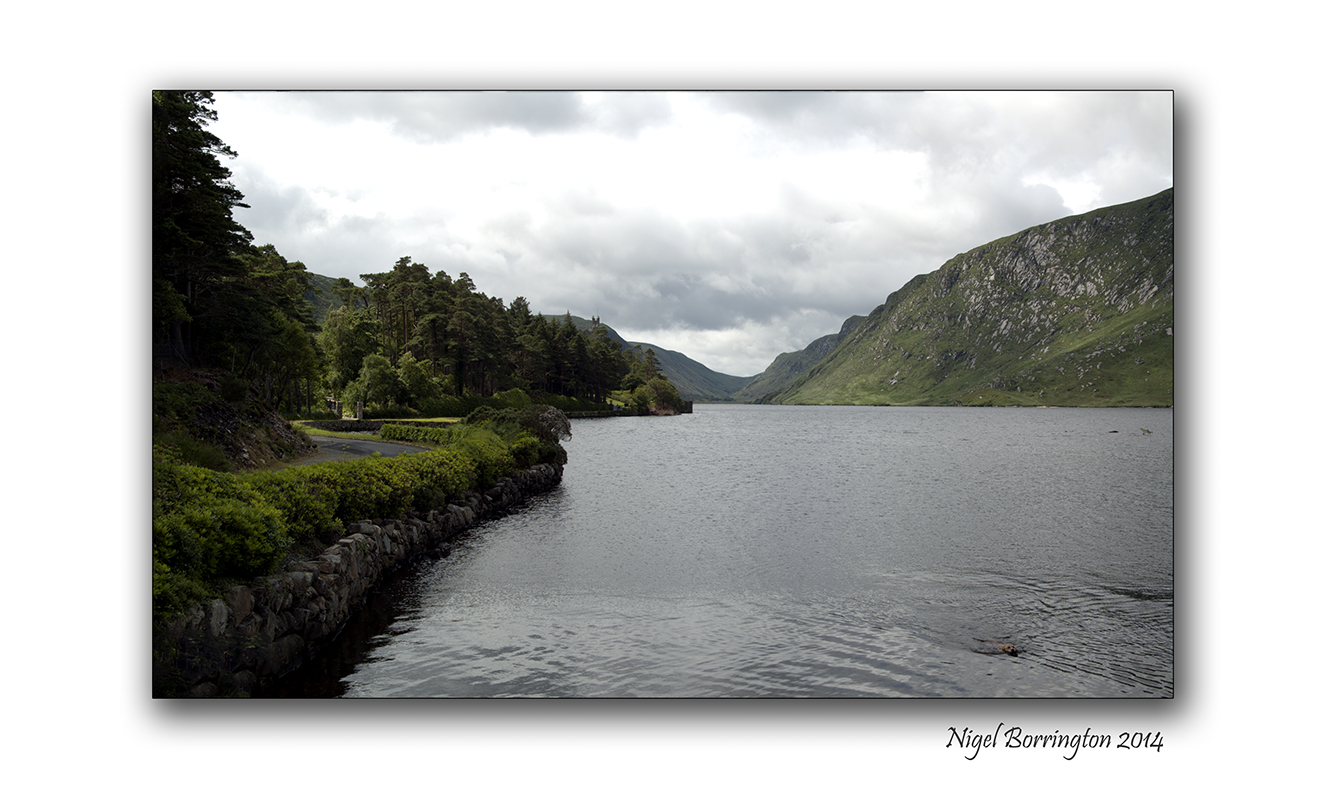
Molly is our ten year old Golden Retriever and she just loves the water, here are some images of her as she was taking a swim the the lake at the Glenveagh National Park, Co. Donegal.
Glenveagh National Park
Glenveagh National Park is one of six national parks in Ireland. Situated in the Northwest of Co. Donegal, Glenveagh encompasses some 16,000 hectares in the heart of the Derryveagh Mountains. Such a great wilderness is the haunt of many interesting plants and animals. These lands were managed as a private deer forest before becoming a national park in 1975. With the completion of public facilities Glenveagh National Park was officially opened to the public in 1986.
Gallery




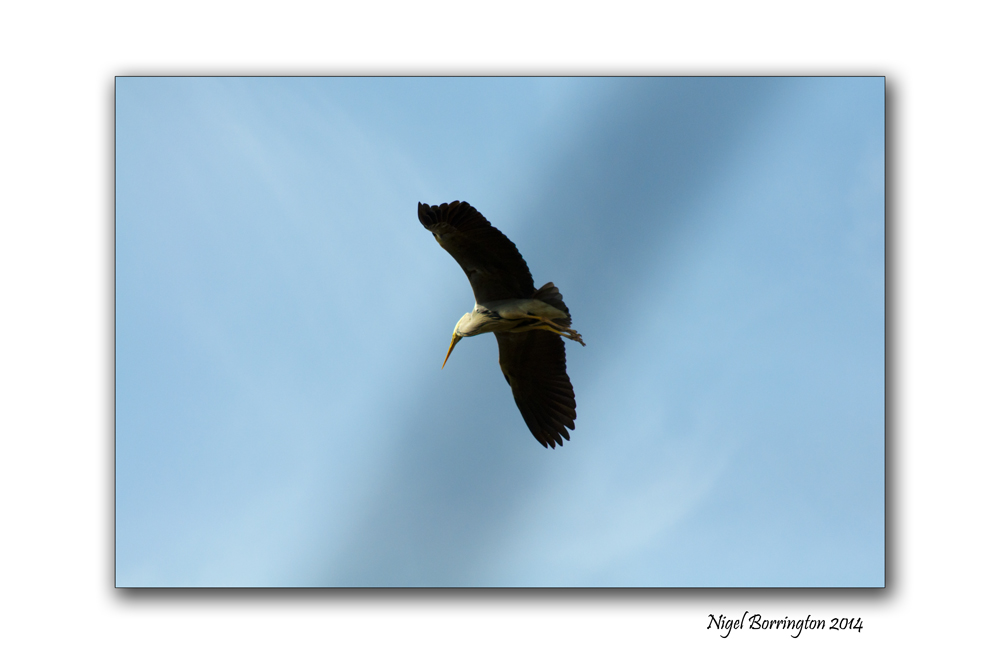
The Herons flight , Galway Bay.

Herons flying above Galway bay
Nature Photography Nigel Borrington
On a very enjoyable visit, I managed to Capture these Herons during a spring time visit to Galway Bay. At this time of year the Local Herons are hunting along the coast line for fish and getting ready to nest build in the spring.
To get these images I stood under some trees along side a beach and captured them as they flew above me.
The Herons flight : Gallery



Nature photography : Wood and Common Puffball Mushrooms.

Wood Mushrooms, Kilkenny woodlands
Irish Nature Photography : Nigel Borrington
Photographing and capturing Nature is something I love doing through out the year.
In January the woodlands are still full of life, it may be a little harder to find but it is still all around. Mushroom are enjoying a very mild winter here in Ireland and I managed to find and capture these (Wood Mushrooms and Common Puffball Mushrooms) yesterday in a local woodland nature reserve.
Gallery and details

Common Puff ball Mushrooms
Lycoperdon perlatum, popularly known as the common puffball, warted puffball, gem-studded puffball, or the devil’s snuff-box, is a species of puffball fungus in the family Agaricaceae. A widespread species with a cosmopolitan distribution, it is a medium-sized puffball with a round fruit body tapering to a wide stalk, and dimensions of 1.5 to 6 cm (0.6 to 2.4 in) wide by 3 to 7 cm (1.2 to 2.8 in) tall. It is off-white with a top covered in short spiny bumps or “jewels”, which are easily rubbed off to leave a netlike pattern on the surface. When mature it becomes brown, and a hole in the top opens to release spores in a burst when the body is compressed by touch or falling raindrops.
The puffball grows in fields, gardens, and along roadsides, as well as in grassy clearings in woods. It is edible when young and the internal flesh is completely white, although care must be taken to avoid confusion with immature fruit bodies of poisonous Amanita species. L. perlatum can usually be distinguished from other similar puffballs by differences in surface texture. Several chemical compounds have been isolated and identified from the fruit bodies of L. perlatum, including sterol derivatives, volatile compounds that give the puffball its flavor and odor, and the unusual amino acid lycoperdic acid. Laboratory tests indicate that extracts of the puffball have antimicrobial and antifungal activities.

Wood Mushrooms
This species was originally noted and named in 1753 by Carolus Linnaeus as Agaricus campestris. It was placed in the genus Psalliota by Lucien Quelet in 1872. Some variants have been isolated over the years, a few of which now have species status, for example, Agaricus bernardii Quel. (1878), Agaricus bisporus (J.E. Lange) Imbach (1946), Agaricus bitorquis (Quel.) Sacc. (1887), Agaricus cappellianus Hlavacek (1987), and Agaricus silvicola (Vittad.) Peck (1872).
Some were so similar they did not warrant even variant status, others have retained it e.g. Agaricus campestris var. equestris (F.H. Moller) Pilat (1951) is still valid, and presumably favors pasture where horses have been kept. Agaricus campestris var isabellinus (F.H. Moller) Pilat (1951), and Agaricus campestris var.radicatus, are possibly still valid too.
The specific epithet campestris is derived from the Latin campus “field”.
The cap is white, may have fine scales, and is 5 to 10 centimetres (2.0 to 3.9 in) in diameter; it is first hemispherical in shape before flattening out with maturity. The gills are initially pink, then red-brown and finally a dark brown, as is the spore print. The 3 to 10 centimetres (1.2 to 3.9 in) tall stipe is predominantly white and bears a single thin ring. The taste is mild. The white flesh bruises slightly reddish, as opposed to yellow in the inedible (and somewhat toxic) Agaricus xanthodermus and similar species.
The spores are 7–8 micrometres (0.00028–0.00031 in) by 4–5 micrometres (0.00016–0.00020 in), and ovate. Cheilocystidia are absent.
The first flowers of Spring
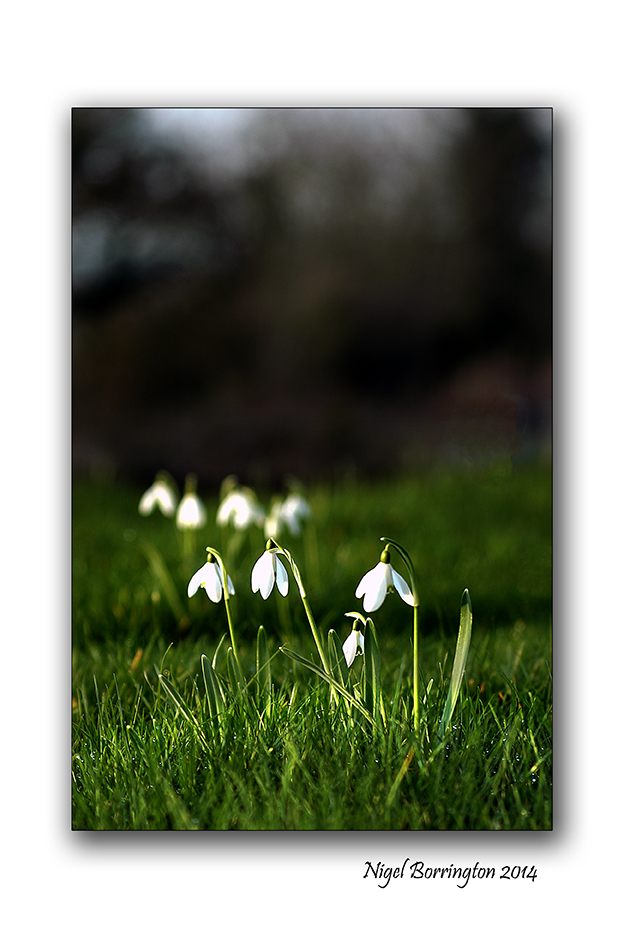
Snow drops, the first flowers of spring
Nature photography : Nigel Borrington
Each January The first flowers of spring are the snow drops, I love to see these flowers, the winter is not yet over, yet they bring into your mind the spring that will soon be here.
Snow drops…..
Early in the Spring

County Kilkenny, woodland landscape
Irish Landscape photography : Nigel Borrington
Early in the Spring
By : James Kent
Early in the spring
Not a leaf has struck the ground
The swallow has yet to sing
And the plowmen are no where to be found
Early in the spring
The forest stands still
And no creature dare come out
Before the sun rises o’er the hill
Early in the spring
The valley holds the morning dew
And its serenity may be captured
By only a certain few

.
Early in the spring
The trees turn, brown to green
Many changes occur
But few can be seen
Early in the spring
Or in the latter of fall
No matter the change of season
The evergreen stands tall
Rivers flow, Image Gallery
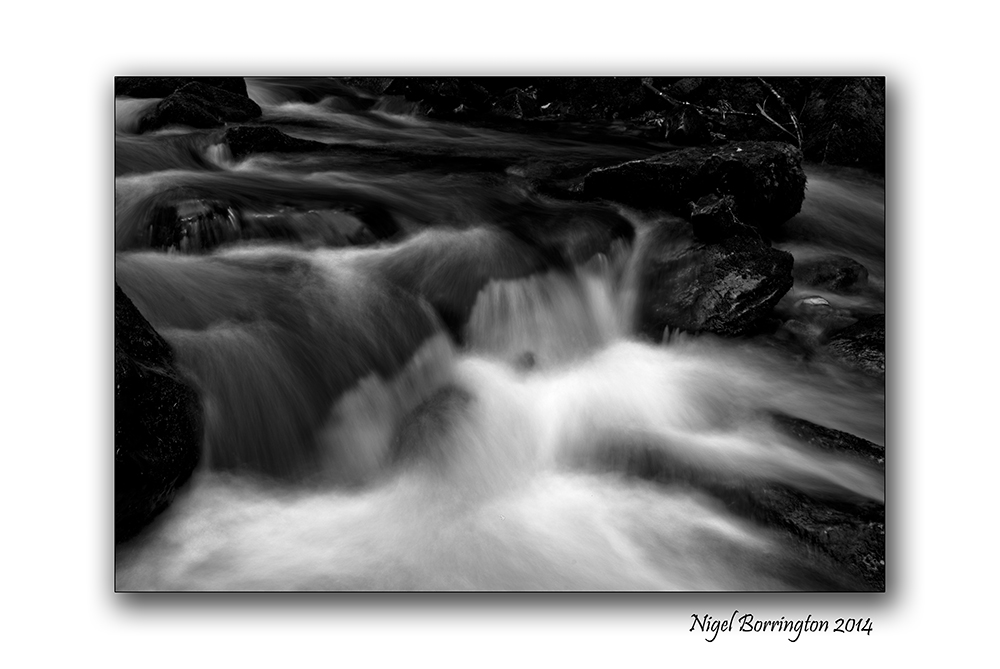
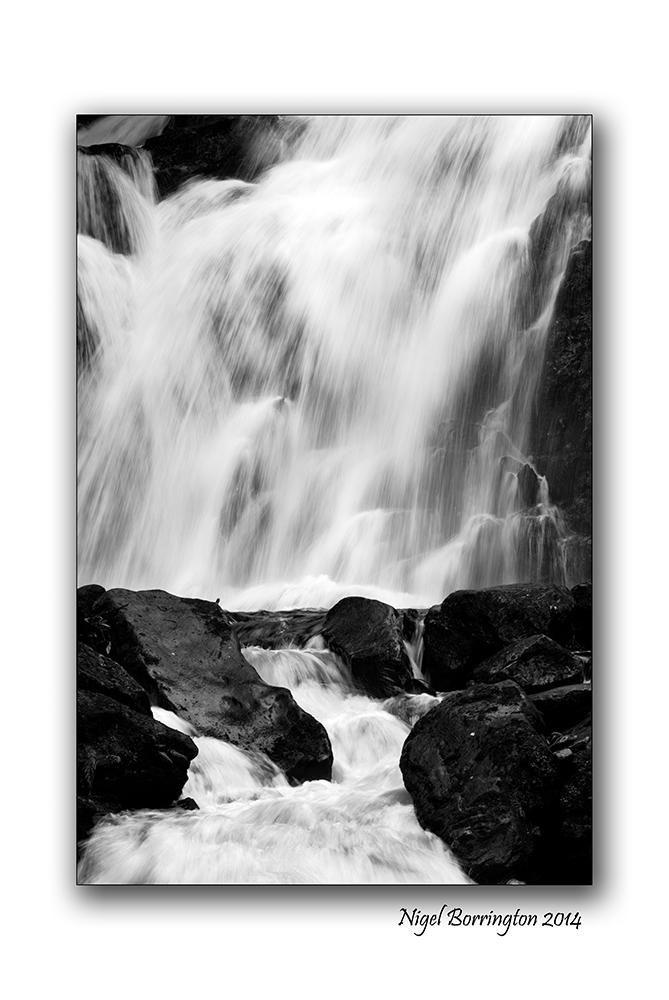
A Rivers flow
Irish Landscape Photography : Nigel Borrington
Just standing and watching the flow of a river when I am out walking I find an amazing thing to do , I love the challenge of capturing it even more. Placing a camera on a tripod and using a slow shutter speed about one second or so, it is not a technically difficult thing to do but getting a good composition is a little harder. I love the processing of searching out the best location in the river to place the camera and its usually well worth the time and effort.
I really enjoyed getting the images in this post and its a pleasure to share them.
Gallery




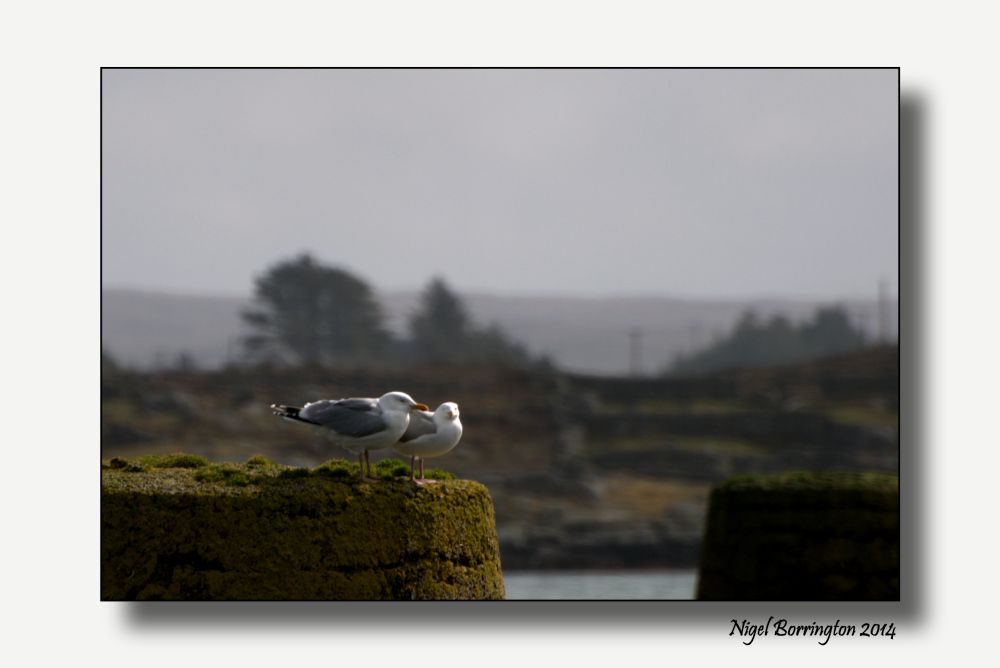
The Sea Gull’s of Galway bay, Poem: Edwin John Pratt

Sea gulls, on Galway bay
Irish nature Photography : Nigel Borrington
Sea Gulls
By : Edwin John Pratt
For one carved instant as they flew,
The language had no simile—
Silver, crystal, ivory
Were tarnished. Etched upon the horizon blue,
The frieze must go unchallenged, for the lift
And carriage of the wings would stain the drift
Of stars against a tropic indigo
Or dull the parable of snow.
 .
.
Now settling one by one
Within green hollows or where curled
Crests caught the spectrum from the sun,
A thousand wings are furled.
No clay-born lilies of the world
Could blow as free
As those wild orchids of the sea.
Found things; Birch Polypore in the January woodlands

Birch Polypore Funji
Irish Nature Photography : Nigel Borrington
Your may think the during the still month on January the woodlands are died and that nothing is growing, yet a closer look will bring you some well deserved surprises.
January for the woodland fungi is a perfect month, the winter rain and relative warmth of the trees bring perfect growing conditions, these Birch Polypore were growing in a woodland at the foot of Brandon hill, County kilkenny.
Birch Polypore
Description
The fruiting bodies (basidiocarps) are pale, with a smooth greyish-brown top surface, with the underside a creamy white and with hundreds of pores that contain the spores. The fruiting body has a rubbery texture, becoming corky with age. Wood decayed by the fungus, and cultures of its mycelium, often smell distinctly of green apples. The spores are cylindrical to ellipsoid in shape, and measure 3–6 by 1.5–2 μm.
P. betulinus has a bipolar mating system where monokaryons or germinating spores can only mate and form a fertile dikaryon with an individual that possesses a different mating-type factor. There are at least 33 different mating-type factors within the British population of this fungus. These factors are all variants or alleles of a single gene, as opposed to the tetrapolar mating system of some other basidiomycete species, which involves two genes.
Range and ecology
The geographic distribution of Piptoporus betulinus appears to be restricted to the Northern Hemisphere. There is some doubt about the ability of isolates from the European continent, North America and the British Isles to interbreed.
It is a necrotrophic parasite on weakened birches, and will cause brown rot and eventually death, being one of the most common fungi visible on dead birches. It is likely that the birch bracket fungus becomes established in small wounds and broken branches and may lie dormant for years, compartmentalised into a small area by the tree’s own defence mechanisms, until something occurs to weaken the tree. Fire, drought and suppression by other trees are common causes of such stress.
In most infections there is only one fungal individual present, but occasionally several individuals may be isolated from a single tree, and in these cases it is possible that the birch bracket fungus entered after something else killed the tree. These fungal “individuals” can sometimes be seen if a slice of brown-rotted birch wood is incubated in a plastic bag for several days. This allows the white mycelium of the fungus to grow out of the surface of the wood. If more than one individual dikaryon is present, lines of intraspecific antagonism form as the two individual mycelia interact and repel each other.
The fungus can harbor a large number of species of insects that depend on it for food and as breeding sites. In a large-scale study of over 2600 fruit bodies collected in eastern Canada, 257 species of arthropods, including 172 insects and 59 mites, were found. The fungus is eaten by the caterpillars of the fungus moth Nemaxera betulinella.
Gallery


Snow on snow, By James Hart
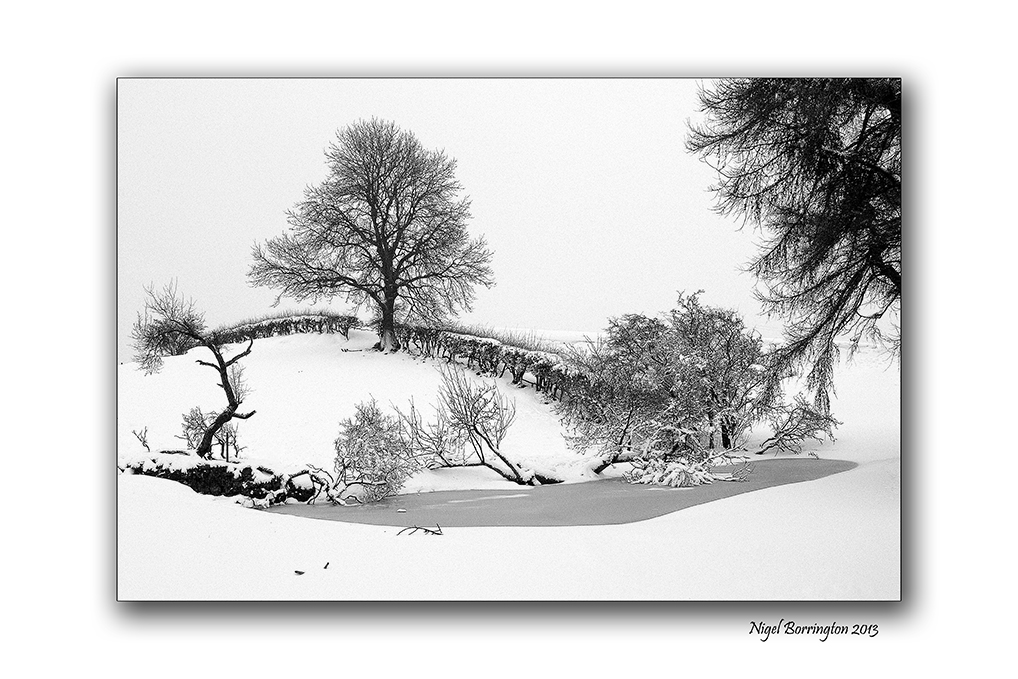
Snow covers the welsh hills
Landscape Photography : Nigel Borrington
It Christmas eve, so I felt it was time for a winters poem and a picture.
Happy Christmas everyone!
Snow on snow
By : James Hart
Snow on snow
Flakes gently falling
Like leaves from a tree
Asking permission
Before they land
On the snowflakes underneath
Each one different
Like leaves on a tree
A white carpet
Pure white till soiled
By children’s shoes
They love its touch
Ooo snowball fights
Snow doesn’t hurt
Snow is soft and forgiving
People hurt
They are selfish and cruel
So let it snow
Snow on snow on
Snow on snow
Midwinters day and the pagan goddess of the winter
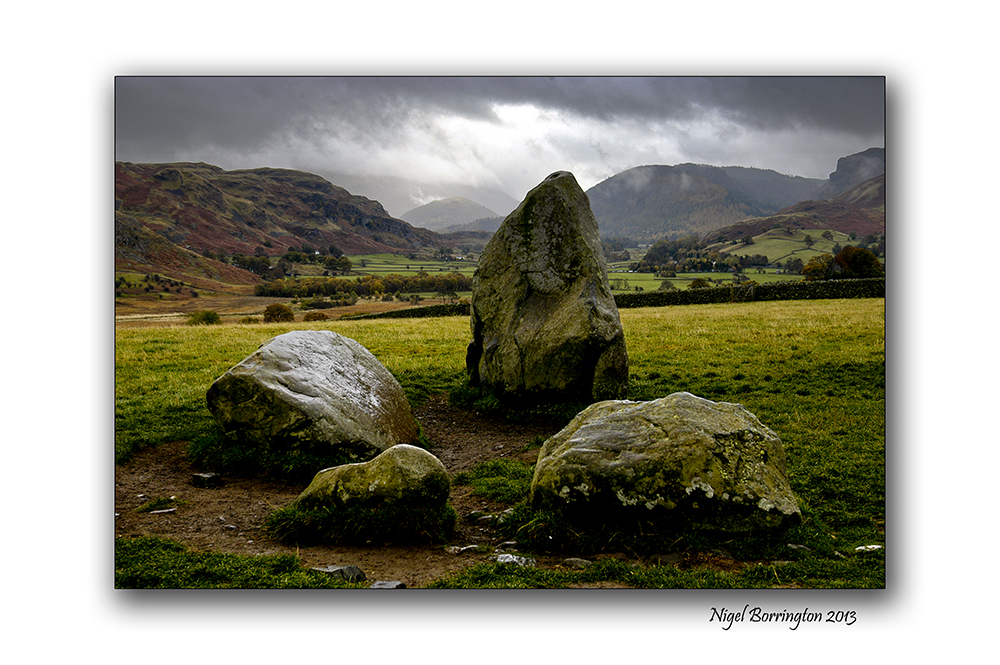
The stone circle at Castlerigg
Landscape photography: Nigel Borrington
Today is Mid winters day or the Winter Solstice.
History and cultural significance
The solstice itself may have been a special moment of the annual cycle of the year even during neolithic times. Astronomical events, which during ancient times controlled the mating of animals, sowing of crops and metering of winter reserves between harvests, show how various cultural mythologies and traditions have arisen. This is attested by physical remains in the layouts of late Neolithic and Bronze Age archaeological sites, such as Stonehenge in Britain and Newgrange in Ireland. The primary axes of both of these monuments seem to have been carefully aligned on a sight-line pointing to the winter solstice sunrise (Newgrange) and the winter solstice sunset (Stonehenge). Significant in respect of Stonehenge is the fact that the Great Trilithon was erected outwards from the centre of the monument, i.e., its smooth flat face was turned towards the midwinter Sun.
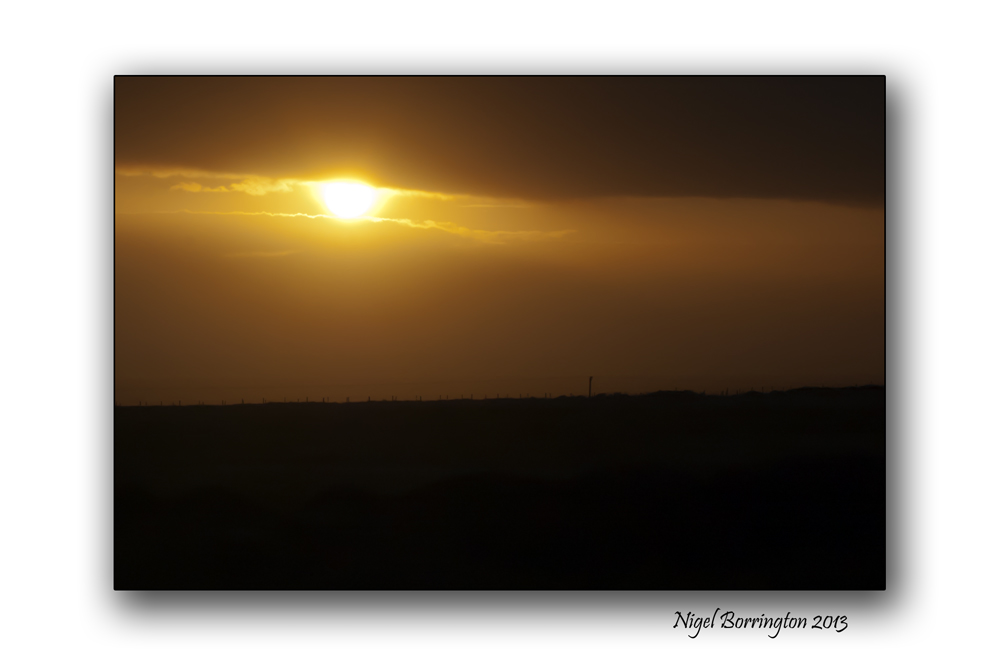
The Solstice Sun set.
The winter solstice may have been immensely important because communities were not certain of living through the winter, and had to be prepared during the previous nine months. Starvation was common during the first months of the winter, January to April (northern hemisphere) or July to October (southern hemisphere), also known as “the famine months”. In temperate climates, the midwinter festival was the last feast celebration, before deep winter began. Most cattle were slaughtered so they would not have to be fed during the winter, so it was almost the only time of year when a supply of fresh meat was available. The majority of wine and beer made during the year was finally fermented and ready for drinking at this time. The concentration of the observances were not always on the day commencing at midnight or at dawn, but the beginning of the pre-Romanized day, which falls on the previous eve.
Since the event is seen as the reversal of the Sun’s ebbing presence in the sky, concepts of the birth or rebirth of sun gods have been common and, in cultures using winter solstice based cyclic calendars, the year as reborn has been celebrated with regard to life-death-rebirth deities or new beginnings such as Hogmanay’s redding, a New Year cleaning tradition. Also reversal is yet another usual theme as in Saturnalia’s slave and master reversals.

CAILLEACH BHEUR : The Celtic Goddess of winter
CAILLEACH BHEUR : Scottish, Irish, Manx, Great Goddess in her Destroyer aspect; called “Veiled One”. Another name is Scota, from which Scotland comes. In parts of Britain she is the Goddess of Winter. She was an ancient Goddess of the pre-Celtic peoples of Ireland. She controlled the seasons and the weather; and was the goddess of earth and sky, moon and sun.
Memories of a Christmas past.

Snow on the foot hills of Slievenamon, Co.Tipperary
Irish Landscape Photography : Nigel Borrington
Well we are only 6 days away from Christmas day and like most people I have been wondering if we will get some snow for Christmas . This year however here in Ireland none has been predicted and it looks like there will only be rain.
So I thought I would post some pictures of the local fields back on Christmas day in 2011, covered in a wonderful white blanked of snow.
Gallery of a snow covered Landscape, Christmas 2011
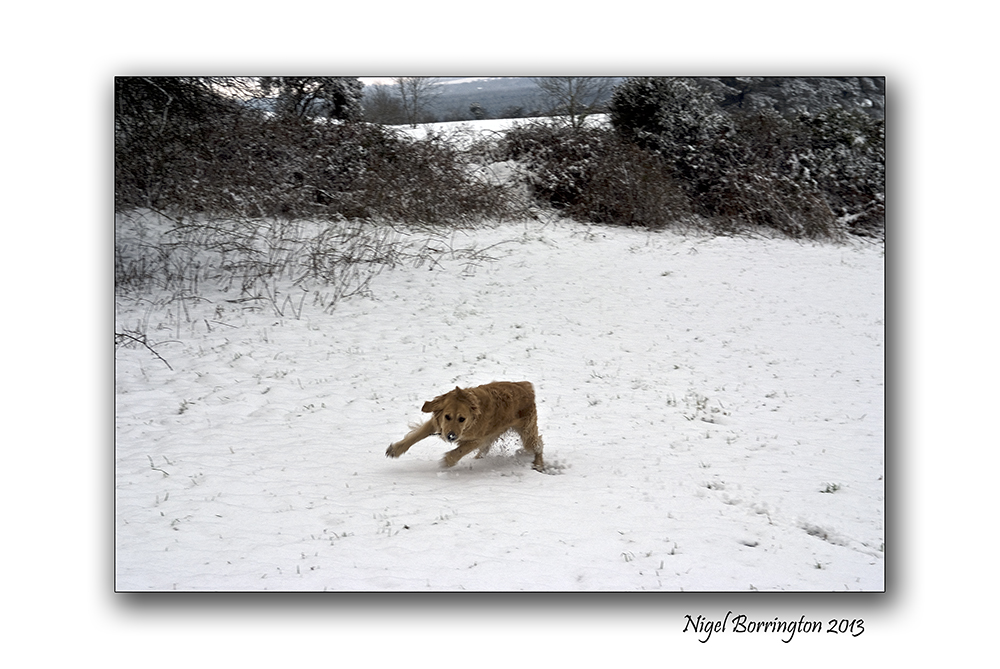


Five images from the Comeragh Mountains.
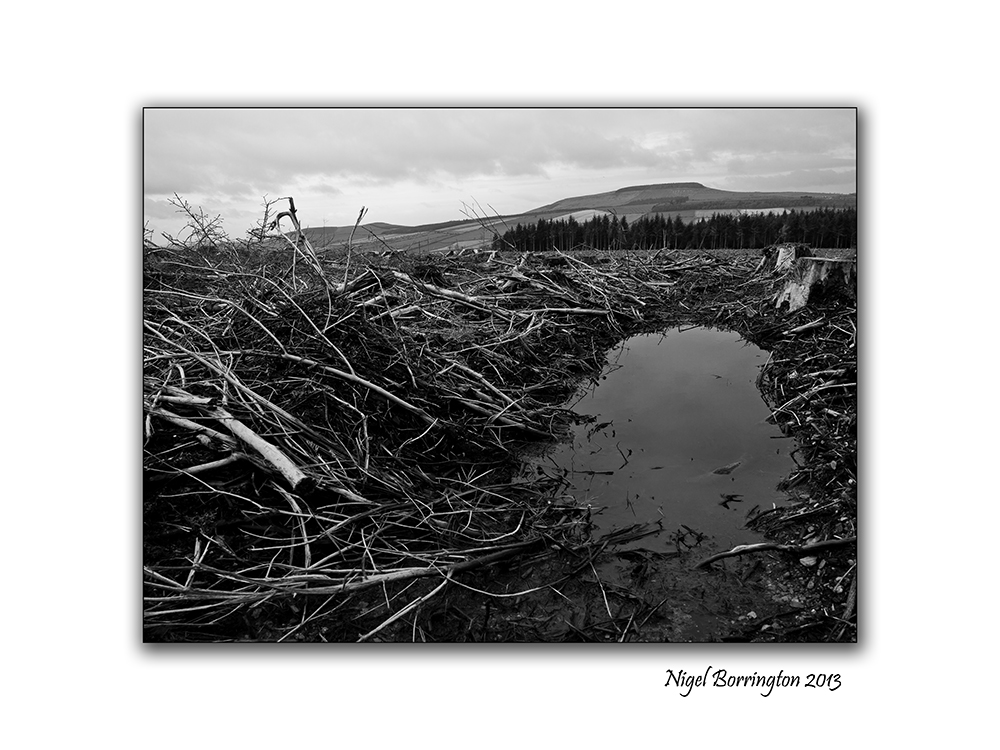
Fuji film x100 and Canon G1x
Comeragh mountains, County Waterford
Irish Landscape photography : Nigel Borrington
Five images from the Comeragh Mountains
Just a mini gallery of black and white images taken in and around the Comeragh mountains, during the winter months last year.
This coming year I will continue to capture this wild place. some how the winter feels very much at home in these mountains.


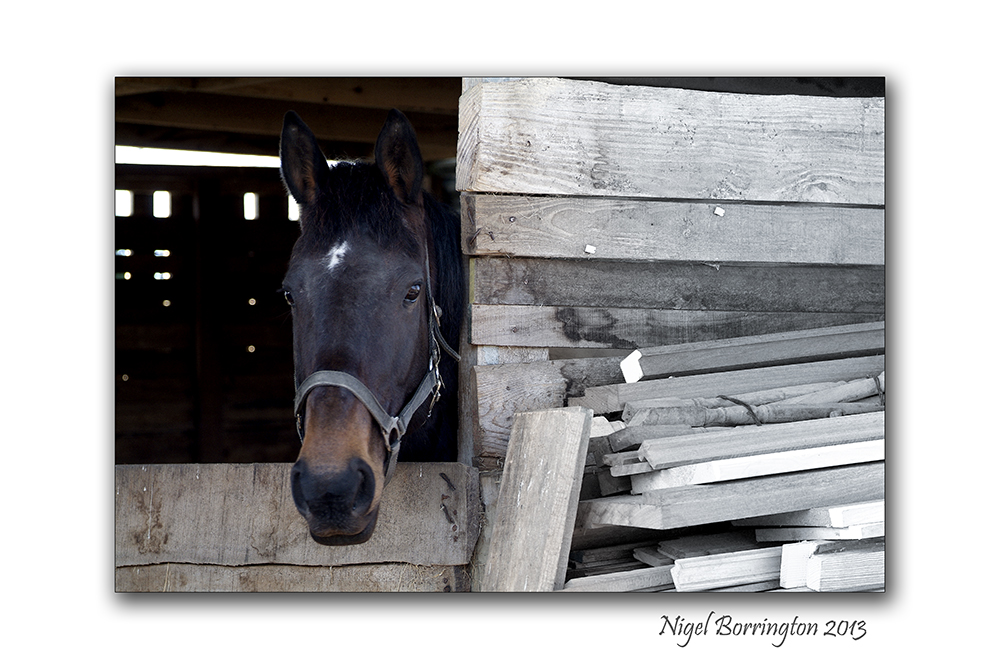
What is a Horse ? , Poem by : Lily Whittaker

Uisge beatha, A county Kilkenny Horse
Photography : Nigel Borrington
What is a Horse ?
By: Lily Whittaker
What is a horse?
A horse has eyes as dainty as a mink.
The grace is interrupted merely by a blink.
A horse is beauty.
What is a horse?
A horse is a tree in a storm that never goes down.
A horse is a weathered rock that stays around.
A horse is ancient.
 .
.
What is a horse?
A horse waltzes like breeze over rivers.
She curvets and leaps like rain shivers.
A horse is a marionette.
What is a horse?
A horse is determination, that never stops flowing.
A horse is fondness, that never stops growing.
A horse is poetic power.
 Nigel Borrington
The river is Rising
The River Lingaun, County Kilkenny
Irish Landscape Photography : Nigel Borrington
Yesterday we had the storm of the century here in County KIlkenny, winds over 160kmph and a months rain , We lost power in the house and still have no water supply. We are not alone, there are some 190,000 homes in the country without electric or a clean Water supply.
The county has suffered much damage to peoples Houses and land and the rivers are on the rise again.
It was the eighth Storm this winter and in as many weeks, The First I can remember to receive a name ( Storm Darwin ), he or she will be remembered for many years to come.
The rising river Lingaun : Gallery
Share this:
February 13, 2014 | Categories: Comment, events photography, Gallery, Irish rivers, Landscape, Nature and Wildlife | Tags: floods, Ireland, Irish photography, irish weather, Kilkenny, Nigel Borrington, Storm Darwin, winter 2014 | 25 Comments