Liverpool
A weekend in Liverpool, Sometime back….

Ablert docks – Saturday Morning
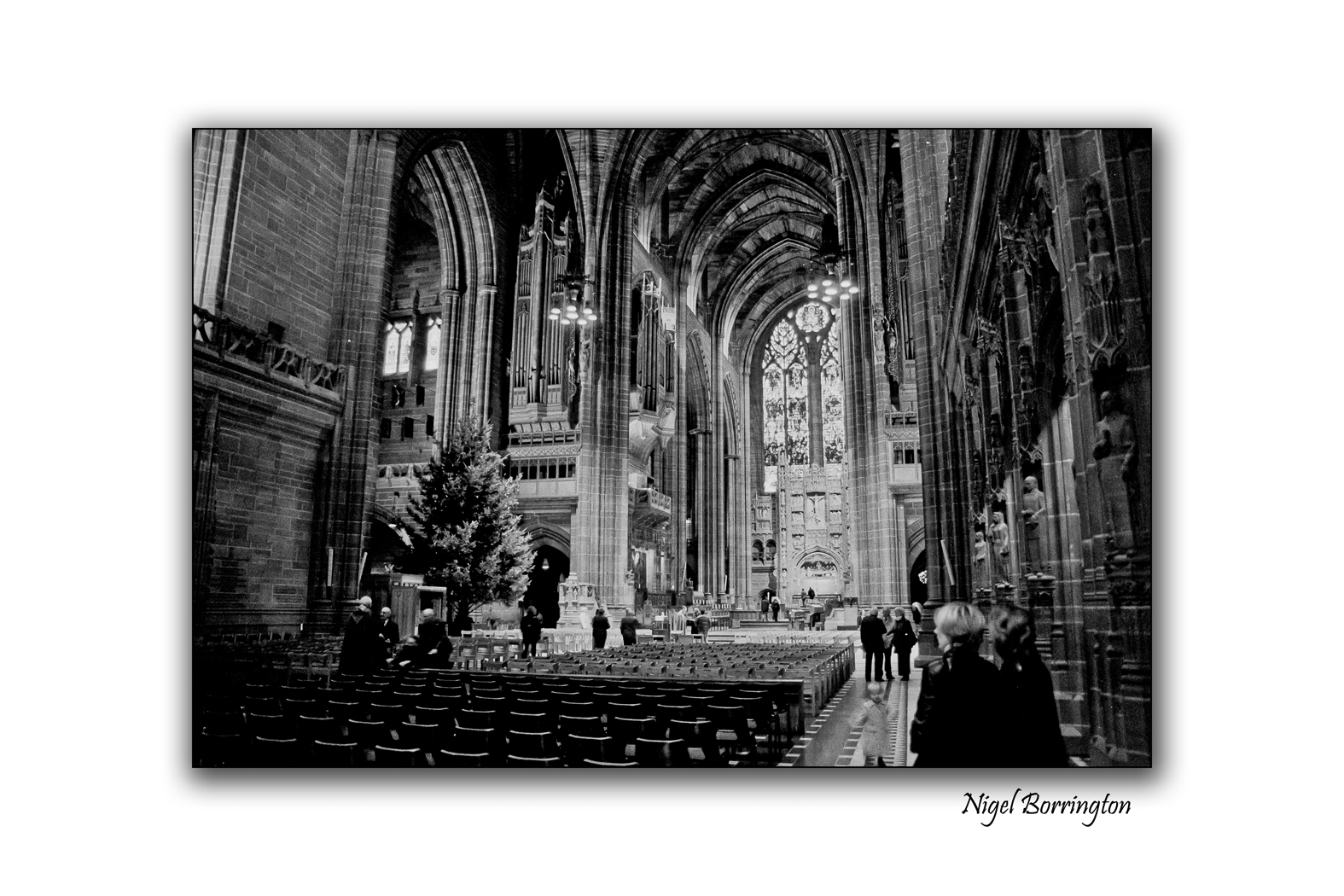
Liverpool Cathedral – getting ready for Christmas

The Cavern – Home of the Beatles
Images from a weekend I spent in Liverpool sometime back….
Also… Along with many others (Thank you!) I received a very kind comment from Paul Scribbles about my McCarthys hotel post and Ilfords film so these are more for yourselve Paul, Ilfords XP2 using a Nikon Fm2n..
McCarthy’s Hotel
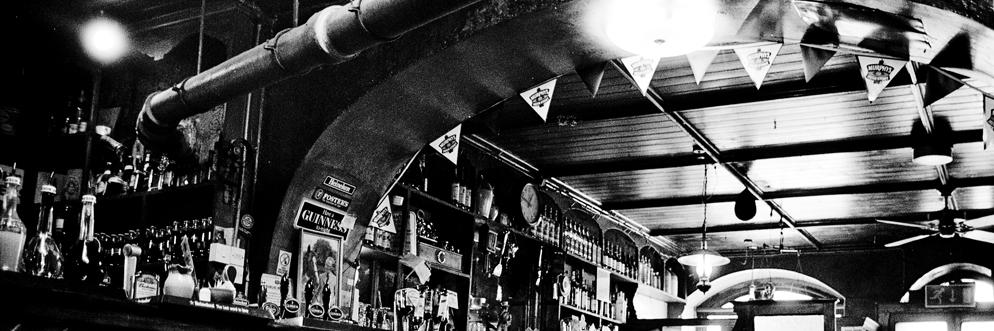
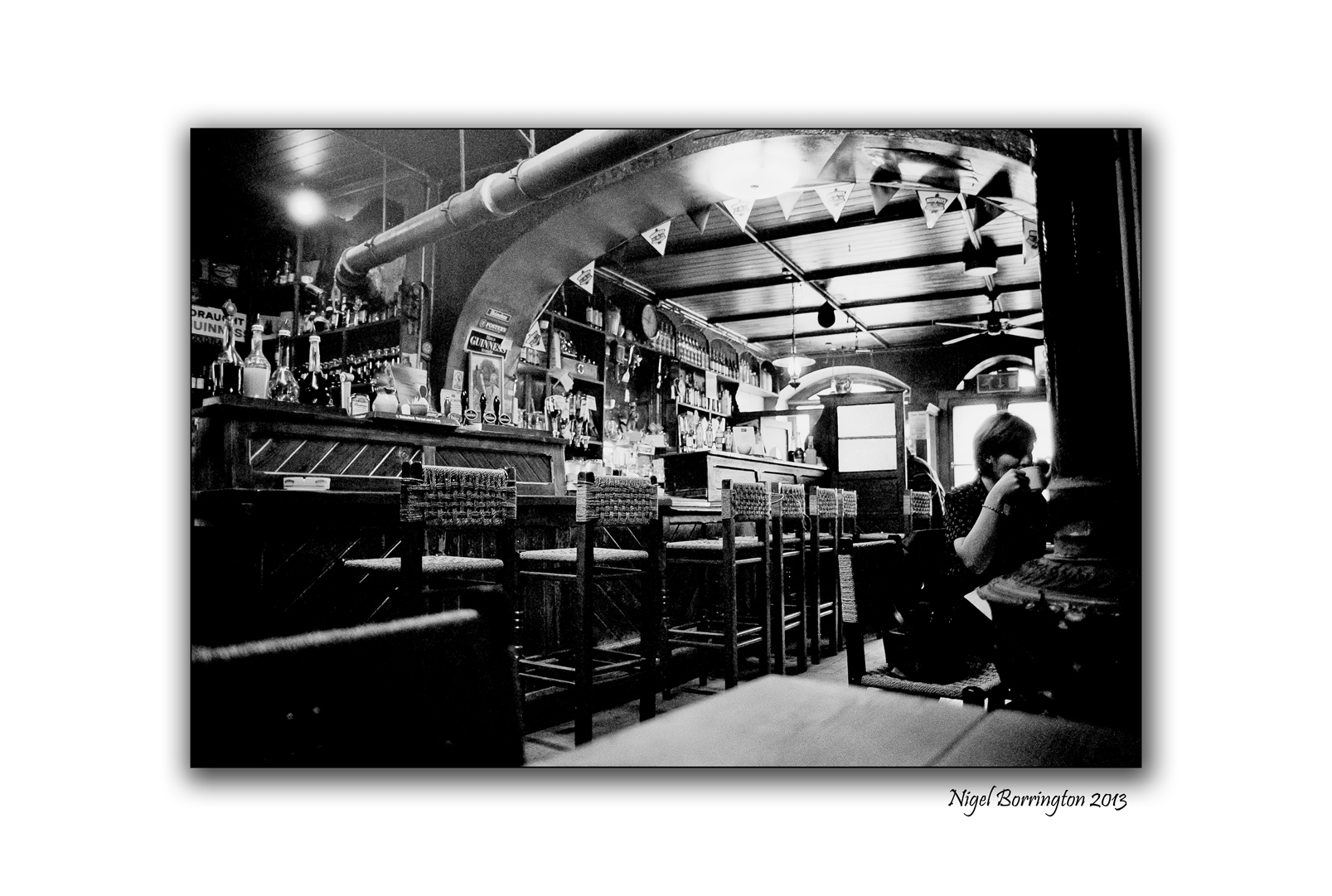
McCarthys Hotel/Pub in Fethard in Co. Tipperary, is just one of those place that you cannot help but fall in love with.
Whenever anyone says lets go to McCarthys the hairs on the back of my neck stand up and the car keys are in my hands as fast as I can find them. Food, Coffee or a pint a good old chat for a Saturday afternoon.
I took the following three images about four years ago:
Contax G2, 45mm lens, Ilford Xp2 400iso film
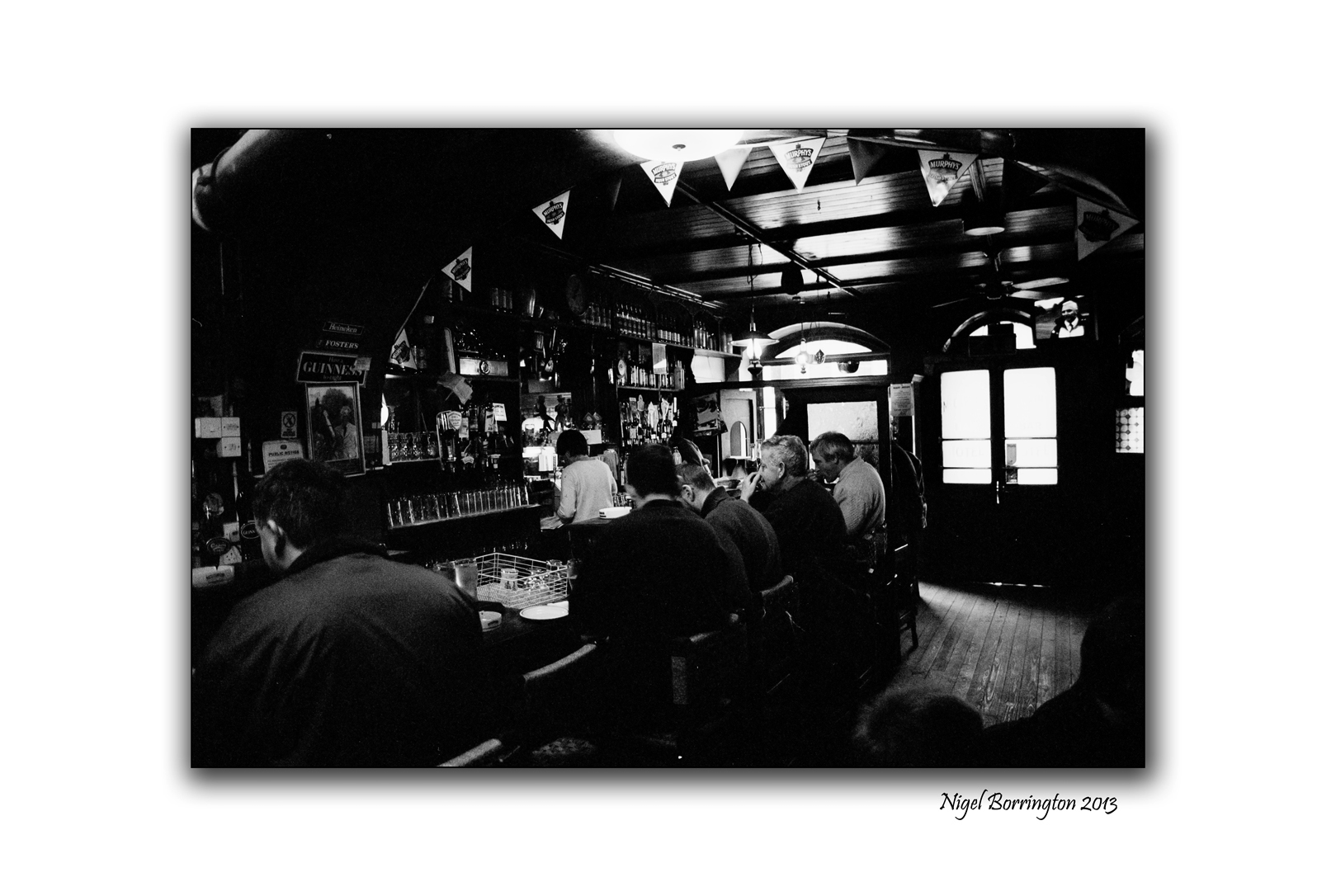
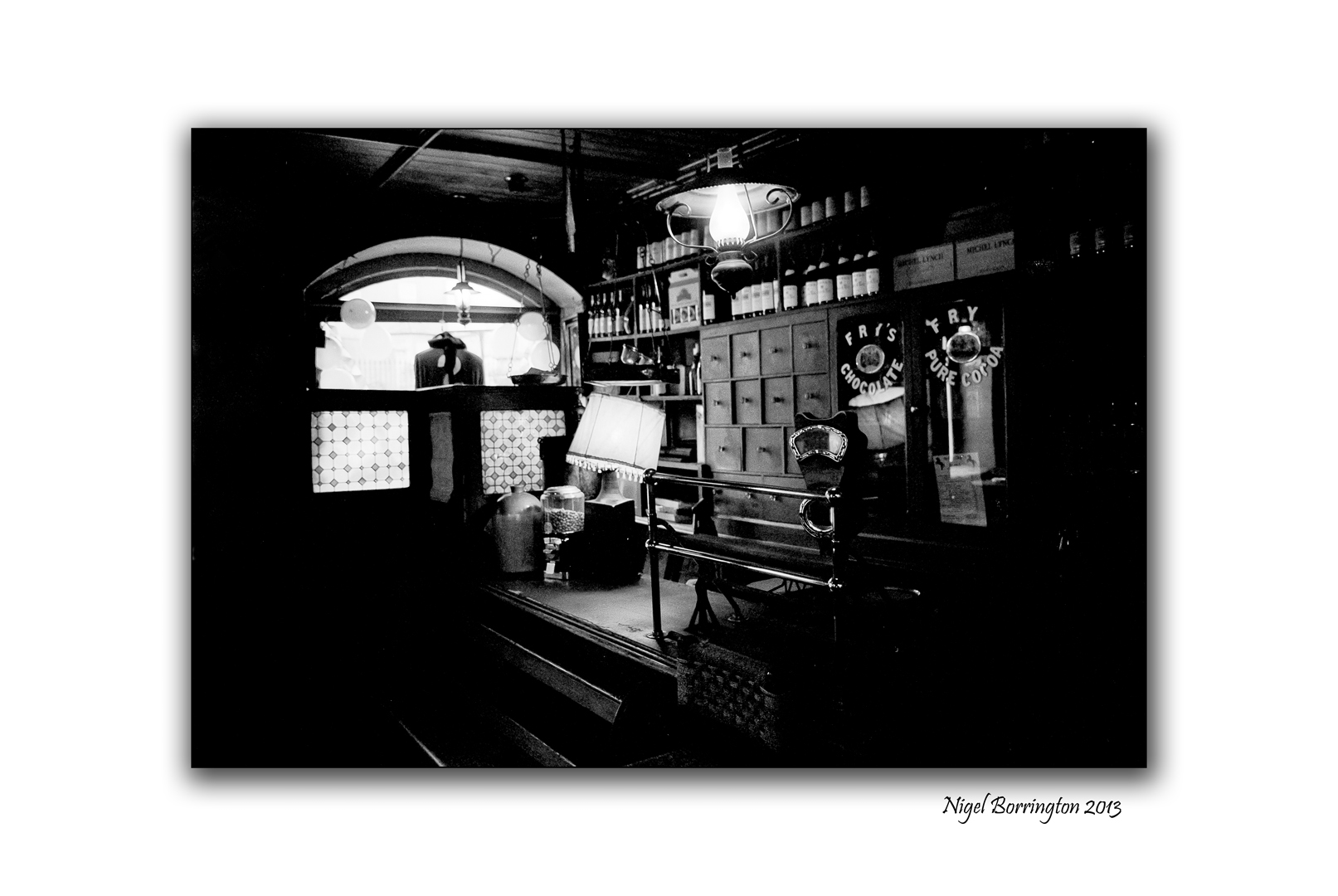
Established in the 1850’s
Established by Richard McCarthy in the 1850’s McCarthy’s Hotel provided the services of a spirit merchant, restaurant, hotel, undertaker, draper, grocer, baker, hackney service, glass, delph and china shop and if you still couldn’t get what you want – hire a few horses to take you elsewhere. Continuing in this tradition the present proprietor, Annette Murphy (fourth generation McCarthy), has a pub, restaurant and undertaker business which she runs with her family (fifth generation McCarthy).
McCarthy’s is situated in the medieval town of Fethard in Co. Tipperary. Formerly a very important market town in the 16th century, the town fell into decline. In the past twenty years the country in general, and Fethard in particular, has thrived – due in no small part to the equine scene in Coolmore and its associated farms plus numerous trainers and breeders dotted around Fethard. The re-discovery of our medieval past is of great importance to Fethard. Much of the medieval walls which surround the town have remained intact and a large portion of these walls have been restored. The town has been described as the most important walled town in Ireland next to Derry and is fast becoming the focal point for medieval scholars and tourists alike. For more information visit the Fethard Web Site: http://www.fethard.com
McCarthy’s success is based on a mix of the old and the new. The interior is unchanged since Richard McCarthy opened for business in the 1850’s. McCarthy’s were lucky that in the 1970’s, when great changes swept Ireland, three old ladies, Beatty, Kitty and Nell, ruled McCarthy’s and were unwilling to modernise the premises to a “lounge bar”. People still return expecting to meet the old ladies (now deceased) sitting in the office drinking tea and surveying the comings and goings of life from the office door.
The McCarthy’s are closely involved with sporting activities and with horses in particular. Dick was a professional jockey who also played hurling, football, rugby, polo and was a champion amateur boxer. His brothers Gus and Chris were amateur jockeys. Gus was also a noted footballer who won an all-Ireland medal with Tipperary and who also played on the ill-fated Bloody Sunday Tipperary team in Croke Park on Nov. 21, 1920. The current generation are as keenly involved in both horses and Gaelic games.
Ghosts
McCarthy’s is also a place of interest for those who believe in the supernatural. A sign was given before the deaths of the last generation of McCarthy’s, usually a picture falls from the wall for no apparent reason. Three loud knocks on the front door were heard by people at both sides of the door before Beattie’s death. Ghosts were spotted recently by Mark Lonergan and John O’Connor (at night) and by Ciarán Hayes in the afternoon!
So next time you see somebody sitting quietly sipping a pint in the corner – you might be the only one who can see him!
McCarthy’s is well known the world over and has been filmed by Channel 4, BBC, Good Morning America, Sky News and many more. Many well known personalities have also visited McCarthy’s over the years including Eamon De Valera, Michael Collins, Mick Doyle, John Magnier, Vincent O’Brien, Robert Sangster, Julian Wilson, Lester Pigott, Richard Dunwoody, Adrian Maguire, Martin Pipe, Charlie Swan, Tommy Stack, Tommy Carberry, Alex Ferguson,
Dr. A. J. F. O’Reilly, Lord Lloyd Webber and his brother Julian. Sir David Frost, Alan Parker, Rod Taylor, Angela Rippon, Peter Curling and of course Paul Carberry – the only jockey to ride into McCarthy’s on a horse.
Agfa isolette
Talking of Cameras and Camera reviews….
This little Agfa Isolette was my fathers camera and as you can imagine it is very special to me, I would love to take some images with it again so at some point I will post a Gallery.

For now here is one shot taken in the lake district with Breda doing some map reading on the right..
No exposure meter and no auto focus – just pure guess work, I also developed the film myself and it produced an image – Few!

Swanage Railway

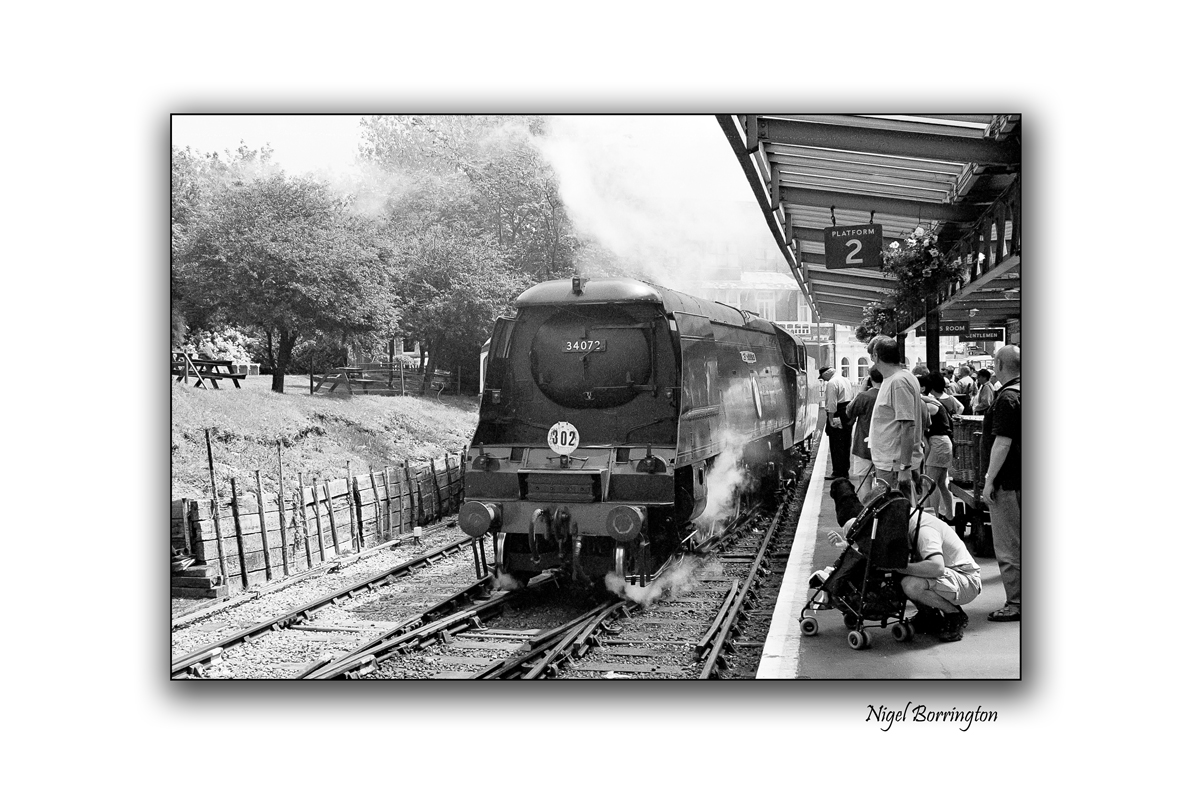
These images were taken during a visit to the (Swanage railway, Dorset, uk) on the south coast of England. We were staying in poole and had been guided toward visiting the Swanage Railway, so one warm Sunday morning we arrived at Swanage station in order to get the ten o’clock train to Norden park and back.
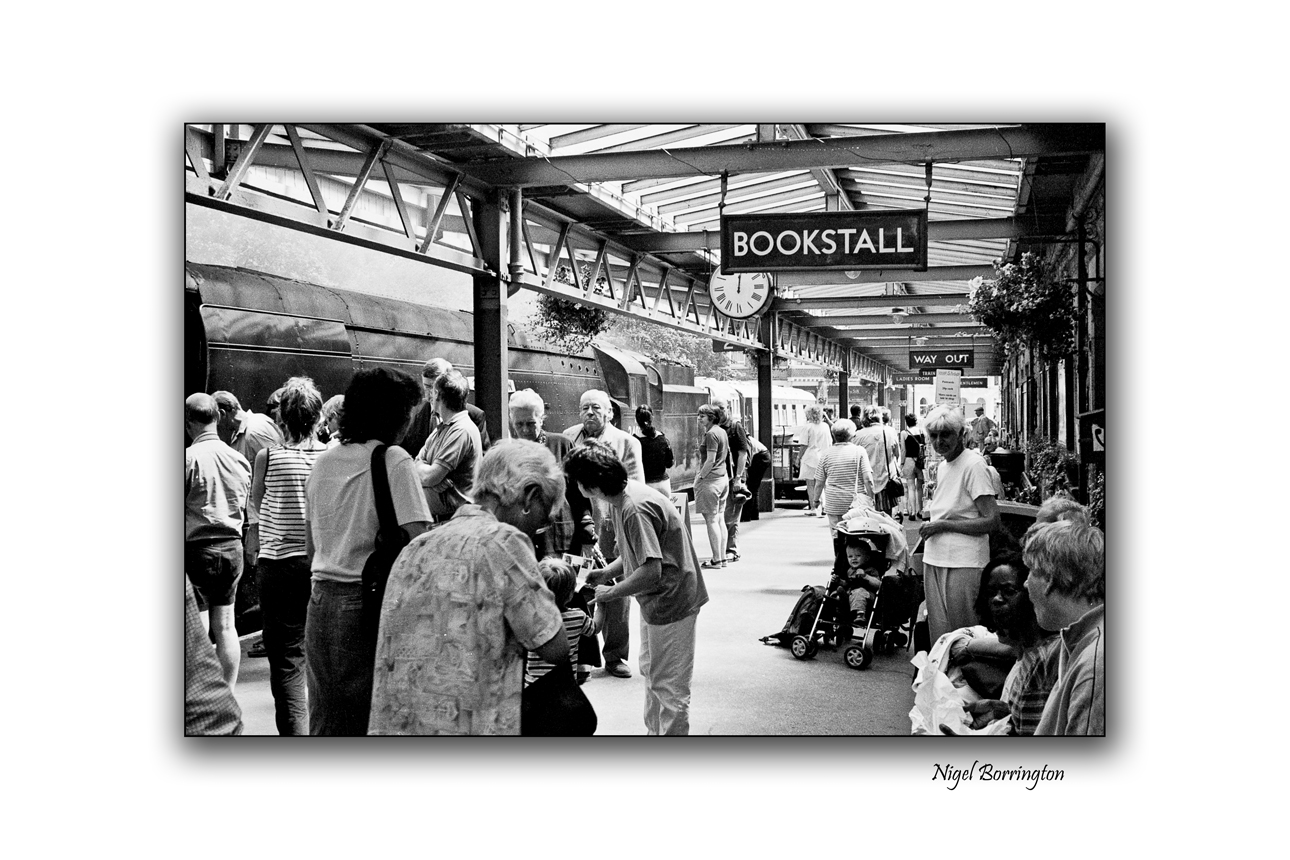
From the moment we collected our tickets and walked to the platform for the train it felt like going back in time to the nineteen thirties.
Every part of the station was setup to make you feel you had returned to times gone by. Old cases and trolleys, bookshops and tea shops with every member of staff dressed to complete the feeling.
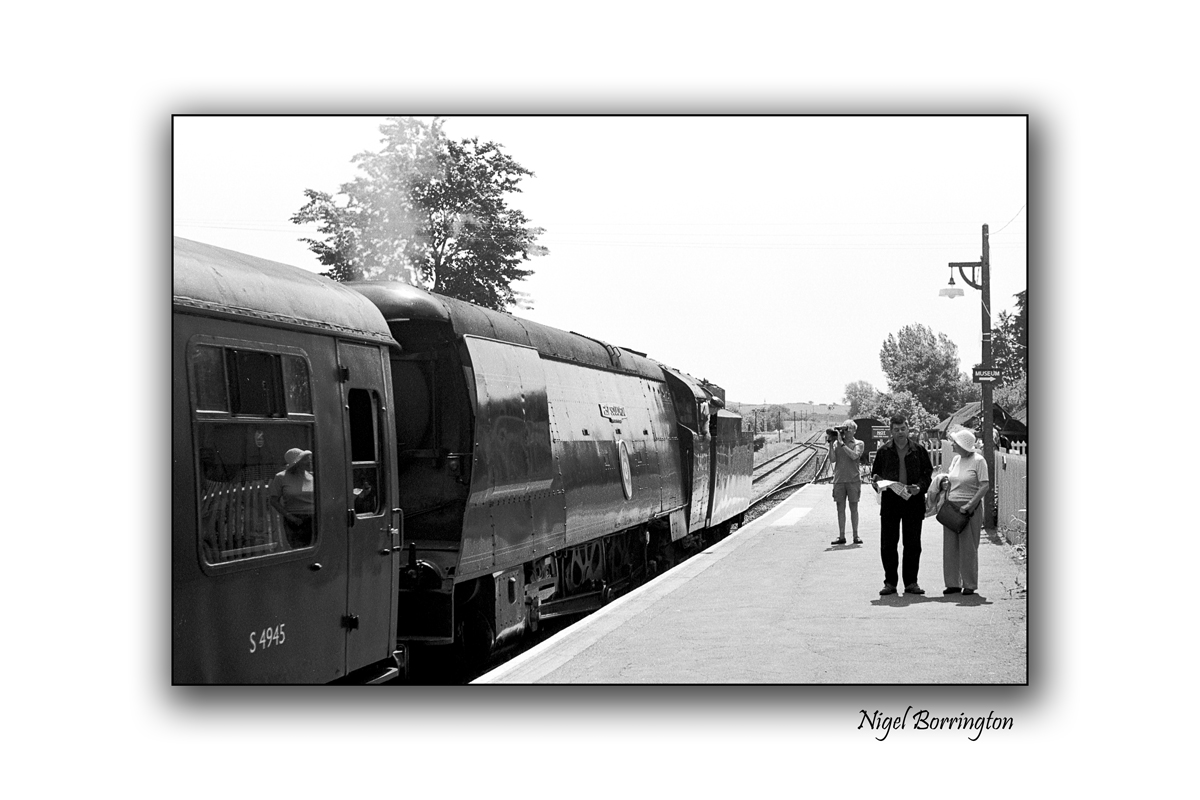
When we took our seats on the train and then got on our way the sounds and smells of the old steam engine were just brilliant. For some of these images I stuck my head out of the window and the rush of fresh air and steam as we passed the fields along the way was just unforgettable.
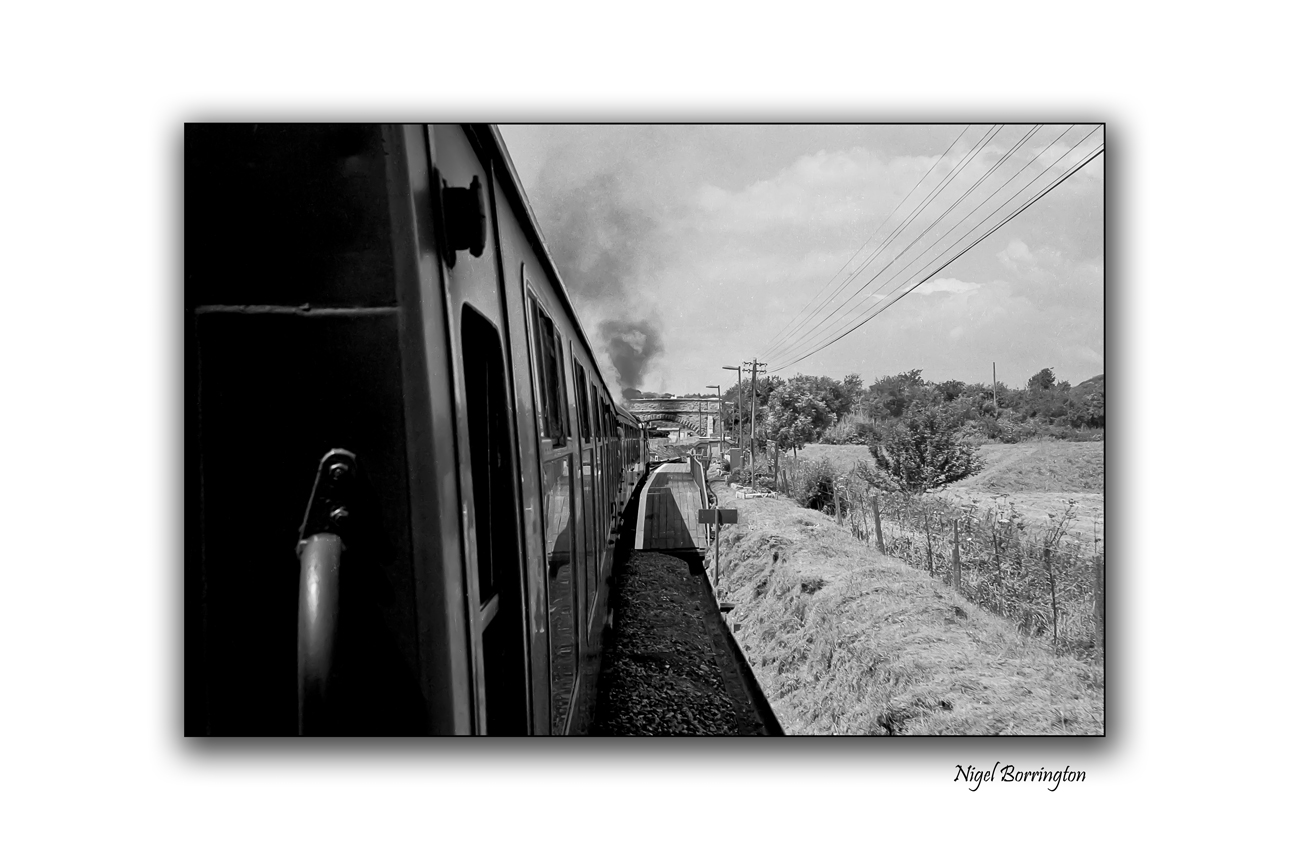
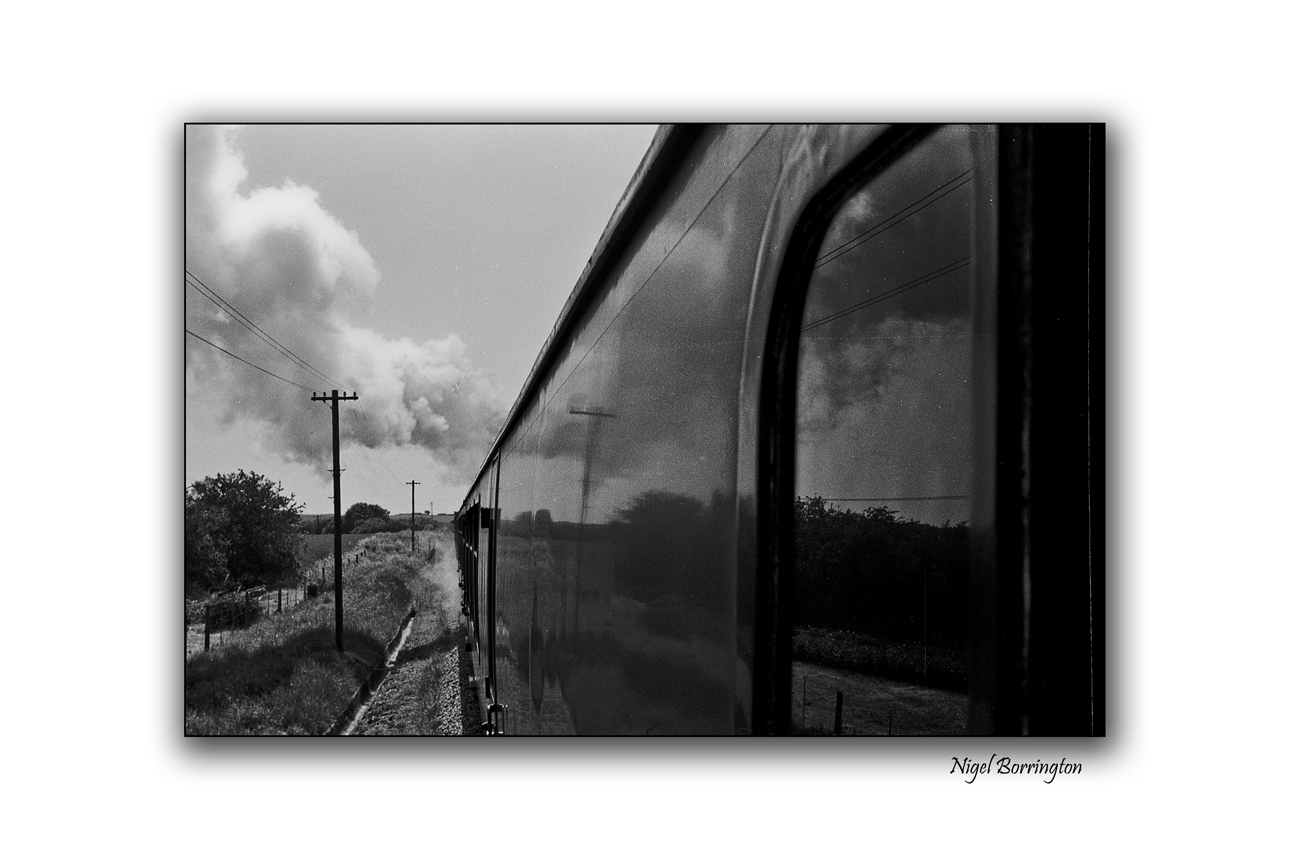
If you are ever in this part of the world you simply must visit this railway as you will enjoy the experience of a lifetime.
I include below some Wikipedia text and some more you tube links
Nigel
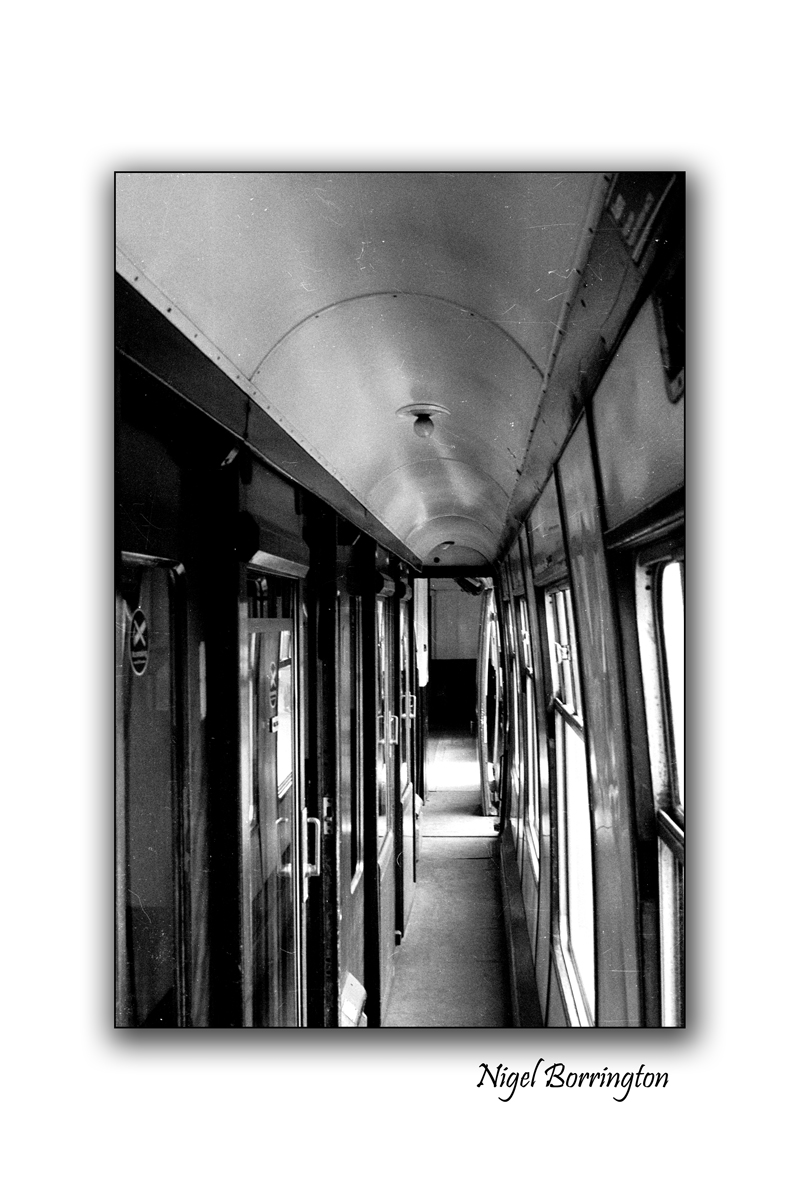
The Swanage Railway is a 6-mile (9.7 km) long heritage railway in the Purbeck district of Dorset, England. The railway line currently follows the route of the old Purbeck branch line from Norden, via Corfe Castle, Harman’s Cross and Herston Halt to Swanage.

The line was re−connected to the mainline at Wareham, Dorset, along a stretch of the branch line that had previously only remained open to freight traffic until 2005. Trains operate on the Swanage Railway between Swanage and Norden Park & Ride every weekend and Bank Holiday from mid-February to the end of the year, and every day of the week from April to October; with Santa Special services in December.
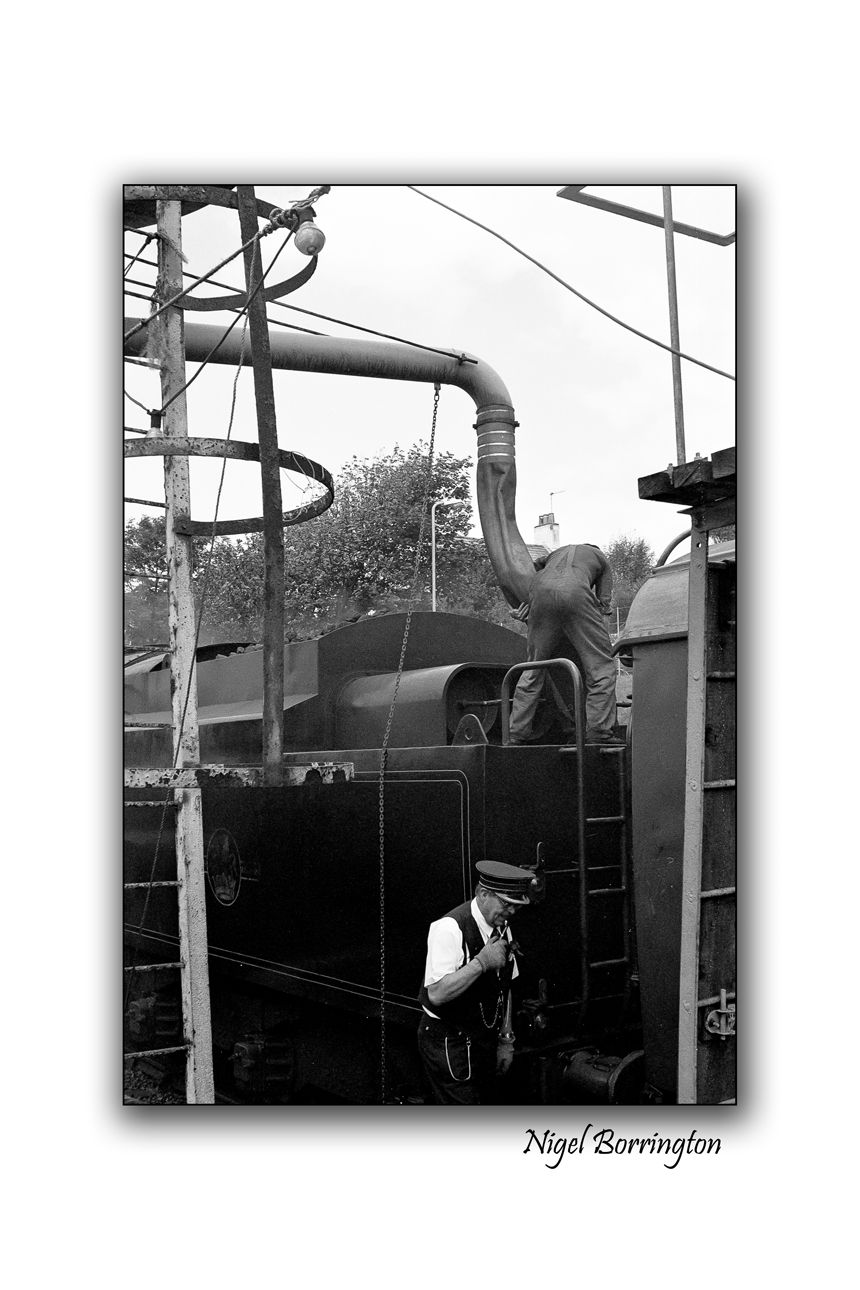
The link between the Swanage Railway and the main line at Wareham has been used for materials deliveries, special excursions, locomotive and stock movements only— work is continuing to provide the infrastructure necessary to enable regular services via Wareham to be implemented.
In April 2009 the line reopened to its first through traffic from London with occasional special services.

History
After several false starts, the branch was built by the locally promoted Swanage Railway Company. It was opened in 1885 and operated from the start by the London and South Western Railway Company. Subsequently the line became part of the Southern Railway and latterly the Southern Region of British Railways. In the 1950s the Branchline Committee identified this branch line as a possible candidate for closure. At the time such a plan was unrealistic for a branch line which carried so much seasonal holiday traffic. The closure proposal met with a great deal of opposition and was shelved. The line was not mentioned in Beeching’s 1963 report ‘The Reshaping of British Railways’.
In the mid 1960s a programme of third rail electrification took place on the main line running from Waterloo, Basingstoke, Southampton to Bournemouth in preparation for withdrawal of steam. As the third rail did not, then, extend west of Branksome the Swanage line was operated until its closure using a British Rail Class 205 DEMU.
In May 1967 the Network for Development Plans were issued by Barbara Castle MP, the then Labour Minister of Transport following a study. Where lines were at the remunerative end of the scale, such as the main trunk routes and some secondary lines, these would be developed. Lines that failed to meet the financial criterion, but served a social need were to be retained and subsidised under the 1968 Transport Act. The problem would be for lines that were not in these categories which could be candidates for closure as they did not form part of the basic railway network. The Swanage line was one of these. It was a line that may well have carried considerable traffic, and perhaps made a small profit, but it did not meet the Government’s social, economic and commercial criteria for retention.
It was in the later part of 1967 that British Railways issued a notice that the Swanage line was to be closed by September 1968. However, due in part to the level of opposition to the closure, and also by the fact that British Railways had underestimated the logistical problems in providing a replacement bus service during the summer months owing to higher traffic levels, the line remained open. Opposition from the various pressure groups was so vociferous that a public enquiry was called for. Subsequently a Department of the Environment Inspector, after hearing the evidence that a replacement bus service would be unable to handle the traffic in the summer months, ruled that the line should remain open. His decision was later overturned by the Secretary of State for the Environment. Up to this time it is possible that the line may have been in receipt of a subsidy under the terms of the 1968 Transport Act whilst all the issues concerning the pending closure of the line were discussed.
The line was closed in January 1972. In May 1972, the Swanage Railway Society was formed with the objective of restoring an all-the-year-round community railway service linking to the main line at Wareham which would be ‘subsidised’ by the operation of steam-hauled heritage trains during the holidays.
However BR responded by hiring contractors to lift the track between Swanage and Furzebrook sidings during the summer of 1972; massive protests were orchestrated by the Society and an agreement between the Society and BR followed leading to all the ballast being left in situ plus an extra half a mile of track at Furzebrook. The track from Furzebrook to the main line junction at Worgret remained in use for ball clay traffic, later also serving the oilfield at Wytch Farm. BR had intended to sell the Swanage station site to a property developer, but after the intervention of the Evelyn King, the MP for South Dorset, at the Society’s request, offered it to Swanage Town Council (STC).
At first, neither the Dorset County Council (DCC), nor the STC backed the Society’s plans to restore the railway. DCC planned to build a by-pass for Corfe Castle on the railway land, while STC actually started to demolish Swanage station. To break the impasse, the Railway Society formed two daughter organisations: the Swanage and Wareham Railway Group – composed of local residents prepared to lobby the local authorities and the Southern Steam Group – to collect historic railway rolling stock and establish a museum of steam and railway technology. After many interventions by local residents, in 1975, the STC finally granted the Society limited facilities on the Swanage station site. In 1975 DCC acquired the railway land between the end of the line at Furzebrook and Northbrook Road bridge, Swanage and to ‘give further consideration’ to routes for a Corfe By-pass. The Railway Society piloted a successful application by the Southern Steam Group to the Charity Commissioners for charitable status and subsequently both the Society and the residents group joined the new Southern Steam Trust.
In 1979 a short line re-opened, the length of King George’s playing fields. This was extended first to Herston Halt and then to Harman’s Cross in 1988. Neither Herston Halt nor Harman’s Cross had been stations previously. In 1995 the railway reopened from Swanage to Corfe Castle and Norden Park and Ride, another post BR station. The opening of Corfe Castle was delayed until Norden was ready as Dorset County Council had concerns about the effects of traffic on Corfe’s narrow main street (the A351 road between Wareham and Swanage).
On 3 January 2002 the track was temporarily joined with the Furzebrook freight line at Motala and the Purbeck branch line was once again complete, thirty years to the day after it was closed.
On 8 September 2002, a brand new Virgin Trains Class 220 “Voyager” diesel multiple unit, no. 220018, became the first mainline train to use the new track when it made a special journey for a ceremony at Swanage where it was named Dorset Voyager and began its first passenger journey.[2] Following this historic event, the efforts of the Swanage Railway’s volunteers were redoubled working with Network Rail to replace the temporary connection with a permanent ground frame and catch-point arrangement at Motala.
On 10 May 2007 history was made when the Swanage Railway’s permanent connection with Network Rail was used for the first time – four ex-BR diesel locomotives running from Eastleigh down to Swanage to participate in the Purbeck Line’s largest ever diesel gala and beer festival in May 2007. Also making the trip—the first such working since the summer of 1972 when the tracks to Corfe Castle and Swanage were lifted—was a preserved four-carriage electric 4VEP British Rail Class 423 unit provided by South West Trains.[3]
The link was again used in July 2007 when a steam locomotive for the Swanage Railway’s 40th Anniversary of the End of Southern Steam special event travelled to Swanage via the main line at Wareham.
The first public passenger service between Wareham and Swanage since 1972 was from London Victoria to Swanage, via Wareham on 1 April 2009.
The Swanage Railway’s works at Herston, on the outskirts of Swanage, are not physically connected to the running line. Movements of locomotives for overhaul are carried out by road transporter as the Swanage Railway has been unable to reach agreement with local landowners to build a branch connection into Herston Works.
Good Friday

Am I a stone and not a sheep
That I can stand, O Christ, beneath Thy Cross,
To number drop by drop Thy Blood’s slow loss,
And yet not weep?
Not so those women loved
Who with exceeding grief lamented Thee;
Not so fallen Peter weeping bitterly;
Not so the thief was moved;
Not so the Sun and Moon
Which hid their faces in a starless sky,
A horror of great darkness at broad noon,–
I, only I.
Yet give not o’er,
But seek Thy sheep, true Shepherd of the flock;
Greater than Moses, turn and look once more
And smite a rock.
Poetry by Christina Georgina Rossetti
Public Domain
Say hello, Ruby
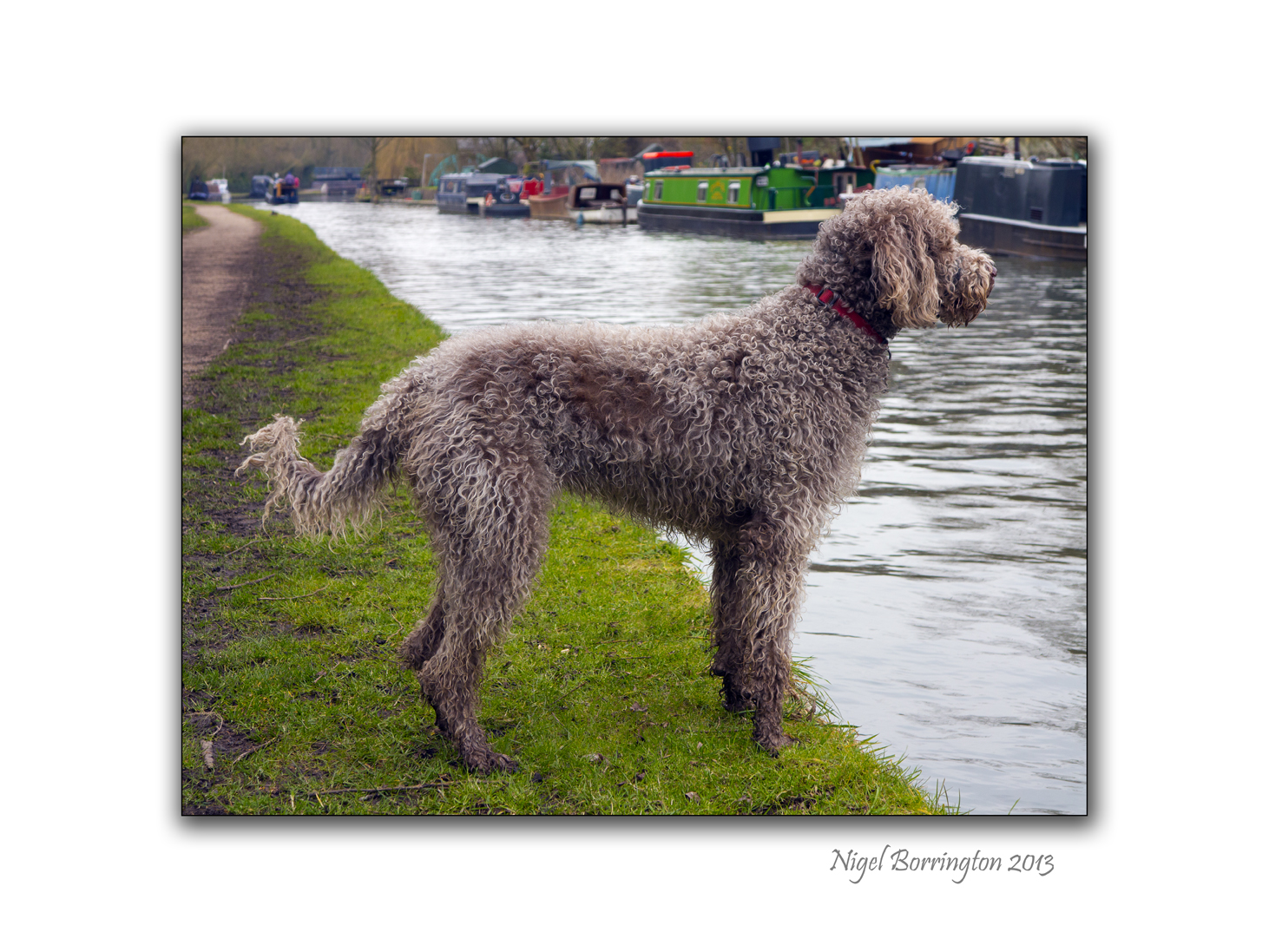
This is Ruby by brothers two year old Labradoodle, who I just got time to meet and walk with last week.
I just wanted you to meet her and say hello, we walked along the grand union canal near harefield in the uk.
I will post more about this walk soon, hope to get to spend more time with her, my brother and Ken very soon!!
Nigel
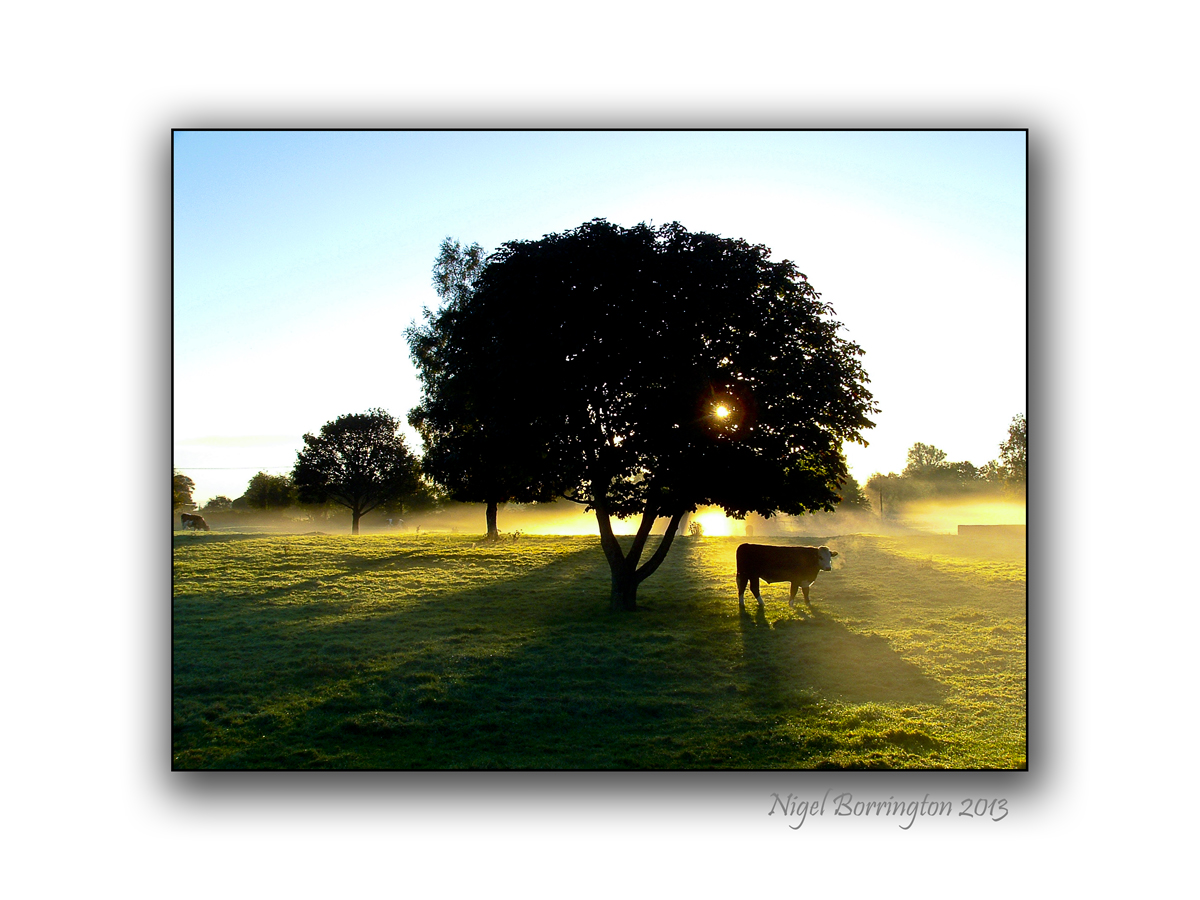
Working Together

Nikon D90, May 2011
We work together
We work as one
Though there may be times
When we don’t ‘get on’
We may not always
See ‘eye to eye’
And sometimes we feel
Like saying ‘good-bye’
When this happens
We shouldn’t lose heart
For of ‘something greater’
We are all a part
Each one of us
Has a role to play
In making this
A brighter day
Janice Walkden
Family Transport
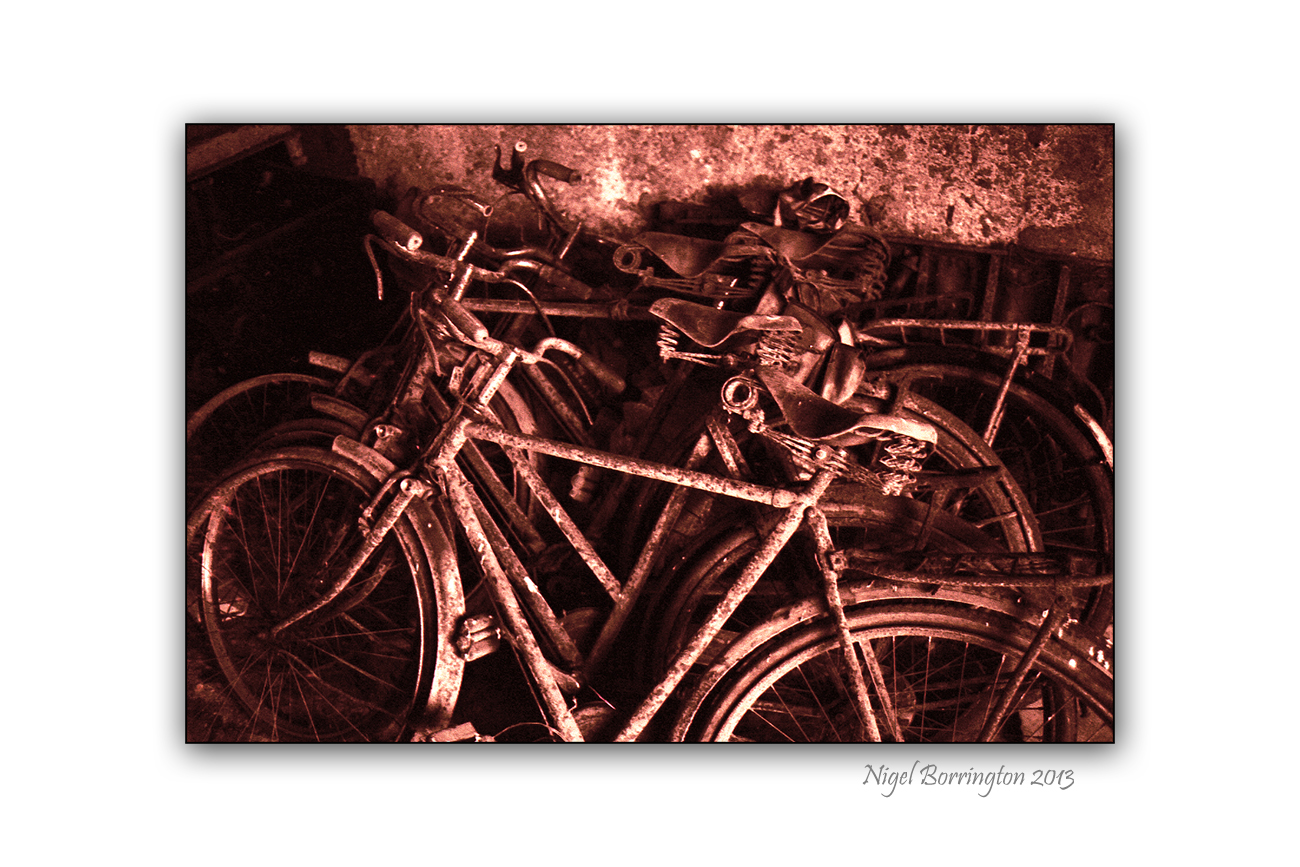
Nikon F90x, 50mm f1.4 lens and Ilfords XP2 film
No Poems today just a picture I took way back in the 1990’s while doing a walk around the sheds on my wife’s family farm in County Kilkenny.
This collection of old bikes is everyone used by all the kids and adults in the family for many years.
Just think of all the stories they could tell!
They are still someplace hanging around waiting for someone….
Crossing the Bar

Sunset and evening star,
And one clear call for me!
And may there be no moaning of the bar,
When I put to sea
But such a tides as moving seems asleep,
Too full of sound and foam,
When that which drew from out the boundless deep
Turns again home
Twilight and evening bell
And after that the dark!
And may there be no sadness of farewell
When I embark
For tho’ from out our bourne of Time and Place
The flood may bear me far
I hope to see my Pilot face to face
When I have crost the bar
Tennyson…
The Lighthouse keepers of Ireland

The picture above is of St John point lighthouse, Co.Donegal.
Back in 2011 I started a project of capturing photos and information about the history and lives of the Lighthouse keepers of the Ireland.
I just want to share a small amount in this post.

St johns point is a very haunting and beautiful part of the coast line of County,Donegal.
St Johns Point Donegal
“This is a harbour light to guide from Donegal Bay and to mark the north side of the bay leading to Killybegs Harbour from the entrance up to Rotten Island.
The tower, built of cut granite, was designed by the Board’s Inspector of Works and Inspector of Lighthouses, George Halpin, and erected by the Board’s workmen under Halpin’s supervision.
The tower, painted white, had a first order catoptric fixed light 98 feet above high water with a visibility in clear weather of 14 miles. The light was first exhibited on 4 November 1831 with the buildings in an uncompleted state. The final cost at the end of 1833 was £10,507.8.5.
The Lighthouse Keeper’s videos:


This lighthouse project is ongoing and will most likely take sometime, I will keep updating..
Nigel
Killary Harbour

Nikon F90x, 50mm f1.4 lens on Kodak iso 100 film
Irish landscapes : Nigel borrington
Killary Harbour
From Wikipedia, the free encyclopedia
Jump to: navigation, search
Satellite image of Killary Harbour
“Killary Harbour/An Caoláire Rua is a fjord located in the West of Ireland in the heart of Connemara which forms a natural border between counties Galway and Mayo. It is 16 kilometres long and in the centre over 45 metres deep. It is one of three glacial fjords that exist in Ireland, the others being Lough Swilly and Carlingford Lough.[1]
On its northern shore lies the mountain of Mweelrea, Connacht’s highest mountain, rising to 814 metres. To the south rise the Maumturk Mountains and the Twelve Bens. The area contains some of Ireland’s most awe-inspiring and dramatic scenery.
There are two minor settlements nearby. On the southern side near the mouth of the fjord lies the hamlet of Rossroe while Leenaun lies inland to the east. Close to Rosroe there is an old building which now houses a hostel. This building was formerly a modest house which was used by Ludwig Wittgenstein, the famous philosopher, as a quiet place to write shortly after World War II. A plaque acknowledging this was unveiled by President Mary Robinson in 1993.
Nearby lies the so-called Green Road, a rough road running along the side of the fjord back east towards Leenane at the head of the fjord. It stretches for approximately nine kilometres and was part of the famine relief program during the 19th century. Aquaculture is important locally with a salmon farm based at Rossroe while mussel rafts are a common sight more to the east.”
One of the most beautiful landscape in Ireland, visit if you can!
Tails from the river bank
I told you it was great in here…

I know I left it here someplace, maybe right at the bottom – hang on
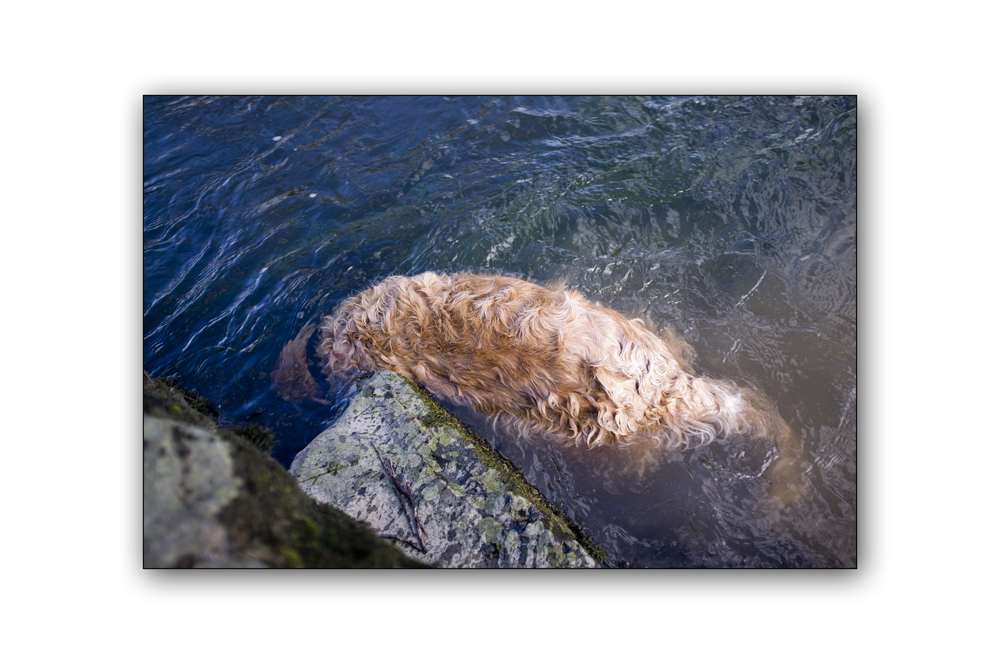
Found it

now for a good old run around
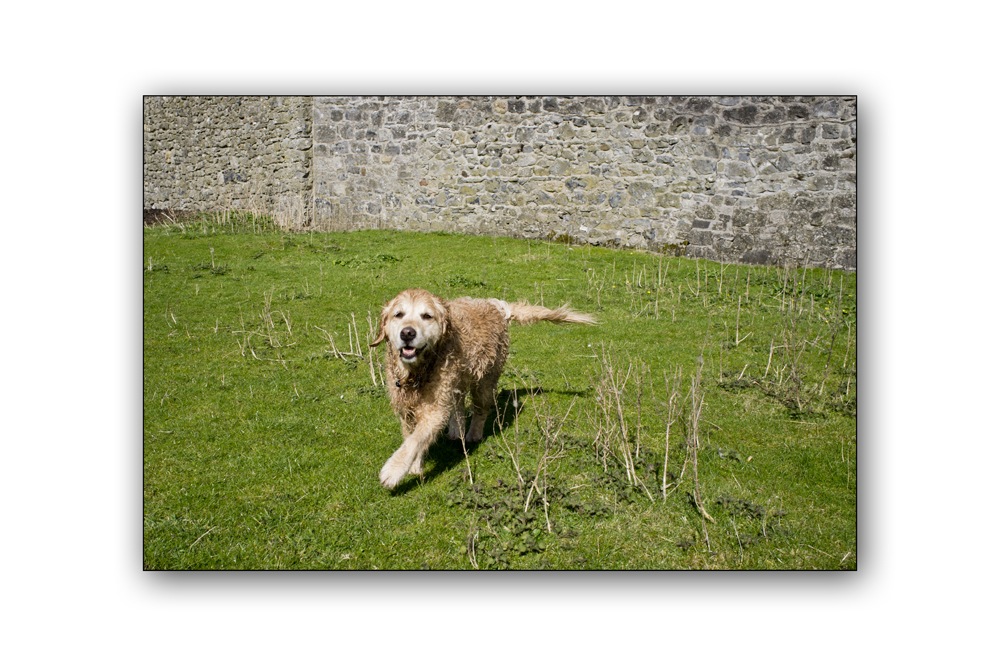
followed by sunning my belly…

So are you going to stop sitting in front of that Laptop after breakfast or what?
Wicklow
Wicklow Landscapes on film.

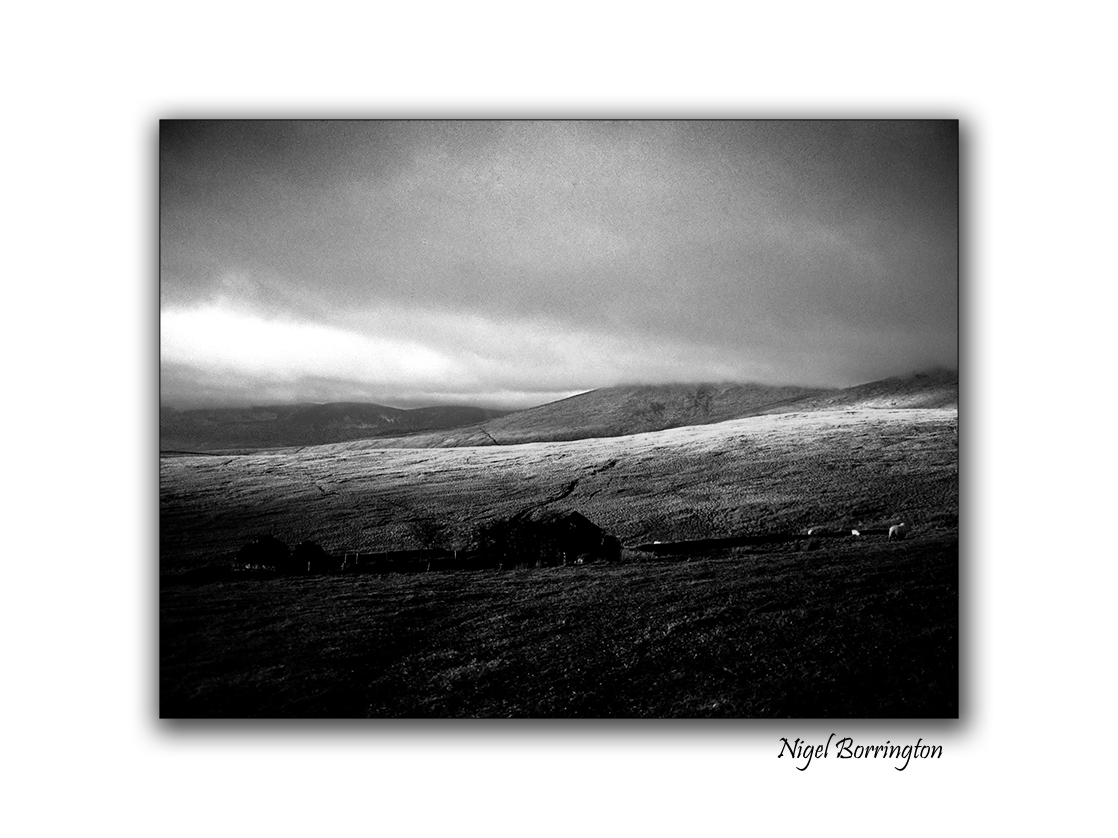
Shot of the Wicklow hills.
Nikon F90x, Nikon 50mm f1.4 lens and Kodak Ektachrome
Irish landscape images : Nigel Borrington
I just started looking at my older stock of slide images and found a set that I took way back when – in County Wicklow.
Some very good and interesting colours coming from these scans, maybe just maybe people have always been correct about film. The detail however is another issue, the film grain in these images removes a lot of detail that even my old Nikon D200 would record.
Look at the black and white contrast!
Supermarket submission
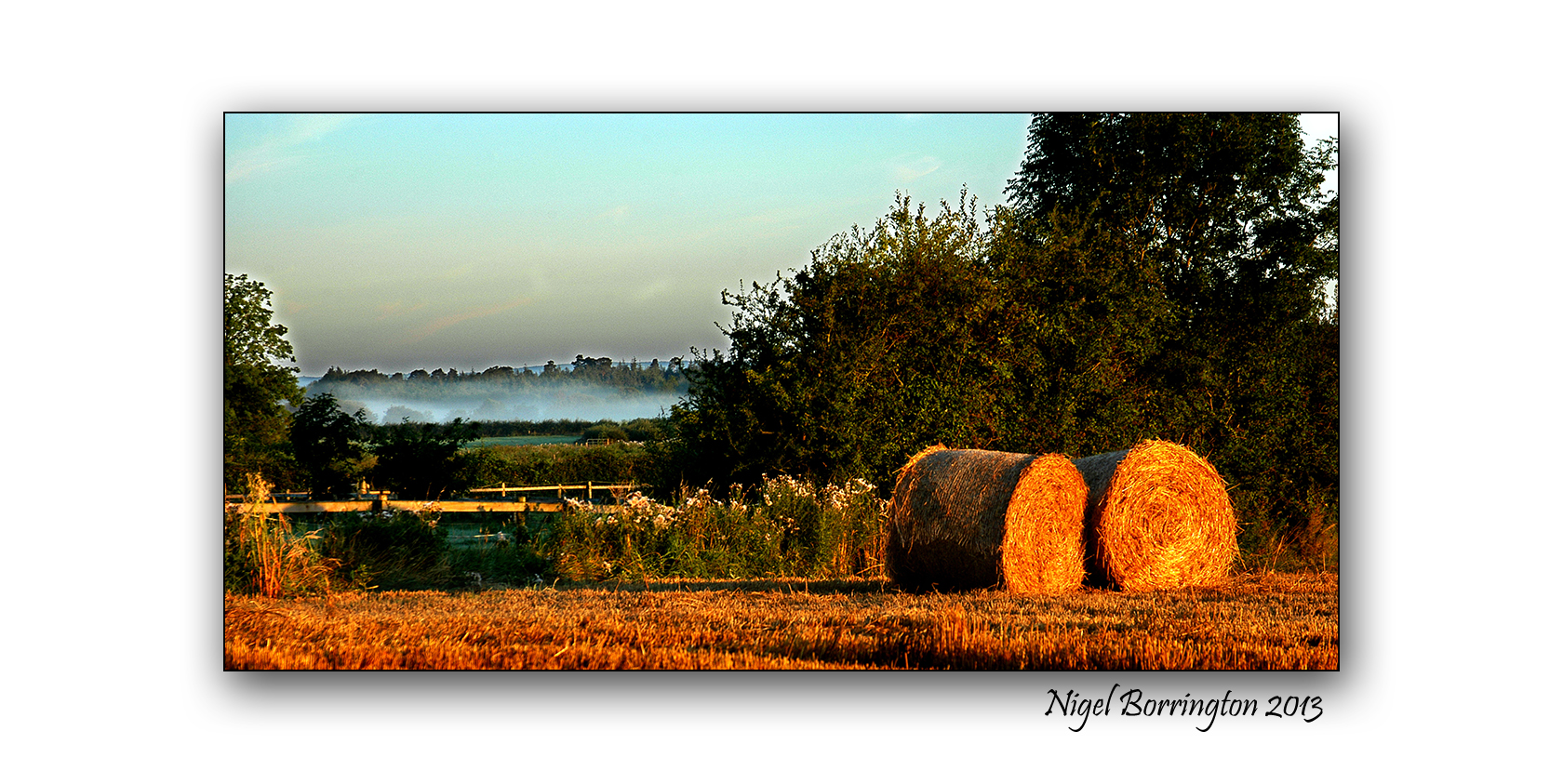
I recently got asked to submit some images for a supermarket chain in County Kilkenny, they want to refit their stores. This is just one of the images I sent in.I don’t know if they will take the work but even if they don’t it’s made me a least think that someone may start to again.
Samuel Coulthurst
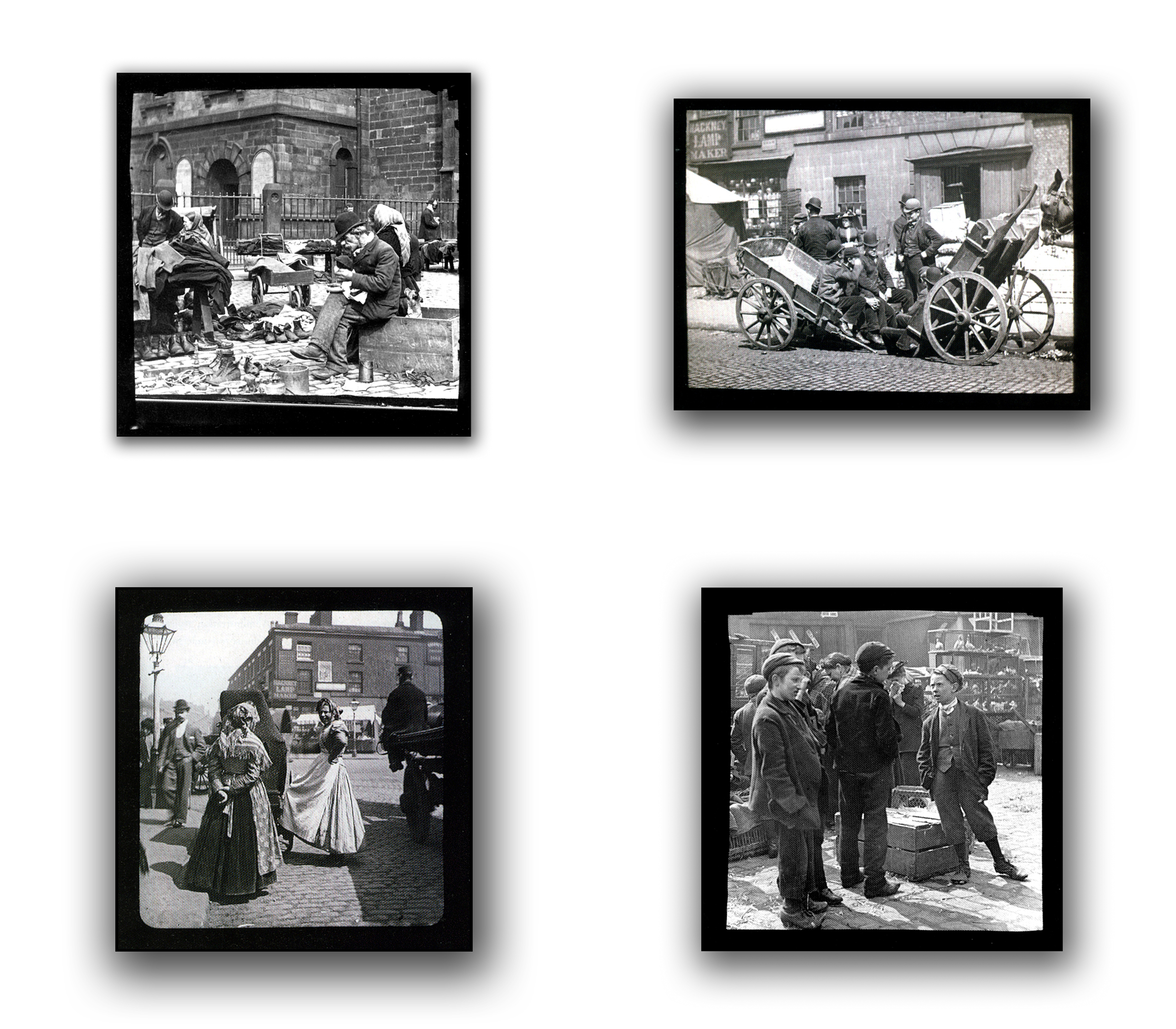
Samuel Coulthurst: Victorian Salford, Manchester(UK) – (1889 – 1890)
19th Century street photography
Back in 2002 I was back home in Manchester and visited the Lowry art museum and gallery at the Salford Quays, Manchester. This exhibition has stayed in my memory ever since so I thought I would share a post about the display of work I attended that day.
During a two year period (1889 and 1990), Samuel Coulthurst and his brother-in-law James Higson both members of the Lancashire and Cheshire photography union, dressed as what was known then as rag and bone men.
They carried their camera on the back of a cart they used and took many photographs of the people they met and got to know. Many of these photographs have been archived along with details of who these people were and what they did.
They were not simply doing a street walk about with a camera but spent time both living the lives and getting to know the people of Salford.
Many for the street children that the two photographed would have attended the Charter Street Ragged School, they had either lost parents to industrial accidents or to famine or disease. In the grounds of this church owned school is a grave yard that contains 6000 such parents. The city of Manchester has many such locations from this period.
It was in such conditions that these two photographers lived and worked taking pictures that made history. Without them most people would have forgotten in part at least, the kind of live’s that the 19th century people of Manchester lived including my Own Ancestors.
The exhibition is repeated by the Lowry Gallery so if you are in Manchester and into history/photography then maybe you could call in.
Gallery:
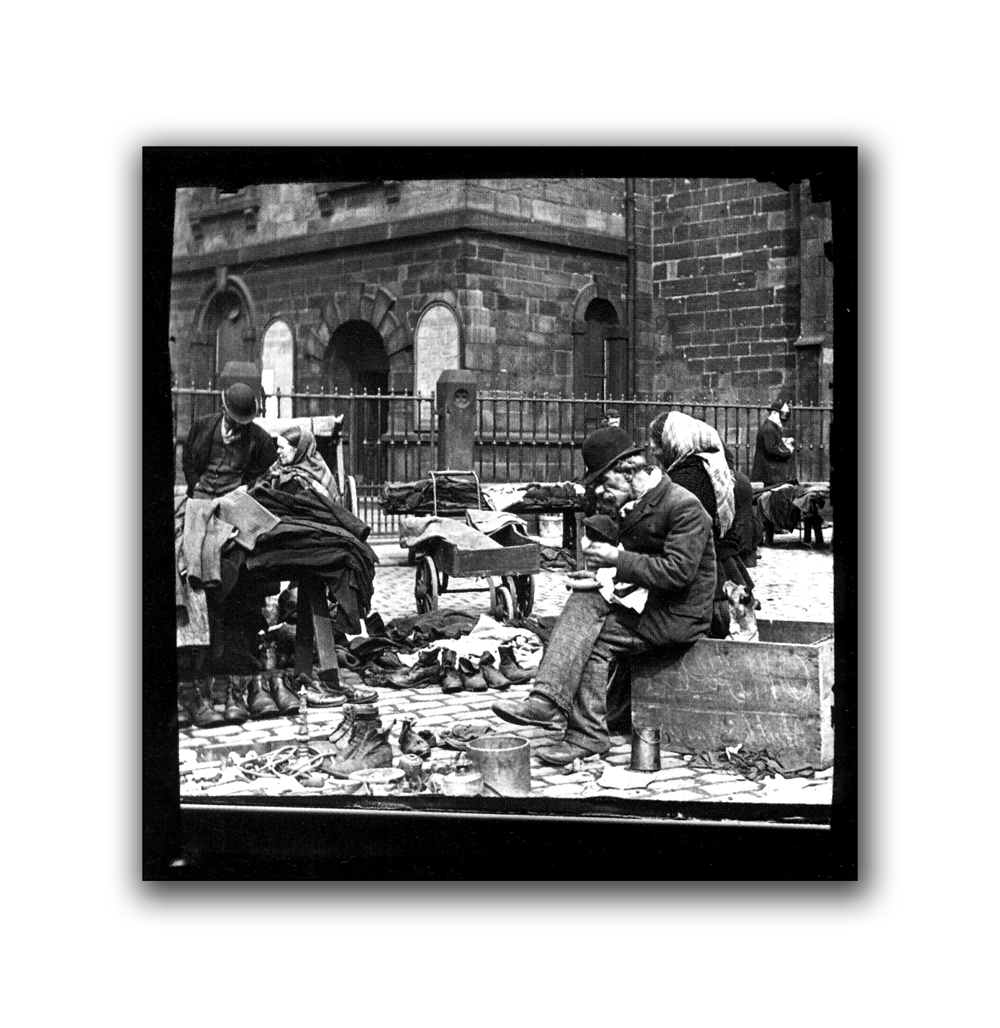
Flat Iron Market Salford. Manchester 1890.

Swan Street, Salford Manchester 1890.

Organ Grinder – Swan Street Salford, Manchester 1890.

Tom Shudehill, Poultry Market. Manchester 1890.
Water
In Paganism, there has always been a good deal of focus on the four elements – Earth, Air, Fire, and Water.
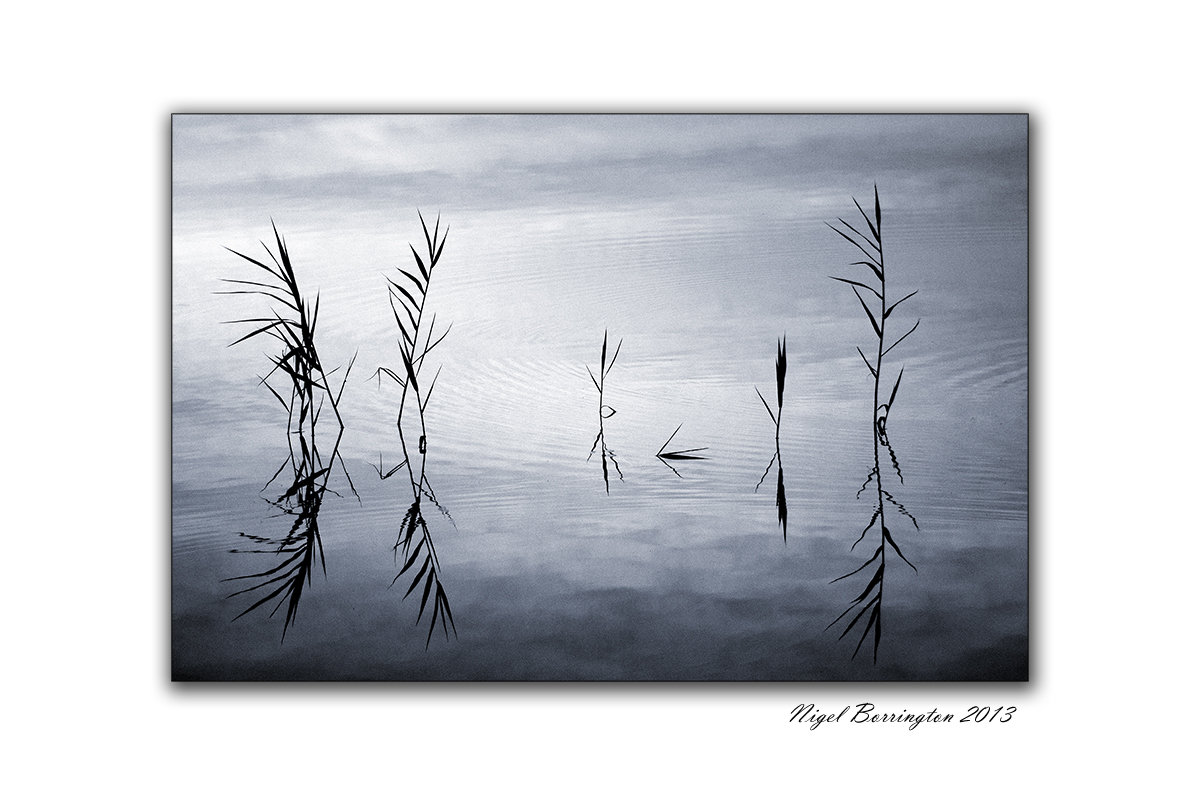
Water:
Water (Uisce in irish / place names after : Adare, the ford that feeds the oak tree.) is a feminine energy and highly connected with the aspects of the Goddess. Used for healing, cleansing, and purification, Water is related to the West, and associated with passion and emotion. In many spiritual paths, consecrated Water can be found – consecrated water is just regular water with salt added to it, and usually a blessing or invocation is said above it. In Wiccan covens, such water is used to consecrate the circle and all the tools within it. As you may expect, water is associated with the color blue.

Goddess :Fland
Location: Ireland.
Description: Daughter of woodland Goddess Flidais. A lake Goddess who is viewed in modern (Post Christian) folklore as an evil water faery who lures swimmers to their death.
She rules over: Water magick, lakes
The Sea – Louis MacNeice
The Sea
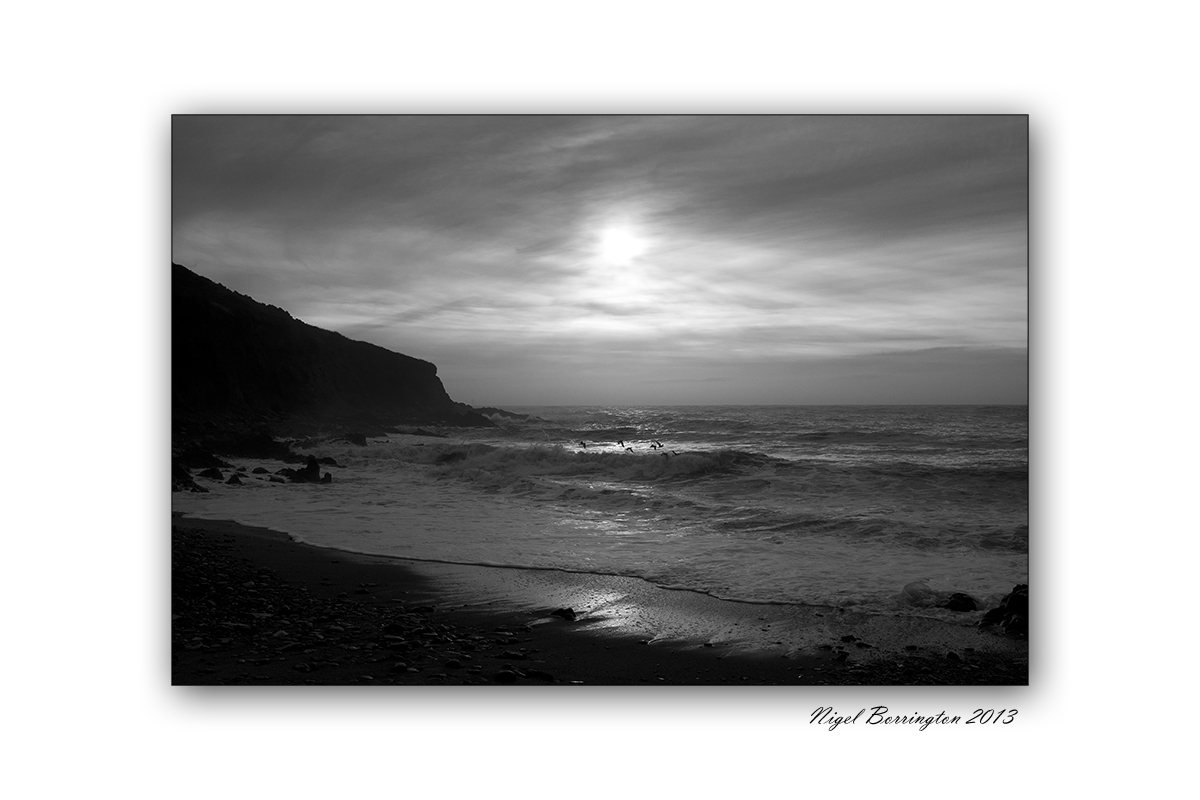
Incorrigible, ruthless,
It rattles the shingly beach of my childhood,
Subtle, the opposite of the earth,
And, unlike earth, capable
Any time at all of proclaiming eternity
Like something or someone to whom
We have to surrender, finding
Through that surrender life.
Louis MacNeice 1907-1963
Nama
The National Asset Management Agency an artists comment.
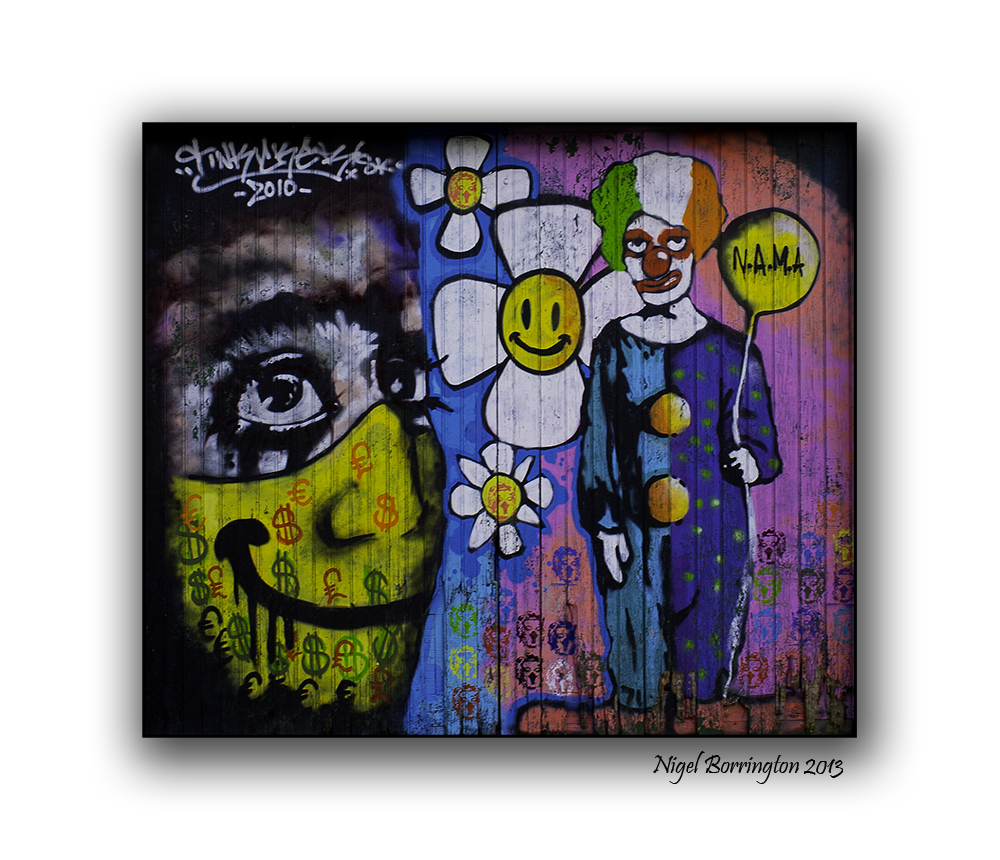
I have stayed away from even attempting to cover the Irish recession in my photography and possibly this has been a mistake something I may be addressing. While I was looking for some landscape locations at the Quays, St Mullins Co Kilkenny, I came across this old mill shed that has been used by a local artist to make what I feel is the perfect statement about what has been taking place in Ireland over the last three or four years.
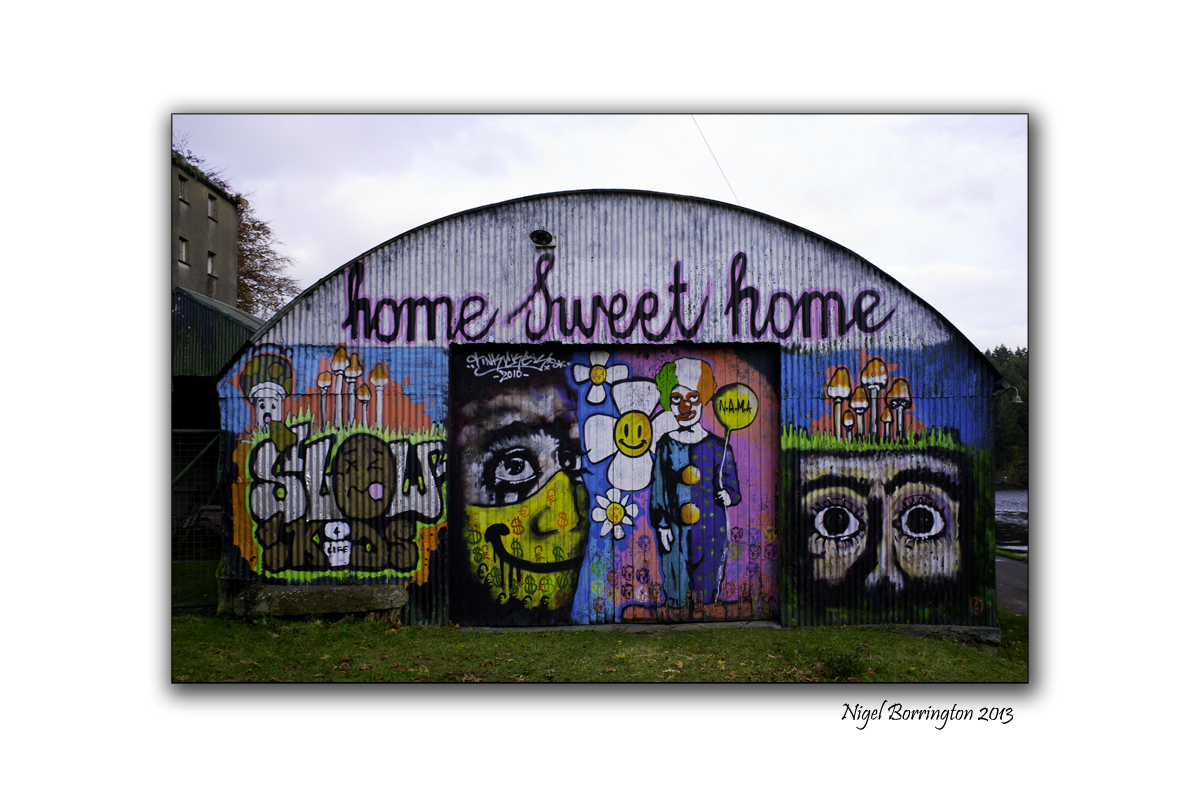
I was amazed by the creative mind that could make great use of such a well visited and public location in Co.Kilkenny to make a clear comment.
The painting on the shed’s door and buildings end is very powerful and provocative let alone brilliantly painted.
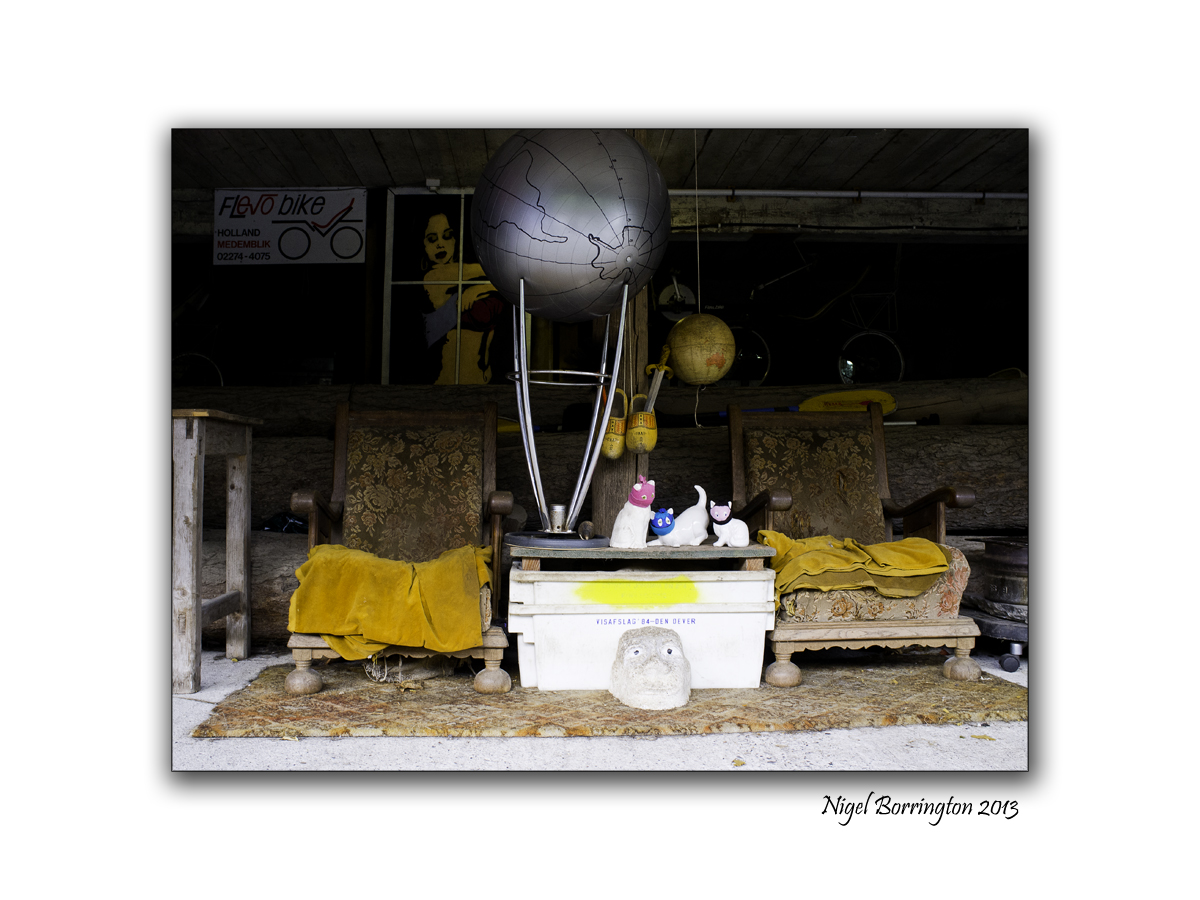
However I think the use of the inside of the covered space at the side of the mill is the most powerful part of this work. It’s clearly reminds the viewer that a lot of people in Ireland have lost almost everything during these last years. The idea that this is a family’s living space in the remains of an old mill is not that far from the truth.
When I looked through the images at home something occurred to me, I don’t think that most people (living in or outside of Ireland) know what NAMA is, so let’s take a look at the official definition.
http://en.wikipedia.org/wiki/National_Asset_Management_Agency
National Asset Management Agency
“The National Asset Management Agency (NAMA; Irish: Gníomhaireacht Náisiúnta um Bhainistíocht Sócmhainní) is a body created by the Government of Ireland in late 2009, in response to the Irish financial crisis and the deflation of the Irish property bubble.
NAMA functions as a bad bank, acquiring property development loans from Irish banks in return for government bonds, primarily with a view to improving the availability of credit in the Irish economy. The original book value of these loans was €77 billion (comprising €68bn for the original loans and €9bn rolled up interest) and the original asset values to which the loans related was €88bn with there being an average Loan To Value of 77% and the current market value is estimated at €47 billion.[1][2] NAMA is controversial, with politicians (who were in opposition at the time of its formation)[3] and some economists criticising the approach,[4] including Nobel Prize-winning economist Joseph Stiglitz who has said that the Irish government is “squandering” public money with its plan to bail out the banks.[5][6]
One year after NAMA’s establishment the Irish government was compelled for other but similar reasons to seek an EU-IMF bailout in November 2010, the outcome of which will have considerable effects on NAMA’s future operations.
Background
As a result of the collapse of the Irish property market, Irish banks have property development loan assets secured on property with a market value significantly below the amount owed. Many of the loans are now non-performing due to debtors experiencing acute financial difficulties. Both factors have led to a sharp drop in the value of these loan assets.
If the banks were to recognise the true value of these loans on their balance sheets, they would no longer meet their statutory capital requirements. The banks therefore need to raise further capital but, given the uncertainty around the true value of their assets, their stock is in too little demand for a general share issuance to be a viable option.[7]
The banks are also suffering a liquidity crisis due, in part, to their lack of suitable collateral for European Central Bank repo loans. Along with their capital requirement problems, this is limiting the banks’ ability to offer credit to their customers and, in turn, contributing to the lack of growth in the Irish economy.[8]
How NAMA will work
The National Asset Management Agency Bill present format, covers the six financial institutions which are covered by the Irish government’s deposit guarantee scheme. Those institutions are Bank of Ireland, Allied Irish Banks, Anglo Irish Bank, EBS, Irish Life and Permanent and Irish Nationwide. Other institutions, such as Ulster Bank, which are not covered may choose to join the scheme.[9]
The Minister for Finance, Brian Lenihan, said the banks would have to assume significant losses when the loans, largely made to property developers, are removed from their books. If such losses resulted in the banks needing more capital, then the government would insist on taking an equity stake in the lenders.[10] Economist Peter Bacon, who was appointed by the government to advise on solutions to the banking crisis, said the new agency had potential to bring a better economic solution to the banking crisis and was preferable to nationalising the banks.[11]
The assets will be purchased by using government bonds, which may lead to a significant increase in Ireland’s gross national debt.[10]
The Bill provides that NAMA will be established on a statutory basis, as a separate body corporate with its own Board appointed by the Minister for Finance and with management services provided by the National Treasury Management Agency.[12] [13]
The Bill envisages that NAMA will arrange and supervise the identification and valuation of property-backed loans on the books of qualifying financial institutions in Ireland, but will delegate the purchase and management of these loans to a separately created Special Purpose Vehicle (SPV).[14] “

This is the key statement to me:
“The assets will be purchased by using government bonds, which may lead to a significant increase in Ireland’s gross national debt.[10] ”
May? what?
So people who didn’t have any debt, people who were careful enough not to along with kids who are just getting a start in life, have now taken on the debt that other people (Banks/Investors and developers) created.
In pure terms that’s it and the questions that remain after all this, they relate to personal/individual choices and freedoms.
Why?
Well if after spending a life time being careful with your time and money you still find yourself personally indebted, to a level you cannot even imagine, Debt created by the organisations and governments in which you placed your (trust, money and votes). You can very easily ask, what was the point of you being careful in the first place.
This is the amount that every person in Ireland is now in debt:
BBC
http://www.bbc.co.uk/news/business-15748696
€390,969 Foreign debt per person in Ireland
How the hell did that happen?
Personally I worked on call, seven days a week for 30 years. Got married, Pay for a simple house, never used a credit card. I lived in a city and used the bus and train. I only purchased a car when I had saved up for one.
Why, when I am now involved up to my neck in €390.969 worth of debt?
Hay, Never mind – on and up!
Kilkenny wedding
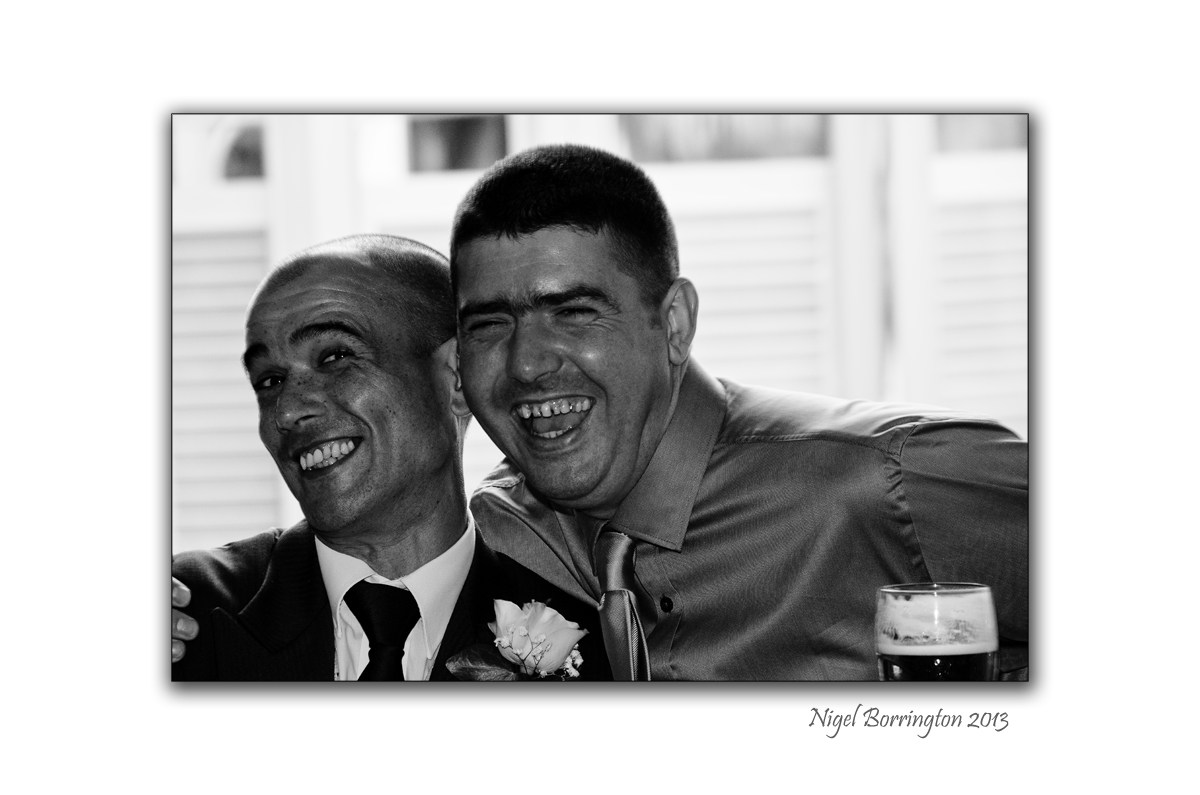
The Grooms Brothers
A shot taken at a wedding I photographed in Langton House Hotel, Co Kilkenny
Canon G1x
Canon G1x

So since I sold my Contax G2 kit on ebay.ie last summer and then purchased a Canon G1x what have I be using it for and what’s my feeling about this Camera.

I am a big believer that a camera has to fit its owner before good images can even be approached, if you’re going out to get images with something that you just don’t feel good with then yes you may still get some good photos but you will always feel that bit removed from what you’re taking pictures of.
To me when you get your camera out of its bag and move toward the things you want to record, if you just don’t feel good about the camera in your hands then any issues you have with it will be in the front of your mind and not your subjects. Good photography is all about mind just like any other areas of life.
So what about this little Canon, I have to say from the first time I held and took some shots it was clear that I could just get on and use it. I don’t care that much about camera spec’s. It’s been a long time since any camera lacked a feature that I needed and I think that most photographers just know the kind of camera to pass on.
What counts for me is how the camera feels in my hands and how simply I can make a change to a setting that I need. The Canon G1x is about as good as it gets in both these areas. Yes its different from an SLR but not so different that it takes more than ten minutes to feel at home.
I can only point out one thing that I didn’t like, this being the placement of the video button. It’s far too simple to press it when you just holding the camera and walking around. You will also find that its not fast to cancel this mode when you want to, it takes at least two second to get out of recording and go back to stills mode. Next to the video button is a rubber rest for the thumb, make sure your thumb stays on this and this problem won’t happen.
The one thing that I felt I would have a problem with was the viewfinder or lack of it but even after using 100% view, optical viewfinder cameras for so long like Slr’s or rangefinder cameras I did’nt have any problems from the start. The single reason for this was the LCD screen, its crystal clear and I have always been able to see it in any lighting conditions.
The process of holding the camera in front of yourself is very different but I felt that it went hand in hand with the type of photography this camera is so good at, this being photography in the environment. Just being outside and going on a walk about, heading in town and doing some street photography or up the top of a mountain with a camera that’s not so heavy that its all you can think about. Using the LCD screen to frame your shot somehow keeps you feeling involved with the very things you’re taking pictures of.
I will post much more about this camera and talk about the C1 and C2 modes and how I have set them up to store things like my preferred focus length (35mm) and how to use the front dial to zoom to fixed focus positions.
The following pictures below are just some samples from the first few weeks I have owned this camera, as you can see its got me out taking lots of subjects. The image quality is second to none when put against the size and usability of this type of camera.
If I had one simple comment it would be, well done canon for making a camera that with no fuss gets people involved with the subjects they want to photo, while not spend any-time thinking about the camera you just sold them. Well done!
Black and white landscapes
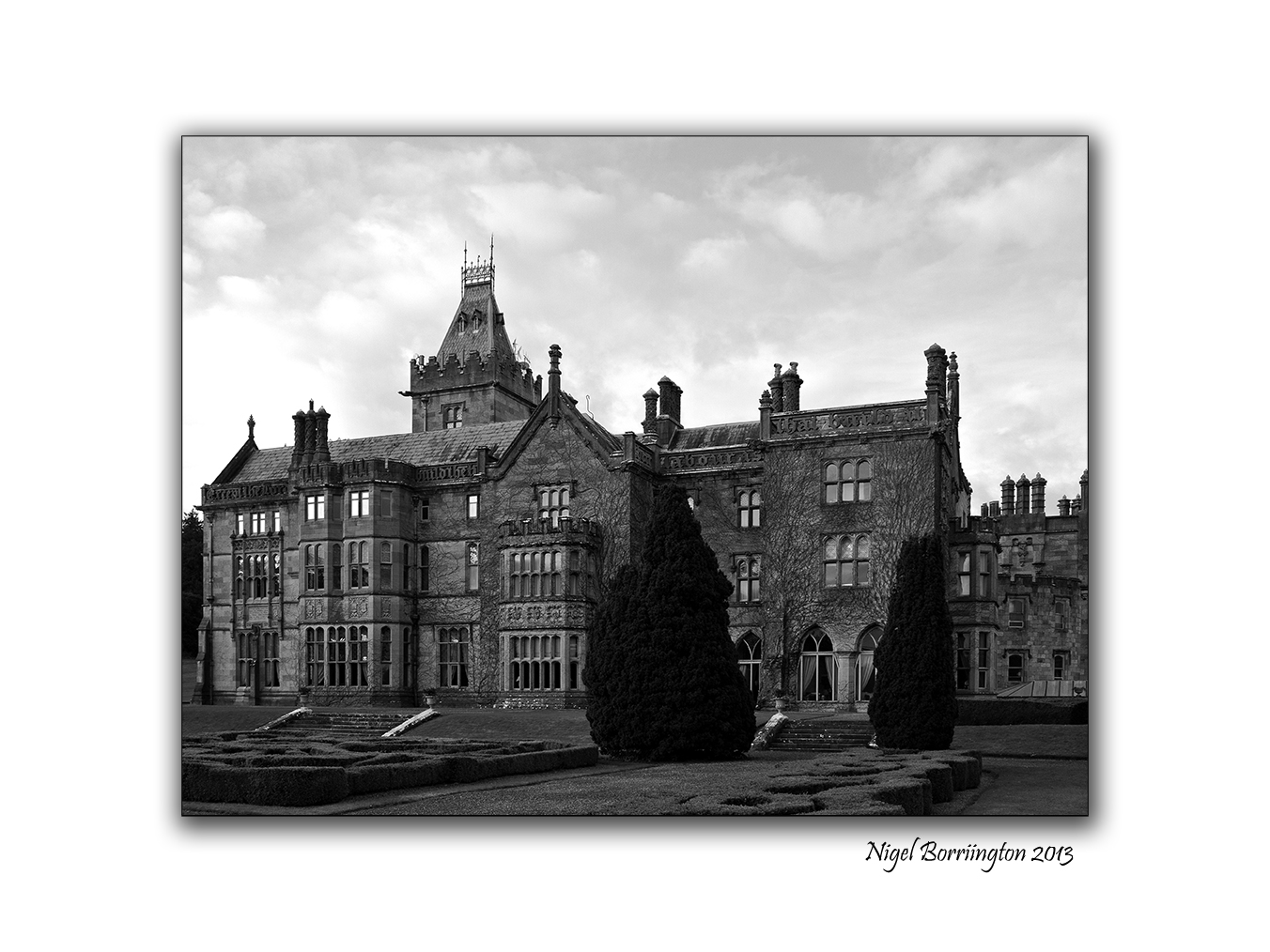

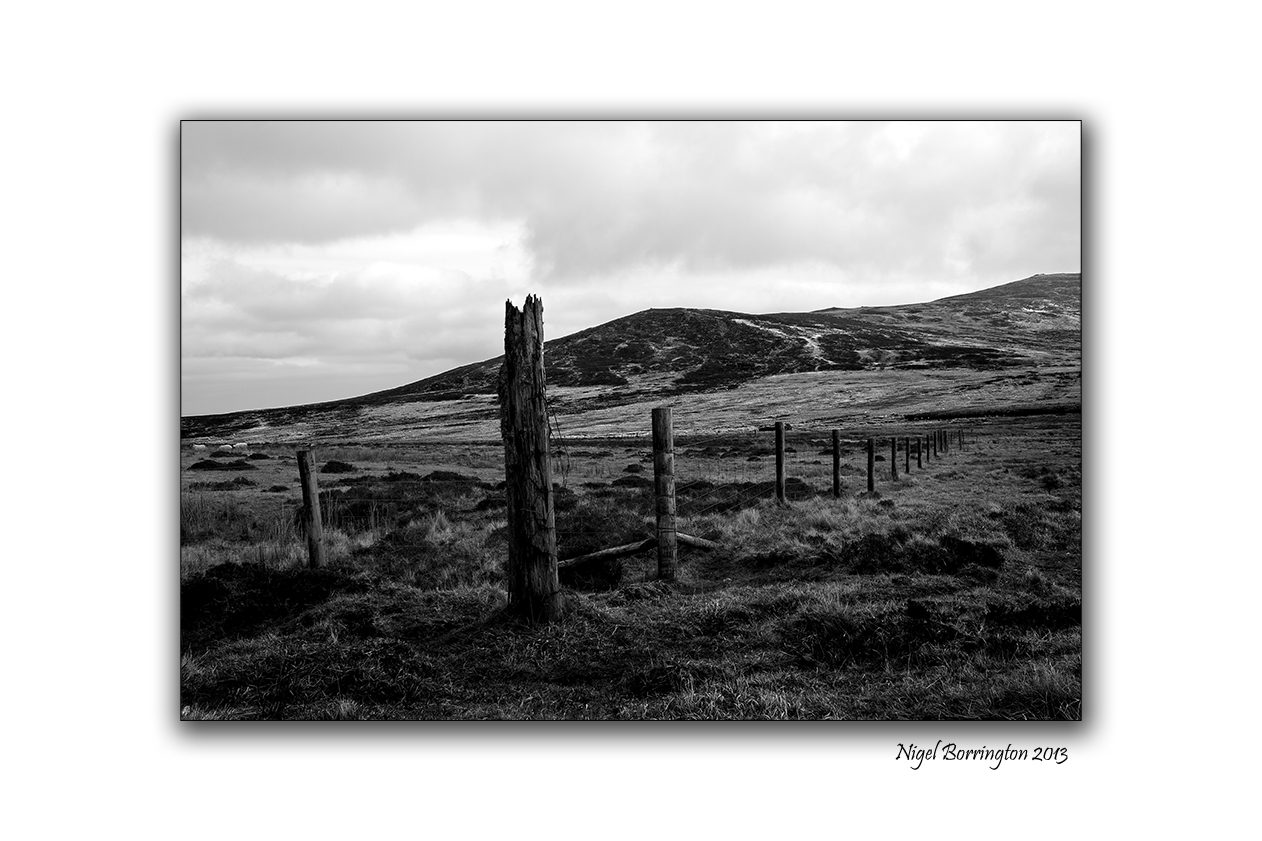

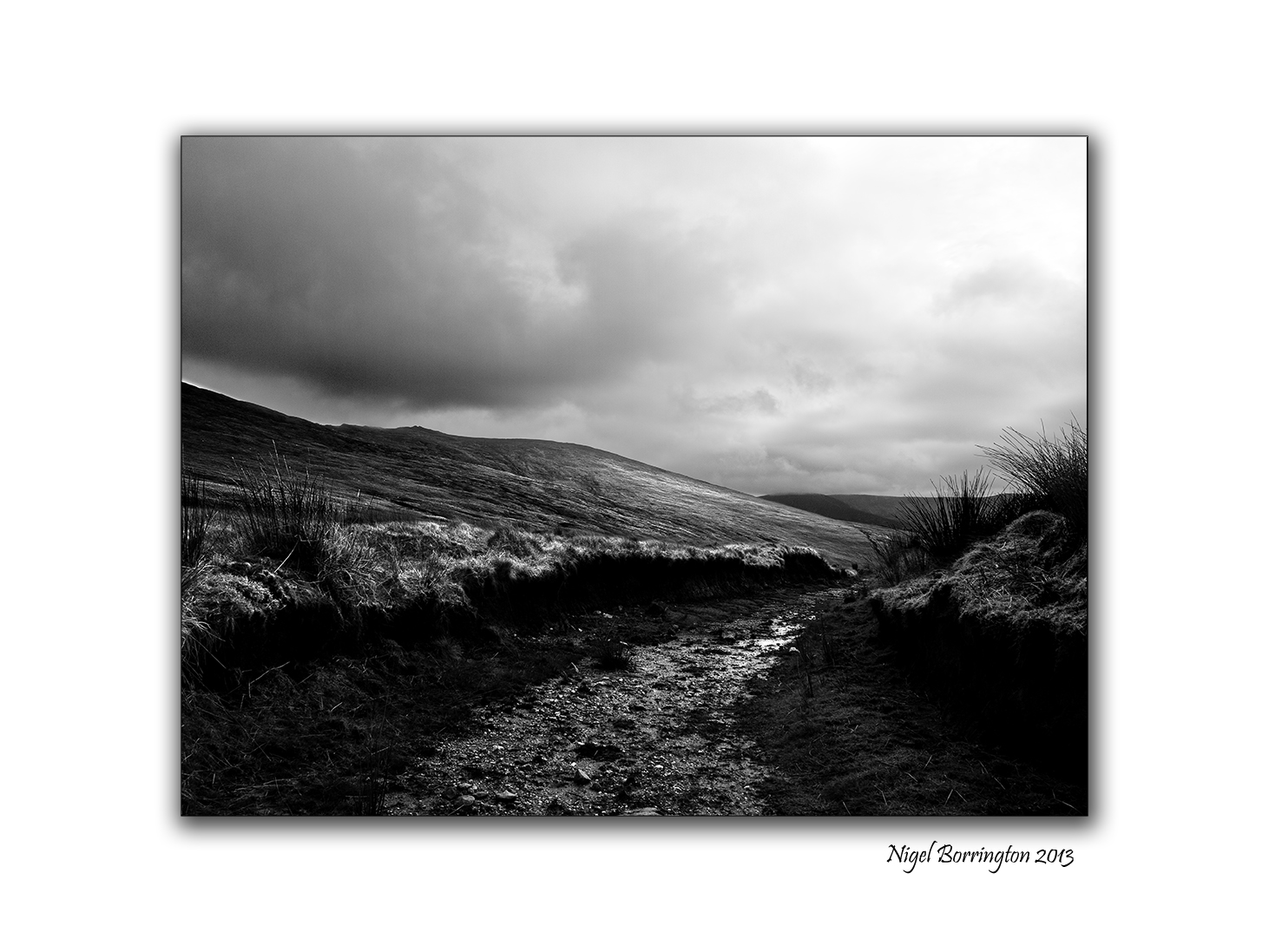
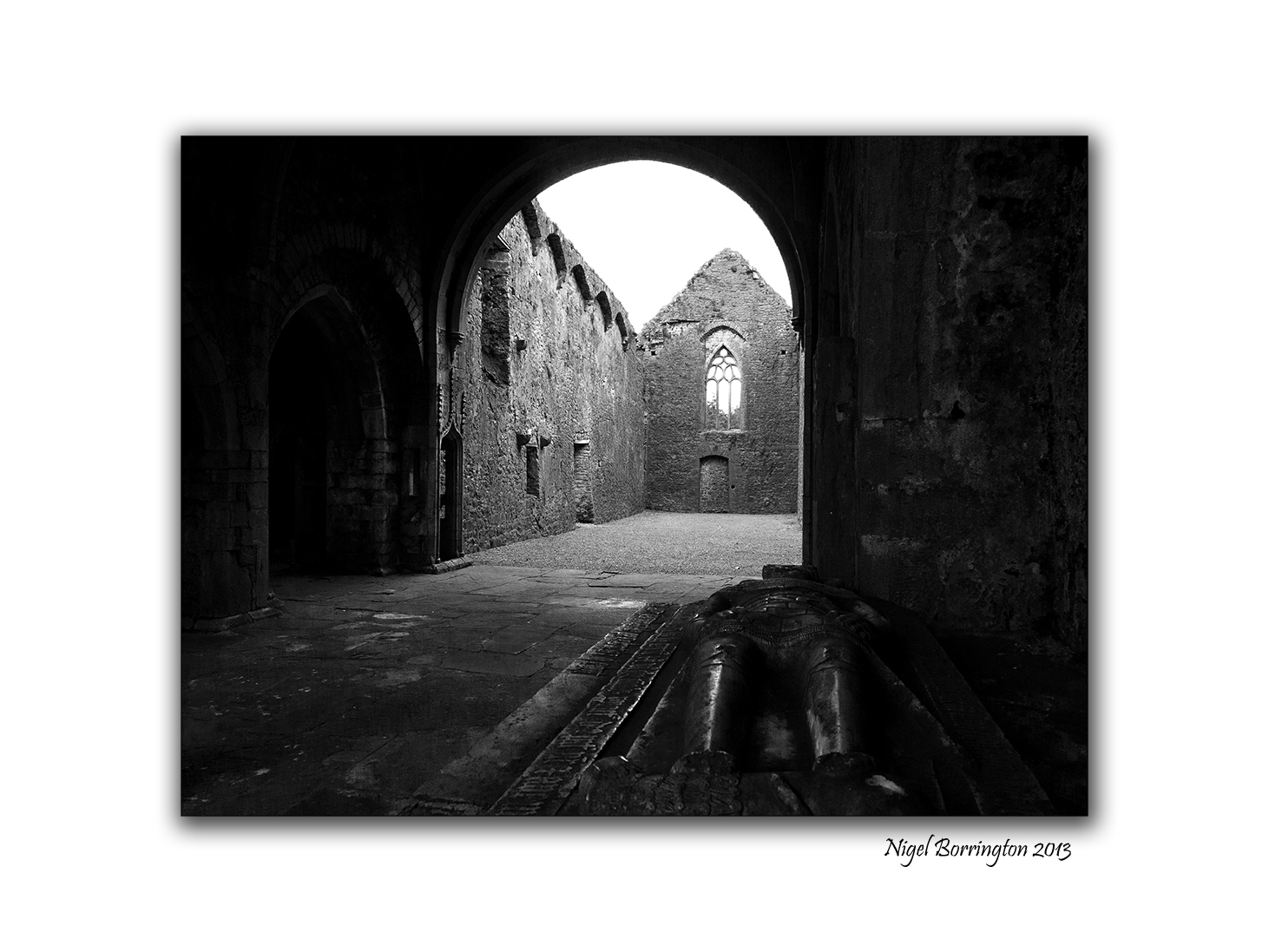
Canon G1x
Nigel Borrington
Paula Dawn

I was sorting through some old films this morning and wondering what to do with them when I came across this shot above, The Paula Dawn one very early morning in September 1998 on the north Norfolk Broads.
I also found her being talked about on the following web site. Paula Dawn
I don’t think we had one spot of rain all week and what a boat.
This is her some years before

Slievenamon

Canon G1x
Landscape photography by : Nigel Borrington
Rising as a huge heathery dome amid gentle green countryside, Slievenamon’s profile naturally attracts the eye. This is an easy mountainwith with a broad and clear track leading all the way to the summit cairn.
On fine days there are extensive views, taking in all the best walking areas in the South East of Ireland.
Slievenamon is a mountain of history and mystery of lore and legends. Its name means the ‘Mountain of the Women’ and the story is told how all the fairest women raced to the top to claim the hand of the warrior, Fionn Mac Cumhail. Fionn secretly fancied Grainne, the daughter of the High King of Ireland, so he advised her how to win the race!
Although it looks like a solitary height, Slievenamon is surrounded by a series of lower heathery humps. Some of these, like the main summit, are crowned by ancient burial Cairns. The highest cairn is said to mark the entrance to the mysterious Celtic underworld.
The Celtic Underworld … and the Otherworld
According to the Celtic myths, the Celtic deities and the fairy folk lived in the spiritual domain that was generally called the “Otherworld”. These domains were usually hidden from mortal eyes, though not always. Sometimes, human beings are admitted, sometimes against their will or better judgement.
In Irish myths, the Otherworld could be an island, such as Glastonbury, or a dun or hill-fort. Sometimes, the Otherworld was called Sidhe, the fairy hill-fort (dun) or palace.
In the Welsh myths, the Otherworld was often called Annwfn or Annwyn, and the fort or castle was usually known as Caer.
The Underworld is what many people today might call the afterlife, referring to the spiritual realm in which newly dead spirits and souls go. Sometimes the underworld is identified as being like the Christian Hell because Hell is sometimes pictured as being under the Earth. The Underworld is possibly linked to the Earth because that is where the body goes after death.
 Nigel Borrington
Gone walkabouts – back soon
He call me, I am following
I will keep up with everyone if I can get on line!
Talk soon
Nigel
Share this:
March 20, 2013 | Categories: Comment | Tags: Nigel Borrington | 2 Comments