Capturing the world with Photography, Painting and Drawing

Latest

From Blossoms, Poem By : Li-Young Lee

From Blossoms Nature Photography : Nigel Borrington

From Blossoms
Nature Photography : Nigel Borrington

From Blossoms

By : Li-Young Lee

From blossoms comes
this brown paper bag of peaches
we bought from the boy
at the bend in the road where we turned toward
signs painted Peaches.

From laden boughs, from hands,
from sweet fellowship in the bins,
comes nectar at the roadside, succulent
peaches we devour, dusty skin and all,
comes the familiar dust of summer, dust we eat.

O, to take what we love inside,
to carry within us an orchard, to eat
not only the skin, but the shade,
not only the sugar, but the days, to hold
the fruit in our hands, adore it, then bite into
the round jubilance of peach.

There are days we live
as if death were nowhere
in the background; from joy
to joy to joy, from wing to wing,
from blossom to blossom to
impossible blossom, to sweet impossible blossom.

– Li-Young Lee

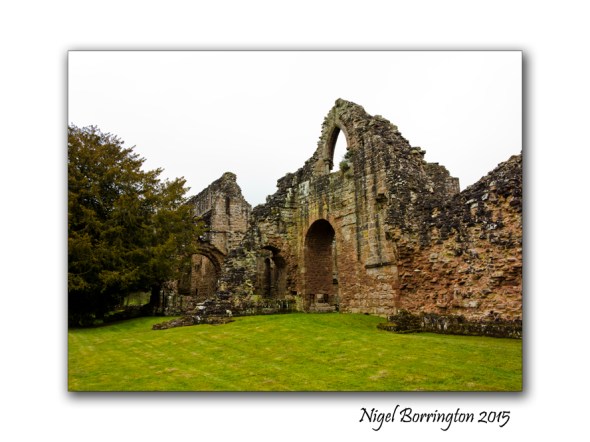
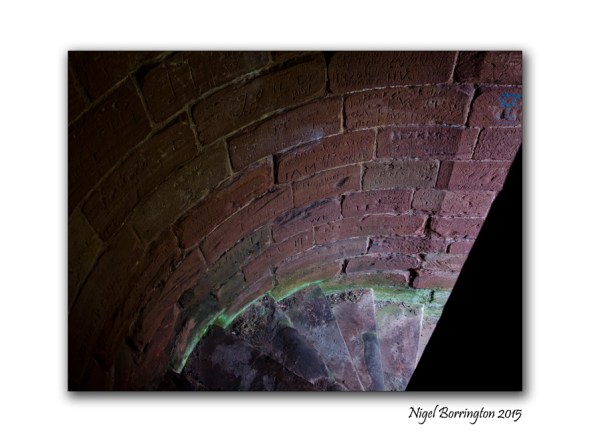
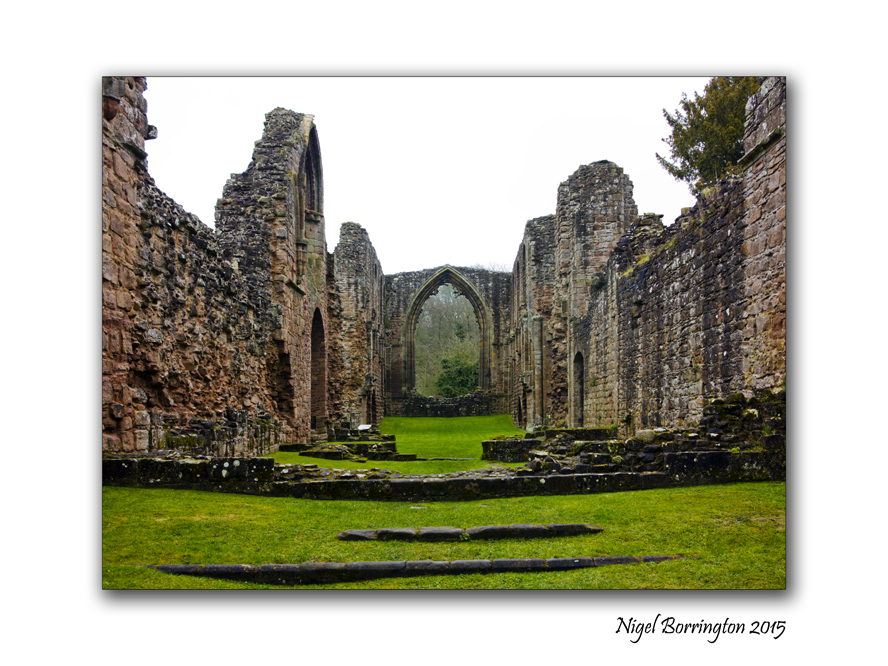
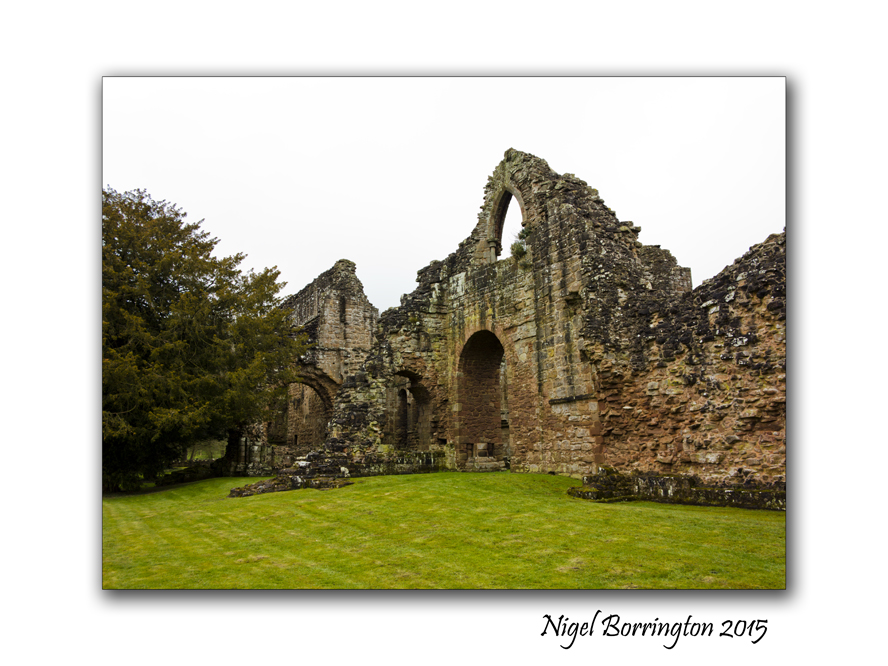
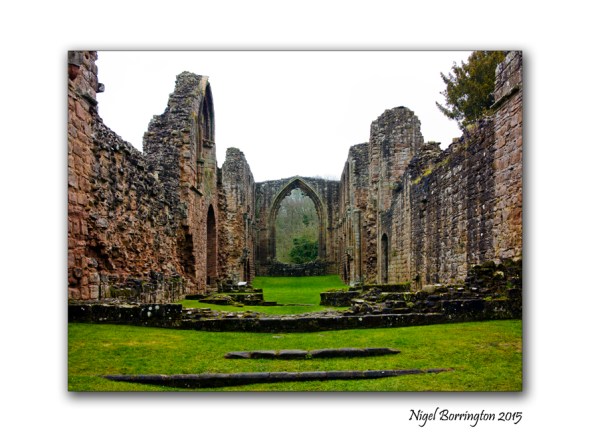
Lilleshall Abbey Shropshire, England

Lilleshall Abbey, Shropshire, England, Landscape Photography : Nigel Borrington

Lilleshall Abbey, Shropshire, England,
Landscape Photography : Nigel Borrington

Lilleshall Abbey Shropshire, England

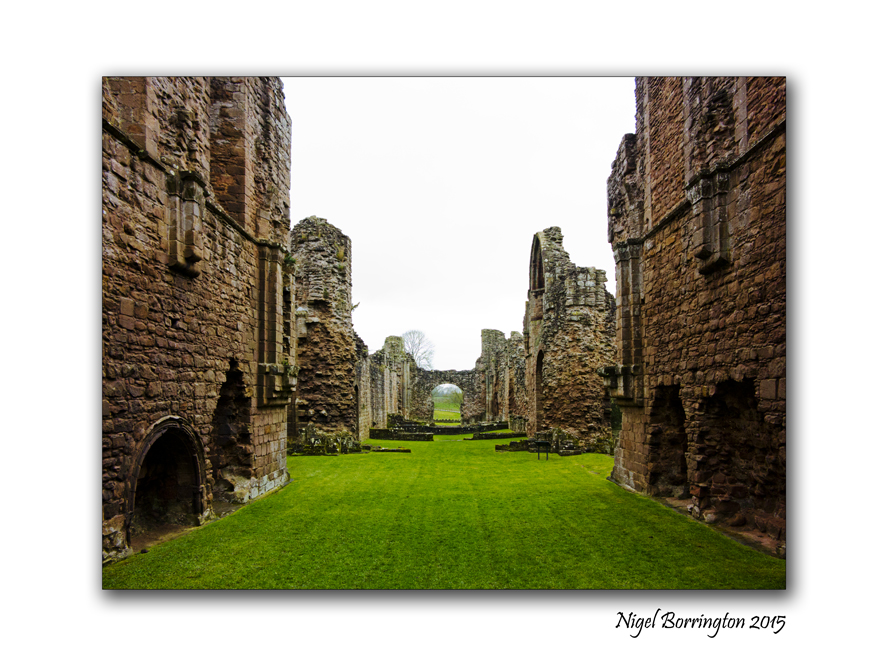
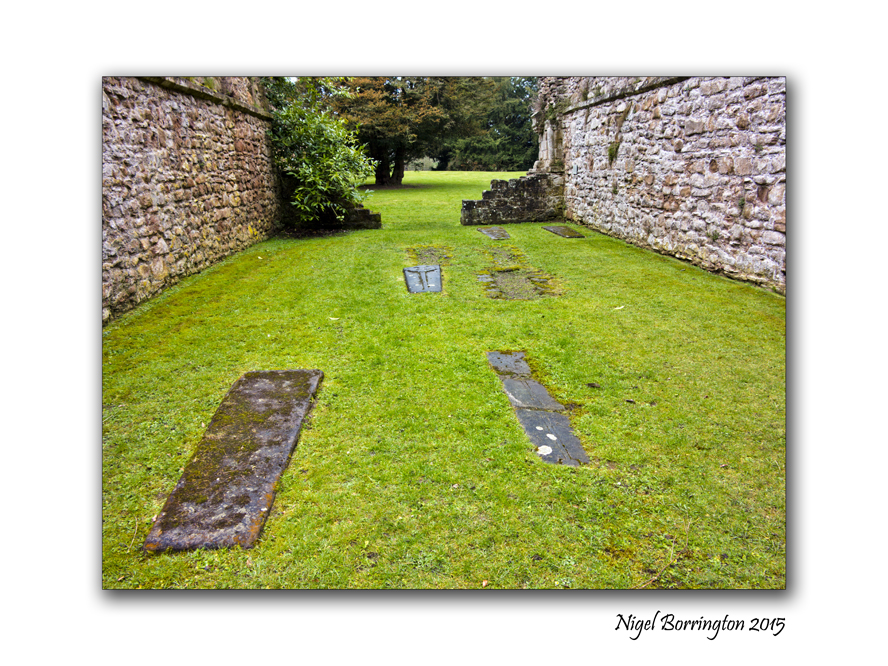
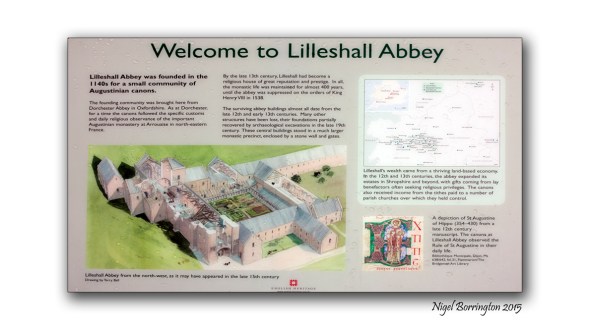
On a very wet day back in April 2015, I visited Lilleshall Abbey Shropshire, while driving back from London to a friends home in North Wales. The Abbey is located just north of the M54 junction 5, near the village of Lilleshall.

To find the Abbey just follow the Brown tourist signs when you leave the motorway.

The weather was somehow fitting for making a visit here as it made it very clear just how life would have been for the 11th century monks who lived their lives here ( cold , wet and isolated ).

This text form wikipedia on the Abbey, describes very well the life of a monk and contains a great history of the Abbey …

Lilleshall Abbey Shropshire, England

The monastic life

The abbey’s community were Augustinian Canons Regular or conventual canons, not technically monks. Although the Arrouaisians were at first noted for their austerity of life, they were less enclosed than Benedictine or Cistercian monks. Arrouaisian houses were noted for the high quality of their liturgical observance. A prayer roll of about 1375 confirms that this was so at Lilleshall more than two centuries after the foundation.

lilleshall abbey 05

There was a large number of benefactions from lay landowners and these often came with requests to be buried or prayed for at Lilleshall or for membership of the fraternity of the abbey. Late in the 12th century, for example, John Lestrange, a local baron with holdings further afield, got into a dispute with Ramsey Abbey over the church at Holme-next-the-Sea in Norfolk. In a settlement acceptable to all, he gave the church to Lilleshall Abbey, for the health of his own and his wife’s souls. Shortly afterwards he added the church at Shangton in Leicestershire, adding specifically “the body of his wife Amicia when she shall have gone the way of all flesh.” Similarly, Robert de Kayley gave the abbey two thirds of his land at Freasley, in Dordon, Warwickshire, on condition that it accept his body for burial.This suggests that its monastic life quickly built up a reputation for holiness that could be acquired by proximity, and one that clearly persisted into the later Middle Ages. John of Gaunt, 1st Duke of Lancaster, spent two days at the abbey, together with his wife Katherine Swynford and a large retinue. He had fallen ill after the 24th parliament of Richard II’s reign was held at Shrewsbury, dissolving on 31 January 1398. Gaunt himself, his wife, and his squire, William Chetwynd, were received into the fraternity, and Gaunt made a gift of twenty pounds of gold.

lilleshall abbey 02

Although the fraternity was important in diffusing the influence of the abbey, there is no evidence of lay brothers and sisters being admitted to the abbey community itself. This is unexpected as the Abbey of Arrouaise had admitted lay members at least since the time of Abbot Gervais. There were many employees, however. In the mid-15th century, there were over twenty household servants, including two porters, a butler, a chamberlain, two cooks, a baker, a bell-ringer, a cobbler, and washerwoman, as well as a carpenter and a group of apprentices to carry out repairs. There was a tannery on the premises, as well as a brewery. Self-sufficiency was an important feature of Arrouaisian houses. Arrouaise itself had a similar but even larger and more differentiated lay labour force.

The canons were much employed in managing the abbey’s substantial estates, which seem to have been worked mainly by indentured servants and later by wage labour. A fairly high proportion of the abbey’s land was kept in demesne, cultivated from granges. The Lilleshall estate alone had four of these and there was a ring of further granges in Shropshire and Staffordshire, with two outlying at Blackfordby and Grindlow. The grange at Blackfordby seems to have absorbed a good deal of time and labour, with canons often staying there. There was even a chapel on site, with mass said three times a week. This was strictly irregular, as it was considered perilous to the soul for a canon to reside anywhere alone, and there were complaints about it from the Bishop of Lichfield. However, the nature of the abbey’s estates meant that canons would often require leave to travel. Both this and the increasingly unfavourable agrarian conditions and labour market of the 14th century meant that direct exploitation of demesnes was gradually reduced in favour of leasing out land.

The abbey was not noted for its intellectual life. However, there was some kind of library and a copy of a chronicle ascribed to Peter of Ickham has survived from it, with additions made locally. There is also evidence of a canon being licensed to study at university for 10 years from 1400.

John Mirk, a Lilleshall canon of the late 14th and early 15th centuries did make a literary mark. He wrote in the local West Midland dialect of Middle English and at least two of his works were widely copied and used. Festial is a collection of homilies for the festivals of the Liturgical year as it was celebrated in his time in Shropshire. Instructions for Parish Priests is in lively vernacular verse, using octosyllabic lines and rhyming couplets throughout. Mirk intended to ensure that priests had the resources to give good counsel to their flock. The existence of such works suggests that the canons were actively engaged with the liturgical and pastoral work of their region, if not at the highest scholarly level.

—————

I really enjoyed taking a pause in my long drive here, even in the heavy British rains and would recommend a visit if your ever passing by …..

Lilleshall Abbey a Gallery
lilleshall abbey 01

lilleshall abbey 02

lilleshall abbey 03

lilleshall abbey 04

lilleshall abbey 05

lilleshall abbey 06

lilleshall abbey 07

lilleshall abbey 08

To The Daisy, Poems by William Wordsworth

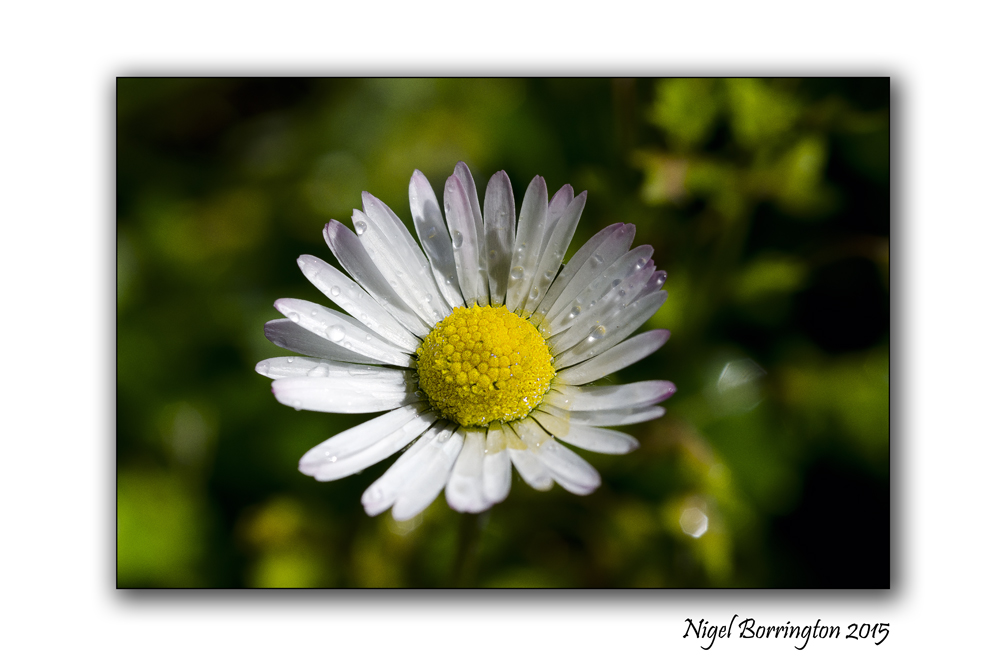
The Daisy  Nature Photography : Nigel Borrington

The Daisy
Nature Photography : Nigel Borrington

Her divine skill taught me this,
That from every thing I saw
I could some instruction draw,
And raise pleasure to the height
Through the meanest objects sight.
By the murmur of a spring,
Or the least bough’s rustelling;
By a Daisy whose leaves spread
Shut when Titan goes to bed;
Or a shady bush or tree;
She could more infuse in me
Than all Nature’s beauties can
In some other wiser man.

in youth from rock to rock I went,
From hill to hill in discontent
Of pleasure high and turbulent,
Most pleased when most uneasy;
But now my own delights I make,–
My thirst at every rill can slake,
And gladly Nature’s love partake,
Of Thee, sweet Daisy!

Thee Winter in the garland wears
That thinly decks his few grey hairs;
Spring parts the clouds with softest airs,
That she may sun thee;
Whole Summer-fields are thine by right;
And Autumn, melancholy Wight!
Doth in thy crimson head delight
When rains are on thee.

In shoals and bands, a morrice train,
Thou greet’st the traveller in the lane;
Pleased at his greeting thee again;
Yet nothing daunted,
Nor grieved if thou be set at nought:
And oft alone in nooks remote
We meet thee, like a pleasant thought,
When such are wanted.

Be violets in their secret mews
The flowers the wanton Zephyrs choose;
Proud be the rose, with rains and dews
Her head impearling,
Thou liv’st with less ambitious aim,
Yet hast not gone without thy fame;
Thou art indeed by many a claim
The Poet’s darling.

If to a rock from rains he fly,
Or, some bright day of April sky,
Imprisoned by hot sunshine lie
Near the green holly,
And wearily at length should fare;
He needs but look about, and there
Thou art!–a friend at hand, to scare
His melancholy.

A hundred times, by rock or bower,
Ere thus I have lain couched an hour,
Have I derived from thy sweet power
Some apprehension;
Some steady love; some brief delight;
Some memory that had taken flight;
Some chime of fancy wrong or right;
Or stray invention.

If stately passions in me burn,
And one chance look to Thee should turn,
I drink out of an humbler urn
A lowlier pleasure;
The homely sympathy that heeds
The common life, our nature breeds;
A wisdom fitted to the needs
Of hearts at leisure.

Fresh-smitten by the morning ray,
When thou art up, alert and gay,
Then, cheerful Flower! my spirits play
With kindred gladness:
And when, at dusk, by dews opprest
Thou sink’st, the image of thy rest
Hath often eased my pensive breast
Of careful sadness.

And all day long I number yet,
All seasons through, another debt,
Which I, wherever thou art met,
To thee am owing;
An instinct call it, a blind sense;
A happy, genial influence,
Coming one knows not how, nor whence,
Nor whither going.

Child of the Year! that round dost run
Thy pleasant course,–when day’s begun
As ready to salute the sun
As lark or leveret,
Thy long-lost praise thou shalt regain;
Nor be less dear to future men
Than in old time;–thou not in vain
Art Nature’s favourite

Spring Herb’s : Herb-Robert

Herb Robert Irish nature Photography : Nigel Borrington

Herb Robert
Irish nature Photography : Nigel Borrington

Spring Herb’s : Herb-Robert

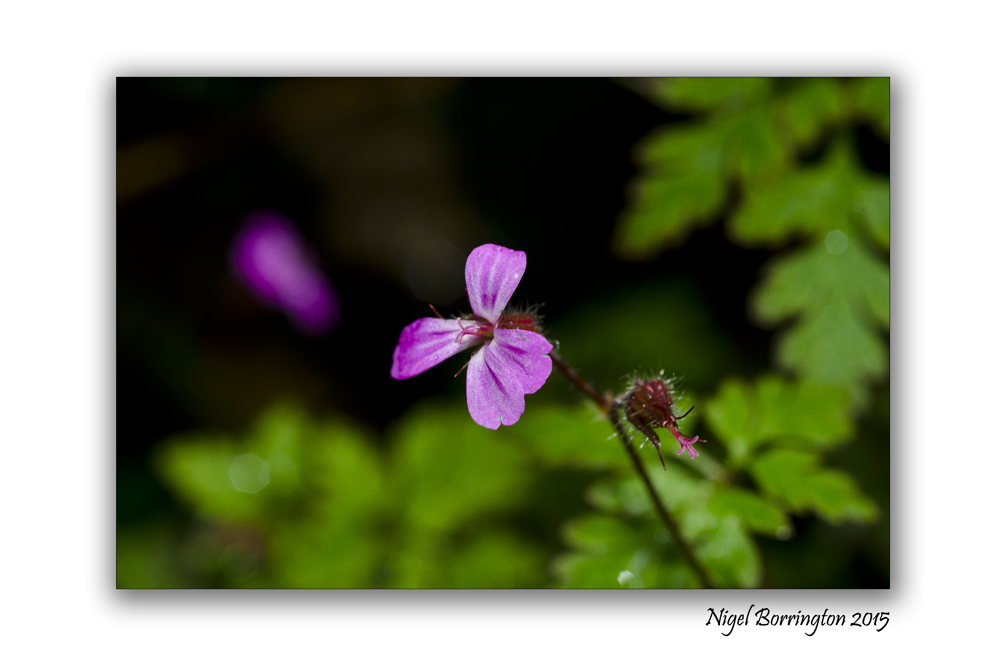
Familiar little pink flower from April to November, Herb-Robert is a hairy, unpleasant-smelling plant which grows on banks, bases of walls, shingle and shady places throughout the country. Its pink flowers (8-15mm across) have five un-notched petals and in the center of the flower are orange anthers. Each petal is marked by small lighter-pink lines running into the center of the flower. The hairy, stalked leaves are often tinged red and have three to five deeply cut lobes. The fruit is hairy and beak-like. This is a native plant belonging to the family Geraniaceae.

This plant has been introduced into North and South America from Europe and Asia. In traditional medicine in the Americas it has been used to stop nosebleeds. Its leaves are also made into a herbal tea which is recommended as a gargle and an eyewash. (you would not recommend this course of action).

One wonders who is the ‘Robert’ of this plant. Maybe the name comes from the Latin word ‘ruber’ meaning red which may have referred to the colouring of the leaves and stems.

Hover Fly – Poem by Michael Shepherd

Hover Fly - Poem by Michael Shepherd Nature Photography : Nigel Borrington

Hover Fly – Poem by Michael Shepherd
Nature Photography : Nigel Borrington

Hover Fly

Poem by Michael Shepherd

The hover fly
that’s just demonstrated
that it’s one of the Creation’s greatest
and smallest, most compact miracles of lawful
imagination (imagine flying, then stopping
quite still in the air, no slowing down,
just, zap, like that, dead steady,
and it’s smaller (!) than a helicopter, wow)
right here in front of me in silhouette, but
illuminated on one wing by the PC screen,
and pausing for a freeze-frame moment of eternity
as if to tell me something
(illumination, too?) –
all this, and yet it
doesn’t know I’m writing about it.
Presumably.

The Fly – Poem by William Blake

The Fly - Poem by William Blake Macro-photography : Nigel Borrington

The Fly – Poem by William Blake
Nature photography : Nigel Borrington

The Fly

Poem by William Blake

Little Fly,
Thy summer’s play
My thoughtless hand
Has brushed away.

Am not I
A fly like thee?
Or art not thou
A man like me?

The Fly 02.

For I dance
And drink, and sing,
Till some blind hand
Shall brush my wing.

If thought is life
And strength and breath
And the want
Of thought is death;

Then am I
A happy fly,
If I live,
Or if I die.

“MAY” a Poem by: Christina Rossetti (1830-1894)

The flowers of May Nature Photography : Nigel Borrington

The flowers of May
Nature Photography : Nigel Borrington

May

by: Christina Rossetti (1830-1894)

I cannot tell you how it was;
But this I know: it came to pass–
Upon a bright and breezy day
When May was young, ah pleasant May!
As yet the poppies were not born
Between the blades of tender corn;
The last eggs had not hatched as yet,
Nor any bird forgone its mate.

May Rapeseed 2015 1.

I cannot tell you what it was;
But this I know: it did but pass.
It passed away with sunny May,
With all sweet things it passed away,
And left me old, and cold, and grey.

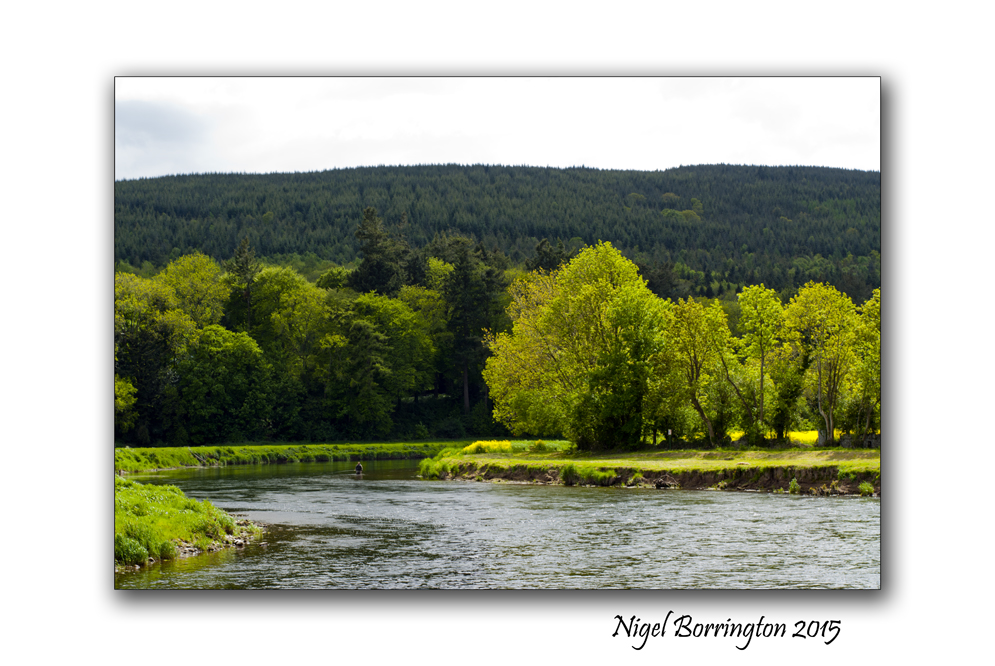
River Suir in May 2015

Happy 1st of May to everyone, it is Beltane in the Pagan and Celtic calendar ….

1st of May and its Beltane Irish Landscape Photography : Nigel Borrington

1st of May and its Beltane
Kilkenny Landscape Photography : Nigel Borrington

Beltane or Beltain

(/ˈbɛl.teɪn/)is the Gaelic May Day festival. Most commonly it is held on 1 May, or about halfway between the spring equinox and the summer solstice. Historically, it was widely observed throughout Ireland, Scotland and the Isle of Man. In Irish it is Bealtaine ([ˈbʲal̪ˠt̪ˠənʲə]), in Scottish Gaelic Bealltainn ([ˈpjaul̪ˠt̪ˠɪɲ]) and in Manx Gaelic Boaltinn or Boaldyn. It is one of the four Gaelic seasonal festivals—along with Samhain, Imbolc and Lughnasadh—and is similar to the Welsh Calan Mai.

Morning Star 2

Beltane is mentioned in some of the earliest Irish literature and it is associated with important events in Irish mythology. It marked the beginning of summer and was when cattle were driven out to the summer pastures. Rituals were performed to protect the cattle, crops and people, and to encourage growth. Special bonfires were kindled, and their flames, smoke and ashes were deemed to have protective powers. The people and their cattle would walk around the bonfire, or between two bonfires, and sometimes leap over the flames or embers. All household fires would be doused and then re-lit from the Beltane bonfire. These gatherings would be accompanied by a feast, and some of the food and drink would be offered to the aos sí. Doors, windows, byres and the cattle themselves would be decorated with yellow May flowers, perhaps because they evoked fire. In parts of Ireland, people would make a May Bush; a thorn bush decorated with flowers, ribbons and bright shells. Holy wells were also visited, while Beltane dew was thought to bring beauty and maintain youthfulness. Many of these customs were part of May Day or Midsummer festivals in other parts of Great Britain and Europe.

Historic Beltane customs

Beltane was one of four Gaelic seasonal festivals: Samhain (~1 November), Imbolc (~1 February), Beltane (~1 May) and Lughnasadh (~1 August). Beltane marked the beginning of the pastoral summer season, when livestock were driven out to the summer pastures. Rituals were held at that time to protect them from harm, both natural and supernatural, and this mainly involved the “symbolic use of fire”. There were also rituals to protect crops, dairy products and people, and to encourage growth. The aos sí (often referred to as spirits or fairies) were thought to be especially active at Beltane (as at Samhain) and the goal of many Beltane rituals was to appease them. Most scholars see the aos sí as remnants of the pagan gods and nature spirits. Beltaine was a “spring time festival of optimism” during which “fertility ritual again was important, perhaps connecting with the waxing power of the sun”.

More …..

On The Beach – A Poem by Michael Williams

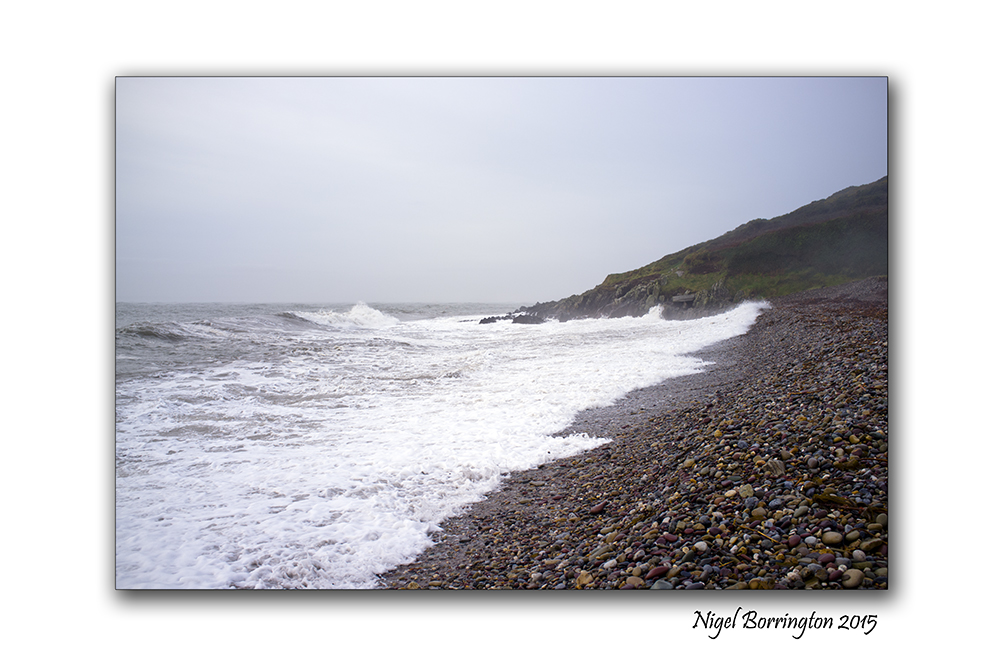
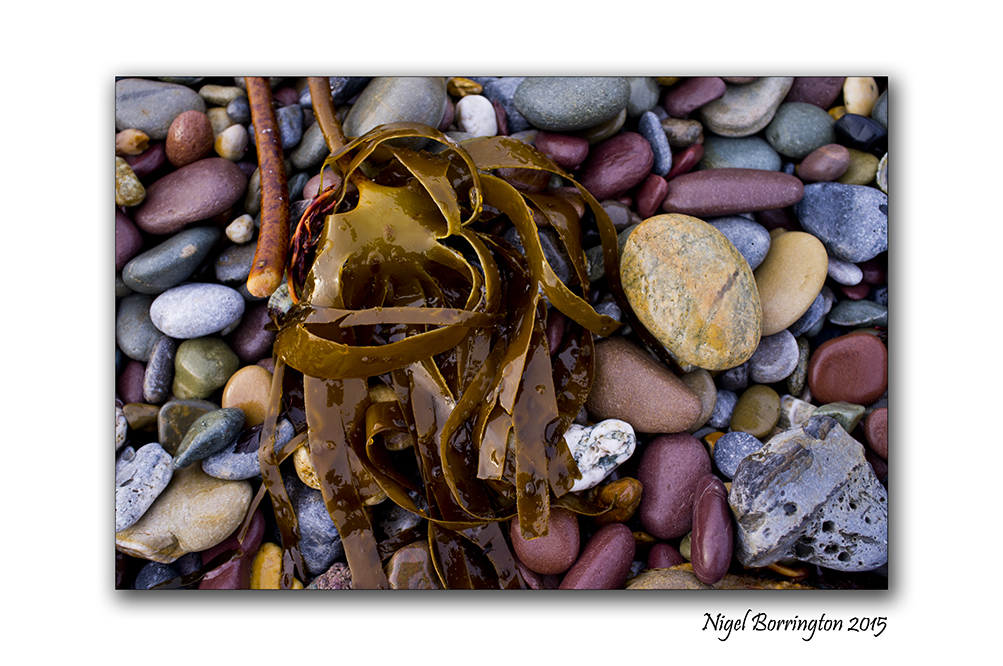
Beach Photography Nigel Borrington

Beach Photography
Nigel Borrington

On The Beach –

A Poem by Michael Williams

At dawn, bare footed, viewing as far as eyes can reach,
the water’s edge advances and recedes along the beach.

Before me I see a carpet of half-buried shells of sea-creatures,
tide washed and rippled in sodden sand along the beach.

I move, exploring, sodden sand oozing between my toes,
beyond me the wavelets breaking on the sand along the beach.

On the Beach April 2015 2.

Behind me, my wandering trail is blurred and indistinct,
as the water’s edge advances and recedes along the beach.

At mid-day, on the soft dry sand behind the water’s edge,
undressed worshippers lie in the sun that beats down along the beach.

On the Beach April 2015 3.

At night, the moon’s reflection at the water’s edge
resembles sea serpents playing in the wavelets along the beach.

Irish Photographer Francis Browne and his lucky escape from the RMS Titanic …..

Francis Browne's pictures of the Titanic April 14th 1912

Francis Browne’s pictures of the Titanic
April 14th 1912

Francis Browne’s Finest Pictures

In 1985 an Edward O’Donnell was searching in the basement at the Irishjesuit Provincial’s House when he came across a large black metal trunk, in it he found a large colletion of negative albums, photographs and most amazingly of all an album containing photographs of Titanic’s voyage.

All these photographs were the work of Francis Browne who died in 1960 and was almost forgotten by this time. Subsequent investigations revealed he had enjoyed worldwide fame in 1912 when his photographs of the Titanic’s journey to Cobh were published worldwide. He had travelled first class to Cobh having been given a ticket by his uncle Robert Browne, Bishop of Cloyne. His remarkable pictures proved to be unique.

Titanic 05

So it was that Frank was presented with a first class ticket for the Maiden Voyage of the Titanic to bring him as far as Cobh. The morning of the 12th.April 1912 he arrived at Waterloo Station in London to catch the Titanic Special. He immediately started taking photographs, first recording the train journey and then life aboard the Titanic on the initial section of the voyage. Having made friends with a wealthy American family he was offered a ticket for the remaining part of the journey and no doubt excitedly telegraphed a request for permission to go on to New York, to which he received the terse response “Get Off That Ship——Provincial!” That telegram not only saved Frank’s life but also meant that this unique record of the voyage was saved for posterity and guaranteed overnight fame for Frank Browne.

Browne later described the event as “the only time holy obedience saved a man’s life.”

“Get Off That Ship——Provincial!” – I guess many have wondered about this instruction ? , its almost prophetic in its nature – I guess we will never know how or why it was such a strong and clear order . I think it relates to the fact that while many embraced the new-world of 1912 technology, many also stood in fear of it and in this case clearly for good reason.

Frank Browne , April 1912 – Titanic Gallery

Titanic 06

Titanic 05

Titanic 04

Titanic 03

Titanic 02