Capturing the world with Photography, Painting and Drawing

Latest

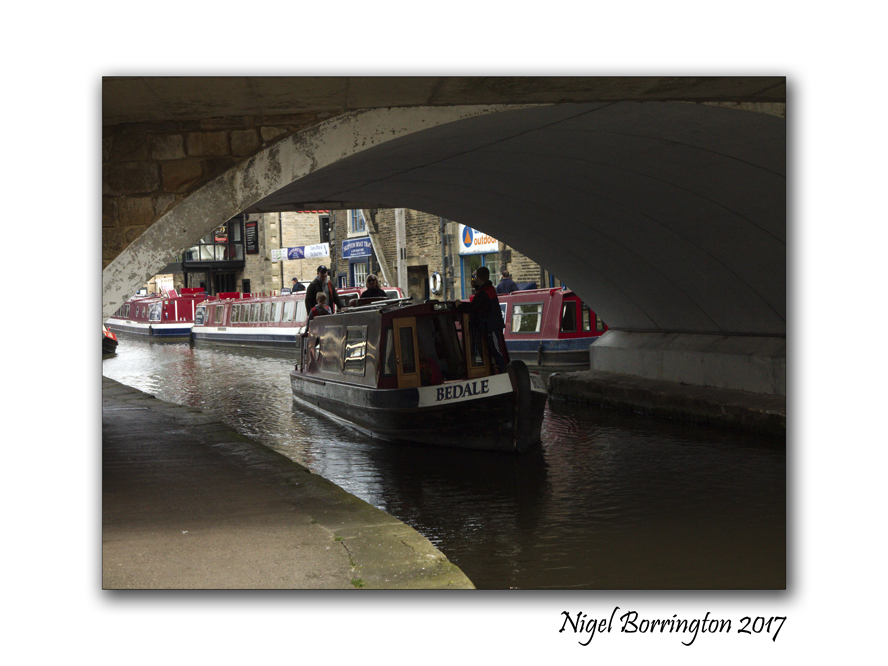
Skipton Waterway Festival 2017, a weekend on the Leeds and Liverpool Canal.

Skipton Waterway Festival
Leeds and Liverpool Canal,
Yorkshire, England
Nigel Borrington

Held every May Bank Holiday in Yorkshire, the Skipton Waterway Festival is a 3 day canal boat event which runs every year on the 1st May day Bank holiday weekend. It is an event which is a non-profit making Festival, which solely relies on donations and sponsorship from the local community. they are also organized by volunteers from Pennine Cruisers and the local community, without these people the event would not run as smoothly as it does each year.

The 1st Skipton Waterway Festival was held in 2001 and they have gone on to grow more and more each year. The festival was originally organized by CRT (British Waterways then) and Pennine Cruisers for around 5 years, however Pennine Cruisers then took on the event, as they saw how much the local boaters and town enjoyed it. As Pennine Cruisers look forward to this event each year, it is part of their year now, as they have organized it for a long time, they say that they would be a little lost without it.

As an event they attract around 8, 000 – 10,000 visitors each year over the full 3 days. It is noticed when people/families visit the festival each and every year. They put on various entertainment, stalls from craft to charity stalls, children’s activities and an array of food/concession stalls. There is something for almost everyone.

This years Festival was great to visit with many Craft stalls and lots of Local history with the new presentation of an internet based database of all the families who worked and still work on the Leeds and Liverpool canal from the first times it was open for use.

Leeds and Liverpool Canal Society

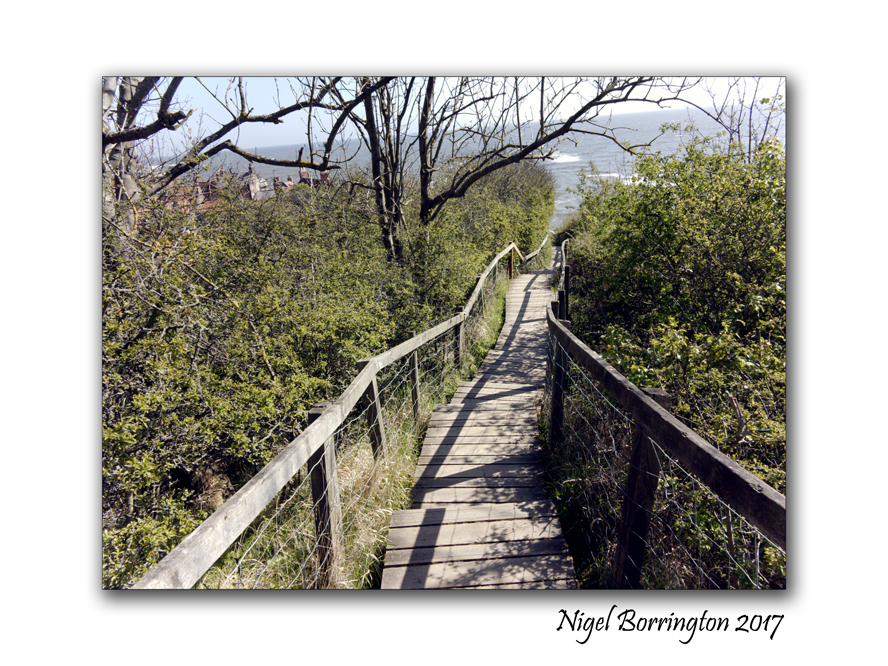
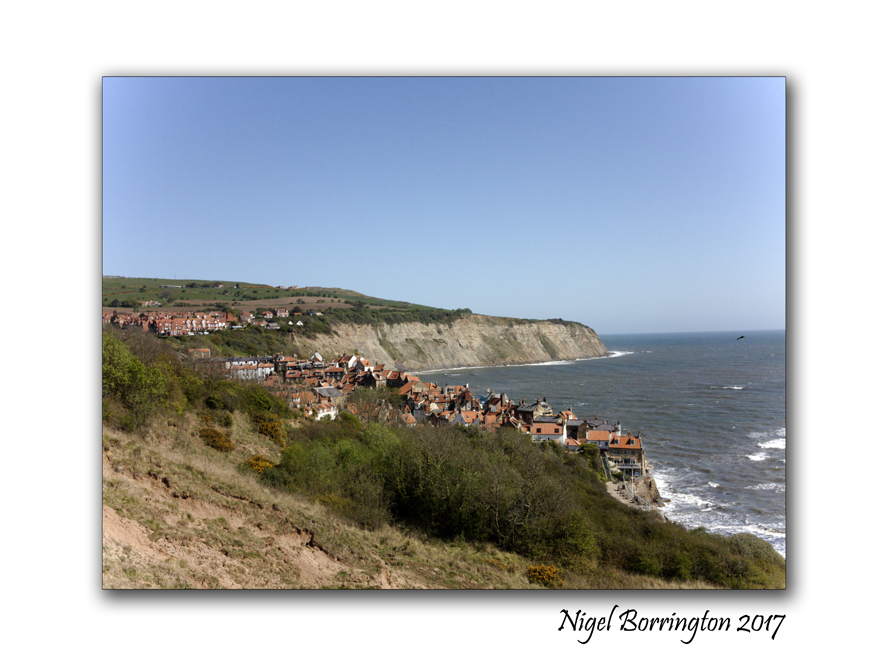
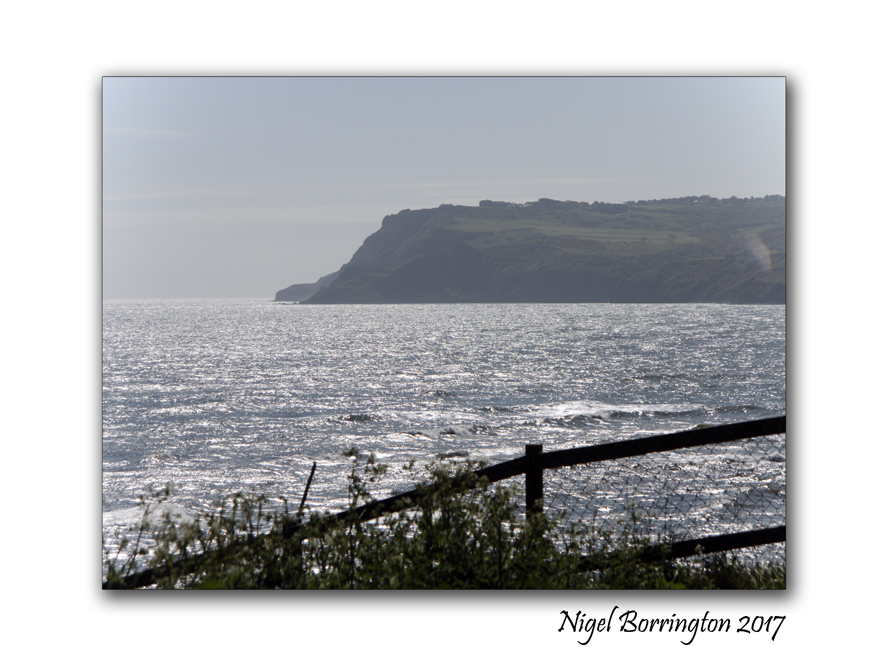
Robin Hood’s Bay, A fishing Village, North York Moors National Park

Robin Hood’s Bay Fishing village North York Moors National Park
Nigel Borrington

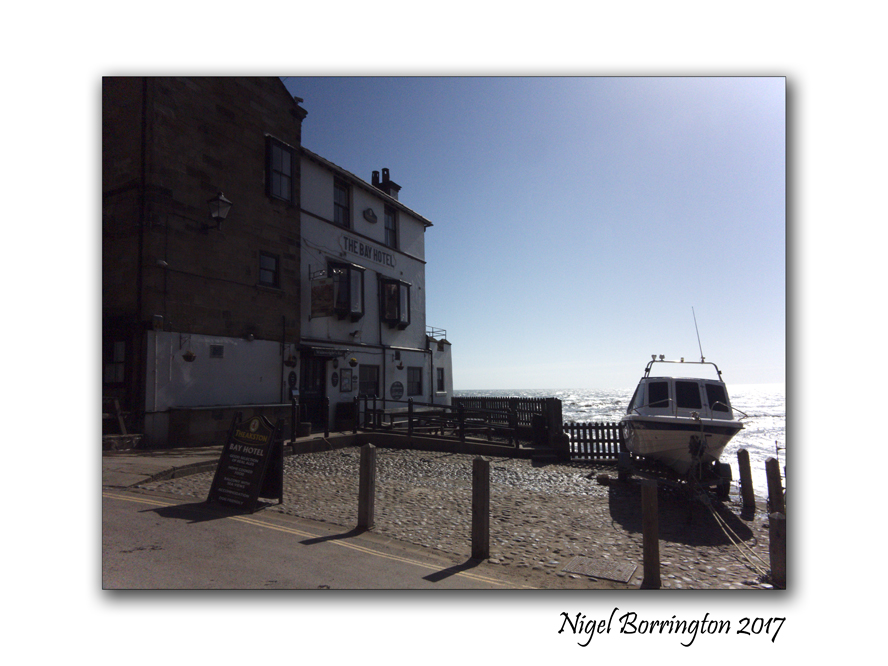
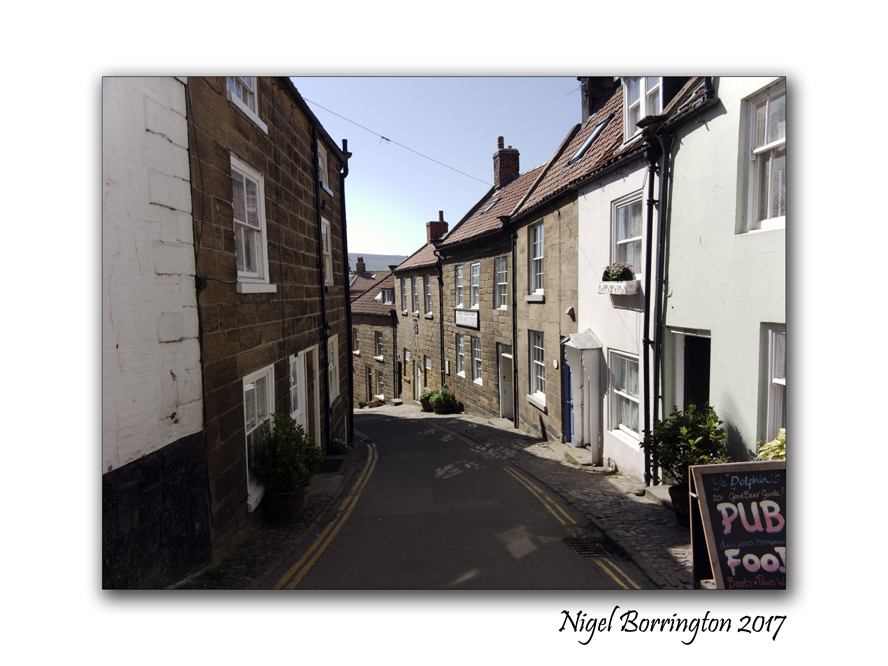
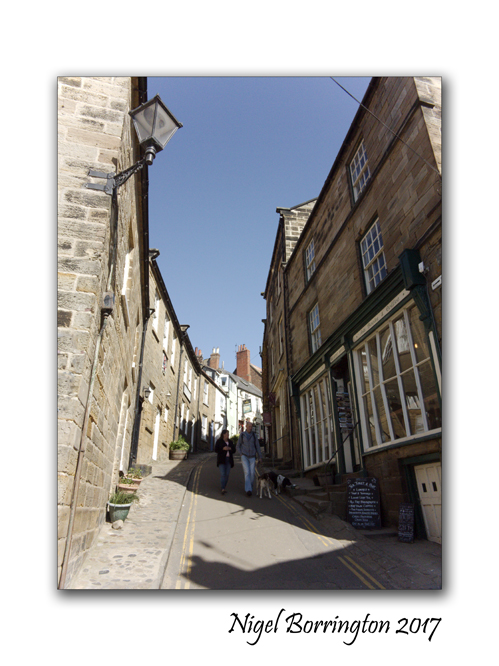
Robin Hood’s Bay is a small fishing village and a bay located within the North York Moors National Park, five miles south of Whitby and fifteen miles north of Scarborough on the stunning coast line of North Yorkshire, England.

“Bay Town” is its local name, in the ancient chapelry of Fylingdales in the wapentake of Whitby Strand. The origin of the name is uncertain, and it is doubtful if Robin Hood was ever in the vicinity.

An English ballad and legend tell a story of Robin Hood encountering French pirates who came to pillage the fisherman’s boats and the northeast coast. The pirates surrendered and Robin Hood returned the loot to the poor people in the village that is now called Robin Hood’s Bay

This Village on the Yorkshire Coast is one of the most Beautiful villages in the UK, Here I share a collection of Photographs taken during a visit at the start of May 2017, I hope that I have captured a small sense of this idyllic English sea side village as I enjoyed our time spend here very much and will look back with very fond memories …..

Robin Hood’s Bay, A Sense of place ….

Keighley & Worth Valley Steam Railway

Keighley & Worth Valley Railway
Nigel Borrington

Last weeks Holiday in Yorkshire was at times a true step back in time, as you can see here with the Keighley & Worth Valley Railway and our visit to Howarth, in the heart of Brontë Country we enjoyed an action packed first day out!

Keighley & Worth Valley Railway runs like a ribbon though Brontë Country, where you can expect to take in some of the most breath taking and famous landscapes in the world. A windswept land of heather and wild moors – it is hardly surprising that this area became the inspiration for the classic works of the Bronte sisters, Charlotte, Emily and Anne.

The Railway has appeared in many TV and film productions including Sherlock Holmes, Harry Potter and Where The Heart Is, A Touch Of Frost and many more. Perhaps most famously, the Railway, and in particular the charming station at Oakworth, were used as the location for the classic 1970 film The Railway Children.

If you get off the Train at Ingrow West station, you will be at the home to two award winning transport museums. You can Travel back in time at the The Ingrow Museum of Rail Travel, where restored carriages, vintage artifacts and sound and video presentations bring the past to life. The Ingrow Loco Museum boasts several locomotives as well as displays, exhibits and archive film. Both these location allow you to discover the long history that the UK has with its rail systems.

There are many special events that run throughout the year. You can get a Cream Tea . The old train lets discover the magic and glamour of the glorious days of steam-hauled, in beautiful surroundings. You can also join an annual Beer & Music Festival with over 120 real ales.

For those that like the great outdoors the railway has plenty of spectacular walks and nature trails. Every stop offers a walk, whether it’s a moorland walk or one of The Railway Children walks – you can try the Top Withens Walk, which takes you out of Haworth, the village where the Brontë sisters lived and wrote, along pathways they walked and through the moorland that inspired them.

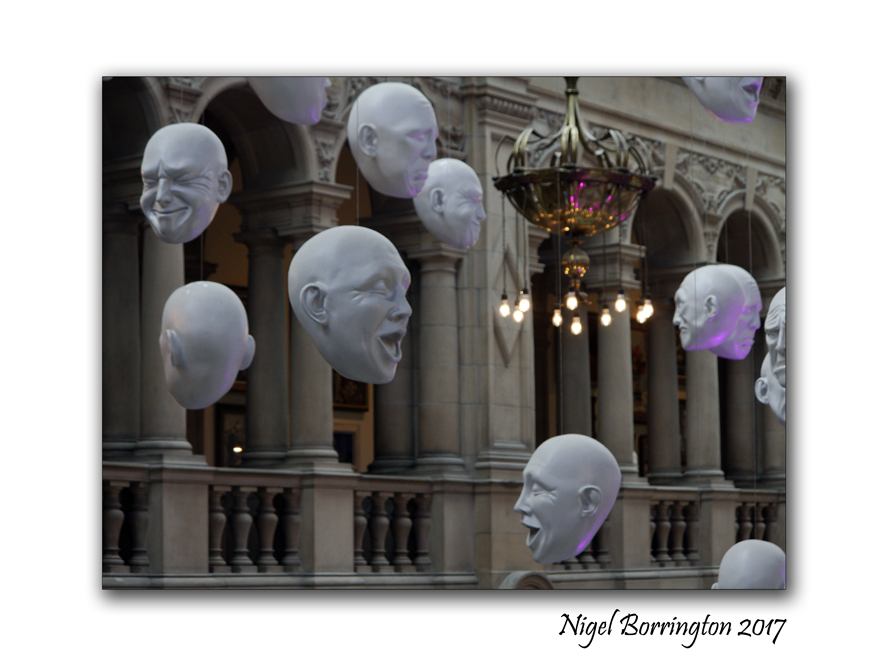
Floating Heads Installation by Sophie Cave, Kelvingrove Art Gallery, Glasgow, Scotland.

Floating Heads Installation by Sophie Cave

The Kelvingrove Art Gallery and Museum, Glasgow, Scotland.

At the start of April this year I promised myself that I would go and visit some Art Gallery’s and cultural museums one of these vists was to The Kelvingrove Art Gallery and Museum. The museum and art gallery in located in Glasgow, Scotland. It reopened in 2006 after a three-year refurbishment and since then has been one of Scotland’s most popular visitor attractions.

The gallery is located on Argyle Street, in the West End of the city, on the banks of the River Kelvin (opposite the architecturally similar Kelvin Hall, which was built in matching style in the 1920s, after the previous hall had been destroyed by fire). It is adjacent to Kelvingrove Park and is situated near the main campus of the University of Glasgow on Gilmorehill.

Floating Heads Installation by Sophie Cave

Just one of the many installations the Gallery has to offer is by Artist Sophie Cave …

If you Ever had that feeling that a hundred set of eyes are watching you then Sophie Cave sculptures turn the feeling into a reality!

The Floating Heads installation located in one of the open public areas in the Gallery, literally turn your head around the moment you first see this work. Sophie Cave has created over 50 sculptures of heads, each displaying different emotions including laughter and despair. The heads are completely white, but are lit so that their expressions are accentuated, which gives the installation a somewhat eerie feel. Since the installation is hung over the foyer, it is one of the first things youwill see when they enter the museum.

Its a great installation as it truly makes you stop and look at each of the heads as they slowly move around to face your direction, I relay enjoyed this work 🙂 🙂

Kelvingrove, Art Gallery, Glasgow

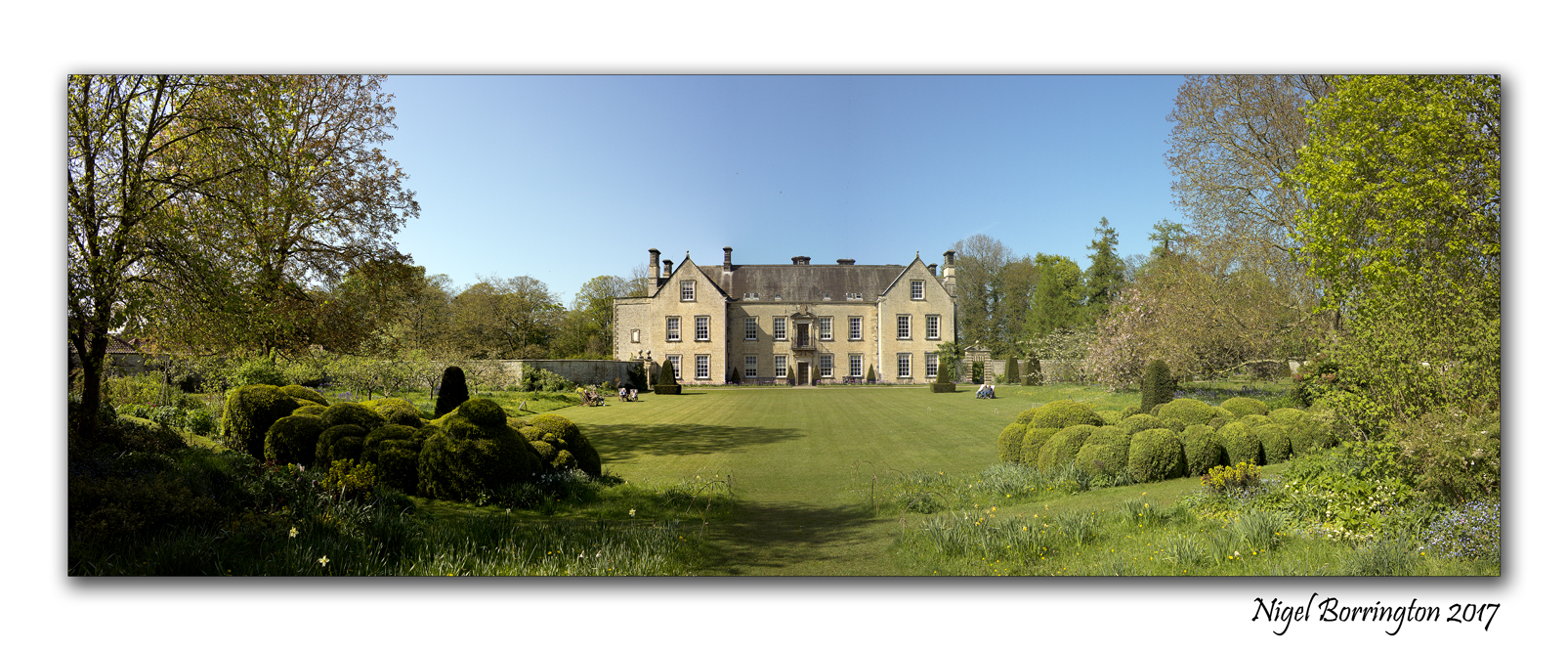
Resting on the lawn – Nunnington Hall, North Yorkshire

Nunnington Hall is a country house situated in the English county of North Yorkshire. The river Rye, which gives its name to the local area, Ryedale, runs past the house, flowing away from the village of Nunnington. A stone bridge over the river separates the grounds of the house from the village. Above, a ridge known as Caulkley’s Bank lies between Nunnington and the Vale of York to the south. The Vale of Pickering and the North York Moors lie to the north and east. Nunnington Hall is owned, conserved and managed as a visitor attraction by the National Trust

More on Nunnington Hall ….

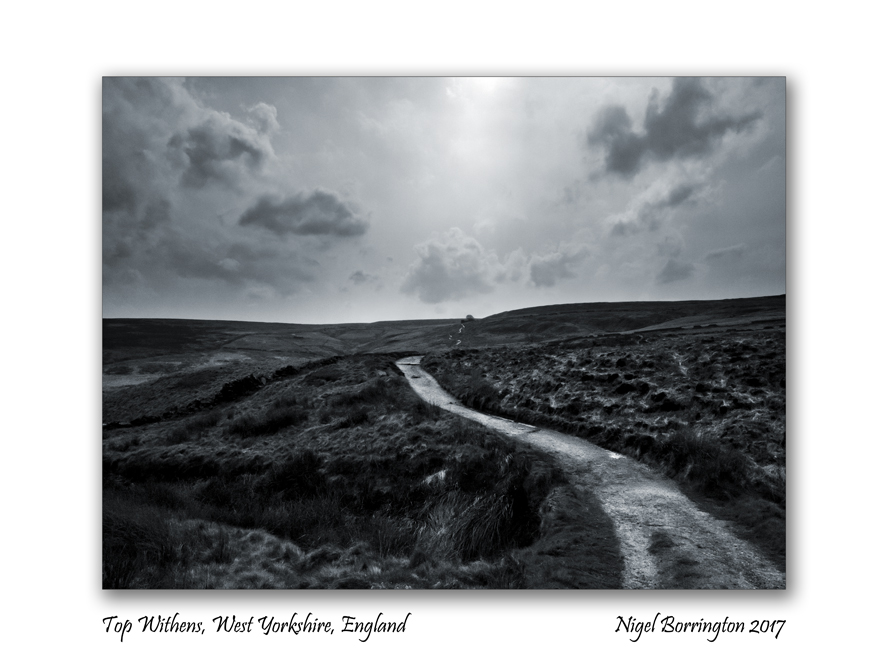
The path to Top Withens,Earnshaw family house Wuthering Heights : Wuthering Heights, a Poem by Sylvia Plaths

The path to Top Withens,Earnshaw family house Wuthering Heights, Emily Brontë.
Nigel Borrington

Last week we spent sometime in West Yorkshire, at Haworth the home town of the Brontë sisters, visiting the Parsonage Museum and walking upto Top Withens, the Earnshaw’s home in Emily Brontë’s novel – Wuthering heights.

The old farm house is located in some stunning landscape, the best west Yorkshire has to offer.

This is how Mr. Lockwood in the book describes his first impressions of Wuthering Heights …

Top Withens,Earnshaw family house Wuthering Heights, Emily Brontë.
Nigel Borrington

” Wuthering Heights is the name of Mr. Heathcliff’s
dwelling. ‘Wuthering’ being a significant provincial
adjective, descriptive of the atmospheric tumult to which
its station is exposed in stormy weather.

Pure, bracing ventilation they must have up there at all times, indeed:
one may guess the power of the north wind blowing over the edge, by the excessive slant of a few stunted firs at the end of the house; and by a range of gaunt thorns all stretching their limbs one way, as if craving alms of the sun.

Happily, the architect had foresight to build it strong:
the narrow windows are deeply set in the wall, and the
corners defended with large jutting stones. ”

Top Withens (also known as Top Withins)

Is a ruined farmhouse near Haworth, West Yorkshire, England which is said to have been the inspiration for the location of the Earnshaw family house Wuthering Heights in the novel of the same name by Emily Brontë.

A plaque affixed to a wall reads:

“ This farmhouse has been associated with “Wuthering Heights”, the Earnshaw home in Emily Brontë’s novel. The buildings, even when complete, bore no resemblance to the house she described, but the situation may have been in her mind when she wrote of the moorland setting of the Heights. ”

Wuthering Heights a Poem By: Sylvia Plath
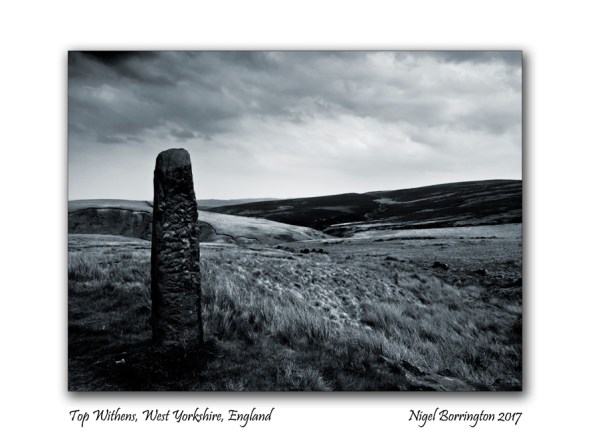
Top Withens, West Yorkshire, England
English Landscapes
Nigel Borrington

The horizons ring me like faggots,
Tilted and disparate, and always unstable.
Touched by a match, they might warm me,
And their fine lines singe
The air to orange
Before the distances they pin evaporate,
Weighting the pale sky with a soldier color.
But they only dissolve and dissolve
Like a series of promises, as I step forward.

There is no life higher than the grasstops
Or the hearts of sheep, and the wind
Pours by like destiny, bending
Everything in one direction.
I can feel it trying
To funnel my heat away.
If I pay the roots of the heather
Too close attention, they will invite me
To whiten my bones among them.

The sheep know where they are,
Browsing in their dirty wool-clouds,
Grey as the weather.
The black slots of their pupils take me in.
It is like being mailed into space,
A thin, silly message.
They stand about in grandmotherly disguise,
All wig curls and yellow teeth
And hard, marbly baas.

I come to wheel ruts, and water
Limpid as the solitudes
That flee through my fingers.
Hollow doorsteps go from grass to grass;
Lintel and sill have unhinged themselves.
Of people the air only
Remembers a few odd syllables.
It rehearses them moaningly:
Black stone, black stone.

The sky leans on me, me, the one upright
Among the horizontals.
The grass is beating its head distractedly.
It is too delicate
For a life in such company;
Darkness terrifies it.
Now, in valleys narrow
And black as purses, the house lights
Gleam like small change.
5 Images for May, Friday

Sunday by the lake 1

Ok , Today is more of a collection of images than one single image, to close the week 🙂

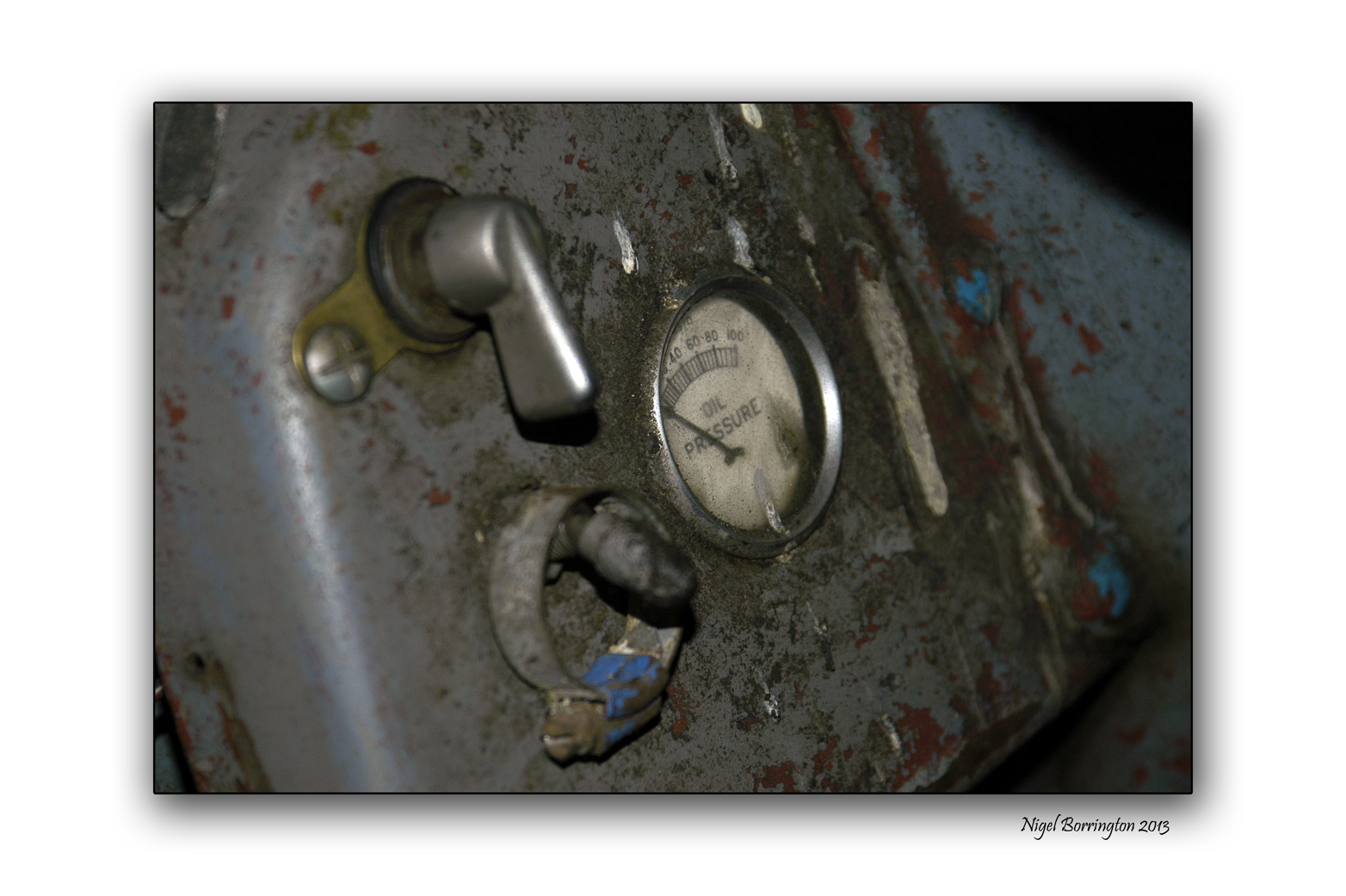
May and the local farms are getting busy, Irish farms are usually a little smaller than in Mainland Europe, so for some of the work a small tractor is still needed in order to work the smaller fields.

These images are a study of a little tractor most likely still used for many tasks around the farm over the next weeks of this busy month …..

5 Images for May, Thursday

Cuckooflowers

This is a hairless perennial which tends to favour wet habitats such as marshes and damp meadows. It is also known as ‘Lady’s Smock’ as the flower was said to resemble a milkmaid’s smock. Its 12-20mm flowers have four broad, overlapping, lilac-pink, pink or white petals and appear in April, lasting until June. It has broad root leaves in a loose rosette while its stem leaves are narrow with numerous leaflets. Its seeds are contained in elongated, smooth, ascending siliquas. It is a larval foodplant of the Orange-tip butterfly. It is a native plant and belongs to the large family Brassicaceae.
5 Images for May, Wednesday

Green Veined White Butterfly, feeding from a herb Robert flower, County Kilkenny