In the Silence of it All ~ Lily Mae

In the Silence of it All, Nigel Borrington
In the silence of it All
Lily Mae
Flower, sometimes when I stare up into the clouds
I feel such a part of something divine
like there is an energy that passes through me
from all times and I feel so loved
Yet…here we are you and I
cupping our hearts in our hands
while sending unconditional love out
to the ones we love and I wonder..
Flower do they feel it?

Close your eyes Sweet Lily and you will know
Connect with the passion burning inside you
that he alone has brought luvingly to your soul
feel the vibration of the universe as thoughts intertwine
among the orange streaks across the sky
The blackened night brings favour for you and I
for in the silence is where our thoughts collide
when everything around them stops and is still
that’s when they truly feel us

That’s when they close their eyes…..and they know too

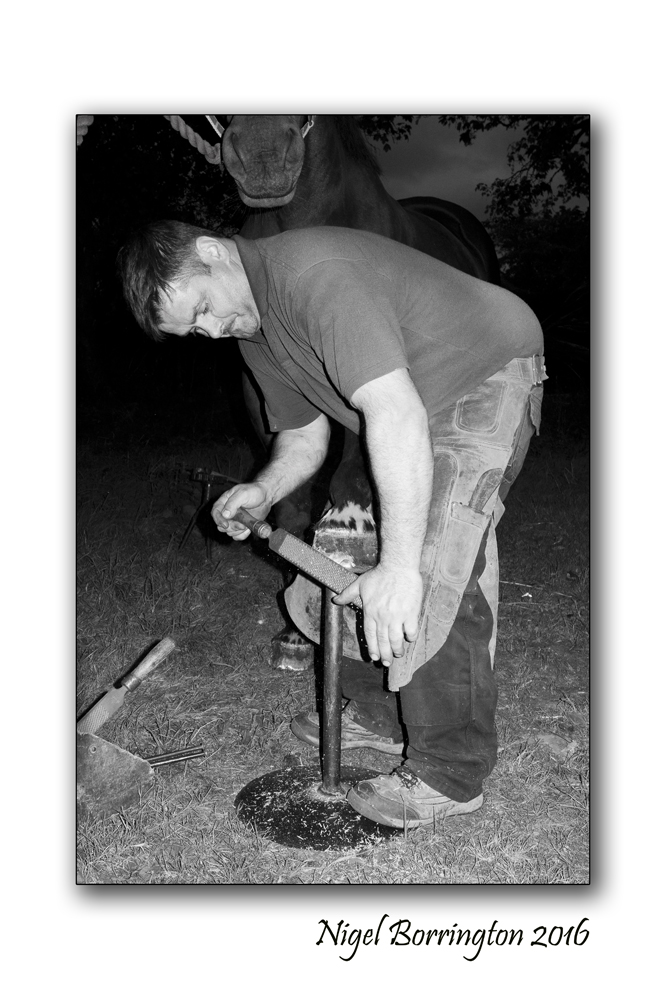
The Farrier, by : Robert L. Hinshaw
The Farrier
Kilkenny
Nigel Borrington
The Farrier
Robert L. Hinshaw
He billed himself as an expert in the field of “equine podiatry”,
Better known as a farrier for farmers and the cream of society!
Keeping horses shod and their hooves polished was his vocation.
With horseflesh he’d had many an interesting confrontation!
He always had a roll-yer-own dangling from his lips,
And a blackened leather apron wrapped about his hips.
His jaw was set and with biceps wrought of tempered steel,
He’d strike the anvil with his hammer – what a rhythmic peal!

In his jumbled shop he’d shod animals of many breeds.
Donkeys, mules, ponies and prized Arabian steeds.
He shoed critters pulling covered wagons to unknown frontiers,
And many a cowpokes cayuse for the round-up of his steers!
One detail they didn’t cover when he was in farrier school,
Was how to deal with the occasional cantankerous mule.
Many times he’d found himself sprawled upon the dirt,
With the outline of a hoof imprinted upon his shirt!
Tho’ his profession never guaranteed a life of glamour,
And knowing he’d not get rich wielding a tongs and hammer,
Yet, it was challenging working with ornery mule and horse,
Always hoisting their hindquarters very gingerly of course!
Monday Poetry , A Buttercup Tale – Poem by sylvia spencer
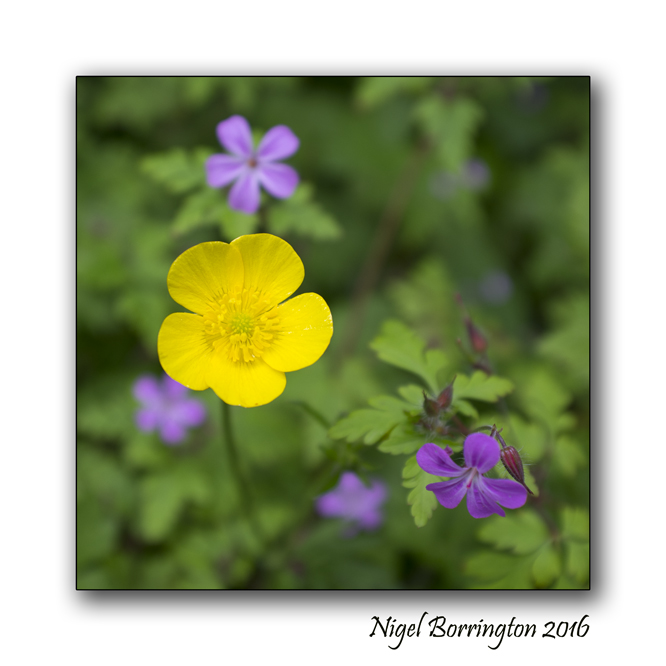
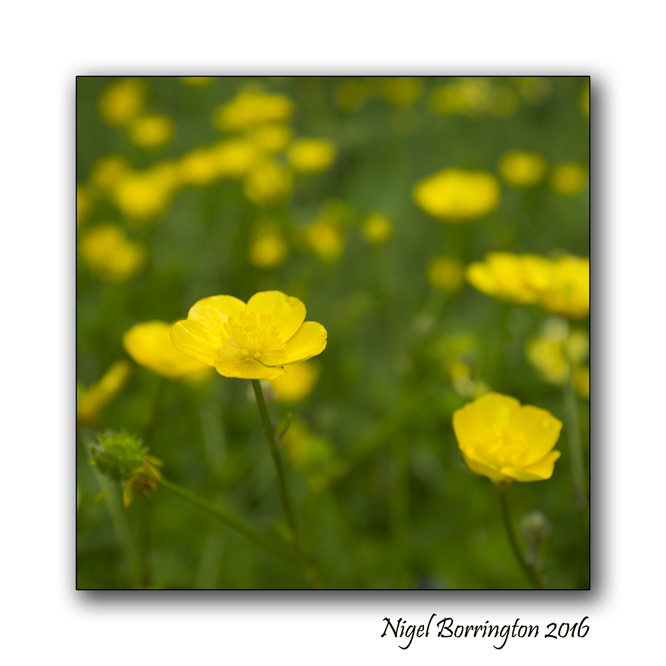
The Buttercup Poem Nigel Borrington Nature Photography
A Buttercup Tale –
Poem by sylvia spencer
I know of a buttercup with a story to tell
and I can honestly say there has never been a
story told so well. A pretty buttercup so wild and free
once made friends with an old oak tree but sadly the
tree was cut down and little Miss butercup wore a frown;
she still bows her head in the summer sun because she
feels sad about what was done.
She then lived next door to a tall fox glove and she thought
in her heart that he had fallen in love, because he sheltered her
from rain all summer long and in the wind and rain he is
so brave and strong.

Sadly the foxglove did not feel the same and the buttercups
heart was jilted again.
On into the meadows she moved once more hoping that life
would be better than before. It was here she met the Dandelion
a real good catch and now they live together on the farmers
cabbage patch.
sylvia spencer

On Contemplating a Sheep’s Skull ~ Poem by: John Kinsella

All images taken in the Nier valley, county waterford
Fujifilm X100
Irish Landscape Photography : Nigel Borrington
On Contemplating a Sheep’s Skull
Poem by John Kinsella
A sheep’s Skull aged so much in rain and heat,
broken jawbone and chipped teeth half-
gnaw soil; zippered fuse-mark tracks
back to front, runs through to base
of neck, widening faultline under
stress: final crack close at hand.
Skull I can’t bring myself to move.
White-out red soil unearthed
from hillside fox den and cat haven,
now hideaway for short-beaked echidna
toppling rocks and stones, disrupting
artfulness a spirit might impose,
frisson at seeing counterpoint.
Skull I can’t bring myself to move.
Sometimes avoid the spot to avoid
looking half-hearted into its sole
remaining eye socket; mentally to join
bones strewn downhill, come apart
or torn from mountings years before
arriving with good intentions.

Skull I can’t bring myself to move.
Not something you can ‘clean up’,
shape of skull is not a measure of all
it contained: weight of light and dark,
scales of sound, vast and varied taste
of all grass eaten from these hills;
slow and steady gnawing at soil.
Skull I can’t bring myself to move.
Neither herbivore nor carnivore,
earth and sky-eater, fire in its shout
or whisper, racing through to leave a bed
of ash on which the mind might rest,
drinking sun and light and smoke,
choked up with experience.
Skull I can’t bring myself to move.
Drawn to examine
despite aversion, consider
our head on its shoulders,
drawn expression
greeting loved ones
with arms outstretched.

John Kinsella is Founding editor of the journal Salt in Australia; he serves as international editor at the Kenyon Review. His most recent volume of poetry is Divine Comedy: Journeys through a Regional Geography (W. W. Norton) with a new volume, Disturbed Ground: Jam Tree Gully/Walden, due out with W.W. Norton in November 2011.
To A Butterfly – Poem by William Wordsworth

To A Butterfly
by William Wordsworth
I’VE watched you now a full half-hour,
Self-poised upon that yellow flower;
And, little Butterfly! indeed
I know not if you sleep or feed.
How motionless!—not frozen seas
More motionless! and then
What joy awaits you, when the breeze
Hath found you out among the trees,
And calls you forth again !
This plot of orchard-ground is ours;
My trees they are, my Sister’s flowers;
Here rest your wing when they are weary;
Here lodge as in a sanctuary!
Come often to us, fear no wrong;
Sit near us on the bough!
We’ll talk of sunshine and of song,
And summer days, when we were young;
Sweet childish days, that were as long
As twenty days are now.
The Tree a poem by Tom Splitt
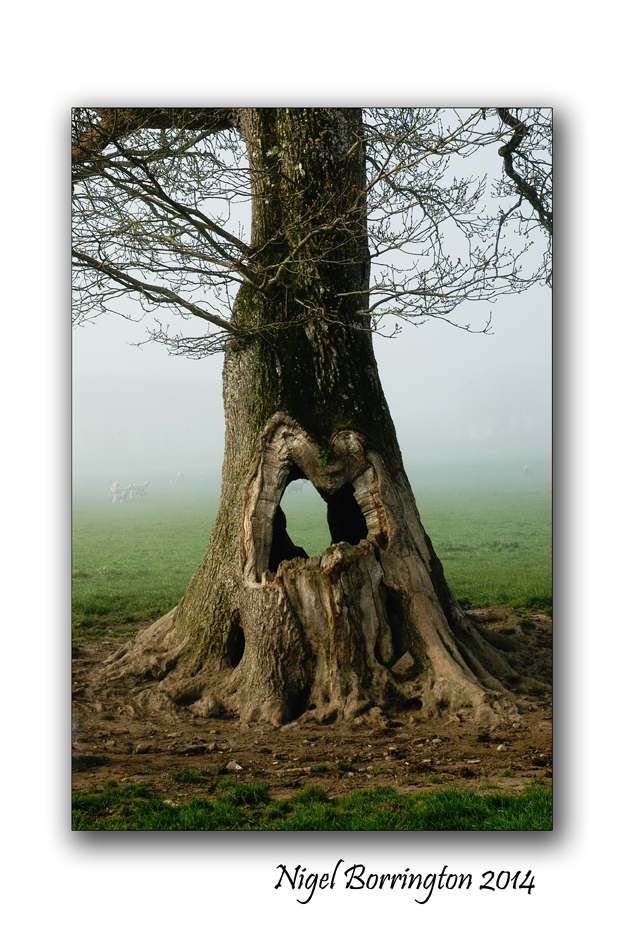
The Tree
Nigel Borrington
The Tree
by Tom Splitt
The calm quiet strength of a tree
Anchored deep in the earth
Reaching high in the sky
The calm quiet strength of a tree
The calm quiet strength of a tree
Full of life from its roots
To the tiniest branch
The calm quiet strength of a tree
And oh, how it comforts me
How it teaches me
Without a sound
Then I realize at once
That this tree and I are one
In eternity
The calm quiet strength of a tree
From the weight of its trunk
To its delicate leaves
The calm quiet strength of a tree
The calm quiet strength of a tree
Showing anyone near
All the secrets of time
The calm quiet strength of a tree
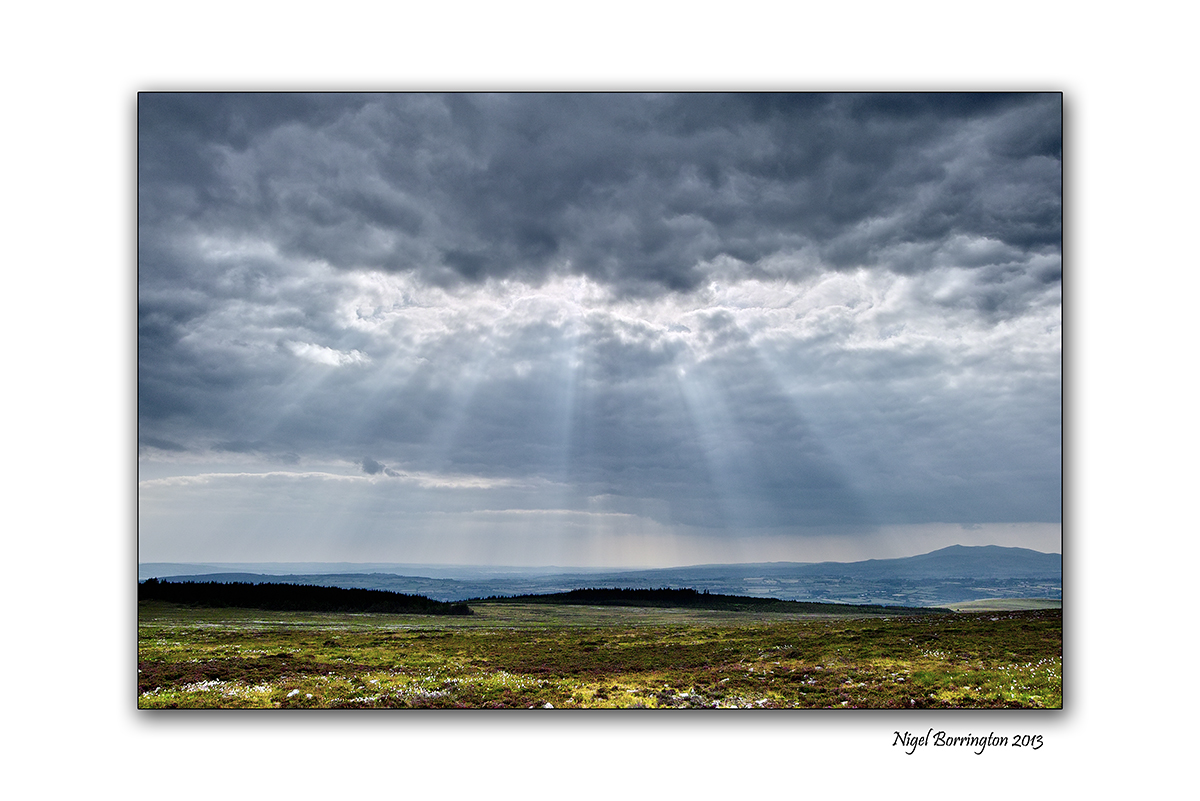
Bog cotton on the red bog, A Poem CHARLOTTE GRACE O’BRIEN (1845 – 1909)

BOG COTTON ON THE RED BOG
A Poem by
CHARLOTTE GRACE O’BRIEN (1845 –1909)
Foynes in June 1895
“ O STRONG-WINGED birds from over the moorland dark,
On this June day what have you seen?
Where have you been? ”
Where, oh! where
The golden yellow asphodel makes its boggy home,
And far and near, Spreading in broad bands of silvery silky foam
O’er the moorland drear, The slender stemmed bog cotton bends in waves of light,
Shaking out its shining tufts for its own delight,There, oh! there We have been.
“O sweet sky piercing, heaven mounting lark,
On this June day what have you seen?”
I have seen—I have seen
The dark red bog and the king fern green,
And the black
black pools lying dim between,–
The baby heather that blossoms so soon
In the splendid heat that comes after June–
———————–
Charlotte Grace O’Brien
was born in County Limerick, the daughter of
William Smith O’Brien who was a Conservative Member of Parliament for County Limerick; she championed the cause for better conditions for those emigrating to America.
Bog cotton on the red bog, images Gallery


Three Poems about Orchid’s

Faranani
Feb 23, 2014
Purple Orchid
“Purple Orchid”
A symbol of rare beauty
Exotic. Delicate. Mysterious
Precious, in every way
Lost in a tropical land of
Purple Haze,
I am there
Whispering with a tinge of
Innocence yet wild
With passionate dark desires.
A calm stability of blue and
The fierce energy of red
Stimulating mystery and thrill,
A darkened flower
Of refined passion
With strikingly lush petals,
Intoxicating.
In his mind,
I am
A
Purple Orchid

Kayden Fittini
Apr 23, 2015
Petals of an Orchid
Graceful curve of the flower enriched with mystery
melting away any bubbling misery
walking towards the beauty.
(I’m looking to pull this special flower today.)
Wait shall I praise the wonderous bloom
with fragrant colors infused within me soon
something to admire on a daily
choosing between multiple types that look equally lovely.
(I just want to love you.)
The vanilla scent which never fades
you rose from a bed of vibrant shades
to hold and caress –
in your walk stems artistic introduction
keep me within your symmetrical seduction
And in your radiance glimmers across the horizon and seas
its in your nature to please while you tease –
but i cant lie, your approach continues with ease.
to compare your style with nature only makes sense.
how lucky can one be to build a connection that’s so intense!
I pluck the fascinating petals of an orchid.
Colin Carpenter
Apr 12, 2013
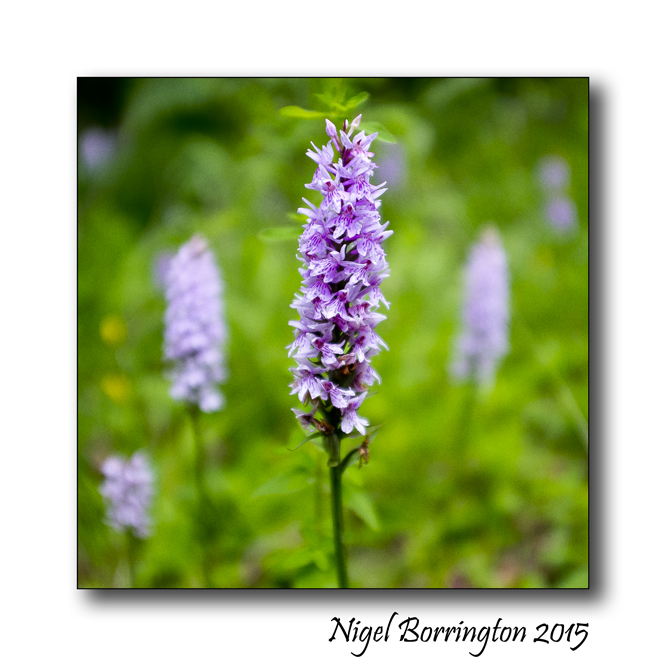
Wild Orchids
Your colors diffuse in hushed streaks
across synapses,
as empty spaces also become orchids
and butterfly petals reach for a scent
their counterparts in rain.
A fringed April is actually an orchid.
The dreams of a young racehorse

Dreams of a racehorse
There was a young horse he was just a foal
he was very friendly a lovely little soul
the foal he had a dream that he was in race
running very fast as he set the pace
running round the track faster than the rest

Proving to the others that he was the best
heading for the finish line and heading for the post
this is what he dreamed of, the thing he wanted most
taking home is trophy, a great big golden bowl
he dreamed he had grown up and forgot he was a foal
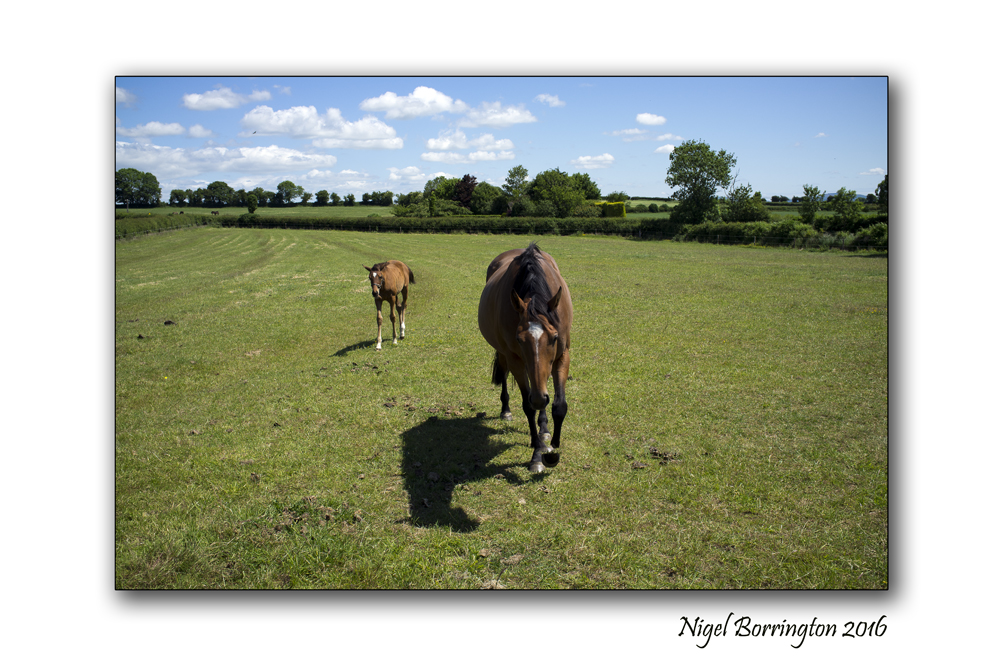
Dreams of foal
Nigel Borrington
Remembering the Battle of the Somme, in its Centenary year.

Poppy fields
Landscape photography : Nigel Borrington
Tomorrow marks 100 years since the start of the battle of the Somme.
I am sure many will know a great deal about this shocking first world war battle, however if you would like to know more or read about it for the first time, this is a great link !
Battle of the Somme centenary: How is it being commemorated and why was it so important?
As you can see here, like so many I have linked the poppy to the Somme and the first world war, how and why this link came about is detailed below …..
What do the red poppies signify?
The association between commemorating war dead and poppies arises from the famous opening lines of Canadian army officer John McCrae’s poem In Flanders Field, which begins: ” In Flanders fields the poppies blow; Between the crosses, row on row”.
McCrae wrote the poem during the Second Battle of Ypres, the day after he helped to bury a close friend. He had noticed the way poppies bloomed around the graves and included the observation in his poem, which was written from the viewpoint of the dead soldiers.
McCrae was promoted to Acting Colonel and moved to a position behind the lines, but died of meningitis in a military hospital on 28 January 1918. His poetry, however, lived on. Published in December 1915, In Flanders Field quickly became known as one of the defining poems of the First World War.
American humanitarian worker Moina Michael was one of the millions touched by the imagery of poppies growing on the battlefield. To raise money for her work helping disabled servicemen, she came up with the idea of selling silk poppies to be worn as a tribute to the fallen.
By 1921, her efforts had led to the poppy being adopted as the official emblem of remembrance by both the American Legion and Royal British Legion, with poppy sellers an established fixture in both nations.
Gallery and Poem (John McCrae’s poem In Flanders Field)

John McCrae, May 1915
In Flanders fields the poppies blow
Between the crosses, row on row,
That mark our place; and in the sky
The larks, still bravely singing, fly
Scarce heard amid the guns below.

We are the Dead. Short days ago
We lived, felt dawn, saw sunset glow,
Loved and were loved, and now we lie
In Flanders fields.

Take up our quarrel with the foe:
To you from failing hands we throw
The torch; be yours to hold it high.
If ye break faith with us who die
We shall not sleep, though poppies grow
In Flanders fields.
Another great link about the Somme is here : The Battle of the Somme: 141 days of horror
The Elements : Water in images

The Elements, Water : Nigel Borrington
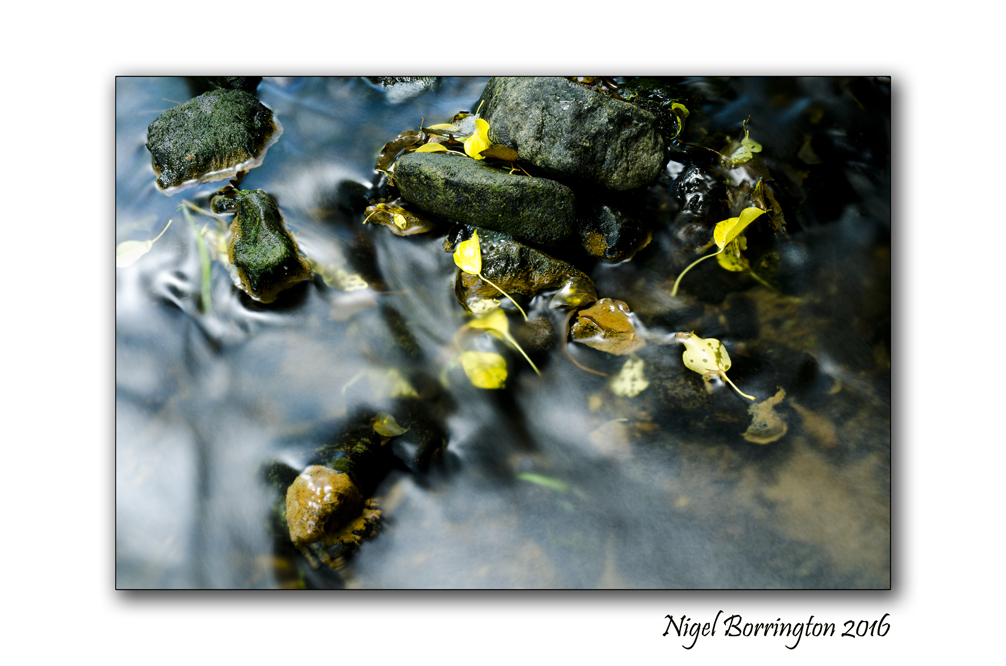
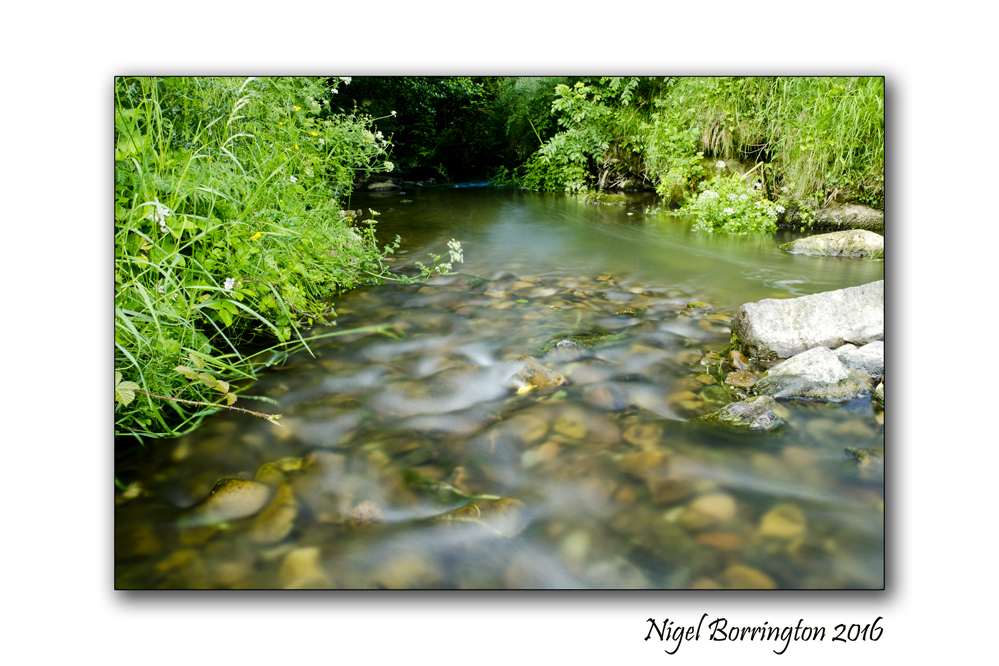
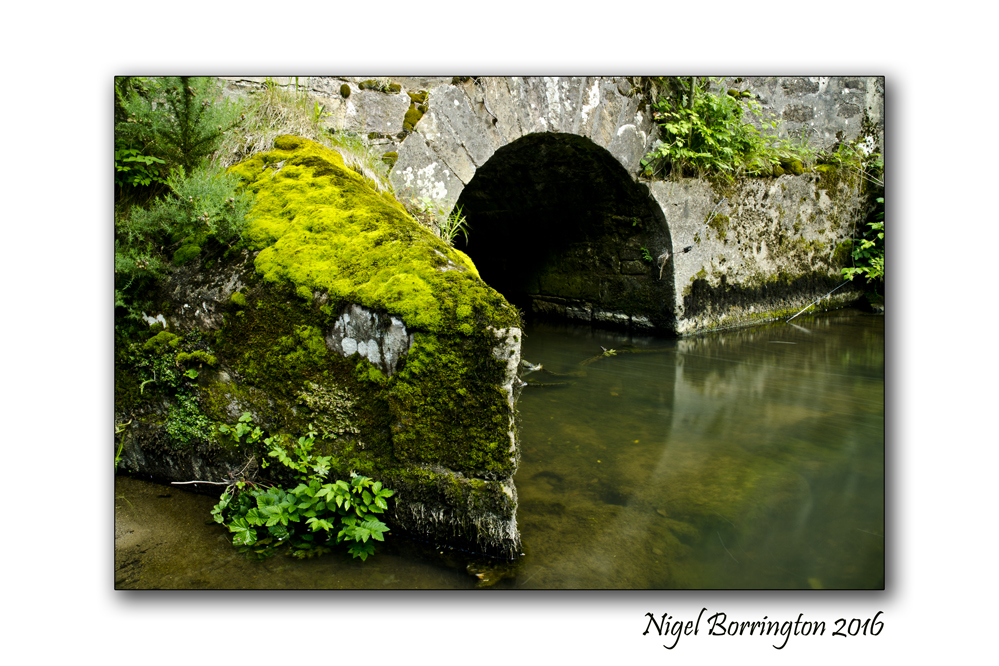
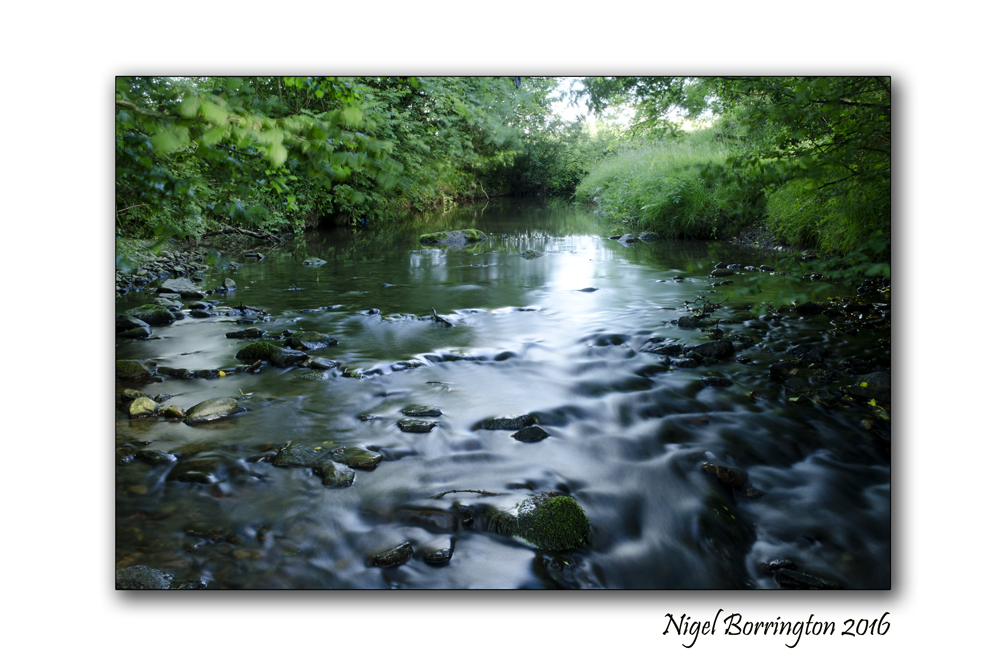
Water is life, out of all of the elements we need for our existence, water has to be the one we are closest to!
By capturing these images here, I wanted to take sometime getting close to water and attempt to make a connection to it. These images were taken yesterday in a local river as it flows through the Irish landscape. This is a shaded and hard to get to, hidden part of this river, even on a sunny day in June the Sun finds it hard to reach in. I felt that this only added to the atmosphere, with the sounds of the flowing water as it moved around the stones on the river bed.
The Elements : Water in Images

The World from an Insects point of view .

The World from and insects point of view
To be an Insect ?
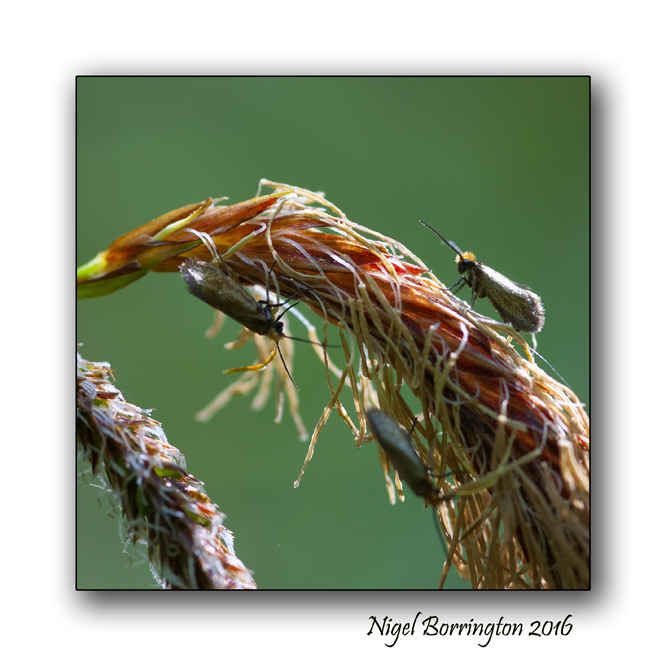
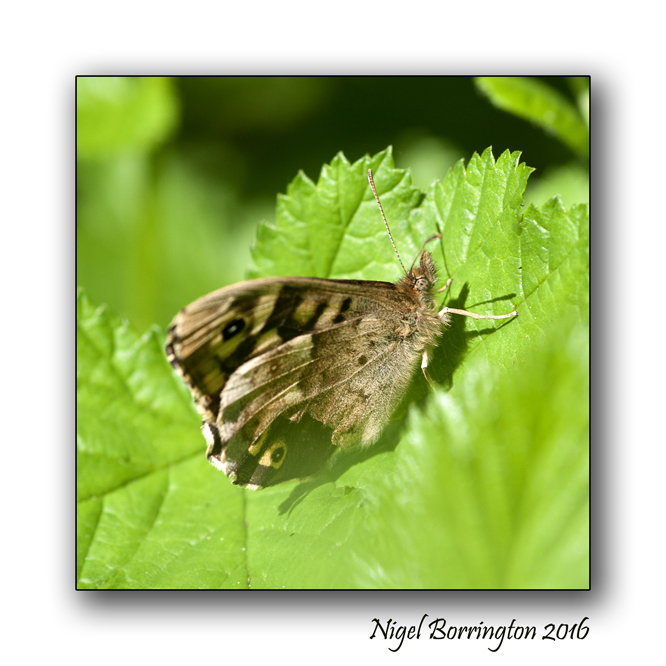
Very often when I am out in our local woodlands with a Macro lens, I like to get in close and find all kinds of Insects to photograph. Its like a completely different universe down at this level, I find that I also end-up studying what these little creatures are doing in-order to keep existing day to day.
I often wonder how they see the same world that we share with them, what perspective they have on life without our daily activities and life styles.
Life without News and Media communication, life without TV or Radio and the latest phone, Life without Cars or Vans and Motorways – No Banks or need for Money with Tax to pay.
I wonder if we could even for one moment, a single day, begin to understand just how much of life in our world exists without all the things that we surround ourselves with, thinking that we actually need then in order to exist?
I also wonder when capturing nature with a camera, if its possible at all to capture these questions, to get across the true existence of a bee or a hover-fly, not only showing the outwards wonder of these insects but capturing the life that they are actually living ?


Thistles By : Ted Hughes (1930 – 1998)

Thistles
Nature photography
By : Nigel Borrington
Thistles
By : Ted Hughes
(1930 – 1998)
Against the rubber tongues of cows and the hoeing hands of men
Thistles spike the summer air
And crackle open under a blue-black pressure.
Every one a revengeful burst
Of resurrection, a grasphed fistful
Of splintered weapons and Icelandic frost thrust up

From the underground stain of a decayed Viking.
They are like pale hair and the gutturals of dialects.
Every one manages a plume of blood.
Then they grow grey like men.
Mown down, it is a feud. Their sons appear
Stiff with weapons, fighting back over the same ground.
Wild Rose Poetry – Poems by Margaret O Driscoll and Dennis gunsteen

The Wild Rose
Nigel Borrington
The Guelder Rose – Poem by Margaret O Driscoll
Fragrance drifts from the Guelder Rose
Lacey blossoms of Summer cream
I sit under it’s leafy shade
Drifting into a daydream
Embroidered bright red Kalina berries
Beloved emblem of Ukraine
The smiling market seller holds
Kalina berries in the Winter rain
————————————–
Dennis gunsteen – Wild rose flower
wild rose flower of the dawn.
a soft touch one heart bring tears
to my eyes.
wild rose
wild rose
how i wonder how you are.
the silkiness of lips of
wine.
in the meadow and in the grove
O’wild rose of loveliness
my spring flower of life you are
a song with in a song.
as pure as lily of spring water of life.
what is in a song but with in your heart
to love pure and warm.
The Fly – Poem by William Blake
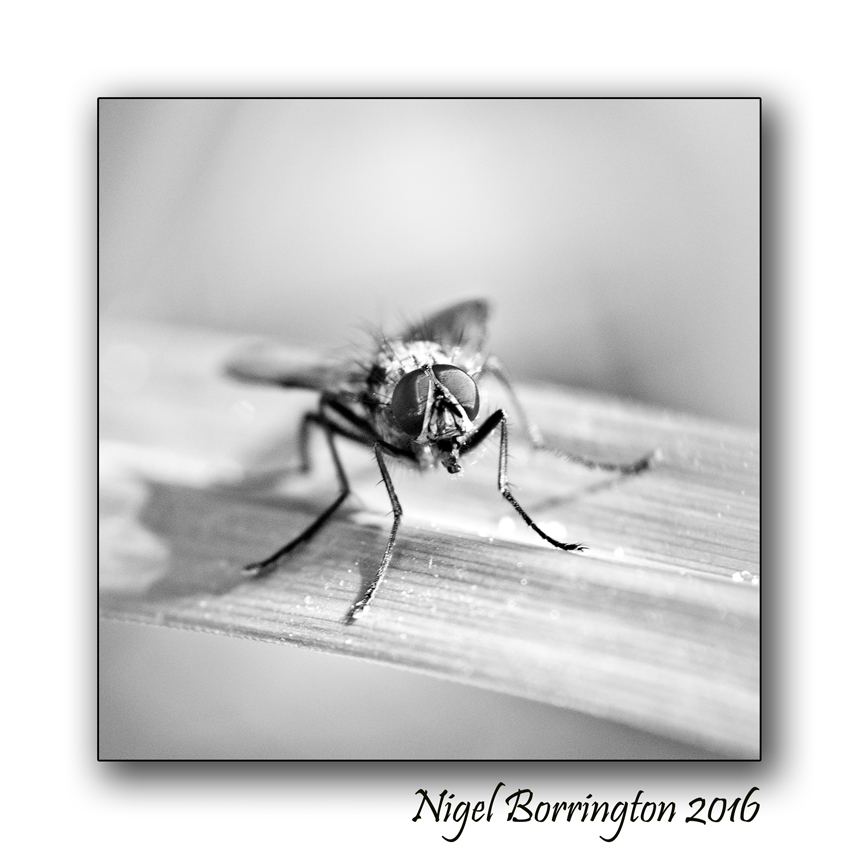
The Fly
Poem by William Blake
Little Fly,
Thy summer’s play
My thoughtless hand
Has brushed away.
Am not I
A fly like thee?
Or art not thou
A man like me?
For I dance
And drink, and sing,
Till some blind hand
Shall brush my wing.
If thought is life
And strength and breath
And the want
Of thought is death;
Then am I
A happy fly,
If I live,
Or if I die.
Hover Fly – Poem by Michael Shepherd

Hover fly
Nigel Borrington
Poem by Michael Shepherd
The hover fly
that’s just demonstrated
that it’s one of the Creation’s greatest
and smallest, most compact miracles of lawful
imagination (imagine flying, then stopping
quite still in the air, no slowing down,
just, zap, like that, dead steady,
and it’s smaller (!) than a helicopter, wow)
right here in front of me in silhouette, but
illuminated on one wing by the PC screen,
and pausing for a freeze-frame moment of eternity
as if to tell me something
(illumination, too?) –
all this, and yet it
doesn’t know I’m writing about it.
Presumably.
Wild flowers and Woodland plants , Viola riviniana
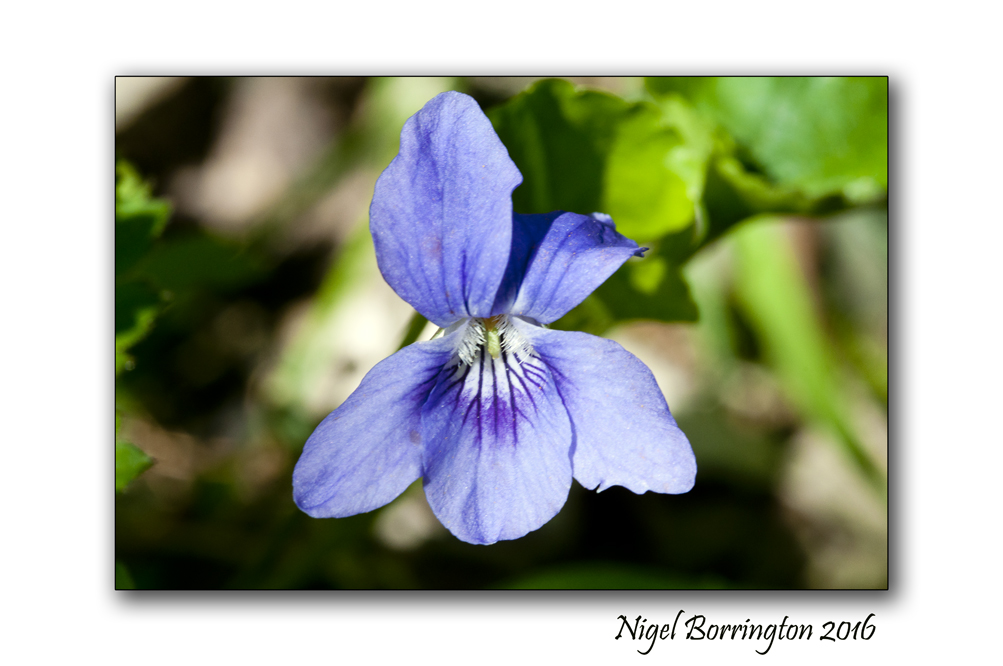
Common Dog Violet
Viola riviniana
Nigel Borrington
At this time of the year our local woodlands here in county Kilkenny fill with new life and colours, one of the the wild flowers I love the most are the Violets.
They are a familiar little wildflower of the woodlands and grassy hedge-banks, this plant is quite similar to Early Dog-violet and is easily confused. The unscented, blue-violet flower is always solitary on the stem, and is open with five petals, the lower of which has a stout, blunt, pale, curved spur which is notched at the tip.
The mouth of the flower is absolutely wonderful to view through a hand-lens or magnifying glass. It has a pattern of deep purple lines which run into the throat over a paler violet patch, becoming white. The upper petals have a fringe which is over the opening. The dark-green, heart-shaped leaves are on long, slender stalks. This native plant which blooms from April until June is a larval foodplant of the Dark Green Fritillary. It belongs to the family Violaceae.
‘Look at us, said the violets blooming at her feet, all last winter we slept in the seeming death but at the right time God awakened us, and here we are to comfort you’.
Edward Payson Roe 1838-1888
‘I would give you some violets, but they withered all when my father died.’
William Shakespeare 1564 -1616
The cycle of life – Spring time, Hoverflys feeding and new garden flowers.

Hoverfly feeding
Wildlife photogrpahy
Nigel Borrington
Last week we took sometime to visit my Family in a holiday home in South Wales, it was a great week together and very special as we have a new baby in the family 🙂
Before we left for Wales, spring was just staring but on our return it was in full flow with so much new life all around, the cycle of life continues in so many different ways 🙂
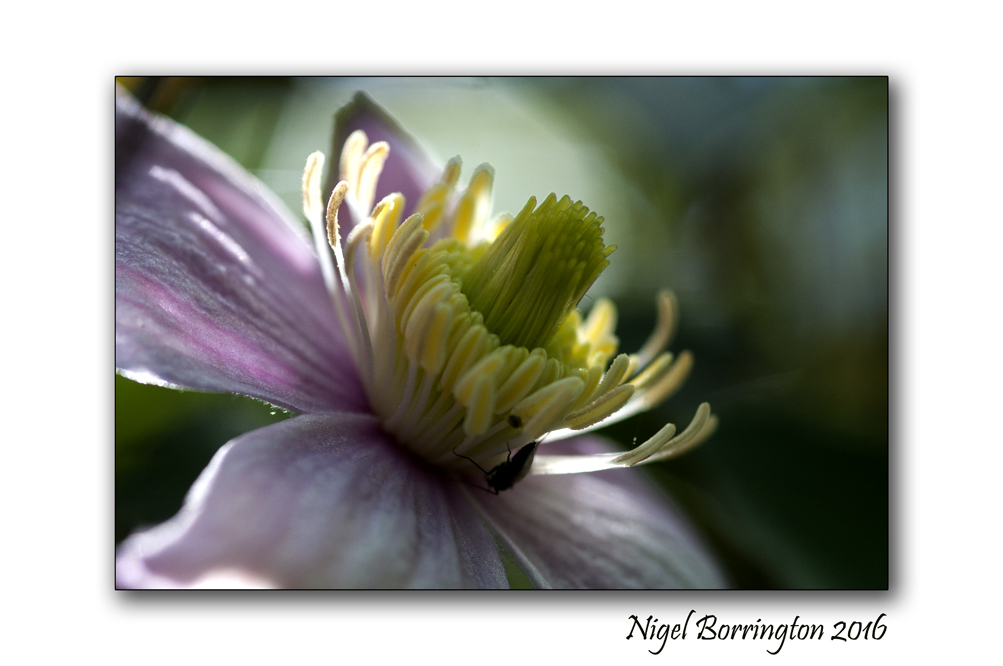

Friday Poetry (2): The old dead tree, by David Harris

The old dead tree stood
gnarled weather torn;
its limbs were now brittle.
What stories could it tell
of the centuries it had lived,
the passing lives it had seen,
and the storms it had weathered
when it was young and strong.
When its foliage was green
and gave shelter from the rain.
Now it stands bare and broken,
a sorry sight to be seen.
It must have been beautiful
when it was young
with its canopy of green,
and a nesting place for little birds
among its evergreen.
Now they only used it
as a resting place whenever they pass by.
The old dead tree,
which had seen so much life.
Spring time Gorse flower in Irish mythology and culture

Gorse flowers
Nigel Borrington
Gorse flowers in the Irish Landscape
Gorse is very common here in county Kilkenny but this does not make it any less loved by many, as it flowers in springtime. Many of the hills sides and woodland areas come to life with their yellow flowers.
Gorse, also known as furze, is a sweet scented, yellow flowered, spiny evergreen shrub that flowers all year round.
In fact, there are several species of gorse that flower at different times of the year making it a much-loved plant for the bees and giving it the appearance of being in bloom all year long. There is an old saying that goes, “When the gorse is out of bloom, kissing is out of season.”
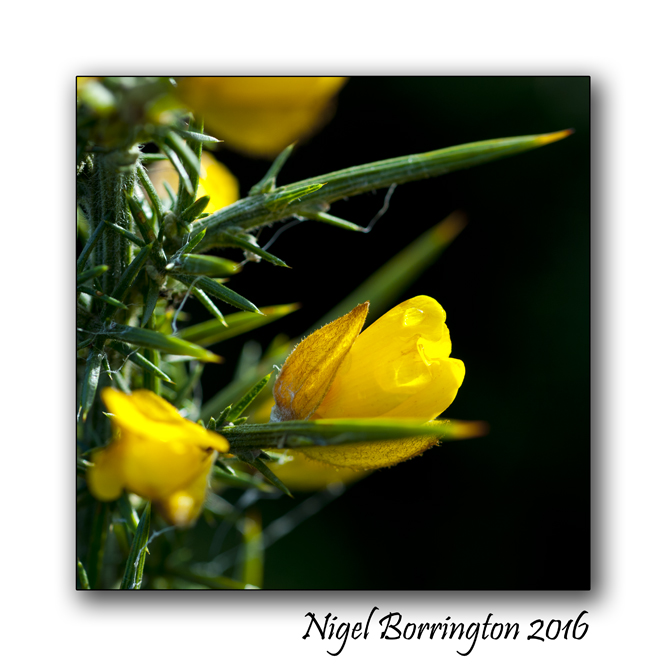
Gorse is often associated with love and fertility. It was for this reason that a sprig of gorse was traditionally added to a bride’s bouquet and gorse torches were ritually burned around livestock to protect against sterility. However, one should never give gorse flowers to another as a gift for it is unlucky for both the giver and receiver.

.
Beltane bonfires
Gorse wood was used as very effective tinder. It has a high oil content which means it burns at a similar high temperature to charcoal. The ashes of the burnt gorse were high in alkali and used to make soap when mixed with animal fat.
Onn, meaning gorse, is the 17th letter of the ogham alphabet. It equates to the English letter O.
In Celtic tradition, gorse was one of the sacred woods burned on the Beltane bonfires, probably the one that got them started. It was a shrub associated with the spring equinox and the Celtic god of light, Lugh, doubtlessly because of its ever blooming vibrant yellow flowers.
In Brittany, the Celtic summer festival of Lughnastdagh, named after the god, was known as the Festival of Golden Gorse.
Flowers used in wine and whiskey
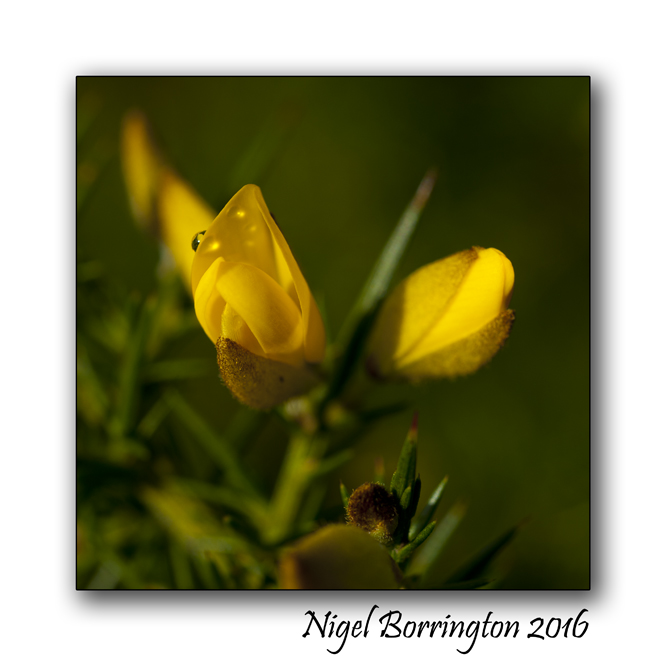
The flowers have a distinct vanilla-coconut aroma and are edible with an almond-like taste. They can be eaten raw on salads or pickled like capers. They have also been used to make wine and to add colour and flavour to Irish whiskey. However, consuming the flowers in great numbers can cause an upset stomach due to the alkalis they contain.
The prickly nature of gorse gave it a protective reputation, specifically around livestock. As well as providing an effective hedgerow, gorse made an acceptable flea repellent and the plant was often milled to make animal fodder.
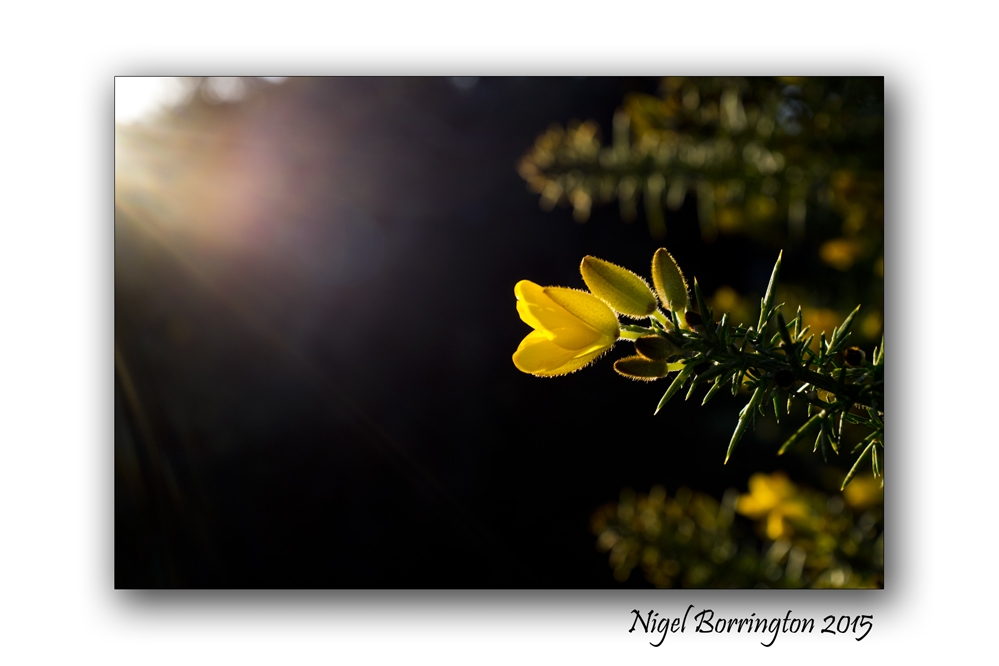
Irish Gorse flowers
Nigel Borrington
Gorse in Irish Culture
Gorse is the 15th letter of the Gaelic tree alphabet, representing O. Its old Gaelic name was Onn, and in modern Gaelic it is conasg. It’s a prickly shrub, which can almost always be found in flower somewhere, all twelve months of the year, and this means it has many positive connotations in folklore.
Snippets of lore
Here are the titbits of fact and folklore about pine tweeted by @cybercrofter on 15 December 2011.
Gorse is the 14th letter of the Gaelic tree alphabet, for O – in old Gaelic it was onn or oir (gold). In Modern Gaelic it’s conasg.
Conasg (Gaelic for gorse) means prickly or armed, appropriately enough as it’s the spiniest plant around.
As gorse’s branches, twigs and leaves are all spiny, which reduces water loss, it can survive extreme exposure to wind and salt.
Other regional names for gorse are whin or furze. In latin, it’s Ulex europaeus.
Here’s a lovely short Harry Rutherford poem about gorse. http://heracliteanfire.net/2009/01/26/poem/
Gorse bears yellow flowers all year round, and as they say, ‘When gorse is in bloom, kissing is in season.’
Gorse is a symbol of the sun god Lugh, as it carries a spark of sun all year.
Bees love gorse and it’s a good source of food for them on warm winter days and in early spring.
In late spring, gorse flowers smell of coconut and vanilla.
Here’s a poem from me, The Gorse is out behind Glencanisp. Audio too. http://www.pankmagazine.com/the-gorse-is-out-behind-glencanisp/
A decoction of gorse flowers counters jaundice.
Gorse seed pods explode in hot sun.
Gorse fixes nitrogen due to symbiosis with a bacterium in the roots.
Horses that eat gorse don’t catch colds (but presumably end up with perforated gums…)
The fierce fire of furze is ideal for baking.
Gorse boughs were used for creel-making. Ouch.
Gorse is a good windbreak and a gorse bush is the best place to dry washing – it naturally pins it in place.
A bundle of gorse is excellent for sweeping chimneys.
Here’s a recipe for gorse flower wine. http://www.celtnet.org.uk/recipes/brewing/fetch-recipe.php?rid=gorse-flower-wine
Gorse flowers give yellow and green dyes.
Gorse bark gives a dark green dye. Add a bucket of urine and wait 3 hours.
Yellowed gorse, a poem by Fay Slimm http://www.poemhunter.com/poem/yellowed-gorse/
A missing home gorse poem, by Francis Duggan http://www.poemhunter.com/poem/i-d-love-to-see-the-gorse-in-bloom/
Gorse lifts the spirits of the downhearted, and restores faith.
Festival of the Golden Gorse is celebrated on 1 August (Lughnasa).
Gorse protects against witches.
Gorse’s magic is good for bringing a piece of work, a project, a relationship or a troublesome thing to a complete and final end.
Gorse symbolises joy.
Remember the nitrogen-fixing? Grow gorse for 7 years and the ground will be excellent for corn.
In 1778 a gorse crushing mill was set up in Perth. One acre of crushed gorse bushes will keep 6 horses in fodder for 4 months.
Bring gorse into the house in May to ‘bring in the summer’.
Giving someone gorse flowers is unlucky, for both giver and receiver. Best keep them for yourself!
Returning to Skellig Michael, an island escape
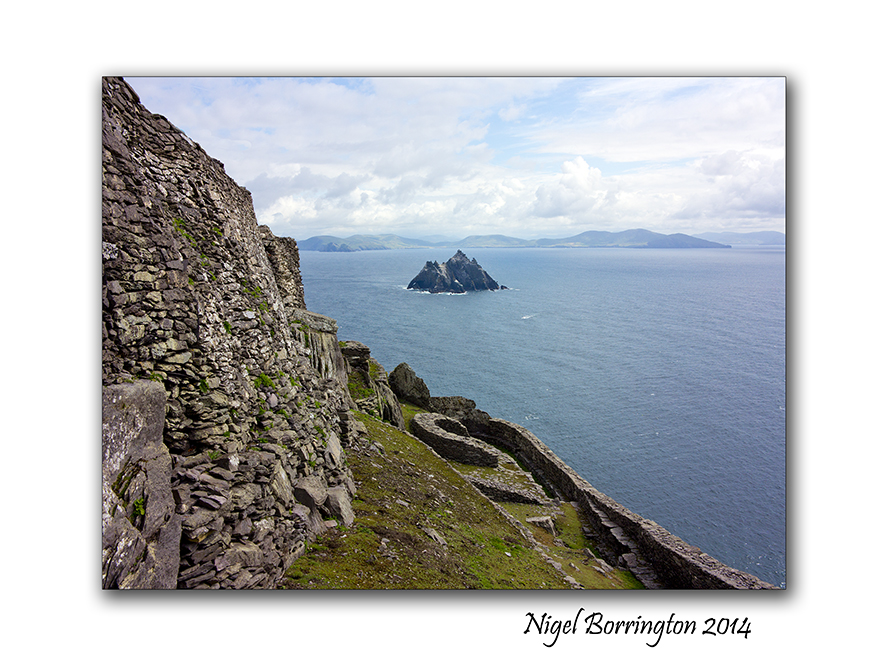
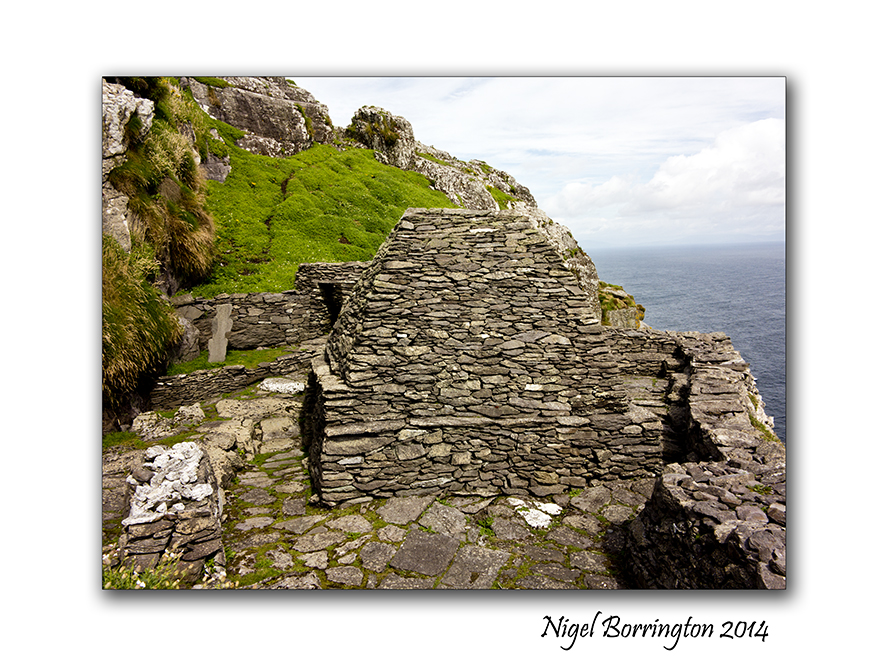
Skellig Michael, county Kerry, Ireland
Landscape Photography : Nigel Borrington
I first visited Skellig Michael in 2012 and the following images and post were taken and created during and following this visit, since then the island has been used during the making of the latest Star Wars movie “The Force Awakens”.
While no one worried too much about this remote and sacred place being used for this purpose, I think a lot of people are very much hoping that it does not mark the start of the island being openly used in such away, here it Ireland places like this are treasured and their peace is defended strongly. The Island is also the home to some very unique and protected wildlife.
Skellig Michael : an island escape
Skellig Michael is an Island some 12 to 16 kilometres by boat from the ring of kerry, county Kerry, Ireland. It is most famous for the fact that during the 6th to the 8th Century’s a religious settlement was established here.
The Island is a world heritage site and falls under the guardianship of UNESCO, you can find the official historic details from the link on the world heritage web page here : Skellig Michael
In my last two posts I shared the boat trip to the Island and then the long but wonderful walk up to the settlement at the very top of the Island some 218 meters from sea level. Today I just want to share images of the inside area , the location that the people who lived here spent their life’s and also the location in which they are buried and there final resting place.
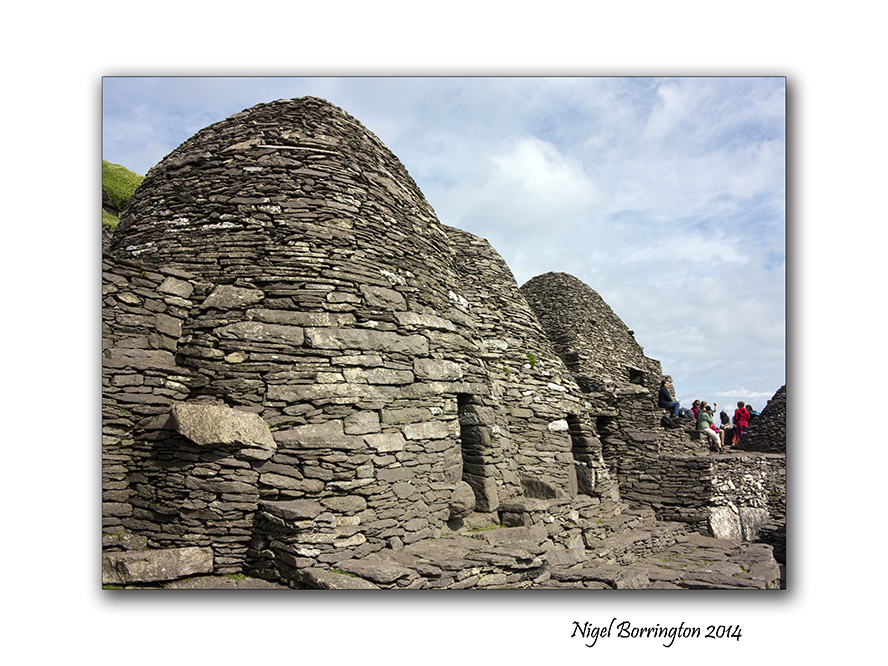
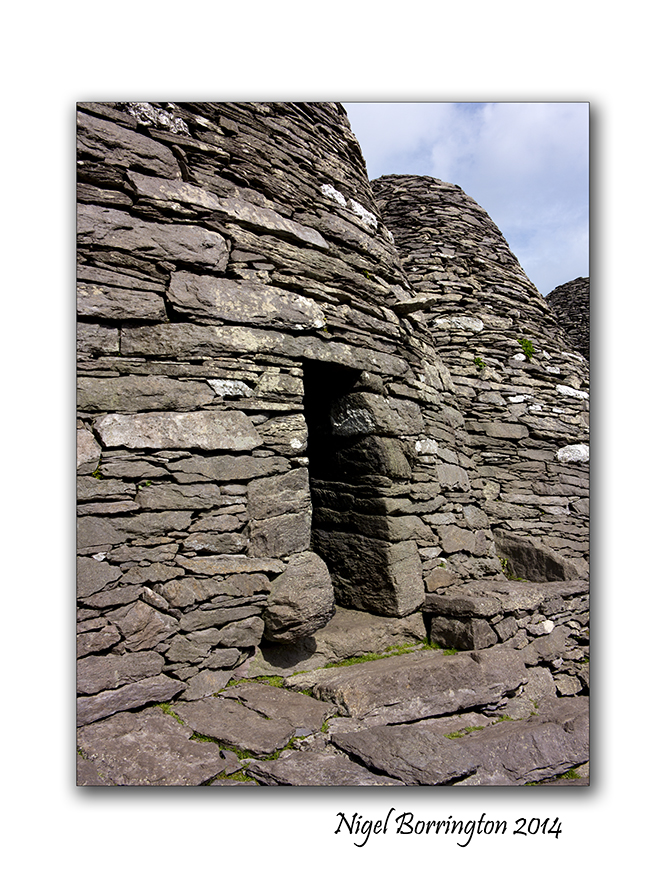
The images in the Gallery below are placed in the order that you view the buildings when you walk through the site, the only access is through a small passage in the outer walls.
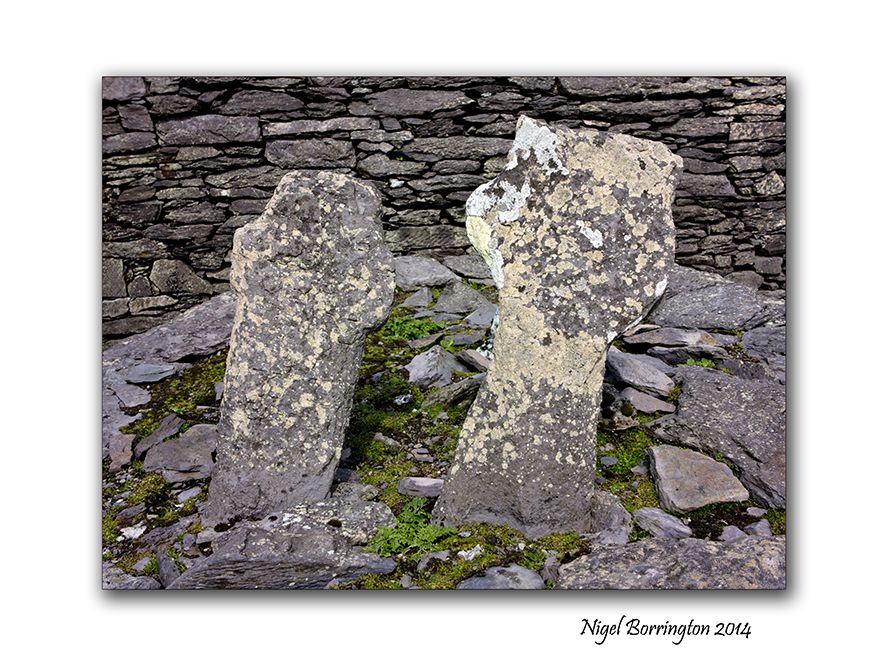
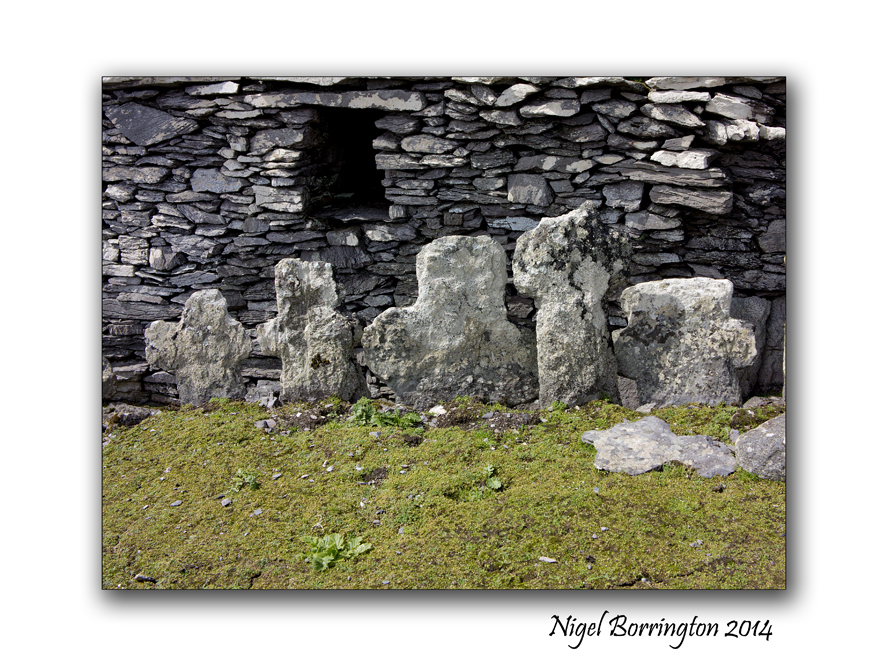
The very first thing that greets you are two small head stones, in a very small patch of grass. These are the graves of two young boys, it was a tradition that monks in this period would take very young boys as members to their orders. These boys where from families on the main land and once they moved here they would most likely never return to see there families. Our guide informed us that it is a possibility that both boys were killed by Viking invaders as when the remains where examined wounds were found that indicate that they were killed by the use of weapons, both boys did not pass the ages of ten or twelve. It is also thought that other graves in the pictures here, in the centre of the living area contain some adult victims of such attacks.
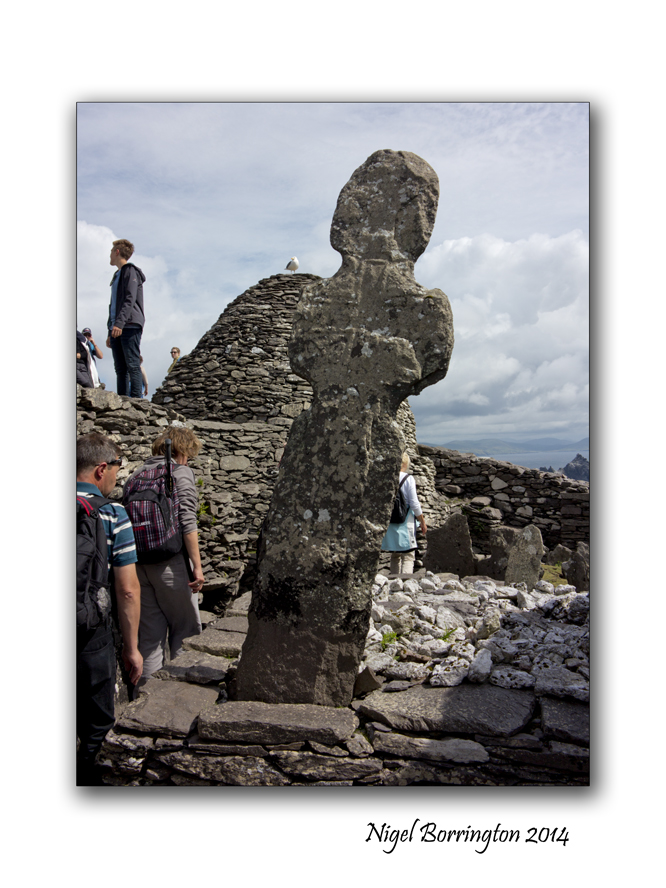
A monastery may have been founded as early as the sixth century, reputedly by Saint Fionán but in 1044 rededicated to Saint Michael, the image here shows a large sculpture that is located towards the middle of the complex. It was described by our guide as being a cross but it could also be very much in the form of a human figure, with the arms to the side and a head looking over the site.
The word Skellig is defined as meaning “splinter of a stone”, and thus this rocky island was dedicated to saint Michael, there are also other Islands around Europe and maybe further away that are dedicated to this saint ( Mont Saint-Michel France, St Michael’s Mount Cornwall)

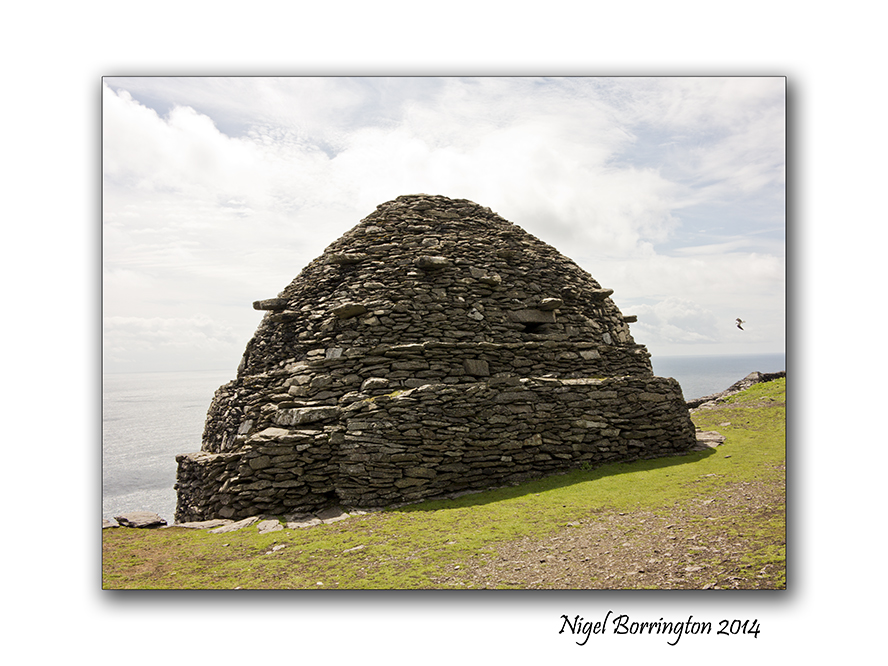
One of the most famous features of Skellig Michael are the so called Beehive structures, there were may be six or seven of these of which six are still standing, they were the living spaces for each of the monks, this fact would indicate that a maximum of seven people lived here in the beehives at any one time, there is a structure at the very end of the settlement that is constructed completely differently, It is thought that the head of the order would have lived in this building but few fact to prove this exist.
In any case the indications are that eight people lived on Skellig Michael at anyone time during its long history.
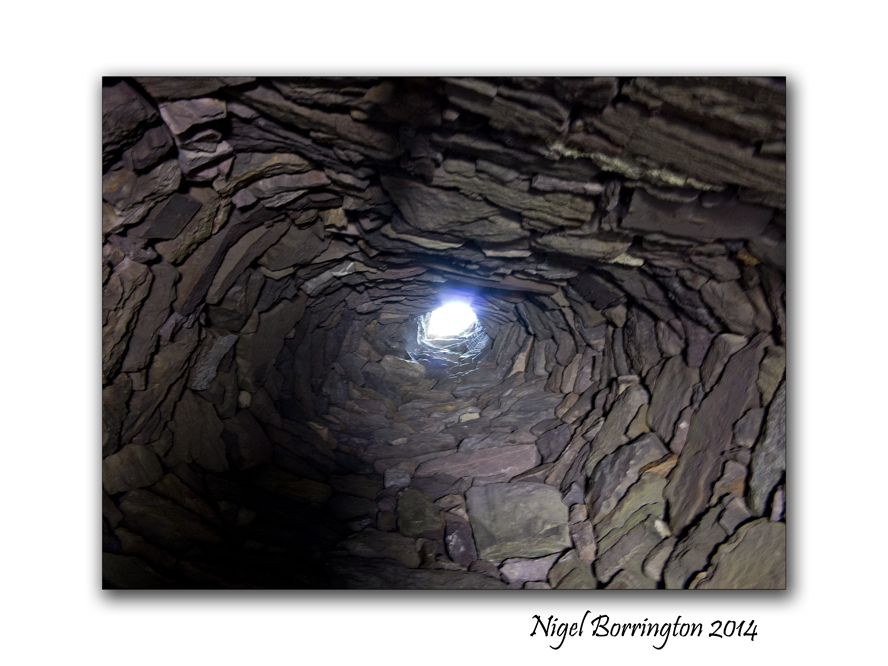
Living with in these stone constructions looks very harsh , during the time they were occupied however they would have looked very different, in some of the pictures you can see supporting stones that stick out of the main buildings by some amount, it is thought that these stones supported a covering of thatch consisting of straw and clay, this would have been deep and was used to keep the inner stone structure warn and dry. Not all but some of the Beehives have a hole in the roof that was used to let out smoke from fires inside.
At some point I want to post about the life’s of these people, who they where and why they chose to live here, I need to read a little more however , so for the moment that’s it. Three post over the last three day, that I hope share a visit to this wonderful and mystical island.
If you get a chance I would really encourage you to visit. Its an experience of a lifetime and helps you to open your mind to European history.
I cannot help however feeling that this place holds something else other than the official history, The question as to why these monks felt the need to occupy Skellig Michael, so far of the Irish coast line, is very big !
This place feels like an escape, a refuge but from what and why ?
With such massive risk’s taken by a small group of people to construct three stone stair-ways to the top of the Island and then build the walled settlement, the question of why looms very large. These were times when the word of Christianity was first being spread across Ireland so why the need to hide away here ?
I need to do much more reading, before I understand these bigger questions 🙂 and even then maybe some of the answers have been lost !
Gallery





Irish landscape Images for the week – (Monday) Irish bog lands.

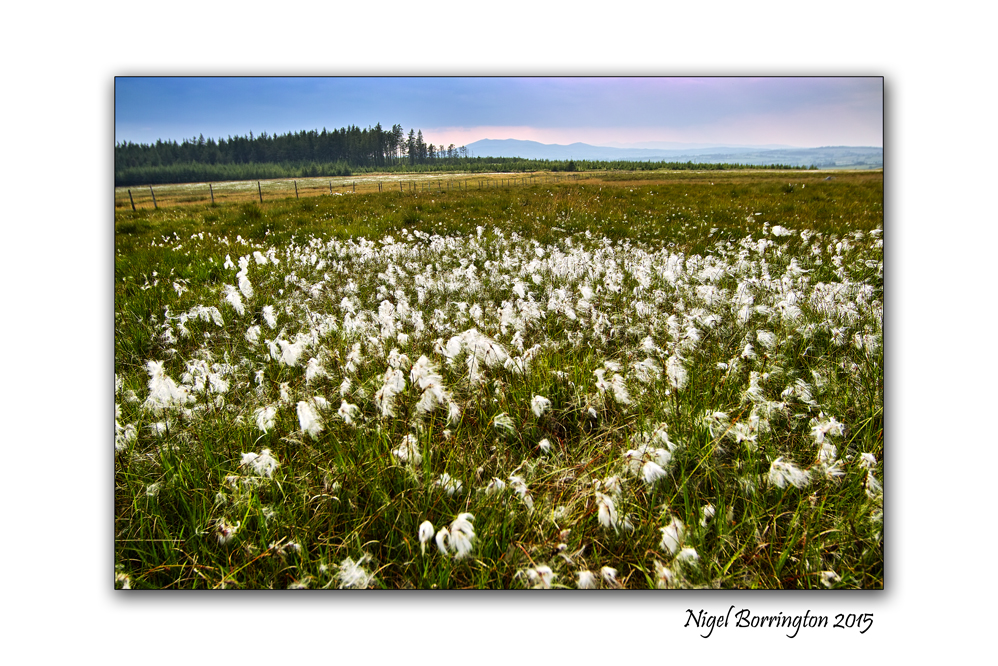
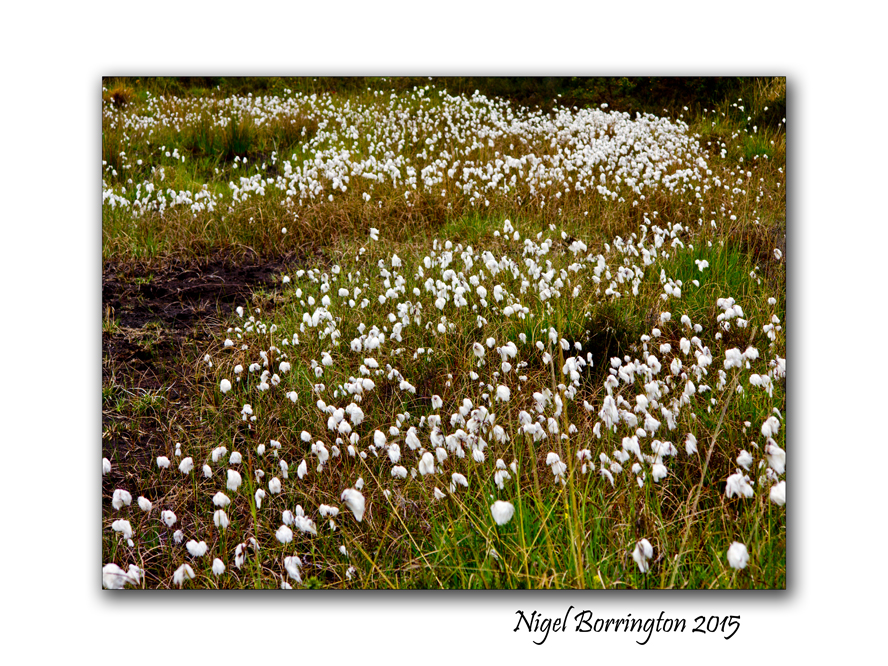
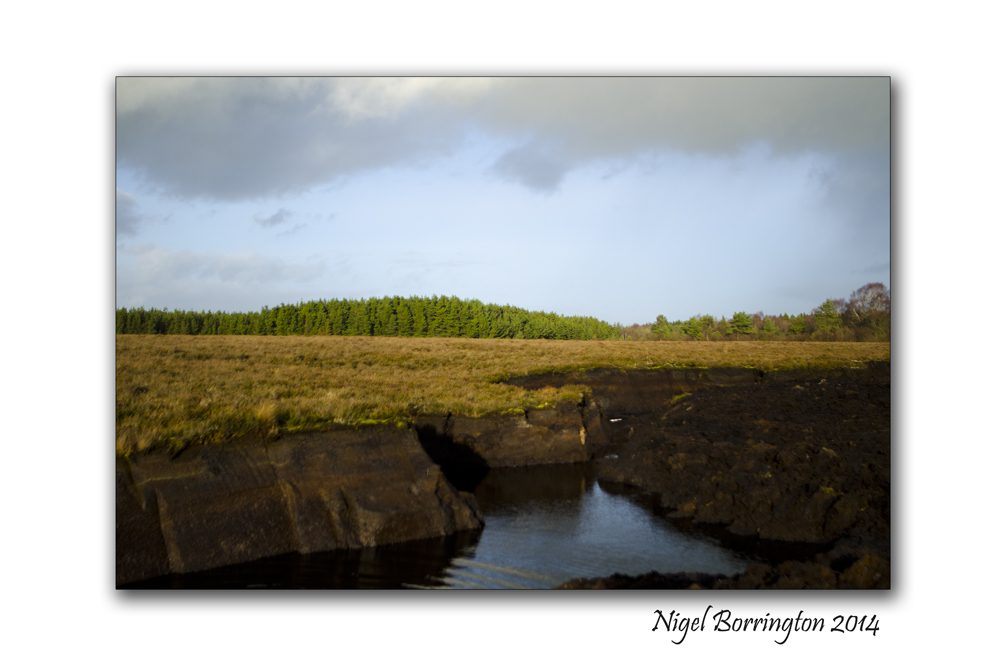
During this week, I just wanted to return to some of my most loved Irish Landscape locations and Monday today’s post I want to share some images I have taken since 2014, these relate to the Irish Bog and Peat lands of the Irish Midlands and the West coast.
Ireland has internationally important peat/bog lands but they are always under serious threat. Over the last few years the Irish government has protected areas of special conservation from historic family rights to cut peat in these areas, a decision that created problems for some but one that was very much needed in order to start the process of returning the bog’s to a point of growth and sustainability.
I love these locations, they are remote and full of life both plant and wild life and I feel like many others that they do need very special care and support.
When you visit locations like the Bog of Allen, you can see a contrast between the areas that are still wild and untouched and the areas that have been harvested for peat, when you see this contrast and its different effects on local bio-diversity you would only hope that one day we can find a less damaging way to heat our homes and produce energy.
Irish Bog-lands Gallery






Meerkat’s at Fota Wildlife Park , County Cork, Ireland

A Meerkat at Fota Wildlife Park
County Cork
Ireland
There are so many wild species at Fota Wildlife park, county Cork – but few as sweet and attractive as the little Meerkat’s. Like many of animals they occupy their own island and you view them from across the water of a lake.
I spent a good time during my visit with these little creatures and found it difficult to move on, they are such great fun to watch 🙂 🙂
Here is their introduction and details, provided by Fota wildlife park themselves !
About the Meerkat
A favourite of visitors young and old, the Meerkat is a smaller member of the Mongoose family. Measuring up to 35cm in length and weighing up to 730grams, it has four long, strong claws on each paw to aid with burrowing and likes to stand on its hind legs from high vantage points when possible.
Habitat
The Meerkat is found across southern Africa in the wild, particularly around the savannahs and open plains of Botswana, Namibia, Angola and South Africa.
Wild Notes
The Meerkat is a social and curious animal that lives underground in groups called mobs, gangs or clans. Much of its time is spent digging and foraging for food including insects, roots, eggs, small reptiles and scorpions – the Meerkat is immune to the latter’s poison unlike mankind.
While pack members are feeding, at least one of the mob will be on guard, standing on its back legs and watching for predators such as eagles, foxes for jackals. Should any danger arise, an alarm call will alert the entire group who will then quickly venture underground.
Meerkats share the job of looking after their young. When born, the pups are mostly hairless and cannot see or hear. They generally open their eyes after two weeks and start to eat food other than milk a week later. Females tend to be larger than males and can have as many as four litters of up to five pups a year – generally around rainy season when food is plentiful.
Conservation
Considered to be of Least Concern, local populations of the species are susceptible to disturbances and habitat loss caused by mankind.
Did you know?
The fur on the Meerkat’s belly is thin and helps it to regulate its own body temperature. It sits up or lies on warm ground in order to increase its temperature and reduces it by lying belly-down in a cool, dark burrow.
The Fota Connection
The Park’s Meerkat clan arrived in 2010 and took up residence in a new exhibit near the main entrance. Its habitat has since been revamped further with the addition of a new viewing house, allowing visitors more intimate interaction with one of the world’s most interesting and active species. The original group, Tippy and her three daughters, came from Belfast Zoo but Fota’s numbers have since increased into double figures.
A
 Nigel Borrington
Monday Gallery and Post , Our Garden Robin ….
Our Garden Robin
Nature Photography
Nigel Borrington
Throughout the last few weeks, when ever I sit outside in the our garden, I am often accompanied by this little Robin, always brave and very forward he gets lots of leftovers from the meals and snacks I take outside.
So I thought today I would share him with on my blog , I am sure if he could do so he would get his own WordPress pages, I bet his post would be amazing 🙂 🙂
Share this:
July 18, 2016 | Categories: Comment, Gallery, Nature and Wildlife | Tags: Garden birds, nature and wildlife photography, Nigel Borrington, Robin, wildlife | 2 Comments