Memories of a winters farm

Fujifilm X100
Memories of a Winters Farm
Landscape photography : Nigel Borrington
Memories of a winters farm
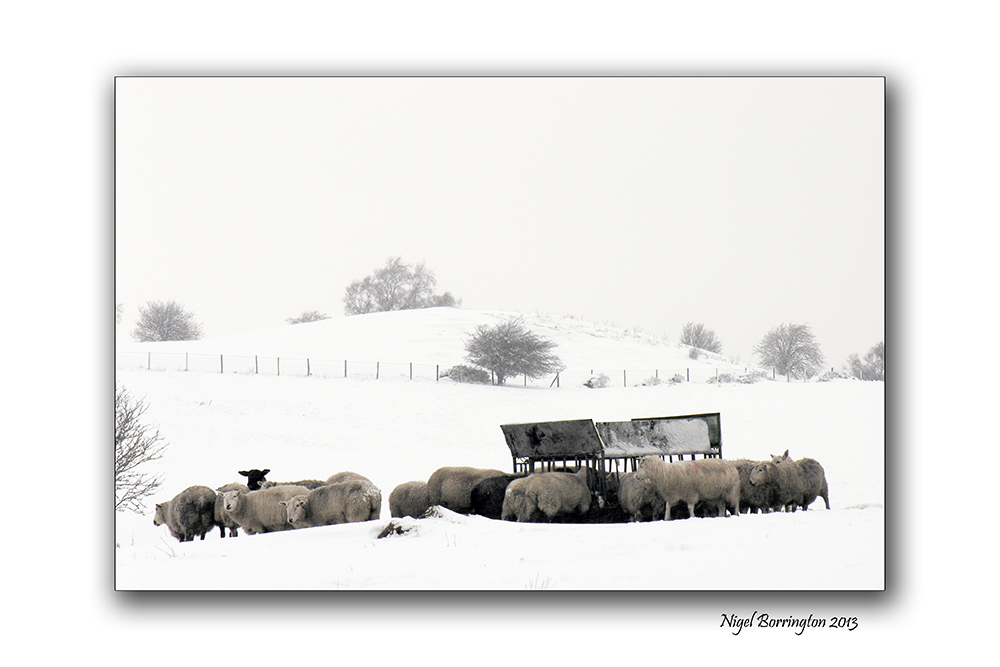
This weekend two years ago I was staying at a farm located near Eryrys, Denbighshire, North Wales.
On arrival the weather was cold with some snow in the air but by the next morning it had started snowing heavily and did not stop for the full two weeks of the visit.
Farming in this kind of weather is very difficult and feeding the animals very much so, the following images are just some taken during the stay and I feel they captured the north Wales landscape during one of its hardest winters for some forty years.
Gallery



Found things in the Irish woodlands : Image Gallery .

Nikon D700, 24-70mm f2.8 lens
Found objects in the Irish woodlands
Irish Landscape Photography : Nigel Borrington
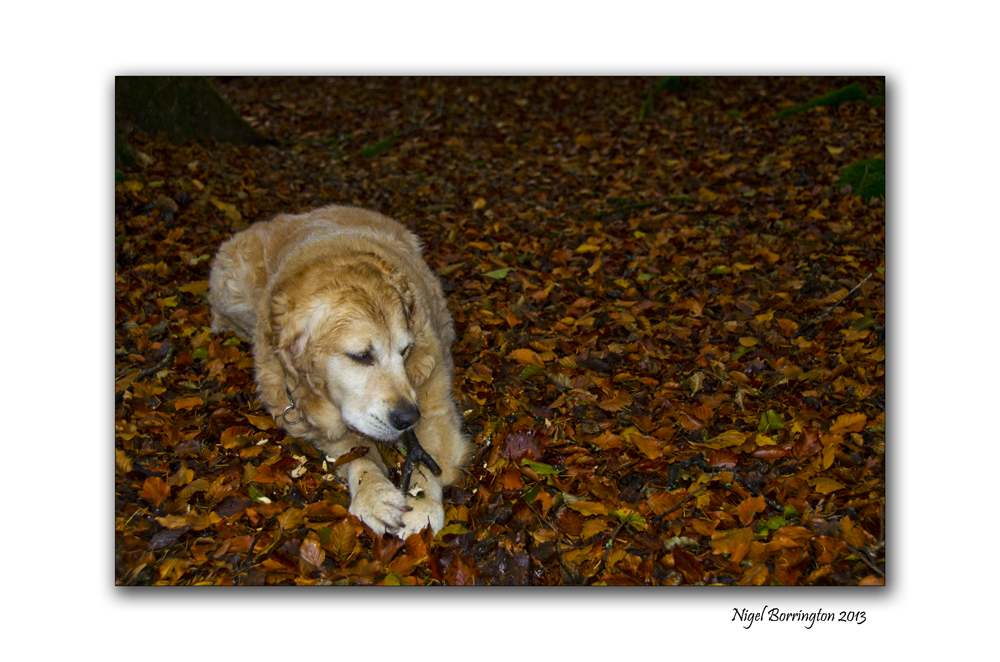
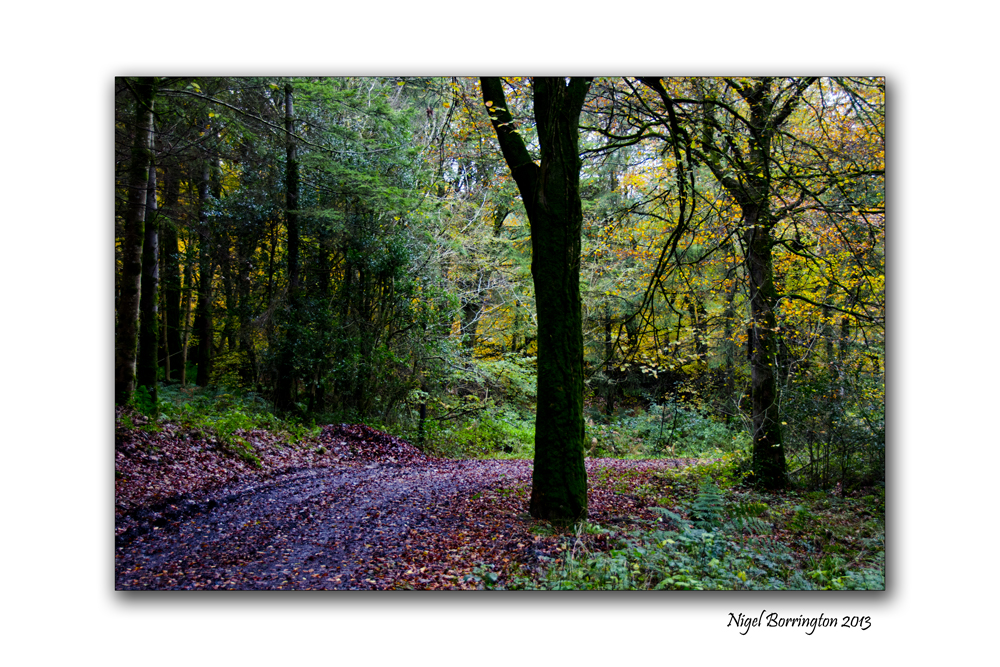
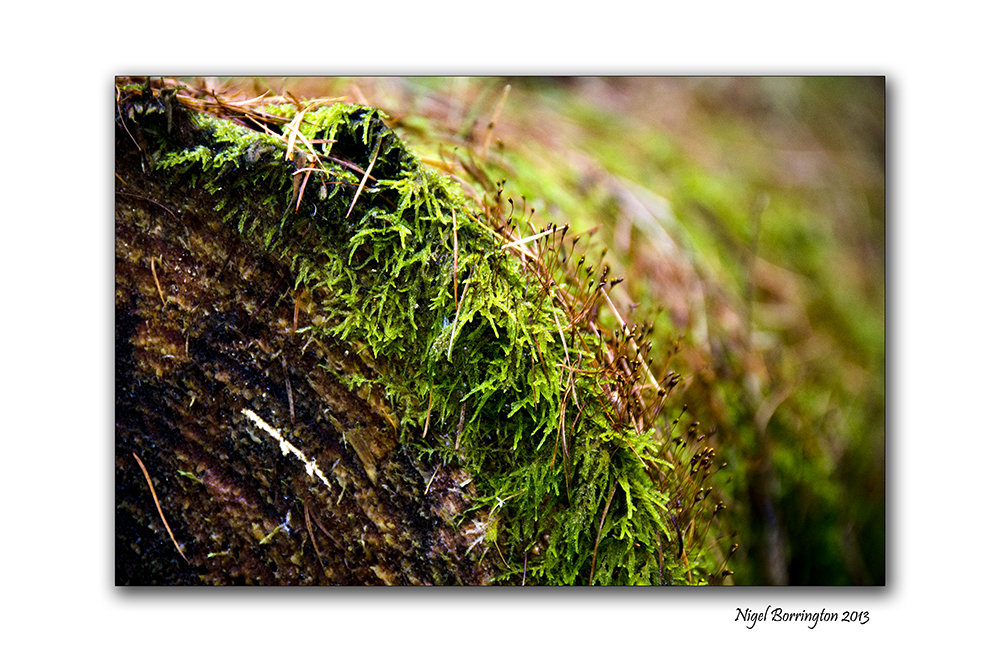
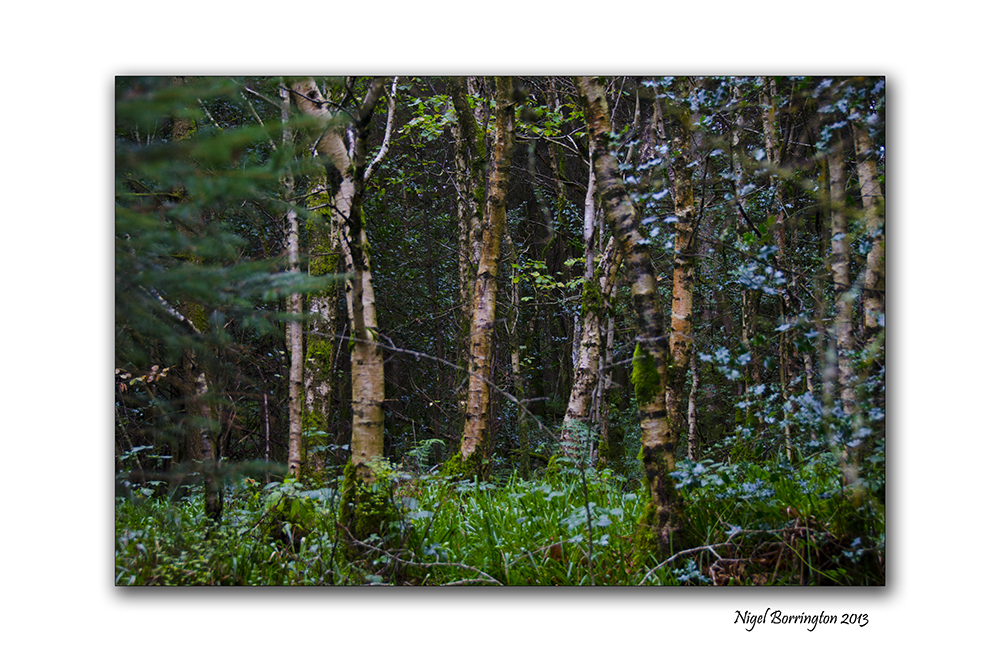
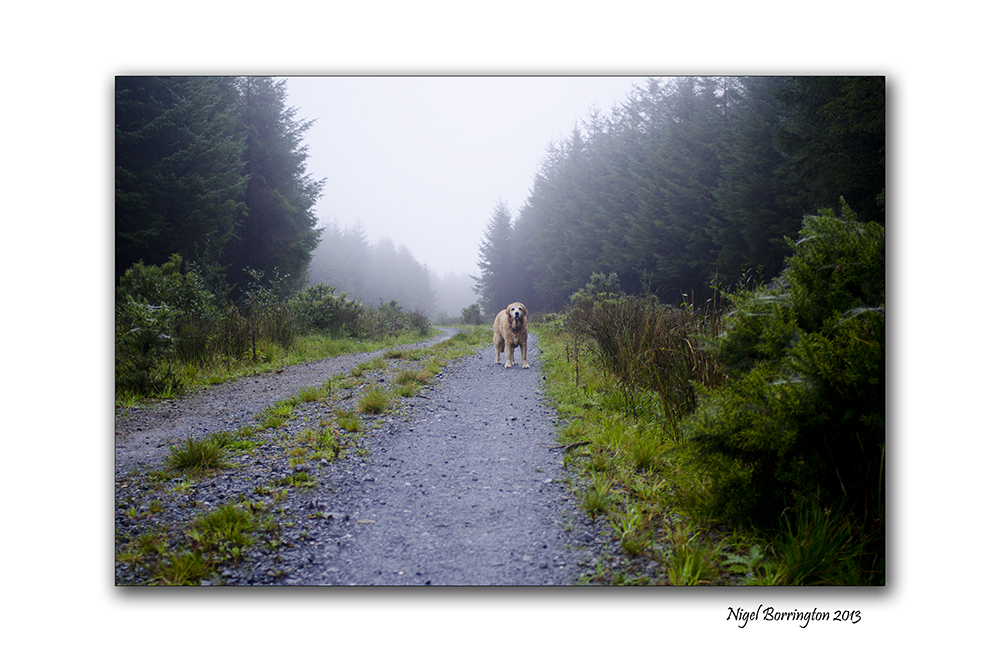
From a personal Stand point one of the things I love doing most photographically is to just explorer my Local surroundings, I walk our dog Molly a 10 1/2 year old Golden retriever everyday and carry a camera with me for most of these trips out. the Local Kilkenny woodlands in December are still surprisingly full of life and things to capture.
The following Gallery is from a trip to Castle Morris woodland, last week.
Found things in the Kilkenny woodlands




In Praise of Winter Trees, by : Bill Brown

Winter trees, Millennium Forests Project,
County Kilkenny.
Irish landscape photography : Nigel borrington
In Praise of Winter Trees
Excerpted from Late Winter by Bill Brown, published by Iris Press.
A closed heart can’t greet
a winter sky. Even a rain puddle
is filled by it, and a horse trough,
and the slow current of creeks.
Winter trees, sycamore and oak,
reach for the sky to offer praise –
stark, hard praise, born from all
those rooted years of bearing
the sky’s weight. Some nights
an open heart is filled with vast
spaces between stars the mind
can’t grasp. The thought of heaven
is not so much mammothed by
the sky’s grandeur, but mystified
beyond our silly notions. Winter
trees aren’t arrogant; they praise
no flags, no denominations,
they owe allegiance to the soil.
My sister, when she was younger,
awoke in winter to hold her arms
up to the sky, shiver in the wholeness
of it, let shadows of winter trees
dance sunlight across her face.
Oak, beech, sycamore, maple, and gum,
reenact creation, drop their seeds
from the sky, make their homes
in star dust, and reach back
toward heaven. Trees suffer
drought and freezing rain, accept
the annual tilt toward shorter days.
Some ancient hope, like winter light,
is allied with the gravity of stars.
Sigma SD15

Sigma SD15 with 15-30mm f3.5 lens
Sigma’s SD15
If anyone has read my other camera reviews you will have noticed that I don’t review any of my Pro level slr cameras from Nikon or Canon , the reason I don’t do that here is simple.
Here is a good reason why, I was out walking our golden retriever, one Sunday about two weeks ago and passed two photographers with Canon SLR’s, Tripods, all top of the range equipment. On passing I overheard one talking to the other about the lens he had just purchased “It the best in the country , the only one so far”, I am mostly very good at passing on these types of comments and I didn’t know them . However on returning past them again about an hour later, they were still talking cameras, pointing in the same direction and taking pictures of very little if anything.
If this is what they enjoy doing then good luck to them, it did however remind me of just how some people can be, when it comes to camera equipment and the need to have the best. For what reason though, for image creation or talking to friends about.
So I don’t believe that the race to the top of the camera food chain has anything to do with good or great photography, photography is the skill of good and interesting image making, it goes back well over a hundred years and in all that time photographers have been making images that are both iconic and outstanding.
You don’t need the perception of owning the best and greatest equipment to create good images.
While being into image creation, you do need a camera that you both like to use and can trust. For me out in the field the choice of which camera I would take for any given function is selective. I don’t think I have a best camera body, they all do something differently good and bad, they can be used in different ways.
So down to this review
The Sigma SD15

Sigma Sd15 Slr.
Firstly I think this is one of the most interesting, challenging and creative cameras to be produced for a long time, it will never be seen as the king of the food chain nor will many photographers, with the need for the best to boost their self esteem, stop looking down on it and the even newer Sigma SD1.
Sigma cameras contain foveon, ccd imaging sensors

Foveon X3® direct image sensor
Foveon has combined the best of what both film and digital have to offer. This is accomplished by the innovative design of the three layer Foveon X3 direct image sensor. Similar to the layers of chemical emulsion used in color film, Foveon X3 image sensors have three layers of pixels. The layers of pixels are embedded in silicon to take advantage of the fact that red, green, and blue light penetrate silicon to different depths – forming the first and only image sensor that captures full color at every point in the captured image.

A Dramatically Different Design
The revolutionary design of Foveon X3 direct image sensors features three layers of pixels. The layers are embedded in silicon to take advantage of the fact that red, green, and blue light penetrate silicon to different depths — forming the world’s first direct image sensor.
From point-and-shoot digital cameras to high-end professional equipment, Foveon X3 technology offers multiple benefits to consumers and manufacturers alike. At the same time, it opens the door for other innovations, such as new kinds of cameras that record both video and still images without compromising the image quality of either.
Having read about this sensor technology and the camera for sometime, in May 2013, I exchanged an old Nikon D200 for a Sigma sd15 camera and a couple lenses, ( 15-30mm f3.5 and a 70-300mm f4-5.6).
I was no longer using the D200 so felt, why not take a chance and try the claims for the Foveon sensor and the SD15 out.

Sigma SD15
Something that is less important than you my think to the pro/semi-pro photographers alike is images size or pixel counts, a much more important aspect of a digital image is the amount of details captured at any defined pixel location and this is something that I have found the Sigma SD15 to be wonderful at.
There is little point in crushing huge amounts of pixels on to an image sensor if the detail capture is low or poor.
The simple facts with the Foveon x3 sensor is that all possible colours are captured at each pixel location, this fact alone increases the level of detail some three fold over a traditional sensor, that splits colour detection into groups of three pixels, each of which can only see one colour from (Red, Green or blue), the effect on an image using this method are the creation of unwanted artefacts in the final image. So the use of a filter over the sensor is needed to stop this effect. This filter blurs the detail level in the image by a factor of around a third at each pixel group locations.
In recent times traditional sensors have increased in pixel counts to a point where the effects of artefact creation are less than before, so some expensive camera models have removed the needed filter over the sensor. This is good and produces better image resolution, however you need a three times bigger image file size to produce the same level of true detail that you find from the Foveon sensor.
Large image sizes take up more disk space are slower to process and longer to upload or email.
My final question related to printed and end results, if you print an unprocessed file from the SD15 at the same size as one from say a Nikon D700, do you get the same detail in the final image, well I have found the answer to mostly be yes, in most cases, yes looking at large prints I can detect very little difference if any.
Don’t get me wrong, I still own and use other cameras , however I have been amazed at the results from this Camera and its Foveon sensor, the colour definition is also wonderful.
Sigma and Foveon claim that the SD15 has 14 million pixels, but this is in three layers and that the newer Sigma Sd1 has 48 million pixels again layered, this is a difficult and controversial claim as each image size is only the given amount divided by three.
However if you take into account that they are only saying this because the camera market has taken as a standard, mega-pixel counts, image detail and colour definition are a much harder subject to sell, to the general public. So what Sigma and Foveon are doing with this claim of high pixel count is to say our cameras produce the same detail yet better colour definition than other cameras with traditional sensors at the level of 14mp or 48mp.
Is this claim true, well side by side A3 or A2 prints appear to say yes. This along with the fact that I just love the colour and image brightness and the great exposure produced from these cameras.
Pixel Counting Definitions
Prior to the existence of the Foveon X3 direct image sensor, there has been a 1:1 relationship between the number of pixels (photodetectors) and the number of pixel locations for a traditional CCD and CMOS image sensor. Given this relationship, the generic term “pixel” has been commonly used to reference both the pixel (photodetector) and the pixel location. Foveon direct image sensors are a new type of image sensor that incorporates three pixels(photodetectors) at every pixel location on the image sensor. The definition of a pixel as indicated below is consistent with standard industry conventions as applied to CCD image sensors, CMOS image sensors, and the Foveon X3 direct image sensor.
Pixel
A pixel on the image sensor of a digital camera is a light absorbing element (photodetector) that converts light (photons) into electrons. A pixel is also referred to as a pixel sensor when there is a need to distinguish the pixel from its location.
Pixel Location
A pixel location is the X,Y coordinate on the two-dimensional grid of an image sensor at which the pixel is located.

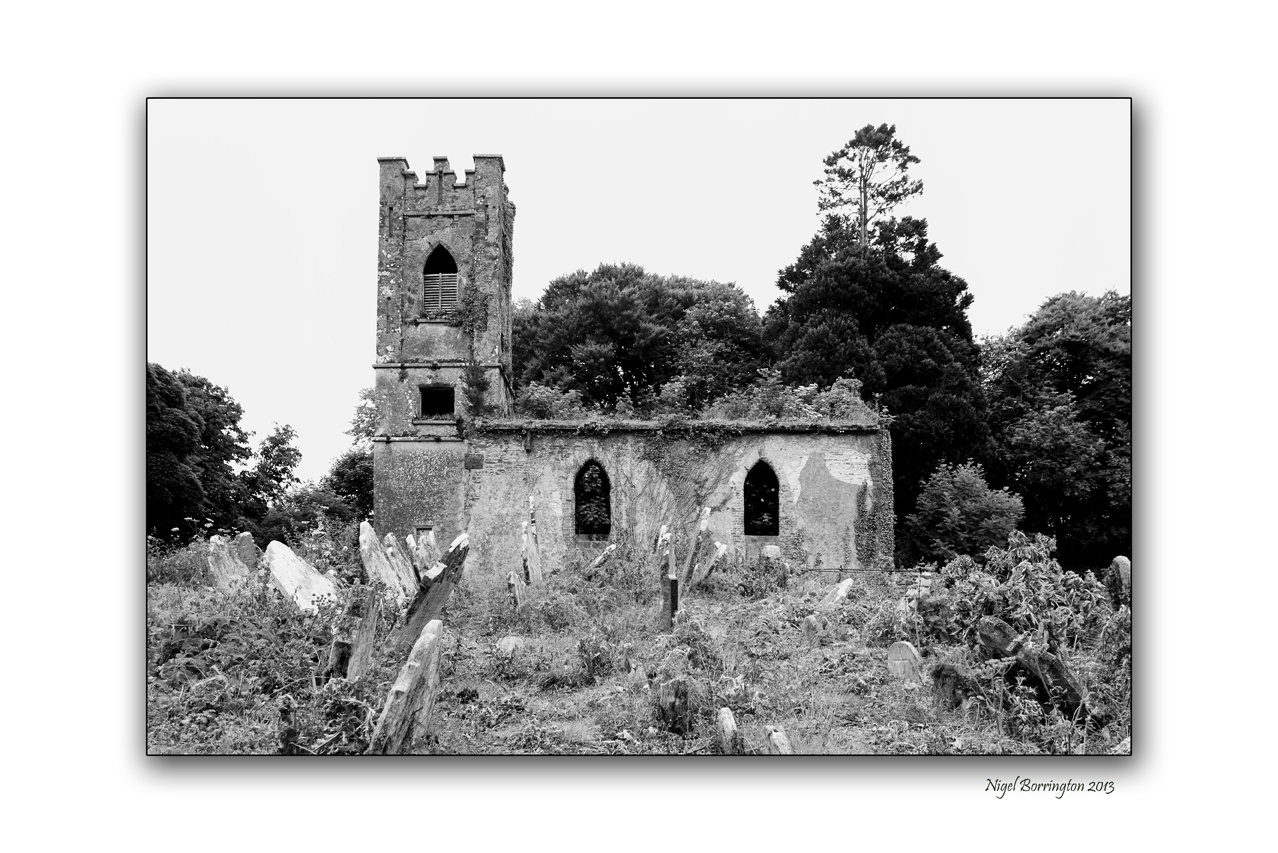
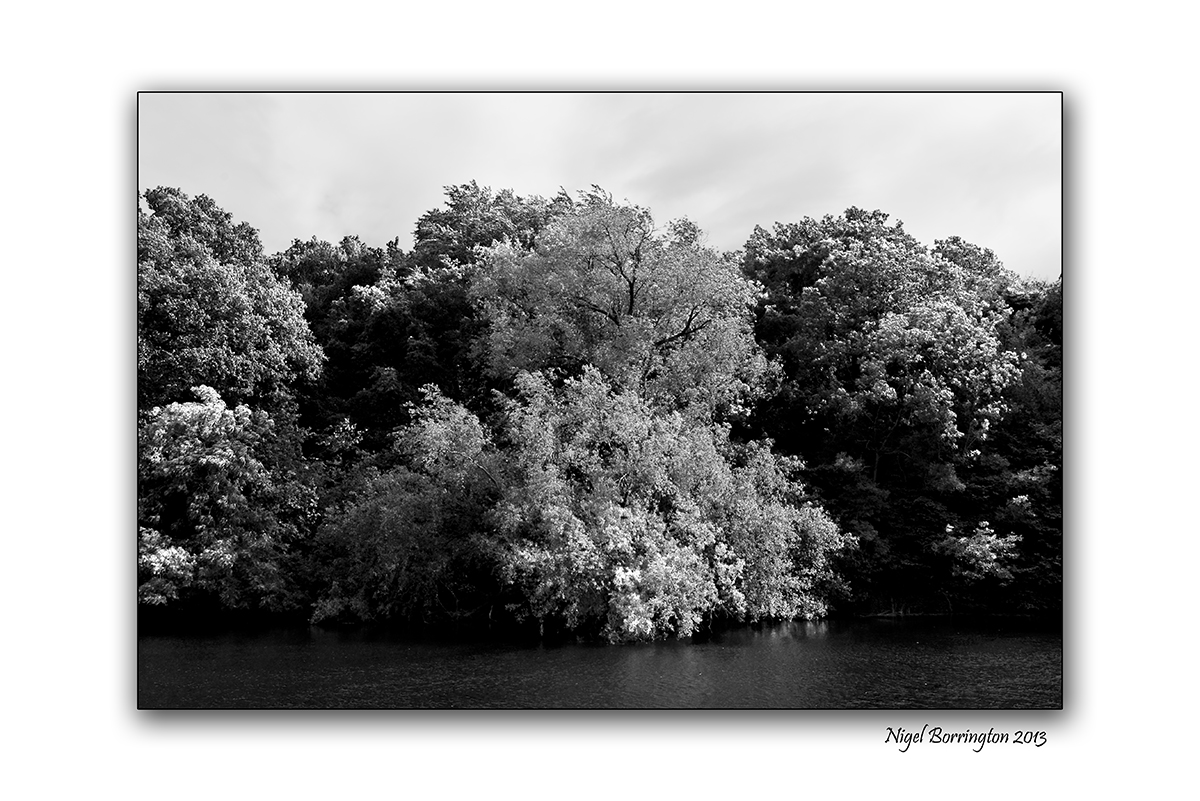
Below I have included some images from my first six months of personal photography while using this camera, I have grouped them into colour and black and white images.
I have also found the camera to be wonderful in the production of black and white photographs, the fact that it is naturally capturing colours in the way it is helps to produce a black and white result as a finish image.
One area that is possibly the only down side I have found is the fact that at higher than 800 iso, the images are noisy in low light, which is why you would need higher ISO, my reaction to finding this out is to say well so, every camera has its weak points. I guess what you could ask is , do the good sides of this camera out do the bad, in my own opinion yes they do, every single bit of camera equipment on the market today has good sides and bad sides.
This is what photography is about, learning what your camera is good at and bad at and working with these details in order to get the best results possible.
Can this sigma help you do that, yes it can and some !
Colour Gallery



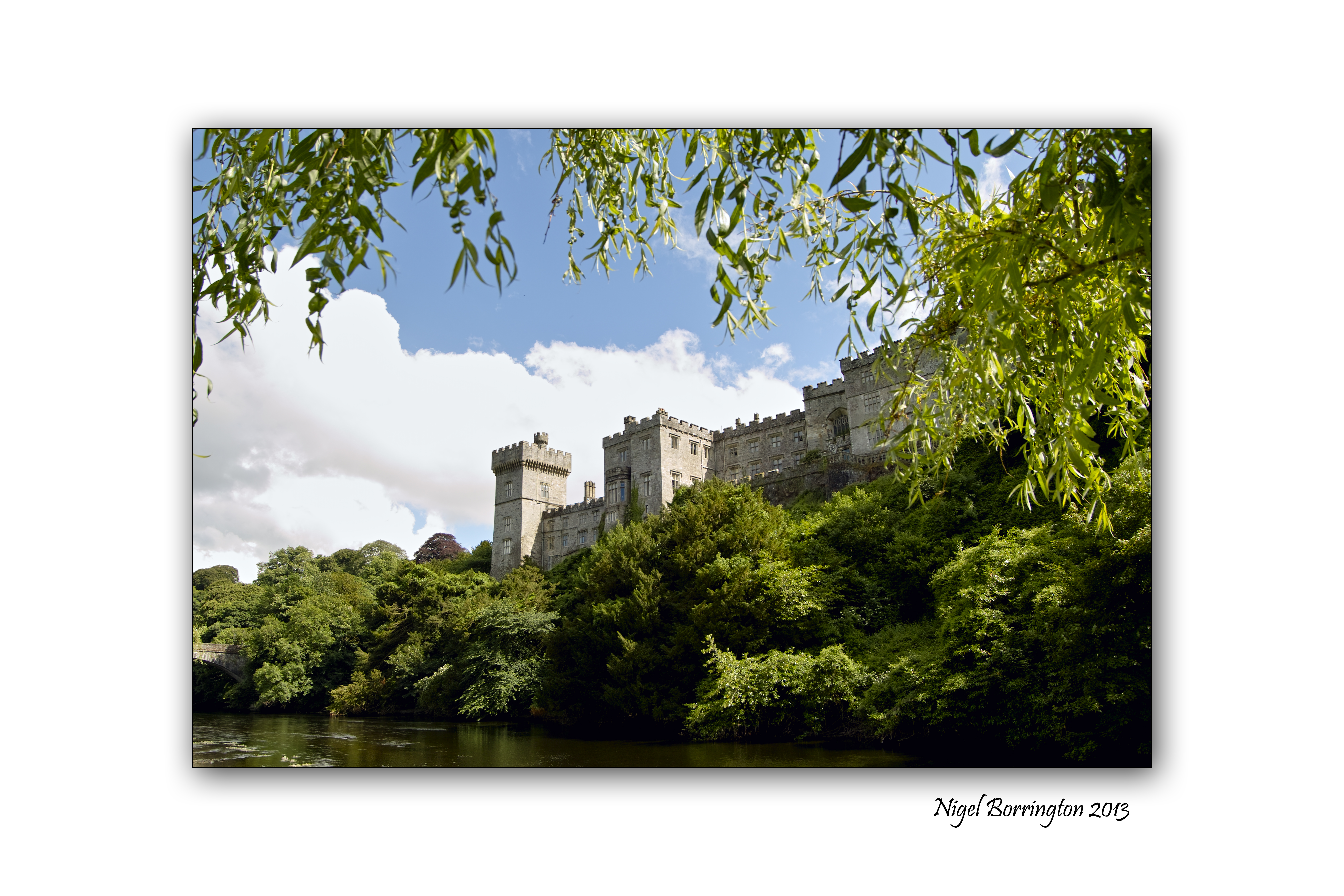
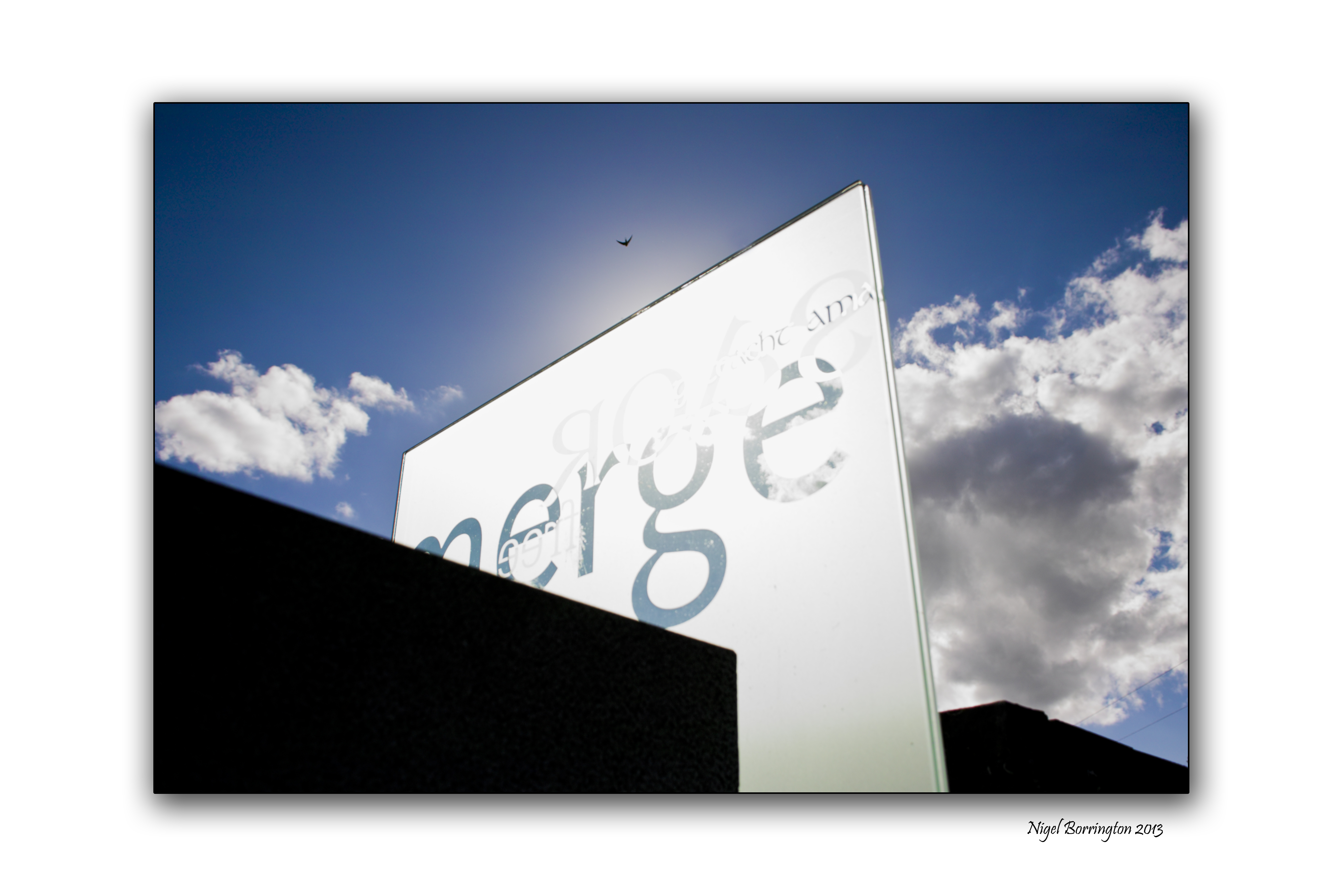


Black and white Gallery



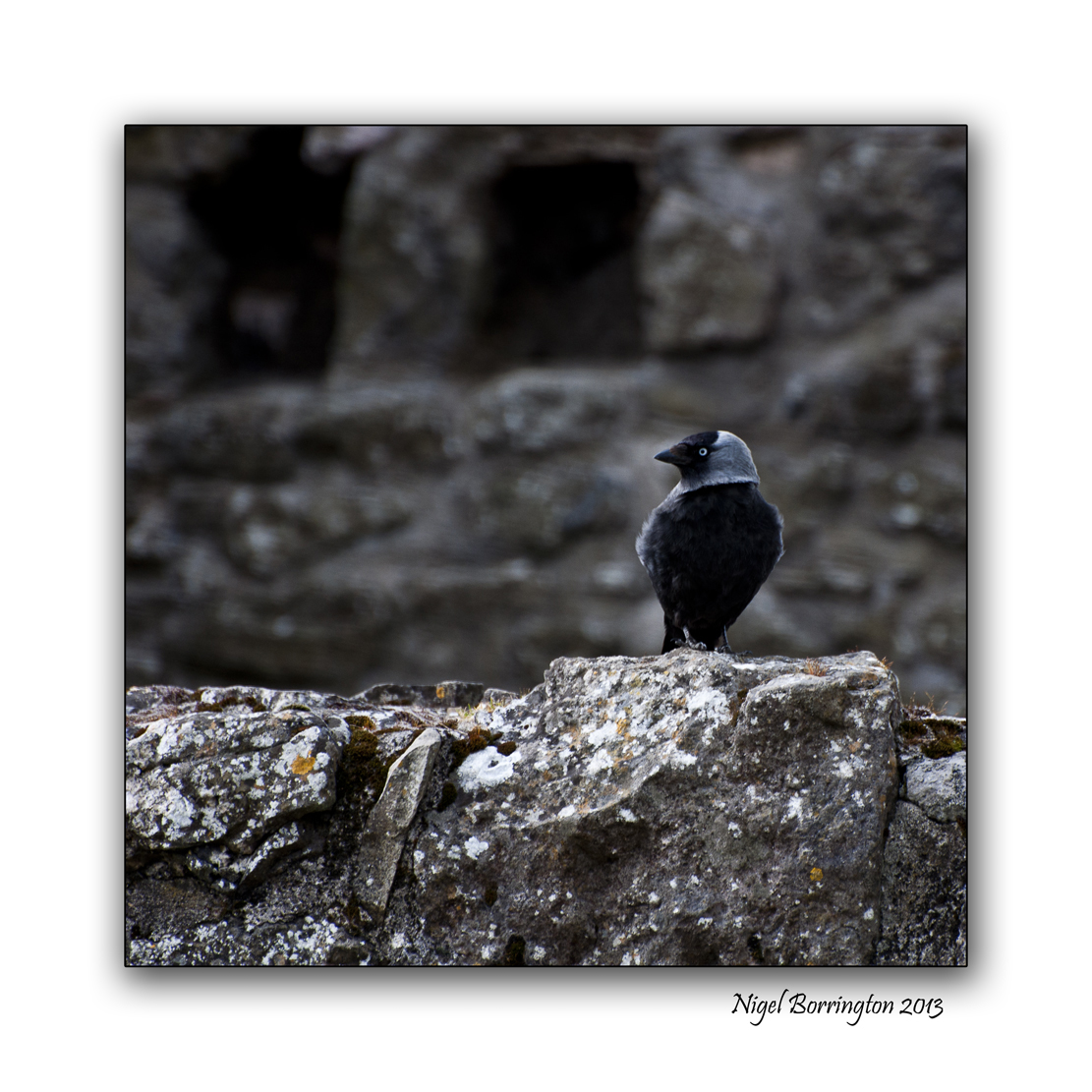
The Jackdaw, by : William Cowper
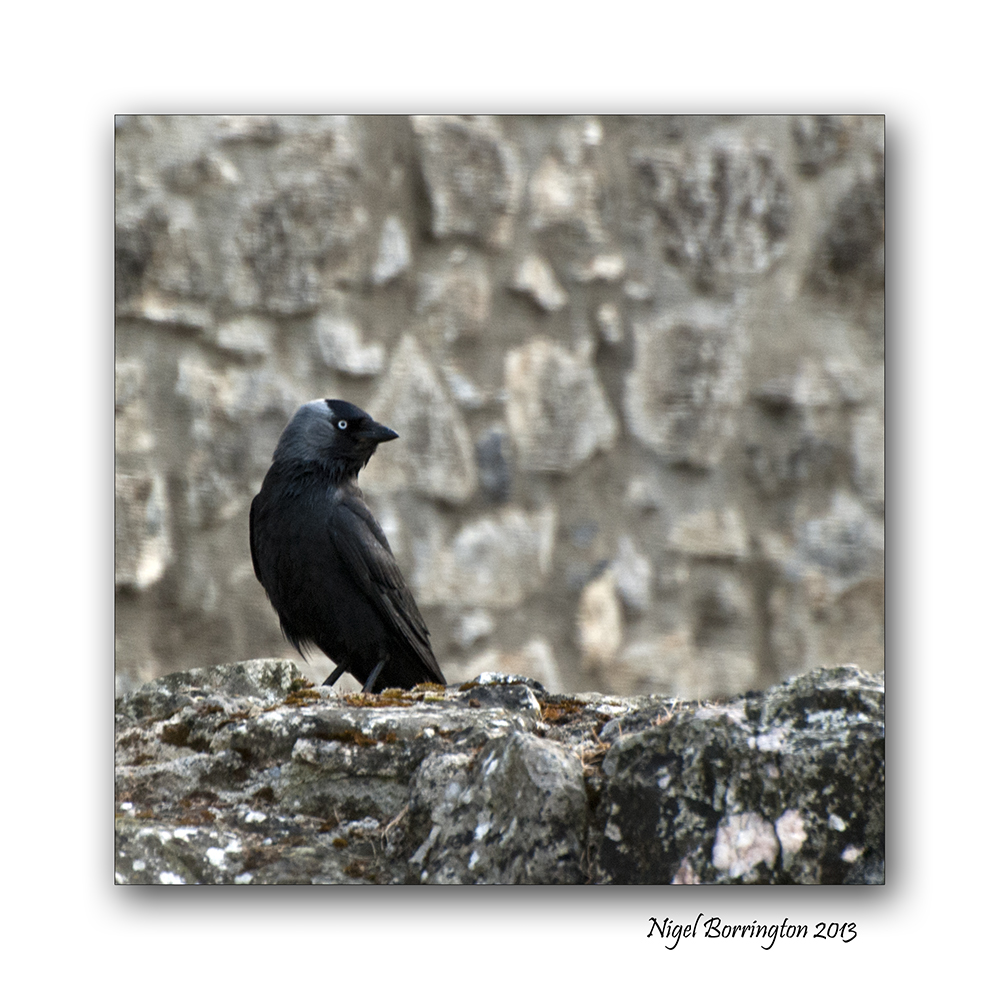
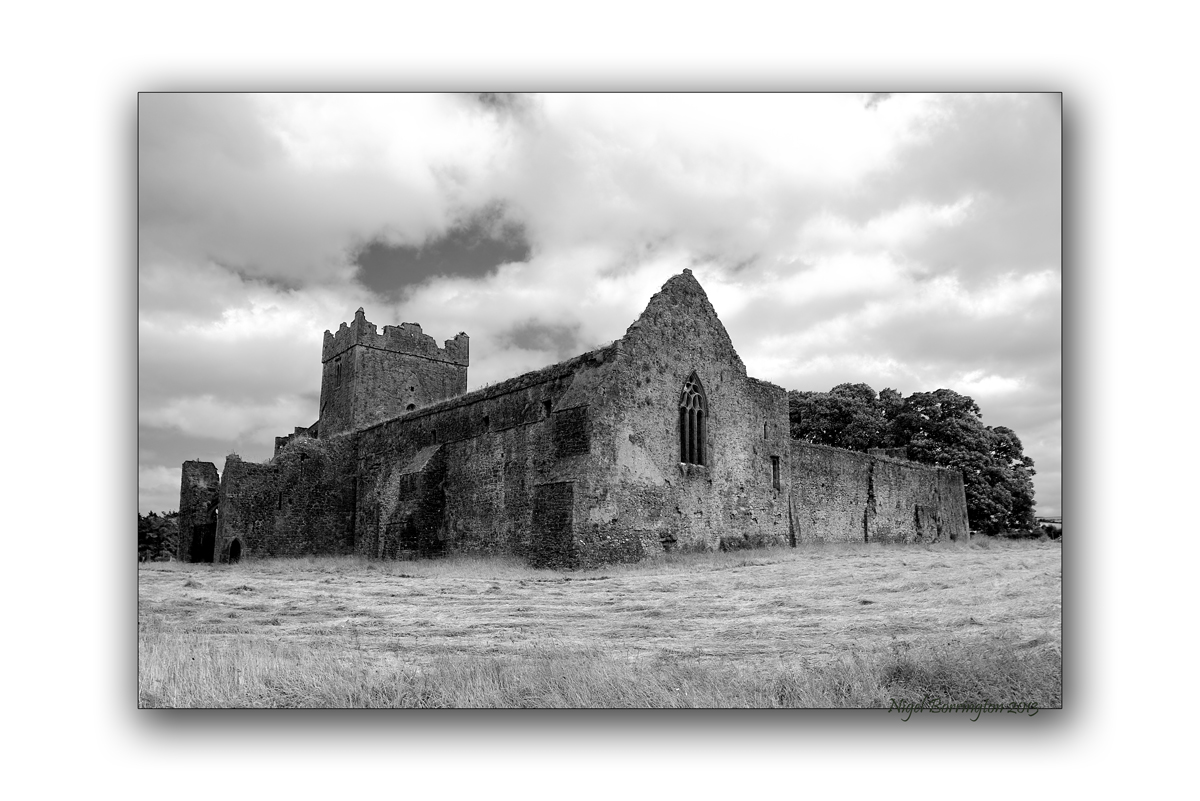
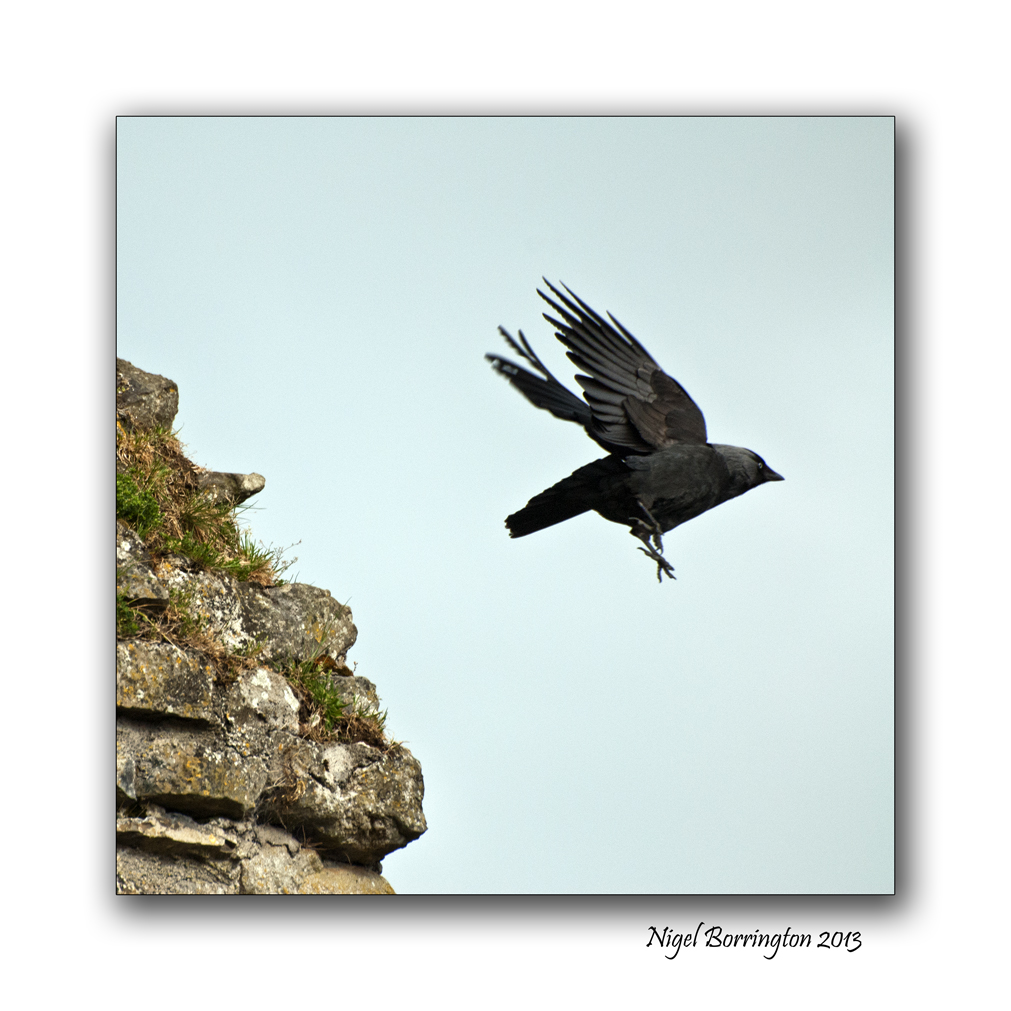
Jackdoors at Kells Priory, County Kilkenny
Irish Wildlife Photography : Nigel Borrington
The Jackdaw
by : William Cowper
There is a bird who, by his coat
And by the hoarseness of his note,
Might be supposed a crow;
A great frequenter of the church,
Where, bishop-like, he finds a perch,
And dormitory too.
Above the steeple shines a plate,
That turns and turns, to indicate
From what point blows the weather.
Look up — your brains begin to swim,
‘Tis in the clouds — that pleases him,
He chooses it the rather.
 .
.
Fond of the speculative height,
Thither he wings his airy flight,
And thence securely sees
The bustle and the rareeshow,
That occupy mankind below,
Secure and at his ease.
 .
.
You think, no doubt, he sits and muses
On future broken bones and bruises,
If he should chance to fall.
No; not a single thought like that
Employs his philosophic pate,
Or troubles it at all.
 .
.
He sees that this great roundabout,
The world, with all its motley rout,
Church, army, physic, law,
Its customs and its businesses,
Is no concern at all of his,
And says — what says he? — Caw.
 .
.
Thrice happy bird! I too have seen
Much of the vanities of men;
And, sick of having seen ’em,
Would cheerfully these limbs resign
For such a pair of wings as thine
And such a head between ’em.
Yellow Tutsan flowers

(hypericum), known as tutsan.
Irish nature and wildlife photography : Nigel Borrington
Hypericum
is a genus of about 400 species of flowering plants in the family Hypericaceae
Some species are used as ornamental plants and have large, showy flowers. Numerous hybrids and cultivars have been developed for use in horticulture, such as H. × moserianum (H. calycinum × H. patulum), H. ‘Hidcote’ and H. ‘Rowallane’. All of the above cultivars have gained the Royal Horticultural Society’s Award of Garden Merit.
St. John’s-worts can occur as nuisance weeds in farmland and gardens. On pastures, some can be more than a nuisance, causing debilitating photosensitivity and sometimes abortion in livestock. The beetles Chrysolina quadrigemina, Chrysolina hyperici and the St. John’s-wort Root Borer (Agrilus hyperici) like to feed on Common St. John’s-wort (H. perforatum) and have been used for biocontrol where the plant has become an invasive weed.
Hypericum species are the only known food plants of the caterpillar of the Treble-bar, a species of moth. Other Lepidoptera species whose larvae sometimes feed on Hypericum include Common Emerald, The Engrailed (recorded on Imperforate St. John’s-wort, H. maculatum), Grey Pug and Setaceous Hebrew Character.
Hypericin
Medical properties
Hyperforin
Hypericum olympicum in Botanic garden Liberec

Common St. John’s-wort (H. perforatum) has long been used in herbalism. It was known to have medical properties in Classical Antiquity and was a standard component of theriacs, from the Mithridate of Aulus Cornelius Celsus’ De Medicina (ca. 30 CE) to the Venice treacle of d’Amsterdammer Apotheek in 1686. Folk usages included oily extract (“St. John’s oil”) and Hypericum snaps.
H. perforatum is the most potent species and it is today grown commercially for use in herbalism and medicine; other St. John’s-worts possess interesting properties and chemical compounds but are not well researched. As these secondary compounds appear to be related to deterring herbivores, they are present in varying and unpredictable quantities: still, a number of high-yield cultivars have been developed.
Two main compounds of interest have been studied in more detail: hyperforin and hypericin. However, the pharmacology of H. perforatum is not resolved, and at least its antidepressant properties are caused by a wide range of factors interacting. As psychiatric medication, it is usually taken as pills, or as tea. Standardised preparations are available, and research has mainly studied alcoholic extracts and isolated compounds. What research data exists supports a noticeable effect in many cases of light and medium depression, but no significant improvement of severe depression and OCD.
The red, oily extract of H. perforatum may help heal wounds. Both hypericin and hyperforin are reported to have antibiotic properties. Justifying this view with the then-current doctrine of signatures, herbalist William Coles (1626–1662) wrote in the 17th century that
“The little holes where of the leaves of Saint Johns wort are full, doe resemble all the pores of the skin and therefore it is profitable for all hurts and wounds that can happen thereunto.”
Hypericum perforatum may also be capable of reducing the physical signs of opiate withdrawal. Caution should be taken, as high-dosage H. perforatum interacts with a wide range of medications due to activation of the Pregnane X receptor detoxification pathway, and it also causes photosensitivity.
Hypericum extract, by inducing both the CYP3A4 and the P-glycoprotein (P-gp), can reduce the plasma concentrations of different antineoplastic agents such as imatinib, irinotecan and docetaxel, thus reducing the clinical efficacy of these drugs.

Kilkenny photography

Autumn view through the trees, county Kilkenny
Irish Landscape Photography : Nigel Borrington
Autumn through Kilkenny’s trees
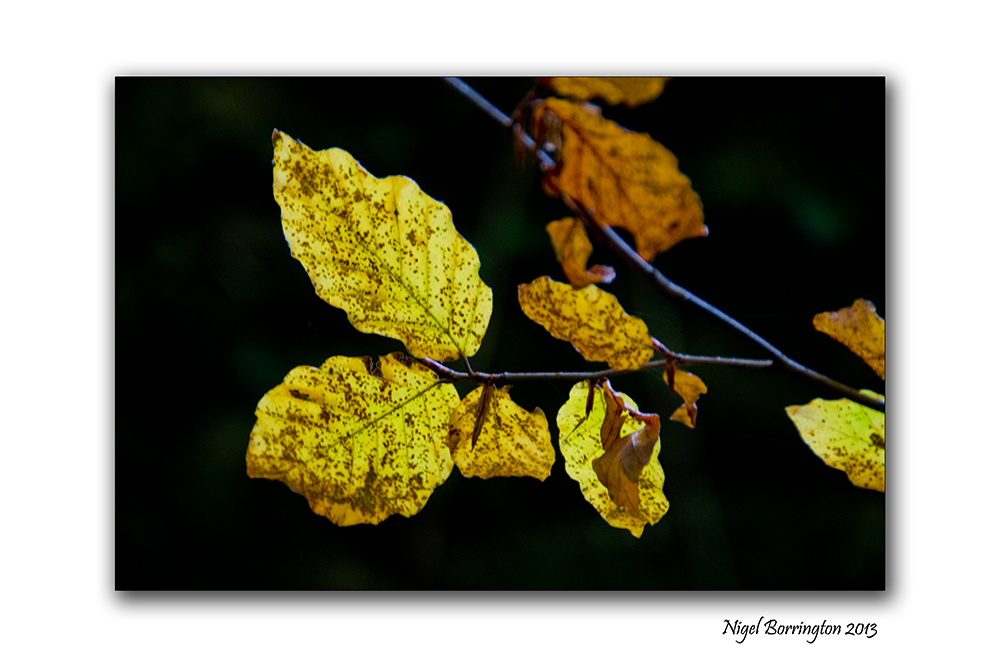
Autumn is in full flight here in Kilkenny, I took these images yesterday while on a walk through one of our local woods.
The Gold of the Beach trees is just Wonderful.
Gallery


Culzean Castle, Adopt a deer .

Nikon D7000, 18-200mm VR2 lens
Culzean Castle, Maybole, Carrick, Ayrshire,Scotland.
Red Deer, Stag
Scottish Landscape photography : Nigel Borrington
The Nation trust through Culzean Castle, estate let you adopt a deer for a year :

An exciting Animal Adoption Scheme is now available, providing the opportunity to help support the Deer Park at Culzean Castle & Country Park by adopting one of there deer herd. This could be purchased for yourself and /or could also make an excellent gift for a family member or a friend.
All monies from your adoption go towards the upkeep of your chosen animal, which include feeding, veterinary care etc and lasts for a period of one year.

The is Cost Per Year = £40.00
5 solo images for the week (Thursday).

Bog cotton in the comeragh mountains
Irish Landscape Photography : Nigel Borrington
Bog Cotton fields, comeragh mountains, county Waterford
Each spring, the boggy fields in the mountains of county Waterford are filled with Bog cotton. This year was no exception, there is so much cotton that the sides of the mountains become white and can be viewed from far off.
It was a pleasure to get out and walk through it all and get some images to record this great event.
5 solo images for the week (Wednesday).
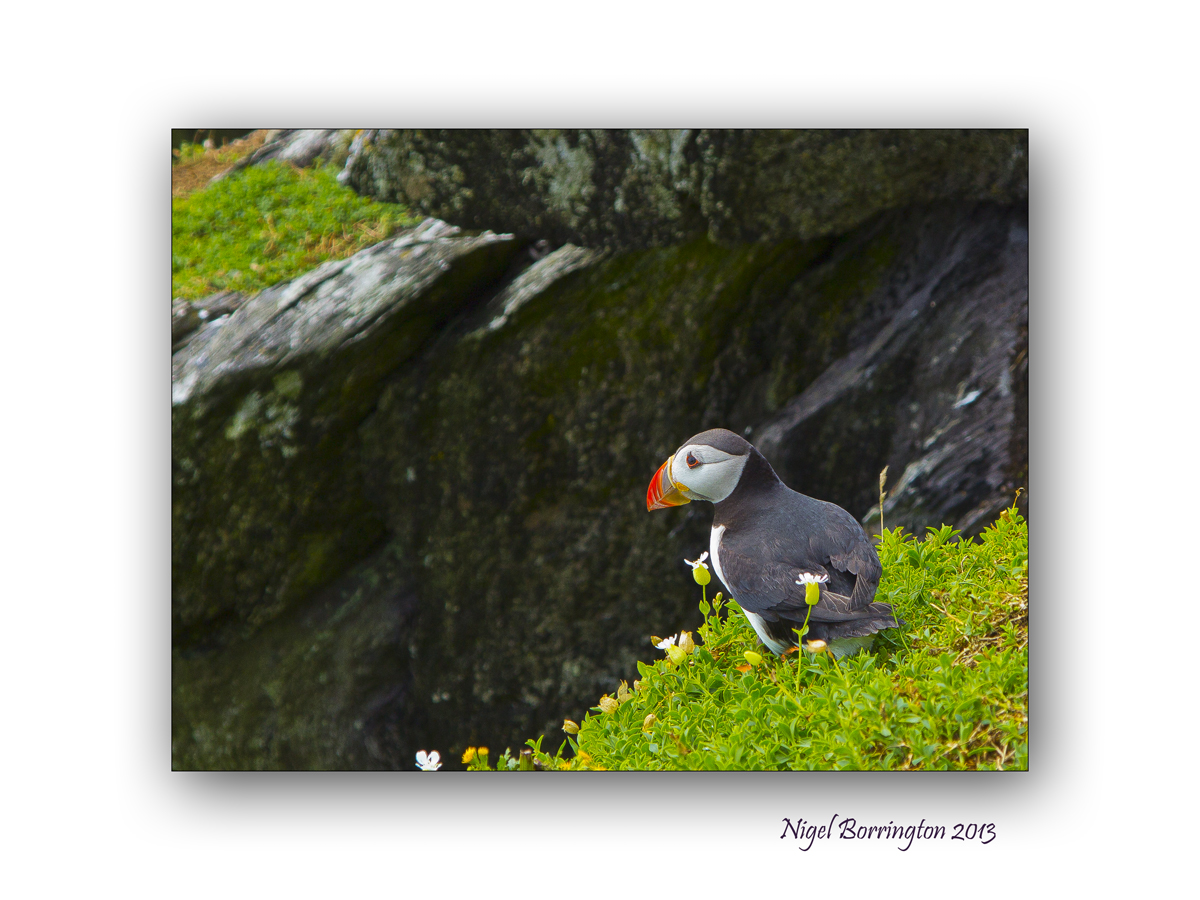
Puffins on skellig michael
Irish landscape and wild-life photography :
Nigel Borrington
Puffins on skellig michael
I will post fully very soon on the Skellig Islands, a visit to both Islands is just Magical.
Each year the Islands are home to one of the worlds biggest colonies of Puffins and the above image is just one from many I got on a Visit back in July. The cliff top slopes on Skellig Michael are just breathtaking and you have to be very careful not to slip.
I really enjoyed getting these images as these wonderful bird are just magical to be around.
Sunday Evenings
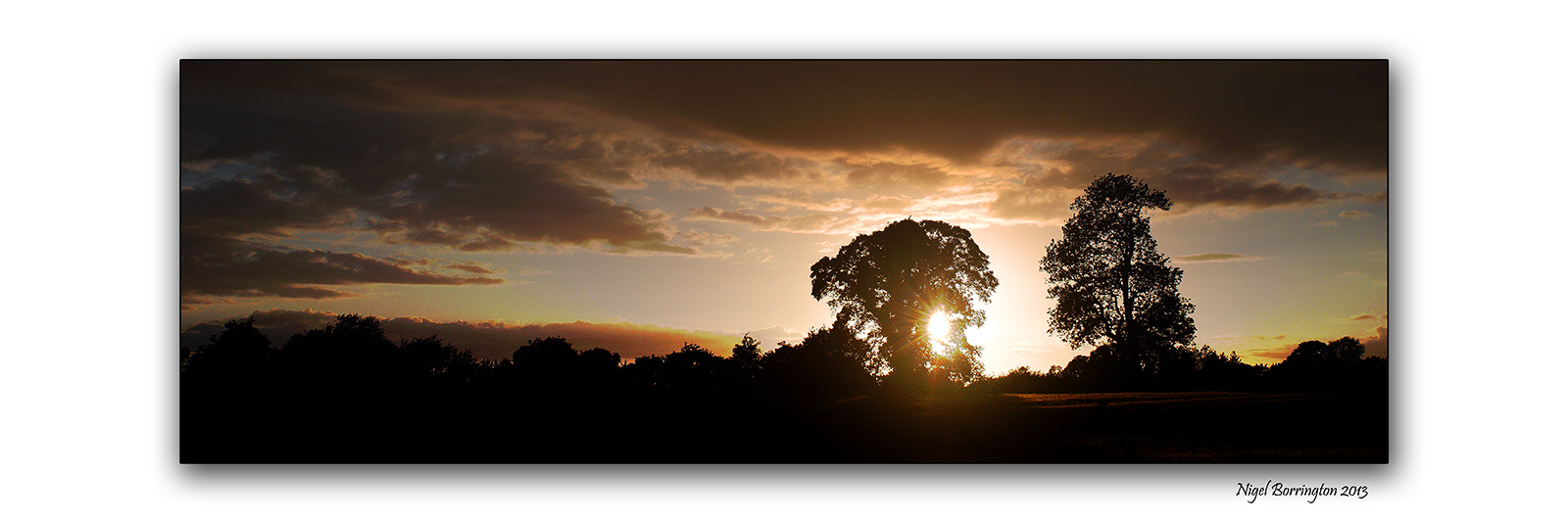
Nikon D7000, 18-200mm lens, iso 100
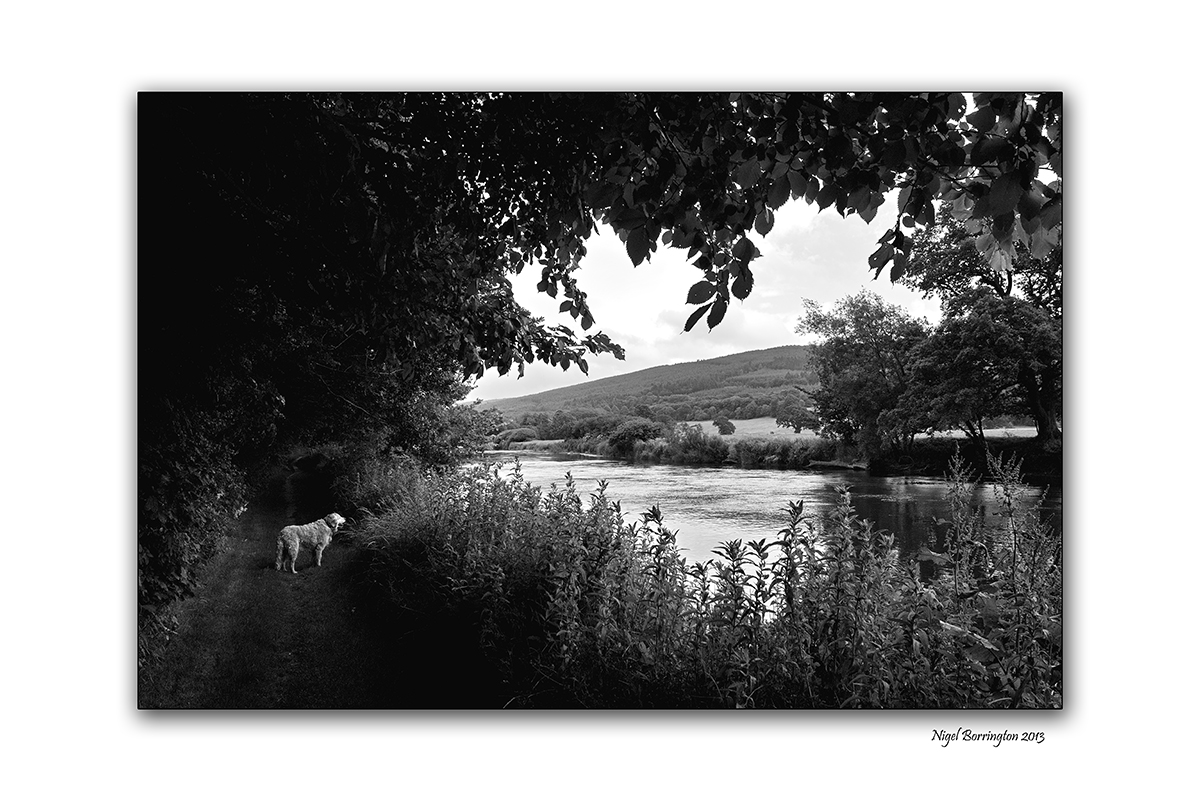
Sunday evening, River Suir, Tipperary
Landscape photography by : Nigel Borrington
Sunday evenings are my most favourite time of the week, the weekends light is fading fast and we have a new week ahead of us, new chances to grow and reach our aims.
Its the weekend so..

Nikon D7000 with
Nikon 50mm f1.8 Manual focus Ais lens
Irish woodlands, county kilkenny
Irish landscape photography : Nigel Borrington
Its the weekend so why not find a local woodland, put on some boots and go for a Walk.
Get out side into the Autumn mist and colours …..
Clear you mind and Relax.

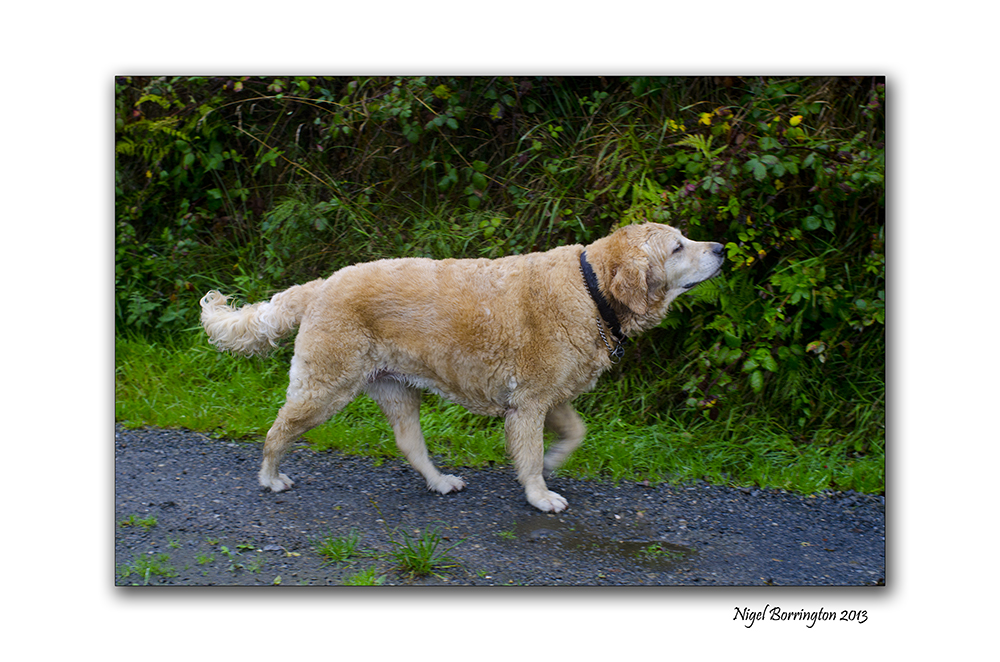


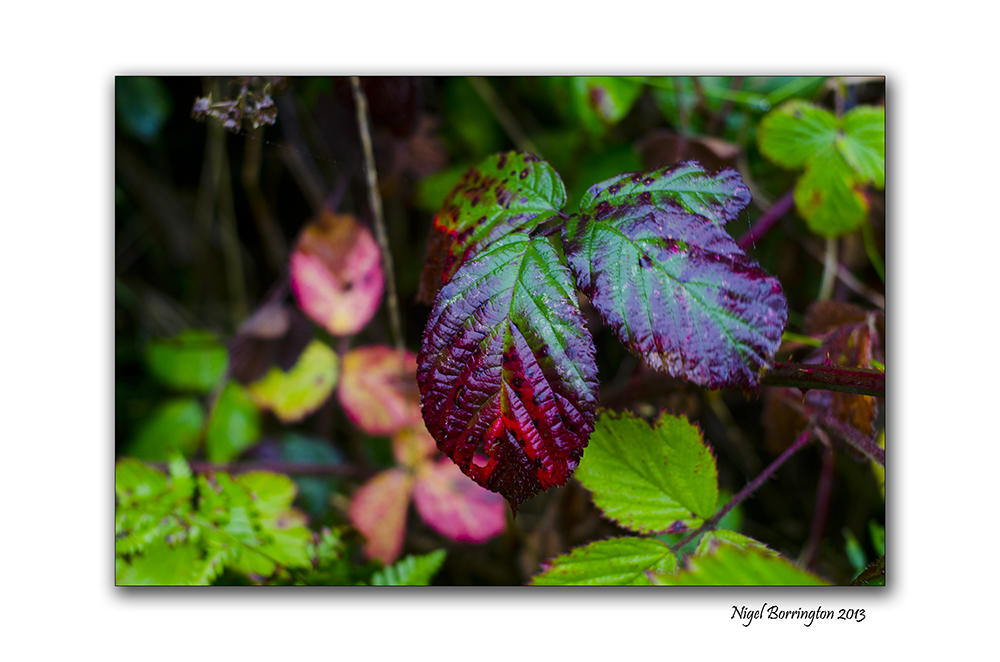
Life in an October hedgerow

Nikon D7000, nikon 60mm f2.8 macro lens
Life in a county Kilkenny hedgerow
Irish nature and landscape photography : Nigel Borrington
In an October hedge-row
The Hedgerows in county Kilkenny at this time of year are so full of life, Insects, berries, flowers and leafs.
I just love capturing all of these natural things as they change and get ready for the winter !
Life in an October hedgerow : Gallery
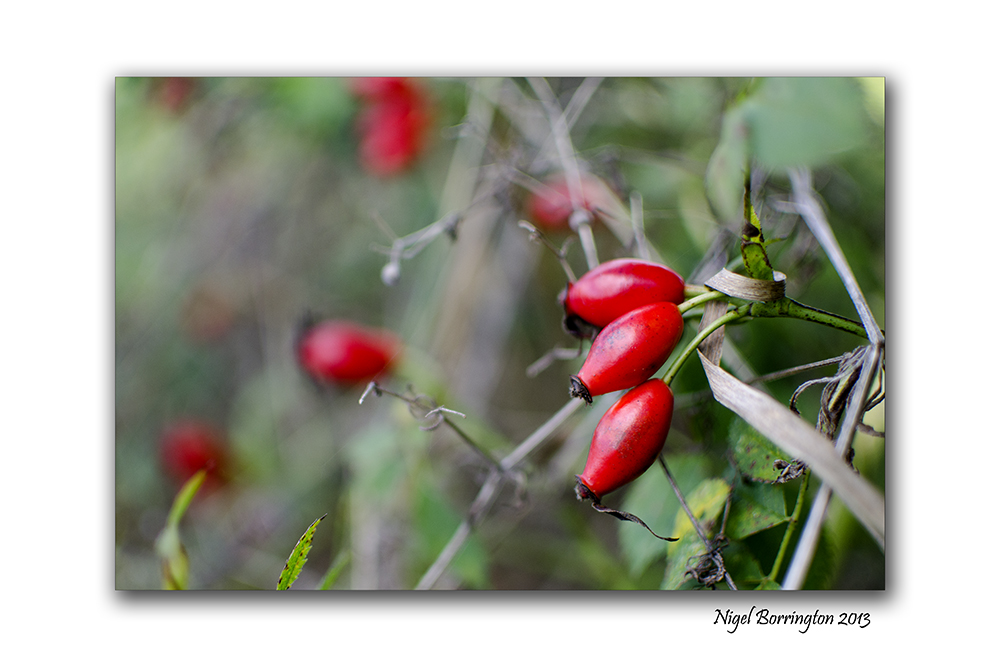
Rose hip

Flys

Blackthorn flowers

Flys

Hawthorn berries
Horse fly

Ivy leaf
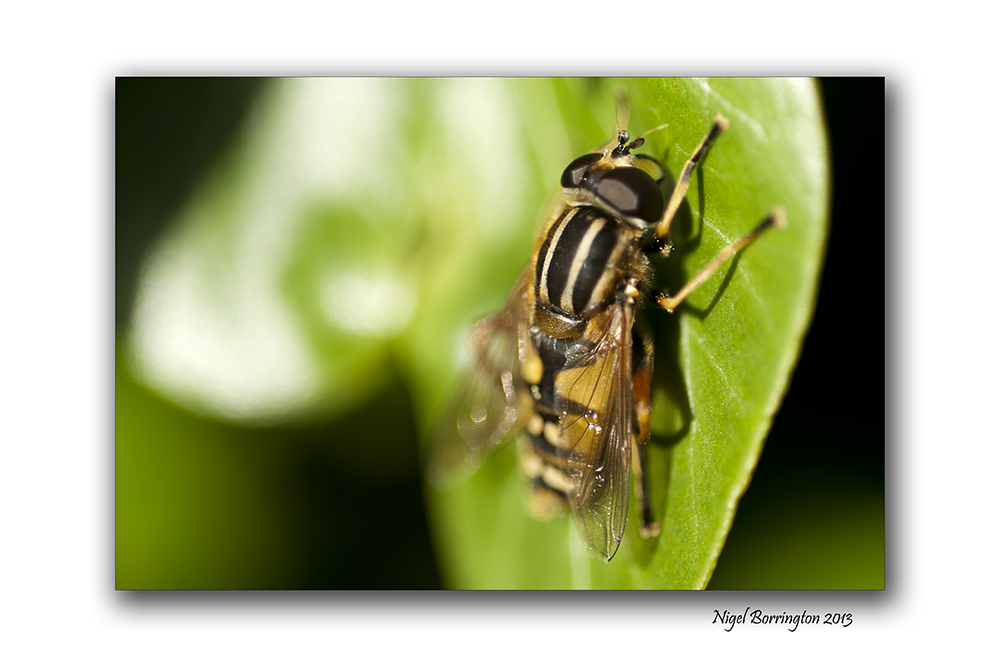
Horse fly

Blackberry Leaf
Sunday evening at the gate …. Poem by : John Montague

Images of the Galtee Mountains
Irish Landscape photography : Nigel Borrington
Sunday evening and it’s time for one final walk of the weekend.
I love to find a long lane to walk down then stop for a while, rest against a gate and just take in some views of the Irish country side.
These images are of the Galtee Mountains in counties Limerick and South Tipperary, just before the sun set.
I have included a poem below.
WINDHARP
By John Montague
The sounds of Ireland,
that restless whispering
you never get away
from, seeping out of
low bushes and grass,
heatherbells and fern,
wrinkling bog pools,
scraping tree branches,

.
light hunting cloud,
sound hounding sight,
a hand ceaselessly
combing and stroking
the landscape, till
the valley gleams
like the pile upon
a mountain pony’s coat..
Two Cows in county Kilkenny

Sigma SD x3 Slr, 15-30mm f3.5-4.5 ex lens
Two cows in County Kilkenny
Irish Landscape potography : Nigel Borrington
It’s not often, if at all I post a single image, just one image !
So maybe its time to just look at one, a single image of two cows in a field.
I was just standing at a gate that’s along a lane I often walk down in county Kilkenny and took this photo, so I hope you enjoy it !


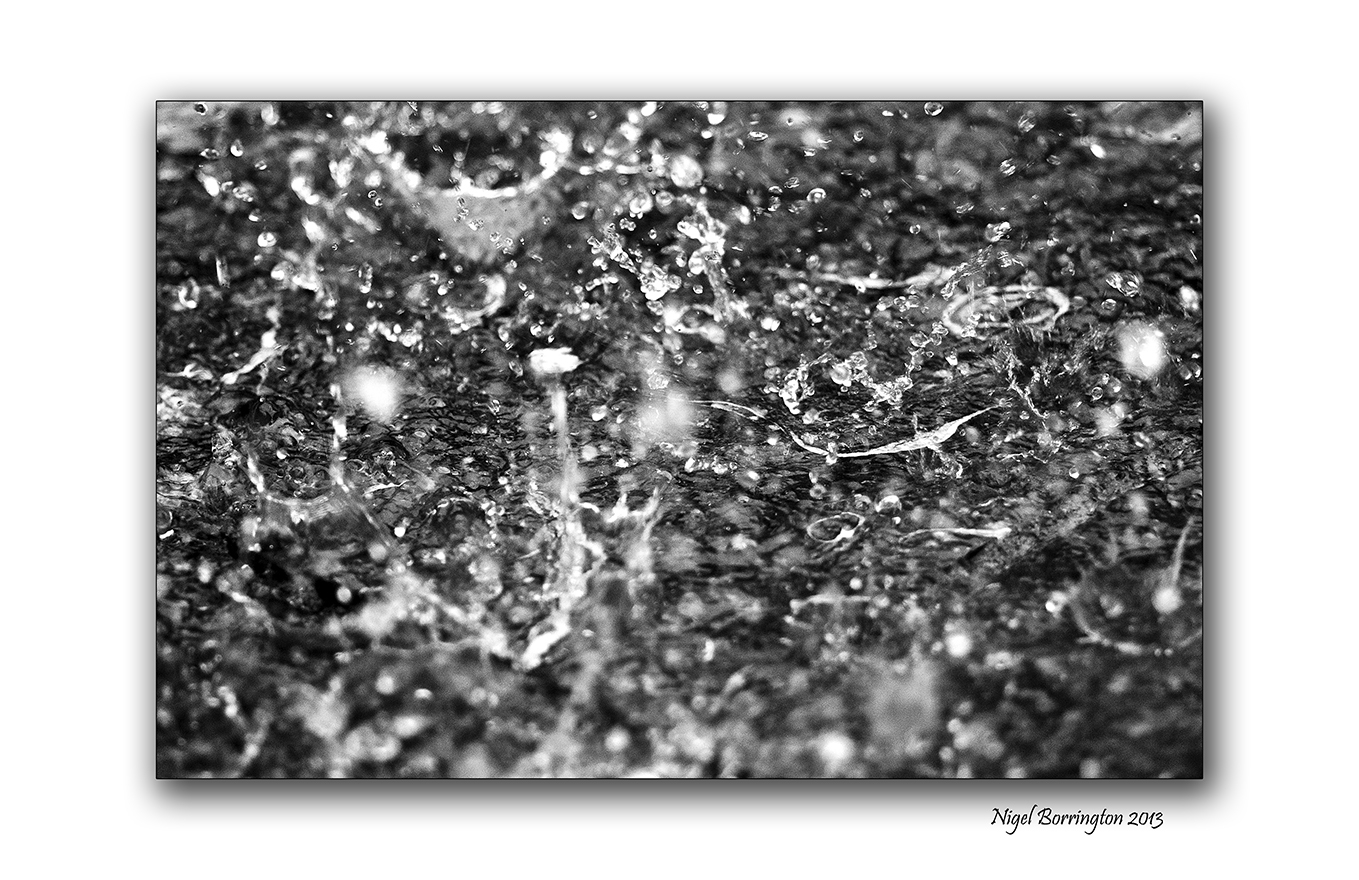
Rain Water, The chaos of falling and splashing
Nikon D7000, 105mm f2.8 Macro lens
Rain water, County Kilkenny, The chaos of falling and splashing
Irish based photographer : Nigel borrington

Yesterday here in Ireland was very wet, I still had to use my Camera.
So I sheltered under the cover of the Ballykeeffe Amphitheatre, and took these images of the rain running of the roof and hitting the ground. The rain flowed freely from the lowest parts of the roof and down over the bolts that hold it together.
The rain was so heavy that the effects I feel I captured, show just how chaotic the water looks as it splashed of the paving stones.
Rain water flowing and landing

Its the weekend so….

Fujifilm x100s
Glenaskeagh, County Tipperary
Irish Landscape photography : Nigel Borrington
It’s the weekend so why not find a country lane to walk down, take your time and enjoy the views.
It takes time to clear your mind and relax, so stay out until the evening ….
Glenaskeagh, Tipperary , Weekend Gallery


Kilkenny landscape photography

Fujifilm x100
Kilkenny forestry, Hugginstown, county Kilkenny
Irish landscape photography : Nigel Borrington
Forestry is one of the biggest and fastest growing industries in Ireland today, only some 10% of the Irish country side is Forested this being the second lowest in Europe.
This article on thejournal.ie covers this subject very well:
Ireland now has the ‘second-smallest’ forest area in Europe
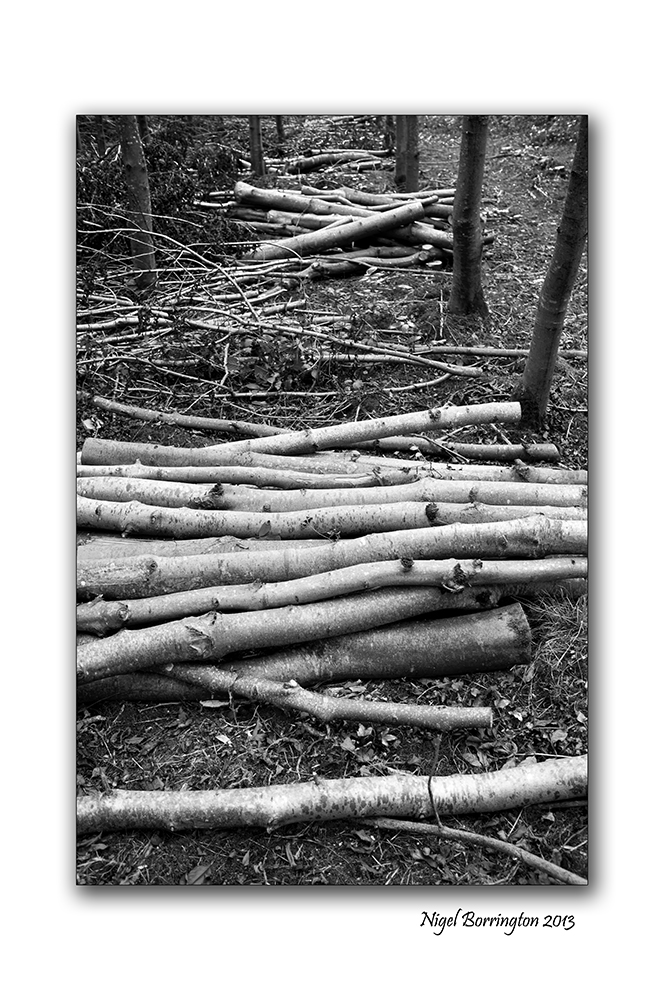
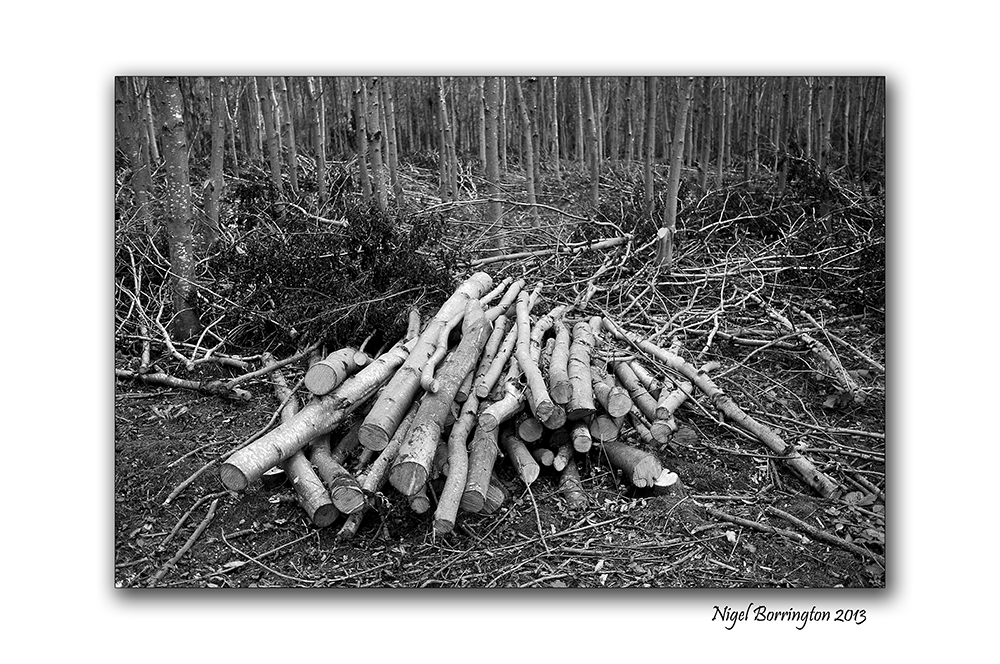
The Gallery below is of a Birch woodland near Huggins town county Kilkenny.
The foresters had been in and thinning the trees so that this area can develop into a wonderful open woodland space.
Kilkenny Forestry , Black and white Gallery




October In The Mountains
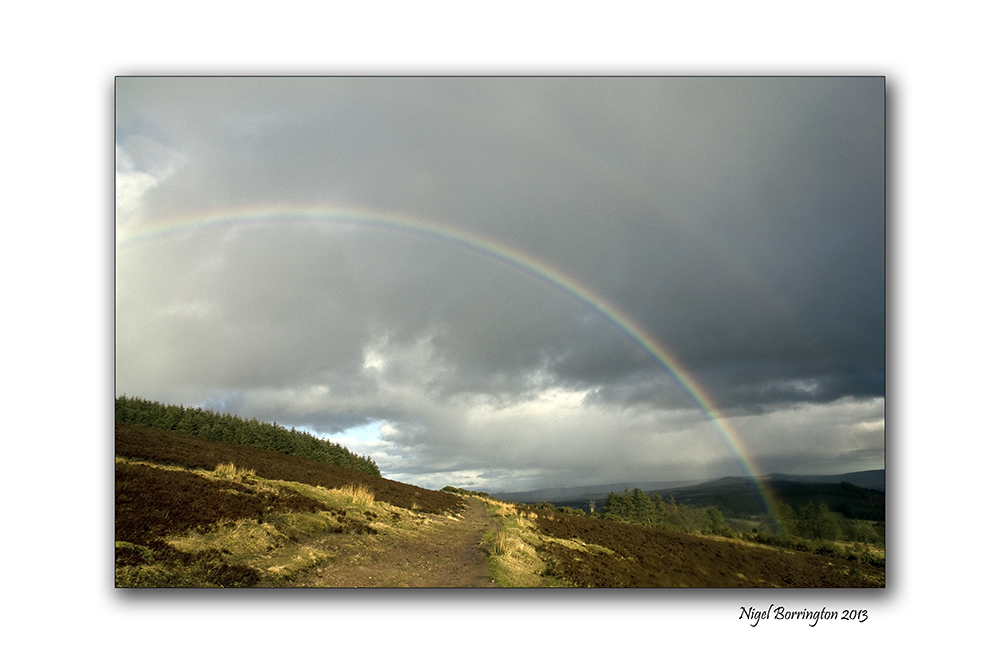
Slievenamon, a mountain in october
irish landscape photography : Nigel Borrington
October In The Mountains
by : Aletha Rappaport
The North Wind does blow,
His chilly fingers on my face
Tell me it is time to go –
To leave our mountain home
And seek a warmer clime
Before ice forms on the lake.
How can winter be so close?
The woods are alive with color –

.
Yellow, yellow and more yellows
Of every shade and hue –
Reds and orange, browns and russet too.
Autumn having her last fling
Before submitting to Winter’s icy sting.

Eva Cassidy – Who Knows Where The Time Goes ?
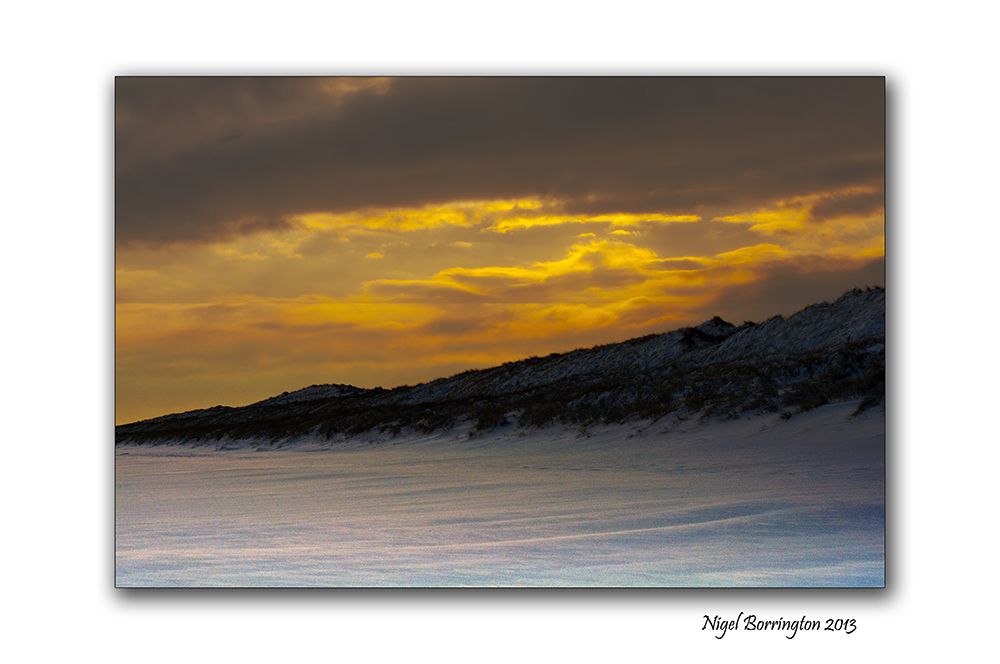
“Who Knows Where The Time Goes?”
Across the evening sky,all the birds are leaving
Oh but then you know, it was time for them to go
By the winter fire, I will still be dreaming
I do not count the time
for who knows where the time goes?
Who knows where the time goes?
.
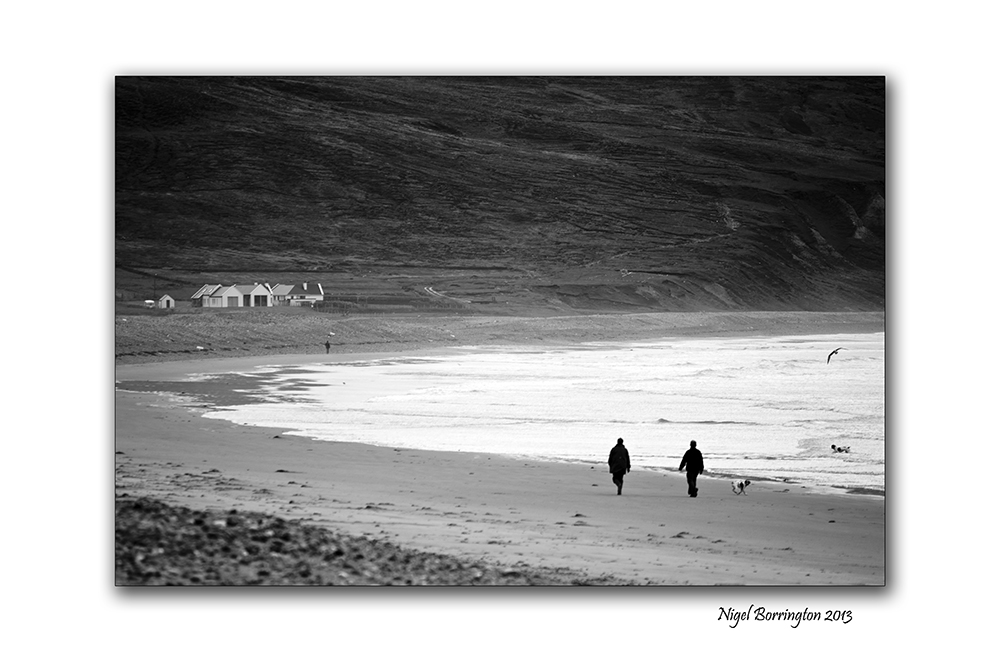
Sad,deserted shore
your fickle friends are leaving
oh, but then you know it was time for them to go
But I will still be here
I have no thought of leaving
I do not count the time
for who knows where the time goes?

.
I know I’m not alone
while my love is near me
I know that its so until its time to go
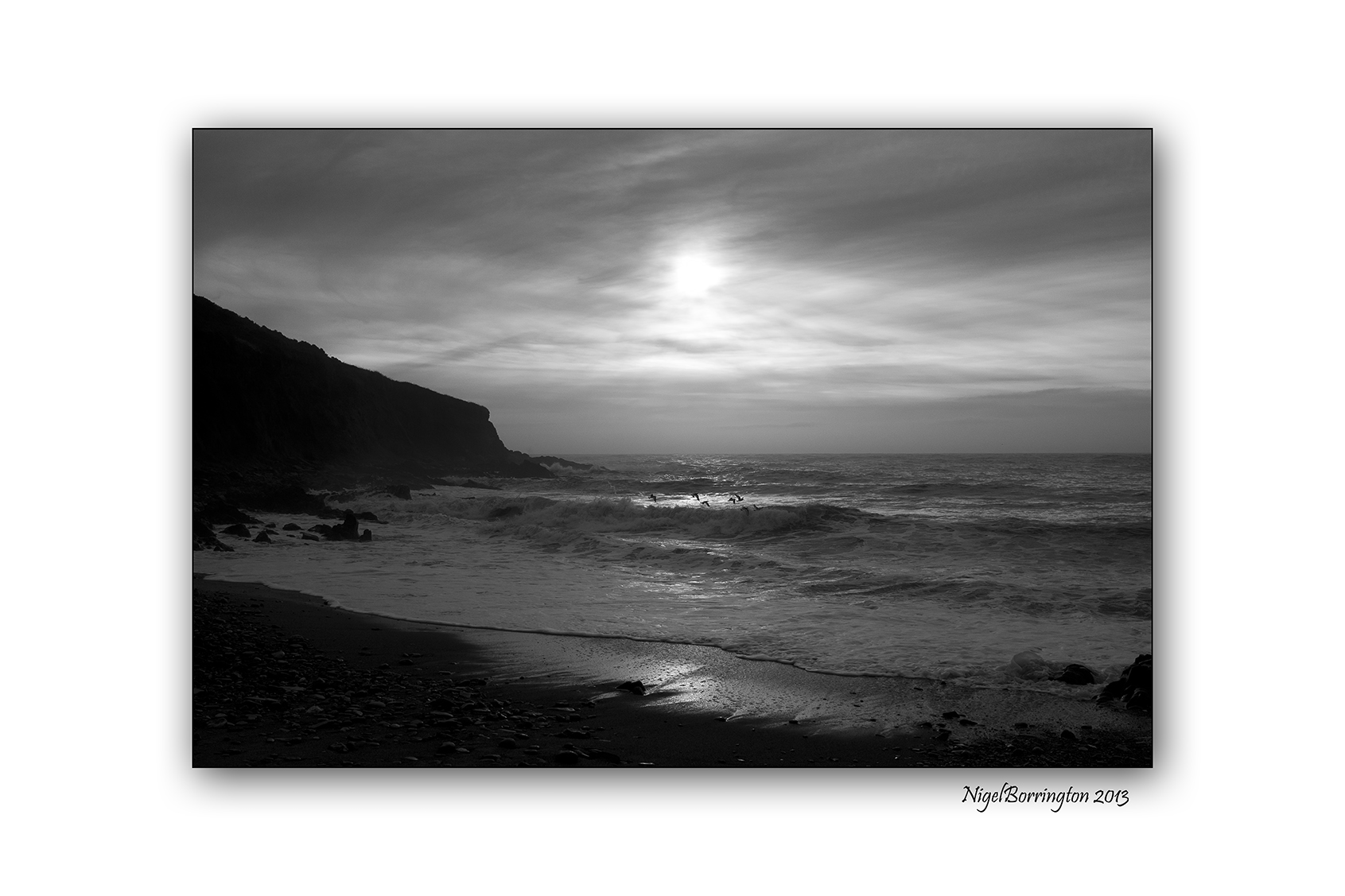
All the storms in Winter and the birds in Spring again
I do not count the time
For who knows where the time goes?
who knows where the time goes?
who knows where the time goes?
.
Thanks to a very great friend for the inspiration …
Sunday evening Poem

Fuji film x100
Kilkenny landscape view
Irish landscape photography : Nigel Borrington
Today is the tomorrow
By Neol Cronin
Always on the horizon but never here,
Travelling towards, but never near,
Never sure of what’s in store
No matter what, we will always want more.
Tomorrow’s a day, full of great hope,
Because maybe today, we just cannot cope.
Tomorrow is the day, to us no-one can give.
Tomorrow is the day, we will never live.

.
Our being is the present, the here and now.
Our hope – is tomorrow, somewhere, somehow
Tomorrow’s the pipedream, we have today
Today is the tomorrow, we sought yesterday.
Its the weekend so….

All images taken using a Nikon D300
Lough Derg Way, Trail walk, County Limerick
Irish Landscape Photography : Nigel Borrington
Its the weekend so why not find a long country trail to walk, take some time to sit down a look at the views.
Clear your mind and relax……


 Nigel Borrington
Thank you – this is my 500th post
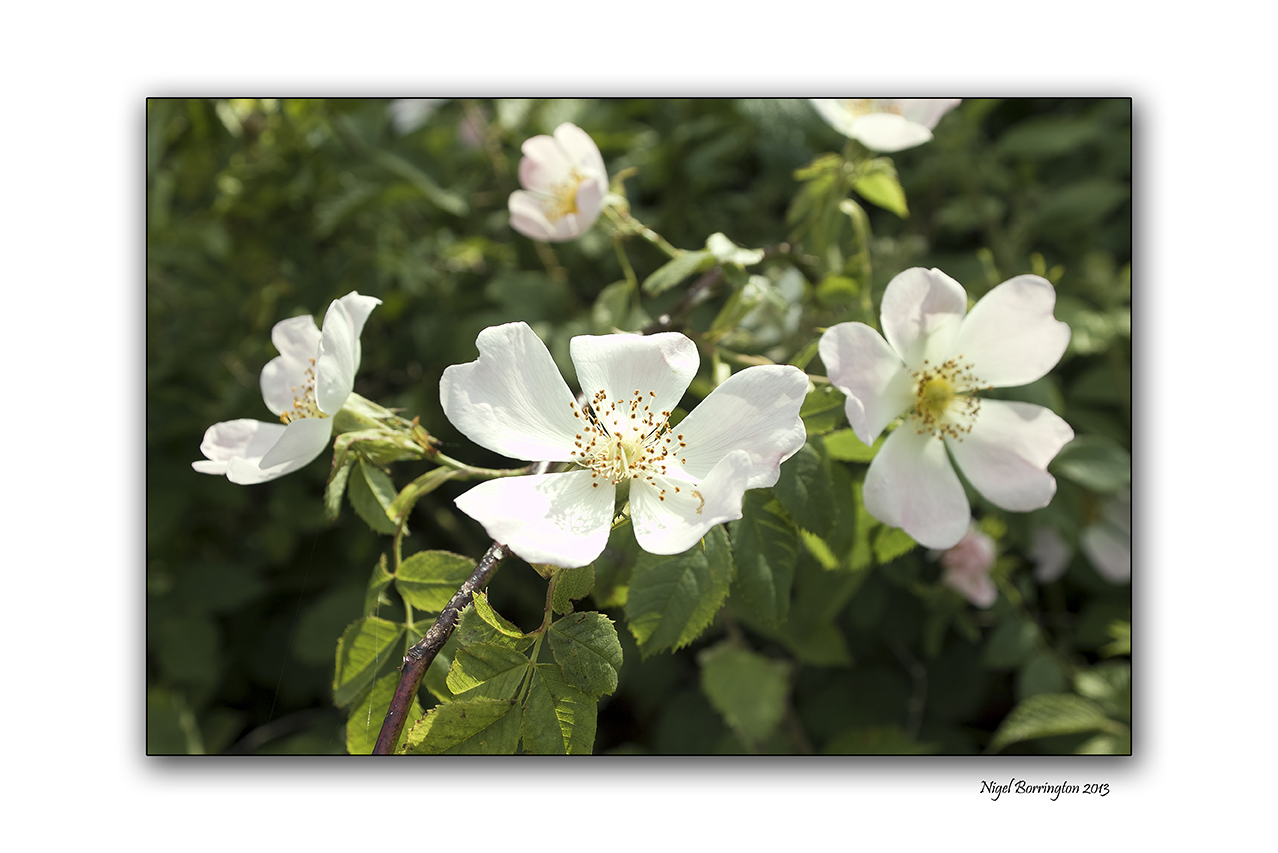
Wild Roses, on the bank of the river Suir, County Tipperary
Thank you flowers
Irish wild life photography : Nigel Borrington
I just reached 500 posts on my blog.
In the time I have been Blogging and posting images along with commenting on the locations I love to visit and photograph.
I this time I have received some 41000 hits, 20000 likes and over 5000 wonderful comments.
So I just wanted to say thank you to everyone who has visited my Blog and helped to make it something I am very proud of and love sharing !
THANK YOU !
Here are just some of the Local flowers I found and photographed during the year in and around county Kilkenny.
Thank you flower Gallery
Share this:
November 14, 2013 | Categories: Comment, Gallery, irish woodlands, Nature and Wildlife | Tags: flowers, irish nature photography, Irish photography, Kilkenny, Landscape, Nigel Borrington, Thank you, Tipperary, wild flowers | 41 Comments