

Poem for a Winters day : The Light of Other Days, by Tom Moore
The Light of Other Days
by Tom Moore
Oft, in the still of night,
Ere slumber’s chain has bound me,
Fond Memory brings the light
Of other days around me:
The smiles, the tears
Of boyhood’s years,
The words of love then spoken;
The eyes that shone,
Now dimmed and gone,
The cheerful hearts now broken!
Thus, in the still of night,
Ere slumber’s chain has bound me,
Sad Memory brings the light
Of other days around me.
When I remember all
The friends, so linked together,
I’ve seen around me fall
Like leaves in wintry weather,
I feel like one
Who treads alone
Some banquet-hall deserted,
Whose lights are fled,
Whose garlands dead,
And all but he departed!
Thus, in the still of night,
Ere slumber’s chain has bound me.
Sad Memory brings the light
Of other days around me.

Seven day Black and white photo challenge! : Secrets of the world around you …..

The whole world around you
Nigel borrington
The above board located at the Anne Valley Walk, county Waterford reads as follows :
Watch with glittering eyes
The whole world around you
because the greatest secrets
are hidden in the most unlikely places
Those who don’t believe in magic will never find it !!!
Finding Nature ……


Seven day Black and white photo challenge! : Forestry

Seven day Black and white photo challenge!
Day 1
Yesterday on my facebook page I was tagged by a great photo blogger and friend Sharon Walters Knight to take part in a seven day black and white photo challenge !
Day 1: Is this image from one of our local forests. Forest floor matting , When the forest workers finish clearing and area of woodland they save a lot of branches for matting, this matting is used to lay down tracks for their heavy machines to drive over , these roads of sticks save the environment along with many insects and plant life including seeds.
While not a stunning image as such, I felt it just captured a part of the processes involved in forestry

Four Poems about Autumn (Katherine Towers,Emily Brontë, Robert Louis Stevenson and Robert Frost)
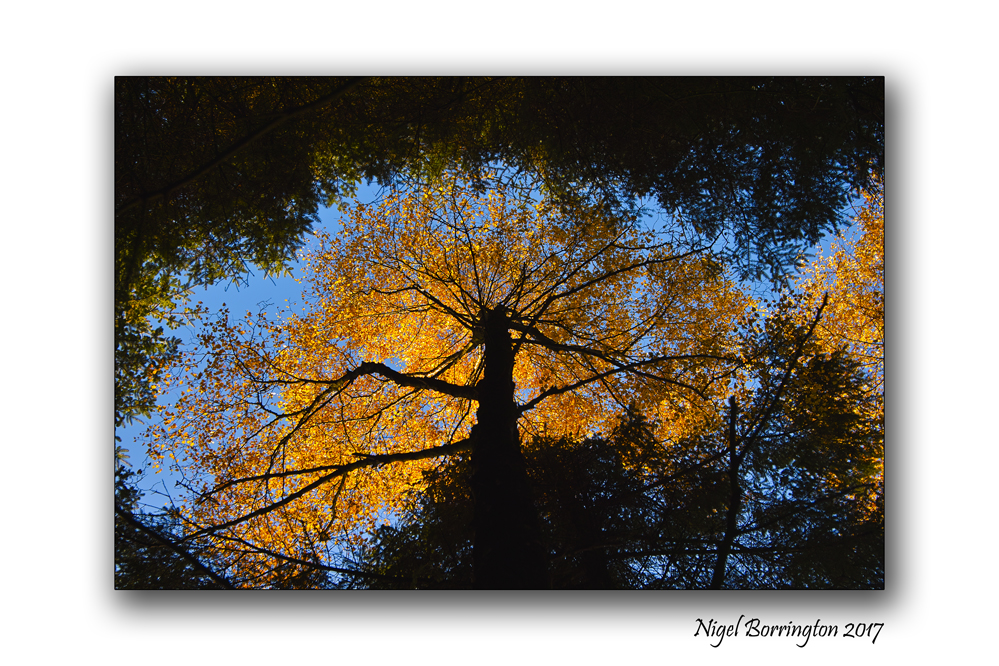
Whim Wood
Katherine Towers
into the coppery halls
of beech and intricate oak
to be close to the trees
as they whisper together
let fall their leaves,
and we die for the winter
From Katherine Towers’ The Remedies

Emily Brontë
Fall, leaves, fall; die, flowers, away;
Lengthen night and shorten day;
Every leaf speaks bliss to me
Fluttering from the autumn tree.
I shall smile when wreaths of snow
Blossom where the rose should grow;
I shall sing when night’s decay
Ushers in a drearier day.

Autumn Fires
Robert Louis Stevenson
In the other gardens
And all up in the vale,
From the autumn bonfires
See the smoke trail!
Pleasant summer over,
And all the summer flowers,
The red fire blazes,
The grey smoke towers.
Sing a song of seasons!
Something bright in all!
Flowers in the summer,
Fires in the fall!

Nothing Gold Can Stay
Robert Frost
Nature’s first green is gold,
Her hardest hue to hold.
Her early leaf’s a flower;
But only so an hour.
Then leaf subsides to leaf.
So Eden sank to grief,
So dawn goes down to day.
Nothing gold can stay.
The day after Hurricane Ophelia: the slow return to normality

Hurricane Ophelia
Just hours before it hit ireland
Monday 16th 2017
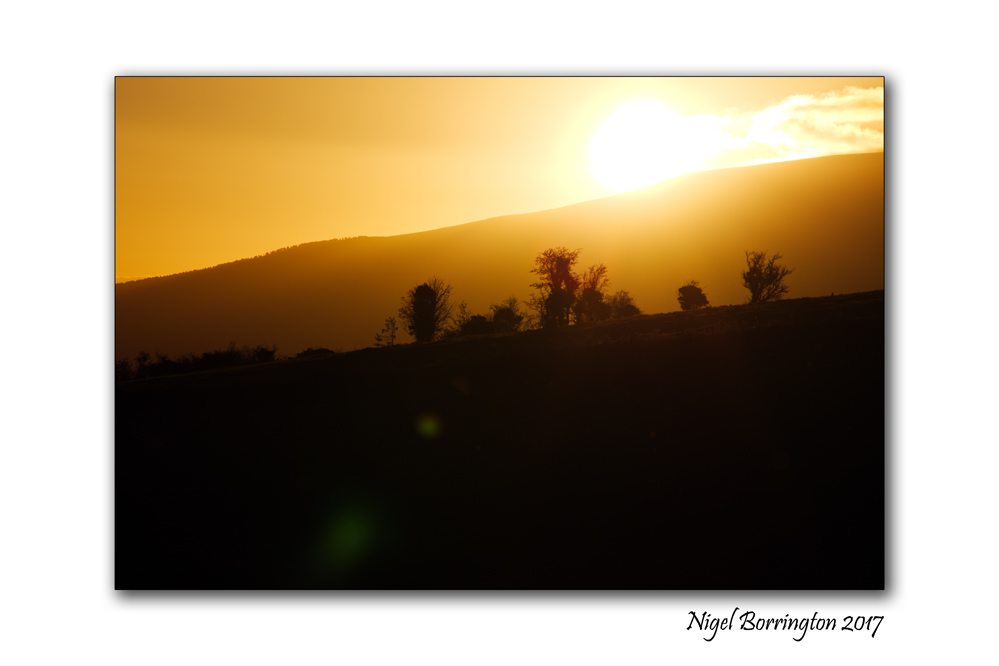
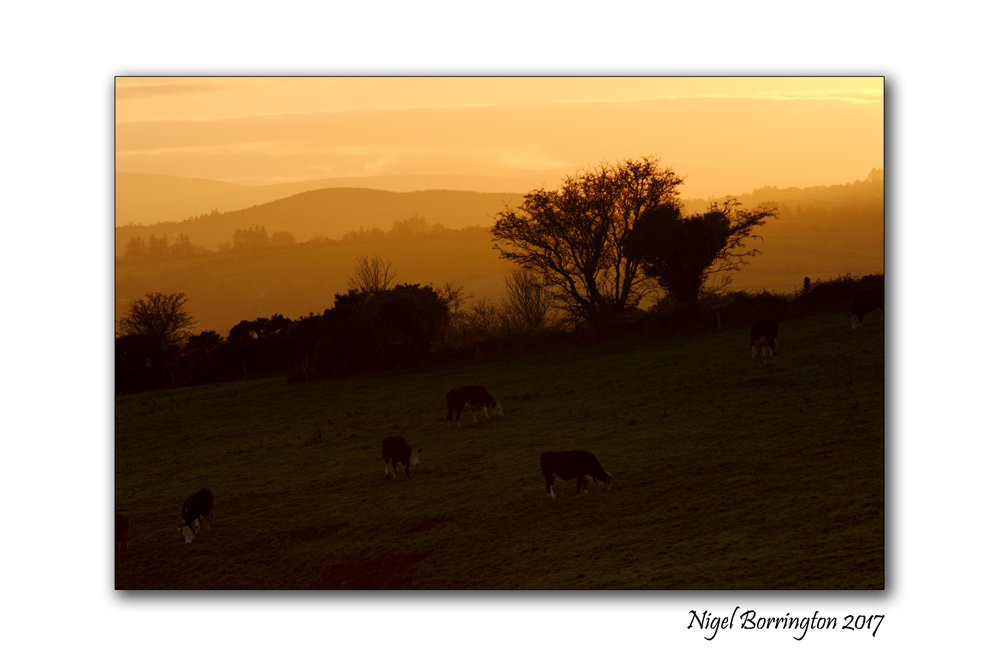
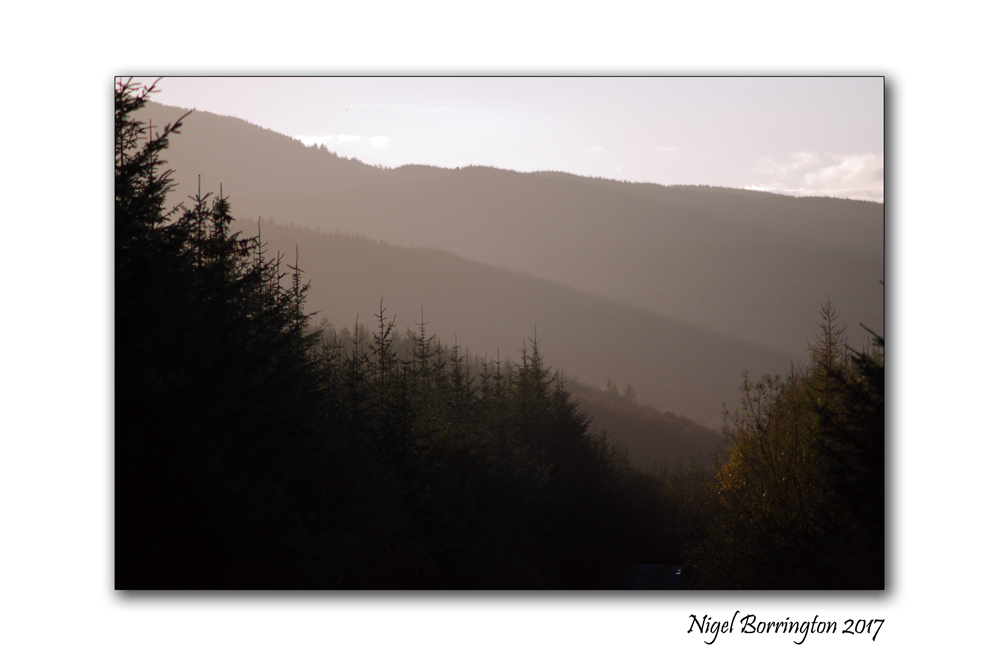
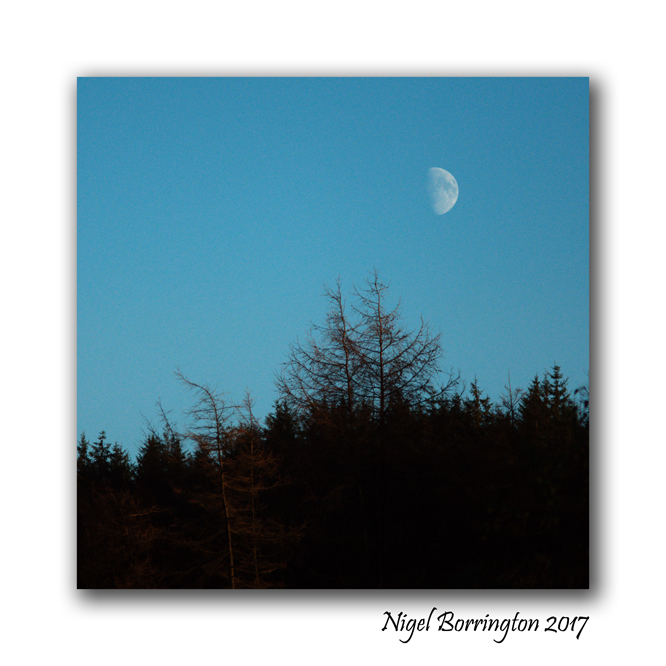
The day after Hurricane Ophelia
The below images taken during on a walk up in the Grange hills between south county Kilkenny and Tipperary are from lunch time today, looking at them its hard to believe that only yesterday, Ireland for the first time ever in its history was hit by a full Hurricane force storm. Yesterday between the hours of 9am for county’s Kerry and Cork and then around 2pm for ourselves locally we had storm force winds of between 150kph and 130kph.
In the Morning the Irish met office via the media had informed everyone to stay inside and had issued a RED weather alert for the complete country, again for the first time in Irish history. In a very impressive way, almost everyone pulled a chair close to the fire and waited for Ophelia to arrive. When she finally did get to county Kilkenny, she did not come calling slowly or with any manners, she just came at us with full force gusts and left some three hours later. We have had two such storms locally since 2014 with storm Darwin back in February 2014, which I posted on back then, Darwin being however just a very strong Atlantic storm. During both these storms you can do little but sit and wait, however listening and looking out of the window is just shocking and basically very hard to do.
In 2014 when Darwin left she left with many of our local forests lying on the floor, as such I think Ophelia had little left to get her teeth into, as its only just over two years in the forests themselves since, the areas Darwin cleared are still empty of trees.
Yesterday evening we had many roads blocked with roadside trees, along with trees down on the river banks and in public parks .
The main effects this time nationally has been the loss of power with some 360,000 homes left without any electric supply, Ireland’s water systems also works mainly from electric water pumps so this supply for many has also been cut off.
This morning the weather had returned to normal , in fact it was a great and clear and sunny day, walking around at lunchtime for me the most noticeable thing is that the trees have all been stripped of any leaves, they have gone from the start of autumn colors to winter nakedness in only 3 hours, it’s really noticeable that instead of yellow and brown leaves sitting by the road sides, having naturally fallen, we have roadsides covered in green.
So Goodbye Ophelia and welcome to a peaceful sunny Tuesday in the Irish landscape, even if we are still in shock and only just starting to recover ……
Gallery from 17th Oct 2017 – the day after Ophelia


Images without words : The path into the light …….

Irish Landscape Images GarryDuff county Kilkenny
Nigel Borrington
5 Images for the week, Friday.
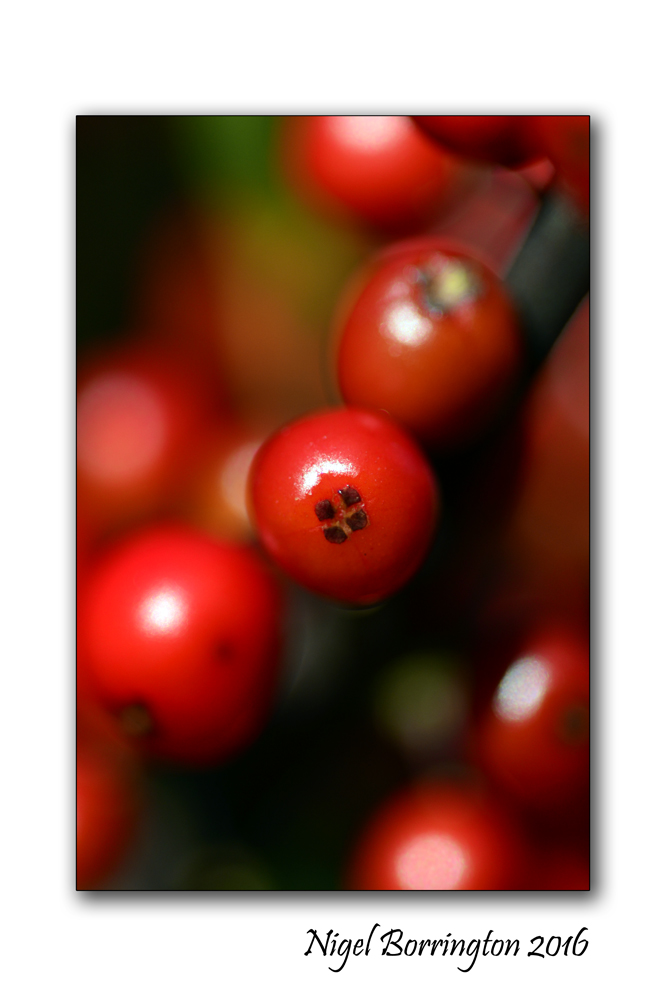
Evergreen trees
Holly tree berries
Nature photography Nigel borrington
5 Images for the week, Wednesday, Wild Woodbine with a poem by – Joan McBreen

Wild flowers
wild woodbine
nigel borrington
Wild woodbine was beyond my reach
in the thick hedges round Lough Gill.
The heavy scent filled the house for days
when my father brought it in
and it stayed fresh far longer
then meadowsweet.
Because I loved the delicate
pink and white wild rose
he picked it too, cursing the thorns, muttering
“it dies too soon,
you’d be better leaving it alone”.
Yet once, when my mother
swept its petals from the floor
I saw him rescue one
and place it carefully
in the small wallet
where he kept her photograph.
Nikon AF-d 50mm f1.4 Prime lens, one lens all day …..

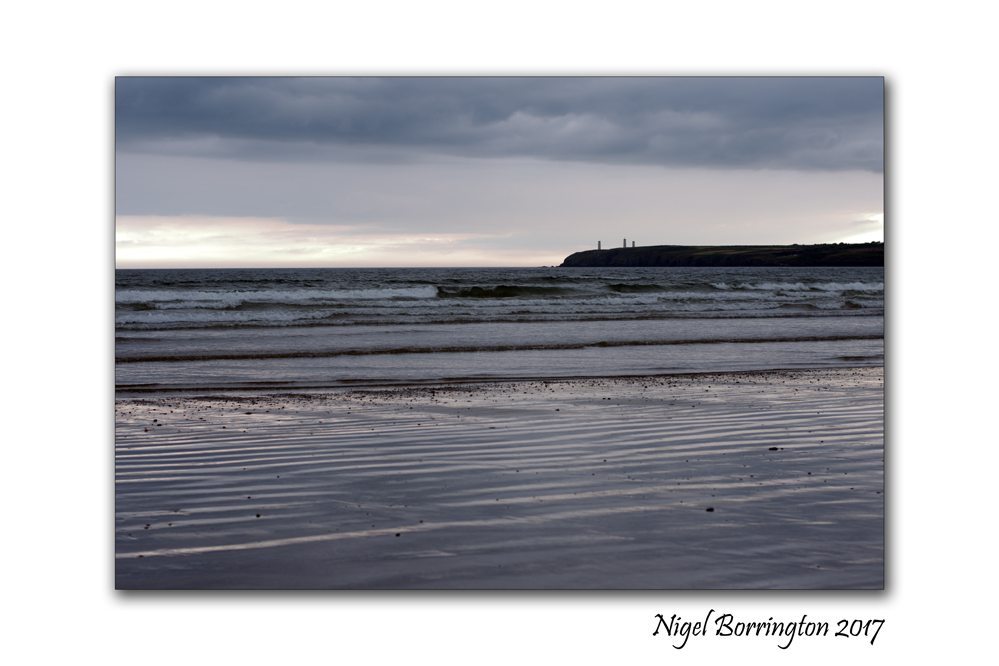
Tramore Strand
One lens all day
Nikon AF-d 50mm f1.4
Nigel Borrington
Irish Landscapes
Its easy to think that the best lens to spend a full day of Photography with would be a zoom lens, however my favorite and most respected lenses are all prime lenses(fixed focus lenght lenses).
One of my most respected and trusted lens is my Nikon 50mm f1.4, its fast , can work very well in low light and even at 75mm on my DX D7200 body (50mm on an FX) it makes me think in a very creative way. You have to frame you shots well before you click the shutter button, I find this much more creative that just walking around and zooming in and out at everything 🙂 although this can be a very fun experience.
While you need a zoom lens in order to make sure you can capture some subjects, Prime lenses make you think about the subject you want to capture!
So what kind of images can you produce if you only take one lens with you , A 50mm Prime?
Nikon AF-d 50mm f1.4 Gallery
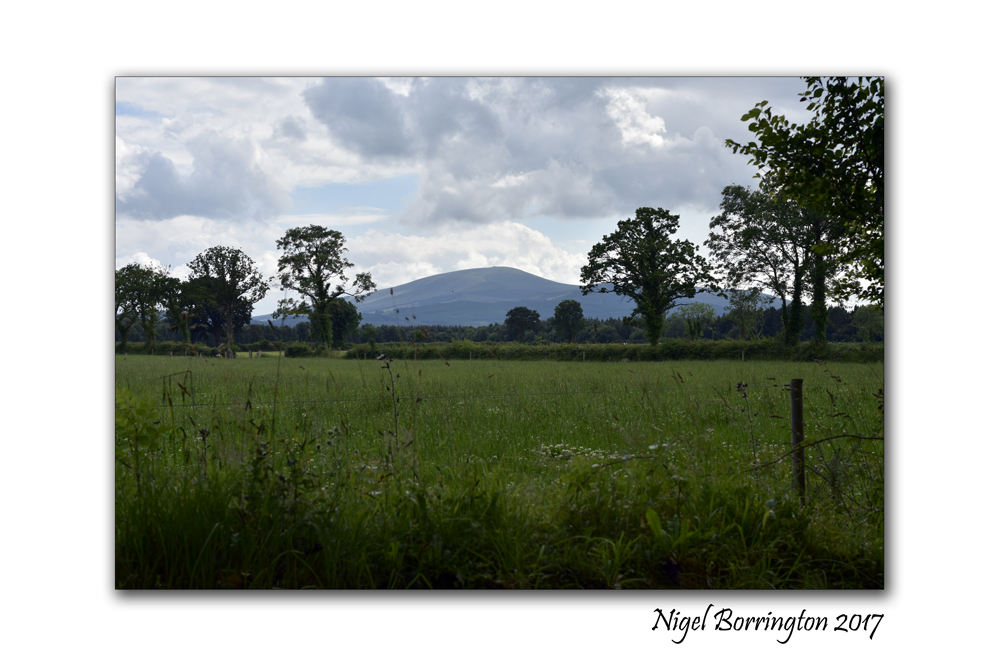
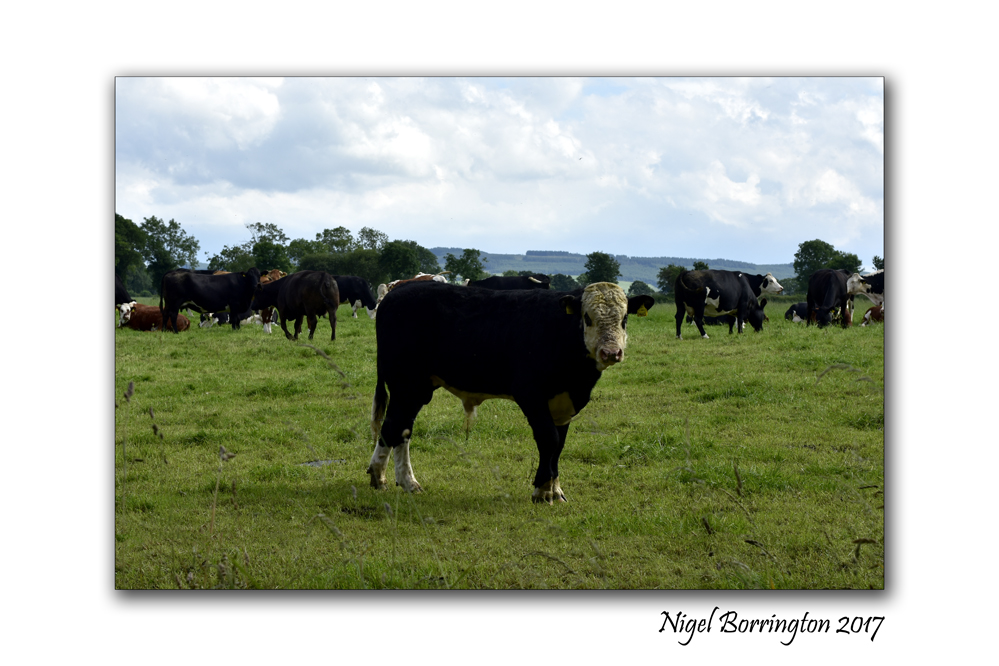
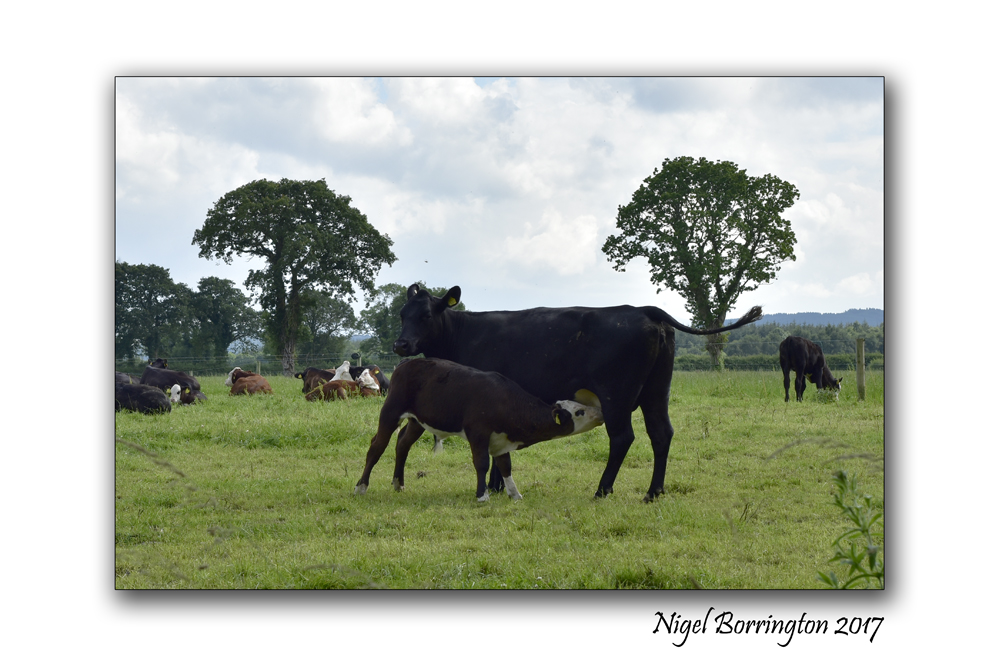
These images from yesterday include a morning walk and then an evening walking alone the strand at Tramore, County Waterford






Nature without words (Woodcock Butterfly) a moment in the sun

macro photography
Woodcock Butterfly
Nigel Borrington
Nature without words (Horse fly)- Solo images (Ballykeefe nature reserve, county Kilkenny)
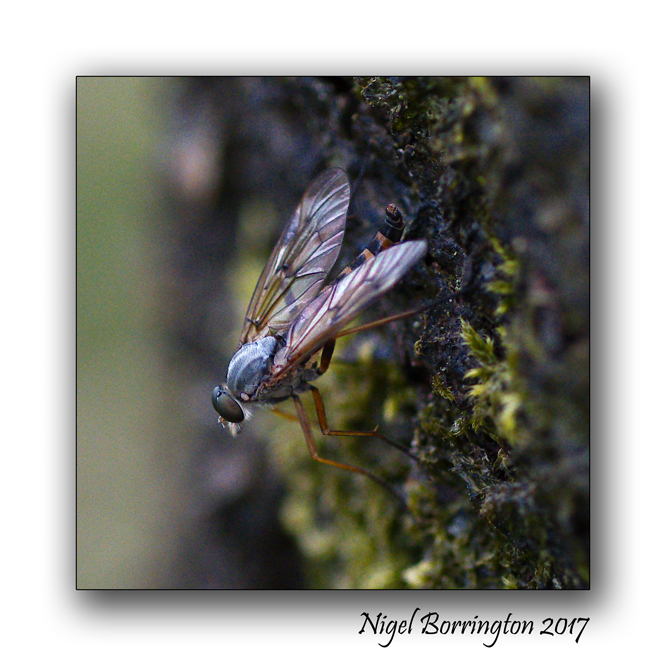
Horse fly
Ballykeefe nature reserve
County Kilkenny
Nigel Borrington
Nature without words (Bumble bees)- Solo images (Ballykeefe nature reserve, county Kilkenny)

A bumble bee collecting nectar
Ballykeefe nature reserve
County Kilkenny
Nigel Borrington
Nature without words – Solo images (Ballykeefe nature reserve, county Kilkenny)
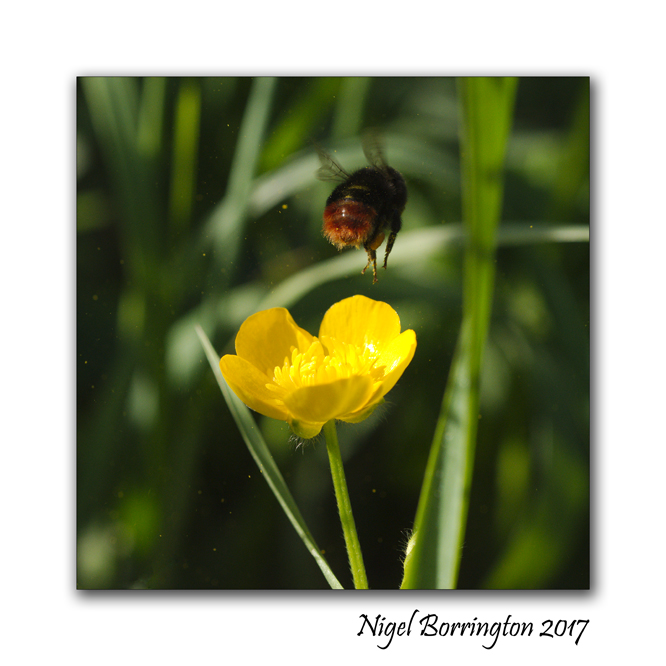
A bumble bee in flight
Ballykeefe nature reserve
County Kilkenny
Nigel Borrington
Herb-Robert (Geranium robertianum) in the Sun and the Rain

Irish wide flowers
Herb Robert
Nigel Borrington
Familiar little pink flower from April to November, Herb-Robert is a hairy, unpleasant-smelling plant which grows on banks, bases of walls, shingle and shady places throughout the country. Its pink flowers (8-15mm across) have five un-notched petals and in the centre of the flower are orange anthers. Each petal is marked by small lighter-pink lines running into the centre of the flower. The hairy, stalked leaves are often tinged red and have three to five deeply cut lobes. The fruit is hairy and beak-like. This is a native plant belonging to the family Geraniaceae.

Irish wide flowers
Herb Robert
Nigel Borrington
This plant has been introduced into North and South America from Europe and Asia. In traditional medicine in the Americas it has been used to stop nosebleeds. Its leaves are also made into a herbal tea which is recommended as a gargle and an eyewash.
One wonders who is the ‘Robert’ of this plant. Maybe the name comes from the Latin word ‘ruber’ meaning red which may have referred to the colouring of the leaves and stems.
Macro Images – Wolf Spider

Macro Images
Wolf spider
Nature Images
Nigel Borrington Kilkenny
Wolf Spiders are members of the family Lycosidae. They are so named because their method of hunting is to run down their prey like that of a wolf. Wolf Spiders are robust and agile hunters that rely on good eyesight to hunt, typically at night. Wolf Spiders resemble nursery web spiders (family Pisauridae), however, they carry their egg sacs by attaching them to their spinnerets (instead of by means of their jaws and pedipalps).
Wolf spider Characteristics
Wolf Spiders range from about half an inch to 2 inches in length. They are hairy and typically brown to grey in colour with a distinct Union Jack impression on their backs. The spiders undersides are light grey, cream or black, sometimes salmon pink.
Wolf Spiders have eight eyes arranged in three rows. The bottom row consists of four small eyes, the middle row has two very large eyes and the top row has two medium-sized eyes.
Wolf Spiders depend on their good eyesight to hunt. Their sense of touch is also acute. The sides of their jaws may have a small raised orange spot or ‘boss’.
Because they depend on camouflage for protection, Wolf Spiders do not have the flashy appearance of some other kinds of spiders. In general their colouration is appropriate to their favoured habitat.
Wolf Spiders eyes reflect light well and one way of finding them is to hunt at night using a flashlight strapped to ones forehead so that the light from the light is reflected from their eyes directly back toward its source.
Wolf spider Habitat and Webs
Wolf spiders can be found in a wide range of habitats both coastal and inland. These include shrub lands, woodland, wet coastal forest, alpine meadows and suburban gardens.
Wolf spiders are commonly known as household pests as when the weather starts getting colder, they look for warm places to overwinter in homes. Wolf Spiders are commonly found around doors, windows, house plants, basements, garages and in almost all terrestrial habitats. Wolf Spiders do not spin a web, instead, they roam at night to hunt for food. Wolf spiders are often confused with the Brown Recluse spider, however, they lack the violin-shaped marking of the Recluse. The wolf spider is shy and is most likely to run away when disturbed.
Wolf spider Diet
Two Wolf spider species are known to be predators of cane toads. Lycosa lapidosa will take small toads and frogs while Lycosa obscuroides has been noted biting and killing a large toad within one hour.
Wolf spider Reproduction
Mating takes place outside the females burrow at night. Some adult male Wolf spiders of smaller-sized species are known to disperse by air in order to find mates. The male is attracted by scent markings left by the female, often associated with her drag-line silk. Males perform a courtship ritual prior to mating, often involving complex leg and palp signaling to the female.
The female Wolf spider constructs an egg sac of white papery silk, shaped like a ball with an obvious circular seam, which she then carries around attached with strong silk to her spinnerets. When the spiderlings hatch, they are carried around on the females back until they are ready to disperse by ballooning or on the ground. Such a high degree of parental care is relatively unusual among spiders. Wolf spiders live for up to 2 years.
Wolf spider Venom
The Wolf Spider is not aggressive, however, it will inject venom freely if continually provoked. Symptoms of its venomous bite include swelling, mild pain and itching. Though usually considered harmless to humans, its bite may be painful.
Macro Wednesday Dolycoris baccarum (Sloe Bug) – Hairy Shieldbug Family: Pentatomidae
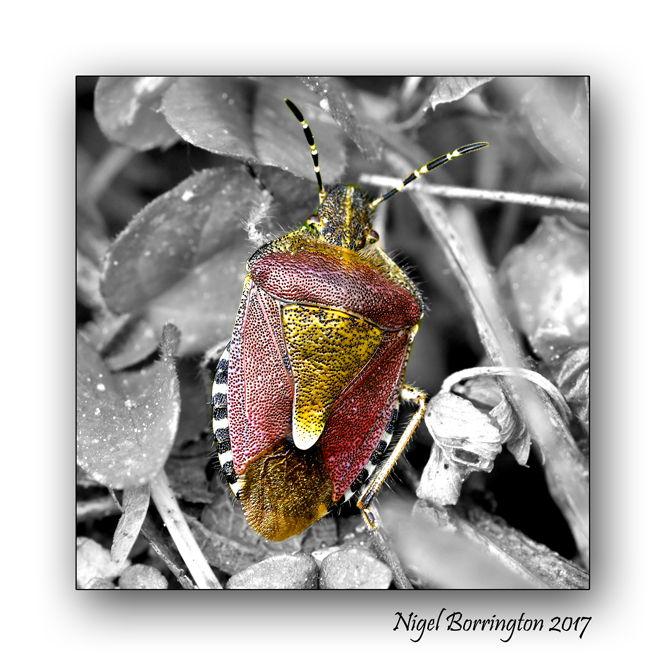
Dolycoris baccarum Hairy Shieldbug
Family: Pentatomidae
A large and distinctive purple-brown and greenish shieldbug which is covered with long hairs. The antennae and connexivum are banded black and white. During the winter, the ground colour becomes uniformly dull brown.
This bug overwinters as an adult, emerging in the spring. Larvae, which are also hairy, may be found on numerous plants, particularly those in the Roasaceae. The new generation is complete from August onwards.
Common and widepsread in many habitats throughout Britain, particularly hedgerows and woodland edges, becoming scarcer and mainly coastal in the north.
Adult: All year
Length 11-12 mm

5 Images for May, Thursday

Cuckooflowers
This is a hairless perennial which tends to favour wet habitats such as marshes and damp meadows. It is also known as ‘Lady’s Smock’ as the flower was said to resemble a milkmaid’s smock. Its 12-20mm flowers have four broad, overlapping, lilac-pink, pink or white petals and appear in April, lasting until June. It has broad root leaves in a loose rosette while its stem leaves are narrow with numerous leaflets. Its seeds are contained in elongated, smooth, ascending siliquas. It is a larval foodplant of the Orange-tip butterfly. It is a native plant and belongs to the large family Brassicaceae.
5 Images for May, Wednesday

Green Veined White Butterfly, feeding from a herb Robert flower, County Kilkenny

Wonders of nature, Photography and Poetry : The Genesis of the Butterfly by Victor Hugo
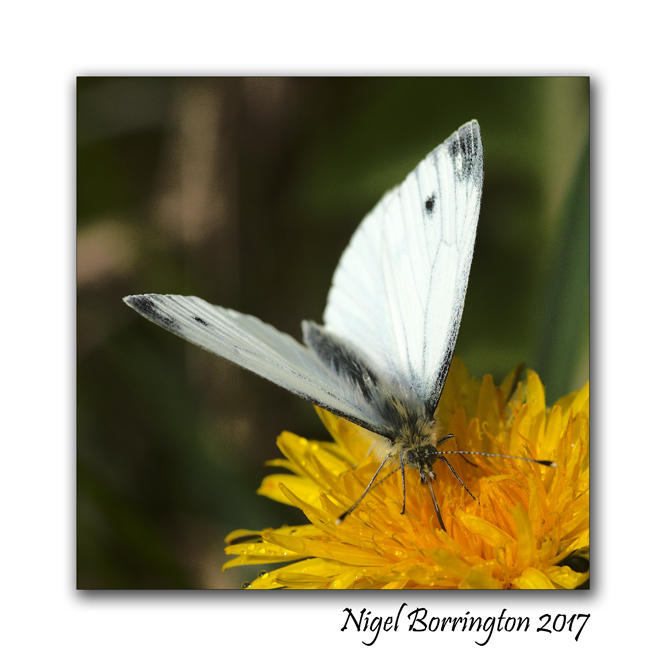
Large white Butterfly
Nature Photography
Nigel Borrington
The dawn is smiling on the dew that covers
The tearful roses; lo, the little lovers
That kiss the buds, and all the flutterings
In jasmine bloom, and privet, of white wings,
That go and come, and fly, and peep and hide,
With muffled music, murmured far and wide.
Ah, the Spring time, when we think of all the lays
That dreamy lovers send to dreamy mays,
Of the fond hearts within a billet bound,
Of all the soft silk paper that pens wound,
The messages of love that mortals write
Filled with intoxication of delight,
Written in April and before the May time
Shredded and flown, playthings for the wind’s playtime,
We dream that all white butterflies above,
Who seek through clouds or waters souls to love,
And leave their lady mistress in despair,
To flit to flowers, as kinder and more fair,
Are but torn love-letters, that through the skies
Flutter, and float, and change to butterflies
Welcoming April with a Poem : The Violet By Jane Taylor
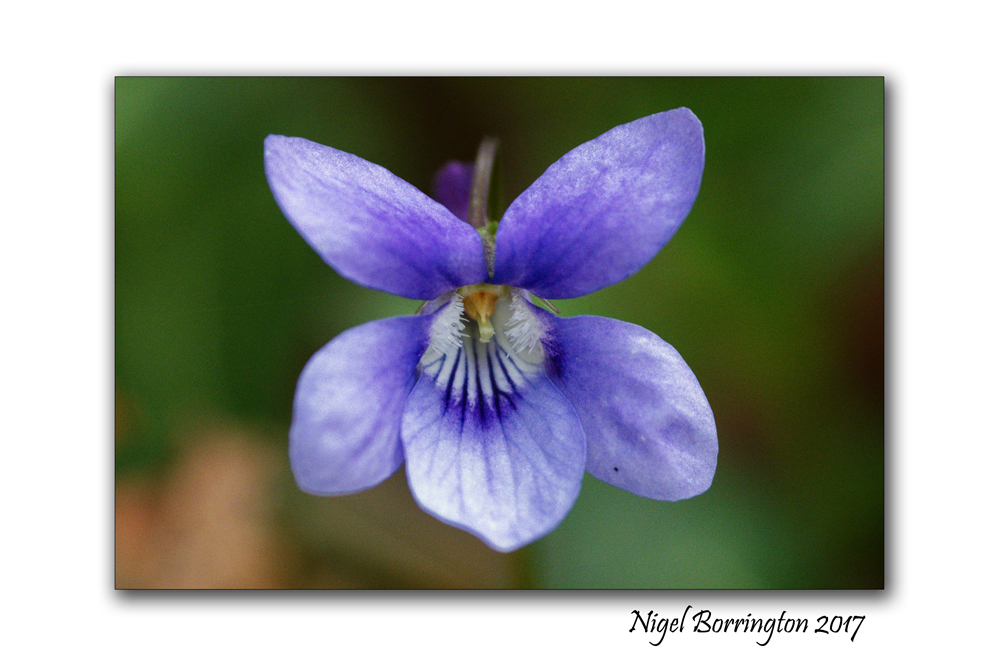
A Violet flower welcomes April 2017
Nature photography
Nigel Borrington
The Violet
By Jane Taylor
Down in a green and shady bed,
A modest violet grew,
Its stalk was bent, it hung its head,
As if to hide from view.
And yet it was a lovely flower,
Its colours bright and fair;
It might have graced a rosy bower,
Instead of hiding there,
Yet there it was content to bloom,
In modest tints arrayed;
And there diffused its sweet perfume,
Within the silent shade.
Then let me to the valley go,
This pretty flower to see;
That I may also learn to grow
In sweet humility.
 Nigel Borrington
The Natural colours of winter , Reds and greens
The natural colours of winter
On the Forest floor
Nature photography Nigel Borrington
Some two weeks ago I took a part here on my blog in a seven day Black and White photography challenge, I loved these seven days with my camera with only light to work with, very much. However ever since I just wanted to get out and find as much of natures winter colours as I could find. At first this task looked a little harder than I thought it would be, so much of nature has died back as we slip into the early winter weeks, yet the more you look the more you find.
Like these strong reds of slowly rotting berries I found just sitting on a fallen Oak leaf.
Red has to be on of the strongest colours of autumn and early winter, it feels like the colour of the last signs of life as much vegetation turn red just days before its finally returns to the ground, the very place it took its first energy of life from.
Share this:
November 24, 2017 | Categories: Comment, Gallery, irish woodlands, Nature, Nature and Wildlife, Solo images, Winter colour | Tags: irish woodlands, Natural colours, Nature photography, Nigel Borrington, November colours, Red in nature, the colour of nature, winter, Winter colour | 1 Comment