Supermarket submission
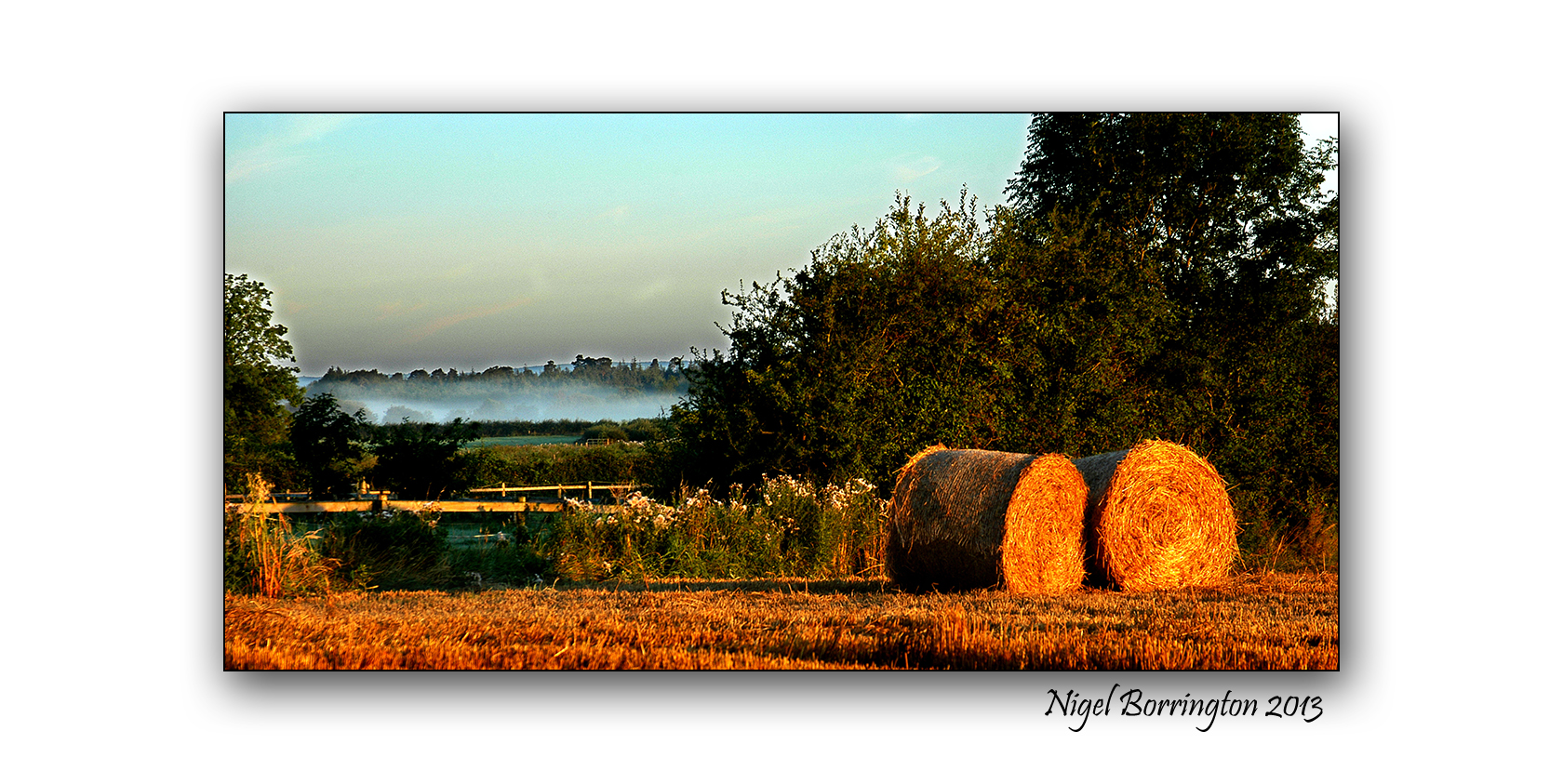
I recently got asked to submit some images for a supermarket chain in County Kilkenny, they want to refit their stores. This is just one of the images I sent in.I don’t know if they will take the work but even if they don’t it’s made me a least think that someone may start to again.
Samuel Coulthurst
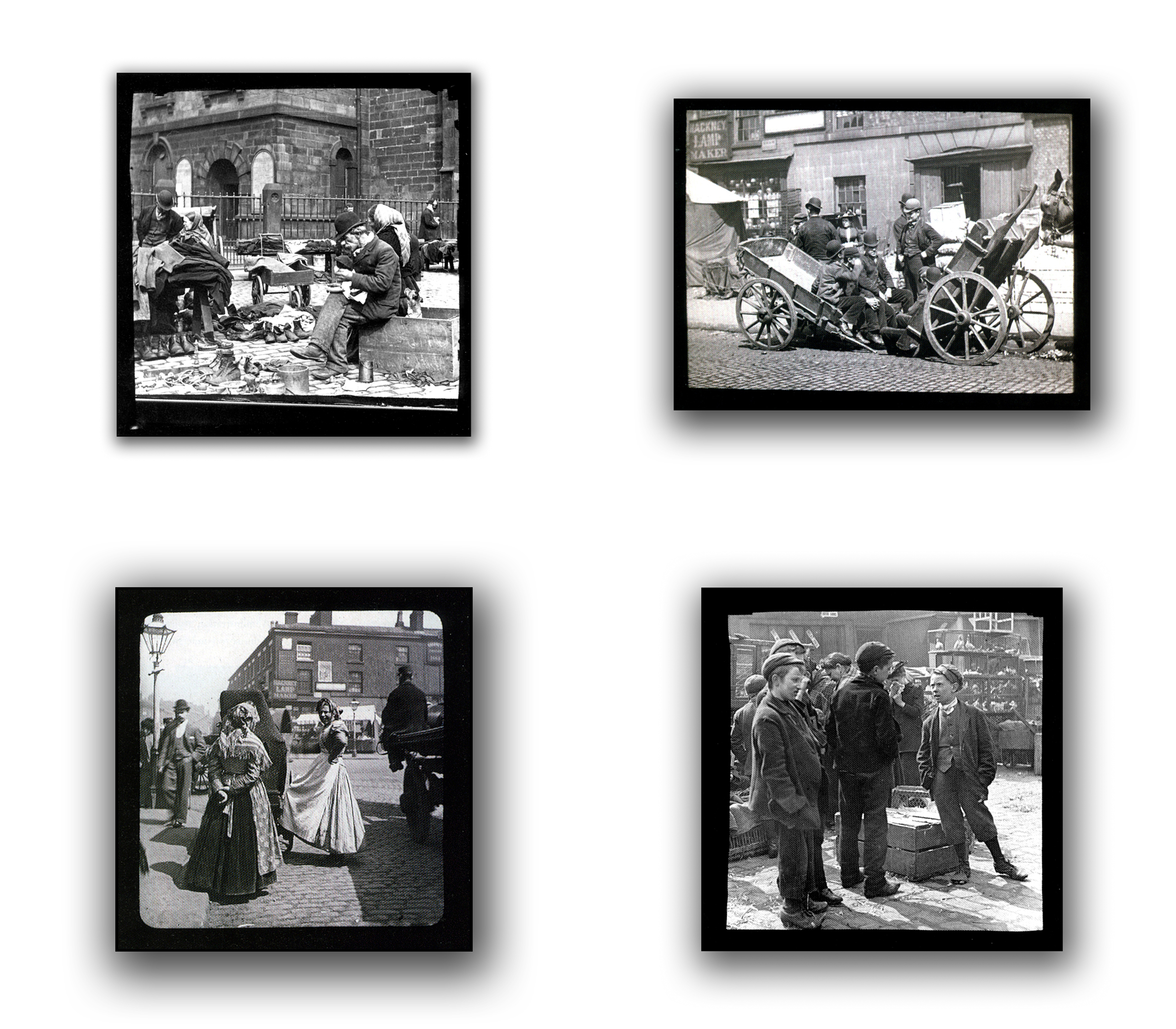
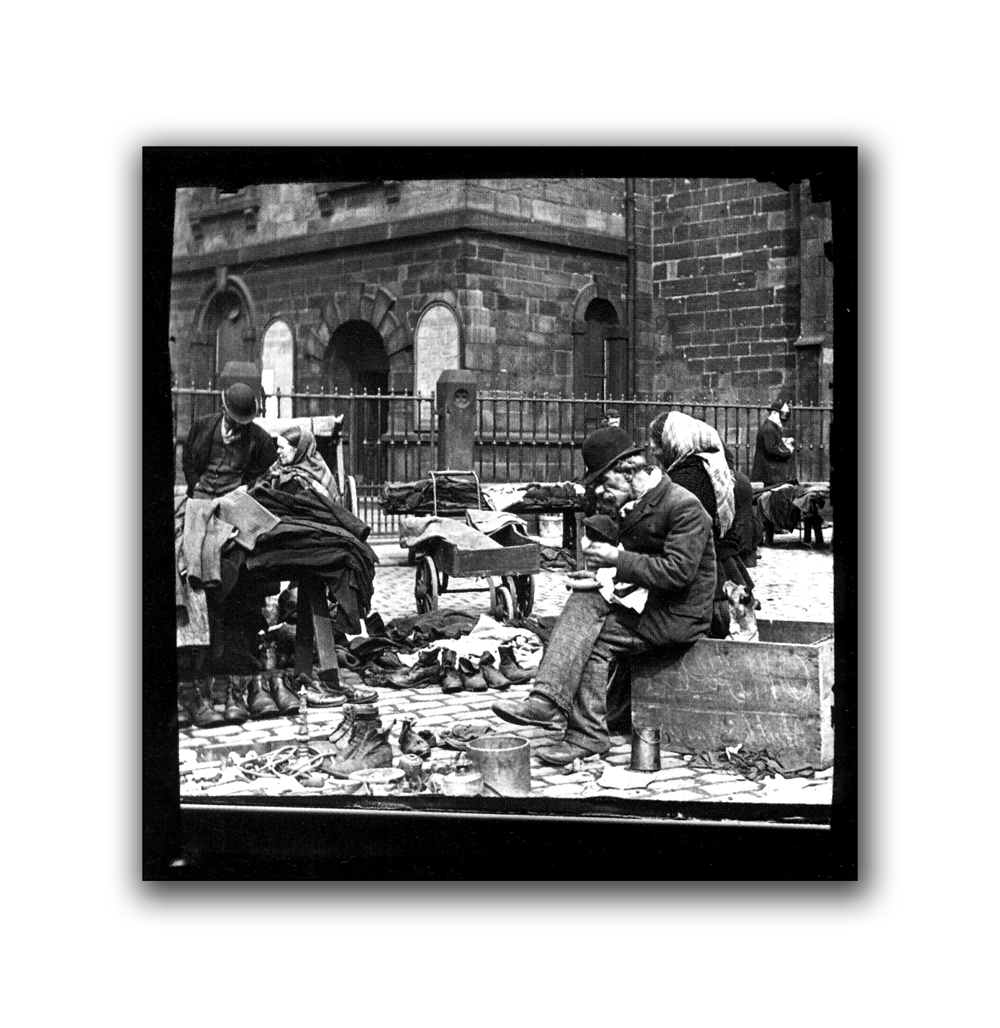
Samuel Coulthurst: Victorian Salford, Manchester(UK) – (1889 – 1890)
19th Century street photography
Back in 2002 I was back home in Manchester and visited the Lowry art museum and gallery at the Salford Quays, Manchester. This exhibition has stayed in my memory ever since so I thought I would share a post about the display of work I attended that day.
During a two year period (1889 and 1990), Samuel Coulthurst and his brother-in-law James Higson both members of the Lancashire and Cheshire photography union, dressed as what was known then as rag and bone men.
They carried their camera on the back of a cart they used and took many photographs of the people they met and got to know. Many of these photographs have been archived along with details of who these people were and what they did.
They were not simply doing a street walk about with a camera but spent time both living the lives and getting to know the people of Salford.
Many for the street children that the two photographed would have attended the Charter Street Ragged School, they had either lost parents to industrial accidents or to famine or disease. In the grounds of this church owned school is a grave yard that contains 6000 such parents. The city of Manchester has many such locations from this period.
It was in such conditions that these two photographers lived and worked taking pictures that made history. Without them most people would have forgotten in part at least, the kind of live’s that the 19th century people of Manchester lived including my Own Ancestors.
The exhibition is repeated by the Lowry Gallery so if you are in Manchester and into history/photography then maybe you could call in.
Gallery:
Flat Iron Market Salford. Manchester 1890.

Swan Street, Salford Manchester 1890.

Organ Grinder – Swan Street Salford, Manchester 1890.

Tom Shudehill, Poultry Market. Manchester 1890.
Water
In Paganism, there has always been a good deal of focus on the four elements – Earth, Air, Fire, and Water.
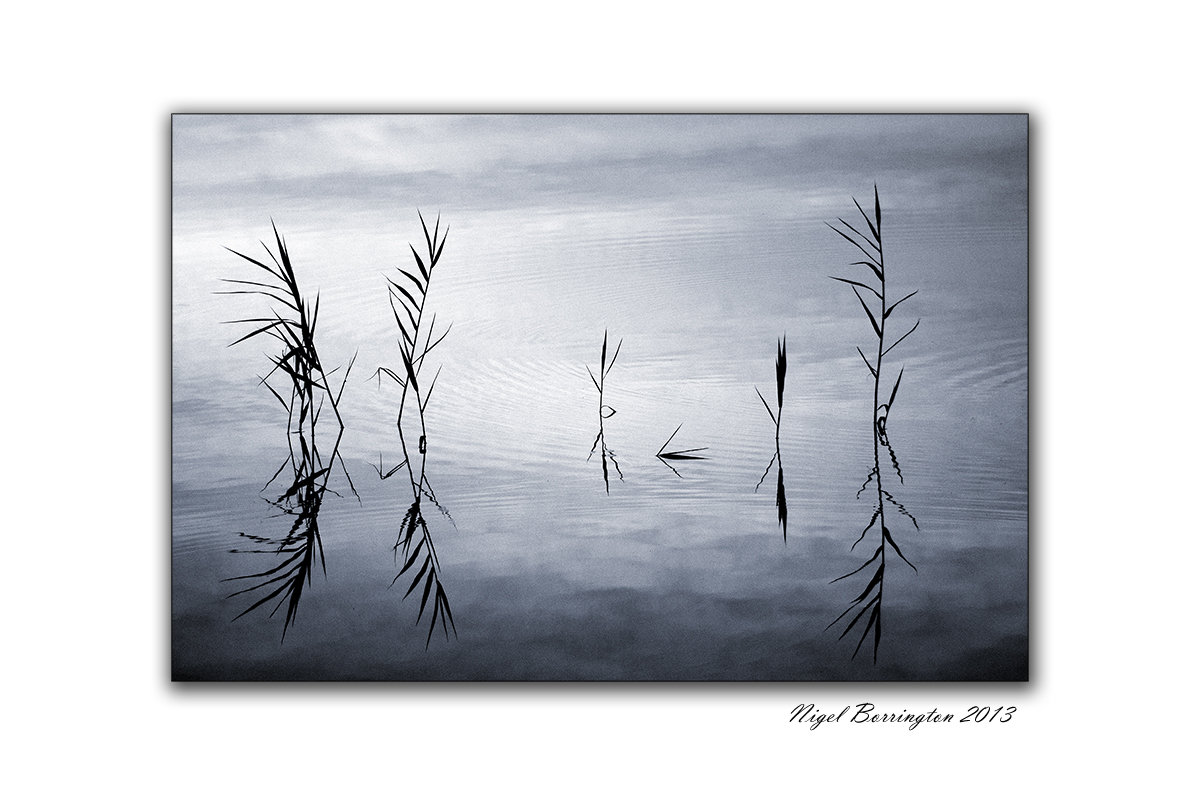
Water:
Water (Uisce in irish / place names after : Adare, the ford that feeds the oak tree.) is a feminine energy and highly connected with the aspects of the Goddess. Used for healing, cleansing, and purification, Water is related to the West, and associated with passion and emotion. In many spiritual paths, consecrated Water can be found – consecrated water is just regular water with salt added to it, and usually a blessing or invocation is said above it. In Wiccan covens, such water is used to consecrate the circle and all the tools within it. As you may expect, water is associated with the color blue.

Goddess :Fland
Location: Ireland.
Description: Daughter of woodland Goddess Flidais. A lake Goddess who is viewed in modern (Post Christian) folklore as an evil water faery who lures swimmers to their death.
She rules over: Water magick, lakes
Dorothea Lange
As its a wet and slow afternoon I thought I would just do a quick post to pass on some study links for Dorothea Lange:
.
.
A biography worthy of its subject (Linda Gordon’s DOROTHEA LANGE)
@ The historian’s lens
One of the best people and documentary photographers of all time

No she didn’t go digital!
A great book on her work was published by Phaidon and written by Mark Durden (ISBN 0-7148-4619-8)
The Sea – Louis MacNeice
The Sea
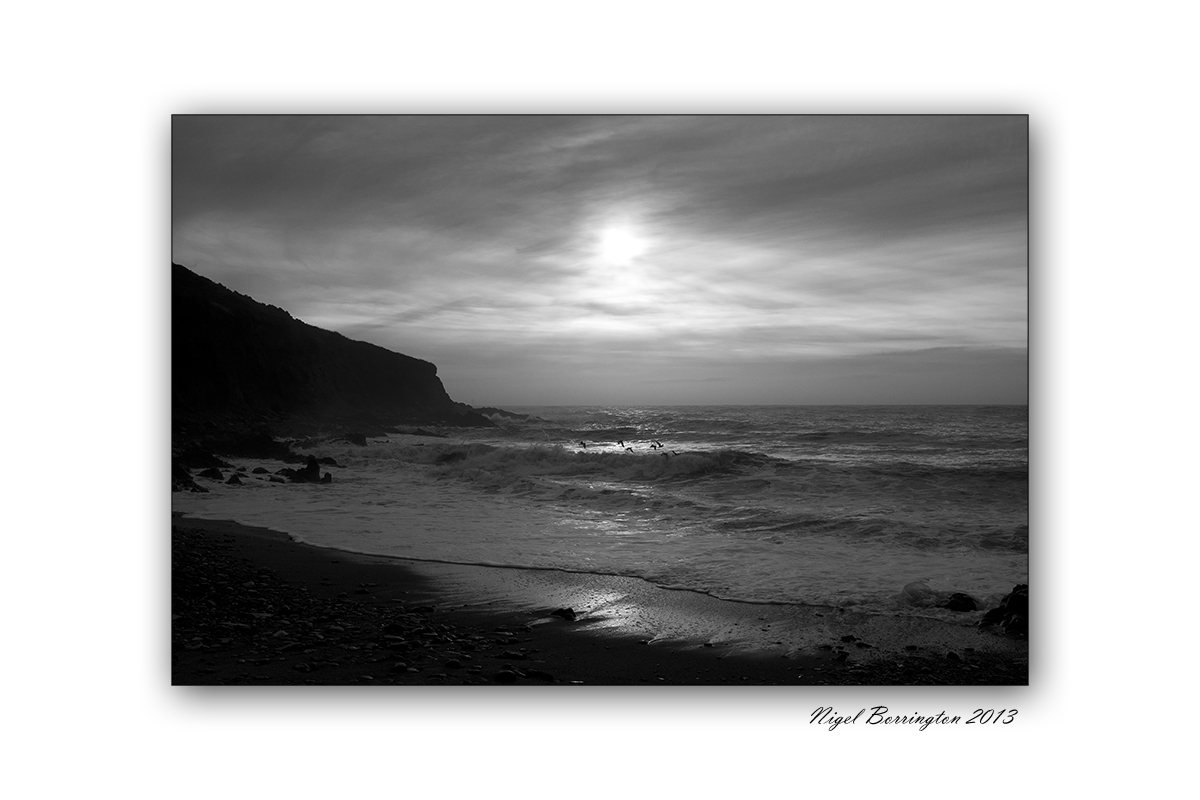
Incorrigible, ruthless,
It rattles the shingly beach of my childhood,
Subtle, the opposite of the earth,
And, unlike earth, capable
Any time at all of proclaiming eternity
Like something or someone to whom
We have to surrender, finding
Through that surrender life.
Louis MacNeice 1907-1963
The Children of Lir

The Children of Lir Irish story – Long ago there lived a king called Lir. He lived with his wife and four children: Fionnuala, Aodh, Fiachra and Conn. They lived in a castle in the middle of a forest. When Lir’s wife died they were all very sad. After a few years Lir got married again. He married a jealous wife called Aoife.
Aoife thought that Lir loved his children more than he loved her. Aoife hated the children. Soon she thought of a plan to get rid of the children.
One summer’s day Aoife took the children to swim in a lake near the castle. The children were really happy to be playing in the water. Suddenly Aoife took out a magic wand. There was a flash of light and the children were nowhere to be seen. All there was to be seen was four beautiful swans, with their feathers as white as snow.
Aoife said, “I have put you under a spell. You will be swans for nine hundred years,” she cackled. “You will spend three hundred years in Lough Derravaragh, three hundred years in the Sea of Moyle and three hundred years in the waters of Inish Glora,” Aoife said. She also said, “You will remain swans for nine hundred years until you hear the ring of a Christian bell.”
She went back to the castle and told Lir that his children had drowned. Lir was so sad he started crying. He rushed down to the lake and saw no children. He saw only four beautiful swans.
One of them spoke to him. It was Fionnuala who spoke to him. She told him what Aoife had done to them. Lir got very angry and turned Aoife into an ugly moth. When Lir died the children were very sad. When the time came they moved to the Sea of Moyle.
Soon the time came for their final journey. When they reached Inish Glora they were very tired. Early one morning they heard the sound of a Christian bell. They were so happy that they were human again. The monk (some even say it was St. Patrick himself) sprinkled holy water on them and then Fionnuala put her arms around her brothers and then the four of them fell on the ground. The monk buried them in one grave. That night he dreamed he saw four swans flying up through the clouds. He knew the children of Lir were with their mother and father.
James Ravilious

Who was James Ravilious ?
“James Ravilious was an English photographer born in Southern England in 1939. He was the son of the artist Eric Ravilious and studied art himself at St Martin’s School of Art in London. James Ravilious took up photography in the early 1970′s, teaching himself, and he is most famous for his work for the Beaford Archive. The Beaford Archive was started in 1971 by Roger Deakins and was built into a collection of more than 80,000 images by Ravilious between 1972 and 1989 documenting rural life in North Devon. Ravilious’ photographs feature many everyday activities over the seventeen year period and provide a very interesting historical documentary about disappearing ways of life in rural England. James Ravilious was awarded Honorary Membership of the Royal Photographic Society as recognition of his contribution to photography in 1997. Ravilious died in 1999. His images are largely black and white and taken on film. By spending so much time with the inhabitants of the area and over such a long period of time Ravilious has managed to capture very natural looking images, as though he weren’t there in many of them or with the subject looking comfortable. From a single photograph his images all tell a story. His photographs include little objects or daily events that build a picture of their way of life. From each one you can imaging the scenario and more than just the moment at time when the image was shot. By shooting all year round his images also capture the moods of the seasons and the traditions of the year.
Images such as the one of John Bennett the traveller. The image captures the warmth of the season, and by including all of his belongings within the frame tells you lots of things about Mr Bennett’s lifestyle. You can pick out his walking stick, his boots, his pans and this all creates images within your head of Mr Bennett walking along a country lane with his belongings on his back, or perhaps cooking at the side of a stream. The image tells much more than a man lying on the grass in the sun.”
I like James work very much, A photographers lifetime in his work….
You see a great video on James work here:
Offical Web site:
Kilkenny wedding
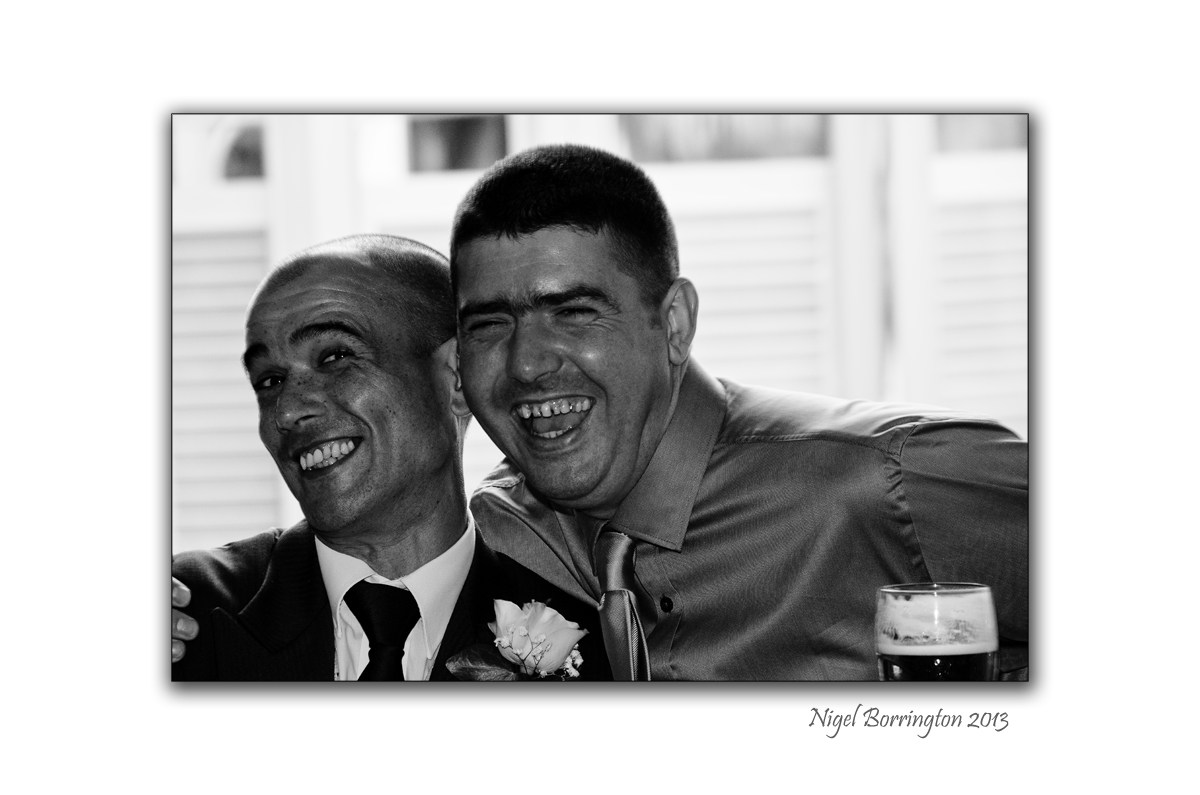
The Grooms Brothers
A shot taken at a wedding I photographed in Langton House Hotel, Co Kilkenny
Door to the underworld

Look I found a door to the underworld
The Pagan Underworld
“Caves have been regarded as entryways to the Underworld and as linkages to the sacred for thousands of years. It is by no accident that the world’s most beautiful rock art is located in deep caves or that tombs mimic the reality of the cave. Caves are traditionally the homes of the famous Little People—the Menehune of Hawaii, the Faery of Britain and Europe, the Rock Babies of America, all having the same descriptions, characteristics, powers and attitudes. One small cave in Yorkshire, known as the Hob Hole, is said to have been the home of a brownie (i.e. “Hob”) that could cure whooping cough. Local residents used to take their children to the cave seeking the Hob’s help with the following plea: ”
I’m not telling anyone, I will need it for myself one day….
Canon G1x
Canon G1x

So since I sold my Contax G2 kit on ebay.ie last summer and then purchased a Canon G1x what have I be using it for and what’s my feeling about this Camera.

I am a big believer that a camera has to fit its owner before good images can even be approached, if you’re going out to get images with something that you just don’t feel good with then yes you may still get some good photos but you will always feel that bit removed from what you’re taking pictures of.
To me when you get your camera out of its bag and move toward the things you want to record, if you just don’t feel good about the camera in your hands then any issues you have with it will be in the front of your mind and not your subjects. Good photography is all about mind just like any other areas of life.
So what about this little Canon, I have to say from the first time I held and took some shots it was clear that I could just get on and use it. I don’t care that much about camera spec’s. It’s been a long time since any camera lacked a feature that I needed and I think that most photographers just know the kind of camera to pass on.
What counts for me is how the camera feels in my hands and how simply I can make a change to a setting that I need. The Canon G1x is about as good as it gets in both these areas. Yes its different from an SLR but not so different that it takes more than ten minutes to feel at home.
I can only point out one thing that I didn’t like, this being the placement of the video button. It’s far too simple to press it when you just holding the camera and walking around. You will also find that its not fast to cancel this mode when you want to, it takes at least two second to get out of recording and go back to stills mode. Next to the video button is a rubber rest for the thumb, make sure your thumb stays on this and this problem won’t happen.
The one thing that I felt I would have a problem with was the viewfinder or lack of it but even after using 100% view, optical viewfinder cameras for so long like Slr’s or rangefinder cameras I did’nt have any problems from the start. The single reason for this was the LCD screen, its crystal clear and I have always been able to see it in any lighting conditions.
The process of holding the camera in front of yourself is very different but I felt that it went hand in hand with the type of photography this camera is so good at, this being photography in the environment. Just being outside and going on a walk about, heading in town and doing some street photography or up the top of a mountain with a camera that’s not so heavy that its all you can think about. Using the LCD screen to frame your shot somehow keeps you feeling involved with the very things you’re taking pictures of.
I will post much more about this camera and talk about the C1 and C2 modes and how I have set them up to store things like my preferred focus length (35mm) and how to use the front dial to zoom to fixed focus positions.
The following pictures below are just some samples from the first few weeks I have owned this camera, as you can see its got me out taking lots of subjects. The image quality is second to none when put against the size and usability of this type of camera.
If I had one simple comment it would be, well done canon for making a camera that with no fuss gets people involved with the subjects they want to photo, while not spend any-time thinking about the camera you just sold them. Well done!
Black and white landscapes
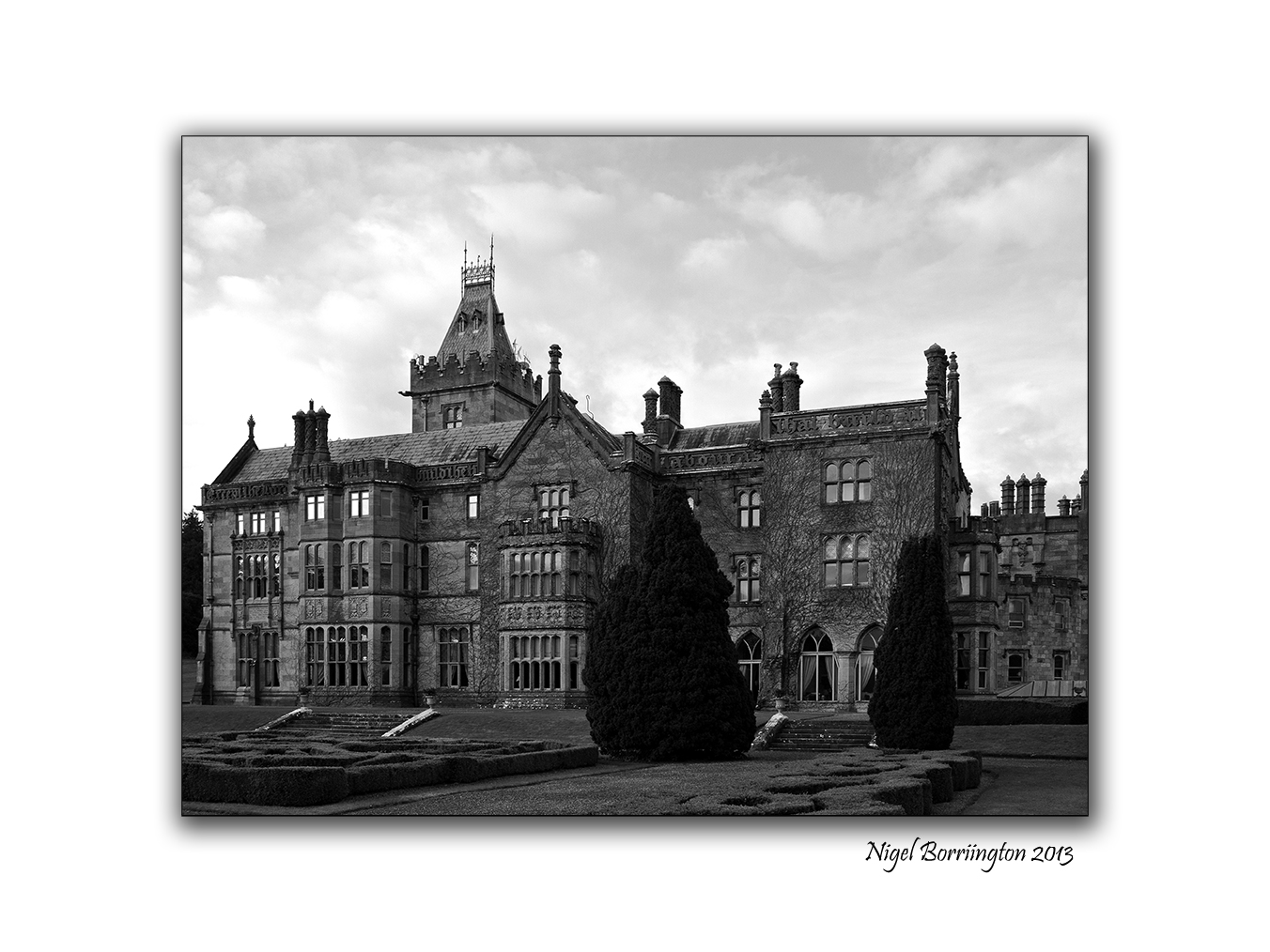

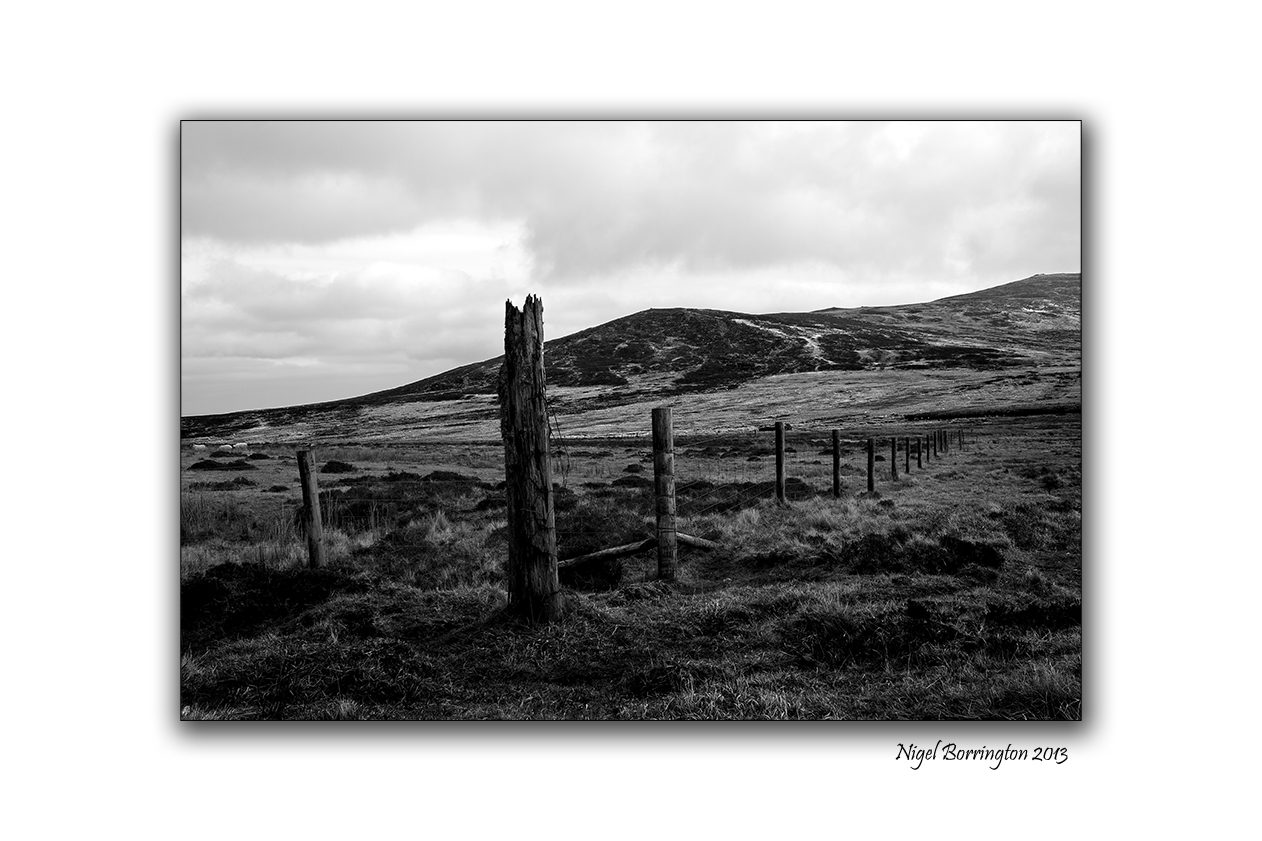

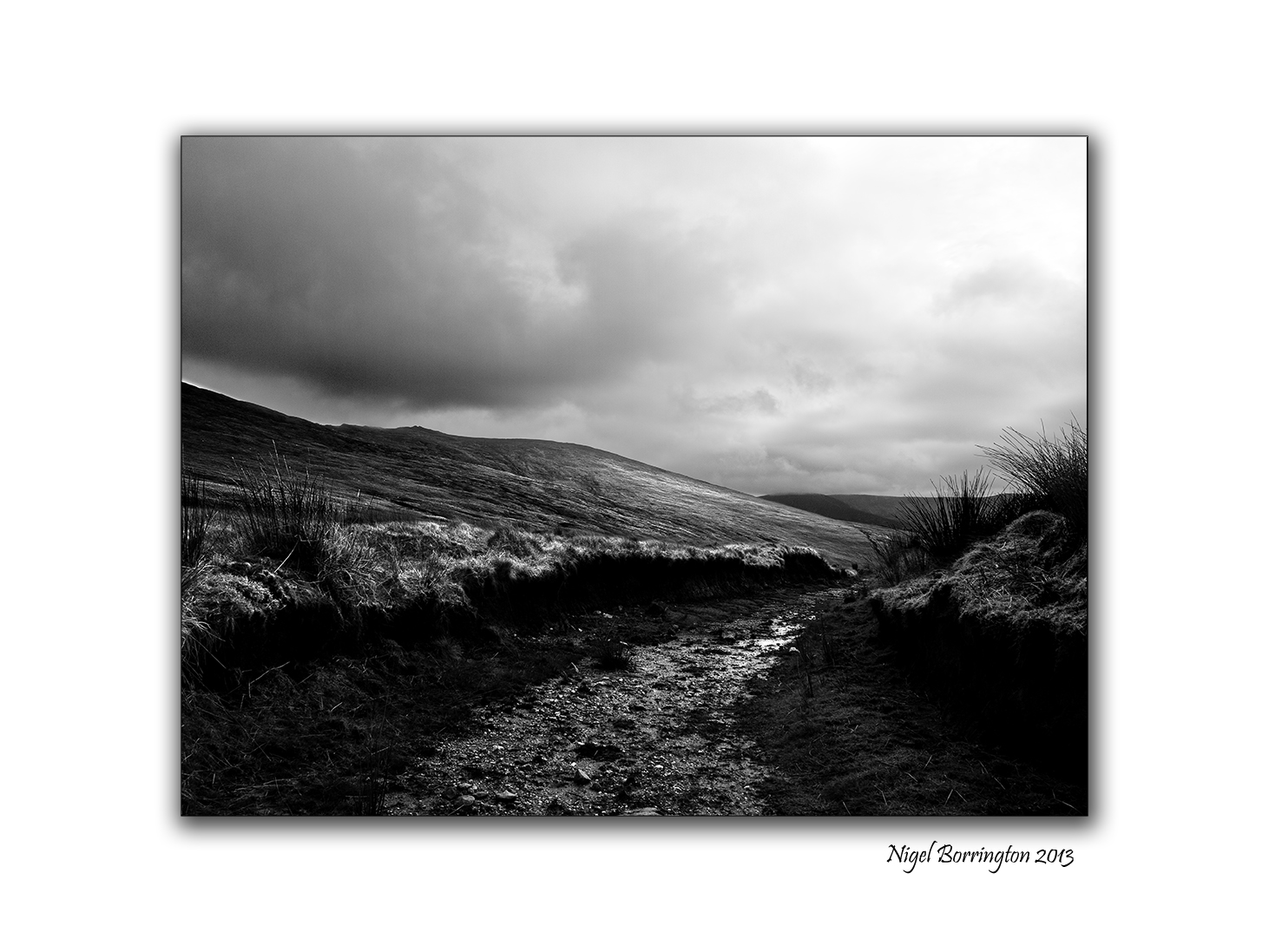
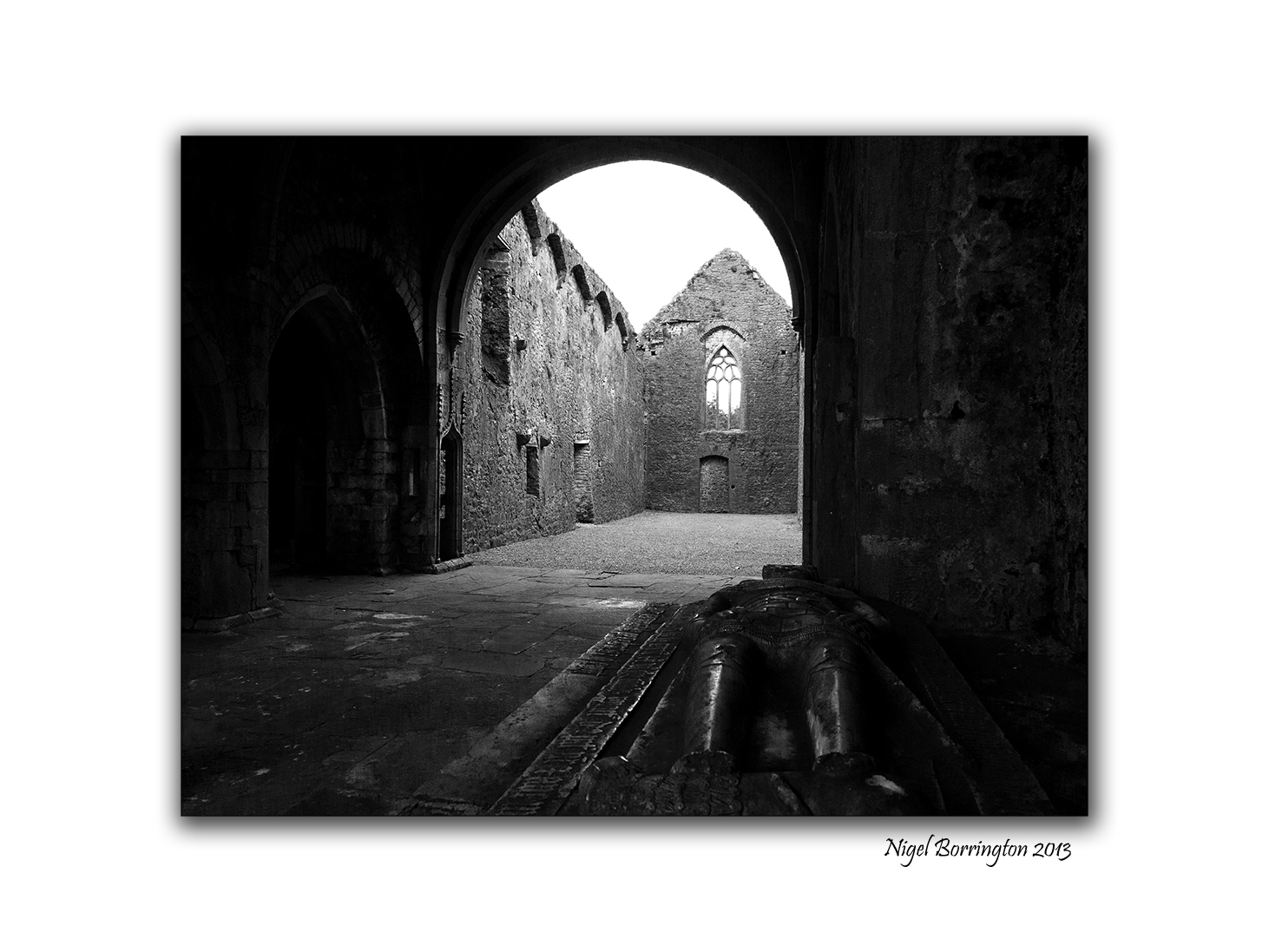
Canon G1x
Nigel Borrington
Paula Dawn

I was sorting through some old films this morning and wondering what to do with them when I came across this shot above, The Paula Dawn one very early morning in September 1998 on the north Norfolk Broads.
I also found her being talked about on the following web site. Paula Dawn
I don’t think we had one spot of rain all week and what a boat.
This is her some years before

Slievenamon

Canon G1x
Landscape photography by : Nigel Borrington
Rising as a huge heathery dome amid gentle green countryside, Slievenamon’s profile naturally attracts the eye. This is an easy mountainwith with a broad and clear track leading all the way to the summit cairn.
On fine days there are extensive views, taking in all the best walking areas in the South East of Ireland.
Slievenamon is a mountain of history and mystery of lore and legends. Its name means the ‘Mountain of the Women’ and the story is told how all the fairest women raced to the top to claim the hand of the warrior, Fionn Mac Cumhail. Fionn secretly fancied Grainne, the daughter of the High King of Ireland, so he advised her how to win the race!
Although it looks like a solitary height, Slievenamon is surrounded by a series of lower heathery humps. Some of these, like the main summit, are crowned by ancient burial Cairns. The highest cairn is said to mark the entrance to the mysterious Celtic underworld.
The Celtic Underworld … and the Otherworld
According to the Celtic myths, the Celtic deities and the fairy folk lived in the spiritual domain that was generally called the “Otherworld”. These domains were usually hidden from mortal eyes, though not always. Sometimes, human beings are admitted, sometimes against their will or better judgement.
In Irish myths, the Otherworld could be an island, such as Glastonbury, or a dun or hill-fort. Sometimes, the Otherworld was called Sidhe, the fairy hill-fort (dun) or palace.
In the Welsh myths, the Otherworld was often called Annwfn or Annwyn, and the fort or castle was usually known as Caer.
The Underworld is what many people today might call the afterlife, referring to the spiritual realm in which newly dead spirits and souls go. Sometimes the underworld is identified as being like the Christian Hell because Hell is sometimes pictured as being under the Earth. The Underworld is possibly linked to the Earth because that is where the body goes after death.

Molly

Molly is a 10 year old Golden retriever who has been out with me on almost every landscape photography trip I have made in the last ten years. This visit was to a beach in Co. Wexford, covered in fresh snow as you can see.
I thought it was time for her to say hello.
Fujifilm X100
Fuji film X100

In my drive to replace a long lost but much loved contax G2.

An electronic range finder and film camera, I have purchased two cameras in recent months.
Both being second hand but much loved, these are a Canon G1x and a Fujifilm X100
Since giving up film way back in 1999 I have only used Nikon digital SLR camera bodies for everything I do.
Every time I sorted out my photography kit my Contax G2 just sat there looking at me and begging me to do something with it, so last summer I sold it on ebay for a price that I was just about happy with.
This created a problem however, all the time it had still existed for me it created a possibility that I had a compact system that I could use if needed, however I never did. The idea of ordering then posting off film, to be processed just killed my interest in using it anymore.
So now I have replaced my Contax G2 with these two second hand cameras, I have used them on times when I just don’t need or want an slr system with me.
Over the next few weeks I will post just exactly what I think of them both, I don’t intend to do a ken Rockwell type camera review however, I just want to share what I think of them as I use them.

Fuji film X100
Kilkenny landscape photography
By:Nigel Borrington
Nigel
Spring; The age of rebirth
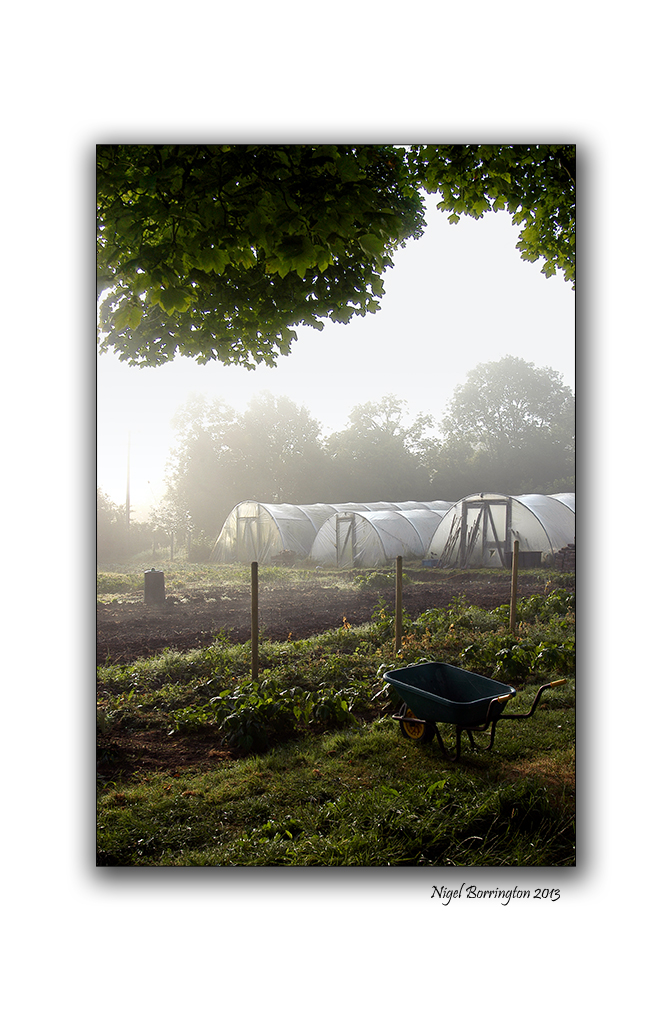
Fujifilm X100
Kilkenny Landscape photography
By, Nigel Borrington
“I think that no matter how old or infirm I may become, I will always plant a large garden in the spring. Who can resist the feelings of hope and joy that one gets from participating in nature’s rebirth?” ~Edward Giobbi
One night in Dubrovnik
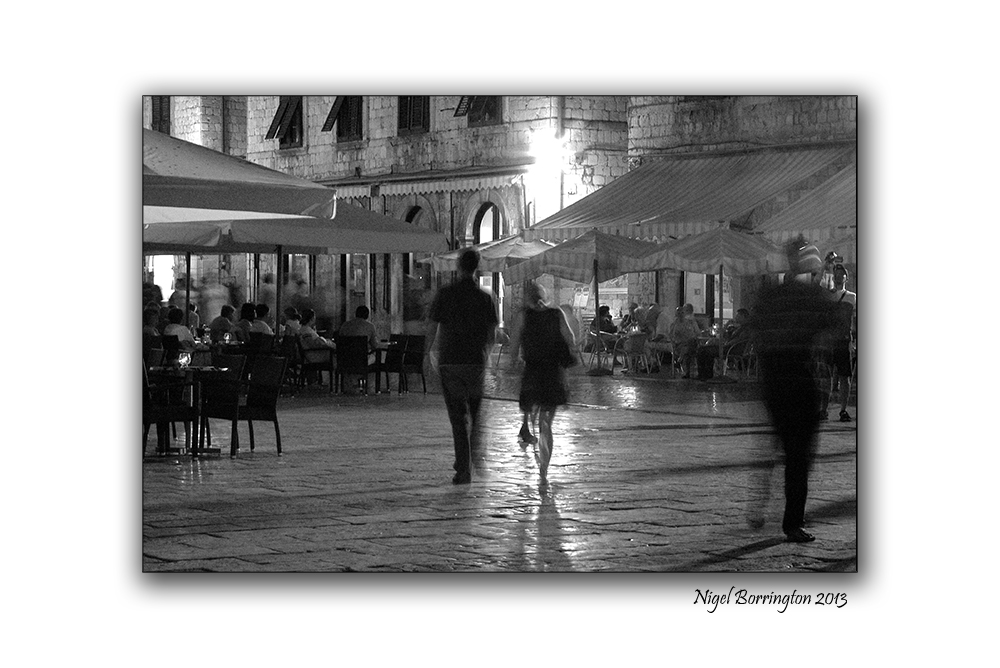
One night on the streets of Dubrovnik.
Kilkenny photographer : Nigel borrington
Real world photography
So this photography thing then, what’s it all about?
If someone asks me what my favorite form of photography is and people do ask, I don’t always have an answer at hand. I feel that a camera can be used in so many different ways that it’s almost impossible to narrow things down.
I also think that overtime my choice of photography has evolved, it’s not the same now as it was when I was 25.
However if someone asked me today what my least favourite form of photography is I would have to answer, anything that’s not real. I feel that life in a small town like Kilkenny, Ireland is a little more limited in what people do and what they dress like.Even so I feel that photography should reflect the world around us all and that anything that is created outside of this world is faked.
So I guess the answer to what my most liked form of photography is, is anything that truly depicts and reflects the real world around us.
Some photographers pay to dress models in make-up and clothes that they would never dress in and live real lives in. Now, like I say this may have not been what I would have said at 25 years of age but it is what I feel today.
The world around us, is based on “what you see is what you get” and what you get may sometime appear to be a little ordinary but that’s what it is, it is ordinary. I think that the skill of any visual medium, when used correctly is to show you something a little different that you didn’t see first time.
My camera is for the real world not a fake one, one that only make-up can produce.
So then (Street, Landscape, Wedding and Sport photography) anything that really happens and people really do.
Gallery:


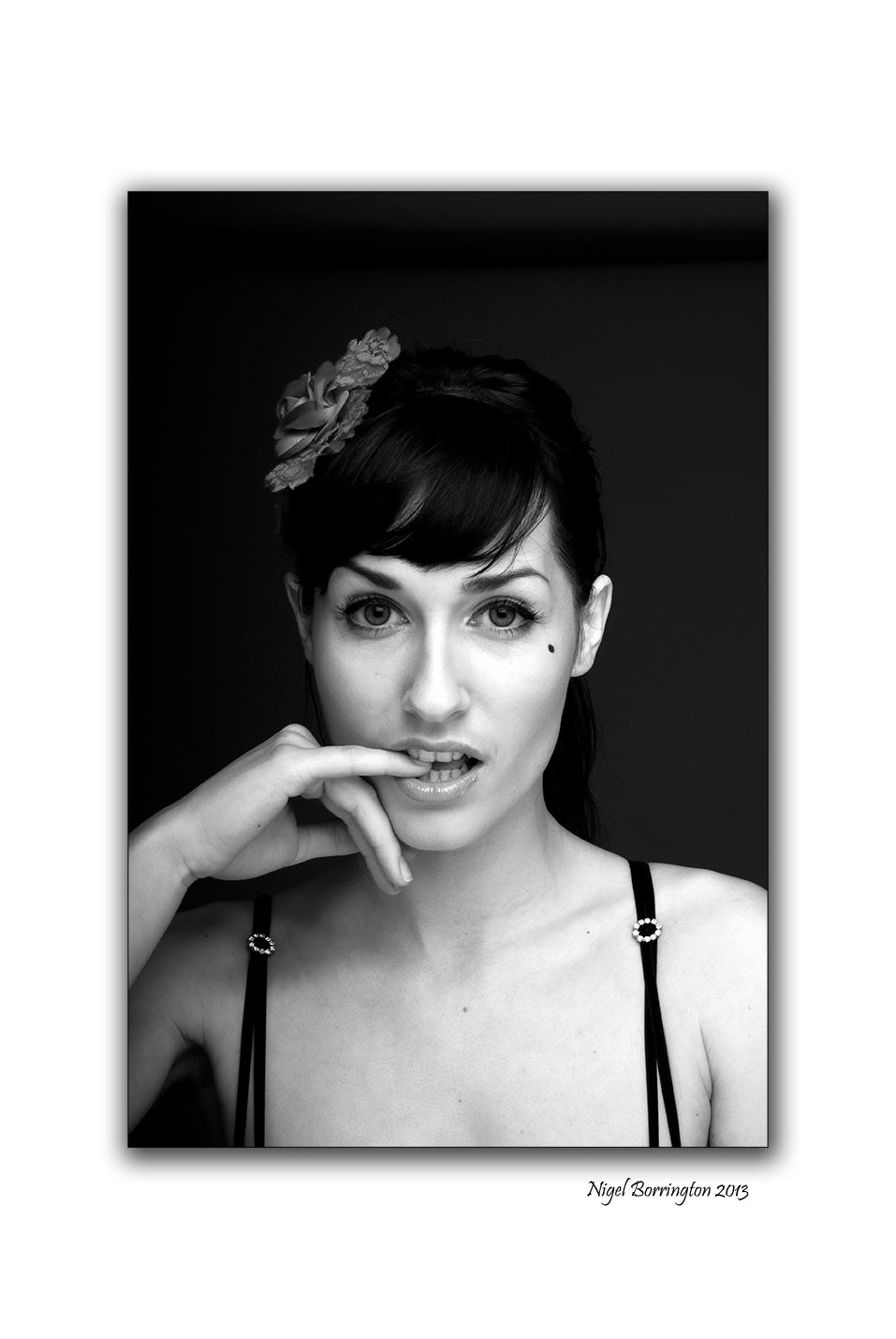


Kilkenny photographer: Nigel Borrington
Kilkenny Photography
Portrait of Kilkenny sculpture artist : Saturio Alonso
Outside KCAT art center Callan, Co.Kilkenny
Nikon D700
Kilkenny Photographer: nigel borrington
Music saved me
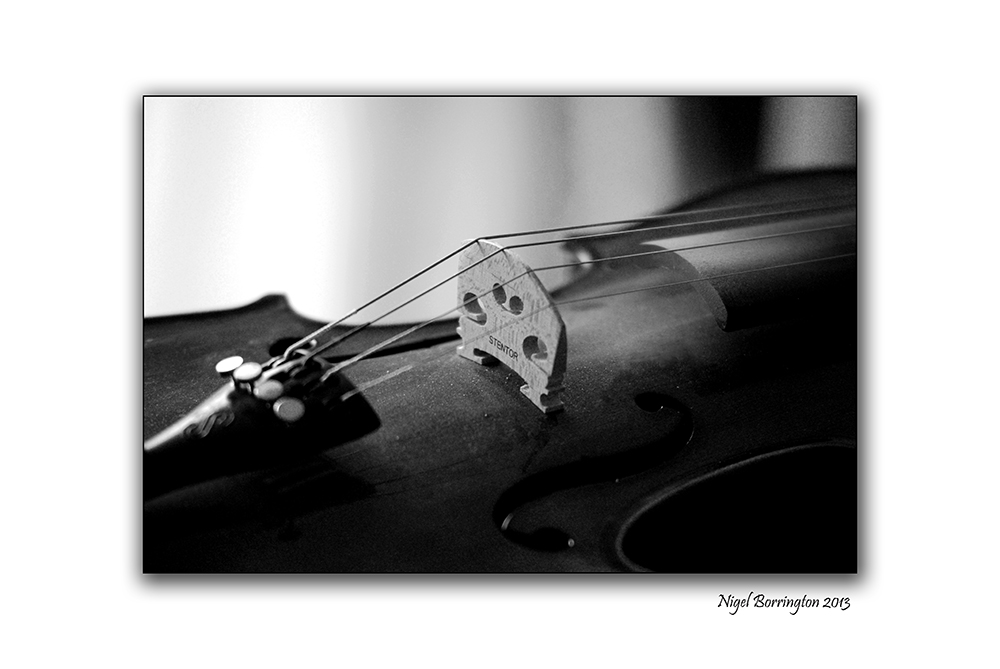
Learning music and the violin has saved my soul.
For about four or five years I have been learning to play the violin, studying with both Jacqueline Burke and Patrick rafter (Co.Kilkenny),
it is just one of the best things I ever decided to do and during these times it has lifted me so many times I cannot count.
I find when I am playing I only think about the tune that I am trying to learn, that’s it nothing else. For an hour the devil of the world and its news are behind me and after, well I just don’t care about them that much.
Nigel
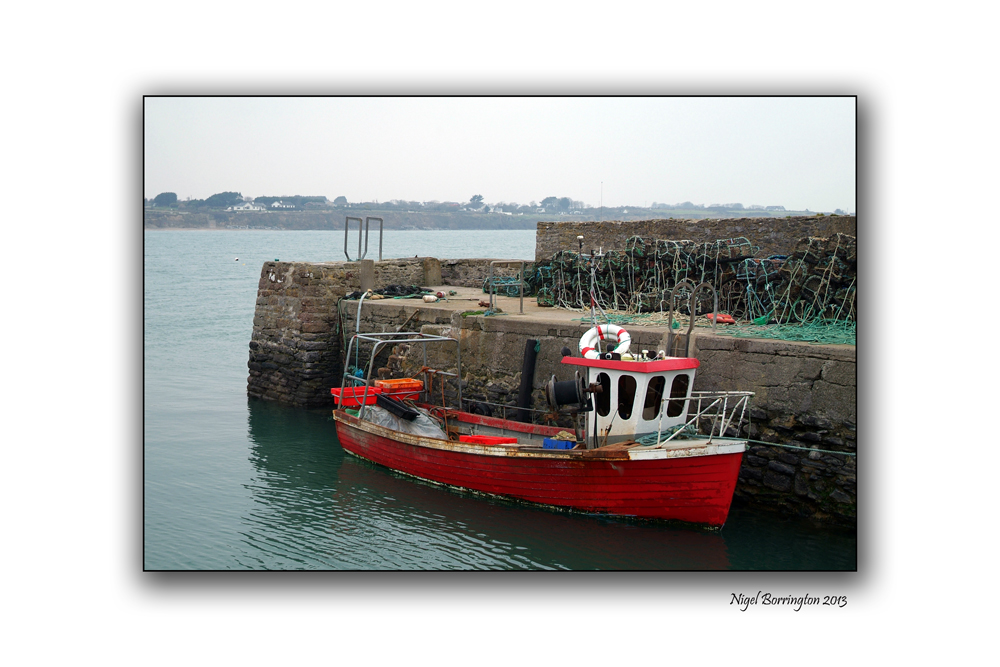
The Boatman

The levellers
http://www.levellers.co.uk/videos
If I could choose the life I please
Then I would be a boatman
On the canals and the rivers free
No hasty words are spoken
My only law is the river breeze
That takes me to the open seas
If I could choose the life I please
Then I would be a boatman
If I could choose the life I please
Then I would be a rover
And if the road was not for me
Then I MIGHT choose another
Cross mountains and the valleys deep
Where I WILL take these weary feet
If I could choose the life I please
Then I would be a rover
But these things they’re so hard for me
I cannot choose my own destiny
And all the things that I want to see
Are so unclean
Well I wish I could choose the life I please
But I am not a free man
Others rule my destiny
But my will’s never broken
I know someday I will be
Everything that I dreamed I’d be
And when I live the life I please
Then I will be a freeman.
I know someday I will be
Everything that I dreamed I’d be
And when I live the life I please
Then I will be a freeman.
And when I live the life I please
Then I will be a freeman.
High on a hill

Artist: Kate Rusby lyrics
Title: High On A Hill
Kate rusby
You tube
http://www.youtube.com/watch?v=JX_2NLrF484
High on a hill,
There’s a sweet bird calling,
All come together,
Are you in or are you out,
He sings of a time,
When the sky was falling,
All come together,
And be in no doubt.
Chorus:
Oh darling let’s go over,
Now the devil’s here,
Oh darling let’s go over,
Now the devil’s here,
Oh darling, oh my darling,
Be strong and be proud,
Oh darling then you’ll see,
The devil will go round,
Round, round.
High on a hill,
And way up yonder,
All come together,
Are you in or are you out,
The eleventh day was hell,
But the heart grows stronger,
All come together,
And be in no doubt.
Chorus.
Over the fields,
Where the water’s falling,
All come together,
Are you in or are you out,
There’s a bird on the hill,
And he’s sweetly calling,
All come together,
And be in no doubt.
Chorus.
High on a hill,
There’s a sweet bird calling,
All come together,
Are you in or are you out,
He sings of a time,
When the sky was falling,
All come together,
And be in no doubt.
Kate Rusby is one of my favourite folk singers, I hope this image does her song proud….
 Nigel Borrington
Nama
The National Asset Management Agency an artists comment.
I have stayed away from even attempting to cover the Irish recession in my photography and possibly this has been a mistake something I may be addressing. While I was looking for some landscape locations at the Quays, St Mullins Co Kilkenny, I came across this old mill shed that has been used by a local artist to make what I feel is the perfect statement about what has been taking place in Ireland over the last three or four years.
I was amazed by the creative mind that could make great use of such a well visited and public location in Co.Kilkenny to make a clear comment.
The painting on the shed’s door and buildings end is very powerful and provocative let alone brilliantly painted.
However I think the use of the inside of the covered space at the side of the mill is the most powerful part of this work. It’s clearly reminds the viewer that a lot of people in Ireland have lost almost everything during these last years. The idea that this is a family’s living space in the remains of an old mill is not that far from the truth.
When I looked through the images at home something occurred to me, I don’t think that most people (living in or outside of Ireland) know what NAMA is, so let’s take a look at the official definition.
http://en.wikipedia.org/wiki/National_Asset_Management_Agency
National Asset Management Agency
“The National Asset Management Agency (NAMA; Irish: Gníomhaireacht Náisiúnta um Bhainistíocht Sócmhainní) is a body created by the Government of Ireland in late 2009, in response to the Irish financial crisis and the deflation of the Irish property bubble.
NAMA functions as a bad bank, acquiring property development loans from Irish banks in return for government bonds, primarily with a view to improving the availability of credit in the Irish economy. The original book value of these loans was €77 billion (comprising €68bn for the original loans and €9bn rolled up interest) and the original asset values to which the loans related was €88bn with there being an average Loan To Value of 77% and the current market value is estimated at €47 billion.[1][2] NAMA is controversial, with politicians (who were in opposition at the time of its formation)[3] and some economists criticising the approach,[4] including Nobel Prize-winning economist Joseph Stiglitz who has said that the Irish government is “squandering” public money with its plan to bail out the banks.[5][6]
One year after NAMA’s establishment the Irish government was compelled for other but similar reasons to seek an EU-IMF bailout in November 2010, the outcome of which will have considerable effects on NAMA’s future operations.
Background
As a result of the collapse of the Irish property market, Irish banks have property development loan assets secured on property with a market value significantly below the amount owed. Many of the loans are now non-performing due to debtors experiencing acute financial difficulties. Both factors have led to a sharp drop in the value of these loan assets.
If the banks were to recognise the true value of these loans on their balance sheets, they would no longer meet their statutory capital requirements. The banks therefore need to raise further capital but, given the uncertainty around the true value of their assets, their stock is in too little demand for a general share issuance to be a viable option.[7]
The banks are also suffering a liquidity crisis due, in part, to their lack of suitable collateral for European Central Bank repo loans. Along with their capital requirement problems, this is limiting the banks’ ability to offer credit to their customers and, in turn, contributing to the lack of growth in the Irish economy.[8]
How NAMA will work
The National Asset Management Agency Bill present format, covers the six financial institutions which are covered by the Irish government’s deposit guarantee scheme. Those institutions are Bank of Ireland, Allied Irish Banks, Anglo Irish Bank, EBS, Irish Life and Permanent and Irish Nationwide. Other institutions, such as Ulster Bank, which are not covered may choose to join the scheme.[9]
The Minister for Finance, Brian Lenihan, said the banks would have to assume significant losses when the loans, largely made to property developers, are removed from their books. If such losses resulted in the banks needing more capital, then the government would insist on taking an equity stake in the lenders.[10] Economist Peter Bacon, who was appointed by the government to advise on solutions to the banking crisis, said the new agency had potential to bring a better economic solution to the banking crisis and was preferable to nationalising the banks.[11]
The assets will be purchased by using government bonds, which may lead to a significant increase in Ireland’s gross national debt.[10]
The Bill provides that NAMA will be established on a statutory basis, as a separate body corporate with its own Board appointed by the Minister for Finance and with management services provided by the National Treasury Management Agency.[12] [13]
The Bill envisages that NAMA will arrange and supervise the identification and valuation of property-backed loans on the books of qualifying financial institutions in Ireland, but will delegate the purchase and management of these loans to a separately created Special Purpose Vehicle (SPV).[14] “
This is the key statement to me:
“The assets will be purchased by using government bonds, which may lead to a significant increase in Ireland’s gross national debt.[10] ”
May? what?
So people who didn’t have any debt, people who were careful enough not to along with kids who are just getting a start in life, have now taken on the debt that other people (Banks/Investors and developers) created.
In pure terms that’s it and the questions that remain after all this, they relate to personal/individual choices and freedoms.
Why?
Well if after spending a life time being careful with your time and money you still find yourself personally indebted, to a level you cannot even imagine, Debt created by the organisations and governments in which you placed your (trust, money and votes). You can very easily ask, what was the point of you being careful in the first place.
This is the amount that every person in Ireland is now in debt:
BBC
http://www.bbc.co.uk/news/business-15748696
€390,969 Foreign debt per person in Ireland
How the hell did that happen?
Personally I worked on call, seven days a week for 30 years. Got married, Pay for a simple house, never used a credit card. I lived in a city and used the bus and train. I only purchased a car when I had saved up for one.
Why, when I am now involved up to my neck in €390.969 worth of debt?
Hay, Never mind – on and up!
Share this:
March 6, 2013 | Categories: Comment, kilkenny photography | Tags: Ireland, Irish photography, Kilkenny, Kilkenny photography, nama, National Asset Management Agency, Nigel Borrington, St Mullins, Street photography, The National Asset Management Agency | 4 Comments