To The Daisy, Poems by William Wordsworth
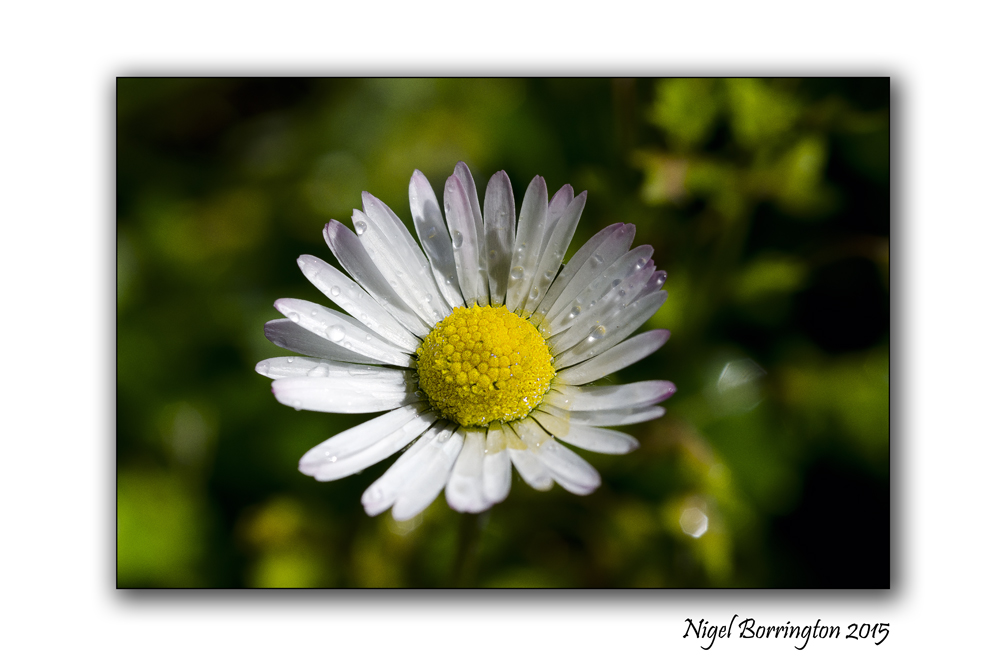
The Daisy
Nature Photography : Nigel Borrington
Her divine skill taught me this,
That from every thing I saw
I could some instruction draw,
And raise pleasure to the height
Through the meanest objects sight.
By the murmur of a spring,
Or the least bough’s rustelling;
By a Daisy whose leaves spread
Shut when Titan goes to bed;
Or a shady bush or tree;
She could more infuse in me
Than all Nature’s beauties can
In some other wiser man.
in youth from rock to rock I went,
From hill to hill in discontent
Of pleasure high and turbulent,
Most pleased when most uneasy;
But now my own delights I make,–
My thirst at every rill can slake,
And gladly Nature’s love partake,
Of Thee, sweet Daisy!
Thee Winter in the garland wears
That thinly decks his few grey hairs;
Spring parts the clouds with softest airs,
That she may sun thee;
Whole Summer-fields are thine by right;
And Autumn, melancholy Wight!
Doth in thy crimson head delight
When rains are on thee.
In shoals and bands, a morrice train,
Thou greet’st the traveller in the lane;
Pleased at his greeting thee again;
Yet nothing daunted,
Nor grieved if thou be set at nought:
And oft alone in nooks remote
We meet thee, like a pleasant thought,
When such are wanted.
Be violets in their secret mews
The flowers the wanton Zephyrs choose;
Proud be the rose, with rains and dews
Her head impearling,
Thou liv’st with less ambitious aim,
Yet hast not gone without thy fame;
Thou art indeed by many a claim
The Poet’s darling.
If to a rock from rains he fly,
Or, some bright day of April sky,
Imprisoned by hot sunshine lie
Near the green holly,
And wearily at length should fare;
He needs but look about, and there
Thou art!–a friend at hand, to scare
His melancholy.
A hundred times, by rock or bower,
Ere thus I have lain couched an hour,
Have I derived from thy sweet power
Some apprehension;
Some steady love; some brief delight;
Some memory that had taken flight;
Some chime of fancy wrong or right;
Or stray invention.
If stately passions in me burn,
And one chance look to Thee should turn,
I drink out of an humbler urn
A lowlier pleasure;
The homely sympathy that heeds
The common life, our nature breeds;
A wisdom fitted to the needs
Of hearts at leisure.
Fresh-smitten by the morning ray,
When thou art up, alert and gay,
Then, cheerful Flower! my spirits play
With kindred gladness:
And when, at dusk, by dews opprest
Thou sink’st, the image of thy rest
Hath often eased my pensive breast
Of careful sadness.
And all day long I number yet,
All seasons through, another debt,
Which I, wherever thou art met,
To thee am owing;
An instinct call it, a blind sense;
A happy, genial influence,
Coming one knows not how, nor whence,
Nor whither going.
Child of the Year! that round dost run
Thy pleasant course,–when day’s begun
As ready to salute the sun
As lark or leveret,
Thy long-lost praise thou shalt regain;
Nor be less dear to future men
Than in old time;–thou not in vain
Art Nature’s favourite
Spring Herb’s : Herb-Robert
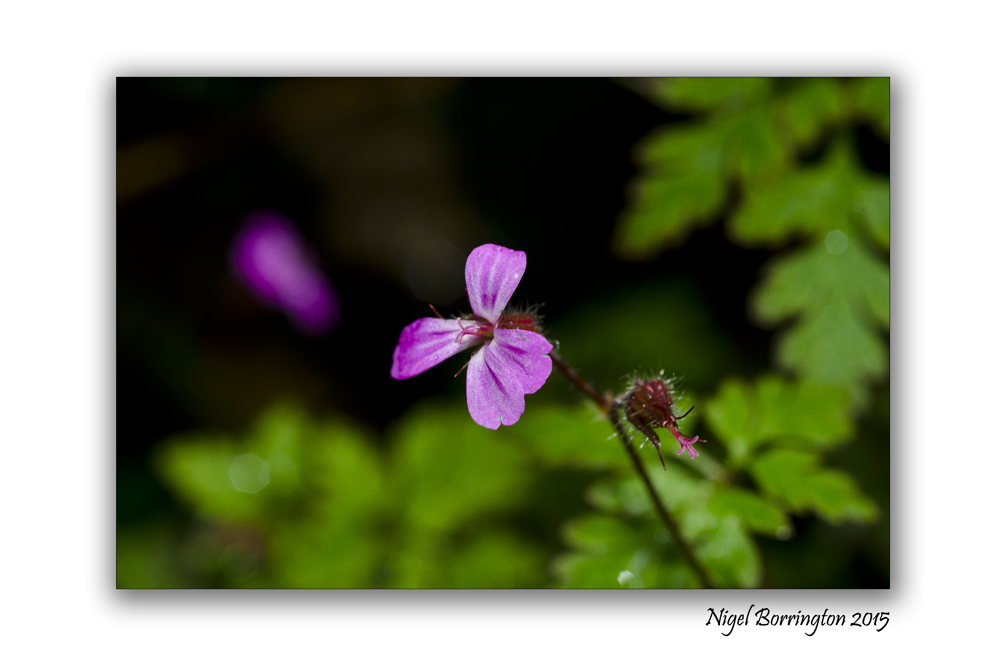
Herb Robert
Irish nature Photography : Nigel Borrington
Spring Herb’s : Herb-Robert
Familiar little pink flower from April to November, Herb-Robert is a hairy, unpleasant-smelling plant which grows on banks, bases of walls, shingle and shady places throughout the country. Its pink flowers (8-15mm across) have five un-notched petals and in the center of the flower are orange anthers. Each petal is marked by small lighter-pink lines running into the center of the flower. The hairy, stalked leaves are often tinged red and have three to five deeply cut lobes. The fruit is hairy and beak-like. This is a native plant belonging to the family Geraniaceae.
This plant has been introduced into North and South America from Europe and Asia. In traditional medicine in the Americas it has been used to stop nosebleeds. Its leaves are also made into a herbal tea which is recommended as a gargle and an eyewash. (you would not recommend this course of action).
One wonders who is the ‘Robert’ of this plant. Maybe the name comes from the Latin word ‘ruber’ meaning red which may have referred to the colouring of the leaves and stems.
Hover Fly – Poem by Michael Shepherd

Hover Fly – Poem by Michael Shepherd
Nature Photography : Nigel Borrington
Hover Fly
Poem by Michael Shepherd
The hover fly
that’s just demonstrated
that it’s one of the Creation’s greatest
and smallest, most compact miracles of lawful
imagination (imagine flying, then stopping
quite still in the air, no slowing down,
just, zap, like that, dead steady,
and it’s smaller (!) than a helicopter, wow)
right here in front of me in silhouette, but
illuminated on one wing by the PC screen,
and pausing for a freeze-frame moment of eternity
as if to tell me something
(illumination, too?) –
all this, and yet it
doesn’t know I’m writing about it.
Presumably.
The Fly – Poem by William Blake

The Fly – Poem by William Blake
Nature photography : Nigel Borrington
The Fly
Poem by William Blake
Little Fly,
Thy summer’s play
My thoughtless hand
Has brushed away.
Am not I
A fly like thee?
Or art not thou
A man like me?
 .
.
For I dance
And drink, and sing,
Till some blind hand
Shall brush my wing.
If thought is life
And strength and breath
And the want
Of thought is death;
Then am I
A happy fly,
If I live,
Or if I die.
“MAY” a Poem by: Christina Rossetti (1830-1894)

The flowers of May
Nature Photography : Nigel Borrington
May
by: Christina Rossetti (1830-1894)
I cannot tell you how it was;
But this I know: it came to pass–
Upon a bright and breezy day
When May was young, ah pleasant May!
As yet the poppies were not born
Between the blades of tender corn;
The last eggs had not hatched as yet,
Nor any bird forgone its mate.
 .
.
I cannot tell you what it was;
But this I know: it did but pass.
It passed away with sunny May,
With all sweet things it passed away,
And left me old, and cold, and grey.
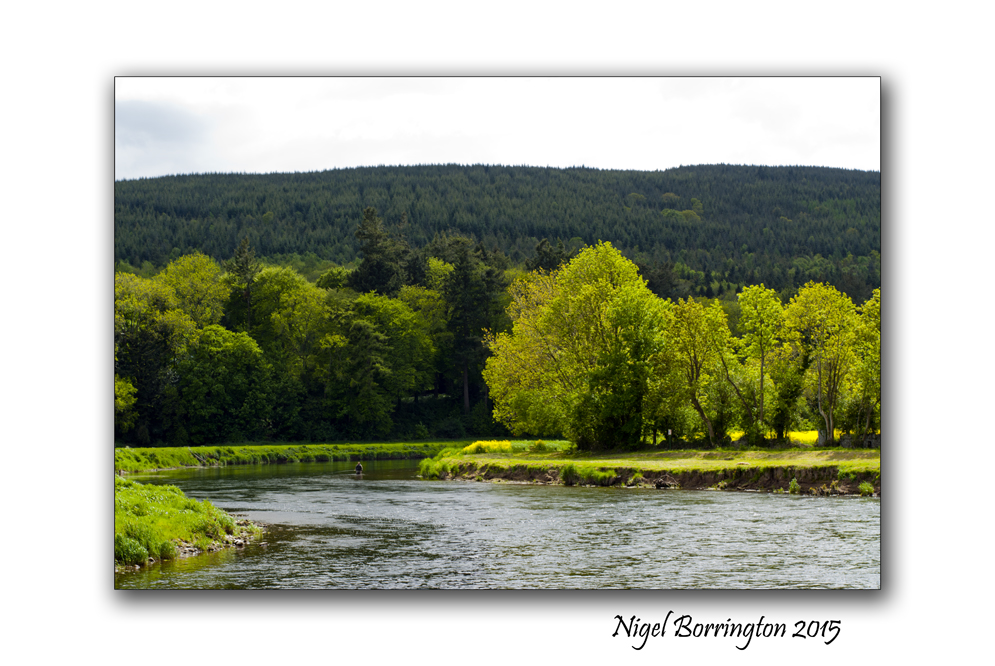
Happy 1st of May to everyone, it is Beltane in the Pagan and Celtic calendar ….

1st of May and its Beltane
Kilkenny Landscape Photography : Nigel Borrington
Beltane or Beltain
(/ˈbɛl.teɪn/)is the Gaelic May Day festival. Most commonly it is held on 1 May, or about halfway between the spring equinox and the summer solstice. Historically, it was widely observed throughout Ireland, Scotland and the Isle of Man. In Irish it is Bealtaine ([ˈbʲal̪ˠt̪ˠənʲə]), in Scottish Gaelic Bealltainn ([ˈpjaul̪ˠt̪ˠɪɲ]) and in Manx Gaelic Boaltinn or Boaldyn. It is one of the four Gaelic seasonal festivals—along with Samhain, Imbolc and Lughnasadh—and is similar to the Welsh Calan Mai.

Beltane is mentioned in some of the earliest Irish literature and it is associated with important events in Irish mythology. It marked the beginning of summer and was when cattle were driven out to the summer pastures. Rituals were performed to protect the cattle, crops and people, and to encourage growth. Special bonfires were kindled, and their flames, smoke and ashes were deemed to have protective powers. The people and their cattle would walk around the bonfire, or between two bonfires, and sometimes leap over the flames or embers. All household fires would be doused and then re-lit from the Beltane bonfire. These gatherings would be accompanied by a feast, and some of the food and drink would be offered to the aos sí. Doors, windows, byres and the cattle themselves would be decorated with yellow May flowers, perhaps because they evoked fire. In parts of Ireland, people would make a May Bush; a thorn bush decorated with flowers, ribbons and bright shells. Holy wells were also visited, while Beltane dew was thought to bring beauty and maintain youthfulness. Many of these customs were part of May Day or Midsummer festivals in other parts of Great Britain and Europe.
Historic Beltane customs
Beltane was one of four Gaelic seasonal festivals: Samhain (~1 November), Imbolc (~1 February), Beltane (~1 May) and Lughnasadh (~1 August). Beltane marked the beginning of the pastoral summer season, when livestock were driven out to the summer pastures. Rituals were held at that time to protect them from harm, both natural and supernatural, and this mainly involved the “symbolic use of fire”. There were also rituals to protect crops, dairy products and people, and to encourage growth. The aos sí (often referred to as spirits or fairies) were thought to be especially active at Beltane (as at Samhain) and the goal of many Beltane rituals was to appease them. Most scholars see the aos sí as remnants of the pagan gods and nature spirits. Beltaine was a “spring time festival of optimism” during which “fertility ritual again was important, perhaps connecting with the waxing power of the sun”.
On The Beach – A Poem by Michael Williams
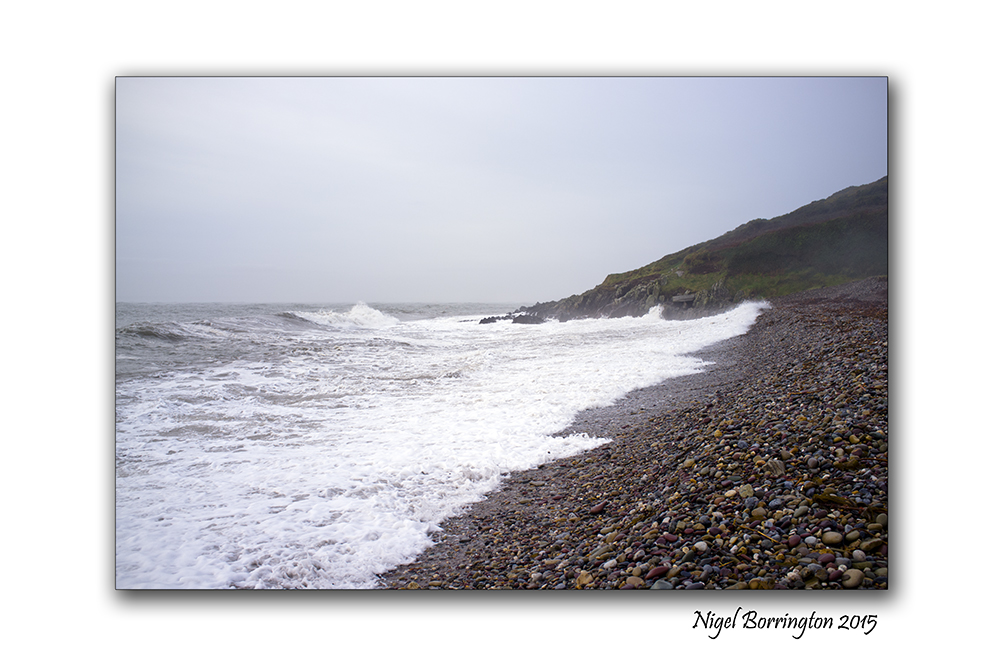
Beach Photography
Nigel Borrington
On The Beach –
A Poem by Michael Williams
At dawn, bare footed, viewing as far as eyes can reach,
the water’s edge advances and recedes along the beach.
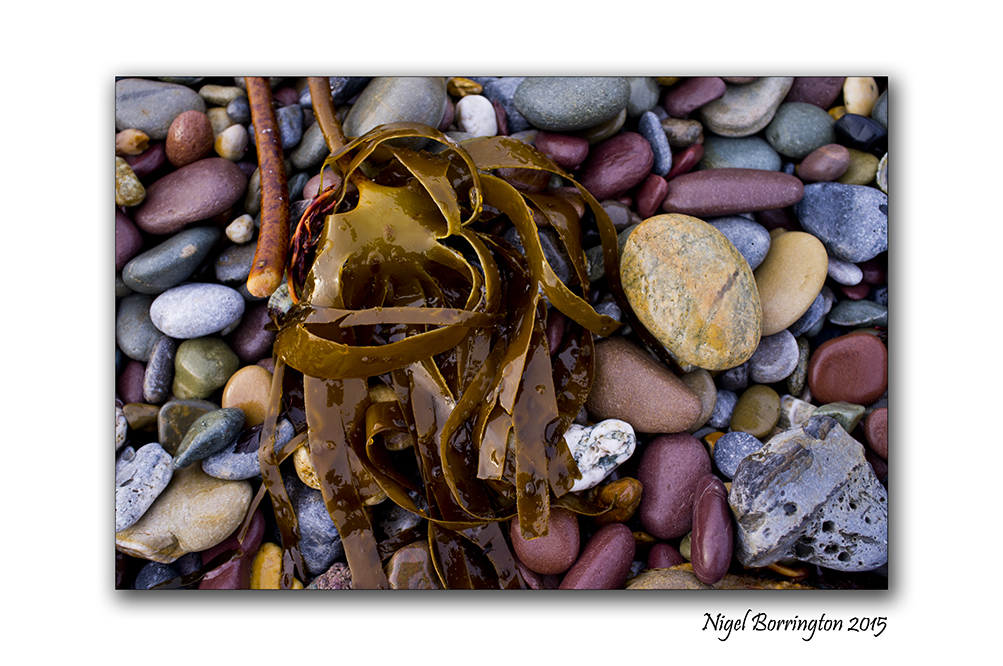
Before me I see a carpet of half-buried shells of sea-creatures,
tide washed and rippled in sodden sand along the beach.
I move, exploring, sodden sand oozing between my toes,
beyond me the wavelets breaking on the sand along the beach.
 .
.
Behind me, my wandering trail is blurred and indistinct,
as the water’s edge advances and recedes along the beach.
At mid-day, on the soft dry sand behind the water’s edge,
undressed worshippers lie in the sun that beats down along the beach.
 .
.
At night, the moon’s reflection at the water’s edge
resembles sea serpents playing in the wavelets along the beach.
When Dorothea Lange Visited Ireland in 1954
![Dorothea Lange A Chat at the O’Halloran Farm [Ireland]](https://nigelborrington.com/wp-content/uploads/2015/04/dorothea-lange-a-chat-at-the-o_halloran-farm.jpeg)
Dorothea Lange A Chat at the O’Halloran Farm [Ireland]
It is amazing the range of her photography work and telling just how brave and out there she was to capture the vast majority of her subjects. During the great depression in the USA she captured the massive Migrant of farmers from east to west (Dorothea Lange : Migrant Farm Families ).
I have studied much of her great depression images and I am in love and have total admiration with them as a body of work, a hugely important historic study !!!!
One body of Dorothea’s work that I have until recently not looked at, is here images of 1950’s Ireland, I have shared a couple here, living in Ireland for this last ten years or so I have visited and photographed many of the locations she visited – so its wonderful to see these images and amazing to compare just how much life and these places has changed.
I am only starting to collect some books and look at the images from her 1954 Irish visit, however as you cam see the b
lack and white film images she took at just amazing !!!!
![Dorothea Lange Michael Kenneally on His 30 Acres [Ireland]](https://nigelborrington.com/wp-content/uploads/2015/04/dorothea-lange-ireland.jpeg)
Dorothea Lange Michael Kenneally on His 30 Acres [Ireland]
A Thursdays evening walk at the bay …..

Thursday evening Landscapes
Irish Landscapes : Nigel Borrington
Just a quick image share today 🙂
It is hard to believe that after all the long winter months with their dark evenings, at last we are here in the early days of the summer 2015.
Its has been a perfect start to the summer here in Ireland with long warm days right from the beginning of the Easter Holidays.
I cannot wait for the long warm evenings, with long walks until the sunsets ……….
Summer evenings Gallery


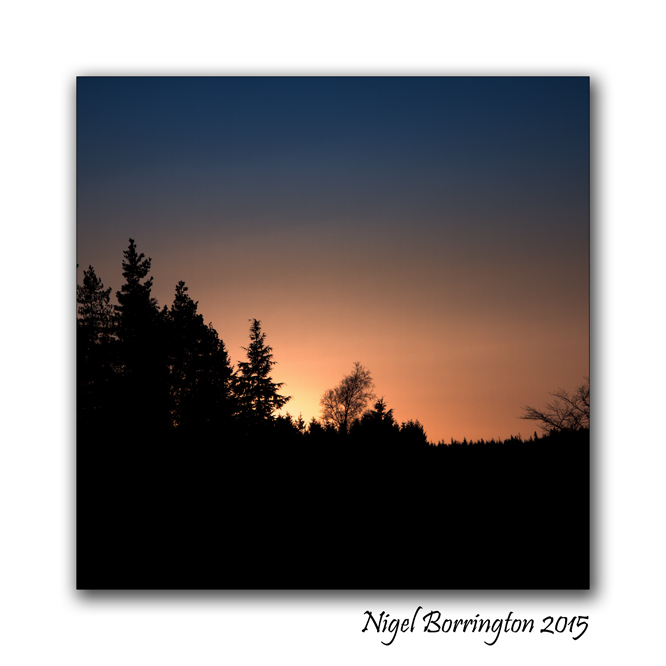
Do Not Go Gentle Into That Good Night – Poem by : Dylan Thomas

Do Not Go Gentle Into That Good Night
Photography : Nigel Borrington
Do Not Go Gentle Into That Good Night
By : Dylan Thomas
Do not go gentle into that good night,
Old age should burn and rave at close of day;
Rage, rage against the dying of the light.
Though wise men at their end know dark is right,
Because their words had forked no lightning they
Do not go gentle into that good night.
 .
.
Good men, the last wave by, crying how bright
Their frail deeds might have danced in a green bay,
Rage, rage against the dying of the light.
Wild men who caught and sang the sun in flight,
And learn, too late, they grieved it on its way,
Do not go gentle into that good night.
 .
.
Grave men, near death, who see with blinding sight
Blind eyes could blaze like meteors and be gay,
Rage, rage against the dying of the light.
And you, my father, there on that sad height,
Curse, bless, me now with your fierce tears, I pray.
Do not go gentle into that good night.
Rage, rage against the dying of the light.
MIR-1 37mm f/2.8 lens , from 1954 to 2015 – Using old lens

Mir 1b 37mm f2.8 m42 lens
Nigel Borrington
Its a while since I posted anything about photography equipment, even though I do keep one eye on making sure I have what I feel to be very good cameras and lenses (Mainly Nikons) , I don’t feel that equipment is what photography is really all about. To me photography is about capturing the world around me and so long As I feel my camera can still do this I am very happy.
Old lenses
At the Same time some of the lenses I have, have been with me for many years and I have used then with many subjects and at many locations with both film and digital cameras.

My MIR 37mm f2.8 lens, I have had since my very first SLR camera back in the 1980’s and I still have complete confidence in it 🙂 even using a Pentax K3 24 megapixel SLR.
Why Pentax ? , The lens is an M42 lens which means that it connects to a camera body using an adapter and the best camera bodies on the Market for using these lenses are Pentax SLR bodies as they only need a metal lens mount adaptor that allows the lens to function without any changes in focus distance, basically all the lenses setting and scales work as they were originally intended to.

There are many things I love about using this lens. the focusing is manual as is the setting of the lens apertures but however the dials used for both these settings are just perfect in operation, no modern plastic jumpy manual focus rings here- just smooth and perfectly controlled movements. One thing also great about this lens is the fact that there are no click stops for the aperture blades , there are marking that show ” f 2.8, 4, 5.6, 8. 11 and 16″ but you can set the blades to any setting in between, this is a huge help for video !!
Another great thing for Video is that this lens is 100% silent , simply no noise feeds back through the camera body !!
The back of the lens shows depth of field and focus distant marks, its not a macro lens as its closest distance is only .7 meters so Landscapes only here !
Some History

The production of this lens originally started all the way back in 1954. It was manufactured in USSR (along with my favourite Helios 44-2) and was mainly made in 2 mounts, M39 and more popular M42 (although both are adaptable to modern cameras). The design of the lens was based on Carl Zeiss Jena Flektogon 35mm f/2.8 and unlike Helios 44-2 was not a complete clone, but using same optical formal as Flektogon 35mm f/2.8, which is definitely a good sign considering how much more affordable they are than just about any Zeiss glass.
In 1958 Mir-1 received a prestigious Grand-Prix Award during the Brussels World Fair. Russians were probably so proud of the award that every Mir-1 lens produced since the 1958 World Fair, sports the “Grand Prix Brussels 1958” inscription on the side of the lens, so don’t mistake these lenses for some sort of special/limited edition.
Lens Flare
Another great asset of this lens is the lens flare it can produce , this link shows some lovely deep spherical Studio flare results 🙂
.Compared to other Classic M42 lenses and modern lenses
.MIR 37mm f2.8 Gallery
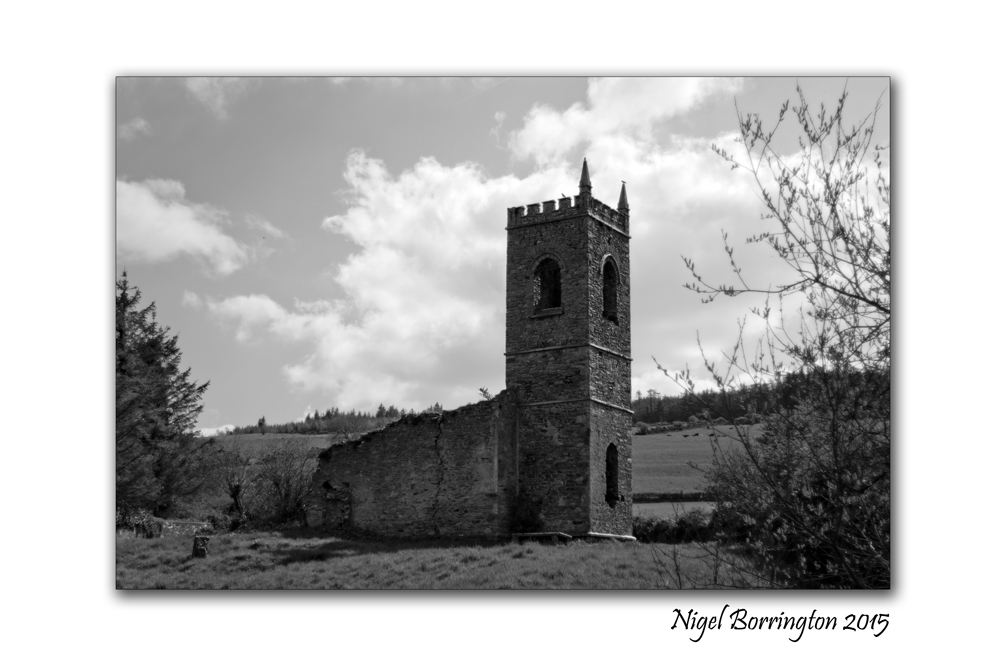
The following are some local Kilkenny landscape images that I feel show just how good this lens still is at capturing some great sharp and contrasty black and white images , even with 24 megapixels to expose any defects!


Mornings and Coffee, Poem By : Gabryela Speaks
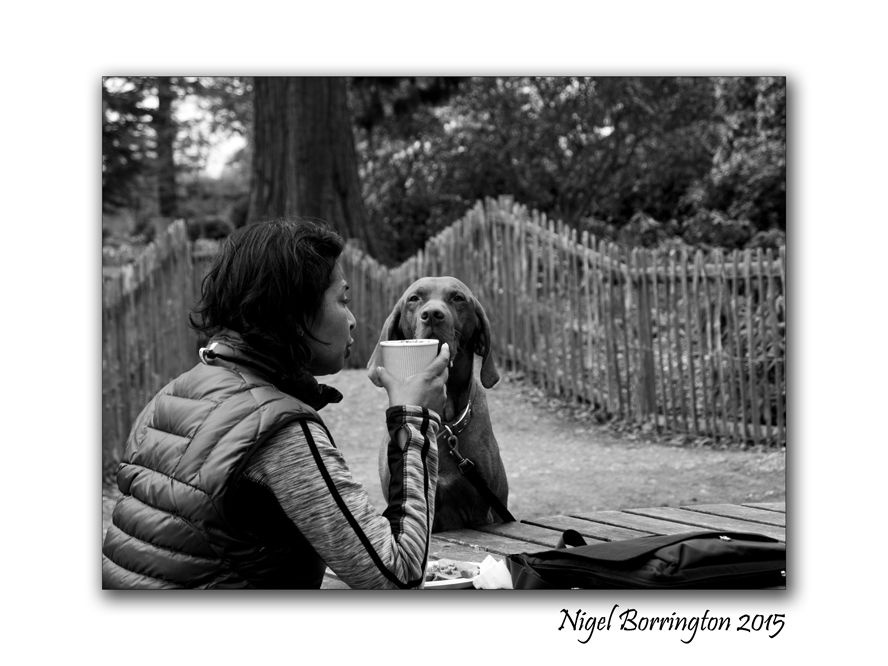
Morning Coffee
Image : Nigel Borrington
Mornings and Coffee
By : Gabryela Speaks
Feb 2 2015
Cold mornings, warm coffee
The aroma comforts me
Pushing the freezing moment
of having to recall you.
You used to sit with me.
You would look into my eyes,
flash a beautiful smile
and I always wonder
what you see
But one day,
you stopped being you.
Three Poems with the title : Primrose

Springtime Primrose
Nature Photography : Nigel Borrington
Primrose
By Pud
Primrose Stirs Lifts Up Her Head
Stands Up Tall On Softened Bed
Resurrected, As Winter Dreams
Primrose Smiles Or So It Seems

Primrose
By : Charlotte
You looked at me as if I were a
primrose
A delicate flower
with tiny petals
opening up to you
with little thorns to prick you with
when you make me angry
You plucked me up
away from the sun
and the moon
and the sky
and my little primrose friends
You put me in an expensive vase,
caring for me the best you could.
But sometimes you go away,
and alone
I am wilting

Primrose
William Carlos Williams
(1883 – 1963)
Yellow, yellow, yellow, yellow!
It is not a color.
It is summer!
It is the wind on a willow,
the lap of waves, the shadow
under a bush, a bird, a bluebird,
three herons, a dead hawk
rotting on a pole—
Clear yellow!
It is a piece of blue paper
in the grass or a threecluster of
green walnuts swaying, children
playing croquet or one boy
fishing, a man
swinging his pink fists
as he walks—
It is ladysthumb, forget-me-nots
in the ditch, moss under
the flange of the carrail, the
wavy lines in split rock, a
great oaktree—
It is a disinclination to be
five red petals or a rose, it is
a cluster of birdsbreast flowers
on a red stem six feet high,
four open yellow petals
above sepals curled
backward into reverse spikes—
Tufts of purple grass spot the
green meadow and clouds the sky.
My father moved through dooms of love , By : E. E. Cummings, 1894 – 1962

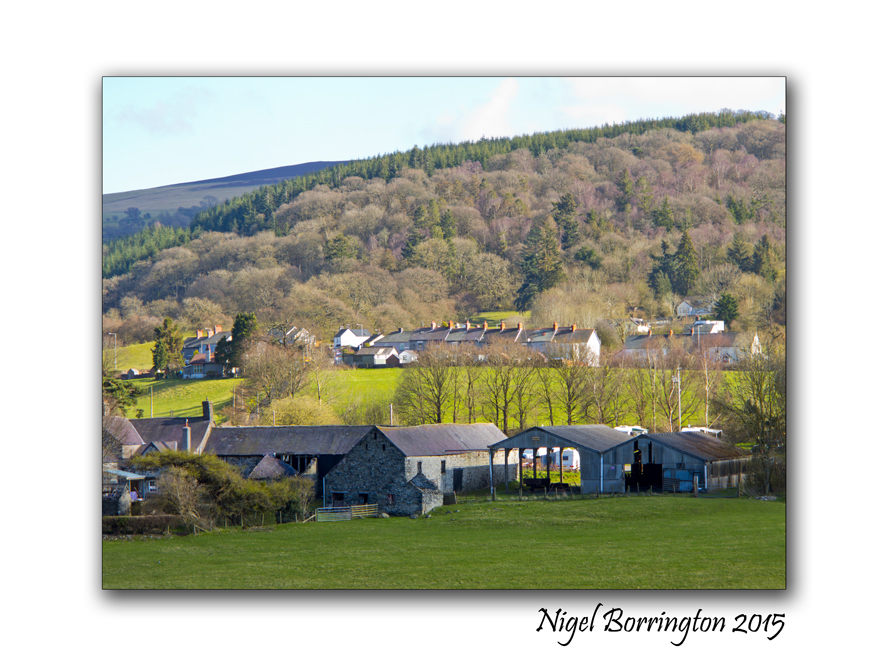
Pentredwr, Hourseshoe pass,
Llangollen,
North Wales
Landscape Photography Nigel Borrington
Its a personal post this one but a post I very much enjoyed getting together !!!
My Father and Mother sadly split when I was six years of age, something that these days I have very much been a peace with.
Over the last few years through accident more that any planning, I found the place he spend the last few years of his life with his second wife and family. He moved to a village “Pentredwr” in a valley near the horseshoe pass, Llangollen , North wales, Its a truly beautiful part of the world.
I visited again during the Easter Holidays and took these pictures of the landscape he must have enjoyed for so many years 🙂 🙂
my father moved through dooms of love
By E. E. Cummings, 1894 – 1962
My father moved through dooms of love
through sames of am through haves of give,
singing each morning out of each night
my father moved through depths of height
this motionless forgetful where
turned at his glance to shining here;
that if(so timid air is firm)
under his eyes would stir and squirm
 .
.
newly as from unburied which
floats the first who,his april touch
drove sleeping selves to swarm their fates
woke dreamers to their ghostly roots
and should some why completely weep
my father’s fingers brought her sleep:
vainly no smallest voice might cry
for he could feel the mountains grow.
Lifting the valleys of the sea
my father moved through griefs of joy;
praising a forehead called the moon
singing desire into begin
joy was his song and joy so pure
a heart of star by him could steer
and pure so now and now so yes
the wrists of twilight would rejoice
 .
.
keen as midsummer’s keen beyond
conceiving mind of sun will stand,
so strictly(over utmost him
so hugely) stood my father’s dream
his flesh was flesh his blood was blood:
no hungry man but wished him food;
no cripple wouldn’t creep one mile
uphill to only see him smile.
Scorning the Pomp of must and shall
my father moved through dooms of feel;
his anger was as right as rain
his pity was as green as grain
septembering arms of year extend
less humbly wealth to foe and friend
than he to foolish and to wise
offered immeasurable is
 .
.
proudly and(by octobering flame
beckoned)as earth will downward climb,
so naked for immortal work
his shoulders marched against the dark
his sorrow was as true as bread:
no liar looked him in the head;
if every friend became his foe
he’d laugh and build a world with snow.
My father moved through theys of we,
singing each new leaf out of each tree
(and every child was sure that spring
danced when she heard my father sing)
then let men kill which cannot share,
let blood and flesh be mud and mire,
scheming imagine,passion willed,
freedom a drug that’s bought and sold
 .
.
giving to steal and cruel kind,
a heart to fear,to doubt a mind,
to differ a disease of same,
conform the pinnacle of am
though dull were all we taste as bright,
bitter all utterly things sweet,
maggoty minus and dumb death
all we inherit,all bequeath
and nothing quite so least as truth
—i say though hate were why men breathe—
because my Father lived his soul
love is the whole and more than all
St Anne’s Pier, a Sunset beach walk…..
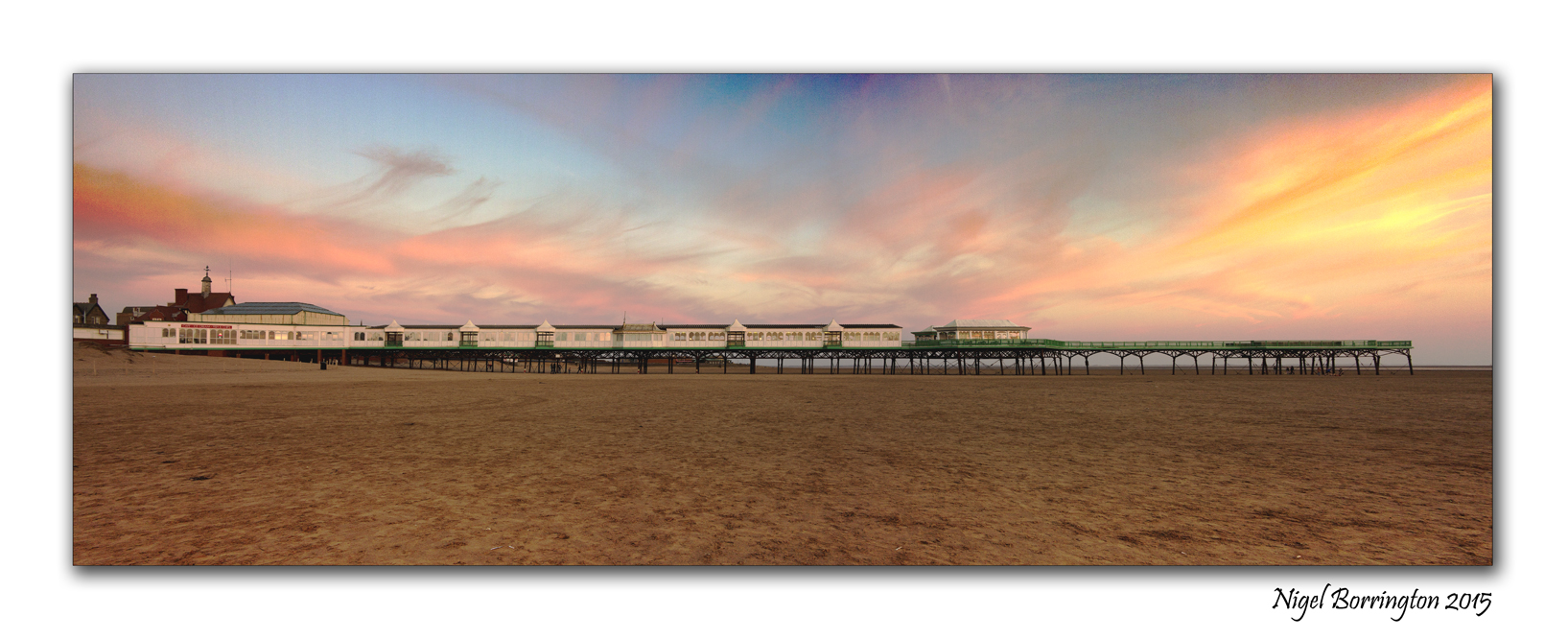
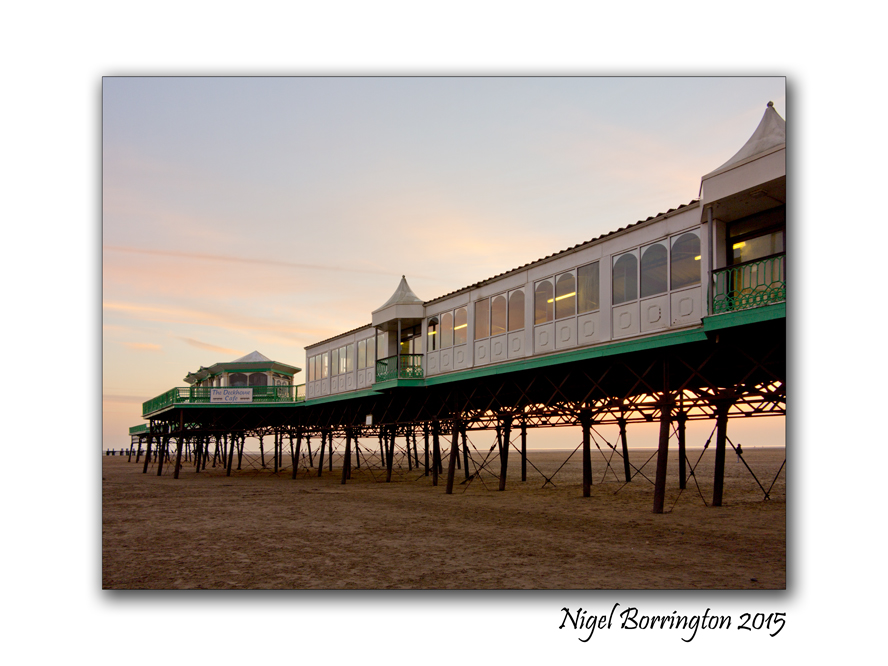
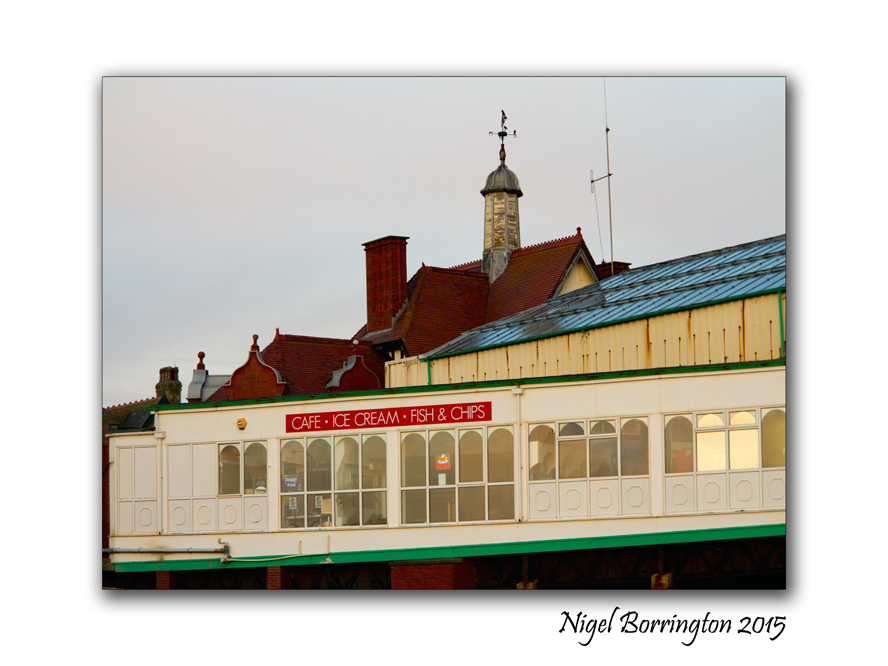
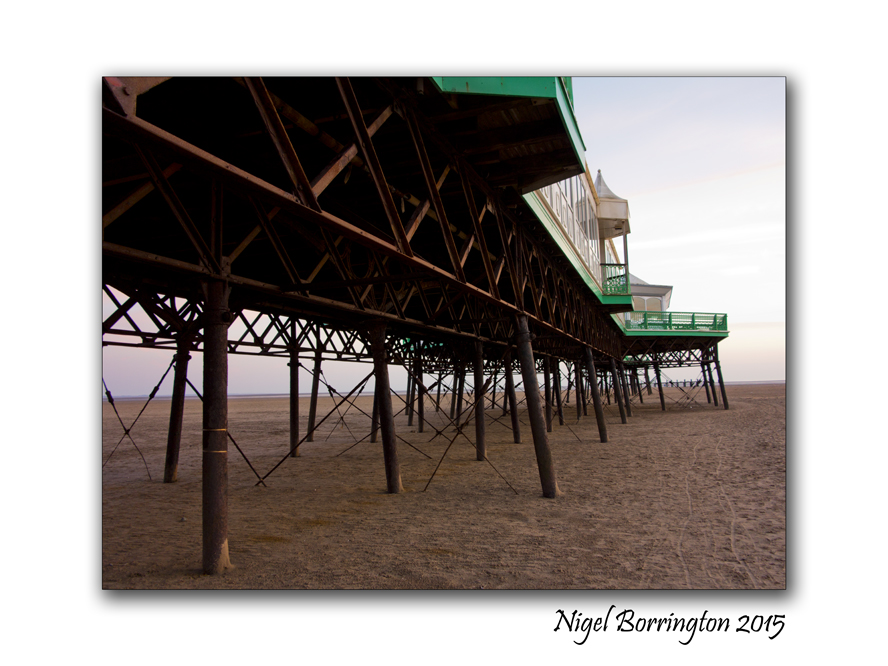
St Anne’s Pier,
St Anne’s-on-the-Sea, Lancashire
Landscape Photography : Nigel Borrington
Well I am back on my Blog following a great Easter holiday, spent visiting much loved family and friends. It was great to see them and to visit some great locations and share some time with, food and drinks and chat.
My Aunt lives near the town of St Anne’s Lancashire, located in the north west of England.
I can remember visiting the town as a kid and one of the most exciting locations was the Pier.
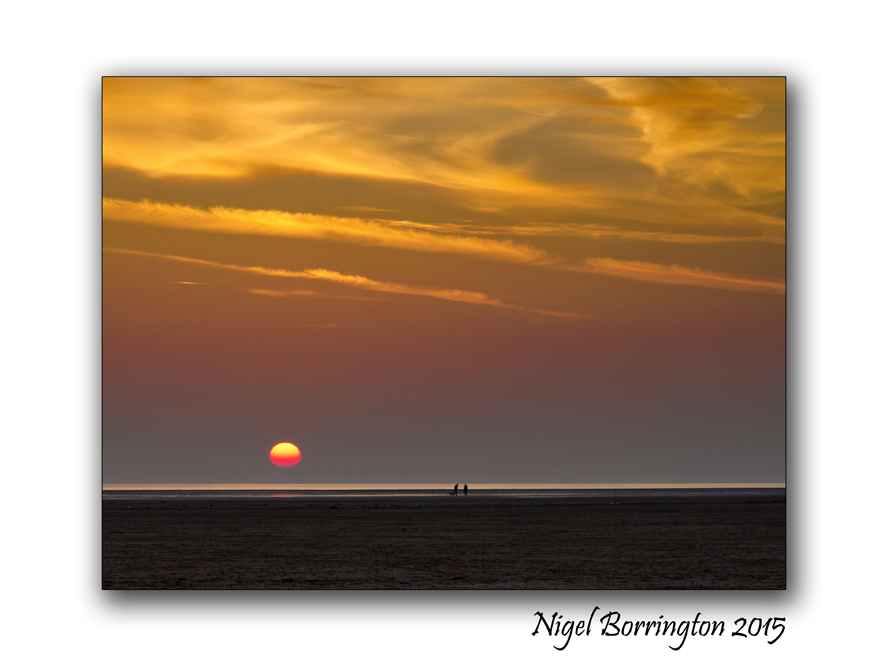
Half way through this last visit I took an evening walk to the Pier and took this series of images.
These days the Pier looks a little less visited than I remember when I was younger but its looking in great condition and it was perfect to see in just as the sunset out at sea…..
St Anne’s Pier, St Anne’s-on-the-Sea, Lancashire, UK
St Anne’s Pier is a Victorian era pleasure pier in the English seaside resort of St Anne’s-on-the-Sea, Lancashire. It lies on the estuary of the River Ribble. The pier, designed by A. Dowson, was completed in 1885 and was one of the earliest public buildings in St Anne’s, a 19th-century planned town. The pier was originally intended to be a sedate promenading venue for the resort’s visitors, but attractions were later added. Changes made to the estuary channels to improve access to Preston Dock left the pier on dry land and ended its steamer services to Blackpool and Liverpool.
A Tudor-style entrance was built in 1899. Early 20th-century additions included a Moorish-style pavilion in 1904 and the Floral Hall in 1910. The Moorish Pavilion was destroyed by fire in 1974, shortly after the town’s centenary; the Floral Hall burned down in 1982. Originally 914 feet (279 m) long, the pier was reduced to 600 feet (180 m) by the demolition of the seaward end. English Heritage has designated the pier a Grade II listed building.
St Anne’s-on-the-Sea is a planned seaside resort on the Fylde coast, at the mouth of the River Ribble, in Lancashire. It was developed in the 19th century, largely by the St Anne’s Land & Building Company. The company was formed in 1874 and leased land for the new town from the estate of the local Clifton family. Towards the end of the 19th century, pleasure piers became a common feature of English seaside resorts, and by the 1870s there were already two piers in nearby Blackpool, one in Southport and one 3.5 miles (5.6 km) away in Lytham. The wording of the land company’s original lease indicates that a pier was probably planned for St Anne’s from its beginning. A subsidiary, the St Anne’s-on-the-Sea Pier and Improvements Company was formed in 1877. The company directors believed that a pier at St Anne’s would offer visitors better conditions for fishing and boating than those at neighbouring resorts.
St Anne’s Pier, a Sunset walk beach walk : Image Gallery


Friday , Beach Photography day. – Taking some Easter down time :)

Irish Beach Photography
County Waterford
Nigel Borrington
Over the next two weeks of the Easter Holidays, I am taking some Offline time, I just want to get the garden ready for the summer,read and walk and maybe visit a beach or two.
I just want to say thanks to everyone for all your great comments and likes here 🙂 🙂 over the months and I look forward to sharing much more of Ireland and reading your great posts when I get back online – have a great holiday period !!!
Friday Is Beach Photography day
Taking a Friday evening trip down to the beach’s along the Waterford coastline is something I love to do in the summer months and I am very much looking forward to doing so again this summer.
I hope to get lots more images to post and share here 🙂
Beach Photography , Friday


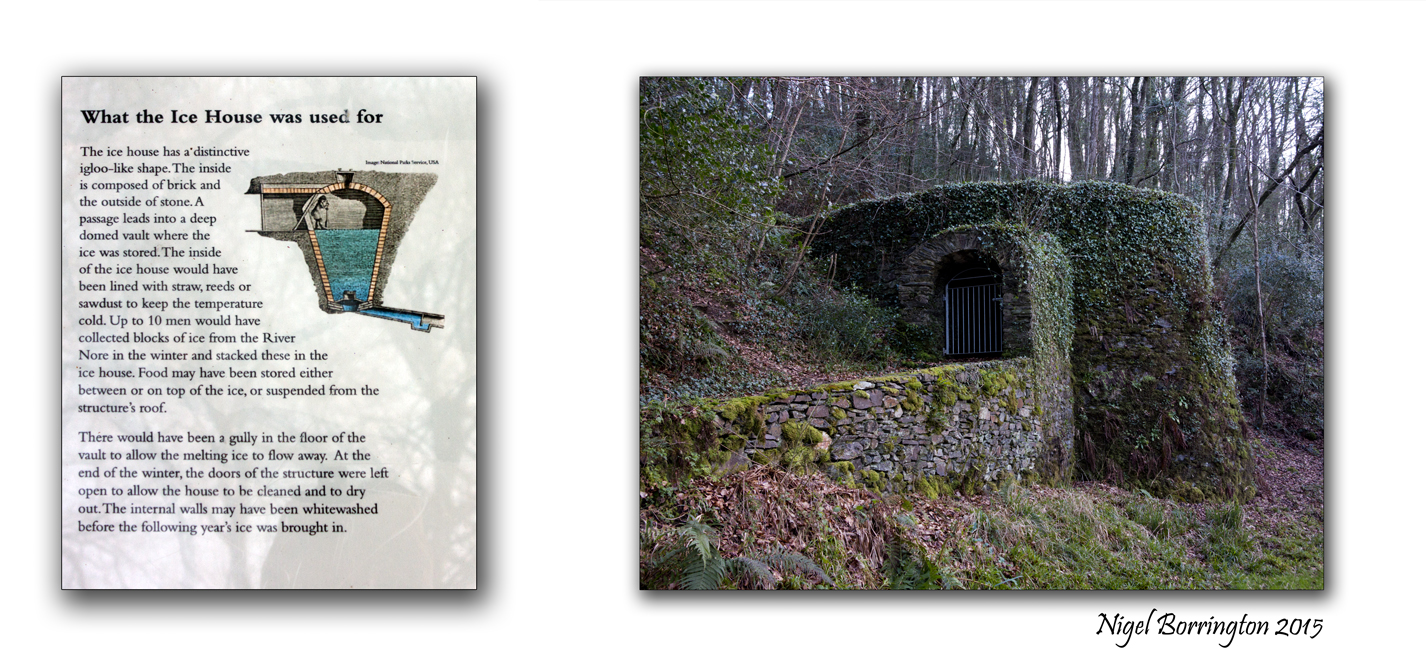
The Ice house , Woodstock Gardens , County Kilkenny
The Ice House,
Woodstock Gardens, Co. Kilkenny
Irish Landscape Photography : Nigel Borrington
Woodstock Gardens, County Kilkenny – dates back to 1737.
The Gardens and the remains of the old house are one of county Kilkenny’s most popular locations, located above the River Nore and the small town of Inistioge.
The Ice house is most likely less known, as it is located on the banks of the river Nore on the very limits of the grounds, it is however one of the best preserved ICE houses you could wish to find.
The details on the information board nearby are a little unclear as to when this building was constructed but it is considered to be sometime in the 1800’s, it was used for visitors to the smaller river side lodge, named the “Red House”.
The ‘Red House’ was a hunting lodge that at the time could only be accessed via boat along the river, today however you can find this location via a half an hour walk from the town of Inistioge.
A General History of ice houses

The Romans were the first to build ice houses, though not very widely in the UK and Not at all in Ireland. Ice houses were usually built close to sources of winter ice, such as freshwater lakes. In the 17th century, grand country houses followed the fashion of having one built, and then ice houses fell from fashion until about the late 18th century.
—————–
Uses of ice houses

On country estates from about 1660, the ice was mainly used not to chill food, but for its own sake: for ice creams and increasingly popular desserts such as syllabubs.
Meat and fish did not need to be preserved on a large estate because they could simply be caught from estate lakes and ponds when needed. Ice was also used for medicinal purposes: to treat fever and inflammation. At one time, a common prescription for indigestion was being told to suck on ice.
—————–
Woodstock House,
now a ruin, was for generations the home to the Tighe family. In 1737, the twenty-six-year-old Sir William Fownes inherited the estate and commissioned an elegant mansion, completed in 1745. He hoped to establish himself with the gentry of the area and to impress the 2nd Viscount Duncannon, soon to become the first Earl of Bessborough, whose daughter Elisabeth he planned to marry. Over the next forty-five years, Woodstock was the background to a series of dramas that led to the deaths of William, Elisabeth and their son-in-law William Tighe.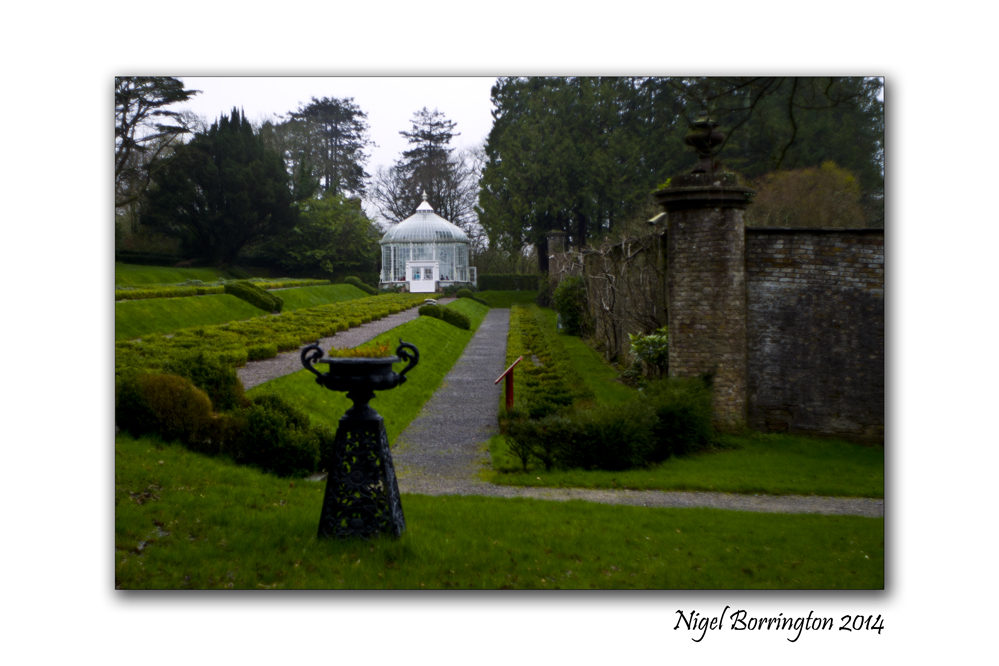
Many gardens and walks were laid out between 1840 and 1900 by another William Tighe and his wife Lady Louisa Lennox.[1] The gardens contain many exotic plants from Asia and South America, including the Monkey Puzzle tree and the Noble Fir tree which form two of the walks in the gardens,[2] as well as specimens of the Coast Redwood.
In 1921, the property was occupied by the Black and Tans and Auxiliaries, which caused much local resentment, and then by troops of the Free State Army, who were withdrawn from the premises during the Irish Civil War, on 1 July 1922. The house, left unguarded, was burnt down the next day, and remains a derelict empty shell, overgrown with vegetation

The River Nore, County Kilkenny,
located below the Ice House.
Nigel Borrington
Twilight on the Beach : A poem by : Mary Dow Brine

When Twilight falls upon the beach,
Irish Landscape Photography : Nigel Borrington
Twilight on the Beach.
By : Mary Dow Brine
The crimson glory of the setting sun
Hath lain a moment on the ocean’s breast,
Till twilight shadows, gathering one by one,
Bring us the tidings, day is gone to rest.
Far out upon the waters, like a veil,
The mists of evening rise and stretch away
Between the horizon and the distant sail,
And earth and sea are clothed in sombre gray.

The tide comes higher up the smooth, wide beach,
Singing the song it has for ages sung;
Recedes, and carries far beyond our reach
The freight my idle hands have seaward flung.
Over the white-capped waves the seagulls soar
With heavy-flapping wing and restless cry,
As darkness spreads its deeper mantle o’er
The changing shadows of the twilight sky.
 .
.
No voice but mine to mingle with the sound
Of ocean’s melody- as one by one
The stars light up the vast concave around,
And live the glory that is never done.
Still higher creeps the tide with subtle power,
And still the waves advance with sullen roar;
But with the last faint gleam of twilight hour
I turn me homeward from the lonely shore.
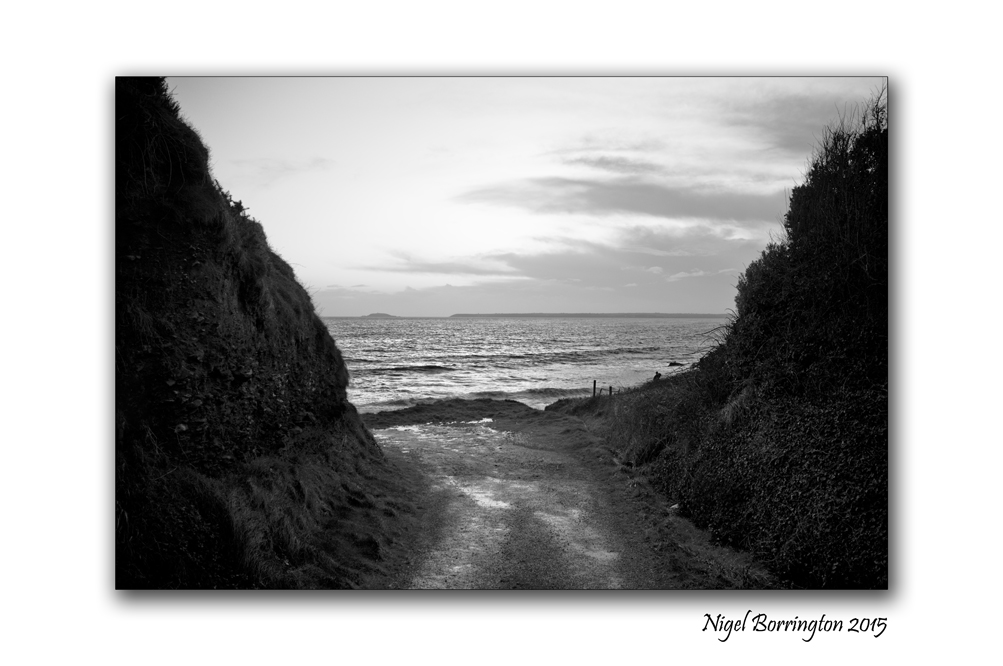
An Evening walk above – Clonmel , County Tipperary , (Image Gallery)
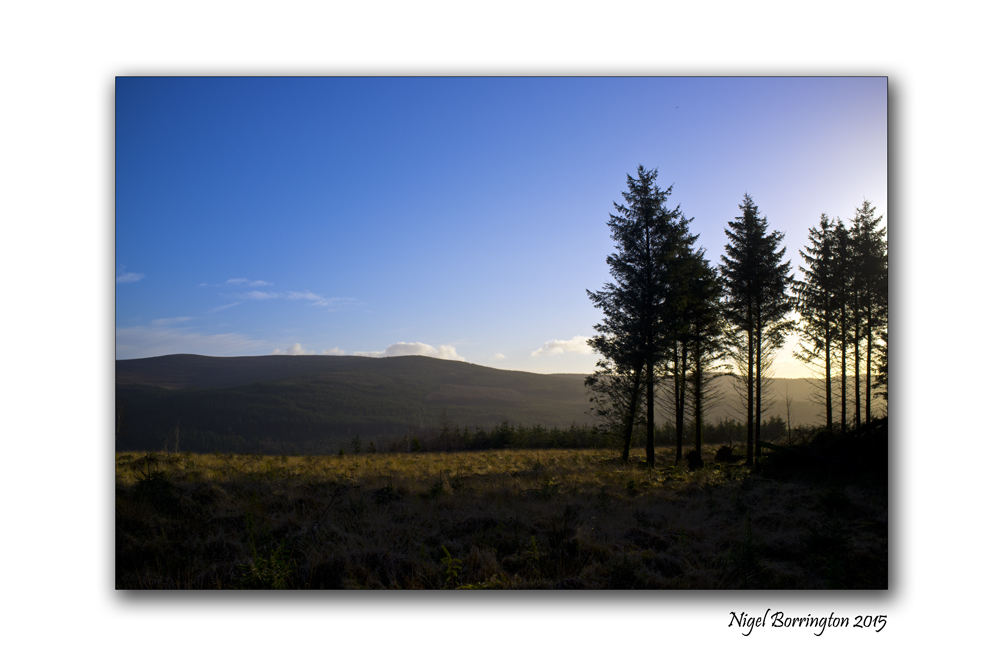
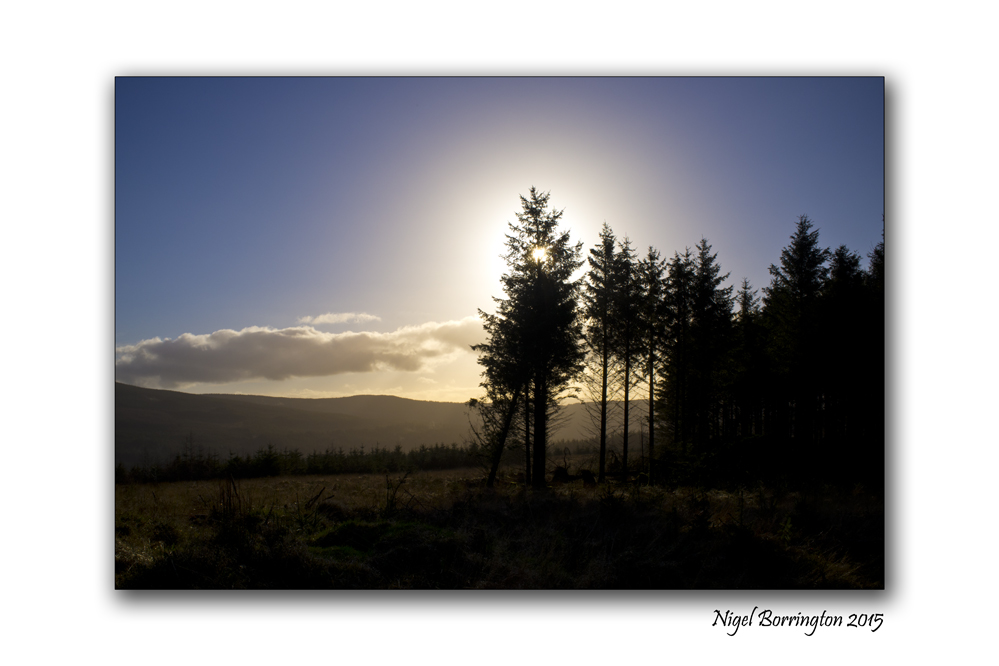
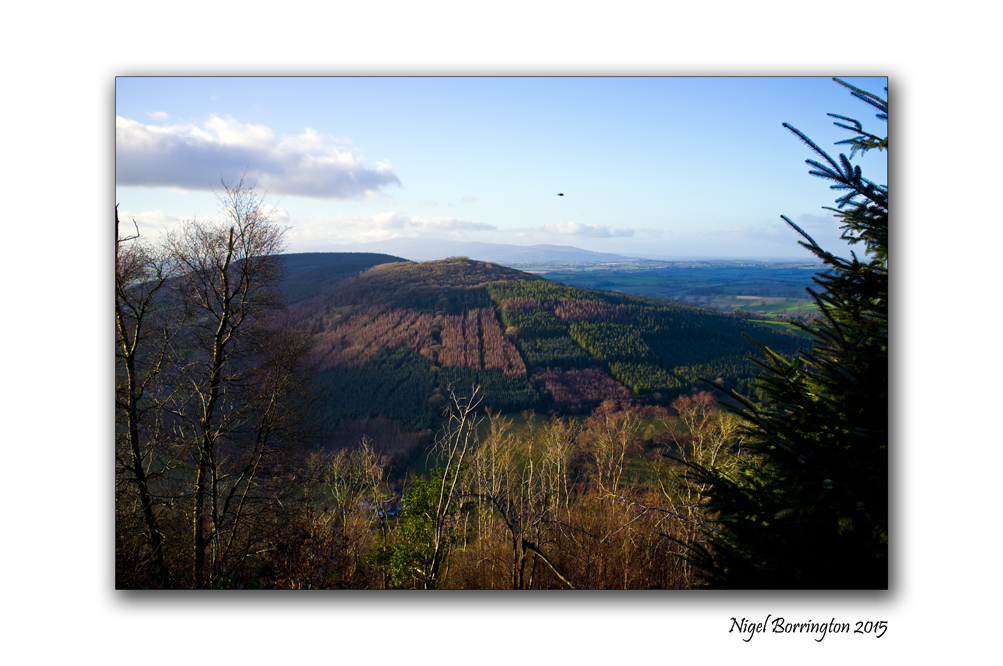
An Evening Walk in the hillside woodland,
Clonmel, County Tipperary,
Irish Landscape Photography : Nigel Borrington
I just love taking a evening walk at this time of year, the evenings are staying lighter but we still get the chance to be out when the sun is very low in the sky, ready to set.
These recent images, show just how perfect I feel our local landscape looks in the early springtime evenings, with deep colours.
I love making the most of the Sun in my images, as it sinks behind the forest trees.
Evening walk , March 2015


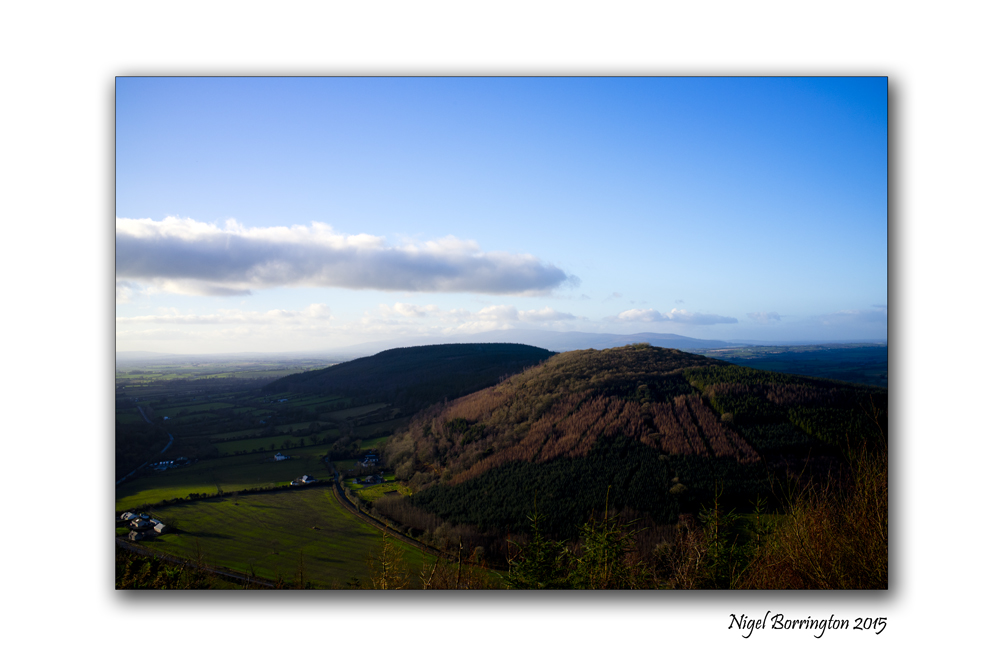
Monday Poems : “Monday Mornings” By : Emily Helen Culver
Monday Mornings
By : Emily Helen Culver
breathing in and out
looking forward, ready to shout
the day might have started
but my brain just won’t function
it’s funny how they demand my attention
yelling out my name
won’t win you this game
keep on playing it
while I lay down and sleep a bit
the weekend hangover
taking over
Monday Poems : Donkey of Brown

Monday Poems : Donkey in Brown
Photography : Nigel Borrington
Well What a weekend we had here in Ireland SUN on SUN , just perfect 🙂 🙂
Its hard to believe its Monday already, my post and included Poem this Morning is just a reminder that while your getting your week going , don’t forget to take the odd moment to slow down and take a look at the world around you, it’s Spring-time so take just a few moments and check out what’s really happening in the world – your meeting / phone call or email can wait for a while 🙂 🙂
Donkey of brown
By : Patricia Higgins
Please let me know
Why is it that you go so slow?
He turned round gently and to me said
I have some sense in my little brown head.
 .
.
By hurrying so as you go by
You miss the beauty in earth and sky.
So I took his advice and looked around,
And I saw diamonds in dew drops on the ground.
Daises that dance in the sun’s golden ray,
Things I missed as I hurried each day.
Gold in the buttercups, clouds in the blue,
What the donkey had said was perfectly true.
Saturday Morning on the Mountain : Slievenamon . Co, Tipperary

The Mountain of Slievenamon,
County Tipperary
Landscape Photography : Nigel Borrington
Its the weekend, so its a great time to get outside, Relax, walk or just sit and take in the landscape around you 🙂
From yesterday the Spring Equinox, the days are getting longer all the way until the 21st of June, the long evening will soon be here 🙂 🙂


Celebrating the Spring Equinox 2015, with its Pagan traditions

Sunrise behind the standing stone.
Knockmealdown Mountains.
County Waterford.
Irish landscape Photography : Nigel Borrington
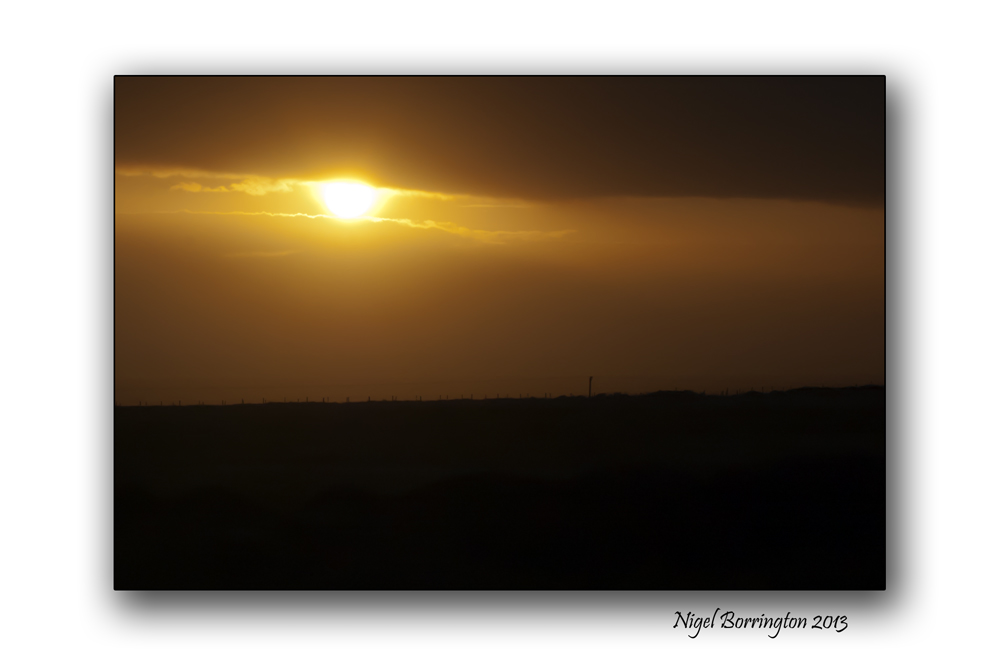
The Spring equinox 2015 celebrating
Today marks the arrival of spring, the date of the vernal equinox, or spring equinox as it is known in the northern hemisphere. Spring equinox. During an equinox, the Earth’s North and South poles are not tilted toward or away from the sun. (Ref :Wikipedia)

This means the sun will rise exactly in the east and travel through the sky for 12 hours before setting in the exactly west.An equinox happens twice a year around March 20 and September 22 when the Earth’s equator passes through the centre of the sun.
For those in the southern hemisphere, this time is the autumnal equinox that is taking people into their winter.
In English there is open access to Stonehenge tomorrow. Access will be from 05:45am until 08:30am.
Druids and Pagans like to gather at Stonehenge early in the morning to mark the Spring Equinox, to see the sunrise above the stones.

The Pagans consider this is the time of the ancient Saxon goddess, Eostre, who stands for new beginnings and fertility. This is why she is symbolized by eggs (new life) and rabbits/hares (fertility). Her name is also where we get the female hormone, oestrogen.
From Eostre also come the names “Easter” and “Esther” the Queen of the Jews, heroine of the annual celebration of Purim which was held on March 15. At Easter, Christians rejoice over the resurrection of Jesus after his death, mimicking the rebirth of nature in spring after the long death of winter.
It is also a time to cleanse your immune system with natural remedies. In Wiltshire and other parts of rural Britain it used to be tradition to drink dandelion and burdock cordials as the herbs help to cleanse the blood and are a good tonic for the body after a harsh winter.
The Equinox of the sun : Gallery


 Nigel Borrington
Irish Photographer Francis Browne and his lucky escape from the RMS Titanic …..
Francis Browne’s pictures of the Titanic
April 14th 1912
Francis Browne’s Finest Pictures
In 1985 an Edward O’Donnell was searching in the basement at the Irishjesuit Provincial’s House when he came across a large black metal trunk, in it he found a large colletion of negative albums, photographs and most amazingly of all an album containing photographs of Titanic’s voyage.
All these photographs were the work of Francis Browne who died in 1960 and was almost forgotten by this time. Subsequent investigations revealed he had enjoyed worldwide fame in 1912 when his photographs of the Titanic’s journey to Cobh were published worldwide. He had travelled first class to Cobh having been given a ticket by his uncle Robert Browne, Bishop of Cloyne. His remarkable pictures proved to be unique.
So it was that Frank was presented with a first class ticket for the Maiden Voyage of the Titanic to bring him as far as Cobh. The morning of the 12th.April 1912 he arrived at Waterloo Station in London to catch the Titanic Special. He immediately started taking photographs, first recording the train journey and then life aboard the Titanic on the initial section of the voyage. Having made friends with a wealthy American family he was offered a ticket for the remaining part of the journey and no doubt excitedly telegraphed a request for permission to go on to New York, to which he received the terse response “Get Off That Ship——Provincial!” That telegram not only saved Frank’s life but also meant that this unique record of the voyage was saved for posterity and guaranteed overnight fame for Frank Browne.
Browne later described the event as “the only time holy obedience saved a man’s life.”
“Get Off That Ship——Provincial!” – I guess many have wondered about this instruction ? , its almost prophetic in its nature – I guess we will never know how or why it was such a strong and clear order . I think it relates to the fact that while many embraced the new-world of 1912 technology, many also stood in fear of it and in this case clearly for good reason.
Frank Browne , April 1912 – Titanic Gallery
Share this:
April 28, 2015 | Categories: Comment, photography, photography review, Portrait images, Travel Locations | Tags: 12th April 1912, Classic Photography, cobh, Francis Browne, Historic Photography, Irish photography, Nigel Borrington, photographs, RMS Titanic, Robert Browne, titanic | Leave a comment