Friday Poetry (1) – Evening ghosts along the rivers bank

Ghosts along the river bank
Nigel Borrington
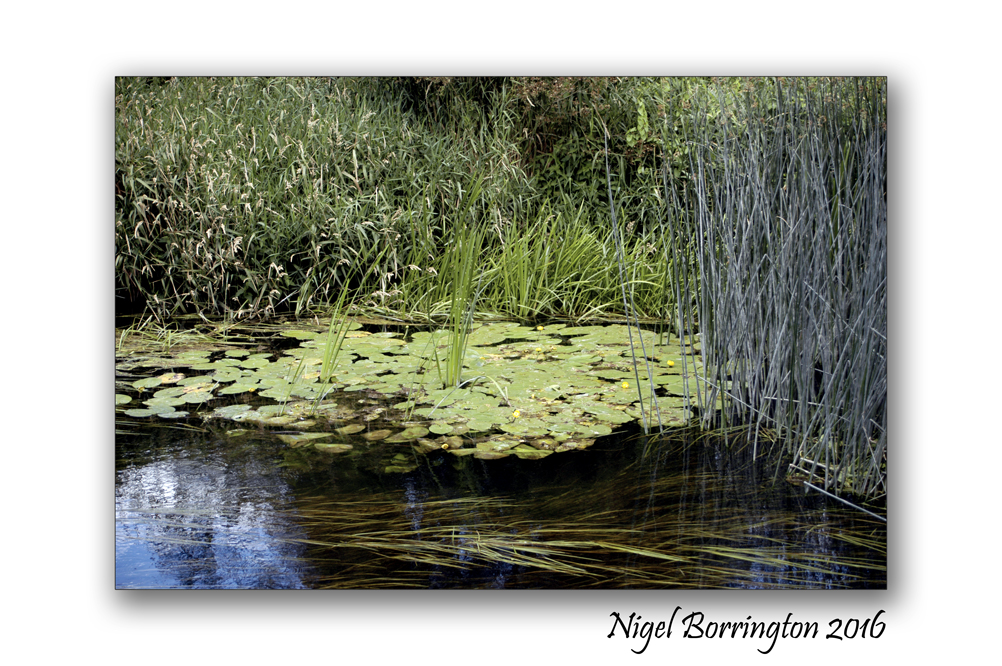
Evening ghosts along the river
I could tell you how the river looks
sketched in evening light;
I know the smell of dew so fresh over the river,
and evening air that parts like tired curtains,
with wet heat that sighs
and slaps the grass when you move on;
I’ve felt what a violin says
to the heart of the river ghosts
over waters edge,
and how an old man’s voice sounds best after smoking,
but a woman’s is best talking.

There are ghosts on these paths,
but they don’t hunger anymore;
hunger is for the living
not satisfied
with morning light.

Spring time Gorse flower in Irish mythology and culture

Gorse flowers
Nigel Borrington
Gorse flowers in the Irish Landscape
Gorse is very common here in county Kilkenny but this does not make it any less loved by many, as it flowers in springtime. Many of the hills sides and woodland areas come to life with their yellow flowers.
Gorse, also known as furze, is a sweet scented, yellow flowered, spiny evergreen shrub that flowers all year round.
In fact, there are several species of gorse that flower at different times of the year making it a much-loved plant for the bees and giving it the appearance of being in bloom all year long. There is an old saying that goes, “When the gorse is out of bloom, kissing is out of season.”
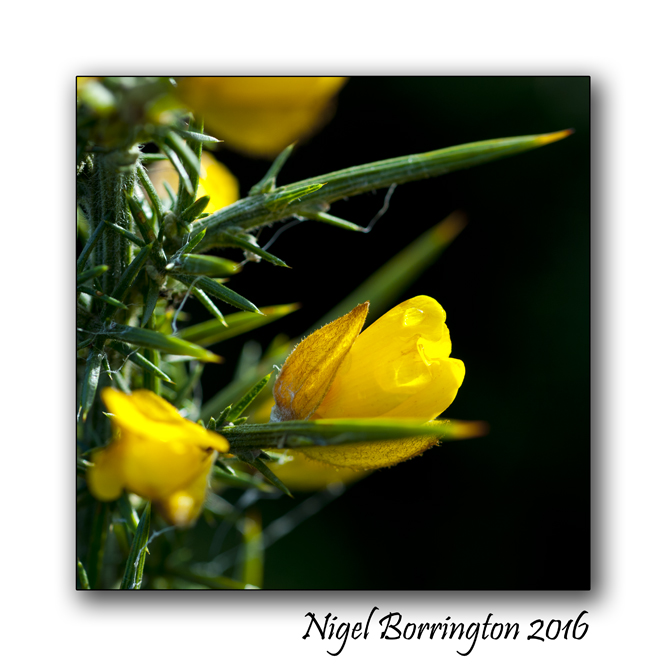
Gorse is often associated with love and fertility. It was for this reason that a sprig of gorse was traditionally added to a bride’s bouquet and gorse torches were ritually burned around livestock to protect against sterility. However, one should never give gorse flowers to another as a gift for it is unlucky for both the giver and receiver.

.
Beltane bonfires
Gorse wood was used as very effective tinder. It has a high oil content which means it burns at a similar high temperature to charcoal. The ashes of the burnt gorse were high in alkali and used to make soap when mixed with animal fat.
Onn, meaning gorse, is the 17th letter of the ogham alphabet. It equates to the English letter O.
In Celtic tradition, gorse was one of the sacred woods burned on the Beltane bonfires, probably the one that got them started. It was a shrub associated with the spring equinox and the Celtic god of light, Lugh, doubtlessly because of its ever blooming vibrant yellow flowers.
In Brittany, the Celtic summer festival of Lughnastdagh, named after the god, was known as the Festival of Golden Gorse.
Flowers used in wine and whiskey
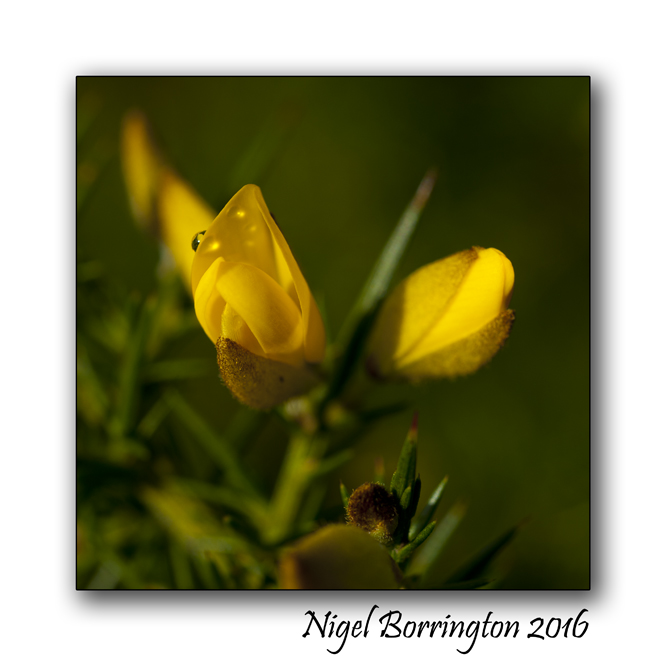
The flowers have a distinct vanilla-coconut aroma and are edible with an almond-like taste. They can be eaten raw on salads or pickled like capers. They have also been used to make wine and to add colour and flavour to Irish whiskey. However, consuming the flowers in great numbers can cause an upset stomach due to the alkalis they contain.
The prickly nature of gorse gave it a protective reputation, specifically around livestock. As well as providing an effective hedgerow, gorse made an acceptable flea repellent and the plant was often milled to make animal fodder.
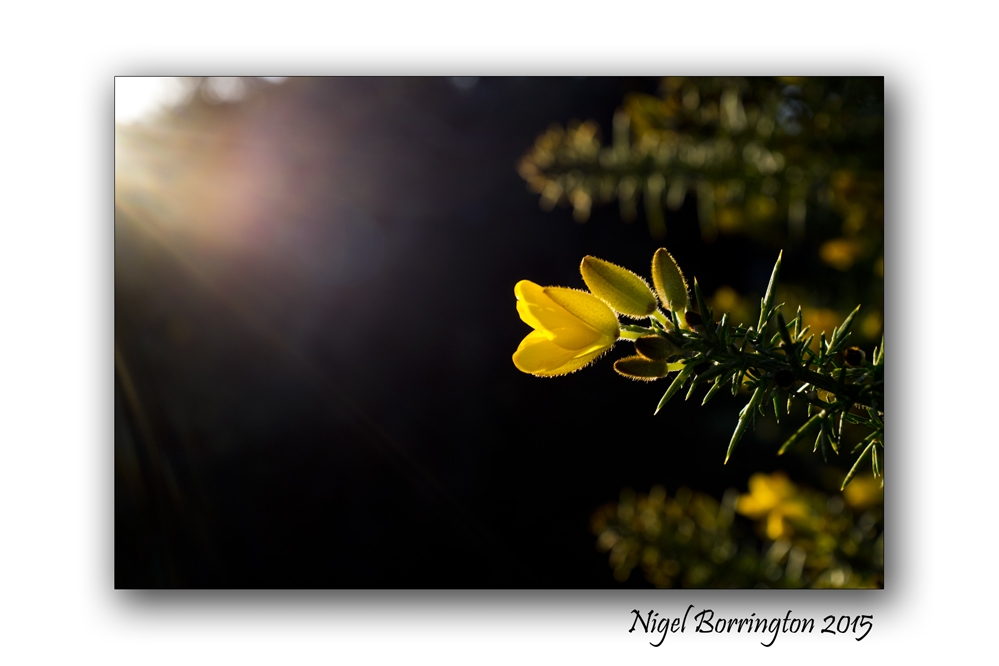
Irish Gorse flowers
Nigel Borrington
Gorse in Irish Culture
Gorse is the 15th letter of the Gaelic tree alphabet, representing O. Its old Gaelic name was Onn, and in modern Gaelic it is conasg. It’s a prickly shrub, which can almost always be found in flower somewhere, all twelve months of the year, and this means it has many positive connotations in folklore.
Snippets of lore
Here are the titbits of fact and folklore about pine tweeted by @cybercrofter on 15 December 2011.
Gorse is the 14th letter of the Gaelic tree alphabet, for O – in old Gaelic it was onn or oir (gold). In Modern Gaelic it’s conasg.
Conasg (Gaelic for gorse) means prickly or armed, appropriately enough as it’s the spiniest plant around.
As gorse’s branches, twigs and leaves are all spiny, which reduces water loss, it can survive extreme exposure to wind and salt.
Other regional names for gorse are whin or furze. In latin, it’s Ulex europaeus.
Here’s a lovely short Harry Rutherford poem about gorse. http://heracliteanfire.net/2009/01/26/poem/
Gorse bears yellow flowers all year round, and as they say, ‘When gorse is in bloom, kissing is in season.’
Gorse is a symbol of the sun god Lugh, as it carries a spark of sun all year.
Bees love gorse and it’s a good source of food for them on warm winter days and in early spring.
In late spring, gorse flowers smell of coconut and vanilla.
Here’s a poem from me, The Gorse is out behind Glencanisp. Audio too. http://www.pankmagazine.com/the-gorse-is-out-behind-glencanisp/
A decoction of gorse flowers counters jaundice.
Gorse seed pods explode in hot sun.
Gorse fixes nitrogen due to symbiosis with a bacterium in the roots.
Horses that eat gorse don’t catch colds (but presumably end up with perforated gums…)
The fierce fire of furze is ideal for baking.
Gorse boughs were used for creel-making. Ouch.
Gorse is a good windbreak and a gorse bush is the best place to dry washing – it naturally pins it in place.
A bundle of gorse is excellent for sweeping chimneys.
Here’s a recipe for gorse flower wine. http://www.celtnet.org.uk/recipes/brewing/fetch-recipe.php?rid=gorse-flower-wine
Gorse flowers give yellow and green dyes.
Gorse bark gives a dark green dye. Add a bucket of urine and wait 3 hours.
Yellowed gorse, a poem by Fay Slimm http://www.poemhunter.com/poem/yellowed-gorse/
A missing home gorse poem, by Francis Duggan http://www.poemhunter.com/poem/i-d-love-to-see-the-gorse-in-bloom/
Gorse lifts the spirits of the downhearted, and restores faith.
Festival of the Golden Gorse is celebrated on 1 August (Lughnasa).
Gorse protects against witches.
Gorse’s magic is good for bringing a piece of work, a project, a relationship or a troublesome thing to a complete and final end.
Gorse symbolises joy.
Remember the nitrogen-fixing? Grow gorse for 7 years and the ground will be excellent for corn.
In 1778 a gorse crushing mill was set up in Perth. One acre of crushed gorse bushes will keep 6 horses in fodder for 4 months.
Bring gorse into the house in May to ‘bring in the summer’.
Giving someone gorse flowers is unlucky, for both giver and receiver. Best keep them for yourself!
Fridays Artist : Peter Collis, An Artist who Understands the Irish landscape
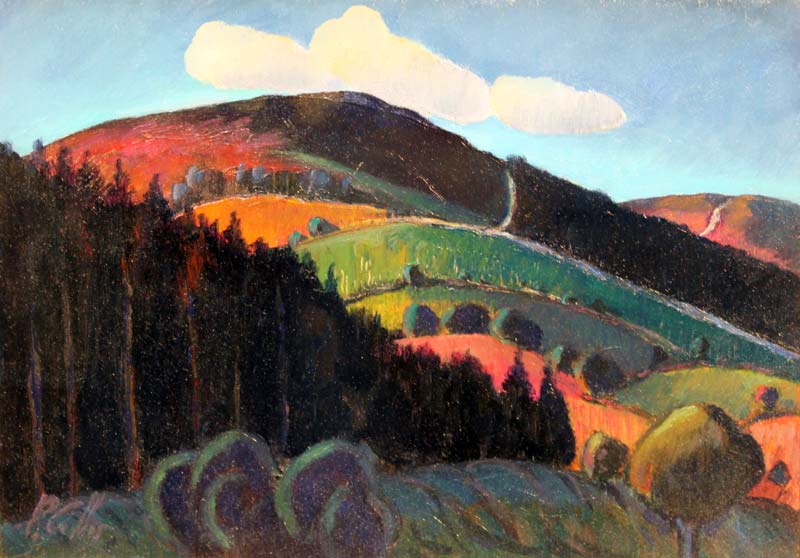
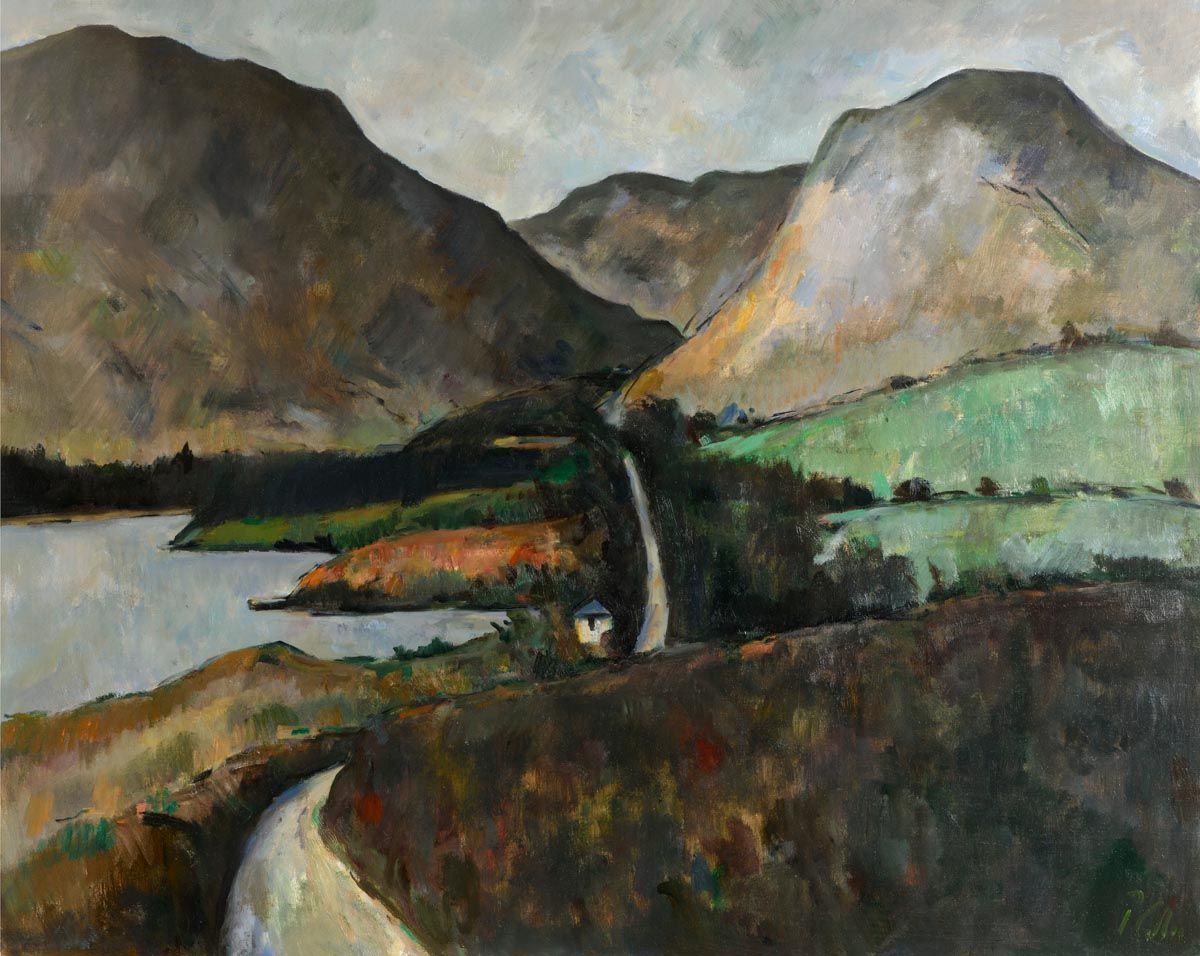
Glencrea Valley
by Peter Collis RHA
I started this week in my blog by saying that I was taking sometime each day to study some of my most loved Artists, I feel that the week has been really valuable to me in this respect and I am very pleased with how it has all worked out. At the same time the week has only scratched the surface of my full aims, being to gain an understanding of how so many great artists have used the landscape of Ireland and the UK in their art work and to define how I can take this as some personal inspiration.
While during the last few years I have taken many more photographs than produced paintings, I have been painting as a form of self-expression for many years. Oddly it was not until I decided to attend art school at Waterford(WIT) that I stopped painting so much, I think many experience this odd effect from current formal art study and art schools.
I don’t want my blog to become completely art and artists based and to move away from my own photography posts, although I personally feel that the two are very closely linked in any-case. So next week I will move a little back towards photographic images, I will however still keep posting some reviews of the artists and art work that I find the most interesting.
Has this week helped to inspired me ? , Absolutely! I feel its time to paint again as well as use my camera !!!
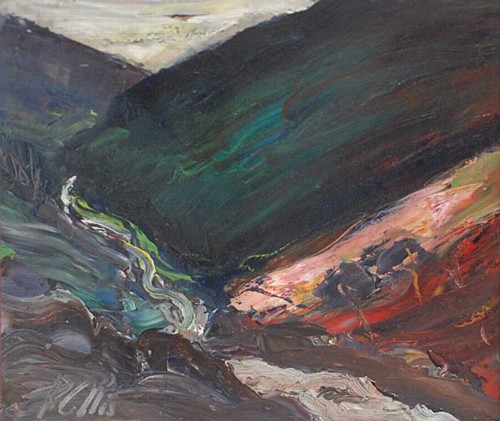
One of these very inspiring artists is Peter Collis the artist I have selected for my Friday Post. I remember visiting the Solomon Gallery, Dublin in 2002 , the first time I got to see any of peters paintings and I very much liked them from the start. I liked his style of painting of the landscapes he painted and very clearly loves, using a limited amount of colours like many artists do, I very much liked the way the movement of his brush can be so clearly viewed in his work, each gesture he made forms a feature in the landscapes he paints and each of these gestures are left alone on the canvas from the very moment they have been made.
I found this great review of Peter in the Irish independent dated 2012 – it says much more Than I can myself !!!
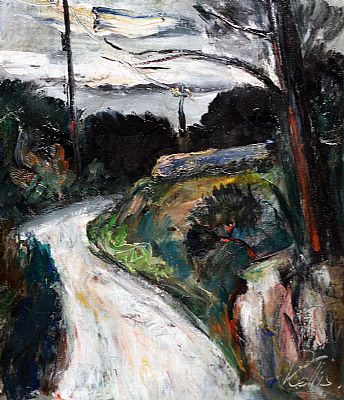
A little about Peter Collis by : Eamon Delaney
A lovely, gentle man’ was how veteran sculptor Imogen Stuart recalled the painter Peter Collis who has passed away at the age of 83. Collis, who was born in England and came to Ireland in 1969, was an acclaimed landscape artist and still life painter who had been a stalwart of the Royal Hibernian Academy. His canvasses are characterised by a powerful and dramatic style under the painterly influence of great masters such as Paul Cezanne, whom he adored, and Maurice de Vlaminck. In contrast to the traditional realistic depictions of the Irish countryside, Collis employed a bold brush and brought a strong expressive energy to his outdoor renderings.
He was particularly fond of Killiney, and its bay, and of the topsy turvy Wicklow countryside. The Sugar Loaf mountain became a familiar motif in his work. He also composed striking still lifes, of groups of green pears and vivid red apples, which evoked a distinctive European quality.
The physical appearance of Peter Collis often belied the rugged intensity of his work, with its rain-drenched hills and wind-bent trees. An unfailingly courteous man, who was widely popular, he wore Savile Row suits and was described by painter Mick O’Dea as possibly “the best dressed artist in the entire Irish arts scene”.

Born in London, he studied drawing and painting at the Epsom College of Art in London between 1949 and 1952. After college, he moved to Ireland where he had discovered a profound connect with the Irish landscape which would shape the course of his painting for the next four decades. Working for the Shell Oil company, Collis would paint in the early mornings from sketches and studies made on sales trips across the country, developing his craft and building a reputation as a painter of exquisite fluency. The critic Desmond McAvock wrote of him: “Like Cezanne he is really more interested in the structure of his scenes than in their transitory appearance . . . he can bind his observation into a cohesive, tightly controlled but always sensitive design.”
According to his longtime companion and fellow painter, John Coyle, Collis “saw things in the Irish countryside which the rest of us might never see”. Being something of an outsider, the Englishman was emboldened by bringing a fresh eye to it all. “He didn’t have the historical or territorial baggage that many Irish would have,” said Coyle, “and saw the landscape for what it was along with the physical, and poetic, possibilities it offered. He pursued the simplification and arrangement of shapes, just like Cezanne.”
In Dublin, Collis was most recently represented by the Solomon Gallery and only last month had a retrospective exhibition in the John Martin Gallery in London. In 1990, he was elected to full membership in the Royal Hibernian Academy and was actively involved in the activities of that body. In 2002 he was conferred a senior member of the Academy. He received many awards, including the Royal Trust Co. Lt. Award in 1975, the Maurice MacGonigal Landscape Prize of 1981 and the James Adam Salesroom Award, RHA of 1999. His paintings are represented in many public collections, including those of AIB, Bank of Ireland, Limerick University, University College Dublin, and the Office of Public Works. His paintings are also owned by many private collections including Bono, Christy Moore, and Lord Puttnam, the English film maker.
He will be missed by the artistic establishment, but also in the context of the wider artistic understanding of the Irish landscape, which he did so much to further. Most especially, of course, he will be missed by his wife Anne, and daughters, Vanessa, Mandy and Kate, as well as grandchildren. He was sadly predeceased by the untimely passing of two of his children, David and Gail. His funeral service was held in the Parish Church, Monkstown (Church of Ireland) followed by burial in Deansgrange cemetery.
Sunday Independent
Friday Poetry : The Bridge Builder , By : William Allen Dromgoole

The Bridge Builder
Irish Landscapes
Nigel Borrington
The Bridge Builder
By William Allen Dromgoole
An old man going a lone highway,
Came, at the evening cold and gray,
To a Valley vast and deep and wide.
Through which was flowing a sullen stream
The old man crossed in the twilight dim,
The sullen stream had no fear for him;
But he turned when safe on the other side
And built a bridge to span the tide.

“Old man,” said a fellow pilgrim near,
“You are wasting your strength with building here;
Your journey will end with the ending day,
You never again will pass this way;
You’ve crossed the chasm, deep and wide,
Why build this bridge at evening tide?”
The builder lifted his old gray head;
“Good friend, in the path I have come,” he said,
“There followed after me to-day
A person whose feet must pass this way.
This chasm that has been as naught to me
To that fair-haired person may a pitfall be;
They, too, must cross in the twilight dim;
Good friend, I am building this bridge for him!”
Kilcatherine Point Eyeries, Co. Cork

Kilcatherine Point
Eyeries, Co. Cork
Irish Landscape Photography : Nigel Borrington
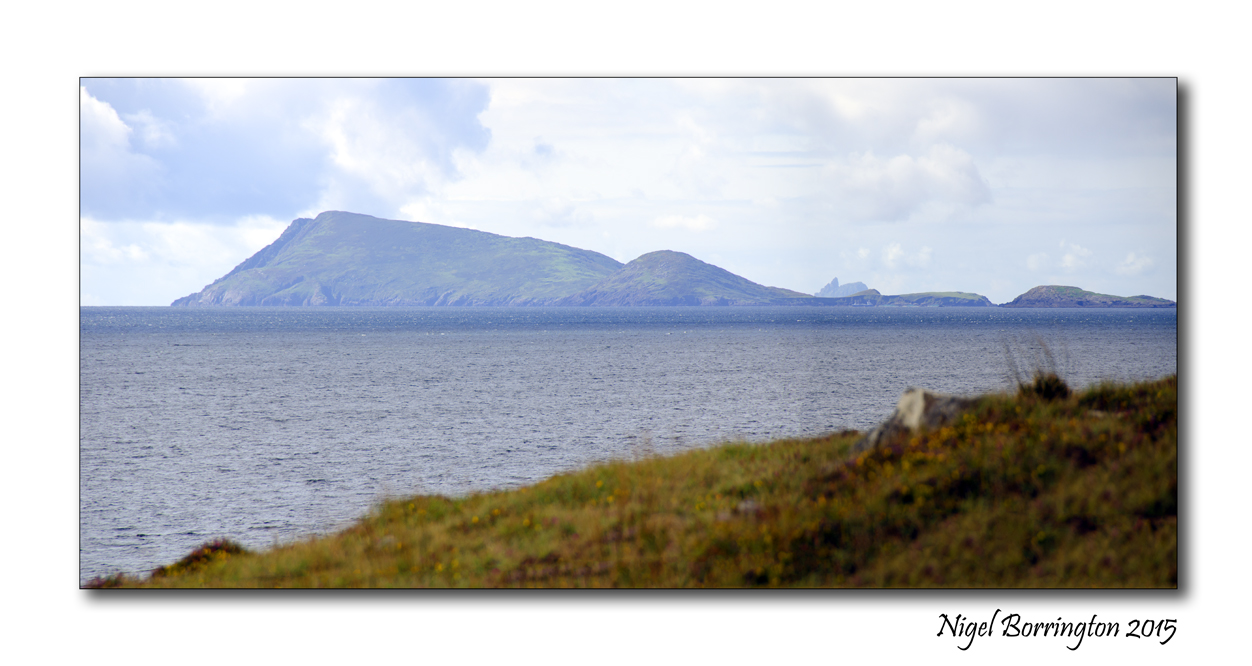
Kilcatherine Point, Eyeries, Co. Cork
Kilcatherine point is on the north side of the Beara Peninsula, west cork.
This is simply a beautiful place, the Irish Landscape at its very best, I was lucky enough to get some time here at the start of September. These images are taken at the top of a hillside overlooking the Atlantic ocean.
I often feel that there is no place on earth as perfect as Ireland when the weather is good and no place as dramatic as when the winter months move across.
The Beara Peninsula, west cork.


Irish Landscape(Kilkenny) with a Poem : Independent Heart , by Jodie Moore
Independent Heart
Soft words you spoken
From the heart that is broken
I know deep inside
You have a level of independence
With a mystery of suspense
You are recovering
Waiting for someone

To catch on to the discovering
Of the real you
With a heart so true
Giving of your best
Expecting nothing less
While hurt is making amends
Leaning on loving friends
Accounted for in time you spend
With words you write
Not giving into a broken hearts flight
Staying strong
Carrying others like me along
by Jodie Moore
Tree By The River – Poem by Manonton Dalan
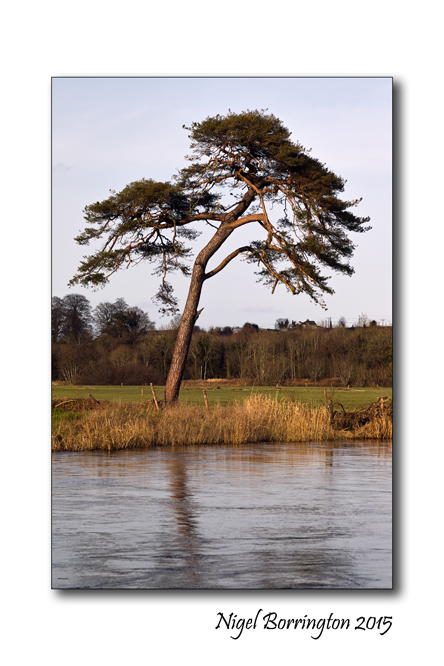
Tree by the river Barrow Kilkenny
TREE BY THE RIVER
Gigantic tree’s canopy, there I lay
Dreaming how the world could be
Beyond those clouds, the horizon
Would there be one like me, alone
Got up pick up the roundest stone
Cast to the river and glide by its own
Hits a ripple, goes airborne
For a kid like me, it is a phenom
By the grassy banks, frogs abound
Love to disturb them,
into the river they plunge
Never tried to catch them because they slime
So beautiful, shiny greenish yellow, brown
Water is crystal clear,
see fishes swimming
Stones unturned are coated with stringy green
Constantly dancing as the little shells cling
Reach down to touch the water
Felt something came to me, a power
Don’t know what it was but still here
Manonton Dalan
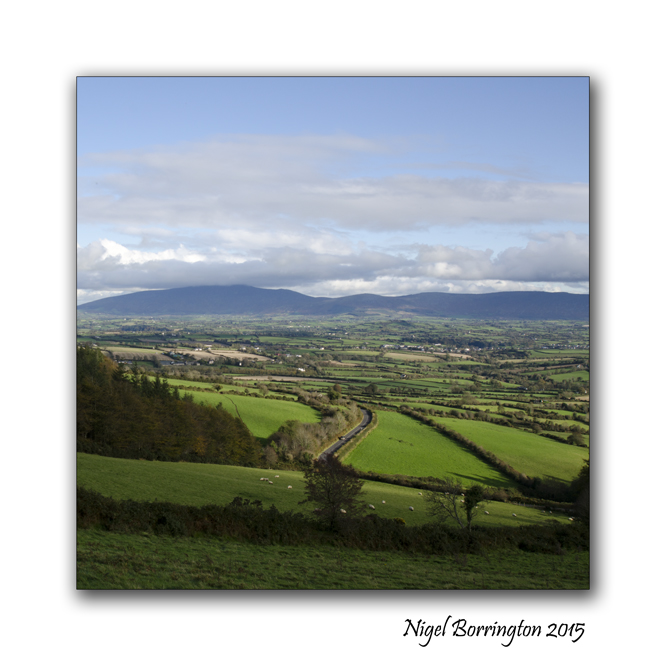
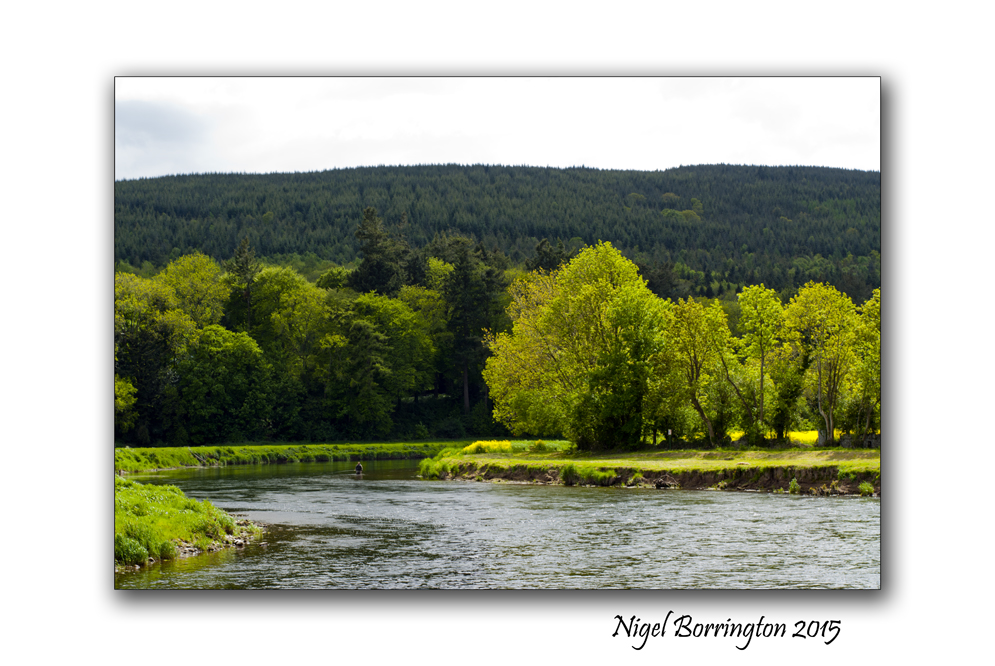
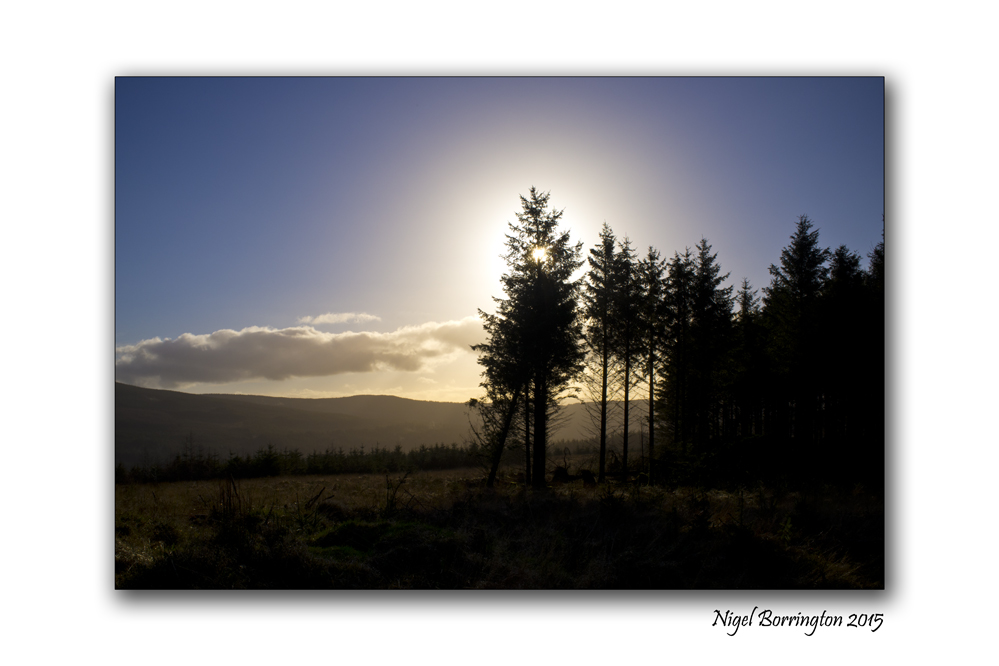
Irish landscape images , images for the weekend …….

Irish landscape images
Nigel Borrington
This weekend I am planning lots of time outside, just walking, relaxing and getting some fresh landscape images …
I hope what every you do , you have a great weekend and that if you can you get sometime to relax and enjoy your surroundings, in the country or in the city 🙂 🙂
Have a great weekend !!
Irish Landscape Gallery







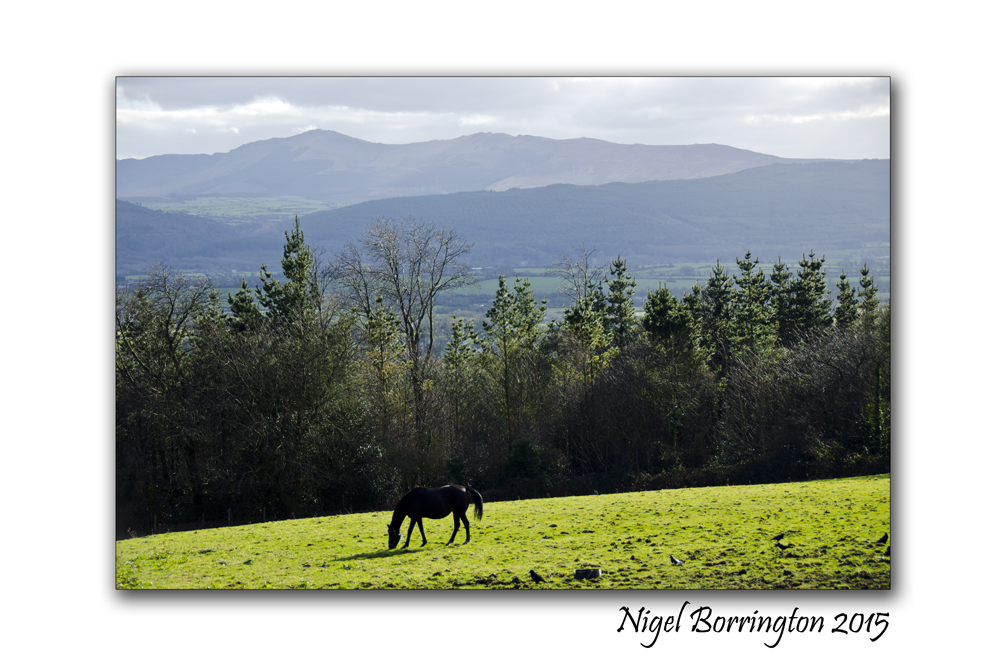

River Bend , A poem by: Rania Moallem

Rivers bend
River Suir, Co Tipperary
Nigel Borrington
River Bend
A poem by: Rania Moallem
I believe I’ve waited too much that
patience poured wild enough to
drown me at the verge of that river
bend, where I pointlessly dwell,
where you never pass by.
And the confusion I lastly saw in your eyes
perhaps was dusk and ashes of burnt
thoughts you’ve had about me, or was it
plain puzzlement…
I wonder.
For I had you hunting me at night again
waking up breathless to find you clinging to
the last gasp of air I relief with despair,
right before I fight to sleep again.
It might be the right time to move on.
Past this rivers bend …….
Monday Morning Poems – Dark Wood, Dark Water, by – Sylvia Plath

Dark Wood, Dark Water
By : Sylvia Plath
This wood burns a dark
Incense. Pale moss drips
In elbow-scarves, beards
From the archaic
Bones of the great trees.
Blue mists move over

A lake thick with fish.
Snails scroll the border
Of the glazed water
With coils of ram’s-horn.
Out in the open
Down there the late year

Hammers her rare and
Various metals.
Old pewter roots twist
Up from the jet-backed
Mirror of water
And while the air’s clear

Hourglass sifts a
Drift of goldpieces
Bright waterlights are
Sliding their quoits one
After the other
Down boles of the fir.
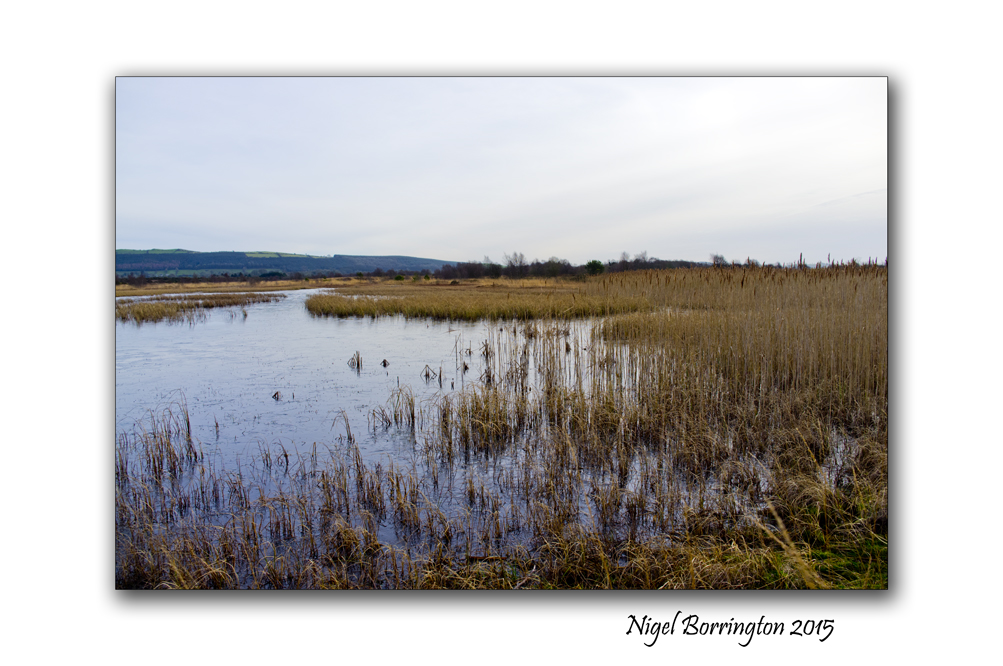
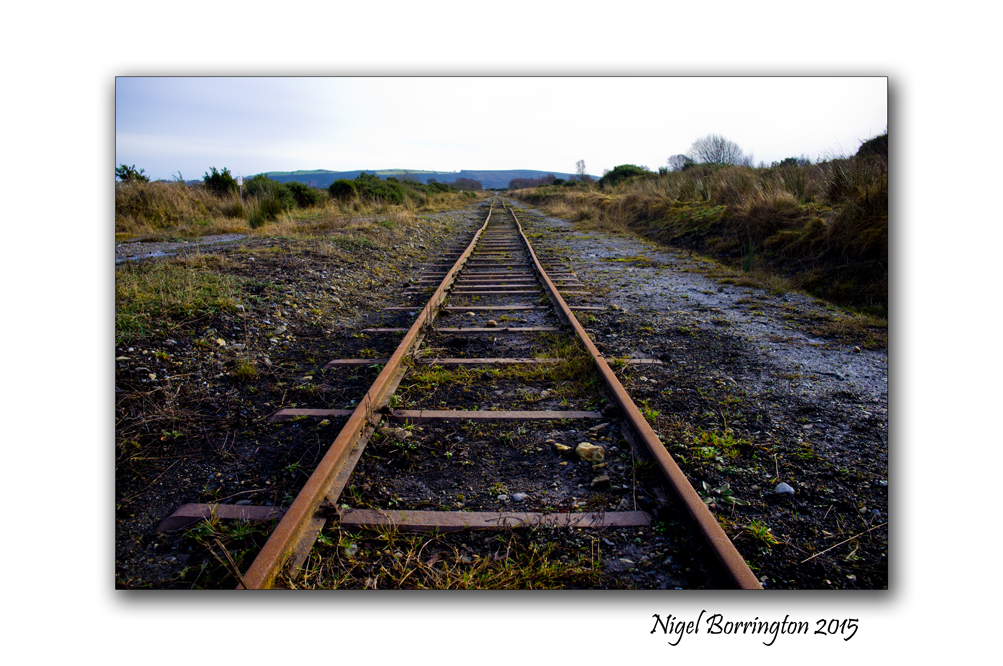
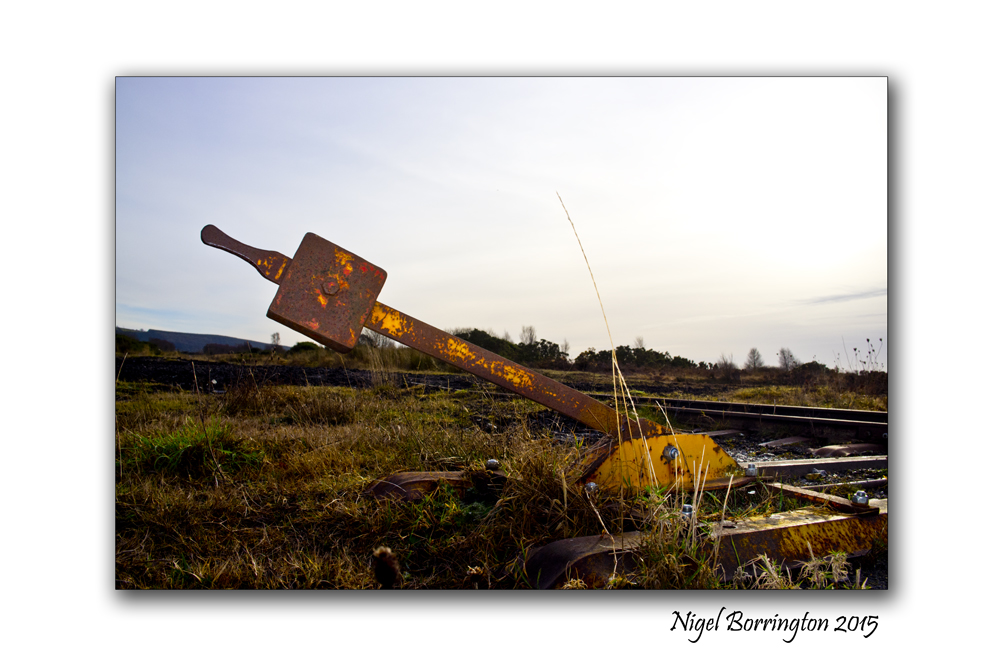
Derryvilla bog, Littleton, County Tipperary

Derryvilla lake
Littleton bogs
County Tipperary
Irish landscape Photography : Nigel Borrington
One of my favorite weekend places to visit is Littleton Bogs, near Thurles, County Tipperary, the bogs here are harvested for the fuel they provide in the form of Peat. The entire area is effected by this process as you can see in the pictures below. It is however an amazing location to take photographs as even though its scared by the peat production that takes place its one of the few truly remote and wilderness feeling locations that we have locally, when you walk through this landscape at the weekends the only sounds you can hear are the birds and the breeze in the few trees that survive along the foot-path sides.
Derryvilla lake is near Littleton (Irish: An Baile Dháith) county Tipperary. The village in County Tipperary is within the townlands of Ballybeg and Ballydavid, about 18 km (11 mi) northeast of Cashel and to the southeast of Thurles.
A basic description is as follows :
Littleton lies at a crossroads on the R639, its population was 463 at the 2006 census. As well as being a familiar name to travellers between Dublin and Cork, Littleton is closely associated with Bord na Móna, a semi-state company that harvests peat in the nearby complex of raised bogs. Littleton is also home to the long-established ‘Moycarkey Band’, the Seán Treacy Pipe Band.[3]
Gallery of Derryvilla bog and lake, Littleton, County Tipperary



Irish Landscape Images, Black and White Friday

Irish Landscape Images
Black and White Friday
Nigel Borrington
It hard to believe how fast a week can go – Its Friday already 🙂 🙂
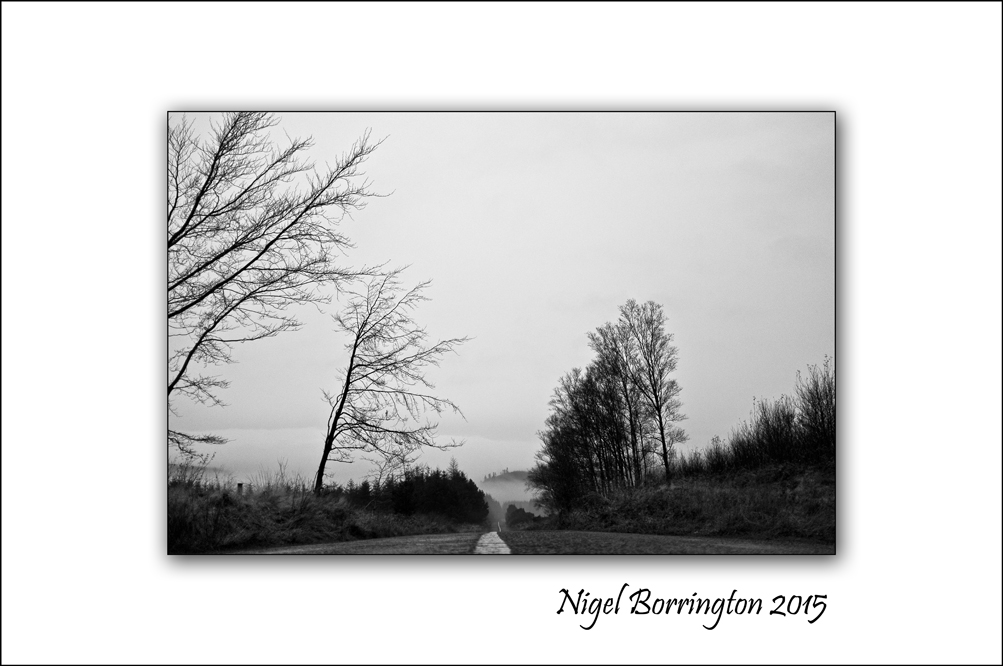
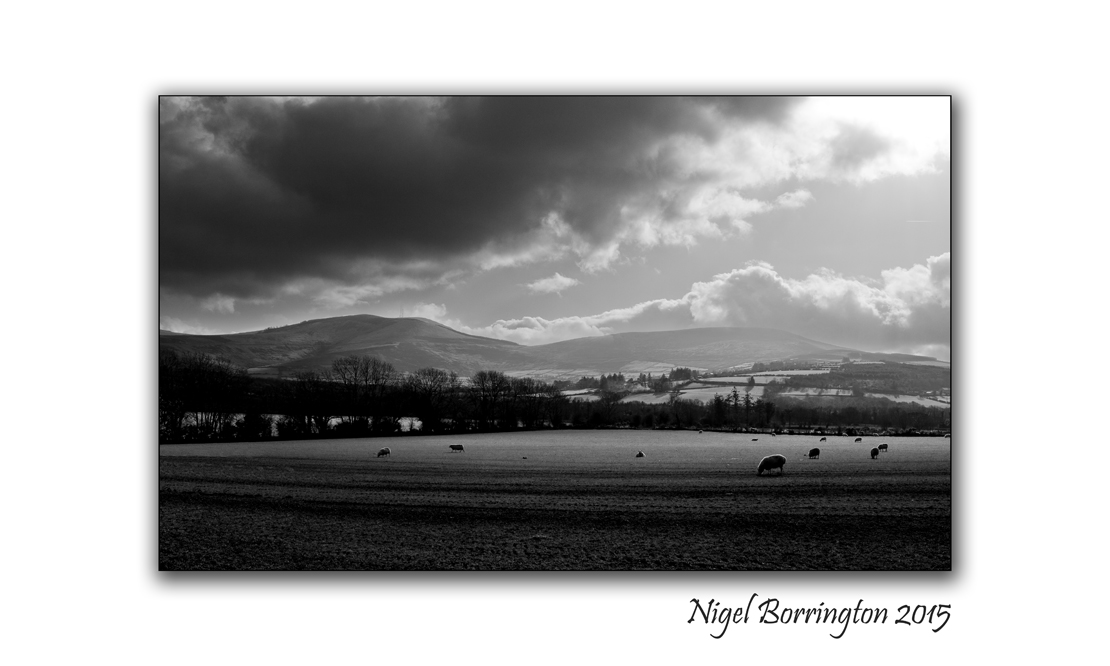
The Last Friday of January 2015 and I was trying to think what Images could best show the month we have just had here in Ireland. I love black and white Images at this time of year I feel they capture the winter months very well. This month we have had many seasons all in one go, sometime warmer than expected other times we have been very cold with Snow on the hills.
Last night I selected these four images as I feel they show everything from Freezing mists in the mountains to snow on the hill tops and a cold sea mist hanging just off the county Waterford coastline.
As its Friday I will wish everyone a great weekend, I hope you manage to get out into the open air and well! just relax and have a great time ! 🙂

Irish Landscape Photography and a Poem “Secrets of the Forest” by : Wisteria Rose
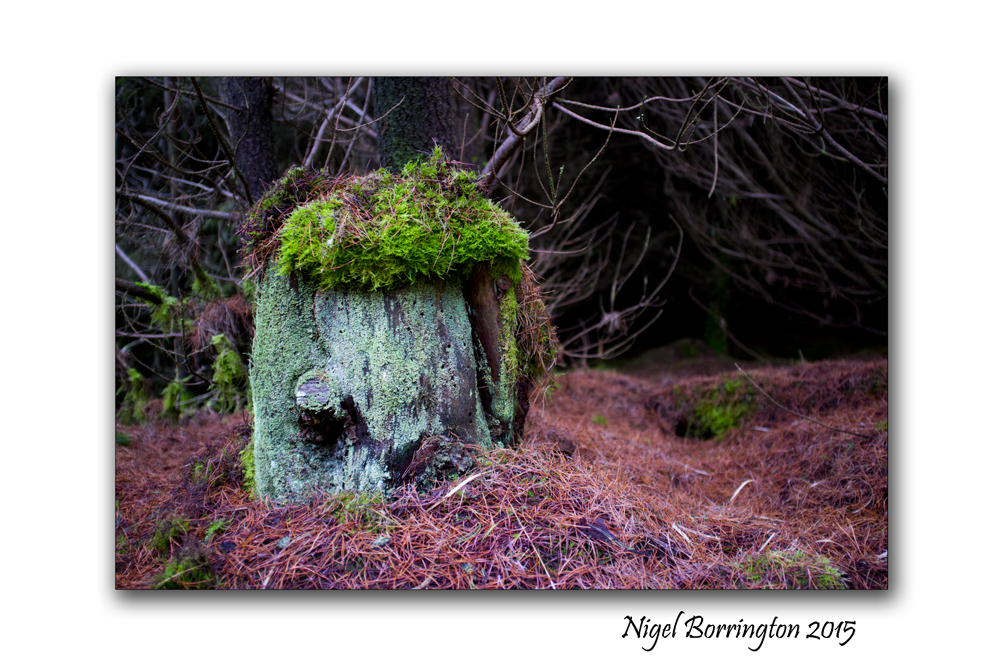
Irish Landscape Photography,
Secrets of the forest
Nigel Borrington
Secrets of the Forest
There’s a dead tree connecting the earth to my heart,
And yet it’s the most beautiful thing I’ve ever seen.
One silver root, and four dark leaves.
A branch is at my neck,
And there is a leaf telling me secrets,
Gently in my left ear.

There are vines strung elegantly from trunk to my teeth
And I’ll play them for you.
The rain is the beat,
It’s the same as your pulse.
My blood runs cherry with every note.
Monday Morning , First light of day , A Poem By : Beverly Gelene

The Light from over the hill
Kilkenny Landscape Photography : Nigel Borrington
Monday mornings, well some come easy, some others come a little harder with inspiration hard to find !!!
I am finding this Monday morning lands right between the two posts, so maybe a poem and an image or two will help to get the week moving along its way 🙂 🙂
First Light of Day
By : Gelene Beverly
Listen to the quiet peaceful dawn.
Sun touching the rim of spaces’ night.
Stars fading to brushes of paint
In whirlwinds of dusk colored breezes.
Passing away the moon’s guard
To the light of the sun’s shift begins
Now sweeping into a new day.
“Snow on snow”, a Winters Poem By : James Hart

Snow on Snow
St Mary’s church
County Carlow
Irish Landscape Photography : Nigel Borrington
Snow on snow
By : James Hart
Snow on snow
Flakes gently falling
Like leaves from a tree
Asking permission
Before they land
On the snowflakes underneath
Each one different
Like leaves on a tree
A white carpet
Pure white till soiled
By children’s shoes
They love its touch
Ooo snowball fights
Snow doesn’t hurt
Snow is soft and forgiving
People hurt
They are selfish and cruel
So let it snow
Snow on snow on
Snow on snow
Black and white challenge, Allihies copper mines

Allihies copper mines
Irish Landscapes : Nigel Borrington
I have been Tagged by Sharon Walters Knight in , Macomb, Illinois on Facebook to take part in a Black and White photo challenge.
I took a good look at some some black and white Landscapes and wanted to post these two images of the Allihies copper mines on the Beara Peninsula in West Cork, Ireland.
Allihies is just about as remote a place as they come in Ireland !!
These two black and white images show just one of the pump houses, I think there are about 6 of them still standing around the small village. It was In 1812 when life in Allihies changed utterly as a rich copper deposit was discovered in the area and the biggest copper mining enterprise in Ireland was established by the Puxley family .
The steam engine and pump house took water out from the mine shafts and both lowered the miners into and out of the mines some 250 feet below the hill sides. Its hard to imagine now the life these miners had , many did not live that long doing this work.
The Landscape around the mines is just wonderful with mountains facing the coastline of west cork, again its hard to image how the noise and smell of these pump houses change this location and the site of hundreds of miners returning home after a days work must have been something to see, they shared small homes and mostly 20 of them shared the same small house.
Allihies copper mines in black and white .

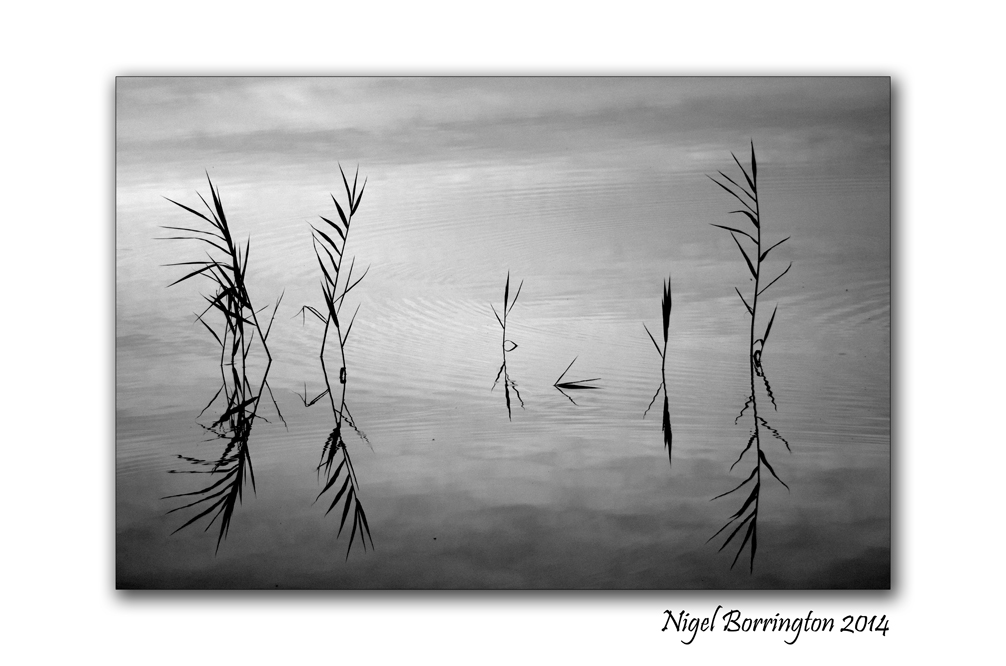
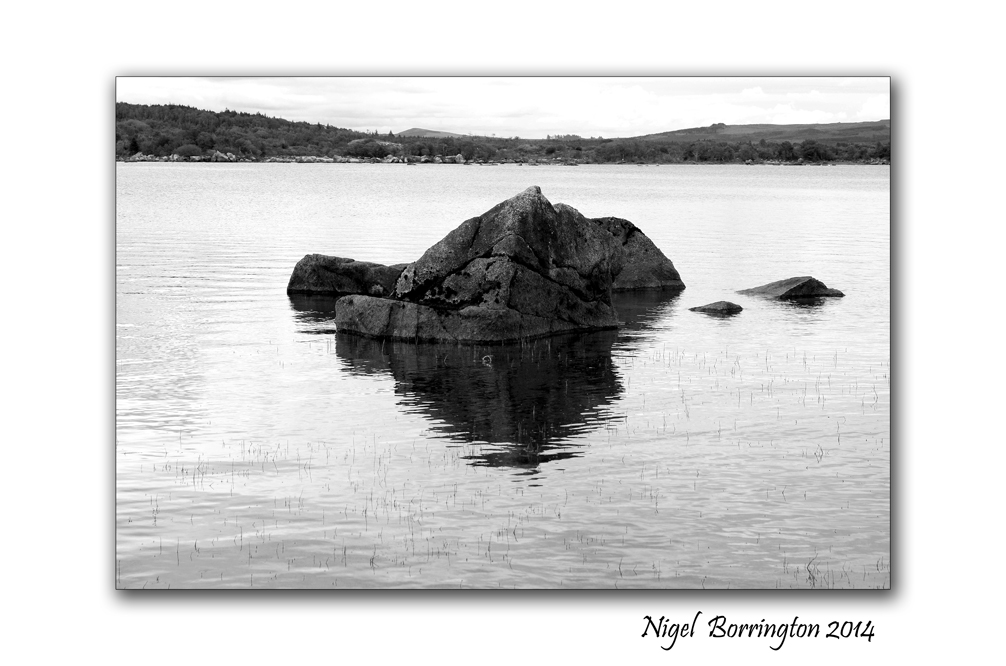
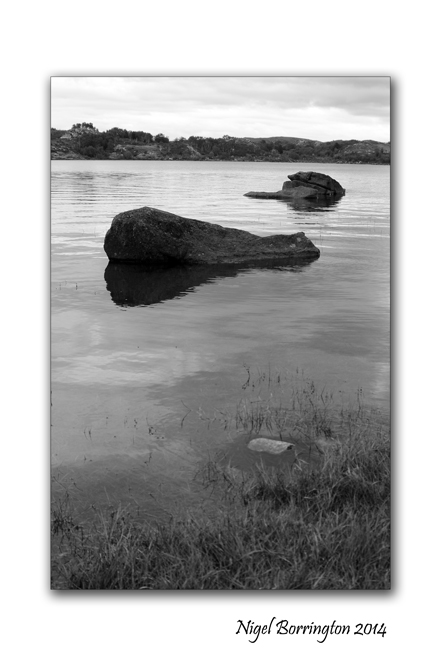
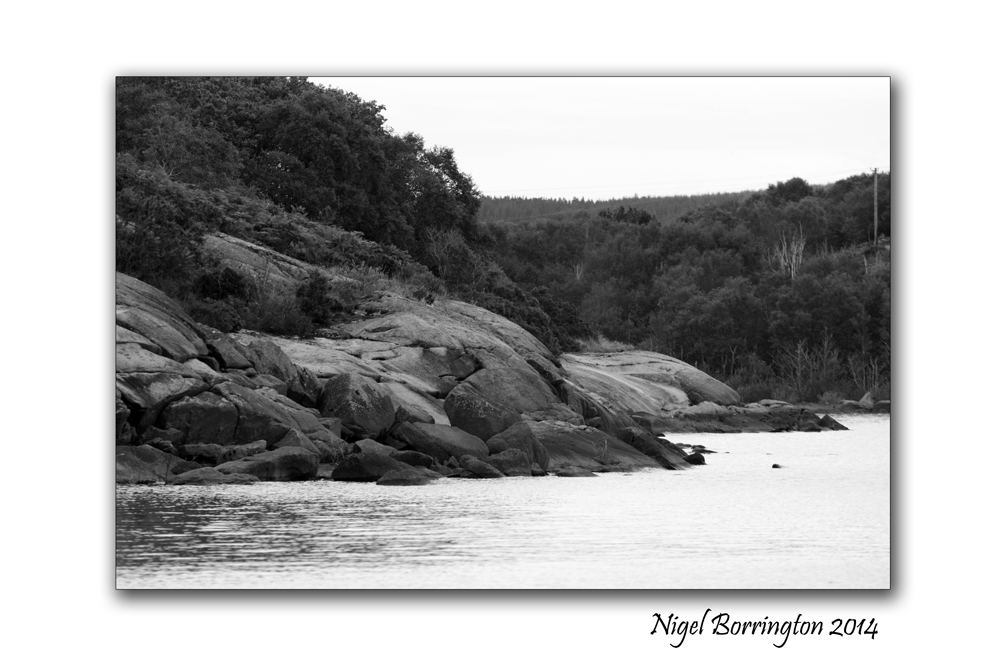
December by the Lake : an Irish lakeside gallery
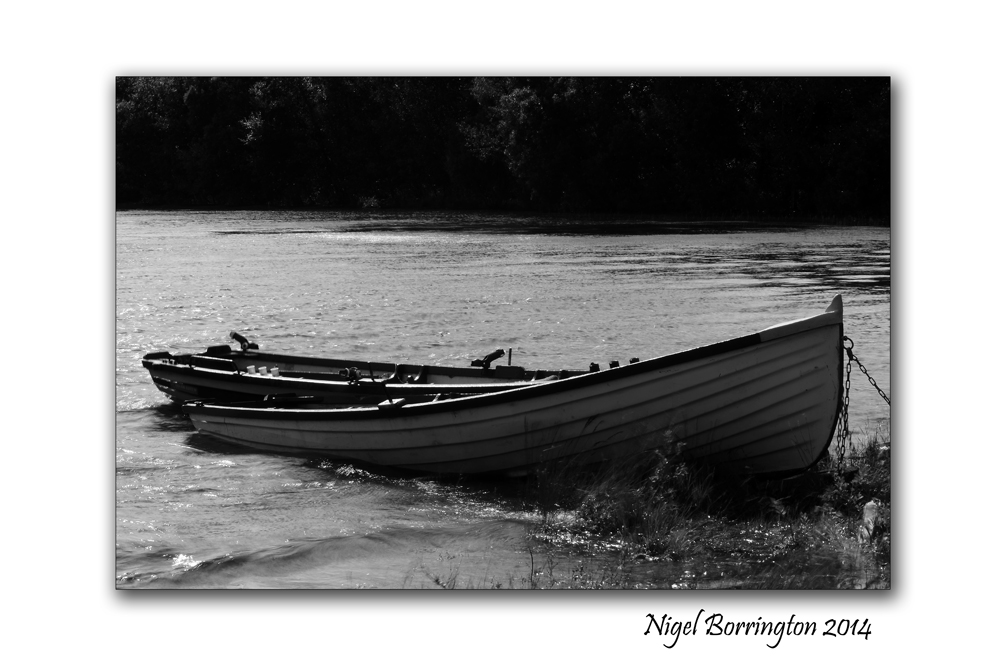
Fishing boats at derryhick lake, County Mayo
Irish Landscape Photography : Nigel Borrington
December by the lake
Well Its December and the Winter has truly started, the Weather in Ireland over the weekend was very overcast with sun-light being very hard to find.
I have been wondering how to show an Irish winter in my pictures, wondering what parts of the landscape best show the effects of the cold, grey and damp days ahead of us and the idea of getting down close to water came to me.
Ireland is a country blessed with many rivers, lakes and a wonderful Coastline so over the next weeks I will post many of these locations here and do my best to try to show the atmosphere of these great landscape location during the month of December.
Gallery

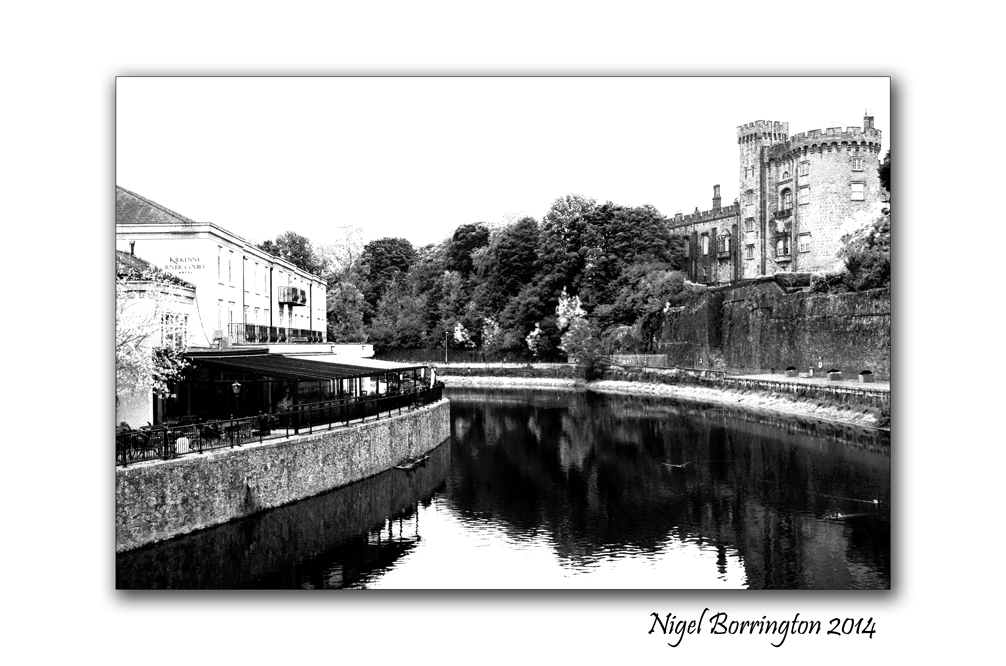
Kilkenny Landscape Photography, High Key landscapes
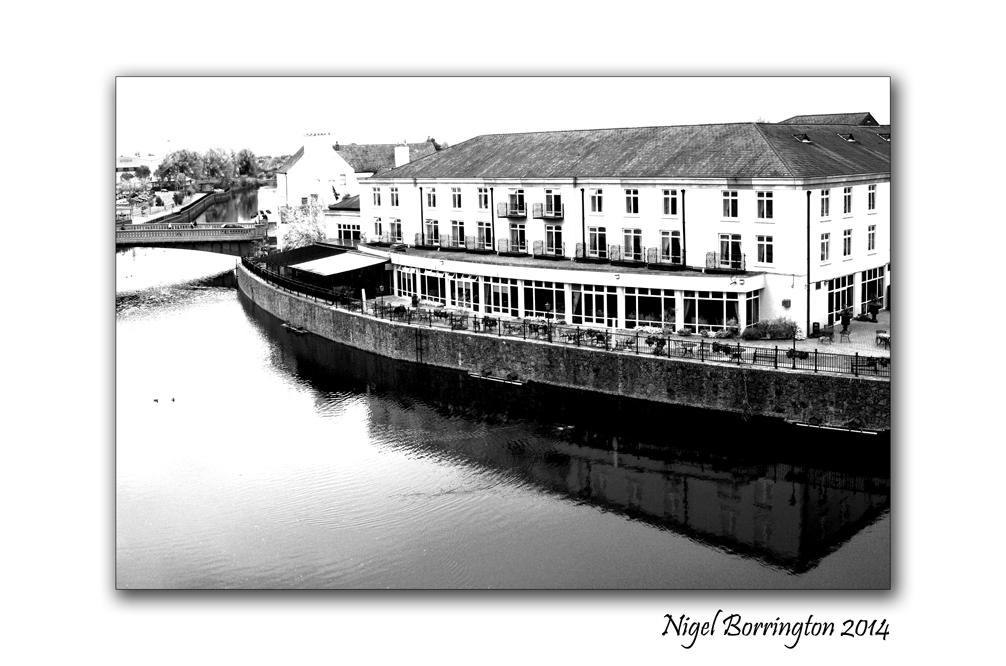
River court Hotel,
County Kilkenny,
Irish landscape photography : Nigel Borrington
I took these images as backdrops for a wedding album I worked on a little time back, the couples wedding reception was at the River court Hotel – located on the river Nore, Kilkenny city.
As the images were used as page backdrops, I overexposed the original captures so that they did not clash to much with the actual wedding images layered on top. However I like them as standalone black and white images with their views of the hotel and Kilkenny castle in the back ground.
I also felt that the River Nore also shows up very well in this set.


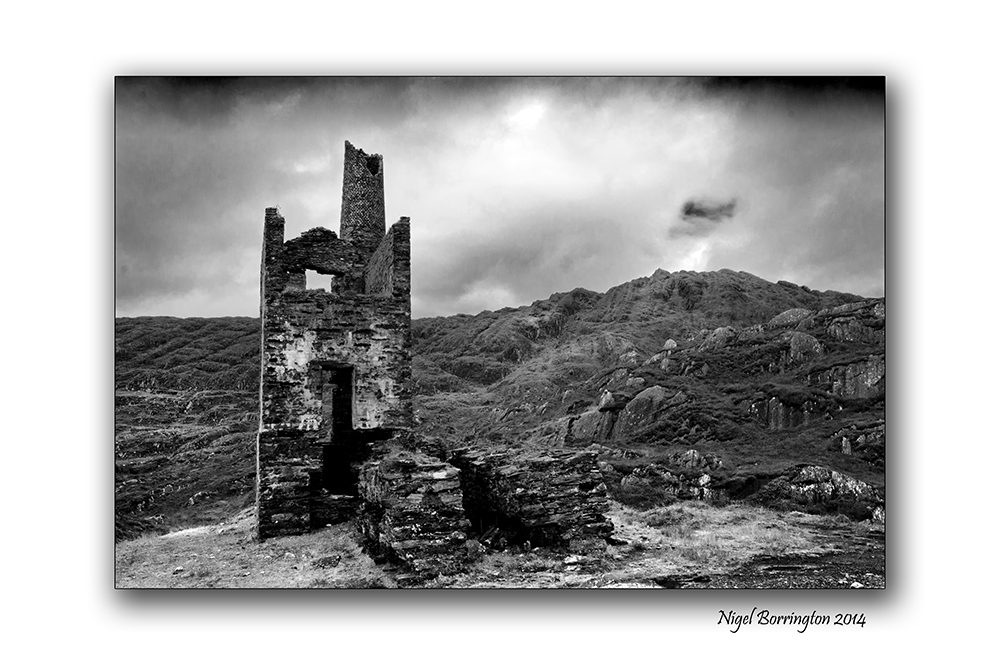
Irish landscape photography – in Black and White, a gallery
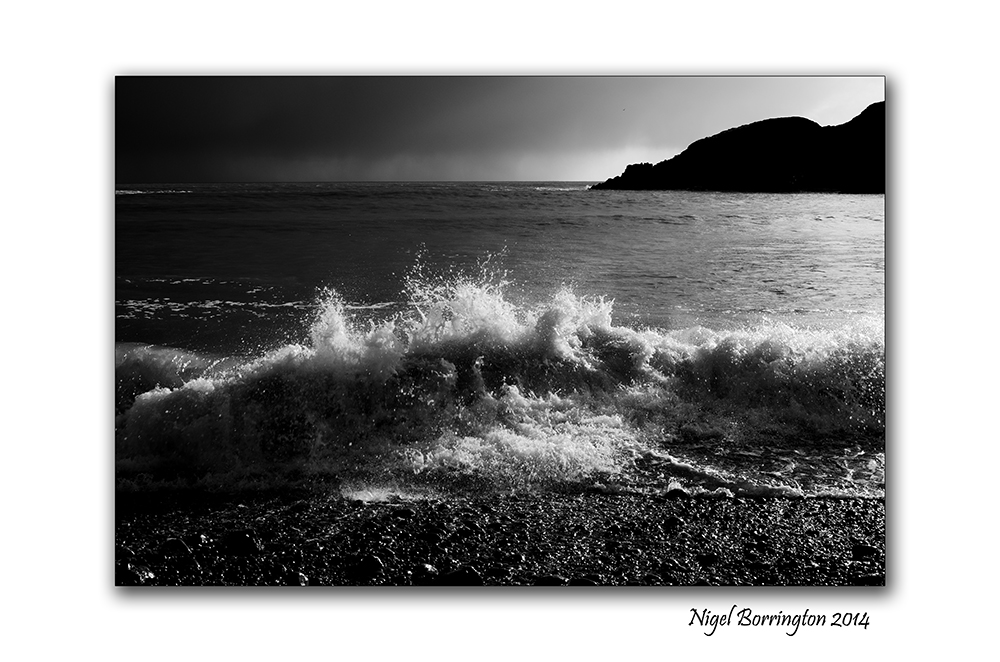
Waterford Coastline,
Irish Landscape Photography : Nigel Borrington
The Irish Landscape offers some of the most wonderful views in this part of Europe, with rolling mountains and rocky, spectacular coastlines, there are many forests and powerful flowing rivers.
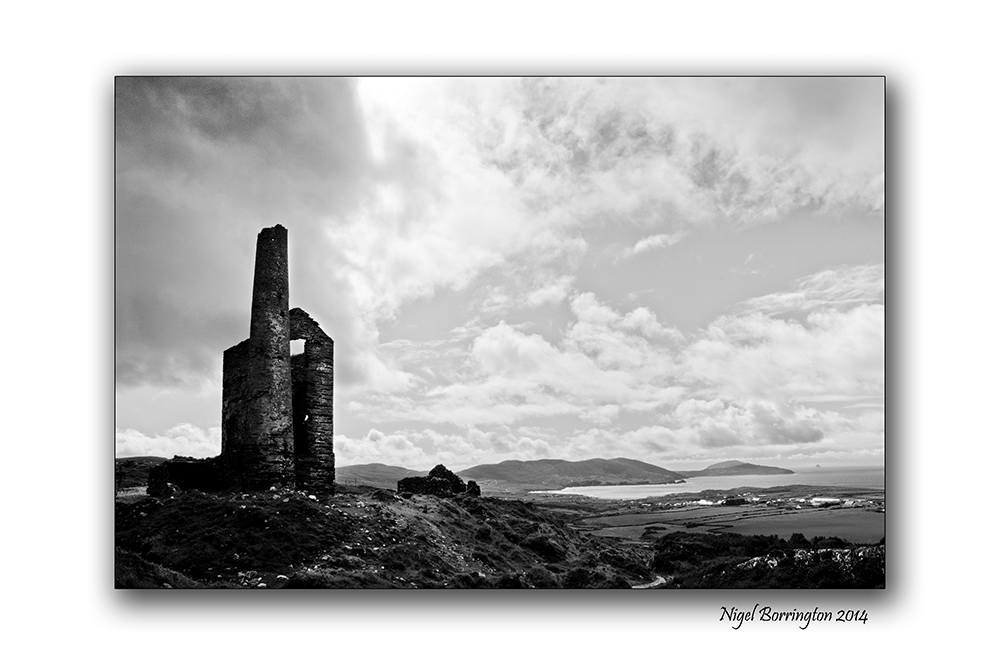
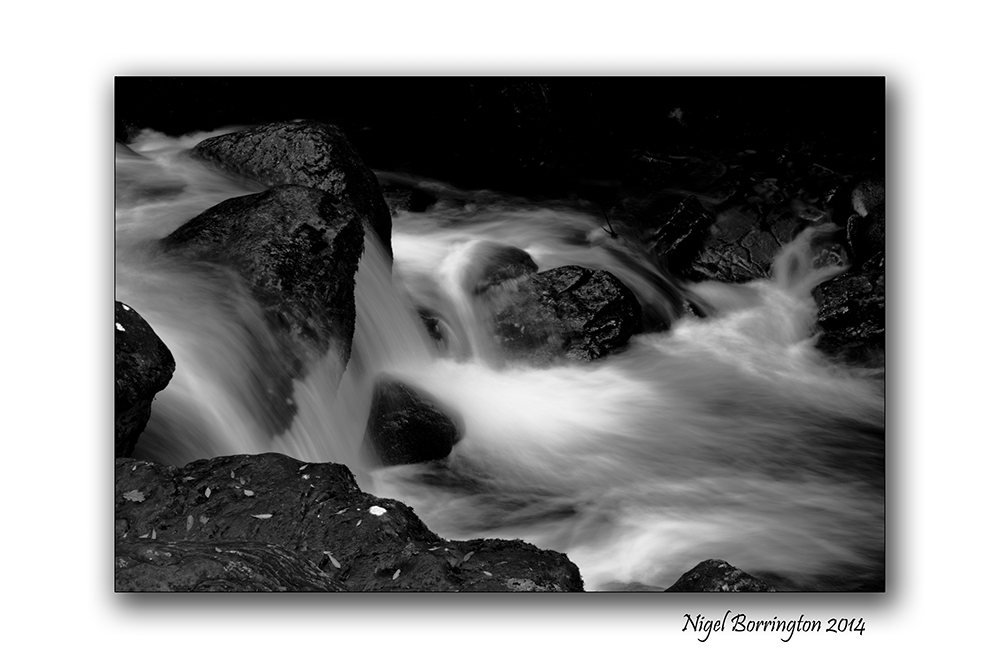
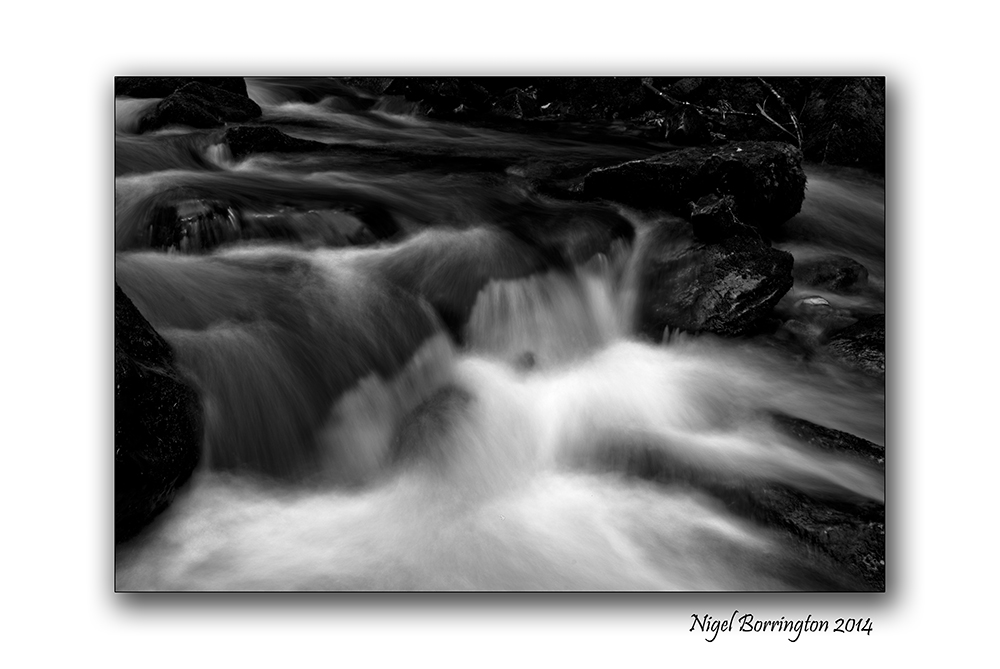
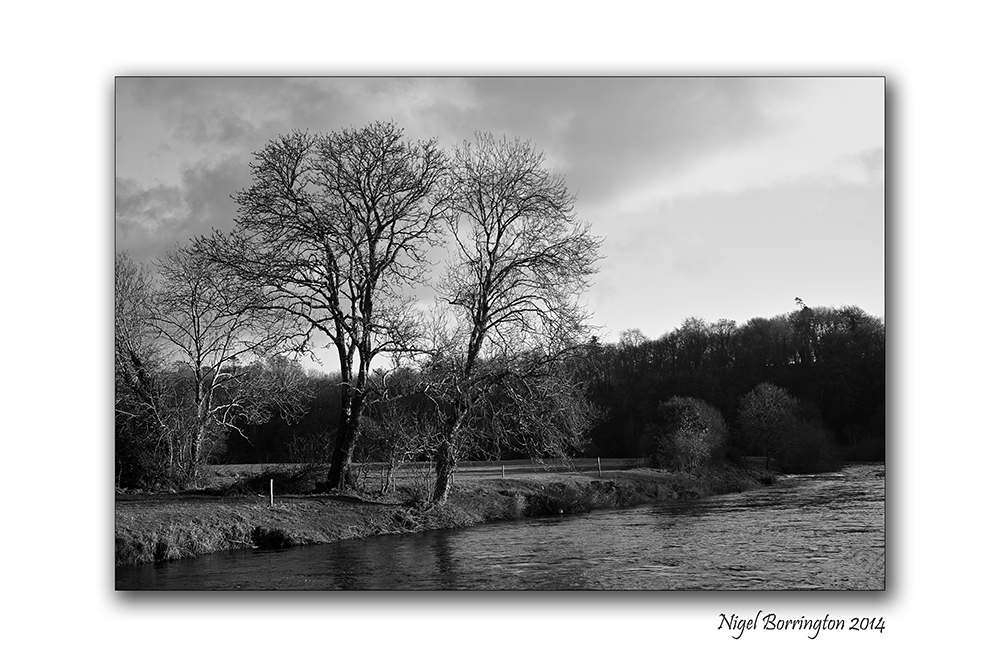
One of the area’s of photography I love the most is black and white and I feel that the Irish landscape is made for black and white images, often the days are wet and stormy and dark. I feel that shooting images in black and white captures these atmospheric days very well. On good weather days in the summer months getting out early or late to capture the sun low in the sky also works very well in a black and white photograph.
Below are some of the black and white images I am most happy with, so far during 2014.
Irish landscape photography – Black and White Gallery







Monday Poetry , “Ulysses” By : Alfred Tennyson

A distant view of Slievenamon, County Tipperary, Ireland.
Irish Landscape Photography : Nigel Borrington
Sometimes walking around the counties of Kilkenny and Tipperary you get an overwhelming sense of history , old church yards with old graves, Monuments left by ancient peoples and their tribes.
Places left as a reminder of Leaders and Kings and people long past.
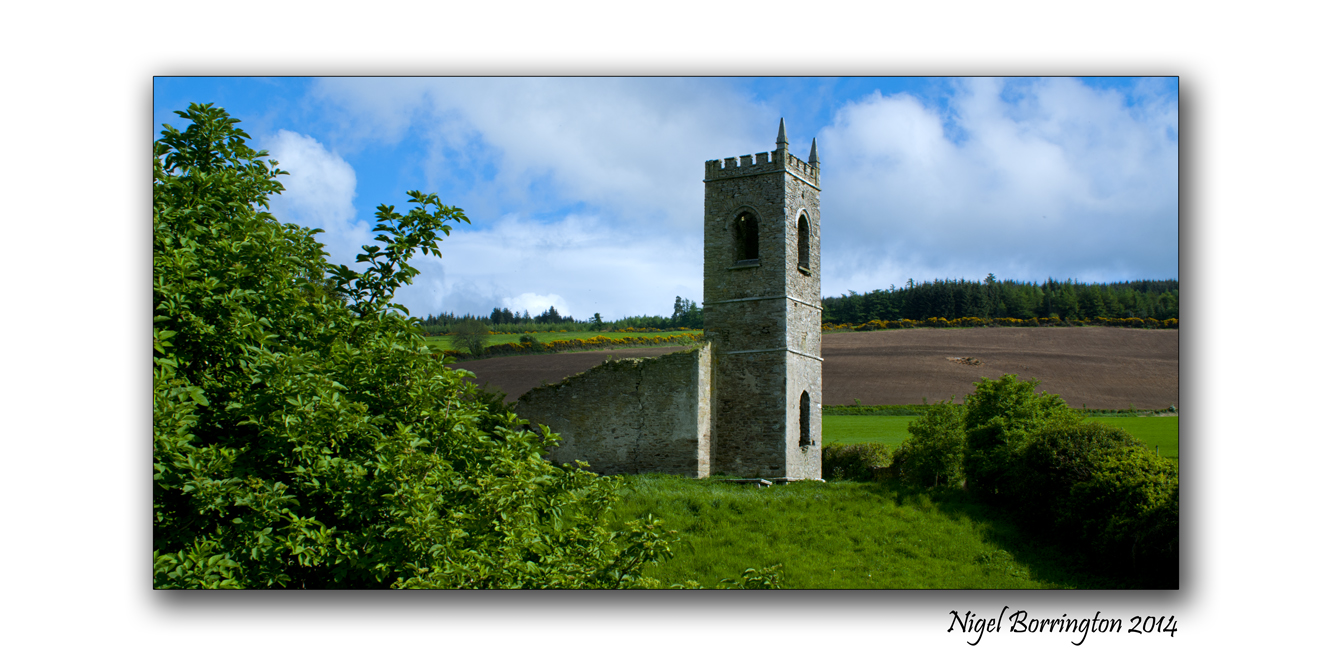
Places and people that could be contained in “Ulysses” a poem by Alfred Tennyson.
Ulysses
By : Alfred Tennyson
It little profits that an idle king,
By this still hearth, among these barren crags,
Matched with an agèd wife, I mete and dole
Unequal laws unto a savage race,
That hoard, and sleep, and feed, and know not me.
I cannot rest from travel: I will drink
Life to the lees: all times I have enjoyed
Greatly, have suffered greatly, both with those
That loved me, and alone; on shore, and when
Through scudding drifts the rainy Hyades
Vexed the dim sea: I am become a name;
For always roaming with a hungry heart
Much have I seen and known; cities of men
And manners, climates, councils, governments,
Myself not least, but honoured of them all;
And drunk delight of battle with my peers,
Far on the ringing plains of windy Troy.
 .
.
I am a part of all that I have met;
Yet all experience is an arch wherethrough
Gleams that untravelled world, whose margin fades
For ever and for ever when I move.
How dull it is to pause, to make an end,
To rust unburnished, not to shine in use!
As though to breathe were life. Life piled on life
Were all too little, and of one to me
Little remains: but every hour is saved
From that eternal silence, something more,
A bringer of new things; and vile it were
For some three suns to store and hoard myself,
And this grey spirit yearning in desire
To follow knowledge like a sinking star,
Beyond the utmost bound of human thought.
This my son, mine own Telemachus,
To whom I leave the sceptre and the isle—
Well-loved of me, discerning to fulfil
This labour, by slow prudence to make mild
A rugged people, and through soft degrees
Subdue them to the useful and the good.
Most blameless is he, centred in the sphere
Of common duties, decent not to fail
In offices of tenderness, and pay
Meet adoration to my household gods,
When I am gone. He works his work, I mine.
There lies the port; the vessel puffs her sail:
There gloom the dark broad seas. My mariners,
Souls that have toiled, and wrought, and thought
with me—
 .
.
That ever with a frolic welcome took
The thunder and the sunshine, and opposed
Free hearts, free foreheads—you and I are old;
Old age hath yet his honour and his toil;
Death closes all: but something ere the end,
Some work of noble note, may yet be done,
Not unbecoming men that strove with Gods.
The lights begin to twinkle from the rocks:
The long day wanes: the slow moon climbs: the deep
Moans round with many voices. Come, my friends,
‘Tis not too late to seek a newer world.
Push off, and sitting well in order smite
The sounding furrows; for my purpose holds
To sail beyond the sunset, and the baths
Of all the western stars, until I die.
 .
.
It may be that the gulfs will wash us down:
It may be we shall touch the Happy Isles,
And see the great Achilles, whom we knew
Though much is taken, much abides; and though
We are not now that strength which in old days
Moved earth and heaven; that which we are, we are;
One equal temper of heroic hearts,
Made weak by time and fate, but strong in will
To strive, to seek, to find, and not to yield.
Harvest time, an Image then a Poem by : Darryl Davis
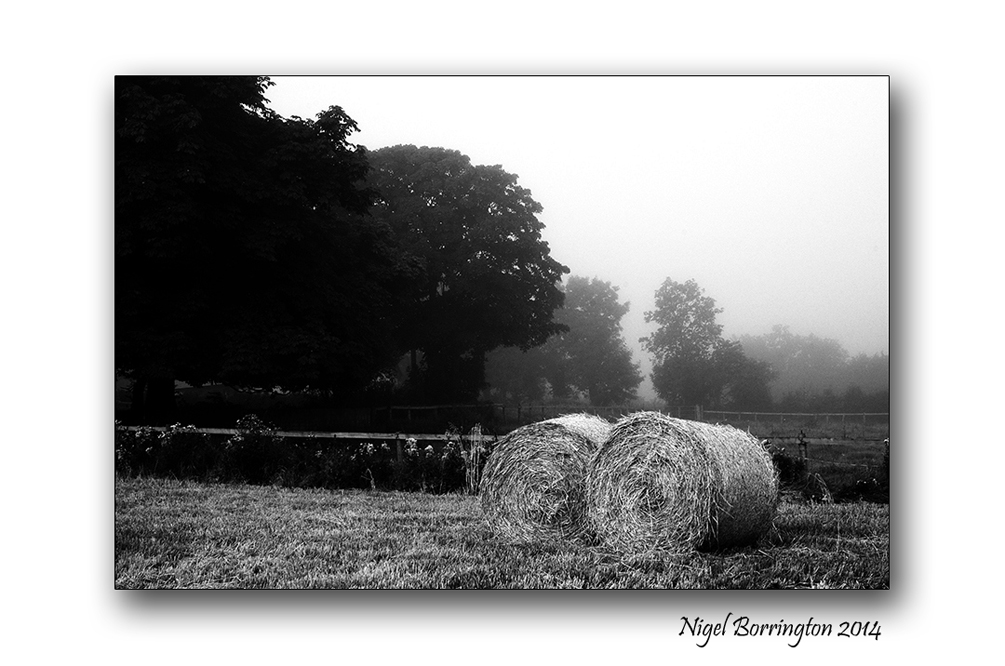
Harvest time. October 2014
Irish Landscape Photography : Nigel Borrington
Harvest Time (Bois-De-Villers)
October is the month of knots.
Loose ends find each other,
Life is defined once more.
At least, this was how I saw it,
As a visitor, an urban tourist,
There to play peasant at the
Granite knob on the green knoll,
Which was always well worked into
A sticky brown smear by the time
The first tree had blushed.
For the leathery people who lived there,
It was but another day with no name beyond
That which had been scratched
On the calendar at the beginning of the year.
A single stroke which dotted one line
And indented another in calculated haste.
Indeed, it was just something else to be done.
Just another list to be compiled
Through calluses and brown sweat.
In the fields we pulled our backs bent.
Each individual plant represented six months of sun and rain,
Weeks of drying after picking and
One hard-earned day of food more.
As we lumbered about, marveling
At our clothes covered in clay
And the soreness of our hands,
They were careful to pick up everything
Which had fallen from our floundering wheelbarrow
And studiously counted each load before
Sliding everything down the chipped hole
To the root cellar for stacking and drying.
At the day’s yawn, they scurried around us still,
Too busy warming creaking chairs,
Too tired to much care.
Cramped from thumb to elbow,
Our fingers were crinkled walnut branches,
Knotted and done like the damp bundles
We wouldn’t need to bear a thought of
For another year to come.
Irish Photography : Galesquarter Church and Castle, Co. Laois – Gallery

Galesquarter Church, Co. Laois
Irish Landscape Photography : Nigel Borrington
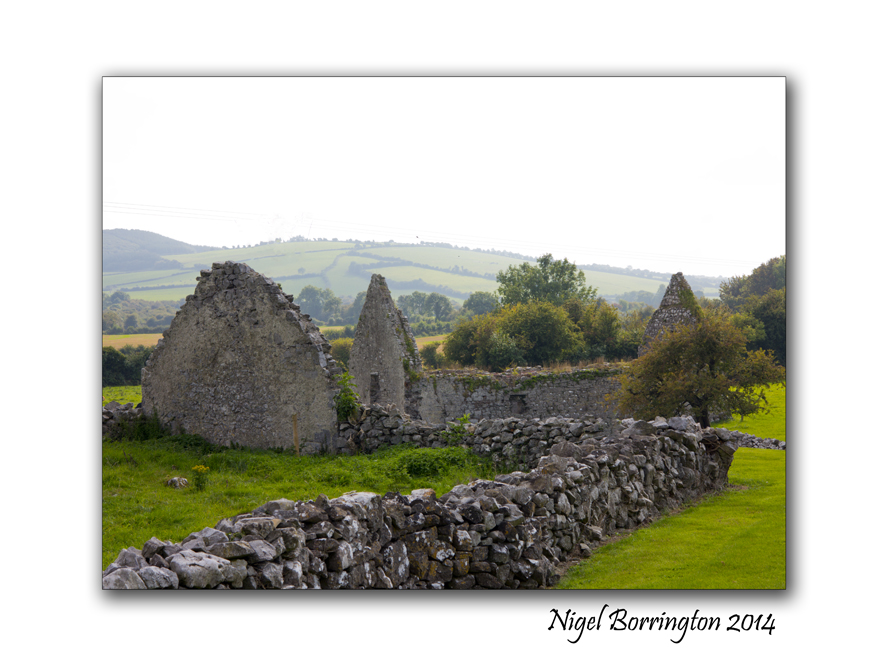
The Old Castle and church at Galesquarter, Co. Laois was home to the Lords of Upper Ossary the Gaelic Fitzpatrick family (Irish: Mac Gìolla Phádraig) .
The two buildings has stood empty since the 1700’s and today are very much in ruins yet go to make a wonderful site in the Local Landscape.
The Gallery below was taken last weekend on a walk through Galesquarter ending in the Bunlacken hills above.
Galesquarter Church and Castle, Co. Laois : Gallery



5 Images for the week , Wednesday : Sir Thomas’s Bridge, Clonmel
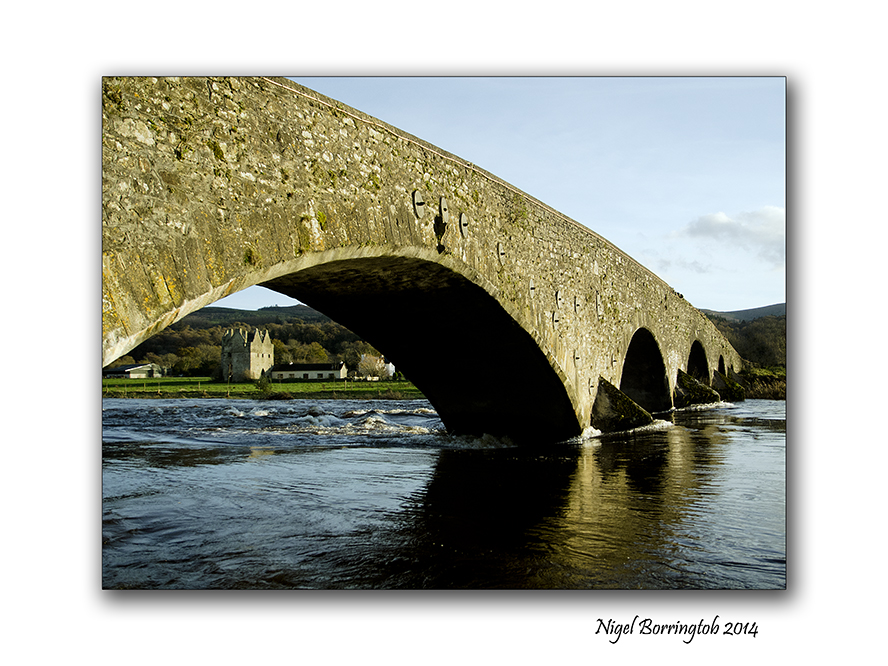
Sir Thomas’s Bridge,
River Suir, Clonmel
Irish Landscape Photography : Nigel Borrington
Sir Thomas’s Bridge, Clonmel
The river Suir is one of Ireland most loved and visited rivers. It flows through counties Tipperary and Waterford before reaching the Atlantic at Hook-head lighthouse. I have taken a lot of photographs of this river over the years. one of my favourite subjects are the old bridges that cross the river, most of them are some hundreds of years old and even though they were designed for horse and cart they still stand strong today and cope very well with modern demands
Sir Thomas’s Bridge is just on the edge of Clonmel in county Tipperary and has been used in many films and advertisements.
 Nigel Borrington
St Patrick’s day a Landscape Gallery 2016
The Mountain of Slievenamon
County Tipperary
Ireland
Nigel Borrington
Happy St Patrick’s day everyone !!!!!
For the last few St Patrick’s day Holidays, I have posted some of my Landscape images from around Ireland , today I want to do the same as I feel that for me today is about celebrating the great landscape’s Ireland has to offer and getting outside to enjoy the real Ireland that surrounds the people who have made it their home.
Ireland: a St, Patrick’s Landscape Gallery
Share this:
March 17, 2016 | Categories: Comment, Gallery, Landscape, Nigel Borrington, Travel Locations | Tags: Ireland, irish landscape, Irish landscape photography, Landscape Photography, Nigel Borrington, ST patricks day, the great outdoors | 4 Comments