Capturing the world with Photography, Painting and Drawing

Latest

Perseus with the Head of Medusa , By: Antonio Canova (1757 – 1822), – Vatican Museum, Rome.

Perseus with the Head of Medusa , By: Antonio Canova (1757 – 1822) Photography : Nigel Borrington

Perseus with the Head of Medusa , By: Antonio Canova (1757 – 1822)
Photography : Nigel Borrington

It has been a couple of years now since I last visited Rome and I am starting to think of a return visit at some point, on my last stay with my brother we visited the Vatican Museum.

One of the most amazing thing about this museum is that it holds much of the worlds fine arts along with artifacts from per-christian time, including the classical Greek period and the time of the pyramid building in Egypt.

I captured this image of “Perseus with the Head of Medusa” by Antonio Canova (1757 – 1822) as its just a wonderful work of art as with all his sculptures.

Below I have included a description of the Greek Myth “Perseus and Medusa” and then a description of the sculpture itself.

Perseus and Medusa

Medusa was one of three sisters, the gorgons, but she was the only mortal one. Some versions say all three were born as monsters, but the predominant myths had them as gorgeous maidens. Medusa was so beautiful that Poseidon was crazy about her, but she didn’t care about him; Poseidon turned her and her sisters into monsters with live snakes covering their heads. Medusa kept her beautiful face but everything else was so monstrous. And whoever dared to look into her face ended up being turned into stone.

Perseus thus had a hard task. He asked Athena and Hermes for help and two of them, together with the nymphs, provided winged sandals to fly him to the end of the world where gorgons lived, a cap that made him invisible, a sword and a mirrored shield. The latter was the most important tool Perseus had, since it allowed him to see a reflection of Medusa’s face and to avoid being turned into stone.

medusa-headWhen he cut Medusa’s head off, from the drops of her blood suddenly appeared two offspring: Pegasus, a winged horse, and Chrysaor, a giant or a winged boar. It’s believed that those two were Medusa’s children with Poseidon.

In any case, once he accomplished his task Perseus flew back and escaped Medusa’s sisters who tried to reach him. Later, Perseus used Medusa’s head as a weapon in many occasions until he gave the head to Athena to place it on her shield.

The myth of Perseus and Medusa was one the most powerful inspiration for many artists in the ancient times, but it hasn’t lost its artistic significance to the present day either. Paintings and sculptures of the moment of beheading or Medusa’s portrait itself are famous all over the world. One of the most known art work is the Medusa shield by Caravaggio, painted at the end of the 16th century. It is exposed in the Uffizi museum in Florence. Close by the museum, in the main plaza of Firenze (Florence) there is a sculpture of Perseus.

Perseus with the Head of Medusa , By: Antonio Canova (1757 – 1822)

This exquisite marble statue of Perseus is being restored thanks to the Generosity of the Northwest Chapter of the Patrons of the Arts.

Antonio Canova is one of the most important Italian sculptors of all time. His marble statues are characterized by classical beauty and they are now on display in the most important museums in the world.

Antonio Canova (1757 – 1822) was born in Possagno, a village near Venice. He spent most of his youth studying, with a strong bias towards the art of sculpture, and was greatly rewarded by the benefit of his grandfather’s stonecutting. His move to Rome as a young man gave him the opportunity to examine the splendid relics of antiquity, and put his abilities to the test.

Canova’s Perseus had not been commissioned by anyone, thus he put it up for sale. Giuseppe Bossi, secretary of the Academy of Brera, and personal friend of the sculptor wanted to place the Perseus in the Foro Bonaparte and he had already begun the payments when a letter came from Cardinal Doria informing Canova that Pope Pius VII wanted to buy the sculpture for 3,000 gold coins in order to place it in the Vatican Museum. Thus, the Perseus was moved to the Vatican and was placed on the empty pedestal of the famous Apollo Belvedere which had previously been moved to Paris by the French, following the Treaty of Tolentino. Pope Pius VII also appointed Canova with the prestigious award received by Raphael under Leo X: the Inspector General of Fine Arts. The location of the statue on the pedestal of the famous Apollo together with the nomination of the sculptor as Inspector, consecrated Canova’s success.

The imposing statue depicts the hero of Greek mythology Perseus, son of Zeus and Danaë, with the helmet of Pluto (which had the power of invisibility), the winged sandals of Mercury and the diamond sword given to him by Vulcan.
These gifts were granted to Perseus in order to allow the hero to defeat Medusa, against whom he was sent by Polykleitos, king of the island of Serifos.

Canova represented the Perseus triumphantly raising his left arm with the head of Medusa. The excitement of the action is frozen as is customary of the classical style. The Argive hero has similar proportions and positioning to the Apollo Belvedere.

By following the classical theme of the heroic male nude in action, Canova seems to have been able to achieve results as advised by Winckelmann and the Neoclassical age, according to which the only way to become great is to be inspired by ancient models. Stendhal said that Canova imitated the Greeks, but like them, his genius invented a new beauty.
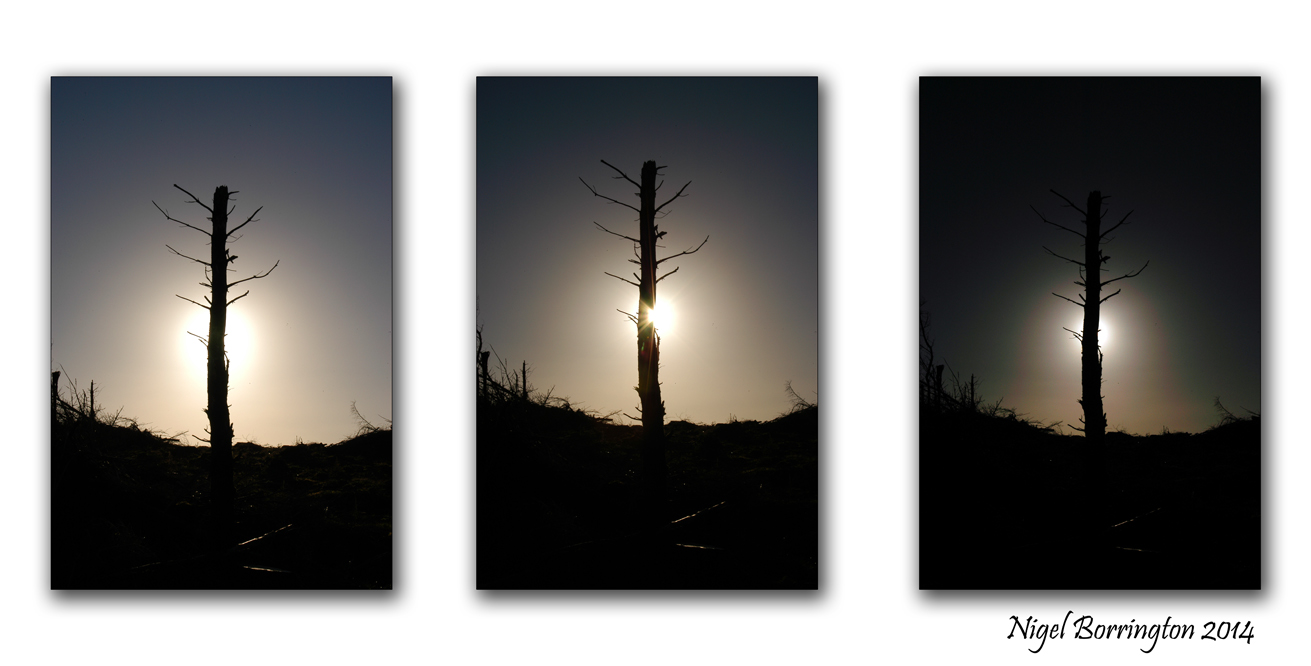
Early November mornings in the Sun.

Exposing a November sunrise. Landscape Photography : Nigel Borrington

Exposing a November Sun.
Landscape Photography : Nigel Borrington

The early morning Sun in November is very different than in the mid-summer, rising closer to the south-east than its Mid-June Eastern point on the horizon. It’s rise is much slower as the angle it takes always hugs the horizon closer, it never gets as high in the sky as June even at mid-day.

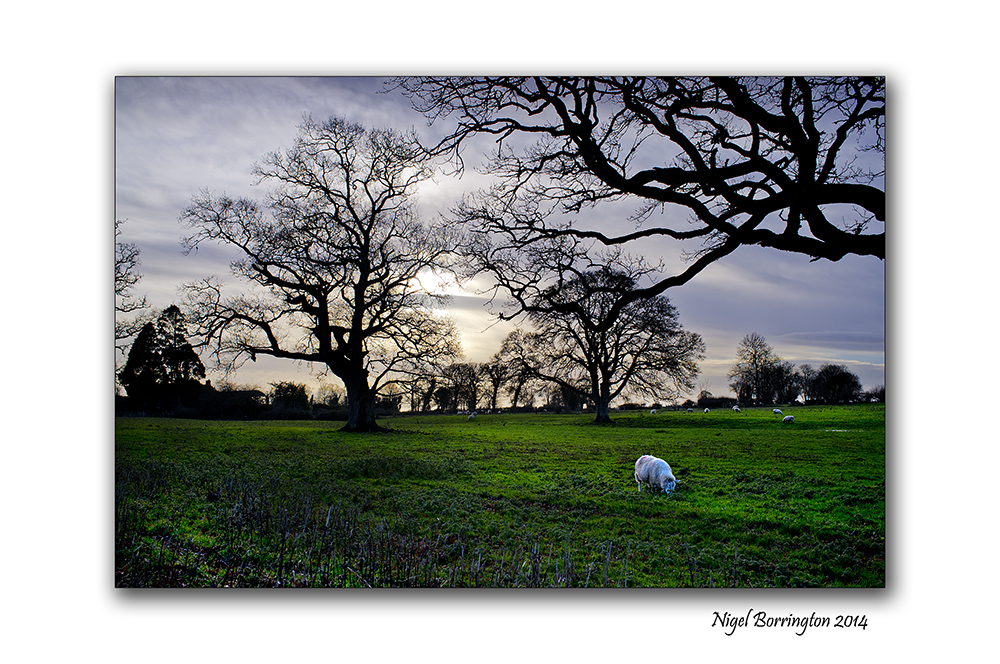
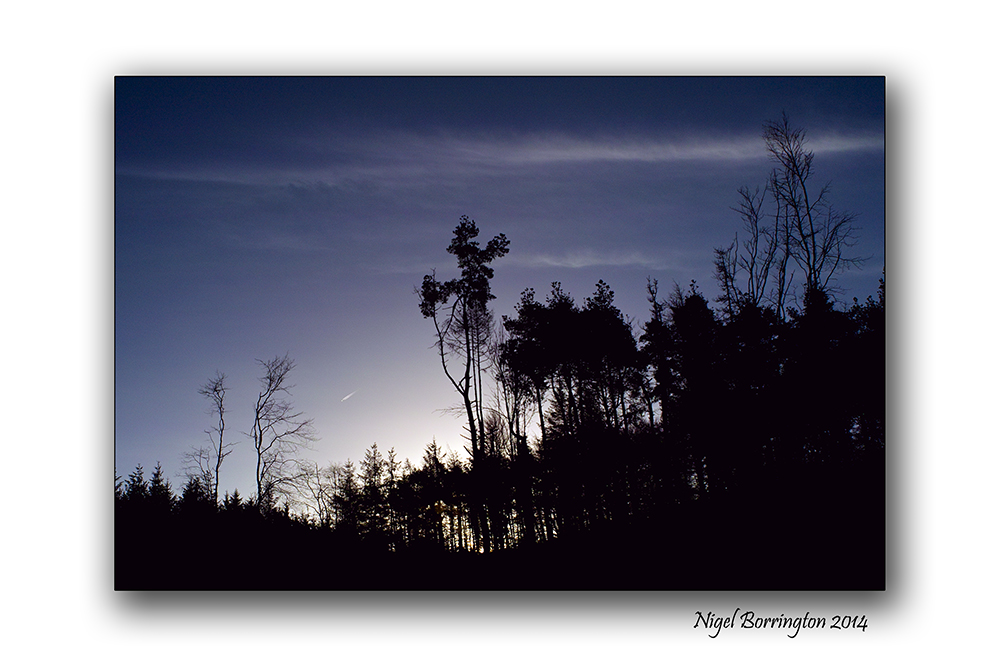
With the three Images above I wanted to capture the atmosphere of the early light as the sun starts its slow daily movement through the sky, I took three exposures using a Tripod, at different exposure setting in order to get a feeling of the colours and silhouette’s that Sun light can create.

Our November Sun …….

A November Sun, The Sun a Poem By : – Mary Oliver

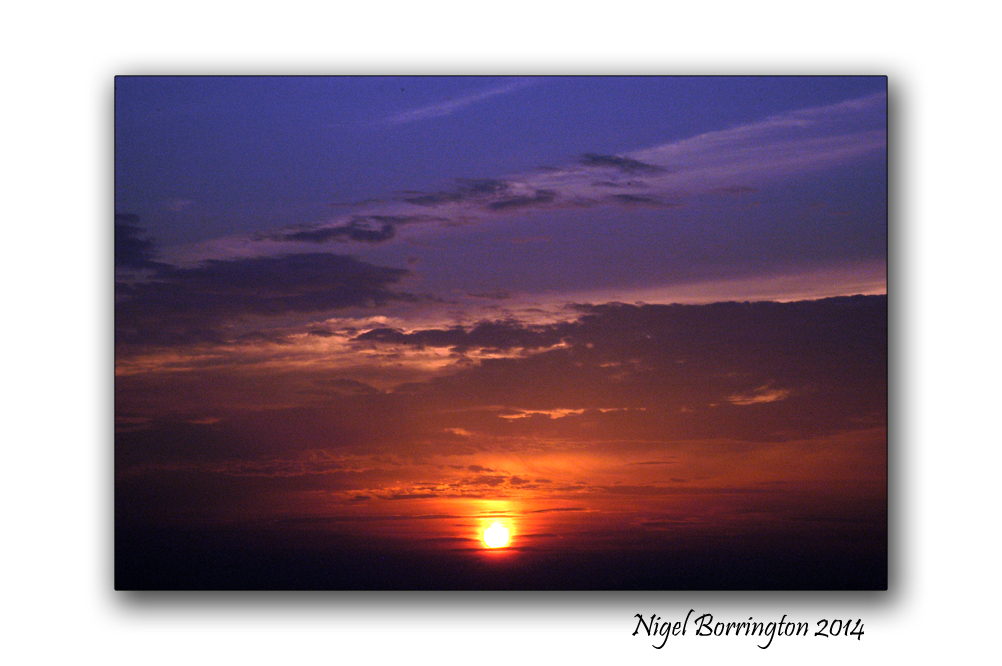
A November Sunrise, County Kilkenny Landscape Photography : Nigel Borrington

A November Sun, County Kilkenny
Landscape Photography : Nigel Borrington

The Sun

Have you ever seen
anything
in your life
more wonderful

than the way the sun,
every evening,
relaxed and easy,
floats toward the horizon

and into the clouds or the hills,
or the rumpled sea,
and is gone–
and how it slides again

out of the blackness,
every morning,
on the other side of the world,
like a red flower

streaming upward on its heavenly oils,
say, on a morning in early light,
at its perfect imperial distance–
and have you ever felt for anything
such wild love–
do you think there is anywhere, in any language,
a word billowing enough
for the pleasure

that fills you,
as the sun
reaches out,
as it warms you

as you stand there,
empty-handed–
or have you too
turned from this world–

or have you too
gone crazy
for power,
for things?

– Mary Oliver

King John’s Castle Limerick

King Johns Castle, Limerick, Ireland. Irish landscape Photography : Nigel Borrington

King Johns Castle, Limerick, Ireland.
Irish landscape Photography : Nigel Borrington

King John’s Castle, Limerick

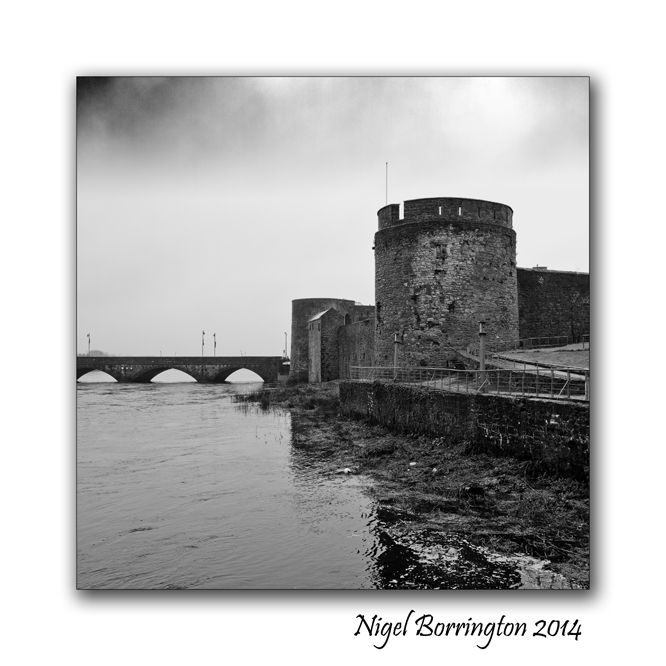
Back in January this year I took a weekend trip to Limerick on the river Shannon, to King Johns Castle located at the high street end of the town.

The Castle is a 13th-century construction located on King’s Island in Limerick, next to the River Shannon. Although the site dates back to 922 when the Vikings lived on the Island, the castle itself was built on the orders of King John in 1200. The walls, towers and fortifications remain today and are visitor attractions.

The remains of a Viking settlement were uncovered during archaeological excavations at the site in 1900

If you are passing this part of the world the Castle is well worth a visit as is a walk around Limerick city itself. You can go on a loop river walk that lets you see every part of the city from the river bank. There are many pubs and coffee stops along the way all with a great view of the river.

King Johns Castle Limerick 1

Early History

The arrival of the Anglo-Normans to the area in 1172 changed everything. Domhnall Mór Ó Briain burned the city to the ground in 1174 in a bid to keep it from the hands of the new invaders. After he died in 1194, the Anglo-Normans finally captured the area in 1195 under King John. In 1197, local legend claims Limerick was given its first charter and its first Mayor, Adam Sarvant. A castle, built on the orders of King John and bearing his name, was completed around 1210.

The castle was built on the boundary of the River Shannon in order to protect the city from the west and from any rebellion by Norman lords to the east and south. Under the general peace imposed by the Norman rule, Limerick prospered as both a port and a trading center, partly due to the castle acting as a watchdog on any cargo passing through the port of Limerick.

The town of Limerick became so wealthy during this era King John set up a mint in the North West corner of the castle, with pennies and half pennies from this time available to see in Limerick museum today. A 1574 document prepared for the Spanish ambassador attests to its wealth:

Making plans on a Monday morning – an early walk.

Kells, county Kilkenny Landscape Photography : Nigel Borrington

Kells, county Kilkenny
Landscape Photography : Nigel Borrington

Monday morning thoughts on an early walk.

So its Monday morning and the First Monday of Novemver, I was up and out early and the weather was amazing. Its turned cooler at the start of this week.

I have a good list of things to do during the week ahead so it was great to get out and look at the local landscape on an early November Morning.

These late autumn and winter mornings are perfect to be out and about in , when its light at 4am in the summer you just dont get to see the early light !!

This winter I hope to do a good few posts during each week that capture the early morning landscape in all weather types from sunny to wet and maybe even a little snow and ice.

A Morning walk up the hill 4

A November Song – A winters Gallery with poems

Novembers song  Irish Landscape Photography : Nigel Borrington

Novembers song
Irish Landscape Photography : Nigel Borrington

So Halloween is over and the first of the November mornings arrives, it feels like winter here in Kilkenny at last , I wonder what the season to come will bring, Snow and ice, Rain and storms, wonderful winter walks.

We will have to wait and see I guess, for now I post some of the images taken during winters past and some great poems reflecting upon the days ahead.

A Novembers song :

Monday Trees at Coolagh 001

“The name ‘November’ is believed to derive from ‘novem’ which is the Latin for the number ‘nine’. In the ancient
Roman calendar November was the ninth month after March. As part of the seasonal calendar November is the
time of the ‘Snow Moon’ according to Pagan beliefs and the period described as the ‘Moon of the Falling Leaves’
by Black Elk.”

Yellow Tutsan flowwers 2

“The morns are meeker than they were,
The nuts are getting brown;
The berry’s cheek is plumper,
The rose is out of town.
The maple wears a gayer scarf,
The field a scarlet gown.
Lest I should be old-fashioned,
I’ll put a trinket on.”
– Emily Dickinson

Find a forest walk 1

“When the trees their summer splendor
Change to raiment red and gold,
When the summer moon turns mellow,
And the nights are getting cold;
When the squirrels hide their acorns,
And the woodchucks disappear;
Then we know that it is autumn,
Loveliest season of the year.”
– Carol L. Riser, Autumn

Storm clouds over the land

“The sky is streaked with them
burning hole in black space —
like fireworks, someone says
all friendly in the dark chill
of Newcomb Hollow in November,
friends known only by voices.

We lie on the cold sand and it
embraces us, this beach
where locals never go in summer
and boast of their absence. Now
we lie eyes open to the flowers
of white ice that blaze over us

and seem to imprint directly
on our brains. I feel the earth,
rolling beneath as we face out
into the endlessness we usually
ignore. Past the evanescent
meteors, infinity pulls hard.”
– Marge Piercy, Leonids Over Us

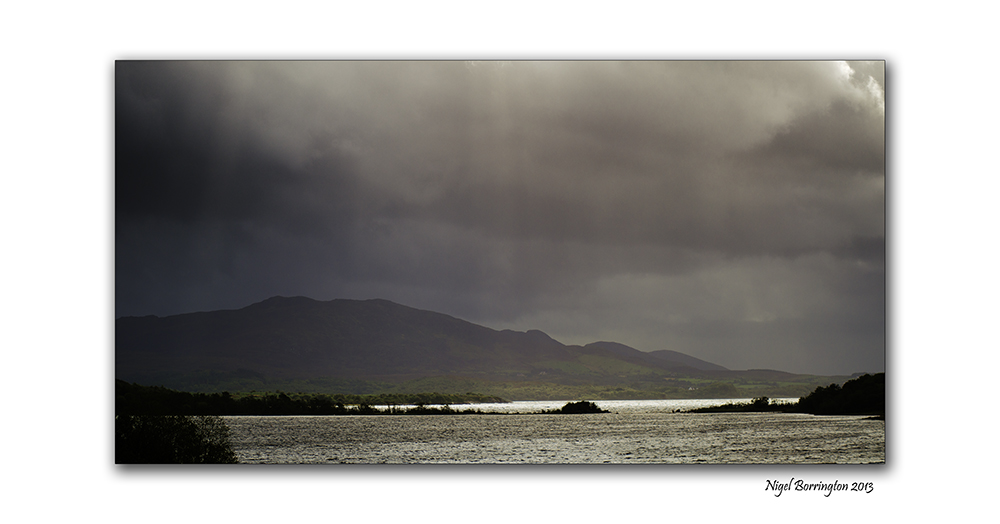
Storm clouds over the lake 1

Happy Halloween from Ireland and from the Gothic Poet – Thomas Hardy.

The To-be-forgotten By Thomas Hardy Photography : Nigel Borrington

The To-be-forgotten
Photography : Nigel Borrington

Happy Halloween to you all !

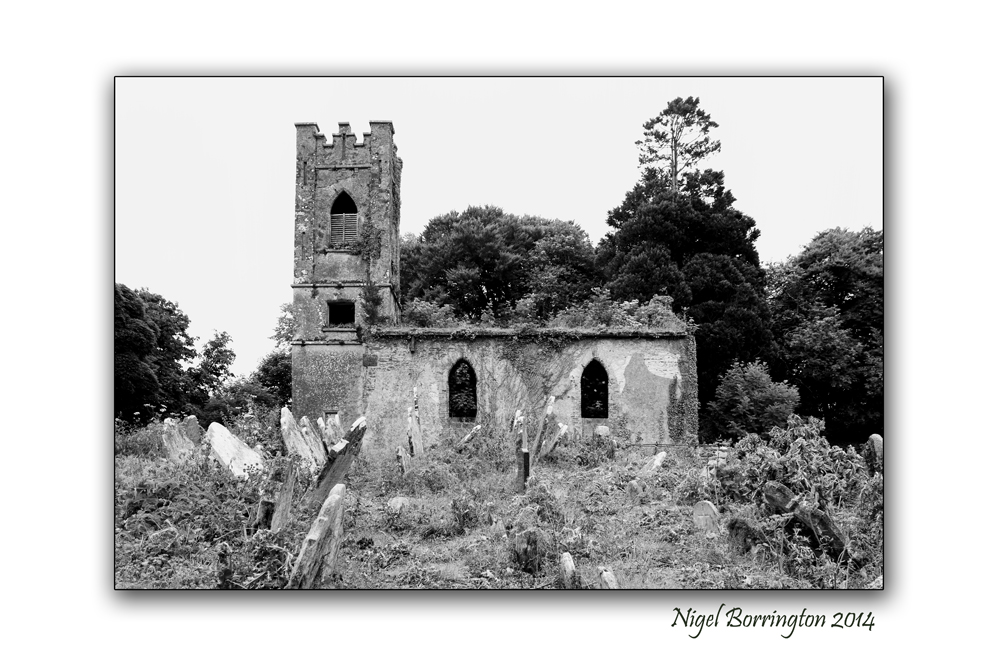
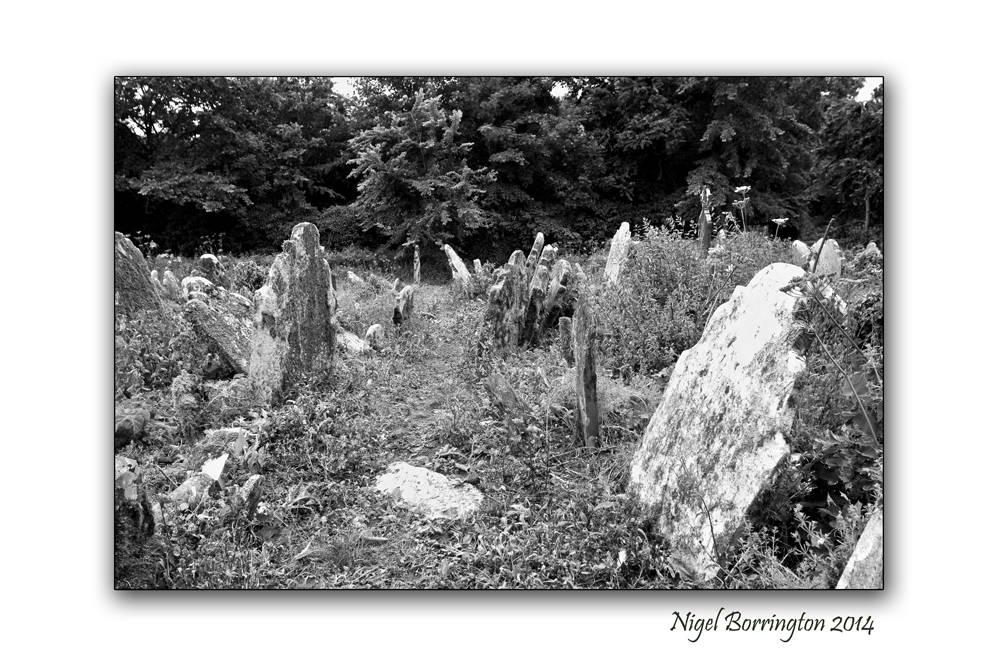
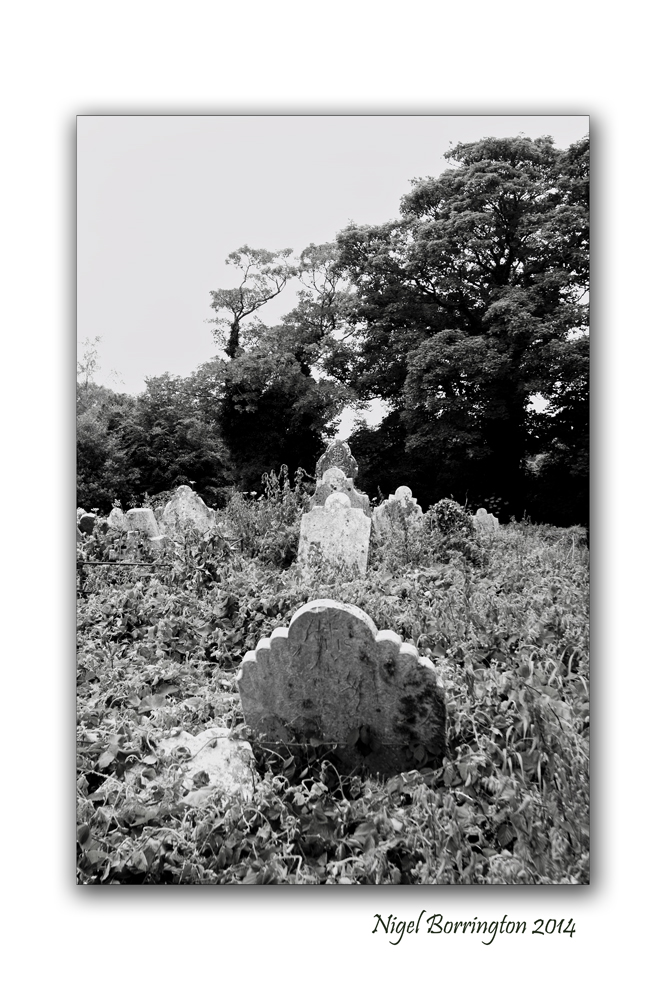
Today my post contains some images at the old estate church yard of Temple Michael, Ballynatray Estate, Cherrymount, county cork, and one of my most loved poems by Thomas Hardy, a true poet from the hight of the 1800’s Gothic period and a Victorian realist in the tradition of George Eliot.

So tonight when it goes dark if I were you I would light a fire, lock the doors and windows and stay inside as the time is tonight when The “soon to-be Forgotten” rise.

The To-be-forgotten

By Thomas Hardy
.

I
I heard a small sad sound,
And stood awhile among the tombs around:
“Wherefore, old friends,” said I, “are you distrest,
Now, screened from life’s unrest?”

II
—”O not at being here;
But that our future second death is near;
When, with the living, memory of us numbs,
And blank oblivion comes!

Halloween 2014 2.

III
“These, our sped ancestry,
Lie here embraced by deeper death than we;
Nor shape nor thought of theirs can you descry
With keenest backward eye.

IV
“They count as quite forgot;
They are as men who have existed not;
Theirs is a loss past loss of fitful breath;
It is the second death.

Halloween 2014 4.

V
“We here, as yet, each day
Are blest with dear recall; as yet, can say
We hold in some soul loved continuance
Of shape and voice and glance.

VI
“But what has been will be —
First memory, then oblivion’s swallowing sea;
Like men foregone, shall we merge into those
Whose story no one knows.

Halloween 2014 6.

VII
“For which of us could hope
To show in life that world-awakening scope
Granted the few whose memory none lets die,
But all men magnify?

VIII
“We were but Fortune’s sport;
Things true, things lovely, things of good report
We neither shunned nor sought … We see our bourne,
And seeing it we mourn.”

Halloween 2014 3

The Sally Gap, county Wicklow , and a poem by Wallace Stevens

Sally Gap, county Wicklow Irish Landscape Photography : Nigel Borrington

Sally Gap, county Wicklow
Irish Landscape Photography : Nigel Borrington

The North Wind

By : Wallace Stevens

“It is hard to hear the north wind again,
And to watch the treetops, as they sway.

They sway, deeply and loudly, in an effort,
So much less than feeling, so much less than speech,

Saying and saying, the way things say
On the level of that which is not yet knowledge:

A revelation not yet intended.
It is like a critic of God, the world

And human nature, pensively seated
On the waste throne of his own wilderness.

Deeplier, deeplier, loudlier, loudlier,
The trees are swaying, swaying, swaying.”

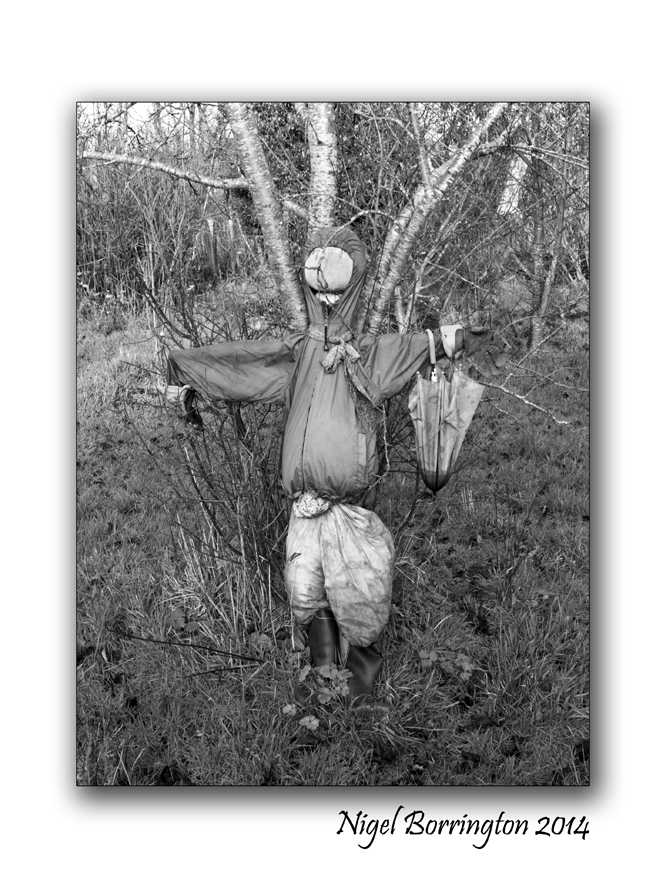
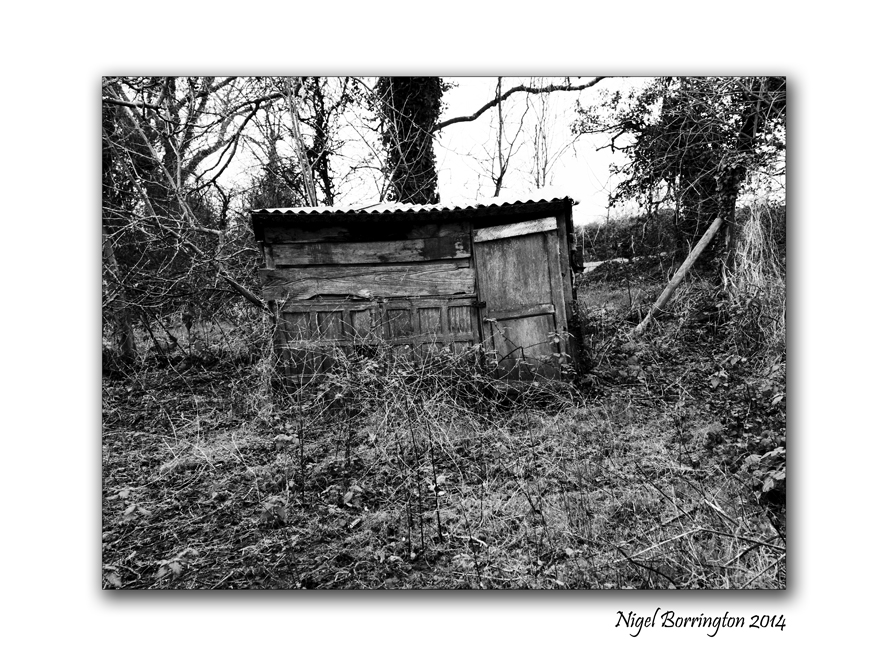
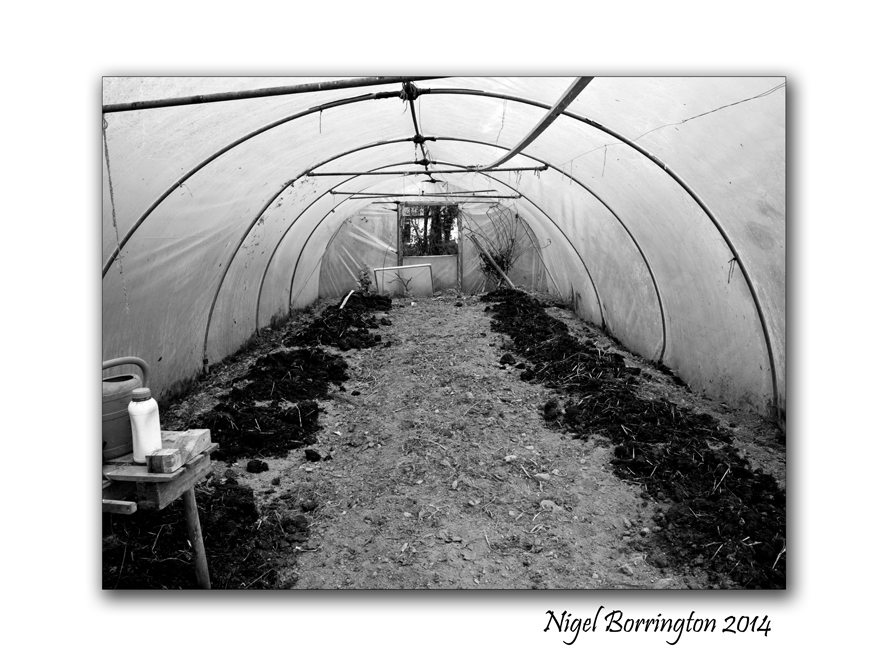
As Winter falls upon the farm.

As winter falls upon the Farm. Photography : Nigel Borrington

As winter falls upon the Farm.
Landscape Photography : Nigel Borrington

After living here in county Kilkenny for over ten years now, we have got to know many different people. One of the families we know very well own a small farm and when ever they go on holiday we help look after the place for them. We moved here from North London and its a great pleasure to now be able to see and be on a farm like this one.

These images where taken during such a week, late in the Autumn and as winter took a grip over their farm and its land.

Seeing a farm in the height of June is a wonderful thing, everything growing and the animals full of life but I love these winter months just as much, the place is slower with the cold and damp morning.

The Horses and Chickens are slower and growing season finished apart from some late greens to be used in the kitchen before the frost sets in. The farm and its land feels ready for the three months of rest it well deserves.

Gallery

As winter falls upon the Farm 2

As winter falls upon the Farm 3

As winter falls upon the Farm 5

As winter falls upon the Farm 7

As winter falls upon the Farm 6

As winter falls upon the Farm 4