Capturing the world with Photography, Painting and Drawing

Latest

Kilkenny Castle

Kilkenny castle Pannel

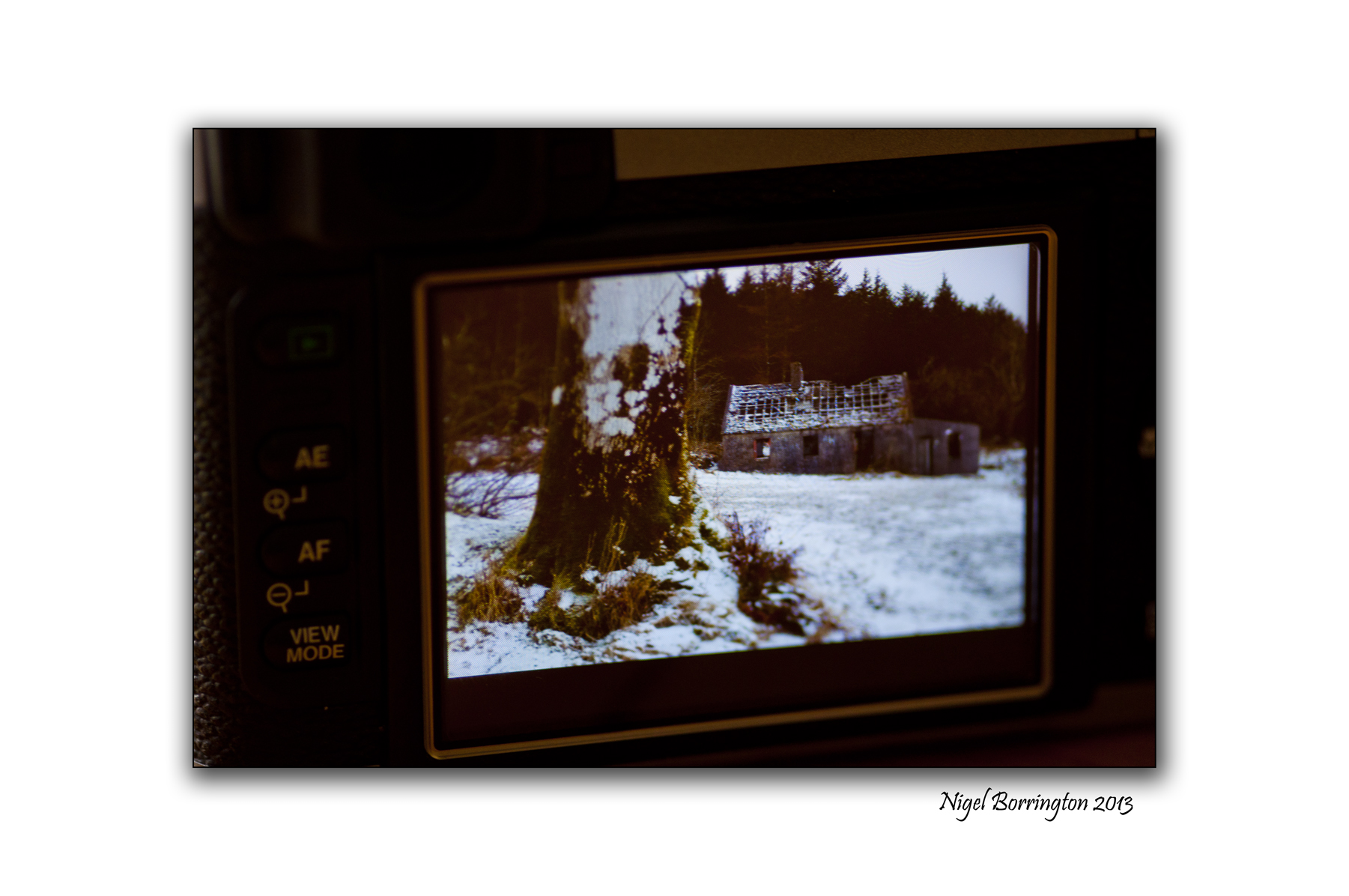
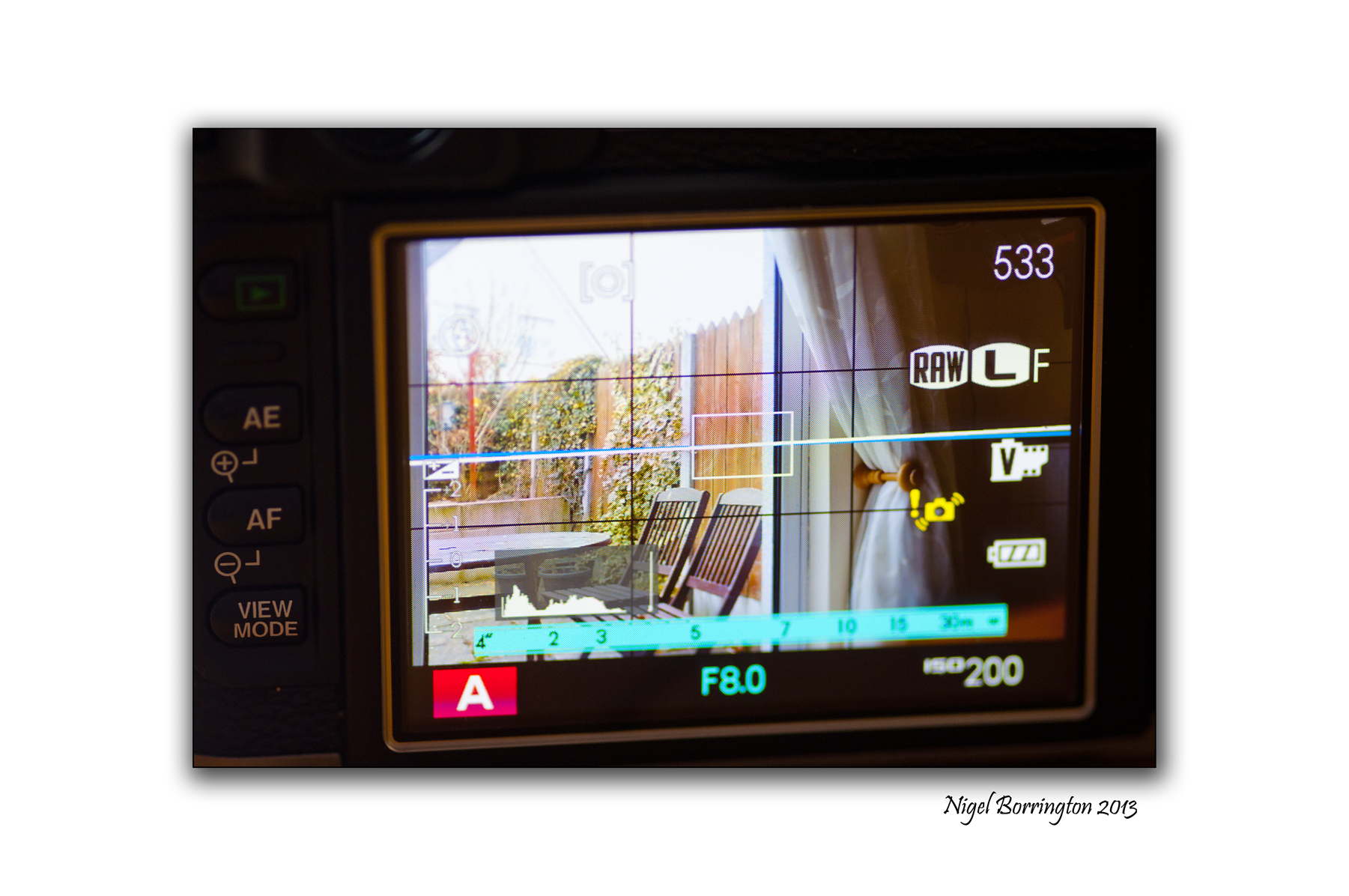
Fujifilm X100
Landscape Photographer : Nigel Borrington

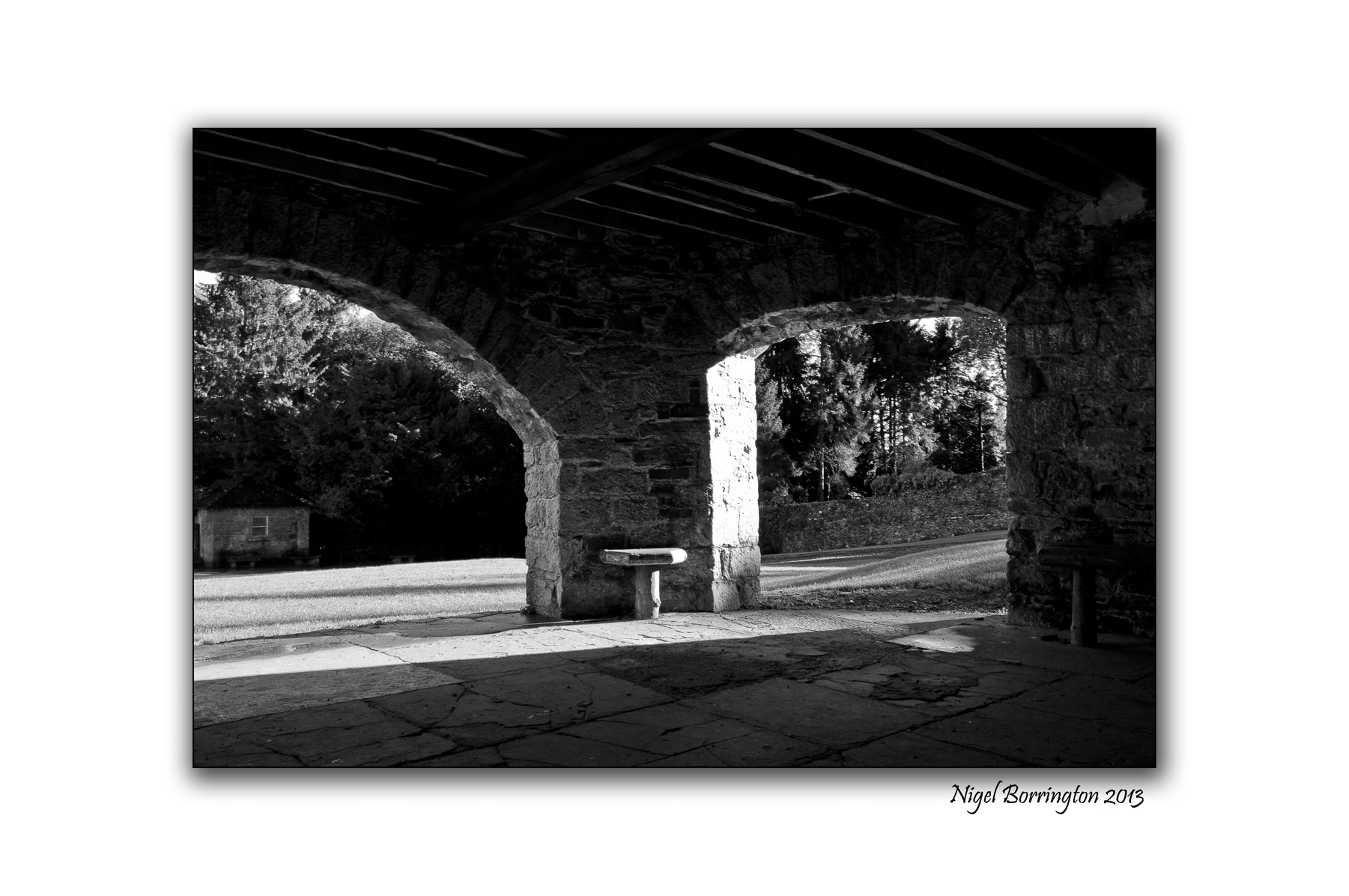
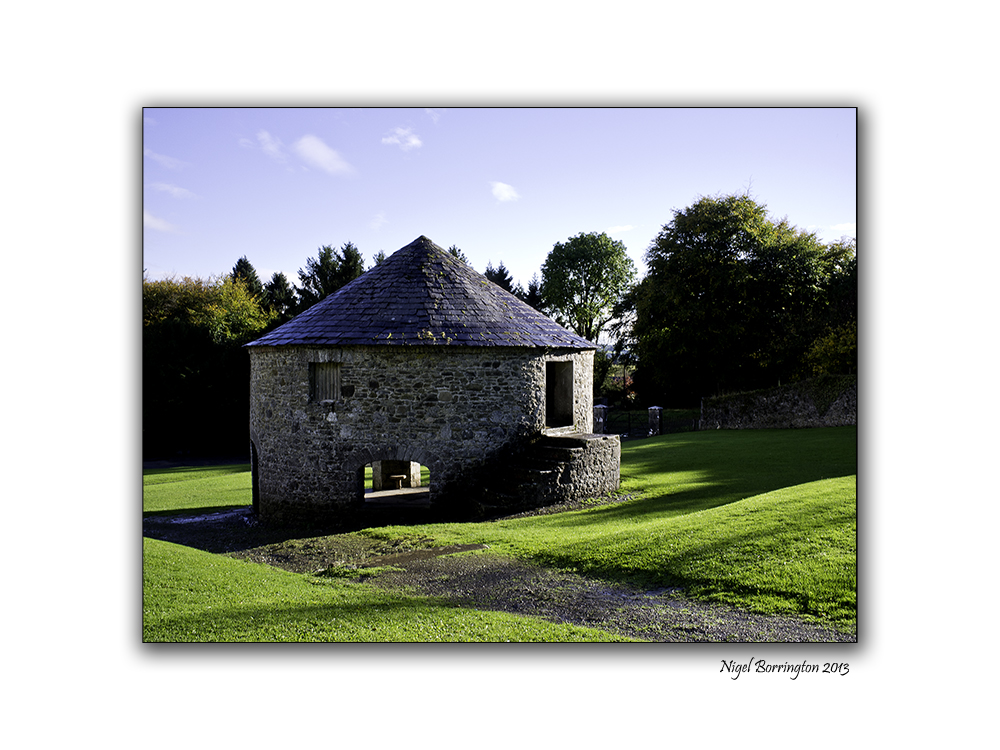
Over the years since I came to live in Kilkenny I have spend many hours in the grounds of this Castle, the above images are from just some of the times I have taken a camera with me and taken a few shots.

If you do visit Kilkenny, the Castle and its grounds just have to be on your list of places to visit…

Kilkenny Castle

Kilkenny Castle (Irish: Caisleán Chill Chainnigh) is a castle in Kilkenny, Ireland built in 1195 by William Marshal, 1st Earl of Pembroke to control a fording-point of the River Nore and the junction of several routeways. It was a symbol of Norman occupation and in its original thirteenth-century condition it would have formed an important element of the defences of the town with four large circular corner towers and a massive ditch, part of which can still be seen today on the Parade.

The property was transferred to the people of Kilkenny in 1967 for £50[1] and the castle and grounds are now managed by the Office of Public Works. The gardens and parkland adjoining the castle are open to the public. The Parade Tower is a conference venue. Awards and conferring ceremonies of the graduates of “Kilkenny Campus” of National University of Ireland, Maynooth have been held there since 2002.
Contents

Previous owners of the castle

Earls of Pembroke

Kilkenny Castle has been an important site since Richard de Clare, 2nd Earl of Pembroke, commonly known as Strongbow constructed the first castle, probably a wooden structure, in the 12th century. The Anglo-Normans had established a castle in 1173, possibly on the site of an earlier residence of the Mac Giolla Phádraig kings of Osraighe. Kilkenny formed part of the lordship of Leinster, which was granted to Strongbow. Strongbow’s daughter and heiress, Isabel married William Marshall in 1189. The Earl Marshall owned large estates in Ireland, England, Wales and France and managed them effectively. He appointed Geoffrey fitz Robert as seneschal of Leinster and so began a major phase of development in Kilkenny, including the construction of Kilkenny Castle and the agreement of rents and privileges with burgesses or citizens of the borough. The first stone castle on the site, was completed in 1213. This was a square-shaped castle with towers at each corner; three of these original four towers survive to this day
Butler dynasty

James Butler, 3rd Earl of Ormonde, bought the castle in 1391 and established himself as ruler of the area. The Butler dynasty then ruled the surrounding area for centuries. They were Earls, Marquesses and Dukes of Ormonde and lived in the castle for over five hundred years. Among the many notable, Lady Margaret Butler (c. 1454 or 1465–1539) the Irish noblewoman, the daughter Thomas Butler, 7th Earl of Ormond. Lady Margret Butler was born in Kilkenny Castle. She married Sir William Boleyn and was the paternal grandmother of Anne Boleyn, second wife of King Henry VIII of England.

The Castle became the seat to the very powerful family, the Butlers of Ormonde or Butler family, who lived there until 1935.

Kilkenny castle was the venue for the meeting of the General Assembly, or parliament, of the Confederate Ireland government in the 1640s.

The Irish State

The last member of the Butler family sold the castle to the local Castle Restoration Committee in the middle of the 20th century for £50. Shortly afterward it was handed over to the State, and has since been refurbished and is open to visitors. There are ornamental gardens on the city side of the castle, and extensive land and gardens to the front. It has become one of the most visited tourist sites in Ireland. Now a property in state care. Part of the National Art Gallery is on display in the castle.

History

Richard de Clare (also known as Strongbow) and other Norman knights came to Kilkenny in 1172, the high ground beside the River Nore was as an ideal site on which to build a wooden tower. He built a wooden castle of the type known as motte-and-bailey.

This strategic site was where the local Kings of Osraige had their chief residence before the Norman invasion.

Twenty years later, de Clare’s son-in-law, William Marshal, Earl of Pembroke, built the first stone castle on the site, of which three towers still remain.

The castle was owned by the seneschal of Kilkenny Sir Gilbert De Bohun who inherited the county of Kilkenny and castle from his mother in 1270, in 1300 he was outlawed by Edward I but was reinstated in 1303, he held the castle until his death in 1381. It was not granted to his heir Joan, but seized by the crown and sold to the Butler family.
Butlers of Ormond

The Castle became the seat to a very powerful family, the Butlers of Ormonde or Butler family. They were a remarkable family, resilient, politically astute and faithful to the crown and to Ireland. These loyalties determined their fortunes and career. The Butler family arrived in Ireland with the Norman invasion, and originally settled in Gowran. They changed their name from FitzWalter in 1185 to Butler. The family had become wealthy, and James Butler, 3rd Earl of Ormonde, bought the castle in 1391 and established himself as ruler of the area. The Butler dynasty then ruled the surrounding area for centuries.

By the 18th century, the castle had become run down, reflecting the failing fortunes of the Butler family. However, some restoration was carried out by Anne Wandesford of Castlecomer, who brought wealth back into the family upon marrying John Butler, 17th Earl of Ormonde.

In the 19th century, the Butlers then attempted to restore it to its original medieval appearance, also rebuilding the north wing and extending the south curtain wall. More extensions were added in 1854.

The Butler family remained living in the castle until 1935, when they sold its contents for £6,000, moved to London, and abandoned it for thirty years. The impact of rising taxes, death duties, economic depression and living costs had taken their toll. While the Ormondes had received £22,000 in rental income in the 1880s, investment income in the 1930s was in the region of £9,000 and by 1950 these investments yielded only £850. They disposed of the bulk of their tenanted estates in Tipperary and Kilkenny, 21,000 acres (85 km²), by 1915 for £240,000. Death duties and expenses following the death of James Butler, 3rd Marquess of Ormonde in 1919 amounted to £166,000.[2]
Auction Catalogue, 1935

In 1967, Arthur Butler, 6th Marquess and 24th Earl of Ormonde, sold the abandoned and deteriorating castle to the Castle Restoration Committee for £50, with the statement: “The people of Kilkenny, as well as myself and my family, feel a great pride in the Castle, and we have not liked to see this deterioration. We determined that it should not be allowed to fall into ruins. There are already too many ruins in Ireland.” He also bought the land in front of the castle from the trustees “in order that it should never be built on and the castle would be seen in all its dignity and splendour”. Mick Jagger and Marianne Faithfull turned up at the castle hand over party, with Jagger telling the newspapers “We just came to loon about

Kate Rusby

The Lark ( Kate Rusby )

Kate Rusby The Lark
Nikon F90x film camera
Kodak 200iso colour film
A view over Melfort Village, Argyll, Scotland
Nigel Borrington

Out in the field where the lark it flies,
Over the earth where my heart it lies,
Oh how it sings when the west wind blows,
Out in the field where no-one goes.

Oh how I’m cold will you let me in,
If you could hear me speak, where I would begin,
Time it is past now and I roam free,
Is it wrong to wish you still need me,
is it wrong to wish you still need me.

Out in the field where the lark it sings,
There I was waiting for all love brings,
There I stood and there I fell,
Out in the field that I know well.

Oh how I’m cold will you let me in,
If you could hear me speak, where I would begin,
Time it is past now and I roam free,
Is it wrong to wish you still need me,
is it wrong to wish you still need me.

Out in the field where the lark resides,
Here I’ll remain where my heart can hide,
Only the lark and the west wind know,
I’m in this field where no-one goes.

Oh how I’m cold will you let me in,
If you could hear me speak, where I would begin,
Time it is past now and I roam free,
Is it wrong to wish you still need me,
is it wrong to wish you still need me

You Tube, Live performance : http://www.youtube.com/watch?v=imLg8DVAuHU

Good Morning Chicken !

Good Morning!

Every now and then we look after a friends farm house while they go on holiday. One of the biggest Jobs is putting the chickens away in the evening, having to collect up everyone of them and shut them in for the night is Great fun!!!

This job is balanced very well though when the next morning you have to let them out and give them some feed, they look very pleased to be set free for the day!

Letting out the chickens
Fujifilm X100

Letting out the chickens 2
Fujifilm X100

Fujifilm X100

Fuji film X100 Review 12

Fujifilm X100

    Contax G2
    Contax G2 electronic rangefinder camera

    For many years I owned and enjoyed using a contax G2 film camera with three lenses and a flash unit. I trusted this camera completely and it helped me photograph many different subjects in many different locations.

    However from about 1999 onwards I took to digital photography with a Nikon D1x then followed this with a Nikon D200 and on, my Contax G2 was still landing in my camera bag with some rolls of film but became less and less used. I was telling myself that black and white film was still better than converting digital images taken in colour. Digital sensors however have become better and better and it’s now almost impossible to tell the difference any more.

    So last year I had to make a decision and the G2 got sold on ebay along with the lenses and flash, all getting a very good price. This however left a gap in my camera kit, the need for a light range-finder type camera.

    A camera I could have as a backup to an SLR and that I could carry anywhere with me. After some reading and looking for what was available, I found that I had chosen just the right time to sell my old G2 as Fuji film a manufacturer I have long admired for both cameras and film had released their new X100 model. In the end I ordered an ex demo/reconditioned example from the fujifilm shop website at a good price along with a twelve month guarantee.

    x100

    This article is my opinion (not a technical review) of this camera after having used it for some months.

    Firstly let me say that from the moment I took this camera out of the box I fell in love with its looks and also its instant appeal to someone who owned more advanced slr and medium format cameras.

    It has all the key features that a beginner and advanced photographer needs, no fussy dials or buttons with a thousand and one possible subjects from sunlight to hanging off a mountain upside down etc…

    It’s just good old fashioned photography here,

    Fuji film X100 Review 6

    An aperture dial on the lens going from f2 to f16

    Fuji film X100 Review 3

    a shutter speed dial with speeds from B to 1/4000 of a second along with a T setting that when used with the lcd screen can select speeds down to 30 seconds.

    Fuji film X100 Review 4

    Next to the shutter release and the shutter speed dial is exposure compensation dial that lets you make a shift in exposure from -2 to +2 in 1/3 stops.

    These three are the grass roots of a good camera going back years and have been placed on professional (slr, rangefinder and medium format) cameras all this time. When you begin to know your subjects and how to photograph them these are all you will ever need.

    One final point here and that’s that both the shutter speed dial and aperture dial include an A-automatic setting so that you can work in (Manual, Aperture priority, shutter priority and fully automatic) exposure modes. (If you’re not sure about these setting follow this link).

    The fuji X100 viewfinder

    Fuji film X100 Review 2

    Now you will read a lot of X100 reviews on the internet and the built in viewfinder has been talked about a lot and for good reason. It’s simply a little miracle, this for me is the single biggest reason that this camera is the best compact camera on the new and second hand market today.

    You can look at lots of other reviews and articles to see samples of the view finder layout so I am not going to go into fine detail here but I have the following observations to make.

    This view finder is wonderful as you can see all the exposure settings on a digital overlay. This is all the exposure and framing information you will ever need and it can be displayed both optically and when using the electronic view finder option.

    Fuji film X100 Review 7

    I loved this finder and all the information that it provides but the real point about this to me is the eye sensor that lets you see exactly the same information you get on the rear LCD screen.

    Fuji film X100 Review 11

    All you do is place your eye to the optical viewfinder and it instantly gives you the LCD screens view and information in full detail.

    This is just simply wonderful, you can spend all day photographing any subject you like with this eye sensor option enabled, when using a tripod I found this just fantastic. This is what a great digital camera should be about.

    Fuji film X100 Review 10

    Fuji film X100 Review 9

    I have spent a full day from dawn to dusk and never once felt that I didn’t know what the camera was doing from (f-stop, shutter speed, iso or even focus distance and depth of field) its all there in front of you even when you have the camera on a tripod.

    The fuji x100 LCD screen itself is a little smaller that a pro level slr but it works in all situations and I never once felt that I could not see it even from extreme angles.

    The X100 in your hands

    Fuji film X100 Review 1

    I have owned a few digital cameras all slr’s since 1999 and I cannot explain just how much I love using the X100, you can read all the reviews you like about the X100 being slow to focus (Slow but correct is better that fast but out of focus), and about card write times. Many firmware upgrade have improved these problem so if you get a early X100 make sure you upgrade.

    Actually none of this matters at all to me, it’s passed every test in my own book, it’s not only great to hold and to use, it also hit the mark on image quality and reliability time after time, day after day.

    Fujifilm have just released an upgrade to the X100 the X100s but it will be sometime before I go out to get one because this version, the one I already have is wonderful and It will only be the day that Fujifilm say that a repair is too costly to justify, that I will get the new model.

    The following are some images from this camera and I hope you can see why I am so happy with it!

    Fuji X100 Samples

    x100 landscape sample 3

    X100 Sample image

    x100 landscape sample 4

    x100 landscape sample 1

    x100 landscape sample 2

Windermere

windermere

A view of Windermere
Contax G2, 45mm lens
Kodak, iso 200 colour film
Landscape photographer : Nigel Borrington

Hook head Lighthouse

Hook head lighthouse dusk
Hook head – Lighthouse, Nikon D7000

Back in 2011 I started a project of capturing photos and information about the history and lives of the Lighthouse keepers of Ireland.

I just want to share a small amount in this post.


Hook head light house

Hook head old lamp

This area is renowned as the location of Hook Lighthouse. Hook Head is the oldest lighthouse in Ireland, and one of the oldest in Europe still operating. In the 5th century St Dubhán set up a fire beacon on the headland as a warning to mariners. After his death his monks kept the beacon going for another 600 years. Between 1170 and 1184 the Normans built the present lighthouse. It was built from local limestone and burned lime mixed with ox’s blood. Even today traces of the blood-lime mix can be seen coming through the paintwork. The walls are 9 to 13 feet thick and 80 feet above the ground.[1] In 1665 King Charles II granted letters patent to Sir Robert Reading to erect six lighthouses on the coast of Ireland, one of which was at Hook Head on the site of the older lighthouse, the others being at Howth, one to mark the land, the other to lead over the bar; the Old Head of Kinsale, Barry Oge’s castle (now Charlesfort, near Kinsale), and the Isle of Magee.

Hook head

Hookhead web cams

North view : http://www.teknet.ie/webcamNorth.html,
West view : http://www.teknet.ie/webcamWest.html

Video

I have posted this video before but its well worth doing so again, its a wonderful short film …..

The Lighthouse Keeper’s videos:

Train to Dublin

– Louis MacNeice

louis macneice
Nikon Fm2n
Nikon 50mm f1.4 lens
Kodak film

Our half-thought thoughts divide in sifted wisps
Against the basic facts repatterned without pause,
I can no more gather my mind up in my fist
Than the shadow of the smoke of this train upon the grass –
This is the way that animals’ lives pass.

The train’s rhythm never relents, the telephone posts
Go striding backwards like the legs of time to where
In a Georgian house you turn at the carpet’s edge
Turning a sentence while, outside my window here,
The smoke makes broken queries in the air.

The train keeps moving and the rain holds off,
I count the buttons on the seat, I hear a shell
Held hollow to the ear, the mere
Reiteration of integers, the bell
That tolls and tolls, the monotony of fear.

At times we are doctrinaire, at times we are frivolous,
Plastering over the cracks, a gesture making good,
But the strength of us does not come out of us.
It is we, I think, are the idols and it is God
Has set us up as men who are painted wood,

And the trains carry us about. But not consistently so,
For during a tiny portion of our lives we are not in trains,
The idol living for a moment, not muscle-bound
But walking freely through the slanting rain,
Its ankles wet, its grimace relaxed again.

Poem by : Louis MacNeice
Full version of the Poem

Its the weekend

Inveraray weekend view

Nikon f90x
Kodak film
50mm f1.4 lens

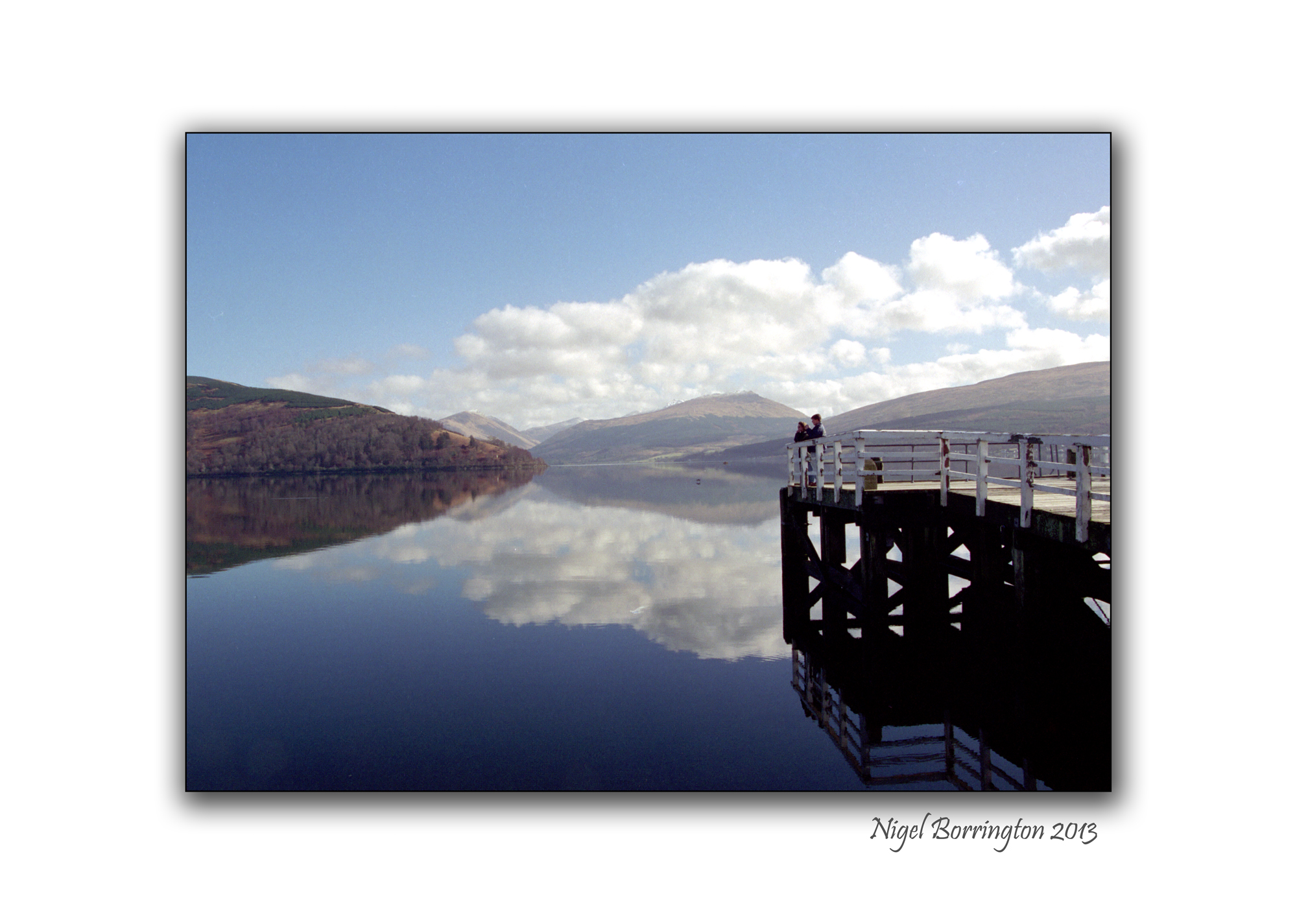
Its the weekend so find a place with a view and relax

Artic Penguin – Inveraray

Artic penguin 1
Nikon F90x
Ilford XP2
Nikon 50mm f1.4 lens

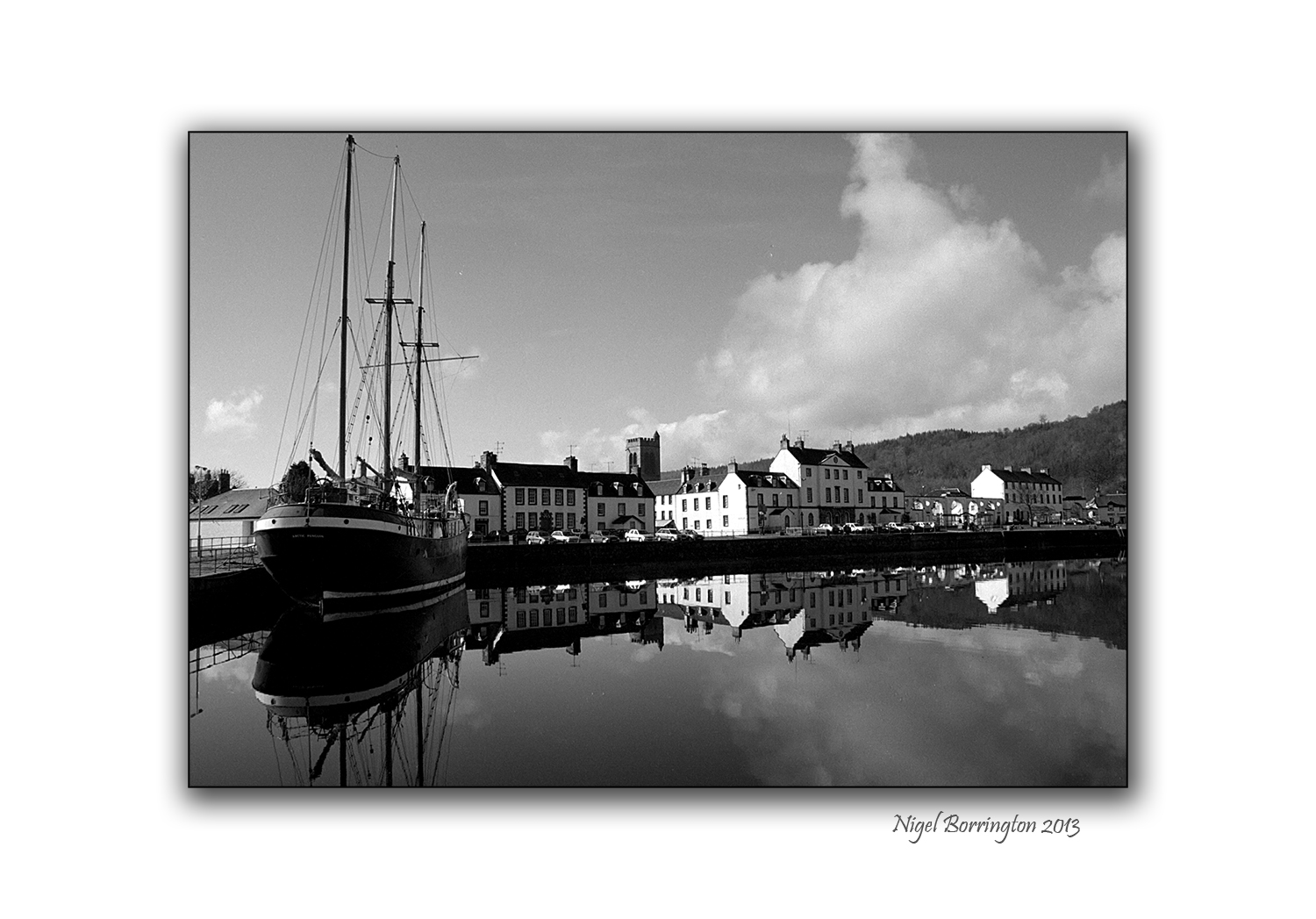
Sitting on the quays at Inveraray in Argyll and Bute, Scotland, the Artic Penguin now rests.

She had the following History

History

1910 Named: PENGUIN as lightship for the Irish Lighthouse Service – cost £7,230. Flag: Ireland
1966 Sold to T.E. McSweeney and converted into a Youth Adventure Sea Training Vessel Renamed: HALLOWE’EN Flag: United Kingdom
1982 Sold to Mr D. Norris and converted to a schooner. Cruise Boat Renamed: ARCTIC PENGUIN Moored close to the eastern shore of The Gareloch where her new owner single-handedly fitted her with twin diesel engines. All the work, the boring out of the stern propellor tubes, the fitting of the necessary external propellor shaft brackets, the propellor shafts and the propellors was all done without the ship being docked or slipped.
1995 Maritime Museum at Inveraray Pier

Today she enjoys one of the best views Scotland has to offer.

Artic penguin 2
Nikon F90x
Ilford XP2
Nikon 50mm f1.4 lens

Inveraray sits on the A83 between Glasgow and Oban/Argyll, I have driven this route many times and stopping to look at the Artic Penguin and loch Fyne was something I did every time, just a fantastic view.

I am planning to return in November this year and cannot wait!

Artic penguin 3

Nikon F90x
Ilford XP2
Nikon 50mm f1.4 lens

Nigel …

Wild Sorrel

Wild Sorrel

Wild Sorrel in the irish woodland

Irish wood lands

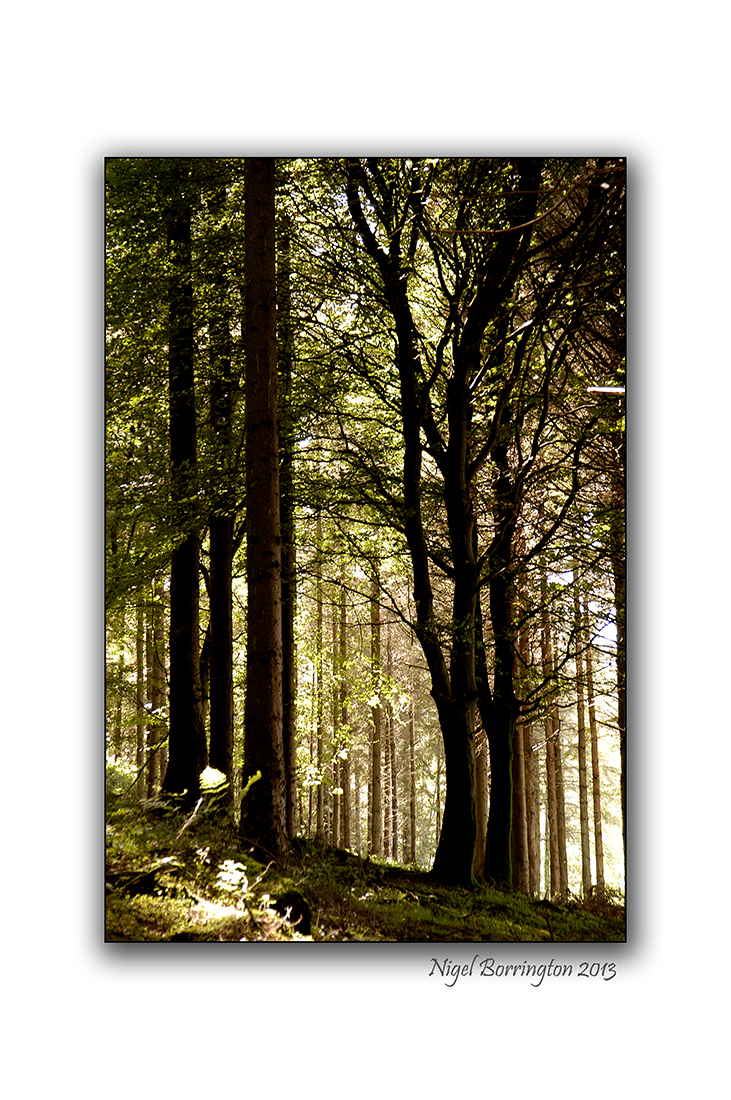
From the Middle of April until the Summer many of Irelands wood-land floors come to life with lots of different plants, Wild Sorrel is one if these that can be fully enjoyed. It can be picked and eaten on your walk or collected and taken home for you fridge.

The leafs of this plant can add to any meal that you are preparing. I love the moment when I first see wild sorrel coming out, its the start of the woodlands bursting into life after a long cold winter.

This web page has a great discription… http://www.wildflowersofireland.net/plant_detail.php?id_flower=243

“Carpeting old, undisturbed woodlands in spring, this pretty downy perennial also grows on moss-covered trees and shady walls and is widespread throughout the country. Each pretty white five-petalled bell-shaped flower (10 – 15 mm) is held solitarily on a stem which comes directly from the roots. The petals are lined with a tracery of pink veins through to the golden centre of the flower. The leaves are trifoliate, each leaflet heart-shaped and these fold up towards late afternoon or in rain as do the fragile flowers. They have a sharp taste of oxalic acid. This flower blooms from April to June, is a native plant and belongs to the family Oxalidaceae.

Also known as Wood Shamrock and Wood Sour, the leaves of this plant were used to make an ointment by early herbalists. Some people eat these leaves in salads or soups but beware, as large doses may cause oxalate poisoning. “