Capturing the world with Photography, Painting and Drawing

Latest

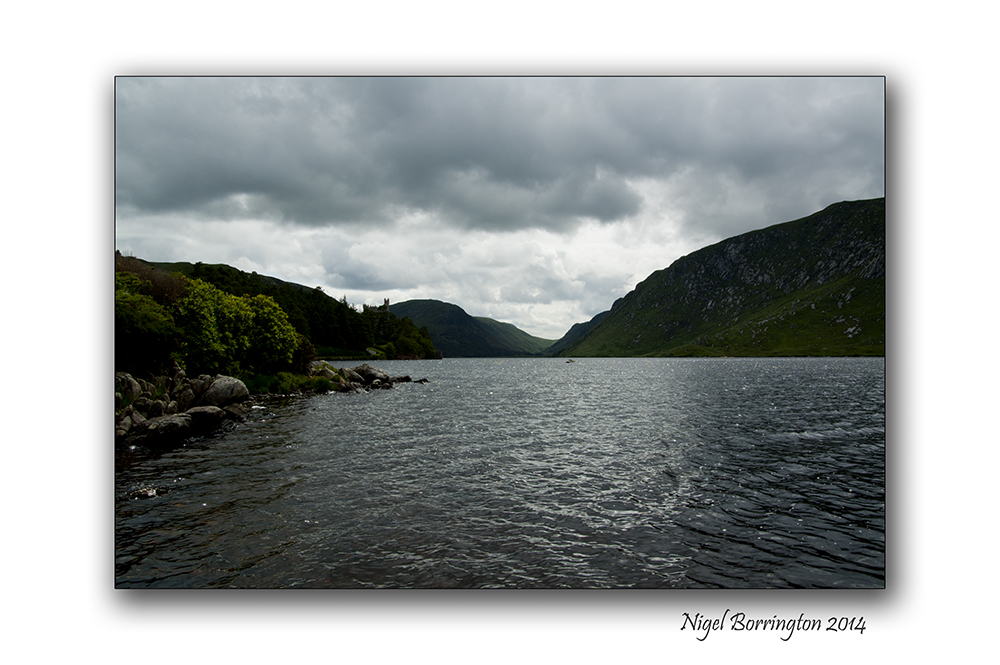
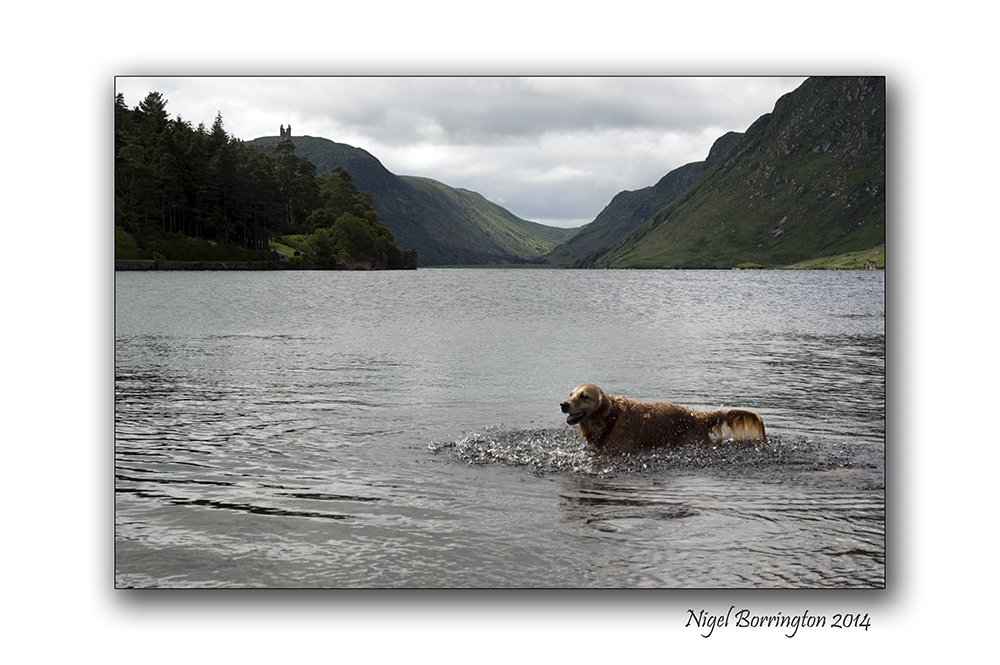
A swim at Glenveagh national park.

Glenveagh National park 7
A swim at Glenveagh National Park
Irish landscape Photography : Nigel Borrington

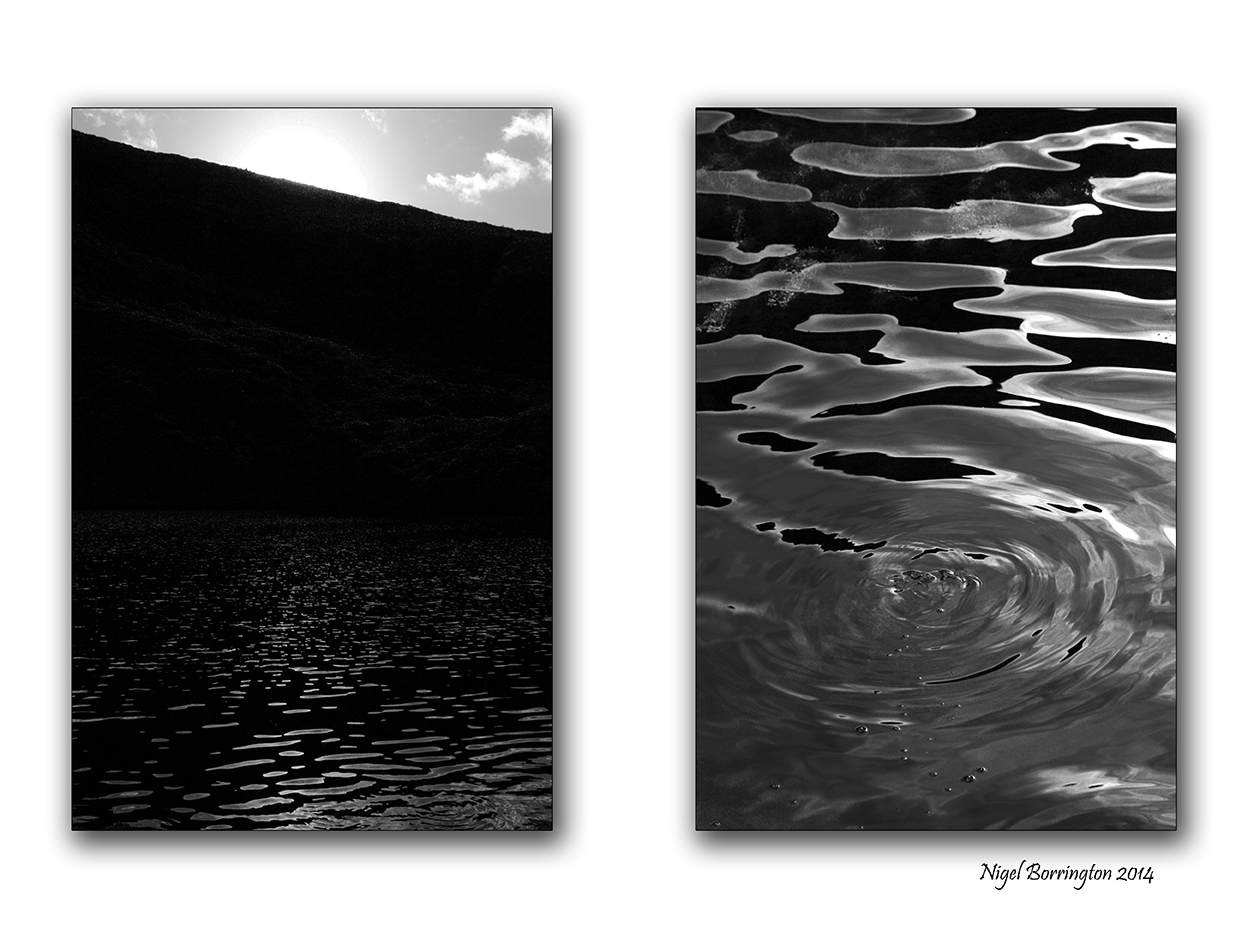
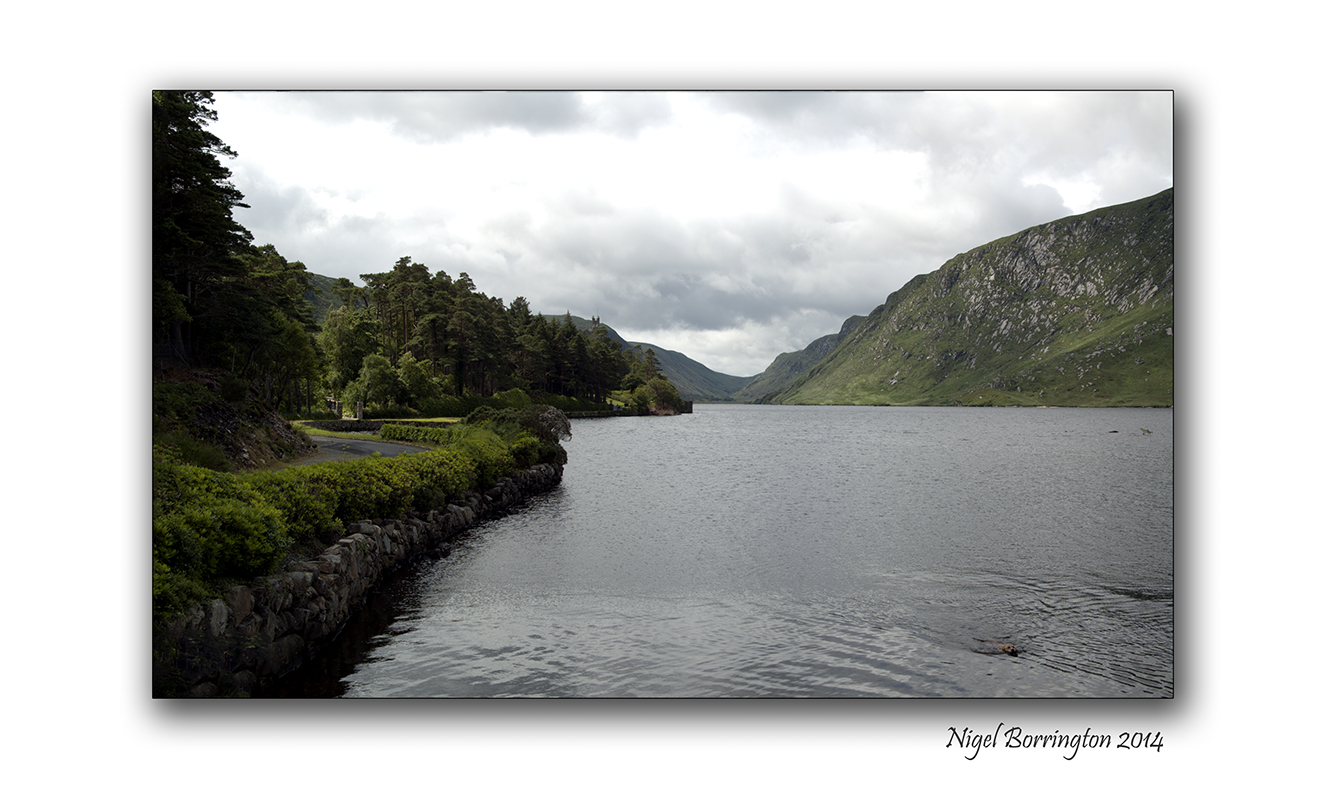
Molly is our ten year old Golden Retriever and she just loves the water, here are some images of her as she was taking a swim the the lake at the Glenveagh National Park, Co. Donegal.

Glenveagh National Park

Glenveagh National Park is one of six national parks in Ireland. Situated in the Northwest of Co. Donegal, Glenveagh encompasses some 16,000 hectares in the heart of the Derryveagh Mountains. Such a great wilderness is the haunt of many interesting plants and animals. These lands were managed as a private deer forest before becoming a national park in 1975. With the completion of public facilities Glenveagh National Park was officially opened to the public in 1986.

Location

Gallery

Glenveagh National park 1

Glenveagh National park 4

Glenveagh National park 5

Glenveagh National park 6

Glenveagh National park 2

Glenveagh National park 3

Glenveagh National park 8

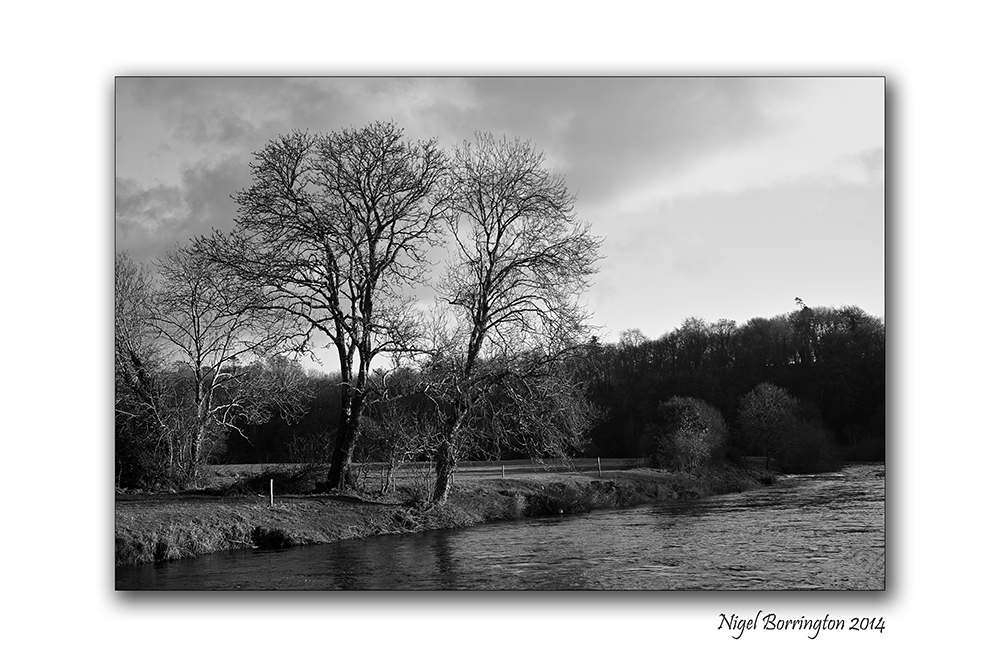
Winter trees by the river bank

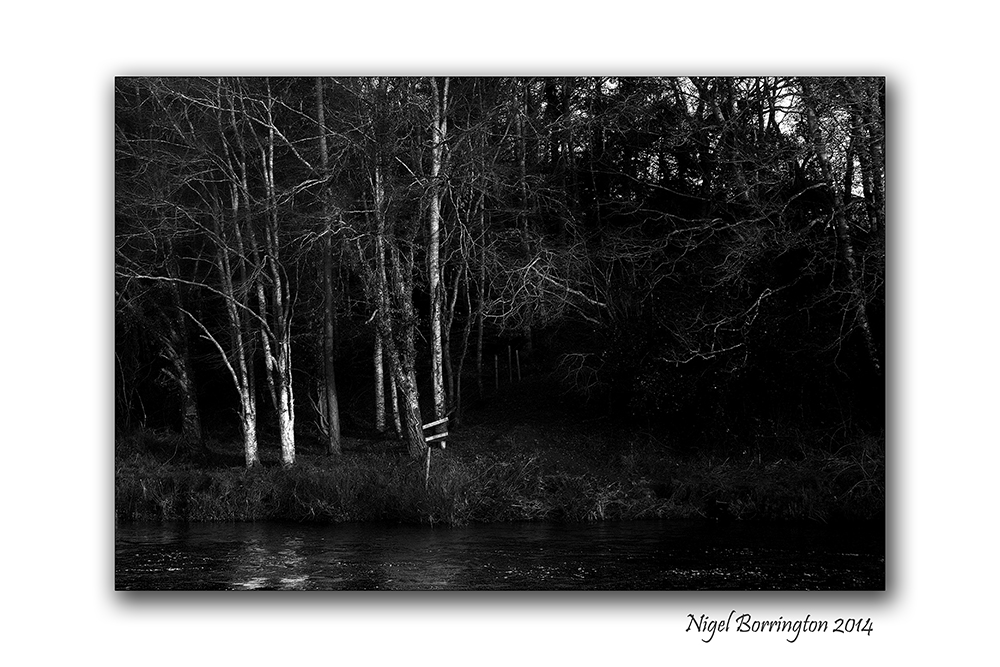
The Trees by the river bank 1
Winter trees along the river Nore, county KIlkenny
Irish Landscape Photography : Nigel Borrington

A river walk in January along side the river Nore, county kilkenny, offers some great views.

Amongst the best of these views are the great leafless trees, their hight and their shapes casting long shadows, their reflections in the water.

Gallery

The Trees by the river bank 2

The Trees by the river bank 4

The Trees by the river bank 3

The Trees by the river bank 1

My Secret Spot on the Beach, a Poem and images.

On the beach 1
Images of an Irish beach
Landscape Photography : Nigel Borrington

My Secret Spot on the Beach

To a few I showed my secret Spot,
To many I reveal it is on The Beach,
In Waterford, still without my help,
none may find, because is called mine,
My hidden Beach Spot

Its open, its free, yet guarded and protected
All can find, all can see, but beyond the vision,
belongs to me, My Secret Spot,
On the Beach, in Waterford…

On the beach 2

A friend I call to Show my Paradise,
and share the secret rooted
inside my heart, with all my soul,
My loved Beach spot,
Loved , and so very special to me!

On the beach 3

The Herons flight , Galway Bay.

The Herons flight galway bay 1
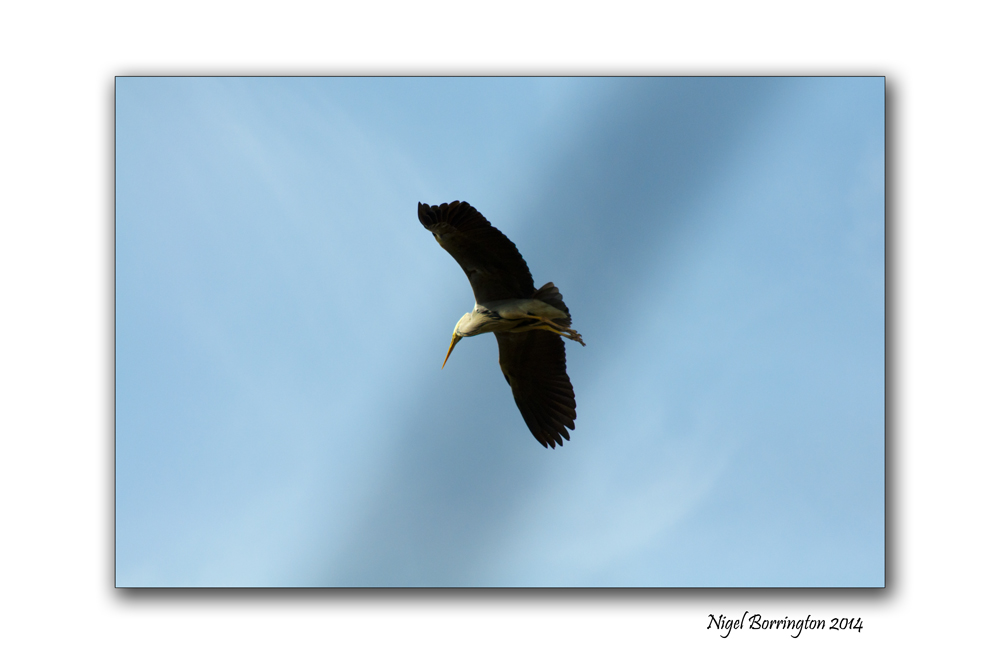
Herons flying above Galway bay
Nature Photography Nigel Borrington

On a very enjoyable visit, I managed to Capture these Herons during a spring time visit to Galway Bay. At this time of year the Local Herons are hunting along the coast line for fish and getting ready to nest build in the spring.

To get these images I stood under some trees along side a beach and captured them as they flew above me.

The Herons flight : Gallery

The Herons flight galway bay 6

The Herons flight galway bay 2

The Herons flight galway bay 3

The Herons flight galway bay 1

The Herons flight galway bay 5

Nature photography : Wood and Common Puffball Mushrooms.

Mushrooms 3
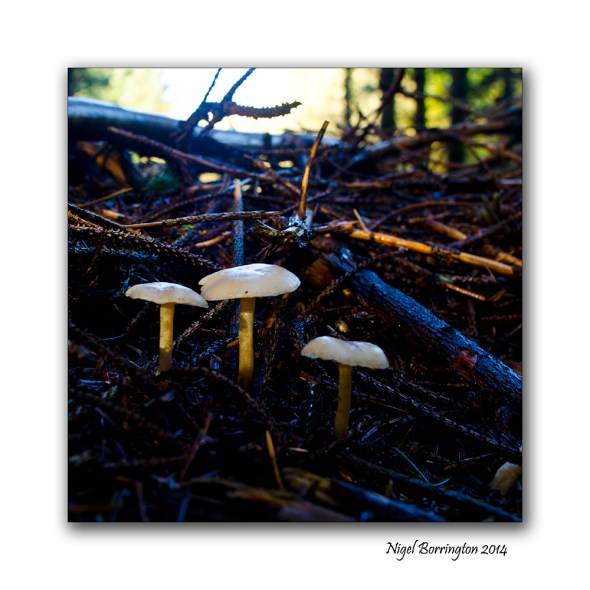
Wood Mushrooms, Kilkenny woodlands
Irish Nature Photography : Nigel Borrington

Photographing and capturing Nature is something I love doing through out the year.

In January the woodlands are still full of life, it may be a little harder to find but it is still all around. Mushroom are enjoying a very mild winter here in Ireland and I managed to find and capture these (Wood Mushrooms and Common Puffball Mushrooms) yesterday in a local woodland nature reserve.

Gallery and details

Mushrooms 1

Common Puff ball Mushrooms

Lycoperdon perlatum, popularly known as the common puffball, warted puffball, gem-studded puffball, or the devil’s snuff-box, is a species of puffball fungus in the family Agaricaceae. A widespread species with a cosmopolitan distribution, it is a medium-sized puffball with a round fruit body tapering to a wide stalk, and dimensions of 1.5 to 6 cm (0.6 to 2.4 in) wide by 3 to 7 cm (1.2 to 2.8 in) tall. It is off-white with a top covered in short spiny bumps or “jewels”, which are easily rubbed off to leave a netlike pattern on the surface. When mature it becomes brown, and a hole in the top opens to release spores in a burst when the body is compressed by touch or falling raindrops.

The puffball grows in fields, gardens, and along roadsides, as well as in grassy clearings in woods. It is edible when young and the internal flesh is completely white, although care must be taken to avoid confusion with immature fruit bodies of poisonous Amanita species. L. perlatum can usually be distinguished from other similar puffballs by differences in surface texture. Several chemical compounds have been isolated and identified from the fruit bodies of L. perlatum, including sterol derivatives, volatile compounds that give the puffball its flavor and odor, and the unusual amino acid lycoperdic acid. Laboratory tests indicate that extracts of the puffball have antimicrobial and antifungal activities.

Mushrooms 2

Wood Mushrooms

This species was originally noted and named in 1753 by Carolus Linnaeus as Agaricus campestris. It was placed in the genus Psalliota by Lucien Quelet in 1872. Some variants have been isolated over the years, a few of which now have species status, for example, Agaricus bernardii Quel. (1878), Agaricus bisporus (J.E. Lange) Imbach (1946), Agaricus bitorquis (Quel.) Sacc. (1887), Agaricus cappellianus Hlavacek (1987), and Agaricus silvicola (Vittad.) Peck (1872).
Some were so similar they did not warrant even variant status, others have retained it e.g. Agaricus campestris var. equestris (F.H. Moller) Pilat (1951) is still valid, and presumably favors pasture where horses have been kept. Agaricus campestris var isabellinus (F.H. Moller) Pilat (1951), and Agaricus campestris var.radicatus, are possibly still valid too.

The specific epithet campestris is derived from the Latin campus “field”.

The cap is white, may have fine scales, and is 5 to 10 centimetres (2.0 to 3.9 in) in diameter; it is first hemispherical in shape before flattening out with maturity. The gills are initially pink, then red-brown and finally a dark brown, as is the spore print. The 3 to 10 centimetres (1.2 to 3.9 in) tall stipe is predominantly white and bears a single thin ring. The taste is mild. The white flesh bruises slightly reddish, as opposed to yellow in the inedible (and somewhat toxic) Agaricus xanthodermus and similar species.

The spores are 7–8 micrometres (0.00028–0.00031 in) by 4–5 micrometres (0.00016–0.00020 in), and ovate. Cheilocystidia are absent.
Following the river over the waterfall

Monday Morning at the Waterfall 5
River Pollanassa, Waterfall, Mullinavat, County Kilkenny
Irish landscape photography : Nigel Borrington

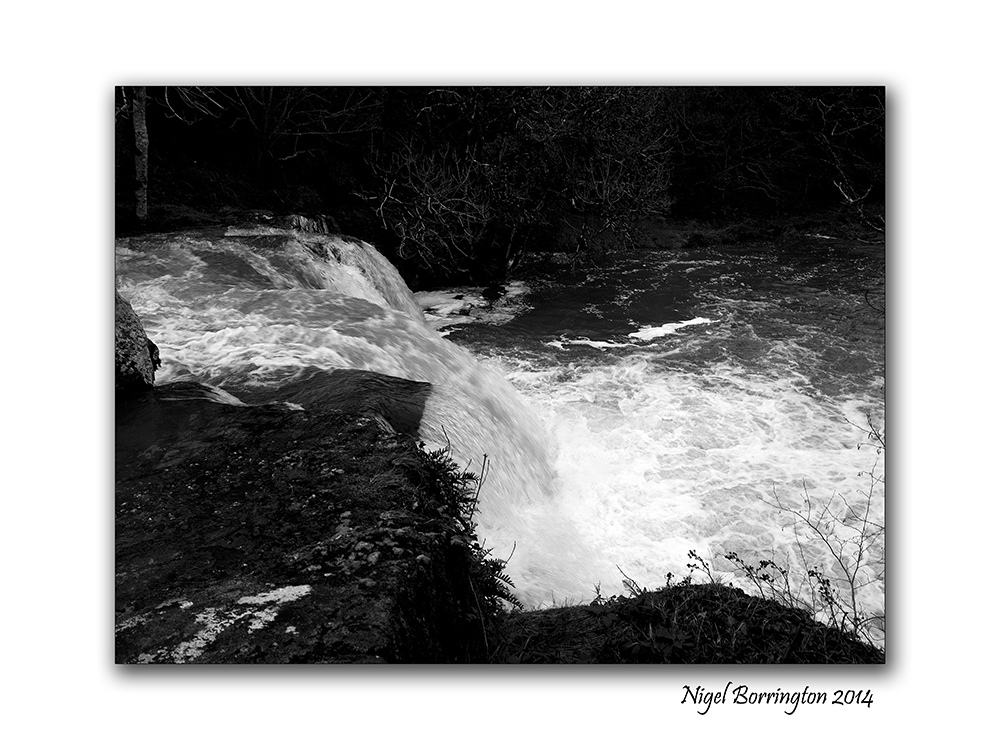
County Kilkenny has many rivers both small and large, flowing through its lands. The River Pollanassa, however would not be the best known or the most spectacular of them but for the waterfall it has created as the river flows towards the town of Mullinavat.

The following images show the river as it flows towards, over and past the Waterfall.

The Waterfall at Mullinavat

Monday Morning at the Waterfall 1

Monday Morning at the Waterfall 2

Monday Morning at the Waterfall 3

Monday Morning at the Waterfall 4

Monday Morning at the Waterfall 5

Monday Morning at the Waterfall 6

The first flowers of Spring

The first signs of Spring 2014
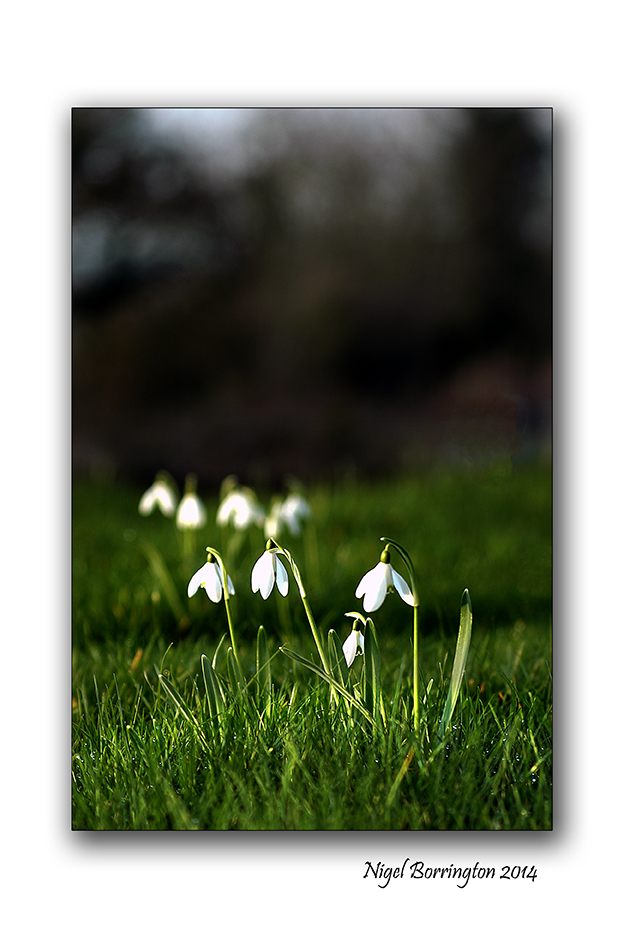
Snow drops, the first flowers of spring
Nature photography : Nigel Borrington

Each January The first flowers of spring are the snow drops, I love to see these flowers, the winter is not yet over, yet they bring into your mind the spring that will soon be here.

Snow drops…..

Early in the Spring

Long the trail
County Kilkenny, woodland landscape
Irish Landscape photography : Nigel Borrington

Early in the Spring

By : James Kent

Early in the spring
Not a leaf has struck the ground
The swallow has yet to sing
And the plowmen are no where to be found

Early in the spring
The forest stands still
And no creature dare come out
Before the sun rises o’er the hill

Early in the spring
The valley holds the morning dew
And its serenity may be captured
By only a certain few

National Tree week 2012 : Nigel Borrington

.

Early in the spring
The trees turn, brown to green
Many changes occur
But few can be seen

Early in the spring
Or in the latter of fall
No matter the change of season
The evergreen stands tall

The Old Dead Tree, By David Harris

The dead Tree
An old dead tree, Kilkenny woodlands
Irish Landscape Photography : Nigel Borrington

The Old Dead Tree

By : David Harris

The old dead tree stood
gnarled weather torn;
its limbs were now brittle.
What stories could it tell
of the centuries it had lived,
the passing lives it had seen,
and the storms it had weathered
when it was young and strong.
When its foliage was green
and gave shelter from the rain.
Now it stands bare and broken,
a sorry sight to be seen.
It must have been beautiful
when it was young
with its canopy of green,
and a nesting place for little birds
among its evergreen.
Now they only used it
as a resting place whenever they pass by.
The old dead tree,
which had seen so much life.

The Unnamed Lake, Poem by : Frederick George Scott (1861-1944)

The Unnamed Lake 3
The Unnamed Lake,Comeragh Mountains,Co.Waterford
Irish Landscape Photography

The Unnamed Lake

By : Frederick George Scott (1861-1944)

IT sleeps among the thousand hills
Where no man ever trod,
And only nature’s music fills
The silences of God.

Great mountains tower above its shore,
Green rushes fringe its brim,
And o’er its breast for evermore
The wanton breezes skim.

Dark clouds that intercept the sun
Go there in Spring to weep,
And there, when Autumn days are done,
White mists lie down to sleep.

Sunrise and sunset crown with gold
The peaks of ageless stone,
Where winds have thundered from of old
And storms have set their throne.

The Unnamed Lake 2.

No echoes of the world afar
Disturb it night or day,
The sun and shadow, moon and star
Pass and repass for aye.

‘Twas in the grey of early dawn,
When first the lake we spied,
And fragments of a cloud were drawn
Half down the mountain side.

Along the shore a heron flew,
And from a speck on high,
That hovered in the deepening blue,
We heard the fish-hawk’s cry.

Among the cloud-capt solitudes,
No sound the silence broke,
Save when, in whispers down the woods,
The guardian mountains spoke.

The Unnamed Lake 1.

Through tangled brush and dewy brake,
Returning whence we came,
We passed in silence, and the lake
We left without a name.