Friday Poem , The Valley And The Mountain Top

The Valley And The Mountain Top
Though standing in this valley
with yet the mountain top in view,
I will indulge my aspiration
to see the sights from that point too!
This will be my challenge,
to get from here to there!
I’ll see the view from the mountain top,
and breath the mountain top air!
This is quite the challenge I chose
but I must make it to the top!
If the attempt determines
the success or failure,
“No way now can I stop!!!”

There it is! I can see the top!
Mere feet am I away from my goal!
This challenge has pushed the limits,
I believe of my heart, mind, body and soul!
Though standing on this mountain top
with the view of the valley below,
I indulged my aspiration,
from my indulgement
this I do know!
As wonderful as the view is from here
to as far as the eye can see,
I must never forget where this started from,
with the view standing in the valley!
A Poem By – Thomas A Robinson Thomas , Borders and Fences

Borders and Fences
Nigel Borrington
Borders and Fences
Your borders
are mending fences
And false fiction
is the elevated
runoff of the headwaters
of your dreams
And the people black framed
in the cages
of the eternal moment’s collapse
Will gather generating
candle light wisdom
of those
who deny existence
House By The Sea – Poem by N Nobu

House By The Sea – Poem by N Nobu
They lived
in a house by the sea
he and she.
Where sun sheltered
from the waning moon
myriads of stars
and the lightning beams.
They lived
in a house by the sea
he and she.
Where fireflies lit the sky
crickets sang nearby
and gentle waves kissed
the golden sands goodbye.

They lived
in a house by the sea
he and she.
Fought a little, talked a lot
danced with the breeze
cherishing moment of
bliss and peace.
They lived
in a house by the sea
he and she

.
She stooped a little
he antiqued a bit
there vision dimmed
with every passing cloud.
She died
In a house by the sea.
Mermaids tell he never cried
for he knew
Lovers never die
and she awaits otherside
where sea meets the sky…..
Landscape poems, “His Dream Of Skyland” by Li Po
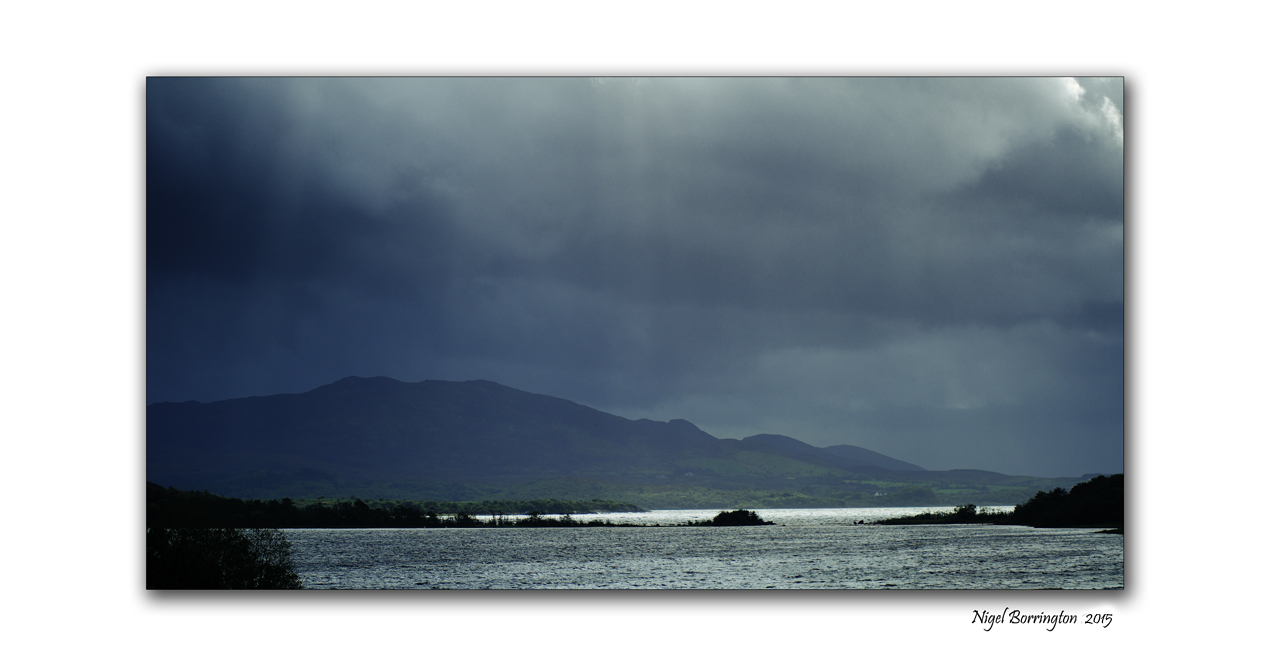
His Dream Of Skyland
The seafarers tell of the Eastern Isle of Bliss,
It is lost in a wilderness of misty sea waves.
But the Sky-land of the south, the Yueh-landers say,
May be seen through cracks of the glimmering cloud.
This land of the sky stretches across the leagues of heaven;
It rises above the Five Mountains and towers over the Scarlet Castle,
While, as if staggering before it, the Tien-tai Peak
Of forty-eight thousand feet leans toward the southeast.
So, longing to dream of the southlands of Wu and Yueh,
I flew across the Mirror Lake one night under the moon.

The moon in the lake followed my flight,
Followed me to the town of Yen-chi.
Here still stands the mansion of Prince Hsieh.
I saw the green waters curl and heard the monkeys’ shrill cries.
I climbed, putting on the clogs of the prince,
Skyward on a ladder of clouds,
And half-way up from the sky-wall I saw the morning sun,
And heard the heaven’s cock crowing in the mid-air.
Now among a thousand precipices my way wound round and round;
Flowers choked the path; I leaned against a rock; I swooned.
Roaring bears and howling dragons roused me –
Oh, the clamorous waters of the rapids!
I trembled in the deep forest, and shuddered at the overhanging crags,
one heaped upon another.
Clouds on clouds gathered above, threatening rain;
The waters gushed below, breaking into mist.
A peal of blasting thunder!
The mountains crumbled.
The stone gate of the hollow heaven
Opened wide, revealing
A vasty realm of azure without bottom,
Sun and moon shining together on gold and silver palaces.

Clad in rainbow and riding on the wind,
The ladies of the air descended like flower, flakes;
The faery lords trooping in, they were thick as hemp-stalks in the fields.
Phoenix birds circled their cars, and panthers played upon harps.
Bewilderment filled me, and terror seized on my heart.
I lifted myself in amazement, and alas!
I woke and found my bed and pillow –
Gone was the radiant world of gossamer.
So with all pleasures of life.
All things pass with the east-flowing water.
I leave you and go – when shall I return?
Let the white roe feed at will among the green crags,
Let me ride and visit the lovely mountains!
How can I stoop obsequiously and serve the mighty ones!
It stifles my soul.
– Li Po. Translated by: Shigeyoshi Obata
A Poem By WILLIAM WORTHLESS – barley field

Barley field
i walked the barley field standing oh so bold
blowing in the breeze with its leaves of gold
sun was beating down as i walked along my way
through the fields of barley on a summers day

it was very peaceful it made me feel so whole
such a tranquil feeling it reached in to my soul
such a lovely feeling it made me feel so free
walking through the barley brought all this to me
County Kilkenny Landscapes and a Poem : Like Barley Bending, Sara Teasdale (1884 – 1933)
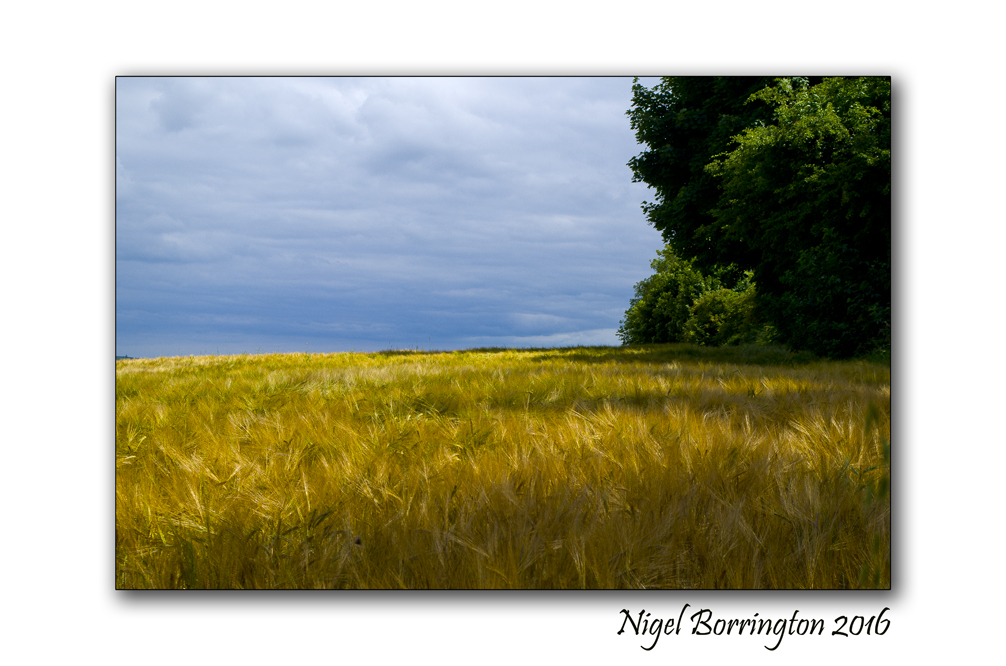
Barley Field
County Kilkenny
Nigel Borrington
Like Barley Bending
Like barley bending
In low fields by the sea,
Singing in hard wind
Ceaselessly;
Like barley bending
And rising again,
So would I, unbroken,
Rise from pain;

So would I softly,
Day long, night long,
Change my sorrow
Into song.
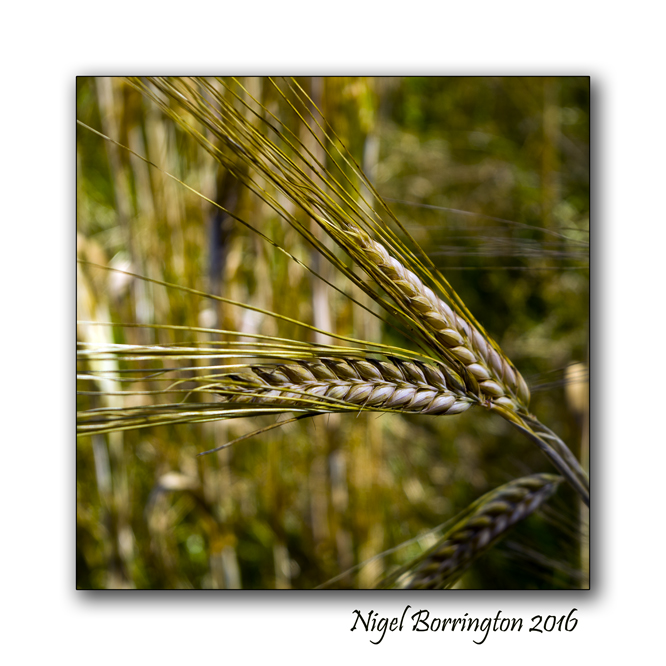
“The River rowers” By Sarah Lyn

River Images
Nigel Borrington
Sarah Lyn
Me and Jessie T
Rowing down cedar creek
oar in hand, smile on our faces

intoxicated steering
trees scraping our backs
cant stop laughing
just keep rowing

Friday Poem ,The Nightingales Nest by John Clare

The Nightingales Nest
Irish Landscape Photography
Nigel Borrington
The Nightingales Nest
John Clare
Up this green woodland-ride let’s softly rove,
And list the nightingale— she dwells just here.
Hush ! let the wood-gate softly clap, for fear
The noise might drive her from her home of love ;
For here I’ve heard her many a merry year—
At morn, at eve, nay, all the live-long day,
As though she lived on song.
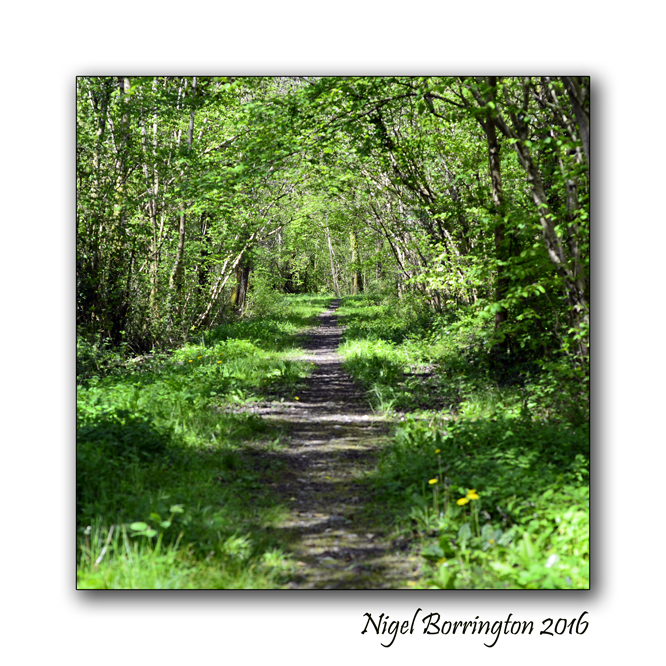
This very spot, Just where that old-man’s-beard all wildly trails
Rude arbours o’er the road, and stops the way—
And where that child its blue-bell flowers hath got,
Laughing and creeping through the mossy rails—
There have I hunted like a very boy,
Creeping on hands and knees through matted thorn
To find her nest, and see her feed her young.
And vainly did I many hours employ :
All seemed as hidden as a thought unborn.
And where those crimping fern-leaves ramp among
The hazel’s under boughs, I’ve nestled down,
And watched her while she sung ; and her renown
Hath made me marvel that so famed a bird
Should have no better dress than russet brown.
Her wings would tremble in her ecstasy,
And feathers stand on end, as ’twere with joy,
And mouth wide open to release her heart
Of its out-sobbing songs.
The happiest part
Of summer’s fame she shared, for so to me
Did happy fancies shapen her employ ;
But if I touched a bush, or scarcely stirred,
All in a moment stopt.
I watched in vain :
The timid bird had left the hazel bush,
And at a distance hid to sing again.
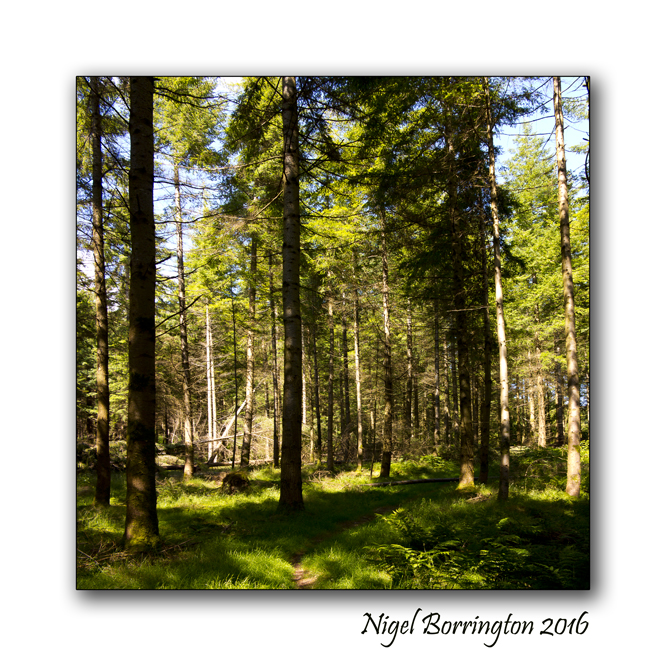
Lost in a wilderness of listening leaves,
Rich Ecstasy would pour its luscious strain,
Till envy spurred the emulating thrush
To start less wild and scarce inferior songs ;
For while of half the year Care him bereaves,
To damp the ardour of his speckled breast ;
The nightingale to summer’s life belongs,
And naked trees, and winter’s nipping wrongs,
Are strangers to her music and her rest.
Her joys are evergreen, her world is wide—
Hark! there she is as usual— let’s be hush—
For in this black-thorn clump, if rightly guest,
Her curious house is hidden.
Part aside
These hazel branches in a gentle way,
And stoop right cautious ‘neath the rustling boughs,
For we will have another search to day,
And hunt this fern-strewn thorn-clump round and round ;
And where this reeded wood-grass idly bows,
We’ll wade right through, it is a likely nook :
In such like spots, and often on the ground,
They’ll build, where rude boys never think to look—
Aye, as I live ! her secret nest is here,
Upon this white-thorn stump ! I’ve searched about
For hours in vain.
There! put that bramble by—
Nay, trample on its branches and get near.
How subtle is the bird ! she started out,
And raised a plaintive note of danger nigh,
Ere we were past the brambles ; and now, near
Her nest, she sudden stops— as choking fear,
That might betray her home.
So even now We’ll leave it as we found it : safety’s guard
Of pathless solitudes shall keep it still.
See there! she’s sitting on the old oak bough,
Mute in her fears ; our presence doth retard
Her joys, and doubt turns every rapture chill.
Sing on, sweet bird! may no worse hap befall
Thy visions, than the fear that now deceives.
We will not plunder music of its dower,
Nor turn this spot of happiness to thrall ;
For melody seems hid in every flower,
That blossoms near thy home.

These harebells all Seem bowing with the beautiful in song ;
And gaping cuckoo-flower, with spotted leaves,
Seems blushing of the singing it has heard.
How curious is the nest ; no other bird
Uses such loose materials, or weaves
Its dwelling in such spots : dead oaken leaves
Are placed without, and velvet moss within,
And little scraps of grass, and, scant and spare,
What scarcely seem materials, down and hair ;
For from men’s haunts she nothing seems to win.
Yet Nature is the builder, and contrives
Homes for her children’s comfort, even here ;
Where Solitude’s disciples spend their lives
Unseen, save when a wanderer passes near
That loves such pleasant places.
Deep adown, The nest is made a hermit’s mossy cell.
Snug lie her curious eggs in number five,
Of deadened green, or rather olive brown ;
And the old prickly thorn-bush guards them well.
So here we’ll leave them, still unknown to wrong,
As the old woodland’s legacy of song
In the Silence of it All ~ Lily Mae

In the Silence of it All, Nigel Borrington
In the silence of it All
Lily Mae
Flower, sometimes when I stare up into the clouds
I feel such a part of something divine
like there is an energy that passes through me
from all times and I feel so loved
Yet…here we are you and I
cupping our hearts in our hands
while sending unconditional love out
to the ones we love and I wonder..
Flower do they feel it?

Close your eyes Sweet Lily and you will know
Connect with the passion burning inside you
that he alone has brought luvingly to your soul
feel the vibration of the universe as thoughts intertwine
among the orange streaks across the sky
The blackened night brings favour for you and I
for in the silence is where our thoughts collide
when everything around them stops and is still
that’s when they truly feel us

That’s when they close their eyes…..and they know too

The Farrier, by : Robert L. Hinshaw
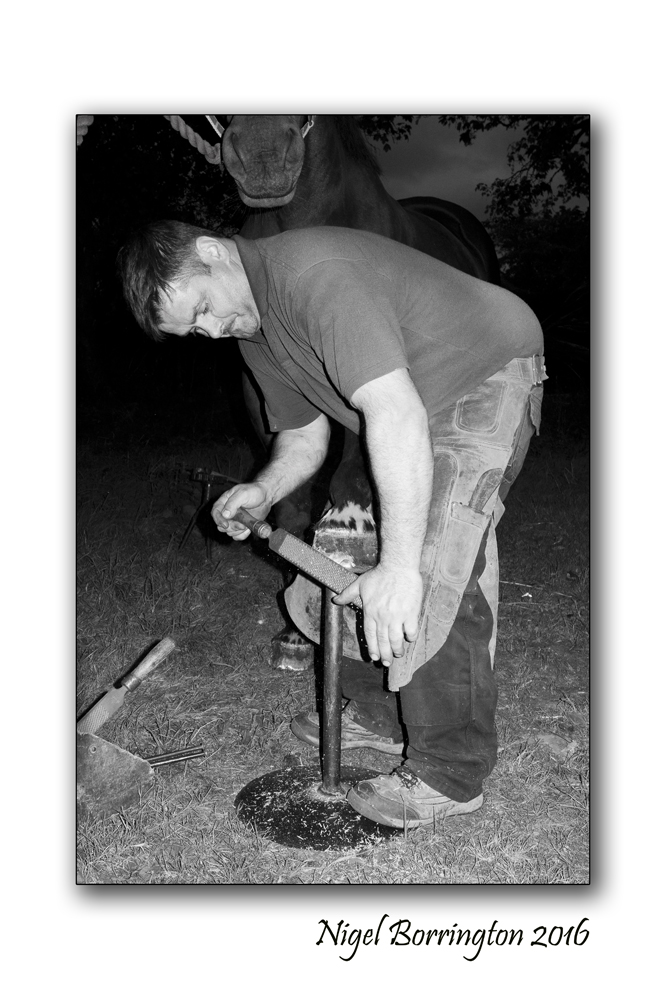
The Farrier
Kilkenny
Nigel Borrington
The Farrier
Robert L. Hinshaw
He billed himself as an expert in the field of “equine podiatry”,
Better known as a farrier for farmers and the cream of society!
Keeping horses shod and their hooves polished was his vocation.
With horseflesh he’d had many an interesting confrontation!
He always had a roll-yer-own dangling from his lips,
And a blackened leather apron wrapped about his hips.
His jaw was set and with biceps wrought of tempered steel,
He’d strike the anvil with his hammer – what a rhythmic peal!

In his jumbled shop he’d shod animals of many breeds.
Donkeys, mules, ponies and prized Arabian steeds.
He shoed critters pulling covered wagons to unknown frontiers,
And many a cowpokes cayuse for the round-up of his steers!
One detail they didn’t cover when he was in farrier school,
Was how to deal with the occasional cantankerous mule.
Many times he’d found himself sprawled upon the dirt,
With the outline of a hoof imprinted upon his shirt!
Tho’ his profession never guaranteed a life of glamour,
And knowing he’d not get rich wielding a tongs and hammer,
Yet, it was challenging working with ornery mule and horse,
Always hoisting their hindquarters very gingerly of course!
Night on the Mountain, By George Sterling
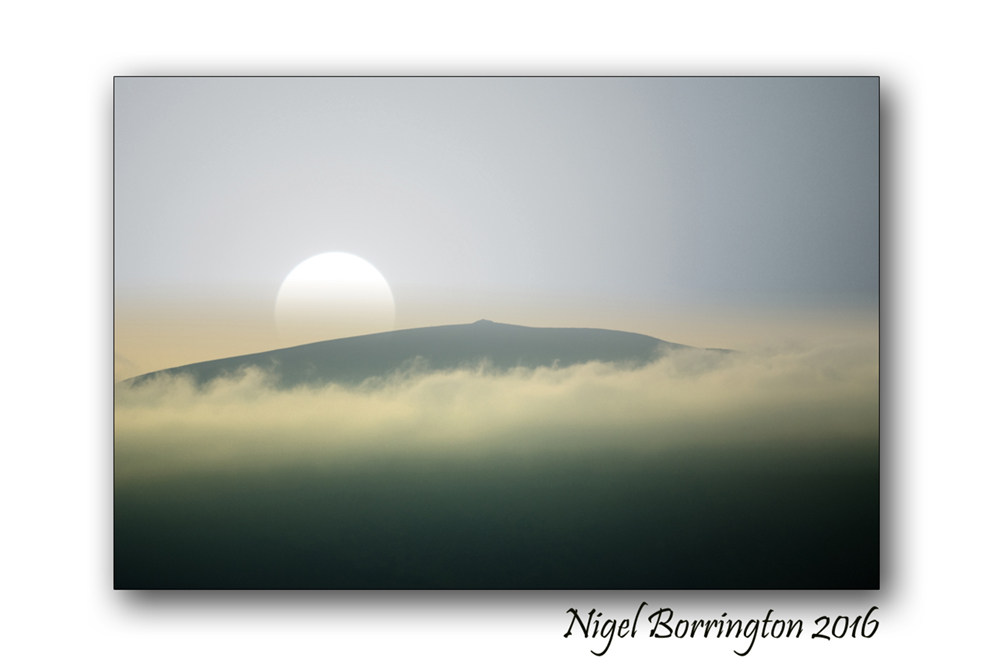
Night on the Mountain
By George Sterling
The fog has risen from the sea and crowned
The dark, untrodden summits of the coast,
Where roams a voice, in canyons uttermost,
From midnight waters vibrant and profound.
High on each granite altar dies the sound,
Deep as the trampling of an armored host,
Lone as the lamentation of a ghost,
Sad as the diapason of the drowned.
The mountain seems no more a soulless thing,
But rather as a shape of ancient fear,
In darkness and the winds of Chaos born
Amid the lordless heavens’ thundering–
A Presence crouched, enormous and austere,
Before whose feet the mighty waters mourn.
Monday Poetry , A Buttercup Tale – Poem by sylvia spencer
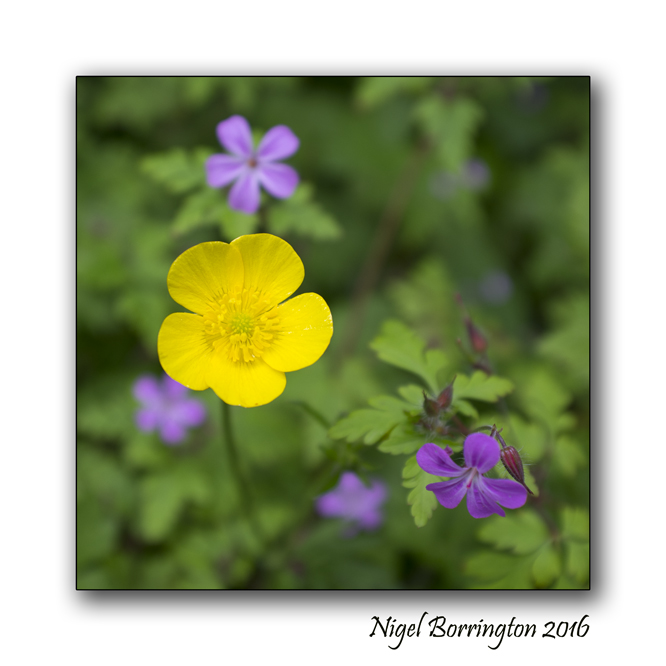
The Buttercup Poem Nigel Borrington Nature Photography
A Buttercup Tale –
Poem by sylvia spencer
I know of a buttercup with a story to tell
and I can honestly say there has never been a
story told so well. A pretty buttercup so wild and free
once made friends with an old oak tree but sadly the
tree was cut down and little Miss butercup wore a frown;
she still bows her head in the summer sun because she
feels sad about what was done.
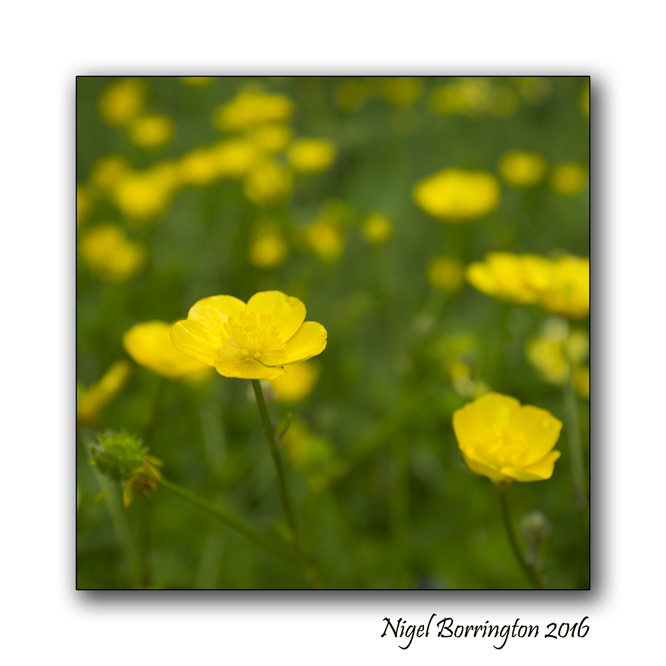
She then lived next door to a tall fox glove and she thought
in her heart that he had fallen in love, because he sheltered her
from rain all summer long and in the wind and rain he is
so brave and strong.

Sadly the foxglove did not feel the same and the buttercups
heart was jilted again.
On into the meadows she moved once more hoping that life
would be better than before. It was here she met the Dandelion
a real good catch and now they live together on the farmers
cabbage patch.
sylvia spencer

On Contemplating a Sheep’s Skull ~ Poem by: John Kinsella

All images taken in the Nier valley, county waterford
Fujifilm X100
Irish Landscape Photography : Nigel Borrington
On Contemplating a Sheep’s Skull
Poem by John Kinsella
A sheep’s Skull aged so much in rain and heat,
broken jawbone and chipped teeth half-
gnaw soil; zippered fuse-mark tracks
back to front, runs through to base
of neck, widening faultline under
stress: final crack close at hand.
Skull I can’t bring myself to move.
White-out red soil unearthed
from hillside fox den and cat haven,
now hideaway for short-beaked echidna
toppling rocks and stones, disrupting
artfulness a spirit might impose,
frisson at seeing counterpoint.
Skull I can’t bring myself to move.
Sometimes avoid the spot to avoid
looking half-hearted into its sole
remaining eye socket; mentally to join
bones strewn downhill, come apart
or torn from mountings years before
arriving with good intentions.

Skull I can’t bring myself to move.
Not something you can ‘clean up’,
shape of skull is not a measure of all
it contained: weight of light and dark,
scales of sound, vast and varied taste
of all grass eaten from these hills;
slow and steady gnawing at soil.
Skull I can’t bring myself to move.
Neither herbivore nor carnivore,
earth and sky-eater, fire in its shout
or whisper, racing through to leave a bed
of ash on which the mind might rest,
drinking sun and light and smoke,
choked up with experience.
Skull I can’t bring myself to move.
Drawn to examine
despite aversion, consider
our head on its shoulders,
drawn expression
greeting loved ones
with arms outstretched.

John Kinsella is Founding editor of the journal Salt in Australia; he serves as international editor at the Kenyon Review. His most recent volume of poetry is Divine Comedy: Journeys through a Regional Geography (W. W. Norton) with a new volume, Disturbed Ground: Jam Tree Gully/Walden, due out with W.W. Norton in November 2011.
Randolph L Wilson’s Poem : Red Farm Tractor
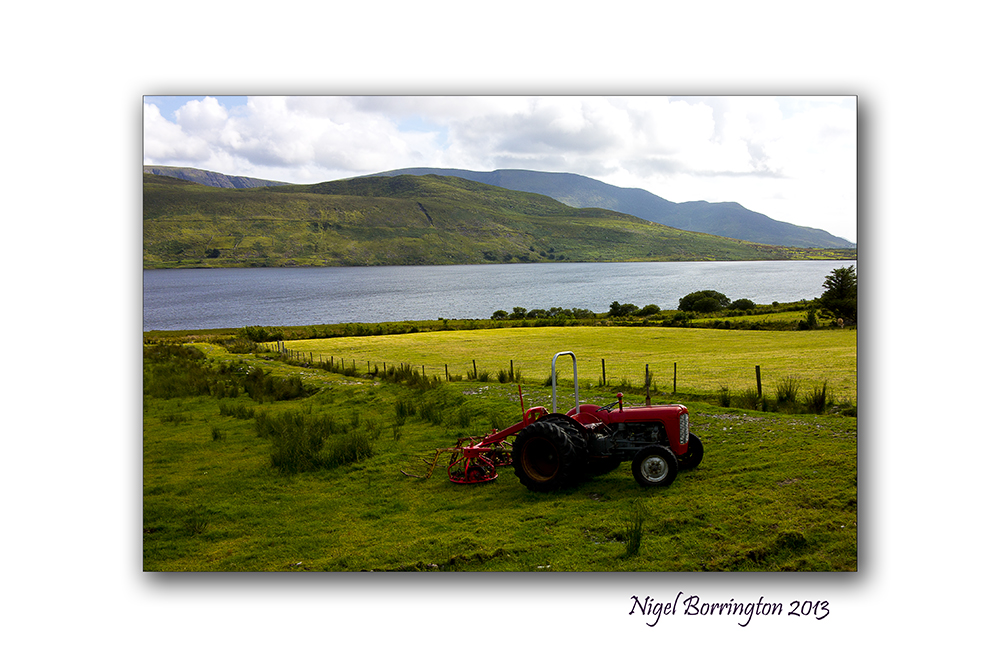
The Red Farm Tractor
Nigel Borrington
Red Farm Tractor
Randolph L Wilson
I long for the smell of fresh turned soil , an experience I’ve never forgotten ..
The smell of diesel , oil and grease ..The ringing of harrow and bush hog …
My Liberty overalls and size ten clod hoppers , suede cowboy hat , pocket watch and Bloodhound tobacco ..
Bob White Quail walking the wood line waiting to
get their fill of turned ground morsels , grains and grasshoppers ..
Curious Whitetailed Deer hiding in the shadows , Redtailed Hawks

with a keen eye for field rats escaping the plow ..
A sixty two Massey Harris that ran like a’ Top ‘ through rain
and heat , never missing a beat !
My mind prays for the simple life of man and machine , the brushfires
of March , the restoration of God’s green earth ..
To A Butterfly – Poem by William Wordsworth

To A Butterfly
by William Wordsworth
I’VE watched you now a full half-hour,
Self-poised upon that yellow flower;
And, little Butterfly! indeed
I know not if you sleep or feed.
How motionless!—not frozen seas
More motionless! and then
What joy awaits you, when the breeze
Hath found you out among the trees,
And calls you forth again !
This plot of orchard-ground is ours;
My trees they are, my Sister’s flowers;
Here rest your wing when they are weary;
Here lodge as in a sanctuary!
Come often to us, fear no wrong;
Sit near us on the bough!
We’ll talk of sunshine and of song,
And summer days, when we were young;
Sweet childish days, that were as long
As twenty days are now.
The Tree a poem by Tom Splitt
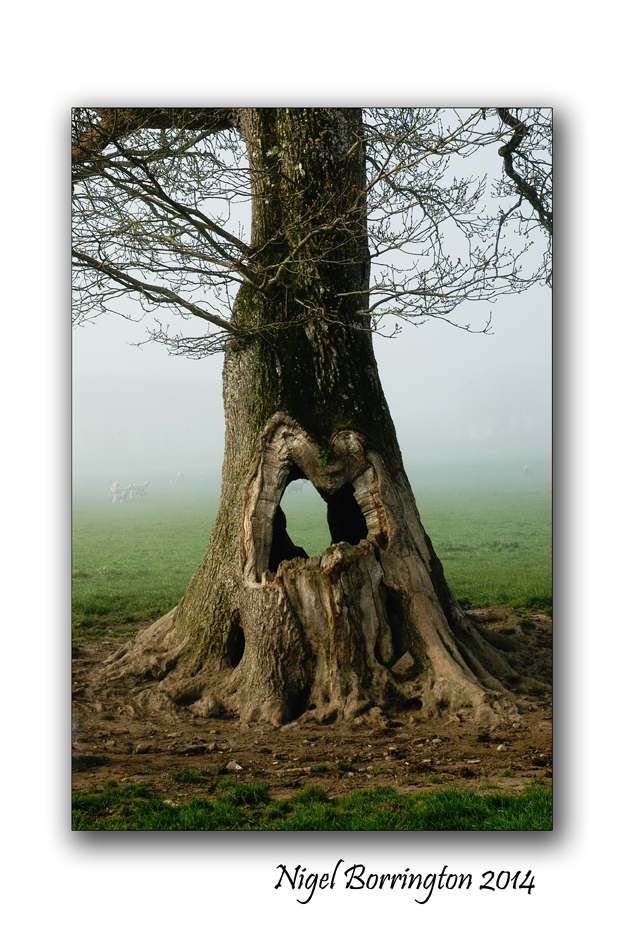
The Tree
Nigel Borrington
The Tree
by Tom Splitt
The calm quiet strength of a tree
Anchored deep in the earth
Reaching high in the sky
The calm quiet strength of a tree
The calm quiet strength of a tree
Full of life from its roots
To the tiniest branch
The calm quiet strength of a tree
And oh, how it comforts me
How it teaches me
Without a sound
Then I realize at once
That this tree and I are one
In eternity
The calm quiet strength of a tree
From the weight of its trunk
To its delicate leaves
The calm quiet strength of a tree
The calm quiet strength of a tree
Showing anyone near
All the secrets of time
The calm quiet strength of a tree
The Poem that Took the Place of a Mountain By Wallace Stevens

The Poem that Took the Place of a Mountain
By Wallace Stevens
There it was, word for word,
The poem that took the place of a mountain.
He breathed its oxygen,
Even when the book lay turned in the dust of his table.
It reminded him how he had needed
A place to go to in his own direction,
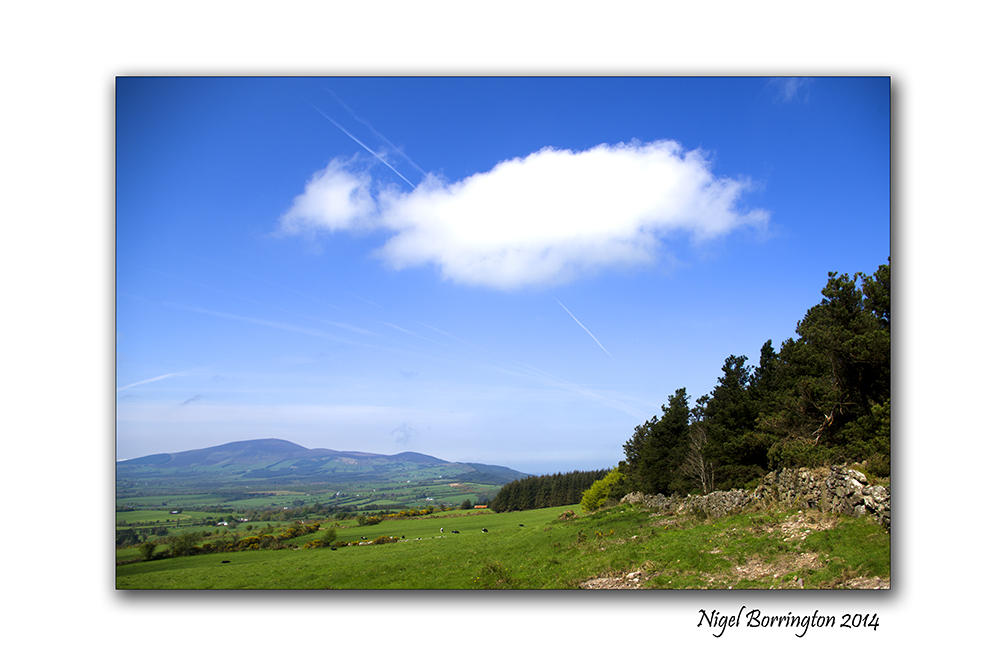
How he had recomposed the pines,
Shifted the rocks and picked his way among clouds,
For the outlook that would be right,
Where he would be complete in an unexplained completion:
The exact rock where his inexactnesses
Would discover, at last, the view toward which they had edged,
Where he could lie and, gazing down at the sea,
Recognize his unique and solitary home.
Through the Gate Down the Lane, gareth culshaw

Irish Landscapes, County Kilkenny
Nigel Borrington
Through the Gate Down the Lane
Through the gate down the lane
all the colours, splits in path
creaking, cracking, axed by frost
scythed by time.
Through the gate down the lane
footsteps left, gone to dust.
Voices in the limbs of trees
shaking leaves when the wind is in.
Through the gate down the lane
where summer has been only once.
Scorch marks of light left behind
the house is nettled, broken, still.
Bog cotton on the red bog, A Poem CHARLOTTE GRACE O’BRIEN (1845 – 1909)

BOG COTTON ON THE RED BOG
A Poem by
CHARLOTTE GRACE O’BRIEN (1845 –1909)
Foynes in June 1895
“ O STRONG-WINGED birds from over the moorland dark,
On this June day what have you seen?
Where have you been? ”
Where, oh! where
The golden yellow asphodel makes its boggy home,
And far and near, Spreading in broad bands of silvery silky foam
O’er the moorland drear, The slender stemmed bog cotton bends in waves of light,
Shaking out its shining tufts for its own delight,There, oh! there We have been.
“O sweet sky piercing, heaven mounting lark,
On this June day what have you seen?”
I have seen—I have seen
The dark red bog and the king fern green,
And the black
black pools lying dim between,–
The baby heather that blossoms so soon
In the splendid heat that comes after June–
———————–
Charlotte Grace O’Brien
was born in County Limerick, the daughter of
William Smith O’Brien who was a Conservative Member of Parliament for County Limerick; she championed the cause for better conditions for those emigrating to America.
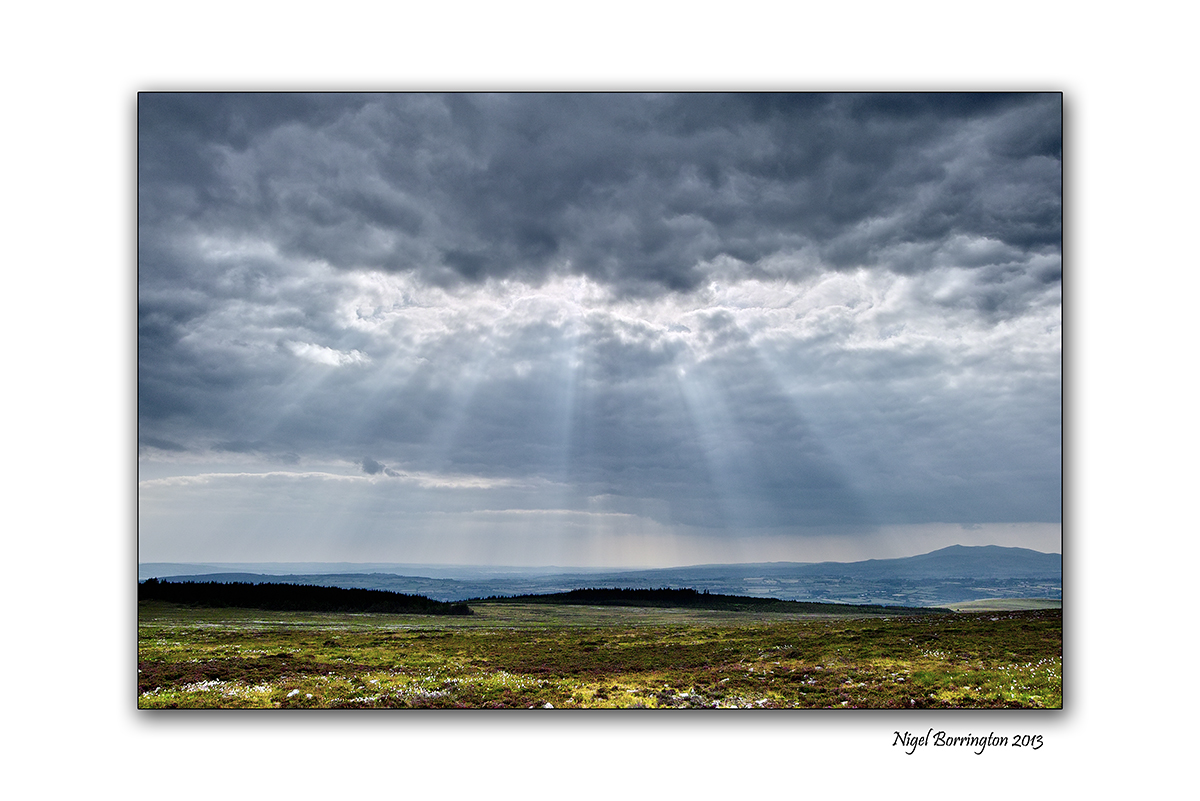
Bog cotton on the red bog, images Gallery


In the Valley, a poem by : Stephanie Nicole
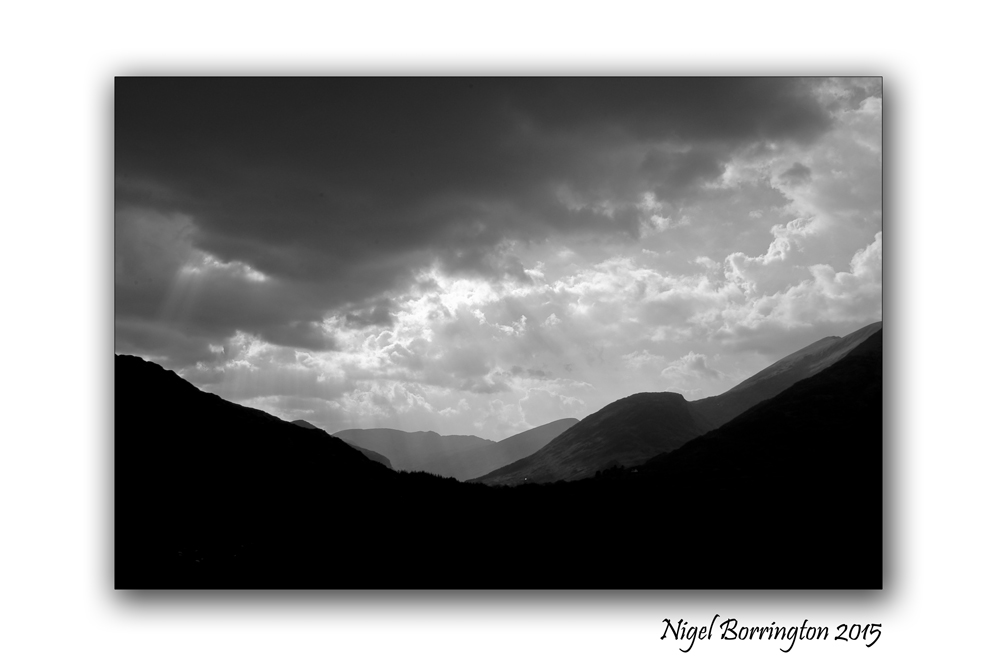
In the Valley
Irish Landscape Photography
Nigel Borrington
Stephanie Nicole
Jun 25, 2014
In the Valley
I’m having a rough time with it again.
It’s like mountains and valleys.
If I’m feeling great
I can make it to the top of a mountain.
But right now I’m down in the valley.
And looking at the next mountain,
I don’t want to climb it,
Because I know that beyond it there lie
More valleys.
So I may just stay here.
Three Poems about Orchid’s

Faranani
Feb 23, 2014
Purple Orchid
“Purple Orchid”
A symbol of rare beauty
Exotic. Delicate. Mysterious
Precious, in every way
Lost in a tropical land of
Purple Haze,
I am there
Whispering with a tinge of
Innocence yet wild
With passionate dark desires.
A calm stability of blue and
The fierce energy of red
Stimulating mystery and thrill,
A darkened flower
Of refined passion
With strikingly lush petals,
Intoxicating.
In his mind,
I am
A
Purple Orchid

Kayden Fittini
Apr 23, 2015
Petals of an Orchid
Graceful curve of the flower enriched with mystery
melting away any bubbling misery
walking towards the beauty.
(I’m looking to pull this special flower today.)
Wait shall I praise the wonderous bloom
with fragrant colors infused within me soon
something to admire on a daily
choosing between multiple types that look equally lovely.
(I just want to love you.)
The vanilla scent which never fades
you rose from a bed of vibrant shades
to hold and caress –
in your walk stems artistic introduction
keep me within your symmetrical seduction
And in your radiance glimmers across the horizon and seas
its in your nature to please while you tease –
but i cant lie, your approach continues with ease.
to compare your style with nature only makes sense.
how lucky can one be to build a connection that’s so intense!
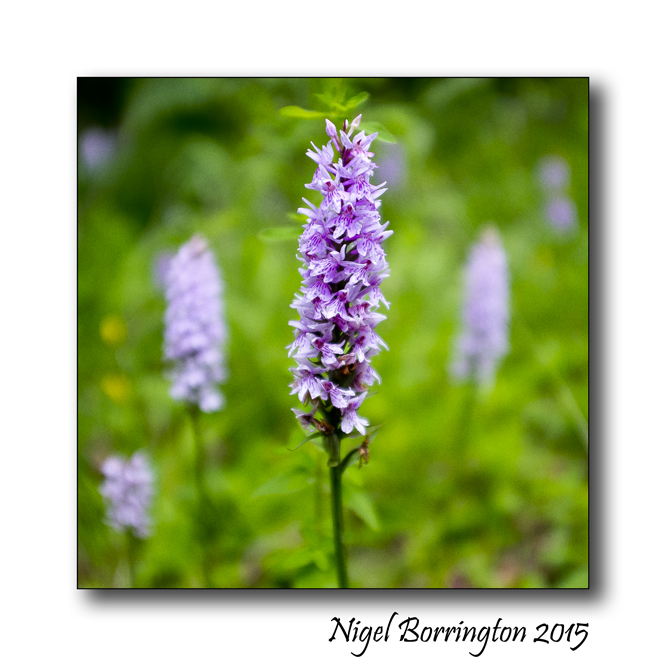
I pluck the fascinating petals of an orchid.
Colin Carpenter
Apr 12, 2013
Wild Orchids
Your colors diffuse in hushed streaks
across synapses,
as empty spaces also become orchids
and butterfly petals reach for a scent
their counterparts in rain.
A fringed April is actually an orchid.
The dreams of a young racehorse

Dreams of a racehorse
There was a young horse he was just a foal
he was very friendly a lovely little soul
the foal he had a dream that he was in race
running very fast as he set the pace
running round the track faster than the rest

Proving to the others that he was the best
heading for the finish line and heading for the post
this is what he dreamed of, the thing he wanted most
taking home is trophy, a great big golden bowl
he dreamed he had grown up and forgot he was a foal
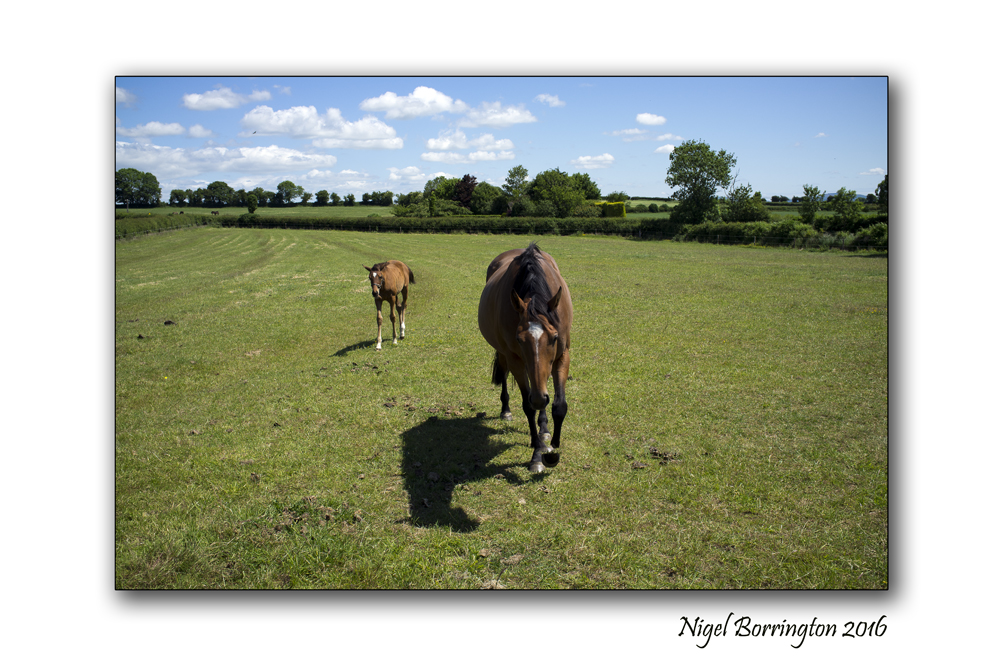
Dreams of foal
Nigel Borrington
Monday Evening Poetry : Aparajhitha Sudarsan, That sunset…
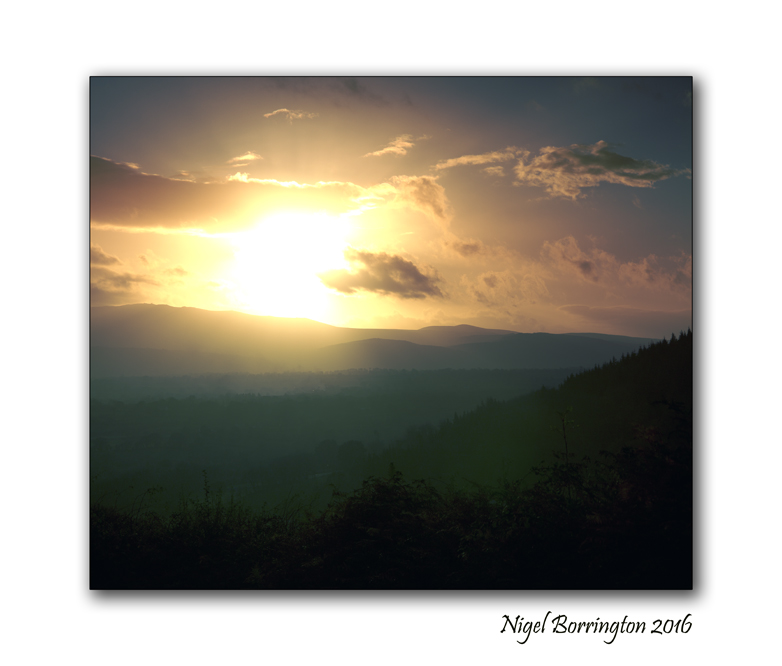
Kilkenny Sunset
Irish Landscapes
Nigel Borrington
That sunset…
A distant look in her eyes,
Stretching beyond the horizon.
A battle long fought,
In her dreams so surreal.
A thousand miles did she walk,
Before pausing to rest.
But the lights began to fade,
For it was time for her sunset.
 Nigel Borrington
Remembering the Battle of the Somme, in its Centenary year.
Poppy fields
Landscape photography : Nigel Borrington
Tomorrow marks 100 years since the start of the battle of the Somme.
I am sure many will know a great deal about this shocking first world war battle, however if you would like to know more or read about it for the first time, this is a great link !
Battle of the Somme centenary: How is it being commemorated and why was it so important?
As you can see here, like so many I have linked the poppy to the Somme and the first world war, how and why this link came about is detailed below …..
What do the red poppies signify?
The association between commemorating war dead and poppies arises from the famous opening lines of Canadian army officer John McCrae’s poem In Flanders Field, which begins: ” In Flanders fields the poppies blow; Between the crosses, row on row”.
McCrae wrote the poem during the Second Battle of Ypres, the day after he helped to bury a close friend. He had noticed the way poppies bloomed around the graves and included the observation in his poem, which was written from the viewpoint of the dead soldiers.
McCrae was promoted to Acting Colonel and moved to a position behind the lines, but died of meningitis in a military hospital on 28 January 1918. His poetry, however, lived on. Published in December 1915, In Flanders Field quickly became known as one of the defining poems of the First World War.
American humanitarian worker Moina Michael was one of the millions touched by the imagery of poppies growing on the battlefield. To raise money for her work helping disabled servicemen, she came up with the idea of selling silk poppies to be worn as a tribute to the fallen.
By 1921, her efforts had led to the poppy being adopted as the official emblem of remembrance by both the American Legion and Royal British Legion, with poppy sellers an established fixture in both nations.
Gallery and Poem (John McCrae’s poem In Flanders Field)
John McCrae, May 1915
In Flanders fields the poppies blow
Between the crosses, row on row,
That mark our place; and in the sky
The larks, still bravely singing, fly
Scarce heard amid the guns below.
We are the Dead. Short days ago
We lived, felt dawn, saw sunset glow,
Loved and were loved, and now we lie
In Flanders fields.
Take up our quarrel with the foe:
To you from failing hands we throw
The torch; be yours to hold it high.
If ye break faith with us who die
We shall not sleep, though poppies grow
In Flanders fields.
Another great link about the Somme is here : The Battle of the Somme: 141 days of horror
Share this:
June 30, 2016 | Categories: Comment, History, Nature and Wildlife, Poetry Gallery | Tags: Battle of the Somme, Battle of Ypres, First world war, Flanders fields, John McCrae, Nigel Borrington, poems, poetry, Remembrance, Somme | 3 Comments