
The Firewood Poem, By : Celia Congreve
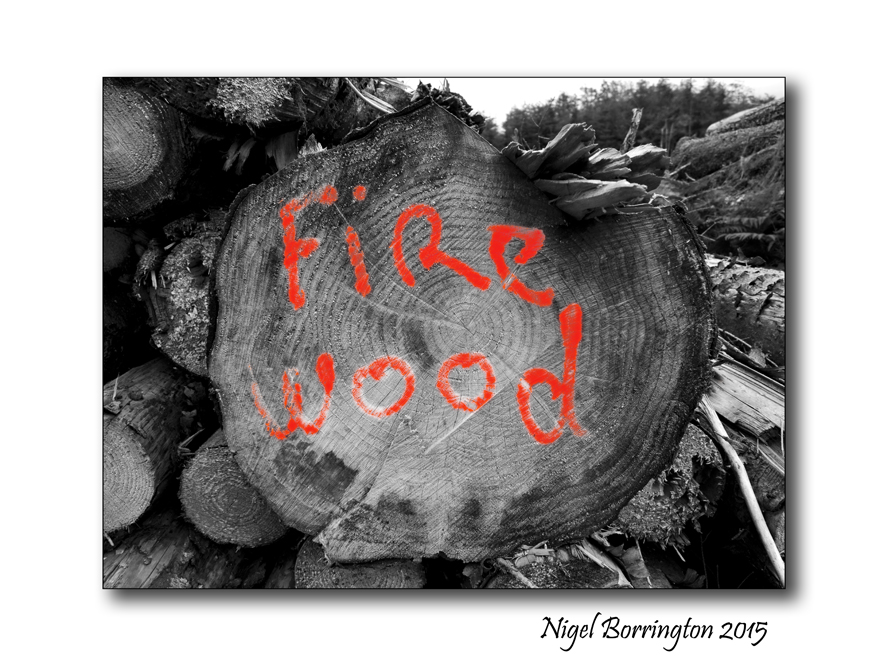
The Firewood Poem
Beechwood fires are bright and clear
If the logs are kept a year,
Chestnut’s only good they say,
If for logs ’tis laid away.
Make a fire of Elder tree,
Death within your house will be;
But ash new or ash old,
Is fit for a queen with crown of gold
Birch and fir logs burn too fast
Blaze up bright and do not last,
it is by the Irish said
Hawthorn bakes the sweetest bread.
Elm wood burns like churchyard mold,
E’en the very flames are cold
But ash green or ash brown
Is fit for a queen with golden crown

Poplar gives a bitter smoke,
Fills your eyes and makes you choke,
Apple wood will scent your room
Pear wood smells like flowers in bloom
Oaken logs, if dry and old
keep away the winter’s cold
But ash wet or ash dry
a king shall warm his slippers by.
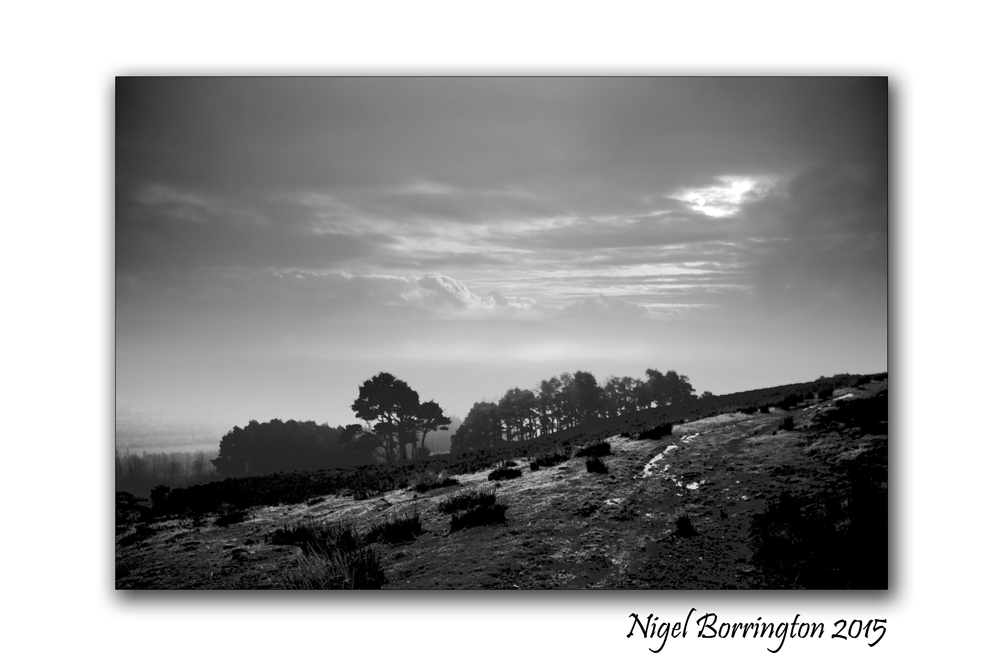
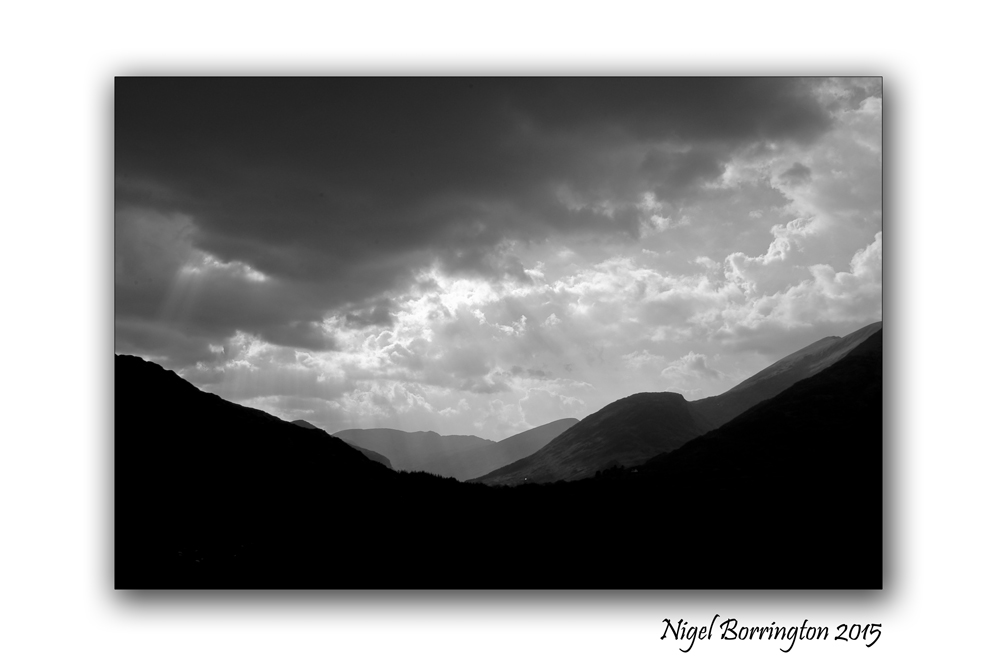
Irish mountains in Black and white , 6 images

Irish Mountain Photography
Nigel Borrington
Because Ireland is a small country (32,599 square miles), fitting into the State of Indiana, you are never that far from anywhere or any type of Landscape (Coast, rivers and Mountains).
I find it almost impossible to choose my favorite type of landscape but I do love getting up high above the fields and towns. There is something captivating about looking out over the views below and clearing your mind.
I also feel that Black and white photography is just perfect for these places, capturing only the tones of the landscape below and the big open sky’s above, filled with the ever changing moments that the Irish weather can bring.
The Old Mountains
by Edwin Curran
The old mountains are tall, silent men
Standing with folded arms, looking over the world,
Lonesome and lofty in their manner.
They have seen empires come and go,
Civilizations rise and fall,
Stars break on their breasts.
They are full of history like great books,
And are merely the stone monuments that the kindly Gods
Built for the human race, to mark its passing tomorrow.
Irish Mountains, A Gallery


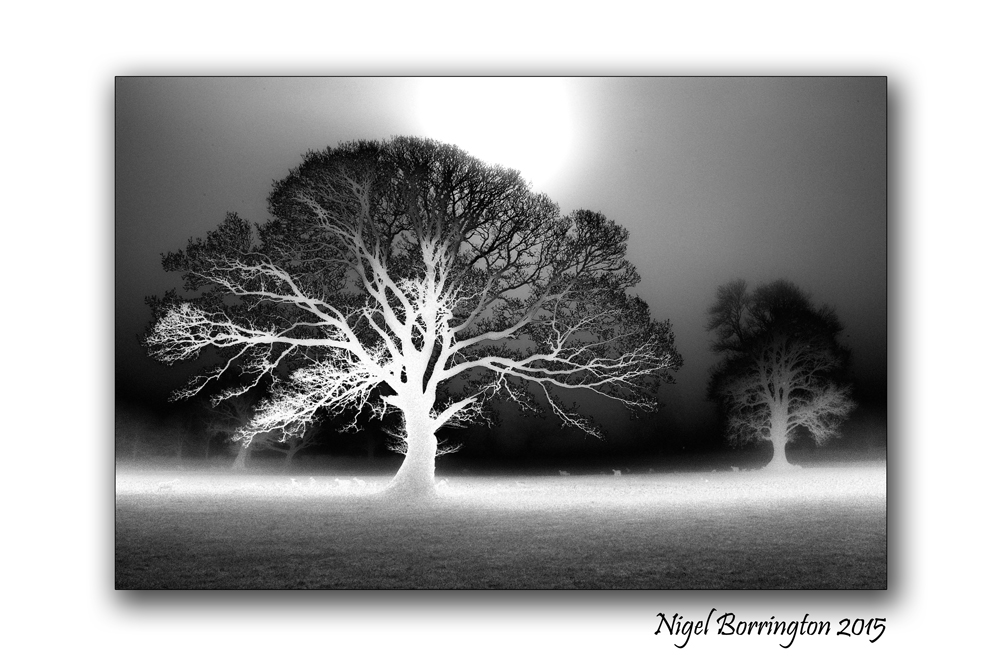
Monday Poetry : Advice from a Tree, By : Ilan Shamir

Advice from a Tree
By Ilan Shamir
Dear Friend,
Stand Tall and Proud
Sink your roots deeply into the Earth
Reflect the light of a greater source
Think long term
Go out on a limb
Remember your place among all living beings
Embrace with joy the changing seasons
For each yields its own abundance
The Energy and Birth of Spring
The Growth and Contentment of Summer
The Wisdom to let go of leaves in the Fall
The Rest and Quiet Renewal of Winter
Feel the wind and the sun
And delight in their presence
Look up at the moon that shines down upon you
And the mystery of the stars at night.
Seek nourishment from the good things in life
Simple pleasures
Earth, fresh air, light
Be content with your natural beauty
Drink plenty of water
Let your limbs sway and dance in the breezes
Be flexible
Remember your roots
Enjoy the view!
Ode to the Coast , Poem By : John Cooper Clarke
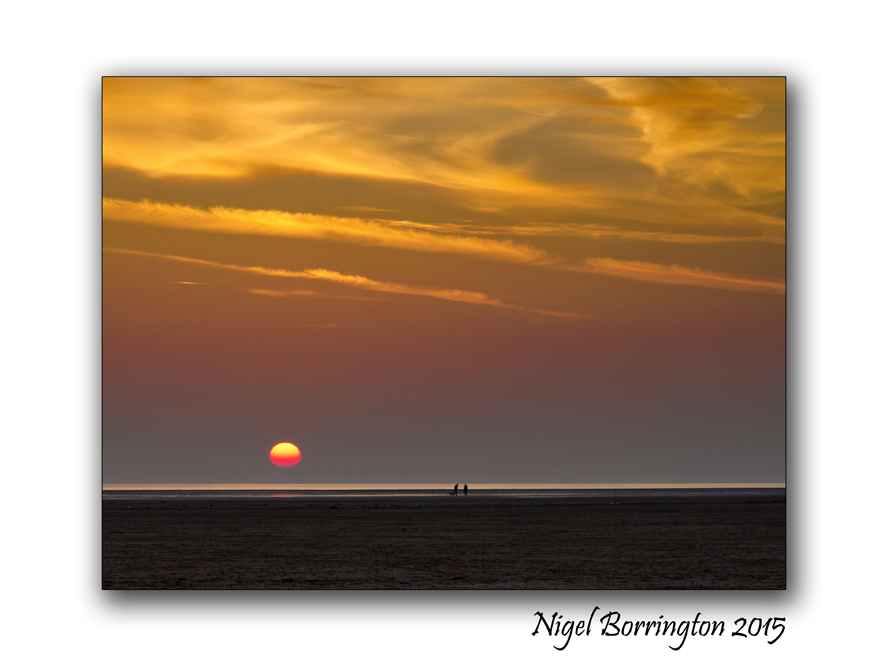
Ode to the Coast
By : John Cooper Clarke
A big fat sky and a thousand shrieks
The tide arrives and the timber creaks
A world away from the working week
Ou est la vie nautique?
That’s where the sea comes in…
Dishevelled shells and shovelled sands,

Architecture all unplanned
A spade n bucket wonderland
A golden space, a Frisbee and
The kids and dogs can run and run
And not run in to anyone
Way out! Real gone!
That’s where the sea comes in
Impervious to human speech, idle time and tidal reach
Some memories you can’t impeach
A nice cuppa splosh and a round of toast
A cursory glance at the morning post
A pointless walk along the coast
That’s what floats my boat the most
That’s where the sea comes in….
That’s where the sea comes in

Endless Streams and Mountains
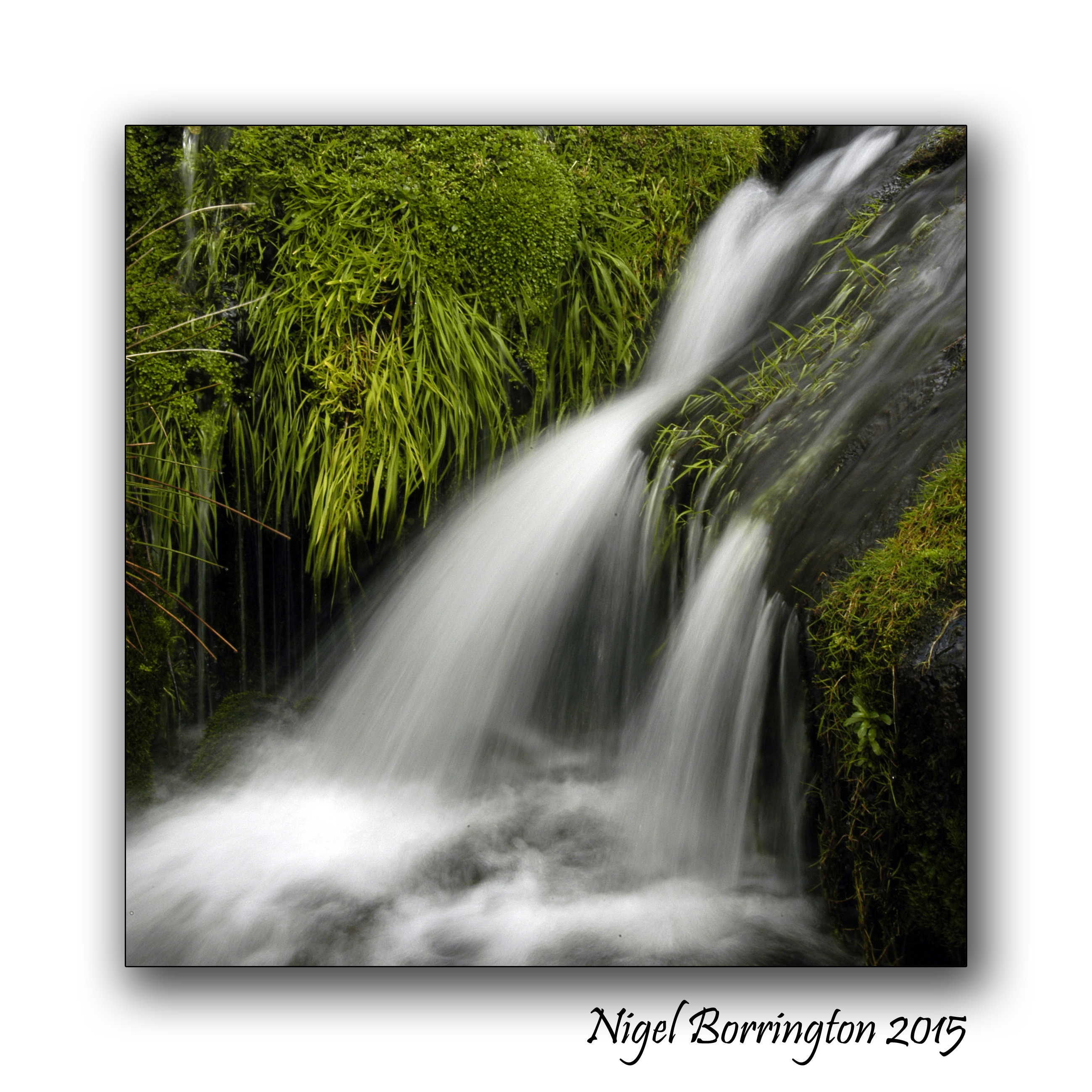
Endless Streams and Mountains
Irish Landscape Photography : Nigel Borrington
Endless Streams and Mountains
Clearing the mind and sliding in
to that created space,
a web of waters steaming over rocks,
air misty but not raining,
seeing this land from a boat on a lake
or a broad slow river,
coasting by.

The path comes down along a lowland stream
slips behind boulders and leafy hardwoods,
reappears in a pine grove,
no farms around, just tidy cottages and shelters,
gateways, rest stops, roofed but unwalled work space,
—a warm damp climate;
a trail of climbing stairsteps forks upstream.
Big ranges lurk behind these rugged little outcrops—
these spits of low ground rocky uplifts
layered pinnacles aslant,
flurries of brushy cliffs receding,
far back and high above, vague peaks.
A man hunched over, sitting on a log
another stands above him, lifts a staff,
a third, with a roll of mats or a lute, looks on;
a bit offshore two people in a boat.

The trail goes far inland,
somewhere back around a bay,
lost in distant foothill slopes
& back again
at a village on the beach, and someone’s fishing.
Rider and walker cross a bridge
above a frothy braided torrent
that descends from a flurry of roofs like flowers
temples tucked between cliffs,
a side trail goes there;
.

a jumble of cliffs above,
ridge tops edged with bushes,
valley fog below a hazy canyon.
A man with a shoulder load leans into the grade.
Another horse and a hiker,
the trail goes up along cascading streambed
no bridge in sight—
comes back through chinquapin or
liquidambars; another group of travelers.

Trail’s end at the edge of an inlet
below a heavy set of dark rock hills.
Two moored boats with basket roofing,
a boatman in the bow looks
lost in thought.
Hills beyond rivers, willows in a swamp,
a gentle valley reaching far inland.
The watching boat has floated off the page.

Wild Orchids – Three Poems for Friday…..
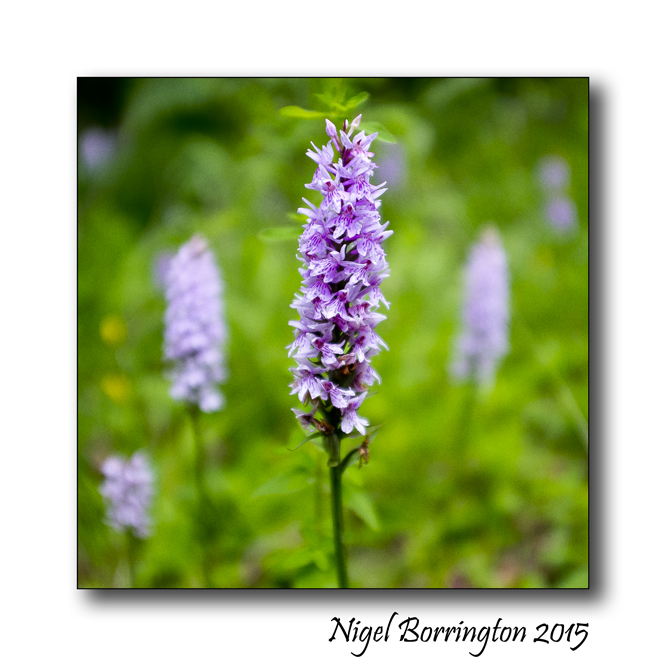
Patricia Drake
Feb 26, 2013
Orchids
She had tried to grow them
For years she had watched others
How they had theirs
Bloom
But nothing happened in her
Windowsill
Now they sat there
Beautiful and vibrant
For all to admire
Through her window
Forever perfect
Sewn
Not grown

EP Mason
Jan 2, 2014
The organs of orchids
I hope that when I die
the insides of me
are placed into
the insides of the needy
so that they can bloom like flowers
And the rest of me
is buried with the Earth
so the prettiest flowers can grow from my bones
and bloom in my soul
knowing I gave my life to nature
and all her children

Marie-Chantal
Ireland’s Wild Orchids
Through the rain stained glass,
With a sickly purple hue,
I can see early marsh orchid,
And it makes me think of you.
The gardener’s son
Is looking at it too,
His sickly grey suit
Makes me think of you.
I was not born a bog child,
I was only passing through,
The Irish Lady’s Tresses
Made me think of you.
When Great Trees Fall, By : Maya Angelou

When Great Trees Fall
By : Maya Angelou
When great trees fall,
rocks on distant hills shudder,
lions hunker down
in tall grasses,
and even elephants
lumber after safety.
When great trees fall
in forests,
small things recoil into silence,
their senses
eroded beyond fear.

When great souls die,
the air around us becomes
light, rare, sterile.
We breathe, briefly.
Our eyes, briefly,
see with
a hurtful clarity.
Our memory, suddenly sharpened,
examines,
gnaws on kind words
unsaid,
promised walks
never taken.
Great souls die and
our reality, bound to
them, takes leave of us.
Our souls,
dependent upon their
nurture,
now shrink, wizened.

Our minds, formed
and informed by their
radiance,
fall away.
We are not so much maddened
as reduced to the unutterable ignorance
of dark, cold
caves.
And when great souls die,
after a period peace blooms,
slowly and always
irregularly. Spaces fill
with a kind of
soothing electric vibration.
Our senses, restored, never
to be the same, whisper to us.
They existed. They existed.
We can be. Be and be
better. For they existed.
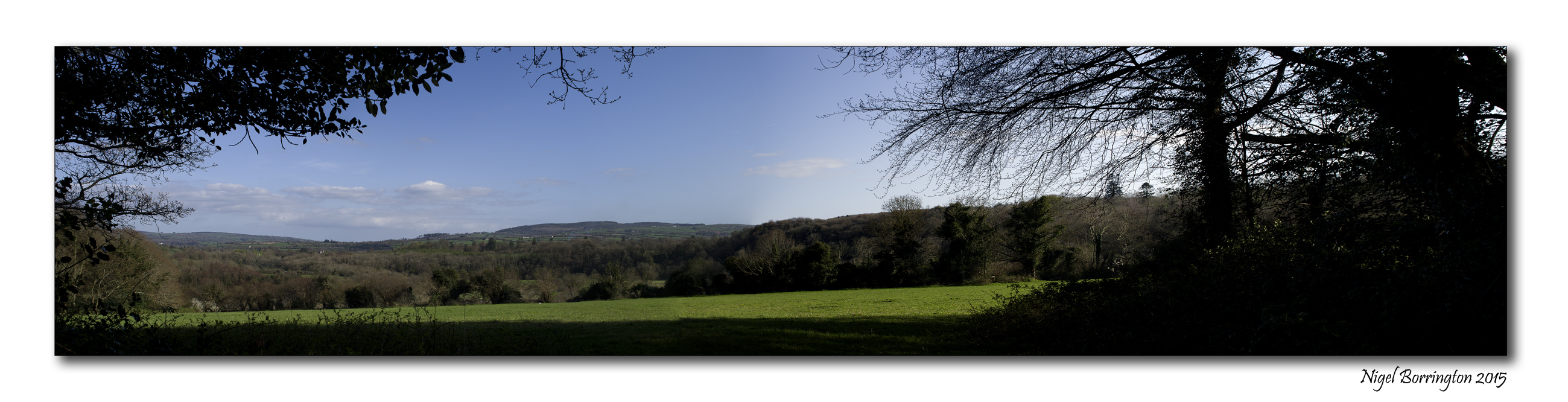
Monday Poetry , Time along a rivers ……

I walk along a river
Landscape Photography : Nigel Borrington
Monday Poetry , Time along a rivers ……
I walk along a River of Time,
do I move or is it the waters?
Can I match its pace?
It flows by, driving my very thoughts,
without any meaning, in my reality,
for that I need to jump in !

What day is this, what hour?
this flow has no meaning,
is it without power?
A cause without effect?
For me the water flows by eternally
but
It’s end is out at sea.
I Stand aware of my place in the Universe,
forever alive, outside of good or bad,
changing form so many times,
did I not come from this water?
I cannot remember!

Neutral I stand, judging not,
Just watching this River.
It flows by,
with my fingers pushed in,
Momentarily touching me,
It’s power drives me on!
This river is all about the giver …
The Universe of power ….
The one without time…
Nigel 2015
Friday Poems : The River , Catherine, from Liverpool

The River Suir, County Tipperary
Irish Landscape Photography : Nigel Borrington
Friday and this weekend is the last one of June, I plan to do some long river walks with our Dog Molly ….
What ever you do this weekend I hope you have a great time and get to escape for a while, have a great weekend !!!
The River
Catherine, Liverpool
It starts at a source as a little trickle
Then flows down the mountain,
Following a steep and narrow path.
As it rushes down it is joined by many other tributaries,
Changing it from a small, shallow stream
To a big, deep river
The water is clear and unpolluted,
Icy blue and sparkling
But always icy cold too.
It crashes as it flows,
Forming bubbling foam
That fills the air with cold white spray.

As the current pushes it on, it erodes away the rocks,
Leaving small, smooth banks
For it to easily pass by.
It deepens and widens as it runs down the mountain,
Soon entering a valley
With the sea in view.
It finally comes to its end,
An estuary leading into the sea
Ending its long journey from the mountain.
But it will start its journey again
When the sun evaporates it from the sea
And drops it down as rain.
Tree By The River – Poem by Manonton Dalan
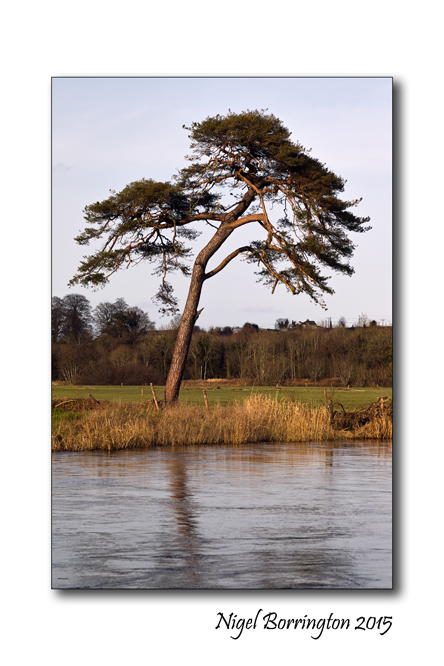
Tree by the river Barrow Kilkenny
TREE BY THE RIVER
Gigantic tree’s canopy, there I lay
Dreaming how the world could be
Beyond those clouds, the horizon
Would there be one like me, alone
Got up pick up the roundest stone
Cast to the river and glide by its own
Hits a ripple, goes airborne
For a kid like me, it is a phenom
By the grassy banks, frogs abound
Love to disturb them,
into the river they plunge
Never tried to catch them because they slime
So beautiful, shiny greenish yellow, brown
Water is crystal clear,
see fishes swimming
Stones unturned are coated with stringy green
Constantly dancing as the little shells cling
Reach down to touch the water
Felt something came to me, a power
Don’t know what it was but still here
Manonton Dalan
My secret places – a weekend at the cove

I have many favorite places to visit at the weekend here in Ireland.
The little cove in these images is just one but its high on my list, I am not going tell you where it is – its a secret 🙂 🙂
Have a great weekend everyone and I hope you manage to find sometime to visit your own little secret spaces , stay for a while if you do – so that you can escape and relax by put the week just gone behind you !


The Little Ghost, A poem by Edna St. Vincent Millay (1892-1950)

I knew her for a little ghost
That in my garden walked;
The wall is high — higher than most —
And the green gate was locked.
And yet I did not think of that
Till after she was gone —
I knew her by the broad white hat,
All ruffled, she had on.
By the dear ruffles round her feet,
By her small hands that hung
In their lace mitts, austere and sweet,
Her gown’s white folds among.
I watched to see if she would stay,
What she would do — and oh!
She looked as if she liked the way
I let my garden grow!
She bent above my favourite mint
With conscious garden grace,
She smiled and smiled — there was no hint
Of sadness in her face.
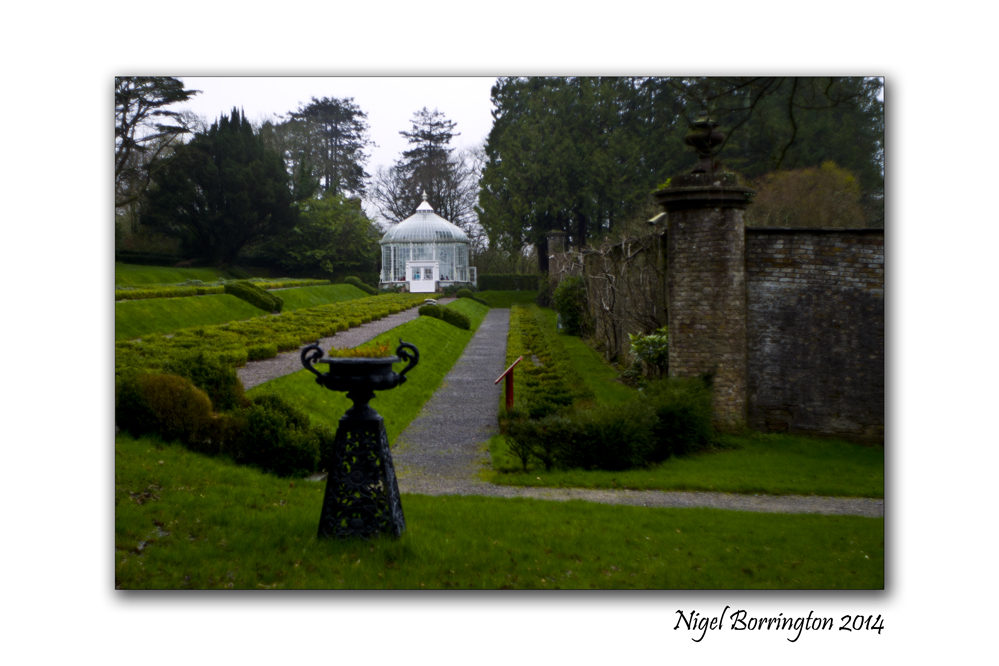
She held her gown on either side
To let her slippers show,
And up the walk she went with pride,
The way great ladies go.
And where the wall is built in new
And is of ivy bare
She paused — then opened and passed through
A gate that once was there.
Nature’s gifts : Celandine, Lesser
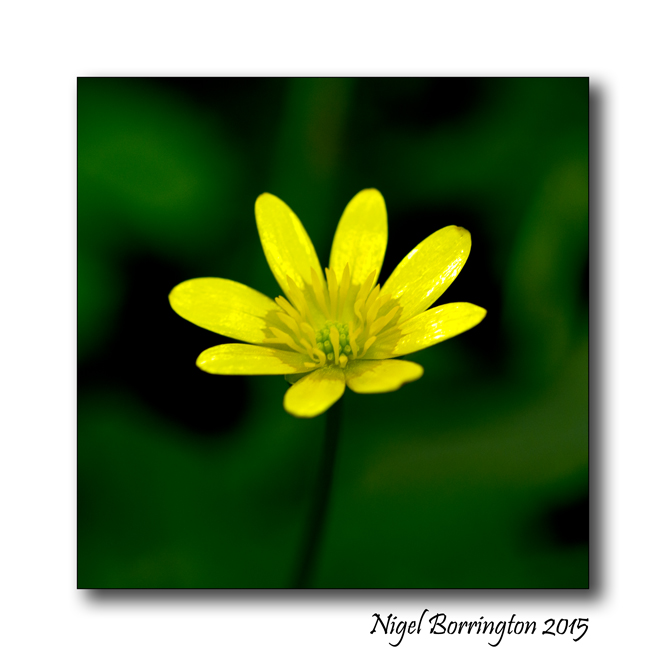
Celandine, Lesser
Nature Photography : Nigel Borrington
Its so easy to just walk past some of natures smaller Herbs and Flowers, however I guess that some flowers cannot help but get themselves noticed.
“Celandine, Lesser” is one of these little gems, its strong yellow flowers in the early summertime cannot help but get noticed as you walk down woodland paths or along the road sides.
Here are a many details about this wild Herb and it flowers:
Celandine, Lesser
Botanical: Ranunculus ficaria (LINN.)
Family: N.O. Ranunculaceae
Part Used
Constituents
Medicinal Action and Uses
Recipes
—Synonyms—Small Celandine. Figwort. Smallwort. Pilewort.
—Part Used—Herb.
—Habitat—The Lesser Celandine, one of the very earliest of spring flowers, its cheery, starlike blossoms lighting up our hedges even before winter is quite spent, is distributed throughout Europe, Western Asia, and North Africa, in these islands, growing up the hillsides in Wales to a height of 2,400 feet. It grows in moist corners of fields and places near watersides, but is found also on drier ground, if shady, being one of the few plants that thrive beneath the shade of trees, where its glossy foliage frequently forms a dense carpet.
Wordsworth, whose favorite flower this was (in recognition of which the blossoms are carved on his tomb), fancifully suggests that the painter who first tried to picture the rising sun, must have taken the idea of the spreading pointed rays from the Celandine’s ‘glittering countenance.’ The burnishing of the golden petals gives a brilliant effect to the flowers, which burst into bloom about the middle of February, a few days only after their bright, shining leaves. The leaves are on long stalks, arising from a short, prostrate stem, and are very variable, the first being heart-shaped, the later ones bluntly cut into, somewhat like the ivy. They often have dark markings.
The blossoms shut up before rain, and even in fine weather do not open before nine o’clock, and by 5 p.m. have already closed for the night. The Celtic name of the plant, Grian (i.e. the sun), refers to this habit. The petals are green on the underside, and directly the flowers close they become inconspicuous.
Throughout March and April, this cheerful little plant is in full bloom, but as the spring passes into summer, the flowers pale somewhat, and the whole plant looks rather sickly, the warmth of the lengthening days withdrawing from it the needed moisture. By the end of May, no flowers are to be seen, and all the plant above ground withers and dies, the virtue being stored up in the fibres of the root, which swell into the form of tubers. If the plant is dug up, late in the summer or autumn, these tubers are seen hanging in a bunch, a dozen or more together, looking like figs, hence the plant’s specific Latin name ficaria, from ficus (a fig). By these tubers, the plant is increased, as they break off readily, each tuber, like a potato, producing a new plant. To eradicate this plant from any ground, it is necessary to remove the roots bodily, for if the plants are dug into the soil, they work their way up to the surface again, the stems branching as they grow upward from the tubers, and at every branch producing fresh tubers.
The early awakening of the plant is due to these fully-stored tubers, which lie quiescent all the summer and autumn, but all necessary materials being at hand, leaves and flowers are quickly pushed upwards directly the depth of the winter has passed.
Although the Lesser Celandine has been placed by some botanists in a distinct genus, when it is called Ficaria verna, it is more generally assigned to the Buttercup or Crowfoot genus, Ranunculus. The name of this genus, first employed by Pliny, alludes to the damp and marshy localities preferred by the plants of the family, Rana, being the Latin for a frog, whose native haunts are those of the majority of this group of plants. The Lesser Celandine is distinguished from the Buttercup by having nine or ten, even sometimes a dozen narrow petals, instead of five, and only three sepals (the outer, generally green leaves of the flower), which fall off on opening, instead of the usual five, which remain after the flower has expanded, in the other species of Ranunculus. The flowers rise singly from the root, on long, slender, leafless stalks and are about 1 inch in diameter. There are a number of stamens. The fruits are not unlike those of the Buttercups being dry and distinct, set together in a globular head, somewhat like a grain of corn and whitish in colour, but comparatively few fertile seeds are produced.
The flowers would originally appear to have been designed with the object of attracting insects for their fertilization, the bright coloured, burnished petals having honey sacs at their base, but the flowers can face colder days than the insects can, for whom the honey has been provided, blooming when few of the insects have emerged, with the result that comparatively few become fertilized in this country and not many seeds are produced. The plant, therefore, has recourse to another method of reproduction, independent of all external aid. At the point where the upper leaves join the stem are to be seen little objects like minute round tumours, which grow about the size of a grain of wheat. In the early summer, when the leaves and stems are dying down, these grains become loose and drop to the ground. Each is capable of producing a new plant. A heavy rain will sometimes wash them from the plants in every direction. Kerner, in his Natural History of Plants, tells us that:
‘a sudden downpour of rain in a region abundantly overgrown with Lesser Celandine is sufficient to float away numbers of the tubers, and heap them up on the borders of irrigation channels when the rain disperses. In such places the quantity of tubers which have floated together is often so large that one can hardly gather them in one’s hands. In this way arose the idea that the tubers had fallen from heaven with the rain and the myth of a rain of potatoes.’
This fact probably accounts, also, for the ‘rains of wheat’ sometimes vouched for by country people in various parts. These bulbils (i.e. Iittle bulbs) are only produced on those plants whose fruits have failed to set.
The root of the Lesser Celandine is perennial.
Seedlings do not flower in their first year, but collect and store up material to start their accustomed course at the end of the ensuing winter.
The whole plant is glabrous.
It is called the Lesser Celandine to distinguish it from the Greater Celandine, to which it has neither relationship nor similarity, except in the colour of its flowers, though the older herbalists applied the name to both plants indiscriminately. The confusion of names existed in Gerard’s time, for he published a list of all the plants in cultivation in his garden on Holborn Hill – to wards the close of the sixteenth century and introduced in it, under the same name, both this and the Greater Celandine (Chelidonium majus) which certainly is in bloom when the swallows arrive, and continues to flower the whole summer, and so would have more right to the name Celandine than this species, which blossoms long before they come, and dies down months before they leave our shores.
A figure of the Lesser Celandine – under the name of Erdöpffel – appears in an old German Herbal of 1533, Rhodion’s Kreutterbuch, evidence that this plant was well known to the herbalists of the Middle Ages.
It is also called ‘Small-wort.’
The old English name of Pilewort is due to the fact that it has long been considered a cure for piles, one of the reasons assigned for this resting on the strange doctrine of signatures. We are told by an old writer: ‘If you dig up the root of it you will perceive the perfect image of the disease commonly called the piles.’ Gerard writes of it:
‘It presently, as Galen and Dioscorides affirm (though this perhaps refers to the Greater Celandine) exulcerateth or blistereth the skin: it maketh rough and corrupt nails to fall away. The juice of the roots mixed with honie and drawn up into the nosthrils purgeth the head of foul and filthy humours. The later age use the roots and graines for the piles . . . there be also who think that if the berbe be but carried about one that hath the piles, the pain forthwith ceaseth.’
Culpepper, writing fifty years later, tells us:
‘It is certain by good experience that the decoction of the leaves and roots doth wonderfully help piles and haemorrhoids; also kernels by the ears and throat called the King’s Evil, or any other hard wens or tumours.’
He had such faith in the virtues of this little plant that he further tells us, with more definite belief than Gerard: ‘The very herb borne about one’s body next the skin helps in such diseases though it never touch the place grieved.’
The young leaves, the substance of which is soft and mucilaginous, have sometimes been boiled and eaten as a vegetable in Sweden, but have not the reputation of being very palatable, either thus treated or raw as a salad.
Linnaeus advised farmers to eradicate the plant from their land on account of it being disliked by cattle (though wood-pigeons eat it with avidity), also for its injurious effect on other herbs in the meadow, but there seems little ground for this assumption, as although the tissues of most plants in this order contain acrid juices to a high degree, the acrimony of the Lesser Celandine is of a very mild character. A dressing of coal or wood ash is said to effectually destroy the whole plant.
Monday Morning Poems : “A Red, Red Rose” by : Robert Burns
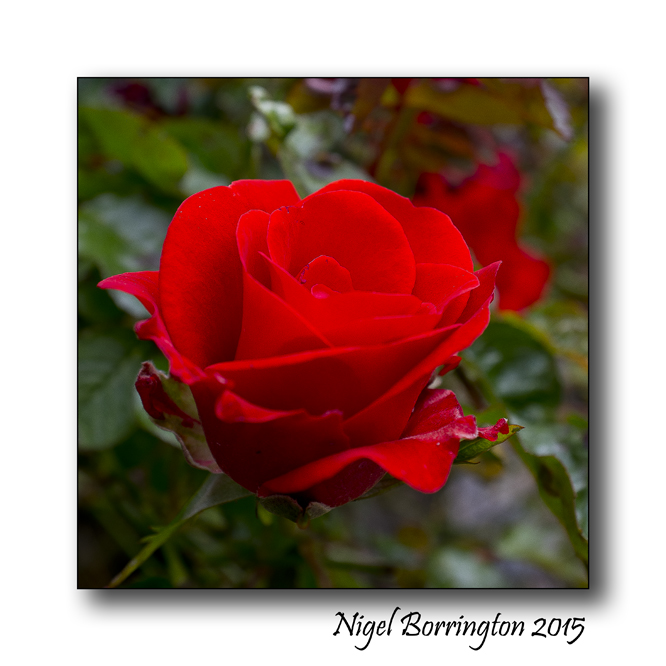
Like a Red Rose in June
Nigel Borrington
A Red, Red Rose
by Robert Burns
My love is like a red, red rose
That’s newly sprung in June :
My love is like the melody
That’s sweetly played in tune.
As fair art thou, my bonnie lass,
So deep in love am I :
And I will love thee still, my dear,
Till a’ the seas gang dry.
Till a’ the seas gang dry, my dear,
And the rocks melt wi’ the sun :
And I will love thee still, my dear,
While the sands o’ life shall run.
And fare thee weel, my only love,
And fare thee weel a while !
And I will come again, my love,
Thou’ it were ten thousand mile.
Irish landscape images , images for the weekend …….

Irish landscape images
Nigel Borrington
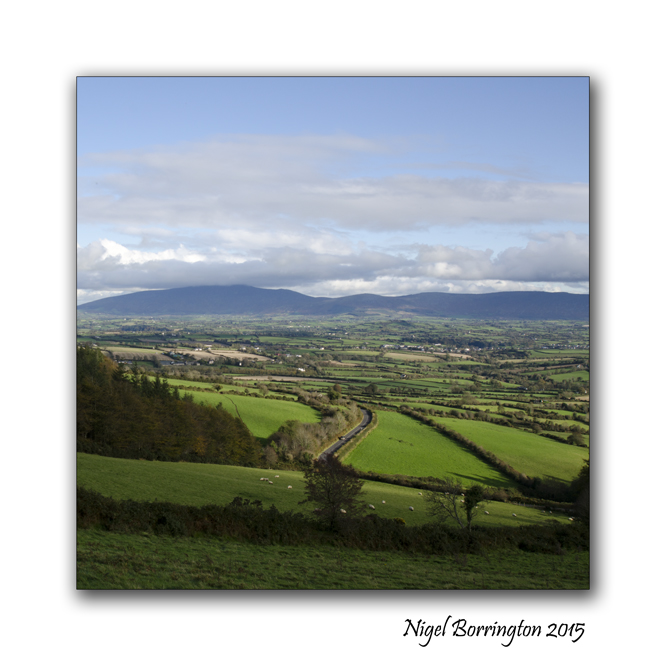
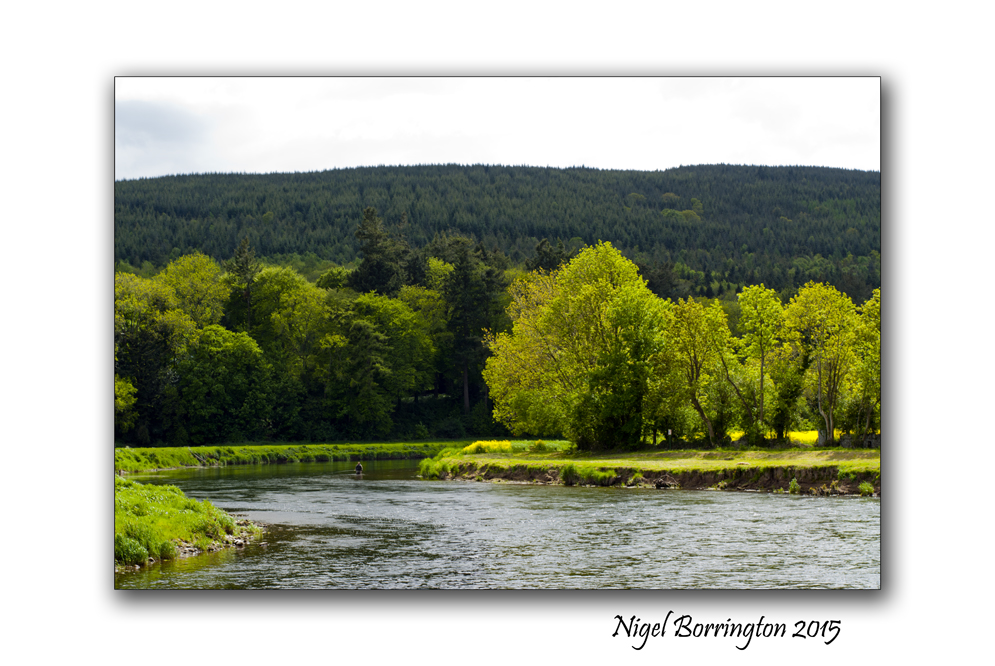
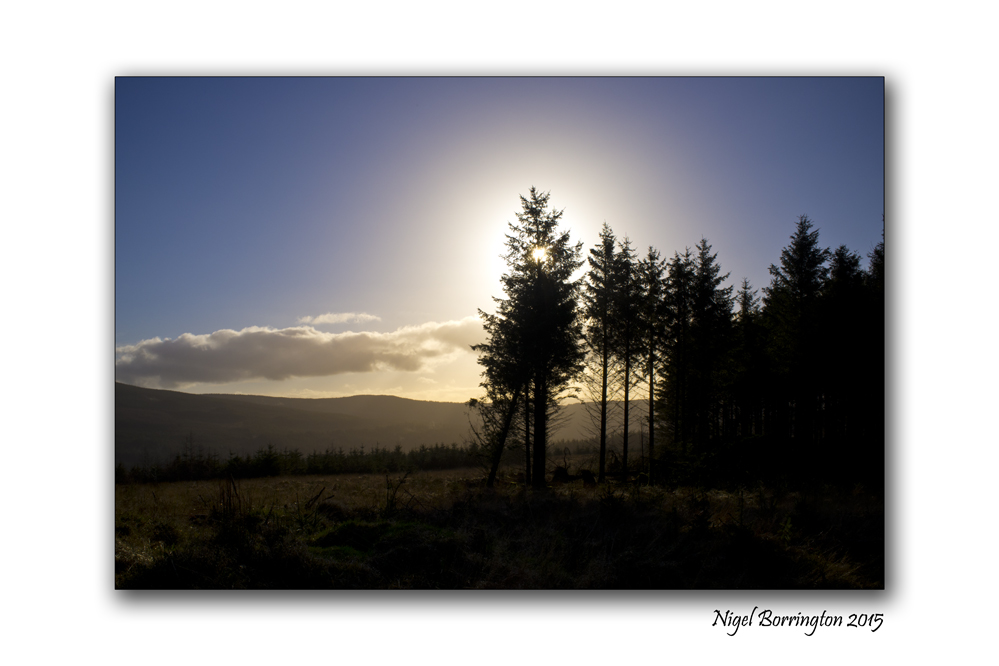
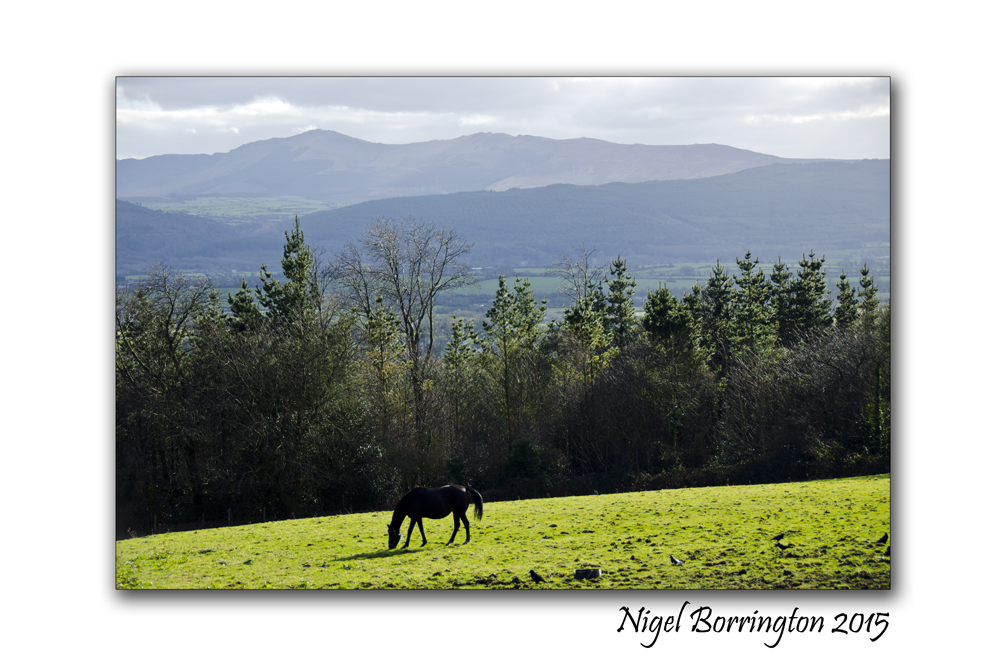
This weekend I am planning lots of time outside, just walking, relaxing and getting some fresh landscape images …
I hope what every you do , you have a great weekend and that if you can you get sometime to relax and enjoy your surroundings, in the country or in the city 🙂 🙂
Have a great weekend !!
Irish Landscape Gallery







Memories Of My Old Country Church – Poem by Sandra Morton

Memories Of My Old Country Church –
Photography : Nigel Borrington
Memories Of My Old Country Church
Poem by Sandra Morton
In days of long ago, dad would hitch up Pet and, Topsy
away we’d go
To the neighborhood grocery for something to eat.
Me sitting beside dad, on that old wagon seat.
On the way we passed by this “OLD COUNTRY CHURCH”,
I always looked it over as I sat upon my perch.
For, you see, in those days we didn’t go.
But, Dad believed in God, for he told me so. Once we went
to revival, the preacher came back to talk.
I could tell Dad was going to be like old Pet and balk.
Dad told the preacher I’ll go forward if I ever feel God’s call,
but, for right now I don’t feel it’s the time at all.
The years came and went, and mom met this cousin, It’s been
years, since she’d seen him, over two dozen.
He’d become a preacher in years gone by. She ask if he’d
start up the “OLD COUNTRY CHURCH”, and he said he’d try.
Mom had been a Christian, since about twenty two, but didn’t
like to go, for the times dad went were few.
Mom made arrangements with members of the church board.
the preacher wouldn’t accept pay, many gave love offerings,
as they could afford. This was in the fall of 1955, along
about that time Grandmother died.
She was like a second mother to me, this was my first experience
with another dying. I thought my heart would break, an I’d
never stop crying. It would have helped to have known JESUS,
for, I couldn’t understand why she was taken from us.
Along, in July 1956, there was a revival, I’d decided to go,
if dad got the call, a lot got the call that night, 10 of us in all.
Relatives, neighbors, and friends. Surely God must have covered
a multitude of sins, and there, must have been joy in Heaven.
Oh! It must have been joy divine for mom to see so many baptized
on July 29. She was in failing health even then in 1956, but
what a joy, it must have been to see so many saved before the end.
Later on many more received the call. Two daughters, a brother-
in-law, and many more not family at all
The Moral of My Story is if she’d started sooner, think how many
more stars might have been in her crown of Glory.

In 1976, Mom was called to that far and distant land. At the age,
of 57, why?, I could never understand, surely Gods work through
her was done, and her crown of victory won.
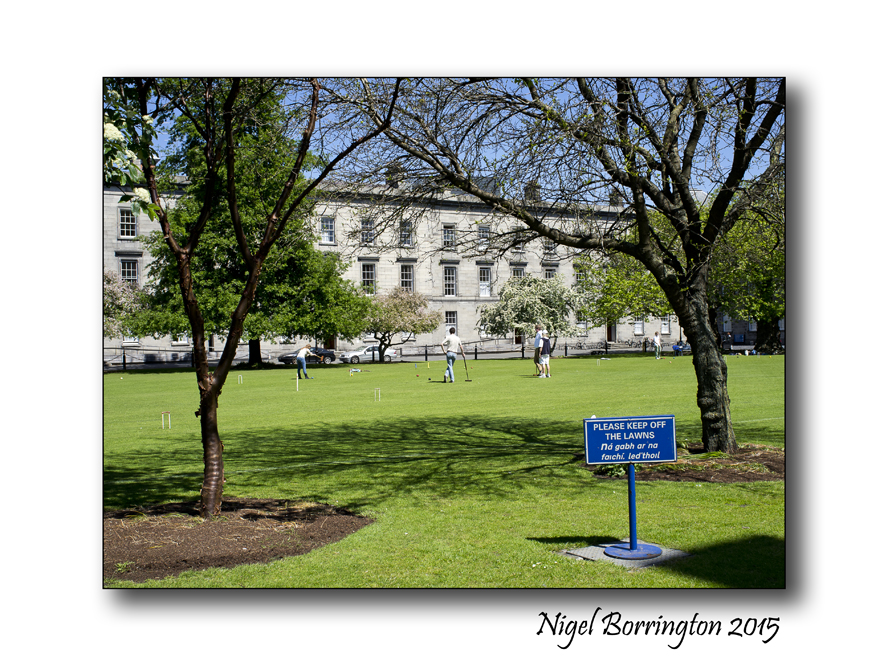
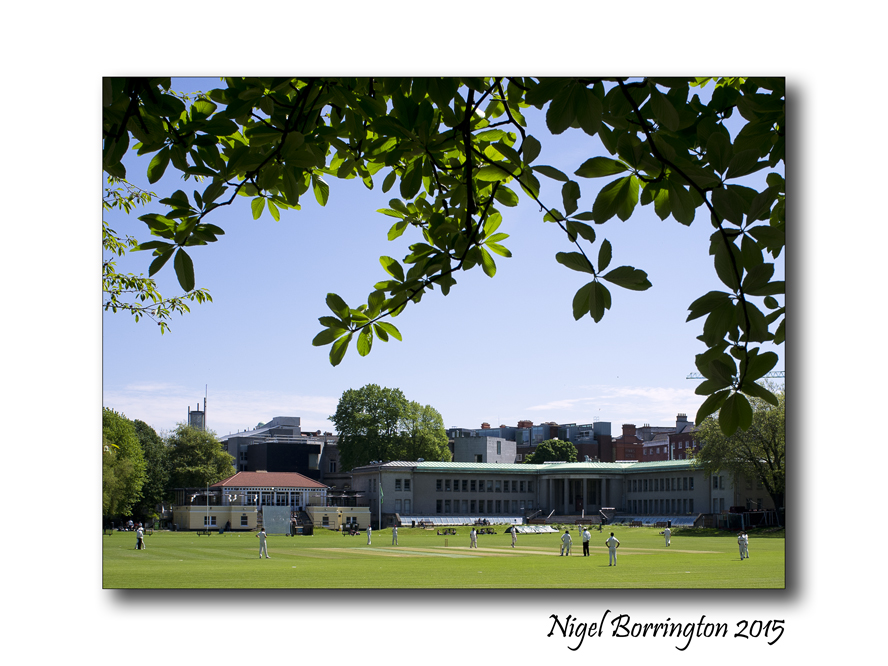
A sense of place : Trinity College, Dublin

I just want to share in this post, a set of images taken at the end of May 2015 during a visit to Dublin including one of my favorite places to walk around and people watch, while having a coffee and some lunch to eat 🙂
Trinity College, Dublin



Getting close to the Rhododendron, Gallery.
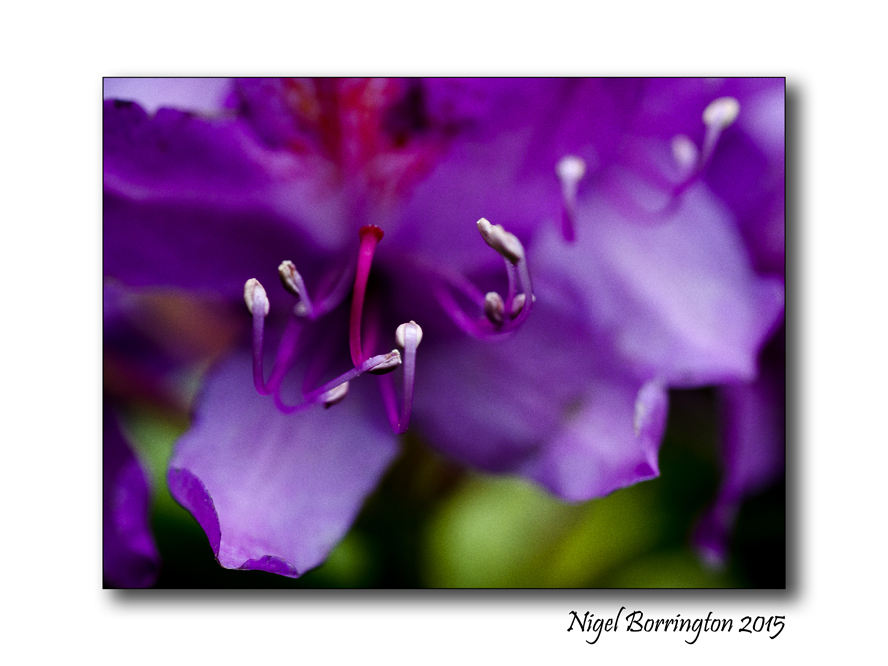
Rhododendron flowers
county Kilkenny
Nigel Borrington
At this time of year , many parts of the Irish landscape come alive with the purples and pinks of the Rhododendron flower.
These images are just a few closeup shots taken on an evening walk yesterday …..
Rhododendron (from Ancient Greek ῥόδον rhódon “rose” and δένδρον déndron “tree”) is a genus of 1,024 species of woody plants in the heath family (Ericaceae), either evergreen or deciduous, and found mainly in Asia, although it is also widespread throughout the Southern Highlands of the Appalachian Mountains of North America. It is the national flower of Nepal. Most species have showy flowers. Azaleas make up two subgenera of Rhododendron. They are distinguished from “true” rhododendrons by having only five anthers per flower.
Gallery


Monday Poetry , Canal Life, By : Ian McMillan

Ian McMillan
Canal Life
The canal tells you stories
The canal sings you songs
They hang in that space
Between memory and water
Once saw a narrowboat raised up,
Like it was cutting through the air,
Between two grass walls and the road below
Like it was sliding through history,
And a tiny vole swam across the water
So a tiny vole swam through history.
The canal tells you stories
The canal sings you songs
Once saw a man floating belly up in a canal
Like he was in the bath. He shouted
‘This is the life’ as I passed by on a narrowboat;
The sky was reflected in the surface
And we tied up in the places the map never showed us,
The man floating by, making ripples on the surface.
They hang in that space
Between memory and water
Once got waved at by a jogger as I stood gongoozling
On the towpath; her running gave rhythm
To the early afternoon, dog-strollers and kids
Who’d rather be here than sitting in school.
To gongoozle is to stand and watch narrowboats pass
And a canal is a lesson, a water-based school.
The canal tells you stories
The canal sings you songs

Once these canals were information highways
If coal and iron can be information,
And I think they can be. And there are bridges,
Pub gardens, the laughter of children
As they walk by the water; and the canals
Turn us all into curious children.
They hang in that space
Between memory and water
Once is never enough for a canal, I reckon;
You need to go back and see it again,
And sail it again, and smell it again, and
Touch it again; canals run through our veins
Like they stroll through this country
Like blood through our veins.
The canal tells you stories
The canal sings you songs
They hang in that space
Between memory and water
Irish nature photography :Predatory Sawfly

Predatory Sawfly
Nature Photography : Nigel Borrington
At this time of year our local woodlands are full of wildlife with the insects at the height of their activities.
I was lucky enough to capture this Predatory Sawfly, yesterday evening, just while there was enough sun-light left to help get a bright image 🙂
Sawfly is the common name for insects belonging to suborder Symphyta of the order Hymenoptera. Sawflies are distinguishable from most other hymenopterans by the broad connection between the abdomen and the thorax, and by their caterpillar-like larvae. The common name comes from the saw-like appearance of the ovipositor, which the females use to cut into the plants where they lay their eggs. Large populations of certain sawfly species can cause substantial economic damage to forests and cultivated plants.
Swiss Cottage, Cahir, Co. Tipperary – A sense of place.
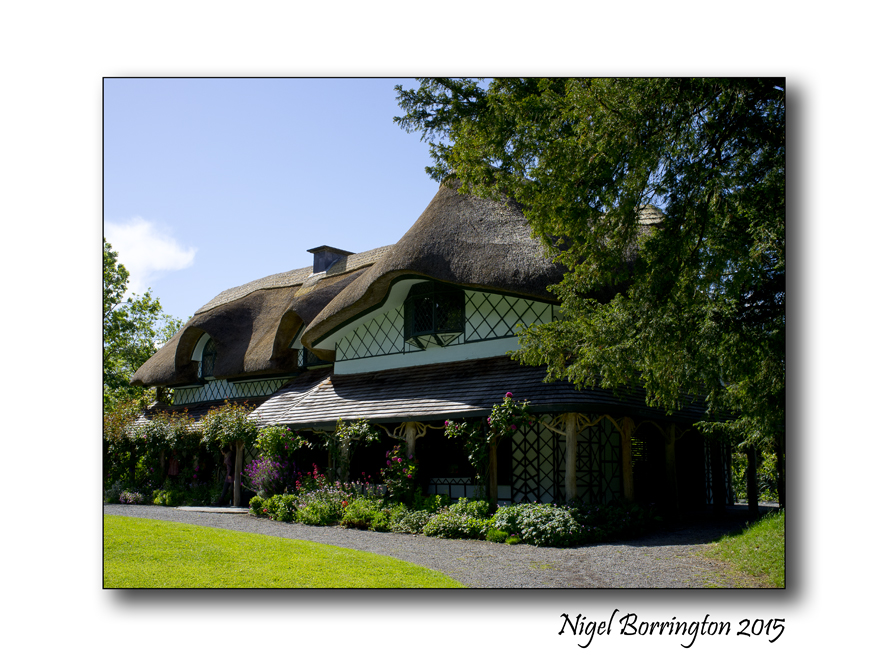
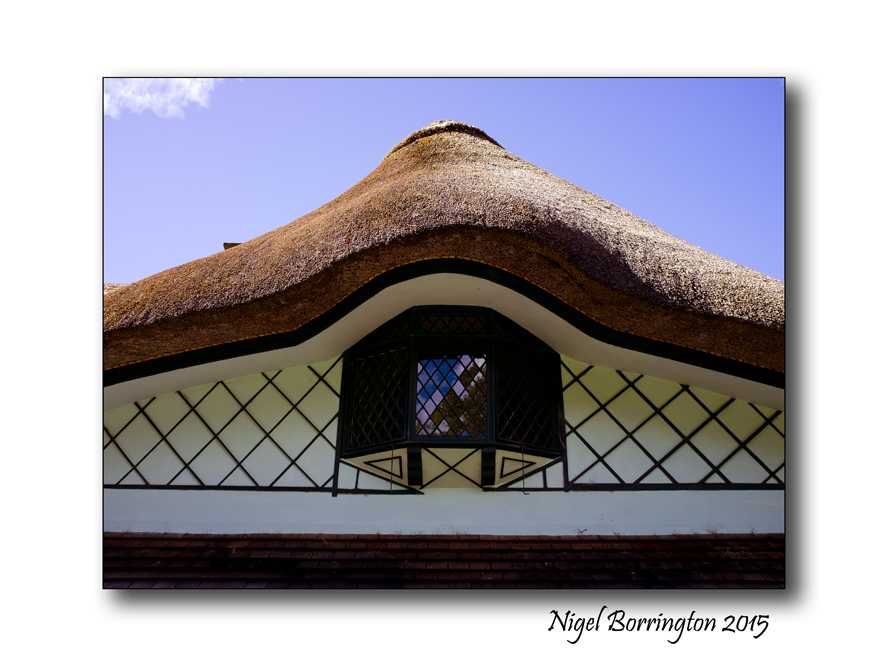
The Swiss cottage in country Tipperary is one of Ireland’s unsung treasures, it was built around 1810 and is a fine example of cottage orné, or ornamental cottage. It was originally part of the estate of Richard Butler, 10th Baron Cahir who married Emily Jefferys of Blarney , and the cottage was primarily used for entertaining day guests of the couple.
The cottage was designed by the architect John Nash, famous for designing many Regency buildings.
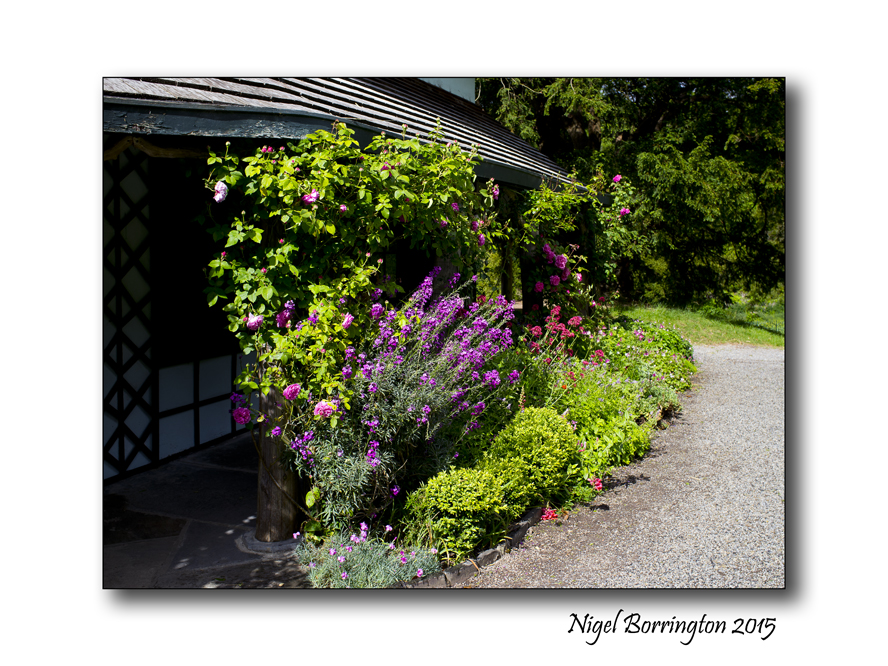
The cottage has been restored by the local group and the OPW and must be one of their most loved properties as the condition is just amazing.
If you are visiting county Tipperary this is a must see location !
Wiki link for John Nash
Swiss Cottage, Cahir, Co. Tipperary – A sense of place Gallery

“The unquiet spirit of a dandelion plume”, Ellen Mackay Hutchinson Cortissoz

Dandelion
Nature Photography : Nigel Borrington
Dandelion
By : Ellen Mackay Hutchinson Cortissoz
In the meadow-grass
The innocent white daisies blow,
The dandelion plume doth pass
Vaguely to and fro, –
The unquiet spirit of a flower
That hath too brief an hour.
 Nigel Borrington
My 1000th post, a Monday Morning – Thank you …..
Sunrise above the Mountain
Irish landscape Photography
Nigel Borrington
Today’s Post marks the 1000th on my Blog so I just wanted to say a Massive THANK YOU!!! to anyone and everyone who has visited over the last few years.
Thank you for posting all your many thousands of comments and likes and for helping me to enjoy the landscape of Ireland that I love so much. Thank you also for allowing me to share my photography of so many of these much loved locations.
THANK YOU 🙂 🙂
I was looking through my posts and noted that these two images are the very first images I posted back in 2011, so I wanted to share them here again this morning.
I my slowdown posting a little over the next few weeks, I want to read more of your posts and enjoy them , it takes time creating a post and I don’t then always have time to read and look at your posts, something I love doing 🙂
Share this:
June 22, 2015 | Categories: Comment, Gallery, Landscape | Tags: 1000th post, black and white photography, irish landscape images, landscape images, Nigel Borrington, Thank you | 22 Comments