The Pagan tree and forest plants

Trees, herbs, and plants are very important to Druids. They represent their sacred alphabet, they are used for healing, and many Druids name themselves after trees. Trees are the connection between the realms. Ireland was said to be divided into four lands, each occupied by a sacred tree with a fifth tree at the center.
The five most important trees are the oak, rowan, birch, apple, and yew:
The oak is connected with strength, protection, and stability. Some say that the very word Druid derives from duir, the old word for oak.
The rowan is useful for protection, youth, and prophecy.
The birch is symbolic of beginnings, renewal, regeneration, and cleansing. It is also associated with the bard.
The apple tree is the tree of life and is said to reside at the center of the otherworld.
The yew is associated with death and decay because it is very poisonous, but this unique evergreen tree also lives for thousands of years. It is related to the ovate and is frequently found near sacred wells.
Other trees, such as the ash, willow, and hawthorn also frequently appear in mythology and legend.

Foremost among the herbs and plants most revered by Druids is mistletoe. Mistletoe is a parasite frequently found growing on oaks. It is said that mistletoe, which grows off trees rather than from roots in the earth, must never be allowed to touch the earth. It is sometimes called all-heal, but it is poisonous, so use it with caution. Verbena, or vervain, is gathered at Midsummer, whereas mistletoe is gathered at Midwinter. It is used as an offering to the gods. It is also considered a cure-all and is said to ward against evil spirits.

HERB ROBERT, GERANIUM ROBERTIANUM
This herb has been used in medicine for centuries, although in the 20th century, particularly in Portugal it was hailed as a folk cancer remedy when the powdered leaves were taken with a raw, fresh egg yolk. Of course this has not been proven to work. Dioscorides described it and it was known to the old herbalists, who used it mainly for blood problems, as the stalks and leaves turn bright red in autumn, a sign to these old herbalists that it was good for the blood.
This plant is known by around a hundred names some of which refer to other plants more often, such as bloodwort (red dock), and red robin (not ragged robin) and cranesbill, which is native to the US and poisonous. However Stinking Bob is a name given to this herb which is unique to it, and refers to the smell given off by its bruised leaves. It is also called the Fox Geranium, some say because of its “foxy” smell after rain. It is native to hedgerows and woodland in Europe the British isles included, and to temperate Asia as it grows as far east as Japan and in the Himalayan regions.
No one really knows how it became Herb Robert, although there are several contenders for being its namesake, including Robert Duke of Normandy, who died in 1134, St Robert of Molesme, a French monk who died in 1110, and Robin Goodfellow or Puck, the mischievous elf who has a role in Shakespeare’s play “A Midsummer Night’s Dream.” The Latin name Robertianum might be a corruption of ruber meaning red, rather than referring to any specific Robert, Robin or Rupert, names that seemed to have been linked to this plant.
The leaves of Herb Robert are the main part of the plant used for medicinal purposes and an infusion of these has been drunk and used as a wash for the skin, and for inflammation of the eyes. A poultice of the leaves has been used to relieve hardened breasts, to increase lactation in nursing mothers, to relieve irritated skin and the pain of rheumatism and reduce bruising, as well as being applied to herpes sores and ulcers. The infusion can also be used for the same external purposes.
Light Between The Trees

Fujifilm X100
Kilkenny Landscape photography, Nigel Borrington
Title: Light Between The Trees
Author: Henry Van Dyke
Long, long, long the trail
Through the brooding forest-gloom,
Down the shadowy, lonely vale
Into silence, like a room
Where the light of life has fled,
And the jealous curtains close
Round the passionless repose
Of the silent dead.
Plod, plod, plod away,
Step by step in mouldering moss;
Thick branches bar the day
Over languid streams that cross
Softly, slowly, with a sound
Like a smothered weeping,
In their aimless creeping
Through enchanted ground.
“Yield, yield, yield thy quest,”
Whispers through the woodland deep;
“Come to me and be at rest;
I am slumber, I am sleep.”
Then the weary feet would fail,
But the never-daunted will
Urges “Forward, forward still!
Press along the trail!”
Breast, breast, breast the slope
See, the path is growing steep.
Hark! a little song of hope
Where the stream begins to leap.
Though the forest, far and wide,
Still shuts out the bending blue,
We shall finally win through,
Cross the long divide.
On, on, on we tramp!
Will the journey never end?
Over yonder lies the camp;
Welcome waits us there, my friend.
Can we reach it ere the night?
Upward, upward, never fear!
Look, the summit must be near;
See the line of light!
Red, red, red the shine
Of the splendour in the west,
The happy couple
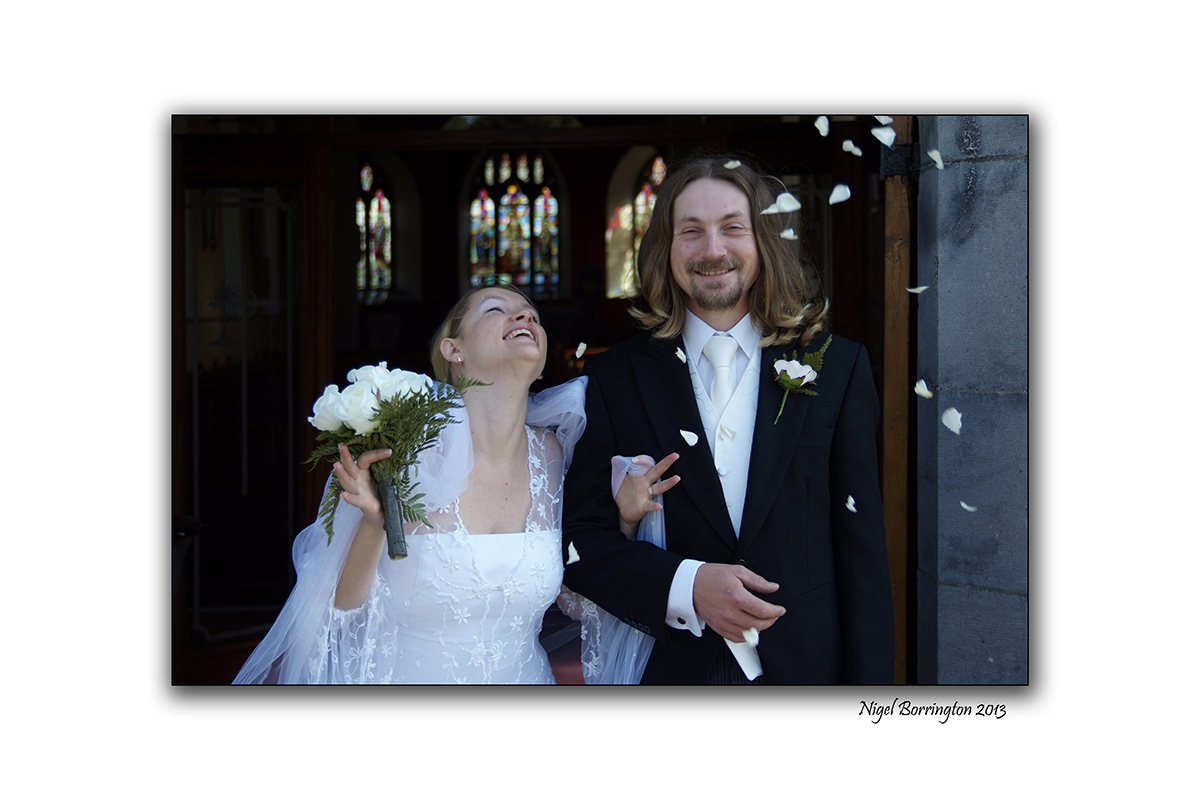
I just wanted to share an image from a wedding I recently worked on and then delivered the album to the happy couple!
Thank you again, you two for being a pleasure to work with!
Nigel
Good Friday

Am I a stone and not a sheep
That I can stand, O Christ, beneath Thy Cross,
To number drop by drop Thy Blood’s slow loss,
And yet not weep?
Not so those women loved
Who with exceeding grief lamented Thee;
Not so fallen Peter weeping bitterly;
Not so the thief was moved;
Not so the Sun and Moon
Which hid their faces in a starless sky,
A horror of great darkness at broad noon,–
I, only I.
Yet give not o’er,
But seek Thy sheep, true Shepherd of the flock;
Greater than Moses, turn and look once more
And smite a rock.
Poetry by Christina Georgina Rossetti
Public Domain
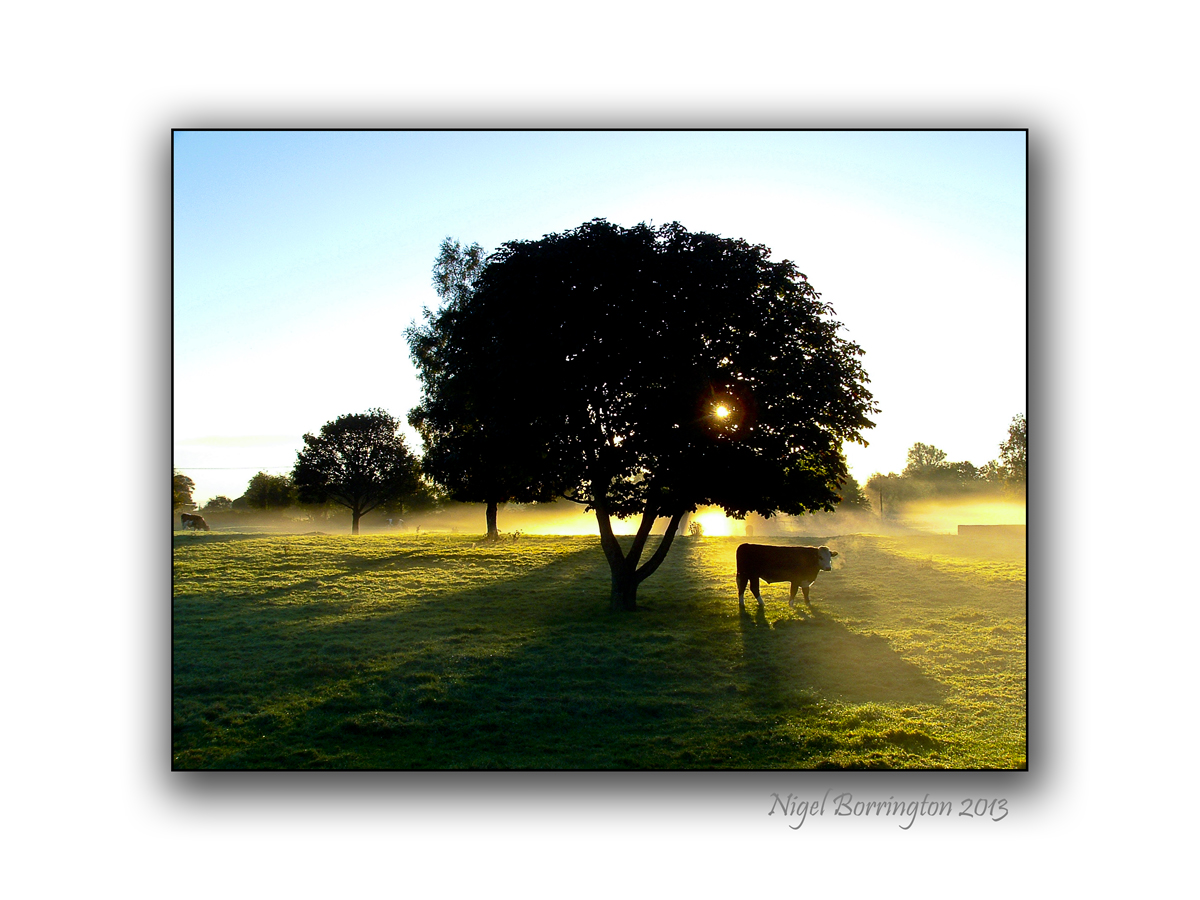
Kilkenny wedding
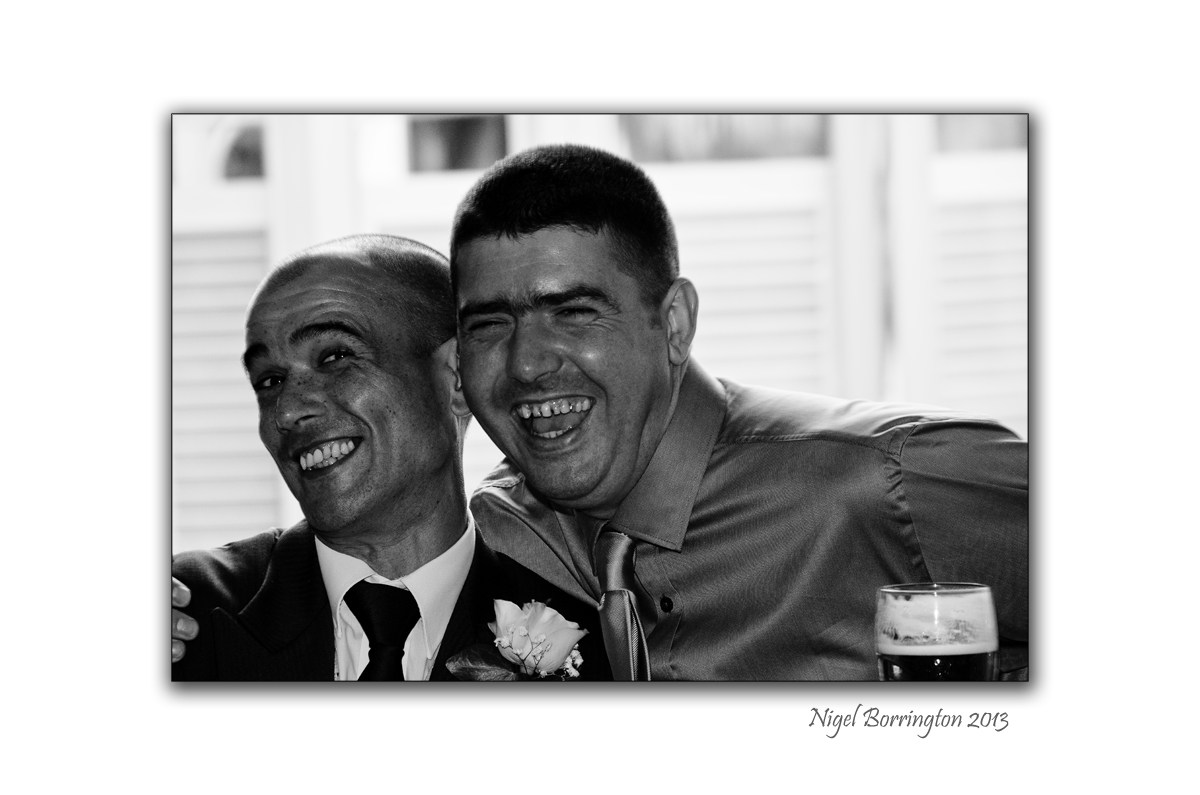
The Grooms Brothers
A shot taken at a wedding I photographed in Langton House Hotel, Co Kilkenny
Spring; The age of rebirth
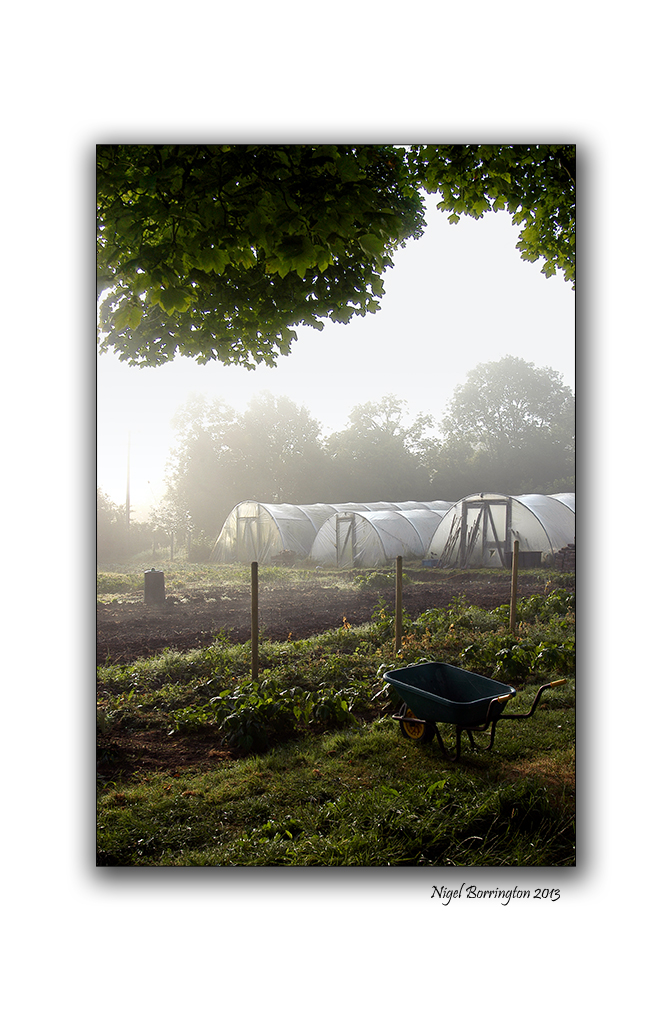
Fujifilm X100
Kilkenny Landscape photography
By, Nigel Borrington
“I think that no matter how old or infirm I may become, I will always plant a large garden in the spring. Who can resist the feelings of hope and joy that one gets from participating in nature’s rebirth?” ~Edward Giobbi
Real world photography
So this photography thing then, what’s it all about?
If someone asks me what my favorite form of photography is and people do ask, I don’t always have an answer at hand. I feel that a camera can be used in so many different ways that it’s almost impossible to narrow things down.
I also think that overtime my choice of photography has evolved, it’s not the same now as it was when I was 25.
However if someone asked me today what my least favourite form of photography is I would have to answer, anything that’s not real. I feel that life in a small town like Kilkenny, Ireland is a little more limited in what people do and what they dress like.Even so I feel that photography should reflect the world around us all and that anything that is created outside of this world is faked.
So I guess the answer to what my most liked form of photography is, is anything that truly depicts and reflects the real world around us.
Some photographers pay to dress models in make-up and clothes that they would never dress in and live real lives in. Now, like I say this may have not been what I would have said at 25 years of age but it is what I feel today.
The world around us, is based on “what you see is what you get” and what you get may sometime appear to be a little ordinary but that’s what it is, it is ordinary. I think that the skill of any visual medium, when used correctly is to show you something a little different that you didn’t see first time.
My camera is for the real world not a fake one, one that only make-up can produce.
So then (Street, Landscape, Wedding and Sport photography) anything that really happens and people really do.
Gallery:


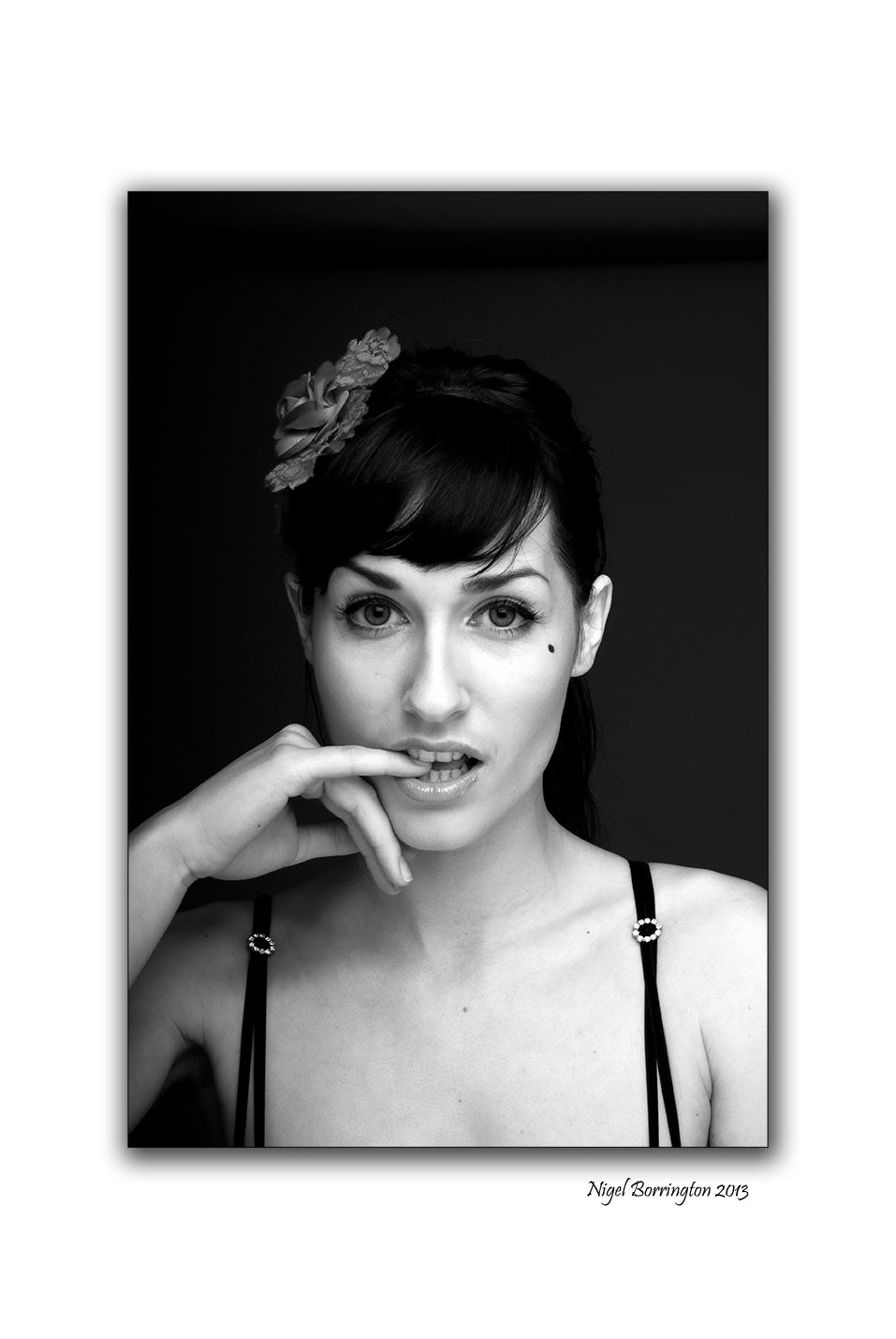


Kilkenny photographer: Nigel Borrington
Kilkenny Photography
Portrait of Kilkenny sculpture artist : Saturio Alonso
Outside KCAT art center Callan, Co.Kilkenny
Nikon D700
Kilkenny Photographer: nigel borrington
Music saved me
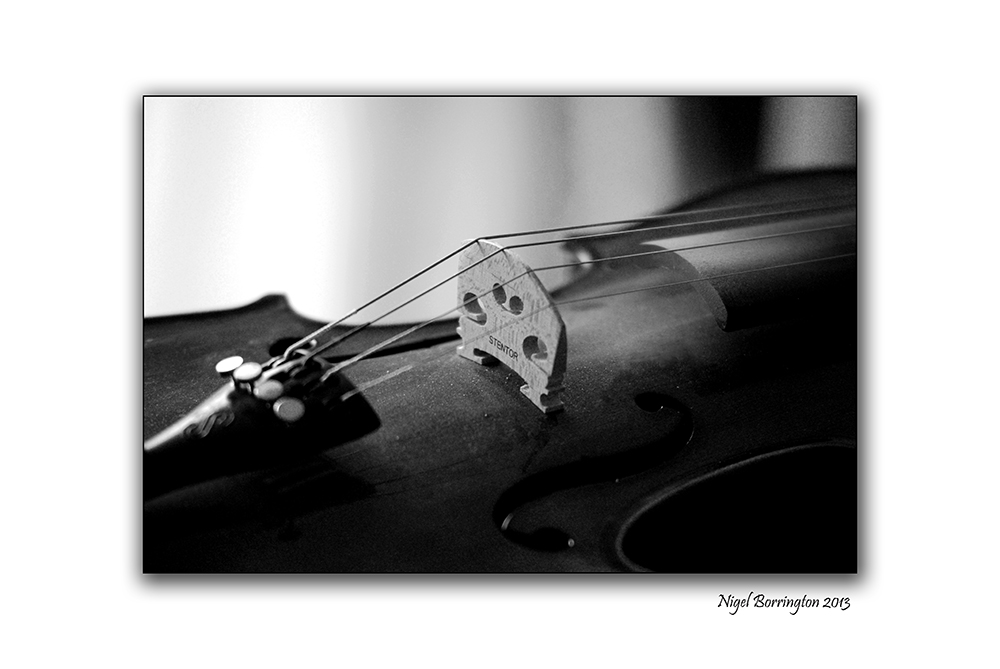
Learning music and the violin has saved my soul.
For about four or five years I have been learning to play the violin, studying with both Jacqueline Burke and Patrick rafter (Co.Kilkenny),
it is just one of the best things I ever decided to do and during these times it has lifted me so many times I cannot count.
I find when I am playing I only think about the tune that I am trying to learn, that’s it nothing else. For an hour the devil of the world and its news are behind me and after, well I just don’t care about them that much.
Nigel
Midwinter: The Birth of the Sun

Midwinter: The Birth of the Sun
Midwinter marks the shortest day of the year, and marks the darkest, coldest part of winter, when the sun appears to be at its weakest. The decline of the sun is often accompanied by careful vigils and the lighting of fires and candles to encourage the return of the sun’s strength.
Christmas, of course, predates European Christianity. Curiously, however, it shares a similar origin to later festivals, as it was quite deliberately instituted to compete with pagan solar nativities celebrated in Rome during the earliest years of Christianity. The first versions of the Christian observance of the birth of Christ were offered as an alternative celebration to the boisterous ruckus of the Saturnalia. Many of the customs we associate with Christmas in fact originated with the Saturnalia celebrations, and European Christians often shunned the holiday as a pagan remnant. The Celtic (and Norse) pagan contributions to the holiday include mistletoe and even Christmas trees.
Don Mescall
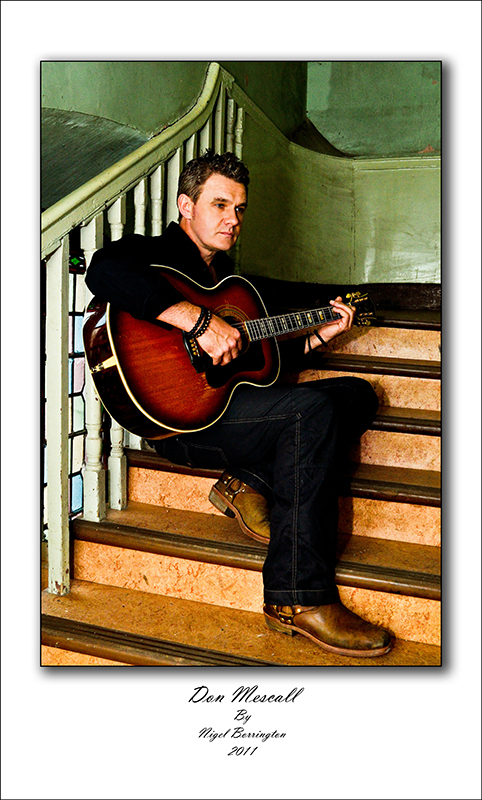
Portrait of Don Mescall, Nigel Borrington
I have just completed some portrait images for Kilkenny based singer songwriter : Don Mescall.
Working on location in Callan, Co Kilkenny this was a great shoot and I think we have some very good images.
The following text is from Dons own web pages:
Don Mescall –
In his native country of Ireland, the name of Co. Limerick’s Don Mescall is synonymous with acoustic music of the highest order and deepest emotional depths, playing sell out shows to audiences who know what they’re letting themselves in for and keep coming back for more. His singles, “Trouble Is” and “Left in L.A.”, from debut album “Innocent Run”, are A-list favourites on Irish radio stations, and as a regular on The Late Late Show, Pat Kenny’s radio show and Ireland AM-TV shows, Don continues to play live throughout Ireland and the UK.
In describing Mescall’s music, the press typically makes reference to the styles of classic artists such as Paul Simon, Jackson Browne or a laid-back Springsteen, whilst the fresher-faced draw somewhat clichéd parallels to hugely successful contemporary singer/songwriters, the likes of David Gray and fellow Irishman, Damien Rice.
Since releasing his debut album “Innocent Run” in 2006, Don’s reputation as a songwriter has sky-rocketed with his songs being snapped up by a diverse range of top pop, country, folk and even classical artists and reaching the top of the charts on international shores.
Just a few of the stars who have enjoyed hits with Mescall’s songs are Rascal Flatts (a band described as “bigger than U2 in America”), Boyzone, The Backstreet Boys, Canadian Idol winner Theo Thams, Canada’s No 1 male artist Garou, the hugely successful American Idol contestant, Clay Aiken, Woodstock’s legendary Richie Havens, multi platinum artist Ronan Keating, new Irish stars The High Kings, the new Celtic Woman star Lynn Hilary, US country star Neal McCoy and Irish artist Frances Black, to name just a few.
Don also has some new songs and videos I will post a link once they are fully released.
I will also post more about this shoot soon.
Nigel
Kilkenny photography

Ballymartin windfarm, Kilkenny.
BallyMartin windfarm, Mullinavatt, Co. Kilkenny.
Ballymartin Wind Farm is a Bord Gais development. “Wind Farm Civils” were contracted to carry out foundation construction works for 3 wind turbine generators.
Kilkenny Photographer : Nigel Borrington
Kilkenny Landscape Photography

A frosty morning at Mullins Mill, Kells, Co.Kilkenny : Nigel Borrington
Kilkenny based Photographer : Nigel Borrington
Newtown house, Co Kilkenny
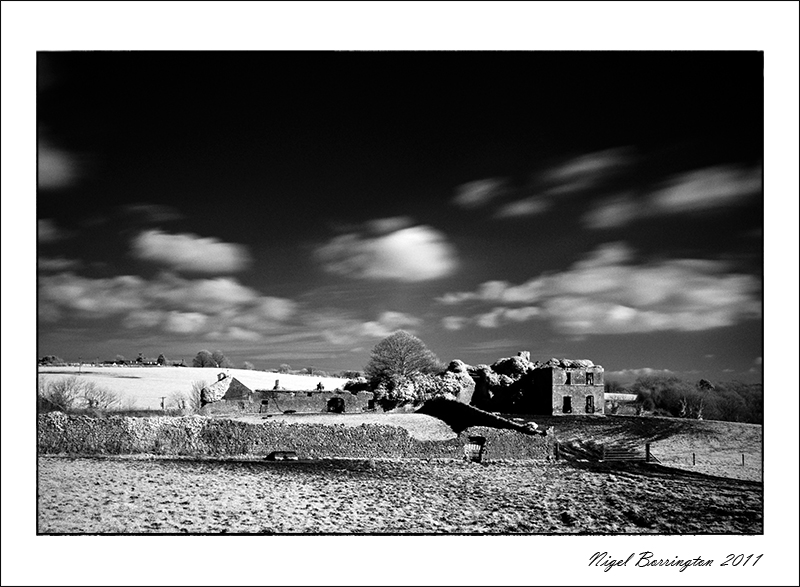
Landscape image of Newtown house, Co Kilkenny
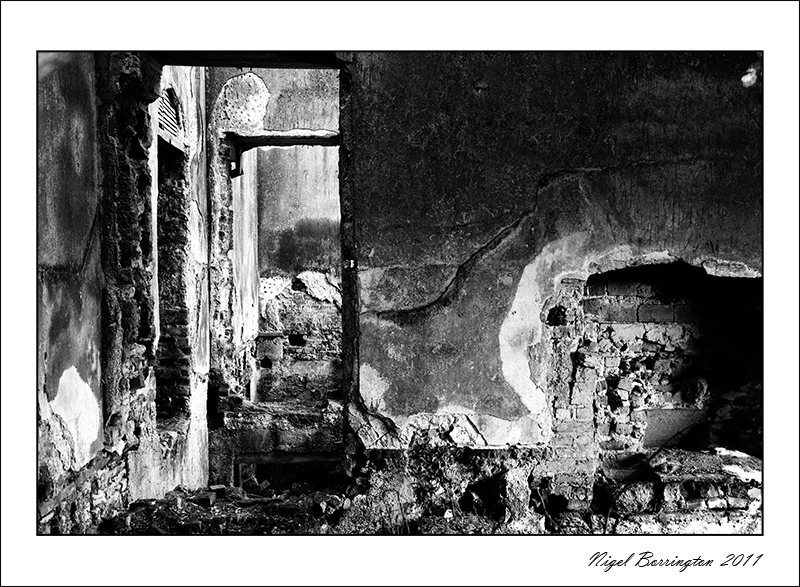
Forgotten spaces, Newtown house, Co.KIlkenny
One of Kilkenny’s Forgotten spaces, Newtown House.
I cannot find that much history on this location, the following web link has records as follows:
http://homepage.eircom.net/~lawekk/HSESN.HTM
Newtown house
NEWTOWN HOUSE, Earlstown parish, Shillelogher barony.
1858 Joseph Greene, Newtown. [Will]
1870 John Newport Greene, Newtown House. [Will]
1873 Newtown House, 6 mile of Kilkenny, Thomastown & Ballyhale, 3 of Callan, 1 of Kells, to let by Lt Col Mollan CB. [Mod 6.9.1873]
1873 Mr Joseph Greene, Newtown House. [Mod 25.10.1873]
1878 Eliza Newport Greene, Newtown. [Will]
1912 Died, Major-General James Benjamin Dennis at Newtown House, Kilkenny, age 95. [St Canices Cathedral grave]
1969 Newtown House now dismantled and a ruins. [O’Kelly]
1993 Newtown, ruins, c1800. 1 mile W of Kells. 18.S.47.44. [KK Dev Plan]
Irish photography series, by kilkenny based photographer : Nigel Borrington
Infrared photography, The bridge over the kings river, kells, Co Kilkenny

Infrared Photography, The bridge over the kings river
An infrared shot of the bridge that crosses the kings river at kells, Co.Kilkenny. This images is taken using a camera on a tripod that has an infrared (IR) filter over the lens.
Because these filters block anything but light in the infrared wave length, composing the shot is performed with the filter removed and then put in place, you cannot see anything through the viewfinder with the filter attached. Focusing the shot is not made simple as the focus point of IR light is not the same as visible light so focusing after you attach the filter will not work.
Older lenses such as Nikon Nikkor AIS lenses had a red (R) marking on them so that you could see the focus point for IR light at any given focus length of the lens, if the lens was a zoom lens the marking changed as you moved the zoom position. I still have some AIS lenses so they get used for this purpose.
Another option for IR photography is to purchase a digital camera converted to photograph only IR light, focusing however will still be down to you. The use of a small lens aperture such as f22 will help with focus errors but you must remember to lengthen your exposure time, yes the cameras exposure meter will not work on IR light so you’re into full manual mode.
Because IR light levels are very low you will need to use both a tripod and a slow shutter speed in order to get a sharp and well exposed shot. The use of software such as photoshop is not needed if you can get the correct exposure directly from the camera. One thing that will become clear is that in a colour exposure only red light is recorded, so if you intend to print directly to your printer then change your camera setting to black and white or set your printer for a monotone print.
This type of photography is great fun and can produce some great results, such as the water in this image. It took some 8 seconds to get the correct exposure so the water movement has merged to produce a mirror like effect.
The feeling you get must be the closest thing to the original feeling that Landscape photographers had when they set-up very large format cameras in the field.
Kells Priory, Kilkenny
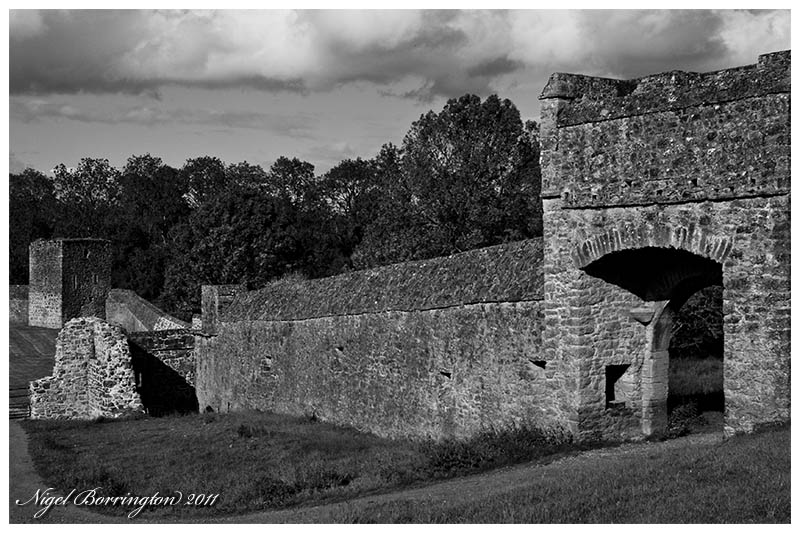
Kells Priory, Co.Kilkenny.
Kells Priory is one of the largest and most impressive medieval monuments in Ireland.
The Augustine priory is situated alongside King’s River beside the village of Kells, about 15 km south of the medieval city of Kilkenny. The priory is a National Monument and is in the guardianship of the Office of Public Works. One of its most striking feature is a collection of medieval tower houses spaced at intervals along and within walls which enclose a site of just over 3 acres (12,000 m2). These give the priory the appearance more of a fortress than of a place of worship and from them comes its local name of “Seven Castles”.

Kells priory, Co Kilkenny
Kilkenny wildlife

Heron on the kings river, Kells, Co.KIlkenny
With the June bank holiday over, I got moving very early this morning to find this young Heron looking for her first fish of the day.
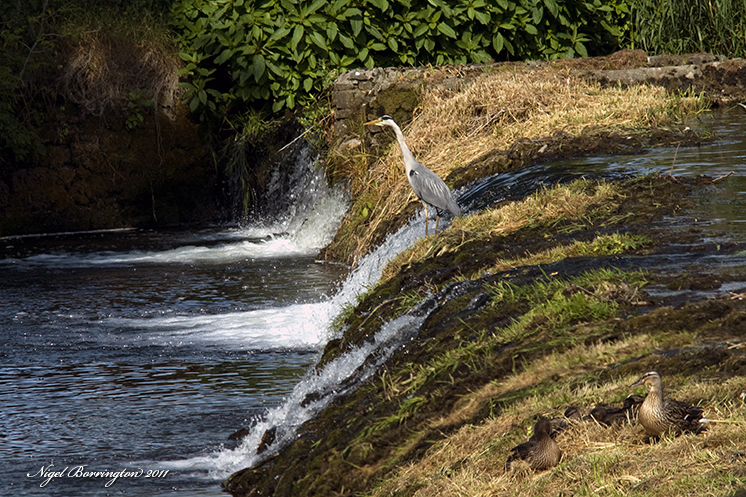
Heron with Mallards, Kings river,Kells, Co KIlkenny
I walked along the Kings river for about half an hour and by the time I returned to the same location as the first photograph she was still looking, the Mallards in the foreground however looked like they had already eaten.
Kilkenny photography by Kilkenny photographer, Nigel Borrington.
Kilkenny rivers

Kings river, Kells, Co.Kilkenny
The Kings river at Kells, Co.Kilkenny.
Kilkenny photography series, by kilkenny photographer Nigel Borrington.
Water is not something Kilkenny or Ireland is short of.
Average Rain fall for Co.KIlkenny :
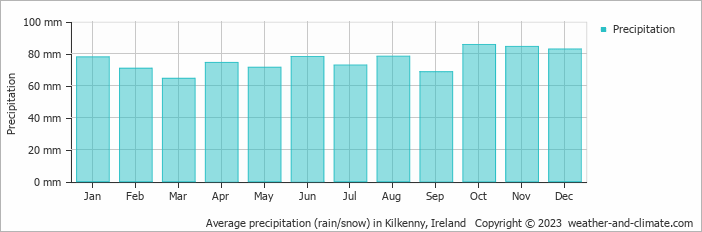
Kilkenny rainfall averages
Studio63 portraits
While the main purpose of this web site is to showcase and detail Nigel’s landscape and nature work it is very much worth detailing some examples of the studio photography images that Nigel produces.

Nigel Borrington (Studio63)
The make-up and beauty studio opened in Callan at the start of 2011 and is owned and run by Karen Maher,
Karen contacted me about three weeks ago, to see if I would be interested in helping her to create a studio portfolio for her, needless to say I was delighted to help.
The following images are from our first studio session.

Nigel Borrington (Studio63)

Nigel Borrington ( Studio63 )
You need and of her services you can contact her as follows.
The Makeup and Beauty studio.
Karen Maher : 086 2597777 or makeupandbeautystudio@hotmail.com
studio63
National Biodiversity week
Biodiversity Week 21st. -29th. May 2011

Sloe Bug - Nikon D700
Sloe bug, photographed in Kilkenny Millenium Forest
“On 22 May 2011 countries all over the world will celebrate International Day of Biodiversity, a global celebration to raise public awareness of the importance of biodiversity and the consequences of its loss.
As part of the celebrations the National Parks and Wildlife Service of the Department of Arts, Heritage & the Gaeltacht, environmental NGO’s, Local Authorities and a wide range of other organisations have arranged a week long celebration of Ireland’s biodiversity, with plenty of activities aimed at all age groups.”
Image by kilkenny photographer (Nigel Borrington), Kilkenny photography series..
Early Marsh Orchid
Early Marsh orchid, Ballykeefe, Co Kilkenny
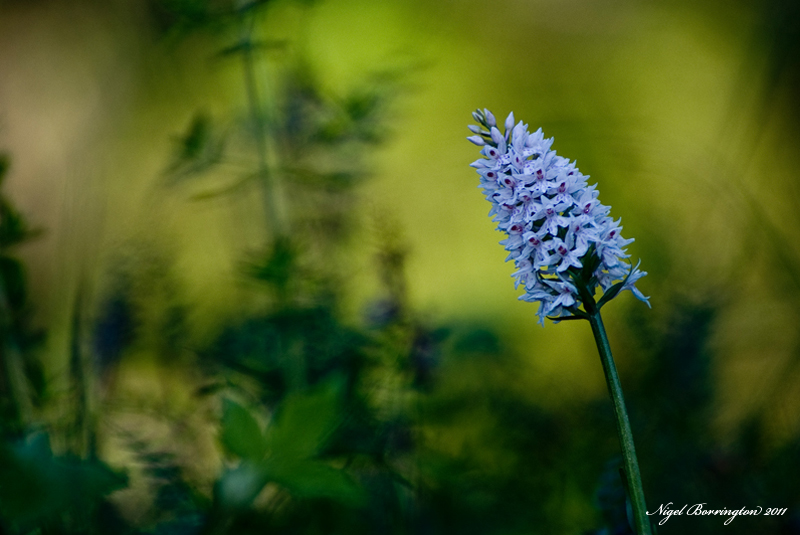
Early Marsh orchid
Nikon D200, Nikon 105mm f2.8 Macro lens
Ballykeefe woods Blackbird
Moonlit Blackbird in Ballykeefe woods, Co Kilkenny.
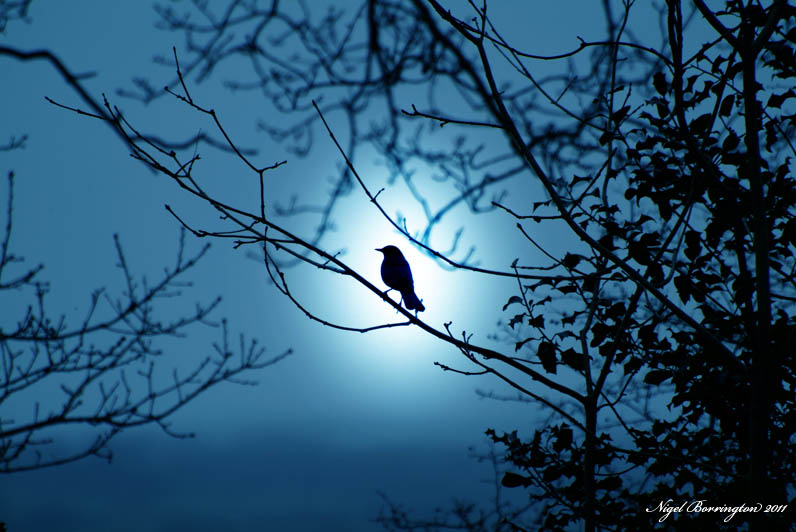
Ballykeefe woods,Kilkenny, blackbird in moonlight
Nikon D90, Nikon 70-200 Af-EDg f2.8 lens.
 Nigel Borrington
Nama
The National Asset Management Agency an artists comment.
I have stayed away from even attempting to cover the Irish recession in my photography and possibly this has been a mistake something I may be addressing. While I was looking for some landscape locations at the Quays, St Mullins Co Kilkenny, I came across this old mill shed that has been used by a local artist to make what I feel is the perfect statement about what has been taking place in Ireland over the last three or four years.
I was amazed by the creative mind that could make great use of such a well visited and public location in Co.Kilkenny to make a clear comment.
The painting on the shed’s door and buildings end is very powerful and provocative let alone brilliantly painted.
However I think the use of the inside of the covered space at the side of the mill is the most powerful part of this work. It’s clearly reminds the viewer that a lot of people in Ireland have lost almost everything during these last years. The idea that this is a family’s living space in the remains of an old mill is not that far from the truth.
When I looked through the images at home something occurred to me, I don’t think that most people (living in or outside of Ireland) know what NAMA is, so let’s take a look at the official definition.
http://en.wikipedia.org/wiki/National_Asset_Management_Agency
National Asset Management Agency
“The National Asset Management Agency (NAMA; Irish: Gníomhaireacht Náisiúnta um Bhainistíocht Sócmhainní) is a body created by the Government of Ireland in late 2009, in response to the Irish financial crisis and the deflation of the Irish property bubble.
NAMA functions as a bad bank, acquiring property development loans from Irish banks in return for government bonds, primarily with a view to improving the availability of credit in the Irish economy. The original book value of these loans was €77 billion (comprising €68bn for the original loans and €9bn rolled up interest) and the original asset values to which the loans related was €88bn with there being an average Loan To Value of 77% and the current market value is estimated at €47 billion.[1][2] NAMA is controversial, with politicians (who were in opposition at the time of its formation)[3] and some economists criticising the approach,[4] including Nobel Prize-winning economist Joseph Stiglitz who has said that the Irish government is “squandering” public money with its plan to bail out the banks.[5][6]
One year after NAMA’s establishment the Irish government was compelled for other but similar reasons to seek an EU-IMF bailout in November 2010, the outcome of which will have considerable effects on NAMA’s future operations.
Background
As a result of the collapse of the Irish property market, Irish banks have property development loan assets secured on property with a market value significantly below the amount owed. Many of the loans are now non-performing due to debtors experiencing acute financial difficulties. Both factors have led to a sharp drop in the value of these loan assets.
If the banks were to recognise the true value of these loans on their balance sheets, they would no longer meet their statutory capital requirements. The banks therefore need to raise further capital but, given the uncertainty around the true value of their assets, their stock is in too little demand for a general share issuance to be a viable option.[7]
The banks are also suffering a liquidity crisis due, in part, to their lack of suitable collateral for European Central Bank repo loans. Along with their capital requirement problems, this is limiting the banks’ ability to offer credit to their customers and, in turn, contributing to the lack of growth in the Irish economy.[8]
How NAMA will work
The National Asset Management Agency Bill present format, covers the six financial institutions which are covered by the Irish government’s deposit guarantee scheme. Those institutions are Bank of Ireland, Allied Irish Banks, Anglo Irish Bank, EBS, Irish Life and Permanent and Irish Nationwide. Other institutions, such as Ulster Bank, which are not covered may choose to join the scheme.[9]
The Minister for Finance, Brian Lenihan, said the banks would have to assume significant losses when the loans, largely made to property developers, are removed from their books. If such losses resulted in the banks needing more capital, then the government would insist on taking an equity stake in the lenders.[10] Economist Peter Bacon, who was appointed by the government to advise on solutions to the banking crisis, said the new agency had potential to bring a better economic solution to the banking crisis and was preferable to nationalising the banks.[11]
The assets will be purchased by using government bonds, which may lead to a significant increase in Ireland’s gross national debt.[10]
The Bill provides that NAMA will be established on a statutory basis, as a separate body corporate with its own Board appointed by the Minister for Finance and with management services provided by the National Treasury Management Agency.[12] [13]
The Bill envisages that NAMA will arrange and supervise the identification and valuation of property-backed loans on the books of qualifying financial institutions in Ireland, but will delegate the purchase and management of these loans to a separately created Special Purpose Vehicle (SPV).[14] “
This is the key statement to me:
“The assets will be purchased by using government bonds, which may lead to a significant increase in Ireland’s gross national debt.[10] ”
May? what?
So people who didn’t have any debt, people who were careful enough not to along with kids who are just getting a start in life, have now taken on the debt that other people (Banks/Investors and developers) created.
In pure terms that’s it and the questions that remain after all this, they relate to personal/individual choices and freedoms.
Why?
Well if after spending a life time being careful with your time and money you still find yourself personally indebted, to a level you cannot even imagine, Debt created by the organisations and governments in which you placed your (trust, money and votes). You can very easily ask, what was the point of you being careful in the first place.
This is the amount that every person in Ireland is now in debt:
BBC
http://www.bbc.co.uk/news/business-15748696
€390,969 Foreign debt per person in Ireland
How the hell did that happen?
Personally I worked on call, seven days a week for 30 years. Got married, Pay for a simple house, never used a credit card. I lived in a city and used the bus and train. I only purchased a car when I had saved up for one.
Why, when I am now involved up to my neck in €390.969 worth of debt?
Hay, Never mind – on and up!
Share this:
March 6, 2013 | Categories: Comment, kilkenny photography | Tags: Ireland, Irish photography, Kilkenny, Kilkenny photography, nama, National Asset Management Agency, Nigel Borrington, St Mullins, Street photography, The National Asset Management Agency | 4 Comments